Research Articles

Next-Generation Sequencing for CRISPR Mutation Detection: A Comprehensive Guide for Therapeutic Development
This article provides a comprehensive overview of how Next-Generation Sequencing (NGS) has become an indispensable tool for validating and monitoring CRISPR-based genome editing.
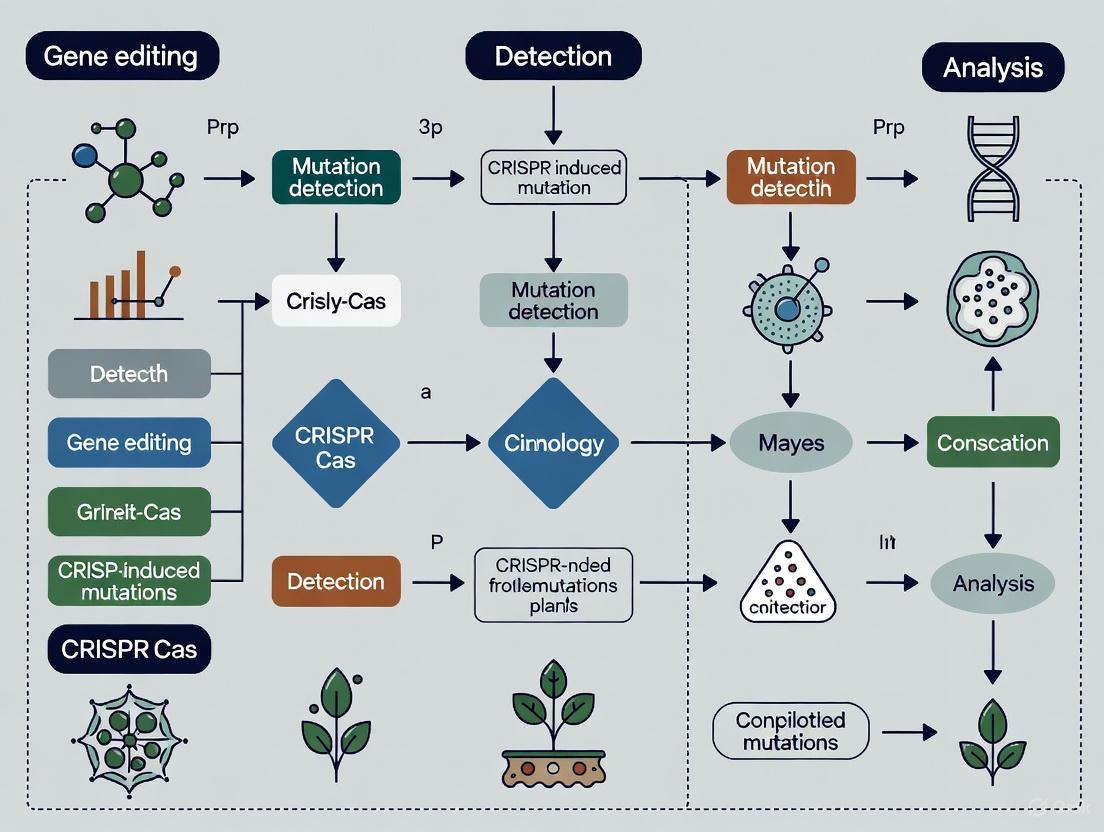
Advanced Detection Methods for CRISPR-Induced Mutations in Plants: A Comprehensive Guide for Researchers
This article provides a comprehensive overview of the current methodologies for detecting and validating CRISPR-induced mutations in plants, tailored for researchers and biotechnology professionals.
Strategic Vector Design for Efficient Plant CRISPR Editing: From Foundational Principles to Advanced Applications
This comprehensive review outlines current strategies for efficient CRISPR vector construction in plants, addressing the critical needs of researchers and biotechnologists.
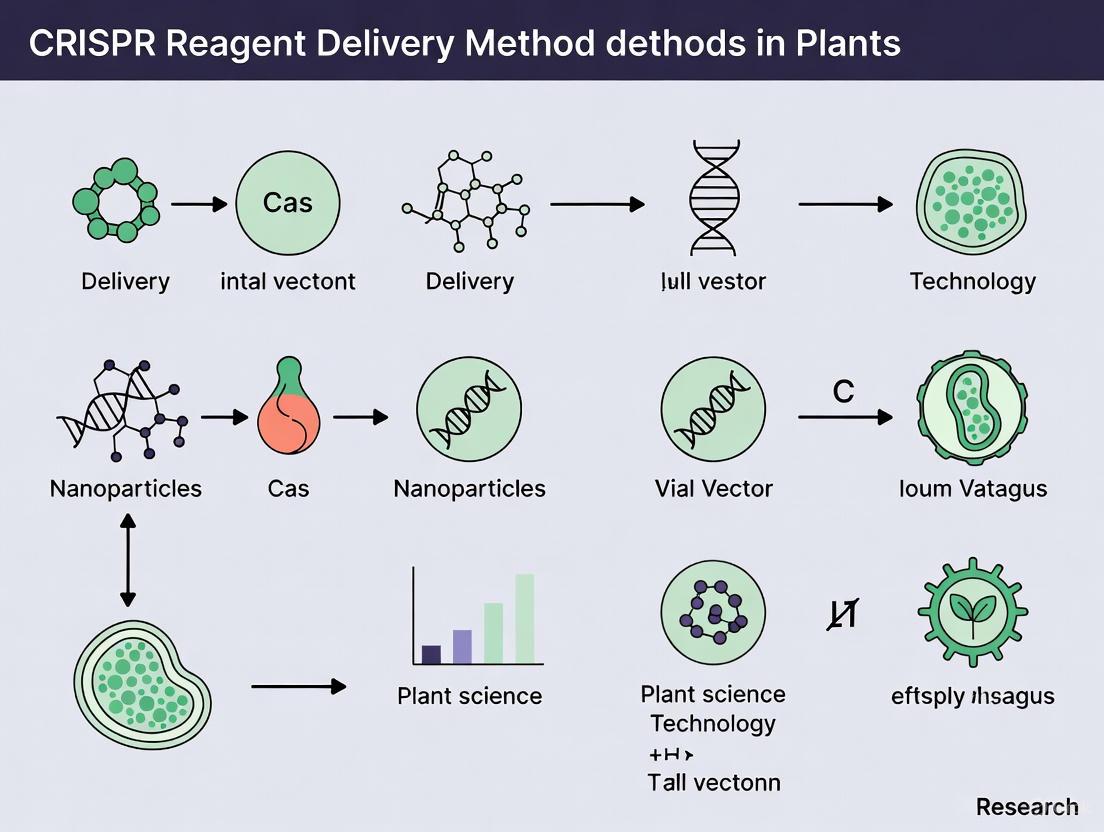
Breaking the Cell Wall: Advanced Strategies for CRISPR Reagent Delivery in Plants
Efficient delivery of CRISPR reagents remains the foremost bottleneck in plant genome editing, critical for both basic research and agricultural applications.
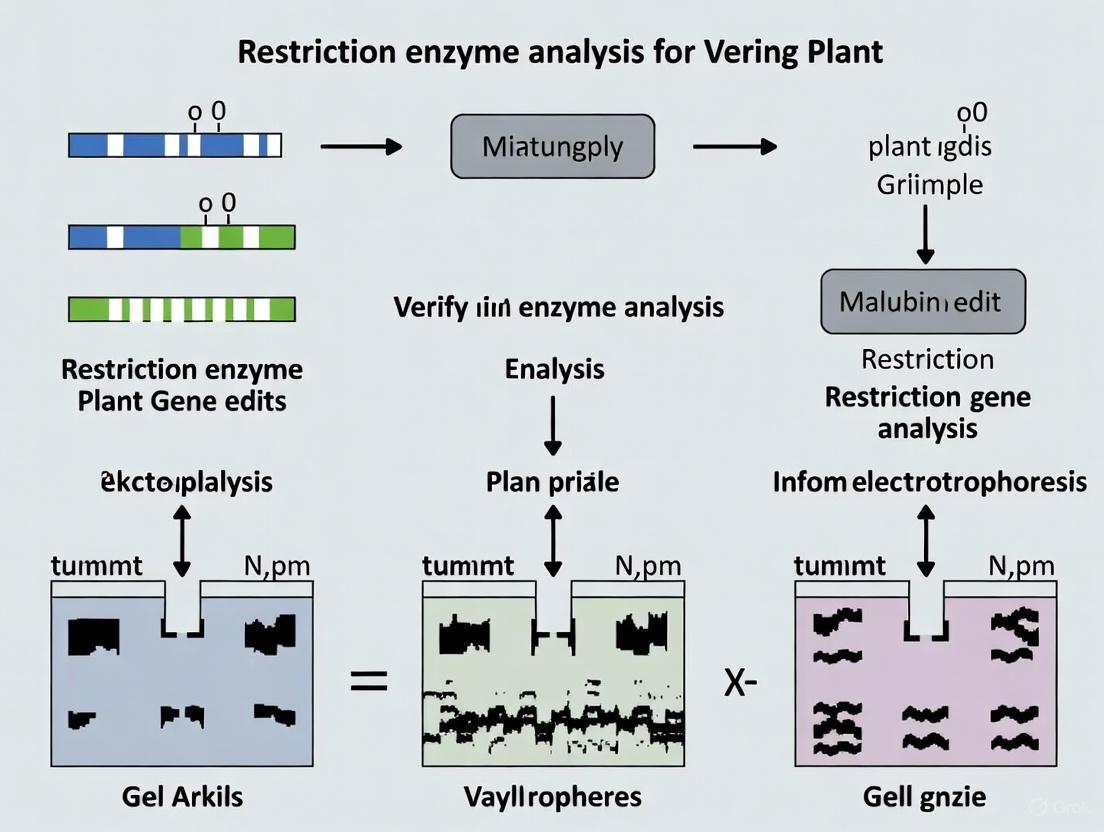
A Practical Guide to Restriction Enzyme Analysis for Verifying Plant Gene Edits
This article provides a comprehensive guide for researchers and scientists on using restriction enzyme analysis to verify CRISPR-Cas9 and other gene edits in plants.
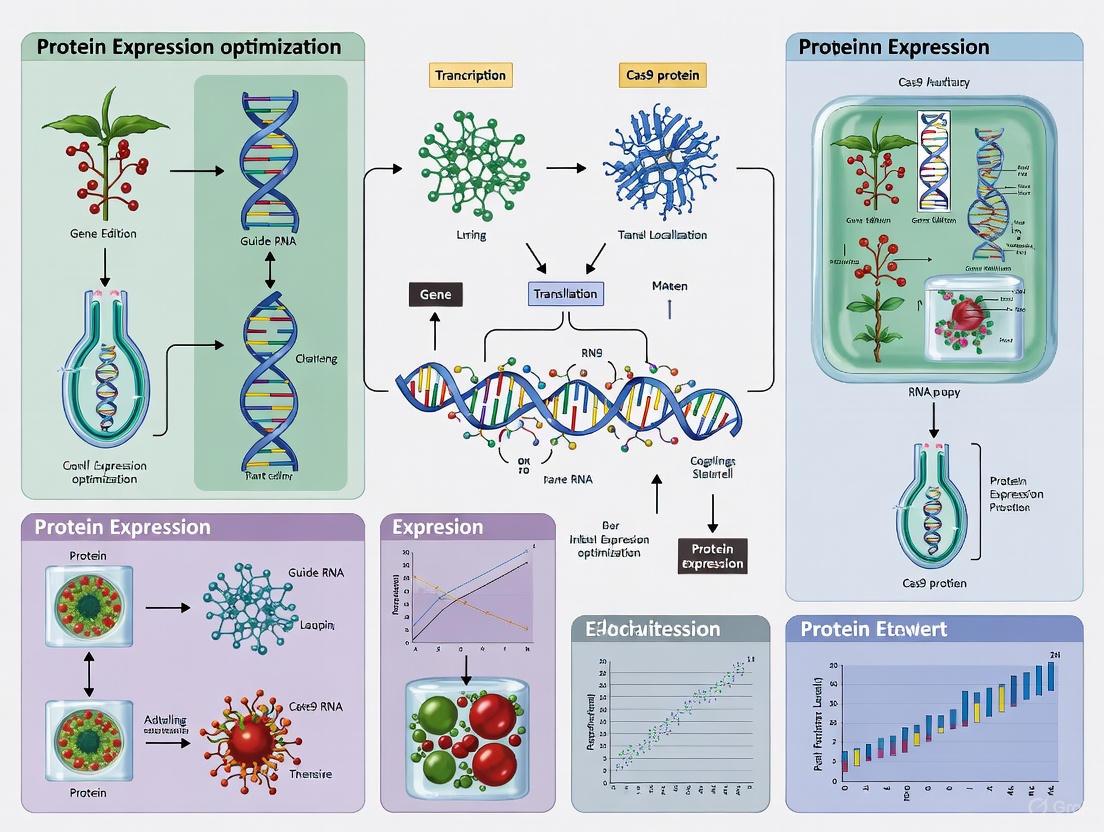
Optimizing Cas9 Protein Expression in Plant Cells: Strategies for Enhanced Genome Editing Efficiency
The efficacy of CRISPR-Cas9 technology in plant molecular breeding is fundamentally constrained by the efficiency of Cas9 protein expression within plant cells.
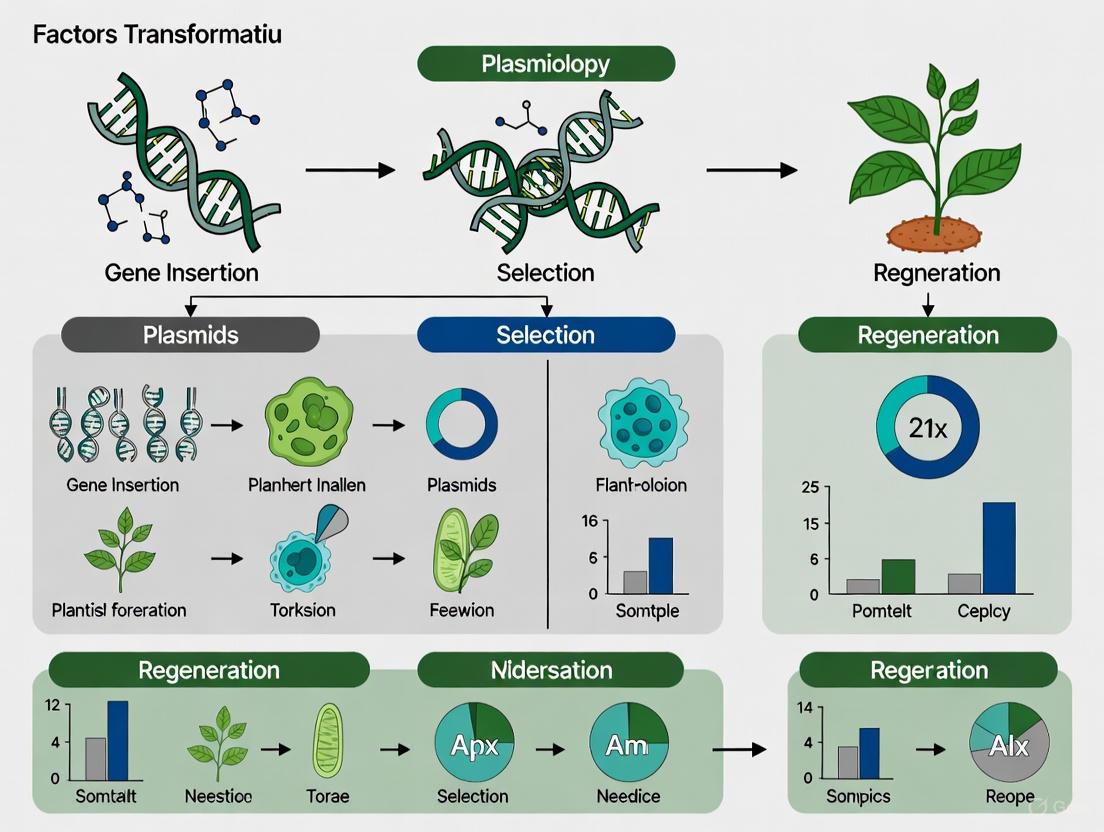
Overcoming the Transformation Bottleneck: Advanced Strategies for Boosting Crop Genetic Engineering Efficiency
Low genetic transformation efficiency remains a critical barrier in crop functional genomics and precision breeding.
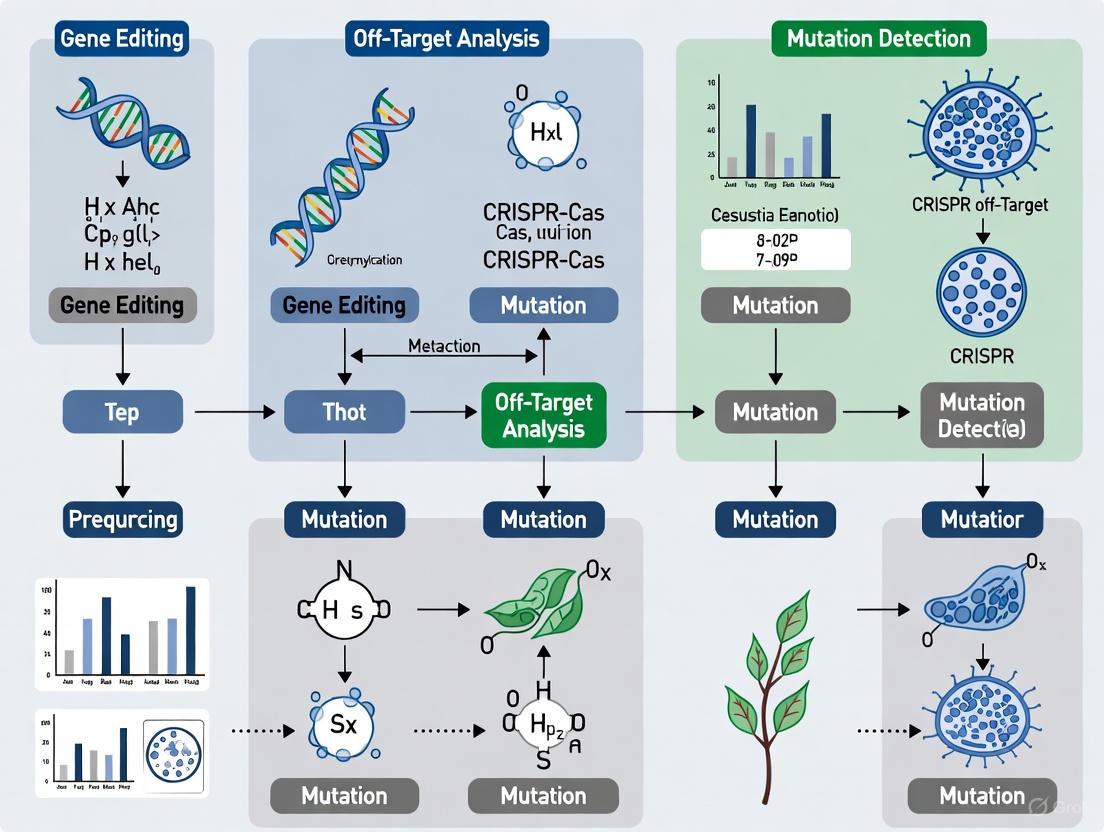
Comprehensive Methods for Detecting CRISPR Off-Target Mutations in Plants: From Prediction to Validation
This article provides researchers, scientists, and biotechnology professionals with a comprehensive overview of current methods for detecting CRISPR off-target mutations in plant systems.
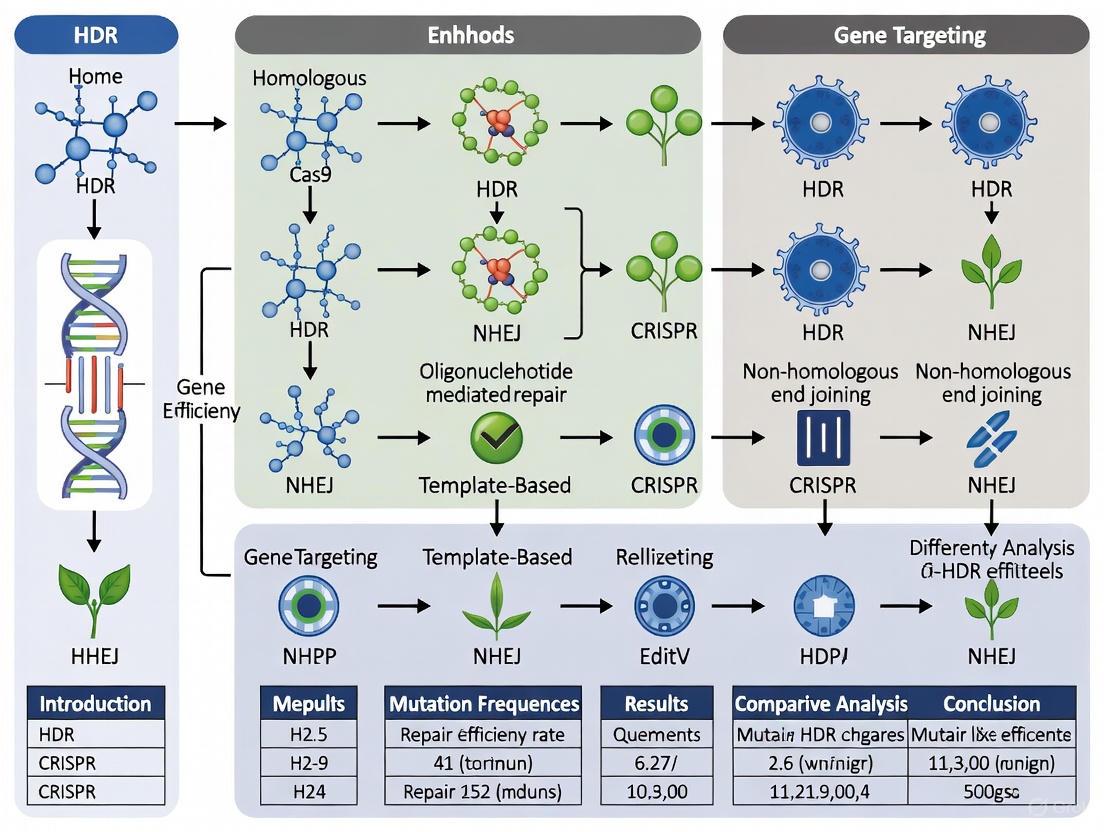
Advanced Strategies to Enhance Homology-Directed Repair Efficiency in Plant Genome Editing
This comprehensive review explores cutting-edge methodologies and optimization strategies to improve homology-directed repair (HDR) efficiency in plant systems.
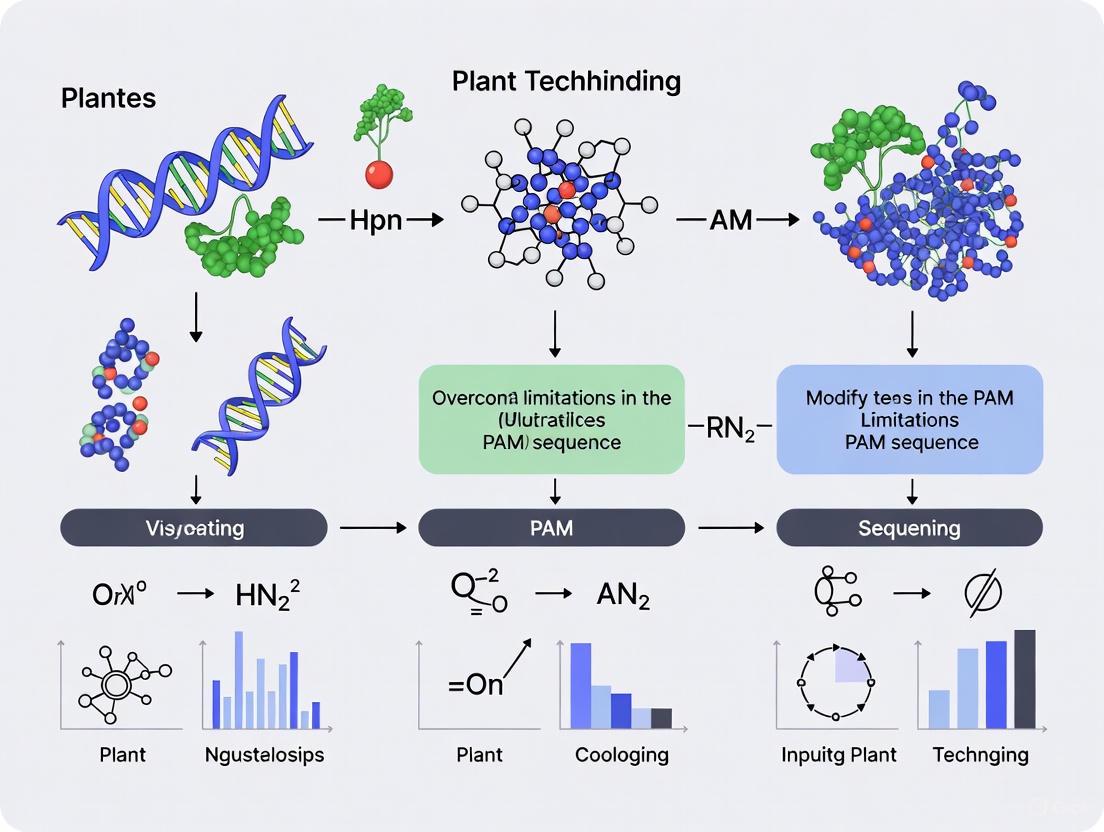
Breaking the PAM Barrier: Advanced Strategies for Unlimited Plant Genome Editing
The Protospacer Adjacent Motif (PAM) requirement is a fundamental limitation constraining the application of CRISPR technologies in plant research and development.