Strategic Vector Design for Efficient Plant CRISPR Editing: From Foundational Principles to Advanced Applications
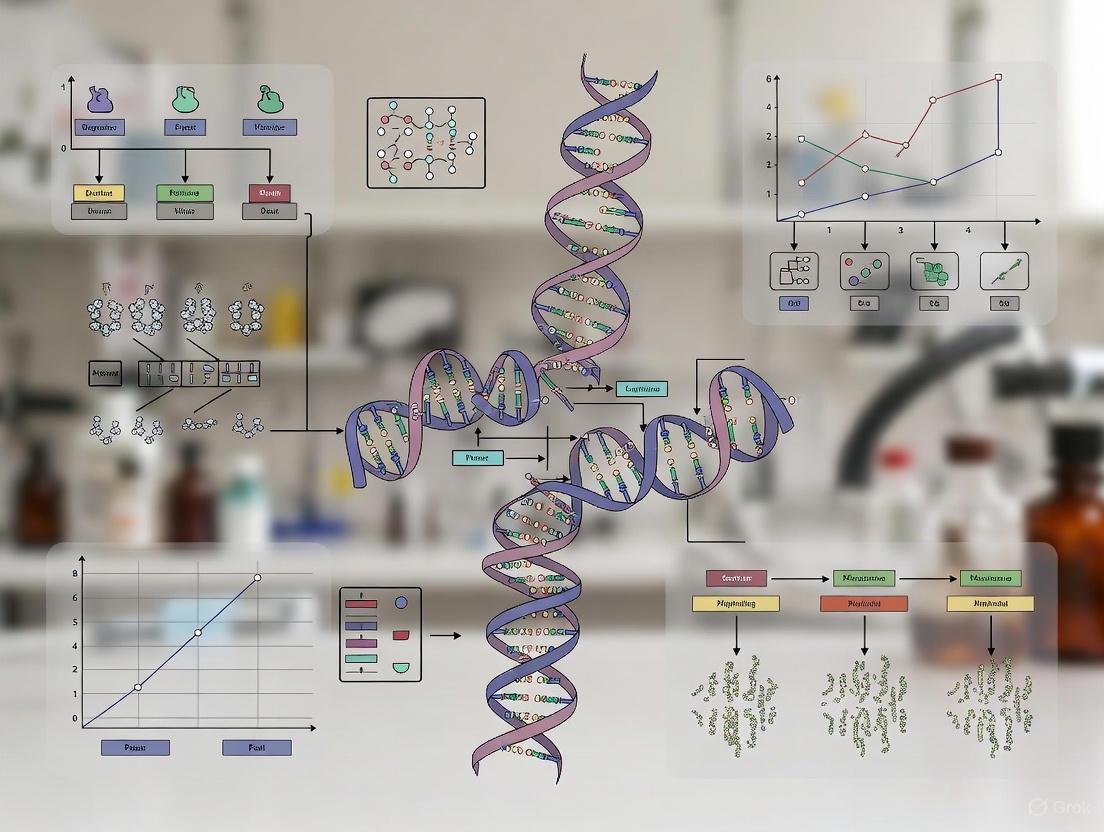
This comprehensive review outlines current strategies for efficient CRISPR vector construction in plants, addressing the critical needs of researchers and biotechnologists.
Strategic Vector Design for Efficient Plant CRISPR Editing: From Foundational Principles to Advanced Applications
Abstract
This comprehensive review outlines current strategies for efficient CRISPR vector construction in plants, addressing the critical needs of researchers and biotechnologists. It covers foundational vector systems and modular assembly techniques, explores advanced applications like multiplex editing and CRISPR activation, provides troubleshooting guidance for challenging genetic environments, and compares validation methods for editing efficiency. By integrating the latest technological advances with practical optimization protocols, this resource supports the development of precise genome editing tools for both functional genomics and crop improvement, enabling researchers to navigate the complexities of plant vector design more effectively.
Core Principles and Modern Toolkit Selection for Plant CRISPR Vectors
Modular vector architecture is a foundational concept in modern molecular biology, particularly for complex applications like CRISPR-Cas9 genome editing in plants. This framework utilizes standardized, interchangeable genetic parts that can be efficiently assembled into functional vectors using systems like Golden Gate (GG) cloning [1] [2]. This technical support center addresses common challenges and provides clear protocols for researchers employing these systems within their thesis work on efficient vector construction for plant CRISPR research.
Troubleshooting Guides
Issue 1: Low Assembly Efficiency in Golden Gate Cloning
Problem: After a Golden Gate assembly reaction, you observe an insufficient number of correct colonies on your transformation plates.
Solutions:
- Verify Fragment Quality: Ensure that all DNA fragments (promoters, Cas genes, terminators) are purified and quantified accurately. Contaminated or degraded DNA significantly reduces efficiency [1].
- Optimize Molar Ratios: Re-calculate and adjust the molar ratios of your insert fragments to the destination vector. A typical starting ratio is 3:1 (insert:vector). An imbalance can lead to self-ligation of the vector or incomplete assemblies [1].
- Check Enzyme Fidelity: Use a type IIS restriction enzyme, such as BbsI, with high fidelity to minimize incorrect ligations. Tools like the NEBridge Ligase Fidelity Viewer can help select optimal overhangs [1].
- Reduce Background: Digest the destination vector with BbsI and perform a gel extraction step prior to the assembly reaction. This linearizes the vector and greatly reduces the number of non-recombinant background colonies [1].
Issue 2: Poor Editing Efficiency in Transgenic Plants
Problem: Transgenic plants are successfully generated, but sequencing reveals a low frequency of mutations at the target locus.
Solutions:
- Validate Guide RNA (gRNA) Design: Confirm that your gRNA sequence is specific to the target and does not have high similarity to off-target sites in the plant genome. Use established CRISPR target-finding programs for design [3].
- Confirm Cas9 and gRNA Expression: Check the functionality of your transcriptional modules. Use a polymerase II (Pol II) promoter like maize Ubiquitin for Cas9 and a species-appropriate polymerase III (Pol III) promoter (e.g., OsU6 for rice, AtU6 for Arabidopsis) for gRNA expression [2] [4].
- Include Positive Controls: Co-transform with a vector containing a validated positive control gRNA that targets a non-essential, easily scorable gene (e.g., a visual marker). This distinguishes between a failure in vector delivery and a failure in the editing machinery itself [1].
- Test in a Transient System: Before stable plant transformation, validate your constructs in a rapid, transient system like tomato hairy roots or plant protoplasts to confirm functionality [3] [2].
Issue 3: Difficulty in Isolating Transgene-Free Progeny
Problem: It is time-consuming and labor-intensive to identify plants that have retained the desired mutation but lost the CRISPR transgene through Mendelian segregation.
Solutions:
- Incorporate a Visual Marker: Use the RMC (RUBY-assisted Modular CRISPR-Cas9) system. This involves a
RUBYreporter module that produces a visible red pigment (betalain) in seeds or tissues. Transgene-free progeny will not express the red color, allowing for rapid, non-destructive visual screening [4]. - Employ Endosperm-Specific Promoters: Drive the visual marker with a promoter like
OsGluC(rice glutelin C) for endosperm-specific expression. This allows for the identification of transgene-free caryopses (husked seeds) directly, bypassing the need for molecular screening of seedlings [4].
Frequently Asked Questions (FAQs)
Q1: What are the core advantages of a modular vector system over traditional cloning for my plant CRISPR thesis work? Modular systems drastically accelerate vector construction by allowing you to "mix and match" pre-validated genetic parts (e.g., different Cas proteins, promoters, gRNA scaffolds) in a single, standardized reaction. This enables rapid iteration and the testing of multiple CRISPR strategies (e.g., knockout, base editing, multiplexing) in parallel, which is ideal for systematic comparative studies [1] [2].
Q2: How many gRNAs can I multiplex in a single construct using these toolkits? The capacity depends on the specific system. Some toolkits allow the assembly of up to four gRNAs expressed from individual Pol III promoters [2]. For higher multiplexing, a tRNA-sgRNA polycistronic system can be used, which has been proven to assemble up to six sgRNAs in a single transcript and is functional in both monocots and dicots [2].
Q3: My research involves plant species beyond the common models (rice, tomato). Are these modular toolkits adaptable? Yes, the inherent flexibility of modular architecture is one of its key strengths. You can incorporate species-specific promoters (for both Cas9 and gRNA expression) into the toolkit. The core functional components (Cas proteins, gRNA backbones) are often universal, allowing you to customize the regulatory elements for your target species [2] [4].
Q4: What is the typical success rate for a Golden Gate assembly, and how do I verify a correct construct? Based on data from the Fragmid toolkit, the process fidelity is very high. In one assessment of 60 assemblies, 93% of clones passed initial restriction digest analysis, and 98% of those sent for sequencing were perfect matches. It is standard to verify constructs first by a diagnostic restriction digest followed by commercial whole-plasmid sequencing for final confirmation [1].
Data Presentation
Table 1: Performance Metrics of Modular Cloning Systems in Plant CRISPR Research
| Metric | Reported Value / Specification | Experimental Context |
|---|---|---|
| Assembly Fidelity [1] | 93% passed restriction digest; 98% of those were perfect by sequencing | 60 individual assemblies assessed over 5 months |
| Editing Efficiency [4] | 100% (51/51 positive T0 plants showed mutations) | Targeted knockout of OsCCD8 and OsLAZY in rice (Oryza sativa L.) |
| Multiplexing Capacity [2] | Up to 4 gRNAs (individual promoters); Up to 6 sgRNAs (tRNA-sgRNA polycistron) | Toolkit for genome editing in monocots and dicots |
| Transgene-free Identification [4] | 100% accuracy (170/170 visually selected non-red caryopses were transgene-free) | Visual screening of T1 progeny using the OsGluC::RUBY module in rice |
Table 2: Key Modular Components for Plant CRISPR Vector Assembly
| Module Category | Example Components | Function |
|---|---|---|
| CRISPR Nuclease | SpCas9, SaCas9, FnCas12a, Cms1 nucleases [2] | Catalyzes DNA cleavage; different variants offer different PAM specificities and sizes. |
| CRISPR Application | Nuclear localization signals (NLS), deaminase domains (for base editing), repression domains (for CRISPRi) [1] | Functional domains that define the mechanism of action (e.g., knockout, base editing, interference). |
| Promoters (Pol II) | Maize Ubiquitin (PcUbi), CaMV 35S [3] [2] | Drive expression of the Cas nuclease or other protein-coding sequences in plants. |
| Promoters (Pol III) | MtU6, OsU3, OsU6-2, AtU6-26 [3] [2] | Drive expression of guide RNAs (gRNAs); have specific transcription start nucleotides (G or A). |
| gRNA Expression | gRNA backbone vectors, tRNA-sgRNA polycistronic arrays [2] | Backbones for cloning guide sequences; polycistronic systems enable efficient multiplexing. |
| Visual Marker | RUBY (betalain pigment) [4] | Enables visual tracking of transformation and identification of transgene-free progeny. |
Experimental Protocols
Protocol 1: Modular Assembly of a CRISPR Vector Using Golden Gate Cloning
This protocol outlines the steps to assemble a functional CRISPR vector from modular parts, adapted from established plant toolkits [1] [2].
- Preparation: Digest ~1-5 µg of the destination vector (e.g., a lentiviral or plant binary vector) with the appropriate type IIS restriction enzyme (e.g., BbsI). Gel-purify the linearized vector to reduce background.
- Golden Gate Reaction: Set up a one-pot reaction containing:
- 50-100 ng of linearized destination vector.
- A molar ratio of ~3:1 for each of the insert fragments (Guide Cassette, Pol II Promoter, N'-terminal, Cas protein, C'-terminal, 2A-Selection).
- 1x T4 DNA Ligase Buffer.
- The type IIS restriction enzyme (e.g., BbsI-HF).
- T4 DNA Ligase.
- Reaction Cycling: Place the tube in a thermal cycler and run a program that cycles between the restriction temperature (37°C) and the ligation temperature (16°C), for 25-50 cycles total. This repeatedly cleaves and ligates the fragments, driving the assembly toward the correct product.
- Transformation and Selection: Transform the reaction product into competent E. coli cells and plate on LB agar containing the appropriate antibiotic (e.g., ampicillin for the destination vector). Incubate overnight at 37°C.
- Colony Screening: Pick several colonies and screen for correct assemblies by colony PCR or analytical restriction digest.
- Sequencing Verification: Purify plasmid DNA from positive clones and confirm the final construct by Sanger sequencing or whole-plasmid sequencing.
Protocol 2: Validation of CRISPR Vectors in Tomato Hairy Roots
This transient validation system allows for rapid testing of vector functionality before committing to lengthy stable plant transformation [3].
- Vector Construction: Assemble your CRISPR vector targeting the gene of interest using modular assembly or other methods.
- Agrobacterium Transformation: Introduce the validated CRISPR vector into Agrobacterium rhizogenes.
- Plant Inoculation: Inoculate tomato stems with the transformed A. rhizogenes. Hairy roots will emerge from the infection sites within a few weeks.
- Root Excultivation and DNA Extraction: Excise the transgenic hairy roots and extract genomic DNA.
- Mutation Analysis: Amplify the target genomic region by PCR. Analyze the products for mutations using one of the following methods:
- T7 Endonuclease I (T7EI) Assay: This enzyme cleaves DNA at heteroduplex mismatches formed by wild-type and mutant alleles. Cleaved bands on a gel indicate successful editing [5].
- Restriction Fragment Length Polymorphism (RFLP): If the target site disrupts a natural restriction enzyme site, loss of digestion can indicate mutation [4] [5].
- Sanger Sequencing: Clone the PCR products and sequence multiple clones, or sequence the PCR product directly and use decomposition software to detect indels [5].
Architecture and Workflow Diagrams
Diagram 1: Modular Vector Assembly Workflow
Diagram 2: Troubleshooting Logic for Poor Editing Efficiency
The Scientist's Toolkit
Table 3: Essential Research Reagent Solutions for Modular Vector Construction
| Reagent / Resource | Function / Description | Example Use Case |
|---|---|---|
| Type IIS Restriction Enzymes | Enzymes like BbsI that cut outside their recognition site, creating unique overhangs for seamless assembly [1]. | The core enzyme for Golden Gate assembly, enabling the ligation of multiple fragments in a defined order. |
| Modular Fragment Libraries | Collections of standardized genetic parts (promoters, Cas genes, terminators) in compatible vectors [1] [2]. | Provides the "building blocks" for rapidly assembling custom CRISPR vectors without repetitive cloning. |
| T4 DNA Ligase | Enzyme that catalyzes the ligation of DNA fragments with compatible ends [1]. | Used in the Golden Gate reaction alongside the restriction enzyme to join the modular parts. |
| Positive Control gRNAs | Pre-validated gRNA sequences targeting easily scorable genes (e.g., cell surface markers, visual traits) [1]. | Serves as a benchmark to distinguish between failures in vector delivery and failures in the CRISPR machinery itself. |
| Visual Marker Modules (e.g., RUBY) | A reporter gene that produces a visible red pigment (betalain), allowing non-destructive tracking of the transgene [4]. | Dramatically simplifies the identification of transgene-free progeny in the T1 generation. |
| tRNA-sgRNA Cloning System | A system for assembling multiple gRNAs as a single transcript that is processed into individual guides by the cell [2]. | Enables highly efficient multiplexed genome editing for knocking out several genes or deleting large genomic regions. |
Comparing All-in-One Systems Versus Modular Assembly Approaches
In plant CRISPR research, selecting the right vector construction strategy is fundamental to experimental success. The choice between all-in-one systems and modular assembly approaches impacts everything from initial cloning efficiency to the final editing outcome in plants. All-in-one systems integrate all necessary components into a single, ready-to-use vector, simplifying initial setup. In contrast, modular assembly approaches use standardized, interchangeable parts that offer greater flexibility for complex experiments. This guide provides a technical breakdown of both methods to help you select and troubleshoot the optimal strategy for your plant research.
# System Comparison and Selection Guide
The decision between an all-in-one system and a modular approach depends on multiple experimental factors. The following table summarizes the core characteristics of each system to guide your selection.
| Feature | All-in-One Systems | Modular Assembly Approaches |
|---|---|---|
| Core Definition | Single vector containing Cas nuclease and sgRNA expression cassettes [6] [7] | Separate, standardized modules assembled into a final construct [8] [9] |
| Key Advantages | • Simplified cloning and validation• Reduced risk of assembly errors• Higher stability in Agrobacterium [7] | • High flexibility for part swapping (promoters, tags, etc.)• Ideal for multiplexing (multiple gRNAs)• Suitable for building complex genetic circuits [8] [9] |
| Typical Workflow Timeline | Faster initial setup and transformation | Longer initial assembly time, but faster future iterations [8] |
| Ideal Use Cases | • Single-gene knockout/knock-in• Rapid proof-of-concept studies• Labs with standard editing needs | • Complex metabolic engineering• Multiplexed gene editing• High-throughput vector construction [8] [9] |
| Reported Editing Efficiency in Plants | Larch: High efficiency with endogenous promoter [6]Banana: 94.6%-100% observed albinism in PDS edits [7] | Fraxinus: 18% editing in clustered buds [10]Potential for high efficiency in multiplexing [9] |
# Detailed Experimental Protocols
Protocol 1: Implementing an All-In-One System (Ex. Banana PDS Editing)
This protocol is adapted from a successful study in East African highland bananas [7].
1. sgRNA Design and Cloning:
- Target Identification: Identify the 20-nucleotide target sequence adjacent to a 5'-NGG-3' PAM in the first exons of your target gene (e.g., Phytoene Desaturase, PDS).
- Oligo Synthesis: Synthesize sgRNA oligonucleotide pairs with appropriate adaptor sequences for your chosen vector system (e.g., pYPQ131C, pYPQ132C).
- Golden Gate Assembly: Ligate the sgRNA oligos into the sgRNA expression plasmids. Multiplex multiple sgRNAs into a final cassette (e.g., pYPQ142).
- Final Vector Construction: Recombine the sgRNA cassette with a Cas9 entry vector (e.g., pYPQ167) and a binary vector (e.g., pMDC32) to generate the final all-in-one construct (e.g., pMDC32Cas9NktPDS).
2. Plant Transformation:
- Propagation: Transform the final construct into E. coli DH5α for propagation, then into Agrobacterium tumefaciens (e.g., strain AGL1).
- Transformation: Transform banana embryogenic cell suspensions (ECS) via Agrobacterium-mediated transformation.
- Regeneration: Regenerate plants on selective media and screen for phenotypes (e.g., albinism for PDS knockout).
3. Validation and Analysis:
- Phenotypic Screening: Observe and quantify phenotypic changes (e.g., albinism rates).
- Genotypic Validation: Extract genomic DNA from regenerated events. Use PCR to amplify the target region and perform sequence analysis to confirm frameshift mutations.
Protocol 2: Implementing a Modular Assembly Approach (Ex. Fraxinus Gene Editing)
This protocol is based on establishing a CRISPR/Cas9 system in Manchurian ash [10].
1. System Setup and Target Selection:
- Tool Selection: Use a modular toolkit like Fragmid for rapid construction [8].
- Target Design: Input the target gene sequence (e.g., FmbHLH1) into an online tool (e.g., Target Design). Select and synthesize three specific knockout targets.
2. Vector Assembly:
- Cloning: Refold synthesized oligonucleotides and insert them behind a suitable promoter (e.g., AtU6-26) in a pre-digested modular vector (e.g., pYLCRISPR/Cas9P35S-N).
- Transformation: Transform the constructed vector into an engineered Agrobacterium strain (e.g., EHA105).
- Efficiency Screening: Use Transient CRISPR/Cas Editing in Plants (TCEP) technology to screen for highly efficient knockout targets before stable transformation.
3. Plant Transformation and Screening:
- Determination of Selection Pressure: Culture sterile plant embryos on media with a kanamycin gradient to determine the optimal lethal concentration.
- Agrobacterium Infection: Infect sterile plantlets with Agrobacterium resuspended to an optimal OD600 (e.g., 0.6-0.8). Optimize infection duration.
- Chimera Handling and Homozygous Plant Induction: Generate edited chimeric plants. Induce and screen for homozygous plants using a clustered bud system supplemented with hormones.
# Frequently Asked Questions (FAQs) and Troubleshooting
Q1: I am new to plant CRISPR. Which system should I start with? A: For beginners, an all-in-one system is highly recommended. Its straightforward cloning process and reduced variables lower the barrier to entry and increase the likelihood of initial success [7].
Q2: My all-in-one system shows low editing efficiency. What could be wrong? A: Low efficiency can stem from several factors. Consult the troubleshooting table below.
| Problem | Potential Causes | Solutions |
|---|---|---|
| Low Editing Efficiency | • Non-optimal sgRNA design• Weak promoter driving Cas9/sgRNA• Poor transformation efficiency | • Re-design sgRNA using validated tools• Use strong, endogenous promoters (e.g., LarPE004 in larch) [6]• Optimize transformation protocol (OD600, infection time) [10] |
| No Transgenic Plants Regenerated | • Cytotoxicity of Cas9• Excessive antibiotic selection pressure• Inefficient tissue culture system | • Use a validated all-in-one vector with proven performance [7]• Re-titer antibiotic lethal concentration [10]• Ensure healthy explants and optimize hormone ratios in media [10] |
| Chimeric Plants | • Editing occurred after initial cell division• Inefficient delivery | • Use a growth point transformation system [10]• Induce and screen secondary clustered buds to obtain homozygous edits [10] |
| Complex Assembly Errors (Modular) | • Homologous recombination between repeated sequences• Improper Golden Gate assembly | • Use heterologous promoters for multiple gRNAs (e.g., hU6, mU6) [9]• Verify enzyme fidelity and part compatibility [8] |
Q3: When is it absolutely necessary to switch to a modular approach? A: Switch to a modular approach when your experiment requires multiplexing (targeting more than one gene simultaneously) or when you need to test multiple regulatory parts (like different promoters or terminators) in a systematic way. Modular systems are designed for this flexibility [8] [9].
Q4: Can I use a modular system to target multiple genes? What are the key considerations? A: Yes, modular systems are ideal for multiplexed genome editing [9]. Key considerations include:
- Vector Design: Use a system that avoids homologous recombination, for example by employing different promoters (human U6, mouse U6) for each gRNA [9].
- Assembly Method: Employ robust cloning methods like Golden Gate assembly to seamlessly integrate multiple gRNA expression cassettes [9].
- Efficiency: Be aware that editing efficiency might vary for each individual target and could be lower than with a single-gene target.
# The Scientist's Toolkit: Essential Research Reagents
The following table lists key reagents and their functions used in the protocols cited above.
| Reagent / Material | Function / Application | Examples / Notes |
|---|---|---|
| Binary Vectors | Base plasmid for plant transformation; contains T-DNA borders | pMDC32 [7], pYLCRISPR/Cas9P35S-N [10] |
| Cas9 Entry Vector | Source of the Cas9 nuclease gene | pYPQ167 [7] |
| sgRNA Expression Plasmids | Modules for cloning and expressing single guide RNAs | pYPQ131C, pYPQ132C [7] |
| Agrobacterium Strains | Mediates DNA transfer from vector to plant genome | AGL1 [7], EHA105 [10] |
| Selection Antibiotics | Selects for successfully transformed plant cells | Kanamycin [10] |
| Plant Growth Media | Supports growth and regeneration of plant tissues | Woody Plant Medium (WPM) for Fraxinus [10] |
| Hormones for Tissue Culture | Induces shoot and root development in regenerated plants | Used in clustered bud system for Fraxinus [10] |
In plant CRISPR research, the choice of promoter is a critical determinant of genome editing success. Promoters drive the expression of key editing components—the Cas nuclease and guide RNA (sgRNA)—directly impacting mutation efficiency and specificity. The core strategic decision lies in selecting between constitutive promoters, which provide ubiquitous expression, and endogenous species-specific promoters, which are derived from the host plant's own genome. A growing body of evidence indicates that endogenous promoters often outperform conventional constitutive promoters by aligning more precisely with the host's transcriptional machinery [11] [6]. This technical guide explores the comparative advantages of both systems, provides detailed protocols for implementation, and offers troubleshooting solutions for common experimental challenges encountered in vector construction for plant CRISPR research.
FAQ: Promoter Selection for Plant CRISPR Systems
Q1: What is the fundamental difference between using endogenous and constitutive promoters for CRISPR in plants?
Endogenous promoters are DNA sequences derived from the host plant species itself, whereas constitutive promoters (like CaMV 35S or ZmUbi1) are often viral or from other plant species and drive constant expression in all tissues. The key difference lies in their compatibility with the host's transcriptional machinery; endogenous promoters are recognized more efficiently by the plant's own RNA polymerases, potentially leading to higher expression levels of CRISPR components [11].
Q2: Why might a species-specific endogenous promoter improve editing efficiency?
Endogenous promoters can significantly enhance editing efficiency because they are optimized for the specific transcriptional machinery of the target species. Research in Fraxinus mandshurica demonstrated that endogenous FmU6 promoters drove sgRNA expression at levels 3.36 times higher than the commonly used Arabidopsis AtU6-26 promoter [11]. Similarly, in larch, the endogenous LarPE004 promoter created a CRISPR-Cas9 system that "significantly outperformed" the CaMV 35S- and ZmUbi1-driven systems [6].
Q3: When would a researcher choose a constitutive promoter system?
Constitutive promoters remain valuable when species-specific endogenous promoters have not yet been identified or characterized, for proof-of-concept experiments in new species, or when broad expression across all plant tissues is desired without the need for tissue-specific regulation.
Q4: How do I identify and clone endogenous promoters for a new plant species?
The general workflow involves:
- Genome and Transcriptome Analysis: Use integrated whole-genome and transcriptome sequencing to identify highly expressed genes and their upstream regulatory regions [6].
- Sequence Isolation: Clone approximately 1.5 kb of sequence upstream of identified genes, particularly for U6-like genes for sgRNA expression [11].
- Functional Validation: Test candidate promoters through transient protoplast transformation assays to quantify their activity compared to standard constitutive promoters [6].
Technical Guide: Quantitative Comparison of Promoter Systems
Table 1: Performance comparison of endogenous versus constitutive promoters across plant species
| Plant Species | Endogenous Promoter | Constitutive Promoter | Key Performance Metrics | Citation |
|---|---|---|---|---|
| Fraxinus mandshurica | FmU6-6-4 (for sgRNA) | AtU6-26 | 3.36x higher sgRNA expression | [11] |
| Fraxinus mandshurica | FmECP3 (for Cas9) | Positive control | 5.48x higher Cas9 expression | [11] |
| Larch (Larix kaempferi) | LarPE004 (for Cas9) | CaMV 35S, ZmUbi1 | Significantly more efficient editing | [6] |
| Cotton | GhU6.3.3 (for sgRNA) | AtU6-29 | 6-7x higher sgRNA expression; 4-6x higher editing efficiency | [11] |
Table 2: Strategic selection guide for promoter systems based on experimental needs
| Experimental Scenario | Recommended Promoter Type | Rationale | Implementation Tips |
|---|---|---|---|
| Establishing first CRISPR system in a new species | Constitutive | Proven functionality across diverse species | Use CaMV 35S (dicots) or ZmUbi1 (monocots) for initial testing |
| Optimizing for maximum editing efficiency | Endogenous | Superior expression and compatibility | Clone U6 snRNA upstream regions for sgRNA expression |
| Multiple species transformation | Constitutive | Broad compatibility | Requires only one vector construct |
| Single species optimization | Endogenous | Species-specific enhancement | Screen multiple endogenous candidates for highest activity |
| Rapid proof-of-concept | Constitutive | Well-characterized, readily available | Commercial vectors widely accessible |
Troubleshooting Common Experimental Problems
Problem: Low Editing Efficiency Despite Proper gRNA Design
Potential Causes and Solutions:
- Suboptimal Promoter Selection: Replace heterologous promoters with species-specific endogenous promoters. Research shows that endogenous U6 promoters can increase editing efficiency by 4-6 times in species like cotton [11].
- Inefficient Cas9 Expression: Use a strong, endogenous constitutive promoter for Cas9 expression. The FmECP3 promoter increased Cas9 expression by 5.48 times in Fraxinus mandshurica [11].
- Temperature Sensitivity: Implement heat treatment protocols. Studies show incubation at 37°C increased Cas9 cleavage efficiency to 7.77 times that observed at 22°C [11].
Problem: Difficulty Cloning Endogenous Promoters
Potential Causes and Solutions:
- Incorrect Sequence Identification: Use validated bioinformatics pipelines. For larch, researchers screened 41 candidate promoters through whole-genome and transcriptome sequencing before identifying the highly active LarPE004 [6].
- Inefficient Amplification: For GC-rich promoter regions, add 1-10 μL of GC Enhancer in a 50 μL PCR reaction and redesign primers that are 18-22 bp with 45-60% GC content [12].
Problem: High Off-Target Effects
Potential Causes and Solutions:
- Promoter-Driven Overexpression: Modulate expression levels using endogenous promoters with appropriate strength rather than strong constitutive promoters.
- gRNA Specificity: Carefully design crRNA target oligos to avoid homology with other genomic regions, which is critical for minimizing off-target effects [13].
Problem: No Cleavage Detected in Edited Plants
Potential Causes and Solutions:
- Inefficient sgRNA Expression: Verify promoter activity through transient expression assays before stable transformation.
- Delivery Method Issues: Optimize transformation protocols. For Fraxinus mandshurica, researchers optimized Agrobacterium tumefaciens concentration and infection duration to establish an effective editing system [14].
Essential Experimental Protocols
Protocol 1: Identification and Validation of Endogenous U6 Promoters
Purpose: To isolate and validate species-specific U6 promoters for enhanced sgRNA expression.
Materials: Plant genomic DNA, PCR reagents, cloning vector, protoplast isolation materials, transfection system, qRT-PCR reagents.
Method:
- Identify U6 Genes: Use conserved U6 snRNA sequences from related species as queries to search the target plant genome database [11].
- Clone Promoter Sequences: Isolate approximately 1.5 kb of sequence upstream of the U6 coding region [11].
- Test Promoter Activity: Clone candidate promoters into vectors driving reporter genes and transfect into plant protoplasts.
- Quantify Expression: Use qRT-PCR to measure sgRNA expression levels compared to standard promoters.
- Truncate for Optimization: Create truncated variants based on CAAT-box distribution to enhance promoter strength [11].
Protocol 2: Protoplast Transient Expression Assay for Promoter Evaluation
Purpose: To rapidly compare promoter strength before generating stable transformations.
Materials: Plant protoplasts, promoter-reporter constructs, PEG transformation solution, fluorescence microscope or flow cytometer.
Method:
- Protoplast Preparation: Isolate protoplasts from target plant tissues using appropriate enzyme mixtures.
- Vector Construction: Clone candidate promoters driving a fluorescent reporter gene (e.g., GFP).
- Transformation: Introduce constructs into protoplasts using PEG-mediated transformation.
- Incubation: Maintain transformed protoplasts under optimal conditions for 24-48 hours.
- Quantification: Measure fluorescence intensity to compare promoter strength [6].
Protocol 3: Agrobacterium-Mediated Transformation of Plant Growth Points
Purpose: To implement CRISPR constructs in species with challenging tissue culture systems.
Materials: Sterile plant seedlings, Agrobacterium tumefaciens strain EHA105, CRISPR vector, Woody Plant Medium (WPM), acetosyringone, antibiotics.
Method:
- Vector Construction: Assemble CRISPR cassette with optimal promoters and clone into binary vector.
- Agrobacterium Preparation: Grow Agrobacterium containing the CRISPR vector to OD600 = 0.5-0.8 in LB medium with appropriate antibiotics [14].
- Infection: Centrifuge bacterial culture and resuspend in transformation solution (2 mM MES-KOH, pH 5.4, 10 mM CaCl₂, 120 μM acetosyringone, 2% sucrose, 270 mM mannitol) [14].
- Transformation: Expose plant growth points to Agrobacterium suspension for optimal duration.
- Selection and Regeneration: Transfer to selection medium containing appropriate antibiotics to select for transformed tissues.
The Scientist's Toolkit: Essential Research Reagents
Table 3: Key reagents for promoter evaluation and vector construction
| Reagent/Kit | Function | Application Notes |
|---|---|---|
| PureLink HQ Mini Plasmid Purification Kit | High-quality plasmid DNA preparation | Essential for sequencing promoter constructs; ensures pure DNA [12] |
| GeneArt CRISPR Nuclease Vector Kit | Ready-to-use CRISPR vector system | Useful for initial testing before building custom promoter systems [12] |
| GeneArt Genomic Cleavage Detection Kit | Detection of CRISPR-induced mutations | Validates editing efficiency from different promoter systems [12] |
| Woody Plant Medium (WPM) | Culture medium for woody species | Essential for working with tree species like Fraxinus and larch [11] [14] |
| Lipofectamine 3000 or 2000 reagent | Transfection of plant protoplasts | Optimizes delivery for transient expression assays [12] |
Workflow Diagrams
Diagram 1: Promoter selection workflow
Diagram 2: Endogenous promoter development pipeline
Gateway Cloning Strategies for Streamlined Vector Construction
Gateway cloning is a powerful molecular biology technique that offers a highly efficient alternative to traditional restriction enzyme-based cloning. Based on the site-specific recombination system of bacteriophage lambda, it enables the rapid transfer of DNA fragments between vectors using a two-step recombination process. Within plant CRISPR research, this system is invaluable for constructing complex editing vectors, such as those expressing Cas9 and multiple single-guide RNAs (sgRNAs), accelerating functional genomics and trait improvement [5] [15].
Core Concepts of Gateway Cloning
Gateway Cloning utilizes recombination between specific attachment (att) sites to move DNA sequences. The process typically involves two main reactions: the BP Reaction to create an "Entry Clone," and the LR Reaction to create an "Expression Clone." This system is particularly advantageous for transferring a gene of interest into multiple destination vectors without repeated restriction cloning, making it ideal for high-throughput workflows [15].
The following diagram illustrates the core workflow and recombination process.
Frequently Asked Questions (FAQs)
1. What makes Gateway Cloning particularly useful for plant CRISPR research? Gateway cloning is highly valued for its ability to streamline the construction of complex vectors. A key application is the modular assembly of CRISPR-Cas9 constructs, where pre-validated entry clones containing Cas9 nuclease and multiple sgRNA expression cassettes can be efficiently recombined into plant transformation-ready destination vectors using the LR reaction. This supports both functional genomics studies and molecular breeding in crops like maize [5].
2. How do I create an Entry Clone, and what are the different methods? You have three primary options for creating an Entry Clone, where your DNA fragment is flanked by attL sites:
- Restriction Cloning into an Entry Vector: Using a vector like pENTR1A, which contains a multiple cloning site between two attL sites.
- BP Reaction with a Donor Vector: PCR-amplify your gene of interest with added attB sites and recombine it with a Donor Vector (e.g., pDONR) containing attP sites via BP Clonase.
- TOPO Cloning into a pENTR plasmid: Directly capture a PCR product using TOPO technology, which is facilitated by topoisomerase I [15].
3. Can Gateway Cloning handle multigene assemblies for multiplex genome editing? Yes. Multisite Gateway technology allows for the simultaneous assembly of up to four DNA fragments into a single destination vector in a specific order. This is achieved by using entry clones with different flanking attachment sites (e.g., attL1-attL2, attL3-attL4). This capability is crucial in plant CRISPR for stacking multiple sgRNAs to target several genes at once, helping to overcome functional redundancy in complex genomes [16] [15].
4. What is the function of the ccdB gene in Gateway vectors? The ccdB gene is a negative selection marker. It produces a protein that is toxic to most E. coli strains used for cloning. In Donor and Destination Vectors, the ccdB gene is located between the att sites. Successful BP or LR recombination replaces the ccdB gene with your DNA fragment of interest. Therefore, after transformation, only cells containing the desired recombinant plasmid (lacking ccdB) can grow on selective media, significantly reducing background colonies [15].
Troubleshooting Guide
| Problem | Potential Cause | Recommended Solution |
|---|---|---|
| High background (many false positive colonies) | Inefficient recombination; mutated ccdB gene allowing non-recombinant vectors to propagate. | Ensure fresh, competent cells are used. Shorten the post-transformation incubation time before plating to prevent growth of ccdB mutants. Verify the integrity of the ccdB gene in your destination vector [15]. |
| Low recombination efficiency | Incorrect molar ratios of DNA in the BP or LR reaction; insufficient reaction time. | For LR reactions, use a 1:1 molar ratio of destination vector to entry clone. For multisite assemblies, use 20 femtomoles of destination vector and 10 femtomoles of each entry clone. Extend the clonase reaction time to overnight for complex assemblies [15]. |
| No colonies after transformation | The LR or BP reaction failed; the ccdB gene is still active, killing all cells. | Include a positive control reaction with validated reagents to confirm the clonase enzyme mix is active. Verify that you are using the correct antibiotic for selection (e.g., ampicillin for many expression clones) [17] [15]. |
| Unable to clone a specific PCR product | PCR product is too long or has secondary structures; primers designed incorrectly. | Redesign PCR primers, ensuring the attB sites are correctly added. For GC-rich or long fragments, use a high-fidelity polymerase and optimize PCR conditions. Consider using Restriction Enzyme or TOPO methods to create the entry clone instead of the BP reaction [17]. |
Essential Experimental Protocols
Protocol 1: Modular Assembly of a Multiplex CRISPR Vector for Maize
This protocol, adapted from a maize-specific CRISPR-Cas9 toolkit, outlines the use of Gateway cloning to assemble a vector with up to eight sgRNAs [5].
- sgRNA Oligo Design and Cloning: Design oligonucleotides for each sgRNA and clone them individually into intermediate sgRNA expression plasmids.
- Multiplexing sgRNAs: Assemble the multiple sgRNA expression cassettes into a single entry vector using a method like Golden Gate assembly. The resulting plasmid is a multisite entry clone [5] [7].
- LR Recombination Reaction: Mix the multisite entry clone (containing the sgRNA cassette) with a Cas9 entry vector (e.g., pYPQ167) and a plant binary destination vector (e.g., pMDC32) in an LR Clonase reaction [5] [7].
- Transformation and Selection: Transform the final LR reaction product into E. coli, select on appropriate antibiotics, and verify the final construct (e.g., pMDC32Cas9NktPDS) by sequencing [7].
- Plant Transformation: The verified binary vector is then transformed into Agrobacterium for subsequent plant transformation.
Protocol 2: Rapid One-Step BP and LR Combined Reaction
This time-saving protocol skips the intermediate step of isolating the entry clone.
- Prepare DNA: Generate your gene of interest as a PCR product with flanking attB sites.
- Combine Reactions: In a single tube, combine the attB-flanked PCR product, the Donor Vector (e.g., pDONR), your desired Destination Vector, along with both BP and LR Clonase enzymes [15].
- Incubate: Allow the combined recombination reaction to proceed.
- Transform and Select: Transform the entire reaction into competent E. coli and select directly for the Expression Clone using the antibiotic resistance marker of the destination vector (e.g., ampicillin) [15].
Note: While this method is faster, it is best suited when you only need one destination vector. If you plan to use your DNA fragment in multiple vectors, creating and sequencing a separate entry clone is recommended [15].
Research Reagent Solutions
The following table lists key reagents used in Gateway Cloning workflows for plant CRISPR research.
| Reagent | Function in the Workflow | Example Use Case |
|---|---|---|
| Donor Vector (pDONR) | Contains attP sites and the ccdB gene; used in the BP reaction to generate the Entry Clone. | Capturing a PCR-amplified sgRNA sequence for initial cloning [15]. |
| Entry Clone | The resulting plasmid from a BP reaction; contains the gene of interest flanked by attL sites. It is the universal source for the DNA fragment. | A sequenced-validated entry clone harboring a Cas9 nuclease gene for transfer into various destination vectors [5] [15]. |
| Destination Vector | Contains attR sites and the ccdB gene; used in the LR reaction to generate the final Expression Clone. | A plant binary vector (e.g., pMDC32) used for Agrobacterium-mediated transformation of maize [5] [7]. |
| LR/BP Clonase Enzyme Mix | A proprietary enzyme cocktail that catalyzes the site-specific recombination between att sites. | Performing the LR reaction to combine a Cas9 entry vector and sgRNA entry clones into a final binary vector [5] [15]. |
| ccB Survival T1R Competent Cells | Specialized E. coli strains that are resistant to the toxic effects of the CcdB protein, allowing for propagation of non-recombinant vectors if needed. | Propagating Gateway destination vectors that contain the functional ccdB gene for storage or amplification [15]. |
Technical Support Center
Troubleshooting Guides and FAQs
FAQ: What are the primary considerations when choosing a Cas nuclease for plant research?
Your choice should be guided by three main factors: the payload size for vector delivery, the Protospacer Adjacent Motif (PAM) requirement of your target, and the desired editing outcome (e.g., knockout, base editing, or transcriptional regulation). Compact variants are essential for viral delivery, while PAM flexibility allows for targeting a wider genomic range. [18] [19]
Troubleshooting Guide: My CRISPR system is showing low editing efficiency. What could be wrong?
Low efficiency is a common challenge. Please work through the following checklist:
- gRNA Design: Verify that your gRNA is highly specific and has no off-target sites with high homology. Use web-based tools like CRISPR-P 2.0 or Cas-Designer for cereal crops. [19]
- Delivery Method: Confirm that your delivery method (e.g., Agrobacterium transformation, viral vectors) is efficient for your specific plant type. [19]
- Promoter and Expression: Ensure that the promoters driving Cas and gRNA expression are suitable for your plant cells. [19]
- Cell Toxicity: High concentrations of CRISPR components can cause cell death. Optimize the concentration of your delivered reagents. [13]
FAQ: How can I minimize off-target effects in my experiments?
- Utilize high-fidelity Cas variants (e.g., eSpCas9, SpCas9-HF1) that are engineered for enhanced specificity. [20]
- Employ computational tools for gRNA design to select guides with minimal potential off-target sites across the genome. [13] [19]
- For Cas9, consider using a paired nickase (Cas9n) strategy, which requires two guides to create a double-strand break, thereby significantly increasing specificity. [20]
- Employ Robust Genotyping Methods: Use a combination of techniques to validate edits. The T7 endonuclease I (T7EI) assay is a rapid and cost-effective method for initial screening of indels. For high-resolution confirmation, use Sanger sequencing or high-throughput sequencing of the target locus. [21] [19]
- Check for Mosaicism: Edited and unedited cells can coexist. To isolate uniformly edited cells, perform single-cell cloning or dilution cloning. [13]
- Validate Target Sequence: Before finalizing gRNA targets, confirm the DNA sequence of your target locus in the specific cultivar you are using, as it may differ from the reference genome. [19]
FAQ: Which compact Cas variants are suitable for viral vector delivery?
The field has expanded significantly, offering multiple options for viral delivery, particularly in the context of AAV vectors. The following table summarizes key compact variants.
| Variant | Origin | Size (aa) | Key Features | PAM Sequence | Best Use Cases |
|---|---|---|---|---|---|
| enEbCas12a [22] | Erysipelotrichia bacterium | ~1,100 | High-fidelity; processes its own crRNA arrays for multiplexing. | TTTV | All-in-one AAV delivery for knockout or multiplexed editing. |
| SaCas9 [18] | Staphylococcus aureus | 1,053 | Well-characterized; versatile; used in clinical studies. | NNGRRT | AAV delivery for a wide range of applications, including base editing. |
| CasMINI (Eng. Cas12f) [23] | Engineered from Un1Cas12f1 | ~400-700 | Hypercompact; engineered for robust activity in eukaryotic cells. | Varies by target | Maximum payload capacity for AAVs carrying base editors or prime editors. |
| hfCas12Max [18] | Engineered from Cas12i | 1,080 | High-fidelity; broad PAM recognition. | TN | Therapeutic applications requiring high specificity and a broad target range. |
Experimental Protocols
Protocol: A Step-by-Step Guide to CRISPR/Cas9-Mediated Gene Knockout in Cereal Crops [19]
This protocol provides a generalized workflow for creating gene knockouts in plants like maize, rice, and wheat.
- gRNA Target Selection: Use a web-based tool (e.g., CRISPR-P 2.0, CHOPCHOP) to identify a 20-nucleotide target sequence adjacent to a PAM (e.g., NGG for SpCas9). Select a target with no putative off-target sites in the genome.
- Oligonucleotide Design and Construct Development: Design oligonucleotides corresponding to your selected gRNA and clone them into a binary plasmid vector containing the Cas9 expression cassette using a standardized cloning strategy (e.g., Gateway cloning).
- Plant Transformation: Transform your binary vector construct into Agrobacterium and use it to transform your plant material. For DNA-free editing, consider using RNA virus vectors (e.g., TSWV) for transient delivery of CRISPR components. [24]
- Genotyping of Edited Events:
- Extract genomic DNA from regenerated plant tissue.
- Amplify the target region by PCR.
- Analyze the PCR products for mutations using one of these methods:
- T7 Endonuclease I (T7EI) Assay: Detects small indels by cleaving heteroduplex DNA.
- Restriction Enzyme Digestion: If the edit disrupts a restriction site.
- Sequencing: Use Sanger or high-throughput sequencing for precise characterization of the mutation.
Protocol: Engineering and Using a Hypercompact Cas12f System [25]
This protocol outlines the engineering strategy and use of a miniature Cas system, demonstrating principles for optimizing compact variants.
- gRNA Engineering: The natural guide RNA of Cas12f was extensively remodeled at five key sites to dramatically increase its activity in eukaryotic cells:
- MS1: Correct an internal penta(uridinylate) sequence in the tracrRNA to prevent premature transcription termination.
- MS2: Add a U-rich 3' overhang (e.g., U4AU4) to the crRNA to enhance stability and activity.
- MS3: Truncate the 5' region of the tracrRNA (18-21 nt) to remove a structurally disordered region.
- MS4 & MS5: Optimize the length of the tracrRNA-crRNA complementary region and other stem loops to minimize size without compromising function.
- Vector Delivery: The engineered, hypercompact system can be packaged into a single AAV vector, even with additional gRNAs or regulatory elements.
- Validation: Transfect or transduce target cells and measure editing efficiency via indel frequency, confirming its efficiency can be comparable to larger Cas systems like SpCas9.
Visualization of CRISPR System Workflows and Relationships
The following diagrams illustrate the logical relationships and experimental workflows in CRISPR system expansion.
The Scientist's Toolkit: Research Reagent Solutions
The following table details essential materials and reagents for constructing efficient CRISPR vectors in plant research.
| Item | Function | Examples & Notes |
|---|---|---|
| Cas Nuclease Expression Cassette | Provides the core editing machinery. | Choose from SpCas9, AsCas12a, or compact variants like enEbCas12a [22] or engineered Cas12f (CasMINI) [23] based on size and PAM needs. |
| gRNA Expression Cassette | Guides the Cas nuclease to the target DNA sequence. | Expressed from U6 or other Pol III promoters. Can be designed as a single guide (sgRNA) or as a crRNA array for Cas12a systems. [22] |
| Binary Vector | The plasmid backbone for Agrobacterium-mediated plant transformation. | Used to assemble the final construct containing Cas and gRNA expression cassettes. [19] |
| Viral Vector System | Enables DNA-free, transient delivery of CRISPR components. | Engineered RNA virus vectors like Tomato spotted wilt virus (TSWV) can deliver CRISPR reagents directly to plant cells. [24] |
| Web-Based gRNA Design Tools | Identifies specific gRNA sequences and predicts potential off-target effects. | CRISPR-P 2.0, Cas-Designer, CHOPCHOP, and crop-specific tools like WheatCRISPR are essential for planning. [19] |
| Genotyping Assays | Validates and characterizes the induced mutations in edited plants. | T7 Endonuclease I (T7EI) assay for initial screening; Sanger or high-throughput sequencing for precise mutation characterization. [21] [19] |
Advanced Implementation: Multiplex Editing, Delivery Systems, and Specialized Applications
Multiplex Vector Design for Simultaneous Multi-Gene Editing
Multiplex CRISPR vector design enables researchers to simultaneously edit multiple genes or genomic loci by expressing several guide RNAs (gRNAs) from a single construct. This approach is particularly valuable in plant research for addressing genetic redundancy, engineering polygenic traits, and accelerating trait stacking and de novo domestication [26]. The capacity to target multiple sites simultaneously has emerged as a transformative platform for plant genome engineering, extending applications beyond standard gene knockouts to include epigenetic regulation, chromosomal engineering, and complex trait manipulation [26].
Core Principles of Multiplex Editing
Multiplexed CRISPR systems function through the coordinated expression of a Cas nuclease and multiple gRNAs that target different genomic locations. Unlike single-gene editing approaches, multiplexing allows for combinatorial genetic perturbations, large-scale genome engineering, and the rewiring of metabolic pathways [27]. These systems are particularly effective for dissecting gene family functions and overcoming genetic redundancy pervasive in plant genomes [26].
Multiplex Vector Architecture: Key Design Strategies
Polycistronic tRNA-gRNA Arrays
The tRNA-processing system represents one of the most efficient strategies for multiplex editing in plants. This approach exploits endogenous RNases P and Z to cleave flanking tRNA sequences, processing a single transcript into multiple functional gRNAs [28] [27].
Experimental Protocol: tRNA-gRNA Vector Construction
- Design tRNA-gRNA units: Select appropriate tRNA (e.g., maize glycine-tRNA) and design tandem repeats of tRNA-gRNA units
- Promoter selection: Use Pol III promoters (e.g., maize U6 promoter) for precise transcription initiation
- Vector assembly: Clone multiple tRNA-gRNA units (MTs) into binary vectors between the U6 promoter and terminator
- Validation: Verify processing efficiency through sequencing and functional assays [28]
Research in maize demonstrated that systems containing up to four tRNA-gRNA units in a single expression cassette remained functional, with the approach not only increasing the number of targeted sites but also enhancing overall mutagenesis efficiency [28].
Golden Gate Assembly Systems
Golden Gate assembly using Type IIS restriction enzymes enables modular, ordered assembly of multiple gRNA expression cassettes. This method is particularly valuable for creating complex multiplex vectors with precise control over gRNA organization [29] [27].
Experimental Protocol: Golden Gate Assembly
- Individual gRNA cloning: Clone each gRNA target sequence into intermediate vectors containing Type IIS restriction sites
- Modular assembly: Digest intermediate vectors with appropriate Type IIS enzymes (e.g., BsaI, BsmBI) to generate unique overhangs
- Ordered assembly: Ligate gRNA modules into Cas9-containing destination vectors in a single reaction
- Screening: Verify correct assembly through colony PCR and diagnostic digestion [29]
Systems like those developed by the Liu Lab allow expression of up to 8 gRNAs after Golden Gate assembly, with vectors optimized for both monocot and dicot plants [29].
Csy4 and Ribozyme-Based Processing
Alternative processing systems utilize exogenous ribonucleases (Csy4) or self-cleaving ribozymes to release individual gRNAs from a single transcript [29] [27].
Csy4 System Protocol:
- Array design: Flank each gRNA with 28-base Csy4 recognition sequences
- Vector construction: Clone the gRNA array under a Pol II promoter
- Csy4 co-expression: Express Csy4 nuclease to process the transcript into mature gRNAs
- Validation: Assess processing efficiency and editing outcomes [29]
Troubleshooting Common Experimental Challenges
Low Editing Efficiency
Q: What could cause low mutagenesis rates in my multiplex editing experiment?
- Insufficient gRNA expression: Verify promoter compatibility with your plant species. Maize U6 promoters require transcription to start with a G nucleotide [28]
- Suboptimal gRNA design: Ensure target sequences meet GN(19)NGG motifs and have minimal off-target potential
- Inefficient processing: Confirm processing system (tRNA, Csy4, ribozyme) functions properly in your plant system
- Cas9 expression level: Use strong, constitutive promoters (e.g., maize ubiquitin promoter) for robust Cas9 expression [28]
Solutions:
- Include spacer sequences between the promoter and first gRNA to ensure proper transcription initiation [28]
- Validate gRNA processing through Northern blot or RT-PCR
- Optimize transfection/transformation protocols to ensure efficient delivery
Vector Instability and Recombination
Q: Why does my multiplex vector rearrange during bacterial amplification?
- Repetitive sequences: Extended repeats in gRNA arrays promote homologous recombination [26]
- Toxic elements: gRNA expression in bacterial hosts can cause growth defects
Solutions:
- Use low-copy number vectors to reduce recombination frequency
- Employ recombination-deficient E. coli strains (e.g., Stbl3) for propagation
- Consider modular assembly systems that minimize repetitive elements
- Use inducible promoters to prevent gRNA expression in bacterial cells [26]
Inconsistent Processing of gRNA Arrays
Q: Why are some gRNAs in my array processed less efficiently than others?
- Sequence context: Specific gRNA sequences may affect processing enzyme recognition
- Position effects: gRNAs at different positions in arrays may have variable processing efficiencies
- Secondary structure: RNA folding can interfere with processing enzyme access
Solutions:
- Redesign problematic gRNAs with alternative target sequences
- Test different arrangement orders of gRNAs within the array
- Include longer spacer sequences between gRNA units
- Validate processing efficiency for each gRNA individually [27]
Quantitative Performance Data
Table 1: Efficiency of Different Multiplex Systems in Plants
| Plant Species | Target Number | System Type | Editing Efficiency | Key Applications | Reference |
|---|---|---|---|---|---|
| Maize | 3 genes | tRNA-gRNA | Enhanced mutagenesis | Gene function analysis | [28] |
| Tobacco | 4 gRNAs | Individual cassettes | ~10% excision efficiency | Selection marker removal | [30] |
| Cucumber | 3 genes | tRNA-gRNA | Complete resistance | Powdery mildew resistance | [26] |
| Arabidopsis | 12 genes | Individual Pol III | 0-94% per target | Functional genomics | [26] |
Table 2: Comparison of Multiplex Vector Architectures
| Architecture | Maximum gRNAs Demonstrated | Key Advantages | Limitations | Ideal Use Cases |
|---|---|---|---|---|
| tRNA-gRNA | 8 in plants | Endogenous processing, no additional components required | Potential position effects | Stable transformation, complex trait engineering |
| Golden Gate | 7 in mammalian cells [31] | Modular, ordered assembly | Complex cloning procedure | High-precision editing, combinatorial screening |
| Csy4 processing | 12 in yeast [27] | Precise cleavage, inducible control | Requires Csy4 co-expression | Transient expression, metabolic engineering |
| Ribozyme-based | Variable | No protein co-factors needed | Larger construct size | Viral vector delivery, space-constrained applications |
Advanced Applications and Workflows
Chromosomal Fragment Deletion
For complete gene ablation, particularly for long non-coding RNAs, multiplex editing enables precise deletion of chromosomal fragments between target sites [28].
Experimental Workflow:
- gRNA design: Select two gRNAs flanking the region to be deleted
- Vector construction: Clone both gRNAs into a tRNA-gRNA or Golden Gate system
- Transformation: Deliver constructs to plant cells via Agrobacterium or biolistics
- Screening: Identify deletions through PCR with primers outside the target region
- Validation: Confirm deletion size and sequence through sequencing [28]
Selection Marker Excision
Multiplex CRISPR systems can eliminate selectable marker genes from established transgenic lines, addressing regulatory and public acceptance concerns [30].
Protocol for Marker Excision:
- Design flanking gRNAs: Create 4 gRNAs targeting both ends of the marker cassette
- CRISPR vector delivery: Transform established transgenic lines with multiplex CRISPR vectors
- Screening: Identify excision events through phenotypic markers (e.g., fluorescence loss)
- Molecular validation: Confirm excision via PCR and sequencing
- Segregation: Recover marker-free plants in subsequent generations [30]
Visualization of Multiplex Vector Systems
Multiplex Vector Design Workflow
Multiplex Vector Architecture Comparison
Research Reagent Solutions
Table 3: Essential Reagents for Multiplex Vector Construction
| Reagent/Resource | Function | Example Sources | Application Notes |
|---|---|---|---|
| Type IIS Restriction Enzymes (BsaI, BsmBI) | Golden Gate assembly | NEB, Thermo Fisher | Create unique overhangs for ordered assembly |
| tRNA-gRNA Vectors | Polycistronic gRNA expression | Addgene (Yang Lab) | Optimized for plant systems |
| Binary Vectors (pCAMBIA) | Plant transformation | CAMBIA | Compatible with Agrobacterium |
| Cas9 Variants | Nuclease, nickase, dead Cas9 | Multiple sources | Consider FokI-dCas9 for enhanced specificity |
| Plant Codon-Optimized Cas9 | Enhanced expression in plants | Academic labs | Maize, Arabidopsis versions available |
| U6/U3 Promoters | Pol III-driven gRNA expression | Species-specific | Ensure proper transcription initiation nucleotide |
The success of CRISPR-Cas9 genome editing in plants is profoundly dependent on the efficient delivery of editing reagents into plant cells. The choice of delivery method directly influences transformation efficiency, the potential for transgene integration, and the type of regenerated plants obtained. This technical support center frames the optimization of the three primary delivery methods—Protoplast transformation, Agrobacterium-mediated transformation, and Biolistic delivery—within the critical context of vector construction strategies. A well-designed vector is futile without an optimized delivery system, and conversely, an advanced delivery method requires high-quality vector components to function effectively. The following FAQs, troubleshooting guides, and data summaries are designed to help researchers navigate the integration of these two fundamental aspects of plant CRISPR research.
Frequently Asked Questions (FAQs)
Q1: What is the primary consideration when choosing a delivery method to create transgene-free edited plants? A1: For transgene-free editing, the key is to deliver pre-assembled CRISPR-Cas9 ribonucleoproteins (RNPs) to avoid foreign DNA integration. Protoplast transfection with PEG is a direct method for RNP delivery [32]. Alternatively, biolistics can be used to shoot RNPs or RNA into plant cells, which is particularly valuable for species where protoplast regeneration is not yet possible [33].
Q2: How can I rapidly test the efficiency of my CRISPR-Cas9 guide RNAs (gRNAs) before embarking on a lengthy stable transformation process? A2: A protoplast-based transient assay is an excellent high-throughput platform for this. You can transfer your CRISPR constructs or RNPs into protoplasts and use methods like high-throughput sequencing to assess mutation efficiency at the target site within days [34]. This validates your gRNA design and saves considerable time and resources.
Q3: We work with a recalcitrant crop species where Agrobacterium transformation efficiency is very low. What new vector strategies can help? A3: Recent advances in binary vector engineering offer new solutions. Ternary vector systems, which involve a third plasmid carrying accessory virulence genes and immune suppressors, can be co-transformed with your binary vector to markedly enhance Agrobacterium transformation efficiency in recalcitrant species like maize and soybean [35]. Additionally, engineering higher-copy-number binary vectors through directed evolution of their origin of replication (ORI) has been shown to significantly improve transient and stable transformation frequencies [36].
Q4: Our biolistic transformation results are inconsistent and cause excessive tissue damage. What are the modern solutions? A4: Inconsistency and tissue damage are longstanding challenges. A recent innovation is the Flow Guiding Barrel (FGB), a 3D-printed device that replaces the standard barrel in gene guns. The FGB optimizes gas and particle flow dynamics, leading to a more uniform distribution of microprojectiles, reduced cell damage, and a dramatic increase (e.g., 10-fold in maize) in stable transformation frequency [33]. Using internal controls and optimized bombardment parameters also helps reduce variance [37].
Troubleshooting Guides
Protoplast Isolation and Transfection
Table: Troubleshooting Common Protoplast Experiments
| Problem | Potential Cause | Solution |
|---|---|---|
| Low protoplast yield | Incorrect enzyme concentration or composition; unsuitable plant tissue. | Systematically optimize enzyme cocktails (e.g., cellulase 1-2.5%, macerozyme 0-0.6%) and osmolarity (mannitol 0.3-0.6 M) using an orthogonal experimental design [34]. Use young, fully expanded leaves [38]. |
| Poor protoplast viability | Protoplasts bursting; toxic compounds in enzyme solution. | Maintain appropriate osmotic pressure at all stages [38]. Include CaCl₂ and BSA in enzyme and wash solutions to stabilize membranes [38] [34]. |
| Low transfection efficiency | Suboptimal PEG concentration; insufficient DNA/RNP; short incubation time. | Titrate PEG concentration (e.g., 20% found optimal for pea) and incubation time (e.g., 15 min for pea) [34]. For RNPs, ensure complex is properly assembled and purified [32]. |
| Failure to regenerate plants | Incorrect hormone ratios in culture media; genotype-dependent recalcitrance. | Develop a multi-stage media regime. For Brassica carinata, this required high auxin for cell wall formation, followed by high cytokinin-to-auxin ratios for shoot induction and regeneration [38]. |
Agrobacterium-mediated Transformation
Table: Troubleshooting Agrobacterium-mediated Plant Transformation
| Problem | Potential Cause | Solution |
|---|---|---|
| Low transformation efficiency | Low virulence of Agrobacterium strain; poor T-DNA transfer. | Use ternary vector systems that overexpress virulence (vir) genes to overcome host barriers, shown to increase efficiency 1.5 to 21.5-fold in recalcitrant crops [35]. |
| No transgenic plants recovered | Plant tissue fails to regenerate after co-cultivation; overgrowth of Agrobacterium. | Optimize the timing and concentration of morphogenic factors (e.g., BBM, WUS) delivered transiently via the T-DNA to enhance regeneration [35]. Include adequate bacteriostats in the culture media. |
| Persistent Agrobacterium overgrowth | Ineffective antibiotics in selection media. | Use a combination of antibiotics like timentin and carbenicillin, and ensure the Agrobacterium strain used is sensitive to them. |
| Complex T-DNA insertions | The binary vector backbone is suboptimal. | Engineer the binary vector's origin of replication (ORI). Higher-copy-number ORI mutants can improve T-DNA delivery and increase stable transformation efficiency by up to 390% in some hosts [36]. |
Biolistic Delivery
Table: Troubleshooting Biolistic Delivery (Particle Bombardment)
| Problem | Potential Cause | Solution |
|---|---|---|
| Inconsistent transformation results between shots | High shot-to-shot variability due to tissue and flow dynamics. | Use a double-barrel (DB) device to bombard an internal control and your experimental sample onto the same tissue, then use a performance ratio to normalize results and reduce variance [37]. |
| Low number of transformed cells | Inefficient particle flow and penetration; suboptimal DNA loading. | Upgrade to a Flow Guiding Barrel (FGB), which increases particle delivery efficiency by nearly 100% and can boost transient transfection by 22-fold [33]. |
| Excessive tissue damage | Particle velocity is too high; target distance is too short. | Increase the stopping screen to target tissue (S-T) distance. A study found 12 cm was optimal for onion epidermis, compared to 6 cm which caused significant cell death [37]. Reduce helium pressure. |
| Low editing efficiency from RNP delivery | RNPs are not being effectively delivered or are degrading. | The FGB device has been shown to increase RNP editing efficiency by 4.5-fold in onion cells [33]. Ensure RNPs are fresh and use protective agents like spermidine during coating. |
Essential Data and Protocol Summaries
Quantitative Data Comparison of Optimized Delivery Methods
Table: Key Performance Metrics from Recent Optimization Studies
| Delivery Method | Optimization Strategy | Test System | Key Improvement | Citation |
|---|---|---|---|---|
| Biolistic | Flow Guiding Barrel (FGB) | Maize (B104 immature embryos) | >10-fold increase in stable transformation frequency | [33] |
| Biolistic | Flow Guiding Barrel (FGB) | Onion epidermis (CRISPR-Cas9 RNP) | 4.5-fold increase in editing efficiency | [33] |
| Biolistic | Double-Barrel Device & Parameter Optimization | Onion epidermis | Halved the standard deviation of results, greatly improving consistency | [37] |
| Agrobacterium | Ternary Vector Systems | Maize, Sorghum, Soybean | 1.5 to 21.5-fold increase in stable transformation | [35] |
| Agrobacterium | High-Copy-Number Binary Vectors | Arabidopsis thaliana | 60-100% increase in stable transformation efficiency | [36] |
| Protoplast | Optimized 5-stage regeneration protocol | Brassica carinata | Achieved an average regeneration frequency of up to 64% | [38] |
| Protoplast | PEG-mediated CRISPR RNP delivery | Pea (Pisum sativum) | Up to 97% targeted mutagenesis in protoplasts | [34] |
| Protoplast | PEG-mediated CRISPR RNP delivery | Pine (Pinus taeda) | Achieved 2.1% editing efficiency in protoplasts | [32] |
The Scientist's Toolkit: Key Research Reagent Solutions
Table: Essential Materials for Advanced Plant Transformation
| Reagent / Tool | Function | Application Example |
|---|---|---|
| Ternary Vector Plasmids | A helper plasmid that enhances the virulence of Agrobacterium by expressing additional vir genes or defense suppressors. | Co-transformed with a standard binary vector to transform recalcitrant maize and soybean genotypes [35]. |
| High-Copy-Number Binary Vectors | Engineered binary vectors with mutations in the origin of replication (ORI) that increase their plasmid copy number in Agrobacterium. | Improves T-DNA copy number and boosts transformation efficiency in plants and fungi [36]. |
| CRISPR-Cas9 Ribonucleoproteins (RNPs) | Pre-assembled complexes of Cas9 protein and guide RNA. Enables DNA-free editing, reducing off-target effects and avoiding transgene integration. | Delivered via protoplast transfection [32] [34] or biolistics [33] to generate transgene-free edited plants. |
| Flow Guiding Barrel (FGB) | A 3D-printed device for gene guns that optimizes helium and particle flow, increasing efficiency and consistency of biolistic delivery. | Replaces the standard barrel in a Bio-Rad PDS-1000/He system to achieve higher transformation rates in maize, wheat, and onion [33]. |
| Double-Barrel (DB) Device | A 3D-printed attachment for gene guns that allows two samples to be bombarded onto the same tissue for internal control normalization. | Used to compare two sets of reagents (e.g., different gRNAs) on the same tissue sample, reducing variability [37]. |
Workflow and Strategy Visualization
CRISPR Delivery Method Workflow
This workflow illustrates the strategic integration of vector construction with the choice of delivery method. The process begins with defining the editing goal, which directly informs vector design. A crucial decision point follows, where the researcher selects a primary delivery method based on the organism, desired outcome (e.g., transgene-free), and available resources. Each method then branches into its specific optimized protocol, incorporating the advanced tools and troubleshooting strategies outlined in this guide.
Optimizing the delivery of CRISPR-Cas9 components is a dynamic and critical area of plant biotechnology. As evidenced by the latest research, significant gains are being made by moving beyond standard protocols. The integration of advanced vector systems (like ternary and high-copy-number vectors) with refined physical delivery tools (such as the FGB) and versatile direct-delivery platforms (like protoplasts) provides researchers with a powerful and adaptable toolkit. By systematically troubleshooting common problems and leveraging these new strategies, scientists can overcome species-specific barriers, improve efficiency and consistency, and accelerate the development of genetically improved plants through precise CRISPR-Cas9 genome editing.
CRISPR Activation (CRISPRa) Systems for Gain-of-Function Studies
Troubleshooting Guides
Low Activation Efficiency
Problem: The target gene shows minimal or no upregulation after implementing the CRISPRa system.
| Possible Cause | Diagnostic Steps | Recommended Solutions |
|---|---|---|
| Inefficient gRNA design | Check gRNA binding proximity to Transcriptional Start Site (TSS). | Design multiple gRNAs targeting regions 100-200 bp upstream of the TSS [39]. |
| Weak transcriptional activators | Test system with a positive control reporter gene. | Fuse dCas9 to stronger activator domains (e.g., SunTag-VP64, 2xTAL) or use advanced systems like CRISPR-Act 2.0/3.0 [39] [40]. |
| Ineffective delivery | Check transformation/transfection efficiency via a fluorescent marker. | Optimize delivery method; use developmental regulators (e.g., WIND1, PLT5) to enhance transformation in recalcitrant species [41]. |
| Chromatin accessibility | Analyze histone methylation marks at the target locus. | Target open chromatin regions; consider fusing dCas9 to chromatin-modifying proteins [42]. |
Poor Specificity and Off-Target Activation
Problem: Unintended genes are activated, or the target gene is activated in the wrong cell types.
| Possible Cause | Diagnostic Steps | Recommended Solutions |
|---|---|---|
| Promiscuous gRNA binding | Perform RNA-seq or qPCR to profile off-target gene expression. | Use computational tools to design highly specific gRNAs and avoid sequences with high similarity to other promoters [13]. |
| Leaky or ubiquitous dCas9 expression | Examine dCas9 expression pattern using a reporter. | Use cell-type-specific or inducible promoters to control dCas9 expression [40]. |
| Non-specific activator function | Conduct ChIP-seq for dCas9 to confirm binding sites. | Employ high-fidelity dCas9 variants and optimize the nuclear localization of the complex [43]. |
Variable Performance Across Cell Lines
Problem: The CRISPRa system works inconsistently between different plant lines or regenerated plants.
| Possible Cause | Diagnostic Steps | Recommended Solutions |
|---|---|---|
| Transgene silencing | Assess methylation status of the vector's promoters. | Use plant-specific Polymerase III promoters (e.g., AtU6, AtU3) for gRNA expression and matrix attachment regions (MARs) to stabilize transgenes [40] [43]. |
| Genotype-dependent regeneration | Monitor callus formation and plantlet regeneration rates. | Co-express developmental regulators (e.g., BBM, WUS2, GRF-GIF) to overcome genotype limitations [41]. |
| Position effect | Analyze multiple independent transgenic lines. | Increase the number of independent T1 lines screened; use fluorescent reporters to select lines with strong, specific activation [40]. |
Frequently Asked Questions (FAQs)
Q1: What is the fundamental difference between CRISPR knockout and CRISPRa? CRISPR knockout uses an active Cas9 nuclease to create double-strand breaks in DNA, leading to permanent gene disruption via mutation. In contrast, CRISPRa employs a catalytically "dead" Cas9 (dCas9) fused to transcriptional activators. It binds to gene promoter regions without cutting the DNA and recruits activation machinery to boost the native expression of the target gene, resulting in reversible, gain-of-function phenotypes [42] [44].
Q2: What are the key advantages of using CRISPRa over traditional overexpression methods? Traditional overexpression often involves random insertion of a strong promoter-driven transgene, which can cause positional effects, gene silencing, and disruption of native genes. CRISPRa activates the endogenous gene in its natural genomic context, preserving its native regulation, splicing, and stoichiometry within protein complexes. This leads to more physiologically relevant expression levels and minimizes pleiotropic effects [42].
Q3: Which CRISPRa system currently shows the highest activation efficiency in plants? Recent comparative studies in stable transgenic lines have demonstrated that a modified dCas9-SunTag system can outperform other popular systems like dCas9-TV and dCas9-Act2.0, particularly for achieving strong, cell-type-specific activation. The SunTag system, which recruits multiple copies of an activator (e.g., scFv-VP64) to a single dCas9, showed superior performance in driving expression to functionally relevant levels [40].
Q4: How can I achieve multiplexed gene activation with CRISPRa? To activate multiple genes simultaneously, you can express several gRNAs from a single construct. The most efficient strategy uses polycistronic tRNA-gRNA or Csy4-gRNA systems. In these systems, multiple gRNA sequences are separated by tRNA or Csy4 endoribonuclease recognition sites. A single promoter drives the entire array, and the endogenous tRNA processing enzymes or co-expressed Csy4 protein cleaves the transcript into individual, functional gRNAs, significantly enhancing editing efficiency and simplifying vector construction [43].
Q5: What delivery methods are recommended for achieving transgene-free CRISPRa edited plants? For DNA-free editing that avoids stable transgene integration, the best method is to deliver pre-assembled dCas9-activator ribonucleoproteins (RNPs) directly into plant cells. This can be achieved through:
- Biolistic delivery (e.g., using a gene gun with a flow guiding barrel for improved efficiency) of RNPs [45].
- PEG-mediated transformation of protoplasts with RNPs. While Agrobacterium is common for stable transformation, it delivers DNA and results in transgenes. RNP delivery produces edited plants without foreign DNA integration [41] [45].
Experimental Protocols for Key Applications
Protocol 1: Cell-Type-Specific Gene Activation in Roots
This protocol enables robust gene activation in specific root cell layers (e.g., endodermis, epidermis) using a modified dCas9-SunTag system [40].
Vector Assembly:
- Activator Component: Clone the dCas9-GCN4 fusion protein under the control of a cell-type-specific promoter (e.g., LTPG20 for endodermis, GPAT3 for epidermis).
- Guide RNA Component: Clone 3 gRNAs, each targeting within 200 bp upstream of the target gene's transcriptional start site, into a tRNA-gRNA polycistronic array. Use plant-specific PoI III promoters (AtU6-26, AtU3).
- Reporter Component: Include a fluorescent reporter (e.g., nuclear-localized tag) under the control of the target gene's native promoter to visually monitor activation.
Plant Transformation & Selection:
- Transform Arabidopsis via the floral dip method.
- Screen a large number (e.g., >77) of independent T1 transgenic lines.
- Use fluorescence imaging to identify lines with strong, specific activation in the desired cell type and minimal signal in other tissues or background noise.
Validation:
- Confirm activation efficiency by measuring fluorescence intensity in target versus non-target cells.
- Validate using qRT-PCR on fluorescence-activated cell sorted (FACS) populations of the specific cell type.
Protocol 2: Multiplexed Activation of a Metabolic Pathway
This protocol describes the simultaneous activation of up to six genes to reconstitute a metabolic pathway in a specific cell type [40].
Target Selection and gRNA Design:
- Identify all genes in the target metabolic pathway (e.g., flavonol biosynthesis).
- For each gene, design 3 gRNAs targeting its promoter region.
- Assemble all gRNAs (e.g., 6 genes x 3 gRNAs = 18 gRNAs) into a single polycistronic tRNA-gRNA expression construct.
Stable Line Generation:
- Co-transform the gRNA construct with a plant-optimized dCas9-SunTag-VP64 activator construct into the desired plant background (e.g., a mutant deficient in the pathway).
- Regenerate stable transgenic plants through tissue culture. Co-expression of regulators like GRF-GIF can enhance regeneration [41].
Functional Phenotyping:
- Use live, in-situ fluorescence to detect the end-product of the metabolic pathway (e.g., flavonoids).
- Perform metabolite profiling (e.g., LC-MS) to quantify the levels of pathway intermediates and the final product.
- Compare the levels to wild-type and mutant controls to confirm functional pathway rewiring.
Research Reagent Solutions
The following table lists essential materials and their functions for establishing CRISPRa experiments in plants.
| Reagent / Tool | Function / Key Feature | Example Use Case |
|---|---|---|
| dCas9-SunTag-VP64 | Recruits multiple VP64 activators for strong synergistic activation. | Cell-type-specific activation of reporters and endogenous genes [40]. |
| Polycistronic tRNA-gRNA | Allows expression of multiple gRNAs from a single Pol II promoter; processed by endogenous enzymes. | Multiplexed activation of up to 6 genes in a metabolic pathway [40] [43]. |
| Developmental Regulators (e.g., GRF-GIF) | Transcription factors that enhance plant regeneration and transformation efficiency. | Overcoming genotype-dependent limitations in tissue culture [41]. |
| Cell-Type-Specific Promoters | Confines dCas9 expression to specific tissues or cell layers. | Targeting gene activation to root endodermis or epidermis [40]. |
| Flow Guiding Barrel (FGB) | A 3D-printed device that optimizes gas/particle flow in biolistic delivery. | Improving efficiency of DNA-free RNP delivery for transgene-free editing [45]. |
Base Editing and Prime Editing Vector Configurations
FAQ: Understanding Core Concepts
Q: What are the fundamental differences between base editing and prime editing vector configurations?
A: Base editing and prime editing are both advanced CRISPR-derived techniques, but their vector configurations and editing mechanisms differ significantly.
Base Editing Vectors are designed to fuse a catalytically impaired Cas protein (dCas9 or nCas9) to a deaminase enzyme (like cytidine or adenine deaminase) [46] [47]. This complex does not cut double-stranded DNA but instead chemically converts one base into another within a specific "editing window" [46]. Their configuration is simpler but limited to specific transition mutations (C-to-T or A-to-G) [47].
Prime Editing Vectors are more complex, fusing a Cas9 nickase (nCas9) to a reverse transcriptase enzyme [48] [49]. They are guided by a specialized prime editing guide RNA (pegRNA) that both specifies the target site and encodes the desired edit [48]. This system acts as a "search-and-replace" tool, capable of making all 12 possible base-to-base conversions, as well as small insertions and deletions, without double-strand breaks [47] [48].
Q: What are the key components I must include in a base editing vector?
A: A standard base editing vector requires three main components [46]:
- A modified Cas9 variant: Typically a nickase (nCas9) or dead Cas9 (dCas9) that binds DNA without causing double-strand breaks.
- A deaminase enzyme: For Cytosine Base Editors (CBEs), this is commonly cytidine deaminase (e.g., APOBEC1). For Adenine Base Editors (ABEs), this is an engineered adenine deaminase (e.g., TadA) [46].
- A base editing guide RNA (gRNA): A standard gRNA that directs the complex to the target genomic locus.
Q: What makes the pegRNA in prime editing vectors unique?
A: The pegRNA is a critical and unique component of prime editing vectors. It contains two key regions in addition to the standard spacer and scaffold sequences found in a conventional gRNA [48] [49]:
- Primer Binding Site (PBS): A sequence that hybridizes to the DNA strand nicked by the Cas9 nickase, serving as a primer for the reverse transcriptase.
- Reverse Transcriptase Template (RT Template): Encodes the desired new DNA sequence to be written into the genome.
Troubleshooting Common Experimental Issues
Q: My base/prime editing efficiency is low. What can I optimize?
A: Low editing efficiency is a common challenge. Consider the following optimizations, which are also summarized in Table 1 below.
For Base Editors:
- Editing Window Placement: Ensure your target base is positioned within the optimal editing window (typically nucleotides 4-8 within the protospacer) for your specific base editor [46].
- gRNA Design: Design gRNAs to avoid known off-target sites and ensure the target sequence is within a accessible genomic region [17].
- Vector Architecture: The placement of the deaminase enzyme (N- or C-terminal fusion to Cas) and the use of linkers can impact efficiency and must be optimized [46].
For Prime Editors:
- pegRNA Optimization: The length of the PBS and RT template significantly impact efficiency. Systematically testing different lengths (e.g., PBS of 8-15 nt, RTT of 10-16 nt) is crucial [48] [49].
- Use Engineered Systems: Employ advanced systems like PE2, PE3/PE3b, or PEmax, which feature optimized reverse transcriptases and Cas9 architectures for higher efficiency in mammalian cells [48].
- Address Mismatch Repair: Co-express a dominant-negative mismatch repair protein (as in PE4/PE5 systems) to prevent the cell from rejecting the edit, which can boost efficiency up to 7.7-fold [48].
- Enhance pegRNA Stability: Use epegRNAs that include RNA pseudoknots at the 3' end to protect the pegRNA from degradation, thereby improving editing efficiency [48].
For Plant Systems:
- Use Endogenous Promoters: A study in larch showed that a CRISPR-Cas9 system driven by an endogenous promoter (LarPE004) significantly outperformed common constitutive promoters like CaMV 35S [6].
- Employ Efficient Transformation Systems: Utilize rapid evaluation systems, like Agrobacterium rhizogenes-mediated hairy root transformation, to quickly test and optimize your editing system and gRNA efficacy before stable transformation [50]. One study achieved somatic editing efficiencies over 45% in soybean using this method [50].
Table 1: Strategies to Improve Base and Prime Editing Efficiency
| Strategy | Application | Key Parameter | Expected Outcome |
|---|---|---|---|
| Optimize Editing Window Placement | Base Editing | Positions 4-8 within protospacer [46] | Maximizes deaminase activity on target base. |
| Systematic pegRNA Length Testing | Prime Editing | PBS: 8-15 nt; RTT: 10-16 nt [48] [49] | Identifies the most efficient pegRNA design. |
| Use of Engineered Editors (e.g., PEmax) | Prime Editing | Codon-optimized Cas9, additional NLS [48] | Improved nuclear localization and activity. |
| Mismatch Repair Inhibition (e.g., PE4/PE5) | Prime Editing | Co-expression of dnMLH1 [48] | Up to 7.7-fold increase in editing efficiency [48]. |
| Endogenous Promoter-Driven Expression | Plants (e.g., Larch) | Use of species-specific promoters like LarPE004 [6] | Significantly higher efficiency than CaMV 35S [6]. |
| Hairy Root Transformation Assay | Plants (e.g., Soybean) | Rapid somatic efficiency testing [50] | Enables pre-screening; reported efficiencies >45% [50]. |
Q: I am not detecting the desired edits in my plant lines. What could be wrong?
A: Follow this systematic troubleshooting workflow to diagnose the issue.
Q: I need to remove a selection marker from my transgenic plant line. Is there a CRISPR-based strategy?
A: Yes, a multiplex CRISPR/Cas9 strategy can be highly effective. A published protocol involves re-transforming an established transgenic plant with a CRISPR vector containing multiple gRNAs (e.g., four) designed to target the flanking regions of the selectable marker gene (SMG) cassette [30]. This induces a large deletion that excises the entire SMG. One study in tobacco reported a 10% success rate in recovering plants with complete SMG excision using this method. Subsequently, the CRISPR machinery itself can be removed from the progeny through genetic segregation in the T1 generation, yielding marker-free and Cas9-free plants [30].
The Scientist's Toolkit: Research Reagent Solutions
Table 2: Essential Reagents and Kits for Vector Construction and Analysis
| Reagent/Kit Name | Function/Application | Key Features | Reference |
|---|---|---|---|
| AccuBase Cytosine Base Editor | Precision C-to-T base editing. | Available in Research-grade and GMP; high fidelity, minimal off-target activity [46]. | [46] |
| GeneArt Genomic Cleavage Detection Kit | Detect CRISPR-induced indels. | Enzyme-based cleavage assay; verifies edits on endogenous genomic locus [17]. | [17] |
| pCR Binary Vector System | Recombinant CRISPR/Cas9 for plants. | Modular design; allows single-step cloning of multiplexed sgRNAs; validated in tobacco and potato [51]. | [51] |
| PE Systems (PE2, PEmax, etc.) | Prime editing in mammalian cells. | Optimized reverse transcriptase (PE2), codon usage & nuclear localization (PEmax) for enhanced efficiency [48]. | [48] |
| epegRNA Scaffolds | Improve prime editing efficiency. | RNA pseudoknots at the 3' end protect against degradation, increasing stability and editing outcomes [48]. | [48] |
| Hairy Root Transformation (K599 strain) | Rapid somatic editing tests in plants. | Simple, non-sterile protocol; uses Ruby visual marker; results in ~2 weeks for species like soybean [50]. | [50] |
Experimental Protocols for Key Applications
Protocol 1: Eliminating Selection Markers from Transgenic Plants via Multiplex CRISPR/Cas9
This protocol is adapted from research demonstrating successful excision of a DsRED marker gene from transgenic tobacco [30].
- Design gRNAs: Design four gRNAs targeting the upstream and downstream flanking sequences of the selectable marker gene (SMG) cassette.
- Vector Construction: Clone a polycistronic tRNA-gRNA array expressing all four gRNAs into a CRISPR/Cas9 binary vector.
- Plant Transformation: Re-transform leaf discs from your stable transgenic plant line (carrying the SMG and gene of interest) with the constructed CRISPR vector via Agrobacterium tumefaciens.
- Regeneration and Screening: Regenerate shoots on selective medium. Screen for successful excision by a loss of marker signal (e.g., loss of fluorescence or antibiotic resistance). In the cited study, ~20% of shoots showed loss of fluorescence [30].
- Molecular Confirmation:
- Perform PCR with primers outside the gRNA target sites. Successful excision results in a smaller amplicon.
- Sequence the PCR product to confirm precise deletion.
- Use qRT-PCR to confirm the absence of SMG expression.
- Segregation to Obtain Clean Lines: Advance the confirmed T0 plants to the T1 generation. Genotype progeny to identify lines that have segregated away the CRISPR transgene, resulting in marker-free and Cas9-free plants containing only the gene of interest [30].
Protocol 2: Rapid Evaluation of Editing Efficiency in Plants Using Hairy Root Transformation
This method provides a quick somatic assay to test gRNA efficacy or new editors before stable transformation, as demonstrated in soybean and other legumes [50].
- Vector Construction: Clone your CRISPR base/prime editing system and gRNA into a binary vector containing a visual marker (e.g., the Ruby gene, which produces a red pigment) [50].
- Agrobacterium Preparation: Introduce the vector into Agrobacterium rhizogenes strain K599.
- Plant Infection & Hairy Root Induction:
- Germinate soybean seeds for 5-7 days.
- Make a slant cut on the hypocotyl and scrape it onto solid LB medium containing K599.
- Plant the seedlings in moist vermiculite and grow for two weeks.
- Sample Collection: Harvest red-pigmented (Ruby-positive) transgenic hairy roots for genomic DNA extraction.
- Efficiency Analysis: Amplify the target region from pooled root DNA and analyze editing efficiency using next-generation sequencing (NGS). This method has shown somatic editing efficiencies varying from undetectable to over 45% depending on the target, highlighting its use for pre-screening [50].
Marker Gene Excision Strategies for Transgene-Free Plants
The development of transgene-free plants is a critical goal in modern plant biotechnology, aimed at addressing regulatory concerns and public acceptance while retaining the benefits of genetic improvement. Selectable marker genes (SMGs), such as those conferring antibiotic or herbicide resistance, are essential for efficiently identifying and selecting transformed plant cells. However, once stable transgenic plants are generated, these marker genes are no longer necessary for plant growth and can raise significant biosafety concerns and regulatory hurdles. Their persistent presence may also lead to metabolic drain and limit the availability of markers for subsequent transformations. This technical support center provides a comprehensive overview of the strategies, protocols, and troubleshooting guides for efficient marker gene excision, enabling researchers to create cleaner, more commercially viable plant products.
Frequently Asked Questions (FAQs)
Q1: Why is it important to remove selectable marker genes from transgenic plants?
The removal of selectable marker genes (SMGs) is critical for several reasons:
- Biosafety and Regulatory Compliance: SMGs raise significant environmental and biological safety concerns, including the potential for horizontal gene transfer to weedy relatives, non-transgenic crops, or pathogens. Their presence often triggers strict regulations that can delay the commercial release of transgenic plants [30] [52].
- Public Acceptance: Health-related concerns associated with persistent SMGs hinder public acceptance of genetically modified (GM) crops [30] [52].
- Metabolic Considerations: An additional gene that doesn't contribute to the desired trait may pose a potential concern of metabolic drain on the plant's resources [30] [52].
- Enabling Gene Stacking: Only a handful of SMGs are regularly used, which limits the process of gene stacking through re-transformation. Removing SMGs after selection allows for the repeated use of the same selectable marker [30] [52].
Q2: What are the primary strategies for generating marker-free transgenic plants?
Several strategies have been developed, which can be broadly categorized as follows:
- CRISPR/Cas9-Mediated Excision: Using multiplex CRISPR/Cas9 systems with multiple gRNAs designed to target flanking regions of the SMG cassette, inducing large deletions that remove the entire marker [30] [52].
- Site-Specific Recombination (e.g., Cre/lox): Flanking the SMG with
loxPsites and using Cre recombinase to excise the marker. Autoexcision places the Cre gene within the excisable fragment so it removes itself along with the marker [53]. - Co-Transformation: Using two separate T-DNAs—one with the SMG and another with the gene of interest (GOI). Marker-free lines are identified in the progeny based on genetic segregation of the two T-DNAs [30] [52].
- Split Selectable Marker Systems: For gene stacking, two binary vectors are used, each carrying a partial fragment of the SMG connected to a partial intein fragment. In plant cells, intein-mediated protein splicing reassembles the fragments into a functional selectable marker protein, allowing the use of a single antibiotic for selection [54].
- Transient Transformation: Methods like Agrobacterium-mediated transient expression or virus-derived vector systems deliver editing components without integrating foreign DNA into the plant genome, inherently producing transgene-free edited plants [55] [24].
Q3: I am using a CRISPR/Cas9 strategy to excise my marker gene, but the efficiency is low. What can I do to improve it?
Low excision efficiency in CRISPR/Cas9 strategies can be addressed by:
- Using Multiple gRNAs: Employ a multiplex strategy with four gRNAs targeting both flanking regions of the SMG cassette. This has been shown to enhance the frequency of large fragment deletions via the NHEJ repair pathway [30] [52].
- Optimizing Delivery and Selection: In Agrobacterium-mediated transient transformation, using chemical treatments like kanamycin for a short duration (3-4 days) can help selectively grow edited cells by preventing the growth of uninfected cells. One study reported this increased efficiency by 17 times compared to a previous method [55].
- Validating gRNA Activity: Prior to stable transformation, use a rapid evaluation system (e.g., hairy root transformation with a visual RUBY marker) to assess the somatic editing efficiency of your gRNAs and Cas9 system. This can help you identify the most effective gRNAs before committing to a lengthy stable transformation process [56].
Q4: My autoexcision strategy using Cre/lox is reducing my transformation efficiency. How can I mitigate this?
A reduction in transformation efficiency often occurs if Cre is expressed too early or too constitutively, excising the marker before selection is complete. To mitigate this:
- Use Tissue-Specific or Inducible Promoters: Drive Cre expression specifically in tissues where excision is desired, such as floral meristems, gametes, or early embryos. This prevents early excision and allows the marker to function during the initial selection phase. Promoters from genes like
Glyma.AP1in soybean andZm.Traf29in maize have been successfully used this way [53]. - Characterize Promoter Activity: Use reporter genes like GUS to confirm the expected spatio-temporal expression pattern of your chosen promoter before building it into your autoexcision vector [53].
Q5: How can I easily identify transgene-free progeny after excision?
Visual markers can dramatically simplify the identification of transgene-free progeny, eliminating the need for labor-intensive molecular screening.
- Use the RUBY Visual Marker: The RUBY reporter produces a visible red betalain pigment. In a T-DNA where RUBY is linked to your CRISPR/Cas9 construct or SMG, T1 seeds will segregate. Normal-looking seeds (without red pigment) are highly likely to be transgene-free. One study reported 100% accuracy in identifying transgene-free T1 plants using this method [57].
- Use Fluorescent Markers like DsRED: Fluorescent proteins can be used to visually screen for transformed tissues and shoots. In subsequent generations, the absence of fluorescence indicates the loss of the transgene. Grafting fluorescent shoots can help bypass difficult rooting steps and accelerate seed production for segregation analysis [58].
Detailed Experimental Protocols
Protocol A: Multiplex CRISPR/Cas9-Mediated Marker Excision
This protocol is adapted from a study demonstrating the excision of a DsRED selectable marker gene from transgenic tobacco, with an overall excision efficiency of approximately 10% [30] [52].
Principle: A CRISPR/Cas9 vector containing four gRNAs designed to target the flanking regions of the SMG cassette is introduced into a stably transformed plant. The simultaneous cuts induce a large genomic deletion, removing the entire SMG.
Materials and Reagents:
- Established transgenic plant line (e.g., tobacco) carrying the SMG (e.g., DsRED) and gene of interest (GOI).
- Binary CRISPR vector (e.g., pRCR102) capable of expressing Cas9 and multiple gRNAs.
- Agrobacterium tumefaciens strain (e.g., LBA4404).
- Shoot Regeneration Medium (SRM) and appropriate antibiotics.
Step-by-Step Procedure:
- gRNA Design and Vector Construction: Design four gRNAs targeting sequences immediately upstream and downstream of the SMG cassette. Clone these gRNAs into a polycistronic tRNA-gRNA expression system within your CRISPR vector.
- Plant Transformation: Re-transform leaf discs or other explants from your established transgenic line using Agrobacterium harboring the multiplex CRISPR vector.
- Regeneration and Primary Screening: Regenerate shoots on selective media. Initially, screen approximately 20% of regenerated shoots for the loss of the marker (e.g., loss of red fluorescence for DsRED) [30] [52].
- Molecular Confirmation: Perform PCR on primary screened shoots using primers flanking the SMG cassette. Successful excision will result in a smaller amplicon. Confirm the deletion by sequencing the PCR products.
- Segregation to Obtain Cas9-Free Plants: Grow the confirmed SMG-free T0 plants to maturity and collect T1 seeds. Screen the T1 progeny for the absence of the Cas9 transgene through PCR. Plants that are homozygous for the GOI and lack both the SMG and Cas9 are the final desired products.
Protocol B: Visual Screening of Transgene-Free Progeny Using the RUBY Marker
This protocol leverages the RUBY visual reporter to streamline the identification of transgene-free plants in the T1 generation [57].
Principle: The T-DNA construct includes an endosperm-specific RUBY marker along with the CRISPR machinery. In T1 seeds, the presence of red pigmentation indicates the retention of the T-DNA. Normal-colored seeds have segregated away the transgene.
Materials and Reagents:
- T0 plants transformed with a vector containing:
- Cas9 and gRNAs for your target.
- An endosperm-specific promoter (e.g., OsGluC for rice) driving the RUBY gene.
- A plant selection marker (e.g., for hygromycin resistance).
- Standard materials for plant DNA extraction and PCR.
- T0 plants transformed with a vector containing:
Step-by-Step Procedure:
- Vector Construction: Assemble your CRISPR construct with the OsGluC::RUBY module as part of the T-DNA.
- Plant Transformation and T0 Seed Harvest: Generate stable transgenic T0 plants and harvest T1 seeds.
- Visual Screening of T1 Seeds: Husk the T1 seeds and visually inspect them. Separate seeds into two groups: those with red endosperm and those with normal coloration.
- Germination and Validation: Germinate the normal-looking seeds. Confirm the absence of the CRISPR transgene (e.g., Cas9) via PCR. These plants are your transgene-free edited lines. The editing status at the target genomic locus should also be confirmed by sequencing.
Data Presentation and Comparison Tables
Table 1: Comparison of Major Marker Excision Strategies
| Strategy | Key Principle | Typical Efficiency | Pros | Cons |
|---|---|---|---|---|
| Multiplex CRISPR/Cas9 [30] [52] | Multiple gRNAs induce large deletion of SMG cassette. | ~10% excision efficiency (in tobacco). | Precise; no residual "footprint"; can be applied to existing lines. | Requires re-transformation; potential for off-target effects. |
| Autoexcision (Cre/lox) [53] | Cre recombinase excises DNA between loxP sites, removing itself and the SMG. |
Up to 17.2% homozygous marker-free maize plants. | Well-established; highly efficient when properly controlled. | Requires careful promoter control to maintain transformation efficiency. |
| Co-Transformation [30] [52] | SMG and GOI on separate T-DNAs; segregated in progeny. | Varies; depends on co-transformation frequency. | No complex DNA rearrangements required. | Low efficiency; requires large progeny screens to find marker-free plants. |
| Split Selectable Marker [54] | Two vectors with split marker fragments reassemble via intein splicing. | Enables efficient co-transformation with single antibiotic. | Simplifies selection for gene stacking; uses one antibiotic. | Requires specific vector design and intein system optimization. |
Table 2: Quantitative Outcomes of Featured Excision Studies
| Study | Plant Species | Excision Method | Key Outcome Metric | Result |
|---|---|---|---|---|
| Rafi et al. 2025 [30] [52] | Tobacco | Multiplex CRISPR/Cas9 (4 gRNAs) | SMG Excision Efficiency | ~10% |
| Li Lab 2025 [55] | Citrus | Agrobacterium-mediated transient expression | Improved Editing Efficiency | 17x more efficient than 2018 method |
| RUBY System 2025 [57] | Rice | Visual selection with OsGluC::RUBY | Accuracy of transgene-free plant identification | 100% (170/170 normal-looking seeds were transgene-free) |
| Autoexcision 2025 [53] | Maize | Cre/lox with Zm.Traf29 promoter | Recovery of Homozygous Marker-Free Progeny | 14.3% - 17.2% |
The Scientist's Toolkit: Research Reagent Solutions
| Reagent / Tool | Function | Example Use Case |
|---|---|---|
| Ternary Vector Systems [35] | Enhances Agrobacterium T-DNA delivery by providing accessory virulence genes. | Boosting transformation efficiency in recalcitrant crops like maize and soybean. |
| RUBY Visual Marker [57] [56] | A reporter gene that produces visible red betalain pigment, allowing non-destructive visual tracking of transgenes. | Simplifying the identification of transgene-free progeny in segregating populations. |
| DsRED Fluorescent Marker [58] | A fluorescent protein reporter for visual selection of transformed tissues and seeds. | Tracking T-DNA insertion and chimerism in T0 plants and screening transgenic seeds in T1. |
| Hairy Root Transformation [56] | A rapid Agrobacterium rhizogenes-mediated method to generate transgenic roots for somatic evaluation. | Quickly testing the efficiency of CRISPR/Cas9 gRNAs or novel nucleases before stable transformation. |
| GoldenBraid / Modular Cloning [58] [57] | A standardized DNA assembly system for creating complex genetic constructs. | Simplifying the assembly of CRISPR vectors with multiple gRNAs and various modules (e.g., promoters, reporters). |
Visualization of Workflows and Logical Relationships
Diagram: CRISPR-Cas9 Mediated Marker Excision Workflow
Diagram: Autoexcision Strategy using Cre-lox System
Diagram: Split Selectable Marker System for Gene Stacking
Overcoming Technical Challenges in Complex Plant Systems
Addressing Gene Copy Number and Ploidy Considerations
Frequently Asked Questions
Q1: Why is accurate ploidy determination critical for quantifying transcripts or proteins in plant cells? Many plant cells undergo endoreduplication, a process where DNA is replicated without cell division, resulting in cells with varying genomic DNA copy numbers (ploidy). Normalizing quantitative data (e.g., from qRT-PCR or immunoblotting) to common references like total RNA or fresh weight can be inaccurate if the ploidy or cell size differs between samples. Using genomic DNA copy number and ploidy as a normalization factor provides a more direct and accurate measure of transcript or protein number per cell [59]. For instance, in Arabidopsis thaliana, inaccurate conclusions about transcript levels of the RBC-L and RBC-S genes in a mutant were drawn when using conventional reference genes, but normalization to genomic DNA copy number revealed the true per-cell quantities [59].
Q2: How can copy number variation and polyploidy complicate CRISPR-Cas9 genome editing in plants? The efficiency and outcome of CRISPR-Cas9 editing are directly affected by the number of target gene copies. In polyploid plants or those with gene copy number variations, a single guide RNA (gRNA) may need to edit multiple identical sites. Failure to efficiently edit all copies can result in incomplete knockouts and masked phenotypes. Furthermore, the frequency of heterozygous versus homozygous edits in the first generation is influenced by the underlying ploidy, making genotyping and selection more complex [60].
Q3: What are the practical strategies for successful genome editing in polyploid plants or complex genomes?
- High-Efficiency Systems: Use optimized CRISPR systems to maximize the chance of editing all gene copies. For example, in pea, using a zCas9i with introns and endogenous U6 promoters resulted in 100% editing efficiency in transgenic plants for the TENDRIL-LESS gene [58].
- Multiplex gRNAs: For polyploid species where a single gene has multiple homologs, design a single gRNA that can target all homologous sequences simultaneously. This was successfully demonstrated in poplar, where one gRNA was designed to edit four homologous PagALS genes [61].
- Robust Screening: Employ thorough molecular screening (e.g., sequencing) to identify plants with edits in all target copies, as visual phenotypes alone may not reveal incomplete editing.
Troubleshooting Guides
Issue: Low or Inconsistent CRISPR Editing Efficiency in a Polyploid Crop
Potential Causes and Solutions:
Cause: Suboptimal CRISPR tool efficiency.
- Solution: Optimize the CRISPR vector system. Use highly active, species-specific promoters for Cas9 and gRNA expression. For example, in Eustoma grandiflorum, replacing a standard U6 promoter with the endogenous EgU6-2 promoter and using the EgUBQ10 promoter for Cas9 increased editing efficiency from 7.4% to 37.7% [62].
- Solution: Consider using optimized Cas variants. For Cas12a in Arabidopsis, the optimized variant ttLbUV2, which includes a D156R mutation for better temperature tolerance and an E795L mutation for increased catalytic activity, showed high editing efficiency across multiple targets [63].
Cause: The gRNA does not effectively target all homologous gene copies.
- Solution: Perform a thorough bioinformatic analysis to identify conserved regions across all homologs. Design a single gRNA that perfectly matches all target sequences or use a multiplexed gRNA strategy to target different homologs with separate gRNAs [20].
Cause: The plant genotype is recalcitrant to transformation and regeneration.
- Solution: Develop improved transformation protocols. In pea, a breakthrough was achieved by using embryonic axes for transformation, a DsRed fluorescent marker for non-destructive screening, and grafting to bypass the difficult rooting step, enabling the production of transgene-free edited plants [58].
Issue: Inaccurate Quantification of Gene Expression or Protein Abundance
Potential Causes and Solutions:
Cause: The reference gene used for normalization is not constitutively expressed across your samples.
- Solution: Do not rely on a single classical "housekeeping" gene. A study in Arabidopsis showed that transcript levels of common reference genes like ACT2, GAPDH, and UBC varied significantly between wild-type and a mutant, leading to misleading results [59].
- Solution: Use an alternative normalization method based on genomic DNA copy number and ploidy. This provides an absolute quantification per cell, independent of transcriptional activity [59].
Cause: Variation in ploidy levels between tissue types or samples is ignored.
- Solution: Determine the mean ploidy of your samples using flow cytometry. For example, flow cytometry revealed that the mean ploidy of 3-week-old wild-type Arabidopsis rosette leaves was 4.35, while it was 3.08 in the abc4 mutant [59].
- Solution: Incorporate the mean ploidy into your quantification calculations. The number of transcripts per cell can be calculated as:
(transcript number/genomic DNA copy number) × (genomic DNA copy number/cell)[59].
Experimental Protocols
Detailed Method: Absolute Quantification of Transcripts per Cell
This protocol is adapted from a study that quantified transcripts in Arabidopsis rosette leaves [59].
- Extract Total Nucleic Acid: Isolate a combined sample of DNA and RNA from your plant tissue.
- Determine Mean Ploidy:
- Isolate nuclei from a portion of the tissue.
- Analyze by flow cytometry to determine the proportion of nuclei in each ploidy peak (2C, 4C, 8C, etc.).
- Calculate the mean ploidy. Example: Wild-type Arabidopsis leaves had 32% 2C and 68% 4C/8C/16C nuclei, giving a mean ploidy of 4.35 [59].
- Quantify Genomic DNA by qPCR:
- Use a DNA polymerase tolerant to PCR inhibitors from the nucleic acid extract.
- Run qPCR with primers for a single-copy genomic locus.
- Use a standard curve from genomic DNA of known concentration to determine the genomic DNA copy number in your extract.
- Quantify Transcripts by qRT-PCR:
- Treat the nucleic acid extract with DNase to remove genomic DNA.
- Perform reverse transcription to generate cDNA.
- Run qPCR with primers for your gene of interest.
- Calculate Transcripts per Cell:
- Use the formula:
Transcripts per Cell = 2^-[Ct(cDNA) - Ct(genome)] × Mean Ploidy - Using this method, a 3-week-old wild-type Arabidopsis leaf cell was found to contain an average of 7.5 × 10³ transcripts of RBC-L and 9.9 × 10³ transcripts of RBC-S [59].
- Use the formula:
Computational Method: Inferring Copy Number from Sequencing Data
For organisms without a known ploidy, you can infer copy number variation from high-throughput sequencing data using the R package vcfR [60].
- Input Data: Use a VCF (Variant Call Format) file from your sequencing project, which contains genotype information.
- Process in R:
- Import the VCF data using
read.vcfR(). - Extract allele depth information with
extract.gt(). - Focus on heterozygous positions and calculate allele balance (the frequency at which each allele was sequenced).
- Import the VCF data using
- Infer Copy Number:
- Use the
freq_peak()function to summarize allele balances across genomic windows. - The resulting peak allele balance values correspond to expected ratios: 1/2 for diploids, 1/3 and 2/3 for triploids, 1/4 and 3/4 for tetraploids, etc. This allows for inference of ploidy and identification of copy number variation across the genome [60].
- Use the
Data Presentation
Table 1: Comparison of Normalization Methods for Quantitative Plant Cell Data
| Normalization Method | Principle | Key Advantage | Key Limitation | Example Application / Finding |
|---|---|---|---|---|
| Classical Reference Gene (e.g., ACT2, GAPDH) | Assumes stable expression across all samples and treatments. | Simple and widely established. | Expression often varies between tissues/genotypes, leading to inaccuracies [59]. | Normalization with ACT2 suggested lower RBC-L levels in an Arabidopsis mutant, while UBC suggested higher levels [59]. |
| Total RNA / Fresh Weight | Quantifies amount relative to total RNA mass or tissue weight. | Does not require identification of a stable reference gene. | Ignores differences in cell size, ploidy, and transcriptional activity per cell. | Northern blot using total RNA showed elevated RBC-L in a mutant, which was inaccurate on a per-cell basis [59]. |
| Genomic DNA & Ploidy | Quantifies absolute number of molecules per cell using DNA content. | Provides true per-cell quantification, independent of transcriptional status. | Requires additional steps (flow cytometry, DNA quantification). | Revealed true per-cell levels of RBC-L (7.5 x 10³) and RBC-S (9.9 x 10³) transcripts in an Arabidopsis cell [59]. |
The Scientist's Toolkit
Research Reagent Solutions
| Item | Function in Context of Copy Number/Ploidy | Example from Literature |
|---|---|---|
| Optimized Cas Variants (e.g., ttLbUV2, hyPopCBE-V4) | Engineered for higher editing efficiency and specificity, crucial for editing multiple gene copies. The ttLbUV2 (Cas12a) has mutations for better temperature tolerance and activity [63]. hyPopCBE-V4 is a cytosine base editor optimized for poplar [61]. | [63] [61] |
| Species-Specific Promoters | Drives high expression of Cas proteins and gRNAs in the target plant species, boosting editing efficiency. The endogenous EgU6-2 and EgUBQ10 promoters significantly outperformed heterologous promoters in Eustoma grandiflorum [62]. | [62] |
| Fluorescent Markers (e.g., DsRed) | Allows non-destructive, visual screening of transformed tissues, which is vital for efficiently identifying edit-containing cells in a population. Used to screen transformed pea shoots before grafting [58]. | [58] |
| Nuclear Local Signal (NLS) Optimizations (e.g., BPSV40NLS) | Enhances the import of the CRISPR machinery into the nucleus, a key determinant of editing efficiency. An optimized NLS was a more critical factor for improving ttLbCas12a efficiency than codon usage [63]. Also used in hyPopCBE optimization [61]. | [63] [61] |
Workflow and Pathway Diagrams
Workflow for Absolute Cellular Quantification
Strategy for Editing Polyploid Plants
Optimizing Editing in Recalcitrant Species and Genotypes
Frequently Asked Questions (FAQs) and Troubleshooting Guides
FAQ: What are the primary strategies to increase editing efficiency in recalcitrant plants?
Recalcitrant plant species often present challenges for CRISPR editing due to low transformation efficiency, poor sgRNA expression, and inefficient Cas9 activity. The following integrated strategies have proven effective:
Endogenous Promoter Engineering: Replace standard promoters with species-specific endogenous promoters to significantly enhance expression levels. For instance, in Fraxinus mandshurica, truncated endogenous FmU6 promoter variants drove sgRNA expression at levels 3.36 times higher than heterologous promoters, while the endogenous FmECP3 promoter exhibited Cas9 expression activity 5.48 times greater than conventional controls [64].
Temperature Optimization: Implement heat treatment protocols to dramatically improve nuclease activity. Research demonstrates that heat treatment at 37°C effectively increased Cas9 cleavage efficiency to 7.77 times that observed at standard culture temperatures of 22°C [64].
sgRNA Optimization: Identify highly active sgRNA sequences through systematic testing. In Fraxinus mandshurica, screening revealed a specific sgRNA with 36.10% cleavage efficiency, which was crucial for achieving detectable editing phenotypes [64].
Light Quality Modulation: Optimize light spectra during tissue culture and regeneration phases, as specific wavelengths can influence editing efficiency in certain species [64].
FAQ: My editing efficiency remains low despite proper vector construction. What experimental parameters should I investigate?
When standard vector construction yields unsatisfactory results in recalcitrant species, investigate these critical experimental parameters:
Table: Optimization Parameters for Enhanced Editing Efficiency
| Parameter | Optimal Setting | Effect | Evidence |
|---|---|---|---|
| Temperature | 37°C heat treatment | 7.77x increase in cleavage efficiency | [64] |
| Promoter System | Endogenous U6 and constitutive promoters | 3.36-5.48x higher expression than heterologous promoters | [64] |
| sgRNA Design | Position-specific optimization | 36.10% cleavage efficiency with optimized sgRNAs | [64] |
| Delivery Method | Hairy root transformation vs. stable transformation | Rapid validation system (weeks vs. months) | [3] |
| Light Quality | Specific wavelength combinations | Enhanced regeneration and editing during tissue culture | [64] |
Troubleshooting Guide: Common Experimental Challenges and Solutions
Table: Troubleshooting Common Issues in Recalcitrant Species
| Problem | Possible Causes | Verified Solutions | Applicable Species |
|---|---|---|---|
| No detectable mutations | Low Cas9/sgRNA expression | Use endogenous promoters; Apply heat treatment | Fraxinus mandshurica [64], Banana [65] |
| Poor transformation efficiency | Species-specific regeneration barriers | Implement hairy root transformation systems | Tomato, Soybean, Poplar [3] |
| High background, low cleavage | Inefficient sgRNA design | Identify highly active sgRNA through screening | Fraxinus mandshurica [64], Human cells [66] |
| Off-target effects | Non-specific sgRNA activity | Use high-fidelity Cas9 variants (eSpCas9, SpCas9-HF1) | Mammalian systems [66] |
| No phenotypic expression | Low mutation frequency | Combine transient/stable transformation with optimized regeneration | Fraxinus mandshurica (18.2% editing efficiency) [64] |
Experimental Protocol: Endogenous Promoter-Driven CRISPR System Optimization
Principle: This protocol describes the development of a species-specific CRISPR/Cas9 system utilizing endogenous regulatory elements to maximize editing efficiency in recalcitrant woody species, based on successfully implemented methodology in Fraxinus mandshurica [64].
Materials:
- Plant material of target species
- Genomic DNA extraction kit
- Cloning vectors with selection markers
- Agrobacterium strains for transformation
- Tissue culture media and reagents
- PCR amplification system
- Sequencing facilities
Step-by-Step Methodology:
Identification of Endogenous Promoters:
- Isolate genomic DNA from target species
- Clone endogenous U6 RNA polymerase III promoters using conserved sequences
- Identify strong constitutive promoters (e.g., FmECP3 in Fraxinus) for Cas9 expression
- Generate truncated promoter variants (e.g., FmU6-6-4, FmU6-7-4) and test efficacy
Vector Construction with Endogenous Elements:
- Assemble CRISPR vectors using endogenous promoters driving sgRNA and Cas9 expression
- Clone multiple sgRNAs with high predicted activity for target genes
- Incorporate temperature-responsive elements if applicable
- Verify constructs through restriction digestion and sequencing
Transformation and Selection:
- Transform explants using Agrobacterium-mediated method or appropriate species-specific technique
- Apply selection pressure using appropriate antibiotics/herbicides
- Implement hairy root transformation for rapid validation where applicable [3]
Temperature and Light Optimization:
- Apply heat treatment (37°C) during critical regeneration stages
- Implement optimized light quality combinations during tissue culture
- Maintain modified conditions through subsequent regeneration phases
Mutation Detection and Validation:
- Extract genomic DNA from putative transformants
- Amplify target regions using PCR with gene-specific primers
- Sequence amplicons or use cleavage detection assays to verify edits
- Analyze phenotypic consequences (e.g., albinism for PDS edits)
Expected Results: Using this optimized approach in Fraxinus mandshurica, researchers achieved 18.2% editing efficiency with clear albino phenotypes, compared to negligible efficiency with standard systems [64].
The Scientist's Toolkit: Essential Research Reagents
Table: Key Reagents for Optimizing CRISPR in Recalcitrant Species
| Reagent/Category | Function | Examples & Notes |
|---|---|---|
| Endogenous Promoters | Drive species-optimized expression of CRISPR components | FmU6 variants, FmECP3; Clone from target species genome [64] |
| High-Fidelity Cas9 Variants | Reduce off-target effects while maintaining on-target activity | eSpCas9(1.1), SpCas9-HF1, HypaCas9 [66] |
| Validation Systems | Rapid testing of editing efficiency | Hairy root transformation (tomato, soybean) [3] |
| Reporter Genes | Visual assessment of transformation success | β-glucuronidase (GUS), Green Fluorescent Protein (GFP) [65] |
| Selection Markers | Enumerate successfully transformed events | Antibiotic/herbicide resistance genes [65] |
| gRNA Design Tools | Predict sgRNA efficiency and minimize off-targets | DeepHF, CRISPOR, Rule Set 1 algorithms [67] [66] |
Workflow Diagram for CRISPR Optimization
Advanced gRNA Design Considerations
While basic sgRNA design follows standard rules (GN19NGG PAM, minimal off-targets), recalcitrant species require additional optimization:
Sequence-Specific Efficiency: sgRNA activity varies significantly based on sequence composition. Algorithms like Rule Set 1 and DeepHF incorporate multiple sequence features to predict efficiency [67] [66].
High-Fidelity Cas9 Compatibility: When using high-fidelity Cas9 variants (eSpCas9, SpCas9-HF1), standard sgRNA designs may show reduced activity. Specific design tools trained on these variants perform better [66].
Promoter Compatibility: U6 promoters have transcription initiation preferences. Mouse U6 promoter can initiate with A or G, expanding targetable sites compared to human U6 that prefers G initiation [66].
Multiplexing Strategies: For complex traits, design multiple sgRNAs targeting the same gene or pathway. Efficient multiplex systems can express 2-7 gRNAs from a single vector [20].
The integrated approach combining species-specific vector construction with optimized experimental conditions provides a robust framework for overcoming recalcitrance in challenging plant genotypes, enabling successful genome editing where conventional methods fail.
Enhancing Nuclear Localization with Improved NLS Sequences
FAQs: Nuclear Localization in Plant CRISPR Systems
Q1: What is the primary function of a Nuclear Localization Signal (NLS) in plant CRISPR systems? An NLS is a short amino acid sequence that acts as a tag, enabling the cellular machinery to actively transport the CRISPR machinery, such as the Cas9 protein, from the cytoplasm into the nucleus. Since the plant genome is located within the nucleus, efficient nuclear entry is a critical bottleneck for achieving high editing efficiency [68].
Q2: What are the common limitations of traditional NLS designs? Traditional designs often fuse one to three NLS motifs (such as the classic SV40 NLS) to the termini (ends) of the Cas9 protein. This approach can be inefficient, as a significant portion of the Cas9 protein may never reach the nucleus. Furthermore, simply adding more NLS tags to the protein ends can lead to poor protein expression and stability, making large-scale production impractical [68].
Q3: What are the latest strategies for enhancing nuclear localization? Recent advances focus on moving beyond simple terminal tags. Two key strategies are:
- Internal NLS Insertion: Engineered NLS motifs, known as hairpin internal NLS (hiNLS), are inserted into surface-exposed loops within the Cas9 protein's structure. This distributes the signals more evenly and improves binding to nuclear import proteins [68].
- Optimized NLS Peptides: Replacing the standard SV40 NLS with more potent signals, such as the BPSV40NLS (bpNLS) or c-Myc-derived NLS, has been shown to significantly boost nuclear import and subsequent editing efficiency in plants [68] [61].
Q4: How does improved NLS design specifically benefit plant research? In woody plants like poplar, which often present challenges for high editing efficiency, optimizing the NLS has proven to be a critical component of system enhancement. Synergistic optimization that includes a modified NLS has been shown to dramatically increase the proportion of plants with clean, desired edits, thereby reducing experimental noise and speeding up the development of new plant varieties [61].
Q5: Can improved NLS strategies be combined with other genome editors? Yes, the conceptual framework of enhancing nuclear import is broadly applicable. While much research has focused on Cas9, the hiNLS and optimized NLS peptide strategies are considered promising for other editors like Cas12a, cytosine base editors (CBE), and prime editing (PE) systems, which all face similar nuclear delivery constraints [68] [61].
Troubleshooting Guide: NLS-Related Experimental Issues
| Problem | Potential Cause | Solution |
|---|---|---|
| Low editing efficiency despite high protein/cassette expression | Inefficient nuclear import; Cas9 is present in the cell but cannot access the genomic DNA effectively. | Adopt an internally-engineered hiNLS-Cas9 variant [68] or switch to a stronger NLS like bpNLS [61]. |
| Poor protein yield when producing Cas9 variants with multiple NLS tags | Adding too many NLS motifs to the terminal ends of the protein can disrupt its stability and solubility. | Use the hiNLS strategy, which inserts NLS into internal protein loops, preserving high recombinant protein yield (4-9 mg per liter) [68]. |
| Inefficient editing in hard-to-transform crops or with transient delivery methods | Transient methods (e.g., RNP delivery) have a very short editing window. Slow nuclear import means the editor may degrade before entering the nucleus. | Implement an NLS-boosted Cas9 variant (e.g., hiNLS-Cas9) to maximize nuclear entry during the brief editing window [68]. |
| Variable performance across different plant species or cell types | The endogenous nuclear import machinery may have varying affinities for different NLS types. | Test Cas9 constructs with different NLS types (e.g., SV40, c-Myc, bpNLS) to identify the most effective one for your specific experimental system [68] [61]. |
Quantitative Data on NLS Performance
Table 1: Editing Efficiency Improvements from hiNLS-Cas9 in Primary Human T Cells This data demonstrates the efficacy of internal NLS strategies in a eukaryotic cell context, a principle directly applicable to plant systems [68].
| Cas9 Variant | NLS Configuration | Editing Efficiency (B2M Gene) | Cell Viability | Protein Yield |
|---|---|---|---|---|
| Traditional Cas9 | Terminal NLS (1-3 motifs) | ~66% | Unaffected | High |
| hiNLS-Cas9 (s-M1M4) | Internal NLS modules | >80% | Unaffected | High (4-9 mg/L) |
Table 2: Synergistic NLS Optimization in a Poplar Base Editing System Optimizing the NLS was part of a multi-faceted strategy that significantly improved system performance in a woody plant [61].
| System Version | Key Modifications Including NLS | Clean Homozygous C-to-T Editing Efficiency |
|---|---|---|
| hyPopCBE-V1 | Original SV40 NLS | 4.65% |
| hyPopCBE-V4 | Includes optimized NLS | 21.43% |
Experimental Protocols
Protocol 1: Evaluating NLS Performance in a Plant Protoplast System This protocol is adapted from a study on coconut protoplasts [69] and can be used to test novel NLS configurations rapidly.
- Vector Construction: Clone your CRISPR effector (e.g., nCas9 for base editing) with the NLS variant to be tested into an appropriate plant expression vector. Use a strong, constitutive promoter like Ubi or CaMV 35S.
- Protoplast Isolation: Isolate protoplasts from the target plant tissue (e.g., leaf mesophyll) using an enzyme solution (e.g., 3% Cellulase, 1.5% Macerozyme, 2% Pectinase). Incubate for several hours in the dark with gentle shaking.
- PEG-Mediated Transformation: Mix purified plasmid DNA (e.g., 40 µg) with protoplasts. Add a PEG solution (e.g., 40% PEG-4000, 0.4 M CaCl₂) to facilitate DNA uptake. A brief heat shock (1 min) can be applied to enhance efficiency.
- Incubation and Analysis: Incubate the transformed protoplasts for 24-48 hours. Analyze editing efficiency at the target locus using methods like Hi-TOM sequencing or the T7 endonuclease I (T7EI) assay [69].
Protocol 2: Implementing an Internal NLS (hiNLS) Strategy This methodology is based on the structural engineering approach used to create hiNLS-Cas9 [68].
- Structural Analysis: Analyze the atomic structure of your target protein (e.g., Cas9) to identify surface-exposed loops that are tolerant to peptide insertion without disrupting the protein's catalytic fold.
- hiNLS Module Design: Design a DNA sequence encoding a tandem NLS module (e.g., two NLS motifs separated by a flexible glycine-serine linker). This "hairpin" design increases the probability of sustained binding to importin proteins.
- Gene Synthesis & Cloning: Use site-directed mutagenesis or gene synthesis to insert the hiNLS module DNA sequence into the identified surface loop of the protein gene within your expression vector.
- Protein Expression & Validation: Express and purify the hiNLS-protein variant. Validate its yield and stability. Test its genome-editing efficiency and specificity in your plant system, comparing it directly to a standard NLS control.
NLS Function and Optimization Workflow
The following diagram illustrates the logical workflow for diagnosing nuclear import issues and applying advanced NLS solutions.
Research Reagent Solutions
Table 3: Essential Reagents for NLS Optimization in Plant CRISPR
| Reagent / Material | Function in Experiment | Example or Note |
|---|---|---|
| NLS Peptide Sequences | Signal for active nuclear import. | SV40 NLS (PKKKRKV), c-Myc NLS (PAAKRVKLD), BPSV40NLS (bpNLS) [68] [61]. |
| Plant-Specific Expression Vectors | Backbone for expressing NLS-CRISPR fusions. | Vectors with plant promoters (e.g., CaMV 35S, maize UBIQUITIN, rice ACTIN) and terminators [70]. |
| Protoplast Isolation Kit/Enzymes | For creating plant cells without cell walls for transient assays. | Enzyme mixtures containing Cellulase, Macerozyme, and Pectinase [69]. |
| PEG Solution | Mediates delivery of DNA constructs into protoplasts. | 40% PEG-4000 with 0.4 M CaCl₂ is a common formulation [69]. |
| Genotyping Tools | To quantify editing efficiency after NLS optimization. | T7EI assay, Restriction Enzyme Digest, Sanger sequencing, High-throughput sequencing (e.g., Hi-TOM) [21] [69]. |
Navigating Essential Gene Editing Constraints
Core Concepts in Plant CRISPR Vector Systems
What are the fundamental components of a plant CRISPR/Cas9 vector system?
A plant CRISPR/Cas9 vector requires several core components: a codon-optimized Cas9 nuclease with nuclear localization signals, guide RNA (gRNA) expression cassettes with appropriate promoters (such as Arabidopsis U6 or rice U6 for PoI-III driven expression), and plant-specific regulatory elements. The Cas9 is typically driven by constitutive promoters like CaMV 35S, while the gRNA scaffold includes a 20-21 nucleotide spacer sequence targeting specific genomic sites followed by a protospacer adjacent motif (PAM) recognition site (NGG for Streptococcus pyogenes Cas9). Vectors are constructed using systems like Gateway cloning or modular assembly systems (e.g., pMOD bases) for efficient combination of these components [5] [51] [71].
How can I efficiently construct vectors for multiplexed genome editing?
Multiplexed editing vectors containing multiple gRNAs can be assembled using several strategies. The Gateway cloning system allows modular assembly of up to eight single-guide RNAs (sgRNAs) with the Cas9 expression cassette. Alternatively, specialized vector systems like the pCR system enable single-step cloning of multiplexed sgRNAs using restriction enzymes such as AarI or PaqCI. For four-gRNA systems, polycistronic tRNA-gRNA arrays have proven effective, where tRNAs facilitate the processing of multiple gRNAs from a single transcript. These approaches significantly enhance the efficiency of generating complex edits and large fragment deletions [5] [52] [51].
Troubleshooting Common Experimental Challenges
Table 1: Frequent Issues in Plant CRISPR Experiments and Solutions
| Challenge | Possible Causes | Recommended Solutions |
|---|---|---|
| Low editing efficiency | Poor gRNA design, inefficient Cas9 expression, problematic transformation | Use validated gRNA design tools, optimize Cas9 codon usage, verify promoter activity, improve transformation protocols [51]. |
| Off-target effects | gRNA sequence similarity to non-target sites, high Cas9 persistence | Implement bioinformatics tools (e.g., Cas-OFFinder) for gRNA specificity checking, use high-fidelity Cas9 variants, transient expression systems [72] [73]. |
| No transformation events | Inefficient T-DNA transfer, improper selection, cytotoxic edits | Optimize Agrobacterium strain and density, validate selectable marker function, test multiple gRNAs to avoid lethal mutations [52] [51]. |
| Incomplete marker excision | Inefficient gRNAs, inaccessible chromatin, complex edits | Design 4 gRNAs flanking the marker gene, use NHEJ-enhancing factors, screen sufficient transformant population (≈10% expected excision rate) [52]. |
| Chimeric/ mosaic plants | Editing after initial cell division, delayed Cas9 activity | Early selection pressure, use of egg cell-specific promoters to ensure editing in germline cells [74]. |
| Unusual mutation patterns | Complex DNA repair, large rearrangements, NHEJ preference | Sequence entire target region, analyze multiple independent lines, consider recruiting specific DNA repair pathways [5] [73]. |
Table 2: Mutation Detection Methods Comparison
| Method | Detection Principle | Indel Detection Size | Throughput | Key Applications |
|---|---|---|---|---|
| T7 Endonuclease I (T7EI) Assay | Enzyme cleaves mismatched DNA heteroduplexes | >1% efficiency, ~1-20 bp | Low to medium | Rapid, cost-effective initial screening [5]. |
| Restriction Fragment Length Polymorphism | Loss/gain of restriction sites via editing | Site-dependent | Low | Efficient when edits affect known restriction sites [5]. |
| Sanger Sequencing | Direct nucleotide sequence determination | Single bp resolution | Low | Precise mutation characterization, small sample numbers [5]. |
| High-Throughput Sequencing | Deep sequencing of target amplicons | Single bp resolution, any size | High | Comprehensive profiling, off-target assessment, large populations [5]. |
Why are my editing efficiencies low despite proper vector construction?
Low editing efficiency can result from multiple factors beyond proper vector construction. gRNA accessibility to target chromatin regions significantly impacts efficiency - some genomic regions are naturally less accessible due to chromatin condensation. Additionally, the specific PAM sequence variant (NGH versus NGG) can influence Cas9 binding affinity. Optimizing Cas9 expression levels is crucial, as both insufficient and excessive nuclease amounts can reduce efficiency. Consider using ubiquitin promoters rather than 35S for more consistent expression, and verify Cas9 nuclear localization through proper NLS sequences. For difficult targets, testing multiple gRNAs with varying GC content (40-60% recommended) often identifies functional candidates [5] [51].
How can I eliminate selectable marker genes from transgenic plants?
Effective marker excision employs multiplex CRISPR strategies with 4 gRNAs targeting both flanking regions of the marker cassette. This approach induces large deletions (≥2 kb) encompassing the entire marker via NHEJ repair. In tobacco transformation, this achieved approximately 10% complete excision efficiency when using a CRISPR vector containing four gRNAs targeting DsRED marker flanking sequences. Following excision, marker-free plants are recovered through segregation in the T1 generation, simultaneously removing Cas9 transgenes. This method is particularly valuable for commercial lines where marker genes raise regulatory concerns [52].
Essential Research Reagents and Solutions
Table 3: Key Research Reagents for Plant CRISPR Vector Construction
| Reagent/Resource | Function | Specific Examples & Applications |
|---|---|---|
| Cas9 Nuclease Variants | Target DNA cleavage | Wild-type SpCas9 (NGG PAM), high-fidelity variants (e.g., eSpCas9) for reduced off-targets [51] [73]. |
| Guide RNA Scaffolds | Target sequence recognition | Arabidopsis U6-26 (AtU6) and OsU6 promoters for monocots/dicots, tRNA-gRNA for processing multiplex gRNAs [52] [51]. |
| Modular Cloning Systems | Vector assembly | Gateway system for Cas9/gRNA modular assembly, pMOD system (A/B/C modules) for specialized components [5] [71]. |
| Plant Transformation Vectors | T-DNA delivery | pCAMBIA series (e.g., pCAMBIA2300), pRI 201-AN, pTRANS_240d for Agrobacterium-mediated transformation [51] [71]. |
| Selection Agents | Transformed tissue selection | Kanamycin (nptII), Hygromycin (hpt), Herbicides (bar/pat), Visual markers (DsRED, GFP) [52] [51]. |
| Agrobacterium Strains | Plant transformation | LBA4404, EHA105, GV3101; strain choice depends on plant species and vector system [52] [51]. |
Experimental Protocols and Workflows
Protocol: Multiplex gRNA Vector Assembly for Marker Excision
This protocol enables construction of a CRISPR vector with four gRNAs for efficient selectable marker gene excision [52]:
gRNA Design: Design four gRNAs targeting the 5' and 3' flanking regions of the marker gene cassette, ensuring minimal off-target potential using computational prediction tools.
Vector Assembly:
- Use a recipient vector containing Cas9 expression cassette (35S promoter-driven, NOS terminator)
- Insert gRNA expression cassettes using Golden Gate cloning or restriction-ligation
- Employ Arabidopsis U6-26 or other species-appropriate PoI-III promoters for gRNA expression
- Verify assembly by analytical digestion and Sanger sequencing
Plant Transformation:
- Introduce the constructed vector into Agrobacterium tumefaciens (e.g., LBA4404) via freeze-thaw method
- Transform leaf explants from previously transformed marker-containing plants
- Regenerate shoots on selection medium without antibiotics to permit editing
Screening and Validation:
- Initially screen for marker loss (e.g., fluorescence disappearance for DsRED)
- Perform PCR with primers flanking the excision site to detect deletions
- Sequence validated lines to characterize precise junction sequences
- Confirm Cas9-free, marker-free plants in T1 generation through segregation
CRISPR Vector Workflow with Troubleshooting
Protocol: Genotyping CRISPR-Edited Plants
Comprehensive mutation characterization employs complementary techniques [5]:
T7 Endonuclease I (T7EI) Assay:
- PCR-amplify target region (300-500 bp) from edited and wild-type plants
- Hybridize PCR products by denaturing (95°C, 5 min) and reannealing (ramp to 85°C at -2°C/s, then to 25°C at -0.1°C/s)
- Digest heteroduplex DNA with T7EI (NEB) at 37°C for 30 minutes
- Analyze fragments on agarose gel; cleaved bands indicate mutation presence
Restriction Enzyme PCR Screening:
- Design gRNAs to disrupt existing restriction sites or create new ones
- Amplify target region and digest with appropriate restriction enzyme
- Mutations alter restriction pattern, visible on gels
Sanger Sequencing Analysis:
- Clone PCR amplicons or sequence directly for low-complexity edits
- Use decomposition tools like DECODR or TIDE to quantify editing efficiency from trace files
- Precisely characterize mutation types (insertions, deletions, substitutions)
High-Throughput Sequencing:
- Design primers with Illumina adapters for target amplicon sequencing
- Sequence pooled samples with individual barcodes
- Analyze with CRISPR-specific tools (CRISPResso, Cas-Analyzer) for precise quantification of editing spectra and frequencies
Mutation Analysis Methods Pathway
Solving GC-Rich Targets and Chromatin Accessibility Issues
FAQ: Overcoming Common CRISPR-Cas9 Challenges
Why is my CRISPR editing efficiency low in GC-rich regions? GC-rich DNA sequences form stable secondary structures that create physical barriers, preventing the Cas9-sgRNA complex from properly accessing and binding to the target site. Furthermore, GC-rich regions in eukaryotic genomes are often associated with CpG islands and dense DNA methylation, which further reduces chromatin accessibility [75].
How does chromatin state affect CRISPR efficiency? Heterochromatin (transcriptionally inactive, tightly packed) significantly impedes editing. Repressive histone marks like H3K9me3 and H3K27me3 compact the DNA, hindering Cas9 access. Conversely, euchromatin (transcriptionally active, open) is more accessible. Studies show editing efficiency can be over 60% higher in open chromatin compared to closed regions [75].
What are the limitations of SpCas9 for targeting GC-rich sequences? The most commonly used nuclease, Streptococcus pyogenes Cas9 (SpCas9), requires a 5'-NGG-3' PAM sequence immediately downstream of the target site. This PAM preference inherently biases targeting away from GC-rich regions, which may not contain this specific motif, drastically limiting the number of available target sites [76] [77].
Troubleshooting Guides
Problem 1: Inaccessible GC-Rich Target Sites
Solution A: Employ Alternative CRISPR Systems with Expanded PAM Recognition
Using engineered Cas9 variants or orthologs that recognize PAM sequences adjacent to AT-rich regions can bypass the need to target the GC-rich segment directly.
- Experimental Protocol:
- Select an appropriate Cas variant: Choose a nuclease that targets an accessible PAM site near your GC-rich region of interest.
- Design sgRNAs: Design sgRNAs complementary to the 20-nucleotide sequence immediately upstream of the chosen PAM.
- Clone and deliver: Express the selected Cas nuclease and sgRNA in your plant system using stable transformation or transient delivery methods (e.g., virus-based vectors) [24].
Table 1: Alternative Cas Proteins for Expanded PAM Recognition
| Cas Protein | Source | PAM Sequence | Key Feature | Application in Guide |
|---|---|---|---|---|
| SpCas9 | Streptococcus pyogenes | 5'-NGG-3' | Standard nuclease; limited by G-rich PAM | Baseline reference [76] |
| Cas9-NG | Engineered SpCas9 variant | 5'-NG-3' | Recognizes a relaxed, single G PAM | Targets sites with minimal G-content [77] |
| iSpyMacCas9 | Hybrid engineered system | 5'-NAAR-3' | Prefers A-rich PAMs (e.g., NAAA, NAAG) | Directly targets AT-rich regions adjacent to GC-rich areas [77] |
| Cas12a (Cpf1) | Francisella novicida | 5'-TTTN-3' | T-rich PAM; creates staggered cuts | Excellent for avoiding GC-rich PAM limitations [75] |
Solution B: Utilize DNA-Free Editing with Viral Vectors
This transient delivery method avoids complex vector construction and can be more effective for hard-to-edit targets.
- Experimental Protocol: Transformation-Free Genome Editing using RNA Virus Vectors [24].
- Vector Construction: Engineer an RNA virus (e.g., Tomato spotted wilt virus, TSWV) to carry the gene for your chosen Cas nuclease.
- Vector Recovery: Agro-inoculate Nicotiana benthamiana leaves to recover the recombinant viral particles.
- Plant Inoculation: Mechanically inoculate your target plant hosts with the sap containing the viral vector.
- Regeneration: Analyze somatic tissue for edits and regenerate mutant plants via tissue culture to obtain stable, transgene-free edited plants.
Problem 2: Low Chromatin Accessibility
Solution A: Leverage Epigenetic Preconditioning
This strategy involves modifying the chromatin state to be more open and accessible before performing the actual gene edit.
- Experimental Protocol:
- Design an Epigenetic Activator: Construct a dCas9 (catalytically "dead" Cas9) fused to a chromatin-opening effector domain, such as the p300 core histone acetyltransferase (HAT) [75].
- Pre-Treatment: Co-deliver or sequentially deliver this dCas9-p300 activator along with a sgRNA that targets a regulatory element (e.g., promoter or enhancer) of your target gene.
- Perform Editing: Follow with the delivery of the active CRISPR-Cas9 system for cutting. The preconditioned, open chromatin will allow for higher editing efficiency.
Table 2: Chromatin-Modulating Agents to Improve Accessibility
| Agent / Tool | Type | Function | Considerations for Use |
|---|---|---|---|
| dCas9-p300 | Epigenetic Editor | Fuses dCas9 to a histone acetyltransferase; adds activating H3K27ac marks to open chromatin. | Targeted approach; requires specific sgRNA [75]. |
| dCas9-TET1 | Epigenetic Editor | Fuses dCas9 to a demethylase; removes repressive DNA methylation. | Targeted approach; effective for methylated CpG islands [75]. |
| HDAC Inhibitors | Small Molecule | Chemical inhibitors of histone deacetylases; lead to general histone hyperacetylation. | Global, non-targeted effect; potential for pleiotropic outcomes. |
Solution B: Employ Advanced CRISPR Tools that Bypass Chromatin Barriers
Base and prime editors do not rely on creating double-strand breaks (DSBs) and have been shown to be less affected by repressive chromatin states compared to standard Cas9 nucleases [75].
- Experimental Protocol:
- Tool Selection: Choose a base editor (for C-to-T or A-to-G conversions) or a prime editor (for all possible transversions, insertions, and deletions) suitable for your desired edit.
- Design the guide RNA: For base editors, design a standard sgRNA. For prime editors, design a prime editing guide RNA (pegRNA) that encodes the desired edit.
- Delivery and Analysis: Deliver the editor and guide RNA construct and analyze the results. These systems are particularly useful for introducing precise mutations in heterochromatic regions where HDR efficiency is typically very low.
The following workflow summarizes the strategic decision-making process for addressing these challenges:
Table 3: Essential Research Reagent Solutions
| Reagent / Resource | Function | Example & Notes |
|---|---|---|
| Cas9 Alternatives | Expands targeting scope by recognizing non-NGG PAMs. | iSpyMacCas9: Targets A-rich PAMs (NAAR) [77]. Cas12a: Targets T-rich PAMs (TTTN) [75]. |
| Epigenetic Effectors | Fused to dCas9 to modulate chromatin state. | dCas9-p300: Adds activating acetyl marks. dCas9-TET1: Removes DNA methylation [75]. |
| Viral Delivery Vectors | Enables transient, DNA-free delivery of CRISPR components. | Engineered RNA viruses (e.g., TSWV) bypass stable transformation, often increasing efficiency [24]. |
| AI gRNA Design Tools | Predicts on-target efficiency and off-target effects by integrating epigenetic features. | EPIGuide: Model that uses chromatin accessibility data to improve sgRNA design [75]. CRISPRon: Predicts gRNA efficiency [78]. |
| HDR Enhancers | Improves the efficiency of homology-directed repair in challenging contexts. | Alt-R HDR Enhancer Protein: Recombinant molecule that can increase HDR efficiency in difficult cell types [79]. |
Efficiency Assessment: Method Selection and Performance Analysis
In plant CRISPR research, the journey from vector construction to a confirmed edited line is complex. While efficient vector construction, such as the rapid Golden Gate Assembly (GGA) method [80] or high-throughput DNA assembly techniques [3], can accelerate the initial stages, the reliable detection and quantification of editing outcomes remain a critical bottleneck. Selecting the appropriate detection method is not a one-size-fits-all process; it depends heavily on the experimental goals, the resources available, and the specific challenges of plant genomes, such as polyploidy [81] [82].
This technical guide provides a comparative analysis of four common editing detection methods—T7 Endonuclease I (T7EI), Tracking of Indels by Decomposition (TIDE), Inference of CRISPR Edits (ICE), and Droplet Digital PCR (ddPCR). It is structured to help you troubleshoot specific issues and integrate these methods seamlessly into a workflow that begins with efficient vector design.
The table below summarizes the core characteristics of the four detection methods to guide your initial selection.
Table 1: Core Characteristics of CRISPR Editing Detection Methods
| Method | Typical Data Output | Key Quantitative Metrics | Best-Suited Application in Plant Research |
|---|---|---|---|
| T7EI | Gel electrophoresis image (bands) | Editing efficiency (%) from band intensity densitometry [83] | Initial, low-cost screening of somatic editing in T1 plants or protoplasts [84]. |
| TIDE | Decomposition plot, indel spectrum | Overall editing efficiency (%), spectrum and frequency of individual indels [83] | Detailed characterization of indel profiles in pooled plant samples or individual lines. |
| ICE | ICE score (R²), KO score, indel contributions | Knockout Score (KO-Score), Indel %, R² (model fit) [85] | Validation of gene knockouts and rapid analysis of hundreds of Sanger samples. |
| ddPCR | Amplitude plot, absolute copy number | Copies/μL of edited and wild-type alleles, detection limit (e.g., 5 copies/μL) [86] | Absolute quantification of specific edits in heterogeneous samples [81] [82] and sensitive detection in polyploid plants [86]. |
A deeper understanding of each method's pros and cons is essential for making an informed choice and troubleshooting potential problems.
Table 2: Advantages, Disadvantages, and Plant-Specific Applications
| Method | Key Advantages | Key Disadvantages / Sources of Error | Ideal for These Plant Scenarios |
|---|---|---|---|
| T7EI | Low cost, technically simple, no specialized equipment needed [83]. | Semi-quantitative, low sensitivity for small indels (especially 1bp), enzyme-sensitive background [83] [84]. | Quick check for successful vector activity in transient assays or hairy roots [3]. |
| TIDE | More quantitative than T7EI, provides indel sequence information, uses standard Sanger sequencing [83]. | Accuracy relies on high-quality Sanger chromatograms; can struggle with highly complex editing or low-efficiency events [81]. | Analyzing edits from RNP-transfected protoplasts [82] or pooled T1 seedlings. |
| ICE | NGS-quality data from Sanger sequencing, robust for complex edits (multiple gRNAs), high-throughput batch analysis [85]. | Requires a control (wild-type) sample for optimal deconvolution; software-dependent. | High-throughput screening of edited lines, validating edits from multiplexed gRNA vectors [80]. |
| ddPCR | High sensitivity, absolute quantification without standard curves, excellent for detecting rare edits [81] [86]. | Requires specific probe design, higher cost per sample, specialized equipment [81]. | Detecting low-frequency editing in polyploid plants [82], quantifying HDR events, and regulatory detection of specific edits [86]. |
Decision Workflow and Experimental Protocol
To guide your method selection, use the following workflow that aligns with common experimental stages in plant CRISPR research.
Core Protocol for T7EI Assay
The T7EI assay is a common starting point for many labs. This protocol is adapted for plant samples, including those from hairy root systems or regenerated shoots [3].
- PCR Amplification: Amplify the target region from genomic DNA (e.g., extracted using a CTAB method [84]) using a high-fidelity polymerase.
- Hybridization: Purify the PCR product. In a thermal cycler, denature and reanneal the amplicons to form heteroduplexes:
- Conditions: 95°C for 5-10 minutes, ramp down to 85°C at -2°C/second, then down to 25°C at -0.1°C/second.
- T7EI Digestion: Set up the digestion reaction:
- 8 μL of purified, reannealed PCR product
- 1 μL of NEBuffer 2 (or equivalent)
- 1 μL of T7 Endonuclease I enzyme (e.g., NEB #M0302) [83]
- Incubate at 37°C for 30-60 minutes.
- Analysis: Run the digested products on a 1.5-2% agarose gel. Calculate editing efficiency using gel imaging software: % Editing = (1 - sqrt(1 - (b+c)/(a+b+c))) * 100, where a is the integrated intensity of the undigested band, and b and c are the intensities of the cleaved bands [83].
Core Protocol for Sanger-Based Analysis (TIDE/ICE)
For TIDE and ICE, the initial wet-lab steps are identical. The divergence occurs during the data analysis phase.
- PCR Amplification and Purification: Amplify the target region and purify the PCR product. It is critical to use a polymerase that produces clean, sharp bands for high-quality sequencing.
- Sanger Sequencing: Submit the purified PCR product for Sanger sequencing using one of the PCR primers.
- Data Analysis:
- For TIDE:
- Upload the Sanger chromatogram files (
.ab1) for both the edited and a wild-type control to the TIDE web tool (http://shinyapps.datacurators.nl/tide/). - Input the gRNA target sequence and the precise cut site (usually 3 bp upstream of the PAM).
- Set the analysis window (e.g., 100-200 bp around the cut site). The tool will decompose the mixed sequence and provide an efficiency report and indel spectrum [83].
- Upload the Sanger chromatogram files (
- For ICE:
- Upload the Sanger sequencing files for the edited sample and a wild-type control to the Synthego ICE tool (https://ice.synthego.com/).
- Input the gRNA sequence(s) and select the nuclease used.
- ICE analysis provides key metrics including the Indel %, KO Score (proportion of frameshift or large indels), and R² value indicating data quality [85].
- For TIDE:
Troubleshooting FAQs
Q1: My T7EI assay shows no cleaved bands, but my vector construction was successful and sequencing suggests edits are present. What went wrong?
- A: This is a common issue. Consider these solutions:
- Low Editing Efficiency: T7EI has low sensitivity. The portion of edited cells in your somatic tissue may be below its detection threshold (often ~5% [84]). Use a more sensitive method like TIDE or ddPCR.
- Small Indels: T7EI cleaves heteroduplex DNA based on structural distortion. Very small indels (especially 1 bp) may not create a sufficient "kink" for the enzyme to recognize [84]. HRM analysis or sequencing is better for detecting small indels.
- Suboptimal Digestion: Ensure the reaction pH is correct and the enzyme is active. Include a positive control (e.g., a known heteroduplex sample).
Q2: I have a polyploid plant (like canola or wheat). How do I choose a method to accurately detect editing in all homeologs?
- A: Polyploidy complicates detection due to multiple, nearly identical gene copies.
- Avoid T7EI: Its inability to distinguish between homeologs and its low sensitivity makes it unsuitable.
- Use Sequencing-Based Methods (TIDE/ICE) with Caution: Ensure your PCR primers amplify all homeologs equally. Sanger sequencing will produce complex chromatograms with overlapping signals, which can challenge decomposition algorithms. ICE may handle this slightly better due to its advanced algorithms [85].
- Preferred Method - ddPCR: Design homeolog-specific TaqMan probes [82]. ddPCR can absolutely quantify the edited and wild-type copies for each homeolog separately with high sensitivity, making it ideal for polyploid systems [81] [82] [86].
Q3: My ICE or TIDE analysis returns a low R² value or a poor fit. What does this mean, and how can I improve the result?
- A: A low R² value indicates that the computational model does not fit the sequencing trace data well.
- Cause 1: Poor Quality Sanger Sequencing. Noisy or low-quality chromatograms are the primary culprit. Re-sequence the sample with a higher concentration of clean PCR product.
- Cause 2: Highly Complex Editing. If there are too many different types of indels, the decomposition becomes difficult. In this case, amplicon sequencing (AmpSeq) is the recommended gold standard for highly complex pools [81].
- Cause 3: PCR Artifacts. Over-amplification or polymerase errors can introduce noise. Use a high-fidelity polymerase and optimize PCR cycles.
Essential Research Reagent Solutions
The following table lists key reagents and their functions for establishing these detection methods in your plant research workflow.
Table 3: Key Research Reagent Solutions for Editing Detection
| Reagent / Kit | Function in Experiment | Specific Application Context |
|---|---|---|
| T7 Endonuclease I (e.g., NEB M0302) | Recognizes and cleaves mismatched DNA in heteroduplexes [83]. | Core enzyme for the T7EI mismatch cleavage assay. |
| High-Fidelity PCR Master Mix (e.g., NEB Q5) | Amplifies target locus with minimal errors for sequencing and T7EI. | Essential for generating clean amplicons for TIDE, ICE, and ddPCR [83]. |
| ddPCR Supermix for Probes (Bio-Rad) | Enables precise partitioning and end-point PCR for absolute quantification [86]. | Core reagent for setting up droplet digital PCR reactions. |
| Alt-R S.p. HiFi Cas9 Nuclease | Cas9 nuclease with reduced off-target activity for high-specificity editing [82]. | Used in RNP-based transgene-free editing in protoplasts, creating material for detection assays. |
| LC Green Plus Dye | Saturating DNA dye for High-Resolution Melting (HRM) analysis [84]. | An alternative method to T7EI for detecting heteroduplexes, especially sensitive for single-bp indels. |
Rapid gRNA Validation Using Protoplast Transformation Systems
In the rapidly evolving field of plant CRISPR research, efficient vector construction and reagent validation are critical for successful genome editing. Protoplast transformation systems have emerged as a powerful platform for the rapid validation of guide RNA (gRNA) efficiency prior to undertaking more time-consuming stable plant transformation. This high-throughput approach enables researchers to screen multiple gRNA designs quickly, optimizing constructs for maximum editing efficiency and specificity. By integrating protoplast-based validation into the early stages of experimental design, scientists can significantly accelerate their research pipeline and reduce costs associated with inefficient editing constructs.
This technical support center provides comprehensive guidelines and troubleshooting advice for implementing protoplast systems in gRNA validation workflows, framed within the broader context of strategies for efficient vector construction in plant CRISPR research.
Efficiency Metrics and Performance Data
Protoplast systems have demonstrated high efficacy in gRNA validation across diverse plant species. The quantitative data below summarizes key performance metrics from recent studies.
Table 1: Protoplast Transformation and Genome Editing Efficiency Across Plant Species
| Plant Species | Protoplast Source | Transfection Efficiency | Editing Efficiency | Key Optimization Factors | Citation |
|---|---|---|---|---|---|
| Pea (Pisum sativum L.) | Leaf mesophyll | 59 ± 2.64% (GFP reporter) | Up to 97% mutagenesis (PsPDS gene) | 20% PEG, 20 µg plasmid DNA, 15 min incubation | [34] |
| Tobacco (Nicotiana tabacum) | Leaf mesophyll | >40% | Mutations in all four NtPDS alleles in amphidiploid tobacco | Protoplast regeneration into mature plants | [87] |
| Wheat (Triticum aestivum) | Leaf mesophyll | 64-72% (YFP reporter) | Up to 20% indel frequency (EPSPS gene) | Protoplast dilution to 3.0 × 10⁵ cells/mL before transformation | [88] |
| Brassica carinata | Leaf mesophyll | 40% (GFP marker) | N/A | High cytokinin-to-auxin ratio for shoot regeneration | [38] |
| Blueberry (Vaccinium corymbosum) | Callus | 40.4% | N/A | 45% PEG4000, high concentration Ca²⁺, 35-40 min incubation | [89] |
| Temperate japonica rice | Somatic embryos | 70-99% viability | Confirmed OsDST editing | Alginate bead encapsulation, feeder extracts | [90] |
| Cannabis sativa L. | Leaf and petiole | 28% | N/A | Specific enzyme composition, 16h enzymolysis | [91] |
Table 2: Optimized Parameters for Protoplast Isolation and Transfection
| Parameter | Optimal Range | Impact on Efficiency | Species Examples | |
|---|---|---|---|---|
| Enzyme Composition | 1-2.5% Cellulase R-10, 0-0.6% Macerozyme R-10 | Higher concentrations increase yield but may reduce viability | Pea, rice, blueberry, cannabis | [34] [90] [91] |
| Osmotic Stabilizer | 0.3-0.6 M mannitol | Prevents protoplast bursting; concentration affects yield | All species | [34] [38] [90] |
| Plasmid DNA Amount | 20-40 µg | Higher amounts can increase transfection but may cause toxicity | Pea, blueberry | [34] [89] |
| PEG Concentration | 20-45% | Critical for membrane permeabilization; varies by species | Pea (20%), blueberry (45%) | [34] [89] |
| Incubation Time | 15-35 minutes | Shorter times reduce cytotoxicity but may limit DNA uptake | Pea (15 min), blueberry (35 min) | [34] [89] |
| Protoplast Density | 3.0 × 10⁵ to 6.0 × 10⁵ cells/mL | Affects transformation efficiency and cell division | Wheat, Brassica carinata | [88] [38] |
Experimental Workflow for gRNA Validation
The following diagram illustrates the complete experimental workflow for rapid gRNA validation using protoplast transformation systems:
Workflow for gRNA Validation Using Protoplasts
Detailed Experimental Protocols
Protoplast Isolation from Leaf Tissue (Based on Pea Protocol)
Plant Material Preparation: Surface sterilize seeds and sow in sterile Soilrite mix. Grow plants in controlled environment with 16-h light/8-h dark cycle at 24°C for 2-4 weeks to obtain fully expanded leaves [34].
Tissue Preparation: Remove mid-ribs from leaves and cut into 0.5 mm thin strips along the direction of lateral veins using sterile scalpel blade [34].
Enzymatic Digestion: Transfer leaf strips to enzyme solution containing:
- 20 mM MES (pH 5.7)
- 20 mM KCl
- 10 mM CaCl₂
- 0.1% BSA
- 1-2.5% cellulase R-10
- 0-0.6% macerozyme R-10
- 0.3-0.6 M mannitol [34]
Incubation: Digest for 14-16 hours in the dark at room temperature with gentle shaking [34] [38].
Protoplast Purification:
PEG-mediated Transfection
Protoplast Preparation: Adjust protoplast density to 4-6 × 10⁵ cells/mL using 0.5 M mannitol [38].
DNA-Protoplast Mixture: Combine 100 μL protoplast suspension with 20-40 μg plasmid DNA encoding CRISPR/Cas9 components and gRNA [34] [89].
PEG Solution Addition: Add equal volume of PEG solution (20-45% PEG4000, 0.2-0.4 M mannitol, 0.1-0.2 M CaCl₂) and mix gently by inversion [34] [89].
Incubation: Incubate mixture for 15-35 minutes in the dark at room temperature [34] [89].
Washing: Dilute transfection mixture stepwise with W5 solution, centrifuge at 100 × g for 5 minutes, and resuspend in culture medium [34] [91].
Mutation Analysis
Genomic DNA Extraction: Harvest transfected protoplasts after 48-72 hours and extract genomic DNA using standard CTAB method or commercial kits [88].
PCR Amplification: Amplify target region using gene-specific primers flanking the gRNA target site [88].
Mutation Detection:
- TIDE Analysis: Sequence PCR products and analyze using Tracking of Indels by Decomposition software to quantify editing efficiency [88]
- Restriction Enzyme Assay: If applicable, digest PCR products with restriction enzyme that cuts at target site to detect loss of restriction site [87]
- Next-Generation Sequencing: For comprehensive analysis of mutation spectrum, perform amplicon sequencing [88] [87]
The Scientist's Toolkit: Research Reagent Solutions
Table 3: Essential Reagents for Protoplast-based gRNA Validation
| Reagent/Category | Specific Examples | Function | Optimization Tips | |
|---|---|---|---|---|
| Cell Wall Digestion Enzymes | Cellulase Onozuka R-10, Macerozyme R-10, Pectolyase Y-23 | Digest cell wall components to release protoplasts | Concentration optimization critical; 1.5% cellulase + 0.6% macerozyme effective for many species | [34] [38] [90] |
| Osmotic Stabilizers | Mannitol, sorbitol, sucrose | Maintain osmotic balance to prevent protoplast bursting | 0.4-0.6 M typical concentration range; varies by species | [34] [38] [90] |
| Transfection Agents | PEG4000, PEG6000 | Facilitate DNA uptake through membrane permeabilization | 20-45% concentration; higher concentrations often more efficient but more cytotoxic | [34] [89] |
| Buffer Systems | MES, W5 solution, MMg solution | Maintain pH and ion balance during isolation and transfection | W5 solution (154 mM NaCl, 125 mM CaCl₂, 5 mM KCl, 2 mM MES) commonly used | [34] [38] [91] |
| Viability Stains | FDA (fluorescein diacetate), Evans blue, phenosafranine | Distinguish viable from non-viable protoplasts | FDA most common: viable cells fluoresce green | [90] [91] [89] |
| Culture Media | MS, B5, N6, KM8P | Support protoplast viability and division post-transfection | Often supplemented with sucrose, hormones, and osmotic stabilizers | [38] [90] [91] |
Troubleshooting Guides and FAQs
Low Protoplast Yield
Q: I'm obtaining low yields of protoplasts from my plant material. What factors should I investigate?
A: Low protoplast yield can result from multiple factors:
- Plant Material Quality: Use healthy, rapidly growing plants. For pea, 2-4 week old leaves are optimal [34]. For cannabis, 15-day-old leaves yield better than 22-day-old [91].
- Enzyme Composition: Optimize cellulase (1-2.5%) and macerozyme (0-0.6%) concentrations specific to your species [34]. For cannabis, solution containing 1.25% cellulase and 0.125% pectolyase (½ ESIV) with 16h enzymolysis was most effective [91].
- Tissue Preparation: For monocots, longitudinal cutting of seedlings significantly increases yield compared to cross-sectioning (4.8 × 10⁶ vs 2.2 × 10⁶ protoplasts/g FW in rice) [87].
- Digestion Time: Most protocols use 14-18 hours digestion [34] [38], though some species like blueberry respond better to shorter 5h digestion [89].
Poor Transfection Efficiency
Q: My transfection efficiency is lower than expected based on literature values. How can I improve this?
A: Transfection efficiency depends on several optimized parameters:
- Protoplast Density: Dilute protoplasts to appropriate density before transfection. For wheat, 3.0 × 10⁵ cells/mL (instead of 2.5 × 10⁶ cells/mL) dramatically improved efficiency [88].
- PEG Concentration and Incubation: Test different PEG concentrations (20-45%) and incubation times (15-35 minutes) [34] [89]. For blueberry, 45% PEG4000 with 35 min incubation achieved 40.4% efficiency [89].
- DNA Quality and Amount: Use high-quality plasmid DNA at 20-40 μg per transfection [34] [89].
- Calcium Ions: Include high Ca²⁺ concentrations in PEG solution, as this significantly enhances transformation in some species like blueberry [89].
High Protoplast Mortality
Q: A large percentage of my protoplasts die during or after transfection. What are likely causes and solutions?
A: High mortality can be addressed by:
- Osmotic Stability: Ensure consistent osmotic pressure throughout all solutions. Mannitol concentration of 0.4-0.6 M is typically maintained [34] [38] [90].
- Gentle Handling: Protoplasts are fragile; avoid vigorous pipetting and high centrifugation speeds (100 × g is typically sufficient) [34] [91].
- Toxin Accumulation: Remove digestion enzymes promptly after protoplast release through thorough washing [34] [91].
- Culture Conditions: Embed protoplasts in alginate or use feeder layers to improve viability and division, as demonstrated in rice and Brassica species [38] [90].
Low Mutation Detection
Q: Even with good transfection efficiency, I'm detecting low mutation rates. What could explain this discrepancy?
A: Several factors could contribute to this issue:
- gRNA Design: gRNAs vary substantially in activity. In wheat, indel frequencies ranged from 0% to approximately 20% across seven different gRNAs targeting EPSPS, with no obvious correlation to in silico predictions [88].
- Time Point for Analysis: Allow sufficient time for expression and activity of CRISPR components - typically 48-72 hours post-transfection [88].
- Detection Method Sensitivity: Use sensitive detection methods. TIDE analysis can detect indels down to approximately 1% frequency [88]. Next-generation sequencing provides the most comprehensive assessment [88] [87].
- Cas9 Expression: Ensure functional Cas9 expression in your system. The novel pCR vector system with recombinant Cas9 showed improved editing in tobacco and potato [51].
Species-Specific Challenges
Q: How can I adapt these protocols for species not commonly studied or known to be recalcitrant?
A: For challenging species:
- Exploit Genotype Dependence: Test multiple genotypes within a species. In Brassica carinata, genotype significantly influenced regeneration capacity [38].
- Alternative Explant Sources: If leaves don't work well, try other tissues. For tomato, suspension cells from hypocotyl-derived callus were effective [87]. For rice and cannabis, embryogenic callus yielded viable protoplasts [90] [91].
- Systematic Optimization: Use orthogonal experimental designs to test multiple factors simultaneously. A L16 (4⁴) orthogonal design with 16 treatments successfully optimized pea protoplast isolation by testing four factors at four levels each [34].
- Develop Regeneration Systems: For complete plant recovery, develop staged regeneration protocols with appropriate hormone combinations, as demonstrated in B. carinata with its five-stage protocol using different auxin:cytokinin ratios [38].
Protoplast-based gRNA validation represents a critical advancement in efficient vector construction for plant CRISPR research. By implementing the protocols, reagents, and troubleshooting guidance provided in this technical resource, researchers can rapidly assess gRNA efficiency before committing to lengthy stable transformation experiments. The quantitative data presented here demonstrates that well-optimized protoplast systems can achieve transfection efficiencies exceeding 50% and editing efficiencies up to 97% in some species. As CRISPR technologies continue to evolve, including the emergence of base editing and other precision approaches [92], protoplast validation will remain an essential tool for ensuring the success of plant genome editing projects.
High-Throughput Sequencing for Comprehensive Mutation Profiling
High-throughput sequencing, particularly Next-Generation Sequencing (NGS), has become indispensable for comprehensive mutation profiling in plant CRISPR research. This technology enables researchers to rapidly characterize edited genomes at scale, verifying intended edits and identifying potential off-target effects. Within strategies for efficient vector construction, sequencing provides the critical quality control necessary to evaluate library complexity, editing efficiency, and the success of multi-targeted approaches. This technical support center addresses the specific challenges researchers face when implementing these complementary technologies, providing practical solutions for experimental design, troubleshooting, and data interpretation to advance functional genomics in plants.
Essential Research Reagent Solutions
The following table catalogs key materials and reagents essential for successful high-throughput mutation profiling in plant CRISPR experiments.
| Item Name | Function/Application |
|---|---|
| Targeted NGS Panels (e.g., IMPACT, TruSight Oncology 500) | Hybridization capture-based assays for deep sequencing of hundreds of genes; enable detection of SNVs, indels, CNVs, and fusions from limited DNA/RNA [ [93] [94]]. |
| CRISPR Library Vectors (e.g., p201N:Cas9) | Plasmids for expressing Cas9 nuclease and single guide RNAs (sgRNAs); backbone for constructing pooled libraries [ [3] [16]]. |
| High-Fidelity DNA Assembly Master Mix | Enzyme mix for efficient one-step cloning of sgRNA expression cassettes into CRISPR vectors, enabling rapid library construction [ [3]]. |
| DNA Extraction Kits (e.g., QIAmp DNA FFPE Tissue Kit) | For isolation of high-quality DNA from diverse sample types, including formalin-fixed paraffin-embedded (FFPE) tissue and cytology specimens [ [93]]. |
| NGS Library Preparation Kits | Reagent sets for converting extracted DNA/RNA into sequencer-compatible libraries, often with integrated automation solutions [ [95] [94]]. |
| Automated Workstations (e.g., Biomek i7) | Platforms to automate library prep, significantly reducing hands-on time and variability while increasing throughput [ [95]]. |
Troubleshooting Guides and FAQs
Frequently Asked Questions (FAQs)
Question 1: How much sequencing depth is required for a CRISPR screen? For pooled CRISPR screens, it is generally recommended that each sample achieves a sequencing depth of at least 200x. The total data volume required can be estimated using the formula: Required Data Volume = Sequencing Depth × Library Coverage × Number of sgRNAs / Mapping Rate. For a typical human whole-genome knockout library, this often translates to approximately 10 Gb of data per sample [ [96]].
Question 2: Why do different sgRNAs targeting the same gene show variable performance? Editing efficiency is highly influenced by the intrinsic properties of each sgRNA sequence. To enhance result reliability, design at least 3–4 sgRNAs per gene to mitigate the impact of individual sgRNA performance variability [ [96]].
Question 3: What are the most commonly used tools for CRISPR screen data analysis? The most widely used tool is MAGeCK (Model-based Analysis of Genome-wide CRISPR-Cas9 Knockout), which incorporates two primary statistical algorithms: RRA (Robust Rank Aggregation) for single-condition comparisons and MLE (Maximum Likelihood Estimation) for multi-condition modeling [ [96]].
Question 4: Is a low mapping rate a concern for the reliability of CRISPR screening results? A low mapping rate itself typically does not compromise reliability, as analysis focuses only on reads that successfully map to the sgRNA library. The critical factor is ensuring the absolute number of mapped reads is sufficient to maintain the recommended sequencing depth [ [96]].
Question 5: How can I determine if my CRISPR screen was successful? The most reliable method is to include well-validated positive-control genes and their corresponding sgRNAs in your library. Successful enrichment or depletion of these controls strongly indicates effective screening conditions. Alternatively, assess cellular response phenotypes and the distribution of sgRNA abundance log-fold changes [ [96]].
Common Sequencing Preparation Problems and Solutions
The following table summarizes frequent issues encountered during NGS library preparation, their root causes, and corrective actions, which are critical for obtaining high-quality mutation profiling data.
| Problem Category | Typical Failure Signals | Common Root Causes | Corrective Actions |
|---|---|---|---|
| Sample Input / Quality | Low yield; smeared electropherogram; low complexity | Degraded DNA/RNA; sample contaminants; inaccurate quantification [ [97]] | Re-purify input; use fluorometric quantification (Qubit); check purity ratios (260/230 > 1.8) [ [97]] |
| Fragmentation & Ligation | Unexpected fragment size; high adapter-dimer peaks | Over-/under-shearing; improper adapter-to-insert ratio; poor ligase performance [ [97]] | Optimize fragmentation parameters; titrate adapter ratios; ensure fresh ligase/buffer [ [97]] |
| Amplification & PCR | High duplicate rate; amplification bias; artifacts | Too many PCR cycles; enzyme inhibitors; primer exhaustion [ [97]] | Reduce PCR cycles; re-amplify from ligation product; use high-fidelity polymerase [ [97]] |
| Purification & Cleanup | Sample loss; adapter dimer carryover; inhibition | Incorrect bead:sample ratio; over-dried beads; inadequate washing [ [97]] | Precisely follow bead cleanup protocols; avoid pellet over-drying; use fresh wash buffers [ [97]] |
Experimental Protocols for Key Workflows
Protocol: Hybridization Capture-Based NGS for Mutation Profiling
This protocol, adapted from cancer cytopathology studies, is applicable for mutation profiling from limited DNA inputs, such as from plant samples [ [93]].
- DNA Extraction and Quantification: Extract DNA from specimens using a dedicated kit (e.g., QIAmp DNA FFPE Tissue Kit). Quantify DNA using a fluorometric method (e.g., Qubit dsDNA Assay) for accuracy, as absorbance-based methods can overestimate concentration [ [93] [97]].
- Library Preparation: Prepare barcoded sequencing libraries from 50-250 ng of DNA using a high-fidelity master mix. For automated high-throughput workflows, systems like the Biomek i7 Workstation can reduce hands-on time by 4-fold [ [93] [95]].
- Target Enrichment (Hybrid Capture): Perform exon capture on barcoded pools by hybridization using target-specific probes (e.g., NimbleGen SeqCap) designed to cover exons of relevant genes [ [93]].
- Sequencing: Sequence the captured pools on a high-throughput platform (e.g., Illumina HiSeq 2000) using a 2x75 bp paired-end read configuration [ [93]].
- Data Analysis: Process data through a standardized pipeline:
- Trim adapters using tools like Cutadapt [ [93]].
- Map reads to the reference genome using BWA (Burrows-Wheeler Aligner) [ [93]].
- Perform local realignment and base quality recalibration using GATK (Genome Analysis Toolkit) [ [93]].
- Identify variants: Use MuTect for single-nucleotide variants, GATK's SomaticIndelDetector for small indels, and CNVkit for copy number alterations [ [93]].
- Annotate and filter variants using ANNOVAR and custom scripts [ [93]].
Protocol: High-Throughput CRISPR Vector Construction Using DNA Assembly
This efficient cloning method enables the construction of fully functional CRISPR vectors in a single reaction, facilitating rapid library generation for plant research [ [3]].
- Vector Preparation: Digest 1-5 µg of the destination plasmid (e.g., p201N:Cas9) with restriction enzymes (e.g., SpeI and SwaI). Column-purify the digested, linearized vector and quantify [ [3]].
- Amplify Cassette Components: Using PCR, amplify the U6 promoter and the gRNA scaffold from a shuttle plasmid with primers that add homologous overhangs for assembly [ [3]].
- Prepare gRNA Oligos: Design and resuspend 60-mer gRNA oligos that include the target-specific 20-nt sequence flanked by 5' and 3' sequences required for DNA assembly [ [3]].
- DNA Assembly Reaction: Combine the linearized vector, purified promoter and scaffold PCR products, and the diluted gRNA oligo(s) with a high-fidelity DNA assembly master mix. Incubate at 50°C for 60 minutes [ [3]].
- Transformation and Screening: Transform 2 µl of the assembly reaction into competent E. coli. Screen colonies by PCR using primers flanking the insertion site to identify correct clones. Sanger sequence positive clones to confirm the absence of errors [ [3]].
- Construct Vectors with Multiple gRNAs (Optional): For multi-target vectors, PCR-amplify the first- and second-position gRNA cassettes from the plasmids constructed in the previous steps. Assemble these cassettes into the linearized vector in a second DNA assembly reaction. Correct clones will harbor multiple gRNA expression units [ [3]].
Workflow and Relationship Diagrams
High-Throughput Mutation Profiling Workflow
CRISPR Vector Construction and Validation
Phenotypic Validation and Transgene Segregation Analysis
Troubleshooting Guides
Troubleshooting Phenotypic Validation
Problem: No Expected Phenotype Observed in Transformed Plants
- Possible Cause 1: Low genome editing efficiency.
- Solution: Optimize gRNA design by using validated bioinformatic tools (e.g., CRISPOR, CRISPRys) to calculate on-target and off-target scores. Ensure the gRNA has a high on-target score (e.g., >0.8) and minimal off-target effects [16]. Use dual gRNAs to increase the probability of generating a functional knockout [98].
- Possible Cause 2: Silencing of the CRISPR/Cas9 transgene.
- Solution: Use vectors with intron-containing Cas9 codons optimized for plants to improve expression and avoid silencing [99].
- Possible Cause 3: Somatic mutations that are not germline-transmitted.
- Solution: Analyze multiple independent T0 lines and progress to the T1 generation to screen for heritable mutations. The use of fluorescent markers can help quickly identify which T1 progeny still carry the transgene [98].
Problem: High Background Noise in Fluorescence-Based Screening
- Possible Cause 1: Plasmid contamination or high autofluorescence.
- Solution: Ensure single bacterial colonies are picked when culturing the CRISPR plasmid. For plant seeds, use a segmentation tool like SeedSeg to automate counting and distinguish true fluorescence from background based on adjustable brightness thresholds [100].
- Possible Cause 2: Cell line or plant species-specific issues with marker expression.
Problem: Unexpected or Off-Target Phenotypes
- Possible Cause: Off-target effects of the CRISPR/Cas9 system.
Troubleshooting Transgene Segregation Analysis
Problem: Segregation Ratio Does Not Fit Expected Mendelian Pattern
- Possible Cause 1: Multiple T-DNA insertions in the genome.
- Solution: Perform segregation analysis on the T2 generation. Use tools like SeedSeg to automatically count hundreds of seeds and perform a chi-squared test to statistically determine the number of insertion loci. A p-value < 0.05 indicates a significant deviation from the expected 3:1 ratio for a single locus, suggesting multiple insertions [100].
- Possible Cause 2: Transgene silencing in later generations.
- Solution: Confirm the presence of the transgene via PCR and its expression via RT-PCR in the parent plant. Silencing can lead to an underestimation of transgenic seeds in segregation analysis [99].
- Possible Cause 3: The transgene locus and edited locus are genetically linked.
- Solution: Backcross the edited plant to the wild-type and analyze segregation in the progeny. This can help break the linkage and isolate transgene-free mutants [98].
Problem: Difficulty Isolating Transgene-Free Mutants
- Possible Cause: Inefficient segregation of the CRISPR/Cas9 T-DNA from the desired genetic mutation.
- Solution: Use a visual marker like GFP. In the T1 or T2 generation, select plants that show the edited phenotype but lack GFP fluorescence. These are likely to be transgene-free mutants [98]. For species with long generation times, consider using transgene-free editing methods like Ribonucleoprotein (RNP) delivery [102].
Problem: Inefficient or Inaccurate Seed Counting for Segregation Analysis
- Possible Cause: Manual counting is tedious and prone to human error, especially with overlapping seeds.
- Solution: Implement an automated image analysis pipeline. SeedSeg uses brightfield and fluorescent images, applies a watershed algorithm to separate overlapping seeds, and automatically counts transgenic and wild-type seeds, saving time and improving accuracy [100].
Frequently Asked Questions (FAQs)
Q1: Why is it important to isolate transgene-free mutants in plant CRISPR research? Transgene-free mutants are crucial for both applied and basic research. First, they eliminate the risk of continued Cas9 nuclease activity, which could lead to new, unpredictable off-target mutations in subsequent generations. Second, crops classified as non-genetically modified organisms (non-GMOs) face fewer regulatory hurdles and have greater public acceptance, accelerating their path to commercialization [102] [98].
Q2: What are the main strategies for obtaining transgene-free edited plants? The two primary strategies are:
- Genetic Segregation: Self-pollinating or backcrossing primary (T0) transformants and screening the progeny for individuals that have the desired genetic edit but have lost the CRISPR/Cas9 transgene through Mendelian segregation. The use of visual markers like GFP or RUBY dramatically speeds up this screening process [98] [100].
- DNA-Free Editing: Delivering preassembled Cas9 protein-gRNA complexes, known as Ribonucleoproteins (RNPs), directly into plant cells (e.g., via protoplast transformation). Since no foreign DNA is introduced, the resulting edited plants are considered transgene-free from the start [102].
Q3: My CRISPR vector has low mutation efficiency. How can I improve it?
- gRNA Design: Carefully design your gRNA to minimize off-target effects. Use specificity scoring algorithms and avoid sequences with high homology to other genomic regions [101] [16].
- Promoter Choice: Use strong, species-appropriate promoters to drive Cas9 and gRNA expression. Common choices include the CaMV 35S promoter for constitutive Cas9 expression and U6 or U3 Pol III promoters for gRNA expression [103] [3].
- Vector System: For knockout screens, consider using dual-gRNA vectors, which can delete a large genomic fragment between two target sites, leading to more reliable gene disruption [104].
- Delivery Method: Optimize your transformation protocol (e.g., Agrobacterium strain, temperature, co-cultivation time) to improve transformation efficiency [101].
Q4: What is a proof-of-concept gene, and why is it used? A proof-of-concept gene, such as Phytoene Desaturase (PDS), is used to validate a CRISPR/Cas9 vector system and transformation protocol. Knocking out PDS disrupts chlorophyll and carotenoid synthesis, leading to an easily visible albino or dwarf phenotype. This clear visual marker confirms successful gene editing before moving on to target genes with more subtle phenotypes [103].
Experimental Protocols for Key Analyses
Protocol 1: Visual Screening for Positive Transformants and Transgene-Free Mutants
This protocol is adapted from the use of the pKSE401G vector system [98].
- Vector Construction: Clone your target-specific gRNAs into a CRISPR vector containing both a Cas9 expression cassette and a visual marker cassette (e.g., 35S::sGFP for GFP, or a seed-specific promoter driving a marker like RUBY) [98] [100].
- Plant Transformation: Transform your plant material (e.g., embryogenic cell suspensions, hairy roots) using your standard method (Agrobacterium-mediated or biolistic).
- T0 Generation Screening:
- Identify primary transformants by screening for the presence of the visual marker (e.g., GFP fluorescence in seeds or seedlings).
- Genotype these GFP-positive plants by PCR amplification of the target region and sequence the products to confirm successful editing.
- T1 Generation Screening for Transgene-Free Mutants:
- Harvest seeds from the confirmed edited T0 plants.
- Screen the T1 seeds or seedlings for the absence of the visual marker (e.g., no GFP fluorescence).
- Genotype these marker-negative plants to confirm they retain the desired mutation. These are your transgene-free edited lines [98].
Protocol 2: Automated Segregation Analysis Using SeedSeg
This protocol uses the SeedSeg tool for high-throughput determination of T-DNA insertion loci [100].
- Image Acquisition:
- For fluorescent markers (e.g., FastRed): Capture two images of the same seed batch—a brightfield image and a fluorescent image.
- For colorimetric markers (e.g., RUBY): Capture a single RGB image on a plain white background.
- Software Analysis:
- Run SeedSeg from the command line or web server, providing the image(s) and adjusting parameters (e.g., brightness threshold, radial threshold ratio) for your seed type and image quality.
- The software will segment the images, count all seeds, and classify them as transgenic or wild-type.
- Statistical Analysis:
- SeedSeg automatically performs a chi-squared test on the counted seeds.
- It tests the null hypothesis that the segregation ratio fits the expected 3:1 (transgenic:wild-type) ratio for a single T-DNA locus.
- A resulting p-value ≥ 0.05 supports the hypothesis of a single-locus insertion, which is desirable for stable lines.
Data Presentation
Table 1: Troubleshooting Common Issues in Phenotypic Validation
| Problem | Possible Cause | Recommended Solution | Key References |
|---|---|---|---|
| No expected phenotype | Low editing efficiency | Optimize gRNA design using bioinformatics tools; use dual gRNAs. | [98] [16] |
| No expected phenotype | Somatic mutations (not germline) | Screen subsequent generations (T1, T2) for stable inheritance. | [98] [99] |
| High fluorescence background | Autofluorescence or contamination | Use automated segmentation tools (e.g., SeedSeg) with adjustable thresholds; pick single bacterial clones. | [101] [100] |
| Unexpected phenotypes | Off-target effects | Redesign gRNA; perform whole-genome sequencing to confirm. | [99] [16] |
Table 2: Comparison of Transgene-Free Editing Methods
| Method | Principle | Advantages | Limitations | |
|---|---|---|---|---|
| Genetic Segregation | Crosses or selfs T0 plants to segregate away the T-DNA in progeny. | Simple in principle; uses established transformation methods; visual markers (GFP) simplify screening. | Time-consuming for species with long generation times; requires sexual crossing. | [98] |
| RNP Delivery | Direct delivery of preassembled Cas9-gRNA ribonucleoprotein complexes. | Completely DNA-free; reduced off-target effects; no need for transgene segregation. | Requires efficient protoplast isolation and plant regeneration protocols, which are not established for all species. | [102] |
Workflow Visualization
Diagram 1: Transgene-Free Mutant Isolation Workflow
Diagram 2: Automated Segregation Analysis with SeedSeg
The Scientist's Toolkit: Research Reagent Solutions
Table 3: Essential Reagents for CRISPR Vector Construction and Validation
| Item | Function | Example/Description |
|---|---|---|
| CRISPR Vector Backbone | Delivers Cas9 and gRNA expression cassettes into the plant genome. | Vectors like pKSE401G (with GFP marker) or p201N:Cas9, often containing plant-specific promoters (35S, U6) and selection markers (Kanamycin resistance) [98] [3]. |
| Visual Marker Genes | Enables non-destructive, rapid screening of transgenic and transgene-free progeny. | sGFP (Green Fluorescent Protein) under a constitutive or seed-specific promoter [98]. RUBY, a colorimetric reporter that produces a red pigment, visible without special microscopy [100]. |
| gRNA Cloning Oligos | Determines the specificity of the CRISPR/Cas9 system. | 60-mer single-stranded DNA oligonucleotides designed with 20-nt target sequences flanked by homologous arms for assembly into the vector [3]. |
| High-Fidelity DNA Assembly Master Mix | Enables efficient and seamless cloning of multiple gRNA cassettes in a single reaction. | Used in one-step golden gate assembly to construct functional CRISPR vectors rapidly, sometimes in less than a day [3]. |
| Agrobacterium Strains | Mediates the transfer of T-DNA containing the CRISPR construct into plant cells. | Commonly used strains for plant transformation (e.g., for tomato hairy root transformation or stable transformation of banana embryogenic cells) [103] [3]. |
Establishing Standardized Efficiency Metrics Across Plant Species
Frequently Asked Questions (FAQs)
What are the primary factors affecting CRISPR editing efficiency in plants? Editing efficiency is influenced by multiple factors including the choice of Cas enzyme and its promoters, guide RNA (gRNA) design, delivery method, and the specific plant species and target tissue. For instance, using highly expressed endogenous promoters like LarPE004 in larch significantly outperformed common viral promoters, achieving high efficiency for both single and multiple gene editing [6]. Furthermore, the design of the gRNA expression cassette (e.g., Single Transcription Unit vs. Two Transcription Unit systems) also plays a critical role [6].
How can I accurately quantify genome editing efficiency? Multiple techniques are available, with varying levels of sensitivity, accuracy, and cost. Targeted amplicon sequencing (AmpSeq) is considered the "gold standard" due to its high sensitivity and accuracy, especially for detecting low-frequency edits in heterogeneous cell populations [81]. Other methods include PCR-restriction fragment length polymorphism (RFLP), T7 endonuclease 1 (T7E1) assay, droplet digital PCR (ddPCR), and Sanger sequencing analyzed with decomposition algorithms like ICE or TIDE [81]. The choice of method depends on the required precision, sample throughput, and available resources.
My CRISPR experiment shows no cleavage/editing. What should I check? Begin troubleshooting with these steps [17]:
- gRNA Design: Verify that your single-stranded oligonucleotides were designed with the correct 5' or 3' end sequences required for cloning into your specific vector system. Ensure the gRNA spacer sequence is unique to your target and avoids potential off-target sites.
- Delivery Efficiency: Low transformation or transfection efficiency can result in no observed editing. Optimize your delivery protocol (e.g., Agrobacterium strain, transfection reagent) for your plant species and use a positive control, like a fluorescent marker, to confirm successful delivery [17] [50].
- Target Accessibility: The target genomic DNA might be inaccessible due to chromatin structure. Design gRNAs for regions with high chromatin accessibility or consider using different gRNAs targeting the same gene [17].
- Reagent Quality: Ensure your plasmid DNA is of high quality and that oligonucleotides have not been degraded through repeated freeze-thaw cycles [17].
How can I improve editing efficiency for multiple genes simultaneously? Multiplexing, or editing multiple genes at once, can be enhanced by using a single transcription unit (STU) system driven by a strong, species-appropriate promoter [6]. For genome-scale efforts, multi-targeted CRISPR libraries can be designed with gRNAs that target conserved sequences across multiple members of a gene family, effectively overcoming functional redundancy [16]. Employing optimal vectors for expressing multiple gRNAs, such as those utilizing Cas12a systems or tRNA-based processing, can also increase multiplexing efficiency [20].
Troubleshooting Guides
Problem: Low Editing Efficiency Across Multiple Plant Species
Potential Causes and Solutions
| Potential Cause | Detailed Troubleshooting Steps | Supporting Experimental Evidence |
|---|---|---|
| Suboptimal Promoter Choice | Clone your Cas9 nuclease under the control of a highly expressed endogenous promoter specific to your plant species. Screen candidate promoters via transcriptome data and validate activity in protoplast transient assays. | In larch, the endogenous promoter LarPE004 drove a STU-Cas9 system that "significantly outperformed" common constitutive promoters like CaMV 35S and ZmUbi1 [6]. |
| Inefficient gRNA Design | Use computational tools (e.g., CRISPOR, CRISPR-P, CRISPR-PLANT) for gRNA design. Prioritize gRNAs with high on-target scores and minimal off-target potential. Pay attention to the "seed sequence" and GC content. | Machine and deep learning-based tools that consider sequence composition, chromatin accessibility, and secondary structure outperform simple alignment-based methods for predicting gRNA efficacy [105]. |
| Limited PAM Recognition | Employ PAM-flexible Cas9 variants to expand the range of targetable sites. Consider using SpRY (recognizes NRN and NYN PAMs) or other engineered nucleases like Cas12a. | The LarPE004::STU-SpRY system, which uses a Cas9 mutant, successfully facilitated "efficient editing of various PAM sites in larch," bypassing the constraint of the standard NGG PAM [6]. |
| Inefficient Delivery and Evaluation | Implement a rapid hairy root transformation system for in planta evaluation of editing efficiency. This system is faster than stable transformation and more representative of editing outcomes than protoplast assays. | A study in soybean and other legumes established a simple, non-sterile hairy root system using the Ruby reporter gene, enabling visual identification of transgenic roots and evaluation of somatic editing efficiency within two weeks [50]. |
Problem: Inconsistent Quantification of Editing Efficiency
Potential Causes and Solutions
| Potential Cause | Detailed Troubleshooting Steps | Supporting Experimental Evidence |
|---|---|---|
| Use of Low-Sensitivity Detection Methods | For accurate quantification, especially of low-frequency edits, use targeted amplicon sequencing (AmpSeq). For a faster, cost-effective alternative, consider PCR-capillary electrophoresis/IDAA or droplet digital PCR (ddPCR). | A comprehensive benchmarking study showed that while T7E1 and RFLP assays are common, methods like PCR-CE/IDAA and ddPCR are more accurate when benchmarked against the "gold standard," AmpSeq [81]. Sanger sequencing-based tools can be affected by the base caller used [81]. |
| High Heterogeneity in Cell Populations | When using transient expression systems (e.g., protoplasts, hairy roots), ensure you analyze a sufficient number of independent transformants and use a quantification method sensitive enough to detect a mix of edited and non-edited alleles. Pool samples for initial efficiency screening. | Transient CRISPR assays in plant leaves or protoplasts "invariably result in the production of a highly heterogeneous population," making robust quantification methods essential [81]. Analysis of individual transgenic hairy roots often reveals chimeric editing [50]. |
Standardized Experimental Protocols
Protocol 1: Rapid Evaluation of Editing Efficiency via Hairy Root Transformation
This protocol provides a simple and efficient method to evaluate somatic genome editing efficiency in planta without the need for sterile conditions [50].
Workflow Diagram: Hairy Root Efficiency Evaluation
Detailed Methodology:
- Plant Material: Germinate seeds of your target species (e.g., soybean, peanut) for 5-7 days.
- Agrobacterium Preparation: Transform Agrobacterium rhizogenes strain K599 with your CRISPR vector (e.g., a 35S:Cas9-U6:gRNA-35S:Ruby construct).
- Infection: Make a slant cut on the hypocotyl of the seedling and inoculate the wound with the A. rhizogenes culture grown on solid LB medium (LBS infection method).
- Co-cultivation and Growth: Plant the infected seedlings in moist vermiculite and culture for approximately two weeks.
- Selection: Visually identify successfully transformed hairy roots by the red coloration produced by the Ruby reporter gene.
- DNA Extraction and Analysis: Harvest the transgenic roots, extract genomic DNA, and perform PCR amplification of the target locus. Quantify editing efficiency using next-generation sequencing (AmpSeq).
Protocol 2: Evaluating Editing Efficiency in Protoplasts
This method allows for rapid testing of gRNA efficiency before undertaking stable plant transformation [6] [81].
Workflow Diagram: Protoplast Transient Assay
Detailed Methodology:
- Protoplast Isolation: Isolate protoplasts from leaf mesophyll or other tissues using enzymatic digestion (e.g., cellulase and macerozyme).
- Transformation: Transfect the protoplasts with your CRISPR-Cas plasmid DNA using polyethylene glycol (PEG)-mediated transformation. A common positive control is a plasmid expressing a fluorescent protein.
- Incubation: Incubate the transfected protoplasts for 24-48 hours to allow for expression of the CRISPR components and genome editing to occur.
- DNA Extraction and Analysis: Extract genomic DNA and amplify the target region. Analyze the PCR products using a sensitive method like AmpSeq to quantify the spectrum and frequency of induced mutations.
Research Reagent Solutions
| Reagent / Tool | Function in Experiment | Key Considerations |
|---|---|---|
| Endogenous Promoters (e.g., LarPE004) | Drives high-level, species-specific expression of Cas nuclease. | Crucial for high efficiency in non-model plants. Requires transcriptome data for identification [6]. |
| PAM-Flexible Nucleases (e.g., SpRY, SpG) | Expands the range of targetable genomic sites beyond the standard NGG PAM. | Essential for targeting genes with limited PAM availability. SpRY recognizes NRN > NYN PAMs [6] [20]. |
| High-Fidelity Cas9 Variants (e.g., SpCas9-HF1, eSpCas9) | Reduces off-target effects while maintaining high on-target activity. | Recommended for applications where specificity is critical, such as in translational research [105] [20]. |
| Rapid Evaluation Systems (Hairy Root Transformation) | Provides a fast in planta system to screen gRNA efficiency and optimize editing parameters. | Faster than stable transformation; more biologically relevant than protoplast assays. Works in many dicot species [50]. |
| Multi-Targeted gRNA Libraries | Enables simultaneous knockout of multiple redundant genes within a gene family. | Overcomes phenotypic buffering from genetic redundancy. sgRNAs are designed to target conserved regions across gene families [16]. |
Conclusion
Efficient CRISPR vector construction in plants requires an integrated approach combining optimized modular design, species-specific customization, and rigorous validation. The progression from foundational principles to advanced applications demonstrates that successful genome editing depends on carefully selecting vector components tailored to specific plant systems and experimental goals. Future directions will likely focus on developing more compact editing systems, improving delivery efficiency across diverse species, and establishing standardized validation protocols. These advances will accelerate both functional genomics research and the development of improved crop varieties with enhanced traits, ultimately bridging the gap between laboratory innovation and agricultural application. The integration of machine learning for gRNA design and continued expansion of the CRISPR toolbox will further empower researchers to address complex biological questions and breeding challenges.
References
- 1. Modular vector assembly enables rapid assessment of ... [https://pmc.ncbi.nlm.nih.gov/articles/PMC10943585/]
- 2. A modular cloning toolkit for genome editing in plants [https://bmcplantbiol.biomedcentral.com/articles/10.1186/s12870-020-02388-2]
- 3. High-throughput CRISPR Vector Construction and ... [https://pmc.ncbi.nlm.nih.gov/articles/PMC4942015/]
- 4. Seeing Red, Selecting True: RUBY-Reported Seed Marker ... [https://thericejournal.springeropen.com/articles/10.1186/s12284-025-00841-0]
- 5. CRISPR–Cas9 Toolkit for Maize: Vector Design, Construction ... [https://cshprotocols.cshlp.org/content/early/2025/10/07/pdb.prot108659]
- 6. Development and activity evaluation of a highly efficient ... [https://www.sciencedirect.com/science/article/pii/S2468014125001190]
- 7. Efficient CRISPR/Cas9-mediated genome editing of ... [https://www.frontiersin.org/journals/plant-science/articles/10.3389/fpls.2025.1677409/full]
- 8. Fragmid: A toolkit for rapid assembly and assessment of ... [https://www.sciencedirect.com/science/article/pii/S2666979X24000673]
- 9. Applications of multiplexed CRISPR–Cas for genome ... [https://pmc.ncbi.nlm.nih.gov/articles/PMC12322214/]
- 10. Establishment of a CRISPR/Cas9 gene editing system ... [https://pmc.ncbi.nlm.nih.gov/articles/PMC12379479/]
- 11. Development of an endogenous promoter-driven CRISPR ... [https://pmc.ncbi.nlm.nih.gov/articles/PMC12441911/]
- 12. CRISPR-Based Genome Editing Support—Troubleshooting [https://www.thermofisher.com/et/en/home/technical-resources/technical-reference-library/genome-editing-support-center/crispr-based-genome-editing-support/crispr-based-genome-editing-support-troubleshooting.html]
- 13. Troubleshooting Guide for Common CRISPR-Cas9 Editing ... [https://synapse.patsnap.com/article/troubleshooting-guide-for-common-crispr-cas9-editing-problems]
- 14. Establishment of a CRISPR/Cas9 gene editing system based ... [https://bmcplantbiol.biomedcentral.com/articles/10.1186/s12870-025-07094-5]
- 15. Gateway Cloning Technique [https://www.snapgene.com/guides/gateway-cloning]
- 16. Construction of multi-targeted CRISPR libraries in tomato ... [https://www.nature.com/articles/s41467-025-59280-6]
- 17. CRISPR-Based Genome Editing Support—Troubleshooting [https://www.thermofisher.com/us/en/home/technical-resources/technical-reference-library/genome-editing-support-center/crispr-based-genome-editing-support/crispr-based-genome-editing-support-troubleshooting.html]
- 18. How to Choose the Right Cas Variant for Every CRISPR ... [https://www.synthego.com/guide/how-to-use-crispr/cas-nuclease-variants/]
- 19. CRISPR/Cas9‐Mediated Gene Knockout in Cereal Crops - PMC [https://pmc.ncbi.nlm.nih.gov/articles/PMC12461677/]
- 20. CRISPR Guide [https://www.addgene.org/guides/crispr/]
- 21. CRISPR-Cas9 Toolkit for Maize: Vector Design ... [https://pubmed.ncbi.nlm.nih.gov/41057262/]
- 22. When size matters: A novel compact Cas12a variant for in vivo ... [https://pmc.ncbi.nlm.nih.gov/articles/PMC11253977/]
- 23. Engineered miniature CRISPR-Cas system for mammalian ... [https://www.sciencedirect.com/science/article/pii/S1097276521006481]
- 24. Protocol for transformation-free genome editing in plants ... [https://www.sciencedirect.com/science/article/pii/S2666166724006026]
- 25. Efficient CRISPR editing with a hypercompact Cas12f1 and ... [https://www.nature.com/articles/s41587-021-01009-z]
- 26. harnessing multiplex editing for polygenic trait engineering ... [https://pmc.ncbi.nlm.nih.gov/articles/PMC12527382/]
- 27. Multiplexed CRISPR technologies for gene editing and ... [https://www.nature.com/articles/s41467-020-15053-x]
- 28. High-efficiency CRISPR/Cas9 multiplex gene editing using ... [https://pmc.ncbi.nlm.nih.gov/articles/PMC4982333/]
- 29. CRISPR 101: Multiplex Expression of gRNAs [https://blog.addgene.org/crispr-101-multiplex-expression-of-grnas]
- 30. Application of a multiplex CRISPR/Cas9 strategy for ... [https://www.frontiersin.org/journals/genome-editing/articles/10.3389/fgeed.2025.1633104/full]
- 31. Applications of multiplexed CRISPR–Cas for genome ... [https://www.nature.com/articles/s12276-025-01500-6]
- 32. A Protoplast System for CRISPR-Cas Ribonucleoprotein ... [https://pmc.ncbi.nlm.nih.gov/articles/PMC11990275/]
- 33. Enhancing biolistic plant transformation and genome editing ... [https://pmc.ncbi.nlm.nih.gov/articles/PMC12216195/]
- 34. Efficient protoplast isolation and transfection for CRISPR ... [https://link.springer.com/article/10.1007/s11240-025-03198-w]
- 35. Empowering Agrobacterium: Ternary vector systems as a ... [https://www.sciencedirect.com/science/article/pii/S073497502500117X]
- 36. Binary vector copy number engineering improves ... [https://www.nature.com/articles/s41587-024-02462-2]
- 37. An improved biolistic delivery and analysis method for ... [https://www.nature.com/articles/s41598-021-86549-9]
- 38. Development of a highly efficient protoplast regeneration ... [https://www.frontiersin.org/journals/plant-science/articles/10.3389/fpls.2025.1604283/full]
- 39. CRISPR-Activation: Boosting Expression of Plant MIRs [https://pubmed.ncbi.nlm.nih.gov/40380065/]
- 40. , cell-type-specific production of... | Nature Communications Efficient [https://www.nature.com/articles/s41467-025-61742-w?error=cookies_not_supported&code=1dbb7f03-0398-481f-b1c7-92da4e9822e5]
- 41. Current Advancement and Future Prospects in Simplified ... [https://pmc.ncbi.nlm.nih.gov/articles/PMC11944944/]
- 42. CRISPR activation: identifying and using novel genes for ... [https://www.frontiersin.org/journals/genome-editing/articles/10.3389/fgeed.2025.1596600/full]
- 43. Compendium of Plant-Specific CRISPR Vectors and Their ... [https://www.mdpi.com/2075-1729/11/10/1021]
- 44. CRISPR activation: identifying and using novel genes for ... [https://pubmed.ncbi.nlm.nih.gov/40989967/]
- 45. Enhancing biolistic plant transformation and genome ... [https://www.nature.com/articles/s41467-025-60761-x]
- 46. CRISPR Base Editing Explained | ABE & CBE in Gene ... [https://www.synthego.com/crispr-base-editing-guide/]
- 47. Back to Basics - Base & Prime Editing [https://frontlinegenomics.com/back-to-basics-base-and-prime-editing/]
- 48. Prime Editing: Adding Precision and Flexibility to CRISPR ... [https://blog.addgene.org/prime-editing-crisp-cas-reverse-transcriptase]
- 49. Explainer: What Is Prime Editing and What Is It Used For? [https://crisprmedicinenews.com/news/explainer-what-is-prime-editing-and-what-is-it-used-for/]
- 50. A simple and efficient system for evaluating plant genome ... [https://www.frontiersin.org/journals/plant-science/articles/10.3389/fpls.2025.1620874/full]
- 51. A novel recombinant CRISPR/Cas9 vector system for ... [https://pubmed.ncbi.nlm.nih.gov/41062879/]
- 52. Application of a multiplex CRISPR/Cas9 strategy for ... [https://pmc.ncbi.nlm.nih.gov/articles/PMC12440875/]
- 53. Spatio-temporal regulation of recombinase expression ... [https://bmcplantbiol.biomedcentral.com/articles/10.1186/s12870-025-07215-0]
- 54. A Novel Gene Stacking Method in Plant Transformation ... [https://en.bio-protocol.org/en/bpdetail?id=5214&type=0]
- 55. New Method Makes Transgene-Free Gene Editing Even More ... [https://today.uconn.edu/2025/11/new-method-makes-transgene-free-gene-editing-even-more-promising/]
- 56. A simple and efficient system for evaluating plant genome ... [https://pmc.ncbi.nlm.nih.gov/articles/PMC12433972/]
- 57. RUBY-Reported Seed Marker Streamlines CRISPR-Clean ... [https://pmc.ncbi.nlm.nih.gov/articles/PMC12495005/]
- 58. Efficient and heritable gene editing through CRISPR‐Cas9 ... [https://pmc.ncbi.nlm.nih.gov/articles/PMC12310812/]
- 59. Normalization using ploidy and genomic DNA copy number ... [https://plantmethods.biomedcentral.com/articles/10.1186/1746-4811-6-29]
- 60. Inferring Variation in Copy Number Using High Throughput ... [https://www.frontiersin.org/journals/genetics/articles/10.3389/fgene.2018.00123/full]
- 61. Synergistic optimization enhancing the precision and ... [https://www.nature.com/articles/s42003-025-08308-0]
- 62. Article Optimization of CRISPR-Cas9 system in Eustoma ... [https://www.sciencedirect.com/science/article/pii/S2589004224002748]
- 63. Optimization of CRISPR/Cas12 tools for plant genome editing [https://pmc.ncbi.nlm.nih.gov/articles/PMC12418774/]
- 64. Development of an endogenous promoter-driven CRISPR ... [https://www.maxapress.com/article/id/6890112afa6c586fb1bc1854]
- 65. Construction and Validation of CRISPR/Cas Vectors for ... [https://www.mdpi.com/1467-3045/46/12/865]
- 66. Optimized CRISPR guide RNA design for two high-fidelity ... [https://www.nature.com/articles/s41467-019-12281-8]
- 67. Optimized sgRNA design to maximize activity and minimize ... [https://pmc.ncbi.nlm.nih.gov/articles/PMC4744125/]
- 68. Turbocharging Cas9's Nuclear Entry [https://www.genengnews.com/topics/genome-editing/turbocharging-cas9s-nuclear-entry/]
- 69. PEG-mediated transformation and CRISPR/Cas9 gene ... [https://www.sciencedirect.com/science/article/pii/S0926669025012208]
- 70. RGE Vector Design - CRISPR-PLANT v2 [https://crispr-plantv2.bastianminkenberg.com/more.html]
- 71. 2.8. Design and construction of CRISPR/Cas9 vectors [https://bio-protocol.org/exchange/minidetail?id=18163431&type=30]
- 72. Strategies to overcome the main challenges of the use of ... [https://pmc.ncbi.nlm.nih.gov/articles/PMC8892709/]
- 73. Biosafety considerations triggered by genome-editing ... [https://www.sciencedirect.com/science/article/pii/S2590053625000709]
- 74. Advances, Pitfalls and Future Perspectives for CRISPR ... [https://www.mdpi.com/journal/ijms/special_issues/JTY67JT3DM]
- 75. CRISPR-epigenetic crosstalk: From bidirectional regulation ... [https://pmc.ncbi.nlm.nih.gov/articles/PMC12595283/]
- 76. The Complete Guide to Understanding CRISPR sgRNA [https://www.synthego.com/guide/how-to-use-crispr/sgrna/]
- 77. Expanding plant genome-editing scope by an engineered ... [https://www.sciencedirect.com/science/article/pii/S2590346220301292]
- 78. Revolutionizing CRISPR technology with artificial intelligence [https://www.nature.com/articles/s12276-025-01462-9]
- 79. CMN Weekly (10 October 2025) [https://crisprmedicinenews.com/news/cmn-weekly-10-october-2025-your-weekly-crispr-medicine-news/]
- 80. a simple and rapid method to achieve CRISPR gene editing [https://pmc.ncbi.nlm.nih.gov/articles/PMC11105434/]
- 81. Comprehensive benchmarking of genome editing ... [https://pmc.ncbi.nlm.nih.gov/articles/PMC12144422/]
- 82. Efficient multi-allelic genome editing via CRISPR–Cas9 ... [https://www.frontiersin.org/journals/plant-science/articles/10.3389/fpls.2024.1397632/full]
- 83. Comparative Analysis of Methods for Assessing On-Target ... [https://pmc.ncbi.nlm.nih.gov/articles/PMC11932317/]
- 84. Gateway-Compatible CRISPR-Cas9 Vectors and a Rapid ... [https://www.frontiersin.org/journals/plant-science/articles/10.3389/fpls.2017.01171/full]
- 85. How To Use ICE: A Detailed Guide for Analyzing CRISPR ... [https://www.synthego.com/guide/how-to-use-crispr/ice-analysis-guide/]
- 86. A Novel Quantification Method for Gene-Edited Animal ... [https://www.mdpi.com/2079-7737/14/2/203]
- 87. Application of protoplast technology to CRISPR/Cas9 ... [https://pmc.ncbi.nlm.nih.gov/articles/PMC5999315/]
- 88. gRNA validation for wheat genome editing with the ... [https://pmc.ncbi.nlm.nih.gov/articles/PMC6829922/]
- 89. Efficient Protoplast Isolation and PEG-mediated ... [https://www.sciencedirect.com/science/article/pii/S0304423824010689]
- 90. Protoplast-Based Regeneration Enables CRISPR/Cas9 ... [https://pmc.ncbi.nlm.nih.gov/articles/PMC12251794/]
- 91. A novel protocol for protoplast isolation, transfection, and ... [https://bmcplantbiol.biomedcentral.com/articles/10.1186/s12870-025-07686-1]
- 92. Plant base editing: a decade of progress and future ... [https://www.sciencedirect.com/science/article/pii/S2662173825002103]
- 93. Comprehensive Mutation Profiling by Next-Generation ... [https://pmc.ncbi.nlm.nih.gov/articles/PMC4992943/]
- 94. A scalable high-throughput targeted next-generation ... [https://journals.plos.org/plosone/article?id=10.1371/journal.pone.0260089]
- 95. Clinical Implementation of a High-Throughput Automated ... [https://pubmed.ncbi.nlm.nih.gov/39674366/]
- 96. CRISPR Screen Analysis: Expert Troubleshooting Q&A [https://www.ubigene.us/application/crispr-screening-data-analytics-faq.html]
- 97. How to Troubleshoot Sequencing Preparation Errors (NGS ... [https://www.cd-genomics.com/resource-sequencing-preparation-troubleshooting.html]
- 98. Development and Validation of an Effective CRISPR/Cas9 ... [https://www.frontiersin.org/journals/plant-science/articles/10.3389/fpls.2018.01533/full]
- 99. Generation of inheritable and “transgene clean” targeted ... [https://www.nature.com/articles/srep11491]
- 100. SeedSeg: image-based transgenic seed counting for ... [https://plantmethods.biomedcentral.com/articles/10.1186/s13007-025-01406-4]
- 101. CRISPR-Based Genome Editing Support—Troubleshooting [https://www.thermofisher.com/ht/en/home/technical-resources/technical-reference-library/genome-editing-support-center/crispr-based-genome-editing-support/crispr-based-genome-editing-support-troubleshooting.html]
- 102. Strategic transgene-free approaches of CRISPR-based ... [https://pmc.ncbi.nlm.nih.gov/articles/PMC9958309/]
- 103. Construction and Validation of CRISPR/Cas Vectors for ... [https://pmc.ncbi.nlm.nih.gov/articles/PMC11674420/]
- 104. CRISPR Library Construction [https://en.vectorbuilder.com/products-services/service/library-construction/crispr-lib-service.html]
- 105. Molecular and Computational Strategies to Increase the ... [https://www.frontiersin.org/journals/plant-science/articles/10.3389/fpls.2022.868027/full]