Research Articles
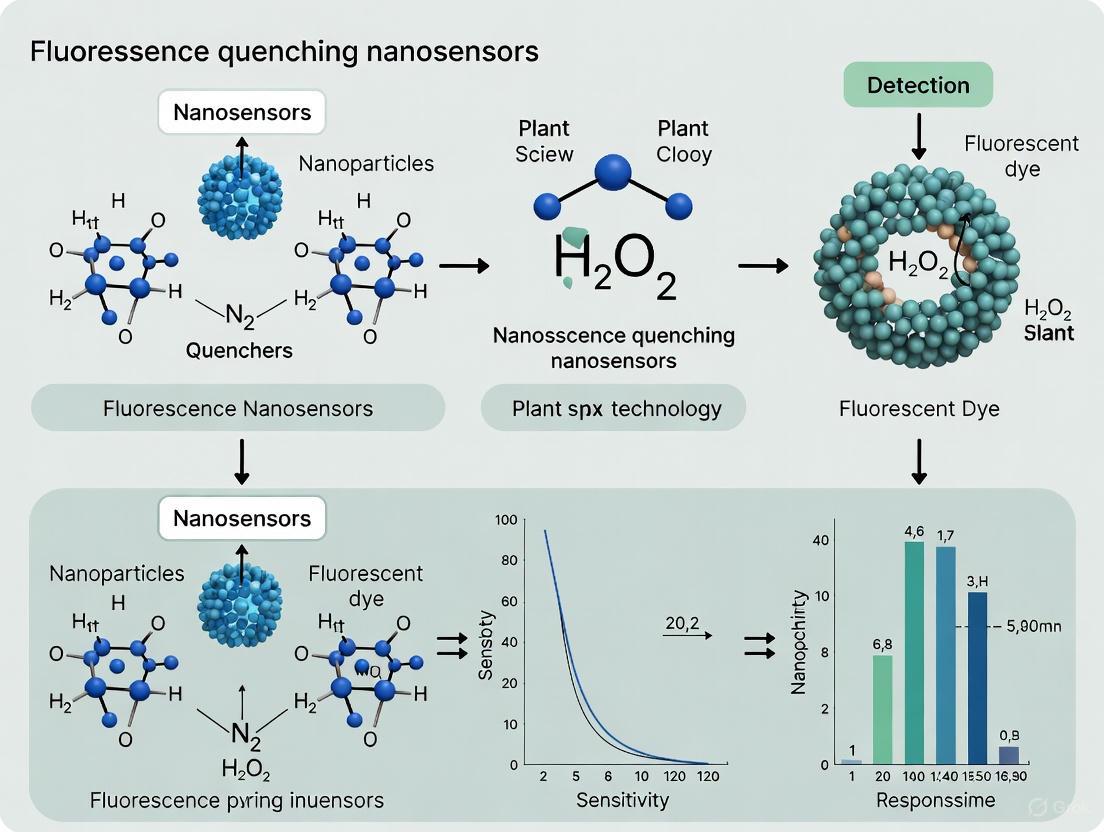
Fluorescence Quenching Nanosensors for Real-Time H2O2 Detection in Plants: Mechanisms, Applications, and Future Directions
This article comprehensively reviews the development and application of fluorescence quenching nanosensors for detecting hydrogen peroxide (H2O2) in plants.
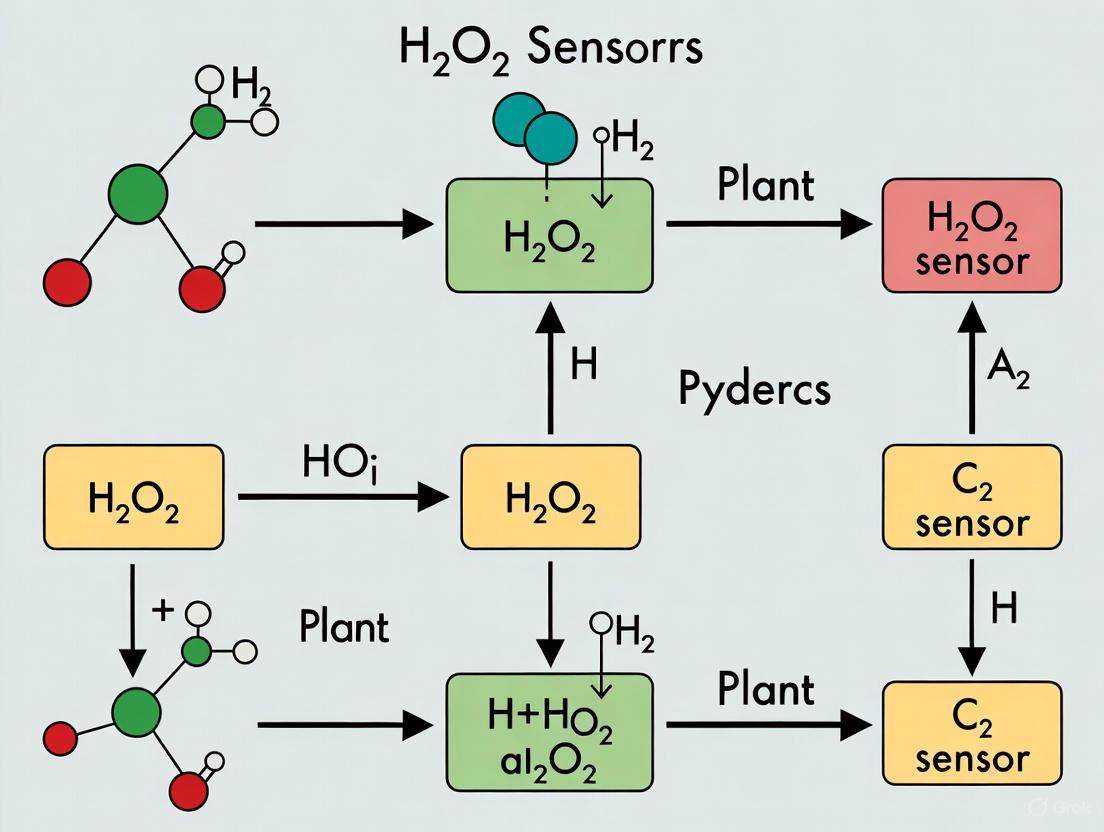
Non-Enzymatic H2O2 Sensors for Plant Science: A Comprehensive Guide to Design, Application, and Future Directions
This article provides a comprehensive resource for researchers and scientists on the design and application of non-enzymatic electrochemical sensors for detecting hydrogen peroxide (H2O2) in plant systems.
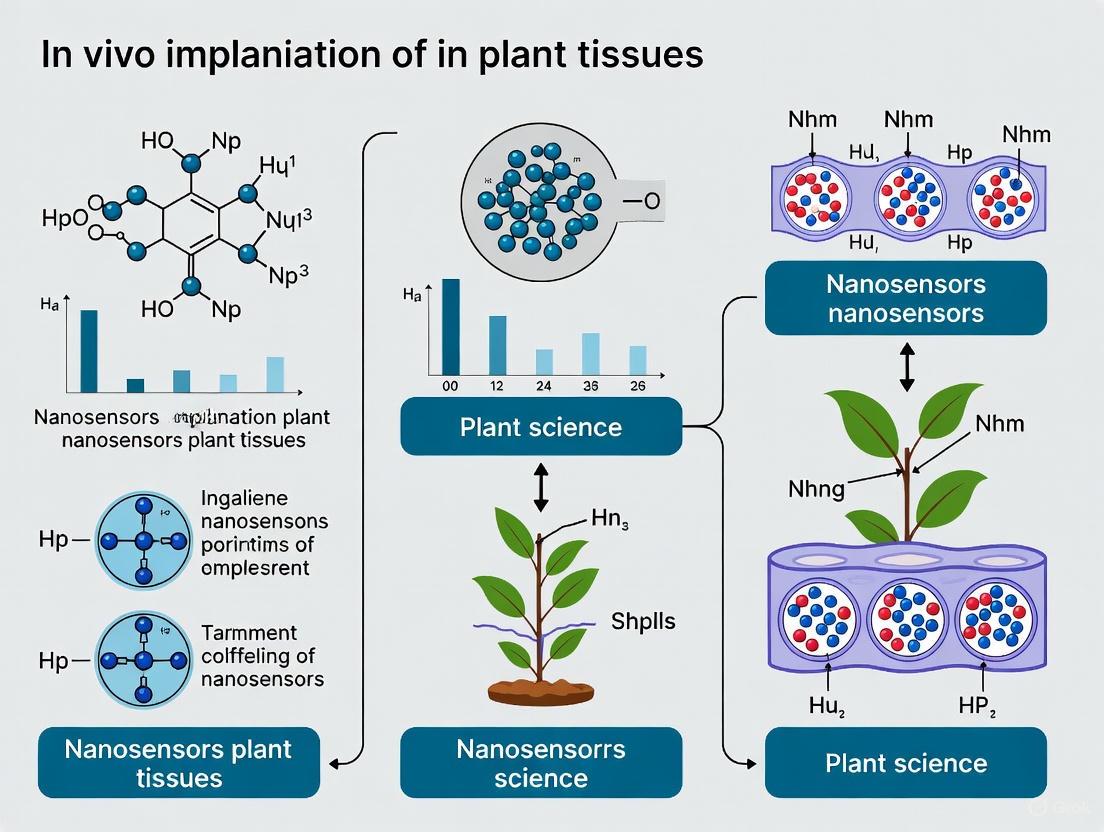
In Vivo Implantation of Nanosensors in Plant Tissues: A New Frontier for Real-Time Monitoring in Biological Research
This article explores the cutting-edge field of implanting nanosensors directly into plant tissues for real-time, in vivo monitoring of physiological processes.
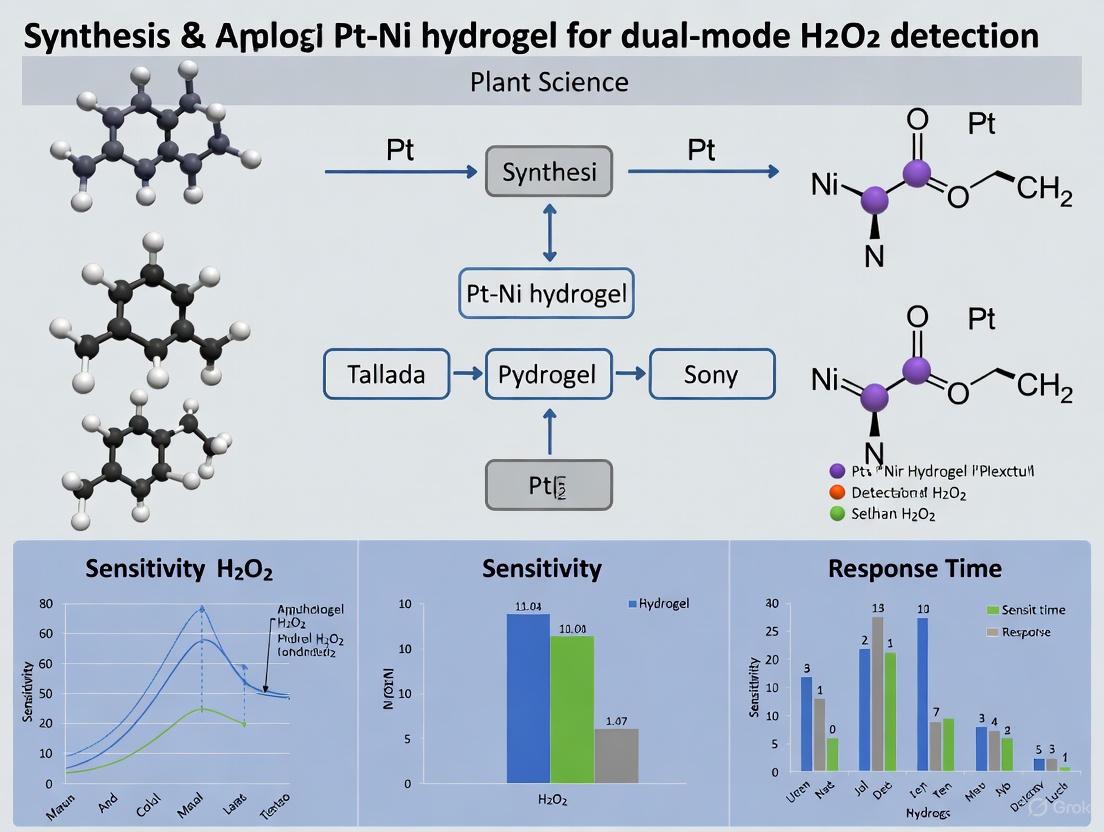
Pt-Ni Hydrogel Synthesis for Dual-Mode H2O2 Detection: A Guide for Biomedical Sensor Development
Accurate monitoring of hydrogen peroxide (H2O2) is critical in biomedical research, as its concentration is a key biomarker in cell metabolism and is linked to diseases like cancer and neurodegenerative...
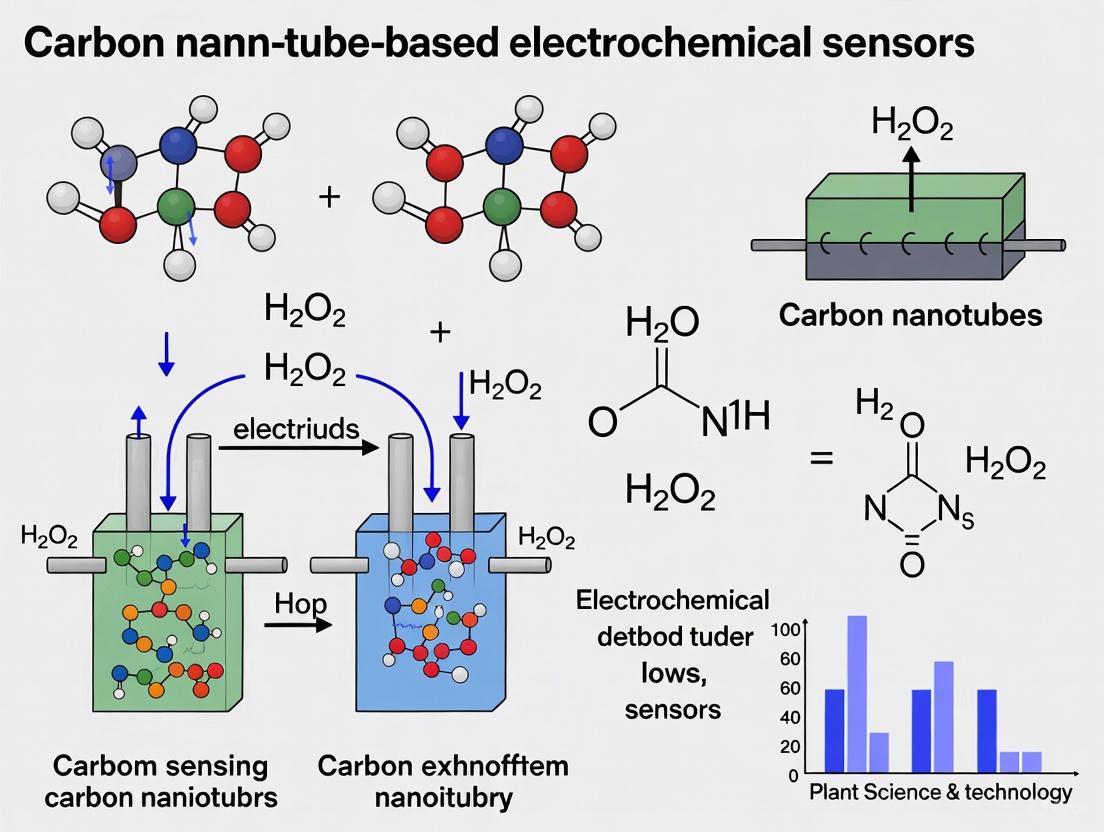
Carbon Nanotube-Based Electrochemical Sensors for H<sub>2</sub>O<sub>2</sub>: A Comprehensive Guide for Biomedical Research and Drug Development
This article provides a comprehensive analysis of carbon nanotube (CNT)-based electrochemical sensors for the detection of hydrogen peroxide (H<sub>2</sub>O<sub>2</sub>), a critical biomarker in cellular metabolism and disease pathogenesis.
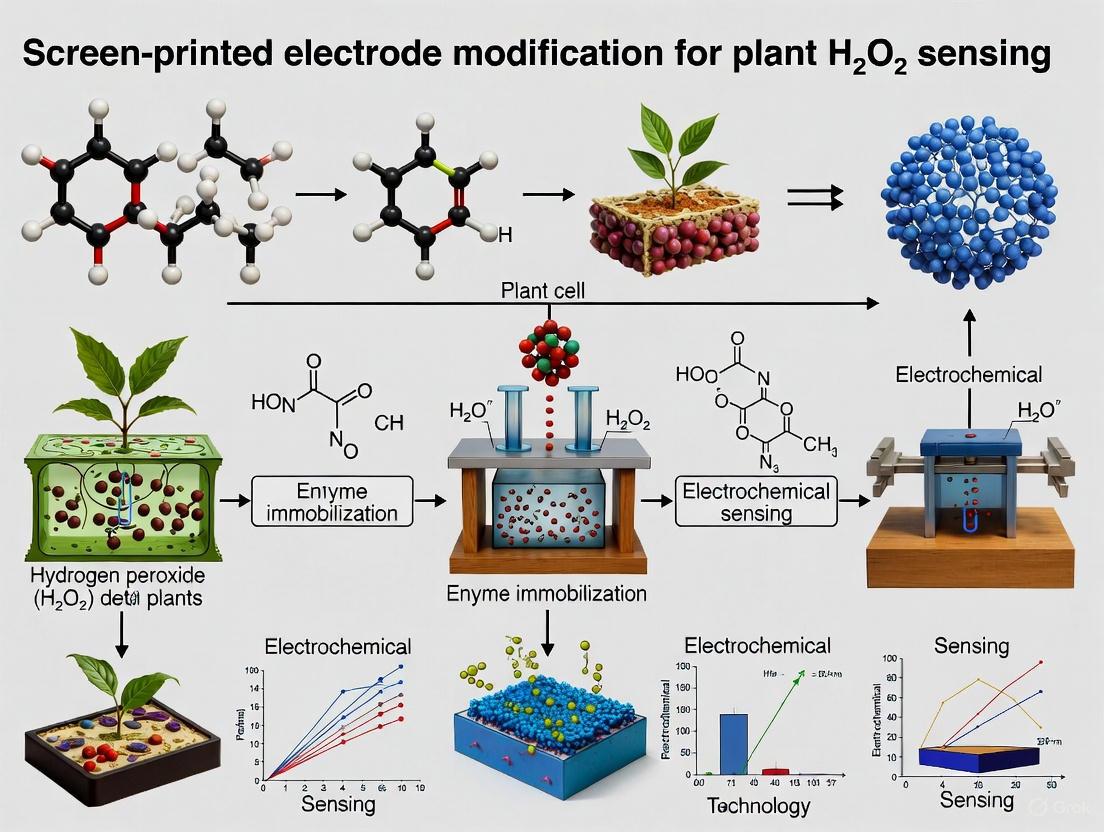
Advanced Screen-Printed Electrode Modifications for Sensitive Hydrogen Peroxide Detection in Plant Systems
This article provides a comprehensive resource for researchers and scientists on the application of modified screen-printed electrodes (SPEs) for the detection of hydrogen peroxide (H₂O₂) in plant biology.
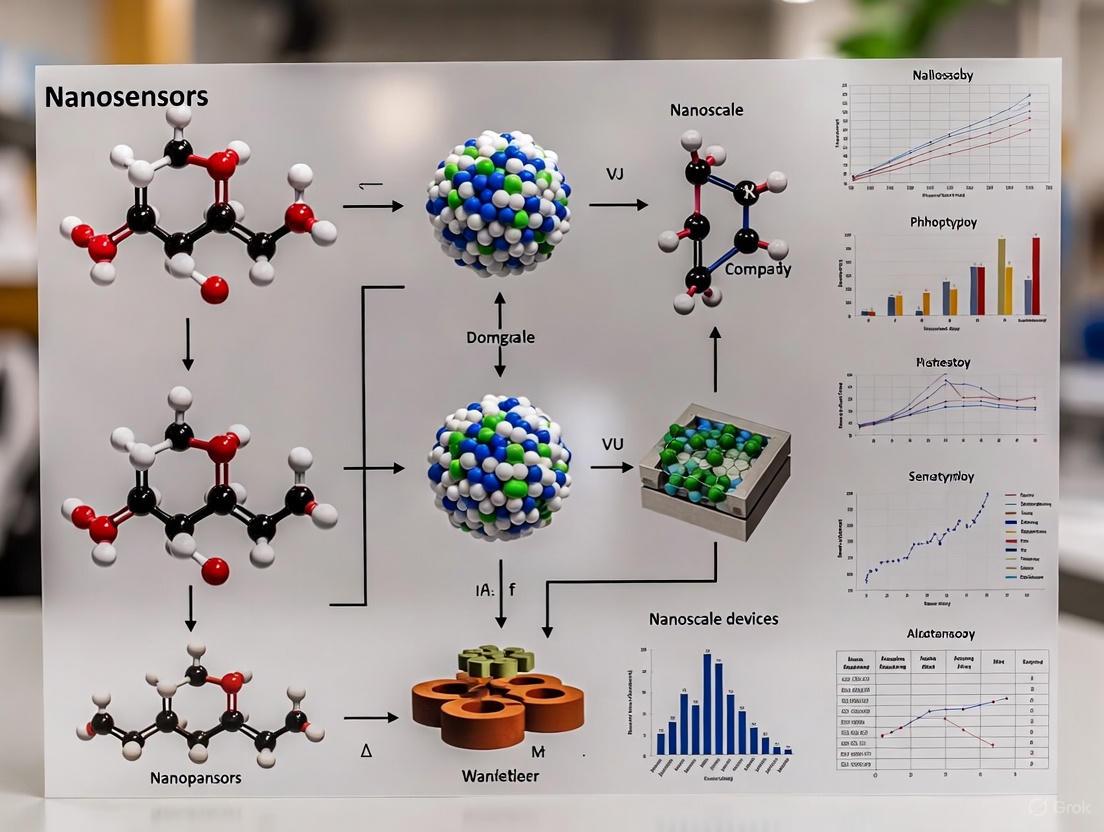
Nanosensors in Plant Phenotyping: A New Frontier for Non-Destructive, Real-Time Crop Analysis
This article explores the transformative role of nanosensors in advancing plant phenotyping, moving beyond traditional, destructive methods to enable real-time, non-invasive monitoring of plant physiology.
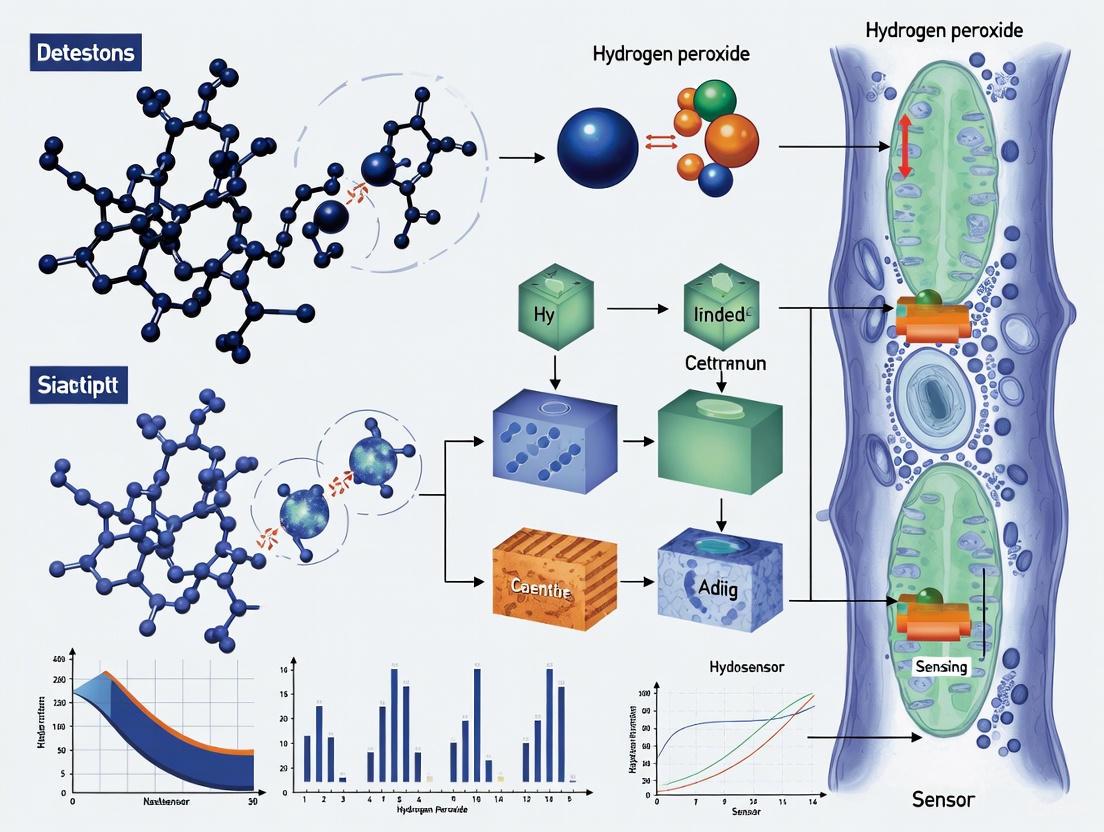
Optical Nanosensors for Real-Time Hydrogen Peroxide Monitoring in Living Plants: Principles, Applications, and Technological Frontiers
This article provides a comprehensive overview of the latest advancements in optical nanosensor technology for detecting hydrogen peroxide (H₂O₂) in living plants.
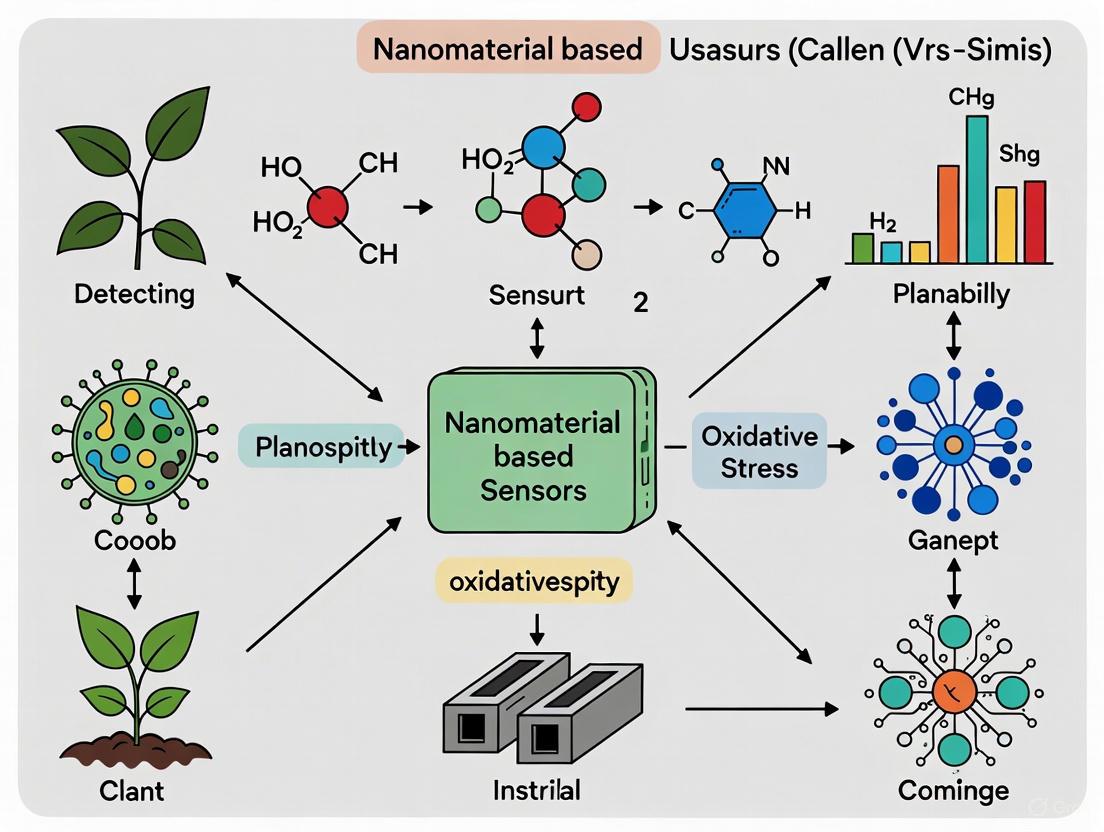
Nanomaterial-Based Sensors for Real-Time Detection of Plant Oxidative Stress
This article provides a comprehensive overview of the latest advancements in nanomaterial-based biosensors for detecting oxidative stress in plants.
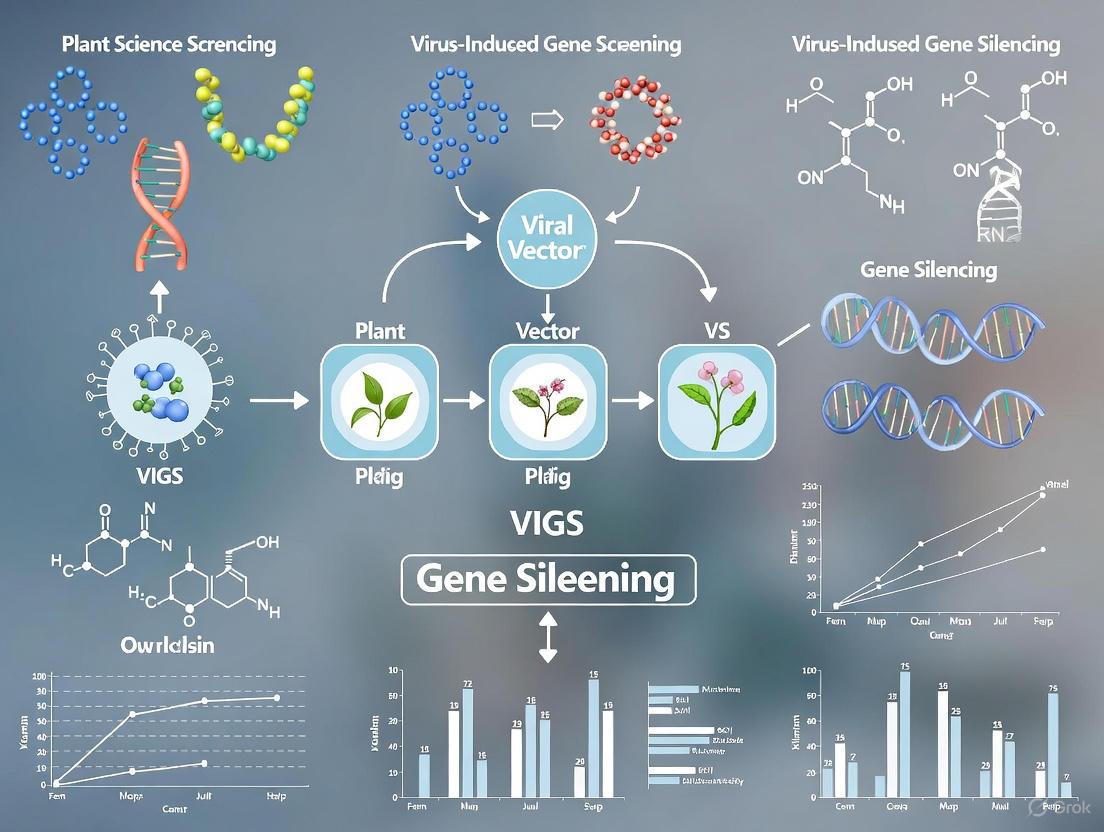
VIGS for High-Throughput Gene Function Screening: Principles, Optimization, and Applications in Functional Genomics
Virus-Induced Gene Silencing (VIGS) has emerged as a powerful, rapid, and cost-effective tool for high-throughput functional genomics screening, enabling researchers to systematically characterize gene functions without the need for stable...