Research Articles
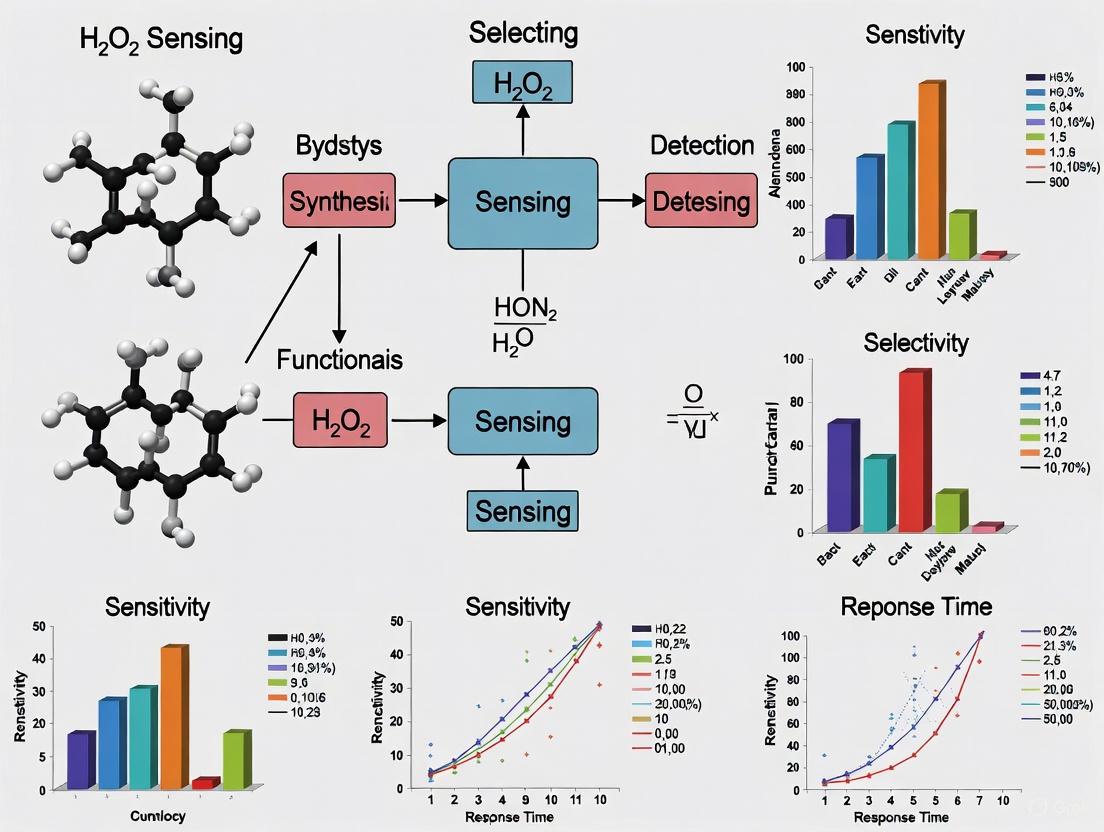
Nanomaterial-Based Sensors for H₂O₂ Detection: A Comprehensive Performance Evaluation for Biomedical Research
The accurate detection of hydrogen peroxide (H₂O₂) is critical in biomedical research, clinical diagnostics, and drug development, given its role as a key signaling molecule and biomarker in physiological and...
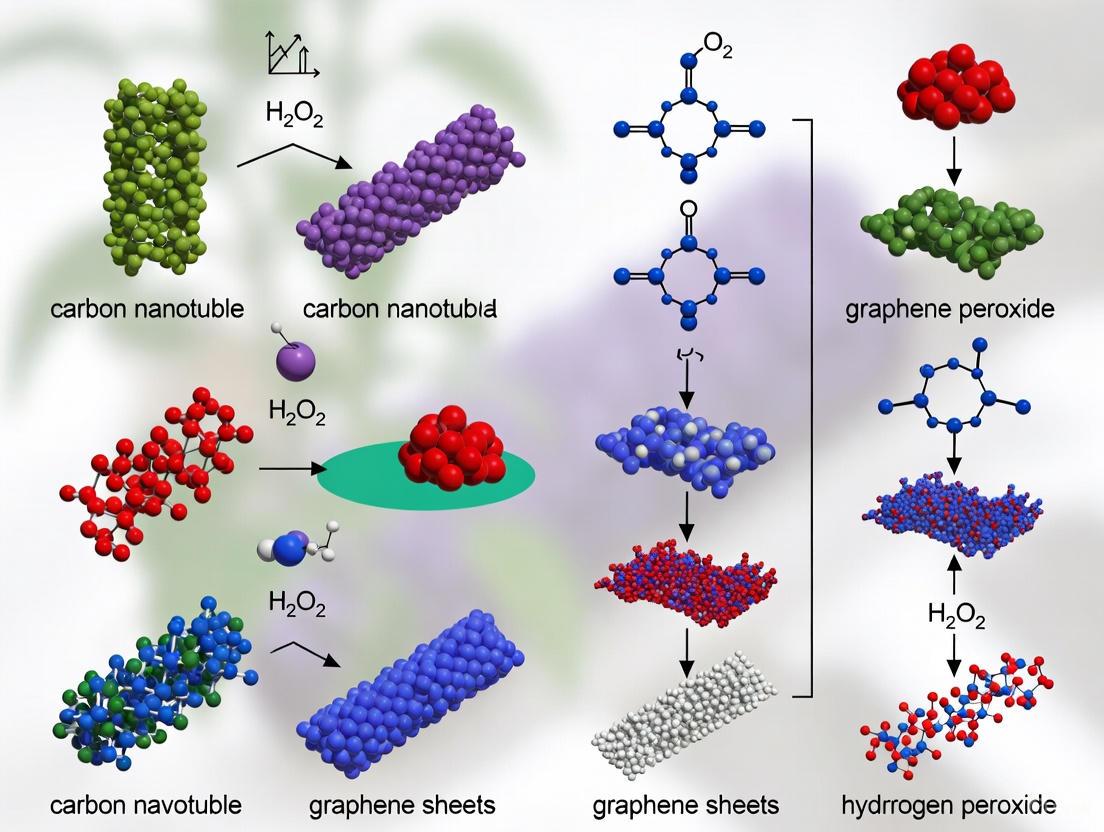
Carbon Nanotubes vs. Graphene: The Race to Develop Advanced Plant H2O2 Sensors
This article provides a comparative analysis of carbon nanotubes (CNTs) and graphene as foundational materials for electrochemical biosensors targeting hydrogen peroxide (H2O2) in plants.
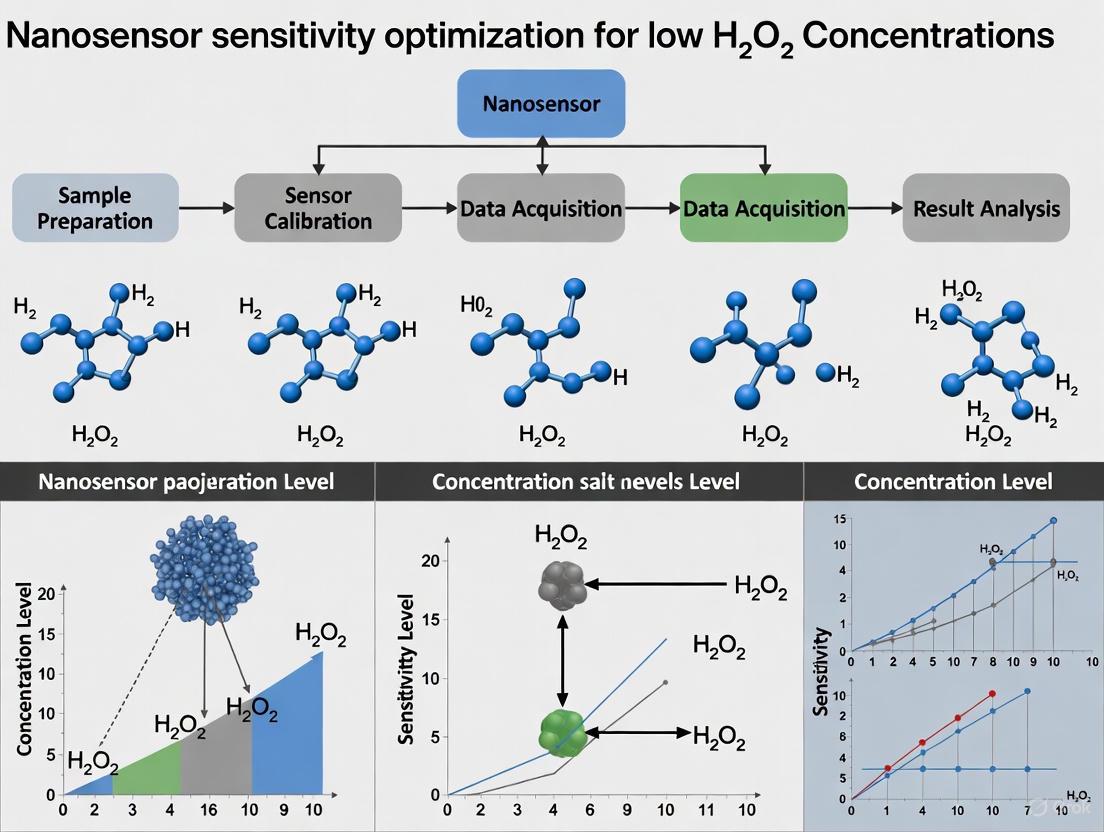
Optimizing Nanosensor Sensitivity for Low-Concentration Hydrogen Peroxide Detection: Strategies for Biomedical Research and Drug Development
The accurate detection of low-concentration hydrogen peroxide (H₂O₂) is critical for understanding its dual role in cellular signaling and oxidative stress, with significant implications for drug development and disease diagnostics.
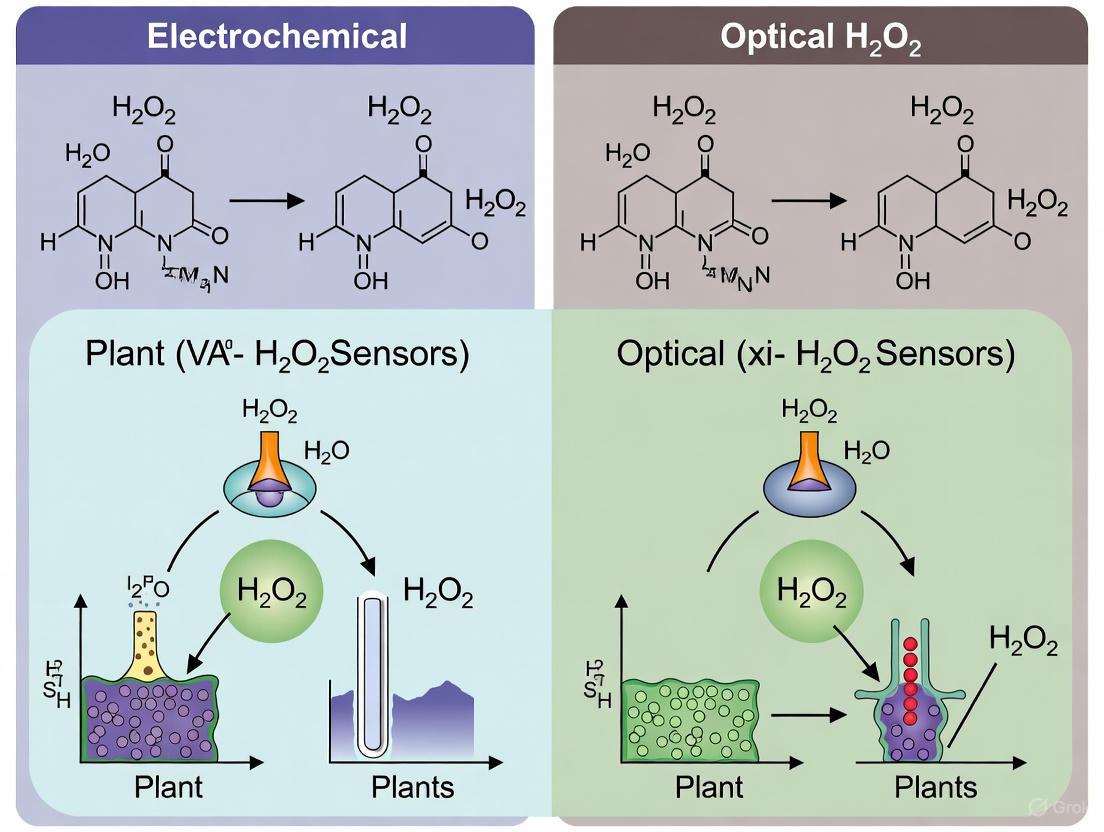
Electrochemical vs. Optical Hydrogen Peroxide Sensors for Plant Health Monitoring: A Comprehensive Review for Biomedical and Agri-Tech Research
This article provides a systematic comparison of electrochemical and optical biosensors for detecting hydrogen peroxide (H₂O₂) in plants, a critical biomarker for early stress signaling.
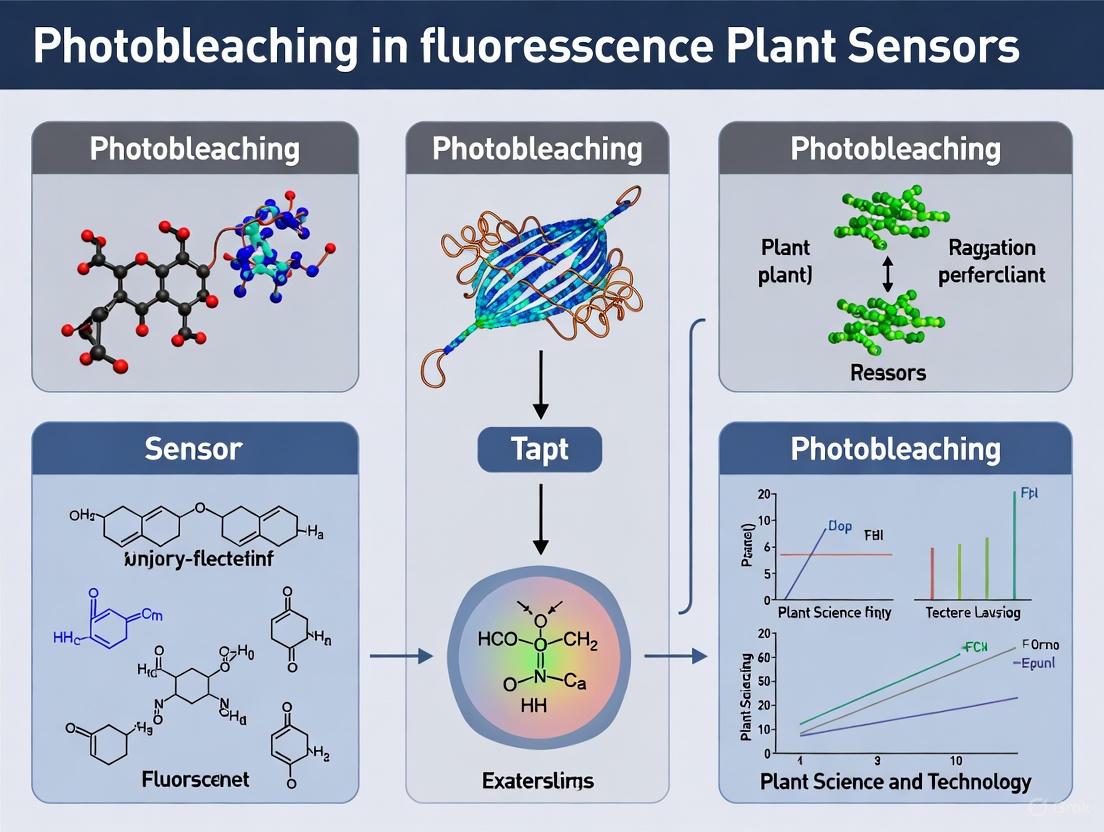
Combating Photobleaching in Fluorescence Plant Sensors: A Scientist's Guide to Robust Imaging
Photobleaching poses a significant challenge in fluorescence-based plant research, leading to signal loss and compromised quantitative data.
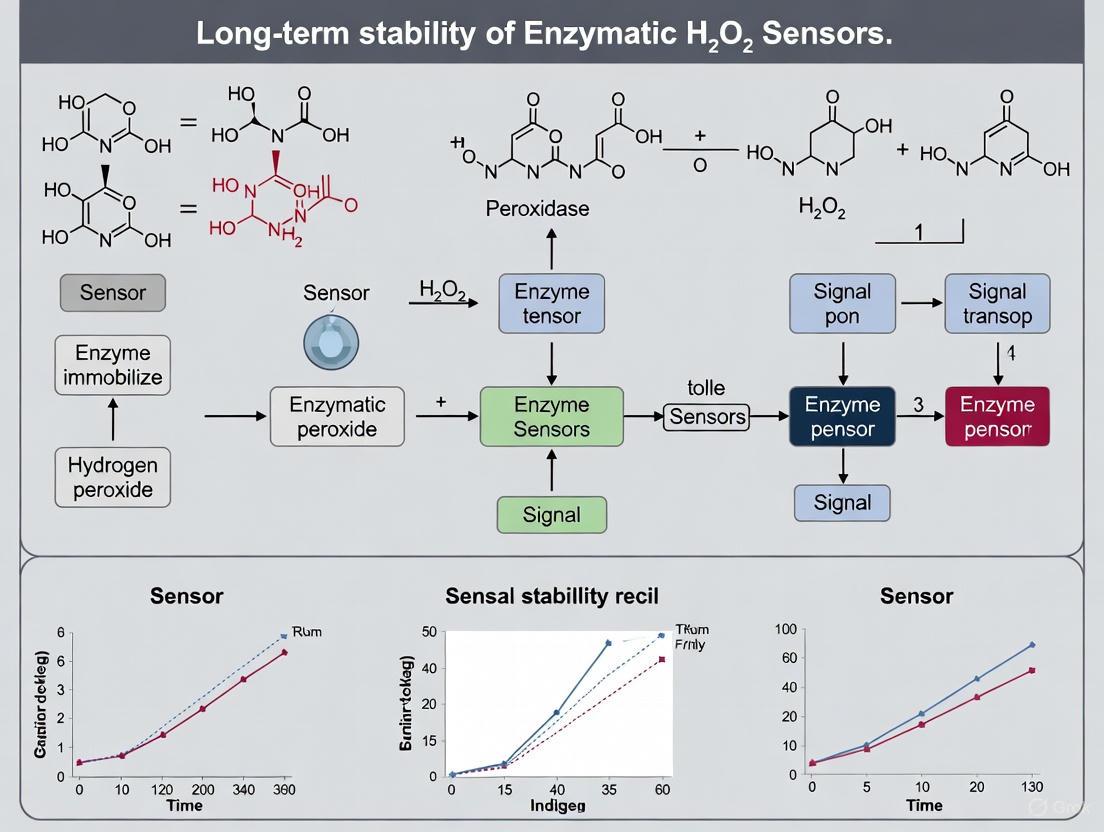
Strategies for Enhancing Long-Term Stability in Enzymatic Hydrogen Peroxide Sensors
Enzymatic hydrogen peroxide (H₂O₂) sensors are pivotal in biomedical research, clinical diagnostics, and drug development for monitoring metabolites and disease biomarkers.
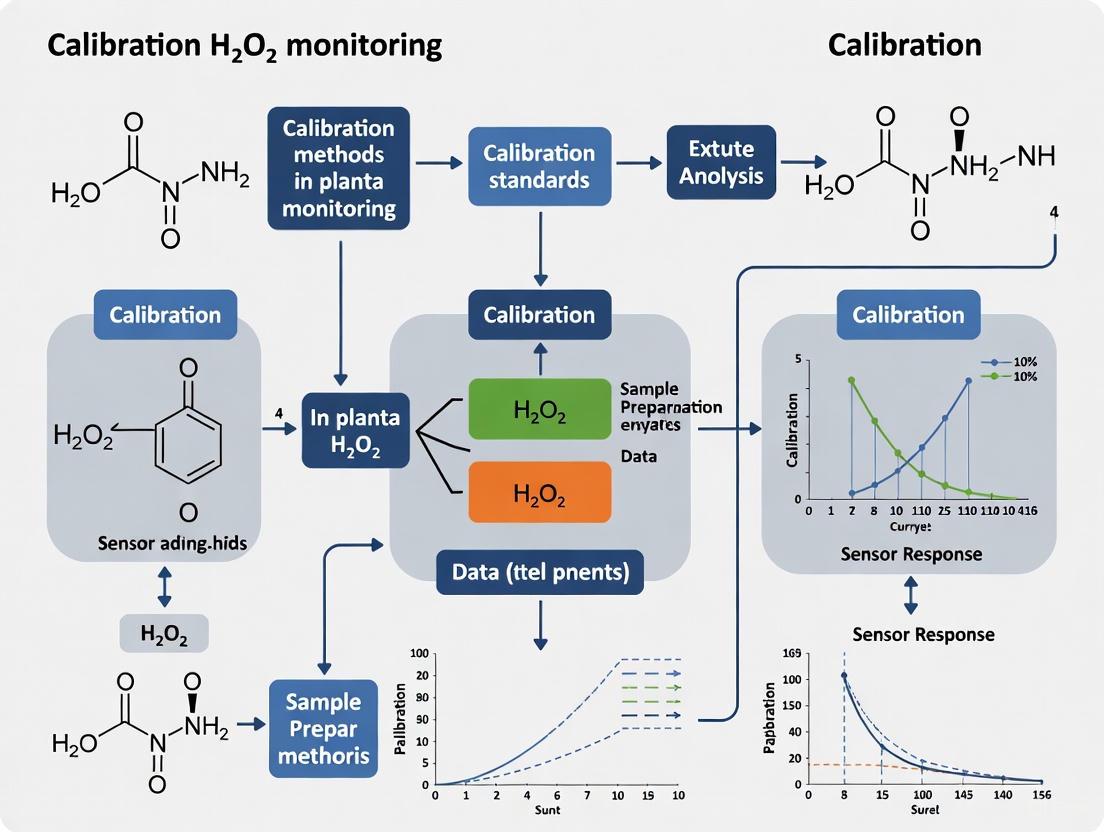
Advanced Calibration Methods for In Planta H2O2 Monitoring: A Comprehensive Guide for Biomedical and Clinical Research
This article provides a detailed guide on calibration methods for in planta hydrogen peroxide (H2O2) monitoring, tailored for researchers, scientists, and drug development professionals.
Strategies for Enhancing Nanosensor Selectivity Against Plant Metabolites: From Molecular Recognition to Field Application
This article comprehensively explores advanced strategies to enhance nanosensor selectivity for plant metabolite detection, a critical challenge in precision agriculture and plant science research.
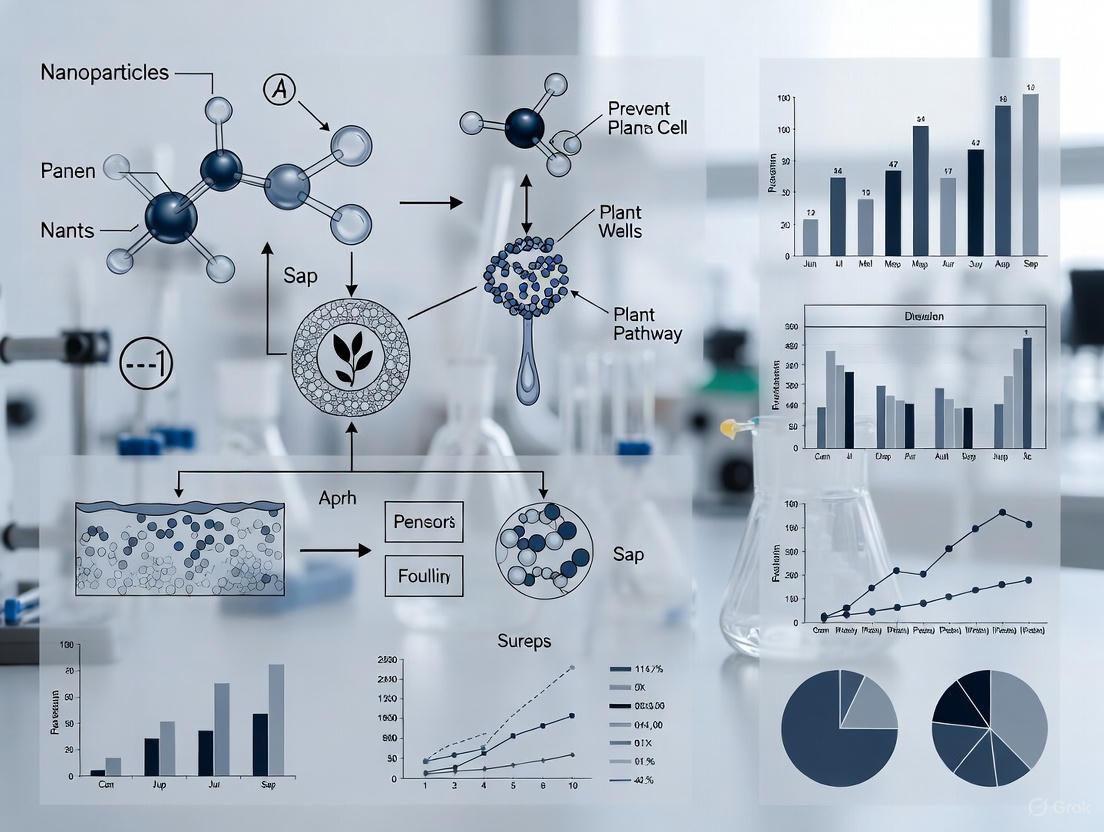
Strategies for Preventing Nanosensor Fouling in Plant Sap: From Fundamental Mechanisms to Biomedical Applications
This article comprehensively addresses the critical challenge of nanosensor fouling during plant sap analysis, a significant barrier to reliable data in pharmaceutical and biomedical research.
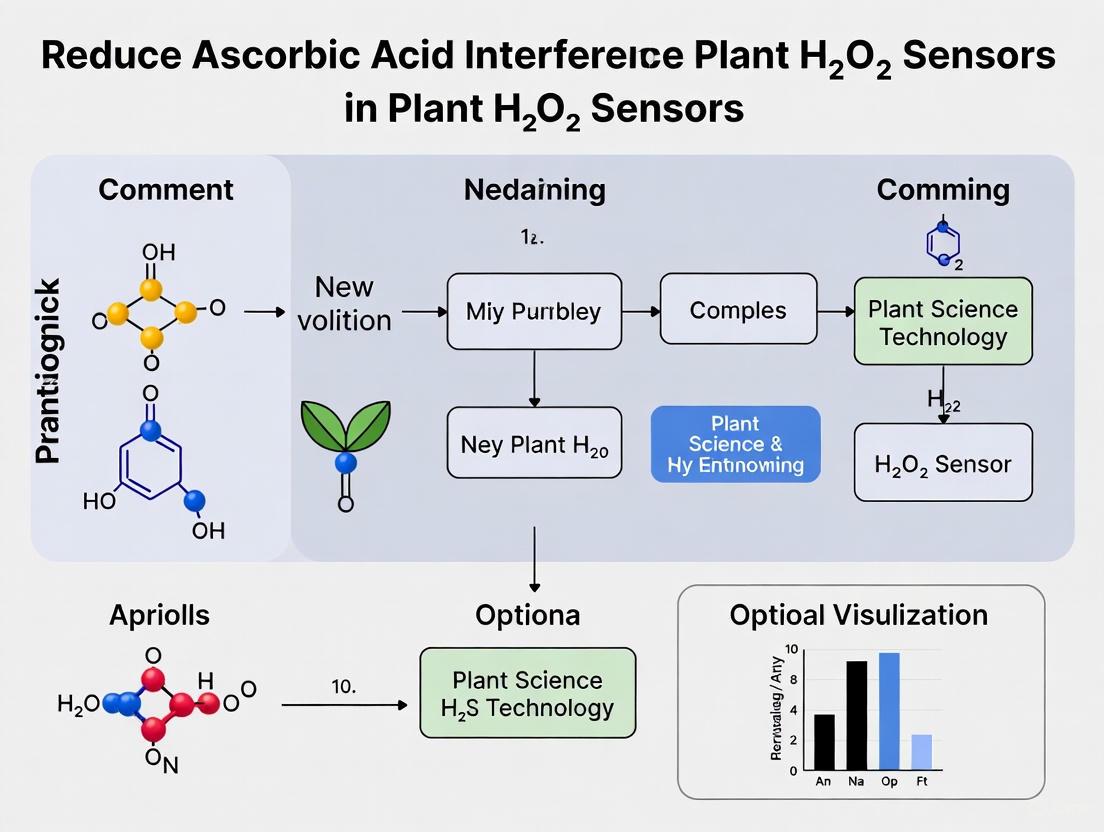
Strategies for Reducing Ascorbic Acid Interference in Plant Hydrogen Peroxide Sensors: A Comprehensive Guide for Biomedical Research
Accurate detection of hydrogen peroxide (H₂O₂) in plant systems is crucial for understanding oxidative stress and signaling pathways, yet ascorbic acid (AsA) presents a significant analytical challenge due to its...