Research Articles

FRET-Based Nanosensors: Principles and Applications for Real-Time Analysis in Plant Biology
This article provides a comprehensive overview of Förster Resonance Energy Transfer (FRET)-based nanosensors and their transformative role in modern plant biology research.
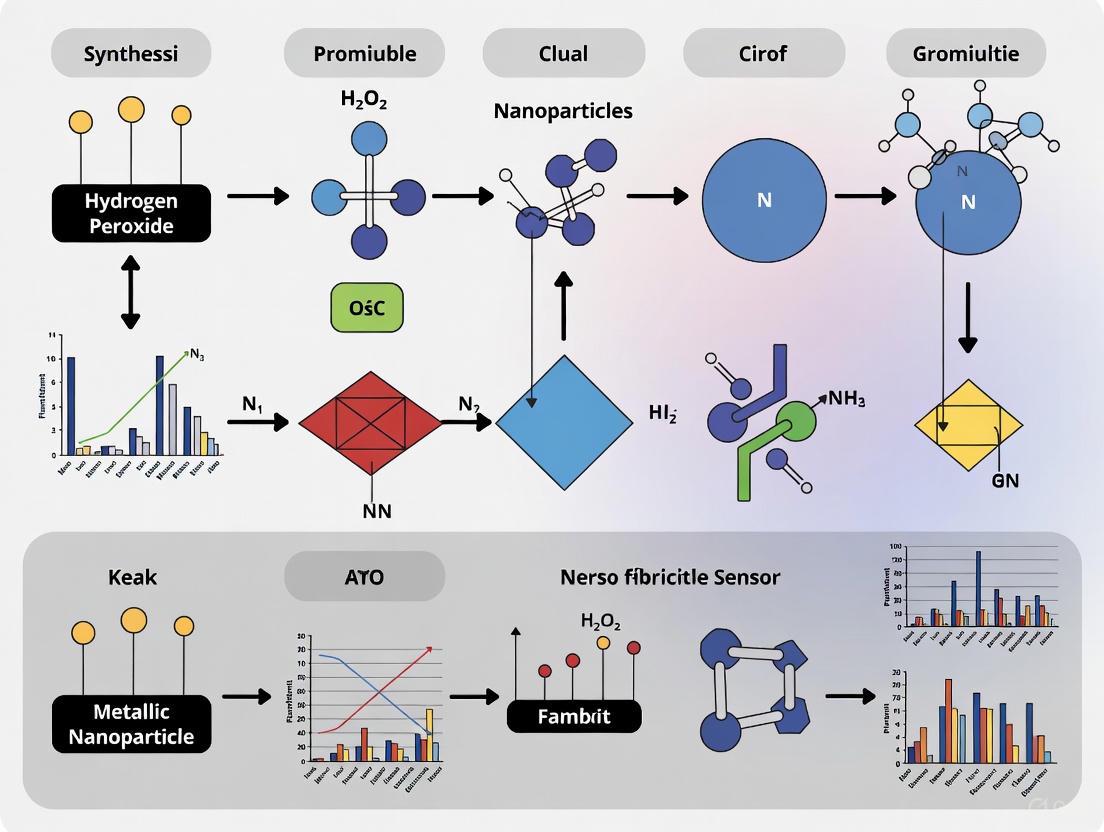
Metallic Nanoparticle Synthesis for Advanced H2O2 Sensors: From Green Fabrication to Biomedical Applications
The accurate detection of hydrogen peroxide (H2O2) is critical in biomedical research, industrial processes, and clinical diagnostics.
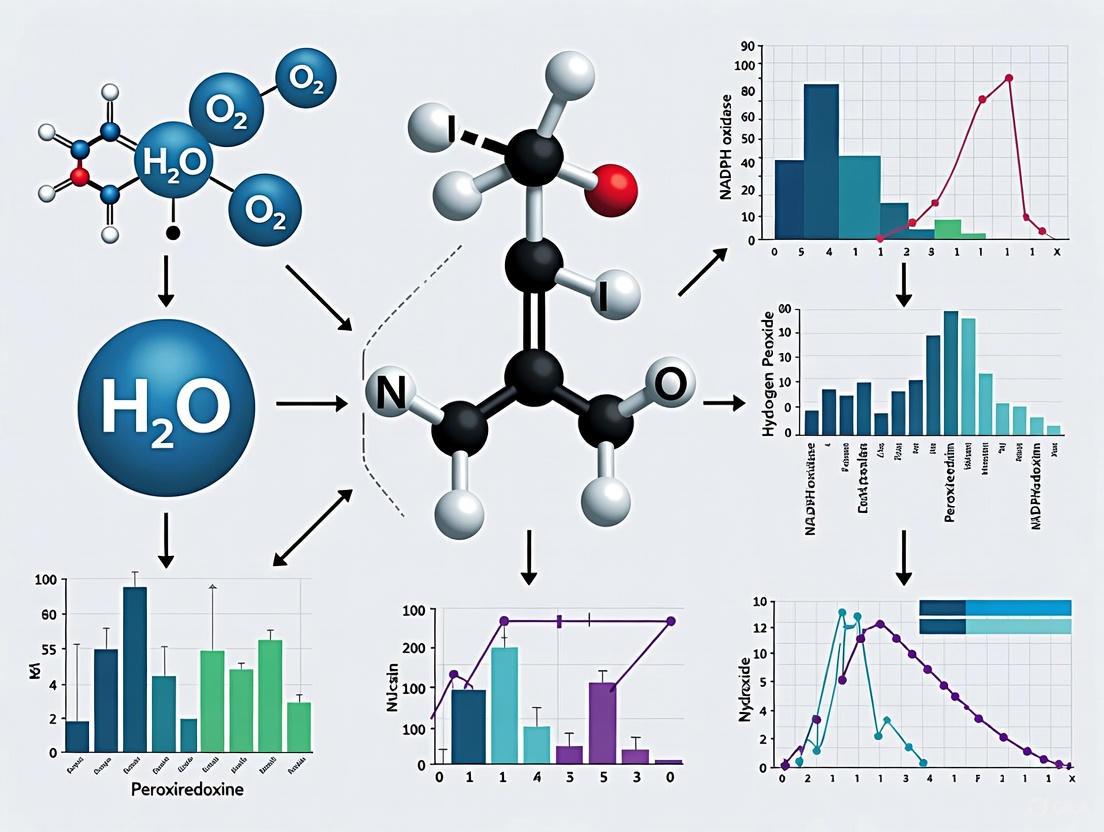
Hydrogen Peroxide Signaling in Plants: From Molecular Mechanisms to Climate-Resilient Crop Applications
This article synthesizes current research on hydrogen peroxide (H₂O₂) as a pivotal signaling molecule in plant biology.

VIGS Delivery Methods Efficiency: A Comparative Analysis of Protocols, Applications, and Optimization Strategies
This article provides a comprehensive comparison of Virus-Induced Gene Silencing (VIGS) delivery methods, addressing a critical need in functional genomics for rapid gene characterization.
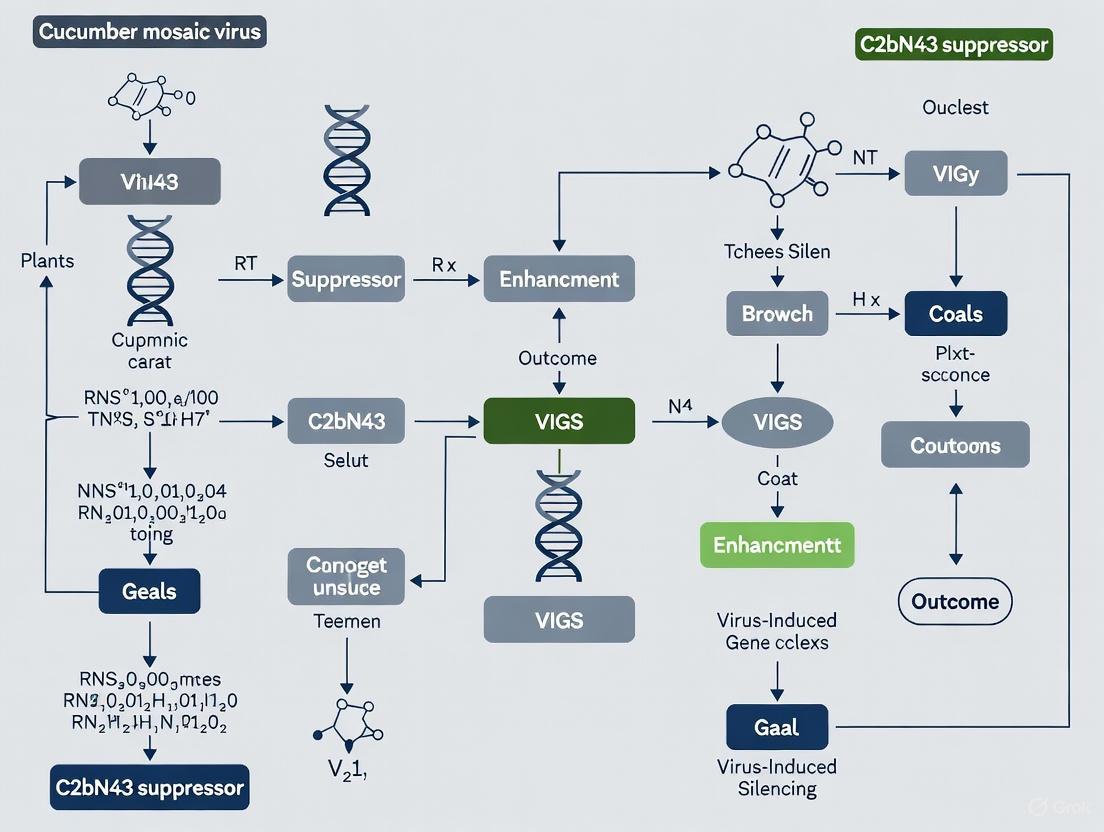
Enhancing Gene Function Studies: How the Truncated CMV C2bN43 Suppressor Optimizes VIGS Technology
This article explores a significant advancement in Virus-Induced Gene Silencing (VIGS), a key technique for determining gene function in plants.
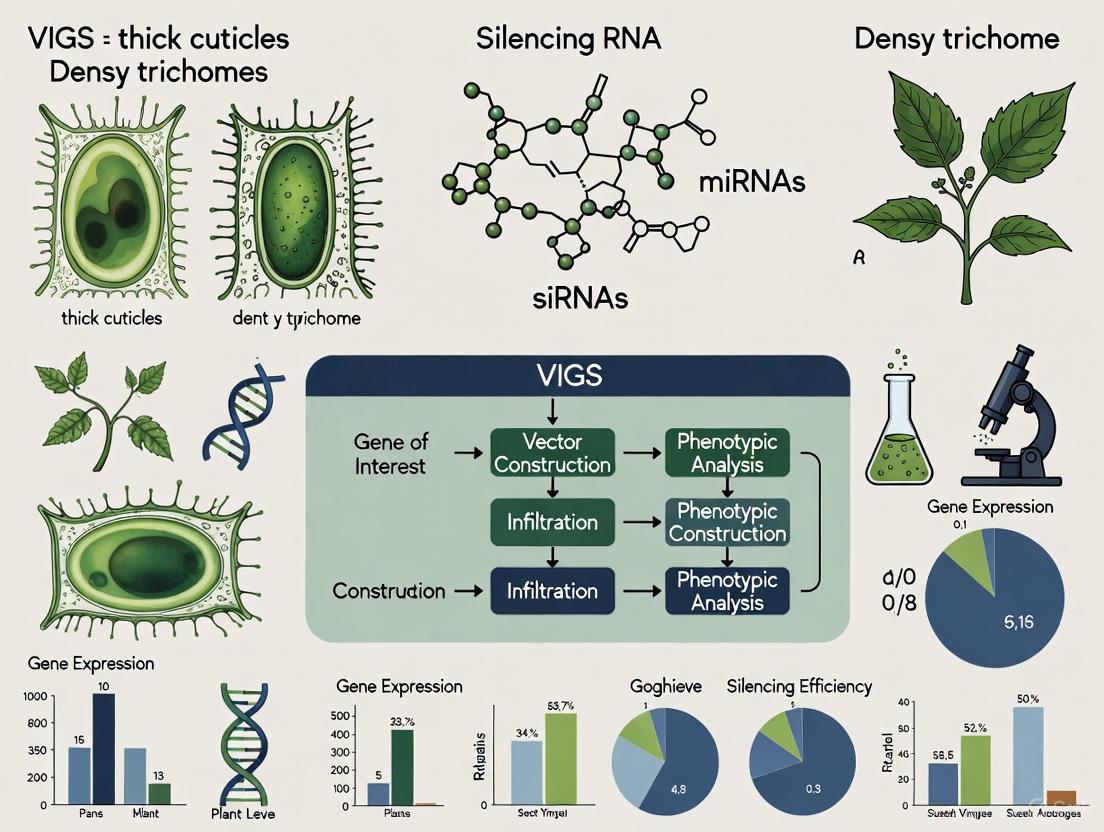
Breaking the Barrier: Optimizing VIGS for Plants with Thick Cuticles and Dense Trichomes
Virus-Induced Gene Silencing (VIGS) is a powerful reverse genetics tool, but its application in plants with thick cuticles and dense trichomes presents significant challenges that impede Agrobacterium infiltration and viral...
Strategies to Prevent VIGS Recovery: Enhancing Silencing Durability for Robust Functional Genomics
This article provides a comprehensive analysis of strategies to prevent recovery from Virus-Induced Gene Silencing (VIGS), a common challenge that can compromise experimental validity in functional genomics.
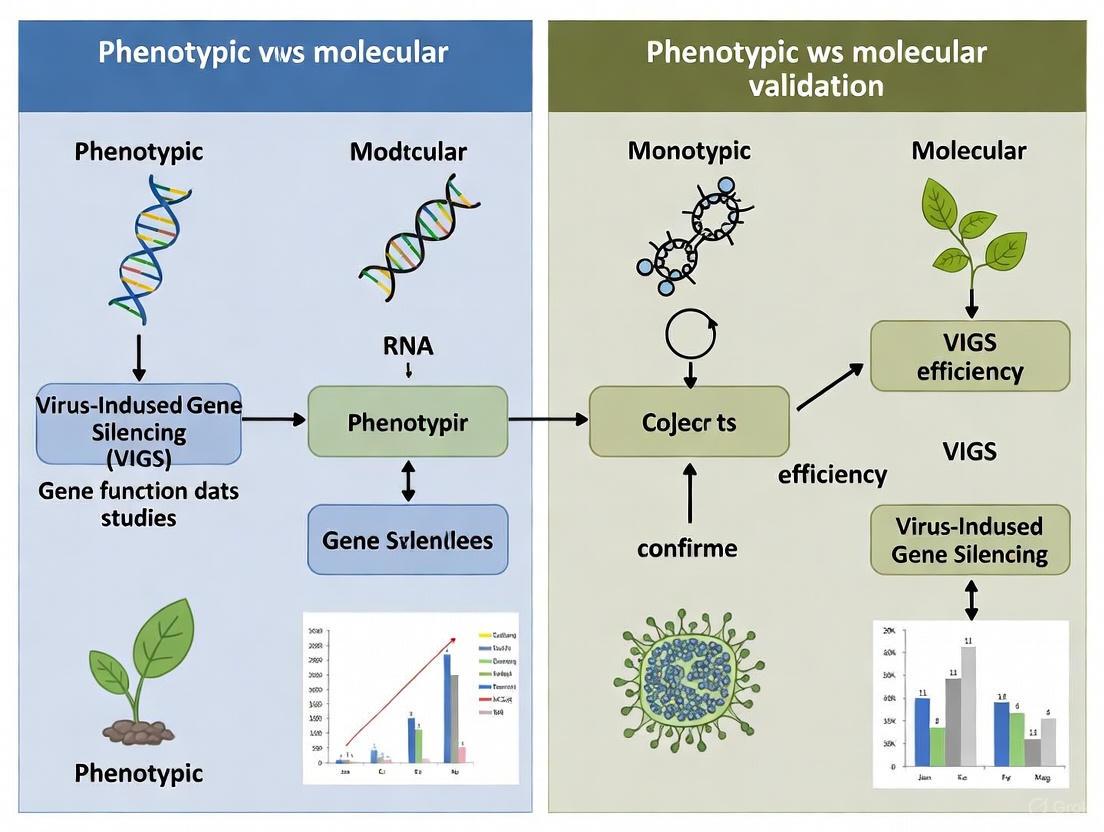
From Visible Traits to Molecular Proof: A Comprehensive Guide to Confirming VIGS Efficiency
This article provides a systematic framework for researchers to confirm Virus-Induced Gene Silencing (VIGS) efficiency, bridging the gap between observable phenotypic changes and molecular validation.
Bioregenerative Life Support Systems: Principles, Applications, and Future Directions for Sustainable Space Exploration
This article provides a comprehensive analysis of Bioregenerative Life Support Systems (BLSS), the closed-loop ecosystems essential for sustaining human life in long-duration space missions.
Designing Photobioreactors for Space: A Comprehensive Guide to Microalgae Cultivation for Life Support and Biomanufacturing
This article provides a systematic analysis of photobioreactor (PBR) design for microalgae cultivation in space, addressing the unique challenges of the space environment.