Research Articles
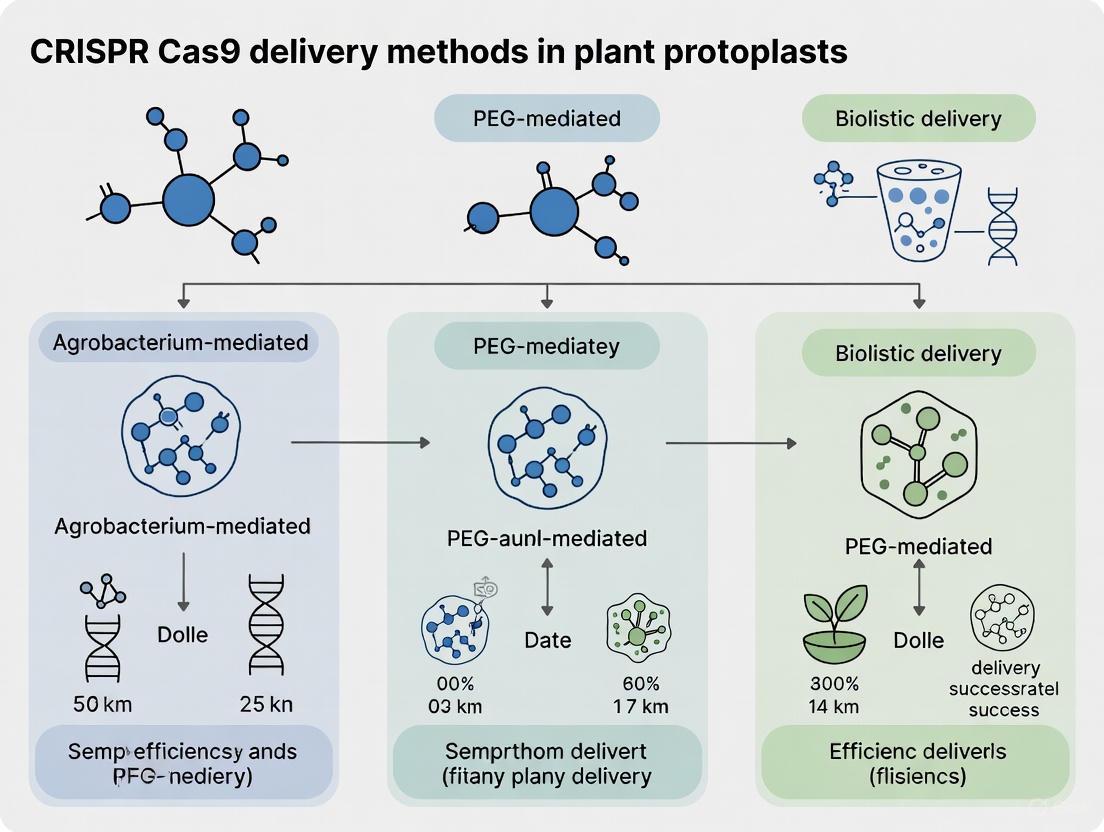
Protoplast CRISPR Delivery: Methods, Optimization, and Applications in Plant Genome Engineering
This article provides a comprehensive overview of CRISPR-Cas9 delivery methods utilizing plant protoplasts, a key platform for DNA-free genome editing.
Cross-Species Hormonal Profiling by LC-MS/MS: Methodologies, Applications, and Advances in Biomedical Research
Liquid chromatography-tandem mass spectrometry (LC-MS/MS) has emerged as the gold standard for the simultaneous quantification of multiple hormone classes across diverse species, overcoming the limitations of traditional immunoassays.
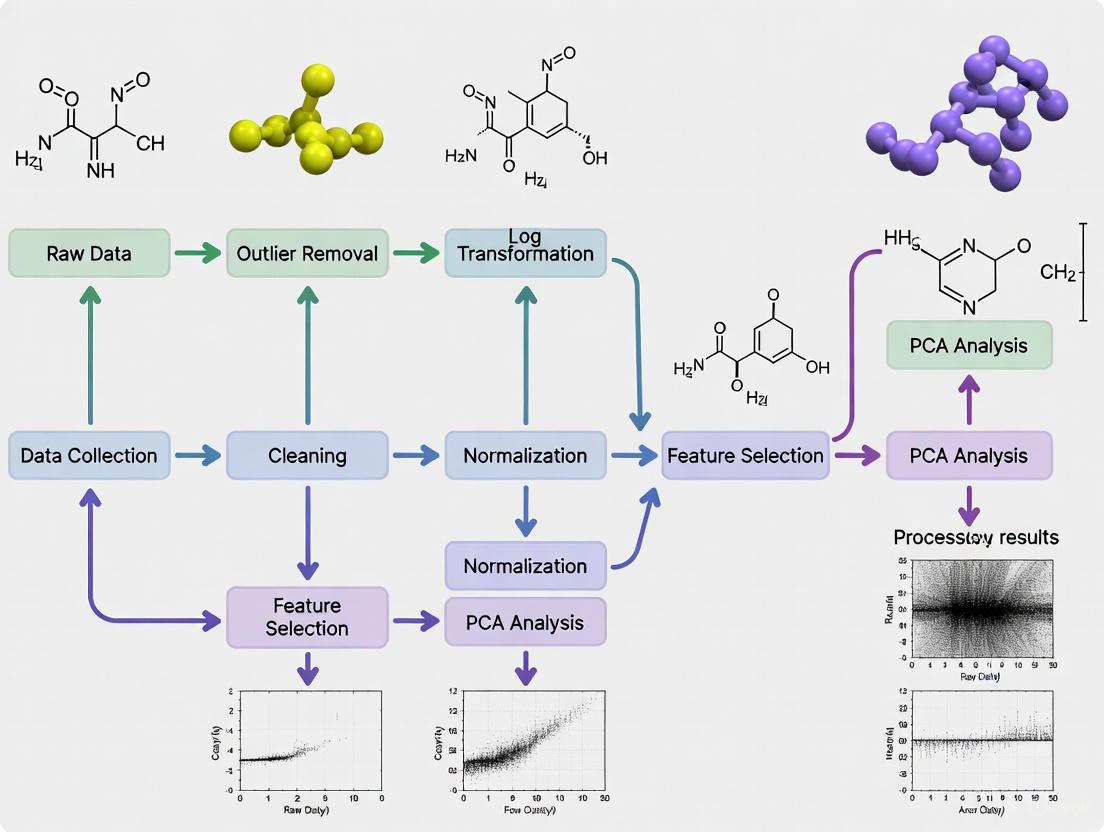
Building Robust Data Preprocessing Pipelines for Quantitative Plant Phenotyping: From Raw Data to Actionable Insights
This article provides a comprehensive guide to constructing effective data preprocessing pipelines specifically for quantitative plant data analysis.
Systems Biology of Plant Robustness: From Molecular Networks to Climate Resilience
This article synthesizes current systems biology research on plant robustness—the ability to maintain function amidst genetic, environmental, and pathogenic perturbations.
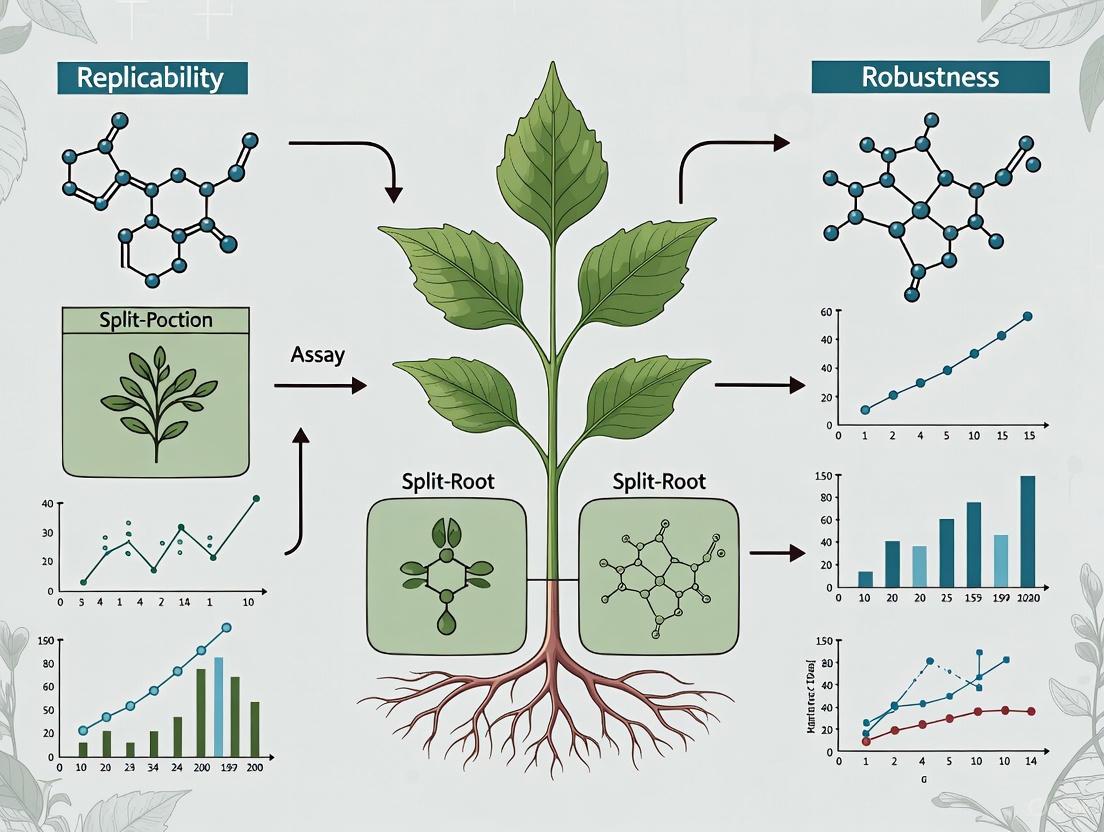
Optimizing Split-Root Assays: A Strategic Guide to Enhancing Replicability and Robustness in Plant Science Research
This article provides a comprehensive framework for optimizing split-root assays, a crucial technique for studying systemic signaling and plant responses to heterogeneous environments.
Evolutionary Trade-Offs in Plants: Unraveling the Mechanisms of Robustness Versus Efficiency for Future Crops and Biomedical Insights
This review synthesizes contemporary research on the fundamental evolutionary trade-offs between robustness—the capacity to buffer phenotypes against genetic and environmental perturbations—and efficiency in plants.
MRI vs. X-ray CT: A Comprehensive Guide to Non-Destructive Wood Degradation Analysis
This article provides a detailed comparison of Magnetic Resonance Imaging (MRI) and X-ray Computed Tomography (CT) for the analysis of wood degradation, particularly in waterlogged archaeological and cultural heritage contexts.
Nanosensors in Plant Science: A Comprehensive Review of Technologies, Applications, and Future Directions
This review comprehensively examines the transformative role of nanosensors in modern plant science, addressing key challenges in food security and sustainable agriculture.
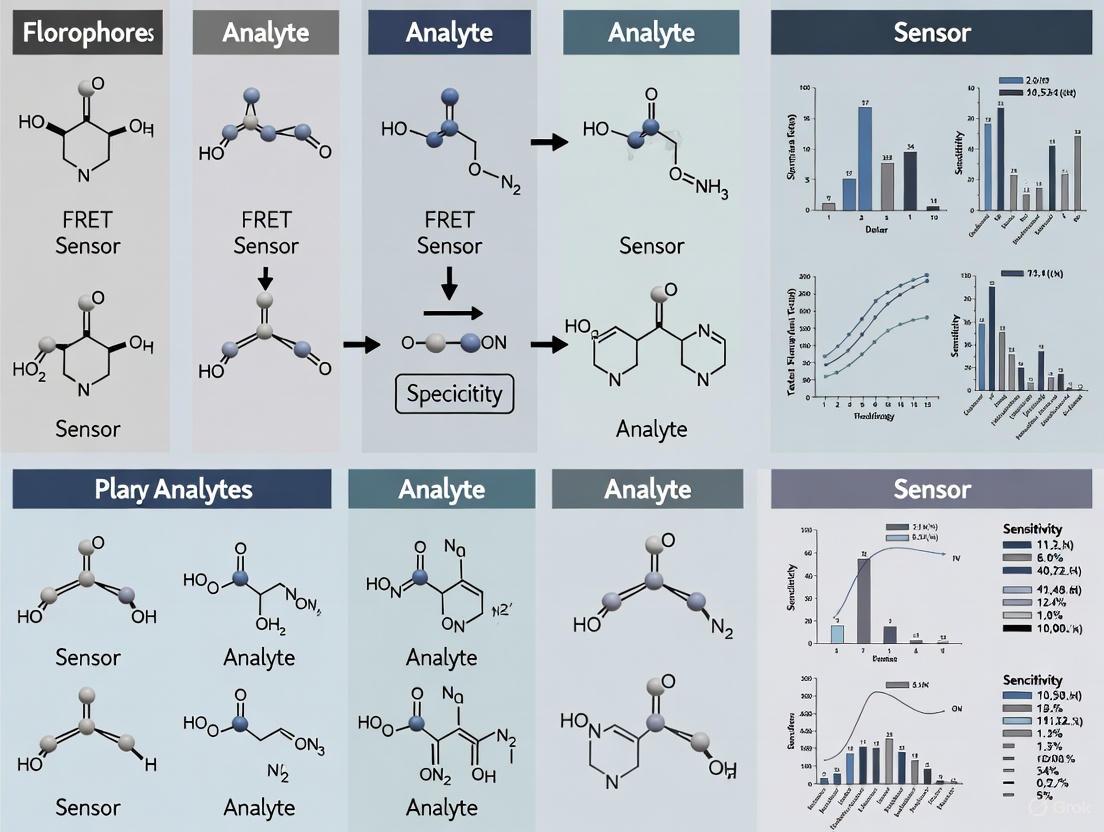
FRET Biosensors for Plant Analytics: A Comparative Guide to Principles, Applications, and Advanced Methodologies
This article provides a comprehensive comparison of Fluorescence Resonance Energy Transfer (FRET)-based biosensors for monitoring diverse plant analytes, including hormones, ions, and metabolites.
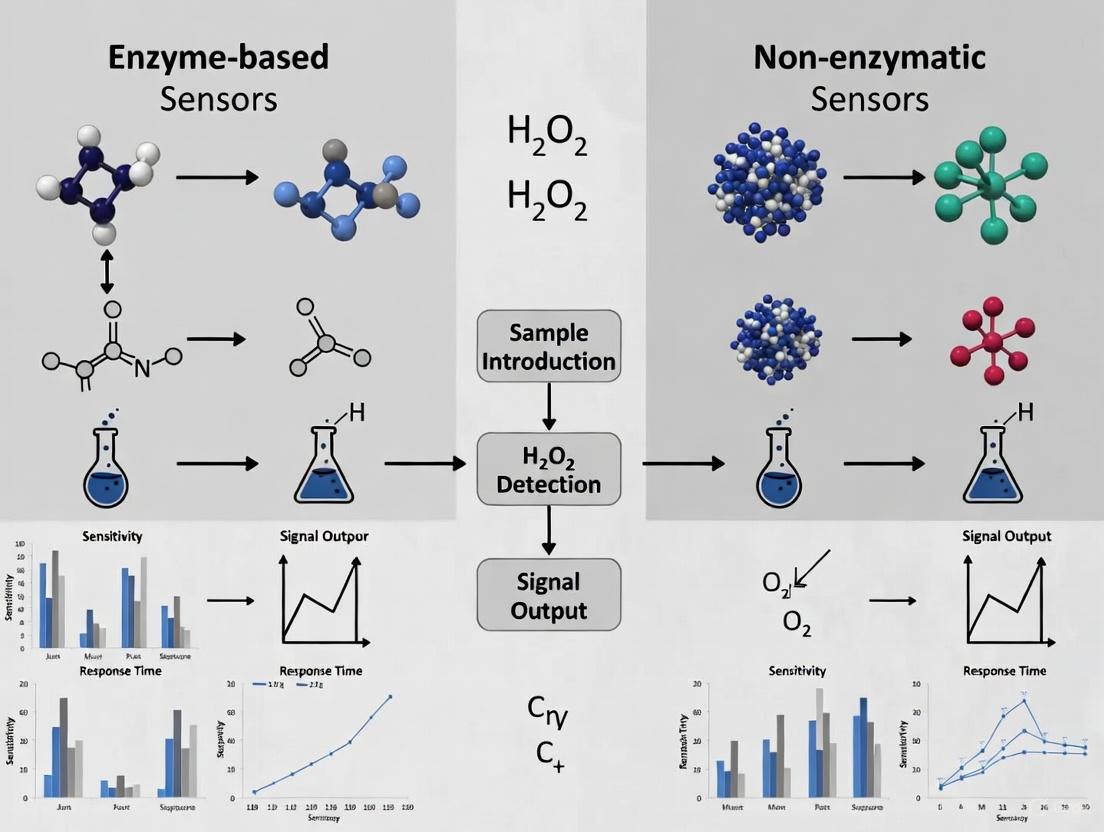
Enzymatic vs. Non-Enzymatic H₂O₂ Sensors: A Comprehensive Performance Analysis for Biomedical Research and Diagnostics
This article provides a systematic comparison of enzymatic and non-enzymatic electrochemical sensors for hydrogen peroxide (H₂O₂) detection, a critical analyte in biomedical research and clinical diagnostics.