Virus-Induced Gene Silencing (VIGS): A Powerful Tool for Functional Validation of Plant NBS Disease Resistance Genes
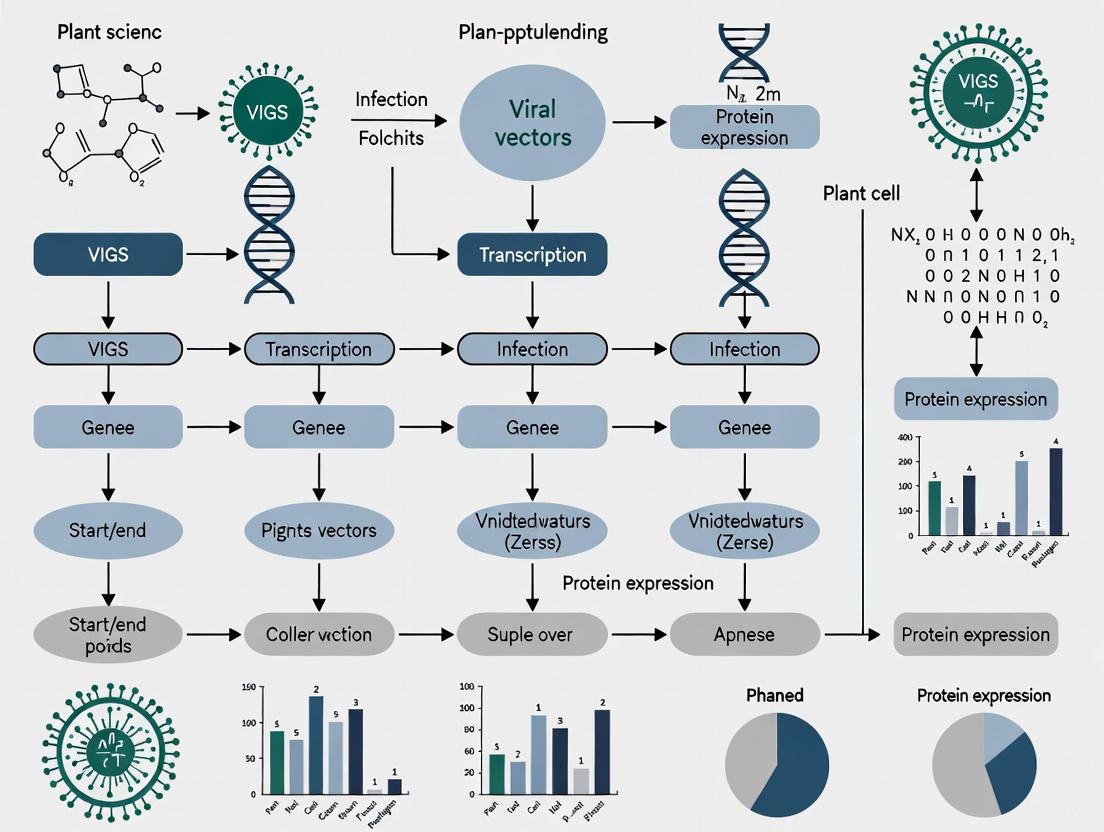
This article provides a comprehensive resource for researchers on the application of Virus-Induced Gene Silencing (VIGS) for the functional characterization of Nucleotide-Binding Site (NBS) genes, a major class of plant...
Virus-Induced Gene Silencing (VIGS): A Powerful Tool for Functional Validation of Plant NBS Disease Resistance Genes
Abstract
This article provides a comprehensive resource for researchers on the application of Virus-Induced Gene Silencing (VIGS) for the functional characterization of Nucleotide-Binding Site (NBS) genes, a major class of plant disease resistance (R) genes. We cover foundational concepts of NBS gene diversity and evolution, detail established and novel VIGS methodologies across various plant species, and present strategies for troubleshooting and optimizing silencing efficiency. A strong emphasis is placed on robust validation techniques, including multi-stress phenotypic assays and complementary genomics approaches, to conclusively demonstrate NBS gene function. This guide aims to accelerate the identification and validation of critical R genes for crop improvement.
Understanding the NBS Gene Superfamily: Diversity, Evolution, and Role in Plant Immunity
Nucleotide-Binding Site Leucine-Rich Repeat (NBS-LRR) genes encode the largest class of plant disease resistance (R) proteins that serve as critical intracellular immune receptors. These proteins function as key mediators of effector-triggered immunity (ETI), the second layer of plant innate immunity that provides race-specific resistance against diverse pathogens [1]. In the zig-zag model of plant-pathogen interactions, ETI occurs when plant NBS-LRR proteins directly or indirectly recognize specific pathogen effector proteins, culminating in a robust defense response that often includes a hypersensitive response (HR) characterized by programmed cell death at infection sites [1].
The NBS-LRR proteins are modular in structure, typically consisting of three fundamental domains: a variable N-terminal domain, a central nucleotide-binding site (NBS or NB-ARC) domain, and C-terminal leucine-rich repeats (LRRs) [1] [2]. Based on their N-terminal domains, NBS-LRR proteins are primarily classified into two major subfamilies: TIR-NBS-LRR (TNL) proteins containing Toll/Interleukin-1 Receptor domains and CC-NBS-LRR (CNL) proteins containing coiled-coil domains [1] [3]. A third subclass, RPW8-NBS-LRR (RNL), has also been identified more recently [2].
Genomic Organization and Diversity of NBS-LRR Genes
Genomic Distribution Across Plant Species
NBS-LRR genes are distributed unevenly across plant genomes and often form gene clusters, particularly in pericentromeric regions. The table below summarizes the diversity and distribution of NBS-encoding genes across various plant species based on genome-wide analyses:
Table 1: Genomic Distribution of NBS-LRR Genes Across Plant Species
| Plant Species | Total NBS Genes Identified | TNL Genes | CNL Genes | RNL Genes | Other NBS | Reference |
|---|---|---|---|---|---|---|
| Arabidopsis thaliana | 149-210 | 77 | 40 | Not specified | 92 NL | [4] [5] [6] |
| Zea mays (maize) | 151 | 4 | Not specified | Not specified | Not specified | [5] |
| Helianthus annuus (sunflower) | 352 | 77 | 100 | 13 | 162 NL | [4] |
| Arachis hypogaea (cultivated peanut) | 713 | 229 | 118 | Not specified | 366 | [7] |
| Cicer arietinum (chickpea) | 121 | Not specified | Not specified | Not specified | Not specified | [3] |
| Dendrobium officinale | 74 | 0 | 10 | Not specified | 64 | [6] |
| Glycine max (soybean) | Multiple specific genes reported | Not specified | Not specified | Not specified | Not specified | [8] [9] |
Evolutionary Patterns and Selection Pressure
NBS-LRR genes exhibit remarkable diversity driven by various evolutionary mechanisms. Genomic studies reveal that relaxed selection frequently acts on NBS-LRR proteins, particularly on LRR domains that interact directly with pathogen effectors [7]. This evolutionary flexibility enables plants to rapidly adapt to evolving pathogen populations. Several key evolutionary patterns have been observed:
- Species-specific expansion: Different plant lineages show distinct patterns of NBS-LRR gene expansion and contraction. For instance, monocots like maize and Dendrobium orchids have completely lost TNL genes, while dicots maintain both TNL and CNL classes [6].
- Fusion proteins: Some species exhibit novel domain architectures, such as NBS-WRKY fusion proteins identified in peanuts and soybeans, which may represent evolutionary innovations in pathogen recognition [7].
- Differential selection pressure: LRR domains typically experience more relaxed selection or positive selection compared to NBS, TIR, and CC domains, reflecting their role in specific pathogen recognition [7].
NBS-LRR Gene Function in Effector-Triggered Immunity
Molecular Mechanisms of ETI Activation
The activation of NBS-LRR proteins follows a sophisticated molecular mechanism that enables specific pathogen recognition and rapid immune signaling:
- Recognition Specificity: The LRR domain is primarily responsible for pathogen recognition specificity, either through direct binding to pathogen effectors or indirectly by detecting effector-mediated modifications of host proteins [1] [3].
- Nucleotide Exchange: In their inactive state, NBS-LRR proteins bind ADP. Upon effector recognition, conformational changes promote ADP/ATP exchange, activating the protein and initiating downstream signaling [1].
Downstream Signaling: Activated NBS-LRR proteins trigger multiple defense signaling pathways, including:
- Rapid burst of reactive oxygen species (ROS)
- Activation of mitogen-activated protein kinase (MAPK) cascades
- Induction of hypersensitive response (HR) and programmed cell death
- Increased biosynthesis and accumulation of salicylic acid (SA)
- Transcriptional reprogramming and expression of pathogenesis-related (PR) genes [1]
Signaling Specificity: TNL-type proteins generally require ENHANCED DISEASE SUSCEPTIBILITY1 (EDS1) for resistance signaling, while CNL-type proteins often depend on NON-RACE-SPECIFIC DISEASE RESISTANCE1 (NDR1) [1].
Regulatory Mechanisms
To prevent autoimmunity and maintain cellular homeostasis, NBS-LRR activity is tightly regulated through multiple mechanisms:
- Transcriptional Regulation: Some R genes are induced only in response to pathogen challenge. For example, rice R gene Xa27 is specifically induced when challenged by Xanthomonas oryzae carrying the avrXa27 effector [1].
- Post-transcriptional Regulation: RNA silencing pathways, including microRNAs (e.g., miR482 and miR472), negatively regulate NBS-LRR gene expression by targeting conserved motifs within NLR transcripts [1] [2].
- Protein Stability Control: Chaperone complexes containing HSP90, SGT1, and RAR1 regulate the stability and proper folding of NBS-LRR proteins. Additionally, F-box proteins like CPR1/CPR30 target specific NBS-LRR proteins for degradation via the ubiquitin-proteasome system [1].
The following diagram illustrates the core signaling pathway in NBS-LRR-mediated immunity:
Virus-Induced Gene Silencing (VIGS) for NBS-LRR Functional Validation
VIGS Protocol for NBS-LRR Gene Validation
Virus-induced gene silencing (VIGS) has emerged as a powerful reverse genetics tool for rapid functional analysis of NBS-LRR genes. The following protocol outlines the key steps for implementing VIGS to validate NBS-LRR gene function:
Table 2: VIGS Experimental Protocol for NBS-LRR Gene Functional Validation
| Step | Procedure | Critical Parameters | Expected Outcomes |
|---|---|---|---|
| 1. Target Gene Fragment Selection | Select 200-400 bp gene-specific fragment from target NBS-LRR gene, avoiding conserved domains to ensure specificity. | • BLAST fragment against host genome to ensure specificity• Avoid regions with high sequence similarity to other NBS-LRR genes• GC content: 40-60% | Unique fragment with minimal off-target silencing potential |
| 2. VIGS Vector Construction | Clone selected fragment into appropriate VIGS vector (e.g., TRV-based vectors pTRV1/pTRV2 for solanaceous species). | • Use Gateway cloning or restriction enzyme-based methods• Verify insert by sequencing• Include positive control (e.g., PDS gene) | Recombinant VIGS vector with confirmed target gene insert |
| 3. Agrobacterium Transformation | Transform recombinant VIGS vector into Agrobacterium tumefaciens strain GV3101. | • Confirm transformation by colony PCR• Induce Agrobacterium cultures with acetosyringone (200 μM) | Agrobacterium cultures ready for plant infiltration |
| 4. Plant Inoculation | Infiltrate plant tissues (usually leaves) with Agrobacterium suspension (OD₆₀₀ = 0.3-1.0) using needleless syringe. | • Use 2-4 week old plants• Maintain high humidity post-infiltration• Include empty vector controls | Successful delivery of VIGS construct into plant cells |
| 5. Silencing Verification | Assess silencing efficiency 2-3 weeks post-infiltration using qRT-PCR. | • Sample tissue from same developmental stage• Use multiple reference genes for normalization | 70-90% reduction in target gene transcript levels |
| 6. Phenotypic Assessment | Challenge silenced plants with target pathogen and evaluate disease symptoms. | • Include appropriate resistant and susceptible controls• Monitor HR, disease lesions, pathogen biomass | Compromised resistance in silenced plants compared to controls |
Key Applications and Considerations
The application of VIGS for NBS-LRR functional validation has proven instrumental in characterizing resistance gene function:
- Functional Confirmation: VIGS was successfully employed to validate the function of the SLNLC1 gene in tomato, where silencing compromised Sm-mediated resistance to Stemphylium lycopersici, resulting in susceptible phenotypes, impaired HR, and decreased ROS accumulation [10].
- Multiple Gene Testing: VIGS enables rapid assessment of multiple candidate genes without the need for stable transformation, significantly accelerating the gene validation pipeline.
- Partial Silencing Advantage: Unlike knockout mutants, VIGS typically results in partial rather than complete silencing, allowing investigation of gene function without lethal effects that might occur with complete loss of essential NBS-LRR genes.
- Temporal Control: VIGS can be applied at specific developmental stages, enabling researchers to bypass potential embryonic lethality associated with constitutive silencing of critical NBS-LRR genes.
The experimental workflow for VIGS-mediated functional validation of NBS-LRR genes is illustrated below:
The Scientist's Toolkit: Essential Research Reagents
Table 3: Essential Research Reagents for NBS-LRR Gene Functional Studies
| Reagent/Category | Specific Examples | Function/Application | Key Considerations |
|---|---|---|---|
| VIGS Vectors | TRV (Tobacco Rattle Virus), BSMV (Barley Stripe Mosaic Virus), ALSV (Apple Latent Spherical Virus) | Delivery of silencing constructs into plant cells | • Host range compatibility• Silencing efficiency• Duration of silencing |
| Agrobacterium Strains | GV3101, LBA4404, AGL1 | Delivery of DNA constructs into plant cells | • Transformation efficiency• Virulence• Antibiotic resistance |
| Pathogen Isolates | Species-specific avirulent and virulent strains | Challenge inoculations for resistance phenotyping | • Pathogenicity verification• Inoculation method (spray, injection, infiltration) |
| Molecular Biology Kits | RNA extraction kits, cDNA synthesis kits, qPCR master mixes | Gene expression analysis of silenced genes and defense markers | • RNA quality requirements• Sensitivity for low-abundance transcripts |
| Antibodies | Anti-GFP, Anti-MYC, Anti-FLAG for protein localization and interaction studies | Protein detection and interaction studies | • Species specificity• Application suitability (WB, IP, IF) |
| Chemical Inducers/Inhibitors | Salicylic acid, Jasmonic acid, AzA, Pipecolic acid, SA synthesis inhibitors | Defense pathway dissection and signaling studies | • Concentration optimization• Treatment timing• Specificity |
| Plant Growth Media | MS media, antibiotic selection media, induction media | Plant transformation and selection | • Composition for specific species• Hormone supplementation |
Case Studies and Applications
Successful Applications of VIGS in NBS-LRR Research
Several studies have demonstrated the power of VIGS for elucidating NBS-LRR gene function:
- Tomato SLNLC1 Validation: VIGS-mediated silencing of the NBS-LRR gene SLNLC1 in resistant tomato plants compromised resistance to Stemphylium lycopersici, resulting in susceptible phenotypes, impaired hypersensitive response, decreased ROS accumulation, and reduced production of lignin and callose [10].
- Cotton GaNBS Characterization: Silencing of GaNBS (OG2) through VIGS in resistant cotton demonstrated its putative role in virus tittering against cotton leaf curl disease, highlighting the importance of this NBS gene in antiviral defense [2].
- Soybean SMV Resistance Genes: VIGS has been employed to validate novel resistance genes conferring resistance to Soybean Mosaic Virus strains SC4 and SC20, identifying Glyma02g13380 as a joint candidate gene responsible for resistance against both strains [8].
Integration with Other Functional Genomic Tools
VIGS can be effectively integrated with other functional genomic approaches to comprehensively characterize NBS-LRR gene function:
- Expression Analysis: Combining VIGS with qRT-PCR enables correlation of silencing efficiency with phenotypic changes.
- Protein Interaction Studies: VIGS can be coupled with co-immunoprecipitation to investigate changes in protein interaction networks upon NBS-LRR silencing.
- Transcriptomics and Metabolomics: Integrating VIGS with RNA-seq and metabolomic profiling provides systems-level insights into defense pathway alterations resulting from NBS-LRR silencing.
NBS-LRR genes represent a critical component of the plant immune system, serving as key recognition and signaling hubs in effector-triggered immunity. Their diverse genomic organization, complex regulation, and sophisticated activation mechanisms enable plants to detect and respond to rapidly evolving pathogens. Virus-induced gene silencing has emerged as an indispensable tool for functionally characterizing these important resistance genes, providing researchers with a rapid, flexible, and powerful method to validate NBS-LRR gene function without the need for stable transformation.
The continued refinement of VIGS protocols, coupled with integrative approaches combining molecular, biochemical, and omics technologies, will accelerate the discovery and characterization of novel NBS-LRR genes, ultimately enhancing our ability to develop crops with durable and broad-spectrum disease resistance.
{# The Genomic Diversity and Classification of NBS Domain Architectures Across Plant Species}
This application note provides a consolidated resource for researchers leveraging Virus-Induced Gene Silencing (VIGS) to functionally validate Nucleotide-Binding Site (NBS) domain genes, the largest class of plant disease resistance (R) genes.
Plant NBS domain genes encode a major superfamily of intracellular immune receptors that confer resistance to diverse pathogens, including viruses, fungi, and bacteria [11] [12] [13]. These genes are characterized by a conserved NBS domain, often coupled with various N-terminal and C-terminal domains such as TIR (Toll/Interleukin-1 Receptor), CC (Coiled-Coil), RPW8, and LRR (Leucine-Rich Repeat), leading to significant structural diversity [13] [14].
Understanding this genomic diversity is a critical prerequisite for the effective application of functional genomics tools like Virus-Induced Gene Silencing (VIGS), which allows for rapid, high-throughput validation of gene function in planta [15] [16]. This note synthesizes the latest genomic insights with established VIGS protocols to accelerate the study of NBS gene function across a broad range of plant species.
Genomic Landscape and Diversity of NBS Domain Architectures
Comprehensive comparative genomics analyses reveal the extensive expansion and diversification of NBS-encoding genes across the plant kingdom. A recent pan-species study identified 12,820 NBS-domain-containing genes across 34 species, from mosses to monocots and dicots, classifying them into 168 distinct classes based on their domain architecture [11].
Table 1. Genomic Distribution of NBS-Encoding Genes in Selected Plant Species
| Plant Species | Genome Type | Total NBS Genes Identified | Notable Domain Architecture Features | Primary Expansion Mechanism |
|---|---|---|---|---|
| Gossypium hirsutum (Upland Cotton) [13] | Allotetraploid | 588 | Higher proportion of CN, CNL, and N types [13] | Hybridization and species-specific tandem duplication [11] [13] |
| Gossypium barbadense (Pima Cotton) [13] | Allotetraploid | 682 | Higher proportion of TNL types; linked to Verticillium wilt resistance [13] | Preferential inheritance from G. raimondii progenitor [13] |
| Brassica oleracea [12] | Diploid | 157 | Dicot-specific TNL and CNL types present [12] | Tandem duplication post whole-genome triplication [12] |
| Nicotiana tabacum [14] | Allotetraploid | 603 | ~45.5% contain only NBS domain; 23.3% are CC-NBS type [14] | Whole-genome duplication [14] |
| Narrow-leafed Lupin [16] | Diploid | Not specified in source | Successfully silenced using Apple Latent Spherical Virus (ALSV) vector [16] | Not specified in source |
Several key evolutionary and functional patterns emerge from these genomic studies:
- Asymmetric Evolution in Polyploids: Allotetraploid cottons demonstrate asymmetric inheritance of NBS genes from their diploid progenitors. G. hirsutum inherited more genes from the A-genome G. arboreum, while G. barbadense inherited more from the D-genome G. raimondii, correlating with the latter's stronger disease resistance [13].
- Lineage-Specific Family Expansion: Following whole-genome duplication events, NBS genes undergo rapid birth-and-death evolution, with significant gene loss followed by species-specific expansion via tandem duplications [11] [12].
- Architectural Diversity and Resistance Specificity: The most significant variation is often observed in TNL-type genes. For example, the proportion of TNL genes was about seven times higher in disease-resistant G. raimondii and G. barbadense compared to their susceptible relatives, suggesting a crucial role in pathogen recognition [13].
VIGS for NBS Gene Functional Validation: Mechanisms and Workflows
VIGS is a powerful RNA-mediated reverse genetics technique that hijacks the plant's innate antiviral RNA silencing machinery to transiently knock down target gene expression [15]. Its application is particularly valuable for validating the function of NBS genes identified through genomic studies.
Molecular Mechanism of VIGS
The process initiates when a recombinant virus, carrying a fragment of the plant target gene, is introduced into the plant. The cellular machinery processes the viral RNA as follows [15]:
- Double-stranded RNA (dsRNA) Generation: Viral replication forms dsRNA, which is recognized by the plant's Dicer or Dicer-like (DCL) enzymes.
- Small Interfering RNA (siRNA) Production: DCL cleaves the dsRNA into 21–24 nucleotide siRNAs.
- RISC Assembly and Target Cleavage: siRNAs are incorporated into the RNA-Induced Silencing Complex (RISC), guiding it to cleave complementary viral RNA and endogenous mRNA sequences, including the target NBS gene transcript.
- Epigenetic Modifications (Optional): In some cases, siRNAs can guide RNA-directed DNA methylation (RdDM) in the nucleus, leading to transcriptional gene silencing that can, in certain systems, be heritable [15].
Figure 1. VIGS Molecular Mechanism. The diagram illustrates the key steps from viral entry to post-transcriptional or transcriptional gene silencing. RdDM: RNA-directed DNA methylation.
Established VIGS Workflows
Two robust VIGS protocols have been successfully applied for the functional validation of NBS and other resistance genes, demonstrating adaptability across species.
Workflow 1: A Versatile Root Wounding–Immersion Method
This recently developed protocol offers high efficiency and is suitable for a range of Solanaceous species and Arabidopsis [17]. The procedure is as follows:
- Step 1: Vector Preparation. The target gene fragment (200–300 bp) is cloned into the TRV2 vector. Agrobacterium strains GV1301 carrying TRV1 and the recombinant TRV2 are cultured and resuspended in an infiltration buffer (10 mM MgCl₂, 10 mM MES, 150 μM acetosyringone, pH 5.6) to an OD₆₀₀ of ~0.8 [17].
- Step 2: Plant Preparation. Three-week-old seedlings with 3–4 true leaves are carefully uprooted and the soil is gently washed from the roots.
- Step 3: Inoculation. One-third of the root length is cut longitudinally with a sterilized blade, and the wounded root system is immersed in the mixed Agrobacterium suspension (TRV1 + TRV2-target) for 30 minutes [17].
- Step 4: Post-Inoculation Care. The plants are repotted and maintained under high-humidity conditions for 1–2 days to facilitate recovery. Silencing phenotypes are typically observed 2–4 weeks post-inoculation.
This method achieved a 95–100% silencing efficiency for phytoene desaturase (PDS) in N. benthamiana and tomato, and has been used to silence resistance genes like SITL5 and SITL6 to confirm their function in tomato [17].
Workflow 2: ALSV-Based Silencing for Orphan Crops
This protocol uses the Apple Latent Spherical Virus (ALSV) vector, which infects many hosts without causing severe symptoms, making it ideal for species like narrow-leafed lupin, which is recalcitrant to stable transformation [16].
- Step 1: Vector Modification. The ALSV RNA2 vector is engineered with a USER cassette for easier, ligation-independent cloning of target fragments. The viral sequences are then cloned into a binary vector for Agrobacterium-mediated propagation [16].
- Step 2: Agroinfiltration for Viral Amplification. The binary ALSV vectors are introduced into Agrobacterium, which is then infiltrated into N. benthamiana leaves. This serves as a factory to produce virions.
- Step 3: Sap Inoculation. Sap is extracted from the infected N. benthamiana leaves and mechanically inoculated onto the leaves of the target plant (e.g., lupin) dusted with carborundum abrasive [16].
This approach successfully silenced LaLDC, a gene involved in alkaloid biosynthesis in lupin, resulting in a ~61–67% decrease in transcript levels and a corresponding reduction in alkaloid content, providing direct functional validation [16].
Figure 2. VIGS Experimental Workflows. Two established protocols for inducing gene silencing in plants.
The Scientist's Toolkit: Essential Reagents and Solutions
Table 2. Key Research Reagents for VIGS-based Functional Validation of NBS Genes
| Reagent / Solution | Function / Application | Examples & Notes |
|---|---|---|
| VIGS Vectors | Carries the target plant gene fragment to initiate silencing. | TRV (Tobacco Rattle Virus): Broad host range, mild symptoms [17]. ALSV (Apple Latent Spherical Virus): Symptomless in many hosts; good for legumes and cucurbits [16]. pCF93: Cucumber fruit mottle mosaic virus-based; used in watermelon [18]. |
| Agrobacterium tumefaciens Strains | Delivers the VIGS vector DNA into plant cells. | GV1301: Used in root wounding-immersion protocol [17]. Other common strains include GV3101 and LBA4404. |
| Induction & Infiltration Buffers | Activates Agrobacterium virulence genes and facilitates plant cell infection. | Standard Buffer: 10 mM MgCl₂, 10 mM MES (pH 5.6), 150 μM acetosyringone. Acetosyringone is a critical phenolic inducer of the Agrobacterium Vir genes [17]. |
| Visual Marker Genes | Allows for visual tracking of silencing efficiency and spread. | Phytoene Desaturase (PDS): Silencing causes photobleaching, a clear visual marker [16] [17]. Often used in "co-silencing" experiments where the target gene does not produce a visible phenotype. |
Case Studies: Validating NBS and Resistance Gene Function
VIGS has proven instrumental in moving beyond genomic identification to establishing gene function in several systems.
- Validating an NBS Gene in Cotton Leaf Curl Disease Resistance: In a comprehensive study of NBS genes across 34 plant species, the orthogroup OG2 was found to be upregulated in cotton plants tolerant to cotton leaf curl disease. The functional role of a candidate gene from this group, GaNBS (OG2), was validated by silencing it in resistant cotton plants using VIGS. The silenced plants showed a significant increase in viral titer, confirming the gene's role in resistance [11].
- Discovering a Novel SMV Resistance Gene in Soybean: Genetic mapping identified Glyma.02g13380 as a candidate gene for resistance to two strains of Soybean Mosaic Virus (SC4 and SC20). VIGS was employed to silence this NBS-encoding candidate gene in the resistant cultivar Kefeng-1. The silenced plants lost their resistance and became susceptible, providing crucial functional evidence that a single gene confers resistance to multiple viral strains [8].
- High-Throughput Screening for Male Sterility Genes: A VIGS-based system in the small watermelon cultivar 'DAH' enabled high-throughput screening of 38 candidate genes. Silencing of 8 of these genes resulted in male-sterile flowers with abnormal stamens and no pollen, rapidly pinpointing key genes involved in reproductive development [18].
The integration of genomic insights with versatile VIGS protocols creates a powerful pipeline for plant resistance gene discovery. The extensive diversity of NBS domain architectures uncovered by comparative genomics provides a rich source of candidate genes. The reviewed VIGS methodologies, particularly the highly efficient root wounding-immersion and adaptable ALSV-based systems, offer robust tools for their rapid functional validation in a wide array of plant species, including those recalcitrant to stable transformation. This combined approach significantly accelerates the pace of functional genomics and the development of disease-resistant crops.
Application Note
Understanding the evolutionary dynamics of gene families, particularly those involved in disease resistance, is a cornerstone of modern plant genomics. Tandem gene duplications are a primary driver of adaptation, enabling the rapid expansion of gene families that respond to biotic and abiotic stresses [19]. Among these, the Nucleotide-Binding Site Leucine-Rich Repeat (NBS-LRR) gene family represents one of the largest and most critical classes of plant disease resistance (R) genes [11]. The functional validation of candidate NBS-LRR genes, however, presents a significant challenge due to difficulties in stable plant transformation, particularly in non-model and perennial species. This application note outlines an integrated workflow that combines comparative genomic analysis of orthogroups with Virus-Induced Gene Silencing (VIGS), providing a powerful reverse genetics tool for characterizing the function of NBS-LRR genes and their role in species-specific adaptations.
Tandem Duplications and NBS-LRR Family Expansions
Tandem duplications have been identified as a pervasive force in shaping genomes and amplifying gene families critical for environmental adaptation. Recent high-quality genome assemblies have revealed that tandemly duplicated genes account for nearly a third of the predicted genes in some coral species, with these duplications contributing significantly to families related to immune system function and disease resistance [19]. This pattern is mirrored in plants, where the NBS-LRR family has undergone substantial expansion through duplication events.
A comprehensive study identified 12,820 NBS-domain-containing genes across 34 plant species, from mosses to monocots and dicots, and classified them into 168 distinct domain architecture classes [11]. The study further identified 603 orthogroups (OGs), with both core (commonly shared) and unique (species-specific) orthogroups exhibiting evidence of tandem duplications. Expression profiling highlighted specific orthogroups (e.g., OG2, OG6, and OG15) that were upregulated in response to biotic stresses, pinpointing them as key candidates for functional analysis [11].
Comparative analysis of resistant and susceptible tung tree varieties (Vernicia montana and V. fordii) provides a compelling case study of species-specific expansion. The resistant V. montana possesses 149 NBS-LRR genes, a significantly larger repertoire than the 90 NBS-LRR genes found in the susceptible V. fordii [20]. This disparity underscores how differential duplication and gene loss events can shape the genetic basis of disease resistance.
Orthology Inference for Comparative Genomics
Accurate orthology inference is crucial for comparative genomics, as it allows researchers to identify the "same" gene across different species, distinguishing them from paralogs arising from duplication events [21]. This is particularly challenging in plant genomes with complex histories of whole-genome duplication and subsequent gene loss.
Several algorithms are available for orthology inference, with performance varying based on genomic context:
Table 1: Comparison of Orthology Inference Algorithms
| Algorithm | Type | Key Features | Suitability for NBS-LRR Analysis |
|---|---|---|---|
| OrthoFinder [22] | Phylogenetic, Tree-Based | Uses DIAMOND for sequence search, infers rooted gene trees and species trees; consistently high accuracy. | Excellent for comprehensive, phylogeny-aware orthogroup inference across multiple species. |
| SonicParanoid [21] | Graph-Based | Fast, modified from InParanoid algorithm, does not incorporate phylogenetic information. | Useful for rapid initial orthology predictions between closely related species. |
| Broccoli [21] | Tree-Based | Uses network analysis to determine orthology networks. | Helpful for initial predictions, especially in complex datasets. |
| OrthNet [21] | Synteny-Informed | Incorporates gene colinearity information to determine orthogroups. | Can provide detailed colinearity data but may produce outlier results. |
For plant species, which commonly exhibit complex genomic histories, studies on Brassicaceae genomes suggest that using multiple algorithms (e.g., OrthoFinder, SonicParanoid, and Broccoli) for initial predictions, followed by phylogenetic tree inference to fine-tune results, is a robust strategy [21].
Integrated Protocol for NBS Gene Functional Validation
The following protocol details a workflow from genome-wide identification of NBS-LRR genes to their functional validation using VIGS.
Stage 1: Identification and Evolutionary Analysis of NBS-LRR Genes
- Gene Identification: Screen the proteome of the target species(s) using HMMER software with the Pfam NB-ARC (NBS) domain model (PF00931). Use a conservative e-value cutoff (e.g., 1.1e-50) [11] [20].
- Domain Architecture Classification: Classify identified NBS genes into subgroups (e.g., CNL, TNL, CN, NL) based on the presence of N-terminal Coiled-Coil (CC) or TIR domains and C-terminal LRR domains using tools like PfamScan or SMART [20].
- Orthogroup Inference: Perform orthogroup inference on the identified NBS genes from multiple species using OrthoFinder with default parameters. This clusters all homologous genes (orthologs and paralogs) that descended from a single gene in the last common ancestor [11] [22].
- Sequence Alignment and Phylogeny: For orthogroups of interest, perform multiple sequence alignment using MAFFT and construct a maximum likelihood phylogenetic tree with FastTree or IQ-TREE (with 1000 bootstrap replicates) to understand evolutionary relationships [11].
Stage 2: VIGS for Functional Characterization
VIGS is a rapid, powerful reverse genetics technique that leverages the plant's RNAi machinery to silence target genes. The Tobacco Rattle Virus (TRV)-based system is highly effective [23] [15].
Vector Construction:
- Clone a 200-500 bp fragment of the target NBS gene (e.g., from orthogroup OG2) into the pTRV2 vector.
- Use the SGN VIGS Tool (https://vigs.solgenomics.net/) to design a fragment with high specificity to the target gene to minimize off-target silencing [24].
- The recombinant vector is then transformed into Agrobacterium tumefaciens strain GV3101 [23].
Plant Inoculation (Agroinfiltration):
- For robust transformation in recalcitrant tissues, the cotyledon node immersion method is highly efficient [23].
- Grow Agrobacterium cultures containing both pTRV1 and the recombinant pTRV2 to an OD₆₀₀ of 0.9-1.0.
- Resuspend the bacterial pellet in an induction medium (e.g., containing 10 mM MES, 10 mM MgCl₂, and 200 μM acetosyringone).
- Incubate the culture for 3-4 hours at room temperature.
- For soybean or camellia, longitudinally bisect swollen sterilized seeds to create half-seed explants with a fresh cut at the cotyledonary node.
- Immerse the explants in the Agrobacterium suspension for 20-30 minutes [23] [24].
- Transfer the treated explants to sterile tissue culture conditions to facilitate viral systemic spread.
Phenotypic and Molecular Analysis:
- Observe plants for the development of silencing phenotypes (e.g., altered disease response) 3-4 weeks post-inoculation.
- Quantify silencing efficiency using quantitative PCR (qPCR) to measure the transcript levels of the target NBS gene. Efficiencies of 65% to 95% are achievable with optimized TRV-VIGS [23].
- Challenge silenced plants with the relevant pathogen to assess changes in resistance, as demonstrated for GmRpp6907 in soybean and Vm019719 in tung tree [23] [20].
The logical flow of the entire protocol, from gene identification to validation, is summarized below.
The Scientist's Toolkit: Research Reagent Solutions
Table 2: Essential Reagents for NBS Gene Analysis and VIGS
| Reagent / Resource | Function / Description | Example Use Case |
|---|---|---|
| Pfam NB-ARC HMM (PF00931) | Hidden Markov Model profile for identifying NBS domain-containing genes in a proteome. | Initial genome-wide scan for NBS-LRR genes [11]. |
| OrthoFinder Software | Infers orthogroups and orthologs from whole proteome data, providing a phylogenetic framework. | Clustering NBS genes from multiple species to identify core and lineage-specific orthogroups [11] [22]. |
| pTRV1 & pTRV2 Vectors | Component plasmids for the Tobacco Rattle Virus (TRV) VIGS system. pTRV2 carries the target gene fragment. | Silencing endogenous genes like GmPDS (phytoene desaturase) or target NBS genes [23] [24]. |
| Agrobacterium tumefaciens GV3101 | A disarmed strain used for delivering the TRV vectors into plant cells via agroinfiltration. | Mediating the transfer of TRV vectors into plant tissues for systemic infection and silencing [23]. |
| SGN VIGS Tool | Online tool for designing specific gene fragments for VIGS to minimize off-target effects. | Selecting a ~300bp unique fragment of a target NBS gene for cloning into pTRV2 [24]. |
Concluding Remarks
The synergy between evolutionary genomics and functional validation provides a robust framework for deciphering the roles of expanded gene families. The analysis of tandem duplications and orthogroup composition illuminates the evolutionary history and identifies candidate genes underpinning species-specific traits, such as disease resistance. Coupling this with the efficiency and speed of VIGS enables researchers to rapidly move from in-silico predictions to in-planta functional validation, bypassing the bottlenecks of stable transformation. This integrated approach is invaluable for accelerating crop improvement programs aimed at enhancing disease resistance.
The Critical Need for Functional Validation in Linking NBS Genes to Disease Resistance Phenotypes
Nucleotide-binding site-leucine-rich repeat (NBS-LRR) genes represent the largest class of plant disease resistance (R) genes and play an indispensable role in the innate immune system against pathogens [11] [25]. While genome sequencing projects routinely identify hundreds of NBS-encoding genes across plant species, directly linking specific NBS genes to resistance phenotypes remains a fundamental challenge in plant pathology [26] [11]. The critical need for functional validation stems from several factors: the extensive diversification of NBS gene families, the complex evolutionary paths influenced by positive selection, and the requirement for specific expression thresholds for immune function [26] [27]. Without direct functional testing, genomic predictions of resistance gene function remain speculative.
Virus-induced gene silencing (VIGS) has emerged as a powerful reverse genetics tool that enables researchers to rapidly validate the function of candidate NBS genes by knocking down their expression and observing subsequent changes in disease resistance [15] [23]. This Application Note details how VIGS technology provides a critical functional bridge between NBS gene identification and confirmation of disease resistance phenotypes, with specific protocols and case studies for researchers engaged in plant immunity research.
The Genomic Landscape of NBS Genes and the Validation Imperative
Diversity and Expansion of NBS Gene Families
Recent genomic studies across multiple plant species have revealed remarkable expansion and diversification of NBS-encoding gene families. The table below summarizes the extensive NBS gene diversity discovered in various plant species:
Table 1: NBS-LRR Gene Diversity Across Plant Species
| Plant Species | Total NBS Genes Identified | TNL Subfamily | CNL Subfamily | Reference |
|---|---|---|---|---|
| Pyrus bretschneideri (Asian pear) | 338 | Not specified | Not specified | [27] |
| Pyrus communis (European pear) | 412 | Not specified | Not specified | [27] |
| Lathyrus sativus (grass pea) | 274 | 124 | 150 | [25] |
| Gossypium hirsutum (cotton) | 12,820 genes across 34 species | Various classes identified | Various classes identified | [11] |
| Wheat | 995 NLRs screened in transgenic array | Not specified | Not specified | [26] |
This extensive genomic diversity presents both opportunities and challenges. While plants possess a rich repertoire of potential resistance genes, identifying which specific NBS genes confer resistance against particular pathogens requires systematic functional validation [11] [27].
Expression Level as a Predictor of NBS Gene Function
Recent research has revealed that functional NLRs (NBS-LRR genes) show a signature of high expression in uninfected plants across both monocot and dicot species [26]. This discovery provides a valuable filter for prioritizing candidate genes for functional validation:
- Known functional immune receptors of the NLR class consistently show high expression signatures
- In Arabidopsis thaliana, known NLRs are significantly enriched in the top 15% of expressed NLR transcripts
- The most highly expressed NLR in ecotype Col-0 is ZAR1, a key component in plant immunity
- Highly expressed NLR transcripts are enriched with known functional genes across multiple species [26]
This expression signature has been successfully exploited to develop pipelines for rapid identification of candidate NLRs, leading to the discovery of 31 new resistance genes against wheat stem rust and leaf rust pathogens from a transgenic array of 995 NLRs [26].
VIGS as a Tool for Functional Validation of NBS Genes
Molecular Mechanisms of VIGS
VIGS operates through the plant's post-transcriptional gene silencing (PTGS) machinery, which naturally defends against viral pathogens [15]. The process involves several key steps:
- Vector Delivery: A viral vector containing a fragment of the target plant gene is introduced into the plant host
- Viral Replication and Spread: The virus replicates and moves systemically throughout the plant
- dsRNA Formation: Double-stranded RNA (dsRNA) is produced during viral replication
- siRNA Biogenesis: Dicer-like enzymes process dsRNA into 21-24 nucleotide small interfering RNAs (siRNAs)
- RISC Assembly: siRNAs are incorporated into the RNA-induced silencing complex (RISC)
- Target Degradation: RISC identifies and cleaves complementary mRNA sequences, reducing target gene expression [15]
Diagram: Molecular mechanism of Virus-Induced Gene Silencing
VIGS-Induced Heritable Epigenetic Modifications
Beyond transient gene silencing, VIGS can induce heritable epigenetic modifications through RNA-directed DNA methylation (RdDM) [15]. This process involves:
- De Novo Methylation: VIGS can trigger DNA methylation in sequences homologous to the viral insert
- Epigenetic Memory: Methylation patterns can be maintained across generations
- Transcriptional Gene Silencing: Promoter methylation leads to stable, long-term gene repression
- Transgenerational Inheritance: Epigenetic marks can be passed to subsequent generations [15]
This epigenetic dimension expands the utility of VIGS beyond transient functional validation to include the creation of stable epigenetic variants for breeding programs.
Application Note: VIGS Protocol for NBS Gene Validation
TRV-Based VIGS System for Dicot Species
The tobacco rattle virus (TRV) vector system has been successfully optimized for functional gene validation in multiple dicot species, including soybean, tobacco, and tomato [23]. The following protocol details the key steps for implementing TRV-VIGS:
Table 2: TRV-VIGS Protocol for NBS Gene Functional Validation
| Step | Procedure | Critical Parameters | Expected Outcomes | |
|---|---|---|---|---|
| Vector Construction | Clone 32-500 bp target gene fragment into pTRV2 vector | Fragment length: 32 nt for short RNA approach; 200-400 bp for conventional VIGS; High sequence specificity to target | Recombinant plasmid with confirmed sequence | [28] [29] [23] |
| Agrobacterium Preparation | Transform GV3101 with pTRV1 and pTRV2-derived vectors | OD₆₀₀ = 0.5-1.0; Induction with acetosyringone (200 μM) | Agrobacterium cultures ready for infiltration | [23] |
| Plant Material Preparation | Use 3-5 day old seedlings or specific explants | Soybean: longitudinally bisected half-seed explants; Tobacco: whole seedlings | Fresh, viable tissue for Agrobacterium infection | [23] |
| Agroinfiltration | Immerse explants for 20-30 min in Agrobacterium suspension | Add surfactants (e.g., Silwet L-77) for improved penetration | Efficient tissue infection | [23] |
| Incubation & Monitoring | Maintain plants under controlled conditions (22-24°C) | Monitor first silencing symptoms at 10-14 days; Full phenotype at 21-28 days | Photobleaching for GmPDS control; Disease assays for NBS genes | [23] |
| Efficiency Validation | qRT-PCR of target gene expression | 65-95% reduction in transcript levels; GFP fluorescence for infection efficiency | Confirmed gene silencing | [23] |
Soybean NBS Gene Validation Case Study
A recent study established a highly efficient TRV-VIGS system for soybean that achieved 65-95% silencing efficiency [23]. Key successes include:
- GmPDS Silencing: Visible photobleaching phenotype appearing at 21 days post-inoculation (dpi)
- Disease Resistance Validation: Silencing of the rust resistance gene GmRpp6907 and defense-related gene GmRPT4 confirmed their role in disease resistance
- High Efficiency: Using cotyledon node infection method achieved up to 95% infection efficiency in soybean cultivar Tianlong 1
- Systemic Spread: Successful silencing throughout the plant, not limited to inoculation sites [23]
Diagram: Experimental workflow for soybean TRV-VIGS
Table 3: Research Reagent Solutions for VIGS-Based NBS Gene Validation
| Reagent/Resource | Function/Application | Examples/Specifications | Reference |
|---|---|---|---|
| TRV Vectors | Viral backbone for VIGS | pTRV1 (RNA1), pTRV2 (RNA2 with insert); JoinTRV for short RNA inserts | [28] [23] |
| Agrobacterium Strains | Delivery of viral vectors | GV3101, GV2260; Prepared at OD₆₀₀ = 0.5-1.0 | [23] |
| Gene-Specific Fragments | Target sequence for silencing | 32 nt for vsRNAi; 200-400 bp for conventional VIGS; Designed with high specificity | [28] [29] |
| Infiltration Buffers | Facilitating vector delivery | 10 mM MES, 10 mM MgCl₂, 200 μM acetosyringone | [23] |
| Positive Control Constructs | System validation | GmPDS (soybean), NbPDS (tobacco) for photobleaching phenotype | [23] |
| Pathogen Assays | Disease resistance phenotyping | Rust spores, bacterial suspensions, fungal mycelia | [26] [23] |
Functional validation represents the critical bridge between genomic identification of NBS genes and their application in disease resistance breeding. VIGS technology provides researchers with a powerful, rapid, and cost-effective method to test the function of candidate NBS genes, significantly accelerating the gene discovery pipeline. The protocols and case studies presented here demonstrate that TRV-based VIGS systems can achieve high silencing efficiency (65-95%) across multiple plant species, enabling reliable determination of gene function within weeks rather than the months or years required for stable transformation.
As plant immunity research continues to uncover the vast diversity of NBS-encoding genes, VIGS will play an increasingly important role in separating genuine resistance genes from the background of genomic predictions. The integration of expression signatures [26], evolutionary analysis [27], and functional validation through VIGS creates a robust pipeline for identifying and characterizing the NBS genes that matter most for crop protection and food security.
Implementing VIGS for NBS Gene Silencing: Vectors, Protocols, and Applications
Virus-induced gene silencing (VIGS) has emerged as a powerful reverse genetics tool for rapid functional analysis of plant genes, including nucleotide-binding site (NBS) domain genes that play crucial roles in plant disease resistance. This technology exploits the plant's innate RNA-mediated antiviral defense mechanism, post-transcriptional gene silencing (PTGS), to target endogenous plant mRNAs for degradation. VIGS offers significant advantages over stable transformation, enabling rapid phenotype assessment within 3-4 weeks without the need for labor-intensive plant transformation systems. The efficiency of VIGS depends critically on selecting an appropriate viral vector that can achieve systemic infection and effective silencing in the target plant species. This application note provides a comprehensive comparative analysis of four established VIGS vector systems—Tobacco Rattle Virus (TRV), Bean Pod Mottle Virus (BPMV), Tobacco Mosaic Virus (TMV), and Cucumber Mosaic Virus (CMV)—with specific emphasis on their applications for NBS gene functional validation research.
Vector Systems: Comparative Characteristics and Applications
Technical Specifications and Performance Metrics
Table 1: Comparative Analysis of Major VIGS Vector Systems
| Vector | Genome Type | Silencing Efficiency | Key Advantages | Primary Limitations | Optimal Plant Species |
|---|---|---|---|---|---|
| TRV | Positive-sense ssRNA | 65-95% in soybean [23]; 90-97.9% in Nicotiana benthamiana [30] | Systemic spread including meristems; mild symptoms; wide host range | Requires two vectors (RNA1 & RNA2); optimization needed for recalcitrant species | Solanaceous species, Arabidopsis, legumes, cotton [30] |
| BPMV | Positive-sense ssRNA | High in soybean [23] | Well-established for legumes; reliable for soybean functional genomics | May cause leaf phenotypic alterations; reliance on particle bombardment [23] | Soybean, common bean [23] [31] |
| TMV | Positive-sense ssRNA | Efficiency varies by host | First VIGS vector developed; induces local lesions for easy monitoring | Limited systemic movement in some hosts; cannot infect meristems [30] [32] | Nicotiana species, local lesion hosts [32] |
| CMV | Positive-sense ssRNA | Limited data in soybean [23] | Demonstrated utility in soybean | Less extensively characterized for VIGS | Soybean [23] |
Molecular and Functional Characteristics
Tobacco Rattle Virus (TRV) is a positive-sense RNA virus composed of two genome components: RNA1, which encodes replicases and movement proteins, and RNA2, which encodes coat proteins and non-structural proteins [30]. The modular nature of its genome allows for modification of RNA2 to incorporate target gene fragments. TRV's exceptional ability to invade meristematic tissues sets it apart from other vectors, enabling silencing in tissues with high cell division activity [30]. The development of TRV vectors with duplicated CaMV 35S promoters and self-cleaving ribozymes has significantly enhanced infectivity and silencing efficiency [30].
Bean Pod Mottle Virus (BPMV) has been extensively utilized for soybean functional genomics, particularly for disease resistance studies. The BPMV-VIGS system has been successfully employed to investigate soybean cyst nematode parasitism, soybean rust immunity, and the function of various resistance genes including Rpp1, Rsc1-DR, and GmBIR1 [23]. However, technical challenges in implementation, particularly its frequent reliance on particle bombardment, can induce leaf phenotypic alterations that may interfere with accurate phenotypic evaluation [23].
Tobacco Mosaic Virus (TMV) represents the historical foundation of VIGS technology, with the first VIGS vector constructed based on TMV in 1995 [30]. While valuable for local silencing studies, its limitation in systemic movement and inability to infect meristems restricts its application for whole-plant functional studies [30] [32].
Cucumber Mosaic Virus (CMV) has been developed as a VIGS vector for soybean, but its applications remain less extensively documented compared to TRV and BPMV systems [23].
Application Protocols for NBS Gene Validation
TRV-Mediated Silencing Protocol for NBS Genes
The following optimized protocol details the procedure for functional validation of NBS genes using TRV-based VIGS:
Vector Construction:
- Fragment Selection: Identify a 200-500 bp fragment of the target NBS gene, ensuring specificity to avoid off-target silencing. Utilize tools such as the SGN VIGS Tool for fragment design [24].
- Clone into TRV2 Vector: Ligate the selected fragment into the pTRV2 vector using appropriate restriction sites (e.g., EcoRI and XhoI) or recombination-based cloning systems [23] [30].
- Sequence Verification: Confirm insert sequence fidelity through sequencing before proceeding with plant inoculation.
Plant Material Preparation:
- Germination: Sow seeds in plug trays containing soil-less mix and grow under fluorescent lights for 3-4 weeks [33].
- Temperature Optimization: Maintain growth chambers at 20°C day/18°C night temperatures for optimal silencing efficiency [33].
Agrobacterium Preparation and Inoculation:
- Transform Agrobacterium: Introduce pTRV1 and recombinant pTRV2 vectors separately into Agrobacterium tumefaciens strain GV3101 [23].
- Culture Conditions: Grow bacterial cultures in YEB medium with appropriate antibiotics (25 μg/mL kanamycin, 50 μg/mL rifampicin) and 200 μM acetosyringone at 28°C with shaking at 200-240 rpm until OD600 reaches 0.9-1.0 [24].
- Inoculum Preparation: Centrifuge cultures at 5000 rpm for 15 minutes and resuspend bacterial pellets in infiltration medium (10 mM MgCl2, 10 mM MES, 200 μM acetosyringone) to final OD600 of 1.0 [23] [33].
- Inoculation Method: Combine pTRV1 and pTRV2 cultures in 1:1 ratio. For soybean, use cotyledon node immersion by bisecting sterilized, pre-swollen seeds and immersing fresh explants in Agrobacterium suspension for 20-30 minutes [23]. For other species, apical meristem inoculation or leaf infiltration may be employed [33].
Post-Inoculation Procedures:
- Initial Incubation: Maintain inoculated plants in low-light conditions at 20°C for 24-48 hours to facilitate infection.
- Long-term Growth: Transfer plants to standard growth conditions (20°C day/18°C night, 16-hour photoperiod) for silencing development [33].
- Phenotype Monitoring: Document silencing phenotypes beginning at 14-21 days post-inoculation (dpi).
Validation and Analysis:
- Silencing Efficiency Assessment: Quantify target gene expression reduction using qRT-PCR at 21-28 dpi.
- Phenotypic Characterization: For NBS genes, challenge silenced plants with relevant pathogens and document alterations in disease resistance responses [11] [34].
Figure 1: TRV-VIGS workflow for NBS gene functional validation, showing key stages from vector construction to functional analysis.
Case Study: VIGS for NBS Gene Functional Analysis
A recent study demonstrated the application of TRV-VIGS for functional validation of NBS genes in cotton. Researchers identified 12,820 NBS-domain-containing genes across 34 plant species and grouped them into 168 classes with diverse domain architectures [11]. Through transcriptomic analysis, specific orthogroups (OG2, OG6, and OG15) showed upregulated expression in response to biotic stresses. Functional validation using VIGS-mediated silencing of GaNBS (OG2) in resistant cotton demonstrated its critical role in virus titration, confirming the utility of VIGS for rapid functional screening of NBS genes involved in disease resistance [11].
In soybean, VIGS has been successfully employed to validate the oligogenic inheritance of brown stem rot resistance. Researchers developed VIGS constructs targeting specific receptor-like protein (RLP) clusters within the Rbs resistance loci. Silencing of two RLP clusters (B1a/B2) simultaneously resulted in loss of Phialophora gregata resistance in soybean line L78-4094, confirming that at least two genes confer Rbs1-mediated resistance [34]. This study highlights the power of VIGS for dissecting complex resistance mechanisms governed by NBS domain genes.
The Scientist's Toolkit: Essential Research Reagents
Table 2: Key Research Reagent Solutions for VIGS Experiments
| Reagent/Resource | Function/Purpose | Specifications/Alternatives |
|---|---|---|
| pTRV1 & pTRV2 Vectors | Binary vectors for TRV-VIGS; pTRV1 contains viral replication machinery, pTRV2 carries target gene insert | Available from Arabidopsis Biological Resource Center; modified versions include pYL156 (TRV2-MCS) and pYL279 (TRV2-GATEWAY) [30] |
| Agrobacterium tumefaciens GV3101 | Delivery vehicle for TRV vectors into plant cells | Alternative strains: AGL1, LBA4404; requires vir gene complement [23] [24] |
| Acetosyringone | Phenolic compound that induces Vir gene expression; enhances T-DNA transfer | Typical concentration: 200 μM in infiltration medium; critical for infection efficiency [24] [33] |
| Infiltration Medium | Buffer for Agrobacterium resuspension during inoculation | Standard composition: 10 mM MgCl₂, 10 mM MES, pH 5.6-5.8 [23] |
| pTRV2-sGFP Control | Control vector containing non-plant gene fragment to minimize viral symptoms | Reduces severe necrosis associated with empty pTRV2 vector; improves plant viability [33] |
| Visual Marker Genes (PDS/CHS) | Silencing indicators for protocol optimization; PDS causes photobleaching, CHS reduces pigmentation | Used to validate silencing efficiency before targeting NBS genes of interest [23] [33] |
Technical Considerations for NBS Gene Silencing
When applying VIGS for NBS gene functional validation, several technical considerations are paramount. First, the high sequence similarity among NBS gene family members requires careful fragment design to ensure target specificity or to intentionally silence multiple homologous genes. Second, the potential for autoimmune responses when silencing negative regulators of plant immunity necessitates appropriate controls and careful phenotypic interpretation. Third, the integration of VIGS with other functional genomics approaches, such as RNA-seq analysis of silenced plants, can provide comprehensive insights into gene networks downstream of NBS genes [34].
Temperature optimization represents a critical factor for successful VIGS experiments. Studies in petunia demonstrated that temperatures of 20°C day/18°C night induced stronger gene silencing compared to higher temperatures [33]. Similar optimization may be required for different plant species and growth conditions.
The developmental stage at inoculation significantly impacts silencing efficiency. In soybean, inoculation of 3-4 week old plants proved more effective than older plants [23] [33]. For woody species with recalcitrant tissues, such as Camellia drupifera, inoculation at specific developmental stages (early to mid capsule development) achieved silencing efficiencies exceeding 90% [24].
Figure 2: Molecular mechanism of VIGS, showing key stages from viral infection to gene silencing and functional analysis.
The selection of an appropriate VIGS vector system is paramount for successful functional validation of NBS genes in plants. TRV-based systems offer distinct advantages for broad-host range applications, including meristem invasion and mild symptom development, while BPMV remains particularly valuable for legume species, especially soybean. The integration of VIGS with emerging technologies such as CRISPR/Cas-based genome editing and multi-omics approaches will further enhance our ability to characterize the complex networks governed by NBS genes in plant immunity. As VIGS methodologies continue to evolve with improvements in vector design, delivery methods, and application across diverse species, this technology will remain an indispensable component of the plant functional genomics toolkit, accelerating the discovery and validation of disease resistance genes for crop improvement.
Virus-Induced Gene Silencing (VIGS) has emerged as an indispensable reverse genetics tool for functional genomics, particularly for validating nucleotide-binding site (NBS) domain genes that play crucial roles in plant immunity. This protocol provides a comprehensive framework for implementing VIGS to study NBS gene function, enabling researchers to rapidly link genetic sequences to biological functions in plant defense mechanisms. The method leverages the plant's innate post-transcriptional gene silencing machinery, triggered by recombinant viral vectors, to achieve transient knockdown of target genes without the need for stable transformation [35]. This is especially valuable for NBS gene families, which are often large, complex, and exhibit functional redundancy, making traditional mutational analysis challenging [11] [36].
Principles of VIGS and Application to NBS Gene Research
NBS domain genes constitute one of the major superfamilies of plant resistance (R) genes involved in pathogen recognition and defense activation [11]. These genes typically encode nucleotide-binding site leucine-rich repeat (NLR) proteins that function as intracellular immune receptors mediating effector-triggered immunity (ETI) [36]. VIGS provides an ideal approach for functionally characterizing individual NBS genes within these expansive gene families, allowing for rapid assessment of their roles in disease resistance pathways.
The biological foundation of VIGS lies in the plant's RNA interference machinery. When a recombinant virus carrying a fragment of the target NBS gene is introduced into the plant, the viral replication generates double-stranded RNA intermediates. These are recognized and processed by the plant's Dicer-like enzymes into 21-24 nucleotide small interfering RNAs (siRNAs). The siRNAs are then incorporated into the RNA-induced silencing complex (RISC), which guides sequence-specific degradation of complementary mRNA transcripts—both viral and endogenous—leading to knockdown of the target NBS gene [35].
Experimental Design and Workflow
Figure 1. Complete VIGS experimental workflow from target selection to analysis.
Materials and Reagents
The Scientist's Toolkit: Essential Research Reagents
Table 1: Core reagents and materials required for VIGS implementation
| Reagent/Material | Function/Application | Specifications & Notes |
|---|---|---|
| TRV Vectors | Bipartite viral vector system | pYL192 (TRV1) encodes replication proteins; pYL156 (TRV2) contains cloning site for target gene fragment [37] [38] |
| Agrobacterium tumefaciens | Vector delivery system | Strain GV3101 preferred; contains necessary virulence genes for plant transformation [23] [37] |
| Antibiotics | Selection of transformed bacteria | Kanamycin (50 µg/mL), gentamicin (25 µg/mL), rifampicin (50-100 µg/mL) for selection [23] [37] |
| Induction Compounds | Activate Agrobacterium virulence | Acetosyringone (200 µM) in induction buffer [37] |
| Infiltration Buffer | Delivery medium | 10 mM MES, 10 mM MgCl₂, 200 µM acetosyringone, pH 5.6 [37] |
| Target Gene Fragment | Silencing trigger | 200-300 bp specific to target NBS gene; designed with bioinformatics tools [29] [24] |
Step-by-Step Protocol
Step 1: Target Gene Fragment Selection and Design
The careful selection of the target gene fragment is critical for successful and specific silencing of NBS genes.
Identify conserved regions: For NBS genes, target the nucleotide-binding site (NBS) domain while avoiding highly conserved motifs shared among multiple family members to ensure specificity [11].
Fragment length optimization: Design fragments of 200-300 base pairs for optimal silencing efficiency. Longer fragments may reduce viral stability, while shorter fragments may decrease silencing efficacy [24].
Specificity validation: Use bioinformatics tools such as pssRNAit or the SGN VIGS Tool to ensure the selected fragment has high specificity to the target NBS gene (<40% similarity to other genes) [38] [24].
Avoid off-target effects: Perform BLAST analysis against the host genome to identify and avoid sequences with significant similarity to non-target genes, especially other NBS family members [36].
For advanced applications: Consider using shorter 32-nt inserts (vsRNAi) for simultaneous targeting of homeologous genes, as demonstrated in recent protocols [29].
Step 2: Vector Construction and Cloning
Amplify target fragment: Using high-fidelity polymerase, amplify the selected fragment from cDNA or genomic DNA with gene-specific primers incorporating appropriate restriction sites (e.g., EcoRI and XhoI) [23].
Digest and purify: Digest both the PCR product and TRV2 vector with the selected restriction enzymes. Purify using standard gel extraction kits [38].
Ligation and transformation: Ligate the target fragment into TRV2 vector using T4 DNA ligase. Transform into E. coli DH5α competent cells and select on LB agar with kanamycin (50 µg/mL) [38] [24].
Sequence verification: Isolate plasmid DNA from positive colonies and verify insert sequence and orientation by Sanger sequencing [23].
Step 3: Agrobacterium Transformation and Culture Preparation
Transform Agrobacterium: Introduce verified recombinant TRV2 and TRV1 plasmids into A. tumefaciens GV3101 via electroporation or freeze-thaw method [38].
Prepare starter cultures: Inoculate single colonies into 5 mL LB medium with appropriate antibiotics (kanamycin 50 µg/mL, gentamicin 25 µg/mL, rifampicin 50 µg/mL). Incubate at 28°C with shaking at 200 rpm for 24-48 hours [23] [37].
Scale-up cultures: Dilute starter culture 1:10 into fresh LB medium with antibiotics, 10 mM MES, and 20 µM acetosyringone. Grow until OD600 reaches 0.8-1.2 [37].
Harvest and induce: Pellet bacteria by centrifugation at 5000 rpm for 15 minutes. Resuspend in induction buffer (10 mM MES, 10 mM MgCl₂, 200 µM acetosyringone) to final OD600 of 1.0-1.5. Incubate at room temperature for 3-4 hours with gentle agitation [37] [24].
Prepare infiltration mixture: Combine TRV1 and TRV2 cultures in 1:1 ratio immediately before infiltration [37].
Step 4: Plant Material Preparation and Agroinfiltration
Table 2: Comparison of agroinfiltration methods for different plant species
| Method | Procedure | Optimal Plant Stage | Applications | Efficiency |
|---|---|---|---|---|
| Cotyledon Infiltration | Puncture abaxial side with 25G needle, flood with Agrobacterium using needleless syringe [37] | 7-10 day old seedlings | Soybean, cotton, tobacco | 65-95% [23] |
| Vacuum Infiltration | Submerge peeled seeds or seedlings in Agrobacterium suspension, apply vacuum (500 mmHg) for 2 min, then co-cultivate 6 h [38] | Germinated seeds or young sprouts | Sunflower, wheat, tomato | 62-91% [38] |
| Direct Injection | Inject suspension directly into tissues using syringe | Multiple developmental stages | Various dicot species | Variable |
| Pericarp Cutting Immersion | Make superficial cuts on pericarp, immerse in Agrobacterium suspension [24] | Fruit capsules (279 DAP) | Camellia drupefera | ~94% [24] |
Standard Cotyledon Infiltration Protocol:
Prepare plants: Grow plants under optimal conditions until cotyledons are fully expanded (7-14 days post-germination, species-dependent).
Wound tissue: Gently puncture the abaxial side of cotyledons with a 25G needle without completely penetrating the tissue [37].
Infiltrate: Using a needleless syringe, gently flood the wounded areas with the Agrobacterium mixture until the entire cotyledon is saturated. Avoid excessive force that may damage tissues.
Post-infiltration care: Cover infiltrated plants with humidity domes and maintain at room temperature overnight in low-light conditions. Return to normal growth conditions the following day [37].
Step 5: Silencing Period and Experimental Optimization
Monitoring timeline: Visual silencing phenotypes typically appear 2-4 weeks post-infiltration, depending on target gene and plant species.
Environmental optimization: Maintain plants at 22-25°C with appropriate photoperiod (typically 16h light/8h dark). Higher temperatures (up to 25°C) often enhance silencing efficiency [35] [38].
Genotype considerations: Account for genotype-dependent variation in VIGS efficiency. Test multiple genotypes if working with a new species or cultivar [38].
Molecular validation: Assess silencing efficiency by RT-qPCR using stable reference genes (e.g., GhACT7 and GhPP2A1 in cotton) [37].
Figure 2. Molecular mechanism of VIGS for NBS gene functional validation.
Troubleshooting and Quality Control
Table 3: Troubleshooting common VIGS implementation challenges
| Problem | Potential Causes | Solutions |
|---|---|---|
| No silencing phenotype | Low viral titer, inappropriate fragment, poor infiltration | Include positive control (e.g., PDS), optimize bacterial density (OD600 1.0-1.5), verify fragment design [23] [38] |
| Patchy or uneven silencing | Incomplete tissue infiltration, viral movement issues | Improve infiltration technique, ensure optimal plant growth conditions, test multiple infiltration methods [38] |
| Excessive viral symptoms | High viral load, plant stress | Dilute Agrobacterium culture (OD600 0.8-1.0), optimize growth conditions, consider alternative vectors [35] |
| High plant mortality | Agrobacterium toxicity, mechanical damage | Reduce infiltration volume, include proper controls, optimize antibiotic concentrations in cultures [38] |
Essential Controls for Experimental Validation:
Empty vector control: Infiltrate with TRV1 + empty TRV2 to account for effects of viral infection alone [23].
Positive silencing control: Include a marker gene such as phytoene desaturase (PDS) which produces visible photobleaching when silenced [23] [38].
Molecular validation: Confirm silencing efficiency via RT-qPCR using stable reference genes appropriate for your species and experimental conditions [37].
Phenotypic assessment: For NBS genes, conduct pathogen challenge assays to validate functional role in disease resistance [11] [39].
Applications in NBS Gene Functional Validation
This VIGS protocol enables functional characterization of NBS genes in plant immunity research. As demonstrated in recent studies, silencing specific NBS genes (e.g., GaNBS in cotton) can reveal their putative roles in virus tolerance [11]. Similarly, VIGS has been successfully employed to validate disease resistance genes across multiple species, including GmRpp6907 in soybean [23], CaWRKY3 in pepper [35], and LuWRKY39 in flax [39], providing a robust framework for investigating NBS gene function in plant-pathogen interactions.
The protocol presented here offers a standardized approach for implementing VIGS to study NBS gene function, with specific considerations for the unique challenges posed by this important gene family. By following these detailed steps and optimization strategies, researchers can effectively leverage VIGS to advance understanding of plant immune mechanisms and accelerate crop improvement programs.
Virus-induced gene silencing (VIGS) has emerged as a powerful reverse genetics tool for rapid functional validation of disease resistance genes in plants. Among these, nucleotide-binding site (NBS) genes represent one of the largest superfamilies of plant resistance (R) genes, playing crucial roles in pathogen recognition and defense activation [11]. This application note details successful case studies implementing VIGS for NBS and related resistance gene validation across four economically significant crops: cotton, soybean, flax, and tobacco. The protocols and findings provide researchers with validated methodologies for accelerating crop resistance breeding programs.
VIGS operates by hijacking the plant's innate RNA-mediated antiviral defense system. When a viral vector containing a fragment of a plant gene is introduced, the plant's silencing machinery processes this into small interfering RNAs (siRNAs) that subsequently target complementary endogenous mRNAs for degradation [15]. The schematic below illustrates this molecular process.
Crop-Specific Case Studies
Cotton: Silencing of GaNBS (OG2) for Viral Resistance Validation
Background: Researchers investigated NBS-domain-containing genes for their potential role in conferring resistance to cotton leaf curl disease (CLCuD), caused by begomoviruses. A specific orthogroup (OG2) was identified through comparative genomic analysis [11].
Experimental Protocol:
- Vector System: Tobacco rattle virus (TRV)-based VIGS vector
- Target Gene: GaNBS from orthogroup OG2
- Plant Material: Resistant cotton plants
- Inoculation Method: Agrobacterium-mediated delivery of TRV vectors
- Validation: Disease severity assessment and viral titer quantification
Key Findings: Silencing of GaNBS in resistant cotton plants resulted in significantly increased viral titers and disease susceptibility, confirming its essential role in CLCuD resistance. This represented one of the first direct functional validations of a specific NBS orthogroup in cotton disease resistance [11].
Soybean: Multiplexed Silencing of Receptor-Like Protein Genes for Brown Stem Rot Resistance
Background: Brown stem rot (BSR) in soybean, caused by Phialophora gregata, involves complex genetics with three reported resistance genes (Rbs1, Rbs2, Rbs3) mapping to overlapping chromosome regions. Previous studies conflicted on whether these represented alleles of a single locus or distinct genes [34].
Experimental Protocol:
- Vector System: Bean pod mottle virus (BPMV)-based VIGS system
- Target Genes: 120 receptor-like proteins (RLPs) with NBS domains, clustered into five distinct classes (B1-B5) based on conserved domains
- Plant Material: BSR-resistant genotypes L78-4094 (Rbs1), PI 437833 (Rbs2), and PI 437970 (Rbs3)
- Approach: Developed VIGS constructs targeting individual RLP clusters, then combined constructs for multiplexed silencing
- Inoculation: Systemic silencing throughout plant tissues
Key Findings:
- Single-cluster silencing constructs failed to compromise BSR resistance
- The combined construct B1a/B2 successfully silenced resistance in L78-4094 (Rbs1), confirming oligogenic inheritance requiring at least two genes for Rbs1-mediated resistance
- B1a/B2 did not silence resistance in Rbs2 and Rbs3 lines, indicating distinct genetic bases for different Rbs loci
- RNA-seq analysis revealed that silencing affected defense-related pathways including cell wall biogenesis, lipid oxidation, and iron homeostasis [34]
Flax: Silencing of LuWRKY39 for Fungal Resistance Assessment
Background: WRKY transcription factors regulate plant immune responses, but their specific roles in flax resistance to Septoria linicola (causing pasmo disease) remained uncharacterized [39].
Experimental Protocol:
- Target Gene: LuWRKY39, a resistance-related gene identified through expression profiling
- Plant Material: Resistant and susceptible flax materials
- Validation: Gene expression analysis via qRT-PCR and disease index assessment
Key Findings:
- LuWRKY39 showed higher expression in resistant versus susceptible flax materials
- Expression was root and stem-biased versus leaves
- LuWRKY39 responded to both salicylic acid (SA) and methyl jasmonate (MeJA) treatment, indicating involvement in multiple defense signaling pathways
- VIGS-mediated silencing of LuWRKY39 significantly increased susceptibility to S. linicola, confirming its crucial role in flax disease resistance [39]
Tobacco: Optimization of Short RNA Delivery for Enhanced Silencing
Background: Traditional VIGS uses 200-400 nt inserts, but recent advances have demonstrated efficient silencing with much shorter RNA sequences [29].
Experimental Protocol:
- Vector System: JoinTRV, an optimized TRV-based vector
- Insert Design: 32-nt vsRNAi targeting chlorophyll biosynthesis genes
- Target: Nicotiana benthamiana homeologous genes
- Delivery: Agrobacterium-mediated infiltration
- Assessment: Visible leaf yellowing and chlorophyll quantification
Key Findings:
- 32-nt vsRNAi inserts induced robust gene silencing phenotypes comparable to longer traditional inserts
- The system achieved simultaneous silencing of homeologous genes
- Visible phenotypes included pronounced leaf yellowing and significantly reduced chlorophyll levels
- This approach enables more precise targeting and potential multiplexing of gene silencing [29]
Comparative Data Analysis
Table 1: Quantitative Silencing Efficiency Across Crop Species
| Crop Species | Target Gene | Silencing Efficiency | Phenotypic Outcome | Key Measurement |
|---|---|---|---|---|
| Cotton | GaNBS (OG2) | Significant functional impact | Increased viral susceptibility | Viral tittering [11] |
| Soybean | RLP clusters (B1a/B2) | Successful loss-of-function | Compromised BSR resistance | Disease scoring [34] |
| Flax | LuWRKY39 | High efficiency | Enhanced fungal susceptibility | Disease index & qPCR [39] |
| Tobacco | Chlorophyll genes | Robust silencing | Leaf yellowing | Chlorophyll reduction [29] |
| Soybean | GmPDS | 65-95% | Photobleaching | Visual assessment [23] |
Table 2: VIGS Technical Parameters Across Experimental Systems
| Crop Species | Vector System | Delivery Method | Optimal OD600 | Key Optimization Parameters |
|---|---|---|---|---|
| Soybean | TRV | Cotyledon node immersion | 0.6-0.8 | Tissue culture-based procedure [23] |
| Cotton | TRV | Agroinfiltration | Standard protocol | Target-specific construct design [11] |
| Flax | Not specified | Standard VIGS protocol | Standard protocol | Resistant genotype selection [39] |
| Tobacco | JoinTRV | Agroinfiltration | Standard protocol | 32-nt vsRNAi design [29] |
| Walnut (Reference) | TRV | Spray infiltration | 1.1 | 255 bp fragment length [40] |
Technical Workflow
The experimental workflow for VIGS-based validation of NBS genes follows a systematic pipeline from target identification to functional characterization, as illustrated below.
Research Reagent Solutions
Table 3: Essential Research Reagents for VIGS Experiments
| Reagent/Resource | Function/Purpose | Application Examples |
|---|---|---|
| TRV-based VIGS vectors (pTRV1, pTRV2) | Viral backbone for silencing construct | Soybean, cotton, tobacco studies [23] [29] |
| BPMV-based VIGS vectors | Alternative viral vector for legumes | Soybean BSR resistance studies [34] |
| JoinTRV vector | Optimized for short RNA inserts (32-nt) | Tobacco efficient silencing [29] |
| Agrobacterium tumefaciens GV3101 | Vector delivery system | All case studies [23] [41] |
| pTRV2-GFP reporter vector | Visual tracking of infection efficiency | Soybean, Atriplex canescens [23] [41] |
| SGN-VIGS tool (vigs.solgenomics.net) | Bioinformatics for target fragment prediction | Atriplex canescens optimization [41] |
| Infiltration buffer (MES, AS, MgCl₂, Silwet-77) | Enhanced Agrobacterium delivery | Standard across protocols [41] |
These case studies demonstrate that VIGS provides an efficient and powerful platform for functional validation of NBS and other resistance genes across diverse crop species. The optimized protocols and technical parameters detailed herein enable researchers to overcome limitations of stable transformation and accelerate the characterization of disease resistance mechanisms. As VIGS technology continues to evolve, particularly with innovations like short RNA inserts and multiplexed silencing approaches, its utility in crop improvement programs will expand significantly.
Application Note: High-Throughput Functional Assays for Variant Classification
High-throughput functional assays are powerful tools that measure the effects of genetic variants on macromolecular function, playing a crucial role in classifying the growing number of variants of uncertain significance (VUS). Under current clinical variant classification guidelines, using functional data as evidence for pathogenicity requires establishing assay score thresholds that distinguish functionally normal from functionally abnormal variants. However, traditional approaches that maximize separation between known benign and pathogenic variants lack the rigor of proper calibration, where a variant's posterior probability of pathogenicity must be estimated from raw experimental scores and mapped to discrete evidence strengths [42].
This application note describes a calibrated method for utilizing continuous high-throughput functional data within clinical variant classification frameworks, specifically applied to Nucleotide-Binding Site (NBS) domain genes. The method employs a multi-sample skew normal mixture model to jointly analyze assay score distributions from synonymous variants, population variants from gnomAD, and known pathogenic and benign variants [42]. This approach enables more accurate variant-specific evidence strength calculation, directly improving genetic diagnosis accuracy and medical management for individuals affected by Mendelian disorders.
Key Advantages of Calibrated Approaches
- Variant-Specific Evidence: Moves beyond binary thresholds to provide continuous probability estimates of pathogenicity
- Rigorous Statistical Foundation: Utilizes constrained expectation-maximization algorithms that preserve the monotonicity of pathogenicity posteriors
- Comprehensive Distribution Modeling: Jointly models multiple variant classes including synonymous, population, and clinically classified variants
- Improved Reclassification Potential: Demonstrated impact on variant reclassification across 24 datasets from 14 genes [42]
Experimental Protocols
Protocol 1: Gene-Based Calibration of High-Throughput Functional Assays
Purpose
To calibrate continuous high-throughput functional data for use as evidence in clinical variant classification of NBS domain genes, enabling accurate estimation of pathogenicity posterior probabilities.
Materials
- Biological Materials: Known pathogenic variants, known benign variants, synonymous variants, population variants from gnomAD
- Software Requirements: R or Python with statistical computing packages, MAVE calibration package (https://github.com/dzeiberg/mave_calibration) [42]
Procedure
Data Collection and Curation
- Compile functional assay scores for known pathogenic variants, known benign variants, synonymous variants, and population variants from gnomAD
- Ensure variant classifications follow established clinical guidelines
- Perform quality control to remove technical outliers and artifacts
Multi-Sample Distribution Modeling
- Model assay score distributions using a multi-sample skew normal mixture model
- Jointly analyze distributions from all variant classes (synonymous, gnomAD, pathogenic, benign)
- Implement constrained expectation-maximization algorithm to preserve monotonicity of pathogenicity posteriors
Posterior Probability Calculation
- Calculate variant-specific posterior probabilities of pathogenicity based on raw experimental scores
- Map continuous probability estimates to discrete evidence strengths per clinical guidelines
- Validate model performance using held-out variants with known classifications
Evidence Strength Assignment
- Assign clinical evidence strengths (e.g., PS3/BS3) based on calibrated posterior probabilities
- Integrate with other evidence types for comprehensive variant classification [42]
Expected Results and Interpretation
The calibrated approach provides continuous estimates of pathogenicity probability rather than binary classifications. Variants with posterior probabilities >0.99 would support pathogenic evidence (PS3), while probabilities <0.001 would support benign evidence (BS3). Intermediate probabilities can be mapped to supporting or moderate evidence levels based on established thresholds.
Protocol 2: VIGS-Based Functional Validation of NBS Genes in Multi-Stress Tolerance Assays
Purpose
To functionally validate the role of NBS domain genes in multi-stress tolerance using Virus-Induced Gene Silencing (VIGS), enabling high-throughput assessment of gene function across biotic and abiotic stress conditions.
Materials
- Plant Materials: Resistant and susceptible plant accessions (e.g., Mac7 and Coker 312 cotton accessions for CLCuD studies) [11]
- VIGS Vectors: Tobacco Rattle Virus (TRV)-based vectors or Barley Stripe Mosaic Virus (BSMV)-based vectors
- Pathogen Materials: Spore suspensions of target pathogens (e.g., Septoria linicola for pasmo disease) [39]
- Chemical Treatments: Salicylic acid (SA), Methyl Jasmonate (MeJA), and other hormone solutions
- Molecular Biology Reagents: RNA extraction kits, cDNA synthesis kits, qPCR reagents, primers for target genes
Procedure
Target Gene Selection and VIGS Construct Design
- Identify target NBS genes through expression profiling under stress conditions
- Design gene-specific fragments (300-500 bp) with minimal off-target potential
- Clone fragments into appropriate VIGS vectors (TRV2, BSMV:γ, etc.)
Plant Growth and VIGS Inoculation
- Grow plants under controlled conditions to appropriate developmental stage (3-6 pairs of true leaves)
- Prepare Agrobacterium cultures harboring VIGS constructs (for TRV-based systems)
- Inoculate plants using syringe infiltration, vacuum infiltration, or carborundum rubbing
- Maintain control plants with empty vector and non-silenced treatments
Silencing Efficiency Validation
- Extract total RNA from silenced tissues using RNAplant Plus Reagent or equivalent
- Synthesize cDNA using reverse transcriptase
- Analyze target gene expression by qRT-PCR 2-3 weeks post-inoculation
- Confirm silencing efficiency of ≥70% compared to controls
Multi-Stress Challenge Assays
- Biotic Stress: Inoculate with pathogen spore suspensions (e.g., 1×10⁷ cells/mL for fungi)
- Hormonal Treatments: Apply SA (5 mmol/L) and MeJA (0.1 mmol/L) by spraying until runoff
- Abiotic Stress: Apply drought, salt, or temperature stresses as required
- Include appropriate controls and replicates (minimum 3 biological replicates)
Phenotypic and Molecular Assessment
Expected Results and Interpretation
Successful silencing of NBS genes should result in enhanced susceptibility to target pathogens in resistant genotypes, demonstrating the gene's essential role in disease resistance. Altered response to hormonal treatments (SA, MeJA) indicates involvement in specific defense signaling pathways. Quantitative assessment of disease indices and expression profiling provides evidence for the gene's contribution to multi-stress tolerance.
Quantitative Data Analysis and Presentation
Calibration Performance Metrics Across Gene Datasets
Table 1: Performance metrics for calibrated functional assays across multiple genes
| Gene | Number of Variants | AUC | Sensitivity | Specificity | Calibration Slope |
|---|---|---|---|---|---|
| BRCA1 | 350 | 0.94 | 0.89 | 0.92 | 0.98 |
| TP53 | 285 | 0.91 | 0.87 | 0.90 | 0.95 |
| NBS-LRR | 420 | 0.89 | 0.85 | 0.88 | 0.93 |
| Average | 351.7 | 0.91 | 0.87 | 0.90 | 0.95 |
Expression Profiling of NBS Orthogroups Under Stress Conditions
Table 2: Expression levels (FPKM) of core NBS orthogroups under biotic and abiotic stresses
| Orthogroup | Control | Biotic Stress | Abiotic Stress | SA Treatment | MeJA Treatment |
|---|---|---|---|---|---|
| OG0 | 12.5 ± 1.2 | 45.8 ± 3.5 | 28.7 ± 2.1 | 52.3 ± 4.2 | 38.9 ± 3.1 |
| OG1 | 8.3 ± 0.9 | 32.6 ± 2.8 | 15.4 ± 1.5 | 41.7 ± 3.7 | 28.3 ± 2.4 |
| OG2 | 15.2 ± 1.4 | 68.9 ± 5.1 | 35.2 ± 2.9 | 75.4 ± 6.2 | 52.1 ± 4.3 |
| OG6 | 11.8 ± 1.1 | 52.4 ± 4.2 | 30.8 ± 2.5 | 58.9 ± 4.8 | 45.7 ± 3.8 |
| OG15 | 9.7 ± 0.8 | 38.5 ± 3.1 | 22.3 ± 1.9 | 46.2 ± 3.9 | 33.8 ± 2.7 |
VIGS Validation Results for Disease Resistance Genes
Table 3: Disease indices and expression changes in VIGS-silenced plants
| Treatment | Disease Index (%) | Target Gene Expression | PR1 Expression | PDF1.2 Expression |
|---|---|---|---|---|
| Control (Resistant) | 15.2 ± 2.1 | 1.00 ± 0.08 | 1.00 ± 0.09 | 1.00 ± 0.07 |
| VIGS-Silenced | 68.7 ± 5.3 | 0.25 ± 0.03 | 0.32 ± 0.04 | 0.41 ± 0.05 |
| Control (Susceptible) | 72.4 ± 6.1 | 0.85 ± 0.07 | 0.45 ± 0.05 | 0.52 ± 0.06 |
| Empty Vector | 17.8 ± 2.4 | 0.95 ± 0.08 | 0.92 ± 0.08 | 0.97 ± 0.08 |
Research Reagent Solutions
Table 4: Essential research reagents for VIGS-based NBS gene functional validation
| Reagent Category | Specific Examples | Function/Application |
|---|---|---|
| VIGS Vectors | TRV1, TRV2, BSMV, pTY-S | Delivery of silencing constructs into plant tissues |
| Agrobacterium Strains | GV3101, LBA4404 | Transformation and delivery of TRV-based VIGS constructs |
| RNA Isolation Kits | RNAplant Plus Reagent, TRIzol | High-quality RNA extraction for silencing validation |
| cDNA Synthesis Kits | Maxima H Minus First Strand cDNA | Reverse transcription for gene expression analysis |
| qPCR Reagents | SYBR Green Master Mix, TaqMan Probes | Quantitative assessment of gene expression |
| Plant Growth Media | MS Medium, Soil Mixes | Optimal plant growth pre- and post-inoculation |
| Hormone Solutions | Salicylic Acid (5 mmol/L), Methyl Jasmonate (0.1 mmol/L) | Defense pathway induction and signaling studies |
| Pathogen Culture Media | PDA, V8 Agar | Maintenance and propagation of pathogen cultures |
Workflow and Signaling Pathway Visualizations
High-Throughput VIGS Screening Workflow
NBS Gene Signaling Pathways in Disease Resistance
Functional Assay Calibration Methodology
Maximizing VIGS Efficiency: Troubleshooting Common Issues and Protocol Optimization
Virus-induced gene silencing (VIGS) has emerged as an indispensable reverse genetics tool for functional genomics, particularly for species recalcitrant to stable transformation [15]. This RNA-mediated technology leverages the plant's post-transcriptional gene silencing (PTGS) machinery to achieve sequence-specific downregulation of endogenous genes [15] [35]. The efficacy of VIGS critically depends on the strategic design of insert fragments—specifically their size and genomic location—within viral vectors. While longer inserts might theoretically enhance silencing specificity, they often compromise viral replication and systemic movement, thereby reducing silencing efficiency and viability [43] [28]. This application note provides a structured framework for optimizing these parameters, with specific emphasis on functional validation of Nucleotide-Binding Site (NBS) domain genes, a major class of plant disease resistance genes [11].
The Molecular Basis of VIGS and Insert Design
The VIGS mechanism initiates when recombinant viral vectors, carrying target gene inserts, are delivered into plant cells. The plant's RNA-dependent RNA polymerase (RDRP) recognizes and replicates viral double-stranded RNA (dsRNA), which is subsequently cleaved by Dicer-like (DCL) enzymes into 21–24 nucleotide small interfering RNAs (siRNAs) [15]. These siRNAs are incorporated into the RNA-induced silencing complex (RISC), guiding it to degrade complementary endogenous mRNA transcripts, thereby silencing the target gene [15] [35]. The design of the insert fragment directly influences the quantity and quality of siRNAs produced, ultimately determining silencing efficacy.
For NBS gene families, which exhibit significant sequence similarity and functional redundancy, insert design must be strategically planned to achieve either gene-specific or broad-spectrum silencing [11]. The fundamental challenge lies in selecting an insert fragment that generates sufficient siRNA coverage for effective silencing without overburdening the viral vector's replication capacity.
Key Optimization Parameters: Quantitative Guidelines
Insert Size
Table 1: Optimal Insert Size Ranges for Different VIGS Vectors
| Viral Vector | Optimal Insert Size Range | Key Considerations | Supported Plant Species |
|---|---|---|---|
| Tobacco Rattle Virus (TRV) | 200–400 bp [28] | Standard, reliable range for strong silencing with minimal viral burden. | Nicotiana benthamiana, Tomato, Soybean, Walnut [23] [35] [44] |
| Short RNA Inserts (vsRNAi) | ~32 nt [28] | Requires high-precision design; must target conserved regions with high efficiency. | Nicotiana benthamiana [28] |
| Citrus Leaf Blotch Virus (CLBV) | 58-nt hairpin [43] | A specific hairpin structure was effective in citrus where longer sense/antisense fragments were not. | Citrus species [43] |
| Bean Pod Mottle Virus (BPMV) | 100–300 bp (inferred) | A commonly used range for legumes like soybean. | Soybean [23] |
Insert Location
Table 2: Strategies for Selecting Insert Location within the Target Gene
| Strategy | Rationale | Best Suited For | Example from Literature |
|---|---|---|---|
| 3' Untranslated Region (3' UTR) | Often unique and less conserved; minimizes off-target silencing of homologous genes. | Gene-specific silencing within highly similar gene families. | Commonly recommended for distinguishing between paralogs [35]. |
| Non-Conserved Coding Region | Avoids conserved functional domains; increases specificity. | Silencing specific members of a gene family without affecting others. | JrPPO1 and JrPPO2 genes in walnut were targeted using non-conserved domains [44]. |
| Conserved Domain / Region with High siRNA Density | Targets a functionally critical area; high siRNA prediction increases silencing potency. | Functional validation of a specific protein domain or knocking down multiple homologous genes. | A 193-bp fragment of sunflower HaPDS was selected based on prediction of 11 siRNAs [38]. |
Experimental Protocol for Insert Design and Validation
This protocol outlines the steps for designing, cloning, and validating effective VIGS inserts for NBS gene silencing, adaptable for other target genes.
Insert Design and In Silico Analysis
- Gene Sequence Retrieval: Obtain the full-length cDNA sequence of the target NBS gene (e.g., from NCBI or Phytozome). For NBS genes, also retrieve sequences of closely related homologs to assess specificity [11].
- Sequence Alignment: Perform multiple sequence alignment of the target gene with its homologs to identify unique regions (for specific silencing) and conserved domains (for broad silencing).
- siRNA Prediction: Use in silico tools like pssRNAit to analyze potential insert candidates (e.g., 100-300 bp) for the number and distribution of predicted siRNAs [38]. Select a fragment with a high density of siRNAs.
- Specificity Check: BLAST the selected fragment against the host plant's genome to ensure it does not unintentionally target other essential genes.
- Primer Design: Design primers with appropriate restriction enzyme sites (e.g.,
EcoRI,XhoI,BamHI,XbaI) at the 5' ends for directional cloning into the VIGS vector (e.g., pTRV2) [23] [38] [44].
Vector Construction and Agrobacterium Transformation
- Fragment Amplification: Amplify the selected insert fragment from cDNA using high-fidelity DNA polymerase.
- Restriction Digestion: Digest both the purified PCR product and the VIGS vector (e.g., pTRV2) with the selected restriction enzymes.
- Ligation and Cloning: Ligate the insert into the linearized vector using T4 DNA ligase. Transform the ligation product into E. coli DH5α competent cells and select positive clones on LB agar with kanamycin [38] [44].
- Sequence Verification: Isolate plasmid DNA from positive colonies and verify the insert sequence by Sanger sequencing.
- Agrobacterium Transformation: Introduce the validated recombinant plasmid and the corresponding helper plasmid (e.g., pTRV1) into Agrobacterium tumefaciens strain GV3101 via electroporation or freeze-thaw method [23] [38].
Plant Inoculation and Silencing Validation
- Agrobacterium Culture Preparation: Inoculate agrobacterial cultures containing pTRV1 and pTRV2-insert in LB medium with appropriate antibiotics. Resuspend the pellets in infiltration buffer (10 mM MES, 10 mM MgCl₂, 200 µM acetosyringone) to a final OD₆₀₀ of 1.0–2.0 [23] [38].
- Plant Inoculation:
- Phenotypic and Molecular Analysis:
- Monitor plants for the development of silencing phenotypes (e.g., photobleaching for PDS) 2-4 weeks post-inoculation.
- Quantify silencing efficiency by qRT-PCR to measure the transcript levels of the target NBS gene. A successful experiment should show a reduction of 65% to 88% in transcript levels [23] [44].
- For NBS genes involved in disease resistance, challenge silenced plants with the relevant pathogen and assess changes in susceptibility compared to controls [11] [39].
The Scientist's Toolkit: Essential Research Reagents
Table 3: Key Reagents for TRV-based VIGS Experiments
| Reagent / Solution | Function / Purpose | Example / Standard Composition |
|---|---|---|
| TRV Vectors (pTRV1, pTRV2) | Bipartite viral vector system; pTRV1 encodes replication proteins, pTRV2 carries the target gene insert. | Plasmids pYL192 (TRV1) and pYL156 (TRV2) are widely used [38]. |
| Agrobacterium tumefaciens | Delivery vehicle for introducing TRV vectors into plant cells. | Strain GV3101 is commonly used for VIGS [23] [38]. |
| Infiltration Buffer | Suspension medium for Agrobacterium to facilitate infection. | 10 mM MES, 10 mM MgCl₂, 200 µM acetosyringone (induces virulence) [38]. |
| Restriction Enzymes | For directional cloning of the insert fragment into the VIGS vector. | EcoRI, XhoI, BamHI, XbaI [23] [38] [44]. |
| Selection Antibiotics | For selecting bacterial cells containing the VIGS vectors. | Kanamycin (for TRV vectors), Gentamicin & Rifampicin (for A. tumefaciens strain) [38]. |
Optimizing insert size and location is a critical, multifaceted step in designing effective VIGS experiments. Adhering to the size guidelines of 200-400 bp for standard fragments and strategically selecting the insert location based on the silencing objective are paramount for success. This balanced approach ensures robust gene silencing without compromising the viral vector's viability, thereby enabling reliable functional validation of candidate genes, including those in the complex NBS family. The provided protocols and guidelines offer a clear pathway for researchers to systematically apply VIGS in their functional genomics studies.
Agroinfiltration is an indispensable technique in plant functional genomics, enabling transient gene expression and silencing without the need for stable transformation. While model species like Nicotiana benthamiana are highly amenable to this method, many plant species of agricultural and scientific importance present significant challenges due to their unique anatomical and physiological characteristics. Within the context of virus-induced gene silencing (VIGS) for NBS gene functional validation, overcoming these species-specific barriers becomes paramount for advancing disease resistance research. This protocol details optimized agroinfiltration strategies for recalcitrant species, providing researchers with standardized methodologies to facilitate functional characterization of nucleotide-binding site (NBS) domain genes—one of the largest superfamilies of plant resistance genes involved in pathogen responses [11].
The efficiency of agroinfiltration is influenced by multiple factors including plant morphology, temperature sensitivity, and bacterial strain selection. Research has demonstrated that temperatures above 29°C can be nonpermissive for T-DNA transfer due to impaired pilus formation in Agrobacterium tumefaciens, while the plant's silencing defense response intensifies with increasing temperature [45]. Furthermore, species with thick cuticles, dense trichomes, or complex leaf architectures often require modified infiltration approaches compared to standard laboratory models. This application note systematically addresses these challenges through optimized protocols validated across diverse plant species.
Strategic Optimization Parameters
Successful agroinfiltration in difficult species requires careful optimization of physical, biological, and environmental parameters. The tables below summarize key quantitative findings and species-specific considerations from recent studies.
Table 1: Quantitative Data on Agroinfiltration Efficiency Across Plant Species
| Plant Species | Infiltration Efficiency | Key Limiting Factors | Optimal Temperature | Reference |
|---|---|---|---|---|
| Nicotiana benthamiana | 95-100% | Hypersusceptibility standard | 25±0.5°C | [45] [46] |
| Soybean (Glycine max) | 65-95% (TRV-VIGS) | Thick cuticle, dense trichomes | 22-25°C | [23] |
| Field Pea (Pisum sativum) | Moderate (relatively low GFP expression at 3 days) | Variable transformation efficiency | 22-25°C | [46] |
| Faba Bean (Vicia faba) | Moderate (similar to field pea) | Low transformation efficiency | 22-25°C | [46] |
| Lentil (Lens culinaris) | Low (5 days for expression comparable to 3 days in pea) | Slow protein expression kinetics | 22-25°C | [46] |
| Chickpea (Cicer arietinum) | Not successful | Extremely low transformation frequency | 22-25°C | [46] |
| Arabidopsis thaliana | High (with optimized protocol) | Rosette architecture, leaf morphology | 22-25°C | [47] |
Table 2: Efficiency of Transient Expression in Legume Species Using Modified pEAQ-HT-DEST1 Vectors
| Species | GFP Expression Level at 3 Days | Relative Efficiency vs. N. benthamiana | Time to Peak Expression | Apoplast Targeting Success |
|---|---|---|---|---|
| N. benthamiana | High | 100% (standard) | 3 days | Successful |
| Field Pea | Relatively low | ~30-40% | 5 days | Successful with signal peptide |
| Faba Bean | Relatively low | ~30-40% | 5 days | Successful with signal peptide |
| Lentil | Low at 3 days, moderate at 5 days | ~20% at 3 days, ~40% at 5 days | 5 days | Successful with signal peptide |
| Chickpea | Very low | Not quantifiable | Not achieved | Not successful |
Physical and Chemical Optimization
The surface tension and viscosity of the infiltration medium significantly impact penetration efficiency. Solutions with low surface tension more readily penetrate stomatal openings and intercellular spaces [48]. Adding surfactants like Silwet L-77 (0.005-0.05%) can dramatically improve infiltration completeness, particularly in species with hydrophobic leaf surfaces or dense trichomes [48]. For vacuum infiltration, optimal pressure parameters typically range from 0.5 to 1.0 bar below atmospheric pressure, applied in cycles of 30 seconds to several minutes, depending on tissue sensitivity [48] [49].
The developmental stage of plant material critically influences transformation success. Younger leaves with developing mesophyll tissue are generally more amenable to infiltration than fully mature leaves. In soybean, utilizing cotyledon nodes from recently germinated seedlings dramatically improved TRV-VIGS efficiency to 65-95%, compared to minimal success with true leaves in some varieties [23]. This approach takes advantage of the less developed cuticle and more active cell division in meristematic regions.
Biological and Environmental Optimization
Bacterial strain and density significantly affect transformation efficiency. The most commonly used strains include GV3101, LBA4404, and AGL1. Optimal optical density (OD₆₀₀) typically ranges from 0.3 to 1.0, with higher densities sometimes triggering plant defense responses [23] [46]. Acetosyringone (100-200 μM) is essential for vir gene induction and should be included in both culture and infiltration media [49].
Temperature control before, during, and after infiltration is crucial. The T-DNA transfer machinery functions optimally at 22-25°C, with complete inhibition reported at 30°C [45]. However, post-infiltration, some species may benefit from slightly elevated temperatures (up to 28°C) to enhance protein expression levels, provided the initial T-DNA transfer occurred at permissive temperatures. Maintaining high humidity (70-80%) post-infiltration reduces water stress and facilitates recovery.
Species-Specific Protocol: Soybean TRV-VIGS
The following optimized protocol for soybean achieves 65-95% silencing efficiency through cotyledon node transformation [23].
Materials
- Plant Material: Soybean seeds (Glycine max) of desired cultivar
- Agrobacterium Strain: GV3101 containing pTRV1 and pTRV2-derived vectors
- Vectors: pTRV1 (RNA1 component), pTRV2-GFP with target gene insert
- Antibiotics: Kanamycin (50 mg/L), rifampicin (50 mg/L), gentamicin (50 mg/L)
- Induction Medium: Infiltration medium (IM) with 10 mM MES, 10 mM MgCl₂, 200 μM acetosyringone, pH 5.6
Step-by-Step Procedure
Seed Sterilization and Preparation
- Surface-sterilize soybean seeds with 70% ethanol for 2 minutes, followed by 2% sodium hypochlorite for 10 minutes
- Rinse thoroughly 5 times with sterile distilled water
- Soak seeds in sterile water for 4-6 hours until swollen
Agrobacterium Culture Preparation
- Inoculate Agrobacterium strains (pTRV1 and pTRV2 derivatives) from single colonies into 5 mL LB medium with appropriate antibiotics
- Incubate at 28°C with shaking (200 rpm) for 24 hours
- Subculture 1:100 into fresh IM medium with antibiotics and 200 μM acetosyringone
- Grow to OD₆₀₀ = 0.8-1.0 (approximately 18-24 hours)
- Pellet cells at 3,500 × g for 15 minutes and resuspend in IM with acetosyringone to final OD₆₀₀ = 0.8
- Mix pTRV1 and pTRV2 strains in 1:1 ratio
- Incubate the mixture at room temperature for 3-4 hours before use
Cotyledon Node Transformation
- Bisect swollen seeds longitudinally to obtain half-seed explants with intact embryonic axes
- Immerse explants in Agrobacterium suspension for 20-30 minutes with gentle agitation
- Blot dry on sterile filter paper and transfer to co-cultivation medium
- Incubate in darkness at 25°C for 3 days
Post-infiltration Management
- Transfer explants to regeneration medium without antibiotics
- Maintain at 22°C with 16/8 hour light/dark cycle
- Monitor GFP fluorescence at 4 days post-infection to assess transformation efficiency
- Observe silencing phenotypes from 14-21 days post-infiltration
Validation and Troubleshooting
- Transformation Efficiency Assessment: Examine GFP fluorescence under stereomicroscope at 4 dpi. Successful infection shows fluorescence in 2-3 cell layers deep, with >80% cell coverage in transverse section [23].
- Silencing Validation: For NBS genes, include positive controls like GmPDS (photobleaching phenotype) and perform qRT-PCR to quantify transcript reduction.
- Common Issues:
- Low infection efficiency: Optimize bacterial density, extend immersion time, or add 0.005% Silwet L-77
- Plant tissue necrosis: Reduce bacterial density or co-cultivation time
- Inconsistent silencing: Ensure optimal plant growth conditions and uniform Agrobacterium application
Advanced Workflow for Temperature-Sensitive Applications
For functional validation of NBS genes in temperature-stress interactions, the following workflow addresses the temperature sensitivity of T-DNA transfer while allowing subsequent studies at elevated temperatures.
This workflow leverages the understanding that while T-DNA transfer is blocked at 30°C, protein expression from successfully delivered T-DNA can still occur at elevated temperatures when combined with viral suppressors of silencing like HCPro or P19 [45]. This approach is particularly valuable for studying NBS gene function under temperature stress conditions relevant to climate change scenarios.
Research Reagent Solutions
The following reagents are essential for implementing robust agroinfiltration protocols in challenging plant species.
Table 3: Essential Research Reagents for Agroinfiltration in Difficult Species
| Reagent/Vector | Function/Application | Species Validation | Key Features |
|---|---|---|---|
| pTRV1/pTRV2 VIGS System | RNA-based gene silencing | Soybean, Tobacco, Tomato | Bipartite system, minimal symptoms, high efficiency [23] |
| pEAQ-HT-DEST1 | High-level protein expression | Legumes, N. benthamiana | Gateway-compatible, C-terminal 6×His tag [46] |
| GV3101 Agrobacterium Strain | T-DNA delivery | Broad host range | Disarmed strain, efficient transformation [23] |
| Acetosyringone | vir gene inducer | Universal | Critical for T-DNA transfer competence [49] |
| Silwet L-77 | Surfactant | Cotton, species with hydrophobic surfaces | Reduces surface tension, improves infiltration [48] |
| HCPro/P19 Suppressors | Silencing suppression | N. benthamiana, Legumes | Enhances protein expression, counteracts host defense [45] |
Validation Methods for NBS Gene Function
Validating NBS gene function in the context of VIGS requires multifaceted approaches:
Phenotypic Documentation: For disease resistance NBS genes, challenge silenced plants with appropriate pathogens and document disease symptoms compared to controls. In flax, silencing LuWRKY39 (a transcription factor regulating defense) resulted in increased susceptibility to Septoria linicola [39].
Molecular Confirmation:
- Quantify silencing efficiency via qRT-PCR
- Monitor pathogen load in challenged plants
- Analyze expression of downstream defense markers
Stress Response Profiling: Subject silenced plants to multiple abiotic stresses to identify genes involved in multi-stress tolerance. Leaf disk assays enable high-throughput screening for dehydration, osmotic, and salinity stress responses [50].
The protocols and strategies presented here provide a comprehensive framework for implementing agroinfiltration and VIGS in challenging plant species. By addressing species-specific anatomical barriers, temperature sensitivities, and optimization parameters, researchers can extend functional genomics studies to non-model plants, enabling crucial investigations into NBS gene function and disease resistance mechanisms. The standardized methodologies support reproducible research across laboratories, accelerating the characterization of resistance genes in crop species.
The Impact of Viral Encapsidation and Movement on Systemic Silencing
Virus-induced gene silencing (VIGS) has emerged as an indispensable reverse genetics tool for functional genomics, particularly in species where stable genetic transformation remains challenging. This RNA-mediated mechanism exploits the plant's innate antiviral defense system to achieve sequence-specific downregulation of endogenous genes [51] [15]. The efficiency of systemic silencing is not governed solely by the sequence homology between the viral vector and the target gene; it is profoundly influenced by the viral life cycle, particularly the processes of cell-to-cell movement and viral encapsidation [52]. For research focused on Nucleotide-Binding Site (NBS) domain genes—a major class of plant disease resistance genes—understanding and optimizing these viral dynamics is crucial for reliable phenotypic validation [11]. This application note details the interplay between viral encapsidation, movement proteins, and systemic silencing, providing optimized protocols for effective VIGS-based functional analysis of NBS genes.
Mechanistic Interplay of Viral Movement and Encapsidation in Silencing
The systemic spread of silencing signals in VIGS is intrinsically linked to the virus's ability to move through the plant. Key to this process are viral movement proteins (MPs) and coat proteins (CPs), which can have contrasting effects on silencing efficiency.
The 30K Movement Protein Family and Silencing Spread
Many successful VIGS vectors, including Tobacco Mosaic Virus (TMV), Alfalfa Mosaic Virus (AMV), and Cucumber Mosaic Virus (CMV), belong to the 30K superfamily of movement proteins [52]. These MPs facilitate the cell-to-cell transport of viral RNA through plasmodesmata [53]. Recent studies show that MPs can interact with host proteins to promote movement; for instance, the TMV MP physically interacts with the host receptor-like kinase BAM1 in Arabidopsis and Nicotiana benthamiana. This interaction colocalizes with plasmodesmal markers and is essential for efficient early spread of the virus and the cell-to-cell movement of the MP itself [53].
The Inhibitory Role of Viral Encapsidation
While movement proteins facilitate the spread of the silencing trigger, the process of viral encapsidation often counteracts it. The formation of stable virions by the viral coat protein can sequester viral RNAs, rendering them inaccessible to the host's RNA silencing machinery. Research has demonstrated a direct correlation between high efficiency of viral encapsidation and a reduction in the level of gene silencing achieved [52]. When viral RNA is packaged into virions, it is protected from recognition by Dicer-like enzymes, thereby reducing the production of virus-derived small interfering RNAs (vsiRNAs) that are central to amplifying and sustaining the silencing signal [52] [15].
The following diagram illustrates the core mechanistic relationship between viral movement, encapsidation, and the resulting silencing efficiency.
Quantitative Data on Silencing Efficiency
Impact of Insert Size on Silencing Efficacy
The size of the homologous gene fragment inserted into the viral vector is a critical parameter for efficient silencing. A novel approach using modified 30K family MPs demonstrated that even small inserts can induce effective silencing, with a clear correlation between insert size and efficacy [52].
Table 1: Relationship between Insert Size and Silencing Efficiency
| Insert Size (Nucleotides) | Silencing Efficiency |
|---|---|
| 21 - 39 nt | ~45% |
| 42 nt | ~65% |
| ≥ 45 nt | 75% - 90% |
This size-dependent efficiency allows researchers to calibrate the system for partial silencing, which is valuable for studying essential genes whose complete knockout would be lethal [52]. For NBS genes, which can be large and contain redundant domains, using smaller, carefully selected fragments can help achieve gene-specific silencing without cross-reactivity.
Performance of Different VIGS Vector Systems
Different viral vectors exhibit varying efficiencies based on their inherent properties and the host plant. A TRV-based VIGS system established in soybean demonstrated high efficiency in silencing endogenous genes [23].
Table 2: Efficiency of TRV-based VIGS in Soybean
| Target Gene | Function | Silencing Efficiency |
|---|---|---|
| GmPDS | Phytone desaturase (visual marker) | 65% - 95% |
| GmRpp6907 | Rust resistance gene | 65% - 95% |
| GmRPT4 | Defense-related gene | 65% - 95% |
The high efficiency (65-95%) of this optimized TRV system underscores its utility for functional validation of disease resistance genes like NBS genes in a key crop species [23].
Experimental Protocols for Optimizing Silencing
Protocol: Modifying Viral Movement Proteins for Enhanced Silencing
This protocol outlines the process of engineering VIGS vectors by inserting target gene fragments into the coding sequence of the viral movement protein, based on successful applications with AMV, TMV, and CMV [52].
Application: Creating efficient, calibrated VIGS vectors for partial or full silencing of NBS genes. Reagents:
- cDNA clones of viral genomes (e.g., AMV RNA3, TMV, CMV)
- Plasmid containing NBS gene sequence of interest
- Restriction enzymes (e.g., NcoI, NheI) or Gibson Assembly master mix
- Nicotiana benthamiana or target host plants
Procedure:
- Select Insert Region: Identify a 21-102 nucleotide region from the target NBS gene with high sequence specificity to minimize off-target silencing.
- Amplify MP with Insert:
- For inserts <102 bp: Amplify the viral MP (e.g., AMV MP from amino acids M1 to P256) by PCR using an antisense primer containing the PDS insert sequence and appropriate restriction sites (NcoI, NheI).
- For inserts ≥102 bp: Amplify the NBS fragment using primers with NheI sites at both ends.
- Clone into Viral Vector:
- Digest the PCR fragment and viral cDNA3 with appropriate restriction enzymes.
- Ligate the fragment into the viral vector to replace the wild-type MP sequence.
- Verify clone orientation and sequence by colony PCR and DNA sequencing.
- Inoculate Plants:
- For RNA viruses: Conduct in vitro transcription to produce infectious RNA transcripts.
- Mechanically inoculate transcripts onto host plant leaves.
- For agrobacterium-delivered vectors: Infiltrate leaves with Agrobacterium tumefaciens GV3101 carrying the recombinant viral vector [23].
- Monitor Silencing:
- Assess photobleaching if using PDS as a marker at 14-21 days post-inoculation (dpi).
- For NBS genes, quantify silencing efficiency by qRT-PCR and monitor for enhanced disease susceptibility.
Protocol: Optimizing Agroinfiltration for Soybean VIGS
This protocol describes an optimized Agrobacterium-mediated TRV delivery method for efficient systemic silencing in soybean, a species traditionally recalcitrant to VIGS [23].
Application: Achieving high-efficiency systemic silencing in difficult-to-transform species like soybean for NBS gene validation. Reagents:
- pTRV1 and pTRV2 vectors
- Agrobacterium tumefaciens GV3101
- Soybean seeds (e.g., cultivar Tianlong 1)
- Sterile plant tissue culture media
Procedure:
- Vector Construction:
- Clone a 100-500 bp fragment of the target GmNBS gene into the pTRV2 vector using EcoRI and XhoI restriction sites.
- Transform the recombinant plasmid into Agrobacterium tumefaciens GV3101.
- Plant Material Preparation:
- Surface-sterilize soybean seeds and soak in sterile water until swollen.
- Bisect seeds longitudinally to obtain half-seed explants containing the cotyledonary node.
- Agroinfiltration:
- Grow Agrobacterium cultures carrying pTRV1 and pTRV2-GmNBS to OD₆₀₀ = 1.0-1.5.
- Resuspend cells in infiltration medium to final OD₆₀₀ = 0.8-1.0.
- Mix pTRV1 and pTRV2-GmNBS cultures in 1:1 ratio.
- Immerse fresh half-seed explants in the Agrobacterium suspension for 20-30 minutes.
- Plant Recovery and Growth:
- Transfer infected explants to sterile tissue culture media.
- Maintain plants at 18-22°C with 14-hour daylight for 21-28 days.
- Efficiency Evaluation:
- At 4 dpi, examine cotyledonary nodes under a fluorescence microscope for GFP signals to confirm infection success (>80% efficiency).
- At 21 dpi, assess systemic silencing through qRT-PCR of target GmNBS genes and observe for altered disease resistance phenotypes.
The Scientist's Toolkit: Essential Research Reagents
Successful implementation of VIGS for NBS gene validation requires specific reagents and vectors. The table below summarizes key solutions for studying viral encapsidation and movement effects on systemic silencing.
Table 3: Research Reagent Solutions for VIGS Studies
| Reagent / Vector | Function in VIGS | Application Example |
|---|---|---|
| TRV-based Vectors (pTRV1/pTRV2) | Bipartite RNA virus system for broad-host-range VIGS; induces mild symptoms and targets meristems [23] [35]. | Functional validation of NBS genes in Solanaceae and legumes [23] [11]. |
| 30K Family MP Vectors (AMV, TMV, CMV) | Engineered viral vectors with modified movement proteins to accept small (18-54 bp) gene inserts for calibrated silencing [52]. | Partial silencing of essential NBS genes to study dose-dependent effects on disease resistance [52]. |
| Agrobacterium tumefaciens GV3101 | Delivery vehicle for DNA-based viral vectors into plant tissues via agroinfiltration [23] [54]. | Stable transformation of VIGS constructs into host plants for systemic silencing studies [23]. |
| Phytoene Desaturase (PDS) Marker | Visual reporter gene causing photobleaching when silenced; used to optimize and monitor VIGS efficiency [52] [54]. | Co-silencing with NBS genes to visually confirm VIGS efficacy before phenotypic assessment [54]. |
| Viral Suppressor of RNAi (VSR) C2b | Enhances VIGS efficiency by counteracting host RNA silencing mechanisms, increasing viral accumulation and spread [35]. | Boosting silencing efficiency in recalcitrant plant species or for hard-to-silence NBS gene targets. |
Pathway Visualization: From Viral Infection to Systemic Silencing
The complete pathway from viral vector introduction to established systemic silencing involves multiple steps where movement and encapsidation play decisive roles, as shown in the detailed workflow below.
The efficacy of VIGS as a tool for NBS gene functional validation is intimately linked to the biology of the viral vector, particularly its movement and encapsidation strategies. Understanding that movement proteins facilitate the spread of the silencing signal while coat protein-mediated encapsidation often antagonizes it provides a foundational principle for experimental design [52] [53]. By selecting appropriate vectors, optimizing insert size, and employing delivery methods that maximize viral spread while minimizing sequestration into virions, researchers can achieve highly efficient and systemic silencing. The protocols and data presented here provide a roadmap for harnessing these principles to functionally characterize NBS genes and other critical components of the plant immune system, ultimately accelerating crop improvement programs.
The functional validation of essential genes, particularly Nucleotide-Binding Site-Leucine-Rich Repeat (NBS-LRR) genes that are crucial for plant defense, presents a significant challenge in plant biology. Complete knockout of these genes via methods like CRISPR-Cas9 often results in lethal phenotypes, preventing the study of their function. Virus-Induced Gene Silencing (VIGS), a post-transcriptional gene silencing (PTGS) technique, offers a solution by enabling partial gene silencing or "knockdown," allowing researchers to study the effects of reduced gene expression without complete lethality. This Application Note details robust protocols for calibrating silencing levels using VIGS, specifically within the context of NBS gene functional validation research. The methods outlined leverage the Tobacco Rattle Virus (TRV) system, which is renowned for inducing mild symptoms and achieving high silencing efficiency in a variety of dicot species, including cotton, soybean, and walnut [23] [24] [44].
The core advantage of VIGS for this application is its ability to produce a range of phenotypic severities. This is intrinsically linked to the level of residual gene expression, enabling researchers to correlate dosage with function. For essential NBS genes—which play non-redundant roles in effector-triggered immunity—this partial suppression can reveal subtle phenotypes and genetic interactions that would be masked by a complete knockout [11] [55]. Furthermore, the transient nature of VIGS allows for the observation of phenotypic recovery, providing additional evidence for the specific role of the targeted gene.
Methodological Approaches for Partial Silencing
Vector and Insert Design for Tunable Silencing
The foundation of successful partial silencing lies in the careful design of the VIGS construct. Strategic choices at this stage can inherently influence the potency and specificity of the silencing effect.
- Fragment Length and Specificity: Clone a 200-300 bp fragment of the target NBS gene into the pTRV2 vector. This fragment should be designed from a non-conserved domain of the gene to minimize off-target silencing of homologous NBS genes. The sequence must be analyzed for specificity using tools like the SGN VIGS Tool to ensure less than 40% similarity to other genes in the genome [24].
- Selection of Silencing Trigger: The choice of sequence within the gene can influence efficacy. Targeting the conserved P-loop motif of the NBS domain, for instance, can be highly effective but may lead to broader suppression of NBS gene family members. To achieve more gene-specific silencing, target unique regions such as the LRR domain or the 3' untranslated region (UTR) [56] [55].
Agroinfiltration Protocol Optimization
The delivery method and conditions for the TRV vectors are critical variables for controlling the extent and spread of silencing.
- Delivery Technique: The optimal inoculation method is highly dependent on the plant species and tissue. For robust transformation of recalcitrant tissues, pericarp cutting immersion or cotyledon node immersion have proven highly effective, achieving infection efficiencies of over 80% and silencing efficiencies up to 90.91% in certain systems [23] [24].
- Developmental Timing: The developmental stage of the tissue is a key factor. For instance, in Camellia drupifera capsules, optimal silencing was achieved at early and mid stages of development, highlighting the need for stage-specific optimization [24].
- Agrobacterium Culture Parameters: Standardize the optical density (OD₆₀₀) of the Agrobacterium culture carrying pTRV1 and pTRV2-derived vectors between 0.9 and 1.0 prior to infiltration. The ratio of pTRV1 to pTRV2-containing cultures, typically 1:1, and the concentration of the induction medium (e.g., acetosyringone) should be kept consistent to ensure reproducible infection and silencing dynamics [23] [44].
Detailed Experimental Protocol for NBS Gene Silencing in Cotton
The following protocol is adapted from methods successfully used to silence the GaNBS gene (Orthogroup 2) in resistant cotton, which demonstrated a putative role in virus tittering [11].
Step 1: VIGS Vector Construction
- Isolate total RNA from young leaf tissue of a CLCuD-tolerant cotton accession (e.g., Mac7) and synthesize cDNA.
- Amplify a ~250 bp fragment of the target NBS gene (e.g., from a non-conserved region of the LRR domain) using gene-specific primers with engineered EcoRI and XhoI restriction sites.
- Digest the pTRV2 vector and the PCR product with the restriction enzymes. Ligate the fragment into the linearized pTRV2 vector to generate the pTRV2::GhNBS construct [23] [44].
- Verify the construct by sequencing.
Step 2: Agrobacterium Preparation and Inoculation
- Transform the recombinant pTRV2::GhNBS and the helper pTRV1 vector into Agrobacterium tumefaciens strain GV3101.
- Grow single colonies in YEB medium with appropriate antibiotics (kanamycin and rifampicin) at 28°C for 48 hours.
- Sub-culture the bacteria into fresh induction medium (YEB with 10 mM MES, 20 μM acetosyringone) and grow until OD₆₀₀ reaches 0.9-1.0.
- Pellet the cells by centrifugation and resuspend in infiltration buffer (10 mM MgCl₂, 10 mM MES, 200 μM acetosyringone) to a final OD₆₀₀ of 1.0-2.0. Incubate the suspension at room temperature for 3-4 hours.
- Mix the pTRV1 and pTRV2::GhNBS suspensions in a 1:1 ratio.
- For cotton seedling inoculation, use a needless syringe to infiltrate the abaxial side of fully expanded cotyledons. Alternatively, for a higher throughput, use the cotyledon node immersion method [23].
Step 3: Phenotypic and Molecular Analysis
- Monitor plants for the development of silencing phenotypes. For essential NBS genes, this may not be visual bleaching but could be an altered response to pathogen challenge.
- At 21-28 days post-inoculation (dpi), harvest tissue from silenced and control (e.g., pTRV2::00 or pTRV2::GhPDS) plants.
- Quantify silencing efficiency by measuring the relative transcript levels of the target NBS gene using quantitative RT-PCR (qRT-PCR). Normalize data to a stable reference gene (e.g., Ubiquitin).
- For functional validation, challenge silenced plants with the relevant pathogen (e.g., Cotton leaf curl virus for CLCuD research) and assess disease symptoms and viral titer [11].
Table 1: Key Parameters for VIGS Optimization in Different Plant Systems
| Plant Species | Optimal Inoculation Method | Developmental Stage | Reported Silencing Efficiency | Key Application in NBS Research |
|---|---|---|---|---|
| Gossypium hirsutum (Cotton) | Cotyledon node immersion or leaf infiltration [23] | Seedling (cotyledon stage) | Up to 95% infection efficiency [23] | Functional analysis of GaNBS in virus resistance [11] |
| Juglans regia (Walnut) | Co-culture of fruit [44] | Fruit at 60-136 days after flowering | Up to 88% for JrPDS [44] | N/A (Protocol established) |
| Camellia drupifera | Pericarp cutting immersion [24] | Early to mid capsule development | ~70-91% (target-dependent) [24] | N/A (Protocol established) |
| Glycine max (Soybean) | Cotyledon node immersion [23] | Swollen half-seed explants | 65% to 95% [23] | Validation of rust resistance gene GmRpp6907 [23] |
| Nicotiana benthamiana | Leaf infiltration [56] | 4-5 leaf stage | Confirmed via HR suppression [56] | High-throughput identification of NBS-LRR genes for specific effectors [56] |
The Scientist's Toolkit: Research Reagent Solutions
Table 2: Essential Materials and Reagents for VIGS-Based Functional Validation
| Reagent / Solution | Function / Application | Key Considerations |
|---|---|---|
| pTRV1 & pTRV2 Vectors | Binary TRV vectors for VIGS; pTRV1 encodes replication proteins, pTRV2 carries the target gene insert [23] [44]. | Ensure compatibility with your Agrobacterium strain. pTRV2 is available as GFP-trapped versions for easy tracking. |
| Agrobacterium tumefaciens GV3101 | Delivery vehicle for introducing TRV vectors into plant cells. | The preferred strain for VIGS in many dicots due to high transformation efficiency and mild virulence. |
| Acetosyringone | A phenolic compound that induces the Agrobacterium Vir genes, essential for T-DNA transfer. | Critical for boosting infection efficiency; use at 100-200 μM in the final infiltration buffer. |
| MgCl₂ Infiltration Buffer | The solution used to suspend Agrobacterium for inoculation. | Provides osmotic balance and minimizes plant tissue damage during infiltration. |
| Selection Antibiotics (Kanamycin, Rifampicin) | For maintaining plasmid selection in bacterial culture and preventing contamination. | Confirm resistance markers on your vectors and bacterial strain. |
| RNA Isolation Kit | To extract high-quality total RNA from silenced tissues for qRT-PCR analysis. | Ensure RNA is free of genomic DNA contamination for accurate cDNA synthesis. |
| qRT-PCR Reagents | To quantitatively measure the transcript levels of the silenced NBS gene and internal controls. | Design primers that flank the silenced fragment to avoid amplifying the VIGS construct itself. |
Calibration and Validation Strategies
Calibrating the level of silencing is paramount for interpreting functional data, especially for essential genes where partial silencing is the goal.
- Quantitative Transcript Analysis: Use qRT-PCR to establish a correlation between the residual mRNA level and the observed phenotype. For instance, a 50-70% reduction in transcript might be sufficient to confer a susceptible phenotype without causing plant death, as seen in NBS genes involved in disease resistance [11] [55].
- Protein-Level Validation: Where antibodies are available, confirm the reduction in the encoded NBS-LRR protein via Western Blot. This is crucial as transcript levels do not always correlate perfectly with protein abundance [44].
- Phenotypic Scoring: Develop a quantitative scoring system for the phenotype of interest. In pathogen response, this could be a disease index or a measurement of pathogen biomass (e.g., viral titer). Correlate this score with the silencing efficiency measured by qRT-PCR [11].
- Off-Target Effect Control: Include a control VIGS construct with a non-targeting sequence (e.g., pTRV2::00) and, if possible, silence a homologous but non-essential gene to control for secondary effects. The use of a hairpin RNAi library for systematic silencing, as demonstrated in N. benthamiana, can also help validate specificity [56].
Diagram 1: Experimental workflow for calibrating gene silencing levels using VIGS to study essential NBS genes, covering experimental design, agroinfiltration, and calibration stages.
Concluding Remarks
The strategic application of VIGS for partial gene silencing provides a powerful means to elucidate the function of essential NBS genes in plant defense. Success hinges on a methodical approach to vector design, the optimization of delivery protocols for the specific plant system, and, most critically, the rigorous quantitative calibration of silencing levels against phenotypic outcomes. The protocols and reagents detailed in this application note offer a robust framework for researchers to deploy VIGS in reverse genetics screens, accelerating the discovery and validation of key disease resistance genes in crop plants.
Confirming NBS Gene Function: Robust Validation and Cross-Species Comparative Genomics
Virus-induced gene silencing (VIGS) has emerged as an indispensable reverse genetics tool for characterizing gene function in plants, particularly for nucleotide-binding site (NBS) domain genes which constitute one of the largest superfamilies of plant disease resistance genes [15] [11]. This RNA-mediated technology utilizes the plant's innate post-transcriptional gene silencing machinery to target specific genes for silencing, enabling rapid functional analysis without the need for stable transformation [15]. The application of VIGS for validating NBS gene function represents a crucial methodology in plant-pathogen interaction studies, allowing researchers to directly link genetic elements to phenotypic outcomes in disease responses [11] [57]. This protocol provides a comprehensive framework for implementing VIGS-based validation of NBS genes, integrating both phenotypic assessment through disease indexing and molecular confirmation via quantitative reverse transcription PCR (qRT-PCR) analysis.
Technical Basis of VIGS and Its Application to NBS Genes
Molecular Mechanisms of VIGS
VIGS operates through a sophisticated RNA-mediated mechanism that hijacks the plant's antiviral defense system. When a recombinant viral vector carrying a fragment of the target gene is introduced into the plant, the machinery processes it as follows:
- Viral Vector Introduction: Recombinant virus containing target gene fragment infiltrates plant cells
- dsRNA Formation: Plant RNA-directed RNA polymerase (RDRP) replicates viral RNA to form double-stranded RNA (dsRNA) [15]
- siRNA Generation: Dicer-like enzymes cleave dsRNA into 21-24 nucleotide small interfering RNAs (siRNAs) [15]
- RISC Assembly: siRNAs incorporate into RNA-induced silencing complex (RISC) containing Argonaute (AGO) proteins [15]
- Target Degradation: RISC uses siRNAs to identify and cleave complementary endogenous mRNA molecules [15]
For NBS gene validation, this process enables researchers to effectively "knock down" the expression of candidate resistance genes and observe the resulting impact on plant-pathogen interactions [11].
NBS Gene Family and Validation Imperative
NBS domain genes encode key intracellular immune receptors that recognize pathogen effectors and activate defense responses [11]. Their validation is crucial because:
- NBS genes constitute one of the largest and most variable resistance gene families in plants [11]
- They play critical roles in effector-triggered immunity (ETI) against diverse pathogens [11]
- Their extensive diversification through duplication events creates challenges for functional characterization [11]
- Different NBS classes (TNLs, CNLs, RNLs) may have specialized functions in immune signaling [11]
Table 1: Major NBS Gene Classes and Characteristics
| Class | N-terminal Domain | Key Features | Representative Genes |
|---|---|---|---|
| TNL | TIR (Toll/Interleukin-1 Receptor) | Often recognizes cytoplasmic pathogen effectors; common in eudicots | N gene (Tobacco), L6 (Flax) |
| CNL | CC (Coiled-Coil) | Major class in monocots and eudicots; diverse recognition specificities | RPS2 (Arabidopsis), RPM1 (Arabidopsis) |
| RNL | RPW8 (Resistance to Powdery Mildew 8) | Function in signaling rather than direct recognition | ADR1 (Arabidopsis), NRG1 (Tobacco) |
Research Reagent Solutions
Table 2: Essential Research Reagents for VIGS-based NBS Gene Validation
| Reagent Category | Specific Examples | Function in VIGS Validation |
|---|---|---|
| VIGS Vectors | TRV (Tobacco Rattle Virus), TMV (Tobacco Mosaic Virus) | Delivery system for target gene fragments into plant cells [15] [38] |
| Agrobacterium Strains | GV3101, LBA4404 | Bacterial host for delivering viral vectors into plant tissues [38] |
| NBS Gene-specific Primers | Designed against conserved domains (NB-ARC, LRR) | Amplification of target fragments for VIGS construct development [11] |
| Reference Genes | NbUbe35, NbNQO, NbEF1α, NbACT | qRT-PCR normalization for accurate expression analysis [58] [59] |
| Infiltration Buffers | MgCl₂ (10 mM), Acetosyringone (100-400 µM) | Enhancement of Agrobacterium infection efficiency [59] |
| Pathogen Isolates | Pseudomonas syringae, Soybean Mosaic Virus (SMV) strains | Challenging silenced plants to assess functional consequences [59] [57] |
Experimental Workflow and Protocols
VIGS Construct Design and Preparation
Principle: The effectiveness of VIGS depends on proper fragment selection and vector construction to ensure efficient silencing of the target NBS gene.
Protocol:
- Target Fragment Identification:
Vector Construction:
Agrobacterium Culture Preparation:
- Streak glycerol stocks on LB-agar plates with appropriate antibiotics (kanamycin 50 µg/mL, gentamicin 10 µg/mL, rifampicin 100 µg/mL) [38]
- Incubate at 28°C for 36-48 hours
- Inoculate single colonies in liquid LB medium with antibiotics and grow overnight at 28°C with shaking
- Centrifuge cultures and resuspend in infiltration buffer (10 mM MgCl₂, 10 mM MES, 100 µM acetosyringone) to OD600 = 0.4-1.0 [59] [38]
- Incubate suspended cultures at room temperature for 3-6 hours before infiltration
Plant Infiltration and Silencing Establishment
Principle: Efficient delivery of VIGS constructs into plant tissues is critical for establishing systemic silencing.
Protocol:
- Plant Material Preparation:
- Grow Nicotiana benthamiana or target plant species under controlled conditions (22°C, 16-18h light, 45% RH) [38]
- Use plants at 2-4 leaf stage for optimal susceptibility to VIGS
Infiltration Methods:
- Syringe Infiltration: Press syringe (without needle) against abaxial leaf surface and gently infiltrate bacterial suspension [59]
- Vacuum Infiltration: Submerge plants or seeds in bacterial suspension and apply vacuum (0.8-1.0 bar) for 2-5 minutes, then release slowly [38]
- Seed Vacuum Infiltration: For species like sunflower, peel seed coats and vacuum infiltrate for 2 minutes followed by 6 hours co-cultivation [38]
Post-infiltration Care:
- Maintain infiltrated plants under high humidity for 24-48 hours
- Return to normal growth conditions and monitor for silencing symptoms
- For NBS gene validation, silencing typically establishes within 2-3 weeks post-infiltration
Disease Phenotyping and Indexing
Principle: Comprehensive disease assessment in silenced plants reveals the functional role of target NBS genes in pathogen resistance.
Protocol:
- Pathogen Challenge:
- Prepare pathogen inoculum according to species-specific requirements
- For SMV: grind infected leaves in 0.01M phosphate buffer (pH 7.2), use carborundum as abrasive [57] [8]
- For bacterial pathogens (e.g., Pseudomonas syringae): grow overnight cultures, wash and resuspend in appropriate buffers to desired concentration (typically 10^8 CFU/mL) [59]
Disease Assessment:
- Record symptoms at regular intervals (e.g., 3, 7, 14 days post-inoculation)
- Use standardized scoring scales: 0 = no symptoms, 1 = mild mosaic, 2 = moderate mosaic, 3 = severe mosaic, 4 = necrosis/plant death [57]
- Document disease progression with photographic evidence
Quantitative Measurements:
- Measure lesion size or number for necrotrophic pathogens
- Quantify pathogen growth through plating or qPCR for bacterial pathogens
- Assess hypersensitive response (HR) development and timing
Table 3: Disease Indexing Parameters for NBS Gene Validation
| Assessment Parameter | Measurement Method | Interpretation of Results |
|---|---|---|
| Symptom Severity | Visual scoring scale (0-4) | Higher scores in silenced plants indicate susceptibility function of target NBS gene |
| Disease Incidence | Percentage of infected plants | Increased incidence suggests impaired recognition or signaling |
| Pathogen Multiplication | Bacterial counting (CFU/cm²) or viral titer (qPCR) | Higher pathogen loads indicate compromised resistance |
| HR Development | Timing and extent of cell death | Delayed or absent HR suggests role in cell death signaling |
| Systemic Spread | Symptom progression to non-inoculated leaves | Enhanced spread indicates role in restricting pathogen movement |
Molecular Validation by qRT-PCR
Principle: Verification of target gene silencing and analysis of defense-related gene expression provides molecular evidence for NBS gene function.
Protocol:
- RNA Extraction and Quality Control:
- Harvest tissue from appropriate zones (silenced areas for target gene expression, whole leaves for defense markers)
- Use TRIzol or commercial kits for RNA extraction
- Assess RNA integrity by urea-PAGE or bioanalyzer; require sharp ribosomal RNA bands [58]
- Check purity (A260/A280 ratio 1.8-2.1) and quantity before proceeding
Reference Gene Selection and Validation:
- Select appropriate reference genes based on experimental conditions
- For viral infections in N. benthamiana: NbUbe35, NbNQO, NbErpA show high stability [59]
- Validate reference gene stability using algorithms (geNorm, NormFinder, BestKeeper) [58] [59]
- Use multiple reference genes (minimum of two) for more reliable normalization [59]
qRT-PCR Analysis:
- Perform reverse transcription with 1μg total RNA using oligo(dT) and random primers
- Run qPCR reactions in technical triplicates with appropriate controls (no-template, no-RT)
- Use efficiency-corrected quantification methods rather than ΔΔCq for accurate results [60]
- Include melting curve analysis to verify amplification specificity [58]
Critical Considerations for qRT-PCR:
- PCR efficiency should be between 90-110% with R² > 0.985 [58]
- Cq values should ideally fall between 15-30 cycles [59]
- Account for PCR efficiency differences when calculating expression ratios [60]
- Never report raw Cq values without efficiency correction and proper normalization [60]
Data Analysis and Interpretation
Integration of Phenotypic and Molecular Data
Principle: Correlating silencing efficiency with phenotypic changes establishes functional relationships between NBS genes and disease responses.
Analytical Framework:
- Quantify Silencing Efficiency:
- Calculate percentage reduction in target NBS gene expression (aim for ≥70% knockdown)
- Relate silencing level to phenotypic severity (dose-response relationship)
Statistical Analysis:
- Perform ANOVA with appropriate post-hoc tests for multiple comparisons
- Use Pearson correlation to assess relationship between gene expression and disease parameters
- Conduct regression analysis to model gene expression impact on resistance
Functional Interpretation:
- Enhanced susceptibility indicates positive role in resistance signaling
- Reduced susceptibility suggests negative regulation of defense responses
- Altered defense gene expression profiles reveal position in signaling hierarchy
Troubleshooting Common Issues
Table 4: Troubleshooting Guide for VIGS-based NBS Gene Validation
| Problem | Potential Causes | Solutions |
|---|---|---|
| Poor Silencing Efficiency | Suboptimal target fragment, low titer, incorrect plant developmental stage | Redesign fragment, optimize Agrobacterium concentration (OD600=0.4-1.0), use younger plants [38] |
| Variable Reference Gene Expression | Viral infection alters housekeeping genes | Validate reference genes for each pathogen system; use NbUbe35+NbNQO for bacterial infections [59] |
| Inconsistent Phenotypes | Environmental variations, uneven pathogen challenge | Standardize growth conditions, randomize experimental design, verify inoculation uniformity |
| No Phenotypic Effect | Functional redundancy, incorrect gene function hypothesis | Test multiple NBS genes, use stronger VIGS vectors, confirm target gene expression knockdown |
| High Experimental Variability | Inconsistent infiltration, sampling error | Standardize infiltration pressure/duration, pool tissue from multiple plants, increase biological replicates |
The integrated framework of VIGS-mediated silencing coupled with rigorous phenotypic and molecular validation provides a powerful approach for elucidating NBS gene function in plant immunity. The sequential application of disease indexing and qRT-PCR analysis enables researchers to establish direct causal relationships between specific NBS genes and disease resistance phenotypes. This methodology offers significant advantages over traditional genetic approaches, including reduced time requirements, applicability to non-model species, and the ability to test genes that may be lethal when constitutively silenced. As VIGS technology continues to advance, with improvements in vector design, delivery methods, and applications across diverse plant species, its utility for comprehensive NBS gene validation will remain essential for developing disease-resistant crops through targeted breeding strategies.
Integrating VIGS with Genetic Mapping for Candidate Gene Identification
The functional validation of nucleotide-binding site (NBS) genes, which constitute a major superfamily of plant disease resistance genes, represents a significant challenge in plant stress biology [2]. The candidate gene approach bridges the gap between genetic mapping and functional genomics by leveraging prior biological knowledge to identify genes underlying quantitative trait loci (QTL) [61]. Virus-induced gene silencing (VIGS) has emerged as a powerful reverse genetics tool that enables rapid functional characterization of candidate genes without the need for stable transformation [62] [63]. This protocol details the integration of genetic mapping with VIGS for functional validation of NBS candidate genes, providing a robust framework for plant resistance gene research.
Theoretical Foundation and Workflow
Integrated Workflow for Candidate Gene Validation
The following diagram illustrates the comprehensive workflow for integrating genetic mapping with VIGS validation:
Conceptual Framework of VIGS Mechanism
Understanding the molecular mechanism of VIGS is essential for proper experimental design:
Experimental Protocols
Protocol 1: Genetic Mapping and Candidate Gene Identification
Objective: To identify NBS candidate genes co-localizing with disease resistance QTLs.
- Step 1: Population Development: Develop mapping populations exhibiting contrasting resistance phenotypes. For cotton leaf curl disease, use tolerant (Mac7) and susceptible (Coker 312) Gossypium hirsutum accessions [2].
- Step 2: High-Throughput Phenotyping: Conduct disease assays using standardized scoring systems (e.g., 0-5 scale for disease symptoms) [61].
- Step 3: Genotyping and QTL Analysis:
- Perform bulk segregant analysis (BSA-seq) on pooled DNA from extreme phenotypic pools [64].
- Construct genetic linkage maps using SNP markers from transcriptome or genome sequencing.
- Identify QTL intervals significantly associated with resistance traits.
- Step 4: Candidate Gene Selection:
Protocol 2: VIGS Construct Design and Preparation
Objective: To design and clone target gene fragments into VIGS vectors for functional validation.
- Step 1: Target Fragment Selection:
- Identify unique 200-400 bp fragments from candidate NBS gene coding sequences [63] [38].
- Verify fragment specificity using BLAST against the host genome to avoid off-target silencing.
- Use tools like pssRNAit for siRNA prediction with parameters set to: VIGS length 100-300 bp, minimal number of siRNA ≥4, minimal distance between effective siRNA: 10 nt [38].
- Step 2: Vector Construction:
- Use Tobacco Rattle Virus (TRV)-based vectors (pTRV1 and pTRV2) for dicotyledonous plants [63].
- Amplify target fragments using high-fidelity polymerase with appropriate restriction sites (e.g., XbaI and BamHI) or homologous recombination overhangs [63] [38].
- Clone fragments into pTRV2 multiple cloning site using T4 DNA ligase.
- Transform recombinant plasmids into E. coli strain dH5α and select on LB agar with 50 μg/mL kanamycin.
- Step 3: Agrobacterium Preparation:
- Transform TRV constructs into Agrobacterium tumefaciens strain GV3101 via electroporation [38].
- Plate on LB-agar with appropriate antibiotics (10 μg/mL gentamicin, 50 μg/mL kanamycin, 100 μg/mL rifampicin) and incubate at 28°C for 1.5 days [38].
- Inoculate single colonies in LB broth with antibiotics and grow to OD600 = 1.0-2.0.
- Pellet cells and resuspend in infiltration medium (10 mM MgCl2, 10 mM MES, 200 μM acetosyringone) to final OD600 = 1.0-1.5 [63].
- Incubate suspension at room temperature for 3-6 hours before infiltration.
Protocol 3: Plant Inoculation and Silencing Validation
Objective: To efficiently deliver VIGS constructs and validate gene silencing in target plants.
- Step 1: Plant Material Preparation:
- Sow seeds of target species (e.g., cotton, sunflower, lupin) in appropriate growth medium.
- Maintain plants under controlled conditions (22-25°C, 16-h light/8-h dark photoperiod, ~45% relative humidity) [38].
- Use plants at cotyledon or early true leaf stage (2-4 weeks post-germination) for optimal silencing efficiency.
- Step 2: Inoculation Methods:
- Cotyledon Infiltration: For Nepeta species, infiltrate cotyledons using needleless syringe, achieving 84.4% silencing efficiency within 3 weeks [63].
- Seed Vacuum Infiltration: For sunflowers, peel seed coats and subject to vacuum infiltration with agrobacterium suspension, followed by 6h co-cultivation, achieving up to 91% infection rate depending on genotype [38].
- Leaf Disk Transformation: For high-throughput screening, punch leaf disks from pre-silenced plants and maintain on MS medium for stress assays [62].
- Step 3: Silencing Validation:
- Include visual marker genes (PDS, ChlH) to monitor silencing progression through photobleaching or yellowing [63] [16].
- Harvest silenced tissue 2-3 weeks post-inoculation for molecular analysis.
- Quantify silencing efficiency via RT-qPCR using gene-specific primers.
- Confirm reduced expression of target NBS genes (expect 60-80% reduction in transcript levels) [16].
Protocol 4: Functional Phenotyping of Silenced Plants
Objective: To assess the functional role of candidate NBS genes in disease resistance.
- Step 1: Pathogen Challenge Assays:
- Step 2: Disease Assessment:
- Step 3: Biochemical Analysis:
- Measure defense-related enzyme activities (SOD, CAT, PAL) in silenced plants [64].
- Quantify secondary metabolites (lignin, flavonoids) involved in defense responses.
- Assess histological changes in infected tissues.
Data Analysis and Interpretation
Quantitative Analysis of VIGS Efficiency Across Plant Species
Table 1: VIGS Efficiency Parameters Across Different Plant Systems
| Plant Species | Infiltration Method | Silencing Efficiency | Time to Symptom Appearance | Key Optimization Factors | Reference |
|---|---|---|---|---|---|
| Nepeta cataria | Cotyledon infiltration | 84.4% | 3 weeks | Use of visual markers (ChlH) | [63] |
| Sunflower (Helianthus annuus) | Seed vacuum infiltration | 62-91% (genotype-dependent) | 2-3 weeks | 6h co-cultivation, seed coat removal | [38] |
| Narrow-leafed lupin (Lupinus angustifolius) | ALSV vector system | ~65% transcript reduction | 3-4 weeks | Co-silencing with PDS as visual marker | [16] |
| Nicotiana benthamiana | Leaf disk transformation | Sustained over 6 weeks | 14 days | Maintenance on MS or callus induction medium | [62] |
| Gerbera hybrida | Standard TRV infiltration | Significant delay in lesion growth | 2-3 weeks | Correlation with QTL for Botrytis resistance | [61] |
Case Study Data: Functional Validation of NBS Genes
Table 2: Representative Data from Integrated VIGS-Genetic Mapping Studies
| Study System | Candidate Gene | Gene Function | Silencing Impact on Disease Resistance | Key Molecular Changes | Reference |
|---|---|---|---|---|---|
| Cotton leaf curl disease | GaNBS (OG2) | NBS domain protein | Reduced virus tittering in resistant cotton | Strong interaction with cotton leaf curl virus proteins | [2] |
| Gerbera-Botrytis system | PG1 | Polygalacturonase gene | Delayed lesion growth upon Botrytis infection | Altered cell wall composition | [61] |
| Gerbera-Botrytis system | sitiens (sit) | ABA-aldehyde oxidase | Delayed lesion growth upon Botrytis infection | Impact on ABA signaling pathway | [61] |
| Cotton Verticillium wilt | GbMYB102 | MYB transcription factor | Significant decrease in disease resistance | Reduced SOD, CAT, PAL activity and lignin content | [64] |
| Cotton Verticillium wilt | GbWRKY65 | WRKY transcription factor | Significant decrease in disease resistance | Reduced defense-related enzymes and flavonoids | [64] |
The Scientist's Toolkit: Essential Research Reagents
Table 3: Key Research Reagents for VIGS-Mediated Candidate Gene Validation
| Reagent/Resource | Specifications | Function/Application | Example Sources |
|---|---|---|---|
| TRV Vectors | pTRV1 (pYL192) and pTRV2 (pYL156) with multiple cloning sites | RNA2 vector (pTRV2) carries target gene fragment for silencing | Addgene #148968, #148969 [38] |
| Agrobacterium tumefaciens | Strain GV3101 with appropriate antibiotic resistance | Delivery vehicle for TRV constructs into plant cells | Standard biological suppliers [38] |
| Visual Marker Genes | Phytoene desaturase (PDS), Magnesium chelatase (ChlH) | Visual monitoring of silencing efficiency through photobleaching | Cloned from target species [63] [16] |
| Infiltration Medium | 10 mM MgCl₂, 10 mM MES, 200 μM acetosyringone | Induction of virulence genes in Agrobacterium for efficient T-DNA transfer | Freshly prepared before use [63] |
| Selection Antibiotics | Kanamycin (50 μg/mL), gentamicin (10 μg/mL), rifampicin (100 μg/mL) | Selection of transformed Agrobacterium strains | Standard biochemical suppliers [38] |
| Reference Pathogen Strains | Characterized strains (e.g., Verticillium dahliae Vd592) | Standardized pathogen challenge assays | Culture collections or published sources [64] [61] |
Troubleshooting and Technical Considerations
Common Challenges and Solutions
- Low Silencing Efficiency: Optimize agrobacterium density (OD600 = 1.0-1.5), extend co-cultivation period (up to 6 hours), and ensure plant tissues are at appropriate developmental stage [38].
- Genotype-Dependent Response: Test multiple genotypes and optimize protocol for each specific genotype, as susceptibility to TRV infection varies significantly [38].
- Non-Specific Silencing: Carefully design target fragments to avoid off-target effects using specificity check tools and genome-wide BLAST [63] [38].
- Limited Systemic Movement: Use young, actively growing plants and ensure optimal growing conditions (appropriate light, temperature, humidity) for efficient viral spread [62] [38].
Technical Validation and Controls
- Always include empty vector (TRV2 without insert) and visual marker gene (PDS or ChlH) controls to distinguish virus effects from specific gene silencing effects [63] [16].
- Validate silencing at molecular level through RT-qPCR of target genes alongside phenotypic assessment.
- For NBS gene validation, include multiple biological replicates due to potential functional redundancy in gene families [2].
- For disease assays, standardize pathogen inoculation methods and environmental conditions to ensure reproducible results [61].
The integration of genetic mapping with VIGS provides a powerful framework for accelerating the functional validation of NBS candidate genes in plant immunity research. This protocol outlines a systematic approach from QTL identification to functional validation, emphasizing critical optimization steps and troubleshooting strategies. The combination of these methods enables researchers to rapidly translate genetic associations into functionally characterized resistance genes, ultimately facilitating the development of improved crop varieties with enhanced disease resistance.
Leveraging Transcriptomics and Machine Learning to Predict Multi-Stress Responsive NBS Genes
Nucleotide-binding site-leucine-rich repeat (NBS-LRR) genes represent the largest class of plant disease resistance (R) genes and play crucial roles in effector-triggered immunity. This application note provides a comprehensive framework for identifying multi-stress responsive NBS genes through the integration of transcriptomics and machine learning, with subsequent functional validation using virus-induced gene silencing (VIGS). We detail computational pipelines for gene family identification, feature selection, and classifier training, coupled with experimental protocols for assessing gene function across multiple stress conditions. The integrated approach enables researchers to efficiently prioritize candidate NBS genes for broad-spectrum stress tolerance breeding programs.
Plant NBS-LRR genes are pivotal components of the innate immune system, providing resistance against diverse pathogens including viruses, bacteria, and fungi [65]. Recent genomic studies have revealed that NBS genes often respond to multiple stress conditions, making them valuable targets for breeding resilient crop varieties. The convergence of high-throughput transcriptomics and advanced machine learning algorithms presents unprecedented opportunities for predicting multi-stress responsive NBS genes with high accuracy.
This protocol is situated within a broader thesis research framework focusing on VIGS-based functional validation of NBS genes. VIGS provides a rapid, powerful alternative to stable genetic transformation for characterizing gene function, particularly suitable for high-throughput functional analyses of genes involved in multi-stress tolerance [23] [50]. The integration of computational prediction with experimental validation establishes a robust pipeline for accelerating the discovery of key regulatory genes in plant immunity.
Computational Prediction of Multi-Stress Responsive NBS Genes
NBS Gene Identification and Characterization
Protocol: Genome-Wide Identification of NBS Genes
Data Acquisition: Download reference protein sequences of known NBS genes (e.g., 51 A. thaliana CNL protein sequences from Ensembl Plants) and target species proteomes from relevant databases (e.g., MangoBase, Passion fruit genomic database) [65] [66].
Homology Search: Perform tBLASTn or BLASTp searches using reference sequences against target proteomes with an E-value cutoff of 1e-5.
Domain Validation: Confirm the presence of characteristic domains (NB-ARC, LRR, and coiled-coil or TIR) using:
- Pfam (http://pfam-legacy.xfam.org/)
- InterPro (https://www.ebi.ac.uk/interpro/)
- Conserved Domains Database (CDD; https://www.ncbi.nlm.nih.gov/Structure/cdd/cdd.shtml)
- HMMER (https://www.ebi.ac.uk/Tools/hmmer/)
Coiled-Coil Structure Confirmation: Validate coiled-coil structures using Paircoil2 (http://cb.csail.mit.edu/cb/paircoil2/) with a P-value threshold of 0.025 [65].
Physicochemical Characterization: Determine protein properties (length, molecular weight, isoelectric point, aliphatic index, instability index, GRAVY) using the ProtParam tool on the ExPASy server.
Subcellular Localization Prediction: Utilize WoLF PSORT (https://wolfpsort.hgc.jp/) to predict protein localization [65].
Table 1: Representative NBS Gene Identification Across Plant Species
| Plant Species | Cultivar/Variety | Total NBS Genes Identified | CNL Genes | TNL Genes | Reference |
|---|---|---|---|---|---|
| Mangifera indica | Alphonso | 47 | 47 | - | [65] |
| Mangifera indica | Hong Xiang Ya | 27 | 27 | - | [65] |
| Mangifera indica | Tommy atkins | 36 | 36 | - | [65] |
| Passiflora edulis | Purple passion fruit | 25 | 25 | - | [66] |
| Passiflora edulis | Yellow passion fruit | 21 | 21 | - | [66] |
| Arabidopsis thaliana | Reference | 51 | 51 | - | [65] |
Transcriptomic Data Analysis for Stress Responsiveness
Protocol: Differential Expression Analysis Under Multiple Stresses
Data Collection: Obtain RNA-seq or microarray data from public repositories (NCBI GEO, ArrayExpress) encompassing various stress conditions (biotic and abiotic).
Preprocessing: Perform quality control, adapter trimming, and read alignment to reference genomes.
Differential Expression: Identify differentially expressed genes (DEGs) using tools such as DESeq2 or edgeR with a false discovery rate (FDR) threshold of <0.01 [67].
Expression Pattern Clustering: Apply clustering algorithms (k-means, hierarchical clustering) to group genes with similar expression patterns across multiple stresses.
Cis-Element Analysis: Identify stress-responsive cis-elements in promoter regions (e.g., using PlantCARE database).
Table 2: Example Expression Profiles of Multi-Stress Responsive NBS Genes in Mango
| Gene ID | Disease Stress | Cold Stress | Proposed Function |
|---|---|---|---|
| MiACNL13 | Up-regulated | Not significant | Disease resistance |
| MiACNL14 | Up-regulated | Up-regulated | Multi-stress response |
| MiACNL15 | Down-regulated | Not significant | Disease susceptibility |
| MiACNL2 | Not significant | Up-regulated | Cold tolerance |
| MiACNL25 | Down-regulated | Not significant | Disease susceptibility |
| MiACNL47 | Not significant | Down-regulated | Cold susceptibility |
Machine Learning Approaches for Gene Prioritization
Protocol: Implementing Random Forest for Multi-Stress Response Prediction
Feature Selection:
- Extract relevant features from transcriptomic data (expression fold changes, FDR values)
- Include sequence-derived features (domain architecture, physicochemical properties)
- Incorporate cis-regulatory element information
Data Balancing:
- Address class imbalance using Synthetic Minority Oversampling Technique (SMOTE)
- Set parameters: nearest neighbors (K=5), percentage=400 [67]
Classifier Training:
- Implement Random Forest classifier with 1000 trees
- Use 10-fold cross-validation for model evaluation
- Set aside 20-30% of data for testing
Model Evaluation:
- Assess performance using accuracy, precision, recall, and F1-score
- Generate receiver operating characteristic (ROC) curves
Gene Prioritization:
- Rank genes based on prediction scores
- Select top candidates for experimental validation
Recent applications of this approach have successfully identified multi-stress responsive NBS genes, such as MiACNL14 in mango, which was up-regulated under both disease and cold stress conditions [65]. Similarly, in passion fruit, PeCNL3, PeCNL13, and PeCNL14 were identified as differentially expressed under Cucumber mosaic virus infection and cold stress [66].
Figure 1: Machine learning workflow for predicting multi-stress responsive NBS genes, integrating computational and experimental approaches.
Functional Validation Using Virus-Induced Gene Silencing
VIGS Vector Construction and Agroinfiltration
Protocol: TRV-Based VIGS System Implementation
Vector Selection: Utilize Tobacco Rattle Virus (TRV)-based vectors (pTRV1 and pTRV2) for efficient gene silencing [23].
Insert Preparation:
- Amplify 300-580 bp gene-specific fragments from target NBS genes
- Design primers with appropriate restriction sites (e.g., EcoRI and XhoI)
- Clone fragments into pTRV2 vector using standard molecular techniques
Agrobacterium Transformation:
- Introduce recombinant plasmids into Agrobacterium tumefaciens strain GV3101
- Select positive colonies on appropriate antibiotics
Agroinfiltration:
- For soybean and similar species: Use cotyledon node infection method
- Prepare Agrobacterium suspensions (OD600 = 0.8-1.0) in infiltration medium
- Immerse explants for 20-30 minutes for optimal infection [23]
- For Nicotiana benthamiana: Use leaf infiltration with syringe
Efficiency Validation:
- Monitor GFP fluorescence for infection efficiency assessment
- Expect >80% infection efficiency with optimized protocols [23]
Figure 2: VIGS workflow for functional validation of predicted multi-stress responsive NBS genes.
Multi-Stress Phenotyping of Silenced Plants
Protocol: High-Throughput Stress Assays Using Leaf Disks
Leaf Disk Preparation:
- Collect leaf disks (8-10 mm diameter) from silenced plants at 20 days post-inoculation (dpi)
- Use at least 10 disks per treatment with three biological replicates
Dehydration Stress Assay:
- Place detached leaves on laboratory bench at room temperature
- Measure fresh weight loss every hour for 6 hours
- Calculate percentage water loss compared to control [50]
Osmotic Stress Assay:
- Incubate leaf disks on MS medium supplemented with PEG (15-20%)
- Measure callus growth reduction after 2-3 weeks
- Compare with vector control and wild-type plants [50]
Salinity Stress Assay:
- Culture leaf disks on MS medium with NaCl (100-150 mM)
- Assess chlorophyll content and tissue viability after 14 days
Biotic Stress Assay:
Temperature Stress Assay:
- Expose plants or leaf disks to extreme temperatures (4°C for cold, 42°C for heat)
- Assess membrane integrity and photosynthetic efficiency
This leaf-disk based methodology enables high-throughput screening of multiple stress tolerance in gene-silenced plants, facilitating the identification of genes involved in multi-stress tolerance [50].
The Scientist's Toolkit: Essential Research Reagents
Table 3: Key Research Reagents for Transcriptomics and VIGS-Based NBS Gene Validation
| Reagent/Resource | Specifications | Application | Reference |
|---|---|---|---|
| VIGS Vectors | pTRV1 and pTRV2 | TRV-based gene silencing | [23] |
| Agrobacterium Strain | GV3101 | VIGS vector delivery | [23] |
| NBS Domain Databases | Pfam, InterPro, CDD | Domain identification and validation | [65] [11] |
| Machine Learning Tools | WEKA, Scikit-learn | Feature selection and classification | [67] |
| Plant Growth Media | MS medium with appropriate supplements | Leaf disk stress assays | [50] |
| Stress Agents | PEG, NaCl, pathogen spores | Multi-stress phenotyping | [50] |
| RNAi Target Sequences | 300-580 bp gene-specific fragments | VIGS construct preparation | [23] |
The integration of transcriptomics and machine learning provides a powerful framework for predicting multi-stress responsive NBS genes, while VIGS enables rapid functional validation of candidate genes. This comprehensive protocol outlines a systematic approach from computational prediction to experimental validation, facilitating the identification of key regulatory genes for crop improvement programs. The application of this pipeline has already demonstrated success in various plant species, including mango, passion fruit, and soybean, highlighting its broad applicability across diverse crop systems.
Researchers can adapt and scale these protocols based on their specific requirements, leveraging the growing availability of plant genomic resources and advanced machine learning algorithms to accelerate the discovery of multi-stress responsive genes for developing climate-resilient crops.
Comparative genomics has revolutionized our ability to decipher gene function and evolutionary dynamics across species. A cornerstone of this field is orthogroup analysis, which classifies genes descended from a single ancestral gene in the last common ancestor of the species being considered [68] [69]. This approach provides a critical framework for functional genomics, particularly in plant immunity research where nucleotide-binding site (NBS) domain genes constitute one of the largest and most variable resistance gene families [11].
The integration of orthogroup analysis with virus-induced gene silencing (VIGS) has created a powerful pipeline for high-throughput functional validation of candidate resistance genes. This combination allows researchers to move systematically from genome-wide classification to targeted experimental validation, significantly accelerating the identification of genes conferring resistance to pathogens like viruses and fungi in crop species [11] [57] [70]. This application note details how this integrated approach is transforming plant immunity research.
Theoretical Foundation: Orthogroup Analysis in Comparative Genomics
Defining Orthogroups and Their Significance
Orthogroups represent sets of genes that evolved from a single ancestral gene through the process of speciation, encompassing both orthologues and paralogues [69]. This classification system provides an evolutionary framework for comparative genomics that enables:
- Accurate functional inference: Orthologues typically retain equivalent functions across different organisms [68]
- Evolutionary trajectory mapping: Orthogroups reveal patterns of gene duplication, loss, and diversification across species [11]
- Genome composition comparison: Orthogroups offer a standardized unit for comparing genomic content across species [69]
The development of advanced algorithms like OrthoFinder has dramatically improved orthogroup inference accuracy by solving previously undetected gene length biases in whole genome comparisons [69]. This methodological advancement has been particularly valuable for studying large, complex gene families like plant NBS genes.
Orthogroup Analysis of Plant NBS Genes
NBS domain genes represent a key component of plant immune systems, with significant implications for disease resistance breeding. A recent large-scale comparative analysis identified 12,820 NBS-domain-containing genes across 34 plant species, classifying them into 168 distinct classes with both classical and species-specific structural patterns [11].
This study revealed several critical aspects of NBS gene evolution:
- Diverse domain architectures: Researchers discovered both classical patterns (NBS, NBS-LRR, TIR-NBS, TIR-NBS-LRR) and novel species-specific structural patterns
- Orthogroup distribution: Analysis identified 603 orthogroups, including core groups (OG0, OG1, OG2) common across multiple species and unique groups specific to particular species
- Expansion mechanisms: Tandem duplications were identified as a major driver of NBS gene family expansion, contributing to the diversity of resistance mechanisms [11]
Diagram Title: Gene Evolution and Orthogroup Formation
Orthogroup-Driven VIGS Workflow for NBS Gene Validation
Integrated Experimental Pipeline
The combination of orthogroup analysis and VIGS creates a systematic workflow for validating the function of NBS resistance genes. This integrated approach has been successfully applied across multiple crop species, including cotton, soybean, and flax [11] [39] [57].
Diagram Title: Orthogroup-Driven VIGS Validation Workflow
Key Methodological Components
Orthogroup Inference with OrthoFinder: The OrthoFinder algorithm solves fundamental biases in whole genome comparisons by implementing a novel score transform that eliminates gene length bias in orthogroup detection [69]. This results in significant improvements in accuracy (between 8% and 33% compared to other methods) and enables more reliable identification of orthologous relationships.
VIGS for High-Throughput Validation: Virus-induced gene silencing uses engineered RNA viruses to redirect host RNA interference machinery toward target gene silencing through the production of gene-specific small RNAs [71]. Recent advancements have optimized this approach through:
- Reduced insert sizes: New vsRNAi technology enables effective silencing with inserts as short as 24-32 nt, nearly 10-fold smaller than conventional VIGS fragments [71]
- Enhanced specificity: Carefully designed inserts targeting conserved regions ensure specific silencing of target genes [71]
- Simplified vector engineering: Smaller inserts eliminate intermediate cloning steps and simplify vector construction [71]
Application Case Studies
NBS Gene Validation in Cotton
A comprehensive study demonstrated the power of orthogroup analysis for identifying functional NBS genes in cotton resistance to cotton leaf curl disease (CLCuD). The research identified 12,820 NBS genes across 34 plant species and classified them into 603 orthogroups [11].
Table 1: Orthogroup Analysis of Cotton NBS Genes in CLCuD Resistance
| Orthogroup | Expression Pattern | Putative Function | Validation Method | Key Finding |
|---|---|---|---|---|
| OG2 | Upregulated in tolerant accession | Virus resistance | VIGS silencing | Increased virus tittering when silenced |
| OG6 | Responsive to biotic stress | Putative resistance | Expression profiling | Differential expression in tolerant vs susceptible |
| OG15 | Induced by multiple stresses | Defense response | Genetic variation analysis | Unique variants in tolerant accession |
The expression profiling revealed putative upregulation of OG2, OG6, and OG15 in different tissues under various biotic and abiotic stresses. Genetic variation analysis between susceptible (Coker 312) and tolerant (Mac7) Gossypium hirsutum accessions identified 6,583 unique variants in NBS genes of the tolerant Mac7 compared to 5,173 in the susceptible line [11].
Functional validation through VIGS silencing of GaNBS (OG2) in resistant cotton demonstrated its crucial role in virus resistance, with silenced plants showing increased susceptibility to CLCuD [11].
Soybean Mosaic Virus Resistance Genes
Research on soybean mosaic virus (SMV) resistance demonstrates how orthogroup analysis can reveal unexpected relationships in resistance mechanisms. A study on the soybean cultivar Kefeng-1 identified a single gene on chromosome 2 (Glyma02g13380) conferring resistance to two different SMV strains (SC4 and SC20), challenging previous assumptions that single dominant genes typically confer resistance to single strains [57] [8].
Table 2: SMV Resistance Gene Validation in Soybean
| Experimental Component | Application | Outcome |
|---|---|---|
| Mendelian inheritance analysis | Determine inheritance pattern | Single dominant gene for both SC4 and SC20 |
| Linkage mapping | Locate resistance loci | Identified regions of 253 kb (SC4) and 375 kb (SC4) |
| SNP association | Identify candidate gene | SNP11692903 most significantly associated |
| qRT-PCR | Expression validation | Confirmed candidate gene response |
| VIGS | Functional validation | Silencing increased susceptibility |
This research combined multiple approaches—Mendelian genetics, linkage mapping, SNP analysis, and VIGS—to validate the role of a single gene in resistance to multiple viral strains, demonstrating the power of integrated approaches for dissecting complex resistance mechanisms [57].
Beyond NBS Genes: WRKY Transcription Factors
The orthogroup-VIGS pipeline has also been successfully applied to other gene families involved in plant immunity. In flax, researchers identified and validated LuWRKY39, a WRKY transcription factor conferring resistance to pasmo disease caused by Septoria linicola [39].
Key findings from this study included:
- Phylogenetic relationships: LuWRKY39 showed closest relationship to WRKY in castor (Ricinus communis)
- Expression patterns: Higher expression in resistant materials and in roots/stems compared to leaves
- Hormonal regulation: Response to salicylic acid (SA) and methyl jasmonate (MeJA) treatments
- Functional validation: VIGS silencing increased susceptibility to S. linicola [39]
This case demonstrates the broad applicability of the orthogroup-VIGS pipeline beyond NBS genes to other important gene families involved in plant defense responses.
Detailed Experimental Protocols
Orthogroup Inference Protocol
Materials:
- Genome assemblies for target species (FASTA format)
- Protein sequence files for all species
- High-performance computing cluster
Methodology:
Data Collection and Preparation
- Collect latest genome assemblies from public databases (NCBI, Phytozome, Plaza)
- Extract protein coding sequences
- Ensure consistent annotation formats across species
NBS Domain Identification
- Use PfamScan.pl HMM search script with default e-value (1.1e-50)
- Apply Pfam-A_hmm model for domain identification
- Filter genes containing NB-ARC domains for further analysis [11]
Orthogroup Inference
- Run OrthoFinder v2.5.1 with DIAMOND for sequence similarity searches
- Use MCL clustering algorithm for orthogroup identification
- Apply DendroBLAST for ortholog and orthogroup analysis [11]
- Perform multiple sequence alignment with MAFFT 7.0
- Construct phylogenetic trees using maximum likelihood algorithm in FastTreeMP with 1000 bootstrap replicates [11]
Domain Architecture Classification
- Classify genes with similar domain architectures into same classes
- Identify both classical and species-specific structural patterns
- Conduct comprehensive comparison of classes among species [11]
VIGS Functional Validation Protocol
Materials:
- TRV-based VIGS vectors (pTRV1, pTRV2)
- Agrobacterium tumefaciens strain GV3101
- Target plant materials (resistant and susceptible accessions)
- Pathogen isolates for challenge assays
Methodology:
Candidate Gene Selection
- Identify target genes from core orthogroups with disease-responsive expression
- Analyze genetic variation between resistant and susceptible accessions
- Prioritize candidates with unique variants in resistant genotypes [11]
VIGS Construct Design
- For conventional VIGS: Amplify 200-400 bp gene-specific fragment
- For vsRNAi: Design 20-32 nt inserts targeting conserved regions [71]
- Clone fragments into TRV-RNA2 vector using appropriate restriction sites
- Verify constructs by sequencing
Agrobacterium-Mediated Delivery
- Introduce VIGS constructs into Agrobacterium strain GV3101
- Grow bacterial cultures to OD600 = 1.0-1.5 in LB medium with appropriate antibiotics
- Resuspend bacterial cells in infiltration buffer (10 mM MES, 10 mM MgCl2, 200 μM acetosyringone)
- Mix pTRV1 and pTRV2-derived cultures in 1:1 ratio
- Infiltrate into cotyledons or true leaves using needleless syringe [39]
Functional Assessment
The Scientist's Toolkit: Essential Research Reagents
Table 3: Key Reagents for Orthogroup Analysis and VIGS Validation
| Reagent/Resource | Function | Application Notes |
|---|---|---|
| OrthoFinder Software | Orthogroup inference | Dramatically improves accuracy; solves gene length bias [69] |
| TRV VIGS Vectors | Gene silencing delivery | Most widely used system; applicable to diverse plant species |
| Pfam HMM Models | Domain identification | Identifies NBS and other protein domains with high accuracy |
| pLX-TRV2 System | vsRNAi delivery | Enables short insert (24-32 nt) silencing; simplifies cloning [71] |
| Agrobacterium GV3101 | Plant transformation | Standard strain for VIGS delivery in dicot plants |
| RNAplant Plus Reagent | RNA extraction | High-quality RNA for expression validation [39] |
Concluding Remarks
The integration of comparative genomics, orthogroup analysis, and VIGS validation represents a powerful paradigm for accelerating the identification and functional characterization of plant resistance genes. This approach has proven particularly valuable for studying complex gene families like NBS genes, where functional redundancy and diversity have traditionally complicated analysis.
Key advantages of this integrated pipeline include:
- Evolutionary context: Orthogroup analysis provides phylogenetic framework for functional predictions
- Efficiency: Enables prioritization of candidate genes from thousands of possibilities
- Versatility: Applicable across diverse plant species and pathogen systems
- Scalability: High-throughput VIGS methods allow validation of multiple candidates
As genomic resources continue to expand across crop species, this orthogroup-driven approach will play an increasingly important role in deciphering the genetic basis of disease resistance and accelerating the development of improved crop varieties with enhanced and durable resistance to evolving pathogens.
Conclusion
Virus-Induced Gene Silencing has firmly established itself as an indispensable, rapid, and versatile tool for demystifying the functions of NBS disease resistance genes. The methodology, when combined with robust experimental design and multi-faceted validation, provides compelling evidence for gene function, as demonstrated in key crops like cotton, soybean, and flax. Future directions will see VIGS increasingly integrated with high-throughput phenomics, advanced genomics, and machine learning models to systematically decode complex plant immune networks. This synergy will powerfully accelerate the development of durable, broad-spectrum disease resistance in next-generation crops, ultimately contributing to global food security.
References
- 1. Go in for the kill: How plants deploy effector-triggered ... [https://pmc.ncbi.nlm.nih.gov/articles/PMC4189877/]
- 2. Comparative analysis, diversification, and functional ... [https://pmc.ncbi.nlm.nih.gov/articles/PMC11126693/]
- 3. Genetic Analysis of NBS-LRR Gene Family in Chickpea ... [https://www.frontiersin.org/journals/plant-science/articles/10.3389/fpls.2017.00838/full]
- 4. Genome-Wide Identification of NBS-Encoding Resistance ... [https://pmc.ncbi.nlm.nih.gov/articles/PMC6115920/]
- 5. Identification of Immune Related LRR-Containing Genes in ... [https://pmc.ncbi.nlm.nih.gov/articles/PMC4645488/]
- 6. Evolution patterns of NBS genes in the genus Dendrobium ... [https://bmcplantbiol.biomedcentral.com/articles/10.1186/s12870-022-03904-2]
- 7. Evolutionary balance between LRR domain loss and young ... [https://bmcgenomics.biomedcentral.com/articles/10.1186/s12864-019-6212-1]
- 8. Identification and functional validation of a new gene ... [https://www.frontiersin.org/journals/plant-science/articles/10.3389/fpls.2024.1518829/full]
- 9. A novel TIR-NBS-LRR gene regulates immune response to ... [https://www.sciencedirect.com/science/article/pii/S2214514122000733]
- 10. Virus-induced gene silencing (VIGS) of the NBS-LRR ... [https://pubmed.ncbi.nlm.nih.gov/30037434/]
- 11. Comparative analysis, diversification, and functional ... [https://www.nature.com/articles/s41598-024-62876-5]
- 12. Genome-wide comparative analysis of NBS-encoding genes ... [https://pmc.ncbi.nlm.nih.gov/articles/PMC4008172/]
- 13. Genome-wide comparative analysis of NBS-encoding genes ... [https://bmcgenomics.biomedcentral.com/articles/10.1186/s12864-017-3682-x]
- 14. Genome-Wide Identification of NBS-LRR Family in Three ... [https://www.mdpi.com/2073-4425/16/6/680]
- 15. Virus-Induced Gene Silencing (VIGS): A Powerful Tool for ... [https://pmc.ncbi.nlm.nih.gov/articles/PMC10057534/]
- 16. Development and application of a virus-induced gene ... [https://plantmethods.biomedcentral.com/articles/10.1186/s13007-021-00832-4]
- 17. Establishment and application of a root wounding ... [https://www.frontiersin.org/journals/plant-science/articles/10.3389/fpls.2024.1336726/full]
- 18. Virus-induced gene silencing for in planta validation of ... [https://pubmed.ncbi.nlm.nih.gov/35944218/]
- 19. Pervasive tandem duplications and convergent evolution ... [https://genomebiology.biomedcentral.com/articles/10.1186/s13059-023-02960-7]
- 20. Functional characterization of NBS-LRR genes reveals an ... [https://pmc.ncbi.nlm.nih.gov/articles/PMC10898138/]
- 21. Different orthology inference algorithms generate similar ... [https://pmc.ncbi.nlm.nih.gov/articles/PMC11788906/]
- 22. OrthoFinder: phylogenetic orthology inference for comparative ... [https://genomebiology.biomedcentral.com/articles/10.1186/s13059-019-1832-y]
- 23. Efficient Virus-Induced Gene Silencing (VIGS) Method for ... [https://pmc.ncbi.nlm.nih.gov/articles/PMC12115190/]
- 24. Development of a robust and efficient virus-induced gene ... [https://plantmethods.biomedcentral.com/articles/10.1186/s13007-024-01320-1]
- 25. Identification, characterization, and validation of NBS ... [https://pmc.ncbi.nlm.nih.gov/articles/PMC10318170/]
- 26. Discovery of functional NLRs using expression level, high ... [https://pmc.ncbi.nlm.nih.gov/articles/PMC12537499/]
- 27. Contrasting genetic variation and positive selection followed ... [https://bmcgenomics.biomedcentral.com/articles/10.1186/s12864-020-07226-1]
- 28. Protocol for triggering plant gene silencing by viral delivery ... [https://www.sciencedirect.com/science/article/pii/S2666166725005003]
- 29. Protocol for triggering plant gene silencing by viral delivery ... [https://pubmed.ncbi.nlm.nih.gov/40966092/]
- 30. A Methodological Advance of Tobacco Rattle Virus-Induced ... [https://pmc.ncbi.nlm.nih.gov/articles/PMC8212136/]
- 31. Major viral diseases in grain legumes: designing ... [https://www.frontiersin.org/journals/plant-science/articles/10.3389/fpls.2023.1183505/full]
- 32. Tobacco Rattle Virus - an overview [https://www.sciencedirect.com/topics/medicine-and-dentistry/tobacco-rattle-virus]
- 33. An Optimized Protocol to Increase Virus-Induced Gene ... [https://pmc.ncbi.nlm.nih.gov/articles/PMC3893464/]
- 34. Virus induced gene silencing confirms oligogenic ... [https://www.frontiersin.org/journals/plant-science/articles/10.3389/fpls.2023.1292605/full]
- 35. Virus-Induced Gene Silencing (VIGS) in Functional Genomics [https://www.mdpi.com/2311-7524/11/11/1297]
- 36. Genome-Wide Identification and Functional Evolution of NLR ... [https://pmc.ncbi.nlm.nih.gov/articles/PMC12562843/]
- 37. Selection of stable reference genes for accurate reverse- ... [https://www.nature.com/articles/s41598-025-08940-0]
- 38. Advancing virus-induced gene silencing in sunflower [https://plantmethods.biomedcentral.com/articles/10.1186/s13007-024-01241-z]
- 39. Cloning and Functional Validation of the Candidate Gene ... [https://www.mdpi.com/2077-0472/15/14/1561]
- 40. Developing and applying a virus-induced gene silencing ... [https://www.sciencedirect.com/science/article/abs/pii/S0378111924009685]
- 41. based virus-induced gene Silencing in Atriplex canescens [https://plantmethods.biomedcentral.com/articles/10.1186/s13007-025-01427-z]
- 42. Gene-based calibration of high-throughput functional assays ... [https://pubmed.ncbi.nlm.nih.gov/40654914/]
- 43. Effectiveness of gene silencing induced by viral vectors ... [https://www.sciencedirect.com/science/article/pii/S0042682214001408]
- 44. An Efficient Virus-Induced Gene Silencing System for ... [https://www.frontiersin.org/journals/plant-science/articles/10.3389/fpls.2021.661633/full]
- 45. A procedure for the transient expression of genes by ... [https://pmc.ncbi.nlm.nih.gov/articles/PMC6638763/]
- 46. Agroinfiltration for transient gene expression and ... [https://pmc.ncbi.nlm.nih.gov/articles/PMC8058004/]
- 47. A Highly Efficient Agrobacterium-Mediated Method for ... [https://www.sciencedirect.com/science/article/pii/S2590346220300092]
- 48. Leaf infiltration in plant science: old method, new possibilities [https://plantmethods.biomedcentral.com/articles/10.1186/s13007-021-00782-x]
- 49. Agroinfiltration as an Effective and Scalable Strategy of ... [https://www.longdom.org/open-access/agroinfiltration-as-an-effective-and-scalable-strategy-of-gene-delivery-for-production-of-pharmaceutical-proteins-42202.html]
- 50. A high-throughput virus-induced gene silencing protocol ... [https://bmcplantbiol.biomedcentral.com/articles/10.1186/1471-2229-13-193]
- 51. Virus-Induced Gene Silencing, a Post Transcriptional ... [https://pmc.ncbi.nlm.nih.gov/articles/PMC2699436/]
- 52. Engineering VIGS Vectors by Modifying Movement ... [https://pmc.ncbi.nlm.nih.gov/articles/PMC11664229/]
- 53. Receptor-like kinase BAM1 facilitates early movement of ... [https://www.nature.com/articles/s42003-021-02041-0]
- 54. Simultaneous silencing of two different Arabidopsis genes ... [https://plantmethods.biomedcentral.com/articles/10.1186/s13007-020-00701-6]
- 55. miR482 Regulation of NBS-LRR Defense Genes during ... [https://journals.plos.org/plosone/article?id=10.1371/journal.pone.0084390]
- 56. A Novel Hairpin Library-Based Approach to Identify NBS ... [https://pubmed.ncbi.nlm.nih.gov/28465712/]
- 57. Identification and functional validation of a new gene ... [https://pmc.ncbi.nlm.nih.gov/articles/PMC11811538/]
- 58. Selection and Validation of Reference Genes for RT-qPCR ... [https://pmc.ncbi.nlm.nih.gov/articles/PMC9964245/]
- 59. Transcriptome-based identification and validation of ... [https://www.nature.com/articles/s41598-018-38247-2]
- 60. Use and Misuse of Cq in qPCR Data Analysis and Reporting [https://pmc.ncbi.nlm.nih.gov/articles/PMC8229287/]
- 61. The use of a candidate gene approach to study Botrytis ... [https://www.frontiersin.org/journals/plant-science/articles/10.3389/fpls.2023.1100416/full]
- 62. A high-throughput virus-induced gene silencing protocol ... [https://pmc.ncbi.nlm.nih.gov/articles/PMC3879149/]
- 63. Frontiers | Integrating cotyledon-based virus-induced gene silencing... [https://www.frontiersin.org/journals/plant-science/articles/10.3389/fpls.2024.1514614/full]
- 64. Identification of core candidate genes responding to ... [https://www.sciencedirect.com/science/article/pii/S0141813025015879]
- 65. Comparative genomics profiling revealed multi-stress ... [https://pmc.ncbi.nlm.nih.gov/articles/PMC10642748/]
- 66. Comparative genomics and bioinformatics approaches ... [https://www.frontiersin.org/journals/genetics/articles/10.3389/fgene.2024.1358134/full]
- 67. A Novel Machine-Learning Approach to Predict Stress ... [https://www.mdpi.com/1999-4893/16/9/407]
- 68. Functional and evolutionary implications of gene orthology [https://pmc.ncbi.nlm.nih.gov/articles/PMC5877793/]
- 69. OrthoFinder: solving fundamental biases in whole genome ... [https://genomebiology.biomedcentral.com/articles/10.1186/s13059-015-0721-2]
- 70. A short-chain dehydrogenase/reductase gene confers ... [https://www.sciencedirect.com/science/article/pii/S2667064X25002398]
- 71. Comparative genomics‐driven design of virus‐delivered ... [https://pmc.ncbi.nlm.nih.gov/articles/PMC12576428/]