VIGS for Abiotic Stress Tolerance: A Functional Genomics Tool for Rapid Gene Discovery
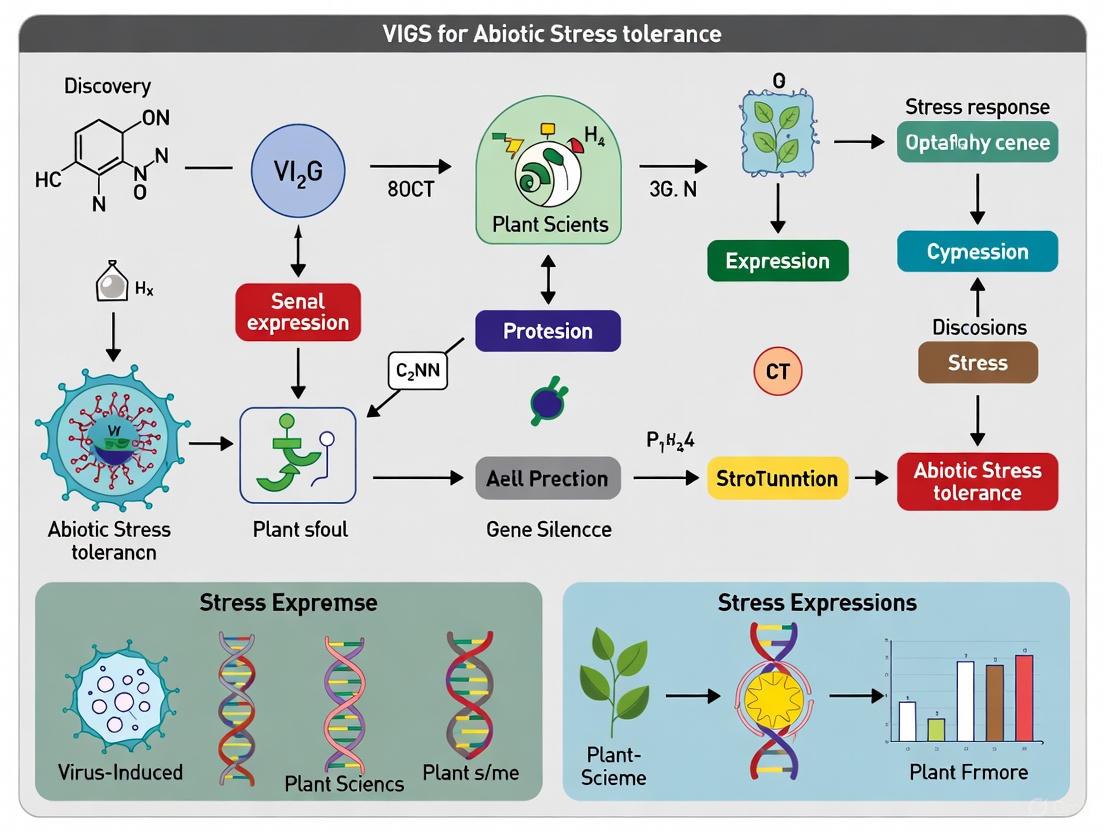
This article explores Virus-Induced Gene Silencing (VIGS) as a powerful, rapid, and versatile functional genomics tool for characterizing genes involved in plant abiotic stress tolerance.
VIGS for Abiotic Stress Tolerance: A Functional Genomics Tool for Rapid Gene Discovery
Abstract
This article explores Virus-Induced Gene Silencing (VIGS) as a powerful, rapid, and versatile functional genomics tool for characterizing genes involved in plant abiotic stress tolerance. Aimed at researchers and scientists, it covers the foundational mechanisms of VIGS, detailing its exploitation of the plant's post-transcriptional gene silencing machinery. The scope includes methodological protocols for applying VIGS across various crop species, strategies for troubleshooting and optimizing silencing efficiency, and approaches for validating gene function and comparing VIGS with other genomic technologies like CRISPR/Cas. By synthesizing recent advances and practical applications, this review serves as a comprehensive guide for leveraging VIGS to accelerate the identification of key genetic determinants of stress resilience, ultimately contributing to the development of climate-resilient crops.
Unraveling the Mechanism: How VIGS Works to Silence Abiotic Stress Genes
Post-Transcriptional Gene Silencing (PTGS) represents a fundamental RNA-mediated defense mechanism in plants that sequence-specifically degrades target messenger RNA (mRNA), thereby suppressing gene expression [1] [2]. Virus-Induced Gene Silencing (VIGS) is a powerful reverse genetics tool that co-opts this innate antiviral defense pathway to systematically downregulate endogenous plant genes [3] [2]. The core principle involves using a recombinant viral vector, engineered to carry a fragment of a host gene of interest, to trigger silencing against both the virus and the corresponding endogenous mRNA transcript [1]. Within the context of abiotic stress tolerance research, VIGS enables rapid functional characterization of genes involved in drought, salinity, and temperature stress responses, significantly accelerating the identification of key genetic determinants for crop improvement programs [4] [5]. This technical guide details the molecular mechanisms, standardized methodologies, and application frameworks for implementing VIGS in abiotic stress gene discovery.
Molecular Mechanism of PTGS in VIGS
The PTGS mechanism underlying VIGS is an evolutionarily conserved process that unfolds through a defined sequence of molecular events, culminating in the sequence-specific degradation of target mRNAs [1] [2].
Diagram 1: The PTGS Pathway in VIGS
- Viral Replication and dsRNA Formation: Following the introduction of a recombinant viral vector into the plant host, the virus undergoes transcription and replication in the cell cytoplasm. A key step in this process is the formation of double-stranded RNA (dsRNA), which serves as the primary pathogen-associated molecular pattern (PAMP) triggering the silencing cascade [1] [2].
- DICER-Mediated Cleavage: The host's Dicer or Dicer-like (DCL) nucleases recognize and process the viral dsRNA, cleaving it into small interfering RNA (siRNA) duplexes typically 21 to 24 nucleotides in length [1].
- RISC Assembly and Activation: The siRNA duplexes are incorporated into a multi-protein complex known as the RNA-induced silencing complex (RISC). Within RISC, the duplex is unwound, and the guide (antisense) strand is retained to confer sequence specificity [1] [2].
- Target mRNA Cleavage: The activated RISC, guided by the siRNA, scans the cellular mRNA pool and binds to complementary sequences. Upon perfect or near-perfect base pairing, the catalytic component of RISC (typically an Argonaute/AGO protein) cleaves the target mRNA, preventing its translation into protein and effectively silencing the corresponding gene [1] [2].
This mechanism can be harnessed to target endogenous genes by engineering the viral vector to contain a fragment of the plant's own gene, directing the potent silencing machinery against the plant's transcript [2].
Core Experimental Workflow for VIGS
Implementing a VIGS experiment for abiotic stress gene discovery involves a standardized workflow encompassing vector design, plant inoculation, and phenotypic validation.
Diagram 2: VIGS Experimental Workflow
Target Gene Selection and Vector Construction
The initial step involves selecting a unique, non-conserved fragment (typically 200–500 base pairs) from the coding sequence of the target gene to ensure specific silencing and avoid off-target effects on homologous genes [3] [2]. This fragment is PCR-amplified and cloned in the antisense orientation into the multiple cloning site of a VIGS vector, such as pTRV2 [3].
Agrobacterium-Mediated Delivery
The recombinant plasmid is then transformed into Agrobacterium tumefaciens strains (e.g., GV3101). Positive colonies are cultured in Luria-Bertani (LB) broth with appropriate antibiotics (e.g., kanamycin, rifampicin) and induction agents (e.g., acetosyringone, MES) to facilitate T-DNA transfer [3]. The bacterial cultures are resuspended in an infiltration buffer (e.g., 10 mM MgCl₂, 10 mM MES, 150 μM acetosyringone) to an optimal optical density (OD₆₀₀ ≈ 0.8-1.0) before being mixed for plant inoculation [3].
Plant Inoculation Methods
Several inoculation methods are employed, each with distinct advantages. The table below summarizes key methodologies, including a recently developed high-efficiency technique.
Table 1: VIGS Inoculation Methods for Abiotic Stress Research
| Method | Protocol Summary | Key Applications & Advantages | Silencing Efficiency |
|---|---|---|---|
| Root Wounding-Immersion [3] | Excise 1/3 of root length; immerse in Agrobacterium suspension (OD₆₀₀ = 0.8) for 30 minutes. | High-throughput screening; suitable for species resistant to above-ground inoculation; allows early seedling inoculation. | 95-100% (N. benthamiana, tomato) [3] |
| Leaf Infiltration [2] | Use a needleless syringe to infiltrate bacterial suspension into the abaxial side of leaves. | Well-established for model plants like N. benthamiana; direct and efficient local delivery. | High in susceptible species |
| Agrodrench [3] | Apply bacterial suspension directly to the soil around the plant's base. | Less invasive; useful for soil-borne studies and larger plants. | Variable, depends on root uptake |
| Stem Scratching [3] | Gently scratch the stem and apply bacterial culture to the wound. | Alternative when leaf infiltration is problematic. | Moderate to High |
Phenotypic and Molecular Validation
Systemic silencing becomes evident 2-4 weeks post-inoculation. Silencing efficiency must be confirmed using both phenotypic and molecular assays:
- Phenotypic Marker: Use a reporter gene like Phytoene Desaturase (PDS), which causes photobleaching (white sectors) upon silencing, providing a visual confirmation of successful VIGS [3] [2].
- Molecular Confirmation: Quantify transcript knockdown of the target gene using quantitative reverse transcription-PCR (qRT-PCR). Protein level reduction can be confirmed via immunoblotting if specific antibodies are available [4].
The Scientist's Toolkit: Essential Research Reagents
Successful execution of VIGS experiments relies on a suite of specialized reagents and vectors.
Table 2: Key Research Reagent Solutions for VIGS
| Research Reagent | Function & Application in VIGS | Example Specifications |
|---|---|---|
| TRV VIGS Vectors (pTRV1, pTRV2) | Bipartite vector system; pTRV1 encodes replication proteins, pTRV2 carries the target gene insert. Most widely used for its efficiency and mild symptoms [3] [2]. | ~10.7 kb plasmid; Kanamycin⁺ [3] |
| Agrobacterium Strain | Bacterial vehicle for delivering T-DNA containing the VIGS construct into plant cells. | GV3101, GV2260 [3] |
| Infiltration Buffer | Solution for suspending and activating Agrobacterium to facilitate T-DNA transfer into plant cells. | 10 mM MgCl₂, 10 mM MES (pH 5.6), 150 μM acetosyringone [3] |
| Antibiotics | Selective pressure to maintain VIGS plasmids in bacterial and plant cultures. | Kanamycin (50 μg/mL), Rifampicin (25 μg/mL) [3] |
| Induction Agents | Chemical signals that activate Agrobacterium's Vir genes, essential for T-DNA transfer. | Acetosyringone (20-200 μM), MES (10 mM) [3] |
Application in Abiotic Stress Tolerance Gene Discovery
VIGS has proven instrumental in functionally validating genes involved in abiotic stress responses, as illustrated by the following case study and quantitative data.
Case Study: ValidatingGhPCMP-E17in Cotton
A meta-analysis of 3,016 abiotic stress-related QTLs in upland cotton identified 34 meta-QTLs, from which nine major effect MQTLs were prioritized [4]. Combined with transcriptome data, GhPCMP-E17 was identified as a high-confidence candidate gene. To validate its function, researchers used TRV-based VIGS to silence GhPCMP-E17 [4]. Under drought and salt stress conditions, silenced plants exhibited more severe wilting and yellowing compared to control plants. Molecular analyses revealed that silencing GhPCMP-E17 impaired the function of antioxidant enzymes, leading to increased accumulation of reactive oxygen species (ROS). This study conclusively demonstrated that GhPCMP-E17 is a positive regulator of drought and salt stress tolerance in cotton [4].
Quantitative Data from VIGS Studies
The table below consolidates key quantitative findings from recent VIGS research relevant to abiotic stress.
Table 3: Quantitative Data from VIGS and Abiotic Stress Research
| Parameter / Finding | Experimental Context | Quantitative Result / Metric | Reference |
|---|---|---|---|
| Meta-QTL Analysis | Abiotic stress QTLs in upland cotton | 3,016 initial QTLs consolidated into 34 MQTLs; 9 major MQTLs identified | [4] |
| Silencing Efficiency | Root wounding-immersion in N. benthamiana and tomato | 95-100% silencing of PDS gene achieved | [3] |
| Agro Culture OD₆₀₀ | Optimal for leaf infiltration in tomato | OD₆₀₀ = 1.5 results in good infection | [3] |
| Silencing Onset | TRV-PDS in N. benthamiana | Photobleaching phenotype observed at ~10 days post-infiltration (dpi) | [2] |
| Silencing Duration | TRV-based VIGS | Silencing can persist for up to 4 months, even 2+ years in some cases | [3] |
| Key Stress Mechanism | GhPCMP-E17 VIGS in cotton | Silencing weakens antioxidant enzymes, increases ROS accumulation | [4] |
Advanced VIGS Applications and Future Perspectives
The utility of VIGS extends beyond simple gene knockdown. Emerging applications are enhancing its power in functional genomics.
- Overcoming Functional Redundancy: VIGS can silence multiple members of a gene family simultaneously by targeting a highly conserved sequence region, thereby overcoming functional redundancy that often confounds traditional mutational analysis [2]. This has been successfully applied to study large families like heat shock proteins (HSP90) in tomato [2].
- VIGS in Polyploid Species: For polyploid crops like cabbage (Brassica rapa L.), where stable genetic transformation is challenging, VIGS offers a rapid alternative for gene functional analysis, as demonstrated using Tomato Yellow Leaf Curl Virus (TYLCV)-based vectors [2].
- Virus-Induced Gene Editing (VIGE): VIGS principles are being adapted to deliver CRISPR/Cas9 components, enabling targeted genome editing without stable transformation. This approach, known as VIGE, holds immense promise for accelerating crop improvement [2].
- Inducing Epigenetic Modifications: VIGS can be engineered to trigger transcriptional gene silencing (TGS) by targeting promoter sequences, leading to RNA-directed DNA methylation (RdDM) and stable, heritable epigenetic modifications [1]. This advanced application allows for the creation of stable epi-alleles with desired traits.
VIGS, built upon the core principles of PTGS, has solidified its role as an indispensable, high-throughput tool for functional genomics. Its ability to provide rapid, transient, and specific gene silencing, bypassing the need for stable transformation, makes it particularly valuable for validating genes involved in complex abiotic stress tolerance networks. As the technology evolves with integrations into genome editing and epigenetics, VIGS is poised to remain a cornerstone methodology for empowering crop breeding programs aimed at enhancing resilience and ensuring global food security under changing climates.
Virus-induced gene silencing (VIGS) has emerged as a powerful reverse genetics technique that enables rapid functional analysis of plant genes by exploiting the plant's innate RNA-mediated antiviral defense mechanism [6]. This post-transcriptional gene silencing (PTGS) process allows for targeted knockdown of endogenous genes without the need for stable transformation, making it particularly valuable for studying complex traits such as abiotic stress tolerance [7]. In the context of abiotic stress research, VIGS provides an unparalleled advantage by allowing high-throughput functional screening of numerous candidate genes identified through transcriptomic studies under stress conditions like drought, salinity, and extreme temperatures [7]. The ability to rapidly connect gene sequences to physiological functions has positioned VIGS as an essential tool for accelerating crop improvement programs aimed at developing climate-resilient varieties.
The fundamental VIGS mechanism involves introducing recombinant viral vectors carrying fragments of plant target genes, which triggers sequence-specific degradation of complementary mRNA transcripts [6] [8]. When applied to abiotic stress research, this approach enables researchers to directly link specific genetic sequences to stress tolerance phenotypes, providing critical insights for molecular breeding programs. The technology has been successfully deployed to characterize genes involved in diverse abiotic stress responses across multiple crop species, significantly advancing our understanding of the molecular basis of stress adaptation [7].
VIGS Mechanism and Workflow
The molecular machinery of VIGS operates through a well-defined pathway that begins with the introduction of recombinant viral RNA and culminates in the degradation of target host mRNA. Figure 1 illustrates the systematic workflow and biological mechanism of VIGS.
Figure 1. VIGS Workflow and Molecular Mechanism. The process begins with vector construction and proceeds through systemic viral spread, culminating in sequence-specific degradation of target mRNAs through the RNA interference pathway.
The process initiates when recombinant viral vectors are introduced into plant cells via methods such as Agrobacterium-mediated transformation (agroinfiltration), particle bombardment, or mechanical inoculation [6] [9]. Following entry, the viral RNA undergoes replication, during which the virus-encoded RNA-dependent RNA polymerase (RdRp) generates double-stranded RNA (dsRNA) intermediates [6]. These dsRNA molecules are recognized as aberrant by the plant's defense system and are cleaved by Dicer-like (DCL) enzymes into small interfering RNAs (siRNAs) of 21-24 nucleotides in length [6] [7]. The double-stranded siRNAs are then loaded into the RNA-induced silencing complex (RISC), where the guide strand directs the complex to complementary mRNA sequences for endonucleolytic cleavage [6]. This results in targeted degradation of both viral and endogenous host mRNAs that share sequence homology with the inserted fragment, leading to effective gene silencing and potentially observable phenotypes related to abiotic stress tolerance [7].
Comparative Analysis of Major VIGS Vectors
Tobacco Rattle Virus (TRV) Vectors
Tobacco rattle virus (TRV) has emerged as one of the most versatile and widely adopted VIGS vectors, particularly for dicotyledonous plants [6] [10]. TRV is a positive-sense single-stranded RNA virus with a bipartite genome consisting of RNA1 and RNA2 [6]. RNA1 encodes two replicase proteins and a movement protein that facilitate viral replication and systemic spread, while RNA2 contains the coat protein gene and serves as the primary site for inserting plant gene fragments [6] [10]. The TRV vector system offers several distinct advantages for abiotic stress research: it infects a broad host range, including members of the Solanaceae, Cruciferae, and some monocot families; it produces mild viral symptoms that don't typically interfere with stress phenotype interpretation; and it efficiently silences genes in meristematic tissues, allowing investigation of genes involved in developmental processes under stress conditions [6] [10].
Several TRV vector modifications have been developed to enhance cloning efficiency and silencing efficacy. The original TRV2-MCS (pYL156) vector featured a duplicated CaMV 35S promoter and a self-cleaving ribozyme sequence before the nopaline synthase terminator, significantly improving virus infectivity and achieving silencing efficiencies of 90-97.9% [6]. The subsequent development of TRV2-GATEWAY (pYL279) introduced recombination-based cloning, enabling high-throughput functional genomics without restriction enzyme digestion [6]. More recently, TRV2-LIC (pYY13) vectors have provided a ligation-independent cloning alternative that maintains high silencing efficiency (approximately 90%) while avoiding the cost of proprietary recombination systems [6]. These vector improvements have substantially expanded the utility of TRV-VIGS for large-scale abiotic stress gene screening programs.
Barley Stripe Mosaic Virus (BSMV) Vectors
Barley stripe mosaic virus (BSMV) represents the most extensively utilized VIGS vector for monocotyledonous plants, which include crucial cereal crops frequently targeted for abiotic stress improvement [11]. BSMV is a single-stranded positive-sense RNA virus with a tripartite genome consisting of RNAs α, β, and γ [11]. RNAα encodes the methyltransferase/helicase subunit of the RNA-dependent RNA polymerase, while RNAβ specifies the coat protein and three movement proteins (TGB1, TGB2, TGB3) essential for cell-to-cell movement [11]. RNAγ encodes the polymerase subunit of the replicase and the γb protein, which functions as a pathogenicity factor and suppressor of RNA silencing [11].
The development of Agrobacterium delivery systems for BSMV has substantially improved its utility for high-throughput functional genomics [11]. Unlike earlier versions that required in vitro transcription of capped RNAs, the Agrobacterium-based vectors permit direct infiltration of Nicotiana benthamiana leaves to generate virus inoculum for secondary infections in cereals [11]. When coupled with ligation-independent cloning (LIC) technology, these BSMV vectors enable efficient silencing of abiotic stress-related genes in wheat, barley, and the model grass Brachypodium distachyon [11]. The adaptation of BSMV for these graminaceous species is particularly valuable for abiotic stress research, as cereals face significant yield losses from environmental pressures including drought, salinity, and temperature extremes.
Vector Comparison Table
Table 1. Comparative characteristics of major VIGS vectors used in abiotic stress research
| Vector Feature | TRV | BSMV | CLCrV |
|---|---|---|---|
| Virus Type | Positive-sense ssRNA | Positive-sense ssRNA | Single-stranded DNA |
| Genome Organization | Bipartite (RNA1, RNA2) | Tripartite (RNAα, RNAβ, RNAγ) | Bipartite (DNA-A, DNA-B) |
| Primary Host Range | Dicots (Solanaceae, Cruciferae) | Monocots (cereals, grasses) | Cotton, related Malvaceae |
| Silencing Efficiency | 90-97.9% [6] | High in monocots [11] | Varies by cotton species [8] |
| Key Advantages | Wide host range, meristem invasion, mild symptoms | Effective in monocots, Agrobacterium delivery possible | DNA virus, different silencing dynamics |
| Limitations | Variable efficiency in monocots | Primarily for monocots | Narrow host range |
| Abiotic Stress Applications | Tomato, tobacco, N. benthamiana [7] | Wheat, barley, Brachypodium [11] | Cotton species [8] |
Host Range Specificity and Selection Guidelines
Host Range Comparison
The appropriate selection of VIGS vectors is critically dependent on the plant species being investigated, with significant differences observed between dicotyledonous and monocotyledonous plants. Table 2 provides a comprehensive overview of the documented host ranges for major VIGS vectors.
Table 2. Documented host ranges for major VIGS vectors in abiotic stress research
| Vector | Model Species | Crop Species | Abiotic Stress Applications |
|---|---|---|---|
| TRV | Nicotiana benthamiana, Arabidopsis thaliana [6] [10] | Tomato, potato, pepper, petunia [6] [7] | Drought, salt, oxidative, and nutrient deficiency stresses [7] |
| BSMV | Brachypodium distachyon [11] | Barley, wheat, culinary ginger [11] | Drought, salt, and temperature stress responses in cereals |
| CLCrV | - | Cotton (G. hirsutum, G. barbadense) [8] | Limited reports on abiotic stress |
| BPMV | - | Soybean [9] | Limited reports on abiotic stress |
| Other Vectors | Various | Soybean (BPMV, ALSV, SYCMV) [9] | Species-specific stress responses |
TRV exhibits the broadest host range among established VIGS vectors, efficiently silencing genes in numerous dicot families including Solanaceae (tomato, tobacco, pepper), Cruciferae (Arabidopsis), and others [6] [10] [12]. Its ability to invade meristematic tissues enables functional studies of genes involved in developmental processes under abiotic stress conditions [10]. In contrast, BSMV has been predominantly optimized for monocot species, particularly cereals such as barley, wheat, and the model grass Brachypodium distachyon [11]. The recent development of Agrobacterium-mediated delivery systems for BSMV has significantly enhanced its utility for high-throughput studies of abiotic stress tolerance mechanisms in these economically important crops [11].
For species with established VIGS protocols, vector selection is relatively straightforward. However, for species new to VIGS, preliminary experiments comparing multiple vectors are recommended. Cotton leaf crumple virus (CLCrV) has shown efficacy in cotton species [8], while bean pod mottle virus (BPMV) and related vectors have been successfully deployed in soybean [9]. The silencing efficiency may also vary between different varieties of the same species, as demonstrated in cotton where diploid species (G. arboreum and G. herbaceum) showed more prominent silencing compared to tetraploid species (G. hirsutum) [8].
Vector Selection Workflow
Selecting the appropriate VIGS vector requires systematic consideration of multiple experimental factors. Figure 2 provides a decision framework for optimal vector selection based on research objectives and plant systems.
Figure 2. VIGS Vector Selection Workflow. A systematic approach for selecting the optimal VIGS vector based on plant species and research requirements.
The selection process should begin with identification of the target plant species, followed by consultation of published literature on VIGS applications in that species or closely related relatives [6] [8] [11]. For dicot species, TRV typically serves as the starting vector due to its broad host range and well-established protocols [6] [12]. For monocot species, particularly cereals, BSMV represents the vector of choice [11]. In cases where standard vectors prove ineffective, investigation of species-specific alternatives such as CLCrV for cotton or BPMV for soybean is recommended [8] [9]. Before proceeding with functional studies of abiotic stress genes, validation of the silencing system using visual marker genes like phytoene desaturase (PDS) or chloroplastos alterados 1 (CLA1) is essential to confirm efficient gene knockdown [8].
Experimental Protocols for VIGS in Abiotic Stress Research
TRV-Mediated VIGS Protocol
The implementation of TRV-VIGS begins with the selection of an appropriate target gene fragment, typically 300-500 base pairs in length, with careful bioinformatic analysis to minimize potential off-target effects [6] [7]. The fragment is cloned into the TRV2 vector using restriction enzyme-based (MCS), Gateway recombination, or ligation-independent cloning methods, depending on the specific vector system [6]. The recombinant TRV2 construct and the complementary TRV1 vector are then introduced into Agrobacterium tumefaciens strain GV3101 through electroporation or freeze-thaw transformation [6] [9].
For agroinfiltration, bacterial cultures are grown overnight in appropriate antibiotic selection, pelleted by centrifugation, and resuspended in infiltration buffer (10 mM MES pH 5.6, 10 mM MgCl₂, and 150 µM acetosyringone) to an optimal optical density (OD₆₀₀) of 1.0-2.0 [9]. The TRV1 and TRV2 agrobacterium suspensions are mixed in a 1:1 ratio and incubated at room temperature for 3-4 hours before infiltration [6]. Inoculation is typically performed on expanded true leaves of young plants using a needleless syringe for leaf infiltration or vacuum infiltration for whole seedlings [6] [9]. Following inoculation, plants are maintained under high humidity conditions for 24-48 hours to facilitate infection, then transferred to standard growth conditions. Silencing phenotypes typically become evident within 2-3 weeks post-inoculation, after which plants can be subjected to abiotic stress treatments to assess functional consequences of gene knockdown [7].
BSMV-Mediated VIGS Protocol
For BSMV-VIGS, the target gene fragment is cloned into the BSMV γ vector using appropriate restriction sites or ligation-independent cloning strategies [11]. The recombinant BSMV γ construct, along with BSMV α and β components, are transformed into Agrobacterium tumefaciens strain GV3101 [11]. Agrobacterium cultures are grown to saturation, pelleted, and resuspended in infiltration buffer containing 10 mM MES pH 5.6, 10 mM MgCl₂, and 150 µM acetosyringone [11].
For monocot inoculation, two primary approaches are employed: (1) direct agroinfiltration of young seedlings or (2) secondary inoculation using sap extracted from pre-infected Nicotiana benthamiana leaves [11]. In the direct method, the BSMV α, β, and γ agrobacterium suspensions are mixed in equal ratios and infiltrated into the base of young leaves or rubbed onto carbonundum-dusted leaves [11]. Alternatively, N. benthamiana leaves are first infiltrated with the mixed agrobacterium cultures, and systemic leaves showing infection symptoms are harvested 10-14 days post-infiltration for use as inoculum source [11]. These infected leaves are ground in inoculation buffer (10 mM sodium phosphate pH 7.0, 1% celite) and mechanically rubbed onto leaves of target monocot plants [11]. Successful gene silencing is typically established within 2-3 weeks, after which plants can be subjected to abiotic stress treatments to evaluate the functional role of the targeted gene [11].
Research Reagent Solutions for VIGS Experiments
Table 3. Essential research reagents for implementing VIGS technology
| Reagent Category | Specific Examples | Function & Application |
|---|---|---|
| Viral Vectors | TRV1/pTRV1, TRV2/pTRV2, BSMV α, β, γ clones [6] [11] | Backbone for delivering target gene fragments |
| Agrobacterium Strains | GV3101, LBA4404 [9] [11] | Delivery vehicle for viral vectors |
| Marker Genes | PDS (phytoene desaturase), CLA1 (chloroplastos alterados 1), GFP (green fluorescent protein) [8] | Visual indicators of silencing efficiency |
| Infiltration Buffers | 10 mM MES pH 5.6, 10 mM MgCl₂, 150 µM acetosyringone [9] [11] | Facilitates Agrobacterium delivery |
| Cloning Systems | Restriction enzyme (MCS), GATEWAY, LIC (Ligation Independent Cloning) [6] [11] | Insertion of target fragments into viral vectors |
| Plant Growth Regulators | Acetosyringone [9] [11] | Induces virulence genes in Agrobacterium |
VIGS technology has revolutionized functional genomics in plants, providing an efficient and rapid alternative to traditional stable transformation for gene function analysis [6] [7]. The continued refinement of TRV and BSMV vectors has expanded their utility for high-throughput studies of abiotic stress tolerance mechanisms in both model and crop species [6] [11]. As climate change intensifies environmental pressures on global agriculture, the ability to rapidly identify and validate genes conferring stress resilience becomes increasingly valuable for breeding programs [7] [13].
Future developments in VIGS technology will likely focus on expanding host ranges, improving silencing efficiency in recalcitrant species, and developing inducible systems for temporal control of gene silencing [7]. The integration of VIGS with emerging technologies such as CRISPR/Cas9 and multi-omics approaches will further enhance our ability to dissect complex gene networks governing abiotic stress responses [12]. As these tools mature, VIGS will continue to play a pivotal role in accelerating the development of climate-resilient crops, ultimately contributing to global food security in the face of changing environmental conditions.
RNA silencing is an ancient, conserved defense mechanism in eukaryotes that induces homology-dependent degradation of target RNA [14]. In plants, this process is a key defense against viral infection. Double-stranded RNA (dsRNA), a common replication intermediate for RNA viruses, is recognized as a trigger, leading to a sequence-specific breakdown of complementary viral RNA sequences [15]. This innate immune response, known as Virus-induced gene silencing (VIGS), has been co-opted by researchers as a powerful reverse genetics tool to study gene function, particularly in the context of abiotic stress tolerance [16] [15]. The core of this process is a precise molecular pathway that begins with dsRNA recognition and culminates in the guided destruction of target messenger RNA (mRNA). Understanding this execution mechanism—from dsRNA to siRNA-mediated degradation—is fundamental for effectively utilizing VIGS in functional genomics and for exploring its potential in crop improvement, including the discovery of genes that confer tolerance to stresses like drought and salinity [15].
The Core Mechanism: From dsRNA to Target mRNA Cleavage
The molecular execution of RNA silencing is a cytoplasmic process that can be systematically broken down into a series of defined, sequential steps. Table 1 summarizes the key components and their functions in this pathway.
Table 1: Core Protein Complexes and Components in the siRNA Pathway
| Component | Primary Function | Key Characteristics |
|---|---|---|
| Dicer-like (DCL) Enzymes | RNase III enzyme; processes dsRNA into siRNAs [16] [1]. | Produces 21-24 nucleotide siRNA duplexes with 2-nt 3' overhangs. |
| RNA-induced Silencing Complex (RISC) | Effector complex that executes target RNA cleavage [14] [16]. | A multi-subunit complex with Argonaute (AGO) protein as its catalytic core. |
| Argonaute (AGO) Protein | Catalytic "slicer" engine of RISC; binds siRNA and cleaves target mRNA [14] [17]. | Contains PAZ and PIWI domains; PIWI domain has RNase H-like activity. |
| Small Interfering RNA (siRNA) | 21-24 nt guide molecule that provides target specificity to RISC [14] [1]. | Generated from dsRNA; one strand (guide strand) is loaded into RISC. |
| RNA-dependent RNA Polymerase (RDRP) | Amplifies silencing; synthesizes secondary dsRNA using siRNA-primed target RNA as a template [16] [1]. | Enhances silencing signal and its systemic propagation. |
dsRNA Processing and siRNA Biogenesis
The process initiates when long dsRNA molecules, which can originate from viral replication intermediates or be synthesized by host RNA-dependent RNA polymerase (RDRP), are recognized in the cytoplasm [16] [1]. These molecules are cleaved by a Dicer-like (DCL) enzyme, an RNase III endonuclease. DCL cleaves the dsRNA into short duplex fragments of 21 to 24 nucleotides in length, known as small interfering RNAs (siRNAs), each featuring two-nucleotide 3' overhangs [14] [1]. This pool of siRNAs includes both primary siRNAs (derived directly from the initial dsRNA) and secondary siRNAs (amplified by RDRP activity), which are crucial for sustaining and spreading the silencing signal [1].
RISC Assembly and Programmation
The double-stranded siRNAs are then loaded into the RNA-induced silencing complex (RISC), a multi-protein effector complex [14] [16]. During RISC assembly, the siRNA duplex is unwound, and typically one strand, known as the guide strand, is selectively retained. The selection of which strand is loaded is influenced by the RISCbinding score; a more negative value indicates a lower probability of a strand being loaded, while a more positive value indicates a higher probability. The desired outcome is for the antisense (guide) strand to have a higher RISCbinding score than the sense (passenger) strand, ensuring correct RISC programming [17]. The guide strand then directs RISC to perfectly complementary RNA sequences within the cell.
Target mRNA Recognition and Cleavage
The catalytic heart of RISC is the Argonaute (AGO) protein. The guide siRNA is positioned within the AGO protein, with its 5' end anchored in a binding pocket and its nucleotides paired with the target mRNA [14]. Upon perfect or near-perfect base pairing, the AGO protein, which possesses an RNase H-like activity often referred to as "Slicer" activity, cleaves the target mRNA [14] [17]. This cleavage occurs between the nucleotides paired to the 10th and 11th nucleotides of the guide siRNA, leading to the fragmentation of the target mRNA and subsequent degradation by cellular exonucleases [14]. In the specific context of VIGS, this mechanism is harnessed to degrade viral RNAs or endogenous mRNAs that share sequence complementarity with the siRNAs derived from the VIGS vector [14] [16].
Figure 1: The Core siRNA-Mediated mRNA Degradation Pathway. This diagram illustrates the sequential process from initial double-stranded RNA (dsRNA) processing to the final cleavage of the target messenger RNA (mRNA).
Experimental Protocols for Tracking the Molecular Pathway
Validating the occurrence and efficiency of VIGS requires a combination of molecular techniques to detect the key intermediates and outputs of the pathway.
Detection of Small Interfering RNAs (siRNAs)
The presence of virus-derived siRNAs (vsiRNAs) is a definitive marker for the activation of the RNA silencing machinery.
Detailed Protocol:
- RNA Extraction: Total RNA is extracted from plant tissue (e.g., ~100 mg) using a tri-reagent-based method [14].
- Size Fractionation: The RNA is separated into high- and low-molecular-weight fractions to enrich for small RNAs [14].
- Gel Electrophoresis and Transfer: The low-molecular-weight RNA is resolved on a denaturing polyacrylamide gel and then transferred to a membrane.
- Hybridization: The membrane is probed with a
^32P-labeled riboprobe complementary to the target viral or endogenous gene sequence. For highly specific detection, locked nucleic acid (LNA) oligonucleotide probes can also be used [14]. - Detection: vsiRNAs are visualized and quantified using autoradiography or phosphorimaging, typically appearing as a smear or discrete bands around 21-24 nucleotides [14].
Mapping RISC-Mediated Cleavage Sites
Identifying the precise location where RISC cleaves a target mRNA provides direct evidence of its activity.
Detailed Protocol: 3' RACE (Rapid Amplification of cDNA Ends) [14]
- RNA Ligation: Total RNA (e.g., 5 μg) is ligated to a known 3'-adapter oligonucleotide using T4 RNA ligase.
- Reverse Transcription: The ligated RNA is reverse-transcribed using a primer complementary to the 3'-adapter.
- PCR Amplification: The cDNA is amplified by PCR using the adapter-specific primer as the reverse primer and a gene-specific forward primer.
- Cloning and Sequencing: The PCR products are cloned into a sequencing vector, and multiple clones are sequenced.
- Data Analysis: The cleavage site is identified as the junction between the target gene sequence and the 3'-adapter sequence. Analysis of multiple clones can reveal "hot spots" for RISC-mediated cleavage [14].
Quantifying Silencing Efficiency at the mRNA Level
Measuring the reduction of target mRNA abundance is the most common way to assess silencing efficiency.
Detailed Protocol: Quantitative Real-Time PCR (qPCR)
- cDNA Synthesis: Total RNA is treated with DNase I to remove genomic DNA contamination. Reverse transcription is performed using an oligo(dT) or random hexamer primer.
- qPCR Reaction: The cDNA is amplified using gene-specific primers and a fluorescent DNA-binding dye (e.g., SYBR Green) or probe (e.g., TaqMan). Primers should be designed to amplify a region within the fragment targeted by the VIGS construct.
- Data Analysis: The cycle threshold (Ct) values of the target gene are normalized to one or more stable reference genes (e.g., actin, ubiquitin). The relative expression level in silenced plants is compared to control plants (e.g., empty vector-infected plants) using the 2^(-ΔΔCt) method. Silencing efficiencies ranging from 65% to 95% reduction in target mRNA are commonly reported with optimized VIGS systems [9].
Table 2: Key Methodologies for Analyzing the siRNA Pathway
| Method | Target Molecule | Key Outcome | Technical Considerations |
|---|---|---|---|
| Northern Blot for Small RNAs [14] | siRNA (21-24 nt) | Confirms activation of silencing; reveals siRNA abundance and size. | Requires specialized protocols for small RNA separation and sensitive detection. |
| 3' RACE Sequencing [14] | Cleaved mRNA fragments | Precisely maps the RISC cleavage site on the target mRNA. | Identifies "hot spots" of cleavage which are asymmetrically distributed on viral RNA strands. |
| Quantitative RT-PCR (qPCR) [9] | Target mRNA | Quantifies the efficiency of gene silencing (e.g., 65-95% knockdown). | Fast and sensitive; requires stable reference genes for accurate normalization. |
The Scientist's Toolkit: Essential Research Reagents
Successfully implementing VIGS and analyzing the underlying molecular execution requires a suite of well-characterized reagents. The following table details key materials and their functions.
Table 3: Essential Research Reagents for VIGS and siRNA Pathway Analysis
| Reagent / Material | Function / Purpose | Application Example |
|---|---|---|
| TRV-based VIGS Vectors (pTRV1, pTRV2) [9] [12] | Bipartite viral vector system for inducing silencing. pTRV1 encodes replication proteins; pTRV2 carries the target gene fragment. | Systemic silencing in Solanaceae (tomato, pepper) and optimized protocols for soybean and sunflower [9] [18] [12]. |
| Agrobacterium tumefaciens (GV3101) [9] [18] | Delivery vehicle for introducing TRV vectors into plant cells. | Cultures are grown, mixed (pTRV1 + recombinant pTRV2), and infiltrated into plant tissue [9]. |
| Phytoene Desaturase (PDS) Gene Fragment [9] [18] | A visual marker for silencing; silencing PDS causes photobleaching, allowing for easy assessment of VIGS efficiency. | Used to optimize infiltration protocols and monitor systemic spread of silencing in plants [18]. |
| pssRNAit Software [17] [18] | Bioinformatics tool for designing effective and specific siRNA sequences and VIGS inserts. | Designs VIGS fragments (100-300 bp) with high siRNA candidate count, minimizing off-target effects [17] [18]. |
| Radioactive Riboprobes (^32P-labeled) [14] | Sensitive detection of siRNAs and viral RNAs via Northern blot hybridization. | Used to detect virus-derived siRNAs in recovered plant leaves, confirming silencing activation [14]. |
| LNA (Locked Nucleic Acid) Oligonucleotides [14] | High-affinity RNA probes for detecting microRNAs and siRNAs with superior specificity. | Alternative to riboprobes for sensitive detection of small RNAs in Northern blot analysis [14]. |
The molecular execution of RNA silencing—a precise pathway from dsRNA to siRNA-mediated mRNA degradation—represents a fundamental biological process that has been harnessed for gene discovery. The detailed protocols for siRNA detection, cleavage site mapping, and mRNA quantification provide researchers with a robust toolkit for validating and utilizing VIGS. When combined with optimized reagents and bioinformatic tools, this knowledge creates a powerful platform for functional genomics. This platform is particularly valuable for probing complex biological questions, such as the genetic basis of abiotic stress tolerance, where rapid, high-throughput gene characterization is essential for accelerating crop improvement programs [16] [15].
Virus-Induced Gene Silencing (VIGS) has emerged as a powerful reverse genetics technology that enables researchers to investigate gene function by directing the post-transcriptional silencing of plant endogenous genes. This method leverages the plant's innate antiviral defense mechanism, where introducing a recombinant virus carrying a fragment of a target plant gene triggers sequence-specific degradation of corresponding mRNA transcripts [1]. The foundational principle of VIGS lies in the RNA interference (RNAi) pathway, an evolutionary conserved system in eukaryotes [19]. Since its initial demonstration using a Tobacco mosaic virus vector to silence the phytoene desaturase (PDS) gene in Nicotiana benthamiana, VIGS has been adapted for functional gene analysis in over 50 plant species, including major crops like soybean, tomato, barley, and cotton [12] [1].
The significance of VIGS is particularly pronounced in the context of abiotic stress tolerance research, where understanding gene function is crucial for developing resilient crop varieties. Traditional methods for studying gene function, such as stable genetic transformation, are often time-consuming, labor-intensive, and limited to genetically tractable species [9] [12]. VIGS circumvents these limitations by providing a rapid, transient alternative that does not require the development of stable transgenic lines, making it an indispensable tool for high-throughput functional screening of candidate genes involved in stress response pathways [9] [20]. This technical guide examines the core advantages of VIGS technology, with specific emphasis on its application in abiotic stress tolerance gene discovery.
Speed and Efficiency Advantages
Rapid Functional Characterization
The most significant temporal advantage of VIGS lies in its ability to bypass the lengthy process of stable transformation and plant regeneration. While conventional genetic transformation and mutant development can require multiple generations spanning several months to years, VIGS can induce detectable silencing phenotypes within 2-4 weeks post-inoculation [9] [21]. This accelerated timeline enables researchers to progress from gene sequence to functional data in a single generation, dramatically speeding up the validation of candidate genes identified through transcriptomic studies of abiotic stress responses.
Recent methodological advancements have further enhanced the speed of VIGS-based approaches. In soybean, an optimized TRV-based VIGS system demonstrated that photobleaching phenotypes in leaves inoculated with pTRV:GmPDS became visible at just 21 days post-inoculation (dpi) [9]. Similarly, in wheat, the integration of VIGS with other rapid gene cloning tools has enabled the complete workflow from mutagenesis to gene identification to be completed in approximately 179 days – a timeframe that would be considerably longer using traditional transformation-dependent approaches [21].
High-Throughput Screening Capability
VIGS is particularly suited for high-throughput functional genomics screens due to its technical simplicity and scalability. The methodology allows researchers to simultaneously silence multiple genes across numerous plants, facilitating rapid assessment of gene function at scale. The table below summarizes key efficiency metrics reported for VIGS systems across various plant species:
Table 1: VIGS Efficiency Metrics Across Plant Species
| Plant Species | Silencing Efficiency | Time to Phenotype | Key Applications | Reference |
|---|---|---|---|---|
| Soybean (Glycine max) | 65-95% | 21 days | Disease resistance, stress response | [9] |
| Camellia (C. drupifera) | ~93.94% (CdCRY1), ~90.91% (CdLAC15) | Varies by developmental stage | Pigmentation, fruit development | [22] |
| Wheat (Triticum aestivum) | Confirmed via susceptibility assays | 179 days (complete workflow) | Disease resistance validation | [21] |
| Cotton (Gossypium spp.) | Qualitative (increased susceptibility) | N/R | Verticillium wilt resistance | [23] |
The high efficiency of modern VIGS systems is exemplified by recent implementations in recalcitrant species. In tea oil camellia (Camellia drupifera), an optimized TRV-based VIGS system achieved infiltration efficiencies of approximately 93.94% for pericarp pigmentation genes when using the pericarp cutting immersion method [22]. In soybean, the effective infectivity efficiency exceeded 80%, reaching up to 95% for specific cultivars like Tianlong 1 [9]. These high success rates make VIGS particularly valuable for comprehensive functional screening of gene families and signaling pathways involved in abiotic stress responses.
Figure 1: Comparative timeline of traditional transformation versus VIGS approach for gene function analysis
Non-Transgenic Nature and Epigenetic Applications
Transgene-Free Functional Genomics
A fundamental advantage of VIGS is its capacity to induce temporary gene silencing without integrating foreign DNA into the plant genome. Unlike stable transformation approaches that permanently alter the plant's genetic makeup, VIGS operates through transient viral replication and systemic movement, triggering silencing that typically lasts for the duration of the infection but is not inherited by subsequent generations [19]. This non-transgenic characteristic positions VIGS as a valuable tool for crop species where regulatory constraints and public acceptance limit the application of genetically modified organisms (GMOs).
The non-integrative nature of VIGS is particularly beneficial for functional screening of essential genes that might be lethal when constitutively silenced in stable transformants. Because VIGS induces temporary and often partial silencing, researchers can investigate the functions of genes critical for plant development and stress response that would be impossible to study through conventional knockout strategies [12]. This partial silencing can actually be advantageous for studying abiotic stress tolerance, as it may more accurately mimic the subtle modulation of gene expression that occurs under natural conditions rather than complete gene knockouts.
Induction of Heritable Epigenetic Modifications
While VIGS itself is transient, recent research has revealed its capacity to induce heritable epigenetic modifications that can stably alter gene expression patterns across generations – a phenomenon termed VIGS-induced heritable epigenetics [1]. This occurs when the viral vector carries sequences homologous to promoter regions rather than coding sequences, triggering RNA-directed DNA methylation (RdDM) that leads to transcriptional gene silencing (TGS) [1].
The molecular mechanism involves small interfering RNAs (siRNAs) derived from the viral vector guiding epigenetic modifiers to target loci, resulting in DNA methylation and chromatin modifications that can be maintained through cell divisions and potentially transmitted to progeny [1]. This process has been demonstrated in Arabidopsis, where TRV:FWAtr infection led to transgenerational epigenetic silencing of the FWA promoter sequence [1]. For abiotic stress research, this epigenetic dimension offers intriguing possibilities for inducing stable stress tolerance phenotypes without genetic modification, potentially providing a powerful tool for epigenetic breeding approaches.
Table 2: Comparison of Genetic and Epigenetic Silencing Approaches
| Characteristic | Traditional Mutagenesis/KO | Transient VIGS | VIGS-Induced Epigenetics |
|---|---|---|---|
| Nature of modification | DNA sequence alteration | mRNA degradation | DNA methylation & chromatin modification |
| Duration of effect | Permanent and heritable | Transient (weeks to months) | Potentially heritable |
| Inheritance pattern | Mendelian | Non-heritable | Non-Mendelian, potentially stable |
| Reversibility | Irreversible | Reversible | Potentially reversible |
| Regulatory status | Often considered GMO | Non-transgenic | Epigenetically modified |
Bypassing Traditional Transformation Barriers
Overcoming Technical Constraints in Recalcitrant Species
VIGS technology effectively circumvents the major technical bottlenecks associated with stable plant transformation, particularly for species and cultivars that remain recalcitrant to genetic transformation. Many economically important crops, including most perennial woody species and numerous monocots, have proven difficult to transform using Agrobacterium-mediated or biolistic methods due to poor regeneration efficiency, genotype dependence, and limited host range of Agrobacterium strains [22] [24]. VIGS bypasses these limitations by utilizing viral vectors that systemically spread through established plants, eliminating the need for in vitro regeneration entirely.
The application of VIGS in transformation-recalcitrant species is well demonstrated in tea oil camellia (Camellia drupifera), where researchers successfully established a TRV-based VIGS system for functional analysis of genes in firmly lignified capsules [22]. Traditional transformation methods had previously proven unsuccessful for this species, hindering in vivo gene function analysis despite the identification of numerous candidate genes through multi-omics approaches [22]. Similarly, VIGS has been successfully implemented in other challenging species including cotton, poplar, and olive, significantly expanding the range of plants accessible to functional genomics research [1] [23].
Flexible Delivery Methods for Diverse Tissues
A key advantage of VIGS is the versatility of delivery methods that can be adapted to different plant species, tissues, and developmental stages. Unlike stable transformation that typically requires specific explant types (often embryonic tissues), VIGS can be delivered to various plant organs through multiple inoculation techniques:
Agroinfiltration: The most common delivery method, utilizing Agrobacterium tumefaciens carrying viral vectors to infect plant tissues [9] [12]. Optimization for challenging species like soybean has led to specialized approaches such as cotyledon node immersion, achieving infection efficiencies exceeding 80% [9].
Pericarp cutting immersion: Particularly useful for recalcitrant fruits and woody tissues, as demonstrated in Camellia drupifera capsules where this method achieved approximately 94% infiltration efficiency [22].
In planta injection methods: Including direct pericarp injection, peduncle injection, and fruit-bearing shoot infusion, offering alternatives for specific tissue types [22].
Spray-induced applications: Emerging techniques such as Spray-Induced Gene Silencing (SIGS) that enable non-invasive delivery of RNAi triggers through foliar application [19].
The flexibility of VIGS delivery is further enhanced by the diversity of viral vectors available, each with distinct host ranges, tissue specificity, and cargo capacities. Tobacco Rattle Virus (TRV) has emerged as one of the most versatile vectors due to its broad host range, efficient systemic movement, and minimal symptom development that reduces interference with phenotypic analysis [9] [12]. Other vectors include Bean Pod Mottle Virus (BPMV) for legumes, Apple Latent Spherical Virus (ALSV) for various dicots, and Foxtail Mosaic Virus (FoMV) for monocots [9] [20].
Technical Protocols for Abiotic Stress Research
Optimized VIGS Experimental Workflow
Implementing an effective VIGS system for abiotic stress tolerance research requires careful optimization of each step in the experimental pipeline. The following protocol outlines key considerations for establishing a robust VIGS system:
Step 1: Vector Selection and Preparation
- Select appropriate viral vector based on target species (TRV for broad dicot applications, species-specific vectors when available)
- Clone 200-500 bp fragment of target gene into viral vector using restriction enzymes or recombination-based cloning
- Verify insert sequence fidelity and orientation through sequencing
- Transform validated constructs into appropriate Agrobacterium strain (e.g., GV3101)
Step 2: Plant Material Selection and Growth Conditions
- Select plant genotypes with known susceptibility to the viral vector
- Optimize growth conditions to promote vigorous growth while minimizing stress
- Time plant development to reach appropriate stage for inoculation (typically 2-4 leaf stage for many species)
Step 3: Agroinoculum Preparation
- Culture Agrobacterium harboring viral vectors in appropriate selective media
- Induce virulence gene expression using acetosyringone (200 μM)
- Resuspend bacterial pellets in infiltration medium (10 mM MgCl₂, 10 mM MES, 200 μM acetosyringone) to final OD₆₀₀ of 0.5-2.0
- Incubate suspension at room temperature for 2-4 hours before inoculation
Step 4: Inoculation Method Selection and Implementation
- For leaves with thin cuticles: use syringe infiltration without needle
- For species with thick cuticles/dense trichomes (e.g., soybean): employ cotyledon node immersion [9]
- For recalcitrant tissues: apply specialized methods like pericarp cutting immersion [22]
- Include appropriate controls (empty vector, non-silenced plants)
Step 5: Silencing Establishment and Validation
- Maintain inoculated plants under optimal conditions (22-25°C for most species)
- Monitor systemic silencing emergence (typically 1-3 weeks post-inoculation)
- Validate silencing efficiency through qRT-PCR of target transcript
- Include visible marker (e.g., PDS silencing) to monitor system effectiveness
Step 6: Stress Application and Phenotypic Assessment
- Apply standardized abiotic stress treatments once silencing is confirmed
- Implement appropriate experimental design with sufficient replication
- Document physiological, molecular, and biochemical responses
- Correlate phenotypic changes with extent of target gene silencing
Figure 2: Optimized VIGS experimental workflow for abiotic stress research
Molecular Mechanism of VIGS
The effectiveness of VIGS stems from its exploitation of the plant's innate RNAi machinery. The molecular process can be broken down into key stages:
Viral Replication and dsRNA Formation: After delivery into plant cells, the recombinant virus replicates, generating double-stranded RNA (dsRNA) intermediates during its replication cycle [1].
Dicer-like Enzyme Processing: Plant Dicer-like (DCL) enzymes recognize and cleave viral dsRNA into small interfering RNAs (siRNAs) of 21-24 nucleotides in length [1].
RISC Complex Assembly: These siRNAs are incorporated into the RNA-Induced Silencing Complex (RISC), where they serve as guides for sequence-specific recognition [1].
Target mRNA Cleavage: The RISC complex identifies and cleaves complementary mRNA molecules – both viral RNAs and endogenous transcripts sharing sequence similarity with the inserted fragment [1].
Systemic Silencing Spread: The silencing signal amplifies and moves systemically through the plant, potentially mediated by secondary siRNAs produced by host RNA-dependent RNA polymerases (RDRs) [1].
This mechanistic foundation explains both the efficiency and specificity of VIGS, while also accounting for potential off-target effects when the inserted fragment shares significant homology with non-target genes.
The Scientist's Toolkit: Essential Research Reagents
Successful implementation of VIGS for abiotic stress research requires access to specialized biological materials and reagents. The following table outlines key resources for establishing a VIGS system:
Table 3: Essential Research Reagents for VIGS Implementation
| Reagent Category | Specific Examples | Function/Purpose | Technical Notes |
|---|---|---|---|
| Viral Vectors | pTRV1, pTRV2 (TRV system); pBPMV-IA-R1A, pBPMV-IA-R2A (BPMV system) | Virus replication and systemic spread; target gene fragment delivery | TRV system offers broad host range; BPMV optimized for legumes |
| Agrobacterium Strains | GV3101, AGL-1, LBA4404 | Delivery of viral vectors to plant cells | GV3101 offers high transformation efficiency for many species |
| Selection Antibiotics | Kanamycin, Rifampicin, Spectinomycin | Maintain plasmid selection in bacterial cultures | Concentration varies by vector/strain combination |
| Induction Compounds | Acetosyringone, MES buffer | Activate Agrobacterium virulence genes; buffer pH | Critical for efficient T-DNA transfer |
| Infiltration Media | MgCl₂, MES, Acetosyringone in sterile water | Resuspension medium for Agrobacterium cultures | Maintains bacterial viability during inoculation |
| Positive Control Constructs | PDS, RbcS, Actin | Visual confirmation of silencing efficiency | PDS silencing produces photobleaching phenotype |
| Validation Reagents | qRT-PCR primers, RNA extraction kits, cDNA synthesis kits | Confirm target gene silencing at molecular level | Essential for quantifying silencing efficiency |
VIGS technology represents a powerful functional genomics tool that offers significant advantages in speed, non-transgenic application, and ability to bypass traditional transformation barriers. These characteristics make it particularly valuable for abiotic stress tolerance research, where rapid identification and validation of candidate genes can accelerate development of resilient crop varieties. The continuing optimization of delivery methods, expansion of viral vectors for recalcitrant species, and emerging applications in epigenetic modification further enhance the utility of VIGS for plant stress biology.
Future developments in VIGS technology will likely focus on increasing specificity and durability of silencing, expanding host range through novel viral vectors, and integrating VIGS with other emerging technologies such as CRISPR-based systems [20]. The recent demonstration of virus-induced genome editing (VIGE) illustrates how viral vectors can deliver genome editing components to plants, potentially combining the specificity of CRISPR with the simplicity and broad host range of VIGS [20]. Additionally, advances in nanoparticle-mediated delivery systems may provide alternative approaches for enhancing RNAi efficiency in challenging species [24]. As these technical innovations mature, VIGS will continue to evolve as an indispensable tool for dissecting complex abiotic stress response pathways and facilitating the development of climate-resilient crops.
From Theory to Practice: Implementing VIGS for Stress Tolerance Screening
Within plant functional genomics, Virus-Induced Gene Silencing (VIGS) has emerged as a powerful reverse genetics tool for rapidly characterizing gene function. This transient silencing system is particularly valuable for validating candidate genes involved in abiotic stress tolerance, enabling researchers to study loss-of-function phenotypes without the need for stable transformation. The application of VIGS in abiotic stress tolerance gene discovery research allows for high-throughput screening of potential stress-responsive genes by observing phenotypic outcomes under controlled stress conditions.
Agrobacterium-mediated delivery represents the most widely employed method for VIGS implementation due to its efficiency, reliability, and applicability across numerous plant species. This protocol provides a comprehensive technical guide for establishing Agrobacterium-mediated VIGS, with specific emphasis on optimizing parameters critical for successful gene silencing in abiotic stress research. The Tobacco Rattle Virus (TRV)-based VIGS system, recognized for its broad host range and efficient systemic movement, serves as the foundational vector system for this protocol [9] [12].
Principle of Agrobacterium-Mediated VIGS
VIGS operates by harnessing the plant's innate post-transcriptional gene silencing (PTGS) machinery, an antiviral defense mechanism. In Agrobacterium-mediated VIGS, recombinant viral vectors harboring fragments of plant target genes are delivered into plant tissues via Agrobacterium tumefaciens. Following delivery, the virus replicates and spreads systemically, triggering the production of small interfering RNAs (siRNAs) that direct the sequence-specific degradation of complementary endogenous mRNA transcripts, thereby knocking down expression of the target gene [12].
The resultant phenotypic changes observed after silencing provide crucial insights into gene function. For abiotic stress tolerance studies, this typically involves subjecting silenced plants to specific stress conditions (e.g., drought, salinity, extreme temperatures) and comparing their physiological and molecular responses to control plants, thereby elucidating the gene's role in stress adaptation [20].
The following diagram illustrates the core workflow and molecular mechanism of Agrobacterium-mediated VIGS:
Reagent and Material Preparation
Research Reagent Solutions
The following table catalogues essential materials and their specific functions in the Agrobacterium-mediated VIGS pipeline.
Table 1: Essential Research Reagents for Agrobacterium-Mediated VIGS
| Reagent/Material | Function/Application | Examples/Notes |
|---|---|---|
| VIGS Vector System | Delivers target gene fragment to plant host to initiate silencing. | pTRV1 & pTRV2 (Tobacco Rattle Virus); pTRV2 contains MCS for target insert [9] [25]. |
| Agrobacterium Strain | Mediates vector transfer from plasmid to plant genome via T-DNA. | GV3101 is widely used for efficiency in dicots [9] [26]. EHA105 is another common strain. |
| Induction Buffer | Activates Agrobacterium vir genes for efficient T-DNA transfer. | Contains 10 mM MES, 10 mM MgCl₂, and 150-200 μM acetosyringone [26] [25]. |
| Antibiotics | Selects for and maintains vector plasmids in Agrobacterium culture. | Kanamycin (50 µg/mL) and Gentamicin (25 µg/mL) are common for pTRV vectors [26]. |
| Plant Selection Marker | Visual reporter for successful agroinfiltration. | pTRV2–GFP derivatives allow fluorescence-based evaluation of infection efficiency [9]. |
| Positive Control Silencing Construct | Visual indicator of successful systemic VIGS. | Phytoene desaturase (PDS) silencing causes photobleaching [9] [25]. |
Agrobacterium Culture and Induction
- Transform recombinant vectors: Co-transform the binary VIGS vectors (pTRV1 and pTRV2-derived containing your target gene fragment) into your Agrobacterium strain (e.g., GV3101) using freeze-thaw or electroporation. pTRV1 encodes viral replication and movement proteins, while pTRV2 carries the coat protein and the cloned target gene fragment [12].
- Culture Agrobacterium: Plate transformed Agrobacterium on LB agar with appropriate antibiotics (e.g., 50 µg/mL kanamycin, 25 µg/mL gentamicin) and incubate at 28°C for 2 days [26].
- Inoculate liquid culture: Pick a single colony to inoculate a small volume (e.g., 5 mL) of liquid LB with antibiotics. Shake overnight at 28°C.
- Scale-up culture: Dilute the overnight culture 1:50 into a larger volume of fresh LB medium with antibiotics and 10 mM MES. Add 20 µM acetosyringone. Grow until the optical density at 600 nm (OD600) reaches 0.8–1.2 [26] [25].
- Induce Agrobacterium: Pellet the bacterial cells by centrifugation (e.g., 3000–5000 × g for 10 min). Resuspend the pellet in the induction buffer to a final OD600 of 0.5–2.0 (optimal density is species-dependent, see Table 2). Incubate the resuspended culture at room temperature for 3–4 hours with gentle shaking before plant inoculation [26] [25].
Plant Inoculation Methods
The choice of inoculation method is critical and depends heavily on the plant species, its morphology, and the developmental stage. The following diagram outlines the decision pathway for selecting and applying the most common techniques:
Detailed Step-by-Step Inoculation Protocols
Cotyledon Node Infiltration (Highly Effective for Soybean)
This method is optimized for plants with large cotyledons and has demonstrated exceptional efficiency in soybean [9].
- Surface sterilize seeds and imbibe in sterile water until swollen.
- Longitudinally bisect the seeds carefully to obtain half-seed explants, ensuring the cotyledonary node is exposed.
- Immerse the fresh explants in the induced Agrobacterium suspension (a 1:1 mixture of pTRV1 and pTRV2 cultures) for 20–30 minutes with occasional gentle agitation.
- Blot-dry the explants on sterile filter paper and transfer them to co-cultivation media or soil.
- Maintain high humidity for the first 24–48 hours post-inoculation.
Leaf Infiltration (Standard for Nicotiana benthamiana, Walnut)
This is a widely applicable method for many dicot species [26] [25].
- Use a 25G needle to gently puncture the abaxial (lower) surface of leaves from 2–4 week-old plants, creating superficial wounds without tearing through the leaf.
- Press the nozzle of a needleless syringe filled with the Agrobacterium suspension against the wounded leaf surface.
- Apply gentle counter-pressure on the adaxial (upper) side of the leaf while slowly infiltrating the suspension. A successful infiltration is indicated by the darkening, water-soaked appearance of the infiltrated area.
- Repeat for multiple leaves per plant.
Spray Infiltration (Applied in Walnut Seedlings)
For some species, spray inoculation can achieve systemic silencing [25].
- Place 5–10 day old seedlings in a sterile environment.
- Use a fine spray bottle to evenly mist the Agrobacterium suspension over the aerial parts of the seedlings, ensuring complete coverage.
- Cover seedlings with a clear humidity dome immediately after spraying and maintain high humidity for 24–48 hours.
Post-Inoculation Procedures and Efficiency Evaluation
Plant Maintenance
- Incubation: Keep inoculated plants in low-light conditions at room temperature overnight.
- Return to Standard Growth Conditions: Transfer plants to a controlled environment growth chamber or greenhouse with standard light, temperature, and humidity settings appropriate for the species. Maintain for 2–4 weeks to allow for systemic silencing.
- Abiotic Stress Application: For gene discovery research, apply the relevant abiotic stress (e.g., water withholding for drought, saline irrigation for salt stress) once strong silencing is confirmed, typically around 14-21 days post-inoculation (dpi).
Evaluation of Silencing Efficiency
- Phenotypic Assessment (Positive Control): Monitor plants inoculated with TRV::PDS for the characteristic photobleaching phenotype, which typically appears 2-3 weeks post-inoculation [9] [25].
- Molecular Validation:
- Reverse-Transcription Quantitative PCR (RT-qPCR): This is the standard method for quantifying the knockdown of the target gene transcript. It is crucial to select stable reference genes for normalization. Commonly used genes like GhUBQ7 and GhUBQ14 have been shown to be unstable under VIGS and herbivory stress, whereas GhACT7 and GhPP2A1 demonstrated high stability in cotton, a principle that applies broadly [26].
- Fluorescence Observation (if using GFP vector): For vectors like pTRV2–GFP, infection efficiency can be assessed around 4 dpi by examining infiltration sites under a fluorescence microscope [9].
Critical Optimization Parameters
Successful implementation of VIGS, particularly for challenging species or in stress studies, requires careful optimization of several parameters. The following table synthesizes key factors and their optimized ranges from recent studies.
Table 2: Key Optimization Parameters for Agrobacterium-Mediated VIGS
| Parameter | Impact on Efficiency | Optimal Range / Guidance |
|---|---|---|
| Agrobacterium OD₆₀₀ | Critical for balancing bacterial virulence and plant defense response. | 0.5 - 1.5 (Walnut: OD=1.1 [25]; Soybean: OD=1.0-1.2 [9]) |
| Silencing Fragment Length | Affects specificity and stability of the silencing trigger. | 200 - 500 bp (Walnut: 255 bp was optimal [25]) |
| Plant Genotype & Age | Susceptibility to Agrobacterium and virus systemic spread varies. | Use known susceptible cultivars. Inoculate at juvenile stages (e.g., 7-14 days old). |
| Co-cultivation Conditions | Temperature and humidity impact T-DNA transfer. | ~22-25°C, high humidity, 16/8h light/dark cycle for 2-3 days. |
| Environmental Conditions Post-Inoculation | Temperature significantly influences viral replication and siRNA amplification. | 19-22°C is often optimal; higher temperatures can suppress silencing [12]. |
Advanced Optimization: Ternary Vector Systems
For plant species traditionally considered recalcitrant to standard Agrobacterium-mediated transformation, ternary vector systems can dramatically improve efficiency. This system involves co-transforming the standard binary VIGS vectors with a third, "helper" plasmid carrying accessory virulence genes and immune suppressors. This setup has been shown to increase stable transformation efficiency by 1.5- to 21.5-fold in crops like soybean, maize, and sorghum [27].
Application in Abiotic Stress Tolerance Gene Discovery
The integration of this protocol into a gene discovery pipeline for abiotic stress tolerance is straightforward. Once a candidate gene (e.g., identified via transcriptomics under stress conditions) is cloned into the TRV2 vector and silencing is confirmed, plants are subjected to the target abiotic stress.
- Functional Validation: A significant change in stress tolerance (e.g., reduced wilting under drought, improved ion homeostasis under salinity) in silenced plants compared to empty-vector controls provides strong evidence for the gene's functional role in stress adaptation [20].
- Phenotypic Monitoring: Physiological parameters (e.g., chlorophyll content, photosynthetic efficiency, ion leakage, root architecture) and molecular markers of stress should be quantified to objectively assess the phenotype.
This efficient system allows for the rapid screening of dozens of candidate genes, significantly accelerating the pace of discovery and facilitating the development of crops with enhanced resilience to environmental challenges.
Virus-induced gene silencing (VIGS) is an RNA-mediated reverse genetics technology that has evolved into an indispensable approach for analyzing gene function in plants. This powerful technique downregulates endogenous genes by utilizing the post-transcriptional gene silencing (PTGS) machinery of plants to prevent systemic viral infections [1]. Based on recent advances, VIGS can now be used as a high-throughput tool that induces heritable epigenetic modifications in plants through the viral genome by transiently knocking down targeted gene expression [1]. The methodology is simple, often involving agroinfiltration or biolistic inoculation of plants, and results are obtained rapidly—typically within two to three weeks of inoculation [28]. This technology bypasses transformation steps and is applicable to numerous plant species recalcitrant to transformation, making it particularly valuable for crop species where stable genetic transformation remains challenging [28].
The foundation of VIGS was laid in 1995 when Kumagai et al. used a Tobacco mosaic virus vector carrying a fragment of the phytoene desaturase (PDS) gene from Nicotiana benthamiana to induce silencing, resulting in a characteristic photo-bleaching phenotype [12]. Since this pioneering work, VIGS has been adapted for use in a diverse array of plant species, including major crops like tomato, barley, soybean, and cotton, as well as woody plants [12]. To date, VIGS has been successfully applied for functional gene analysis in over 50 plant species, enabling the characterization of hundreds of genes involved in disease resistance, abiotic stress responses, and metabolism [12].
Molecular Mechanisms of VIGS
Core Silencing Pathway
The biological basis of VIGS is the mechanism of post-transcriptional gene silencing (PTGS), which plants employ as an antiviral defense system [12]. The VIGS process occurs in the cytoplasm of the cell and is regarded as PTGS in plants, quelling in fungi, and RNAi in animals [1]. The molecular mechanism involves several key steps:
- Viral Vector Introduction: Plants are inoculated with a viral vector (DNA or RNA) that carries a sequence corresponding to the targeted gene [1].
- dsRNA Production: The inoculation leads to the activation of endogenous RNA-directed RNA polymerase (RDRP), which replicates and produces viral double-stranded RNA (dsRNA) [1].
- dICER Cleavage: These dsRNAs are recognized by the Dicer enzyme analog, which cleaves them into small interfering RNA (siRNA) duplexes approximately 21–24 nucleotides in length [1].
- RISC Formation: In cells, RNA-dependent RNase amplifies siRNAs, which combine with AGO protein-containing effector complexes to form the RNA-induced silencing complex (RISC) [1].
- Target Degradation: RISC uses these siRNAs to specifically interact with homologous RNA in the cell, leading to endo-nucleolytic cleavage and translational inhibition of the cognate target mRNA, causing PTGS [1].
According to studies, secondary siRNAs appear to improve VIGS maintenance and dissemination. These are produced by the cleavage of dsRNA synthesized by the host RDRP using the primary siRNA as a template [1]. Simultaneously, the AGO complex can interact with target DNA molecules in the nucleus, causing transcriptional repression via DNA methylation at the 5' untranslated region (5'UTR), resulting in transcriptional gene silencing (TGS) [1].
Epigenetic Modifications through VIGS
Recent advances have revealed that VIGS can induce heritable epigenetic modifications in plants. DNA methylation is a prerequisite for Pol V recruitment, and DNA methyltransferases reach the chromatin locus to introduce methyl groups on C residues at CG, CHG, and CHH contexts [1]. These methyl groups can result in heritable gene silencing if they are in proximity to promoter sequences [1]. Early DNA methylation is an epigenetic mark that is subsequently reinforced via the PolIV pathway of RNA-directed DNA methylation (RdDM), leading to a heritable epigenome [1].
Several ways to induce DNA methylation in plants artificially include siRNA-mediated DNA methylation (VIGS), inverted repeat transgenes, using programmable DNA-binding proteins to directly target methylation, CRISPR-dCas9, and virus-induced transcriptional gene silencing-mediated DNA methylation [1]. With the advancement of DNA methylation induced by VIGS, new stable genotypes with desired traits are being developed in plants [1].
VIGS Applications in Model Plants and Crops
Nicotiana benthamiana as a Model System
Nicotiana benthamiana serves as a primary model organism for VIGS studies due to its susceptibility to a wide range of viral vectors and well-characterized genome. The first VIGS vector was constructed using the tobacco mosaic virus (TMV) by Kumagai et al. (1995), which efficiently silenced the NbPDS gene expression by inoculating in vitro RNA transcripts into N. benthamiana, resulting in plants with an albino phenotype [1]. This established the foundation for VIGS technology and demonstrated its potential for rapid gene function analysis.
Recent innovations continue to utilize N. benthamiana as a testing platform. A new technique called virus-transported short RNA insertions (vsRNAi) was recently developed and tested in N. benthamiana [29]. This approach uses ultra-short RNA sequences—just 24 nucleotides long—delivered by genetically modified viruses to silence specific genes, representing a significant reduction compared to the typical 300-nucleotide sequences used in traditional virus-induced gene silencing constructs [29]. When researchers targeted the CHLI gene, vital for chlorophyll biosynthesis, by designing viral vectors carrying inserts between 20 and 32 nucleotides, introduced vectors caused visible yellowing of the leaves and a strong drop in chlorophyll levels, confirming effective gene silencing [29].
Solanaceous Crops
Solanaceous species represent one of the most important plant families for VIGS applications, including staple vegetables like potatoes, tomatoes, peppers, and eggplants [12] [29]. The effectiveness of VIGS in these crops is particularly valuable since stable genetic transformation of many solanaceous species remains difficult and genotype-dependent due to low regeneration efficiency [12].
Tomato (Solanum lycopersicum): VIGS has been successfully applied in tomato to study genes involved in disease resistance, fruit quality, and abiotic stress tolerance. For example, silencing of SITL5 and SITL6 genes decreased disease resistance in tomatoes, demonstrating the utility of VIGS for validating gene function in disease resistance pathways [3].
Pepper (Capsicum annuum L.): VIGS has been particularly valuable in pepper functional genomics due to its high genetic diversity and complex biochemistry, including unique capsaicinoid biosynthesis pathways [12]. Research has identified pepper genes governing fruit quality (color, biochemical composition, pungency), resistance to biotic factors (bacteria, oomycetes, insects), and abiotic stress tolerance (temperature, salt, osmotic stress) [12]. The CaWRKY3 gene in pepper has been shown to enhance immune response to Ralstonia solanacearum by modulating various WRKY transcription factors [9].
Eggplant (Solanum melongena) and Scarlet Eggplant (Solanum aethiopicum): VIGS applications have been extended to these crops, including the use of the novel vsRNAi approach in scarlet eggplant, an underutilized crop with significant potential to expand cultivation beyond its current regions in Africa and Brazil [29].
Monocots and Other Crops
While VIGS applications in monocots have been more challenging, successful systems have been developed for several important cereal crops:
Soybean (Glycine max): Recent research has established a tobacco rattle virus (TRV)-based VIGS system for soybean utilizing Agrobacterium tumefaciens-mediated infection through cotyledon nodes [9]. This system efficiently silences target genes, inducing significant phenotypic changes with silencing efficiency ranging from 65% to 95% [9]. Key genes, including phytoene desaturase (GmPDS), the rust resistance gene GmRpp6907, and the defense-related gene GmRPT4, have been successfully silenced, confirming the system's robustness [9].
Cotton (Gossypium spp.): VIGS has been applied in cotton to identify genes involved in abiotic stress tolerance. For instance, the GhPCMP-E17 gene was identified through meta-QTL analysis and validated using VIGS, demonstrating its role in drought and salt stress tolerance [4]. Compared with control plants, the GhPCMP-E17-silenced plants presented more severe wilting and yellowing under drought and salt stress conditions [4].
Oats (Avena sativa L.): Recent research has utilized VIGS to functionally validate candidate genes identified through co-expression network analysis in oats [30]. This approach has helped characterize the function of AsHSFA2c in regulating the balance between drought tolerance and growth in oat [30].
Table 1: VIGS Applications Across Plant Species
| Plant Species | VIGS Vector | Target Genes | Silencing Efficiency | Application Purpose |
|---|---|---|---|---|
| Nicotiana benthamiana | TMV, TRV, vsRNAi | NbPDS, CHLI | 95-100% [3] | Model system validation |
| Tomato | TRV | SITL5, SITL6 | 95-100% [3] | Disease resistance |
| Pepper | TRV | CaWRKY3 | Not specified | Bacterial immunity |
| Soybean | TRV | GmPDS, GmRpp6907 | 65-95% [9] | Rust resistance |
| Cotton | TRV | GhPCMP-E17 | Not specified | Abiotic stress tolerance |
| Oat | TRV | AsHSFA2c | Not specified | Drought tolerance |
VIGS Protocols and Methodologies
Vector Systems for VIGS
Various viral vectors have been developed for VIGS, each with specific advantages and limitations. Currently, at least 50 viral vectors of various types, capable of infecting both dicotyledonous and monocotyledonous plants, are used in VIGS [12]. These viral vectors are categorized into DNA viruses, RNA viruses, and vectors based on satellite viruses [12].
Tobacco Rattle Virus (TRV): The TRV-based vector is one of the most versatile and widely used systems for VIGS, especially for plants of the Solanaceae family [12]. The bipartite genome organization of TRV requires the use of two vectors: TRV1 and TRV2. The TRV1 plasmid construction encodes replicase proteins, a movement protein, and a weak RNA interference suppressor, ensuring virus replication and systemic spread [12]. TRV2 contains the capsid protein gene and a multiple cloning site for inserting target gene fragments [12]. TRV elicits fewer symptoms compared to other viruses, thereby minimizing harm to the plants and preventing masking of the silencing phenotype [9].
Bean Pod Mottle Virus (BPMV): BPMV-based silencing systems are widely adopted in legumes, particularly soybean, due to their efficiency and reliability [9]. This system has been employed to identify genes involved in resistance to soybean cyst nematode, soybean rust, soybean mosaic virus, and brown stem rot [9].
Other Vectors: Additional viral vectors have been developed for VIGS, including those derived from pea early browning virus (PEBV), soybean yellow common mosaic virus (SYCMV), apple latent spherical virus (ALSV), and cucumber mosaic virus (CMV) [9]. Each vector has specific host range limitations and efficiency characteristics that must be considered when designing experiments.
Inoculation Methods
Various inoculation methods have been developed for introducing VIGS vectors into plants, each with advantages for specific applications:
Agroinfiltration: Conventional methods include misting and direct injection, though these can show low infection efficiency in some species due to thick cuticles and dense trichomes that impede liquid penetration [9].
Root Wounding-Immersion: A recently developed method involves cutting one-third of the plant root lengthwise and immersing it in a TRV1:TRV2 mixed solution for 30 minutes [3]. This method has been successfully used to silence N. benthamiana, tomato, pepper, eggplant, and Arabidopsis thaliana PDS, with a silencing rate of 95-100% in N. benthamiana and tomato [3]. The longitudinal section revealed that infection initially infiltrated 2-3 cell layers before gradually spreading to deeper cells, with more than 80% of cells exhibiting successful infiltration in transverse sections [3].
Cotyledon Node Method: For soybean, an optimized protocol involves soaking sterilized soybeans until swollen, longitudinally bisecting them to obtain half-seed explants, then infecting fresh explants by immersion for 20-30 minutes in Agrobacterium tumefaciens GV3101 suspensions [9]. Using this method, effective infectivity efficiency exceeded 80%, reaching up to 95% for the Tianlong 1 cultivar [9].
Spray Technique: This method has been found more efficient for tomato plants compared to usual infiltration methods and has been used to silence pds and the ctr1 (Constitutive triple response-1) genes [28].
Optimization Considerations
Several factors influence VIGS efficiency and must be optimized for each species and experimental system:
Insert Design: Traditionally, VIGS constructs used inserts of approximately 300 nucleotides [29]. However, recent advances demonstrate that ultra-short RNA inserts of just 24 nucleotides can effectively silence genes, dramatically reducing the size and complexity of traditional VIGS constructs [29]. Small RNA sequencing revealed that the vsRNAi approach triggers production of small RNAs, 21 and 22 nucleotides long, which correlates with effective negative regulation of transcription [29].
Agroinoculum Concentration: The concentration of the infiltration solution considerably affects gene silencing in VIGS experiments. For example, an OD600 > 1 causes N. benthamiana leaf necrosis, while OD600 = 1.5 of Agrobacterium results in good infection effects in tomatoes [3].
Environmental Conditions: Studies have confirmed that low temperature and low humidity can increase VIGS silencing efficiency [3]. TRV-VIGS inoculated through agrodrench application or leaf infiltration can persist for 2 years or more under appropriate conditions [3].
Plant Developmental Stage: The developmental stage of plants at inoculation affects silencing efficiency. For the root wounding-immersion method, seedlings with 3-4 real leaves that are 3 weeks old are optimal [3].
Table 2: Optimization Parameters for Efficient VIGS
| Parameter | Optimal Conditions | Effect on Silencing |
|---|---|---|
| Insert Size | 24-300 nt | 24-nt vsRNAi enables faster, cheaper applications [29] |
| Agroinoculum Concentration | OD600 = 0.8-1.5 | Higher concentrations may cause necrosis [3] |
| Temperature | Low temperature (varies by species) | Increases silencing efficiency [3] |
| Humidity | Low humidity | Increases silencing efficiency [3] |
| Plant Age | 3-4 weeks (species dependent) | Younger plants often show better systemic silencing |
| Vector Selection | TRV for broad host range | Minimizes symptoms while maintaining efficiency [12] |
The Scientist's Toolkit: Essential Research Reagents
Table 3: Essential Research Reagents for VIGS Experiments
| Reagent/Resource | Function/Application | Examples/Specifics |
|---|---|---|
| VIGS Vectors | Delivery of target gene sequences | pTRV1, pTRV2 [12], BPMV [9] |
| Agrobacterium Strains | Vector delivery into plant cells | GV3101 [3], GV1301 [9] |
| Antibiotics | Selection of transformed bacteria | Kanamycin (50 μg/mL), Rifampin (25 μg/mL) [3] |
| Induction Media | Induction of vir genes | Acetosyringone (150-200 μM) [3] |
| Infiltration Buffer | Resuspension medium | 10 mM MgCl₂, 10 mM MES (pH 5.6) [3] |
| Marker Genes | Silencing efficiency controls | PDS (photo-bleaching) [1], GFP (fluorescence) [3] |
| qPCR Reagents | Quantification of silencing efficiency | Primers for target genes, reference genes |
| Antibodies | Protein level validation | Specific to target proteins when available |
Case Studies in Abiotic Stress Tolerance Gene Discovery
Drought and Salt Stress Tolerance in Cotton
Research in cotton demonstrates the power of VIGS for validating genes involved in abiotic stress tolerance. Through meta-QTL analysis of 3,016 abiotic stress-related QTLs described in 31 published papers, researchers identified 34 meta-QTLs and nine major meta-QTLs with numerous initial QTLs, high R² values, and narrow confidence intervals [4]. Combined with transcriptome data, the candidate gene GhPCMP-E17 was identified and subsequently validated using VIGS [4].
Compared with control plants (TRV:00), the GhPCMP-E17-silenced plants presented more severe wilting and yellowing under drought and salt stress conditions [4]. Further analysis revealed that silencing GhPCMP-E17 weakens the function of antioxidant enzymes, thereby increasing the accumulation of reactive oxygen species [4]. These results indicate that downregulation of GhPCMP-E17 gene expression enhances the sensitivity of cotton plants to drought and salt stress, providing excellent genetic resources for adaptive abiotic crop breeding in upland cotton [4].
Balancing Drought Tolerance and Growth in Oats
A comprehensive co-expression network comprising 84 transcriptome datasets associated with growth and drought tolerance in oats identified 84 functional modules and many candidate genes related to drought tolerance and growth [30]. A key candidate gene, AsHSFA2c, was involved in fine-tuning the balance between drought tolerance and growth by inhibiting plant growth and positively regulating drought tolerance [30].
Researchers determined AsDOF25 as an upstream positive regulator and AsAGO1 as the downstream target gene of AsHSFA2c, suggesting that the AsDOF25-AsHSFA2c-AsAGO1 module contributes to the balance between drought tolerance and growth in oats [30]. These findings demonstrate how VIGS can be integrated with systems biology approaches to unravel complex regulatory networks governing abiotic stress responses.
Advanced Applications: vsRNAi for Precision Silencing
The recently developed virus-transported short RNA insertions (vsRNAi) technology represents a significant advancement in VIGS methodology [29] [31]. This approach uses ultra-short RNA sequences (as short as 24 nucleotides) delivered by genetically modified viruses to achieve precise genetic silencing [29]. The technique was validated by targeting the CHLI gene, essential for chlorophyll biosynthesis, in N. benthamiana [29].
The vsRNAi approach triggers the production of small RNAs (21 and 22 nucleotides long) that correlate with effective negative regulation of transcription [29]. Key advantages of this new approach over traditional RNAi methods include its simplicity, high specificity, cost-effectiveness, and the fact that it does not introduce permanent genetic changes into the plants [29]. The portability of vsRNAi between species highlights its potential for high-throughput functional genomics and modulation of specific traits in both model and underutilized crops [29].
VIGS has matured into a powerful and versatile functional genomics tool that bridges the gap between model plants and crops. The technology's ability to provide rapid functional characterization of genes without stable transformation makes it particularly valuable for crop species where genetic transformation remains challenging. Recent advancements, including the development of improved viral vectors, optimized inoculation methods, and novel approaches like vsRNAi, have expanded VIGS applications across an increasing range of plant species.
The integration of VIGS with multi-omics technologies—genomics, transcriptomics, and meta-QTL analysis—creates a powerful pipeline for gene discovery and validation, particularly for complex traits like abiotic stress tolerance. As these technologies continue to evolve, VIGS will play an increasingly important role in accelerating crop improvement programs and developing climate-resilient varieties to meet the challenges of global food security.
Virus-induced gene silencing (VIGS) has emerged as a powerful reverse genetics tool for rapidly characterizing gene function in plants, particularly for abiotic stress tolerance research. As a technique that leverages the plant's innate RNA-mediated antiviral defense system, VIGS enables transient gene knockdown without the need for stable transformation, providing a significant advantage for functional genomics in species with complex genomes or long generation times [1] [16]. The application of VIGS has accelerated the discovery and validation of genes involved in drought, salinity, and extreme temperature responses across multiple crop species, providing crucial insights for breeding climate-resilient varieties [15] [7]. This technical guide synthesizes key case studies and methodologies that demonstrate the power of VIGS in abiotic stress tolerance gene discovery, providing researchers with practical frameworks for implementing this technology in their functional genomics workflows.
Molecular Mechanisms of VIGS
VIGS operates through the plant's post-transcriptional gene silencing (PTGS) pathway, which naturally defends against viral pathogens. The process begins when a recombinant viral vector containing a fragment of the target plant gene is introduced into the plant system, typically via Agrobacterium-mediated delivery [1] [32]. Once inside the plant cell, the viral RNA replicates with the help of viral or host RNA-dependent RNA polymerase (RdRP), forming double-stranded RNA (dsRNA) intermediates [16]. These dsRNA molecules are recognized and cleaved by Dicer-like (DCL) enzymes into small interfering RNAs (siRNAs) of 21-24 nucleotides in length [1]. The siRNAs are then incorporated into the RNA-induced silencing complex (RISC), where they serve as guides to identify and catalyze the sequence-specific degradation of complementary endogenous mRNA transcripts, thereby silencing the target gene [1] [32]. The silencing signal amplifies and spreads systemically throughout the plant, enabling whole-plant functional analysis of target genes [32].
Figure 1: Molecular mechanism of Virus-Induced Gene Silencing (VIGS). The process begins with Agrobacterium delivery of a VIGS vector containing a fragment of the target plant gene, leading to systemic gene silencing through an RNA interference pathway.
VIGS Case Studies in Abiotic Stress Tolerance
Drought Stress Response Genes
Table 1: Case Studies of VIGS in Drought Stress Tolerance Research
| Target Gene | Plant Species | VIGS Vector | Key Findings | Reference |
|---|---|---|---|---|
| GmRPT4 | Soybean (Glycine max) | TRV | Silencing compromised drought resilience; validated role in defense response | [9] |
| GhPCMP-E17 | Upland Cotton (Gossypium hirsutum) | TRV | Silenced plants showed severe wilting under drought; impaired antioxidant enzyme function | [4] |
| Multiple transcription factors | Tobacco (Nicotiana benthamiana) | TRV | Identified key regulators of stomatal closure and osmotic adjustment | [16] [7] |
Research in soybean has demonstrated the effectiveness of VIGS for validating drought-responsive genes identified through genomic approaches. The establishment of a TRV-based VIGS system for soybean utilizing Agrobacterium tumefaciens-mediated infection through cotyledon nodes has enabled efficient systemic silencing of endogenous genes with efficiency ranging from 65% to 95% [9]. This system was successfully employed to silence GmRPT4, a defense-related gene, resulting in significant phenotypic changes under drought conditions [9].
In cotton, integrated meta-QTL analysis combined with VIGS identified GhPCMP-E17 as a key gene mediating drought tolerance. When silenced, plants exhibited more severe wilting and yellowing under drought stress compared to controls. Further investigation revealed that silencing GhPCMP-E17 weakened antioxidant enzyme function, leading to increased reactive oxygen species (ROS) accumulation [4]. This case study exemplifies how VIGS can confirm the functional role of candidate genes identified through bioinformatic approaches.
Salinity Stress Response Genes
Table 2: Case Studies of VIGS in Salinity Stress Tolerance Research
| Target Gene | Plant Species | VIGS Vector | Key Findings | Reference |
|---|---|---|---|---|
| SlWRKY79 | Tomato (Solanum lycopersicum) | TRV | Silencing reduced salt tolerance; increased H₂O₂, O₂⁻, and ABA accumulation | [33] |
| GhD11G0978 & GhD10G0907 | Upland Cotton (Gossypium hirsutum) | TRV | Silenced plants showed early wilting and higher ROS levels under salt stress | [34] |
| Multiple salt-responsive genes | Rice (Oryza sativa) | BSMV | Identified key transporters and transcription factors in ion homeostasis | [16] [7] |
The application of VIGS in salinity stress research has elucidated the functional significance of various transcription factors and signaling components. In tomato, VIGS of SlWRKY79 demonstrated its positive regulatory role in salt tolerance [33]. Under identical salt treatment conditions, SlWRKY79-silenced plants exhibited faster stem wilting and more severe leaf shrinkage compared to control plants. Physiological analyses revealed considerably higher levels of hydrogen peroxide (H₂O₂), superoxide anion (O₂⁻), and abscisic acid (ABA) in leaves of silenced plants after salt treatment, indicating impaired oxidative stress management [33].
Cotton research employing integrated transcriptome and proteome sequencing identified Gh_D11G0978 and Gh_D10G0907 as key salinity-responsive genes [34]. VIGS-based functional validation demonstrated that silenced plants exhibited early wilting with greater salt damage severity and accumulated higher ROS levels compared to controls when exposed to salt stress. These findings confirmed the pivotal role of these genes in cotton's response to salt stress [34].
Extreme Temperature Response Genes
While the search results provided limited specific case studies for extreme temperature responses, several sources indicated that VIGS has been successfully applied to characterize genes involved in temperature stress tolerance [16] [7] [35]. The TRV-based VIGS system has been particularly valuable for studying cold and heat stress responses in model plants like Nicotiana benthamiana and crop species including tomato and pepper [7].
Research has identified various temperature-responsive transcription factors, chaperones, and metabolic pathway genes through VIGS approaches. For instance, the SlMsrB5 gene in tomato was implicated in methyl jasmonate-induced cold tolerance of post-harvest fruits, demonstrating the application of VIGS in characterizing genes involved in low-temperature responses [9].
Experimental Protocols for VIGS in Abiotic Stress Research
TRV-Based VIGS Vector Construction
The Tobacco Rattle Virus (TRV) system has become the most widely adopted VIGS vector due to its ability to infect a broad range of host plants, systemic spread throughout the plant including meristems, and minimal viral symptoms [9] [16]. The protocol involves:
Target Fragment Selection: Identify a 300-500 bp gene-specific fragment with efficient siRNA generation potential and no off-target effects using tools like RNAiScan [16].
Vector Construction: Amplify the target fragment using gene-specific primers with incorporated restriction sites (e.g., EcoRI and XhoI). Ligate the purified PCR product into the pTRV2 vector digested with appropriate restriction enzymes [9].
Transformation: Introduce the constructed vector into Agrobacterium tumefaciens strain GV3101 through electroporation or freeze-thaw method [9] [33].
Plant Infection and Silencing Validation
Soybean Cotyledon Node Method:
- Soak sterilized soybean seeds in sterile water until swollen
- Bisect seeds longitudinally to obtain half-seed explants
- Immerse fresh explants in Agrobacterium suspensions containing pTRV1 or pTRV2 derivatives for 20-30 minutes [9]
- Co-cultivate infected explants on medium for 2-3 days
- Transfer to soil and maintain under controlled conditions
Leaf Infiltration Method (for tomato, tobacco):
- Grow plants to 4-leaf stage under controlled conditions
- Prepare Agrobacterium cultures containing pTRV1 and pTRV2 constructs to OD₆₀₀ = 0.5
- Centrifuge and resuspend in induction buffer (10 mM MES, 10 mM MgCl₂, 200 μM acetosyringone)
- Mix pTRV1 and pTRV2 cultures in 1:1 ratio and incubate for 3-4 hours
- Infiltrate into leaves using needleless syringe [33]
Silencing Validation:
- Monitor marker genes (e.g., PDS or CLA1) for visible bleaching phenotypes [32]
- Quantify target gene expression using qRT-PCR 2-3 weeks post-infiltration
- Assess silencing efficiency through molecular and phenotypic analyses
Abiotic Stress Treatments
Drought Stress Application:
- Withhold watering for progressive drought stress, or
- Apply polyethylene glycol (PEG) solutions to simulate osmotic stress [15]
Salinity Stress Application:
- Irrigate with NaCl solutions (typically 150-250 mM) [34] [33]
- Maintain stress treatment for designated period (hours to days)
- Include appropriate control plants under identical conditions without stress
Physiological and Biochemical Analyses:
- Record phenotypic changes regularly through photography
- Measure oxidative stress markers (H₂O₂, O₂⁻) using DAB and NBT staining [33]
- Quantify antioxidant enzyme activities and ABA levels [33]
- Assess ion homeostasis and osmotic adjustment compounds
Figure 2: Experimental workflow for gene function analysis using VIGS in abiotic stress research. The process integrates gene identification, vector construction, plant transformation, and comprehensive phenotypic characterization.
The Scientist's Toolkit: Essential Research Reagents
Table 3: Key Research Reagent Solutions for VIGS Experiments
| Reagent Category | Specific Examples | Function/Application | Considerations |
|---|---|---|---|
| VIGS Vectors | TRV, BSMV, CLCrV | Delivery of target gene fragments for silencing | TRV offers broad host range; BSMV for monocots; CLCrV for cotton [16] [32] |
| Agrobacterium Strains | GV3101, LBA4404 | Delivery of viral vectors into plant cells | GV3101 widely used for efficiency; requires vir gene helper plasmids [9] [33] |
| Visual Marker Genes | PDS, CLA1, GFP | Monitoring silencing efficiency through photobleaching | PDS and CLA1 provide visible bleaching; GFP enables fluorescence tracking [32] |
| Infiltration Buffers | MgCl₂, MES, Acetosyringone | Enhance Agrobacterium infection efficiency | Acetosyringone induces vir genes; optimal pH critical for success [33] |
| Selection Antibiotics | Kanamycin, Rifampicin | Maintain vector and bacterial strain selection | Concentration optimization required for different plant species [33] |
VIGS has established itself as an indispensable functional genomics tool for characterizing genes involved in abiotic stress responses, effectively bridging the gap between gene discovery and functional validation. The case studies presented in this technical guide demonstrate how VIGS enables rapid assessment of gene function in drought, salinity, and temperature stress tolerance across multiple crop species. The methodology's advantage lies in its ability to bypass the need for stable transformation while providing systemic gene silencing throughout the plant. As climate change intensifies abiotic stress pressures on agricultural systems, VIGS will continue to play a crucial role in accelerating the identification and validation of key stress tolerance genes, ultimately contributing to the development of climate-resilient crop varieties. Future directions for VIGS technology include the development of more versatile vectors with broader host ranges, improved silencing efficiency in recalcitrant species, and integration with genome editing approaches for comprehensive functional genomics studies.
Phenotypic assessment forms the cornerstone of validating gene function in plant stress biology. Within the framework of Virus-Induced Gene Silencing (VIGS) for abiotic stress tolerance gene discovery, precise phenotypic evaluation is crucial for linking gene silencing to observable and measurable physiological outcomes. VIGS provides a powerful, rapid alternative to stable genetic transformation for functional genomics, enabling efficient screening of candidate genes by creating loss-of-function phenotypes [9] [4]. This technical guide details the protocols for assessing physiological and molecular markers of stress tolerance, providing a standardized approach for researchers validating genes involved in abiotic stress responses. The methodologies outlined are particularly focused on applications within VIGS-based research pipelines for crops such as soybean, cotton, and sesame [9] [4] [36].
Physiological Markers of Stress Tolerance
Physiological markers provide the first line of evidence for a plant's stress response, reflecting the integrated outcome of molecular and biochemical processes.
Water Status and Gas Exchange Parameters
Water-related parameters are primary indicators of plant hydration status under drought stress [37]. Key metrics include:
- Relative Water Content (RWC): Measures leaf water status relative to its fully hydrated state; calculated as
(Fresh Weight - Dry Weight) / (Turgid Weight - Dry Weight) * 100. - Stomatal Conductance: Quantifies the rate of gas exchange through stomata; severely reduced under drought to minimize water loss [37].
- Leaf Water Potential: Determines the energy status of water in leaves, typically measured using a pressure chamber.
These parameters directly influence photosynthetic efficiency, as stomatal closure reduces internal CO₂ levels, leading to diminished photosynthesis and ultimately inhibiting overall plant development [37].
Growth and Biomass Parameters
Morphological changes under stress provide integrated measures of plant performance [37] [36]:
- Root System Architecture: Root length, depth, and biomass are critical for water uptake under drought stress [37].
- Shoot Biomass: Reductions indicate impaired growth and resource allocation.
- Leaf Area and Morphology: Leaf size reduction, curling, yellowing, tip burn, and wilting are common drought-induced phenotypes [37].
The table below summarizes key physiological parameters for drought stress assessment:
Table 1: Quantitative Physiological Parameters for Drought Stress Assessment
| Parameter | Measurement Technique | Typical Control Values | Stress Impact | Significance |
|---|---|---|---|---|
| Relative Water Content (%) | Leaf fresh, turgid, and dry weights | >85-90% in unstressed plants | Can drop to <50% under severe stress | Direct indicator of plant water status |
| Stomatal Conductance (mol H₂O m⁻² s⁻¹) | Porometer | 0.2-0.8 for many crops | Reduction of 50-90% under drought | Determines transpirational water loss |
| Photosynthetic Rate (μmol CO₂ m⁻² s⁻¹) | Infrared gas analyzer | 15-30 for C3 crops | Reduction of 30-70% under drought | Indicator of carbon assimilation capacity |
| Root-to-Shoot Ratio | Destructive harvesting | Varies by species | Typically increases under drought | Resource allocation strategy |
| Leaf Area (cm²) | Leaf area meter or imaging | Species-specific | Significant reduction under stress | Light capture and transpirational surface |
Visual Stress Symptom Scoring
Standardized scoring systems enable quantitative assessment of visual stress symptoms [4]:
- Wilting Index: Scale of 0-5 where 0 = no wilting, 5 = complete collapse.
- Leaf Chlorosis/Necrosis: Percentage of leaf area affected.
- Growth Stunting: Height reduction compared to controls.
In VIGS experiments, these parameters help compare silenced plants with controls. For example, GhPCMP-E17-silenced cotton plants showed more severe wilting and yellowing under drought and salt stress compared to TRV:00 control plants [4].
Molecular and Biochemical Markers
Molecular markers provide mechanistic insights into stress responses and are particularly valuable for early stress detection before visible symptoms appear.
Oxidative Stress Markers and Antioxidant Defense
Abiotic stresses, including drought, lead to overproduction of reactive oxygen species (ROS), causing oxidative damage to cellular components [37]. The antioxidant defense system comprises key enzymes that scavenge ROS:
- Superoxide Dismutase (SOD): Converts superoxide radicals to hydrogen peroxide [37].
- Catalase (CAT): Converts hydrogen peroxide to water and oxygen [37].
- Peroxidase (POD): Scavenges ROS and contributes to lignin biosynthesis [37].
- Ascorbate Peroxidase (APX): Uses ascorbate to reduce hydrogen peroxide to water [37].
In VIGS experiments, silencing stress-responsive genes often alters antioxidant capacity. For instance, silencing GhPCMP-E17 in cotton weakened antioxidant enzyme function and increased ROS accumulation under drought and salt stress [4].
Table 2: Key Antioxidant Enzymes and Their Functions in Stress Response
| Enzyme | Subcellular Localization | Reaction Catalyzed | Stress Response |
|---|---|---|---|
| Superoxide Dismutase (SOD) | Chloroplasts, mitochondria, cytosol | 2O₂⁻ + 2H⁺ → H₂O₂ + O₂ | First line of defense against ROS; activity typically increases under stress |
| Catalase (CAT) | Peroxisomes | 2H₂O₂ → 2H₂O + O₂ | High capacity for H₂O₂ removal; responds to various abiotic stresses |
| Ascorbate Peroxidase (APX) | Chloroplasts, mitochondria, cytosol | H₂O₂ + Ascorbate → 2H₂O + Monodehydroascorbate | Crucial for H₂O₂ detoxification in chloroplasts; part of ascorbate-glutathione cycle |
| Peroxidase (POD) | Cell wall, vacuoles, cytosol | Donor + H₂O₂ → oxidized donor + 2H₂O | Broad substrate specificity; also involved in cell wall lignification |
Stress-Related Gene Expression Markers
Gene expression analysis provides molecular evidence for stress responses:
- Key Pathway Genes: Marker genes for ABA signaling, osmolyte biosynthesis, and ROS scavenging.
- Quantitative PCR (qPCR): Standard method for quantifying transcript abundance.
- RNA-Seq: For unbiased discovery of differentially expressed genes in silenced plants.
The experimental workflow for phenotypic assessment in VIGS studies is illustrated below:
VIGS Phenotypic Assessment Workflow: This diagram illustrates the integrated approach for evaluating physiological and molecular markers in VIGS-based stress tolerance studies.
VIGS Experimental Protocol for Stress Tolerance Gene Discovery
This section provides a detailed methodology for implementing VIGS in abiotic stress tolerance studies, based on established protocols from recent literature [9] [4].
TRV Vector Construction and Agrobacterium Preparation
- Vector System: Utilize tobacco rattle virus (TRV)-based vectors (pTRV1 and pTRV2) [9].
- Target Gene Fragment Selection: Amplify 300-500 bp gene-specific fragment using PCR with gene-specific primers containing appropriate restriction sites (e.g., EcoRI and XhoI) [9].
- Cloning: Ligate the PCR-amplified target fragment into the pTRV2 vector digested with corresponding restriction enzymes [9].
- Transformation: Transform ligation product into DH5α competent cells, select positive clones, and sequence confirm [9].
- Agrobacterium Transformation: Introduce recombinant plasmids into Agrobacterium tumefaciens strain GV3101 [9].
Plant Inoculation and Silencing Efficiency Validation
- Plant Material: Use uniform, healthy plants at appropriate developmental stage (e.g., soybean cotyledon stage) [9].
- Inoculation Method: For plants with thick cuticles and dense trichomes (e.g., soybean), use cotyledon node immersion method [9]:
- Soak sterilized seeds in sterile water until swollen
- longitudinally bisect to obtain half-seed explants
- Immerse fresh explants for 20-30 minutes in Agrobacterium suspensions containing pTRV1 or pTRV2 derivatives
- Co-cultivate on appropriate medium for 2-3 days
- Silencing Validation: Assess silencing efficiency through:
- qPCR: Measure transcript abundance of target gene in silenced vs. control plants
- Phenotypic Markers: For genes like phytoene desaturase (GmPDS), photobleaching serves as visual marker [9]
- Fluorescence Assessment: For vectors with GFP, examine under fluorescence microscope to confirm infection efficiency [9]
Stress Treatment and Phenotypic Assessment Timeline
- Experimental Timeline:
- Day 0: VIGS inoculation
- Day 14-21: Confirm gene silencing (qPCR)
- Day 21: Initiate stress treatment (drought, salt, etc.)
- Day 21-35: Monitor physiological and molecular parameters
- Day 35: Harvest for final biochemical and molecular analyses
The relationship between molecular responses and physiological outcomes under stress conditions follows a defined pathway:
Stress Response Signaling Pathway: This diagram outlines the cascade from molecular responses to physiological outcomes in abiotic stress tolerance mechanisms.
The Scientist's Toolkit: Essential Research Reagents and Materials
The following table compiles key reagents and materials essential for conducting phenotypic assessments in VIGS-based stress tolerance studies.
Table 3: Essential Research Reagents for VIGS-Mediated Stress Tolerance Studies
| Reagent/Material | Function/Application | Example Specifications | Technical Notes |
|---|---|---|---|
| TRV VIGS Vectors (pTRV1, pTRV2) | Viral vector system for inducing gene silencing | Contains coat protein (pTRV1) and RNA polymerase (pTRV2) genes | Modified pTRV2 vector carries target gene fragment for silencing [9] |
| Agrobacterium tumefaciens GV3101 | Delivery vector for TRV constructs into plant cells | Electrocompetent cells with high transformation efficiency | Contains helper plasmid for T-DNA transfer; resists kanamycin and rifampicin [9] |
| Antioxidant Assay Kits | Quantify enzyme activity (SOD, CAT, POD, APX) | Commercial kits with substrates, buffers, and standards | Follow manufacturer protocols; ensure linear reaction rates for accurate quantification [37] |
| ROS Detection Probes (DCFH-DA, NBT, DAB) | Visualize and quantify reactive oxygen species | Cell-permeable fluorescent probes or histochemical stains | DCFH-DA for H₂O₂, NBT for superoxide, DAB for hydrogen peroxide localization [4] |
| qPCR Reagents | Quantify gene expression changes | SYBR Green or TaqMan master mixes, reverse transcription kits | Use reference genes validated for stress conditions (e.g., EF1α, UBQ); include no-RT controls |
| Photosynthesis System | Measure gas exchange parameters | Portable infrared gas analyzer with chlorophyll fluorescence | Standardize measurements for light intensity, temperature, and humidity conditions [37] |
| Pressure Chamber | Determine leaf water potential | Scholander-type pressure chamber with nitrogen tank | Measure pre-dawn for baseline water potential or midday for stress levels |
Case Study: Integrating VIGS with Meta-QTL Analysis for Abiotic Stress Tolerance
A powerful approach combines meta-QTL analysis with VIGS validation for robust gene discovery. A 2025 study on upland cotton (Gossypium spp.) exemplifies this integrated methodology [4]:
- Meta-QTL Analysis: Researchers integrated data from 3,016 abiotic stress-related QTLs from 31 published papers, identifying 34 meta-QTLs (MQTLs) with nine major MQTLs showing high R² values and narrow confidence intervals [4].
- Candidate Gene Identification: Combined with transcriptome data, GhPCMP-E17 was identified as a candidate gene within a promising MQTL region [4].
- VIGS Validation: GhPCMP-E17-silenced plants showed more severe wilting and yellowing under drought and salt stress compared to TRV:00 controls, confirming its role in stress tolerance [4].
- Mechanistic Insights: Silencing GhPCMP-E17 weakened antioxidant enzyme function, increasing ROS accumulation and oxidative damage, highlighting its importance in the antioxidant defense system [4].
This integrated approach demonstrates how VIGS serves as a critical validation tool within a comprehensive gene discovery pipeline, bridging the gap between genomic analyses and functional characterization.
Enhancing Efficiency: Strategies to Overcome VIGS Limitations and Improve Silencing
Virus-Induced Gene Silencing (VIGS) has emerged as an indispensable reverse genetics tool for rapid functional gene validation in plants, particularly for species with challenging transformation systems like soybean and papaya [9] [38] [2]. This RNA-mediated technology exploits the plant's innate post-transcriptional gene silencing (PTGS) machinery, enabling transient knockdown of target genes without the need for stable transformation [1] [2]. For research focused on abiotic stress tolerance—a critical area for crop improvement in the face of climate change—VIGS offers unprecedented opportunities to rapidly identify and characterize genes involved in drought, salinity, and other stress responses [4] [30].
The efficacy of VIGS hinges predominantly on the strategic design of the insert fragment carried within the viral vector. An optimally designed insert ensures efficient systemic silencing, minimizes off-target effects, and yields interpretable phenotypes. Despite its importance, clear, evidence-based guidelines for fragment design have been lacking, often leading to variable silencing efficiency in practice [39]. This technical guide synthesizes recent advances and experimental data to establish robust design principles for VIGS insert fragments, specifically contextualized for abiotic stress tolerance gene discovery.
Core Principles of VIGS Insert Design
Fragment Length Optimization
Fragment length critically influences silencing efficiency by affecting viral mobility, siRNA processing, and systemic spread. Empirical studies have established clear parameters for optimal length ranges.
Table 1: Effect of Insert Fragment Length on VIGS Efficiency
| Insert Length (base pairs) | Silencing Efficiency | Phenotypic Observations | Recommended Application |
|---|---|---|---|
| < 100 bp | Ineffective | No visible phenotype | Not recommended |
| 103 - 192 bp | Low to Moderate | Mottled, pale green leaves; incomplete silencing | Minimal acceptable length |
| 192 - 1304 bp | High | Complete leaf whitening (for PDS); uniform silencing | Optimal range for most applications |
| > 1304 bp | Reduced efficiency | Limited bleaching; small regions of white tissue | Avoid especially for large inserts |
| ~200 - 500 bp | Very High | Severe photobleaching; >90% reduction in target compounds | Recommended for library construction |
Data compiled from systematic studies in Nicotiana benthamiana and soybean indicate that fragments shorter than 100 bp generally fail to induce effective silencing [39]. For instance, TRV vectors containing 54 bp and 103 bp fragments of the phytoene desaturase (PDS) gene showed no silencing or minimal mottling, respectively. The optimal range of 192-1304 bp consistently produced complete photobleaching in N. benthamiana leaves when targeting PDS [39]. In soybean, a modified TRV-VIGS system demonstrated 65-95% silencing efficiency across various target genes, including the drought tolerance-related gene GmRPT4 [9].
For specialized applications like cDNA library construction, a narrower range of 200-500 bp is recommended as it balances high efficiency with practical cloning considerations. In one study targeting the putrescine N-methyltransferase (PMT) gene, ten different VIGS constructs ranging from 122 bp to 517 bp all reduced leaf nicotine levels by more than 90%, demonstrating that fragments within this range can yield highly effective silencing [39].
Positional Effects Within the Target cDNA
The region of the cDNA from which the fragment is derived significantly impacts silencing efficacy. Research reveals that fragments originating from the middle regions of the coding sequence consistently outperform those from the 5' or 3' ends [39].
Table 2: Positional Effects on VIGS Efficiency
| CDNA Region | Relative Efficiency | Key Considerations |
|---|---|---|
| 5' End | Lower | Potential inclusion of regulatory sequences; less reliable silencing |
| Middle Region | Highest | Maximum silencing efficiency; most consistent results |
| 3' End | Lower | Possible interference from native transcription termination signals |
| Coding Sequence | High | Preferred over UTRs for consistent, predictable silencing |
In systematic experiments with NbPDS, fragments positioned in the middle of the cDNA (e.g., nucleotides 610-1549) induced more uniform and severe photobleaching compared to 5' (1-610) or 3' (1304-2046) fragments [39]. This positional effect may relate to secondary RNA structures, accessibility for the RNA-induced silencing complex (RISC), or the distribution of effective siRNA-generating regions along the transcript.
Enhancing Specificity and Avoiding Off-Target Effects
Specificity remains a paramount concern in VIGS experimental design, particularly when targeting genes within large families or those with paralogs sharing high sequence similarity. Off-target effects occur when siRNAs derived from the VIGS construct inadvertently silence non-target genes with partial complementarity, potentially confounding phenotypic interpretation.
Strategies for Enhanced Specificity:
Bioinformatic Validation: Prior to fragment selection, perform comprehensive BLAST analysis against the host genome to identify and avoid regions with significant homology to non-target genes, especially in the 21-nucleotide "seed" regions crucial for RISC recognition [40].
Syn-tasiRNA Approaches: Second-generation RNAi tools like synthetic trans-acting siRNAs (syn-tasiRNAs) offer superior specificity. These 21-nucleotide RNA molecules are computationally designed to silence plant transcripts with high specificity and minimal off-target effects [40]. Unlike conventional VIGS that produces a heterogeneous siRNA population, syn-tasiRNAs are single, precisely defined species that can be expressed from minimal, non-TAS precursors within viral vectors.
Multiplex Targeting for Gene Families: To address functional redundancy in gene families while maintaining specificity, design fragments targeting conserved domains shared among family members, but validate potential off-targets through careful bioinformatic screening [2]. Alternatively, employ the multiplexing capability of syn-tasiRNA systems, which allow the production of multiple distinct syn-tasiRNAs from a single precursor to simultaneously target different sites within one or multiple related transcripts [40].
Avoidance of Homopolymeric Regions: The inclusion of homopolymeric regions (e.g., poly(A) or poly(G) tracts of 24 bp) significantly reduces silencing efficiency, potentially by interfering with viral replication or siRNA biogenesis [39]. These should be excluded from fragment design, which is a key advantage of using restriction enzyme-digested cDNA libraries rather than oligo(dT)-primed full-length cDNAs.
Experimental Validation and Protocol
Efficiency Assessment Workflow
Rigorous validation of silencing efficiency is crucial for interpreting VIGS experiments, particularly for abiotic stress tolerance phenotypes where quantitative measurements are essential.
Visual Marker Co-Silencing: Begin by targeting a visual marker gene like phytoene desaturase (PDS) alongside your gene of interest, either in parallel experiments or using a dual-silencing vector system. The characteristic photobleaching phenotype provides a visual indicator of successful silencing establishment and spatial distribution [9] [39] [38]. In papaya, PLDMV VIGS system successfully silenced CpPDS, inducing clear photobleaching that validated the system before targeting genes of interest [38].
Molecular Confirmation:
- Quantitative PCR (qPCR): Measure transcript abundance of the target gene in silenced tissues compared to empty vector controls. Silencing efficiency can be quantified using the formula:
% Silencing = [1 - (2^-(ΔΔCt))] × 100[9]. - Small RNA Northern Blot: Detect the presence of 21-24 nt siRNAs derived from the insert fragment, confirming the activation of the PTGS pathway [1].
- Phenotypic Assessment: For abiotic stress tolerance genes like GhPCMP-E17 in cotton, conduct functional assays after silencing. This includes exposing plants to drought or salt stress and measuring physiological parameters like reactive oxygen species accumulation, antioxidant enzyme activity, and visual wilting symptoms [4].
Step-by-Step Protocol: Insert Design and Validation
Step 1: Target Sequence Analysis
- Obtain full-length cDNA sequence of the target gene from genomic databases.
- Identify and annotate functional domains using tools like Pfam or InterPro.
- Perform BLASTN against the host genome to identify regions with unique sequences.
Step 2: Fragment Selection and Primer Design
- Select a 300-500 bp fragment from the middle coding region of the target gene.
- Avoid sequences with >17 nt continuous identity to non-target genes.
- Design primers with appropriate restriction sites (e.g., EcoRI, XhoI) or recombination sites for Gateway cloning.
- Eliminate homopolymeric regions (>15 identical consecutive nucleotides) from the selected fragment.
Step 3: Molecular Cloning
- Amplify the selected fragment using high-fidelity DNA polymerase.
- Digest both the PCR product and the TRV-based VIGS vector (e.g., pTRV2) with appropriate restriction enzymes [9].
- Ligate the fragment into the VIGS vector in antisense orientation relative to the viral coat protein promoter.
- Transform the recombinant plasmid into E. coli DH5α competent cells and verify positive clones by sequencing.
Step 4: Plant Inoculation
- Introduce the verified plasmid into Agrobacterium tumefaciens strain GV3101.
- For soybean and other challenging species, use the optimized cotyledon node method: immerse longitudinally bisected half-seed explants in Agrobacterium suspension for 20-30 minutes [9].
- For N. benthamiana, use leaf infiltration with needleless syringes.
- Co-inoculate with the viral RNA1 component (e.g., pTRV1 for TRV systems).
Step 5: Efficiency Validation
- At 14-21 days post-inoculation, monitor for silencing phenotypes.
- Harvest systemic leaves showing silencing symptoms and extract RNA.
- Perform qPCR to quantify silencing efficiency relative to empty vector controls.
- For abiotic stress genes, conduct functional assays under controlled stress conditions.
Advanced Applications for Abiotic Stress Research
VIGS technology has been successfully deployed to identify and validate genes involved in abiotic stress tolerance. A prime example comes from upland cotton, where meta-QTL analysis integrated with VIGS validation identified GhPCMP-E17 as a critical gene governing drought and salt stress tolerance [4]. Silencing GhPCMP-E17 resulted in plants exhibiting more severe wilting and yellowing under stress conditions, accompanied by compromised antioxidant enzyme function and increased reactive oxygen species accumulation [4].
In oats, a comprehensive co-expression network analysis of drought response identified the transcription factor AsHSFA2c as a key regulator balancing drought tolerance and growth. This discovery was functionally validated using VIGS, demonstrating the power of integrating computational biology with rapid gene silencing techniques [30].
The emergence of virus-induced gene editing (VIGE) combines the high efficiency of viral vector delivery with the precision of CRISPR/Cas9 technology, opening new avenues for generating stable epigenetic modifications and even complete gene knockouts [1] [2]. VIGS can also induce heritable epigenetic modifications through RNA-directed DNA methylation (RdDM), providing a tool for studying transgenerational inheritance of stress tolerance traits [1].
Essential Research Reagents and Tools
Table 3: Essential Research Reagents for VIGS Experiments
| Reagent/Vector | Specifications | Primary Function | Example Applications |
|---|---|---|---|
| TRV Vectors (pTRV1, pTRV2) | Tobacco Rattle Virus-based binary vectors | High-efficiency silencing vector system | Soybean, N. benthamiana, tomato [9] [39] |
| PLDMV Vector | Attenuated Papaya Leaf Distortion Mosaic Virus | Potyvirus-based VIGS for fruit trees | Papaya functional genomics [38] |
| Syn-tasiR Backbone | Minimal non-TAS precursor with miRNA target site | High-specificity artificial sRNA production | Precision RNAi with minimal off-targets [40] |
| Agrobacterium tumefaciens GV3101 | Disarmed helper strain with vir genes | Delivery of VIGS vectors into plant cells | Most dicot species [9] [40] |
| Phytoene Desaturase (PDS) | Visual marker gene for silencing | System validation through photobleaching | Optimization across species [9] [39] [38] |
| Gateway Cloning System | LR recombination-based cloning | Rapid transfer of inserts into VIGS vectors | High-throughput library construction [39] |
The strategic design of insert fragments represents a cornerstone of successful VIGS experimentation, particularly for complex phenotypes like abiotic stress tolerance. By adhering to the principles of length optimization (200-500 bp for most applications), positional selection (middle coding regions), and rigorous specificity validation, researchers can maximize silencing efficiency while minimizing confounding off-target effects. The integration of emerging technologies—including syn-tasiRNAs for precision silencing, VIGE for stable genome modification, and meta-analyses for candidate gene identification—promises to further elevate VIGS from a functional validation tool to a central platform for comprehensive gene discovery in abiotic stress research. As these methodologies continue to evolve, their application across diverse crop species will undoubtedly accelerate the development of climate-resilient varieties essential for global food security.
Virus-Induced Gene Silencing (VIGS) has emerged as a powerful, rapid tool for functional genomics in plants, particularly for species recalcitrant to stable transformation. This RNA-mediated, post-transcriptional gene silencing mechanism leverages the plant's innate antiviral defense system to target specific endogenous mRNAs for degradation [12]. While VIGS offers significant advantages over stable transformation, its transient nature often limits the time window available for phenotypic observation, especially for traits like abiotic stress tolerance that may develop over extended periods. The durability of silencing is not a fixed property but is profoundly influenced by a complex interplay of environmental conditions that affect viral replication, movement, and the plant's RNA interference machinery [12] [41].
Within the specific context of abiotic stress tolerance gene discovery, robust and prolonged silencing is paramount. Phenotypes for traits such as drought, salinity, or extreme temperature tolerance often manifest slowly and require sustained gene knockdown throughout stress application protocols. Environmental manipulation provides a powerful, non-transgenic strategy to extend the effective silencing window, thereby increasing the reliability of gene function validation and accelerating the identification of key genetic determinants of stress resilience [35]. This technical guide synthesizes recent advances to provide a structured framework for boosting VIGS durability through optimized environmental control.
Key Environmental Factors Influencing VIGS Efficiency and Duration
The efficacy and persistence of VIGS are governed by several environmental factors that interact with the plant-virus system. Understanding and manipulating these factors is crucial for extending silencing duration.
- Temperature is arguably the most critical environmental determinant. It directly affects viral replication rates, systemic movement, and the activity of key enzymes in the RNAi pathway. An optimal, species-specific temperature range must be maintained to balance sufficient viral spread with the plant's defensive responses [12] [41].
- Light and Photoperiod influence plant physiology, source-sink relationships, and the metabolic energy available for supporting viral processes and the silencing machinery. Photoperiod regimes can be optimized to enhance the systemic spread of silencing signals [9] [12].
- Plant Growth Conditions, including humidity, nutrient status, and cultivation system (e.g., in vitro versus ex vitro), affect overall plant vigor and its ability to support a systemic viral infection. Stressful conditions can either inhibit viral spread or, if carefully calibrated, be used to favor the silencing process over plant defense mechanisms [22] [41].
The table below summarizes the impact of these key factors and their documented optimal ranges for enhancing VIGS durability.
Table 1: Key Environmental Factors for Optimizing VIGS Durability
| Factor | Biological Impact on VIGS | Recommended Optimal Range | Supporting Evidence |
|---|---|---|---|
| Temperature | Influences viral replication speed, systemic movement, and host RNAi machinery activity. | 22-25°C for many species (e.g., soybean, tea plant). Varies by species. | Kim et al. (2016), as cited in [41], identified temperature as a critical factor for efficiency. |
| Light & Photoperiod | Affects plant metabolism and energy allocation for viral processes and silencing. | Long-day photoperiod (16h light/8h dark) used to enhance VIGS in soybean [9]. | Optimization of photoperiod was part of an efficient TRV-VIGS protocol in soybean [9]. |
| Humidity | High humidity reduces water stress, facilitating Agrobacterium survival (in infiltration-based methods) and plant recovery. | >70% relative humidity post-inoculation. | High humidity is consistently maintained in controlled environments post-agroinfiltration [22]. |
| Plant Developmental Stage | Younger, actively growing tissues are generally more amenable to viral invasion and systemic silencing signal propagation. | Early vegetative stages (e.g., 2-leaf stage for tea cuttings, first true leaves in soybean) [9] [41]. | Silencing phenotypes manifest in new buds and young leaves, not mature tissues [41]. |
Experimental Protocols for Environmental Optimization
This section provides actionable methodologies for establishing and validating environmental parameters to maximize silencing durability, with a focus on abiotic stress research.
Protocol: A Systematic Approach to Optimizing Temperature and Light
This protocol is designed for a controlled growth chamber setting to empirically determine the ideal temperature and light conditions for prolonged VIGS in a specific plant species.
Materials and Reagents
- Plant materials (target genotype)
- Constructed TRV-based VIGS vectors (e.g., TRV1 and TRV2-with target gene fragment)
- Agrobacterium tumefaciens strain (e.g., GV3101)
- Appropriate plant growth media and containers
- Controlled environment growth chambers with adjustable temperature and light settings
- Equipment for RNA extraction, cDNA synthesis, and qPCR
Methodology
- Plant Preparation and Inoculation: Grow plants under standardized, non-stressful conditions until they reach the optimal developmental stage (e.g., first true leaf expansion). Inoculate plants using your optimized method (e.g., agroinfiltration, vacuum infiltration). Include controls (e.g., TRV-empty vector and non-inoculated plants) [9] [22].
- Environmental Treatment Setup: Immediately after inoculation, randomly assign plants to different growth chambers programmed with distinct temperature and photoperiod regimes. A robust experimental setup should include:
- Temperature Gradient: e.g., 18°C, 22°C, 25°C.
- Photoperiod Variation: e.g., Short-day (8h light), Neutral (12h light), Long-day (16h light).
- Maintain constant humidity (>70%) across all chambers to isolate the effects of temperature and light.
- Phenotypic and Molecular Monitoring:
- Document Phenotypes: Visually document the emergence and progression of silencing phenotypes (e.g., photobleaching for PDS silencing) every 3-4 days.
- Quantify Silencing Durability: The primary metric is the duration for which the silencing phenotype remains strong and systemic. Track how long it takes for the plant to "recover" (i.e., for new growth to appear wild-type).
- qPCR Validation: At regular intervals (e.g., 7, 14, 21, and 28 days post-inoculation), sample systemic leaves (not directly inoculated) from each treatment group. Perform RNA extraction, cDNA synthesis, and qPCR to quantify the expression level of the target gene. Silencing durability is quantified as the number of days the target gene expression remains below a set threshold (e.g., <30% of control levels) [41].
The workflow for this multi-factorial optimization is depicted in the following diagram.
Protocol: Enhancing Durability in Recalcitrant Tissues via Pre-Conditioning
For woody species or recalcitrant tissues like tea plant cuttings or Camellia drupifera capsules, a pre-conditioning step can significantly enhance initial infection and, consequently, silencing durability [22] [41].
Materials and Reagents
- Recalcitrant plant materials (e.g., lignified cuttings, capsules)
- TRV-VIGS vectors
- Agrobacterium culture
- Vacuum infiltration apparatus
- Controlled environment growth room
Methodology
- Pre-Conditioning: Prior to inoculation, maintain the plant materials under optimized pre-stress conditions. For tea plant cuttings, this involves maintaining high humidity and moderate temperatures (22-25°C) for several days to ensure tissue vitality and reduce inherent abiotic stress [41].
- Optimized Inoculation: Use the most effective delivery method for the tissue. For tea plants and camellia capsules, vacuum infiltration has proven superior to simple injection. The optimal parameters for tea plants were determined to be 0.8 kPa for 5 minutes [41], while for C. drupifera capsules, immersion of pericarp cuttings was highly effective [22].
- Post-Inoculation Environment: Transfer inoculated materials to a controlled environment maintaining the optimal parameters identified in Protocol 3.1. The consistency of the post-inoculation environment is critical for ensuring the virus establishes a robust, systemic infection without being cleared by the plant's defense systems.
The Scientist's Toolkit: Essential Reagents for VIGS Environmental Studies
Success in VIGS experimentation relies on a suite of specific reagents and tools. The following table catalogues essential solutions for setting up and assessing environmental optimization experiments.
Table 2: Research Reagent Solutions for VIGS Environmental Optimization
| Research Reagent / Tool | Function / Purpose | Example in Application |
|---|---|---|
| TRV-Based VIGS Vectors (pTRV1, pTRV2) | Bipartite viral vector system; pTRV1 encodes replication/movement proteins, pTRV2 carries target gene insert for silencing. | The most widely used vector due to broad host range and mild symptoms. Used in soybean, cotton, tea, pepper [9] [12] [41]. |
| Agrobacterium tumefaciens GV3101 | A disarmed strain used for delivering TRV vectors into plant cells via agroinfiltration. | Standard strain for transforming cotyledon nodes in soybean [9] and for vacuum infiltrating tea plants [41]. |
| Phytoene Desaturase (PDS) Gene Fragment | A visual marker gene; silencing disrupts carotenoid biosynthesis, causing photobleaching, used to validate and optimize VIGS efficiency. | Used as a positive control to visually optimize silencing in soybean (GmPDS), tea (CsPDS), and camellia [9] [22] [41]. |
| Controlled Environment Growth Chambers | Precisely regulate temperature, light intensity, photoperiod, and humidity to test environmental factors systematically. | Essential for protocols determining optimal conditions for silencing durability, as used in soybean and tea plant studies [9] [41]. |
| qPCR Assay Kits & Primers | Quantitatively measure the transcript levels of the target gene in systemic tissues to objectively assess silencing strength and duration. | Used to confirm knockdown of target genes like GhPCMP-E17 in cotton or CsPDS in tea, providing molecular evidence beyond phenotype [4] [41]. |
Integrating Environmental Control into Abiotic Stress Tolerance Screening
For gene discovery in abiotic stress tolerance, the extended silencing window achieved through environmental optimization must be strategically integrated with stress application protocols. The diagram below illustrates a sequential workflow designed to first maximize silencing robustness before introducing the target abiotic stress.
This integrated approach ensures that the gene knockdown is fully established and validated before the plant is subjected to abiotic stress. This is critical for accurately attributing any differences in stress tolerance phenotypes to the function of the silenced gene. For instance, in upland cotton, silencing GhPCMP-E17 under optimized conditions led to more severe wilting and yellowing under drought and salt stress, along with weakened antioxidant enzyme function, clearly demonstrating its role in stress tolerance [4]. Similarly, the silencing of GhPRE3 in cotton resulted in more severe wilting and altered physiological markers (lower T-AOC, higher MDA) under stress [42]. Without a durable silencing effect, these subtle but critical phenotypic differences might be missed.
Environmental manipulation is not merely a supportive technique but a central strategy for unlocking the full potential of VIGS in functional genomics, particularly for long-duration assays like abiotic stress tolerance screening. By systematically optimizing temperature, photoperiod, and other growth conditions, researchers can significantly prolong the window of effective gene silencing, thereby increasing the reliability, reproducibility, and phenotypic resolution of their experiments. The protocols and frameworks provided herein offer a actionable pathway for researchers to boost silencing durability, facilitating the robust discovery and validation of genes that confer resilience to environmental stresses in plants.
Virus-Induced Gene Silencing (VIGS) has emerged as a powerful reverse genetics tool for functional genomics in plants, particularly for studying abiotic stress tolerance mechanisms. VIGS operates by harnessing the plant's innate RNA-mediated antiviral defense system to silence endogenous genes [1]. When plants are infected with recombinant viruses containing host gene fragments, the post-transcriptional gene silencing (PTGS) machinery processes viral double-stranded RNA into small interfering RNAs that direct the degradation of complementary host mRNAs [16]. For researchers investigating abiotic stress tolerance, VIGS offers significant advantages over stable transformation, enabling rapid functional characterization of stress-responsive genes without the need for laborious genetic transformation [16]. The development of specialized vector systems, particularly satellite-virus systems, represents a crucial advancement for enhancing silencing specificity and efficiency in abiotic stress gene discovery research.
Satellite-Virus Systems: Architecture and Mechanisms
System Components and Configuration
Satellite-virus VIGS systems utilize a unique two-component architecture consisting of a helper virus and a satellite component [16]. In nature, satellite viruses are functionally dependent on their helper viruses for replication and movement [16]. This natural dependency has been engineered into sophisticated VIGS vectors that offer enhanced experimental control.
The helper virus provides essential replication and movement proteins but is typically modified to reduce pathogenicity and remove native silencing suppressors [16]. The satellite vector carries the plant target gene fragment and relies entirely on the helper virus for amplification. This division of functions creates a more controllable system with reduced pleiotropic effects compared to conventional viral vectors [16].
Table 1: Comparative Analysis of Satellite-Virus VIGS Systems
| System Component | DNA Satellite System (e.g., DNAβ) | RNA Satellite System | Conventional TRV System |
|---|---|---|---|
| Helper Virus | Tomato yellow leaf curl China virus (TYLCCNV) | Various RNA viruses | Tobacco rattle virus (TRV) |
| Satellite Vector | DNAβ modified to carry plant gene inserts | Satellite RNA modified with target sequences | TRV RNA2 modified with inserts |
| Key Advantage | Reduced viral symptom interference | Stronger silencing phenotypes | Broad host range |
| Application Example | Abiotic stress gene studies in tomato [16] | Not specified in results | Model species and crops |
| Specificity Enhancement | Separation of replication and silencing functions | Amplified siRNA production | Moderate specificity |
Molecular Mechanisms of Enhanced Specificity
The molecular basis for enhanced specificity in satellite-virus systems stems from their unique mode of action within the plant's RNA silencing machinery. When the satellite vector carrying the plant gene fragment is replicated by the helper virus, it generates abundant double-stranded RNA intermediates [16]. These dsRNAs are recognized by the plant's Dicer or Dicer-like (DCL) nucleases and processed into 21-24 nucleotide small interfering RNAs (siRNAs) [1]. The siRNAs are then incorporated into the RNA-induced silencing complex (RISC), which uses the siRNA guide strands to identify and cleave complementary endogenous mRNA transcripts [1]. Satellite-virus systems enhance this process through specialized mechanisms that improve specificity and reduce off-target effects.
The satellite component's specialized structure enables more precise siRNA generation, while the division of labor between helper and satellite elements reduces competition for RNA silencing machinery, resulting in fewer off-target effects [16]. This refined approach is particularly valuable in abiotic stress studies, where precise modulation of specific stress-responsive pathways is essential for accurate phenotypic characterization.
Short vsRNAi: Principles and Specificity Advantages
Mechanisms of Short Viral-Derived RNAs
Short viral-derived RNAs represent a sophisticated approach to enhance silencing specificity in VIGS. These molecules consist of precisely designed, shorter-than-conventional inserts that generate defined siRNA populations. The length optimization of these inserts is critical for minimizing off-target effects while maintaining effective silencing of the intended gene [1].
The specificity advantage stems from the relationship between siRNA length and target recognition. Conventional VIGS inserts (typically 300-500 bp) generate multiple siRNA species that can potentially target non-homologous genes with partial complementarity [1]. In contrast, shorter, strategically designed inserts produce a more restricted siRNA profile that reduces the probability of off-target interactions while maintaining effective silencing of the intended target [1].
Design Principles for Enhanced Specificity
The design of short vsRNAi constructs follows specific bioinformatic principles to maximize specificity. pssRNAit and similar tools enable researchers to identify optimal target fragments (100-300 bp) with high predicted siRNA density (minimum 4 siRNAs) and appropriate spacing between effective siRNA sequences (minimal distance of 10 nt between siRNAs) [18]. This computational approach allows for the selection of target sequences with maximal specificity and minimal potential for off-target effects.
Table 2: Short vsRNAi Design Parameters for Specificity Enhancement
| Design Parameter | Conventional VIGS | Short vsRNAi Approach | Specificity Impact |
|---|---|---|---|
| Insert Length | 300-500 bp [16] | 100-300 bp [18] | Reduced off-target siRNA spectrum |
| siRNA Density | Not systematically optimized | Minimum 4 siRNAs per candidate [18] | Controlled silencing amplitude |
| siRNA Spacing | Variable | Minimum 10 nt between effective siRNAs [18] | Prefers dominant siRNA species |
| Target Selection | Often based on convenience | Computational prediction using pssRNAit [18] | Avoids cross-reactive sequences |
| Sequence Homology Requirements | Basic BLAST check | Comprehensive off-target prediction | Minimizes partial complementarity |
Experimental Framework: Protocol for Abiotic Stress Gene Discovery
Vector Construction and Preparation
The experimental workflow begins with strategic vector design and preparation. For satellite-virus systems, this involves separate preparation of helper virus and satellite vector components. The target gene fragment is selected from abiotic stress-responsive genes identified through transcriptomic analyses and cloned into the satellite vector using restriction enzymes (XbaI and BamHI) or recombination-based cloning [18].
Step-by-Step Vector Construction:
- Target Identification: Select 100-300 bp fragment from target abiotic stress gene (e.g., transcription factors, signaling proteins)
- Bioinformatic Validation: Analyze using pssRNAit with parameters set for VIGS length (100-300 bp), minimal siRNA count (4), and siRNA spacing (10 nt) [18]
- PCR Amplification: Amplify selected fragment from genomic DNA or cDNA using high-fidelity polymerase
- Restriction Digestion: Digest both PCR product and satellite vector with appropriate restriction enzymes (2h at 37°C)
- Ligation: Combine digested vector and insert using T4 ligase (overnight at 16°C)
- Transformation: Introduce ligated product into E. coli DH5α and select on LB agar with kanamycin (50 μg/mL)
- Agrobacterium Transformation: Transfer validated constructs into Agrobacterium tumefaciens (strain GV3101) via electroporation [18]
Plant Inoculation and Silencing Induction
For abiotic stress studies, plant material selection and inoculation methods are critical for success. The optimized seed vacuum infiltration protocol developed for sunflower provides a robust framework that can be adapted for other species [18].
Seed Vacuum Infiltration Protocol:
- Plant Material Preparation: Partially remove seed coats to enhance Agrobacterium access without damaging embryos [18]
- Agrobacterium Culture: Grow transformed Agrobacterium in LB medium with appropriate antibiotics (gentamicin 10 μg/mL, kanamycin 50 μg/mL, rifampicin 100 μg/mL) to OD600 = 0.4-0.8 [18]
- Induction Medium: Resuspend bacterial pellet in induction medium (10 mM MES, 10 mM MgCl2, 200 μM acetosyringone)
- Vacuum Infiltration: Submerge seeds in bacterial suspension and apply vacuum (0.8-0.9 bar) for 5-10 minutes [18]
- Co-cultivation: Incubate infiltrated seeds for 6 hours in darkness to facilitate T-DNA transfer [18]
- Plant Growth: Transfer seeds to soil mixture (3:1 peat:perlite) and maintain under controlled conditions (22°C, 18h light/6h dark, 45% humidity) [18]
Abiotic Stress Application and Phenotypic Analysis
Following successful VIGS establishment, abiotic stress treatments are applied to investigate gene function. The timing of stress application is critical and should coincide with peak silencing activity, typically 2-3 weeks post-inoculation [16].
Stress Application Protocol:
- Timing Optimization: Apply stress treatments during peak silencing period (15-21 days post-inoculation) [16]
- Stress Modalities:
- Drought Stress: Withhold irrigation or use PEG solutions
- Salt Stress: Apply NaCl solutions (100-250 mM depending on species)
- Oxidative Stress: Use methyl viologen or H₂O₂ treatments
- Temperature Stress: Expose to elevated (35-42°C) or reduced (4-10°C) temperatures
- Phenotypic Scoring: Document stress symptoms using standardized scales for wilting, chlorosis, necrosis, and growth reduction
- Molecular Validation: Quantify silencing efficiency via qRT-PCR and confirm siRNA production through northern blotting
The Scientist's Toolkit: Essential Research Reagents
Table 3: Research Reagent Solutions for Satellite-VIGS Experiments
| Reagent/Category | Specific Examples | Function/Application | Experimental Notes |
|---|---|---|---|
| VIGS Vectors | pYL192 (TRV1), pYL156 (TRV2), DNAβ satellite, BSMV vectors [18] | Delivery of target gene fragments for silencing | Select based on host plant compatibility |
| Agrobacterium Strains | GV3101 [18] | Delivery of viral vectors into plant cells | Optimize culture density (OD600 = 0.4-0.8) |
| Selection Antibiotics | Kanamycin (50 μg/mL), Gentamicin (10 μg/mL), Rifampicin (100 μg/mL) [18] | Selective growth of transformed bacteria | Use fresh stocks for consistent results |
| Induction Compounds | Acetosyringone (200 μM) [18] | Activation of Agrobacterium vir genes | Prepare fresh in appropriate solvent |
| Infiltration Media | 10 mM MES, 10 mM MgCl₂ [18] | Bacterial resuspension for plant inoculation | Adjust pH to 5.6-5.8 for optimal activity |
| Detection Primers | Target gene-specific, viral coat protein primers | Confirmation of viral presence and silencing | Design to span intron-exon boundaries |
| siRNA Detection Tools | Northern blot reagents, small RNA sequencing | Validation of siRNA production | Use locked nucleic acid probes for sensitivity |
Application in Abiotic Stress Tolerance Research
The integration of satellite-virus systems with short vsRNAi design principles has significant implications for abiotic stress tolerance gene discovery. This approach enables researchers to rapidly characterize genes involved in drought, salinity, temperature, and oxidative stress responses without stable transformation [16]. The enhanced specificity reduces misinterpretation of silencing phenotypes caused by off-target effects, which is particularly important when studying complex stress response networks with extensive genetic redundancy.
Research applications include functional validation of candidate genes identified through transcriptomic studies of stress-treated plants, investigation of signaling pathway components, and characterization of transcription factors regulating stress responses [16]. The satellite-virus system's efficiency in generating heritable epigenetic modifications through RNA-directed DNA methylation further expands its utility for studying transgenerational stress memory [1]. These advanced VIGS technologies represent powerful tools for accelerating the development of stress-resilient crops through precision gene function analysis.
Virus-Induced Gene Silencing (VIGS) has emerged as a powerful tool for functional genomics, enabling rapid characterization of gene function by leveraging the plant's innate RNA silencing machinery to target specific endogenous genes [12]. This technology is particularly valuable for studying abiotic stress tolerance, as it allows researchers to directly link genes to stress response phenotypes without the need for stable transformation, which is often time-consuming and genotype-dependent [12] [35]. However, the effective application of VIGS in abiotic stress research faces three significant technical challenges: incomplete silencing of target genes, interference from viral infection symptoms, and limited host range of available viral vectors. This technical guide examines these challenges within the context of abiotic stress tolerance gene discovery and provides evidence-based strategies to overcome them, facilitating more reliable functional genomics studies in both model and crop species.
Core Challenges and Advanced Solutions
Challenge 1: Incomplete and Variable Silencing
Incomplete silencing represents a major constraint in VIGS experiments, potentially leading to false-negative results or misinterpretation of phenotypic effects. This challenge is particularly problematic in abiotic stress studies, where partial gene silencing may not sufficiently alter stress response pathways to produce observable phenotypes.
Molecular Basis and Quantification: The efficiency of VIGS varies substantially across plant species, tissues, and experimental conditions. Recent research has documented silencing efficiencies ranging from 65% to 95% in soybean using an optimized TRV-based system [9]. This variability stems from multiple factors, including differential siRNA accumulation, vascular connectivity affecting systemic spread, and the intrinsic stability of target transcripts.
Table 1: Quantified Silencing Efficiencies Across Plant Systems
| Plant Species | Viral Vector | Target Gene | Silencing Efficiency | Reference |
|---|---|---|---|---|
| Soybean (Glycine max) | TRV | GmPDS | 65-95% (phenotypic) | [9] |
| Lycoris chinensis | TRV | LcCLA1 | Significant reduction (qRT-PCR) | [43] |
| Pepper (Capsicum annuum) | TRV-C2bN43 | CaPDS | Enhanced over wild-type TRV | [44] |
| Nicotiana benthamiana | JoinTRV (vsRNAi) | CHLI | Robust silencing (visible yellowing) | [45] |
Strategies for Enhancement:
Vector Engineering with Modified Silencing Suppressors: A breakthrough approach involves structural modification of viral silencing suppressors to decouple their local and systemic functions. Researchers recently developed a truncated Cucumber Mosaic Virus 2b mutant (C2bN43) that retains systemic silencing suppression while losing local suppression activity [44]. This strategic modification significantly enhances VIGS efficacy in pepper by improving viral spread while simultaneously potentiating silencing in systemically infected tissues.
Ultra-Short RNA Inserts (vsRNAi): Conventional VIGS utilizes 200-400 nucleotide inserts, which can be challenging to clone and may exhibit variable efficiency. A novel approach employs virus-delivered short RNA inserts (vsRNAi) of only 20-32 nucleotides [45] [31]. This method dramatically reduces construct size and complexity while triggering robust silencing phenotypes, as demonstrated by effective chlorophyll biosynthesis gene silencing in Nicotiana benthamiana and scarlet eggplant.
Infiltration Method Optimization: Delivery methodology significantly impacts silencing efficiency. For species with challenging leaf surfaces, such as the waxy leaves of Lycoris, conventional infiltration methods prove inefficient. The development of leaf tip needle injection enables more effective Agrobacterium delivery, achieving thorough infection with minimal solution volume [43]. Similarly, in soybean, cotyledon node immersion followed by tissue culture-based procedures achieved infection efficiencies exceeding 80% [9].
Challenge 2: Viral Symptom Interference
Viral infection often induces physiological symptoms that can confound the interpretation of abiotic stress phenotypes. This is particularly problematic when studying subtle stress responses, where viral symptoms may mask or mimic genuine stress phenotypes.
Symptom Severity Spectrum: Different viral vectors produce varying symptom severity. TRV vectors are generally preferred for VIGS studies because they typically induce milder symptoms compared to other viruses like Bean Pod Mottle Virus (BPMV) or Potato Virus X (PVX) [9] [12]. This minimal symptom induction is crucial for preventing the masking of silencing phenotypes, especially in abiotic stress studies where physiological parameters must be accurately measured.
Mitigation Approaches:
Vector Selection and Engineering: The choice of viral backbone significantly impacts symptom development. TRV has gained widespread adoption due to its mild symptomology and efficient systemic movement [9] [12]. Recent engineering efforts have focused on further attenuating viral pathogenicity while maintaining silencing efficiency through targeted mutations in pathogenicity determinants.
Environmental Optimization: Environmental conditions profoundly influence both viral symptom development and silencing efficiency. Temperature control represents a critical parameter, as demonstrated by the temperature-sensitive nature of Sr6-mediated resistance in wheat [21]. Strategic temperature management can minimize viral symptoms while maintaining effective silencing, though this must be balanced with the need to create appropriate abiotic stress conditions.
Temporal Monitoring and Experimental Design: Rigorous experimental timelines that distinguish early viral symptoms from later silencing phenotypes are essential. For example, in soybean TRV-VIGS systems, photobleaching phenotypes in GmPDS-silenced plants manifest at approximately 21 days post-inoculation (dpi), providing a clear phenotypic marker for successful silencing [9]. Including multiple control groups (empty vector, non-silenced, etc.) enables researchers to differentiate viral effects from genuine silencing phenotypes.
Table 2: Comparative Analysis of Viral Vectors and Symptom Interference
| Vector System | Host Range | Symptom Severity | Advantages for Abiotic Stress Studies | Limitations |
|---|---|---|---|---|
| Tobacco Rattle Virus (TRV) | Broad (Solanaceae, monocots, dicots) | Mild | Minimal symptom interference; efficient meristem invasion | Requires two-component system |
| Bean Pod Mottle Virus (BPMV) | Primarily legumes | Moderate to severe | Well-established for soybean | Symptom interference significant |
| Cucumber Mosaic Virus (CMV) | Very broad | Moderate | Extensive host range | Potentially severe symptoms |
| Apple Latent Spherical Virus (ALSV) | Moderate | Mild | Useful for legumes and fruit trees | Limited host range compared to TRV |
Challenge 3: Host Range Limitations
The restricted host range of many viral vectors constrains VIGS application in non-model species, particularly those relevant to abiotic stress tolerance research, such as cereals and orphan crops.
Species-Specific Barriers: Host range limitations arise from multiple factors, including incompatible viral replication machinery, inability to move systemically, and potent antiviral defenses in non-host species [12]. Monocot species, including many cereal crops, present particular challenges due to fundamental physiological and anatomical differences from dicot species where VIGS was originally developed.
Expansion Strategies:
Vector Diversification and Engineering: No single viral vector functions universally across all plant species. Therefore, expanding VIGS host range requires developing vectors from viruses that naturally infect target species. Recent success with TRV-based systems in monocots like Lycoris demonstrates the potential for broader application [43]. Additionally, satellite virus-based systems and deconstructed viral vectors offer alternative strategies for challenging species.
Infiltration Technique Innovation: Effective delivery represents a major hurdle for VIGS in recalcitrant species. Standard agroinfiltration methods often fail in species with waxy leaves, dense trichomes, or specific anatomical features. The development of leaf tip needle injection for Lycoris (which has waxy leaves) significantly improved infection efficiency by enabling complete leaf infiltration with minimal bacterial solution [43]. Similarly, cotyledon node immersion in soybean overcame limitations posed by thick cuticles and dense trichomes [9].
Suppressor Protein Augmentation: The efficacy of VIGS depends on the balance between viral spread and RNA silencing. Strategic use of viral suppressors of RNA silencing (VSRs) can enhance vector performance in recalcitrant species. However, this requires careful optimization, as excessive suppression activity can inhibit target gene silencing. The C2bN43 mutant exemplifies how tailored suppressor modification can enhance VIGS efficiency without exacerbating viral symptoms [44].
Application to Abiotic Stress Tolerance Research
The integration of optimized VIGS methodologies enables more robust investigation of abiotic stress tolerance mechanisms. The ability to rapidly silence candidate genes identified through transcriptomic studies [35] facilitates functional validation in species with complex genetics or long life cycles.
Gene Validation Workflow: Modern abiotic stress research typically begins with omics-based candidate gene identification, followed by VIGS-mediated functional validation. For example, transcriptomic analyses have revealed numerous drought-responsive genes in maize and wheat [35], which represent prime candidates for VIGS-based validation. The optimized workflows now enable researchers to move from gene identification to functional characterization within months rather than years.
Stress-Specific Methodological Considerations: Abiotic stress applications necessitate special methodological considerations. For salinity stress studies, maintaining appropriate control conditions is essential, as demonstrated by research identifying salt-responsive DEGs in wheat [35]. For temperature stress studies, the temperature-sensitive nature of some VIGS systems must be accounted for in experimental design [21].
The Scientist's Toolkit: Essential Research Reagents
Table 3: Key Research Reagents for Advanced VIGS Applications
| Reagent / Tool | Function and Application | Technical Considerations |
|---|---|---|
| TRV1 and TRV2 Vectors | Bipartite TRV system components for VIGS | TRV1 encodes replication proteins; TRV2 carries target gene fragment [12] |
| Modified Suppressors (e.g., C2bN43) | Enhance silencing efficiency in recalcitrant tissues | Retains systemic spread while improving local silencing [44] |
| JoinTRV System | Enables efficient cloning of short RNA inserts (vsRNAi) | Accommodates 20-32nt inserts for simplified construct design [45] |
| Agrobacterium GV3101 | Standard strain for vector delivery | Optimized for virulence; compatible with most binary vectors [9] |
| Indicator Genes (PDS, CLA1) | Visual markers for silencing efficiency validation | CLA1 may provide more pronounced phenotypes in some species [43] |
| Species-Specific Infiltration Solutions | Tailored delivery methods for challenging species | Includes leaf tip needles, vacuum infiltration systems [43] |
VIGS technology continues to evolve as an indispensable tool for functional genomics, particularly for abiotic stress tolerance research in species recalcitrant to stable transformation. The strategic approaches outlined in this guide—including vector engineering with modified suppressors, implementation of ultra-short RNA inserts, optimization of infiltration methods, and species-specific protocol adaptation—collectively address the core challenges of incomplete silencing, viral symptom interference, and host range limitations. As these methodologies mature and integrate with multi-omics platforms, VIGS will play an increasingly central role in accelerating the discovery and validation of genes underlying abiotic stress tolerance, ultimately facilitating the development of more resilient crop varieties.
Validating Discoveries and Positioning VIGS in the Modern Genomics Workflow
In the pursuit of crop improvement, discovering genes that confer abiotic stress tolerance is a primary objective. While high-throughput omics technologies can identify thousands of candidate genes, definitive confirmation of gene function requires a robust, multi-faceted validation strategy. The integration of transcriptomics and proteomics with Virus-Induced Gene Silencing (VIGS) has emerged as a powerful, rapid approach for functional characterization. This methodology is particularly valuable for studying abiotic stress tolerance, as it allows researchers to directly link gene candidates identified from expression and protein data with observable physiological phenotypes under controlled stress conditions. This technical guide outlines the principles, methodologies, and analytical frameworks for effectively combining these technologies to accelerate gene discovery and validation in plant species that are challenging to transform.
Core Principles: Multi-Omics and VIGS Synergy
The Complementary Nature of Transcriptomics and Proteomics
Transcriptome and proteome analyses provide distinct yet complementary layers of functional information. Transcriptomics reveals the full set of RNA transcripts present in a cell at a specific time, offering a comprehensive view of gene expression dynamics in response to abiotic stress. Proteomics identifies and quantifies the proteins, the ultimate functional actors in stress response pathways. However, the relationship between mRNA abundance and protein levels is not always linear due to post-transcriptional regulation, translational efficiency, and protein turnover rates.
Integrated analysis provides a more holistic understanding:
- Transcriptomics identifies candidate genes whose expression is significantly altered by abiotic stress treatments such as drought, salinity, or submergence [46].
- Proteomics confirms whether transcriptional changes translate to the protein level and can identify key enzymes, transcription factors, and structural proteins directly involved in stress tolerance mechanisms [47] [48].
- Discordant Data can be biologically informative. For instance, when transcript levels remain unchanged but protein abundance increases significantly, this may indicate post-transcriptional regulation—a common phenomenon in stress response [47].
Fundamentals of Virus-Induced Gene Silencing (VIGS)
VIGS is a post-transcriptional gene silencing (PTGS) technology that leverages the plant's innate antiviral RNA interference (RNAi) machinery to target specific endogenous mRNAs for degradation [1]. The process involves engineering a viral vector to carry a fragment (typically 200-500 bp) of the target plant gene. When introduced into the plant, the virus replicates and spreads systemically, triggering sequence-specific degradation of homologous host transcripts and resulting in a loss-of-function phenotype [22] [12].
Key advantages of VIGS for abiotic stress gene validation include:
- Rapid Results: Silencing phenotypes can be observed within 2-4 weeks post-inoculation, significantly faster than stable transformation [9] [49].
- Bypasses Stable Transformation: Essential for functionally validating genes in recalcitrant species like soybean, cotton, and woody plants [9] [22].
- Direct Phenotypic Correlation: Enables direct observation of physiological consequences when candidate abiotic stress tolerance genes are knocked down.
Integrated Experimental Workflow
The following diagram illustrates the comprehensive workflow for integrating multi-omics data with VIGS validation in abiotic stress research.
Detailed Methodologies and Protocols
Multi-Omics Profiling Under Abiotic Stress
Plant Materials and Stress Treatments:
- Utilize uniform plant materials (e.g., 3-week-old seedlings) to minimize biological variation [46].
- Apply controlled abiotic stress treatments: drought (withholding water), salinity (NaCl application), submergence, or temperature stress.
- Include appropriate controls and multiple biological replicates (minimum 3-5).
- Collect tissue samples at multiple time points (early, mid, late) during stress progression for time-series analysis.
Transcriptomic Analysis (RNA-Seq):
- Extract total RNA using validated kits (e.g., RNAprep Pure Kit) [22].
- Perform library preparation and high-throughput sequencing (Illumina platforms recommended).
- Bioinformatics pipeline: Quality control (FastQC) → Read alignment (HISAT2, STAR) → Differential expression analysis (DESeq2, edgeR) [46] [47].
- Identify Differentially Expressed Genes (DEGs) using thresholds: FDR ≤ 0.01, |fold change| ≥ 2 [47].
Proteomic Analysis:
- Protein extraction from the same biological samples used for transcriptomics.
- Utilize either:
- Liquid chromatography-tandem mass spectrometry (LC-MS/MS) for protein separation and identification.
- Database search and protein quantification using platforms like MaxQuant, Proteome Discoverer.
- Identify Differentially Accumulated Proteins (DAPs) with statistical thresholds (p-value < 0.05, fold change > 1.5) [47].
Integrated Omics Data Analysis:
- Combine DEG and DAP datasets to identify consensus candidates showing consistent regulation at both levels.
- Perform Gene Ontology (GO) enrichment and KEGG pathway analysis to identify biological processes and pathways significantly enriched in response to stress [46] [47].
- Prioritize candidate genes involved in known abiotic stress tolerance pathways (e.g., ABA signaling, antioxidant defense, osmolyte biosynthesis) [46] [4].
Table 1: Correlation Patterns in Integrated Transcriptome-Proteome Analysis
| Quadrant | mRNA Level | Protein Level | Interpretation | Action for VIGS Validation |
|---|---|---|---|---|
| 1 & 9 | Significant Change | Significant Change (Negative Correlation) | Potential post-translational regulation | Lower priority due to conflicting evidence |
| 2 & 8 | Significant Change | No Significant Change | Transcriptional response not translated | Lower validation priority |
| 3 & 7 | Significant Change | Significant Change (Positive Correlation) | Strong concordant evidence | High priority for VIGS validation |
| 4 & 6 | No Significant Change | Significant Change | Post-transcriptional regulation | Consider for validation based on protein function |
| 5 | No Significant Change | No Significant Change | Unaffected by stress | Not recommended for validation |
Adapted from integrated omics analysis in cotton [47]
VIGS Implementation for Functional Validation
VIGS Vector Selection and Construction:
- TRV-based vectors are widely applicable across diverse species including soybean, cotton, and tomato [9] [4] [12].
- Species-specific vectors may be preferable for certain plants (e.g., BPMV for soybean, CGMMV for cucurbits) [9] [49].
- Clone a 200-300 bp fragment of the target gene into the VIGS vector using appropriate restriction enzymes (e.g., EcoRI, XhoI) or recombination cloning [9] [22].
- Verify insert sequence fidelity by Sanger sequencing before transformation into Agrobacterium tumefaciens strain GV3101 [9] [49].
Plant Inoculation Methods:
- Cotyledon Node Immersion (for soybean): Bisect sterilized seeds and immerse fresh explants in Agrobacterium suspension for 20-30 minutes [9].
- Leaf Infiltration (for Nicotiana benthamiana, cotton): Use needleless syringe to infiltrate Agrobacterium suspension through leaf stomata [4] [50].
- Pericarp Cutting Immersion (for recalcitrant woody tissues): Effective for camellia capsules with ~94% efficiency [22].
- Optimal Agrobacterium concentration: OD₆₀₀ = 0.8-1.0 in infiltration buffer (10 mM MgCl₂, 10 mM MES, 200 μM acetosyringone) [49].
Silencing Efficiency Assessment:
- Monitor reporter genes (e.g., phytoene desaturase [PDS]) for visible photobleaching as a positive control for VIGS functionality [9] [49].
- Quantify target gene knockdown using RT-qPCR 2-3 weeks post-inoculation [49].
- Calculate silencing efficiency using the 2^(-ΔΔCT) method with reference genes for normalization [49].
Abiotic Stress Phenotyping:
- Apply controlled stress treatments to silenced and control plants.
- Document physiological phenotypes: wilting, chlorosis, necrosis, growth retardation [4].
- Measure biochemical markers: chlorophyll content, antioxidant enzyme activities, proline accumulation, reactive oxygen species (ROS) levels [4] [50].
- Compare stress responses between silenced and control plants to determine the functional role of the target gene.
The following diagram illustrates the molecular mechanism of VIGS and how it leads to observable abiotic stress phenotypes.
Case Studies in Abiotic Stress Tolerance
GhPCMP-E17 Validation in Cotton
An integrated meta-QTL and transcriptomics analysis identified GhPCMP-E17 as a candidate gene for abiotic stress tolerance in upland cotton. VIGS was employed to functionally validate its role [4]:
- Experimental Design: GhPCMP-E17-silenced plants (TRV:GhPCMP-E17) were compared with empty vector controls (TRV:00) under drought and salt stress conditions.
- Phenotypic Results: Silenced plants exhibited more severe wilting and yellowing under both stress conditions.
- Mechanistic Insight: Silencing weakened antioxidant enzyme function, leading to increased reactive oxygen species (ROS) accumulation.
- Conclusion: GhPCMP-E17 plays a crucial role in cotton's tolerance to both drought and salt stress, potentially through ROS scavenging mechanisms.
Soybean Abiotic Stress Gene Validation
A TRV-based VIGS system was established in soybean with high efficiency (65-95% silencing) [9]:
- Methodology Optimization: Conventional leaf infiltration methods showed low efficiency due to soybean's thick cuticle and dense trichomes. Cotyledon node immersion proved significantly more effective.
- Validation Approach: The system successfully silenced the defense-related gene GmRPT4, demonstrating its utility for functional studies of abiotic stress response genes.
- Application: This optimized protocol enables rapid validation of candidate genes identified from soybean transcriptomic and proteomic studies under abiotic stress.
Bermudagrass Stress Crosstalk Mechanisms
Integrated transcriptome and proteome analysis of bermudagrass revealed molecular crosstalk between drought, salt, and submergence stress responses [46]:
- Key Finding: 32-62% of unigenes were commonly regulated by all three stresses, indicating shared signaling pathways.
- Pathway Identification: ABA pathway genes were activated while IAA pathway genes were repressed across stress conditions.
- Candidate Validation: CdABF2, a bZIP transcription factor induced by drought and salt, was functionally shown to increase ABA sensitivity and improve stress tolerance when overexpressed in Arabidopsis.
- Methodological Insight: Moderate to poor correlation between RNA-seq and proteomic data highlighted the importance of multi-level analysis.
Table 2: Essential Research Reagents and Solutions for Integrated VIGS Studies
| Reagent/Solution | Specification/Composition | Primary Function | Application Notes |
|---|---|---|---|
| TRV VIGS Vectors | pTRV1, pTRV2 (with MCS) | Viral replication and systemic spread of silencing signal | Bipartite system required; most widely applicable [9] [12] |
| Agrobacterium Strain | GV3101 | Delivery of VIGS constructs into plant cells | Standard for agroinfiltration; provides high transformation efficiency [9] [49] |
| Infiltration Buffer | 10 mM MgCl₂, 10 mM MES, 200 μM acetosyringone | Preparation of agrobacterium suspension for inoculation | Acetosyringone enhances transformation efficiency [49] |
| RNA Extraction Kit | RNAprep Pure Cell/Bacteria Kit | High-quality RNA isolation for transcriptomics & qPCR | Maintains RNA integrity for sequencing applications [22] |
| LC-MS/MS System | Liquid Chromatography with tandem Mass Spectrometry | Protein identification and quantification | High-sensitivity proteomic analysis [48] |
| qPCR Master Mix | SYBR Green or TaqMan chemistry | Silencing efficiency verification | Requires validation of reference genes for normalization |
Critical Analysis and Technical Considerations
Addressing Multi-Omics Data Complexity
The integration of transcriptomic and proteomic data presents both opportunities and challenges:
- Moderate Correlation: Studies consistently report moderate to poor correlation between mRNA and protein abundance (r = 0.4-0.6) in plants [46] [47]. This discordance reflects biological reality rather than technical artifact.
- Biological Interpretation: Cases where protein changes exceed transcriptional changes may indicate post-translational regulation or altered protein stability under stress conditions.
- Candidate Prioritization: Genes showing concordant regulation at both transcript and protein levels provide the strongest candidates for VIGS validation [47].
Optimizing VIGS Efficiency
Multiple factors influence VIGS success and must be carefully optimized:
- Plant Developmental Stage: Younger tissues generally show higher silencing efficiency. In camellia, optimal silencing varied with capsule development stage (70-91% efficiency) [22].
- Environmental Conditions: Temperature (20-25°C ideal), humidity, and light intensity significantly impact silencing efficiency and viral spread [12].
- Species-Specific Optimization: Delivery methods must be adapted to plant morphology. Soybean required cotyledon node immersion due to its dense trichomes and thick cuticle [9].
Experimental Design Recommendations
- Include Comprehensive Controls: Empty vector (TRV:00), non-inoculated, and marker gene (PDS) controls are essential for proper interpretation.
- Temporal Considerations: Allow 2-3 weeks for full systemic silencing before applying abiotic stress treatments.
- Replication: Minimum of 10-15 plants per construct due to potential variation in silencing efficiency.
- Phenotypic Scoring: Use quantitative measures where possible (chlorophyll content, ion leakage, photosynthetic parameters) rather than subjective scoring alone.
The following timeline integrates multi-omics discovery with VIGS validation in a coordinated experimental plan.
The integration of transcriptomics, proteomics, and VIGS provides a powerful, rapid pipeline for confirming gene function in abiotic stress tolerance research. This multi-disciplinary approach leverages the discovery power of omics technologies with the functional validation capabilities of VIGS, creating a comprehensive framework for gene characterization.
Future developments will likely enhance this approach through:
- Single-Cell Omics: Resolution of tissue-specific stress responses at cellular level.
- Advanced VIGS Vectors: Incorporation of tissue-specific promoters and inducible systems.
- Multi-Omics Expansion: Inclusion of phosphoproteomics, acetylproteomics, and metabolomics for complete pathway analysis [48].
- High-Throughput Automation: Robotic inoculation and phenotyping for large-scale gene screening.
For researchers investigating abiotic stress tolerance, this integrated methodology offers a robust path from gene discovery to functional validation, accelerating the development of stress-resilient crop varieties through molecular breeding.
In the field of plant functional genomics, particularly for promising yet complex research such as abiotic stress tolerance gene discovery, selecting the appropriate gene validation technology is a critical first step. The choice often lies between two powerful approaches: Virus-Induced Gene Silencing (VIGS), a transient silencing technique, and stable genetic transformation, which leads to heritable genetic modification. This technical guide provides a comparative analysis of these methodologies, focusing specifically on their deployment speed and resource investment requirements. Framed within the context of abiotic stress tolerance research, this whitepaper synthesizes current data and protocols to equip researchers with the evidence necessary for strategic experimental planning. The core distinction lies in their operational timelines and infrastructure demands; VIGS enables rapid gene function assessment within weeks, while stable transformation generates permanent plant lines over several months [9] [51].
Virus-Induced Gene Silencing (VIGS)
VIGS is a post-transcriptional gene silencing mechanism that leverages a plant's innate RNA interference (RNAi) machinery. Researchers use engineered viral vectors to deliver fragments of a plant's target gene. As the virus replicates and moves systemically, it produces double-stranded RNA intermediates, which the plant's Dicer-like enzymes process into small interfering RNAs (siRNAs). These siRNAs guide the RNA-induced silencing complex (RISC) to cleave complementary endogenous mRNA transcripts, resulting in knockdown of the target gene without permanent alteration of the genome [9] [22].
Recent advancements have refined VIGS beyond classic approaches. Syn-tasiR-VIGS represents a next-generation strategy that uses synthetic trans-acting small interfering RNAs produced from minimal, non-TAS precursors. This system can be expressed from an RNA virus and applied by spraying infectious crude extracts onto leaves in a transgene-free manner, enabling highly specific, multiplexed gene silencing and even plant vaccination against pathogenic viruses [40]. Another innovation involves triggering silencing with virus-delivered short RNA inserts (vsRNAi) as short as 32 nucleotides, which can be efficiently cloned into optimized TRV vectors like JoinTRV for robust silencing phenotypes [45].
Stable Genetic Transformation
Stable genetic transformation involves the stable integration of foreign DNA (T-DNA) into a plant's genome, resulting in heritable genetic modifications that are passed to subsequent generations. This process typically requires delivery of genetic constructs via Agrobacterium tumefaciens or biolistics, followed by selection and regeneration of transformed tissues through tissue culture. The resulting transgenic plants offer a permanent resource for studying gene function across the entire lifecycle and over multiple generations [52] [51].
The field of stable transformation is also evolving, with new in planta strategies gaining traction. These methods aim to minimize or eliminate extensive tissue culture steps, which are major bottlenecks. Techniques such as the floral dip method in Arabidopsis or shoot apical meristem transformation in other species allow for direct transformation of intact plants or plant tissues without callus culture or regeneration, making them more technically accessible and less genotype-dependent [51].
Quantitative Comparative Analysis
The strategic choice between VIGS and stable transformation hinges on clearly understanding their differential demands on time and laboratory resources. The data below provide a direct, quantitative comparison.
Table 1: Direct Comparison of Speed and Resource Investment
| Parameter | Virus-Induced Gene Silencing (VIGS) | Stable Genetic Transformation |
|---|---|---|
| Typical Workflow Duration | 3-8 weeks [9] [22] | 6-12 months [51] |
| Silencing/Expression Efficiency | 65% - 95% (TRV-based in soybean) [9] | Varies significantly by species and genotype; can be very high but often low in recalcitrant species. |
| Tissue Culture Requirements | Not required [22] | Required for most conventional methods [51] |
| Key Technical Bottlenecks | Optimizing delivery for recalcitrant tissues; ensuring consistent systemic silencing [22] | Tissue culture recalcitrance; low transformation efficiency; somaclonal variation [52] [51] |
| Typical Experimental Output | Transient gene knockdown; phenotypic analysis in a single generation. | Stable, heritable gene modification/overexpression. |
| Best Suited For | High-throughput functional screening, rapid validation of candidate genes [9] | In-depth phenotypic analysis across generations, crop breeding programs [51] |
Table 2: Analysis of Cost and Infrastructure Implications
| Aspect | Virus-Induced Gene Silencing (VIGS) | Stable Genetic Transformation |
|---|---|---|
| Personnel Skill Level | Moderate; requires skills in molecular cloning and basic agro-infiltration. | High; requires advanced expertise in sterile tissue culture techniques. |
| Capital Equipment | Standard molecular biology and microbiology lab equipment. | Requires full tissue culture facility with laminar flow hoods, growth rooms, etc. |
| Consumable Costs | Relatively low; primarily microbial media and molecular biology reagents. | High; costs for culture media, hormones, antibiotics, and disposable labware are significant. |
| Labor Input | Intensive during initial vector construction and inoculation; minimal thereafter. | Consistently high over many months for culture maintenance and plant regeneration. |
Experimental Protocols for Abiotic Stress Research
TRV-Based VIGS Protocol for Rapid Gene Validation
This optimized protocol for soybean can be adapted for silencing genes involved in abiotic stress tolerance, such as those encoding ion transporters or protective chaperones [9].
- Vector Construction (1-2 weeks): Clone a 200-300 bp fragment of the target abiotic stress tolerance gene (e.g., a transcription factor like DREB or a peroxidase) into the pTRV2 vector. The fragment is selected using tools like the SGN VIGS Tool to ensure specificity and minimize off-target effects [9] [22].
- Agrobacterium Preparation (2-3 days): Transform the recombinant pTRV2 and the helper pTRV1 plasmids into Agrobacterium tumefaciens strain GV3101. Grow cultures in YEB medium with appropriate antibiotics until OD₆₀₀ reaches 0.9-1.0. Centrifuge and resuspend the bacterial pellet in an infiltration buffer (10 mM MgCl₂, 10 mM MES, 200 μM acetosyringone) to a final OD₆₀₀ of 1.0-1.5 [9] [22].
- Plant Inoculation (Day 0): For soybean, the optimized method uses cotyledon node immersion. Surface-sterilized seeds are bisected longitudinally to create half-seed explants. The fresh explants are immersed in the mixed Agrobacterium suspension (pTRV1 + pTRV2-target) for 20-30 minutes with gentle agitation [9].
- Plant Growth and Silencing Validation (2-3 weeks): After inoculation, co-cultivate the explants on sterile medium for 2-3 days before transferring to soil. Silencing phenotypes typically become visible systemically in new leaves 14-21 days post-inoculation (dpi).
- Stress Assay: Once robust silencing is observed (e.g., at 21 dpi), subject the silenced plants to the relevant abiotic stress (drought, salinity, etc.) and monitor for altered tolerance compared to empty vector controls.
In-Planta Stable Transformation Protocol
This approach, exemplified by the floral dip method, reduces tissue culture requirements and is valuable for generating stable mutants for long-term stress studies [51].
- Vector Construction (2-3 weeks): Assemble the gene of interest (e.g., for overexpression or CRISPR-Cas9 mutagenesis) in a binary vector suitable for plant selection.
- Agrobacterium Preparation (2-3 days): Similar to the VIGS protocol, grow the Agrobacterium strain carrying the binary vector and resuspend in a transformation medium (5% sucrose, 0.05% Silwet L-77) to an OD₆₀₀ of ~0.8.
- Plant Transformation (Day 0): For the floral dip method, dip the inflorescences of bolting plants (e.g., ~4-5 week old Arabidopsis) into the Agrobacterium suspension for a few seconds. This allows the bacterium to transfer T-DNA to the female gametophyte cells.
- Seed Harvest and Selection (2-3 months): After dipping, grow the plants until seeds mature (T₁ generation). Harvest and sterilize the seeds, then plate them on appropriate antibiotic or herbicide selection medium. Identify transformed T₁ seedlings (transformants) that survive selection.
- Generation Advancement and Stress Phenotyping (4-6 months): Grow the T₁ plants to produce T₂ seeds. Screen the T₂ population for homozygous lines with stable expression of the transgene or uniform mutant phenotype. These stable lines are then used for reproducible, multi-generational abiotic stress assays.
The Scientist's Toolkit: Essential Research Reagents
Successful implementation of VIGS and stable transformation relies on a core set of biological reagents and vectors. The following table details key solutions for setting up these experiments.
Table 3: Key Research Reagent Solutions for VIGS and Stable Transformation
| Reagent / Solution | Function / Purpose | Example Use Case |
|---|---|---|
| pTRV1 & pTRV2 Vectors | The bipartite Tobacco Rattle Virus (TRV)-based VIGS system. pTRV1 encodes viral replication proteins; pTRV2 carries the target gene insert for silencing [9] [45]. | Foundation for constructing VIGS constructs in soybean, Nicotiana benthamiana, and other species [9]. |
| JoinTRV Vector | A TRV vector system optimized for one-step cloning of 32-nt vsRNAi (virus-delivered short RNA inserts) [45]. | Enables robust gene silencing via very short inserts, simplifying vector construction. |
| Agrobacterium tumefaciens GV3101 | A disarmed strain used for both VIGS and stable transformation to deliver T-DNA into plant cells [9] [40]. | Standard workhorse for agro-infiltration of soybean cotyledons (VIGS) and floral dip of Arabidopsis (stable transformation). |
| pMDC32B Binary Vector | A plant transformation vector used for stable expression of genes of interest, featuring Gateway compatibility for easy cloning [40]. | Used for generating transgenic plants for overexpression or CRISPR-Cas9 genome editing. |
| Acetosyringone | A phenolic compound that induces the Agrobacterium Vir genes, enhancing T-DNA transfer efficiency [9] [22]. | Added to the agro-infiltration and floral dip media to maximize transformation/silencing efficiency. |
| Syn-tasiRNA Minimal Precursor | A synthetic, minimal non-TAS precursor for producing highly specific syn-tasiRNAs from a viral vector in a transgene-free manner [40]. | Used in the advanced syn-tasiR-VIGS system for high-specificity, multiplexed gene silencing without generating GMOs. |
The comparative analysis of speed and resource investment clearly delineates the roles for VIGS and stable transformation in a research pipeline for abiotic stress tolerance. VIGS is the definitive tool for speed, offering an unparalleled rapid-fire platform for the initial high-throughput screening and validation of candidate genes identified from omics studies. Its minimal infrastructure demands and ability to bypass tissue culture make it exceptionally accessible. Conversely, stable transformation is an investment in a permanent research resource, indispensable for conclusive, in-depth phenotypic analysis under abiotic stress across generations and for direct application in breeding programs. The emergence of sophisticated VIGS techniques like syn-tasiR-VIGS and more accessible in planta transformation methods continues to refine this strategic landscape. Ultimately, the informed researcher will leverage VIGS for its rapid discovery potential and commit to stable transformation for the definitive validation and utilization of key genes governing abiotic stress tolerance.
In the field of plant functional genomics, the elucidation of gene function is a cornerstone for advancing fundamental knowledge and applied crop improvement. This process is particularly critical for complex traits such as abiotic stress tolerance, which are governed by intricate multigenic networks. Virus-Induced Gene Silencing (VIGS) and Clustered Regularly Interspaced Short Palindromic Repeats (CRISPR)/Cas have emerged as two powerful technologies that enable researchers to bridge the gap between gene sequence information and biological function. VIGS serves as a rapid, transient knockdown tool for initial gene characterization, while CRISPR/Cas provides a precise, stable editing platform for trait validation and development. When strategically integrated within a research pipeline, these methodologies form a complementary toolkit that accelerates the functional annotation of stress-responsive genes and the development of resilient crop varieties [1] [16] [53]. This review details the mechanisms, applications, and synergistic implementation of VIGS and CRISPR/Cas, with a specific focus on their roles in abiotic stress tolerance research.
Virus-Induced Gene Silencing (VIGS): A Transient Functional Genomics Tool
Molecular Mechanisms of VIGS
VIGS is an RNA-mediated, post-transcriptional gene silencing (PTGS) technology that harnesses the plant's innate antiviral defense machinery. The process initiates when a recombinant viral vector, carrying a fragment of a plant gene of interest, is introduced into the plant. The key steps are as follows:
- Vector Delivery & Replication: The recombinant virus is delivered via Agrobacterium tumefaciens-mediated transformation (agroinfiltration), in vitro RNA transcripts, or direct DNA inoculation. Once inside the plant cell, the virus replicates and spreads systemically [16].
- dsRNA Formation & Processing: During viral replication, double-stranded RNA (dsRNA) intermediates are generated by viral or host-encoded RNA-dependent RNA polymerases (RDRPs). These dsRNAs are recognized and cleaved by the plant's Dicer-like (DCL) enzymes into small interfering RNAs (siRNAs) of 21–24 nucleotides in length [1] [15].
- Target mRNA Degradation: The siRNAs are incorporated into the RNA-induced silencing complex (RISC). The complex uses the siRNA as a guide to identify and catalyze the sequence-specific degradation of complementary endogenous mRNA molecules, leading to the knockdown of the target gene and the emergence of a observable phenotype [1] [16].
A significant advancement in VIGS research is its ability to induce heritable epigenetic modifications. When the viral vector insert targets a gene's promoter region, it can trigger RNA-directed DNA methylation (RdDM), leading to transcriptional gene silencing (TGS) that can be stably inherited over several generations, thereby creating stable epigenetic variation [1].
VIGS Vectors and Application Workflow
A range of viral vectors has been developed for VIGS. Tobacco Rattle Virus (TRV) is one of the most widely used due to its broad host range, efficient systemic movement, and mild viral symptoms [16] [12]. Other vectors include Barley stripe mosaic virus (BSMV) for monocots, and satellite-virus-based systems (e.g., DNAβ with Tomato yellow leaf curl china virus) which can produce stronger silencing phenotypes [16].
The standard experimental workflow for VIGS is as follows:
- Vector Construction: A 300-500 bp fragment of the target gene is cloned into a VIGS vector (e.g., the TRV2 plasmid).
- Plant Inoculation: The recombinant vector is introduced into young plants, typically via agroinfiltration.
- Phenotypic Analysis: After 2-3 weeks, successful gene knockdown is confirmed by molecular analysis (e.g., qRT-PCR) and the plants are assessed for phenotypic changes under controlled abiotic stress conditions [16] [15].
Table 1: Commonly Used VIGS Vectors and Their Applications
| Vector Name | Virus Type | Host Plants | Key Features | Applications in Abiotic Stress |
|---|---|---|---|---|
| Tobacco Rattle Virus (TRV) | RNA virus | Solanaceous species, Arabidopsis | Mild symptoms, infects meristems, broad host range | Drought, salt, oxidative stress [16] [12] |
| Barley Stripe Mosaic Virus (BSMV) | RNA virus | Barley, Wheat | Effective for monocotyledonous plants | Drought, nutrient deficiency [16] |
| Turnip Yellow Mosaic Virus (TYMV) | RNA virus | Radish, Crucifers | High silencing efficiency in radish | Gene function validation [54] |
| DNAβ Satellite Virus | DNA satellite | Tomato, Tobacco | Used with helper virus; strong silencing | Drought, salt stress [16] |
Figure 1: The standard experimental workflow for Virus-Induced Gene Silencing (VIGS), from vector construction to phenotypic validation.
CRISPR/Cas: A Precision Tool for Genome Engineering
Mechanism of CRISPR/Cas Action
The CRISPR/Cas system is an adaptive immune mechanism in prokaryotes that has been repurposed as a highly versatile genome-editing tool. The most commonly used system, CRISPR/Cas9, functions as a two-component complex:
- Cas9 Nuclease: The DNA-cutting enzyme.
- Guide RNA (gRNA): A chimeric RNA that combines the functions of crRNA and tracrRNA. The 20-nucleotide sequence at the 5' end of the gRNA is complementary to the target DNA site and directs Cas9 to a specific genomic locus [53] [55].
The mechanism involves the gRNA-Cas9 complex scanning the genome for a target sequence that is adjacent to a Protospacer Adjacent Motif (PAM), which for Streptococcus pyogenes Cas9 is 5'-NGG-3'. Upon recognition, Cas9 creates a double-strand break (DSB) in the DNA. The cell then repairs this break through one of two endogenous pathways:
- Non-Homologous End Joining (NHEJ): An error-prone repair pathway that often results in small insertions or deletions (indels), leading to gene knockouts.
- Homology-Directed Repair (HDR): A precise repair pathway that uses a DNA template to introduce specific mutations, gene insertions, or corrections [56] [53] [55].
Expanding the CRISPR Toolkit
The core CRISPR/Cas9 system has been extensively engineered to expand its functionality beyond simple gene knockouts. Key derivatives include:
- CRISPRa/i: A catalytically dead Cas9 (dCas9) is fused to transcriptional activator (e.g., VP64) or repressor (e.g., KRAB) domains. This allows for targeted gene activation (CRISPRa) or interference (CRISPRi) without altering the underlying DNA sequence [56].
- Base Editing: dCas9 fused to a deaminase enzyme enables direct, irreversible conversion of one base pair to another (e.g., C•G to T•A) without requiring a DSB or donor template, enabling higher precision and reducing indel byproducts [56] [55].
- Epigenetic Editing: Fusing dCas9 to chromatin modifiers (e.g., DNMT3A for methylation, TET1 for demethylation) allows for targeted alteration of the epigenome to modulate gene expression [56].
Table 2: CRISPR/Cas Systems for Functional Genomics
| System | Key Components | Primary Effect | Application in Functional Genomics |
|---|---|---|---|
| Wild-type Cas9 | Cas9 nuclease, gRNA | Creates double-strand breaks (DSBs) | Gene knockout via indels from NHEJ repair [56] [53] |
| CRISPRa | dCas9, activator domains | Transcriptional activation | Gain-of-function studies; overexpressing stress-tolerant genes [56] |
| CRISPRi | dCas9, repressor domains | Transcriptional repression | Loss-of-function studies without altering DNA [56] |
| Base Editing | dCas9-deaminase fusion | Single nucleotide substitution | Precise point mutations to study gene variants [56] [55] |
| Prime Editing | Cas9 nickase-reverse transcriptase fusion | All 12 possible base substitutions, small insertions/deletions | High-precision editing without DSBs [55] |
Complementary Applications in Abiotic Stress Tolerance Research
High-Throughput Gene Discovery with VIGS
VIGS excels as a primary screening tool for identifying genes involved in abiotic stress tolerance due to its speed and relatively low cost. Researchers can silence hundreds of candidate genes identified from transcriptomic studies and rapidly assess the resulting phenotypes under stress conditions. For example, VIGS has been successfully deployed to characterize genes associated with drought, salinity, oxidative stress, and nutrient deficiency in various crop species, including tomato, pepper, and barley [16] [15]. This rapid knockdown approach allows for the prioritization of the most promising candidate genes from a large pool for further, more rigorous validation.
Precise Trait Validation and Development with CRISPR/Cas
Once key genes are identified (e.g., through VIGS screening), CRISPR/Cas is the ideal tool for definitive validation and crop improvement. It creates stable genetic modifications, allowing for detailed phenotypic analysis across generations and under field conditions. CRISPR/Cas has been used to develop crop varieties with enhanced tolerance to drought, salinity, heat, and cold by knocking out negative regulators of stress responses, editing key transcription factors, or fine-tuning the expression of beneficial genes [53] [55]. For instance, editing the OsDREB1, NHX1, and ERF genes has improved drought, salinity, and general stress tolerance in plants like rice [53] [55].
Figure 2: A synergistic research pipeline for abiotic stress gene discovery and validation, combining the high-throughput capacity of VIGS with the precision of CRISPR/Cas.
Integrated Experimental Protocols
A Combined Workflow for Gene Function Verification
The following integrated protocol, demonstrated in radish for the RsPDS gene, outlines how VIGS and CRISPR/Cas can be sequentially applied [54]:
Phase 1: Rapid Phenotyping with VIGS
- Vector Construction: Clone a 300-500 bp fragment of the target gene (e.g., RsPDS) into both TRV-based and TYMV-based VIGS vectors.
- Plant Inoculation: Introduce the vectors into young radish seedlings via Agrobacterium tumefaciens (strain GV3101) infiltration. The optimal optical density (OD₆₀₀) for agroinfiltration is 0.5-1.0.
- Phenotypic Confirmation: Observe the emergence of a photobleaching phenotype in silenced leaves within 2-3 weeks. Confirm knockdown efficiency by quantifying mRNA levels using qRT-PCR.
- Stress Assay: Subject the silenced plants to controlled abiotic stress (e.g., drought, salinity) to assess the functional role of the target gene.
Phase 2: Stable Modification with CRISPR/Cas9
- Vector Design: Design a CRISPR/Cas9 construct (e.g., in the pBIN-Ubi-RsPDS-Cas9 vector) containing two target-specific gRNAs (e.g., Target Seq 1: 5'-GGT...GAG-3', Target Seq 2: 5'-GGA...TGG-3') flanking the desired genomic region.
- Plant Transformation:
- Hairy Root Transformation: For rapid validation, transform radish seedlings with Agrobacterium rhizogenes to generate composite plants with edited roots. Screen roots for editing via GUS staining and Sanger sequencing.
- Stable Transformation: For whole-plant development, transform radish cotyledons via A. tumefaciens.
- Genotyping and Phenotyping: Sequence the target locus in regenerated T0 plants to identify insertion/deletion (indel) mutations. Correlate specific mutations with stable phenotypic changes (e.g., albino phenotype for PDS) and enhanced stress tolerance.
The Scientist's Toolkit: Essential Research Reagents
Table 3: Key Reagent Solutions for VIGS and CRISPR/Cas Experiments
| Reagent / Material | Function / Purpose | Example Specifications / Notes |
|---|---|---|
| TRV-Based VIGS Vectors | Delivery of plant gene fragments to induce silencing | Bipartite system (TRV1 and TRV2 plasmids); broad host range [16] [12] |
| CRISPR/Cas9 Vector | Delivery of Cas9 and gRNA for genome editing | Often uses pBIN vectors with UBQ or 35S promoter; contains multiple cloning site for gRNA insertion [54] |
| Agrobacterium Strains | Biological delivery of vectors into plant cells | A. tumefaciens GV3101 for leaf infiltration; A. rhizogenes for hairy root transformation [54] |
| Guide RNA (gRNA) | Targets Cas9 to specific genomic loci | 20-nt sequence complementary to target; requires NGG PAM sequence immediately downstream [53] |
| Selection Antibiotics | Selection of transformed bacteria and plants | Kanamycin, spectinomycin for bacterial selection; hygromycin for plant selection |
| qRT-PCR Reagents | Quantitative validation of gene silencing or editing | SYBR Green, sequence-specific primers, reverse transcriptase |
VIGS and CRISPR/Cas represent a powerful, complementary alliance in the plant functional genomics toolkit. VIGS provides unparalleled speed for high-throughput gene screening, enabling researchers to sift through vast numbers of candidate genes and quickly identify those with roles in abiotic stress responses. Subsequently, CRISPR/Cas offers the precision and stability required for definitive gene validation and the development of improved crop traits. The synergistic application of these technologies—using VIGS for initial discovery and CRISPR/Cas for final validation and engineering—creates an efficient pipeline that significantly accelerates the pace of research. This integrated approach is pivotal for unraveling complex stress tolerance mechanisms and for developing climate-resilient crop varieties to ensure future food security. As both technologies continue to evolve, particularly with advancements like AI-designed editors [57] and improved VIGS vectors, their combined impact on functional genomics and crop improvement is poised to grow even further.
The rapid identification of key genes governing agronomically valuable traits, particularly abiotic stress tolerance, is a critical challenge in modern plant biology. While genome editing technologies like CRISPR/Cas offer powerful tools for precise genetic modification, their application is often bottlenecked by the slow and laborious process of identifying high-value candidate genes. Virus-Induced Gene Silencing (VIGS) emerges as a powerful complementary technology, enabling rapid, high-throughput functional gene characterization in a wide range of plant species. This technical guide details how VIGS can be synergistically integrated with genome editing to create an efficient pipeline for discovering and validating genes that confer abiotic stress tolerance, thereby accelerating the development of climate-resilient crops.
Conceptual Framework: Integrating VIGS and Genome Editing
The synergy between VIGS and genome editing is rooted in their complementary strengths and limitations. VIGS serves as a rapid, transient, and often non-transgenic screening tool, while genome editing provides a permanent, stable, and precise method for trait integration.
The Sequential Workflow for Gene Discovery and Validation
A typical integrated pipeline involves a clearly defined sequence of steps, from initial screening to the creation of stable, edited lines. The workflow can be conceptualized as follows:
Diagram 1: A sequential pipeline from gene discovery to validation.
As illustrated in Diagram 1, the process initiates with the high-throughput screening of a large number of genes putatively involved in abiotic stress responses using VIGS. This is followed by rigorous phenotypic validation of the silenced plants under controlled stress conditions. Genes that confer a positive tolerance phenotype when silenced are then prioritized as candidate genes for permanent modification. Finally, these candidates are targeted using genome editing to create stable, non-transgenic plants with enhanced abiotic stress tolerance.
Molecular Mechanisms of VIGS and Genome Editing
The effectiveness of this pipeline is underpinned by the distinct molecular mechanisms of its constituent technologies. VIGS operates by exploiting the plant's innate RNA-based antiviral defense system. When a recombinant virus carrying a fragment of a plant gene is introduced, the plant's silencing machinery processes it into small interfering RNAs (siRNAs). These siRNAs guide the sequence-specific degradation of complementary endogenous mRNA transcripts, leading to a knock-down of the target gene's expression [16] [12]. In contrast, genome editing technologies like CRISPR-Cas or the more compact TnpB system function as "DNA scissors." They introduce targeted double-strand breaks in the genome, which are repaired by the cell's own machinery, resulting in permanent gene knock-outs, modifications, or even precise nucleotide changes [58].
Table 1: Core Functional Comparison of VIGS and Genome Editing
| Feature | Virus-Induced Gene Silencing (VIGS) | Genome Editing (e.g., CRISPR/TnpB) |
|---|---|---|
| Primary Mechanism | Post-transcriptional gene silencing (PTGS) via siRNA-mediated mRNA degradation [16] | Targeted DNA double-strand break induction and repair [58] |
| Nature of Modification | Transient, knock-down | Permanent, knock-out or precise edit |
| Temporal Scale | Weeks to months | Stable and heritable |
| Throughput | High (for screening) | Low to medium (for validation) |
| Key Advantage | Rapid, non-transgenic functional screening | Precise, stable trait integration |
| Primary Application in Pipeline | High-throughput candidate gene identification | Functional validation and crop improvement |
Technical Implementation of VIGS for Abiotic Stress Screening
The successful application of VIGS for gene discovery relies on careful experimental design, from vector selection to phenotypic analysis.
VIGS Vector Systems and Reagent Solutions
Choosing the appropriate viral vector is the first critical step. Several well-established systems are available, each with specific host ranges and characteristics.
Table 2: Key VIGS Vector Systems and Research Reagents
| Vector/Reagent | Function/Description | Applicable Host Plants |
|---|---|---|
| Tobacco Rattle Virus (TRV) | Bipartite RNA virus; most widely used vector due to broad host range, efficient systemic movement, and mild symptoms [16] [12] | Nicotiana benthamiana, tomato, pepper, potato, Arabidopsis [16] |
| Barley Stripe Mosaic Virus (BSMV) | RNA virus vector optimized for monocotyledonous plants [16] | Barley, wheat [16] |
| pTRV1 & pTRV2 Plasmids | Standard binary plasmid system for Agrobacterium-mediated delivery of the TRV genome [12] | Solanaceous and other dicot species |
| Agrobacterium tumefaciens | Bacterial strain used for the delivery of VIGS vectors into plant cells (agroinfiltration) [16] | Most dicot and some monocot plants |
| Phytoene Desaturase (PDS) | A marker gene used to visually monitor silencing efficiency; silencing causes photobleaching [12] | Universal plant marker |
A Detailed VIGS Protocol for Abiotic Stress Gene Discovery
The following protocol outlines the key steps for implementing a VIGS screen to identify genes involved in abiotic stress tolerance, using the TRV system as an example.
Diagram 2: The key steps in a VIGS experimental workflow.
- Vector Construction and Clone Validation: A ~300-500 base pair fragment of the candidate target gene is amplified and cloned into the multiple cloning site of the TRV2 vector [16]. The fragment should be designed to minimize off-target silencing using bioinformatic tools. A positive control, typically TRV2::PDS, is always included.
- Agrobacterium Preparation and Inoculation: The recombinant TRV2 and the helper TRV1 plasmids are transformed into an appropriate Agrobacterium strain, such as GV3101. Cultures are grown, resuspended in infiltration buffer (10 mM MES, 10 mM MgCl₂, 200 µM acetosyringone) to an optical density (OD₆₀₀) of typically 1.0-2.0, and mixed in a 1:1 ratio [12]. The mixture is then infiltrated into the leaves or cotyledons of young plants, often at the 2-4 leaf stage.
- Silencing Establishment and Stress Application: After inoculation, plants are maintained under optimal conditions for 2-3 weeks to allow for systemic spread of the virus and establishment of gene silencing. The abiotic stress treatment (e.g., water withholding for drought, NaCl application for salinity) is then initiated. It is critical to include empty vector (TRV2::00) controls to account for effects of the virus itself.
- Phenotypic and Molecular Analysis: Phenotypic evaluation is performed throughout the stress period. Key quantitative physiological parameters should be measured, as outlined in Table 3. At the end of the experiment, silencing efficiency must be confirmed using qRT-PCR to measure the transcript levels of the targeted gene.
Table 3: Quantitative Phenotypic Parameters for Abiotic Stress Evaluation in VIGS Screens
| Parameter Category | Specific Measurable Traits | Application in Abiotic Stress Studies |
|---|---|---|
| Physiological | Leaf Relative Water Content (RWC), Electrolyte Leakage, Chlorophyll Fluorescence (Fv/Fm), Malondialdehyde (MDA) levels [59] | Direct indicators of cellular water status, membrane integrity, and photosynthetic efficiency under stress [59] |
| Biochemical | Proline content, Antioxidant enzyme activities (e.g., SOD, CAT, POD), Abscisic acid (ABA) levels | Measures of osmotic adjustment, oxidative stress response, and hormonal signaling [59] |
| Transcriptomic | RNA-seq analysis, Reverse-Transcriptase PCR (RT-PCR), Quantitative PCR (qPCR) [59] | Validation of target gene knockdown and analysis of downstream gene expression changes |
Bridging to Genome Editing: From Candidate to Edited Line
Once a candidate gene is validated through VIGS, the focus shifts to creating stable, edited plants.
Selecting Genome Editing Tools
The choice of editing tool depends on the desired outcome. The CRISPR-Cas9 system is widely used for generating gene knockouts. For more complex edits or for use with viral delivery, compact editors like TnpB are highly advantageous. A recent breakthrough demonstrated that the TnpB RNA-guided nuclease from ISYmu1, which is only about 400 amino acids, can be delivered via the TRV vector itself, enabling transgene-free germline editing in Arabidopsis [58]. This creates a direct link between the screening and editing vectors.
Experimental Workflow for Stable Line Development
The process for generating and validating stably edited lines is methodical and requires genomic confirmation.
Diagram 3: The workflow from candidate gene to phenotypically validated edited line.
- Editor Design and Delivery: Based on the VIGS-validated gene, specific gRNAs are designed to target key exons for knockout. The editing construct can be delivered via Agrobacterium-mediated transformation or, for some species and systems, directly via viral vectors like TRV [58].
- Regeneration and Genotyping: Transformed tissues are regenerated into whole plants (T0 generation). Genomic DNA is extracted from these plants and the target locus is amplified by PCR and sequenced to identify individuals with successful edits.
- Segregation and Homozygous Line Selection: The T0 plants are self-pollinated, and the subsequent T1 and T2 generations are screened to identify plants that are homozygous for the edit and free of the transgene.
- Phenotypic Validation: The homozygous edited lines are then subjected to the same abiotic stress assays used in the initial VIGS screen. This final step confirms that the permanent edit recapitulates the positive tolerance phenotype observed in the transient silencing assay.
The integration of VIGS and genome editing creates a powerful, synergistic pipeline that dramatically accelerates the pace of gene discovery and crop improvement. VIGS acts as a high-throughput filter, efficiently sifting through large numbers of genes to identify the most promising candidates for conferring abiotic stress tolerance. This de-risks the more time-consuming and resource-intensive process of stable genome editing. By funneling only the best candidates forward, researchers can optimize their efforts and more rapidly develop climate-resilient crops, which is paramount for ensuring global food security in the face of a changing climate [59]. This VIGS-to-editing pipeline represents a robust and effective strategy for functional genomics and translational biology in plants.
Conclusion
VIGS has firmly established itself as an indispensable, high-throughput tool for the functional characterization of genes involved in abiotic stress tolerance. Its ability to provide rapid, transient gene silencing without the need for stable transformation makes it ideal for initial gene screening and validation. Recent innovations, such as the development of short vsRNAi and improved viral vectors, are continuously expanding its applicability and precision. Looking ahead, the integration of VIGS with other powerful technologies—especially CRISPR-based genome editing, multi-omics platforms, and computational biology—creates a powerful synergistic pipeline. This integrated approach will dramatically accelerate the pace of gene discovery and the development of robust, climate-resilient crop varieties, which is critical for ensuring global food security in the face of escalating environmental challenges.
References
- 1. Virus-Induced Gene Silencing (VIGS): A Powerful Tool for ... [https://pmc.ncbi.nlm.nih.gov/articles/PMC10057534/]
- 2. Application and Expansion of Virus-Induced Gene ... [https://www.mdpi.com/2311-7524/9/8/934]
- 3. Establishment and application of a root wounding ... [https://www.frontiersin.org/journals/plant-science/articles/10.3389/fpls.2024.1336726/full]
- 4. Integrating meta-QTL analysis and VIGS to decipher ... [https://www.sciencedirect.com/science/article/pii/S2095311925003065]
- 5. Molecular Breeding for Abiotic Stress Tolerance in Crops [https://pmc.ncbi.nlm.nih.gov/articles/PMC12470692/]
- 6. A Methodological Advance of Tobacco Rattle Virus-Induced ... [https://pmc.ncbi.nlm.nih.gov/articles/PMC8212136/]
- 7. Virus-induced gene silencing is a versatile tool for ... [https://www.frontiersin.org/journals/plant-science/articles/10.3389/fpls.2014.00323/full]
- 8. Applications of Virus-Induced Gene Silencing in Cotton [https://pmc.ncbi.nlm.nih.gov/articles/PMC10819639/]
- 9. Efficient Virus-Induced Gene Silencing (VIGS) Method for ... [https://pmc.ncbi.nlm.nih.gov/articles/PMC12115190/]
- 10. Barley Stripe Mosaic Virus - an overview [https://www.sciencedirect.com/topics/medicine-and-dentistry/barley-stripe-mosaic-virus]
- 11. A High Throughput Barley Stripe Mosaic Virus Vector for Virus ... [https://journals.plos.org/plosone/article?id=10.1371/journal.pone.0026468]
- 12. Virus-Induced Gene Silencing (VIGS) in Functional Genomics [https://www.mdpi.com/2311-7524/11/11/1297]
- 13. Editorial: Crop abiotic stress: advances in germplasm/gene ... [https://www.frontiersin.org/journals/plant-science/articles/10.3389/fpls.2024.1524430/full]
- 14. Molecular Bases of Viral RNA Targeting by Viral Small ... [https://pmc.ncbi.nlm.nih.gov/articles/PMC1866121/]
- 15. Virus-induced gene silencing and its application in ... [https://www.sciencedirect.com/science/article/abs/pii/S0176161708001223]
- 16. Virus-induced gene silencing is a versatile tool for unraveling ... [https://pmc.ncbi.nlm.nih.gov/articles/PMC4085877/]
- 17. Designing Effective and Specific Plant RNAi siRNAs with ... [https://www.zhaolab.org/pssRNAit/Help.gy]
- 18. Advancing virus-induced gene silencing in sunflower [https://plantmethods.biomedcentral.com/articles/10.1186/s13007-024-01241-z]
- 19. Spray-induced gene silencing for crop protection [https://pmc.ncbi.nlm.nih.gov/articles/PMC11882566/]
- 20. VIGE: virus-induced genome editing for improving abiotic ... [https://link.springer.com/article/10.1007/s44154-021-00026-x]
- 21. An optimized disease resistance gene cloning workflow for ... [https://www.nature.com/articles/s41467-025-60033-8]
- 22. Development of a robust and efficient virus-induced gene ... [https://plantmethods.biomedcentral.com/articles/10.1186/s13007-024-01320-1]
- 23. A short-chain dehydrogenase/reductase gene confers ... [https://www.sciencedirect.com/science/article/pii/S2667064X25002398]
- 24. Nanoparticle-mediated gene delivery techniques in plant ... [https://www.frontiersin.org/journals/nanotechnology/articles/10.3389/fnano.2025.1516180/full]
- 25. Developing and applying a virus-induced gene silencing ... [https://www.sciencedirect.com/science/article/abs/pii/S0378111924009685]
- 26. Selection of stable reference genes for accurate reverse- ... [https://www.nature.com/articles/s41598-025-08940-0]
- 27. Empowering Agrobacterium: Ternary vector systems as a ... [https://www.sciencedirect.com/science/article/pii/S073497502500117X]
- 28. Virus-induced gene silencing: A versatile tool for discovery ... [https://www.sciencedirect.com/science/article/abs/pii/S0981942809001934]
- 29. New Technique Silences Plant Genes to Boost Crop Yields [https://www.seedworld.com/europe/2025/08/18/new-technique-silences-plant-genes-to-boost-crop-yields/]
- 30. Comprehensive co-expression network reveals the fine ... [https://www.nature.com/articles/s42003-025-07857-8]
- 31. A new method allows genes in plants to be silenced ... [https://www.rna-seqblog.com/a-new-method-allows-genes-in-plants-to-be-silenced-to-improve-crop-yields/]
- 32. Applications of Virus-Induced Gene Silencing in Cotton [https://www.mdpi.com/2223-7747/13/2/272]
- 33. Virus-Induced Gene Silencing of SlWRKY79 Attenuates ... [https://www.mdpi.com/2073-4395/11/8/1519]
- 34. Transcriptome, proteome and functional characterization ... [https://www.frontiersin.org/journals/plant-science/articles/10.3389/fpls.2023.1092616/full]
- 35. Advances in Functional Genomics for Exploring Abiotic ... [https://www.mdpi.com/2223-7747/14/16/2459]
- 36. Integrating phenotypic, molecular, and bioinformatics ... [https://www.nature.com/articles/s41598-025-06891-0]
- 37. a review of crop response to drought stress, and strategies to ... [https://pmc.ncbi.nlm.nih.gov/articles/PMC12006132/]
- 38. An efficient papaya leaf distortion mosaic potyvirus vector ... [https://www.nature.com/articles/s41438-021-00579-y]
- 39. Optimized cDNA libraries for virus-induced gene silencing ( VIGS ) using... [https://plantmethods.biomedcentral.com/articles/10.1186/1746-4811-4-5]
- 40. Syn-tasiR-VIGS: virus-based targeted RNAi in plants by ... [https://pmc.ncbi.nlm.nih.gov/articles/PMC11920798/]
- 41. Enhancing virus-induced gene silencing efficiency in tea ... [https://www.sciencedirect.com/science/article/abs/pii/S0304423824007398]
- 42. Genome-wide identification and analysis of paclobutrazol ... [https://link.springer.com/article/10.1007/s10142-025-01701-2]
- 43. Establishing a Virus-Induced Gene Silencing System in ... [https://pmc.ncbi.nlm.nih.gov/articles/PMC10346259/]
- 44. Truncated CMV2bN43 enhances virus-induced gene ... [https://pmc.ncbi.nlm.nih.gov/articles/PMC12542452/]
- 45. Protocol for triggering plant gene silencing by viral delivery ... [https://www.sciencedirect.com/science/article/pii/S2666166725005003]
- 46. Integrated transcriptome and proteome analyses provide ... [https://www.sciencedirect.com/science/article/abs/pii/S0098847222000867]
- 47. Integrative Transcriptomics and Proteomics Analysis of a ... [https://pmc.ncbi.nlm.nih.gov/articles/PMC11244299/]
- 48. Integration of multi-omics data accelerates molecular ... [https://www.nature.com/articles/s41467-025-57550-x]
- 49. Establishment of virus-induced gene silencing (VIGS) system ... [https://plantmethods.biomedcentral.com/articles/10.1186/s13007-023-01064-4]
- 50. Proteomic and Virus-induced Gene Silencing (VIGS) ... [https://www.sciencedirect.com/science/article/pii/S1535947620338342]
- 51. A comprehensive review of in planta stable transformation ... [https://plantmethods.biomedcentral.com/articles/10.1186/s13007-024-01200-8]
- 52. New strategies to advance plant transformation [https://www.sciencedirect.com/science/article/pii/S0958166924001770]
- 53. Application of CRISPR/Cas9-mediated gene editing for ... [https://www.frontiersin.org/journals/plant-science/articles/10.3389/fpls.2023.1157678/full]
- 54. Establishing VIGS and CRISPR/Cas9 techniques to verify ... [https://www.sciencedirect.com/science/article/pii/S209531192400131X]
- 55. Unlocking crop resilience through CRISPR Cas9 mediated ... [https://link.springer.com/article/10.1007/s44372-025-00408-9]
- 56. Functional Genomics via CRISPR-Cas - PMC [https://pmc.ncbi.nlm.nih.gov/articles/PMC6309720/]
- 57. Design of highly functional genome editors by modelling ... [https://www.nature.com/articles/s41586-025-09298-z]
- 58. Viral delivery of an RNA-guided genome editor for ... [https://www.nature.com/articles/s41477-025-01989-9]
- 59. Advances in Functional Genomics for Exploring Abiotic ... [https://pmc.ncbi.nlm.nih.gov/articles/PMC12389445/]