The AI Revolution in Sensor Technology: A 2025 Outlook for Biomedical Research and Drug Development
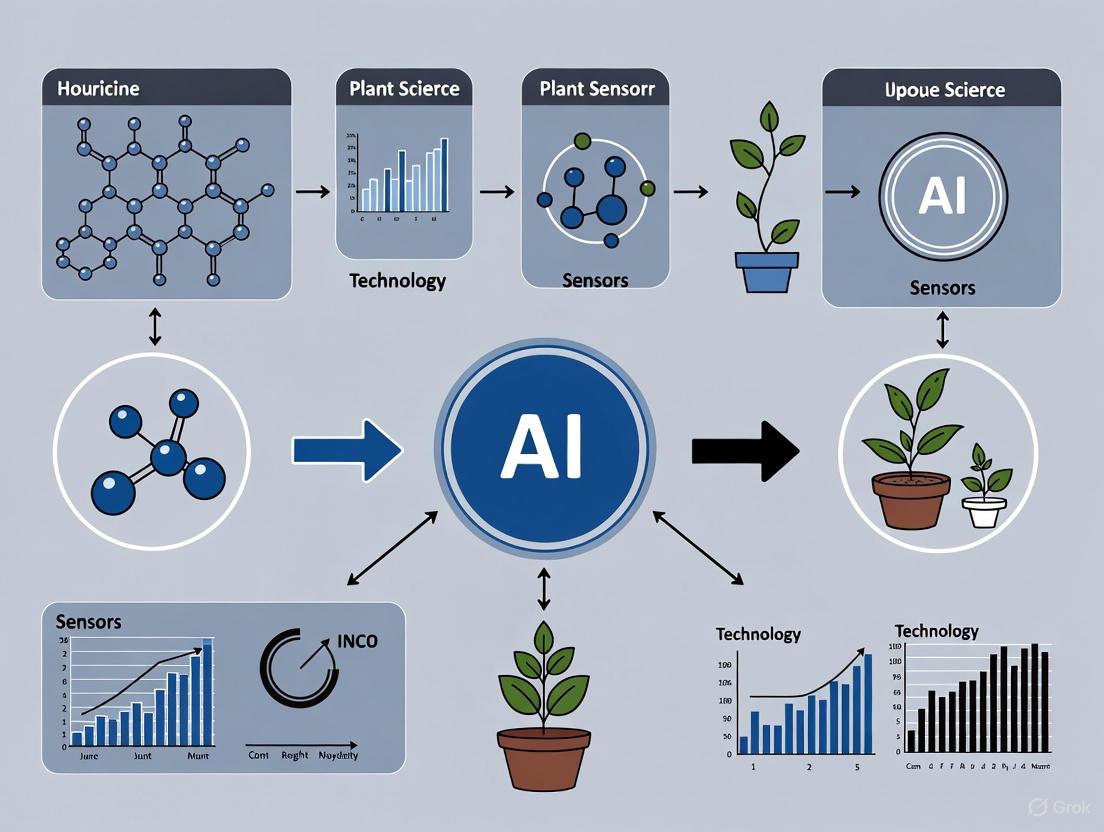
This article explores the transformative impact of Artificial Intelligence (AI) and Machine Learning (ML) on sensor technology, with a specific focus on implications for biomedical research and drug development.
The AI Revolution in Sensor Technology: A 2025 Outlook for Biomedical Research and Drug Development
Abstract
This article explores the transformative impact of Artificial Intelligence (AI) and Machine Learning (ML) on sensor technology, with a specific focus on implications for biomedical research and drug development. We examine the foundational technologies powering next-generation smart sensors, from IoT connectivity to advanced data analytics. The analysis covers methodological applications in predictive maintenance, real-time process optimization, and autonomous systems within research and production environments. The article also provides a critical comparative analysis of different AI approaches, addressing troubleshooting and validation strategies to ensure data integrity and system reliability. Finally, we synthesize key takeaways and future directions, outlining how these technological synergies are poised to accelerate drug discovery, enhance manufacturing quality, and advance clinical research.
The Building Blocks: Core Technologies Powering AI-Integrated Sensor Systems
The field of plant science is undergoing a profound transformation, moving from periodic, manual data collection to continuous, intelligent monitoring systems. Smart sensor technology, characterized by its integration with Artificial Intelligence (AI) and Internet of Things (IoT) platforms, is revolutionizing how researchers understand plant physiology, stress responses, and health. This evolution aligns with the emergence of Agriculture 5.0, which emphasizes a human-centric, sustainable, and resilient approach to agricultural innovation through collaborative efforts between human expertise and machine efficiency [1] [2]. For researchers and drug development professionals, this technological shift enables unprecedented precision in probing plant biological systems, opening new frontiers in phytochemical research, stress adaptation studies, and the development of plant-based therapeutics. The synergy between next-generation sensors and AI is not merely an incremental improvement but a fundamental redesign of the research toolkit, allowing for the decoding of complex plant signaling mechanisms in real-time [3].
The Architectural Evolution of Plant Sensors
From Simple Measurements to Complex Diagnostics
The journey of plant sensing began with simple environmental monitors that measured basic parameters like soil moisture and temperature. Today's sensors have evolved into sophisticated diagnostic tools capable of detecting molecular-level changes in plant systems.
First-generation sensors were primarily physical sensors focused on external environmental conditions: soil moisture, ambient temperature, humidity, and light levels. While valuable, these provided only indirect inferences about plant status [4].
Second-generation sensors introduced direct plant-based monitoring, measuring parameters like stem diameter, leaf thickness, and sap flow for direct plant stress measurement. This represented a significant advance by capturing the plant's physiological response to its environment [4].
Third-generation sensors now encompass chemical and electrophysiological sensing, capable of detecting volatile organic compounds (VOCs), reactive oxygen species (ROS), ions, pigments, and even action potentials in plants [5]. These sensors provide a window into the molecular signaling pathways that underlie plant stress responses and defense mechanisms—critical intelligence for pharmaceutical research involving plant-derived compounds.
The Convergence with AI and Machine Learning
The true intelligence of modern sensor systems emerges from their integration with AI algorithms. This convergence enables not just data collection but predictive analytics and prescriptive interventions. The AI models best suited for plant sensor data include:
- Convolutional Neural Networks (CNNs) such as VGG16, VGG19, and ResNet50, which consistently perform well across stress types for image-based classification [3]
- Detection-focused models like YOLO and lightweight architectures such as MobileNet that show greater variability, particularly in biotic stress identification tasks [3]
- Traditional machine learning methods including Support Vector Machines (SVM), Decision Trees, and k-Nearest Neighbors, which remain relevant for structured, low-resolution data, especially under constrained computational conditions [3] [2]
The optimization algorithms most commonly employed include Adam (predominantly for abiotic stress monitoring) and Stochastic Gradient Descent (more common for biotic stress) [3]. This algorithmic specialization allows for increasingly precise modeling of plant physiological responses.
Table 1: Evolution of Smart Plant Sensor Capabilities
| Generation | Primary Focus | Key Parameters Measured | Technological Enablers | Limitations |
|---|---|---|---|---|
| First Generation | Environmental conditions | Soil moisture, air temperature, humidity, light intensity | Basic analog sensors, manual data collection | Indirect plant assessment, delayed response |
| Second Generation | Plant physiology | Stem diameter, leaf thickness, sap flow, chlorophyll content | Digital sensors, wireless communication, basic data loggers | Limited molecular information, post-symptom detection |
| Third Generation | Molecular signaling & early stress detection | VOCs, ROS, ions, pigments, electrophysiological signals | AI/ML integration, IoT networks, flexible electronics, nanosen sors | Cost, technical complexity, data management challenges |
Next-Generation Sensor Technologies for Advanced Research
Wearable Plant Sensors
Wearable plant sensors represent a cutting-edge frontier in plant health monitoring. These devices offer non-invasive, high-sensitivity, and highly integrated capabilities for continuous, real-time monitoring [5]. They can be categorized into three primary types based on their sensing mechanisms:
- Physical Sensors: Designed to sense strain, temperature, humidity, and light directly from plant surfaces [5].
- Chemical Sensors: Capable of detecting volatile organic compounds, reactive oxygen species, ions, and pigments that signal specific stress responses or metabolic changes [5].
- Electrophysiological Sensors: Engineered to monitor action potentials and variation potentials in plants, analogous to neurological monitoring in medical research [5].
The development of these sensors faces significant challenges, particularly in ensuring long-term stability in harsh and unpredictable agricultural environments. Issues such as the melting of coating materials, changes in the internal stress of sensing layers, and the loosening of sensor adhesion to plants due to physiological effects or environmental changes need to be addressed for widespread adoption [6]. Current research focuses on creating flexible wearable sensors fabricated from biocompatible materials to ensure high-resolution data acquisition without impeding plant growth [6].
Hyperspectral Imaging and Electronic Noses
Advanced sensor technologies are moving beyond single-point measurements to comprehensive spatial and chemical profiling:
Hyperspectral imaging captures data across the electromagnetic spectrum, allowing researchers to identify subtle changes in plant physiology before they become visible to the naked eye. This technology enables the detection of nutrient deficiencies, water stress, and disease incidence at their earliest stages [3].
Electronic noses equipped with sensor arrays can detect and profile volatile organic compounds (VOCs) released by plants under different stress conditions. These VOC profiles serve as chemical fingerprints for specific biotic and abiotic stresses, with research demonstrating sensors with high accuracy in identifying plant stress [6] [3]. For pharmaceutical researchers, this technology offers potential for non-destructive quality assessment of medicinal plants and early detection of phytochemical changes.
IoT and Edge Computing for Distributed Intelligence
The integration of sensor networks with Internet of Things (IoT) platforms enables remote monitoring, data analysis via AI, and automated control systems [1]. The emergence of Edge AI represents a significant advancement, where data processing occurs on the device itself rather than being transmitted to the cloud, enabling immediate decisions [7] [2].
This distributed intelligence is particularly valuable in field research settings where connectivity may be limited. The implementation of 5G networks further enhances this capability by enabling faster, real-time connections between equipment and systems [7]. For multi-site clinical trials involving plant-based therapeutics, this ensures consistent, synchronized monitoring protocols across geographically dispersed locations.
Table 2: Performance Comparison of AI Algorithms in Plant Stress Monitoring
| Algorithm Type | Primary Applications | Reported Accuracy Ranges | Strengths | Limitations |
|---|---|---|---|---|
| Convolutional Neural Networks (CNNs) | Image-based stress classification, disease identification | 85-96% [3] | High accuracy with complex image data, minimal feature engineering required | Computationally intensive, requires large datasets |
| YOLO Models | Real-time stress detection and localization | 78-92% [3] | Fast processing, suitable for video and continuous monitoring | Lower accuracy with small stress features, variable performance across stress types |
| Support Vector Machines (SVM) | Structured data analysis, nutrient deficiency identification | 82-90% [3] [2] | Effective with smaller datasets, robust against overfitting | Limited performance with unstructured data, requires careful feature selection |
| Random Forests | Multi-parameter sensor fusion, yield prediction | 80-88% [2] | Handles mixed data types, provides feature importance | Can overfit with noisy data, less interpretable than single decision trees |
| Lightweight Architectures (MobileNet) | Edge device deployment, mobile applications | 75-87% [3] | Low computational requirements, suitable for resource-constrained environments | Lower accuracy compared to more complex models |
Experimental Protocols for Intelligent Plant Sensing
Protocol 1: Multi-Modal Stress Response Profiling
Objective: To simultaneously monitor physical, chemical, and electrophysiological responses of plants to controlled stress stimuli.
Methodology:
- Sensor Deployment: Attach flexible physical sensors (strain, temperature) to plant stems and leaves. Install chemical sensors for VOC monitoring in the plant's immediate environment. Place microelectrode arrays for electrophysiological signal capture [5].
- Stress Induction: Apply controlled abiotic (drought, salinity) or biotic (pathogen inoculation) stress according to experimental requirements.
- Data Acquisition: Collect continuous data from all sensors at high frequency (minimum 1 Hz sampling rate) throughout the experimental period.
- Data Fusion: Employ sensor fusion algorithms to integrate multi-modal data streams and identify cross-correlated events.
- Model Training: Use the synchronized dataset to train ML models (CNN for spatial data, LSTM for temporal patterns) to predict stress states from early signals.
Validation: Compare sensor-derived stress classifications with conventional physiological assays (chlorophyll fluorescence, ion leakage, molecular markers) to establish correlation metrics [3].
Protocol 2: High-Throughput Phenotyping with AI-Assisted Imaging
Objective: To automate the detection and quantification of plant stress symptoms using integrated sensor platforms.
Methodology:
- Platform Setup: Deploy autonomous mobile robots or UAVs equipped with multi-spectral cameras, hyperspectral imagers, and LiDAR sensors [3].
- Data Collection: Program automated traversal paths for consistent, repeatable data collection across large plant populations.
- Image Processing: Apply pre-trained CNN architectures (VGG16, ResNet50) for feature extraction and symptom identification [3].
- Segmentation and Quantification: Use U-Net or similar architectures to segment affected plant areas and quantify stress severity.
- Temporal Tracking: Implement object detection models (YOLO) to track individual plants over time and monitor symptom progression.
Validation: Establish ground truth through manual annotation by plant pathologists and calculate precision/recall metrics for the AI system [3].
Research Reagent Solutions for Advanced Plant Sensing
Table 3: Essential Research Reagents and Materials for Plant Sensor Development
| Reagent/Material | Function | Application Examples | Technical Considerations |
|---|---|---|---|
| Biocompatible Polymers (e.g., PDMS) | Flexible sensor substrate | Wearable plant sensors that adhere to plant surfaces without impeding growth [5] | Must maintain adhesion during plant growth; should not inhibit gas exchange |
| Ion-Selective Membranes | Chemical sensing layer | Detection of specific ions (K+, Ca2+, NO3-) in plant sap or apoplast [5] | Requires calibration for different plant species; sensitivity to temperature variations |
| Carbon Nanotube/ Graphene Inks | Conductive sensing elements | Printed electrochemical sensors for metabolite detection [5] | Consistency in deposition crucial for reproducible results; potential toxicity concerns |
| VOC-Binding Ligands | Chemical recognition elements | Electronic noses for plant stress volatile detection [6] [3] | Selectivity against complex background odors; drift compensation needed |
| Fluorescent Nanoparticles | Optical sensing probes | Hyperspectral imaging of pH, ions, or reactive oxygen species [3] | Photostability under prolonged illumination; potential interference with plant physiology |
| Enzyme-Based Biosensors | Specific metabolite detection | Monitoring glucose, sucrose, or stress-related metabolites [8] | Enzyme stability under field conditions; calibration requirements |
Data Integration and Workflow Architecture
The intelligence derived from smart sensors depends critically on the architecture for data processing and analysis. The following workflow represents the standard pipeline for transforming raw sensor data into actionable research insights:
This workflow illustrates the transformation of multi-modal sensor data through edge processing and AI analytics into actionable research insights. The architecture emphasizes distributed computing, where initial data processing occurs at the edge to reduce bandwidth requirements, while more complex analytics leverage cloud or high-performance computing resources [7] [2].
Future Directions and Research Opportunities
The future of smart sensors in plant research will be shaped by several emerging technologies and paradigms:
Digital Twins for Plant Systems
Digital twin technology—virtual replicas of physical systems—enables researchers to create computational models of individual plants or entire ecosystems [7]. These twins can be used to simulate stress responses, test interventions, and optimize sensor placement without disturbing actual plants. For pharmaceutical researchers working with medicinal plants, digital twins offer the potential to model phytochemical production under various environmental conditions, accelerating the discovery of optimal cultivation protocols.
AI-Driven Predictive Phenotyping
The integration of predictive analytics with sensor data will enable researchers to forecast plant development, stress susceptibility, and chemical composition based on early growth patterns [3] [4]. This approach is particularly valuable for breeding programs targeting specific phytochemical profiles, where traditional analytical methods are time-consuming and destructive.
Sustainable and Biodegradable Sensors
Addressing the environmental impact of sensor deployment represents a critical research frontier. The development of biodegradable sensors using eco-friendly materials will be essential for large-scale deployment without ecological consequences [6]. Research in this area focuses on creating "set and forget" solutions that are biocompatible and biodegradable, addressing concerns about environmental impact and long-term usability [6].
Human-Machine Collaboration in Research
The Agriculture 5.0 paradigm emphasizes collaborative intelligence between human researchers and AI systems [1]. This approach leverages human expertise in hypothesis generation and experimental design while utilizing AI capabilities for pattern recognition in high-dimensional data. For drug development professionals, this collaboration enables more efficient identification of promising plant-derived compounds and their optimal production conditions.
The evolution of smart sensors from simple data collection devices to intelligent analytical platforms represents a paradigm shift in plant science research. This transformation, driven by advances in AI integration, sensor miniaturization, and IoT connectivity, enables researchers to decode complex plant signaling networks with unprecedented temporal and spatial resolution. For the pharmaceutical and drug development community, these technologies offer powerful new tools for understanding plant-derived compounds, optimizing their production, and discovering new therapeutic agents from plant sources.
The future trajectory points toward increasingly non-invasive, predictive, and context-aware sensing platforms that will further blur the boundaries between biological and digital research methodologies. As these technologies mature, they will undoubtedly accelerate the pace of discovery in plant-based pharmaceutical research while enabling more sustainable and precise cultivation of medicinal plants. The researchers who successfully integrate these intelligent sensor systems into their workflows will gain a significant competitive advantage in the race to develop new plant-based therapeutics and optimize their production.
The integration of artificial intelligence (AI) and advanced sensor technologies is fundamentally transforming how vital parameters are monitored in both research and production environments, particularly within the biomedical and agricultural sectors. This whitepaper delineates the core sensor types that form the backbone of this transformation. These technologies are pivotal components of a broader thesis on the future of AI and machine learning in research, enabling a shift from reactive to predictive and personalized approaches. The synergy between sophisticated sensors—capable of continuous, real-time data acquisition—and intelligent algorithms is accelerating drug discovery, optimizing production processes, and paving the way for precision medicine and smart agriculture [9] [10] [3]. This guide provides a technical examination of these key sensors, their operational methodologies, and their integrated applications within AI-driven frameworks.
Key Sensor Types and Technical Specifications
The evolution of sensor technology has been marked by advancements in miniaturization, flexibility, and multi-modality. The following sensor types are at the forefront of modern monitoring systems.
Table 1: Key Sensor Types for Vital Parameter Monitoring
| Sensor Type | Sensing Principle | Measured Parameters | Key Technologies & Materials | Performance Specifications |
|---|---|---|---|---|
| Wearable/Implantable Electrochemical (Bio)sensors [11] | Measurement of electrical signals (current, potential) from chemical reactions. | Agrochemicals, phytohormones (e.g., salicylic acid), stress biomarkers, H₂O₂, NH₄⁺ [9] [11]. | Nanomaterials, bioreceptors (enzymes, antibodies), flexible substrates. | High sensitivity & selectivity; real-time, in-situ monitoring; detection limit for NH₄⁺: ~3 ppm [9]. |
| Flexible Mechanical Sensors [12] | Measurement of physical deformation or force. | Plant growth (stem/fruit elongation), sap flow, transpiration rates [12]. | Conductive polymers (PEDOT:PSS), carbon nanotubes (CNTs), graphite-chitosan inks, Fiber Bragg Gratings (FBGs) in silicone [12]. | Gauge factor up to 352 [12]; measures micro-strain (e.g., 720µm elongation) [12]; stretchability up to 150%. |
| Optical & Spectroscopic Sensors [13] [3] | Measurement of light interaction with plant tissue (absorption, reflection). | Nitrogen levels, water content, plant secondary metabolites, chlorophyll content [13] [3]. | Hyperspectral imaging, near-infrared (NIR) & shortwave infrared (SWIR) spectroscopy, handheld spectrometers [13]. | Non-invasive; provides high spatial resolution; rapid analysis (seconds). |
| Electronic Noses (E-Noses) [3] | Detection of volatile organic compound (VOC) profiles via sensor arrays. | Early disease identification, plant stress response [3]. | Arrays of gas sensors with partial specificity, pattern recognition algorithms. | Enables early stress detection before visible symptoms appear. |
Experimental Protocols for Key Sensor Deployment
Objective: To fabricate a highly stretchable, direct-write strain sensor for in-situ monitoring of fruit or stem elongation.
Materials:
- Conductive ink: A composite of carbon nanotubes (CNTs) and graphite flakes.
- Substrate: Buna-N rubber or the direct surface of the plant.
- Instrumentation: Data acquisition system (e.g., source meter) with Bluetooth module for wireless transmission.
Methodology:
- Ink Preparation: A multi-matrix composite ink is prepared by dispersing CNTs and graphite flakes in a solvent to form a highly conductive and stretchable mixture.
- Sensor Fabrication: The conductive ink is applied directly onto the target plant surface (e.g., fruit skin or stem) using a direct writing technique, creating a specific serpentine or linear pattern.
- Curing: The applied ink is left to air-dry at room temperature for approximately 15 minutes to form the final sensor.
- Calibration: The sensor is calibrated by measuring the change in electrical resistance (∆R/R) against known mechanical strains. The Gauge Factor (GF = [∆R/R]/ε) is calculated.
- Deployment & Data Acquisition: The sensor is connected to a simple serial resistance circuit and a wireless data acquisition system. Changes in resistance, corresponding to plant growth (strain), are transmitted in real-time via Bluetooth to a computer or smartphone for analysis.
Objective: To non-invasively determine key nutrient levels in a plant leaf within seconds using a handheld spectrometer and a cloud-based machine learning model.
Materials:
- Hand-held spectrometer (covering visible to shortwave infrared: 400–2400 nm).
- Mobile application with cloud connectivity.
- Pre-trained machine learning model (e.g., convolutional neural network).
Methodology:
- Data Collection: A leaf is scanned using a hand-held spectrometer connected via Bluetooth to a mobile app. The device shines light onto the leaf and measures the absorbed and reflected wavelengths.
- Spectral Data Generation: The instrument produces a characteristic absorption spectrum based on the excitation of molecular bonds (C–H, N–H, O–H) at specific wavelengths.
- Cloud-Based Prediction: The spectral data is sent to a cloud service where a pre-trained machine learning model processes it. The model was trained on a large database matching leaf spectral data to nutrient values obtained through traditional laboratory analysis.
- Result Delivery: The predicted nutrient levels (e.g., nitrogen, water content) are returned to the mobile app and displayed to the user within seconds, enabling immediate decision-making.
The AI and Machine Learning Engine
The raw data from advanced sensors gains its transformative power through analysis by AI and machine learning models. These algorithms identify complex, non-linear patterns that are often imperceptible to human observation.
Table 2: Dominant AI/ML Algorithms in Sensor Data Analysis
| Algorithm | Primary Application | Key Advantage | Example Use-Case |
|---|---|---|---|
| Convolutional Neural Networks (CNNs) [3] | Image and spectral data classification. | Excellent at feature extraction from spatial data. | Identifying disease patterns from hyperspectral leaf images [3]. |
| YOLO (You Only Look Once) [3] | Real-time object detection. | High speed and accuracy in locating and classifying objects. | Detecting and localizing pest infestations from drone-captured imagery [3]. |
| Random Forest (RF) [10] [3] | Structured data analysis, QSAR modeling. | Handles high-dimensional data well; reduces overfitting. | Predicting compound efficacy and toxicity in drug discovery [10]. |
| Support Vector Machines (SVM) [3] | Classification and regression tasks. | Effective in high-dimensional spaces with a clear margin of separation. | Classifying plant stress types from sensor-derived VOC profiles [3]. |
| Ensemble Learning [14] | Combining multiple models for improved prediction. | Increases predictive accuracy and robustness by leveraging multiple models. | Combining 10 ML models to assess rice yield performance under climate change [14]. |
The workflow from data acquisition to actionable insight is a continuous, iterative cycle. The diagram below illustrates this integrated pipeline.
AI-Sensor Integration Pipeline
The Scientist's Toolkit: Essential Research Reagents and Materials
The development and deployment of advanced monitoring systems rely on a suite of specialized reagents and materials.
Table 3: Key Research Reagent Solutions
| Item | Function | Application Example |
|---|---|---|
| Carbon Nanotubes (CNTs) & Graphite Flakes [12] | Form the conductive network in composite inks, providing stretchability and piezoresistivity. | Primary component in direct-write flexible strain sensors for plant growth monitoring [12]. |
| Single-Walled Carbon Nanotube (SWNT) Probes [9] | Act as a nanosensor for specific biomarkers; high surface area for sensitivity. | Real-time detection of hydrogen peroxide (H₂O₂) in plant tissues for wound response monitoring [9]. |
| Fiber Bragg Grating (FBG) [12] | Optical sensor whose reflected wavelength shifts with applied strain or temperature. | Embedded in silicone to create flexible sensors for stem elongation and fruit diameter monitoring [12]. |
| Bioreceptors (Enzymes/Antibodies) [11] | Provide high specificity for target analytes in biosensors. | Functionalization of electrochemical sensors for detecting specific phytohormones or pathogens [11]. |
| Chitosan [12] | Biocompatible polymer used as a binder in conductive inks; enables adhesion to plant surfaces. | Matrix material in graphite-based conductive inks for plant-wearable sensors [12]. |
| Hyperspectral Imaging Sensors [3] | Capture spectral data across many wavelengths, creating a detailed chemical fingerprint. | Non-invasive detection of nutrient deficiencies and early-stage biotic stress in crops [3]. |
The confluence of key sensor types—electrochemical, mechanical, optical, and volatile compound detectors—with sophisticated AI/ML algorithms is creating an unprecedented capability for monitoring vital parameters. This synergy is the cornerstone of the future of research and production, enabling a paradigm shift towards intelligent, data-driven decision-making. As these technologies continue to evolve, becoming more integrated, miniaturized, and powerful, they will further dissolve the boundaries between physical biological systems and digital intelligence, driving innovation across biomedical science and agricultural production.
The convergence of the Internet of Things (IoT), 5G connectivity, and edge computing is creating an unprecedented technological backbone for real-time data flow. This infrastructure is fundamentally reshaping research and application across numerous fields. Within the specific context of plant science, this connectivity triad serves as the central nervous system for a new era of intelligent monitoring. It enables the transition from traditional, manual data collection to a continuous, automated, and intelligent stream of phenotypic and physiological data [15] [9]. This real-time data flow is the critical enabler for advanced artificial intelligence (AI) and machine learning (ML) models, allowing researchers to move from retrospective analysis to proactive intervention and discovery. The future of AI in plant sensor research is inextricably linked to the evolution of this robust, low-latency connectivity layer, which empowers everything from single-sensor readings to complex, ecosystem-wide digital twins [16].
The Architectural Framework for Real-Time Data Intelligence
The seamless flow of data from physical sensors to actionable insights relies on a sophisticated, layered architecture. This framework efficiently distributes computational tasks across the network, optimizing for latency, bandwidth, and security.
The Hierarchical Data Flow Model
The logical progression of data in a modern plant sensing system can be visualized through the following architecture, which integrates edge, cloud, and business layers:
This architecture illustrates the stratified flow of information, which is critical for managing the scale and security of modern agricultural IoT systems [15] [17]. At Level 1, a network of sensors—including wearable plant sensors, spectral imagers, and soil monitors—collects raw data [9]. This data is transmitted via 5G for high-bandwidth applications like video phenotyping or Low-Power Wide-Area Networks (LPWAN) for intermittent, low-power soil moisture readings to the Level 2 edge layer [15]. Here, initial processing and real-time AI inference occur, minimizing latency for immediate responses [15]. Processed data is then securely passed through a Demilitarized Zone (DMZ) at Level 3.5 before reaching the cloud for intensive storage and model training [17]. Finally, insights are delivered to end-users at Level 4 through dashboards and mobile applications, with security maintained through mechanisms like data diodes that prevent reverse access [17].
The Role of 5G and Advanced Communication Protocols
The efficacy of the entire connectivity backbone hinges on the communication protocols that link the sensors to the edge and cloud. 5G technology is a cornerstone of this system, providing the ultra-low latency and high bandwidth essential for applications like autonomous vehicles and real-time high-resolution phenotyping [15]. For example, transmitting 3D plant imagery or data from high-throughput phenotyping platforms requires a robust and fast connection to be practical [16]. Alongside 5G, LPWAN technologies like LoRaWAN are vital for applications that prioritize long-range communication and minimal energy consumption, such as environmental monitoring across vast fields, where sensors can operate autonomously for years [15].
Table 1: Communication Technologies for Agricultural IoT
| Technology | Key Features | Best-Suited Applications in Plant Research | Limitations |
|---|---|---|---|
| 5G | High bandwidth (Gbps), Ultra-low latency (<1ms) [15] | Real-time video phenotyping, Autonomous scouting drones, High-resolution sensor networks | Higher power consumption, Limited rural infrastructure |
| LPWAN (e.g., LoRaWAN) | Long range (>10 km urban), Very low power consumption [15] | Soil moisture networks, Climate stations, Low-frequency plant wearables | Low data rate, Not suitable for image/video streaming |
| Wi-Fi 6 | High capacity, Low latency in local areas [18] | Greenhouse networks, Lab-based phenotyping systems | Limited range, Requires power infrastructure |
| Bluetooth Low Energy (BLE) | Short range, Low power, Low cost [13] | Hand-held sensor links (e.g., Leaf Monitor), Personal area networks | Very limited range (<100m) |
Core Technologies Powering the Backbone
Internet of Things and Smart Sensors
IoT sensor networks form the foundational layer for real-time data acquisition in modern plant science [15]. These are no longer simple, passive data collectors. A new generation of smart sensors features built-in processing capabilities, often directly incorporating AI or ML algorithms [15]. This allows for on-device analysis, which reduces the need for constant data transmission and conserves bandwidth. For instance, a smart sensor can locally analyze temperature variations to detect potential equipment issues without sending raw data to the cloud [15].
Driven by innovations in micro-nano technology and flexible electronics, sensors are becoming smaller, more intelligent, and multi-modal [9]. For example, wearable plant sensors with flexible adhesion can be installed directly on the irregular surfaces of crop tissues for in-situ, real-time monitoring of physiological parameters [9]. Similarly, nanosensors based on single-walled carbon nanotubes (SWNTs) have been developed for the real-time detection of specific compounds like hydrogen peroxide (H2O2) induced by plant wounds, offering high sensitivity and enabling real-time monitoring of plant stress in the field [9].
Edge Computing for Low-Latency Intelligence
Edge computing has emerged as a transformative paradigm to address the limitations of cloud-centric models, particularly concerning latency, bandwidth, and real-time decision-making [15]. By processing data closer to its source—at the "edge" of the network—this approach reduces dependence on centralized cloud systems. For latency-sensitive applications, such as real-time disease detection or automated irrigation control, edge computing is not merely an enhancement but a necessity [15].
The ability to perform AI inference directly on edge devices is a key advancement. Frameworks like TensorFlow Lite and PyTorch Mobile enable the deployment of lightweight, optimized AI models on resource-constrained devices [15]. This allows edge systems to analyze data locally. A prime example is found in high-throughput phenotyping, where edge devices equipped with AI can process images from drones or rovers in real-time to count organs, monitor growth, or detect stress, significantly improving response times while conserving network bandwidth [16]. This hybrid architecture, which dynamically allocates tasks between edge and cloud, optimizes resource use and ensures high performance [15].
Cloud-Based AI and Large-Scale Analytics
Cloud computing serves as the computational backbone of the IoT ecosystem, providing the scalable infrastructure required for storing, processing, and analyzing the vast amounts of data generated by edge devices and sensors [15]. The integration of AI into cloud platforms has redefined how raw data is transformed into actionable insights. Cloud services like AWS SageMaker, Google Vertex AI, and Microsoft Azure AI streamline the deployment and management of complex ML models [15]. These platforms are essential for resource-intensive tasks such as training deep learning models on large-scale datasets, which is impractical on limited edge hardware [15].
In plant research, the cloud is indispensable for consolidating data from multiple field sites to train robust models for predicting crop yield [19], identifying genetic markers [20], or simulating crop performance under future climate scenarios [20]. Furthermore, cloud platforms address critical concerns of data privacy and security through advanced encryption and compliance with international regulations, which is crucial when handling sensitive data [15] [21].
Practical Implementation and Experimental Protocols
Translating the theoretical connectivity backbone into a functional research tool requires a clear understanding of its implementation. The following workflow and accompanying toolkit detail the process of establishing a real-time plant monitoring system.
Experimental Workflow for a Real-Time Plant Monitoring System
The diagram below outlines a generalized protocol for deploying and operating an IoT-enabled system for real-time plant health monitoring, from sensor deployment to insight generation.
Phase 1: Sensor Deployment & Data Acquisition Researchers first deploy a suite of multimodal sensors tailored to the experimental variables of interest [9]. This may include flexible wearable sensors attached to plant leaves or stems to monitor physiological status, soil sensor arrays for moisture and nutrient levels, and drone- or rover-based spectral imaging systems for canopy-level phenotyping [16] [9]. A critical step is the calibration of these sensors against laboratory-grade equipment to ensure data fidelity. For example, a handheld spectrometer used for leaf nutrient analysis must be correlated with traditional chemical analysis results to build a reliable machine learning model [13].
Phase 2: Secure Data Transmission Collected data is transmitted wirelessly using the appropriate protocol from Table 1. Security measures are paramount. As demonstrated in a recent IoT monitoring system, implementing Two-Factor Authentication (2FA) and JSON Web Tokens (JWT) protects sensitive agricultural data from unauthorized access [21]. In industrial settings, data is routed through a DMZ, a security buffer that protects the internal process control network from the internet-connected business network [17].
Phase 3 & 4: Distributed Computing & Analytics Time-sensitive processing, such as real-time anomaly detection for disease, occurs at the edge [15] [16]. This involves lightweight ML models running on local devices. The processed data and non-urgent tasks are then sent to the cloud. In the cloud, data from multiple sources is aggregated, and more complex, resource-intensive AI models are trained and refined [15]. For instance, a cloud-based AI might integrate historical weather, soil data, and real-time sensor readings to predict future nutrient deficiencies [20] [19].
Phase 5: Insight Delivery & Visualization The final insights are delivered to researchers and farmers through user-friendly interfaces like mobile apps or web dashboards [13] [21]. A successful example is the Leaf Monitor tool, which allows a user to scan a leaf and receive key nutrient values within seconds, enabling immediate, data-driven decisions [13].
The Researcher's Toolkit: Key Technologies and Reagents
Implementing the connectivity backbone and associated analyses requires a suite of specialized tools and platforms. The following table catalogs essential components for building a real-time plant sensing system.
Table 2: Research Reagent Solutions for an IoT-Enabled Plant Lab
| Category | Item | Function & Application |
|---|---|---|
| Sensing & Imaging | Hand-held Spectrometer [13] | Captures leaf spectral data (400-2400 nm) for non-destructive estimation of nitrogen, water content, and secondary metabolites. |
| Wearable Plant Sensor [9] | Flexible, adhesive patches for in-situ, continuous monitoring of plant physiological status (e.g., sap flow, biomarkers). | |
| Drone-based Multispectral Camera [16] | Enables high-throughput field phenotyping by capturing canopy-level data for growth monitoring and stress detection. | |
| Edge Hardware | Single-Board Computer (e.g., Raspberry Pi) | A low-cost, versatile computing node for building custom edge devices to run lightweight AI models for real-time inference. |
| Micro-electromechanical Systems (MEMS) [9] | Miniaturized sensors and structures that enable the development of compact, low-power sensors for plant and environmental monitoring. | |
| Cloud & AI Platforms | AWS IoT Core / Google Cloud IoT | Managed cloud services to securely connect, manage, and ingest data from a global network of IoT devices [21]. |
| TensorFlow / PyTorch [15] | Open-source machine learning frameworks used to develop, train, and deploy models for tasks like image-based disease diagnosis [16] [22]. | |
| Security & Connectivity | Two-Factor Authentication (2FA) [21] | A security process that requires two forms of identification to access data, protecting sensitive plant and field data. |
| LoRaWAN Gateway [15] | A network gateway that enables long-range, low-power communication between sensors and the network server, ideal for large farms. |
Quantitative Performance and Future Outlook
Performance Metrics of the Connected Backbone
The real-world efficacy of this technological backbone is validated by concrete performance metrics. A 2024 IoT plant monitoring system demonstrated high sensor reliability, with determination coefficients (R²) of 0.979 for temperature and 0.750 for humidity when compared to reference data [21]. Furthermore, by implementing power management strategies at the edge, the system extended its battery life to 10 days on a single charge, a significant improvement over existing systems that required daily recharging [21]. From an AI perspective, studies reviewing crop disease detection have found that while Convolutional Neural Networks (CNNs) are the most widely used and cost-effective, emerging Vision Transformers (ViTs) can achieve superior accuracy, albeit at a higher computational cost [22]. The choice of architecture thus represents a trade-off between performance and resource constraints, a key consideration for practical deployment.
Envisioning the Future: AI-Driven Plant Research
The continuous maturation of this connectivity backbone paves the way for transformative advancements in AI-driven plant research. Key future directions include:
- Scalable and Robust AI Models: Future research must prioritize making high-performance AI models like Vision Transformers more computationally efficient and accessible [22]. This involves exploring techniques like neural architecture search and model quantization to reduce their footprint for edge deployment, making them viable for a broader range of researchers and applications.
- Multimodal Data Fusion and Digital Twins: The next frontier is the intelligent fusion of data from diverse sources—genomics, sensor readings, drone imagery, and weather forecasts—into a unified AI model [16]. This will enable the creation of "digital twins" of plants or entire fields, which are virtual models that can be used to simulate growth, predict the impact of stressors, and test intervention strategies in silico before applying them in the real world [16].
- Pervasive Environmental Intelligence: The ultimate goal is the development of fully integrated, sustainable agricultural systems [15]. In this future, the seamless convergence of IoT, edge, and cloud computing will create a pervasive network of intelligence that autonomously optimizes resource use, enhances crop resilience, and provides unprecedented insights into plant biology, contributing directly to global food security [15] [19].
The integration of advanced artificial intelligence (AI) paradigms with sophisticated sensor technologies is fundamentally transforming plant science research. This transition moves beyond traditional data collection towards creating intelligent, closed-loop systems capable of sensing, understanding, and autonomously acting upon complex plant physiochemical data. As global agricultural systems face escalating pressures from climate change and resource scarcity, the fusion of predictive AI, generative AI, and agentic AI with multimodal sensor networks offers a revolutionary pathway to enhance crop resilience, optimize resource efficiency, and secure sustainable food production. This technical guide explores the core principles, applications, and experimental implementations of these AI paradigms within plant sensor research, providing researchers with a framework for developing next-generation intelligent agricultural systems.
Core AI Paradigms: Definitions and Synergies
The power of modern AI in sensor data analysis stems from the complementary strengths of three distinct paradigms.
Predictive AI utilizes historical and real-time sensor data to forecast future events or outcomes. It applies statistical models and machine learning (ML) algorithms—including regression analysis, time-series forecasting, and classification techniques—to identify patterns in data, enabling the anticipation of plant stress, disease outbreaks, or optimal harvest times [23] [24] [25]. Its primary function is to answer "What is likely to happen?".
Generative AI differs by creating new data or content based on learned patterns from existing datasets. In plant science, it can generate synthetic spectral images, draft reports from complex sensor data, or create hypothetical growth models [23] [26]. It moves beyond forecasting to synthesize new information, answering "What are possible scenarios or solutions?".
Agentic AI represents a transformative leap by enabling AI systems to take autonomous actions based on predictions and generative insights. These "agents" can perceive their environment via sensor data, reason to make decisions, execute actions through connected systems (e.g., adjusting irrigation), and learn from the outcomes [23] [24] [27]. Agentic AI closes the loop between insight and action, creating autonomous systems for continuous plant health management.
Table 1: Comparative Analysis of Core AI Paradigms in Plant Sensor Research
| Aspect | Predictive AI | Generative AI | Agentic AI |
|---|---|---|---|
| Primary Goal | Forecast future outcomes or probabilities [24] | Create new content or data samples [23] [24] | Take autonomous action to achieve a goal [24] |
| Core Function | Uses historical data to forecast likelihood [24] | Learns patterns and generates original outputs [24] | Perceives, reasons, acts, and learns autonomously [24] |
| Key Technologies | Statistical modeling, regression, time-series forecasting [24] | Large Language Models (LLMs), diffusion models, transformers [24] | Multi-agent systems, reinforcement learning, contextual decision engines [24] |
| Example Application | Predicting plant stress from sensor data [28] | Generating daily shift reports from sensor data [23] | Automatically adjusting irrigation and nutrient delivery [24] [26] |
The paradigms are not mutually exclusive; their integration creates powerful synergies. A typical workflow may involve Predictive AI forecasting a water deficit, Generative AI creating multiple optimized irrigation strategies, and Agentic AI autonomously selecting and executing the most effective strategy while learning from its impact [24].
AI-Driven Sensor Data Analysis in Plant Research
Sensor Modalities and Data Acquisition
Modern plant research leverages a suite of advanced sensor technologies to capture a holistic view of plant physiology and its environment.
- Electrical Impedance Spectroscopy (EIS): A non-invasive method measuring the electrical impedance of plant tissues across various frequencies. It provides insights into cell membrane integrity, ion transport, and water content, serving as a sensitive indicator of physiological stress [28].
- Hyperspectral and Multispectral Imaging: These modalities capture reflectance data across hundreds of narrow, contiguous spectral bands. This allows for the detection of non-visible biochemical shifts, such as altered chlorophyll fluorescence or pigment concentrations, often before visual stress symptoms appear [29].
- Wearable/Attachable Plant Sensors: Flexible, micro-nano sensors mounted directly on plants enable real-time, in-situ monitoring of parameters like stem diameter, leaf moisture, sap flow, and micro-climate (temperature, humidity, light intensity) [30].
- Environmental Sensor Suites: These measure ambient conditions including temperature, relative humidity, vapor pressure deficit (VPD), and light intensity, which are critical for contextualizing plant physiological data [28] [30].
The integration of these diverse data streams through Multi-Mode Analytics (MMA) or sensor fusion techniques significantly enhances the accuracy and reliability of plant stress detection and diagnosis compared to single-mode approaches [29].
Predictive AI for Forecasting and Early Detection
Predictive models are primarily deployed for the early identification of abiotic and biotic stress. For instance, ensemble methods like AdapTree, which combines AdaBoost and decision trees, have demonstrated exceptional performance in predicting stress-related parameters from EIS, temperature, and humidity data, achieving R² scores as high as 0.999 for environmental variables [28]. Convolutional Neural Networks (CNNs), particularly YOLOv8, have shown over 90% accuracy in visual-based detection of conditions like bumblefoot in poultry, a testament to the architecture's potential for plant disease detection from spectral images [31].
Generative AI for Data Augmentation and System Design
Generative AI's role is expanding in plant science. It is used to create synthetic sensor data, which is invaluable for training robust ML models when real-world data is scarce or imbalanced. Furthermore, generative design systems are being applied to indoor agriculture, where AI algorithms process countless parameters (lighting layout, airflow, spatial configuration) to generate and simulate thousands of potential farm layouts, identifying those that maximize yield and resource efficiency [26]. These systems can also draft natural language summaries from complex sensor data, improving report generation and knowledge transfer [23].
Agentic AI for Autonomous Closed-Loop Systems
Agentic AI represents the frontier of autonomous plant management. These systems employ a Sense-Infer-Control (SIC) architecture [27]. They continuously sense the environment and plant status via sensor networks, infer the optimal action using predictive and generative models (e.g., diagnosing a nutrient deficiency and generating a corrective formulation), and control actuators to execute the action (e.g., adjusting nutrient dosing in an irrigation system) [24] [27]. This creates a closed-loop system that autonomously maintains optimal growing conditions, responding to stressors in real-time.
Experimental Protocols and Methodologies
Protocol: A Multimodal Framework for Plant Stress Assessment
The following protocol, inspired by the AdapTree study and multi-mode analytics reviews, provides a template for implementing AI-driven plant stress research [29] [28].
1. Experimental Setup and Sensor Integration:
- Plant Material: Select uniform plants (e.g., 3-4 month-old tobacco plants) and grow them in a controlled environment (e.g., a greenhouse) [28].
- Sensor Deployment:
- Install a Four-Point-Probe EIS System to collect impedance magnitude and phase data from the plant stem at frequencies from 50 Hz to 2 MHz at regular intervals (e.g., every 9 minutes) [28].
- Deploy Environmental Sensors to continuously log relative humidity (RH), temperature, and vapor pressure deficit (VPD) [28].
- Utilize a Gravimetric System for automated phenotyping, capturing data on plant weight and water use efficiency [28].
- Optionally, incorporate Hyperspectral Imaging for periodic capture of spectral reflectance data [29].
2. Data Acquisition and Stress Induction:
- Collect baseline data under optimal conditions.
- Induce controlled stress conditions, such as drought, salinity, or temperature extremes.
- Continue simultaneous data collection from all sensors throughout the stress period and recovery.
3. Data Preprocessing and Fusion:
- Clean and synchronize all time-series data streams.
- Extract features from raw data (e.g., specific impedance values at key frequencies, vegetation indices from hyperspectral data).
- Fuse the multi-modal data into a unified dataset for analysis, aligning data points by timestamp.
4. Model Development and Training:
- For Predictive Tasks: Implement a boosting-based ensemble model like AdapTree (or baseline models like Random Forest, SVM) to predict stress parameters (e.g., EIS values, RH, temperature) from the fused dataset [28].
- For Generative Tasks: Train a model (e.g., a Generative Adversarial Network) on hyperspectral images to generate synthetic data of stressed and healthy plants.
- For Agentic Tasks: Develop a reinforcement learning agent that learns optimal control policies (e.g., for irrigation) based on the sensor data stream and reward signals (e.g., plant weight gain).
5. Model Evaluation:
- Evaluate predictive models using regression metrics (R², Root Mean Squared Error, Mean Absolute Error) [28].
- Assess generative models using quality metrics for synthetic data (e.g., Fréchet Inception Distance).
- Test agentic systems in simulation or real-world environments, measuring key performance indicators (e.g., water saved, yield maintained).
The Scientist's Toolkit: Essential Research Reagents and Materials
Table 2: Key Materials and Technologies for AI-Driven Plant Sensor Research
| Item | Function/Description | Research Application |
|---|---|---|
| Electrical Impedance Spectroscopy (EIS) System [28] | Measures frequency-dependent electrical impedance of plant tissues. | Non-invasive monitoring of physiological status (cell membrane integrity, water content) for early stress detection. |
| Hyperspectral Imaging Camera [29] | Captures image data across hundreds of narrow spectral bands. | Detection of non-visible biochemical shifts (e.g., chlorophyll fluorescence, pigment changes) associated with stress. |
| Wearable Flexible Sensors [30] | Attachable micro-sensors for monitoring micro-climate (temp, humidity) and plant physiology (water potential). | Real-time, in-situ monitoring of plant and environmental parameters on living specimens. |
| Gravimetric Plant Monitoring System [28] | Automated system for measuring plant weight and water use. | High-precision phenotyping for quantifying plant growth and water use efficiency, often used as ground truth. |
| Multi-Agent AI Software Platform [24] | Enables the creation of multiple collaborative AI agents. | Orchestrating complex, autonomous systems where different agents manage irrigation, nutrition, and climate control. |
| Laser-Induced Graphene (LIG) Sensors [30] | Flexible, low-cost sensors fabricated via laser for humidity/gas sensing. | Creating low-power, wearable sensors for continuous plant health and environment monitoring. |
Visualizing the Integrated AI-Sensor Workflow
The entire process, from data collection to autonomous action, can be visualized as an integrated workflow that leverages all three AI paradigms, as shown in the diagram below.
The Future of AI and Machine Learning in Plant Sensors Research
The trajectory of AI in plant sensor research points towards increasingly intelligent, autonomous, and scalable systems. Key future directions include:
- Advanced Multi-Agent Systems: The coordination of specialized AI agents (for irrigation, nutrition, pest control) that collaborate to manage entire agricultural ecosystems, optimizing for competing objectives like yield, sustainability, and cost [24].
- Generalizable and Lightweight Models: A critical focus will be on developing models that are transferable across plant species, environments, and scales, while also being computationally efficient for deployment on edge devices in resource-limited settings [31] [30].
- Quantum-Enhanced AI: Early exploration into quantum computing for agentic AI suggests a future where complex biomanufacturing and plant system design problems can be solved with unprecedented speed [27].
- Human-AI Collaboration: The future will not be about replacing scientists but augmenting their expertise. AI will handle massive, repetitive data analysis and routine control tasks, freeing researchers to focus on high-level experimental design, hypothesis generation, and innovation [23] [25].
In conclusion, the synergistic application of predictive, generative, and agentic AI to data from advanced sensor networks is poised to create a new paradigm in plant science. This integration enables a shift from reactive observation to proactive and autonomous management of plant health, paving the way for highly resilient and efficient agricultural systems capable of meeting the demands of the future.
The convergence of artificial intelligence (AI) and advanced sensor technologies is fundamentally transforming agricultural research and practice. This whitepaper examines the market trajectory and adoption trends of these integrated systems, with a specific focus on plant sensors and precision agriculture. Driven by the need to meet a projected 70% increase in global agricultural demand by 2050, the sector is rapidly evolving from automated data collection to intelligent, predictive, and self-optimizing agricultural systems (Agriculture 5.0) [3]. We provide a quantitative analysis of market growth, detail the experimental protocols underpinning key AI-sensor integrations, and visualize the core workflows. The synthesis presented herein highlights a pivotal shift towards scalable, data-driven plant science that is poised to accelerate crop breeding, enhance stress resilience, and optimize resource management for researchers and industry professionals.
The integration of AI into sensor systems represents a transition from simple data logging to complex, intelligent interpretation of the plant environment. This shift is characterized by the move from Agriculture 4.0, which focused on automation, to Agriculture 5.0, which emphasizes a harmonious collaboration between human intelligence, smart machines, and computational power for sustainable food production [3]. Core to this paradigm is the development of systems capable of monitoring plant stresses—both biotic (e.g., pests, diseases causing up to 42% crop loss) and abiotic (e.g., drought, heat)—with a precision and scale previously unattainable [3].
This evolution is critical for overcoming the dual challenges of labor shortages in agriculture and the need for high-throughput phenotyping in crop breeding programs [32] [33]. The fusion of AI with a new generation of sensors, including hyperspectral imagers, electronic noses for volatile organic compound (VOC) detection, and miniaturized wearable plant sensors, creates a powerful toolkit for decoding plant physiology and its response to a dynamic environment [3] [34]. This whitepaper dissects the components of this toolkit, analyzes its market trajectory, and provides a technical guide to its implementation in a research context.
Market Analysis & Quantitative Data
The market for integrated AI-sensor systems in agriculture is experiencing robust, multi-faceted growth, reflecting broad investment and adoption across hardware, software, and platform solutions.
Global Market Size and Projections
The table below summarizes the projected growth for key market segments related to AI and sensors in agriculture, illustrating a significant financial commitment to these technologies.
Table 1: Global Market Size and Growth Projections for AI and Sensor Technologies in Agriculture
| Market Segment | 2023/2024 Base Value | 2029/2032/2035 Projected Value | CAGR | Key Drivers |
|---|---|---|---|---|
| Industrial Sensors Market [35] | USD 27.97 Billion (2024) | USD 42.1 Billion (2029) | 8.5% | Adoption of Industry 4.0/IIoT, smart manufacturing, predictive maintenance. |
| Plant Sensors Market [36] | ~USD 1.5 Billion (2023) | USD 3.2 Billion (2032) | ~8.5% | Smart agriculture practices, water scarcity, demand for food production efficiency. |
| Wearable Plant Sensors Market [37] | USD 153 Million (2025) | - (Growth to 2033) | 5.2% | Precision agriculture adoption, sensor miniaturization, data-driven insights. |
| Precision Planting Market [38] | USD 1.65 Billion (2025) | USD 3.50 Billion (2035) | 7.76% | Rising seed costs, need for yield maximization, sustainability targets. |
Sensor Type and Regional Adoption Trends
Growth is not uniform across all sensor types or geographies. Specific segments and regions are emerging as leaders due to technological advancements and local economic drivers.
Table 2: Market Characteristics by Sensor Type and Region
| Category | Leading Segments / Regions | Characteristics and Growth Catalysts |
|---|---|---|
| Sensor Type | Level Sensors [35] | Dominated the industrial sensor market in 2023; crucial for process control and safety in various industries, including environmental applications. |
| Sensor Type | Soil Moisture Sensors [36] | A crucial component of the plant sensors market; demand driven by water conservation priorities and integration with advanced irrigation systems. |
| Connectivity | Wireless Sensors [36] | Experiencing higher growth than wired variants due to flexibility, scalability, and advancements in low-power protocols (LoRaWAN, NB-IoT). |
| Region | Asia-Pacific [35] [36] | Expected to be the fastest-growing market (CAGR of 9.7% for industrial sensors), fueled by smart city projects, manufacturing growth, and government support for agritech in India and China. |
| Region | North America [35] [38] | Holds the largest market share (44% of industrial sensor growth); driven by a strong R&D ecosystem, advanced agricultural practices, and leading OEMs (John Deere, AGCO). |
Technical Framework: AI and Sensor Integration
The power of this technological shift lies in the seamless integration of physical sensing devices with sophisticated AI algorithms for data analysis and decision-making.
Core Architectural Workflow
The following diagram illustrates the standard workflow for an AI-driven sensor system in plant research, from data acquisition to actionable insight.
Diagram 1: AI-Sensor System Workflow. This illustrates the pipeline from multi-source data acquisition through AI analysis to precision intervention.
Key Algorithmic Approaches in AI-Driven Plant Sensing
The choice of AI model is critical and is dictated by the specific research objective, whether it is classification, detection, or analysis of complex traits.
Table 3: Dominant AI Algorithms and Their Applications in Plant Sensor Research
| Algorithm Type | Specific Models | Primary Research Application | Reported Performance / Characteristics |
|---|---|---|---|
| Deep Learning (Classification) | VGG16, VGG19, ResNet50 [3] | General plant stress classification (biotic & abiotic). | Consistent high performance across various stress types. |
| Deep Learning (Detection) | YOLO, MobileNet [3] | Real-time detection and localization of biotic stresses (pests, disease). | High variability; offers a balance of speed and accuracy. |
| Traditional Machine Learning | Support Vector Machine (SVM), Decision Trees, K-Nearest Neighbors (KNN) [3] | Structured, low-resolution data analysis; relevant under constrained computational resources. | Remains relevant for specific datasets; often used as a benchmark. |
| Generative Adversarial Network (GAN) | ESGAN (Efficiently Supervised GAN) [33] | Reducing the need for human-annotated training data in image-based phenotyping. | Reduces annotation requirements by "one-to-two orders of magnitude". |
| Optimization Algorithms | Adam, Stochastic Gradient Descent [3] | Training and fine-tuning deep learning models for stress monitoring. | Adam is prominent in abiotic stress; SGD in biotic stress tasks. |
Detailed Experimental Protocols
To ground this overview in practical science, we detail two critical experimental approaches that highlight the integration of AI and sensors.
Protocol 1: AI-Driven Stress Detection Using Multimodal Sensor Fusion
This protocol is designed for the early detection and identification of plant stresses in a field setting.
- Objective: To automatically detect and classify biotic and abiotic plant stresses by fusing data from multiple sensor modalities.
- Materials & Equipment:
- Sensor Platforms: Ground vehicle or UAV (drone) equipped with mounting points.
- Sensors: RGB camera, multispectral or hyperspectral camera, thermal imaging camera.
- Positioning System: High-precision GPS/GNSS receiver.
- Computing Unit: Onboard computer (e.g., NVIDIA Jetson) or system for data offloading.
- Software: Python environment with libraries (TensorFlow/PyTorch, OpenCV, Scikit-learn).
- Methodology:
- Data Collection:
- Conduct autonomous or manual transects of the research plot using the sensor platform.
- Simultaneously capture co-registered RGB, multispectral, and thermal images. Geotag all data.
- Collect ground-truthed data by manually tagging and identifying healthy and stressed plants across the plot.
- Data Preprocessing:
- Perform image orthorectification and radiometric calibration.
- Align and fuse image data from different sensors into a unified data structure.
- Extract patches of interest (individual plants or leaves) and augment the dataset (rotations, flips) to increase robustness.
- Model Training & Validation:
- Design a convolutional neural network (CNN) architecture, such as a modified ResNet50, with input streams for each sensor modality.
- Train the model using the prepared dataset, employing optimization algorithms like Adam.
- Validate model performance on a held-out test set, using metrics such as accuracy, precision, recall, and F1-score.
- Deployment & Inference:
- Deploy the trained model to the onboard computing unit or a cloud platform.
- Perform real-time or near-real-time inference on new sensor data to generate a stress map of the field.
- Data Collection:
Protocol 2: High-Throughput Phenotyping of Flowering Time Using ESGAN
This protocol leverages a novel AI approach to minimize the labor-intensive process of annotating data for plant phenotyping.
- Objective: To accurately determine flowering time in a crop breeding trial from aerial imagery while minimizing human annotation effort.
- Materials & Equipment:
- Imaging Platform: UAV (drone) with a high-resolution RGB camera.
- Plant Material: Thousands of varieties of a target crop (e.g., Miscanthus grasses) in a field trial [33].
- Computing Infrastructure: Server or workstation with a high-performance GPU.
- Methodology:
- Initial Data Acquisition:
- Capture high-resolution aerial imagery of the field trial at regular intervals throughout the growing season, focusing on the flowering period.
- Implementation of ESGAN:
- Utilize a Generative Adversarial Network (GAN) framework where two models compete [33].
- The generator model learns to create synthetic images of flowering and non-flowering plants that are indistinguishable from real images.
- The discriminator model learns to differentiate between real and synthetic images.
- Through this competition, both models become highly adept at understanding the visual features of flowering.
- Efficient Supervision & Model Training:
- Introduce a small amount of human-annotated data (e.g., 1-10% of what a traditional model would require) to guide the ESGAN.
- Fine-tune the pre-trained ESGAN model on this small, annotated dataset for the specific task of classifying images as "flowering" or "non-flowering."
- Phenotypic Data Extraction:
- Run the entire time-series of aerial images through the trained ESGAN model.
- Automatically generate a dataset recording the first and peak flowering times for each plant variety in the trial.
- Initial Data Acquisition:
The Scientist's Toolkit: Key Research Reagent Solutions
For researchers embarking on projects in this domain, the following table outlines essential "reagent solutions" – the key hardware, software, and data components required.
Table 4: Essential Research Toolkit for AI-Driven Plant Sensor Projects
| Category | Item | Function / Application in Research |
|---|---|---|
| Sensor Platforms | Unmanned Aerial Vehicle (UAV / Drone) | High-throughput aerial imaging for large field plots; enables temporal studies at high resolution [34]. |
| Sensor Platforms | Autonomous Ground Vehicle | Proximal sensing; carries heavier sensor payloads for root-level or under-canopy data collection [3]. |
| Physical Sensors | Hyperspectral Imaging Sensor | Captures spectral data across hundreds of narrow bands; used for detailed analysis of plant physiology, nutrient status, and early stress detection [3]. |
| Physical Sensors | Soil Sensor Network (Moisture, Temp, Nutrients) | Provides real-time, below-ground environmental data; critical for irrigation studies and understanding soil-plant interactions [32] [36]. |
| Physical Sensors | "Wearable" Plant Sensors (e.g., Leaf Wetness) | Monitors micro-climatic conditions directly at the plant surface; used for disease risk modeling (e.g., fungal outbreaks) [37]. |
| AI Software & Models | Pre-trained CNN Models (e.g., VGG16, ResNet50) | Serves as a starting point for transfer learning, significantly reducing the data and time required to develop custom plant stress models [3]. |
| AI Software & Models | Generative Adversarial Network (GAN) Framework | Used to create synthetic plant image data and to develop models, like ESGAN, that require minimal manual annotation [33]. |
| Data & Analytics | IoT Platform & Edge Computing Device | Handles data ingestion from multiple sensors, real-time processing, and model execution at the edge for low-latency decision-making [32] [39]. |
| Data & Analytics | Phenotypic Analysis Software (e.g., Leaf Doctor) | Quantifies disease severity or specific plant traits from imagery, providing standardized metrics for research analysis [40]. |
The integration of AI into sensor systems is not merely an incremental improvement but a foundational shift in agricultural research methodology. The quantitative market data confirms strong, sustained investment and growth across sensor hardware, AI software, and integrated platforms. The experimental protocols and toolkit detailed herein provide a roadmap for researchers to implement these technologies, which are critical for addressing the grand challenges of food security and sustainable intensification. The future of plant sensors research is inextricably linked to the advancement of AI, particularly in overcoming current limitations of scalability, context-dependency, and data annotation overhead. As these intelligent systems become more adaptable and accessible, they will unlock new frontiers in predictive phenotyping, accelerated breeding, and fully autonomous crop management systems.
From Data to Decisions: Methodological Applications of AI-Driven Sensors in Research and Manufacturing
Predictive maintenance represents a paradigm shift in how industries manage physical assets, moving from reactive repairs and rigid schedules to a proactive, data-driven approach. By utilizing advanced technologies such as machine learning (ML) and statistical models, predictive maintenance analyzes sensor and historical data to forecast when specific components will fail [41]. This methodology enables organizations to plan repairs with precision, avoid unnecessary part replacements, and minimize unexpected stoppages that disrupt operations [41]. Within industrial plants and research facilities—particularly those supporting drug development—this approach is increasingly critical for maintaining sensitive equipment where failures can compromise research integrity, result in substantial financial losses, or create safety hazards.
The future of AI and machine learning in plant sensors research points toward increasingly intelligent, interconnected systems. In sectors ranging from manufacturing to agriculture, the synergy between next-generation sensors and AI algorithms is creating systems capable of not just monitoring but truly understanding equipment behavior and plant physiology [3]. This technological evolution enables a shift from simple data collection to predictive analytics and prescriptive recommendations, transforming how researchers and scientists approach equipment maintenance and experimental continuity.
Fundamental Concepts: From Data to Predictions
Defining Predictive Maintenance in the AI Context
Predictive maintenance (PdM) is a data-driven approach to predicting machinery failure and making proactive repairs [42]. Unlike traditional methods, it services equipment not on fixed intervals or after breakdowns, but only when measurable indicators foresee degradation [41]. This approach combines continuous monitoring of operating conditions with the estimation of failure probability, allowing maintenance to be performed precisely when needed [41].
AI elevates this concept by using algorithms that not only follow predefined rules but learn from data as they go [42]. Instead of merely flagging current issues, AI-based analytics can identify even the faintest indication of performance deviation, sensing emerging problems before they cause disruptions [42]. For research and drug development professionals, this capability is particularly valuable for protecting sensitive experiments and expensive biological materials that require stable environmental conditions and equipment performance.
How AI and Machine Learning Enable Failure Forecasting
Machine learning, a branch of computer science that develops algorithms capable of identifying patterns and correlations in large datasets, serves as the analytical engine of modern predictive maintenance systems [41]. In predictive maintenance, ML transforms raw operational data into actionable insights, allowing maintenance teams to anticipate failures rather than react to breakdowns [41].
AI systems employ several learning approaches:
- Supervised learning: Models trained using labeled datasets to recognize patterns associated with known failure states [41]
- Unsupervised learning: Algorithms that identify anomalies and patterns without pre-labeled data, useful for detecting previously unknown failure modes [41]
- Reinforcement learning: Systems that improve their predictive capabilities through continuous feedback from maintenance outcomes [41]
These approaches enable AI systems to continuously refine their understanding of equipment behavior, becoming increasingly accurate at forecasting failures and recommending interventions.
Technical Framework: Implementing AI-Driven Predictive Maintenance
Core Workflow and Architecture
The implementation of AI-driven predictive maintenance follows a systematic workflow that transforms raw equipment data into actionable maintenance recommendations. This process involves multiple coordinated stages that ensure accurate predictions and timely interventions.
Figure 1: AI-Powered Predictive Maintenance Workflow
The workflow begins with data collection from multiple sources, including sensors that track vibration, temperature, pressure, and power consumption, as well as historical logs of repairs and operating conditions [41]. This data then undergoes processing and feature engineering to remove noise, handle missing values, and create meaningful indicators of equipment health [41]. The processed data fuels model training, where algorithms learn normal equipment behavior and failure patterns [41]. Once deployed, the system continuously monitors equipment, detects anomalies, predicts failures, and triggers maintenance scheduling [41] [42].
Key Algorithms and Their Applications
Different machine learning algorithms serve distinct purposes in predictive maintenance systems, each with particular strengths for specific types of analysis and prediction tasks.
Table 1: Machine Learning Algorithms in Predictive Maintenance
| Algorithm Category | Specific Algorithms | Application in Predictive Maintenance | Use Case Examples |
|---|---|---|---|
| Classification Models | Support Vector Machines (SVM), Decision Trees, Random Forest | Failure type classification, fault categorization | Identifying specific failure modes in robotic arms [41] |
| Regression Models | Linear Regression, Gradient Boosting | Remaining Useful Life (RUL) estimation | Predicting time until bearing failure in motors [41] |
| Anomaly Detection | Isolation Forest, Autoencoders | Detecting deviations from normal operation | Identifying unusual vibration patterns in compressors [41] |
| Deep Learning | CNN, LSTM, Neural Networks | Complex pattern recognition in multivariate data | Analyzing vibration spectra for early fatigue detection [41] [3] |
| Optimization Algorithms | Adam, Stochastic Gradient Descent | Model training and parameter optimization | Fine-tuning neural networks for temperature drift prediction [3] |
The selection of appropriate algorithms depends on multiple factors, including data characteristics, failure mode complexity, and computational constraints. In research environments, deep learning models such as Convolutional Neural Networks (CNNs) and Long Short-Term Memory (LSTM) networks have shown strong performance for complex pattern recognition tasks, while traditional methods like Support Vector Machines and Decision Trees remain relevant for structured, lower-dimensional data [3].
Sensor Technologies and Data Infrastructure
Predictive maintenance relies on a sophisticated ecosystem of sensor technologies that capture equipment health indicators in real-time. These sensors form the fundamental data-gathering layer that enables all subsequent analysis.
Table 2: Essential Sensor Technologies for Predictive Maintenance
| Sensor Type | Parameters Measured | Research Application | Technical Specifications |
|---|---|---|---|
| Vibration Sensors | Frequency, amplitude, harmonics | Detecting imbalance, misalignment, bearing wear in centrifuges | High-frequency sampling (≥10kHz) for detection of micro-cracks [41] |
| Thermal Sensors | Temperature, heat distribution | Monitoring reactor vessels, HVAC systems in labs | Infrared imaging for thermal profiles [41] |
| Acoustic Sensors | Sound waves, ultrasonic emissions | Detecting cavitation in pumps, leaks in pressurized systems | Ultrasonic detection for early bearing fatigue [41] |
| Current/Power Sensors | Voltage, current, power factor | Analyzing motor electrical signatures | Power draw analysis for efficiency loss detection [41] |
| Environmental Sensors | Humidity, pressure, air quality | Monitoring controlled environments, clean rooms | Real-time ambient condition tracking [41] |
| Optical Sensors | Light intensity, spectral characteristics | Spectroscopy equipment, imaging systems | Hyperspectral imaging for material degradation [3] |
The data infrastructure supporting these sensors typically incorporates both edge computing and cloud platforms [41]. Edge systems perform local filtering and preliminary analysis to reduce latency, while cloud platforms enable heavy analytics and fleet-wide comparisons [41]. This hybrid approach ensures both rapid response to critical anomalies and comprehensive historical analysis for model improvement.
Experimental Protocols and Validation Methodologies
Framework for Validating Predictive Maintenance Systems
Rigorous validation is essential for establishing the reliability and accuracy of AI-driven predictive maintenance systems, particularly in research environments where equipment failures can compromise experimental integrity. The following protocol outlines a comprehensive methodology for validating predictive maintenance systems.
Figure 2: Predictive Maintenance System Validation Protocol
Phase 1: Asset Selection and Instrumentation
- Asset Prioritization: Identify critical equipment where predictive maintenance will have the highest impact, such as analytical instruments, environmental chambers, or robotic automation systems [41]
- Sensor Deployment: Install appropriate sensors based on expected failure modes, ensuring proper calibration and placement according to manufacturer specifications and industry standards [41]
- Data Infrastructure Setup: Establish data collection systems with appropriate sampling rates and storage capabilities, implementing both edge processing for real-time analysis and cloud connectivity for comprehensive data aggregation [41]
Phase 2: Baseline Data Collection
- Normal Operation Monitoring: Collect data during normal operating conditions for a sufficient duration to establish reliable baselines, typically 4-8 weeks depending on equipment usage patterns [41]
- Multi-variable Profiling: Capture comprehensive operational data across all installed sensors, including vibration spectra, thermal profiles, acoustic signatures, and power consumption patterns [41]
- Contextual Data Integration: Incorporate operational parameters such as load conditions, ambient environment, and usage intensity that may influence equipment behavior [41]
- Gradual Degradation Simulation: Introduce controlled faults through accelerated life testing methodologies, progressively increasing stress factors while maintaining safety parameters
- Failure Mode Coverage: Ensure tested failure modes represent the most common and impactful scenarios documented in historical maintenance records
- Data Annotation: Meticulously label all collected data with corresponding equipment states and fault severity levels to create high-quality training datasets
Phase 4: Model Training and Validation
- Algorithm Selection: Choose appropriate ML algorithms based on data characteristics and prediction objectives, typically starting with simpler models before progressing to complex architectures [3]
- Cross-Validation: Implement k-fold cross-validation (typically k=5 or k=10) to assess model performance across different data subsets
- Metric Evaluation: Employ comprehensive evaluation metrics including precision, recall, F1-score, and specifically for predictive maintenance, mean time to detection and false positive rates
Phase 5: Real-World Testing and Performance Evaluation
- Pilot Deployment: Implement the trained models in a controlled operational environment with close monitoring and manual oversight
- Performance Benchmarking: Compare AI-driven predictions against traditional maintenance approaches and established physical models
- ROI Calculation: Quantify benefits through key performance indicators including downtime reduction, maintenance cost savings, and equipment lifespan extension [41] [42]
The Researcher's Toolkit: Essential Research Reagents and Solutions
Implementing and validating predictive maintenance systems requires both hardware and software components configured for research environments.
Table 3: Essential Research Reagents and Solutions for Predictive Maintenance
| Category | Specific Tools/Platforms | Research Function | Technical Specifications |
|---|---|---|---|
| Data Acquisition Platforms | National Instruments LabVIEW, Siemens SIMATIC, Rockwell Automation | Sensor data collection, signal conditioning, real-time processing | High-speed analog/digital I/O, signal filtering, anti-aliasing |
| ML Frameworks | TensorFlow, PyTorch, Scikit-learn | Algorithm development, model training, inference | Support for GPU acceleration, distributed training, model deployment |
| Visualization & Analysis | MATLAB, Python (Matplotlib, Seaborn), Tableau | Exploratory data analysis, feature visualization, results presentation | Spectral analysis, time-series decomposition, clustering visualization |
| Sensor Calibration Tools | Vibration calibrators, thermal references, precision multimeters | Sensor validation, measurement accuracy verification | NIST-traceable standards, certified reference materials |
| Simulation Environments | ANSYS, Simulink, COMSOL Multiphysics | Physics-based modeling, failure mode simulation, digital twins | Finite element analysis, multiphysics modeling, real-time simulation |
| Edge Computing Hardware | NVIDIA Jetson, Raspberry Pi, Arduino | On-device inference, real-time preprocessing, temporary data storage | Low-power operation, GPIO interfaces, neural processing capabilities |
Quantitative Performance and Industry Validation
The implementation of AI-driven predictive maintenance has demonstrated significant measurable benefits across multiple industries, with documented performance metrics validating the technical and economic value of these systems.
Table 4: Documented Performance Metrics of Predictive Maintenance Systems
| Industry Sector | Performance Metrics | Implementation Specifics | Data Source |
|---|---|---|---|
| Aviation | ~40% reduction in unscheduled removals through vibration and acoustic analysis on jet engines | High-frequency sampling for early detection of bearing wear and micro-cracks | GE Aviation [41] |
| Automotive Manufacturing | 20-30% maintenance cost reduction by replacing robotic arm joints only when wear indicators rise | Continuous monitoring of industrial robots with condition-based maintenance | Industry Case Studies [41] |
| Power Generation | Nearly 50% reduction in forced outages through turbine temperature profile monitoring | Thermal analysis and anomaly detection in turbine operations | Siemens Case Studies [41] |
| Logistics & Distribution | Targeted maintenance interventions before failure through sensor-based conveyance equipment monitoring | Cloud-based analytics identifying equipment lifespan across facility networks | Deloitte Implementation [43] |
| General Manufacturing | 25-30% reduction in maintenance costs; 35-45% reduction in downtime; 70-75% elimination of unexpected breakdowns | Comprehensive predictive maintenance programs across multiple assets | Deloitte Research [41] |
Beyond these sector-specific examples, organizations typically achieve 25-30% reduction in maintenance costs, 35-45% reduction in downtime, and 70-75% elimination of unexpected breakdowns through comprehensive predictive maintenance implementations [41]. These metrics demonstrate the substantial operational and financial impact of AI-driven maintenance strategies.
Future Directions: AI and Sensor Research Trajectories
The future of predictive maintenance is intrinsically linked to advancements in AI and sensor technologies, with several emerging trends particularly relevant to research environments.
Next-Generation Sensor Platforms
Sensor technology continues to evolve toward greater sensitivity, miniaturization, and multifunctionality. Wearable plant sensors and similar technologies designed for research applications are experiencing robust growth, with the global market projected to reach $153 million in 2025 and maintain a Compound Annual Growth Rate (CAGR) of 5.2% from 2025 to 2033 [37]. These sensors are becoming increasingly sophisticated, capable of measuring parameters such as soil moisture, light intensity, and nutrient levels with greater precision [37]. In research settings, analogous developments include:
- Hyperspectral imaging systems that capture data across numerous electromagnetic spectrum bands, enabling detailed material characterization and early degradation detection [3]
- Electronic noses capable of detecting volatile organic compounds (VOCs) that often precede equipment failures [3]
- Flexible, self-powering sensors that can be deployed in challenging locations without requiring external power sources [44]
Algorithmic Advances and Integration Paradigms
AI algorithms for predictive maintenance are evolving toward greater autonomy, accuracy, and explainability. Several key trends are shaping this evolution:
- Lightweight architectures such as MobileNet that enable deployment on edge devices with limited computational resources [3]
- Transfer learning approaches that leverage knowledge from one equipment type or failure mode to accelerate learning on new systems [3]
- Explainable AI (XAI) methods that provide transparent reasoning for maintenance recommendations, crucial for research applications where understanding failure mechanisms is as important as predicting them [3]
- Federated learning frameworks that enable model training across multiple facilities without sharing sensitive operational data [3]
The integration of predictive maintenance with digital twin technology creates particularly powerful opportunities for research environments. Digital twins—virtual replicas of physical assets—allow researchers to simulate equipment behavior under various conditions, test failure scenarios without risk to actual equipment, and optimize maintenance strategies through what-if analysis [42].
Human-AI Collaboration in Maintenance Operations
Rather than replacing human expertise, advanced predictive maintenance systems are increasingly designed to collaborate with maintenance technicians and researchers. As one analysis notes, "In this era of humans working with intelligent machines, the race may be on to find value-driving AI applications that can help create competitive differentiators in the market" [43]. This collaboration takes multiple forms:
- AI-powered decision support systems that prioritize maintenance activities based on multiple factors including failure probability, impact on operations, and resource availability [42]
- Augmented reality interfaces that overlay predictive analytics and maintenance instructions onto physical equipment for technicians [41]
- Automated knowledge capture that institutionalizes maintenance expertise and failure patterns across organizations [43]
For research institutions and drug development facilities, these advancements promise not only improved equipment reliability but also accelerated research cycles, enhanced data integrity, and more efficient resource utilization. As predictive maintenance systems become more sophisticated and integrated with research operations, they will increasingly function as essential scientific instruments in their own right—critical infrastructure supporting the advancement of knowledge and innovation.
Real-time process optimization represents a paradigm shift in industrial and research applications, moving from static, pre-defined operational setpoints to dynamic, self-adjusting systems. By leveraging artificial intelligence (AI) and machine learning (ML), these systems continuously monitor key performance indicators and automatically adjust environmental and process parameters to maintain optimal conditions. This capability is particularly transformative for fields with complex, variable processes, such as agricultural research and pharmaceutical development. Within the broader thesis on the future of AI and ML in plant sensors research, real-time optimization emerges as the critical engine that translates raw data into actionable intelligence, enabling predictive responses to environmental changes and driving unprecedented gains in efficiency, yield, and sustainability [13] [45] [14]. This technical guide explores the core principles, methodologies, and applications of these systems, providing a framework for their implementation in research and industrial settings.
Core Principles and Key Technologies
Real-time optimization control systems are built upon a closed-loop feedback architecture. The fundamental process involves continuously measuring key output variables, using an optimization algorithm to compute the necessary adjustments to input parameters and dynamically implementing those changes to drive the system toward a desired operational optimum.
The enabling technologies for these systems can be broken down into three layers:
- Sensing and Data Acquisition: This layer comprises physical sensors that capture real-time data from the process environment. In plant and agricultural research, this includes spectrometers for leaf spectral data [13], soil sensors for moisture, temperature, and electrical conductivity [46], and LiDAR for 3D plant structure analysis [14].
- Analytics and Optimization Engine: This is the computational core, where AI and ML models process the incoming data stream. Machine learning models, particularly deep learning, are trained on large historical datasets to recognize patterns and predict optimal system states [13] [47]. Optimization algorithms, such as Extremum Seeking Control (ESC), then use these insights to determine the best parameter adjustments [45].
- Actuation and Control: This layer executes the decisions from the optimization engine, using automated systems to adjust parameters like irrigation levels, laser power, or nutrient delivery [45] [46].
The Role of Extremum Seeking Control (ESC)
Extremum Seeking Control is a model-free, real-time optimization technique ideal for dynamic systems where a precise mathematical model is difficult or impossible to derive. ESC operates by applying a small, persistent perturbation to a control input and analyzing the resulting output response to estimate the gradient of the performance map. It then adjusts the control input in the direction that maximizes (or minimizes) the performance function.
For example, in a laser cutting process, ESC can be used to optimize parameters like Pulse Width Modulation (PWM) and Stand-off Distance (SOD) to maximize the Material Removal Rate (MRR) while minimizing kerf width and carbonization [45]. The algorithm continuously seeks the optimal point without prior knowledge of the complex relationships between laser parameters and cut quality.
Applications in Plant and Agricultural Research
The integration of real-time optimization with advanced sensor technology is revolutionizing plant research, enabling a data-driven approach to crop management.
Real-Time Plant Health and Nutrient Management
A prime example is the Leaf Monitor developed by the UC Davis Digital Agriculture Laboratory. This system utilizes a hand-held spectrometer to scan a leaf, capturing its spectral signature in the visible (400–700 nm), near-infrared (700–1100 nm), and shortwave infrared (1100–2400 nm) ranges [13]. The spectral data is sent via a mobile app to a cloud-based machine learning model, which has been trained on a vast database matching spectral patterns to nutrient values obtained through traditional lab analysis. Within seconds, the system returns key nutrient levels, such as nitrogen and water content, allowing for immediate and precise fertilizer application [13]. This dynamic adjustment addresses spatial variability in nutrient needs across a field, reducing both over- and under-application, thereby cutting costs and mitigating environmental harm.
Automated Environmental and Irrigation Control
Companies like CropX offer hardware-software platforms that epitomize real-time optimization in agriculture. The system uses a spiral-designed soil sensor (Vertex) to collect real-time data on soil moisture, temperature, and electrical conductivity at different root zone depths [46]. This data is processed by an AI-powered platform that generates proactive irrigation recommendations, telling farmers what a plant needs before it shows visible signs of stress. By dynamically adjusting water application based on actual soil conditions and plant water use (measured via an Evato sensor for actual evapotranspiration), the system optimizes water use efficiency [46].
Table 1: Quantitative Impacts of Real-Time Optimization in Agriculture
| Application Area | Key Performance Metric | Improvement/Impact | Source |
|---|---|---|---|
| Nutrient Management | Analysis Time | Reduced from weeks to seconds | [13] |
| Nutrient Management | Fertilizer Application | Prevents over/under-application, reduces cost & environmental impact | [13] |
| Irrigation Management | Data Inputs | Real-time soil moisture, temperature, EC, and actual ET | [46] |
| Laser Cutting of Leather | Process Optimization | ESC optimizes Material Removal Rate, kerf width, and carbonization | [45] |
Experimental Protocol: Real-Time Nutrient Assessment with Leaf Spectrometry
Objective: To dynamically assess the nitrogen status of a crop in real-time and adjust fertilizer application accordingly.
Materials:
- Hand-held spectrometer (e.g., as used in UC Davis Leaf Monitor) [13]
- Mobile device with dedicated application software [13]
- Cloud-based machine learning model for spectral analysis [13]
- Variable-rate fertilizer applicator
Methodology:
- System Calibration: Ensure the machine learning model has been trained on a diverse dataset of spectral data and corresponding nutrient values for the specific crop type under analysis [13].
- In-Field Data Collection: Systematically traverse the field. At designated sampling points, use the hand-held spectrometer to scan a representative leaf from a plant. The spectrometer shines light onto the leaf and measures the reflected spectrum [13].
- Real-Time Data Processing: The mobile app transmits the spectral data to the cloud via a cellular or wireless connection. The trained model processes the data, analyzing the characteristic absorption spectrum resulting from the vibrational excitation of molecular bonds (C–H, N–H, O–H) at specific wavelengths [13].
- Dynamic Decision Making: The model returns predicted nitrogen levels (and other parameters) to the app. The application software geo-references the result and generates a prescription map for the variable-rate applicator.
- Parameter Adjustment: The variable-rate applicator dynamically adjusts the amount of nitrogen fertilizer applied as it moves across the field, based on the prescription map.
Diagram 1: Workflow for dynamic nutrient assessment.
Applications in Pharmaceutical and Biotech Development
AI-driven real-time optimization is significantly accelerating and improving the efficiency of drug discovery and development processes, which are traditionally time-consuming and costly.
AI-Driven Molecular Design and Optimization
In drug discovery, AI platforms function as real-time optimization engines for molecular design. Generative AI and deep learning models can screen millions of potential compounds in silico, predicting their binding affinities, physicochemical properties, and biological activities [10] [48] [49]. For instance, generative adversarial networks (GANs) can create novel molecular structures that meet specific target profiles, drastically speeding up the hit-to-lead optimization process [50]. Companies like Insilico Medicine have demonstrated this capability by designing a novel drug candidate for idiopathic pulmonary fibrosis in just 18 months, a process that traditionally takes several years [49] [50]. This represents a dynamic adjustment of the molecular structure itself against a complex set of performance criteria (efficacy, safety, synthesizability).
Optimization of Clinical Trials
Real-time optimization is also applied to the clinical trial phase. AI algorithms can process Electronic Health Records (EHRs) in real-time to optimize patient recruitment, identifying eligible participants with high accuracy and predicting dropout risks [49]. Furthermore, AI enables dynamic trial design. By continuously analyzing incoming trial data, AI systems can identify patient subgroups that are responding better to the treatment and suggest adjustments to the trial protocol, such as modifying dosages or enriching the patient population for likely responders [49] [50]. This adaptive approach can reduce trial durations by up to 10% and lead to significant cost savings [49].
Table 2: Quantitative Impacts of AI and Real-Time Optimization in Pharma
| Application Area | Key Performance Metric | Improvement/Impact | Source |
|---|---|---|---|
| Drug Discovery | Development Timeline | Reduced from years to ~18 months for specific candidates | [49] [50] |
| Drug Discovery | Cost Reduction | Up to 40% cost savings in discovery phase | [49] |
| Clinical Trials | Trial Duration | Reduced by up to 10% through optimized design | [49] |
| Clinical Trials | Industry Savings | Up to $25 billion in clinical development | [49] |
| Clinical Trials | Patient Recruitment | Automated, accurate screening via EHR analysis | [50] |
Experimental Protocol: Real-Time Optimization of a Laser Diode Machining Process
Objective: To implement an Extremum Seeking Control (ESC) system for the real-time optimization of a semiconductor laser diode cutting process, minimizing carbonization and kerf width while maximizing Material Removal Rate (MRR) on leather.
Materials:
- Semiconductor laser diode system (wavelength 445 nm) [45]
- Power supply unit (PSU) and PWM controller [45]
- Microscope for post-process measurement of kerf width and carbonization
- Data acquisition system and ESC controller (e.g., implemented on a real-time computer)
Methodology:
- System Modeling and ESC Design: Develop a dynamic model of the laser cutting process, describing the relationships between input parameters (PWM, SOD) and output performance metrics (MRR, kerf width, carbonization). Formulate a Normalized Performance Index (NPI) that combines these three metrics into a single value to be optimized [45].
- Controller Implementation: Implement the ESC feedback loop. The ESC algorithm will apply a small perturbation signal to a control input (e.g., PWM duty cycle).
- Real-Time Monitoring and Gradient Estimation: The system's output (the NPI) is measured. The ESC's demodulator extracts the gradient information of the NPI with respect to the control input from the system's response to the perturbation.
- Dynamic Parameter Adjustment: The estimated gradient is fed to an integrator, which adjusts the control input in the direction that maximizes the NPI. This continuous cycle of perturbation, measurement, and adjustment allows the system to locate and maintain optimal cutting conditions despite disturbances or material variability [45].
Diagram 2: Extremum seeking control feedback loop.
The Scientist's Toolkit: Essential Research Reagent Solutions
Table 3: Key Materials and Tools for Real-Time Optimization Research
| Item | Function | Example in Use |
|---|---|---|
| Hand-held Spectrometer | Captures spectral data from plant leaves for non-destructive health and nutrient analysis. | UC Davis Leaf Monitor for real-time nitrogen level prediction [13]. |
| Multi-depth Soil Sensor | Measures real-time soil moisture, temperature, and electrical conductivity at various root zone depths. | CropX Vertex sensor for AI-powered irrigation recommendations [46]. |
| LiDAR & Aerial Imagery | Generates high-resolution 3D data of plant canopies and landscapes for structural analysis. | Mapping invasive species in forests or assessing tree biomass [14]. |
| AI-Driven Drug Discovery Platform | Uses ML/DL for virtual screening, molecular generation, and predicting drug-target interactions. | Insilico Medicine's platform for accelerated novel drug candidate design [49] [50]. |
| Extremum Seeking Controller | A model-free adaptive control algorithm for real-time optimization of dynamic processes. | Optimizing laser diode parameters for leather cutting to improve quality and efficiency [45]. |
| HortControl Software | Centralized platform for setting up, visualizing, and analyzing data from multiple plant sensors. | Combining 3D, gravimetric, and environmental data for water use efficiency studies [51]. |
In the evolving landscape of scientific research, the imperative for impeccable product consistency and uncompromised data integrity has never been greater. The future of AI and machine learning (ML) in plant sensors research is poised to revolutionize these domains by introducing sophisticated paradigms for anomaly detection and quality control. This transformation is driven by the integration of advanced sensing technologies, intelligent algorithms, and high-throughput data analytics, enabling a shift from reactive to predictive monitoring [52]. In contexts ranging from pharmaceutical development to agricultural biotechnology, these systems provide foundational support for ensuring the reliability of both biological products and the experimental data describing them. By leveraging miniaturized, intelligent sensors and ML models, researchers can now detect subtle, context-specific anomalies in real-time, facilitating immediate intervention and preserving the integrity of lengthy and costly research processes [53] [52]. This technical guide explores the core principles, methodologies, and implementations of these systems, providing a framework for their application in rigorous research environments.
The Core Principles of Anomaly Detection in Sensor Systems
Anomaly detection refers to the identification of patterns in data that do not conform to expected behavior. In the context of sensor-based monitoring for research, these deviations are critical indicators of experimental drift, environmental stress, or product inconsistency. Modern ML frameworks excel at identifying three primary classes of anomalies, which are crucial for nuanced interpretation:
- Point Anomalies: A single, isolated instance of data that is anomalous relative to the rest of the dataset. For example, a sudden, momentary spike in the electrical conductivity of a growth medium could indicate a contamination event or sensor malfunction [54].
- Contextual Anomalies: A data point that is considered anomalous only in a specific context. A specific level of a metabolite might be normal during the logarithmic growth phase of a cell culture but could signify a stress response if observed during the stationary phase [54].
- Collective Anomalies: A collection of related data points that, as a group, are anomalous, even if each individual point is not. A gradual, coordinated drift in a suite of sensor readings—such as pH, dissolved oxygen, and temperature—might indicate a systemic failure in a bioreactor control system, whereas any single drift might be within acceptable noise limits [54].
The effectiveness of detecting these anomalies hinges on a robust technology stack that acquires, transmits, and analyzes data. This stack begins with Data Acquisition via advanced sensors, including flexible, wearable plant sensors for in-situ physiological monitoring or micro-nano sensors based on single-walled carbon nanotubes (SWNTs) for real-time detection of specific metabolites like hydrogen peroxide (H2O2) [52]. This is followed by Data Transmission and Storage, which often employs a hybrid edge-cloud computing architecture. Edge devices perform initial processing and real-time alerts, while cloud platforms handle complex model training and large-scale historical data aggregation [54] [55]. Finally, Machine Learning Algorithms serve as the analytical brain. Unsupervised and semi-supervised learning models are particularly valuable for identifying novel anomaly types without requiring pre-labeled examples of every possible fault [54].
AI and ML Methodologies for Quality Control
Algorithmic Approaches and Performance
The selection of an appropriate ML algorithm is dictated by the nature of the available data and the specific quality control objective. Research applications utilize a spectrum of models, from traditional classifiers to complex deep learning architectures. The following table summarizes the performance of various algorithms as documented in recent studies, primarily for stress identification and classification tasks.
Table 1: Performance Metrics of Selected Machine Learning Algorithms in Classification Tasks
| Algorithm | Reported Accuracy | Application Context | Key Strengths |
|---|---|---|---|
| Long Short-Term Memory (LSTM) | 97% | Drought stress identification [56] | Excels with time-series data and sequential patterns |
| Gradient Boosting | 96% | Drought stress identification [56] | High accuracy with tabular data, handles complex feature interactions |
| Recurrent Neural Network (RNN) | 94% | Drought stress identification [56] | Effective for sequential data analysis |
| Convolutional Neural Network (CNN) | >90% (Commonly reported) | Plant disease detection, defect classification [55] [57] [56] | State-of-the-art for image-based inspection and analysis |
| Support Vector Machine (SVM) | 82% | Drought stress identification [56] | Effective in high-dimensional spaces with clear margins |
Computer Vision for Automated Visual Inspection
In domains where visual characteristics determine quality, computer vision has become indispensable. Deep learning models, particularly Convolutional Neural Networks (CNNs), are trained on vast image datasets to perform automated visual inspection with superhuman accuracy and consistency [58] [59]. These systems can detect surface defects, identify morphological anomalies in plant or cell cultures, and verify assembly processes. For instance, a CNN-based system can be deployed to inspect spot welds in manufacturing or to classify disease symptoms on plant leaves, achieving validation accuracies of up to 99.83% in controlled settings [55] [56]. The integration of these systems allows for 100% inspection coverage, moving beyond statistical sampling to comprehensive monitoring [55].
Experimental Protocols and Implementation
A Protocol for Spectral Phenotyping and Nutrient Analysis
The "Leaf Monitor" developed by UC Davis provides a exemplary protocol for non-destructive, AI-powered quality assessment of plant health, relevant for agricultural research and phytopharmaceutical quality control [13].
1. Objective: To enable real-time, in-field quantification of plant nutrient levels and health status using spectral data and machine learning. 2. Materials and Equipment: * Hand-held spectrometer (measuring 400–2400 nm wavelength range). * Mobile device with custom application (e.g., Digital Ag Lab App). * Cloud computing service for model hosting. * Reference database of leaf spectral data paired with wet-lab analytical results (e.g., from traditional chemical analysis for nitrogen, water content, etc.). 3. Procedure: * Step 1: Database Establishment. Over a long-term period (e.g., 5 years), build a reference database by collecting leaf spectral data and concurrently analyzing the same samples using standard chemical and structural analytical techniques [13]. * Step 2: Model Training. Train a machine learning model (e.g., a regression model) on the established database. The model learns the complex relationships between the spectral signatures and the corresponding nutrient values [13]. * Step 3: Field Deployment. For a new sample, connect the spectrometer to the mobile app via Bluetooth. Scan a leaf to collect its spectral data [13]. * Step 4: Real-Time Prediction. The app transmits the spectral data to the cloud-based model. The model processes the input and returns predicted nutrient values (e.g., nitrogen levels, water content) to the app within seconds [13]. * Step 5: Validation and Model Refinement. Continuously validate model predictions against new laboratory analyses and expand the training database to include new plant varieties, improving model accuracy and generalizability [13].
A Protocol for Anomaly Detection in Process Control
This protocol outlines a generalized methodology for implementing an ML-based anomaly detection system in a controlled process, such as a bioreactor or a manufacturing line.
1. Objective: To detect point, contextual, and collective anomalies in multivariate sensor data to predict failures and maintain product consistency. 2. Materials and Equipment: * IoT Sensors (e.g., for vibration, temperature, pressure, electrical current, pH, dissolved oxygen). * Data acquisition hardware (e.g., edge computing devices). * Centralized cloud computing infrastructure with GPU capabilities. * Data storage platform (e.g., a data lake). 3. Procedure: * Step 1: Data Acquisition. Instrument the critical assets with sensors to capture high-frequency data on relevant parameters. Ensure high data quality through appropriate sensor placement, sampling rates, and resolution [54]. * Step 2: Baseline Establishment. Under normal operating conditions, collect a substantial volume of sensor data to establish a baseline of "normal" behavior. This data should encompass all regular operational states (e.g., startup, idle, full load) [54]. * Step 3: Model Training and Deployment. Train an unsupervised or semi-supervised ML model (e.g., an autoencoder or isolation forest) on the baseline data to learn the complex, multivariate signature of normal operation. Deploy the model in a hybrid edge-cloud architecture. The edge model provides low-latency, real-time alerts, while the cloud model performs deeper analysis and model retraining [54] [55]. * Step 4: Inference and Alerting. The deployed model continuously compares live sensor data against the learned baseline. When a deviation (anomaly) is detected, the system raises an alert that is routed to researchers or operators via existing workflow tools (e.g., a lab information management system or manufacturing execution system) [59] [55]. * Step 5: Continuous Learning. Implement a feedback loop where the outcomes of alerts (e.g., confirmed fault, false positive) are used to retrain and improve the model, adapting to new product mixes or changing environmental conditions [59].
The Scientist's Toolkit: Key Research Reagent Solutions
The implementation of advanced anomaly detection systems relies on a suite of enabling technologies and reagents. The following table details essential components for setting up such a research system.
Table 2: Research Reagent Solutions for Advanced Sensing and Anomaly Detection
| Item / Technology | Function / Application | Relevance to Research |
|---|---|---|
Micro-Nano Sensors (e.g., SWNT-based H2O2 sensors) [52] |
Enable real-time, in-situ detection of specific physiological molecules (e.g., hydrogen peroxide as a wound response marker) at a micro-nano scale. | Allows for non-destructive, high-precision monitoring of plant stress responses or metabolic changes in bioprocesses. |
| Flexible/Wearable Plant Sensors [52] | Conform to irregular plant tissue surfaces for in-situ, continuous monitoring of biophysical and biochemical parameters. | Facilitates long-term, real-time data acquisition on plant growth, health, and environmental responses without harming the subject. |
| Hyperspectral Imaging Sensors [53] [56] | Capture spectral data across a wide range of wavelengths, beyond the visible spectrum. | Used with ML for non-destructive assessment of plant biochemical traits, disease detection, and stress identification. |
| Edge Computing Devices (e.g., NVIDIA Jetson) [55] | Perform initial data processing and model inference locally on the device, near the data source. | Reduces latency for real-time alerts, saves bandwidth, and enables operation in bandwidth-constrained environments. |
| Optical Character Recognition (OCR) with ML [55] | Digitizes paper-based records (e.g., batch record reports) and verifies data accuracy. | Automates data entry for lab notebooks or compliance documentation, reducing human error and freeing up researcher time. |
Visualization of Workflows and Signaling
The following diagrams, generated with Graphviz DOT language, illustrate core logical relationships and workflows described in this guide.
Diagram 1: AI Sensor System Data Flow
Diagram 2: Anomaly Detection Protocol
Challenges and Future Horizons
Despite significant progress, the widespread adoption of AI-driven anomaly detection faces several persistent challenges. A primary issue is data quality and availability; ML models require vast amounts of high-quality, annotated data, which can be resource-intensive to acquire and label [57]. Furthermore, model generalization remains a hurdle, as algorithms trained in one specific environment (e.g., a particular research lab, geographic location, or crop species) often fail to perform accurately when applied to another due to differences in underlying conditions [53] [57]. Finally, the integration of multi-source data from diverse sensors (e.g., spectral, soil, meteorological) into a coherent analytical framework requires sophisticated algorithms and significant computational resources [57] [56].
The future of this field lies in overcoming these barriers through emerging technologies. Automated Machine Learning (AutoML) aims to simplify model development, making powerful AI more accessible to domain experts beyond data scientists [53]. The concept of Digital Twins—virtual, dynamic replicas of physical systems—will allow researchers to simulate processes, test interventions, and predict outcomes with minimal risk to real-world experiments [53]. Finally, the development of explainable AI (XAI) is critical for building trust and facilitating adoption in research; these methods will move beyond a "black box" approach to provide clear, interpretable explanations for the anomalies flagged by the models, which is essential for scientific validation and insight [57].
The integration of AI, machine learning, and advanced sensor technologies marks a fundamental shift in how research ensures product consistency and data integrity. By moving from static, threshold-based alerts to dynamic, context-aware anomaly detection, these systems empower scientists and drug development professionals to preemptively address inconsistencies and deeply understand the biological systems they study. The protocols and tools outlined in this guide provide a foundational roadmap for implementing these sophisticated quality control paradigms. As the technology continues to evolve through interdisciplinary collaboration, its potential to serve as the central nervous system for intelligent, self-optimizing research environments will become a cornerstone of innovation and reliability in science.
The field of plant science is undergoing a profound transformation, driven by the convergence of autonomous systems, robotics, and artificial intelligence. This technological trifecta is dismantling traditional barriers of cost, time, and scale, paving the way for a new era of data-driven biology [60]. In both laboratory and agricultural production environments, the transition from manual craft to automated, intelligent systems is accelerating the pace of research and innovation. This shift is particularly critical in addressing pressing global challenges such as food security, climate change, and the sustainable allocation of agricultural resources [44] [13]. By enabling hands-free operations, these technologies are not merely enhancing existing processes but are fundamentally redefining how plant science is conducted, from single-cell analysis to full-scale field management.
Core Technologies Powering Autonomy
The development of autonomous environments rests on several foundational technologies that work in concert to perceive, analyze, and act upon the physical world without constant human intervention.
Sensing and Perception
Advanced sensor technologies form the eyes and nervous system of autonomous setups. In plant research, this extends beyond simple visual inspection to include:
- Hyperspectral and Spectral Imaging: These sensors capture data across a wide range of wavelengths (typically 250–2400 nm), enabling the identification of physiological changes in plants before visible symptoms appear [61] [13]. This capability is crucial for pre-symptomatic disease detection and precise nutrient status assessment.
- Chlorophyll Fluorescence Sensors: These non-invasive sensors measure photosynthetic performance in real-time, providing instant insights into plant health and responses to environmental stressors [44].
- Machine Vision Systems: AI-powered cameras provide non-invasive, 24/7 monitoring of plant cultures, tracking growth rates, sorting specimens by vigor, and detecting the earliest signs of contamination or stress [60].
Artificial Intelligence and Data Analytics
Artificial intelligence, particularly machine learning (ML) and deep learning (DL), acts as the brain of autonomous systems. Its applications are multifaceted:
- Predictive Modeling: Deep learning models, including Convolutional Neural Networks (CNNs) and Transformers, are leveraged to analyze complex image data for tasks such as disease detection. For instance, Transformer-based architectures like SWIN have demonstrated 88% accuracy on real-world plant disease datasets, showcasing superior robustness compared to traditional CNNs [61].
- Protocol Optimization: ML algorithms like Genetic Algorithms (GAs) can analyze vast datasets from past experiments to predict the optimal media formulation for new plant species in a fraction of the time required for manual experimentation. One study achieved a 95.83% success rate for callus formation in petunia using this approach [60].
- Digital Twins: AI-driven models can create digital replicas of biological entities or processes. In clinical trials for drug development, these models simulate individual patient disease progression, enabling researchers to design trials with fewer participants while maintaining statistical integrity [62]. This concept is directly transferable to plant phenotyping and growth simulation.
Robotic Automation and Manipulation
Robotics provides the hands that execute physical tasks with superhuman precision and endurance.
- Laboratory Robotics: Specialized systems like
RoBoCutcombine 3D image recognition, AI, and high-precision lasers to autonomously analyze plantlets, identify optimal cutting lines, and make sterile incisions without physical contact, processing a new plantlet every six seconds [60]. - Field Robotics: Autonomous machines are deployed for tasks such as precision weeding, spraying, and harvesting. Equipped with machine vision, these robots can distinguish between crops and weeds at the seedling stage, applying herbicides with millimeter precision or using mechanical tools for physical weeding [63] [64].
- Automated Bioreactors: For plant tissue culture, Temporary Immersion Systems (TIS) and Single-Use Bioreactors (SUBs) provide scalable, highly controlled growth environments that reduce contamination risks and physiological disorders [60].
Autonomous Laboratory Environments
The plant science laboratory is evolving into a highly efficient, data-rich "bio-factory" where automation handles repetitive tasks and AI optimizes experimental design.
Workflow Integration: The Design-Build-Test-Learn Cycle
The true power of automation is realized when technologies are integrated into a cohesive Design-Build-Test-Learn (DBTL) cycle, the hallmark of modern synthetic biology [60]. This closed-loop system enables rapid, iterative experimentation.
Experimental Protocols for Automated Plant Tissue Culture
Objective: To automate the process of plantlet regeneration and multiplication in a sterile environment, minimizing human intervention and maximizing consistency and yield [60].
Detailed Methodology:
- Automated Media Preparation and Dispensing:
- A robotic liquid handling system prepares the culture media according to a recipe determined by an AI model. The system dispenses the sterile media into multi-well plates or other culture vessels.
- Robotic Explant Inoculation:
- A machine vision system scans source plant material to identify healthy explants.
- A robotic arm with a sterilized end-effector excises the selected explant (e.g., a meristem or leaf segment).
- The robot places the explant onto the prepared media with sub-millimeter precision.
- AI-Guided Growth and Monitoring:
- Culture vessels are transferred to an automated growth chamber equipped with environmental sensors and AI-powered imaging systems.
- The chamber maintains optimal temperature, humidity, and spectral quality of LED lighting.
- The imaging system captures time-lapse data of the cultures, using trained models to track growth rates and detect contamination early.
- Robotic Subculturing:
- Once plantlets reach a predefined size, the system activates a robot like
RoBoCut. - The robot uses a laser or micro-scalpel to segment the plant cluster, identifying and executing optimal cutting lines.
- Robotic arms then transfer the new plantlets to fresh media for further multiplication or to rooting media.
- Once plantlets reach a predefined size, the system activates a robot like
- Automated Acclimatization:
- Systems like the
Janus Transplanterautomatically move hardened plantlets from the lab environment into nursery trays, bridging the gap to the greenhouse [60].
- Systems like the
Key Quantitative Outcomes of Automated Tissue Culture:
| Metric | Traditional Manual Process | Automated Process | Improvement | Source |
|---|---|---|---|---|
| Labor Cost | Baseline | Reduced by a factor of 5 | 80% reduction | [60] |
| Plantlet Processing Speed | Manual pace | ~1 plantlet every 6 seconds | >500% faster | [60] |
| Total Production Cost | Baseline | Up to 86% savings | 86% reduction | [60] |
| Biomass Yield | Baseline | Up to 10x more biomass | 1000% increase | [60] |
| Protocol Development Time | Years for new species | Fraction of the time | Dramatically faster | [60] |
Autonomous Production Environments
Beyond the laboratory, autonomy is revolutionizing crop management in greenhouses and open fields, creating a seamless data pipeline from the lab to the field.
Field Robotics and Workflow Automation
The 2025 crop robotics landscape encompasses over 350 companies worldwide, developing solutions for autonomous movement, crop management, and harvesting [63]. These systems function based on a structured workflow of perception, decision, and action.
Quantitative Performance of Agricultural Robotics
The performance of agricultural robotics is benchmarked across several key tasks, with significant demonstrated efficiencies.
Performance Metrics of Agricultural Robotics in Production Environments:
| Application | Technology Employed | Key Performance Metric | Result / Impact | Source |
|---|---|---|---|---|
| Precision Weeding | Machine vision, AI, mechanical tools | Time savings vs. manual weeding | Up to 80% time savings | [64] |
| Disease Detection (Lab) | RGB Imaging, Deep Learning (CNN) | Accuracy on lab datasets | 95-99% accuracy | [61] |
| Disease Detection (Field) | RGB Imaging, Deep Learning (CNN) | Accuracy on real-world datasets | 70-85% accuracy | [61] |
| Nutrient Sensing | Hand-held spectrometer, Cloud AI | Analysis time vs. lab testing | Results in seconds vs. weeks | [13] |
| Robotic Harvesting | Vision systems, soft-touch grippers | Success rate for delicate fruits | High accuracy (Crop-specific) | [65] |
The Scientist's Toolkit: Key Research Reagent Solutions
The implementation of autonomous systems relies on a suite of physical and digital tools. The following table details essential components for establishing a hands-free research and production environment.
Essential Materials for Autonomous Plant Science Research:
| Item | Function in Autonomous Workflow | Specific Example / Technology |
|---|---|---|
| Temporary Immersion System (TIS) | Automates the liquid culture process for plantlets, improving aeration and growth while reducing labor. | BioCoupler system, automated with BioTilt [60] |
| Single-Use Bioreactors (SUBs) | Provides a sterile, scalable, and disposable environment for plant cell and tissue culture, eliminating cleaning and cross-contamination. | Used in automated growth platforms [60] |
| Hand-Held Spectrometer | Collects leaf spectral data for real-time, non-destructive assessment of nutrient and water status in field conditions. | Used with the Leaf Monitor app [13] |
| AI-Powered Machine Vision System | Provides 24/7 non-invasive monitoring of cultures for growth tracking, quality grading, and early contamination detection. | Integrated into automated growth chambers [60] |
| Hyperspectral Imaging Sensors | Captures physiological data beyond the visible spectrum for pre-symptomatic disease detection and advanced phenotyping. | Used in drones and ground robots for early stress detection [61] |
| CRISPR/Cas9 Reagents | Enables precise genetic edits, which are then scaled and regenerated using automated tissue culture protocols. | Core component of the TiGER workflow for gene editing [60] |
| Cloud-Based AI Models | Analyzes sensor and image data in real-time, providing predictive insights and optimizing experimental parameters remotely. | Model behind the Leaf Monitor app [13] |
The integration of autonomous systems and robotics is forging a new paradigm in plant science, creating a continuous, data-driven pipeline from the laboratory to the production field. Hands-free laboratory environments, built on the Design-Build-Test-Learn cycle, are dramatically accelerating the pace of biological discovery and plant breeding. Simultaneously, autonomous field systems are translating these discoveries into sustainable agricultural practices by enabling hyper-precise management of crops. While challenges remain—including high initial costs, the need for robust models that generalize across environments, and the development of clearer regulatory frameworks—the trajectory is clear. The future of plant sensors and AI research is one of deepening integration, where autonomous systems will not only collect data but will also interpret and act upon it in real-time, creating a truly responsive and intelligent agricultural ecosystem.
The integration of Artificial Intelligence (AI) into environmental monitoring (EM) represents a paradigm shift in pharmaceutical manufacturing. This transformation, accelerating through 2025, moves the industry from reactive, manual sampling to a proactive, data-driven approach to contamination control. By leveraging Internet of Things (IoT) sensors, machine learning, and predictive analytics, AI-driven systems provide real-time visibility into critical process parameters, significantly enhancing product quality, compliance, and operational efficiency. This case study examines the technological underpinnings, implementation protocols, and measurable impacts of AI-driven EM, framing it as a critical component of the future of intelligent, sensor-based research in pharmaceutical plants.
The year 2025 marks a pivotal turning point for environmental monitoring in drug manufacturing. Traditional, manual monitoring systems—reliant on periodic sampling and offline analysis—are increasingly unsustainable. They are prone to human error, offer delayed results, and are ill-equipped to support the real-time compliance demanded by modern regulatory standards [66].
The convergence of several powerful market forces is driving this transformation. The global market for pharmaceutical environmental monitoring, valued at $2.5 billion in 2024, is anticipated to grow to $5.1 billion by 2033, exhibiting a compound annual growth rate (CAGR) of 8.7% [66]. Concurrently, regulatory bodies like the FDA are tightening guidelines, recommending more frequent monitoring in high-risk areas, a requirement manual systems cannot fulfill [66]. Furthermore, the integration of other innovations such as IoT and AI is "transforming environmental monitoring by enabling real-time data collection and analysis, enhances accuracy, efficiency, and compliance" [66]. For pharmaceutical manufacturers, adopting AI-driven EM is no longer a speculative investment but an operational imperative to maintain a competitive edge and ensure patient safety.
The AI and Sensor Technology Stack
The power of AI-driven EM stems from a layered stack of technologies that work in concert to create a continuous monitoring and intelligence system.
Core Sensing and Data Collection Layer
The foundation consists of a network of IoT-enabled sensors deployed throughout the manufacturing facility, particularly in Grade A/B cleanrooms and other critical control areas. These sensors provide continuous, simultaneous monitoring of multiple environmental parameters, including:
- Viable and Non-viable Particulates: Real-time air particle counters.
- Temperature and Humidity: Critical for maintaining controlled environments.
- Pressure Differentials: Monitoring airflow between zones.
- Microbial Loads: Advanced systems can provide real-time or near-real-time microbial data [66].
This sensor network generates vast datasets, transmitting them to a centralized cloud-based platform for analysis. The adoption of Industrial IoT (IIoT) and Edge Computing is key in 2025, as it allows for data processing directly on the machine, enabling immediate decision-making without cloud latency [7].
Analytics and Intelligence Layer
This is where AI and machine learning transform raw data into actionable insights.
- Machine Learning (ML) and Deep Learning (DL): These algorithms analyze real-time and historical data to identify complex patterns and correlations that are invisible to the human eye. They are crucial for predictive analytics [67].
- Predictive Analytics: AI models can forecast potential contamination events or equipment failures (e.g., in HVAC systems) before they occur, allowing for pre-emptive intervention [66].
- Computer Vision: Some systems employ this technology for automated colony counting in microbial tests, eliminating manual counting errors and standardizing results [66].
- Digital Twins: A virtual replica of the physical manufacturing environment and its EM system. This allows for process simulation, "what-if" analysis, and optimization without disrupting actual production [7] [68]. Digital twins are increasingly viewed as tools to redefine validation and continuous verification in AI-enabled production [68].
Action and Integration Layer
The insights generated are presented through centralized dashboards that provide facility-wide visibility. This layer includes:
- Automated Alerting: Instant notifications when parameters deviate from specifications.
- Integration with Quality Management Systems (QMS): Ensuring environmental data directly feeds into quality and compliance workflows [66].
- Automated Reporting: Generation of regulatory-ready documentation and audit trails [66].
Table 1: Quantitative Impact of AI-Driven Environmental Monitoring
| Performance Metric | Traditional Manual Monitoring | AI-Driven Real-Time Monitoring | Measurable Improvement |
|---|---|---|---|
| Contamination Incident Rate | Baseline | Reduced | 60% reduction [66] |
| Data Accuracy | Baseline | Improved | 25% increase in reporting accuracy [66] |
| Labor Cost for Monitoring | Baseline | Reduced | 40-60% reduction [66] |
| Regulatory Compliance Rate | Baseline | Improved | 40% improvement [66] |
| Time to Investigate Deviations | Days/Weeks | Hours/Days | "Dramatic reductions" [66] |
Experimental Protocol for Implementation
Successfully deploying an AI-driven EM system requires a structured, phased approach. The following protocol outlines a proven roadmap for 2025.
Phase 1: Assessment and Planning (Q1 2025)
Objective: To establish a baseline, define objectives, and select technology.
- Gap Analysis and Risk Assessment: Conduct a thorough review of the current EM program against regulatory requirements (e.g., FDA, EMA) and industry best practices like ICH Q9. Identify high-risk areas (e.g., fill lines, stopper bowls) that would benefit most from real-time monitoring [66].
- Technology Evaluation and ROI Modeling: Assess available AI/IIoT platforms against specific operational needs. Key evaluation criteria should include data integration capabilities, validation support, and cybersecurity features. Develop a financial justification based on the facility's cost structure, factoring in direct savings (labor, batch loss prevention) and risk mitigation (regulatory action avoidance) [66] [68].
Phase 2: Pilot Implementation and Validation (Q2 2025)
Objective: To validate system performance in a controlled environment and build organizational competency.
- Scope Definition: Initiate the pilot in the highest-risk critical zone (e.g., a Grade A filling line). This provides the highest value test case.
- Parallel Operation and Data Validation: Run the new real-time system alongside the validated manual system. The objective is to correlate results and establish confidence in the automated system's accuracy and reliability [66].
- Staff Training and Change Management: Develop competency in new technologies and workflows. Address cultural resistance by involving operators early and demonstrating the benefits [68].
Phase 3: Full-Scale Rollout and Regulatory Engagement (Q3-Q4 2025)
Objective: To scale the system across the entire facility and secure regulatory alignment.
- Phased Rollout: Expand implementation by zone or production line to manage complexity and resource allocation.
- System Integration and Documentation Update: Ensure seamless integration with existing QMS, ERP, and Manufacturing Execution Systems (MES). Revise Standard Operating Procedures (SOPs), training materials, and validation protocols to incorporate the new AI-driven processes [66] [68].
- Regulatory Preparation: Proactively engage with regulators. Prepare comprehensive documentation packages, including the validation strategy and data from the pilot program, for regulatory review and approval. The industry must collaborate with agencies to co-develop pilot programs and future frameworks for AI [68].
The Researcher's Toolkit: Key Technologies and Reagents
Implementing and researching AI-driven EM requires a suite of technological and analytical components.
Table 2: Essential Research Reagent Solutions for AI-Driven EM
| Item / Solution | Function / Application | Relevance to AI-EM Research |
|---|---|---|
| IoT Particle & Environmental Sensors | Continuous, real-time data collection for airborne particles, temperature, humidity, and pressure. | Foundational data source for AI/ML models. Research focuses on sensor accuracy, density, and integration. |
| Cloud-Based Data Analytics Platform | Centralized repository for all EM data; hosts AI/ML algorithms for analysis. | Enables scalable data management, advanced analytics, and predictive modeling. A key research area is data architecture. |
| Digital Twin Software | Creates a virtual model of the cleanroom and manufacturing process. | Allows for simulation-based research, process optimization, and risk assessment without disrupting production [68]. |
| AI Model Validation Framework | A structured set of protocols to ensure AI models are robust, reproducible, and compliant. | Critical for regulatory acceptance. Research is needed on lifecycle validation and managing model "drift" [68]. |
| Automated Microbial Identification System | Rapid identification of microbial contaminants from EM samples. | Provides fast, accurate data to feed AI models for root cause analysis and contamination trend forecasting. |
Data Analysis, Visualization, and System Workflow
The value of AI-driven EM is realized through its dynamic workflow, which transforms data into preventive action.
The system operates on a continuous loop. IoT sensors collect raw environmental data, which is streamed to a cloud/data platform. Here, ML algorithms clean, contextualize, and analyze the information in real-time. The analyzed data populates visual dashboards for human operators and is simultaneously processed by predictive models. These models compare incoming data against historical trends and pre-defined control limits. If a normal state is maintained, the data is logged for trend analysis and compliance reporting. If a deviation is predicted or detected, the system triggers automated alerts and can recommend or initiate corrective actions (e.g., adjusting HVAC settings). This entire process can be simulated and optimized in a Digital Twin before being deployed in the physical world [66] [7] [68].
Discussion: SWOT Analysis and Future Outlook
A consolidated SWOT analysis, derived from cross-functional industry roundtables, provides a balanced view of AI-driven EM's position in 2025.
Table 3: SWOT Analysis of AI-Driven EM in Pharma (2025)
| Strengths | Weaknesses |
|---|---|
| • Improved efficiency & reduced human error [66] [68]• Predictive analytics to minimize waste/defects/downtime [66] [68]• Faster data analysis and scale-up capacity via cloud [66] [68] | • Uncertainty in AI validation methodologies [68]• High startup costs and infrastructure demands [66] [68]• Cybersecurity and data integrity risks [7] [68] |
| Opportunities | Threats |
| • Real-time product release potential [68]• Preventative risk analysis and easier system integration [68]• Collaboration with regulators to shape new guidelines [68] | • Global regulatory inconsistency [68]• Workforce displacement concerns and training gaps [68]• Over-reliance on AI decision-making [68] |
The future of AI in plant sensor research will be defined by overcoming these challenges. Key trends include:
- Increased Data Efficiency: Training powerful AI models with smaller datasets, which is crucial for rare disease drug manufacturing where data is scarce [62].
- Regulatory Co-development: Proactive engagement between industry and regulators (FDA, EMA) to co-create clear, adaptive frameworks for validating and monitoring self-learning AI systems [68].
- Human-AI Collaboration: The evolution of roles from manual data collectors to system overseers and data interpreters, empowered by augmented reality (AR) interfaces and voice-activated systems [7].
The adoption of AI-driven environmental monitoring is a cornerstone of the future of drug manufacturing. It represents a necessary evolution from discrete, reactive checks to a continuous, intelligent, and predictive quality management system. While significant challenges in validation, data governance, and workforce adaptation remain, the benefits—a 60% reduction in contamination incidents, 40% improvement in compliance, and dramatic operational efficiencies—are too substantial to ignore [66]. For researchers, scientists, and drug development professionals, engaging with this technology is no longer optional. By embracing a structured implementation protocol, actively participating in regulatory dialogue, and investing in cross-functional training, the pharmaceutical industry can leverage AI to ensure unparalleled product quality and safety for patients.
Overcoming Implementation Hurdles: Strategies for Optimizing AI-Sensor System Performance
The integration of artificial intelligence (AI) and machine learning (ML) with advanced sensor technology is fundamentally transforming plant science research. This synergy, a core component of the emerging "Agriculture 5.0" paradigm, enables high-frequency, non-invasive monitoring of plant physiological status and environmental conditions [3]. However, this capability generates massive, complex datasets, creating a significant bottleneck. The challenge is no longer data acquisition but managing the ensuing data deluge and extracting biologically meaningful insights [69]. This whitepaper outlines effective data management and preprocessing strategies to overcome data overload, ensuring the robustness and scalability of AI-driven research in plant science.
The Scale of the Data Challenge in Modern Plant Science
The data volume in modern agricultural research is expanding due to three concurrent trends: a proliferation of sensors, higher measurement frequencies, and always-on connectivity [69]. Research facilities now generate thousands of readings per second from a single experiment, far exceeding the processing capabilities of traditional data systems like historians, which were designed for batch processing, not real-time streams [69].
Table 1: Data Types and Sources in AI-Driven Plant Research
| Data Type | Example Sources | Volume & Velocity Drivers |
|---|---|---|
| Hyperspectral Imagery | Canopy, leaf-level sensors [3] [70] | High spatial/spectral resolution; large image stacks |
| 3D Phenotypic Data | Laser scanning, PlantEye sensors [51] | Dense point clouds capturing complex plant architecture |
| Volatile Organic Compounds (VOCs) | Electronic noses (e-noses) [3] | Continuous monitoring of multiple volatile compounds |
| Real-Time Physiology | Wearable plant sensors, nanosensors [9] | In-situ, continuous sensing of H₂O₂, ions, etc. |
| Environmental Parameters | Soil moisture, weather stations [51] [69] | High-frequency logging from distributed sensor networks |
Foundational Data Management Frameworks
A robust data management framework is the first line of defense against data overload.
Transitioning to Scalable Data Architectures
Legacy systems built on centralized servers and batch-processing models are inadequate for modern data streams. The solution lies in adopting event-driven, distributed systems like Apache Kafka, which break up workloads and distribute them across multiple machines [69]. This horizontal scaling allows the system to handle unpredictable data spikes and grow with research needs, avoiding the capacity ceiling of a single server.
Implementing Centralized Data Platforms
Specialized software platforms are crucial for aggregating and standardizing data from disparate sources. Systems like HortControl provide a central hub for data from 3D scanners, drought stress sensors, and weather stations [51]. They address the complex, error-prone process of combining datasets from different providers by storing all data in a consistent format with essential meta-information (e.g., plant ID, timestamp, genotype, treatment). This standardization enables immediate analysis and automation via APIs like the Breeding API (BrAPI), facilitating interoperability with other analysis pipelines and machine learning models [51].
Critical Data Preprocessing Methodologies
Raw sensor data is often noisy and unstructured. Preprocessing is essential to transform it into a reliable resource for AI/ML models.
Data Augmentation and Handling Multimodal Inputs
A common challenge in developing deep learning models for plant stress detection is limited or imbalanced training data. Data augmentation techniques, which artificially expand the size and variation of training datasets, are a key preprocessing step to improve model generalizability [71]. Furthermore, handling multimodal inputs—such as combining image data with temperature and humidity readings—allows models to leverage information from diverse sources, which consistently improves prediction accuracy compared to using a single data type [71].
Addressing Model Generalizability and Uncertainty
A significant preprocessing and modeling challenge is ensuring algorithms perform well on data from different growth settings or environmental conditions than they were trained on. Training data must be collected from diverse environments to increase model robustness [71]. When models are deployed, uncertainty quantification (UQ) becomes critical. Traditional UQ methods can fail with "out-of-domain" data, leading to overoptimistic estimates. Novel, distance-based uncertainty estimation methods (Dis_UN) have been shown to provide more reliable uncertainty measures by quantifying the dissimilarity between training and new test data, which is vital for large-scale ecological monitoring [70].
Table 2: Preprocessing Strategies for Specific Data Challenges
| Research Challenge | Preprocessing & Modeling Strategy | Impact on Model Performance |
|---|---|---|
| Limited Labeled Data | Data Augmentation [71]; Self-Supervised (SSL) and Few-shot Learning (FSL) [71] | Increases data variation; enables learning with scarce labels. |
| Multimodal Data | Integrating image, temporal, and sensor data [71] | Leverages diverse information sources to improve accuracy. |
| Overlapping Stress Symptoms | Identifying stresses as a separate "other" label [71] | Reduces model confusion from co-occurring or similar symptoms. |
| Uncertainty in Predictions | Distance-based Uncertainty Quantification (Dis_UN) [70] | Provides more reliable error estimates on new, unseen data. |
The following workflow diagram outlines the journey from raw sensor data to actionable insights.
Detailed Preprocessing Workflow for Plant Sensor Data
The logical flow for handling a new, multimodal plant sensor dataset involves several key steps to ensure data quality and model readiness.
The Scientist's Toolkit: Key Research Reagent Solutions
The following table details essential tools and technologies for building an end-to-end data management and AI analysis pipeline for plant sensor research.
Table 3: Essential Toolkit for Managing Data-Driven Plant Research
| Tool Category | Example Technologies | Function & Role in Research |
|---|---|---|
| Centralized Data Management | HortControl Software [51] | Aggregates and standardizes data from multiple sensors (3D, drought, weather) for immediate analysis and visualization. |
| Scalable Data Infrastructure | Apache Kafka [69] | An event-driven, distributed streaming platform that enables real-time ingestion and processing of high-volume sensor data. |
| AI/ML Model Architectures | CNN (e.g., VGG, ResNet), YOLO [3] [71] | Deep learning algorithms for classification and detection tasks in plant stress monitoring from image data. |
| Advanced Learning Frameworks | Self-Supervised Learning (SSL), Few-Shot Learning (FSL) [71] | Techniques to train effective models with limited amounts of labeled data, a common challenge in plant science. |
| Uncertainty Quantification | Distance-based Uncertainty (Dis_UN) [70] | A method to quantify prediction reliability, especially for models applied to new species or environments. |
| Sensor Fusion & Interoperability | Breeding API (BrAPI) [51] | A standardized API that enables interoperability between different data sources and analysis pipelines. |
Navigating data overload in modern plant sensor research requires a systematic shift from legacy data handling to integrated, intelligent frameworks. The future of AI in this field hinges on robust data management—through scalable, event-driven architectures and centralized platforms—coupled with sophisticated preprocessing that embraces data augmentation, multimodal fusion, and rigorous uncertainty quantification. By adopting these strategies, researchers can transform raw data deluge into precise, actionable biological insights, fully unlocking the potential of AI to advance plant science in the era of Agriculture 5.0.
In the rapidly evolving field of AI-driven plant sensors research, data integrity serves as the foundational element for all subsequent analysis, modeling, and decision-making. The synergy between advanced sensor technologies and artificial intelligence represents a core component of Agriculture 5.0, where intelligent, data-driven systems enable unprecedented monitoring and management of plant health [3]. However, the sophisticated machine learning (ML) and deep learning (DL) algorithms that power these advancements—including CNNs, YOLO, Vision Transformers, and ensemble methods—are entirely dependent on the quality and accuracy of the input data they receive [3] [61]. The principle of "garbage in, garbage out" is particularly pertinent; even the most advanced AI model cannot compensate for systematically inaccurate sensor readings.
The calibration process ensures that the raw electrical signals from physical sensors are transformed into reliable, meaningful biological data. For plant scientists and drug development professionals, this process is not merely technical maintenance but a critical scientific validation step that determines the reliability of experimental outcomes and the efficacy of developed solutions. This technical guide provides comprehensive methodologies for maintaining sensor system integrity, with specific focus on protocols relevant to AI-driven plant research environments.
Sensor Calibration Fundamentals
Defining Calibration in Plant Research Context
Calibration in plant sensor systems refers to the formal procedure of establishing a quantitative relationship between a sensor's output (typically an electrical signal) and the standardized, ground-truthed measurement of the parameter being measured. This process creates a transfer function that converts sensor readings into accurate, physiologically relevant data (e.g., mmol·m⁻²·s⁻¹ for photosynthetic rate, MPa for water potential, or μg·cm⁻² for chlorophyll content) [72]. In AI-integrated systems, this calibrated data becomes the training foundation for machine learning models that will eventually perform tasks ranging from stress phenotyping to predictive yield modeling [20].
The consequences of poor calibration propagate exponentially through AI-driven research pipelines. A yield monitor miscalibration of just 5% can generate systematically misleading maps that compromise fertility planning and hybrid selection decisions based on that data [73]. In plant disease detection systems, performance gaps between laboratory conditions (95–99% accuracy) and field deployment (70–85% accuracy) directly reflect the challenges of maintaining calibration across environmental variability [61].
Calibration Standards and Reference Methodologies
Table 1: Reference Standards for Plant Sensor Calibration
| Sensor Type | Primary Calibration Standard | Reference Methodology | Tolerance Thresholds |
|---|---|---|---|
| Soil Moisture Sensors | Gravimetric water content measurement [72] | Oven-drying soil at 105°C for 24-48 hours | ±2-3% VWC for research-grade applications |
| Hyperspectral Imagers | Certified reflectance panels (Spectralon) [74] | Spectral scanning of standards with known reflectance | Requires periodic recalibration with NIST-traceable standards |
| Leaf Spectrometers | Chemical analysis of leaf nutrients [13] | Traditional laboratory analysis (Kjeldahl for N, etc.) | Recalibration with 2% moisture change [73] |
| Mass Flow Sensors | Certified weigh wagon or grain cart scales [73] | Direct comparison of sensor output to certified scale weights | Multi-point calibration with 3,000–6,000 lb loads [73] |
| Electronic Noses | Chemical standards of known concentration [3] | Gas chromatography-mass spectrometry (GC-MS) | Drift correction required every 100-200 measurements |
Calibration Protocols for Core Plant Sensing Modalities
Soil Moisture Sensor Calibration
Soil moisture sensors represent one of the most widely deployed technologies in plant research, yet they require meticulous calibration to generate reliable data. The following protocol ensures research-grade accuracy for volumetric water content (VWC) sensors [72]:
Materials Required:
- Research-grade soil moisture sensors (e.g., METER Group, Decagon Devices)
- Certified calibration standards or characterized soil samples
- Temperature-controlled drying oven
- Precision analytical balance (±0.01 g sensitivity)
- Soil coring tools of known volume
- Data logging equipment
Step-by-Step Procedure:
Site Characterization: Identify representative soil volumes within the research area that capture the dominant soil textures and structures. Avoid areas with unusual drainage, compaction, or organic matter content.
Sensor Installation: Install sensors at depths corresponding to the active root zone of the studied species, ensuring perfect soil-sensor contact without air pockets. For root architecture studies, deploy sensors at multiple depths (e.g., 15 cm, 30 cm, 60 cm).
Reference Sampling: Using soil coring tools of known volume, collect at least 5-8 samples radially around each sensor at identical depths. Weigh samples immediately to obtain wet weight.
Gravimetric Analysis: Dry samples in a 105°C oven for 24-48 hours until constant mass is achieved. Weigh dried samples to determine dry mass.
Calculation of Reference VWC: Calculate gravimetric water content as: GWC = (Wet mass - Dry mass) / Dry mass. Convert to VWC using bulk density: VWC = GWC × (Bulk density / Water density).
Regression Modeling: Pair sensor readings (in mV or raw units) with calculated VWC values. Establish a sensor-specific calibration curve using linear or polynomial regression. For mineral soils, a linear model typically suffices (R² > 0.98), while organic soils may require polynomial fitting.
Validation: Collect independent validation samples following the same procedure to verify calibration accuracy. The standard error of the estimate should not exceed ±2% VWC for research applications.
AI Integration Context: For large-scale phenotyping studies, calibrated soil moisture data trains ML models to predict water use efficiency traits and drought responses. These models typically employ sensor fusion techniques, combining soil data with aerial thermal imagery to identify genotypes with optimal water management characteristics [74].
Leaf Spectrometer Calibration for Nutrient Assessment
The emergence of AI-powered tools like Leaf Monitor demonstrates the critical importance of spectral sensor calibration for rapid nutrient assessment [13]. The following protocol supports the development of accurate chemometric models for predicting leaf nitrogen, chlorophyll, and water content:
Materials Required:
- Field-portable spectroradiometer (350-2500 nm range)
- Spectralon reference panel
- Leaf sample collection kits
- Liquid nitrogen for sample preservation
- Laboratory equipment for nutrient analysis (elemental analyzer, HPLC)
- Data processing software (Python, R, or proprietary packages)
Step-by-Step Procedure:
Spectral Reference Collection: Before each measurement session, calibrate the spectrometer using a certified Spectralon reference panel to establish baseline reflectance. Repeat this white reference calibration every 15-30 minutes during intensive measurement campaigns.
Leaf Sample Collection: Select leaves representing the population variability in age, position in canopy, and visual health status. For each spectral measurement, harvest the measured leaf section immediately and preserve it in liquid nitrogen to halt metabolic activity.
Laboratory Reference Analysis: Conduct traditional wet chemistry analysis for target parameters: Kjeldahl or Dumas method for nitrogen, solvent extraction and spectrophotometry for chlorophyll, and oven drying for water content.
Spectral Data Preprocessing: Process raw spectral data to correct for sensor drift, remove noise (Savitzky-Golay filtering), and transform to appropriate spectral metrics (absorbance, first derivatives).
Chemometric Model Development: Using machine learning algorithms (Partial Least Squares Regression, Random Forest, or Neural Networks), develop predictive models that link spectral features to reference chemistry values. The model training should incorporate cross-validation to prevent overfitting.
Model Validation: Reserve 20-30% of samples as an independent validation set not used in model training. Evaluate model performance using R², Root Mean Square Error (RMSE), and Ratio of Performance to Deviation (RPD) metrics.
AI Integration Context: Calibrated spectral models become the core intelligence in mobile plant health assessment tools. The UC Davis Leaf Monitor team addressed crop-specific variability by building extensive training databases matching spectral signatures to analytical chemistry results, enabling real-time nutrient assessment previously requiring weeks of laboratory analysis [13].
Yield Monitor Calibration for Field Phenotyping
In large-scale phenotyping research, yield monitors function as fundamental sensors for quantifying genotype performance. Their calibration is essential for accurate trait association in breeding programs [73]:
Materials Required:
- Combine harvesters equipped with yield monitoring systems
- Certified weigh wagon or grain cart scales (NIST-traceable)
- Moisture meters
- Data collection hardware (e.g., Ag Leader, John Deere, Case IH)
Step-by-Step Procedure:
Pre-Harvest Hardware Check: Inspect and maintain yield monitor components, including elevator chain tension, feeder house lift switches, and sensor lenses. Proper chain tension is critical for consistent grain flow measurements [73].
Multi-Point Calibration: Conduct calibration with varying load sizes (3,000-6,000 lbs) at different flow rates achieved through combine speed variation. This approach generates a robust calibration curve accounting for field operation variability.
Moisture Sensor Calibration: Calibrate moisture sensors using laboratory-standard moisture meters. Recalibrate whenever grain moisture changes by 2% or more due to environmental conditions [73].
Spatial Validation: Compare yield map patterns with ground-truthed assessment of field variability. Areas with known productivity differences (e.g., hilltops vs. depressions) should correspond appropriately in the yield data.
Data Quality Control: Implement automated checks for obvious errors (e.g., negative yields, sudden data gaps, or unrealistic moisture values) that indicate sensor malfunction or calibration drift.
AI Integration Context: Properly calibrated yield data feeds genomic selection models that accelerate breeding cycles. AI-powered genomic selection analyzes these calibrated phenotypic datasets alongside genomic markers to predict breeding values, potentially reducing variety development cycles by 18-36 months [20].
Quantitative Calibration Performance Benchmarks
Table 2: Performance Metrics for Calibrated Plant Sensors
| Sensor System | Laboratory Accuracy | Field Accuracy | Key Influencing Factors | Recommended Recalibration Interval |
|---|---|---|---|---|
| RGB Imaging (Disease Detection) | 95-99% [61] | 70-85% [61] | Illumination variability, leaf angle, occlusion | Each growing season or for new cultivars |
| Hyperspectral Imaging | 98-99.5% (for nutrient prediction) | 80-90% [61] | Atmospheric conditions, canopy structure, sun angle | Before each major measurement campaign |
| Soil Moisture Sensors | ±1-2% VWC [72] | ±2-3% VWC [72] | Soil texture, temperature, salinity | Annually or when soil conditions change substantially |
| Electronic Noses (VOC Detection) | 92-96% (species discrimination) | 75-88% [3] | Ambient humidity, temperature, sensor drift | Every 100-200 measurements with standard gases |
| Yield Monitors | NA | 97-99% with proper calibration [73] | Grain type, moisture content, combine speed | With moisture changes >2% or for new crop types [73] |
AI-Specific Calibration Considerations
Training Data Quality Assurance
The performance of AI models in plant sensing is fundamentally constrained by the quality of their training data. Implement these specialized calibration protocols for AI-driven research:
Cross-Environment Validation: Train models on calibrated sensor data from multiple environments to enhance generalization. For example, a disease detection model should incorporate imagery from different lighting conditions, growth stages, and geographical locations [61].
Domain Adaptation Techniques: When deploying pre-trained models to new environments, apply transfer learning with limited locally-calibrated data rather than complete retraining. This approach maintains model performance while adapting to local conditions.
Continuous Learning Frameworks: Implement systems that periodically recalibrate models using newly acquired, quality-controlled field data. This addresses the concept drift phenomenon where sensor-environment relationships change over time.
Addressing the Reality Gap Between Lab and Field
The significant performance gap between laboratory and field conditions for plant sensing AI (e.g., 95% vs. 70-85% accuracy for disease detection) primarily stems from calibration inconsistencies across environments [61]. Bridge this gap through:
Environmental Augmentation: During model training, incorporate data augmented to simulate field conditions (variable lighting, occlusion, soil background interference).
Multi-Modal Sensor Fusion: Combine data from multiple calibrated sensor types (e.g., RGB + thermal + hyperspectral) to provide redundant measurement pathways that increase robustness when individual sensors encounter challenging conditions.
Explainable AI (XAI) Integration: Implement visualization techniques (attention maps, feature importance) that help researchers identify when models are relying on spurious correlations rather than genuine physiological signals, indicating needed calibration adjustments.
Visualization of Calibration Workflows
Diagram 1: Comprehensive Sensor Calibration Workflow for AI-Driven Plant Research
Research Reagent Solutions for Sensor Calibration
Table 3: Essential Calibration Materials and Standards
| Reagent/Standard | Technical Function | Application Context | Quality Specifications |
|---|---|---|---|
| Certified Reflectance Panels (Spectralon) | Provides >99% diffuse reflectance baseline for spectral instrument calibration | Hyperspectral imaging, leaf spectrometer calibration [13] [74] | NIST-traceable certification, wavelength-specific reflectance values |
| Standard Nutrient Solutions | Create known concentration gradients for nutrient sensor validation | Ion-selective electrodes, nutrient film technique systems | USP/ACS grade chemicals, certified reference materials |
| Soil Moisture Standards | Pre-characterized substrates with known hydraulic properties | Soil sensor calibration across texture classes [72] | Certified water retention curves, particle size distribution |
| VOC Standard Gases | Known concentration volatile organic compounds for e-nose calibration | Plant stress VOC detection systems [3] | Gravimetrically prepared, NIST-traceable concentrations |
| Reference Leaf Materials | Plant tissues with certified nutrient/content analysis | Validation of non-invasive nutrient assessment | Laboratory-verified using standardized methods (e.g., ICP-OES) |
| Calibration Weight Sets | Mass standardization for yield monitoring systems | Combine yield monitor calibration [73] | NIST Class F or better, periodic verification required |
In AI-driven plant sensor research, calibration is not an isolated technical procedure but a fundamental scientific practice that ensures the integrity of the entire research pipeline. As plant sensing evolves toward more sophisticated applications—from wearable plant sensors [5] to AI-powered breeding platforms [20]—the calibration methodologies must advance correspondingly. The techniques outlined in this guide provide a framework for maintaining system integrity while embracing the opportunities presented by artificial intelligence and machine learning. By implementing rigorous, documented calibration protocols, researchers can ensure that their AI models build upon accurate foundational data, leading to more reliable predictions and truly impactful scientific discoveries in plant science and drug development.
The integration of artificial intelligence (AI) with plant sensor research represents a paradigm shift in agricultural science and phenotyping. However, this convergence faces a fundamental challenge: the escalating complexity of AI models demands substantial computational resources that often exceed practical availability in research and field settings. This whitepaper examines the current computational constraints in AI-driven plant sensor research and provides a comprehensive technical framework for optimizing this balance. We analyze trade-offs between model accuracy, speed, and resource consumption across various applications—from genomic selection to real-time stress detection. By synthesizing current methodologies and emerging trends, this guide provides researchers with strategic approaches for deploying computationally efficient AI systems without compromising scientific rigor, enabling more accessible and sustainable implementation of intelligent plant monitoring technologies.
Plant sensor research generates massive, multimodal datasets from sources including hyperspectral imagers, IoT sensors, genomic sequencers, and drone-based monitoring systems [75] [76]. The volume and velocity of this data present significant computational challenges for AI applications. While deep learning models have demonstrated remarkable accuracy in plant stress detection, genomic prediction, and phenotype analysis, their computational demands often create implementation barriers [75]. These constraints are particularly acute in field settings with limited connectivity, power resources, and processing infrastructure, creating a critical need for optimized approaches that balance model sophistication with practical deployability [77].
The computational challenge extends beyond mere processing power to encompass energy consumption, memory requirements, inference speed, and thermal management—factors that directly impact where and how AI can be deployed in agricultural research [78]. This whitepaper addresses these challenges through a systematic examination of current constraint-management methodologies, quantitative performance trade-offs, and emerging architectural innovations specifically relevant to plant sensor applications.
Current Landscape: AI Applications and Their Computational Demands
Imaging-Based Plant Stress Detection
Imaging sensors have become fundamental tools for plant phenotyping and stress detection, each with distinct data characteristics and computational requirements:
RGB sensors capture data in the visible spectrum (400-600 nm) and represent the most computationally accessible option, with high resolution and color depth ideal for monitoring growth, coloration, and morphometry [75]. However, their effectiveness is limited by sensitivity to lighting conditions, shadows, and reflections, often requiring preprocessing algorithms that increase computational overhead.
Spectral imaging sensors capture data beyond the visible spectrum (300-900 nm to 2,500 nm) and provide superior insights into plant physiology but generate substantially more complex datasets [75]. The hyperspectral data cube—with hundreds of spectral bands per spatial location—requires specialized processing algorithms and greater computational resources for effective analysis. Despite these demands, spectral imaging's ability to detect pre-visual stress symptoms makes it invaluable for early intervention.
Table 1: Computational Requirements of Plant Imaging Modalities
| Imaging Modality | Data Volume per Acquisition | Processing Complexity | Primary Computational Challenges | Typical Analysis Latency |
|---|---|---|---|---|
| RGB Imaging | 5-50 MB | Moderate | Lighting normalization, background segmentation | 100-500 ms |
| Multispectral Imaging | 50-500 MB | High | Band alignment, vegetation index calculation | 1-5 seconds |
| Hyperspectral Imaging | 0.5-5 GB | Very High | Dimensionality reduction, spectral feature extraction | 10-60 seconds |
| Thermal Imaging | 10-100 MB | Moderate | Temperature calibration, spatial analysis | 500 ms-2 seconds |
Genomic Selection and Breeding Applications
AI-powered genomic selection represents another computationally intensive domain, where machine learning models analyze massive genomic datasets to associate genetic markers with desirable traits [20]. These models must process multidimensional genomic and phenotype information to estimate the likelihood that particular genotypes will express target traits under specific environmental conditions [20]. The computational burden scales with both the number of genetic markers analyzed and the complexity of trait interactions modeled, creating significant processing challenges for breeding programs.
Real-Time Monitoring and Intervention Systems
Fully automated AI-powered IoT systems for plant monitoring represent the most computationally constrained environment, where models must process multiple sensor streams (soil moisture, CO₂, temperature, imagery) in real-time to enable immediate actuation [77]. These systems face the dual challenge of limited local processing capabilities and power constraints, necessitating highly optimized models that can run on embedded hardware while maintaining sufficient accuracy for reliable decision-making.
Strategic Approaches to Computational Constraints
Model Selection and Optimization Techniques
Choosing appropriate algorithms and optimizing them for specific plant sensing tasks is the foundational strategy for balancing complexity and performance:
Ensemble modeling combines multiple machine learning models to generate more accurate results than any single model, as demonstrated in rice yield prediction research at Purdue University [14]. While potentially computationally expensive, strategic implementation using smaller specialized models can provide accuracy benefits without proportional computational costs.
Algorithm optimization techniques including quantization (reducing numerical precision of calculations), pruning (removing redundant network parameters), and knowledge distillation (transferring knowledge from large to small models) enable full-featured models to run on resource-constrained devices [78]. These approaches can reduce model size by 60-80% with minimal accuracy loss when properly implemented.
Small Language Models (SLMs) with 1 million to 10 billion parameters offer compelling alternatives to large models for specific plant science applications, providing cost efficiency, edge deployment capability, and easier customization [78]. Their reduced computational requirements make them particularly suitable for field-deployable systems.
Table 2: Model Optimization Techniques and Computational Impact
| Technique | Implementation Approach | Computational Savings | Accuracy Trade-off | Suitable Applications |
|---|---|---|---|---|
| Quantization | Reduced precision (FP32 to INT8) | 50-70% storage reduction, 2-3x speedup | Typically <2% accuracy loss | Edge deployment, real-time inference |
| Pruning | Removing redundant weights | 40-60% model size reduction | Minimal with iterative pruning | All neural network architectures |
| Knowledge Distillation | Teacher-student framework | 60-80% parameter reduction | 3-5% accuracy reduction | Model deployment to edge devices |
| Model Compression | Architecture search | 50-70% FLOPs reduction | Task-dependent | Computer vision applications |
Edge Computing Architecture
Edge AI deployment represents a fundamental architectural shift that addresses computational, connectivity, and privacy challenges by processing data near its source [78]. The edge AI market, valued at $20.78 billion in 2024 with 21.7% annual growth, reflects its growing importance across sectors including agriculture [78].
Technical enablers for edge AI in plant sensing include specialized processors (NPUs, optimized GPUs), model optimization techniques, and improved connectivity (5G) that enable hybrid architectures combining local processing with cloud-based coordination [78]. These technologies facilitate real-time decision-making for applications like disease detection and precision irrigation without cloud dependency.
Implementation considerations for edge AI in plant research include device security, data protection on distributed devices, and model integrity assurance in potentially adversarial environments [78]. Properly implemented, edge computing can reduce latency to milliseconds while minimizing data transmission costs and addressing privacy concerns through local processing.
Multimodal Sensor Fusion Strategies
Multimodal AI that processes diverse data streams (text, images, audio, sensor data) presents both computational challenges and opportunities for efficiency [78]. Rather than processing all data modalities with equally complex models, strategic fusion approaches can optimize computational resource allocation:
Early fusion integrates raw data from multiple sensors before feature extraction, requiring significant processing but potentially capturing subtle inter-modal relationships valuable for complex stress detection [76].
Late fusion processes each modality separately with optimized models before combining predictions, reducing computational complexity by allowing modality-specific model optimization [76]. This approach is particularly effective when different sensors have varying computational requirements.
Intermediate fusion balances these approaches by extracting features from each modality before combining them in shared representation layers, enabling some cross-modal learning while maintaining computational efficiency [76].
Experimental Protocols for Constrained Environments
Protocol: Efficient Plant Disease Detection Using Optimized CNNs
Objective: Implement a convolutional neural network for real-time plant disease detection deployable on edge devices with limited computational resources.
Materials and Sensors:
- RGB imaging sensor (5-20 MP) with automatic white balance
- Embedded computing device (Jetson Nano, Raspberry Pi with Neural Compute Stick)
- Reference plant samples with confirmed disease status
- Calibration color cards for consistent imaging conditions
Methodology:
- Data Acquisition: Capture leaf images under standardized lighting conditions using fixed camera distance and angle
- Model Selection: Implement MobileNetV3 architecture with depthwise separable convolutions
- Optimization:
- Apply post-training quantization to reduce weight precision from 32-bit to 8-bit integers
- Use channel pruning to remove 40% of convolutional filters with lowest magnitude weights
- Implement knowledge distillation from ResNet-50 teacher model
- Validation: Compare optimized model performance against baseline using precision, recall, and inference time metrics
Computational Constraints: Target <500MB RAM usage, <2W power consumption, and <200ms inference time on embedded hardware.
Protocol: Resource-Aware Genomic Selection
Objective: Develop a genomic selection pipeline for predicting drought tolerance traits while maintaining computational feasibility for medium-scale breeding programs.
Materials and Sensors:
- Genotyping-by-sequencing data (10,000-100,000 markers)
- Field phenotyping data for target traits
- High-performance computing cluster or cloud instance
Methodology:
- Feature Selection: Apply Fisher score or mutual information criteria to identify 1,000 most informative markers
- Model Training: Implement gradient boosting machines (LightGBM) with early stopping
- Ensemble Method: Combine predictions from multiple specialized models trained on trait subsets
- Distributed Computing: Implement data parallelism for model training across multiple nodes
Computational Constraints: Limit training time to <24 hours, memory usage to <64GB, and enable periodic retraining as new data becomes available.
The Scientist's Toolkit: Essential Research Reagents and Materials
Table 3: Key Research Reagent Solutions for AI-Driven Plant Sensor Research
| Item | Function | Technical Specifications | Computational Considerations |
|---|---|---|---|
| SCI DAQ Module | Data acquisition from multiple sensors | 16MB storage, real-time CSV recording, configurable refresh rates (ms to 10min) | Limited local storage necessitates efficient data routing and processing |
| Soil Moisture Sensor | Measures volumetric water content | Two-probe resistance-based measurement | Low data volume, simple threshold-based processing |
| Hyperspectral Imaging Sensor | Captures spectral data across hundreds of bands | 300-2500 nm range, high spectral resolution | High data volume requires specialized processing algorithms and substantial storage |
| RGB Imaging Sensor | Captures visual spectrum data | 5-50 MP resolution, standard color spaces | Moderate data volume, suitable for edge processing with optimized models |
| Temperature/Humidity Sensor | Monitors microclimatic conditions | -40°C to 85°C range, 0-100% RH | Minimal computational requirements |
| Light Sensor | Measures photosynthetically active radiation | 0-200,000 Lux range | Simple calibration, minimal processing needs |
| IoT Gateway Device | Edge computing and data transmission | ARM-based processor, 5G/WiFi connectivity | Enables local model inference, reduces cloud dependency |
Visualization: Computational Workflows in Plant Sensor AI
Edge AI Processing Pipeline for Plant Health Monitoring
Model Optimization Decision Framework
Future Directions and Emerging Solutions
The field of computational constraint management in plant sensor AI is rapidly evolving, with several promising developments on the horizon:
Neuromorphic computing approaches, which mimic biological neural organization, offer potentially orders-of-magnitude improvements in energy efficiency for pattern recognition tasks common in plant phenotyping [78]. While still emerging, these architectures could enable complex model deployment in extremely power-constrained environments.
Federated learning frameworks allow model training across distributed devices without centralizing sensitive data, potentially enabling collaborative improvement of plant disease detection models while maintaining data privacy and reducing transmission costs [78].
Specialized AI chips optimized for agricultural applications are in development, with architecture tailored to common plant sensing workloads such as spectral analysis and spatial pattern recognition in crop canopies [78].
As these technologies mature, they will progressively alleviate current computational constraints, enabling more sophisticated AI applications throughout plant science research and agricultural practice.
Computational constraints present significant but manageable challenges in the application of AI to plant sensor research. By strategically selecting models, implementing edge computing architectures, optimizing algorithms, and matching computational approaches to specific research questions, scientists can effectively balance model complexity with available processing power. The frameworks and methodologies presented in this whitepaper provide a pathway for researchers to maximize the scientific return from AI applications while working within practical computational boundaries. As both AI algorithms and computing hardware continue to evolve, this balance will inevitably shift, requiring ongoing evaluation of the optimal trade-offs between analytical sophistication and implementation feasibility.
The integration of Artificial Intelligence (AI) and Internet of Things (IoT) technologies is revolutionizing plant sensors research, enabling unprecedented capabilities in data collection, analysis, and automated decision-making. This technological shift, while driving innovations in precision agriculture and drug development, also creates an expanded attack surface for cyber threats [79]. The very connected systems that facilitate high-throughput phenotyping, genomic selection, and real-time environmental monitoring also introduce critical vulnerabilities in data security and operational integrity [80]. For researchers and drug development professionals, protecting sensitive experimental data and proprietary genetic information is no longer merely an IT concern but a fundamental requirement for maintaining research validity, regulatory compliance, and competitive advantage. This whitepaper examines the evolving cybersecurity landscape within AI-driven plant research, providing a technical framework for securing connected research environments while supporting the open collaboration essential to scientific progress.
The Evolving Threat Landscape in AI-Driven Research
The digitization of research environments has blurred the traditional boundaries between operational technology (OT) and information technology (IT), creating novel vulnerabilities. Understanding this landscape is the first step in developing effective countermeasures.
Key Vulnerabilities in Connected Research Systems
- Expanded Attack Surfaces: The proliferation of IoT sensors for monitoring soil moisture, plant nutrition, and environmental stress has created countless entry points for attackers [79]. Each connected device represents a potential vulnerability, especially when deployed without robust security protocols.
- Data Integrity Risks: AI and Machine Learning (ML) models in plant science rely on vast datasets from genomic sequencing, phenotyping platforms, and field trials [80]. Corruption or manipulation of this training data can lead to flawed models and erroneous research conclusions, compromising years of investigation.
- Insider Threats: The shift to hybrid work models has amplified risks from both malicious and unintentional insider actions [81]. Researchers accessing sensitive systems from various locations may inadvertently misconfigure sharing settings or fall victim to credential theft, exposing proprietary research data.
- Supply Chain Compromises: Modern research relies on complex ecosystems of vendors and third-party software. Attacks targeting these suppliers, as demonstrated by high-profile events like SolarWinds, can compromise multiple research institutions simultaneously through poisoned software updates or compromised hardware components [81].
Relevant Cyber Threat Trends for 2025
Table 1: Cybersecurity Trends Most Relevant to AI-Enabled Plant Research
| Trend | Impact on Research Institutions | Potential Consequences |
|---|---|---|
| AI-Driven Malware [81] | Malicious code that mutates to avoid detection, targeting research data | Theft of intellectual property, corrupted datasets, disrupted experiments |
| Ransomware-as-a-Service (RaaS) [81] [82] | Lowered technical barrier for attackers to target research facilities | Encrypted research data, extortion demands, prolonged experimental downtime |
| 5G and Edge Security Risks [81] | Increased vulnerability in field sensors and remote monitoring equipment | Compromised field trial data, manipulation of environmental controls |
| Cloud Container Vulnerabilities [81] | Exploitation of misconfigurations in research computing environments | Unauthorized access to computational resources and sensitive genomic data |
The financial and operational impacts of these threats are substantial. Research indicates that the average cost of a single ransomware attack now exceeds $2.73 million [81], while the healthcare sector (with parallels to biopharma research) has experienced breach costs averaging $9.77 million per incident [82]. For research institutions, beyond immediate financial losses, the long-term damage includes loss of competitive positioning, reputational harm, and erosion of stakeholder trust.
Core Cybersecurity Framework for Research Environments
Protecting connected research systems requires a layered security approach that addresses both technical and human factors while maintaining the accessibility required for scientific collaboration.
Foundational Security Principles
The following diagram illustrates the core logical relationships and workflow of a comprehensive cybersecurity framework tailored for research environments:
Cybersecurity Framework for Research - A layered defense strategy for protecting sensitive research data and systems.
Zero Trust Architecture for Research Environments
The Zero Trust security model operates on the principle of "never trust, always verify" and is particularly suited to research environments where collaboration must be balanced with security [81]. Implementation requires:
- Micro-segmentation: Dividing the network into secure zones isolates critical systems like genomic databases or AI training servers. This containment strategy prevents lateral movement if a breach occurs [81] [83].
- Strict Access Control: Implementing multi-factor authentication (MFA) and role-based permissions ensures researchers access only the data and systems necessary for their work [83]. Access should be continuously validated, not just granted once at login.
- Continuous Monitoring: Deploying behavioral analytics and intrusion detection systems to identify anomalous activities that might indicate a compromised account or insider threat [81].
Data Protection Methodologies
Research data possesses unique characteristics—large volumes, diverse formats, and collaborative requirements—that demand specialized protection strategies:
- Encryption Protocols: Implementing end-to-end encryption for data both at rest and in transit protects sensitive research findings from interception. As quantum computing advances, planning for migration to quantum-resistant algorithms becomes essential for long-term data protection [81] [82].
- Secure Data Sharing Frameworks: Establishing clear protocols for data sharing that maintain security while supporting scientific collaboration, including data anonymization techniques and watermarking for proprietary datasets [84] [80].
- Robust Backup Strategies: Maintaining offline, encrypted backups of critical research data provides resilience against ransomware attacks. The 3-2-1 rule (three copies, two media types, one offsite) remains a best practice [81].
Implementation Protocols for Research Institutions
Translating security frameworks into actionable practices requires specific methodologies tailored to research workflows.
Security Assessment Methodology
Table 2: Research System Security Assessment Protocol
| Assessment Phase | Key Activities | Deliverables |
|---|---|---|
| Asset Identification [83] | Catalog all connected devices, data repositories, and control systems; classify data by sensitivity | Comprehensive asset inventory with risk classification |
| Vulnerability Scanning [81] | Perform automated scanning and manual penetration testing of research networks | Prioritized list of vulnerabilities with CVSS scores |
| Threat Modeling | Identify potential adversaries, attack vectors, and business impacts | Threat matrix specific to research operations |
| Control Gap Analysis | Evaluate existing security measures against established frameworks | Roadmap for security improvements |
Incident Response Testing Protocol
Regular testing of incident response capabilities ensures research institutions can quickly contain and recover from security breaches:
- Tabletop Exercise Setup: Develop realistic breach scenarios relevant to research environments (e.g., ransomware encrypting experimental data, unauthorized access to proprietary genetic information).
- Role Activation: Define and activate specific roles for the response team: Incident Commander, IT Specialist, Communications Lead, Legal Advisor, and Research Lead.
- Containment Drills: Practice isolating compromised systems while maintaining critical research operations on secure infrastructure.
- Recovery Procedures: Execute data restoration from backups and validate dataset integrity post-recovery.
- Post-Exercise Analysis: Document lessons learned and update incident response plans accordingly.
This protocol should be conducted at least annually or whenever significant changes occur in research infrastructure or threat intelligence.
The Researcher's Toolkit: Essential Security Solutions
Implementing robust cybersecurity requires specific technologies and approaches tailored to research environments. The following solutions represent critical components of a comprehensive security posture.
Research Reagent Solutions for Cybersecurity
Table 3: Essential Cybersecurity Tools for Protecting Research Environments
| Solution Category | Specific Technologies | Research Application |
|---|---|---|
| Network Security [83] | Next-Generation Firewalls, Intrusion Detection Systems, Network Segmentation | Protects connected research devices from unauthorized access and contains potential breaches |
| Endpoint Protection [81] | Anti-malware, Host Intrusion Prevention, Device Encryption | Secures laptops, mobile devices, and field computers used for data collection and analysis |
| Identity & Access Management [81] [83] | Multi-Factor Authentication, Privileged Access Management, Single Sign-On | Controls researcher access to sensitive systems based on role and necessity |
| Data Security [84] | Encryption, Data Loss Prevention, Digital Rights Management | Protects proprietary research data from theft or unauthorized disclosure |
| Security Monitoring [81] [82] | Security Information & Event Management, User Behavior Analytics | Detects and investigates suspicious activities across research IT environments |
Organizational Security Measures
Beyond technological solutions, institutional practices form a critical layer of defense:
- Regular Security Training: Conduct mandatory, role-specific cybersecurity awareness programs for researchers, focusing on identifying phishing attempts, proper data handling procedures, and secure collaboration practices [82].
- Vendor Security Assessments: Implement rigorous security evaluations for third-party vendors and software suppliers, requiring contractual security guarantees and continuous compliance monitoring [81].
- Patch Management Protocol: Establish a systematic approach for deploying security patches across research systems, with testing procedures to ensure compatibility with critical research applications [81].
Future Outlook: Preparing for Emerging Challenges
The cybersecurity landscape will continue evolving, requiring research institutions to anticipate and prepare for emerging threats and technologies.
The Impact of Advancing AI on Research Security
The same AI technologies driving innovation in plant science are also being weaponized by adversaries. Several trends demand attention:
- AI-Powered Social Engineering: Deepfake technology enables convincingly impersonated audio and video of researchers or administrators, potentially tricking staff into transferring funds or disclosing credentials [81]. Defense requires advanced verification steps and security awareness training.
- Automated Attack Systems: The emergence of AI agents capable of planning and executing complex tasks presents a future threat where automated systems could identify and exploit vulnerabilities in research networks without human intervention [82].
- Data Poisoning Attacks: Adversaries may attempt to manipulate AI models used in research by deliberately corrupting training data, potentially leading to flawed research conclusions or compromised drug discovery processes [80].
Strategic Preparation for Quantum Computing
While still emerging, quantum computing poses a significant future threat to current encryption standards. Researchers estimate that a quantum computer could break RSA-2048 encryption in minutes rather than the billions of years required by conventional computers [82]. This creates an urgent need for:
- Crypto-Agility: Developing the institutional capability to transition smoothly to new encryption algorithms as they become available.
- Quantum Risk Assessment: Identifying research data with long-term sensitivity that requires protection against future quantum decryption.
- Post-Quantum Cryptography Planning: Beginning the migration to quantum-resistant algorithms for protecting sensitive long-term research data.
The integration of AI and connected technologies in plant sensor research offers tremendous potential for scientific advancement but introduces significant cybersecurity challenges that cannot be ignored. By implementing a layered defense strategy centered on Zero Trust principles, deploying appropriate technical controls, and fostering a culture of security awareness, research institutions can protect their sensitive data and operations while maintaining the collaborative spirit essential to scientific progress. The future of secure plant research lies not in eliminating digital innovation but in building resilient environments where cutting-edge science can thrive within a framework of trustworthy cybersecurity practices. As the threat landscape continues evolving, maintaining this balance will require ongoing vigilance, adaptation, and investment in both technologies and researcher education.
Optimizing for Energy Efficiency and Battery Life in Continuous Monitoring Applications
The future of AI and machine learning in plant sensor research is intrinsically linked to the development of sustainable, long-lasting monitoring systems. Continuous, real-time data acquisition is fundamental to understanding plant physiology, yet a significant barrier to its widespread adoption is the energy consumption of sensor nodes and their subsequent battery life [44]. This technical guide provides an in-depth analysis of strategies for optimizing energy efficiency and battery life for these critical applications. It synthesizes current advancements in low-power hardware, intelligent software algorithms, and innovative system architectures, providing researchers with a comprehensive framework for deploying robust and enduring plant sensor networks.
Core Energy Optimization Strategies
Optimizing for energy efficiency requires a holistic approach that integrates hardware selection, software behavior, and system-level design. The following strategies form the foundation of a long-lasting continuous monitoring system.
Hardware-Level Optimizations
The choice of hardware components sets the baseline for a system's power consumption.
- Ultra-Low-Power Microcontrollers and Processors: Select System-on-Chips (SoCs) and microcontrollers (MCUs) designed specifically for IoT applications. These often feature multiple power domains, including deep sleep modes that reduce power consumption to microamps or nanoamps while retaining memory and wake-on-interrupt capabilities [85].
- Energy-Efficient Sensors: Utilize sensors with programmable sampling rates and built-in sleep or standby modes. The choice of sensing modality also impacts power; for instance, spectrometers used for leaf monitoring can be configured to take readings only when triggered, rather than operating continuously [13].
- Power Management Integrated Circuits (PMICs): PMICs provide intelligent power routing and can dynamically adjust voltage levels to match the processing requirements, improving overall power conversion efficiency from the battery source [86].
Software and Algorithmic Optimizations
Intelligent software can drastically reduce the duty cycle of power-hungry hardware components.
- TinyML and On-Device Inference: Deploying lightweight machine learning models, known as TinyML, directly on the sensor node is a paradigm shift. It allows the device to process data locally, waking the main system or transmitting data only when a specific, pre-defined condition is met (e.g., a plant stress signature is detected) [85]. This avoids the high energy cost of constant data transmission.
- Adaptive Sampling Rates: Instead of fixed-interval sampling, implement algorithms that adapt sampling frequency based on environmental conditions. For example, a system can sample less frequently during stable nighttime conditions and increase the rate during dynamic daytime periods or when a preliminary anomaly is detected [44].
- Data Compression and Edge Analytics: Process data at the edge to extract only meaningful features or summaries for transmission. Sending a 10-byte model inference result instead of a 10-kilobyte raw image reduces radio-on time and energy consumption significantly [87].
System Architecture and Power Source Innovations
The overall design of the monitoring network and its power source is crucial for long-term deployment.
- Hierarchical Network Architectures: Implement a multi-tier system where low-power leaf and soil sensor nodes communicate with a more powerful, potentially solar-powered, local gateway. This gateway can aggregate data and handle long-range communication, allowing the individual sensor nodes to use energy-efficient, short-range protocols like Zigbee or Bluetooth Low Energy (BLE) [86].
- Energy Harvesting: For truly autonomous systems, integrate mechanisms to harvest ambient energy. Solar power is the most mature technology, but for shaded under-canopy applications, thermal energy harvesters (utilizing temperature gradients) or vibrational energy harvesters (from wind or machinery) are emerging solutions [88].
- Solid-State and Advanced Battery Chemistries: While lithium-ion is common, solid-state batteries are emerging as a safer alternative with higher energy density and better performance in harsh environmental conditions, which is ideal for field-deployed sensors [86].
Table 1: Quantitative Impact of Key Optimization Strategies
| Optimization Strategy | Typical Power/Energy Saving | Key Impact on Battery Life |
|---|---|---|
| TinyML & Edge AI [85] | Reduces data transmission volume by >90% for relevant events | Extends life from months to multiple years for event-detection applications |
| Adaptive Sampling [44] | Can reduce sensing & processing duty cycle by 30-70% | Proportional extension, highly dependent on environmental variability |
| Low-Power Wide-Area Networks (e.g., LoRaWAN) [87] | ~100mW during transmission vs. ~1W for cellular | Enables multi-year operation for low-data-rate applications |
| Solar Energy Harvesting [88] | Can provide 1-10 Wh/day per small panel in clear weather | Enables perpetual operation in sun-lit deployments |
Experimental Protocols for Validation
To validate the efficacy of any optimization strategy, researchers must employ rigorous and standardized testing protocols.
Battery Life Cycle Testing Protocol
Objective: To empirically determine the operational lifespan of a sensor node under a specific duty cycle and environmental condition.
Methodology:
- Test Setup: Place the sensor node in an environmental chamber that controls temperature and humidity to mimic field conditions (e.g., 25°C, 60% RH). Connect a high-precision digital multimeter and a data-logging shunt resistor to the battery output to measure current draw continuously.
- Define Operational Profile: Program the node with the exact firmware to be deployed, specifying sleep current, active current for sensing/processing, and transmission current, along with their respective durations per cycle.
- Accelerated Life Testing: For long-duration claims, use a cycle-accelerated test. Fully charge the battery and run the node continuously until battery depletion, logging the total cycles completed. Calculate total operational time.
- Data Analysis: Analyze the current log to identify current spikes and average power consumption. Calculate theoretical battery life using:
Battery Life (hours) = Battery Capacity (Ah) / Average Current Draw (A). Compare this with the measured result from the accelerated test.
Energy Efficiency Benchmarking for AI Models
Objective: To compare the energy consumption and accuracy of different machine learning models deployed on a constrained device.
Methodology:
- Model Selection & Conversion: Select candidate models for a specific task (e.g., plant disease detection [53] [20]). Convert standard models (e.g., TensorFlow, PyTorch) into optimized formats (e.g., TensorFlow Lite, TensorFlow Lite for Microcontrollers) suitable for the target MCU.
- Hardware-in-the-Loop Testing: Deploy each converted model onto the identical target hardware (e.g., an ARM Cortex-M4 MCU). Use a fixed, labeled validation dataset representative of the real-world use case.
- Power Profiling: For each model inference run on the validation set, use a power profiler (like the Joulescope) to measure the total energy consumed (in Joules) and the peak current. Record the inference latency.
- Performance Analysis: For each model, plot its accuracy (e.g., F1-score) against its average energy per inference. This creates a Pareto frontier, allowing researchers to select the model that offers the best trade-off for their specific energy budget and performance requirements.
Visualization of System Workflows
The following diagrams illustrate the logical relationships and workflows of key systems described in this guide.
Sensor Node Logic Flow
Hierarchical Monitoring Network
The Scientist's Toolkit
This section details key reagents, materials, and technologies essential for developing and deploying energy-efficient plant monitoring systems.
Table 2: Essential Research Reagent Solutions for Plant Sensor Research
| Item | Function in Research & Development |
|---|---|
| Hand-held Spectrometer [13] | Used for collecting ground-truthed spectral data to train and validate machine learning models for nutrient, water, and stress detection. |
| Temporary Immersion System (TIS) [89] | Provides a controlled, automated environment for maintaining plant tissue cultures, which can be used in developing bio-hybrid sensors or studying plant physiological responses. |
| Low-Power Microcontroller Dev Kit (e.g., ARM Cortex-M series) | The primary hardware platform for prototyping sensor nodes, running TinyML models, and profiling power consumption of different algorithms and components. |
| CRISPR/Cas9 Genome Editing Tools [89] | Enables the development of plants with tailored physiological responses or biosynthetic pathways, potentially creating plant varieties that are easier for sensors to monitor or that act as biological sensors themselves. |
| Digital Twin Software Platform [90] | Allows for the creation of a virtual model of the sensor network to simulate performance, predict battery life under different scenarios, and optimize system architecture before costly physical deployment. |
Validation and Benchmarking: A Comparative Analysis of AI Approaches for Sensor Data
The integration of artificial intelligence (AI) and machine learning (ML) with sensor technology is revolutionizing plant science research, enabling real-time, non-destructive monitoring of plant health and physiological processes. This whitepaper presents a systematic comparative framework for evaluating traditional statistical methods against ML models in sensor data analysis. Drawing upon recent advancements, we demonstrate that while ML techniques generally offer superior predictive accuracy for complex, non-linear relationships in sensor-derived data, statistical methods retain distinct advantages for inferential analysis and model interpretability. The paper provides detailed experimental protocols from seminal studies, quantitative performance comparisons, and specialized visualization of analytical workflows. Within the broader thesis on AI's future in plant sensors, this analysis reveals a trajectory toward hybrid analytical approaches, miniaturized multimodal sensing platforms, and autonomous closed-loop systems that will fundamentally transform crop breeding, precision agriculture, and sustainable crop management.
Plant science is undergoing a profound digital transformation driven by advances in sensor technology and data analytics. Wearable plant sensors have been recognized by the World Economic Forum as one of the Top 10 Emerging Technologies, highlighting their potential to revolutionize agricultural practices [11]. These sensors now enable real-time monitoring of agrochemicals, phytohormones, growth precursors, and stress biomarkers through both wearable and implantable configurations [11]. Concurrently, the data generated by these sophisticated sensing platforms has created analytical challenges that straddle traditional statistical methods and modern machine learning approaches.
The fundamental distinction between these analytical paradigms lies in their core objectives. Statistical models are primarily designed for inference about relationships between variables, producing clinician-friendly measures of association such as odds ratios and hazard ratios that facilitate biological interpretation [91]. In contrast, machine learning models focus on maximizing predictive accuracy, often sacrificing interpretability for performance in complex, high-dimensional datasets [92] [91]. This distinction becomes particularly salient in plant sensor research, where researchers must balance the need for biological insight with the practical demands of predictive modeling for precision agriculture.
This technical guide provides a comprehensive framework for selecting, implementing, and evaluating statistical and ML methods for sensor data analysis within plant research. By synthesizing recent advancements and providing practical experimental protocols, we aim to equip researchers with the analytical tools necessary to navigate this rapidly evolving landscape and contribute to the future development of AI-driven plant science.
Theoretical Foundations: Analytical Approaches for Sensor Data
Statistical Methods for Sensor Data Analysis
Traditional statistical methods form the bedrock of scientific data analysis, providing principled approaches for inference and hypothesis testing. These methods are characterized by their reliance on parametric assumptions and their focus on interpretability and explainability of results.
Inferential Focus: Statistical models, such as linear regression and logistic regression, are designed to quantify relationships between variables while accounting for uncertainty through measures like confidence intervals and p-values [93] [92]. This approach is invaluable when the research goal is understanding the underlying biological mechanisms driving sensor responses.
Assumption-Driven Modeling: Statistical methods typically require adherence to specific assumptions about data distribution, error structure, and model functional form [91]. For example, linear regression assumes linear relationships, normally distributed errors, and homoscedasticity.
Implementation Simplicity: Methods like linear regression, partial least squares, ridge regression, and Bayesian ridge regression are computationally efficient and can be implemented with relatively small sample sizes [93]. This makes them particularly suitable for preliminary studies or resource-constrained environments.
Statistical approaches excel in scenarios where researchers need to prove that a sensor response is statistically significant to a specific stimulus, such as gas concentration or environmental variable [92]. The ability to test hypotheses about specific relationships makes statistical methods indispensable for sensor characterization and validation.
Machine Learning Models for Sensor Data
Machine learning represents a paradigm shift from assumption-driven to data-driven modeling, with a primary emphasis on prediction accuracy. ML algorithms learn patterns directly from data through iterative optimization processes, making them particularly suited for complex, non-linear systems common in plant sensor applications.
Predictive Focus: ML models prioritize accurate prediction of future observations or classification of patterns in sensor data [92] [91]. This capability is essential for applications like early disease detection or stress prediction from spectral data [13] [20].
Non-Parametric Flexibility: Unlike statistical models, ML approaches make few a priori assumptions about data distribution or functional form, allowing them to capture complex, non-linear relationships that might be missed by traditional methods [93] [91].
Algorithmic Diversity: The ML ecosystem encompasses a wide range of algorithms including Random Forests, Support Vector Machines, Convolutional Neural Networks (CNNs), and Long Short-Term Memory (LSTM) networks, each with particular strengths for different types of sensor data [94].
ML techniques demonstrate particular advantage in "omics" applications and complex sensor systems where numerous interacting variables must be considered simultaneously [91]. Their ability to integrate diverse data types (imaging, spectral, environmental) makes them ideally suited for the multimodal nature of modern plant sensor platforms.
Comparative Theoretical Framework
The theoretical distinctions between statistical and ML approaches have practical implications for sensor data analysis. The table below summarizes the core differentiating characteristics:
Table 1: Fundamental Characteristics of Statistical vs. Machine Learning Approaches
| Characteristic | Statistical Methods | Machine Learning Models |
|---|---|---|
| Primary Objective | Inference about relationships between variables [92] | Accurate prediction of outcomes [92] |
| Model Assumptions | Strong assumptions about distributions, linearity, and error structure [91] | Few assumptions, data-driven flexibility [93] |
| Interpretability | High transparency and explainability [93] | Varies from interpretable (LASSO) to black-box (neural networks) [91] |
| Data Requirements | Effective with smaller sample sizes [91] | Require large datasets for training and validation [91] |
| Computational Demand | Generally low computational requirements [93] | Often computationally intensive, especially for deep learning [93] |
| Handling Interactions | Explicit specification required, limited to low-order interactions [91] | Automatic detection of complex, high-order interactions [91] |
Comparative Performance Analysis in Plant Sensor Applications
Quantitative Performance Metrics
Evaluating the performance of analytical methods for sensor data requires multiple metrics that capture different aspects of model quality. Based on recent comparative studies, the following metrics provide comprehensive assessment:
Mean Absolute Error (MAE): Measures the average magnitude of prediction errors, providing intuitive understanding of model accuracy in the original units of measurement [94].
Accuracy (%): Particularly relevant for classification tasks, such as disease identification or stress detection from sensor data [20].
R² Coefficient of Determination: Quantifies the proportion of variance in the response variable explained by the model, useful for both statistical and ML approaches [94].
Pearson Correlation Coefficient: Measures linear association between predicted and observed values [94].
Kullback-Liebler and Jenson-Shannon Divergence: Information-theoretic measures that quantify how one probability distribution diverges from another, useful for comparing sensor data distributions [94].
Empirical Performance Comparison
Recent systematic comparisons between statistical and ML methods provide compelling evidence of their relative performance in plant sensor applications. A comprehensive review of 56 journal articles in building performance (a related domain with similar sensor data characteristics) found that ML algorithms generally outperformed traditional statistical methods in both classification and regression metrics [93]. However, the same review noted that statistical methods remained competitive in certain scenarios, highlighting the context-dependent nature of technique selection.
Table 2: Performance Comparison of Statistical vs. Machine Learning Methods for Sensor Data Analysis
| Application Scenario | Best Performing Method | Key Performance Metrics | Contextual Factors |
|---|---|---|---|
| CO₂ Sensor Calibration [94] | Random Forest Regression & 1D-CNN-LSTM | MAE: <30 ppm; R²: >0.85 | ML models showed superior performance but with varying temporal drift characteristics |
| Leaf Nutrient Analysis [13] | Machine Learning (Spectral Analysis) | Rapid prediction (<30 seconds) with laboratory-grade accuracy | Enabled real-time assessment vs. weeks for traditional methods |
| Pest Detection [95] | AI-powered Imaging & Wingbeat Analysis | Early detection with 40% reduction in pesticide usage | ML enabled precision intervention vs. calendar-based spraying |
| Plant Health Monitoring [11] | Electrochemical Biosensors with ML | Real-time detection of phytohormones and stress biomarkers | ML essential for interpreting complex multivariate sensor responses |
| Genomic Selection [20] | AI-Powered Genomic Prediction | 20% yield increase; 18-36 month time savings | ML handled complex gene-trait-environment interactions |
The performance advantage of ML methods is particularly pronounced in applications involving high-dimensional data, such as spectral analysis of plant health [13] or genomic selection [20]. In these domains, the ability of ML algorithms to identify complex, non-linear patterns provides substantial improvements over traditional approaches.
Temporal Performance and Model Drift
A critical consideration for sensor data analysis is the temporal stability of analytical models. Sensor responses often drift over time due to environmental factors, physical degradation, or changing conditions [94]. A recent study of ML-based calibration for low-cost CO₂ sensors revealed important insights about temporal performance:
"ML models demonstrated varying drift characteristics over time, with some algorithms maintaining performance longer than others. The study investigated the drift in performance of these algorithms with time, highlighting that model viability is not permanent and requires periodic reassessment." [94]
This finding underscores the importance of continuous monitoring of model performance and the potential need for periodic retraining or calibration adjustments, particularly for long-term sensor deployments.
Experimental Protocols and Methodologies
Sensor Data Collection and Preprocessing Protocol
Objective: Establish standardized methodology for collecting and preparing plant sensor data to ensure robust model development and fair comparison between analytical approaches.
Materials and Equipment:
- Low-cost NDIR CO₂ sensor (e.g., MH-Z19C) or spectroscopic sensors for leaf analysis [94] [13]
- Reference-grade sensor (e.g., Picarro G2401) for ground truth data [94]
- Data acquisition platform (e.g., ESP32-based system with UPS capabilities) [94]
- Environmental monitoring sensors (temperature, humidity, pressure) [94]
Experimental Procedure:
Co-location Setup: Place low-cost sensors in close proximity to reference-grade instruments in controlled environment or field setting [94].
Synchronized Data Collection: Collect simultaneous measurements from both sensor systems at regular intervals (e.g., 1-5 minute intervals) over extended period (minimum 30 days) to capture environmental variations [94].
Data Quality Assessment: Implement automated quality checks to identify sensor malfunctions, outliers, or physically impossible values [94].
Feature Engineering: Calculate derived features that may enhance predictive performance, including:
- Temporal features (rolling averages, rate of change)
- Environmental interaction terms (temperature-humidity interactions)
- Spectral indices (for optical sensors) [13]
Data Partitioning: Split dataset into training (70%), validation (15%), and test (15%) sets, maintaining temporal order to avoid look-ahead bias [94].
Comparative Model Evaluation Protocol
Objective: Systematically evaluate and compare performance of statistical and ML models on identical sensor datasets.
Statistical Methods Implementation:
Linear Regression Model:
- Implement using ordinary least squares estimation
- Include interaction terms based on domain knowledge
- Validate assumption of normality and homoscedasticity of residuals
- Calculate confidence intervals for all parameters
Generalized Linear Models:
- Select appropriate error distribution based on response variable characteristics
- Implement model selection using stepwise AIC or BIC criteria
Machine Learning Implementation:
Random Forest Regression:
- Implement with 100-500 trees, optimizing mtry parameter via cross-validation
- Set minimum node size based on dataset characteristics
- Calculate variable importance metrics
Support Vector Regression:
- Test linear, polynomial, and radial basis function kernels
- Optimize cost and epsilon parameters via grid search
- Scale all features to zero mean and unit variance
Neural Network Architectures:
Model Evaluation:
- Performance Assessment: Calculate all metrics from Table 1 on held-out test set
- Statistical Significance Testing: Use paired t-tests or Diebold-Mariano tests to determine significant differences in performance
- Temporal Robustness Assessment: Evaluate performance degradation over time using expanding window approach [94]
Experimental Workflow Visualization
The following diagram illustrates the comprehensive experimental workflow for comparing statistical and machine learning approaches to sensor data analysis:
Diagram 1: Sensor Data Analysis Experimental Workflow
The Scientist's Toolkit: Essential Research Reagents and Materials
Implementing robust sensor data analysis requires specialized tools and platforms. The following table catalogues essential research reagents and materials referenced in recent studies:
Table 3: Essential Research Reagents and Materials for Plant Sensor Data Analysis
| Item | Function/Application | Example Specifications | Key References |
|---|---|---|---|
| Low-cost NDIR CO₂ Sensors | Measuring atmospheric CO₂ concentrations for environmental monitoring | MH-Z19C (±50 ppm + 5% reading accuracy) [94] | [94] |
| Reference-grade Gas Analyzers | Providing ground truth data for sensor calibration | Picarro G2401 (50/20/10 ppb accuracy) [94] | [94] |
| Wearable Electrochemical Biosensors | Real-time monitoring of phytohormones and stress biomarkers | Flexible form factor with nanomaterials-enhanced sensitivity [11] | [11] |
| Hand-held Spectrometers | Leaf spectral analysis for nutrient assessment | Bluetooth-enabled with visible-NIR-SWIR capabilities (400-2400 nm) [13] | [13] |
| Micro-nano Sensors | High-precision monitoring of biochemical signals | Nanomaterial-based probes (e.g., SWNTs for H₂O₂ detection) [9] | [9] |
| AI-powered Insect Monitoring Systems | Pest detection and identification through wingbeat analysis | FlightSensor with infrared light curtain and ML classification [95] | [95] |
| Data Acquisition Platforms | Aggregating and transmitting sensor data | ESP32-based systems with UPS capabilities [94] | [94] |
| Hyperspectral Imaging Systems | Plant stress detection and phenotypic characterization | Drone-mounted with AI-based analysis capabilities [20] | [20] |
The Future of AI and Machine Learning in Plant Sensor Research
Emerging Trends and Technologies
The integration of AI with advanced sensor technologies is driving several transformative trends in plant research:
Multimodal Sensor Fusion: Future plant sensing platforms will increasingly combine data from multiple sensor types (electrochemical, spectral, environmental) to create comprehensive digital representations of plant status [9]. AI algorithms will be essential for integrating these diverse data streams and extracting meaningful biological insights.
Closed-Loop Autonomous Systems: AI-powered sensors will evolve from passive monitoring tools to active components in automated decision-making systems. These systems will enable real-time interventions, such as precision nutrient delivery or targeted pest control, based on sensor-derived plant needs [95] [44].
Miniaturization and Nanotechnology: Advances in micro-nano technology are enabling development of minimally invasive sensors that can monitor physiological processes at cellular levels [9] [11]. These nanosensors, combined with AI analysis, will provide unprecedented resolution for studying plant function.
Edge Computing and Distributed AI: The computational demands of ML models will increasingly be addressed through edge computing implementations, allowing real-time analysis directly on sensor platforms rather than relying on cloud-based processing [94].
Hybrid Analytical Approaches
The future of plant sensor data analysis lies not in choosing between statistical and ML approaches, but in strategically combining them to leverage their respective strengths. Promising hybrid frameworks include:
Model Stacking and Ensembling: Combining predictions from statistical and ML models to improve overall accuracy and robustness [93] [91].
Interpretable ML: Developing ML techniques that maintain predictive performance while providing biological interpretability, such as attention mechanisms in neural networks that highlight influential input features [91].
ML-Assisted Experimental Design: Using ML methods to identify optimal sensor placement and sampling strategies, then employing statistical approaches for formal hypothesis testing [93].
Research Prioritization Framework
The following diagram outlines a decision framework for selecting analytical approaches based on research objectives and data characteristics:
Diagram 2: Analytical Method Selection Framework
This technical guide has established a comprehensive framework for comparing statistical methods and machine learning models in plant sensor data analysis. Our analysis demonstrates that the choice between these approaches must be guided by research objectives, data characteristics, and practical constraints. Statistical methods provide unparalleled interpretability and robust inference for hypothesis-driven research, while ML approaches offer superior predictive performance for complex, high-dimensional sensor data.
The future of AI in plant sensor research points toward integrated analytical frameworks that strategically combine statistical rigor with ML flexibility. As sensor technologies continue to advance toward miniaturization, multimodal capability, and real-time operation, the role of sophisticated data analytics will only grow in importance. Researchers equipped with the comparative framework, experimental protocols, and decision tools presented in this whitepaper will be positioned to contribute meaningfully to this rapidly evolving field, driving innovations that address pressing challenges in food security, sustainable agriculture, and climate resilience.
The integration of artificial intelligence (AI) and machine learning (ML) into plant sensor research is fundamentally transforming the field of plant physiology and precision agriculture. This evolution is marked by a critical transition from cloud-dependent systems to decentralized, edge-computing architectures capable of real-time analysis in resource-constrained field environments [96]. The future of this field hinges on the development of algorithms that excel not only in diagnostic or predictive accuracy but also in computational efficiency, enabling their practical deployment on portable devices and embedded systems at the edge of the network [3] [16].
Evaluating the performance of these algorithms requires a holistic approach that balances three often competing metrics: accuracy, speed, and computational efficiency. While high accuracy is essential for reliable plant stress detection, disease identification, and growth monitoring, computational efficiency—encompassing model size, parameter count, and energy consumption—determines feasibility for deployment on platforms like drones, handheld scanners, or ground-based robots [97] [96]. Simultaneously, inference speed, measured in frames per second (FPS) or latency, is critical for enabling real-time decision-making in dynamic agricultural settings [98]. This technical guide provides a structured framework for the quantitative evaluation of these core metrics, framing them within the context of a broader thesis on the future of AI and ML in plant sensor research.
Core Performance Metrics in AI for Plant Science
The performance of AI models in plant sensor research is quantified through a suite of interdependent metrics. These metrics provide a multi-faceted view of a model's capabilities and deployment readiness.
Accuracy and Detection Performance Metrics
Model accuracy is typically evaluated using a standard set of metrics derived from confusion matrix analysis, which tracks true positives (TP), false positives (FP), true negatives (TN), and false negatives (FN).
- Accuracy: The overall proportion of correct predictions among the total number of cases examined. It is calculated as (TP+TN)/(TP+FP+TN+FN) [96].
- Precision: The proportion of correctly identified positive predictions among all positive predictions, calculated as TP/(TP+FP). This metric is crucial for minimizing false alarms in disease detection [96].
- Recall (Sensitivity): The proportion of actual positives that are correctly identified, calculated as TP/(TP+FN). High recall is essential for ensuring genuine threats like pest infestations are not missed [96].
- F1-Score: The harmonic mean of precision and recall, providing a balanced measure between the two, especially valuable with imbalanced datasets common in plant pathology [96].
- Mean Average Precision (mAP): A comprehensive metric for object detection models, calculated as the average precision across all classes and over multiple Intersection over Union (IoU) thresholds. The mAP@0.5 uses a 50% IoU threshold, while mAP@0.5:0.95 averages mAP over IoU thresholds from 0.5 to 0.95 in 0.05 increments [99] [97].
Computational Efficiency Metrics
For edge deployment in agricultural settings, computational efficiency is as critical as accuracy.
- Model Size: The memory footprint of a trained model, typically measured in megabytes (MB). Smaller models are essential for deployment on devices with limited storage [97] [96].
- Parameter Count: The total number of learnable parameters in the model architecture. Models with fewer parameters generally have lower computational demands and are more suitable for edge devices [99] [96].
- Computational Complexity: Often measured in Floating Point Operations (FLOPs) or Billion Operations (GOPs), this quantifies the computational workload required for a single inference pass [97].
- Power Consumption: The energy drawn by hardware during model inference, a critical consideration for battery-operated field devices and for promoting sustainable computing practices [96].
Inference Speed and Real-Time Performance
The practical utility of models in field applications depends heavily on their operational speed.
- Inference Time/Latency: The time required to process a single input (e.g., image), typically measured in milliseconds (ms). Lower latency enables more responsive systems [97] [96].
- Frames Per Second (FPS): The number of images a model can process in one second, with higher FPS enabling smoother real-time video analysis for applications like drone-based field monitoring [97].
- Throughput: The number of inferences a system can complete within a given time window, particularly important for processing large batches of sensor data [96].
Table 1: Performance Metrics of Lightweight AI Models for Plant Monitoring
| Model Name | mAP/% | Accuracy/% | F1-Score/% | Parameters/M | Model Size/MB | Inference Speed |
|---|---|---|---|---|---|---|
| YOLO-PLNet [97] | 98.1 (mAP@0.5) | - | - | 2.13 | 4.51 | 28.2 FPS (FP16) |
| Tiny-LiteNet [96] | - | 98.6 | 98.4 | 1.48 | 1.2 | 80 ms |
| ULS-FRCN [99] | 12.77% improvement over baseline | - | 0.01 improvement over baseline | Reduced compared to baseline | - | Improved inference speed |
| YOLOv11n (Baseline) [97] | 96.7 (mAP@0.5) | - | - | 2.6 | 5.35 | Baseline |
Experimental Protocols for Algorithm Evaluation
Robust evaluation of AI models for plant sensor research requires standardized experimental protocols that validate both performance and practical applicability.
Dataset Curation and Annotation
The foundation of any reliable evaluation is a high-quality, representative dataset. Experimental protocols should explicitly detail the dataset's composition and annotation strategy.
- Data Sources and Collection: The PlantCLEF 2015 dataset, comprising 113,205 images from 1,794 observations across 1,000 species, is a benchmark dataset that reflects real-world variability due to its socially contributed nature from different regions, users, and seasons [99]. Specialized datasets, such as the peanut leaf disease dataset with 2,132 images covering six disease categories, are also curated for specific research foci [97].
- Annotation Strategy: Precise annotation is critical for supervised learning. Using tools like LabelImg (v1.8.6), bounding boxes are drawn to tightly fit disease regions or plant organs. For complex scenes with clustered growth, annotation strategies may adapt: when the number of plant individuals or target features exceeds three, range-based annotation is used; otherwise, individual annotation is performed [99].
- Data Partitioning: To ensure unbiased evaluation, datasets should be split into training, validation, and test sets using a stratified sampling approach (e.g., 8:1:1 ratio) that preserves the original class distribution in each subset [99].
- Data Augmentation: Techniques such as horizontal/vertical flipping, rotation, and color space adjustments are applied to increase dataset diversity and improve model robustness to field variations like lighting and orientation [97]. Advanced preprocessing like unsharp masking can enhance edge features and improve model performance while reducing training costs [99].
Model Training and Optimization Protocols
The training phase must be carefully controlled to ensure fair comparisons between models.
- Optimization Algorithms: The choice of optimizer can be tailored to the problem domain. The Adam optimizer is often used for abiotic stress monitoring, while Stochastic Gradient Descent (SGD) is frequently applied for biotic stress identification tasks [3].
- Lightweight Architectural Innovations: To enhance efficiency for edge deployment, researchers employ specialized modules:
- Light Bottleneck Modules: Built using depthwise separable convolution to significantly reduce model complexity and parameters [99].
- Attention Mechanisms: Modules like the Split SAM (Spatial Attention Mechanism) or CBAM (Channel-Spatial Attention Mechanism) enhance focus on target regions (e.g., small lesions) without substantially increasing computational complexity [99] [97].
- Asymptotic Feature Pyramid Networks (AFPN): Enable progressive, cross-level feature fusion to improve multi-scale detection performance, which is crucial for identifying plant diseases that manifest at different sizes and growth stages [97].
Deployment and Edge Performance Validation
The ultimate test for agricultural AI models is their performance in real-world or simulated edge environments.
- Edge Hardware Platforms: Common deployment platforms include the Jetson Orin NX and Jetson Orin Nano for mid-tier capabilities, and Raspberry Pi 5 for lightweight applications. These platforms allow for evaluating real-time performance with direct camera input (e.g., CSI cameras) [97] [96].
- Precision Optimization: Utilizing inference toolkits like TensorRT to convert models to lower precision formats (FP16, INT8) is a standard practice. This significantly reduces latency and power consumption, albeit with a potential minor trade-off in accuracy. For instance, quantizing a model to INT8 can reduce latency from 19.1 ms to 11.8 ms, increasing throughput from 28.2 FPS to 41.3 FPS [97].
- System-Level Metrics: Beyond pure algorithm speed, evaluations should measure:
The Scientist's Toolkit: Essential Research Reagents and Materials
Success in AI-driven plant sensor research requires specialized tools spanning data collection, model development, and deployment.
Table 2: Essential Research Toolkit for AI-Driven Plant Sensor Research
| Tool/Category | Specific Examples | Primary Function | Key Characteristics |
|---|---|---|---|
| Imaging Sensors | RGB Cameras [97], Hyperspectral Imaging [3] [16], Thermal Sensors [44] | Capture visual and non-visual plant data for stress detection | Hyperspectral sensors detect biochemical changes; thermal identifies water stress |
| Annotation Software | LabelImg (v1.8.6) [99] [97] | Manual bounding box annotation for training data | Creates standardized annotation files (.xml) for object detection models |
| Edge Computing Hardware | NVIDIA Jetson Orin NX [97], Raspberry Pi 5 [96] | On-device model inference for real-time analysis | Low-power, compact form factor suitable for field deployment |
| Lightweight Model Architectures | YOLO-PLNet [97], Tiny-LiteNet [96], ULS-FRCN [99] | Efficient plant disease and stress detection | Optimized parameter counts and computational complexity for edge deployment |
| Performance Optimization Tools | TensorRT [97] | Model quantization and inference acceleration | Converts models to FP16/INT8 precision for faster inference on edge hardware |
| Plant Phenotyping Platforms | High-Throughput Plant Phenotyping (HTPP) systems [16] | Automated, large-scale plant trait measurement | Integrates multiple sensors and automated handling for phenotypic data extraction |
Future Directions and Challenges
The trajectory of AI in plant sensor research points toward increasingly sophisticated and integrated systems. Several key trends and challenges will shape future development.
- Multimodal Data Fusion: The integration of diverse data streams—RGB, hyperspectral, thermal, and volatile organic compound (VOC) sensing—will enable more robust plant stress assessment. Combining these modalities with AI creates powerful diagnostic systems that can detect stress before visible symptoms appear [3] [16].
- Foundation Models and Transfer Learning: Large, pre-trained foundation models adapted through prompt-based learning or transfer learning will help address the challenge of limited annotated agricultural datasets, particularly for rare plant diseases [16].
- Digital Twins and Synthetic Data: Creating digital replicas of plants and field environments will enable synthetic data generation for model training, reducing dependency on costly and time-consuming manual data collection while improving model generalization [16].
- Explainable AI (XAI): As AI models become more integral to agricultural decision-making, transparency in model reasoning grows in importance, particularly for building trust with end-users and for scientific validation of model predictions [96].
- Sustainability and Scalability: Future systems must balance performance with environmental impact, favoring energy-efficient models that can operate on solar-powered edge devices and scale across diverse agricultural landscapes, from smallholder farms to large commercial operations [98] [96].
The future of AI and machine learning in plant sensor research will be defined by algorithms that successfully navigate the delicate balance between analytical precision and operational practicality. As the field progresses toward more interconnected agricultural ecosystems—where plants themselves become data sources through advanced sensor technologies [44]—the framework for evaluating algorithm performance must similarly evolve. The comprehensive metrics, standardized experimental protocols, and specialized toolkits outlined in this guide provide a foundation for researchers to develop the next generation of plant AI systems. These systems will not only need to demonstrate excellence in isolated performance metrics but must also prove their value in real-world agricultural contexts, contributing to more resilient, productive, and sustainable food production systems capable of meeting the challenges of a changing global climate.
The integration of artificial intelligence (AI) and machine learning (ML) with plant sensor research is ushering in a new era of precision agriculture, enabling real-time monitoring and data-driven decision-making. As the foundational pillar of Agriculture 5.0, this synergy leverages computational power and sensor technology to overcome limitations in crop yields caused by biotic and abiotic stresses [3]. Within this technological framework, ensemble machine learning models—particularly Random Forest (RF) and eXtreme Gradient Boosting (XGBoost)—have emerged as powerful tools for analyzing complex, multimodal data from field sensors, drones, and satellites. These models excel at tasks ranging from crop classification and yield prediction to plant stress detection [100] [101]. This case study provides a comparative analysis of these ensemble models for predictive tasks within plant sensor research, detailing their performance, experimental protocols, and implementation. The findings aim to guide researchers and scientists in selecting and optimizing models that will ultimately accelerate the development of climate-resilient crops and sustainable agricultural systems.
Theoretical Background and Key Concepts
Ensemble Models in Machine Learning
Ensemble learning methods combine multiple base models (often called "weak learners") to produce a single, more robust predictive model. The core principle is that a group of models working together will often achieve better performance than any single constituent model. The two most prominent techniques are bagging (Bootstrap Aggregating) and boosting.
- Random Forest (RF): An archetypal bagging algorithm that constructs a "forest" of de-correlated decision trees. Each tree is trained on a random subset of the data and features. RF aggregates their predictions through majority voting (for classification) or averaging (for regression), effectively reducing variance and mitigating overfitting [102].
- XGBoost: A highly efficient and scalable implementation of gradient boosting. Boosting is an iterative technique that builds trees sequentially, with each new tree aiming to correct the errors of the combined existing ensemble. XGBoost incorporates advanced regularization (L1 and L2) to control model complexity, making it particularly adept at handling structured data and avoiding overfitting [102] [101].
The Role of Sensor Technology in Modern Agriculture
The effectiveness of ensemble models is contingent upon the quality and richness of the input data. The advent of sophisticated sensor technologies has been a game-changer, providing the high-dimensional data required to train these complex models [3].
- Hyperspectral and Multispectral Imaging: These sensors capture light reflectance across numerous wavelengths beyond the visible spectrum. This data is used to compute Vegetation Indices (e.g., NDVI, EVI), which are strong proxies for plant health, biomass, and nutrient status [100] [102].
- IoT-Enabled Soil Sensors: Commercial sensors (e.g., RS485 7-in-1 soil sensors) provide real-time, in-situ measurements of critical soil properties, including nitrogen (N), phosphorus (P), potassium (K) levels, pH, temperature, and moisture content [101].
- Volatile Organic Compound (VOC) Sensors: Electronic noses (e-noses) can detect biogenic VOCs released by plants as early stress indicators, allowing for pre-symptomatic identification of pest infestations or diseases [3].
- Hand-held Spectrometers: Tools like the UC Davis Leaf Monitor use spectral data from individual leaves to instantly predict nutrient levels, providing a rapid alternative to traditional lab analysis [13].
Comparative Analysis of Ensemble Models
Performance Metrics for Model Evaluation
Selecting appropriate evaluation metrics is critical for a fair and meaningful comparison of model performance. The choice of metric depends on the specific predictive task (e.g., classification, regression) and the associated priorities (e.g., balancing precision and recall) [103].
Table 1: Key Machine Learning Evaluation Metrics
| Metric | Formula | Primary Use Case | Interpretation |
|---|---|---|---|
| Accuracy | (Correct Predictions / Total Predictions) | Classification | Overall correctness; can be misleading with imbalanced data. |
| Precision | TP / (TP + FP) | Classification | Measures the quality of positive predictions when false positives are costly. |
| Recall | TP / (TP + FN) | Classification | Measures the ability to find all positive samples when false negatives are costly. |
| F1-Score | 2 * (Precision * Recall) / (Precision + Recall) | Classification | Harmonic mean of precision and recall; provides a single balanced score. |
| AUC-ROC | Area under the ROC curve | Classification | Overall measure of a model's ability to distinguish between classes. |
| Mean Absolute Error (MAE) | (1/N) * ∑|yj - ŷj| | Regression | Average magnitude of errors, in the original units of the data. |
| Root Mean Sq. Error (RMSE) | √[ (1/N) * ∑(yj - ŷj)² ] | Regression | Average magnitude of errors, but penalizes larger errors more heavily. |
Quantitative Performance Comparison
Empirical studies across various agricultural applications consistently demonstrate the high performance of both RF and XGBoost, though their relative superiority is context-dependent.
Table 2: Comparative Performance of Ensemble Models in Agricultural Research
| Study & Application | Dataset & Features | Best Performing Model(s) | Reported Performance | Key Comparative Finding |
|---|---|---|---|---|
| Crop Type Classification [100] | UAV multispectral imagery (Spectral, Index, GLCM features) | SVM, ANN | Accuracy: 94% | Ensemble (SVM+ANN) slightly outperformed single models (Accuracy: 95%). |
| XGBoost | Accuracy: 93% | XGBoost was the 3rd best, slightly behind SVM and ANN. | ||
| Random Forest | Accuracy: 92% | RF performed well but was outperformed by XGBoost, SVM, and ANN. | ||
| Crop Prediction [101] | IoT Soil & Weather Data (N, P, K, pH, etc.) | Stacking Ensemble (SVC meta-learner) | Accuracy: 95.9% | A stacking ensemble achieved the highest accuracy. |
| Random Forest | Accuracy: 95.8% | RF performed nearly as well as the top ensemble and was chosen for edge deployment due to low inference time. | ||
| Gradient Boosting | Accuracy: 95.5% | A strong performer, confirming the efficacy of boosting methods. | ||
| Plant Diversity Mapping [102] | Landsat 8 Spectral & Environmental Data | HASM-XGBoost | Lowest MAE & RMSE | XGBoost combined with High-Aaccuracy Surface Modeling (HASM) showed the best performance. |
| Academic Performance Prediction [104] | Multimodal Student Data | LightGBM | AUC = 0.953, F1 = 0.950 | A gradient-boosting model (LightGBM) outperformed other base learners. |
| Stacking Ensemble | AUC = 0.835 | Stacking did not offer a significant improvement and showed instability. |
Synthesis of Comparative Findings
The analysis of these studies reveals several key trends:
- High General Performance: Both RF and XGBoost consistently achieve high accuracy (often >90-95%) across diverse tasks, establishing them as reliable and powerful tools for agricultural prediction [100] [101].
- Context-Dependent Superiority: While both are top performers, XGBoost (and gradient boosting variants like LightGBM) often holds a slight edge in predictive accuracy on structured/tabular data, as seen in crop prediction and plant diversity mapping [102] [101]. However, RF remains highly competitive and was selected for a real-time IoT system due to its optimal balance of accuracy and computational efficiency [101].
- The Ensemble-of-Ensembles Approach: Stacking different model types (e.g., SVM and ANN) can sometimes yield the highest accuracy, as it leverages the unique strengths of diverse algorithms [100]. However, this is not a universal rule, as a stacking ensemble in another study failed to outperform a well-tuned gradient boosting model, indicating that added complexity does not always guarantee improvement [104].
Experimental Protocols and Methodologies
To ensure reproducibility and provide a clear roadmap for researchers, this section outlines a generalized yet detailed experimental protocol for conducting a comparative analysis of ensemble models, drawing from the methodologies employed in the cited studies.
Workflow for Model Training and Evaluation
The following diagram illustrates the end-to-end workflow for a typical comparative analysis of ensemble models in a plant sensor research context.
Detailed Methodological Steps
Data Acquisition and Preprocessing
- Data Sources: The process begins with acquiring multimodal data. For crop classification, this involves collecting UAV multispectral imagery with bands such as red-edge and near-infrared (NIR) [100]. For soil-based prediction, IoT-enabled soil sensors continuously stream data on NPK nutrients, pH, and moisture [101]. In studies involving plant stress physiology, hyperspectral images and VOC sensor data are crucial for early stress detection [3].
- Preprocessing:
- Imagery: Generate orthomosaics and perform radiometric calibration [100].
- Tabular Data: Handle missing values, remove outliers, and normalize or standardize features to a common scale to ensure stable model training [101].
- Class Imbalance: Apply techniques like SMOTE (Synthetic Minority Over-sampling Technique) to address class imbalance, which is critical for building fair and accurate models, especially in detection tasks [104].
Feature Engineering and Selection
- Feature Extraction: From imagery, extract a wide range of features including:
- Spectral Features: Mean reflectance values for each band [100].
- Index Features: Calculate vegetation indices like NDVI, which are strong predictors of plant health and vigor [100] [102].
- Textural Features: Compute Grey-Level Co-Occurrence Matrix (GLCM) features (e.g., contrast, homogeneity) to capture spatial patterns [100]. Studies have shown that index and GLCM features can contribute more significantly to model accuracy than raw spectral features alone [100].
- Feature Selection: Use model-based selection (e.g., XGBoost's built-in feature importance) or techniques like Recursive Feature Elimination (RFE) to reduce dimensionality, mitigate overfitting, and improve model interpretability [102].
Model Training, Tuning, and Validation
- Model Setup: Implement multiple algorithms. For tree-based ensembles, this includes Random Forest, XGBoost, and potentially other gradient boosting variants like LightGBM [104] [101].
- Hyperparameter Optimization: Use automated methods like Grid Search or Random Search with cross-validation to find the optimal hyperparameters. For RF, this includes
n_estimatorsandmax_depth. For XGBoost, key parameters arelearning_rate,max_depth, andsubsample[100] [101]. - Validation: Employ a rigorous 5-fold stratified cross-validation approach to ensure performance metrics are robust and not dependent on a particular data split [104]. A hold-out test set should be used for the final, unbiased evaluation.
The Scientist's Toolkit: Essential Research Reagents and Materials
Table 3: Key Research Reagents and Solutions for Ensemble Model Experiments
| Item / Solution | Function / Application | Example / Specification |
|---|---|---|
| Multispectral UAV System | High-resolution aerial data acquisition for crop monitoring. | Matrice 350 RTK with FT10-2512L camera (12 spectral bands) [100]. |
| IoT Soil Sensor Probe | Real-time, in-situ measurement of soil properties. | RS485 7-in-1 sensor (N, P, K, pH, temp., moisture) [101]. |
| Hand-held Spectrometer | Non-destructive leaf-level nutrient and health assessment. | Tool for scanning leaves and predicting N, water content [13]. |
| eCognition / Python | Image segmentation and feature extraction platform. | Used for Object-Based Image Analysis (OBIA) [100]. |
| Python ML Stack | Core programming environment for model development. | Libraries: Scikit-learn, XGBoost, TensorFlow/PyTorch, Pandas [100] [101]. |
| Google Colab / Local GPU | Computational environment for model training and execution. | Provides necessary processing power for hyperparameter tuning [100]. |
| SMOTE Algorithm | Addressing class imbalance in datasets for fairer models. | Synthetic data generation for minority classes [104]. |
| SHAP / LIME | Post-hoc model interpretation and explainability. | Explaining individual predictions and overall model behavior [104] [101]. |
The Future of AI and ML in Plant Sensor Research
The trajectory of AI in plant sensor research points toward increasingly integrated, automated, and intelligent systems that form the core of Agriculture 5.0.
- Embedded AI and Edge Computing: The future lies in deploying lightweight versions of models like Random Forest and XGBoost directly on edge devices (e.g., Raspberry Pi) and agricultural robots. This enables real-time inference at the data source, facilitating immediate actions such as precision spraying or irrigation without reliance on cloud connectivity [3] [101].
- Multimodal Data Fusion and Advanced Ensembles: Research will focus on sophisticated stacking and ensemble techniques that seamlessly fuse disparate data types—from genomics and hyperspectral imagery to soil sensor streams and weather forecasts. The challenge and opportunity lie in developing meta-models that can optimally weight these heterogeneous inputs for superior predictive performance [104] [3].
- Explainable AI (XAI) for Transparent Decision-Making: As models become more complex, the demand for interpretability will grow. Techniques like SHAP and LIME will become standard practice, allowing scientists and farmers to understand the "why" behind a model's prediction, thereby building trust and providing deeper biological insights [104] [101].
- Sustainable and Climate-Resilient Breeding: AI-driven climate resilience modeling will be a cornerstone of future efforts. By training ensemble models on large-scale genomic and environmental datasets, breeders will be able to predict how crop varieties will perform under future climate scenarios, accelerating the development of drought-tolerant, heat-resistant, and pest-resistant crops [20].
This comparative analysis underscores that ensemble models, particularly Random Forest and XGBoost, are not merely statistical tools but indispensable assets in the plant scientist's arsenal. Their consistent high performance in tasks ranging from crop classification to stress detection makes them foundational for the future of AI-driven plant sensor research. While XGBoost often demonstrates a slight predictive advantage, Random Forest remains a robust choice, especially where computational efficiency and deployment on edge devices are critical. The ultimate selection of a model depends on the specific problem, data characteristics, and operational constraints. The future of this field hinges on the continued refinement of these models, their seamless integration with a growing ecosystem of sophisticated sensors, and a steadfast commitment to developing interpretable and fair AI systems. This synergy will be paramount in addressing the grand challenges of global food security and sustainable agriculture in the face of climate change.
The integration of artificial intelligence (AI) and machine learning (ML) into regulated sectors such as pharmaceutical manufacturing and agricultural research represents a paradigm shift in operational efficiency and scientific capability. In pharmaceutical Good Manufacturing Practice (GMP) environments, AI/ML technologies promise to optimize batch production, enable predictive maintenance, and facilitate real-time quality monitoring [105]. Similarly, in plant science research, AI-driven tools like the Leaf Monitor platform are revolutionizing crop management by providing real-time analysis of plant health through spectral data [13]. However, the dynamic and often opaque nature of these technologies introduces significant validation challenges in environments governed by strict regulatory requirements for data integrity, reproducibility, and patient safety.
The core challenge lies in establishing robust validation protocols that can demonstrate AI model reliability, fairness, and accuracy throughout its lifecycle, particularly as models evolve with new data. Regulatory agencies including the US Food and Drug Administration (FDA), European Medicines Agency (EMA), and Medicines and Healthcare Products Regulatory Agency (MHRA) have emphasized that AI applications in manufacturing and research must comply with established good practices [105] [106]. This technical guide provides a comprehensive framework for developing validation protocols that meet these regulatory expectations while supporting scientific innovation, with particular emphasis on applications in plant sensor research.
Regulatory Framework and Current Guidelines
Global Regulatory Landscape
Regulatory bodies worldwide have developed evolving frameworks to address the unique challenges posed by AI/ML technologies in regulated environments. A comparative analysis of these frameworks reveals both converging principles and jurisdiction-specific requirements.
Table 1: Comparative Analysis of Regulatory Frameworks for AI/ML in Regulated Environments
| Regulatory Body | Key Initiatives/Documents | Year | Primary Focus | Impact on AI Validation |
|---|---|---|---|---|
| US FDA | AI/ML-Based SaMD Framework [105] | 2019 | Total product lifecycle (TPLC) approach | Foundation for manufacturing applications |
| US FDA | AI Manufacturing Discussion Paper [105] | 2023 | Manufacturing-specific AI guidance | Public feedback on AI implementation |
| US FDA | CDER AI Council Establishment [105] | 2024 | Oversight and coordination | Consolidated AI activities across CDER |
| EMA | AI Reflection Paper [105] | 2021 | GMP compliance requirements | Manufacturing standards alignment |
| EMA | EU AI Act Implementation [105] | 2024 | High-risk AI classification | Robust risk assessment requirements |
| MHRA | AI Airlock Program [105] | - | Safe testing and integration | Facilitates validation of AI-based quality control systems |
| International | ICH Q9 (R1) [105] | - | Quality risk management | Supports use of AI-based predictive modeling |
| International | ICH Q13 [105] | 2022 | Continuous manufacturing | Establishes expectations for process control |
The FDA has pioneered a total product lifecycle (TPLC) approach through its Center for Drug Evaluation and Research (CDER), which established the Emerging Technology Program (ETP) and the Framework for Regulatory Advanced Manufacturing Evaluation (FRAME) program with specific focus on AI/ML applications [105]. Most significantly, FDA Commissioner Martin A. Makary announced an aggressive timeline to implement artificial intelligence across all FDA centers by 30 June 2025, following a successful generative AI pilot program that dramatically improved reviewer efficiency [105].
Under the EU AI Act implemented in 2024, AI systems used in quality control or process control within pharmaceutical manufacturing are generally classified as "high-risk," requiring robust risk assessments, human oversight, and transparency measures [105]. The EMA and the Heads of Medicines Agencies (HMA) have further published an artificial intelligence work plan for 2028, outlining a collaborative strategy to maximize AI benefits while managing associated risks [105].
Foundational Principles for AI Validation
Several foundational principles emerge across regulatory frameworks that must inform validation protocols:
- ALCOA+ Principles: Data must be Attributable, Legible, Contemporaneous, Original, Accurate, Complete, Consistent, Enduring, and Available throughout the AI lifecycle [105] [107].
- Risk-Based Approach: Validation rigor should be commensurate with the risk posed by the AI system's intended use [105] [106].
- Lifecycle Perspective: Validation is not a one-time event but requires continuous monitoring and revalidation throughout the AI system's deployment [105] [108].
- Explainability and Transparency: Regulators expect manufacturers to understand the logic behind AI predictions and provide justification based on scientific principles [105].
Core Components of AI Model Validation
Validation Techniques and Performance Metrics
Robust AI model validation employs multiple techniques to assess model performance, generalizability, and reliability before deployment in regulated environments.
Table 2: AI Model Validation Techniques and Applications
| Validation Technique | Methodology | Best Use Cases | Limitations |
|---|---|---|---|
| K-Fold Cross-Validation [109] [108] | Divides data into K equal parts; each part serves as validation set once | General-purpose model validation; ideal for balanced datasets | Computationally intensive for large datasets |
| Stratified K-Fold Cross-Validation [109] [108] | Preserves class distribution across folds | Classification tasks with imbalanced datasets | Requires careful implementation to maintain stratification |
| Leave-One-Out Cross-Validation (LOOCV) [109] [108] | Uses each data point as its own validation set | Small datasets where maximum training data is needed | Computationally prohibitive for very large datasets |
| Holdout Validation [109] | Reserves a portion of dataset exclusively for testing | Initial model assessment; large datasets | Vulnerable to sampling bias if dataset is small |
| Bootstrap Methods [109] | Resamples dataset with replacement to create multiple training samples | Assessing model stability with limited data | May underestimate prediction error |
| Time Series Split [108] | Maintains temporal ordering of data | Sequential data, forecasting models | Not applicable for non-temporal data |
The selection of appropriate performance metrics must align with both the technical objectives and the regulatory context of the AI application.
Table 3: Key Performance Metrics for AI Model Validation
| Metric | Formula/Calculation | Regulatory Significance | Ideal Value Range |
|---|---|---|---|
| Accuracy [109] [108] | (TP + TN) / (TP + TN + FP + FN) | Overall correctness; crucial for high-stakes decisions | >95% for critical applications |
| Precision [109] [108] | TP / (TP + FP) | Minimizes false positives; essential for safety-critical applications | Context-dependent; higher for safety screens |
| Recall (Sensitivity) [109] [108] | TP / (TP + FN) | Minimizes false negatives; vital for defect detection | High for critical fault detection |
| F1 Score [109] [108] | 2 × (Precision × Recall) / (Precision + Recall) | Balanced measure for imbalanced datasets | >0.9 for regulated applications |
| AUC-ROC [109] [108] | Area under ROC curve | Model's ability to distinguish classes; comprehensive performance assessment | >0.9 for high reliability |
| Mean Squared Error (MSE) [108] | Σ(Predicted - Actual)² / n | Magnitude of prediction errors in regression tasks | Lower values indicate better fit |
Domain-Specific Validation Considerations
As noted by Gartner, by 2027, 50% of AI models will be domain-specific, requiring specialized validation processes for industry-specific applications [109]. In pharmaceutical and agricultural research contexts, this necessitates:
- Involvement of Subject Matter Experts: Collaboration between data scientists and domain experts to establish clinically or agronomically meaningful performance thresholds [109].
- Customized Performance Metrics: Development of application-specific metrics aligned with industry standards and regulatory requirements [109].
- Representative Validation Datasets: Ensuring validation datasets reflect the particularities of the domain, including diverse environmental conditions, plant varieties, or patient populations [75].
Experimental Protocols for AI Validation
Comprehensive Validation Workflow
A robust validation protocol for AI models in regulated environments should incorporate the following methodological steps, adaptable to specific application contexts:
Phase 1: Pre-Validation Assessment
- Define Intended Use: Clearly document the AI system's purpose, boundaries, and decision-making scope [106].
- Data Integrity Verification: Ensure training and validation datasets comply with ALCOA+ principles through automated checks and audit trails [105] [107].
- Risk Assessment: Conduct failure mode and effects analysis (FMEA) to identify potential risks related to data bias, incorrect predictions, or unintended system behavior [106].
Phase 2: Technical Validation
- Cross-Validation Execution: Implement appropriate cross-validation technique based on dataset size and characteristics (refer to Table 2) [109] [108].
- Performance Metric Calculation: Compute comprehensive suite of metrics (refer to Table 3) across multiple data segments [109] [108].
- Robustness Testing:
- Bias and Fairness Assessment: Evaluate model performance across different subgroups (e.g., different plant species, sensor types, environmental conditions) to detect algorithmic bias [109].
Phase 3: Documentation and Reporting
- Validation Protocol Documentation: Maintain detailed records of validation methodologies, acceptance criteria, and results [105] [106].
- Version Control: Implement rigorous version control for models, data, and code to ensure reproducibility [108] [106].
- Audit Trail Establishment: Create comprehensive audit trails for AI-driven decisions and model updates [106].
Case Study: Validation Protocol for Plant Stress Detection AI
The following protocol exemplifies how to validate an AI model for plant stress detection using spectral data, applicable to tools like the Leaf Monitor system [13]:
Objective: Validate a convolutional neural network (CNN) model for detecting nutrient deficiencies in grapevines using spectral leaf data.
Materials and Equipment:
- Hand-held spectrometer (wavelength range: 400-2400 nm)
- Mobile data collection application with cloud connectivity
- Reference laboratory equipment for traditional nutrient analysis
- 500 leaf samples representing varying nutrient levels
Experimental Procedure:
- Data Collection Protocol:
- Collect spectral data from each leaf sample using standardized spectrometer positioning
- Perform duplicate scans to assess measurement reproducibility
- Collect corresponding leaf samples for traditional laboratory nutrient analysis
- Record environmental conditions (temperature, humidity, time of day)
Model Training Protocol:
- Randomize and partition dataset: 70% training, 15% validation, 15% test
- Apply data augmentation techniques: additive noise, spectral shifting, intensity variation
- Train CNN architecture (e.g., ResNet50) using Adam optimizer
- Implement early stopping based on validation loss
Validation Execution:
- Perform 10-fold stratified cross-validation
- Calculate performance metrics (Table 3) for each fold
- Conduct statistical analysis of metric variances across folds
- Compare AI predictions with reference laboratory results using Bland-Altman analysis
Acceptance Criteria:
- Overall accuracy >90% for nutrient deficiency classification
- F1 score >0.85 for each deficiency class
- Statistical equivalence (p>0.05) between AI predictions and reference methods
- Performance consistency across all cross-validation folds (SD <5%)
The Scientist's Toolkit: Essential Research Reagents and Materials
Implementation of AI validation protocols in plant sensor research requires specific technical resources and materials. The following table details essential components for establishing a compliant AI validation framework.
Table 4: Essential Research Reagents and Materials for AI Validation in Plant Sensor Research
| Category | Specific Items/Technologies | Function in AI Validation | Regulatory Considerations |
|---|---|---|---|
| Data Collection Sensors | Hand-held spectrometers [13], Hyperspectral imaging sensors [75], RGB sensors [75] | Capture spectral data for model training and validation | Calibration documentation, measurement uncertainty analysis |
| Reference Analytical Methods | Traditional laboratory nutrient analysis [13], Chlorophyll fluorescence measurements [75] | Provide ground truth data for model validation | Method validation records, proficiency testing |
| Computational Resources | Cloud computing platforms [13], GPU-accelerated workstations | Enable model training and cross-validation | Data security protocols, access controls |
| Validation Software | Scikit-learn [109] [108], TensorFlow Model Analysis (TFMA) [108], MLflow [108] | Implement validation techniques and track experiments | Version control, audit trail functionality |
| Data Management Systems | Automated data management platforms [107], Electronic lab notebooks | Ensure ALCOA+ compliance for training and validation data | Access logs, change controls, backup procedures |
Advanced Validation Considerations
Managing Model Evolution and Continuous Learning
A significant challenge in regulated environments is managing model updates and continuous learning while maintaining compliance. Regulatory authorities typically advocate for a "locked" model at the time of validation, with a predefined change control plan for any updates [105]. Recent developments have introduced methodologies to address this limitation:
- Predetermined Change Control Protocol (PCCP): Provides a structured framework for managing model updates while maintaining regulatory compliance [105].
- Dynamic Validation: Involves continuous performance monitoring against pre-established metrics with automated alerts when model drift exceeds acceptable thresholds [105].
- Version Comparison and A/B Testing: Running old and new models in parallel to compare real-world performance before full deployment [108].
Explainability and Transparency Requirements
Explainability is crucial for regulatory acceptance, particularly when AI systems are used in decision-making processes related to product quality and safety [105]. Regulators expect manufacturers to understand the logic behind AI predictions and provide justification based on scientific and engineering principles. Technical approaches include:
- SHAP (SHapley Additive exPlanations): Quantifies the contribution of each feature to individual predictions [105].
- LIME (Local Interpretable Model-agnostic Explanations): Creates locally faithful explanations for specific predictions [105].
- Explainability by Design: Methodology for building interpretable models from the ground up, rather than attempting to explain black-box models post-development [105].
The future of AI and machine learning in plant sensor research hinges on establishing robust, reproducible, and compliant validation protocols that inspire regulatory confidence while enabling scientific innovation. As demonstrated by initiatives like the Leaf Monitor system [13], AI-driven technologies offer transformative potential for agricultural research and production optimization. However, realizing this potential requires meticulous attention to validation fundamentals: comprehensive performance assessment, rigorous documentation, continuous monitoring, and transparent explainability.
The regulatory landscape for AI in regulated environments is rapidly evolving, with agencies worldwide developing specialized frameworks for AI validation and oversight. By adopting the protocols and best practices outlined in this technical guide, researchers and development professionals can navigate this complex landscape effectively, accelerating the translation of AI innovations from research to practical application while maintaining the highest standards of scientific rigor and regulatory compliance.
The integration of artificial intelligence (AI) with advanced sensor technology is fundamentally reshaping plant science research. As scientists seek to decode complex plant signaling pathways and optimize agricultural outcomes, the selection of an appropriate machine learning (ML) model becomes a critical determinant of success. This selection process embodies a core trade-off: the tension between using complex models with high predictive performance and employing practical models that are interpretable, resource-efficient, and directly applicable to real-world agricultural settings [110]. The future of AI in plant sensors hinges on making this trade-off strategically, ensuring that sophisticated research tools can transition from controlled laboratory environments to impactful applications in the field.
Plant science presents unique challenges for AI application, including the biological complexity of genotype-to-phenotype relationships, the variability of field conditions, and frequent limitations in data quality and quantity [110]. Simultaneously, the emergence of novel, high-throughput wearable plant sensors, such as the PlantRing system which monitors stem circumference dynamics, is generating rich, real-time datasets on plant growth and water relations [111]. The promise of this technology can only be fully realized through a disciplined approach to model selection that carefully balances performance needs with practical constraints, a process essential for advancing sustainable and intelligent phytoprotection [112] [113] [114].
Core Principles of Machine Learning Model Selection
Model selection is the systematic process of choosing the most appropriate machine learning model for a specific task by evaluating a pool of candidate models against a set of performance metrics and practical constraints [115]. The selected model is typically the one that generalizes best to unseen data while successfully meeting the project's defined objectives.
Key Selection Criteria
The model selection process is guided by several interdependent criteria that frame the complexity-practicality trade-off:
- Data Characteristics: The nature and volume of the available data are primary determinants. Simple models like Linear Regression are robust against overfitting on small datasets, while complex models like Deep Neural Networks can unlock intricate patterns from large volumes of data but require significant computational resources [116]. The structure of the data—whether tabular, image, or sequence—also guides the choice.
- Problem Requirements: The specific task (e.g., classification, regression, or clustering) narrows the viable model options [115]. Furthermore, the need for explainability is crucial. In contexts where understanding the model's decision is necessary for scientific validation or regulatory compliance, interpretable models such as Decision Trees or Linear Models are preferred over "black box" models like large neural networks [116].
- Performance and Resource Constraints: Practical limitations, including computational cost, training time, and prediction speed, often dictate the feasible choices. Training state-of-the-art neural networks demands substantial time and GPU resources, whereas simpler models can be trained rapidly on standard hardware, making them more accessible for many research settings [116].
Table 1: Key Criteria in the Machine Learning Model Selection Process.
| Criterion | Considerations | Impact on Selection |
|---|---|---|
| Data Volume & Quality | Dataset size, presence of missing data, noise levels, and feature quality. | Small or noisy data favors simpler, robust models (e.g., Logistic Regression). Large, clean data enables complex models (e.g., Neural Networks). |
| Problem Type | Classification, regression, clustering, or time-series forecasting. | Dictates the family of models to consider (e.g., CNNs for image classification). |
| Interpretability Needs | Requirement to understand and explain the model's predictions. | High-stakes fields (e.g., plant science diagnostics) may favor interpretable models (e.g., Decision Trees) over "black box" models. |
| Computational Resources | Availability of processing power (CPU/GPU), memory, and time for training and inference. | Constrained resources necessitate efficient models (e.g., Linear Models) rather than resource-intensive ones (e.g., large Neural Networks). |
Model Selection Techniques
Several formal techniques aid in the rigorous comparison of candidate models:
- Hyperparameter Tuning: This process optimizes a model's external configuration settings (hyperparameters) to maximize performance. Techniques range from exhaustive Grid Search to more efficient Random Search and probabilistic Bayesian Optimization [115].
- Cross-Validation: A resampling method, such as k-fold cross-validation, provides a robust estimate of model performance by repeatedly partitioning the data into training and validation sets, helping to ensure that the model generalizes well beyond a single train-test split [115].
- Information Criteria: Metrics like the Akaike Information Criterion (AIC) and Bayesian Information Criterion (BIC) help balance model complexity with goodness-of-fit, formally penalizing unnecessary complexity to mitigate overfitting [115].
Applications in Plant Sensor Research
The theoretical principles of model selection come to life in specific applications within plant science, where the choice of model is tailored to the nature of the sensor data and the biological question at hand.
Sensor Type and Data Structure
Plant sensors generate diverse data types, each requiring a different modeling approach:
- Wearable Physical Sensors: Devices like the PlantRing sensor system measure physical properties such as stem circumference dynamics with high temporal resolution [111]. The resulting data is typically a time series, making it suitable for regression models (e.g., predicting water stress levels) or time-series forecasting models.
- Optical and Nanosensors: These sensors detect biochemical signaling molecules like Ca²⁺, ROS, and hormones (e.g., ABA, auxin) [113]. The data often involves spectral analysis or image-based detection, a domain where Convolutional Neural Networks (CNNs) excel at identifying spatial patterns indicative of specific chemical signatures or early stress symptoms.
- Multispectral and Environmental Sensors: These generate complex, multi-dimensional data from field platforms, integrating information on crop health, soil moisture, and weather. Random Forests and Gradient Boosting Machines (XGBoost), which are powerful yet relatively interpretable for tabular data, are often employed to analyze these datasets for tasks like yield prediction or disease outbreak forecasting [79] [110].
Case Study: Automated Mis-Planting Detection
A practical illustration of this trade-off is found in the development of a high-precision electronic metering mechanism (EMM) for potato planting [112]. The research goal was to automatically detect and correct mis-planting events in real-time.
- The Complexity Option: One approach utilizes a complex object detection model, YOLOv7-tiny, to identify missed and repeated planting from imagery. This method achieved high accuracy (96.07% and 93.98%, respectively) but was noted to be computationally expensive, difficult to implement, and potentially inefficient in open, dusty environments [112].
- The Practicality Option: The alternative approach implemented in the study used a system based on a simpler sensor (likely photoelectric or fiber optic) connected to a microcontroller (e.g., STM32F407). This system achieved a high detection accuracy (>96%) with a much lower total system cost of approximately $130 USD, demonstrating robustness and direct practicality for agricultural machinery [112].
This case highlights a clear trade-off: the YOLO model may offer marginal gains in detection nuance under ideal conditions, but the simpler sensor-based model provides a cost-effective, robust, and easily deployable solution that is more accessible for widespread use, particularly in resource-constrained settings.
Table 2: Quantitative Performance Data from Agricultural AI Applications.
| Application Domain | Reported Performance Metric | Result | Source / Model Context |
|---|---|---|---|
| General Farm Output | Yield Increase | 20-30% improvement with AI-driven predictive analytics | [79] |
| Resource Optimization | Water Usage Efficiency | Up to 40% reduction without yield loss | [79] |
| Mis-Planting Detection | Detection Accuracy | >96% with a simple fiber optic sensor & microcontroller | [112] |
| Potato Planter EMM | Quality Index (QI) | 98.7% at optimal speed (2.13 km/h) and spacing (41.24 cm) | [112] |
Experimental Protocols for Model Evaluation
To ensure a fair and rigorous comparison between models of varying complexity, a standardized experimental protocol is essential. The following methodology, drawing from best practices in machine learning and applied plant science, provides a template for evaluation.
Protocol: Comparative Evaluation of Classification Models for Plant Disease Detection
1. Objective: To evaluate and compare the performance of a simple model (e.g., Logistic Regression) against a complex model (e.g., a Convolutional Neural Network) for classifying plant disease from multispectral sensor imagery.
2. Materials and Data Preprocessing:
- Datasets: A curated dataset of multispectral images from healthy and diseased plants (e.g., from a public repository or field-collected data).
- Preprocessing: Standardize all images to a fixed resolution (e.g., 224x224 pixels). Apply data augmentation techniques (rotation, flipping, brightness adjustment) to the training set only to increase diversity and prevent overfitting. For the simple model, flatten pixels or extract handcrafted features (e.g., texture, color histograms).
3. Model Training and Selection Techniques:
- Candidate Models:
- Simple Model: Logistic Regression or a shallow Decision Tree.
- Complex Model: A pre-trained CNN (e.g., ResNet-50) with a modified final classification layer.
- Hyperparameter Tuning: Use Bayesian Optimization for the CNN (learning rate, batch size) and Grid Search for the simple model (regularization strength).
- Validation Technique: Employ 5-Fold Cross-Validation on the training set to tune hyperparameters and obtain robust performance estimates.
4. Evaluation Metrics:
- Primary Metrics: Accuracy, Precision, Recall, and F1-Score.
- Secondary Metrics: Training time, inference time (per image), and model size (memory footprint).
5. Analysis:
- Compare performance metrics across models.
- Assess the trade-off: Is the performance gain of the complex model justified by its increased computational cost and reduced interpretability?
- Perform an error analysis to identify specific conditions where each model fails.
The Scientist's Toolkit: Key Research Reagents and Materials
Table 3: Essential Research Reagents and Materials for Plant Sensor and AI Research.
| Item / Technology | Function / Application in Research |
|---|---|
| PlantRing Wearable Sensor | A high-throughput, flexible sensor system that monitors plant growth and water status by measuring organ circumference dynamics, enabling studies on drought tolerance and irrigation feedback [111]. |
| Genetically Encoded Biosensors (e.g., GCaMP, Cameleon) | Fluorescent or bioluminescent indicators used for real-time, in vivo imaging of specific signaling molecules like Ca²⁺ and ROS in plant cells, crucial for decoding early stress responses [113]. |
| Electronic Metering Mechanism (EMM) | An automated system for planters that uses sensors (e.g., photoelectric) and microcontrollers to detect mis-planting and trigger replanting, improving planting quality and yield [112]. |
| IoT Sensor Networks | Distributed systems of sensors deployed in fields to continuously monitor soil moisture, temperature, pH, and other environmental parameters, providing the real-time data streams for predictive AI models [79] [114]. |
| STM32F407 Microcontroller | A low-cost, powerful microcontroller used as the computational core in embedded agricultural systems, such as mis-planting detection devices, to process sensor data and control actuators [112]. |
Visualization of the Model Selection Logic
The decision process for selecting a model in a plant science context can be conceptualized as a flow of key questions, guiding the researcher toward an optimal balance of complexity and practicality. The following diagram maps this logical pathway.
Future Outlook and Challenges
The trajectory of AI in plant sensor research points toward increasingly sophisticated and integrated systems. Key future trends include the rise of explainable AI (XAI) to open the "black box" of complex models, which is vital for building trust and deriving biological insights [110]. Federated learning presents a promising framework for training models across decentralized data sources (e.g., different research institutions or farms) without sharing raw data, thus addressing privacy concerns and leveraging wider datasets [110]. Furthermore, the integration of AI with novel sensor technologies like plant wearables and nanosensors will continue to blur the line between the digital and biological worlds, enabling real-time, closed-loop systems for precision agriculture [111] [113] [114].
However, significant challenges remain. A primary hurdle is data scarcity and quality in agricultural settings, which can be mitigated by techniques like transfer learning or the use of generative models for data augmentation [110]. The biological complexity of plants and the challenge of generalizing models from controlled lab conditions to variable field environments also persist [110]. Finally, infrastructure and resource constraints must be overcome to ensure that these advanced tools are accessible to a broad range of researchers and farmers worldwide, not just those in well-funded institutions [110]. Navigating these challenges will require a continued, disciplined focus on the trade-off between complexity and practicality, ensuring that the AI models powering the future of plant science are not only powerful but also purposeful and deployable.
Conclusion
The integration of AI and machine learning with sensor technology marks a fundamental shift in biomedical research and drug development capabilities. The synthesis of insights from the four core intents reveals a clear trajectory: AI is evolving from an analytical tool to a core component of intelligent, self-optimizing research and production systems. Foundational technologies like IoT and edge computing enable real-time data acquisition, while sophisticated ML methodologies, from predictive analytics to autonomous systems, transform this data into actionable intelligence. However, successful implementation requires careful navigation of optimization challenges and rigorous validation against established methods. Looking forward, these synergies will profoundly impact biomedical science, enabling accelerated drug discovery through enhanced predictive modeling, improved manufacturing quality via real-time monitoring, and the development of more responsive clinical research tools. The future will see a move towards fully integrated, closed-loop systems where AI-driven sensors not only monitor but also autonomously control and optimize complex biomedical processes, pushing the boundaries of innovation and reliability.
References
- 1. Integration of smart sensors and IOT in precision agriculture [https://www.frontiersin.org/journals/plant-science/articles/10.3389/fpls.2025.1587869/full]
- 2. The IoT and AI in Agriculture: The Time Is Now—A ... [https://www.mdpi.com/1424-8220/25/12/3583]
- 3. A comprehensive review of AI-driven plant stress ... [https://www.sciencedirect.com/science/article/abs/pii/S2452414X25001542]
- 4. Smart Sensors vs. Traditional Growing - Blooming Crescent [https://bloomingcrescent.com/2025/06/11/smart-sensors-vs-traditional-growing/]
- 5. Review Wearable plant sensing devices for health monitoring [https://www.sciencedirect.com/science/article/pii/S2950235725000101]
- 6. Wearable Plant Sensors Market Share Analysis | 2025-2030 [https://www.nextmsc.com/report/wearable-plant-sensors-market-3202]
- 7. The Future of Plant Automation in 2025 | Major Innovations [https://www.plantautomation-technology.com/articles/the-future-of-plant-automation-in-2025-the-major]
- 8. Sensors Technology and Global Markets Report 2025 [https://uk.finance.yahoo.com/news/sensors-technology-global-markets-report-150000957.html]
- 9. New horizons in smart plant sensors: key technologies ... [https://pmc.ncbi.nlm.nih.gov/articles/PMC11747371/]
- 10. Artificial intelligence in drug discovery and development - PMC [https://pmc.ncbi.nlm.nih.gov/articles/PMC7577280/]
- 11. Recent advances in wearable and implantable ... [https://www.sciencedirect.com/science/article/pii/S0165993625002043]
- 12. Flexible Mechanical Sensors for Plant Growth Monitoring [https://www.mdpi.com/1424-8220/24/24/7995]
- 13. Leaf Monitor: the AI-powered future of better crop ... [https://theaggie.org/2025/10/20/leaf-monitor-the-ai-powered-future-of-better-crop-management/]
- 14. Using artificial intelligence to understand the natural world [https://ag.purdue.edu/news/2025/06/using-artificial-intelligence-to-understand-the-natural-world.html]
- 15. From Sensors to Data Intelligence: Leveraging IoT, Cloud, and ... [https://pmc.ncbi.nlm.nih.gov/articles/PMC11945247/]
- 16. From sensors to insights: Technological trends in image- ... [https://www.sciencedirect.com/science/article/pii/S2772375525004885]
- 17. Understanding Process Control Networks in Manufacturing [https://orise.com/process-control-networks-manufacturing/]
- 18. Real-Time Processing of Data for IoT Applications [https://www.3pillarglobal.com/insights/blog/real-time-processing-of-data-for-iot-applications/]
- 19. Artificial intelligence in agriculture: Advancing crop ... [https://www.sciencedirect.com/science/article/pii/S2666154325001334]
- 20. AI in Plant Breeding: 7 Powerful Advancements for 2025 [https://farmonaut.com/blogs/ai-in-plant-breeding-7-powerful-advancements-for-2025]
- 21. Article IoT-Enabled Plant Monitoring System with Power ... [https://www.sciencedirect.com/org/science/article/pii/S1546221824008178]
- 22. Precision agriculture in the age of AI: A systematic review ... [https://www.sciencedirect.com/science/article/pii/S2772375525007221]
- 23. Generative vs predictive AI in mineral processing plants [https://www.mipac.com.au/insights/gen-ai-vs-predictive-ai-mineral-processing/]
- 24. Is Predictive Analytics With Agentic AI The Next Leap? [https://www.tredence.com/blog/predictive-analytics-with-agentic-ai]
- 25. Generative vs predictive AI: What they mean for mineral ... [https://www.linkedin.com/pulse/generative-vs-predictive-ai-what-mean-mineral-processing-plants-tcrqc]
- 26. Generative AI Indoor Farming: Top 2025 Agriculture Design [https://farmonaut.com/blogs/generative-ai-indoor-farming-top-2025-agriculture-design]
- 27. Industrial Agentic AI and generative modeling in complex ... [https://www.sciencedirect.com/science/article/pii/S2211339825000620?dgcid=rss_sd_all]
- 28. AdapTree: Data -Driven Approach to Assessing Plant Stress Through... [https://pmc.ncbi.nlm.nih.gov/articles/PMC12115627/]
- 29. Frontiers | A systematic review of multi-mode analytics for enhanced... [https://www.frontiersin.org/journals/plant-science/articles/10.3389/fpls.2025.1545025/full]
- 30. AI for Plants : Smart Plant for Monitoring Sensors [https://www.linkedin.com/pulse/ai-plants-smart-plant-sensors-monitoring-maryna-kuzmenko-ph-d--hfege]
- 31. Advancements in artificial intelligence and machine ... [https://www.sciencedirect.com/science/article/pii/S2772375525005386]
- 32. What's Next for Automated Planting in Agriculture in 2025 [https://www.fjdynamics.com/blog/industry-insights-65/automated-planting-406]
- 33. New approach makes AI adaptable for computer vision in crop ... [https://www.igb.illinois.edu/leakey/article/new-approach-makes-ai-adaptable-computer-vision-crop-breeding]
- 34. AI, Sensors and Robotics in Plant Phenotyping and ... [https://www.frontiersin.org/research-topics/24368/ai-sensors-and-robotics-in-plant-phenotyping-and-precision-agriculture/magazine]
- 35. Industrial Sensors Market Size, Share Analysis [https://www.marketsandmarkets.com/Market-Reports/industrial-sensor-market-108042398.html]
- 36. Plant Sensors Market Report | Global Forecast From 2025 ... [https://dataintelo.com/report/global-plant-sensors-market]
- 37. Wearable Plant Sensors Analysis 2025 and Forecasts 2033 [https://www.archivemarketresearch.com/reports/wearable-plant-sensors-817344]
- 38. Precision Planting Research Report 2025-2035 [https://finance.yahoo.com/news/precision-planting-research-report-2025-095900207.html]
- 39. Sensor Market Analysis, Size, and Forecast 2025-2029 [https://www.technavio.com/report/sensor-market-industry-analysis]
- 40. Top 7 Powerful Apps to Check Plant Health with AI in 2025 [https://farmonaut.com/blogs/top-7-powerful-apps-to-check-plant-health-with-ai-in-2025]
- 41. Predictive Maintenance Machine Learning: A Practical Guide [https://www.neuralconcept.com/post/how-ai-is-used-in-predictive-maintenance]
- 42. Using AI in Predictive Maintenance: What You Need to Know [https://www.oracle.com/scm/ai-predictive-maintenance/]
- 43. Using AI in predictive maintenance to forecast the future [https://www.deloitte.com/us/en/what-we-do/capabilities/applied-artificial-intelligence/articles/using-ai-in-predictive-maintenance.html]
- 44. The Future of Plant Physiology: Sensors, AI, and Synthetic ... [https://botanywithparul.com/the-future-of-plant-physiology-sensors-ai-and-synthetic-leaves/]
- 45. Implementation of real-time optimization control to reduce ... [https://www.nature.com/articles/s41598-025-19032-4]
- 46. CropX Hardware - Soil sensor and Telemetry [https://cropx.com/cropx-system/hardware/]
- 47. Advancing Medicinal Plant Research with Artificial ... [https://www.nrfhh.com/Advancing-Medicinal-Plant-Research-with-Artificial-Intelligence-Key-Applications,206025,0,2.html]
- 48. The future of pharmaceuticals: Artificial intelligence in drug ... [https://www.sciencedirect.com/science/article/pii/S2095177925000656]
- 49. AI in Pharma and Biotech: Market Trends 2025 and Beyond [https://www.coherentsolutions.com/insights/artificial-intelligence-in-pharmaceuticals-and-biotechnology-current-trends-and-innovations]
- 50. Transformative Role of Artificial Intelligence in Drug ... [https://pmc.ncbi.nlm.nih.gov/articles/PMC12406033/]
- 51. HortControl – Plant Data Management Software [https://www.phenospex.com/products/plant-phenotyping/science-hortcontrol-data-management-software/]
- 52. New horizons in smart plant sensors: key technologies ... [https://www.frontiersin.org/journals/plant-science/articles/10.3389/fpls.2024.1490801/full]
- 53. Approaches and challenges in machine learning for ... [https://www.sciencedirect.com/science/article/pii/S2214662825001033]
- 54. Anomaly Detection in Manufacturing: The 2025 Ultimate Guide [https://f7i.ai/blog/the-definitive-guide-to-anomaly-detection-in-manufacturing-2025]
- 55. How AI fixes 5 manufacturing quality control workflows [https://xenoss.io/blog/ai-manufacturing-quality-control]
- 56. Smart agriculture: utilizing machine learning and deep ... [https://www.nature.com/articles/s41598-024-74127-8]
- 57. A bibliometric review of deep learning in crop monitoring [https://www.frontiersin.org/journals/artificial-intelligence/articles/10.3389/frai.2025.1636898/full]
- 58. AI Quality Control Intelligence Guide 2025 [https://www.rapidinnovation.io/post/ai-agent-quality-control-intelligence]
- 59. Harnessing AI For Manufacturing Quality Control [https://webosmotic.com/blog/ai-for-manufacturing-quality-control/]
- 60. The Technological Trifecta: How Automation, AI, and ... [https://plantcelltechnology.com/blogs/blog/the-technological-trifecta-how-automation-ai-and-crispr-are-forging-the-future-of-plant-science?srsltid=AfmBOooMCfEdlYBZ8tBiI0ErjBClRcU5_xhuX0aAiK-oJ0_zxbKECq66]
- 61. Recent advances in plant disease detection: challenges and ... [https://plantmethods.biomedcentral.com/articles/10.1186/s13007-025-01450-0]
- 62. How AI will reshape pharma in 2025 [https://www.drugtargetreview.com/article/154981/how-ai-will-reshape-pharma-by-2025/]
- 63. The 2025 Crop Robotics Landscape, Mapping Progress and ... [https://www.mixingbowlhub.com/landscape/the-2025-crop-robotics-landscape]
- 64. Semi-Autonomous fieldwork [https://www.agritechnica.com/en/news/semi-autonomous-fieldwork]
- 65. Agri-Robotics 2025: Autonomous Machines Transforming ... [https://ijoear.com/agri-robotics-2025]
- 66. Why 2025 is the Year to Abandon Manual Environmental ... [https://www.leucine.io/environmental-monitoring-blogs/real-time-environmental-monitoring]
- 67. Enhancing efficiency, product quality, and safety [https://www.sciencedirect.com/science/article/pii/S2707368825000135]
- 68. Effective AI Deployment in Drug Manufacturing | PDA [https://www.pda.org/pda-letter-portal/home/full-article/effective-ai-deployment-in-drug-manufacturing]
- 69. From sensors to insights: the challenges of handling high ... [https://quix.io/blog/from-sensors-to-insights-the-challenges-of-handling-high-volume-industrial-data-in-real-time]
- 70. Uncertainty Assessment in Deep Learning-based Plant ... [https://egusphere.copernicus.org/preprints/2025/egusphere-2025-1284/]
- 71. Deep learning for plant stress detection: A comprehensive ... [https://www.sciencedirect.com/science/article/pii/S0168169924011256]
- 72. Soil Moisture Sensors: A Practical Guide 2025 for ... [https://growdirector.com/soil-moisture-sensors-and-meters-a-practical-guide-for-commercial-greenhouses-in-the-2025-growing-season/]
- 73. The Power of Accurate Yield Data: Why Combine Calibration ... [https://crops.extension.iastate.edu/post/power-accurate-yield-data-why-combine-calibration-matters-2025]
- 74. Remote Sensing Precision Agriculture: 2025 AI Playbook [https://farmonaut.com/precision-farming/remote-sensing-precision-agriculture-2025-ai-playbook]
- 75. Advancements in Imaging Sensors and AI for Plant Stress Detection... [https://pmc.ncbi.nlm.nih.gov/articles/PMC10905704/]
- 76. Frontiers | AI -Driven Plant Intelligence: Bridging Multimodal Sensing ... [https://www.frontiersin.org/research-topics/70727/ai-driven-plant-intelligence-bridging-multimodal-sensing-adaptive-learning-and-ecological-sustainability-in-precision-plant-protection]
- 77. An automated AI-powered IoT algorithm with data ... [https://pmc.ncbi.nlm.nih.gov/articles/PMC11623071/]
- 78. Machine Learning Trends 2025: What Every ML Engineer ... [https://devbysatyam.medium.com/machine-learning-trends-2025-what-every-ml-engineer-should-know-70159c5a3b29?source=rss------artificial_intelligence-5]
- 79. Advanced AI Precision Agriculture Trends 2025 [https://sparkco.ai/blog/advanced-ai-precision-agriculture-trends-2025]
- 80. Data management challenges for artificial intelligence in plant ... [https://pmc.ncbi.nlm.nih.gov/articles/PMC9975417/]
- 81. 10 Cyber Security Trends For 2025 [https://www.sentinelone.com/cybersecurity-101/cybersecurity/cyber-security-trends/]
- 82. Key Cybersecurity Challenges In 2025—Trends And ... [https://www.forbes.com/sites/chuckbrooks/2025/04/05/key-cybersecurity-challenges-in-2025-trends-and-observations/]
- 83. Ensuring plant security without compromising open ... [https://www.plantengineering.com/ensuring-plant-security-without-compromising-open-technology/]
- 84. Data Security in Precision Agriculture: How Machine Learning ... [https://sites.bc.edu/iptf/2025/10/28/data-security-in-precision-agriculture-how-machine-learning-will-exacerbate-the-privacy-risks-of-farming/]
- 85. ai and machine learning in agriculture: 2025 Playbook [https://farmonaut.com/precision-farming/ai-and-machine-learning-in-agriculture-2025-playbook]
- 86. Sensor New Batteries Trends 2025: Market Growth & ... [https://www.accio.com/business/trend-in-sensor-new-batteries]
- 87. IoT Energy Management in 2025: Real Results from Smart ... [https://energiesmedia.com/iot-energy-management-in-2025-real-results-from-smart-industries/]
- 88. 6 Innovative Ways to Create Energy Resilience in 2025 [https://www.sol-ark.com/6-ways-to-create-energy-resilience-2025/]
- 89. The Technological Trifecta: How Automation, AI, and ... [https://plantcelltechnology.com/blogs/blog/the-technological-trifecta-how-automation-ai-and-crispr-are-forging-the-future-of-plant-science?srsltid=AfmBOoq0zSYAbEbe6l_TthfHowXlSE_Xdq7o__ulVLpCwcXViYH1SfHa]
- 90. Digital Twins in Battery Analytics | Optimize Lifecycle Costs [https://peaxy.net/digital-twins-in-battery-analytics/]
- 91. Comparison of Conventional Statistical Methods with ... [https://pmc.ncbi.nlm.nih.gov/articles/PMC7560135/]
- 92. The Actual Difference Between Statistics and Machine ... [https://medium.com/data-science/the-actual-difference-between-statistics-and-machine-learning-64b49f07ea3]
- 93. A comparative analysis of machine learning and statistical ... [https://www.sciencedirect.com/science/article/abs/pii/S0360132324001100]
- 94. Statistical Study of Sensor Data and Investigation of ML ... [https://arxiv.org/html/2503.13487v1]
- 95. What Happens When AI Comes to the Cotton Fields [https://www.gatech.edu/news/2025/09/23/what-happens-when-ai-comes-cotton-fields]
- 96. AI and IoT-powered edge device optimized for crop pest ... [https://www.nature.com/articles/s41598-025-06452-5]
- 97. YOLO-PLNet: a lightweight real-time detection model for ... [https://www.frontiersin.org/journals/plant-science/articles/10.3389/fpls.2025.1707501/full]
- 98. AI in Agriculture: The Future of Smart Farming [https://igrownews.com/ai-in-agriculture-the-future-of-smart-farming/]
- 99. Balancing Accuracy and Computational Efficiency: A Faster R ... [https://pmc.ncbi.nlm.nih.gov/articles/PMC12389633/]
- 100. Comparative Analysis of Machine Learning Algorithms for ... [https://www.mdpi.com/2504-446X/9/11/763]
- 101. An IoT-enabled AI system for real-time crop prediction ... [https://www.sciencedirect.com/science/article/pii/S2772375525004940]
- 102. A comparative mapping of plant species diversity using ... [https://pmc.ncbi.nlm.nih.gov/articles/PMC8873049/]
- 103. Evaluation Metrics in Machine Learning [https://www.geeksforgeeks.org/machine-learning/metrics-for-machine-learning-model/]
- 104. Evaluating ensemble models for fair and interpretable ... [https://www.nature.com/articles/s41598-025-15388-9]
- 105. Regulatory Perspectives for AI/ML Implementation in Pharmaceutical GMP Environments - PMC [https://pmc.ncbi.nlm.nih.gov/articles/PMC12195787/]
- 106. AI in Regulated Pharma Environments: Ensuring Trust, Validation, and Compliance | Aequor [https://www.aequor.com/resources/ai-in-regulated-pharma-environments-ensuring-trust-validation-and-compliance/]
- 107. AI & Automation in GxP Compliance | ACL Digital [https://www.acldigital.com/blogs/ai-automation-gxp-compliance-life-sciences]
- 108. AI Model Validation: Ensuring Accuracy & Reliability in AI [https://www.testriq.com/blog/post/model-validation-for-ai-applications]
- 109. AI Model Validation: Best Practices for Accuracy & Reliability [https://galileo.ai/blog/best-practices-for-ai-model-validation-in-machine-learning]
- 110. Integrating AI in plant science: A review of applications and ... [https://www.sciencedirect.com/science/article/abs/pii/S2352407325000538]
- 111. PlantRing: A high-throughput wearable sensor system for ... [https://www.sciencedirect.com/science/article/pii/S2590346225000847]
- 112. Optimized design and performance evaluation of a highly ... [https://www.frontiersin.org/journals/plant-science/articles/10.3389/fpls.2025.1531377/full]
- 113. Revisiting the Role of Sensors for Shaping Plant Research [https://www.mdpi.com/1424-8220/24/11/3261]
- 114. A review on the application of advanced soil and plant ... [https://www.sciencedirect.com/science/article/pii/S0168169924007762]
- 115. Model Selection in Machine Learning [https://www.ibm.com/think/topics/model-selection]
- 116. A Practical Guide to Machine Learning Model Selection [https://www.devoteam.com/expert-view/a-practical-guide-to-machine-learning-model-selection/]