Smart Sensing 2025: Next-Generation Sensor Technologies Revolutionizing Crop Planting and Precision Agriculture
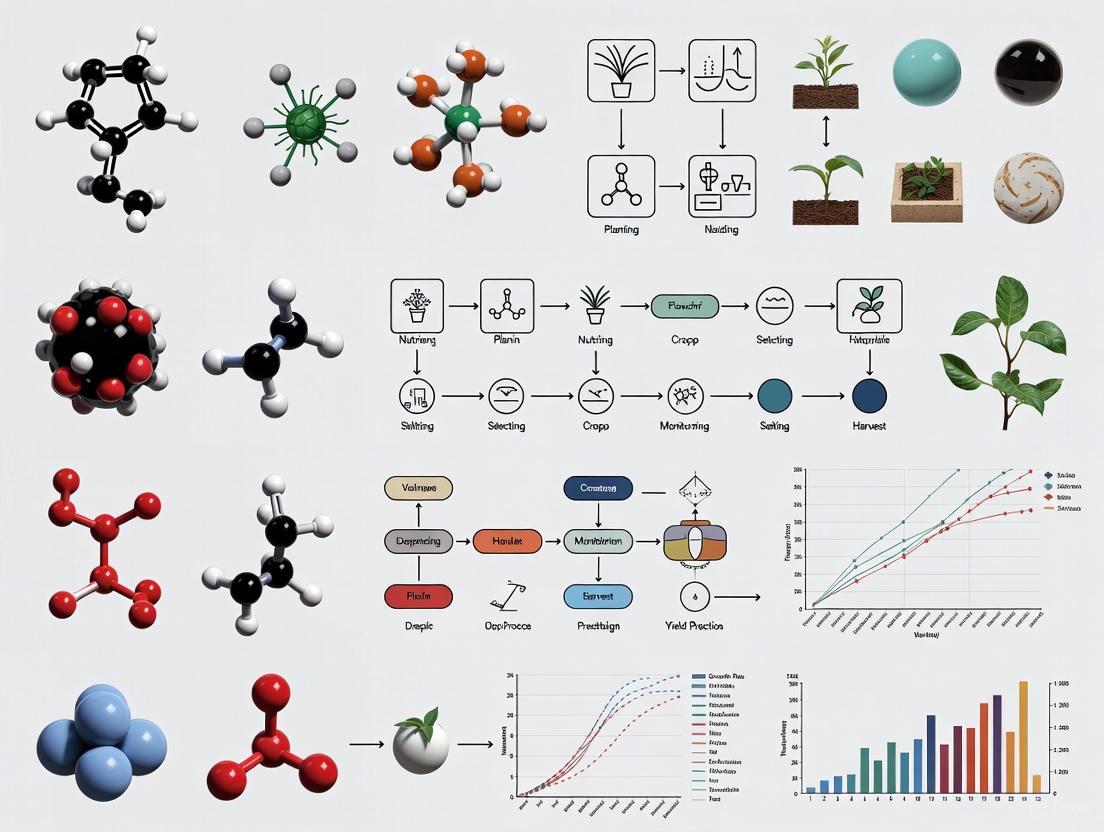
This article provides a comprehensive analysis of advanced sensor technologies that are transforming crop planting in modern precision agriculture.
Smart Sensing 2025: Next-Generation Sensor Technologies Revolutionizing Crop Planting and Precision Agriculture
Abstract
This article provides a comprehensive analysis of advanced sensor technologies that are transforming crop planting in modern precision agriculture. It explores the foundational principles of smart sensors, details the specific functions and real-world applications of key sensor types—including soil moisture, nutrient, aerial, and climate monitoring systems—and addresses critical implementation challenges such as data security, integration, and cost. Aimed at agricultural researchers and scientists, the content synthesizes validation data and comparative performance metrics to guide technology selection and discusses future trajectories integrating AI, robotics, and biotechnology for enhanced crop management and yield optimization.
The Foundation of Smart Farming: Understanding Advanced Agricultural Sensor Technologies
Precision agriculture represents a fundamental transformation in farming methodology, moving away from traditional uniform field management to a site-specific approach that acknowledges and manages inherent variability within fields [1] [2]. This paradigm shift transforms farming from a practice based largely on experience and intuition into a data-driven science that enhances traditional knowledge with objective measurements and analysis [2]. Where traditional mechanized farming applied uniform treatments for "average" conditions—necessarily leading to over- and under-application of inputs—precision agriculture enables farmers to manage different parts of a field separately based on precise, location-specific data [1]. This evolution marks a return to the principles of traditional small-scale farming, where intimate knowledge of each field section informed specific management practices, now enabled by advanced technologies that allow this approach to be scaled to modern agricultural operations [1] [2].
Core Principles of Precision Agriculture
Site-Specific Management
The foundational principle of precision agriculture involves dividing fields into management zones with unique characteristics and requirements, rather than treating fields as homogeneous units [2]. This approach recognizes that natural variability in soil types, nutrient levels, moisture content, and terrain significantly impacts crop performance [1] [2]. Through site-specific management, each zone receives customized treatment optimized for its particular conditions, from seeding rates to fertilizer blends [2].
Variable Rate Application (VRA)
Variable rate application technology enables farmers to apply seeds, fertilizers, water, and crop protection products at different rates across a field based on the specific needs of each area [2] [3]. This technology uses sensors or preprogrammed maps to determine optimal application rates, supported by technologies such as GPS, yield monitors, and crop and soil sensors [3]. Unlike conventional uniform application, VRA applies resources precisely where and when they're needed, significantly reducing waste while improving crop performance [2].
Data-Driven Decision Making
Precision agriculture relies on data-driven procedures to enhance agricultural efficiency by minimizing inputs and waste while maximizing yield quantity and quality [4]. This approach collects vast amounts of data through various technologies: soil sensors measure moisture and nutrient levels; GPS-guided machinery tracks yields during harvest; satellite and drone imagery reveal crop health patterns invisible to the naked eye [2]. This wealth of information allows farmers to make informed decisions based on concrete evidence rather than assumptions or generalizations [2].
Resource Efficiency
At its heart, precision agriculture aims to achieve maximum productivity with minimum waste [2]. By applying inputs with precision rather than excess, farmers significantly reduce their environmental footprint while often improving their bottom line [2] [3]. This efficiency reduces costs while minimizing environmental impacts like nutrient runoff and groundwater contamination [2]. Research quantifies that precision agriculture technologies can lead to a 9% reduction in herbicide and pesticide use, 6% reduction in fossil fuel use, and 4% reduction in water use while increasing crop production by 4% [3].
Technological Foundations Enabling Precision Management
Sensing and Monitoring Technologies
Advanced sensor technologies form the critical backbone of data collection in precision agriculture. Soil and plant sensors monitor crucial variables including moisture content, temperature, electrical conductivity, and pH levels [2]. These can be stationary for continuous data from fixed locations or mobile for generating comprehensive soil maps when attached to farm equipment [2]. Emerging sensor technologies like the WolfSens system developed at North Carolina State University can detect plant diseases before visible signs appear by 'sniffing' volatile organic compounds (VOCs) that plants emit—detecting viral infections in tomatoes more than a week before symptoms become visible [5].
Hyperspectral imaging and polarized light sensors further enhance monitoring capabilities. Researchers at Mississippi State University are developing spectral signature analysis that can estimate different soil properties like organic matter or identify plant stresses and diseases beforehand [6]. Similarly, polarization technology helps sensors accurately capture leaf color regardless of glare, overcoming a significant challenge in traditional imaging systems [5].
GPS and Guidance Systems
Global Positioning System (GPS) technology serves as the fundamental geospatial framework for precision agriculture [1] [2]. High-accuracy GPS receivers mounted on farm equipment enable positioning with centimeter-level precision, allowing for extremely accurate field mapping, soil sampling, and equipment guidance [2]. Auto-guidance systems, also known as auto-steer, use GPS to automatically steer machinery and avoid overlap during tilling, planting, spraying, and harvesting [3]. This more efficient operation reduces time, labor, fuel, and materials used while ensuring precise application [3].
Remote Sensing and Aerial Imaging
Remote sensing technologies including satellites and drones provide multi-scale monitoring capabilities for agricultural management [1] [7]. Satellite imagery offers regular, high-resolution data for objective field-wide crop health assessments and resource tracking [7]. Drone technology equipped with high-resolution cameras and sensors provides timely, high-detail field images for planning, scouting, and analysis [7] [2]. Multispectral and thermal imaging cameras capture light wavelengths beyond human vision, revealing plant stress, disease outbreaks, irrigation issues, and nutrient deficiencies before they become visible [2].
Data Integration and Analytics Platforms
Farm management software integrates data from multiple sources to provide actionable insights and enable coordinated decision-making [8] [2]. These platforms incorporate predictive analytics and artificial intelligence to help farmers forecast yields, anticipate pest and disease pressure, and optimize resource allocation [2]. Modern systems employ sophisticated machine learning models to process vast amounts of data from various sources, identifying trends, predicting crop yields, detecting diseases early, and optimizing planting schedules [7]. Data visualization tools transform complex agricultural data into graphical formats like charts, graphs, and maps, providing clear insights that help in managing crop health, optimizing resources, and predicting yields [8].
Quantitative Benefits of Precision Agriculture
Research conducted by the Association of Equipment Manufacturers (AEM) in partnership with major agricultural organizations has quantified the significant environmental benefits of precision agriculture technologies [3]. The data demonstrates substantial improvements in efficiency and productivity while reducing environmental impact.
Table 1: Quantified Environmental Benefits of Precision Agriculture Technologies
| Benefit Category | Improvement with Current Adoption | Potential with Full Adoption |
|---|---|---|
| Crop Production | 4% increase [3] | Additional 6% gain [3] |
| Fertilizer Efficiency | 7% increase in placement efficiency [3] | Additional 14% efficiency gain [3] |
| Herbicide & Pesticide Use | 9% reduction [3] | Additional 15% reduction (48M fewer lbs) [3] |
| Fossil Fuel Use | 6% reduction [3] | Additional 16% reduction [3] |
| Water Use | 4% reduction [3] | Additional 21% reduction [3] |
| Land Use Efficiency | 2M acres of cropland avoided [3] | Additional gains possible |
The aggregate environmental impact of these improvements is substantial: current adoption levels have resulted in 30 million fewer pounds of herbicide applied, 100 million fewer gallons of fossil fuel consumed, and enough water saved to fill 750,000 Olympic-size swimming pools [3]. From a climate perspective, precision agriculture technologies currently contribute to avoiding approximately 10.1 million metric tons of CO2 emissions, with potential to avoid an additional 17.3 million metric tons through broader adoption [3].
Experimental Protocols for Sensor Technology Validation
VOC Sensor Deployment for Early Disease Detection
Objective: To validate the efficacy of volatile organic compound (VOC) sensors for early detection of plant diseases before visible symptoms appear.
Materials: WolfSens wearable electronic patches or portable colorimetric sensors [5], tomato plants (healthy and inoculated with Tomato Spotted Wilt Virus), controlled environment chambers, data logging system.
Methodology:
- Establish test and control groups with minimum 50 plants each
- Attach wearable sensors to underside of leaves in test group
- Inoculate test group with TSWV while maintaining control group under identical conditions
- Collect continuous VOC data from sensors at 6-hour intervals
- Record visual observations daily for symptom development
- Compare sensor data with visual symptom emergence timeline
- Validate detection accuracy through laboratory testing of plant tissue samples
Validation Metrics: Time between sensor detection and visual symptom appearance, detection accuracy rate, false positive rate [5]. In proof-of-concept testing, the portable WolfSens sensor detected pathogen Phytophthora infestans in tomato leaves with greater than 95% accuracy [5].
Spectral Soil Analysis Protocol
Objective: To develop and validate in-situ soil property measurement using spectral signature analysis.
Materials: Portable spectrometers, traditional soil sampling equipment, laboratory analysis resources, GPS units for geotagging.
Methodology:
- Collect geotagged soil samples from multiple field locations (minimum 20 sample points per 100 acres)
- Perform simultaneous spectral measurements at each sample point
- Conduct traditional laboratory analysis for soil properties (organic matter, pH, nutrient levels)
- Correlate spectral signatures with laboratory results using machine learning algorithms
- Develop predictive models for soil properties based on spectral data
- Validate model accuracy with separate test dataset
- Compare costs and time requirements between traditional and spectral methods
Validation Metrics: Correlation coefficient between predicted and measured properties, root mean square error of predictions, cost per sample analysis, time from sampling to results [6]. Traditional laboratory analysis can cost up to $60 per sample and take weeks for results, while spectral methods aim to provide real-time measurements at significantly lower cost [6].
Research Reagent Solutions and Essential Materials
Table 2: Essential Research Materials for Precision Agriculture Sensor Development
| Research Tool | Function/Application | Technical Specifications |
|---|---|---|
| WolfSens Wearable Patches | Continuous, real-time detection of plant VOCs for early disease detection [5] | Electronic patches with VOC sensors; wireless data transmission; >95% detection accuracy [5] |
| Portable Colorimetric Sensors | Field-deployable plant disease detection using smartphone compatibility [5] | Handheld device with colorimetric paper strips; smartphone connectivity; rapid results |
| Multispectral Imaging Sensors | Crop health monitoring through non-visible wavelength detection [7] [2] | Capability to capture infrared, red-edge spectra; NDVI calculation; sub-10cm spatial resolution |
| Soil Electrical Conductivity Sensors | Mapping soil variability and moisture content [2] [6] | Direct contact measurement; real-time data logging; GPS synchronization |
| Hyperspectral Drone Systems | High-resolution field mapping for stress detection [7] [4] | 400-1000nm spectral range; <5cm spatial resolution; automated flight planning |
| Polarized Light Sensors | Accurate color capture overcoming sun glare [5] | Polarization filtering; algorithm-based color correction; field-deployable |
| Nanosensors | Targeted monitoring of soil moisture and nutrients [9] | Nano-scale components; real-time monitoring capability; minimal power requirements |
Implementation Workflow for Precision Agriculture Systems
The transition from uniformity to site-specific management follows a structured implementation process that integrates technologies across the agricultural production cycle.
Future Directions and Research Opportunities
The future of precision agriculture points toward increasingly sophisticated sensor technologies and data integration platforms. Emerging research includes the development of handheld sensor technology for direct field measurement or integration with farm equipment for real-time analysis [6]. Nanotechnology is playing an increasingly important role, with nanocapsules facilitating targeted delivery of agrochemicals and nanosensors enabling real-time monitoring of soil moisture and nutrient levels [9]. The integration of artificial intelligence and machine learning continues to advance, with systems becoming capable of predictive analytics for yield forecasting, disease outbreak prediction, and optimized resource allocation [7] [2]. The market for precision agriculture is projected to grow substantially, expected to reach USD 8,018.5 million by 2029, expanding at a compound annual growth rate of 15.4% [9]. This growth will be driven by continued technological innovation and increasing demand for sustainable agricultural practices that optimize resource utilization while maintaining productivity.
Variable Rate Application (VRA) is a core component of precision agriculture, enabling the targeted application of agricultural inputs—such as fertilizer, seed, and water—at variable rates across a field, rather than applying a uniform rate everywhere [10]. This approach moves beyond traditional blanket application methods by accounting for in-field variability in soil characteristics, nutrient levels, and crop needs [11]. The technology is a critical response to pressing global challenges, including the need to increase agricultural output to meet rising food demand, reduce production costs, and minimize the environmental impact of farming practices [10]. The global VRA technology market, valued at $2.02 billion in 2021, is projected to grow significantly, reflecting its increasing adoption and importance in modern agriculture [10].
VRA operates as the "responding" category within the precision agriculture framework, which also includes "guidance" and "recording" technologies [10]. Its implementation relies on a sophisticated integration of hardware and software, typically including an in-cab computer and software with a field zone application map, application equipment capable of changing rates during operation, and the Global Positioning System (GPS) for precise location tracking [11]. The fundamental aim is to apply the right amount of input, at the right place, and at the right time, thereby optimizing resource use, enhancing crop productivity, and improving sustainability [10].
Core Technological Principles of VRA
The implementation of Variable Rate Application is primarily achieved through two distinct technological approaches: map-based and sensor-based systems. Both methods enable precise input management but differ in their data sources and operational workflows.
Map-based VRA (also known as prescription map-based) relies on pre-defined application maps generated from historical data, soil sampling, yield maps, or aerial imagery [10] [12]. These maps, which delineate management zones within a field, are loaded into a controller on the application equipment. During operation, the GPS-guided system adjusts the application rate in real-time as the machinery moves from one zone to another, matching the prescribed rate for each specific area [10]. This system is characterized by high accuracy, with research showing that map-based systems for solid fertilizers operate with an overall accuracy ranging between 94% and 98%, depending on the actuation method employed [12].
Sensor-based VRA utilizes real-time sensors mounted on application equipment to analyze crop or soil conditions on the go [10]. These sensors measure properties such as plant chlorophyll levels (as an indicator of nitrogen status) or soil reflectance. The sensor data is instantly processed by an onboard algorithm, which then triggers a change in the application rate without human intervention [10]. This approach offers the significant benefit of responding to current conditions without any time lag between measurement and application, achieving an overall accuracy of roughly 96% [12].
Table 1: Comparison of Map-Based and Sensor-Based VRA Approaches
| Feature | Map-Based VRA | Sensor-Based VRA |
|---|---|---|
| Data Source | Pre-existing prescription maps from historical data, soil tests, yield maps [10] | Real-time sensor readings of plant or soil conditions [10] |
| Key Requirement | Accurate GPS and pre-planning to create management zones [11] | Robust, accurate sensors and real-time decision-making algorithms [12] |
| Primary Advantage | Ability to use multiple information sources for highly accurate planning; high overall accuracy (94-98%) [12] | Responds to current conditions with no time lag; avoids need for extensive pre-map creation [10] [12] |
| Key Limitation | Does not respond to real-time, in-season changes in crop status | Limited by the availability of simple and accurate sensors for all parameters [12] |
The effectiveness of both systems hinges on a complex control system. For solid fertilizers, this typically includes components such as a DC motor (hydraulic or electric), a controller (e.g., a programmable logic controller or PLC), a power source, and monitoring sensors (e.g., radar or optical sensors) to measure the actual output and provide feedback for system calibration and accuracy [12].
The Role of Advanced Sensors and Data Acquisition
Advanced sensor technologies form the bridge between the physical state of the field and the data-driven decisions executed by VRA systems. The proliferation of new sensing modalities provides researchers and farm managers with unprecedented insights into crop physiology and environmental conditions.
Sensor Types and Deployed Technologies
Modern agricultural sensing spans a wide technological spectrum:
- Optical Sensors: Devices like the SPAD-502 Plus chlorophyll meter and the Trimble GreenSeeker handheld crop sensor are foundational for non-destructive plant monitoring [13]. The SPAD meter provides a relative chlorophyll content index by measuring light absorption at red (650 nm) and near-infrared (940 nm) wavelengths, serving as a proxy for leaf nitrogen status [13]. The GreenSeeker calculates the Normalized Difference Vegetation Index (NDVI) based on reflectance in the red (656 nm) and near-infrared (774 nm) bands to assess plant biomass, photosynthetic capacity, and stress [13].
- Thermal Imaging Sensors: Cameras such as the FLIR T540 measure canopy temperature, which is closely associated with plant water status, stomatal conductance, and transpiration rates. A reduction in canopy temperature of 1.8–2.5 °C, as observed in optimized fertilization treatments, indicates enhanced stomatal regulation and water-use efficiency [13].
- Plant Flexible Sensors: This emerging class of sensors represents a significant advancement for real-time, non-invasive monitoring. Fabricated from conductive polymers (e.g., polypyrrole, PEDOT:PSS), carbon-based materials (e.g., graphene, carbon nanotubes), and biocompatible substrates (e.g., nanocellulose, silk fibroin), these sensors conform to plant surfaces [14]. Their mechanical compliance allows them to monitor physiological parameters like humidity, temperature, mechanical strain (growth), and volatile organic compounds (VOCs) without damaging plant tissues, enabling continuous, in-situ data collection [14].
Data Integration and Platform Architecture
The raw data from these diverse sensors is integrated and given context through agricultural data platforms. Initiatives like India's AgriStack, VISTAAR, and Agricultural Data Exchange (ADeX) exemplify this trend, creating centralized or federated repositories for soil tests, weather patterns, crop trends, and market data [15]. These platforms aim to break down data silos and facilitate the development of data-driven services for farmers and researchers.
For these platforms to be effective, a supportive ecosystem must be developed across four key dimensions [15]:
- Business Value: Emphasizing tangible benefits and building platforms around well-defined use cases.
- Technology: Establishing robust Digital Public Infrastructure (DPI) with open APIs and interoperability standards (e.g., AgriJSON) to enable plug-and-play architecture.
- Legal: Implementing clear data protection frameworks based on informed consent and individual rights, aligned with standards like India's DPDP Act.
- Project Implementation: Ensuring strategic roll-out, continuous improvement, and dedicated maintenance of the platforms.
Commercial platforms, such as Syngenta's Cropwise Operations, demonstrate this integration in practice. They unify data from satellites, machinery, weather stations, and in-field sensors to provide tools for variable rate application support, yield prediction, and precision irrigation management [16].
Experimental Protocols for Sensor-Based Assessment
To illustrate the practical application of these technologies in a research context, the following is a detailed methodology from a recent study investigating fertilizer strategies in soybean using a multi-sensor approach [13].
Objective: To investigate the temporal effects of different fertilization strategies on the physiological, morphological, and biomass-related traits of soybean under controlled greenhouse conditions [13].
Experimental Design:
- Plant Material: Soybean cultivar 'Gapsoy-16' [13].
- Pot Experiment Design: The experiment used a randomized complete block design (RCBD) with 7 treatment levels and 4 replications each (total of 28 pots). Treatments included Control, Urea only, Zinc (Zn) only, Microbial inoculant only, Urea + Zn, Urea + Microbial, and Zn + Microbial [13].
- Timeline: The experiment was initiated on May 1, 2025, with sowing and completed on July 9, 2025. Measurements were taken at weekly intervals [13].
Sensor-Based Measurements and Protocol: All measurements were conducted consecutively between 13:00 and 15:00 to minimize diurnal variation [13].
SPAD (Chlorophyll Content):
- Instrument: SPAD-502 Plus (Konica Minolta).
- Procedure: Middle canopy leaves were placed into the device clamp. Four readings per replication were taken and averaged. The device provides a relative Chlorophyll Content Index (CCI) derived from light absorption at 650 nm and 940 nm [13].
NDVI (Canopy Vigor):
- Instrument: Trimble GreenSeeker Handheld Crop Sensor.
- Procedure: The sensor was positioned at a fixed distance of approximately 70 cm above the canopy of each pot. Four replicate measurements per treatment were taken and averaged. NDVI is calculated from reflectance at 656 nm (red) and 774 nm (near-infrared) [13].
Thermal Imaging (Canopy Temperature):
- Instrument: FLIR T540 thermal infrared camera.
- Procedure: Images were acquired with the camera positioned 3–4 m from the plants, with emissivity set to 0.95. A black curtain was used as a background to eliminate reflections. Canopy temperature was extracted and analyzed from the images [13].
Plant Height (Morphological Trait):
- Instrument: Standard ruler.
- Procedure: The distance from the soil surface to the highest point of the main stem was recorded [13].
Post-Harvest Biomass Analysis: After the sensor-based monitoring period, plants were harvested, and fresh biomass was measured. Strong positive correlations (r = 0.71–0.84) were found between the sensor parameters (SPAD/NDVI) and post-harvest biomass, validating the reliability of the non-destructive sensor measurements for predicting yield-related traits [13].
The following workflow diagram summarizes this experimental protocol:
Data-Driven Decision-Making: From Data to Action
The ultimate value of sensor data and VRA is realized in the decision-making feedback loop that translates information into optimized agricultural actions. This process creates a cycle of continuous improvement, as illustrated below:
The process begins with Data Acquisition from multiple sources, including soil sensors, optical plant sensors, drones, and satellite imagery [13] [16] [17]. This data is then fed into a central platform for Integration and Analysis [15] [16]. Here, powerful analytics and AI models interpret the data to identify patterns and problems, such as nutrient deficiencies or water stress. These insights inform the Generation of a Decision, which takes the form of a prescription map for map-based VRA or a real-time algorithm for sensor-based VRA [10] [12]. This decision is executed by Variable Rate Application machinery, which applies inputs precisely where needed [11] [10]. Finally, the Outcome is Assessed through yield monitoring, sustainability metrics, and return on investment calculations, completing the loop and providing data to refine the next cycle of decisions [13] [16].
The quantitative impact of this data-driven approach is significant. Studies show that AI-enabled models can improve yield prediction by 20%, while UAVs can reduce water and fertilizer use by up to 96% and 40%, respectively [17]. Furthermore, sensor-based thresholds, such as a SPAD value of ~35 and an NDVI of ~0.60 identified in soybean studies, provide concrete, actionable benchmarks for fertilization decisions and automation [13].
Table 2: Quantitative Impacts of Data-Driven Smart Farming Technologies
| Technology | Measured Impact | Application Context |
|---|---|---|
| AI-Enabled Models | Improved yield prediction by 20% [17] | Crop yield forecasting |
| Unmanned Aerial Vehicles (UAVs) | Reduced water use by up to 96% and fertilizer use by up to 40% [17] | Precision application of inputs |
| IoT-based Smart Irrigation | Enhanced crop productivity by 25% [17] | Water resource management |
| Sensor-based Biomass Prediction | Strong positive correlation with post-harvest biomass (r = 0.71-0.84) [13] | Non-destructive yield estimation |
| Combined Fertilizer Treatments | Increased fresh biomass by 28% compared to control [13] | Soybean nutrient management |
The Scientist's Toolkit: Key Research Reagents and Materials
For researchers designing experiments in sensor-driven agriculture and VRA, a standard toolkit comprises several key components.
Table 3: Essential Research Materials and Reagents for VRA and Sensor Experiments
| Item | Function / Relevance | Example from Literature |
|---|---|---|
| Chlorophyll Meter (SPAD) | Provides a rapid, non-destructive proxy for leaf nitrogen status and photosynthetic capacity [13] | SPAD-502 Plus (Konica Minolta) [13] |
| Multispectral Sensor (NDVI) | Assesses canopy vigor, biomass, and photosynthetic activity by measuring red and near-infrared reflectance [13] | Trimble GreenSeeker Handheld Sensor [13] |
| Thermal Imaging Camera | Monitors canopy temperature as an indicator of plant water status and stomatal conductance [13] | FLIR T540 [13] |
| Plant Flexible Sensors | Enable non-invasive, real-time monitoring of plant physiological signals (e.g., strain, humidity, VOCs) [14] | Sensors based on PEDOT:PSS, graphene, or nanocellulose [14] |
| Conductive Polymers | Used as sensing materials in flexible sensors for their electrical conductivity and flexibility [14] | Polypyrrole (PPy), Polyaniline (PANI), PEDOT:PSS [14] |
| Carbon-Based Nanomaterials | Provide high conductivity and sensitivity in flexible sensor fabrication [14] | Graphene, Carbon Nanotubes [14] |
| Biocompatible Substrates | Serve as flexible, often biodegradable, support structures for sensors to ensure plant compatibility [14] | Nanocellulose, Silk Fibroin [14] |
| Microbial Inoculants | Used in treatment experiments to enhance nutrient availability and plant growth [13] | Clonostachys rosea st1140 strain [13] |
Variable Rate Application, powered by an ever-evolving suite of advanced sensors and robust data platforms, represents a foundational shift in agricultural management. The core principles outlined—the integration of map-based and sensor-based systems, the utilization of non-invasive sensing technologies, and the closure of the data-driven decision loop—provide a framework for achieving unprecedented levels of efficiency and sustainability in crop production. For researchers, the path forward involves continued refinement of sensor technologies, particularly in durability, cost-effectiveness, and seamless integration into broader agricultural data ecosystems. By embracing these principles and tools, the scientific community can accelerate the development of intelligent, responsive agricultural systems capable of meeting the food security challenges of the future.
The foundation of modern precision agriculture is a sophisticated sensor ecosystem that transforms physical farming parameters into actionable digital insights. This ecosystem represents a fundamental retooling of traditional agricultural methods through the application of Internet of Things (IoT) technologies, creating a network of interconnected devices that monitor and manage crop environments with unprecedented precision [18]. At its core, this technological revolution addresses critical global challenges including growing food demand, environmental sustainability, and resource scarcity by making agricultural operations data-driven and measurable [18] [19].
The agricultural IoT ecosystem functions through a tightly integrated stack of technologies. Low-power sensors deployed throughout farming operations collect granular data on soil, crops, and environmental conditions [18]. This data is transmitted via specialized connectivity protocols to platforms where edge and cloud computing systems process and analyze the information [18]. The resulting intelligence enables automated control systems and provides farmers with actionable insights through intuitive dashboards, completing the cycle from physical monitoring to digital management [19]. This technological framework has transformed farms from uniform production zones into differentiated micro-environments where each plant's specific needs can be identified and addressed [18].
Core Sensor Technologies for Crop Research
Soil and Root Zone Monitoring Systems
Soil sensors form the foundational layer of the agricultural IoT ecosystem, providing critical data on the rhizosphere environment that directly influences crop health and productivity. Soil moisture sensors are among the most widely deployed technologies, measuring volumetric water content to guide irrigation scheduling with reported water use reductions of 30-50% [18] [19]. These sensors are complemented by soil nutrient and pH sensors that measure key soil properties including nitrogen, phosphorus, and potassium levels, as well as soil acidity/alkalinity [18] [20]. This nutrient data enables precise fertilization strategies that reduce input costs and minimize environmental impact from runoff [20].
Advanced research applications now incorporate root architecture phenotyping technologies that employ functional-structural modeling to evaluate quantitative metrics of root systems [21]. These systems measure critical phenes (elemental phenotypic units) including root number, diameter, and lateral root branching density—parameters that provide more reliable indicators of plant status than aggregate metrics alone [21]. The stability and reliability of these phenes make them particularly valuable for breeding programs and management strategy optimization, as they are not affected by imaging method or plane and offer direct insight into plant physiological status [21].
Plant Health and Stress Detection Technologies
Plant-focused sensors represent the most technologically advanced layer of the agricultural IoT ecosystem, enabling early detection of stress long before visible symptoms appear. Research at the North Carolina Plant Sciences Initiative has developed innovative WolfSens technology that includes both wearable electronic patches and portable sensors for detecting plant volatiles [5]. These "wearable olfactory sensing" devices detect volatile organic compounds (VOCs) that plants emit in response to viral and fungal infections, abiotic stresses, and other health challenges [5].
The WolfSens wearable patch attaches to the underside of plant leaves and provides continuous, real-time detection of health status [5]. In experimental trials, this patch detected viral infection in tomatoes more than a week before visual symptoms of Tomato Spotted Wilt Virus appeared [5]. The complementary portable WolfSens sensor uses colorimetric paper strips that change color based on VOC profiles and connects to smartphones for field deployment [5]. This system demonstrated greater than 95% accuracy in detecting Phytophthora infestans in tomato leaves, distinguishing it from other pathogens with similar symptoms [5].
Advanced optical and light sensors further enhance plant monitoring capabilities. Photosynthetically Active Radiation (PAR) sensors measure the light spectrum available for photosynthesis, enabling optimization of light conditions for maximum photosynthetic efficiency [18] [20]. To address challenges with color distortion in bright sunlight, researchers have developed polarized light sensors that use software algorithms to accurately capture leaf color regardless of glare [5]. This technology adapts principles from biomedical imaging, where polarized light reveals tissue structure, applying them to agricultural contexts to improve stress detection accuracy [5].
Table 1: Advanced Soil and Plant Sensor Technologies
| Sensor Category | Specific Metrics Measured | Research Applications | Detection Capabilities |
|---|---|---|---|
| Soil Moisture Sensors | Volumetric water content, soil water potential | Irrigation optimization, drought stress studies | Continuous moisture levels at various depths |
| Soil Nutrient Sensors | NPK levels, pH, organic matter components | Precision fertilization, soil health mapping | Macronutrient deficiencies, soil acidity/alkalinity |
| Root Architecture Sensors | Root number, diameter, branching density, growth angle | Phenotyping, breeding programs, stress response | Structural adaptations to soil conditions |
| Plant VOC Sensors | Volatile organic compound profiles | Early disease detection, abiotic stress response | Viral/fungal infections >1 week before visual symptoms |
| Optical Sensors | PAR, leaf color, multispectral signatures | Photosynthetic efficiency, nutrient status | Chlorophyll content, nutrient deficiencies |
Environmental and Climatic Monitoring
Microenvironment monitoring completes the sensor ecosystem by quantifying the atmospheric conditions that influence crop growth and disease pressure. Weather and climate sensors track temperature, humidity, wind speed, precipitation, and atmospheric pressure at field level, enabling highly localized forecasting and management decisions [18] [20]. These sensors allow farmers to anticipate changing conditions and respond proactively—for instance, withholding irrigation when rainfall is predicted or activating frost protection systems before temperatures reach critical thresholds [18].
Advanced research operations deploy CO₂ and air quality sensors that monitor gas concentrations and pollutants in the crop canopy [20]. In controlled environments, these sensors enable precise CO₂ enrichment strategies to maximize photosynthetic rates [20]. Water quality sensors monitor irrigation water for pH, salinity, and contaminants, preventing soil degradation from poor quality water applications [20]. Together, these environmental sensors provide the contextual data needed to interpret plant and soil sensor readings accurately and implement appropriate management responses.
Connectivity Architectures and Data Transmission
Low-Power Wide-Area Networks (LP-WAN)
The agricultural IoT ecosystem relies on specialized connectivity solutions designed to overcome the challenges of rural deployments, including limited power infrastructure and expansive coverage areas. Low-Power Wide-Area Network (LP-WAN) technologies have emerged as the cornerstone of agricultural connectivity, with LoRaWAN and Narrowband-IoT (NB-IoT) being the most widely adopted protocols [18]. These networks are specifically engineered for IoT devices that need to transmit small packets of data over long distances while consuming minimal power [18]. A typical LP-WAN device can operate for years on battery power while transmitting data from distances up to 20km from the network gateway, eliminating the need for frequent maintenance in remote field locations [18].
The economic viability of large-scale sensor deployment hinges on these connectivity solutions. LP-WAN technologies have dramatically reduced both sensor hardware costs and connectivity expenses, making precision agriculture accessible to small- and medium-sized farms [18]. This democratization of technology is essential for widespread adoption, as smaller operations constitute significant proportions of global food production [18]. The combination of low cost and low maintenance makes it economically feasible to deploy hundreds or even thousands of sensors across farming operations, creating dense meshes of real-time data collection [18].
Edge and Cloud Computing Infrastructure
The agricultural IoT ecosystem employs a distributed computing architecture that balances processing between edge devices and cloud platforms to optimize responsiveness and analytical depth [18]. Edge computing processes data as close to the source as possible—on gateways installed in farm structures, tractor onboard computers, or even the sensors themselves [18]. This approach enables low-latency, real-time responses essential for automated applications such as driverless tractors, crop-dusting drones, and smart irrigation systems [18]. Edge computing also serves as an intelligent filter, analyzing data streams locally and transmitting only significant events or summaries to the cloud, dramatically reducing network traffic and connectivity costs [18].
Cloud computing complements edge processing by providing massive data storage capacity and sophisticated analytical capabilities [18]. Cloud platforms host powerful AI and machine learning algorithms that compare real-time data with historical records and cross-referenced information from other farms or government resources [18]. This large-scale analysis identifies patterns, predicts crop yields with increasing accuracy, models disease outbreaks, and develops long-term optimization strategies [18]. Farmers access these insights through unified dashboards on tablets or smartphones, providing comprehensive operational overviews from anywhere in the world [18].
The combination of edge and cloud computing creates a self-improving feedback loop that enhances system intelligence over time [18]. Edge devices collect and pre-process field data, which is curated and sent to the cloud for aggregation with diverse other sources [18]. The cloud's AI platforms analyze these massive datasets to refine predictive models, with improvements benefiting every participant in the network [18]. This collective intelligence represents the digital evolution of traditional farming knowledge sharing, accelerating improvement through democratized data access [18].
Diagram 1: Agricultural IoT data architecture showing the flow from field sensors to actionable insights through edge and cloud computing layers.
Experimental Protocols and Implementation
Methodology for Plant VOC Sensing
The detection of plant volatiles for early disease diagnosis represents one of the most promising applications of advanced sensor technology in crop research. The WolfSens experimental protocol developed at NC State provides a validated methodology for VOC-based pathogen detection [5]. The research team employed two complementary sensor approaches: a wearable electronic patch for continuous monitoring and a portable colorimetric sensor for spot measurements [5].
For the wearable patch deployment, researchers attached the sensors to the underside of tomato plant leaves in greenhouse conditions [5]. The patches remained in place for continuous monitoring, with data transmitted wirelessly to a base station [5]. Experimental plants were inoculated with Tomato Spotted Wilt Virus, while control groups remained uncontaminated [5]. The sensors successfully detected distinctive VOC profiles associated with viral infection more than one week before visual symptoms appeared [5].
The portable sensor protocol involved collecting leaf samples from multiple locations within the greenhouse [5]. Researchers placed leaves in sealed containers with the colorimetric paper strips for a standardized exposure period [5]. The strips were then photographed using a smartphone-connected handheld device, with specialized software analyzing color changes to identify specific pathogens [5]. In validation testing, this method detected and distinguished tomato late blight from other fungal pathogens with similar symptoms, achieving greater than 95% accuracy for Phytophthora infestans detection [5].
Sensor Validation and Data Integrity Framework
Ensuring data accuracy and reliability is paramount in agricultural sensor deployment. Research institutions have established rigorous validation protocols that combine sensor readings with traditional measurement techniques. The North Carolina Plant Sciences Initiative emphasizes interdisciplinary verification, bringing together expertise from chemical engineering, electrical engineering, data science, and plant pathology to validate sensor performance [5].
For soil sensor validation, researchers typically employ destructive sampling at sensor locations to provide laboratory-based verification of sensor readings [22]. This involves collecting soil cores adjacent to moisture and nutrient sensors for standard laboratory analysis using established methods like gravimetric water content measurement and chemical extraction for nutrient quantification [22]. The root architecture phenotyping community has established standards for minimizing measurement error, particularly for critical phenes like root growth angle that are susceptible to distortion in 2D projection methods [21].
Advanced optical sensor validation incorporates reference standards and control environments to ensure accurate color perception regardless of lighting conditions [5]. The polarization software developed by NC State researchers underwent rigorous testing using color standards under varying light intensities and angles to verify measurement accuracy [5]. This validation confirmed that the algorithm could accurately estimate true leaf color based on both perceived color and the polarization of the darkest wavelength in the image [5].
Table 2: Quantitative Performance Metrics of Agricultural IoT Systems
| Technology Category | Performance Metrics | Research-Grade Specifications | Impact on Agricultural Outcomes | |
|---|---|---|---|---|
| LP-WAN Connectivity | Range: Up to 20km\r\nBattery Life: 2-10 years\r\nData Rate: 0.3-50 kbps | LoRaWAN, NB-IoT, Sigfox protocols\r\nBi-directional communication\r\nEnd-to-end encryption | Enables monitoring of remote fields\r\nReduces maintenance requirements | |
| Soil Moisture Sensing | Accuracy: ±3% VWC\r\nResolution: 0.1% VWC\r\nResponse Time: <2 seconds | Calibrated for soil types\r\nTemperature compensated\r | 30-50% water use reduction\r\nPrevents over-/under-watering stress | |
| Disease Detection Sensors | Early Detection: 7-10 days before symptoms\r\nAccuracy: >95% for specific pathogens\r\nSpecificity: Distinguishes between pathogens | VOC profiling\r | Enables targeted interventions\r | Reduces pesticide use through precision application |
| Plant Health Monitoring | PAR Measurement: 400-700nm spectrum\r | Polarization compensation for glare reduction\r | 15-20% yield improvement through optimized growing conditions\r | Reduces resource waste |
The Scientist's Toolkit: Research Reagent Solutions
Essential Materials for Sensor-Based Crop Research
Implementing a comprehensive agricultural sensor research program requires specialized materials and reagents tailored to the unique challenges of field deployment and data validation. The following toolkit represents essential components for establishing a robust sensor research infrastructure:
Volatile Organic Compound (VOC) Collection Systems: Specialized adsorbent tubes and chambers for capturing plant volatiles, with thermal desorption equipment for laboratory analysis. These systems provide the ground truth data required for calibrating and validating electronic nose sensors like the WolfSens platform [5].
Reference Soil Analysis Kits: Laboratory-grade equipment for soil nutrient extraction and quantification, including colorimetric assays for nitrogen, phosphorus, and potassium. These kits enable validation of in-situ soil sensor readings and establish calibration curves for specific soil types [22].
Standardized Color Reference Cards: Calibrated color targets with known reflectance values across the visible and near-infrared spectrum. These references are essential for validating optical sensors and ensuring consistent color perception across varying light conditions [5].
Root Architecture Imaging Setup: Rhizotron containers, high-resolution scanning equipment, and specialized software (such as RootSnap! or DIRT) for quantifying root system architecture parameters. These tools provide validation data for comparing sensor-based root monitoring approaches [21].
Wireless Network Testing Equipment: Spectrum analyzers, packet sniffers, and signal strength measurement tools for characterizing LP-WAN performance in agricultural environments. This equipment helps optimize gateway placement and network configuration for reliable data transmission [18].
Environmental Chamber Systems: Controlled growth environments with precise regulation of temperature, humidity, and light conditions. These chambers enable controlled stress induction experiments for developing sensor response models under known environmental conditions [5].
Future Perspectives and Research Directions
The agricultural sensor ecosystem continues to evolve toward greater integration, intelligence, and accessibility. Nanobiotechnology represents the next frontier, with sensors implementing optical, wireless, or electrical signals to monitor plant signaling molecules at unprecedented resolution [22]. These technologies include genetically encoded sensors that can be transported through nanomaterial facilitators, potentially enabling real-time monitoring of physiological processes within plant tissues [22].
Plant wearables are emerging as a distinct category of monitoring technology, moving beyond temporary attachments to integrated systems that continuously track plant physiology [22]. These devices face unique engineering challenges including biocompatibility, energy autonomy, and mechanical stability during plant growth [22]. Simultaneously, multimodal sensor fusion approaches are combining data from soil sensors, plant wearables, drone imagery, and satellite observations to create comprehensive digital twins of farming operations [19].
The research community is increasingly focused on data standardization and interoperability to maximize the value of sensor networks. Initiatives like the CROPGRIDS dataset provide global geo-referenced information on crop distribution, creating frameworks for contextualizing sensor data within broader agricultural patterns [23]. As these technologies mature, the agricultural sensor ecosystem will continue to transform farming from a resource-intensive practice to a knowledge-intensive industry capable of meeting global food demands while minimizing environmental impact [18] [19].
Advanced sensor technologies are fundamentally transforming crop planting research, enabling a shift from traditional observation to data-driven, precise experimentation. This evolution is critical for addressing global challenges in food security and sustainable agricultural development [24]. Modern sensor systems provide researchers with the tools to capture high-resolution, real-time data on plant physiology, soil dynamics, and environmental interactions, generating unprecedented datasets for analysis [25] [26]. This technical guide details the key sensor categories—from in-ground analyzers to aerial surveillance platforms—that form the technological backbone of contemporary crop research, framing them within the context of experimental application for scientists and research professionals.
The transition to Agriculture 4.0 and the emerging paradigm of Agriculture 5.0 underscore a broader industrial shift towards cyber-physical systems and a human-centric, sustainable approach to innovation [26]. In this framework, sensors act as the primary data acquisition layer, or the "senses," of smart agricultural systems [24]. Their integration with Internet of Things (IoT) platforms, artificial intelligence (AI), and machine learning (ML) enables not only real-time monitoring but also predictive analytics and automated control systems, thereby creating a closed-loop environment for precise experimental intervention and observation [26].
Core Sensor Categories and Their Technologies
The sensor ecosystem in precision agriculture can be categorized by its deployment domain and technological approach. The following sections and accompanying table provide a comparative overview of these core categories.
Table 1: Key Sensor Categories for Crop Research
| Sensor Category | Monitoring Targets | Key Technologies | Spatial & Temporal Resolution | Primary Research Applications |
|---|---|---|---|---|
| In-Ground & Wearable Plant Sensors [24] [25] [22] | Soil nitrate, moisture, temperature [27]; Plant biochemicals (H₂O₂, hormones), microclimate, physiological status (water content, stem diameter) [24] [25] | Printed electrochemistry [27]; Flexible electronics; Micro-nano technology (e.g., Single-Walled Carbon Nanotubes) [24]; Nanobiotechnology [22] | Very High (Point-based, continuous) | Real-time plant-soil interaction studies; Mechanistic study of biotic/abiotic stress responses; Nutrient uptake dynamics [24] [27] [25] |
| Aerial Surveillance Platforms [28] [29] | Canopy temperature, chlorophyll levels, plant health/vigor, stand count, biomass, 3D canopy structure [28] [29] | UAVs (drones & tethered systems) with RGB, multispectral, hyperspectral, thermal, and LiDAR sensors [30] [28] [29] | High to Medium (Coverage of large plots, flyover frequency) | High-throughput phenotyping [28]; Early stress detection (before visual symptoms) [29]; Yield prediction; Large-scale treatment efficacy trials [28] |
| Proximal & Remote Sensing [25] [31] | Spectral reflectance, canopy structure, soil properties | Ground-based/vehicle-mounted spectral imaging; Satellite remote sensing [25] | Variable (Point-based to landscape-scale) | Soil mapping; Plant health assessment; Historical trend analysis [25] [31] |
In-Ground and Wearable Plant Sensors
This category encompasses sensors that are either deployed directly in the soil or attached to plant surfaces, providing high-resolution data on the immediate plant and rhizosphere environment.
In-Ground Soil Sensors
In-ground sensors provide direct, continuous measurement of critical soil parameters. A significant advancement is the development of printed electrochemical sensors for soil nitrate monitoring, overcoming traditional challenges of cost, labor, and lack of real-time data [27]. These sensors are fabricated via an inkjet printing process, creating a low-cost, potentiometric thin-film sensor. A key innovation is the application of a polyvinylidene fluoride (PVDF) layer, which acts as a protective membrane. This hydrophilic material with 400-nanometer pores allows nitrate-laden water to be absorbed into the sensor while blocking coarse soil particles that cause interference and physical damage [27]. Researchers are integrating these nitrate sensors with moisture and temperature sensors into a multifunctional "sensing sticker" mounted on a flexible plastic substrate. Multiple stickers attached to a rod at different depths enable profiling of nitrate leaching and movement through the soil profile [27].
Wearable and Flexible Plant Sensors
Moving from the soil to the plant itself, flexible wearable sensors represent a frontier in plant phenotyping. Unlike rigid sensors that can damage plant tissues and induce biological rejection, flexible sensors are made from compliant materials with excellent flexibility, ductility, and biocompatibility [25]. These devices conform to irregular plant surfaces, enabling in-situ, real-time, and continuous monitoring of physiological information with minimal invasiveness [24]. The technology is driven by advances in flexible electronics and micro-nano sensing technology [24] [25]. For example, researchers have developed a nanosensor using single-walled carbon nanotubes (SWNTs) for the real-time detection of hydrogen peroxide (H₂O₂), a signaling molecule released during plant wounding. This sensor demonstrates high sensitivity (approximately 8 nm ppm⁻¹) and can be integrated with portable electronic devices for field deployment [24]. These sensors provide a direct window into plant signaling and metabolic processes.
Aerial and Proximal Surveillance Platforms
Aerial surveillance platforms provide a macro-scale perspective, essential for high-throughput phenotyping and the management of large experimental plots.
Drone-Based Surveillance
Unmanned Aerial Vehicles (UAVs), or drones, equipped with advanced imaging sensors, are powerful tools for capturing high-resolution, real-time crop data [29]. Standard payloads include:
- Multispectral/Hyperspectral Sensors: Capture data beyond the visible spectrum, enabling the calculation of vegetation indices like the Normalized Difference Vegetation Index (NDVI) for health assessment and the Normalized Difference Water Index (NDWI) for water stress [28] [29].
- Thermal Sensors: Map canopy temperature, which is a proxy for plant water stress and stomatal conductance [29].
- High-Resolution RGB Sensors: Used for detailed canopy analysis, including measuring 2D canopy cover and using structure-from-motion techniques to generate 3D plant height and biomass models [28].
A key operational challenge for conventional drones is limited flight time due to battery constraints. An emerging solution is the use of tethered unmanned aerial vehicles, which draw continuous power from a ground station, allowing them to hover indefinitely and provide truly persistent, real-time surveillance and data streaming, even in challenging wind conditions [30].
Proximal Sensing and Data Integration
Proximal sensing, involving ground-based or vehicle-mounted systems, bridges the gap between in-ground and aerial data. Technologies such as optical imaging, chlorophyll fluorescence imaging, and 3D imaging are used for detailed phenotypic characterization [25]. The integration of data from in-ground, wearable, and aerial sensors through IoT platforms creates a holistic view of the crop environment. This sensor network allows for remote monitoring, data analysis via AI/ML, and automated control systems, enabling predictive analytics for challenges like disease outbreaks and yield forecasting [26].
Experimental Protocols and Methodologies
Protocol: Deployment and Data Collection with Multifunctional Soil Sensing Stickers
This protocol is adapted from research on printed nitrate sensors [27].
1. Sensor Fabrication and Preparation:
- Materials: Inkjet printer with conductive and reference electrode inks; flexible plastic substrate (e.g., polyimide); PVDF membrane; adhesives; moisture and temperature sensors.
- Fabrication: Fabricate the potentiometric nitrate sensor via inkjet printing on the substrate. Deposit the PVDF layer over the sensor electrode to form a protective, hydrophilic membrane. Integrate the nitrate sensor with commercial moisture and temperature sensors onto the same substrate to create a multifunctional "sensing sticker."
2. Field Calibration and Deployment:
- Calibration: Calibrate sensors in standard nitrate solutions before deployment to establish a calibration curve.
- Experimental Setup: Attach multiple sensing stickers to a rigid rod at predetermined depths (e.g., 10cm, 25cm, 40cm). Bury the rod vertically in the experimental plot, ensuring good soil-sensor contact.
- Replication: Deploy multiple sensor rods across different treatment blocks and control plots to ensure statistical robustness.
3. Data Acquisition and Analysis:
- Data Logging: Connect sensors to a wireless data logger to record nitrate, moisture, and temperature measurements continuously at set intervals (e.g., every 15 minutes).
- Data Processing: Convert sensor electrical signals to nitrate concentrations using the pre-established calibration curve. Synchronize data with irrigation and fertilization events.
- Analysis: Analyze the multi-depth data to quantify nitrate leaching dynamics and temporal trends in nutrient availability.
Protocol: Crop Health and Stress Assessment Using UAV-Based Multispectral Imaging
This protocol is based on applications of drone-based analytics for crop research [28] [29].
1. Mission Planning and Pre-flight:
- Materials: UAV platform; multispectral sensor (e.g., Sentera Double 4K NDVI); GPS; mission planning software (e.g., for autonomous flight).
- Site Selection & Planning: Define the experimental plot boundaries. Program a autonomous flight path with sufficient forward and side overlap (e.g., 80%/70%) to ensure complete coverage and enable 3D model generation. Schedule flights for consistent solar noon conditions to minimize shadow effects.
2. In-Situ Data Collection and Flight Operation:
- Ground Truthing: Concurrent with the flight, collect in-situ validation data. This includes SPAD meter readings for leaf chlorophyll, leaf samples for nitrogen analysis, and visual assessments of plant health and stress symptoms.
- Flight Execution: Execute the autonomous flight. The multispectral sensor should capture data in relevant bands (e.g., red, green, red-edge, near-infrared).
3. Data Processing and Analysis:
- Image Processing: Use specialized software to stitch images into an orthomosaic and calculate vegetation indices (e.g., NDVI for health, NDWI for water stress).
- Statistical Analysis: Correlate the derived vegetation indices with the ground-truthed data using regression models. Use machine learning algorithms to classify areas of stress or predict yield based on the spectral data.
- Visualization: Generate spatial maps of crop health and stress to visually identify patterns and treatment effects across the experimental plots.
Visualization Diagrams
Sensor Technology Ecosystem
The following diagram illustrates the interconnected ecosystem of advanced sensor technologies in crop research, from data acquisition to application.
Integrated Monitoring Workflow
This diagram outlines the specific workflow for an integrated sensing experiment, from sensor deployment to data-driven decision-making.
The Scientist's Toolkit: Key Research Reagents and Materials
Table 2: Essential Research Reagents and Materials for Advanced Crop Sensing
| Item | Function/Application in Research |
|---|---|
| Single-Walled Carbon Nanotubes (SWNTs) [24] | Used as a core nanomaterial in nanosensors for detecting specific plant signaling molecules (e.g., hydrogen peroxide) due to their high sensitivity and ability to interface with portable electronics. |
| Polyvinylidene Fluoride (PVDF) Membrane [27] | A key material for protecting printed electrochemical soil sensors. Its nanoporous structure filters out soil particles while allowing nitrate-laden water to reach the sensor, enabling accurate operation in harsh soil environments. |
| Flexible Substrate Materials (e.g., Polyimide) [25] | Serve as the base for flexible and wearable plant sensors. Their mechanical properties, such as flexibility and ductility, allow for conformal attachment to plant organs without causing damage, enabling long-term monitoring. |
| Multispectral/Hyperspectral Sensors [28] [29] | Drone-mounted sensors that capture data at specific wavelengths. Used to calculate vegetation indices (e.g., NDVI, NDWI) for non-destructive assessment of plant health, water stress, and nutrient status at scale. |
| Potentiometric Sensor Inks [27] | Specialized conductive inks used in inkjet printing to fabricate the working and reference electrodes of electrochemical sensors, such as those for soil nitrate detection. |
| Calibration Standard Solutions [27] | Solutions with known analyte concentrations (e.g., nitrate) used to calibrate sensors before deployment, ensuring the accuracy and reliability of the quantitative data collected. |
The integration of in-ground, wearable, and aerial sensor categories provides a multi-scale observational framework that is revolutionizing crop planting research. The synergy between these technologies allows scientists to correlate macro-scale canopy phenomena with micro-scale physiological and soil processes, enabling a systems-level understanding of crop performance [24] [28]. This comprehensive data is foundational for developing predictive models and intelligent management systems.
Future directions in this field are poised to leverage further advancements in nanotechnology, AI, and IoT [24] [26] [22]. Key trends include the development of multimodal sensors that capture multiple parameters simultaneously, the creation of self-powered sensors using energy harvesting, and the deepening of a collaborative human-machine intelligence framework as part of the Agriculture 5.0 paradigm [25] [26]. For researchers, mastering these sensor technologies and their integrated application is no longer a niche specialty but a core competency for driving innovation in plant science and sustainable agronomy.
The foundation of contemporary agricultural research is being redefined by the integration of advanced smart sensor technologies, which provide unprecedented capabilities for monitoring crop physiological status and environmental conditions in real time. These technologies represent a fundamental shift from traditional farming practices to data-driven agriculture, where precise measurements inform resource management decisions. For researchers and scientists focused on crop development, smart sensors offer a powerful toolkit for quantifying plant responses to environmental stressors, nutrient availability, and pathological challenges at temporal and spatial scales previously unattainable [32]. This technological transformation is critical for addressing the intersecting challenges of global food security, climate change, and resource scarcity.
The core value proposition of these technologies lies in their ability to generate high-resolution datasets that illuminate the complex interactions between crop genotypes and their growing environments. Where traditional methods relied on visual assessment and destructive sampling, modern sensor platforms enable continuous, non-invasive monitoring of plant systems. This capability is particularly valuable for tracking dynamic physiological processes and detecting stress responses during critical growth stages, providing researchers with insights necessary for developing more resilient and efficient crop varieties [5]. The integration of these sensors into structured research protocols represents a significant advancement in experimental methodology for crop science.
Sensor Technology Categories and Technical Specifications
Smart sensor systems for agricultural research encompass a diverse array of technologies, each designed to capture specific phenotypic, environmental, or pathological data points. These systems can be broadly categorized based on their sensing modalities, target analytes, and implementation frameworks. Understanding the technical specifications and operating principles of each category is essential for proper experimental design and data interpretation in crop research applications.
Table: Research-Grade Smart Sensor Categories and Specifications
| Sensor Category | Measured Parameters | Detection Mechanism | Research Applications |
|---|---|---|---|
| Soil Sensor Arrays | Moisture content, NPK levels, pH, temperature, electrical conductivity | Electrochemical sensing, capacitance, resistivity | Nutrient uptake studies, irrigation optimization, root zone dynamics |
| Plant Wearable Sensors | Volatile organic compounds (VOCs), sap flow, stem diameter, leaf wetness | Electrochemical detection, strain gauges, microelectromechanical systems (MEMS) | Early disease detection, water stress monitoring, growth kinetics |
| Optical & Spectroscopic Sensors | Reflectance spectra (VIS, NIR, MIR), chlorophyll content, canopy temperature | Multispectral/hyperspectral imaging, thermography, fluorometry | Photosynthetic efficiency, biomass accumulation, nutrient status assessment |
| Environmental Monitors | Air temperature, relative humidity, solar radiation, atmospheric pressure, rainfall | Solid-state MEMS, piezoelectric, capacitive sensing | Microclimate characterization, growth chamber monitoring, field environmental controls |
| Yield Monitoring Systems | Grain mass flow, moisture content, harvest quantity, spatial coordinates | Impact force measurement, capacitive moisture sensing, GPS mapping | Yield component analysis, phenotypic screening, treatment effect quantification |
The technological sophistication of these research tools enables unprecedented resolution in measuring plant responses. For instance, WolfSens wearable patches developed at NC State represent a significant advancement in plant pathology research, detecting volatile organic compounds (VOCs) emitted during early infection stages—more than a week before visible symptoms of Tomato Spotted Wilt Virus manifest [5]. Similarly, advanced yield monitoring systems provide quantitative harvest data with precise geolocation, enabling researchers to correlate seasonal management practices and environmental conditions with final productivity at fine spatial scales [33].
Table: Performance Metrics of Advanced Research Sensors
| Sensor Technology | Accuracy/Resolution | Response Time | Research Validation |
|---|---|---|---|
| Piezoelectric Event Detection Sensors | >97.5% recognition accuracy for vibration events | <6 seconds for event detection | Peer-reviewed validation for knock, shake, and heat event discrimination [34] |
| Soil Nutrient Sensors | NPK detection at ppm concentrations, pH ±0.1 units | Continuous monitoring with minute-scale temporal resolution | Field correlation with laboratory soil analysis (R² > 0.85) [32] |
| VOC Detection Patches | >95% accuracy for Phytophthora infestans detection | Real-time continuous monitoring | Pre-symptomatic detection 7-10 days before visual symptoms [5] |
| Multispectral Imaging Sensors | Sub-centimeter spatial resolution, narrow bandwidth (10nm) | Daily monitoring capabilities via satellite platforms | Strong correlation with vegetation indices (NDVI, NDRE) and yield (R² > 0.75) [33] |
| Yield Monitor Systems | Mass flow measurement ±1-2%, moisture content ±0.5% | Real-time harvesting data with GPS synchronization | Industry standard for precision agriculture research with multi-year datasets [35] |
Experimental Protocols for Sensor-Based Crop Research
Protocol: VOC-Based Early Pathogen Detection Using Wearable Sensors
Objective: To detect plant pathogens before visible symptoms appear through continuous monitoring of volatile organic compounds (VOCs) using wearable olfactory sensors.
Materials and Equipment:
- WolfSens wearable electronic patches or equivalent VOC sensors [5]
- Target plant specimens (e.g., tomato plants at 4-6 leaf stage)
- Pathogen inoculum (e.g., Tomato Spotted Wilt Virus, Phytophthora infestans)
- Negative control plants
- Data logging system with wireless connectivity
- Statistical analysis software (R, Python, or equivalent)
Methodology:
- Sensor Calibration: Calibrate sensors against known VOC standards following manufacturer specifications. Establish baseline readings for healthy plants.
- Experimental Setup: Affix sensors to the abaxial surface of leaves using non-invasive adhesion. Ensure proper sensor-seal contact without damaging leaf tissues.
- Pathogen Inoculation: Inoculate treatment plants with pathogen suspensions using standardized inoculation techniques (e.g., spray inoculation, vector transmission). Maintain negative controls under identical conditions without pathogen exposure.
- Data Collection: Monitor VOC emissions continuously at 15-minute intervals for the experiment duration (typically 14-21 days). Record environmental parameters (temperature, humidity, light intensity) concurrently.
- Symptom Assessment: Daily visual assessment for disease symptoms using standardized rating scales. Document first symptom appearance for each plant.
- Data Analysis: Employ machine learning algorithms (e.g., 1D-CNN) to distinguish disease-specific VOC patterns from healthy emissions. Calculate detection accuracy metrics (sensitivity, specificity) and compare timing of sensor-based detection versus visual symptom appearance.
Validation Metrics: Successful implementation yields pathogen detection 7-10 days before visual symptoms with >95% accuracy for specific pathogens [5].
Protocol: Yield Monitoring for Treatment Effect Quantification
Objective: To precisely quantify spatial and temporal variability in crop productivity and correlate yield patterns with experimental treatments or environmental factors.
Materials and Equipment:
- Combine harvester equipped with yield monitoring system (e.g., Ag Leader Yield Monitor with InCommand display) [35]
- GPS receiver with sub-meter accuracy
- Calibration weights for mass flow sensor verification
- Data management software (e.g., EOSDA Crop Monitoring, AgFiniti)
- Soil sampling equipment for correlation analysis
Methodology:
- System Calibration: Perform pre-harvest calibration following manufacturer protocols. Conduct mass flow sensor calibration using known weights (2-3 calibration loads typically required). Verify moisture sensor accuracy with standard samples.
- Experimental Design: Establish harvesting patterns that minimize confounding factors. Ensure complete GPS coverage of experimental plots.
- Data Acquisition During Harvest: Monitor real-time yield data during harvesting operations. Document any operational anomalies that may affect data quality (e.g., stopping, partial passes, moisture variations).
- Data Processing: Filter erroneous data points resulting from harvest transitions, delays, or equipment issues. Synchronize yield data with spatial coordinates.
- Geospatial Analysis: Create yield maps with appropriate interpolation methods. Overlay treatment maps, soil sampling results, and remote sensing data to identify correlation patterns.
- Statistical Analysis: Conduct spatial statistics to quantify treatment effects while accounting for field variability. Calculate coefficient of variation (CV) to quantify yield variability (typically 28-33% in wheat systems) [33].
Validation Metrics: System should achieve yield measurement accuracy of ±1-2% after proper calibration, with spatial registration accuracy appropriate for plot-scale analysis [35].
Visualization of Sensor System Architectures
Smart Sensor System Architecture for Crop Research
Research Reagent Solutions and Essential Materials
The implementation of sensor-based crop research requires specific reagents, materials, and analytical tools to ensure data quality and experimental rigor. The following table details essential components for establishing a comprehensive sensor research program.
Table: Research Reagent Solutions for Sensor-Based Crop Studies
| Category | Specific Products/Models | Research Application | Technical Specifications |
|---|---|---|---|
| Sensor Hardware | WolfSens wearable patches, Piezoelectric energy harvesters, Soil nutrient arrays | Continuous plant monitoring, Event-driven sensing, Soil chemistry quantification | VOC detection, Vibration sensing (>97.5% accuracy), NPK measurement [34] [5] |
| Data Acquisition Systems | Ag Leader InCommand display, STM32F103ZEH6 MCU, ADS1015IRUGR ADC | Real-time data logging, System control, Signal conversion | 16-bit resolution, <1µW power consumption, GPS synchronization [35] [34] |
| Communication Protocols | IEEE 802.15.4, IEEE 802.15.6, RF digital baseband transmitters | Wireless data transmission, Sensor network connectivity | Long-range communication (100m outdoor), High data rate, Low power operation [34] |
| Analytical Software | EOSDA Crop Monitoring, 1D-CNN algorithms, Vegetation index calculators | Yield mapping, Pattern recognition, Growth trend analysis | Multi-spectral analysis, 99.27% ML accuracy, Historical data comparison [33] [36] |
| Calibration Standards | VOC reference materials, NPK soil standards, Moisture calibration cells | Sensor calibration, Measurement validation, Quality assurance | Certified reference materials, Traceable to national standards |
Integration with Data Analytics and Machine Learning
The value proposition of smart sensors is substantially enhanced through integration with advanced data analytics and machine learning algorithms that transform raw sensor data into actionable research insights. Modern crop research leverages computational frameworks capable of processing multi-dimensional datasets from diverse sensor platforms. The implementation of one-dimensional convolutional neural networks (1D-CNN) has demonstrated particular efficacy for analyzing temporal sensor data streams, achieving recognition accuracy exceeding 97.5% for classifying vibration events relevant to plant health and environmental conditions [34]. These algorithms enable sophisticated pattern recognition that surpasses traditional analytical approaches.
For yield optimization research, supervised machine learning models have shown remarkable performance in correlating sensor data with crop outcomes. Recent research employing Gradient Boosting algorithms for crop recommendation based on soil and environmental parameters achieved impressive metrics: 99.27% accuracy, 99.32% precision, 99.36% recall, and 99.32% F1-score [36]. These models effectively integrate data from multiple sensor systems—including soil nutrient arrays, environmental monitors, and optical sensors—to generate precise recommendations for crop selection and management practices. The addition of Explainable AI (XAI) methodologies further enhances the research utility of these systems by providing transparent insights into the decision-making process, enabling researchers to understand the relative contribution of different sensor inputs to the final predictions.
Smart sensor technologies represent a transformative development in crop research methodology, enabling unprecedented quantification of plant-environment interactions across spatial and temporal scales. The integration of sophisticated sensing platforms—from wearable VOC detectors to yield monitoring systems—with advanced machine learning analytics creates a powerful paradigm for agricultural research. These technologies facilitate a deeper understanding of crop physiology, pathogen dynamics, and productivity factors while optimizing resource utilization through precise, data-driven interventions.
For the research community, these tools offer new avenues for investigating complex biological systems in realistic field conditions while maintaining rigorous measurement standards. The continued refinement of sensor technologies, particularly in areas of miniaturization, energy efficiency, and multi-parameter sensing, will further expand research capabilities. As these technologies become more accessible and integrated with emerging computational methods, they promise to accelerate the development of crop varieties and management practices that can address the pressing challenges of sustainable agricultural production in a changing global environment.
Sensor Deployment in Action: A Technical Guide to Methodologies and Field Applications
The evolution from traditional, observation-based farming to data-driven precision agriculture represents a fundamental transformation in crop management. Central to this shift is the ability to monitor the soil-plant environment with unprecedented temporal and spatial resolution. Real-time profiling of soil moisture and nutrients has emerged as a critical research frontier, enabling unprecedented precision in irrigation and fertilization practices. This technological progression aligns with the broader framework of Agriculture 4.0 and the emerging Agriculture 5.0, which emphasize the integration of cyber-physical systems and a human-centric approach to technological innovation [26]. These advanced sensing technologies provide researchers and agricultural professionals with the data necessary to move beyond uniform field management to variable-rate applications that account for in-field variability, thereby optimizing resource use, enhancing crop yields, and minimizing environmental impact [37] [38].
The significance of these technologies is underscored by the dual challenges of limited natural resources, particularly water, and increasing global food demand [37]. Soil moisture and nutrient sensors form the foundational layer of this intelligent agricultural system, providing the real-time, empirical data required for informed decision-making. This whitepaper provides an in-depth technical examination of the core sensor technologies, their integration into sophisticated monitoring systems, and the experimental protocols that validate their application in precision agriculture research for crop planting.
Core Sensing Technologies: Principles and Methodologies
Advanced soil sensors are broadly categorized by their measurement principles, each with distinct mechanisms, advantages, and limitations. Understanding these underlying principles is essential for selecting the appropriate technology for specific research goals and soil conditions.
Volumetric Water Content Sensing Technologies
Volumetric Water Content (VWC) sensors measure the volume of liquid water per unit volume of soil, expressed as a percentage (e.g., 25% VWC) [39]. These technologies function by assessing the dielectric properties of the soil.
Capacitance (FDR) Sensors: These sensors, such as the Spectrum SMEC300 or METER 5TE, typically consist of two parallel rods or metal rings acting as electrodes. They form an electromagnetic field in the soil and measure the soil's permittivity by assessing the charge time of a capacitor created by the soil medium. The dielectric constant of water (≈80) is substantially higher than that of soil particles (≈4) or air (≈1), allowing changes in soil moisture to be detected through changes in capacitance [39].
- Key Considerations: They offer a fast response time and remote data access, are less expensive than TDR, and can be used in moderately saline soils. However, they have a small sensing area and readings can be affected by soil salinity, clay content, temperature, and bulk density, making site-specific calibration preferred for high accuracy [39].
Time Domain Reflectometry (TDR) Sensors: Sensors like the Acclima true TDR 315 or CS 655 send a defined voltage pulse along a waveguide (metal rods) inserted into the soil. The travel time of the pulse as it reflects back to the source is measured. Since the propagation speed of the pulse is dependent on the soil's dielectric constant, which is dominated by water content, VWC can be accurately estimated [39].
- Key Considerations: TDR is highly accurate and typically does not require soil-specific calibration. Its main disadvantages are a very small area of influence and higher cost compared to capacitance sensors [39].
Neutron Probes: This method, using equipment like the CPN-Instrotek, is considered a benchmark for accuracy. The probe emits high-energy neutrons into the soil from a radioactive source (e.g., Americium-241/Beryllium). These neutrons are slowed down primarily by collisions with hydrogen atoms, most of which are present in water molecules. The count of slowed ("thermalized") neutrons correlates directly with soil water content [39].
- Key Considerations: It samples a relatively large soil volume and is unaffected by salinity. However, it is very expensive (≈\$10,000), requires a radioactive materials license and special training, and involves manual, time-consuming data collection [39].
Soil Water Tension (Matric Potential) Sensors
Soil water tension, measured in centibars (cb) or kilopascals (kPa), indicates the energy required by plant roots to extract water from the soil. As the soil dries, tension increases [39].
Tensiometers: These are direct measurement devices consisting of a water-filled plastic tube sealed at the top with a porous ceramic tip at the bottom. When buried in the soil, water moves through the ceramic tip until equilibrium is reached with the soil moisture, creating a vacuum measured by a mechanical gauge or pressure transducer [39].
- Key Considerations: They are inexpensive and not affected by salinity. However, they have a limited operative range (0-90 cb), a slow response time, and require frequent maintenance to avoid air entry [39].
Granular Matrix Sensors (GMS): Sensors like the Irrometer Watermark indirectly estimate soil tension by measuring the electrical resistance between two electrodes embedded in a granular matrix material (e.g., gypsum). The electrical resistance of this material changes as it absorbs or releases water to maintain equilibrium with the surrounding soil [39].
- Key Considerations: GMS are inexpensive, have a wider range (0-200 cb), and allow for remote data logging. Their drawbacks include a relatively slow response time to soil water changes, lower accuracy in sandy soils, and sensitivity to temperature and salinity [39].
Emerging Nutrient Sensing Technologies
Monitoring soil nutrients in real-time has been a significant challenge, but recent innovations are paving the way for integrated water-nutrient management.
- Printed Electrochemical Sensors: Researchers at the University of Wisconsin-Madison have developed low-cost, printed potentiometric sensors for continuous nitrate monitoring. A key innovation is a polyvinylidene fluoride (PVDF) layer that covers the sensor. This layer features nanopores (~400 nm) that allow nitrate ions to pass while blocking soil particles. Its hydrophilic nature acts as a sponge, actively drawing in nitrate-laden water to ensure accurate measurement in the soil environment [27]. These sensors are being integrated into multifunctional "sensing stickers" that also measure moisture and temperature at multiple depths, enabling researchers to quantify nitrate leaching processes [27].
Table 1: Comparative Analysis of Primary Soil Moisture Sensor Technologies
| Technology | Measurement Principle | Measured Parameter | Key Advantages | Key Limitations | Relative Cost |
|---|---|---|---|---|---|
| Capacitance (FDR) | Soil dielectric permittivity | Volumetric Water Content (VWC) | Fast response, remote access, moderate cost [39] | Small sensing area, affected by salinity/bulk density [39] | $-$\$\$ [39] |
| TDR | Travel time of electromagnetic pulse | Volumetric Water Content (VWC) | High accuracy, minimal calibration needed [39] | High cost, very small sensing area [39] | $\$-$\$\$ [39] |
| Neutron Probe | Attenuation of neutron radiation | Volumetric Water Content (VWC) | High accuracy, large sensing volume, unaffected by salinity [39] | Radioactive source, high cost, manual operation, licensing [39] | $\$\$\$ [39] |
| Tensiometer | Soil water potential via vacuum | Soil Water Tension (cb) | Direct measurement, low cost, not salinity sensitive [39] | Limited range (0-90 cb), high maintenance, slow response [39] | $ [39] |
| Granular Matrix | Electrical resistance of a porous block | Soil Water Tension (cb) | Wide range (0-200 cb), low cost, data logging capable [39] | Slow response, less accurate in sands, temp/salinity sensitive [39] | $ [39] |
System Integration and Data Intelligence Architecture
Individual sensors gain utility when integrated into a larger architecture that enables data collection, communication, analysis, and actionable insight generation.
The Sensing and Decision-Support Workflow
The process from data acquisition to irrigation/fertilization decisions involves a multi-stage workflow that integrates several advanced technologies, as illustrated below.
Diagram: Soil Sensing to Decision Workflow
Integration Platforms and Data Interpretation
IoT and Wireless Sensor Networks (WSN): The integration of sensor networks with IoT platforms allows for remote monitoring, data analysis via AI, and automated control systems [26]. These networks connect multiple sensor nodes to a central gateway, transmitting data wirelessly (e.g., via LoRaWAN, cellular) to cloud-based platforms for storage and analysis. This enables researchers to monitor soil conditions in real-time from a centralized location [37] [26].
Multi-Source Data Fusion: A key trend is the fusion of in-situ sensor data with other remote sensing sources. Data from UAVs (drones) equipped with multispectral and thermal cameras and satellite remote sensing provide complementary spatial and temporal information, creating a comprehensive picture of field variability [37] [40]. This fusion is crucial for extrapolating point-based sensor readings to a larger aerial context.
Depth-Weighted Data Interpretation: A critical methodological consideration for accurate irrigation scheduling is the weighting of sensor data from different soil depths based on root development [41]. Equal averaging of data from all depths can lead to under-irrigation early in the season (by factoring in moisture unavailable to shallow roots) and over-irrigation later on. The optimal approach is to dynamically adjust the weighting of data from shallow, medium, and deep sensors according to the crop's growth stage and observed root water uptake patterns [41].
Artificial Intelligence for Prediction: Machine Learning (ML) and Deep Learning (DL) are increasingly employed for predictive soil moisture modeling. Architectures like Long Short-Term Memory (LSTM) networks, Random Forest (RF), and XGBoost are used to forecast soil moisture levels, enabling proactive irrigation management [40]. Future directions include eXplainable AI (XAI) to interpret model decisions and Federated Learning (FL) for collaborative model training across distributed datasets while preserving data privacy [40].
Experimental Protocols for Sensor Deployment and Validation
For researchers deploying these technologies, a rigorous experimental protocol is essential for generating reliable and actionable data.
Protocol: Sensor Deployment for Soil Profiling
Objective: To install a multi-depth sensor profile for continuous monitoring of soil moisture and nutrient dynamics throughout the crop root zone.
Materials:
- Multi-depth capacitance sensors (e.g., Sentek EnviroSCAN) OR a suite of individual sensors (e.g., Watermark sensors, printed nitrate sensors) at target depths.
- Access tubes (for portable or pre-installed profiling systems).
- Soil auger and installation tools.
- Data logger and power supply (solar or battery).
- Calibration equipment for site-specific sensor calibration (oven, scales for gravimetric water content).
Methodology:
- Site Selection: Based on a preliminary survey (e.g., EMI scan, yield map) to identify zones representing field variability.
- Depth Determination: Install sensors at critical depths corresponding to root development stages (e.g., 4, 8, 12, 20, and 30 inches) [41]. The active root zone should guide the maximum depth.
- Installation: For profiling systems, carefully bore a hole to the desired maximum depth using a specific auger matching the access tube diameter. Insert the access tube, ensuring tight contact with the soil. Insert the sensor probe. For individual sensors, dig a pit to the deepest installation depth, then backfill and tamp soil around each sensor at its target depth to ensure good soil-sensor contact [39].
- Calibration: Perform site-specific calibration for VWC sensors. Collect undisturbed soil samples adjacent to the sensor, determine gravimetric water content, and convert to VWC using bulk density. Develop a regression between sensor output and actual VWC [39].
- Data Logging: Configure the data logger for continuous measurement at 15-60 minute intervals. Establish a communication link (cellular, radio) for remote data access.
Protocol: Irrigation Scheduling Using Sensor Data
Objective: To utilize real-time soil moisture profile data to trigger irrigation events based on crop water use and Management Allowable Depletion (MAD).
Methodology:
- Determine Key Parameters:
- Field Capacity (FC): Record the VWC readings 24-48 hours after saturating the soil profile with a heavy irrigation or rainfall event [39].
- Permanent Wilting Point (PWP): Obtain from lab analysis or web soil survey (e.g., NRCS Web Soil Survey) [39].
- Available Water Capacity (AWC): Calculate as AWC = FC - PWP.
- Management Allowable Depletion (MAD): Establish based on crop and growth stage. For many crops, stress begins when 30-50% of AWC is depleted [39].
Calculate Soil Water Deficit:
Implement Depth-Weighting: Apply dynamic weighting factors to sensor data from different depths based on the observed root activity and water extraction patterns [41]. For example, a young crop may weight the shallow sensor (4") at 80% and the mid-depth sensor (12") at 20%, shifting to 30%, 50%, and 20% for shallow, mid, and deep sensors as the root system matures.
Trigger Irrigation: Initiate irrigation when the calculated, depth-weighted soil water deficit meets or exceeds the MAD threshold for the specific crop growth stage.
Table 2: The Researcher's Toolkit for Soil Moisture and Nutrient Sensing
| Tool / Reagent | Technical Function in Research | Key Application Notes |
|---|---|---|
| Multi-Depth Profiling Probe (e.g., Capacitance-based) | Continuous, simultaneous measurement of VWC at multiple soil depths. | Enables detailed study of root water uptake patterns and percolation dynamics. Requires access tube installation [39]. |
| Printed Nitrate Sensor | Real-time, in-situ potentiometric measurement of soil nitrate concentration. | Emerging technology. The PVDF filter is critical for ion selectivity and soil contact. Used with moisture/temp sensors to study leaching [27]. |
| Data Logger & IoT Gateway | Conditions, logs, and wirelessly transmits sensor data to a cloud server. | Essential for unattended, continuous monitoring. Selection depends on comms range (cellular, LoRa) and power requirements [26]. |
| Soil Auger & Coring Kit | Extracts undisturbed soil samples for calibration and validation. | Used for gravimetric soil moisture analysis to validate and calibrate electronic sensor readings [39]. |
| AI/ML Modeling Software (e.g., LSTM, Random Forest) | Analyzes time-series sensor data to predict future soil moisture status. | Enables proactive water management. Models require training on historical soil, weather, and crop data [40]. |
The experimental setup and data flow for a comprehensive soil profiling study can be visualized as follows, integrating both the physical deployment and the data lifecycle.
Diagram: Soil Profiling Experiment Dataflow
Soil moisture and nutrient sensors have evolved from simple measurement tools into components of sophisticated, intelligent agricultural systems. The integration of robust VWC and tension sensors with emerging technologies like printed nitrate sensors and IoT platforms provides an unprecedented capacity for real-time soil profiling. For researchers, the critical steps involve not only the correct deployment and calibration of these sensors but also the intelligent interpretation of the data, particularly through depth-weighting and AI-driven predictive modeling. As these technologies mature, trends like multi-source data fusion, eXplainable AI, and Federated Learning promise to further enhance the accuracy, scalability, and trustworthiness of these systems, solidifying their role as indispensable tools for advancing sustainable precision agriculture and crop research.
Photosynthetically Active Radiation (PAR) sensors are precision instruments designed to measure the spectral range of solar radiation that plants use for photosynthesis, typically between 400 and 700 nanometers [42] [43]. Unlike simple light meters, these sensors quantify the light energy that directly drives photochemical processes in plants, making them indispensable for modern agricultural research and practice [43]. The core metric provided by these sensors is the Photosynthetic Photon Flux Density (PPFD), which measures the number of photons in the PAR range striking a given surface area per second (units of µmol·m⁻²·s⁻¹) [44].
The global market for PAR sensors is experiencing robust growth, projected to expand from an estimated $500 million in 2025 to over $850 million by 2033, with a compound annual growth rate (CAGR) of 7% [45]. This growth is fueled by several key factors: advancements in sensor technology leading to increased accuracy, durability, and affordability; the rising adoption of precision agriculture techniques; and growing awareness of environmental changes necessitating comprehensive monitoring [45]. This technical guide explores the working principles, applications, and implementation methodologies of PAR sensors within the broader context of advanced sensor technologies for crop research.
Technical Specifications and Working Principles
Fundamental Design and Components
PAR sensors feature a sophisticated optical design to ensure accurate measurement of photosynthetically active radiation. The core components work in concert to filter, process, and quantify light [42]:
Diffusing Disc: Typically made from PTFE (Teflon), acrylic, or Spectralon, this component performs hemispherical integration and cosine correction. It ensures the sensor captures all light coming from the upper hemisphere and provides a proportionate response to the cosine of the angle between incoming light and the sensor's surface, making measurements representative of downwelling irradiance on a horizontal surface [42].
Visible Bandpass Filter: Positioned beneath the diffuser, this UV-IR cut filter selectively transmits light within the 400-700 nm range while blocking unwanted wavelengths outside the photosynthetically active spectrum. The quality of this filter directly determines the sensor's spectral response accuracy [42].
Photodiode: Usually a silicon photodiode or specialized quantum sensor that converts incident photons into an electrical current proportional to light intensity. The photodiode must have a larger detection spectrum before filtering and provide a clean, amplified signal within the PAR range [42] [43].
Housing: A dark-colored casing, often black, that absorbs stray photons without reflecting or distorting light of different wavelengths that could interfere with measurements [42].
Table 1: PAR Sensor Types and Characteristics
| Classification Basis | Sensor Type | Key Characteristics | Typical Applications |
|---|---|---|---|
| Working Mechanism | Silicon Photodiode Sensor | Uses photodiodes to generate electric current proportional to light; more common type [42]. | General agricultural monitoring, cost-sensitive applications |
| Quantum Sensor | Highly accurate and stable; measures PPFD (number of photons) specifically [42] [43]. | Research-grade measurements, precision agriculture | |
| Mounting Style | Fixed-Mount Sensor | Robust metal frame construction for permanent installation [42]. | Long-term environmental monitoring, automated greenhouse systems |
| Portable Sensor | Handheld or probe types with built-in display for immediate readings [42]. | Field surveys, spot measurements, experimental setups | |
| Output Signal | Analog Sensors | Output voltage or current signals; require analog-to-digital conversion [42]. | Basic data logging systems |
| Digital Sensors (RS485) | Provide direct digital output; no additional conversion needed [42]. | IoT platforms, modern control systems |
Signal Pathway and Data Processing
The following diagram illustrates the sequential process of PAR measurement from photon detection to data output:
The working mechanism begins when photons strike the photodiode surface, generating electron-hole pairs and causing a flow of electrical current directly proportional to the intensity of incident photons within the PAR range [43]. This electrical output is processed and converted into meaningful PAR values using sensor-specific calibration factors [43]. For quantum sensors, this process specifically measures the number of photons rather than general energy, making them particularly valuable for photosynthesis studies [42].
Applications in Agricultural Research and Crop Management
PAR sensors serve as critical tools across multiple domains of agricultural research and production:
Precision Agriculture and Crop Management
In precision agriculture, PAR sensors enable data-driven decision making by providing precise light measurements for optimized crop management [45] [43]. Researchers and farmers use PAR data to assess light intensity and distribution across fields or greenhouses, informing decisions on crop placement, shade management, and supplemental lighting requirements [43]. This optimization enhances photosynthesis, increases yields, and improves overall crop quality [43]. PAR sensors can also create detailed light maps of growing areas, identifying zones with inadequate or excessive light and enabling adjustments to ensure uniform growth across entire crops [43].
Controlled Environment Agriculture
In greenhouse and indoor cultivation settings where natural light is often limited or insufficient, PAR sensors provide critical data for determining supplemental lighting requirements [43]. By measuring incoming light levels, growers can adjust the intensity and duration of artificial lighting systems to meet the specific needs of different crops and growth stages [44]. This is particularly valuable in advanced agricultural systems such as vertical farms and agrivoltaics, where dynamic shading and variable light transmission create complex light environments that require precise monitoring [44].
Plant Health Monitoring and Research
PAR sensors enable continuous monitoring of light conditions, helping researchers detect and address issues such as shading from neighboring plants, equipment malfunctions, or changes in light quality [43]. Timely interventions based on sensor data can prevent light-related stress, optimize growth, and minimize disease or pest risks [43]. In research contexts, these sensors are essential tools for studying plant physiology, photosynthesis, and light responses, allowing scientists to investigate effects of different light treatments and develop lighting strategies to improve crop productivity and resource-use efficiency [43].
Environmental and Ecosystem Monitoring
Beyond immediate agricultural applications, PAR sensors play a crucial role in ecological research and environmental monitoring [45]. They help scientists monitor and understand the impact of various environmental factors on plant life and ecosystem health [45]. In climate research, these sensors contribute to studying the effects of climate change on plant growth and photosynthesis, with government funding and scientific initiatives fueling demand in this sector [45]. The fraction of Absorbed Photosynthetically Active Radiation (fAPAR or FAPAR) is particularly important as an Essential Climate Variable (ECV) for monitoring forest and ecosystem health and productivity [46].
Table 2: PAR Sensor Application by Sector and Key Metrics
| Application Sector | Primary Use Case | Key Measured Parameters | Data Application |
|---|---|---|---|
| Agricultural Research | Optimizing crop yields through light monitoring [45] [43] | PPFD, Daily Light Integral (DLI) [44] | Irrigation & fertilization strategies; 30% of market concentration [45] |
| Environmental Monitoring | Ecosystem health assessment [45] | fAPAR, PAR transmission [47] [46] | Regulatory compliance; 25% of market concentration [45] |
| Climate Research | Climate change impact studies [45] | Long-term PAR trends, fAPAR [47] | Government & scientific research; 20% of market concentration [45] |
| Horticulture | Greenhouse light control [45] | Instantaneous PPFD, light duration [43] | Compact & durable sensors; 15% of market concentration [45] |
| Educational/Research Institutions | Academic research & education [45] | Full PAR parameters | Basic research; 10% of market concentration [45] |
Experimental Implementation and Measurement Protocols
Sensor Deployment Framework
Implementing PAR sensors in research settings requires careful planning and execution:
Sensor Selection and Placement: Selection should be based on application requirements, with quantum PAR sensors being ideal for monitoring crop photosynthesis [42]. Sensors must be positioned at crop canopy level, facing upward, and placed in locations representative of the overall growing area while avoiding obstructions that could create unrepresentative shading [42]. For wireless sensor networks, nodes should be installed more than 80 meters from forest edges to avoid edge effects in ecological studies [47].
System Integration: PAR sensors with RS485 output facilitate easier integration as they provide direct digital communication without requiring additional analog-to-digital converters [42]. For IoT-based precision agriculture systems, sensors connect to Modbus RTU protocols and can be integrated with data loggers or computer systems for continuous recording of PPFD values [42] [43]. This enables real-time data access through specialized software for trend visualization and reporting [42].
fAPAR Estimation Using Wireless Sensor Networks
The fraction of Absorbed Photosynthetically Active Radiation (fAPAR) is a critical biophysical variable for quantifying PAR absorption by vegetation [46]. Research demonstrates that two-flux (2f) FAPAR measurement systems show strong agreement (R² > 0.99, RMSE ≤ 0.04) with more complex four-flux (4f) systems across various vegetation types, including vineyards, broadleaf deciduous forests, and savanna woodlands [46]. This suggests that 2f systems can effectively substitute for 4f setups without substantially compromising accuracy, offering a more practical solution for automated monitoring [46].
Daily integrated FAPAR exhibits greater stability and lower uncertainty compared to instantaneous FAPAR, making it valuable for long-term ecosystem monitoring [46]. However, instantaneous FAPAR remains essential for satellite product validation due to its alignment with satellite overpass times [46]. The deployment of wireless PAR sensor networks enables automated, continuous estimation of FAPAR while reducing human error and logistical costs associated with manual measurements [46].
Calibration and Maintenance Protocols
Regular calibration is essential for maintaining PAR sensor accuracy. The recommended practices include:
Calibration Intervals: Manufacturers typically recommend annual or bi-annual calibration, though high-precision operations or extreme environmental conditions may require more frequent calibration [48]. Research indicates that for the Apogee SQ-110 sensor using manufacturer calibration, recalibration approximately every four years is necessary to remain within the 10% Global Climate Observation System (GCOS) requirement [47].
Calibration Methods: Calibration should be performed using standardized light sources with known PAR values to establish correlation between electrical output and actual PAR values [43]. Both indoor laboratory calibration under controlled conditions and outdoor calibration under natural sunlight provide complementary benefits [48]. Partnering with ISO/IEC 17025 accredited laboratories ensures traceable, reliable calibration standards [48].
Maintenance Procedures: Regular inspection and gentle cleaning of sensor lenses prevent dirt, scratches, or obstructions from affecting measurements [48]. Proper handling prevents damage, and detailed records of calibration dates, procedures, results, and adjustments ensure traceability and support compliance [48].
The Scientist's Toolkit: Research Reagent Solutions
Table 3: Essential PAR Monitoring Equipment and Research Solutions
| Equipment Category | Specific Examples | Technical Function | Research Application |
|---|---|---|---|
| Research-Grade PAR Sensors | Apogee SQ-110, SQ-500SS [47] [44] | Measure PPFD with 5% accuracy, 180° field of view [47] | Ground truthing, calibration reference for wireless networks |
| Wireless Sensor Networks | Microstrain ENV-Link-Mini-LXRS nodes [47] | Self-powered data loggers with multiple sensor inputs | Distributed fAPAR monitoring in heterogeneous ecosystems |
| Calibration Standards | ISO/IEC 17025 Accredited Lab Services [48] | Provide traceable calibration with certified light sources | Maintaining measurement accuracy within GCOS requirements |
| Open-Source Alternatives | AS7341-based sensor systems [44] | 11-channel spectral sensing with multi-linear regression PPFD estimation | Cost-effective large-scale deployment in agrivoltaics research |
| Complementary Instruments | Digital Hemispherical Cameras [46] | Capture canopy structure and gap fraction information | Validation of indirect fAPAR estimation methods |
| Data Logging Platforms | Modbus RTU-compatible systems [42] | Convert sensor output to digital format for continuous recording | Long-term temporal analysis of light environments |
Emerging Trends and Future Directions
The PAR sensor landscape is evolving rapidly, driven by technological advancements and growing application demands:
Technology Integration and Miniaturization: The integration of PAR sensors with IoT platforms enables real-time data analysis and remote monitoring [45] [43]. Miniaturization efforts have produced sensors designed specifically for drone integration, facilitating aerial monitoring of large agricultural areas [45]. Emerging artificial intelligence applications further enhance data analysis capabilities, enabling predictive modeling for crop growth optimization [45].
Cost Reduction and Accessibility: Development of low-cost PAR sensors using multi-channel spectral sensors like the AS7341 (approximately USD 50) is making the technology more accessible [44]. These open-source alternatives employ multi-linear regression for PPFD estimation, providing reliable performance without energy-intensive machine learning processes [44]. Validation studies show mean errors ranging from 1-5% compared to commercial quantum sensors, making them suitable for controlled environment farming [44].
Advanced Applications and Methodologies: Research continues to refine FAPAR estimation techniques, with studies demonstrating strong agreement between different measurement approaches across various ecosystems [46]. The expansion and diversification of in-situ calibration and validation sites following CEOS-LPV standards improves satellite-derived FAPAR product validation [47]. These advancements support more accurate monitoring of forest productivity and ecosystem responses to environmental changes.
Leading commercial players, including Licor, Apogee, and Sea-Bird Scientific, continue to drive innovation through product development and strategic acquisitions [45]. Recent years have seen significant developments, including the 2020 introduction of miniaturized PAR sensors for drone integration, 2021 adoption of wireless sensor networks for large-scale environmental monitoring, 2022 introduction of AI-powered data analysis tools, and 2023 release of sensors with enhanced spectral response and improved accuracy [45]. These innovations collectively advance the capabilities of PAR monitoring technologies to support increasingly sophisticated agricultural research and practice.
Drone-based remote sensing represents a pivotal component within the broader ecosystem of new advanced sensor technologies for crop planting research. These aerial platforms, equipped with multispectral and thermal sensors, provide high-resolution, non-invasive phenotyping capabilities that complement ground-based sensing technologies such as wearable patches and portable detectors [24] [5]. This technical guide examines the operational principles, experimental methodologies, and data processing workflows that enable researchers to quantitatively assess crop health, physiological stress, and potential yield. The integration of this aerial sensor data with other advanced sensing modalities is driving a transformation in precision agriculture toward more resilient and sustainable crop production systems.
The evolution of agricultural sensors toward miniaturization, intelligence, and multi-modality is creating unprecedented opportunities for crop monitoring [24]. Within this technological landscape, drone-based imaging systems occupy a critical niche, bridging the gap between satellite remote sensing and in-situ soil and plant sensors. These systems enable researchers to capture detailed spatial and temporal data across large experimental plots with centimeter-scale resolution, facilitating the detection of biotic and abiotic stresses before they become visible to the naked eye.
The fundamental advantage of multispectral and thermal imaging lies in their ability to probe physiological processes indirectly through their manifestations in plant reflectance and temperature profiles. When integrated with the broader sensor network—including wearable VOC detectors that "sniff" plant emissions [5] and nano-sensors that monitor biochemical signals within plant tissues [24]—drone imagery provides the spatial context necessary to scale up from point-based measurements to field-level understanding. This multimodal approach is essential for developing comprehensive digital models of crop systems that can predict yield potential and optimize resource allocation.
Technical Fundamentals of Crop Sensing Modalities
Multispectral Imaging Principles
Multispectral sensors capture reflected electromagnetic energy at specific wavelengths beyond the visible spectrum, enabling quantification of biochemical and biophysical plant properties. The underlying principle involves measuring the differential reflectance of plant tissues across wavelengths, which varies according to pigment concentration, cellular structure, and water content.
- Chlorophyll Absorption: Healthy chlorophyll strongly absorbs light in the blue (450-520nm) and red (630-690nm) regions while reflecting green light (520-600nm), creating the characteristic green appearance of vegetation.
- Near-Infrared (NIR) Plateau: Plant cell structure causes high reflectance in the NIR region (700-1100nm) due to multiple reflections at the cell wall-air interfaces within the spongy mesophyll.
- Red Edge Transition: The sharp increase in reflectance between red and NIR wavelengths (690-730nm) is highly sensitive to chlorophyll content and plant stress.
Table 1: Key Spectral Bands and Their Agricultural Significance
| Spectral Band | Wavelength Range (nm) | Plant Property Assessed |
|---|---|---|
| Blue | 450-520 | Chlorophyll absorption |
| Green | 520-600 | Pigment concentration |
| Red | 630-690 | Chlorophyll absorption |
| Red Edge | 690-730 | Chlorophyll density |
| Near-Infrared (NIR) | 700-1100 | Biomass, plant structure |
| Short-Wave Infrared (SWIR) | 1300-2500 | Water stress |
Thermal Imaging Principles
Thermal cameras detect the infrared radiation (3-14μm) emitted by plant canopies, which is directly related to surface temperature through Stefan-Boltzmann law. Plant temperature elevation often precedes visible stress symptoms because:
- Stomatal Regulation: Under water deficit or other stresses, plants partially close stomata to reduce transpiration, decreasing evaporative cooling and increasing leaf temperature.
- Canopy Architecture: Differences in canopy density affect the energy balance between vegetation and atmosphere, creating thermal patterns detectable by high-resolution sensors.
- Pathogen Response: Early-stage infections often disrupt normal transpiration patterns before chlorophyll degradation occurs.
Experimental Design and Sensor Deployment Protocols
Research-Grade Drone Imaging Platform Configuration
A standardized experimental setup for agricultural research should incorporate the following components, based on proven methodologies from recent studies [49]:
Platform Specifications:
- Hexacopter Configuration: Provides stable flight with payload capacity of 1.5-2.5kg, sufficient for research-grade sensors.
- Customized Pulley System: Deploys sensors 1.5-2.0 meters below the drone frame to eliminate propeller downwash interference that distorts canopy imagery [49].
- Precision Landing System: Utilizes infrared beacons for autonomous landing in GPS-denied environments, ensuring consistent positional accuracy across multiple flight missions [49].
Sensor Payload Requirements:
- Multispectral Sensor: 5-6 bands including blue, green, red, red edge, and near-infrared with global shutter.
- Radiometric Thermal Camera: Resolution of 320 × 240 pixels or higher with accuracy of ±5°C or better.
- Synchronized GPS/IMU: Provides geotagging accuracy of 2-5cm for precise orthomosaic generation.
Flight Mission Planning Parameters
Table 2: Standardized Flight Parameters for Crop Health Assessment
| Parameter | Optimal Setting | Research Consideration |
|---|---|---|
| Flight Altitude | 50-120m AGL | Determines GSD (ground sampling distance) |
| Forward Overlap | 80-90% | Ensures complete 3D reconstruction |
| Side Overlap | 70-80% | Enables accurate orthomosaic generation |
| Time of Day | 10:00-14:00 local | Minimizes shadow effects, standardizes sun angle |
| Weather Conditions | Clear sky, <30% cloud cover | Reduces illumination variability |
| Seasonal Timing | Critical growth stages | Matches sensor data to phenological phases |
Data Acquisition Workflow
The following standardized protocol ensures research reproducibility:
Pre-flight Calibration:
- Perform radiometric calibration using standardized reflectance panels for multispectral sensors.
- Check thermal sensor calibration against blackbody sources with known temperatures.
- Verify GPS synchronization and sensor synchronization.
In-flight Data Collection:
- Execute autonomous flight paths with the predetermined overlap parameters.
- Maintain consistent speed (3-5 m/s) to prevent motion blur.
- Monitor real-time data stream for quality assurance.
Post-flight Validation:
- Collect ground truth data including leaf area index, chlorophyll measurements, and plant tissue samples.
- Record canopy temperature with handheld infrared thermometers for thermal data validation.
- Document weather conditions and microclimate parameters during flight operations.
Quantitative Data Analysis and Vegetation Indices
Core Vegetation Indices for Crop Assessment
Multispectral data undergoes transformation into quantitative vegetation indices that correlate with specific biophysical parameters. Research demonstrates that these indices enable detection of plant stress 1-2 weeks before visible symptoms manifest [5].
Table 3: Essential Vegetation Indices for Crop Health Monitoring
| Index Name | Formula | Physiological Correlation | Healthy Range | Stressed Range |
|---|---|---|---|---|
| NDVI (Normalized Difference Vegetation Index) | (NIR-Red)/(NIR+Red) | Biomass, chlorophyll density | 0.6-0.9 [49] | <0.3 [49] |
| NDRE (Normalized Difference Red Edge) | (NIR-Red Edge)/(NIR+Red Edge) | Chlorophyll in dense canopy | 0.3-0.6 | <0.2 |
| GNDVI (Green NDVI) | (NIR-Green)/(NIR+Green) | Photosynthetic activity | 0.5-0.8 | <0.3 |
| CWSI (Crop Water Stress Index) | (Tcanopy - Twet)/(Tdry - Twet) | Plant water status | 0.1-0.3 | >0.7 |
Recent research applications have demonstrated the practical utility of these indices. In a 2025 study, NDVI values successfully differentiated healthy vegetation (0.6-0.97) from stressed crops (0.31-0.45) and non-vegetated areas (below 0.3) in rice and bean fields [49].
Canopy Structure and Yield Estimation Metrics
Advanced analysis extends beyond 2D imagery to three-dimensional canopy modeling:
- Digital Surface Models (DSM): High-resolution DSMs enable measurement of canopy height with centimeter-scale accuracy, providing data for growth rate quantification [49].
- Canopy Volume Calculation: Combining canopy height with coverage percentage allows estimation of canopy volume, a strong predictor of potential yield [49].
- Coverage Percentage: The proportion of ground area covered by vegetation, calculated through segmentation of orthomosaic imagery.
Research findings indicate that high-yield areas typically exhibit canopy volumes exceeding 1200 m³ with coverage above 85%, while low-yield areas show sparse vegetation or bare soil characteristics [49].
Integrated Sensing: Complementing Aerial with Terrestrial Sensors
The most advanced agricultural research integrates drone-based remote sensing with emerging terrestrial sensor technologies to create comprehensive monitoring systems:
- Wearable Plant Patches: Flexible sensors attached to plant leaves provide continuous, real-time detection of volatile organic compounds (VOCs) emitted during early infection stages [5]. These patches have demonstrated detection of viral infections in tomatoes more than one week before visible symptoms appear [5].
- Portable Colorimetric Sensors: Handheld devices that use color-changing paper strips to detect plant diseases with high accuracy (>95% for Phytophthora infestans in tomato leaves) [5].
- Polarization Imaging: Specialized sensors that overcome sun glare limitations by measuring light polarization, enabling more accurate color perception for health assessment [5].
- Nanosensors: Micro-scale sensors based on single-walled carbon nanotubes (SWNTs) that enable real-time detection of specific biochemicals like hydrogen peroxide (H₂O₂) at part-per-million sensitivity [24].
The Researcher's Toolkit: Essential Materials and Reagents
Table 4: Research-Grade Reagents and Materials for Agricultural Sensing
| Item | Technical Specification | Research Application |
|---|---|---|
| Calibration Reflectance Panel | 5-95% reflectance, spectralon material | Radiometric calibration of multispectral sensors |
| Blackbody Radiation Source | Temperature range: -10°C to 100°C, ±0.1°C accuracy | Thermal sensor calibration |
| VOC Sampling Chambers | Teflon material, 100mL-1L volume | Controlled collection of plant volatiles for sensor validation |
| Leaf Porometer | Accuracy: ±5%, resolution: 0.1 cm/s | Stomatal conductance measurement for thermal data validation |
| Chlorophyll Meter | SPAD or Dualex units, non-destructive | Ground truthing for vegetation indices |
| Spectral Imaging Leaf Clip | Standardized field-of-view, built-in reference | Leaf-level spectral measurements |
| Nano-sensor Probes | Single-walled carbon nanotubes (SWNTs) | Real-time detection of specific biochemicals like H₂O₂ [24] |
| Colorimetric Paper Strips | Functionalized with VOC-sensitive dyes | Detection of specific plant pathogens through color change [5] |
Drone-based multispectral and thermal imaging represents a rapidly advancing frontier within the broader context of advanced sensor technologies for crop planting research. When integrated with complementary technologies such as wearable plant patches, portable detectors, and nanosensors, these aerial platforms enable a comprehensive understanding of crop health across multiple spatial and temporal scales. The standardized methodologies and quantitative frameworks presented in this guide provide researchers with robust tools for detecting biotic and abiotic stresses at their earliest stages, ultimately contributing to more resilient and productive agricultural systems. As sensor technologies continue to evolve toward greater miniaturization, intelligence, and multi-modality [24], the integration of artificial intelligence with multimodal sensing data will undoubtedly unlock new capabilities for predicting yield potential and optimizing crop management practices.
The profound impacts of climate change on ecological and agricultural systems have intensified the need for precise environmental monitoring [50]. Our understanding of climatic changes has traditionally relied on a global network of official weather stations established according to World Meteorological Organisation guidelines, with sensors typically placed 1.25 m to 2 m above short grasses in open landscapes [50]. However, this standardized approach fails to capture the localized climatic conditions near the ground or below vegetation that are highly relevant for most terrestrial organisms, including crops [50]. This discrepancy forms a major threat in combating climate change effects on biodiversity and agricultural productivity because effective policies are difficult to design without accurate measurement data [50].
Microclimate, defined as the local climatic conditions near the ground, is determined by the vertical, horizontal, and temporal complexity of ecosystems [50]. In forests, for instance, tree canopies can buffer the microclimate by up to 10°C from the macroclimate (the climate of a large geographic region) [50]. Similarly, in agricultural settings, crop canopies create unique microenvironments that significantly influence plant growth, disease development, and ultimate yield. Quantifying the true amount of climate change experienced by crops and its impacts is only possible when taking these microclimates into account, necessitating specialized monitoring approaches beyond traditional weather stations.
Table 1: Comparison of Microclimate Monitoring Systems
| System Type | Examples | Cost Range | Data Access | Key Advantages | Key Limitations |
|---|---|---|---|---|---|
| Miniature Loggers | LASCAR, HOBO, TMS, iButtons | €30 - €80 per unit | Manual download required | Simple, small, robust, low-cost | Limited variables; no real-time data |
| High-End Weather Stations | Comprehensive stations with 3G/4G uplink | €1,000 - €2,000 per unit | Real-time via cellular | Multiple variables; real-time data | Expensive; energy-demanding; requires cables |
| Emerging Solutions | MIRRA, ATMOS 41 | Moderate cost | Real-time via cellular/LoRa | Modular; low-power; wireless | Still in development/validation phase |
Advanced Sensor Technologies for Microclimate Monitoring
Recent technological innovations have significantly advanced microclimate monitoring capabilities, bridging the gap between low-cost manual loggers and expensive high-end weather stations. These advancements have been driven by breakthroughs in micro-nano sensing technology, flexible electronics, and wireless communication systems [24].
Integrated Weather Monitoring Systems
The ATMOS 41 all-in-one scientific weather station represents an optimization of both accuracy and spatial resolution [51]. Carefully engineered to maximize accuracy at a price point that allows for spatially distributed observations, this system contains no moving parts and requires recalibration only every two years [51]. Its unique design features include a no-moving-parts anemometer and drop-counting rain gauge that enable long-term, accurate measurements in harsh environments [51]. The system measures 14 different environmental parameters in a single unit that can be deployed quickly with minimal effort [51].
A key innovation of the ATMOS 41 is its approach to air temperature measurement. Since the temperature sensor cannot be fully shielded from solar radiation due to design constraints, the system employs a novel correction method [51]. Because it simultaneously measures wind speed and solar radiation—primary factors affecting temperature measurement accuracy—it uses a simple energy balance calculation to correct the air temperature reading [51]. This correction reduces errors from up to 3°C to less than 0.5°C, yielding better accuracy than commonly used passive ventilation radiation shields [51].
Table 2: Performance Specifications of ATMOS 41 Weather Sensors
| Parameter | Technology | Accuracy/Performance | Comparison Standard |
|---|---|---|---|
| Precipitation | Drop-counting rain gauge | Within 3% of tipping-spoon gauge average | Texas Electronics and ECRN-100 tipping-spoon gauges |
| Solar Radiation | Pyranometer | 3% underestimation compared to reference | Kipp & Zonen CMP3 |
| Air Temperature | Micro thermistor with energy balance correction | 95% CI of ±0.6°C | Apogee TS-100 aspirated radiation shield |
| Relative Humidity | Individually calibrated sensor | Within 2% at three humidity levels | Dew point hygrometer standard |
| Wind Speed/Direction | Ultrasonic anemometer | Minimal deviation from reference (Table 1 data) | Third-party ISO 17025 certified lab |
Modular Wireless Systems
The MIRRA (Microclimate Instrument for Real-time Remote Applications) system represents a novel approach designed specifically to address the limitations of existing microclimate monitoring solutions [50]. This integrative real-time monitoring system employs a star network architecture with a central gateway that collects data wirelessly from multiple sensor nodes using LoRa (Long Range) transceiver technology [50]. This design eliminates the need for cables, which is often a limitation for traditional systems, particularly in complex terrain or dense vegetation.
MIRRA is highly modular, enabling the use of different sensors (e.g., air and soil temperature, soil moisture, and radiation) depending upon the application [50]. The system is designed for operation in challenging conditions from arctic tundra to rainforests, withstanding temperatures from -30°C to 85°C [50]. Power consumption is optimized for long-term deployment, with a large Lithium Thionyl Chloride battery of 2.6Ah ensuring extended operation without replacement, particularly advantageous in cold environments where other battery technologies perform poorly [50].
Nanotechnology-Enabled Plant Sensors
Beyond environmental monitoring, advanced sensor technologies now enable direct measurement of plant physiological status. Nanobiotechnology-based sensors implement optical, wireless, or electrical signals to provide information about plant signaling molecules related to the conditions of agronomic equipment [22]. These sensors can be transported using nanomaterials to create genetically encoded sensors for investigating and advancing intelligent plant sensor systems [22].
For example, Lew et al. (2020) developed a nanosensor based on single-walled carbon nanotubes (SWNTs) for real-time detection of hydrogen peroxide (H2O2) induced by plant wounds [24]. This sensor demonstrates high sensitivity (approximately 8 nm ppm⁻¹) and can be interfaced with portable, cost-effective electronic devices, enabling real-time monitoring of plant health in the field [24]. Such advancements represent a significant step toward continuous, precise monitoring of crop stress responses before visible symptoms appear.
Figure 1: Architecture of a Modern Microclimate Monitoring System
Digital Twin Integration for Advanced Microclimate Management
Digital twins, defined as virtual counterparts of physical systems that evolve with sensor data, represent a cutting-edge approach to microclimate management in agricultural systems [52]. In greenhouse agriculture, such models provide a unified platform for monitoring key environmental parameters, including air temperature, relative humidity, dew point temperature, humidity ratio, specific volume, and moist-air enthalpy [52].
A recent study demonstrated the integration of adaptive microclimate monitoring within a Unity-based digital twin of a strawberry greenhouse to support dynamic sensor selection and reallocation [52]. Using data collected from 56 distributed temperature-relative humidity sensors, a Thompson Sampling algorithm was deployed to assign monthly importance rankings and identify season-specific subsets of sensors [52]. To evaluate how well these subsets represented the whole sensor network, the researchers used the Z-index, which measures distributional consistency [52]. Across all observed months, Z-index values remained close to zero, with values of 0.037 in February, 0.012 in April, -0.002 in June, and 0.025 in October for relative humidity [52]. These results indicate that the digital twin framework sustains the overall climate trend while reducing sensing redundancy, pointing to its potential role in future climate monitoring strategies within greenhouse systems [52].
Experimental Protocols for Sensor Validation and Deployment
Weather Sensor Performance Validation
The performance validation of the ATMOS 41 weather station followed rigorous experimental protocols to ensure research-grade data quality [51]. The precipitation sensor comparison involved deploying three ATMOS 41 units alongside three tipping-spoon rain gauges (Texas Electronics and ECRN-100) at a precipitation testbed in Forks, WA, USA—one of the rainiest locations in the lower 48 US states [51]. All sensors were deployed within two meters of each other spatially at a two-meter height above ground surface [51]. Data collection occurred over four months during the winter and spring of 2018, providing robust comparison across varying precipitation conditions [51].
For air temperature validation, an Apogee TS-100 aspirated air temperature sensor was chosen as the reference standard [51]. The ATMOS 41 weather station and a Davis Instruments air temperature sensor in a non-aspirated, louvered radiation shield were co-located with the TS-100 to compare performance across different measurement technologies [51]. Five-minute averaged data was collected over a five-day period of variably cloudy conditions in late summer 2015 [51]. The correction parameters for the energy balance equation were optimized to minimize error in the ATMOS 41 temperature reading [51].
Modular System Performance Assessment
The performance evaluation of the MIRRA system involved comparison testing with established data loggers in real-world field conditions [50]. The communication range between sensor nodes and the gateway was tested up to 100 meters, though the technology can be extended with suitable antennas to multiple kilometers in urban areas and even 15 km in rural areas depending on specific conditions such as weather, surrounding buildings, and terrain variations [50].
Power consumption optimization followed a systematic approach, employing time synchronization where each node was equipped with a Real-Time Clock (RTC) to awake the system only when communication events occurred or sensor data needed collection [50]. This approach minimized power consumption between measurements, extending operational lifetime. Additionally, sensor data from multiple time points was aggregated in single communication events to further reduce power consumption [50].
Figure 2: Sensor Validation Experimental Workflow
The Scientist's Toolkit: Research Reagent Solutions
Table 3: Essential Research Tools for Advanced Microclimate Studies
| Tool/Solution | Technical Function | Research Application |
|---|---|---|
| ATMOS 41 Weather Station | All-in-one sensor suite measuring 14 parameters including precipitation, temperature, humidity, wind, solar radiation, and barometric pressure | Distributed microclimate monitoring with research-grade accuracy and minimal maintenance requirements [51] |
| MIRRA Modular System | Wireless, modular sensor platform using LoRa communication and star network architecture | Customizable microclimate monitoring in remote locations with real-time data access [50] |
| Digital Twin Framework | Virtual replica of physical environment updated with real-time sensor data | Dynamic sensor selection, scenario testing, and optimization of monitoring networks [52] |
| Nanotechnology Sensors | Single-walled carbon nanotubes and other nanomaterials for detecting plant signaling molecules | Real-time monitoring of plant stress responses and physiological status [24] |
| Thompson Sampling Algorithm | Bayesian reinforcement learning for dynamic sensor selection | Identifying optimal sensor placements and reducing redundancy in monitoring networks [52] |
The evolving landscape of microclimate monitoring technologies addresses critical gaps in our understanding of climate impacts on agricultural systems. Advanced sensor systems like ATMOS 41 and MIRRA bridge the divide between low-cost manual loggers and expensive high-end weather stations, enabling spatially distributed, real-time monitoring of environmental conditions actually experienced by crops [51] [50]. These technologies, combined with emerging approaches such as digital twins and nanotechnology-enabled plant sensors, provide unprecedented capabilities for proactive risk management in agricultural production.
Future developments in this field will likely focus on further integration of artificial intelligence for predictive analytics, enhanced wireless power solutions for extended deployment, and greater sensor miniaturization using micro-nano technologies [24]. The ongoing convergence of materials science, wireless communication, and data analytics promises to deliver increasingly sophisticated yet accessible tools for researchers and agricultural professionals facing the challenges of climate change and food security. These advancements will enable more precise monitoring of the soil-plant-atmosphere continuum, ultimately supporting improved crop management decisions and enhanced resilience to environmental stressors.
The integration of new advanced sensor technologies is revolutionizing crop planting research, enabling unprecedented precision in monitoring plant health, soil conditions, and environmental parameters. The efficacy of these sophisticated sensors—from wearable plant patches to nanomaterial-based detectors—is fully realized only when embedded within a robust, end-to-end Internet of Things (IoT) platform [24]. Such a platform must seamlessly transport data from the physical sensor to the cloud, ensuring its security, integrity, and accessibility for analysis. This technical guide delineates the architectural considerations and implementation protocols for constructing such an integrated system, framing them within the specific demands of agricultural research. By providing a secure, scalable pathway from sensor to insight, these IoT systems form the foundational infrastructure that empowers researchers to leverage advanced sensing for breakthroughs in crop yield prediction, disease detection, and sustainable resource management [53] [54].
Architectural Framework of an IoT Platform
An end-to-end IoT architecture is typically structured in layers, each serving a distinct function in the journey of data from the field to the cloud and back. This layered approach provides a modular framework for managing complexity, ensuring security, and enabling scalability [55] [56].
Core Architectural Layers
The following table summarizes the six core layers of a comprehensive IoT architecture.
Table 1: Core Layers of an IoT Architecture
| Layer | Core Function | Key Components | Research Application Example |
|---|---|---|---|
| Perception Layer | Data acquisition from the physical environment [56]. | Smart sensors (moisture, temperature, light, gas), actuators, identification technologies (RFID) [56] [24]. | Wearable plant sensors for in-situ monitoring of leaf humidity or stem diameter [24]. |
| Connectivity Layer | Data transmission between layers [56]. | Communication protocols (MQTT, CoAP, LoRaWAN), gateways, edge devices [55] [56]. | A field gateway aggregating data from multiple sensors via LoRaWAN and transmitting to the cloud via LTE-M. |
| Data Processing Layer | Data storage, processing, and analysis [56]. | Cloud platforms, big data warehouses, AI/ML algorithms (e.g., Random Forest, CNN) [53] [56]. | Using cloud-based ML models to predict crop yield from Sentinel-2 satellite and in-field sensor data [53]. |
| Application Layer | User-facing services and data utilization [56]. | Web/mobile dashboards, data visualization tools, APIs for system integration [56]. | A research portal displaying real-time soil nutrient maps and crop health alerts. |
| Process Layer | System governance, operations, and management [56]. | Device lifecycle management, performance monitoring, policy enforcement [56]. | Automated firmware update workflows for a distributed sensor network across research plots. |
| Security Layer | Cross-cutting protection of all layers and data [56]. | Secure boot, end-to-end encryption (TLS), role-based access control (RBAC) [56]. | Implementing mutual TLS (mTLS) for device authentication and encrypting all telemetry data. |
End-to-End Data Flow Logic
The logical sequence of data through the IoT architectural layers can be visualized as a workflow. The following diagram illustrates the pathway from data generation at the sensor to actionable insights in the research application.
Implementation Protocols for Agricultural Research
Implementing a research-grade IoT system requires meticulous planning and execution. The following protocols provide a detailed methodology for deploying a system to monitor key crop growth parameters, such as soil nutrients and plant health.
Experimental Setup and Workflow
A typical experiment involves deploying a sensor network, establishing communication, and configuring the cloud backend for data processing. The workflow for such an experiment is outlined below.
Table 2: Experimental Protocol for Sensor Network Deployment
| Phase | Action | Technical Specification | Quality Control |
|---|---|---|---|
| Hardware Deployment | 1. Calibrate all sensors against known standards.2. Deploy sensor nodes at geotagged locations within the research plot.3. Install and power the edge gateway device. | - Soil NPK sensors: e.g., PoU NH4+ sensor [24].- Communication: LoRaWAN (20km range, low power) [56].- Gateway: Compute-capable device (e.g., Raspberry Pi). | - Pre-deployment calibration log.- Signal strength mapping across the plot. |
| Network Configuration | 1. Register each sensor as a unique device in the IoT platform's device registry.2. Configure the gateway to use MQTT with TLS to connect to the cloud broker.3. Implement device authentication using X.509 certificates [55]. | - Protocol: MQTT over TLS 1.2+.- Authentication: X.509 client certificates [55] [56].- QoS: MQTT QoS 1 for guaranteed delivery. | - Use tool like openssl to verify certificate and TLS handshake.- Test message publication/subscription. |
| Cloud & Application Setup | 1. In the cloud, create a Pub/Sub topic for incoming telemetry.2. Configure a data pipeline (e.g., Dataflow) to process and store data in BigQuery.3. Develop a visualization dashboard (e.g., Looker) connected to BigQuery. | - Storage: BigQuery for time-series data.- Compute: Vertex AI for running pre-trained ML models (e.g., Random Forest) [53].- Visualization: Custom dashboard with filtering and alerting. | - Validate data integrity from Pub/Sub to dashboard.- Test alert triggers based on defined thresholds. |
Research Reagent Solutions
The following table details key materials and technologies essential for establishing the sensing and communication foundation of the IoT platform.
Table 3: Essential Research Reagents and Technologies
| Item | Function/Description | Research Application |
|---|---|---|
| Single-Walled Carbon Nanotube (SWNT) Nanosensors | Nanomaterial-based probes with high sensitivity for specific biomarkers [24]. | Real-time detection of hydrogen peroxide (H₂O₂) as an early stress biomarker in plants [24]. |
| Micro-electromechanical Systems (MEMS) | Miniaturized devices that integrate mechanical and electrical components [24]. | Creating compact, low-power soil moisture and pressure sensors for deployment in dense arrays. |
| LoRaWAN Communication Module | A long-range, low-power wide-area network (LPWAN) protocol [56]. | Enabling battery-operated sensor nodes to transmit data over kilometers, ideal for large agricultural fields. |
| MQTT Broker (e.g., Mosquitto) | A lightweight messaging protocol based on a publish/subscribe model [55] [56]. | The central hub for relaying telemetry data from all field devices to cloud processing services reliably. |
| X.509 Digital Certificates | A standard format for public key certificates that cryptographically verifies device identity [55] [56]. | Providing strong, mutual authentication between each sensor/gateway and the IoT platform, preventing spoofing. |
Data Acquisition and AI Integration Logic
The process of transforming raw sensor readings into a structured dataset for AI model training involves multiple steps, from edge processing to cloud-based feature engineering.
Security and Connectivity Considerations
A secure and reliable IoT platform is non-negotiable for ensuring data integrity and system resilience in long-term research studies.
Protocol and Security Selection
Choosing the right communication protocol and security mechanism depends on the device constraints and data sensitivity.
Table 4: Connectivity Protocols and Security Mechanisms
| Layer | Technology Option | Key Characteristics | Best for Research Scenarios |
|---|---|---|---|
| Device Connectivity | LoRaWAN [56] | Long range (~20 km), very low power, low data rate. | Remote soil moisture monitoring in large, unpowered fields. |
| NB-IoT [56] | ~10 km range, uses cellular licensed spectrum, good penetration. | Large-scale asset tracking (e.g., livestock, machinery). | |
| Zigbee [56] | ~100m range, medium power, mesh networking. | Dense sensor networks in greenhouses or controlled growth chambers. | |
| Messaging Protocol | MQTT [55] [56] | Lightweight, publish-subscribe, ideal for constrained devices. | Most telemetry data from sensors and gateways. |
| HTTPS [55] [56] | Heavier, request-response, widely supported. | Device management, sending commands, and mobile applications. | |
| Security Mechanism | X.509 Certificates [55] [56] | Strong cryptographic device identity, used in mTLS. | Authenticating gateways and high-value sensor nodes. |
| JWT (Token-based) [55] | Lighter than X.509, often used with OAuth 2.0. | Authenticating user sessions and API access to the application layer. |
End-to-End Security Logic
Security must be pervasive across every layer of the architecture. The following diagram outlines the key security controls applied at each stage of the data flow.
The successful implementation of an end-to-end, secure IoT platform is a critical enabler for modern crop planting research. By integrating new advanced sensor technologies—such as wearable plant patches and nanotechnology-based biosensors—within a structured architecture that encompasses perception, connectivity, processing, and security, researchers can construct a reliable digital pipeline [24]. This infrastructure transforms raw, physical measurements into actionable, validated insights, thereby accelerating progress in crop yield prediction, precision agriculture, and the development of climate-resilient farming systems. The architectural frameworks and implementation protocols detailed in this guide provide a foundational blueprint for building such integrated systems, which are poised to become as essential to agricultural research as the laboratory tools they complement.
Navigating Implementation: Overcoming Technical and Operational Challenges
The integration of advanced sensor technologies—including hyperspectral imagers, IoT-enabled soil sensors, and autonomous drone systems—has fundamentally transformed crop planting research. These technologies generate unprecedented volumes of high-resolution phenotypic and environmental data, creating both research opportunities and significant security vulnerabilities. Modern agricultural research operations now handle diverse data categories: farm operation data (crop yields, soil health), sensor and IoT data (real-time monitoring), financial data, and personal information [57]. This data forms the foundation for precision agriculture, enabling researchers to make smarter farming decisions through sophisticated analysis. However, this digital transformation has expanded the attack surface, with ransomware incidents targeting the food and agriculture sector increasing to 212 documented cases in 2024 alone [58]. The security of this research data is no longer merely an IT concern but a fundamental requirement for ensuring research integrity, protecting intellectual property, and maintaining food security.
The emerging threat of quantum computing adds unprecedented urgency to agricultural data protection. Quantum algorithms can break widely used cryptographic standards, potentially exposing decades of sensitive agricultural research data. This technical guide provides researchers with a comprehensive framework for implementing robust encryption and preparing for the transition to post-quantum cryptography (PQC), specifically within the context of advanced sensor technologies for crop planting research.
Foundations of Agricultural Data Security
Current Encryption Standards for Research Data
Agricultural research systems rely on well-established cryptographic protocols to protect data at rest, in transit, and during processing. For sensor networks and research platforms, several core technologies provide the foundation for data security:
AES (Advanced Encryption Standard): This symmetric encryption method is widely deployed to protect data transmitted between field devices (sensors, controllers) and associated research databases. AES operates by breaking data into fixed-sized blocks and encrypting them using secret keys of varying lengths (128, 192, or 256 bits). For example, field data from a soil moisture sensor reading "SP1 62.5 43.8%" can be transformed into an unreadable format like "mLgLoX5qKbn5gceFW6Lvxg==" through AES encryption, rendering it useless to interceptors without the proper key [57].
SSL/TLS (Secure Sockets Layer/Transport Layer Security): These protocols secure communications between research databases, cloud analysis platforms, and user interfaces. The familiar "https://" in web addresses indicates TLS protection, ensuring that data transmitted between servers and client applications remains confidential and tamper-proof [57].
Authentication Mechanisms: Beyond encryption, verifying data origin and integrity is crucial for research validity. Digital signatures serve as unique cryptographic fingerprints attached to data, verifying that it originates from trusted sensors and hasn't been altered. Multi-factor authentication (MFA) provides additional protection for research platforms by requiring multiple verification forms beyond simple passwords [57].
Table 1: Common Encryption Methods in Agricultural Research
| Method | Type | Key Features | Research Applications |
|---|---|---|---|
| AES-256 | Symmetric | 256-bit key size, block cipher | Securing sensor data streams, encrypting research datasets |
| SSL/TLS 1.3 | Protocol | Secure client-server communication | Protecting web interfaces for data visualization platforms |
| Digital Signatures | Asymmetric | Data integrity verification | Ensuring authenticity of sensor readings and experimental results |
Vulnerabilities in Research Data Ecosystems
Agricultural research networks face distinct security challenges stemming from their operational requirements and architecture. Research systems must balance security with accessibility for collaborative science, creating potential vulnerabilities:
Sensor and IoT Vulnerabilities: Field-deployed sensors often have limited computational resources, making robust encryption challenging. Additionally, each IoT device in a research network represents a potential entry point for attackers if not properly authenticated and secured [57].
Expanded Attack Surface: Modern research operations incorporate diverse technologies including drones, automated phenotyping systems, and cloud-based analytics platforms. This technological diversity creates multiple vectors for potential attacks, particularly when systems integrate equipment from various manufacturers with inconsistent security implementations [58].
Data Sensitivity: Crop research data may include proprietary genetic information, experimental treatments, yield results, and environmental observations—all of which represent significant intellectual property value. Breaches could compromise years of research investment or enable unauthorized use of protected agricultural innovations [59].
The 2021 ransomware attack against JBS Foods, which disrupted nearly 20% of U.S. meat processing, demonstrates the real-world impact of security breaches in agricultural systems [58]. For research institutions, such incidents could compromise long-term studies and invalidate carefully controlled experimental results.
The Quantum Computing Threat to Agricultural Research
Understanding the Quantum Vulnerability
The security of most current cryptographic systems rests on mathematical problems that are computationally difficult for classical computers to solve. However, quantum computers leverage principles of quantum mechanics—superposition and entanglement—to solve certain classes of problems exponentially faster. Peter Shor's 1994 quantum algorithm efficiently solves the integer factorization and discrete logarithm problems that underpin widely used cryptographic systems like RSA and Elliptic Curve Cryptography (ECC) [60].
For agricultural researchers, this creates a critical vulnerability often called the "harvest now, decrypt later" threat. Adversaries can intercept and store encrypted research data today—including proprietary genetic sequences, experimental results, and sensor readings—with the expectation that future quantum computers will be able to decrypt it. Given the long-term value of agricultural research data, which may remain relevant for decades, this represents a severe risk to research institutions and agribusinesses [61] [60].
Timeline and Urgency
While large-scale, fault-tolerant quantum computers capable of breaking current encryption are not yet available, progress has been substantial. Recent advancements suggest this capability may arrive sooner than previously anticipated:
Hardware Progress: Google's Willow quantum computing chip (2024) demonstrated significant advancements in error correction and performance with 105 physical qubits [62]. IBM's Condor processor crossed the 1,000-qubit threshold in 2023 [60].
Algorithmic Improvements: A June 2025 paper by Craig Gidney showed that software optimizations could reduce the qubit requirements for breaking RSA-2048 from 20 million to under one million—potentially bringing "Q-day" (when quantum computers can break current encryption) seven years closer [61].
Expert Timelines: According to a 2024 survey by the Global Risk Institute, over half of quantum computing experts believe there is at least a 50% chance that RSA-2048 will be broken by quantum computers within 15 years [61].
Table 2: Quantum Computing Progress and Implications
| Development | Significance | Impact on Cryptographic Security |
|---|---|---|
| Shor's Algorithm | Quantum algorithm for factorization | Renders RSA, ECC, and similar systems vulnerable |
| Gidney's Optimizations (2025) | Reduced resource requirements | Brings Q-day estimates forward by several years |
| Google Willow Chip | Advanced error correction | Progress toward fault-tolerant quantum computation |
| Global Risk Institute Survey | Expert consensus on timeline | >50% of experts see significant risk within 15 years |
These developments create particular urgency for agricultural research, where data often has long-term value. Crop development cycles can span years or decades, and historical research data provides crucial baselines for understanding climate change impacts and genetic improvements.
Post-Quantum Cryptography: Technical Foundations
NIST-Standardized PQC Algorithms
In response to the quantum threat, the National Institute of Standards and Technology (NIST) has led a multi-year process to standardize quantum-resistant cryptographic algorithms. The first standards were finalized in 2024, providing researchers with vetted options for securing agricultural data [60] [63]:
ML-KEM (Module-Lattice-Based Key-Encapsulation Mechanism): Formerly known as CRYSTALS-Kyber, this algorithm uses lattice-based cryptography for key establishment. Its security relies on the Learning With Errors (LWE) problem, which involves solving noisy linear equations—a challenge believed to be resistant to both classical and quantum attacks [64].
ML-DSA (Module-Lattice-Based Digital Signature Algorithm): Previously CRYSTALS-Dilithium, this lattice-based algorithm provides digital signature functionality. It offers strong security with relatively efficient performance, making it suitable for verifying sensor data authenticity and research integrity [64].
SLH-DSA (Stateless Hash-Based Digital Signature Algorithm): Formerly SPHINCS+, this hash-based signature scheme provides an alternative to lattice-based approaches. While producing larger signatures, it offers security based on the collision resistance of cryptographic hash functions, a well-studied property [64].
These algorithms represent different mathematical approaches to quantum resistance, providing diversity in case future cryptanalytic advances compromise any single approach.
PQC Algorithm Comparison and Selection
Selecting appropriate PQC algorithms for agricultural research applications requires balancing security, performance, and implementation constraints:
Table 3: Comparison of NIST-Standardized PQC Algorithms
| Algorithm | Mathematical Basis | Use Case | Key Sizes | Performance Considerations |
|---|---|---|---|---|
| ML-KEM | Lattice-based | Key establishment | ~1-2KB | Fast computation, suitable for sensor networks |
| ML-DSA | Lattice-based | Digital signatures | ~2-4KB | Efficient signing and verification |
| SLH-DSA | Hash-based | Digital signatures | ~8-50KB | Larger signatures but conservative security |
| HQC | Code-based | Key encapsulation | ~3-5KB | Alternative to lattice-based approaches |
For agricultural research systems, ML-KEM and ML-DSA often provide the best balance of performance and security, particularly for resource-constrained field devices. SLH-DSA offers a hedge against potential future advances in lattice cryptanalysis, potentially suitable for protecting highly sensitive long-term research data.
Implementation Framework for Agricultural Research
Cryptographic Inventory and Risk Assessment
The transition to post-quantum cryptography begins with a comprehensive assessment of current cryptographic dependencies and risks:
Cryptographic Inventory: Catalog all systems handling research data that use cryptographic protection, including sensor networks, data storage platforms, communication channels, and authentication mechanisms. Particular attention should be paid to systems containing long-term valuable research data [64].
Risk Prioritization: Identify systems with the highest potential impact from quantum compromise. Research data with long-term value—such as multi-year crop trials, genetic sequencing data, or climate adaptation studies—should receive priority for PQC migration [63].
Hybrid Implementation Strategy: Deploy PQC algorithms alongside traditional cryptography during the transition period. This approach maintains compatibility with existing systems while adding quantum resistance, creating a safety net during the migration process [64].
Figure 1: PQC Migration Workflow for Research Systems
Sensor Network Protection Protocol
Field-deployed sensors represent both critical data sources and potential vulnerabilities in agricultural research networks. Implementing PQC for these devices requires addressing their unique constraints:
Resource Assessment: Evaluate computational capacity, memory, and power constraints for each sensor type. Many agricultural IoT devices have limited resources, requiring careful algorithm selection and optimization [64].
Staged Deployment: Begin with hybrid cryptography implementations that combine traditional ECC with PQC algorithms. This maintains compatibility while adding quantum resistance, allowing gradual transition without complete system overhaul [64].
Performance Monitoring: Continuously assess system performance post-implementation, tracking metrics including data transmission times, power consumption, and computational overhead. This data informs optimization needs and identifies potential bottlenecks [57].
Experimental protocols for PQC implementation should include baseline performance measurements, controlled testing of PQC-enabled systems, and comparison with traditional cryptography across relevant metrics including data throughput, latency, and power consumption.
Research Implementation Toolkit
Essential Research Materials and Reagents
Table 4: Post-Quantum Cryptography Research Toolkit
| Tool/Platform | Function | Research Application |
|---|---|---|
| OpenSSL 3.5+ | Cryptographic Library | Provides reference implementation of NIST-standardized PQC algorithms |
| NIST PQC Standards | Algorithm Specifications | Definitive reference for ML-KEM, ML-DSA, and SLH-DSA implementation |
| Cryptographic Testing Framework | Performance Validation | Benchmarks PQC algorithm performance on research hardware |
| Quantum Simulators | Security Analysis | Models quantum attacks on experimental cryptographic implementations |
| Network Protocol Analyzers | Traffic Monitoring | Verifies proper implementation of PQC in research network communications |
Experimental Protocol for PQC Performance Analysis
Researchers evaluating post-quantum cryptography for agricultural applications should implement standardized testing methodologies to ensure comparable results:
Establish Baseline Metrics: Measure current system performance using traditional cryptography, including data throughput, latency, power consumption, and computational overhead for key research operations.
Implement Hybrid Cryptography: Deploy PQC algorithms alongside existing cryptography, using a modular architecture that allows precise performance comparison and easy algorithm rotation.
Conduct Controlled Testing: Execute standardized research operations using both traditional and post-quantum cryptography, collecting data on all relevant performance metrics across multiple trial runs.
Analyze Resource Impact: Quantify additional computational, memory, and bandwidth requirements imposed by PQC algorithms, assessing feasibility for resource-constrained research environments.
Validate Security Implementation: Verify proper cryptographic implementation through third-party testing and adherence to NIST guidance, ensuring intended security levels are achieved.
This protocol enables empirical evaluation of PQC suitability for specific agricultural research contexts, supporting evidence-based implementation decisions.
Future Outlook and Research Directions
The transition to post-quantum cryptography in agricultural research will unfold over several years, with the global PQC market projected to grow from $0.42 billion in 2025 to $2.84 billion by 2030, representing a compound annual growth rate of 46.2% [65]. This rapid expansion reflects both the urgency of the quantum threat and the scale of the required cryptographic transition.
Emerging technologies including quantum key distribution (QKD) and quantum random number generators may eventually complement PQC in protecting agricultural research data. However, these technologies currently face significant implementation challenges, including distance limitations and specialized hardware requirements [66]. For most research institutions, standardized PQC algorithms provide the most practical path toward quantum-resistant security.
The United Nations designation of 2025 as the International Year of Quantum Science and Technology underscores the global recognition of quantum technologies' transformative potential [62]. Agricultural researchers have an opportunity to contribute to this field by developing and testing quantum-resistant security approaches tailored to the unique requirements of agricultural data systems.
Figure 2: Agricultural Crypto Evolution Path
The integration of advanced sensor technologies in crop planting research demands equally advanced security approaches. Post-quantum cryptography represents a necessary evolution in protecting valuable agricultural research data against emerging quantum threats. By understanding the vulnerability landscape, implementing NIST-standardized algorithms, and following structured migration pathways, research institutions can safeguard their data against both current and future threats.
The time to begin this transition is now. With quantum computing advancing more rapidly than anticipated and agricultural research data maintaining value for decades, proactive implementation of quantum-resistant security is no longer speculative but essential to research integrity and food security.
The integration of advanced sensor technologies in modern agriculture presents unprecedented opportunities for enhancing crop planting research. However, the full potential of these technologies is often unrealized in rural settings due to significant connectivity challenges. This whitepaper provides an in-depth technical analysis of wireless data transmission solutions specifically tailored for agricultural research applications in rural environments. We examine a spectrum of technologies—from terrestrial wireless systems to emerging satellite constellations—evaluating their performance characteristics, implementation requirements, and suitability for transmitting high-value agricultural data. Furthermore, we present experimental protocols for assessing network performance in field conditions and provide a structured framework for selecting appropriate connectivity solutions based on research objectives and environmental constraints.
The digital transformation of agriculture relies heavily on advanced sensor technologies that generate vast amounts of data critical for crop planting research. These technologies—including volatile organic compound sensors for early disease detection [5] and polarization-based imaging systems for plant health assessment [5]—require robust connectivity solutions to transmit data from remote fields to research facilities. Unlike urban environments with established communication infrastructure, rural areas present unique challenges including difficult topography, limited existing infrastructure, and economic constraints that complicate network deployment [67] [68].
The "digital divide" has profound implications for agricultural research and development. Without reliable connectivity, researchers cannot leverage real-time data from field deployments of sensor networks, limiting the scope and timeliness of their investigations [68]. This whitepaper addresses this critical challenge by providing a technical framework for implementing wireless data transmission solutions in rural agricultural contexts, enabling researchers to fully utilize advanced sensor technologies in crop planting research.
Wireless Technologies for Rural Connectivity
Multiple wireless technologies have emerged as viable solutions for rural connectivity, each with distinct characteristics, advantages, and limitations. Understanding these technologies is essential for selecting appropriate solutions for agricultural research applications.
Fixed Wireless Access (FWA)
Fixed Wireless Access (FWA) has emerged as a transformative technology for delivering broadband to areas where wired networks are absent or inadequate [69]. This radio-wave-based solution, particularly potent when coupled with 5G, delivers high-speed Internet services to remote locales. FWA operates by establishing a network of wireless towers strategically placed across the countryside, facilitating broadband connectivity without the need for extensive physical cabling [69].
Technical Implementation: FWA typically employs base stations capable of delivering speeds surpassing several hundred Mbps per user [69]. These systems can operate in both 4G LTE and 5G modes, with the 5G/FWA combination enabling speeds reaching several Gbps, akin to fiber optics but with benefits of lower latency, cost-effectiveness, and ease of deployment [69]. Successful implementations, such as Alsatis Networks' deployment in France, have utilized virtualized RAN (vRAN) and core software for turnkey FWA solutions, deploying over 160 macro cells covering several kilometers each [69].
Low Earth Orbit (LEO) Satellite
Low Earth Orbit (LEO) satellite internet represents a promising emerging technology for rural connectivity. Unlike traditional geostationary satellites, LEO satellites orbit much closer to Earth, reducing latency and improving connection quality [68].
Technical Characteristics: LEO satellite companies aim to create a constellation of satellites to provide better internet coverage than traditional communications satellites [68]. The closer proximity to Earth enables connections with lower latency than traditional satellite internet, potentially providing high-quality internet to homes and businesses without access to cable, fiber, or reliable cellular internet [68].
Considerations for Research Applications: While LEO satellite internet has lower latency than traditional satellite internet, its latency remains higher than fiber [68]. This may affect real-time data transmission for time-sensitive agricultural research applications. Additionally, the hardware required may be expensive and need frequent replacement, with receiver dishes containing moving parts that track satellites across the sky [68]. The long-term viability of some LEO services remains uncertain due to the rapid orbital decay requiring replacement as often as every five years [68].
TV White Space Technology
TV white space technology utilizes unused portions of the television broadcast spectrum to transmit wireless internet signals. This approach is particularly valuable for rural agricultural applications due to its propagation characteristics [68].
Technical Advantages: Compared to traditional WiFi, TV white space signals can travel farther distances and penetrate through walls, trees, and other physical barriers more effectively [68]. This makes it especially useful for rural areas, which typically have fewer TV stations and therefore more available TV white space [68]. Microsoft has incorporated this technology into its Airband Initiative, aiming to expand rural broadband access through partnerships with equipment makers and local providers [68].
Performance Limitations: The primary limitation of TV white space technology is its uncertain connectivity quality, with speeds potentially comparable only to 4G cellular internet [68]. This may not support research applications requiring high-definition video conferencing or real-time high-volume data transmission [68].
5G Mobile Networks
5G represents the next generation of cellular internet, offering potential improvements in speed, latency, and reliability over previous generations [68].
Technical Specifications: The fastest 5G internet theoretically could reach download speeds of 1-10 Gbps, comparable to fiber internet [68]. However, not all 5G implementations are equal. While "high-band" 5G offers the highest performance, rural areas will likely be served by "low-band" frequencies, providing lower latency than 4G networks but only marginally faster speeds [68].
Deployment Challenges: The highest-performance 5G internet relies on small cell nodes spaced only 300 to 500 feet apart, an infrastructure model unlikely to be profitable in less dense rural areas [68]. Additionally, actual capacity for wireless users is often only 15% of the peak data connection rate advertised by providers [68].
Table 1: Comparative Analysis of Wireless Technologies for Rural Agricultural Research
| Technology | Max Speed | Latency | Range | Infrastructure Requirements | Best For Agricultural Applications |
|---|---|---|---|---|---|
| FWA | Several hundred Mbps to Gbps [69] | Low (5G enhanced) [69] | Several km per cell [69] | Tower deployment, backhaul connection | Real-time sensor data transmission, medium-volume data |
| LEO Satellite | Variable (technology evolving) [68] | Moderate (higher than fiber) [68] | Global coverage | Satellite constellation, ground stations | Remote monitoring where terrestrial options unavailable |
| TV White Space | Comparable to 4G [68] | Moderate | Long range, penetrates obstacles [68] | Base stations, spectrum availability | Sensor networks in challenging topography with vegetation |
| 5G Mobile | 1-10 Gbps (theoretical) [68] | Low (high-band) to Moderate (low-band) [68] | Variable (300-500ft for high-band) [68] | Dense cell deployment for high-band | Mobile research applications, time-critical data collection |
Wireless Sensor Networks for Agricultural Research
Wireless Sensor Networks (WSNs) represent a critical enabling technology for modern agricultural research, allowing distributed monitoring of crop conditions with minimal human intervention. Understanding the performance characteristics of these networks in rural environments is essential for effective research design.
Ground-Level Deployment Considerations
Many agricultural monitoring applications require sensors to be deployed at ground level, directly interacting with crops and soil. However, this deployment strategy presents unique challenges for wireless communication [70].
Performance Impact: Experimental studies have demonstrated that ground-level deployment has a significant negative impact on wireless link quality compared to deployments at height [70]. This performance degradation results from several factors, including signal obstruction by crops, soil moisture effects, and limited antenna elevation.
Environmental Factors: Research indicates that WSN performance in agricultural settings exhibits seasonal variations correlated with environmental conditions [70]. Studies have shown that Packet Reception Ratio (PRR) and Received Signal Strength Indicator (RSSI) correlate most significantly with temperature, with better link quality observed when temperatures are lower [70]. One study documented increased radio range from 40 meters in the morning to 70 meters in the afternoon as temperature decreased by about 2°C and relative humidity reduced by approximately 25% [70].
Packet Length Optimization in Agricultural WSNs
The design of communication protocols for agricultural WSNs requires careful consideration of packet length to balance reliability and energy efficiency, particularly in interference-prone environments [71].
Experimental Findings: Comprehensive studies have evaluated the impact of packet length on WSN performance under interference conditions typical of agricultural environments [71]. These investigations measure key metrics including Packet Reception Rate (PRR) and energy consumption at the receiver side across various medium access control protocols [71].
Reliability-Energy Tradeoff: Research reveals a complex tradeoff between communication reliability and energy efficiency relative to packet length [71]. While longer packets can transmit more data per connection attempt, they are more susceptible to corruption from interference, potentially requiring retransmissions that increase overall energy consumption [71].
Table 2: Impact of Packet Size on WSN Performance in Interference Environments
| Packet Size | Packet Reception Rate | Energy Efficiency | Susceptibility to Interference | Recommended Application Context |
|---|---|---|---|---|
| Small (≤64B) | Higher under interference [71] | Higher for low data volumes [71] | Lower | Time-critical alert messages, control commands |
| Medium (65-128B) | Moderate | Context-dependent [71] | Moderate | Regular sensor readings, balanced workloads |
| Large (≥129B) | Lower under interference [71] | Higher for high data volumes (when successful) [71] | Higher | Non-time-sensitive bulk data, image snippets |
Experimental Protocols for Network Performance Assessment
Robust experimental methodologies are essential for evaluating wireless network performance in agricultural research contexts. This section outlines standardized protocols for assessing critical performance parameters.
Ground-Level Link Characterization Protocol
Objective: Quantify the performance of wireless links with nodes deployed at ground level, simulating typical agricultural monitoring scenarios [70].
Methodology:
- Node Configuration: Deploy transmitter and receiver nodes at ground level, with antennas positioned at heights typical of crop monitoring applications (0.1-1.0 meters) [70].
- Distance Variant Testing: Conduct packet transmission tests at multiple distances between nodes (e.g., 10m intervals from 10m to 100m) [70].
- Parameter Measurement: For each distance, transmit a standardized packet sequence (e.g., 500 packets) and record:
- Packet Reception Rate (PRR)
- Received Signal Strength Indicator (RSSI)
- Link Quality Indicator (LQI) [70]
- Environmental Monitoring: Record concurrent environmental conditions including temperature, humidity, and vegetation state [70].
- Topography Assessment: Characterize the impact of different topographies (flat, uphill, downhill) on link performance [70].
Data Analysis: Calculate mean PRR, RSSI, and LQI for each distance interval. Perform regression analysis to model the relationship between distance and link quality metrics. Compare performance across different environmental conditions and topographies.
Interference Impact Assessment Protocol
Objective: Evaluate the impact of controlled interference on WSN performance with varying packet sizes [71].
Methodology:
- Experimental Setup: Configure a sender node to continuously transmit packets of specified length to a receiver node [71].
- Interference Generation: Implement an interference generator emitting signals according to predefined patterns simulating common agricultural environment interferers [71].
- Protocol Comparison: Test multiple medium access control protocols (e.g., X-MAC, ContikiMAC, LPP) under identical interference conditions [71].
- Parameter Variation: Systematically vary packet payload size while maintaining constant transmission power and distance [71].
- Metrics Collection: Measure Packet Reception Rate and energy consumption at the receiver for each configuration [71].
Data Analysis: Compare PRR and energy consumption across different packet sizes and MAC protocols. Identify optimal packet lengths for specific interference conditions and application requirements.
Network Architecture for Agricultural Research Applications
Implementing robust network architectures is essential for supporting advanced sensor technologies in rural agricultural research. This section outlines reference architectures and deployment considerations.
Reference Network Architecture
A well-designed network architecture for agricultural research must accommodate the unique constraints of rural deployments while providing reliable connectivity for data-intensive sensor applications [72].
Network Segmentation: Employ a segmented approach with distinct network zones for different functionality:
- Sensor Field Network: Direct connectivity between field sensors and local aggregation points, typically using low-power protocols like IEEE 802.15.4 [71]
- Backhaul Network: Connectivity between aggregation points and research facilities, potentially using FWA or other long-range technologies [67]
- Research Facility Network: Local network at research headquarters for data processing and analysis [72]
Demilitarized Zone (DMZ) Considerations: For research facilities with public-facing services, implement a DMZ architecture with firewall protection between Internet-facing services and internal research networks [72]. This host or network segment located in a "neutral zone" between the Internet and an organization's intranet prevents outside users from gaining direct access to internal research networks while allowing controlled access to public services [72].
Last-Mile Connectivity Solutions
Last-mile connectivity presents the greatest challenge in rural agricultural deployments. Several specialized solutions have been developed to address this critical connection between the network backbone and individual sensors or aggregation points [67].
Wireless Broadband Solutions: Flexible and scalable connectivity options specifically designed to overcome geographical challenges in rural areas [67]. These solutions bridge the digital divide in areas where traditional broadband infrastructure may not be feasible, leveraging technologies including FWA and TV white space [67].
Hybrid Approaches: Many successful deployments combine multiple technologies to optimize performance and coverage. For example, a network might use:
- FWA for primary backhaul from research facilities to field aggregation points [69]
- IEEE 802.15.4-based mesh networks for connectivity between sensors within fields [71]
- Satellite connectivity as backup for critical communication paths [68]
Implementation Framework and Funding Considerations
Successful deployment of rural connectivity solutions for agricultural research requires careful planning and resource allocation. This section provides practical guidance for implementation.
Funding Program Utilization
Several government funding programs specifically support rural connectivity initiatives that can be leveraged for agricultural research infrastructure [67].
BEAD Program: The Broadband Equity, Access, and Deployment (BEAD) Program provides funding for broadband infrastructure deployment in underserved areas [67]. Research institutions can partner with network operators to leverage this funding for connectivity supporting agricultural research.
Tribal Broadband Connectivity Program: Specifically targets connectivity improvements in tribal lands, which often include significant agricultural areas [67].
Grant Compliance: Successful funding applications must demonstrate how projects will meet government performance tier and latency requirements [67]. Recipients are typically required to produce financial and programmatic/technical project reports semi-annually or as needed [67].
Network Design Methodology
A systematic approach to network design ensures that deployed systems meet the specific requirements of agricultural research applications [67].
Site-Specific Planning: Utilize location-specific, crowdsourced datasets to ensure networks meet market-specific business objectives [67]. Validate every network site with traffic-generating tools to confirm each network point meets requirements before loading live traffic [67].
Infrastructure Considerations: Plan for the construction, improvement, and/or acquisition of broadband service facilities and equipment, including infrastructure for backhaul, middle and last-mile networks [67]. Emphasize sustainable network growth, allowing for future expansions and technological advancements while maintaining focus on current connectivity needs [67].
The Agricultural Research Connectivity Toolkit
Implementing effective connectivity solutions for agricultural research requires specific tools, technologies, and methodologies. This section provides a comprehensive overview of essential components.
Table 3: Research Reagent Solutions for Agricultural Network Deployment
| Component Category | Specific Solutions | Function in Research Deployment | Technical Specifications |
|---|---|---|---|
| Sensor Platforms | WolfSens Wearable Patches [5] | Continuous, real-time detection of plant health indicators through VOC monitoring | Attaches to leaf underside, detects infections 1+ week before visible symptoms [5] |
| Communication Hardware | IEEE 802.15.4 Compliant Nodes [71] | Low-power wireless communication between sensor nodes in field deployments | 2.4 GHz ISM band, various payload size support, duty cycling capabilities [71] |
| Network Infrastructure | FWA Base Stations [69] | Provides backhaul connectivity from field deployment to research facilities | vRAN software, 3.4 GHz frequency, several hundred Mbps per user [69] |
| Testing & Validation | Traffic-Generating Tools [67] | Validate network site performance before loading live research data | Protocol-specific testing, capacity verification, latency measurement [67] |
| Monitoring & Analysis | Link Quality Assessment Tools [70] | Monitor PRR, RSSI, and LQI for network performance optimization | Ground-level deployment assessment, interference impact measurement [70] |
Bridging the connectivity gap in rural areas is not merely an infrastructure challenge but a fundamental requirement for advancing agricultural research. The integration of advanced sensor technologies with appropriate wireless data transmission solutions enables researchers to overcome traditional limitations of rural field studies. By carefully selecting from available technologies—including FWA, LEO satellite, TV white space, and 5G networks—and implementing robust experimental protocols for performance validation, research institutions can establish reliable connectivity frameworks that support data-intensive agricultural research. As connectivity technologies continue to evolve, maintaining flexibility and adopting a strategic approach to network design will ensure that agricultural research remains at the forefront of innovation, ultimately contributing to more sustainable and productive agricultural systems worldwide.
The integration of multi-vendor sensor systems has become a fundamental requirement for advanced crop planting research, enabling comprehensive monitoring of plant health, soil conditions, and environmental factors. As agricultural research increasingly relies on heterogeneous data sources from various proprietary systems, ensuring seamless interoperability presents significant technical challenges. Researchers face disparate data formats, incompatible communication protocols, and vendor-specific architectures that hinder the aggregation and analysis of correlated parameters essential for understanding complex plant-environment interactions.
The push toward precision agriculture has accelerated the deployment of advanced sensing technologies, from wearable plant sensors that detect volatile organic compounds (VOCs) as early disease indicators to multimodal systems capturing physiological, environmental, and spatial data [5] [73]. This technological diversity, while beneficial for data collection, creates substantial interoperability barriers that must be addressed to realize the full potential of data-driven agricultural research. This technical guide provides researchers with methodologies, standards, and experimental protocols for achieving seamless integration of multi-vendor sensor systems in crop planting research contexts.
Technical Challenges in Multi-Vendor Sensor Integration
Data Heterogeneity and Structural Incompatibility
The primary challenge in multi-vendor sensor integration stems from inconsistent data formats and structural incompatibilities across systems. Research indicates that technical barriers to interoperable access exist across highly disparate organizational sensor data, requiring significant effort to harmonize [74]. These incompatibilities manifest in several critical areas:
- Protocol Diversity: Sensor systems utilize various communication protocols including Bluetooth, ANT+, Zigbee, WiFi, and proprietary protocols, each with distinct authentication, data transmission, and power management requirements [75].
- Data Model Variances: Similar agricultural parameters (e.g., soil moisture, plant vitality) are represented using different data models, units of measurement, sampling rates, and metadata schemas across vendor platforms [74].
- Temporal Misalignment: Timestamp formats, timezone handling, and data collection intervals vary significantly between systems, creating challenges for temporal data fusion and correlation analysis [75].
Architectural and Security Constraints
Legacy systems and vendor lock-in present additional hurdles, particularly when integrating established monitoring infrastructure with emerging sensor technologies. Many agricultural research institutions operate data silos where sensor systems from different vendors function in isolation, limiting opportunities for cross-system analysis [74]. Security concerns compound these challenges, as data exchange mechanisms must protect sensitive research data while maintaining accessibility for authorized analysis tools [75].
Table: Common Multi-Vendor Integration Challenges in Agricultural Research
| Challenge Category | Specific Manifestations | Impact on Research |
|---|---|---|
| Data Format | Inconsistent units, schema, metadata | Prevents direct comparison of measurements |
| Communication | Diverse protocols, connection methods | Requires multiple integration approaches |
| Temporal | Varying sampling rates, timestamp formats | Complicates time-series analysis |
| Architectural | Proprietary platforms, closed APIs | Limits system extensibility and customization |
| Semantic | Differing parameter definitions, ontologies | Creates ambiguity in data interpretation |
Interoperability Standards and Technical Frameworks
Foundational Interoperability Levels
Successful integration of multi-vendor sensor systems requires addressing four distinct levels of interoperability, adapted from healthcare informatics frameworks but equally applicable to agricultural research contexts [76]:
- Foundational: Basic connectivity between systems enabling data transport without interpretation. At this level, a researcher might manually download sensor data as CSV files from one system and upload to another [76].
- Structural: Standardized data format and syntax preservation during exchange. Structural interoperability ensures that data fields are organized in consistent structures that receiving systems can parse automatically [76].
- Semantic: Preserved meaning and interpretation of data across system boundaries. Semantic interoperability enables different systems to understand and process soil moisture readings identically, regardless of source [76].
- Organizational: Governance, policy, and social considerations supporting secure, timely data exchange between organizations and individuals [76].
Agricultural Data Standards and Communication Protocols
While no universal standards exclusively govern agricultural sensor interoperability, several established protocols provide frameworks for data exchange:
- Sensor Observation Service (SOS): An Open Geospatial Consortium (OGC) standard for accessing sensor observations and metadata, providing web service interfaces for querying observations, sensor metadata, and operational characteristics [74].
- HTTP/REST APIs: Representational State Transfer (REST) APIs using HTTP protocols have become the de facto standard for cloud-based sensor data access, particularly for commercial fitness and agricultural tracking devices [75].
- FIHR (Fast Healthcare Interoperability Resources): Though developed for healthcare, FIHR's resource-based approach using modern web technologies (JSON, XML, RESTful APIs) offers a potential model for agricultural data standardization [76] [77].
Emerging frameworks for multi-sensor fusion in agricultural research employ decentralized data collection approaches, where a mobile data collection system (mDCS) functions as a user-specific interface adapter and data concentrator, decoupled from processing cloud infrastructure [75].
Implementation Architecture for Sensor Integration
System Architecture Components
A robust architecture for multi-vendor sensor integration comprises several interconnected components that work together to normalize and process disparate data sources:
Agricultural Sensor Integration Architecture
Data Fusion Methodology
The multi-sensor-fusion approach enables researchers to integrate directly coupled wireless sensor devices with indirectly coupled devices offering datasets via vendor-specific cloud solutions [75]. This methodology employs a structured fusion process:
- Low-Level Data Fusion: Performed in the mobile data collection system (mDCS), including synchronization of data sources, individual selection of required datasets, and execution of pre-processing procedures [75].
- Intermediate Processing: Data normalization, quality assessment, and format standardization occur before transmission to cloud processing infrastructure.
- High-Level Fusion: Complex analytical processing, including AI and machine learning algorithms, applied to the integrated dataset in the processing cloud [75].
This decentralized approach increases processing cloud availability by handling data synchronization and pre-processing at the edge, reducing transmission bandwidth requirements and enabling real-time data processing for time-sensitive agricultural applications [75].
Experimental Protocols for Interoperability Validation
Protocol 1: Cross-System Data Fidelity Testing
Objective: Validate measurement consistency and data preservation across integrated multi-vendor systems.
Methodology:
- Establish controlled environmental conditions with known parameter values (e.g., specific soil moisture levels, temperature, humidity).
- Deploy at least two different vendor sensor systems to measure identical parameters simultaneously.
- Collect measurements through the integrated architecture over a minimum of 10 sampling intervals.
- Compare measurements across systems using statistical analysis to identify significant deviations.
Validation Metrics:
- Measurement Correlation: Pearson correlation coefficient ≥0.95 between equivalent parameters across systems.
- Data Completeness: <5% data loss through integration pipeline.
- Temporal Consistency: <1% timestamp misalignment or duplication.
This protocol directly addresses the data accuracy and integrity challenges commonly encountered when merging information from disparate agricultural monitoring systems [78].
Protocol 2: End-to-End System Workflow Validation
Objective: Verify complete data flow from acquisition through processing to end-use application.
Methodology:
- Implement the integration architecture connecting at least three different vendor systems.
- Establish predefined research queries requiring data from multiple systems (e.g., correlation between soil conditions and plant disease indicators).
- Execute queries through the integrated system and record response accuracy, data completeness, and processing time.
- Compare results with manual integration methods for benchmarking.
Evaluation Criteria:
- Workflow Efficiency: Minimum 40% reduction in data preparation time compared to manual methods [78].
- Query Accuracy: 100% match with manually integrated results.
- System Stability: <3 unexpected failures during 72-hour continuous operation.
Research Reagent Solutions: Essential Integration Toolkit
Table: Key Technical Components for Multi-Vendor Sensor Integration
| Component Category | Specific Solutions | Research Application |
|---|---|---|
| Communication Adapters | Bluetooth 5.0 dongles, Zigbee gateways, ANT+ receivers | Enables physical connection to diverse sensor networks |
| Protocol Libraries | HTTP/REST client libraries, MQTT brokers, M2M protocols | Facilitates communication with cloud-based and direct-connect sensors |
| Data Transformation Tools | JSON/XML parsers, custom schema mappers, unit converters | Standardizes data formats for consistent processing |
| Temporal Synchronization | NTP clients, timestamp normalizers, interpolation algorithms | Aligns data streams with varying sampling rates and clock offsets |
| API Management | API keys, OAuth 2.0 authentication, rate limiting controllers | Manages secure access to vendor cloud services and data platforms |
| Data Validation | Range checkers, outlier detectors, completeness validators | Ensures data quality before analysis |
Implementation Framework and Best Practices
Strategic Implementation Roadmap
Successful deployment of an interoperable multi-vendor sensor system requires a phased approach:
- Readiness Assessment (Weeks 1-2): Inventory existing sensor assets, data formats, and communication protocols. Identify integration priorities based on research value and implementation complexity [78].
- Architecture Design (Weeks 3-4): Select appropriate integration patterns based on sensor types, data volumes, and processing requirements. Design normalized data models for agricultural research parameters.
- Component Implementation (Weeks 5-8): Develop or configure data acquisition, transformation, and fusion components. Establish secure connectivity to vendor cloud services [75].
- Validation Testing (Weeks 9-10): Execute interoperability validation protocols outlined in Section 5. Verify data fidelity and system stability under expected research conditions.
- Production Deployment (Weeks 11-12): Deploy to research environment with continuous monitoring. Establish maintenance procedures for ongoing system management.
Continuous Compliance and Performance Monitoring
Once implemented, maintain interoperability through continuous monitoring of key performance indicators:
- Data Exchange Success Rates: Track failure rates in data acquisition and transmission, targeting <2% failure rate for critical parameters [78].
- Processing Latency: Monitor end-to-end data flow timing from acquisition to availability for analysis.
- Compliance Auditing: Regular verification that systems maintain adherence to data standards and research protocols.
- Error Pattern Analysis: Systematically categorize and address integration failures to identify recurring issues with specific vendors or data types.
Research indicates that organizations implementing structured interoperability monitoring reduce compliance-related incidents by approximately 25% compared to ad-hoc approaches [78].
The integration of multi-vendor sensor systems represents a critical capability for advanced agricultural research, enabling more comprehensive understanding of plant development and environmental interactions. By implementing structured interoperability frameworks, researchers can overcome the technical barriers presented by heterogeneous sensor platforms. The architectures, protocols, and methodologies presented in this guide provide a foundation for establishing robust, scalable integration solutions that support the evolving data requirements of modern crop science research.
As sensor technologies continue advancing, with developments in nanotechnology, AI-driven analytics, and increasingly sophisticated plant wearables [73], the importance of effective integration strategies will only intensify. Researchers who establish strong interoperability capabilities today will be positioned to leverage emerging technologies more effectively, accelerating the development of data-driven agricultural innovations.
The global agricultural sector faces a dual challenge: the imperative to increase food production by 60-70% by 2050 to feed a growing population, coupled with the pressing need to adopt sustainable practices amid climate change [79]. Traditional paths to agricultural innovation, characterized by high capital expenditure in advanced machinery and sensor technology, present significant cost barriers for many farmers and researchers, particularly those operating small to medium-sized farms or research plots [59] [80]. This economic reality has catalyzed the emergence and rapid growth of Agriculture-as-a-Service (AaaS) and its sub-model, Farming-as-a-Service (FaaS), which transform agricultural technology from a capital expense into an operational one [81] [82].
These service-based models provide a compelling solution to the adoption challenge by offering access to precision agriculture technologies—including advanced sensors, data analytics, and automated machinery—via subscription or pay-per-use models [83]. This shift is fundamentally changing the economic calculus for researchers and farmers, enabling them to leverage cutting-edge technologies without prohibitive upfront investments. The global FaaS market, valued at US$4.70 billion in 2024, is projected to grow to US$11.78 billion by 2030, reflecting a robust CAGR of 16.56% [81]. This growth underscores the model's viability in addressing core industry challenges while improving accessibility to advanced agricultural technologies.
The Agriculture-as-a-Service Landscape: Models and Market Dynamics
Defining the Service-Based Architecture
Agriculture-as-a-Service represents a business model that provides farmers and agricultural researchers with access to a suite of professional agricultural services and technologies on a subscription or pay-per-use basis [81]. This model encompasses several key pillars that form a comprehensive digital operating system for modern agriculture:
- Digital Advisory Services: AI-driven recommendations for planting windows, fertilizer timing, pest thresholds, and irrigation scheduling, powered by data from satellites, weather forecasts, and IoT sensors [83].
- Mechanization-as-a-Service: On-demand access to tractor and drone fleets for planting, spraying, and monitoring, reducing capital expenditure and equipment idle time [83].
- Input and Market Linkages: Services that align input choices with expected yield and quality requirements, along with connections to broader marketplaces [83].
- Finance and Insurance: Embedded financial products including alternative credit scoring, parametric insurance, and dynamic interest loans tied to verifiable farm data [83].
The AaaS ecosystem effectively creates a unified technology stack that integrates three core technological engines: AI and machine learning for data processing and recommendation generation; satellite imagery for large-scale field monitoring and verification; and IoT sensor networks for real-time, ground-level data collection [83]. This integrated approach enables highly localized, field-specific advice at scale, making precision agriculture accessible across diverse farming operations.
Market Segmentation and Growth Trajectories
Table 1: Global Farming-as-a-Service Market Projections
| Market Segment | 2024/2025 Market Size | 2030/2035 Projected Market Size | CAGR | Key Drivers |
|---|---|---|---|---|
| Overall FaaS Market [81] [80] | USD 4.70 billion (2024) | USD 11.78 billion (2030) | 16.56% | Food demand, population growth, technology adoption |
| Alternative Projection [80] | USD 5.29 billion (2025) | USD 22.94 billion (2035) | 15.8% | Adoption of advanced technologies, sustainability focus |
| Agriculture Sensors Market [84] | USD 4.43 billion (2024) | USD 9.32 billion (2032) | 9.9% | Rise in precision agriculture and smart farming practices |
| Agriculture Technology-as-a-Service [82] | USD 2.3 billion (2024) | USD 9.1 billion (2033) | 16.01% | Demand for precision agriculture, government initiatives |
The market exhibits distinct segmentation patterns across service types, delivery models, and end-users. By service type, farm management solutions dominate, accounting for over 77% of market share by 2035, driven by the expanding landscape of drones and high-tech tools that enhance farming decisions [80]. The production assistance and access to markets segments represent additional growth areas, with the latter being the fastest-growing segment as it connects farmers directly to suppliers and marketplaces, eliminating intermediaries [81].
Regarding delivery models, the subscription model has captured the majority market share and represents the fastest-growing segment due to its scalability, flexibility, and long-term cost-effectiveness compared to pay-per-use alternatives [81] [80]. From an end-user perspective, the farmers segment holds the dominant market share, as they benefit significantly from the diverse range of services that enhance operational efficiency and profitability [81].
Geographically, North America leads in market share (45% by 2035), driven by strong economic output, major agricultural machinery manufacturers, and high adoption rates of automation and control systems [81] [80]. However, the Asia-Pacific region demonstrates the fastest growth potential, fueled by rapid population growth, technological advancements, and government initiatives to improve agricultural productivity, with India positioned as a particularly high-growth market [81].
Technical Framework: Advanced Sensor Technologies in AaaS
Sensor Technology Classifications and Applications
Advanced sensor technologies form the foundational layer of the AaaS ecosystem, providing the critical data inputs that drive analytical insights and automated responses. These technologies can be categorized by their operational principles and specific agricultural applications:
Optical Sensors: Including hyperspectral and multispectral sensors that detect reflected electromagnetic radiation from crops and soil. These sensors can identify plant health issues, nutrient deficiencies, and water stress before they become visible to the human eye [5] [6]. Professor Nuwan Wijewardane's research at Mississippi State University utilizes spectral signatures to estimate soil organic matter and identify plant stresses and diseases beforehand [6].
Electrochemical Sensors: Designed to measure specific chemical parameters in soil, including pH levels, nutrient concentrations (nitrogen, phosphorus, potassium), and salinity. These sensors enable precise application of fertilizers and soil amendments, optimizing resource use [84].
Mechanical and Physical Sensors: Including soil moisture sensors, temperature and humidity sensors, and airflow sensors. These provide essential data for irrigation scheduling, climate control in protected environments, and general crop condition monitoring [84]. Soil moisture sensors represent one of the fastest-growing segments, with their ability to reduce water consumption by 20-60% through optimized irrigation [83] [84].
Gas Sensing Platforms: Innovative sensors such as the WolfSens platform developed at NC State represent cutting-edge applications. These include "Wearable Olfactory Sensing" patches that detect volatile organic compounds (VOCs) emitted by plants, enabling early disease detection—in some cases identifying viral infections like Tomato Spotted Wilt Virus more than a week before visible symptoms appear [5].
Table 2: Sensor Types, Applications, and Measurable Benefits in Precision Agriculture
| Sensor Type | Primary Applications | Measurable Parameters | Documented Benefits/ROI |
|---|---|---|---|
| Optical/Spectral [5] [6] | Crop health monitoring, Soil analysis, Disease detection | Spectral signatures, NDVI, Chlorophyll content | Early disease detection (≥7 days before symptoms), 5-15% yield uplift |
| Electrochemical [84] | Soil nutrient management, Precision fertilization | pH, NPK levels, Salinity | Reduced fertilizer use, Improved nutrient use efficiency |
| Soil Moisture [83] [84] | Irrigation scheduling, Water management | Volumetric water content, Soil water potential | 20-60% water use reduction, 4-12% yield increase |
| Temperature & Humidity [84] | Microclimate monitoring, Disease risk assessment | Air/soil temperature, Relative humidity | Improved timing of operations, Reduced disease incidence |
| Gas/VOC Sensors [5] | Early disease detection, Plant stress response | VOC profiles, Ethylene emission | >95% detection accuracy for specific pathogens, Reduced crop losses |
Integration Architectures and Data Flow
The power of advanced sensors in AaaS models lies not in their isolated applications but in their integration into cohesive systems. The typical architecture follows a layered approach:
- Data Acquisition Layer: Comprising physical sensors deployed in fields (stationary or mounted on machinery) and remote sensing platforms (drones, satellites) that collect raw agricultural data.
- Data Processing Layer: Where AI and machine learning algorithms transform raw data into actionable insights, identifying patterns and generating recommendations.
- Application Layer: Where processed information is delivered to farmers and researchers through intuitive interfaces, often with prescriptive guidance for agricultural operations.
This integrated approach enables what Farmonaut describes as the "three engines of the 2025 FaaS stack": AI and generative models for personalized recommendations; satellite imagery for large-scale monitoring; and IoT sensors for real-time ground verification [83]. The convergence of these technologies creates a feedback loop where each component validates and enhances the others, leading to increasingly accurate agricultural intelligence.
Quantitative ROI Analysis: Cost-Benefit Framework for AaaS Adoption
Comprehensive ROI Metrics Across Service Categories
Evaluating the return on investment for AaaS adoption requires analyzing multiple dimensions of value, including direct financial returns, operational efficiencies, and risk mitigation. The following table synthesizes empirical data on performance metrics across key AaaS service categories:
Table 3: ROI Analysis of Agriculture-as-a-Service Solution Modules (2025 Projections) Data sourced from Farmonaut FaaS Tech-to-Outcome ROI Matrix [83]
| Solution Module | Yield Uplift (%) | Input Cost Reduction (%) | Payback Period (months) | Risk Reduction (%) | Carbon/ESG Revenue Potential (USD/ha/season) |
|---|---|---|---|---|---|
| AI Advisory | 5-15 | 3-12 | 2-6 | 8-20 | 0-15 |
| Satellite MRV | 2-10 | 2-8 | 3-9 | 10-30 | 5-40 |
| IoT Sensor Network | 4-12 | 5-20 | 4-12 | 10-25 | 0-10 |
| AI + Satellite Bundle | 8-20 | 6-18 | 3-8 | 15-40 | 5-45 |
| IoT + Insurance Bundle | 5-14 | 5-18 | 4-12 | 20-55 | 0-12 |
Beyond these direct metrics, AaaS models demonstrate significant value in reducing capital expenditure. The pay-per-use and subscription models eliminate substantial upfront costs for equipment such as autonomous tractors, drones, and sensor networks [82]. Research indicates that smart farming technologies accessed through service models can reduce labor costs by 30-40% while delivering significant improvements in resource efficiency [84].
Specialized ROI in Sensor Technology Implementation
For researchers focused specifically on advanced sensor technologies, the ROI calculation incorporates both technical performance and economic factors:
- Cost Displacement of Traditional Methods: Traditional soil analysis costs approximately $60 per sample with processing times of weeks, whereas sensor-based analysis dramatically reduces both cost and time [6].
- Precision Input Application: Sensor-guided variable rate technology can reduce herbicide use by up to 95% in certain applications and decrease water usage by 20-60%, creating substantial cost savings while minimizing environmental impact [79] [84].
- Prevention of Crop Losses: Early detection of diseases and pests through advanced sensing can prevent significant yield losses. For instance, WolfSens technology demonstrated over 95% accuracy in detecting specific pathogens like Phytophthora infestans in tomato leaves, enabling early intervention [5].
- Carbon Credit Generation: Sensor-enabled MRV (Measurement, Reporting, and Verification) systems can unlock new revenue streams through carbon farming, with potential returns of $5-45 per hectare per season depending on the implementation [83].
The convergence of these factors creates a compelling business case for AaaS adoption, with most solutions achieving payback periods of under 12 months and continuing to generate value through recurring benefits and risk mitigation [83].
Experimental Protocols for Sensor Technology Evaluation
Methodology for Field-Based Sensor Deployment and Validation
For researchers implementing and validating sensor technologies within AaaS frameworks, rigorous experimental protocols are essential. The following workflow outlines a standardized approach for field deployment and validation of agricultural sensors:
Implementation Protocol:
Experimental Design and Site Selection: Identify representative field sites with varying soil types, crop varieties, and management histories to ensure robust testing conditions. Include control plots with traditional management practices for comparative analysis [6].
Baseline Data Collection: Conduct comprehensive initial assessments using traditional methods, including:
- Laboratory soil analysis for key parameters (organic matter, pH, NPK)
- Plant health assessments using established techniques
- Historical yield data collection where available This baseline enables subsequent validation of sensor accuracy [6].
Sensor Deployment and Calibration: Strategically place sensors throughout the experimental area, ensuring proper calibration against laboratory standards. For soil sensors, maintain consistent depth and placement relative to plant root zones. For aerial sensors, establish regular flight paths or satellite imaging schedules [5] [6].
Data Integration and Processing: Implement a data management platform that aggregates information from multiple sensor sources (soil, aerial, weather) and applies appropriate algorithms for data cleaning, normalization, and analysis [83].
Validation and Accuracy Assessment: Regularly collect ground-truth data to validate sensor readings. For disease detection sensors like WolfSens, this includes visual inspection for symptom development and laboratory confirmation of pathogen presence [5].
ROI Calculation Framework: Document all costs associated with sensor deployment and data management, then quantify benefits through yield comparisons, input cost reductions, and labor savings across treatment and control plots [83].
Research Reagent Solutions for Sensor Technology Development
Table 4: Essential Research Materials and Reagents for Agricultural Sensor Development
| Research Reagent/Material | Function/Application | Implementation Example |
|---|---|---|
| Volatile Organic Compound (VOC) Standards [5] | Calibration of gas sensors for disease detection | WolfSens platform calibration for Tomato Spotted Wilt Virus detection |
| Spectral Reference Panels [6] | Validation of optical sensor accuracy | Field spectroradiometer calibration for soil organic matter prediction |
| Soil Reference Materials [6] | Sensor calibration for soil nutrients | Certified reference materials with known NPK values for electrochemical sensor validation |
| Pathogen Inoculum [5] | Controlled challenge studies for disease sensors | Tomato plants inoculated with Phytophthora infestans for sensor testing |
| Polarization Reference Materials [5] | Calibration of polarization-based sensors | Standardized surfaces for validating leaf color detection algorithms |
| IoT Protocol Stacks [83] | Data transmission and sensor networking | LoRaWAN or NB-IoT implementations for field sensor networks |
Implementation Challenges and Mitigation Strategies
Despite the compelling value proposition, AaaS adoption faces several significant challenges that researchers and practitioners must address:
Technical Awareness and Skill Gaps: Traditional farming communities often demonstrate resistance to adopting new technologies, with approximately 70% of sub-Saharan African farmers not using technology to enhance their practices [59]. Mitigation Approach: Develop intuitive user interfaces with multi-language support and implement "human-in-the-loop" systems that combine AI recommendations with local agronomist support [83].
Data Security and Privacy Concerns: The collection of extensive agricultural data creates vulnerabilities related to data protection and privacy [59] [80]. Mitigation Approach: Implement transparent data governance policies that ensure farmer ownership and portability of their data, with clear terms regarding data usage and protection [83].
Infrastructure Limitations: Particularly in developing regions, limited connectivity and power infrastructure can hinder technology deployment [81]. Mitigation Approach: Develop hybrid solutions that combine online and offline functionality, low-power sensor designs, and alternative connectivity solutions such as satellite-based IoT networks [83].
High Initial Costs: Despite the subscription model reducing upfront investment, implementation costs remain a barrier for small-scale operations [80]. Mitigation Approach: Create tiered service offerings, collaborative purchasing models for farmer cooperatives, and government-subsidized pilot programs to demonstrate value [82].
The AaaS market is evolving to address these challenges through technological innovation and business model refinement. The ongoing maturation of this sector indicates its potential to fundamentally transform how advanced agricultural technologies are accessed and implemented across diverse agricultural contexts.
Agriculture-as-a-Service models represent a paradigm shift in how advanced sensor technologies and precision agriculture practices are integrated into global food production systems. By transforming capital-intensive technology investments into operational expenses, these models effectively overcome traditional cost barriers while delivering documented improvements in productivity, efficiency, and sustainability.
The convergence of advanced sensor technologies with innovative business models creates a powerful framework for addressing the dual challenges of increasing food production and enhancing environmental sustainability. As sensor technology continues to advance—with developments in miniaturization, sensitivity, and affordability—and as AaaS platforms become increasingly sophisticated in their analytical capabilities, we can anticipate accelerated adoption across diverse agricultural contexts.
For researchers and agricultural professionals, this evolving landscape presents significant opportunities to contribute to the development and refinement of these technologies, with particular potential in areas such as low-cost sensor design, integrated data analytics platforms, and specialized applications for high-value crops. The continued maturation of the AaaS ecosystem promises to make advanced agricultural technologies increasingly accessible, ultimately supporting more productive, resilient, and sustainable global agricultural systems.
The integration of new advanced sensor technologies into crop planting research represents a paradigm shift in agricultural science. These technologies, from volatile organic compound (VOC) sensors that detect plant disease before visible symptoms appear to polarized light sensors that accurately measure plant health despite sun glare, are revolutionizing precision agriculture [5]. However, their successful implementation faces two interconnected critical barriers: a significant technical skills gap among researchers and professionals, and profound user trust challenges that hinder adoption. The global sensor market is projected to reach $249.6 billion by 2026, reflecting rapid technological advancement that outstrips the current capacity for skills development and trust-building mechanisms [85]. Within the specific domain of precision planting, the market is anticipated to grow from $1.65 billion in 2025 to $3.50 billion by 2035, further emphasizing the urgency of addressing these dual challenges [86]. This technical guide provides a comprehensive framework for building technical expertise and fostering user trust to accelerate the adoption of advanced sensor technologies in crop planting research.
Quantifying the Skills Gap in Agricultural Sensor Technology
The Expanding Demand for Technical Skills
The skills gap affecting advanced sensor technologies is multifaceted, encompassing both rapidly evolving technical competencies and essential human capabilities. According to Deloitte's research, the demand for tech talent in the United States is projected to grow to 7.1 million jobs by 2034, with technology roles expanding at twice the rate of the overall workforce [87]. This shortage creates a vicious cycle where research teams resort to shortcuts in development and allocate valuable tech talent to maintaining legacy systems rather than driving innovation forward.
Table 1: Critical Skill Categories for Advanced Sensor Research
| Skill Category | Specific Competencies | Industry Demand Trend |
|---|---|---|
| AI & Data Analytics | Machine learning, data mining, statistical analysis, predictive modeling | 45% of employers deem AI and big data skills as "core" competencies [88] |
| Sensor-Specific Technical Skills | VOC detection technology, light polarization analysis, signal processing, embedded systems | Driven by adoption of IoT, AI, and smart sensor technology in precision agriculture [86] [5] |
| Cross-Domain Expertise | Plant pathology, electrical engineering, data science, agricultural science | Exemplified by interdisciplinary teams at NC State's Plant Sciences Initiative [5] |
| Human Capabilities | Leadership, problem-solving, relationship skills, creativity and imagination | Ranked as most critical skills for technology functions in next 2 years [87] |
The half-life of technology skills is rapidly decreasing, with some technical competencies becoming obsolete in as little as 2.5 years [87]. This rapid evolution is particularly pronounced in sensor technology, where innovations such as the WolfSens wearable olfactory sensing patches and portable colorimetric sensors require researchers to continuously update their skill sets [5]. Furthermore, the skills gap extends beyond technical capabilities to include human skills. Deloitte's Global Technology Leadership Study reveals that tech leaders rank leadership as the most critical skill for technology functions in the next two years, followed by problem-solving, relationship skills, and creativity and imagination [87].
Impact on Research and Innovation
The skills gap has tangible consequences on research outcomes and innovation pipelines. In precision agriculture, this manifests as delayed implementation of sensor technologies that could potentially detect devastating crop diseases like Tomato Spotted Wilt Virus (TSWV) more than a week before visible symptoms appear [5]. The research indicates that 73% of organizations recognize the importance of ensuring human capabilities keep pace with technological innovation, but only 9% report making significant progress toward achieving this balance [87]. This implementation gap represents a critical bottleneck in translating sensor technology research into practical agricultural applications.
Trust Barriers in Sensor Technology Adoption
The Trust-Acceptance Paradox
Trust represents a fundamental adoption hurdle for advanced sensor technologies in crop planting research. Research on health information technology reveals that trust, comfort, usability, and technophobia significantly influence patients' behavioral intention to adopt new technologies [89]. These findings are directly transferable to agricultural research contexts, where sophisticated sensors increasingly provide interpretations that may contradict researchers' own observations or established practices.
The Cognition–Context–Contrast (CCC) framework provides a valuable conceptual model for understanding trust dynamics. This framework identifies three critical components affecting trust in AI-enabled biosensors, which are directly applicable to agricultural sensor contexts [90]:
- Cognition: The mental models, expectations, and prior beliefs users hold about machine agents, often including a "positivity bias" where users assume near-perfect measurement capabilities until proven otherwise.
- Context: The nature of the measured phenomenon, situated along an intellective-to-judgmental continuum, where demonstrability predicts tolerance for sensor uncertainty and/or errors.
- Contrast: The psychological effects that arise when automated sensing displaces familiar human routines, heightening scrutiny and accelerating rejection if roll-out is abrupt.
Quantitative research reveals that consumer attitudes toward technology, technology use, and personality traits are primary drivers of trust and intention to use AI in healthcare, with specific use cases having less impact than expected [91]. This research also identified nonlinear dependencies in trust formation, including an inverted U-shaped pattern in positivity toward AI based on self-reported AI knowledge, where both novices and self-perceived experts showed lower trust levels than those with moderate knowledge.
Table 2: Trust-Influencing Factors in Technology Adoption
| Factor Category | Specific Elements | Impact on Adoption |
|---|---|---|
| User Characteristics | Technology attitudes, personality traits, self-reported AI knowledge, demographic factors | Primary drivers of trust and intention to use AI applications [91] |
| Technology Presentation | Perceived usefulness, ease of use, comfort, technophobia | Significant impact on behavioral intention to adopt health information technology [89] |
| Implementation Approach | Demonstrations, personal relevance, positive framing, trusted introductions | Care technology uptake higher when introduced by trusted staff with existing relationships [92] |
| Task Context | Measurement demonstrability, intellective vs. judgmental applications, perceived risk | Willingness to trade off personal data varies by use case and perceived risk [91] [90] |
Consequences of Trust Breakdown
When trust breaks down, the consequences for research adoption are severe. Studies of human-automation trust highlight how users initially overestimate the reliability of computerized systems, but once a sensor fails visibly, trust declines quickly and is difficult to rebuild [90]. In agricultural contexts, this might manifest as a sensor incorrectly identifying soil conditions or missing early disease detection, leading researchers to abandon the technology entirely.
Research in adult social care settings provides transferable insights about technology adoption barriers. Participants reported concerns about technology being too intrusive, not understanding how it works, and difficulty keeping up with technological advances [92]. These concerns were especially pronounced among older adults, highlighting the importance of tailored implementation strategies that address specific user segment concerns.
Strategies for Building Technical Expertise
Continuous Skills Planning and Development
Addressing the technical skills gap requires a fundamental shift from static, role-based competency models to dynamic, skills-based approaches. Organizations that adopt skills-based approaches are 63% more likely to achieve business outcomes than those that don't [87]. Effective strategies include:
- Continuous Workforce Planning: Leveraging predictive modeling and AI to analyze past data alongside market trends to forecast skill deficiencies and staffing needs. This approach enables organizations to anticipate and respond to shifting market dynamics rather than constantly playing catch-up [87].
- Skills-Based Deployment: Identifying "unicorn" researchers who possess skills that cross technical, industry, or functional expertise through analysis of work-related data, open-source platforms, hackathons, and external certifications [87].
- Experiential Learning: Creating opportunities for researchers to acquire skills through hands-on experiences rather than traditional classroom training. NC State's Plant Sciences Initiative exemplifies this approach through interdisciplinary collaboration between chemical engineering, electrical engineering, data science, and plant science specialists [5].
Agile Deployment Models
Creating flexible and agile deployment models enables research organizations to respond dynamically to evolving skill requirements. This involves viewing team structures as constantly adapting to meet market conditions and business needs, with managers gaining comfort with ongoing shifts in direct reports and team alignment [87]. In agricultural research contexts, this might involve creating cross-functional teams that bring together sensor engineers, data scientists, and plant pathologists to collaborate on specific disease detection challenges.
The WolfSens research project at NC State exemplifies successful interdisciplinary collaboration, bringing together chemical and biomolecular engineering expertise with plant science applications to develop novel sensor technologies [5]. Such models accelerate skills development by creating environments where knowledge transfer occurs organically through shared problem-solving.
Protocols for Trust Building in Sensor Technologies
The CCC Framework Implementation
The Cognition–Context–Contrast framework provides a structured approach for building trust in advanced sensor technologies. Implementation protocols for each component include:
Cognition Management Protocol:
- Pre-Implementation Assessment: Conduct surveys using established instruments like the Machine-Heuristic Scale and Perfect-Automation Schema Measurement to identify existing stereotypes and expectations about sensor technologies [90].
- Transparency Enhancement: Develop interpretable sensor outputs that provide insight into decision-making processes rather than black-box recommendations.
- Expectation Alignment: Clearly communicate sensor capabilities and limitations through hands-on demonstrations and realistic use cases.
Context Implementation Protocol:
- Task Demonstrability Analysis: Classify sensor applications along the intellective-to-judgmental continuum, with intellective tasks having clearly demonstrable right answers and judgmental tasks requiring more nuanced interpretation [90].
- Uncertainty Communication: Tailor data presentations to task demonstrability, providing confidence intervals and reliability metrics for judgmental applications.
- Performance Benchmarking: Establish clear performance benchmarks against human expert capabilities and communicate these comparisons transparently.
Contrast Mitigation Protocol:
- Transitional Introduction Phases: Implement new sensor technologies alongside existing human-driven processes rather than as abrupt replacements [90].
- Change Management Planning: Develop structured roll-out plans that address the psychological impact of displacing familiar routines and methodologies.
- Hybrid Workflow Design: Create integrated systems that leverage both sensor technologies and human expertise rather than positioning them as mutually exclusive alternatives.
Diagram 1: CCC Framework for Trust Building
User-Centered Implementation Protocols
Research in adult social care settings provides valuable protocols for user-centered technology implementation that are directly transferable to agricultural research contexts:
- Relationship-Based Introduction: Introduce new sensor technologies through trusted relationships rather than through impersonal deployment processes. Studies show that care technology uptake was higher in settings where staff had existing, trusted relationships with residents [92].
- Timing Considerations: Align technology introductions with user readiness rather than organizational timelines. Research participants in recovery or crisis periods were less willing to try new technologies, suggesting that high-pressure research environments might similarly benefit from strategic timing of new technology implementations [92].
- Personal Relevance Demonstration: Connect technology capabilities to specific user experiences and challenges. For example, after a researcher experienced significant crop loss due to undetected disease, they were more receptive to sensor technologies that could provide early detection [92].
- Accessibility Integration: Design for diverse accessibility needs from the outset rather than as an afterthought. This includes considering factors like hearing, vision, and mobility limitations that might affect how researchers interact with sensor technologies [92].
Experimental Framework for Sensor Evaluation
Sensor Validation Methodology
Establishing trust in advanced sensor technologies requires rigorous validation methodologies. The following experimental protocol provides a framework for evaluating sensor performance in agricultural research contexts:
Objective: To validate the performance of advanced sensor technologies against established research methodologies and expert judgment.
Experimental Design:
- Controlled Environment Testing: Evaluate sensor performance under controlled laboratory conditions to establish baseline accuracy, precision, and detection limits.
- Field Validation Studies: Conduct comparative studies in operational agricultural settings, comparing sensor outputs with both laboratory results and expert researcher assessments.
- Longitudinal Reliability Assessment: Monitor sensor performance over extended time periods to evaluate reliability, drift, and maintenance requirements.
Data Collection Protocol:
- Multi-modal Data Integration: Collect sensor data alongside traditional measurement methodologies to enable comparative analysis.
- Blinded Expert Assessment: Incorporate blinded expert evaluations to minimize bias in performance comparisons.
- Environmental Context Documentation: Record relevant environmental conditions (temperature, humidity, soil conditions) that might affect sensor performance.
Analysis Framework:
- Accuracy Metrics: Calculate sensitivity, specificity, and overall accuracy relative to gold standard measurements.
- Reliability Assessment: Evaluate inter-sensor consistency and test-retest reliability under consistent conditions.
- Usability Evaluation: Document researcher feedback on interface design, workflow integration, and interpretation challenges.
Diagram 2: Sensor Validation Experimental Workflow
The Researcher's Toolkit: Essential Research Reagent Solutions
Table 3: Essential Research Materials for Advanced Sensor Evaluation
| Research Reagent | Function/Application | Implementation Example |
|---|---|---|
| WolfSens Wearable Patches | Continuous, real-time detection of plant VOCs for early disease identification | Attach to underside of leaves to detect viral and fungal infections 1+ week before visible symptoms [5] |
| Portable Colorimetric Sensors | Rapid in-field detection of plant pathogens through VOC analysis and color change | Smartphone-connected handheld device for field and greenhouse use with >95% accuracy in pathogen detection [5] |
| Polarized Light Imaging Systems | Accurate plant health assessment by overcoming sun glare through polarization analysis | Software algorithms that estimate true leaf color by measuring perceived color and darkest wavelength polarization [5] |
| Reference Measurement Standards | Validation and calibration of sensor outputs against established laboratory methods | Gold standard laboratory tests for pathogen presence, soil composition, and plant health metrics |
| Data Integration Platforms | Synthesis of multi-modal sensor data with traditional research measurements | AI-driven analytics platforms that combine sensor data with environmental conditions and expert observations |
Integrated Strategy Implementation
Successfully addressing the dual challenges of skills gaps and trust barriers requires an integrated implementation approach:
- Phased Technology Roll-out: Implement advanced sensor technologies through transitional phases that maintain existing workflows while building confidence in new methodologies. This approach mitigates contrast effects that arise when automated sensing displaces familiar routines [90].
- Cross-Functional Training: Develop training programs that simultaneously address technical skills gaps and trust barriers through hands-on demonstration of sensor capabilities and limitations.
- Continuous Evaluation: Establish feedback mechanisms that monitor both technical performance and user trust metrics throughout the implementation process.
Research indicates that organizations should view team structures as constantly adapting to meet market conditions and business needs, with managers gaining comfort with ongoing shifts in direct reports and team alignment [87]. This agile approach enables research organizations to respond dynamically to both evolving skill requirements and emerging trust considerations.
Building technical expertise and user trust in advanced sensor technologies for crop planting research requires a multifaceted strategy that addresses both human and technical dimensions. The rapidly evolving nature of sensor technologies, with applications ranging from wearable olfactory sensors that detect plant disease before visible symptoms appear to polarization-based imaging systems that accurately assess plant health despite challenging light conditions, demands continuous skills development and proactive trust-building measures [5].
By implementing the structured approaches outlined in this technical guide – including continuous skills planning, agile deployment models, CCC framework implementation, and rigorous validation methodologies – research organizations can accelerate the adoption of advanced sensor technologies. This integration will enable breakthroughs in precision agriculture, from early detection of devastating pathogens like Tomato Spotted Wilt Virus to more sustainable agricultural practices that optimize resource utilization [5]. The future of crop planting research depends not only on technological innovation but equally on our capacity to develop the human expertise and trust frameworks necessary to leverage these advancements effectively.
Performance and Prospects: Validating Efficacy and Comparing Sensor Technologies
The integration of advanced sensor technologies and data-driven platforms is fundamentally transforming agricultural research and practice. Validated deployments demonstrate that these technologies enable sustainable intensification—significantly boosting productivity and land-use efficiency while concurrently reducing environmental footprints. This whitepaper synthesizes quantitative evidence from recent studies and provides detailed experimental protocols to guide researchers in the rigorous evaluation of these advanced agricultural technologies [93].
Quantitative Impact of Core Advanced Technologies
The following tables consolidate empirical data on the performance of key agricultural technologies, highlighting their impact on yield and resource efficiency.
Table 1: Documented Impact of Core Precision Agriculture Technologies
| Technology | Reported Yield Improvement | Documented Resource Savings | Key Quantified Benefits |
|---|---|---|---|
| Precision Agriculture (Overall) | 4% increase in crop production [3] | • 7% increase in fertilizer placement efficiency• 9% reduction in pesticide use• 6% reduction in fossil fuel use• 4% reduction in water use [3] | • 30 million fewer lbs of herbicide applied• 100 million fewer gallons of fossil fuel used [3] |
| IoT Sensor-Based Systems | Up to 30% [94] | • Water savings & yield increase from soil moisture sensors [94] | • Over 70% of precision farming operations use soil moisture sensors [94] |
| AI-Powered Crop Modeling | Up to 23% [95] | Water use reduction up to 19% [95] | Analyzes 10+ billion farm data points for yield optimization [95] |
Table 2: Performance of Specific Smart Agriculture Sensors [94]
| Sensor Type | Primary Function | Estimated Yield Improvement | Key Benefit |
|---|---|---|---|
| Soil Moisture Sensors | Measure soil water content for precise irrigation | ~15% | Water savings & yield increase |
| Optical (NDVI) Sensors | Assess crop vigor using light reflectance | ~10-12% | Early detection of stress, broad coverage |
| Nutrient Sensors | Detect essential soil nutrients (N, P, K) | ~8% | Efficient fertilization and plant health |
| Biosensors | Identify diseases or pathogens in plants/soil | ~7% | Timely detection, targeted control |
Experimental Protocols for Technology Validation
For research into advanced agricultural sensors, replicable and rigorous experimental design is paramount. The following protocols provide a framework for quantifying the impact of these technologies.
Protocol for In-Field Sensor Network Deployment
This protocol outlines the methodology for deploying a network of IoT sensors to collect real-time agronomic data for optimizing inputs and forecasting yields [96].
1. Objective: To quantify the impact of a sensor-guided management system on input use efficiency (water, fertilizers) and crop yield compared to conventional practices.
2. Experimental Design:
- Site Selection: Divide a representative field into randomized complete blocks to account for inherent soil variability.
- Treatments:
- Treatment A (Sensor-Guided): Irrigation and fertilization triggered by real-time sensor data.
- Treatment B (Conventional Practice): Management based on fixed schedules or traditional indicators.
- Replication: Each treatment is replicated a minimum of four times per block.
3. Materials & Equipment:
- Sensor Suite: Install a network of in-situ sensors, including:
- Data Logging & Platform: A centralized system (e.g., Farmonaut, cloud-based IoT platform) for continuous data collection, storage, and visualization [94] [95].
4. Data Collection & Analysis:
- Continuous Data: Log sensor readings at regular intervals (e.g., hourly).
- Plant Physiological Data: Periodically measure Leaf Area Index (LAI), chlorophyll content (SPAD meter), and plant height.
- Final Harvest: Measure crop yield from a defined area within each plot.
- Statistical Analysis: Perform Analysis of Variance (ANOVA) to compare the final yield and total input usage between treatments. A t-test can be used to determine if the difference in means (e.g., yield in Treatment A vs. B) is statistically significant (typically at p < 0.05) [97].
Protocol for AI- and Satellite-Driven Crop Model Calibration
This protocol describes the methodology for using high-resolution satellite data to train and validate AI models for predicting crop performance and stress [95].
1. Objective: To develop and validate a predictive crop model by integrating satellite imagery and machine learning for accurate yield forecasting and stress detection.
2. Experimental Workflow:
- Input Data Acquisition:
- Satellite Imagery: Source time-series multispectral data (e.g., Sentinel-2, Landsat) for the growing season to calculate indices like NDVI.
- Ground-Truthing: Concurrently collect in-field data on crop biophysical parameters (e.g., LAI, biomass) and pest/disease incidence.
- Model Training: Use machine learning algorithms (e.g., Random Forest, Neural Networks) to train a model that correlates satellite-derived indices with ground-truthed crop status and final yield.
- Model Validation: Validate the model's predictive accuracy on a separate, withheld subset of data using metrics like Root Mean Square Error (RMSE) and R² values [96].
Visualizing the Digital Agriculture Workflow
The following diagram illustrates the integrated flow of data from acquisition through to actionable insights, which is central to modern agricultural research.
The Researcher's Toolkit: Essential Reagent Solutions
Table 3: Key Research Reagents and Platforms for Advanced Crop Planting Research
| Research Reagent / Platform | Function & Application in Research |
|---|---|
| IoT Sensor Network | A suite of in-field sensors (soil moisture, nutrient, micro-climate) for continuous, real-time collection of physicochemical data from the experimental site [94] [96]. |
| Multispectral/Hyperspectral Sensors | Optical sensors mounted on drones or satellites used for non-destructive, large-scale assessment of crop health, biomass, and water stress through vegetation indices like NDVI [93] [95]. |
| AI/ML Modeling Platform | A computational platform (e.g., Python with scikit-learn, TensorFlow) used to develop predictive models for yield forecasting, disease outbreak prediction, and optimization of input schedules [96] [95]. |
| Gene Editing Tools (e.g., CRISPR) | Molecular biology tools used in biotechnology research to develop new crop varieties with enhanced traits such as drought tolerance or pest resistance, which are then evaluated in field trials [93]. |
| Blockchain-Based Traceability System | A digital platform used in research settings to ensure data integrity and provide immutable, transparent records of all treatments and interventions from planting to harvest for robust experimental validation [94] [95]. |
This technical guide provides a comprehensive comparative analysis of advanced sensor technologies within the specific context of crop planting research. As global agricultural demand is projected to increase by nearly 70% by 2050, the integration of sophisticated sensing technologies has become paramount for achieving sustainable productivity gains [98]. This whitepaper synthesizes current technical specifications, performance metrics, and implementation methodologies for sensor systems driving the evolution of Agriculture 5.0. We present structured comparison matrices, detailed experimental protocols for field validation, and visualization of core architectural workflows to assist researchers in selecting and deploying appropriate sensor technologies for precise plant stress monitoring, resource optimization, and yield maximization.
The convergence of artificial intelligence, sensor technology, and robotics is reshaping agricultural research paradigms, transitioning from traditional practices to data-driven, precise experimentation. Agriculture 5.0 embodies this shift, emphasizing human-machine collaboration and intelligent systems for real-time crop and environmental monitoring [98]. This transformation is underpinned by advancements in sensor technologies that enable researchers to decode plant physiological responses to biotic and abiotic stresses with unprecedented granularity.
Sensor arrays—arrangements of sensor elements following specific patterns—have emerged as critical tools for capturing complex spatial and temporal variations in field conditions [99]. The global smart sensor market, valued at USD 66.39 billion in 2023 and projected to reach USD 294.47 billion by 2032, reflects the accelerating adoption of these technologies across research domains [100]. For crop scientists, the strategic selection and deployment of appropriate sensor types is no longer a supplementary consideration but a fundamental component of experimental design, directly influencing data quality, reproducibility, and translational impact.
Comprehensive Sensor Technology Matrix for Agricultural Research
The selection of sensor technologies must align with specific research objectives, whether focused on soil-plant-atmosphere continuum monitoring, plant phenotyping, or stress pathophysiology. The following matrices provide a technical comparison of leading sensor types relevant to crop planting research.
Table 1: Physical and Environmental Sensor Matrix
| Sensor Type | Detected Parameters | Core Technologies | Accuracy & Range | Primary Research Applications in Agriculture |
|---|---|---|---|---|
| Soil Moisture Sensors [101] | Volumetric water content, soil water potential | Time-domain reflectometry (TDR), Frequency-domain reflectometry (FDR), Capacitance | ±3-5% VWC; 0-100% VWC range | Irrigation scheduling, drought stress studies, root zone dynamics |
| Temperature Sensors [102] | Air/soil/canopy temperature | Thermistors, RTDs, Thermocouples | ±0.1°C to ±0.5°C; -40°C to +125°C | Frost warning, growth degree-day modeling, microbial activity |
| Image Sensors [100] | RGB, Multispectral, Hyperspectral reflectance | CMOS, CCD | Varies by resolution (1-20 MP); spectral ranges from 400-2500 nm | Plant health assessment, biomass estimation, disease identification [98] |
| PAR Sensors [101] | Photosynthetically Active Radiation (400-700 nm) | Silicon photodiodes with optical filters | ±5%; 0-3000 µmol m⁻² s⁻¹ | Photosynthesis efficiency, light interception studies, greenhouse light management |
| Weather & Climate Sensors [101] | Air temp, humidity, wind speed, rainfall, solar radiation | Anemometers, hygrometers, pyranometers, tipping buckets | Varies by parameter (e.g., RH: ±2%; Wind: ±0.3 m/s) | Microclimate monitoring, evapotranspiration models, experimental site characterization |
Table 2: Chemical and Bio-Sensor Matrix
| Sensor Type | Detected Parameters | Core Technologies | Key Performance Metrics | Primary Research Applications in Agriculture |
|---|---|---|---|---|
| Soil Nutrient & pH Sensors [101] | NPK levels, soil pH, salinity | Ion-selective electrodes (ISE), Optical spectroscopy | pH: ±0.1; Nutrient: ±5-10% | Precision fertilization, soil fertility studies, nutrient uptake efficiency |
| Water Quality Sensors [101] | pH, salinity, dissolved oxygen, pollutants | Electrochemical, optical | pH: ±0.1; EC: ±1% FS | Irrigation water quality, hydroponics, runoff monitoring |
| CO₂ & Air Quality Sensors [101] | CO₂ concentration, volatile organic compounds (VOCs) | Non-dispersive infrared (NDIR), Metal Oxide Semiconductors (MOS) | CO₂: ±30 ppm + 3% of reading | Carbon sequestration studies, greenhouse gas emissions, photosynthesis rates |
| Electronic Noses (E-Noses) [98] | VOC profiles for disease/pest detection | Sensor arrays (e.g., MOS, electrochemical) with pattern recognition | High specificity for target VOCs | Early detection of fungal pathogens, herbivory stress, fruit ripening |
| Biochemical Sensors [103] | Specific biomarkers, pathogens, toxins | Cell-free biosensors, synthetic biology | High specificity and sensitivity | In-field pathogen detection, soil toxin analysis, plant health diagnostics |
Table 3: Platform and System-Level Sensor Matrix
| Sensor Platform | Spatial Coverage | Data Output Types | Resolution | Ideal Use Cases in Crop Research |
|---|---|---|---|---|
| In-situ/Point Sensors [101] | Single point | Time-series data | High temporal (e.g., minutes) | Root-level studies, precise location monitoring, validation of remote sensing |
| Drone-Based (UAV) Sensors [101] [104] | Field-scale | Georeferenced imagery (RGB, multispectral, thermal) | Very high spatial (1-10 cm/pixel) | High-throughput phenotyping, field variability mapping, crop scouting |
| Satellite & Remote Sensing [104] | Regional to global | Multispectral imagery, synthetic-aperture radar (SAR) | Low to medium spatial (10m-1km/pixel) | Large-scale trials, climate impact studies, yield forecasting |
| Robotic Ground Platforms [98] | Transect or field-scale | 3D point clouds, hyperspectral data, proximal sensing | Very high spatial & spectral | Under-canopy sensing, automated phenotyping, precision spraying experiments |
| Wireless Sensor Networks (WSNs) [101] | Distributed points across field | Time-series data from multiple nodes | High temporal resolution | Microclimate studies, soil moisture gradients, real-time field monitoring |
Experimental Protocols for Sensor Validation and Deployment
Robust experimental methodology is essential for generating reliable, reproducible data from agricultural sensor systems. The following protocols outline standardized approaches for key research applications.
Protocol for Plant Stress Detection and Classification
Objective: To quantitatively detect and classify biotic and abiotic plant stresses using integrated sensor systems and AI analytics.
Materials: Hyperspectral or multispectral imaging sensor (e.g., CMOS-based camera with NIR capabilities) [100], in-situ soil moisture and temperature sensors, embedded computing unit (e.g., Raspberry Pi or NVIDIA Jetson), reference data samples for validation.
Methodology:
- Experimental Setup: Establish treatment plots with controlled stress induction (e.g., water withholding for drought, pathogen inoculation for disease). Include control plots.
- Sensor Deployment: Install a sensor array comprising both proximal (in-situ) and remote (imaging) sensors. Ensure precise geolocation of all data points.
- Data Acquisition: Collect synchronized data streams at regular intervals (e.g., daily):
- Hyperspectral imagery across visible and NIR spectra (e.g., 400-1000nm).
- Continuous soil moisture and temperature readings from in-situ sensors.
- Data Preprocessing: Apply radiometric calibration to imagery, extract vegetation indices (e.g., NDVI, PRI), and normalize in-situ sensor data.
- AI Model Training: Implement a Convolutional Neural Network (CNN) such as VGG16 or ResNet50 for image-based stress classification [98]. For smaller datasets, traditional ML models like Support Vector Machines (SVM) or Random Forests (RF) can be applied to fused sensor data.
- Validation: Perform k-fold cross-validation and compare model predictions against ground-truthed plant health assessments (e.g., visual scoring, lab analysis of leaf samples).
Protocol for Sensor Performance and Field Validation
Objective: To evaluate the accuracy, reliability, and durability of sensors under actual field conditions.
Materials: Sensor units under test, calibrated reference instruments (e.g., laboratory-grade pH meter, weighing lysimeter for soil moisture), data logging system, environmental chamber for controlled testing.
Methodology:
- Laboratory Calibration: Prior to field deployment, characterize sensor response curves under controlled conditions using standard references.
- Field Deployment: Install test sensors alongside reference instruments in representative field environments. Ensure identical placement depth and microclimate for comparative measurements.
- Data Collection: Log simultaneous measurements from test sensors and reference instruments over a period covering a range of environmental conditions (e.g., wet/dry cycles, day/night temperatures).
- Statistical Analysis: Calculate performance metrics including Mean Absolute Error (MAE), Root Mean Square Error (RMSE), and Coefficient of Determination (R²) between test sensor and reference data.
- Durability Assessment: Record sensor failure modes, drift over time, and resilience to environmental stressors like temperature extremes, precipitation, and soil corrosion.
Visualizing Sensor System Architectures and Workflows
The integration of diverse sensors into a cohesive research system requires a well-defined architecture. The following diagrams illustrate core workflows for sensor-driven agricultural research.
Diagram 1: Architectural workflow for an AI-driven sensor system, showing data flow from sensing to decision support.
Diagram 2: Experimental validation workflow, illustrating the iterative process from hypothesis to insights.
The Researcher's Toolkit: Essential Reagents and Materials
Successful implementation of sensor-based crop research requires a suite of specialized materials and analytical tools. The following table details key components of the modern agricultural researcher's toolkit.
Table 4: Essential Research Reagent Solutions and Materials
| Tool/Reagent | Function/Application | Technical Specifications | Exemplary Use Case |
|---|---|---|---|
| Calibration Standards | Sensor accuracy verification and drift correction | Certified reference materials for pH, electrical conductivity, nutrient concentrations | Periodic calibration of in-situ soil nutrient sensors to maintain data integrity over growing seasons. |
| Data Fusion Software | Integration of multi-source, heterogeneous sensor data | Platforms: Python (Pandas, NumPy), R; Algorithms: Kalman filters, Bayesian fusion | Combining drone imagery with proximal soil sensor data to create comprehensive plant health models. |
| AI Model Architectures | Pattern recognition and predictive analytics from sensor data | CNN (e.g., VGG16, ResNet50), YOLO for object detection, SVM for classification [98] | Training a ResNet50 model on hyperspectral images to classify disease severity levels in wheat. |
| Sensor Arrays [99] | Multiplexed detection of complex analytes or spatial patterns | Configurations: Resistive, Capacitive, Piezoelectric, Optical; Formats: 1xN vectors, NxM matrices | A flexible piezoresistive sensor array integrated into a plant stem to monitor micro-variations in growth. |
| Embedded AI Processors | On-device, real-time data processing at the edge | Hardware: STM32 microcontrollers, low-power FPGAs, specialized AI chips (e.g., Google Edge TPU) | Running a lightweight MobileNet model on a drone for real-time weed detection and mapping during flight. |
| Wireless Communication Modules | Transmission of sensor data from field to server | Protocols: LoRaWAN, NB-IoT, Zigbee, 4G/5G [103] | Using LoRaWAN modules in a wireless sensor network to transmit soil moisture data from remote fields with low power consumption. |
The comparative analysis presented in this whitepaper underscores that no single sensor type is universally optimal for all crop research applications. The selection of temperature, image, chemical, or platform sensors must be dictated by the specific research question, required spatial and temporal resolution, and environmental constraints. The integration of sensor fusion—the combination of data from multiple sensors—is critical for enhancing accuracy and generating a holistic understanding of plant-environment interactions [102] [99].
Future advancements will be shaped by several key trends. The miniaturization of sensors through MEMS technology continues to enable less intrusive monitoring and deployment on smaller robotic platforms [100] [103]. The convergence of AI and sensing is shifting paradigms from mere data collection to intelligent, on-device interpretation, with models like YOLO and CNN leading in performance for stress identification tasks [98]. Furthermore, the emergence of sensor arrays in various technological forms (resistive, capacitive, piezoelectric, etc.) provides powerful tools for capturing spatial phenomena and complex signal patterns that are inseparable to single-point sensors [99]. For researchers in crop planting, the strategic deployment of these advanced, interconnected sensor systems will be fundamental to unlocking the genetic and physiological secrets of crop productivity and resilience, ultimately contributing to global food security.
This case study details the design and implementation of a secure, sensor-to-cloud crop monitoring system, a key component of advanced sensor technology research for modern agriculture. The framework leverages a multi-layered architecture integrating Internet of Things (IoT) sensors, edge computing for real-time processing, and cloud-based analytics for predictive modeling, all secured via blockchain technology. Experimental results demonstrate a 30% reduction in water usage, a 98.86% accuracy in disease detection, and significant improvements in system-wide latency and energy consumption [105] [106] [107]. This system provides a scalable, efficient, and secure model for data-driven crop management, contributing directly to the thesis research on advanced agricultural sensor technologies.
Traditional farming practices, which often rely on uniform field treatment, result in the over- and under-application of water, fertilizers, and pesticides [1]. This leads to unnecessary costs, environmental runoff, and suboptimal crop yields. Precision agriculture aims to rectify this by managing field variability, but it requires a robust technological infrastructure to collect, process, and act upon spatially and temporally dense data [108] [1]. The integration of new advanced sensor technologies into a seamless, secure, sensor-to-cloud pipeline is therefore critical for enabling real-time, data-driven decisions that enhance productivity, sustainability, and resilience in crop production [105] [109].
System Architecture: A Multi-Layer Framework
The proposed secure crop monitoring network is built on a layered architecture, each serving a distinct function in the data lifecycle from collection to application. This structure ensures modularity, security, and efficiency.
The following diagram illustrates the logical data flow and security enforcement points within this multi-layer architecture.
The system's operation can be broken down into the following logical layers:
- Crop Layer: This is the physical field layer comprising a network of IoT sensors. These include soil moisture, temperature, and humidity sensors for micro-climate monitoring, and multispectral or hyperspectral cameras (often mounted on drones or satellites) for capturing crop imagery and detecting plant health indicators invisible to the naked eye [105] [110].
- Edge Layer: Data from the crop layer is ingested by edge computing devices (e.g., Arduino-based microcontrollers or local gateways) [105]. This layer performs critical initial processing, including running lightweight AI models like K-Nearest Neighbors (KNN) for real-time anomaly detection and data filtering. This reduces the volume of data transmitted to the cloud, cutting bandwidth use by up to 60% and latency by 35% [107].
- Blockchain Layer: Processed data is then secured in this layer. A smart contract automatically manages the storage of data hashes in an Interplanetary File System (IPFS), which decentralizes storage and mitigates the risk of tampering. This provides a high security level of 95.9% for stored agricultural data [106].
- Network Layer: A 6G network interface provides the high-speed, low-latency connectivity required for transmitting large volumes of sensor and image data between the edge, blockchain, and cloud layers, ensuring seamless operation [106].
- Cloud Layer: The cloud hosts computationally intensive deep learning models, such as Long Short-Term Memory (LSTM) networks, for in-depth predictive analytics on time-series data [107]. It also handles tasks like crop disease classification using advanced models like the Kohonen Learning Dense Attention-based transformer, which achieved 98.86% accuracy in research [106].
- Application Layer: This is the user-facing layer where insights are visualized. Farmers and researchers access web or mobile dashboards to view field health maps, irrigation schedules, disease alerts, and predictive maintenance reports, enabling scientific discovery and informed decision-making [108] [106].
Experimental Protocols & Methodologies
To validate the performance of the integrated system, controlled experiments were conducted focusing on irrigation efficiency, disease classification, and system resource optimization.
Protocol 1: IoT-enabled Automated Irrigation Trial
This experiment measured the efficiency gains of a sensor-driven irrigation system versus traditional methods [105].
- Objective: To quantify the reduction in water and energy usage while maintaining optimal soil moisture levels.
- Setup:
- A field was divided into two plots: one managed by the proposed system and another using scheduled irrigation.
- The test plot was equipped with an Arduino-based microcontroller connected to soil moisture, temperature, and humidity sensors.
- A predictive algorithm combining historical and real-time data was used to forecast irrigation needs with less than 5% variation from actual requirements.
- Procedure:
- Sensors collected real-time soil and climate data at 5-minute intervals.
- The edge device processed this data locally, triggering irrigation valves only when soil moisture fell below a dynamically calculated threshold.
- Water consumption, energy usage (average 13.1 watts), and soil moisture levels were logged continuously over a growing season.
- Outcome Analysis: Data from both plots was compared to determine differences in resource use and crop health.
Protocol 2: Crop Disease Classification Experiment
This experiment evaluated the performance of the AI model for identifying diseases from crop images [106].
- Objective: To achieve high accuracy in classifying various crop diseases with minimal latency.
- Setup:
- Crop images were collected from agricultural farms using drones and ground-based systems.
- Procedure:
- Preprocessing: Image quality was enhanced using imputation, normalization, and data-cleaning processes.
- Feature Extraction: The MobileNetV2 model was used to extract relevant features from the preprocessed images, reducing computational complexity.
- Classification: The extracted features were fed into a Kohonen Learning Dense Attention-based transformer model for final disease categorization.
- Security: The image data and classification results were secured using a blockchain framework with smart contracts storing data in IPFS.
- Outcome Analysis: Model performance was evaluated based on accuracy, average delay, and latency. The security of the data was assessed via security level and node communication time.
Protocol 3: Hybrid Edge-Cloud Resource Management Test
This experiment assessed the efficiency of the dynamic workload distribution between edge and cloud [107].
- Objective: To minimize latency, energy consumption, and bandwidth usage in the sensor network.
- Setup:
- A sensor network was established with edge devices running a KNN model for immediate anomaly detection.
- A cloud server hosted an LSTM model for long-term failure prediction.
- Procedure:
- Sensors generated real-time data streams simulating normal and anomalous conditions.
- A dynamic workload management algorithm continuously monitored data volume, network conditions, and computational demands.
- The algorithm decided in real-time whether to process data on the edge (for immediate response) or offload it to the cloud (for deep analysis).
- Latency, energy consumption, and bandwidth usage were measured and compared against a cloud-only solution.
- Outcome Analysis: The hybrid framework's resource utilization metrics were compared to baseline systems to quantify improvement.
Key Results and Quantitative Performance
The following tables summarize the quantitative results from the experimental protocols, demonstrating the system's effectiveness.
Table 1: Resource Efficiency and Irrigation Performance [105] [107]
| Metric | Traditional System | Proposed System | Improvement |
|---|---|---|---|
| Water Usage | Baseline | 30% reduction | Significant |
| Energy Consumption | Baseline | 28% decrease | Significant |
| Average Energy Draw | Not Specified | 13.1 watts | Efficient |
| Irrigation Forecast Variation | Not Specified | < 5% | High Accuracy |
| System Latency | Cloud-only baseline | 35% reduction | Lower Delay |
| Bandwidth Usage | Cloud-only baseline | 60% reduction | Efficient |
Table 2: AI and Data Processing Performance [106] [107]
| Metric | Value | Significance |
|---|---|---|
| Disease Classification Accuracy | 98.86% | Highly Accurate |
| Average Processing Delay | 0.1 ms | Near Real-Time |
| System Latency | 28 s | For full cloud analytics |
| Security Level | 95.9% | Robust |
| Node Communication Time | 51 s | For blockchain operations |
| Anomaly Detection Model | KNN on Edge | Lightweight & Fast |
| Predictive Analytics Model | LSTM in Cloud | Comprehensive |
The Researcher's Toolkit: Essential Research Reagents
This section details the key hardware, software, and models that form the core of the experimental system.
Table 3: Key Research Reagents and Technologies
| Item Name | Type | Function in the Experiment |
|---|---|---|
| Soil Moisture/Temp Sensors | Hardware | Measures real-time volumetric water content and soil temperature for irrigation scheduling [105]. |
| Multispectral/Hyperspectral Camera | Hardware | Mounted on drones/UAVs to capture non-visible light spectra (e.g., NIR) for calculating vegetation indices like NDVI and early stress detection [110]. |
| Arduino-based Microcontroller | Hardware | Acts as an edge computing node for data acquisition from sensors and controlling actuators like irrigation valves [105]. |
| K-Nearest Neighbors (KNN) Model | Software Algorithm | A lightweight machine learning model deployed on edge devices for real-time anomaly detection in sensor data streams [107]. |
| Long Short-Term Memory (LSTM) Model | Software Algorithm | A deep learning model deployed in the cloud for analyzing time-series sensor data and performing predictive maintenance and yield forecasting [107]. |
| MobileNetV2 | Software Algorithm | A convolutional neural network used for efficient feature extraction from crop images prior to disease classification [106]. |
| Smart Contract (Blockchain) | Software Protocol | Self-executing code on a blockchain that automates data storage and access control in the IPFS, ensuring data integrity and auditability [106]. |
| IPFS (Interplanetary File System) | Software Protocol | A decentralized storage system for securely and distributively storing agricultural data, reducing reliance on central servers [106]. |
This case study successfully presents a functional and validated framework for a secure, sensor-to-cloud crop monitoring system. The integration of IoT sensing, edge computing, cloud-based AI, and blockchain security creates a powerful synergy that addresses critical challenges in modern agriculture. The experimental results confirm substantial benefits, including significant resource savings, highly accurate automated diagnostics, and robust data security. This architecture provides a scalable and efficient model for advancing precision agriculture. It offers a concrete implementation framework for thesis research on advanced sensor technologies, demonstrating a clear pathway from data acquisition to actionable, secure intelligence in crop planting research.
The integration of advanced sensor technologies represents a paradigm shift in agricultural research and practice, moving from homogeneous field management to a site-specific, data-driven discipline. This transformation is central to enhancing global food security, optimizing resource use, and promoting sustainable crop production systems. For researchers and scientists focused on crop planting, understanding the adoption landscape of these technologies is critical for guiding future development, targeting interventions, and anticipating market dynamics. This whitepaper provides a systematic analysis of current and projected uptake rates of precision agriculture and sensor technologies, dissecting the variations across different farm sizes and global regions. The quantitative metrics and experimental frameworks presented herein are designed to serve as a foundational reference for the strategic planning of research initiatives and product development in the realm of advanced agricultural sensor technologies.
Adoption Metrics and Market Projections
The global market for agricultural technologies is experiencing robust growth, propelled by the convergence of the Internet of Things (IoT), artificial intelligence (AI), and advanced remote sensing. This section quantifies this expansion and its drivers.
Global Market Trajectory
The underlying momentum of the agricultural sensor market provides critical context for understanding adoption rates. The market, valued at USD 2.01 billion in 2024, is projected to grow at a compound annual growth rate (CAGR) of 11.7%, reaching USD 6.11 billion by 2034 [111]. This growth is mirrored in adjacent sectors. The crop monitoring market, for instance, is forecast to expand from USD 5.2 billion in 2025 to USD 28.7 billion by 2034, at a more accelerated CAGR of 20.8% [112]. Similarly, the market for AI in agriculture is poised for explosive growth, from USD 3 billion in 2025 to USD 30.2 billion by 2035, a CAGR of 26% [113]. These figures underscore a broad and accelerating transition towards data-centric farming practices on a global scale.
Primary Adoption Drivers
The adoption of advanced sensor technologies is not occurring in a vacuum. It is being driven by a confluence of powerful, interconnected factors:
- Precision Agriculture Adoption: The core philosophy of precision agriculture—managing sub-field variability to optimize inputs and outputs—is the principal driver. This approach can boost yields by 20–25% and is a key factor behind the 25-30% broader penetration of connected sensor solutions [111].
- Government Support: Policy and subsidies are significantly accelerating adoption. Government initiatives are driving 35-40% adoption rates among farmers, particularly those operating small and mid-sized farms [111]. Initiatives like the U.S. National Science Foundation's "AI-ENGAGE" and the European Green Deal are pivotal examples [113] [112].
- Sustainability Pressures: Growing awareness of natural resource limits is spurring the use of sensors for water conservation, nutrient monitoring, and carbon footprint reduction, aligning with Environmental, Social, and Governance (ESG) goals and driving 10-20% of use cases [111].
- Rising Food Demand: The imperative to increase food production for a growing global population, coupled with shrinking arable land, is driving a 15-25% adoption of advanced sensors to maximize productivity per unit of land [111].
Table 1: Global Market Size and Growth Projections for Key Ag-Tech Sectors
| Technology Sector | Base Year Value (USD Billion) | Projection Year | Projected Value (USD Billion) | CAGR (%) | Source |
|---|---|---|---|---|---|
| Agriculture Sensor Market | 2.01 (2024) | 2034 | 6.11 | 11.7% | [111] |
| Crop Monitoring Market | 5.2 (2025) | 2034 | 28.7 | 20.8% | [112] |
| AI in Agriculture Market | 3.0 (2025) | 2035 | 30.2 | 26.0% | [113] |
Regional Adoption Analysis
Adoption rates and growth potential for advanced agricultural sensors vary significantly across the globe, reflecting differences in technological infrastructure, farm size and structure, and policy environments.
North America
North America is the established leader in the adoption of precision agriculture technologies. This dominance is attributed to the early embrace of precision agriculture, extensive integration of IoT and AI in large-scale enterprises, and a well-established farming infrastructure [111]. The U.S. market for crop monitoring alone is projected to be valued at USD 1.3 billion in 2025, growing to USD 6.5 billion by 2034 [112]. A 2024 survey indicates that 61% of North American farmers use digital agronomy tools, 51% have adopted precision agriculture hardware, and 38% utilize remote sensing technologies [114]. Furthermore, as of 2023, 27% of U.S. farms and ranches reported using precision agriculture practices to manage crops or livestock [112].
Europe
Europe holds a strong foothold in the global digital agriculture landscape, with its crop monitoring market projected to reach approximately USD 1.4 billion in 2025 [112]. Countries like Germany, France, and the Netherlands are pioneers in implementing smart agriculture practices. The European Green Deal and the Common Agricultural Policy (CAP) are crucial drivers, incentivizing the shift to data-intensive solutions [112]. The region's market is expected to grow at a CAGR of 18.5% from 2025 to 2034, supported by a high level of mechanization and a focus on compliance with strict environmental standards [112].
Asia-Pacific
The Asia-Pacific region is identified as the fastest-growing market for agriculture sensors [111]. The AI in agriculture market in this region is projected to register a CAGR of 21% from 2026 to 2035, driven by rapid digitalization initiatives and government support programs [113]. Japan, for example, is focusing on modernizing its agricultural sector to address labor shortages and an aging farmer population through initiatives like the "Smart Agriculture Demonstration Project." Its crop monitoring market is estimated at USD 300 million in 2025 [112]. Growth is also robust in countries like China and India, where government initiatives and the need to feed large populations are key catalysts.
Emerging Economies
Nations such as Brazil, Argentina, Mexico, and Australia are emerging as significant markets. In Brazil, a 64% adoption rate of biosolutions has been reported, driven by government support and high fertilizer costs [114]. The growth in these regions is often fueled by a need for sustainable intensification and the increasing availability of cost-effective, scalable technology solutions.
Table 2: Regional Adoption and Growth Metrics
| Region | Market Size / Value (2025) | Projected CAGR | Key Drivers & Notes |
|---|---|---|---|
| North America | Crop Monitoring: USD 1.3 Bn [112] | 19.5% (Crop Monitoring to 2034) [112] | Market maturity, high-tech integration, large-scale operations, 61% use digital agronomy tools [114]. |
| Europe | Crop Monitoring: ~USD 1.4 Bn [112] | 18.5% (Crop Monitoring to 2034) [112] | EU Green Deal, CAP, strong environmental regulations, high mechanization. |
| Asia-Pacific | AI in Ag: Significant Growth [113] | 21% (AI in Ag, 2026-2035) [113] | Fastest-growing sensor market [111], government digitalization programs, addressing labor shortages. |
| Japan | Crop Monitoring: ~USD 300 Mn [112] | 16.0% (Crop Monitoring to 2034) [112] | "Smart Agriculture Demonstration Project", aging farmer population, high-value crops. |
Adoption by Farm Size
A critical divide in technology adoption exists between large-scale and small-to-medium-sized farms, primarily influenced by economic and infrastructural factors.
Large-Scale Farms
Large farms are the dominant adopters of advanced sensor technologies and are expected to maintain this position. This segment is projected to capture 50% of the crop monitoring market share in 2025 [112]. By 2025, over 80% of large farms are expected to adopt advanced data analytics for crop management [7]. The economic rationale is clear: large operations achieve economies of scale that more easily justify the high initial investment in technology, and the potential savings and yield improvements can offset costs more quickly [2]. These farms also often possess the technical staff required to manage and interpret complex data systems.
Small and Medium-Sized Farms
Adoption among small and medium-sized producers has been inconsistent and faces significant barriers [115]. The primary challenges are the high upfront costs and the technical complexity of the systems [2] [115]. A 2024 survey highlighted that the adoption of digital tools is notably lower in other regions and among smaller farms when compared to North America's large-scale operations [114]. The USDA confirms that technologies like precision agriculture are not scale-neutral, placing smaller producers at a competitive disadvantage [115].
However, new models are emerging to bridge this gap. The proliferation of Agriculture Technology-as-a-Service (Agri-TaaS), which allows farmers to access technology via subscription, is a key development. The global Agri-TaaS market is expected to exceed USD 3 billion by 2025, making advanced solutions more accessible [59]. Furthermore, government subsidies are specifically driving 35-40% adoption among small and mid-sized farms [111]. Cooperative models and initiatives from university extension programs also play a vital role in mitigating barriers by spreading costs and providing education [115].
Table 3: Technology Adoption Rates by Farm Size and Type
| Farm Size | Characteristics & Drivers | Adoption Metrics & Challenges |
|---|---|---|
| Large-Scale Farms | Economies of scale, dedicated technical staff, narrow profit margins drive efficiency. | - 50% share of crop monitoring market [112]. - Over 80% expected to adopt advanced data analytics by 2025 [7]. |
| Small & Medium-Sized Farms | High upfront cost is a major barrier; lack of technical expertise & infrastructure. | - Adoption is inconsistent and lower than large farms [115] [114]. - Agri-TaaS model (USD 3B+ market by 2025) improves access [59]. Gov't subsidies drive 35-40% adoption in this segment [111]. |
Experimental Protocols for Sensor Technology Evaluation
For researchers validating new agricultural sensor technologies, a rigorous, multi-phase experimental protocol is essential. The following framework ensures comprehensive assessment from controlled environments to real-world field conditions.
Protocol 1: Multi-Spectral Sensor Calibration and Validation
Objective: To calibrate and validate the accuracy of hyperspectral or multispectral sensors in detecting specific plant biochemical and physiological traits under controlled and semi-controlled conditions.
- Sensor Deployment and Data Acquisition:
- Platform Setup: Mount the sensor system on a designated platform (e.g., stationary gantry, ground robot, or UAV). For UAV-based sensing, standardize flight altitude, speed, and overlap between images.
- Environmental Control: Conduct initial trials in a controlled growth chamber or greenhouse, manipulating a single variable (e.g., nitrogen level, water stress) while keeping others constant.
- Field Data Collection: Expand trials to replicated field plots. Capture sensor data at key crop growth stages (e.g., V3, V6, R1 for corn).
- Reference Data Collection (Ground Truthing): Simultaneously with sensor flights/scans, collect plant tissue samples from pre-marked areas within the plot for destructive analysis. Key metrics include:
- Chlorophyll Content: Measured via laboratory analysis or a handheld SPAD meter.
- Leaf Area Index (LAI): Measured with a plant canopy analyzer.
- Nitrogen Content: Determined through elemental analysis of dried and ground leaf tissue.
- Plant Biomass: Fresh and dry weight of sampled plants.
- Data Processing and Model Development:
- Pre-processing: Correct raw sensor data for atmospheric interference, sensor noise, and geometric distortions. Generate reflectance maps for key spectral bands and indices (e.g., NDVI, NDRE).
- Statistical Analysis: Perform correlation analysis between sensor-derived vegetation indices and the laboratory-measured ground truth data.
- Machine Learning Modeling: Develop predictive models (e.g., regression models, convolutional neural networks) using the spectral data as input to estimate the biochemical traits. Reserve a portion of the data for model validation.
- Validation: Report model accuracy using metrics such as Root Mean Square Error (RMSE) and Coefficient of Determination (R²) on the independent validation dataset. A model accuracy exceeding 95%, as demonstrated in some CNN-based plant disease detection systems, can be achieved with robust datasets [113].
Protocol 2: Field-Scale Efficacy Trial for Variable Rate Application (VRA)
Objective: To quantify the agronomic and economic impact of sensor-driven Variable Rate Application technology compared to uniform application practices.
- Experimental Design:
- Site Selection: Choose a field with documented spatial variability in soil type or past yield.
- Plot Layout: Establish a randomized complete block design or a large, split-field design with clearly defined treatment zones.
- Treatments:
- Treatment A (Sensor-Driven VRA): Application rates (e.g., fertilizer, pesticide) are determined in real-time by sensor readings or a sensor-generated prescription map.
- Treatment B (Uniform Application): Application follows the standard uniform rate for the entire field, based on regional recommendations.
- Implementation and Data Collection:
- Pre-Application Baseline Mapping: Prior to application, conduct soil sampling and sensor-based scanning (e.g., using EM38, yield maps from previous harvest) to characterize baseline variability.
- Application Monitoring: Use equipment equipped with GPS and data loggers to record the as-applied map for both treatments.
- In-Season Monitoring: Monitor crop health throughout the season using the same sensor protocols from Protocol 1.
- Yield and Quality Measurement: At harvest, use a yield monitor with GPS to generate a high-resolution yield map for each treatment. Collect sub-samples for quality analysis (e.g., protein content, test weight).
- Data Analysis:
- Economic Analysis: Calculate the net return for each treatment by comparing the value of the yield and quality against the input costs.
- Statistical Significance: Use analysis of variance (ANOVA) to determine if yield and profit differences between treatments are statistically significant (p-value < 0.05). Successful implementations often show input cost reductions of 20-30% and yield increases of 20-25% [111] [116].
- Environmental Impact: Estimate the reduction in input usage (e.g., fertilizer, water) in the VRA treatment, contributing to sustainability metrics.
Workflow Visualization
The following diagram illustrates the integrated workflow of data acquisition, analysis, and action in a modern, sensor-driven agricultural research system. This closed-loop process is fundamental to precision agriculture.
Diagram 1: Sensor-Driven Ag Research Workflow
The Scientist's Toolkit: Key Research Reagent Solutions
For researchers designing experiments in advanced sensor technology, a suite of specific tools and platforms is essential. The following table details key "research reagent" solutions critical for this field.
Table 4: Essential Research Tools for Agricultural Sensor Technology
| Research Tool / Category | Function & Role in Experimental Research | Example Technologies / Metrics |
|---|---|---|
| Hyperspectral Imaging (HSI) Sensors | Captures continuous spectral data across hundreds of narrow bands for detecting subtle biochemical changes in plants and soils. Crucial for early stress/disease detection. | - Projected >60% use in precision ag systems by 2025 [117]. - Enables early disease detection with accuracy up to 99.53% using CNN models [113]. |
| IoT Sensor Networks | Provides real-time, in-situ data on soil and ambient conditions. Forms the foundational data layer for field variability assessment and model training. | - Monitors soil moisture, temperature, EC, pH [111] [7]. - Can increase water use efficiency by 25% and reduce fertilizer costs by 20% [116]. |
| AI/ML Analytics Platforms | Software platforms that process sensor data using machine learning to generate predictive models and actionable insights (e.g., yield forecasts, prescription maps). | - ML & Deep Learning segment holds 45% market share in AI in Ag [113]. - Increases yield prediction accuracy by up to 30% [7]. |
| Farm Management Software (FMS) | Integrated platforms for data visualization, management, and record-keeping. Essential for synthesizing multi-source data and designing experiments. | - Cloud-based deployment leads the segment with 65% market share [112]. - Key for creating VRA prescriptions and tracking treatment effects. |
| Digital Twins / Modeling Software | Creates a virtual replica of a farming system for simulation and prediction. Allows for low-cost, risk-free testing of interventions before real-world application. | - Emerging tool for virtual testing of variables (soil, weather) to reduce time/costs of physical trials [114]. |
The convergence of advanced sensor technologies, artificial intelligence (AI), and robotics is fundamentally reshaping crop planting research. This transformation moves agriculture from a reactive discipline to a predictive and precise science. For researchers and drug development professionals engaged in agri-science, selecting and integrating these technologies requires a strategic framework that prioritizes not only immediate functionality but also long-term scalability and interoperability. Future-proofing technological investments is critical, as the pace of innovation accelerates. This guide provides a technical roadmap for evaluating and implementing advanced sensor technologies, ensuring that research infrastructure remains at the forefront of scientific discovery and can seamlessly integrate with next-generation AI and robotic systems. The core objective is to empower research teams to build a scalable, data-rich foundation that will support evolving experimental protocols and analytical models for years to come.
Emerging Sensor Technologies for Crop Planting Research
Advanced sensor technologies are the foundational source of data acquisition for smart planting, providing the critical data streams upon which AI models and robotic actuators depend [73]. The latest innovations are moving beyond simple environmental monitoring to offer direct, non-invasive, and continuous measurement of plant and soil physiology.
Wearable and On-Plant Sensors
Wearable Olfactory Sensors (WolfSens): Researchers at NC State have developed wearable electronic patches that adhere to the underside of plant leaves [5]. These sensors function by continuously "sniffing" or detecting the volatile organic compounds (VOCs) that plants emit. The principle of operation is based on changes in the sensor's electrical properties when specific VOC biomarkers associated with stress or disease are present.
- Key Application: In proof-of-concept testing, this technology detected a viral infection (Tomato Spotted Wilt Virus) in tomatoes more than a week before visible symptoms appeared [5]. This provides a critical window for preemptive research interventions.
- Compatibility Note: These patches are designed for real-time, continuous data transmission, making them inherently compatible with IoT-enabled research platforms and centralized data analytics engines.
Portable Colorimetric Sensors: Complementing the wearable patches, the WolfSens team also developed a handheld, smartphone-compatible sensor [5]. This device uses a colorimetric paper strip that changes color in the presence of disease-specific VOCs. A smartphone app analyzes the color change to identify the pathogen.
- Key Application: This sensor demonstrated over 95% accuracy in detecting the pathogen Phytophthora infestans (cause of tomato late blight) and distinguishing it from other fungal pathogens [5].
- Scalability Advantage: The portable sensor is envisioned as a lower-cost tool, making it highly scalable for research teams managing large experimental plots or multiple crop varieties.
Advanced Soil and Environmental Sensors
Hyperspectral and Polarized Light Imaging: Traditional color-based plant health sensors can be misled by sun glare. Research at NC State addresses this with software that uses polarized light to accurately determine leaf color under any lighting condition [5]. This technology measures how light waves are oriented after reflecting off a leaf's surface, allowing algorithms to subtract glare and ascertain the plant's true color for reliable health assessment.
Miniaturized and Integrated Soil Sensors: The trend is toward miniaturization and multi-parameter sensing. Dr. Nuwan Wijewardane at Mississippi State University is developing tools that use spectral signatures to estimate key soil properties like organic matter directly in the field [6]. This eliminates the delay and cost (up to $60 per sample and weeks of time) associated with traditional lab analysis [6]. The future direction is handheld devices or tractor-mounted sensors for real-time soil profiling.
Table 1: Comparison of Advanced Sensor Technologies for Research Applications
| Sensor Technology | Principle of Operation | Key Measured Parameters | Research Application Example |
|---|---|---|---|
| Wearable Olfactory (WolfSens) | Detection of plant-emitted Volatile Organic Compounds (VOCs) [5] | Early-stage viral/fungal infection, abiotic stresses (e.g., drought, salinity) [5] | Pre-symptomatic disease detection in controlled greenhouse studies [5] |
| Portable Colorimetric | Color change in responsive materials upon exposure to specific VOCs [5] | Pathogen identification, disease-specific biomarker presence [5] | Rapid, in-field pathogen screening and differentiation in trial plots [5] |
| Polarized Light Imaging | Analysis of light polarization after reflection from plant surfaces [5] | True leaf color (glare-removed), plant health status, structural features [5] | Accurate automated plant phenotyping in variable outdoor light conditions [5] |
| Hyperspectral Soil Sensing | Measurement of light reflectance across hundreds of narrow spectral bands [6] | Soil organic matter, moisture content, nutrient levels (e.g., nitrogen) [6] | High-resolution, real-time soil mapping for precision fertility experiments [6] |
A Strategic Framework for Future-Proof Tech Investment
Traditional Return on Investment (ROI) models are inadequate for evaluating emerging technologies, as they prioritize immediate, quantifiable cost savings over strategic capability building and future positioning [118]. Research institutions must adopt a more nuanced framework.
Moving Beyond Traditional ROI
According to industry analysis, only 7% of organizations currently achieve significant value from their emerging technology investments [119]. These top performers, termed "EmTech Accelerators," succeed by focusing on growth-related outcomes like improved products and services, faster time to market, and better decision-making, rather than just cost reduction [119]. A future-proof evaluation framework must balance qualitative and quantitative factors, including strategic alignment, prevention capabilities, and future scalability [118].
The "Essential Eight" in Agricultural Research
PwC's "Essential Eight" technologies provide a useful taxonomy for categorizing and prioritizing investments [119]. Their application in an agricultural research context is as follows:
- Essential to Expand (AI & IoT): These are now foundational. AI for data analysis and IoT for sensor connectivity are integral to modern research operations and should be deployed at scale [119]. For example, AI is used to analyze VOC data from WolfSens patches or to process hyperspectral soil images [5] [6].
- Essential to Evaluate (Advanced Robotics & Blockchain): These technologies are on the cusp of mainstream use. Advanced robotics for automated phenotyping and high-throughput harvesting require re-evaluation given recent advancements [119]. Blockchain is emerging as a tool for creating secure, tamper-proof records of experimental data and treatment protocols from seed to harvest [120].
- Essential to Experiment (Quantum Computing): This represents a more nascent but potentially transformative technology. In agriculture, quantum computing could eventually be applied to solve previously "unsolvable" problems, such as complex protein folding for crop protection chemistries or optimizing massive, multi-variable breeding programs [119].
Experimental Protocols for Technology Validation
Before wide-scale deployment, any new sensor or robotic platform must undergo rigorous validation. The following protocols, drawn from real-world field trials and research, provide a template for this process.
Protocol: Field Validation of Disease Detection Sensors
Objective: To validate the sensitivity and specificity of wearable olfactory sensors in detecting pre-symptomatic Tomato Spotted Wilt Virus (TSWV) in a controlled research setting.
Methodology:
- Experimental Design: Establish a randomized block design in a greenhouse with tomato plants (Solanum lycopersicum). Include TSWV-inoculated treatment groups and healthy control groups.
- Sensor Deployment: Affix wearable WolfSens patches to the abaxial surface of leaves for continuous VOC monitoring in both treatment and control groups [5].
- Data Acquisition: Collect real-time VOC data streams wirelessly from all patches. Simultaneously, conduct daily visual scouting and record the first appearance of any physical symptoms.
- Ground Truthing: Confirm TSWV infection in visually symptomatic plants using standard lab-based techniques (e.g., ELISA).
- Data Analysis: Compare the timestamp of the first significant VOC profile shift from baseline in the sensor data against the timestamp of first visual symptom appearance and lab confirmation.
Expected Outcome: A successful validation will show a statistically significant lead time (e.g., >7 days) between VOC profile changes and the appearance of visual symptoms, confirming the sensor's efficacy for early detection [5].
Protocol: Evaluating Robotic Weeding in Herbicide-Resistant Crops
Objective: To assess the efficacy and precision of AI-guided weeding robots in managing herbicide-resistant weeds in sugar beet and soybean plots.
Methodology:
- Site Selection: Identify field plots with documented issues of herbicide-resistant weeds (e.g., water hemp in spring wheat) [121].
- Technology Integration: Deploy a weeding robot (e.g., Aigen's solar-powered weeder) equipped with AI vision for weed/crop discrimination and a mechanical or micro-dose chemical actuation system [121].
- Treatment Comparison: Compare the robotic weeding system against a standard herbicide application protocol and an untreated control. Replicate plots for statistical power.
- Measurement: Primary metrics include weed density and biomass post-treatment, crop damage assessment, yield at harvest, and total chemical load applied per hectare.
- Data Synthesis: Use hyperspectral imagery (as investigated by NDSU researchers) to independently verify weed removal efficacy and monitor crop stress [121].
Expected Outcome: Validation is achieved if the robotic weeding system shows non-inferior weed control compared to standard practices, with a reduction of herbicide use by over 80% and no significant negative impact on crop yield [121] [122].
The following workflow diagrams the strategic process of selecting and validating these technologies, from initial assessment to full-scale integration.
Technology Evaluation Workflow
Data Flow from Sensor to Action
The Researcher's Toolkit: Key Technologies and Reagents
Building a future-proof research program requires a core set of interoperable technologies. The following table details essential tools and their functions.
Table 2: Research Reagent Solutions and Essential Technologies
| Tool/Category | Specific Examples | Function in Research |
|---|---|---|
| Wearable Plant Sensors | WolfSens Electronic Patch [5] | Continuous, real-time monitoring of plant VOC emissions for early stress and disease detection. |
| Portable Diagnostic Sensors | WolfSens Colorimetric Strip & Reader [5] | Rapid, in-field pathogen identification and differentiation via smartphone-based analysis. |
| High-Accuracy Soil Sensors | Time-Domain Reflectometry (TDR) Sensor [120] | Provides high-precision (±1% VWC) volumetric water content data for irrigation and soil physics studies. |
| Advanced Imaging Systems | Hyperspectral Cameras; Polarized Light Sensors [5] | Captures non-visible spectral data for assessing plant health, nutrient status, and soil properties beyond standard RGB. |
| AI-Powered Robotics | AgBot X1 (Weeding), HarvestBot Pro (Harvesting) [123] | Automates high-precision, repetitive tasks like selective weeding and gentle fruit picking, ensuring experimental consistency. |
| Field Scouting Robots | CropTrack Rover [123] | Autonomous ground vehicle for continuous field scouting, crop health analysis, and data collection via integrated sensors. |
| IoT Sensor Networks | LoRaWAN/NB-IoT Multi-Parameter Sensors [120] | Enables long-range, low-power connectivity for dense networks of environmental sensors across large field trials. |
| Data Integration & AI Platform | Farmonaut's Jeevn AI [123] | Cloud-based platform that fuses satellite, weather, and sensor data to provide AI-powered insights and recommendations. |
The integration of advanced sensors, AI, and robotics is creating an unprecedented opportunity for data-driven discovery in crop planting research. Future-proofing investments in this space is less about picking a single winning technology and more about building a flexible, interoperable, and data-centric research ecosystem. Success hinges on adopting a strategic evaluation framework that values learning and positioning, committing to rigorous experimental validation, and prioritizing technologies that are built on open, scalable standards. As these technologies mature—driven by trends in nano-technology, flexible electronics, and AI—they will rapidly move from specialized research tools to foundational components of every agricultural scientist's toolkit [73]. Researchers and institutions that master this integration today will be best positioned to solve tomorrow's most pressing challenges in food security and sustainable agriculture.
Conclusion
Advanced sensor technologies are fundamentally reshaping crop planting by enabling a precise, data-driven approach to agriculture. The synthesis of IoT, AI, and robust data security is creating farming systems that are not only more productive—with demonstrated yield increases of 10-30%—but also significantly more sustainable through optimized resource use. For researchers and scientists, the future trajectory points toward deeper integration with AI-powered robotics and biotechnology, creating closed-loop systems that automatically respond to sensor data. Overcoming persistent challenges related to cost, interoperability, and data security will be crucial to democratizing access and fully realizing the potential of a connected, intelligent agricultural ecosystem.
References
- 1. Precision Agriculture in Crop Production [https://www.nifa.usda.gov/grants/programs/precision-geospatial-sensor-technologies-programs/precision-agriculture-crop-production]
- 2. Precision Agriculture 2025: Key Strategies & Trends [https://www.omdena.com/blog/precision-agriculture-2025-key-strategies-trends]
- 3. The Environmental Benefits of Precision Agriculture ... [https://www.aem.org/news/the-environmental-benefits-of-precision-agriculture-quantified]
- 4. Precision Agriculture: It's the Future that's Here [https://progressivecrop.com/2025/11/09/precision-agriculture-its-the-future-thats-here/]
- 5. Precision sensors: an innovative future for agriculture [https://engr.ncsu.edu/news/2024/09/12/precision-sensors-an-innovative-future-for-agriculture/]
- 6. Sensing Soil Secrets | Research Impact | Mississippi State ... [https://www.research.msstate.edu/blog/2025/04/sensing-soil-secrets]
- 7. Precision Agriculture Data Analysis: Top 2025 Trends [https://farmonaut.com/precision-farming/precision-agriculture-data-analysis-top-2025-trends]
- 8. How Data Visualization in Agriculture Drives Smarter ... [https://agtech.folio3.com/blogs/data-visualization-in-agriculture/]
- 9. Precision Agriculture Market Size 2025-2029 [https://www.technavio.com/report/precision-agriculture-market-industry-analysis]
- 10. Variable Rate Technology in Precision Agriculture [https://bisresearch.com/news/applications-of-variable-rate-technology-in-precision-agriculture-at-different-stages-of-farming]
- 11. Variable Rate Technology | NDSU Agriculture [https://www.ndsu.edu/agriculture/ag-hub/ag-topics/ag-technology/precision-ag/variable-rate-technology]
- 12. Control and monitoring systems used in variable rate ... [https://www.sciencedirect.com/science/article/pii/S1018364723000368]
- 13. Sensor-based assessment of fertilizer strategies in soybean [https://bmcplantbiol.biomedcentral.com/articles/10.1186/s12870-025-07628-x]
- 14. Application and perspectives of plant flexible sensors in ... [https://www.sciencedirect.com/science/article/abs/pii/S016816992501097X]
- 15. Beyond data: How to unlock agriculture's full potential [https://www.weforum.org/stories/2025/05/beyond-data-how-to-unlock-agriculture-full-potential/]
- 16. Data is revolutionizing agriculture by enabling better ... [https://www.syngenta.com/media/media-releases/2025/data-revolutionizing-agriculture-enabling-better-decisions]
- 17. Revolutionizing agriculture: a review of smart farming ... [https://link.springer.com/article/10.1007/s42452-025-07561-6]
- 18. How IoT Technology is Growing the Future of Farming [https://www.1global.com/blog/iot/iot-technology-and-the-future-of-farming]
- 19. Precision Farming with IoT: 7 Powerful Innovations for 2025 [https://farmonaut.com/precision-farming/precision-farming-with-iot-7-powerful-innovations-for-2025]
- 20. Top Smart Sensors Revolutionizing Modern Farming [https://sensorex.com/best-smart-sensors-for-farming-top-picks-for-2025/?srsltid=AfmBOor0wQZ_SlUK8lg9pybykh7HWws0Wz-swq5rFL88tGtpNaEFQwHB]
- 21. A Comparative Analysis of Quantitative Metrics of Root ... [https://www.sciencedirect.com/science/article/pii/S2643651524000785]
- 22. A review on the application of advanced soil and plant ... [https://www.sciencedirect.com/science/article/pii/S0168169924007762]
- 23. CROPGRIDS: a global geo-referenced dataset of 173 crops [https://www.nature.com/articles/s41597-024-03247-7]
- 24. New horizons in smart plant sensors: key technologies, applications, and prospects - PMC [https://pmc.ncbi.nlm.nih.gov/articles/PMC11747371/]
- 25. Flexible wearable sensors for crop monitoring: a review [https://pmc.ncbi.nlm.nih.gov/articles/PMC11167128/]
- 26. Frontiers | Integration of smart sensors and IOT in precision agriculture: trends, challenges and future prospectives [https://www.frontiersin.org/journals/plant-science/articles/10.3389/fpls.2025.1587869/full]
- 27. Printed sensors in soil could help farmers improve crop ... [https://engineering.wisc.edu/news/printed-sensors-in-soil-could-help-farmers-improve-crop-yields-and-save-money/]
- 28. Enhancing Crop Research with Drone-Based Agricultural ... [https://sentera.com/2023/08/04/stand-count-next-steps/]
- 29. From Sky to Soil: How Drones are Revolutionizing Crop ... [https://www.cgiar.org/news-events/news/from-sky-to-soil-how-drones-are-revolutionizing-crop-monitoring/]
- 30. Tech Advances Redefine Aerial Field Crop Observation [https://www.lancasterfarming.com/farming-news/equipment-and-machinery/tech-advances-redefine-aerial-field-crop-observation/article_30e8a8f4-dff5-4b5d-a2ce-1adbaca81042.html]
- 31. Application of precision agriculture technologies for crop ... [https://www.sciencedirect.com/science/article/pii/S2772375525005015]
- 32. Top Smart Sensors Revolutionizing Modern Farming [https://sensorex.com/best-smart-sensors-for-farming-top-picks-for-2025/?srsltid=AfmBOopxu4l9GYa1fB-DX6KDmg4J1WBB25DL25Yt2NBJZ2hDaCnfOjte]
- 33. Yield Monitoring And Mapping In Precision Farming [https://eos.com/blog/yield-monitoring-and-mapping/]
- 34. Design and Implementation of an Event-Driven Smart ... [https://pmc.ncbi.nlm.nih.gov/articles/PMC10747094/]
- 35. Yield Monitor [https://www.agleader.com/yield-monitor/]
- 36. Advancing crop recommendation system with supervised ... [https://www.nature.com/articles/s41598-025-07003-8]
- 37. Advanced technologies of soil moisture monitoring in ... [https://www.sciencedirect.com/science/article/pii/S2666154324005106]
- 38. Most Advanced Farming Technology: 7 Key Innovations ... [https://farmonaut.com/precision-farming/most-advanced-farming-technology-7-key-innovations-2025]
- 39. Soil moisture sensors for irrigation scheduling [https://extension.umn.edu/irrigation/soil-moisture-sensors-irrigation-scheduling]
- 40. Advances in Soil Moisture Measurement Techniques and ... [https://www.sciencedirect.com/science/article/pii/S2772375525008445]
- 41. The Importance of Weighting Soil Moisture Sensor Depth Data ... [https://precisionagirrigation.extension.uga.edu/2025/07/the-importance-of-weighting-soil-moisture-sensor-depth-data-for-making-irrigation-decisions/]
- 42. What Is PAR Sensor and Its Uses? [https://www.rikasensor.com/blog-what-is-par-sensor-and-its-uses.html]
- 43. The Working And Applications Of PAR Quantum Sensors [https://www.electronicsforu.com/tech-zone/tech-sensors/working-applications-par-quantum-sensors]
- 44. Open-Source Photosynthetically Active Radiation Sensor ... [https://www.mdpi.com/2079-9292/14/11/2225]
- 45. PAR Sensors 2025-2033 Trends: Unveiling Growth ... [https://www.archivemarketresearch.com/reports/par-sensors-475133]
- 46. Automated and continuous estimation of FAPAR from ... [https://www.sciencedirect.com/science/article/pii/S0168192325005234]
- 47. Calibration of Co-Located Identical PAR Sensors Using ... [https://www.mdpi.com/2072-4292/14/12/2752]
- 48. PAR Sensor Calibration: Best Practices for Precision ... [https://isocalnorthamerica.com/par-sensor-calibration/]
- 49. Advanced Techniques in Agricultural Drone Applications [https://ui.adsabs.harvard.edu/abs/2025IJASS.tmp..167G/abstract]
- 50. MIRRA: A Modular and Cost-Effective Microclimate ... [https://pmc.ncbi.nlm.nih.gov/articles/PMC8271970/]
- 51. Scientific weather station performance data and ... [https://metergroup.com/measurement-insights/scientific-weather-station-performance-data-and-weather-sensor-comparisons/?srsltid=AfmBOoq8U2yP0NKqKygGFCa5jtHRL-S161nagwImYcIEcHfXKHXuC7i8]
- 52. A Digital Twin Framework for Sensor Selection and ... [https://www.mdpi.com/2624-7402/7/10/315]
- 53. Integration of artificial intelligence and remote sensing for ... [https://www.sciencedirect.com/science/article/pii/S1161030125003909]
- 54. Recent Developments and Applications of Crop Disease ... [https://www.sciencedirect.com/science/article/pii/S2095809925006769]
- 55. IoT platform product architecture on Google Cloud [https://docs.cloud.google.com/architecture/connected-devices/iot-platform-product-architecture]
- 56. IoT Architecture: Six Levels, Core Components and Use ... [https://www.itransition.com/iot/architecture]
- 57. Protecting Your Data: The Role of Authentication and ... [https://extension.sdstate.edu/protecting-your-data-role-authentication-and-encryption-agricultural-cybersecurity]
- 58. Shielding the supply: Cybersecurity in food and agriculture [https://cybersecurityguide.org/industries/food-and-agriculture/]
- 59. The Future of Farming: Top AgTech Trends and ... [https://agtechbreakthrough.com/agtech-2025-key-trends-innovations-and-challenges-shaping-the-future/]
- 60. Quantum Computers and Post-Quantum Cryptography [https://www.protegrity.com/blog/a-quantum-tunnel-through-time-quantum-computers-post-quantum-cryptography/]
- 61. State of the post-quantum Internet in 2025 [https://blog.cloudflare.com/pq-2025/]
- 62. The Year of Quantum: From concept to reality in 2025 [https://www.mckinsey.com/capabilities/tech-and-ai/our-insights/the-year-of-quantum-from-concept-to-reality-in-2025]
- 63. PQC Migration Mappings to Risk Framework Documents | CSRC [https://csrc.nist.gov/News/2025/pqc-migration-mappings-to-risk-framework-documents]
- 64. Industry News 2025 Post Quantum Cryptography A Call to ... [https://www.isaca.org/resources/news-and-trends/industry-news/2025/post-quantum-cryptography-a-call-to-action]
- 65. Post-Quantum Cryptography Market Surges to $2.84 billion ... [https://finance.yahoo.com/news/post-quantum-cryptography-market-surges-233000528.html]
- 66. What Is Quantum Cryptography? [https://www.nist.gov/cybersecurity/what-quantum-cryptography]
- 67. Telecommunication Services for Rural Communities [https://teleworldsolutions.com/who-we-serve/rural-communities/]
- 68. Solving rural connectivity issues [https://ruralinnovation.us/blog/solving-rural-connectivity-issues/]
- 69. Fixed to wireless for rural broadband [https://www.amarisoft.com/public-and-private-networks/deployment-examples/fixed-to-wireless-rural-broadband]
- 70. Ground Level Deployment of Wireless Sensor Networks [https://pmc.ncbi.nlm.nih.gov/articles/PMC6696518/]
- 71. Experimental evaluation of the impact of packet length on ... [https://www.sciencedirect.com/science/article/abs/pii/S1389128619303755]
- 72. Network architecture diagrams using UML [https://www.uml-diagrams.org/network-architecture-diagrams.html]
- 73. New horizons in smart plant sensors: key technologies, ... [https://pubmed.ncbi.nlm.nih.gov/39840367/]
- 74. A case study on the Australian state of Victoria [https://www.sciencedirect.com/science/article/abs/pii/S2212420916302023]
- 75. Multi-Sensor-Fusion Approach for a Data-Science-Oriented ... [https://pmc.ncbi.nlm.nih.gov/articles/PMC6800927/]
- 76. Healthcare Interoperability in 2025: Standards & Solutions [https://purelogics.com/healthcare-interoperability-in-2025/]
- 77. Healthcare organizations can't ignore interoperability in 2025 [https://healthcareintegrations.com/why-healthcare-organizations-cant-ignore-interoperability-in-2025/]
- 78. Interoperability Standards for Skilled Nursing Facilities in ... [https://sparkco.ai/blog/interoperability-standards-for-skilled-nursing-facilities-in-2025]
- 79. Why AgTech Is the Smartest Investment in 2025? [https://www.biosensorsolutions.com/blog-1/why-agtech-is-the-smartest-investment-in-2025]
- 80. Farming as a Service Market Size and Forecast, ... [https://www.researchnester.com/reports/farming-as-a-service-market/6199]
- 81. Farming as a Service Market Research 2025-2030 [https://finance.yahoo.com/news/farming-market-research-2025-2030-082600254.html]
- 82. Agriculture Technology as a Service Market Report 2025-33 [https://www.imarcgroup.com/agriculture-technology-as-a-service-market]
- 83. Farming as a Service: 2025 AI & Finance Playbook [https://farmonaut.com/blogs/farming-as-a-service-2025-ai-finance-playbook]
- 84. Agriculture Sensors Market Size, Share | Industry Report ... [https://www.fortunebusinessinsights.com/agricultural-sensors-market-110849]
- 85. A guide to sensor technology by end-user industry [https://blog.bccresearch.com/sensor-technology-by-end-user-industry]
- 86. Precision Planting Research Report 2025-2035 [https://finance.yahoo.com/news/precision-planting-research-report-2025-095900207.html]
- 87. Navigating the tech talent shortage [https://www.deloitte.com/us/en/insights/topics/talent/overcoming-the-tech-talent-shortage-amid-transformation.html]
- 88. Artificial Intelligence and the Skills Gap [https://kenaninstitute.unc.edu/kenan-insight/artificial-intelligence-and-the-skills-gap/]
- 89. The impact of trust, comfortability, usability and ... [https://www.sciencedirect.com/science/article/pii/S2772503024000458]
- 90. A Conceptual Framework for User Trust in AI Biosensors [https://pmc.ncbi.nlm.nih.gov/articles/PMC12349313/]
- 91. Trust and Acceptance Challenges in the Adoption of AI ... [https://pubmed.ncbi.nlm.nih.gov/40116853/]
- 92. Understanding User Adoption in Adult Social Care [https://www.carecity.org/trust-timing-and-technology-understanding-user-adoption-in-adult-social-care/]
- 93. The role of modern agricultural technologies in improving ... [https://pmc.ncbi.nlm.nih.gov/articles/PMC12481170/]
- 94. 7 Smart Agriculture Sensors to Boost Crop Yields [https://farmonaut.com/precision-farming/7-smart-agriculture-sensors-that-skyrocket-crop-yields]
- 95. Crop Model Advances 2025 for Sustainable Farming [https://farmonaut.com/precision-farming/crop-model-advances-2025-for-sustainable-farming]
- 96. Emerging technologies for smart and sustainable precision ... [https://link.springer.com/article/10.1007/s44430-025-00006-0]
- 97. A Quick Comparison of Experimental Results [https://www.chemedx.org/blog/quick-comparison-experimental-results]
- 98. A comprehensive review of AI-driven plant stress ... [https://www.sciencedirect.com/science/article/abs/pii/S2452414X25001542]
- 99. Sensor Arrays: A Comprehensive Systematic Review [https://www.mdpi.com/1424-8220/25/16/5089]
- 100. Smart Sensor Market Size, Share, and Growth Analysis [https://www.skyquestt.com/report/smart-sensor-market]
- 101. Top Smart Sensors Revolutionizing Modern Farming [https://sensorex.com/best-smart-sensors-for-farming-top-picks-for-2025/?srsltid=AfmBOopQ53DxueREVtiSCx9MmMwhhHnjVZGt-RWE38vmXvOdeZKTRt9q]
- 102. Sensor Market Analysis, Size, and Forecast 2025-2029 [https://www.technavio.com/report/sensor-market-industry-analysis]
- 103. Sensor technology trends in 2025 [https://www.wonderfulpcb.com/blog/sensor-technology-trends-2025-ai-mems-wireless-networks/]
- 104. Emerging Technologies In Agriculture 2025: Top 7 New ... [https://farmonaut.com/blogs/emerging-technologies-in-agriculture-2025-top-7-new-farming-technologies]
- 105. Smart agriculture using IoT for automated irrigation, water ... [https://www.sciencedirect.com/science/article/pii/S2772375525003144]
- 106. New Approach to Crop Disease Classification and Data ... [https://link.springer.com/article/10.1007/s12559-025-10482-6]
- 107. Edge-Cloud Synergy for AI-Enhanced Sensor Network Data [https://pmc.ncbi.nlm.nih.gov/articles/PMC11678991/]
- 108. Agriculture Innovations 2025: Latest Precision Advances [https://farmonaut.com/precision-farming/agriculture-innovations-2025-latest-precision-advances]
- 109. Crop Health Monitoring: Best Practices and Technologies [https://flypix.ai/crop-health-monitoring/]
- 110. Crop Imaging: Key to Data-Driven Decisions in Modern ... [https://geopard.tech/blog/crop-imaging-key-to-data-driven-decisions-in-modern-agriculture/]
- 111. Agriculture Sensor Market Size, Share | Industry Report, 2034 [https://www.gminsights.com/industry-analysis/agriculture-sensor-market]
- 112. Crop Monitoring Market Size to Reach USD 28.7 bn by 2034 [https://dimensionmarketresearch.com/report/crop-monitoring-market/]
- 113. Artificial Intelligence in Agriculture Market Size Report 2035 [https://www.researchnester.com/reports/artificial-intelligence-in-agriculture-market/3642]
- 114. 5 Ag Tech Developments to Expect in 2025 [https://www.ceagworld.com/greenhouse-produce/5-ag-tech-developments-to-expect-in-2025/]
- 115. Adoption of Precision Agriculture [https://www.nifa.usda.gov/grants/programs/precision-geospatial-sensor-technologies-programs/adoption-precision-agriculture]
- 116. Advanced AI Precision Agriculture Trends 2025 [https://sparkco.ai/blog/advanced-ai-precision-agriculture-trends-2025]
- 117. Hyperspectral Imaging in Agriculture Market: 2025 Advances [https://farmonaut.com/remote-sensing/hyperspectral-imaging-in-agriculture-market-2025-advances]
- 118. Beyond traditional ROI: A new framework for emerging ... [https://www.unisys.com/blog-post/beyond-traditional-roi-a-new-framework-for-emerging-technology-investments/]
- 119. Investing in Emerging Tech: Lessons from Leading ... [https://www.apmdigest.com/pwc-emerging-tech-2024]
- 120. Temperature and Moisture Sensors in Agriculture: 2025 ... [https://farmonaut.com/precision-farming/temperature-and-moisture-sensors-in-agriculture-2025-trends]
- 121. 2025 Field Trials [https://grandfarm.com/2025-field-trials/]
- 122. What's Next for Automated Planting in Agriculture in 2025 [https://www.fjdynamics.com/se/blog/industry-insights-65/automated-planting-406]
- 123. AI Agriculture Bots: 7 Top Robots Transforming Farming 2025 [https://farmonaut.com/precision-farming/ai-agriculture-bots-7-top-robots-transforming-farming-2025]