Precision Meets Growth: Advanced Sensor-Based Irrigation Control for Nutrient Film Technique (NFT) Hydroponics
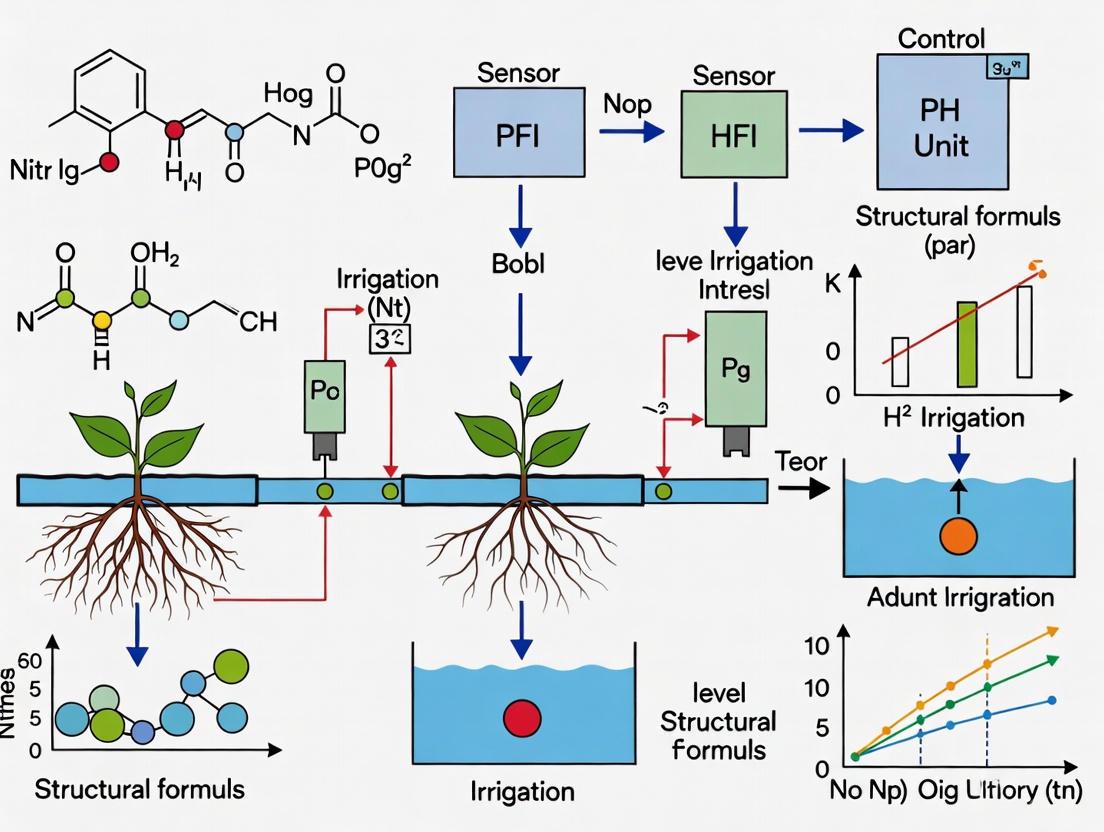
This article provides a comprehensive examination of sensor-based irrigation control systems within Nutrient Film Technique (NFT) hydroponics, a cornerstone of modern Controlled Environment Agriculture (CEA).
Precision Meets Growth: Advanced Sensor-Based Irrigation Control for Nutrient Film Technique (NFT) Hydroponics
Abstract
This article provides a comprehensive examination of sensor-based irrigation control systems within Nutrient Film Technique (NFT) hydroponics, a cornerstone of modern Controlled Environment Agriculture (CEA). It explores the foundational principles driving the transition from traditional electrical conductivity (EC) monitoring to ion-selective sensing for real-time, precision nutrient management. The scope extends to the implementation of Internet of Things (IoT) architectures and artificial intelligence, including Adaptive Neuro-Fuzzy Inference Systems (ANFIS), for automated control. A detailed analysis of system optimization, troubleshooting common challenges, and comparative validation of different technological approaches is presented. Synthesizing recent research and commercial developments, this review serves as a critical resource for researchers, scientists, and agricultural technologists aiming to enhance water and nutrient use efficiency, maximize crop yield, and advance sustainable hydroponic cultivation practices.
The Fundamentals of NFT Hydroponics and the Critical Need for Precision Control
The Nutrient Film Technique (NFT) is a hydroponic system within Controlled Environment Agriculture (CEA), where plant roots are exposed to a thin, flowing film of nutrient solution [1] [2]. This method was developed in the 1960s-70s and revolutionized soilless cultivation by providing a highly oxygenated root zone [1] [2]. NFT is a cornerstone of modern precision agriculture research, particularly for investigating real-time sensor-based irrigation control [3] [4]. Its closed-loop design enables precise monitoring and management of water and nutrients, making it an ideal experimental platform for studying plant physiology and optimizing resource use efficiency [1] [3].
The system's core principle lies in maintaining a shallow, continuous flow of nutrient solution over the roots, which are suspended in a channel. This setup ensures that the lower portion of the root system accesses water and dissolved minerals. In contrast, the upper portion remains in the air, achieving an optimal balance of hydration and oxygenation [1] [5]. For researchers, this controlled environment is invaluable for isolating variables and developing dynamic response models for irrigation control.
Fundamental Operational Principles
The Core Components and Their Functions
An NFT system's functionality depends on the seamless integration of its core components, each playing a critical role in the precise delivery of the nutrient film [1] [2].
Figure 1: NFT System Workflow and Root Zone Environment
- Grow Channels: These enclosed, slightly sloped tubes or gutters house the plants and guide the nutrient film. Their design ensures a laminar, non-turbulent flow that optimally bathes the roots without submerging them [1] [5]. The channels must be opaque to block light and prevent algal growth [5].
- Reservoir: This tank holds the bulk nutrient solution. It must be made from a food-grade, opaque material to maintain solution stability and prevent light penetration [1].
- Water Pump: A submersible pump, placed in the reservoir, is the heart of the system, responsible for the continuous circulation of the nutrient solution [1] [2].
- Net Cups and Growing Medium: Plants are supported in net pots, with their roots extending into the channel. A minimal, inert growing medium like rockwool cubes or expanded clay pellets is often used to anchor seedlings and maintain moisture during early establishment [1].
Critical Quantitative Parameters for System Optimization
For a stable NFT system, specific physical and hydraulic parameters must be rigorously maintained. The following table summarizes the key operational targets for researchers and commercial growers.
Table 1: Critical Quantitative Parameters for NFT System Operation
| Parameter | Optimal Range/Target | Functional Significance | Research Consideration |
|---|---|---|---|
| Channel Slope | 1:30 to 1:40 ratio (3% to 1%) [1] | Prevents water pooling & ensures gravity-driven return flow; excessive slope reduces root contact time. | Affects flow velocity and film thickness; a key variable in hydraulic studies. |
| Flow Rate | 1-2 liters per minute (L/min) [1] [6] | Maintains a thin "film" (0.5-1mm depth) for optimal root surface contact and gas exchange. | Directly impacts dissolved oxygen (DO) delivery; a primary metric for sensor-controlled pumps. |
| Dissolved Oxygen (DO) | >8 mg/L for enhanced growth [6] | Critical for root respiration and nutrient uptake; prevents anoxia and root diseases. | A major focus of sensor integration; can be enhanced via oxygenators or air stones [6]. |
| Solution Temperature | 18°C - 24°C (65°F - 75°F) [1] | Regulates metabolic activity and dissolved oxygen capacity; outside this range stresses plants. | Often coupled with temperature sensors for closed-loop climate control. |
| pH Range | 5.5 - 6.5 [1] [5] | Governs the chemical availability of all essential micronutrients and macronutrients. | Requires frequent monitoring; a key parameter for automated dosing systems. |
| Electrical Conductivity (EC) | 1.2 - 2.2 mS/cm (crop-dependent) [5] | Measures the total ion concentration (nutrient strength) of the solution. | Used in traditional nutrient management but lacks ion-specific data [3]. |
Advanced Sensing and Monitoring Protocols
The Limitation of EC and the Need for Ion-Selective Monitoring
Traditional NFT management relies on Electrical Conductivity (EC) and pH measurements. While useful, EC only indicates the total ion concentration and cannot identify or quantify specific nutrients [3]. This is a significant limitation for precision research, as plants uptake individual ions at dynamic rates. Visual diagnosis of deficiencies is a delayed and often inaccurate method, as different nutrient insufficiencies can present similar symptoms [3].
Sensor-Based Methodologies for Precision Nutrient Management
Advanced sensing technologies are overcoming these limitations, enabling real-time, ion-specific management of the nutrient solution. The following workflow illustrates the integration of these sensors into a feedback control system for NFT.
Figure 2: Sensor-Based Feedback Control System for Precision NFT
Protocol 1: Integration and Calibration of Ion-Selective Electrodes (ISEs)
ISEs are a leading technology for real-time monitoring of macronutrients like nitrate (NO₃⁻), potassium (K⁺), and calcium (Ca²⁺) [3].
- Objective: To provide continuous, specific ion concentration data for closed-loop nutrient dosing.
- Materials:
- Ion-specific electrodes (e.g., for NO₃⁻, K⁺, Ca²⁺).
- pH and EC meters for baseline solution characterization.
- Data acquisition system (e.g., Arduino, Raspberry Pi) with analog-to-digital converters.
- Calibration standards of known concentration for each ion.
- Methodology:
- Sensor Calibration: Perform a multi-point calibration for each ISE using standard solutions before system integration. Repeat calibration weekly to ensure accuracy due to signal drift [3].
- System Integration: Mount ISEs in a flow-through cell within the main nutrient return line or a side stream to ensure a representative sample.
- Data Logging: Program the data acquisition system to log ion concentrations at pre-set intervals (e.g., every 5-15 minutes).
- Data Validation: Periodically cross-validate ISE readings with laboratory analysis of solution samples (e.g., using ICP-MS) to verify sensor accuracy.
Protocol 2: Plant-Driven Irrigation Control via Physiological Sensors
Moving beyond environmental monitoring, the most advanced research focuses on plant-driven control, where irrigation responds directly to real-time physiological signals [4].
- Objective: To synchronize nutrient flow with actual plant demand, enhancing resource use efficiency.
- Materials:
- Leaf turgor pressure sensor (e.g., SG-1000).
- Microclimate sensors (temperature, humidity, PAR light sensor).
- Programmable logic controller (PLC) or microcontroller.
- Methodology:
- Sensor Attachment: Affix the turgor sensor to a mature, sun-exposed leaf of a designated "indicator plant" that is representative of the crop population.
- Baseline Establishment: Monitor and record the diurnal turgor pressure pattern under non-stress conditions for several days to establish a baseline.
- Threshold Setting: Define a turgor pressure threshold that indicates the onset of water/nutrient stress, triggering the NFT pump.
- System Control: Program the controller to activate the nutrient flow pump for a fixed duration once the turgor threshold is crossed, and deactivate it once turgor is restored.
Table 2: Research Reagent Solutions and Essential Materials for NFT Experimentation
| Item Category | Specific Examples | Research Function & Application |
|---|---|---|
| Sensing & Monitoring | Ion-Selective Electrodes (ISEs), pH/EC Meter, Dissolved Oxygen Sensor, Leaf Turgor Sensor [3] [4] | Quantifies ionic concentrations (NO₃⁻, K⁺, Ca²⁺), monitors root zone environment, and measures real-time plant water status for feedback control. |
| Nutrient Stock Solutions | Two-part Hydroponic Nutrient Solutions (e.g., Part A: CaNO₃, Part B: K₂SO₄, KH₂PO₄) [1] | Allows for flexible adjustment of nutrient ratios. Used to replenish and maintain optimal ion concentrations based on sensor data. |
| Growing Substrate | Rockwool Cubes, Expanded Clay Pellets [1] | Provides sterile, inert support for seed germination and seedling establishment before transfer to the NFT channel. |
| System Sanitation | Food-Grade Hydrogen Peroxide (H₂O₂) [5] | Used in root zone sterilization protocols to prevent and control pathogen outbreaks (e.g., Pythium) without harming beneficial microbes when used appropriately. |
| Data Acquisition | Microcontroller (e.g., Arduino Mega 2560), Data Logger [4] | The hardware backbone for integrating sensors, processing data, and executing control algorithms in automated NFT research setups. |
Practical Application and Protocols
Recommended Plant Material and Experimental Transfer
NFT is ideally suited for plants with a compact, shallow root system and a short growth cycle, making them excellent models for controlled studies.
- Best Model Crops: Lettuce (Lactuca sativa L.), spinach, kale, basil, mint, and cilantro [1] [2]. These species respond predictably to environmental changes and are widely documented.
- Crops to Avoid: Large fruiting plants (e.g., tomatoes, peppers) require significant structural support. Root vegetables (e.g., carrots, potatoes) are unsuitable due to their dense, obstructive root structures [2] [5].
Protocol 3: Aseptic Seedling Transfer to NFT Channels
- Objective: To successfully introduce uniform plant material into the NFT system with minimal transplant shock.
- Materials: Sterilized seeds, rockwool propagation cubes, diluted nutrient solution (EC ~0.8 mS/cm).
- Methodology:
- Germination: Sow pre-soaked seeds into pre-conditioned (pH-adjusted) rockwool cubes. Place in a germination chamber with high humidity.
- Seedling Establishment: Grow seedlings under appropriate light until roots emerge from the bottom of the cube, typically 2-3 weeks.
- System Transfer: Place the entire rockwool cube with the seedling into the net pot, ensuring it is seated securely. The bottom of the cube should make contact with the nutrient film flowing in the channel.
- Post-Transfer Monitoring: Closely monitor plants for the first 48 hours for any signs of wilt, adjusting flow rate if necessary.
Routine System Maintenance and Data Collection
Consistent maintenance is non-negotiable for research-grade data integrity.
- Daily Checks: Visual inspection of plants, manual logging of pH and EC levels, and confirmation of system flow.
- Weekly Tasks:
- Nutrient Solution Change: Replace the entire reservoir solution to prevent nutrient imbalances and allelopathic compound accumulation.
- Sensor Calibration: Check and calibrate pH and ISE sensors against standard solutions.
- System Flushing: Flush channels with clean water to remove any accumulated root debris or biofilm.
- Data Collection Schedule: Log all sensor data (pH, EC, DO, ion concentrations) and environmental data (room temperature, humidity, PAR) continuously. Record plant growth metrics (height, leaf count, root length) on a weekly basis.
The Nutrient Film Technique provides a robust and controllable platform for advancing precision agriculture. Its core principle—sustaining plant life via a shallow, oxygenated nutrient stream—creates an ideal interface for integrating advanced sensing and control technologies. By adopting the detailed protocols for sensor integration, ion-specific monitoring, and plant-driven control outlined in these application notes, researchers can significantly enhance the precision of their experiments. The future of NFT research lies in the development of sophisticated closed-loop systems that leverage real-time data not just from the root zone environment, but directly from the plant itself, paving the way for fully autonomous, sustainable cultivation systems.
In controlled environment agriculture (CEA), precision nutrient management is fundamental for sustainable plant growth and optimal yields, particularly in recycled hydroponic systems like the Nutrient Film Technique (NFT) [3]. For decades, growers have relied on the monitoring of Electrical Conductivity (EC) and pH as the primary methods for managing nutrient solutions. EC provides a measure of the total ion concentration in a solution, while pH indicates its acidity or alkalinity, influencing nutrient availability [3].
However, the limitations of these traditional metrics are becoming increasingly apparent. EC-based nutrient management can only provide information about the overall ion concentration, preventing the identification and quantification of individual ions [3]. Furthermore, fluctuations in pH levels significantly affect the availability of several ions by inducing precipitation or dissolution reactions [3]. Visual diagnosis of nutrient disorders is often delayed and prone to misinterpretation due to overlapping symptoms, which can lead to incorrect nutrient replenishment [3]. This article delineates the scientific and practical limitations of relying solely on EC and pH, and presents advanced, sensor-based protocols for precision nutrient management in NFT systems, framing them within the context of a broader thesis on sensor-based irrigation control.
Critical Limitations of EC and pH Monitoring
Relying exclusively on EC and pH measurements presents significant risks to crop health, yield, and resource efficiency, fundamentally due to a lack of ion-specific data and the dynamic chemical interactions within the nutrient solution.
The Insufficiency of Electrical Conductivity (EC)
EC measures the solution's capacity to conduct electricity, which is correlated with the total concentration of dissolved ionic salts. While useful for a gross assessment of nutrient strength, it fails to provide any detail on ionic composition.
- Lack of Ion Specificity: A stable EC reading can mask significant imbalances in the concentrations of individual macronutrients (e.g., NO₃⁻, K⁺, Ca²⁺) and micronutrients (e.g., Fe²⁺/³⁺, Zn²⁺, Cu²⁺) [3]. Plants absorb nutrients at varying rates, leading to a phenomenon known as "nutrient drift," where the ratio of ions changes over time even if the overall EC remains constant.
- Inability to Diagnose Antagonism and Imbalances: Nutrient ions can interact antagonistically, where an excess of one ion can suppress the uptake of another (e.g., K⁺ vs. Mg²⁺, or NH₄⁺ vs. Ca²⁺). EC monitoring is blind to these interactions, which can lead to latent deficiencies that impair plant growth and yield [3].
The Dynamic Role and Limitations of pH Monitoring
pH is a critical master variable that controls the chemical speciation and bioavailability of essential nutrients.
- Precipitation and Lock-Out: Fluctuations in pH can induce precipitation or dissolution reactions. For instance, at high pH levels (>6.5), micronutrients such as iron (Fe), manganese (Mn), and phosphorus (P) can form insoluble compounds, effectively removing them from plant availability despite their presence in the solution [3]. This can lead to hidden hunger in plants.
- A Reactive, Not Predictive, Measure: pH monitoring is reactive. By the time a pH shift is detected, the chemical environment may have already become suboptimal for nutrient uptake for a period sufficient to cause stress. Moreover, similar visual symptoms for different nutrient deficiencies can mislead growers into making incorrect pH or EC adjustments, exacerbating the underlying problem [3].
Table 1: Impact of Nutrient Ion Imbalances and pH on Plant Health
| Nutrient Ion | Role in Plant Growth | Symptom of Deficiency | Symptom of Toxicity | pH Impact on Availability |
|---|---|---|---|---|
| Nitrate (NO₃⁻) | Protein synthesis, chlorophyll formation [3] | Stunted growth, chlorosis (yellowing) [3] | Reduced uptake of other cations, dark green foliage | Best availability in slightly acidic to neutral pH (5.5-6.5) |
| Potassium (K⁺) | Photosynthesis, water regulation [3] | Scorching of leaf margins, slowed growth [3] | Can induce Mg²⁺ or Ca²⁺ deficiency | Generally stable across a wide pH range |
| Calcium (Ca²⁺) | Cell wall structure, membrane stability [3] | Leaf curling, blossom end rot [3] | Can precipitate with SO₄²⁻ or PO₄³⁻ | Availability decreases in low pH; can precipitate at high pH |
| Iron (Fe²⁺/³⁺) | Chlorophyll synthesis, electron transfer | Interveinal chlorosis in young leaves | Bronzing of leaves, root damage | Highly susceptible to precipitation at high pH (>6.5) [3] |
| Phosphorus (PO₄³⁻) | Energy transfer (ATP), root development | Purple tinting, dull green leaves, poor fruiting | Can induce micronutrient (Zn, Fe) deficiencies | Maximum availability near pH 6.5; locks out at high and low pH |
The following diagram synthesizes the cascade of limitations that arise from relying solely on EC and pH monitoring, leading to a cycle of reactive management and suboptimal outcomes.
Advanced Sensing and Monitoring Technologies
To overcome the constraints of EC and pH, ion-selective sensing technologies are emerging as the cornerstone of precision nutrient management. These sensors provide real-time, specific data on individual ion concentrations, enabling proactive control.
Ion-Selective Electrodes (ISEs)
Ion-Selective Electrodes (ISEs) are widely investigated for hydroponic applications due to their real-time functionality, robustness, and relatively low cost [3]. ISEs generate a potential difference across a membrane selective for a specific ion (e.g., NO₃⁻, K⁺, Ca²⁺), which can be correlated to the ion's concentration in the solution.
Table 2: Comparison of Sensing Technologies for Precision Nutrient Management
| Technology | Measured Parameter | Principle of Operation | Key Advantages | Key Limitations / Considerations |
|---|---|---|---|---|
| Ion-Selective Electrodes (ISEs) | Concentration of specific ions (e.g., NO₃⁻, K⁺) [3] | Potential difference across an ion-selective membrane [3] | Real-time data, cost-effective, suitable for continuous monitoring [3] | Requires regular calibration; sensitive to ionic interference [3] |
| Optical Sensors (e.g., NIR) | Nutrient composition | Absorption of specific light wavelengths | Non-contact; can estimate multiple parameters | High cost; complex data analysis models needed |
| Turgor Pressure Sensors | Leaf turgor pressure (plant water status) [4] | Measures micrometer-scale leaf thickness variations [4] | Direct measure of plant physiological status; enables plant-driven irrigation [4] | Requires physical attachment to plant; more common in research |
| Capacitance Moisture Sensors | Soil/substrate volumetric water content (VWC) [7] [8] | Measures dielectric permittivity of the medium [7] | Rapid, cost-effective, widely used for irrigation scheduling [7] [8] | Requires good soil contact; accuracy can vary with soil type |
The IoT-Enabled Sensing Framework
The integration of these sensors into Internet of Things (IoT) architectures is transformative. IoT-based systems leverage Wireless Sensor Networks (WSNs), cloud computing, and AI to create a closed-loop control system [9] [10] [11]. Real-time data from a suite of sensors (ISEs, pH, EC, temperature, humidity) is transmitted to a central gateway and then to the cloud for analysis [11]. AI and Machine Learning (ML) models can process this data to predict nutrient demands, identify trends, and automatically adjust dosing pumps and irrigation schedules, moving beyond simple threshold-based reactions to predictive and adaptive control [9] [10] [11].
Experimental Protocols for Sensor-Based NFT Management
This section provides a detailed methodology for implementing a sensor-based control system in an NFT context, drawing from proven experimental approaches.
Protocol 1: Real-Time Monitoring of Macronutrients with ISEs
Objective: To continuously monitor and maintain optimal concentrations of nitrate (NO₃⁻), potassium (K⁺), and calcium (Ca²⁺) in an NFT nutrient solution using ion-selective electrodes.
Materials:
- Ion-selective electrodes for NO₃⁻, K⁺, Ca²⁺
- pH and EC sensors
- Multi-parameter data logger or microcontroller (e.g., Arduino, Raspberry Pi)
- Automated dosing pumps for stock solutions, acid/base, and water
- NFT growing system with a recirculating reservoir
- Standard calibration solutions for each ISE
Methodology:
- Sensor Calibration:
- Calibrate each ISE prior to deployment using a series of standard solutions of known concentration (e.g., 10 ppm, 50 ppm, 100 ppm for NO₃⁻-N) [3].
- Perform a two-point calibration daily and a full multi-point calibration weekly to account for sensor drift.
- System Integration:
- Submerge all sensors (ISEs, pH, EC) in the main nutrient reservoir or a dedicated, flow-through cell to ensure constant contact with the solution.
- Connect sensors to the data logger/microcontroller.
- Connect the microcontroller to automated dosing pumps via relay modules.
- Data Acquisition and Control Logic:
- Program the microcontroller to read sensor values at set intervals (e.g., every 5 minutes).
- Implement a control algorithm (e.g., a simple Proportional-Integral-Derivative (PID) controller or a rule-based setpoint system) [12].
- Define target concentration setpoints for each ion (e.g., 150 ppm N, 200 ppm K, 100 ppm Ca).
- When a sensor reading deviates from the setpoint by a predefined threshold, the controller activates the corresponding dosing pump until the setpoint is restored.
- Data Logging and Visualization:
- Transmit all sensor readings and pump activation logs to a cloud platform or local server.
- Visualize data on a dashboard for real-time monitoring and historical analysis.
Protocol 2: Plant-Driven Irrigation Control Using Turgor Pressure Sensors
Objective: To trigger NFT irrigation cycles based on real-time plant physiological water status, optimizing water use and preventing stress.
Materials:
- Leaf turgor pressure sensor (e.g., SG-1000 sensor)
- Microcontroller (e.g., Arduino Mega 2560) [4]
- Solenoid valve or pump controlling misting/irrigation flow
- Environmental sensors (temperature, humidity, light) [4]
Methodology:
- Sensor Installation:
- Attach the turgor pressure sensor to a fully expanded, sun-exposed leaf of a representative plant, using a magnetic holder as per manufacturer instructions [4].
- System Setup:
- Connect the turgor sensor and environmental sensors to the microcontroller.
- Connect the microcontroller to the solenoid valve controlling the irrigation flow to the NFT channels.
- Threshold Determination and Control:
- Establish a baseline turgor pressure signal for well-watered plants under non-transpiring conditions (e.g., at predawn).
- Define a trigger threshold based on a deviation from this baseline, indicating the onset of water stress [4].
- Program the microcontroller to activate the irrigation pump/solenoid valve when the turgor signal crosses the defined threshold.
- Irrigation continues until the turgor signal returns to the baseline, creating a closed-loop, plant-driven system.
- Data Integration:
- Correlate turgor pressure data with environmental data (VPD, light) to model and predict plant water use.
The workflow for designing, implementing, and validating a sensor-controlled NFT system is outlined below.
The Scientist's Toolkit: Research Reagent Solutions
Table 3: Essential Materials and Reagents for Sensor-Based Nutrient Management Research
| Item | Function / Application | Specific Example / Note |
|---|---|---|
| Ion-Selective Electrodes (ISEs) | Real-time measurement of specific ion concentrations (NO₃⁻, K⁺, Ca²⁺, NH₄⁺) in the nutrient solution [3]. | Requires specific ion meters or a multi-channel data acquisition system. |
| Turgor Pressure Sensor | Direct measurement of leaf turgor pressure as a physiological indicator of plant water status for plant-driven irrigation control [4]. | SG-1000 sensor. |
| Microcontroller Platform | The central processing unit for reading sensors, executing control algorithms, and activating actuators like dosing pumps [4]. | Arduino Mega 2560, Raspberry Pi. |
| Calibration Standards | Solutions of known ion concentration used to calibrate ISEs for accurate measurement [3]. | Certified standard solutions for each target ion (e.g., 1000 ppm NO₃⁻-N stock). |
| Automated Dosing Pumps | Precisely dispense concentrated stock nutrient solutions, acid, or base to maintain setpoints based on sensor feedback. | Peristaltic pumps are commonly used for their accuracy and chemical resistance. |
| pH & EC Buffers/Standards | To ensure ongoing accuracy of the foundational pH and EC sensors. | pH 4.01, 7.00, 10.01 buffers; 1413 µS/cm EC standard. |
| Data Logging & Visualization Software | For collecting, storing, and analyzing time-series data from all sensors and actuators. | Custom Python/Node-RED scripts; commercial IoT platforms (e.g., Farmonaut [7]). |
The limitations of traditional EC and pH monitoring are a significant bottleneck in advancing Nutrient Film Technique research and commercial production. These methods provide a partial and often misleading picture of the root zone environment, leading to inefficiencies and suboptimal crop performance. The integration of ion-selective sensors, physiological monitors, and IoT-based control frameworks marks a paradigm shift towards true precision agriculture. By adopting the advanced protocols and tools outlined in this article, researchers and commercial growers can transition from reactive management to predictive, data-driven optimization. This approach ensures optimal nutrient delivery, enhances resource use efficiency, and unlocks higher and more consistent yields, forming a critical foundation for the future of sustainable controlled environment agriculture.
In controlled environment agriculture (CEA), precision nutrient management is a cornerstone for achieving sustainable plant growth and optimal yields. This is particularly critical in recycled hydroponic systems, such as the Nutrient Film Technique (NFT), where the margin for error is minimal. Traditional methods for managing nutrients, which often rely on visual diagnosis or monitoring electrical conductivity (EC), are frequently delayed and prone to misinterpretation due to overlapping deficiency symptoms [3]. The consequences of nutrient imbalance are severe, leading to degraded quality and quantity of yields, and in extreme cases, plant death. Moreover, improper management results in the discharge of nutrient-rich effluents, causing significant environmental pollution [3]. This document, framed within broader thesis research on sensor-based irrigation control in NFT, outlines the consequences of nutrient imbalance and provides detailed application notes and protocols for researchers and scientists to implement advanced, sensor-driven nutrient management strategies.
Quantitative Consequences of Nutrient Imbalance and Precision Interventions
The following tables summarize the documented impacts of nutrient imbalances and the quantitative benefits observed from implementing precision agriculture technologies.
Table 1: Documented Consequences of Nutrient Imbalance in Soilless Cultivation
| Nutrient | Deficiency Consequences | Toxicity / Excess Consequences | Environmental Impact |
|---|---|---|---|
| Nitrogen (N) | Reduced protein synthesis, chlorosis (yellowing), slowed growth [3] | Increased nitrate leaching; potential for elevated leaf nitrate levels [4] | Eutrophication, groundwater contamination (Nitrate contamination [13]) |
| Phosphorus (P) | Slowed growth, poor root development [3] | Increased leaching losses [13] | Eutrophication of water bodies [3] |
| Potassium (K) | Reduced photosynthesis, impaired water uptake [3] | Not specified in search results | Contributes to saline conditions in discharged solution [3] |
| Calcium (Ca) | Leaf curling, tip burn [3] | Not specified in search results | Not specified in search results |
| General Macro/Micro | Plant death in severe cases [3] | Toxicity symptoms, yield degradation [3] | Degradation of surface and groundwater quality [3] |
Table 2: Efficacy of Sensor-Based Systems in Mitigating Nutrient and Water Imbalance
| Parameter | Conventional Practice | Sensor-Based Intervention | Observed Improvement | Source Context |
|---|---|---|---|---|
| Nitrogen (N) Loss | Baseline | IoT-based sensor fertigation (gaiasense) | >50% reduction in potential loss [13] | Potato field trial, Cyprus |
| Phosphorus (P) Loss | Baseline | IoT-based sensor fertigation (gaiasense) | >50% reduction in potential loss [13] | Potato field trial, Cyprus |
| Water Productivity | Baseline | IoT-based sensor fertigation (gaiasense) | 37% increase [13] | Potato field trial, Cyprus |
| Overwatering | Baseline | IoT-based sensor fertigation (gaiasense) | 84% decrease [13] | Potato field trial, Cyprus |
| Water Use | Timer-based aeroponics | Turgor-sensor driven aeroponics | 15.9% reduction [4] | Lettuce aeroponics study |
| Nutrient Use Efficiency (N,P,K) | Timer-based aeroponics | Turgor-sensor driven aeroponics | 17.8% average increase [4] | Lettuce aeroponics study |
| Leaf Nitrate | Timer-based aeroponics | Turgor-sensor driven aeroponics | 45.0% reduction [4] | Lettuce aeroponics study |
Experimental Protocols for Sensor-Based Nutrient Management
Protocol: IoT Sensor-Based Fertigation for Field Crops (Potato)
- Application Context: This protocol is designed for field-based fertigation research in water-scarce regions, as demonstrated in spring potato production in Cyprus [13].
- Objective: To enhance water productivity and nutrient use efficiency (NUE) while reducing nitrogen and phosphorus losses, without compromising tuber yield and quality.
Materials & Setup:
- Crop: Potato (Solanum tuberosum), cultivar 'Sponta'.
- Experimental Design: Randomized block design with a minimum of four replicates (n=4) to account for field variability. Plot size: 156 m² (26 m × 6 m).
- Treatment Groups:
- Control (CL): Local farmers' practice. Irrigation scheduled based on historical crop evapotranspiration (ETc) using FAO guidelines (Papers 24 & 33), with fixed application intervals.
- Intervention (GS): Sensor-based system using the gaiasense platform.
- Sensor Deployment: Install IoT telemetric stations (gaiatrons) equipped to monitor:
- Atmosphere: Air temperature, relative humidity, precipitation, wind speed/direction.
- Soil: Soil moisture and salinity profiles (e.g., using Drill & Drop probes by Sentek).
- System Integration: Sensor data streams are processed by the gaiasense algorithms to calculate real-time crop evapotranspiration and generate dynamic, site-specific irrigation and fertilization recommendations [13].
Procedure:
- Baseline Data Collection: Gather historical data on local cultivars, practices, and weather. Characterize soil and climate zones.
- System Calibration: Use the first season's data to calibrate existing irrigation and fertilization models to local conditions.
- Treatment Application:
- For CL plots, apply water and fertigation based on conventional schedules.
- For GS plots, apply water and nutrients strictly according to the automated recommendations from the gaiasense system.
- Data Logging: Continuously log all irrigation events, fertilizer applications, and sensor readings.
- Endpoint Measurement: At harvest, measure total tuber yield (t/ha), quality parameters, and calculate water productivity (yield per unit of water applied) and nutrient loss potentials.
Protocol: Plant-Driven Precision Irrigation in Aeroponics (Lettuce)
- Application Context: This protocol is for high-precision, plant-physiology-driven irrigation research in controlled aeroponic systems, as validated for romaine lettuce [4].
- Objective: To evaluate a closed-loop irrigation system triggered by real-time leaf turgor pressure for improving resource-use efficiency and produce quality.
Materials & Setup:
- Crop: Romaine lettuce (Lactuca sativa L. var. longifolia).
- Growth Environment: Fully controlled growth chamber. Photoperiod: 16h light/8h dark. PPFD: ~300 μmol·m⁻²·s⁻¹. VPD maintained at ~0.7 kPa.
- System: Identical aeroponic units (e.g., X-Stream) with misting pumps and nozzles.
- Treatment Groups:
- Control (TC): Timer-based control, misting every 10 minutes.
- Intervention (AC): Arduino-controlled system activated by leaf turgor feedback.
- Core Sensor & Hardware:
- SG-1000 leaf turgor sensor.
- Arduino Mega 2560 microcontroller.
- Environmental sensors (BME280 for T/RH, MLX90614, PAR sensor).
- Ultrasonic sensor for nutrient reservoir level monitoring [4].
Procedure:
- Sensor Installation: Clamp the SG-1000 turgor sensor onto a representative mature leaf within the canopy of the AC treatment group.
- System Programming: Program the Arduino to trigger a misting event when the turgor sensor signal crosses a pre-defined threshold, indicating a drop in leaf turgor pressure.
- Cultivation Cycle: Conduct multiple independent cultivation cycles (e.g., 37-day cycles). Monitor and log environmental data, reservoir levels, and all misting events at 30-second intervals.
- Data Collection at Harvest:
- Growth Metrics: Shoot biomass, plant height, root dry weight.
- Physiological & Biochemical Analysis:
- Nitrate Content: Assessed via standard laboratory methods.
- Total Phenolic Content (TPC): Measured via spectrophotometry (e.g., Folin-Ciocalteu assay).
- Antioxidant Capacity: Determined via FRAP assay.
- Calculation: Compute Water Use Efficiency (WUE) and Nutrient Use Efficiency (NUE) for N, P, and K for both treatments.
The Researcher's Toolkit: Essential Reagent Solutions and Materials
Table 3: Research Reagent Solutions for Precision Nutrient Management Studies
| Item Name | Function / Application | Specific Example / Note |
|---|---|---|
| Ion-Selective Electrodes (ISEs) | For real-time, ion-specific monitoring of macronutrients (e.g., NO₃⁻, K⁺, Ca²⁺) in hydroponic nutrient solutions [3]. | Robust, cost-effective; require calibration. Key for moving beyond EC-based management. |
| SG-1000 Turgor Sensor | Measures real-time leaf turgor pressure as a direct indicator of plant water status for closed-loop irrigation control [4]. | Provides a plant-physiology-based trigger for irrigation events. |
| IoT Telemetric Station | Monitors real-time atmospheric (T, RH, wind) and soil (moisture, salinity) parameters for field-based decision support [13]. | e.g., "gaiatron" stations; data feeds algorithms for irrigation scheduling. |
| Nutrient Solution for Leaf/Tissue Analysis | Reagents and standards for destructive, off-line laboratory analysis of nutrient status in plant tissue [3]. | Accurate but time-consuming; used for validation. |
| Hydroponic Nutrient Stock Solutions | Pre-mixed or laboratory-prepared solutions of primary (N, P, K), secondary (Ca, Mg, S), and micronutrients [3]. | Must be tailored to crop species and growth stage. |
Workflow and System Architecture Diagrams
Sensor-Based NFT Research Workflow
IoT Sensor Network Architecture
In modern agriculture, particularly within sensor-based irrigation control and Nutrient Film Technique (NFT) hydroponic systems, the precise management of plant nutrients is fundamental to achieving optimal crop yield, quality, and resource use efficiency [14] [15]. NFT systems, a form of hydroponics, involve circulating a thin film of nutrient-rich water past the plant roots, allowing for direct uptake of essential elements [14]. The success of such precision agriculture systems hinges on the ability to monitor and control the concentrations of key ions in the nutrient solution in real-time. Ion-selective sensors, including Ion-Selective Electrodes (ISEs) and Ion-Selective Field-Effect Transistors (ISFETs), provide this capability, enabling automated, data-driven management of the root zone environment [16] [17] [15]. This application note defines the core macro and micro-nutrients that serve as primary targets for these sensing technologies, provides protocols for their measurement and system control, and contextualizes their role within advanced NFT research.
Essential Nutrient Targets for Sensing
Plants require 14 essential mineral elements, categorized as macronutrients and micronutrients based on the quantities needed. Their concentrations vary significantly between plant species and growth stages [18]. The following tables summarize key ions, their functions, and typical concentration ranges, providing critical reference points for sensor calibration and system control in NFT and other closed-loop hydroponic systems.
Table 1: Primary Ionic Macronutrients in Plant Homeostasis (Targets for Direct Sensing)
| Ion | Importance | Primary Plant Organs | Key Physiological Roles | Typical Concentration Range |
|---|---|---|---|---|
| K+ | High | Stem, Leaves, Root | Osmotic regulation, enzyme activation, photosynthesis, maintains cell turgor [18] | 10 - 150 mM [18] |
| N (NO3-, NH4+) | High | Leaves, Root | Major component of chlorophyll, essential for photosynthesis, enhances root growth [18] | 5 - 50 mM [18] |
| P (H2PO4-, HPO42-) | High | Stem, Root | Energy transfer (ATP), signaling pathways, affects root elongation [18] | 1 - 15 mM [18] |
| Ca2+ | High | Leaves, Root | Structural component of cell walls, signaling, supports root tip growth [18] | 2 - 10 mM [18] |
| Mg2+ | Medium | Leaves, Root | Central atom in chlorophyll; enzyme cofactor in photosynthesis [18] | 0.5 - 3 mM [18] |
| S (SO42-) | High | Leaves, Root | Component of amino acids (cysteine, methionine), proteins, and coenzymes [18] | 0.5 - 2 mM [18] |
| Na+ | Medium | Leaves, Root | Maintains osmotic potential, substitutes for K+ under stress [18] | 0.5 - 5 mM [18] |
| Cl- | Medium | Leaves, Root | Essential for photosynthesis (water-splitting reaction), aids charge balance [18] | 0.05 - 0.5 mM [18] |
Table 2: Primary Ionic Micronutrients in Plant Homeostasis
| Ion | Importance | Primary Plant Organs | Key Physiological Roles | Typical Concentration Range |
|---|---|---|---|---|
| Fe2+, Fe3+ | High | Leaves, Root | Essential for chlorophyll synthesis and electron transport [18] | 10 - 100 μM [18] |
| Zn2+ | Medium | Leaves, Root | Activates enzymes, regulates photosynthesis, promotes root elongation [18] | 5 - 50 μM [18] |
| Mn2+ | Medium | Leaves, Root | Involved in water splitting during photosynthesis [18] | 10 - 200 μM [18] |
| Cu2+ | Low | Leaves, Root | Cofactor in electron transport and oxidative stress enzymes [18] | 2 - 20 μM [18] |
| B (H3BO3) | Medium | Leaves, Root | Essential for cell wall stability and sugar transport [18] | 5 - 100 μM [18] |
| Mo (MoO42-) | Low | Leaves, Root | Cofactor in nitrogen assimilation (nitrate reductase) [18] | 0.05 - 1 μM [18] |
The accurate monitoring of these ions, particularly the macronutrients NO3–, K+, and Ca2+, allows for ion-specific nutrient management. This approach has been shown to maintain target nutrient levels in the root zone, increasing tomato fruit yield by 7.6% and the agronomic efficiency of nitrogen by 23% compared to traditional methods, while significantly reducing water and fertilizer use [16].
Experimental Protocols for Sensor-Based Nutrient Management
Protocol: Calibration and Handling of Ion-Selective Electrodes (ISEs) and ISFETs
Principle: ISEs and ISFETs generate a voltage signal proportional to the logarithm of the activity of a specific ion in solution. Regular calibration is essential for converting this signal into a accurate concentration reading [17].
Materials:
- Ion-Selective Electrodes (e.g., for NO3–, K+, Ca2+) or ISFET sensor array [19] [20]
- NIST-traceable calibration standards of known concentration (e.g., 0.1 M NaNO3, 0.1 M KCl, 0.1 M CaCl2) [20]
- Ionic Strength Adjuster (ISA) specific to the measured ion [20]
- Fill solutions for reference electrodes (e.g., Optimum Results A, B, C, D, E, F) [20]
- Sensor conditioning solution (e.g., ammonia electrode storage solution) [20]
- pH meter and electrical conductivity (EC) sensor
- Data acquisition system
Procedure:
- Sensor Conditioning: Prior to first use and after prolonged storage, condition the ISE/ISFET by immersing it in an ion-specific conditioning solution. The required time varies by membrane type (e.g., 1.5–2 hours for PVC, 4–5 hours for polysiloxane) to establish a stable electrode potential [17].
- Calibration Solution Preparation: Prepare at least three calibration standards spanning the expected concentration range in the nutrient solution (e.g., 100, 500, and 1000 ppm for NO3–). For multi-sensor arrays, use fractional factorial designs to minimize the number of required calibration solutions [17].
- Calibration Curve Generation: a. Measure the temperature of the calibration standards to correct for thermal drift [17]. b. Immerse the sensor in each standard, starting with the lowest concentration. c. Record the stable voltage output (mV) for each standard. d. Plot the measured voltage against the logarithm of the ion concentration. Use linear regression to obtain the slope and intercept of the calibration curve.
- Sample Measurement: a. Add the appropriate ISA to the nutrient solution sample to maintain a constant ionic background and ensure accurate activity measurement [20]. b. Immerse the sensor and record the stable voltage reading. c. Use the calibration curve to convert the voltage into ion concentration.
- Drift Compensation: Quantify the sensor's baseline drift over time by periodically measuring a reference standard. Integrate this drift factor into the evaluation algorithm to correct subsequent sample measurements [17].
Protocol: Implementing a Decision-Tree-Based Dosing Algorithm for Closed Hydroponics
Principle: This algorithm uses real-time measurements of NO3–, K+, and Ca2+ concentrations and the nutrient solution volume to calculate the optimal injection volumes of individual fertilizer stock solutions, minimizing the coupled injection of non-target ions and maintaining ion balance [19].
Materials:
- ISE array for NO3–, K+, and Ca2+
- Nutrient solution level sensor
- Dosing pumps for individual fertilizer stock solutions
- Control unit (e.g., PLC or computer running the algorithm)
- Stock solutions: Ca(NO3)2·4H2O, KH2PO4, NH4H2PO4, KNO3, NH4NO3, MgSO4·7H2O, K2SO4 [19]
Procedure:
- System Setup and Priority Definition: a. Determine the target concentration ranges for all essential ions based on the crop and growth stage (see Tables 1 & 2). b. Set the ion replenishment priority. Based on established nutrient-solution calculation methods, the following priority is recommended: Ca > P = K > NO3 > NH4 [19].
- Data Acquisition: a. The control system periodically acquires data from the ISE array and level sensor. b. Measure the current concentrations of NO3–, K+, and Ca2+ (Ccurr) and the current nutrient solution volume (Vcurr).
- Mass Balance Calculation: a. Define the target nutrient solution volume (Vtarget). b. For each major ion (Ca, K, NO3), calculate the required mass (Nion) to reach its target concentration (Tion) using the equation, which accounts for the current status and the composition of the makeup water [19]: *Nion = (Tion × Vtarget) - (Ccurr × Vcurr) - (Wion × (Vtarget - V_curr))*
- Decision-Tree Execution: The algorithm sequentially calculates the required fertilizer volumes based on the predefined ion priority and the calculated mass requirements [19]: a. Calcium Requirement: Calculate the volume of Ca(NO3)2 stock needed to meet the Ca requirement. b. Phosphorus Requirement: Calculate the volumes of KH2PO4 and/or NH4H2PO4 stocks to meet the P requirement without exceeding secondary ion limits. c. Potassium Requirement: Calculate the volumes of KNO3 and/or K2SO4 stocks to meet the remaining K requirement. d. Nitrate Requirement: Calculate the volume of NH4NO3 stock to meet any remaining NO3 requirement.
- Actuation: The control unit activates the respective dosing pumps for the calculated durations to inject the fertilizers into the nutrient solution reservoir.
- Validation: Studies have shown this method can formulate nutrient solutions with average relative errors of ~10% for Ca, K, and NO3 concentrations and ~4% for volume, while reducing total fertilizer injections and carbon emissions by 12.8% and 20.6%, respectively, compared to traditional simplex methods [19].
The Scientist's Toolkit: Key Research Reagent Solutions
Table 3: Essential Reagents for Ion-Selective Sensor Operation in Nutrient Solutions
| Reagent Type | Example Product / Composition | Function in Experimentation |
|---|---|---|
| ISE Calibration Standards | 0.1 M NaNO3; 1000 ppm NO3– as N; 0.1 M KCl [20] | Establishes the reference curve for converting sensor mV output into ion concentration. Accuracy depends on traceable standards. |
| Ionic Strength Adjuster (ISA) | Nitrate ISA; Calcium ISA; TISAB II for Fluoride ISE [20] | Added to both standards and samples to mask the effect of varying background ionic strength, ensuring activity coefficients are constant and measurements are accurate. |
| Reference Electrode Fill Solution | Optimum Results A, B, C, D, E, F solutions [20] | Maintains a stable and consistent potential in the reference electrode half-cell, which is critical for a stable mV reading from the ISE. |
| Sensor Conditioning & Storage Solution | Ammonia electrode storage solution [20] | Hydrates the ion-selective membrane prior to use and prevents dehydration during storage, extending sensor life and improving response time. |
| Nutrient Stock Solutions | Ca(NO3)2·4H2O, KNO3, KH2PO4, MgSO4·7H2O, etc. [19] | Highly concentrated single-salt solutions used by dosing systems to replenish specific deficient ions in the recirculating nutrient solution based on sensor feedback. |
System Integration and Workflow in NFT Research
In a thesis focused on sensor-based irrigation control for NFT, the defined nutrient targets and protocols integrate into a larger control system. The following diagrams illustrate the logical workflow for nutrient management and the role of ion signaling within the plant.
Diagram 1: NFT sensor-based control loop. This workflow shows the integration of ion-selective sensors into a closed-loop control system for maintaining nutrient balance in an NFT system, using a decision-tree algorithm for precise fertilizer dosing.
Diagram 2: Ionic nutrient signaling pathway. This diagram illustrates the role of key nutrient ions like Ca²⁺ and K⁺ as signaling molecules that trigger downstream physiological responses to environmental stresses, such as nutrient deficiencies. Monitoring these ions provides early stress biomarkers [18].
The Evolution from Manual Control to Automated, Data-Driven Irrigation Systems
The management of water resources in agriculture has undergone a profound transformation, evolving from simple manual control to sophisticated, data-driven automated systems. This evolution is critically important within the context of Nutrient Film Technique (NFT) hydroponics, a cultivation method where a shallow stream of water containing all dissolved nutrients required for plant growth is re-circulated. The precision required for successful NFT operations makes them a prime candidate for the implementation of advanced irrigation control systems. The integration of sensor-based feedback and predictive modeling has shifted irrigation from a reactive to a proactive practice, ensuring optimal plant growth while significantly enhancing water and nutrient use efficiency. This document details the protocols and applications driving this evolution, providing a framework for researchers and scientists engaged in developing next-generation irrigation solutions for controlled environment agriculture.
The efficacy of data-driven irrigation systems is demonstrated by significant improvements in key performance metrics, as summarized in the tables below.
Table 1: Performance Metrics of Advanced Irrigation Control Strategies
| Control Strategy / System | Key Performance Metric | Improvement / Result | Reference Context |
|---|---|---|---|
| Model Predictive Control (MPC) with CO₂ Enrichment | Water Savings | 42.2% reduction over one week compared to existing schedule [21] | Greenhouse irrigation management |
| MPC with CO₂ at 1000 ppm vs. 400 ppm | Water Consumption Reduction | 34% reduction under high CO₂ enrichment [21] | Greenhouse irrigation management |
| Data-Driven Sensor-Based Irrigation (CropX) | Yield Increase | 22% higher corn yield [22] | Field-scale variable rate irrigation |
| Data-Driven Sensor-Based Irrigation (CropX) | Yield Potential Realization | Achieved 94% of variety's potential vs. 77% in grower-managed field [22] | Field-scale variable rate irrigation |
| ANFIS for NFT Hydroponics | Control Accuracy | 67% more accurate than Sugeno fuzzy method [23] | pH and nutrient level control |
Table 2: Sensor-Based Control Strategy Performance in Cotton Simulation (McCarthy et al.)
| Control Strategy | Primary Input Data | Field Type | Performance Outcome |
|---|---|---|---|
| Iterative Learning Control (ILC) | Soil–water data | Spatially Varied | Higher crop water use efficiency [24] |
| Iterative Hill Climbing Control (IHCC) | Soil-and-plant data combination | Homogeneous | Higher crop yield [24] |
| ILC & IHCC | Various sensor data | Homogeneous & Spatially Varied | Superior to industry-standard strategy [24] |
Experimental Protocols
This section outlines detailed methodologies for key experiments and implementations cited in this document, providing reproducible protocols for researchers.
Protocol for Data-Driven Model Predictive Control (MPC) in Greenhouse Irrigation
This protocol is adapted from the study on MPC for irrigation under CO₂ enrichment [21].
- Objective: To optimize irrigation scheduling in a closed greenhouse environment using a data-driven MPC framework, minimizing water use while maintaining optimal soil moisture levels.
- Materials:
- Controlled Environment Greenhouse: Equipped with CO₂ injection system.
- Microclimate Sensors: For measuring solar radiation, air temperature, relative humidity, and CO₂ concentration.
- Hyperspectral Imaging System: For calculating vegetation indices (NDVI, WBI, PRI).
- Soil Moisture Sensors (e.g., TDR or resistance-type).
- Data Acquisition and Control System.
- Methodology:
- Data Acquisition: Continuously log data from all microclimate sensors and the hyperspectral imaging system. Soil moisture levels are recorded as the primary control variable.
- Model Training: Employ the eXtreme Gradient Boosting (XGBoost) algorithm to develop a predictive model for plant transpiration rates. Use the collected microclimate data and vegetation indices as predictive variables.
- Dataset Splitting: Use 70-80% of data for training and the remainder for validation.
- Performance Validation: The model should achieve high predictive accuracy (e.g., R² > 0.97) before integration [21].
- MPC Integration: Incorporate the trained XGBoost model into an MPC framework. The model's prediction of transpiration is used to forecast soil moisture depletion.
- Controller Operation:
- The MPC solves a rolling optimization problem at each control interval, calculating the optimal irrigation volume required to maintain the soil moisture setpoint in the future, based on the XGBoost predictions.
- The optimized irrigation command is executed.
- Experimental Comparison: Run the MPC system against a fixed irrigation schedule control group. Compare total water consumption and plant health metrics over a defined period (e.g., one week).
Protocol for ANFIS-Based Control in NFT Hydroponic Systems
This protocol details the implementation of a smart hydroponic system using the Adaptive Neuro-Fuzzy Inference System (ANFIS) [23].
- Objective: To accurately adjust pH and nutrient levels (EC) in an NFT hydroponic system using ANFIS, overcoming the limitations of traditional fuzzy logic design.
- Materials:
- NFT Hydroponic Setup: Including gutters, reservoir, and water pump.
- pH and EC (Nutrient) Sensors.
- Actuators: Peristaltic or diaphragm pumps for pH-up, pH-down, nutrient concentrate, and water.
- Microcontroller (e.g., Arduino) and Microcomputer (e.g., Raspberry Pi 4).
- IoT Gateway for remote monitoring and control.
- Methodology:
- System Setup: Integrate sensors and actuators with the microcontroller. Ensure continuous circulation of the nutrient solution from the reservoir through the plant roots.
- Data Collection: Collect a comprehensive dataset of input-output pairs. Inputs are real-time sensor readings (pH, EC). Outputs are the corresponding required actions (durations for activating each pump) to correct the parameters to the desired setpoints.
- ANFIS Model Development:
- Use the collected dataset to train the ANFIS model. ANFIS uses a hybrid learning algorithm to identify the optimal parameters of the fuzzy inference system.
- The model learns the complex, non-linear relationship between sensor inputs and pump control outputs without relying solely on expert-defined rules.
- System Deployment & Testing:
- Deploy the trained ANFIS model on the control hardware.
- The system reads sensor data, the ANFIS model computes the necessary control actions, and the microcontroller activates the pumps accordingly.
- Performance Comparison: Compare the control accuracy (e.g., deviation from setpoint) and stability of the ANFIS system against a system using a classically designed Sugeno fuzzy controller.
System Visualization and Workflows
Evolution of Irrigation Control Logic
This diagram illustrates the conceptual shift from manual to predictive control paradigms.
Title: Evolution of Irrigation Control Logic
Model Predictive Control Workflow for Greenhouse Irrigation
This diagram details the operational workflow of a Model Predictive Control system as described in the research [21].
Title: Model Predictive Control Irrigation Workflow
The Scientist's Toolkit: Research Reagent Solutions
This table catalogues essential materials and computational tools for developing and implementing advanced, sensor-based irrigation control systems for NFT and other precision agriculture research.
Table 3: Essential Research Tools for Data-Driven Irrigation Systems
| Item / Solution | Function in Research | Application Example / Note |
|---|---|---|
| Soil Moisture Sensors (TDR, Resistance-type) | Measures volumetric water content in soil or substrate to provide primary feedback for irrigation triggering [25]. | Critical for defining sensor-based field capacity and implementing closed-loop control. |
| pH & EC (Nutrient) Sensors | Monitors hydrogen ion concentration and electrical conductivity (dissolved salt) of the nutrient solution in hydroponic systems [23]. | Primary inputs for ANFIS or fuzzy control systems in NFT hydroponics. |
| Microclimate Sensors (CO₂, Light, Temp, RH) | Quantifies the aerial growth environment, which directly influences plant transpiration and water demand [21]. | Integrated into predictive models like XGBoost for forecasting irrigation needs. |
| Hyperspectral Imaging System | Provides non-destructive plant health indices (e.g., NDVI, WBI, PRI) that reflect physiological status and water stress [21]. | Used as predictive variables in advanced MPC frameworks. |
| XGBoost Algorithm | A machine learning algorithm used to build highly accurate predictive models for complex, non-linear processes like plant transpiration [21]. | Preferred for high predictive accuracy (R² > 0.97) in data-driven models. |
| ANFIS (Adaptive Neuro-Fuzzy Inference System) | A hybrid intelligent system that combines fuzzy logic principles with the learning capability of neural networks to create adaptive control systems [23]. | Used to automatically calibrate pump controllers for pH and EC in hydroponics. |
| Model Predictive Control (MPC) Framework | An advanced control method that uses a dynamic model to forecast system behavior and solve for optimal control actions over a future horizon [21]. | Enables proactive irrigation, minimizing water use while preventing plant stress. |
Building a Smart NFT System: Sensor Technologies and IoT Integration
Sensor-based control represents a paradigm shift in the management of Nutrient Film Technique (NFT) hydroponic systems, enabling precision agriculture that aligns with the core objectives of a broader thesis on irrigation control. Effective nutrient management in recirculating hydroponic solutions is critical, as traditional reliance on electrical conductivity (EC) provides no information on individual ion concentrations, leading to potential nutrient imbalances and reduced crop yields [26] [27]. This document details the implementation of a sophisticated sensor toolkit—comprising Ion-Selective Electrodes (ISEs), capacitive moisture sensors, and pH/EC probes—to facilitate real-time, data-driven management of the rhizosphere environment. These tools allow for the direct measurement of essential macronutrients and environmental parameters, forming a closed-loop control system that can dynamically respond to plant uptake and minimize resource waste [23]. The protocols herein are designed for researchers and scientists engaged in advancing the frontiers of precision agriculture and controlled environment plant science.
Sensor Toolkit: Technical Specifications and Performance
The selection of appropriate sensors is foundational to obtaining reliable data. The following section provides a technical overview and comparative performance metrics for the core components of the NFT sensor toolkit.
Table 1: Performance Characteristics of Ion-Selective Electrodes (ISEs) for Macronutrient Monitoring
| Target Ion | Ionophore/Membrane | Typical Concentration Range | Accuracy/Uncertainty | Key Interferences & Limitations |
|---|---|---|---|---|
| Nitrate (NO₃⁻) | TDDA–NPOE [26] | 10⁻⁵ to 10⁻¹ M [26] | ± 10% of reading [27] | Chloride (can be suppressed with Ag₂SO₄) [26] |
| Potassium (K⁺) | Valinomycin [26] [28] | 10⁻⁵ to 10⁻¹ M [26] | ± 20% of reading [27] | Satisfactory selectivity in hydroponic solutions [26] |
| Calcium (Ca²⁺) | Calcium Ionophore II [26] | Varies | Unsatisfactory in solutions; poor sensitivity & selectivity [26] [27] | Reduced accuracy in complex hydroponic solutions [26] |
| Magnesium (Mg²⁺) | Not Identified | N/A | N/A | No satisfactory PVC membrane found [26] |
Table 2: Comparison of Commercial Capacitive Soil Moisture Sensors (Adapted for Substrate Use)
| Sensor Model | Relative Accuracy | Key Performance Notes | Suitability for Homogeneous Substrates |
|---|---|---|---|
| TEROS 10 | Highest (Lowest relative deviation) | Highest measurement consistency and reliability [29] | Excellent [29] |
| SMT50 | Moderate | Good performance in certain conditions [29] | Good [29] |
| Scanntronik | Moderate | Good performance in certain conditions [29] | Good [29] |
| DFROBOT | Lower (but acceptable) | Least expensive; performance comparable to SMT50/Scanntronik in certain conditions [29] | Acceptable for research, subject to calibration [29] |
Table 3: Core Sensor Toolkit for NFT Research Systems
| Sensor Category | Measured Parameter | Role in NFT Research | Research Considerations |
|---|---|---|---|
| Ion-Selective Electrodes | NO₃⁻, K⁺, Ca²⁺ concentration | Direct, real-time monitoring of specific macronutrients in the recirculating solution [26] [28] | Requires automated calibration & drift management; Ca²⁺ measurement remains challenging [26] |
| Capacitive Sensors | Substrate Volumetric Water Content (VWC) | Monitor root zone moisture in supporting substrate; can trigger irrigation [30] [29] | Accuracy is substrate-dependent; requires specific calibration [29] |
| pH & EC Probes | Solution Acidity, Total Ionized Solids | Foundational water quality metrics; EC indicates overall nutrient strength, pH affects nutrient availability [23] | Standard tools; often integrated with ISEs for comprehensive nutrient management [23] |
Experimental Protocols
Protocol 1: Automated Monitoring of Macronutrients with an ISE Array
This protocol describes the setup and operation of a computer-controlled ISE system for direct measurement of NO₃⁻ and K⁺ in recirculating NFT solutions [26].
3.1.1 Research Reagent Solutions
- Ion-Selective Electrodes: NO₃⁻ ISE (e.g., with TDDA-NPOE membrane); K⁺ ISE (e.g., with Valinomycin membrane) [26].
- Calibration Solutions: Two standard solutions with known concentrations of NO₃⁻ and K⁺ that encompass the expected concentration range in the nutrient solution [26] [28].
- Baseline Reference and Rinsing Solution: A consistent, low-ionic-strength solution (e.g., dilute nutrient solution or specific buffer) for electrode rinsing and baseline referencing [26].
- PVC Membrane Components: For custom electrode fabrication: High molecular weight PVC, plasticizers (e.g., NPOE), and ionophores [26].
3.1.2 Methodology
- System Setup: Construct a flow cell or measurement chamber integrated with the NFT recirculation line. Install an array of ISEs (NO₃⁻, K⁺) and a reference electrode. Connect electrodes to a high-impedance data acquisition system controlled by a computer [26].
- Automated Calibration Cycle: Program the control system to periodically (e.g., every 6-24 hours) perform a two-point calibration.
- Divert the nutrient solution flow.
- Rinse the electrode array with the baseline reference solution.
- Expose the array to the first calibration solution and record the EMF (electromotive force).
- Rinse again.
- Expose the array to the second calibration solution and record the EMF [26].
- Measurement Cycle: Following calibration, resume the flow of the NFT nutrient solution past the electrode array. Record the stable EMF readings from all ISEs.
- Data Processing: Apply a two-point normalization method and baseline correction to the raw EMF data using the calibration data to standardize the response and compensate for drift. Convert the corrected EMF values to ion concentration using the Nernst equation or an empirical calibration curve [26].
- Validation: Periodically collect grab samples from the NFT system and analyze NO₃⁻ and K⁺ concentrations using standard laboratory methods (e.g., ion chromatography, ICP-OES) to validate ISE readings [26] [28].
Protocol 2: Calibration of Capacitive Moisture Sensors for Soilless Substrates
This protocol ensures accurate Volumetric Water Content (VWC) measurements from capacitive sensors in the homogeneous substrates often used in NFT-based research setups.
3.2.1 Research Reagent Solutions
- Capacitive Moisture Sensors: e.g., TEROS 10, SMT50, or DFROBOT [29].
- Soilless Substrate: A representative sample of the specific substrate used in the experiments (e.g., peat-perlite mix, rockwool, Zeobon) [29].
- Calibration Containers: Non-metallic containers of known volume.
- Drying Oven and Precision Mass Balance.
3.2.2 Methodology
- Substrate Preparation: Take a large, air-dried batch of the substrate and thoroughly homogenize it. Sieve the substrate if necessary to remove large particles that could cause voids [29].
- Sensor Installation: Insert the capacitive sensors into the substrate within the calibration containers, ensuring consistent depth and orientation. Use a specific method to ensure reproducible insertion tightness, as this significantly influences readings [29].
- Saturated Media Setup: Gradually add deionized water to the substrate while stirring to achieve saturation. Seal the container and allow it to equilibrate for 24 hours.
- Data Collection Cycle:
- Record the sensor output (voltage or counts).
- Extract a known volume of substrate from directly adjacent to the sensor using a corer.
- Weigh the substrate sample, dry it in an oven at 105°C for 24 hours, and re-weigh to determine the actual VWC via the thermo-gravimetric method [29].
- Calibration Curve Generation: Allow the substrate to dry slowly, repeating Step 4 at multiple moisture levels until the substrate is air-dry. Plot the sensor output against the actual VWC to generate a substrate-specific calibration curve [30] [29].
Protocol 3: Integrated Control of NFT Solution using ANFIS
This protocol outlines the implementation of an Adaptive Neuro-Fuzzy Inference System (ANFIS) to intelligently manage pH and nutrient levels in an NFT system based on multi-sensor input.
3.3.1 Research Reagent Solutions
- Sensors: pH probe, EC probe, NO₃⁻ ISE, K⁺ ISE.
- Actuators: Peristaltic or diaphragm pumps for pH-up solution, pH-down solution, concentrated nutrient solution, and water.
- Control Hardware: Microcontroller (e.g., Arduino) and single-board computer (e.g., Raspberry Pi 4) [23].
- Data Set: Historical data of sensor readings and corresponding optimal actuator states from NFT system operation.
3.3.2 Methodology
- System Integration: Connect all sensors and actuators to the control hardware. Ensure the system can log sensor data and control actuator states (e.g., pump duration) via the microcontroller [23].
- Data Collection for Training: Operate the NFT system, collecting a comprehensive dataset of input parameters (pH, EC, NO₃⁻, K⁺) and the corresponding expert-defined output actions (duration for each pump to run) needed to correct the solution to the target setpoints [23].
- ANFIS Model Training: Use the collected dataset to train an ANFIS model. The model learns the complex, non-linear relationships between the input sensor values and the required output control actions, automatically adjusting its parameters and refining the fuzzy rules [23].
- System Deployment & Validation: Deploy the trained ANFIS model on the control system for real-time operation. The system will read the sensor array, the ANFIS model will determine the necessary corrective actions, and the controller will activate the pumps accordingly. Continuously monitor the system's performance and validate its accuracy against held-out data or expert judgment [23].
Integrated System Workflow and Signaling Logic
The following diagram illustrates the information flow and control logic of a sensor-integrated NFT hydroponic system, as described in the experimental protocols.
Diagram 1: Information and control flow in a sensor-driven NFT system. Solid lines represent the primary automated control loop. Dashed red lines represent the offline calibration and validation processes critical for maintaining long-term system accuracy.
The integration of Internet of Things (IoT) technology into agricultural systems has revolutionized precision farming, enabling real-time monitoring and data-driven control. Within the specific context of Nutrient Film Technique (NFT) hydroponic systems, a robust IoT backbone is critical for maintaining optimal plant growth conditions and ensuring resource efficiency. NFT systems, which involve a continuous flow of a thin film of nutrient-rich water over plant roots, are highly effective but require precise management of environmental parameters to prevent issues such as root dehydration, nutrient imbalances, and disease proliferation [31]. This document outlines the architecture and protocols for implementing a microcontroller-based, data-logging IoT system tailored for real-time monitoring in NFT-based research, providing a framework for reliable data acquisition and experimental control.
The proposed IoT backbone is a multi-layered system designed to collect, transmit, process, and visualize data from an NFT hydroponic setup. The architecture ensures seamless data flow from sensor nodes to a cloud platform, enabling researchers to monitor conditions in real-time and implement control strategies.
The following diagram illustrates the data flow and logical relationships between the core components of the IoT system, from sensor input to researcher feedback.
Core Hardware Components
The selection of hardware components is critical for building a reliable and accurate monitoring system. The table below summarizes the key components, their functions, and considerations for their use in an NFT research environment.
Table 1: Research Reagent Solutions & Essential Materials
| Component Category | Specific Examples | Function in NFT Research | Key Considerations |
|---|---|---|---|
| Microcontroller | ESP32, STM32F103C8T6, Arduino Mega 2560 | The central processing unit; reads sensors, runs control algorithms, and manages data communication [4] [32] [33]. | ESP32 offers built-in Wi-Fi/Bluetooth and dual-core processing. STM32 (ARM Cortex-M) provides greater processing power [32]. |
| Data Logger | Custom PCB with SD card module, GSM/GPRS IoT Data Logger, Wi-Fi Enabled IoT Data Logger [34] | Captures, stores, and transmits sensor data to a cloud server, ensuring data integrity even during network failures [35] [34]. | Onboard data buffering, support for multiple communication protocols (MQTT, HTTP), and compatibility with various input types (analog, digital, RS485) are essential [34]. |
| Core NFT Sensors | pH sensor, Electrical Conductivity (EC) sensor, Temperature sensor (water/air), Humidity sensor [23] | Monitors the fundamental parameters of the nutrient solution and aerial environment critical for plant health [23] [31]. | Requires regular calibration. pH and EC sensors must be suitable for continuous immersion in nutrient solutions. |
| Additional Sensors | Dissolved Oxygen sensor, Turgor pressure sensor (e.g., SG-1000) [4], PAR (Photosynthetically Active Radiation) sensor [36] | Provides deeper insights into root zone health, plant water status, and light availability for advanced studies [4]. | Turgor sensors offer a direct plant-driven irrigation control signal [4]. PAR sensors require calibration for accurate DLI calculation. |
| Communication Modules | HC-05 Bluetooth, GSM modules (SIM800L), LoRaWAN modules [36] [32] | Enables wireless data transmission between the logger, cloud, and user. | Choice depends on range and infrastructure; Wi-Fi for lab settings, GSM/LoRa for remote areas [33]. Dual-connectivity (Wi-Fi+GSM) enhances reliability [33]. |
| Power Supply | Solar Power with Battery Backup, Low-Power Architecture [34] | Provides stable, continuous power for long-term experiments, especially in field or greenhouse deployments. | Essential for unattended operation. Solar power enables self-sufficiency in remote locations [34]. |
Quantitative Comparison of Microcontroller and Data Logger Options
Selecting the appropriate microcontroller and data logger is fundamental to the system's performance. The following table provides a structured comparison of common options based on key quantitative and functional metrics.
Table 2: Microcontroller and Data Logger Performance Comparison
| Device | Core Architecture | Key Features | Typical Power Consumption | Connectivity Options | Ideal Use Case in NFT Research |
|---|---|---|---|---|---|
| ESP32 | Xtensa 32-bit LX6 (Dual-core) | Integrated Wi-Fi and Bluetooth, low-cost, extensive ecosystem [33]. | Low (~10 mA active) with sleep modes [33]. | Wi-Fi, Bluetooth, GSM (with external module) [33]. | General-purpose NFT control and data logging; ideal for Wi-Fi-enabled lab environments. |
| STM32 (F103C8T6) | ARM Cortex-M3 | High processing power, rich peripherals, better performance for complex algorithms [32]. | Low consumption, efficient peripheral management [32]. | Requires external modules for Wi-Fi/GSM (e.g., HC-05 Bluetooth) [32]. | Advanced systems requiring complex control logic like real-time ANFIS implementation [23]. |
| Arduino Mega 2560 | AVR (ATmega2560) | Extensive community support, simple to program, numerous shields [4]. | Moderate, compared to ARM-based alternatives [32]. | Requires external shields for Wi-Fi, GSM, or LoRa. | Prototyping and educational NFT setups; less suited for high-performance, complex systems. |
| Commercial IoT Data Logger | Proprietary | Industrial grade, robust enclosures, pre-integrated cloud software, multi-channel inputs (4-20mA, 0-10V, RS485) [34]. | Varies; models with solar power and low-power architecture are available [34]. | GSM/GPRS, Wi-Fi, Ethernet, LoRaWAN [34]. | Large-scale or commercial NFT research where reliability, scalability, and regulatory compliance are critical [34]. |
Experimental Protocol: Deployment and Calibration for an NFT System
This protocol details the steps for setting up, calibrating, and validating the sensor network for an NFT hydroponic experiment.
5.1. Objective To deploy and calibrate a sensor-based IoT monitoring system for real-time data acquisition of key parameters (pH, EC, temperature, humidity) in an NFT hydroponic research unit.
5.2. Materials
- NFT gully system, reservoir, and pump.
- Microcontroller unit (e.g., ESP32 development board).
- Sensors: pH probe, EC/TDS probe, DHT22 (air temperature/humidity), DS18B20 (water temperature).
- Calibration solutions for pH (e.g., pH 4.01, 7.00, 10.01) and EC (e.g., 1413 µS/cm solution).
- Data logging shield or module (SD card or direct transmission).
- Power supply (5V/12V, depending on components).
5.3. Methodology
- Sensor Calibration:
- pH Sensor: Immerse the pH probe in a series of standard buffer solutions (e.g., pH 7.00, then 4.01 or 10.01). Record the raw analog/digital output from the sensor and use the calibration function in the controller's firmware to map these values to the known pH values. This should be performed prior to deployment and repeated weekly.
- EC Sensor: Immerse the EC probe in a standard calibration solution. Adjust the controller's calibration factor until the readout matches the known value of the standard. Ensure temperature compensation is active, as EC is temperature-dependent.
Hardware Integration:
- Connect all sensors to the microcontroller's analog or digital pins as required. Use appropriate signal conditioning circuits (e.g., voltage dividers for EC sensors).
- Connect the communication module (e.g., Wi-Fi) and configure it to transmit data to a designated cloud platform (e.g., ThingSpeak, AWS IoT).
- Securely mount sensors in their operational positions: pH and EC probes in the nutrient solution return channel or reservoir, water temperature sensor in the reservoir, and air temperature/humidity sensor at the plant canopy level.
Firmware Programming:
- Develop code to read sensor values at a defined interval (e.g., every 5 minutes).
- Implement the calibration curves within the code to convert raw sensor readings to accurate physical values.
- Program the data transmission protocol (e.g., MQTT publish) to send data to the cloud, including a unique node identifier.
Data Validation:
- Over a 24-48 hour period, concurrently collect manual measurements using certified, portable instruments (e.g., handheld pH/EC meter) at the same time intervals as the automated system logs data.
- Compare the automated sensor readings with the manual measurements to calculate accuracy and precision (e.g., Mean Absolute Error, Root Mean Square Error).
Advanced Protocol: Implementing an ANFIS Control System for Nutrient Dosing
For advanced research requiring intelligent control, this protocol outlines the implementation of an Adaptive Neuro-Fuzzy Inference System (ANFIS) for automated pH and nutrient adjustment.
6.1. Objective To develop and deploy an ANFIS-based control system that automatically regulates pH-down, pH-up, and nutrient concentrate pumps to maintain optimal solution parameters in an NFT system.
6.2. Rationale Traditional fuzzy logic controllers rely on expert knowledge for rule creation, which can be subjective. ANFIS combines fuzzy logic with neural networks to automatically learn and optimize the control rules from input-output data, leading to more precise and adaptive control [23]. Research has shown ANFIS to be 67% more accurate than Sugeno fuzzy methods for hydroponic control [23].
6.3. Methodology
- Data Collection for Training:
- Operate the NFT system with manual control over nutrient dosing while logging the input parameters (pH, EC) and the resulting parameter changes after each manual adjustment.
- Collect a comprehensive dataset covering a wide range of initial conditions and corresponding optimal control actions (e.g., duration for activating each pump).
ANFIS Model Development:
- Using a computing environment (e.g., MATLAB, Python with scikit-fuzzy), structure the ANFIS model. The inputs are typically the current pH value and the current EC value. The outputs are the durations for activating the pH-up, pH-down, and nutrient pumps.
- Load the collected dataset and partition it into training and testing sets (e.g., 70/30 split).
- Train the ANFIS model, allowing it to generate a fuzzy inference system that models the relationship between the input parameters and the optimal control actions.
Model Deployment:
- Convert the trained ANFIS model into executable code (e.g., C/C++ library) that can run on the microcontroller.
- Integrate this code into the main firmware of the microcontroller (e.g., STM32 or high-performance ESP32). The system will now use the live sensor readings (pH, EC) as input to the ANFIS model, which will output the precise pump activation times to correct deviations from the setpoints.
Performance Evaluation:
- Compare the performance of the ANFIS controller against a traditional timer-based or simple threshold-based control system over a full crop cycle.
- Metrics for comparison: Stability of pH and EC levels (variance from setpoint), water and nutrient consumption, reduction in human intervention, and ultimately, plant growth metrics and yield [23].
The workflow for developing and deploying this intelligent control system is summarized in the following diagram.
Automated dosing of nutrients is crucial for optimizing plant growth in Nutrient Film Technique (NFT) hydroponic systems, a soilless cultivation method where a thin layer of nutrient solution continuously flows past plant roots [37] [38]. Precise regulation of critical parameters like pH and electrical conductivity (EC) directly impacts nutrient availability, root health, and crop yield [37]. Traditional control methods like PID controllers often struggle with the nonlinear, dynamic interactions of hydroponic variables [38]. This application note explores the implementation of Fuzzy Logic (FL) and Adaptive Neuro-Fuzzy Inference Systems (ANFIS) as intelligent control solutions for automated dosing in sensor-based NFT hydroponics, providing detailed protocols for researchers developing precision irrigation control systems.
Background and Significance
The NFT Hydroponic Context
NFT hydroponic systems dominate research in automated nutrient dosing, accounting for approximately 50.56% of studies according to a recent scoping review [37]. In these systems, plants grow with roots exposed to a continuously flowing nutrient solution, creating unique challenges:
- pH stability: Directly affects nutrient solubility and availability [37]
- Electrical conductivity: Indicates total ion concentration (nutrient strength) [37]
- Coupled dynamics: pH and EC influence each other, creating complex control challenges [38]
Maintaining these parameters within crop-specific optimal ranges is essential. For instance, research shows spinach thrives at pH 5.5-6.5 [37], while lettuce achieves maximum yield at EC 2.5 mS/cm [37].
Limitations of Conventional Control
Traditional control approaches face significant challenges in hydroponic environments:
- PID controllers require precise mathematical models and struggle with nonlinearities [38]
- System dynamics vary with environmental conditions, nutrient composition, and plant uptake rates [38]
- High-altitude effects amplify control challenges due to differing evaporation and oxygenation dynamics [38]
Intelligent Control Approaches
Fuzzy Logic Control Systems
Fuzzy Logic (FL) controllers excel in environments with uncertainty and nonlinear dynamics, making them ideal for hydroponic dosing control where precise mathematical models are difficult to establish [38].
System Architecture
A typical FL-based dosing system for NFT hydroponics integrates three critical components:
- Sensing layer: pH and EC sensors continuously monitor nutrient solution parameters
- Control layer: Fuzzy inference system processes sensor data and makes dosing decisions
- Actuation layer: Peristaltic pumps deliver precise volumes of correction solutions [38]
Fuzzy Controller Design
The FL controller implements a Mamdani-type fuzzy inference system with:
- Input variables: pH error (difference from setpoint) and EC error
- Output variables: Dosing pump activation signals for pH up/down solutions and nutrient concentrate
- Membership functions: Define linguistic variables (e.g., "Low," "Optimal," "High") for all inputs and outputs
- Rule base: Heuristic rules (e.g., "IF pH is Low AND EC is High THEN add pH Up solution") [38]
Table: Fuzzy Logic Controller Performance Metrics in NFT Hydroponics
| Performance Metric | Reported Value | Implementation Context |
|---|---|---|
| pH Stability | Adequate response times, minimal overshoot | High-altitude NFT system (Cusco, Peru) [38] |
| EC Stability | Reduced errors comparable to commercial systems | High-altitude NFT system (Cusco, Peru) [38] |
| Implementation Cost | Low-cost hardware (ESP32) | Resource-constrained environments [38] |
| Robustness | Effective against nonlinearities and environmental disturbances | Validation under real growing conditions [38] |
ANFIS Control Systems
The Adaptive Neuro-Fuzzy Inference System (ANFIS) combines the learning capability of neural networks with the transparent reasoning of fuzzy logic, creating adaptive controllers that can improve performance over time [39] [40].
Hybrid Architecture
ANFIS implements a first-order Sugeno fuzzy model within a five-layer neural network structure:
- Layer 1: Input fuzzification with adaptive membership function parameters
- Layer 2: Rule strength calculation through product operations
- Layer 3: Normalization of rule strengths
- Layer 4: Consequent parameter application
- Layer 5: Output summation [39] [40]
Learning Mechanism
ANFIS controllers employ a hybrid learning algorithm that combines:
- Gradient descent: For updating premise parameters (membership functions)
- Least-squares estimation: For updating consequent parameters [40]
This enables the system to automatically refine both its membership functions and rule consequents based on historical performance data.
Table: Comparative Performance of Intelligent Control Algorithms
| Control Algorithm | pH Adjustment Accuracy | EC Adjustment Accuracy | Adaptive Capability | Implementation Complexity |
|---|---|---|---|---|
| Fuzzy Logic | Adequate accuracy with proper rule tuning [38] | Stable performance in real-world tests [38] | Limited (requires manual rule adjustment) | Moderate (rule base design critical) [38] |
| ANFIS | High accuracy through data-driven learning [39] | Accurate nutrient level adjustment [39] | High (automatic parameter optimization) [40] | High (requires training data and computational resources) [40] |
| PID Control | Struggles with nonlinear dynamics [38] | Often requires decoupled control approaches | None (fixed parameters) | Low (but limited performance) [38] |
Implementation Protocols
Fuzzy Logic Dosing Controller Implementation
Hardware Setup
Table: Research Reagent Solutions and Essential Materials
| Component | Specification | Function |
|---|---|---|
| pH Sensor | Analog pH sensor with BNC connection | Measures hydrogen ion concentration in nutrient solution [38] |
| EC Sensor | Two-electrode conductivity sensor | Measures total dissolved ions in nutrient solution [38] |
| Microcontroller | ESP32 development board | Processes sensor data, runs control algorithms, handles communications [38] |
| Peristaltic Pumps | 12V DC peristaltic pumps with variable flow | Precisely doses pH adjustment solutions and nutrient concentrates [38] |
| Dosing Solutions | pH Up (potassium hydroxide), pH Down (phosphoric acid), Nutrient concentrate | Corrects pH and EC deviations from setpoints [38] |
| Communication Module | Wi-Fi/Bluetooth enabled | Enables IoT connectivity for remote monitoring and control [38] |
Software Implementation
Calibration and Tuning Protocol
Sensor Calibration
- Calibrate pH sensors using standard buffer solutions (pH 4.0, 7.0, 10.0)
- Calibrate EC sensors using standard conductivity solutions
- Establish calibration frequency: every 14 days to maintain accuracy [38]
Fuzzy Membership Function Tuning
- Define input ranges: pH error (±1.0 pH units), EC error (±0.5 mS/cm)
- Establish output ranges: Pump activation duration (0-30 seconds)
- Create 3-5 membership functions for each variable (Negative, Zero, Positive) [38]
Rule Base Development
- Create rule matrix covering all input combinations
- Example rule: "IF pH is Low AND EC is Optimal THEN activate pH Up pump Medium"
- Implement rule weight optimization based on crop response [38]
ANFIS Dosing Controller Implementation
Training Protocol
Implementation Steps
Data Collection Phase
- Collect historical data of pH, EC values, and corresponding dosing actions
- Ensure data covers various operational conditions and crop growth stages
- Minimum dataset: 1,000-2,000 samples for effective training [39]
Network Configuration
Validation Procedure
Performance Analysis and Validation
Experimental Validation Protocol
For rigorous validation of implemented controllers:
Comparative Testing
Performance Metrics
Statistical Analysis
- Perform ANOVA with post-hoc tests for performance comparisons
- Establish significance at p < 0.05 with n ≥ 3 replicates [38]
Case Study: High-Altitude Implementation
A recent implementation in Cusco, Peru (3339 m.a.s.l.) demonstrated:
- Successful FL controller deployment under challenging high-altitude conditions
- Stable performance with adequate response times and minimal overshoot
- Cost-effective solution using ESP32 microcontroller and analog sensors [38]
Fuzzy Logic and ANFIS intelligent controllers offer effective solutions for automated dosing in NFT hydroponic systems, each with distinct advantages. FL provides transparent, interpretable control well-suited for environments with understood dynamics, while ANFIS offers adaptive, data-driven optimization for complex, changing conditions.
Future research should explore:
- Hybrid controller architectures combining FL and ANFIS advantages
- Multi-parameter optimization incorporating additional variables like dissolved oxygen and temperature
- Edge computing implementations for real-time performance in resource-constrained environments [38] [39]
The protocols and implementation details provided herein offer researchers comprehensive guidance for developing and validating intelligent dosing controllers within broader sensor-based irrigation control research initiatives.
The Nutrient Film Technique (NFT), a hydroponic method where a thin film of nutrient-rich water recirculates over plant roots, is a powerful tool for sustainable agriculture [31]. Its closed-loop nature offers exceptional water and nutrient efficiency but also presents a significant control challenge: the system's low buffering capacity makes crops highly vulnerable to rapid changes in water quality and plant physiological status [31]. Sensor-based irrigation control is therefore not merely an optimization strategy but a critical requirement for system resilience and productivity. This case study details the deployment of an advanced multi-sensor fusion framework integrated with a Programmable Logic Controller (PLC) to achieve robust, automated management of an NFT system, contributing novel protocols to the field of precision soilless agriculture.
System Architecture & Multi-Sensor Fusion Strategy
The system was designed around a hierarchical architecture, moving from multi-modal data acquisition to centralized PLC processing and automated actuation.
Multi-Sensor Framework for Plant and Environment Monitoring
The sensing layer was engineered to capture a holistic view of the system's state by monitoring three key domains: the root zone, the plant physiology, and the ambient aerial environment. A suite of sensors was deployed for this purpose, as detailed in Table 1.
Table 1: Multi-Sensor Framework for NFT System Monitoring
| Monitoring Domain | Sensor Type | Measured Parameter(s) | Function in NFT System |
|---|---|---|---|
| Root Zone / Solution | pH Sensor | pH Level | Ensures nutrient availability and uptake, maintained at 5.5-6.5 [41] [23]. |
| Electrical Conductivity (EC) Sensor | Nutrient Concentration | Monitors total dissolved salts, indicating nutrient strength [23]. | |
| Dissolved Oxygen Sensor | Oxygen Level in Solution | Critical for root respiration and health. | |
| Temperature Sensor | Nutrient Solution Temperature | Impacts oxygen levels and root metabolic activity [31]. | |
| Plant Physiology | Leaf Turgor / Thickness Sensor | Leaf Micrometer Variations | A sensitive, real-time indicator of plant water status for irrigation triggering [4]. |
| Sap Flow Sensor | Plant Transpiration Rate | Provides data on whole-plant water consumption [42]. | |
| Stem Diameter Sensor | Diurnal Stem Variation | An early indicator of drought stress [42]. | |
| Acoustic Emission Sensor | Cavitation Events in Xylem | Detects early water stress signals within the plant [42]. | |
| Aerial Environment | Climate Sensor | Air Temperature, Humidity | Used to calculate Vapor Pressure Deficit (VPD), a driver of transpiration [43] [4]. |
| Photosynthetically Active Radiation (PAR) Sensor | Light Intensity | Measures the light energy available for photosynthesis. |
Data Fusion and Control Logic
The data from these diverse sensors were integrated using a feature-level fusion strategy, as formalized in autonomous vehicle research but adapted for agricultural applications [44]. In this approach, raw data from each sensor are first processed and transformed into meaningful feature vectors (e.g., a "plant stress" feature from the turgor sensor, a "nutrient status" feature from the pH and EC sensors). These high-level features are then fused by the control system to form a comprehensive representation of the system state, which is used to make robust decisions [44] [45].
This fused data stream was processed by a central PLC, chosen for its industrial reliability and deterministic control capabilities. The PLC executed a control logic program that translated the real-time sensor data into precise commands for the system's actuators, which included nutrient dosing pumps, acid/base solution pumps for pH control, and the main water circulation pump.
Figure 1: System architecture diagram showing data flow from multi-sensor acquisition through PLC-based fusion and decision-making to the actuation layer.
Experimental Protocols and Methodologies
Protocol for Sensor Calibration and System Commissioning
Objective: To ensure all sensors provide accurate and reliable data before experimental or operational deployment. Materials: Standard pH buffer solutions (4.0, 7.0), standard EC calibration solution, reference thermometer, manufacturer-specific calibration tools for physiological sensors (e.g., turgor sensor). Procedure:
- Solution-Based Sensors: Immerse the pH and EC probes in their respective standard solutions. Adjust the sensor output readings via the connected data logger or PLC interface to match the known standard values. Repeat until readings are stable and accurate across the operational range.
- Environmental Sensors: Co-locate temperature and humidity sensors with a calibrated reference instrument in a stable environment. Log data from both for a minimum of 24 hours and apply offset corrections if a consistent deviation is observed.
- Physiological Sensors: For leaf turgor and stem diameter sensors, install them on a representative plant following manufacturer guidelines. Allow a 24-hour acclimatization period. Record baseline readings under well-watered, low-transpiration conditions (e.g., pre-dawn) to establish a "fully hydrated" reference state [42] [4].
- Data Logging Verification: Confirm that all sensors are correctly logging data to the PLC at the specified intervals (e.g., every 30 seconds [4]) and that the data streams are correctly labeled and stored.
Protocol for Closed-Loop Irrigation and Nutrient Control
Objective: To automate the nutrient solution management based on real-time sensor feedback, maintaining optimal root zone conditions. Materials: NFT system with PLC, pH and EC sensors, dosing pumps for acid, base, and concentrated nutrient solution, reservoir. Control Logic Workflow: The PLC continuously executes a control loop based on the following logic, visualized in Figure 2:
Figure 2: Control logic workflow for automated nutrient and pH management executed by the PLC.
Protocol for Plant-Driven Irrigation Triggering
Objective: To use direct plant physiological signals, rather than timers or environmental proxies, to initiate misting/flow cycles, thereby aligning irrigation precisely with plant demand. Materials: NFT system with PLC, leaf turgor sensor (e.g., SG-1000) [4], data acquisition system (e.g., Arduino interfaced with PLC [4]), main water pump. Procedure:
- Sensor Installation: Attach the turgor sensor to a fully expanded, sun-exposed leaf of a representative plant, ensuring proper contact and isolation from direct mechanical stress.
- Baseline Establishment: Over a 2-3 day period under non-stressful conditions, record the turgor pressure signal to define a stable baseline (V₀).
- Threshold Setting: Define a trigger threshold (Vₜ) as a negative deviation from V₀ (e.g., a specific voltage drop corresponding to a loss of turgor) [4].
- Control Implementation: Program the PLC to continuously monitor the turgor sensor signal. When the signal crosses the Vₜ threshold, the PLC triggers the main water pump for a predefined duration (e.g., 2-5 minutes), allowing the nutrient film to resume flow and rehydrate the plants. This replaces a fixed-timer approach.
Results and Performance Analysis
The implemented system was evaluated over a 37-day cultivation cycle of romaine lettuce (Lactuca sativa L. var. longifolia), a crop well-suited for NFT systems [41] [4]. The performance of the multi-sensor, PLC-driven system was compared against a conventional timer-based control (TC) system.
Table 2: Performance Comparison of PLC-Driven vs. Timer-Based Control in NFT
| Performance Metric | Timer-Based Control (TC) | PLC-Driven Multi-Sensor Control | Improvement |
|---|---|---|---|
| Total Water Use | Baseline | Reduced by 15.9% [4] | Significant |
| Water Use Efficiency (WUE) | Baseline | Improved by 17.8% [4] | Significant |
| Pump Activations | Baseline | Reduced by 17.2% [4] | Significant |
| Nutrient Use Efficiency (N, P, K) | Baseline | Improved by 17.8% on average [4] | Significant |
| Shoot Biomass / Yield | No significant difference from PLC-driven system [4] | No significant difference from timer-based system [4] | Not Significant |
| Leaf Nitrate Content | Baseline | Reduced by 45.0% [4] | Significant |
The results demonstrate that the PLC-driven system achieved substantial gains in resource use efficiency without compromising yield. The reduction in water and nutrient use, coupled with a dramatic decrease in leaf nitrate content, highlights the potential of sensor-driven control to enhance both the sustainability and quality of produce from NFT systems.
The Scientist's Toolkit: Essential Research Reagents and Materials
Table 3: Key Research Reagents and Materials for Multi-Sensor NFT Systems
| Item | Specification / Example | Primary Function in Research Context |
|---|---|---|
| Hydroponic Nutrient Formula | Two-part solution (e.g., FloraSeries) | Allows precise adjustment of macro and micronutrient ratios for studying plant responses to different nutrient regimes [41]. |
| pH Buffer Solutions | Certified standards, pH 4.01, 7.00, 10.01 | Essential for the calibration of pH sensors to ensure data validity for nutritional availability studies [23]. |
| Electrical Conductivity (EC) Standard | KCl solution, e.g., 1413 µS/cm | Used to calibrate EC sensors, providing a baseline for accurate measurement of nutrient solution concentration [23]. |
| Sensor Calibration Kit | Manufacturer-specific (e.g., for SG-1000 turgor sensor) | Ensures physiological sensors output accurate, reliable quantitative data for plant water status studies [4]. |
| Data Acquisition & Control Unit | PLC (e.g., Siemens, Allen-Bradley) or Open-Source (Arduino Mega 2560 [4]) | The central hardware for implementing and testing custom control algorithms (e.g., ANFIS [23]) in an automated system. |
| Leaf Turgor Pressure Sensor | SG-1000 type sensor | A key tool for investigating plant-water relations and implementing plant-demand-driven irrigation protocols [4]. |
| Sap Flow Sensor | Thermodynamic dissipation probe | Measures real-time plant transpiration, a critical parameter for validating water stress models and irrigation efficacy [42]. |
| Acoustic Emission Sensor | Piezoelectric sensor with amplifier | Detects xylem cavitation events, enabling research into the earliest acoustic signatures of drought stress [42]. |
The integration of sensor technology represents a paradigm shift in modern agriculture, enabling unprecedented precision in nutrient management within controlled environment agriculture (CEA). This analysis provides a commercial and technical overview of existing sensor-based tools, with a specific focus on applications within Nutrient Film Technique (NFT) hydroponic research and production. These systems bypass soil limitations, delivering nutrient-rich water directly to plant roots, but demand precise, data-driven management to optimize input use efficiency and crop yield [46] [47]. For researchers and scientists, particularly those investigating signaling pathways in plant models under controlled stress, these tools offer the granular environmental control necessary for reproducible experiments. This document details the core sensor technologies, presents structured experimental protocols, and outlines the essential toolkit for implementing robust sensor-driven nutrient management systems.
Analysis of Core Sensor Technologies & Quantitative Performance
Sensor-based systems form a hierarchical network, from in-situ plant and environment monitoring to automated actuation and data integration platforms. The following table summarizes the key technologies, their primary functions, and documented performance metrics from recent commercial and research applications.
Table 1: Commercial & Research-Grade Sensor Technologies for Nutrient Management
| Technology / System | Primary Function | Key Measured Parameters | Documented Performance / Specifications | Application in NFT |
|---|---|---|---|---|
| NDVI Sensors (e.g., GreenSeeker) | Assess crop nitrogen status & biomass | Normalized Difference Vegetation Index (NDVI) | R² = 0.978 for N-rate prediction; 19.18% N use reduction [48] | Mid-season nutrient prediction, non-destructive plant health monitoring. |
| IoT-Based Soil Moisture Probes | Real-time root zone monitoring | Volumetric Water Content (VWC %) | 30% water use reduction; <5% variation in predictive irrigation [49] | Not directly applicable to soil moisture, but analogous for root zone moisture sensing in substrates. |
| Inline Nutrient Sensors | Direct monitoring of nutrient solution | Electrical Conductivity (EC), pH, Dissolved Oxygen (DO) | Enables real-time dosing; critical for preventing root zone hypoxia and nutrient lockout. | Critical for NFT: Provides real-time data for automated dosing; stable pH/EC is vital due to low system buffering [46]. |
| Wireless Sensor Networks (WSN) | Data transmission & system control | Integrated data from all sensors (soil moisture, pressure, flow) | Flow stabilization at ~2.8 m³/h; response time of 3.6–4.5 seconds for actuation [50] | Enables remote monitoring and control of NFT pump and dosing systems, mitigating pump failure risk. |
| Optical & Multi-Spectral Sensors | Advanced plant health phenotyping | Chlorophyll content, plant stress indicators | Used for AI-driven disease prediction; 33% reduction in fungicide use [50] | Research tool for studying plant physiological responses to nutrient stresses in NFT systems. |
The selection of these tools is often driven by specific research or production goals. For instance, a focus on water and energy efficiency would prioritize IoT soil moisture probes and WSNs, which have demonstrated 30% water savings and significant labor reduction [49] [50]. Conversely, a focus on nutrient use efficiency would necessitate inline nutrient sensors and NDVI systems, which have shown nearly 20% reduction in fertilizer usage without yield loss [48]. The choice between vendors (e.g., John Deere for large-scale integration, Sentek for high-precision soil sensing, or Arable Labs for AI-driven solutions) depends on the required level of data integration, scalability, and specific analytical capabilities [51].
Experimental Protocol: Real-Time Sensor-Based Nitrogen Management in NFT Hydroponics
This protocol details a methodology for utilizing sensor data to dynamically control nitrogen application in an NFT system, suitable for research on crop response to nutrient signaling.
Objective
To establish a closed-loop control system that adjusts nitrogen concentration in the NFT nutrient film in real-time based on non-destructive plant health (NDVI) and inline solution sensor readings, and to quantify the impact on nutrient use efficiency and plant physiological response.
Research Reagent & Material Solutions
Table 2: Essential Research Reagents and Materials
| Item | Function/Explanation | Example Specifications |
|---|---|---|
| GreenSeeker or equivalent active canopy sensor | Emits specific wavelengths of light and measures plant canopy reflectance to calculate NDVI, a proxy for chlorophyll content and nitrogen status. | Handheld or mounted unit; outputs NDVI (unitless, range 0-1). |
| In-line EC and pH Sensors | Monitors the concentration of total dissolved salts (EC) and acidity/alkalinity (pH) of the circulating nutrient solution in real-time. | 2-Electrode EC Sensor (0-20 mS/cm), Combination pH Sensor (0-14 pH). |
| Programmable Dosing Pumps | Actuators that inject concentrated stock solutions into the NFT reservoir based on control algorithms to adjust EC and pH. | Peristaltic or diaphragm pump; digitally controlled via PWM or 4-20 mA signal. |
| Data Acquisition & Control Unit | The central computing platform (e.g., Arduino, Raspberry Pi with GrowDirector software) that logs sensor data and executes control algorithms. | Microcontroller with analog/digital inputs, relay outputs, and communication ports (USB, Wi-Fi) [49] [50]. |
| Hydroponic Nutrient Stock Solutions | Pre-mixed concentrated solutions of macro and micronutrients. Must be of high purity and solubility to prevent precipitation and emitter clogging. | A&B part solutions; N-P-K ratios tailored to crop growth stage (e.g., 5-0-1 for vegetative, 2-5-4 for generative). |
| NFT Gully System & Reservoir | The physical hydroponic platform. The gully slope and flow rate must be calibrated to maintain a thin, oxygenated nutrient film. | Food-grade PVC channels (1-3% slope), reservoir tank (opaque to prevent algae), submersible pump. |
Methodology
System Setup & Calibration
- NFT Hydroponic Unit: Assemble the NFT system. Ensure channels have a consistent slope (e.g., 1:100) and calibrate the water pump to achieve a flow rate that creates a thin film (1-2 mm) without waterlogging. Use an air pump and air stones in the reservoir to maintain Dissolved Oxygen >6 mg/L.
- Sensor Installation: Install and calibrate in-line EC and pH sensors in the main nutrient return line or reservoir according to manufacturer specifications. Mount the canopy sensor at a fixed height and angle above the plant canopy.
- Control System Integration: Connect all sensors and dosing pumps to the central control unit. Develop and upload the initial control algorithm (e.g., a PID controller) to regulate EC and pH based on setpoints.
Algorithm Development & Calibration
- Establish Baseline Correlation: In a preliminary growth cycle, manually apply a range of nitrogen levels and collect corresponding NDVI readings and final plant tissue N data.
- Develop Predictive Model: Perform regression analysis to establish a statistically significant relationship (e.g., R² > 0.85) between NDVI and plant N status [48]. This model will form the core of the predictive control algorithm.
- Define Control Logic: Program the control unit to:
- Maintain EC and pH within narrow optimal bands (e.g., EC: 1.8-2.2 mS/cm, pH: 5.5-6.2) via the dosing pumps.
- Periodically (e.g., daily) assess average NDVI for the test group.
- If NDVI falls below a predetermined threshold derived from the model, the algorithm increases the nitrogen dosing setpoint in the EC controller.
Experimental Execution & Data Collection
- Treatments: Implement at least two treatments: (1) Sensor-Based (Test): Nitrogen dosing controlled by the closed-loop system. (2) Conventional Control (Control): Nitrogen applied at a fixed, pre-determined rate based on standard practices.
- Data Logging: The control unit should automatically log time-stamped data for all sensor readings (NDVI, EC, pH), actuator states (dosing pump duration), and environmental parameters (room temperature, humidity, light levels).
- Plant Response Metrics: Destructively harvest plant samples at key growth stages to measure biomass, tissue nitrogen concentration, and root architecture. Monitor for signs of nutrient stress or toxicity.
Data Analysis & Validation
- Resource Use Efficiency: Calculate and compare total nitrogen and water used between the test and control groups.
- System Performance: Analyze the response time of the system from NDVI signal acquisition to stable EC adjustment in the reservoir. Target response times should be under 5 seconds for hydraulic actuation [50].
- Statistical Analysis: Perform analysis of variance (ANOVA) on yield and growth data to determine if differences between the sensor-based and control treatments are statistically significant (p < 0.05).
Diagram 1: Sensor-Based Nutrient Management Experimental Workflow
Integrated Control System Architecture
A fully integrated system for precision nutrient management relies on a cohesive architecture where sensing, decision-making, and actuation form a continuous loop. The following diagram illustrates the logical flow of data and control signals from sensor measurement to physical actuation within an NFT system, highlighting the critical role of the embedded control unit.
Diagram 2: Logical Data Flow in an Integrated Sensor-Actuator Control System
The commercial landscape for sensor-based nutrient management tools is maturing, offering researchers and commercial growers a suite of technologies to move from scheduled inputs to demand-driven precision. For scientists, these tools provide the means to impose precise, reproducible nutrient stresses and monitor subsequent plant physiological responses, opening new avenues for research into plant signaling and nutrient use efficiency. The integration of robust sensing hardware with intelligent control algorithms, as outlined in the provided protocols, is key to achieving the dual goals of sustainable agricultural production and advanced scientific discovery in hydroponic systems.
Maximizing NFT System Performance and Overcoming Operational Challenges
Within the domain of sensor-based irrigation control for Nutrient Film Technique (NFT) systems, catastrophic failure represents a significant research and operational challenge. NFT systems, characterized by a thin film of nutrient-rich water flowing over plant roots, are particularly vulnerable to pump failure and root-mediated drainage blockages [52] [53]. This document outlines application notes and experimental protocols for preventing these failure modes, framed within a research context aimed at ensuring system reproducibility and reliability for controlled plant growth studies, including those applicable to pharmaceutical ingredient production.
The inherent fragility of NFT systems stems from their design. A constant flow of a shallow nutrient solution is essential for delivering dissolved oxygen and nutrients to plant roots [52] [54]. Consequently, any interruption in flow, whether from pump failure or channel obstruction, can lead to rapid plant wilting and total crop loss, sometimes within hours [54] [53]. Implementing robust failure prevention strategies is therefore not merely an optimization step but a fundamental requirement for credible research outcomes.
Quantitative System Parameters and Failure Thresholds
Effective failure prevention begins with the establishment and monitoring of key system parameters. The tables below summarize critical operational metrics and their associated risk thresholds, providing a baseline for experimental setup and continuous monitoring.
Table 1: Critical NFT System Parameters and Target Ranges
| Parameter | Target Range | Importance for System Stability | Citation |
|---|---|---|---|
| Flow Rate | 0.5 - 2 liters/minute (per channel) | Ensures adequate nutrient delivery without waterlogging; deviations indicate pump wear or partial blockages. | [54] |
| Channel Slope | 1:30 to 1:40 (Ratio) | Prevents water pooling while maintaining a thin "film" of nutrient solution. | [54] |
| Nutrient Solution Temperature | 18°C - 24°C (65°F - 75°F) | Critical for root health and dissolved oxygen levels; high temperatures promote root diseases and algae. | [52] [54] |
| pH Level | 5.5 - 6.5 | Maintains nutrient availability; imbalances can cause nutrient lockout and stress plants. | [54] |
| Channel Length | ≤ 10-12 feet (~3-3.6 meters) | Prevents nutrient depletion and oxygen loss for plants at the end of the channel. | [54] [53] |
Table 2: Failure Mode Triggers and System Response
| Failure Mode | Early Warning Sign | Critical Threshold | Catastrophic Consequence | |
|---|---|---|---|---|
| Pump Failure | Minor fluctuations in flow rate. | Zero flow for > 15-30 minutes. | Rapid plant wilting and death due to dehydration; total crop loss within hours. | [54] [53] |
| Drainage Blockage | Gradual reduction in flow rate at channel end. | Complete cessation of outflow from a channel. | Water overflow, root anoxia, and potential structural damage from water leakage. | [52] [53] |
| Power Outage | N/A | Loss of main power without backup engagement. | Simultaneous failure of all active pumps, leading to system-wide crop failure. | [53] |
Experimental Protocol for a Redundant Pumping System
This protocol details the methodology for implementing and validating a sensor-driven redundant pumping system to mitigate total irrigation failure.
Research Question
Can an automated, sensor-based redundant pumping system maintain continuous nutrient solution flow in an NFT system upon primary pump failure, thereby preventing plant stress and crop loss?
Materials and Reagents
- Primary and Secondary Water Pumps: Submersible pumps with identical flow rate ratings (e.g., 250-400 GPH for small systems) [54].
- Flow Rate Sensors: In-line or external sensors capable of continuous monitoring (e.g., Hall effect or paddle wheel sensors).
- Programmable Logic Controller (PLC) or Microcontroller: e.g., Arduino or Raspberry Pi with relay modules.
- Solid-State Relays: For switching high-current pump loads.
- Backup Power Source: Uninterruptible Power Supply (UPS) or generator.
- Data Logging Software: To record flow rates and pump activation events.
Methodology
System Configuration:
- Plumb the primary and secondary pumps in parallel into the main NFT supply line.
- Install a flow sensor downstream of the pump junction.
- Connect the primary pump, secondary pump, and flow sensor to the PLC/microcontroller via appropriate relays and input ports.
Control Logic Programming:
- Program the controller to maintain the flow rate within the target range (1-2 liters/min) as per Table 1.
- Implement the following decision tree:
- Normal Operation: Primary pump is active.
- Trigger 1 (Flow Dropped Below Threshold): The controller detects a flow rate drop (e.g., below 0.5 L/min) for a consecutive 60-second period. It deactivates the primary pump and immediately activates the secondary pump.
- Trigger 2 (Power Loss): The system switches to the backup power source, ensuring continuous operation of the controller and the activated pump.
Validation and Data Collection:
- Calibration Phase: Run the system normally for 24-48 hours to establish a baseline flow rate.
- Failure Simulation Test:
- Manually deactivate the primary pump during a scheduled experiment.
- Record the time delay between flow stoppage and the restoration of flow by the secondary pump.
- Monitor and document plant health metrics (e.g., leaf turgor pressure, root appearance) for 24 hours post-failure and compare them to a control group without redundancy.
- Data Points: Record timestamps of failure, restoration, and all flow rate values. Log the health status of plants in the system at 1, 6, and 24 hours post-event.
Diagram 1: Redundant pump control logic.
Experimental Protocol for Drainage Blockage Prevention and Monitoring
This protocol addresses the prevention, early detection, and mitigation of root-based drainage blockages in NFT channels.
Research Question
Can strategic channel design, coupled with real-time inflow-outflow monitoring, effectively predict and prevent catastrophic drainage blockages caused by root overgrowth in an NFT system?
Materials and Reagents
- NFT Channels: Preferably square-cross-section PVC or UV-resistant channels [54].
- Flow Sensors: Two sensors per channel: one at the inlet and one at the outlet.
- Root-Pruning Tools: Sterile, long-handled scissors or sheaves.
- Plant Support Netting: To guide aerial growth and minimize root expansion.
- Data Acquisition System: Capable of correlating inflow and outflow data from multiple channels.
Methodology
Preventative System Design:
- Select channel diameters appropriate for the crop: 7.5 cm for leafy greens, 11 cm for larger fruiting plants [52] [54].
- Adhere to the recommended plant spacing (at least 21 cm between centers) to reduce root density per channel area [52].
- Ensure a consistent channel slope (1:30 to 1:40) to prevent low spots where roots and debris can accumulate [54].
Monitoring and Early Detection:
- Install flow sensors at the inlet and outlet of selected test channels.
- Program the data acquisition system to calculate the Flow Differential (FD) in real-time:
FD = (Inflow Rate - Outflow Rate) - Establish a Blockage Warning Threshold: A sustained positive FD value exceeding 10-15% of the inlet flow rate indicates a potential partial blockage [53].
Intervention Protocol:
- Upon Reaching Warning Threshold: Initiate a visual inspection of the channel outlet and the root mass within the channel using a borescope if necessary.
- Root Pruning Procedure:
- Gently lift the plant and net cup from the channel.
- Using sterilized scissors, trim roots that extend significantly beyond the net cup, taking care not to remove more than one-third of the total root mass.
- Return the plant to its channel and confirm the restoration of normal outflow.
- Data Collection: Document the FD value at the time of alert, the visual state of the roots, and the time taken to restore normal flow post-intervention.
Diagram 2: Drainage blockage monitoring logic.
The Scientist's Toolkit: Essential Research Reagent Solutions
The following table details key materials and reagents required for the implementation and study of the failure prevention strategies outlined in this document.
Table 3: Key Research Reagents and Materials
| Item Name | Specifications / Grade | Research Function | Citation |
|---|---|---|---|
| Hydroponic Nutrient Solution | Two-part solution (A & B), high-purity, research grade. | Allows precise control and manipulation of macronutrient and micronutrient delivery to plants; essential for studying nutrient uptake under failure stress. | [54] |
| pH & EC Calibration Solutions | Certified buffer solutions (e.g., pH 4.01, 7.00, 10.01) and conductivity standards. | Ensures accuracy and reproducibility of pH and Electrical Conductivity (EC) sensors, which are critical for monitoring nutrient solution chemistry. | [54] |
| Sterilization Solution | 3% Hydrogen Peroxide (H₂O₂) or food-grade sanitizer. | For sterilizing root pruning tools between plants/channels to prevent the spread of pathogens, a significant risk during root pruning interventions. | [53] |
| Clay Pebbles (LECA) | Lightweight Expanded Clay Aggregate, pH neutral. | Acts as an inert grow media to support seedlings in net cups; provides structural support while allowing root penetration into the nutrient film. | [52] |
| Sensory System | Industrial-grade flow sensors, PLC/microcontroller. | The core hardware for implementing the closed-loop control and monitoring logic described in the experimental protocols. | [55] [56] |
In the context of sensor-based irrigation control for Nutrient Film Technique (NFT) research, the accuracy of sensor data directly governs the precision of experimental outcomes. Sensor calibration is not merely a maintenance task but a fundamental scientific practice that establishes traceability and ensures the validity of collected data. It involves the set of operations that establish, under specified conditions, the relationship between the values indicated by a measuring instrument and the corresponding values realized by standards [57]. For researchers and scientists developing controlled irrigation protocols, a robust calibration and maintenance framework is indispensable for generating reproducible, high-quality data that can withstand scientific scrutiny and support reliable conclusions in drug development research where plant-based compounds are often studied.
The consequences of uncalibrated or poorly maintained sensors in NFT systems extend beyond questionable data. Measurement drift can lead to inappropriate nutrient dosing, causing either deficiencies or toxicities in research plants that compromise physiological studies [58]. Inaccuracies in pH measurements as small as 0.3 units can alter nutrient availability and uptake rates, potentially invalidating experimental results in pharmaceutical plant research [59]. Furthermore, regulatory compliance in research settings often mandates adherence to rigorous quality assurance protocols, including documented calibration schedules traceable to national standards such as those maintained by the National Institute of Standards and Technology (NIST) [58] [60].
Foundational Principles of Sensor Metrology for Nutrient Solutions
Traceability and Measurement Uncertainty
Establishing measurement credibility in research requires an unbroken chain of comparisons, each with stated uncertainties, linking sensor measurements to recognized standards. This principle of traceability typically connects working sensors in an NFT system to NIST-reference standards through a documented hierarchy [58]. For scientific applications, calibration certificates must provide not just adjustment data but calculated measurement uncertainty for each calibration point, expressing the doubt that exists about any measurement result [61].
The Test Uncertainty Ratio (TUR), the ratio between the tolerance of the device under test and the uncertainty of the calibration process, should maintain a minimum 4:1 ratio for credible measurements [58]. In NFT research, this means the calibration standard used for a pH sensor with ±0.1 pH unit tolerance must itself have calibration uncertainty no greater than ±0.025 pH units.
Calibration Versus Validation
While often used interchangeably in casual laboratory conversation, calibration and validation represent distinct quality assurance processes:
Calibration verifies that individual sensors measure accurately against known standards and adjusts them when necessary [61]. For NFT systems, this involves comparing pH, electrical conductivity (EC), and dissolved oxygen sensors to reference solutions.
Validation provides documented evidence that the entire measurement system—including sensors, controllers, and software—consistently produces results meeting predetermined specifications [61] [57]. In NFT research, validation would demonstrate that the complete sensor-based irrigation control system maintains nutrient parameters within defined thresholds.
Calibration Protocols for Key Nutrient Solution Sensors
pH Sensor Calibration
Principle: pH sensors measure hydrogen ion activity using a glass electrode that generates a millivolt output corresponding to pH value. Calibration accounts for the electrode's aging and changing sensitivity.
Materials Required:
- Certified pH buffer solutions at pH 4.01, 7.00, and 10.01 (25°C)
- Temperature compensation sensor (integrated or separate)
- Clean beakers and appropriate storage solution
- Data recording system
Multi-Point Calibration Procedure:
- Preparation: Rinse the sensor with deionized water and gently blot dry. Ensure buffer solutions are uncontaminated and at stable temperature (document temperature).
- Initial Point (pH 7.00): Immerse sensor in pH 7.00 buffer, agitate gently, and allow reading to stabilize. Enter the recognized value into the calibration interface.
- Acidic Point (pH 4.01): Rinse sensor, immerse in pH 4.01 buffer, agitate gently, and allow stabilization. Enter the recognized value.
- Basic Point (pH 10.01): Repeat process with pH 10.01 buffer for full characterization.
- Verification: Test sensor in a different pH 7.00 buffer to verify calibration. Document slope (should be 95-105%), offset, and response time.
Table 1: pH Sensor Calibration Standards and Tolerances for Research Applications
| Parameter | Research Grade | Commercial Grade | Reference Standard |
|---|---|---|---|
| Calibration Frequency | 14-28 days or before each experiment | 30-90 days | Based on usage and criticality [60] |
| Buffer Accuracy | ±0.01 pH | ±0.02 pH | NIST traceable certificates |
| Measurement Tolerance | ±0.05 pH | ±0.1 pH | Application dependent |
| Temperature Compensation | Automatic 5-50°C | Manual or none | Required for research accuracy |
Electrical Conductivity (EC) Sensor Calibration
Principle: EC sensors measure solution ionic concentration by applying AC voltage between electrodes and measuring current flow. Temperature compensation is critical as conductivity changes approximately 2% per °C.
Materials Required:
- Certified conductivity standards spanning expected measurement range (e.g., 84 μS/cm, 1413 μS/cm, 12.88 mS/cm)
- Temperature compensation probe
- Data recording system
Multi-Point Calibration Procedure:
- Sensor Preparation: Rinse thoroughly with deionized water and ensure clean electrodes.
- Low-Range Standard: Immerse in lowest standard (e.g., 84 μS/cm), agitate, allow temperature stabilization, and enter recognized value.
- Mid-Range Standard: Repeat with standard near expected operating range (e.g., 1413 μS/cm).
- High-Range Standard: Repeat with standard above operating range (e.g., 12.88 mS/cm) for sensors used across wide concentration ranges.
- Temperature Compensation: Verify automatic temperature correction is active and calibrated.
- Documentation: Record cell constant (K = 1.0 ± 0.1 typically), temperature compensation coefficient, and calibration date.
Table 2: Electrical Conductivity Sensor Calibration Parameters
| Parameter | Nutrient Solution Range | Calibration Standards | Temperature Compensation |
|---|---|---|---|
| Hydroponic Nutrient | 1.0-2.5 mS/cm | 1413 μS/cm, 2.764 mS/cm | Automatic, 2.0%/°C |
| Propagation | 0.5-1.0 mS/cm | 84 μS/cm, 1413 μS/cm | Automatic, 2.1%/°C |
| Research Applications | 0.1-6.0 mS/cm | 3-point across range | Linear or polynomial algorithm |
| Measurement Tolerance | ±1% of reading or ±1 μS/cm | NIST traceable | Critical for accuracy |
Dissolved Oxygen Sensor Calibration
Principle: Dissolved oxygen sensors typically use electrochemical or optical methods to measure oxygen concentration in solution. Two-point calibration spanning zero and air-saturated values provides highest accuracy.
Materials Required:
- Zero oxygen solution (sodium sulfite in water)
- Clean water for air saturation
- Temperature-stable environment
Calibration Procedure:
- Air Saturation Point: Place sensor in air-saturated water at stable temperature, allow reading to stabilize, and calibrate to 100% saturation or calculated mg/L based on temperature and atmospheric pressure.
- Zero Point: Transfer sensor to sodium sulfite solution, wait for stabilization, and calibrate to 0% saturation or 0 mg/L.
- Documentation: Record temperature, atmospheric pressure, calibration values, and sensor output.
Advanced Considerations for Research-Grade Measurements
Environmental Factors Affecting Sensor Accuracy
Sensor calibration for NFT research must account for laboratory environmental conditions that significantly impact measurement accuracy:
Temperature Fluctuations: Both the nutrient solution temperature and ambient laboratory temperature affect sensor readings. pH measurements typically drift approximately 0.02 pH units per °C from calibration temperature [59]. Research protocols should specify solution temperature during calibration and measurement.
Electromagnetic Interference: Laboratory equipment can introduce electrical noise that affects sensitive sensor readings, particularly for EC measurements. Proper shielding and grounding are essential [62].
Chemical Interference: Contamination from previous solutions, cleaning agents, or even handling can compromise sensor accuracy. Strict cleaning protocols using appropriate solvents (diluted HCl for pH electrodes, deionized water for EC sensors) must be established [59].
Calibration Interval Optimization
Fixed calibration intervals (e.g., monthly) often fail to balance measurement assurance with operational efficiency. Research facilities should implement data-driven calibration schedules based on:
- Historical Performance Data: Tracking calibration results over time identifies drift patterns and informs optimal intervals [60].
- Usage Intensity: Sensors used in continuous NFT experiments require more frequent calibration than intermittently used equipment.
- Criticality of Measurements: Experiments requiring high precision (e.g., dose-response studies) justify more frequent calibration.
Table 3: Risk-Based Calibration Intervals for NFT Research Sensors
| Risk Level | Application Examples | Recommended Interval | Verification Protocol |
|---|---|---|---|
| Critical | Pharmaceutical plant research, GLP studies | 14-21 days | Daily verification with standards |
| High | Peer-reviewed research, thesis studies | 21-30 days | Weekly verification with standards |
| Medium | Pilot studies, educational demonstrations | 30-60 days | Pre-experiment verification |
| Low | Demonstration systems, non-critical monitoring | 60-90 days | Monthly spot checks |
Validation Protocols for NFT Sensor Systems
System Validation for Automated Irrigation Control
Beyond individual sensor calibration, the complete sensor-based control system requires validation to ensure research integrity. System validation confirms that all components—sensors, controllers, software, and actuators—function together to maintain NFT parameters within specified thresholds [61].
Validation Protocol:
- Installation Qualification: Document proper installation of all system components according to specifications.
- Operational Qualification: Verify that sensors, controllers, and software operate within predetermined limits when challenged with known inputs.
- Performance Qualification: Demonstrate the integrated system maintains nutrient solution parameters (pH, EC, dissolved oxygen) within target ranges over an extended period (e.g., 7-14 days) without plant material.
- Continued Verification: Implement periodic checks to ensure the system remains in a validated state.
Data Integrity and Documentation
Research quality assurance demands comprehensive documentation of all calibration and validation activities:
- Calibration Certificates: Maintain records for each sensor showing "as found" and "as left" conditions, standards used, environmental conditions, and technician identification [61].
- Audit Trails: Implement secure, time-stamped records of all calibration activities, parameter adjustments, and data modifications to satisfy regulatory requirements [61].
- Traceability Documentation: Maintain records establishing the unbroken chain of measurement traceability to national standards.
The Researcher's Toolkit: Essential Calibration Equipment
Table 4: Research Reagent Solutions and Calibration Materials
| Item | Function | Research Grade Specifications |
|---|---|---|
| pH Buffer Solutions | pH sensor calibration | NIST-traceable, ±0.01 pH accuracy, various pH values (4.01, 7.00, 10.01) |
| Conductivity Standards | EC sensor calibration | NIST-traceable, certified values at 25°C, multiple ranges |
| Dissolved Oxygen Standards | DO sensor calibration | Zero solution (sodium sulfite), air-saturated water |
| Temperature Calibrator | Temperature sensor verification | NIST-traceable, controlled temperature bath or dry-block |
| Reference Thermometer | Temperature measurement standard | NIST-certified, high-accuracy digital thermometer |
| Sensor Cleaning Solutions | Maintenance and preparation | Mild detergent, diluted HCl, enzyme cleaners for organic films |
| Sensor Storage Solutions | Long-term electrode preservation | Proper solution matching sensor type (e.g., KCl for pH electrodes) |
Implementation Workflow and Quality Assurance
The following diagram illustrates the complete calibration and validation workflow for maintaining sensor accuracy in NFT research systems:
This structured approach to sensor calibration and maintenance provides NFT researchers with a framework for generating reliable, reproducible data in sensor-based irrigation control studies. By implementing these protocols, research facilities can ensure the integrity of their nutrient management systems and the scientific validity of their experimental outcomes, particularly crucial in pharmaceutical plant research where precise environmental control directly impacts bioactive compound production.
Within the context of sensor-based irrigation control for the Nutrient Film Technique (NFT), precise management of the root zone environment is a critical determinant of crop success. NFT systems, characterized by a thin film of nutrient solution flowing over plant roots, are highly efficient but possess limited buffering capacity against environmental fluctuations [31]. Two of the most persistent challenges are the accumulation of salts (from nutrient solutions) and the depletion of dissolved oxygen (DO) in the root zone. Both issues can rapidly induce plant stress, reduce nutrient uptake efficiency, and compromise yield [63]. This document outlines application notes and experimental protocols for researchers to monitor, manage, and investigate these key parameters, leveraging modern sensor technologies for precision agriculture.
Core Challenges in the NFT Root Zone
The confined and soil-less nature of the NFT system makes it particularly vulnerable to specific abiotic stresses.
Salt Buildup: Although the continuous flow in NFT helps prevent localized salt accumulation [64], the gradual evapotranspiration of water from the recirculating nutrient solution can lead to a progressive increase in overall nutrient concentration and salinity. This is especially prevalent when using moderately saline water or in systems with high evaporation rates [31]. Elevated salinity negatively impacts plant water relations and can lead to ion toxicity.
Oxygen Deficiency: In NFT, only the bottom portion of the root mass is directly exposed to the nutrient film, leaving the upper roots in the aerated channel. However, oxygen deficiency can occur if the flow is insufficient, the nutrient solution temperature is too high, or if excessive root growth clogs the channels, restricting airflow and nutrient delivery [31]. Dissolved oxygen is vital for root respiration, which in turn powers nutrient uptake and overall plant health [63].
The diagram below illustrates the cause-effect relationships and management strategies for these core challenges.
Quantitative Monitoring and Control Parameters
Effective management of the NFT root zone requires continuous monitoring of key parameters. The following tables summarize target values and monitoring protocols for critical variables.
Table 1: Key Monitoring Parameters and Target Ranges for Leafy Greens (e.g., Lettuce, Pakcoy)
| Parameter | Symbol | Target Range | Monitoring Instrument | Key Rationale |
|---|---|---|---|---|
| Electrical Conductivity | EC | 1.0 - 2.0 dS/m [65] [66] | EC/TDS Meter | Proxy for total nutrient concentration and salinity; prevents salt stress and nutrient imbalance. |
| Dissolved Oxygen | DO | ≥ 5 mg/L [67] [63] | Dissolved Oxygen Probe | Ensures aerobic root respiration, prevents root rot (e.g., Pythium), and supports nutrient uptake. |
| pH | - | 5.5 - 6.5 [65] [66] | pH Meter & Sensor | Maintains nutrient solubility and availability for plant uptake. |
| Solution Temperature | - | 65-75°F (18-24°C) [65] [63] | Temperature Sensor | Higher temperatures decrease DO solubility and increase pathogen risk. |
| Water Level | - | System Dependent | Ultrasonic Sensor [66] | Ensures uninterrupted pump operation and consistent flow. |
Table 2: Automated Control System Components and Functions
| System Component | Function | Example Implementation in Research |
|---|---|---|
| TDS/EC Sensor | Measures nutrient solution concentration. | Triggers nutrient dosing pump to maintain EC within setpoints (e.g., 1050-1400 ppm for Pakcoy) [66]. |
| Dissolved Oxygen Probe | Measures oxygen levels in the reservoir. | Integrates with data logger; can trigger additional aeration devices (e.g., oxygen diffusers) if DO falls below threshold [67] [63]. |
| Ultrasonic Sensor | Monists water level in the reservoir. | Activates water pump to refill reservoir when level is low, preventing pump failure and concentration spikes [66]. |
| Solenoid Valves & Water Pumps | Actuates the delivery of water and nutrients. | Controlled by microcontroller (e.g., Arduino) based on sensor input to automate replenishment [66]. |
| Microcontroller & Data Logger | Processes sensor data and executes control logic. | Arduino Uno/Mega platforms are commonly used for prototyping automated NFT systems [66] [4]. |
Experimental Protocols for System Performance Evaluation
Protocol: Evaluating Dissolved Oxygen Dynamics in NFT Channels
1. Objective: To characterize the spatial and temporal variation of dissolved oxygen (DO) within an NFT channel and assess the efficacy of different aeration strategies.
2. Materials:
- NFT system with adjustable slope (1:30 to 1:100 recommended [65])
- High-accuracy dissolved oxygen probe (e.g., ±0.05 mg/L) [63]
- Data logging system (e.g., Arduino with SD card shield)
- Temperature sensor
- Air pump(s) and diffusers/air stones of varying pore sizes
- Stopwatch or programmable timer
3. Methodology: 1. Sensor Calibration: Calibrate the DO probe according to manufacturer specifications prior to experiment initiation [63]. 2. Baseline Measurement: With the nutrient solution circulating but no supplemental aeration, log DO and temperature at the reservoir and at three points along the NFT channel (inlet, midpoint, outlet) every 30 seconds for 24 hours. 3. Aeration Intervention: Introduce a single aeration method (e.g., reservoir air stone) into the system. Repeat the measurement procedure from Step 2. 4. Flow Rate Variation: Adjust the channel slope or pump flow rate (e.g., 0.5 L/min vs. 2.0 L/min [65]) and repeat measurements under both non-aerated and aerated conditions. 5. Data Analysis: Plot DO concentration versus time and channel position. Statistically compare (e.g., using ANOVA) the mean DO levels and variability under each treatment (baseline, aeration, different flows).
Protocol: Quantifying Salt Buildup and Nutrient Dosing Efficiency
1. Objective: To validate the performance of an automated TDS/EC-based nutrient dosing system in maintaining stable root zone salinity.
2. Materials:
- NFT system with integrated reservoir
- TDS/EC sensor and transmitter
- Microcontroller (e.g., Arduino Uno)
- Peristaltic pump for concentrated nutrient solution
- Calibrated manual TDS/EC meter for validation
- Pakcoy (Brassica rapa var. chinensis) or lettuce (Lactuca sativa) seedlings
3. Methodology: 1. System Setup: Install the TDS sensor in the reservoir and connect it to the microcontroller. Program the controller to activate the peristaltic pump when TDS falls below a set lower limit (e.g., 1050 ppm) and deactivate it upon reaching an upper limit (e.g., 1400 ppm) [66]. 2. Plant Establishment: Transplant seedlings into the NFT system and initiate the automated dosing protocol. 3. Data Collection & Validation: - For 21 days, record the TDS values logged by the automated system every hour. - Three times daily (morning, noon, evening), take a manual TDS measurement from the reservoir using the calibrated meter. - Record the frequency and duration of pump activations. 4. Performance Metrics: Calculate the error rate between the automated sensor and manual readings. Assess the system's ability to maintain TDS within the target range. Monitor plant growth parameters (height, leaf count) as a physiological indicator of stability.
The workflow for implementing and validating such an automated system is outlined below.
The Scientist's Toolkit: Essential Research Reagents and Materials
Table 3: Key Research Reagent Solutions and Materials
| Item | Function/Application in Research | Specification Notes |
|---|---|---|
| Hydroponic Nutrient Solution | Provides essential macro and micronutrients. | Use complete, balanced formulas. Two-part solutions allow for flexible adjustment of nutrient ratios [65]. |
| Calibration Solutions for EC/TDS | Ensures accuracy of nutrient concentration sensors. | Use manufacturer-recommended standard solutions for precise calibration [66]. |
| Buffer Solutions for pH | Calibrates pH sensors for reliable measurement. | Typically, pH 4.01, 7.01, and 10.01 buffers are used for a comprehensive calibration range. |
| Dissolved Oxygen Probe Electrolyte | Enables electrochemical measurement of DO. | An electrolyte solution is required for galvanic-style DO probes and must be refilled periodically [63]. |
| Hydrogen Peroxide (H₂O₂) | Can be used as a chemical oxygen source and sterilant. | Use food-grade or specific hydroponic formulations. Concentration must be carefully controlled to avoid root damage [67]. |
| Sodium Chloride (NaCl) | For simulating saline stress conditions in experiments. | Used to study crop tolerance and system resilience, e.g., at concentrations up to 5 mM [31]. |
| Sensor-Integration Microcontroller | The core for data acquisition and system automation. | Open-source platforms like Arduino (Uno, Mega) are widely used for prototyping control systems [66] [4]. |
The Nutrient Film Technique (NFT), a hydroponic method where plant roots are continuously exposed to a thin film of recirculating nutrient solution, represents a significant advancement in controlled environment agriculture [68] [31]. While NFT systems theoretically promise substantial reductions in water and nutrient use compared to traditional agriculture, their real-world efficiency is not automatic. Achieving optimal Water Use Efficiency (WUE) and Nutrient Use Efficiency (NUE) depends on precise environmental control, which often incurs substantial energy costs [3] [31]. A primary challenge in NFT systems is their limited buffering capacity; interruptions in power or nutrient supply can rapidly lead to crop loss, and the recirculating solution is susceptible to temperature fluctuations and pathogen spread [31]. Therefore, the core research problem revolves around developing intelligent control strategies that balance the high performance of NFT systems with the minimization of their operational inputs, particularly energy. This document outlines application notes and experimental protocols to advance sensor-based control in NFT systems, providing a framework for researchers to optimize this critical balance.
Current Sensing Technologies & Performance Metrics
Effective optimization begins with accurate monitoring. Traditional NFT management often relies on monitoring Electrical Conductivity (EC) and pH, but these metrics only provide a general overview of the total ion concentration and acidity, failing to quantify specific macronutrients (e.g., NO₃⁻, K⁺, Ca²⁺) whose imbalances can limit yield and quality [3]. Visual diagnosis of plant nutrient status is similarly problematic, as symptoms are delayed and different deficiencies can present similar appearances, leading to misinterpretation and incorrect corrective action [3]. The table below summarizes advanced sensing technologies that enable precision management.
Table 1: Sensing and Control Technologies for Resource Optimization in NFT Systems
| Technology | Measured Parameters | Impact on Performance & Cost | Reported Efficacy/Accuracy |
|---|---|---|---|
| Ion-Selective Electrodes (ISEs) | Real-time, ion-specific concentrations (e.g., NO₃⁻, K⁺, Ca²⁺) [3] | Enables precision dosing, reduces nutrient waste; requires calibration [3]. | Identified as a key technology for overcoming limitations of EC-based monitoring [3]. |
| Adaptive Neuro-Fuzzy Inference System (ANFIS) | pH and EC for automated control [23] | Optimizes actuator (pump) operation, reducing energy and resource use. | 67% more accurate in controlling pH/nutrients compared to standard Sugeno fuzzy logic [23]. |
| Dielectric Moisture Sensors | Volumetric water content in the root zone [69] | Automates irrigation, significantly improving WUE. | Increased WUE by 30% and fresh yield by 11.5% in soilless microgreens at 17.5% EVC setpoint [69]. |
| Leaf Turgor Pressure Sensors | Real-time plant water status via leaf thickness [4] | Plant-driven irrigation; synchronizes misting/aeration with actual demand. | Reduced water use by 15.9% and pump activations by 17.2% in aeroponics [4]. |
ANFIS-Based Control System for NFT: An Applied Workflow
Intelligent control systems are crucial for managing the complex, non-linear interactions between nutrient delivery and plant uptake. The Adaptive Neuro-Fuzzy Inference System (ANFIS) combines the learning capabilities of neural networks with the intuitive reasoning of fuzzy logic, making it particularly suited for this task [23].
Experimental Protocol: ANFIS Implementation for NFT pH and Nutrient Control
Objective: To develop and validate an ANFIS model for the automatic adjustment of pH and nutrient concentration in a recirculating NFT system.
Materials:
- NFT System Components: Reservoir, submersible pump, plant channels, drainage system, and support structure [68].
- Sensing Suite: pH sensor, EC sensor, water temperature sensor.
- Actuation System: Peristaltic pumps for pH-up solution, pH-down solution, and concentrated nutrient stock.
- Control Hardware: Microcontroller (e.g., Arduino Mega) and single-board computer (e.g., Raspberry Pi 4) for data acquisition and model execution [23] [4].
- Data Logging: SD card shield with real-time clock.
Methodology:
- System Integration: Connect all sensors and actuators to the microcontroller. Ensure the solution in the reservoir is well-agitated to provide representative sensor readings.
- Data Collection for Training: Operate the NFT system and collect a comprehensive dataset of input parameters (pH, EC) and the corresponding optimal actuator responses (duration for which each dosing pump should run). This initial dataset can be generated using expert-defined rules or manual control.
- ANFIS Model Training: Using the collected dataset, train the ANFIS model. The model learns to map the input parameters (pH, EC) to the desired output actions (pump durations) [23].
- System Deployment & Validation: Implement the trained ANFIS model on the control hardware for real-time operation. To validate performance:
- Treatment Group: ANFIS-controlled system.
- Control Group: System managed by conventional timer-based dosing or static threshold rules.
- Evaluation Metrics: Monitor and compare resource consumption (water, nutrients, electricity), stability of pH/EC, and final crop yield and quality between groups.
The following diagram illustrates the logical workflow and relationships within the ANFIS-based control system.
Protocol for Sensor Calibration and System Validation
Precision control is contingent upon accurate sensor data. The following protocol details the calibration of a dielectric moisture sensor, which is adaptable for other sensor types.
Experimental Protocol: Calibration of a Dielectric Moisture Sensor
Objective: To establish a reliable calibration curve for converting sensor voltage output into the percentage of Effective Volume of the Container (%EVC) in a shallow NFT or hydroponic root zone [69].
Materials:
- Dielectric moisture sensor (e.g., VH400, Vegetronix).
- Data logger (e.g., Arduino microcontroller with data logging shield).
- Calibration apparatus: Titration clamp, beaker, ruler.
- Deionized water.
Methodology:
- Setup: Secure the sensor probe vertically using the titration clamp, suspended above a beaker.
- Incremental Immersion: Lower the sensor into the deionized water in precise increments (e.g., 5 mm), covering the expected operating range (e.g., 0–80 mm).
- Data Recording: At each depth, record the sensor's output voltage (V) for a set period (e.g., 10 seconds to generate 10 readings) [69].
- Replication: Repeat the immersion process multiple times (e.g., 6 repetitions) to account for measurement variability.
- Curve Fitting: Plot the average voltage reading against the known water depth. Fit a regression model (e.g., a second-order polynomial) to the data. A well-calibrated sensor should achieve a coefficient of determination (R²) > 0.99 [69].
- Unit Conversion: Convert the depth values into %EVC based on the physical dimensions of the growing container.
The Scientist's Toolkit: Research Reagent Solutions
The following table details essential materials and their functions for constructing and operating a sensor-controlled NFT research system.
Table 2: Key Research Reagents and Materials for Sensor-Based NFT Experiments
| Item Name | Function/Application in Research | Technical Notes |
|---|---|---|
| Nutrient Film Technique (NFT) Channels | Provides physical support and conduit for the nutrient film and plant roots [68]. | Can be constructed from 2-inch PVC plumbing pipe or commercial PVC molded units; length typically 4-12 feet [68]. |
| Ion-Selective Electrodes (ISEs) | Enables real-time, quantitative monitoring of specific macronutrients (e.g., NO₃⁻, K⁺, Ca²⁺) for precision nutrient management [3]. | Requires regular calibration; performance can be affected by interfering ions and temperature fluctuations [3]. |
| Dielectric Moisture Sensor (e.g., VH400) | Measures volumetric water content in the root zone to trigger automated irrigation, optimizing WUE [69]. | Must be calibrated for the specific growing container; reported to be insensitive to salinity from nutrient salts [69]. |
| ANFIS Control Algorithm | A machine learning model that provides intelligent, adaptive control of system actuators based on sensor data [23]. | Outperformed standard fuzzy logic by 67% in accuracy for pH/nutrient control; reduces reliance on expert knowledge for system tuning [23]. |
| SG-1000 Turgor Pressure Sensor | Provides a direct physiological feedback signal from the plant for irrigation control, moving beyond environmental proxies [4]. | Measures leaf thickness changes; used to implement plant-driven irrigation, significantly reducing water and energy use [4]. |
| Water-Soluble Fertilizers (e.g., 8-15-36) | Provides essential macro and micronutrients in a form readily available to plants in a recirculating system [68]. | Often used in combination with calcium nitrate and magnesium sulfate to create a complete nutrient solution [68]. |
| Data Logger with RTC | Critical for timestamping sensor readings and actuator commands, enabling temporal analysis and model validation. | An Arduino with a data logging shield and a real-time clock (RTC) is a common solution in research setups [69]. |
Optimizing energy and resource use in NFT systems is a multi-faceted challenge that requires a move beyond rigid, timer-based control. The integration of advanced sensing technologies, such as ISEs and plant-level turgor sensors, with intelligent control paradigms like ANFIS, provides a robust pathway toward truly sustainable and high-performance cultivation. The application notes and detailed protocols provided here offer a foundation for researchers to build upon, experiment with, and validate these advanced control strategies. Future work should focus on the fusion of multiple sensor data streams, the development of low-cost sensor arrays, and the long-term validation of these systems across diverse crop types and growth stages to further solidify the synergy between system performance and operational economy.
In controlled environment agriculture, the Nutrient Film Technique (NFT) stands out for its efficient delivery of water and dissolved nutrients. However, optimal resource management remains a challenge. Precision irrigation addresses this by moving beyond scheduled applications to data-driven adjustments, leveraging real-time sensor data to predict and fulfill plant needs [70]. This protocol details the integration of a multi-sensor array with an automated control system to establish a predictive nutrient adjustment framework for NFT systems, enhancing water-use efficiency (WUE) and nutrient-use efficiency (NUE) while maintaining optimal plant health.
Experimental Protocols and Methodologies
Core System Architecture and Workflow
The following diagram outlines the core data acquisition and decision-making workflow for predictive nutrient management in an NFT system.
Sensor Calibration and Data Acquisition Protocol
Objective: To ensure the accuracy and reliability of all sensor data inputs for the predictive model.
Materials:
- pH and EC probes
- Chlorophyll meter (SPAD-502 Plus or equivalent)
- Thermal infrared camera (e.g., FLIR T540)
- Data logger or Programmable Logic Controller (PLC)
Procedure:
- Sensor Calibration:
- pH/EC Probes: Calibrate pH probes using standard buffer solutions (e.g., pH 4.01, 7.00, 10.01). Calibrate EC probes using a standard KCl solution of known conductivity (e.g., 1413 µS/cm). Perform calibration weekly or prior to each experimental run.
- SPAD Meter: Calibrate against a provided standard calibration tile according to manufacturer instructions.
- Thermal Camera: Set emissivity to 0.95 for plant canopy measurements. Use a blackbody calibration source if available.
- Data Logging:
- Program the PLC to collect sensor readings at 15-minute intervals.
- For SPAD and thermal imaging, take manual measurements between 13:00 and 15:00 to minimize diurnal variation [71]. Collect data from at least four representative plants per treatment.
- Store all data in a centralized database with timestamps for time-series analysis.
Predictive Model Training and Validation
Objective: To develop a machine learning model that predicts nutrient requirement changes based on real-time sensor inputs.
Methodology: This protocol utilizes a Convolutional Neural Network (CNN) or a regression-based model, trained on historical sensor data and corresponding optimal nutrient conditions [72] [73].
Procedure:
- Data Preprocessing:
- Alignment: Synchronize all time-series data (nutrient, plant, environment) using timestamps.
- Normalization: Normalize all sensor data to a [0, 1] scale to ensure equal weighting in the model.
- Labeling: Label historical data points with the known, optimal nutrient adjustment that was applied (e.g., "add 50 ppm K," "dilute EC by 0.2 mS/cm").
Model Training:
- Split the preprocessed dataset into training (70%), validation (15%), and test (15%) sets.
- Train the model to classify input sensor data into a predefined set of nutrient adjustment actions or to predict a target EC/pH value.
- Use the validation set for hyperparameter tuning to optimize model performance.
Model Validation:
- Evaluate the final model on the held-out test set.
- Calculate accuracy, precision, recall, and F1-score to assess performance [72].
- Deploy the model within the Decision Support System to provide real-time recommendations.
Quantitative Data and Analysis
Correlation between Sensor Readings and Biomass
Data from controlled studies demonstrate the predictive power of sensor metrics for final biomass, a key yield indicator. The following table summarizes correlations from a soybean fertilization study [71].
Table 1: Sensor correlations with post-harvest biomass
| Sensor Metric | Correlation with Biomass (r-value) | Significance (p-value) | Proposed Threshold for Action |
|---|---|---|---|
| SPAD (Chlorophyll) | 0.71 - 0.84 | < 0.01 | ~35 [71] |
| NDVI (Canopy Vigor) | 0.71 - 0.84 | < 0.01 | ~0.60 [71] |
| Canopy Temperature Depression | ~0.75 (indirect) | < 0.05 | 1.8 - 2.5 °C below ambient [71] |
Performance of Automated Systems
Studies comparing customized automated fertigation systems to conventional methods have shown significant improvements in resource efficiency and yield.
Table 2: Efficacy of automated fertigation systems
| Performance Metric | Conventional System | Automated Sensor-Based System | Improvement | Source |
|---|---|---|---|---|
| Cucumber Yield | Baseline | 3.3 - 3.7 kg/plant | 25-30% increase | [74] |
| Water Use Efficiency | Baseline | Not specified | ~50% increase | [74] |
| AI-Irrigation Water Use | Baseline | Not specified | ≥10% reduction | [73] |
| Manure Nutrient Precision | Fixed-rate application | NIR Sensor-based application | Closer to target application rate | [75] |
The Scientist's Toolkit: Research Reagent Solutions
The following table lists essential materials and their functions for establishing a sensor-driven NFT research platform.
Table 3: Essential research reagents and materials
| Item | Function/Application | Example/Notes |
|---|---|---|
| Programmable Logic Controller (PLC) | Central hardware for automating fertigation mixing and recycling processes; integrates sensors and actuators. | Core of low-cost customized systems [74]. |
| pH & EC/TDS Probes | Monitor real-time acidity/alkalinity and total concentration of dissolved nutrients in the NFT solution. | Require regular calibration; critical for nutrient availability. |
| Chlorophyll Meter (SPAD) | Provides non-destructive, relative measurement of leaf chlorophyll content, an indicator of plant nitrogen status. | SPAD-502 Plus; measure middle canopy leaves [71]. |
| Multispectral Sensor (NDVI) | Assesses canopy vigor, biomass, and photosynthetic activity by measuring red and near-infrared light reflectance. | Trimble GreenSeeker; handheld or fixed [71]. |
| Thermal Imaging Camera | Measures canopy temperature to infer stomatal conductance and water stress, often linked to nutrient status. | FLIR T540; set emissivity to 0.95 [71]. |
| Near-Infrared (NIR) Sensor | For research involving organic nutrient sources; enables real-time prediction of nutrient concentrations in manure. | Mounts on application equipment for real-time analysis [75]. |
| Plant Electrophysiology Sensors | Directly monitors real-time plant water and stress status via bioelectrical signals for AI-driven irrigation. | Emerging technology for direct plant feedback [73]. |
| Data Analysis Software | For statistical analysis, curve fitting, and graph generation of experimental data. | GraphPad Prism [76]. |
Quantifying Success: Performance Metrics and Comparative Analysis of Sensor-Based NFT
Core KPI Definitions and Calculations
Effective monitoring of Water Use Efficiency (WUE) and Nutrient Use Efficiency (NUE) requires precise, quantifiable metrics. The following KPIs are essential for evaluating the performance of sensor-based Nutrient Film Technique (NFT) systems.
Water Use Efficiency (WUE) KPIs
Table 1: Key Performance Indicators for Water Use Efficiency
| KPI Name | Standard Formula | Reported Example / Benchmark | Application Insight |
|---|---|---|---|
| Water Use Efficiency (WUE) | Total Biomass (g) / Total Water Used (L) [77] | Hydroponic watercress WUE was 2.45 to 2.78 times higher than soil-based systems [77]. | Measures yield per unit of water input; higher is better. |
| Water Use Intensity | Total Water Consumed (m³) / Unit of Activity (e.g., kg yield) [78] | Example: 7,000 m³ per $1M in revenue [78]. | Reveals operational efficiency as the operation scales. |
| Daily Water Use | Volume (L) of water used per day [77] | Soilless systems reduced daily water use by 34.4% to 39% for watercress versus soil [77]. | For tracking real-time consumption and identifying anomalies. |
| Irrigation Water Use Efficiency | Irrigated Water Applied (L) / (Yieldirrigated - Yieldnon-irrigated) [79] | U.S. cotton growers increased this efficiency by 14% from 2015 to 2024 [79]. | Specific to irrigated systems, measuring the yield gain per unit of irrigation. |
Nutrient Use Efficiency (NUE) KPIs
NUE can be defined as the yield per unit of nutrient input [80]. The following set of metrics provides a comprehensive view of nutrient performance.
Table 2: Key Performance Indicators for Nutrient Use Efficiency (NUE)
| KPI Name | Calculation | Reported Example (Nitrogen Treatment) | Interpretation |
|---|---|---|---|
| Partial Factor Productivity (PFP) | Yield (Y) / Applied Nutrient (F) [80] | 78.1 - 80.5 units of yield per unit of N [80] | Overall system productivity per unit of nutrient applied. |
| Agronomic Efficiency (AE) | (Y - Y₀) / F [80] | 7.04 - 9.46 units of incremental yield per unit of N [80] | Measures the incremental yield gain per unit of nutrient applied. |
| Partial Nutrient Balance (PNB) | Nutrient Uptake (UH) / Applied Nutrient (F) [80] | 1.26 - 1.29 ratio [80] | Compares nutrient removal with application; a ratio >1 may indicate soil mining. |
| Apparent Crop Recovery Efficiency (RE) | (U - U₀) / F [80] | 0.113 - 0.152 (11.3% - 15.2%) [80] | The proportion of applied nutrient absorbed by the crop. |
| Nutrient Use Efficiency (General) | Yield per unit input (e.g., fertilizer, nutrient content) [80] | - | A broad measure of how well plants use available mineral nutrients [80]. |
Experimental Protocols for Sensor-Based NFT Systems
This section details a reproducible methodology for quantifying WUE and NUE in NFT hydroponic systems, incorporating sensor-based controls.
System Configuration and Plant Material
- NFT System Design: The experiment can utilize different NFT module configurations. A study on lettuce used a horizontal layout (Module I: 8 channels) and pyramidal layouts (Module II: 13 channels; Module III: 10 channels), with channels of 7.5 cm diameter and 3 m length, arranged on a 1-5% slope to facilitate solution flow [81].
- Plant Material and Growth Conditions: The protocol employs lettuce cultivars ('Tropicana' and 'Starfighter'). Seeds are germinated in a sand substrate. After 8 days, seedlings undergo first transplantation, and after 12 more days, they are transferred to the NFT system [81].
- Environmental Control: Studies are conducted in a controlled environment. A 50% shade mesh can be used to manage radiation and temperature. Key parameters to maintain include [81]:
- Photosynthetic Photon Flux Density (PPFD): ~300-500 μmol·m⁻²·s⁻¹ [81] [4].
- Photoperiod: 16 hours light / 8 hours dark [4].
- Temperature: Maintained within optimal range for the crop (e.g., 15.6°C - 31.5°C for lettuce) [81].
- Vapor Pressure Deficit (VPD): Maintained at a stable, optimal level (e.g., ~0.7 kPa) [4].
Sensor Integration and Data Acquisition
- Nutrient Solution Monitoring: The nutrient solution is recirculated from a central reservoir (e.g., 70L - 1,100L capacity) using an electric pump [81] [4]. The composition (e.g., La Molina hydroponic solution) is kept stable [81]. Solution volume and electrical conductivity (EC) should be logged daily.
- Plant-Driven Irrigation Control (Advanced Protocol): For advanced WUE optimization, a closed-loop system can be implemented. A leaf turgor sensor (e.g., SG-1000) is interfaced with a microcontroller (e.g., Arduino Mega 2560). Misting/irrigation events are triggered dynamically when the turgor signal crosses a predefined threshold, instead of using a fixed timer [4].
- Data Logging: All sensor data (turgor pressure, reservoir level, temperature, humidity, PAR) and irrigation events are logged at short intervals (e.g., every 30 seconds) for high-resolution analysis [4].
Data Collection and KPI Calculation
- Destructive Plant Harvesting: At harvest (e.g., 48 days after germination for lettuce), plants are destructively sampled [81].
- Biometric Parameters: The following data is collected for each plant [77] [81]:
- Roots: Root length and fresh/dry weight.
- Shoots: Plant height, leaf area, number of leaves and lateral branches.
- Yield: Total fresh and dry weight of the marketable product (e.g., head).
- Nutrient and Physiological Analysis:
- Nutrient Content: Tissue analysis for N, P, K, and micronutrients (e.g., Mg, S, Ca, Fe, Zn) to calculate nutrient uptake (U) [77].
- Physiological Indicators: Chlorophyll content (relative and total) and nitrate reductase enzymatic activity [81].
- Quality Metrics: Nitrate accumulation and total phenolic content [4].
- Water Use Tracking: The total volume of water and nutrient solution consumed over the entire growth cycle is precisely measured from the reservoir [77].
- Final KPI Computation: Using the collected data, the KPIs listed in Tables 1 and 2 are calculated for each experimental unit (e.g., NFT channel or module).
The Scientist's Toolkit: Research Reagent Solutions
Table 3: Essential Research Materials and Equipment
| Item / Reagent | Function / Application in Protocol |
|---|---|
| La Molina Hydroponic Solution | A standardized nutrient solution formulation used to provide macronutrients and micronutrients for plant growth in NFT systems [81]. |
| SG-1000 Turgor Sensor | A sensor that detects micrometer-scale variations in leaf thickness (a proxy for turgor pressure) to provide a real-time physiological signal for closed-loop, plant-driven irrigation control [4]. |
| Arduino Mega 2560 Microcontroller | An open-source electronics platform used to interface with sensors (e.g., turgor, environment) and activate irrigation components (e.g., pumps, solenoids) based on programmed logic [4]. |
| Nutrient Film Technique (NFT) Channels | The physical growing system, typically PVC pipes or channels, designed to hold plants and allow a thin film of nutrient solution to flow over the roots [81]. |
| PAR (Photosynthetically Active Radiation) Meter | A calibrated light sensor used to measure photosynthetic photon flux density (PPFD) at the plant canopy, ensuring consistent and optimal light levels for photosynthesis [81] [4]. |
| BME280 Sensor | A digital sensor used to monitor ambient temperature, relative humidity, and barometric pressure, which are critical for calculating Vapor Pressure Deficit (VPD) [4]. |
This application note provides a detailed experimental framework for comparing the performance of real-time soil moisture sensor-based irrigation against the traditional gravimetric method within a Nutrient Film Technique (NFT) research context. We present structured protocols and a data analysis plan designed to quantify the impact of each irrigation scheduling method on water use efficiency (WUE) and crop yield in a controlled environment. A recent field study on drip-irrigated lettuce demonstrated that an IoT-based soil moisture sensor system can achieve a 28.8% reduction in water use and a 52.5% increase in Crop Water Productivity (CWP) compared to a conventional weather-based method [82]. This note adapts such principles for the unique constraints of NFT systems, enabling researchers to generate high-quality, reproducible data on irrigation precision.
Precision irrigation is fundamental to advancing sustainable agriculture, particularly within controlled environments and soilless cultivation systems like the Nutrient Film Technique (NFT). NFT involves a continuous flow of a thin film of nutrient solution past the bare roots of plants in sloped channels [46]. Accurate irrigation control in such systems is critical to prevent water stress and mitigate operational risks, such as root zone drying from pump failure [46].
While the gravimetric method is a direct, destructive, and laboratory-based standard for measuring soil water content, it is labor-intensive and unsuitable for real-time irrigation control [82]. In contrast, volumetric soil moisture sensors, such as capacitance probes, provide instantaneous, continuous, and non-destructive measurements, enabling automated, data-driven irrigation [82]. The integration of these sensors with Internet of Things (IoT) platforms offers a pathway to smart irrigation systems that optimize water use and enhance crop productivity [83] [11]. This study outlines a protocol to formally evaluate these methods in a controlled NFT setting.
The core objective of this controlled study is to compare the two irrigation scheduling methods across key agronomic and resource efficiency metrics. The experiment should be designed with a minimum of three treatments (T1, T2, T3) and a control (C), each replicated at least four times in a randomized complete block design to account for environmental gradients within the growth facility.
Table 1: Defined Experimental Treatments
| Treatment Code | Irrigation Scheduling Method | Description & Trigger Points |
|---|---|---|
| T1: Sensor-Based | IoT Capacitive Soil Moisture Sensor | Irrigation triggered when root zone moisture readings drop below a set threshold (e.g., 85% of field capacity). |
| T2: Gravimetric-Based | Gravimetric Soil Water Content | Irrigation triggered when destructive sampling confirms soil water content has dropped to a predetermined level. |
| T3: Fixed-Schedule | Timer-Based (Control) | Irrigation applied on a fixed, pre-determined schedule, common in commercial practice. |
| C: Optimal Fixed-Schedule | Timer-Based (Optimized) | Irrigation applied on a fixed schedule designed to avoid any water stress, serving as a benchmark for maximum yield. |
The following table summarizes the quantitative data a researcher can expect to collect from an experiment structured according to this design, based on current literature findings.
Table 2: Expected Quantitative Outcomes Based on Literature
| Performance Metric | Sensor-Based (T1) | Gravimetric-Based (T2) | Fixed-Schedule (T3) | Optimal Fixed-Schedule (C) | Data Source / Citation |
|---|---|---|---|---|---|
| Water Use (Litres/cycle) | ~28.8% reduction vs. conventional method [82] | (Baseline) | Expected to be highest | (Baseline for max yield) | Field study on lettuce [82] |
| Crop Water Productivity (CWP) | ~16 kg/m³ (52.5% higher than conventional) [82] | ~10.5 kg/m³ [82] | Expected to be lowest | Moderate | Field study on lettuce [82] |
| Yield (kg/ha) | Maintained or slightly increased | Maintained | Potential reduction due to stress or waterlogging | Maximum potential | Synthesized from multiple sources [11] [82] |
| Labour Requirement (Hours/cycle) | Low (after initial setup) | Very High | Low | Low | Methodology analysis [82] |
| Data Temporal Resolution | Continuous / Real-time | Discrete / Point-in-time | N/A | N/A | Methodology analysis [82] |
Detailed Experimental Protocols
Protocol for Sensor-Based Irrigation Scheduling
This protocol utilizes low-cost IoT capacitive sensors for real-time, automated irrigation management.
3.1.1. Key Research Reagent Solutions Table 3: Essential Materials for Sensor-Based Irrigation
| Item | Function/Application | Specific Example |
|---|---|---|
| Capacitive Soil Moisture Sensor | Measures volumetric water content (VWC) by detecting the soil's dielectric permittivity. | TEROS 54, Drill & Drop, or a low-cost DIY IoT prototype (cost ~$62) [82]. |
| IoT Microcontroller & Data Logger | Acts as the central processing unit; collects sensor data, executes control logic, and transmits data to a cloud platform. | Raspberry Pi, Arduino with GSM/LoRaWAN shield [84] [82]. |
| Weather Station | Measures ambient environmental parameters (temperature, humidity, solar radiation) for reference evapotranspiration (ETo) calculations. | On-farm station with temperature, humidity, anemometer, and solar radiation sensors [84]. |
| Solenoid Valve & Relay | Automated valve that controls water flow; opened/closed by a signal from the microcontroller. | 24V DC solenoid valve compatible with the irrigation system's pressure. |
| Calibration Standards | Used to establish a site-specific relationship between sensor voltage output and actual VWC. | Gravimetric samples for laboratory drying [82]. |
3.1.2. Step-by-Step Workflow:
- Sensor Calibration: This is a critical first step. Establish a site-specific calibration curve by comparing sensor voltage readings with VWC determined by the gravimetric method for a range of soil moisture conditions [82]. The developed DIY prototype achieved a determination coefficient (R²) of 0.6 against commercial sensors [82].
- System Installation: Install capacitive moisture sensors at a representative depth in the plant root zone within the NFT channels or associated rooting medium. Connect sensors to the microcontroller and link the microcontroller to a solenoid valve on the irrigation line.
- Threshold Setting: Program the microcontroller with a soil moisture set point. For example, irrigation is triggered when the sensor reading falls below 85% of the field capacity, and stopped once the reading indicates the soil is back at field capacity.
- Automation & Data Collection: The system operates autonomously. The microcontroller logs all soil moisture data, irrigation events, and, if available, environmental data at regular intervals (e.g., every 10 minutes) [84].
Protocol for Gravimetric Method Irrigation Scheduling
This protocol uses the direct, oven-drying method as the standard for determining soil water content.
3.2.1. Key Research Reagent Solutions Table 4: Essential Materials for Gravimetric Method
| Item | Function/Application |
|---|---|
| Soil Auger or Core Sampler | For collecting undisturbed soil samples from a precise depth and location. |
| Air-Tight Containers | For weighing and transporting soil samples without moisture loss (e.g., metal tins, plastic bags). |
| Precision Balance | For accurately measuring the mass of wet and dry soil samples (sensitivity of at least 0.01g). |
| Laboratory Oven | For drying soil samples at a constant temperature of 105°C until a constant mass is achieved (typically 24 hours) [82]. |
3.2.2. Step-by-Step Workflow:
- Sample Collection: At each scheduled monitoring time, collect soil cores from the root zone of designated plants in the T2 plots using a soil auger. Immediately place each sample in an air-tight container.
- Wet Weight Measurement: Weigh each container with the fresh soil sample on a precision balance to obtain the wet weight (mw).
- Drying: Place the open containers in a laboratory oven at 105°C for 24 hours or until the sample mass stabilizes.
- Dry Weight Measurement: After drying, weigh the containers with the dry soil to obtain the dry weight (md).
- Data Calculation & Action: Calculate the gravimetric water content (GWC) using the formula: GWC = (mw - md) / md × 100 [82]. If the GWC for the treatment plot falls below the predetermined threshold, initiate a manual irrigation event to return the substrate to field capacity.
Workflow and Relationship Diagrams
Experimental Workflow Comparison
This diagram illustrates the fundamental operational differences between the two irrigation scheduling methods.
IoT Sensor System Architecture
This diagram details the logical relationships and data flow within a modern, sensor-based irrigation system.
Within the domain of precision agriculture and sensor-based irrigation control, particularly in Nutrient Film Technique (NFT) hydroponic systems, the accurate regulation of water quality parameters like pH and nutrient concentration is paramount. These systems are highly dynamic and nonlinear, making them challenging to control with conventional methods. Fuzzy Logic (FL) controllers emulate human expert decision-making using linguistic rules, handling uncertainty effectively but often relying on trial-and-error for optimization [85]. In contrast, the Adaptive Neuro-Fuzzy Inference System (ANFIS) integrates the interpretability of fuzzy logic with the learning capabilities of neural networks, automatically tuning its parameters from data [86]. This application note provides a comparative analysis of these two approaches, offering detailed protocols and data to guide researchers in selecting and implementing the appropriate control strategy for robust pH and nutrient regulation in agricultural research.
Theoretical Background and System Architecture
Fuzzy Logic Control Design
The design of a conventional fuzzy logic controller for NFT hydroponics begins with defining the input and output variables. The typical inputs are the error (e), defined as the difference between the desired and measured pH or Total Dissolved Solids (TDS, a proxy for nutrients), and the change of error (Δe). The output is typically the control signal for actuators, such as peristaltic pumps dispensing pH adjusters or nutrient solutions [85]. The core of the FL system is a set of IF-THEN rules, formulated based on expert knowledge. For example, a rule might state: IF error is Positive_Large AND change_of_error is Negative_Small THEN pump_speed is High. These rules are processed through a fuzzification interface, an inference engine, and a defuzzification process to produce a crisp control output.
ANFIS Architecture and Integration
ANFIS is a hybrid architecture that functionally maps inputs to outputs using a combination of fuzzy logic and neural network learning. Its standard architecture consists of five layers [86]:
- Layer 1 (Fuzzification): Adaptive nodes that transform crisp inputs into fuzzy sets using membership functions with modifiable parameters.
- Layer 2 (Rule): Fixed nodes that calculate the firing strength of each fuzzy rule.
- Layer 3 (Normalization): Fixed nodes that normalize the firing strengths.
- Layer 4 (Consequent): Adaptive nodes that compute the contribution of each rule to the output.
- Layer 5 (Output): A fixed node that aggregates all incoming signals to produce the final crisp output.
For NFT hydroponics, ANFIS can be positioned as an advanced controller that refines the performance of an initial, expert-defined FL system. The initial fuzzy rules provide a robust starting point, which ANFIS then fine-tunes using input-output data collected from the system, leading to a more precise and optimized control strategy [85].
Performance Comparison and Data Analysis
A direct application in an NFT hydroponic system demonstrated the superior performance of ANFIS over a Sugeno-type fuzzy logic controller. The key performance metrics from this study are summarized in the table below.
Table 1: Comparative Performance of ANFIS vs. Fuzzy Logic in NFT Hydroponic Control
| Performance Metric | Sugeno Fuzzy Logic | ANFIS | Improvement |
|---|---|---|---|
| Control Accuracy | Baseline | 67% higher than baseline [85] | +67% |
| Dependence on Expert Knowledge | High (Relies on manual rule design) [85] | Low (Automatic adjustment from data) [85] | Significant reduction |
| Systematic Design Procedure | No systematic procedure [85] | Data-driven, systematic learning [85] | Enabled |
Beyond hydroponics, ANFIS has consistently shown high predictive precision across various environmental monitoring applications, underscoring its utility as a universal estimator [86].
Table 2: ANFIS Predictive Performance in Environmental Modeling
| Application Context | Target Variable | ANFIS Performance (R²) | Comparative Model Performance (R²) |
|---|---|---|---|
| Water Treatment [87] | Trihalomethane (TTHM) Levels | 0.956 < R² < 0.989 [87] | RSM: 0.727 < R² < 0.886 [87] |
| Aerobic Granular Sludge [40] | Reactor Performance | R² = 0.91 [40] | SVR: R² = 0.99 [40] |
| Air Quality Sensing [88] | PM₂.₅ Adjustment | Outperformed Linear Regression, Decision Trees, Random Forest, SVR, and MLP [88] | - |
Experimental Protocols
Protocol: Implementation of an ANFIS Controller for NFT Hydroponics
This protocol outlines the steps for developing and deploying an ANFIS-based control system for pH and nutrient regulation in an NFT hydroponic setup.
4.1.1 Research Reagent Solutions and Essential Materials Table 3: Key Research Reagents and Materials for Hydroponic Control Experiments
| Item Name | Function/Application |
|---|---|
| pH & TDS Sensors | To measure the pH and nutrient (TDS) levels in the hydroponic reservoir in real-time [85]. |
| Peristaltic Pumps | To deliver precise doses of pH Up, pH Down, and nutrient (TDS Up) solutions into the reservoir [85]. |
| Arduino/Raspberry Pi | Acts as the microcontroller and computation unit for data acquisition and running the control algorithm [85]. |
| pH Up & pH Down Solutions | Chemical solutions used to manipulate and correct the pH level in the nutrient solution [85]. |
| Nutrient Solutions (A & B) | Concentrated nutrient solutions used to adjust the Total Dissolved Solids (TDS) to the target level [85]. |
4.1.2 System Setup and Data Collection
- Hardware Assembly: Construct the NFT hydroponic system, ensuring the reservoir is equipped with pH and TDS sensors calibrated according to manufacturer specifications. Connect the sensors to a microcontroller (e.g., Arduino Uno). Interface peristaltic pumps, controlled via motor drivers (e.g., L298N), to the microcontroller for dispensing pH and nutrient solutions [85].
- Data Acquisition: Manually vary the pH and TDS levels in the reservoir by activating the pumps. Record the sensor readings (pH, TDS) and the corresponding pump control signals over time. This dataset will be used for training the ANFIS model. Ensure the dataset covers a wide range of operating conditions.
4.1.3 ANFIS Model Training and Deployment
- Model Structure Definition: Structure the ANFIS model with two inputs (error and change of error for either pH or TDS) and one output (pump control signal). Choose the type and initial number of membership functions for each input.
- Training: Use the collected dataset to train the ANFIS model. A hybrid learning algorithm is typically employed, which combines least-squares estimation for consequent parameters and backpropagation for premise parameters [86]. The training process automatically adjusts the membership function parameters and the consequent parts of the fuzzy rules to minimize prediction error.
- Validation and Deployment: Test the trained ANFIS model on a separate validation dataset not used during training. Once satisfactory performance is achieved, deploy the model onto the Raspberry Pi or central controller for real-time, closed-loop control of the hydroponic system [85].
Protocol: Benchmarking ANFIS against Fuzzy Logic Control
4.2.1 Experimental Design
- System Configuration: Set up two identical NFT hydroponic systems.
- Controller Implementation: Implement a Sugeno-type fuzzy logic controller on one system, using rules derived from expert knowledge. Implement the trained ANFIS controller on the second system.
- Testing and Data Logging: Subject both systems to identical disturbances (e.g., a sudden change in pH or nutrient concentration). Log the system responses, including settling time, overshoot, and steady-state error for both controllers.
4.2.2 Performance Evaluation
- Quantitative Analysis: Calculate key performance indicators (KPIs) such as Integral Absolute Error (IAE), overshoot (%), and settling time for both systems based on the logged data.
- Statistical Validation: Use statistical tests, such as one-way ANOVA followed by Tukey's HSD test, to confirm the significance of observed performance differences, as is standard practice in controlled experiments [89].
System Workflow and Signal Logic
The following diagram illustrates the integrated workflow of an NFT hydroponic system controlled by an ANFIS algorithm, highlighting the data flow and control logic.
The comparative analysis and experimental data clearly establish ANFIS as a superior control methodology for the precise regulation of pH and nutrients in NFT hydroponic systems. While traditional fuzzy logic provides a robust foundation for handling system uncertainty, its performance is constrained by its reliance on expert knowledge for design and tuning [85]. ANFIS overcomes this limitation by integrating data-driven learning, resulting in significantly higher control accuracy—demonstrated by a 67% improvement in one hydroponic application [85].
The selection between the two algorithms should be guided by the research objectives and available resources. For initial system prototyping or environments with well-established expert knowledge, a conventional fuzzy logic controller may be sufficient. However, for achieving optimal performance, maximizing resource efficiency (water and nutrients), and automating the controller design process, ANFIS is the recommended approach. Its ability to self-learn and adapt makes it a powerful tool for advanced sensor-based irrigation research, contributing directly to the goals of sustainable precision agriculture. Future work could explore the integration of ANFIS with IoT frameworks for large-scale, distributed farm management and its robustness in the face of varying water quality and environmental noise [89] [90].
The integration of sensor-based control in Nutrient Film Technique (NFT) and other soilless cultivation systems represents a paradigm shift towards precision agriculture. This approach moves beyond traditional timer-based irrigation, leveraging real-time data to dynamically manage water and nutrient delivery. By directly responding to plant physiological needs or substrate conditions, these systems offer a pathway to significantly enhance resource-use efficiency. These Application Notes provide a consolidated summary of quantitative impacts and detailed experimental protocols to guide researchers in quantifying the economic and environmental benefits of sensor-based irrigation control, with a specific focus on water savings, yield improvements, and the reduction of nutrient pollution.
Empirical studies across various cropping systems demonstrate that sensor-based irrigation consistently delivers substantial resource savings and performance enhancements. The following tables summarize key quantitative findings.
Table 1: Documented Ranges of Resource Savings from Sensor-Based Irrigation
| Resource Category | Documented Saving Range | Key Supporting Evidence |
|---|---|---|
| Water Use | 15% to 70% [91] [92] [93] | EPA: >15,000 gallons/year/home [94]; Research studies: 40-70% [91]; 15-40% [92]; 20-50% [93]. |
| Nutrient Use Efficiency | Improved Nitrogen Use Efficiency by 17.8% [4] | Demonstrated in aeroponic lettuce for N, P, and K [4]. |
| Reduction in Nitrate Accumulation | 45% reduction in leaf nitrate [4] | Reported in turgor-driven aeroponic lettuce cultivation [4]. |
Table 2: Documented Impacts on Crop Yield and Physiological Parameters
| Parameter | Documented Improvement | Key Supporting Evidence |
|---|---|---|
| Crop Yield | Maintained or improved yield with significant resource savings [4] [95] | Soybean: 2.63 t ha⁻¹ with precision management [95]; Aeroponic lettuce: No significant biomass difference with 15.9% less water [4]. |
| Photosynthetic Performance | Up to 25.6% increase in net-photosynthetic rate [95] | Reported in soybean with sprinkler irrigation at 80% ETc compared to flood irrigation [95]. |
| Water Productivity | Increased by 17.8% [4] | Water Use Efficiency (WUE) improvement in aeroponic lettuce [4]. |
| Crop Water Productivity | Potential for >$3B annual revenue increase in US [96] | Linked to autonomous irrigation systems on center pivots [96]. |
Experimental Protocols for Impact Assessment
To validate and quantify the benefits of sensor-based irrigation in controlled environments, researchers can adapt the following detailed protocols. These methodologies are designed to generate comparable, high-quality data on system performance.
Protocol 1: Plant-Driven Turgor Feedback for Aeroponic Systems
This protocol outlines a method for using real-time leaf turgor pressure as a feedback signal to trigger irrigation events in an aeroponic system, as validated in recent research [4].
- Objective: To assess water savings, nutrient use efficiency, and crop quality in an aeroponic lettuce system using a plant-driven irrigation control strategy.
- Experimental Setup:
- Growth Environment: Conduct experiments in a fully controlled environment (e.g., growth chamber) to eliminate external variability [4].
- System Configuration: Utilize identical aeroponic units. The control system operates on a conventional fixed timer (e.g., misting every 10 minutes). The treatment system uses a sensor-driven controller [4].
- Sensor Integration: Interface an SG-1000 leaf turgor sensor with a microcontroller (e.g., Arduino Mega 2560). The sensor should be affixed to a representative plant leaf to monitor micrometer-scale thickness changes correlating with turgor pressure [4].
- Control Logic: Program the microcontroller to activate the misting pump when the turgor signal exceeds a pre-defined threshold, indicating the onset of water stress.
- Data Collection and Analysis:
- Resource Use: Log total water consumption and number of pump activations over the cultivation cycle [4].
- Plant Physiology & Yield: At harvest, measure shoot biomass, root dry weight, plant height, and leaf area [4].
- Nutrient Efficiency: Analyze plant tissue for nitrogen, phosphorus, and potassium content to calculate nutrient use efficiency (NUE) [4].
- Crop Quality: Assess leaf nitrate accumulation and total phenolic content [4].
- Statistical Analysis: Compare means between control and treatment groups using appropriate statistical tests (e.g., t-test, ANOVA).
Protocol 2: Soil Moisture-Based Control for Containerized Systems
This protocol is adapted for systems with a substrate, such as containerized tree cultivation on urban plaza decks, using soil moisture sensors (SMS) for irrigation control [91].
- Objective: To determine water savings and plant health in a complex urban landscape using a soil moisture sensor-based irrigation system.
- Experimental Setup:
- System Design: Install a two-wire irrigation system with valve manifolds for zonal control. Use drip irrigation for efficient water delivery [91].
- Sensor Deployment: In each treatment unit (e.g., tree planter), install multiple (e.g., 2-3) soil moisture sensors (e.g., capacitive or granular matrix sensors) buried in the root zone. Redundant sensors provide data reliability [91].
- Controller Configuration: Use a WaterSense labeled SMS controller. Program it with a soil moisture setpoint that represents the refill point for plant-available water, overriding scheduled irrigation when this threshold is met [94] [92].
- Data Collection and Analysis:
- Water Use: Monitor total water usage via flow meters connected to the controller or mainline.
- Plant Health: Conduct periodic visual health assessments (e.g., leaf chlorophyll content, absence of wilt or stress) by a certified arborist [91].
- System Performance: Record the frequency of irrigation bypass events initiated by the SMS.
Protocol 3: IoT-Enabled Monitoring and Control System
This protocol provides a framework for building a low-cost, scalable IoT system for real-time irrigation monitoring and control, suitable for research and small to medium-scale applications [97].
- Objective: To develop and test an IoT-based system for automated irrigation control and remote monitoring of soil moisture and environmental conditions.
- Experimental Setup:
- Hardware Assembly:
- Microcontroller: Use a NodeMCU ESP8266 for its Wi-Fi connectivity and low power consumption [97].
- Sensors: Connect a capacitive soil moisture sensor (V2.0), a DHT11 sensor for air humidity and temperature, and a water-resistant DS18B20 sensor for soil temperature [97].
- Actuator: Interface a relay module to control a DC water pump [97].
- Power: Supply appropriate power to the microcontroller, sensors, and pump.
- Software and IoT Integration:
- Programming: Code the microcontroller using the Arduino IDE (C++). Implement a control algorithm where the pump activates if soil moisture falls below a set threshold (e.g., 60%) and deactivates upon reaching a lower threshold (e.g., 40%) [97].
- Cloud Platform: Integrate with the Blynk IoT platform for real-time remote control and the ThingSpeak platform for cloud-based data storage and visualization of time-series data [97].
- Hardware Assembly:
- Data Collection and Analysis:
- System Efficacy: Continuously log soil moisture, temperature, and pump activation data to assess the system's ability to maintain soil moisture within the target range.
- Water Savings: Compare total water used by the IoT system against a timer-based control schedule for the same period.
- Data Analysis: Use the historical data from ThingSpeak to analyze trends and inform future irrigation strategies [97].
System Workflow and Architecture
The logical flow of information and control in a sensor-based irrigation system is visualized below. This workflow integrates components from the described protocols.
The Researcher's Toolkit: Essential Materials and Reagents
Table 3: Key Research Reagent Solutions and Essential Materials
| Item | Function/Application in Research | Example/Notes |
|---|---|---|
| Turgor Pressure Sensor (SG-1000) | Measures real-time leaf thickness variations as a proxy for plant water status for plant-driven irrigation [4]. | Used in aeroponics to trigger misting; requires calibration and secure attachment to leaf. |
| Capacitive Soil Moisture Sensor | Measures volumetric water content in soil/substrate by assessing dielectric constant; compatible with IoT systems [97]. | Provides analog/digital output to microcontroller; requires calibration for specific substrates. |
| Granular Matrix Sensor (e.g., Watermark) | Measures soil water tension (matric potential); indicates how hard plants must work to extract water [98]. | Requires good soil-sensor contact; reading is influenced by soil salinity and temperature. |
| SPAD Meter | Measures relative chlorophyll content in leaves; used for guiding in-season nitrogen top-dressing [95]. | Non-destructive tool; enables precision nutrient management, improving Nitrogen Use Efficiency. |
| Data Logger & IoT Platform | Records sensor readings and system events; enables remote monitoring and data analysis (e.g., ThingSpeak, Blynk) [97]. | Critical for collecting time-series data for analysis and for enabling remote system control. |
| Microcontroller (e.g., Arduino, NodeMCU) | The central processing unit for reading sensors, executing control algorithms, and managing actuators [4] [97]. | Open-source platforms offer flexibility for custom experimental setups and algorithm development. |
Within the broader scope of thesis research on sensor-based irrigation control for Nutrient Film Technique (NFT) systems, this document provides a detailed comparison of automated and unautomated approaches. Nutrient Film Technique is a hydroponic method where a thin film of nutrient solution flows through sloped channels, bathing the bare roots of plants, which are otherwise exposed to air [99] [5]. The integration of Internet of Things (IoT) technologies transforms this into a closed-loop, data-driven system capable of real-time monitoring and automated control [49] [100]. This application note details the agronomic and qualitative differences between these two cultivation paradigms, providing structured data and reproducible protocols for researchers.
Core System Definitions
- Unautomated NFT Systems: These are foundational NFT systems reliant on manual monitoring and adjustment. A water pump circulates the nutrient solution continuously from a reservoir through the channels, and the solution returns via gravity [99] [46]. The grower must manually check parameters like pH, Electrical Conductivity (EC), and water level, and adjust them based on periodic observations.
- IoT-Automated NFT Systems: These systems enhance the basic NFT setup with a network of sensors, a central microcontroller, and automated actuators. Sensors continuously track parameters such as soil moisture (though typically not soil-based), temperature, humidity, pH, EC, and light intensity [49] [100] [101]. A microcontroller (e.g., Arduino, ESP32) processes this real-time data and can activate devices like water pumps, nutrient dosing pumps, or air conditioners via relays to maintain pre-set optimal conditions without manual intervention [100] [102] [101]. Data is often transmitted to cloud platforms for remote monitoring and analysis [101].
Agronomic and Quality Parameter Comparison
The following tables summarize key performance indicators and quality outcomes as evidenced by recent studies.
Table 1: Comparison of Agronomic and Resource Efficiency Parameters
| Parameter | IoT-Automated NFT System | Unautomated NFT System |
|---|---|---|
| Water Usage | 30% reduction compared to traditional methods [49] | Higher usage due to less precise scheduling and potential for over-irrigation [103] |
| Water Use Efficiency | Highly efficient; closed-loop system with optimized application [49] [100] | Efficient by design (up to 90% less than soil) but sub-optimal without precise control [99] [5] |
| Labor Requirement | Significant reduction via remote monitoring and automated control [49] | High, requires daily manual checks and adjustments [5] |
| Energy Consumption | Slightly higher for sensors and controllers; system average ~13.1 watts [49] | Lower, primarily for water pump, but risk of energy waste from sub-optimal operation |
| Nutrient Solution Management | Automated pH/EC adjustment; predictive algorithms prevent imbalances [49] [101] | Manual monitoring and adjustment; higher risk of nutrient imbalances [5] |
| Failure Risk & Buffer | Early warning alerts; some systems integrate hybrid NFT/DWC for resilience [5] [46] | High risk of rapid crop loss from pump failure; low system buffering capacity [5] [46] |
| Scalability | Highly scalable with robust data management and cloud infrastructure [49] [100] | Scalable in terms of physical structure, but management becomes increasingly complex [99] |
Table 2: Comparison of Crop Growth and Quality Parameters
| Parameter | IoT-Automated NFT System | Unautomated NFT System |
|---|---|---|
| Growth Rate | 10-50% acceleration reported in controlled environments [100]; 15% faster flowering in cannabis observed [5] | Standard growth rate for hydroponics; highly dependent on grower skill and consistency |
| Yield | Optimized and consistent; potential for higher yields due to maintained optimal conditions [5] [101] | Variable, can achieve good yields but susceptible to fluctuations from human error or delayed intervention |
| Crop Quality / Nutritional Content | AI-powered disease detection enables early intervention [101]; 75% nutrient concentration found optimal for lettuce in one study, balancing resource use and quality [100] | Quality dependent on consistent manual care; risk of quality loss from undetected stress or disease |
| Phenotypic Development | More consistent and predictable development driven by stable, optimized environment [100] | More variable phenotypic expression |
| Chlorophyll Content | Maintained at optimal levels through precise environmental control [100] | Subject to fluctuation with changing nutrient and light conditions |
Experimental Protocols
Protocol 1: Setup and Operation of an Unautomated NFT System
This protocol outlines the establishment of a standard, unautomated NFT system for research control groups.
Materials Required:
- NFT channels (e.g., 3-4 inch PVC pipes) [99]
- Reservoir (opaque, food-grade, ~10 gallons for small systems) [99]
- Submersible water pump (250-400 GPH for home systems) [99]
- Tubing and fittings [5]
- Net cups and growing medium (e.g., rockwool cubes, clay pellets) [99]
- pH and EC meters [99]
- Nutrient solution (comprehensive hydroponic formula) [99]
- Support structure [99]
Methodology:
- Layout and Structure Assembly: Construct a support frame. Secure the NFT channels to the frame with a slope between 1:30 and 1:40 (3% slope) to ensure a thin, laminar flow of nutrient solution without pooling [99] [5].
- Reservoir and Pump Placement: Position the reservoir below the lowest end of the channels. Place the submersible pump in the reservoir and connect it via tubing to the high end of the NFT channels.
- System Flushing and Test: Fill the reservoir with clean water and run the pump for several hours. Check for leaks and verify a consistent, thin film of water flows along the entire length of each channel. Adjust the slope or flow rate as necessary.
- Nutrient Solution Preparation: After successful testing, drain the plain water. Prepare the nutrient solution according to the manufacturer's instructions in the reservoir. The initial EC should typically be between 1.2-2.2 mS/cm and pH between 5.5-6.5, depending on the crop [5] [104].
- Plant Transplantation: Start seeds in rockwool cubes. Once seedlings have developed roots extending from the cube, transplant them into the net pots positioned in the channel holes. Ensure the root tips make contact with the nutrient film [99].
- Daily Maintenance Regimen:
- pH/EC Monitoring: Manually measure and record the pH and EC of the nutrient solution daily using calibrated meters [5].
- Solution Adjustment: Adjust pH using pH Up/Down solutions. Adjust nutrient strength by adding fresh water or nutrient concentrate to maintain the target EC.
- Visual Inspection: Check plants for signs of stress, disease, or pest infestation. Inspect roots for color and health (white and vigorous is ideal).
- Reservoir Management: Top off the reservoir with fresh water as needed to maintain level. Completely replace the nutrient solution every 1-2 weeks to prevent nutrient imbalances and salt accumulation [5].
Protocol 2: Setup and Operation of an IoT-Automated NFT System
This protocol describes the integration of IoT components for the automation of an NFT system.
Materials Required:
- All materials from Protocol 1.
- Microcontroller (e.g., ESP32, Arduino ATmega2560) [100] [101]
- Sensors: pH sensor, EC/TDS sensor, water temperature sensor, air temperature & humidity sensor (e.g., DHT-11), light intensity sensor [100] [101]
- Actuators: Relays, peristaltic pumps for nutrient dosing, water pump for aeration or top-up [101]
- Communication modules (e.g., Wi-Fi) [100]
- Power supplies.
- Optional: Camera module for AI-based disease detection [101]
Methodology:
- Hardware Setup and Integration:
- Assemble the unautomated NFT system as described in Protocol 1, steps 1-5.
- Install the sensors in the reservoir (pH, EC, water temperature) and growth area (air temperature, humidity, light).
- Connect the water pump and peristaltic pumps to the microcontroller via relay modules, allowing for software-controlled activation.
- Establish a power distribution system for all electronic components.
- Software and Firmware Configuration:
- Program the microcontroller (e.g., using Arduino IDE) to read data from all sensors at defined intervals (e.g., every 5 minutes).
- Implement control logic, such as a fuzzy inference system or threshold-based rules [102] [101]. Example:
IF pH > 6.5 THEN activate acid-dosing pump for X seconds. - Configure the device to transmit sensor data and system status to a cloud platform or local server using protocols like MQTT [101].
- Dashboard and Remote Access Setup:
- Implement a web or mobile application dashboard (e.g., using NextJS) to visualize real-time sensor data, system status, and historical trends [101].
- Configure the dashboard to send alerts (e.g., via email or SMS) for critical parameters falling outside predefined safe ranges.
- System Calibration and Validation:
- Calibrate all sensors (especially pH and EC) using standard solutions before operation.
- Run the system and compare automated actions with manual measurements for 24-48 hours to validate accuracy and refine control algorithms.
- Operation and Maintenance:
- The system operates autonomously. Maintenance shifts from daily parameter adjustment to weekly or monthly tasks: verifying sensor calibration, cleaning sensors, refilling nutrient concentrate bottles, and inspecting hardware.
- Hardware Setup and Integration:
Workflow and System Architecture Visualization
The following diagram illustrates the logical workflow and architectural differences between the two systems.
System Workflow Comparison: Manual vs. Automated Control Loops
The Scientist's Toolkit: Essential Research Reagents and Materials
Table 3: Key Research Reagents and Materials for Sensor-Based NFT Studies
| Item | Function / Application in Research |
|---|---|
| pH/EC Meter | Essential for manual calibration and validation of automated sensor readings. Critical for maintaining nutrient solubility and availability [99] [5]. |
| Hydroponic Nutrient Solution | The source of essential macro and micronutrients. Two-part solutions allow for flexible adjustment of nutrient ratios for experimental treatments [99] [100]. |
| Calibration Solutions (pH 4.0, 7.0, 10.0; EC) | Required for accurate sensor and meter readings. Regular calibration is non-negotiable for data integrity [99]. |
| Rockwool Cubes / Growing Medium | Provides inert physical support for seedlings and young plants in net cups before roots access the nutrient film [99] [5]. |
| Effective Microorganisms (EM) Preparations | Used in some studies as a bio-based nutrient solution component to enhance plant growth and productivity in controlled experiments [104]. |
| LED Grow Lights (Red:Blue 4:1) | Provides consistent, customizable photoperiod and spectral quality. The 4:1 ratio has been shown to enhance photosynthesis and yield in basil [104]. |
| Microcontroller (e.g., ESP32) | The central processing unit for IoT systems, handling data acquisition from sensors and execution of control algorithms [100] [101]. |
| Peristaltic Pumps | Enable precise, automated dosing of pH adjustment solutions and nutrient concentrates in response to sensor data [101]. |
Conclusion
The integration of advanced sensor-based irrigation control is transformative for Nutrient Film Technique hydroponics, moving the practice from an art to a precise science. The synthesis of findings confirms that ion-selective sensing, coupled with IoT frameworks and intelligent control algorithms like ANFIS, significantly outperforms traditional EC-based management. These systems deliver quantifiable benefits, including dramatic improvements in water and nutrient use efficiency, enhanced crop yield and quality, and a minimized environmental footprint through reduced solution discharge. Future advancements hinge on developing more robust, low-cost, and self-calibrating sensors, alongside the integration of machine learning for predictive plant-nutrient modeling. The trajectory points toward fully autonomous, adaptive NFT systems that can dynamically respond to plant needs in real-time, solidifying soilless agriculture's role in achieving sustainable food security.
References
- 1. How to Build a Nutrient Film Technique (NFT) System in ... [https://atlas-scientific.com/blog/nft-system-hydroponics/?srsltid=AfmBOoqsZfmUSEjkgw8L6tu-gnMzgjtsIcYsXzKHP6-RqLtVN9DkxSbp]
- 2. Nutrient Film Technique (NFT): Hydroponic Growing Systems [https://www.edengreen.com/blog-collection/nutrient-film-technique]
- 3. A comprehensive review of advances in sensing and ... [https://www.sciencedirect.com/science/article/abs/pii/S0168169925007070]
- 4. Plant-Driven Precision Irrigation in Aeroponics: Real-Time ... [https://www.mdpi.com/2077-0472/15/18/1948]
- 5. Nutrient Film Technique (NFT) Hydroponics: 2025 Guide [https://cannabistraininguniversity.com/growing/nutrient-film-technique/]
- 6. Optimizing Lettuce Growth in Nutrient Film Technique ... [https://www.mdpi.com/2073-4395/14/9/1896]
- 7. Temperature And Moisture Sensors In Agriculture: 2025 ... [https://farmonaut.com/precision-farming/temperature-and-moisture-sensors-in-agriculture-2025-trends]
- 8. Soil Moisture Sensors: A Practical Guide 2025 for ... [https://growdirector.com/soil-moisture-sensors-and-meters-a-practical-guide-for-commercial-greenhouses-in-the-2025-growing-season/]
- 9. Optimization of irrigation and fertigation in smart agriculture [https://www.sciencedirect.com/science/article/pii/S2772375525001182]
- 10. Integration of smart sensors and IOT in precision agriculture [https://www.frontiersin.org/journals/plant-science/articles/10.3389/fpls.2025.1587869/full]
- 11. Smart irrigation systems in agriculture: An overview [https://www.sciencedirect.com/science/article/abs/pii/S0168169925011147]
- 12. Control Algorithms for Intelligent Agriculture: Applications ... [https://www.mdpi.com/2227-9717/13/10/3061]
- 13. Applying IoT sensor-based practices to enhance water/ ... [https://www.frontiersin.org/journals/agronomy/articles/10.3389/fagro.2025.1659617/full]
- 14. The Nutrient Film Technique (NFT) in Vertical Farming [https://viemose-dgs.dk/vertical-farming-nutrient-film-technique/]
- 15. Trends of Soil and Solution Nutrient Sensing for Open Field ... [https://www.mdpi.com/1424-8220/25/2/453]
- 16. Developing and validating a modelling approach linked ... [https://www.sciencedirect.com/science/article/pii/S0301479725017682]
- 17. Handling of Ion-Selective Field-Effect Transistors (ISFETs) ... [https://www.mdpi.com/2079-9292/13/24/4958]
- 18. Microneedle Sensors for Ion Monitoring in Plants. One Step ... [https://pmc.ncbi.nlm.nih.gov/articles/PMC12305641/]
- 19. Decision-tree-based ion-specific dosing algorithm for ... [https://www.frontiersin.org/journals/plant-science/articles/10.3389/fpls.2023.1301490/full]
- 20. ISE Electrodes, Standards & Solutions [https://www.thermofisher.com/us/en/home/life-science/lab-equipment/ph-electrochemistry/ion-concentration-measurement-ise/ise-electrodes-standards-solutions.html]
- 21. Data-driven model predictive control for irrigation ... [https://www.sciencedirect.com/science/article/pii/S2772375525003041]
- 22. Data-Driven Irrigation Delivered 22% Yield Increase [https://cropx.com/2025/09/11/data-driven-irrigation-delivered-22-yield-increase/]
- 23. Nutrient Film Technique-Based Hydroponic Monitoring and ... [https://www.mdpi.com/2079-9292/12/6/1446]
- 24. Development and simulation of sensor-based irrigation ... [https://www.sciencedirect.com/science/article/abs/pii/S0168169913003116]
- 25. Determining sensor-based field capacity for irrigation ... [https://www.sciencedirect.com/science/article/pii/S0378377421001256]
- 26. Automated sensing of hydroponic macronutrients using a ... [https://www.sciencedirect.com/science/article/abs/pii/S0168169913000264]
- 27. Monitoring nutrient film solutions using ion-selective ... [https://www.sciencedirect.com/science/article/abs/pii/0021863488901102]
- 28. Practical use of ion selective electrodes in hydroponics [https://scienceinhydroponics.com/2020/11/practical-use-of-ion-selective-electrodes-in-hydroponics.html]
- 29. A Comparison of Capacitive Soil Moisture Sensors in ... [https://www.mdpi.com/1424-8220/25/5/1461]
- 30. Designing Low-Cost Capacitive-Based Soil Moisture ... [https://pmc.ncbi.nlm.nih.gov/articles/PMC8399650/]
- 31. Advancements and future perspectives in nutrient film ... [https://pmc.ncbi.nlm.nih.gov/articles/PMC11688204/]
- 32. STM32-Based IoT Framework for Real-Time Environmental ... [https://arxiv.org/html/2506.17295v2]
- 33. ESP32-Based Dual-Connectivity Data Logger for ... [https://www.researchsquare.com/article/rs-7656817/latest]
- 34. IoT & Data Logger for Smart Industrial Monitoring [https://aaxisnano.com/iot-data-logger-for-smart-industrial-monitoring]
- 35. Open-Source Data Logger System for Real-Time ... [https://www.mdpi.com/2411-5134/9/6/120]
- 36. Efficient irrigation system using a combined wireless ... [https://www.sciencedirect.com/science/article/pii/S2542660525003154]
- 37. Automated Hydroponic Nutrient Dosing System: A Scoping ... [https://www.mdpi.com/2624-7402/7/2/43]
- 38. Design and Validation of an IoT-Integrated Fuzzy Logic ... [https://www.mdpi.com/2079-9292/14/18/3740]
- 39. Nutrient Film Technique-Based Hydroponic Monitoring and ... [https://www.semanticscholar.org/paper/Nutrient-Film-Technique-Based-Hydroponic-Monitoring-Vincentdo-Surantha/42c81ede1e4c5851cb2d92bc8a6b4599f812cf25]
- 40. Comparison of adaptive neuro-fuzzy inference systems ... [https://www.sciencedirect.com/science/article/abs/pii/S2213343720300907]
- 41. How to Build a Nutrient Film Technique (NFT) System in ... [https://atlas-scientific.com/blog/nft-system-hydroponics/?srsltid=AfmBOopWsT1aVSTx3l4eRKUmg8s5R_Sdk4OZtk3MLtKaISP6m2bFpwwp]
- 42. Comparison of multiple plant sensors aimed at early ... [https://www.sciencedirect.com/science/article/pii/S0378377425002495]
- 43. A comprehensive review of recent advances in intelligent ... [https://link.springer.com/article/10.1007/s10791-025-09762-4]
- 44. Integrating Multi-Modal Sensors: A Review of Fusion ... [https://arxiv.org/html/2506.21885v1]
- 45. Integration of Multi-Sensor Fusion and Decision-Making ... [https://www.mdpi.com/1424-8220/25/22/7083]
- 46. NFT vs DWC Hydroponics: 2025 Profitability Guide for ... [https://growdirector.com/nft-vs-dwc-hydroponics-profitability-guide-for-commercial-growers/]
- 47. Advanced Hydroponic Systems 2025: Build Towers & Go ... [https://farmonaut.com/blogs/advanced-hydroponic-systems-2025-build-towers-go-organic]
- 48. Development of a Sensor-Based Embedded System for on- ... [https://www.sciencedirect.com/science/article/pii/S2590123025039040]
- 49. Smart agriculture using IoT for automated irrigation, water ... [https://www.sciencedirect.com/science/article/pii/S2772375525003144]
- 50. Implementation of a wireless sensor network for irrigation ... [https://www.nature.com/articles/s41598-025-97303-w]
- 51. Top Agricultural Sensors Companies & How to Compare ... [https://www.linkedin.com/pulse/top-agricultural-sensors-companies-how-compare-them-lpy5c]
- 52. Guide to Nutrient Film Technique Aquaponics System [https://gogreenaquaponics.com/blogs/news/nutrient-film-technique-in-aquaponics?srsltid=AfmBOooAVhFG37Mwwx3YHZ3ZIOI8AfdcGV7HKLZrN40oaHwa0Wv_nhjo]
- 53. Why NFT is the best hydroponic system beginners should ... [https://scienceinhydroponics.com/2021/04/why-nft-is-the-best-hydroponic-system-beginners-should-avoid.html?print=print]
- 54. How to Build a Nutrient Film Technique (NFT) System in ... [https://atlas-scientific.com/blog/nft-system-hydroponics/?srsltid=AfmBOopfxD744spBAzcoJhSfVgATS8wEE0R0s2_BQr2dtJvG2oaRcTbg]
- 55. An overview of smart irrigation systems using IoT [https://www.sciencedirect.com/science/article/pii/S2772427122000791]
- 56. Energy-Efficient Wireless Communication Strategy for ... [https://pmc.ncbi.nlm.nih.gov/articles/PMC8402102/]
- 57. Calibration & Validation [https://science.nasa.gov/mission/nisar/calibration-and-validation/]
- 58. Equipment Calibration: The Ultimate Guide for Managers (2025) [https://f7i.ai/blog/equipment-calibration-isnt-a-chore-its-your-competitive-edge-the-strategic-guide-for-2025]
- 59. Calibrating Soil Sensors for Long-Term Accuracy [https://www.niubol.com/Product-knowledge/Calibrating-Soil-Sensors-for-Long-Term-Accuracy.html]
- 60. How Often Should My Instruments Be Calibrated? [https://ips-us.com/how-often-should-my-instruments-be-calibrated/]
- 61. ISO Compliance: The Role of Calibration & Validation in QA [https://reesscientific.com/blog/iso-compliance-role-calibration-validation-quality-assurance]
- 62. Sensor Calibration at Ultralow Levels: Challenges and Solutions [https://www.environics.com/2025/07/07/sensor-calibration-at-ultralow-levels-challenges-and-solutions/]
- 63. The Importance Of Dissolved Oxygen In Hydroponic Systems [https://atlas-scientific.com/blog/dissolved-oxygen-hydroponics/?srsltid=AfmBOooh82-loG8wJIzXKbtC9tPf8WaO_zBuMrTq-Vv0GrZfWbRLntTl]
- 64. The Benefits of Nutrient Film Technique (NFT) Hydroponic ... [https://puregreensaz.com/blog/the-benefits-of-nutrient-film-technique-nft-hydroponic-systems/]
- 65. How to Build a Nutrient Film Technique (NFT) System in ... [https://atlas-scientific.com/blog/nft-system-hydroponics/?srsltid=AfmBOortqx3IvcxfXmKtxp70jPW-Eyk_403HiYUoDiv2GV7_iQx98JHQ]
- 66. TDS Sensor Based Automatic Nutrient Feeding System for ... [https://www.iieta.org/journals/mmep/paper/10.18280/mmep.111121]
- 67. Measuring Dissolved Oxygen of Hydroponic Nutrient ... [https://blog.hannainst.com/measuring-dissolved-oxygen-of-hydroponic-nutrient-solutions/]
- 68. Hydroponic Production of Edible Crops: Nutrient Film ... [https://www.pubs.ext.vt.edu/content/pubs_ext_vt_edu/en/SPES/spes-463/spes-463.html]
- 69. Optimizing Sensor-Based Irrigation Management in a ... [https://www.frontiersin.org/journals/sustainable-food-systems/articles/10.3389/fsufs.2020.622720/full]
- 70. Farmer's Guide to Precise Irrigation in 2025 [https://growdirector.com/a-farmers-guide-to-precise-irrigation-in-2025/]
- 71. Sensor-based assessment of fertilizer strategies in soybean [https://bmcplantbiol.biomedcentral.com/articles/10.1186/s12870-025-07628-x]
- 72. Digital twin enhanced with Machine Learning Algorithms ... [https://www.sciencedirect.com/science/article/pii/S1877050925003102]
- 73. Precision irrigation with AI-driven optimization of plant ... [https://www.sciencedirect.com/science/article/pii/S2772375525004010]
- 74. Multi-Sensors based smart nutrient reuse management ... [https://www.sciencedirect.com/science/article/abs/pii/S0168169922008031]
- 75. Manure Real-Time Nutrient Sensing Using a ... - Crops and Soils [https://cropsandsoils.extension.wisc.edu/articles/manure-real-time-nutrient-sensing-using-a-near-infared-sensor-system/]
- 76. GraphPad: Home [https://www.graphpad.com/]
- 77. Comparing yield, nutrient uptake and water use efficiency ... [https://www.sciencedirect.com/science/article/pii/S2405844025007194]
- 78. Environmental KPIs: The Executive Guide to Turning ... [https://execviva.com/executive-hub/environmental-kpis]
- 79. Water Use: Exploring Farm Data from the Trust Protocol [https://trustuscotton.org/cotton-water-use-water-use-sustainable-cotton-farm-data-cotton-production-environmental-metrics-sustainability-agriculture-environment/]
- 80. Future of Farming with a Nutrient Use Efficiency (NUE™) ... [https://eu.vlsci.com/news/invest-in-a-nutrient-use-efficiency-plan]
- 81. Enhancing the growth, yield and physiological response of ... [https://pmc.ncbi.nlm.nih.gov/articles/PMC12361213/]
- 82. Comparative Analysis of Soil Moisture- and Weather ... [https://www.mdpi.com/1424-8220/25/5/1568]
- 83. Advances in Soil Moisture Measurement Techniques and ... [https://www.sciencedirect.com/science/article/pii/S2772375525008445]
- 84. Sensor-based automated irrigation system for sustainable ... [https://portal.nifa.usda.gov/web/crisprojectpages/7002779-sensor-based-automated-irrigation-system-for-sustainable-production-of-specialty-crops.html]
- 85. (PDF) Nutrient Film Technique-Based Hydroponic Monitoring and... [https://www.academia.edu/105001983/Nutrient_Film_Technique_Based_Hydroponic_Monitoring_and_Controlling_System_Using_ANFIS]
- 86. Adaptive neuro fuzzy inference system - Wikipedia [https://en.wikipedia.org/wiki/Adaptive_neuro_fuzzy_inference_system]
- 87. Comparative analysis of adaptive neuro-fuzzy inference ... [https://www.sciencedirect.com/science/article/pii/S1878535222001101]
- 88. Optimisation of the adaptive neuro-fuzzy inference system ... [https://www.sciencedirect.com/science/article/pii/S1574954124003236]
- 89. Smart Irrigation Control Using IoT-Enabled Fuzzy Logic and ... [https://sciety-labs.elifesciences.org/articles/by?article_doi=10.21203/rs.3.rs-7399502/v1]
- 90. Performance and Interpretability in Fuzzy Logic Systems [https://pmc.ncbi.nlm.nih.gov/articles/PMC7274301/]
- 91. Sensor-based Smart Irrigation Solves Urban Landscape ... [https://www.hydropoint.com/case-studies/sensor-based-irrigation-solves-urban-landscape-challenges/]
- 92. Advanced Irrigation Controls [https://www.energy.gov/femp/water-efficient-technology-opportunity-advanced-irrigation-controls]
- 93. Smart Irrigation Controllers and Their Importance in Water ... [https://ucanr.edu/blog/smart-water-living-urban-water-efficiency-socal/article/smart-irrigation-controllers-and-their]
- 94. Soil Moisture-Based Irrigation Controllers [https://www.epa.gov/watersense/soil-moisture-based-irrigation-controllers]
- 95. Sensor-based precision nutrient and irrigation management ... [https://pmc.ncbi.nlm.nih.gov/articles/PMC10773766/]
- 96. Sensor Based Variable Rate Irrigation Control Increases ... [https://federallabs.org/flc-highlights/awards/sensor-based-variable-rate-irrigation-control-increases-crop-water-productivity-65cf937f0bd1b8d30e00fff23c6e7e2e]
- 97. Design and development of an irrigation monitoring and ... [https://pmc.ncbi.nlm.nih.gov/articles/PMC12005828/]
- 98. Irrigation Management - Sensor-Based Scheduling [https://www.cottoninc.com/cotton-production/ag-resources/irrigation-management/sensor-based-scheduling/]
- 99. How to Build a Nutrient Film Technique (NFT) System in ... [https://atlas-scientific.com/blog/nft-system-hydroponics/?srsltid=AfmBOor3n-yisb4ubo7qhNOqa_sL5MeMrUTMkIEIFCRN8GHcPnZnDO5_]
- 100. Smart Hydroponic Cultivation System for Lettuce (Lactuca ... [https://www.mdpi.com/2571-5577/8/4/110]
- 101. AI-powered automated hydroponic system for smart agriculture [https://pmc.ncbi.nlm.nih.gov/articles/PMC12423342/]
- 102. Intelligent and automatic irrigation system based on ... [https://www.nature.com/articles/s41598-025-98137-2]
- 103. Smart drip irrigation systems using IoT: a review of ... [https://link.springer.com/article/10.1007/s44279-025-00430-1]
- 104. Determining optimal cultivation parameters for a portable ... [https://accscience.com/journal/AJWEP/articles/online_first/5095]