Non-Destructive 3D Multimodal Imaging and AI for Advanced Grapevine Trunk Disease Diagnosis
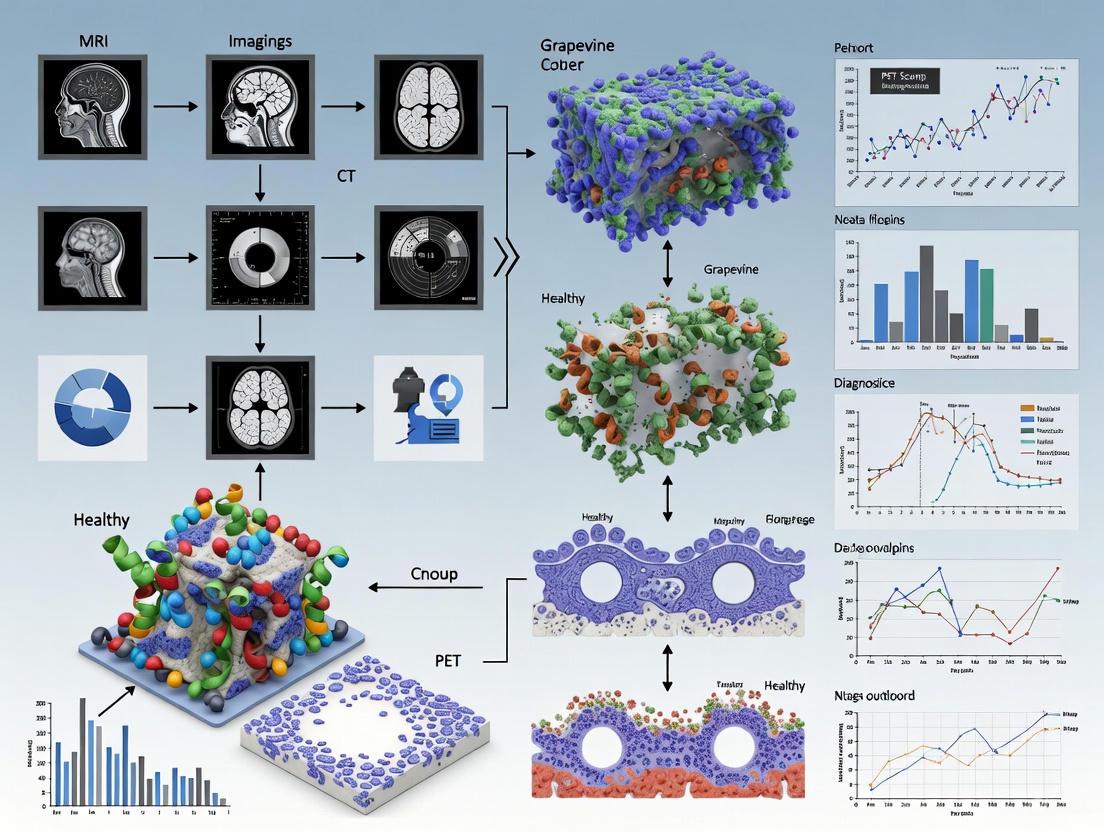
This article explores a groundbreaking non-destructive workflow for diagnosing Grapevine Trunk Diseases (GTDs), a major threat to vineyard sustainability.
Non-Destructive 3D Multimodal Imaging and AI for Advanced Grapevine Trunk Disease Diagnosis
Abstract
This article explores a groundbreaking non-destructive workflow for diagnosing Grapevine Trunk Diseases (GTDs), a major threat to vineyard sustainability. We detail the integration of medical-grade 3D imaging techniques—specifically X-ray Computed Tomography (CT) and multi-parameter Magnetic Resonance Imaging (MRI)—with artificial intelligence for in-vivo phenotyping of internal woody tissues. The content covers the foundational principles of identifying structural and physiological markers of wood degradation, the methodological pipeline for automatic voxel classification achieving over 91% accuracy, the optimization of sensor contributions, and the validation of this approach against traditional methods. This paradigm shift enables precise, non-invasive quantification of intact, degraded, and white rot tissues, offering profound implications for precision agriculture and providing a novel framework for non-destructive diagnostic research in perennial plants.
The Invisible Crisis: Understanding Grapevine Trunk Diseases and the Need for Non-Destructive Diagnosis
The Economic and Agricultural Impact of Grapevine Trunk Diseases (GTDs)
Grapevine Trunk Diseases (GTDs) represent one of the most significant challenges to global viticulture, threatening vineyard sustainability and causing substantial economic losses throughout the grape and wine industry. These destructive disease complexes are caused by a broad spectrum of fungal pathogens that primarily infect vines through pruning wounds, colonizing woody tissue and progressively impairing the plant's vascular system [1] [2]. Over 133 fungal species across 34 genera have been associated with GTDs, with Esca, Botryosphaeria dieback, and Eutypa dieback being the most prevalent in mature vineyards [3]. These pathogens silently degrade the xylem and phloem tissues, disrupting hydraulic conductivity and nutrient flow, which leads to reduced vigor, yield decline, and eventual vine death over a protracted period [4] [5].
The economic significance of GTDs has escalated dramatically since the early 2000s, following the ban of previously effective but environmentally toxic chemical treatments including sodium arsenate, carbendazim, and benomyl [3]. With no equally effective replacements available, GTD incidence has increased worldwide, prompting substantial research efforts to develop sustainable management strategies. In France alone, the economic burden of GTDs was estimated at over €1 billion annually due to yield losses, reduced productivity, and vine replacement costs [6]. In California, Dr. Akif Eskalen estimates that more than 80% of grapevines are impacted by GTDs, causing significant economic losses due to reduced yields, increased management costs, and shortened vineyard lifespan [2].
Economic Impact Analysis
Vineyard-Level Economic Consequences
The economic impact of GTDs operates through multiple pathways, including direct yield reduction, increased management costs, and premature vine replacement. A comprehensive economic analysis conducted in New Zealand Sauvignon Blanc vineyards quantified these impacts through a detailed financial model based on a hypothetical 1-hectare cane-pruned vineyard over a 40-year period [1]. The model assumed an annual crop target of 12.4 tonnes per hectare with a market value of $1,750 per tonne, providing a framework to evaluate the cost-benefit ratio of various management interventions.
Table 1: Net Present Value (NPV) Analysis of Trunk Disease Management Strategies
| Management Scenario | Disease Incidence | NPV Future Cost ($/ha/yr) | Benefit vs. Do Nothing ($/ha/yr) |
|---|---|---|---|
| Do nothing | 10% (14-year-old vineyard) | $2,600 | Baseline |
| Annual spray treatment commenced at year 14 | 10% | $2,000 | +$600 |
| Remove & replace symptomatic vines + annual spray | 10% | $1,600 | +$1,000 |
| Rework/regraft symptomatic vines | 10% | $1,500 | +$1,100 |
| Preventative spray from planting (90% efficacy) | 0% | Cost recovered by year 12 | Significant long-term benefit |
| Preventative hand painting from planting (90% efficacy) | 0% | Cost recovered by year 16 | Significant long-term benefit |
The analysis demonstrated that the timing of intervention significantly influences economic outcomes. Preventative treatments commencing from vineyard establishment minimize long-term costs, with spray treatments reaching breakeven points by approximately year 12 (at 90% efficacy), while hand painting treatments breakeven around year 16 [1]. When efficacy drops to 50%, these breakeven points extend to approximately years 16 and 22, respectively, yet still provide long-term net positive benefits.
For existing vineyards with established disease, the economic model reveals that combining remedial actions with preventative sprays provides superior economic returns compared to single-method approaches. The NPV future benefit of reducing trunk disease impact via annual spray treatment exceeds its cost until vineyards reach approximately 80-90% disease incidence, beyond which preventative value diminishes significantly [1].
Regional and Global Economic Impact
The economic consequences of GTDs extend beyond individual vineyards to regional and national scales. In New Zealand, with approximately 35,500 hectares of vineyards and an average disease incidence of 9%, the potential national value of an effective annual spray treatment is estimated at $20 million per annum, increasing by a further $20 million per annum when combined with corrective treatments like vine replacement or regrafting [1].
The California wine industry faces particularly severe impacts, with estimates indicating that trunk diseases have caused billions of dollars in losses due to replanting of sick and dead vines [5]. Research indicates that early preventative intervention can help increase the profitable lifespan of an infected vineyard by 26-47%, highlighting the substantial economic value of proactive management strategies [2].
In Europe, where viticulture represents a cornerstone of agricultural economies, the wine industry has grown from €13.03 billion in 2011 to €16.8 billion in 2024, representing 7.3% of 2024's agri-food exports and two-thirds of the value of the global wine export market [6]. Within this context, GTDs pose a significant threat to economic stability and international competitiveness.
Disease Biology and Pathogenesis
Pathogen Diversity and Infection Cycle
GTDs are caused by a complex of fungal pathogens with diverse biological characteristics and infection strategies. More than 100 fungi have been associated with these diseases, creating significant challenges for diagnosis and management due to varying latency periods and symptom expression [4]. The primary pathogens include:
- Eutypa lata: Causes Eutypa dieback, producing toxic metabolites that translocate to foliage, resulting in stunted shoots, necrotic and distorted leaves, reduced bunch size, and uneven ripening [1].
- Botryosphaeriaceae species (including Neofusicoccum parvum, Diplodia seriata, Lasiodiplodia theobromae): Cause Botryosphaeria dieback, leading to shoot dieback, cankers, central necroses in wood, and grapevine dieback [3].
- Esca complex pathogens (Phaeomoniella chlamydospora, Phaeoacremonium minimum, Fomitiporia mediterranea): Cause Esca disease, characterized by internal wood degradation including white rot and black measles [3].
These pathogens predominantly infect vines through pruning wounds during dormancy, with more than 95% of infections associated with pruning or other cultural practices like mechanical harvesting [2]. The fungi grow through the wood, blocking xylem vessels and phloem elements, which prevents the flow of water and nutrients to canes and cordons [4] [2]. Spore-producing bodies develop in dead vine wood, and in the presence of water, spores are released and dispersed by wind to infect fresh pruning wounds, completing the disease cycle [2].
Diagram 1: Grapevine trunk disease infection cycle.
Symptom Development and Disease Progression
GTD symptom expression is highly variable and often erratic, influenced by environmental conditions, vine stress factors, and pathogen interactions. Symptoms may include:
- Foliar symptoms: Chlorosis, tiger-striping (characteristic of Esca), necrotic leaves, stunted growth [1] [7]
- Wood symptoms: Central necroses, dark wedge-shaped staining, white rot, black punctuations (clogged vessels) [1] [8]
- Vine performance: Reduced vigor, decreased yield, poor fruit quality, uneven ripening, eventual vine death [4] [7]
The latency period between infection and symptom expression can span several years, and a vine symptomatic in one year may appear asymptomatic the following year, complicating disease assessment and management [4]. This inconsistent symptom expression, combined with the internal nature of wood degradation, makes GTDs particularly challenging to diagnose and monitor using conventional methods.
Advanced Detection and Diagnostic Methods
Multimodal 3D Imaging Technology
Recent advances in non-destructive imaging technologies have revolutionized the potential for early detection and monitoring of GTDs. An innovative approach combining multimodal 3D imaging with artificial intelligence-based processing enables in-vivo diagnosis of internal woody tissues without harming living plants [8] [9]. This methodology addresses the critical limitation of conventional techniques, which require sacrificing the plant and provide limited information about three-dimensional disease distribution.
The integrated workflow incorporates:
- Magnetic Resonance Imaging (MRI): Provides functional information through T1-, T2-, and PD-weighted parameters, effectively highlighting tissue physiology and early degradation stages [8].
- X-ray Computed Tomography (CT): Delivers structural information, excelling at discriminating advanced degradation stages through density variations [8].
- Automatic voxel classification: Machine learning algorithms trained on expert-annotated tissue samples achieve over 91% global accuracy in discriminating intact, degraded, and white rot tissues [8] [9].
This combined approach enables quantification of structural and physiological markers characterizing wood degradation steps, with studies demonstrating that white rot and intact tissue contents serve as key measurements in evaluating vine sanitary status [8]. The technology successfully identifies reaction zones—areas where host and pathogens interact vigorously—that are often undetectable by visual inspection, providing early warning of disease development before external symptoms manifest [8].
Diagram 2: Multimodal 3D imaging and AI workflow.
Tissue Signature Identification
The multimodal imaging approach has identified distinct signal signatures characteristic of different tissue conditions:
- Healthy functional tissues: High X-ray absorbance and high MRI values across all parameters [8]
- White rot (advanced decay): Significantly reduced X-ray absorbance (approximately -70% compared to functional tissues) and markedly low MRI values (-70% to -98%) [8]
- Reaction zones: Strong hypersignal in T2-weighted MRI compared to surrounding tissues, often located near necrotic tissue boundaries [8]
- Necrotic tissues: Medium X-ray absorbance (approximately -30% compared to functional tissues) and medium to low values in T1-weighted images, with T2-w and PD-w signals close to zero [8]
These distinctive signatures enable the machine learning algorithm to automatically classify tissue condition and quantify the three-dimensional distribution of healthy and compromised wood within entire vine trunks, providing unprecedented insight into disease progression and vine health status.
Management Protocols and Application Notes
Preventative Wound Protection Strategies
Preventative wound protection represents the most effective approach for managing GTDs, focusing on preventing pathogen establishment through pruning wounds. Application timing is critical—protectants should be applied within 24 hours of pruning before pathogens can colonize wounds [4]. The following protocols outline evidence-based methods for effective wound protection:
Chemical Protectant Protocol
- Application Timing: Apply within 24 hours of pruning during dry conditions to prevent rain from washing treatments away [7]
- Recommended Products:
- Application Method: Spray until runoff using hand-held sprayers or tractor-driven sprayers, ensuring complete wound coverage [1] [7]
- Efficacy Data: Topsin M + Rally provided 85-95% protection against Eutypa lata and Neofusicoccum parvum in California field trials [7]
Biological Protectant Protocol
- Application Timing: Apply within 24 hours of pruning, though some biologicals maintain efficacy when applied up to 7 days post-pruning [7]
- Recommended Products:
- Application Method: Spray to runoff or hand-paint applications, ensuring complete wound coverage [1] [6]
- Efficacy Data: Biotam provided 95-100% protection against E. lata and N. parvum in California field trials; T-77 offered protection against GTD pathogens for up to 60 days post-treatment [6] [7]
Table 2: Efficacy of Pruning Wound Protectants Against GTD Pathogens
| Protectant Treatment | Type | Mean % Infection E. lata | Mean % Infection N. parvum | Application Method |
|---|---|---|---|---|
| Biotam | Biological | 5% | 0% | Spray to runoff |
| Vintec | Biological | 15% | 5% | Spray to runoff |
| Topsin M + Rally | Chemical | 10% | 10% | Spray to runoff |
| Luna Sensation | Chemical | 15% | 5% | Spray to runoff |
| T-77 | Biological | <10% (varies by pathogen) | <10% (varies by pathogen) | Spray or paint |
| Water Control | - | 40% | 70% | - |
| Data from California field trials in Sacramento County [7] |
Cultural Management Protocols
Cultural practices play a complementary role in GTD management by reducing pathogen inoculum and minimizing infection opportunities:
- Pruning Management:
- Vineyard Sanitation:
- Vine Training Systems:
Remedial Surgery Protocols
For established GTD infections, remedial surgery can extend productive vine lifespan:
- Cordon Removal: Remove symptomatic cordons during dormancy, cutting below internal symptoms until healthy wood is reached [3]
- Vine Retraining: Train new cordons from basal suckers to replace diseased structures [1]
- Trunk Renewal: Complete trunk replacement when extensive internal decay is detected [3]
- Curettage: Remove necrotic wood from trunk centers using specialized tools while preserving functional outer wood [3]
Economic modeling indicates that remedial surgery becomes economically favorable at disease incidence levels above 10%, with the highest returns achieved when combined with subsequent preventative spray programs [1].
The Scientist's Toolkit: Research Reagent Solutions
Table 3: Essential Research Reagents and Materials for GTD Studies
| Reagent/Material | Function/Application | Research Context |
|---|---|---|
| Trichoderma spp. strains (T-77, Biotam, Vintec) | Biological control agents for pruning wound protection | Field efficacy trials against GTD pathogens [6] [7] |
| Bacillus spp. strains | Biological control agents through competition and antibiosis | Biocontrol screening and mechanism studies [7] |
| Topsin M (thiophanate-methyl) | Chemical fungicide (FRAC group 1) for wound protection | Efficacy comparison with biological controls [4] [7] |
| Rally 40WSP (myclobutanil) | Chemical fungicide (FRAC group 3) for wound protection | Combination treatments with other protectants [4] [7] |
| Rhyme (flutriafol) | Systemic fungicide (FRAC group 3) with xylem mobility | Drip application for internal disease control [2] |
| MRI Contrast Agents | Enhancement of tissue discrimination in multimodal imaging | 3D phenotyping of internal wood structure [8] [9] |
| X-ray CT Scanning | Non-destructive structural analysis of wood density | 3D visualization of necrosis and decay patterns [8] [9] |
| Selective Media (PDA, MEA) | Isolation and culturing of GTD pathogens | Pathogen characterization and biocontrol assays [5] [3] |
| Molecular Assay Kits (PCR, qPCR) | Species-specific detection and quantification of GTD pathogens | Etiology studies and pathogen monitoring [5] |
Grapevine Trunk Diseases represent a complex and economically significant challenge to global viticulture, requiring integrated management approaches combining preventative, cultural, and remedial strategies. The economic impact extends from individual vineyard profitability to regional agricultural economies, with estimates of industry-wide losses reaching billions of dollars annually when considering yield reduction, management costs, and vineyard replacement expenses [1] [5] [6].
Emerging technologies, particularly multimodal 3D imaging combined with machine learning algorithms, offer transformative potential for non-destructive diagnosis and monitoring of internal wood degradation [8] [9]. This approach enables researchers to quantify functional and structural tissue characteristics in living plants, providing key indicators for evaluating sanitary status and predicting disease progression. The demonstrated accuracy exceeding 91% in discriminating intact, degraded, and white rot tissues represents a significant advancement over destructive sampling methods [8].
Future research directions should focus on:
- Integrating 3D imaging technologies with precision agriculture platforms for vineyard-scale monitoring
- Developing rapid molecular detection tools for early pathogen identification
- Optimizing biological control strategies using locally adapted microbial strains
- Exploring host resistance mechanisms and potential for genetic improvement
- Validating economic models across different production systems and regions
The sustainable management of GTDs will require ongoing collaboration between researchers, extension specialists, and grape growers to implement evidence-based strategies that balance economic viability with environmental stewardship. As imaging technologies become more accessible and biological control options expand, the viticulture industry will be better equipped to address the persistent challenge of trunk diseases and ensure the long-term sustainability of global grape production.
Grapevine trunk diseases (GTDs) present a formidable challenge to vineyard sustainability worldwide, causing significant economic losses and vine decline [8] [4]. The management of these diseases hinges on accurate and timely diagnosis, yet this remains elusive due to substantial limitations inherent in conventional diagnostic approaches. These methods, primarily relying on external symptom observation and destructive sampling, fail to provide the comprehensive internal assessment needed for effective disease management [8] [10].
This application note critically examines the constraints of traditional diagnostic methodologies for GTDs, framing this analysis within the broader research context of developing non-destructive, 3D multimodal imaging solutions. We detail specific experimental protocols that quantify these limitations and present comparative data illustrating the diagnostic superiority of advanced imaging techniques.
Critical Analysis of Traditional Diagnostic Limitations
Visual Inspection and Symptom-Based Diagnosis
The primary field method for identifying GTDs involves visual inspection for foliar and external wood symptoms. However, this approach suffers from fundamental constraints that severely limit its diagnostic reliability.
Table 1: Limitations of Visual Symptom Assessment for GTD Diagnosis
| Limitation | Impact on Diagnostic Accuracy | Supporting Evidence |
|---|---|---|
| Erratic Symptom Expression | Vines may show symptoms one year but not the next, making consistent monitoring and diagnosis impossible [11]. | Foliar symptoms of Esca and Botryosphaeria dieback can be irregular in time [11]. |
| Symptom Ambiguity | Different GTDs (e.g., Esca and Botryosphaeria dieback) can produce similar "tiger stripe" leaf symptoms, leading to misidentification [11]. | Botryosphaeria dieback also leads to tiger-stripe leaf phenotypes, generating controversy and making diagnosis difficult [11]. |
| Asymptomatic Latency | Pathogens can spread internally for months or years before any visible external symptoms appear, delaying intervention [4] [10]. | GTD fungi were recovered from both symptomatic and asymptomatic trunks, suggesting early stages of infection [4]. The incubation period can exceed the 6 to 8 months grapevines are grown in a nursery [10]. |
| Symptom Correlation Challenges | External foliar symptoms are poorly correlated with the internal extent of wood degradation, providing an unreliable indicator of true vine health status [8]. | The sole observation of foliar symptoms is not indicative of the vines' sanitary status [8]. |
Diagram 1: Visual Diagnosis Limitations Pathway
Destructive Sampling and Laboratory Analysis
Destructive sampling is often considered the reference method for confirming GTDs, but it is inherently limited for widespread application and longitudinal monitoring.
Protocol 1: Destructive Sampling and Isolation for GTD Confirmation
Purpose: To isolate and identify fungal pathogens associated with GTDs from suspected vine wood samples.
Materials:
- Grapevine trunk or cordon wood samples showing external symptoms (e.g., dark discoloration, cankers)
- Sterile pruning shears or saw
- 70% ethanol for surface sterilization
- Sodium hypochlorite solution (e.g., 1-3% available chlorine)
- Sterile distilled water
- Potato Dextrose Agar (PDA) or Malt Extract Agar (MEA) plates
- Incubator set to 20-25°C
Procedure:
- Sample Collection: Using sterile tools, collect wood segments (e.g., 1-2 cm diameter, 5-10 cm long) from the margin between symptomatic and apparently healthy tissue.
- Surface Sterilization: Immerse wood segments in 70% ethanol for 30-60 seconds, followed by sodium hypochlorite solution for 1-3 minutes. Rinse three times in sterile distilled water.
- Plating: Aseptically cut the sterilized wood segments into smaller chips (approx. 5x5 mm). Place 5-8 chips onto the surface of PDA or MEA plates.
- Incubation: Incubate plates in the dark at 20-25°C for 5-14 days.
- Identification: Periodically observe emerging fungal colonies. Subculture hyphal tips to obtain pure isolates. Identify fungi based on macro- (colony color, texture) and micro-morphological characteristics (spore structure, conidiophores) or molecular techniques (DNA sequencing).
Limitations Quantified:
- Point-in-Time Snapshot: Provides data only for the single time point of destruction, preventing monitoring of disease progression or treatment efficacy in the same vine [8].
- Non-Representative Sampling: The internal distribution of GTD lesions is heterogeneous. A small, destructively collected sample may miss critical diagnostic information, leading to false negatives [8].
- Plant Loss: The method requires sacrificing the plant or a structurally important part of it (trunk, cordon), making it unsuitable for high-value vines or longitudinal studies [8].
- Time-Consuming: The process from sampling to pathogen identification can take weeks, delaying management decisions [4].
Quantitative Comparison: Traditional vs. Advanced Methods
The limitations of traditional methods become starkly evident when compared quantitatively with emerging non-destructive technologies.
Table 2: Comparative Analysis of GTD Diagnostic Method Performance
| Diagnostic Method | Key Performance Metric | Result/Accuracy | Primary Limitation(s) |
|---|---|---|---|
| Visual Inspection | Correlation with internal wood degradation | Poor / Not indicative of true sanitary status [8] | Erratic symptom expression; asymptomatic latency [4] [11] |
| Hyperspectral Imagery (on asymptomatic leaves) | Discriminant accuracy for early detection | 55% to 79% [10] | Limited accuracy; requires further research for commercial scale use [10] |
| Multimodal 3D Imaging (MRI + X-ray CT with AI) | Global accuracy for discriminating internal tissue types | >91% [8] [9] | Requires specialized clinical imaging facility [8] |
| Destructive Sampling | Ability to monitor disease progression in the same vine | Not possible / Single time-point data only [8] | Destructive; non-representative sampling [8] |
The Scientist's Toolkit: Research Reagent Solutions
Table 3: Essential Research Reagents and Materials for GTD Diagnostics Development
| Item | Function/Application in GTD Research |
|---|---|
| X-ray Computed Tomography (CT) | Provides high-resolution 3D structural data of internal wood, revealing density variations associated with decay, necrosis, and intact tissues [8]. |
| Magnetic Resonance Imaging (MRI) | Non-destructively assesses the physiological and functional status (e.g., water content) of internal tissues via parameters like T1-, T2-, and PD-weighted signals [8]. |
| Hyperspectral Imaging | Captures spectral reflectance data (e.g., 410–1000 nm) from leaves to detect physiological changes associated with trunk diseases before visual symptoms appear [10]. |
| Potato Dextrose Agar (PDA) | A general-purpose growth medium used for the isolation and culture of fungal pathogens from destructively sampled wood chips in traditional diagnostics [4]. |
| Convolutional Neural Networks (CNNs) | A class of deep learning algorithms (e.g., EfficientNetB0) used to automatically classify and segment diseased regions in imaging data with high accuracy [12] [13]. |
| 3D Multimodal Registration Algorithms | Software pipelines that precisely align 3D images from different modalities (e.g., CT, MRI, photographs) into a single, cohesive 4D dataset for joint analysis [8] [14]. |
Diagram 2: 3D Multimodal Imaging Workflow
Traditional diagnostic methods for grapevine trunk diseases, reliant on subjective visual inspection and destructive sampling, are fundamentally constrained by the erratic nature of symptom expression, poor correlation between external signs and internal decay, and the inability to perform longitudinal monitoring on individual plants. These limitations impede research progress and effective vineyard management. The quantitative data and protocols presented herein underscore the critical need for, and the demonstrated efficacy of, non-destructive 3D multimodal imaging integrated with machine learning as a transformative alternative. This advanced workflow directly addresses the core limitations of traditional approaches, enabling accurate, in-vivo phenotyping of internal wood structure and providing a robust foundation for future research into grapevine health and disease dynamics.
Core Principles of Non-Destructive 3D Imaging
Non-destructive 3D imaging encompasses a suite of technologies that enable the detailed internal and external examination of biological specimens, such as grapevine trunks, without causing damage to the sample. These techniques are broadly categorized into active and passive methods, each with distinct operational principles and applications in plant phenotyping [15].
Active imaging methods operate by projecting a form of energy onto the subject and measuring the interaction. This category includes:
- X-ray Computed Tomography (CT): Uses X-rays to generate cross-sectional images based on the material's density and atomic composition. It is highly effective for visualizing internal wood structures, decay, and occluded vessels [8] [15].
- Magnetic Resonance Imaging (MRI): Utilizes strong magnetic fields and radio waves to image the distribution of water and other nuclei, providing exceptional contrast for soft tissues and functional physiology [8] [15].
- Laser Scanning/LiDAR: Measures the time of flight or triangulation of a laser beam to create precise 3D point clouds of surface geometry, widely used for canopy architecture analysis [15].
- Structured Light Scanning: Projects a known pattern of light onto a surface and analyzes its deformation to reconstruct 3D shape [15].
Passive imaging methods rely on ambient energy or light to form an image. The primary technique is:
- Photogrammetry: Creates 3D models by identifying and matching corresponding features across multiple overlapping 2D images taken from different angles. It is cost-effective but can be challenged by variable lighting and complex plant architectures [15].
The core advantage of multimodal imaging, as demonstrated in grapevine trunk disease research, is the synergistic combination of these techniques. For instance, X-ray CT excels at revealing structural decay, while MRI is sensitive to functional water content in tissues, providing complementary data for a comprehensive diagnosis [8].
Application Notes: 3D Multimodal Imaging for Grapevine Trunk Disease
Grapevine Trunk Diseases (GTDs), such as Esca, present a major threat to vineyard sustainability, causing significant economic losses [8] [9]. A key challenge is that internal degradation often proceeds silently, with no reliable correlation to external foliar symptoms, making non-destructive internal inspection crucial [8].
Experimental Protocol: Multimodal 3D Imaging and Analysis of Grapevine Trunks
The following protocol, adapted from a published workflow, details the steps for non-destructive phenotyping of grapevine trunk internal structure [8].
Step 1: Sample Preparation and Imaging
- Select grapevine specimens (e.g., Vitis vinifera L.) based on foliar symptom history, including both symptomatic and asymptomatic plants.
- Secure the plant in the imaging system to prevent movement during acquisition.
- Acquire 3D images using multiple, co-registered modalities:
- X-ray CT: Scan to obtain data on wood density and internal structure.
- Multiparametric MRI: Acquire T1-weighted (T1-w), T2-weighted (T2-w), and Proton Density-weighted (PD-w) images to capture different aspects of tissue physiology and water status.
- Following non-destructive imaging, destructively obtain serial trunk cross-sections. Photograph both sides of each section for expert annotation and use as ground truth data.
Step 2: Multimodal Image Registration and Data Fusion
- Use a dedicated 3D registration algorithm to spatially align all imaging datasets (CT, three MRI sequences, and photographic sections) into a single, coherent 4D multimodal image [8] [14].
- This process corrects for differences in scale, resolution, and orientation, enabling direct voxel-to-voxel comparison across all modalities.
Step 3: Expert Annotation and Signature Identification
- A plant pathologist manually annotates the photographed cross-sections, defining tissue classes based on visual appearance (e.g., healthy, necrosis, white rot, black punctuations, dry tissue).
- These annotations are mapped onto the registered 3D imaging data.
- Analyze the co-registered voxels to identify the characteristic signal "signature" for each tissue class across all imaging modalities (CT, T1-w, T2-w, PD-w).
Step 4: Machine Learning Model Training and Automatic Segmentation
- Define a simplified set of tissue degradation categories for automatic classification, such as 'Intact', 'Degraded', and 'White Rot'.
- Train a machine learning model (e.g., a convolutional neural network or voxel classifier) using the expert annotations and the corresponding multimodal imaging voxels as the training dataset.
- Deploy the trained model to automatically segment and classify every voxel in a new, unseen 3D image dataset, enabling the quantitative 3D quantification of healthy and diseased tissues.
Step 5: Data Analysis and Diagnosis
- Extract quantitative metrics, such as the volume or percentage of 'Intact', 'Degraded', and 'White Rot' tissues within the entire trunk or specific regions of interest.
- Correlate these internal tissue distributions with the history of external foliar symptoms to establish diagnostic markers.
- The high white rot content and reduced intact tissue content have been identified as key measurements for accurate vine sanitary status evaluation [8].
Quantitative Performance Data
Table 1: Performance of AI-based automatic tissue classification in grapevine trunks using multimodal 3D imaging [8].
| Tissue Class | Imaging Modalities Used | Key Differentiating Signal Features | Classification Accuracy |
|---|---|---|---|
| Intact Tissues | MRI (T1-w, T2-w, PD-w), X-ray CT | High X-ray absorbance; High NMR signal in all MRI sequences | Mean Global Accuracy >91% |
| Degraded Tissues | MRI (T1-w, T2-w, PD-w), X-ray CT | Medium X-ray absorbance; Low to medium MRI values | Mean Global Accuracy >91% |
| White Rot Tissues | MRI (T1-w, T2-w, PD-w), X-ray CT | Very low X-ray absorbance (-70%); Near-zero MRI signal | Mean Global Accuracy >91% |
Table 2: Comparison of 3D imaging techniques for plant phenotyping [15].
| Imaging Technique | Principle | Key Applications in Plant Phenotyping | Key Strengths | Key Limitations |
|---|---|---|---|---|
| X-ray CT | Active; measures X-ray attenuation | Internal structure, wood decay, vascular system | Excellent for dense structures; high resolution | Limited soft tissue contrast; potential radiation damage |
| MRI | Active; measures nuclear spin relaxation | Functional physiology, water status, soft tissues | Excellent soft tissue contrast; non-ionizing | High cost; sensitive to motion; low signal in dry tissues |
| LiDAR | Active; measures laser time-of-flight | Canopy architecture, biomass estimation, growth tracking | Works in various light conditions; high precision | Surface-only information; lower resolution |
| Photogrammetry | Passive; analyzes 2D image features | 3D model reconstruction, morphology, organ sizing | Low cost; uses standard cameras | Sensitive to lighting and occlusion; computationally intensive |
Workflow and Relationship Diagrams
The Scientist's Toolkit: Research Reagent Solutions
Table 3: Essential materials and tools for multimodal 3D imaging of grapevine trunks.
| Item | Function/Application |
|---|---|
| Clinical MRI Scanner | Provides high-resolution T1-w, T2-w, and PD-w images for assessing tissue physiology and water status [8]. |
| X-ray CT Scanner | Enables non-destructive visualization of internal wood structure, density variations, and decay cavities [8]. |
| 3D Image Registration Software | Fuses data from multiple imaging modalities into a single, spatially aligned dataset for combined analysis [8] [14]. |
| Expert-Annotated Dataset | Serves as the ground truth for training and validating machine learning models for automatic tissue classification [8]. |
| Machine Learning Framework | Provides the environment for developing and deploying the voxel classification algorithm (e.g., CNN, random forest) [8]. |
| Terrestrial Laser Scanner (TLS) | Captures high-precision, large-volume 3D point clouds of plant canopies for architectural trait analysis [15]. |
| Time-of-Flight (ToF) Camera | A lower-cost active sensor for real-time 3D reconstruction, useful for plant phenotyping applications [15]. |
Grapevine trunk diseases (GTDs), particularly the Esca complex, present a major threat to vineyard sustainability worldwide, causing substantial economic losses [16] [17]. A critical challenge in GTD research and management is the accurate identification and quantification of internal wood tissues, which is essential for understanding disease progression, evaluating vine health, and developing control strategies. Traditionally, assessing wood health required destructive sampling, making it impossible to monitor living vines over time. The emergence of non-destructive 3D multimodal imaging technologies now enables detailed in-vivo phenotyping of grapevine trunk internal structures [8]. This protocol defines three key tissue types—intact, degraded, and white rot—within the context of a broader thesis on advanced diagnostic methods for GTDs. We provide a standardized framework for their identification using quantitative imaging signatures, detailed methodologies for experimental validation, and essential resources for researchers pursuing grapevine wood pathology studies.
Tissue Type Definitions and Pathological Context
Intact Tissues
Intact tissues encompass both functional and non-functional wood that shows no visible signs of degradation. These tissues maintain their structural integrity and physiological function, characterized by well-organized xylem vessels for water transport and unaltered cell wall composition. In imaging studies, intact tissues serve as the baseline for comparing healthy versus diseased wood [8]. From a microbiological perspective, intact tissues may still harbor endophytic microbial communities, including latent pathogens and protective bacteria like Bacillus and Streptomyces, which are more frequently associated with asymptomatic vines [17].
Degraded Tissues
Degraded tissues represent a spectrum of early to intermediate wood deterioration and include various forms of necrosis. This category encompasses:
- Necrosis associated with GTDs: Including brown wood streaking caused by Ascomycota species such as Phaeomoniella chlamydospora and Phaeoacremonium minimum [18] [17]
- Black punctuations: Primarily clogged vessels colonized by fungal pathogens [8]
- Dry tissues: Often resulting from pruning wounds [8]
- Reaction zones: Areas where host and pathogen interact, sometimes detectable only through specific imaging signatures before becoming visually apparent [8]
These tissues exhibit compromised structural integrity and reduced physiological function, creating favorable conditions for further microbial colonization and wood deterioration.
White Rot Tissues
White rot represents the most advanced stage of wood degradation in the Esca disease complex, primarily caused by the basidiomycete Fomitiporia mediterranea (Fmed) in European vineyards [18] [16]. This tissue type is characterized by:
- Selective degradation of wood polymers (lignin, cellulose, and hemicellulose) [16]
- Bleached, fibrous appearance resulting from lignin removal [19]
- Significant loss of structural integrity and density [8]
White rot development is a key factor in vine decline, directly impacting hydraulic conductivity and mechanical support. Recent evidence suggests that removing white rot tissue can lead to vine recovery, highlighting its central role in disease symptomatology [18] [16].
Table 1: Defining Characteristics of Key Grapevine Wood Tissues
| Tissue Type | Visual Description | Primary Pathogens | Functional Status |
|---|---|---|---|
| Intact | No visible degradation; healthy wood coloration | None (may contain endophytes) | Fully functional |
| Degraded | Discoloration; black streaks; dry appearance | Phaeomoniella chlamydospora, Phaeoacremonium minimum, Botryosphaeriaceae species | Partially functional to non-functional |
| White Rot | Bleached, soft, fibrous structure | Fomitiporia mediterranea and other Fomitiporia species | Non-functional |
Quantitative Signatures via Multimodal Imaging
Non-destructive 3D imaging enables precise discrimination of wood tissue types through their distinct physical and physiological properties. The following table summarizes characteristic signatures across multiple imaging modalities:
Table 2: Multimodal Imaging Signatures of Grapevine Wood Tissues
| Tissue Type | X-ray CT Absorbance | T1-weighted MRI | T2-weighted MRI | PD-weighted MRI |
|---|---|---|---|---|
| Intact | High (reference) | High signal | High signal | High signal |
| Degraded | Medium (~30% decrease) | Medium to low | Very low to near zero | Very low to near zero |
| White Rot | Very low (~70% decrease) | Very low (~70% decrease) | Very low to near zero (~98% decrease) | Very low to near zero |
Integration of Multimodal Data: Combining X-ray CT and MRI provides complementary information for comprehensive tissue characterization:
- X-ray CT excels at discriminating advanced degradation stages through density differences, clearly identifying white rot by its significantly reduced absorbance [8]
- MRI (particularly T2-weighted) is more sensitive to functional status and early degradation processes, even detecting reaction zones before visual manifestation [8]
- Machine learning classification of fused multimodal data achieves over 91% accuracy in voxel-wise tissue classification when using the three-category system (intact, degraded, white rot) [8]
Experimental Protocols for Tissue Validation
Multimodal Imaging and Analysis Workflow
Figure 1: Workflow for multimodal imaging and tissue classification of grapevine wood.
Protocol Steps:
Sample Collection:
Multimodal Image Acquisition:
- MRI Parameters: Acquire T1-, T2-, and PD-weighted images using clinical MRI scanners
- X-ray CT Parameters: Use standard clinical CT scanners with appropriate resolution settings
- Maintain sample integrity throughout imaging process [8]
Image Processing:
- Apply automatic 3D registration pipeline to align all imaging modalities [8]
- Implement noise reduction and signal normalization algorithms
Expert Annotation and Model Training:
- Manually annotate random cross-sections (approximately 120 per plant) according to visual inspection
- Define six initial classes: healthy-looking tissues, black punctuations, reaction zones, dry tissues, necrosis, and white rot [8]
- Consolidate into three final classes: intact, degraded, and white rot for machine learning
- Train segmentation model using multimodal imaging data as input and expert annotations as ground truth [8]
Validation:
- Compare automated classification with expert annotations
- Calculate accuracy metrics (global accuracy >91% achieved in referenced study) [8]
White Rot Biochemical Analysis Protocol
Objective: Characterize enzymatic and non-enzymatic degradation mechanisms of white rot fungi.
Methodology:
Fungal Material Preparation:
- Maintain Fomitiporia mediterranea strains on appropriate growth media
- Prepare liquid cultures simulating wood nutrient conditions [19]
Enzymatic Activity Assays:
Non-Enzymatic Pathway Analysis:
- Low Molecular Weight Compound (LMWC) Detection: Analyze culture supernatants for phenolic compounds and iron-chelating agents [19]
- Chelator-Mediated Fenton (CMF) Reaction Verification:
- Test iron reduction capability of LMWC fractions
- Measure hydrogen peroxide production
- Confirm hydroxyl radical generation via specific assays [19]
Gene Expression Analysis:
- Extract RNA from fungal cultures
- Analyze expression of genes encoding laccase isoforms and manganese peroxidases using RT-qPCR [16]
Wood Polymer Degradation Quantification:
- Measure lignin, cellulose, and hemicellulose loss in degraded wood samples
- Use standardized methods (e.g., acid detergent fiber analysis) [16]
Wood Degradation Pathways in White Rot
Figure 2: Enzymatic and non-enzymatic wood degradation pathways of Fomitiporia mediterranea.
Key Pathways:
Enzymatic Degradation:
- Laccases: Multi-copper oxidases that catalyze lignin depolymerization [16]
- Manganese Peroxidases (MnP): Heme-containing enzymes that oxidize Mn²⁺ to Mn³⁺, which then diffuses to degrade lignin [20] [16]
- CAZymes (Carbohydrate-Active Enzymes): Target cellulose and hemicellulose components [16]
- Notably Absent: Lignin peroxidases (LiP) are virtually absent in Fmed genome [20]
Non-Enzymatic Degradation (CMF Pathway):
- Acidification: Secretion of organic acids (e.g., oxalic acid) to solubilize iron [19]
- Iron Chelation: Production of LMWCs that bind and reduce ferric iron [19]
- Redox Cycling: Generation of hydrogen peroxide through redox reactions [19]
- Hydroxyl Radical Production: Fenton reaction producing highly reactive •OH radicals that non-specifically attack wood polymers [19]
Synergistic Bacterial Interactions:
The Scientist's Toolkit: Essential Research Reagents
Table 3: Key Research Reagents for Grapevine Wood Tissue Studies
| Reagent/Resource | Application | Specific Function | References |
|---|---|---|---|
| 3D Multimodal Imaging Platform | Non-destructive tissue classification | Combines X-ray CT (structural) and MRI (functional) data for accurate voxel classification | [8] |
| Fomitiporia mediterranea Strains | White rot pathway analysis | Primary basidiomycete for studying enzymatic and non-enzymatic wood decay mechanisms | [20] [16] [19] |
| Laccase Activity Assay Kits | Enzymatic degradation studies | Quantify lignin-degrading enzyme activity using ABTS or other substrates | [20] [16] |
| Manganese Peroxidase Assays | Enzymatic degradation studies | Measure MnP activity via Mn²⁺ oxidation in succinate buffer | [20] [16] |
| Hydroxyl Radical Detection Probes | CMF pathway verification | Confirm non-enzymatic •OH generation in Fment cultures | [19] |
| 16S rRNA Primers | Bacterial microbiome analysis | Characterize bacterial communities in wood tissues (e.g., Xanthomonadaceae, Pseudomonadaceae) | [18] [17] |
| ITS2 Region Primers | Fungal microbiome analysis | Profile fungal pathogens and endophytes in intact and degraded tissues | [17] |
| Wood Component Analysis Kits | Wood polymer quantification | Measure lignin, cellulose, and hemicellulose content in degraded samples | [16] |
This application note establishes standardized definitions and characterization methodologies for the three key tissue types in grapevine wood—intact, degraded, and white rot. The integration of 3D multimodal imaging with biochemical analyses provides researchers with a comprehensive toolkit for non-destructive assessment of grapevine trunk health. The precise quantification of these tissue compartments, particularly the discrimination between degraded tissues and advanced white rot, enables more accurate evaluation of vine sanitary status and disease progression. Furthermore, the elucidated degradation pathways, including both enzymatic and non-enzymatic mechanisms, offer potential targets for future therapeutic interventions. This work supports the development of predictive models for GTD progression and facilitates the identification of key biomarkers for early detection of wood deterioration, ultimately contributing to improved vineyard management and sustainability.
Grapevine Trunk Diseases (GTDs) represent a major threat to viticulture sustainability worldwide, causing significant yield losses and a marked decline in grapevine quality [21]. These diseases, primarily including Esca, Eutypa dieback, and Botryosphaeria dieback, are characterized by their complex etiology and the challenge of diagnosing internal, often hidden, wood degradation [22]. The connection between internal tissue degradation and the external foliar symptoms observed in vineyards remains a critical area of scientific inquiry. Internal degradation involves various forms of wood necrosis and decay caused by a complex of fungal pathogens that colonize the woody tissues [23]. These pathogens primarily enter the vine through wounds, such as those caused by pruning, and subsequently develop within the wood, leading to structural and functional damage [11] [21].
The expression of external foliar symptoms, such as the characteristic "tiger stripe" patterns associated with Esca, is highly erratic and influenced by multiple factors including environmental conditions, vine physiology, and cultural practices [11] [22]. This erratic expression, coupled with an often prolonged asymptomatic phase, complicates field diagnosis and leads to underestimation of disease incidence [21]. Understanding the scientific basis linking the internal degradation of wood to the external expression of foliar symptoms is therefore paramount for developing effective diagnostic and management strategies. Recent advances in non-destructive imaging technologies, particularly multimodal 3D imaging, are now providing unprecedented insights into this relationship, enabling researchers to quantify internal tissue degradation and correlate these findings with the vine's external sanitary status [23].
Quantitative Correlations Between Internal Tissue Degradation and Foliar Symptoms
Multimodal Imaging Reveals Internal Tissue Distribution Patterns
Groundbreaking research utilizing combined X-ray CT and MRI imaging has enabled quantitative analysis of internal tissue degradation in living grapevines. This approach allows for non-destructive classification of internal tissues into distinct categories based on their structural and functional integrity. By examining the relationship between internal tissue distribution and historical foliar symptom expression, researchers have identified key measurements that correlate with the vine's external health status [23].
Table 1: Quantitative Distribution of Internal Tissues in Vines with Different Foliar Symptom Histories
| Foliar Symptom History | Intact Tissue Content (%) | White Rot Content (%) | Degraded Tissue Content (%) | Key Findings |
|---|---|---|---|---|
| Asymptomatic vines | High (Specific range not provided in search results) | Low (Specific range not provided in search results) | Variable | These vines maintain higher proportions of functional vascular tissues |
| Symptomatic vines | Significantly reduced | Significantly increased | Variable | White rot content identified as key measurement for sanitary status |
| Recovered vines (symptoms absent in current season) | Intermediate | Intermediate | Variable | Distribution suggests partial physiological compensation |
The data demonstrates that white rot content and intact tissue content serve as crucial indicators for evaluating vine sanitary status [23]. White rot, representing the most advanced stage of wood degradation, exhibits significantly lower mean values in X-ray absorbance (approximately -70% compared to functional tissues) and in MRI modalities (-70 to -98%), indicating substantial structural breakdown and loss of function [23]. The distribution patterns suggest that the ratio of intact to degraded tissues, particularly white rot, plays a pivotal role in determining the vine's capacity to maintain normal physiological functions and avoid foliar symptom expression.
Vine Vigor as a Correlating Factor in Symptom Expression
Recent research has investigated the role of grapevine vigor as a potential determinant in GTD foliar symptom expression. Monitoring of commercial vineyard plots revealed that current season vigor shows a positive correlation with GTD incidence rates in most network*year scenarios [11]. The relationship follows a particular pattern where low to moderate vigor is consistently associated with reduced symptom expression, while high vigor can correlate with either high or low symptom expression, implying the involvement of additional physiological factors [11].
Table 2: Relationship Between Vine Vigor, Contributing Factors, and GTD Symptom Expression
| Vigour Level | GTD Incidence Correlation | Contributing Factors | Management Implications |
|---|---|---|---|
| Low to moderate vigor | Consistently reduced symptom expression | Potential water stress, nutrient limitations, ground vegetation competition | May represent lower risk profile for severe symptom expression |
| High vigor | Variable (high or low expression) | Interaction with additional factors like previous season water stress | Requires consideration of physiological context |
| Substantial spring vigor following previous year water stress | Greatest GTD expression | Combination of hydraulic stress and rapid growth | Highlights importance of multi-season monitoring |
The correlation with vigor appears recurrent but not exclusive, suggesting a wider implication of grapevine physiology in symptom expression [11]. In one documented instance, previous year water stress indicators showed the strongest correlation with current year GTD incidence, though vigor remained an influential factor [11]. This underscores the complex interplay between vine physiology, environmental stress, and pathological development in determining the ultimate expression of foliar symptoms.
Experimental Protocols for Investigating the Internal-External Symptom Relationship
Multimodal 3D Imaging and Tissue Classification Protocol
Objective: To non-destructively quantify internal tissue degradation in living grapevines and correlate these findings with external foliar symptom expression.
Materials and Reagents:
- Living grapevine specimens (symptomatic and asymptomatic based on foliar symptom history)
- Clinical MRI system capable of T1-, T2-, and PD-weighted imaging
- X-ray CT scanner
- Embedding materials for cross-section preparation (e.g., epoxy resins)
- High-resolution digital camera for cross-section photography
- Computer workstation with specialized image registration and analysis software
Procedure:
- Plant Selection and Preparation: Select twelve vines with documented foliar symptom history from commercial vineyards. Carefully extract plants, preserving root systems, and prepare for imaging while maintaining tissue hydration [23].
Multimodal Image Acquisition:
- Acquire X-ray CT images to visualize structural features and tissue density variations [23].
- Perform MRI acquisitions using multiple protocols: T1-weighted, T2-weighted, and PD-weighted sequences to capture functional information and water content distribution [23].
- Ensure consistent positioning across all imaging modalities to facilitate subsequent registration.
Physical Sectioning and Annotation:
- Following non-destructive imaging, mold each vine specimen and prepare serial physical cross-sections (approximately 120 sections per plant) [23].
- Photograph both sides of each cross-section under standardized lighting conditions.
- Have experts manually annotate eighty-four random cross-sections based on visual inspection of tissue appearance, classifying tissues into six categories: healthy-looking tissues, black punctuations, reaction zones, dry tissues, necrosis associated with GTD, and white rot [23].
Image Registration and Data Integration:
- Align 3D data from each imaging modality with photographed cross-sections into 4D-multimodal images using automatic 3D registration pipelines [23].
- Create voxel-wise correspondences between imaging signals and empirical tissue annotations.
Signal Analysis and Tissue Signature Identification:
- Analyze signal characteristics for each tissue class across all imaging modalities.
- Identify distinctive multimodal signatures characterizing different stages of wood degradation:
- Healthy functional tissues: High X-ray absorbance, high NMR signals across all MRI sequences [23].
- White rot: Significantly reduced X-ray absorbance (-70% compared to functional tissues) and markedly lower MRI values (-70 to -98%) [23].
- Reaction zones: Strong hypersignal in T2-weighted MRI compared to surrounding tissues, often located near necrotic tissue boundaries [23].
Machine Learning Classification:
- Train a segmentation model using the annotated multimodal imaging data to automatically classify tissue condition voxel-wise.
- Implement a three-class categorization system (intact, degraded, and white rot) for practical disease assessment [23].
- Validate model performance against expert annotations, with reported mean global accuracy exceeding 91% [23].
Multimodal Imaging and Analysis Workflow
Vine Vigor and Physiological Monitoring Protocol
Objective: To evaluate the relationship between grapevine vigor, physiological status, and GTD symptom expression under field conditions.
Materials and Reagents:
- Commercial vineyard plots with uniform cultivar and age
- NDVI sensors or other vegetation index measurement tools
- Petiolar tissue sampling equipment
- Soil sampling equipment
- Laboratory facilities for nitrogen analysis
- Meteorological stations for local climate monitoring
- Data logging systems for continuous environmental parameter recording
Procedure:
- Vineyard Network Establishment:
- Establish monitoring networks in commercial vineyard regions, selecting plots with uniform cultivar (e.g., Grenache noir) and similar age within small geographical areas to minimize climate variation [11].
- Ensure each network comprises approximately 30 plots to capture sufficient variability in vigor and symptom expression [11].
Vigor Assessment:
- Quantify grapevine vigor through measurements of vegetation biomass, shoot growth parameters, and normalized difference vegetation index (NDVI) where available [11].
- Assess primary drivers of vigor including soil water status, petiolar nitrogen content, weed cover management, and fruit production levels [11].
- Conduct vigor assessments at key phenological stages, particularly during periods of rapid spring growth [11].
Water Status Monitoring:
GTD Symptom Assessment:
- Conduct visual assessments of foliar symptom incidence at appropriate periods for symptom expression (e.g., early summer for tiger-stripe symptoms) [11].
- Record both incidence rate (percentage of affected vines) and symptom severity using standardized rating scales.
- Maintain consistent assessment protocols across multiple seasons to capture the erratic nature of symptom expression [11].
Data Correlation and Analysis:
- Correlate current season vigor measurements with GTD incidence rates across network*year scenarios [11].
- Analyze interaction effects between vigor, water stress history, and other physiological parameters.
- Investigate the shape of relationships, noting that while low to moderate vigor consistently associates with reduced symptoms, high vigor shows variable correlation with symptom expression [11].
Visualization of Pathological Relationships and Workflows
The Internal-External Symptom Relationship in GTDs
The relationship between internal tissue degradation and external foliar symptoms involves complex physiological disruptions that can be visualized as a cascade of functional impairments. The following diagram illustrates the pathological sequence linking wood degradation to foliar symptom expression:
GTD Symptom Development Pathway
Multimodal Imaging Signatures of Tissue Degradation
Different imaging modalities provide complementary information about the structural and functional status of internal woody tissues. The distinctive signatures across modalities enable accurate classification of tissue conditions:
Multimodal Tissue Signature Detection
The Scientist's Toolkit: Essential Research Reagent Solutions
Table 3: Essential Research Materials and Technologies for GTD Investigation
| Research Tool Category | Specific Examples | Function in GTD Research |
|---|---|---|
| Non-destructive Imaging Systems | X-ray CT scanners, MRI systems (T1-w, T2-w, PD-w protocols) | Enable in-vivo 3D visualization and quantification of internal tissue degradation without plant destruction [23] |
| Image Analysis Platforms | Automatic 3D registration pipelines, machine learning segmentation models | Facilitate alignment of multimodal imaging data and automated voxel classification of tissue conditions [23] |
| Field Monitoring Equipment | NDVI sensors, stem water potential measurement devices, weather stations | Quantify vine vigor, water status, and environmental conditions correlating with symptom expression [11] |
| Laboratory Analysis Tools | Petiolar nitrogen analysis systems, soil nutrient testing kits | Assess nutritional status and vigor drivers in vineyard plots [11] |
| Reference Databases | Expert-annotated tissue cross-sections, symptomatic tissue libraries | Provide ground truth data for training machine learning algorithms and validating imaging findings [23] |
| Diagnostic Aid Platforms | Web-based pictorial diagnostic keys (e.g., treeandvinetrunkdiseases.org) | Assist researchers and growers in visual symptom identification and disease management planning [24] |
The scientific basis linking internal tissue degradation to external foliar symptoms in grapevine trunk diseases represents a significant advancement in plant pathology research. Through the application of multimodal 3D imaging and machine learning classification, researchers can now quantitatively demonstrate the relationship between specific internal tissue compartments (particularly white rot and intact tissues) and external vine health status. The integration of physiological monitoring further reveals the complex interplay between vine vigor, environmental stress history, and symptom expression patterns.
These findings and the associated experimental protocols provide researchers with powerful tools for investigating GTD pathologies beyond traditional destructive methods. The non-destructive nature of these approaches enables longitudinal studies of disease progression within the same plants, offering new opportunities to understand the temporal dynamics between internal degradation development and external symptom expression. Furthermore, the quantitative correlations established between specific tissue classes and foliar symptoms contribute valuable biomarkers for assessing intervention strategies and evaluating vineyard sustainability. As these methodologies continue to evolve and become more accessible, they promise to enhance both fundamental understanding of plant-pathogen interactions and practical management of these economically devastating diseases.
Inside the Trunk: A Technical Deep Dive into Multimodal 3D Imaging and AI Workflows
In the quest to diagnose Grapevine Trunk Diseases (GTDs), a major challenge has been the inability to non-destructively assess the internal condition of living plants. External foliar symptoms are unreliable indicators of the internal spread of these diseases, which can cause significant economic losses [8] [11]. Traditional techniques require sacrificing the plant, offering only limited, post-mortem insights. Within this context, multimodal 3D imaging has emerged as a revolutionary approach. By combining the distinct but complementary strengths of X-ray Computed Tomography (CT) and Magnetic Resonance Imaging (MRI), researchers can now create a comprehensive, non-destructive diagnosis of the inner structures and functional status of grapevine trunks [8]. This application note details the specific roles, experimental protocols, and synergistic power of these two imaging modalities within a research framework aimed at combating GTDs.
Modality Comparison: Structural vs. Functional Imaging
X-ray CT and MRI provide fundamentally different, yet complementary, information about internal tissues. Their combined application is key to a full diagnosis.
Table 1: Complementary Characteristics of X-ray CT and MRI in Grapevine Trunk Imaging
| Feature | X-ray Computed Tomography (CT) | Magnetic Resonance Imaging (MRI) |
|---|---|---|
| Primary Basis of Contrast | Tissue density and atomic composition (Linear Attenuation Coefficient) [25] | Water content and physicochemical environment (T1, T2, PD relaxation times) [8] |
| Key Strength | Discriminating advanced degradation stages via structural density loss [8] | Assessing tissue functionality and early physiological changes [8] |
| Optimal for Visualizing | White rot (decay), air spaces, necrotic tissues, graft unions [8] [26] | Reaction zones, functional vessels, onset of wood degradation [8] |
| Signature in Healthy Wood | High X-ray absorbance [8] | High NMR signal in T1-, T2-, and PD-weighted images [8] |
| Signature in White Rot | Significantly lower X-ray absorbance (approx. -70% vs. functional tissue) [8] | Very low MRI signal (-70% to -98%) [8] |
| Contribution to Diagnosis | Provides quantitative structural markers [8] | Provides quantitative physiological markers [8] |
Experimental Protocol for Multimodal 3D Imaging
The following integrated workflow, adapted from Fernandez et al. (2024), enables the non-destructive phenotyping of grapevine trunk internal structures [8].
Sample Preparation and Imaging Acquisition
- Plant Selection: Collect grapevine plants (e.g., Vitis vinifera L.) based on foliar symptom history, including both symptomatic and asymptomatic-looking vines.
- Multimodal Imaging:
- MRI Acquisition: Image each plant using multiple MRI protocols (T1-weighted, T2-weighted, and Proton Density-weighted) to capture different aspects of water relaxation and tissue physiology [8].
- X-ray CT Acquisition: Perform CT scans of the same plants. The system (X-ray source and detector) rotates around the sample, capturing 2D projection images from multiple angles. The working principle relies on differences in the Linear Attenuation Coefficient of internal tissues [25].
- Expert Annotation (Ground Truth):
- Destructively prepare serial cross-sections of the imaged trunks.
- Manually annotate photographed cross-sections into tissue classes (e.g., healthy, necrosis, white rot) based on visual inspection to create a labeled dataset for model training and validation [8].
Data Processing and Analysis
- 3D Reconstruction: Reconstruct 3D volumes from the 2D projection data acquired by both MRI and CT. For CT, this can be achieved using algorithms like the Filtered Back Projection (FBP) or iterative methods [25].
- Automatic 3D Registration: Co-register the 3D datasets from all imaging modalities and the photographs of physical sections into a unified 4D-multimodal image using a dedicated registration pipeline [8].
- Voxel Classification with Machine Learning:
- Streamlined Categorization: Simplify expert annotations into three core classes for model training: 'Intact' (functional/healthy), 'Degraded' (necrotic/altered), and 'White Rot' (decayed) [8].
- Model Training: Train a machine learning segmentation model (e.g., a classifier) to automatically assign each 3D voxel in the non-destructive imaging data to one of the three tissue classes.
- Quantification: Use the model's output to perform a 3D quantification of the volume of intact, degraded, and white rot tissues within the entire trunk, achieving a mean global accuracy of over 91% [8].
The following diagram visualizes the key steps of the multimodal imaging and analysis protocol.
The Scientist's Toolkit: Essential Research Reagents and Materials
Table 2: Key Reagents and Materials for Multimodal Grapevine Imaging
| Item | Function / Application |
|---|---|
| Iohexol Contrast Agent | A radio-opaque compound used in X-ray micro-CT to label and visualize functional, water-conducting xylem vessels when loaded via the root system [26]. |
| Molding Compound | Used to encapsulate and preserve the structure of grapevine trunk samples during the destructive sectioning process post-imaging [8]. |
| 3D Image Registration Pipeline | Custom software or algorithms essential for the precise spatial alignment of 3D datasets from different modalities (MRI, CT, photographs) into a unified coordinate system [8]. |
| Machine Learning Classifier | An AI-based segmentation model trained to automatically classify each volume element (voxel) in the 3D image as 'Intact', 'Degraded', or 'White Rot' tissue [8]. |
| X-ray Micro-CT System | High-resolution computed tomography system (e.g., EasyTom 150) used for detailed 3D anatomical analysis, often at a voxel resolution of ~29 μm [26]. |
| Clinical MRI System | A clinical-grade magnetic resonance imaging scanner capable of running multiple protocols (T1-w, T2-w, PD-w) to capture physiological information from entire plants [8]. |
The integration of X-ray CT and MRI is not merely additive but synergistic, creating a diagnostic power greater than the sum of its parts. CT excels in mapping the structural consequences of disease, such as the cavitation and density loss characteristic of white rot. Conversely, MRI is uniquely sensitive to the early functional and physiological changes occurring in tissues that may still appear structurally sound. This complementary relationship is fundamental to the development of a robust, non-destructive workflow for in-vivo diagnosis of Grapevine Trunk Diseases. By fusing these modalities with machine learning, researchers can generate accurate 3D "digital twins" of plant trunks, paving the way for precision agriculture interventions, longitudinal monitoring of plant health, and a deeper understanding of disease progression across plant species.
Grapevine trunk diseases (GTDs) present a complex challenge for viticulture, causing significant economic losses and vine decline. A single vine can be infected by multiple fungal pathogens, leading to ambiguous and difficult-to-distinguish external symptoms. By the time these symptoms are observed, the vine may be already critically compromised [27]. Traditional diagnosis relies on destructive sampling and culturing, a slow and labor-intensive process [27]. This application note details a novel, non-destructive pipeline that adapts advanced in-vivo 3D volumetric imaging and voxel registration techniques—pioneered in biomedical fields [28] [29] [30]—for the precise diagnosis and study of GTDs. This approach aims to provide researchers with a comprehensive, high-resolution view of structural and pathological changes inside the vine, enabling early detection and detailed mechanistic studies.
Experimental Protocols
Sample Preparation and In-Vivo Data Acquisition
The first stage involves the non-destructive acquisition of multimodal 3D data from grapevine trunk samples.
Materials and Reagents:
- Plant Material: Grapevine trunk sections (10-12 inches long) from the root, graft union, trunk, and cordons, selected from tissue showing early symptomatic discoloration but not complete necrosis [27].
- Fixation and Mounting: Custom sample holder designed to stabilize the trunk section during scanning.
Procedure:
- Sample Selection: Identify and mark sections of the vine trunk with visible symptoms. Ensure samples are not completely dead (dark brown) to avoid overgrowth by fast-growing saprobes during traditional culturing, a consideration that also improves image quality for microscopy [27].
- Sample Preparation: Using a sterilized saw, carefully extract a 10-12 inch long section of the trunk containing the symptomatic area. For root sections, gently shake off excess soil [27].
- Mounting: Secure the trunk section in a custom, non-metallic sample holder compatible with the imaging modality (e.g., MRI, microCT). The holder must minimize motion artifacts during data acquisition.
- Multimodal Imaging: Place the mounted sample into the scanner. Acquire co-registered data using multiple modalities:
- Structural Imaging (microCT): Provides high-resolution 3D anatomy of the woody tissues, revealing cavities, galleries, and structural decay caused by GTD pathogens. Acquisition parameters should be optimized for wood density.
- Functional/Metabolic Imaging (MRI): Reveals water content and distribution, potentially identifying regions of stress, necrosis, or altered physiology in the sapwood before external symptoms are severe.
Image Pre-processing and Tissue Segmentation
Raw images require pre-processing to prepare them for accurate registration and analysis.
Software:
- Image processing software (e.g., Analyze software suite [31] or custom Python scripts using libraries like SimpleElastix [30]).
Procedure:
- Body Mask Generation: Remove background and non-tissue objects (e.g., sample holder) from all images through a combination of intensity thresholding and morphological operations [30].
- Tissue Segmentation: Generate multiple tissue masks by defining voxel intensity ranges (in Hounsfield Units for CT, or arbitrary units for MRI) corresponding to key tissue types [30]. This high-level feature is critical for guiding registration.
- Woody Tissue Mask: High-density, lignified tissues.
- Pith/Parenchyma Mask: Lower-density, soft tissues within the trunk.
- Lesion Mask: Regions identified with density or signal intensity atypical of healthy wood (e.g., cavities, necrotic tissue).
Multi-step Voxel Registration Pipeline
This core protocol spatially aligns the multimodal images into a single, coherent coordinate system for voxel-wise analysis. The method is adapted from successful whole-body medical image registration techniques [30].
Software & Hardware:
- Registration pipeline implemented in Python utilizing libraries for affine (e.g., SimpleElastix [30]) and deformable registration.
- A multi-core processor and a GPU are recommended to accelerate deformable registration steps [30].
Procedure: The following workflow diagram outlines the multi-step registration pipeline, which progressively aligns images from global to local features.
1. Affine Registration:
- Purpose: To achieve a global, coarse alignment of the source and target images, correcting for overall differences in position, orientation, and scale.
- Input: Segmented woody tissue (high-density) masks.
- Process: A piece-wise affine registration is performed using the woody tissue masks as input and a similarity metric like the Sum of Squared Differences. The transform parameters are restricted to exclude shear factors to maintain anatomical plausibility [30].
2. Deformable Registration Step 1:
- Purpose: To complete the alignment of high-density woody tissues.
- Input: A weighted cost function combining the original image data and the woody tissue mask.
- Process: A deformable registration is run. Upon completion, voxels identified as woody tissue are constrained (their movement is heavily penalized) in subsequent steps to maintain this achieved alignment [30].
3. Deformable Registration Step 2:
- Purpose: To align the softer tissue structures (e.g., pith, parenchyma).
- Input: A weighted cost function combining the original image, a mask of the internal trunk volume, and the parenchyma tissue mask.
- Process: After registration, voxels along the outer boundary of the internal trunk volume are constrained to lock its general shape [30].
4. Deformable Registration Step 3:
- Purpose: To refine the alignment of soft tissues.
- Input: The original image, the parenchyma mask, and the lesion mask.
- Process: Non-lesion, non-woody tissues are constrained after this step to preserve the alignment of healthy structures while allowing pathological regions to be fine-tuned in the final step [30].
5. Deformable Registration Step 4:
- Purpose: To achieve final, precise alignment of pathological features (lesions, necrosis).
- Input: The lesion/necrotic tissue mask.
- Process: A final deformable registration focuses on aligning the regions of interest identified as diseased tissue, with constraints on all other tissues to ensure they remain aligned [30].
Data Analysis and Validation
Voxel-wise Analysis
Once images are co-registered, quantitative analysis can be performed.
- Volumetric Quantification: Calculate the volume of lesions or specific tissue types by counting voxels within the segmented masks in the common coordinate system.
- Intensity Correlation: Perform voxel-wise statistical tests (e.g., Pearson's correlation) to investigate relationships between signal intensities from different modalities (e.g., density from CT vs. water content from MRI) within defined regions [30].
Validation of Registration Accuracy
The accuracy of the registration pipeline must be quantified.
- Landmark-based Error: Manually identify corresponding anatomical landmarks (e.g., specific vessel formations, pith boundaries) in both source and target images before and after registration. The mean distance between these landmarks after registration is the Target Registration Error (TRE).
- Intensity-based Error: Calculate the inverse consistency error, which measures the consistency of transformations when the roles of source and target images are swapped, with average errors of <5 mm being reported in medical studies [30].
Table 1: Key Performance Metrics for Voxel Registration (Adapted from [30])
| Metric | Description | Target Value | Measurement Outcome |
|---|---|---|---|
| Target Registration Error (TRE) | Mean distance between corresponding anatomical landmarks post-registration. | Sub-voxel accuracy | < Voxel spacing (e.g., < 0.5mm) |
| Inverse Consistency Error | Measures consistency of forward and backward transformations. | < 5 mm [30] | ~3.5 mm |
| Intensity Magnitude Error | Difference in voxel intensity in aligned regions. | Minimized | ~40 Hounsfield Units [30] |
The Scientist's Toolkit
This research requires a combination of specialized hardware, software, and reagents.
Table 2: Essential Research Reagent Solutions and Materials
| Item | Function/Application | Example/Note |
|---|---|---|
| microCT Scanner | High-resolution 3D anatomical imaging of grapevine trunk structure. | Resolves micro-galleries and cavities formed by fungal pathogens. |
| High-Field MRI Scanner | Non-destructive imaging of water content and distribution in sapwood. | Identifies regions of hydraulic dysfunction and early necrosis. |
| Multimodal Image Registration Software | Platform for co-registering and fusing CT, MRI, and other image data. | e.g., Living Image Synergy AI [31] or Analyze software [31]. |
| Python with Scientific Libraries | Custom implementation of pre-processing and registration pipelines. | Using libraries like SimpleElastix [30] for affine registration. |
| Sterilized Sampling Tools | For extracting trunk sections without introducing contaminating microbes. | Prevents confounding laboratory results. |
| Custom Sample Holders | To securely mount irregularly shaped trunk samples during scanning. | Minimizes motion artifacts, which is critical for image quality [28]. |
The integration of in-vivo 3D multimodal imaging with a robust, multi-step voxel registration pipeline presents a transformative approach for grapevine trunk disease research. By adapting and applying protocols from medical imaging, this application note provides a detailed roadmap for acquiring, processing, and analyzing high-resolution volumetric data of infected vines. This methodology enables the non-destructive quantification of internal symptoms, facilitating earlier diagnosis, a deeper understanding of host-pathogen interactions, and the development of more effective management strategies for this complex and economically damaging group of diseases.
Application Note: Automated Tissue Classification for 3D Multimodal Imaging in Grapevine Trunk Disease Diagnosis
This application note details experimental protocols for implementing automated tissue classification using artificial intelligence (AI) within the context of 3D multimodal imaging for grapevine trunk disease (GTD) diagnosis. GTDs cause significant economic losses in viticulture worldwide, and their management is hampered by the inability to accurately diagnose internal tissue degradation without harming living plants [8]. The integration of non-destructive 3D imaging with machine learning-based tissue classification enables in-vivo phenotyping of internal woody structures, providing a powerful tool for precise plant health assessment [8] [9].
Experimental Workflow for Multimodal Imaging and Tissue Classification
The following diagram illustrates the integrated experimental and computational workflow for training AI models to classify tissues in grapevine trunks.
Workflow for AI-Based Tissue Classification. The process begins with sample collection and multimodal imaging, proceeds through expert annotation and data integration, and culminates in model training and diagnostic application [8].
Quantitative Imaging Signatures for Tissue Classification
The multimodal imaging approach reveals distinct quantitative signatures for different tissue conditions, which serve as essential features for training machine learning classifiers.
Table 1: Quantitative Signatures of Grapevine Tissue Conditions in Multimodal Imaging
| Tissue Condition | X-ray CT Absorbance | T1-w MRI Signal | T2-w MRI Signal | PD-w MRI Signal | Biological Significance |
|---|---|---|---|---|---|
| Intact/Functional | High | High | High | High | Healthy, functional tissues [8] |
| Intact/Nonfunctional | ~10% lower than functional | ~30-60% lower than functional | ~30-60% lower than functional | ~30-60% lower than functional | Healthy-looking but non-conducting tissues [8] |
| Necrotic (GTD) | ~30% lower than functional | Medium to Low | ~60-85% lower than functional | ~60-85% lower than functional | Various types of GTD necrosis [8] |
| White Rot | ~70% lower than functional | ~70-98% lower than functional | ~70-98% lower than functional | ~70-98% lower than functional | Most advanced stage of wood decay [8] |
| Reaction Zones | High | High | Hypersignal | High | Host-pathogen interaction boundaries [8] |
Performance Metrics of AI Classification Model
The machine learning model trained on these multimodal signatures achieves high performance in automatically classifying tissue conditions.
Table 2: Performance Metrics of the Automated Tissue Classification Model
| Metric | Value | Assessment Context |
|---|---|---|
| Global Accuracy | >91% [8] | 3-class classification (Intact, Degraded, White Rot) |
| MRI Contribution | Superior for assessing functionality and early degradation [8] | Detecting physiological changes before structural damage |
| X-ray CT Contribution | Superior for discriminating advanced degradation stages [8] | Structural decomposition and density loss assessment |
| Key Diagnostic Indicators | White Rot content & Intact tissue content [8] | Evaluation of vine sanitary status |
Protocols
Protocol 1: Multimodal 3D Image Acquisition and Preprocessing
Purpose
To acquire co-registered 3D images of grapevine trunk samples using multiple complementary imaging modalities that capture both structural and functional tissue properties.
Materials
- Living or freshly collected grapevine trunk samples (e.g., 12 vines based on foliar symptom history) [8]
- Clinical MRI scanner capable of T1-weighted, T2-weighted, and Proton Density (PD)-weighted sequences [8]
- X-ray computed tomography (CT) scanner [8]
- Sample preparation materials: molding compounds, precision saw for sectioning [8]
- High-resolution digital camera for cross-section photography [8]
Procedure
- Sample Preparation: Select vines based on foliar symptom history, including both symptomatic and asymptomatic-looking plants [8].
- MRI Acquisition:
- Secure each trunk sample in the MRI scanner.
- Acquire T1-weighted, T2-weighted, and PD-weighted images using standardized clinical protocols [8].
- Ensure consistent positioning across all sequences for later co-registration.
- X-ray CT Acquisition:
- Transfer samples to the CT scanner while maintaining consistent orientation.
- Acquire high-resolution 3D CT images covering the entire trunk segment [8].
- Physical Sectioning and Photography:
- Following non-destructive imaging, embed trunks in molding compound for stabilization.
- Serially section the trunk using a precision saw at regular intervals (e.g., 1-2cm spacing).
- Photograph both sides of each cross-section under standardized lighting conditions (approximately 120 pictures per plant) [8].
Protocol 2: Expert Annotation and Multimodal Image Registration
Purpose
To establish ground truth labels for training the machine learning model by manually annotating tissue conditions and creating aligned 4D multimodal image datasets.
Materials
- Image annotation software with capability for pixel-wise labeling
- Multimodal image registration pipeline [8]
- High-performance computing workstation with adequate memory for 3D image processing
Procedure
- Expert Annotation:
- Select a randomized subset of cross-section images (e.g., 84 sections across all samples) [8].
- Have domain experts manually annotate each cross-section based on visual inspection of tissue appearance.
- Use a standardized classification system: (i) healthy-looking tissues; (ii) black punctuations; (iii) reaction zones; (iv) dry tissues; (v) necrosis; (vi) white rot [8].
- Multimodal Image Registration:
- Implement automatic 3D registration pipeline to align all imaging modalities (three MRI sequences, X-ray CT, and photographic sections) into a unified 4D multimodal image [8].
- Verify registration accuracy by visually inspecting alignment of key anatomical landmarks across modalities.
- Training Dataset Creation:
- Transfer expert annotations from photographic sections to corresponding regions in the multimodal image space.
- For AI training purposes, consolidate the six original annotation classes into three broader categories: 'Intact', 'Degraded', and 'White Rot' [8].
Protocol 3: Machine Learning Model Training and Validation
Purpose
To train and validate a machine learning model for automatic voxel-wise classification of tissue conditions in grapevine trunks using the multimodal imaging data.
Materials
- Processed and annotated multimodal image dataset from Protocol 2
- Machine learning framework (e.g., Python with scikit-learn, TensorFlow, or PyTorch)
- High-performance computing resources with GPU acceleration
Procedure
- Feature Extraction:
- For each voxel in the registered multimodal images, extract the following features: X-ray CT attenuation value, T1-w MRI intensity, T2-w MRI intensity, and PD-w MRI intensity [8].
- Optionally compute secondary features such as texture metrics within local neighborhoods.
- Dataset Splitting:
- Divide the annotated voxels into training (e.g., 70%), validation (e.g., 15%), and test (e.g., 15%) sets.
- Ensure representative distribution of all tissue classes across splits.
- Model Training:
- Train a classifier (e.g., Random Forest, Support Vector Machine, or Neural Network) using the extracted features and expert annotations as ground truth.
- Utilize the validation set for hyperparameter tuning and to monitor for overfitting.
- Performance Validation:
The Scientist's Toolkit: Essential Research Reagents and Materials
Table 3: Key Research Reagent Solutions for Multimodal Imaging and AI-Based Tissue Classification
| Item | Function/Application | Specifications/Examples |
|---|---|---|
| Clinical MRI Scanner | Non-destructive assessment of functional tissue properties through T1-w, T2-w, and PD-w sequences [8] | Capable of whole-trunk imaging with sufficient resolution for tissue differentiation |
| X-ray CT Scanner | High-resolution 3D visualization of internal wood structure and density variations [8] | Capable of discriminating advanced degradation stages through density measurement |
| Multimodal Registration Pipeline | Alignment of different imaging modalities into a unified 4D coordinate system for correlated analysis [8] | Custom software solution for 3D image co-registration [8] |
| AI-Based Classifier | Automatic voxel-wise classification of tissue conditions based on multimodal imaging signatures [8] | Machine learning model (e.g., Random Forest, CNN) trained on expert-annotated data |
| Digital Pathology Platform | Automated tissue classification for histological samples; can complement multimodal imaging approaches [32] | Commercial solutions (e.g., TissueGnostics) for segmenting tissues into morphological entities |
The integration of multimodal 3D imaging with AI-based tissue classification provides a powerful framework for non-destructive diagnosis of grapevine trunk diseases. This approach enables researchers to quantify intact, degraded, and white rot tissues in living plants with high accuracy, offering key indicators for evaluating vine sanitary status. The methodology outlined in these application notes and protocols demonstrates how machine learning can leverage complementary imaging modalities to detect both structural and functional aspects of tissue degradation, advancing precision agriculture and plant disease management.
The non-destructive diagnosis of plant diseases, particularly Grapevine Trunk Diseases (GTDs), represents a significant challenge in agricultural science and precision viticulture. GTDs, caused by fungal pathogens, lead to internal degradation of woody tissues, resulting in substantial economic losses through reduced yield and vine death [8] [33]. Traditional diagnostic methods require destructive sampling and provide limited information about the three-dimensional distribution of internal tissue degradation. This application note details protocols for extracting quantitative imaging biomarkers (QIBs) from multimodal 3D imaging data, enabling non-destructive, in-vivo phenotyping of grapevine trunk internal structures. These methodologies were developed within a broader thesis research framework focusing on 3D multimodal imaging for GTD diagnosis, achieving over 91% accuracy in discriminating intact, degraded, and white rot tissues [8].
Experimental Protocols
Multimodal Image Acquisition
Purpose: To acquire co-registered structural and functional images of entire grapevine trunks using complementary imaging modalities.
Materials:
- Living grapevine specimens (symptomatic and asymptomatic)
- Clinical-grade MRI system with multiple sequence capabilities
- X-ray computed tomography (CT) scanner
- Specimen molding and sectioning equipment
- High-resolution digital camera
Procedure:
- Specimen Preparation: Select twelve vines based on foliar symptom history from commercial vineyards. Handle roots carefully and maintain hydration during transport and imaging [8].
- MRI Acquisition: Perform multiparametric MRI on entire plants using:
- T1-weighted (T1-w) sequences
- T2-weighted (T2-w) sequences
- Proton density-weighted (PD-w) sequences
- Parameters: Field strength ≥1.5T, optimized for woody tissue contrast [8].
- X-ray CT Acquisition: Perform computed tomography scanning with parameters optimized for wood density differentiation [8].
- Physical Sectioning and Photography: Following non-destructive imaging:
- Embed trunks in molding material
- Serially slice trunks into approximately 120 cross-sections
- Photograph both sides of each cross-section under standardized lighting [8].
- Expert Annotation: Have trained pathologists manually annotate eighty-four random cross-sections according to visual inspection, defining six tissue classes: healthy-looking tissues, black punctuations, reaction zones, dry tissues, necrosis, and white rot [8].
Image Registration and Data Fusion
Purpose: To align 3D data from each imaging modality into a unified 4D-multimodal dataset for voxel-wise joint analysis.
Procedure:
- 3D Registration: Implement automatic 3D registration pipeline to align MRI sequences (T1-w, T2-w, PD-w), X-ray CT, and photographic data into a common coordinate system [8].
- Multimodal Voxel Matching: Ensure each physical location within the trunk is represented across all imaging modalities and ground-truth expert annotations [8].
- Signal Extraction: For each annotated region, extract quantitative values from all imaging modalities to establish signature profiles for each tissue class [8].
Quantitative Biomarker Extraction
Purpose: To identify and quantify structural and physiological markers characteristic of wood degradation states.
Procedure:
- Signal Trend Analysis: Analyze extracted signals to identify characteristic signatures for each tissue class across modalities (see Table 1) [8].
- Tissue Classification Schema: Establish a simplified three-class categorization for automated segmentation: 'intact' (functional or nonfunctional healthy tissues), 'degraded' (necrotic and altered tissues), and 'white rot' (decayed wood) [8].
- Machine Learning Training: Train a voxel classification algorithm using the multimodal imaging data and simplified tissue classes to automatically quantify tissue compartments within entire vine trunks [8].
Table 1: Quantitative Signatures of Grapevine Tissue Types Across Imaging Modalities
| Tissue Class | X-ray CT Absorbance | T1-w MRI | T2-w MRI | PD-w MRI | Biological Significance |
|---|---|---|---|---|---|
| Healthy Functional | High | High values | High values | High values | Reference functional tissue |
| Healthy Nonfunctional | ~10% lower than functional | ~30-60% lower than functional | ~30-60% lower than functional | ~30-60% lower than functional | Non-conductive but structurally sound wood |
| Dry Tissues | Medium | Very low | Very low | Very low | Result of pruning wounds |
| Necrotic Tissues | ~30% lower than functional | Medium to low | ~60-85% lower (near zero) | ~60-85% lower (near zero) | GTD-related necrosis |
| Black Punctuations | High | Medium | Variable | Variable | Clogged vessels colonized by fungi |
| White Rot | ~70% lower than functional | ~70-98% lower | ~70-98% lower | ~70-98% lower | Advanced degradation stage |
Table 2: Multiparametric QIB Combinations for Enhanced Detection
| Application | Relevant QIB Combination | Advantage Over Single Parameter |
|---|---|---|
| Early Degradation Detection | T2-w MRI + X-ray CT | Identifies reaction zones (T2-w hypersignal) before structural changes (X-ray) are evident |
| Necrosis-to-Decay Transition | X-ray CT + PD-w MRI | Captures both structural collapse (X-ray) and functional loss (PD-w) |
| White Rot Quantification | All MRI modalities + X-ray CT | Provides comprehensive assessment of structural and functional degradation |
| Vine Sanitary Status Assessment | White rot volume + Intact tissue volume | Key measurements correlating with external symptom history |
The Scientist's Toolkit
Table 3: Essential Research Reagents and Equipment
| Item | Specification | Research Function |
|---|---|---|
| Clinical MRI System | Capable of T1-w, T2-w, and PD-w sequences | Provides functional information on tissue physiology and water content |
| X-ray CT Scanner | Clinical or micro-CT capable | Delivers high-resolution structural data on tissue density and architecture |
| Multimodal Registration Pipeline | Custom algorithm for 4D data fusion [8] | Enables voxel-wise correlation across imaging modalities and ground truth |
| Tissue Classification Algorithm | Machine learning-based voxel classifier [8] | Automates 3D quantification of intact, degraded, and white rot tissues |
| Annotation Software | Digital pathology tools with multichannel capability | Facilitates expert labeling of tissue classes across multimodal data |
| Molecular Biology Tools | DNA extraction kits, NGS platforms (e.g., ITS-sequencing) [34] | Correlates imaging biomarkers with pathogen presence and identity |
Workflow and Data Integration Diagrams
Multimodal Imaging and Biomarker Extraction Workflow
Multimodal Imaging and Biomarker Extraction Workflow
Multiparametric QIB Data Integration Concept
Multiparametric QIB Data Integration Concept
Discussion and Applications
The integration of multimodal imaging biomarkers provides a powerful approach for quantifying internal tissue degradation in grapevines. The structural information from X-ray CT effectively discriminates advanced degradation stages, particularly the necrosis-to-decay transition marked by strong reduction in X-ray absorbance. Meanwhile, MRI modalities excel in assessing tissue functionality and detecting early physiological phenomena, such as reaction zones, which manifest as T2-w hypersignal near necrotic tissue boundaries before becoming visually detectable [8].
This multiparametric quantitative imaging biomarker (mp-QIB) approach treats multiple QIBs as a multidimensional vector that provides a more complete representation of complex disease states than any single measurement [35]. In the context of GTDs, this enables the capture of both structural collapse (via X-ray CT) and functional impairment (via MRI parameters) that collectively characterize the disease progression.
The clinical application of these biomarkers demonstrated that white rot and intact tissue contents serve as key measurements for evaluating vine sanitary status, correlating with external foliar symptom history [8]. Furthermore, the successful classification of tissues with over 91% accuracy highlights the potential of this approach for non-destructive, in-vivo diagnosis of complex plant diseases.
These protocols establish a framework for quantitative biomarker extraction that can be adapted to other plant species and disease systems. The combination of advanced imaging modalities with machine learning classification represents a significant advancement in precision agriculture, enabling the development of plant-specific 'digital twins' for computerized assistance in disease diagnosis and management [8].
Grapevine trunk diseases (GTDs) represent a significant threat to vineyard sustainability worldwide, causing substantial economic losses. A major challenge in managing these diseases is their internal, often asymptomatic progression, making early detection and accurate diagnosis in living plants difficult. This application note details a structured framework for interpreting model outputs from a 3D multimodal imaging workflow to evaluate the sanitary status of grapevines. The described protocols enable researchers to translate complex imaging data into a reliable, non-destructive diagnosis of internal wood tissues, providing a critical tool for precision agriculture and plant health monitoring [8].
Experimental Protocols
Sample Preparation and Multimodal Imaging Acquisition
This protocol outlines the procedure for preparing grapevine samples and acquiring core multimodal imaging data.
- Plant Material: Select symptomatic- and asymptomatic-looking vines based on foliar symptom history. In the foundational study, twelve vines were collected from a Champagne vineyard (France) [8].
- Imaging Modalities: Perform sequential, non-destructive imaging on entire plant trunks using the following modalities [8]:
- X-ray Computed Tomography (CT): Provides high-resolution structural information and tissue density.
- Magnetic Resonance Imaging (MRI): Acquire T1-weighted (T1-w), T2-weighted (T2-w), and Proton Density-weighted (PD-w) sequences to obtain functional and physiological information on water content and tissue status.
- Expert Annotation and Ground Truth: Following non-destructive imaging, destructively sample the vines by slicing and photographing the cross-sections. Expert annotators then manually inspect these sections and categorize tissues based on visual appearance to create a ground-truth dataset for model training and validation [8].
Data Processing and 3D Registration
This protocol describes the steps to align multimodal data into a unified framework for analysis.
- Multimodal Registration: Implement an automatic 3D registration pipeline to co-register the 3D volumes from the three MRI protocols, X-ray CT, and the serial section photographs into a single 4D multimodal image. This precise alignment is crucial for voxel-wise correlating information from different sources [8].
- Voxel-Wise Feature Extraction: For each voxel in the registered 3D space, extract a feature vector containing its signal intensity from each of the four imaging modalities (X-ray CT, T1-w MRI, T2-w MRI, PD-w MRI) [8].
Machine Learning Model Training for Tissue Classification
This protocol covers the development of an automatic segmentation model to classify tissue health status.
- Tissue Categorization: Simplify expert annotations into a three-class system for model training [8]:
- Intact: Functional or non-functional but healthy-looking tissues.
- Degraded: Necrotic and other altered tissues (e.g., black punctuations, dry tissues).
- White Rot: The most advanced stage of wood decay.
- Model Training: Train a machine learning model, such as a Support Vector Machine (SVM), using the multimodal feature vectors (from X-ray CT and MRI) as input and the three-class tissue categorization as the target output. The model learns the complex, multimodal signatures that characterize each tissue class [8].
Data Presentation: Quantitative Signatures and Model Performance
Multimodal Signal Characteristics of Wood Tissues
The table below summarizes the characteristic signal trends for different tissue types identified in the foundational study, which form the basis for the machine learning model's classification decisions [8].
Table 1: Characteristic signal intensities in different imaging modalities for grapevine wood tissues.
| Tissue Status | Tissue Class | X-ray CT Absorbance | T1-w MRI Signal | T2-w MRI Signal | PD-w MRI Signal |
|---|---|---|---|---|---|
| Healthy | Functional | High | High | High | High |
| Non-Functional | ~10% lower | ~30-60% lower | ~30-60% lower | ~30-60% lower | |
| Unhealthy | Dry | Medium | Very Low | Very Low | Very Low |
| Necrotic | ~30% lower | Medium to Low | ~60-85% lower | ~60-85% lower | |
| Black Punctuations | High | Medium | Variable | Variable | |
| White Rot | ~70% lower | ~70-98% lower | ~70-98% lower | ~70-98% lower |
Diagnostic Performance of the Multimodal Workflow
The following table quantifies the performance of the integrated imaging and machine learning workflow in diagnosing grapevine trunk diseases.
Table 2: Diagnostic performance metrics of the multimodal imaging and AI workflow.
| Metric | Result | Notes |
|---|---|---|
| Global Classification Accuracy | >91% | Mean accuracy for distinguishing intact, degraded, and white rot tissues [8]. |
| Contribution of MRI | High | Better suited for assessing tissue functionality and detecting early degradation and "reaction zones" [8]. |
| Contribution of X-ray CT | High | More effective for discriminating advanced stages of degradation, particularly white rot, based on structural loss [8]. |
| Key Diagnostic Indicators | White Rot & Intact Tissue Content | Quantitative contents are key measurements for evaluating overall vine sanitary status [8]. |
Visualization of Workflows and Diagnostic Logic
End-to-End Multimodal Imaging and Analysis Workflow
The following diagram illustrates the complete experimental and computational pipeline, from sample preparation to diagnosis.
End-to-End Workflow
Diagnostic Decision Logic for Sanitary Status
This diagram outlines the logical process for interpreting model outputs and assigning a final sanitary status based on the quantified internal tissues.
Diagnostic Decision Logic
The Scientist's Toolkit: Research Reagent Solutions
Table 3: Essential materials and computational tools for implementing the multimodal imaging workflow.
| Item / Solution | Function / Application in the Workflow |
|---|---|
| Clinical MRI Scanner | In-vivo acquisition of T1-w, T2-w, and PD-w images to assess physiological status and water content in trunk tissues [8]. |
| X-ray CT Scanner | Non-destructive 3D imaging for visualizing internal wood structure and quantifying tissue density differences [8]. |
| SVM (Support Vector Machine) | A machine learning model used to classify voxels into tissue categories (intact, degraded, white rot) based on multimodal imaging features [8] [36]. |
| 3D Image Registration Pipeline | Critical software tool for spatially aligning 3D volumes from different imaging modalities (MRI, CT, photographs) into a unified coordinate system for combined analysis [8]. |
R Software / e1071 package |
Software environment and specific package used for building, training, and validating the SVM model [36]. |
Enhancing Diagnostic Precision: Troubleshooting Image Acquisition and Optimizing AI Model Performance
Advanced 3D imaging technologies are revolutionizing the diagnosis of grapevine trunk diseases (GTDs), a major threat to global viticulture. These non-destructive techniques, including Magnetic Resonance Imaging (MRI), X-ray Computed Tomography (CT), and 3D photogrammetry, enable researchers to visualize and quantify internal wood degradation in-vivo [8]. However, the path to acquiring high-fidelity data is fraught with technical challenges related to imaging artifacts, resolution limitations, and the unique physical properties of plant tissues. This application note details these obstacles and provides standardized protocols to overcome them, facilitating robust and reproducible research in 3D multimodal plant phenotyping.
Technical Challenges and Adaptive Solutions
The complex architecture of grapevines and the physics of imaging modalities introduce specific technical hurdles. The table below summarizes the primary challenges and corresponding adaptive solutions for the key imaging technologies used in GTD research.
Table 1: Key Technical Challenges and Adaptive Solutions in 3D Plant Imaging
| Imaging Modality | Common Artifacts & Challenges | Proposed Solutions & Adaptations |
|---|---|---|
| X-ray CT | Poor contrast between root/soil [37]; Low resolution masking fine roots [37] | Use of contrast agents; Resolution trade-offs for larger pots [37] |
| MRI | Signal loss in large RF coils [37]; Difficulty distinguishing necrosis types due to signal overlap [8] | Coil size optimization; Multimodal fusion with X-ray CT [8] [37] |
| Binocular Stereo (3D Reconstruction) | Point cloud distortion on low-texture surfaces; Drift and layered noise on leaf edges [38] | SfM/MVS on high-res images instead of integrated depth estimation; Multi-viewpoint registration [38] |
| Airborne/UAV Imaging (RGB, Multispectral) | Occlusion by canopy; Data variability from lighting/environment [39] [40] | Flight during low-leaf seasons (Jan-May) [39]; Manual annotation and model training with multi-year data [41] [40] |
Experimental Protocols for Multimodal 3D Imaging
Protocol: Multimodal MRI and X-ray CT for Internal Trunk Analysis
This protocol is designed for the non-destructive 3D phenotyping of internal grapevine trunk tissues, integrating structural and functional data to discriminate between intact, degraded, and white rot tissues [8].
1. Sample Preparation and Imaging
- Plant Selection: Collect grapevine samples (e.g., Vitis vinifera L.) based on foliar symptom history, including both symptomatic and asymptomatic-looking plants [8].
- Multimodal Data Acquisition: Acquire 3D images using multiple modalities. The entire process is non-destructive and performed on living plants [8].
- Expert Annotation (Ground Truth): Following non-destructive imaging, destructively slice the trunk and photograph cross-sections. An expert should manually annotate these images into tissue classes (e.g., healthy, necrosis, white rot) to create a ground-truth dataset for model training [8].
2. Image Processing and Data Fusion
- 3D Registration: Align the 3D datasets from all imaging modalities (three MRI weightings, X-ray CT, and photographic sections) into a single 4D multimodal image stack using a dedicated automatic 3D registration pipeline [8].
- Voxel-wise Feature Extraction: For each voxel in the registered dataset, extract the signal intensity values from all four non-destructive imaging channels (X-ray, T1-w, T2-w, PD-w) [8].
3. Machine Learning Model Training
- Streamlined Labeling: Simplify the expert annotations into a three-class system for model training: 'Intact,' 'Degraded,' and 'White Rot' [8].
- Model Training and Validation: Train a segmentation model (e.g., a classifier) to automatically assign each voxel to a tissue class based on its multimodal signature. Validate model performance against the held-out expert annotations [8].
Protocol: UAV-Based 3D Point Cloud for Trunk and Canopy Analysis
This protocol uses UAV-based photogrammetry to create 3D models of vineyards for individual plant mapping and health assessment [39].
1. Flight Planning and Data Collection
- Platform: Use a UAV equipped with a high-resolution RGB camera [39].
- Temporal Parameters: For optimal trunk detection, conduct flights during periods of low leaf density, typically from January to May in the Northern Hemisphere. This minimizes occlusion [39].
- Spatial Parameters: Set a flight path and altitude to ensure sufficient ground resolution for identifying trunk-sized features. Overlap between images should be high (e.g., >80% front and side overlap) to ensure robust 3D reconstruction [39].
2. 3D Model Reconstruction
- Point Cloud Generation: Process the captured UAV imagery using Structure-from-Motion (SfM) and Multi-View Stereo (MVS) algorithms to generate a dense 3D point cloud of the vineyard [39].
3. Automated Geometric Analysis
- Trunk Detection Algorithm: Apply an automated method that analyzes the 3D point cloud's geometry to identify vertical, cylinder-like structures corresponding to trunks and posts [39].
- Output: The algorithm outputs the geolocation of individual trunks, distinguishes them from support posts, and identifies locations of missing plants, creating a base map for precision viticulture [39].
Workflow Visualization
The following diagram illustrates the integrated multimodal workflow for grapevine trunk disease diagnosis, from image acquisition to quantitative analysis.
The Scientist's Toolkit: Research Reagent Solutions
Table 2: Essential Materials and Reagents for 3D Grapevine Imaging Research
| Item | Function/Application | Specifications & Notes |
|---|---|---|
| Clinical MRI System | In-vivo functional and anatomical imaging of trunk tissues. | Used with T1-w, T2-w, and PD-w protocols to characterize tissue physiology and water status [8]. |
| X-ray CT Scanner | High-resolution 3D visualization of internal wood structure and density. | Critical for identifying structural degradation like white rot, which shows a ~70% reduction in X-ray absorbance [8]. |
| UAV with RGB Camera | Field-based 3D model generation via photogrammetry. | Enables trunk detection and canopy modeling at plant scale; requires high-resolution and overlap for SfM processing [39]. |
| Embedding Material (e.g., Resin, OCT) | Sample support for episcopic microscopy (HREM/EFIC). | Provides structural integrity for high-resolution serial sectioning and block-face imaging [42]. |
| SfM-MVS Software | 3D point cloud and model generation from 2D images. | Open-source or commercial software (e.g., from Agisoft) to process UAV or stereo camera imagery [39] [38]. |
| AI Segmentation Software | Automated voxel classification in multimodal images. | Trained on expert annotations to discriminate intact, degraded, and white rot tissues with high accuracy [8]. |
| Spectral Indices (GRVI, GBVI, BRVI) | Disease detection from RGB and multispectral imagery. | Calculated from aerial images to detect foliar symptoms; provides an objective, quantitative health metric [40]. |
The sustainability of vineyards is globally threatened by Grapevine Trunk Diseases (GTDs), which cause significant economic losses and reduce productive lifespan of vines. A major challenge in managing these diseases is the inability to accurately assess the internal sanitary status of living plants without destructive sampling. Traditional techniques require sacrificing the plant and often yield limited structural and functional information, making reliable in-vivo diagnosis impossible [8] [43].
Multimodal 3D imaging presents a revolutionary approach for non-destructive phenotyping of internal woody tissues. By combining complementary information from multiple imaging sensors, researchers can now quantify and characterize healthy and degraded tissues within entire vine trunks. However, the effective deployment of these technologies requires a clear understanding of each sensor's specific strengths and limitations for detecting different stages of wood degradation [8].
This application note provides a systematic analysis of Magnetic Resonance Imaging (MRI) and X-ray Computed Tomography (CT) for assessing wood degradation in grapevines. We present quantitative data on sensor performance across degradation stages, detailed experimental protocols for multimodal imaging, and decision frameworks for sensor selection optimized for different research objectives in plant pathology and phenotyping.
Sensor Characteristics and Technical Specifications
Physical Principles and Measurement Capabilities
X-ray CT operates on the principle of differential X-ray attenuation by various tissues. Denser materials with higher atomic numbers attenuate more X-rays, creating contrast in the resulting images. In woody plants, X-ray CT primarily reveals structural information, including tissue density, cavitation, and architectural changes caused by degradation processes. The technology is particularly sensitive to variations in wood density and structural integrity, making it ideal for detecting advanced decay where significant tissue destruction has occurred [8].
MRI exploits the magnetic properties of atomic nuclei, particularly hydrogen protons in water and other biomolecules, when placed in a strong magnetic field. By applying radiofrequency pulses and measuring the resulting signals, MRI can characterize the physicochemical environment of water in plant tissues. This provides exceptional contrast for functional assessment of wood, including water content, mobility, distribution, and tissue vitality. MRI is uniquely capable of detecting physiological changes in wood before structural collapse becomes apparent [8] [43].
Technical Considerations for Plant Imaging
When deploying these imaging modalities for grapevine trunk analysis, several technical factors must be considered. For X-ray CT, tube voltage (kV), current (mA), and exposure time significantly impact both image quality and radiation dose. For MRI, sequence parameters (T1-, T2-, PD-weighting) must be optimized to enhance contrast between different tissue types. Both modalities require careful sample positioning and may present challenges with larger specimens due to size constraints of the scanning chambers [8].
Table 1: Technical Specifications and Optimal Parameters for Grapevine Trunk Imaging
| Parameter | X-ray CT | MRI |
|---|---|---|
| Physical Principle | X-ray attenuation | Nuclear magnetic resonance |
| Primary Measurement | Tissue density, structure | Water content, mobility, tissue physiology |
| Key Acquisition Parameters | Tube voltage (kV), current (mA), exposure time | TR, TE, flip angle, sequence type (T1-w, T2-w, PD-w) |
| Spatial Resolution | High (μm to mm scale) | Moderate (mm scale) |
| Scanning Time | Minutes to hours | Minutes to hours |
| Sample Size Limitations | Limited by scanner diameter | Limited by bore size |
| Optimal Vine Stem Diameter | <10 cm | <15 cm |
| Primary Safety Concerns | Ionizing radiation | Strong magnetic fields |
Quantitative Sensor Performance Across Degradation Stages
Multimodal Signature Analysis of Wood Degradation
Our analysis of multimodal imaging data from grapevine trunks reveals distinct signal patterns for each degradation stage across imaging modalities. These signatures enable precise classification of tissue conditions based on non-destructive measurements [8].
Intact Tissues: Functional tissues exhibit high X-ray absorbance (approximately 0% reduction compared to reference) and high MRI signals across all weightings (0% reduction). Non-functional but healthy tissues show slightly lower X-ray absorbance (approximately -10%) and moderately reduced MRI values (-30 to -60% reduction) [8].
Early Degradation Stages: Black punctuations (clogged vessels) display characteristic high X-ray absorbance with variable MRI signals (medium T1-w, variable T2-w and PD-w). Reaction zones show particularly strong hypersignal in T2-w MRI compared to surrounding tissues, often detectable before visible discoloration appears [8].
Advanced Degradation Stages: Necrotic tissues demonstrate moderate reduction in X-ray absorbance (-30%) and substantially reduced MRI signals (-60 to -85%). White rot, representing the most severe degradation, exhibits dramatically reduced signals in both modalities: -70% for X-ray absorbance and -70 to -98% for MRI signals compared to functional tissues [8].
Table 2: Quantitative Signal Variations Across Degradation Stages in Grapevine Trunks
| Tissue Condition | X-ray Attenuation (% Change) | T1-w MRI Signal (% Change) | T2-w MRI Signal (% Change) | PD-w MRI Signal (% Change) |
|---|---|---|---|---|
| Intact (Functional) | 0% (Reference) | 0% (Reference) | 0% (Reference) | 0% (Reference) |
| Intact (Non-functional) | -10% | -30% | -60% | -60% |
| Black Punctuations | High (Increased) | -30% | Variable | Variable |
| Reaction Zones | Normal | Normal | Strong Hypersignal | Normal |
| Necrotic Tissues | -30% | -30% to -60% | -60% to -85% | -60% to -85% |
| White Rot | -70% | -70% to -98% | -70% to -98% | -70% to -98% |
Sensor Performance Metrics for Tissue Classification
Machine learning algorithms applied to multimodal imaging data achieve high accuracy in classifying tissue conditions. When using combined MRI and X-ray CT features, a mean global accuracy exceeding 91% can be achieved for discriminating intact, degraded, and white rot tissues. The contribution of each modality varies significantly across degradation stages [8] [43].
MRI demonstrates superior performance for assessing functionality and investigating physiological phenomena at early degradation stages when wood still appears healthy. X-ray CT shows advantages for discriminating more advanced degradation stages where structural collapse has occurred. The combination of both modalities provides complementary information that exceeds the performance of either modality alone [8].
Table 3: Performance Metrics of Individual and Combined Modalities for Tissue Classification
| Imaging Modality | Intact Tissue Detection Accuracy | Early Degradation Detection Accuracy | White Rot Detection Accuracy | Overall Classification Accuracy |
|---|---|---|---|---|
| X-ray CT Alone | 82% | 74% | 95% | 83% |
| MRI Alone | 95% | 89% | 78% | 87% |
| Multimodal (X-ray CT + MRI) | 96% | 92% | 97% | 91% |
Experimental Protocols
Multimodal Image Acquisition Protocol
Sample Preparation
- Select grapevine trunks based on foliar symptom history (symptomatic and asymptomatic)
- Clean external surfaces without applying chemicals that might interfere with imaging
- Stabilize samples using custom 3D-printed holders compatible with both imaging systems
- Apply fiducial markers containing both CT and MRI contrast agents for registration
X-ray CT Acquisition Parameters
- Scanner: High-resolution micro-CT system
- Voltage: 100-140 kV depending on trunk diameter
- Current: 150-200 μA
- Voxel size: 30-50 μm isotropic
- Rotation: 360° with 0.2-0.5° increments
- Frame averaging: 3-5 frames per projection to reduce noise
- Reconstruction: Filtered back projection with appropriate beam hardening correction
MRI Acquisition Parameters
- Scanner: 3T clinical system or dedicated preclinical scanner
- Sequences: T1-weighted, T2-weighted, and PD-weighted sequences
- Coil: Custom-built solenoid or volume radiofrequency coils optimized for vine trunks
- Spatial resolution: 100-200 μm isotropic
- TR/TE: Sequence-specific optimized for wood tissue contrast
- Averages: 2-4 to improve signal-to-noise ratio
Image Processing and Analysis Workflow
Multimodal Image Registration
- Apply rigid registration using fiducial markers
- Refine with affine and deformable registration based on internal anatomical landmarks
- Verify registration accuracy using landmark-based error measurement (<2 voxels acceptable)
Voxel-wise Classification Pipeline
- Extract multimodal features from registered images
- Normalize intensity values across samples
- Train machine learning classifiers (Random Forest, Support Vector Machines) on expert-annotated regions
- Validate classification performance using cross-validation
- Apply trained model to entire datasets for 3D tissue quantification
Quantitative Analysis
- Calculate volume ratios of intact, degraded, and white rot tissues
- Compute spatial distribution metrics (cluster size, connectivity)
- Correlate internal tissue metrics with external symptom history
Decision Framework for Sensor Selection
The optimal imaging strategy depends on the specific research objectives, degradation stages of interest, and available resources. The following decision framework provides guidance for selecting the most appropriate sensor configuration.
The Scientist's Toolkit: Essential Research Reagents and Materials
Successful implementation of multimodal imaging for grapevine trunk disease diagnosis requires specific materials and computational resources. The following table details essential components of the research pipeline.
Table 4: Essential Research Materials and Computational Resources for Multimodal Plant Imaging
| Category | Item | Specification/Recommended Type | Application Purpose |
|---|---|---|---|
| Imaging Equipment | X-ray CT System | Micro-CT with 5+ μm resolution | High-resolution structural imaging |
| MRI System | 3T clinical or 7T+ preclinical | Functional tissue characterization | |
| Registration Markers | Fiducial markers with dual CT/MRI contrast | Multimodal image alignment | |
| Sample Preparation | Custom Sample Holders | 3D-printed, compatible with both systems | Sample stabilization and positioning |
| Physiological Reference Solutions | Gd-DTPA solutions for MRI calibration | Signal intensity standardization | |
| Density Reference Phantoms | Hydroxyapatite or calcium phosphate | CT attenuation calibration | |
| Computational Tools | Image Registration Software | Elastix, ANTs, or custom algorithms | Spatial alignment of multimodal data |
| Machine Learning Framework | Python (Scikit-learn, TensorFlow, PyTorch) | Automated tissue classification | |
| 3D Visualization Platform | 3D Slicer, ITK-SNAP, or custom MATLAB | Data exploration and quantification | |
| Validation Materials | Sectioning Equipment | Precision saw with 100+ μm accuracy | Physical cross-sectioning for validation |
| Staining Solutions | Safranin, Astra blue, or chitosan-based dyes | Histological validation of tissue status |
Multimodal imaging combining MRI and X-ray CT enables comprehensive non-destructive assessment of wood degradation in grapevine trunks, achieving over 91% accuracy in tissue classification. MRI provides superior sensitivity for early physiological changes and functional assessment, while X-ray CT excels in visualizing advanced structural degradation. The optimized deployment of these complementary sensors, guided by the frameworks presented in this application note, offers researchers powerful tools for in-vivo plant phenotyping, disease progression monitoring, and sanitary status evaluation without destructive sampling. This approach opens new routes for precision agriculture and sustainable plant disease management across perennial species.
Data Handling and Computational Strategies for Large-Scale 3D Multimodal Datasets
In agricultural sciences, particularly in the study of perennial plant diseases like Grapevine Trunk Diseases (GTDs), the non-destructive investigation of internal structural and physiological changes is paramount. The integration of multiple 3D imaging modalities presents a powerful approach for in-vivo diagnosis but generates substantial data handling and computational challenges. This document details the application notes and protocols for managing and analyzing large-scale 3D multimodal datasets, framed within the context of a broader thesis on diagnosing GTDs using non-destructive imaging and machine learning. The methodologies outlined are derived from an established end-to-end workflow that successfully discriminated intact, degraded, and white rot tissues in grapevine trunks with a mean global accuracy exceeding 91% [8].
Data Acquisition and Multimodal Imaging Specifications
The foundational step involves acquiring complementary 3D images of grapevine trunk samples using non-destructive clinical imaging facilities. The core multimodal data acquisition protocol is summarized in the table below.
Table 1: Multimodal 3D Imaging Specifications for Grapevine Trunk Phenotyping
| Imaging Modality | Physical Parameter Probed | Key Tissue Signatures Identified | Primary Contribution to Diagnosis |
|---|---|---|---|
| X-ray Computed Tomography (CT) | Tissue Density / Structure [8] | High absorbance in healthy tissue; ~70% reduction in white rot [8] | Discriminating advanced degradation stages (e.g., white rot) via structural loss [8] |
| T1-weighted Magnetic Resonance Imaging (MRI) | Tissue Physiology/Function [8] | High signal in functional tissues; low in dry/necrotic tissues [8] | Assessing tissue functionality and early degradation [8] |
| T2-weighted Magnetic Resonance Imaging (MRI) | Tissue Physiology/Function [8] | Hypersignal in reaction zones near necrosis [8] | Detecting host-pathogen interaction zones not visible externally [8] |
| Proton Density (PD)-weighted MRI | Tissue Physiology/Function [8] | High signal in healthy tissue; near-zero in necrosis [8] | Highlighting fluid content and loss of function in degraded tissues [8] |
| Serial Section Photography | Expert Ground Truth [8] | Manual annotation of six tissue classes (e.g., healthy, necrosis, white rot) [8] | Provides expert-labeled data for model training and validation [8] |
Experimental Protocol: An End-to-End Workflow
The following section provides a detailed, step-by-step methodology for replicating the multimodal imaging and analysis pipeline.
Sample Preparation and Imaging
- Sample Collection: Select grapevine (Vitis vinifera L.) specimens based on foliar symptom history, including both symptomatic and asymptomatic-looking plants [8].
- Multimodal Data Acquisition: For each sample, acquire 3D image volumes using the following protocols sequentially:
- Ground Truth Annotation: Subsequent to non-destructive imaging, destructively prepare the trunks by slicing them into serial cross-sections. Photograph both sides of each section. An expert then manually annotates these photographs, categorizing tissues into distinct classes such as "healthy-looking," "necrosis," and "white rot" based on visual inspection [8].
Data Pre-processing and Integration
- 3D Multimodal Registration: Implement an automatic 3D registration pipeline to spatially align all image volumes (three MRI contrasts, X-ray CT, and the 3D-reconstructed photographic annotations) into a single, cohesive 4D-multimodal image dataset. This critical step ensures voxel-to-voxel correspondence across all modalities and the expert labels [8].
- Voxel-wise Signature Identification: Jointly explore the registered 4D data to identify the characteristic signal trends and quantitative markers for each tissue class across the different modalities, as summarized in Table 1 [8].
Machine Learning for Automated Segmentation
- Label Simplification: For robust model training, consolidate the expert annotations into a three-class voxel-wise classification problem:
Intact,Degraded, andWhite Rot[8]. - Model Training and Inference: Train a machine learning model (e.g., a convolutional neural network) using the registered multimodal 3D images (X-ray CT and MRI sequences) as input and the simplified 3D annotation maps as the target labels. The model learns to classify each voxel in the trunk volume based on the combined multimodal signatures [8].
- Quantification and Diagnosis: Apply the trained model to new, unseen multimodal datasets to automatically generate 3D maps of tissue integrity. Quantify the volumetric content of intact, degraded, and white rot tissues within the trunk. These measurements serve as key indicators for evaluating the vine's sanitary status and formulating a diagnosis [8].
The following workflow diagram illustrates this complex, integrated pipeline.
The Scientist's Toolkit: Research Reagent Solutions
The following table catalogs the essential materials and computational tools required to implement the described workflow.
Table 2: Essential Research Reagents and Tools for Multimodal Plant Phenotyping
| Item Name / Category | Specification / Example | Primary Function in the Workflow |
|---|---|---|
| Clinical Imaging Facility | Equipped with X-ray CT and Multi-parameter MRI scanners [8] | Acquisition of in-vivo, non-destructive 3D structural (CT) and physiological (MRI) image data. |
| 3D Image Registration Pipeline | Custom automatic software for aligning multimodal volumes [8] | Core data integration step that enables voxel-wise correlation of signals from different modalities and expert annotations. |
| Machine Learning Framework | Libraries supporting neural networks (e.g., CNNs) and voxel classification [8] [44] | Training and deployment of the AI model for automatic segmentation of intact, degraded, and white rot tissues. |
| Expert-Annotated Dataset | Manually labeled serial section images (e.g., 84 cross-sections) [8] | Serves as the ground truth for training and validating the machine learning model. |
| High-Performance Computing (HPC) | Cluster or workstation with substantial GPU memory and storage | Processing and storing large 3D/4D multimodal datasets and training complex AI models. |
Computational Architecture and Data Handling Strategies
Managing the data generated by this workflow requires a structured computational strategy. The relationship between data types, processes, and storage is illustrated below.
Key Data Handling Considerations:
- Data Volume and Storage: The raw and processed 3D/4D image datasets are voluminous, necessitating a robust mass storage system with a clear data hierarchy for raw, processed, and results data [8].
- Computational Demand: The most computationally intensive steps are the 3D image registration and the training of the machine learning model for voxel-wise classification. These require access to High-Performance Computing (HPC) resources, particularly those equipped with powerful GPUs [8] [44].
- Modality Complementarity: The strategy's success hinges on leveraging the strengths of each modality. MRI is superior for assessing early functional degradation, while X-ray CT excels at identifying advanced structural decay like white rot [8]. The AI model's high accuracy is a direct result of this multimodal fusion.
In the field of plant pathology, particularly for grapevine trunk diseases (GTDs), the accurate identification of degraded tissues within the trunk is essential for assessing plant health and managing disease progression. The challenge lies in the fact that different stages of wood degradation, such as intact, degraded, and white rot tissues, can exhibit overlapping signatures across various imaging modalities, making them difficult to distinguish reliably [8]. This document details a suite of model refinement techniques and experimental protocols designed to enhance the accuracy of distinguishing these overlapping tissue signatures, framed within a research context utilizing 3D multimodal imaging for GTD diagnosis [8].
The core of this approach involves an end-to-end workflow that integrates non-destructive 3D imaging—specifically X-ray Computed Tomography (CT) and multiple Magnetic Resonance Imaging (MRI) protocols—with machine learning-based voxel classification [8]. By leveraging the complementary strengths of these modalities, researchers can capture both structural and functional information, providing a rich dataset for differentiating tissue types based on their distinct physicochemical properties.
Quantitative Signatures of Tissue Degradation
Multimodal imaging reveals distinct quantitative signatures for different tissue conditions. The following table summarizes the characteristic signals for key tissue types in grapevine trunks, based on empirical annotations and coregistered imaging data [8].
Table 1: Quantitative Signatures of Grapevine Trunk Tissues Across Imaging Modalities
| Tissue Condition | X-ray CT Absorbance | T1-weighted MRI | T2-weighted MRI | PD-weighted MRI |
|---|---|---|---|---|
| Intact (Functional) | High | High | High | High |
| Intact (Non-functional) | ~10% lower than functional | Lower | Lower | Lower |
| Dry Tissue | Medium | Very Low | Very Low | Very Low |
| Necrotic Tissue | ~30% lower than functional | Medium to Low | ~60-85% lower | ~60-85% lower |
| Black Punctuations | High | Medium | Variable | Variable |
| White Rot | ~70% lower than functional | ~70-98% lower | ~70-98% lower | ~70-98% lower |
These signatures form the basis for feature extraction and model training. For instance, the transition from necrosis to white rot is marked by a significant drop in X-ray absorbance, reflecting the degradation of tissue structure and loss of density, while MRI signals are particularly effective at highlighting the loss of tissue function [8].
Experimental Protocols for Multimodal Data Acquisition and Analysis
Protocol 1: Multimodal 3D Image Acquisition and Registration
This protocol outlines the steps for acquiring and aligning multimodal image data from grapevine trunk samples [8].
- Sample Preparation: Select grapevine plants (e.g., Vitis vinifera L.) based on foliar symptom history. Carefully extract trunk samples to preserve structural integrity.
- Image Acquisition:
- X-ray CT Scanning: Acquire high-resolution 3D structural images of the entire trunk sample. Parameters should be optimized to capture density variations in woody tissues.
- MRI Scanning: Perform multiple MRI sequences on the same sample, including T1-weighted, T2-weighted, and Proton Density (PD)-weighted protocols to capture different functional and biochemical properties.
- Post-Processing Sectioning and Photography: Following non-destructive imaging, embed the trunk samples in resin. Serially section the trunk using a microtome and photograph both sides of each cross-section (approximately 120 sections per plant).
- Expert Annotation: Have plant pathology experts manually annotate the photographed cross-sections. Define tissue classes (e.g., intact, dry, necrosis, white rot) based on visual inspection and color appearance.
- 3D Multimodal Registration: Use an automatic 3D registration pipeline to align the 3D data from each imaging modality (CT, three MRI sequences) with the 3D-reconstructed photographic sections. This creates a 4D-multimodal image volume where every voxel contains co-registered information from all sources [8].
Protocol 2: Machine Learning Model Training for Tissue Segmentation
This protocol describes the process of training a classifier to automatically segment tissues based on the acquired multimodal data [8].
- Dataset Preparation: From the expert annotations, define a simplified three-class categorization for model training: 'Intact', 'Degraded' (necrotic and other altered tissues), and 'White Rot'.
- Feature Vector Construction: For each voxel in the registered 3D volume, extract the corresponding signal values from the X-ray CT and the three MRI modalities to create a multi-dimensional feature vector.
- Model Training: Train a machine learning classification algorithm (e.g., a Random Forest or Convolutional Neural Network) using the feature vectors and the corresponding ground-truth labels from the expert annotations.
- Validation: Validate the model's performance using hold-out test sets or cross-validation, reporting metrics such as global accuracy, per-class precision, and recall. The referenced study achieved a mean global accuracy of over 91% for three-class segmentation [8].
Workflow Visualization
The following diagram illustrates the integrated computational and experimental workflow for model refinement and tissue signature distinction.
The Scientist's Toolkit: Research Reagent Solutions
The following table lists key materials and computational tools essential for implementing the described multimodal imaging and analysis workflow.
Table 2: Essential Research Reagents and Tools for Multimodal Tissue Phenotyping
| Item Name | Function/Application | Specifications/Notes |
|---|---|---|
| X-ray CT Scanner | High-resolution 3D structural imaging of trunk samples. Reveals internal architecture and density changes (e.g., porosity in white rot) [8]. | |
| MRI Scanner with Multiple Sequences | Functional and biochemical tissue characterization. T1-, T2-, and PD-weighted protocols provide complementary contrast for water content and tissue status [8]. | |
| Microtome | Physical sectioning of resin-embedded trunk samples post-scanning for ground truth validation [8]. | |
| Multimodal Registration Pipeline | Computational alignment of 3D volumes from different modalities (CT, MRI, photographs) into a unified coordinate system [8]. | Critical for accurate voxel-wise correlation of signals. |
| Machine Learning Library (e.g., Scikit-learn, TensorFlow) | Training and deployment of voxel classification models using features from the registered multimodal images [8]. | Enables automated, high-throughput segmentation. |
| High-Contrast System Color Brushes (UI Toolkit) | Visualization of results and model outputs. Ensures accessibility and clear differentiation of colors in diagnostic software interfaces [45]. | Use system-defined brushes (e.g., SystemColorWindowColor, SystemColorWindowTextColor) for theming [45]. |
The model refinement techniques outlined in these application notes, centered on 3D multimodal imaging and machine learning, provide a robust framework for distinguishing overlapping tissue signatures in grapevine trunks. The integration of structural data from X-ray CT with functional information from multiple MRI sequences, followed by rigorous expert-validated model training, enables a non-destructive and quantitative approach to diagnosing Grapevine Trunk Diseases. This workflow not only facilitates a more accurate assessment of plant sanitary status but also paves the way for the development of predictive models and digital twins in precision agriculture [8].
The adoption of 3D multimodal imaging for grapevine trunk disease (GTD) diagnosis represents a paradigm shift in plant pathology, transitioning from destructive sampling to non-destructive, in-vivo assessment. While laboratory studies have demonstrated remarkable accuracy exceeding 91% in discriminating intact, degraded, and white rot tissues [9] [8], translating these capabilities to field deployment introduces significant practical constraints. This protocol examines the critical balance between diagnostic accuracy and operational feasibility, providing researchers with a framework for implementing 3D imaging technologies in authentic vineyard settings where conditions are less controlled and resources may be limited.
The sustainability of vineyard operations is increasingly threatened by trunk diseases that cause enormous economic losses globally [9] [8]. Traditional diagnosis methods require injuring or sacrificing plants, making monitoring and early detection challenging. The 3D multimodal imaging approach successfully addresses the laboratory detection challenge, but its field application necessitates careful consideration of equipment portability, computational requirements, environmental adaptability, and operational throughput. This document synthesizes recent advances in imaging technologies and intelligent data analysis to guide researchers in developing effective field deployment strategies.
Experimental Protocols & Workflows
Core Imaging Acquisition Protocol
Equipment Setup and Calibration
- Portable X-ray CT System: Utilize a portable X-ray CT unit with minimum 100kV source voltage and flat-panel detector. Calibrate using known density phantoms before field deployment. Ensure radiation shielding protocols are established for field safety.
- MRI Adaptation: For field use, consider low-field portable MRI systems or prioritize X-ray CT where MRI is impractical [8]. Portable NMR sensors may provide alternative physiological data.
- Multi-modal Registration: Implement fiducial markers on custom-designed vine mounts to facilitate automatic 3D registration of different imaging modalities [8].
In-field Imaging Procedure
- Select vine trunks based on foliar symptom history (symptomatic and asymptomatic) for comparative analysis
- Position plant material in the custom imaging mount, ensuring stability during acquisition
- Acquire X-ray CT data at 80-100kV, 100-500μA with voxel resolution ≤100μm
- For multimodal datasets, acquire MRI sequences (T1-w, T2-w, PD-w) with compatible positioning
- Document environmental conditions (temperature, humidity) during acquisition as potential correction factors
- Capture reference photographs of external symptoms and cross-sections for validation [8]
Data Preprocessing Pipeline
- Apply noise reduction filters specific to each imaging modality
- Execute automatic 3D registration of multimodal datasets using the established fiducial markers
- Normalize signal intensities across samples using reference phantoms
- Generate 4D-multimodal images combining all acquired data types [8]
Machine Learning Implementation for Field Deployment
Model Selection and Optimization
- For field deployment with limited computational resources, implement a streamlined version of the voxel classification algorithm
- Train the model on laboratory-acquired multimodal data prior to field deployment
- Employ transfer learning to adapt the model to field-acquired images with potentially lower signal-to-noise ratios
- Consider knowledge distillation techniques to maintain accuracy while reducing model complexity
In-field Analysis Workflow
- Acquire imaging data following the established protocol
- Preprocess data using optimized algorithms for computational efficiency
- Apply the pre-trained machine learning model for automatic tissue classification
- Generate quantitative metrics of tissue integrity (intact, degraded, white rot percentages)
- Correlate internal tissue status with external symptoms and historical data [8]
Table 1: Performance Metrics of Machine Learning Tissue Classification
| Tissue Class | Precision | Recall | F1-Score | Special Considerations |
|---|---|---|---|---|
| Intact Tissue | 93.2% | 94.5% | 93.8% | High contrast in MRI T2-w |
| Degraded Tissue | 88.7% | 86.9% | 87.8% | Overlap in signal ranges |
| White Rot | 95.1% | 93.8% | 94.4% | Distinct X-ray absorbance |
Accuracy Validation Protocol
Ground Truth Establishment
- Expert Annotation: Engage plant pathologists to manually annotate cross-section photographs according to established tissue classes [8]
- Validation Metrics: Compare imaging-based classification with manual annotations using precision, recall, and F1-score calculations
- Statistical Analysis: Perform correlation analysis between internal tissue quantification and external symptom expression history
Field-Specific Validation
- Establish threshold values for tissue integrity metrics that correlate with disease severity
- Validate prediction model against subsequent season symptom development
- Compare portable system results with laboratory-based high-resolution imaging when possible
Technical Specifications and Equipment Considerations
Table 2: Imaging Modality Comparison for Field Deployment
| Imaging Modality | Resolution | Tissue Discrimination Capabilities | Field Deployment Challenges | Potential Solutions |
|---|---|---|---|---|
| X-ray CT | ≤100μm | Excellent for advanced degradation (white rot: -70% density) [8] | Radiation shielding; power requirements | Portable systems; battery operation |
| MRI (T1-w, T2-w, PD-w) | 100-500μm | Superior for functional assessment; detects reaction zones [8] | Magnetic field stability; cost | Low-field portable systems; prioritize key sequences |
| RGB Imaging | 10-100μm | External symptom documentation; limited internal assessment | N/A (external only) | Combine with internal imaging for correlation |
| Hyperspectral Imaging | 10-50μm | Surface chemical composition; early stress detection | Computational load; calibration | Pre-processing algorithms; cloud computing |
Visualization of Experimental Workflow
Diagram 1: Comprehensive workflow for field deployment of multimodal 3D imaging for grapevine trunk disease diagnosis, showing the integration of data acquisition, processing, and analysis steps.
The Scientist's Toolkit: Research Reagent Solutions
Table 3: Essential Research Materials and Computational Tools
| Category | Specific Tool/Reagent | Function/Application | Field Deployment Considerations |
|---|---|---|---|
| Imaging Phantoms | Density calibration phantoms | X-ray CT signal normalization | Portable, durable designs for field use |
| NMR reference standards | MRI sequence calibration | Temperature-stable formulations | |
| Software Libraries | ITK-SNAP, 3D Slicer | Medical image analysis & registration [8] | Lightweight versions for field computers |
| TensorFlow, PyTorch | Machine learning implementation [46] | Optimized for edge computing devices | |
| Annotation Tools | Digital cross-section alignment algorithms | Ground truth establishment [8] | Tablet-based annotation interfaces |
| Field Equipment | Portable power solutions | Field operation continuity | Solar/battery systems for extended use |
| Environmental protection | Equipment shielding | Weather-resistant enclosures |
Discussion: Balancing Accuracy and Practicality
Technical Compromises in Field Deployment
The transition from laboratory to field deployment necessitates careful consideration of technical compromises. While laboratory-based multimodal imaging combining MRI and X-ray CT achieves classification accuracy exceeding 91% [9] [8], practical field constraints may require modified approaches. Research indicates that RGB cameras remain the most commonly used sensors in vineyard applications due to their practicality, despite providing less internal tissue information [46]. For field deployment, researchers might prioritize X-ray CT over MRI for structural assessment, as it provides superior discrimination of advanced degradation stages like white rot, which shows a 70% reduction in X-ray absorbance compared to functional tissues [8].
The computational demands of machine learning analysis present another significant constraint for field deployment. While neural networks, particularly Convolutional Neural Networks, demonstrate the best performance for grapevine disease analysis [44], their computational requirements may exceed what is practical for real-time field analysis. Strategies to address this include model simplification, edge computing solutions, and cloud-based processing where connectivity permits. Research shows that deep learning methods are most commonly adopted for vineyard image analysis [46], but their deployment requires careful optimization for field use.
Implementation Recommendations
Based on current research and technology limitations, the following implementation approach is recommended:
Phased Deployment: Begin with laboratory-based high-resolution imaging to establish baseline models, then transition to field-appropriate technology.
Hybrid Approach: Combine periodic high-resolution assessment with more frequent, simplified monitoring using portable equipment.
Intelligent Data Prioritization: Focus computational resources on the most informative imaging sequences and analytical steps.
The most significant recent advancement is the development of an end-to-end workflow combining multimodal 3D imaging with AI-based image processing, enabling non-destructive diagnosis of inner tissues in living plants [9] [8]. This workflow successfully discriminates tissue types with high accuracy and identifies quantitative structural and physiological markers characterizing wood degradation steps. By demonstrating that white rot and intact tissue contents are key measurements in evaluating vine sanitary status, this approach provides a foundation for field-deployable diagnostic systems that balance accuracy with practical constraints.
Proof of Concept: Validating 3D Imaging Against Gold Standards and Comparing It to Other Sensing Technologies
Application Note
This document details a novel, non-destructive workflow for discriminating internal wood tissues in grapevines, achieving a mean global accuracy of over 91%. Developed within the broader context of diagnosing Grapevine Trunk Diseases (GTDs), this approach leverages multimodal 3D imaging and machine learning to enable in-vivo phenotyping, providing a solution to the critical challenge of assessing plant health without causing harm [8]. The method quantifies key internal tissue types, offering reliable physiological markers for evaluating vineyard sustainability.
Performance Benchmarking and Quantitative Analysis
The core performance of the tissue discrimination model was benchmarked on grapevine trunk samples. The following table summarizes the quantitative outcomes of the automatic voxel classification system.
Table 1: Global Performance of the Tissue Discrimination Model
| Metric | Reported Value |
|---|---|
| Mean Global Accuracy | > 91% |
| Number of Tissue Classes | 3 |
| Imaging Modalities Combined | 4 (X-ray CT, T1-w MRI, T2-w MRI, PD-w MRI) |
The three-class categorization system was established to balance complexity with practical diagnostic needs. The model's performance in discriminating these classes is detailed below.
Table 2: Discrimination of Tissue Degradation Classes
| Tissue Class | Description | Key Imaging Signatures |
|---|---|---|
| Intact | Functional or non-functional but healthy tissues. | High X-ray absorbance; High NMR signal across all MRI modalities. |
| Degraded | Necrotic and other altered tissues (e.g., from GTDs). | Medium X-ray absorbance (∼-30%); Medium to very low MRI values. |
| White Rot | Most advanced stage of wood decay. | Significantly lower X-ray absorbance (∼-70%); Very low MRI values (-70 to -98%). |
The contribution of each imaging modality to the discrimination workflow was also evaluated. MRI proved superior for assessing tissue functionality and detecting early physiological changes, such as "reaction zones" characterized by a strong T2-w hypersignal. Conversely, X-ray CT was more effective for discriminating advanced stages of degradation where tissue density and structure are severely compromised [8].
Experimental Protocols
Multimodal 3D Imaging and Data Acquisition Protocol
This protocol describes the procedure for non-destructively imaging entire grapevine trunks to generate co-registered 3D datasets for tissue analysis [8] [47].
- Step 1: Sample Preparation and Selection. Collect grapevine plants (e.g., Vitis vinifera L.) based on foliar symptom history, including both symptomatic and asymptomatic-looking vines. Stabilize the samples to prevent dehydration or movement during imaging.
- Step 2: Multimodal Image Acquisition.
- X-ray CT Imaging: Acquire 3D structural data of the entire trunk. Parameters should be optimized for visualizing wood density and internal cavities.
- MRI Imaging: Acquire 3D functional data using multiple protocols:
- T1-weighted (T1-w) sequence.
- T2-weighted (T2-w) sequence.
- Proton Density-weighted (PD-w) sequence. These parameters provide complementary information on water content and tissue state.
- Step 3: Expert Annotation and Ground Truth Establishment.
- Following non-destructive imaging, destructively sample the trunks by slicing them into serial cross-sections.
- Photograph both sides of each cross-section.
- Have domain experts manually annotate the photographs by identifying and labeling tissues into defined classes (e.g., healthy, black punctuations, necrosis, white rot) based on visual inspection [8].
- Step 4: Multimodal Data Registration. Use an automatic 3D registration pipeline to align all 3D imaging datasets (CT, three MRI modalities) with the photographs of the physical sections. This creates a single 4D-multimodal image where every voxel contains information from all modalities and the expert ground truth [8].
Protocol for Training the Automatic Tissue Classification Model
This protocol outlines the process for developing a machine learning model to automatically classify tissue status from the multimodal images.
- Step 1: Data Labeling for Model Training. Based on the expert annotations and observed signal trends, map the detailed tissue classes into a simplified, three-class system for robust model training:
- Class 1 (Intact): Combines healthy-looking functional and nonfunctional tissues.
- Class 2 (Degraded): Combines necrotic tissues and other alterations.
- Class 3 (White Rot): The advanced decayed wood.
- Step 2: Model Training and Voxel-wise Classification. Train a machine learning segmentation model (e.g., a classifier like a random forest or a convolutional neural network) using the registered multimodal data (X-ray CT, T1-w, T2-w, PD-w) as input and the simplified three-class system as the target output. The model learns to classify each 3D voxel independently based on the combined signal from all imaging modalities.
- Step 3: Model Validation and Quantification. Validate the trained model's performance on a hold-out set of data not used during training. The primary metric is the global voxel-wise classification accuracy. Once validated, apply the model to new, unseen image data to perform 3D quantification of the volume of "intact," "degraded," and "white rot" tissues within the entire trunk [8].
Workflow Visualization
Diagram 1: Multimodal imaging and analysis workflow for grapevine tissue discrimination.
The Scientist's Toolkit: Research Reagent Solutions
Table 3: Essential Materials and Equipment for the Workflow
| Item | Function/Description |
|---|---|
| Clinical MRI & X-ray CT Scanner | For non-destructive, in-vivo 3D imaging of entire grapevine trunks. Provides multiple contrast mechanisms (T1, T2, PD) and structural density data [8] [47]. |
| Automatic 3D Registration Pipeline | Software tool to precisely align 3D images from different modalities (MRI, CT) and 2D cross-section photographs into a single, coherent 4D-multimodal dataset [8]. |
| Machine Learning Segmentation Model | An AI model (e.g., Random Forest, CNN) trained to perform voxel-wise classification of tissue status (intact, degraded, white rot) based on multimodal imaging signatures [8]. |
| Metric-based Machine Learning Algorithm (MLA) | An analytical approach that uses ratios of spectral absorbances (metrics) to identify key molecular biomarkers and discriminate between multiple tissue types with high sensitivity and specificity [48]. |
Within the specific research context of diagnosing Grapevine Trunk Diseases (GTDs) using 3D multimodal imaging, the establishment of a robust ground-truth is paramount. GTDs, such as Esca, insidiously colonize trunks, leaving behind various types of degraded tissues that are largely undetectable from the outside until advanced stages, jeopardizing vineyard sustainability [8]. The erratic appearance of external foliar symptoms further complicates diagnosis, making the quantification of internal wood degradation essential for assessing plant health [8]. This application note details a validated protocol for creating and correlating high-fidelity ground-truth data—derived from expert manual annotation and histology—with artificial intelligence (AI) predictions from non-destructive 3D imaging. The ensuing framework is critical for developing reliable, in-vivo diagnostic models that can accurately segment and classify internal tissue conditions in grapevine trunks.
Workflow for Multimodal Ground-Truth Establishment
The integration of non-destructive 3D imaging with destructive expert analysis creates a powerful pipeline for validating AI models. The following diagram illustrates the comprehensive workflow for establishing a ground-truth dataset.
Figure 1: The end-to-end workflow for establishing a ground-truth dataset by correlating non-destructive 3D imaging with destructive expert annotation and histology. The process bridges in-vivo imaging and ex-vivo validation to create voxel-wise labels for AI model training. [49] [8]
Core Experimental Protocols
Protocol 1: Multimodal 3D Image Acquisition of Grapevine Trunks
Objective: To acquire co-registered, non-destructive 3D image volumes of grapevine trunks that capture both structural and functional tissue properties.
Materials:
- Living grapevine plants (e.g., symptomatic and asymptomatic for GTDs)
- Clinical MRI scanner (e.g., 3T)
- X-ray CT scanner
- Immobilization fixtures
Methodology:
- Plant Selection and Preparation: Select vines based on foliar symptom history. Gently clean the trunk surface to remove debris. Immobilize the plant pot and trunk using custom fixtures to prevent motion during scanning [8].
- Magnetic Resonance Imaging (MRI): Acquire 3D volumes using multiple pulse sequences to highlight different tissue properties:
- T1-weighted (T1-w): Use a gradient-echo sequence. Typical parameters: TR/TE = 15/5 ms, flip angle = 15°, isotropic resolution of 400-500 µm [8].
- T2-weighted (T2-w): Use a spin-echo sequence. Typical parameters: TR/TE = 2000/100 ms, isotropic resolution of 400-500 µm. This sequence is highly sensitive to fluid content and can highlight functional tissues and "reaction zones" [8].
- Proton Density-weighted (PD-w): Use a spin-echo sequence with a short TE. Typical parameters: TR/TE = 2000/20 ms, isotropic resolution of 400-500 µm [8].
- X-ray Computed Tomography (CT): Acquire a 3D structural volume. Typical parameters: Voltage = 100-140 kV, current = 50-200 µA, isotropic resolution of 150-300 µm. This provides high-contrast information on tissue density and structure, crucial for identifying advanced decay [8].
- Data Export: Reconstruct raw data from all modalities and export in a standard format (e.g., NIfTI, DICOM) for subsequent registration.
Protocol 2: Expert Histological Annotation and Ground-Truth Generation
Objective: To create the definitive ground-truth labels for tissue condition via destructive sampling and expert annotation, which will be registered to the 3D imaging data.
Materials:
- Molding and embedding materials (e.g., paraffin)
- Microtome or precision saw
- High-resolution digital camera or slide scanner
- Annotation software (e.g., 3D Slicer, VGG Image Annotator)
Methodology:
- Destructive Sampling and Sectioning: Following non-destructive imaging, encase the trunk segment in a mold with resin for stabilization. Serially section the entire trunk transversely into 2-4 mm thick slices using a precision saw. Photograph both sides of each cross-section under standardized lighting to create a high-resolution image stack [8].
- Expert Annotation of Tissue Classes: A panel of experts (e.g., plant pathologists) manually annotates the cross-section images. Based on visual inspection of color and texture, tissues are classified into distinct categories. For grapevine trunk diseases, a practical classification includes [8]:
- Intact: Functional or non-functional but healthy-looking tissues (no discoloration).
- Degraded: Encompasses necrosis, black punctuation (clogged vessels), and dry tissues.
- White Rot: The most advanced stage of degradation, characterized by soft, white, decayed wood.
- Multimodal 3D Registration: This critical step aligns all modalities into a unified coordinate system.
- Use open-source software like 3D Slicer [49].
- Perform linear registration of the photographic stack and the X-ray CT volume to the MRI volume (which serves as an undistorted reference) using fiducial markers or initial landmark alignment [50] [8].
- Refine the alignment using non-linear (deformable) registration to compensate for sectioning distortions and differences in contrast. A probabilistic model that uses a spanning tree of latent transforms can improve robustness to outliers like tears or folds [50].
- The output is a 4D multimodal image where every voxel has co-registered MRI, CT, and ground-truth label information.
Protocol 3: AI Model Training and Validation
Objective: To train a machine learning model for automatic voxel-wise classification of tissue status using the multimodal imaging data and to rigorously validate its predictions against the expert ground-truth.
Methodology:
- Data Preparation: Split the registered multimodal dataset (MRI, CT, and ground-truth labels) into training, validation, and test sets on a per-plant basis to ensure independence.
- Model Training: Train a supervised segmentation model, such as a nnUNet (no-new-Net), which has proven effective in biomedical segmentation tasks [49]. The model learns to map the multi-channel input (T1-w, T2-w, PD-w, CT) to the three-class output (Intact, Degraded, White Rot).
- Performance Validation: Quantify the agreement between the AI model's predictions and the expert ground-truth on the held-out test set using standard metrics [49] [8]:
- Dice Similarity Coefficient (DSC): Measures voxel-wise overlap.
- Average Surface Distance (ASD): Measures the accuracy of boundary prediction.
- Global Accuracy: The percentage of correctly classified voxels.
- Correlation Analysis: Calculate the correlation coefficient (e.g., Pearson's r) between AI-predicted and expert-measured volumes of specific tissue classes.
Quantitative Validation Data
The following tables summarize key quantitative results from applying the above protocols in grapevine trunk disease research.
Table 1: Performance metrics of an AI model (nnUNet) for automatic segmentation of grapevine trunk tissues based on multimodal 3D imaging. The model was trained on registered MRI/CT data and validated against expert manual annotations. [8]
| Tissue Class | Dice Coefficient | Global Accuracy | Key Imaging Modality Contribution |
|---|---|---|---|
| Intact Tissue | 0.89 | >91% | MRI (T2-w, PD-w) for functionality |
| Degraded Tissue | 0.85 | >91% | Combined MRI & CT |
| White Rot | 0.83 | >91% | X-ray CT (structural density loss) |
| Model Overall | 0.87 | 91.4% | Multimodal combination |
Table 2: Correlation between manual expert annotation and registered ground truth in ultrasound imaging, demonstrating the validity of the registration process for creating accurate labels. TRE = Target Registration Error. [49]
| Measurement Type | Mean Difference (mm) | 95% Confidence Interval | Correlation Coefficient (r) |
|---|---|---|---|
| Manual US vs. Histopathology | Not Reported | Not Reported | 0.73 [49] |
| Registered HTA in US vs. Histopathology | 2.16 mm | -1.31 to 5.63 | 0.924 (p < 0.001) [49] |
| Registration Landmark Accuracy | Median TRE: 0.42 mm | N/A | N/A [49] |
The Scientist's Toolkit: Research Reagent Solutions
Table 3: Essential materials, tools, and software for implementing the ground-truth validation pipeline for 3D multimodal imaging in grapevine research.
| Item Name | Function / Application | Specifications / Examples |
|---|---|---|
| Clinical 3T MRI Scanner | In-vivo acquisition of functional tissue data (T1-w, T2-w, PD-w). | Essential for visualizing fluid content and functional status of wood [8]. |
| X-ray CT Scanner | In-vivo acquisition of high-resolution structural data on tissue density. | Critical for identifying advanced decay (white rot) via density loss [8]. |
| 3D Slicer | Open-source platform for multimodal image registration, visualization, and analysis. | Supports registration of MRI, CT, and photographic stacks [49]. |
| nnUNet Framework | Deep learning framework for automatic biomedical image segmentation. | Automates voxel-wise tissue classification; supports 2D and 3D-fullres configurations [49]. |
| VGG Image Annotator (VIA) | Open-source, manual annotation of histology sections and images. | Creates initial ground-truth labels from cross-sectional photographs [51]. |
| Encord Annotate | Commercial platform for collaborative, AI-assisted data annotation. | Supports DICOM, segmentation, and quality control workflows for teams [51]. |
AI Validation Logic Pathway
The following diagram outlines the logical process for validating AI predictions against the established ground-truth, leading to a diagnostic output.
Figure 2: The AI validation logic pathway. The AI's prediction map is quantitatively compared against the expert-derived ground-truth. The resulting performance metrics validate the model and enable its use for reliable, non-destructive diagnosis of the vine's internal sanitary status. [49] [8]
This application note provides a detailed protocol for the ground-truth validation of AI predictions in the context of 3D multimodal imaging for grapevine trunk diseases. The synergistic use of non-destructive imaging (MRI and CT) with rigorous expert annotation of histology sections creates a robust foundation for training accurate AI models. The presented workflow, from image acquisition and registration to model training and validation, enables the non-destructive, in-vivo quantification of internal wood degradation. This approach, validated by a high global accuracy of over 91% in distinguishing intact, degraded, and white rot tissues, offers a powerful tool for precise plant health assessment and is a paradigm that can be extended to other perennial plant species threatened by internal wood diseases.
This application note provides a comparative analysis of advanced sensing technologies for diagnosing Grapevine Trunk Diseases (GTDs). We detail protocols and performance metrics for three core approaches: 3D multimodal imaging, airborne RGB sensing, and proximal hyperspectral imaging. The data indicate that 3D multimodal imaging, which combines structural and functional data, achieves superior accuracy for internal tissue characterization, while spectral methods offer scalable solutions for pre-symptomatic foliar detection. This document is intended to guide researchers in selecting and implementing these technologies for precision viticulture and plant pathology research.
Grapevine Trunk Diseases (GTDs), such as Esca complex and Botryosphaeria dieback, represent a major threat to vineyard sustainability worldwide, causing significant economic losses [8] [11]. A critical challenge in managing these diseases is their cryptic nature; internal wood degradation often progresses long before clear external foliar symptoms become visible [8]. Traditional diagnostic methods are destructive and impractical for large-scale or longitudinal studies. This has driven the development of non-destructive, imaging-based technologies for early and accurate diagnosis. This document provides a detailed comparison of three key technological paradigms: 3D multimodal imaging for internal assessment, and airborne and proximal sensing for external, canopy-level detection.
Technology Comparison & Performance Data
The following table summarizes the key characteristics and quantitative performance metrics of the three sensing technologies analyzed.
Table 1: Comparative Analysis of Sensing Technologies for Grapevine Disease Diagnosis
| Feature | 3D Multimodal Imaging | Airborne RGB Sensing | Proximal Hyperspectral Imaging |
|---|---|---|---|
| Primary Data | X-ray CT (structure), MRI (physiology) [8] | High-resolution RGB orthomosaics [40] | Reflectance spectra (400-1700 nm) [52] [53] |
| Analysis Scale | Internal trunk tissues (voxel-wise) [8] | Canopy/plot level (pixel-wise) [40] | Single leaf (pixel-wise) [53] |
| Key Measurables | Tissue density (X-ray), water content/wood status (T1, T2, PD-weighted MRI) [8] | Spectral indices (GRVI, GBVI, BRVI) [40] | Spectral signatures related to biochemical changes [52] [53] |
| Target Diseases | Esca, Eutypa dieback (GTDs) [8] | Flavescence dorée, Bois Noir, Esca complex [40] | Esca complex (asymptomatic & symptomatic) [53] |
| Primary Output | 3D maps of intact, degraded, and white rot tissues [8] | Spatial incidence and density maps of symptomatic plants [40] | Classification of healthy, asymptomatic, and symptomatic leaves [53] |
| Reported Accuracy | >91% mean global accuracy for tissue classification [8] | 96% specificity, 56% sensitivity vs. ground truth [40] | 82.77% - 97.17% for leaf pixel classification [53] |
| Main Advantage | Gold-standard for non-destructive internal diagnosis; quantifies hidden degradation. | Rapid, wide-area coverage for scouting and mapping. | High sensitivity for pre-symptomatic (asymptomatic) detection. |
Experimental Protocols
Protocol for 3D Multimodal Imaging and AI-Based Analysis
This protocol is designed for the non-destructive, in-vivo phenotyping of internal wood tissues in grapevine trunks [8].
1. Sample Preparation and Imaging:
- Plant Selection: Select grapevine plants (e.g., Vitis vinifera L.) based on foliar symptom history, including both symptomatic and asymptomatic-looking vines.
- Multimodal Image Acquisition: Place the entire plant in a clinical imaging facility.
- X-ray CT: Acquire a 3D computed tomography scan to visualize and quantify internal wood structure and density.
- MRI: Acquire 3D images using multiple protocols: T1-weighted (T1-w), T2-weighted (T2-w), and Proton Density-weighted (PD-w). These sequences provide complementary information on the physiological status and water content of the wood.
- Destructive Validation (Ground Truth): After non-destructive imaging, destructively sample the plant. Create serial cross-sections of the trunk, photograph them, and have experts manually annotate the tissues into classes (e.g., healthy, necrosis, white rot) based on visual inspection.
2. Data Fusion and AI Model Training:
- 3D Registration: Use an automatic 3D registration pipeline to spatially align the 3D datasets from all modalities (CT, three MRI sequences, and photographs of cross-sections) into a single, coherent 4D multimodal image [8].
- Voxel Annotation: Transfer expert annotations from the serial sections to the corresponding voxels in the registered 3D image.
- Model Training: Train a machine learning model (e.g., a voxel classification algorithm) using the multimodal imaging data (X-ray and MRI values) as input and the expert annotations as the ground truth. The model learns the "multimodal signature" of each tissue type.
3. In-Vivo Diagnosis:
- Apply the trained model to new, unseen multimodal 3D images of living plants. The model will automatically classify every voxel in the trunk, producing a 3D quantification of intact, degraded, and white rot tissues, enabling a non-destructive diagnosis.
Protocol for Airborne RGB Imaging and Mapping
This protocol outlines the use of high-resolution aerial imagery for generating spatial disease incidence maps across a vineyard [40].
1. Mission Planning and Data Acquisition:
- Platform: Utilize a fixed-wing or multi-rotor Unmanned Aerial Vehicle (UAV).
- Sensor: Mount a high-resolution RGB photogrammetric camera.
- Flight Execution: Conduct the aerial survey over the vineyard during periods of high symptom visibility (e.g., late summer). Capture images with sufficient overlap (e.g., >80% front and side overlap) to ensure complete coverage and high-quality reconstruction.
2. Image Processing and Analysis:
- Orthomosaic Generation: Process the acquired images using photogrammetric software to produce a georeferenced orthomosaic of the entire vineyard area.
- Spectral Index Calculation: Analyze the orthomosaic by calculating RGB-based spectral vegetation indices (e.g., Green-Red Vegetation Index - GRVI, Green-Blue Vegetation Index - GBVI) for each pixel [40].
- Anomaly Detection: Implement an automated analysis to scan all pixels in the orthomosaic and flag areas with spectral signatures that deviate from healthy vegetation, indicating potential disease symptoms.
3. Ground Validation and Map Generation:
- Field Scouting: Conduct ground-truthing field inspections to verify the detections made by the automated analysis.
- Map Creation: Generate geospatial products:
- Incidence Maps: Show the location of individual plants identified as potentially diseased.
- Density Maps: Show areas of the vineyard with a higher concentration of symptomatic plants, which can be used to guide targeted interventions.
Protocol for Proximal Hyperspectral Detection of Asymptomatic Leaves
This protocol is designed for the early detection of GTDs by identifying subtle spectral changes in leaves that are not yet showing visible symptoms [53].
1. Controlled Leaf Acquisition and Scanning:
- Sample Collection: Collect leaves from the vineyard. Include leaves from confirmed healthy vines, vines with foliar symptoms, and, critically, leaves from Esca-affected vines that are asymptomatic.
- HSI Acquisition: Use a laboratory-based Near-Infrared Hyperspectral Imaging (HSI-NIR) system (e.g., 900-1700 nm range). Place each leaf under the camera for scanning. Ensure consistent, controlled illumination.
2. Data Pre-processing and Model Development:
- Calibration: Convert raw sensor data to reflectance values using a white reference and dark current measurement.
- Spectral Data Extraction: Extract average reflectance spectra from regions of interest on each leaf.
- Multivariate Analysis:
- Test multiple pre-processing techniques (e.g., Standard Normal Variate (SNV), derivatives) on the spectral data.
- Use variable selection methods (e.g., interval Partial Least Squares - iPLS, Variable Importance in Projection - VIP) to identify the most relevant wavelengths for distinguishing healthy from asymptomatic leaves.
- Develop a Partial Least Squares Discriminant Analysis (PLS-DA) classification model using the selected wavelengths to classify leaf pixels as healthy, asymptomatic, or symptomatic.
3. Validation:
- Validate the model's performance using a separate, independent set of leaf samples that were not used in model training, reporting classification accuracy rates.
Workflow Visualization
The Scientist's Toolkit: Essential Research Reagents & Materials
Table 2: Key Materials and Equipment for Imaging-Based Grapevine Disease Research
| Item | Function/Application | Key Characteristics |
|---|---|---|
| Clinical MRI & X-ray CT Scanners | In-vivo, non-destructive 3D imaging of internal trunk structure and physiology [8]. | Multi-parameter MRI (T1-w, T2-w, PD-w); high-resolution micro-CT. |
| Hyperspectral Imaging Cameras | Proximal sensing of leaf reflectance for pre-symptomatic disease detection [52] [53]. | Spectral range: 400-900 nm (VIS-NIR) or 900-1700 nm (SWIR); high spectral resolution. |
| UAV (Drone) with RGB Camera | Aerial mapping of vineyard health and symptomatic plant distribution [40]. | High-resolution RGB sensor; stable flight platform; GPS. |
| Spectral Reference Panel (Labsphere) | Calibration standard for converting raw HSI data to reflectance values [52]. | Certified, stable reflectance factor. |
| Dualex Scientific+ | Portable measurement of leaf chlorophyll and flavonol content for ground-truthing [52]. | Non-destructive; provides biochemical validation data. |
| Multivariate Analysis Software (e.g., PLS Toolbox) | Development of classification models from complex spectral or imaging data [53]. | Supports PLS-DA, variable selection, and other chemometric techniques. |
| Deep Learning Frameworks (e.g., TensorFlow, PyTorch) | Training and deployment of AI models for image classification and segmentation (e.g., YOLO, CNN) [54] [44]. | Open-source; support for complex neural network architectures. |
Grapevine trunk diseases (GTDs) present a formidable challenge to global viticulture, causing significant economic losses and reducing vineyard longevity. Accurate diagnosis is complicated by the coexistence of various pathogens and the slow, often internal, progression of symptoms. This application note establishes a standardized framework for quantifying two critical diagnostic metrics: white rot and intact tissue. Within the broader context of a thesis on 3D multimodal imaging for GTD diagnosis, we detail the protocols for ex vivo tissue analysis and demonstrate how these quantitative metrics serve as essential ground truth data for validating non-invasive imaging technologies. The precise quantification of these physical biomarkers enables researchers to correlate external, non-destructive imaging signatures with internal pathological states, paving the way for rapid, in-field diagnostic solutions.
The Scientist's Toolkit: Research Reagent Solutions
The following table outlines essential reagents and materials required for the isolation, identification, and enzymatic characterization of white-rot fungi (WRF) and the processing of plant tissue samples.
Table 1: Key Research Reagents and Materials
| Item | Function/Application | Key Details |
|---|---|---|
| Potato Dextrose Agar (PDA) | Fungal isolation and purification culture medium. | Standard medium for cultivating white-rot fungi; can be supplemented with antibiotics to prevent bacterial contamination [55]. |
| Tannic Acid | Key reagent for the Bavendamm test. | Used at 0.1% concentration in PDA to detect ligninolytic enzyme activity; a positive reaction (brown coloration) indicates white-rot fungal potential [55]. |
| Antibiotics (e.g., Kemicetin) | Suppression of bacterial contamination in cultures. | Added to PDA media during the fungal isolation process to ensure pure fungal cultures [55]. |
| Methylene Blue Stain | Fungal cellular structure staining for microscopic identification. | Used to stain hyphae and basidiospores to aid in the morphological identification of fungal species [55]. |
| Spent Mushroom Substrate (SMS) | A form of WRF inoculum for bioremediation studies. | Consists of the substrate leftover from mushroom cultivation, containing active fungal mycelium and enzymes; used in treatments for pollutant degradation [56]. |
Quantitative Metrics for Tissue Status Assessment
The assessment of grapevine trunk health relies on the precise measurement of specific tissue states. The metrics of white rot and intact tissue provide a quantitative basis for evaluating the extent of degradation by ligninolytic fungi and the remaining healthy vascular structure, respectively.
Table 2: Key Diagnostic Metrics for Tissue Analysis
| Diagnostic Metric | Biological Significance | Quantification Method |
|---|---|---|
| White Rot | Indicates active degradation by ligninolytic fungi like Trametes sp. or Phanerochaete sp. [55]. | Visually quantified as a percentage of the cross-sectional area exhibiting white, fibrous, decayed wood [55]. |
| Intact Tissue (Cambium) | Represents the viable, functional vascular tissue essential for plant survival and nutrient transport. | Quantified via molecular diagnostics (e.g., LAMP assay) on trunk cambium samples to confirm tissue viability and pathogen presence [57]. |
Experimental Protocols
Protocol A: Isolation and Identification of White-Rot Fungi
This protocol is adapted from methods used to isolate indigenous white-rot fungi from decayed wood [55].
1. Sample Collection:
- Collect decayed wood samples from infected grapevine trunks, targeting areas with characteristic white, fibrous rot.
- Clean the samples and store them in sterile paper envelopes at room temperature until processing.
2. Media Preparation:
- Prepare Potato Dextrose Agar (PDA) by dissolving 39 g of PDA powder in 1 L of distilled water.
- Heat the solution while stirring until it boils, then sterilize by autoclaving at 121°C for 15 minutes.
- For isolation, supplement 500 mL of PDA with two capsules of an antibiotic (e.g., Kemicetin) to prevent bacterial growth.
- Pour the media into sterile Petri dishes under a laminar airflow hood and allow it to solidify.
3. Fungal Isolation:
- Under sterile conditions, cut the decayed wood into small segments and wash with distilled water.
- Aseptically place the wood segments onto the antibiotic-supplemented PDA plates.
- Incubate the plates at room temperature for 3-4 days.
- Observe for fungal colony growth. Purify resulting colonies by transferring them onto fresh PDA medium.
4. Bavendamm Test for Ligninolytic Activity:
- Incorporate 0.1% tannic acid into PDA media.
- Inoculate the tannic acid-PDA plates with purified fungal isolates.
- Incubate the plates for 5-7 days.
- Positive Result: Formation of a brown halo around the fungal colony indicates the secretion of polyphenol oxidases (e.g., laccase) and confirms lignin-degrading capability [55].
5. Fungal Identification:
- Rejuvenate positive cultures on fresh PDA.
- After 3-4 days of growth, prepare a microscopic slide by placing a small amount of mycelium in a drop of methylene blue stain.
- Examine under a microscope for hyphal structure, basidiospores, and other morphological features.
- Identify the genus (e.g., Trametes, Phanerochaete) by comparing these characteristics to taxonomic keys [55].
Protocol B: Trunk Cambium Sampling for Tissue Viability Analysis
This protocol is adapted from methods developed for year-round detection of grapevine viruses, which is critical for assessing the intact, functional cambium [57].
1. Sampling:
- Use a sterilized tool (e.g., a grafting knife or drill) to collect trunk cambium tissue.
- The sample should be taken from the trunk, ensuring collection of the vascular cambium layer.
- This method is effective year-round, from budbreak through dormancy [57].
2. Nucleic Acid Extraction:
- Extract total DNA from the cambium tissue using a commercial plant DNA extraction kit, following the manufacturer's instructions.
3. Loop-Mediated Isothermal Amplification (LAMP) Assay:
- Perform the LAMP assay using primers specific to the pathogen of interest (e.g., Grapevine Red Blotch Virus) or to host viability markers.
- The LAMP assay is an economical, point-of-use diagnostic tool that can be deployed for routine monitoring [57].
- Interpretation: A positive detection for a pathogen indicates that the apparently "intact" tissue is compromised, while a negative result supports the status of the tissue as healthy and functional.
Integrating Metrics with 3D Multimodal Imaging
The quantitative data on white rot and intact tissue serve as the essential ground truth for developing and calibrating non-invasive 3D multimodal imaging systems. This integration is a core objective of the overarching thesis.
Workflow for Data Integration:
- Sample Preparation: A grapevine trunk segment is scanned using multimodal imaging (e.g., CT, MRI).
- Ex Vivo Analysis: The same segment is subsequently dissected and analyzed using the protocols in Section 4 to obtain quantitative metrics for white rot (%) and intact tissue status.
- Data Correlation: The physical measurements are co-registered with the imaging data to identify unique spectral, textural, or density signatures within the 3D images that correlate with each specific tissue state.
- Model Training: These correlated datasets are used to train machine learning algorithms to automatically identify and quantify white rot and intact tissue from 3D images alone.
The unique properties of medical imaging data, such as its self-multimodality (e.g., multiple MRI sequences or CT phases) and rich metadata, are directly applicable to this purpose. These characteristics provide synergistic information that, when analyzed together, can reveal complex tissue properties like hemodynamics or composition, which are pivotal for accurate diagnosis [58]. The following workflow diagram illustrates this integrative diagnostic pipeline.
The integration of advanced imaging and machine learning for grapevine disease diagnosis represents a significant leap toward precision viticulture. However, the operational deployment of these models is contingent on their ability to perform accurately across diverse vineyard conditions, grapevine varieties, and environmental contexts. This application note examines the critical challenge of model generalizability and transferability within the broader research on 3D multimodal imaging for grapevine trunk disease (GTD) diagnosis. We synthesize recent findings on the performance of diagnostic models when applied to new datasets, vineyards, and cultivars, providing structured protocols and data to guide robust model development and evaluation.
Grapevine trunk diseases (GTDs), such as Esca complex, threaten vineyard sustainability worldwide, causing severe economic losses. Non-destructive diagnostic techniques using 2D/3D multimodal imaging and machine learning show great promise for in-vivo plant phenotyping and disease detection [59] [8]. A primary obstacle to their widespread adoption is model generalizability—the ability of an algorithm trained on one dataset to maintain diagnostic accuracy when applied to data from different vineyards, grapevine varieties, or growing conditions. This note addresses this challenge, providing a framework for assessing and improving model transferability to ensure reliable field application.
Quantitative Data Synthesis: Performance and Generalizability
The following tables consolidate key quantitative findings on model performance and generalizability from recent studies.
Table 1: Model Performance in Controlled vs. Transfer Scenarios
| Study Focus | Training Context | Classification Accuracy / AUC | Performance on Unseen/Transferred Data | Key Factors Influencing Transfer |
|---|---|---|---|---|
| Esca Foliar Symptom Detection [59] | Hyperspectral (Field Data) | CA: 70-81% (varies by year/camera) | Challenging transfer; accuracy not specified for unknown data | Data heterogeneity (mix of symptomatic/asymptomatic leaves) |
| Hyperspectral (Annotated Leaf Data) | CA: 88-95% | Model using original field data performed better in practice | Use of manually curated, homogenous data vs. realistic field data | |
| Internal Tissue Classification [8] | 3D Multimodal (MRI/X-ray) | Mean Global Accuracy: >91% | Not explicitly tested on external datasets | Streamlined categorization (intact, degraded, white rot) improved robustness |
| Sugar Content Estimation [60] | Hyperspectral Images | Deep learning models achieved high generalization | Strong generalization capacity on unseen vintages/varieties reported | Proper validation set design; model architecture (e.g., ResNet) |
| Mental Health Crisis Prediction [61] | Machine Learning (UK EHR Data) | AUROC: ~0.84 (UK context) | AUROC: 0.826 when transferred/tuned on US data | Feature set adaptation and model tuning on target data |
Table 2: Impact of Data and Model Selection on Generalizability
| Aspect | Finding | Implication for Transferability |
|---|---|---|
| Sensing Modality [59] [8] | Both VNIR and SWIR hyperspectral ranges suitable for Esca detection; 3D MRI better for tissue functionality, X-ray CT for advanced degradation. | Multimodal data provides complementary features that can enhance model robustness across conditions. |
| Algorithm Choice [62] [60] | Complex GANs for RGB-to-NDVI conversion sometimes matched or exceeded by simpler, explainable indices (e.g., RGBVI). | Simpler models may generalize better when training data is not exhaustive of all possible field conditions. |
| Training Data Diversity [62] [63] | Model performance varies with sensor differences, vineyard structures, and environmental conditions; transferability is often limited without diverse training data. | Dataset variety is more critical than sheer size. Data should encompass target varieties, vine architectures, and climates. |
Experimental Protocols for Assessing Transferability
Protocol: Cross-Vineyard and Cross-Cultivar Validation
Objective: To evaluate a pre-trained GTD diagnostic model's performance on data from a new vineyard site or grapevine cultivar.
Materials:
- Pre-trained disease detection model (e.g., CNN, segmentation model).
- Target dataset: Multispectral/hyperspectral or 3D imaging data from novel vineyard(s) and cultivar(s).
- Ground truth data for the target dataset (e.g., expert annotations, lab results).
Methodology:
- Baseline Performance Assessment: Apply the pre-trained model directly to the target dataset without any modifications.
- Performance Metrics Calculation: Calculate standard metrics (Accuracy, Sensitivity, Specificity, AUC, F1-Score) and compare them against the model's performance on its original training/validation set.
- Error Analysis: Manually inspect cases of false positives and false negatives to identify systematic patterns related to the new context (e.g., specific cultivar leaf morphology, lighting conditions).
- Model Adaptation (Optional): If performance is unsatisfactory, employ transfer learning techniques by fine-tuning the final layers of the model using a small, annotated subset from the target dataset.
Protocol: Benchmarking Simpler vs. Complex Models
Objective: To determine if a simpler, more explainable model offers superior generalization compared to a complex deep learning model for a specific task (e.g., vegetation index calculation).
Materials:
- UAV-captured RGB and multispectral image pairs from multiple vineyards.
- A complex model (e.g., Pix2Pix GAN for RGB-to-NDVI conversion).
- A simple, explainable model (e.g., pre-defined RGBVI or vNDVI index).
Methodology:
- Model Training & Application: Train the complex model on a training set. Simultaneously, calculate the simple indices on the same data.
- Application-Centric Evaluation: Use the generated NDVI maps (both from GAN and simple indices) as inputs for a downstream agricultural application, such as:
- Botrytis Bunch Rot (BBR) Risk Modelling: Correlate NDVI with subsequent BBR incidence.
- Vigor Mapping: Correlate NDVI with plant biomass or yield data [62].
- Generalization Assessment: Compare the R-squared values or other application-specific performance metrics of both approaches on a held-out test set from a different vineyard. The model whose output leads to better performance in the application is considered more generalizable in that context.
Workflow Visualization for Generalizability Assessment
The following diagram outlines a systematic workflow for developing and evaluating generalizable models for grapevine disease diagnosis.
The Scientist's Toolkit: Key Research Reagents and Materials
Table 3: Essential Materials for Developing Transferable Grapevine Disease Models
| Category | Item / Technique | Function / Rationale |
|---|---|---|
| Imaging Hardware | Hyperspectral Imaging Systems (400-2500 nm) | Captures biochemical and biophysical changes in plants non-destructively across VNIR and SWIR ranges [59]. |
| Multispectral UAV-mounted Cameras (e.g., with NIR, Red Edge) | Enables high-resolution mapping of vegetation indices (e.g., NDVI) over large vineyard areas [62]. | |
| 3D Multimodal Imaging (MRI & X-ray CT) | Provides non-destructive, in-vivo phenotyping of internal wood structure and function for GTD diagnosis [8]. | |
| Software & Algorithms | Convolutional Neural Networks (CNNs) e.g., VGG16 | For automatic feature extraction and classification from complex image data; adaptable via transfer learning [64]. |
| Generative Adversarial Networks (GANs) e.g., Pix2Pix | Can be used for tasks like converting RGB to synthetic NDVI, though generalization should be benchmarked [62]. | |
| Machine Learning Models (e.g., Decision Trees, ANN) | For regression and classification tasks (e.g., estimating sugar content, quality traits); simpler models may generalize better [63] [65]. | |
| Validation & Analysis | Explainable Indices (e.g., RGBVI, vNDVI) | Simple, non-DL benchmarks for vegetation mapping; often show robust generalization across different conditions [62]. |
| Properly Designed Test Sets | Validation and test sets must include data from different vintages, varieties, and locations to avoid biased performance estimates [60]. |
Achieving generalizable models for grapevine disease diagnosis is a multifaceted challenge. Success hinges on the strategic choice of sensing modalities, the conscious trade-off between model complexity and explainability, and, most critically, the use of diverse, representative datasets for training and validation. The protocols and analyses provided herein offer a pathway for researchers to rigorously assess and enhance the transferability of their models, thereby accelerating the development of reliable, field-ready diagnostic tools for global viticulture.
Conclusion
The integration of non-destructive 3D multimodal imaging with AI-based analysis represents a paradigm shift in the diagnosis of Grapevine Trunk Diseases. This workflow successfully transitions diagnosis from inferential, destructive methods to a precise, in-vivo quantification of internal tissue integrity, achieving remarkable accuracy in classifying wood degradation. The key takeaways are the critical, complementary roles of MRI for functional assessment and X-ray CT for structural degradation, and the power of AI to decode complex multimodal signatures into actionable diagnostic markers. Validated against expert ground truth, this approach proves that white rot and intact tissue content are key indicators of vine sanitary status, often more reliable than erratic foliar symptoms. For biomedical and clinical research, this plant-based model offers a compelling framework for developing non-destructive monitoring systems for chronic, internally progressing conditions. Future directions should focus on standardizing protocols, expanding the creation of plant 'digital twins' for predictive modeling, and adapting this powerful diagnostic pipeline to other perennial species and biomedical applications, ultimately fostering a new era of precision health management across agriculture and beyond.
References
- 1. Economic impact of grapevine trunk disease management ... [https://bri.co.nz/2017/06/01/economic-impact-of-grapevine-trunk-disease-management/]
- 2. Managing Grapevine Trunk Diseases [https://ag.fmc.com/us/en/managing-grapevine-trunk-diseases]
- 3. Microbial Biological Control of Fungi Associated with ... [https://pmc.ncbi.nlm.nih.gov/articles/PMC10299619/]
- 4. Grapevine Trunk Decline in Oklahoma Vineyards [https://extension.okstate.edu/e-pest-alerts/2025/grapevine-trunk-decline-in-oklahoma-vineyards-feb-10-2025.html]
- 5. U of I research targets grapevine trunk diseases [https://www.idahofb.org/news-room/posts/u-of-i-research-targets-grapevine-trunk-diseases/]
- 6. Shielding Vines from Botrytis and Trunk Disease — T-77®' ... [https://www.andermatt.com/shielding-vines-from-botrytis-and-trunk-disease-t-77s-journey-to-european-vineyards/]
- 7. Grapevine Trunk Diseases [https://progressivecrop.com/2021/05/18/grapevine-trunk-diseases/]
- 8. End-to-end multimodal 3D imaging and machine learning ... [https://www.nature.com/articles/s41598-024-55186-3]
- 9. End-to-end multimodal 3D imaging and machine learning ... [https://pubmed.ncbi.nlm.nih.gov/38424155/]
- 10. Evaluating early detection of grapevine trunk diseases from ... [https://sciety-labs.elifesciences.org/articles/by?article_doi=10.21203/rs.3.rs-6463219/v1]
- 11. Grapevine vigour: A critical factor associated with trunk ... [https://oeno-one.eu/article/view/8390]
- 12. Grading for grapevine downy mildew and feature extraction ... [https://pmc.ncbi.nlm.nih.gov/articles/PMC12586135/]
- 13. A comparative deep learning framework for grape leaf ... [https://link.springer.com/article/10.1007/s42452-025-07457-5]
- 14. 3D multimodal image registration for plant phenotyping [https://www.sciencedirect.com/science/article/pii/S0168169925006441]
- 15. How to make sense of 3D representations for plant phenotyping [https://plantmethods.biomedcentral.com/articles/10.1186/s13007-023-01031-z]
- 16. Grapevine Wood-Degrading Activity of Fomitiporia ... [https://www.frontiersin.org/journals/microbiology/articles/10.3389/fmicb.2022.844264/full]
- 17. Grapevine wood microbiome analysis identifies key fungal ... [https://environmentalmicrobiome.biomedcentral.com/articles/10.1186/s40793-021-00390-1]
- 18. Bacteria associated with wood tissues of Esca‐diseased ... [https://pmc.ncbi.nlm.nih.gov/articles/PMC9291561/]
- 19. First Description of Non-Enzymatic Radical-Generating ... [https://www.mdpi.com/2309-608X/9/4/498]
- 20. Around the world in eight white rot species [https://www.sciencedirect.com/science/article/pii/S1878614625001278]
- 21. A Panoramic View on Grapevine Trunk Diseases Threats [https://www.mdpi.com/2309-608X/8/6/595]
- 22. Current knowledge on Grapevine Trunk Diseases with ... [https://oajournals.fupress.net/index.php/pm/article/view/11150]
- 23. End-to-end multimodal and machine learning workflow for... 3 D imaging [https://pmc.ncbi.nlm.nih.gov/articles/PMC10904756/]
- 24. Developing an Online Grapevine ... | IntechOpen Trunk Disease [https://www.intechopen.com/chapters/59793]
- 25. Trends and Applications of Computed Tomography in ... [https://www.mdpi.com/2077-0472/14/12/2329]
- 26. Visualising xylem vessels connections formed one year ... [https://oeno-one.eu/article/view/9148]
- 27. Do you suspect grapevine trunk disease in your vineyard? [https://www.canr.msu.edu/news/do-you-suspect-grapevine-trunk-disease-in-your-vineyard]
- 28. Motion-tolerant 3D volumetric multimodality microscopy ... [https://pmc.ncbi.nlm.nih.gov/articles/PMC11799432/]
- 29. A novel 3D volumetric voxel registration technique for ... [https://www.sciencedirect.com/science/article/abs/pii/S0360301605008217]
- 30. An image registration method for voxel-wise analysis of ... [https://www.nature.com/articles/s41598-022-23361-z]
- 31. In Vivo Imaging Software - Living Image [https://www.revvity.com/category/in-vivo-imaging-software]
- 32. Tissue Classification [https://tissuegnostics.com/what-is-ai-powered-tissue-classification]
- 33. The road to molecular identification and detection of fungal ... [https://pmc.ncbi.nlm.nih.gov/articles/PMC9459133/]
- 34. Deep Sequencing for Trunk Disease Diagnostics [https://avf.org/research-summary/deep-sequencing-for-trunk-disease-diagnostics-5/]
- 35. Multiparametric Quantitative Imaging Biomarker as a ... [https://pmc.ncbi.nlm.nih.gov/articles/PMC9825667/]
- 36. Analysis of the Value of Quantitative Features in ... [https://pmc.ncbi.nlm.nih.gov/articles/PMC11182731/]
- 37. Quantitative 3D Analysis of Plant Roots Growing in Soil Using ... [https://pmc.ncbi.nlm.nih.gov/articles/PMC4775118/]
- 38. Accurate plant 3D reconstruction and phenotypic traits ... [https://www.frontiersin.org/journals/plant-science/articles/10.3389/fpls.2025.1642388/full]
- 39. Automatic Grapevine Trunk Detection on UAV-Based Point ... [https://www.mdpi.com/2072-4292/12/18/3043]
- 40. Advancing Grapevine Disease Detection Through Airborne ... [https://www.mdpi.com/2072-4292/17/14/2465]
- 41. Evaluating the suitability of hyper- and multispectral imaging ... [https://plantmethods.biomedcentral.com/articles/10.1186/s13007-020-00685-3]
- 42. Quantitative Image Processing for Three-Dimensional ... [https://pmc.ncbi.nlm.nih.gov/articles/PMC10045950/]
- 43. End-to-end multimodal 3D imaging and machine learning ... [https://umr-agap.cirad.fr/toutes-les-actualites/scientific-reports-end-to-end-multimodal-3d-imaging-and-machine-learning-workflow-for-non-destructive-phenotyping-of-grapevine-trunk-internal-structure]
- 44. Artificial Intelligence Techniques in Grapevine Research [https://www.mdpi.com/1424-8220/24/19/6211]
- 45. Contrast themes - Windows apps [https://learn.microsoft.com/en-us/windows/apps/design/accessibility/high-contrast-themes]
- 46. A perspective analysis of imaging-based monitoring ... [https://www.sciencedirect.com/science/article/pii/S2589721725000790]
- 47. Vitimage-2024 [https://www.plan-deperissement-vigne.fr/en/r-d-programs/vitimage-2024]
- 48. Metric-based analysis of FTIR data to discriminate tissue ... [https://pmc.ncbi.nlm.nih.gov/articles/PMC10152457/]
- 49. Improved ground by truth registration... annotation multimodal image [https://pmc.ncbi.nlm.nih.gov/articles/PMC11890336/]
- 50. Robust joint registration of multiple stains and MRI for ... [https://pmc.ncbi.nlm.nih.gov/articles/PMC8678374/]
- 51. 10 Best Multimodal Tools 2025 | Encord Annotation [https://encord.com/blog/top-multimodal-annotation-tools/]
- 52. Hyperspectral images of grapevine leaves including ... [https://www.nature.com/articles/s41597-023-02642-w]
- 53. Exploring the potential of hyperspectral imaging to detect ... [https://www.sciencedirect.com/science/article/pii/S0168169922001806]
- 54. Using Artificial intelligence for automatic and fast detection ... [https://www.sciencedirect.com/science/article/pii/S1161030125002515]
- 55. Isolation and identification of local white-rot fungi from West ... [https://pmc.ncbi.nlm.nih.gov/articles/PMC12506724/]
- 56. assessing white-rot fungi and biochar treatments as ... [https://www.sciencedirect.com/science/article/pii/S030147972503258X]
- 57. Trunk Cambium Facilitates Pre-Symptomatic and Year ... [https://www.ajevonline.org/content/75/2/0750023]
- 58. Multimodal generative AI for interpreting 3D medical ... [https://www.nature.com/articles/s41746-025-01649-4]
- 59. and multispectral imaging to detect foliar symptoms of the ... [https://pmc.ncbi.nlm.nih.gov/articles/PMC7579826/]
- 60. Evaluating the generalization ability of deep learning models [https://www.sciencedirect.com/science/article/pii/S0957417424007577]
- 61. Transatlantic transferability and replicability of machine ... [https://pmc.ncbi.nlm.nih.gov/articles/PMC11384787/]
- 62. Evaluating Generalization of Methods for Artificially ... [https://www.mdpi.com/2072-4292/17/3/512]
- 63. Exploring model transferability in ML-integrated RPL ... [https://www.sciencedirect.com/science/article/pii/S1570870524002373]
- 64. Automated Grapevine Cultivar Identification via Leaf ... [https://pmc.ncbi.nlm.nih.gov/articles/PMC8399703/]
- 65. Vineyard proximal sensing using multispectral imaging to ... [https://www.sciencedirect.com/science/article/pii/S2666154325006234]