Multiplex Genome Editing in Plants: A Comprehensive Guide to Engineering Polygenic Traits
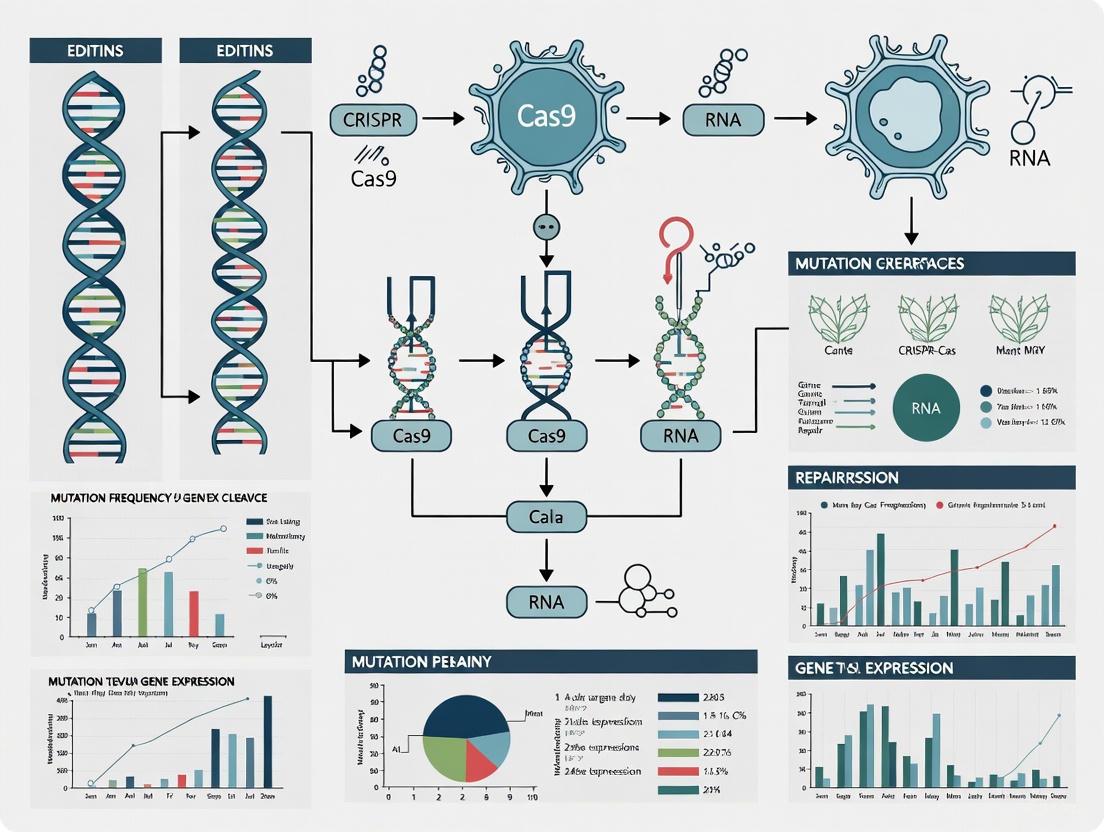
This article provides a comprehensive examination of multiplex genome editing technologies and their transformative applications in plant biology.
Multiplex Genome Editing in Plants: A Comprehensive Guide to Engineering Polygenic Traits
Abstract
This article provides a comprehensive examination of multiplex genome editing technologies and their transformative applications in plant biology. Aimed at researchers and biotechnology professionals, it covers foundational CRISPR/Cas systems for simultaneous multi-gene modification, advanced methodological approaches for trait stacking, troubleshooting for unintended effects and technical challenges, and current validation frameworks. The content synthesizes recent breakthroughs—from USDA-funded tomato studies to genome-scale CRISPR libraries—offering both theoretical understanding and practical implementation guidance for engineering complex polygenic traits like climate resilience and nutritional improvement in diverse plant systems.
Understanding Multiplex Genome Editing: Principles and Potential
Multiplex genome editing (MGE) represents a transformative advancement in genetic engineering, enabling the simultaneous modification of multiple genomic loci within a single experiment [1]. This approach has become a foundational platform for addressing complex biological questions in plant research, where many agronomic traits are controlled by multiple genes rather than single entities [2] [3]. Unlike earlier genome editing methods that targeted individual sites, MGE allows researchers to dissect gene families, overcome genetic redundancy, engineer polygenic traits, and accelerate trait stacking for crop improvement [2]. The core principle involves using programmable nucleases, particularly CRISPR-Cas systems, to create targeted double-strand breaks at multiple predetermined sites in the genome, leveraging the cell's endogenous repair mechanisms to generate diverse genetic outcomes [4] [1]. This capability is revolutionizing plant biotechnology by facilitating sophisticated applications such as de novo domestication, combinatorial trait engineering, and complex metabolic pathway manipulation [2].
Key Applications in Plant Research
Multiplex editing has enabled breakthrough applications in plant functional genomics and crop improvement. Table 1 summarizes several demonstrated applications with their specific targets and outcomes.
Table 1: Applications of Multiplex Genome Editing in Plant Research
| Application Area | Plant Species | Target Genes/Loci | Number of Targets | Key Outcome | Citation |
|---|---|---|---|---|---|
| Disease Resistance | Cucumber (Cucumis sativus L.) | Csmlo1, Csmlo8, Csmlo11 | 3 | Achieved full resistance to powdery mildew | [2] |
| Disease Resistance | Rice | TFIIAγ5, xa23 (converted to Xa23SW11) | 2 | Broad-spectrum resistance against Xanthomonas oryzae | [5] |
| Herbicide Tolerance & Disease Resistance | Rice | OsEPSPS1, OsSWEET11a | 2 | Co-editing for herbicide tolerance and pathogen resistance | [5] |
| Herbicide Tolerance & Disease Resistance | Rice | OsEPSPS1, OsALS1, TFIIAγ5, OsSWEET11a | 4 | Quadruple editing for combined traits | [5] |
| Functional Genomics | Arabidopsis | Various gene families | Up to 12 | Accelerated characterization of redundant gene functions | [2] |
| Metabolic Engineering | Medicinal Plants | Alkaloid, flavonoid, terpenoid pathways | Varies | Enhanced production of valuable secondary metabolites | [6] |
A landmark demonstration in cucumber showed that triple mutants (Csmlo1 Csmlo8 Csmlo11) were necessary to achieve full powdery mildew resistance, highlighting how MGE can address genetic redundancy where single-gene knockouts are insufficient [2]. In rice, a modular prime editing system successfully edited up to four genes simultaneously, with the quadruple editing achieving a co-editing efficiency of 43.5% in the T0 generation, producing plants with combined herbicide tolerance and disease resistance [5].
Technical Approaches and Experimental Workflows
Multiplex editing relies on sophisticated molecular toolkits for simultaneous targeting. The most advanced systems utilize CRISPR-Cas platforms, though earlier technologies like TALENs also offer capabilities [6] [1].
CRISPR-based Multiplexing Strategies
The core innovation enabling CRISPR multiplexing involves the expression of multiple guide RNAs (gRNAs) from a single construct. Several architectural strategies have been developed for this purpose:
- Polycistronic tRNA-gRNA Arrays: Utilizes endogenous tRNA processing systems to liberate individual gRNAs from a single transcript [2].
- Ribozyme-Mediated Processing: Employs self-cleaving ribozymes (e.g., HH and HDV) flanking each gRNA to achieve precise processing [2].
- crRNA Arrays: Direct synthesis of CRISPR arrays mimicking native bacterial systems, though this can present challenges with genetic stability in plant systems [2] [1].
- Modular Assembly Systems: Golden Gate assembly or "PCR-on-ligation" methods enable modular construction of cassettes containing up to 10 gRNAs [4] [5].
The following diagram illustrates the workflow for a typical multiplex genome editing experiment in plants using a CRISPR-based approach.
Beyond Knockouts: Advanced Editing Platforms
While early multiplexing focused on gene knockouts, recent advances have expanded the capabilities:
- Base Editors: Enable precise nucleotide conversions without double-strand breaks across multiple loci [1].
- Prime Editors: Offer enhanced precision for targeted insertions, deletions, and all base-to-base conversions simultaneously at multiple sites [5].
- Epigenetic Editors: Allow simultaneous modification of epigenetic marks at multiple genomic loci to modulate gene expression [2] [7].
Detailed Experimental Protocol: Multiplex Prime Editing in Rice
This protocol details the methodology for modularly assembled multiplex prime editing in rice, based on published work achieving editing of up to four genes with high efficiency [5].
Reagents and Equipment
- Plant Material: Rice seeds (Oryza sativa L.) of desired cultivar
- Vector System: Modular assembly-compatible backbone with plant codon-optimized prime editor (PE)
- Enzymes: Type IIS restriction enzymes (e.g., BsaI, BbsI) for Golden Gate assembly
- Culture Media: LB medium, rice callus induction medium (N6), regeneration medium
- Equipment: Thermal cycler, electroporator, plant growth chambers, sterile laminar flow hood
Procedure
Step 1: pegRNA and ngRNA Design and Synthesis
- Design prime editing guide RNAs (pegRNAs) and nicking gRNAs (ngRNAs) for each target locus following established guidelines [5].
- Ensure pegRNAs contain reverse transcriptase template (RTT) and primer binding site (PBS) sequences optimized for each target edit.
- Synthesize oligonucleotides for each pegRNA and ngRNA with appropriate overhangs for modular assembly.
Step 2: Multiplex Vector Construction
- Perform Golden Gate assembly to clone multiple pegRNA-ngRNA pairs into the modular PE vector.
- Use a stepwise assembly strategy for higher-order multiplexing (e.g., first assemble duplex modules, then combine).
- Verify assembly by diagnostic restriction digest and Sanger sequencing of the final construct.
Step 3: Rice Transformation
- Introduce the assembled multiplex PE vector into Agrobacterium tumefaciens strain EHA105 via electroporation.
- Infect embryogenic rice calli with the transformed Agrobacterium.
- Co-cultivate for 3 days at 25°C in the dark on filter papers placed on co-cultivation medium.
- Transfer calli to selection medium containing appropriate antibiotics (e.g., hygromycin) for 4-6 weeks with biweekly subculturing.
Step 4: Regeneration and Plant Recovery
- Transfer antibiotic-resistant calli to pre-regeneration medium for 1-2 weeks.
- Transfer developing shoots to regeneration medium for plantlet development.
- Transfer regenerated plantlets to rooting medium for 2-3 weeks.
- Acclimate established plantlets to soil and grow to maturity in controlled growth chambers.
Step 5: Molecular Analysis of Edited Plants
- Extract genomic DNA from leaf tissue of T0 plants.
- Perform PCR amplification of each target locus using gene-specific primers.
- Sequence amplicons using Sanger or next-generation sequencing to identify edits.
- Analyze sequencing data to determine editing efficiency and specificity for each target.
Timing and Efficiency
- Vector Construction: 2-3 weeks
- Rice Transformation and Regeneration: 12-16 weeks
- Molecular Analysis: 2-3 weeks
- Expected Efficiency: Co-editing rates of 43.5-57.14% for 2-4 targets in T0 generation based on published results [5]
The Scientist's Toolkit: Research Reagent Solutions
Successful implementation of multiplex genome editing requires specialized reagents and tools. Table 2 catalogues essential research reagent solutions for designing and executing MGE experiments.
Table 2: Essential Research Reagents for Multiplex Genome Editing
| Reagent Category | Specific Examples | Function in Multiplex Editing | Key Considerations |
|---|---|---|---|
| CRISPR Effectors | Cas9, Cas12a, Cas12f (CasMINI), Cas12j2, Cas12k [1] | Programmable nucleases that create DSBs at target sites | Smaller variants enable delivery constraints; varying PAM requirements expand target range |
| Editing Platforms | Base editors, Prime editors [5] [7] | Enable precise edits without DSBs at multiple loci | Reduce unintended mutations; prime editors offer greater versatility |
| gRNA Expression Systems | tRNA-gRNA arrays, Ribozyme-flanked gRNAs, Synthetic modular designs [2] [1] | Express multiple gRNAs from single transcriptional unit | Processing efficiency affects editing outcomes; genetic stability varies between systems |
| Delivery Platforms | Agrobacterium tumefaciens, Gold particle bombardment, Viral vectors, Lipid nanoparticles [1] | Introduce editing machinery into plant cells | Species-dependent efficiency; affects complexity of editing outcomes |
| Detection Methods | AmpSeq, PCR-CE/IDAA, ddPCR, Sanger sequencing [8] | Identify and quantify editing outcomes at multiple loci | Sensitivity varies; AmpSeq most comprehensive for complex outcomes |
Detection and Analysis of Editing Outcomes
Accurate detection and quantification of edits across multiple loci present significant technical challenges. For multiplex editing, targeted amplicon sequencing (AmpSeq) is considered the gold standard as it provides single-base resolution of all editing events, including complex outcomes that may be missed by other methods [2] [8]. When designing detection strategies, consider that standard techniques like T7E1 assay and PCR-RFLP have limited sensitivity for detecting low-frequency edits in heterogeneous plant tissues and cannot comprehensively detect the full spectrum of mutations [8]. Specialized computational pipelines are essential for analyzing sequencing data from multiplex editing experiments, particularly for identifying structural variations such as large deletions, inversions, or translocations that may occur when targeting tandemly arranged genes or repetitive elements [2].
Technical Challenges and Considerations
Despite its powerful capabilities, MGE presents several technical challenges that researchers must address:
- Construct Stability: Repeats in gRNA arrays can cause recombination in bacterial hosts during vector propagation [2].
- Editing Efficiency Variation: Different gRNAs exhibit varying efficiencies, leading to inconsistent editing across targets [5].
- Somaclonal Variation: Tissue culture during plant regeneration can introduce unintended mutations independent of editing.
- Structural Variations: Simultaneous cutting at multiple sites can cause chromosomal rearrangements, especially when targets are physically close [4] [3].
- Analytical Complexity: Comprehensive genotyping of plants with edits at multiple loci requires sophisticated methodologies [2] [8].
Ongoing research is addressing these limitations through improved vector designs, optimized gRNA selection algorithms, and enhanced detection methods. As these tools evolve, multiplex genome editing is poised to become an increasingly robust and accessible technology for plant research and crop improvement.
Multiplex genome editing represents a transformative advance in plant biotechnology, enabling the simultaneous modification of multiple genetic loci within a single experiment. This capability is particularly crucial for addressing two fundamental challenges in plant genomics and breeding: polygenic traits, which are controlled by multiple genes, and genetic redundancy, where duplicated genes or gene family members perform overlapping functions [2]. The pervasive nature of gene duplications and gene families in plant genomes means that traditional single-gene editing approaches often fail to produce meaningful phenotypic changes due to functional compensation among paralogs [2]. While early genome editing focused successfully on single-gene traits, many agriculturally important characteristics—including climate resilience, yield components, and complex disease resistance—are governed by complex genetic networks that require coordinated manipulation of multiple loci [9].
The emergence of CRISPR-Cas systems has made multiplex editing practically feasible in plants. Unlike earlier technologies such as ZFNs and TALENs, which required extensive protein engineering for each new target, CRISPR systems use programmable RNA molecules to guide Cas nucleases to specific DNA sequences, significantly simplifying the process of targeting multiple sites [1]. Native CRISPR-Cas systems in bacteria and archaea naturally encode arrays of spacers and are inherently capable of multiplexing, a capability that researchers have now repurposed for eukaryotic genome engineering [2]. This technical breakthrough has opened new possibilities for dissecting gene family functions, engineering polygenic agronomic traits, accelerating trait stacking, and pursuing de novo domestication of wild species [2].
Technical Approaches to Multiplex Genome Editing
CRISPR Systems and Vector Architectures
Several CRISPR systems have been successfully adapted for multiplex editing in plants, each with distinct advantages. The most widely used systems include CRISPR-Cas9, CRISPR-Cas12a, and newer, more compact variants such as Cas12j2 and CasMINI that facilitate delivery [1]. These systems can be deployed through various vector architectures designed to express multiple guide RNAs (gRNAs) simultaneously:
- Polycistronic tRNA-gRNA Arrays (PTA): This architecture exploits the endogenous tRNA processing system, where synthetic tRNA sequences are inserted between gRNA units and are recognized by cellular enzymes that cleave them into individual functional gRNAs [2].
- Ribozyme-Mediated Systems: Certain self-cleaving ribozymes (e.g., HH and HDV) can flank gRNA units, processing themselves out of the transcript to release individual gRNAs [1].
- CRISPR RNA (crRNA) Arrays: Native to type I and III systems, these can be engineered for use with Cas12a, which processes its own crRNAs from a single transcript [1].
The choice of promoter systems is equally critical for successful multiplex editing. Strong Pol III promoters (e.g., U6 and U3) typically drive individual gRNA expression, but recent advances have also demonstrated the utility of Pol II promoters for expressing processed gRNA arrays, especially when combined with ribozyme sequences [2]. Engineering efforts have focused on optimizing these promoters and developing scaffold modifications to enhance editing efficiency and stability in both bacterial intermediates (E. coli and Agrobacterium) and eventual plant hosts [2].
Advanced Editing Modalities
Beyond simple knockout mutations, multiplex editing now encompasses diverse editing modalities:
- Base Editing: Catalytically impaired Cas nucleases fused to deaminase enzymes enable precise nucleotide conversions without creating double-strand breaks, allowing simultaneous correction of multiple point mutations [1].
- Prime Editing: PE systems using Cas nickase-reverse transcriptase fusions can mediate all 12 possible base-to-base conversions, as well as small insertions and deletions, with minimal indel formation, enabling versatile multiplex editing [1].
- Transcriptional and Epigenetic Regulation: Deactivated Cas (dCas) proteins fused to transcriptional activators, repressors, or epigenetic modifiers enable multiplex regulation of gene expression without altering DNA sequence [2].
- Chromosomal Engineering: Simultaneous cuts at multiple target sites can generate large deletions, inversions, or translocations, facilitating chromosomal rearrangements and the study of structural variations [2].
Table 1: Comparison of Major CRISPR Systems for Multiplex Editing
| CRISPR System | PAM Requirement | crRNA Processing | Editing Products | Advantages for Multiplexing |
|---|---|---|---|---|
| Cas9 | 5'-NGG-3' | Requires separate gRNAs or processing systems | Predominantly short indels | High efficiency; extensive validation |
| Cas12a | 5'-TTTV-3' | Self-processes crRNA arrays | Often longer deletions | Simplified array construction |
| Cas12j | 5'-TTN-3' | Compact size; minimal PAM | Short indels | Small size aids delivery |
| Base Editors | Varies by Cas domain | Same as parent Cas | Point mutations | No double-strand breaks; higher precision |
| Prime Editors | Varies by Cas domain | Same as parent Cas | All possible base changes, small indels | Versatile; minimal off-target effects |
Experimental Protocols and Workflows
Design and Assembly of Multiplex Constructs
The successful implementation of multiplex editing requires careful design and assembly of genetic constructs. The following protocol outlines a standard workflow for creating a tRNA-gRNA array for simultaneous targeting of multiple loci:
Step 1: Target Selection and gRNA Design
- Identify target genes and specific sites for editing. For gene families, identify conserved regions to target multiple paralogs with fewer gRNAs [2].
- Design gRNA sequences (typically 20 nt) with high on-target efficiency and minimal off-target potential using computational tools like CRISPR-P or CHOPCHOP.
- Ensure each gRNA is flanked by appropriate restriction sites for cloning.
Step 2: Vector Selection and Preparation
- Select a binary vector containing a plant codon-optimized Cas9 nuclease driven by a constitutive promoter (e.g., CaMV 35S or Ubiquitin).
- Verify the presence of a multiple cloning site or specific gRNA expression cassette insertion site.
Step 3: Oligonucleotide Synthesis and Array Assembly
- Synthesize oligonucleotides corresponding to each gRNA sequence.
- For tRNA-gRNA array assembly, design overlapping PCR primers that incorporate tRNA sequences between gRNA units.
- Assemble the array through successive PCR reactions or Golden Gate cloning.
Step 4: Bacterial Transformation and Sequence Verification
- Transform the assembled construct into E. coli for amplification, then into Agrobacterium tumefaciens for plant transformation.
- Isolate plasmid DNA and verify the complete array sequence by Sanger sequencing or long-read sequencing technologies.
Plant Transformation and Regeneration
The following workflow describes a standard Agrobacterium-mediated transformation protocol for delivering multiplex editing constructs to plants:
Materials and Reagents:
- Plant explant material (e.g., leaf discs, embryogenic callus, shoot apices)
- Agrobacterium strain (e.g., LBA4404, GV3101) carrying the multiplex editing construct
- Plant culture media: co-cultivation, selection, and regeneration media appropriate for the target species
- Antibiotics for bacterial and plant selection (e.g., kanamycin, hygromycin)
- Plant growth regulators (e.g., auxins, cytokinins)
Procedure:
- Pre-culture: Culture explants on appropriate pre-culture medium for 1-2 days.
- Bacterial Preparation: Grow Agrobacterium overnight to OD600 = 0.5-1.0, then resuspend in infection medium.
- Inoculation: Immerse explants in the Agrobacterium suspension for 10-30 minutes with gentle agitation.
- Co-cultivation: Transfer explants to co-cultivation medium and incubate in the dark for 2-3 days.
- Selection: Transfer explants to selection medium containing antibiotics to eliminate Agrobacterium and select for transformed plant cells.
- Regeneration: Transfer developing shoots to regeneration medium to promote plantlet development.
- Rooting and Acclimatization: Induce root formation, then transfer plantlets to soil under controlled conditions.
The entire process typically requires 3-6 months, depending on the plant species and transformation efficiency.
Diagram Title: Multiplex Genome Editing Workflow
Mutation Detection and Analysis
Characterizing editing outcomes in multiplex experiments presents unique challenges due to the simultaneous modifications at multiple loci. The following protocol describes a comprehensive approach for mutation detection:
DNA Extraction and PCR Amplification
- Extract genomic DNA from edited plant tissues using CTAB or commercial kits.
- Design PCR primers flanking each target site, ensuring amplicons of 400-800 bp.
- Perform multiplex PCR or individual PCR reactions for each target.
Mutation Detection Methods
- Restriction Fragment Length Polymorphism (RFLP): For targets where editing disrupts a restriction site, perform digestions and analyze fragments by gel electrophoresis.
- High-Resolution Melting (HRM) Analysis: Screen for sequence variations by detecting differences in DNA melting behavior.
- Sanger Sequencing with Deconvolution: Sequence PCR products and use tools like TIDE or ICE to quantify editing efficiency and characterize mutation spectra.
- Amplicon Sequencing: For comprehensive analysis, barcode and sequence target amplicons on Illumina platforms to detect all mutation types at each target.
Advanced Approaches for Complex Edits
- Long-read Sequencing: Use PacBio or Oxford Nanopore technologies to detect large structural rearrangements and chromosomal abnormalities [2].
- Target Capture Sequencing: Enrich and sequence large genomic regions to comprehensively assess on-target and off-target edits.
Table 2: Mutation Detection Methods for Multiplex Editing Analysis
| Method | Throughput | Sensitivity | Information Obtained | Best Use Cases |
|---|---|---|---|---|
| Sanger Sequencing + Deconvolution | Medium | Moderate | Mutation types, efficiency | Initial screening; small target numbers |
| Amplicon Sequencing | High | High | Comprehensive mutation spectrum | Detailed characterization; many targets |
| HRM Analysis | High | Moderate | Presence/absence of edits | Rapid screening of large populations |
| RFLP Analysis | Low | Low | Specific mutation types | Targets with restriction site disruption |
| Long-read Sequencing | Low | High for large edits | Structural variations, complex rearrangements | Chromosomal engineering; tandem arrays |
Applications in Addressing Polygenic Traits and Genetic Redundancy
Overcoming Genetic Redundancy in Gene Families
Genetic redundancy through gene duplication and the expansion of gene families presents a significant challenge in functional genomics, as knocking out single genes often fails to produce phenotypic consequences due to functional compensation by paralogs. Multiplex editing provides a powerful solution by enabling simultaneous targeting of multiple family members.
A compelling example comes from engineering powdery mildew resistance. In monocots like barley and wheat, single-gene knockouts of the Mildew Resistance Locus O (MLO) confer broad-spectrum resistance [2]. However, in dicot species, achieving durable resistance requires simultaneous knockout of multiple MLO homologs. In Arabidopsis thaliana, researchers initially generated triple mutants (Atmlo2 Atmlo6 Atmlo12) through successive crosses of single mutants [2]. More recently, multiplex CRISPR editing enabled direct generation of triple mutants in cucumber (Cucumis sativus L.) by simultaneously targeting three clade V genes (Csmlo1, Csmlo8, and Csmlo11), achieving full resistance to powdery mildew in a single transformation event [2]. These mutants also revealed unexpected roles for calcium signaling components in powdery mildew defense, demonstrating how multiplex approaches can yield novel biological insights beyond their primary target.
In another application, researchers used multiplex editing to characterize gene families involved in cell wall biosynthesis in Arabidopsis, simultaneously targeting three genes with 3-4 gRNAs and recovering transgene-free edited lines through selfing [2]. The ability to generate various combinations of single and multiple gene knockouts in a single transformation experiment has greatly accelerated the functional dissection of redundant gene families.
Engineering Polygenic Agronomic Traits
Many agriculturally important traits are polygenic, controlled by multiple genes that often interact through complex networks. Multiplex editing enables coordinated manipulation of these genetic networks to achieve meaningful phenotypic improvements.
In woody plants, where long generation times severely constrain traditional breeding, multiplex editing offers unprecedented opportunities for rapid improvement of complex traits. For example, researchers have used multiplex CRISPR-Cas9 to simultaneously edit seven closely linked Nucleoredoxin1 (NRX1) genes in poplar (Populus tremula × Populus alba) using a single gRNA targeted to a conserved region in the tandem gene array [9]. This approach induced diverse mutations including small insertions, deletions, and large genomic rearrangements such as translocations and inversions, demonstrating the versatility of multiplex editing for generating structural variations.
In another study focused on improving wood properties for sustainable fiber production, researchers designed 69,123 editing strategies targeting 21 lignin biosynthesis genes in poplar, ultimately selecting seven for experimental validation [9]. From 174 edited variants, they identified lines with up to a 228% increase in the wood carbohydrate-to-lignin ratio, significantly improving pulping efficiency without affecting tree growth. This remarkable achievement highlights the transformative potential of multiplex editing for optimizing complex metabolic pathways.
Similar approaches have been applied to apple trees, where multiplex editing targeting the Phytoene Desaturase (PDS) and Terminal Flower 1 (TFL1) genes achieved high editing efficiency (85-93% of lines showing expected phenotypes) with minimal off-target effects [9]. The generation of T-DNA-free edited lines through transient transformation further demonstrates the potential for developing non-transgenic improved varieties.
Essential Research Reagent Solutions
Successful implementation of multiplex genome editing requires specialized reagents and tools. The following table summarizes key solutions and their applications:
Table 3: Essential Research Reagents for Multiplex Genome Editing
| Reagent Category | Specific Examples | Function and Application |
|---|---|---|
| CRISPR Effectors | Cas9, Cas12a, Cas12j, CasMINI | DNA binding and cleavage; newer variants offer smaller size, different PAM requirements |
| Guide RNA Scaffolds | gRNA, crRNA, sgRNA | Target recognition and Cas nuclease recruitment; various designs optimize stability and efficiency |
| Promoter Systems | U6, U3 (Pol III); 35S, Ubiquitin (Pol II) | Drive expression of Cas nuclease and gRNAs; tissue-specific or inducible promoters offer spatial/temporal control |
| Processing Systems | tRNA, ribozymes (HH, HDV) | Release individual gRNAs from polycistronic transcripts; enable multiplexing with single transcriptional unit |
| Delivery Vectors | Binary vectors for Agrobacterium, gold particles for biolistics | Transport editing components into plant cells; different systems suit different species |
| Detection Tools | T7E1 assay, RFLP, amplicon sequencing, long-read sequencing | Identify and characterize editing outcomes; vary in throughput, sensitivity, and information content |
| Plant Culture Media | Co-cultivation, selection, regeneration media | Support plant tissue growth, selection of transformed cells, and regeneration of whole plants |
Troubleshooting and Technical Considerations
Despite its powerful capabilities, multiplex genome editing presents several technical challenges that researchers must address:
Editing Efficiency Variation Editing efficiency often varies significantly among target sites within a multiplex experiment, with reported efficiencies ranging from 0% to 94% across different targets [2]. This variation can result from differences in gRNA efficiency, chromatin accessibility, or local sequence context. To mitigate this issue:
- Perform careful gRNA design using validated algorithms
- Include multiple gRNAs for critical targets
- Screen larger populations to recover lines with desired combination of edits
Somatic Chimerism In initial transformants (T0), editing events may occur in only a subset of cells, creating mosaic plants with complex genotypic patterns. To address this:
- Advance edited lines through generations (T1, T2) to segregate and stabilize edits
- Use meristem-specific promoters to reduce chimerism
- Apply additional rounds of selection or screening
Construct Assembly and Stability The repetitive elements in gRNA arrays can cause recombination and instability in bacterial hosts. Solutions include:
- Using low-copy number vectors
- Growing bacterial cultures at lower temperatures
- Applying direct synthesis or modular assembly strategies
- Verifying array integrity by long-read sequencing
Detection Complexity Characterizing mutations across multiple targets requires sophisticated genotyping approaches. Recommendations:
- Employ high-throughput amplicon sequencing for comprehensive mutation profiling
- Use bioinformatic tools specifically designed for multiplex editing analysis
- Apply long-read sequencing to detect structural variations often missed by short-read technologies
Off-target Effects While CRISPR systems are highly specific, off-target editing remains a concern, particularly in multiplex applications where multiple gRNAs are expressed simultaneously. Mitigation strategies include:
- Choosing gRNAs with minimal off-target potential using computational prediction tools
- Using high-fidelity Cas variants
- Employing ribonucleoprotein (RNP) complexes rather than plasmid-based delivery
- Performing whole-genome sequencing to assess off-target activity in final lines
As these technical challenges are addressed through continued innovation, multiplex genome editing is poised to become a foundational technology for plant research and improvement, particularly for addressing the complex genetic architectures underlying agriculturally important traits [2].
The field of genome engineering has been revolutionized by the development of programmable nucleases, enabling precise modifications to DNA sequences at specific genomic locations. This evolution began with Zinc Finger Nucleases (ZFNs), advanced with Transcription Activator-Like Effector Nucleases (TALENs), and reached a transformative stage with the Clustered Regularly Interspaced Short Palindromic Repeats (CRISPR)/Cas systems [10] [11]. These technologies have fundamentally changed the landscape of biological research by providing tools for targeted genome modifications across diverse organisms. In plant sciences, this progression is particularly critical for addressing polygenic traits—characteristics controlled by multiple genes—through multiplex genome editing [2] [9]. The ability to simultaneously modify multiple genetic loci has opened new avenues for dissecting complex biological processes, engineering sophisticated agronomic traits, and accelerating crop improvement programs, thereby supporting sustainable agriculture and climate resilience.
Technological Comparison: Mechanism and Design
The core principle shared by ZFNs, TALENs, and CRISPR/Cas systems involves creating targeted double-strand breaks (DSBs) in the DNA, which are then repaired by the cell's endogenous repair mechanisms. The choice of system significantly impacts experimental design, efficiency, and application potential, especially for complex multiplexing tasks in plant research.
ZFNs are fusion proteins comprising a zinc finger DNA-binding domain and the FokI endonuclease cleavage domain. Each zinc finger module recognizes a 3-4 bp DNA sequence, and multiple modules are assembled to target a longer, specific site (typically 9-18 bp). A functional nuclease requires a pair of ZFNs binding to opposite DNA strands to facilitate FokI dimerization and subsequent DNA cleavage [10] [11]. A significant challenge with ZFNs is the context-dependent specificity of zinc finger arrays, where individual modules can influence the binding of their neighbors, making design and prediction of specificity complex [10].
TALENs are also fusion proteins, combining a Transcription Activator-Like Effector (TALE) DNA-binding domain with the FokI nuclease. The key advantage of TALENs lies in their simple code: each TALE repeat domain is specific for a single nucleotide, with binding specificity determined by two key amino acids (Repeat-Variable Diresidue, RVD). This one-to-one correspondence makes TALEN design more straightforward and reliable than ZFN design [10] [11]. Like ZFNs, TALENs function as pairs to enable FokI dimerization [12].
CRISPR/Cas Systems, most commonly employing the Cas9 nuclease, represent a paradigm shift. Target recognition is mediated by a short guide RNA (sgRNA) through Watson-Crick base pairing with the target DNA sequence, rather than by a protein-DNA interaction [10] [4]. The Cas9 nuclease is directed by the sgRNA to a target site adjacent to a short DNA sequence known as the Protospacer Adjacent Motif (PAM). Upon binding, Cas9 induces a DSB. This RNA-guided mechanism drastically simplifies the redesign process, as only the ~20 nt sgRNA sequence needs to be modified to target a new genomic locus [10] [12].
Table 1: Comparative Analysis of Key Genome Editing Technologies
| Feature | ZFNs | TALENs | CRISPR/Cas9 |
|---|---|---|---|
| Target Recognition Mechanism | Protein-DNA interaction | Protein-DNA interaction | RNA-DNA hybridization [10] |
| Recognition Site Length | 9–18 bp [10] | 30–40 bp [10] | 22 bp + PAM sequence [10] |
| Nuclease Component | FokI | FokI | Cas9 |
| Design & Cloning | Challenging; context-dependent finger specificity [10] | Easy; modular TALE repeats with defined specificity [10] [12] | Very easy; simple sgRNA design and cloning [10] [4] |
| Multiplexing Capacity | Low | Low | High; enabled by co-expressing multiple sgRNAs [10] [13] |
| Primary Advantage | First programmable nuclease; smaller size | Simple design code; high binding affinity | Unparalleled ease of design and multiplexing [12] |
| Primary Limitation | Complex design; high cost; off-target toxicity [11] | Large, repetitive vectors difficult to clone [2] | PAM sequence dependency; off-target effects [10] |
Technology Design Workflows
Application Notes: Multiplex Genome Editing in Plant Research
The transition to CRISPR-based systems has unlocked the potential of multiplex genome editing, which is the simultaneous modification of multiple genetic loci in a single transformation event. This capability is indispensable for plant research and biotechnology for several key applications.
Addressing Genetic Redundancy and Gene Families
Plant genomes are characterized by extensive genetic redundancy due to gene duplications and large gene families, which can obscure functional analysis when single genes are knocked out. Multiplex CRISPR enables the simultaneous knockout of multiple paralogous genes, allowing researchers to overcome this redundancy and reveal gene functions [2]. A prime example is engineering powdery mildew resistance. While single-gene knockouts of specific MLO family members confer resistance in barley and wheat (monocots), achieving durable resistance in dicot species like cucumber required the simultaneous knockout of three clade V CsMLO genes (Csmlo1, Csmlo8, Csmlo11) via multiplex editing [2].
Engineering Polygenic Agronomic Traits
Many critical agronomic traits, such as abiotic stress tolerance (drought, heat), disease resistance, and architectural features, are controlled by multiple genes (polygenic). Multiplex editing allows for the precise manipulation of these complex trait networks in a single generation, bypassing the need for lengthy traditional breeding cycles [2] [9]. For instance, in poplar trees, multiplex editing has been applied to simultaneously target multiple genes in the lignin biosynthesis pathway. In one study, editing seven selected genes resulted in variants with up to a 228% increase in the wood carbohydrate-to-lignin ratio, significantly improving pulping efficiency without affecting growth [9]. This demonstrates the power of multiplexing for engineering complex metabolic pathways.
De Novo Domestication and Trait Stacking
Multiplex CRISPR facilitates the rapid introduction of desirable traits into wild or semi-wild species, a process known as de novo domestication [2]. It also allows for the stacking of multiple beneficial traits—such as different disease resistance genes or quality and yield traits—into an elite genetic background simultaneously, drastically accelerating breeding programs.
Experimental Protocols
The practical implementation of multiplex genome editing, particularly with CRISPR/Cas, requires optimized protocols for vector construction, plant transformation, and molecular analysis.
Protocol: Multiplex CRISPR Vector Assembly for Plants
This protocol outlines the Hyper Cloning method, an efficient strategy for constructing CRISPR/Cas9 vectors with polycistronic tRNA-gRNA (PTG) arrays for multiplex editing in plants, as demonstrated in rice [14].
- Principle: The method leverages a polycistronic tRNA-gRNA system where individual gRNA units are separated by tRNA sequences, which are processed in vivo to release multiple functional gRNAs from a single transcript. The "Hyper Cloning" approach enhances efficiency by minimizing the number of DNA fragments required for Golden Gate or Gibson assembly [14].
- Materials:
- Destination vector (e.g., pRGEB32-based) containing a plant-adapted Cas9 gene.
- gRNA scaffold backbone.
- Entry vectors containing target-specific gRNA sequences.
- Type IIS restriction enzymes (e.g., BsaI).
- T4 DNA Ligase.
- Gibson Assembly Master Mix.
- Competent E. coli cells.
- Procedure:
- gRNA Design: Design 20-nt target-specific sequences for each gene target, ensuring they are unique in the genome and located adjacent to a 5'-NGG PAM sequence.
- Oligonucleotide Annealing: Synthesize and anneal complementary oligonucleotides for each gRNA target to create double-stranded DNA inserts with BsaI-compatible overhangs.
- Golden Gate Assembly (for individual gRNA modules): Clone each annealed duplex into a separate entry vector containing the gRNA scaffold via a Golden Gate reaction using BsaI.
- Multiplex Array Assembly via Hyper Cloning:
- Use the entry vectors from step 3 as templates for PCR amplification of the tRNA-gRNA units.
- Perform a Gibson Assembly reaction to concatenate these PCR fragments into the final destination vector upstream of the Cas9 gene. The Hyper Cloning method optimizes this step by re-using gRNAs from a specific vector backbone (pRGEB32t), reducing the total number of fragments to be assembled and thereby increasing efficiency [14].
- Transformation and Verification: Transform the final assembly reaction into competent E. coli cells. Select positive clones, confirm the assembly by colony PCR, and validate the final vector by Sanger sequencing.
Protocol: Eliminating Selection Markers from Transgenic Plants
A key application of multiplex editing is the removal of selectable marker genes (SMGs) from transgenic plants to address regulatory and public concerns [15].
- Objective: To excise the SMG cassette from a stably transformed plant line using CRISPR/Cas9, producing marker-free, transgenic plants.
- Materials:
- Transgenic plant line (e.g., Tobacco) harboring the SMG (e.g., DsRED) and gene of interest (GOI).
- Multiplex CRISPR/Cas9 vector with 4 gRNAs targeting the flanking regions of the SMG cassette.
- Agrobacterium tumefaciens strain LBA4404.
- Tissue culture media and reagents.
- Procedure:
- Vector Design: Design and clone a minimum of four gRNAs targeting sequences immediately upstream and downstream of the SMG cassette into a CRISPR/Cas9 expression vector [15].
- Plant Re-transformation: Introduce the multiplex CRISPR vector into the established transgenic plant line via Agrobacterium-mediated transformation of leaf discs.
- Regeneration and Screening: Regenerate shoots on selection medium. Screen primary regenerants (T0) for the loss of the SMG phenotype (e.g., loss of red fluorescence for DsRED). Approximately 20% of shoots may show this loss [15].
- Molecular Confirmation:
- Perform PCR with primers flanking the SMG cassette. Successful excision results in a smaller amplicon.
- Sequence the PCR products to confirm precise deletion and identify any small indels at the gRNA target sites.
- Use quantitative PCR (qPCR) to confirm the absence of SMG (DsRED) transcript.
- Segregation to Obtain CRISPR-Free Plants: Grow T0 plants to maturity and collect T1 seeds. Screen the T1 progeny for the presence of the GOI and the absence of both the SMG and the Cas9 transgene, thereby recovering transgene-free, marker-free edited plants [15].
Table 2: Essential Reagents for Multiplex CRISPR Plant Genome Editing
| Reagent / Material | Function / Purpose | Examples / Notes |
|---|---|---|
| Cas9 Nuclease | Creates double-strand breaks at target DNA sites. | Codon-optimized versions for plants (e.g., rice, tomato) enhance expression. |
| Guide RNA (gRNA) | Directs Cas9 to specific genomic loci via base pairing. | Designed as 20-nt sequences; multiple gRNAs expressed from a single vector for multiplexing. |
| gRNA Expression Promoter | Drives transcription of gRNAs in plant cells. | Pol III promoters (e.g., U6, U3) are commonly used for high, constitutive expression. |
| Cas9 Expression Promoter | Drives transcription of the Cas9 nuclease. | Strong constitutive promoters (e.g., 35S, Ubiquitin) ensure sufficient nuclease levels. |
| Assembly System | Enables cloning of multiple gRNAs into a single vector. | Golden Gate Assembly with Type IIS enzymes (BsaI) or Gibson Assembly for PTG arrays. |
| Delivery Vector | Transfers CRISPR components into plant cells. | Binary T-DNA vectors for Agrobacterium-mediated transformation. |
| Delivery Method | Introduces CRISPR constructs into plant tissue. | Agrobacterium-mediated transformation, biolistics (gene gun). |
Challenges and Future Perspectives
Despite its transformative potential, the application of multiplex genome editing, particularly in plants, faces several technical and analytical challenges that guide future development.
A primary challenge is the efficient delivery of editing components and the analysis of complex editing outcomes. Somatic chimerism, where not all cells in a regenerated plant contain the same edits, is common in the T0 generation, often requiring segregation to T1 to obtain stable, homozygous edits [2]. Furthermore, simultaneously targeting multiple sites can result in a spectrum of mutations—including large deletions, inversions, and translocations—that are difficult to detect with standard PCR-based genotyping. The adoption of long-read sequencing technologies (e.g., PacBio, Oxford Nanopore) is improving the detection of these complex structural variations [2].
The future of multiplex editing in plants will be shaped by several key advancements. There is a growing demand for user-friendly computational tools that integrate AI and machine learning to streamline gRNA design, predict off-target effects, and interpret complex editing outcomes [2] [16]. The development of inducible or tissue-specific CRISPR systems will allow for spatiotemporal control of editing, enabling the study of essential genes and complex developmental processes [2]. Finally, ongoing engineering of novel Cas variants (e.g., Cas12a, Cas13) with different PAM requirements, smaller sizes for easier delivery, and higher fidelity will continue to expand the toolbox and precision of plant genome engineers [10] [16].
Challenges and Future Directions
Plant genomes present unique challenges for functional genomics and crop improvement, primarily due to the prevalence of extensive gene families, whole-genome duplication (polyploidy), and functional buffering mechanisms. These characteristics provide plants with evolutionary flexibility and resilience but complicate efforts to link genotype to phenotype, as the effects of modifying a single gene can be masked by redundant paralogs or homoeologs. The emergence of multiplex genome-editing (MGE) technologies, particularly the CRISPR/Cas system, is revolutionizing this landscape by enabling simultaneous modification of multiple genomic loci. This Application Note provides detailed protocols and frameworks for leveraging MGE to overcome these plant-specific challenges, facilitating advanced research and crop improvement strategies.
The Scientist's Toolkit: Research Reagent Solutions
The following table catalogues essential reagents and tools for designing and executing multiplex genome-editing experiments in plants.
Table 1: Key Research Reagents for Multiplex Genome Editing in Plants
| Reagent / Tool | Function / Application | Examples / Notes |
|---|---|---|
| CRISPR/Cas Systems | Core nuclease for inducing double-strand breaks at DNA target sites. | Streptococcus pyogenes Cas9 is most common; other orthologs (Cas12a) offer different PAM specificities. |
| Guide RNA (gRNA) Expression Constructs | Directs Cas nuclease to specific genomic loci via base complementarity. | Multiple gRNAs can be expressed from a single construct using tRNA or ribozyme-based processing systems [17] [18]. |
| TALEN Pairs | Alternative engineered nuclease for targeting specific sequences; effective in polyploids. | A single TALEN pair can target conserved homoeologs, as demonstrated in hexaploid wheat [17] [18]. |
| Hidecan / VIEWpoly | R packages for visualizing GWAS results and differential expression data. | Integrates genomic data to help identify potential gene targets in complex polyploid genomes [19]. |
| Polyploid Genome Assemblies | High-quality, haplotype-resolved reference sequences. | Essential for designing specific gRNAs for all homoeologs/alleles. Platforms include Hi-C, PacBio SMRT, and Oxford Nanopore [20] [21]. |
Quantitative Data from Key Studies in Polyploid Crops
Recent successful applications of MGE in polyploid plants demonstrate its power to modify complex traits. The quantitative data below highlight the efficiency and outcomes of these interventions.
Table 2: Exemplary Multiplex Genome-Editing Outcomes in Polyploid Crops
| Crop Species | Target Gene(s) | Ploidy / Genetic Challenge | Editing Outcome / Efficiency | Phenotypic Effect |
|---|---|---|---|---|
| Bread Wheat (Triticum aestivum) | Mildew Resistance Locus (MLO) | Hexaploid; three homoeologs (A, B, D) | One TALEN pair mutated all three homoeologs; 1 of 27 T0 plants had triple mutations [17] [18]. | Plants with triple mutations showed complete resistance to powdery mildew (Blumeria graminis) [17] [18]. |
| Sugarcane (Saccharum hybrids) | Caffeic acid O-methyltransferase (COMT) | Complex polyploid; >100 gene copies | A single TALEN pair edited 107 of 109 COMT gene copies [17] [18]. | Significant reduction in lignin content, improved saccharification efficiency by 43.8%, no impact on biomass [17] [18]. |
| Synthetic Hexaploid Wheat | Disease Resistance QTLs | Hexaploid; three sub-genomes | Model incorporating epistasis (ABDI) improved predictive accuracy for disease resistance versus additive-only model [19]. | Accounted for ~50% of genetic variance for Septoria Nodorum Blotch and Spot Blotch [19]. |
Core Experimental Protocols
Protocol: Multiplex Editing of a Gene Family in a Polyploid Crop
This protocol outlines the steps for simultaneously targeting multiple members of a gene family across sub-genomes of a polyploid plant, such as wheat or sugarcane.
1. Target Identification and gRNA Design:
- Genome Assembly Verification: Obtain or generate a chromosome-scale, haplotype-phased genome assembly for the target polyploid crop [20]. Verify assembly quality using Hi-C data or genetic maps.
- Conserved Sequence Analysis: Perform multiple sequence alignment of all target gene homoeologs and paralogs. Identify conserved exon regions (typically 19-22 bp) suitable for a single gRNA or a minimal set of gRNAs to target all copies [17] [18].
- gRNA Selection and Specificity Check: Design gRNAs with the required PAM sequence adjacent to the conserved target site. Use bioinformatics tools (e.g., Cas-OFFinder) to perform a genome-wide search for off-target sites with high sequence similarity, particularly in other gene family members. Select gRNAs with minimal off-target potential.
2. Vector Construction for Multiplex Delivery:
- Assembly of gRNA Array: Clone selected gRNA sequences into a multiplex-ready CRISPR/Cas vector system. Use a strategy such as a tRNA-gRNA array, where individual gRNA units are separated by tRNA sequences, which are processed in vivo to release mature gRNAs [18].
- Selection of Promoters and Terminators: Drive the expression of the gRNA array with a strong, pol III promoter (e.g., U6 or U3). Express the Cas9 nuclease using a constitutive plant promoter (e.g., CaMV 35S or maize Ubiquitin).
- Plant Transformation: Deliver the final construct into the target polyploid crop using Agrobacterium-mediated transformation, biolistics, or other established methods for the species.
3. Molecular Analysis and Genotyping:
- PCR Screening: Isolate genomic DNA from transformed (T0) plants. Perform PCR amplification of the targeted genomic regions from all anticipated homoeologs.
- High-Throughput Sequencing: Amplicons must be deep-sequenced using next-generation sequencing (NGS) to capture the full spectrum of mutations across all gene copies in the polyploid background. This is critical, as Sanger sequencing produces overlapping traces from different homoeologs that are difficult to deconvolute.
- Variant Calling and Phasing: Use specialized bioinformatic pipelines designed for polyploids (e.g, HDmapper, PolyCat) to accurately call heterozygous and homozygous indels and assign them to specific sub-genomes [20] [21].
4. Phenotypic Validation:
- Select T0 plants with confirmed mutations in the maximum number of target gene copies for immediate phenotyping, if the trait is visible at this stage.
- Grow the T1 progeny of edited lines and conduct detailed phenotyping alongside wild-type controls under controlled environment or field conditions, depending on the trait (e.g., disease resistance, lignin content, yield components).
Protocol: Integrating Genomic Prediction with Multiplex Editing
This protocol leverages genomic selection models to prioritize targets for multiplex editing, increasing the efficiency of breeding for complex quantitative traits.
1. Population Phenotyping and Genotyping:
- Develop Training Population: Assemble a diverse population of several hundred lines of the target polyploid crop.
- High-Density Genotyping: Genotype the entire population using a high-density SNP array or through whole-genome re-sequencing.
- Multi-Environment Trials (MET): Phenotype the population for the target quantitative trait(s) (e.g., yield, drought tolerance) across multiple locations and seasons to capture GxE interactions [19].
2. Model Training and Validation:
- Genomic Prediction Model: Use the phenotypic and genotypic data from the training population to train a genomic prediction model. For polyploids, ensure the model accounts for allele dosage and, if possible, epistatic interactions [19].
- Model Validation: Validate the prediction accuracy of the model using cross-validation within the training population or an independent validation set.
3. Selection and Editing of Elite Haplotypes:
- In Silico Prediction: Apply the trained model to a panel of elite breeding lines to predict their breeding value for the target trait.
- Haplotype Mining: Identify and select favorable haplotypes (combinations of alleles) associated with high trait value from the top-performing predictions.
- Multiplex Editing Strategy: Design gRNAs to introduce the favorable haplotype sequence into recipient lines via HDR (if feasible) or to knockout negative regulators of the pathway. This may involve editing multiple QTLs/genes simultaneously.
4. Integration into Breeding Pipeline:
- Edited lines are advanced in the breeding program.
- The training population for genomic prediction is periodically updated with data from new cycles of selection and editing, creating a feedback loop for continuous model improvement.
Application Note: Engineering Climate-Resilient Crops via Multiplex Genome Editing
Multiplex genome editing represents a transformative platform for developing climate-resilient crops by enabling simultaneous modification of multiple genes governing complex polygenic traits. Climate change is severely impacting global agriculture through rising temperatures, shifting precipitation patterns, and increased extreme weather events, creating yield gaps that threaten food security [22]. Where conventional breeding struggles to keep pace with rapid climate shifts—particularly for long-generation perennial species—multiplex CRISPR editing allows direct, precise engineering of polygenic trait networks controlling drought tolerance, heat resistance, and climate adaptation [9]. This approach is particularly vital for woody plants and perennial crops with extended juvenile phases, where traditional breeding methods are exceptionally slow [9].
Key Applications and Targets
Drought and Heat Resilience: Engineering climate resilience requires targeting hierarchical gene networks coordinating stress responses. Research in poplar identified overlapping heat- and drought-responsive genes forming coordinated networks, with ERF1 and HSFA2 regulating heat-responsive subnetworks and RD26 and NST1 serving as hub genes for drought response [9]. Multiplex editing enables simultaneous targeting of these interconnected regulators.
Salinity Tolerance: Rewilding approaches reintroduce salt tolerance genes from wild ancestors into domesticated crops using precision breeding tools [22]. Multiplex editing facilitates this process by enabling coordinated changes to multiple salinity response pathways.
Pest and Disease Resistance: For complex disease resistance traits, such as powdery mildew resistance in cucumber, multiplex knockouts of three clade V genes (Csmlo1, Csmlo8, and Csmlo11) were necessary to achieve full resistance, demonstrating the necessity of multi-gene approaches for complete trait engineering [2].
Table 1: Key Gene Targets for Climate Resilience Engineering
| Trait Category | Target Genes/Pathways | Plant System | Engineering Outcome |
|---|---|---|---|
| Drought Resilience | ERF1, HSFA2, RD26, NST1 | Poplar [9] | Coordinated stress response network modulation |
| Salinity Tolerance | Wild relative alleles | Various crops [22] | Enhanced salt tolerance through rewilding |
| Disease Resistance | MLO gene family members | Cucumber, barley, wheat [2] | Broad-spectrum powdery mildew resistance |
| Wood Properties | Lignin biosynthesis genes (21 targets) | Poplar [9] | Increased carbohydrate-to-lignin ratio (up to 228%) |
| Forage Quality | COUMARATE 3-HYDROXYLASE (MsC3H) | Alfalfa [9] | Reduced lignin content, improved digestibility |
Experimental Protocol: Multiplex Editing for Drought Resilience
Workflow Overview: The experimental process for engineering drought-resilient crops involves target identification, construct design, plant transformation, and comprehensive phenotypic validation.
Step 1: Target Identification and Prioritization
- Transcriptomic Analysis: Conduct RNA-seq of drought-stressed versus control plants to identify differentially expressed genes. Poplar studies revealed heat- and drought-responsive networks with hierarchical organization [9].
- Network Analysis: Construct co-expression networks to identify hub genes (e.g., ERF1, HSFA2, RD26, NST1) regulating drought response subnets [9].
- Ortholog Identification: Compare candidate genes across species to identify conserved targets for broad applicability.
Step 2: gRNA Design and Validation
- Target Site Selection: Design 20-nt gRNA sequences with high on-target efficiency scores and minimal off-target potential using tools like CRISPR-P or CHOPCHOP.
- Specificity Validation: BLAST gRNA sequences against the host genome to ensure uniqueness, especially for gene family members.
- Promoter Selection: Employ Pol III promoters (U6, U3) for gRNA expression. For complex arrays, utilize tRNA or ribozyme-based processing systems [2].
Step 3: Multiplex Construct Assembly
- Vector System: Use Golden Gate assembly with type IIS restriction enzymes for modular, scalable gRNA integration [4].
- gRNA Array Architecture: Implement polycistronic tRNA-gRNA arrays (PTG) for processing multiple gRNAs from a single Pol II promoter [2].
- Component Configuration: Assemble construct with Cas9 nuclease (Cas12a for AT-rich targets), gRNA array, and plant selection marker.
Step 4: Plant Transformation and Regeneration
- Delivery Method: Use Agrobacterium-mediated transformation for stable integration or ribonucleoprotein (RNP) complexes for transgene-free editing.
- Regeneration Protocol: Apply appropriate tissue culture protocols for the target species—critical for perennial woody plants with recalcitrant regeneration systems [9].
- Generation Advancement: Grow T0 plants to maturity and self-pollinate to generate T1 populations for analysis of segregating mutations.
Step 5: Genotyping and Mutation Characterization
- High-Throughput Sequencing: Employ amplicon sequencing (amp-seq) or target capture sequencing to detect mutations across all target sites [2] [9].
- Structural Variant Detection: Use long-read sequencing (Oxford Nanopore, PacBio) to identify large deletions, inversions, or translocations missed by short-read platforms [2].
- Analysis Pipeline: Process sequencing data through customized bioinformatic pipelines to characterize mutation spectra, zygosity, and chimerism.
Step 6: Phenotypic Screening
- Controlled Environment Assays: Evaluate drought tolerance traits under controlled stress conditions: water withholding, osmotic stress assays, and physiological measurements (stomatal conductance, photosynthetic efficiency).
- Biochemical Analysis: Measure stress biomarkers—proline content, antioxidant enzymes, stress hormones—to quantify physiological responses.
- Growth Measurements: Monitor biomass accumulation, root architecture, and water use efficiency as integrative resilience metrics.
Step 7: Field Evaluation and Safety Assessment
- Multi-Location Trials: Assess edited lines across diverse environments to evaluate genotype × environment interactions and trait stability.
- Unintended Effect Screening: Conduct transcriptomic and epigenomic analyses to identify potential off-target effects or unintended consequences of multiplex editing [3].
- Yield Component Analysis: Measure agronomic performance under realistic field conditions to validate practical utility.
Application Note: Multiplex Metabolic Engineering of Plant Specialized Metabolism
Plant specialized metabolism generates a vast array of compounds with significant applications in medicine, agriculture, and industry, but these compounds are often present in trace amounts within complex metabolic cocktails [23]. Metabolic engineering enhances carbon flux toward valuable metabolites, with multiplex genome editing enabling simultaneous optimization of multiple pathway steps. The phenylpropanoid pathway serves as an exemplary case study, producing diverse compounds with roles in plant defense, structural support, and human health applications [23]. Where previous metabolic engineering approaches targeted single enzymes, multiplex editing allows comprehensive pathway rewiring, regulatory network manipulation, and transporter engineering to overcome inherent metabolic bottlenecks.
Key Applications and Targets
Phenylpropanoid Pathway Engineering: This pathway generates flavonoids, lignin, sinapate esters, and other compounds with industrial and nutritional value [23]. Key engineering targets include:
- Entry Point Enzymes: PAL (phenylalanine ammonia-lyase) bridges primary and specialized metabolism, catalyzing the committed step [23].
- Monolignol Pathway: Enzymes including C4H, 4CL, HCT, C3'H, CCoAOMT, F5H, CCR, and CAD constitute the core lignin biosynthesis machinery [23].
- Branch Pathway Regulation: Transcription factors and enzymes controlling flux distribution between competing branches (lignin vs. flavonoids).
Alkaloid and Terpenoid Engineering: Complex medicinal compounds often require extensive pathway manipulation, with multiplex editing enabling coordinated expression of multiple biosynthetic genes.
Table 2: Multiplex Editing Strategies for Metabolic Pathway Engineering
| Pathway Category | Engineering Strategy | Key Targets | Expected Outcome |
|---|---|---|---|
| Phenylpropanoid Diversification | Redirect carbon flux from lignin to valuable co-products | F5H, COMT, CCR [23] | Enhanced production of sinapate esters, flavonoids |
| Lignin Modification | Multi-gene targeting of lignin biosynthesis | 21 lignin genes simultaneously [9] | Improved pulping efficiency, bioenergy processing |
| Alkaloid Production | Regulatory gene manipulation | Transcription factors, pathway genes | Increased medicinal compound yields |
| Membrane Transport | Transporter engineering to reduce feedback inhibition | Vacuolar transporters, ABC transporters | Enhanced metabolite sequestration and accumulation |
Experimental Protocol: Engineering Phenylpropanoid Pathways
Workflow Overview: This protocol details a comprehensive approach to engineering phenylpropanoid metabolism through multiplex editing, from pathway analysis to product validation.
Step 1: Pathway Mapping and Flux Analysis
- Comprehensive Annotation: Identify all genes in the target pathway through genomic and transcriptomic databases. For phenylpropanoids, this includes PAL, C4H, 4CL, and branch-specific enzymes [23].
- Metabolic Flux Analysis: Use isotope labeling (¹³C, ¹⁵N) to quantify carbon partitioning through different pathway branches and identify key regulatory nodes.
- Network Modeling: Construct kinetic models to predict system behavior following genetic perturbations and prioritize engineering targets.
Step 2: Rate-Limiting Step Identification
- Enzyme Activity Profiling: Measure in vitro enzyme activities and in vivo metabolic intermediate accumulation to identify natural bottlenecks.
- Correlation Analysis: Associate transcript levels of pathway genes with end product accumulation across tissues and developmental stages.
- Heterologous Reconstitution: Test pathway segments in microbial systems to identify flux constraints without plant regulatory complexity.
Step 3: Multiplex gRNA Design for Pathway Engineering
- Promoter/Enzyme Engineering: Design gRNAs to modify enzyme coding sequences for altered activity, specificity, or regulation.
- Regulatory Element Targeting: Create gRNAs for modifying transcription factor binding sites or epigenetic marks controlling pathway gene expression.
- Combinatorial Design: Develop gRNA sets targeting different pathway nodes to test synergistic effects and bypass natural regulation.
Step 4: Advanced Construct Assembly
- Modular Vector System: Use Golden Gate or MoClo assembly for combinatorial construction of editing cassettes [4].
- Regulatory Element Integration: Incorporate tissue-specific or inducible promoters for spatiotemporal control of editing.
- Screening Marker Inclusion: Integrate visible markers (GFP, YFP) or selection markers (antibiotic/herbicide resistance) for efficient identification of edited events.
Step 5: Plant Transformation and Selection
- High-Efficiency Transformation: Optimize delivery protocol for target species—critical for species with recalcitrant transformation systems.
- Early Editing Detection: Use PCR-based screening of callus or early regenerants to identify successfully edited lines before plant regeneration.
- Homozygous Line Selection: Advance generations through selfing or accelerated flowering systems to obtain homozygous, transgene-free edited lines.
Step 6: Comprehensive Metabolite Profiling
- Untargeted Metabolomics: Employ LC-MS/MS and GC-MS to profile global metabolic changes resulting from multiplex editing.
- Targeted Quantification: Develop MRM assays for precise quantification of pathway intermediates and end products.
- Spatial Localization: Use imaging mass spectrometry or fluorescent tags to determine subcellular and tissue-level metabolite distribution.
Step 7: Pathway Flux Validation
- Isotopic Tracer Studies: Apply ¹³C-labeled precursors (e.g., ¹³C-phenylalanine) to quantify redirected carbon flux through engineered pathways.
- Enzyme Activity Assays: Measure activities of edited enzymes in crude extracts or purified preparations to confirm functional consequences.
- Systems Analysis: Integrate transcriptomic, proteomic, and metabolomic data to build comprehensive models of pathway regulation in edited lines.
Application Note: De Novo Domestication Through Multiplex Genome Editing
De novo domestication uses multiplex genome editing to rapidly introduce domestication traits into wild or semi-wild species, creating new crops with inherent climate resilience and nutritional value [22]. This approach leverages the rich genetic diversity present in wild species that has been lost during historical domestication bottlenecks. With climate change threatening major crops like maize (projected 24% yield decline under high emission scenarios) [22], de novo domestication offers a strategy to develop crops pre-adapted to future conditions. Multiplex editing enables simultaneous installation of multiple domestication syndrome traits—such as reduced shattering, improved architecture, and enhanced yield—in a single transformation event, compressing what historically required millennia into years.
Key Applications and Targets
Domestication Syndrome Engineering: Core domestication traits targeted in wild species include:
- Loss of Seed Shattering: Editing shattering genes (qSH1, SHAT1-5) to prevent seed dispersal [22].
- Plant Architecture: Modifying growth habit, branching patterns, and height for improved harvest index.
- Photoperiod Insensitivity: Editing floral regulators for adaptation to different latitudes and growing seasons.
- Fruit/Seed Size: Targeting genes controlling cell division and expansion in harvested organs.
Resistance Trait Introgression: Wild species often possess climate resilience traits absent from domesticated crops. Multiplex editing facilitates:
- Abiotic Stress Tolerance: Introducing drought, salinity, and extreme temperature tolerance from wild relatives.
- Disease Resistance: Pyramiding multiple resistance genes to create durable, broad-spectrum protection.
- Nutritional Enhancement: Modifying pathways to increase essential nutrients, vitamins, and health-promoting compounds.
Table 3: Domestication Gene Targets for De Novo Domestication
| Domestication Trait | Wild Species Context | Target Genes | Engineering Approach |
|---|---|---|---|
| Reduced Seed Shattering | Wild grasses, ancestral cereals | qSH1, SHAT1-5 [22] | Knockout of shattering genes |
| Compact Growth Habit | Weedy or sprawling species | Dwarfing genes [22] | Introduction of dwarfing alleles |
| Synchronized flowering | Wild species with irregular flowering | Photoperiod pathway genes | Editing floral regulators |
| Enhanced Yield Components | Low-yielding wild species | Grain number, size regulators | Promoter editing to enhance expression |
| Improved Harvest Index | Wild species with excessive vegetative growth | Sugar partitioning genes | Modifying source-sink relationships |
Experimental Protocol: Multiplex Editing for De Novo Domestication
Workflow Overview: This protocol outlines a systematic approach to de novo domestication, from wild species selection to field evaluation of domesticated lines.
Step 1: Wild Species Selection and Characterization
- Trait Evaluation: Screen wild germplasm for desirable resilience traits (drought, salinity, disease resistance) absent from domesticated crops [22].
- Crossing Compatibility: Assess reproductive compatibility with related domesticated species for potential trait introgression if needed.
- Transformability Assessment: Evaluate tissue culture response and transformation efficiency—critical for applying editing technologies.
Step 2: Genomic Resource Development
- Reference Genome Sequencing: Generate chromosome-level assemblies for target wild species to enable precise gRNA design and off-target prediction.
- Gene Annotation: Annotate domestication gene orthologs through comparative genomics with related domesticated species.
- Transcriptomic Atlas: Profile gene expression across tissues and developmental stages to inform temporal targeting strategies.
Step 3: Domestication Target Identification
- Comparative Genomics: Identify orthologs of known domestication genes from related crops in the wild species genome.
- Allelic Variation Analysis: Sequence target loci across diverse wild accessions to identify pre-existing favorable alleles.
- Gene Function Validation: Use transient expression systems (protoplasts, virus-induced gene silencing) to confirm gene function before stable editing.
Step 4: Multiplex Editing Construct Design
- Trait Pyramid Design: Select 5-10 key domestication targets for simultaneous editing, balancing trait enhancement with potential pleiotropic effects.
- Regulatory Element Engineering: Design edits to modify gene expression patterns rather than complete knockouts where appropriate (e.g., promoter editing).
- Construction Strategy: Use advanced assembly methods (Golden Gate, Gibson assembly) to build complex editing arrays targeting all selected domestication genes [4].
Step 5: Transformation and Regeneration Optimization
- Protocol Development: Establish efficient transformation and regeneration protocols for the wild species—often the major bottleneck.
- Early Detection: Implement PCR-based screening of embryogenic callus to identify editing events before plant regeneration.
- Generation Advancement: Use techniques like early flowering induction or embryo rescue to accelerate generation cycling.
Step 6: Comprehensive Domestication Phenotyping
- Domestication Syndrome Assessment: Systematically evaluate edited lines for key domestication traits: plant architecture, flowering time, seed retention, and yield components.
- Resistance Trait Validation: Confirm retention of desirable wild traits under appropriate stress conditions.
- Pleiotropic Effect Screening: Monitor for potential negative traits linked to domestication genes.
Step 7: Agronomic Evaluation and Safety Assessment
- Field Performance Trials: Evaluate domesticated lines under target production environments for yield, quality, and adaptability.
- Environmental Biosafety Assessment: Study potential ecological impacts, including weediness, cross-compatibility with wild relatives, and ecosystem interactions.
- Food Safety Analysis: For food crops, conduct compositional analysis and toxicity studies to ensure safety of novel products.
Table 4: Key Research Reagent Solutions for Multiplex Genome Editing
| Reagent Category | Specific Examples | Function/Application | Technical Considerations |
|---|---|---|---|
| CRISPR Nucleases | Cas9, Cas12a, Cas13, base editors | DNA/RNA targeting with varying PAM requirements | Cas12a preferred for AT-rich genomes; base editors for precise single-base changes |
| gRNA Expression Systems | U6/U3 Pol III promoters; tRNA-gRNA arrays; ribozyme-flanked gRNAs [2] | Multiplex gRNA expression with minimal recombination | tRNA and ribozyme systems enable processing from single transcript |
| Assembly Systems | Golden Gate (Type IIS enzymes); Gibson assembly; Gateway | Modular, scalable construct assembly | Golden Gate enables standardized, high-throughput vector construction |
| Delivery Vehicles | Agrobacterium strains; RNP complexes; viral vectors | DNA/RNA/protein delivery into plant cells | RNPs minimize off-target effects and avoid DNA integration |
| Detection Tools | Amplicon sequencing; T7E1 assay; RFLP analysis; digital PCR | Mutation detection and characterization | Amplicon sequencing provides comprehensive mutation spectra |
| Bioinformatics Tools | CRISPR-P, CHOPCHOP; Cas-OFFinder; CRISPResso2 | gRNA design and mutation analysis | Species-specific tools improve prediction accuracy |
Technical Considerations and Optimization Strategies
Addressing Technical Challenges in Multiplex Editing
Minimizing Unintended Effects: Recent studies indicate that simultaneous editing of multiple loci can induce chromosomal rearrangements, large deletions, translocations, or alterations in epigenetic regulation [3]. A USDA-funded project is systematically investigating these unintended consequences in tomatoes to establish safety thresholds for multiplex editing [3]. Strategies to mitigate these effects include:
- Controlled Editing: Using tissue-specific or inducible promoters to restrict editing to specific developmental stages or tissues.
- Sequential Editing: Implementing multiple rounds of editing with smaller numbers of targets to reduce cellular stress.
- Comprehensive Genotyping: Employing long-read sequencing and optical mapping to detect structural variations missed by standard genotyping.
Optimizing Editing Efficiency: Editing efficiency varies significantly across target sites and species. Improvement strategies include:
- Promoter Engineering: Using engineered promoters with enhanced activity for gRNA expression.
- Cas9 Variants: Employing high-fidelity Cas9 versions to reduce off-target effects while maintaining on-target activity.
- Temperature Optimization: Adjusting growth conditions to enhance editing efficiency in difficult-to-transform species.
Future Directions and Emerging Applications
The field of multiplex genome editing continues to evolve rapidly, with several emerging applications poised to expand its utility:
- Chromosomal Engineering: Beyond gene editing, multiplex systems can program large-scale chromosomal rearrangements, including inversions, translocations, and duplications [4].
- Combinatorial Mutagenesis: Systematic knockout of gene family members to decipher functional redundancy and network interactions [2].
- Spatiotemporal Control: Development of inducible and tissue-specific systems for precise control over editing timing and location.
- AI-Enhanced Design: Integration of machine learning and large language models to predict optimal gRNA combinations and editing outcomes [2].
As these tools mature, multiplex genome editing is positioned to become a foundational technology for next-generation crop improvement, enabling researchers to address complex challenges in agriculture, sustainability, and climate resilience with unprecedented precision and efficiency.
CRISPR Toolkits and Implementation Strategies for Effective Multiplexing
Multiplex genome editing (MGE), which enables the simultaneous modification of multiple genomic loci within a single experiment, has dramatically expanded the scope of plant genetic engineering beyond single-gene manipulations [1]. This approach is particularly powerful for addressing polygenic traits, overcoming genetic redundancy in large gene families, and accelerating trait stacking in crop improvement programs [2] [4]. The Clustered Regularly Interspaced Short Palindromic Repeats (CRISPR) and CRISPR-associated (Cas) system has emerged as the most versatile platform for MGE due to its simplicity, precision, and scalability [1]. Unlike earlier technologies such as zinc finger nucleases (ZFNs) and transcription activator-like effector nucleases (TALENs), which require complex protein engineering for each new target, CRISPR systems achieve DNA targeting through easily programmable guide RNAs (gRNAs) [4] [1].
Native CRISPR-Cas systems naturally encode CRISPR arrays with multiple spacers, making them inherently capable of multiplex editing when expressed alongside Cas proteins [1]. This inherent capability has been repurposed for eukaryotic systems, enabling researchers to conduct functional genomic studies, engineer complex metabolic pathways, and develop novel crop varieties with stacked agronomic traits [2] [1]. The selection of an appropriate CRISPR system is crucial for experimental success, with considerations including editing efficiency, specificity, payload size constraints for delivery vectors, and the specific application requirements [24] [25].
Comparative Analysis of CRISPR Systems
CRISPR-Cas9 Systems
The CRISPR-Cas9 system from Streptococcus pyogenes (SpCas9) remains the most widely used genome editing tool in plants. Its core components include the Cas9 nuclease and a single-guide RNA (sgRNA) that directs the nuclease to specific DNA sequences adjacent to a 5'-NGG-3' protospacer adjacent motif (PAM) [24]. Upon binding to the target site, Cas9 generates blunt-ended double-strand breaks (DSBs) that are primarily repaired by the error-prone non-homologous end joining (NHEJ) pathway, often resulting in small insertions or deletions (indels) that disrupt gene function [24] [4].
Key Advantages:
- Well-established workflow: Extensive optimization in diverse plant species
- High efficiency: Demonstrated in numerous crops with validated protocols
- Flexible PAM requirement: NGG PAM occurs frequently in most plant genomes
Recent optimization studies have focused on enhancing Cas9 expression in plants through codon optimization and intron incorporation. Research in barley and wheat demonstrated that a Zea mays codon-optimized Cas9 with 13 introns (ZmCas9 + 13int) significantly outperformed both human-codon optimized Cas9 (33% efficiency) and Arabidopsis-codon optimized Cas9 with one intron (88% efficiency), achieving 96% mutagenesis efficiency across five target genes [26]. This variant also enabled 100% of transgenic barley T0 plants to be simultaneously edited at three target loci, while in wheat, >90% of T0 plants showed editing at all three subgenome targets [26].
CRISPR-Cas12 Systems
CRISPR-Cas12a (formerly Cpf1) represents the most significant alternative to Cas9, with distinct molecular mechanisms and practical advantages. Unlike Cas9, Cas12a recognizes T-rich PAM sequences (5'-TTTV-3'), utilizes shorter guide RNAs without tracrRNA, and produces staggered DNA cuts with 5' overhangs rather than blunt ends [24] [25]. Additionally, Cas12a possesses inherent RNase activity that enables autonomous processing of CRISPR RNA (crRNA) arrays, significantly simplifying multiplex editing strategies [25].
Key Advantages for Multiplex Editing:
- Built-in crRNA processing: Enables efficient multiplexing from a single transcript
- T-rich PAM preference: Ideal for targeting AT-rich genomic regions
- Staggered cuts: May enhance homology-directed repair in some applications
Optimized Cas12a variants have demonstrated remarkable efficiency in plants. The ttLbUV2 variant, incorporating D156R (improved temperature tolerance) and E795L (enhanced catalytic activity) mutations, along with nuclear localization signal (NLS) optimization, achieved editing efficiencies ranging from 20.8% to 99.1% across 18 targets in Arabidopsis [25]. This system also showed high efficiency in simultaneous targeting of homologous genes CHLI1 and CHLI2 using a single crRNA, with efficiencies up to 99.3%, demonstrating considerable mismatch tolerance at PAM-distal positions [25].
Emerging Compact Effectors: CasMINI and Other Hypercompact Systems
The development of hypercompact CRISPR systems addresses a critical limitation in plant gene editing: the packaging constraints of delivery vectors, particularly adeno-associated viruses (AAVs). CasMINI, an engineered hypercompact CRISPR-Cas12f system, represents a breakthrough with only 554 amino acids (compared to SpCas9's 1,368 amino acids) while maintaining functionality [27]. This system was created by adding an α-helix structure to the N-terminus of Un1Cas12f1, boosting both gene activation and DNA cleavage activity significantly [27].
Recent Engineering Breakthroughs:
- hpCasMINI: Shows 1.4-3.0-fold improvement in gene activation and 1.1-19.5-fold enhancement in DNA cleavage compared to original CasMINI
- hpOsCas12f1 (458 aa) and hpAsCas12f1 (447 aa): Additional engineered variants with increased DNA cleavage activity
- Cas12j-8: Engineered hypercompact nuclease with significantly boosted editing efficiency in soybean and rice, matching SpCas9 efficiency at some sites
These hypercompact systems enable complex editing applications previously constrained by delivery limitations. The hpCasMINI system has successfully activated the Fgf21 gene in adult mouse liver and constructed a liver tumorigenesis model by disrupting Trp53 and Pten genes while inserting oncogenic KrasG12D into the Trp53 locus [27]. Although plant applications are still emerging, these systems hold tremendous promise for in planta gene therapy and complex metabolic engineering.
Table 1: Comparative Analysis of CRISPR Systems for Plant Genome Editing
| Parameter | SpCas9 | LbCas12a | hpCasMINI |
|---|---|---|---|
| Protein Size (aa) | 1,368 | 1,228 | 554 |
| PAM Requirement | 5'-NGG-3' | 5'-TTTV-3' | Varies by target |
| Cleavage Type | Blunt ends | Staggered (5' overhangs) | Staggered ends |
| Guide RNA | sgRNA (~100 nt) | crRNA (~42 nt) | Compact guide |
| Multiplexing Strategy | Multiple gRNA cassettes or tRNA arrays | Endogenous crRNA processing | Compact array design |
| Editing Efficiency | Up to 96% (ZmCas9+13int) [26] | 20.8-99.1% (ttLbUV2) [25] | 1.1-19.5x improvement over CasMINI [27] |
| Key Applications | Gene knockouts, large deletions | Multiplex editing, AT-rich targets | Viral delivery, constrained spaces |
Table 2: Optimized CRISPR Toolkits for Specific Plant Species
| Plant System | Optimal CRISPR System | Efficiency Results | Key Innovations |
|---|---|---|---|
| Barley & Wheat | ZmCas9 + 13intron | 100% triple-gene editing in barley T0; >90% in wheat [26] | Maize codon optimization with multiple introns |
| Arabidopsis | ttLbUV2 Cas12a | 85.4-99.3% efficiency for homologous gene targeting [25] | D156R and E795L mutations with NLS optimization |
| Rice & Soybean | Engineered Cas12j-8 | Matched SpCas9 efficiency at previously uneditable sites [28] | Hypercompact system with enhanced activity |
| General Dicots | Cas12i3V1 | High efficiency at 4 of 6 tested targets [25] | Novel Cas12 variant with TTN PAM preference |
Experimental Protocols for Multiplex Editing
Designing and Assembling Multiplex Constructs
Golden Gate Assembly for Cas9 Multiplexing The Golden Gate assembly method enables efficient construction of CRISPR vectors containing multiple gRNA expression cassettes. This approach utilizes type IIS restriction enzymes (such as BsaI) that cleave outside their recognition sequences, creating unique overhangs for seamless assembly of DNA fragments [26].
Protocol Steps:
- gRNA module preparation: Design oligonucleotides encoding 20-nt target sequences with appropriate overhangs for cloning into Golden Gate-compatible vectors
- Vector assembly: Perform sequential or one-pot Golden Gate reactions to assemble up to 12 gRNA expression cassettes in a single binary vector [26]
- Validation: Verify correct assembly by colony PCR and Sanger sequencing of junction regions
tRNA-based Array Processing for Cas12a Systems The autonomous processing capability of Cas12a simplifies multiplex construct design by enabling the use of tandem crRNA arrays:
- Array design: Synthesize crRNA sequences in tandem, utilizing the native Cas12a processing mechanism
- Vector construction: Clone the tandem array under a single Pol II or Pol III promoter
- Efficiency optimization: Arrange crRNAs based on predicted efficiency, though studies show ttLbUV2 editing efficiency is largely unaffected by crRNA order in arrays [25]
Plant Transformation and Selection
Agrobacterium-mediated Transformation
- Vector mobilization: Transfer assembled CRISPR constructs into Agrobacterium tumefaciens strains (e.g., LBA4404, GV3101) using freeze-thaw or electroporation methods [15]
- Plant transformation: For tobacco, incubate leaf discs with Agrobacterium suspension (OD600 = 0.5-1.0) for 15-30 minutes, then co-cultivate on regeneration medium for 2-3 days [15]
- Selection and regeneration: Transfer explants to selection medium containing appropriate antibiotics (e.g., 100 mg/L kanamycin for tobacco) and regenerate shoots over 4-8 weeks [15]
Protoplast Transfection for DNA-free Editing Recent advances enable DNA-free editing using preassembled Cas ribonucleoproteins (RNPs), particularly valuable for species with regulatory restrictions on transgenic plants:
- Protoplast isolation: Digest leaf tissue (e.g., raspberry, chili) with enzyme solutions (2% cellulase, 0.5% macerozyme) to release protoplasts [28]
- RNP assembly: Complex purified Cas protein with synthesized gRNAs at molar ratio 1:3 for 15-20 minutes at room temperature
- Transfection: Deliver RNPs via PEG-mediated transfection, achieving up to 19% editing efficiency in raspberry protoplasts [28]
Mutation Detection and Analysis
PCR-based Screening Methods Efficient mutation detection is crucial for evaluating multiplex editing outcomes:
- Amplicon sequencing: Amplify target regions with gene-specific primers, then sequence using Sanger or next-generation sequencing platforms
- Deletion screening: For large fragment deletions (e.g., selectable marker excision), use PCR with primers flanking the target region - successful excision produces smaller amplicons [15]
- High-throughput genotyping: For large T1 populations, employ PCR-based methods with dual-primer systems for ≥4 bp indels and derived Cleaved Amplified Polymorphic Sequences (dCAPS) for 1-2 bp indels [28]
Detection of Structural Variations Multiplex editing frequently generates complex structural variations including:
- Large deletions: Two simultaneous DSBs on the same chromosome can produce kilobase-scale deletions [4]
- Chromosomal rearrangements: Inversions, translocations, and duplications may occur from multiple DSBs [4]
- Combinatorial mutations: Multiple independent edits in polyploid genomes require deep sequencing for comprehensive detection
Long-read sequencing technologies (Oxford Nanopore, PacBio) are increasingly valuable for characterizing these complex outcomes, particularly for repetitive sequences or tandemly arranged targets that challenge short-read platforms [2].
Diagram 1: CRISPR workflow for multiplex editing in plants. This workflow outlines the key stages from system selection to plant advancement, highlighting critical decision points and analysis methods.
Application Notes for Specific Research Scenarios
Addressing Genetic Redundancy in Gene Families
Many agronomic traits in plants are controlled by gene families with functional redundancy, requiring simultaneous mutation of multiple paralogs to achieve phenotypic effects [2]. A notable example is powdery mildew resistance, which in dicot species requires knockout of multiple MLO (Mildew Resistance Locus O) genes. In cucumber, complete resistance was achieved only through multiplex knockout of three clade V genes (Csmlo1, Csmlo8, and Csmlo11) [2].
Protocol for Gene Family Editing:
- Identify paralogous genes: Perform phylogenetic analysis to identify functionally redundant family members
- Design conserved gRNAs: Target homologous regions shared across paralogs to minimize the number of required gRNAs
- Validate specificity: Check for off-target sites in the genome using tools like CRISPOR
- Apply efficient CRISPR system: Use high-efficiency systems like ZmCas9+13int or ttLbUV2 Cas12a to maximize simultaneous editing
This approach enables the generation of higher-order mutants in a single transformation round, bypassing the need for lengthy crossing schemes and accelerating functional genomics research [2].
Selectable Marker Excision in Transgenic Plants
Selectable marker genes (SMGs) are essential for transgenic plant selection but raise regulatory and public acceptance concerns. Multiplex CRISPR editing enables precise SMG excision from established transgenic lines [15].
Marker Excision Protocol:
- Design flanking gRNAs: Create 4 gRNAs targeting sequences immediately upstream and downstream of the SMG cassette [15]
- CRISPR vector transformation: Introduce the multiplex CRISPR vector into transgenic plants containing the SMG
- Screen for excision events: Identify successful excision by PCR amplification across target sites (smaller amplicon indicates deletion)
- Segregate CRISPR components: Advance to T1 generation to recover plants lacking both SMG and CRISPR transgenes
This approach achieved approximately 10% SMG excision efficiency in tobacco, successfully generating marker-free transgenic plants with normal growth and fertility [15].
Polyploid Crop Engineering
Polyploid species like wheat present unique challenges for genome editing due to the presence of homeologous genes across subgenomes. Effective modification often requires simultaneous editing of all copies.
Strategy for Polyploid Crops:
- Identify conserved target sites: Design gRNAs targeting identical sequences across homeologs when possible
- Utilize high-efficiency systems: Implement optimized CRISPR systems like ZmCas9+13int, which achieved >90% editing efficiency across all three wheat subgenomes [26]
- Leverage tRNA-processing systems: Apply tRNA-based multiplex strategies to target multiple homeologs simultaneously
The Scientist's Toolkit: Essential Research Reagents
Table 3: Key Research Reagent Solutions for Plant Multiplex Genome Editing
| Reagent Category | Specific Examples | Function/Application | Optimization Notes |
|---|---|---|---|
| CRISPR Vectors | pGreen, pCAMBIA backbones [29] | Binary vectors for plant transformation | Modular Golden Gate systems preferred for multiplexing |
| Cas9 Optimized Variants | ZmCas9+13int [26] | Enhanced expression in monocots | 13 introns significantly boost efficiency in cereals |
| Cas12a Optimized Variants | ttLbUV2 [25] | High-efficiency editing with TTTV PAM | D156R and E795L mutations with NLS optimization |
| Promoter Systems | U6, U3 Pol III promoters [26] | gRNA expression; U6 outperforms U3 in cereals | Species-specific U6 promoters enhance efficiency |
| Delivery Tools | GRF-GIF boosting cassettes [26] | Enhance transformation efficiency in wheat | Critical for recalcitrant species |
| Detection Assays | LAMP-HNB assay [28] | Rapid detection of Cas9 cassettes | Color change indicates presence of editing components |
| Modular Assembly Systems | Golden Gate toolkits [26] | Scalable vector construction for multiplexing | Available through AddGene for community access |
Troubleshooting and Optimization Guidelines
Low Editing Efficiency:
- Promoter selection: Use species-appropriate promoters - ZmUbi for Cas9 in monocots, 35S for dicots
- Codon optimization: Implement species-specific codon optimization (e.g., ZmCas9 for cereals)
- Intron incorporation: Include multiple introns in Cas coding sequences (13 introns in ZmCas9)
- Temperature optimization: For Cas12a systems, maintain appropriate temperature regimes (ttLbUV2 variant improves temperature tolerance)
Incomplete Multiplex Editing:
- gRNA positioning: In Cas12a arrays, position critical targets in middle positions to minimize positional effects
- gRNA validation: Pre-validate gRNA efficiency in protoplast systems when possible
- Tandem array design: For Cas12a, use native crRNA direct repeats for optimal processing
Off-target Effects:
- Specificity-enhanced variants: Use high-fidelity Cas9 variants or Cas12a nickase pairs (when using two nickases targeting opposite strands) to reduce off-target activity [4]
- Computational prediction: Employ off-target prediction tools during gRNA design
- Delivery optimization: Use RNP delivery instead of stable transformation to limit Cas9 exposure time
Future Perspectives and Emerging Technologies
The field of plant multiplex genome editing is rapidly evolving, with several promising directions emerging. Machine learning approaches are being integrated into platform development, as demonstrated by the CRE.AI.TIVE system, which leverages CRISPR-Cas and machine learning to upregulate plant gene activity by predicting and validating sequence variants without prior knowledge of cis-regulatory elements [28]. This approach successfully identified functional promoter variants of the tomato gene SlbHLH96, providing a scalable method for precision gene regulation [28].
Novel CRISPR systems beyond Cas9 and Cas12a continue to emerge. The OMEGA (Obligate Mobility Element-Guided Activity) system, comprising hypercompact, transposon-encoded RNA-guided nucleases considered evolutionary ancestors of Cas9 and Cas12, offers exceptionally small protein sizes that may overcome delivery limitations [24]. Additionally, bridge recombination systems using programmable bridge RNAs for targeted DNA insertions, deletions, and inversions represent a new paradigm for scarless genome editing without double-strand breaks [1].
As these technologies mature, they will increasingly enable complex reprogramming of plant genomes for enhanced agricultural productivity, stress resilience, and nutritional quality, supporting global food security challenges in the face of climate change and population growth [2] [24].
Diagram 2: CRISPR system selection logic for plant multiplex editing. This decision tree guides researchers in selecting the most appropriate CRISPR system based on project requirements, delivery constraints, PAM availability, and multiplexing scale.
The ability to simultaneously target multiple genomic loci is a cornerstone of advanced plant genome engineering, enabling the study of gene families, entire metabolic pathways, and complex traits. Central to this capability is the design of multiplex guide RNA (gRNA) expression systems that allow a single transcriptional unit to produce several functional gRNAs. These systems overcome the limitations of traditional methods that require multiple, separate promoter-gRNA units, which are often difficult to assemble and can suffer from instability due to repetitive sequences.
Polycistronic gRNA transcripts leverage endogenous or exogenous RNA processing mechanisms to generate individual, mature gRNAs from a single primary transcript. The three primary systems—tRNA-processing systems, ribozyme-based systems, and CRISPR/Cas-derived systems (e.g., Cas12a)—each offer distinct advantages and considerations for efficiency, size, and complexity in plant applications. Their implementation has revolutionized plant functional genomics and breeding by dramatically increasing the scale and efficiency of genome editing projects, particularly for addressing genetic redundancy and pyramiding complex agronomic traits [30] [31] [32].
Polycistronic gRNA Architecture Systems
tRNA-gRNA Processing System
The tRNA-processing system exploits the plant's endogenous RNA processing machinery. In this architecture, gRNA units are flanked by tRNA precursor sequences, which are recognized and cleaved by the endogenous RNase P and RNase Z enzymes. This system facilitates the efficient liberation of individual gRNAs from a single polycistronic transcript [31] [33].
A PCR-free cloning system utilizing Golden Gate assembly has been developed specifically for plants. This method involves assembling individual tRNA-gRNA units into a single binary vector containing the Cas9 expression cassette, enabling high-throughput production of multiplex editing constructs [33]. The system was validated in Nicotiana attenuata protoplasts, where the simultaneous use of two proximal gRNAs significantly enhanced editing efficiency and induced large deletions between target sites [33].
Ribozyme-gRNA Processing System
Ribozyme-based systems utilize catalytic RNA elements, such as Hammerhead (HH) and Hepatitis Delta Virus (HDV) ribozymes, which flank each gRNA unit. These ribozymes self-cleave during transcription to release the individual, mature gRNAs. A significant advantage of this system is its compatibility with RNA Polymerase II (Pol II) promoters, enabling tissue-specific, inducible, or stronger expression compared to the typically used Pol III promoters [31].
The ribozyme system offers enhanced modularity; however, its editing efficiency in plant systems has been reported as variable. One study noted lower editing efficiency in tomato protoplasts compared to other systems [33].
Cas12a crRNA Array System
The Cas12a (Cpf1) system provides a distinct and elegant solution for multiplexing. Unlike Cas9, the Cas12a enzyme itself possesses inherent crRNA processing activity. It can recognize and cleave a long transcript containing multiple crRNA units separated by direct repeats, processing them into individual, functional crRNAs [31].
This native multiplexing capability eliminates the need for additional processing enzymes or complex genetic constructs. Cas12a has been successfully demonstrated for multiplexed genome editing and transcriptional regulation in plants, yeast, and bacteria [31].
Table 1: Comparison of Primary Polycistronic gRNA Architecture Systems
| System | Processing Mechanism | Key Components | Compatible Promoters | Advantages | Considerations for Plant Applications |
|---|---|---|---|---|---|
| tRNA-gRNA [31] [33] | Endogenous RNase P & Z | tRNA sequences, gRNA scaffold | Pol III (e.g., U6, U3) | Uses endogenous enzymes; high efficiency in plants; high-throughput cloning possible | Requires specific overhangs for Golden Gate assembly |
| Ribozyme-gRNA [31] [33] | Self-cleavage | HH ribozyme, HDV ribozyme, gRNA scaffold | Pol II or Pol III | Compatible with inducible/strong Pol II promoters; modular | Can show lower editing efficiency in some plants (e.g., tomato) |
| Cas12a crRNA Array [31] | Cas12a endonuclease | Cas12a, crRNA units with direct repeats | Pol II or Pol III | Native processing; no auxiliary factors needed; simple vector design | PAM sequence differs from Cas9; generally lower raw cleavage activity than SpCas9 |
Other and Hybrid Systems
Beyond the three primary systems, other strategies exist. The Csy4 ribonuclease system relies on the co-expression of the bacterial Csy4 ribonuclease, which cleaves at specific 28-base recognition sites flanking each gRNA in a polycistronic transcript [31] [33]. While highly efficient, the requirement for expressing an exogenous protein in plants can be a limiting factor [33].
These systems can also be combined to create hybrid architectures. For instance, spacers for both Cas9 and Cas12a can be transcribed and processed from a single array simultaneously [31].
Diagram: Architectural Workflow of Polycistronic gRNA Systems. This diagram illustrates how different promoters and processing mechanisms converge to produce multiple gRNAs from a single transcript for multiplexed editing.
Experimental Protocol: Implementing a tRNA-gRNA System in Plants
The following protocol details the steps for creating a multiplex CRISPR vector for plants using the PCR-free, tRNA-gRNA system and Golden Gate assembly, as validated in Nicotiana attenuata [33].
Stage 1: Cloning Target Sequences into Individual pGRNA Vectors
Materials:
- pGRNA vectors: Pre-cloned vectors containing a single unit of tRNA-gRNA scaffold with BsaI sites [33].
- Oligonucleotides: Two complementary single-stranded DNA oligos (23-24 nt) encoding the 19-20 bp target sequence.
- Enzymes: T4 DNA Ligase, BsaI restriction enzyme (Type IIS).
- Buffers: Appropriate ligation and restriction enzyme buffers.
Procedure:
- Design and Anneal Oligos:
- Design two oligos:
- Oligo 1: 5'-TGCA[19-20 nt target sequence]-3'
- Oligo 2: 5'-AAAC[Reverse complement of target sequence]-3'
- Anneal the oligos to form a double-stranded DNA fragment with 5' overhangs.
- Design two oligos:
- Digest and Ligate:
- Digest the pGRNA vector with BsaI to generate compatible overhangs.
- Ligate the annealed oligo fragment into the digested pGRNA vector using T4 DNA Ligase.
- Transform the ligation product into competent E. coli and confirm positive clones by sequencing.
Table 2: Key Reagent Solutions for tRNA-gRNA Multiplexing
| Reagent / Tool | Function/Description | Source/Example |
|---|---|---|
| pGRNA Vector [33] | Accepts target oligos; contains tRNA-gRNA scaffold unit with BsaI and AarI sites. | Custom plant binary vector |
| Type IIS Restriction Enzymes (BsaI, AarI) [33] [32] | Create non-palindromic overhangs for Golden Gate assembly; avoid re-cleavage of the final product. | Commercial suppliers |
| Acceptor Vector (e.g., pECO100) [33] | Plant binary vector harboring SpCas9 expression cassette and selection marker. | Custom plant binary vector |
| Golden Gate Assembly [33] [32] | A one-pot restriction-ligation method for seamless assembly of multiple DNA fragments. | Standard molecular biology protocol |
Stage 2: Assembling Multiplex Constructs via Golden Gate Assembly
Materials:
- Individual confirmed pGRNA plasmids (e.g., pGRNA1, pGRNA2, pGRNA3).
- Acceptor Vector: Plant binary vector (e.g., pECO100, pECO200) with SpCas9 and plant selection marker.
- Enzyme: AarI restriction enzyme (Type IIS).
Procedure:
- Digest and Purify: Mix all pGRNA vectors and the acceptor vector. Perform a restriction digest with AarI, which cuts outside the tRNA-gRNA unit, generating specific 4-bp overhangs for sequential ligation.
- Golden Gate Reaction: In a single tube, combine the digested fragments with T4 DNA Ligase and AarI. The AarI creates the fragments while the ligase joins them in the correct order based on the designed overhangs.
- Transform and Validate: Transform the final assembly reaction into E. coli. Isolate the final binary vector (e.g., pGG-3 for a 3-gRNA construct) and validate by restriction analysis and sequencing.
The entire process, from inserting target sequences to obtaining the final binary vector, can be completed within one week [33].
Efficacy Data and Application Notes
Quantitative Efficacy of Multiplex Systems
Validation of the tRNA-gRNA system in N. attenuata protoplasts demonstrated a significant increase in editing efficiency when two proximal gRNAs were used compared to a single gRNA. The system successfully induced large deletions between the two target sites, a key application for complete gene knockout [33].
Table 3: Editing Efficacy of Single vs. Dual gRNA tRNA Systems in N. attenuata Protoplasts [33]
| Target Gene | gRNA Identifier | Editing Frequency (One gRNA) | Editing Frequency (Two gRNAs) | Frequency of Large Deletion |
|---|---|---|---|---|
| NaEAH1 | g12 | 3.0% | 15.0% | 12.6% |
| NaEAH1 | g14 | 4.5% | 17.0% | 12.6% |
| NaNEC5b | g20 | 3.6% | 8.0% | 6.7% |
| NaNEC5b | g21 | 3.6% | 8.0% | 7.1% |
| NaAOC | g2 | 7.1% | 16.7% | 15.1% |
| NaAOC | g4 | 6.4% | 17.2% | 15.3% |
Critical Design Considerations for gRNA Architecture
- gRNA Sequence Composition: The PAM-proximal "seed" region (8-12 nt next to the PAM) is critical for specificity and is highly intolerant to mismatches [34]. For optimal activity, select gRNAs with 40-60% GC content and avoid sequences with four or more consecutive 'T's, which can act as premature transcription termination signals for Pol III promoters [34].
- 5' End Modifications: The 5' end of the gRNA spacer is sensitive to modifications. Adding even two unpaired nucleotides to the 5' end can reduce R-loop formation and cleavage activity by interfering with the RuvC nuclease domain [35]. This is a critical consideration when designing ribozyme systems or using T7 in vitro transcription.
- Promoter and Delivery: The choice of promoter (Pol II vs. Pol III) is system-dependent. Pol III promoters (U6, U3) are standard for simple gRNA expression, but Pol II promoters offer advantages for ribozyme systems, including potentially higher expression and inducibility [31]. For plant transformation, Agrobacterium-mediated delivery of the binary vector is commonly used.
Troubleshooting and Optimization
- Low Editing Efficiency: Verify the activity of individual gRNAs first. For tRNA systems, ensure the tRNA sequences are appropriate for the plant host's endogenous enzymes. Check for the presence of "GG" dinucleotides at the end of the gRNA sequence, which can enhance Cas9 activity [34].
- Assembly Difficulties: Due to the highly repetitive nature of gRNA arrays, use Type IIS restriction enzymes (e.g., BsaI, AarI) in Golden Gate assembly to avoid repetitive overhangs and ensure directional cloning [31] [33].
- Unexpected Repair Outcomes: Be aware that simultaneous DSBs can lead to not only indels and large deletions but also more complex structural variations like inversions and translocations [32]. Use appropriate molecular tools (e.g., long-range PCR, Southern blotting) to fully characterize edited lines.
The advent of precision genome editing has fundamentally transformed plant biotechnology, enabling researchers to move beyond simple gene knockouts and towards precise nucleotide-level modifications. In the context of multiplex genome editing—the simultaneous modification of multiple genes—these advanced tools are indispensable for engineering complex polygenic traits such as yield, climate resilience, and nutritional quality [2]. Unlike traditional nuclease-based CRISPR systems that rely on double-strand breaks (DSBs), base editing, prime editing, and nickase systems offer more controlled and precise genetic alterations without requiring donor DNA templates or triggering error-prone repair pathways [36] [37]. This application note details the mechanisms, applications, and experimental protocols for these advanced modalities, providing a framework for their integration into multiplexed plant genome engineering workflows.
Base Editing Systems
Mechanism and Workflow
Base editors are fusion proteins that typically combine a catalytically impaired Cas protein (a nickase, nCas9) with a nucleotide deaminase enzyme. They facilitate the direct, irreversible conversion of one base pair into another without inducing DSBs [36]. The editing process involves the Cas protein-gRNA complex binding to the target DNA and generating an R-loop, which exposes a small segment of single-stranded DNA. The deaminase enzyme then acts on this exposed strand to catalyze a specific base conversion, resulting in a permanent base substitution after DNA repair or replication [36].
Cytosine Base Editors (CBEs) convert a C•G base pair to T•A. The first-generation base editor, CBE1, fused rat cytidine deaminase (rAPOBEC1) to dCas9. Subsequent versions were improved by adding a uracil DNA glycosylase inhibitor (UGI) to prevent uracil excision (CBE2) and by using a nickase Cas9 (nCas9) to nick the non-edited strand, biasing cellular repair towards the edited strand (CBE3), which increased editing efficiency up to sixfold in human cells [36].
Adenine Base Editors (ABEs) perform A•T to G•C conversions using an engineered tRNA adenosine deaminase (TadA) [36]. C-to-G Base Editors (CGBEs) achieve transversions by fusing a cytidine deaminase with uracil-N-glycosylase (UNG), which promotes the base excision repair pathway to replace the targeted C with a G [36].
The diagram below illustrates the core mechanism and evolution of base editors.
Key Applications in Plant Multiplex Editing
Base editors have been successfully deployed in a wide range of plant species to introduce agronomically valuable point mutations. The following table summarizes key applications.
Table 1: Applications of Base Editing in Plants
| Plant Species | Target Gene(s) | Base Editor Type | Engineered Trait | Delivery Technique |
|---|---|---|---|---|
| Rice | Acetyl-coenzyme A carboxylase (ACC) | ABE | Herbicide resistance | Not specified [36] |
| Rice | OsMPK6, OsSERK2, OsWRKY45 | Fluorescence-tracking ABE | Proof-of-concept (up to 62.3% efficiency) | Not specified [36] |
| Arabidopsis, Brassica napus | PDS | ABE | Single amino acid substitution | Not specified [36] |
| Tomato, Rice, Poplar | Various | CGBE | C-to-G transversion testing | Not specified [36] |
| Alfalfa | MsC3H | CRISPR-Cas9 knockouts (multiplex) | Reduced lignin, improved digestibility | Agrobacterium-mediated transformation [9] |
| Poplar | MYB186 and paralogs | CRISPR-Cas9 knockouts (multiplex, single gRNA) | Role in triterpene production | Agrobacterium-mediated transformation [9] |
Experimental Protocol: Multiplex Base Editing using a DAP Array
The Drive-and-Process (DAP) array architecture enables efficient multiplex base editing (MBE) by leveraging endogenous cellular machinery to process multiple guide RNAs [38].
Research Reagent Solutions:
- Editor Plasmid: Expresses the base editor protein (e.g., NBE4max for CBE or ABE8e for ABE).
- DAP Array Plasmid: Contains a tRNA promoter (e.g., engineered 75-nt human cysteine tRNA, hCtRNA) driving a tandemly assembled array of tRNA-gRNA units.
- Plant Material: Protoplasts, callus, or other transformable tissues.
- Delivery Reagents: PEG-mediated transfection (for protoplasts) or Agrobacterium strains (for stable transformation).
Step-by-Step Procedure:
- Design and Synthesis:
- gRNA Selection: Design gRNA spacers with high on-target activity and minimal off-target potential for each target locus. Ensure the target base is within the effective editing window (typically positions 4-8 from the PAM) for the chosen base editor.
- DAP Array Construction: Assemble the DAP array by cloning tandem tRNA-gRNA units into a plasmid downstream of the hCtRNA promoter. The endogenous RNase P and RNase Z enzymes will process the array to release individual functional gRNAs [38].
Delivery:
- Co-deliver the base editor plasmid and the DAP array plasmid into your plant system using a suitable method (e.g., PEG-mediated transfection for protoplasts or Agrobacterium-mediated transformation for stable integration) [38].
Regeneration and Selection:
- For stable transformation, regenerate whole plants from transformed cells or tissues on selective media.
- Screen putative edited lines using a PCR-based assay.
Molecular Analysis:
- Genotyping: Amplify the target regions by PCR and sequence the products using Sanger or next-generation sequencing (NGS) to detect base substitutions.
- Off-Target Assessment: Amplify and sequence known off-target sites predicted by in silico tools to evaluate editing specificity.
Prime Editing Systems
Mechanism and Workflow
Prime editing is a versatile "search-and-replace" technology that can install all 12 possible base-to-base conversions, as well as small insertions and deletions, without requiring DSBs or donor DNA templates [36] [37]. A prime editor is a fusion protein consisting of a Cas9 nickase (H840A) fused to an engineered reverse transcriptase (RT) [37]. It is programmed with a prime editing guide RNA (pegRNA), which both specifies the target site and encodes the desired edit [39].
The process begins when the PE-pegRNA complex binds to the target DNA. The nCas9 nicks the non-target DNA strand, exposing a 3'-hydroxyl group that serves as a primer. This primer hybridizes to the primer binding site (PBS) on the pegRNA, and the RT uses the reverse transcriptase template (RTT) on the pegRNA to synthesize a new DNA flap containing the desired edit. Cellular enzymes then resolve this intermediate, favoring the incorporation of the edited flap into the genome [37] [39].
The system has evolved through several generations:
- PE1: The original proof-of-concept system [37].
- PE2: Incorporates an engineered RT (M-MLV RT) with enhanced processivity and thermostability, significantly improving efficiency [37].
- PE3: Adds a second nicking sgRNA (ngRNA) to nick the non-edited strand, encouraging its replacement and further boosting editing rates [37].
- PE4/PE5: Integrate a dominant-negative MLH1 (MLH1dn) to suppress the mismatch repair (MMR) pathway, which often disfavors pegRNA-encoded edits, thereby increasing efficiency and purity [37].
- vPE/Precise PE (pPE): Next-generation editors engineered with Cas9-nickase mutations (e.g., K848A-H982A) that relax nick positioning and promote degradation of the competing 5' flap. This results in dramatically reduced indel byproducts, with edit:indel ratios as high as 543:1 [40].
Key Applications and Evolving Efficiency
Prime editing is rapidly being adopted in plants for its precision. Advancements have led to the development of systems like engineered plant Prime Editor (ePPE) and the use of dual-pegRNA strategies to improve efficiency in rice and other crops [39]. The table below chronicles the development of prime editor systems, highlighting key innovations.
Table 2: Evolution of Prime Editor Systems
| Editor Version | Core Components | Editing Frequency (in HEK293T cells) | Key Features and Improvements |
|---|---|---|---|
| PE1 | nCas9(H840A) + M-MLV RT | ~10-20% | Initial proof-of-concept system [37]. |
| PE2 | nCas9(H840A) + improved RT | ~20-40% | Optimized reverse transcriptase enhances efficiency and stability [37]. |
| PE3 | nCas9(H840A) + RT + ngRNA | ~30-50% | Additional sgRNA nicks non-edited strand to boost editing [37]. |
| PE4/PE5 | nCas9(H840A) + RT + MLH1dn | ~50-80% | MMR inhibition reduces indel formation and increases purity [37]. |
| vPE / pPE | Engineered nCas9 (e.g., K848A, H982A) + RT | Up to 95% (vPE) | Relaxed nick positioning reduces indel errors; edit:indel ratio up to 543:1 [40]. |
| Cas12a PE | Nickase Cas12a (R1226A) + RT | Up to 40.75% | Targets T-rich PAMs; uses circular pegRNA for stability [37]. |
Experimental Protocol: A Dual-pegRNA Workflow for Plant Prime Editing
Using two pegRNAs that target opposite DNA strands can significantly increase prime editing efficiency by facilitating the replacement of both strands [39]. This is particularly useful for longer edits or in difficult-to-edit genomic contexts.
Research Reagent Solutions:
- Prime Editor Plasmid: Expresses the nCas9(H840A)-RT fusion protein (e.g., PEmax or engineered plant ePPE).
- pegRNA and ngRNA Plasmids: Or a single plasmid expressing both pegRNAs for the dual-pegRNA strategy.
- Plant Material: Rice protoplasts or embryogenic calli.
- Delivery Reagents: PEG-mediated transfection for protoplasts; Agrobacterium for stable transformation in rice.
Step-by-Step Procedure:
- pegRNA Design:
- Use in silico tools like PE-Designer or PlantPegDesigner to design pegRNAs.
- For each target locus, design two pegRNAs that target opposite strands and encode the same edit.
- The PBS length is typically 10-15 nucleotides, and the RTT length should be sufficient to encode the desired edit plus any additional sequence to prevent re-cleavage.
- To enhance pegRNA stability, consider incorporating evopreQ1 or mpknot RNA motifs at the 3' end [39].
- If using a PE3/PE5 system, design a nicking gRNA (ngRNA) that binds ~50-100 bp away from the pegRNA cut site.
Vector Construction:
- Clone the pegRNA(s) and ngRNA (if applicable) into appropriate expression vectors under the control of a U6 or U3 poll III promoter.
Plant Transformation:
- Co-deliver the prime editor and pegRNA/ngRNA constructs into rice protoplasts via PEG-mediated transfection or into callus via Agrobacterium-mediated transformation.
Regeneration and Selection:
- Regenerate plants from edited cells under appropriate selective conditions.
Analysis and Validation:
- Genotyping: Use PCR followed by Sanger sequencing or NGS to identify plants carrying the precise intended edits.
- Byproduct Screening: Deep sequencing is recommended to detect and quantify any low-frequency indel byproducts, especially when using earlier-generation PEs [40].
The Scientist's Toolkit: Essential Reagents for Advanced Editing
Table 3: Key Research Reagent Solutions for Advanced Genome Editing
| Reagent / Material | Function / Description | Example Use Case |
|---|---|---|
| nCas9 (D10A) | Nickase Cas9 creates a single-strand break; foundation for base editors. | Component of cytosine and adenine base editors (BE4max, ABE8e) [36]. |
| nCas9 (H840A) | Nickase Cas9 used in prime editors to nick the non-target strand. | Core component of all prime editor fusion proteins [37]. |
| Deaminase Enzymes (rAPOBEC1, TadA) | Catalyze C-to-U or A-to-I deamination in base editing. | rAPOBEC1 for CBEs; engineered TadA for ABEs [36]. |
| Engineered Reverse Transcriptase (M-MLV RT) | Writes DNA from an RNA template in prime editing. | Engineered versions in PE2 provide higher fidelity and processivity [37]. |
| pegRNA | Extended guide RNA that specifies the target and encodes the edit. | Essential for directing prime editor activity and outcome [39]. |
| DAP (Drive-and-Process) Array | tRNA-promoted array for multiplexed gRNA expression. | Enables simultaneous base or prime editing at multiple loci from a single transcript [38]. |
| Uracil Glycosylase Inhibitor (UGI) | Blocks base excision repair to enhance C-to-T editing efficiency. | Included in CBEs to prevent repair of the U:G intermediate [36]. |
| Dominant-negative MLH1 (MLH1dn) | Mismatch repair protein variant used to inhibit MMR. | Co-expression with PE (PE4/5 system) increases prime editing efficiency [37]. |
The advancement of multiplex genome editing in plants, which allows for the simultaneous modification of multiple genes, is critically dependent on the efficiency and precision of the delivery platform. The delivery vehicle must transport complex cargos, such as multiple guide RNAs (gRNAs) and editor proteins (e.g., Cas9, base editors, prime editors), through the formidable barrier of the plant cell wall and into the nucleus. Innovations in delivery systems are thus foundational to realizing the full potential of plant genomic research and breeding programs. This article details the application notes and protocols for three key delivery platforms—Agrobacterium, Virus-Like Particles (VLPs), and Nanoparticle Systems—framed within the context of multiplex editing workflows for plant research.
Platform Application Notes & Quantitative Comparison
The selection of a delivery platform involves trade-offs between cargo type, efficiency, species applicability, and the desired outcome, such as stable transformation versus transient editing. The following section provides a technical summary of each platform.
Table 1: Quantitative Comparison of Delivery Platforms for Plant Genome Editing
| Platform | Cargo Type | Typical Editing Efficiency | Key Advantage | Primary Limitation |
|---|---|---|---|---|
| Agrobacterium | Plasmid DNA [41] | Varies by species/cultivar; highly efficient in amenable systems [42] | Well-established protocols; low cost; capable of stable integration [41] | Genotype-dependent; limited to DNA cargo; random integration [41] [43] |
| Virus-Like Particles (VLPs) | Ribonucleoproteins (RNPs), proteins, RNA [44] [45] | ~15% (in vivo, mouse retina) [44]; Can be >70-fold more efficient than initial architectures in human cells [44] | DNA-free; transient delivery minimizes off-target effects; avoids transgene integration [44] [45] | Complex production and engineering; requires optimization for cargo packaging and release [44] |
| Nanoparticles | DNA, RNA, RNPs, proteins [46] [41] | Highly variable; dependent on NP type, surface charge, and plant species [46] | Species-independent; tunable physicochemical properties; can deliver diverse cargo types [41] [43] | Requires characterization for each new cargo-plant system; potential for cytotoxicity at high charges [43] |
The workflow for selecting and applying a delivery system for multiplex editing can be conceptualized as follows:
Experimental Protocols
Protocol: Agrobacterium-Mediated Delivery for Multiplex Editing
This protocol is adapted for delivering a T-DNA plasmid encoding a multiplex CRISPR-Cas9 system into tobacco leaf explants [15].
Research Reagent Solutions:
- Binary Vector (e.g., pRED-AN): Contains the gene of interest (GOI), selectable marker gene (SMG, e.g., DsRED), and the multiplex gRNA cassette [15].
- Agrobacterium tumefaciens Strain LBA4404: A disarmed strain commonly used for plant transformation [15].
- Acetosyringone (AS): A phenolic compound that induces the expression of bacterial vir genes, essential for T-DNA transfer [41].
- Shoot Regeneration Medium (SRM): MS basal medium with vitamins, supplemented with cytokinin (e.g., 2 mg/L Kinetin) and auxin (e.g., 1 mg/L IAA) to induce shoot formation from transformed cells [15].
Step-by-Step Workflow:
- Vector Construction: Clone the multiplex gRNA expression cassette (e.g., using tRNA or individual Pol III promoters) and the Cas9 nuclease gene into a binary vector alongside the SMG and GOI [15] [2].
- Agrobacterium Transformation: Introduce the recombinant binary vector into A. tumefaciens LBA4404 using the freeze-thaw method [15].
- Pre-culture & Bacterial Co-cultivation:
- Surface-sterilize and plate tobacco seeds (Nicotiana tabacum cv. Petit Havana SR1) on germination medium. Use leaf explants from 8-week-old seedlings [15].
- Pre-culture explants on SRM for 1-2 days.
- Inoculate the pre-cultured explants with the transformed Agrobacterium suspension (OD₆₀₀ ≈ 0.5) for 20-30 minutes [15].
- Co-cultivation: Blot-dry the explants and co-cultivate on SRM without antibiotics for 2-3 days at 22°C in the dark to allow T-DNA transfer and integration [15].
- Selection & Regeneration: Transfer explants to SRM containing antibiotics (e.g., 100 mg/L kanamycin) to select for transformed plant cells and a bacteriostatic agent (e.g., cefotaxime) to eliminate Agrobacterium. Regenerate shoots over 2-4 weeks [15].
- Confirmation: Verify transformation by PCR and/or fluorescence observation (if using DsRED). Sequence target loci to confirm multiplex editing [15].
Protocol: VLP-Mediated RNP Delivery
This protocol outlines the production and use of engineered VLPs (eVLPs) for delivering prime editor ribonucleoproteins (PE RNPs), based on methods achieving 7-15% editing efficiency in mouse models [44].
Research Reagent Solutions:
- Producer Cells (e.g., Gesicle 293T): Human embryonic kidney cells optimized for VLP production [44].
- Plasmid System:
- Envelope Protein Plasmid (e.g., VSV-G): Determines cellular tropism [44] [45].
- Gag–Pol Polyprotein Plasmid (wild-type MMLV): Provides structural and enzymatic components for VLP assembly [44].
- Gag–Cargo Fusion Plasmid (e.g., MMLV Gag–PEmax): Engineered to package the editor protein. The C-terminal MMLV RT domain should be truncated to remove protease cleavage sites [44].
- pegRNA/ngRNA: Engineered pegRNAs (epegRNAs) with a 3' pseudoknot motif to enhance stability [44].
Step-by-Step Workflow:
- VLP Production:
- VLP Harvest and Concentration: Collect the cell culture medium. Concentrate and purify the eVLPs using ultrafiltration or ultracentrifugation [44] [45].
- Target Cell Transduction: Treat the target plant protoplasts or tissue with the purified eVLP suspension. For in vivo applications, direct injection (e.g., subretinal) can be used [44].
- Editing Analysis: Harvest genomic DNA 48-96 hours post-transduction. Analyze editing efficiency at the target loci using next-generation sequencing (NGS) or Sanger sequencing with CRISPResso2 or similar analysis tools [44] [45].
Protocol: Nanoparticle-Mediated RNP Delivery to Protoplasts
This protocol describes the use of cationic gold nanoparticles (AuNPs) to deliver pre-assembled Cas9 RNPs into plant protoplasts for transient editing.
Research Reagent Solutions:
- Cationic AuNPs (~10-20 nm): Synthesized and characterized to have a positive surface charge for complexing with negatively charged RNPs [46] [43].
- Cas9 RNP Complex: Formed by pre-incubating purified Cas9 protein with a multiplex pool of sgRNAs targeting the genes of interest [41].
- Protoplast Isolation Medium: Contains cellulase and macerozyme enzymes to digest the plant cell wall [41].
Step-by-Step Workflow:
- Protoplast Isolation:
- Slice leaf tissue from sterile plantlets (e.g., Arabidopsis, tobacco) into thin strips.
- Incubate tissue in protoplast isolation medium for 3-16 hours with gentle shaking.
- Filter the mixture through a nylon mesh (40-70 μm) to remove debris. Pellet intact protoplasts by gentle centrifugation [41].
- NP-RNP Complex Formation:
- Mix the cationic AuNPs with the pre-assembled Cas9 RNP complex at a predetermined optimal mass ratio.
- Incubate at room temperature for 15-30 minutes to allow electrostatic complex formation [43].
- Protoplast Transfection:
- Resuspend the protoplast pellet in the NP-RNP complex solution.
- Incubate for 10-30 minutes.
- Add a stop solution (e.g., PEG or W5 solution) and then wash the protoplasts to remove excess NPs [41].
- Culture and Analysis: Culture the transfected protoplasts in appropriate osmotically stabilized medium for 24-72 hours. Extract genomic DNA and analyze editing efficiency via targeted amplicon sequencing [41].
- Protoplast Isolation:
The Scientist's Toolkit: Key Research Reagent Solutions
Table 2: Essential Reagents for Delivery Platform Experiments
| Reagent / Material | Function / Application | Example / Note |
|---|---|---|
| Binary Vector | Carries T-DNA with genes for CRISPR machinery, GOI, and SMG for Agrobacterium delivery. | Vectors like pRI 201-AN; multiplex gRNAs can be expressed via tRNA-gly or ribozyme sequences [15] [2]. |
| Agrobacterium Strain | Engineered pathogen used to deliver T-DNA into plant cells. | Common strains: LBA4404, EHA105, GV3101. Choice affects host range and efficiency [15]. |
| Acetosyringone (AS) | Phenolic signal molecule that induces Agrobacterium vir gene expression. | Critical for transforming monocots and many dicot species; typically used at 100-200 μM [41]. |
| PEG Solution | Reverses membrane permeability for protoplast transfection. | Used in chemical transfection and NP-mediated delivery to protoplasts [41]. |
| Gold Nanoparticles (AuNPs) | Spherical or rod-shaped metallic NPs for delivering DNA, RNA, or RNPs. | Can be used in biolistic delivery (microparticles) or as nanocarriers for passive diffusion (nanoparticles) [46] [43]. |
| Engineered VLP System | Modular platform for DNA-free delivery of RNPs. | Components include VSV-G (envelope), Gag-Pol (structural), and Gag-Cargo fusion plasmids [44] [45]. |
| Cell Wall Digestion Enzymes | Digest cellulose and pectin to produce protoplasts for NP or PEG delivery. | Mixtures of cellulase and macerozyme are standard [41]. |
Technical Diagrams
VLP Engineering and Delivery Workflow
Engineered Virus-Like Particles (eVLPs) are refined through systematic optimization to overcome key bottlenecks in packaging, release, and nuclear localization of gene editing agents [44].
Nanoparticle Cargo and Delivery Routes
Nanoparticles serve as versatile carriers for a wide range of biomolecular cargoes, utilizing various methods to overcome the plant cell wall barrier [46] [43].
Application Note 1: Multiplex Genome Editing for Trait Stacking in Tomato
Multiplex CRISPR editing enables simultaneous modification of multiple genetic loci, providing a powerful strategy for engineering polygenic agronomic traits. This approach is particularly valuable for stacking multiple beneficial characteristics—such as enhanced nutritional quality, disease resistance, and environmental resilience—within a single tomato cultivar. Unlike traditional breeding methods that require successive crosses over multiple generations, multiplex genome editing can achieve complex trait modifications in a single transformation event, significantly accelerating crop improvement cycles [3] [2].
Experimental Case Study: Investigating Unintended Consequences of Multiplex Editing
A recent USDA-funded study led by Yi Li systematically investigates the unintended consequences of multiplex genome editing in tomato, serving as a model system for establishing safety thresholds in polygenic trait engineering [3].
Table 1: Quantitative Outcomes from Multiplex Editing Study in Tomato
| Parameter Investigated | Experimental Approach | Key Findings/Outcomes |
|---|---|---|
| Editing Scale | Targeted editing of multiple genomic sites simultaneously | Focus on more practically relevant numbers of edits (e.g., ~10 to 20+ genes) rather than exceptionally high numbers [3] |
| Unintended Effects Analysis | Identification of DNA-level mutations, structural variants, transcriptional changes, and epigenetic modifications | Chromosomal rearrangements, large deletions, translocations, and alterations in epigenetic regulation were observed [3] |
| Threshold Determination | Correlation of editing intensity with adverse effects | Preliminary indication that editing >20 genes simultaneously may substantially increase risk of unintended genomic alterations [3] |
| Regulatory Implications | Data generation for regulatory evaluation | Provides framework for determining information requirements for deregulation of multiplex-edited crops [3] |
Detailed Experimental Protocol
Protocol 1.3.1: Multiplex CRISPR-Cas9 Vector Assembly for Tomato
- gRNA Design: Design 10-20 gene-specific gRNAs targeting genes of interest for trait stacking.
- Vector Construction: Assemble individual gRNA expression cassettes using Pol III promoters (e.g., U6, U3) or utilize a polycistronic tRNA-gRNA system for compact arrangement.
- Delivery System: Clone the multiplex gRNA array into a binary vector containing a Cas9 expression cassette (driven by a Pol II promoter such as UBQ10 or 35S).
- Transformation: Introduce the final construct into Agrobacterium tumefaciens strain GV3101 for tomato transformation via standard Agrobacterium-mediated methods [2].
Protocol 1.3.2: Molecular Analysis of Editing Outcomes and Unintended Effects
- Genotyping: Extract genomic DNA from T0 and T1 transgenic lines. Use PCR amplification of target regions followed by Sanger sequencing or next-generation sequencing (NGS) to characterize mutation spectra.
- Structural Variant Detection: Employ long-read sequencing technologies (Oxford Nanopore, PacBio) to identify large-scale chromosomal rearrangements, translocations, and deletions.
- Transcriptomic Analysis: Perform RNA-Seq on edited lines to profile genome-wide transcriptional changes and identify differentially expressed genes.
- Epigenetic Analysis: Conduct whole-genome bisulfite sequencing (WGBS) to assess changes in DNA methylation patterns and chromatin immunoprecipitation (ChIP) for histone modification analysis [3].
Research Reagent Solutions
Table 2: Essential Research Reagents for Multiplex Genome Editing in Tomato
| Reagent/Category | Specific Examples | Function/Application |
|---|---|---|
| CRISPR Nucleases | Cas9, Cas12a | Engineered versions (e.g., high-fidelity Cas9) to reduce off-target effects [2] |
| gRNA Expression System | U6/U3 promoters, tRNA-gRNA arrays | Enables simultaneous expression of multiple guide RNAs from a single construct [2] |
| Delivery Vector | Binary vectors (e.g., pCAMBIA series) | Agrobacterium-mediated transformation of tomato explants [2] |
| Selection Markers | Kanamycin, Hygromycin resistance genes | Selection of successfully transformed plant tissues [2] |
| Genotyping Tools | Sanger sequencing, NGS platforms (Illumina), Long-read sequencers (Nanopore, PacBio) | Detection of editing outcomes and complex structural variations [3] [2] |
| Epigenetic Analysis Kits | WGBS kits, ChIP-seq kits | Comprehensive analysis of unintended epigenetic modifications [3] |
Application Note 2: Lignin Modification in Poplar for Enhanced Bioprocessing
Genetic engineering of lignin content and composition in poplar represents a cornerstone of biomass optimization for sustainable biorefining. Reduced lignin recalcitrance significantly improves saccharification efficiency and reduces processing costs for pulp, paper, and biofuel production. Multiplex genome editing enables simultaneous manipulation of multiple genes in the lignin biosynthesis pathway, achieving substantial improvements in processability without compromising plant growth and development [47] [48].
Experimental Case Study: Combinatorial Lignin Reduction and Cellulose Enhancement
A recent innovative approach demonstrated simultaneous regulation of both lignin and cellulose biosynthesis to modify xylem fiber properties in Populus deltoides × P. euramericana cv. "Nanlin895" [47].
Table 3: Quantitative Outcomes from Combinatorial Wood Modification in Poplar
| Transgenic Line | Genetic Modification Strategy | Lignin Content | Cellulose Content | Biorefinery Performance |
|---|---|---|---|---|
| MdCHS3 | Redirect carbon flux away from lignin pathway | Decreased | Not specified | Glucose yield: 84.7% [48] |
| QsuB | Redirect carbon flux away from lignin pathway | Decreased | Not specified | Glucose yield: 91.3% (highest) [48] |
| AT5 | Redirect carbon flux away from lignin pathway | Decreased | Not specified | Glucose yield: 86.7% [48] |
| PdLTF1AA + PdCesA4 | Suppress lignin + enhance cellulose | Decreased | Significantly increased | Not tested in biorefinery [47] |
| PdLTF1AA + PdCesA7A | Suppress lignin + enhance cellulose | Decreased | Significantly increased | Not tested in biorefinery [47] |
| PdLTF1AA + PdCesA8A | Suppress lignin + enhance cellulose | Decreased | Significantly increased | Not tested in biorefinery [47] |
| Wild Type Control | None | Normal | Normal | Glucose yield: 73.0% [48] |
Detailed Experimental Protocol
Protocol 2.3.1: Fiber Cell-Specific Engineering of Lignin and Cellulose Biosynthesis
- Vector Construction 1 (Lignin Suppression): Clone mutated transcription repressor PdLTF1AA under control of fiber cell-specific promoter PdDUF579-9p to create construct PdDUF579-9p-35Smini-PdLTF1AA.
- Vector Construction 2 (Cellulose Enhancement): Clone cellulose synthase genes (PdCesA4, PdCesA7A, or PdCesA8A) under control of fiber cell-specific promoter PdWND1B to create separate expression cassettes.
- Combined Transformation: Introduce both constructs simultaneously into poplar via Agrobacterium-mediated transformation using established protocols for Populus species.
- Culture Conditions: Maintain transgenic plants in controlled-environment phytotron with 14h light/10h dark photoperiod, 60% relative humidity, and constant 25°C temperature [47].
Protocol 2.3.2: Biochemical and Structural Analysis of Modified Wood
- Lignin Content Analysis: Determine lignin content using the Klason method or acetyl bromide soluble lignin (ABSL) assay.
- Cellulose Quantification: Measure cellulose content using the Updegraff method or enzymatic-hydrolysis-based approaches.
- Cell Wall Composition: Analyze cell wall polymer composition using Fourier-Transform Infrared (FT-IR) spectroscopy.
- Anatomical Characterization: Examine xylem anatomy using light microscopy and measure fiber cell dimensions.
- Transcriptomic Analysis: Perform RNA-Seq to analyze transcriptional alterations in genes associated with cell wall remodeling and polysaccharide synthesis [47].
Research Reagent Solutions
Table 4: Essential Research Reagents for Lignin Modification in Poplar
| Reagent/Category | Specific Examples | Function/Application |
|---|---|---|
| Lignin Repressors | PdLTF1AA (mutated transcription factor) | Stable suppression of monolignol biosynthesis pathway [47] |
| Cellulose Synthases | PdCesA4, PdCesA7A, PdCesA8A | Enhancement of cellulose synthesis and crystallinity [47] |
| Tissue-Specific Promoters | PdDUF579-9p, PdWND1B | Fiber cell-specific transgene expression in xylem [47] |
| Transformation System | Agrobacterium strains, Poplar genotype "Nanlin895" | Efficient genetic transformation of poplar [47] [49] |
| Analytical Kits | Klason lignin assay, Updegraff cellulose method | Quantitative analysis of wood cell wall components [47] |
| Biorefinery Assessment | Deep Eutectic Solvents (DES), enzymatic hydrolysis kits | Evaluation of processing efficiency in biomass conversion [48] |
Application Note 3: Engineering Disease Resistance in Cereals
Multiplex genome editing offers transformative potential for engineering durable, broad-spectrum disease resistance in cereal crops. Many resistance traits are polygenic, involving multiple genes working in concert to provide effective defense against rapidly evolving pathogens. CRISPR-based approaches enable simultaneous modification of susceptibility (S) genes, resistance (R) genes, and regulatory elements to create resilient cereal varieties with enhanced immunity profiles [2] [9].
Experimental Case Study: Multiplex Editing for Powdery Mildew Resistance
While comprehensive case studies in cereals from the search results are limited, successful applications in other dicot species provide validated approaches. In cucumber, multiplex knockouts of three clade V MLO genes (Csmlo1 Csmlo8 Csmlo11) were necessary to achieve full resistance to powdery mildew, demonstrating the polygenic nature of this trait [2]. Similar approaches are being applied to cereal disease resistance engineering.
Table 5: Strategy for Engineering Polygenic Disease Resistance in Cereals
| Target Category | Genetic Targets | Editing Strategy | Expected Resistance Outcome |
|---|---|---|---|
| Susceptibility (S) Genes | MLO gene family members | Simultaneous knockout of multiple paralogs | Broad-spectrum powdery mildew resistance [2] |
| Resistance (R) Genes | NLR gene clusters | Stacking multiple R gene variants | Expanded pathogen recognition spectrum [2] |
| Transcription Factors | Defense-related TFs (e.g., NPR1, TGAs) | Promoter engineering for enhanced expression | Primed defense response and systemic resistance [9] |
| Pathogenesis-Related Genes | PR-1, PR-2, PR-5 | Multiplex promoter editing | Enhanced expression of antimicrobial proteins [9] |
| Hormone Signaling | Jasmonic acid, Salicylic acid pathway genes | Fine-tuning expression balance | Optimized defense signaling networks [9] |
Detailed Experimental Protocol
Protocol 3.3.1: Multiplex Engineering of Disease Resistance Pathways
- Target Identification: Identify candidate S-genes, R-genes, and defense regulators through transcriptomic analysis of pathogen-challenged plants and literature mining.
- gRNA Design for Gene Families: Design gRNAs targeting conserved regions across multiple paralogs or specific sequences for individual family members.
- Vector Assembly: Construct a multiplex CRISPR vector using a polycistronic tRNA-gRNA system or individual Pol III promoters to express 3-8 gRNAs simultaneously.
- Cereal Transformation: Deliver constructs to cereal embryos (wheat, barley) via Agrobacterium-mediated transformation or biolistics.
- Selection and Regeneration: Select transformed tissues using appropriate antibiotics/herbicides and regenerate complete plants under sterile conditions [2] [9].
Protocol 3.3.2: Phenotypic Screening and Resistance Validation
- Pathogen Challenge Assays: Inoculate T0 and T1 plants with relevant cereal pathogens (e.g., powdery mildew, rusts, fusarium) under controlled conditions.
- Disease Scoring: Evaluate disease symptoms using standardized scales (0-9) or percentage leaf area affected at multiple time points post-inoculation.
- Defense Response Analysis: Measure expression of defense marker genes (PR-1, PDF1.2) via qRT-PCR and quantify defense hormones (salicylic acid, jasmonic acid).
- Field Evaluation: Conduct field trials under natural infection pressure to assess durability of resistance and agronomic performance [50].
Research Reagent Solutions
Table 6: Essential Research Reagents for Cereal Disease Resistance Engineering
| Reagent/Category | Specific Examples | Function/Application |
|---|---|---|
| CRISPR Toolkits | Cas9, Cas12a nucleases; Multiplex gRNA vectors | Simultaneous editing of multiple disease resistance loci [2] [9] |
| Cereal Transformation | Agrobacterium strains, Biolistic particle delivery system | Genetic transformation of recalcitrant cereal genotypes [2] |
| Pathogen Isolates | Powdery mildew, Rust, Fusarium species | Disease challenge assays for resistance phenotyping [50] |
| Defense Response Assays | qRT-PCR kits for defense genes, Hormone quantification kits (SA, JA) | Molecular analysis of enhanced immunity [9] |
| Field Trial Resources | Standardized disease assessment scales, Weather monitoring equipment | Evaluation of resistance under real-world conditions [50] |
Addressing Technical Challenges and Optimizing Editing Efficiency
Multiplex genome editing enables the simultaneous modification of multiple genomic loci, offering tremendous potential for engineering complex polygenic traits in plants. However, this approach can induce unintended structural variations, including chromosomal rearrangements and large deletions, which pose significant challenges for research and regulatory applications [3]. These effects arise primarily when multiple double-strand breaks (DSBs) are generated in close proximity, leading to error-prone repair through non-homologous end joining (NHEJ) pathways that can join incorrect DNA ends [2] [1]. This application note provides a comprehensive framework for detecting, quantifying, and mitigating these unintended effects, with specific protocols tailored for plant research systems.
Detection and Analysis Protocols
Accurate identification of structural variants is crucial for assessing editing outcomes. The following protocols outline methodologies for targeted and genome-wide analysis.
Targeted PCR-Based Screening for Large Deletions and Rearrangements
This method efficiently detects structural variations at predetermined editing sites.
- Principle: Long-range PCR using primers flanking targeted editing sites amplifies across potential deletion or rearrangement junctions. Subsequent agarose gel electrophoresis reveals size variations indicative of structural changes.
- Materials:
- High-fidelity DNA polymerase with GC buffer
- Primers flanking target sites (100–500 bp upstream/downstream)
- Agarose gel electrophoresis system
- DNA size ladder (up to 10 kb)
- Plant genomic DNA extraction kit
- Procedure:
- Design primers complementary to regions at least 5 kb from the outermost gRNA target sites.
- Extract genomic DNA from edited and wild-type control plants.
- Perform long-range PCR using optimized conditions for fragment sizes up to 10 kb.
- Resolve PCR products on a 0.8–1.0% agarose gel.
- Identify variants by comparing fragment sizes to wild-type controls. Excise and sequence aberrant bands for characterization.
- Data Interpretation: Larger-than-expected fragments may indicate insertions or inversions, while smaller fragments suggest deletions. Sequencing confirms the exact nature of the rearrangement.
Target Capture Sequencing for Comprehensive Structural Variant Detection
For detailed characterization of complex editing outcomes, including in repetitive regions.
- Principle: Biotinylated oligonucleotides capture genomic regions of interest, followed by high-throughput sequencing to detect structural variants with high sensitivity [2] [9].
- Key Applications:
- Identifying complex mutations in tandemly arranged gene arrays [9].
- Detecting translocations and inversions from multiplex editing.
- Comprehensive genotyping of edited loci without whole-genome sequencing costs.
- Workflow Diagram: The following diagram illustrates the key steps in this detection method.
Quantitative Data on Structural Variant Frequencies
The table below summarizes documented frequencies of unintended structural variations from multiplex editing studies in various plant species.
Table 1: Documented Structural Variations in Plant Multiplex Genome Editing
| Plant Species | Editing Target | Number of gRNAs | Observed Unintended Effects | Detection Method | Reference |
|---|---|---|---|---|---|
| Populus tremula × alba | Tandem NRX1 gene array | 1 (conserved site) | Diverse mutations; large rearrangements including translocations and inversions | Target capture sequencing | [9] |
| Arabidopsis thaliana | Multiple genomic sites | 50 (simultaneously) | Significant chromosomal alterations | Whole-genome sequencing | [3] |
| Hybrid poplar | Conserved site in MYB186 and paralogs | 1 (conserved site) | 8 mutant alleles generated; no detected off-target effects | Deep sequencing | [9] |
| Alfalfa (Medicago sativa) | MsC3H gene | 4 (polycistronic system) | 73 transgenic lines; 3 homozygous mutants with reduced lignin | Long-range PCR, sequencing | [9] |
Experimental Design for Risk Mitigation
Strategic experimental design can significantly reduce the incidence of unintended structural variations.
gRNA Design and Delivery Optimization
Careful planning of targeting strategies minimizes the risk of complex chromosomal rearrangements.
- Avoid Close Proximity Targeting: gRNAs targeting sites less than 5 kb apart significantly increase deletion risks [2]. Maintain sufficient distances between simultaneous cleavage sites.
- Utilize Bioinformatic Tools: Implement tools like Cas-OFFinder to predict and eliminate gRNAs with potential off-target sites.
- Optimize gRNA Expression: Use polymerase III promoters (e.g., U6, U3) for individual gRNA expression or tRNA-processing systems for polycistronic transcript cleavage to ensure balanced expression [2] [1].
- Delivery System Selection: Choose delivery methods that minimize prolonged nuclease expression. Ribonucleoprotein (RNP) complex delivery is preferred as it reduces off-target effects and transiently exposes cells to editing components [51].
DNA Repair Pathway Modulation
Influencing cellular repair mechanisms can steer editing outcomes toward desired precision.
- NHEJ Inhibition: Co-express NHEJ pathway inhibitors (e.g., Ku70/86 dominant-negative variants) to reduce error-prone repair [1].
- HDR Enhancement: Strategies to increase Homology-Directed Repair (HDR) efficiency include:
- Using single-stranded DNA (ssDNA) or double-stranded DNA (dsDNA) donors with long homology arms (>500 bp).
- Employing viral replicons (e.g., geminivirus-based) to amplify donor template copies in plant cells [52].
- Timing editing during S/G2 cell cycle phases when HDR is more active, though this remains challenging in plants.
Comprehensive Strategy for Minimizing Structural Variants
The following diagram outlines an integrated experimental approach to minimize unintended effects.
The Scientist's Toolkit: Research Reagent Solutions
Essential reagents and their functions for effective multiplex genome editing with minimal unintended effects.
Table 2: Essential Reagents for Multiplex Genome Editing and Quality Control
| Reagent Category | Specific Examples | Function & Application |
|---|---|---|
| CRISPR Nucleases | High-fidelity SpCas9 (SpCas9-HF1), eSpCas9(1.1) | Engineered variants with reduced off-target activity while maintaining on-target efficiency [51]. |
| Specialized Editors | Base Editors (BEs), Prime Editors (PEs) | Enable precise nucleotide changes without double-strand breaks, significantly lowering rearrangement risks [53] [52]. |
| gRNA Expression Systems | tRNA-gRNA arrays, Ribozyme-gRNA arrays | Allow simultaneous expression of multiple gRNAs from a single transcript, improving co-delivery and coordination [2] [1]. |
| Delivery Tools | pre-assembled Cas9-gRNA Ribonucleoproteins (RNPs) | Shortened editing window minimizes off-target effects and reduces somatic complexity [51]. |
| Detection & Validation | Long-range PCR kits, NGS library prep kits for large fragments | Critical for identifying large deletions and chromosomal rearrangements post-editing [2]. |
| DNA Repair Modulators | Ku70/86 dominant-negative constructs, HDR enhancer proteins | Shift DNA repair balance from error-prone NHEJ toward more precise HDR pathways [1]. |
Minimizing chromosomal rearrangements and large deletions in multiplex plant genome editing requires an integrated strategy spanning experimental design, execution, and thorough validation. Adopting the protocols outlined herein—including careful gRNA design, RNP delivery, repair pathway modulation, and comprehensive variant detection—enables researchers to better control editing outcomes. These approaches facilitate the development of plants with complex trait improvements while addressing fundamental biological challenges and regulatory safety considerations essential for deploying edited crops in agricultural systems.
In plant biotechnology, multiplex genome editing enables the simultaneous modification of multiple genes within a single genome, offering a powerful strategy for engineering complex polygenic traits such as climate resilience, nutritional quality, and disease resistance [3] [9]. However, a significant challenge associated with this approach is the induction of unintended structural variations, including chromosomal rearrangements, large deletions, and translocations, which can compromise genomic integrity and plant viability [3]. The precise threshold at which the number of simultaneous edits begins to trigger these unintended consequences remains a critical and unresolved question in the field. This Application Note provides a structured experimental framework to quantitatively determine this balance, empowering researchers to maximize editing efficiency while maintaining genomic stability.
The tables below synthesize key quantitative data from recent studies to inform experimental design and expectations for multiplex editing outcomes.
Table 1: Documented Outcomes from Multiplex Genome Editing Studies in Plants
| Plant Species | Number of Targeted Loci | Key Observed Outcomes | Reported Editing Efficiency | Unintended Effects Noted |
|---|---|---|---|---|
| Tomato (Model System) | Variable (1 to ~20) [3] | A key study aims to find the threshold (e.g., ~10 vs. >20 edits) for unintended effects [3] | To be determined | Chromosomal rearrangements, large deletions, translocations, altered epigenetic regulation [3] |
| Arabidopsis thaliana | 12 genes / 24 sgRNAs [2] | Successful generation of higher-order mutants | 0% to 94% per target [2] | Not specified in source |
| Poplar (Populus tremula × P. alba) | Tandem gene array [9] | Diverse mutations; improved wood properties via 7-gene strategy [9] | High efficiency | Small insertions, deletions, and large genomic rearrangements [9] |
| Alfalfa | 4 sgRNAs for multi-allele editing [9] | Reduced lignin content; improved forage quality | 73 transgenic lines generated | Not specified in source |
| Apple | 2 genes (PDS and TFL1) [9] | High-efficiency editing; early flowering phenotypes | 85% (PDS), 93% (TFL1) | Primarily insertion mutations; minimal off-target effects [9] |
Table 2: Recommended Analytical Methods for Assessing Genomic Stability
| Analysis Type | Specific Technique | Parameter Measured | Utility in Threshold Determination |
|---|---|---|---|
| DNA-Level Analysis | Whole Genome Sequencing (WGS) [2] | Identifies large-scale structural variants (deletions, translocations, inversions) | Gold standard for detecting major chromosomal rearrangements [3] |
| Target Capture Sequencing [9] | Focused sequencing of edited and potential off-target regions | Efficiently reveals complex repair outcomes at target sites | |
| PCR Amplicon Sequencing (Amp-seq) [2] | Deep sequencing of specific edited loci | High-sensitivity detection of mutation spectra and small indels | |
| Epigenetic Analysis | Bisulfite Sequencing [3] | Maps changes in DNA methylation patterns | Assesses alterations in epigenetic regulation |
| Transcriptional Analysis | RNA Sequencing (RNA-Seq) [3] | Profiles global gene expression changes | Detects downstream effects on plant biology and unintended gene silencing/activation |
Experimental Protocol for Threshold Determination
This protocol outlines a systematic approach to establish the relationship between the number of simultaneous genomic edits and the onset of unintended effects in a model plant system, such as tomato.
Stage 1: Experimental Design and gRNA Library Construction
Objective: To design and clone a multiplex CRISPR library targeting a escalating number of genomic sites.
Materials & Reagents:
- Plant Material: Sterile tomato (Solanum lycopersicum) cultivar 'MoneyMaker' or a similar model genotype with a characterized genome [3] [54].
- gRNA Design Software: CRISPys algorithm or equivalent for designing specific sgRNAs with high on-target scores (>0.8) [54].
- Cloning Vector: A CRISPR/Cas9 binary vector suitable for plant transformation (e.g., pCambia-based with a plant-specific Cas9 expression cassette).
- Modular Cloning System: Golden Gate or Gibson Assembly kit for efficient construction of complex gRNA arrays [2].
Procedure:
- gRNA Selection: Design multiple sgRNAs targeting genomic sites with low repetition and minimal predicted off-target effects. Group them into sets of 5, 10, 15, and 20 targets [3] [54].
- Vector Assembly: Use a tRNA-based or ribozyme-mediated processing system to clone each set of sgRNAs into a polycistronic expression unit within the binary vector [9] [2].
- Transformation: Introduce the constructed vectors into Agrobacterium tumefaciens strain LBA4404 or GV3101 for subsequent plant transformation [15].
Stage 2: Plant Transformation and Generation of Edited Lines
Objective: To generate a population of T0 plants with varying degrees of multiplex editing.
Procedure:
- Plant Transformation: Transform tomato cotyledons or hypocotyls following standard Agrobacterium-mediated protocol [15] [54].
- Selection and Regeneration: Regenerate shoots on selective media containing appropriate antibiotics and hormones.
- Sample Collection: Aseptically collect leaf tissue from each independent T0 regenerant for genomic DNA extraction. A minimum of 20 independent lines per sgRNA set (5, 10, 15, 20) is recommended for robust statistical analysis.
Stage 3: Molecular Analysis and Phenotypic Screening
Objective: To genotype the edited lines and comprehensively assess genomic stability and plant fitness.
Procedure:
- Initial Genotyping:
- Advanced Genomic Stability Assessment:
- Epigenetic and Transcriptional Profiling:
- Phenotypic Assessment:
- Monitor T0 and T1 plants for gross morphological defects, growth rates, flowering time, and fertility.
- Conduct specific physiological assays for stress resilience if the targeted genes are related to such traits.
The logical workflow for the entire experimental pipeline, from design to analysis, is summarized in the diagram below.
The Scientist's Toolkit: Essential Research Reagents
Table 3: Key Reagent Solutions for Multiplex Editing Threshold Studies
| Reagent / Solution | Function / Application | Specific Example / Note |
|---|---|---|
| CRISPR Vector System | Delivery of Cas9 and sgRNA expression cassettes into the plant genome. | Vectors with polycistronic tRNA-gRNA arrays (PTG) for efficient multiplexing [2]. |
| gRNA Design Software | Computational design of specific and efficient sgRNAs with minimal off-targets. | CRISPys algorithm for designing sgRNAs targeting gene families [54]. |
| High-Fidelity Polymerase | Accurate amplification of target loci for genotyping and sequencing library prep. | Q5 or Phusion DNA Polymerase. |
| Next-Generation Sequencing (NGS) | Comprehensive analysis of editing outcomes and genomic stability. | Illumina for Amp-seq and RNA-Seq; PacBio/Oxford Nanopore for WGS and structural variant detection [2] [56]. |
| Bioinformatics Pipelines | Analysis of NGS data to call mutations, structural variants, and expression changes. | Custom pipelines incorporating BWA, GATK, Manta, and DELLY [56]. |
Determining the precise threshold for the number of simultaneous genome edits that can be achieved without compromising genomic stability is essential for the responsible advancement of plant biotechnology. The integrated experimental and analytical framework outlined here provides a robust roadmap for researchers to systematically investigate this balance. Successfully defining these parameters will significantly accelerate the development of next-generation crops with enhanced polygenic traits, contributing to sustainable agriculture and climate resilience.
In the context of multiplex genome editing in plants—where the goal is to simultaneously modify multiple genes to engineer complex polygenic traits—the design of highly efficient and specific guide RNAs (gRNAs) is paramount. The challenge of genetic redundancy, pervasive in plant genomes due to gene duplications and large gene families, makes multiplex editing an essential strategy for characterizing gene functions and achieving meaningful phenotypic changes, such as enhanced climate resilience or disease resistance [2] [9]. However, designing gRNAs for multiple targets simultaneously introduces significant complexity, as each guide must exhibit high on-target activity and minimal off-target effects across the entire genome.
Artificial intelligence (AI) and machine learning (ML) have emerged as transformative technologies to address these challenges. By leveraging large-scale datasets from high-throughput CRISPR screens, AI models can predict gRNA efficacy and specificity with accuracy surpassing traditional rule-based methods [57] [58]. These computational tools are particularly valuable for plant research, where genomic complexity, polyploidy, and the need to avoid unintended effects are major considerations. The integration of AI into the design workflow enables researchers to systematically prioritize gRNAs for multiplex experiments, thereby increasing the probability of successful editing while maintaining high specificity across all targeted loci [2] [59].
AI Models for Predicting gRNA On-Target Activity
Core Principles and Model Architectures
AI models for predicting gRNA on-target activity are typically trained on large datasets generated from genome-wide CRISPR screens. These models learn complex sequence-based and contextual features that influence the efficiency of the CRISPR-Cas complex. Key features often include sequence composition (e.g., GC content, specific nucleotide positions), thermodynamic properties (e.g., gRNA-DNA binding energy), and epigenetic contexts (e.g., chromatin accessibility, DNA methylation) [57] [58]. Deep learning architectures, such as Convolutional Neural Networks (CNNs) and Recurrent Neural Networks (RNNs), are commonly employed because they can automatically detect relevant patterns and dependencies within the gRNA and target DNA sequences without relying on manual feature engineering [58] [60].
Comparison of Key AI Tools for On-Target Prediction
The table below summarizes the features and applications of several prominent AI-driven tools for gRNA on-target activity prediction, with a focus on their utility for plant multiplex editing:
Table 1: Key AI Models for gRNA On-Target Activity Prediction
| Model Name | Key Features | Applicable CRISPR Systems | Relevance to Plant Multiplex Editing |
|---|---|---|---|
| CRISPRon [57] [58] | Integrates sequence features with epigenetic data; uses deep learning. | SpCas9 | High; data integration improves prediction in complex plant genomes. |
| DeepSpCas9 [57] | CNN-based model trained on a large dataset of 12,832 target sequences. | SpCas9 | High; good generalization across different datasets is valuable for diverse plant species. |
| Rule Set 2 [57] | Model derived from a human/mouse genome-targeting gRNA library. | SpCas9 | Moderate; may require retraining for optimal performance in plant genomes. |
| sgRNAScorer [57] | Built from screening results in multiple human cell lines. | SpCas9, St1Cas9 | Moderate; cross-species application potential. |
| DeepHF [60] | Specialized for high-fidelity Cas9 variants; combines RNNs with biological features. | eSpCas9(1.1), SpCas9-HF1 | High; useful for applications requiring enhanced specificity in plants. |
Protocol: Employing AI Tools for gRNA Selection in a Multiplex Experiment
This protocol outlines the steps for using AI tools to select optimal gRNAs for a multiplex editing project in plants, such as engineering disease resistance by simultaneously knocking out three redundant MLO gene family members [2].
- Define Target Sites: Identify the specific genomic loci (e.g., exons of target genes) for editing. For multiplex editing, this involves multiple loci, often across different genes or gene family members.
- Generate Candidate gRNAs: For each target locus, generate a list of all possible gRNA sequences that meet the protospacer adjacent motif (PAM) requirement of your chosen Cas nuclease (e.g., 5'-NGG-3' for SpCas9).
- Run On-Target Predictions: Input the list of candidate gRNA sequences into one or more AI-based prediction tools (e.g., CRISPRon, DeepSpCas9). Use a consistent, standardized output score (e.g., a predicted efficiency score between 0 and 1) for comparison.
- Rank and Filter gRNAs: For each target, rank the candidate gRNAs based on their predicted on-target efficiency scores. Discard gRNAs with scores below a predetermined threshold (e.g., <0.6, depending on the tool and organism).
- Proceed to Specificity Analysis: The top-ranked gRNAs from this on-target analysis then become the input for the off-target specificity assessment detailed in Section 3.
AI-Enhanced Prediction and Mitigation of Off-Target Effects
The Off-Target Challenge in Plant Multiplex Editing
Off-target effects occur when the CRISPR-Cas system cleaves DNA at sites in the genome with sequence similarity to the intended target. In multiplex editing, the risk is multiplied, as each gRNA introduces its own off-target potential. Unintended edits can lead to chromosomal rearrangements, large deletions, or alterations in gene expression, which are significant concerns for both functional genomics and the development of commercial crops [4] [3]. AI models have become indispensable for predicting these effects by learning from experimental off-target profiling data (e.g., from GUIDE-seq or CIRCLE-seq) and calculating the potential for cleavage at partially matched sites across the genome [58] [60].
Comparison of AI Approaches for Off-Target Prediction
Different AI models employ various strategies to quantify the risk of off-target activity. The following table compares several advanced computational approaches:
Table 2: AI Models for Predicting and Mitigating Off-Target Effects
| Model/Method | AI/Computational Approach | Key Innovation | Application Context |
|---|---|---|---|
| CFD Score [57] | Rule-based, derived from mismatch profiling. | Provides a simple, interpretable score based on mismatch position and type. | Widely used; integrated into many gRNA design pipelines. |
| DeepCRISPR [57] [60] | Deep learning with unsupervised pre-training. | Integrates epigenetic features and predicts on-target and off-target effects simultaneously. | Useful for holistic gRNA design; improves generalization. |
| CRISPR-M [60] | Multi-view deep learning (CNNs + LSTMs). | Predicts off-targets with insertions, deletions, and mismatches; novel encoding scheme. | State-of-the-art for comprehensive off-target prediction. |
| Multitask Models [58] | Hybrid deep learning (multitask learning). | Jointly learns to predict both on-target efficacy and off-target cleavage. | Optimizes the balance between activity and specificity during design. |
| OpenCRISPR-1 [61] | Generative AI (Large Language Models). | Designs novel Cas proteins with inherent high specificity. | Next-generation; provides new editors with reduced off-risk. |
Protocol: A Comprehensive Workflow for gRNA Specificity Assessment
This protocol details the steps for evaluating the specificity of gRNAs selected from the on-target analysis in Section 2.3.
- Identify Potential Off-Target Sites: For each candidate gRNA, use an off-target prediction tool (e.g., one incorporating the CFD score or CRISPR-M) to scan the reference genome of your plant species. The tool will generate a list of genomic sites with sequence similarity to the gRNA.
- Filter and Rank Off-Targets: Filter the list based on the number and position of mismatches, and rank the potential off-target sites by their predicted cleavage score (e.g., CFD score).
- Apply Specificity Thresholds: Set a threshold for acceptable off-target risk. A common practice is to exclude any gRNA that has a potential off-target site with a high predicted score (e.g., CFD > 0.2) located within a gene coding or regulatory region.
- Final gRNA Selection for Multiplexing: For your final multiplex construct, select the gRNA for each target that offers the best combination of high predicted on-target efficiency and minimal off-target risk. Using high-fidelity Cas9 variants (e.g., eSpCas9) with models like DeepHF can further reduce risk [60].
- Experimental Validation (If Required): For applications requiring the highest level of specificity (e.g., potential commercial product development), validate the selected gRNAs experimentally using techniques like whole-genome sequencing (WGS) on edited lines to detect any unforeseen off-target mutations [2] [3].
The following workflow diagram summarizes the integrated computational and experimental process for designing and validating gRNAs for a multiplex editing experiment in plants.
Successful implementation of AI-optimized multiplex genome editing requires a combination of computational tools and molecular biology reagents. The table below catalogs key resources for the computational design and experimental execution of such projects in plants.
Table 3: Essential Research Reagents and Computational Tools for AI-Optimized Multiplex Editing
| Category | Item/Tool | Function and Application Notes |
|---|---|---|
| Computational Tools | CRISPOR [62] [59] | A versatile platform for gRNA design that integrates multiple on-target and off-target scoring algorithms, including AI-based models. Useful for several plant species. |
| CHOPCHOP [62] | Provides robust gRNA design with integrated off-target scoring and intuitive genomic visualization. | |
| CRISPR-GATE [59] | A comprehensive, curated web repository that helps researchers quickly find and access publicly available CRISPR tools for various tasks, from design to analysis. | |
| Cas Nucleases | High-Fidelity Cas9 Variants (e.g., eSpCas9) [60] | Engineered nucleases with reduced off-target activity. Use with specialized AI models like DeepHF for optimal guide design. |
| Cas12a [2] | An alternative nuclease with different PAM requirements, useful for expanding targeting range in AT-rich genomic regions. | |
| Vector Systems | Golden Gate Assembly [4] | A modular cloning method that enables the efficient and robust assembly of multiple gRNA expression cassettes into a single vector for multiplex editing. |
| tRNA-gRNA Systems [2] | A polycistronic system where multiple gRNAs are processed from a single transcript using endogenous tRNA processing machinery, simplifying multiplex construct design. | |
| Validation & Analysis | Long-Read Sequencing (e.g., PacBio, Nanopore) [2] | Essential for detecting complex structural variations (e.g., large deletions, translocations) that can occur in multiplex editing, which are often missed by short-read sequencing. |
| Tools for Mutation Analysis (e.g., CRISPR-GATE listed tools) [59] | Software for analyzing and visualizing editing outcomes from Sanger or high-throughput sequencing data to confirm intended edits and check for unintended mutations. |
In the pursuit of complex agronomic traits, multiplex genome editing has emerged as a transformative approach for plant research, enabling the simultaneous modification of multiple genes. However, a significant technical bottleneck impedes progress: the inherent instability of complex genetic constructs during the cloning process. This instability, primarily caused by homologous recombination between repetitive sequences, leads to plasmid rearrangements, deletions, and chimeric constructs, compromising experimental efficiency and scalability [2]. This Application Note details modular vector engineering strategies that overcome these limitations, providing robust protocols for constructing stable, high-order multiplex editing systems.
The fundamental challenge arises when assembling constructs with multiple similar elements, such as tandemly arranged guide RNA (gRNA) units in CRISPR systems. These repetitive sequences promote RecA-mediated homologous recombination in bacterial hosts (E. coli and Agrobacterium), resulting in genetic rearrangements that delete or scramble gRNA modules [2]. As the field advances toward editing polygenic traits—targeting gene families, metabolic pathways, or entire regulatory networks—the demand for systems capable of delivering numerous editing components simultaneously has intensified. Modular engineering approaches bypass these limitations through architectural innovations that eliminate sequence redundancy while maintaining high editing efficiency.
Technical Solutions and Comparative Analysis
Engineering stable multiplex constructs employs several core strategies to mitigate recombination, each with distinct mechanisms and advantages. The table below summarizes the primary modular approaches developed to overcome genetic instability.
Table 1: Modular Strategies for Overcoming Construct Recombination
| Engineering Strategy | Mechanism of Action | Target Applications | Reported Advantages |
|---|---|---|---|
| tRNA Polycistronic Systems | Exploits endogenous tRNA processing enzymes to cleave a long transcript into multiple functional gRNAs [2]. | High-efficiency multiplex knockout; Gene family characterization. | Reduces sequence repetition; High processing fidelity in plants. |
| Ribozyme-Based Processing | Utilizes self-cleaving ribozymes (e.g., Hammerhead, HDV) flanking each gRNA to release individual units post-transcriptionally [63]. | CRISPR/Cas editing via viral vectors; Transient expression systems. | Minimizes homologous sequence in DNA construct; Versatile for various delivery platforms. |
| Promoter Engineering | Employs diverse, heterologous RNA Polymerase III (Pol III) promoters (e.g., AtU6, OsU6, SlU6) for each gRNA [2]. | Multiplex editing in complex crops; Stable transformation. | Eliminates promoter sequence homology; Allows for tissue-specific expression. |
| All-in-One Viral Vectors | Packages entire editing systems (e.g., Cas9 + multiple gRNAs) within a single, replication-competent viral T-DNA [63]. | Virus-Induced Genome Editing (VIGE); Rapid in planta screening. | Ensures co-delivery to single cells; Bypasses complex cloning through in vivo replication. |
The following diagram illustrates the logical workflow for selecting and implementing these strategies based on experimental goals.
Key Experimental Protocols
Protocol: Assembling a tRNA-gRNA Polycistronic Construct
This protocol enables the generation of a single transcriptional unit for expressing 4-8 gRNAs, significantly reducing recombination in bacterial hosts compared to tandem promoter-gRNA cassettes [2].
Materials & Reagents
- Backbone Vector: A plant binary vector containing a Cas9 nuclease expression cassette (e.g., pYLCRISPR/Cas9).
- Enzymes: Restriction enzymes (e.g., BsaI), T4 DNA Ligase.
- Cloning Kit: Standard plasmid isolation and gel extraction kits.
- Oligonucleotides: DNA fragments containing the tRNA-gRNA units, synthesized as a gBlock.
Procedure
- Design tRNA-gRNA Units: Design a synthetic DNA fragment where each gRNA sequence is flanked by endogenous tRNA sequences (e.g., tRNA(^ {Gly})).
- Golden Gate Assembly: a. Digest the backbone vector and the tRNA-gRNA fragment with BsaI-HFv2 in a thermocycler (37°C for 1 hour). b. Perform ligation using T4 DNA Ligase with cycled steps (37°C for 5 minutes, 16°C for 5 minutes, repeated 30 times). c. Heat-inactivate the enzymes (80°C for 20 minutes).
- Transformation and Validation: a. Transform the assembled product into recombination-deficient E. coli strains (e.g., Stbl3 or NEB Stable). b. Isolate plasmid DNA from multiple colonies and verify the correct assembly by analytical gel electrophoresis and Sanger sequencing using primers flanking the insertion site.
Protocol: Implementing an All-in-One Viral Vector for VIGE
This protocol utilizes the engineered Cotton leaf crumple virus (CLCrV) system for transient delivery of editing components, enabling rapid somatic editing without stable transformation [63].
Materials & Reagents
- All-in-One Viral Vector: pVE plasmid (e.g., pVS2e derivative).
- Agrobacterium tumefaciens Strain: GV3101.
- Plant Material: Nicotiana benthamiana plants or other susceptible hosts.
- Induction Media: LB with appropriate antibiotics, Acetosyringone.
Procedure
- gRNA Cloning into pVE: a. Amplify the gRNA expression cassette (AtU6 promoter-gRNA scaffold) via PCR. b. Use homologous recombination (e.g., In-Fusion cloning) to insert the cassette into the pVE vector's multiple cloning site (MCS).
- Agrobacterium Transformation and Preparation: a. Transform the recombinant pVE plasmid into Agrobacterium GV3101. b. Grow a single colony in LB with antibiotics at 28°C for 24-36 hours. c. Pellet cells and resuspend in induction buffer (10 mM MES, 10 mM MgCl₂, 200 µM Acetosyringone) to an OD₆₀₀ of ~1.0. d. Incubate the cell suspension at room temperature for 2-4 hours without shaking.
- Plant Infiltration and Analysis: a. Infiltrate the Agrobacterium suspension into the abaxial side of leaves of a Cas9-expressing plant. b. Analyze somatic editing efficiency 10-14 days post-infiltration by extracting genomic DNA from infiltrated tissue and using PCR/sequencing methods (e.g., T7 Endonuclease I assay or amplicon deep sequencing).
The Scientist's Toolkit: Essential Research Reagents
Table 2: Key Reagents for Modular Vector Engineering
| Reagent / Tool | Function / Description | Example Use Case | Source / Reference |
|---|---|---|---|
| Recombination-Deficient E. coli | Bacterial host with mutations in recA and other genes to suppress homologous recombination. | Stable propagation of repetitive gRNA arrays during plasmid amplification. | Commercial vendors (e.g., NEB Stable, Invitrogen Stbl3) |
| GoldenBraid Compatible Vectors | A standardized modular DNA assembly system for plant synthetic biology. | Streamlined, hierarchical construction of complex multigene constructs. | [64] |
| Bipartite Viral Vectors (CLCrV, TRV) | Engineered plant viruses that can be reconfigured as all-in-one T-DNA vectors. | Systemic delivery of gRNAs for Virus-Induced Genome Editing (VIGE). | [63] |
| Heterologous Pol III Promoters | A collection of species-specific U6 and U3 promoters (e.g., AtU6-26, OsU6-2, SlU6-7). | Driving multiple gRNAs without sequence homology in a single construct. | [2] |
| tRNA Scaffold Sequences | Endogenous tRNA sequences that serve as processing signals for precise gRNA release. | Creating polycistronic gRNA transcripts for simultaneous targeting of multiple loci. | [2] |
The modular vector engineering strategies detailed herein provide robust solutions to the persistent challenge of genetic recombination. By adopting tRNA polycistronic systems, promoter engineering, all-in-one viral vectors, and standardized assembly frameworks, researchers can reliably construct complex multiplex editing systems. These protocols and reagents empower scientists to exploit the full potential of multiplex genome editing, accelerating the dissection of polygenic traits and the development of next-generation crops with enhanced climate resilience and sustainability [2] [9]. The continued evolution of these toolkits promises to further streamline workflows and expand the limits of programmable plant genome engineering.
Within the context of multiplex genome editing in plants, the precise fine-tuning of gene expression and the effective delivery of editing reagents are pivotal for engineering complex polygenic traits. Simultaneously modifying multiple genes or regulatory elements allows researchers to address genetic redundancy, stack beneficial traits, and de novo domesticate wild species [2]. However, the success of these ambitious applications is often bottlenecked by two core technical challenges: the selection of appropriate promoter elements to achieve the desired level and specificity of gene expression, and the efficient delivery of multiple editing reagents into regenerable plant cells [65]. This application note provides a detailed guide to advanced strategies in promoter engineering and delivery optimization, complete with structured data, actionable protocols, and visualization tools to enhance the efficiency of multiplexed genome editing workflows in plant systems.
Promoter Engineering for Fine-Tuned Gene Expression
Rational Design of Promoter Edits
Promoter editing represents a powerful strategy for fine-tuning gene expression without altering the protein-coding sequence, thereby avoiding pleiotropic effects and breaking trade-offs between growth and immunity [66]. A key application is the optimization of Lesion Mimic Mutants (LMMs), which confer broad-spectrum disease resistance but often incur yield penalties.
Protocol: Predictive Promoter Analysis and Editing
Identify Cis-Regulatory Elements (CREs):
- Objective: Locate key regulatory regions within the target promoter.
- Method: Perform comprehensive bioinformatic analyses using publicly available databases.
- Tools: Analyze Assay for Transposase-Accessible Chromatin with sequencing (ATAC-seq), DNase I Hypersensitive Site sequencing (DNase-seq), and Chromatin Immunoprecipitation sequencing (ChIP-seq) data to identify open chromatin regions [66]. Tools like PlantDeepSEA can be used to predict the impact of single-nucleotide polymorphisms (SNPs) on chromatin accessibility and identify high-impact cis-regulatory sites [66].
- Example: In the rice RBL1 promoter, analysis revealed a highest accessibility peak at -231 to +469 bp relative to the transcription start site (TSS), identifying it as a key cis-regulatory region [66].
Functional Validation in Protoplasts:
- Objective: Rapidly test the regulatory role of identified promoter regions before stable plant transformation.
- Method: Generate a series of promoter deletion constructs fused to a reporter gene (e.g., GFP) and transiently express them in rice protoplasts [66].
- Constructs: Design constructs deleting specific peaks or combinations (e.g., ProF1-4 for individual peak deletions, ProF5 for deletion of peaks 1 and 2) [66].
- Measurement: Quantify reporter gene expression (e.g., GFP fluorescence) to determine the effect of each deletion on transcriptional activity [66].
Multiplex CRISPR-Cas9 Editing:
- Objective: Create stable promoter-edited plant lines.
- Vector Design: Construct a CRISPR-Cas9 vector expressing multiple gRNAs targeting the identified key cis-regulatory regions [66].
- Plant Transformation: Use Agrobacterium-mediated transformation or other suitable methods to introduce the vector into the plant.
- Screening: Screen regenerated plants (T0) for edits in the promoter region and subsequently measure the expression level of the target gene.
Table 1: Outcomes of Rational Promoter Editing of RBL1 in Rice
| Edited Line | Targeted Region | Reduction in RBL1 Expression | Disease Resistance Phenotype | Yield Impact |
|---|---|---|---|---|
| Pro1 | Key cis-regulatory region | 71.0% | Broad-spectrum resistance to rice blast | No yield penalty in field trials [66] |
| RBL1Δ12 | Coding sequence (12-bp deletion) | N/A | Resistance to blast, bacterial blight, and false smut [66] | No yield loss [66] |
Strategies for Multiplex gRNA Expression
Efficient multiplex editing requires the simultaneous expression of multiple guide RNAs. Several genetic architectures have been engineered to achieve this, each with distinct advantages [31].
Table 2: Comparison of Multiplex gRNA Expression Systems
| Expression System | Mechanism | Pros | Cons | Example Applications |
|---|---|---|---|---|
| Individual Pol III Promoters | Each gRNA is expressed from its own promoter (e.g., U6, U3) [31]. | High fidelity; well-established. | Lower processivity; size limitations for vectors [31]. | Common in many plant systems. |
| tRNA-gRNA Arrays | gRNAs are flanked by tRNA sequences and processed by endogenous RNases P and Z [31]. | Highly modular; efficient processing in many organisms; can be expressed from Pol II promoters [31]. | Requires precise design of tRNA sequences. | Used in rice protoplasts and other plants [31]. |
| Ribozyme-gRNA Arrays | gRNAs are flanked by self-cleaving ribozymes (e.g., Hammerhead, HDV) [31]. | Amenable to both Pol II and Pol III transcription; no co-factors needed [31]. | Larger size of ribozymes can reduce overall efficiency. | Demonstrated in mammalian cells, yeast, and plants [31]. |
| Cas12a crRNA Arrays | Native processing of a single transcript by Cas12a itself, which cleaves pre-crRNA via hairpin structures [31]. | Simplified system; only requires Cas12a and a single array construct [31]. | Specific PAM requirement (TTTV) for Cas12a [31]. | Multiplex editing in rice, tomato [18]. |
| Csy4 Processing | gRNAs are flanked by a 28-nt Csy4 recognition sequence and processed by the Csy4 endoribonuclease [31]. | Enables precise excision of many gRNAs from a single transcript [31]. | Requires co-expression of Csy4, which can be cytotoxic at high levels [31]. | Expression of 12 sgRNAs in S. cerevisiae [31]. |
Diagram 1: Promoter Analysis and Editing Workflow
Optimization of Delivery Strategies
Cargo Selection for Editing Reagents
The form in which CRISPR-Cas reagents are delivered significantly impacts editing efficiency and the potential for transgene integration. The main cargo options are DNA, mRNA, and preassembled Ribonucleoprotein (RNP) complexes [65].
Table 3: Comparison of CRISPR-Cas Delivery Cargo Options
| Cargo Type | Pros | Cons | Transgene-Free Potential |
|---|---|---|---|
| DNA | Stable; easy and inexpensive to prepare; inherent amplification via transcription/translation [65]. | Requires host cell machinery; high risk of random integration into the genome [65]. | Low |
| mRNA | Avoids DNA integration; compatible with standard nucleic acid delivery vehicles [65]. | Less stable than DNA; requires in vivo translation; gRNA often delivered separately [65]. | High |
| Ribonucleoprotein (RNP) | Immediate activity ("ready-to-edit"); short cellular persistence; lowest risk of transgene integration [65]. | Less stable; more expensive to prepare and complex to deliver [65]. | Very High |
Protocol: RNP Assembly and Delivery for DNA-Free Editing
- Protein Purification: Purify or procure recombinant Cas protein (e.g., Cas9, Cas12a).
- gRNA Transcription: Synthesize target-specific gRNA(s) via in vitro transcription.
- Complex Formation:
- Incubate the Cas protein with a molar excess of gRNA (typical ratio 1:2 to 1:5) in a suitable buffer.
- Incubation: 10-20 minutes at room temperature.
- Delivery: Use the formed RNP complexes immediately for delivery via methods such as PEG-mediated transfection of protoplasts or particle bombardment.
Delivery Vehicles and Methods
Choosing the right vehicle to deliver the cargo to regenerable plant cells is critical. The optimal method depends on the plant species, explant type, and desired cargo [65].
Diagram 2: Decision Workflow for Transgene-Free Delivery
Protocol: Agrobacterium-Mediated Delivery for DNA Cargo
- Vector Construction: Clone your multiplex gRNA expression array (e.g., using a tRNA system) into a binary vector alongside a Cas9 expression cassette.
- Transformation of Agrobacterium: Introduce the binary vector into a competent Agrobacterium tumefaciens strain (e.g., EHA105, GV3101).
- Plant Explant Preparation: Surface sterilize and prepare explants (e.g., immature embryos, leaf disks, cotyledons).
- Co-cultivation: Immerse explants in the Agrobacterium suspension for 15-30 minutes, blot dry, and co-cultivate on medium for 2-3 days.
- Selection and Regeneration: Transfer explants to selection medium containing antibiotics to inhibit Agrobacterium growth and select for transformed plant cells. Subsequently, transfer developing calli to regeneration medium to recover whole plants.
The Scientist's Toolkit: Research Reagent Solutions
Table 4: Essential Reagents for Multiplex Genome Editing in Plants
| Reagent / Tool | Function | Examples & Notes |
|---|---|---|
| CRISPR Nucleases | Creates double-strand breaks or edits bases at target sites. | SpCas9 (NGG PAM), Cas12a (TTTV PAM), high-fidelity variants (e.g., SpCas9-HF1), base editors (e.g., ABE, CBE) [51]. |
| gRNA Expression Scaffolds | Backbone for expressing multiple gRNAs from a single transcript. | tRNA-gRNA, Ribozyme-gRNA, Csy4-gRNA arrays [31]. Choice depends on host system and efficiency. |
| Bioinformatics Tools | Design gRNAs and analyze promoter regions. | PlantDeepSEA (for predicting CREs) [66], PlantCARE (cis-element analysis) [66], CHOPCHOP (gRNA design). |
| Delivery Tools | Introduce reagents into plant cells. | Agrobacterium strains (for DNA), PEG (for protoplast RNP/mRNA transfection), Gene Gun (for Biolistics) [65]. |
| Selection Markers | Enrich for transformed cells or edited events. | Antibiotic resistance (e.g., Hygromycin), visual markers (e.g., GFP, DsRed). Can be excised using Cre-lox or other systems. |
| Modular Cloning Systems | Rapid assembly of complex constructs with multiple gRNAs. | Golden Gate Assembly (e.g., MoClo system), Gibson Assembly. Essential for building multiplex vectors [2]. |
Genotyping, Phenotyping, and Regulatory Assessment Frameworks
In the context of multiplex genome editing in plants, where simultaneous modifications are introduced at multiple genetic loci, comprehensive genotyping presents a significant analytical challenge. Traditional short-read sequencing methods often fail to detect complex on-target mutations, such as large deletions, inversions, or structural variations, which are increasingly observed in highly edited genomes [2] [67]. This application note details an integrated methodology combining long-read sequencing with the DAJIN software analysis platform to enable comprehensive validation of both intended and unintended editing outcomes in multiplexed plant genomes.
Long-read sequencing technologies, such as those offered by PacBio, provide the necessary read length to span complex edited regions and resolve mutations in their native genomic context [68]. When coupled with DAJIN (Determine Allele mutations and Judge Intended genotype by Nanopore sequencer), a machine learning-based analysis tool, researchers can automatically identify and classify diverse mutation patterns at single-nucleotide resolution across approximately 100 samples processed in parallel under different editing conditions [67]. This integrated approach offers the scalability, precision, and throughput required to keep pace with the accelerating demands of multiplex genome engineering in plant research.
The following diagram illustrates the integrated experimental and computational workflow for analyzing multiplex genome editing outcomes using long-read sequencing and DAJIN.
Experimental Protocol
Sample Preparation and Barcoded Library Construction
Principle: This protocol utilizes a two-step PCR approach to amplify target regions from multiplex-edited plant genomes and incorporate unique barcodes for sample multiplexing. The method enables the pooling of approximately 100 samples for simultaneous sequencing, significantly reducing per-sample costs and processing time [67].
Materials:
- Genomic DNA from multiplex-edited plant tissues (≥100 ng/µL)
- Long-range DNA polymerase with high fidelity (e.g., PrimeSTAR GXL)
- Target-specific primers flanking edited regions (designed to amplify 2-5 kb fragments)
- Barcoded adapters compatible with long-read sequencing platforms
- Solid-phase reversible immobilization (SPRI) beads for size selection and purification
Procedure:
- Primary PCR - Target Amplification:
- Set up 50 µL reactions containing: 100 ng plant genomic DNA, 1X reaction buffer, 200 µM dNTPs, 0.5 µM forward and reverse target-specific primers, 1.25 U DNA polymerase.
- Cycling conditions: 98°C for 2 min; 35 cycles of 98°C for 10 s, 60°C for 15 s, 68°C for 2-5 min/kb; final extension at 68°C for 10 min.
- Purify amplicons using SPRI beads according to manufacturer's protocol.
Secondary PCR - Barcode Addition:
- Set up 50 µL reactions using 50 ng purified primary PCR product as template.
- Use barcoded primers that incorporate unique 10-16 bp index sequences for each sample.
- Cycling conditions: 98°C for 1 min; 10-12 cycles of 98°C for 10 s, 65°C for 15 s, 68°C for 2-5 min/kb; final extension at 68°C for 5 min.
- Purify barcoded amplicons with SPRI beads and quantify using fluorometry.
Library Pooling and Normalization:
- Normalize all barcoded libraries to equal concentration (e.g., 10 nM).
- Combine 5 µL of each normalized library to create a pooled library mixture.
- Quantify the pooled library and assess size distribution using fragment analyzer.
Long-Read Sequencing
Principle: Long-read sequencing platforms generate reads spanning entire edited regions, enabling comprehensive detection of complex mutations that would be missed by short-read technologies [68].
Procedure:
- Library Preparation:
- Prepare the sequencing library according to platform-specific protocols (e.g., SMRTbell for PacBio, ligation sequencing kit for Nanopore).
- For PacBio systems, use SMRTbell adapter indexes with 384 unique barcodes designed for ligation to libraries [68].
- Sequencing Run:
- Load the pooled, barcoded library onto the sequencer according to manufacturer's instructions.
- For Revio and Vega systems, demultiplexing occurs on-instrument, generating separate HiFi BAM files for each sample [68].
- Target minimum coverage of 50-100X per edited locus for reliable mutation detection.
DAJIN Analysis Workflow
Data Processing and Mutation Classification
Principle: DAJIN employs a machine learning-based approach to automatically identify, classify, and quantify diverse mutation patterns from long-read sequencing data of edited genomes [67].
Procedure:
- Data Preprocessing:
- Input demultiplexed FASTA or BAM files containing reads from targeted regions.
- DAJIN performs alignment and quality filtering automatically.
Mutation Detection and Classification:
- DAJIN identifies and classifies mutation patterns using a combination of hierarchical density-based spatial clustering (HDBSCAN) and local outlier factor (LOF) algorithms [67].
- The software detects diverse mutation types including:
- Point mutations (PM)
- Insertions and deletions (indels)
- Structural variations (SVs) including inversions and large rearrangements (LAR)
- Cis double knock-in events
Phasing and Mosaic Variant Detection:
- DAJIN resolves compound heterozygous mutations and detects mosaic variants often present in primary edited plants.
- The algorithm reports consensus sequences to visualize mutations in alleles at single-nucleotide resolution.
Output Generation:
- DAJIN generates comprehensive reports quantifying allele frequencies and mutation patterns.
- Results include visualizations of identified mutations and their distributions across samples.
Table 1: DAJIN Performance Characteristics for Mutation Detection
| Parameter | Capability | Technical Basis |
|---|---|---|
| Sample Throughput | ~100 samples in a single run | Multiplexed barcoding and parallel analysis [67] |
| Mutation Types Detected | Point mutations, indels, inversions, deletions, cis double knock-in | Machine learning classification of long-read data [67] |
| Resolution | Single-nucleotide | Consensus sequence analysis [67] |
| Phasing Ability | Yes | Long reads span multiple variants for haplotype resolution [67] |
| Mosaic Detection | Yes | Sensitive variant calling across read populations [67] |
Research Reagent Solutions
Table 2: Essential Research Reagents for Long-Read Sequencing of Edited Plant Genomes
| Reagent/Category | Specific Examples | Function in Workflow |
|---|---|---|
| Long-Range DNA Polymerase | PrimeSTAR GXL, KAPA HiFi HotStart | Amplification of target regions (2-5 kb) from plant genomic DNA |
| Barcoded Adapters | SMRTbell adapter indexes (PacBio), Native Barcoding Expansion Kits (Nanopore) | Sample multiplexing through unique molecular identifiers [68] |
| Size Selection Beads | SPRIselect, AMPure XP | Purification and size selection of amplification products |
| Sequencing Kits | Sequel II Binding Kit, Ligation Sequencing Kit | Preparation of libraries for long-read sequencing platforms |
| Quality Control Assays | Qubit dsDNA HS, Fragment Analyzer, Agilent 4200 TapeStation | Quantification and quality assessment of DNA libraries |
Application in Multiplex Genome Editing Research
The integration of long-read sequencing and DAJIN analysis addresses critical challenges in plant multiplex genome editing research. Recent studies have demonstrated that multiplex editing can induce unintended chromosomal effects, including structural variations and epigenetic alterations, particularly as the number of simultaneous edits increases [3]. The methodology described herein enables researchers to comprehensively characterize these complex outcomes.
For example, in crop improvement programs aiming to stack multiple traits, this approach can simultaneously validate editing at all target loci while detecting potential unintended structural rearrangements that might impact agronomic performance [2] [69]. The capacity to process approximately 100 samples in parallel makes this workflow particularly valuable for screening large populations of edited plants to identify individuals with desired mutation combinations while excluding those with problematic editing patterns [67].
As plant genome engineering advances toward more ambitious goals such as de novo domestication and complex trait engineering, robust genotyping methods will become increasingly critical for validating editing outcomes and ensuring the safety and stability of improved varieties [2] [3]. The long-read sequencing and DAJIN analysis platform provides the comprehensive genotyping capability needed to support these next-generation plant breeding applications.
In the evolving field of plant genome engineering, multiplex CRISPR editing has emerged as a transformative platform for simultaneously manipulating multiple genes, enabling the dissection of gene families, overcoming genetic redundancy, and engineering complex polygenic traits [2]. However, the capacity to introduce multiple edits in a single transformation event introduces a significant technical challenge: the potential for unintended genomic alterations. As the number of simultaneous edits increases, so does the risk of complex and unpredictable outcomes, including structural variations (SVs) and epigenetic alterations [3]. These unintended effects can include chromosomal rearrangements, large deletions, translocations, and changes in DNA methylation patterns, which may profoundly impact plant growth, development, and nutritional composition [3]. This Application Note provides detailed protocols for the comprehensive detection and analysis of these complex outcomes, equipping researchers with robust methodologies to ensure the safety and precision of multiplex genome editing in plants.
Key Detection Methodologies and Their Applications
A comprehensive assessment of editing outcomes requires a multi-faceted approach, leveraging complementary technologies to capture the full spectrum of genomic and epigenomic changes. The table below summarizes the primary methodologies, their applications, and key performance metrics.
Table 1: Methodologies for Detecting Complex Outcomes of Multiplex Genome Editing
| Methodology | Primary Application | Key Detectable Alterations | Throughput & Scale |
|---|---|---|---|
| Long-Read Sequencing (Oxford Nanopore, PacBio) [2] | SV detection, de novo assembly | Large indels, translocations, inversions, complex rearrangements | Genome-wide; ideal for discovering novel SVs |
| Target Capture Sequencing [9] | Deep sequencing of specific loci | Small indels, large deletions, complex mutations in targeted regions | High-depth for focused regions; cost-effective for validation |
| Whole-Genome Bisulfite Sequencing (WGBS) [3] | Genome-wide epigenetic profiling | DNA methylation changes (CG, CHG, CHH contexts) | Comprehensive methylome analysis |
| Chromatin Analysis (Hi-C, ATAC-seq) [70] | 3D chromatin architecture & accessibility | Alterations in higher-order chromatin organization, chromatin accessibility | Genome-wide analysis of structural regulation |
| RNA-Sequencing [70] | Transcriptional profiling | Differential gene expression, aberrant transcript formation | Genome-wide expression quantitation |
Detailed Experimental Protocols
Protocol for Species-Scale Structural Variation Detection
This protocol, adapted from a large-scale study in Brassica napus, is designed for reliable, high-throughput SV discovery and genotyping across a population of edited plants [70].
Step 1: Construction of a Pan-SV Reference Library
- Select 10-16 representative, high-quality genome assemblies from a diverse set of accessions or edited lines relevant to your crop species.
- Identify SVs by comparing each assembly to a high-quality reference genome using tools like
minimap2andSyRI. - Apply stringent quality filters to generate a non-redundant catalog of high-confidence SVs (>50 bp), including insertions, deletions, duplications, and inversions. This library is a critical resource for accurate downstream genotyping [70].
Step 2: Population-Level SV Genotyping
- Perform whole-genome resequencing of your population (e.g., 2,105 accessions) using Illumina short-read technology (recommended coverage: ~8x).
- Map the short-read data to the standard reference genome.
- Genotype the SVs from your reference library in the resequenced population using a graph-based tool like
Paragraph. This method maps reads to a graph that incorporates known SV sequences, achieving high precision and recall [70].
Step 3: SV-Expression Quantitative Trait Loci (SV-eQTL) Analysis
- Generate RNA-sequencing data from multiple tissues of the edited plants (e.g., shoot apical meristem, leaves, seeds).
- Couple population transcriptome data with the SV genotype data from Step 2.
- Perform association mapping to identify SV-eQTLs—SVs that are significantly associated with changes in the expression levels of genes. This analysis reveals whether an SV has a cis-effect (on nearby genes) or a trans-effect (on distant genes) [70].
Protocol for Assessing Unintended Epigenetic Consequences
This protocol outlines a comprehensive strategy to investigate epigenetic alterations, such as changes in DNA methylation, following multiplex editing [3].
Step 1: Whole-Genome Bisulfite Sequencing (WGBS)
- Extract genomic DNA from edited and wild-type control plants.
- Treat DNA with sodium bisulfite, which converts unmethylated cytosines to uracils (and subsequently read as thymines in sequencing), while methylated cytosines remain unchanged.
- Sequence the converted DNA using a high-throughput platform.
- Map the sequenced reads to the reference genome and calculate methylation levels for each cytosine in different sequence contexts (CG, CHG, CHH). Identify differentially methylated regions (DMRs) between edited and control lines.
Step 2: Integrative Analysis of Epigenomic and Transcriptomic Data
- Correlate the identified DMRs from WGBS with differentially expressed genes (DEGs) from RNA-sequencing data.
- Prioritize DMRs that are located in gene promoter regions or other putative regulatory elements and are associated with expression changes of the nearby gene. This integration helps pinpoint epigenetic alterations with a likely functional impact on gene regulation [3].
Visualizing Analytical Workflows
The following diagrams, created using the specified color palette, illustrate the logical flow of the key protocols described above.
SV Detection and Impact Analysis
Epigenetic Alteration Pipeline
The Scientist's Toolkit: Essential Research Reagents and Solutions
Successful execution of these detection protocols relies on a suite of specialized reagents, computational tools, and biological resources.
Table 2: Key Research Reagent Solutions for Detecting Complex Outcomes
| Category | Item | Function & Application |
|---|---|---|
| Sequencing & Library Prep | Oxford Nanopore/PacBio Kits | Long-read sequencing for de novo assembly and SV discovery [2]. |
| Illumina DNA Prep Kits | Short-read library preparation for high-throughput resequencing and SV genotyping [70]. | |
| TruSeq DNA Methylation Kit | Library preparation for Whole-Genome Bisulfite Sequencing (WGBS). | |
| Bioinformatics Tools | Paragraph [70] |
Graph-based genotyper for accurate SV detection from short-read data. |
SyRI [70] |
Tool for identifying SVs from whole-genome comparisons. | |
Bismark |
Mapping and methylation caller for bisulfite sequencing data. | |
eQTL mapping software (e.g., Matrix eQTL) |
Identifies associations between genetic variants (SVs) and gene expression [70]. | |
| Biological Resources | Pan-SV Reference Library [70] | A curated catalog of known SVs for a species, enabling population-scale genotyping. |
| High-Quality Reference Genome | Essential for read alignment, variant calling, and functional annotation. | |
| Diverse Plant Accessions/Edited Lines | Provides genetic diversity for population-scale studies of SV impact [70]. |
In plant genome research, the engineering of polygenic traits—those controlled by multiple genes—represents a significant challenge for crop improvement. Traits such as drought tolerance, disease resistance, and nutritional quality are typically governed by complex genetic networks rather than single genes [2] [9]. Multiplex genome editing using CRISPR technologies has emerged as a transformative approach for simultaneously modifying multiple genetic loci, enabling researchers to address genetic redundancy and engineer complex traits more effectively than traditional breeding methods [2] [4].
The successful implementation of multiplex editing requires robust phenotypic validation methods to characterize the often-subtle effects of multigenic modifications. High-throughput screening (HTS) platforms provide the necessary scalability and precision for this validation process, integrating automated phenotyping with advanced data analytics to link genomic changes to observable traits [71]. This application note details standardized protocols for phenotypic validation of polygenic traits in plants, emphasizing the integration of multiplex genome editing with high-throughput phenotyping technologies.
Multiplex Genome Editing: Enabling Polygenic Trait Engineering
Technical Foundations and Toolkits
Multiplex CRISPR systems enable simultaneous modification of multiple genes through several architectural approaches for guide RNA (gRNA) expression. The most common strategies include:
- Polycistronic tRNA-gRNA arrays (PTG): Utilizing tRNA processing systems to release multiple individual gRNAs from a single transcript [2]
- Ribozyme-based systems: Employing self-cleaving ribozymes such as hammerhead or hepatitis delta virus (HDV) to process multiple gRNAs [2]
- CRISPR-Cas12a systems: Exploiting the natural ability of Cas12a to process its own crRNA arrays without additional processing elements [72]
- Individual Pol III promoters: Arranging multiple gRNA expression cassettes in series, though this approach faces challenges with genetic instability due to sequence repetition [2]
The selection of CRISPR-Cas proteins has expanded beyond standard Cas9 to include Cas12a, Cas13, and engineered variants such as base editors and prime editors, each offering distinct advantages for specific applications [72] [4]. For polygenic trait engineering, multiplex editing is particularly valuable for addressing genetic redundancy in gene families, where simultaneous knockout of multiple paralogs is necessary to observe phenotypic effects [2].
Table 1: CRISPR Systems for Multiplex Genome Editing in Plants
| System Component | Options | Applications in Polygenic Traits |
|---|---|---|
| CRISPR Nucleases | Cas9, Cas12a, Cas13, base editors, prime editors | Gene knockouts, transcriptional regulation, epigenetic modulation |
| gRNA Expression Architecture | tRNA arrays, ribozyme arrays, individual promoters | Simultaneous targeting of multiple loci |
| Delivery Methods | Agrobacterium, biolistics, viral vectors | Stable transformation or transient expression |
| Editing Outcomes | Knockouts, regulatory changes, chromosomal rearrangements | Trait stacking, de novo domestication |
Applications in Climate Resilience
Multiplex editing has shown particular promise for enhancing climate resilience traits in plants. For example, in poplar trees, researchers have simultaneously targeted multiple genes in lignin biosynthesis pathways, resulting in edited variants with up to a 228% increase in the wood carbohydrate-to-lignin ratio without affecting tree growth [9]. Similarly, disease resistance often requires multiplex approaches, as demonstrated in cucumber, where triple knockouts of Mildew Resistance Locus O (MLO) genes (Csmlo1, Csmlo8, and Csmlo11) were necessary to achieve full powdery mildew resistance [2].
High-Throughput Phenotyping Platforms
Automated Phenotyping Systems
High-throughput phenotyping (HTP) platforms employ automated, non-destructive imaging and sensing technologies to monitor plant growth and performance under controlled conditions. These systems typically integrate:
- Multi-angle imaging chambers with top and side-view cameras (0°, 45°, and 90°) for comprehensive morphological assessment [71]
- Precision weighing and watering stations for controlled drought stress experiments [71]
- Spectral imaging capabilities including hyperspectral and fluorescence sensors for assessing physiological status
- Climate-controlled growth environments to maintain consistent experimental conditions
A standardized HTP workflow for drought stress validation, as implemented in the Automated Plant Phenotyping Platform for Barley (APPP-B), is illustrated below:
Phenotypic Traits and Metabolic Biomarkers
High-throughput phenotyping captures both morphological and physiological traits relevant to polygenic stress responses. Key measurable parameters include:
- Biomass accumulation and growth rates derived from daily imaging [71]
- Plant architecture including height, leaf area, and compactness [71]
- Spectral indices such as NDVI (Normalized Difference Vegetation Index) and PRI (Photochemical Reflectant Index) for photosynthetic performance
- Water use efficiency calculated from transpiration rates and biomass production
Integrated metabolomic profiling identifies biochemical markers correlated with phenotypic traits. In drought stress studies of spring wheat, researchers identified nearly 200 differentially accumulated metabolites, with 32 showing significant correlations with 17 phenotypic traits [71]. Key metabolic classes include:
- Organic acids (25% of identified metabolites)
- Sugars and derivatives (16.2%)
- Amino acids and derivatives (16.2%)
- Alkaloids (10.4%)
- Lipids, nucleotides, and phenolic acids (remaining percentage) [71]
These metabolites function in critical stress response pathways including osmoprotection, antioxidant activity, and energy metabolism, serving as valuable early indicators of phenotypic outcomes before full trait manifestation [71].
Integrated Experimental Protocols
Multiplex Construct Design and Assembly
Protocol 1: Design and Assembly of Multiplex CRISPR Constructs for Polygenic Traits
Materials:
- Golden Gate assembly kits (e.g., MoClo or GoldenBraid system)
- Type IIS restriction enzymes (BsaI, BsmBI)
- Modular vector components for gRNA expression
- Plant-optimized Cas9 expression cassette
- Sanger sequencing reagents for verification
Procedure:
- Target Selection: Identify 3-8 target genes contributing to the polygenic trait of interest. Consider gene family members with redundant functions [2].
- gRNA Design: Design 20nt guide sequences with high on-target efficiency scores using prediction tools (e.g., CRISPRscan, DeepSpCas9). Avoid off-target sites with ≤3 mismatches [72].
- Array Assembly:
- For tRNA-gRNA arrays: Synthesize gRNA sequences flanked by appropriate tRNA processing signals
- Assemble using Golden Gate reaction: 5μL vector, 1μL each gRNA module, 2μL T4 Ligase Buffer, 1μL BsaI-HFv2, 1μL T4 DNA Ligase, 9μL H₂O
- Cycling conditions: 37°C (2min), 20°C (5min), 20 cycles; then 50°C (5min), 80°C (5min)
- Vector Construction: Clone the assembled gRNA array into a plant binary vector containing a Cas9 expression cassette driven by a plant-optimized promoter (e.g., AtUbi10 for dicots, ZmUbi1 for monocots).
- Sequence Verification: Confirm the final construct by Sanger sequencing across all assembly junctions.
Table 2: Quantitative Parameters for Multiplex Editing in Plants
| Parameter | Recommended Range | Application Examples |
|---|---|---|
| Number of simultaneous targets | 3-8 genes | MLO genes for powdery mildew resistance [2] |
| gRNA design length | 20 nucleotides | Standard CRISPR-Cas9 targeting [4] |
| Promoter options | U6, U3, Ubi promoters | Constitutive or tissue-specific expression |
| Transformation efficiency threshold | >5% stable transformation | Varies by plant species |
| Mutation detection method | Sanger, Amp-seq, WGS | Simple to complex genotyping [2] |
Plant Transformation and Selection
Protocol 2: Plant Transformation and Editing Validation
Materials:
- Agrobacterium strain (e.g., GV3101 for Arabidopsis, EHA105 for monocots)
- Plant explants (embryos, meristems, or leaf discs)
- Selection media appropriate for plant species
- DNA extraction kits
- PCR reagents for genotyping
Procedure:
- Transformation:
- For Arabidopsis: Use floral dip method with Agrobacterium carrying the multiplex construct
- For other species: Use Agrobacterium-mediated transformation or biolistics appropriate for the species
- Selection:
- Apply appropriate antibiotic/herbicide selection 2-3 days post-transformation
- Transfer resistant explants to regeneration media
- Primary Screening:
- Extract genomic DNA from T0 regenerants
- Perform PCR amplification of all target regions
- Use restriction enzyme digest (if applicable) or T7 endonuclease I assay to detect mutations
- Deep Genotyping:
- For confirmed edited lines, amplify target regions with barcoded primers
- Perform high-throughput amplicon sequencing (Amp-seq) to characterize mutation spectrum
- Analyze editing efficiency and homozygosity rates for each target
High-Throughput Phenotypic Screening
Protocol 3: HTP for Drought Stress Resilience Validation
Materials:
- Automated phenotyping platform (e.g., LemnaTec Scanalyzer)
- Standardized growth substrate
- 12-24 edited genotypes plus controls
- Liquid handling robots for precise watering
- Metabolomics sample collection materials
Procedure:
- Experimental Setup:
- Sow 5-10 seeds per genotype in standardized 2L pots
- Thin to one plant per pot at 7 days after sowing (DAS)
- Pre-cultivate for 21 days at 20°C/18°C day/night with 16h photoperiod
- Platform Transfer:
- Randomize pot positions to minimize placement effects
- Transfer to phenotyping platform at 21 DAS
- Add long-term fertilizer (7g of 19% N, 9% P₂O₅, 10% K₂O)
- Drought Treatment:
- Begin imaging and automated data collection at 22 DAS
- Maintain control plants at 90% plant available water (PAW)
- Reduce PAW to 10% for drought-treated plants
- Continue stress treatment for 24 days (until 45 DAS)
- Recovery Phase:
- Re-water with 300mL initially, then maintain at 90% PAW
- Continue monitoring for 7-14 days
- Data Collection:
- Capture daily automated images (top, side 45°, side 90°)
- Record biomass, height, and spectral indices
- Collect metabolomic samples at 4 critical time points: pre-stress, early stress, peak stress, and recovery
The relationship between multiplex editing targets and phenotypic outcomes in drought stress response is illustrated below:
Data Integration and Analysis
Multidimensional Data Integration
The validation of polygenic traits requires integration of data across genomic, molecular, and phenotypic levels:
Editing Efficiency Analysis:
- Calculate mutation rates for each target locus
- Determine zygosity states (homozygous, heterozygous, biallelic)
- Identify large deletions or rearrangements between target sites
Phenotypic Data Processing:
- Extract digital traits from HTP images using machine vision algorithms
- Compute growth rates and stress response curves
- Normalize data against control genotypes
Metabolomic Correlation:
- Identify metabolites significantly correlated with target traits
- Build predictive models using partial least squares regression
- Validate biomarkers across multiple growing cycles
Table 3: Key Research Reagent Solutions for HTP of Polygenic Traits
| Reagent Category | Specific Examples | Function in Workflow |
|---|---|---|
| CRISPR Assembly Systems | Golden Gate toolkits, MoClo plasmids | Modular construction of multiplex gRNA arrays |
| gRNA Expression Components | U6/U3 promoters, tRNA scaffolds | High-efficiency gRNA processing and expression |
| Screening Assays | T7 endonuclease I, restriction enzymes | Initial detection of editing events |
| Cell-based Assays | Protoplast isolation kits, reporter lines | Functional validation of editing outcomes |
| Detection Reagents | DNA extraction kits, sequencing libraries | Genotyping and mutation characterization |
| Phenotyping Consumables | Standardized growth media, pots | Controlled plant growth and imaging |
Advanced Analytics and AI Integration
Artificial intelligence approaches are increasingly enhancing the analysis of complex polygenic trait data:
- Deep learning models for predicting gRNA efficiency and specificity [72]
- Machine vision algorithms for automated trait extraction from HTP images [71]
- Multivariate statistical models for identifying metabolite-trait correlations [71]
- Network analysis for understanding gene interactions in polygenic traits [2]
These computational approaches enable researchers to move beyond simple genotype-phenotype correlations to understanding the complex networks underlying polygenic traits.
Applications in Crop Improvement
The integration of multiplex genome editing with high-throughput phenotyping accelerates the development of improved crop varieties with enhanced polygenic traits. Successful applications include:
- Disease Resistance: Engineering broad-spectrum resistance through simultaneous modification of multiple susceptibility genes [2]
- Climate Resilience: Enhancing complex traits like drought tolerance through coordinated editing of stress-responsive transcription factors and metabolic pathways [9] [71]
- Quality Traits: Improving nutritional content and processing characteristics through multiplex regulation of biosynthetic pathways [9]
- De Novo Domestication: Rapidly introducing domestication traits into wild species through simultaneous editing of multiple loci [2]
This integrated approach to phenotypic validation provides a robust framework for translating advances in multiplex genome editing into tangible crop improvements, addressing pressing challenges in agricultural sustainability and food security.
Multiplex genome editing represents a paradigm shift in genetic engineering, enabling the simultaneous modification of multiple genetic loci within a single experiment. This approach stands in stark contrast to traditional sequential editing methods, which involve multiple rounds of transformation and regeneration to introduce genetic changes one at a time. In the context of plant biotechnology, where many agronomic traits are polygenic, multiplex editing has emerged as an indispensable tool for functional genomics and crop improvement [2] [18]. This application note provides a comparative analysis of these two approaches, detailing their respective advantages, limitations, and optimal implementation strategies for researchers engaged in plant multiple genes research.
The fundamental distinction between these methodologies lies in their operational framework: multiplex editing conducts genetic modifications in a parallel, coordinated manner, while sequential editing operates through a series of linear, discrete steps. This difference fundamentally impacts experimental timelines, technical complexity, and the biological outcomes achievable in various plant systems [18] [4].
Comparative Workflow and Technical Specifications
Table 1: Key Characteristics of Multiplex vs. Sequential Genome Editing Approaches
| Parameter | Multiplex Editing | Sequential Editing |
|---|---|---|
| Timeframe for 3-5 gene modifications | Single transformation and regeneration cycle (3-6 months) | Multiple cycles (12-24 months) |
| Technical Complexity | High (complex vector design) | Moderate (simpler constructs) |
| Typical Editing Efficiency Range | 0-94% per target [2] | Typically higher per target |
| Risk of Somaclonal Variation | Lower (single tissue culture exposure) | Higher (repeated tissue culture cycles) |
| Ideal Application Scope | Gene families, metabolic pathways, trait stacking | Stepwise trait introgression, epistasis studies |
| Handling of Genetic Redundancy | Excellent (simultaneous knockout of paralogs) | Poor (requires multiple generations) |
Table 2: Quantitative Outcomes from Representative Studies in Plants
| Species | Editing Approach | Target Number | Efficiency Range | Key Findings | Reference |
|---|---|---|---|---|---|
| Arabidopsis thaliana | Multiplex | 12 genes | 0-94% per target | High variability between target sites | [2] |
| Cucumis sativus (cucumber) | Multiplex | 3 MLO genes | Not specified | Achieved full powdery mildew resistance | [2] |
| Triticum aestivum (wheat) | Sequential TALENs | 3 homoeoalleles | Not specified | Required intermutant crosses | [18] |
| Saccharomyces cerevisiae | Multiplex | 7 targets | Similar to individual targeting | Demonstrated scalability | [4] |
Experimental Protocols
Protocol 1: Implementing CRISPR-Based Multiplex Editing in Plants
Principle: This protocol utilizes a single transformation construct expressing multiple guide RNAs (gRNAs) to simultaneously target several genomic loci, leveraging the endogenous DNA repair mechanisms to create genetic modifications [31] [4].
Materials and Reagents:
- CRISPR-Cas9 system (Cas9 nuclease and gRNA scaffold sequences)
- Plant-codon optimized Cas9 expression cassette
- gRNA cloning backbone with appropriate promoters (e.g., U6, U3)
- Restriction enzymes for Golden Gate assembly (e.g., BsaI)
- Agrobacterium tumefaciens strain for plant transformation
- Plant tissue culture media and selection agents
- PCR reagents for genotyping
- Sequencing primers for mutation detection
Procedure:
- gRNA Design and Array Assembly:
- Design 20-nt target-specific sequences for each gene target using CRISPR design tools
- Ensure minimal off-target potential by conducting genome-wide specificity checks
- Synthesize gRNA expression units with Pol III promoters (U6/U3) or utilize tRNA-based processing systems [31]
- Assemble multiple gRNAs into a single T-DNA vector using Golden Gate assembly with type IIS restriction enzymes [4]
- Combine with plant-codon optimized Cas9 nuclease driven by a constitutive promoter (e.g., 35S, Ubiquitin)
Plant Transformation and Selection:
- Introduce the assembled construct into Agrobacterium tumefaciens via electroporation
- Transform appropriate explant tissue (e.g., leaf discs, embryogenic callus) using standard Agrobacterium-mediated transformation
- Culture transformed tissues on selection media containing appropriate antibiotics
- Regenerate putative transgenic plants through organogenesis or embryogenesis
Molecular Characterization:
- Extract genomic DNA from T0 transgenic plants
- PCR-amplify regions flanking each target site
- Analyze editing efficiency via restriction enzyme digest (for disrupted sites) or sequencing
- Identify homozygous/biallelic mutants through amplicon sequencing and trace decomposition analysis [2]
- For transgene-free editing, advance T0 plants to T1 generation and screen for segregation of Cas9/gRNA transgene
Phenotypic Analysis:
- Evaluate T1 generation plants for desired phenotypic traits
- Conduct molecular analyses to confirm stable inheritance of edits
- For polygenic traits, assess combinatorial effects of multiple gene modifications
Protocol 2: Sequential Genome Editing Approach
Principle: This method involves consecutive rounds of transformation and regeneration to stack multiple genetic modifications, with each round targeting a single locus followed by plant regeneration and molecular confirmation before initiating the next editing cycle [18].
Materials and Reagents:
- Individual single-guide CRISPR constructs for each target
- Plant tissue culture media for repeated regeneration
- Selection markers and corresponding selection agents
- PCR genotyping reagents
- Southern blot or equivalent materials for copy number analysis
Procedure:
- First Round Transformation:
- Design and clone single gRNA targeting the first gene of interest
- Transform plant material and regenerate T0 plants
- Molecularly characterize T0 plants to identify successful editing events
- Advance plants to T1 generation and select transgene-free edited lines
Subsequent Transformation Rounds:
- Use confirmed edited lines as starting material for next transformation
- Introduce next single-guide CRISPR construct targeting second gene
- Repeat transformation, regeneration, and molecular characterization steps
- Continue iterative process until all desired edits are stacked
Combinatorial Stacking Through Crossing (Alternative Approach):
- Generate independent single-edited lines through separate transformations
- Cross individual edited lines through controlled pollination
- Screen progeny for combination of edits through molecular markers
- Backcross if necessary to eliminate unwanted genetic background changes
Final Characterization:
- Confirm presence of all desired edits in final stacked lines
- Verify absence of CRISPR transgenes through segregation
- Conduct comprehensive phenotypic evaluation
Workflow Visualization
Multiplex vs Sequential Editing Workflows
gRNA Expression Systems for Multiplex Editing
gRNA Array Processing Methods
The Scientist's Toolkit: Research Reagent Solutions
Table 3: Essential Reagents for Multiplex Genome Editing Research
| Reagent/Category | Specific Examples | Function and Application |
|---|---|---|
| CRISPR Systems | Cas9, Cas12a, Base Editors, Prime Editors | Core editing machinery with varying PAM requirements and editing outcomes [51] [1] |
| gRNA Expression Systems | tRNA-gRNA arrays, Ribozyme-flanked arrays, Cas12a crRNA arrays | Enable simultaneous expression of multiple guides from single transcriptional units [31] |
| Assembly Systems | Golden Gate Assembly (Type IIS enzymes), Gibson Assembly | Facilitate construction of complex multiplex vectors [4] |
| Delivery Methods | Agrobacterium-mediated, Biolistics, Viral vectors, Nanoparticles | Introduce editing components into plant cells [1] |
| Detection Tools | Amplicon sequencing, Restriction enzyme assays, T7E1 assay, Southern blot | Verify editing efficiency and specificity across multiple targets [2] |
| Analysis Software | CRISPR-P, CHOPCHOP, Cas-Designer, CRISPR-GE | Design gRNAs with minimal off-target effects [2] |
Discussion and Implementation Considerations
The choice between multiplex and sequential editing approaches involves careful consideration of project goals, technical constraints, and biological systems. Multiplex editing offers significant advantages for addressing genetic redundancy in polyploid crops and for engineering complex polygenic traits, as demonstrated by the simultaneous knockout of three MLO genes in cucumber to achieve complete powdery mildew resistance [2]. However, this approach requires sophisticated vector design and carries increased risk of complex structural variations, including chromosomal rearrangements and large deletions [3] [4].
Sequential editing remains valuable when working with transformation-recalcitrant species or when combinatorial analysis of individual mutations is required. This approach allows for stepwise validation of each modification but extends experimental timelines significantly due to multiple regeneration cycles [18]. Recent advances in editing efficiency and specificity, including the use of Cas9 nickases for paired nicking to reduce off-target effects, have enhanced the reliability of both approaches [4].
For most plant research applications involving multiple gene targets, multiplex editing represents the more efficient strategy, particularly when combined with transgene excision systems to produce clean, marker-free edited plants. The ongoing development of more sophisticated CRISPR systems, including base editors and prime editors that can mediate precise changes without double-strand breaks, further expands the potential of multiplex approaches for complex genome engineering applications in plants [51] [1].
The advent of multiplex genome-editing (MGE) technologies, particularly CRISPR/Cas systems, has revolutionized plant molecular biology by enabling precise, simultaneous modifications at multiple genomic loci in a single transformation event [18]. This capability is transforming crop improvement programs by allowing researchers to manipulate complex traits controlled by multiple genes, such as disease resistance, abiotic stress tolerance, and nutritional quality [18] [3]. However, the regulatory pathway for deregulating these novel plant varieties requires careful safety assessment and specific data packages to demonstrate their safety for environmental release and human consumption.
Unlike traditional transgenic approaches that introduce foreign DNA, many multiplex-edited plants contain minimal DNA alterations, presenting new challenges for regulatory frameworks [3]. This document outlines the key safety assessment criteria, data requirements, and experimental protocols for researchers seeking deregulation of multiplex genome-edited plants, with a focus on the U.S. regulatory system.
Safety Assessment Framework
Molecular Characterization Requirements
Comprehensive molecular characterization forms the foundation of the safety assessment for multiplex-edited plants. This analysis must precisely document all intended and unintended genetic modifications resulting from the editing process.
Table 1: Essential Molecular Characterization Data for Deregulation
| Assessment Category | Specific Data Requirements | Recommended Methods |
|---|---|---|
| Genetic Alterations | Sequence confirmation of all target edits; Analysis of insertion/deletion patterns | PCR amplification, Sanger sequencing, NGS whole genome sequencing |
| Off-Target Effects | Assessment of edits at non-target genomic sites with high sequence similarity to gRNAs | Whole genome sequencing, in silico prediction with validation |
| Structural Variants | Identification of chromosomal rearrangements, large deletions, translocations | Karyotyping, PCR-based structural analysis, paired-end WGS |
| Edit Stability | Consistency of edits across generations; Mendelian inheritance patterns | Segregation analysis, progeny testing, Southern blotting |
Recent research by Yi Li, funded by a $650,000 USDA grant, directly addresses the critical regulatory question of unintended consequences in multiplex genome editing [3]. This study investigates both the consequences of multiplex gene editing and the threshold at which they are likely triggered, focusing specifically on unintended chromosomal effects that could lead to negative consequences for the plant [3]. The research employs a carefully controlled experimental design in tomato, a model plant with a fully characterized genome and epigenome, to identify DNA-level mutations and structural variants, transcriptional changes, and changes to DNA methylation and other epigenetic modifications [3].
Comparative Assessment Approach
The comparative assessment paradigm remains central to the safety evaluation of genome-edited plants. This approach involves comparing the edited plant with an appropriate non-edited counterpart, focusing on substantial equivalence in key characteristics:
Figure 1: Comparative Safety Assessment Framework for Multiplex-Edited Plants
Experimental Protocols for Safety Assessment
Protocol for Molecular Characterization of Multiplex-Edited Loci
Purpose: To comprehensively identify and characterize all genetic modifications in multiplex-edited plants.
Materials:
- Plant genomic DNA from edited and control lines
- Target-specific primers for all edited loci
- Whole genome sequencing library preparation kit
- PCR reagents and gel electrophoresis equipment
- Southern blotting materials (if required)
Procedure:
- DNA Extraction: Isolate high-molecular-weight genomic DNA from young leaf tissue of edited and control plants using a validated CTAB method.
- Target Locus Analysis:
- Amplify each target region using PCR with flanking primers
- Clone PCR products and sequence multiple clones to assess editing efficiency and heterogeneity
- Confirm homozygous/heterozygous status of edits
- Off-Target Assessment:
- Perform in silico prediction of potential off-target sites using Cas-OFFinder or similar tools
- Design PCR primers for top 20 predicted off-target sites based on sequence similarity and genomic context
- Amplify and sequence these regions to detect unintended edits
- Structural Variation Analysis:
- Conduct whole genome sequencing at minimum 30x coverage for edited and control lines
- Use SVdetect or similar software to identify chromosomal rearrangements
- Validate potential structural variants by PCR and sequencing
- Inheritance and Stability:
- Advance edited lines for 2-3 generations through self-pollination
- Analyze segregation patterns in progeny populations
- Confirm stability of edits across generations
Data Analysis: Compile comprehensive report documenting all edits, their precise nature, absence of vector backbone sequences, and evidence of genetic stability.
Protocol for Transcriptomic and Epigenetic Assessment
Purpose: To evaluate genome-wide expression changes and epigenetic alterations resulting from multiplex editing.
Materials:
- RNA extraction kit (e.g., TRIzol method)
- RNA sequencing library preparation reagents
- Bisulfite conversion kit for DNA methylation analysis
- RT-PCR reagents for validation
Procedure:
- RNA Sequencing:
- Extract high-quality RNA (RIN > 8.0) from multiple tissues of edited and control plants
- Prepare stranded RNA-seq libraries and sequence on Illumina platform (minimum 20 million reads per sample)
- Analyze differential gene expression using DESeq2 or edgeR
- Perform gene ontology and pathway enrichment analysis
- DNA Methylation Analysis:
- Conduct whole genome bisulfite sequencing on leaf tissue
- Compare methylation patterns between edited and control lines
- Identify differentially methylated regions (DMRs)
- Validation:
- Select key differentially expressed genes for RT-qPCR validation
- Confirm DMRs using bisulfite sequencing of specific loci
The USDA-funded multiplex editing study employs precisely these techniques, using "a variety of techniques to identify DNA-level mutations and structural variants, transcriptional changes, and changes to DNA methylation and other types of epigenetic modifications" to provide a comprehensive view of the alterations resulting from multiplex genome editing [3].
Data Requirements for Regulatory Submissions
Essential Data Packages
Regulatory submissions for multiplex-edited plants must include comprehensive data packages addressing key safety considerations. The following table outlines the core data requirements:
Table 2: Comprehensive Data Requirements for Deregulation of Multiplex-Edited Plants
| Data Category | Specific Requirements | Regulatory Purpose |
|---|---|---|
| Molecular Data | Complete description of editing system (Cas type, gRNAs); Sequence confirmation of all edits; Southern blot or NGS data confirming absence of vector backbone; Off-target analysis report; Genetic stability data over generations | Demonstrate precise genetic modification and absence of unintended DNA |
| Compositional Data | Analysis of key nutrients; Antinutrients and toxins specific to species; Metabolite profiling for novel phenotypes; Allergenicity assessment if indicated | Substantial equivalence to conventional counterpart |
| Phenotypic Data | Agronomic performance under field conditions; Reproductive characteristics; Stress response profiles; Ecological interactions | Environmental safety assessment |
| Food/Feed Safety | In silico allergenicity assessment; Protein characterization for novel gene products; 90-day rodent feeding study if composition significantly altered | Human and animal safety assurance |
Recent research indicates that "when more than twenty genes are edited at once, the risk of unintended genomic alterations and downstream biological consequences increases substantially," suggesting that regulatory submissions for higher-plex editing should include more comprehensive molecular and phenotypic data [3].
The Scientist's Toolkit: Research Reagent Solutions
Successful safety assessment requires specific research tools and reagents. The following table outlines essential materials for comprehensive characterization of multiplex-edited plants:
Table 3: Essential Research Reagents for Safety Assessment of Multiplex-Edited Plants
| Reagent/Tool | Function | Application in Safety Assessment |
|---|---|---|
| High-Fidelity DNA Polymerase | Accurate amplification of target loci | PCR amplification for sequencing and validation of edits |
| Whole Genome Sequencing Kit | Library preparation for NGS | Identification of on-target edits, off-target effects, and structural variants |
| CRISPR-Cas9 Off-Target Prediction Software | In silico identification of potential off-target sites | Guide RNA design optimization and targeted off-target assessment |
| Bisulfite Conversion Kit | Conversion of unmethylated cytosines to uracils | DNA methylation analysis for epigenetic profiling |
| RNA Sequencing Library Prep Kit | Preparation of RNA libraries for transcriptome analysis | Differential gene expression analysis to identify unintended effects |
| Reference Genome Assembly | Sequence reference for alignment and variant calling | Accurate mapping of edits and structural variants |
| Metabolite Profiling Standards | Quantitative analysis of biochemical compounds | Compositional assessment for substantial equivalence |
Regulatory Pathways and Decision Framework
The regulatory pathway for multiplex-edited plants involves a structured decision-making process based on the nature and extent of genetic modifications:
Figure 2: Regulatory Decision Framework for Multiplex-Edited Plants
This research should provide valuable information to regulatory agencies as they determine what types of data should be required from crops edited at multiple genetic loci simultaneously when evaluating their deregulation and approval [3].
The safety assessment and deregulation of multiplex genome-edited plants requires robust, scientifically-defensible data packages that address both the intended modifications and comprehensive evaluation of potential unintended effects. As the technology advances, regulatory frameworks are evolving to accommodate the unique characteristics of these novel plant varieties. Researchers should engage with regulatory agencies early in the development process and adhere to the principles of sound science, transparency, and comprehensive risk assessment outlined in this document.
Conclusion
Multiplex genome editing represents a paradigm shift in plant genetic engineering, moving beyond single-gene modifications to enable comprehensive reprogramming of complex polygenic traits. By integrating advanced CRISPR toolkits with sophisticated delivery systems and validation frameworks, researchers can simultaneously address multiple genetic targets for transformative applications in climate-resilient crops, nutritional enhancement, and sustainable agriculture. Future directions will focus on scaling these technologies through automated workflows, improving predictability of editing outcomes via machine learning, and establishing robust regulatory pathways. As these capabilities mature, multiplex genome editing is poised to become a foundational technology in global efforts to address food security and climate adaptation challenges through precision plant breeding.
References
- 1. Programmable Multiplex Genome Editing: Innovations in ... [https://www.sciepublish.com/article/pii/680]
- 2. harnessing multiplex editing for polygenic trait engineering ... [https://pmc.ncbi.nlm.nih.gov/articles/PMC12527382/]
- 3. USDA Grant Funds Study of Multiplex Genome Editing in ... [https://today.uconn.edu/2025/11/usda-grant-funds-study-of-multiplex-genome-editing-in-tomatoes/]
- 4. Applications of multiplexed CRISPR–Cas for genome ... [https://www.nature.com/articles/s12276-025-01500-6]
- 5. Modularly assembled multiplex prime editors for ... [https://www.sciencedirect.com/science/article/pii/S2590346223002870]
- 6. TALEN-Interceded Genome Editing in Plants - PubMed Central [https://pmc.ncbi.nlm.nih.gov/articles/PMC12526331/]
- 7. Recent advances in therapeutic gene-editing technologies [https://www.sciencedirect.com/science/article/pii/S152500162500200X]
- 8. Comprehensive benchmarking of genome editing ... [http://www.sciencedirect.com/science/article/pii/S258900422500611X]
- 9. Multiplex genome editing for climate-resilient woody plants [https://www.frontiersin.org/journals/forests-and-global-change/articles/10.3389/ffgc.2025.1542459/full]
- 10. CRISPR-Cas9, TALENs and ZFNs - the battle in gene editing | Proteintech Group [https://www.ptglab.com/news/blog/crispr-cas9-talens-and-zfns-the-battle-in-gene-editing/]
- 11. Expanding the genetic editing tool kit: ZFNs, TALENs, and ... [https://pmc.ncbi.nlm.nih.gov/articles/PMC4191047/]
- 12. CRISPR, ZFNs, TALENs: Differences Between Bioengineering Technologies [https://info.gbiosciences.com/blog/crispr-zfns-talens-differences-between-key-bioengineering-technologies]
- 13. Pros and cons of ZNFs, TALENs, and CRISPR/Cas [https://www.jax.org/news-and-insights/jax-blog/2014/march/pros-and-cons-of-znfs-talens-and-crispr-cas]
- 14. Hyper Cloning: A High-Efficiency Method for CRISPR/Cas9 ... [https://ui.adsabs.harvard.edu/abs/2025JPBio..68..267K/abstract]
- 15. Application of a multiplex CRISPR/Cas9 strategy for ... [https://www.frontiersin.org/journals/genome-editing/articles/10.3389/fgeed.2025.1633104/full]
- 16. Challenges and Opportunities in the Application of CRISPR ... [https://pmc.ncbi.nlm.nih.gov/articles/PMC12503735/]
- 17. Multiplex Genome-Editing Technologies for ... [https://www.frontiersin.org/journals/plant-science/articles/10.3389/fpls.2021.721203/full]
- 18. Multiplex Genome-Editing Technologies for ... [https://pmc.ncbi.nlm.nih.gov/articles/PMC8526792/]
- 19. Editorial: Genetics and Genomics of Polyploid Plants - PMC [https://pmc.ncbi.nlm.nih.gov/articles/PMC11593813/]
- 20. Genome analyses and breeding of polyploid crops [https://www.nature.com/articles/s41477-025-02088-5]
- 21. Current Strategies of Polyploid Plant Genome Sequence ... [https://www.frontiersin.org/journals/plant-science/articles/10.3389/fpls.2018.01660/full]
- 22. Enhancing food security amid climate change through ... [https://www.frontiersin.org/journals/science/articles/10.3389/fsci.2024.1531043/full]
- 23. Nature's laboratory: plant metabolic engineering methods ... [https://biotechnologyforbiofuels.biomedcentral.com/articles/10.1186/s13068-025-02684-9]
- 24. Frontiers | CRISPR – Cas systems and applications for crop... [https://www.frontiersin.org/journals/bioengineering-and-biotechnology/articles/10.3389/fbioe.2024.1483857/full]
- 25. Optimization of CRISPR/Cas12 tools for plant genome editing [https://pmc.ncbi.nlm.nih.gov/articles/PMC12418774/]
- 26. An optimised CRISPR and Cas a mutagenesis toolkit for Barley... 9 Cas 12 [https://plantmethods.biomedcentral.com/articles/10.1186/s13007-024-01234-y]
- 27. hpCasMINI: An engineered hypercompact CRISPR-Cas12f ... [https://www.nature.com/articles/s41467-025-60124-6]
- 28. CARBON Newsletter (28 January 2025) - Your Latest ... [https://crisprmedicinenews.com/news/carbon-newsletter-28-january-2025-your-latest-news-about-crispr-in-agrobio/]
- 29. A CRISPR / Cas toolkit for 9 in multiplex genome editing plants [https://pubmed.ncbi.nlm.nih.gov/25432517/]
- 30. CRISPR/Cas-mediated plant genome editing [https://www.sciencedirect.com/science/article/pii/S1360138523001644]
- 31. Multiplexed CRISPR technologies for gene editing and ... [https://www.nature.com/articles/s41467-020-15053-x]
- 32. Applications of multiplexed CRISPR–Cas for genome ... [https://pmc.ncbi.nlm.nih.gov/articles/PMC12322214/]
- 33. A multiplex guide RNA expression system and its efficacy for ... [https://plantmethods.biomedcentral.com/articles/10.1186/s13007-020-00580-x]
- 34. CRISPR/Cas9 Genome Editing Technology [https://www.frontiersin.org/journals/plant-science/articles/10.3389/fpls.2020.589517/full]
- 35. 5′ modifications to CRISPR–Cas9 gRNA can change the ... [https://pmc.ncbi.nlm.nih.gov/articles/PMC7337959/]
- 36. Base Editing and Prime Editing [https://link.springer.com/chapter/10.1007/978-3-031-46150-7_2]
- 37. Emerging trends in prime editing for precision genome ... [https://pmc.ncbi.nlm.nih.gov/articles/PMC12322275/]
- 38. Multiplex base- and prime-editing with drive-and-process ... [https://www.nature.com/articles/s41467-022-30514-1]
- 39. Recent advances in prime editing technologies and their ... [https://www.sciencedirect.com/science/article/abs/pii/S0958166924000077]
- 40. Engineered prime editors with minimal genomic errors [https://www.nature.com/articles/s41586-025-09537-3]
- 41. The Promising Nanovectors for Gene Delivery in Plant ... [https://pmc.ncbi.nlm.nih.gov/articles/PMC9368765/]
- 42. Agrobacterium-Mediated Plant Transformation: the Biology ... [https://pmc.ncbi.nlm.nih.gov/articles/PMC150518/]
- 43. Nanoparticle-Mediated Delivery towards Advancing Plant ... [https://pmc.ncbi.nlm.nih.gov/articles/PMC10461776/]
- 44. Engineered virus-like particles for transient delivery of ... [https://www.nature.com/articles/s41587-023-02078-y]
- 45. Engineered virus-like particles for efficient in vivo delivery ... [https://www.sciencedirect.com/science/article/pii/S0092867421014847]
- 46. Nanoparticle-mediated gene delivery techniques in plant ... [https://www.frontiersin.org/journals/nanotechnology/articles/10.3389/fnano.2025.1516180/full]
- 47. Simultaneous regulation of both lignin and cellulose ... [https://www.frontiersin.org/journals/plant-science/articles/10.3389/fpls.2025.1646316/full]
- 48. Engineered poplar enhances efficiency of one-pot ... [https://www.glbrc.org/research/highlights/engineered-poplar-enhances-efficiency-one-pot-biorefinery-process]
- 49. Genetic transformation and CRISPR/Cas strategies [https://www.sciencedirect.com/science/article/pii/S0926669025008969]
- 50. Scouting and risk assessment recommendations for cereal ... [https://prairiecropdisease.com/2025/07/03/scouting-and-risk-assessment-recommendations-for-cereal-leaf-spot-diseases-2/]
- 51. Frontiers | A long journey towards genome editing technologies in plants: a technical and critical review of genome editing technologies [https://www.frontiersin.org/journals/genome-editing/articles/10.3389/fgeed.2025.1663352/full]
- 52. Plant conservation in the age of genome editing: opportunities ... [https://genomebiology.biomedcentral.com/articles/10.1186/s13059-024-03399-0]
- 53. Breakthroughs and Future of Large DNA Editing [https://bioengineer.org/breakthroughs-and-future-of-large-dna-editing/]
- 54. Construction of multi-targeted CRISPR libraries in tomato ... [https://www.nature.com/articles/s41467-025-59280-6]
- 55. CRISPR/Cas9 multiplex genome editing to enhance grain ... [https://www.sciencedirect.com/science/article/pii/S2214662825000581]
- 56. Advances and prospects of large DNA fragment editing in ... [https://www.nature.com/articles/s41477-025-02160-0]
- 57. Revolutionizing CRISPR technology with artificial intelligence [https://www.nature.com/articles/s12276-025-01462-9]
- 58. Artificial Intelligence for CRISPR Guide RNA Design [https://arxiv.org/html/2508.20130v1]
- 59. CRISPR-GATE: a one-stop repository and guide to ... [https://pmc.ncbi.nlm.nih.gov/articles/PMC12576957/]
- 60. AI & CRISPR 2025: How AI Is Revolutionizing Genome Editing [https://aichronicle.co/how-artificial-intelligence-is-revolutionizing-precision-genome-editing-in-2025/]
- 61. Design of highly functional genome editors by modelling ... [https://www.nature.com/articles/s41586-025-09298-z]
- 62. Unlocking the potential of CRISPR tools and databases for ... [https://www.frontiersin.org/journals/plant-science/articles/10.3389/fpls.2025.1563711/full]
- 63. An all-in-one plant virus-based vector toolkit ... [https://pmc.ncbi.nlm.nih.gov/articles/PMC12365833/]
- 64. Development of Modular Geminivirus-Based Vectors for ... [https://pubmed.ncbi.nlm.nih.gov/40976866/]
- 65. Strategies for delivery of CRISPR/Cas-mediated genome ... [https://pmc.ncbi.nlm.nih.gov/articles/PMC10398581/]
- 66. Rational design of promoter editing confers multipathogen ... [https://genomebiology.biomedcentral.com/articles/10.1186/s13059-025-03841-x]
- 67. DAJIN enables multiplex genotyping to simultaneously ... [https://journals.plos.org/plosbiology/article?id=10.1371/journal.pbio.3001507]
- 68. Sequencing 101: How multiplexing with long-read ... [https://www.pacb.com/blog/sequencing-101-how-multiplexing-with-long-read-sequencing-makes-genomic-research-faster-cheaper-and-smarter/]
- 69. harnessing multiplex editing for polygenic trait engineering ... [https://plantcenter.uga.edu/turbo-charging-crop-improvement-harnessing-multiplex-editing-for-polygenic-trait-engineering-and-beyond/]
- 70. Structural variation reshapes population gene expression ... [https://www.nature.com/articles/s41588-024-01957-7]
- 71. Integrating metabolomics and high-throughput phenotyping to ... [https://pmc.ncbi.nlm.nih.gov/articles/PMC12309201/]
- 72. From Code to Life: The AI‐Driven Revolution in Genome ... [https://pmc.ncbi.nlm.nih.gov/articles/PMC12376515/]