Multimodal Sensor Fusion for Early Drought Stress Detection: Performance Evaluation and Advanced Monitoring Frameworks
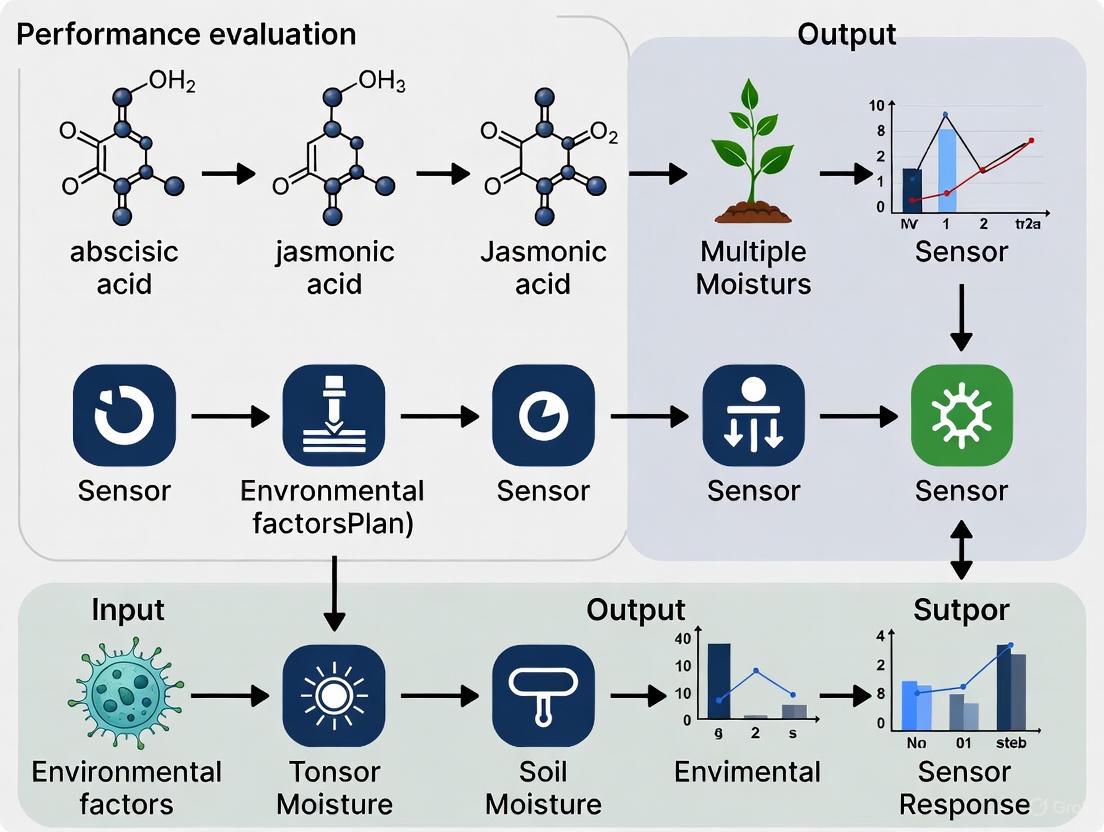
Early detection of drought stress is critical for mitigating its impact on plant health and agricultural productivity.
Multimodal Sensor Fusion for Early Drought Stress Detection: Performance Evaluation and Advanced Monitoring Frameworks
Abstract
Early detection of drought stress is critical for mitigating its impact on plant health and agricultural productivity. This article provides a comprehensive performance evaluation of multiple sensing technologies for identifying water deficit conditions before visible symptoms occur. It explores foundational principles of plant stress responses, details methodological applications of sensor fusion and machine learning, addresses key challenges in sensor optimization and data integrity, and presents rigorous validation protocols for comparative analysis. Designed for researchers and scientists, this review synthesizes current advancements and practical frameworks to guide the development of robust, early-warning drought monitoring systems.
Understanding Plant Stress and Sensor Fundamentals for Early Drought Detection
Plant stress responses unfold across a spectrum of scales, initiating with non-visible cellular alarms and progressing to visible morphological changes. As climate change increases the frequency and intensity of both abiotic and biotic stresses, the ability to detect these responses early and accurately has become critical for safeguarding global food security [1] [2]. Stressful environments trigger a cascade of plant reactions, beginning at the cellular and subcellular levels—often invisible to the naked eye—and eventually manifesting as discoloration, morphological changes, and disease symptoms at the whole-plant level [1]. This guide provides a comprehensive comparison of current methodologies for detecting both visible and non-visible stress responses, with particular emphasis on their applications in early drought stress detection research.
The Anatomy of Plant Stress: From Alarm to Resistance
Plants respond to stress exposure through three fundamental, sequential phases [1] [2]. The table below summarizes the key characteristics of each phase.
Table: Phases of Plant Stress Response
| Phase | Timeline | Key Events | Detection Methods |
|---|---|---|---|
| Alarm Phase | Immediate to hours | Activation of cellular processes (Ca²⁺ signaling, ROS production), initial gene expression changes [1] | Molecular bioassays, transcriptomics [1] |
| Acclimation Phase | Hours to days | Production of stress-responsive proteins and metabolites, physiological adjustments [1] | Metabolomics, proteomics, chlorophyll fluorescence [1] [3] |
| Resistance Phase | Days to weeks | Full establishment of stress phenotype, morphological changes [1] | Remote sensing, imaging, visual assessment [1] [4] |
The following diagram illustrates the logical progression through these stress response phases and the corresponding detection technologies at each stage.
Detection of Non-Visible Stress Responses
Non-visible plant stress responses encompass cellular and subcellular changes that can serve as early indicators of stress before visible symptoms appear [1].
Molecular and Biochemical Assays
Biological assays provide precise detection of specific stress-related molecules and compounds. Following stress exposure, plants exhibit molecular changes including fluctuations in intracellular Ca²⁺ concentrations and reactive oxygen species (ROS) production, which initiate the alarm phase of the stress response [1] [2].
Chemiluminescence-based bioassays provide a simple approach for quantifying Ca²⁺ and ROS levels by measuring light emission from targeted chemical reactions. These assays have been used to monitor intracellular Ca²⁺ changes in response to stressors such as nitrate and heat [1]. However, these assays typically require destructive sampling, limiting their application for time-series studies unless multiple samples are collected [1].
Fluorescence-based bioassays utilize high-energy photon absorption and subsequent low-energy emission to track plant responses non-destructively. Chlorophyll fluorescence imaging has been widely applied to assess abiotic stress impacts, including nutrient deficiency, heat stress, and drought [1]. Under stress, alterations in photosystem II (PSII) efficiency can be quantified using the Fv/Fm ratio, which reflects the maximum quantum yield of PSII photochemistry. Declines in Fv/Fm indicate stress-induced photoinhibition and often correlate with oxidative stress, nutrient imbalances, or water deficiency [1].
Enzyme-linked immunosorbent assays (ELISA) use antigen-antibody interactions to detect and quantify pathogens and stress-related hormones. ELISA has become a common method for studying plant viral infections and has been used to measure heat shock proteins, which play a crucial role in activating multimodal stress-response gene expression [1] [2].
Omics Technologies for Comprehensive Stress Profiling
Large-scale omic approaches enable comprehensive characterization of molecular and biochemical stress profiles in plants, providing valuable insights into plant responses to abiotic and biotic stressors [1].
Ionomics involves the study of an organism's elemental composition and nutrient dynamics. Nutrient imbalances—whether deficiencies or toxicities—can serve as abiotic stressors, disrupting plant growth and physiological function [1]. Mass spectrometry (MS) techniques have been applied to analyze elemental distributions in plants under stress, such as measuring nutrient levels in cotton seedlings exposed to salt stress [2].
Metabolomics focuses on small-molecule metabolites that function as intermediates and end products of cellular processes. Metabolomic profiling can reveal plant-produced metabolites that mediate stress responses, as well as toxic metabolites synthesized by pathogens and pests [1]. Liquid chromatography-MS (LC-MS) is preferred for studying organic compounds as this method maintains molecular integrity by dissolving compounds in an organic solvent and water mixture before ionization [2].
Proteomics involves the large-scale study of proteins, encompassing their abundance, modifications, and interactions. Protein compositions dynamically shift in response to stress, making proteomic profiling a crucial tool for understanding functional responses at different stress stages [1].
Genomic and Transcriptomic Biomarkers
Transcriptome analysis enables detailed investigation of the complex molecular mechanisms underlying drought-stress responses, which are often challenging to fully comprehend solely through morphological phenotyping [5].
Recent research has identified drought-stress biomarker (DSBM) genes in rice that consistently respond to drought stress. A study using time-series RNA-seq of the drought-susceptible rice cultivar IR64 revealed drastic changes in the transcriptome after 4-6 days of drought treatment, particularly for genes related to photosynthesis [5]. Among differentially expressed genes, researchers selected 23 DSBM genes that consistently responded to drought stress. Rehydration immediately reset the changes in expression of these DSBM genes, indicating that their expression changes reflect current drought-stress perception levels rather than stress memories [5].
A machine learning model developed using the expression levels of DSBM genes successfully predicted the drought-stress perception levels of various rice accessions, representing the probability of exposure to drought treatment, with an accuracy of 75% [5].
Table: Comparison of Non-Visible Stress Detection Methods
| Method | Target | Sensitivity | Time Requirement | Cost | Primary Applications |
|---|---|---|---|---|---|
| Biological Assays | Specific molecules (Ca²⁺, ROS, pathogens) | High (detects low concentrations) | Hours | Low to moderate | Pathogen detection, signaling studies [1] |
| Chlorophyll Fluorescence | PSII efficiency | Moderate | Minutes to hours | Moderate | Photosynthetic performance, abiotic stress [1] [6] |
| Mass Spectrometry | Elements, metabolites, proteins | Very high | Days | High | Ionomics, metabolomics, proteomics [1] [2] |
| Transcriptomics | Gene expression | High | Days | High | Biomarker identification, pathway analysis [5] |
Detection of Visible Stress Responses
Visible stress responses manifest at the organ, plant, and canopy levels as discoloration, morphological changes, and disease symptoms. These can be monitored efficiently through atmospheric, aerial, and terrestrial remote sensing platforms [1].
Spectral Sensing Technologies
Spectral sensing technologies detect changes in plant physiology and biochemistry by measuring how plant tissues absorb, reflect, or transmit light across various wavelength bands [6].
Visible and Infrared Spectroscopy can detect stress-induced changes in leaf pigments, anatomy, and biochemistry. Water absorbs light in the infrared region, and this interaction is used in water stress indices to determine leaf water content [6]. Cell wall elasticity changes and, in some cases, cuticle thickness increases due to drought stress also alter leaf reflectance. The precise wavelengths for drought detection differ among species—500-850 nm for maize, 430-890 nm for barley, and 400-980 nm for tomato [6].
Hyperspectral Imaging (HSI) captures reflectance across hundreds of narrow bands in the visible, near-infrared (NIR), and short-wave infrared (SWIR) regions, enabling detection of early stress-induced changes in plant physiology [7]. Stress-related alterations such as reductions in leaf water content, pigment degradation, and changes in canopy structure correlate with spectral variations, particularly in the SWIR region [7].
Thermal Imaging detects changes in canopy temperature that may indicate stress. When pathogens like bacteria or viruses enter the stomata, leaves recognize microbe-associated molecular patterns and reduce stomatal conductance. As transpiration regulates leaf temperature, closing stomata increases leaf temperature, which infrared wavelengths can detect [6].
Vegetation Indices and Machine Learning Approaches
Vegetation indices derived from spectral data provide quantitative measures of plant health and stress status.
Traditional vegetation indices such as the Normalized Difference Vegetation Index (NDVI) and Normalized Difference Water Index (NDWI) have been widely used for vegetation monitoring but have limited effectiveness in detecting early stress conditions due to their reliance on broad spectral bands [7]. Recent advancements have focused on developing more stress-specific indices:
Machine Learning-Based Vegetation Index (MLVI) and Hyperspectral Vegetation Stress Index (H_VSI) are novel hyperspectral indices that leverage critical spectral bands in the Near-Infrared (NIR), Shortwave Infrared 1 (SWIR1), and Shortwave Infrared 2 (SWIR2) regions. These indices are optimized using Recursive Feature Elimination (RFE) and have demonstrated the ability to detect stress 10-15 days earlier than conventional indices while exhibiting a strong correlation with ground-truth stress markers (r = 0.98) [7].
When these indices serve as inputs to a Convolutional Neural Network (CNN) model for stress classification, they can achieve a classification accuracy of 83.40% in distinguishing six levels of crop stress severity [7].
Experimental Protocol: Early Stress Detection Using Spectroscopy and Machine Learning
The following workflow details a representative experimental approach for early stress detection using in vivo spectroscopy and machine learning, based on a study investigating different stress types in apple trees [3].
1. Plant Material and Stress Application
- Select uniform healthy plants (e.g., apple trees, Malus x domestica Borkh.)
- Apply controlled stress treatments: biotic stress (e.g., apple scab), abiotic stresses (e.g., waterlogging, herbicides)
- Maintain control plants under optimal conditions
- Ensure appropriate replication (e.g., 15 trees per treatment)
2. Spectral Data Collection
- Use a high-resolution spectroradiometer
- Measure leaves still attached to the tree to maintain physiological conditions
- Collect spectral signatures across the Visible-NIR range (e.g., 350-2500 nm)
- Perform measurements at regular intervals (e.g., 1-5 days after stress exposure)
- Standardize measurement conditions (leaf position, illumination, sensor distance)
3. Data Preprocessing
- Apply spectral transformations (e.g., first derivative) to enhance subtle differences
- Use Principal Component Analysis (PCA) to identify patterns and reduce dimensionality
4. Model Development and Validation
- Test multiple machine learning approaches: Support Vector Machine (SVM), Random Forest, Partial Least Squares-Discriminant Analysis (PLS-DA)
- Train models for both specific stress classification and general stress detection
- Validate models using cross-validation techniques (e.g., tenfold cross-validation with 3 repeats)
- Assess performance using accuracy and Kappa metrics
- Identify key wavelengths for classification through feature importance analysis
This approach has demonstrated high accuracy (0.94-1.0) in detecting the general presence of stress at early stages and differentiating between stress types before visible symptoms appear [3].
Comparative Performance of Detection Methods
Understanding the relative strengths, limitations, and appropriate applications of different detection methods is essential for selecting the right approach for specific research needs.
Table: Comprehensive Comparison of Plant Stress Detection Technologies
| Technology | Detection Stage | Key Measurable Parameters | Advantages | Limitations |
|---|---|---|---|---|
| Molecular Biomarkers [5] | Early alarm phase | DSBM gene expression | High specificity to stress type, detects stress before physiological changes | Destructive sampling, requires laboratory processing |
| Chlorophyll Fluorescence [1] [6] | Early to mid-phase | Fv/Fm ratio (PSII efficiency) | Non-destructive, rapid measurement, portable equipment available | Limited to photosynthetic stress, influenced by multiple factors |
| Hyperspectral Imaging [3] [7] | Early to mid-phase | Reflectance at specific wavelengths (e.g., 684 nm, 1800-1900 nm) | Non-destructive, can detect multiple stress types, applicable from leaf to canopy scale | High cost, computational complexity, requires specialized expertise |
| Thermal Imaging [4] [6] | Early to mid-phase | Canopy temperature | Non-destructive, rapid, sensitive to stomatal closure | Influenced by environmental conditions, indirect stress measurement |
| Traditional Vegetation Indices [7] | Mid to late phase | NDVI, NDWI | Simple to calculate, widely validated, compatible with many platforms | Limited sensitivity for early detection, broad spectral bands |
| Machine Learning-Optimized Indices [7] | Early phase | MLVI, H_VSI | High sensitivity for early detection, tailored to specific stresses | Requires extensive training data, complex development process |
The following diagram illustrates the experimental workflow for early stress detection using spectroscopy and machine learning, integrating the key steps from data acquisition to model application.
The Scientist's Toolkit: Essential Research Solutions
This section details key research reagents, tools, and technologies essential for conducting comprehensive studies on plant stress responses.
Table: Research Reagent Solutions for Plant Stress Detection
| Category | Specific Tools/Reagents | Function/Application | Key Features |
|---|---|---|---|
| Field Spectroscopy | CI-710s SpectraVue Leaf Spectrometer [6] | Non-destructive leaf stress measurement | Portable, rapid field deployment, multiple wavelength bands |
| Molecular Assays | ELISA kits for stress hormones [1] | Quantification of abscisic acid, jasmonic acid | High specificity, sensitive detection of low concentrations |
| Luminescence-based ROS/Ca²⁺ assay kits [1] | Detection of early signaling molecules | Simple protocol, quantitative results | |
| Omics Technologies | RNA-seq kits for transcriptomics [5] | DSBM gene expression analysis | Comprehensive, high-throughput, identifies novel biomarkers |
| LC-MS/MS systems [2] | Metabolite and protein profiling | High sensitivity, broad dynamic range | |
| Remote Sensing Platforms | UAV-mounted hyperspectral sensors [7] | Canopy-level stress monitoring | High spatial and spectral resolution, customizable flight plans |
| Thermal infrared cameras [4] [6] | Stomatal conductance assessment | Non-contact temperature measurement, wide area coverage | |
| Data Analysis | Machine learning frameworks (SVM, Random Forest, CNN) [3] [7] | Spectral data classification | Handles high-dimensional data, pattern recognition capabilities |
| Radiative transfer models (PROSPECT, SAIL) [4] | Trait estimation from spectral data | Physically-based, transferable across scales |
The complexity of plant stress responses, spanning microscopic to macroscopic scales and diverse biological processes, makes it challenging for any single technology to comprehensively capture the full spectrum of reactions [1]. Furthermore, the rising prevalence of multifactorial stress conditions highlights the need for research on synergistic and antagonistic interactions between stress factors [1].
Future research must prioritize integrative multi-omic approaches that connect cellular and subcellular processes with morphological and phenological stress responses [1]. Combining multiple remote sensing data streams into crop model assimilation schemes shows particular promise for building Digital Twins of agroecosystems, which may provide the most efficient way to detect the diversity of environmental and biotic stresses and enable respective management decisions [4]. Such integrated approaches will be essential for developing more resilient agricultural systems capable of withstanding the challenges posed by climate change while meeting global food security needs.
The escalating impact of abiotic stressors, particularly drought, on global agriculture necessitates a shift towards precision farming methods. Central to this transformation is the deployment of diverse sensor technologies capable of detecting early signs of plant stress before visible symptoms occur. These sensors form a critical component of the Internet of Things (IoT) ecosystem in agriculture, enabling continuous monitoring of plant physiological status and environmental conditions. This guide provides a systematic comparison of IoT, optical, and environmental sensors, detailing their operational principles and performance in capturing drought stress indicators. By examining experimental data and methodologies from current research, this analysis aims to support researchers, scientists, and agricultural professionals in selecting appropriate sensor technologies for early stress detection systems.
Fundamental Principles of Sensor Operation
IoT-Enabled Plant Sensors
IoT-enabled sensors for plant stress monitoring constitute a network of interconnected devices that collect and transmit data on plant physiological parameters. These sensors typically operate by measuring subtle changes in plant morphology and physiology that occur in response to water deficit. Sap flow sensors monitor the movement of water through plant stems using thermal dissipation or heat pulse methods, providing direct measurement of transpiration rates [8]. Stem diameter sensors, often implemented as linear variable differential transformers (LVDTs), detect micrometer-scale shrinkage in stems that occurs as water tension increases during drought conditions [8]. Acoustic emission sensors capture high-frequency sounds (100-1000 kHz) generated by the formation and collapse of air bubbles within the xylem during cavitation, offering a direct indicator of hydraulic failure [8]. These sensors are typically connected to data loggers with wireless communication capabilities (e.g., LoRaWAN, cellular) that enable real-time data transmission to cloud platforms for continuous monitoring.
Optical and Hyperspectral Sensors
Optical sensors operate on the principle that plant stress alters physiological and biochemical properties that affect light absorption and reflectance. Hyperspectral imaging captures reflectance across hundreds of narrow, contiguous spectral bands from the visible to shortwave infrared regions (350-2500 nm) [9]. These sensors detect stress-induced changes in pigment content, water concentration, and canopy structure that manifest as subtle shifts in spectral signatures. Multispectral sensors measure reflectance in broader, discrete bands but are limited in detecting early stress compared to hyperspectral systems [9]. Advanced systems utilize machine learning-optimized vegetation indices such as the Machine Learning-Based Vegetation Index (MLVI) and Hyperspectral Vegetation Stress Index (H_VSI) which leverage critical spectral bands in the Near-Infrared (NIR), Shortwave Infrared 1 (SWIR1), and Shortwave Infrared 2 (SWIR2) regions [9]. These indices are specifically designed to detect pre-visual stress symptoms by targeting wavelengths sensitive to changes in leaf water content and cellular structure.
Environmental Monitoring Sensors
Environmental sensors measure extrinsic factors in the plant's immediate surroundings that contribute to water stress. Climate sensors monitor atmospheric parameters including air temperature, relative humidity, photosynthetically active radiation (PAR), and vapor pressure deficit (VPD) [8]. Soil moisture sensors employ various technologies such as time-domain reflectometry (TDR), frequency-domain reflectometry (FDR), or capacitance to measure water content in the root zone [8]. These sensors provide context for interpreting plant physiological data by quantifying environmental drivers of water stress. Advanced systems integrate multiple environmental parameters to calculate evapotranspiration rates and water balance models, enabling prediction of developing stress conditions before they significantly impact plant physiology.
Table 1: Comparative Performance of Sensor Technologies in Early Drought Stress Detection
| Sensor Category | Specific Sensor Type | Measured Parameters | Key Stress Indicators | Detection Capability |
|---|---|---|---|---|
| IoT Plant Sensors | Sap Flow | Sap flow rate, transpiration | Reduced hydraulic conductivity | Early (1-2 days after water withholding) [8] |
| Stem Diameter | Stem micronovement | Stem shrinkage | Early (1-2 days after water withholding) [8] | |
| Acoustic Emission | Ultrasonic signals | Xylem cavitation | Early (1-2 days after water withholding) [8] | |
| Stomatal Dynamics | Stomatal pore area, conductance | Stomatal closure | Early (significant changes observed) [8] | |
| Optical Sensors | Hyperspectral Imaging | Reflectance across 350-2500 nm | Biochemical and structural changes | Very Early (10-15 days earlier than traditional indices) [9] |
| Multispectral Imaging | Reflectance in discrete bands | Chlorophyll degradation | Moderate (when damage already visible) | |
| Environmental Sensors | Climate Sensors | Air temperature, humidity, PAR, VPD | Atmospheric drought conditions | Predictive (before plant stress occurs) |
| Soil Moisture | Volumetric water content | Root zone water availability | Predictive (before plant stress occurs) |
Experimental Data and Performance Comparison
Sensor Response to Induced Drought Stress
Recent experimental studies provide quantitative data on sensor performance under controlled drought conditions. A comprehensive greenhouse study simultaneously testing ten different sensors on mature tomato plants subjected to water withholding revealed distinct response patterns across sensor types [8]. Sap flow sensors and stem diameter sensors showed significant changes within the first two days of water deprivation, coinciding with depletion of available water in the growth medium [8]. Acoustic emission sensors detected increased cavitation events during this same critical period, providing direct evidence of hydraulic system impairment [8]. Stomatal conductance sensors recorded pronounced decreases in stomatal pore area and conductance rates, indicating the plant's active response to conserve water [8].
Hyperspectral imaging systems demonstrated superior early detection capabilities in field studies, identifying stress symptoms 10-15 days earlier than conventional vegetation indices like NDVI and NDWI [9]. The proposed MLVI-CNN framework, which integrates machine learning-optimized vegetation indices with convolutional neural networks, achieved an impressive classification accuracy of 83.40% in distinguishing six levels of crop stress severity [9]. Furthermore, the optimized indices (MLVI and H_VSI) showed a strong correlation with ground-truth stress markers (r = 0.98), significantly outperforming traditional broadband indices [9].
Table 2: Quantitative Performance Metrics of Sensor Technologies
| Sensor Technology | Detection Accuracy | Early Warning Advantage | Correlation with Ground Truth | Limitations |
|---|---|---|---|---|
| Sap Flow Sensors | High for transpiration changes | 1-2 days before visible symptoms | Not specified | Requires physical plant contact |
| Stem Diameter Sensors | High for water tension | 1-2 days before visible symptoms | Not specified | Requires physical plant contact |
| Acoustic Emission Sensors | High for cavitation events | 1-2 days before visible symptoms | Not specified | Background noise interference |
| Hyperspectral Imaging (MLVI-CNN) | 83.40% classification accuracy | 10-15 days earlier than NDVI | r = 0.98 [9] | High computational requirements |
| Traditional Vegetation Indices (NDVI) | Limited for early stress | None - detects already occurred damage | Weak for early stress [9] | Limited spectral sensitivity |
Integration Approaches for Enhanced Detection
Multimodal sensor integration significantly improves detection reliability and reduces false positives. The simultaneous application of multiple sensor types captures complementary aspects of plant stress responses, creating a more comprehensive stress profile [8]. IoT platforms enable the fusion of plant-based sensor data with environmental measurements, allowing researchers to distinguish between drought stress and other abiotic stressors [10]. Machine learning algorithms play a crucial role in analyzing these complex multivariate datasets, identifying patterns that may not be apparent from individual sensor streams [10] [9]. The integration of sensor data with satellite-based monitoring systems, such as the Vegetation Health Index (VHI), further enhances large-scale drought forecasting capabilities [11].
Experimental Protocols and Methodologies
Controlled Drought Stress Induction
Standardized protocols for inducing drought stress are essential for sensor validation studies. The greenhouse-based experiment conducted by Dutta et al. provides a representative methodology [8]:
Plant Material: Mature, high-wire tomato plants grown in rockwool substrate under controlled greenhouse conditions.
Water Withholding: Complete irrigation cessation for a period of two days, resulting in rapid depletion of available water in the rockwool slabs.
Environmental Control: Maintenance of consistent climatic conditions (temperature, humidity, light) throughout the experiment to isolate water stress effects.
Sensor Deployment: Simultaneous operation of ten different sensor types, including microclimate sensors, acoustic emissions sensors, sap flow sensors, and stem diameter sensors.
Data Collection: Continuous monitoring at high temporal resolution throughout the stress induction period and subsequent recovery phase after rewatering.
This protocol resulted in significant physiological changes, including strongly affected whole-plant transpiration, providing robust data for comparing sensor responsiveness [8].
Hyperspectral Imaging and Analysis Workflow
The methodology for hyperspectral stress detection involves specialized equipment and computational analysis [9]:
Data Acquisition: Collection of hyperspectral imagery using UAV-mounted or ground-based systems capturing hundreds of narrow spectral bands from visible to SWIR regions.
Preprocessing: Application of radiometric calibration, atmospheric correction, and geometric registration to ensure data quality.
Feature Selection: Implementation of Recursive Feature Elimination (RFE) to identify optimal spectral bands most sensitive to drought stress.
Index Formulation: Development of machine learning-optimized vegetation indices (MLVI and H_VSI) using the selected critical bands.
Classification: Processing of optimized indices through a Convolutional Neural Network (CNN) model for multi-class stress severity classification.
Validation: Comparison of classification results with ground-truth stress markers and conventional vegetation indices to quantify performance improvements.
This workflow enabled the detection of stress 10-15 days earlier than traditional methods, with the CNN model effectively distinguishing six levels of crop stress severity [9].
Diagram 1: Hyperspectral Stress Detection Workflow. This diagram illustrates the sequential process from data acquisition to early stress detection, highlighting the critical role of machine learning optimization in achieving superior detection capabilities.
The Scientist's Toolkit: Essential Research Reagents and Materials
Table 3: Essential Research Materials for Sensor-Based Drought Stress Studies
| Category | Item | Specification/Function | Application Context |
|---|---|---|---|
| Plant Materials | Mature Tomato Plants | High-wire cultivation, rockwool substrate | Controlled greenhouse experiments [8] |
| Ornamental Species | Drought-sensitive cultivars | Physiological stress response studies [12] | |
| Growth Substrates | Rockwool Slabs | Precise moisture control, inert properties | Hydroponic stress induction [8] |
| Sensor Systems | Sap Flow Sensors | Thermal dissipation method | Transpiration monitoring [8] |
| Stem Diameter Sensors | LVDT-based, micrometer resolution | Stem shrinkage measurement [8] | |
| Acoustic Emission Sensors | 100-1000 kHz detection range | Xylem cavitation monitoring [8] | |
| Hyperspectral Imagers | 350-2500 nm spectral range | Biochemical change detection [9] | |
| Data Acquisition | IoT Gateways | Wireless communication (LoRaWAN, cellular) | Real-time data transmission [10] |
| Environmental Controllers | Precision control of temperature, humidity, irrigation | Stress induction protocols [8] | |
| Analysis Tools | Machine Learning Frameworks | Python, TensorFlow, PyTorch | Development of optimized indices [9] |
| Bibliometric Analysis Software | VOSviewer, CitNetExplorer | Research trend analysis [12] |
This comparison of sensor technologies for drought stress detection reveals a complementary relationship between IoT-enabled plant sensors, optical systems, and environmental monitors. Each category offers distinct advantages: IoT sensors provide direct, high-temporal-resolution measurements of plant physiological responses; hyperspectral imaging enables very early detection through subtle spectral signatures; and environmental sensors offer predictive capabilities by monitoring stress drivers. The experimental data demonstrates that a multimodal approach, leveraging the strengths of each technology, provides the most comprehensive assessment of plant stress status. Future advancements will likely focus on enhanced sensor fusion algorithms, increased deployment of UAV-based systems for scalable monitoring, and development of more sophisticated machine learning models for predictive analytics. These technological innovations, validated through rigorous experimental protocols, hold significant promise for transforming agricultural water management and mitigating the impacts of drought stress on crop production.
Drought stress significantly threatens global ecosystem stability and agricultural productivity. Early and accurate detection of drought stress is crucial for developing mitigation strategies, informing irrigation schedules, and guiding breeding programs for more resilient crops. This guide objectively compares three key physiological indicators used in drought stress detection research: soil moisture, canopy temperature, and chlorophyll fluorescence.
Each indicator operates on distinct physiological principles, varies in its measurement technology, and offers unique advantages and limitations. Soil moisture directly measures water availability in the root zone. Canopy temperature serves as a proxy for plant water status by measuring the cooling effect of transpiration. Chlorophyll fluorescence provides a window into the fundamental efficiency of the photosynthetic apparatus under stress. Understanding their comparative performance is essential for selecting the appropriate tool for specific research applications, from high-throughput phenotyping to mechanistic studies on plant-environment interactions.
Comparative Analysis of Key Drought Indicators
The table below provides a structured comparison of the three drought indicators, summarizing their fundamental principles, measurement approaches, key parameters, and performance characteristics based on current research.
Table 1: Comprehensive comparison of key drought indicators for early stress detection.
| Indicator | Soil Moisture | Canopy Temperature (CT)/CTD | Chlorophyll Fluorescence (ChlF) |
|---|---|---|---|
| Physiological Basis | Direct measure of water availability in the soil root zone. | Proxy for plant water status; cooler canopies indicate higher transpirational cooling. [13] | Probe of Photosystem II (PSII) efficiency; reflects photochemical and non-photochemical quenching. [14] |
| Primary Measurement | Volumetric water content (m³/m³) or soil water potential. | Canopy Temperature Depression (CTD) = Air Temperature - Canopy Temperature. [13] | Kinetic Parameters (e.g., Fv/Fm); Spectral Ratio (e.g., LD685/LD740); Solar-Induced Fluorescence (SIF). [14] |
| Key Measurable Parameters | Relative soil moisture, Soil Moisture Drought Indices (e.g., ESMDI, SSMA). [15] [16] | Canopy temperature, CTD. [13] | Fv/Fm (maximal PSII efficiency), LD685/LD740 (chlorophyll content indicator), SIF yield. [14] |
| Temporal Response to Drought | Slow to medium-term response; reflects water reservoir. | Near real-time indicator of plant water status. | Dual-phase response; rapid initial change in SIF followed by slower decline. [17] |
| Correlation with Photosynthesis & Yield | Indirect; affects water availability for photosynthesis. | Significant correlation with yield under drought and heat stress. [13] [18] | Strengthened correlation with photosynthetic traits (An, Vcmax, Jmax) under drought stress. [14] |
| Measurement Technology | In-situ sensors, Remote Sensing (SMAP, SMOS), Land Surface Models. [15] | Handheld infrared thermometers, thermal cameras. [13] [18] | Pulse-Amplitude-Modulation (PAM) fluorometers, hyperspectral sensors for SIF. [14] |
| Key Advantages | Direct measure of driver; supports hydrological modeling. | High-throughput, integrativemeasure, relatively simple and cost-effective. [13] | Highly sensitive, non-destructive, direct probe of photosynthetic function. [14] |
| Key Limitations/Challenges | Spatial heterogeneity; point measurements may not represent root zone; remote sensing has shallow depth. [15] | Influenced by microclimate, wind, plant density, and spike presence. [13] | Sensitive to various environmental factors; complex interpretation; specialized equipment needed. |
Experimental Protocols and Methodologies
Soil Moisture Alternative Stable States Experiment
- Objective: To investigate the long-term impact of repeated moderate and intense natural drought on soil moisture dynamics and resilience in an upland heath ecosystem. [19]
- Site & Soil: The experiment was conducted in Wales (UK) on a podzolic organo-mineral soil with an organic horizon (~10 cm) overlying a mineral layer. [19]
- Experimental Design: A long-term (15-year) drought manipulation experiment was established with two main treatments:
- Control: Natural rainfall conditions.
- Drought Treatment: A sustained modest reduction of summer rainfall (20-26%) using automated rain shelters. [19]
- Measurements:
- Soil Moisture: Continuously monitored in the upper organic soil horizon (~10 cm) within plots for 15 years. [19]
- Supporting Data: Soil water retention curves, saturated hydraulic conductivity, soil bulk density, and soil respiration rates were measured. [19]
- Vegetation Control: Soil moisture was also measured in adjacent Calluna vulgaris-free areas to isolate the effect of vegetation. [19]
- Modeling: A 1-D hydrological model was parameterized and run with different lower boundary conditions (seepage face vs. free drainage) to interpret observed shifts. [19]
- Key Findings: The experiment provided evidence for drought-induced alternative stable states in soil moisture. Repeated moderate drought gradually reduced soil moisture retention, while an intense natural drought (2003-2006) caused an irreversible shift in soil hydraulic properties, preventing winter rewetting in both control and drought plots, but not in vegetation-free areas. [19]
Canopy Temperature Depression (CTD) in Wheat Breeding
- Objective: To evaluate CTD as a selection criterion for drought and heat tolerance in wheat breeding programs. [13]
- Plant Material & Growth: Diverse wheat genotypes are cultivated in field trials under well-watered, terminal drought, and terminal heat stress conditions. [18]
- CTD Measurement Protocol:
- Timing: Measurements are taken around solar noon (e.g., 11:00 a.m. to 1:00 p.m.) on clear, windless days, typically during the grain-filling stage. [13] [18]
- Instrumentation: A handheld infrared thermometer is held approximately 50 cm above the canopy. [13]
- Technique: The instrument is pointed at an angle to the rows to minimize the influence of soil background, especially with low ground cover. [13]
- Data Recording: Multiple measurements per plot are taken for reliability. The corresponding air temperature is recorded from a nearby weather station. [18]
- Calculation: CTD is calculated as CTD = Air Temperature - Canopy Temperature. Positive values indicate a cooler canopy due to transpiration. [13]
- Key Findings: CTD shows a significant correlation with grain yield under drought and heat stress. Genotypes with higher CTD (cooler canopies) maintain better yield, and this trait has been successfully integrated into high-throughput phenotyping and selection pipelines, such as those at CIMMYT. [13]
Chlorophyll Fluorescence Response to Drought Stress
- Objective: To assess the link between ChlF parameters and photosynthetic traits under progressive drought stress at the leaf level. [14]
- Plant Material & Drought Treatment: The experiment used cucumber (Cucumis sativus L.) plants grown in a controlled environment. A drought treatment was imposed by withholding irrigation, while a control group was well-watered. [14]
- Simultaneous Measurements Protocol:
- Gas Exchange: Leaf net CO2 assimilation rate (An), stomatal conductance (gs), and other parameters were measured with a portable gas exchange system. [14]
- ChlF Kinetics: A fluorometer was used to measure dark-adapted maximum quantum efficiency of PSII (Fv/Fm). [14]
- ChlF Spectrum: Laser-induced fluorescence was used to obtain the spectral intensity ratio (LD685/LD740), an inverse indicator of chlorophyll content. [14]
- Leaf Sampling: Total chlorophyll content (Chlt) was determined analytically. [14]
- Key Findings: Drought stress strengthened the correlation between ChlF ratios (Fv/Fm and LD685/LD740) and photosynthetic traits (An, Vcmax, Jmax). The study demonstrated that ChlF can track the complex cascade of plant responses to drought, from initial stomatal closure to biochemical limitations and pigment decomposition. [14]
Conceptual Workflows and Relationships
The following diagrams illustrate the conceptual frameworks and experimental workflows for the three drought indicators.
Soil Moisture State Transition
Canopy Temperature Data Acquisition
Chlorophyll Fluorescence Response
The Scientist's Toolkit: Essential Research Reagents and Materials
Table 2: Key equipment and reagents for drought stress detection research.
| Item | Primary Function | Application Context |
|---|---|---|
| Handheld Infrared Thermometer | Measures canopy surface temperature remotely to calculate Canopy Temperature Depression (CTD). | High-throughput field phenotyping for drought and heat tolerance in breeding programs. [13] [18] |
| Pulse-Amplitude-Modulation (PAM) Fluorometer | Measures chlorophyll fluorescence kinetics (e.g., Fv/Fm) to assess PSII photochemical efficiency. | Leaf-level mechanistic studies of photosynthetic performance under controlled and field drought conditions. [14] |
| Hyperspectral Sensors / Solar-Induced Fluorescence (SIF) Sensors | Detects solar-induced chlorophyll fluorescence emission, often from airborne or satellite platforms. | Regional-scale monitoring of photosynthetic activity and drought impacts on ecosystem gross primary production (GPP). [17] |
| Soil Moisture Sensors (e.g., TDR, FDR) | Provides in-situ point measurements of volumetric soil water content. | Ground-truthing for remote sensing products and fine-scale studies of soil-plant-water relations. [15] |
| Soil Moisture Active Passive (SMAP) Satellite Data | Provides global-scale, satellite-derived soil moisture data at a spatial resolution of ~25-36 km. | Large-scale agricultural and hydrological drought monitoring, input for drought indices. [15] [20] |
| Deep Learning Models (e.g., U-Net) | Integrates meteorological and satellite data to downscale soil moisture and improve flash drought detection. | High-resolution (e.g., 1 km) spatiotemporal drought monitoring and early warning systems. [15] [20] |
Drought stress poses a significant threat to global crop productivity and food security. Early and accurate detection is paramount for implementing timely mitigation strategies, such as precision irrigation. The emerging field of high-throughput plant phenomics leverages a suite of sensor technologies to non-invasively capture the physiological alterations crops undergo during water deficit. This guide objectively compares the performance of multiple sensing modalities—from satellite remote sensing to ground-based sensors—in detecting the early, often invisible, signs of drought stress. By linking sensor data to specific physiological phases, this pipeline provides researchers and agricultural professionals with a powerful toolkit for breeding resilient varieties and enabling climate-smart agriculture.
Comparative Analysis of Sensor Technologies for Drought Phenotyping
A diverse array of platforms and sensors is employed to capture crop responses to drought stress across different scales, from the field to the individual plant. The following table summarizes the key characteristics and performance metrics of these technologies.
Table 1: Performance Comparison of Sensor Technologies for Drought Stress Detection
| Sensor Technology | Primary Measured Parameters | Key Drought Indicators | Reported Accuracy/Performance | Notable Advantages & Limitations |
|---|---|---|---|---|
| Hyperspectral Imaging [9] | Reflectance across hundreds of narrow, contiguous bands (NIR, SWIR). | Machine Learning-based Vegetation Index (MLVI), Hyperspectral Vegetation Stress Index (H_VSI). | 83.40% classification accuracy for 6 stress severity levels; detects stress 10-15 days earlier than conventional indices. | High spectral sensitivity for early detection; computationally intensive. |
| Multispectral & RGB Cameras [21] [22] | Reflectance in broad bands (e.g., Red, Green, Red-Edge, NIR) and visible spectrum color. | Normalized Difference Vegetation Index (NDVI), Enhanced Vegetation Index (EVI), canopy morphology, leaf wilting/curling. | Up to 97% precision for stressed class in potatoes; 96.71% accuracy and F1-score in winter wheat when fused with VIs. | Cost-effective; readily deployed on UAVs; RGB lacks spectral sensitivity of dedicated imagers. |
| Thermal Imaging [23] [24] | Canopy temperature (radiometric). | Canopy Temperature Depression (CTD), Water Stress Index (WSI). | Accurately extracted average temperature (R² = 0.8056) in strawberry phenotyping robot [23]. | Directly measures plant water status (stomatal conductance); sensitive to ambient weather conditions. |
| Multi-Source Sensor Fusion [23] [22] | Combines data from RGB, multispectral, thermal, and LiDAR sensors. | Fused phenotypic parameters (canopy structure, temperature, vegetation indices). | Achieved errors below 5% for canopy width and temperature extraction [23]. | Provides comprehensive 3D representation of plant status; complex data synchronization and analysis. |
| Novel Plant-Specific Sensors [8] | Sap flow, stem diameter, stomatal dynamics, acoustic emissions. | Whole-plant transpiration, stomatal conductance, stem diameter variation, xylem cavitation. | Significant indicators of early drought stress with clear onset timing after water withholding [8]. | Provide direct, mechanistic physiological data; often require physical attachment to plants. |
Experimental Protocols for Sensor-Based Drought Detection
Protocol 1: Hyperspectral Imaging with Machine Learning
This protocol details the methodology for developing machine learning-optimized hyperspectral indices and a classification model for early stress detection [9].
- Data Acquisition: Hyperspectral imagery is captured using UAV or ground-based platforms, collecting reflectance data across hundreds of narrow bands in the Visible, Near-Infrared (NIR), and Short-Wave Infrared (SWIR) regions.
- Preprocessing & Feature Selection: Raw data undergo calibration and noise reduction. Recursive Feature Elimination (RFE) is applied to identify the most informative spectral bands critical for detecting water stress, typically located in the NIR and SWIR regions.
- Index Formulation: Novel hyperspectral indices, such as the Machine Learning-based Vegetation Index (MLVI) and Hyperspectral Vegetation Stress Index (H_VSI), are computed from the selected bands.
- Model Training & Classification: The optimized indices serve as input features for a 1D Convolutional Neural Network (CNN) model, which is trained to classify crops into multiple levels of drought stress severity.
Protocol 2: Multimodal Fusion of RGB and Vegetation Indices
This protocol outlines the creation of a lightweight deep learning network that fuses RGB images and numerical vegetation index data for monitoring drought stress in winter wheat [22].
- Experimental Design & Data Collection: A controlled field experiment is established with multiple levels of water treatment (e.g., from suitable moisture to extreme drought). RGB images and multispectral data (for calculating NDVI and EVI) are collected from the plots throughout the growth cycle.
- Data Preprocessing: Images are annotated and prepared. Vegetation indices are calculated from the multispectral data.
- Model Architecture (MF-FusionNet): A lightweight network is built featuring a Lightweight Multimodal Fusion Block (LMFB) to deeply fuse image and index data. A Dual-Coordinate Attention Feature Extraction module (DCAFE) enhances feature representation, and a Cross-Stage Feature Fusion Strategy (CFFS) integrates multi-level features.
- Training & Validation: The model is trained on the dataset, and its performance is validated against ground-truth drought levels through ablation studies and comparison with single-modal methods.
Protocol 3: Multi-Source Sensor Data Fusion on a Robotic Platform
This protocol describes the use of an integrated robotic phenotyping platform for unified data acquisition and analysis [23].
- Platform Configuration: A robotic ground vehicle is equipped with a synchronized suite of sensors, including an RGB-D camera, a multispectral camera, a thermal camera, and a LiDAR sensor.
- Synchronized Data Acquisition: The platform navigates through crop rows (e.g., strawberries in a greenhouse), simultaneously collecting data from all sensors. This ensures spatial and temporal alignment of the multi-modal data.
- Data Fusion and Parameter Extraction: The data from different sensors are fused. For instance, LiDAR data provides precise 3D canopy structure, which is integrated with thermal data for temperature analysis and multispectral data for index calculation. Key phenotypic parameters like canopy width and average temperature are extracted with high accuracy.
Signaling Pathways and Experimental Workflows
The following diagrams illustrate the core molecular pathways activated during drought stress and a generalized workflow for a sensor-based phenotyping pipeline.
Drought Stress Signaling Pathways
This diagram summarizes the key molecular signaling pathways plants activate in response to drought and heat stress, which lead to the physiological changes detected by sensors [24].
Sensor Data Phenotyping Pipeline
This flowchart outlines the generalized workflow for processing multi-source sensor data to identify and map drought stress in crops, integrating elements from several studies [9] [21] [22].
The Scientist's Toolkit: Essential Research Reagents & Materials
This section catalogs key hardware, software, and analytical tools that constitute the modern phenotyping pipeline for drought stress research.
Table 2: Essential Research Toolkit for Drought Stress Phenotyping
| Tool Category | Specific Tool / Technique | Primary Function in the Pipeline |
|---|---|---|
| Sensing Platforms | Unmanned Aerial Vehicles (UAVs/Drones) [9] [21] | Deploy sensors for high-throughput, field-scale aerial imagery. |
| Ground Robotic Phenotyping Rigs [23] | Enable precise, multi-sensor data collection at plant-level resolution. | |
| Satellite Platforms (e.g., Sentinel-2) [24] | Provide broad-area monitoring for regional drought assessment. | |
| Core Sensors | Hyperspectral Imaging Sensors [9] | Capture high-resolution spectral data for early physiological change detection. |
| Multispectral & RGB Cameras [21] [22] | Acquire data for calculating vegetation indices and visual assessment. | |
| Thermal Infrared Cameras [23] [24] | Measure canopy temperature as a proxy for stomatal conductance and plant water status. | |
| LiDAR Sensors [23] | Generate 3D point clouds for precise canopy structure and biomass estimation. | |
| Plant-Specific Sensors (Sap Flow, Stem Diameter) [8] | Provide direct, continuous measurements of plant physiological activity. | |
| Computational & Analytical Tools | Convolutional Neural Networks (CNNs) [9] [21] [22] | Automate feature extraction and classification from complex image data. |
| Recursive Feature Elimination (RFE) [9] | Identify the most informative spectral bands from hyperspectral data. | |
| Explainable AI (XAI) Techniques (e.g., Grad-CAM) [21] | Visualize model decision-making, enhancing interpretability and trust. | |
| Data Fusion Frameworks [23] [22] | Integrate multi-source, multi-modal data into a unified analysis model. |
The integration of diverse sensor technologies into a cohesive phenotyping pipeline has fundamentally advanced our ability to detect and quantify crop drought stress. As evidenced by the comparative data, no single sensor is a panacea; rather, the synergy of multimodal data—from hyperspectral indices that signal stress days before visible symptoms appear, to thermal data revealing stomatal behavior, and 3D LiDAR capturing structural degradation—provides the most robust picture of plant health. The future of this field lies in the refinement of integrated, lightweight models like MF-FusionNet [22] and the wider adoption of explainable AI [21] to build trust and mechanistic understanding. By effectively linking sensor data to physiological phases through standardized protocols and powerful computational analysis, researchers are equipped to accelerate the development of drought-resilient crops and optimize management practices for a warming world.
Methodologies and Real-World Applications of Multi-Sensor Systems
The increasing frequency and severity of drought events due to climate change have intensified the need for precise and early detection of plant stress. Sensor fusion has emerged as a powerful methodology that integrates data from multiple sources—including Internet of Things (IoT) networks, proximal sensors, and remote sensing platforms—to provide a more comprehensive, accurate, and timely assessment of drought conditions than any single data source can achieve. This approach mitigates the limitations inherent in individual sensing modalities, such as sparse spatial coverage, low temporal resolution, or insufficient physiological depth. In the context of drought research, fusing data from these complementary sources enables scientists to monitor the complex, multi-scale processes of water stress manifestation, from regional climate patterns to plant-level physiological responses.
The fundamental architectures for combining these diverse data streams can be categorized by the stage at which integration occurs: data-level, feature-level, and decision-level fusion. Data-level fusion (or early fusion) combines raw data from multiple sources before feature extraction, requiring precise spatial and temporal registration. Feature-level fusion involves extracting features from each data source independently and then merging them into a unified feature vector for model input. Decision-level fusion (or late fusion) processes each data stream separately to produce independent inferences or decisions, which are subsequently combined through methods like voting or averaging. Recent advances in machine learning and edge computing have further enhanced these architectures, enabling more sophisticated and real-time analysis capabilities for drought stress detection [25] [26].
Comparative Analysis of Sensor Fusion Architectures
The performance of different sensor fusion architectures varies significantly based on their design, implementation, and application context. The following experimental data, drawn from recent studies, provides a quantitative basis for comparing their effectiveness in drought stress detection and related agricultural applications.
Table 1: Performance Comparison of Sensor Fusion Architectures
| Fusion Architecture | Application Context | Data Sources Fused | Key Performance Metrics | Reported Results |
|---|---|---|---|---|
| Kriging with External Drift (KED) [27] | Irrigation Management Zoning | Proximal (EM38-MK2), Satellite (Landsat-8, Aster, Sentinel-2), Terrain Covariates | R²: 0.78, MAE: 1.26, RMSE: 1.62, RPD: 1.76 | Outperformed GWR; closely resembled exhaustive reference map |
| Feature-Level Fusion with ML [25] | Poplar Drought Monitoring | Visible & Thermal Infrared Images | Average Accuracy: 0.85, Precision: 0.86, Recall: 0.85, F1 Score: 0.85 | Superior to data-level fusion and decision-level fusion approaches |
| Stacking (ST) Ensemble Model [28] | Meteorological Drought Forecasting (SPEI-12) | Multi-source (Climate, Vegetation, Terrain, Anthropogenic) | Average R²: 0.845 | Outperformed XGBoost, RF, and LightGBM base learners |
| Energy-Aware Adaptive Fusion [29] | Autonomous Robot Navigation in Channels | RGB Camera, LiDAR, IMU | Energy Reduction: 35%, Navigation Accuracy: 98% | Maintained performance while significantly reducing power consumption |
| CNN with MLVI & H_VSI Indices [7] | Hyperspectral Crop Stress Detection | UAV-based Hyperspectral Imagery | Classification Accuracy: 83.40% | Detected stress 10-15 days earlier than NDVI/NDWI |
Table 2: Qualitative Comparison of Fusion Architectures
| Fusion Architecture | Scalability | Computational Demand | Implementation Complexity | Real-Time Processing Potential | Key Advantages |
|---|---|---|---|---|---|
| Kriging with External Drift (KED) | Moderate | Moderate | High | Low | Effective for spatial data; integrates point measurements with raster covariates |
| Feature-Level Fusion with ML | High | High | Moderate | Moderate | Balances accuracy and computational cost; preserves feature integrity [30] |
| Stacking (ST) Ensemble Model | High | High | High | Low | High predictive accuracy; captures complex non-linear relationships |
| Energy-Aware Adaptive Fusion | Moderate | Low to Moderate | High | High | Enables long-duration operation; ideal for resource-constrained devices |
| CNN with Novel Indices | High | High | Moderate | Moderate with optimized hardware | Enables very early stress detection; high spectral sensitivity |
Experimental Protocols and Methodologies
Geospatial Fusion for Irrigation Management Zoning
A study on precision irrigation management demonstrated a protocol for fusing proximal and remote sensing data to create accurate soil property maps. The experiment was conducted in a 72-hectare grain-producing area in Brazil. Researchers first collected an exhaustive dataset of apparent electrical conductivity (aEC) using an EM38-MK2 proximal soil sensor, with 3906 points distributed along 26 transects. A sparse dataset simulating practical sampling constraints was then created, containing only 162 aEC points from four transects. The exhaustive dataset was mapped using Ordinary Kriging (OK) to create a reference map. The sparse dataset was then enhanced using Kriging with External Drift (KED) and Geographically Weighted Regression (GWR), which incorporated auxiliary variables from Landsat-8, Aster, and Sentinel-2 satellites, along with ten terrain covariates from the Alos Palsar digital elevation model. The resulting maps were validated against clay content samples from 72 points. The KED method demonstrated a strong fit (R² = 0.78) and was most effective at defining irrigation management zones that matched the reference, showcasing the value of fusing sparse proximal data with dense remote sensing covariates [27].
Multi-Modal Plant Phenotyping for Drought Stress
A controlled experiment established a rigorous protocol for monitoring poplar drought stress using feature-level fusion. Researchers subjected poplar trees to gradient drought stress and collected multimodal image data, including visible and thermal infrared images. The study systematically compared four data processing methodologies: data decomposition, data layer fusion, feature layer fusion, and decision layer fusion. For feature-level fusion, features were first extracted from each image modality independently. These feature sets were then concatenated into a unified feature vector, which served as input to train five different machine learning models: Random Forest (RF), XGBoost, GBDT, DT, and CatBoost. The hyperparameters of these models were optimized using Bayesian optimization. The model performance was evaluated via five-fold cross-validation, with metrics including accuracy, precision, recall, and F1 score. The results confirmed that the feature-layer fusion approach provided the best balance of performance metrics, achieving an average accuracy of 0.85, significantly outperforming other fusion strategies [25].
Ensemble Learning for Meteorological Drought Forecasting
A novel fusion-based framework for forecasting the Standardized Precipitation Evapotranspiration Index (SPEI) employed a stacking (ST) ensemble model. The study integrated multi-source data encompassing meteorological variables, vegetation indices, anthropogenic factors, landcover, climate teleconnection patterns, and topological characteristics. The first-level base learners consisted of three distinct algorithms: Extreme Gradient Boosting (XGBoost), Random Forest (RF), and Light Gradient Boosting Machine (LightGBM), which were trained on the multi-source data to make initial predictions. A meta-learner was then trained to combine these predictions into a final forecast, learning the optimal weighting for each base model. The model was designed to forecast the one-month lead SPEI at a 12-month scale (SPEI-12). It was trained on data from 2001-2017 and tested on data from 2018 for the Berlin-Brandenburg region in Germany. The ST model's performance was benchmarked against a persistence model and its individual base learners, with the ST model achieving an average R² of 0.845, demonstrating the superiority of the ensemble approach [28].
Architectural Diagrams and Workflows
Generalized Sensor Fusion Workflow for Drought Stress Detection
The following diagram illustrates a unified logical workflow for integrating IoT, proximal, and remote sensing data for early drought stress detection, synthesizing common elements from the reviewed architectures.
Feature-Level Fusion Architecture with Machine Learning
This diagram details the specific workflow for feature-level fusion, which demonstrated superior performance in the poplar drought monitoring study [25].
The Scientist's Toolkit: Essential Research Reagents and Technologies
Table 3: Essential Research Toolkit for Sensor Fusion in Drought Studies
| Tool Category | Specific Tool/Technology | Function in Research | Example Use Case |
|---|---|---|---|
| Proximal Sensors | EM38-MK2 (Electromagnetic Induction Sensor) | Measures soil apparent electrical conductivity (aEC) as a proxy for texture and moisture [27] | Irrigation management zoning; mapping soil heterogeneity |
| IoT Sensor Networks | Soil Moisture Sensors, Micro-climate Stations | Provide continuous, high-temporal resolution data on soil and atmospheric conditions | Ground-truthing remote sensing data; micro-climate monitoring |
| Remote Sensing Platforms | Sentinel-2, Landsat-8, UAV-mounted Hyperspectral Sensors | Capture spatial and spectral information at various resolutions (e.g., VNIR, SWIR) [7] [31] | Calculating vegetation indices; monitoring crop health at scale |
| Data Fusion Algorithms | Kriging with External Drift (KED), Geographically Weighted Regression (GWR) | Spatially interpolate point data using auxiliary remote sensing covariates [27] | Creating continuous surfaces from sparse proximal sensor measurements |
| Machine Learning Models | Random Forest, XGBoost, Convolutional Neural Networks (CNN) | Classify stress levels, forecast drought indices, and perform feature selection [25] [28] | Multi-class drought severity classification; SPEI forecasting |
| Vegetation Indices | Machine Learning-Based Vegetation Index (MLVI), Hyperspectral Vegetation Stress Index (H_VSI) | Sensitive indicators of plant water status and early stress [7] | Early stress detection 10-15 days before conventional indices |
| Edge Computing Hardware | In-Sensor and Near-Sensor Computing Architectures | Process data at source to reduce latency and energy consumption [26] | Real-time processing on UAVs or autonomous robots for immediate action |
Machine Learning and Deep Learning Models for Predictive Drought Analytics
Drought is a major natural disaster with significant economic and social implications, affecting ecosystems, agriculture, and water security globally [32]. The frequency and severity of drought events have increased in recent years due to climate change, making accurate drought prediction crucial for effective disaster management and mitigation strategies [11] [33]. Predictive drought analytics has evolved substantially with the adoption of machine learning (ML) and deep learning (DL) models, which offer powerful capabilities for capturing complex, non-linear relationships in hydroclimatic data that traditional statistical methods often miss [11] [34].
This comparison guide provides a comprehensive performance evaluation of ML and DL models used in predictive drought analytics. We examine experimental data from recent studies (2024-2025) to objectively compare model effectiveness across different drought types, temporal scales, and geographical contexts. The analysis is framed within the broader research theme of performance evaluation for early drought stress detection, with particular attention to multi-sensor data integration and model interpretability.
Experimental Protocols and Methodologies
Model Architectures and Training Frameworks
Gradient Boosting Methods: Extreme Gradient Boosting (XGBoost) and Categorical Boosting (CatBoost) have been widely applied for drought prediction. These ensemble methods combine multiple decision trees to improve predictive accuracy. In recent implementations, models were trained using 26 features for monthly predictions and 18 features for seasonal predictions, with hyperparameter tuning conducted through grid search or Bayesian optimization [33]. The training typically involves minimizing a specified loss function (e.g., mean squared error) using gradient descent, with early stopping to prevent overfitting.
Deep Learning Architectures: Long Short-Term Memory (LSTM) networks and hybrid convolutional neural networks (CNNs) have demonstrated strong performance for temporal drought forecasting. LSTM models effectively capture temporal dependencies in sequential climate data through their gating mechanisms that regulate information flow [34]. Recent implementations often incorporate wavelet transformations (WT) as a preprocessing step to decompose time series data into different frequency components, enhancing the model's ability to capture multi-scale patterns [34]. Hybrid architectures like CNN-LSTM combine spatial feature extraction with temporal sequence modeling.
Hybrid DL-Dynamic Models: Innovative approaches have emerged that combine deep learning with physical dynamic models. For instance, the RISE-UNet architecture incorporates residual inception squeeze-and-excitation modules with U-Net style skip connections. This model takes inputs from both reanalysis data at weekly lags and reforecast data at forecast leads, learning complex mapping functions between input variables and root zone soil moisture targets [35]. These hybrid models are trained to predict drought indicators by leveraging both historical observations and dynamic model forecasts.
Input Features and Data Preprocessing
The performance of drought prediction models heavily depends on feature selection and data quality. Common input features include:
- Climate Indices: Standardized Precipitation Index (SPI), Standardized Precipitation Evapotranspiration Index (SPEI), Palmer Drought Severity Index (PDSI) [33] [32]
- Soil Moisture Measurements: Root zone soil moisture, surface soil moisture, and deep soil moisture [35] [32]
- Remote Sensing Data: Vegetation Health Index (VHI), Normalized Difference Vegetation Index (NDVI), Enhanced Vegetation Index (EVI), land surface temperature [11] [7] [36]
- Climate Variables: Precipitation, temperature, evapotranspiration, runoff [33] [32]
Data preprocessing typically involves handling missing values through interpolation, normalizing or standardizing features, and addressing temporal alignment issues across different data sources [32]. For hyperspectral data applications, recursive feature elimination (RFE) is often employed to identify optimal spectral bands and reduce computational complexity [7].
Evaluation Metrics and Validation Approaches
Model performance is typically assessed using multiple statistical metrics:
- Accuracy and Precision: For classification tasks, particularly in drought category prediction [33]
- Correlation Coefficients: Pearson's r to measure linear relationships between predicted and observed values [11] [34]
- Root Mean Square Error (RMSE): To quantify prediction error magnitude [34]
- Anomaly Correlation Coefficient (ACC): For evaluating spatial pattern matching [35]
- Continuous Ranked Probability Score (CRPS): For probabilistic forecast evaluation [35]
Validation approaches include temporal hold-out validation, k-fold cross-validation, and spatial cross-validation to assess model generalizability across different regions and climate conditions [11].
Performance Comparison of ML/DL Models
Table 1: Comparative performance of machine learning and deep learning models for drought prediction
| Model | Application Context | Performance Metrics | Key Advantages | Limitations |
|---|---|---|---|---|
| XGBoost [33] [32] | Hydrological drought classification | 79.9% accuracy for drought category prediction | Handles structured tabular data well; minor hyperparameter tuning required | Limited inherent interpretability without SHAP |
| LSTM with Wavelet Transform [34] | Effective Drought Index (EDI) forecasting in Norway | r = 0.9765, NSE = 0.9510, RMSE = 0.2207 | Captures temporal dependencies effectively; enhanced with frequency analysis | Computationally intensive; requires large datasets |
| Gradient Boosting [11] | Large-scale VHI forecasting in Brazil | Better performance during La Niña events; effective VHI threshold forecasting | Easily captures non-linear relationships; no assumption of response function shape | Lower performance in South Brazil regions |
| Hybrid DL-Dynamic (RISE-UNet) [35] | Subseasonal soil moisture drought forecasts | ACC ~0.60 at week 3 (66% improvement over dynamic models) | Combines historical patterns with physical model forecasts; skillful up to 4 weeks | Complex architecture; computationally demanding |
| CNN with Hyperspectral Indices [7] | Crop stress severity classification | 83.40% accuracy for six stress levels; detects stress 10-15 days earlier than NDVI | Early detection capability; processes hyperspectral data effectively | Requires specialized hyperspectral data |
| Random Forest & SVM [37] [32] | Short-term drought forecasting | Effective for short-term predictions; >90% accuracy in some stress detection applications | Performs well with limited data; less prone to overfitting | Lower performance for long-term predictions |
Table 2: Performance across drought types and temporal scales
| Drought Type | Best Performing Models | Key Predictive Features | Typical Forecast Horizon | Accuracy Range |
|---|---|---|---|---|
| Agricultural Drought [11] [7] | CNN with hyperspectral indices; Gradient Boosting | VHI, soil moisture, hyperspectral indices (MLVI, H_VSI) | Days to weeks (early stress detection) | 83-94% classification accuracy |
| Hydrological Drought [33] | XGBoost with SHAP interpretation | SPI, soil moisture content, evapotranspiration | Monthly to seasonal | ~80% classification accuracy |
| Meteorological Drought [32] [34] | LSTM-Wavelet; AI-based drought indices | Precipitation, temperature, evapotranspiration | Monthly to seasonal | r = 0.78-0.98 with observations |
| Soil Moisture Drought [35] | Hybrid DL-Dynamic Models | Antecedent soil moisture, precipitation forecasts | Subseasonal (up to 4 weeks) | ACC ~0.60 at week 3 |
Key Performance Insights
The comparative analysis reveals several important patterns in model performance:
Spatial and Temporal Considerations: Gradient boosting methods have shown better performance for forecasting vegetation health in north and northeast Brazil compared to south Brazil, highlighting the importance of regional calibration [11]. For temporal scales, random forest and SVM models remain effective for short-term drought forecasting, while LSTM and hybrid DL models demonstrate superior performance for long-term predictions [37].
Model Interpretability: Approaches combining XGBoost with SHAP (Shapley Additive Explanations) values provide both predictive accuracy and interpretability, identifying that SPI is the most influential feature for hydrological drought prediction with SHAP values of 0.360, 0.261, 0.169, and 0.247 across spring, summer, autumn, and winter respectively [33].
Hybrid Model Advantages: The combination of deep learning with dynamic models (DL-DM) has demonstrated significant improvements in forecasting skill for root zone soil moisture, particularly at subseasonal timescales (weeks 3-4) where traditional dynamic models show limited skill [35]. These hybrid approaches leverage both data-driven pattern recognition and physical understanding encapsulated in dynamic models.
Visualization of Methodologies and Workflows
Experimental Workflow for Drought Prediction
Experimental Workflow for Drought Prediction
Hybrid DL-Dynamic Model Architecture
Hybrid DL-Dynamic Model Architecture
Table 3: Key research reagents and computational resources for drought prediction studies
| Resource Category | Specific Tools & Datasets | Application in Drought Research | Data Characteristics |
|---|---|---|---|
| Drought Indices [33] [32] [34] | SPI, SPEI, EDI, PDSI, VHI | Quantify drought severity and characteristics; target variables for ML models | Various temporal scales (1-12 months); regional specificity |
| Remote Sensing Data [11] [7] [36] | MODIS, AVHRR, Sentinel-2, Hyperspectral imaging | Vegetation health monitoring; early stress detection; soil moisture estimation | Spatial resolutions: 0.05° to 1km; daily to monthly temporal resolution |
| Climate Reanalysis [35] [32] | ERA5, GLEAM, CHIRPS, GPM | Model training; feature engineering; historical context | Global coverage; multi-decadal records; multiple variables |
| Soil Moisture Data [35] [32] [36] | GLEAM RZSM, in-situ sensors, SMAP | Agricultural drought assessment; model initialization and validation | Various depths (surface, root zone); point measurements to gridded products |
| ML/DL Frameworks [33] [37] [34] | XGBoost, TensorFlow, PyTorch, Scikit-learn | Model development and training; hyperparameter optimization | Varying computational requirements; different specialization |
| Interpretability Tools [33] | SHAP, LIME, permutation feature importance | Model diagnostics; feature importance analysis; result interpretation | Model-agnostic and specific approaches; quantitative importance scores |
The comparative analysis of machine learning and deep learning models for predictive drought analytics reveals a rapidly evolving field with several promising directions. Model selection should be guided by specific application requirements: gradient boosting methods like XGBoost provide strong performance for classification tasks with structured data, while LSTM and hybrid models excel at capturing temporal dependencies for forecasting. The integration of explainable AI techniques like SHAP addresses the interpretability challenges of complex models, enhancing their utility for decision-making.
The most significant performance improvements have emerged from hybrid approaches that combine the pattern recognition capabilities of deep learning with physical understanding from dynamic models [35]. These approaches demonstrate particular value for subseasonal forecasting of soil moisture drought, extending skillful predictions beyond the two-week barrier that limits many traditional dynamic models.
Future developments will likely focus on integrating multi-scale data from diverse sources, enhancing model interpretability for operational applications, and improving cross-regional generalizability through transfer learning and meta-learning approaches. As drought events increase in frequency and severity under climate change, these advanced ML and DL models will play an increasingly critical role in early warning systems and mitigation strategies.
The accurate and early detection of drought stress is critical for safeguarding wheat production and ensuring global food security. This evaluation explores the performance of various technological sensors and models for drought stress monitoring, with a specific focus on the multimodal deep learning S-DNet model. By integrating multiple data sources, including visual imagery and meteorological information, S-DNet achieves a high average drought recognition accuracy of 96.4% [38]. This guide objectively compares the S-DNet framework against other contemporary sensor-based and model-driven approaches, providing researchers with a detailed analysis of experimental protocols, performance data, and the essential toolkit required for advanced drought stress detection research.
Experimental Comparison of Drought Monitoring Models
The table below summarizes the performance and key characteristics of various models discussed in recent literature for monitoring drought stress in wheat.
Table 1: Performance Comparison of Drought Monitoring Models and Approaches
| Model/Approach Name | Primary Data Modality | Reported Performance Metrics | Key Application |
|---|---|---|---|
| S-DNet [38] | Multimodal (RGB Images + Meteorological Sensor Data) | Average Accuracy: 96.4% [38] | Drought stress classification |
| MF-FusionNet [22] | Multimodal (RGB Images + Vegetation Indices) | Accuracy: 96.71%, Recall: 96.71%, F1-Score: 96.64% [22] | Drought stress identification |
| Stages-based MDFM [39] | Multimodal (UAV Multispectral, RGB & Thermal) | Best R²: 0.8065, rRMSE: 18.53% (Grain filling stage) [39] | Yield prediction & variety screening |
| VI+TP-RF [40] | Multimodal (Hyperspectral + Thermal Infrared) | Overall Accuracy: 89.47%, Kappa: 0.85 [40] | Drought-resistant variety classification |
| AI-based GLM Index [32] | Climate and Soil Moisture Data | Correlation with Upper Soil Moisture: 0.78 [32] | Meteorological drought forecasting |
Detailed Experimental Protocols and Model Architectures
S-DNet Model Methodology
The S-DNet model was designed to overcome the lag and limitations of traditional drought monitoring methods. The core experimental workflow is as follows [38]:
- Data Acquisition: Drought stress images of winter wheat were captured during three critical growth periods: Rise-Jointing (RJ), Heading-Flowering (HF), and Flowering-Maturity (FM). Concurrently, soil moisture data was monitored in the field.
- Dataset Establishment: A dataset of 12,500 annotated wheat images was created, corresponding to five soil moisture levels: Optimum moisture (OM), Light drought (LD), Moderate drought (MD), Severe drought (SD), and Extreme drought (ED) [38].
- Sensor Deployment: Meteorological data (e.g., air temperature, humidity, soil moisture, light, pH, rainfall, wind speed) were collected using Wireless Sensor Networks (WSN) with sensors deployed via a node strategy based on the greedy ant colony algorithm [38].
- Model Design: The DenseNet-121 model was selected as the base network to extract drought features from images. These image-based features were then fused with the meteorological drought index SPEI, derived from WSN sensors, to build the multimodal S-DNet model [38].
The following diagram illustrates the logical workflow and architecture of the S-DNet model.
Comparative Model: MF-FusionNet Workflow
MF-FusionNet is a lightweight multimodal network that fuses RGB images and numerical vegetation indices (e.g., NDVI, EVI). Its key innovations include [22]:
- Lightweight Multimodal Fusion Block (LMFB): Designed for deep fusion of modalities, adaptively enhancing key channel features relevant to drought stress while suppressing environmental noise.
- Dual-Coordinate Attention Feature Extraction (DCAFE): Enhances the encoding of directional and spatial positional information, improving the model’s sensitivity to leaf texture and drought-critical regions.
- Cross-Stage Feature Fusion Strategy (CFFS): Integrates multi-level features to combine localized drought symptoms with overall canopy-level characteristics.
Comparative Model: Stages-based MDFM for Yield Prediction
The Stages-based Multimodal Data Fusion Model (MDFM) focuses on yield prediction and screening of drought-resistant varieties. Its protocol involves [39]:
- UAV Data Collection: Multi-period data from multispectral, visible, and thermal infrared sensors are captured during key wheat growth stages.
- Feature Extraction: Multidimensional Multivariate Data (MulD) is extracted, including Spectral Features (SF), Texture Features (TexF), Temperature Features (TemF), and Canopy Cover (CC).
- Cross-Stage Fusion: A unique mechanism transfers error matrices between growth stages, allowing the model to dynamically capture interrelations between growth traits and improve prediction accuracy.
The Scientist's Toolkit: Essential Research Reagents and Materials
This section details key reagents, sensors, and software solutions essential for conducting cutting-edge research in drought stress detection.
Table 2: Essential Research Toolkit for Drought Stress Detection Experiments
| Tool/Reagent Name | Type | Primary Function in Research | Example Specification/Origin |
|---|---|---|---|
| Wireless Sensor Network (WSN) [38] | Hardware | Collects real-time meteorological and soil data (e.g., soil moisture, air temp, humidity). | Soil moisture sensor accuracy: ±1% [38] |
| Field Hyperspectral Radiometer [40] | Hardware | Measures detailed canopy spectral reflectance for calculating vegetation indices (VIs). | ASD FieldSpec 4 (350-2500 nm range) [40] |
| Thermal Infrared Imager [40] | Hardware | Captures canopy temperature parameters, an indicator of plant water stress. | FLIR Systems (Spectral range: 7.5–13.0 μm) [40] |
| Unmanned Aerial Vehicle (UAV) [39] | Platform | Carries multiple sensors (RGB, multispectral, thermal) for high-throughput field phenotyping. | Equipped with multispectral, RGB, and thermal infrared sensors [39] |
| DSSAT Cropping System Model [41] | Software | Simulates crop growth, development, and yield based on soil-plant-atmosphere dynamics. | Includes models for over 45 crops [41] |
| Normalized Difference Vegetation Index (NDVI) [22] | Derived Metric | Quantifies vegetation greenness and biomass; sensitive to plant health. | Calculated from multispectral or hyperspectral imagery [22] |
| Standardized Precipitation Evapotranspiration Index (SPEI) [38] | Derived Metric | A meteorological drought index that incorporates temperature and precipitation. | Used as a feature in multimodal fusion models like S-DNet [38] |
| Drought Stress Tolerance Index (DSTI) [39] | Analytical Metric | A dual-index used alongside DSSI to screen for drought-resistant and high-yielding varieties. | Part of a quantitative evaluation framework [39] |
Drought is an extremely hazardous natural disaster that causes water crises, crop yield reduction, and ecosystem fires, significantly impacting agricultural production, economic stability, and environmental health [42] [43]. Effectively monitoring drought conditions is crucial for early warning and prevention strategies. Researchers have developed numerous drought indices based on ground-based climate data and various remote sensing data. While ground-based drought indices like the Standardized Precipitation Evapotranspiration Index (SPEI) provide accurate measurements at specific locations, they are limited in spatial coverage. Conversely, remote sensing drought indices cover larger areas but often with reduced accuracy [42] [43].
This performance evaluation explores how machine learning, specifically Bias-Corrected Random Forest (BRF), can fuse multi-source remote sensing data from MODIS, GPM, and GLDAS to reproduce a composite drought index (SPEI) with enhanced spatial resolution and accuracy. This approach addresses critical gaps in early drought stress detection research by leveraging the strengths of multiple data sources while mitigating their individual limitations [42] [43].
Performance Comparison: BRF vs. Alternative Machine Learning Models
Experimental Setup and Quantitative Results
In a comprehensive study conducted in Shandong province, China, from 2002 to 2020, researchers evaluated three machine learning methods for SPEI estimation: Bias-Corrected Random Forest (BRF), Extreme Gradient Boosting (XGBoost), and Support Vector Machines (SVM) [42] [43]. The models integrated seven drought impact factors from MODIS, GPM, and GLDAS to estimate SPEI across the region.
Table 1: Performance Metrics of Machine Learning Models for SPEI Estimation
| Model | R² (Test Set) | RMSE | Key Strengths | Limitations |
|---|---|---|---|---|
| Bias-Corrected Random Forest (BRF) | 0.856-0.89 [43] [44] | 0.359 [44] | Effectively monitors drought in areas without ground observation data; handles extreme values well [42] [43] | Requires bias correction implementation [45] |
| Extreme Gradient Boosting (XGBoost) | Lower than BRF [43] | Higher than BRF [43] | Powerful boosting algorithm; handles complex patterns [43] | Sensitive to anomalies; prone to overfitting [43] |
| Support Vector Machines (SVM) | Lower than BRF [43] | Higher than BRF [43] | Powerful classification and regression capabilities [43] | Less effective for SPEI estimation compared to BRF [43] |
The superior performance of BRF highlights its particular effectiveness for drought monitoring applications where estimating extreme values (representing severe drought conditions) is critical. The bias correction component addresses a known limitation of standard Random Forest, which tends to demonstrate bias when dealing with very small or very large observed values [45].
Advantages of Multi-Source Data Fusion
The integration of multi-source remote sensing data through machine learning represents a significant advancement over traditional approaches that rely on single data sources. The fusion approach provides more comprehensive drought information by combining complementary data streams:
Table 2: Data Sources and Their Contributions to Drought Monitoring
| Data Source | Key Parameters | Role in Drought Assessment |
|---|---|---|
| MODIS | Surface temperature, Vegetation indices (NDVI, EVI) [43] [46] | Monitors vegetation health, surface temperature anomalies |
| GPM | Precipitation [43] | Tracks precipitation deficits |
| GLDAS | Soil moisture, Evapotranspiration [43] [46] | Assesses soil water availability and atmospheric water loss |
This multi-sensor approach enables more robust drought monitoring than any single source could provide, capturing different aspects of the complex drought phenomenon through meteorological, agricultural, and hydrological indicators [43] [47].
Methodology: Experimental Workflow for BRF-based SPEI Estimation
Data Collection and Preprocessing
The experimental protocol for BRF-based SPEI estimation follows a systematic workflow. Researchers first collected seven drought impact factors from MODIS, GPM, and GLDAS sensors, including precipitation, surface temperature, evapotranspiration, potential evapotranspiration, normalized difference vegetation index, and soil moisture [43] [44]. These parameters were selected because drought manifestation is related to meteorological conditions, soil moisture, surface temperature, and vegetation greenness [43].
SPEI values calculated from meteorological station observation data served as the dependent variable, with 80% of the dataset used for training and 20% for testing [44]. The integration of ground-based SPEI with remote sensing factors creates a robust framework that combines the accuracy of station data with the spatial coverage of remote sensing.
BRF Model Implementation
The BRF model builds upon the standard Random Forest algorithm, which operates by constructing multiple decision trees during training and outputting the mean prediction of the individual trees [45] [43]. The bias correction addresses a key limitation of standard RF, which often overestimates small observed values and underestimates large observed values [45]. One effective approach to bias correction involves fitting a simple linear regression with observed values as the response variable and predicted values as the explanatory variable, then using this relationship to adjust predictions [45].
The following workflow diagram illustrates the complete experimental procedure for BRF-based SPEI estimation:
Model Evaluation Metrics
Researchers employed multiple statistical metrics to evaluate model performance, including the coefficient of determination (R²) and root mean square error (RMSE) [43] [44]. These metrics provided quantitative assessments of how closely the model-estimated SPEI values matched the ground-based SPEI calculations, with the BRF model demonstrating exceptional performance with R² values of 0.856-0.89 on test sets [43] [44].
Essential Research Tools for Drought Monitoring
Table 3: Research Reagent Solutions for Multi-Sensor Drought Monitoring
| Category | Specific Tools | Research Function |
|---|---|---|
| Satellite Data Products | MODIS (surface temperature, vegetation indices) [43] [46], GPM (precipitation) [43], GLDAS (soil moisture, evapotranspiration) [43] [46] | Provide essential input variables for drought indicator calculation |
| Machine Learning Libraries | Random Forest with bias correction [45] [43] | Enable data fusion and non-linear relationship modeling between drought factors |
| Validation Data | Ground-based meteorological station measurements [43] [44] | Serve as reference for model training and accuracy assessment |
| Computational Tools | Spatial analysis software (GIS), Programming languages (R, Python) [45] | Facilitate data processing, model implementation, and spatial mapping |
This performance evaluation demonstrates that the fusion of MODIS, GPM, and GLDAS data using Bias-Corrected Random Forest provides a superior approach for SPEI estimation compared to alternative machine learning methods. The BRF model achieved higher accuracy (R² of 0.856-0.89) than XGBoost and SVM in estimating SPEI, effectively monitoring drought conditions in areas without ground observation data by producing comprehensive spatial distribution maps of SPEI [42] [43].
The successful application of this methodology in Shandong province, China, highlights its potential for broader implementation in drought monitoring and early warning systems. The multi-source data fusion approach addresses fundamental limitations of both ground-based and single-source remote sensing monitoring, providing more comprehensive drought information that can enhance drought preparedness and response strategies globally [43] [47]. This methodology represents a significant advancement in the performance evaluation of multiple sensors for early drought stress detection research.
Overcoming Challenges: Sensor Optimization, Data Integrity, and System Calibration
The pursuit of early drought stress detection in crops represents a critical challenge in sustainable agriculture and food security research. Achieving this requires sophisticated sensor systems that can identify subtle physiological changes in plants before visible symptoms occur. However, researchers face a fundamental optimization problem: maximizing the information gain from sensor systems while constrained by practical limitations of cost, weight, and power consumption (CWP). This trade-off is particularly pronounced in field deployment scenarios where resources are limited, and operational efficiency is paramount.
Traditional monitoring techniques, such as those using normalized difference vegetation index (NDVI), have proven insufficient for detecting early-stage or non-chlorophyll-related stress responses [9]. This limitation has driven research toward more advanced sensing modalities, including hyperspectral imaging, which captures detailed reflectance patterns across hundreds of contiguous spectral bands. While these advanced systems offer superior information quality, they simultaneously exacerbate the CWP constraints, creating a complex design space that researchers must navigate.
This article provides a comparative analysis of sensor optimization strategies for early drought stress detection, focusing on empirical performance data across different sensor modalities and evaluation frameworks. We examine how modern research balances the competing demands of information gain against practical deployment constraints, providing researchers with evidence-based guidance for selecting and configuring sensor systems appropriate for their specific investigative needs.
Performance Evaluation Framework for Sensor Systems
Core Metrics for Sensor Performance Assessment
Evaluating sensor system effectiveness requires standardized metrics that quantify both classification accuracy and resource efficiency. The following metrics are essential for objective comparison:
- Accuracy: The proportion of all classifications that are correct, calculated as (TP+TN)/(TP+TN+FP+FN), where TP=True Positives, TN=True Negatives, FP=False Positives, and FN=False Negatives [48] [49]. This provides a general measure of correctness but can be misleading with imbalanced datasets.
- Precision: The fraction of relevant instances among the retrieved instances, calculated as TP/(TP+FP) [50]. Also called positive predictive value, it measures quality of positive detections.
- Recall (Sensitivity): The fraction of relevant instances that were successfully retrieved, calculated as TP/(TP+FN) [50]. This measures the ability to identify all positive cases, crucial when false negatives are costly.
- F1 Score: The harmonic mean of precision and recall, providing a single metric that balances both concerns, calculated as 2×(Precision×Recall)/(Precision+Recall) [48] [49].
- Information Gain: A context-relevant measure that quantifies reduction in uncertainty, particularly valuable for path-planning and sensor placement algorithms [51].
For early stress detection, recall often takes priority over precision because false negatives (missing early stress signs) are generally more costly than false positives [48]. However, the optimal balance depends on specific research objectives and the consequences of different error types in the experimental context.
Statistical Validation Protocols
Robust evaluation requires appropriate statistical testing methodologies to ensure reported performance differences are significant rather than artifacts of random variation. The following protocols should be implemented:
- Cross-Validation: Divide data into training and test sets, using training data for model development and reserving test data for final evaluation [49].
- Threshold Selection: Choose classification thresholds based on training set performance only, using metrics like maximum accuracy or Youden's index, to avoid optimistically biased results [49].
- Paired Statistical Testing: Employ appropriate statistical tests like McNemar's test for paired proportions when comparing model performance on the same test set [49].
- Confidence Intervals: Report performance metrics with confidence intervals to communicate estimation precision, particularly important with smaller datasets.
These validation procedures help researchers distinguish genuinely superior sensor configurations from those that appear better due to random chance or evaluation artifacts, ensuring reliable conclusions about system performance.
Comparative Analysis of Sensor Modalities
Quantitative Performance Comparison
The following table summarizes key performance characteristics of different sensor modalities used in early drought stress detection research:
Table 1: Performance Comparison of Sensor Modalities for Early Drought Stress Detection
| Sensor Modality | Spectral Bands | Early Detection Capability | Classification Accuracy | Relative Cost | Power Requirements | Weight/Portability |
|---|---|---|---|---|---|---|
| Traditional NDVI/NDWI | Broad (e.g., Red, NIR) | Limited; detects established stress | Moderate (varies by implementation) | Low | Low | High portability |
| Multispectral Imaging | 3-10 discrete bands | Moderate; detects intermediate stages | 70-85% (depending on bands) | Medium | Medium | Moderate (UAV-compatible) |
| Hyperspectral Imaging (HSI) | 100+ contiguous bands | High (10-15 days earlier than NDVI) | 83.40% (CNN-based) [9] | High | High | Low (challenging for small UAVs) |
| Thermal Sensors | Infrared spectrum | Moderate for water stress | Varies with environmental factors | Medium | Medium | High portability |
| UAV-mounted HSI Systems | 100+ contiguous bands | High with fine spatial resolution | >90% (SVM/RF in some studies) [9] | Very High | High | Platform-dependent |
Information Gain Versus Resource Requirements
The relationship between information gain and resource requirements follows a non-linear pattern, where initial improvements in sensing capability yield substantial information benefits that eventually plateau while resource costs continue rising steeply. Hyperspectral imaging systems exemplify this trade-off, offering superior spectral sensitivity for early stress detection but at significantly higher cost, weight, and power requirements [9].
Advanced sensor placement algorithms can optimize this trade-off by strategically deploying sensors in locations that maximize information gain relative to resource expenditure. Techniques such as Coupled Sensor Configuration and Path-Planning (CSCP) use context-relevant mutual information (CRMI) to quantify reduction in uncertainty specifically relevant to the research objective, thereby improving information efficiency [51].
Table 2: Resource Optimization Strategies for Different Research Scenarios
| Research Scenario | Primary Constraint | Recommended Sensor Approach | Optimization Strategy | Expected Information Retention |
|---|---|---|---|---|
| High-resolution field phenotyping | Data quality | Hyperspectral imaging | Strategic temporal sampling | 95-98% of maximal information |
| Large-scale screening | Cost | Multispectral with optimized bands | Target specific spectral regions | 80-90% of hyperspectral performance |
| Long-term monitoring | Power | Low-frequency multispectral | Adaptive sampling triggered by conditions | 70-85% of continuous monitoring |
| UAV-based deployment | Weight | Miniaturized hyperspectral or optimized multispectral | Context-relevant sensor placement [51] | 85-95% of ground-based systems |
Experimental Protocols for Sensor Evaluation
Hyperspectral Stress Detection Protocol
The following detailed methodology is adapted from successful implementations in crop stress detection research [9]:
Sensor Configuration: Deploy UAV-mounted or field-based hyperspectral sensors covering Visible, Near-Infrared (NIR), and Shortwave Infrared (SWIR) regions (400-2500 nm wavelength range).
Data Acquisition: Collect spectral data at regular intervals (e.g., twice weekly) throughout the crop growth cycle, ensuring consistent illumination conditions and geometric calibration.
Preprocessing: Apply radiometric calibration, atmospheric correction, and geometric registration to ensure data consistency across time series.
Feature Selection: Implement Recursive Feature Elimination (RFE) to identify optimal spectral bands that maximize stress detection sensitivity while minimizing redundant data. This typically identifies 10-15 critical bands from the full spectrum.
Index Calculation: Compute novel hyperspectral indices such as:
- Machine Learning-Based Vegetation Index (MLVI)
- Hyperspectral Vegetation Stress Index (H_VSI) These indices leverage NIR, SWIR1, and SWIR2 regions specifically sensitive to water content and canopy structure changes.
Classification: Apply 1D Convolutional Neural Network (CNN) models for stress severity classification across multiple levels (e.g., 6 severity classes).
Validation: Correlate spectral classifications with ground-truth physiological measurements (e.g., leaf water potential, stomatal conductance) to establish detection accuracy and lead time versus conventional indicators.
Resource-Constrained Sensor Placement Protocol
For applications requiring optimization under significant CWP constraints [51]:
Environment Modeling: Represent the monitoring area as a discretized grid map, assigning threat/priority values to different regions based on experimental objectives.
Cost Function Definition: Construct a comprehensive frontier cost function incorporating:
- Path length to sensor locations
- Sensor measurement range constraints
- Information gain potential of different locations
- Sensor reconfiguration costs (energy, time)
Optimization Framework: Formulate sensor placement as a Minimum Ratio Travelling Salesman Problem (MRTSP) or similar optimization structure to maximize explored area per unit resource expenditure.
Algorithm Implementation: Apply greedy optimization with submodularity guarantees to efficiently approximate optimal sensor configurations while maintaining computational tractability.
Iterative Refinement: Deploy sensors, collect measurements, update environmental models, and reconfigure sensor placements until path cost variance reduces below desired threshold, indicating sufficient information gain.
Visualization Frameworks for Sensor Optimization Relationships
Sensor Optimization Decision Framework
Information Gain Versus Resource Trade-off
The Researcher's Toolkit: Essential Solutions for Sensor-Based Drought Detection
Table 3: Research Reagent Solutions for Sensor-Based Drought Stress Detection
| Solution Category | Specific Products/Technologies | Function in Research | Key Performance Characteristics |
|---|---|---|---|
| Hyperspectral Sensors | Headwall Photonics Nano-Hyperspec, Specim IQ, HySpex cameras | High-resolution spectral data capture | 270-2500 nm range, 100-400 spectral bands, SNR >500:1 |
| Multispectral Alternatives | MicaSense RedEdge-P, Parrot Sequoia+, Sentera 6X | Cost-effective multi-band imaging | 5-12 discrete bands, Blue-Green-Red-RedEdge-NIR coverage |
| UAV Platforms | DJI Matrice 350, senseFly eBee X, Quantum-Systems Trinity F90+ | Sensor deployment and spatial coverage | 30-120 min flight time, 2-5 kg payload capacity, RTK GPS precision |
| Data Processing Libraries | Python scikit-learn, TensorFlow, ENVI, Google Earth Engine | Spectral data analysis and classification | Support for CNN, SVM, Random Forest algorithms |
| Validation Instruments | Porometer (stomatal conductance), Pressure Chamber (water potential), SPAD meter (chlorophyll) | Ground-truth data collection | Established physiological measurement accuracy |
| Optimization Frameworks | Custom CSCP algorithms, COCO Evaluation API, MATLAB Sensor Fusion | System performance optimization | Context-relevant mutual information calculation [51] |
The sensor optimization problem for early drought stress detection requires researchers to navigate a complex trade-off space between information gain and practical constraints. Evidence from current research indicates that hyperspectral imaging systems provide superior early detection capabilities (10-15 days earlier than conventional methods) with classification accuracy exceeding 83% in implemented systems [9]. However, this performance comes with substantially higher cost, weight, and power requirements.
Strategic optimization approaches, such as context-aware sensor placement and targeted feature selection, can significantly improve information efficiency while respecting CWP constraints. By implementing the experimental protocols and evaluation frameworks outlined in this guide, researchers can make evidence-based decisions about sensor selection and configuration appropriate for their specific research objectives and resource limitations. The continuing advancement of sensor technologies and analytical methods promises further improvements in this critical optimization challenge for agricultural research.
In early drought stress detection research, the reliability of findings hinges on the quality of sensor data. Effective calibration strategies are paramount for ensuring that measurements accurately reflect plant physiological changes. This guide objectively compares pre-deployment and post-deployment sensor calibration methodologies, providing researchers with a framework for maintaining data integrity throughout experimental timelines. Proper calibration ensures that sensors tracking parameters like stomatal conductance and sap flow deliver reliable, actionable data for timely intervention.
Sensor Calibration Fundamentals
Calibration establishes a known relationship between a sensor's output and the physical parameter it measures. In drought stress research, this process verifies that sensors can detect subtle physiological changes with high precision. Factory calibration provides an initial baseline, characterized by its role in eliminating initial measurement uncertainty and reducing implementation costs [52]. In contrast, dynamic post-deployment compensation addresses drift caused by environmental exposure and sensor aging, which is crucial for long-term monitoring studies [52].
The complexity of sensors has dramatically increased as they now perform correction computations, handle application-specific algorithms, and communicate via interfaces. Modern sensors often store device-specific correction information in non-volatile memory, allowing for sensor replacement without full recalibration [52].
Pre-deployment Calibration Strategies
Pre-deployment calibration establishes baseline accuracy before sensors are deployed in experimental setups. This proactive approach identifies and corrects for initial sensor variances that could compromise data quality.
Two-Point Calibration Procedure
The two-point calibration procedure rescales the sensor to account for sensitivity reduction in the sensing foil over time. This method is recommended both before deployment and after recovery [53].
- 100% Saturation Solution: Created using an aquarium pump connected to a tube with a porous stone bubble dispenser to generate small air bubbles that equilibrate water rapidly. The pump must draw air from outside the laboratory where O₂ levels remain stable [53].
- 0% Saturation Solution: Prepared by adding approximately 20g of sodium sulfite to 1L of water. The solution remains oxygen-free as long as sodium sulfite crystals are visible. Appropriate PPE (gloves, goggles, lab coat) is recommended when handling this irritating solution [53].
- Temperature Considerations: Calibration should be performed at multiple temperatures covering the expected in-situ range. This can be achieved using rooms with different temperatures, adjustable climate-controlled rooms, or thermostatic baths, with all materials equilibrated for at least 8 hours at each temperature before calibration [53].
Sensor Preparation and Configuration
Proper sensor preparation ensures consistent performance throughout the deployment period:
- Storage Conditions: Sensors should be stored away from light (especially fluorescent lights) with foils kept wet using rubber caps containing Milli-Q or tap water, or with wet cotton taped against the foil. Dry storage leads to 1-2% lower readings, requiring at least 24 hours of hydration before field measurements [53].
- Salinity Settings: For oxygen optodes, setting salinity to 0 PSU is recommended practice even when salinity variation is small (less than 1 g/kg), as this simplifies future recalculations if equations change [53].
- Anti-fouling Measures: Copper or copper/nickel tape applied without contact with other metal parts provides effective antifouling protection. Non-toxic methods like fiber/haircloth and "shark skin" film are under development [53].
Post-deployment Calibration and Quality Control
Once sensors are deployed, ongoing quality control measures detect and correct for drift, ensuring data remains reliable throughout the study period.
Quality Control Framework
A comprehensive quality control system for sensor data involves three primary approaches [54]:
- Independent Evaluation: Single data points checked against predetermined standards (range checks)
- Point-to-Point Evaluation: Single data points compared to other concurrently-observed data (replicate sensors)
- Trend Analysis: Timeframes of observations examined statistically against other data trends
Air Saturation Quality Checks
In-air measurements before and after deployments provide reference points to correct for drift [53]. This method requires:
- Leaving sensors logging in free air for several hours before and after deployment
- Recording local air pressure for accurate interpretation
- Performing measurements at night when humidity is higher and temperature is more stable
- Ensuring the sensor foil is wet and its temperature matches the temperature sensor readings
At sea level with standard air pressure (101.3 kPa), properly calibrated sensors should show approximately 100% saturation if wet [53].
Automated Quality Control Tests
Implement automated checks to identify data quality issues in near real-time:
- Freshness Checks: Monitor data update frequency against predefined latency rules [55] [56]
- NULL Values Tests: Identify missing data resulting from pipeline errors or sensor failures [55] [56]
- Numeric Distribution Tests: Validate data falls within expected ranges using minimum and maximum thresholds [55] [56]
- Volume Tests: Monitor row counts in critical tables to detect missing or duplicate data [55] [56]
Comparative Analysis: Calibration Approaches
Table 1: Comparison of Pre-deployment vs. Post-deployment Calibration Methods
| Aspect | Pre-deployment Calibration | Post-deployment Calibration |
|---|---|---|
| Primary Objective | Establish baseline accuracy before data collection | Compensate for sensor drift and environmental exposure |
| Typical Methods | Two-point calibration, factory settings, sensor configuration [53] | Air saturation checks, in-situ comparison, trend analysis [53] [54] |
| Equipment Needed | Calibration solutions, bubble dispensers, magnetic stirrers [53] | Reference sensors, portable instrument packages, data validation tools [54] |
| Time Requirements | Requires several hours to overnight for stabilization [53] | Continuous or periodic throughout deployment |
| Key Advantages | Eliminates initial measurement uncertainty, cost-effective for multiple sensors [52] | Addresses environmental drift, adapts to changing conditions [52] |
| Limitations | Cannot account for deployment-specific environmental factors | More time-consuming, requires additional instrumentation [52] |
Table 2: Sensor-Specific Calibration Requirements for Drought Stress Research
| Sensor Type | Calibration Method | Frequency | Accuracy Targets | Drought Stress Indicators |
|---|---|---|---|---|
| Stomatal Conductance | Porometer with standard calibration, zero adjustment | Pre-deployment, monthly verification [57] | ±10% under controlled conditions | Early reduction in stomatal pore area [57] |
| Sap Flow | Empirical method using stem heat balance | Pre-deployment, reference sensor comparison [54] | Varies with sensor design | Decreased flow rates during water deficit [57] |
| Stem Diameter | Mechanical calibration, digital micrometer reference | Pre-deployment only [57] | ±0.1mm | Diurnal variation changes, shrinkage [57] |
| Soil Moisture | Gravimetric sample comparison, standardized solutions | Pre-deployment, seasonal verification [54] | ±3% VWC for research-grade | Critical thresholds for plant water status [57] |
Experimental Protocols for Sensor Evaluation
Two-Point Calibration Procedure
For sensors requiring two-point calibration, follow this detailed protocol [53]:
- Preparation: Keep sensor foil moist by submerging in distilled water if not performing overnight saturation
- 100% Saturation Measurement:
- Immerse sensor in 100% saturation solution with bubbling system
- Connect and power on sensor, observing local air pressure
- Update instrument air pressure setting if needed
- Begin measurements once temperature and oxygen readings stabilize
- Record stabilized values as saturation concentration data point
- Zero Measurement:
- Transfer sensor to 0% saturation solution
- Wait for readings to stabilize
- Record these values as the zero point
- Validation: Verify saturation values fall between 95-105%, accounting for air pressure effects
In-Air Calibration Protocol for Drift Assessment
The in-air calibration method provides a reference for correcting sensor drift [53]:
- Deploy sensors outside in free air for several hours before and after deployment
- Ensure sensor foil is wet and temperature matches the integrated temperature sensor
- Record local air pressure simultaneously with measurements
- Compare pre-deployment and post-deployment values to quantify drift
- Apply corrections to the dataset based on measured drift
Research Reagent Solutions
Table 3: Essential Materials for Sensor Calibration in Drought Stress Research
| Item | Function | Application Notes |
|---|---|---|
| Sodium Sulfite | Creates 0% oxygen environment for zero calibration [53] | Use approximately 20g per 1L solution; excess not problematic [53] |
| Aquarium Pump with Porous Stone | Generates fine bubbles for 100% oxygen saturation [53] | Must draw air from outside laboratory to prevent O₂ fluctuation [53] |
| Magnetic Stirrer | Homogenizes solution during calibration [53] | Ensures uniform temperature and concentration throughout vessel |
| Portable Instrument Package | Rotates among sites to identify sensor drift [54] | Contains reference sensors for periodic performance auditing |
| Copper/Nickel Tape | Anti-fouling protection for sensing elements [53] | Prevents biofouling without toxic chemicals; must avoid contact with other metals |
| Reference Sensors | Spot-check measurements of key parameters [54] | Independent verification for temperature, humidity, and other critical variables |
Implementation Workflows
Sensor Calibration Workflow
Two-Point Calibration Procedure
Implementing robust pre-deployment and post-deployment calibration strategies is fundamental to ensuring data quality in drought stress detection research. The comparative analysis presented demonstrates that while pre-deployment calibration establishes essential baseline accuracy, ongoing post-deployment quality control is equally critical for identifying and correcting sensor drift. By adopting the protocols and workflows outlined in this guide, researchers can significantly enhance the reliability of their sensor data, leading to more accurate detection of early drought stress indicators and ultimately contributing to more effective water management strategies in agricultural research.
The increasing frequency and severity of drought events due to climate change have intensified the need for precise early detection of plant stress responses [25]. For researchers and scientists focused on drought stress detection, selecting appropriate sensing technologies is paramount, as sensor performance directly determines the quality and reliability of acquired phenotypic data. Harsh field environments place heavy demands on control equipment, and sensor failures can have significant technical and commercial impacts on research outcomes [58]. This comparison guide objectively evaluates sensor technologies for monitoring drought stress under challenging field conditions, providing a structured analysis of their operational principles, environmental robustness, and application-specific suitability to inform selection decisions for research and drug development professionals.
The performance evaluation of multiple sensors must account for numerous environmental factors that can compromise data integrity. As defined by Celeramotion, harsh environments for sensing equipment typically include exposure to high temperatures (>85°C), low temperatures (<-20°C), thermal cycling, high pressure (>10bar), vibration, shock, AC/DC noise, radiation, water, dirt, aggressive chemicals, long-term immersion, extended service life requirements (>10 years), and explosive atmospheres (ATEX rated environments) [58]. Understanding how different sensing technologies perform under these constraints is essential for designing robust drought stress detection systems capable of delivering accurate results in real-world field conditions.
Sensor Technology Comparison: Principles and Environmental Robustness
Comprehensive Sensor Technology Analysis
Table 1: Comparative Analysis of Sensor Technologies for Harsh Environmental Conditions
| Sensor Type | Operating Principle | Key Advantages | Environmental Limitations | Best Suited Drought Stress Applications |
|---|---|---|---|---|
| Thermal Infrared (TIR) Imaging | Measures plant temperature via emitted TIR radiation (7.5-13 µm) [59] | Non-contact; correlates with transpiration rate; detects stomatal closure [59] | Affected by ambient temperature, humidity, wind; requires reference surfaces [59] | Canopy temperature depression (CTD) studies; crop water stress index (CWSI) calculation [59] |
| Hyperspectral Imaging | Captures spectral reflectance across multiple wavelengths | Provides complementary data on photosynthetic efficiency, pigment and water content [59] | Sensitive to ambient light conditions; requires complex data processing | Water content assessment; photosynthetic pigment changes; combined with TIR for improved E prediction [59] |
| Inductive Encoders | Uses compact printed circuit boards rather than transformer windings [58] | High reliability; resilient to shock/vibration; suitable for ATEX environments; wide temperature range [58] | Limited availability for direct plant parameter measurement | Positioning systems in automated phenotyping platforms; actuated sensor arrays [58] |
| Submersible Level Sensors | Hydrostatic pressure measurement [60] | Chemical-resistant materials (PTFE, PVDF, 316SS); low maintenance; unaffected by foam/vapor [60] | Requires contact with liquid; specific gravity variations affect accuracy [60] | Soil moisture monitoring systems; hydroponic system control; irrigation management [60] |
| Radar Level Sensors | Microwave signal emission and reflection [60] | Non-contact measurement; suitable for aggressive chemicals; performs under pressure/extreme temperatures [60] | Higher cost; complex installation | Canopy height monitoring; water level measurement in storage systems [60] |
| Optical Encoders | Light wave interference principles [58] | Highest precision positioning [58] | Sensitive to shock and contaminant ingress; temperature limited by electronics [58] | Precision movement control in automated imaging systems [58] |
| Magnetic Encoders | Hall or magnetoresistive effects [58] | Rugged, compact design; cost-effective [58] | Susceptible to magnetic fields; accuracy changes with temperature; brittle magnetic track [58] | Rotary position sensing in irrigation systems; equipment monitoring [58] |
Environmental Resilience Comparison
Table 2: Sensor Performance Across Environmental Stress Factors
| Environmental Factor | Inductive | Optical | Capacitive | Magnetic | Potentiometer | Resolver |
|---|---|---|---|---|---|---|
| High Temperature >85°C | ||||||
| Low Temperature <-40°C | ||||||
| Liquid Ingress | ||||||
| Dust Ingress | ||||||
| High Vibration | ||||||
| High Shock | ||||||
| Explosive Environments | ||||||
| Life >10 years | ||||||
| Life >20 years | ||||||
| Long-term Submersion |
Table adapted from Celeramotion's comparison of sensor types versus environmental factors [58]
Experimental Protocols for Drought Stress Detection
Multimodal Data Fusion for Enhanced Drought Monitoring
Recent research has demonstrated that combining multiple sensing modalities significantly improves drought stress detection capabilities. A 2025 study on poplar trees established a machine learning-based drought monitoring model that implemented four distinct data processing approaches: data decomposition, data layer fusion, feature layer fusion, and decision layer fusion [25]. The experimental protocol involved collecting visible and thermal infrared images of poplar subjects under gradient drought stress conditions in controlled environments. The researchers employed the 2DWT-GLCM algorithm to decompose thermal infrared and visible images, obtaining 64 sub-band texture features which underwent RFE-CV feature screening to identify optimal feature combinations [25].
The study revealed that models constructed under feature layer fusion demonstrated superior performance, with average accuracy, precision, recall, and F1 score all reaching 0.85 [25]. Conversely, novel phenotypic features derived through data decomposition and data layer fusion methods did not significantly augment model precision when used as supplementary features. This research provides a robust theoretical foundation for sensor fusion approaches in drought stress monitoring, indicating that strategic combination of sensor data at the feature level offers clear advantages for detecting early drought stress responses.
Thermal Infrared Imaging Protocol
Experimental Setup: The PHENOVISION automated plant phenotyping platform exemplifies a rigorous approach to thermal imaging for drought stress detection. This system utilizes a FLIR SC645 TIR camera (7.5-13 µm wavelength) positioned in an enclosed imaging cabin to eliminate outside radiation interference [59]. The platform incorporates reference surfaces including a Lambertian aluminum foil surface for measuring reflected temperature and a black metal reference plate connected to a thermocouple to monitor camera accuracy drift over time [59].
Key Thermal Indices: The study evaluated multiple TIR indices for sensitivity to drought-induced changes:
- Canopy Temperature Depression (CTD): Calculated as Tp - Ta (plant temperature minus air temperature) [59]
- Crop Water Stress Index (CWSI): Normalizes CTD against its maximum (non-transpiring) and minimum (fully transpiring) values [59]
- Simplified Stomatal Conductance Index: Derived from energy balance principles
The research found that indices normalizing plant temperature for vapor pressure deficit and/or air temperature at the time of imaging were most sensitive to drought and could detect genotypic differences in water-use behavior [59]. These normalized indices were subsequently used to develop empirical transpiration rate (E) prediction models by combining them with hyperspectral indices and environmental variables.
Sensor Fusion Modeling Approaches
The maize drought stress experiment conducted in the PHENOVISION platform evaluated different modeling strategies for predicting transpiration rate (E) using sensor data [59]:
- Single index-based models: Utilizing individual TIR indices
- Machine learning approaches: Including Least Absolute Shrinkage and Selection Operator (LASSO), Partial Least Squares Regression (PLSR), and Random Forest (RF) regressions
- Mechanistic models: Based on energy balance principles
Model comparison demonstrated that combining multiple TIR indices in a random forest model improved E prediction accuracy [59]. Interestingly, the contribution of hyperspectral data was limited when multiple TIR indices were already incorporated. However, the study highlighted a significant challenge: empirical models trained on one genotype were not transferable to all eight maize inbred lines tested, emphasizing the importance of genotype-specific model calibration for accurate drought stress assessment.
Visualization of Experimental Workflows and Sensor Selection
Sensor Selection Logic for Harsh Environments
Diagram 1: Sensor Selection Logic for Harsh Environments - This workflow illustrates the decision-making process for selecting appropriate sensor technologies based on primary environmental constraints in field research applications.
Multimodal Data Fusion Workflow
Diagram 2: Multimodal Data Fusion Workflow - This diagram outlines the comprehensive process for integrating multi-sensor data using different fusion approaches to enhance drought stress detection accuracy in research applications.
Research Reagent Solutions: Essential Materials for Drought Stress Sensing
Table 3: Key Research Reagent Solutions for Sensor-Based Drought Stress Experiments
| Research Reagent/Material | Specifications | Function in Experimental Setup |
|---|---|---|
| FLIR SC645 Thermal Camera | 7.5-13 µm wavelength band; 640 X 480 array; 5.76 mm² spatial resolution at 3.5m [59] | Captures plant temperature data via emitted TIR radiation for transpiration rate analysis |
| Lambertian Reference Surface | Aluminum foil construction [59] | Measures reflected temperature (energy emitted by surroundings and reflected by plant) for accurate Tp correction |
| Black Reference Plate | Metal with integrated thermocouple [59] | Monitors camera accuracy deviations over time ("drift") for measurement consistency |
| Chemical-Resistant Materials | PTFE (Teflon), PVDF, 316SS housing [60] | Provides corrosion resistance for sensors exposed to aggressive chemicals in field conditions |
| Kalrez O-Ring Seals | Perfluoroelastomer composition [60] | Ensures ingress protection for submersible sensors in liquid monitoring applications |
| Teflon-Jacketed Cables | PTFE-based cable insulation [60] | Maintains signal integrity in chemically aggressive or high-temperature environments |
| Hyperspectral Imaging System | Multiple wavelength bands across visible and NIR spectrum [59] | Captures complementary data on photosynthetic efficiency, pigment and water content |
| LED Illumination System | 74 µmol photons m⁻² s⁻¹ PAR intensity; no radiant heat emission [59] | Provides consistent lighting for optical sensors without affecting thermal measurements |
The performance evaluation of multiple sensors for early drought stress detection reveals that no single technology optimally addresses all environmental constraints. Thermal infrared imaging emerges as a particularly valuable tool for direct assessment of plant water-use behavior through its relationship with transpiration rate, especially when implementing normalization indices like CTD and CWSI that account for ambient conditions [59]. The strategic fusion of multiple sensing modalities, particularly at the feature level, demonstrates significant potential for enhancing drought monitoring accuracy, with machine learning models combining multiple TIR indices achieving superior performance in transpiration rate prediction [25] [59].
For researchers and drug development professionals designing drought stress studies, environmental resilience must be a primary selection criterion alongside measurement precision. Inductive sensors offer exceptional robustness across temperature extremes, vibration, and contaminant exposure [58], while properly housed submersible sensors with chemical-resistant materials like PTFE and PVDF provide reliability in liquid monitoring applications [60]. The genotype-specific response patterns observed in empirical models underscore the importance of context-specific validation, suggesting that sensor systems must be calibrated against physiological measurements for each research application. As sensing technologies continue to advance, particularly in the domains of sensor fusion and machine learning interpretation, the research community moves closer to robust, field-deployable systems capable of early drought stress detection under increasingly challenging environmental conditions.
Computational and Data Management Challenges in High-Throughput Phenotyping
High-Throughput Phenotyping (HTP) has emerged as a transformative approach in agricultural research, enabling the rapid, non-destructive assessment of plant traits across large populations and multiple time points [61]. However, the computational and data management frameworks that support these advanced technologies face significant challenges in scalability, integration, and analytical processing [61]. As HTP platforms evolve to incorporate diverse sensor arrays including RGB, multispectral, thermal, LiDAR, and acoustic sensors, the volume, velocity, and variety of generated data present substantial computational hurdles [62] [63] [23]. Within the specific context of early drought stress detection research, these challenges are particularly pronounced, as they require the integration of multi-temporal, multi-modal data streams to identify subtle physiological changes before visible symptoms manifest [62] [64]. This review objectively compares the performance of current HTP computational frameworks and data management solutions, with a specific focus on their efficacy in supporting early drought stress detection studies, providing researchers with a clear analysis of available alternatives and their experimental validation.
Comparative Analysis of HTP Platforms and Computational Architectures
Multi-Sensor Robotic Platforms for Field Phenotyping
Ground-based robotic phenotyping platforms represent a sophisticated approach to field data acquisition, integrating multiple sensors for comprehensive plant assessment. The performance characteristics of various platform types are compared in Table 1.
Table 1: Performance Comparison of HTP Robotic Platforms for Drought Stress Research
| Platform Type | Key Features | Sensor Integration | Spatial Resolution | Reported Accuracy/Performance | Primary Applications | Reference |
|---|---|---|---|---|---|---|
| Gantry-style Robot | Adjustable wheel track (1400-1600 mm); High-load gimbal arm (1016-2096 mm height) | RGB-D, Multispectral, Thermal, LiDAR | High (sub-centimeter) | RMSE of registration algorithm <3 pixels; Strong correlation with handheld instruments (r² > 0.90) | Wheat phenotyping in dry/paddy fields; Multi-sensor data fusion | [63] |
| Compact UGV Platform | Portable; Multi-source sensor fusion system | RGB-D, Multispectral, Thermal, LiDAR | High (sub-centimeter) | Canopy width (R² = 0.9864, RMSE = 0.0185 m); Temperature (R² = 0.8056, RMSE = 0.173°C); Errors <5% | Strawberry phenotyping in greenhouses; Variety differentiation | [23] |
| Fixed Field Installation | Stationary sensors around crop plots | Thermal, Hyperspectral, Environmental | Medium to High | Canopy temperature measurement for transpiration monitoring; Continuous temporal data | Wheat drought response monitoring; Canopy temperature dynamics | [61] |
The gantry-style phenotyping robot demonstrates particular adaptability for field conditions, with an adjustable wheel track that minimizes crop damage while accommodating different row spacing arrangements [63]. This platform addresses the critical challenge of multi-sensor data fusion through enhanced registration and fusion algorithms, achieving a root mean square error (RMSE) not exceeding 3 pixels, which ensures high spatial accuracy for time-series phenotypic measurements [63]. Similarly, the compact UGV platform developed for greenhouse strawberries exemplifies the trend toward integrated multi-sensor systems, successfully extracting key phenotypic parameters including canopy width with high precision (R² = 0.9864) while maintaining errors below 5% across measured parameters [23].
Computational Frameworks and AI Models for Phenotypic Prediction
The computational backbone of modern HTP systems relies heavily on artificial intelligence and machine learning models to transform raw sensor data into biologically meaningful information. Table 2 compares the performance of various computational frameworks applied to plant stress phenotyping.
Table 2: Computational Frameworks and AI Models for Phenotypic Prediction
| Computational Framework | Core Function | Data Input Requirements | Reported Performance Metrics | Interpretability Features | Implementation Complexity |
|---|---|---|---|---|---|
| AMULET (Multi-task CI) | Plant detection, prediction, segmentation, and data analysis | Imaging data (>30,000 Arabidopsis plants for training) | Dice loss: 0.0104; IoU score: 0.9948; R² score: 0.9289 for descriptor estimation | TorchGrad and Grad-CAM for hidden trait identification | High (requires substantial training data) |
| Simpler yet Better Video Prediction (SimVP) | Predict plant growth and health status hours to days in advance | Time-series phenotyping imagery | Most effective model in AMULET framework for growth prediction | Latent space analysis of the "phenom" | Medium-High |
| SAM-L with XAI | Plant stress prediction using soil moisture and chlorophyll | Soil moisture, chlorophyll content, environmental data | Overall accuracy: 89.2%; Macro F1-score: 0.88; Macro recall: 0.88 | LIME and SHAP for feature contribution analysis | Medium (adaptive learning framework) |
| YOLO/Faster R-CNN | Object detection and counting (trichomes, weeds, diseases) | High-resolution RGB images | High detection accuracy in real-time; Validated for trichome counting in grasses | Limited native interpretability | Low-Medium |
The AMULET framework represents a groundbreaking advancement in plant phenotyping through its adaptable multi-task computational intelligence approach, which integrates plant detection, prediction, segmentation, and data analysis into a unified workflow [65]. Trained with over 30,000 Arabidopsis thaliana plants, AMULET demonstrates exceptional performance in segmentation tasks (IoU score of 0.9948) and descriptor estimation (R² score of 0.9289), enabling the prediction of morphological and physiological traits hours to days before they become visibly apparent [65]. Notably, AMULET incorporates explainability techniques including TorchGrad and Gradient-weighted Class Activation Mapping (Grad-CAM) to identify latent phenotypic traits beyond human perception, which is particularly valuable for understanding subtle plant responses to pathogens or abiotic stresses [65].
For specialized prediction tasks, the SimVP (Simpler yet Better Video Prediction) model emerged as the most effective approach within the AMULET framework for forecasting plant growth trajectories and health status [65]. Meanwhile, the Self-Adaptive Meta Learner (SAM-L) with Explainable AI (XAI) integration offers a distinct approach focused specifically on stress prediction using soil moisture and chlorophyll analysis, achieving 89.2% accuracy in multi-class stress classification (healthy, moderate stress, high stress) with strong performance metrics (macro F1-score of 0.88) [64]. This framework incorporates a three-layer Long Short-Term Memory (LSTM) network to process sequential data effectively, with the unique advantage of providing interpretable decision-making through LIME and SHAP techniques, allowing researchers to understand feature contributions to stress predictions [64].
Experimental Protocols for Early Drought Stress Detection
Sensor Comparison Methodology for Drought Stress Indication
The experimental protocol for comparing multiple plant sensors aimed at early detection of drought stress involves a controlled water withdrawal study in a greenhouse environment [62]. Mature, high-wire tomato plants grown in rockwool substrate serve as the model system, with irrigation completely withheld for a two-day period to achieve rapid substrate drying [62]. This approach creates a well-defined stress progression timeline, allowing researchers to correlate sensor responses with decreasing substrate moisture levels.
Table 3: Timeline of Sensor Responses to Induced Drought Stress
| Days After Irrigation Stoppage | Substrate Moisture Status | Sensor Responses | Physiological Correlations |
|---|---|---|---|
| Day 0 (Baseline) | 100% moisture content | All sensors at baseline levels | Normal transpiration and physiological function |
| Day 1 | ~50% moisture content relative to control | Significant changes in: Acoustic emissions, Stem diameter, Stomatal pore area, Stomatal conductance | Early stomatal closure; Reduced cell turgor; Cavitation events |
| Day 2 | Severe depletion | Maximized differential responses in responsive sensors; Minimal changes in non-responsive sensors | Strongly inhibited transpiration; Visible wilting possible |
Ten different types of sensors are simultaneously tested, ranging from high-density climate sensors to novel plant-specific monitors [62]. The sensor array includes: acoustic emission sensors to detect xylem cavitation; stem diameter sensors to measure microvariations in stem growth; stomatal conductance sensors to monitor gas exchange; sap flow sensors to measure transpiration rates; thermal sensors to assess canopy temperature; and chlorophyll fluorescence sensors (PSII quantum yield) to evaluate photosynthetic efficiency [62]. Data from all sensors are collected continuously at high temporal resolution throughout the experiment to capture the precise onset and magnitude of stress responses.
Performance Metrics and Validation Protocols
The experimental validation of HTP platforms follows rigorous protocols to ensure data accuracy and reliability. For robotic phenotyping platforms, the standard validation approach involves comparing platform-acquired data with ground truth measurements from established handheld instruments [63]. For example, the gantry-style phenotyping robot demonstrated strong correlation with reference instruments (r² > 0.90), establishing its reliability for field measurements [63]. Similarly, the compact UGV platform for strawberry phenotyping achieved high precision in measuring canopy width (R² = 0.9864, RMSE = 0.0185 m) and canopy temperature (R² = 0.8056, RMSE = 0.173°C), with errors maintained below 5% across parameters [23].
For AI model validation, standard performance metrics include segmentation accuracy (Dice loss, IoU score), prediction precision (R² scores), and classification performance (accuracy, F1-score, recall) [65] [64]. The AMULET framework underwent rigorous validation, achieving a dice loss of 0.0104 and an IoU score of 0.9948 for its segmentation tasks, along with an R² score of 0.9289 for descriptor estimation [65]. Cross-species validation further demonstrated AMULET's adaptability, with accurate phenotype detection and prediction in potato plants after minimal fine-tuning with just 100 plants [65].
Visualization of HTP Experimental Workflows
Multi-Sensor Data Fusion Workflow for Plant Phenotyping
The integration of data from multiple sensors represents a critical computational challenge in HTP. The following diagram illustrates the standard workflow for multi-sensor data fusion in robotic phenotyping platforms:
Computational Analysis Pipeline for HTP Data
The transformation of raw sensor data into biological insights requires a sophisticated computational pipeline. The following diagram outlines the core computational workflow for HTP data analysis:
The Scientist's Toolkit: Essential Research Reagents and Solutions
Table 4: Essential Research Toolkit for HTP Computational and Sensor Research
| Tool/Reagent Category | Specific Examples | Function in HTP Research | Implementation Considerations |
|---|---|---|---|
| Sensor Technologies | Acoustic emission sensors, Stem diameter variation sensors, Stomatal conductance sensors, Thermal cameras, LiDAR, RGB-D cameras | Capture physiological, morphological, and environmental data at high temporal and spatial resolution | Varying sensitivity to early stress signals; Differential response times (acoustic and stomatal sensors respond within 24h of irrigation stoppage) [62] |
| Computational Frameworks | AMULET, SimVP, SAM-L, YOLO, Faster R-CNN, RMS-DETR | Process multi-dimensional sensor data; Perform segmentation, detection, and prediction tasks | Specialized for different data types (images, time-series); Varied requirements for training data and computational resources [65] [64] |
| Data Fusion & Analysis Platforms | Zhang's calibration, Feature point extraction algorithms, Homography matrix calculation, Multi-source sensor fusion systems | Integrate data from multiple sensors; Enable 3D reconstruction and temporal tracking | Require precise calibration and registration; RMSE of registration algorithms should not exceed 3 pixels for accurate fusion [63] [23] |
| Explainable AI Tools | TorchGrad, Grad-CAM, LIME, SHAP | Provide interpretability for AI model decisions; Identify contributing features to predictions | Critical for biological validation and insight generation; Especially valuable for identifying latent traits beyond human perception [65] [64] |
| Validation Instruments | Handheld chlorophyll meters, Portable infrared thermometers, Manual phenotyping calipers and tools | Provide ground truth data for validating HTP platform measurements | Essential for establishing correlation between sensor data and physiological reality (r² > 0.90 target for validation) [63] |
The comprehensive comparison of HTP computational frameworks and sensor platforms reveals distinct performance characteristics suited to different research scenarios. For early drought stress detection, acoustic emission sensors, stem diameter variations, and stomatal dynamics provide the most sensitive indicators, responding within 24 hours of irrigation cessation at approximately 50% substrate moisture content [62]. In contrast, sap flow, PSII quantum yield, and top leaf temperature showed minimal response in early stress stages, limiting their utility for pre-visual stress detection [62].
Computational frameworks demonstrate complementary strengths: AMULET excels in comprehensive phenotyping tasks including segmentation and trait prediction with exceptional accuracy (IoU: 0.9948) [65], while SAM-L with XAI integration provides superior interpretability for stress classification with 89.2% accuracy [64]. The adaptability of these frameworks across species, as demonstrated by AMULET's successful transfer from Arabidopsis to potato with minimal fine-tuning [65], represents a significant advancement for practical agricultural applications.
Future developments in HTP computational infrastructure must address persistent challenges in data management, processing scalability, and model interpretability. The integration of multi-omics data with phenotypic information, development of more efficient transfer learning approaches, and creation of standardized benchmarks for platform comparison will be critical for advancing the field of precision agriculture and enhancing our capacity for early stress detection in crop systems.
Validation Frameworks and Comparative Performance Analysis of Sensing Technologies
In the evolving field of environmental monitoring, the establishment of gold standards for validating drought detection methodologies is paramount for scientific and operational advancement. Soil moisture, recognized as a key variable in agricultural ecosystems, plays a crucial role in drought assessment, climate change research, and water cycle analysis [66]. Similarly, meteorological indices such as the Standardized Precipitation Evapotranspiration Index (SPEI) provide standardized measures of atmospheric water balance and drought severity. The integration of these elements forms a critical foundation for evaluating the performance of emerging monitoring technologies, particularly for early drought stress detection. This guide objectively compares validation approaches by synthesizing current experimental data and methodologies, providing researchers with a framework for rigorous sensor evaluation against established benchmarks. The move toward multi-index frameworks that combine meteorological, hydrological, and remote-sensing-based indices offers a more detailed and spatially extensive understanding of hydrological changes, enhancing drought evaluation capabilities [67].
Gold Standard Datasets and Validation Metrics
Core Reference Datasets for Soil Moisture Validation
The scientific community relies on several benchmark datasets for validating soil moisture measurements. These datasets, derived from satellite observations, reanalysis models, and in situ networks, provide the reference standards against which new sensing technologies are evaluated.
Table 1: Gold Standard Soil Moisture Datasets for Validation Studies
| Dataset | Spatial Resolution | Temporal Coverage | Key Characteristics | Validation Performance |
|---|---|---|---|---|
| GLEAM4 [68] | 0.1° (~11 km) | 1980 to present | Provides root-zone soil moisture; integrates hybrid modeling combining physics with machine learning | Includes evaporation components (transpiration, soil evaporation); widely used for hydrological studies |
| SMAP [66] | ~40 km | 2015 to present | Passive microwave satellite product; high temporal resolution | Demonstrates superior overall accuracy compared to other satellite products; reliably provides global soil moisture information |
| ERA5-Drought [69] | 0.25° (~28 km) | 1940 to present | Reanalysis-based; provides consistent long-term record | Includes ensemble members for uncertainty quantification; valuable for long-term trend analysis |
Standardized Meteorological Drought Indices
Meteorological indices quantify atmospheric conditions that lead to drought stress, providing essential context for soil moisture validation. These indices are particularly valuable for assessing the predictive capability of sensors for emerging drought conditions.
Table 2: Key Meteorological Indices for Drought Validation
| Index | Input Variables | Time Scales | Interpretation | Validation Applications |
|---|---|---|---|---|
| SPEI [70] [69] | Precipitation, Potential Evapotranspiration | 1-48 months | Negative values indicate dry anomalies; categorizes moderate (-1 to -1.5), severe (-1.5 to -2), and extreme (< -2) drought | Strong correlation with hydrological responses; SPEI-9 shows highest correlation with streamflow (0.50-0.69) and groundwater (0.42-0.47) [70] |
| SPI [69] | Precipitation | 1-48 months | Standardized precipitation anomalies; same categorization as SPEI | Strong inter-correlation with other precipitation-based indices (>0.90); effective at capturing major drought events [70] |
Experimental Protocols for Sensor Validation
Controlled Laboratory-Scale Validation
Sandbox experiments under controlled conditions provide fundamental accuracy assessments for soil moisture sensors before field deployment. A recent multi-sensor evaluation utilized a 2 × 2 × 1.5 m container filled with well-characterized fine sand, sealed watertight to all sides [71]. The experimental setup featured a 20 cm drainage layer with water level controlled via piezometer tubes, enabling precise moisture manipulation. Researchers installed 10 different sensor types in triplicate, comparing their measurements against reference measurements using CS610 TDR probes connected to a TDR100 and SMT100 sensors installed at six different depths [71]. This rigorous methodology revealed substantial variation in sensor performance, with Root Mean Square Error (RMSE) values ranging from 1.2 to 6.5 vol.% across different sensor types, highlighting the importance of sensor selection for precision farming applications where accurate field data is crucial for management decisions [71].
Field-Scale Validation Against Reference Data
Field validation requires correlation of sensor outputs with established drought indices and reference measurements across appropriate temporal scales. Research indicates that long-term meteorological drought causes delayed groundwater drought, with SPEI at 12- and 24-month scales (SPEI12 and SPEI24) identified as key predictors through machine learning interpretability methods [72]. For soil moisture prediction, the LSTMseq2seq model driven by both observational data and mechanism models has demonstrated strong performance, achieving R² values of 0.949 and 0.9322 for surface soil moisture prediction over 3 days and 7 days respectively when validated against SMAP soil moisture data [66]. Field validation should incorporate multiple temporal scales corresponding to drought propagation mechanisms, with shorter time scales (SPEI01, SPEI03) sensitive to immediate moisture deficits and longer time scales (SPEI12, SPEI24) accounting for prolonged drought conditions more relevant to groundwater systems [72].
Integrated Multi-Index Validation Framework
A comprehensive validation approach integrates multiple drought indices to assess sensor performance across different drought types. A study in a semi-arid basin demonstrated that remote-sensing products like the Automated Water Extraction Index (AWEI) and Normalized Difference Water Index (NDWI) align most strongly with hydrological drought indices over 6 and 12 months, with AWEI–SRI/SDI correlations reaching r = 0.51/0.60 at 6 months and NDWI–SRI/SDI reaching r = 0.52/0.50 at 12 months [67]. This multi-index approach enhances validation robustness by capturing different aspects of drought evolution. The Mann-Kendall non-parametric test combined with Sen's slope estimator provides trend analysis capabilities, detecting and quantifying long-term patterns in drought indices [67], which is valuable for assessing sensor performance in tracking drought development over extended periods.
Performance Comparison of Monitoring Approaches
Quantitative Performance Metrics Across Methods
Different monitoring approaches exhibit distinct performance characteristics when validated against standard references. These differences inform selection criteria for various research applications.
Table 3: Performance Comparison of Monitoring and Modeling Approaches
| Methodology | Validation Performance | Optimal Use Cases | Limitations |
|---|---|---|---|
| LSTMseq2seq Model [66] | R²: 0.949 (3-day), 0.745 (90-day); MAE: 0.0118-0.0285 m³/m³ | Short to medium-term SM prediction; integration of mechanism models with data-driven approaches | Requires extensive historical data; computational complexity |
| XGBoost with SSA Optimization [72] | AUC: 0.922; F1-score: 0.84 | Groundwater drought prediction; interpretable machine learning applications | Dependent on feature selection; requires optimization |
| Multi-Index Remote Sensing Approach [67] | AWEI–SRI/SDI correlations: r = 0.51/0.60 (6-month) | Large-scale drought monitoring; spatial trend analysis | Limited to surface measurements; vegetation interference |
| Soil Moisture Profile Sensors [71] | RMSE: 1.2-6.5 vol.% (sandbox experiment) | Root zone soil moisture monitoring; precision agriculture | Accuracy variability; potential non-linear behavior in intermediate moisture range |
Feature Importance in Predictive Models
Interpretable machine learning approaches provide insights into which variables most significantly contribute to drought prediction accuracy. SHAP (SHapley Additive exPlanations) analysis, a game theory-based interpretability method, has revealed that long-term meteorological drought indices (SPEI12 and SPEI24) are key predictors of groundwater drought, demonstrating the delayed response of groundwater systems to meteorological conditions [72]. For soil moisture prediction, analysis of feature importance indicates that meteorological factors and historical soil moisture within a specific time range prior to prediction significantly impact accuracy [66]. These findings guide sensor selection by highlighting which parameters most strongly influence predictive performance, enabling researchers to prioritize validation efforts for the most impactful variables.
Table 4: Key Research Reagent Solutions for Drought Validation Studies
| Resource Category | Specific Tools/Datasets | Primary Function | Access Platform |
|---|---|---|---|
| Global Soil Moisture Data | GLEAM4 [68], SMAP [66] | Provide benchmark soil moisture data for validation | GLEAM portal, NASA Earthdata |
| Drought Indices | ERA5-Drought (SPI, SPEI) [69] | Standardized drought metrics across multiple time scales | ECMWF data store |
| Cloud Processing | Google Earth Engine (GEE) [67] | Large-scale remote sensing data processing | Google Earth Engine platform |
| In Situ Validation | Soil Moisture Profile Sensors [71], TDR systems [71] | Ground truth measurements for calibration | Various commercial suppliers |
| Interpretability Tools | SHAP analysis [72] | Model interpretability and feature importance analysis | Python SHAP library |
Establishing gold standards for validating soil moisture and meteorological indices requires a multi-faceted approach that integrates controlled experiments, field validation, and interpretable machine learning. The emerging consensus from current research emphasizes that no single metric or dataset suffices for comprehensive validation; rather, a combination of soil moisture references (GLEAM4, SMAP), meteorological indices (SPEI, SPI), and multi-index frameworks provides the most robust evaluation framework [66] [67] [68]. Performance comparisons reveal that hybrid modeling approaches that combine physical mechanism models with data-driven techniques show particular promise, achieving high accuracy in soil moisture prediction while maintaining physical interpretability [66] [68]. As drought early warning systems evolve, validation protocols must similarly advance, incorporating interpretable machine learning to identify key predictive features [72] and standardized performance metrics that enable cross-study comparison. This structured validation approach ensures that new sensing technologies can be objectively evaluated against established references, accelerating the adoption of reliable methodologies for early drought stress detection in research and operational applications.
The increasing frequency and severity of drought events due to climate change pose a significant threat to global food security and forest ecosystem stability [25]. Early detection of drought stress is crucial for enabling timely interventions, optimizing resource use in agriculture, and understanding plant physiological responses to water scarcity. Sensor technologies have emerged as powerful tools for detecting stress before visible symptoms occur, yet researchers face challenges in selecting appropriate technologies due to varying performance characteristics, limitations, and optimal application scenarios. This comparative analysis examines the accuracy, limitations, and use-cases of modern sensor technologies for early drought stress detection, providing a framework for selection and implementation in research settings.
Sensors are devices that detect physical events or changes in the environment and convert these phenomena into measurable digital signals [73]. In the context of drought stress detection, they function by capturing plant responses to water scarcity across various physical and physiological domains. The fundamental components of any sensor system include a sensing unit that detects the parameter, a conversion unit that transforms it into an electrical signal, and an output unit that processes and transmits data [73].
Sensor technologies relevant to plant stress monitoring can be classified by their operating principles, energy requirements, and detection methods [73]. Optical sensors measure light interaction with plant tissues and include hyperspectral, thermal, and visible light sensors. Thermal sensors detect infrared radiation to measure canopy temperature. Soil moisture sensors directly measure water availability in the root zone through various principles. Electrical sensors measure properties like resistance and capacitance in plant tissues or soil. Biosensors detect specific biological responses to stress at molecular or cellular levels. Based on energy requirements, sensors can be categorized as active (emitting their own signal, such as LiDAR) or passive (relying on environmental signals, such as thermocouples) [73].
Table 1: Classification of Sensors for Drought Stress Detection
| Classification Basis | Sensor Type | Key Characteristics | Primary Applications in Drought Research |
|---|---|---|---|
| Operating Principle | Optical Sensors (Hyperspectral, Multispectral) | Measure light reflectance/absorption across wavelengths | Detection of physiological changes in pigments, water content, and structure |
| Thermal Sensors | Detect infrared radiation to measure surface temperature | Canopy temperature measurement as indicator of stomatal closure | |
| Soil Moisture Sensors | Measure water content in soil through various principles | Direct quantification of root zone water availability | |
| Electrical Sensors | Measure resistance, capacitance in plant tissues | Tissue water status and cellular integrity assessment | |
| Biosensors | Detect specific biological/molecular responses | Early stress signaling and specific metabolite detection | |
| Energy Requirements | Active Sensors | Emit their own signal (e.g., LiDAR, RADAR) | 3D structure analysis, distance measurement |
| Passive Sensors | Rely on environmental signals (e.g., thermocouples) | Temperature monitoring, light reflectance measurement | |
| Data Output | Analog Sensors | Continuous signal output | Historical trend analysis |
| Digital Sensors | Discrete signal output | Direct integration with digital systems |
Comparative Performance Analysis of Sensor Technologies
Hyperspectral and Multispectral Sensors
Hyperspectral imaging captures reflectance across hundreds of narrow, contiguous bands in the visible, near-infrared (NIR), and short-wave infrared (SWIR) regions, enabling detection of subtle physiological changes in crops before they become visually apparent [9]. Recent research has demonstrated that stress-related alterations—such as reductions in leaf water content, pigment degradation, and changes in canopy structure—correlate with spectral variations, particularly in the SWIR region [9].
The accuracy of hyperspectral systems is exemplified by novel indices like the Machine Learning-Based Vegetation Index (MLVI) and Hyperspectral Vegetation Stress Index (H_VSI), which leverage critical spectral bands in the NIR, SWIR1, and SWIR2 regions optimized using Recursive Feature Elimination (RFE) [9]. When integrated with a Convolutional Neural Network (CNN) model, these indices achieved a classification accuracy of 83.40% in distinguishing six levels of crop stress severity and enabled detection of stress 10-15 days earlier than conventional indices like NDVI and NDWI, while exhibiting a strong correlation with ground-truth stress markers (r = 0.98) [9].
Limitations of hyperspectral technology include substantial computational overhead due to the high dimensionality of data, reduced model interpretability without sophisticated feature selection, and significant costs for high-resolution systems [9]. The performance is also influenced by environmental factors such as variable terrain and microclimates [9].
Thermal Infrared Sensors
Thermal sensors measure canopy temperature, which increases as plants undergo stomatal closure under drought stress—a direct indicator of plant physiological status. These sensors detect emitted radiance in the thermal infrared (TIR) region [4].
In terms of accuracy, thermal imaging has proven highly effective for early stress detection. When combined with visible imagery in a multimodal approach and processed through machine learning models like Random Forest and CatBoost, thermal data has contributed to poplar drought monitoring models achieving average accuracy, precision, recall, and F1 scores of 0.85 [25]. Thermal sensors are particularly sensitive to early stomatal regulation, often detecting responses before visible symptoms or significant growth reductions occur.
Limitations include sensitivity to environmental conditions such as ambient temperature fluctuations, humidity, and wind speed, which can affect measurements [25]. Thermal data also requires careful interpretation as temperature increases can indicate various stressors beyond drought. The technology typically provides secondary indicators of stress rather than direct measurements of water status.
Soil Moisture Sensors
Soil moisture sensors directly measure water availability in the root zone, providing fundamental data on plant water availability. The two main types are volumetric water content (VWC) sensors, which measure the volume of water relative to soil volume, and soil water potential (SWP) sensors, which measure the tension with which water is held in the soil [74].
The accuracy of modern soil moisture sensors varies by technology and calibration. Capacitive sensors have been successfully calibrated for specific soil types like sandy clay loam with high precision [73]. Properly installed and calibrated VWC sensors provide reliable direct measurements of soil moisture status, while SWP sensors better indicate plant-available water as they measure the force plants must exert to extract water [74].
Key limitations include the need for proper installation with good soil contact to avoid air pockets, requirement for calibration to specific soil types, and limited spatial representation that necessitates multiple sensors for adequate field characterization [74]. Additionally, soil moisture measurements alone may not directly reflect plant water status, as different plant species can access soil water differently.
Wireless IoT Sensor Networks
Wireless IoT sensors combine various sensing elements (often measuring temperature, humidity, soil moisture) with wireless communication capabilities (WiFi, Bluetooth, LoRaWAN, ZigBee) and typically include battery power for autonomous operation [75].
Regarding accuracy, these systems enable real-time monitoring with cloud integration and networkable facility-wide coverage. However, their accuracy is constrained by the underlying sensing technologies they employ, and wireless signal reliability can be problematic in some environments, potentially affecting data continuity [75].
Significant limitations include battery life constraints requiring periodic replacement, temperature range limitations dictated by electronic components (typically -40°C to +85°C), susceptibility to electromagnetic interference, and cybersecurity concerns for networked devices [75]. The reliability of data transmission can be affected by physical obstacles, distance, and interference.
Table 2: Quantitative Performance Comparison of Sensor Technologies for Drought Stress Detection
| Sensor Technology | Detection Accuracy | Early Detection Capability | Key Limiting Factors | Spatial Scalability |
|---|---|---|---|---|
| Hyperspectral Imaging | 83.4% classification accuracy for 6 stress levels [9] | 10-15 days earlier than conventional indices [9] | Computational complexity, cost, environmental variability [9] | High (UAV and satellite platforms) [9] |
| Thermal Infrared | Contributes to models with 0.85 average accuracy [25] | Early stomatal regulation detection | Ambient temperature fluctuations, humidity [25] | Moderate to High |
| Soil Moisture Sensors | Varies with calibration and soil type | Limited to soil drying phase only | Soil-specific calibration, point measurement [74] | Low (requires dense network) [74] |
| Wireless IoT Networks | Dependent on component sensors | Real-time monitoring capability | Battery life, signal reliability [75] | High (facility-wide coverage) [75] |
| Multispectral Imaging | Lower than hyperspectral but cost-effective | Moderate (later than hyperspectral) | Limited spectral resolution | High (UAV and satellite platforms) |
Experimental Protocols and Methodologies
Hyperspectral Stress Detection Protocol
The experimental workflow for hyperspectral stress detection and classification involves several critical stages as implemented in the MLVI-CNN framework [9]:
Data Acquisition: Hyperspectral data is collected using UAV-mounted or ground-based hyperspectral sensors capturing hundreds of narrow bands from visible through SWIR regions. The recommended protocol involves collecting data at multiple time points throughout stress development.
Preprocessing: Raw hyperspectral data undergoes radiometric calibration, atmospheric correction, and geometric registration to ensure data quality and spatial alignment.
Feature Selection: Recursive Feature Elimination (RFE) is applied to identify the most informative spectral bands. In the referenced study, this process identified critical bands in NIR, SWIR1, and SWIR2 regions for constructing two novel indices: MLVI and H_VSI [9].
Index Calculation: The optimized vegetation indices (MLVI and H_VSI) are calculated from the selected feature bands to enhance stress-related signals.
Classification: A 1D CNN classifier is implemented with the following architecture: input layer (optimized indices), convolutional layers for feature extraction, pooling layers for dimensionality reduction, fully connected layers, and output layer for multi-class stress severity classification [9].
Validation: The model is validated against ground-truth stress markers including physiological measurements (leaf water potential, stomatal conductance) and visual symptom assessment.
Multimodal Sensor Fusion Protocol
The integration of multiple sensor modalities significantly enhances drought monitoring capability. A comprehensive protocol for multimodal drought stress assessment involves [25]:
Sensor Deployment: Collocate visible RGB cameras, thermal infrared sensors, and soil moisture sensors for simultaneous data acquisition. The referenced study on poplar trees employed this approach under gradient drought stress conditions [25].
Data Synchronization: Ensure temporal alignment of data streams from all sensors with precise timestamp matching.
Multimodal Data Processing: Implement four distinct processing pathways:
- Data Decomposition: Apply 2D Wavelet Transform (2DWT) and Gray-Level Co-occurrence Matrix (GLCM) algorithms to decompose thermal and visible images into multiple sub-band texture features [25].
- Data Layer Fusion: Employ grayscale image fusion algorithms (CrossFuse, DATFuse, DSFusion) to merge thermal and visible images at the pixel level [25].
- Feature Layer Fusion: Extract and combine features from different sensor modalities before model input.
- Decision Layer Fusion: Process each sensor stream independently and fuse at the decision level.
Feature Selection: Apply RFE-CV (Recursive Feature Elimination with Cross-Validation) to identify optimal feature combinations across modalities [25].
Model Training: Implement multiple machine learning algorithms (Random Forest, XGBoost, GBDT, Decision Tree, CatBoost) with Bayesian hyperparameter optimization to construct the drought monitoring model [25].
Performance Evaluation: Assess models using comprehensive metrics including accuracy, precision, recall, and F1 scores through five-fold cross-validation [25].
Sensor Fusion and Integrated Approaches
Research demonstrates that no single sensor technology provides a complete picture of plant drought stress, leading to increased emphasis on sensor fusion approaches. The synergistic use of multiple spectral domains permits a holistic view of plant stress by capturing complementary information [4]. Different stress phases (short-term, medium-term, severe chronic) manifest distinct responses that can be captured more comprehensively through integrated sensing approaches [4].
Studies have systematically compared fusion methodologies, revealing that feature layer fusion—where features from different sensor modalities are combined before model input—generally outperforms other approaches. In poplar drought monitoring, the optimal machine learning model constructed under feature layer fusion achieved average accuracy, precision, recall, and F1 scores of 0.85, significantly outperforming data decomposition and data layer fusion approaches [25]. This superior performance stems from the preservation of modality-specific information while enabling the model to learn cross-modal relationships.
The integration of multi-sensor data streams into crop model assimilation schemes represents the cutting edge of stress detection technology. This approach facilitates the development of Digital Twins of agroecosystems, which may provide the most efficient way to detect the diversity of environmental and biotic stresses and enable respective management decisions [4]. Current trends indicate a shift from simpler parametric approaches towards more advanced physically-based and hybrid models, with most study designs utilizing VIS-NIR-TIR sensor combinations driven by both scientific considerations and practical economic reasons [4].
Table 3: Research Reagent Solutions for Sensor-Based Drought Stress Experiments
| Research Tool Category | Specific Examples | Function in Drought Research | Key Characteristics |
|---|---|---|---|
| Hyperspectral Sensors | UAV-mounted hyperspectral imagers | Capture detailed spectral signatures across hundreds of bands | High spectral resolution (5-10 nm), VIS-SWIR range [9] |
| Thermal Imaging Systems | Infrared cameras (FLIR, Optris) | Measure canopy temperature as indicator of stomatal conductance | High thermal sensitivity (<50 mK) [25] |
| Soil Moisture Probes | Volumetric Water Content (VWC) sensors | Direct measurement of root zone water availability | Multiple depth capability, continuous logging [74] |
| Data Fusion Platforms | Custom multimodal integration systems | Combine multiple sensor data streams for comprehensive analysis | Feature layer fusion capability [25] |
| Machine Learning Frameworks | Random Forest, CNN, XGBoost | Analyze complex sensor data for stress classification | Handle high-dimensional data, multimodal inputs [9] [25] |
The comparative analysis of sensor technologies for early drought stress detection reveals a complex landscape where no single solution dominates across all applications. Hyperspectral imaging offers the earliest detection capability (10-15 days before visible symptoms) with high classification accuracy (83.4% for six stress levels) but demands significant computational resources and expertise [9]. Thermal infrared provides valuable physiological data through canopy temperature measurement and performs optimally when fused with other sensors [25]. Soil moisture sensors deliver direct quantification of water availability but offer limited early warning as they measure soil rather than plant status [74].
The optimal sensor selection depends critically on research objectives, scale, and resources. For maximum early detection capability, hyperspectral systems with machine learning optimization currently provide the most sensitive approach. For field-scale monitoring, thermal imaging offers a balance between cost and physiological relevance. Multimodal approaches using feature-level fusion of complementary sensors consistently outperform single-modality systems, with research demonstrating average accuracy improvements of up to 0.85 in poplar drought monitoring [25].
Future directions in sensor technology for drought stress research will likely focus on enhanced multimodal integration, development of more sophisticated machine learning approaches for data fusion, and the creation of Digital Twins of agroecosystems that assimilate multiple remote sensing data streams into integrated crop growth models [4]. These advancements will progressively improve our capacity to detect drought stress at earlier stages with greater accuracy, ultimately contributing to improved crop management and enhanced resilience to climate change.
Drought stress poses a significant threat to global food security and ecological stability, driving an urgent need for precise and early detection technologies. The integration of multi-sensor data with advanced machine learning (ML) and deep learning (DL) models has emerged as a transformative approach for monitoring drought impacts across scales—from individual plants to entire ecosystems. This evaluation guide provides a systematic performance comparison of prominent algorithms, including Bias-Corrected Random Forest (BRF), eXtreme Gradient Boosting (XGBoost), Support Vector Machines (SVM), and modern deep learning architectures. Framed within the context of early drought stress detection research, this analysis synthesizes experimental data and detailed methodologies to inform model selection and implementation for researchers and scientists.
Table 1: Comparative Performance of Machine Learning Models for Drought Monitoring
| Model | Best Accuracy / R² | Key Strengths | Key Limitations | Primary Drought Application |
|---|---|---|---|---|
| BRF (Bias-Corrected Random Forest) | Outperformed XGBoost & SVM in SPEI estimation [43] | Effective for spatial drought monitoring; handles non-linear relationships [43] | May struggle with extreme observations without bias correction [43] | Fusing multi-source remote sensing data to reproduce composite drought indices (e.g., SPEI) [43] |
| XGBoost | R²: 0.057–0.914 (Groundwater prediction) [76] | High performance in hydrological drought prediction; handles complex feature interactions [76] [77] | Can be sensitive to anomalies; requires careful hyperparameter tuning [43] | Spatial downscaling of GRACE data; hydrological drought prediction; groundwater level forecasting [76] [77] [78] |
| SVM | Accuracy: >90% (Educational early-warning system) [79] | Powerful classification/regression capabilities; effective in high-dimensional spaces [43] | Performance can be application-dependent [43] | CTEI forecasting; image-based stress classification; educational early-warning systems [43] [79] [77] |
| Deep Learning (DenseNet121) | Precision: 97% (Stressed class); Overall Accuracy: 91% [80] | Superior image-based stress identification; automatic feature extraction; high precision [80] | "Black-box" nature; requires large datasets; computationally intensive [80] | UAV-based drought stress classification in crops (e.g., potatoes); high-resolution image analysis [80] |
Performance in Specific Drought Contexts
Table 2: Model Performance Across Different Drought Monitoring Scenarios
| Application Context | Top-Performing Model | Comparative Performance | Key Evaluation Metrics |
|---|---|---|---|
| Estimating SPEI from Multi-Source Remote Sensing Factors [43] | BRF | Outperformed XGBoost and SVM [43] | Not specified, but BRF provided the most accurate SPEI estimation [43] |
| Poplar Drought Monitoring (Feature Layer Fusion) [25] | Random Forest & CatBoost | RF Precision: 0.86CatBoost Precision: 0.85 | Average Accuracy, Precision, Recall, F1 Score [25] |
| Spatial Downscaling of GRACE Data [77] | XGBoost | NSE: 0.99, R: 0.99, RMSE: 5.22 mm, MAE: 2.75 mm | Outperformed ANN model [77] |
| UAV-Based Potato Crop Stress Identification [80] | DenseNet121 (DL) | Precision: 97% (stressed class), Overall Accuracy: 91% | Superior to other state-of-the-art object detection algorithms [80] |
Detailed Experimental Protocols and Methodologies
Protocol 1: Multi-Source Remote Sensing Data Fusion for SPEI Estimation
This protocol outlines the methodology for reproducing a ground-based drought index (SPEI) by fusing multi-source remote sensing data, enabling spatial drought monitoring in areas without ground observations [43].
- Research Objective: To evaluate the performance of BRF, XGBoost, and SVM in reproducing the Standardized Precipitation Evapotranspiration Index (SPEI) for Shandong province, China, from 2002 to 2020 [43].
- Data Sources and Preprocessing:
- Independent Variables: Seven drought impact factors were derived from:
- MODIS: For vegetation indices (NDVI, EVI) and land surface temperature.
- Global Precipitation Measurement (GPM): For precipitation data.
- Global Land Data Assimilation System (GLDAS): For soil moisture and evapotranspiration data [43].
- Dependent Variable: The SPEI, calculated from ground-based meteorological station data (precipitation and temperature), served as the validation benchmark [43].
- Preprocessing: Data were likely harmonized to a consistent spatial and temporal resolution over the study period (2002-2020) for model input.
- Independent Variables: Seven drought impact factors were derived from:
- Model Training and Evaluation:
- The three machine learning models (BRF, XGBoost, SVM) were trained to learn the hierarchical and non-linear relationships between the seven remote sensing drought factors and the ground-truth SPEI [43].
- The best-performing model (BRF) was then used to generate a spatial distribution map of SPEI across the study area, providing a comprehensive view of drought conditions [43].
Protocol 2: Multi-Modal Fusion for Plant-Level Drought Monitoring
This protocol describes a controlled experiment to construct a machine learning-based poplar drought monitoring model using multiple data fusion techniques [25].
- Research Objective: To monitor drought severity and duration in poplar trees and compare the effectiveness of four data processing methods: data decomposition, data layer fusion, feature layer fusion, and decision layer fusion [25].
- Experimental Setup:
- Data Processing and Model Construction:
- Data Decomposition: The 2DWT-GLCM algorithm decomposed images to extract sub-band texture features [25].
- Data Layer Fusion: Three grayscale image fusion algorithms (CrossFuse, DATFuse, DSFusion) were used to fuse thermal and visible images [25].
- Feature Layer Fusion: Features from multiple sensors were directly combined [25].
- Decision Layer Fusion: Integrates outputs from multiple models [25].
- For each method, features were screened using RFE-CV (Recursive Feature Elimination with Cross-Validation). Five ML algorithms (RF, XGBoost, GBDT, DT, CatBoost) were trained, and their hyperparameters were optimized using Bayesian optimization [25].
Protocol 3: UAV-Based Deep Learning for Crop Stress Classification
This protocol details the development of an explainable, deep learning pipeline for identifying drought stress in potato crops using unmanned aerial vehicle (UAV) imagery [80].
- Research Objective: To develop a high-precision, interpretable deep learning model for classifying drought stress in potato crops from RGB aerial images captured in natural field settings [80].
- Dataset:
- Source: Publicly available dataset of potato crop aerial images (Russet Burbank variety) captured with a Parrot Sequoia multi-spectral camera on a drone [80].
- Composition: 360 RGB image patches (750×750 pixels), split into 300 for training and 60 for testing. Annotations provided bounding boxes for healthy and stressed plant regions [80].
- Augmentation: The training set was expanded to 1,500 images using augmentation techniques to improve model robustness [80].
- Model Architecture and Training:
- Framework: A novel deep learning framework combining a pre-trained network (e.g., DenseNet121) with custom layers for targeted dimensionality reduction and regularization [80].
- Explainability: The model integrated Gradient-Class Activation Mapping (Grad-CAM) to visualize the image regions most influential to the model's decision, addressing the "black-box" problem [80].
Workflow and Signaling Pathways
Multi-Sensor Drought Stress Detection Workflow
ML Model Architecture Comparison
The Scientist's Toolkit: Essential Research Reagents and Materials
Table 3: Key Technologies and Analytical Tools for Drought Stress Research
| Tool Category | Specific Technology/Reagent | Function in Drought Research |
|---|---|---|
| Imaging Sensors | MODIS Sensor [43] | Provides large-scale, continuous data on vegetation indices (NDVI, EVI) and land surface temperature for regional drought monitoring [43]. |
| UAV-mounted RGB & Multi-spectral Cameras [80] | Captures high-resolution aerial imagery of crop canopies for fine-grained stress detection and phenotyping [80]. | |
| Thermal Infrared Sensors [25] | Measures canopy temperature, a key indicator of plant water stress and stomatal conductance [25]. | |
| Data Platforms | GPM (Global Precipitation Measurement) [43] | Delieves high-resolution global precipitation data, a critical variable for meteorological drought assessment [43]. |
| GLDAS (Global Land Data Assimilation System) [43] | Provides model-based estimates of soil moisture and evapotranspiration, key variables for agricultural drought [43]. | |
| GRACE Satellite Data [77] | Measures changes in terrestrial water storage, enabling the monitoring of large-scale hydrological droughts [77]. | |
| Analytical Software & Algorithms | Scikit-learn / XGBoost Library [43] [76] | Provides implementations of traditional ML models (BRF, SVM) and gradient boosting (XGBoost) for regression and classification tasks [43] [76]. |
| TensorFlow / PyTorch [80] | Deep learning frameworks used to build and train complex architectures (e.g., CNNs, DenseNet) for image-based stress identification [80]. | |
| Grad-CAM [80] | An explainable AI technique that produces visual explanations for decisions from deep learning models, enhancing interpretability [80]. | |
| Physiological Measurement | Pressure Chamber [81] | Measures leaf water potential (Ψpd, Ψmd), a sensitive and early indicator of declining soil moisture availability and plant water status [81]. |
| Chlorophyll Fluorometer [81] | Assesses photosynthetic efficiency and the status of the photosynthetic apparatus, which is highly sensitive to drought stress [81]. | |
| Acetylene Reduction Assay (ARA) [81] | Quantifies nitrogenase activity in legume nodules, an extremely drought-sensitive process that can serve as an early stress indicator [81]. |
This guide systematically benchmarks the performance of BRF, XGBoost, SVM, and Deep Learning architectures for drought stress detection. The optimal model choice is highly dependent on the specific research context: BRF excels in generating spatial drought indices from multi-source satellite data, XGBoost is powerful for hydrological forecasting and spatial downscaling, SVM offers robust performance in various classification tasks, and Deep Learning provides superior accuracy for image-based plant stress phenotyping, especially when combined with explainable AI techniques. Future research should focus on integrating these models into real-time decision support systems, improving model interpretability for broader adoption, and developing lightweight architectures capable of on-device deployment for precision agriculture.
The escalating challenges of water scarcity and climate volatility have made the early detection of drought stress a critical frontier in agricultural research. The ability to accurately quantify plant water status before visible symptoms appear is paramount for developing effective mitigation strategies. This guide provides a systematic performance evaluation of multiple sensing technologies, framing their capabilities within the core metrics of accuracy, yield improvement, and resource use efficiency. For researchers and scientists, especially those in drug development where plant-derived compounds require stable growing conditions, understanding these sensor performance characteristics is essential for ensuring consistent, high-quality raw materials. We present a comparative analysis of sensing platforms, from proximal in-ground sensors to remote spectral assessments, to inform selection for precision phenotyping and irrigation management.
Performance Metrics Comparison of Drought Stress Sensors
The following table synthesizes performance data from recent studies on sensors used for early drought stress detection and water management. The metrics provide a basis for objective comparison across technologies.
Table 1: Performance Metrics of Sensors for Drought Stress Detection and Water Management
| Sensor Technology | Primary Measured Parameter(s) | Key Performance Metrics | Experimental Conditions | References |
|---|---|---|---|---|
| Acoustic Emission Sensors | Stem acoustic emissions (ultrasound from cavitating xylem) | Significant indicator of early drought stress; reacts within 24 hours of irrigation stop. | Mature high-wire tomato plants in rockwool; water withheld for 2 days. | [62] |
| Stem Diameter Sensors | Diurnal stem diameter variation | Significant indicator of early drought stress; reacts within 24 hours of irrigation stop. | Mature high-wire tomato plants in rockwool; water withheld for 2 days. | [62] |
| Stomatal Activity Sensors | Stomatal pore area, stomatal conductance | Significant indicator of early drought stress; reacts within 24 hours of irrigation stop. | Mature high-wire tomato plants in rockwool; water withheld for 2 days. | [62] |
| Low-Cost NDVI Sensor | Normalized Difference Vegetation Index (NDVI) | High accuracy post-calibration (r² = 0.99 vs. reference sensor); cost < €250. | Field trials in Benin, Philippines, and Germany; manual and automated modes. | [82] |
| AI-Driven Irrigation System | Integrated soil-plant-atmosphere data | 30-50% water savings; 20-30% yield improvements (Meta-analysis). | Analysis of peer-reviewed studies (2018-2025) using machine learning (e.g., Random Forest, CNN). | [83] |
| TDR Soil Moisture Sensor | Volumetric Soil Water Content (VWC) | High accuracy in saline conditions; outperformed other sensors with minimal distortion at high EC. | Laboratory soil column experiment with salinity levels from EC=0 to 8 dSm⁻¹. | [84] |
| SM150 & PR2 Soil Moisture Probes | Volumetric Soil Water Content (VWC) | High accuracy (e.g., SM150 RMSE: 2.18-2.34; PR2 RMSE: 1.3-1.8). | Field test in irrigated apple orchard on silty clay loam soil at 20-40 cm depths. | [85] |
Experimental Protocols and Methodologies
A critical component of performance evaluation is understanding the experimental design from which metrics are derived. The following workflows detail the methodologies from key studies cited in this guide.
Protocol for Multi-Sensor Drought Stress Detection in Greenhouse
This experiment systematically compared ten sensor types for early drought stress detection in a controlled greenhouse environment, providing a model for high-resolution plant phenotyping [62].
Figure 1: Experimental workflow for multi-sensor drought stress detection.
Key Methodology Details:
- Plant Material: Mature, high-wire tomato plants (Solanum lycopersicum) grown in rockwool substrate under hydroponic conditions [62].
- Stress Induction: Irrigation was completely withheld for two days, leading to rapid depletion of available water in the rockwool slabs and a significant increase in plant stress levels [62].
- Data Acquisition: Sensors recorded parameters at high temporal resolution to capture the precise onset and progression of stress signals. This allowed researchers to determine which sensors reacted first and most significantly to declining water status [62].
- Control Groups: Well-irrigated plants served as controls to establish baseline sensor readings and normalize data across treatments [62].
Protocol for Soil Moisture Sensor Calibration Under Saline Conditions
This laboratory study established a critical methodology for evaluating sensor accuracy under varying salinity conditions, a common confounding factor in arid agricultural regions [84].
Figure 2: Experimental workflow for soil moisture sensor calibration.
Key Methodology Details:
- Reference Method: The gravimetric method (oven-drying) was used as the scientific reference for calibration, providing ground-truth soil moisture values [84].
- Salinity Gradient: Irrigation water was prepared with electrical conductivity (EC) levels ranging from 0 (distilled water) to 8 dS/m, representing non-saline to highly saline conditions [84].
- Model Development: Both linear and nonlinear (power and exponential) calibration models were assessed for their ability to describe the relationship between sensor outputs and actual soil moisture across the salinity gradient [84].
- Performance Metrics: Models were evaluated using R-squared (R²) values to determine correlation strength and Root Mean Square Error (RMSE) to quantify accuracy [84].
The Researcher's Toolkit: Essential Research Reagents and Materials
For researchers designing experiments in drought stress detection, selecting appropriate sensors and platforms is fundamental. The following table details key solutions and their applications.
Table 2: Research Reagent Solutions for Drought Stress Detection
| Category/Item | Specific Examples | Function/Application in Research |
|---|---|---|
| In-Plant Sensors | Acoustic Emission Sensors | Detect ultrasonic signals from cavitating xylem during embolism formation [62]. |
| Stem Diameter Sensors | Measure diurnal stem shrinkage as indicator of plant water deficit [62]. | |
| Stomatal Conductance Sensors | Directly measure stomatal pore activity and gas exchange [62]. | |
| Soil Moisture Sensors | TDR 310H | High-accuracy soil moisture measurement, particularly effective in saline conditions [84]. |
| SM150 | Proven accuracy in field conditions across various soil depths [85]. | |
| PR2 Profile Probe | Multi-depth soil moisture measurement for root zone analysis [85]. | |
| Proximal/Remote Sensing | Low-Cost NDVI Sensor (<€250) | Affordable ground-based measurement of vegetation health and biomass [82]. |
| Satellite NDVI Platforms | Large-scale crop health monitoring and stress detection [86]. | |
| Thermal Infrared Cameras | Measure canopy temperature as proxy for crop water stress index [87]. | |
| Integrated Systems | AI-Driven Irrigation Platforms | Machine learning algorithms (Random Forest, CNN) for predictive irrigation scheduling [83]. |
| IoT-Based Sensor Networks | Real-time field data collection and wireless transmission for continuous monitoring [84] [83]. |
The quantitative performance metrics and experimental protocols presented in this guide provide researchers with a framework for selecting appropriate sensing technologies for early drought stress detection. Key findings indicate that direct plant-based sensors (acoustic, stem diameter, stomatal) offer the earliest warning of water deficit, often within 24 hours of stress initiation [62]. For soil moisture monitoring, TDR sensors maintain highest accuracy under saline conditions, while various FDR/capacitance sensors provide cost-effective alternatives with proper calibration [84] [85]. Emerging technologies, including low-cost NDVI sensors and AI-driven integration systems, demonstrate significant potential for improving water use efficiency by 30-50% while maintaining or increasing yields [83] [82]. The optimal sensor selection ultimately depends on research objectives, environmental conditions, and resource constraints, but this performance evaluation provides the foundational data necessary for evidence-based decision-making.
Conclusion
The performance evaluation of multiple sensors confirms that a multimodal, data-fusion approach is paramount for effective early drought stress detection. No single sensor technology provides a complete picture; rather, the integration of IoT-based soil sensors, optical phenotyping, and remote sensing, processed through advanced machine learning models like Bias-Corrected Random Forest and multimodal deep learning, delivers the highest accuracy and robustness. Future directions must focus on standardizing validation protocols across diverse crops and environments, developing cost-effective and scalable sensor networks, and advancing AI-driven analytics that can decipher complex, non-linear plant physiological responses. These technological strides will be instrumental in building resilient agricultural systems and informing precision conservation strategies.
References
- 1. Current methods and future needs for visible and non ... [https://www.frontiersin.org/journals/plant-science/articles/10.3389/fpls.2025.1585413/full]
- 2. Current methods and future needs for visible and non ... [https://pmc.ncbi.nlm.nih.gov/articles/PMC12515932/]
- 3. In vivo spectroscopy and machine learning for the early ... [https://www.nature.com/articles/s41598-023-42428-z]
- 4. Multi-sensor spectral synergies for crop stress detection ... [https://www.sciencedirect.com/science/article/pii/S003442572200308X]
- 5. Biomarker genes for model-based prediction of drought ... [https://pmc.ncbi.nlm.nih.gov/articles/PMC12462041/]
- 6. How to Measure Stress in Plants Using Leaf Spectroscopy [https://cid-inc.com/blog/how-to-measure-7-types-of-stress-in-plants-using-leaf-spectroscopy/]
- 7. MLVI-CNN: a hyperspectral stress detection framework ... [https://www.frontiersin.org/journals/plant-science/articles/10.3389/fpls.2025.1631928/full]
- 8. Comparison of multiple plant sensors aimed at early ... [https://research.tudelft.nl/en/publications/comparison-of-multiple-plant-sensors-aimed-at-early-detection-of-/]
- 9. MLVI-CNN: a hyperspectral stress detection framework ... [https://pmc.ncbi.nlm.nih.gov/articles/PMC12484074/]
- 10. Trends and Challenges in Real-Time Stress Detection ... [https://www.mdpi.com/2079-9292/14/13/2581]
- 11. Evaluation of machine learning approaches for large ... - NHESS [https://nhess.copernicus.org/articles/25/1521/2025/]
- 12. a bibliometric mapping of research on drought stress in ... [https://www.frontiersin.org/journals/plant-science/articles/10.3389/fpls.2025.1644092/full]
- 13. Canopy temperature depression for drought- and heat ... [https://pmc.ncbi.nlm.nih.gov/articles/PMC8983952/]
- 14. Drought stress strengthens the link between chlorophyll ... [https://pmc.ncbi.nlm.nih.gov/articles/PMC7520092/]
- 15. Drought Monitoring Using Enhanced Soil Moisture ... [https://www.sciencedirect.com/science/article/abs/pii/S1474706525003158]
- 16. Assessing relative soil with remote sensing moisture : theory... data [https://research.utwente.nl/en/publications/assessing-relative-soil-moisture-with-remote-sensing-data-theory-]
- 17. Response times of remote sensing measured sun-induced ... [https://www.sciencedirect.com/science/article/pii/S0034425722000712]
- 18. Comparative Analysis of Canopy Cooling in Wheat under ... [https://www.mdpi.com/2073-4395/12/4/978]
- 19. evidence for Experimental induced alternative stable states... drought [https://www.nature.com/articles/srep20018?error=cookies_not_supported&code=f5277793-dc44-412a-bb72-ae45653d2442]
- 20. Integration of Soil and Meteorological Moisture Using Deep... Data [https://link.springer.com/article/10.1007/s41748-025-00929-z]
- 21. Explainable light-weight deep learning pipeline for ... [https://www.frontiersin.org/journals/plant-science/articles/10.3389/fpls.2024.1476130/full]
- 22. MF-FusionNet: A Lightweight Multimodal Network for ... [https://www.mdpi.com/2077-0472/15/15/1639]
- 23. Design and application of a multi-source sensor data ... [https://www.maxapress.com/article/id/68a529acfa6c5840a9a9da80]
- 24. Multi-Scale Remote-Sensing Phenomics Integrated with ... [https://www.mdpi.com/2223-7747/14/18/2829]
- 25. Integrating sensor fusion with machine learning for ... [https://pmc.ncbi.nlm.nih.gov/articles/PMC12205889/]
- 26. Edge intelligence through in-sensor and near- ... [https://www.nature.com/articles/s44335-025-00040-6]
- 27. Remote and Proximal Sensors Data Fusion: Digital Twins ... [https://www.mdpi.com/1424-8220/24/17/5742]
- 28. A Novel Fusion-Based Methodology for Drought Forecasting [https://www.mdpi.com/2072-4292/16/5/828]
- 29. Energy-Aware Sensor Fusion Architecture for Autonomous ... [https://pmc.ncbi.nlm.nih.gov/articles/PMC12608290/]
- 30. Recent Advances in Sensor Fusion Monitoring and Control ... [https://www.mdpi.com/2075-1702/13/9/820]
- 31. Advancements in drought using remote sensing: assessing ... [https://link.springer.com/article/10.1007/s00704-024-04914-w]
- 32. Drought prediction using artificial intelligence models ... [https://www.nature.com/articles/s41598-024-70406-6]
- 33. Hydrological drought prediction and its influencing features ... [https://nhess.copernicus.org/articles/25/4299/2025/]
- 34. Hybrid Wavelet–ML models for regional drought ... [https://www.nature.com/articles/s41598-025-22416-1]
- 35. Skillful subseasonal soil moisture drought forecasts with ... [https://www.nature.com/articles/s41467-025-62761-3]
- 36. Hydrologic Consistency of Multi-Sensor Drought ... [https://www.mdpi.com/2072-4292/16/5/852]
- 37. A Recent Trends in Drought Prediction [https://zenodo.org/records/17129041]
- 38. Multimodal deep learning-based drought monitoring research ... [https://journals.plos.org/plosone/article?id=10.1371/journal.pone.0300746]
- 39. Stages-based multimodal data fusion model(S-MDFM) for ... [https://www.sciencedirect.com/science/article/abs/pii/S0168169925012281]
- 40. Drought resistance classification of wheat varieties by ... [https://chembioagro.springeropen.com/articles/10.1186/s40538-025-00834-7]
- 41. DSSAT.net - Official Home of the DSSAT Cropping Systems ... [https://dssat.net/]
- 42. Drought Monitoring and Performance Evaluation Based on ... [https://doaj.org/article/48fcec13a9074630a1e3eee3c09dc8b3]
- 43. Drought Monitoring and Performance Evaluation Based on ... [https://www.mdpi.com/2072-4292/14/24/6398]
- 44. SPEI Simulation for Monitoring Drought Based Machine ... [https://zgnyqx.ieda.org.cn/EN/10.3969/j.issn.1000-6362.2021.03.007]
- 45. Bias corrections for Random Forest in regression using ... [https://www.sciencedirect.com/science/article/abs/pii/S122631921500006X]
- 46. Downscaling GLDAS Soil Moisture Data in East Asia ... [https://www.mdpi.com/2073-4441/9/5/332]
- 47. Construction and Assessment of a Drought-Monitoring ... [https://www.mdpi.com/2072-4292/15/9/2477]
- 48. Classification: Accuracy, recall, precision, and related metrics [https://developers.google.com/machine-learning/crash-course/classification/accuracy-precision-recall]
- 49. Evaluation metrics and statistical tests for machine learning [https://pmc.ncbi.nlm.nih.gov/articles/PMC10937649/]
- 50. Precision and recall [https://en.wikipedia.org/wiki/Precision_and_recall]
- 51. Optimal Coupled Sensor Placement and Path-Planning in ... [https://arxiv.org/html/2502.00185v1]
- 52. Enhance Sensor Measurement Accuracy [https://www.digikey.se/sv/articles/enhance-sensor-measurement-accuracy-via-factory-calibration-and-dynamic-post-deployment-compensation?srsltid=AfmBOopOMjdComuz4apUxMsPt8iz4pMy88uu6YJJvif5QB0PCsah8Pmw]
- 53. 4. Pre-deployment operations and calibrations [https://oceangliderscommunity.github.io/Oxygen_SOP/sections/oxygen_pre_deployment.html]
- 54. Sensor Data Quality [https://wiki.esipfed.org/Sensor_Data_Quality]
- 55. Data Quality Testing: 7 Essential Tests [https://www.montecarlodata.com/blog-data-quality-testing/]
- 56. Ways to Test Data Validity and Accuracy [https://lakefs.io/data-quality/data-quality-testing/]
- 57. Comparison of Multiple Plant Sensors Aimed at Early ... [https://papers.ssrn.com/sol3/papers.cfm?abstract_id=4917246]
- 58. Measuring Position & Speed in Harsh Environments [https://www.celeramotion.com/inductive-sensors/support/technical-papers/measuring-position-speed-harsh-environments/]
- 59. Monitoring of drought stress and transpiration rate using ... [https://plantmethods.biomedcentral.com/articles/10.1186/s13007-023-01102-1]
- 60. Submersible vs. Radar Level Sensors: A Comparison for ... [https://iconprocon.com/blog-post/submersible-vs-radar-level-sensors-a-comparison-for-harsh-applications/]
- 61. Advanced High-Throughput Phenotyping Techniques for ... [https://www.mdpi.com/2673-7655/5/2/8]
- 62. Comparison of multiple plant sensors aimed at early ... [https://www.sciencedirect.com/science/article/pii/S0378377425002495]
- 63. Design and implementation of a high-throughput field ... [https://www.sciencedirect.com/science/article/pii/S2643651525000202]
- 64. Predicting plant stress using SAM-L: novel self-adaptive ... [https://www.nature.com/articles/s41598-025-26184-w]
- 65. Next-generation high-throughput phenotyping with trait ... [https://www.sciencedirect.com/science/article/pii/S016816992500496X]
- 66. Soil Moisture Prediction Using the VIC Model Coupled with ... [https://www.mdpi.com/2072-4292/17/14/2453]
- 67. Assessing drought dynamics in a semi-arid basin [https://enveurope.springeropen.com/articles/10.1186/s12302-025-01240-4]
- 68. global land evaporation and soil moisture dataset at 0.1° ... [https://www.nature.com/articles/s41597-025-04610-y]
- 69. ERA5–Drought: Global drought indices based on ECMWF ... [https://www.nature.com/articles/s41597-025-04896-y]
- 70. A comparative evaluation of drought indices for regional ... [https://www.sciencedirect.com/science/article/pii/S2590123025024739]
- 71. How accurate are soil moisture profile sensors? [https://ui.adsabs.harvard.edu/abs/2025EGUGA..2717079N/abstract]
- 72. Understanding the evolutionary processes and causes of ... [https://www.nature.com/articles/s41598-025-05316-2]
- 73. Innovative Sensor Technologies in Agriculture- Applications and Challenges: A Review [https://arccjournals.com/journal/agricultural-science-digest/D-6344]
- 74. Soil Moisture Sensors: A Practical Guide 2025 for ... [https://growdirector.com/soil-moisture-sensors-and-meters-a-practical-guide-for-commercial-greenhouses-in-the-2025-growing-season/]
- 75. 10 Best Temperature Sensors for Industrial Applications in 2025 [https://www.fjinno.net/otq/10-best-temperature-sensors-for-industrial-applications-in-2025/]
- 76. A case study on the application of a data-driven (XGBoost) ... [https://www.sciencedirect.com/science/article/pii/S0378377425004433]
- 77. Spatial Downscaling of GRACE Data Based on XGBoost ... [https://www.mdpi.com/2072-4292/15/4/873]
- 78. Hydrological drought prediction and its influencing factors ... [https://egusphere.copernicus.org/preprints/2025/egusphere-2025-1891/]
- 79. Enhanced SVM Algorithm-Based Dynamic Early Warning ... [https://www.sciencedirect.com/org/science/article/pii/S1548771724000782]
- 80. Explainable light-weight deep learning pipeline for ... [https://pmc.ncbi.nlm.nih.gov/articles/PMC11635298/]
- 81. Enhancing Early Drought Detection in Plants - PubMed Central [https://pmc.ncbi.nlm.nih.gov/articles/PMC12158176/]
- 82. A new, low-cost ground-based NDVI sensor for manual ... [https://www.sciencedirect.com/science/article/pii/S277237552500125X]
- 83. AI-driven irrigation systems for sustainable water ... [https://www.sciencedirect.com/science/article/pii/S2772375525002151]
- 84. Calibration and performance evaluation of Internet ... [https://www.sciencedirect.com/science/article/pii/S2772375525006823]
- 85. Field Performance Evaluation of Low-Cost Soil Moisture ... [https://www.mdpi.com/2077-0472/14/8/1239]
- 86. What Is NDVI In Agriculture? 7 Powerful Uses In 2025 [https://farmonaut.com/precision-farming/what-is-ndvi-in-agriculture-7-powerful-uses-in-2025]
- 87. Drone-based drought stress detection [https://www.wur.nl/en/project/drone-based-drought-stress-detection.htm]