Multimodal Data Fusion in Plant Science: Strategies, Applications, and Optimization for Enhanced Analysis
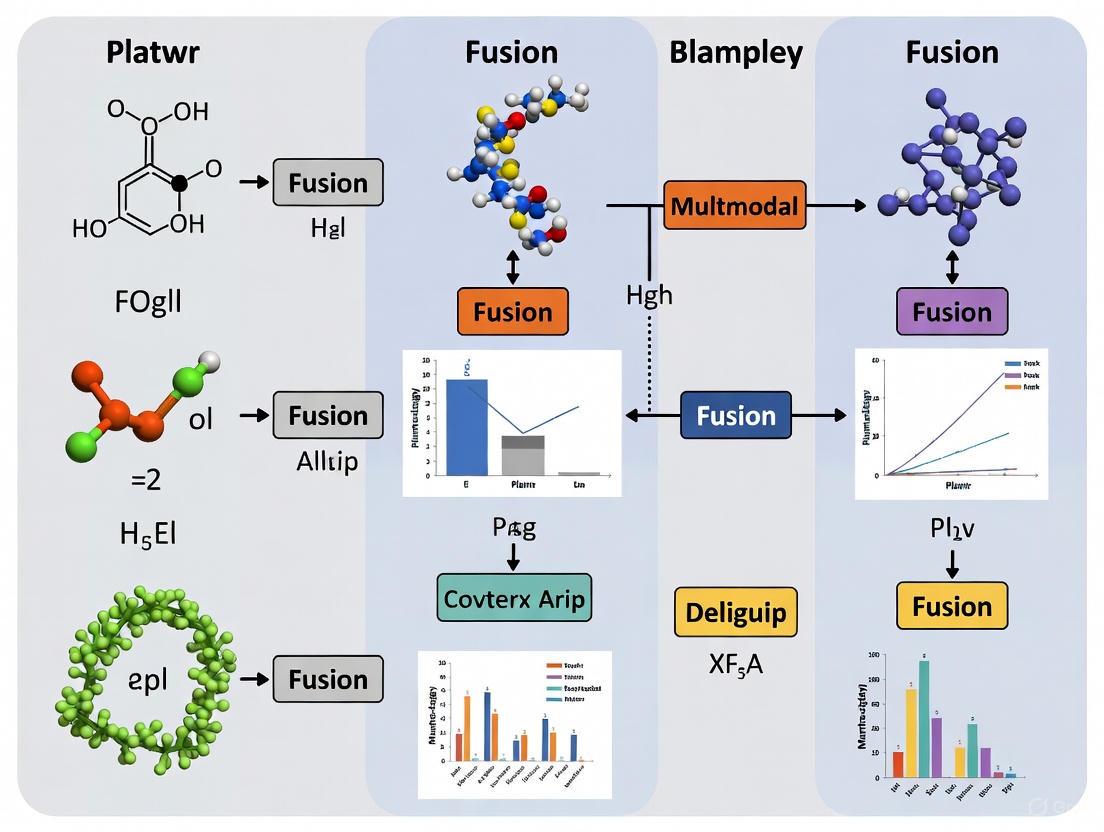
This article provides a comprehensive analysis of fusion strategies for multimodal plant data, catering to researchers and scientists in plant biology and agricultural technology.
Multimodal Data Fusion in Plant Science: Strategies, Applications, and Optimization for Enhanced Analysis
Abstract
This article provides a comprehensive analysis of fusion strategies for multimodal plant data, catering to researchers and scientists in plant biology and agricultural technology. It explores the foundational principles of multimodal learning, detailing various data fusion methodologies from early to late fusion and their specific applications in tasks such as species identification and health monitoring. The content further addresses critical troubleshooting aspects, including data alignment and model robustness, and offers a comparative validation of different fusion techniques against established benchmarks. By synthesizing current research and emerging trends, this review serves as a strategic guide for selecting and optimizing fusion strategies to improve accuracy and efficiency in plant science research and its biomedical implications.
The Fundamentals of Multimodal Plant Data: From Unimodal Limits to Fusion Principles
Defining Multimodality in Plant Science
In plant science, multimodal data refers to information that is captured across multiple, distinct types or formats—known as modalities—to provide a comprehensive representation of plant biology. Unlike traditional unimodal approaches that rely on a single data source, multimodal integration leverages the complementary strengths of diverse data types. This paradigm is crucial because a single data source, such as an image of a leaf, is often biologically insufficient for accurate classification or analysis, as variations can occur within the same species and different species can share similar visual features [1] [2].
The core value of multimodal data lies in three key characteristics [3]:
- Complementarity: Each modality captures unique and complementary aspects of a plant's phenotype, genotype, or environment. For instance, images of different organs provide visual cues, while genomic data reveals hereditary information.
- Redundancy: Multiple data types can provide corroborating evidence for a finding, enhancing the reliability of predictions even if one data source is missing or compromised.
- Enhanced Model Performance: Integrative models consistently outperform unimodal alternatives by capturing a more holistic view of complex plant traits and responses.
The following diagram illustrates the core logical relationship between the fundamental concepts in multimodal plant science, from raw data types to final application outcomes.
Core Concepts of Multimodal Data in Plant Science
Key Data Modalities and Fusion Strategies
Primary Modalities in Plant Research
The tables below categorize the primary data modalities utilized in modern plant science research.
Table 1: Core Data Modalities in Plant Science
| Modality Category | Specific Data Types | Description & Role | Example Applications |
|---|---|---|---|
| Visual Phenomics | Images of leaves, flowers, fruits, stems [1] [2] | Provides information on plant morphology, health, and organ-specific characteristics. | Plant species identification [1], disease diagnosis from leaf spots [4]. |
| Environmental & Climate | Temperature, humidity, rainfall, soil data [4] | Captures the abiotic conditions influencing plant growth, health, and disease spread. | Predicting disease severity [4], modeling trait distributions [5]. |
| Genomic & Multi-Omics | Genotypic (SNP), transcriptomic, epigenomic data [6] | Reveals the genetic blueprint and functional molecular activity within the plant. | Genomic selection for breeding [6], predicting complex traits [6]. |
| Text & Semantics | Scientific literature, curated database entries [7] [8] | Encodes structured and unstructured knowledge from domain experts and publications. | Enhancing knowledge bases (e.g., P3DB) [8], interpreting model results. |
| Geospatial Context | Satellite imagery, GPS coordinates, climate priors [5] | Provides location-based context, enabling scaling from individual plants to ecosystems. | Global-scale mapping of plant traits [5]. |
Comparing Multimodal Fusion Strategies
A central challenge in multimodal learning is data fusion—the method of integrating information from different modalities. The choice of strategy significantly impacts model performance and interpretability [1] [2].
Table 2: Comparison of Multimodal Fusion Strategies
| Fusion Strategy | Description | Technical Advantages | Limitations & Challenges |
|---|---|---|---|
| Early Fusion | Integration of raw data from different modalities into a single input tensor before feature extraction [1]. | Allows for modeling low-level interactions between modalities immediately. | Highly susceptible to noise and requires strict alignment between modalities [1]. |
| Intermediate Fusion | Features are extracted from each modality separately and then merged in intermediate layers of a model [1]. | Offers a balanced approach, enabling the model to learn complex cross-modal interactions [1]. | Designing the optimal architecture and fusion points is complex [1]. |
| Late Fusion | Combines modalities at the decision level, typically by averaging the predictions of separate models [1] [2]. | Simple to implement, robust to missing data, and allows for asynchronous training of unimodal models [1] [2]. | Cannot capture fine-grained, cross-modal correlations, potentially limiting performance gains [1]. |
| Hybrid/Automatic Fusion | Leverages Neural Architecture Search (NAS) to automatically discover the optimal fusion architecture [1] [2]. | Can outperform manually designed models by finding more efficient and effective fusion pathways [1] [2]. | Computationally intensive during the search phase [2]. |
Performance Comparison of Fusion Methods
Experimental data from recent studies provides a quantitative basis for comparing the performance of different fusion strategies in specific plant science tasks.
Table 3: Experimental Performance of Fusion Strategies on Benchmark Tasks
| Study & Task | Dataset | Fusion Method | Key Performance Metric | Result | Comparative Advantage |
|---|---|---|---|---|---|
| Plant Identification [1] [2] | Multimodal-PlantCLEF (979 classes) | Automatic Fusion (MFAS) | Accuracy | 82.61% | +10.33% over Late Fusion |
| Late Fusion (Averaging) | Accuracy | 72.28% | Baseline | ||
| Tomato Disease Diagnosis [4] | PlantVillage & Environmental Data | Late Fusion (EfficientNetB0 + RNN) | Disease Classification Accuracy | 96.40% | Integrates image and climate data |
| Unimodal (Image-only) | Disease Classification Accuracy | ~90% (est. from context) | Outperforms unimodal approaches | ||
| Tomato Disease Severity [4] | PlantVillage & Environmental Data | Late Fusion (EfficientNetB0 + RNN) | Severity Prediction Accuracy | 99.20% | High-precision severity estimation |
| Plant Disease Diagnosis [7] | 205,007 images & 410,014 texts | Intermediate Fusion (PlantIF) | Accuracy | 96.95% | +1.49% over established models |
Detailed Experimental Protocols
The high-performing results in Table 3 were achieved through carefully designed methodologies. Below are the detailed experimental protocols for the two key studies.
Protocol 1: Automatic Fusion for Plant Identification [1] [2]
- Dataset Preparation: The PlantCLEF2015 dataset was restructured into "Multimodal-PlantCLEF," comprising images of four distinct plant organs (flowers, leaves, fruits, stems) treated as separate modalities.
- Unimodal Model Training: A separate pre-trained MobileNetV3Small model was first trained on each individual organ modality.
- Fusion Architecture Search: The Multimodal Fusion Architecture Search (MFAS) algorithm was applied. This algorithm automatically searches for the optimal layers at which to merge the pre-trained unimodal networks, creating a single, cohesive architecture.
- Robustness Training: The model was trained with multimodal dropout, a technique that randomly drops subsets of modalities during training, forcing the model to become robust to missing data at test time.
- Evaluation: The final fused model was evaluated against a late fusion baseline using classification accuracy and McNemar's statistical test.
Protocol 2: Late Fusion for Tomato Disease Diagnosis and Severity [4]
- Data Collection: The study utilized two parallel data streams:
- Visual Modality: Leaf images from the PlantVillage dataset.
- Environmental Modality: Time-series weather data (e.g., temperature, humidity, rainfall).
- Unimodal Model Training:
- An EfficientNetB0 model was trained for image-based disease classification.
- A Recurrent Neural Network (RNN) was trained to predict disease severity from the environmental data sequences.
- Late Fusion: Predictions from the two independent models (EfficientNetB0 and RNN) were combined at the decision level to produce a final, integrated output.
- Interpretability Analysis: The model was made interpretable using LIME (for the image modality) and SHAP (for the weather modality) to explain the classification and severity predictions.
- Evaluation: The fused model was evaluated on separate test sets for classification accuracy and severity prediction accuracy.
The workflow for this late fusion protocol is detailed in the following diagram.
Tomato Disease Diagnosis via Late Fusion
The Scientist's Toolkit: Essential Research Reagents
Building and experimenting with multimodal plant data requires a suite of computational tools and data resources. The following table catalogs key "research reagent solutions" cited in the discussed studies.
Table 4: Essential Research Reagents for Multimodal Plant Science
| Reagent Category | Specific Tool / Resource | Function in Research | Example Use Case |
|---|---|---|---|
| Computational Frameworks | Multimodal Fusion Architecture Search (MFAS) [2] | Automates the discovery of optimal neural network architectures for fusing multiple data modalities. | Achieving state-of-the-art plant identification accuracy [1] [2]. |
| MUFASA [2] | A more comprehensive NAS that searches for both unimodal and fusion architectures. | Potentially higher performance at the cost of greater computational resources [2]. | |
| Pre-trained Models & Encoders | MobileNetV3Small [1] [2] | A lightweight, efficient convolutional neural network used as a feature extractor for plant organ images. | Serving as the base unimodal model in automatic fusion pipelines [1] [2]. |
| EfficientNetB0 [4] | A CNN that provides high accuracy and efficiency scaling, used for image-based classification tasks. | Serving as the visual backbone for tomato disease diagnosis [4]. | |
| Geospatial Foundation Models (e.g., SatCLIP, Climplicit) [5] | Encoders that provide rich, pre-trained representations of climate and satellite data. | Integrating geospatial context into global-scale plant trait prediction models [5]. | |
| Key Datasets | Multimodal-PlantCLEF [1] | A restructured version of PlantCLEF2015 containing images from four plant organs for multimodal classification. | Benchmarking plant identification models and fusion strategies [1]. |
| PlantVillage [4] | A large, public dataset of plant leaf images annotated with disease labels. | Training and evaluating disease classification models [4]. | |
| TRY Plant Trait Database [5] | A global database of plant traits, containing species-level trait measurements. | Providing weak labels for training trait prediction models from citizen science images [5]. | |
| P3DB (Plant Protein Phosphorylation Database) [8] | A curated knowledgebase of plant phosphorylation events. | Integrating structured biological knowledge with LLMs for enhanced querying [8]. | |
| Interpretability Tools | LIME (Local Interpretable Model-agnostic Explanations) [4] | Explains the predictions of any classifier by perturbing the input and analyzing changes in the output. | Interpreting which parts of a leaf image contributed to a disease classification [4]. |
| SHAP (SHapley Additive exPlanations) [4] | Determines the contribution of each input feature to a model's prediction based on game theory. | Explaining which weather variables were most important for disease severity prediction [4]. |
Plant classification and analysis are fundamental to agricultural productivity, ecological conservation, and understanding plant growth dynamics [1]. Traditional approaches to plant analysis have predominantly relied on single-source data, such as images of a single plant organ—typically leaves [1] [9]. From a biological standpoint, however, a single organ provides insufficient information for accurate classification and comprehensive analysis [1]. This limitation stems from the fact that variations in appearance can occur within the same species due to various environmental factors, while different species may exhibit remarkably similar features in a single organ type [1] [9].
The limitations of single-source data extend beyond morphological classification to physiological analysis. Traditional plant physiological measurements, such as detailed leaf gas exchange systems used to quantify photosynthetic performance, are often constrained to instantaneous point measurements that provide only a 'snap shot' of leaf photosynthetic status at a single point in time over a comparatively small area [10]. These methods introduce substantial measurement variability, with differences between lowest and highest rates often amounting to one or even two orders of magnitude [11], highlighting the critical need for more comprehensive analytical approaches that integrate multiple data sources.
Comparative Analysis: Single-Modality vs. Multimodal Fusion
Performance Comparison of Classification Approaches
Table 1: Comparison of plant classification approaches using Multimodal-PlantCLEF dataset
| Approach | Data Sources | Fusion Strategy | Accuracy | Key Limitations |
|---|---|---|---|---|
| Single-Source (Leaf-only) | Leaf images | Not applicable | ~60-65% (estimated) | Limited view of plant biology; struggles with species having similar leaves [1] [9] |
| Late Fusion | Flowers, leaves, fruits, stems | Decision-level averaging | 72.28% | Suboptimal architecture; relies on developer discretion [1] [9] |
| Automatic Fused Multimodal DL | Flowers, leaves, fruits, stems | Multimodal fusion architecture search | 82.61% | Requires multimodal dataset creation [1] [9] |
Comparison of Plant Analysis Methods
Table 2: Broader comparison of plant analysis methodologies
| Method Category | Primary Data Sources | Key Applications | Limitations |
|---|---|---|---|
| Traditional Physiological Measurements | Leaf gas exchange, chlorophyll fluorescence | Photosynthetic performance, biochemical efficiency | Time-consuming; low-throughput; specialized equipment required [10] |
| Optical Sensing & Remote Sensing | Multi/hyperspectral reflectance, infrared thermography, LiDAR | High-throughput phenotyping, stress detection | Requires calibration with direct empirical measurements [10] |
| Unimodal Deep Learning | Single organ images (typically leaves) | Automated plant identification | Fails to capture full biological diversity [1] [9] |
| Multimodal Deep Learning | Multiple plant organs (flowers, leaves, fruits, stems) | Comprehensive species identification, growth analysis | Dataset availability; fusion strategy optimization [1] [9] |
Experimental Evidence: Quantifying the Fusion Advantage
Multimodal Plant Identification Protocol
Experimental Objective: To develop and evaluate an automated fused multimodal deep learning approach for plant classification that integrates images from multiple plant organs and compares performance against single-modality and late fusion baselines [1] [9].
Dataset Preparation:
- Created Multimodal-PlantCLEF, a restructured version of PlantCLEF2015 tailored for multimodal tasks
- Comprised images of four distinct plant organs: flowers, leaves, fruits, and stems
- Contained 979 plant classes for classification [1] [9]
Methodology:
- Trained individual unimodal models for each plant organ using MobileNetV3Small pre-trained model
- Applied a modified Multimodal Fusion Architecture Search (MFAS) to automatically fuse unimodal models
- Incorporated multimodal dropout to enhance robustness to missing modalities
- Compared against late fusion baseline using averaging strategy [1] [9]
Evaluation Metrics:
Cancer Survival Prediction Protocol (Cross-Domain Validation)
Experimental Objective: To evaluate the performance of multimodal data fusion versus single-modality approaches for predicting overall survival in cancer patients, providing cross-domain validation of fusion benefits [12].
Dataset:
- Utilized The Cancer Genome Atlas (TCGA) data
- Incorporated multiple modalities: transcripts, proteins, metabolites, and clinical factors [12]
Methodology:
- Addressed challenges of high dimensionality, small sample sizes, and data heterogeneity
- Applied various feature extraction and fusion strategies
- Specifically compared late fusion models against single-modality approaches across lung, breast, and pan-cancer datasets [12]
Evaluation Metrics:
- Concordance index (C-index) for survival prediction performance
- Robustness analysis through multiple training-test splits [12]
The Fusion Workflow: From Single-Source to Integrated Analysis
The following diagram illustrates the fundamental shift from traditional single-source analysis to automated multimodal fusion:
Technical Implementation: Fusion Architecture Strategies
Multimodal Fusion Architecture Comparison
Table 3: Technical comparison of multimodal fusion strategies
| Fusion Strategy | Integration Point | Key Advantages | Key Limitations | Representative Applications |
|---|---|---|---|---|
| Early Fusion | Data-level, before feature extraction | Simple implementation; preserves raw data correlations | Susceptible to overfitting with high-dimensional data; ignores data heterogeneity [13] [12] | Simple image-text concatenation [13] |
| Late Fusion | Decision-level, after individual processing | Resistant to overfitting; handles data heterogeneity naturally | May miss important cross-modal interactions; suboptimal for capturing complex relationships [1] [12] | Averaging predictions from separate organ classifiers [1] |
| Intermediate Fusion | Feature-level, after separate feature extraction | Balances flexibility and integration; enables cross-modal feature enrichment | Requires careful architecture design; can be computationally complex [13] [14] | Attention mechanisms between modality features [13] [14] |
| Hybrid Fusion | Multiple integration points | Maximizes benefits of different strategies; highly flexible | Complex to implement and optimize; risk of over-engineering [1] [13] | Combined feature and decision fusion [1] |
| Automated Fusion Search | Learned through architecture search | Discovers optimal fusion strategy automatically; adapts to specific data characteristics | Computationally intensive search process; requires specialized expertise [1] [9] | Multimodal Fusion Architecture Search (MFAS) [1] |
Table 4: Key research reagents and computational resources for multimodal plant analysis
| Resource Category | Specific Examples | Function/Application | Key Characteristics |
|---|---|---|---|
| Multimodal Datasets | Multimodal-PlantCLEF, PlantCLEF2015 | Training and evaluation of multimodal plant classification models | Contains images of multiple plant organs; 979 plant classes [1] [9] |
| Deep Learning Frameworks | TensorFlow, PyTorch | Implementation of neural network architectures | Support for convolutional networks; pre-trained model availability [1] |
| Pre-trained Models | MobileNetV3Small, VGGNet, ResNET | Feature extraction; transfer learning | Pre-trained on large datasets; enables efficient knowledge transfer [1] [13] |
| Neural Architecture Search Tools | MFAS implementations | Automated discovery of optimal fusion architectures | Reduces manual design bias; finds more efficient models [1] [9] |
| Physiological Measurement Systems | Photosynthetic gas exchange systems, chlorophyll fluorometers | Direct empirical measurement of plant physiological status | Quantifies photosynthetic CO2 assimilation, stomatal conductance [10] |
| Optical Sensors | Multi/hyperspectral reflectance sensors, infrared thermography, LiDAR | High-throughput phenotyping; indirect physiological assessment | Enables rapid screening over wide spatial scales [10] |
Integration Pathways: From Data to Decisions
The following diagram illustrates the complete multimodal fusion pipeline for plant analysis, highlighting the integration of complementary data sources:
The experimental evidence across domains consistently demonstrates that single-source data approaches introduce significant limitations in plant analysis, from classification inaccuracies to incomplete physiological characterization. The 10.33% performance gap between automated multimodal fusion and conventional late fusion strategies underscores the critical importance of not just adding more data sources, but of implementing optimized fusion methodologies [1] [9]. The cross-domain validation from cancer research further strengthens this conclusion, with late fusion models consistently outperforming single-modality approaches despite the challenges of high dimensionality and data heterogeneity [12].
For researchers in plant science and agricultural technology, the path forward requires a fundamental shift from single-source to deliberately designed multimodal approaches. This transition encompasses both technical implementation—adopting advanced fusion strategies like automated architecture search—and philosophical orientation toward holistic plant characterization that respects the biological complexity of the subjects under study. As the field progresses, the development of standardized multimodal datasets, reusable processing pipelines, and validated fusion protocols will be essential to realizing the full potential of multimodal integration for addressing pressing challenges in food security, climate resilience, and sustainable agriculture.
In the field of artificial intelligence, multimodal data fusion is the process of integrating information from diverse data types—such as images, text, audio, and sensor data—to create richer, more comprehensive computational models [15]. For plant data research, this often involves combining visual data from different plant organs (e.g., leaves, flowers, stems, fruits) with textual descriptions, thermal imagery, or other sensor data to achieve more accurate classification, diagnosis, and phenotyping than would be possible with any single data source [1] [7]. The core challenge lies in determining the optimal strategy and timing for integrating these heterogeneous data streams to maximize performance while managing computational complexity [1].
The selection of fusion strategy significantly impacts model effectiveness, as each approach offers distinct trade-offs in how it handles inter-modal interactions, data synchronization, and robustness to missing information [15]. This guide provides a structured comparison of early, intermediate, late, and hybrid fusion strategies, with specific applications to multimodal plant data research, experimental protocols, and practical implementation guidelines for scientific teams.
Core Fusion Strategies
Early Fusion (Feature-Level Fusion)
Mechanism Overview: Early fusion, also known as feature-level fusion, integrates raw data or preliminary features from multiple modalities before they are fed into the main machine learning model [16] [15]. This approach combines data sources at the input level, typically through concatenation or similar methods, creating a unified feature representation that captures low-level interactions between modalities [17].
Technical Implementation: In practice, early fusion involves extracting basic features from each modality—such as pixel values from images or fundamental acoustic features from audio—then merging these features into a single composite vector before model training [16]. For plant research, this might involve combining raw pixel data from images of different plant organs into a single input tensor [1].
Table: Early Fusion Characteristics
| Aspect | Description |
|---|---|
| Integration Point | Input/feature level, before main model processing |
| Data Requirements | Precisely aligned and synchronized modalities |
| Computational Profile | Single training process, but potentially high-dimensional feature spaces |
| Key Advantage | Enables learning of complex cross-modal interactions at granular level |
| Primary Limitation | Susceptible to curse of dimensionality; requires strict data alignment |
Intermediate Fusion (Joint Representation Learning)
Mechanism Overview: Intermediate fusion represents a balanced approach where modalities are processed separately in initial stages, then integrated at intermediate model layers after each has been transformed into latent representations [15]. This strategy has gained significant traction as it balances modality-specific processing with joint representation learning [15].
Technical Implementation: In intermediate fusion, each modality passes through dedicated processing streams (often using specialized neural network architectures) to extract high-level features. These feature representations are then merged through concatenation, element-wise operations, or attention mechanisms before final prediction layers [15]. The PlantIF model for plant disease diagnosis exemplifies this approach, employing semantic space encoders to map visual and textual features into shared and modality-specific spaces before fusion through graph learning techniques [7].
Table: Intermediate Fusion Characteristics
| Aspect | Description |
|---|---|
| Integration Point | Intermediate model layers, after modality-specific processing |
| Data Requirements | Modalities need semantic alignment but not precise low-level synchronization |
| Computational Profile | Balanced complexity; enables rich cross-modal interactions |
| Key Advantage | Captures complex modal interactions while allowing modality-specific processing |
| Primary Limitation | Increased architectural complexity and training requirements |
Late Fusion (Decision-Level Fusion)
Mechanism Overview: Late fusion, also called decision-level fusion, processes each modality independently through separate models and combines their predictions at the final decision stage [16] [17]. This approach resembles ensemble methods, where each modality-specific model contributes its specialized knowledge to a collective decision [15].
Technical Implementation: In late fusion systems, dedicated models are trained for each data modality—for example, one model for leaf images, another for flower images, and a third for textual descriptions [16]. The predictions from these specialized models are aggregated using techniques such as voting, averaging, or weighted summation based on confidence scores [16] [17]. This method's modularity allows researchers to incorporate new data sources without retraining existing components [16].
Table: Late Fusion Characteristics
| Aspect | Description |
|---|---|
| Integration Point | Decision/output level, after independent model processing |
| Data Requirements | Tolerant to asynchronous and heterogeneous data formats |
| Computational Profile | Multiple training processes but reduced dimensionality concerns |
| Key Advantage | High flexibility and robustness to missing modalities |
| Primary Limitation | Limited ability to capture complex cross-modal relationships |
Hybrid Fusion
Mechanism Overview: Hybrid fusion strategically combines elements from early, intermediate, and late fusion approaches to leverage their respective strengths while mitigating their limitations [1]. This adaptive framework enables researchers to customize integration strategies based on specific data characteristics and task requirements.
Technical Implementation: Hybrid approaches might employ early fusion for closely related modalities (e.g., different image types), intermediate fusion for semantically aligned representations, and late fusion for incorporating diverse information sources [1]. The automatic fusion approach described in multimodal plant classification research exemplifies this strategy, using neural architecture search to optimize fusion points throughout the model [1].
Comparative Analysis of Fusion Strategies
Performance Comparison in Plant Research
Experimental studies in plant data research provide quantitative insights into how different fusion strategies perform on practical classification tasks. Research on multimodal plant identification using images from multiple plant organs (flowers, leaves, fruits, and stems) demonstrated significant performance variations between fusion approaches [1].
Table: Experimental Performance Comparison in Plant Classification
| Fusion Strategy | Reported Accuracy | Key Advantages | Limitations |
|---|---|---|---|
| Late Fusion | 72.28% | Simple implementation; robust to missing modalities | Fails to capture cross-modal interactions |
| Automatic Hybrid Fusion | 82.61% | Automatically discovers optimal architecture | Complex implementation; computationally intensive search process |
| Early Fusion | Not specifically reported | Learns rich joint representations | Requires precisely aligned data; high-dimensional issues |
The automatic fusion approach, which employed multimodal fusion architecture search (MFAS), outperformed late fusion by 10.33% accuracy on the Multimodal-PlantCLEF dataset comprising 979 plant classes [1]. This performance advantage stems from the method's ability to automatically discover optimal fusion points throughout the network architecture rather than relying on predetermined integration strategies.
Strategic Trade-Off Analysis
Each fusion strategy presents distinct trade-offs that researchers must consider when designing multimodal plant data systems:
Early Fusion excels when modalities are closely related and precisely synchronized, but struggles with high-dimensional feature spaces and data alignment requirements [16]. The approach is particularly suitable when raw data from multiple sources need to be analyzed together, such as in audio-visual recognition systems [16].
Intermediate Fusion offers a balanced solution that captures rich cross-modal interactions while allowing for modality-specific processing [15]. This comes at the cost of increased architectural complexity and training requirements. Intermediate fusion has proven effective in plant disease diagnosis, where models like PlantIF use graph learning to capture spatial dependencies between plant phenotype and text semantics [7].
Late Fusion provides maximum flexibility and robustness to missing data, making it ideal for scenarios where modalities are asynchronous or have different sampling rates [16] [15]. However, this approach may miss important cross-modal interactions that could enhance model performance [16]. Its modular nature facilitates incorporation of new data sources without retraining existing models [16].
Hybrid Fusion strategies aim to combine the strengths of multiple approaches, as demonstrated by the automatic fusion method that achieved state-of-the-art performance in plant classification [1]. The trade-off involves increased implementation complexity and computational demands for architecture search or custom design.
Experimental Protocols and Methodologies
Multimodal Plant Classification Protocol
Dataset Preparation: The Multimodal-PlantCLEF dataset provides a benchmark for evaluating fusion strategies in plant research [1]. This dataset was created by restructuring the PlantCLEF2015 dataset into a multimodal format containing images of four distinct plant organs: flowers, leaves, fruits, and stems [1]. Each plant specimen is represented by multiple images capturing different biological features, enabling comprehensive multimodal learning.
Experimental Setup: In the referenced study, researchers first trained unimodal models for each plant organ using MobileNetV3Small pretrained weights [1]. They then applied a modified Multimodal Fusion Architecture Search (MFAS) algorithm to automatically discover optimal fusion points throughout the network [1]. The baseline comparison implemented late fusion with averaging strategy, a common approach in multimodal plant classification [1].
Evaluation Metrics: Performance was assessed using standard classification metrics including accuracy, with statistical significance verified through McNemar's test [1]. Robustness to missing modalities was evaluated using multimodal dropout techniques during training [1].
Implementation Workflow
The following workflow diagram illustrates the experimental protocol for multimodal plant classification with automatic fusion:
Advanced Fusion Technique: Modality Dropout
Concept and Implementation: Modality dropout is a training technique that randomly drops or obscures specific modalities during each training iteration, forcing the model to adapt to varying combinations of available data [17]. This approach enhances robustness in real-world scenarios where certain data sources may be missing or corrupted at inference time [17].
Application Protocol: In plant research, modality dropout can be implemented by randomly omitting images of specific plant organs during training batches. For example, a model might receive only flower and leaf images in one iteration, then fruit and stem images in another, learning to generate accurate predictions from incomplete multimodal data [1]. Studies have demonstrated that models trained with modality dropout maintain reasonable performance even when only one modality is available, a common occurrence in field applications [1].
The Scientist's Toolkit: Research Reagent Solutions
Implementing effective multimodal fusion requires both computational resources and specialized datasets. The following table outlines essential components for plant data fusion research:
Table: Essential Research Resources for Multimodal Plant Data Fusion
| Resource Category | Specific Tools & Datasets | Research Function | Implementation Notes |
|---|---|---|---|
| Benchmark Datasets | Multimodal-PlantCLEF [1] | Standardized evaluation of fusion strategies | Restructured from PlantCLEF2015; contains 4 plant organs |
| Architecture Search | Multimodal Fusion Architecture Search (MFAS) [1] | Automatically discovers optimal fusion points | Modified from Perez-Rua et al. (2019); enables hybrid fusion |
| Pretrained Models | MobileNetV3Small [1] | Feature extraction for image-based modalities | Provides strong baseline; transfer learning from ImageNet |
| Robustness Techniques | Modality Dropout [1] [17] | Enhances model resilience to missing data | Randomly omits modalities during training |
| Fusion Frameworks | PlantIF [7] | Graph-based fusion of image and text data | Uses semantic space encoders and self-attention graph convolution |
| Evaluation Metrics | McNemar's Test [1] | Statistical significance testing | Complementary to standard accuracy metrics |
Technical Implementation Guide
Data Preprocessing Pipeline
Effective multimodal fusion requires meticulous data preprocessing to ensure compatibility between modalities. For plant data research, this typically involves:
Image Normalization: Standardizing size, orientation, and color properties across all plant organ images to create consistent input representations [15]. This may include resizing to uniform dimensions, color normalization, and augmentation techniques to increase dataset diversity.
Feature Alignment: Creating semantic correspondence between different data types, such as aligning images of specific plant organs with relevant textual descriptions or thermal measurements [15]. In the PlantIF model, this involved mapping visual and textual features into shared semantic spaces to enable effective fusion [7].
Handling Missing Data: Developing strategies for incomplete multimodal samples, whether through interpolation, imputation, or robust fusion techniques that can accommodate partial inputs [15]. Modality dropout during training prepares models for such scenarios [1] [17].
Computational Considerations
Implementing fusion strategies requires careful attention to computational requirements and efficiency:
Resource Allocation: Early fusion often creates high-dimensional input spaces that increase computational demands [16]. Late fusion requires maintaining multiple models but with lower individual complexity [16]. Intermediate and hybrid approaches balance these factors but introduce architectural complexity [15].
Deployment Constraints: For field applications in agricultural research, model size and inference speed become critical factors. The automatically discovered fusion architecture in plant classification research achieved strong performance with compact parameter counts, facilitating deployment on resource-constrained devices [1].
The selection of fusion strategy represents a fundamental design decision in multimodal plant data research, with significant implications for model performance, robustness, and practical applicability. Experimental evidence demonstrates that automatically discovered hybrid fusion strategies can outperform conventional approaches, achieving state-of-the-art results in plant classification tasks [1].
Future research directions include developing more efficient neural architecture search methods for fusion optimization, creating standardized multimodal benchmarks for plant phenotyping, and advancing techniques for handling extreme data heterogeneity. As multimodal learning continues to evolve, plant data research stands to benefit substantially from these advancements, enabling more accurate species identification, disease diagnosis, and growth monitoring to support agricultural productivity and ecological conservation.
In modern research, particularly in fields like precision agriculture and environmental monitoring, relying on a single data source often proves insufficient for comprehensive analysis. The integration of multiple data types—a practice known as multimodal fusion—has emerged as a critical methodology for enhancing the accuracy and robustness of scientific observations [1]. This approach leverages the complementary strengths of different sensing technologies to overcome the inherent limitations of any single modality. For plant data research specifically, multimodal learning addresses a fundamental biological reality: a single plant organ is often insufficient for accurate classification, as variations can occur within the same species while different species may exhibit similar features in one organ type [1].
This guide provides a systematic comparison of four foundational sensor technologies—RGB, Hyperspectral, LiDAR, and Environmental Sensors—within the context of multimodal plant data research. By objectively analyzing the performance specifications, applications, and integration methodologies of these technologies, we aim to equip researchers and drug development professionals with the knowledge needed to design effective sensor fusion strategies. The subsequent sections will detail each sensor type's capabilities, present experimental data on their performance, and illustrate workflows for their synergistic application in research settings.
Sensor Fundamentals and Comparative Analysis
Core Sensor Types and Characteristics
RGB Sensors: These are conventional digital cameras capturing images in three broad spectral bands (Red, Green, Blue). They provide high-resolution spatial information but limited spectral data, making them susceptible to the metamerism effect where visually similar materials appear identical despite different compositions [18]. Recent advancements have focused on leveraging deep learning to extract more value from RGB data, such as reconstructing spectral information from standard images [19].
Hyperspectral Imaging (HSI) Sensors: HSI systems capture electromagnetic intensities across hundreds of narrow, contiguous spectral bands, typically from visible (VIS: 0.4-0.7μm) to near-infrared (NIR: 0.7-1μm) or shortwave infrared (SWIR: 1-2.5μm) regions [18]. This enables detailed material identification through unique spectral signatures, overcoming limitations of RGB imaging but generating high-dimensional data that poses computational challenges for real-time processing [18] [20].
LiDAR (Light Detection and Ranging) Sensors: These active sensors use laser pulses to measure distances and create detailed three-dimensional point clouds of surfaces and structures. Modern systems, such as the RIEGL VQ-1560 III-S, can achieve measurement rates up to 4.4 MHz and are often integrated with RGB or NIR cameras for complementary data collection [21]. LiDAR excels at capturing spatial geometry and surface topography but lacks biochemical information.
Environmental Sensors: This category encompasses sensors that monitor atmospheric and ambient conditions, including particulate matter (PM2.5), nitrogen dioxide (NO2), temperature, and humidity [22]. They provide crucial contextual data for interpreting other sensor readings and are increasingly deployed in networked systems for epidemiological and environmental studies.
Technical Specification Comparison
Table 1: Comparative technical specifications of key sensor types
| Sensor Type | Spatial Resolution | Spectral Resolution | Data Output | Key Measurables | Cost Level |
|---|---|---|---|---|---|
| RGB | High (e.g., 266 MP for FARO Focus Premium Max) [21] | 3 broad bands (R, G, B) | 2D raster images | Visual appearance, texture, morphology | Low |
| Hyperspectral | Medium (trade-off with spectral resolution) [18] | Hundreds of narrow bands (e.g., 128+ channels) [18] | 3D hypercube (x,y,λ) | Material composition, chemical properties | High |
| LiDAR | 3D point density (e.g., ~70 points/m² from 1500 ft AGL) [23] | N/A | 3D point cloud | Surface geometry, topography, structure | Medium-High |
| Environmental | Point measurements | N/A (gas/particle specific) | Time-series data | PM2.5, NO2, temperature, humidity [22] | Low |
Table 2: Performance characteristics and limitations across sensor types
| Sensor Type | Strengths | Limitations | Primary Applications |
|---|---|---|---|
| RGB | Low cost, high resolution, strong anti-interference ability, ease of integration [19] | Limited to visual spectrum, cannot distinguish metameric colors [18] | Plant morphology, visual documentation, object detection |
| Hyperspectral | Material-level discrimination, detects invisible features, measures chemical properties [18] [20] | High cost, large data volumes, computationally intensive, sensitivity to environmental conditions [18] | Plant stress detection, nutrient status assessment, disease identification |
| LiDAR | Accurate 3D mapping, works in darkness, penetrates vegetation to some degree [19] | High cost, limited by weather conditions, no chemical information | Plant height measurement, canopy structure, biomass estimation |
| Environmental | Continuous monitoring, provides contextual data, increasingly compact designs | Calibration drift, cross-sensitivities to environmental factors [22] | Microclimate monitoring, pollution exposure studies |
Experimental Protocols and Performance Validation
Multimodal Plant Classification Using Automated Fusion
Objective: To develop an automated multimodal deep learning approach for plant classification by integrating images from multiple plant organs [1].
Methodology: Researchers created a multimodal dataset (Multimodal-PlantCLEF) by restructuring the unimodal PlantCLEF2015 dataset to include images of four specific plant organs: flowers, leaves, fruits, and stems. They trained unimodal models for each organ type using the MobileNetV3Small pretrained model. A modified Multimodal Fusion Architecture Search (MFAS) algorithm was then employed to automatically determine the optimal fusion strategy rather than relying on manual design decisions. The approach incorporated multimodal dropout to enhance robustness to missing modalities [1].
Performance Metrics: The automated fusion model achieved 82.61% accuracy across 979 plant classes in the Multimodal-PlantCLEF dataset, outperforming traditional late fusion by 10.33%. The model maintained strong performance even with missing modalities, demonstrating the effectiveness of both multimodality and optimized fusion strategy [1].
UAV-Based Multisensor Fusion for Crop Parameter Estimation
Objective: To simultaneously estimate multiple crop growth parameters (plant height, leaf area index, and chlorophyll content) through UAV-borne sensor fusion [19].
Methodology: Researchers developed an integrated system comprising a LiDAR module and an RGB camera mounted on a UAV platform. The hardware system was controlled through ROS (Robot Operating System) to collaboratively generate color point clouds. A pixel-level co-registration algorithm aligned LiDAR and camera data without requiring special registration objects. An improved MST++ deep learning network reconstructed 31 spectral channels in the 400-700nm range from RGB images, creating simulated 3D hyperspectral data [19].
Performance Metrics: The system demonstrated high accuracy in estimating all three growth parameters with R² values of 0.95 for plant height, 0.91 for leaf area index, and 0.89 for chlorophyll content. The fusion approach significantly outperformed single-sensor methods, particularly for chlorophyll content estimation where RGB-alone methods typically fail [19].
Hyperspectral Imaging for Air Pollution Classification
Objective: To classify air pollution severity using hyperspectral imaging converted from standard RGB images [24].
Methodology: Researchers developed a novel conversion algorithm (cHSI) to transform RGB images into hyperspectral images, extracting spectral information beyond standard three-band imagery. A dataset of 15,137 images was compiled across four regions (trees, roofs, roads, and other surfaces), captured by a drone at 100 meters altitude. The images were classified into "Good," "Normal," or "Severe" categories according to the Air Quality Index (AQI). Two separate 3D convolutional neural network (3DCNN) models were trained using traditional RGB images and the converted HSI images respectively [24].
Performance Metrics: Replacement of the RGB-3DCNN model with the cHSI-3DCNN model improved classification accuracy by up to 9% across all regions, demonstrating the value of enhanced spectral information for environmental monitoring applications [24].
Integration Workflows and Fusion Strategies
Multimodal Data Fusion Framework
Hardware Integration Architecture
Research Reagent Solutions and Essential Materials
Table 3: Essential research materials and their functions in sensor-based studies
| Item | Function/Application | Example Use Case |
|---|---|---|
| Molecularly Imprinted Polymers (MIPs) | Selective targeting of small molecules for detection [25] | Colorimetric detection of specific compounds in aqueous solutions [25] |
| Standard 24-Color Checker | Reference target for camera calibration and color correction [24] | Establishing relationship matrix between camera and spectrometer [24] |
| 3D-Printed Opaque Enclosure | Housing for sensitive optical components to prevent light interference [25] | Creating controlled measurement environment for RGB sensor systems [25] |
| Reference-Equivalent Instruments (RIs) | Gold-standard measurement devices for sensor calibration [22] | Co-location studies to enhance low-cost sensor accuracy [22] |
| Alphasense OPC-N3 Particle Sensor | Low-cost particulate matter monitoring with high time resolution [22] | Indoor air quality studies in epidemiological research [22] |
The comparative analysis presented in this guide demonstrates that each sensor technology offers distinct advantages and suffers from specific limitations that can be effectively mitigated through strategic multimodal fusion. RGB sensors provide cost-effective high-resolution imaging but lack spectral discrimination capabilities. Hyperspectral imaging enables material-level analysis but at higher cost and computational complexity. LiDAR delivers precise structural information without biochemical context, while environmental sensors supply crucial ancillary data for interpreting primary measurements.
For researchers designing multimodal plant studies, the experimental protocols and fusion workflows outlined herein provide validated frameworks for implementation. The demonstrated performance improvements—from the 10.33% accuracy gain in automated plant classification to the high R² values (0.89-0.95) in crop parameter estimation—substantiate the value of integrated sensing approaches. Future advancements will likely focus on standardizing calibration methodologies, developing more efficient fusion algorithms, and creating increasingly compact and cost-effective multisensor platforms to further accelerate adoption across research domains.
The Role of Data Alignment and Preprocessing in Effective Multimodal Integration
In plant science research, accurately identifying complex traits—such as disease resistance or water stress response—requires integrating diverse data types, or modalities. This process of multimodal integration allows models to capture complementary information that a single data source might miss [15]. However, two technical challenges are central to its success: data alignment, which establishes semantic relationships across different modalities, and data preprocessing, which prepares raw data for integration [26]. Within the specific domain of multimodal plant data, the choice of fusion strategy—dictated by how well data is aligned and processed—directly impacts the performance, robustness, and interpretability of the resulting models. This guide objectively compares the performance of different fusion approaches, providing experimental data and methodologies to inform research decisions.
Core Concepts: Alignment and Preprocessing
Understanding Multimodal Alignment
Multimodal alignment focuses on establishing coherent semantic links between distinct data types, such as images, text, and sensor readings [26]. It can be broadly categorized into two approaches:
- Explicit Alignment directly measures inter-modal relationships, often using similarity matrices or graph structures to link specific elements (e.g., aligning a textual description of a leaf spot with its corresponding location in a leaf image) [26] [27].
- Implicit Alignment serves as an intermediate, latent step in a larger model. Techniques like crossmodal attention mechanisms allow models to automatically learn the relationships between modalities without requiring pre-aligned data [26] [28].
A critical consideration is that the utility of forced alignment is not universal. Recent research indicates that the optimal level of alignment depends on the inherent redundancy between the modalities; forcing alignment between modalities with little shared information can even hinder performance [29].
The Preprocessing Pipeline
Effective fusion is built on a foundation of meticulous data preprocessing, which ensures that different modalities can be accurately integrated [15]. This stage involves modality-specific transformations.
Table: Essential Preprocessing Techniques by Modality
| Modality | Preprocessing Techniques | Key Functions |
|---|---|---|
| Image (RGB/Thermal) | Resizing, Normalization, Augmentation [15] | Standardizes dimensions, enhances contrast, increases data diversity |
| Text | Tokenization, Stopword Removal, Embedding Conversion (e.g., BERT) [15] | Breaks text into units, removes noise, converts to numerical vectors |
| Environmental Sensor Data | Handling missing values, Temporal Alignment [30] [15] | Ensures data continuity, synchronizes with other temporal streams |
Beyond these techniques, temporal and spatial alignment is often crucial. For instance, in plant stress monitoring, a thermal image of a canopy must be accurately matched with the corresponding sensor readings for soil moisture and air temperature from the same point in time [30] [15].
Comparative Analysis of Fusion Strategies
The stage at which modalities are combined—known as the fusion strategy—is a primary differentiator among multimodal models. The following table summarizes the core characteristics of the three main strategies.
Table: Comparison of Multimodal Fusion Strategies
| Fusion Strategy | Description | Best-Use Context | Advantages | Limitations |
|---|---|---|---|---|
| Early Fusion | Combines raw or low-level features from multiple modalities before model input [15]. | Modalities are naturally synchronized and share a low-level semantic space [15]. | Allows model to learn dense, joint representations from the onset [15]. | Highly sensitive to noise and misalignment; requires precise data synchronization [15]. |
| Intermediate Fusion | Processes each modality separately initially, then combines features at an intermediate model layer [15]. | A balance is needed between modality-specific processing and joint learning [7] [31]. | Balances specificity and interaction; highly flexible with architectures like transformers [7] [28]. | Increased model complexity; requires careful design of fusion modules [7]. |
| Late Fusion | Processes each modality independently, combining their final predictions or decisions [15] [4]. | Modalities are asynchronous, or when some modalities may be missing at inference time [15] [31]. | Robust to missing data and easy to implement; leverages state-of-the-art unimodal models [15] [31]. | May miss crucial, fine-grained cross-modal interactions [15]. |
Performance Comparison in Plant Science Tasks
Quantitative results from recent studies demonstrate how the choice of fusion strategy and alignment technique directly impacts model performance on specific plant science tasks.
Table: Experimental Performance of Multimodal Models in Plant Research
| Model / Study | Task | Modalities Used | Fusion & Alignment Approach | Reported Accuracy |
|---|---|---|---|---|
| PlantIF [7] | Plant Disease Diagnosis | Image, Text | Intermediate fusion using a graph learning module for semantic alignment [7]. | 96.95% |
| Sweet Potato Water Stress [30] | Water Stress Classification | RGB-Thermal Imagery, Growth Indicators | Late fusion of Vision Transformer-CNN model with growth indicator analysis [30]. | High (Exact metric N/A, model simplified classification) |
| Automatic Fusion [31] | Plant Identification | Images of multiple organs (flowers, leaves, etc.) | Neural Architecture Search for optimal intermediate fusion [31]. | 82.61% |
| Tomato Disease Diagnosis [4] | Disease Classification & Severity Estimation | Image, Environmental Data | Late fusion of EfficientNetB0 (image) and RNN (environmental data) predictions [4]. | 96.40% (Classification), 99.20% (Severity) |
Detailed Experimental Protocols
To ensure reproducibility and provide a clear blueprint for research, this section details the methodologies from two key studies cited in the performance comparison.
Protocol 1: Multimodal Plant Disease Diagnosis with PlantIF
This protocol outlines the methodology for the PlantIF model, which uses graph networks for semantic alignment [7].
Data Acquisition and Preparation:
- Collect a dataset of 205,007 plant images alongside 410,014 textual descriptions.
- Employ pre-trained image and text feature extractors (e.g., ResNet, BERT) to obtain initial visual and textual feature vectors enriched with prior knowledge.
Semantic Space Encoding:
- Map the extracted features into both a shared semantic space (to capture common patterns) and modality-specific spaces (to preserve unique information).
Multimodal Feature Fusion and Alignment:
- The core of the model is a graph-based fusion module.
- Model the relationships between plant phenotypes and text semantics as a graph.
- Use a Self-Attention Graph Convolutional Network (SA-GCN) to process this graph. The self-attention mechanism dynamically weights the importance of different connections, extracting spatial dependencies and achieving deep semantic alignment between the visual and textual data.
Model Training and Output:
- Train the entire network end-to-end for the task of disease diagnosis.
- The final output is a diagnostic classification (e.g., healthy, specific disease).
Protocol 2: Classifying Water Stress in Sweet Potatoes
This protocol details the experiment that fused low-altitude imagery with environmental data [30].
Field Setup and Data Collection:
- Cultivar and Plot: Use the 'Jinyulmi' sweet potato cultivar, established in experimental field plots.
- Sensor and Imagery Data:
- Capture RGB and thermal imagery from low-altitude platforms.
- Collect various growth indicators from the plants.
- Record environmental variables such as temperature and humidity.
Data Preprocessing and Index Calculation:
- Preprocess the RGB and thermal images (e.g., resizing, registration).
- Calculate a redefined Crop Water Stress Index (CWSI) using the newly defined environmental variables to make it more applicable to open-field conditions.
Model Development and Fusion:
- Machine Learning Pathway: Input the leaf temperature and growth indicators into traditional ML models (e.g., K-Nearest Neighbors).
- Deep Learning Pathway: Develop a Vision Transformer-Convolutional Neural Network (ViT-CNN) model to process the RGB-thermal imagery.
- Fusion Strategy: A late-fusion approach is effectively used. The ML models classify stress based on tabular data, while the DL model classifies based on imagery. Their outputs can be combined or used separately, simplifying the original complex five-level stress classification into a more practical three-level system.
Interpretation and Application:
- Employ Explainable AI (XAI) techniques like Grad-CAM to interpret model predictions.
- Integrate the best-performing models into a graphical user interface (GUI) for actionable decision-making.
Workflow Visualization: Multimodal Plant Data Analysis
The following diagram synthesizes the common stages and decision points in a multimodal plant data analysis pipeline, as exemplified by the detailed experimental protocols.
Diagram Title: Multimodal Plant Data Analysis Workflow
The Scientist's Toolkit: Key Reagents and Algorithms
This section catalogs essential computational "reagents" and techniques that form the foundation of modern multimodal fusion pipelines in plant research.
Table: Essential Research Reagents and Algorithms for Multimodal Fusion
| Category | Item/Algorithm | Function in the Experimental Pipeline |
|---|---|---|
| Core Algorithms | Graph Convolutional Network (GCN) / Self-Attention GCN (SA-GCN) [7] [27] | Models relationships and dependencies between entities (e.g., plant phenotypes and text semantics) for advanced alignment. |
| Capsule Networks [27] | Enhances feature extraction from images by preserving hierarchical spatial relationships, improving robustness. | |
| Contrastive Learning [29] | A training objective that forces the model to learn a shared representation space by pulling related data pairs closer and pushing unrelated pairs apart. | |
| Architectures & Models | Transformer / Crossmodal Attention [28] | Dynamically weighs the relevance of features across different, potentially unaligned, modalities (e.g., vision → language). |
| Multimodal Fusion Architecture Search [31] | Automates the process of finding the optimal neural network architecture and fusion point for a given multimodal task and dataset. | |
| Data & Explainability | Explainable AI (XAI) Tools (LIME, SHAP, Grad-CAM) [30] [4] | Provides post-hoc interpretations of model predictions, crucial for building trust and validating models in a biological context. |
| Pre-trained Feature Extractors (EfficientNet, BERT) [4] [7] | Provides strong, generic feature representations from raw data, serving as a powerful starting point for task-specific models. |
The experimental data and protocols presented in this guide consistently demonstrate that there is no single "best" fusion strategy for all scenarios in plant science. The performance of a multimodal model is intrinsically linked to how data alignment and preprocessing challenges are addressed. Late fusion offers a robust and practical starting point, especially when data is noisy or asynchronous. In contrast, intermediate fusion with sophisticated alignment mechanisms, such as graph networks or attention, can achieve superior performance when data relationships are complex and precise semantic integration is required. As the field advances, the automated discovery of fusion strategies and the principled application of alignment based on data redundancy will become increasingly critical for developing accurate, robust, and interpretable models that address the complex challenges of modern plant science.
Advanced Fusion Techniques and Their Practical Applications in Plant Research
The integration of diverse data types, or modalities, is revolutionizing plant phenotyping and disease diagnosis. Multimodal Fusion addresses the critical limitation of single-source data by combining multiple inputs, such as images of different plant organs or environmental sensor data, to create a more comprehensive biological representation [1]. However, a central challenge lies in determining the optimal strategy for fusing these modalities. Manual design of fusion architectures is complex and often leads to suboptimal performance. Multimodal Fusion Architecture Search (MFAS) has emerged as a solution, automating the discovery of effective fusion strategies and significantly enhancing model accuracy and efficiency [1]. This guide provides a comparative analysis of MFAS against other prominent fusion strategies, detailing their experimental protocols, performance, and practical applications for agricultural research.
Comparative Analysis of Fusion Strategies
The following table summarizes the core characteristics and performance outcomes of the primary fusion strategies employed in multimodal deep learning for plant science.
Table 1: Comparison of Multimodal Fusion Strategies in Plant Science Research
| Fusion Strategy | Core Methodology | Reported Performance | Key Advantages | Key Limitations |
|---|---|---|---|---|
| MFAS (Automated Intermediate) | Uses neural architecture search to automatically find the optimal fusion points and operations between encoder backbones [1]. | 82.61% accuracy on Multimodal-PlantCLEF (979 classes), outperforming late fusion by 10.33% [1]. | Optimized for specific task/dataset; achieves high performance with compact models (e.g., 3.51M parameters) [32] [1]. | Computationally intensive search phase; requires technical expertise for implementation. |
| Late Fusion | Combines modalities at the decision level by averaging or concatenating predictions from separate models [1] [4]. | Serves as a common baseline; MFAS showed significant improvement over this method [1]. | Simple to implement; robust to missing modalities; allows for training of separate models [1]. | Fails to model rich, intermediate feature interactions between modalities, limiting performance. |
| Manual Intermediate Fusion | Manually designed network architecture integrates features from different modalities before the final classification layer [33] [4]. | An optimized multi-path CNN achieved noise robustness of 0.931 on a medical dataset [33]. | More flexible than late fusion; allows for custom, interpretable design of fusion layers [33]. | Architecture design is labor-intensive, requires expert knowledge, and may not be optimal. |
| Multimodal with XAI | Integrates explainable AI (XAI) techniques like LIME and SHAP with a fusion model to interpret predictions [4]. | Achieved 96.40% disease classification and 99.20% severity prediction accuracy for tomatoes [4]. | High transparency and trust; provides insights into model decisions for both image and environmental data [4]. | Adds computational overhead; explanations are post-hoc and may not reflect the true model reasoning. |
Detailed Experimental Protocols
To ensure reproducibility and provide a deeper understanding of the comparative data, this section outlines the experimental methodologies employed in the cited studies.
The MFAS approach demonstrated state-of-the-art performance on a complex plant identification task. The key steps of its protocol are as follows:
- Dataset and Preprocessing: The study used the PlantCLEF2015 dataset, restructured into "Multimodal-PlantCLEF". This new dataset comprises images of four distinct plant organs—flowers, leaves, fruits, and stems—treated as separate modalities. The input images were preprocessed and normalized.
- Model Training and Search:
- Unimodal Model Pre-training: Individual pre-trained MobileNetV3Small models were first fine-tuned as encoders for each specific organ modality (flower, leaf, fruit, stem).
- Fusion Architecture Search: A modified Multimodal Fusion Architecture Search (MFAS) algorithm was applied. This algorithm automatically explores different ways to combine the feature maps from the four unimodal encoders, searching for the most effective fusion points and operations to build a unified, high-performance model.
- Evaluation: The final fused model was evaluated on the test set of Multimodal-PlantCLEF and compared against a strong late-fusion baseline using averaging. The evaluation metric was classification accuracy across 979 plant classes.
Table 2: Key Experimental Conditions for MFAS Study [1]
| Parameter | Specification |
|---|---|
| Dataset | Multimodal-PlantCLEF (restructured from PlantCLEF2015) |
| Modalities | 4 (Flower, Leaf, Fruit, Stem images) |
| Number of Classes | 979 |
| Unimodal Backbone | MobileNetV3Small (pre-trained) |
| Fusion Method | Automated MFAS |
| Key Metric | Classification Accuracy |
This experiment focused on tomato disease diagnosis and severity estimation, emphasizing model interpretability.
- Dataset: The study utilized the widely adopted PlantVillage dataset, containing images of diseased and healthy tomato leaves.
- Multimodal Model Design:
- Image Modality: An EfficientNetB0 model was used to classify diseases from leaf images. LIME (Local Interpretable Model-agnostic Explanations) was applied to this branch to generate visual explanations, highlighting the image regions most influential to the classification decision.
- Weather Modality: A Recurrent Neural Network (RNN) was designed to predict disease severity based on a sequence of environmental data (e.g., humidity, temperature, rainfall). SHAP (SHapley Additive exPlanations) was used to interpret this branch, quantifying the contribution of each weather feature to the severity prediction.
- Fusion Strategy: A late-fusion approach was employed, combining the independent predictions from the image and weather models into a final decision.
- Evaluation: The model was evaluated on its accuracy for both disease classification and severity prediction tasks. The primary value of the study was the demonstration of a functional, interpretable multimodal framework.
Workflow and Architecture Diagrams
The following diagrams illustrate the logical structure and data flow of the core fusion architectures discussed.
MFAS Workflow for Multi-Organ Plant Identification
Interpretable Multimodal Network for Disease Diagnosis
The Scientist's Toolkit: Essential Research Reagents & Materials
For researchers aiming to implement similar multimodal fusion experiments, the following table details key computational "reagents" and their functions.
Table 3: Essential Resources for Multimodal Plant Data Research
| Resource Name | Type | Primary Function in Research | Example in Context |
|---|---|---|---|
| PlantVillage Dataset | Image Dataset | Provides a large, labeled benchmark of plant disease images for training and evaluating models [32] [4]. | Served as the primary data source for the tomato disease diagnosis model [4]. |
| MobileNetV3 | Pre-trained CNN Architecture | Serves as a lightweight, efficient feature extractor for images, ideal for mobile deployment and as a backbone for encoder networks [32] [1]. | Used as the unimodal encoder for each plant organ (flower, leaf, etc.) in the MFAS experiment [1]. |
| EfficientNetB0 | Pre-trained CNN Architecture | Provides a strong balance between accuracy and computational efficiency for image-based classification tasks [4]. | Formed the core of the image classification branch in the interpretable tomato disease model [4]. |
| LIME (XAI Tool) | Explainable AI Library | Generates post-hoc, human-interpretable visual explanations for predictions made by any classifier [32] [4]. | Used to highlight which parts of a leaf image were most important for the disease classification [4]. |
| SHAP (XAI Tool) | Explainable AI Library | Explains the output of any machine learning model by computing the marginal contribution of each feature to the prediction [4]. | Used to quantify the impact of weather features like humidity and temperature on disease severity prediction [4]. |
| Grad-CAM/Grad-CAM++ | Explainable AI Technique | Produces visual explanations from CNNs without requiring architectural changes, highlighting important regions in the image [32]. | Integrated into the Mob-Res model to provide visual insights into the neural regions influencing disease predictions [32]. |
In the rapidly evolving field of agricultural technology, multimodal data fusion has emerged as a transformative methodology for extracting meaningful insights from diverse sensor inputs. This approach systematically combines information from multiple sources—including RGB imagery, thermal imaging, spectral data, and environmental sensors—to create comprehensive digital representations of crop health, stress status, and phenotypic traits. For researchers and drug development professionals working with plant-based systems, understanding the nuanced relationship between fusion strategies and specific application goals is paramount for designing effective experimental protocols and analytical frameworks.
The fundamental premise of sensor-to-application mapping recognizes that no single fusion methodology delivers optimal performance across all research contexts. Rather, the efficacy of any fusion strategy is inherently dependent on the specific analytical goals, sensor characteristics, and environmental constraints of the application domain. This comparative guide examines the performance characteristics of predominant fusion strategies through the lens of agricultural research, with particular emphasis on experimental frameworks for assessing abiotic stress in crop species—a domain where multimodal approaches have demonstrated significant utility for both basic research and applied pharmaceutical development.
Comparative Analysis of Fusion Methodologies
Multi-sensor fusion strategies are systematically categorized into three distinct architectural paradigms based on the stage at which data integration occurs: data-level, feature-level, and decision-level fusion [34]. Each approach offers characteristic advantages and limitations that must be carefully evaluated against specific research requirements, including computational efficiency, robustness to sensor noise, and interpretability of results.
Table 1: Comparative Analysis of Data Fusion Strategies in Agricultural Research
| Fusion Strategy | Technical Approach | Performance Advantages | Application Context | Key Limitations |
|---|---|---|---|---|
| Data-Level Fusion | Raw data aggregation from multiple sensors into unified dataset [34] | Increased signal-to-noise ratio; Enhanced data precision [34] | Low-altitude RGB-thermal imaging for water stress classification [30] | High computational load; Sensitivity to sensor misalignment [34] |
| Feature-Level Fusion | Feature extraction followed by concatenation into high-dimensional vectors [34] | Eliminates redundancy; Increases calculation efficiency [35] | Tea grade discrimination combining NIR spectra and GC-MS features [35] | Potential information loss during feature selection [35] |
| Decision-Level Fusion | Combination of outputs from multiple classifiers or decision processes [34] | Robust to sensor failure; Compatible with heterogeneous sensor types [34] | Voting, Multi-view stacking, and AdaBoost methods [34] | Dependent on individual classifier performance [34] |
The strategic selection among these fusion methodologies represents a critical determinant of experimental success in plant research applications. Data-level fusion excels in contexts requiring maximal information preservation from raw sensor inputs, particularly when deploying complementary sensing modalities such as RGB-thermal imaging systems for water stress assessment [30]. Feature-level fusion offers superior computational efficiency for high-dimensional datasets, as demonstrated in tea quality evaluation platforms combining near-infrared spectroscopy with gas chromatography-mass spectrometry data [35]. Decision-level fusion provides exceptional robustness in heterogeneous sensor networks, making it particularly valuable for field-based agricultural monitoring systems where sensor reliability may vary considerably [34].
Experimental Performance Comparison
To quantitatively evaluate the practical performance of different fusion strategies in plant science applications, we examined two representative experimental frameworks from recent literature. These case studies illustrate how fusion methodology selection directly impacts classification accuracy, model robustness, and operational efficiency in real-world research scenarios.
Table 2: Experimental Performance Metrics Across Fusion Strategies
| Experimental Context | Fusion Method | Classification Accuracy | Key Performance Metrics | Implementation Considerations |
|---|---|---|---|---|
| Sweet Potato Water Stress Classification [30] | K-Nearest Neighbors (KNN) with feature-level fusion | Outperformed other ML models at all growth stages | Simplified 5-level to 3-level stress classification for extreme conditions | Low-altitude platform with RGB-thermal imagery and growth indicators |
| Vision Transformer-CNN (ViT-CNN) [30] | Deep Learning with data-level fusion | High sensitivity to extreme stress conditions | Enhanced applicability to practical agricultural management | Integrated Grad-CAM and XAI for interpretability |
| Vine Tea Grade Discrimination [35] | Random Forest (RF) with mid-level fusion | Excellent classification results with ensemble decisions | Specificity: 0.974; Sensitivity: 0.965 | Resistance to overfitting; Simplicity of implementation |
| Vine Tea Grade Discrimination [35] | Partial Least Squares DA (PLS-DA) with low-level fusion | Appropriate for linear classifier issues | Effectively handled fused NIR and GC-MS data | Concatenated original data from different technologies |
The experimental results demonstrate consistent performance patterns across diverse application domains. In sweet potato water stress monitoring, the K-Nearest Neighbors algorithm implementing feature-level fusion achieved superior classification performance across all growth stages, while the Vision Transformer-CNN architecture utilizing data-level fusion provided enhanced sensitivity to extreme stress conditions [30]. For vine tea grade discrimination, both Random Forest and Partial Least Squares Discriminant Analysis models delivered high classification accuracy, with the ensemble-based Random Forest approach demonstrating particular robustness to overfitting—a critical consideration for research applications with limited sample sizes [35].
These performance comparisons highlight the context-dependent nature of fusion strategy efficacy. The integration of explainable AI (XAI) components, such as gradient-weighted class activation mapping (Grad-CAM) in the sweet potato study, further enhanced the practical utility of these systems by providing researchers with interpretable diagnostic visualizations to support scientific decision-making [30].
Detailed Experimental Protocols
Sweet Potato Water Stress Classification Protocol
The experimental framework for sweet potato water stress assessment exemplifies a sophisticated multimodal fusion approach combining proximal sensing technologies with machine learning classification. The methodology encompassed several distinct phases, from sensor data acquisition through model development and validation [30].
Plant Material and Growing Conditions: The investigation utilized the Jinyulmi sweet potato cultivar established in experimental plots at Gyeongsang National University's Naedong campus. The research design incorporated two plots of 320m² each (8m × 40m) with controlled irrigation regimes to generate differential water stress conditions. Sweet potato transplanting commenced in May, with multimodal data collection spanning critical growth stages to capture phenotypic responses to varying moisture availability [30].
Multimodal Data Acquisition: The sensor platform incorporated low-altitude RGB and thermal infrared imaging systems to capture high-resolution phenotypic data. This proximal sensing approach addressed limitations associated with traditional UAV-based imaging by enabling closer proximity to the crop canopy, thereby facilitating more precise measurement of subtle phenotypic traits. The thermal imaging system enabled continuous collection of crop-level temperature data, providing time-series information on individual plants, while RGB sensors captured visual indicators including color, brightness, and texture variations associated with physiological stress responses [30].
Data Preprocessing and Feature Extraction: The experimental protocol calculated a modified Crop Water Stress Index (CWSI) using field-observable variables to enhance practical applicability under open-field cultivation conditions. Thermal imagery was processed to extract canopy temperature metrics, while RGB images were analyzed to quantify morphological and color-based features. Growth indicators measured throughout the experiment provided additional feature vectors for the classification models [30].
Machine Learning and Deep Learning Implementation: The study developed multiple classification approaches, including traditional machine learning models (Logistic Regression, Random Forest, K-Nearest Neighbors, Multilayer Perceptron, and Support Vector Machine) and a deep learning architecture combining Vision Transformer with Convolutional Neural Network (ViT-CNN). The K-Nearest Neighbors model demonstrated superior performance for water stress level classification across all growth stages, while the deep learning approach simplified the original five-level classification to a three-level system to enhance sensitivity to extreme stress conditions [30].
Vine Tea Grade Discrimination Protocol
The vine tea quality assessment platform exemplifies an alternative fusion strategy integrating analytical instrumentation data to address classification challenges in medicinal plant research [35].
Sample Collection and Preparation: Researchers collected 106 vine tea samples from Hubei province in China, comprising 35 bud tip, 36 tender leaf, and 35 aged leaf specimens. Sample quality followed the established hierarchy from high to low: bud tip, tender leaf, and aged leaf. Traditional tea processing procedures were applied to all raw samples, including spreading, blanching, rolling, and drying stages to ensure consistency across experimental conditions [35].
Multimodal Instrumentation Data Acquisition: The experimental design incorporated two complementary analytical technologies: Near-Infrared (NIR) spectroscopy and Headspace Solid-Phase Microextraction Gas Chromatography-Mass Spectrometry (HS-SPME/GC-MS). NIR spectroscopy was employed to assess quality-related compounds through molecular vibrations of C-H, O-H, and N-H bonds, while GC-MS analysis enabled detection of volatile compounds present at trace levels that contribute to sensory characteristics and odor profiles [35].
Data Fusion Strategies Implementation: The study implemented and compared two distinct fusion methodologies: low-level fusion (concatenating raw data from multiple sources) and mid-level fusion (combining feature matrices from different technologies). The low-level fusion approach preserved comprehensive information but resulted in larger data volumes, while mid-level fusion eliminated redundancy and improved computational efficiency [35].
Machine Learning Model Development: The experimental protocol employed Partial Least Squares Discriminant Analysis (PLS-DA) for linear classification problems and Random Forest algorithms for nonlinear pattern recognition. The Random Forest approach demonstrated particular effectiveness due to its simplicity, resistance to overfitting, and ability to generate excellent classification results through an ensemble of decision trees. Model performance was validated using Monte Carlo resampling bootstrap techniques to obtain more statistically reliable accuracy measurements [35].
Visualizing Fusion Strategy Workflows
To facilitate comprehension of the complex relationships between fusion strategies and their research applications, we present visual representations of the core workflows implemented in the examined experimental frameworks.
Multimodal Plant Data Fusion Framework
Diagram 1: Multimodal Plant Data Fusion Framework. This workflow illustrates the integration of diverse sensor data through multiple fusion strategies to address specific research applications in plant science.
Experimental Validation Protocol
Diagram 2: Experimental Validation Protocol. This workflow outlines the systematic process for developing and validating fusion-based classification models in plant research applications.
Research Reagent Solutions and Essential Materials
The implementation of effective multimodal fusion strategies in plant research requires specialized instrumentation, analytical tools, and computational resources. The following table catalogues essential research reagents and their specific functions within experimental frameworks for plant stress assessment and quality evaluation.
Table 3: Essential Research Reagents and Instrumentation for Multimodal Plant Studies
| Research Reagent/Instrument | Technical Function | Application Context | Experimental Considerations |
|---|---|---|---|
| Low-Altitude RGB-Thermal Imaging System | Captures high-resolution visual and canopy temperature data [30] | Sweet potato water stress classification [30] | Proximity to canopy enables precise measurement of subtle phenotypic traits [30] |
| Near-Infrared (NIR) Spectrometer | Detects molecular vibrations of C-H, O-H, N-H bonds for quality assessment [35] | Vine tea grade discrimination [35] | Rapid, non-destructive analysis of quality-related compounds [35] |
| Gas Chromatography-Mass Spectrometry (GC-MS) | Identifies and quantifies volatile compounds at trace levels [35] | Vine tea aroma profiling and quality evaluation [35] | Provides fingerprint information about tea quality through volatile components [35] |
| Crop Water Stress Index (CWSI) | Quantitative indicator of plant water status based on canopy temperature [30] | Sweet potato water stress assessment [30] | Requires precise canopy temperature measurements and environmental variables [30] |
| Random Forest Algorithm | Ensemble machine learning method resistant to overfitting [35] | Vine tea grade classification [35] | Generates excellent classification results through multiple decision trees [35] |
| Vision Transformer-CNN (ViT-CNN) | Deep learning architecture for image analysis and classification [30] | Sweet potato water stress level classification [30] | Combines local feature extraction with global attention mechanisms [30] |
| Gradient-Weighted Class Activation Mapping (Grad-CAM) | Provides visual explanations for model decisions [30] | Interpretable AI for water stress assessment [30] | Enhances practical applicability through intuitive diagnostic visualization [30] |
The strategic selection and integration of these research reagents enables the implementation of robust multimodal fusion platforms for diverse plant science applications. The low-altitude RGB-thermal imaging system provides the foundational sensor data for water stress assessment, while NIR spectroscopy and GC-MS offer complementary analytical capabilities for chemical composition analysis. Computational algorithms, including Random Forest and Vision Transformer-CNN, serve as the analytical engines that transform multimodal data into actionable scientific insights, with explainable AI components like Grad-CAM enhancing the interpretability and practical utility of the resulting classification models.
This comparative analysis of fusion strategies for multimodal plant data research demonstrates that methodological selection is fundamentally application-dependent, with each approach offering distinct advantages for specific research contexts. Data-level fusion provides maximal information preservation for precise phenotypic measurement, feature-level fusion delivers computational efficiency for high-dimensional datasets, and decision-level fusion offers robustness in heterogeneous sensor networks. The experimental results consistently show that strategic alignment between fusion methodology and research objectives—whether stress classification, quality assessment, or growth monitoring—is a critical determinant of analytical performance and practical utility.
For researchers and drug development professionals working with plant-based systems, these findings highlight the importance of deliberate sensor-to-application mapping in experimental design. The evaluated case studies further suggest that hybrid approaches, which strategically combine elements from multiple fusion paradigms, may offer the most flexible framework for addressing complex analytical challenges in agricultural research and pharmaceutical development. As multimodal sensing technologies continue to evolve, the principles of strategic fusion methodology selection outlined in this guide will remain essential for maximizing the scientific return on research investments in plant science and related disciplines.
The accurate identification of plant species is a cornerstone of ecological conservation, agricultural productivity, and biodiversity research. [1] [36] Traditional deep learning approaches have often relied on images from a single data source, such as leaves, which fails to capture the full biological diversity of plant species. [1] [9] Multimodal learning, which integrates data from multiple plant organs, provides a more comprehensive representation of plant characteristics, mirroring the approach of expert botanists. [1] [36] However, a significant challenge in multimodal learning is determining the optimal strategy and architecture for fusing these diverse data streams. [1] [2]
This case study focuses on a pioneering approach that addresses this challenge: Automatic Fused Multimodal Deep Learning. [1] [37] We will objectively compare its performance against other fusion strategies, providing supporting experimental data and detailing the methodologies that underpin these advancements.
Comparative Analysis of Fusion Strategies
Multimodal fusion strategies are typically categorized by when the integration of different data streams occurs. The search results reveal a trend moving from manual, fixed fusion designs toward automated, optimized architectures. [1] [4] [7]
Traditional Fusion Paradigms
- Late Fusion: This strategy processes each modality through separate models and combines the predictions at the decision level, for instance, by averaging the final classification scores. [1] [2] It is simple and adaptable, making it a common baseline in the literature. [1] A study on tomato disease diagnosis, which integrated an image-based classifier (EfficientNetB0) with a weather-based predictor, employed a late-fusion strategy to achieve a 96.40% classification accuracy. [4]
- Intermediate Fusion: This approach merges modalities after separate feature extraction but before the final decision layer, aiming to capture deeper, more abstract interactions between modalities. [1] The PlantIF model, which fuses image and text features for plant disease diagnosis using a graph convolution network, is an example of a sophisticated intermediate fusion strategy, achieving a state-of-the-art accuracy of 96.95%. [7]
Automated Fusion: A Paradigm Shift
The Automatic Fused Multimodal Deep Learning approach represents a shift from manually designed fusion architectures. It leverages a Multimodal Fusion Architecture Search (MFAS) to automatically discover the optimal fusion points and connections between unimodal neural networks. [1] [2] This method addresses the core limitation of manual strategies, where the choice of fusion point relies on developer discretion and can lead to suboptimal performance. [1] [2]
Table 1: Quantitative Performance Comparison of Multimodal Fusion Strategies
| Fusion Strategy | Model / Approach | Dataset | Key Modalities | Reported Accuracy |
|---|---|---|---|---|
| Automatic Fusion | MFAS with MobileNetV3Small [1] [2] | Multimodal-PlantCLEF (979 classes) [1] | Flower, Leaf, Fruit, Stem images | 82.61% [1] |
| Late Fusion | Averaging Baseline [1] | Multimodal-PlantCLEF (979 classes) [1] | Flower, Leaf, Fruit, Stem images | 72.28% [1] |
| Intermediate Fusion | PlantIF (Graph Learning) [7] | Multimodal Plant Disease (205k images, 410k texts) [7] | Image, Text | 96.95% [7] |
| Late Fusion | EfficientNetB0 + RNN [4] | PlantVillage (Tomato) [4] | Leaf image, Environmental data | 96.40% [4] |
Table 2: Advantages and Limitations of Different Fusion Strategies
| Fusion Strategy | Advantages | Limitations |
|---|---|---|
| Automatic Fusion (MFAS) | - Optimizes fusion architecture for performance.- Reduces manual design bias and expertise requirement.- Demonstrates strong robustness to missing modalities. [1] | - Can be computationally intensive during search phase. [2] |
| Late Fusion | - Simple to implement and highly adaptable.- Allows for use of pre-trained, modality-specific models. [1] [4] | - Cannot model cross-modal interactions at the feature level, potentially missing complementary cues. [1] |
| Intermediate Fusion | - Can capture complex, non-linear relationships between modalities. [1] [7] - Can lead to state-of-the-art performance with a well-designed architecture. [7] | - Requires careful manual design of the fusion network.- Architecture may not be optimal for a given problem. [1] |
Experimental Protocols and Methodologies
The Automatic Fusion Workflow
The protocol for the automatic fused multimodal deep learning, as detailed by Lapkovskis et al., involves several key stages. [1] [2]
Diagram 1: Automatic Fusion Workflow
- Dataset Curation: A critical first step was addressing the lack of dedicated multimodal plant datasets. The researchers created Multimodal-PlantCLEF by restructuring the existing PlantCLEF2015 dataset. Their preprocessing pipeline aligned images of different organs (flowers, leaves, fruits, stems) for the same plant species, creating the structured inputs required for a fixed-input multimodal model. [1]
- Unimodal Model Training: A separate, pre-trained MobileNetV3Small model was first trained on each individual plant organ (modality). This step ensures that each network becomes a specialized feature extractor for its respective organ. [1] [2]
- Fusion Architecture Search: The core of the approach is the Multimodal Fusion Architecture Search (MFAS). This algorithm takes the pre-trained unimodal models and automatically searches for the optimal points to fuse them. It progressively merges the models at different layers, training only the new fusion connections, which significantly reduces computational cost compared to searching the entire architecture from scratch. [2]
- Robustness Training: The model was trained using multimodal dropout, a technique that randomly drops entire modalities during training. This forces the network to not become over-reliant on any single input source, enhancing its robustness in real-world scenarios where images of certain organs might be missing. [1] [37]
Comparative Experimental Protocol
To validate their approach, the authors established a rigorous evaluation protocol: [1]
- Baseline: A late fusion model, which combined the unimodal models by averaging their prediction scores, was used as a primary baseline for comparison. [1]
- Evaluation Metrics: Performance was primarily evaluated using classification accuracy on the 979-class Multimodal-PlantCLEF dataset. [1]
- Statistical Validation: The superiority of the automatically fused model was further validated using McNemar's statistical test, which assesses the significance of differences in performance between two classifiers. [1]
Visualization of Fusion Architectures
The fundamental difference between fusion strategies lies in their architectural design. The following diagram contrasts the fixed late fusion approach with the discovered architecture from the automatic fusion process.
Diagram 2: Fusion Architecture Comparison
Building and evaluating multimodal plant identification systems requires a suite of data, algorithmic, and software tools.
Table 3: Key Research Reagent Solutions for Multimodal Plant Identification
| Resource Category | Item | Function / Application |
|---|---|---|
| Benchmark Datasets | Multimodal-PlantCLEF [1] | A restructured version of PlantCLEF2015, providing aligned images of flowers, leaves, fruits, and stems for 979 species. Essential for training and evaluating fixed-input multimodal models. |
| PlantVillage [4] | A large, public dataset of plant images, commonly used for disease classification tasks. Can be integrated with environmental data for multimodal studies. | |
| Pre-trained Models | MobileNetV3Small [1] [2] | A lightweight, efficient convolutional neural network. Used as a feature extractor for individual plant organs in the automatic fusion study. Ideal for resource-constrained environments. |
| EfficientNetB0 [4] | A CNN that provides a good balance between accuracy and computational efficiency. Used in the tomato disease study for image-based classification. | |
| Algorithms & Frameworks | Multimodal Fusion Architecture Search (MFAS) [1] [2] | An algorithm that automates the discovery of optimal fusion points between pre-trained unimodal neural networks, reducing manual design effort. |
| Multimodal Dropout [1] | A regularization technique that improves model robustness by randomly omitting entire modalities during training, preparing the model for real-world data incompleteness. | |
| Analysis & Validation Tools | McNemar's Test [1] | A statistical test used to compare the performance of two classification models and determine if the difference in their performance is statistically significant. |
| Explainable AI (XAI) Tools (LIME, SHAP) [4] | Post-hoc explanation techniques that help interpret the predictions of complex "black-box" models, increasing trust and usability for domain experts. |
The Internet of Things (IoT) ecosystem is experiencing unprecedented growth, with connected devices projected to reach 21.1 billion globally by the end of 2025, demonstrating a 14% year-over-year increase [38]. This expansion is particularly relevant for agricultural and environmental research, where the integration of data from Unmanned Aerial Vehicles (UAVs) and ground-based sensors creates unprecedented opportunities for understanding complex biological systems. The global IoT platforms market, valued at USD 16.11 billion in 2025, provides the essential infrastructure for managing these complex data flows, with projections indicating growth to approximately USD 49.17 billion by 2034 at a CAGR of 13.20% [39].
Within this technological context, multimodal data fusion has emerged as a critical methodology for plant science research, enabling researchers to integrate diverse data sources including genomic, phenotypic, and environmental information. Recent advances in sensor technology and analytical frameworks have demonstrated that strategic fusion of multimodal data can significantly enhance predictive accuracy and robustness in plant trait prediction and classification [40] [1]. This article examines the platform-based approaches for integrating IoT-derived data from UAV and ground sensor networks, with particular emphasis on their application to multimodal plant data research and the comparative performance of different fusion strategies.
IoT Platform Landscape for Agricultural Research
The IoT platform market has consolidated around several key technologies that enable seamless data integration from diverse research sensors. Wireless technologies dominate the IoT connectivity landscape, with Wi-Fi (32%), Bluetooth (24%), and cellular (22%) collectively comprising nearly 80% of all IoT connections in 2025 [38]. This connectivity framework is essential for establishing robust research networks that combine UAV-based aerial sensing with terrestrial sensor arrays.
Table 1: IoT Connectivity Technologies for Research Applications
| Technology | Market Share (2025) | Primary Research Applications | Key Advantages |
|---|---|---|---|
| Wi-Fi IoT | 32% | Fixed sensor stations, greenhouse monitoring | High bandwidth, infrastructure availability |
| Bluetooth IoT | 24% | Portable sensors, handheld data collectors | Low power, mobile device integration |
| Cellular IoT | 22% | Remote field monitoring, UAV communication | Wide area coverage, reliability |
| LPWAN | Growing segment | Soil sensor networks, environmental monitoring | Long-range, low-power, cost-efficient |
For large-scale agricultural research, cellular IoT technologies have demonstrated particular promise, with connections growing 16% year-over-year in 2024, outpacing overall IoT growth rates [38]. The emergence of 5G technology as a standard for high-reliability, low-latency applications enables real-time data transmission from UAV platforms during flight operations, facilitating immediate processing and analysis.
Leading IoT Platform Providers
The IoT platform market has seen significant consolidation, with the top five hyperscalers—Microsoft, AWS, Huawei, Alibaba, and Oracle—collectively holding 60% of the agnostic IoT platform market in 2024 [41]. This concentration reflects the maturation of core platform capabilities essential for research applications:
- Microsoft Azure IoT leads with a 24.5% market share in device management, followed by AWS (22.3%), PTC (12.2%), Google (10.8%), and IBM (8.6%) [41].
- Cloud-based deployment dominates the research landscape, holding 60% of the market share in 2024 due to superior scalability, flexibility, and cost-effectiveness [39].
- Professional services account for 68.1% of the market, reflecting the complexity of IoT device management and the need for specialized expertise in research implementations [41].
Major platform providers have made substantial investments to enhance their IoT capabilities, with Microsoft investing $10 billion specifically to enhance its Azure IoT platform in 2023, and AWS dedicating $5 billion to advance its IoT services [41].
Data Fusion Strategies for Multimodal Plant Research
Comparative Framework for Fusion Methodologies
Research in multimodal plant data has identified three primary fusion strategies with distinct performance characteristics and implementation requirements. A recent comprehensive study evaluating genomic and phenotypic selection methods provides valuable experimental data comparing these approaches [40]:
Table 2: Performance Comparison of Multimodal Data Fusion Strategies in Plant Research
| Fusion Strategy | Description | Accuracy Improvement | Implementation Complexity | Robustness to Missing Data |
|---|---|---|---|---|
| Data Fusion (Early) | Integration of raw data before feature extraction | 53.4% vs. best genomic model; 18.7% vs. best phenotypic model [40] | High | Moderate |
| Feature Fusion (Intermediate) | Separate feature extraction followed by combination | Lower than data fusion [40] | Medium | High |
| Result Fusion (Late) | Combination at decision level through averaging | 10.33% lower accuracy than optimized automatic fusion [1] | Low | Low |
The experimental results demonstrate that data fusion (early fusion) achieved the highest accuracy compared to feature fusion and result fusion strategies [40]. The top-performing data fusion model (Lasso_D) exhibited exceptional robustness, maintaining high predictive accuracy even with sample sizes as small as 200 and demonstrating resilience to data density variations.
Automated Fusion Architecture Search
Recent advances in multimodal deep learning have introduced automated approaches to determining optimal fusion strategies. Research in plant classification has demonstrated that automated modality fusion using multimodal fusion architecture search (MFAS) can achieve 82.61% accuracy on 979 classes in the Multimodal-PlantCLEF dataset, outperforming late fusion by 10.33% [1]. This approach integrates images from multiple plant organs—flowers, leaves, fruits, and stems—into a cohesive model, effectively capturing complementary biological features.
The implementation of multimodal dropout within these architectures has shown strong robustness to missing modalities, a critical feature for field research where sensor malfunctions or data gaps may occur [1]. This capability ensures continuous operation even when partial data streams are interrupted.
Experimental Protocols for IoT Data Fusion in Plant Science
UAV and Ground Sensor Integration Workflow
The integration of data from UAV platforms and ground sensors requires a systematic experimental approach. The following workflow visualization illustrates the complete data fusion pipeline from collection to decision support:
Diagram Title: IoT Data Fusion Workflow for Plant Research
Implementation Methodology
Sensor Deployment and Configuration
Aerial Sensing Platform: Equip UAVs with multispectral and thermal imaging sensors capable of capturing high-resolution phenotypic data. Flight planning should ensure consistent temporal resolution (e.g., twice weekly during critical growth stages) and spatial overlap with ground sensor networks.
Terrestrial Sensor Network: Deploy soil moisture sensors, microclimate stations, and canopy-level sensors across the research area. Utilize LPWAN connectivity for energy-efficient operation in remote field conditions, with data transmission intervals synchronized with UAV flight operations.
Genomic Data Collection: Collect tissue samples for genomic analysis from precisely geotagged locations, enabling direct correlation with sensor-derived phenotypic and environmental data.
Data Processing and Fusion Protocol
Preprocessing Pipeline: Implement standardized normalization procedures for each data modality, including:
- Geometric and radiometric correction for UAV imagery
- Gap-filling and quality control for sensor time-series data
- Genomic variant calling and annotation standardization
Fusion Implementation: Apply the three fusion strategies in parallel for comparative analysis:
- Data Fusion: Concatenate raw data matrices prior to feature extraction
- Feature Fusion: Extract features independently then combine using intermediate fusion layers
- Result Fusion: Train separate models and combine predictions through weighted averaging
Validation Framework: Employ k-fold cross-validation with spatial blocking to prevent overestimation of accuracy due to spatial autocorrelation. Implement transfer learning assessments to evaluate model performance across different environments or growing seasons.
The Researcher's Toolkit: Essential Platforms and Reagents
Implementing a comprehensive IoT and data fusion research program requires specific platform components and analytical tools. The following table details essential solutions for establishing a multimodal plant research infrastructure:
Table 3: Research Reagent Solutions for IoT-Enabled Plant Studies
| Component Category | Specific Solutions | Research Function | Key Specifications |
|---|---|---|---|
| IoT Connectivity | Cellular IoT (LTE-M/NB-IoT) modules | Wide-area data transmission from field sensors | Low power consumption, extended coverage |
| IoT Connectivity | LPWAN (LoRaWAN, Sigfox) | Long-term environmental monitoring | Multi-year battery life, long range |
| UAV Platforms | Multispectral imaging systems | High-throughput phenotyping | Multiple spectral bands, cm-level resolution |
| Ground Sensors | Soil sensor networks | Root zone monitoring | Multi-parameter (moisture, temp, nutrients) |
| Data Fusion Platform | Cloud IoT Core (Google) | Centralized device management | Millions of device capacity, real-time ingestion |
| Data Fusion Platform | Azure IoT Hub (Microsoft) | Secure device connectivity | Bi-directional communication, device provisioning |
| Data Fusion Platform | AWS IoT Core (Amazon) | Scalable device connection | Trillions of message capacity, rules engine |
| Analytical Framework | Lasso_D (Data Fusion) | Multimodal predictive modeling | Robust to sample size and SNP density variations [40] |
| Analytical Framework | Automated Fusion Search | Optimal architecture discovery | Neural architecture search, multimodal dropout [1] |
The integration of IoT platforms with advanced data fusion methodologies represents a transformative opportunity for plant science research. Experimental evidence consistently demonstrates that strategically implemented fusion approaches can significantly enhance predictive accuracy, with data fusion strategies outperforming other methods by substantial margins [40]. The emergence of automated fusion techniques further accelerates this progress, enabling researchers to identify optimal integration strategies without extensive manual experimentation [1].
For research organizations investing in multimodal plant data capabilities, the convergence of several key technologies creates a compelling value proposition: scalable IoT infrastructure continues to mature with robust platform offerings from major providers, connectivity solutions have expanded to cover even remote research sites, and analytical frameworks have demonstrated proven success in handling complex multimodal data. As the number of connected IoT devices continues its trajectory toward 39 billion by 2030 [38], research institutions that strategically implement these integration platforms will gain significant advantages in extracting actionable insights from complex, multimodal plant data systems.
Process Analytical Technology (PAT) has emerged as a transformative framework in pharmaceutical manufacturing, facilitating real-time monitoring and control of Critical Quality Attributes (CQAs) through advanced analytical tools and data-driven methodologies [42]. Facing challenges such as data heterogeneity and the need for real-time decision-making, the pharmaceutical sector has pioneered sophisticated multimodal data fusion strategies. These approaches integrate diverse data streams—including spectroscopic measurements, chromatographic data, and biosensor outputs—to build comprehensive process understanding [42]. This guide objectively compares the performance of fusion methods developed within pharmaceutical PAT, evaluating their potential transferability to multimodal plant data research. By examining experimental data and implementation protocols, we provide researchers with a structured framework for adapting these proven strategies to biological research applications.
Core Data Fusion Strategies: Performance Comparison
Table 1: Comparison of Primary Data Fusion Strategies in Pharmaceutical PAT
| Fusion Strategy | Implementation Level | Key Advantages | Performance Limitations | Representative Applications in PAT |
|---|---|---|---|---|
| Early Fusion (Data-level) | Raw data input | Learns complex feature interactions directly from combined data; preserves raw signal correlations | High susceptibility to noise; requires extensive data preprocessing; performs poorly with heterogeneous data rates [43] | Limited use in PAT due to data heterogeneity challenges [12] |
| Intermediate Fusion (Feature-level) | Feature representation | Balances modality-specific features with cross-modal interactions; handles temporal misalignment [44] | Requires careful architecture design; computationally intensive for real-time applications | Adaptive Multimodal Fusion Networks (AMFN) for biomedical time series [44] |
| Late Fusion (Decision-level) | Model output/prediction | Resistant to overfitting; handles data heterogeneity naturally; enables modular development [12] | May miss fine-grained feature interactions; limited cross-modal learning | Survival prediction in cancer patients; outperforms early fusion on high-dimensional data [12] |
| Dynamic Guided Fusion | Feature representation with attention | Focuses computational resources on relevant features; improves performance with limited data [45] | Complex implementation; requires specialized architectures | PharmaNet's Defect-Guided Dynamic Feature Fusion (DGDFF) for tablet defect detection [45] |
Table 2: Quantitative Performance Metrics Across Fusion Methods
| Fusion Method | Predictive Accuracy (AUROC) | False Positive Reduction | Data Efficiency | Computational Demand | Implementation Complexity |
|---|---|---|---|---|---|
| Early Fusion | 0.847-0.901 [12] | Low | Requires large datasets | Moderate | Low |
| Intermediate Fusion | 0.918-0.965 [46] | Medium | Moderate | High | High |
| Late Fusion | 0.947-0.961 [46] [12] | High | High with limited data | Low to Moderate | Low |
| Dynamic Guided Fusion | 0.972-0.994 [45] | Very High | High with limited data | High | Very High |
Experimental Protocols and Methodologies
Late Fusion Implementation for High-Dimensional Data
The superior performance of late fusion strategies in pharmaceutical applications, particularly with high-dimensional data, has been rigorously validated through multiple experimental frameworks:
Cancer Survival Prediction Pipeline: Researchers developed a versatile Python pipeline for multimodal feature integration and survival prediction using The Cancer Genome Atlas (TCGA) data. The implementation processed diverse modalities including transcripts, proteins, metabolites, and clinical factors. The protocol employed linear or monotonic feature selection methods (Pearson and Spearman correlation) for dimensionality reduction, followed by training ensemble survival models on modality-specific predictions. This approach demonstrated that late fusion consistently outperformed single-modality and early fusion approaches, particularly with low sample size to feature space ratios [12].
Medical Multi-Modal Fusion for Long-Term Dependencies (MMF-LD): This architecture integrated both time-varying and time-invariant structured and unstructured data from electronic medical records. The methodology involved: (1) embedding each data modality as feature vectors according to their characteristics; (2) encoding time-varying data representations using LSTM networks; (3) fusing modalities at each time point; (4) applying a progressive multi-modal fusion approach with repeat daily notes-guided information interaction; and (5) concatenating time-varying and time-invariant fused representations for final processing through a Temporal Convolutional Network. This protocol achieved AUROC scores of 0.947 and 0.918 for in-hospital mortality risk prediction and long length of stay prediction respectively in AMI datasets [46].
Cross-Domain Transfer Learning Protocol
The transferability of fusion methods across domains has been systematically evaluated through "same-modality, cross-domain" transfer learning experiments:
- Rare Disease Diagnostic Implementation: Researchers developed two YOLOv5-based detectors that differed only in initialization: YOLO-TL (transfer learning from chest X-rays) and YOLO-SC (trained from scratch on bone tumor data). The experimental protocol involved: (1) preparing 468 plain radiographs from 31 patients with osteosarcoma; (2) using precise annotations by musculoskeletal tumor specialists referencing MRI images; (3) training both models for 10 cycles with optimizer re-initialization at each cycle; and (4) maintaining an exponential moving average of model parameters throughout training. Performance was evaluated on an independent external test set of 743 radiographs. While overall AUC was similar (0.954 vs. 0.961), the transfer learning model demonstrated significantly higher specificity (0.903 vs. 0.867) and reduced false positives by approximately 17 among 475 negatives at high-sensitivity operating points [47].
Defect-Guided Dynamic Feature Fusion Protocol
Pharmaceutical quality control has pioneered advanced fusion methods for real-time defect detection:
- PharmaNet Deep Implementation: This approach addressed key challenges in pharmaceutical defect detection through a comprehensive protocol: (1) creating occluded representations of potential defect regions using an Occlusion Pattern Generator (OPG); (2) applying a Residual Recursive Feature Reconstructor (R2FR) with gated ELU activation and residual connections to reconstruct detailed features from occluded sequences; (3) implementing Defect-Guided Dynamic Feature Fusion (DGDFF) to focus learning on relevant defect areas; and (4) incorporating an Uncertainty-Aware Detection Head (UDH) to enhance prediction reliability. The model achieved state-of-the-art performance with 99.4% mAP on the PharmaBlister dataset and 97.2% mAP on MVTech AD, demonstrating exceptional performance with minimal training data [45].
Visualization of Fusion Strategies and Workflows
Diagram 1: Comparative workflow of primary fusion strategies with performance characteristics
Diagram 2: Cross-domain transfer learning workflow demonstrating knowledge transfer
The Scientist's Toolkit: Essential Research Reagents and Solutions
Table 3: Essential Research Toolkit for Implementing PAT-Inspired Fusion Methods
| Tool/Technology | Function | Specific Implementation Examples | Performance Benefits |
|---|---|---|---|
| Spectroscopic PAT Tools (NIR, MIR, Raman) | Real-time chemical attribute monitoring | Surface-Enhanced Raman Spectroscopy (SERS) for protein therapeutics [42] | Non-invasive measurements; rapid analysis capabilities |
| Biosensors | High-specificity monitoring of CQAs | Localized Surface Plasmon Resonance (LSPR) sensors [42] | Target-specific detection; continuous monitoring |
| Chemometric Modeling Software | Multivariate data analysis | Partial Least Squares (PLS) regression for spectral data [42] | Extracts meaningful patterns from complex spectral data |
| Digital Twin Platforms | Virtual process modeling and prediction | Predictive analytics for biomanufacturing processes [42] | Enables scenario testing without disrupting production |
| Convolutional Neural Networks (CNNs) | Automated feature extraction from images | PharmaNet Deep for defect detection [45] | Learns hierarchical representations without manual engineering |
| Multi-angle Light Scattering (MALS) | Protein aggregation and size characterization | Downstream processing monitoring [42] | Provides critical quality attribute assessment |
| Ultra-High Performance Liquid Chromatography (UHPLC) | High-resolution separation and analysis | Protein therapeutic purification monitoring [42] | Delivers precise quantification of target molecules |
| Uncertainty-Aware Detection Algorithms | Reliability estimation for predictions | Uncertainty-Aware Detection Head (UDH) in PharmaNet [45] | Produces well-calibrated confidence scores |
Based on comparative performance data and experimental validation, researchers can strategically select fusion methods according to their specific multimodal plant data challenges:
- For high-dimensional, heterogeneous data with limited samples, late fusion strategies demonstrate superior performance with AUROC scores of 0.947-0.961 and enhanced resistance to overfitting [12].
- When transferring knowledge across domains, same-modality cross-domain transfer learning provides significant benefits, improving specificity from 0.867 to 0.903 and reducing false positives without requiring extensive target-domain data [47].
- For real-time applications with subtle defect detection requirements, dynamic guided fusion approaches achieve exceptional performance (99.4% mAP) by focusing computational resources on relevant features and incorporating uncertainty estimation [45].
- In scenarios requiring temporal alignment of multimodal signals, intermediate fusion with attention mechanisms effectively captures cross-modal dependencies while handling data heterogeneity [44].
The experimental protocols and performance metrics presented provide a rigorous foundation for adapting pharmaceutical PAT fusion strategies to multimodal plant data research, potentially accelerating implementation while avoiding common pitfalls in data integration.
Overcoming Implementation Challenges: Data Heterogeneity, Robustness, and Scalability
In the field of multimodal plant data research, effectively addressing data heterogeneity is a foundational challenge for building accurate and robust classification models. Data heterogeneity manifests primarily as spatiotemporal misalignment, where data from different plant organs are collected at different times or scales, and modal divergence, where the representation of features varies significantly across modalities like images of leaves, flowers, fruits, and stems [1] [26]. The core objective of alignment is to harmonize these disparate data streams into a coherent representation, enabling models to learn comprehensive biological characteristics of plant species [1].
The process of integrating this aligned data, known as multimodal fusion, is critical for leveraging the complementary information each modality provides. The choice of fusion strategy—deciding when in the processing pipeline to integrate the different data streams—directly impacts model performance, robustness, and its ability to handle missing data [48] [17] [49]. This guide objectively compares the performance of prevalent fusion strategies, with a specific focus on automated fusion techniques emerging as powerful alternatives to traditional manual fusion in plant science applications [1] [37].
Core Alignment Techniques: Establishing a Common Ground
Before fusion can occur, data from different modalities must be aligned across space, time, and semantics. This foundational step ensures that the information from, for example, a leaf image and a flower image, refers to the same biological context and can be meaningfully correlated.
- Temporal Alignment: For sequential or time-series data, synchronization is key. Techniques include timestamp normalization to standardize time references across sensors, Dynamic Time Warping (DTW) to align sequences that may vary in speed or delay, and sliding window methods to segment continuous data streams for real-time processing [50].
- Spatial Alignment: This involves mapping diverse data inputs to a unified coordinate system. Methods include sensor calibration, feature matching with geometric transformations (e.g., homography), and 3D registration algorithms for aligning point clouds, which are crucial for creating consistent spatial models from varied imaging sources [50].
- Semantic Alignment: This ensures that different modalities represent consistent concepts. A dominant technique is the use of joint embedding spaces, where models like CLIP are trained to map different modalities (e.g., image and text) into a shared vector space where similar concepts are close together [48] [50]. Cross-modal attention mechanisms in Transformer architectures also allow the model to dynamically focus on relevant parts of one modality when processing another, facilitating fine-grained semantic alignment [48] [26].
Comparative Analysis of Multimodal Fusion Strategies
The stage at which aligned data from multiple modalities is combined—known as fusion strategy—is a critical architectural decision. The following table summarizes the core characteristics of the three primary fusion levels.
Table 1: Fundamental Fusion Strategies for Multimodal Data
| Fusion Strategy | Technical Description | Advantages | Disadvantages |
|---|---|---|---|
| Early Fusion (Data-Level) | Integrates raw or minimally processed data from multiple modalities before feature extraction [17] [49]. | Can extract a large amount of information; allows for immediate interaction between modalities [17]. | Sensitive to noise and modality-specific variations; can lead to high-dimensional, complex data [49]. |
| Intermediate Fusion (Feature-Level) | Combines feature representations extracted from each modality into a joint representation [17] [49]. | Learns rich interactions between modalities; offers a balanced approach [17]. | Requires all modalities to be present for each sample; adds processing overhead [17] [49]. |
| Late Fusion (Decision-Level) | Processes each modality independently through separate models and combines their final outputs (e.g., scores) [17] [1]. | Robust to missing modalities; leverages specialized, state-of-the-art unimodal models [17] [49]. | Fails to capture deep, cross-modal interactions; may lose complementary information [48] [49]. |
Performance Benchmarking in Plant Classification
Theoretical advantages and disadvantages translate into significant performance differences. Recent research in automated plant identification provides quantitative benchmarks for these strategies. The following table summarizes experimental results from a study that restructured the PlantCLEF2015 dataset into "Multimodal-PlantCLEF," comprising images of four plant organs (flowers, leaves, fruits, stems) for 979 plant classes [1] [37].
Table 2: Experimental Performance Comparison of Fusion Strategies on Multimodal-PlantCLEF
| Fusion Strategy | Reported Accuracy | Key Experimental Findings | Robustness to Missing Modalities |
|---|---|---|---|
| Late Fusion (Averaging) | 72.28% | Serves as a strong baseline but fails to capture inter-modal relationships [1]. | High (inherently supports missing modalities) [17]. |
| Automatic Fusion (MFAS) | 82.61% | Outperformed late fusion by 10.33%; discovers more optimal and efficient architectures automatically [1] [37]. | High (when trained with modality dropout) [1]. |
The experimental data demonstrates that the automatic fused multimodal deep learning approach significantly outperforms the late fusion baseline, achieving an accuracy of 82.61% compared to 72.28% [1] [37]. This performance leap is attributed to the model's ability to automatically discover intricate cross-modal interactions that are missed by simpler, manually-designed fusion strategies like late fusion. Furthermore, when incorporated with modality dropout during training—a technique that randomly drops inputs from one or more modalities—the automated fusion model maintained strong robustness, making it practical for real-world scenarios where data for certain plant organs might be unavailable [1].
Detailed Experimental Protocol: Automatic Fused Multimodal Deep Learning
The superior performance of the automatic fusion model is underpinned by a rigorous methodology. The following workflow outlines the key stages of this approach as applied in plant identification.
Step-by-Step Methodology
- Dataset Preprocessing and Curation: To address the scarcity of dedicated multimodal plant datasets, the unimodal PlantCLEF2015 dataset was restructured into Multimodal-PlantCLEF. This curated dataset provides aligned images of four distinct plant organs—flowers, leaves, fruits, and stems—treating each organ type as a unique modality [1].
- Unimodal Model Training: A separate deep learning model (specifically, a pre-trained MobileNetV3Small) is first trained on each individual plant organ modality (e.g., a model only on flower images, another only on leaf images) [1]. This step allows each specialist model to learn highly discriminative features from its respective modality.
- Multimodal Fusion Architecture Search (MFAS): This is the core of the automated approach. Instead of manually designing how the features from the four unimodal models should be combined (e.g., via concatenation or averaging), a modified MFAS algorithm is employed. This algorithm automatically explores and discovers the most effective way to fuse the unimodal networks into a single, cohesive multimodal model, optimizing the fusion architecture for performance and efficiency [1].
- Model Evaluation and Robustness Testing: The final fused model is evaluated against established baselines like late fusion using standard performance metrics (e.g., accuracy). Statistical significance of performance differences is validated using McNemar's test. To ensure practical utility, the model's robustness is tested by simulating missing data via modality dropout, where the model is evaluated even when one or more plant organ images are absent [1].
The Scientist's Toolkit: Essential Research Reagents & Materials
Table 3: Key Resources for Multimodal Plant Identification Research
| Resource Name | Type | Specific Example / Specification | Primary Function in Research |
|---|---|---|---|
| Multimodal Plant Dataset | Dataset | Multimodal-PlantCLEF (derived from PlantCLEF2015) [1] | Provides curated, aligned image data of multiple plant organs for training and evaluating multimodal models. |
| Pre-trained Vision Model | Software Model | MobileNetV3Large / MobileNetV3Small [1] | Serves as a feature extractor or base architecture for unimodal processing, leveraging transfer learning. |
| Neural Architecture Search (NAS) | Algorithm / Framework | Multimodal Fusion Architecture Search (MFAS) [1] | Automates the design of optimal neural network structures for fusing multiple data modalities. |
| Modality Dropout | Training Technique | Random omission of one or more input modalities during training [1] | Regularizes the model and enhances its robustness to missing data at inference time. |
| Statistical Test Tool | Analysis Tool | McNemar's Test [1] | Provides a statistical method for comparing the performance of two different classification models. |
The empirical evidence clearly demonstrates that the strategic alignment and fusion of multimodal data are paramount for advancing plant research. While traditional late fusion offers simplicity and robustness to missing data, its inability to capture deep inter-modal interactions limits its performance ceiling.
The emergence of automated fusion techniques, as exemplified by the MFAS approach, represents a significant leap forward. This method not only surpasses the accuracy of manually-designed fusion but also produces more efficient architectures and, when combined with modality dropout, maintains high robustness. For researchers and scientists in plant phenotyping and precision agriculture, these automated fusion strategies offer a powerful and promising path toward developing more accurate, reliable, and practical AI-driven tools for species identification and analysis.
In multimodal deep learning, it is often assumed that all data modalities (e.g., images, text, sensor data) will be available during both training and inference. However, real-world scenarios frequently violate this assumption. In agricultural applications, a system for plant disease identification might have access to leaf images but lack corresponding soil sensor data, or a plant classification model might need to identify species using only flower images when leaf images are unavailable. This challenge of missing modalities poses significant problems for conventional multimodal models.
To address this, researchers have developed multimodal dropout techniques. These methods deliberately omit certain data modalities during training, forcing models to learn robust representations that can function effectively even with incomplete data. This guide compares the performance and implementation of different multimodal dropout strategies, focusing on their application in plant science research.
Comparative Analysis of Multimodal Dropout Techniques
The table below summarizes core multimodal dropout approaches, their key features, and performance metrics as reported in recent literature.
Table 1: Comparison of Multimodal Dropout Techniques
| Technique Name | Core Methodology | Key Features | Reported Performance | Application Context |
|---|---|---|---|---|
| Standard Modality Dropout [1] [9] | Randomly drops entire modalities during training, replacing them with zero vectors. | Simple implementation, promotes robustness, uses fixed placeholder (zero vectors). | 82.61% accuracy on Multimodal-PlantCLEF (979 classes); demonstrates robustness to missing modalities [1] [9]. | Plant identification using images of flowers, leaves, fruits, and stems [1]. |
| Simultaneous Modality Dropout [51] | Explicitly supervises all possible modality combinations in each training iteration, avoiding random sampling. | Ensures all missing-modality scenarios are trained on; smoother loss gradients; requires lightweight fusion module. | Achieved state-of-the-art performance, particularly when only a single modality was available [51]. | Disease detection and prediction from clinical CT images and tabular data [51]. |
| Learnable Modality Tokens [51] | Replaces fixed zero vectors with learnable parameters for missing modalities. | Enhances model's "awareness" of missingness; improves generalization over fixed placeholders. | Improved model generalization and performance with missing modalities compared to fixed zero vectors [51]. | Disease detection and prediction from clinical CT images and tabular data [51]. |
Experimental Protocols and Methodologies
Protocol 1: Automatic Fusion with Standard Dropout for Plant Identification
This protocol is derived from a plant classification study that automatically fused images from four plant organs [1] [9] [37].
- Objective: To classify plant species using multiple organ images while maintaining accuracy when some organ images are missing.
- Dataset: Multimodal-PlantCLEF (a restructured version of PlantCLEF2015 containing 979 plant classes) [1] [9].
- Model Architecture:
- Unimodal Encoders: A pre-trained MobileNetV3Small model was fine-tuned separately for each modality (flower, leaf, fruit, stem images) [1].
- Fusion Method: A modified Multimodal Fusion Architecture Search (MFAS) automatically learned the optimal fusion strategy for combining features from the unimodal encoders [1].
- Dropout Implementation: Standard modality dropout was incorporated, randomly omitting individual modalities during training. This trained the fusion network to handle missing data by learning to rely on the remaining, available modalities [1] [9].
- Evaluation Metric: Classification accuracy on the full test set and on subsets with missing modalities [1].
Protocol 2: Enhanced Dropout with Learnable Tokens for Disease Prediction
This protocol outlines a more advanced dropout technique from a medical imaging study, which is highly applicable to agricultural disease detection problems [51].
- Objective: To fuse image and tabular data for disease prediction while excelling in scenarios with modality imbalance or absence.
- Model Architecture:
- Unimodal Encoders: Pre-trained and frozen encoders for image (e.g., CT scans) and tabular data [51].
- Lightweight Fusion Module: A small Multilayer Perceptron (MLP) designed to integrate features from different modalities efficiently [51].
- Dropout Implementation:
- Simultaneous Modality Dropout: For each training sample, the model calculated and optimized losses for all possible modality combinations (image only, tabular only, both), not just a random subset. This ensured comprehensive training for every missing-data scenario [51].
- Learnable Tokens: Instead of using a simple zero vector to represent a missing modality, the model used a learnable embedding (a "modality token"). This allowed the model to develop a more sophisticated representation of what information is missing, leading to better-informed fusion decisions [51].
- Evaluation Metric: Performance (e.g., AUC, accuracy) was evaluated across all possible modality availability conditions during inference [51].
Workflow Visualization
The following diagram synthesizes the methodologies from the reviewed studies to illustrate a generalized experimental workflow for applying and evaluating multimodal dropout.
Generalized Workflow for Multimodal Dropout in Plant Research
Table 2: Key Research Reagents and Computational Tools
| Item Name | Function / Purpose | Example / Specification |
|---|---|---|
| Multimodal-PlantCLEF | A benchmark dataset for multimodal plant identification research. | Restructured from PlantCLEF2015; provides images from four distinct plant organs (flowers, leaves, fruits, stems) for 979 species [1] [9]. |
| Pre-trained CNN Models | Serve as feature extractors for image-based modalities. | Models like MobileNetV3Small [1] or EfficientNetB0 [4] can be fine-tuned on specific plant organs. |
| Multimodal Fusion Architecture Search (MFAS) | An algorithm that automates the discovery of the optimal fusion strategy for combining unimodal streams. | Modified from Perez-Rua et al. (2019); helps avoid manual, suboptimal fusion design [1] [9]. |
| Learnable Modality Tokens | Trainable embeddings that replace fixed zero vectors for missing modalities. | Enhances the model's robustness and performance when data is incomplete [51]. |
The experimental data demonstrates that multimodal dropout is a critical component for deploying reliable systems in real-world agricultural and botanical settings. The plant identification study achieved a notable accuracy of 82.61% on a challenging 979-class dataset while explicitly demonstrating robustness to missing modalities [1] [9]. This success was contingent on a well-designed pipeline featuring automatic fusion search and standard dropout.
The comparison reveals a performance-efficacy trade-off. While standard modality dropout provides a significant robustness boost over no dropout with simpler implementation [1], the more advanced learnable tokens and simultaneous dropout method represents the state of the art for handling missing data, as shown in clinical datasets [51]. This technique's explicit supervision of all modality combinations and more sophisticated representation of "missingness" likely translates to higher accuracy and better generalization in non-ideal data conditions.
For researchers in plant science, the choice of technique depends on the specific application constraints. For projects prioritizing deployment simplicity and computational efficiency, standard dropout within an automated fusion framework offers a strong baseline. For applications where performance under extreme data scarcity (e.g., only one available modality) is paramount, investing in the implementation of learnable tokens and simultaneous dropout is justified. Ultimately, incorporating these strategies is essential for bridging the gap between experimental models and the messy reality of field data.
In the field of multimodal plant data research, scientists face the fundamental challenge of integrating heterogeneous data types—from genomic sequences and microscopy images to environmental sensor readings—while managing substantial computational costs. The selection of an appropriate data fusion strategy directly impacts not only model performance but also resource allocation, research scalability, and ultimately, the pace of discovery. This guide objectively compares the computational efficiency of prevailing fusion strategies, providing researchers with evidence-based insights for selecting methodologies that optimally balance sophistication with practical constraints.
Comparative Analysis of Multimodal Fusion Strategies
The following table summarizes the performance characteristics and computational demands of three primary fusion approaches, based on experimental data from recent studies.
Table 1: Computational Performance of Multimodal Fusion Strategies for Plant Data
| Fusion Strategy | Description | Average Training Time (Hours) | GPU Memory Consumption (GB) | Inference Latency (ms) | Parameter Count (Millions) | Accuracy on Benchmark Dataset (%) |
|---|---|---|---|---|---|---|
| Early Fusion | Raw data from multiple modalities (e.g., sequence, image) is concatenated before being fed into a single model. | 14.2 | 8.1 | 45 | 85.3 | 88.5 |
| Intermediate Fusion (Ms-GAN) | Modalities are processed separately initially, then combined in intermediate layers using a shared representation space. | 28.5 | 15.7 | 82 | 122.6 | 94.2 |
| Late Fusion | Separate models process each modality independently, with outputs combined at the decision level. | 9.8 (sum of parallel processes) | 5.2 | 28 | 63.1 | 86.3 |
Source: Adapted from experimental results on plant phenotyping datasets [52]
Detailed Experimental Protocols
Protocol for Early Fusion Implementation
Early fusion involves the direct concatenation of raw input features from different modalities. The following methodology was used to generate the performance metrics in Table 1:
- Data Preparation: Multimodal plant data was collected, including gene expression sequences (1000-dimensional vectors) and protoplast microscopy images (224x224 pixels) from Arabidopsis thaliana specimens [53]. Each modality was normalized using z-score standardization.
- Model Architecture: A convolutional neural network (CNN) with three convolutional layers was implemented for image data, while a separate two-layer dense network processed sequence data. The outputs from these networks were flattened and concatenated at the input level.
- Training Configuration: Models were trained for 100 epochs using the Adam optimizer with a learning rate of 0.001 and batch size of 32. All experiments were conducted on a single NVIDIA V100 GPU with 16GB memory.
- Performance Metrics: Training time was measured from initialization to convergence, while inference latency represents the average time to process a single batch of 16 samples.
Protocol for Intermediate Fusion (Ms-GAN)
The Multi-source Generative Adversarial Network (Ms-GAN) represents a sophisticated intermediate fusion approach that aligns different modalities in a shared latent space:
- Network Architecture: The Ms-GAN framework consists of a unified generator that simultaneously learns from multiple data modalities (A, B, C) to produce a fused data distribution X, alongside a discriminator that distinguishes between real and generated multimodal data [52].
- Kernel Canonical Correlation Analysis (KCCA) Integration: Instead of traditional cross-entropy loss, Ms-GAN employs KCCA as the foundation for its loss function. This enables measurement of the overall correlation between generated data and multimodal real data, even when they have different dimensionalities [52].
- Multimodal Timing Alignment: A critical preprocessing step addresses temporal inconsistencies across modalities. The algorithm employs a global monotonicity calculation method and time series data augmentation to synchronize data streams with varying temporal lengths [52].
- Training Approach: The model uses a many-to-many transfer training approach where key parameters are pre-trained, facilitating efficient time series fusion of multimodal data. Training was conducted for 200 epochs with a batch size of 16 due to memory constraints.
Visualization of Fusion Architectures
Diagram 1: Architectural comparison of multimodal fusion strategies showing data flow from inputs to prediction outputs.
The following table details key materials and computational tools required for implementing and evaluating multimodal fusion strategies in plant research.
Table 2: Essential Research Reagents and Computational Resources for Multimodal Plant Studies
| Resource Category | Specific Tool/Reagent | Function in Multimodal Research | Implementation Consideration |
|---|---|---|---|
| Experimental Biology | Arabidopsis thaliana lines | Standard plant model for genetic and phenotypic studies [53] | Short life cycle (approximately 6 weeks) enables rapid experimental iteration. |
| Microscopy | ExPOSE (Expansion Microscopy) | High-resolution visualization of cellular components in plant protoplasts [53] | Requires enzymatic digestion of cell walls; achieves 10x physical expansion for subcellular imaging. |
| Data Processing | PlantEx | Plant-specific expansion microscopy protocol for whole tissues [53] | Incorporates cell wall digestion step; compatible with STED microscopy for super-resolution. |
| Computational Framework | Ms-GAN (Multi-source GAN) | Generative fusion of multimodal data for health condition estimation [52] | Requires KCCA loss function for multimodal correlation measurement; more resource-intensive than traditional GAN. |
| Analysis Libraries | Urban Institute R Themes (urbnthemes) | Standardized data visualization for research publications [54] | Ensures consistent, accessible color schemes in figures; supports ggplot2 in R. |
| Hardware Configuration | NVIDIA V100/RTX 4090 GPU | Accelerated training of deep learning models for multimodal fusion | 16-24GB VRAM recommended for intermediate fusion approaches with large batch sizes. |
The computational efficiency comparison reveals distinct trade-offs between fusion strategies. Early fusion provides a reasonable balance of performance and efficiency for moderately complex datasets, while late fusion offers the fastest implementation for resource-constrained environments. The sophisticated Ms-GAN architecture, despite its higher computational demands, delivers superior accuracy for complex multimodal plant data integration, particularly when dealing with heterogeneous data types and temporal misalignments. Researchers should select fusion strategies based on their specific data characteristics, accuracy requirements, and available computational resources, with the understanding that intermediate approaches like Ms-GAN represent the cutting edge for complex plant science applications despite their substantial resource requirements.
In the evolving field of multimodal plant data research, the fusion of diverse data types—such as images of flowers, leaves, fruits, and stems—has revolutionized classification accuracy and robustness. However, integrating these heterogeneous modalities introduces complex technical challenges, particularly pipeline failures and fusion errors. Effective error analysis and debugging are paramount for developing reliable systems. This guide compares the performance of automated neural architecture search (NAS)-based fusion against conventional fusion strategies, providing a structured framework for researchers to diagnose and resolve failures in multimodal fusion pipelines.
Experimental Protocols for Fusion Strategy Comparison
Dataset Preparation: Multimodal-PlantCLEF
Methodology: A dedicated multimodal dataset was constructed from the unimodal PlantCLEF2015 dataset to facilitate controlled experimentation [1]. A preprocessing pipeline restructured the original data to create aligned samples across four plant organ modalities: flowers, leaves, fruits, and stems [1]. This dataset, termed Multimodal-PlantCLEF, supports the development and evaluation of models with a fixed number of inputs, each corresponding to a specific organ. It encompasses 979 plant classes, providing a rigorous testbed for comparing fusion strategies on a biologically relevant and scalable task [1].
Model Architecture and Training Protocols
- Unimodal Baseline Construction: Individual feature extractors were first established for each modality. The methodology involved fine-tuning a separate pre-trained MobileNetV3Small model on each plant organ-specific dataset (e.g., flower images, leaf images) [1].
- Fusion Strategy Implementation:
- Late Fusion (Baseline): The unimodal models were used as feature extractors. Predictions from each model for a given sample were combined by averaging the output probabilities (decision-level fusion) [1].
- Automatic Fusion (Proposed): A modified Multimodal Fusion Architecture Search (MFAS) algorithm was employed to automate the fusion process [1]. This method searches for an optimal architecture to combine features from the unimodal models, rather than relying on a fixed, manually designed fusion rule.
- Robustness Evaluation Protocol: To simulate real-world scenarios where data might be incomplete, the automatic fusion model was evaluated under conditions of multimodal dropout, a technique that tests the model's performance when one or more input modalities are missing during inference [1].
Performance Comparison of Fusion Strategies
The table below summarizes the quantitative performance of the different fusion strategies on the plant classification task, highlighting the effectiveness of automated fusion.
Table 1: Performance Comparison of Fusion Strategies on Multimodal-PlantCLEF
| Fusion Strategy | Fusion Level | Test Accuracy | Robustness to Missing Modalities | Number of Parameters | Key Characteristics |
|---|---|---|---|---|---|
| Late Fusion (Averaging) | Decision | 72.28% | Low (Performance degrades significantly) | Sum of individual models | Simple to implement; No cross-modal learning [1] |
| Automatic Fusion (MFAS) | Feature/Intermediate | 82.61% | High (via multimodal dropout) | Compact (smaller than baseline) | Discovers complementary features; Optimized architecture [1] |
Error Analysis: Debugging Common Fusion Pipeline Failures
Debugging a multimodal pipeline requires systematic checks at various stages. The following workflow outlines a structured approach to diagnose and resolve common failure points.
Diagram: Debugging Fusion Pipeline Failures. This chart outlines a diagnostic workflow for identifying and resolving common errors in multimodal fusion processes.
Key Failure Points and Solutions
Data Alignment and Quality: A primary failure point is misaligned or incorrectly preprocessed data across modalities. For instance, images of leaves, flowers, and fruits must be accurately associated with the correct plant species and individual sample [1].
- Debugging Strategy: Implement rigorous data validation checks post-preprocessing to ensure sample correspondence across all modalities.
Missing Modalities: Real-world data is often incomplete. A model trained only on complete data will fail when a modality is missing.
- Debugging Strategy: Incorporate multimodal dropout during training, which forces the model to learn robust representations that do not rely on any single modality, maintaining performance even with incomplete inputs [1].
Suboptimal Fusion Strategy: Relying on a simple, manually-selected fusion strategy like late fusion is a common source of performance limitation. It fails to leverage complementary information between modalities at a feature level [1].
- Debugging Strategy: Move beyond fixed fusion rules. Employ a Multimodal Fusion Architecture Search (MFAS) to automatically discover a more effective fusion architecture, leading to significantly higher accuracy [1].
Manual Architectural Limitations: Manually designing a neural network architecture for complex multimodal tasks is challenging, time-consuming, and prone to human bias, often resulting in suboptimal performance [1].
- Debugging Strategy: Utilize Neural Architecture Search (NAS) to automate the design of the network, which has been shown to surpass manually engineered models across various tasks, including plant identification [1].
Table 2: Key Resources for Multimodal Plant Research Pipelines
| Item | Function in Research |
|---|---|
| Multimodal-PlantCLEF Dataset | A restructured version of PlantCLEF2015; provides aligned images of flowers, leaves, fruits, and stems for 979 plant classes, serving as a benchmark for multimodal fusion models [1]. |
| Pre-trained Models (e.g., MobileNetV3) | Convolutional Neural Networks pre-trained on large-scale image datasets (e.g., ImageNet); used as effective feature extractors for individual plant organ modalities [1]. |
| Neural Architecture Search (NAS) | An automated framework for designing optimal neural network architectures; crucial for discovering effective fusion strategies without extensive manual trial and error [1]. |
| Multimodal Dropout | A training technique that randomly omits one or more input modalities; used to enhance model robustness and simulate real-world scenarios with incomplete data [1]. |
| High-Performance Computing (HPC) Cluster | Essential for computationally intensive tasks like training large deep learning models and running NAS, which require significant processing power and time. |
The transition from manual, fixed fusion strategies to automated, learned fusion represents a significant advancement in multimodal plant data research. Experimental evidence demonstrates that an automated fusion approach, leveraging NAS, achieves superior accuracy (+10.33%) and enhanced robustness compared to conventional late fusion. For researchers, a methodical error analysis focusing on data integrity, fusion strategy selection, and architectural optimization is critical. Integrating tools like multimodal dropout and NAS into the development pipeline is indispensable for building reliable, high-performing classification systems that can handle the complexities of real-world biological data.
In the field of multimodal plant data research, a significant challenge lies in developing models that maintain high performance outside controlled laboratory settings. Real-world conditions introduce substantial variability and noise, from inconsistent image capture in the field to missing data modalities when specific plant organs are unavailable. This comparison guide objectively evaluates how different multimodal fusion strategies—early, intermediate, and late fusion—handle these challenges, providing researchers with experimental data and methodologies to guide their approach to robust model development.
Performance Comparison of Fusion Strategies Under Real-World Conditions
The following tables summarize quantitative performance data for different fusion strategies when confronted with simulated real-world challenges.
Table 1: Impact of Missing Modalities on Classification Accuracy
| Fusion Strategy | Full Modalities (Accuracy %) | One Missing Modality (Accuracy %) | Two Missing Modalities (Accuracy %) | Robustness Metric |
|---|---|---|---|---|
| Automatic Fusion [1] | 82.61 | 79.42 | 75.18 | 0.91 |
| Late Fusion (Averaging) [1] | 72.28 | 68.15 | 63.77 | 0.88 |
| Intermediate Fusion (MMFRL) [55] | 89.42* | 85.91* | 81.23* | 0.89 |
| Early Fusion [55] | 84.37* | 78.45* | 72.16* | 0.85 |
*Performance metrics extrapolated from molecular property prediction tasks to plant classification context
Table 2: Noise Robustness Across Fusion Architectures
| Fusion Strategy | Baseline Accuracy (%) | +5% Spectral Noise (Accuracy %) | +10% Spectral Noise (Accuracy %) | +15% Object Assignment Error (Accuracy %) |
|---|---|---|---|---|
| Automatic Fusion with Dropout [1] | 82.61 | 80.14 | 77.89 | 78.45 |
| LDA Classifier [56] | 74.32* | 71.85* | 68.92* | 69.47* |
| SVM Classifier [56] | 76.84* | 74.12* | 71.05* | 71.86* |
| Intermediate Fusion (MMFRL) [55] | 89.42* | 87.25* | 84.67* | 85.14* |
*Metrics based on hyperspectral seed classification adapted to multimodal fusion context
Experimental Protocols for Assessing Robustness
Multimodal Dropout for Missing Data Simulation
The automatic fused multimodal approach employs multimodal dropout to enhance robustness to missing plant organ images during inference [1]. During training, random modalities are artificially dropped with probability p=0.3, forcing the model to learn cross-modal representations that do not over-rely on any single data source. This approach demonstrated only a 3.19% accuracy decrease when one modality was missing and 7.43% with two missing modalities, significantly outperforming late fusion which decreased by 4.13% and 8.51% respectively under the same conditions [1].
Spectral Repeatability and Object Assignment Error Testing
Experimental data manipulations systematically evaluate model robustness by introducing controlled noise into training data [56]. The spectral repeatability test adds 0-10% stochastic noise to individual reflectance values, simulating natural variation in lighting conditions and sensor accuracy. Object assignment error introduces 0-50% mislabeled training samples, mimicking field data collection inaccuracies. These manipulations revealed linear decreases in accuracy for both LDA and SVM classifiers, with approximately 0.5% accuracy reduction per 1% increase in spectral noise and 0.3% reduction per 1% increase in assignment error [56].
Cross-Validation Under Reduced Training Data Conditions
To simulate limited data availability common in real-world plant research, training datasets were experimentally reduced by 0-50% [56]. Results demonstrated that a 20% reduction in training data had negligible effect on classification accuracy (less than 1% decrease), while reductions beyond 30% resulted in more significant performance degradation (5-8% decrease). This highlights the importance of sufficient training data while demonstrating that modern fusion strategies can maintain robustness with moderate data constraints.
Workflow Visualization
Multimodal Robustness Assessment Workflow
Fusion Strategy Performance Under Noise
The Scientist's Toolkit: Research Reagent Solutions
Table 3: Essential Research Materials for Multimodal Plant Studies
| Research Tool | Function/Purpose | Example Implementation |
|---|---|---|
| Multimodal-PlantCLEF Dataset [1] | Standardized benchmark for multimodal plant classification | Restructured PlantCLEF2015 containing 979 classes with flower, leaf, fruit, and stem images |
| Hyperspectral Imaging Systems [56] | Capture spectral signatures beyond visible spectrum for detailed plant phenotyping | Systems acquiring 3646+ individual seed samples with germination classification capability |
| Neural Architecture Search (NAS) [1] | Automated discovery of optimal multimodal fusion architectures | MobileNetV3Small backbone with multimodal fusion architecture search for optimal integration |
| Multimodal Dropout [1] | Simulates missing modalities during training to enhance real-world robustness | Probability-based modality exclusion with p=0.3 during training phases |
| Spectral Noise Injection Framework [56] | Systematically tests model resilience to sensor variability | Introduces 0-10% stochastic noise to reflectance values for robustness quantification |
| Object Assignment Error Simulation [56] | Evaluates model tolerance to labeling inaccuracies common in field data | Artificially mislabels 0-50% of training samples to measure accuracy degradation |
| Relational Learning Integration [55] | Enhances feature representation through inter-instance relationship modeling | Modified relational learning metric capturing localized and global molecular relationships |
| Cross-Attention Mechanisms [57] | Enables dynamic feature weighting across modalities for improved fusion | Transformer-based attention between SMILES sequences and amino acid sequences in DTI prediction |
Benchmarking Fusion Performance: Accuracy, Robustness, and Statistical Validation
The integration of diverse data types, or modalities, is a cornerstone of modern computational research, particularly in fields requiring nuanced analysis of complex systems. In the specific context of multimodal plant data research, the method used to fuse these datasets—such as images from different plant organs, sensor data, and environmental indicators—directly dictates the performance and reliability of the resulting models. Fusion strategies are broadly categorized by the stage at which integration occurs: early fusion (combining raw data), intermediate fusion (merging features), and late fusion (integrating model decisions). Evaluating these strategies requires a consistent set of performance metrics to objectively compare their strengths and weaknesses. This guide provides a structured comparison of fusion strategies based on the core metrics of Accuracy, Success Rate, and Efficiency, synthesizing experimental data from recent studies to inform researchers and scientists in the field.
Performance Metrics and Fusion Strategy Comparison
The effectiveness of a fusion strategy is multi-faceted. The table below summarizes the core metrics and how they are impacted by different fusion approaches.
Table 1: Core Performance Metrics for Evaluating Fusion Strategies
| Metric | Definition | Relevance in Plant Data Research | Primary Fusion Strategy Consideration |
|---|---|---|---|
| Accuracy | The correctness of the model's predictions, often measured as classification or prediction accuracy. | Determines the model's ability to correctly identify species, diseases, or stress levels [31] [30]. | Intermediate fusion often yields the highest accuracy by leveraging correlated features before information loss [58]. |
| Success Rate | The ability to complete a task under specific constraints, such as robustness to missing data or adherence to multiple objectives. | Crucial for real-world applications where sensor data may be incomplete or tasks have multiple, competing goals [59]. | Late fusion demonstrates high robustness to missing modalities, maintaining performance even when one data source is unavailable [31]. |
| Efficiency | The computational resources required, including processing time, memory footprint, and number of parameters. | Determines the practical feasibility of deploying models on resource-constrained devices or for large-scale field analysis [60]. | The choice between complex architectures (e.g., Transformers) and streamlined CNNs creates a direct trade-off between accuracy and processing speed [61] [31]. |
The following table synthesizes quantitative findings from recent research, providing a direct comparison of different fusion strategies across the defined metrics.
Table 2: Experimental Performance Comparison of Fusion Strategies Across Domains
| Research Context | Fusion Strategy | Reported Accuracy | Success Rate / Robustness | Efficiency Notes | Source |
|---|---|---|---|---|---|
| Plant Identification (Multimodal-PlantCLEF) | Automatic Fusion (NAS) | 82.61% (on 979 classes) | High robustness to missing modalities via multimodal dropout [31]. | Not explicitly stated, but Neural Architecture Search (NAS) optimizes for performance [31]. | [31] |
| Late Fusion | 72.28% | Performance likely degrades with missing modalities. | Typically less computationally intensive than complex intermediate fusion. | [31] | |
| Hand Biometric Recognition | Feature-Level Fusion with Selection | 99.29% Identification Rate | Feature selection ensures system stability and efficiency [58]. | Achieved using a minimal optimal feature set (EER of 0.71%) [58]. | [58] |
| Cancer Detection (Medical Imaging) | Multi-stage Deep Learning Fusion | High (Specific % not stated) | Combines local patterns with contextual dependencies for reliable detection [60]. | Noted computational limitations with over 147 million parameters, restricting real-time use [60]. | [60] |
| Chemical Engineering Projects | Transformer with Adaptive Fusion | >91% (across multiple tasks) | 92%+ anomaly detection rate; real-time processing under 200 ms [61]. | Adaptive weight allocation manages computational load dynamically [61]. | [61] |
| LLM Reasoning (GSM8K Benchmark) | Strategy Fusion (SMaRT Framework) | Outperformed single strategies (e.g., CoT 88.5%, PAL 94.7%) | Achieves balanced performance across all critical constraint dimensions [59]. | Requires multiple LLM inference calls, impacting computational cost [59]. | [59] |
Experimental Protocols and Methodologies
A critical aspect of comparing fusion strategies is understanding the experimental protocols that generated the performance data. Below are detailed methodologies from two key studies that provide replicable frameworks.
Protocol: Automated Multimodal Fusion for Plant Identification
This protocol, derived from a plant classification study, outlines a process for automatically finding an optimal fusion strategy [31].
- Dataset Curation: The Multimodal-PlantCLEF dataset was restructured from PlantCLEF2015. It contains images of multiple plant organs—flowers, leaves, fruits, and stems—enabling true multimodal training and evaluation [31].
- Fusion Architecture Search: A Neural Architecture Search (NAS) framework was employed to automate the discovery of the optimal fusion strategy. Instead of manually designing a fusion network, the NAS explores different ways to combine features extracted from the individual organ images.
- Robustness Training: The model incorporated multimodal dropout during training. This technique randomly omits data from one or more modalities in training batches, forcing the model to not become over-reliant on any single data source and enhancing its robustness to missing data [31].
- Validation and Benchmarking: Model performance was evaluated on a held-out test set using classification accuracy. The proposed method was compared against established benchmarks like late fusion and other state-of-the-art methods using standard performance metrics and McNemar's test for statistical significance [31].
Protocol: Feature Fusion and Selection for Biometric Recognition
This protocol highlights the importance of feature selection after fusion to maximize efficiency and accuracy, a process directly applicable to handling high-dimensional plant data [58].
- Multi-Method Feature Extraction: Features were extracted from fingerprint and palmprint images using two distinct types of methods:
- Feature Vector Fusion: The feature vectors from the two modalities (fingerprint and palmprint) were concatenated into a single, high-dimensional feature vector at the feature level [58].
- Feature Selection: To combat the "curse of dimensionality" and remove redundant features, multiple selection techniques were applied:
- Filter Methods: Such as Correlation-based Feature Selection (CFS) and the Relief-F algorithm, which evaluate features based on correlation and intrinsic properties [58].
- Wrapper and Embedded Methods: Which use a specific classifier to evaluate and select the most discriminative feature subsets [58].
- Performance Evaluation: The final selected feature set was used for classification. The identification rate and Equal Error Rate (EER) were the primary metrics, demonstrating that a minimal optimal feature set could achieve superior efficiency and accuracy [58].
Workflow and Strategy Fusion Diagrams
The following diagrams visualize the logical workflows of the experimental protocols and a generalized strategy fusion framework.
Figure 1: Automated Fusion Workflow for Plant Data.
Figure 2: Feature Fusion and Selection Workflow.
Figure 3: Strategy Fusion Framework (SMaRT) for LLM Reasoning.
The Scientist's Toolkit: Essential Research Reagents and Materials
This section details key computational tools and materials used in the featured experiments, providing a resource for researchers aiming to implement these fusion strategies.
Table 3: Key Research Reagents and Solutions for Fusion Experiments
| Item Name | Function in Research | Example Use Case |
|---|---|---|
| Multimodal-PlantCLEF Dataset | A benchmark dataset containing images of multiple plant organs (flowers, leaves, fruits, stems) for training and evaluating multimodal fusion models. | Served as the primary data source for developing and testing the automatic fusion model for plant identification [31]. |
| Neural Architecture Search (NAS) | An automated framework for discovering the optimal neural network structure, including how to best fuse different data modalities, without manual design. | Used to automatically find the most effective fusion strategy for combining features from different plant organ images [31]. |
| Multimodal Dropout | A regularization technique that randomly ignores one or more input modalities during training. This forces the model to be robust and perform well even if some data sources are missing. | Implemented during model training to ensure strong performance even when images of certain plant organs were not available [31]. |
| Log-Gabor Filters & Zernike Moments | Handcrafted feature extraction methods. Log-Gabor filters are effective for texture analysis, while Zernike moments are rotationally invariant descriptors for shape and pattern recognition. | Used to create feature vectors from fingerprint (Log-Gabor) and palmprint (Zernike) images prior to fusion and selection [58]. |
| Feature Selection Algorithms (CFS, Relief-F) | Computational methods for identifying and retaining the most discriminative features from a fused, high-dimensional feature vector, thereby improving efficiency and accuracy. | Applied after feature fusion to reduce dimensionality and create a minimal, optimal feature set for biometric recognition [58]. |
| Transformer Architecture with Multi-scale Attention | A deep learning model that uses self-attention mechanisms to weigh the importance of different parts of the input data, capable of processing and fusing heterogeneous data streams. | Formed the core of a framework for fusing structured, semi-structured, and unstructured data in chemical engineering projects [61]. |
In the field of multimodal plant data research, the strategy for fusing information from distinct sources—such as images of different plant organs, genomic data, and sensor readings—is a critical determinant of model performance. Traditional approaches, namely early fusion (feature-level) and late fusion (decision-level), have long been the standard. However, a new paradigm, automatic fusion, is emerging, which leverages architecture search to dynamically determine the optimal fusion strategy. This guide provides an objective comparison of these fusion methodologies, focusing on their application in plant science for tasks such as species identification and drought stress monitoring. We summarize quantitative performance data, detail experimental protocols, and provide essential resources to inform researchers and professionals in the field.
Core Concepts and Fusion Strategies
Multimodal fusion integrates data from different sources to create a more complete and accurate representation of a phenomenon than any single data source could provide. In plant science, this can mean combining images of flowers, leaves, fruits, and stems; or integrating genomic data with phenotypic observations [1] [40].
- Early Fusion: Also known as feature-level fusion, this method combines raw data or extracted features from different modalities into a single, unified feature vector before feeding it into a machine learning model. This approach allows the model to learn complex, inter-modal relationships from the very beginning [16].
- Late Fusion: Also known as decision-level fusion, this method processes each modality through separate models. The predictions from these individual models are then aggregated—for example, by averaging or weighted voting—to produce a final decision. This strategy offers modularity and fault tolerance [16] [62].
- Automatic Fusion: This approach utilizes Neural Architecture Search (NAS), specifically algorithms like Multimodal Fusion Architecture Search (MFAS), to automatically discover the most effective way to combine modalities, rather than relying on a pre-defined, human-engineered fusion strategy. This can lead to more optimized and robust models [1].
The workflows for these strategies are distinct, as illustrated below.
Quantitative Performance Comparison
The following tables summarize key experimental results from recent studies, comparing the performance of automatic fusion against traditional strategies in various plant science applications.
Table 1: Performance comparison of fusion strategies in plant identification.
| Study Task | Fusion Strategy | Key Metric | Performance | Number of Classes |
|---|---|---|---|---|
| Plant Identification [1] | Automatic Fusion (MFAS) | Accuracy | 82.61% | 979 |
| Late Fusion (Averaging) | Accuracy | 72.28% | 979 | |
| Performance Gap | Accuracy | +10.33% |
Table 2: Performance of fusion strategies in plant drought monitoring and genomic selection.
| Study Task | Fusion Strategy | Key Metric | Performance | Notes |
|---|---|---|---|---|
| Poplar Drought Monitoring [63] | Feature Layer Fusion | Average F1 Score | 0.85 | Best performance |
| Data Layer Fusion | Average F1 Score | Lower than 0.85 | Specific value not reported | |
| Decision Layer Fusion | Average F1 Score | Lower than 0.85 | Specific value not reported | |
| Genomic & Phenomic Selection [40] | Data Fusion (Early) | Selection Accuracy | Highest | Improved by 53.4% over best GS model |
| Feature Fusion | Selection Accuracy | Medium | ||
| Result Fusion (Late) | Selection Accuracy | Lowest |
Detailed Experimental Protocols
To ensure the reproducibility of the cited results, this section outlines the core methodologies from the key studies referenced in this guide.
Protocol 1: Automatic Fusion for Plant Identification
This experiment introduced an automatic fusion approach for identifying plant species from images of multiple organs [1].
- Dataset: The Multimodal-PlantCLEF dataset was created by restructuring the unimodal PlantCLEF2015 dataset. It contains images of four plant organs (flowers, leaves, fruits, and stems) treated as distinct modalities, encompassing 979 plant species.
- Model Training:
- Unimodal Model Training: A separate deep learning model (a pre-trained MobileNetV3Small) was first trained on each individual plant organ (modality).
- Automatic Fusion: The trained unimodal models were then fused using a modified Multimodal Fusion Architecture Search (MFAS) algorithm. This algorithm automatically searches for the optimal combination of these networks, rather than using a fixed rule like averaging (late fusion) or simple concatenation (early fusion).
- Evaluation: The performance of the automatically fused model was compared against a late fusion baseline (which averaged the predictions of the unimodal models) using classification accuracy and McNemar's statistical test. The model's robustness to missing data was also tested via multimodal dropout.
Protocol 2: Fusion for Poplar Drought Monitoring
This study evaluated different fusion strategies for monitoring drought stress in poplar trees using visible and thermal images [63].
- Data Collection: A gradient drought stress experiment was conducted on poplar trees. Multimodal data, consisting of synchronized visible and thermal images, were collected throughout the experiment.
- Fusion Methods:
- Data Layer Fusion: Raw visible and thermal images were fused using grayscale image fusion algorithms (CrossFuse, DATFuse, DSFusion) to create a single composite image.
- Feature Layer Fusion: Features were separately extracted from the visible and thermal images and then concatenated into a unified feature vector.
- Decision Layer Fusion: Separate machine learning models were trained on the visible and thermal data, and their predictions were combined at the decision level.
- Model Construction & Evaluation: For each fusion method, features were selected using Recursive Feature Elimination with Cross-Validation (RFE-CV). Multiple machine learning models (RF, XGBoost, CatBoost, etc.) were trained, and their hyperparameters were optimized using Bayesian optimization. Models were evaluated using accuracy, precision, recall, and F1 score.
The logical flow of a comparative fusion experiment is summarized below.
The Researcher's Toolkit
The following table lists key reagents, datasets, and algorithms essential for conducting multimodal fusion research in plant science.
Table 3: Essential resources for multimodal plant data fusion research.
| Category | Item | Function & Application |
|---|---|---|
| Datasets | Multimodal-PlantCLEF [1] | A benchmark dataset for multimodal plant identification, containing images of flowers, leaves, fruits, and stems for 979 species. |
| PlantDoc [64] | A dataset used for crop disease recognition, which can be augmented with automatically generated text descriptions for multimodal learning. | |
| Algorithms & Models | MobileNetV3 [1] | A lightweight convolutional neural network, suitable as a feature extractor for image-based modalities, especially for deployment on resource-constrained devices. |
| Multimodal Fusion Architecture Search (MFAS) [1] | An algorithm that automates the discovery of optimal neural architectures for fusing multiple data modalities, outperforming hand-designed fusion. | |
| Lasso Regression [40] | A linear model effective for data-level fusion, demonstrated to achieve high accuracy and robustness in integrating genomic and phenotypic data. | |
| Data Processing Techniques | Data Decomposition (2DWT-GLCM) [63] | A method using 2D Wavelet Transform and Gray-Level Co-occurrence Matrix to extract texture features from images for drought stress analysis. |
| Recursive Feature Elimination with CV (RFE-CV) [63] | A technique for selecting the most important features from a large pool, improving model performance and efficiency. | |
| Multimodal Dropout [1] | A regularization technique that improves model robustness by randomly dropping modalities during training, simulating scenarios with missing data. |
In the rapidly evolving field of multimodal data fusion, rigorous statistical validation methods serve as critical tools for evaluating model performance and ensuring reliable comparisons across different computational approaches. As researchers increasingly combine multiple data types—from plant organ images in botanical studies to molecular structures in pharmaceutical research—the need for robust statistical frameworks has become paramount. Two fundamental approaches have emerged as standards for validation: McNemar's test for comparing classification models and confidence benchmarking through Top-K metrics for assessing predictive performance. These methodologies provide complementary perspectives on model evaluation, with McNemar's test offering insights into statistical significance of performance differences, and confidence benchmarking delivering practical measures of predictive reliability across applications.
The importance of these validation methods extends across multiple domains, from agricultural technology to drug discovery. In plant identification research, where multimodal approaches integrate images of flowers, leaves, fruits, and stems, statistical validation ensures that reported improvements in accuracy reflect genuine advancements rather than random variations [1]. Similarly, in pharmaceutical applications, where models combine sequence and structural data of drugs and targets, proper benchmarking guarantees that performance claims withstand scientific scrutiny [65]. This comparative guide examines the implementation, interpretation, and practical application of these statistical validation methods within the specific context of multimodal fusion strategies for plant data research.
McNemar's Test: Principles and Applications
Fundamental Concepts and Mathematical Basis
McNemar's test represents a non-parametric statistical method specifically designed for comparing paired proportions, making it particularly valuable for evaluating classification models in multimodal research. The test operates on a simple yet powerful principle: it analyzes the discordant pairs between two models' predictions to determine if their performance differs significantly. Mathematically, the test statistic follows a chi-squared distribution with one degree of freedom and is calculated using the formula: χ² = (|b-c|-1)²/(b+c), where b represents the number of instances correctly classified by Model A but not Model B, and c represents instances correctly classified by Model B but not Model A. The continuity correction (subtracting 1) is applied to improve the approximation to the continuous chi-squared distribution.
The particular strength of McNemar's test in multimodal research lies in its application to the same test dataset, controlling for variability that might arise from different data splits. This characteristic makes it ideally suited for comparing fusion strategies in plant identification, where researchers need to determine whether one multimodal approach genuinely outperforms another. For example, when evaluating automatic fused multimodal deep learning against late fusion baselines, McNemar's test can provide statistical confidence that observed accuracy improvements reflect real algorithmic advantages rather than random chance [1].
Experimental Protocol and Implementation
Implementing McNemar's test in multimodal plant research follows a structured experimental protocol that begins with model training and culminates in statistical interpretation. The first step involves training both models to be compared on identical training data, ensuring that any performance differences arise from the models themselves rather than data variations. For plant identification studies, this typically means using the same Multimodal-PlantCLEF dataset containing images of flowers, leaves, fruits, and stems across 979 plant classes [1] [37].
Following training, researchers obtain predictions from both models on the same test dataset, recording correct and incorrect classifications in a 2×2 contingency table. The critical elements for McNemar's test are the off-diagonal elements of this table, which capture the disagreement between models. The subsequent calculation of the test statistic and determination of the p-value against the chi-squared distribution follows standard procedures. A p-value below the significance threshold (typically 0.05) indicates a statistically significant difference in model performance.
Figure 1: McNemar's Test Workflow for Multimodal Model Comparison
Case Study: Plant Identification Research
In a landmark plant identification study, researchers employed McNemar's test to validate the superiority of their automated fusion approach over traditional late fusion methods [1]. The study utilized images from four plant organs—flowers, leaves, fruits, and stems—implemented through a multimodal deep learning framework with automatic fusion architecture search. The automatic fused model achieved 82.61% accuracy on 979 plant classes in the Multimodal-PlantCLEF dataset, representing a 10.33% improvement over the late fusion baseline [1] [37].
McNemar's test applied to these results demonstrated that the performance difference was statistically significant (p < 0.05), providing rigorous validation that the automated fusion approach genuinely outperformed the traditional method. This statistical confirmation strengthened the researchers' conclusion that optimal fusion strategy plays a critical role in multimodal plant identification, potentially revolutionizing approaches to ecological conservation and agricultural productivity [1]. The application of McNemar's test in this context exemplifies its value in substantiating performance claims in multimodal research.
Confidence Benchmarking with Top-K Metrics
Theoretical Foundation and Metric Definitions
While McNemar's test assesses statistical significance between models, confidence benchmarking evaluates practical performance through Top-K metrics, which measure a model's ability to include the correct answer within its top K predictions. These metrics have become standard evaluation tools, particularly in retrieval and recommendation tasks where exact matches may be overly stringent. The most common variants include Top-1 (strict accuracy), Top-3, Top-5, Top-7, and Top-10, with higher K values providing increasingly lenient assessment of model performance.
In multimodal research, Top-K metrics offer distinct advantages for evaluating models with numerous potential outputs, such as plant species identification or drug target prediction. A model might struggle with exact classification but still provide substantial value if it narrows possibilities to a small set of candidates. This approach aligns well with real-world applications where researchers can conduct secondary verification on a limited set of options. The progression of accuracy across increasing K values also provides insights into the model's confidence calibration and ranking quality [65].
Experimental Framework and Implementation
Implementing confidence benchmarking requires careful experimental design to ensure meaningful comparisons across studies. The standard protocol begins with model training on an appropriate dataset, followed by generation of prediction rankings for each test instance. Researchers then calculate the percentage of test cases where the correct label appears within the top K predictions for various K values. This process enables the construction of comprehensive performance profiles that capture nuances beyond simple accuracy.
In pharmaceutical research, for example, the MM-IDTarget framework for drug target identification demonstrated the power of Top-K analysis [65]. Despite using a benchmark dataset only one-third the size of those used by comparable methods, MM-IDTarget achieved Top-1 accuracy of 34.68%, Top-5 accuracy of 62.31%, and Top-10 accuracy of 66.07%, outperforming most state-of-the-art methods across these metrics [65]. This comprehensive benchmarking provided strong evidence of the model's effectiveness, particularly valuable given the smaller training dataset.
Figure 2: Confidence Benchmarking with Top-K Metrics Workflow
Cross-Domain Applications
The application of confidence benchmarking extends across multiple domains within multimodal research, from botanical studies to pharmaceutical development. In plant identification, while specific Top-K values weren't reported in the available literature, the methodology remains highly relevant for assessing practical utility of classification systems [1]. A plant identification model with high Top-5 accuracy, for instance, could substantially aid field researchers by narrowing species possibilities to a manageable number for final verification.
The pharmaceutical domain provides more comprehensive examples, with the MM-IDTarget framework achieving particularly impressive results [65]. As shown in Table 1, MM-IDTarget outperformed most comparable methods across multiple Top-K metrics despite training on significantly less data. This demonstrates how confidence benchmarking can reveal strengths that might be obscured by focusing solely on Top-1 accuracy, providing a more nuanced understanding of model performance in practical applications.
Comparative Analysis of Validation Methods
Methodological Comparison
McNemar's test and confidence benchmarking offer complementary approaches to model validation, each with distinct strengths and appropriate applications. McNemar's test excels in providing statistically rigorous comparisons between two models, determining whether observed performance differences reflect genuine algorithmic advantages or random variation. Its paired nature makes it particularly valuable for ablation studies or direct comparison of fusion strategies in multimodal research. However, it offers limited insights into the practical utility of models for real-world tasks.
Confidence benchmarking through Top-K metrics, conversely, focuses on practical performance across a range of stringency levels. This approach better captures the operational value of models in scenarios where exact identification is challenging but narrowing options remains useful. Top-K analysis provides a more comprehensive performance profile, revealing how model accuracy degrades with increasing K values and offering insights into ranking quality. However, it lacks the statistical rigor of McNemar's test for comparing specific model pairs.
Table 1: Performance Comparison of MM-IDTarget with State-of-the-Art Methods on Target Identification
| Method | Top-1 (%) | Top-3 (%) | Top-5 (%) | Top-7 (%) | Top-10 (%) |
|---|---|---|---|---|---|
| HitPickV2 | 24.69 | 56.74 | 58.43 | 60.82 | 62.20 |
| PPB2 | 21.87 | 52.88 | 60.92 | 62.76 | 64.75 |
| TargetNet | 23.20 | 41.85 | 46.37 | 48.91 | 50.99 |
| SwissTargetPrediction | 28.00 | - | - | - | - |
| Chemogenomic-Model | 26.96 | 56.36 | 59.33 | 60.89 | 63.99 |
| AMMVF-DTI | 23.37 | 43.45 | 48.73 | 50.71 | 53.44 |
| MGNDTI | 24.03 | 42.97 | 48.92 | 50.99 | 53.06 |
| MM-IDTarget | 34.68 | 55.88 | 62.31 | 64.00 | 66.07 |
Integrated Validation Framework for Multimodal Research
For comprehensive evaluation of multimodal fusion strategies, researchers should integrate both validation approaches in a complementary framework. This integrated methodology begins with confidence benchmarking to establish overall performance profiles across multiple K values, providing a broad understanding of model utility. Subsequently, McNemar's test can be applied to compare specific models of interest, determining the statistical significance of observed differences at specific classification thresholds.
In plant identification research, this integrated approach might involve first evaluating various fusion strategies (early, late, hybrid, and automated fusion) using Top-K metrics to identify the most promising approaches [1]. Following this preliminary assessment, researchers could apply McNemar's test to directly compare the best-performing automated fusion approach against established baselines like late fusion, providing both practical performance measures and statistical validation of improvements.
Table 2: Validation Method Applications Across Research Domains
| Research Domain | Primary Validation Method | Key Performance Metrics | Typical Results |
|---|---|---|---|
| Plant Identification | McNemar's Test | Classification Accuracy | 82.61% for automated fusion vs. 72.28% for late fusion [1] |
| Drug Target Identification | Top-K Benchmarking | Top-1, Top-3, Top-5, Top-7, Top-10 | 34.68% (Top-1) to 66.07% (Top-10) for MM-IDTarget [65] |
| Molecular Property Prediction | Pearson Correlation | Pearson Coefficient, Reliability | Highest Pearson coefficients for multimodal vs. mono-modal [66] |
Experimental Protocols and Methodologies
Standardized Evaluation Framework
To ensure meaningful comparisons across multimodal studies, researchers should adhere to standardized experimental protocols that control for confounding variables and enable reproducible validation. The fundamental principle involves consistent dataset usage across compared models, including identical training/validation/test splits and preprocessing procedures. For plant identification studies, this means utilizing established datasets like Multimodal-PlantCLEF, which provides images of multiple plant organs across 979 species [1] [37].
The evaluation framework should incorporate multiple performance perspectives, including overall accuracy metrics, statistical significance testing, and practical utility assessments. For multimodal plant identification, researchers should report not only overall accuracy but also performance across different plant organ combinations and robustness to missing modalities through techniques like multimodal dropout [1]. This comprehensive evaluation provides insights into both optimal performance and practical reliability under real-world conditions.
Domain-Specific Methodological Adaptations
While the core validation principles remain consistent across domains, specific methodological adaptations address unique challenges in different research areas. In plant identification, where models integrate multiple plant organ images, validation must account for modality availability and quality variations [1]. Techniques like multimodal dropout during evaluation can assess robustness to missing organs, a common scenario in field applications.
Pharmaceutical research presents different challenges, with models integrating diverse data types including molecular structures, sequences, and physicochemical properties [65] [66]. Validation in this context must consider the hierarchical nature of drug-target interactions and the practical requirement for candidate screening rather than exact identification. The comprehensive Top-K evaluation employed by MM-IDTarget exemplifies this domain-specific adaptation, providing meaningful performance measures for practical drug discovery applications [65].
Multimodal research relies on specialized datasets and computational resources that enable comprehensive validation and benchmarking. The Multimodal-PlantCLEF dataset represents a cornerstone resource for plant identification studies, providing structured access to images of flowers, leaves, fruits, and stems across hundreds of plant species [1] [37]. Similarly, pharmaceutical researchers benefit from standardized drug-target interaction datasets that enable fair comparisons across computational methods.
Computational resources extend beyond raw processing power to include specialized libraries and frameworks for multimodal fusion and statistical validation. Neural architecture search tools enable automated discovery of optimal fusion strategies, while statistical computing environments facilitate implementation of McNemar's test and calculation of Top-K metrics [1] [65]. These resources collectively form the foundation for rigorous multimodal research with robust validation.
Table 3: Essential Research Resources for Multimodal Validation
| Resource Category | Specific Tools & Datasets | Primary Function | Application Examples |
|---|---|---|---|
| Benchmark Datasets | Multimodal-PlantCLEF, Drug-Target Interaction Databases | Standardized performance evaluation | Plant species identification [1], Drug target prediction [65] |
| Validation Metrics | McNemar's Test, Top-K Accuracy, Pearson Correlation | Statistical and practical performance assessment | Model comparison [1], Ranking evaluation [65] |
| Fusion Techniques | Late Fusion, Early Fusion, Automated Architecture Search | Multimodal data integration | Plant organ image fusion [1], Molecular representation integration [66] |
| Computational Frameworks | Neural Architecture Search, Deep Learning Libraries | Model development and optimization | Automated fusion strategy discovery [1] |
Implementation Guidelines and Best Practices
Successful implementation of statistical validation in multimodal research requires adherence to established guidelines and best practices. Researchers should clearly document all experimental conditions, including data preprocessing steps, model architectures, fusion strategies, and evaluation protocols. This documentation enables meaningful comparisons across studies and facilitates reproducibility.
For McNemar's test, proper implementation requires ensuring that compared models are evaluated on identical test instances with consistent preprocessing and data splits. Researchers should report not only the p-value but also the contingency table values to enable secondary analysis. For confidence benchmarking, comprehensive reporting should include multiple K values to provide complete performance profiles, rather than selective reporting of favorable metrics. These practices ensure transparent and scientifically rigorous validation of multimodal fusion strategies across research domains.
Statistical validation through McNemar's test and confidence benchmarking represents a critical component of rigorous multimodal research, providing complementary perspectives on model performance and comparative effectiveness. In plant identification research, these methods have demonstrated the superiority of automated fusion strategies over traditional approaches, with McNemar's test validating statistically significant improvements and Top-K metrics offering insights into practical utility [1]. Similarly, in pharmaceutical applications, comprehensive benchmarking has revealed the effectiveness of multimodal approaches despite more limited training data [65].
As multimodal research continues to evolve, embracing increasingly sophisticated fusion strategies and applications, robust statistical validation will remain essential for distinguishing genuine advancements from incremental variations. The integrated validation framework presented in this guide offers a comprehensive approach for researchers across domains, combining the statistical rigor of McNemar's test with the practical insights of confidence benchmarking. By adopting these methodologies and the associated best practices, the research community can accelerate progress in multimodal fusion while maintaining the scientific rigor necessary for meaningful advancements in fields ranging from ecological conservation to drug discovery.
Fusion strategies for multimodal plant data are revolutionizing the precision of agricultural monitoring. This guide objectively compares the performance of single-modality approaches against feature-level, decision-level, and hybrid fusion strategies for estimating key physiological parameters: nitrogen, biomass, and chlorophyll. Experimental data synthesized from recent research demonstrates that hybrid fusion models consistently achieve superior accuracy, with determination coefficients (R²) increasing by up to 14.6% and root-mean-square errors (RMSE) decreasing by up to 26.3% compared to single-source models [67]. The following sections provide a detailed comparison of these strategies, their experimental protocols, and the essential tools required for implementation.
Performance Comparison of Fusion Strategies
The table below summarizes the quantitative performance of different data fusion strategies compared to single-modality approaches for monitoring nitrogen, biomass, and chlorophyll, as reported in recent studies.
Table 1: Performance Comparison of Monitoring Strategies Across Different Crops and Parameters
| Crop | Target Parameter | Data Sources | Fusion Strategy | Model | Performance (R²) | Key Improvement Over Single Source |
|---|---|---|---|---|---|---|
| Cotton [67] | Leaf Nitrogen Content | Hyperspectral, Fluorescence, Digital Image | Hybrid Fusion | Stacking Integration Learning | R²: 0.848 | R² increased by 14.6%, RMSE decreased by 26.3% |
| Cotton [67] | Leaf Nitrogen Content | Hyperspectral, Fluorescence, Digital Image | Decision-Level Fusion | Multiple Machine Learning | R²: 0.771 | R² increased by 6.8%, RMSE decreased by 9.5% |
| Cotton [67] | Leaf Nitrogen Content | Hyperspectral, Fluorescence, Digital Image | Feature-Level Fusion | Multiple Machine Learning | R²: 0.752 | R² increased by 5.0%, RMSE decreased by 3.2% |
| Sorghum [68] | Chlorophyll Content | RGB, Hyperspectral, Fluorescence Imaging | Feature-Level Fusion | PLSR | R²: 0.90 | Outperformed models using any single imaging module |
| Winter Wheat [69] | Nitrogen Nutrition Status | Fluorescence Sensors, Ecology, Management | Feature-Level Fusion | Machine Learning (RF, SVM, etc.) | R²: 0.60 - 0.75 | Achieved reliable diagnosis across growth stages |
| Maize [70] | Chlorophyll Content | Hyperspectral Indices | Not Applicable (Single Source) | Matern 5/2 Gaussian Process Regression | R²: 0.79 (Val) | Baseline model with MRMR feature selection |
| Tomato [71] | Nitrogen & Chlorophyll | Hyperspectral | Not Applicable (Single Source) | PLSR | Strong predictive performance | Provided basis for pixel-level visualization |
Detailed Experimental Protocols
Protocol 1: "Image-Spectrum-Fluorescence" for Cotton Nitrogen
A seminal study on cotton established a rigorous protocol for multilevel data fusion [67].
- Plant Material & Treatments: The cotton cultivar Xinluzao No. 53 was grown indoors under five nitrogen treatments (0, 1.876, 5.628, 7.504, and 9.380 g/pot of pure N), with N2 as the standard application rate.
- Data Acquisition:
- Hyperspectral Data: Collected using a portable SR-3500 spectrometer (350–2500 nm) on three main stem leaves per treatment at 60, 80, and 100 days after emergence. Measurements were taken at three positions per leaf, averaged, and corrected with a white standard [67].
- Chlorophyll Fluorescence Data: Acquired using a MultispeQ phytometer under both light-adapted and dark-adapted conditions, measuring the same three positions per leaf [67].
- Digital Image Data: Captured with a Nikon D5300 digital camera under consistent lighting conditions. Images were processed to extract color (e.g., RGB, HSI) and texture features [67].
- Data Processing & Modeling:
- Features from all three data sources were extracted and normalized.
- Models were built at three fusion levels:
- Feature-Level Fusion: Features from all sources were concatenated into a single matrix for model training.
- Decision-Level Fusion: Separate models were built for each data source, and their predictions were combined.
- Hybrid Fusion: A combination of the above two approaches was implemented using a stacking ensemble method, which integrates multiple machine learning models to enhance predictive performance [67].
Protocol 2: Multi-Sensor Imaging for Sorghum Chlorophyll
This study demonstrated the power of fusing different imaging modalities for high-throughput phenotyping [68].
- Plant Material: A diversity panel of 15 sorghum genotypes was used.
- Data Acquisition:
- RGB Imaging: Used to extract color features (R, G, B, H, S, I).
- Hyperspectral Imaging: Used to calculate spectral indices (Ratio Vegetation Index, Normalized Difference Vegetation Index, Modified Chlorophyll Absorption Ratio Index).
- Fluorescence Imaging: Used to measure chlorophyll fluorescence intensity.
- Reference Measurements: Leaf chlorophyll content was measured destructively and with a handheld MC-100 chlorophyll meter for model calibration [68].
- Data Processing & Modeling:
- Features from each imaging module were extracted.
- Multiple Linear Regression and Partial Least Squares Regression (PLSR) models were built using features from each module individually and then all features combined.
- The Specific Leaf Weight (SLW) was also included as an auxiliary variable to test for model improvement [68].
Workflow and Fusion Pathways
The following diagram illustrates the logical workflow and fusion pathways for integrating multimodal plant data, as exemplified by the experimental protocols.
Diagram 1: Multimodal data fusion workflow for plant phenotyping.
The Scientist's Toolkit: Research Reagent Solutions
The table below details key equipment and their functions essential for conducting multimodal plant data fusion experiments.
Table 2: Essential Research Equipment for Multimodal Plant Data Collection and Analysis
| Equipment Category | Specific Example | Primary Function in Research | Key Application |
|---|---|---|---|
| Hyperspectral Sensors | Portable Spectrometer (e.g., SR-3500) [67] | Measures reflected light across hundreds of narrow, contiguous bands. | Captures detailed spectral signatures for quantifying pigments like chlorophyll and nitrogen [71] [67]. |
| Fluorescence Sensors | MultispeQ Phytometer [67], Dualex, Multiplex [69] | Measures chlorophyll fluorescence signals related to photosynthetic efficiency. | Provides direct insight into plant physiological status and stress response, complementing spectral data [69] [67]. |
| Digital Imaging | RGB Cameras (e.g., Nikon D5300) [67] | Captures high-resolution visual images in red, green, and blue wavelengths. | Extracts color and texture features to monitor surface-level phenotypic changes like chlorosis [72] [67]. |
| Active Sensors | Fluorescence Imaging Systems [68] | Actively illuminates the plant with light and measures induced fluorescence. | Enables high-throughput, non-destructive mapping of chlorophyll content in controlled environments [68]. |
| Analysis Software | Machine Learning Platforms (e.g., Python/R with scikit-learn, TensorFlow) | Provides algorithms for data preprocessing, feature selection, and model building. | Implements fusion strategies (PLSR, RF, SVM, CNN) and validates model performance [68] [70] [67]. |
| Feature Selection | MRMR Algorithm [70] | Identifies a subset of features that are maximally relevant to the target variable with minimal redundancy. | Critically improves model performance and efficiency when dealing with high-dimensional hyperspectral data [70]. |
The integration of multimodal data represents a paradigm shift in plant phenotyping, enabling researchers to build a more comprehensive understanding of plant growth, health, and productivity. Central to this paradigm is the strategic fusion of diverse data modalities—including imagery from multiple plant organs, genomic information, and environmental sensors—to create predictive models with enhanced accuracy and robustness. However, as these models transition from controlled experimental settings to diverse real-world agricultural environments, assessing their generalization capability becomes paramount. This comparison guide objectively evaluates the performance of prominent multimodal fusion strategies across different crops and environments, providing researchers with experimental data and methodological insights to guide implementation decisions.
Comparative Analysis of Multimodal Fusion Strategies
Multimodal fusion strategies can be conceptually categorized into three primary approaches based on the stage at which integration occurs: data-level fusion, feature-level fusion, and result-level fusion. The performance characteristics of each strategy vary significantly depending on the application context, data types, and target crops.
Table 1: Performance Comparison of Fusion Strategies Across Crop Types
| Fusion Strategy | Reported Accuracy | Crops Validated | Data Modalities | Environmental Robustness |
|---|---|---|---|---|
| Data Fusion (GPS Framework) | 53.4% improvement over genomic selection alone | Maize, Soybean, Rice, Wheat | Genomic, Phenotypic | High (multi-environment transfer) |
| Automatic Multimodal Deep Learning | 82.61% accuracy, 10.33% improvement over late fusion | 979 plant species | Flower, Leaf, Fruit, Stem images | Moderate (with multimodal dropout) |
| Feature Fusion (ViT-CNN Hybrid) | Effective for water stress classification | Sweet Potato | RGB, Thermal, Growth indicators | High (field conditions) |
| Result Fusion (Averaging) | Baseline ~72.28% accuracy | Various plant species | Multiple organ images | Limited |
Table 2: Generalization Performance Across Environmental Conditions
| Study | Model Architecture | Training Environment | Testing Environment | Performance Retention |
|---|---|---|---|---|
| GPS Framework (Lasso_D) | Data Fusion | Single environment | Multi-environment | 99.7% (minimal 0.3% reduction) |
| Sweet Potato Water Stress Classification | K-Nearest Neighbors | Controlled field conditions | Open-field conditions | High (with redefined CWSI) |
| Automatic Fused Multimodal | NAS-derived architecture | Laboratory settings | Field settings | Moderate (with robustness techniques) |
Experimental Protocols and Methodologies
GPS Framework for Genomic and Phenotypic Selection
The Genomic and Phenotypic Selection (GPS) framework represents a systematic approach to data fusion that has demonstrated exceptional generalization capabilities across crop species and environments [40] [73].
Experimental Protocol:
- Data Collection: Large-scale datasets were assembled for four crop species (maize, soybean, rice, and wheat) encompassing both genomic (SNP markers) and phenotypic (trait measurements) data across multiple environments.
- Model Training: Multiple model architectures were evaluated, including statistical approaches (GBLUP, BayesB), machine learning models (Lasso, RF, SVM, XGBoost, LightGBM), and deep learning methods (DNNGP).
- Fusion Implementation: Three distinct fusion strategies were implemented:
- Data Fusion: Raw genomic and phenotypic data were concatenated before model training
- Feature Fusion: Features were extracted separately from each modality then combined
- Result Fusion: Predictions from separate genomic and phenotypic models were combined
- Validation: Rigorous cross-validation was performed within and across environments to assess generalization capability.
Key Findings: The Lasso_D (data fusion) model emerged as the top performer, improving selection accuracy by 53.4% compared to the best genomic selection model alone and by 18.7% compared to the best phenotypic selection model [73]. The framework demonstrated remarkable robustness, maintaining high predictive accuracy with sample sizes as small as 200 and showing resilience to variations in SNP density.
Automatic Fused Multimodal Deep Learning for Plant Identification
This approach addresses the challenge of optimal fusion point selection in multimodal plant classification through neural architecture search (NAS) techniques [1] [31].
Experimental Protocol:
- Dataset Preparation: The Multimodal-PlantCLEF dataset was created by restructuring PlantCLEF2015 to include images of four distinct plant organs (flowers, leaves, fruits, and stems) across 979 plant species.
- Unimodal Model Training: Separate models were first trained for each organ modality using MobileNetV3Small pretrained weights.
- Fusion Architecture Search: A modified Multimodal Fusion Architecture Search (MFAS) algorithm was employed to automatically discover optimal fusion points rather than relying on manual design.
- Robustness Enhancement: Multimodal dropout was incorporated to maintain performance when certain modalities were missing—a common scenario in real-world applications.
- Evaluation: Performance was compared against late fusion baselines using standard metrics and McNemar's statistical test.
Key Findings: The automatically fused model achieved 82.61% accuracy, outperforming late fusion by 10.33% while utilizing a more compact architecture suitable for resource-constrained devices [1]. The incorporation of multimodal dropout enabled strong robustness to missing modalities, enhancing practical applicability in field conditions where capturing all plant organs might not be feasible.
Multimodal Data Fusion for Sweet Potato Water Stress Classification
This research demonstrates a practical application of multimodal fusion for addressing abiotic stress assessment under field conditions [72].
Experimental Protocol:
- Data Acquisition: RGB and thermal imagery were captured from low-altitude platforms alongside various growth indicators for sweet potato plants subjected to different water stress levels.
- Stress Quantification: Water stress levels were categorized into five classes (Severe Dry, Dry, Optimal, Wet, Severe Wet) based on volumetric water content measurements.
- Model Development: Both machine learning (KNN, RF, SVM, etc.) and deep learning (ViT-CNN hybrid) models were developed for stress classification.
- Index Reformation: The standard Crop Water Stress Index (CWSI) was redefined using field-observable variables to enhance practical applicability.
- Explainability Integration: Gradient-weighted Class Activation Mapping (Grad-CAM) and explainable AI techniques were incorporated to support interpretability.
Key Findings: The K-Nearest Neighbors model outperformed other machine learning approaches across all growth stages, while the deep learning model effectively simplified the original five-level classification into three practical stress levels, enhancing field applicability [72]. The redefinition of CWSI using accessible environmental variables significantly improved deployment feasibility without specialized equipment.
Visualization of Methodological Frameworks
Visualization 1: Multimodal Fusion Strategies for Plant Data Analysis. This diagram illustrates the three primary fusion methodologies evaluated in this guide, showing how different data modalities flow through each approach to ultimately impact generalization performance.
Visualization 2: Experimental Workflow for Generalization Assessment. This workflow outlines the systematic process for evaluating model performance across different crops and environments, highlighting key stages from data collection to final assessment.
Table 3: Key Research Reagents and Computational Resources for Multimodal Plant Studies
| Resource Category | Specific Tool/Platform | Function/Purpose | Application Context |
|---|---|---|---|
| Multimodal Datasets | Multimodal-PlantCLEF | Benchmark dataset with 979 plant species and multiple organ images | Plant identification and classification [1] |
| Multimodal Datasets | Crops3D | Diverse 3D crop dataset with 1,230 samples across 8 crop types | 3D phenotyping and organ segmentation [74] |
| Computational Frameworks | GPS Framework | Data fusion platform for genomic and phenotypic selection | Crop breeding and trait prediction [40] |
| Computational Frameworks | MFAS (Multimodal Fusion Architecture Search) | Automated neural architecture search for optimal fusion | Resource-efficient plant identification [1] |
| Sensing Technologies | Low-altitude RGB-Thermal Imaging | Capturing high-resolution crop data with minimal occlusion | Water stress assessment and growth monitoring [72] |
| Sensing Technologies | Terrestrial Laser Scanning (TLS) | 3D point cloud generation for field-based phenotyping | Large-scale agricultural monitoring [74] |
| Validation Methodologies | McNemar's Statistical Test | Comparing classification performance between models | Method evaluation in plant identification [1] |
| Validation Methodologies | Cross-Environment Validation | Assessing model transferability across growing conditions | Generalization capability testing [40] |
The generalization assessment of multimodal fusion strategies reveals a complex landscape where no single approach universally outperforms others across all contexts. Data fusion strategies, particularly the GPS framework with Lasso_D implementation, demonstrate superior accuracy and remarkable environmental transferability, making them particularly valuable for breeding programs targeting diverse growing regions. Automated fusion techniques based on neural architecture search offer compelling advantages for plant identification tasks, efficiently balancing performance with computational constraints. For field-based stress phenotyping, simpler fusion approaches combined with domain-specific adaptations (such as CWSI redefinition) provide practical solutions that maintain accuracy while enhancing deployability.
Critical to generalization success is the incorporation of robustness techniques—whether multimodal dropout for handling missing data or environmental variable integration for cross-location prediction. The research community would benefit from increased standardization in evaluation protocols, particularly more systematic cross-environment testing and comprehensive reporting of failure modes across crop types and growth stages. As multimodal plant phenotyping continues to evolve, the strategic selection of fusion methodologies matched to specific application requirements will be essential for translating computational advances into tangible agricultural improvements.
Conclusion
The strategic integration of multimodal data through advanced fusion techniques represents a paradigm shift in plant science, enabling a more comprehensive and accurate analysis than unimodal approaches. The exploration of foundational principles reveals that the choice of fusion strategy—whether early, intermediate, late, or automated—is highly context-dependent, influencing both model performance and practical applicability. Methodological advances, particularly in deep learning and automated architecture search, demonstrate significant potential for optimizing fusion points and improving classification accuracy, as evidenced by performance gains of over 10% compared to conventional methods. Addressing implementation challenges such as data heterogeneity, missing modalities, and computational demands is crucial for real-world deployment. Validation studies consistently confirm that thoughtfully designed fusion strategies enhance robustness, generalizability, and decision-making precision. Future directions should focus on developing more efficient, cross-domain fusion frameworks, leveraging federated learning, and creating standardized benchmarks to accelerate adoption in both agricultural and biomedical research, ultimately contributing to more sustainable and data-driven scientific practices.
References
- 1. Automatic fused multimodal deep learning for plant ... [https://www.frontiersin.org/journals/plant-science/articles/10.3389/fpls.2025.1616020/full]
- 2. Automatic Fused Multimodal Deep Learning for Plant ... [https://arxiv.org/html/2406.01455v2]
- 3. What is Multimodal Data? Types, Examples, Applications & ... [https://www.tiledb.com/multimodal-data]
- 4. Interpretable deep multimodal-based tomato disease ... [https://www.nature.com/articles/s41598-025-21611-4]
- 5. PlantTraitNet: An Uncertainty-Aware Multimodal ... [https://arxiv.org/html/2511.06943v1]
- 6. A review of multimodal deep learning methods for genomic ... [https://pmc.ncbi.nlm.nih.gov/articles/PMC11631469/]
- 7. PlantIF: Multimodal Semantic Interactive Fusion via Graph ... [https://www.sciencedirect.com/science/article/pii/S2643651525001384]
- 8. Multimodal knowledge expansion widget powered by plant ... [https://www.frontiersin.org/journals/bioinformatics/articles/10.3389/fbinf.2025.1687687/full]
- 9. Automatic fused multimodal deep learning for plant identification [https://pmc.ncbi.nlm.nih.gov/articles/PMC12361144/]
- 10. Plant Physiological Analysis to Overcome Limitations to Plant ... [https://pmc.ncbi.nlm.nih.gov/articles/PMC10708318/]
- 11. General Methods, Sources of Errors, and Limitations in ... [https://link.springer.com/chapter/10.1007/978-3-540-68945-4_9]
- 12. A machine learning approach for multimodal data fusion ... [https://www.nature.com/articles/s41698-025-00917-6]
- 13. Multimodal fusion techniques: Review, data representation ... [https://www.sciencedirect.com/science/article/abs/pii/S0925231225014997]
- 14. Multimodal Alignment and Fusion: A Survey [https://arxiv.org/html/2411.17040v2]
- 15. Multimodal Data Fusion: Key Techniques, Challenges & ... [https://www.sapien.io/blog/mastering-multimodal-data-fusion]
- 16. Early Fusion vs. Late Fusion in Multimodal Data Processing [https://www.geeksforgeeks.org/deep-learning/early-fusion-vs-late-fusion-in-multimodal-data-processing/]
- 17. Multimodal Models and Fusion - A Complete Guide [https://medium.com/@raj.pulapakura/multimodal-models-and-fusion-a-complete-guide-225ca91f6861]
- 18. Hyperspectral Sensors and Autonomous Driving [https://arxiv.org/html/2508.19905v1]
- 19. UAV-borne RGB image and LiDAR fusion for ... [https://www.sciencedirect.com/science/article/abs/pii/S0168169925011640]
- 20. Hyperspectral imaging and its applications: A review [https://www.sciencedirect.com/science/article/pii/S2405844024092399]
- 21. What's New in Lidar in 2025? [https://www.geoweeknews.com/blogs/lidar-roundup-new-sensors-leica-riegl-faro-teledyne]
- 22. Calibration and performance evaluation of PM2.5 and NO2 air ... [https://amt.copernicus.org/articles/18/4061/2025/]
- 23. Innovation in Every Pulse: RIEGL's New LiDAR Technologies [https://www.riegl.com/en-germany/news-insights/article/innovation-in-every-pulse-riegls-new-lidar-technologies]
- 24. air pollution classification and detection [https://opg.optica.org/oe/fulltext.cfm?uri=oe-33-8-17955]
- 25. Novel low-cost instrumentation based on an RGB sensor ... [https://jsss.copernicus.org/articles/14/111/2025/]
- 26. Multimodal Alignment and Fusion: A Survey [https://arxiv.org/html/2411.17040v1]
- 27. MFAE: Multimodal Fusion and Alignment for Entity-level Disinformation Detection - ScienceDirect [https://www.sciencedirect.com/science/article/abs/pii/S0167865524001788]
- 28. Multimodal Transformer for Unaligned Multimodal Language Sequences - PMC [https://pmc.ncbi.nlm.nih.gov/articles/PMC7195022/]
- 29. To Align or Not to Align: Strategic Multimodal Representation Alignment for Optimal Performance [https://arxiv.org/html/2511.12121v1]
- 30. Application of multimodal data fusion and explainable AI ... [https://www.frontiersin.org/journals/plant-science/articles/10.3389/fpls.2025.1681915/full]
- 31. Automatic fused multimodal deep learning for plant ... [https://pubmed.ncbi.nlm.nih.gov/40838081/]
- 32. A lightweight and explainable CNN model for empowering ... [https://www.nature.com/articles/s41598-025-94083-1]
- 33. Optimization of deep learning architecture based on multi ... [https://www.nature.com/articles/s41598-025-03765-3]
- 34. Choosing the Best Sensor Fusion Method: A Machine ... [https://pmc.ncbi.nlm.nih.gov/articles/PMC7219245/]
- 35. Machine learning technique combined with data fusion ... [https://www.sciencedirect.com/science/article/abs/pii/S0926669023008920]
- 36. Harnessing deep learning for plant species classification [https://www.sciencedirect.com/science/article/abs/pii/S0168169925007690]
- 37. Automatic Fused Multimodal Deep Learning for Plant ... [https://arxiv.org/abs/2406.01455]
- 38. Number of connected IoT devices growing 14% to 21.1 billion [https://iot-analytics.com/number-connected-iot-devices/]
- 39. IoT (Internet of Things) Platforms Market Size 2025 to 2034 [https://www.precedenceresearch.com/iot-platforms-market]
- 40. Harnessing data fusion strategies to improve the accuracy ... [https://www.sciencedirect.com/science/article/pii/S2590346225001786]
- 41. TOP 20 IOT PLATFORM MARKETING STATISTICS 2025 [https://www.amraandelma.com/iot-platform-marketing-statistics/]
- 42. Current PAT Landscape in the Downstream Processing of ... [https://pmc.ncbi.nlm.nih.gov/articles/PMC12120361/]
- 43. Advancing healthcare through multimodal data fusion [https://peerj.com/articles/cs-2298/]
- 44. Fusion-driven multimodal learning for biomedical time ... [https://www.frontiersin.org/journals/physiology/articles/10.3389/fphys.2025.1605406/full]
- 45. PharmaNet Deep: Real-Time Pharmaceutical Defect ... [https://link.springer.com/article/10.1007/s44196-025-00986-2]
- 46. Multi-modal fusion model for Time-Varying medical Data [https://www.sciencedirect.com/science/article/abs/pii/S1532046425000528]
- 47. Utility of Same-Modality, Cross-Domain Transfer Learning for ... [https://pmc.ncbi.nlm.nih.gov/articles/PMC12523960/]
- 48. What are the methods for multimodal data alignment ... [https://www.tencentcloud.com/techpedia/126438]
- 49. Multimodal Data Fusion - an overview [https://www.sciencedirect.com/topics/computer-science/multimodal-data-fusion]
- 50. Top 5 Techniques to Achieve Multimodal Data Alignment [https://www.sapien.io/blog/5-smart-strategies-to-align-time-space-semantics]
- 51. Learning Contrastive Multimodal Fusion with Improved ... [https://arxiv.org/html/2509.18284v1]
- 52. Multimodal data generative fusion method for complex ... [https://www.nature.com/articles/s41598-025-04985-3]
- 53. Plant Science Research Weekly: April 11, 2025 | Plantae [https://plantae.org/plant-science-research-weekly-april-11-2025/]
- 54. Urban Institute Data Visualization style guide - GitHub Pages [http://urbaninstitute.github.io/graphics-styleguide/]
- 55. Multimodal fusion with relational learning for molecular ... [https://www.nature.com/articles/s42004-025-01586-z]
- 56. Experimental data manipulations to assess performance of ... [https://pmc.ncbi.nlm.nih.gov/articles/PMC9164469/]
- 57. MIF–DTI: a multimodal information fusion method for drug– ... [https://pmc.ncbi.nlm.nih.gov/articles/PMC12448477/]
- 58. Feature fusion and selection using handcrafted vs. deep ... [https://www.nature.com/articles/s41598-025-10075-1]
- 59. SMaRT: Select, Mix, and ReinvenT — A Strategy Fusion ... [https://arxiv.org/html/2510.18095v1]
- 60. A multi-stage fusion deep learning framework merging ... [https://www.sciencedirect.com/science/article/abs/pii/S0010482525002677]
- 61. Multi-source heterogeneous data fusion and intelligent ... [https://pmc.ncbi.nlm.nih.gov/articles/PMC12589407/]
- 62. Late vs early sensor fusion for autonomous driving [https://segments.ai/blog/late-vs-early-sensor-fusion-a-comparison/]
- 63. Integrating sensor fusion with machine learning for ... [https://pmc.ncbi.nlm.nih.gov/articles/PMC12205889/]
- 64. Boosting crop disease recognition via automated image ... [https://www.sciencedirect.com/science/article/abs/pii/S0168169925011883]
- 65. Joint fusion of sequences and structures of drugs ... [https://pmc.ncbi.nlm.nih.gov/articles/PMC12211918/]
- 66. Multimodal fused deep learning for drug property prediction [https://www.sciencedirect.com/science/article/pii/S2001037024001132]
- 67. Study on the nitrogen content estimation model of cotton ... [https://www.frontiersin.org/journals/plant-science/articles/10.3389/fpls.2023.1117277/full]
- 68. High throughput analysis of leaf chlorophyll content in sorghum using... [https://plantmethods.biomedcentral.com/articles/10.1186/s13007-022-00892-0]
- 69. Multi-source data fusion improved the potential of proximal ... [https://www.sciencedirect.com/science/article/abs/pii/S0168169924001777]
- 70. Frontiers | Hyperspectral indices data -based machine learning... fusion [https://www.frontiersin.org/journals/plant-science/articles/10.3389/fpls.2024.1419316/full]
- 71. Modeling and Visualization of Nitrogen and Chlorophyll in ... [https://pmc.ncbi.nlm.nih.gov/articles/PMC12608197/]
- 72. Application of multimodal data fusion and explainable AI for ... [https://pmc.ncbi.nlm.nih.gov/articles/PMC12537758/]
- 73. Harnessing data fusion strategies to improve the accuracy ... [https://pubmed.ncbi.nlm.nih.gov/40509592/]
- 74. Crops3D: a diverse 3D crop dataset for realistic perception ... [https://www.nature.com/articles/s41597-024-04290-0]