Heritable Epigenetic Modifications by VIGS: Mechanisms, Validation, and Future Avenues
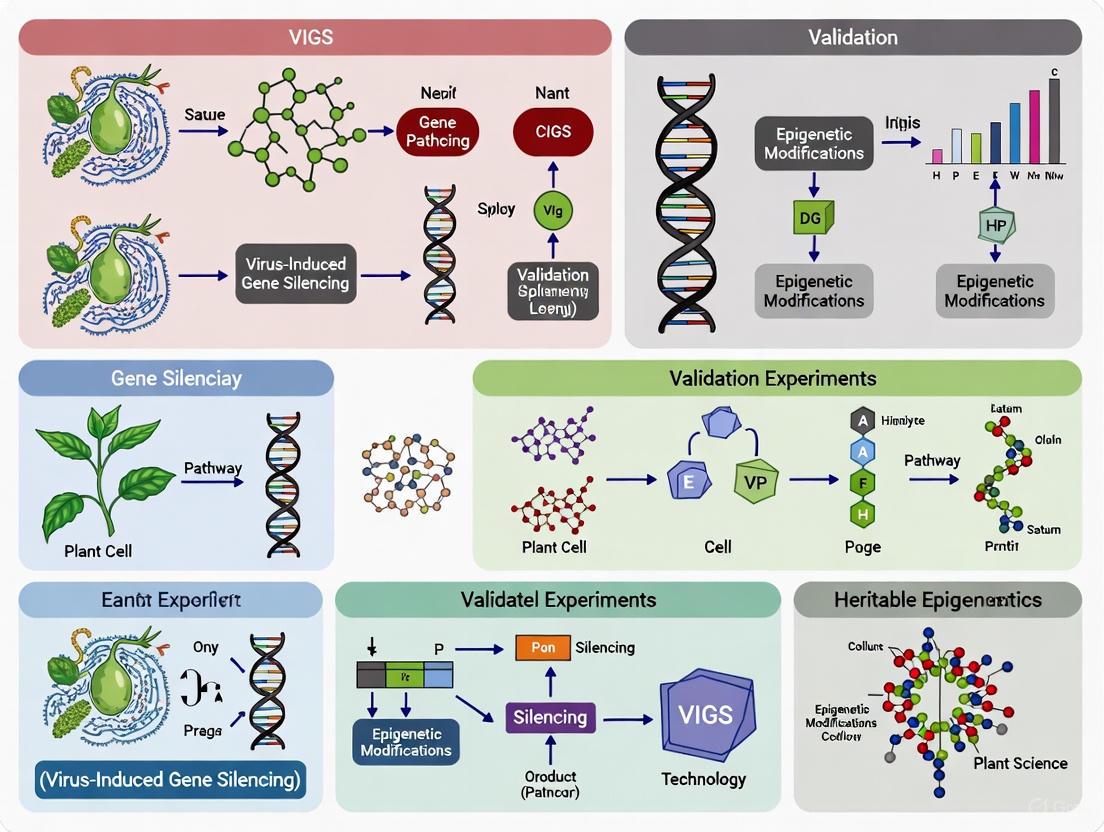
This article explores Virus-Induced Gene Silencing (VIGS) as a powerful reverse genetics tool that induces stable, transgenerational epigenetic modifications in plants.
Heritable Epigenetic Modifications by VIGS: Mechanisms, Validation, and Future Avenues
Abstract
This article explores Virus-Induced Gene Silencing (VIGS) as a powerful reverse genetics tool that induces stable, transgenerational epigenetic modifications in plants. We detail the molecular mechanisms of VIGS, including RNA-directed DNA methylation (RdDM) and the role of small RNAs in establishing heritable silencing. The content covers methodological advances for validating these epigenetic changes, troubleshooting common challenges, and comparative analyses with other epigenetic engineering tools. Aimed at researchers and scientists, this review synthesizes foundational knowledge and cutting-edge applications, highlighting the potential of VIGS to create novel genotypes for crop improvement and biomedical research.
Unraveling the Core Mechanisms of VIGS-Induced Heritable Epigenetics
Virus-induced gene silencing (VIGS) is an RNA-mediated reverse genetics technology that has evolved from a simple antiviral defense mechanism into an indispensable tool for analyzing gene function in plants [1]. The term VIGS was first coined by van Kammen to characterize the phenomenon of 'recovery from viral infection' [1]. This technology leverages the plant's innate post-transcriptional gene silencing (PTGS) machinery, which naturally functions to degrade viral RNA during infection, and repurposes it to suppress the expression of targeted endogenous genes [1] [2].
The technique was pioneered in 1995 when Kumagai et al. constructed the first VIGS vector using tobacco mosaic virus (TMV) to silence the NbPDS gene in Nicotiana benthamiana, resulting in a visible albino phenotype [1] [3]. Since then, VIGS has transformed into a high-throughput tool capable of inducing not only transient gene knockdown but also heritable epigenetic modifications, positioning it at the forefront of modern plant breeding and functional genomics research [1].
Table 1: Key Milestones in VIGS Development
| Year | Development | Significance |
|---|---|---|
| 1995 | First VIGS vector (TMV-based) [3] | Proof of concept for targeted gene silencing |
| 1999-2004 | Expansion of vector systems (TRV, BPMV, etc.) [4] | Broadened host range and improved efficiency |
| 2000s | Adoption for high-throughput functional genomics [1] | Enabled rapid screening of gene functions in crops |
| 2015 onward | Demonstration of heritable epigenetic modifications [1] | Expanded application to stable trait development |
The Molecular Mechanism of VIGS
The fundamental process of VIGS exploits the plant's antiviral defense system. When a plant is infected by a virus, it recognizes and degrades viral RNA through a sequence-specific RNA silencing mechanism. VIGS co-opts this pathway by using a recombinant viral vector that carries a fragment of a plant gene, directing the silencing machinery against the plant's own mRNA [1] [4].
The molecular mechanism can be broken down into several key steps, which are also visualized in the pathway diagram below:
- Vector Delivery and Replication: A recombinant viral vector containing a fragment (typically 300-500 bp) of the target plant gene is introduced into the plant, often via Agrobacterium tumefaciens-mediated transformation [4]. The virus replicates, producing double-stranded RNA (dsRNA) replication intermediates [1].
- Dicer Processing: The host plant's Dicer-like (DCL) enzymes, primarily DCL2 and DCL4, recognize and cleave the long viral dsRNA into small interfering RNAs (siRNAs) of 21–24 nucleotides in length [1].
- RISC Assembly: These siRNAs are incorporated into an RNA-induced silencing complex (RISC), where the guide strand binds to Argonaute (AGO) proteins [1].
- Target mRNA Cleavage: The siRNA-loaded RISC complex identifies and catalyzes the sequence-specific degradation of complementary target mRNA, leading to post-transcriptional gene silencing (PTGS) and a loss-of-function phenotype [1].
- Epigenetic Advancement (RdDM): In the nucleus, RISC can also interact with target DNA sequences. Through a process called RNA-directed DNA methylation (RdDM), siRNAs guide epigenetic modifiers to introduce methyl groups onto cytosine residues in the target gene's promoter region. This can lead to transcriptional gene silencing (TGS) and, crucially, heritable epigenetic modifications if the methylation is maintained across generations [1].
Figure 1: Molecular Pathway of VIGS and Epigenetic Modification. This diagram illustrates the key steps from viral vector introduction to the induction of both transient (PTGS) and heritable (TGS) gene silencing.
Comparative Analysis of VIGS Vectors and Performance
Various viral vectors have been engineered for VIGS, each with distinct advantages and host range specificities. The selection of an appropriate vector is critical for experimental success [3] [4].
Table 2: Comparison of Major VIGS Vector Systems
| Vector Name | Virus Type | Primary Hosts | Key Advantages | Key Limitations |
|---|---|---|---|---|
| Tobacco Rattle Virus (TRV) [3] [4] | RNA virus | Solanaceae (e.g., tomato, tobacco, pepper), Arabidopsis | Broad host range, efficient systemic spread, mild symptoms, targets meristems | Bipartite genome requires two vectors (TRV1, TRV2) |
| Bean Pod Mottle Virus (BPMV) [5] | RNA virus | Soybean | Highly efficient in soybean; well-established protocol | Can cause significant leaf symptoms; often relies on particle bombardment |
| Tobacco Mosaic Virus (TMV) [1] [3] | RNA virus | Nicotiana benthamiana | The first VIGS vector developed; strong silencing | Narrow host range; can cause severe symptoms |
| Barley Stripe Mosaic Virus (BSMV) [4] | RNA virus | Monocots (Barley, Wheat) | One of the few effective vectors for monocotyledonous plants | Limited to specific monocot species |
| Geminiviruses (e.g., CLCrV) [3] | DNA virus | Cotton, Tomato | Useful for species refractory to RNA virus vectors | Smaller insert capacity |
Quantitative Performance Data
Recent studies have optimized protocols to achieve high silencing efficiency. The data below, derived from recent experiments, provides a comparative look at the performance of different approaches.
Table 3: Experimental Silencing Efficiency of TRV-based VIGS in Various Crops
| Plant Species | Target Gene | Inoculation Method | Silencing Efficiency | Key Experimental Findings | Source |
|---|---|---|---|---|---|
| Soybean (Glycine max) [5] | GmPDS | Agrobacterium-mediated (cotyledon node) | 65% - 95% | Induced significant photobleaching; system robust for validating disease resistance genes (GmRpp6907, GmRPT4). | [5] |
| N. benthamiana & Tomato [6] | PDS | Root wounding-immersion | 95% - 100% | High-efficiency systemic silencing achieved by cutting 1/3 of root and immersing in Agrobacterium solution for 30 min. | [6] |
| Pepper (Capsicum annuum L.) [3] | Various (fruit quality, disease resistance) | Leaf agroinfiltration | Varies by gene | Successfully used to characterize genes for capsaicinoid biosynthesis, pathogen resistance, and abiotic stress tolerance. | [3] |
| Cotton (Gossypium hirsutum) [7] | GhCLA1 | Standard cotyledon agro-infiltration | >80% (visual phenotype) | Albino phenotype used as a positive control for validating VIGS system efficacy. | [7] |
Detailed Experimental Protocols
To ensure reproducibility, this section outlines two established and highly efficient protocols for VIGS: a generalized Agrobacterium-mediated method and a novel root inoculation technique.
Agrobacterium-mediated VIGS via Cotyledon Node Infiltration (Soybean Protocol)
This protocol, adapted from [5], is designed for plants like soybean where conventional leaf infiltration is challenging due to thick cuticles and dense trichomes.
- Vector Construction: Clone a 300-500 bp fragment of the target gene (e.g., GmPDS) into the multiple cloning site of a pTRV2 vector using appropriate restriction enzymes (e.g., EcoRI and XhoI) [5].
- Agrobacterium Preparation:
- Transform the recombinant pTRV2 and the helper pTRV1 vectors into Agrobacterium tumefaciens strain GV3101.
- Plate on LB agar with appropriate antibiotics (e.g., Kanamycin 50 µg/mL) and incubate at 28°C for 2 days.
- Inoculate a single colony into liquid LB medium with antibiotics, 10 mM MES, and 20 µM acetosyringone. Shake overnight at 28°C.
- Harvest the bacterial pellet when OD₆₀₀ reaches ~0.8–1.2 and resuspend in induction buffer (10 mM MES, 10 mM MgCl₂, 200 µM acetosyringone) to a final OD₆₀₀ of 1.5. Incubate in the dark for 3 hours [5] [7].
- Plant Inoculation:
- Mix the pTRV1 and pTRV2-agro suspensions in a 1:1 ratio.
- For soybean, use a needle to puncture the abaxial side of cotyledons of 7-10 day-old seedlings. Apply the agro-suspension to the wounded site using a needleless syringe until fully saturated [5].
- Post-Inoculation Care: Cover plants with a humidity dome overnight in low light. Return to normal growth conditions the next day. Silencing phenotypes (e.g., photobleaching for PDS) typically appear within 2-3 weeks [5].
Root Wounding-Immersion Method
This efficient method, developed for Solanaceae species and Arabidopsis, is suitable for high-throughput functional screening [6].
- Plant Preparation: Grow seedlings until they have 3-4 true leaves (approx. 3 weeks old). Gently remove plants from soil and wash roots with pure water to remove impurities [6].
- Wounding: Using a sterilized blade, cut approximately one-third of the root length longitudinally to create entry points for the virus [6].
- Inoculation: Prepare the Agrobacterium suspension as described in section 4.1, adjusting the final OD₆₀₀ to ~0.8. For the "concurrent inoculation" method, immerse the wounded roots in a mixed solution of TRV1 and TRV2 for 30 minutes [6].
- Transplanting: After immersion, transplant the treated seedlings into fresh soil or growth medium and maintain under standard growth conditions. The silencing signal moves systemically from the roots to the entire plant [6].
The workflow for this method is illustrated below.
Figure 2: Root Wounding-Immersion VIGS Workflow. This diagram outlines the steps for the highly efficient root-based inoculation method.
The Scientist's Toolkit: Essential Research Reagents
Successful implementation of VIGS relies on a suite of specific biological reagents and vectors. The following table details the key components of a functional VIGS toolkit.
Table 4: Essential Reagents for VIGS Research
| Reagent / Solution | Function / Purpose | Example & Notes |
|---|---|---|
| Binary VIGS Vectors [3] [4] | To deliver and replicate the target gene fragment in plant cells. | pTRV1 & pTRV2 system is most common. pTRV1 encodes replication proteins; pTRV2 carries the target gene insert. |
| Agrobacterium Strain [5] [6] | Mediates the transfer of T-DNA containing the VIGS vector into the plant cell. | GV3101 and GV1301 are widely used, disarmed strains. |
| Induction Buffer [7] [6] | Activates Agrobacterium's virulence genes for efficient T-DNA transfer. | Contains Acetosyringone (150-200 µM), MgCl₂, and MES buffer at pH 5.6-5.7. |
| Antibiotics [5] [7] | Selective maintenance of plasmids in bacterial and plant cultures. | Kanamycin (50 µg/mL) for pTRV vectors; Rifampicin (25 µg/mL) for Agrobacterium strain selection. |
| Positive Control Silencing Construct [5] [6] | Validates the entire VIGS system is working. | Phytoene Desaturase (PDS): Silencing causes visible photobleaching. Chloroplastos alterados 1 (CLA1): Silencing causes albinism [7]. |
| Stable Reference Genes for qPCR [7] | Accurate normalization of gene expression data to confirm silencing. | GhACT7 & GhPP2A1 in cotton. Traditional genes like Ubiquitin (GhUBQ7) can be unstable under VIGS conditions. |
VIGS in the Modern Context: From Functional Genomics to Epigenetics
The application of VIGS has moved far beyond transient gene knockdown. Its most significant modern advancement is its role in inducing heritable epigenetic modifications [1]. This process, known as Virus-Induced Transcriptional Gene Silencing (ViTGS), involves using a viral vector with a sequence complementary to a gene's promoter region. This triggers RNA-directed DNA methylation (RdDM), leading to stable, long-term silencing that can be inherited by subsequent generations without the permanent integration of transgenes [1].
Key evidence for this was provided by Bond and Fei, who used a TRV:FWAtr vector to target the FWA promoter in Arabidopsis. This resulted in DNA methylation of the promoter and stable silencing of the FWA gene, which was maintained transgenerationally [1]. This epigenetic editing capability positions VIGS as a powerful tool for developing new stable genotypes with desired agronomic traits, potentially accelerating crop improvement programs by creating epigenetic diversity that is subject to natural selection [1].
Furthermore, VIGS is increasingly being integrated with other cutting-edge technologies. Virus-Induced Genome Editing (VIGE) utilizes viral vectors to transiently deliver CRISPR/Cas components, enabling the production of transgene-free edited plants in a single generation, bypassing the need for stable transformation and tissue culture [8]. These advancements solidify VIGS not just as a tool for gene discovery but as a versatile platform for both functional validation and the development of next-generation crops.
Post-transcriptional gene silencing (PTGS) represents a conserved eukaryotic mechanism for sequence-specific gene regulation and defense against parasitic nucleic acids. This RNA-mediated pathway is central to various biological phenomena, including virus-induced gene silencing (VIGS) in plants, where it serves both as an antiviral defense mechanism and an powerful tool for functional genomics [1] [9] [10]. The PTGS machinery achieves gene silencing through a finely-tuned biochemical process involving double-stranded RNA (dsRNA) recognition, processing into small interfering RNAs (siRNAs), and assembly of the RNA-induced silencing complex (RISC) that targets complementary mRNAs for degradation [11] [12]. Within VIGS research, understanding these core mechanisms is fundamental to leveraging this technology for heritable epigenetic modifications, where silencing signals can be amplified and transmitted to subsequent generations through epigenetic reinforcement [1] [13]. This guide systematically compares the molecular components and experimental approaches for studying this sophisticated cellular machinery.
Core Mechanism of PTGS and siRNA Biogenesis
The PTGS pathway initiates with the recognition of dsRNA molecules, which may originate from viral replication intermediates, transposons, or experimentally introduced sequences in VIGS protocols [1] [11]. The subsequent molecular events proceed through a highly coordinated sequence:
Initiation and dsRNA Processing: The ribonuclease III enzyme Dicer recognizes and cleaves long dsRNA molecules into short interfering RNA (siRNA) duplexes of 21-24 nucleotides with characteristic 2-nucleotide 3' overhangs [11] [12]. In plants, multiple Dicer-like (DCL) enzymes specialize in processing different dsRNA substrates; DCL4 primarily generates 21-nt siRNAs, while DCL2 produces 22-nt variants [13].
RISC Assembly and Activation: The siRNA duplex is loaded into the RNA-induced silencing complex (RISC) through a process facilitated by the Dicer-loading complex [11]. Within RISC, the Argonaute (AGO) protein, as the catalytic core, binds the siRNA and unwinds the duplex using its PIWI domain. The passenger strand is cleaved and discarded, while the guide strand is retained to direct sequence-specific target recognition [11] [12].
Target Recognition and Silencing: The mature RISC complex uses the guide siRNA to scan cytoplasmic mRNAs for complementary sequences. Upon perfect complementarity pairing, the AGO protein catalyzes endonucleolytic cleavage ("slicing") of the target mRNA, resulting in transcript degradation and gene silencing [11] [12]. With imperfect complementarity, RISC typically represses translation without degrading the mRNA molecule.
Signal Amplification: Plant systems exhibit a unique transitive RNAi phenomenon where RNA-dependent RNA polymerases (RDRs) use the cleaved target RNA as a template to synthesize secondary dsRNA, generating secondary siRNAs that amplify and propagate the silencing signal [13]. This amplification is particularly relevant for VIGS, as it enables systemic spread of silencing throughout the plant and enhances the persistence of the effect [1] [13].
The following diagram illustrates this coordinated pathway:
Experimental Data on Silencing Efficiency and Components
Research across plant systems has quantified the efficiency of PTGS components and their functional outcomes. The following table summarizes key experimental findings from recent studies:
Table 1: Quantitative Data on PTGS and VIGS Efficiency in Plant Systems
| Experimental System | Target Gene | Key Component | Efficiency/Result | Reference |
|---|---|---|---|---|
| Soybean TRV-VIGS | GmPDS | TRV vector system | 65-95% silencing efficiency | [5] |
| Soybean TRV-VIGS | GmRpp6907 | TRV-Rpp6907 construct | Significant rust resistance loss | [5] |
| Striga hermonthica VIGS | PDS | TRV1/TRV2 vectors | 60±2.9% transformation efficiency | [14] |
| Arabidopsis VIGS-epigenetics | FWA | RdDM machinery | Transgenerational epigenetic silencing | [1] |
| Plant RNAi amplification | Secondary siRNA | RDR6-dependent pathway | 21-nt transitive siRNA production | [13] |
Molecular components of the PTGS machinery exhibit specialized functions with distinct biochemical properties:
Table 2: Core Molecular Components of PTGS Pathway
| Component | Subtypes/Specialization | Function in PTGS | Key Characteristics |
|---|---|---|---|
| Dicer | DCL1-DCL4 in plants | Initiates silencing by processing dsRNA to siRNA | RNase III enzyme, generates 21-24 nt products |
| Argonaute | AGO1, AGO2, AGO4 in plants | RISC catalytic core, mRNA cleavage | PIWI domain with "slicer" activity, siRNA binding |
| RDR | RDR1, RDR2, RDR6 in plants | Amplifies silencing, generates secondary siRNAs | RNA-dependent RNA polymerase, transitive RNAi |
| siRNA | primary (21-24nt), secondary (21-22nt) | Guide RISC to complementary targets | 5' phosphate, 2-nt 3' overhang, sequence-specific |
| RISC | pre-RISC, mature RISC | Executes silencing through mRNA degradation | Multi-protein complex, contains AGO and guide RNA |
Research Reagent Solutions for PTGS Studies
The following table outlines essential research reagents and their applications in studying PTGS machinery:
Table 3: Essential Research Reagents for PTGS and VIGS Studies
| Reagent/Category | Specific Examples | Function/Application | Experimental Notes |
|---|---|---|---|
| Viral Vectors | TRV, BPMV, TMV, PVX | Deliver target sequences to initiate VIGS | TRV offers broad host range, mild symptoms [5] [3] |
| Agrobacterium Strains | GV3101 | Deliver viral vectors via agroinfiltration | Used in soybean (65-95% efficiency) and Striga VIGS [5] [14] |
| Marker Genes | PDS (phytoene desaturase) | Visual silencing indicator (photo-bleaching) | Validated in soybean, Striga, Nicotiana [5] [14] [3] |
| Enzymes for Analysis | Dicer, Argonaute | Biochemical characterization of processing | Recombinant forms for in vitro assays [11] |
| siRNA Detection | Northern blot, sequencing | Validate siRNA biogenesis and size distribution | Confirm 21-24 nt species [1] [13] |
Experimental Protocols for Key Methodologies
TRV-Based VIGS in Soybean
The tobacco rattle virus (TRV) system has been optimized for efficient gene silencing in soybean, achieving 65-95% silencing efficiency through the following protocol [5]:
Vector Construction: Clone target gene fragments (200-500 bp) into the pTRV2 vector using EcoRI and XhoI restriction sites. For the GmPDS positive control, a specific fragment (Table 1) provides visible photobleaching validation [5].
Agrobacterium Preparation: Transform recombinant pTRV2 and helper pTRV1 plasmids into Agrobacterium tumefaciens GV3101. Grow cultures to OD₆₀₀=0.5-1.0 in LB medium with appropriate antibiotics, then resuspend in infiltration buffer (10 mM MES, 10 mM MgCl₂, 200 μM acetosyringone) [5].
Plant Inoculation: Use cotyledon node agroinfiltration for soybean. Bisect surface-sterilized soybean seeds and immerse fresh explants in Agrobacterium suspension for 20-30 minutes. This method achieves 80-95% infection efficiency as monitored by GFP fluorescence [5].
Silencing Validation: Monitor phenotypic changes (e.g., photobleaching for GmPDS) at 21 days post-inoculation. Confirm silencing efficiency through qRT-PCR showing significant transcript reduction of target genes [5].
VIGS-Induced Epigenetic Modification Analysis
For studying heritable epigenetic modifications through VIGS, researchers have developed specialized approaches [1]:
Vector Design for Epigenetic Silencing: Design VIGS constructs targeting promoter regions rather than coding sequences to induce transcriptional gene silencing via RNA-directed DNA methylation (RdDM) [1].
DNA Methylation Analysis: Perform bisulfite sequencing on silenced tissues to quantify cytosine methylation in CG, CHG, and CHH contexts at target loci. VIGS targeting the FWA promoter in Arabidopsis induces methylation that is maintained transgenerationally [1].
Genetic Stability Assessment: Propagate silenced plants for multiple generations while monitoring persistence of epigenetic marks and silenced phenotypes without viral vector presence. This requires careful crossing schemes and molecular validation of epigenetic inheritance [1].
The experimental workflow for VIGS-mediated epigenetic studies follows this path:
Comparative Analysis of PTGS Machinery Across Biological Systems
The core PTGS machinery demonstrates both conservation and specialization across evolutionary lineages. In plants, the system is particularly sophisticated with multiple specialized isoforms of key components enabling layered silencing pathways. The RNA-dependent RNA polymerase (RDR) activity, present in plants, fungi, and some invertebrates but absent in vertebrates, enables powerful signal amplification through transitive RNAi [13]. This amplification capacity is harnessed in effective VIGS protocols to achieve systemic and persistent silencing.
The Argonaute protein family exhibits functional specialization across systems. In Arabidopsis, multiple AGO proteins partition silencing functions: AGO1 predominantly binds miRNAs and siRNAs for PTGS, while AGO4 associates with heterochromatic siRNAs for transcriptional silencing [13]. This specialization enables parallel silencing pathways that can be simultaneously exploited in VIGS-epigenetic studies.
The emerging understanding of transitive siRNA biogenesis reveals complex regulatory networks controlling this amplification process. RDR6-dependent secondary siRNA production occurs in specific cytoplasmic foci called "siRNA bodies" and requires coordinated action of multiple cofactors [13]. This subcellular compartmentalization represents an important regulatory layer in PTGS efficiency and specificity.
RNA-directed DNA methylation is a fundamental biological process in which non-coding RNA molecules guide the addition of DNA methylation to specific genetic sequences [15]. This pathway is unique to plants, although related mechanisms of RNA-directed chromatin modification exist in fungi and animals [15]. The RdDM pathway represents a crucial epigenetic silencing system that establishes stable, heritable gene repression without altering the underlying DNA sequence. This review objectively compares RdDM performance with alternative epigenetic silencing mechanisms, examining their respective efficiencies, heritability patterns, and experimental applications within the context of virus-induced gene silencing research and heritable epigenetic modification validation [1].
The core mechanism of RdDM involves small RNAs (sRNAs) directing epigenetic modifiers to target loci, leading to cytosine methylation in all sequence contexts (CG, CHG, and CHH, where H is A, C, or T) [15] [16]. This methylation is generally associated with transcriptional repression of the targeted sequences [15]. Since DNA methylation patterns in plants can be heritable, RdDM-mediated changes often transmit stably to progeny, enabling transgenerational epigenetic effects on gene expression and phenotype [15] [1]. The strategic importance of RdDM lies in its ability to initiate de novo methylation, establishing epigenetic states that can be maintained across generations through both RNA-dependent and RNA-independent maintenance mechanisms [1].
Comparative Analysis of RdDM and Alternative Silencing Pathways
Performance Comparison of Epigenetic Silencing Mechanisms
Table 1: Comparison of Key Epigenetic Silencing Mechanisms
| Feature | RdDM | Histone Modifications | RNAi/PTGS | Transposable Element Anti-silencing |
|---|---|---|---|---|
| Silencing Scope | Targeted transcriptional silencing | Broad chromatin-level silencing | Post-transcriptional mRNA degradation | Targeted counter-silencing |
| Initiation Signal | 21-24 nt small RNAs | Environmental cues, protein signals | dsRNA, aberrant RNA | Sequence-specific VANC proteins |
| Key Enzymes | DRM2, Pol IV, Pol V | HATs, HDACs, HMTs | Dicer, RDRP, AGO | Sequence-specific anti-silencers |
| Heritability | High (epigenetically inherited) | Variable (often reset) | Limited (requires trigger persistence) | Variable (TE-dependent) |
| Establishment Speed | Moderate to slow | Rapid | Rapid | Rapid (counters existing silencing) |
| Sequence Specificity | High (sequence-complementary) | Low to moderate | High (sequence-complementary) | Very high (motif-specific) |
| Stability Maintenance | Self-reinforcing with sRNAs | Dynamic, responsive | Requires ongoing dsRNA source | Dependent on TE activity |
| Primary Biological Role | TE control, genome defense | Gene regulation, stress response | Viral defense, gene regulation | TE proliferation |
Efficiency Metrics for Epigenetic Silencing Pathways
Table 2: Quantitative Performance Metrics of Silencing Mechanisms
| Parameter | Pol IV-RdDM | RDR6-RdDM | VIGS-Mediated RdDM | Classical RNAi |
|---|---|---|---|---|
| sRNA Size Requirement | 24 nt | 21/22 nt | 21/22 nt (initiation) 24 nt (maintenance) | 21-22 nt |
| Methylation Context | CG, CHG, CHH | Primarily CHH | CG, CHG, CHH | N/A |
| Met1 Dependence | Maintenance only | Not required | Not required | N/A |
| Inheritance Efficiency | High (>80% over generations) | Moderate | Variable (enhanceable with mutants) | Limited |
| Silencing Duration | Long-term (epigenetic) | Transient to medium-term | Medium to long-term | Transient |
| Establishment Requirements | Pol IV, Pol V, DRM2 | RDR6, Pol V, DRM2 | Viral vector, Pol V, DRM2 | Dicer, RDRP, AGO |
| Tissue Specificity | Universal | Limited systemic spread | Variable (depends on viral spread) | Cell-autonomous with some systemic |
Molecular Architecture of RdDM Pathways
Core RdDM Machinery and Mechanism
The RdDM pathway employs an sophisticated protein-RNA complex that targets specific genomic loci for DNA methylation. This process begins with RNA Polymerase IV transcribing target DNA to produce precursor transcripts, which are then converted into double-stranded RNA by RNA-dependent RNA polymerase 2 [15]. These dsRNAs are processed by Dicer-like 3 to generate 24-nucleotide small interfering RNAs, which guide the silencing complex to homologous DNA regions [15] [1]. The effector complex includes ARGONAUTE 4 loaded with siRNAs, which recruits RNA Polymerase V to produce scaffold transcripts at target loci [1]. This scaffold RNA facilitates the recruitment of DOMAINS REARRANGED METHYLTRANSFERASE 2, which catalyzes de novo DNA methylation using S-adenosyl methionine as the methyl donor [17] [18].
The methylation process involves a conjugate addition reaction where a nucleophilic thiolate of the cysteine residue in DRM2 attacks the 6-carbon of the cytosine pyrimidine ring, forming a covalent intermediate that activates the 5-carbon for methyl addition from SAM [18]. Nucleophilic attack on the methyl group of SAM converts it to S-adenosyl-L-homocysteine, followed by β-elimination across the 5-carbon and 6-carbon bond, releasing the methylated cytosine and regenerating the enzyme [18]. This enzymatic process establishes methylation patterns that can be maintained through both RNA-dependent maintenance involving continuous sRNA production and RNA-independent maintenance via DNA methyltransferases like MET1 and CMT3 that recognize hemimethylated DNA after replication [1].
Figure 1: Core RdDM Pathway Mechanism. This diagram illustrates the sequential process of RNA-directed DNA methylation, from initial transcription by Pol IV to final DNA methylation by DRM2.
Specialized RdDM Pathways and Their Functional Roles
Beyond the canonical Pol IV-RdDM pathway, plants have evolved specialized RdDM variants that serve distinct biological functions. The RDR6-RdDM pathway operates independently of Pol IV and DCL3, utilizing 21/22-nucleotide small RNAs to initiate de novo methylation at naive loci [19]. This pathway is particularly important for reestablishing epigenetic silencing of active transposable elements and can be harnessed through virus-induced gene silencing approaches [19]. Another significant variant is the VIGS-mediated RdDM system, which uses engineered viral vectors to deliver target sequences that trigger epigenetic silencing [1]. This approach demonstrates that virus-derived small RNAs can initiate heritable DNA methylation, requiring Pol V and DRM2 but not the complete Pol IV machinery [19].
The biological implementation of these pathways enables diverse functions, with canonical Pol IV-RdDM specializing in stable maintenance of existing epigenetic states, while RDR6-RdDM and VIGS-RdDM provide flexible mechanisms for initiating new silencing events in response to transposon activity or experimental intervention [19]. The specialization of these pathways reflects an evolutionary adaptation that balances stability with responsiveness to environmental and genomic challenges.
Experimental Framework for RdDM Investigation
Established Protocols for RdDM Analysis
Protocol 1: VIGS-Mediated RdDM Establishment This protocol enables researchers to induce de novo DNA methylation at specific genomic loci using viral vectors, creating heritable epigenetic modifications [1] [19].
Vector Construction: Clone approximately 200-300 bp of the target sequence (promoter or coding region) into a modified tobacco rattle virus vector. For transcriptional gene silencing, target promoter regions with high CpG content [1].
Plant Transformation: Inoculate 3-4 week old Arabidopsis plants by agroinfiltration with the constructed VIGS vector. Include empty vector controls and target multiple independent lines (minimum 15-20) [1].
Screening and Selection: Monitor for viral symptoms and screen for phenotypic changes indicative of target gene silencing. Select plants showing consistent silencing for further propagation [1].
Generational Analysis: Propagate silenced plants through 3-4 generations in the absence of the viral trigger to assess heritability of the epigenetic state [1] [19].
Molecular Validation:
- Bisulfite sequencing to quantify DNA methylation levels at target loci
- RT-PCR to assess transcript levels of target genes
- Small RNA sequencing to characterize associated sRNAs
- Chromatin immunoprecipitation to examine histone modifications [1]
Protocol 2: Genetic Requirement Analysis for RdDM This protocol determines the genetic dependencies of specific RdDM processes through mutant analysis [19].
Mutant Selection: Utilize Arabidopsis T-DNA insertion lines for key RdDM components (nrpd1 for Pol IV, nrpe1 for Pol V, drm2 for methyltransferase, rdr6 for RDR6-RdDM) [19].
Crossing Scheme: Cross VIGS-induced epigenetically silenced lines with various RdDM mutant lines.
Segregation Analysis: Monitor inheritance of the silenced epigenetic state in F2 populations with homozygous mutant backgrounds.
Methylation Quantification: Compare methylation maintenance between wild-type and mutant backgrounds using bisulfite sequencing or methyl-sensitive PCR [19].
The Scientist's Toolkit: Essential Research Reagents
Table 3: Key Research Reagents for RdDM Investigation
| Reagent/Category | Specific Examples | Function/Application | Experimental Considerations |
|---|---|---|---|
| Viral Vectors | Tobacco Rattle Virus (TRV), Tobacco Mosaic Virus (TMV) | Delivery of target sequences for VIGS-RdDM | TRV offers broad host range; consider pathogenicity effects |
| Methyltransferase Assays | Radioactive SAM, Biotinylated RNA/DNA, Fluorometric substrates | Quantifying DNMT/DRM activity | New microplate assays offer higher sensitivity with lower background [20] |
| Genetic Mutants | nrpd1, nrpe1, drm2, rdr6, dcl3, ago4 | Determining pathway requirements | Double mutants reveal functional redundancy and pathway interactions |
| Methylation Detection | Bisulfite sequencing, Methylation-specific PCR, HPCE | Mapping methylation patterns | Bisulfite sequencing provides single-base resolution; MSP offers high sensitivity |
| sRNA Analysis | Northern blotting, sRNA sequencing, RACE | Characterizing guiding sRNAs | 21-22 nt vs 24 nt size indicates pathway involvement |
| Antibodies | 5-methylcytosine, H3K9me2, HA/FLAG for tagged proteins | Immunoprecipitation and localization | MethylC-seq combines antibody enrichment with sequencing |
| Plant Lines | epiRILs, Transgenic reporters (35S::GFP, FWA) | Standardized epigenetic assessment | FWA flowering time assay provides clear phenotypic readout [1] |
Biological Applications and Research Findings
Functional Roles of RdDM in Genome Regulation
RdDM serves crucial functions in maintaining genome stability through silencing of transposable elements, particularly in euchromatic regions where TEs might otherwise disrupt gene expression [15]. This pathway continuously reinforces DNA methylation over existing TEs and adds methylation to new TE insertions, effectively inhibiting transposition and preserving genomic integrity [15]. In plant genomes, which often consist of upwards of 80% TEs in species like maize and wheat, this function is essential for viability [15]. RdDM primarily targets small TEs and TE fragments near genes, where it counteracts the spread of active chromatin states from expressed genes to adjacent repressed regions [15].
Beyond TE control, RdDM regulates key developmental processes including proper flowering time through repression of the FWA gene, gamete formation, seed viability, and genomic imprinting [15]. The pathway also enables adaptive responses to environmental challenges, with RdDM activity modulating plant responses to heat stress, drought, phosphate starvation, and salt stress [15] [16]. Under heat stress, several RdDM components become upregulated, and mutations in these components reduce heat tolerance, indicating RdDM's importance in stress adaptation [15]. The pathway's involvement in both developmental programming and environmental response highlights its dual role in maintaining genomic stability while enabling phenotypic plasticity.
Experimental Evidence and Key Findings
Substantial experimental evidence demonstrates RdDM's efficacy in establishing heritable epigenetic states. Research has shown that VIGS-RdDM can induce transgenerational epigenetic silencing of the FWA promoter sequence, with DNA methylation fully established in parental lines and faithfully transmitted to subsequent generations [1]. This silencing persists independently of the original RNA trigger, indicating true epigenetic inheritance [1]. Genetic analyses reveal that unlike PolIV-RdDM, establishment of VIGS-mediated RdDM requires PolV and DRM2 but not DCL3 and other PolIV pathway components [19]. DNA methylation in VIGS is initiated by virus-derived small RNAs that are 21/22-nt in length and subsequently reinforced or maintained by 24-nt sRNAs [19].
The efficiency of RdDM-mediated silencing can be enhanced through strategic experimental approaches. Using mutant plants with increased production of 24-nt sRNAs reinforces the level of RdDM, leading to more stable epigenetic states [19]. Additionally, targeting sequences with high percentages of cytosine residues in CG contexts improves RNA-independent maintenance efficiency through MET1 and CMT3 activity [1]. These findings have been leveraged to develop improved protocols for epigenetic engineering, with applications in crop improvement and functional genomics.
Figure 2: VIGS-Mediated RdDM Experimental Workflow. This diagram outlines the key steps in virus-induced gene silencing to establish RNA-directed DNA methylation, from initial vector design to stable epigenetic inheritance.
RdDM in Evolutionary Context and Technical Applications
Evolutionary Dynamics of RdDM and Counter-Silencing Mechanisms
The RdDM pathway exists within a dynamic evolutionary landscape characterized by ongoing arms races between silencing mechanisms and TE strategies to evade repression. Certain TEs, such as the VANDAL family in Arabidopsis, have evolved sophisticated anti-silencing systems featuring sequence-specific proteins (VANCs) that bind to noncoding regions of specific TE copies and induce loss of repressive chromatin marks [17]. These anti-silencing proteins target tandem repeats that diverge rapidly, creating an evolutionary feedback loop where RdDM efficiently targets VANDAL noncoding regions, driving selection for TE variants that can escape recognition [17].
This co-evolutionary dynamic has resulted in remarkable specificity, with different VANC proteins selectively affecting only their cognate TE families while leaving other elements silenced [17]. For example, VANC21 protein induces loss of DNA methylation exclusively in VANDAL21 copies, while VANC6 affects only VANDAL6 and related copies [17]. This sequence-specific anti-silencing allows TEs to proliferate with minimal host damage, contrasting with global anti-silencing mechanisms that typically reduce host fitness more severely [17]. The ongoing competition between RdDM and TE counter-silencing mechanisms has shaped both the epigenetic machinery and TE architecture, contributing to genome evolution and the diversification of regulatory systems.
Technical Implementation and Research Applications
RdDM methodologies, particularly VIGS-based approaches, have become powerful tools for functional genomics and epigenetic engineering. The technology enables researchers to induce heritable epigenetic modifications without permanent genetic changes, creating stable epialleles that can be studied across generations [1]. This capability has significant implications for both basic research and applied crop improvement, as epigenetic variants can produce desirable agronomic traits without the regulatory concerns associated with transgenic approaches.
Technical implementation of VIGS-RdDM requires careful optimization of multiple parameters. Effective silencing depends on factors including target sequence selection (promoter vs. coding regions), viral vector choice, inoculation method, and host genetic background [1]. Successful applications typically target sequences with appropriate GC content and avoid highly repetitive regions that might trigger non-specific silencing. The resulting epigenetic states can be quantitatively assessed through bisulfite sequencing to measure methylation levels, transcript analysis to quantify gene repression, and phenotypic evaluation to determine functional consequences [1]. These approaches have been successfully applied in diverse plant species including Arabidopsis, Nicotiana benthamiana, poplar, rubber trees, and olive, demonstrating the broad utility of VIGS-RdDM across plant taxa [1].
RNA-directed DNA methylation represents a highly specific and heritable epigenetic silencing mechanism with distinct advantages and limitations compared to alternative silencing pathways. The experimental data compiled in this review demonstrates that RdDM achieves superior heritability characteristics compared to post-transcriptional silencing mechanisms, with stable transgenerational inheritance of epigenetic states. While RdDM establishment can be slower than histone modifications or RNAi, its persistence in the absence of the initial trigger provides significant long-term advantages for stable gene repression applications.
The emergence of VIGS-RdDM as a research tool has created new opportunities for epigenetic engineering, combining the flexibility of viral delivery with the stability of DNA methylation [1]. Current evidence indicates that optimization of this system through use of mutant backgrounds with enhanced 24-nt sRNA production and careful target sequence selection can significantly improve RdDM efficiency and heritability [19]. Future research directions will likely focus on refining the specificity of RdDM targeting, minimizing off-target effects, and developing inducible systems for temporal control of epigenetic silencing. These technical advances will further establish RdDM as a cornerstone technology for functional genomics, crop improvement, and epigenetic therapy development.
In the field of epigenetics, particularly in plants, a sophisticated machinery has evolved to control gene expression through DNA methylation and transcriptional silencing. This system is crucial for regulating fundamental processes such as genome integrity, transposon suppression, and responses to environmental stresses. At the heart of RNA-directed DNA methylation (RdDM)—the primary pathway for de novo DNA methylation in plants—lie three key epigenetic players: DNA methyltransferases, RNA Polymerase IV (Pol IV), and RNA Polymerase V (Pol V). These enzymes execute a coordinated sequence of molecular events that establish and maintain repressive epigenetic marks.
Understanding the distinct yet interconnected functions of these players is not only fundamental to plant biology but also provides essential tools for agricultural biotechnology. Recent research has demonstrated that Virus-Induced Gene Silencing (VIGS), a technique that leverages the plant's own RNA-silencing machinery, can be engineered to induce heritable epigenetic modifications [1] [2]. This application depends entirely on the RdDM pathway, making the comparative analysis of DNMTs, Pol IV, and Pol V critically important for advancing functional genomics and crop improvement strategies.
Comparative Analysis of Core Epigenetic Machinery
The following section provides a detailed, side-by-side comparison of the core components, outlining their unique roles, functional mechanisms, and experimental observations.
Table 1: Functional Comparison of Key Epigenetic Players in the RdDM Pathway
| Feature | DNA Methyltransferases (DNMTs) | RNA Polymerase IV (Pol IV) | RNA Polymerase V (Pol V) |
|---|---|---|---|
| Primary Role | Catalyze cytosine methylation; maintain epigenetic marks [21] [22] | Initiate RdDM; produce short RNA precursors for 24-nt siRNA biogenesis [23] [24] | Produce scaffold transcripts; recruit effector complexes for de novo methylation [23] [25] [24] |
| Key Functions | - DNMT1: Maintenance methylation at hemi-methylated CpG sites [22]- DNMT3a/b: De novo methylation [22]- DRM2: Primary de novo methyltransferase in RdDM [25] | - Transcribes silent genomic loci to produce precursor RNAs [23]- Partners with RDR2 to generate double-stranded RNAs [23]- Action is upstream and essential for siRNA accumulation [23] | - Generates long non-coding scaffold transcripts from RdDM target loci [25] [24]- Recruits AGO4-siRNA complexes via its C-terminal domain [24]- Facilitates binding of de novo methyltransferases [25] |
| Mutant Phenotype | Global hypomethylation; disruption of genomic imprinting; embryonic lethality (in mammals) [22] | Loss of most 24-nt siRNAs; reduced DNA methylation at RdDM targets [23] [24] | Loss of non-CG methylation at specific loci; impaired transcriptional silencing; Pol II read-through transcription [24] |
| Interdependence | Downstream effector; dependent on Pol IV/V for target specificity [25] | Acts upstream of Pol V; largely independent of Pol V for siRNA production [23] | Structurally and functionally dependent on Pol IV-derived 24-nt siRNAs [23] [25] |
Table 2: Quantitative Impact of Mutations on Molecular and Phenotypic Outputs
| Experimental Observation | Pol IV Mutant | Pol V Mutant | DNMT Mutant |
|---|---|---|---|
| 24-nt siRNA Abundance | Dramatically reduced genome-wide [23] | Minimally affected [23] | Not Applicable |
| CHH Methylation Levels | Significantly decreased [24] | Significantly decreased [24] | Decreased (specifically in drm mutants) [25] |
| Pol II Transcription Read-Through | Increased downstream of ~12% of genes [24] | Increased downstream of ~12% of genes [24] | Not Reported |
| VIGS-Induced Hertiable Silencing | Abolished [1] | Abolished [1] | Not Directly Tested, but predicted to be abolished |
Visualizing the Pathways and Workflows
The functional relationships and technical applications of these epigenetic players can be visualized through the following pathway and experimental workflow diagrams.
The RdDM Pathway and VIGS Mechanism
Experimental Workflow for Validating VIGS-Induced Epigenetics
Essential Research Reagents and Experimental Methodologies
To empirically dissect the roles of DNMTs, Pol IV, and Pol V, researchers rely on a specific toolkit of reagents and validated experimental protocols.
Table 3: The Scientist's Toolkit: Key Reagents for Epigenetic Mechanistic Studies
| Research Reagent / Tool | Function & Application in Epigenetics Research |
|---|---|
| Null Mutant Lines (e.g., nrpd1, nrpe1) | Genetic models to determine the specific contribution of Pol IV or Pol V to a observed silencing phenomenon. Essential for epistasis analysis [23] [24]. |
| Catalytic Mutant Lines (e.g., nrpe1-3/drd3-3) | Express a stable but catalytically dead Pol V complex, used to distinguish between structural and enzymatic functions of the polymerase [23]. |
| VIGS Vectors (e.g., TRV, BBWV2, CLCrV) | Recombinant viral vectors designed to carry promoter or gene fragments into the plant to trigger RdDM and induce either transient or heritable epigenetic silencing [1] [2] [3]. |
| Zinc Finger (ZF)-RdDM Fusions | Synthetic proteins that tether RdDM components to specific DNA sequences, allowing targeted methylation and functional dissection of the pathway hierarchy [25]. |
| Methylation-Sensitive Restriction Enzymes & Bisulfite Sequencing Kits | Core reagents for mapping DNA methylation patterns at target loci with single-base-pair resolution, confirming the epigenetic outcome of RdDM or VIGS [1]. |
Key Experimental Protocols
1. Nuclear Run-On Assay to Probe Polymerase Activity: This protocol is used to map the precise genomic locations of actively transcribing polymerases and assess the functional consequences of Pol IV or Pol V loss.
- Methodology: Isolate nuclei from plant tissue (e.g., wild-type vs. pol IV or pol V mutants). Incubate nuclei with biotin-labeled ribonucleotides to allow engaged RNA polymerases to extend nascent transcripts ("run-on"). Fragment and capture the biotin-labeled RNA for high-throughput sequencing (NRO-Seq) [24].
- Data Interpretation: By comparing NRO-Seq signals in mutants to wild-type plants, researchers can identify loci where Pol II transcription termination is impaired, revealing a role for Pols IV and V in shaping Pol II transcription units independent of their role in canonical RdDM [24].
2. VIGS-Induced Hertiable Epigenetic Modification: This protocol uses viral vectors to establish stable, transgenerational gene silencing.
- Methodology: Clone a fragment of the target gene's promoter (for TGS) or coding sequence (for PTGS) into a VIGS vector (e.g., TRV). Inoculate plants via agroinfiltration. Select first-generation (T0) plants showing silencing phenotypes. Perform molecular validation (e.g., bisulfite sequencing) to confirm DNA methylation at the target locus. Cross silenced T0 plants and screen subsequent generations (T1, T2) for stable inheritance of the silenced phenotype and the associated epigenetic mark in the absence of the virus [1] [2].
- Critical Parameters: The efficiency of heritable silencing depends on the target locus sequence (e.g., high CG content favors maintenance) and requires a functional Pol V and RdDM machinery in the host plant [1].
The epigenetic control exerted by DNA methyltransferases, Pol IV, and Pol V is not merely sequential but deeply integrated. While Pol IV initiates the silencing cycle by producing siRNA cues, and DNMTs execute the final methylation mark, Pol V acts as the central platform that connects the instructional siRNA with the enzymatic methylation machinery. This cooperation ensures precise targeting of epigenetic silencing.
The revelation that Pol IV and Pol V also play roles in Pol II transcription termination, independent of cytosine methylation for many genes, adds a new layer of complexity to their functional repertoire [24]. Furthermore, the ability to co-target both Pol IV and Pol V activities, for instance by fusing them to artificial DNA-binding proteins, results in a synergistic enhancement of targeted DNA methylation, offering powerful new strategies for epigenetic engineering [25].
The convergence of VIGS technology with the core RdDM machinery opens a frontier for plant research and breeding. By harnessing these key epigenetic players, scientists can now probe gene function with unprecedented depth and create novel, stable epigenetic alleles for crop improvement, all without altering the underlying DNA sequence.
The FLOWERING WAGENINGEN (FWA) gene in Arabidopsis thaliana serves as a paradigmatic model for studying heritable epigenetic gene silencing. Normally silenced in adult vegetative tissues via DNA methylation of its promoter, the stable fwa epiallele demonstrates ectopic FWA expression and a heritable late-flowering phenotype when this methylation is lost. Research into resetting FWA silencing has been crucial for validating reverse genetics tools, notably Virus-Induced Gene Silencing (VIGS) and CRISPR-based epigenome editing systems. This guide objectively compares these technologies, focusing on their application in establishing stable, transgenerational epigenetic silencing of FWA, and situates the findings within the broader context of VIGS heritable epigenetic modification validation research.
Technology Performance Comparison
The following table compares the core methodologies tested for inducing heritable epigenetic silencing at the Arabidopsis FWA locus.
- Performance Metrics Comparison for FWA Epigenetic Silencing Technologies
| Technology / Approach | Key Effector / Mechanism | Targeted Locus | Silencing Efficiency | Heritability & Stability | Key Experimental Readouts |
|---|---|---|---|---|---|
| VIGS / ViTGS [1] | Virus-delivered dsRNA triggering RdDM | FWA promoter | Moderate | Stable and meiotically heritable over multiple generations without the vector [1] | Early flowering phenotype; DNA methylation (CG context) in direct repeats [1] |
| CRISPR-SunTag DRMcd [26] | dCas9-guided Nicotiana tabacum DRM methyltransferase | FWA promoter | High | Stable and meiotically heritable in the absence of the transgene [26] | Early flowering phenotype; De novo DNA methylation (CG, CHG, CHH) [26] |
| CRISPR-SunTag SDG2 [27] | dCas9-guided Arabidopsis SDG2 (H3K4me3 deposition) | FWA promoter | High (Activation) | Transient; silencing is not heritable; requires persistent transgene [27] | FWA mRNA expression (activation); H3K4me3 enrichment at FWA [27] |
| Zinc Finger SUVH9 [26] | Zinc finger array-guided SUVH9 methyltransferase | FWA promoter | High | Heritable; restores wild-type flowering time [26] | Early flowering phenotype; De novo DNA methylation at the target locus [26] |
Detailed Experimental Protocols
Virus-Induced Transcriptional Gene Silencing (ViTGS) for FWA
This protocol uses a viral vector to initiate RNA-directed DNA methylation (RdDM) at the FWA locus [1].
- Vector Construction: A viral vector (e.g., Tobacco Rattle Virus, TRV) is engineered to contain a sequence complementary to the tandem direct repeats in the FWA promoter region [1] [28].
- Plant Inoculation: Arabidopsis plants (e.g., wild-type or mutant lines like ddm1) are inoculated with the recombinant viral vector. This is often done by agroinfiltration or mechanical rubbing [1].
- Triggering RdDM: Inside the plant cell, the viral vector replicates, producing double-stranded RNA (dsRNA). This dsRNA is recognized and processed by the plant's Dicer-like (DCL) enzymes, primarily DCL3, into 24-nucleotide small interfering RNAs (siRNAs) [1].
- Epigenetic Modification: These siRNAs are loaded into an Argonaute (AGO) protein, forming an RNA-induced transcriptional silencing (RITS) complex. The complex is recruited to the FWA promoter via sequence complementarity, where it directs de novo DNA methylation through the RdDM pathway, involving DRM2 and other methyltransferases [1].
- Phenotypic Screening & Validation: Subsequent generations (T1, T2, etc.) are screened for an early-flowering phenotype, indicating successful FWA silencing. Molecular validation involves:
CRISPR-SunTag Targeted Methylation for FWA
This protocol uses a CRISPR-based system to recruit methylation effectors directly to the FWA promoter [26].
- System Components:
- dCas9-10xGCN4: A nuclease-dead Cas9 fused to ten copies of the GCN4 epitope tag.
- Effector Module: A single-chain antibody (scFv) that binds GCN4, fused to superfolder GFP (sfGFP) and the catalytic domain of a methyltransferase (e.g., NtDRMcd).
- Guide RNA (gRNA): A synthetic gRNA designed to target the FWA promoter sequence [26].
- Plant Transformation: Arabidopsis plants (e.g., the fwa epimutant) are stably transformed with constructs expressing all three components.
- Targeted Methylation: The gRNA directs the dCas9-GCN4 complex to the FWA promoter. The scFv-NtDRMcd effector modules bind to the GCN4 tags, recruiting a high local concentration of the methyltransferase to the locus, which catalyzes de novo DNA methylation [26].
- Phenotypic and Molecular Analysis: T1 plants and subsequent segregating generations (where the transgene is crossed out) are analyzed for:
Signaling Pathways and Workflows
RdDM Pathway for VIGS-induced Heritable Silencing
This diagram illustrates the molecular mechanism by which VIGS leads to stable epigenetic silencing of FWA.
CRISPR-SunTag Workflow for Epigenetic Editing
This diagram outlines the experimental workflow for using the CRISPR-SunTag system to induce targeted epigenetic changes at the FWA locus.
The Scientist's Toolkit: Key Research Reagents
The following table details essential materials and reagents used in the featured experiments for FWA epigenetic silencing.
- Essential Research Reagents for FWA Epigenetic Studies
| Reagent / Material | Function in Experiment | Specific Example / Target |
|---|---|---|
| VIGS Vector | Delivers plant-generated dsRNA to trigger the host's RNA silencing machinery. | Tobacco Rattle Virus (TRV) vector containing a fragment of the FWA promoter direct repeats (TRV:FWAtr) [1]. |
| CRISPR-SunTag System | Enables modular recruitment of epigenetic effectors to a specific DNA locus. | dCas9-10xGCN4, scFv-sfGFP-VP64/NtDRMcd/SDG2, and FWA-specific gRNA [27] [26]. |
| Epigenetic Effectors | Catalytic domains that write or erase epigenetic marks. | NtDRMcd (for DNA methylation), SDG2 (for H3K4me3 deposition) [27] [26]. |
| Arabidopsis Lines | Plant models with defined epigenetic states for functional studies. | Wild-type (Col-0), fwa epimutant (hypomethylated FWA promoter), ddm1 mutants [28] [26]. |
| Methylation Analysis Reagents | For detecting and quantifying DNA methylation. | Bisulfite Conversion Kit, primers for FWA promoter region, WGBS services [26]. |
| Gene Expression Analysis Reagents | For quantifying mRNA transcript levels. | RT-qPCR kits, primers for FWA and reference genes (e.g., ACT7) [27] [26]. |
Distinguishing Transgenerational Inheritance from Transient Silencing
In the field of functional genomics, Virus-Induced Gene Silencing (VIGS) has emerged as a powerful reverse genetics tool for analyzing gene function by downregulating endogenous genes through the post-transcriptional gene silencing (PTGS) machinery of plants [1] [29]. While traditionally known for inducing transient silencing, recent advances have revealed that VIGS can also trigger heritable epigenetic modifications that persist across generations [1] [30]. This distinction between transient silencing and stable transgenerational inheritance is crucial for researchers utilizing VIGS for functional gene characterization, crop improvement, and epigenetic studies. Understanding the mechanistic basis, temporal persistence, and experimental requirements for each phenomenon enables scientists to design appropriate methodologies and accurately interpret phenotypic data. This guide provides a comprehensive comparison of these distinct silencing outcomes, offering experimental frameworks for their identification and validation within VIGS research programs.
Fundamental Concepts and Definitions
Transient Silencing in VIGS
Transient silencing through VIGS represents an RNA-mediated defense mechanism wherein plants recognize and process viral RNAs into small interfering RNAs (siRNAs) that target complementary endogenous mRNAs for degradation [29]. This process occurs primarily in the cytoplasm and involves sequence-specific degradation of target mRNAs without permanent changes to the underlying DNA sequence [1] [29]. The silencing effect typically lasts for a single generation or limited timeframe, with normal gene expression resuming in subsequent generations once the viral vector is eliminated [1].
Transgenerational Epigenetic Inheritance
Transgenerational epigenetic inheritance refers to the transmission of epigenetic markers and modifications from one generation to multiple subsequent generations without altering the primary DNA sequence [31]. In plants, this involves RNA-directed DNA methylation (RdDM) that leads to stable transcriptional gene silencing (TGS) through methylation of promoter regions [1] [30]. These epigenetic marks can be maintained over multiple generations even after the initial viral trigger is no longer present, creating stable epialleles with altered expression patterns [1] [30] [31].
Table 1: Key Characteristics of Transient versus Transgenerational Silencing
| Characteristic | Transient Silencing | Transgenerational Inheritance |
|---|---|---|
| Primary Mechanism | Post-transcriptional gene silencing (PTGS) | Transcriptional gene silencing (TGS) via RdDM |
| Molecular Trigger | Viral-derived dsRNA and siRNA | Promoter-targeted siRNA leading to DNA methylation |
| Temporal Persistence | Single generation/limited duration | Multiple generations (beyond F3) |
| Epigenetic Marks | Limited or no DNA methylation | Stable DNA methylation at CG, CHG, CHH contexts |
| Inheritance Pattern | Non-heritable | Heritable across generations |
| Key Viral Vectors | TMV, PVX, TRV, BSMV, BPMV | TRV, Gemini viruses |
| Target Sequence | Coding regions | Promoter regions |
Molecular Mechanisms and Signaling Pathways
Mechanism of Transient VIGS
Transient silencing initiates when viral vectors containing target gene fragments are introduced into plant cells via Agrobacterium-mediated transformation or other inoculation methods [5] [32]. The viral RNA replicates, forming double-stranded RNA (dsRNA) intermediates during replication [1] [29]. Plant Dicer-like enzymes (DCL) recognize and cleave these dsRNAs into 21-24 nucleotide small interfering RNAs (siRNAs) [1]. These siRNAs are incorporated into the RNA-induced silencing complex (RISC), where they guide the complex to complementary endogenous mRNA transcripts [1] [29]. The Argonaute (AGO) protein within RISC catalyzes the cleavage and degradation of target mRNAs, preventing translation and resulting in gene silencing [1]. This process remains cytoplasmic and does not establish permanent epigenetic marks on the genome.
Mechanism of VIGS-Induced Transgenerational Inheritance
Transgenerational epigenetic inheritance through VIGS involves more complex nuclear processes that establish stable epigenetic marks [1] [30]. When viral vectors are designed to target promoter sequences rather than coding regions, the resulting siRNAs are transported to the nucleus [1]. These siRNAs associate with Argonaute proteins and recruit RNA-directed DNA methylation (RdDM) machinery, including plant-specific RNA polymerases Pol IV and Pol V [1] [33]. The RdDM pathway guides de novo DNA methyltransferases (DRM1/DRM2) to introduce methyl groups at cytosine residues in all sequence contexts (CG, CHG, CHH) within targeted promoter regions [1]. This methylation is subsequently maintained through both RNA-independent (involving MET1 and CMT3 methyltransferases) and RNA-dependent (via canonical PolIV-RdDM) maintenance mechanisms [1]. These stable epigenetic marks can be transmitted through meiosis and inherited by subsequent generations, creating lasting phenotypic changes without permanent alteration of the DNA sequence itself.
Experimental Approaches for Distinction
Critical Experimental Design Considerations
Distinguishing transgenerational inheritance from transient silencing requires carefully controlled experiments across multiple generations. Key considerations include:
Generational Tracking: Experiments must extend at least to the F3 generation to confirm true transgenerational inheritance rather than intergenerational effects [31]. In plants, the F1 generation is considered intergenerational as it may contain residual viral vector, while persistence beyond F3 demonstrates stable epigenetic inheritance [31].
Vector Clearance Verification: Researchers must confirm the absence of the original viral vector in subsequent generations through PCR or other detection methods to ensure observed effects stem from epigenetic changes rather than persistent viral infection [1].
Target Sequence Design: For epigenetic inheritance, viral vectors must contain sequences homologous to promoter regions rather than coding sequences to induce transcriptional gene silencing via DNA methylation [1] [30].
Protocol for Validating Transgenerational Inheritance
Table 2: Multi-Generation Validation Protocol for Transgenerational Epigenetic Inheritance
| Generation | Experimental Steps | Key Assessments | Expected Results for TEI |
|---|---|---|---|
| F0 | Inoculate with promoter-targeting VIGS vector; document initial silencing | Phenotypic assessment, mRNA expression analysis, initial DNA methylation analysis | Onset of target gene silencing, reduced mRNA levels |
| F1 | Grow from seeds of F0 plants; no viral inoculation | Vector detection, phenotypic analysis, gene expression, DNA methylation at target locus | Silencing maintained, viral vector absent, stable DNA methylation patterns |
| F2 | Grow from seeds of F1 plants; no viral inoculation | Phenotypic analysis, bisulfite sequencing, gene expression analysis | Silencing maintained without viral vector, methylated cytosines in all sequence contexts |
| F3 and Beyond | Continue sequential generations without viral exposure | Phenotypic stability, epigenetic mark persistence, complementation tests | Stable silencing phenotype, heritable DNA methylation patterns independent of original trigger |
Molecular Validation Techniques
Confirming transgenerational epigenetic inheritance requires multiple molecular approaches:
Bisulfite Sequencing: This gold-standard method identifies and quantifies DNA methylation at single-base resolution within target promoter regions [1]. For conclusive evidence, compare methylation patterns across generations.
Small RNA Analysis: Deep sequencing of small RNAs detects persistent siRNA populations targeting the silenced locus, which guide maintenance DNA methylation [1] [33].
Gene Expression Profiling: Quantitative RT-PCR and RNA-seq validate sustained reduction in target gene transcription across generations [5].
Chromatin Immunoprecipitation: ChIP assays using antibodies against histone modifications (H3K9me2, H3K27me3) confirm associated chromatin changes [33] [31].
The Scientist's Toolkit: Essential Research Reagents
Table 3: Key Research Reagents for VIGS Epigenetic Studies
| Reagent Category | Specific Examples | Function and Application |
|---|---|---|
| Viral Vectors | TRV (Tobacco Rattle Virus), BSMV (Barley Stripe Mosaic Virus), BPMV (Bean Pod Mottle Virus) | Delivery of target sequences to host plants; TRV particularly valuable for broad host range and meristem infiltration [29] [5] [3] |
| Agrobacterium Strains | GV3101, LBA4404 | Mediate viral vector delivery via agroinfiltration; GV3101 widely used for efficient transformation [5] [32] |
| Plant Materials | Nicotiana benthamiana, Arabidopsis thaliana, soybean cultivars, sunflower genotypes | Model and crop plants with varying VIGS efficiency; genotype selection critically impacts silencing efficiency [5] [32] |
| Epigenetic Inhibitors | 5-azacytidine, zebularine | DNA methyltransferase inhibitors used to test methylation-dependence of observed silencing [1] |
| Molecular Biology Kits | Bisulfite conversion kits, small RNA isolation kits, ChIP kits | Essential for analyzing DNA methylation patterns, small RNA populations, and histone modifications [1] |
| Antibodies | Anti-5-methylcytosine, anti-H3K9me2, anti-H3K27me3 | Detect DNA methylation and repressive histone marks associated with stable epigenetic silencing [33] [31] |
Comparative Data Analysis
Key Distinguishing Parameters
Table 4: Quantitative Differentiation Between Transient and Transgenerational Silencing
| Parameter | Transient Silencing | Transgenerational Inheritance | Validation Method |
|---|---|---|---|
| Duration of Effect | 1-3 weeks [29] | Multiple generations (beyond F3) [1] [31] | Multi-generational phenotyping |
| Silencing Efficiency | 65-95% gene knockdown [5] | Near-complete silencing in subsequent generations [1] | qRT-PCR across generations |
| Promoter Methylation | Absent or minimal [1] | Significant increase in CG, CHG, CHH contexts [1] [30] | Bisulfite sequencing |
| Viral Vector Persistence | Present during silencing period [29] | Absent in subsequent generations [1] | PCR detection |
| Tissue Specificity | Variable, may not reach meristems [29] | Systemic, including meristematic tissues [1] [3] | Phenotypic analysis across tissues |
| Stability Under Stress | Reversible under stress conditions [29] | Maintained under various environmental conditions [1] | Stress challenge experiments |
Case Study: FWA Epigenetic Silencing
A definitive example of VIGS-induced transgenerational inheritance comes from studies on the FLOWERING WAGENINGEN (FWA) gene in Arabidopsis. Bond et al. (2015) demonstrated that TRV:FWAtr infection leads to transgenerational epigenetic silencing of the FWA promoter sequence [1] [30]. This silencing persisted for multiple generations without the viral vector, accompanied by stable DNA methylation at the FWA promoter [1]. Fei et al. (2021) further showed that VIGS-mediated DNA methylation was fully established in parental lines and passed to subsequent generations, with 100% sequence complementarity between sRNAs and target DNA not being required for transgenerational RdDM [1] [30].
Distinguishing between transient silencing and transgenerational epigenetic inheritance in VIGS experiments requires careful experimental design spanning multiple generations and comprehensive molecular analyses. While transient silencing operates through cytoplasmic mRNA degradation without permanent epigenetic marks, transgenerational inheritance establishes stable DNA methylation patterns that can be transmitted to subsequent generations. Researchers should employ the multi-generation validation protocols, molecular techniques, and analytical frameworks outlined in this guide to properly characterize their silencing phenomena. As VIGS continues to evolve as a tool for both gene function analysis and epigenetic studies, understanding these distinctions becomes increasingly important for advancing functional genomics and developing novel crop improvement strategies.
Protocols and Practical Applications for Epigenetic Validation
Virus-Induced Gene Silencing (VIGS) is a powerful reverse genetics tool that leverages the plant's innate post-transcriptional gene silencing (PTGS) machinery to target and down-regulate endogenous genes. When a recombinant viral vector carrying a fragment of a host gene infects a plant, the antiviral RNA silencing machinery generates sequence-specific small interfering RNAs (siRNAs) that direct the cleavage of complementary host mRNA, leading to gene knockdown [3]. The relevance of VIGS extends beyond traditional functional genomics into the burgeoning field of heritable epigenetic modifications. As epigenetic changes—chemical modifications to DNA and histones that regulate gene expression without altering the DNA sequence—are reversible, VIGS provides a versatile platform for validating the function of epigenetic regulators and their target genes [34] [35]. This capability is particularly valuable for drug development, as it enables the identification and validation of novel epigenetic therapeutic targets in a relevant biological context.
The selection of an appropriate viral vector is paramount to the success of VIGS experiments. This guide provides a detailed, objective comparison of three predominant VIGS systems: Tobacco Rattle Virus (TRV), Bean Pod Mottle Virus (BPMV), and Geminivirus-based systems. We compare their performance across key parameters, supported by experimental data, to inform researchers in their selection for functional genomics and epigenetic validation research.
Comparative Analysis of VIGS Vector Systems
The table below provides a quantitative comparison of the core characteristics of TRV, BPMV, and Geminivirus-based VIGS vectors.
Table 1: Performance Comparison of Major VIGS Vectors
| Feature | Tobacco Rattle Virus (TRV) | Bean Pod Mottle Virus (BPMV) | Geminivirus-Based Systems (e.g., BeYDV, WDV) |
|---|---|---|---|
| Genome Type | RNA virus (bipartite) | RNA virus (bipartite) | Single-stranded DNA (ssDNA) virus |
| Primary Hosts | Nicotiana benthamiana, tomato, Arabidopsis thaliana, pepper [3] [36] | Common bean, soybean [37] | Dicots (e.g., tobacco, tomato via BeYDV); Monocots (e.g., wheat, rice via WDV) [38] |
| Silencing Efficiency | High, strong systemic silencing [3] [36] | High in susceptible cultivars (e.g., ~92-100% in 'Black Valentine') [37] | High; enhanced by high replicon copy number [38] [39] |
| Silencing Onset/Duration | Rapid onset; can be transient | Not explicitly stated | Sustained, allows for homologous recombination [38] |
| Key Advantages | Broad host range, efficient systemic movement including meristems, mild symptoms [3] [36] | "One-step" plasmid rub-inoculation simplifies delivery; mild symptoms with modern isolates [37] | High cargo capacity; promotes homologous recombination (HR) for precise gene editing [38] |
| Major Limitations | May not be suitable for all legumes or monocots | Limited to specific legumes; genotype-dependent susceptibility [37] | More complex replication machinery; smaller natural host range per virus type |
| Ideal Applications | High-throughput functional screening in solanaceous species [3] | Functional genomics in legumes like soybean and common bean [37] | Precise genome engineering via HR, and high-level recombinant protein expression [38] [39] |
Tobacco Rattle Virus (TRV) System
The TRV system is one of the most versatile and widely used VIGS platforms, particularly within the Solanaceae family. Its bipartite RNA genome requires two plasmid constructs: TRV1, which encodes proteins for replication and movement, and TRV2, which carries the capsid protein and the insert for the target gene fragment [3]. A key strength of TRV is its efficient systemic movement, which enables robust silencing in meristematic tissues, a challenge for many other viral vectors [3] [36]. This feature is critical for studying genes involved in development. The methodology is well-established; delivery is typically achieved through Agrobacterium tumefaciens-mediated transformation (agroinfiltration) of leaves, which introduces the TRV1 and TRV2 constructs into plant cells to initiate the silencing process [36].
Bean Pod Mottle Virus (BPMV) System
The BPMV system is a premier vector for legume functional genomics. As a bipartite RNA virus, its RNA2 molecule is engineered to host the target gene insert [37]. A significant advancement is the development of the "one-step" BPMV vector, which allows for direct mechanical rub-inoculation of plants with linearized plasmid DNA, bypassing the need for in vitro transcription or Agrobacterium delivery [37]. This streamlines the process for higher-throughput studies. However, a major consideration is genotype-dependent susceptibility. For example, in common bean, while cultivars like 'Black Valentine' show infection rates of 92-100%, others like 'G19833' and 'BAT93' are resistant, highlighting the necessity of confirming compatibility with the plant genotype under investigation [37]. Optimization of inoculation parameters, such as plasmid quantity (5 µg of each RNA plasmid is optimal) and rubbing intensity, is crucial for achieving high infection rates [37].
Geminivirus-Based Systems
Geminivirus vectors, derived from single-stranded DNA viruses like Bean yellow dwarf virus (BeYDV) and Wheat dwarf virus (WDV), offer distinct advantages for specific applications. Unlike RNA viruses, they replicate in the nucleus via Rolling Circle Replication (RCR) and Homologous Recombination-Dependent Replication (HRDR), driven by the viral Replication-associated Protein (Rep/RepA) [38]. This mode of replication produces high copy numbers of the replicon, leading to strong expression of silencing constructs. A standout feature is their ability to enhance Homology-Directed Repair (HDR). When used to deliver sequence-specific nucleases (like CRISPR/Cas9) and a repair template, geminivirus-derived replicons have demonstrated a greater than 10-fold increase in gene targeting efficiency compared to standard T-DNA delivery in crops like wheat and tomato [38]. This makes them exceptionally powerful for precise genome engineering and validating epigenetic edits. These vectors are often "deconstructed," with genes for cell-to-cell movement (Movement Protein, MP) and encapsulation (Coat Protein, CP) removed to increase replicon copy number and confine them to the initially transformed cells [38].
Experimental Protocols for VIGS
TRV-Mediated VIGS in Nicotiana benthamiana
This protocol is adapted from established methods for agroinfiltration [36].
- Clone Target Fragment: Amplify a 200-500 bp fragment of the target gene and clone it into the multiple cloning site of the TRV2 vector using restriction enzymes or recombination-based cloning.
- Transform Agrobacterium: Introduce the recombinant TRV2 and the helper TRV1 plasmids into separate Agrobacterium tumefaciens strains (e.g., GV3101).
- Prepare Agroinoculum: Grow individual bacterial cultures overnight in LB medium with appropriate antibiotics. Pellet the bacteria and resuspend them in an induction buffer (10 mM MES, 10 mM MgCl₂, 150 µM acetosyringone, pH 5.6). Adjust the optical density at 600 nm (OD₆₀₀) to 0.5-2.0 and incubate the suspensions at room temperature for 3-4 hours.
- Infiltrate Plants: Mix the TRV1 and recombinant TRV2 agrobacterial suspensions in a 1:1 ratio. Using a needleless syringe, gently pressure-infiltrate the mixture into the abaxial (lower) side of the leaves of young N. benthamiana plants (e.g., at the 3-4 leaf stage).
- Monitor Phenotypes: Maintain plants in standard growth conditions and observe for the development of silencing phenotypes, which typically appear 2-4 weeks post-infiltration.
BPMV-Mediated VIGS in Common Bean via Direct Rub-Inoculation
This protocol leverages the simplified "one-step" system [37].
- Plasmid Preparation: Propagate and purify the pBPMV-IA-R1M (RNA1) and pBPMV-IA-V1 (RNA2 with target insert) plasmids. Linearize the plasmids downstream of the polyA tail using a restriction enzyme (e.g., NotI).
- Inoculum Preparation: Combine 5 µg of linearized RNA1 and RNA2 plasmids in a total volume of 50 µL. Add an equal volume of inoculation buffer (0.1M K₂HPO₄, pH 9.0).
- Plant Inoculation: Apply the plasmid mixture to one fully expanded primary leaf of common bean (cv. Black Valentine) dusted with carborundum. Gently rub the leaf with a gloved finger or a glass spatula. Rinse the leaf with water after inoculation.
- Phenotype Assessment: Monitor plants for viral symptoms (e.g., mosaic, stunting) and the desired silencing phenotype. Use a BPMV-GFP construct to visually track infection and systemic spread under UV light [37].
Visualizing Key Workflows and Pathways
Geminivirus-Mediated Genome Engineering Workflow
The following diagram illustrates the process of using a deconstructed geminivirus vector for precise genome editing, which is particularly useful for validating epigenetic modifications.
Diagram 1: Geminivirus vector workflow for precise genome editing.
Molecular Mechanism of Virus-Induced Gene Silencing
This diagram outlines the core RNA silencing pathway that is harnessed by all VIGS systems to achieve target gene knockdown.
Diagram 2: Core molecular mechanism of VIGS.
Essential Research Reagent Solutions
The table below lists key reagents and their critical functions for implementing VIGS technologies in a research setting.
Table 2: Key Research Reagents for VIGS Experiments
| Reagent / Material | Function in VIGS |
|---|---|
| Agrobacterium tumefaciens (e.g., GV3101) | Delivery vehicle for transferring viral vector T-DNA from binary plasmids into plant cells during agroinfiltration [38] [36]. |
| Binary VIGS Vectors (e.g., pTRV1, pTRV2, pBPMV-IA) | Plasmid systems housing the viral genome; engineered to allow insertion of target gene fragments and be transferred by Agrobacterium [37] [36]. |
| Acetosyringone | A phenolic compound that induces the Agrobacterium Vir genes, enhancing the efficiency of T-DNA transfer during agroinfiltration. |
| Gene-Specific Fragment | A 150-500 bp sequence from the host's target gene; its insertion into the viral vector triggers sequence-specific silencing of the endogenous gene [3] [37]. |
| Marker Gene Constructs (e.g., PDS, GFP) | Controls for optimizing and monitoring VIGS efficiency. Phytoene Desaturase (PDS) silencing causes visible photo-bleaching, while GFP allows tracking of viral spread [3] [37]. |
The selection of a VIGS vector is a strategic decision that directly impacts the success and scope of functional genomics and epigenetic validation studies. TRV-based systems remain the gold standard for solanaceous plants and other dicots due to their robustness and efficiency. BPMV-based vectors are indispensable tools for legume research, especially with the streamlined "one-step" inoculation protocol. Geminivirus-derived systems offer a unique and powerful platform for applications requiring high-level protein expression or precise genome engineering via enhanced homologous recombination. By aligning the distinct strengths of each vector system with specific research goals and model organisms, scientists can effectively harness these tools to validate epigenetic modifiers and accelerate discovery in both plant biology and human drug development.
Transcriptional Gene Silencing (TGS) represents a powerful approach for epigenetic interrogation and therapeutic development, enabling long-term, heritable suppression of gene expression by targeting the epigenetic landscape of promoter regions. Unlike post-transcriptional silencing that degrades mRNA, TGS establishes stable epigenetic marks—primarily DNA methylation and repressive histone modifications—on gene promoters, leading to persistent transcriptional repression that can be maintained across cell divisions and, in some cases, transmitted to subsequent generations [1]. This capability makes TGS particularly valuable for functional genomics, disease modeling, and the development of novel epigenetic therapies.
The emergence of versatile technologies has revolutionized our ability to implement targeted TGS. Virus-Induced Gene Silencing (VIGS) has evolved from a tool for knocking down coding sequences to a platform for inducing heritable epigenetic modifications when designed to target promoter regions [1]. Simultaneously, CRISPR-based epigenetic editing systems offer programmable precision for depositing repressive marks at specific genomic loci [40] [41]. This guide provides a comparative analysis of these leading technologies for TGS, focusing on their application in targeting promoter sequences, with particular emphasis on experimental design parameters that determine success, efficiency, and stability of silencing.
Technology Platform Comparison
The choice of technology platform fundamentally influences the experimental design, potential applications, and outcomes of TGS initiatives. The following section compares the core architectures of VIGS and CRISPR-based systems for promoter-targeted silencing.
Table 1: Core Technology Platforms for Promoter-Targeted TGS
| Feature | VIGS for TGS | CRISPR-dCas9 Epigenetic Editors |
|---|---|---|
| Core Mechanism | Utilizes plant antiviral RNAi machinery to generate promoter-targeting siRNAs that trigger RNA-directed DNA Methylation (RdDM) [1]. | Uses catalytically dead Cas9 (dCas9) fused to epigenetic effector domains (e.g., KRAB, DNMT3A) to directly recruit silencing machinery to promoter sites guided by sgRNA [40] [41]. |
| Targeting Specificity | Sequence complementarity of the viral vector insert to the promoter region [1]. | sgRNA complementarity to the target promoter sequence, adjacent to a PAM site [42]. |
| Primary Epigenetic Marks | De novo DNA methylation (CG, CHG, CHH contexts) [1]. | DNA methylation and/or repressive histone marks (e.g., H3K9me3), depending on the fused effector domain [41]. |
| Persistence & Heritability | Demonstrated to be meiotically heritable across multiple generations in plants [1] [43]. | Somatic persistence is common; transgenerational inheritance in mammals remains limited and is an area of active research [43]. |
| Key Advantage | Potentially one-time treatment to establish stable, transgenerational silencing; effective in hard-to-transform organisms [1]. | High modularity and programmability; ability to target multiple loci simultaneously [42] [41]. |
| Key Limitation | Efficiency depends on viral tropism and host RNAi machinery; can be variable [3]. | Requires delivery of large genetic constructs; potential for off-target epigenetic changes [42]. |
Specialized System Variants
Recent advancements have led to the development of specialized systems that enhance the efficiency and functionality of TGS:
- Dual-Action CRISPR Systems: New systems like CRISPRgenee combine CRISPR-Cas9 knockout with epigenetic silencing using truncated guide RNAs, significantly improving gene depletion efficiency while reducing performance variability between different sgRNAs [41].
- Enhanced Repressor Domains: Screening of novel repressor fusions has identified potent platforms such as dCas9-ZIM3(KRAB)-MeCP2(t), which provides more robust and reproducible gene repression across multiple cell lines with reduced dependence on guide RNA sequence context [41].
Critical Design Factors for Effective TGS
Successful induction of robust and specific TGS requires meticulous attention to several interdependent design parameters.
Target Selection and Insert Design
The precise genomic target within a promoter region is a primary determinant of TGS success.
- For VIGS: The fragment cloned into the viral vector must exhibit high sequence identity to the target promoter region. Studies targeting the FWA promoter demonstrated that fragments as short as 100-200 bp can be effective, but the specific region can influence the efficiency of RdDM establishment [1].
- For CRISPR-TGS: sgRNAs should be designed to target nucleosome-free regions or transcription factor binding sites within the promoter for optimal accessibility. The specific sequence context (e.g., CpG density) can influence the efficiency and stability of the resulting epigenetic marks [41].
Vector and Delivery Optimization
The method of delivering TGS machinery into cells is critical, especially for in vivo applications.
- VIGS Vectors: Tobacco Rattle Virus (TRV)-based vectors are widely used due to their broad host range and efficient systemic movement [3]. The optimal Agrobacterium optical density (OD600) for infiltration, typically ranging from 0.5 to 2.0, must be determined empirically for each plant species and genotype [3].
- CRISPR Delivery: For mammalian cells, delivery options include lentiviral vectors for stable expression, adeno-associated viruses (AAVs) for in vivo delivery (despite limited cargo capacity), and lipid nanoparticles (LNPs) for delivering ribonucleoproteins (RNPs) or mRNA/sgRNA complexes [42]. Recent advances include the use of positively charged injectable hydrogels for efficient co-delivery of CRISPR-Cas9 ribonucleoproteins and chemotherapeutic drugs, enhancing tumor retention and editing efficacy [41].
Environmental and Biological Parameters
The cellular and organismal environment during and after TGS induction significantly impacts the outcome.
- Developmental Stage: In plants, younger seedlings (e.g., 1-2 week old Nicotiana benthamiana) are generally more susceptible to VIGS, leading to more efficient silencing [3].
- Environmental Conditions: Post-inoculation, maintaining plants at moderate temperatures (18-22°C) and appropriate light intensity is crucial, as higher temperatures (>25°C) can strongly suppress VIGS efficiency by inhibiting the RNAi machinery [3].
Experimental Protocols for Validation
Rigorous validation is required to confirm successful TGS and rule out confounding effects such as DNA mutation or transient knockdown.
Protocol for VIGS-Mediated TGS in Plants
This protocol outlines the key steps for establishing heritable TGS using VIGS in Nicotiana benthamiana, based on successful silencing of the FWA promoter [1].
- Vector Construction: Clone a ~200-300 bp fragment of the target gene's promoter into a VIGS vector (e.g., TRV2). A vector with a fragment from a coding sequence (e.g., PDS) should be included as a positive control for VIGS efficiency.
- Plant Agroinfiltration: Grow plants under standard conditions until the 2-4 leaf stage. Transform the recombinant TRV vectors into Agrobacterium tumefaciens strain GV3101. Resuspend the bacteria to an OD600 of 1.0 in infiltration buffer (10 mM MES, 10 mM MgCl2, 200 μM acetosyringone) and incubate for 2-4 hours. Pressure-infiltrate the mixture into the abaxial side of leaves.
- Post-Inoculation Care: Maintain infiltrated plants at 22°C with a 16/8 hour light/dark cycle for optimal silencing spread.
- Molecular Phenotyping (T1 Generation): In the primary transformed (T1) generation, assess:
- Transcript Levels: Use RT-qPCR to measure mRNA expression of the target gene.
- DNA Methylation: Perform bisulfite sequencing on genomic DNA for base-resolution mapping of methylated cytosines across the targeted promoter region.
- Heritability Assessment (T2+ Generations): Self-pollinate T1 plants and analyze subsequent generations for stable inheritance of the silenced phenotype and the associated epigenetic marks without the presence of the viral vector.
Protocol for CRISPR/dCas9-Mediated TGS in Mammalian Cells
This protocol describes the use of dCas9-effector fusions for TGS in cell culture.
- System Selection: Choose an appropriate dCas9-effector construct (e.g., dCas9-KRAB for H3K9me3 and heterochromatin formation, or dCas9-DNMT3A for DNA methylation).
- sgRNA Design and Cloning: Design 3-5 sgRNAs targeting the promoter of interest, preferably within 200 bp upstream of the transcription start site. Clone them into a suitable expression vector.
- Cell Transfection: Co-transfect the dCas9-effector and sgRNA expression plasmids into the target cell line using a preferred method (e.g., lipofection, electroporation). Include a non-targeting sgRNA as a negative control.
- Validation of Silencing:
- Gene Expression: After 72-96 hours, harvest cells and analyze target gene expression using RT-qPCR or RNA-Seq.
- Epigenetic Mark Analysis: Perform chromatin immunoprecipitation followed by qPCR (ChIP-qPCR) for repressive histone marks (e.g., H3K9me3) or bisulfite sequencing for DNA methylation at the targeted locus.
- Phenotypic Confirmation: Assess downstream phenotypic consequences using relevant functional assays.
Quantitative Performance Comparison
Direct comparison of TGS technologies reveals significant differences in efficiency, durability, and specificity.
Table 2: Quantitative Performance Metrics of TGS Technologies
| Performance Metric | VIGS-TGS (Plant Models) | CRISPR-dCas9-KRAB (Mammalian Cells) | Enhanced CRISPRi (dCas9-ZIM3-KRAB) |
|---|---|---|---|
| Max Transcriptional Knockdown | Up to 80-90% reduction (e.g., FWA silencing) [1]. | Typically 60-80% reduction, highly variable based on locus and sgRNA [41]. | >90% repression with reduced sgRNA performance variance [41]. |
| Time to Onset | Systemic silencing manifests in 1-3 weeks post-infiltration [3]. | Silencing observed within 48-72 hours post-transfection [41]. | Rapid onset, within 24-72 hours [41]. |
| Duration of Effect | Meiotically stable, can persist for multiple generations (epialleles) [1]. | Generally somatic and reversible upon loss of the effector; duration depends on the stability of the epigenetic mark. | Somatic persistence for weeks, even with transient delivery [41]. |
| Off-Target Epigenetic Changes | Potential for off-target silencing via transitive siRNA spread, but often limited [1]. | Significant concern; genome-wide analyses reveal detectable off-target DNA methylation and transcriptional changes [43]. | Improved specificity reported due to optimized repressor domains, though comprehensive studies are needed [41]. |
The Scientist's Toolkit: Essential Research Reagents
Implementing TGS studies requires a suite of specialized reagents and tools.
Table 3: Essential Research Reagents for TGS Studies
| Reagent/Tool | Function | Example Products/Systems |
|---|---|---|
| VIGS Vectors | Recombinant viral vectors to deliver promoter sequences and trigger silencing. | TRV (Tobacco Rattle Virus), BBWV2 (Broad Bean Wilt Virus 2) [3]. |
| CRISPR-dCas9 Effectors | Programmable DNA-binding platforms fused to epigenetic modulators. | dCas9-KRAB, dCas9-DNMT3A, dCas9-DNMT3L [40] [41]. |
| Agrobacterium Strains | Delivery of VIGS constructs into plant tissues. | Agrobacterium tumefaciens GV3101 [3]. |
| Bisulfite Conversion Kits | To treat genomic DNA for subsequent sequencing to map DNA methylation at single-base resolution. | EZ DNA Methylation-Lightning Kit, EpiTect Bisulfite Kits. |
| ChIP-Grade Antibodies | To immunoprecipitate specific histone modifications for downstream analysis. | Antibodies against H3K9me3, H3K27me3. |
| Off-Target Prediction Software | In silico design of sgRNAs and prediction of potential off-target sites. | CCLMoff (deep learning model) [41], CRISPResso2 [44]. |
Signaling Pathways and Workflows
The following diagrams illustrate the core mechanisms and experimental workflows for the primary TGS technologies.
VIGS for Transcriptional Gene Silencing Mechanism
CRISPR/dCas9 Epigenetic Editing Workflow
The strategic targeting of promoter sequences for TGS has matured into a sophisticated discipline, with both VIGS and CRISPR-based platforms offering distinct paths to durable epigenetic silencing. The critical design factors—spanning target selection, vector optimization, and environmental control—are paramount for success. While VIGS excels in establishing transgenerational epigenetics in plants, CRISPR-dCas9 systems provide unparalleled modularity and are advancing rapidly in mammalian systems, as evidenced by enhanced repressor domains like ZIM3 that improve efficacy and reproducibility [41].
Future developments will likely focus on increasing the specificity and reducing the off-target effects of these technologies [43], enhancing their delivery efficiency in vivo [42], and further elucidating the mechanisms that govern the stability and heritability of induced epigenetic marks. The integration of these tools with multi-omics technologies and AI-driven design, such as deep learning models for sgRNA and target selection [44] [41], promises to accelerate functional genomics and the development of novel epigenetic therapeutics for human disease.
The functional analysis of genes requires efficient systems for delivering genetic material into plants. Within the context of validating virus-induced gene silencing (VIGS) for heritable epigenetic modifications, the choice of transformation method is paramount. Agrobacterium-mediated transformation, particularly when enhanced by vacuum infiltration, provides a powerful toolkit for introducing genetic constructs that can induce persistent, transgenerational epigenetic changes. This guide objectively compares the performance of established Agrobacterium-mediated transformation methods, with a specific focus on the efficiency gains provided by vacuum infiltration across different plant species.
Method Comparison and Performance Data
The performance of different transformation methods varies significantly based on the plant species, target tissue, and the specific technique employed. The table below summarizes key experimental data from recent studies, highlighting transformation efficiencies.
Table 1: Comparative Performance of Agrobacterium-Mediated Transformation Methods
| Plant Species | Transformation Method | Target Tissue | Key Performance Metric | Reported Efficiency | Citation |
|---|---|---|---|---|---|
| Chrysanthemum | Vacuum Infiltration | Stem Internode | Stable Transformation Efficiency | 37.7% (16% excluding escapes) | [45] |
| Chrysanthemum | Traditional Leaf Disc | Leaf Discs | Stable Transformation Efficiency | 0.1% - 6.25% | [45] |
| Rapid-cycling Brassica rapa | Vacuum Infiltration | Whole Plant (In-planta) | Transformation Rate (T1) | ~0.1% | [46] |
| Rapid-cycling Brassica rapa | Floral Dip | Whole Plant (In-planta) | Transformation Rate (T1) | ~0.1% | [46] |
| Persimmon | Vacuum Infiltration (Transient) | In vitro Seedling Leaves | Optimal Infiltration Condition | 5 minutes | [47] |
| Arabidopsis thaliana | Vacuum Infiltration (In-planta) | Flower Buds | Successful Stable Transformation | Protocol Established | [48] |
Key Findings from Comparative Data
- Substantial Efficiency Gains: Vacuum infiltration of chrysanthemum stem internodes resulted in a dramatic increase in stable transformation efficiency (37.7%) compared to the traditional leaf disc method (0.1%-6.25%), representing an improvement of several orders of magnitude [45].
- Method Equivalence in Specific Contexts: For rapid-cycling Brassica rapa, both vacuum infiltration and the simpler floral dip method yielded comparable transformation rates of approximately 0.1%. This suggests that for some species, the application of the Agrobacterium suspension to the appropriate developmental stage is more critical than the application method itself [46].
- Protocol Optimization is Critical: Research in persimmon highlights that the duration of vacuum application is a key parameter requiring optimization for each species, with 5 minutes identified as optimal for transient transformation of in vitro seedlings [47].
Detailed Experimental Protocols
Stable Transformation via Vacuum Infiltration of Chrysanthemum
This protocol, which achieved a 37.7% transformation efficiency, is detailed below [45]:
- Explant Preparation: Use stem internode segments from in vitro-grown chrysanthemum plants as explants.
- Agrobacterium Preparation: Culture Agrobacterium tumefaciens strain EHA105 harboring a binary vector with the gene of interest (e.g., CmLEC1) and a selectable marker. Re-suspend the bacteria in an liquid inoculation medium to an optimal density (OD₆₀₀ ≈ 0.6-1.0).
- Vacuum Infiltration: Immerse the stem internode explants in the Agrobacterium suspension. Apply a vacuum (e.g., 0.08-0.09 MPa) for a determined duration (e.g., 5-10 minutes) to drive the bacteria into the intercellular spaces.
- Co-cultivation: Blot-dry the explants and transfer them to a co-cultivation medium for 2-3 days in the dark.
- Selection and Regeneration: Transfer the explants to a selection medium containing antibiotics (e.g., kanamycin) to inhibit Agrobacterium growth and select for transformed plant cells, and hormones to induce shoot regeneration.
- Plant Recovery: After approximately 3 months of culture and selection, transfer regenerated shoots to a rooting medium. Subsequently, acclimate the resulting positive transgenic plants to greenhouse conditions [45].
In-planta Transformation via Floral Dip/Vacuum Infiltration
This method, applicable to Arabidopsis and related species like Brassica rapa, avoids the need for tissue culture [48] [46].
- Plant Growth: Grow plants until the stage of early flowering. The presence of immature floral buds with unsealed carpels (diameter <1 mm in Brassica rapa) is critical for success [46].
- Agrobacterium Preparation: Suspend Agrobacterium (e.g., strain GV3101) in an infiltration medium containing sucrose and the surfactant Silwet L-77 [48] [46].
- Inoculation:
- Floral Dip: Invert the plants and submerge the above-ground parts (inflorescences) directly into the Agrobacterium suspension for a few minutes, without vacuum [46].
- Vacuum Infiltration: Alternatively, submerge the inflorescences in the suspension and apply a vacuum for a short period to drive the bacteria into the plant tissues [48] [46].
- Seed Harvest and Screening: Allow treated plants to set seed (T1 generation). Screen the resulting T1 seedlings for the presence of the transgene using a screenable marker like GFP or by germinating on selective antibiotics [48] [46].
The following diagram illustrates the core workflow for generating stable transgenic plants using these methods.
Connection to VIGS and Heritable Epigenetic Modifications
The optimized delivery methods described above are foundational for advanced functional genomics techniques, most notably Virus-Induced Gene Silencing (VIGS). VIGS utilizes a plant's innate RNA-mediated antiviral defense system to silence endogenous genes. When the viral vector carries a sequence homologous to a host gene, it triggers post-transcriptional gene silencing (PTGS) via the production of small interfering RNAs (siRNAs), leading to sequence-specific mRNA degradation [1] [3].
Crucially, VIGS can be engineered to induce heritable epigenetic modifications. When the viral vector insert corresponds to a gene's promoter region rather than its coding sequence, the process can lead to RNA-directed DNA methylation (RdDM) [1]. The siRNAs generated can guide chromatin-modifying complexes to the homologous genomic locus, depositing methyl groups onto cytosines in the promoter region. This transcriptional gene silencing (TGS) can result in stable, long-term suppression of the target gene [1].
This RdDM can be reinforced through the plant's PolIV-RdDM pathway and maintained over generations by DNA methyltransferases like MET1 and CMT3, leading to transgenerational epigenetic inheritance [1]. The efficiency of Agrobacterium-delivered VIGS constructs, enhanced by vacuum infiltration, is therefore critical for successfully establishing and validating these persistent epigenetic states in plant models. The diagram below outlines this mechanism.
The Scientist's Toolkit: Essential Research Reagents
Successful implementation of these transformation protocols relies on a specific set of reagents and biological materials.
Table 2: Essential Reagents for Agrobacterium-Mediated Transformation
| Reagent / Solution | Function / Role | Specific Examples / Notes |
|---|---|---|
| Agrobacterium Strain | Delivery vehicle for T-DNA containing the gene of interest. | GV3101(pMP90) [46], EHA105 [45]. Strain choice impacts host range and efficiency. |
| Binary Vector | Plasmid containing T-DNA with gene of interest and selectable marker. | VIGS vectors (e.g., TRV-based [3]), overexpression vectors. |
| Infiltration Medium | Suspension medium for Agrobacterium during inoculation. | Typically contains nutrients (sucrose) and a surfactant (Silwet L-77) to reduce surface tension [48] [46]. |
| Selective Agents | Selection of transformed plant cells or tissues. | Antibiotics (kanamycin, hygromycin) or herbicides (phosphinothricin) [45] [46]. |
| Screenable Markers | Visual identification of transformants without selection. | Green Fluorescent Protein (GFP) [46], β-glucuronidase (GUS). |
| Plant Growth Regulators | Directing organogenesis in tissue culture. | Cytokinins (zeatin) and auxins (IAA) for shoot and root regeneration [45] [47]. |
| Silwet L-77 | Surfactant | Critical for enabling the Agrobacterium suspension to penetrate plant tissues effectively during infiltration [48]. |
Virus-Induced Gene Silencing (VIGS) has evolved from a transient gene knockdown tool into a powerful system for inducing heritable epigenetic modifications in plants. This transformation necessitates robust validation methodologies spanning from observable phenotypic readouts to molecular epigenetic analyses. While traditional VIGS validation relied heavily on visual phenotypes like photobleaching, contemporary research integrates sophisticated molecular techniques to confirm transcriptional repression and epigenetic reprogramming [1]. This guide systematically compares the spectrum of readouts and protocols essential for validating VIGS-induced effects, particularly within the context of heritable epigenetics. We objectively evaluate experimental approaches based on sensitivity, throughput, technical requirements, and applicability to epigenetic studies, providing researchers with a framework for selecting appropriate validation strategies for their specific VIGS applications.
Comparative Analysis of VIGS Readout Methodologies
The following table summarizes the primary techniques used for detecting and quantifying VIGS efficiency, from phenotypic to molecular and epigenetic levels.
Table 1: Comprehensive Comparison of VIGS Validation Readouts and Methods
| Readout Category | Specific Method / Assay | Measured Parameters | Typical Timeframe Post-Inoculation | Key Applications in Epigenetics | Throughput | Technical Complexity |
|---|---|---|---|---|---|---|
| Phenotypic | Visual phenotyping (e.g., photobleaching) | Albino/bleached leaf areas, altered morphology (e.g., tendril length) [49] | 2-4 weeks | Initial, rapid efficiency check for functional VIGS; not epigenetic-specific | High | Low |
| Gene Expression | Reverse Transcription-quantitative PCR (RT-qPCR) | Relative mRNA expression levels of target gene [49] [50] | 1-3 weeks | Confirm transcript knockdown preceding epigenetic analysis | Medium | Medium |
| Gene Expression | Northern Blot | siRNA accumulation (21-24 nt) [1] | 1-3 weeks | Detect silencing trigger molecules | Low | High |
| Epigenetic | Bisulfite Sequencing (Whole-genome or targeted) | Percentage of methylated cytosines at CG, CHG, CHH contexts in target promoter/sequence [1] | Weeks to subsequent generations | Gold standard for identifying heritable RdDM; transgenerational inheritance studies [1] [51] | Low (Targeted) to Very Low (WGBS) | Very High |
| Epigenetic | Chromatin Immunoprecipitation (ChIP) | Histone modification enrichment (e.g., H3K9me2, H3K27me3) at target loci | Weeks to subsequent generations | Characterize chromatin state changes accompanying silencing | Low | Very High |
Experimental Protocols for Key VIGS Readouts
Phenotypic Readout: Photobleaching Assay via PDS Silencing
Principle: Silencing the Phytoene desaturase (PDS) gene disrupts chlorophyll biosynthesis, causing a visible photobleaching phenotype, serving as a rapid, visual marker for VIGS efficiency [49] [52].
Protocol (Agroinfiltration in Luffa/Soybean):
- Vector Construction: Clone a ~300 bp fragment of the plant's PDS gene into a suitable VIGS vector (e.g., CGMMV-based pV190 for cucurbits [49], TRV-based for soybean [52]).
- Agrobacterium Preparation: Transform the recombinant vector into Agrobacterium tumefaciens (e.g., strain GV3101). Grow a single colony in YEP medium with appropriate antibiotics to an OD₆₀₀ of 0.6-0.8.
- Induction and Infiltration:
- Pellet bacteria and resuspend in an induction buffer (10 mM MgCl₂, 10 mM MES, 200 μM Acetosyringone).
- For Luffa: Incubate for >2 hours. Use a needleless syringe to infiltrate the suspension (OD₆₀₀ 0.8-1.0) into leaves of seedlings with 2 true leaves [49].
- For Soybean: Use a specialized cotyledon-node immersion method for 20-30 minutes to overcome infiltration barriers [52].
- Phenotype Observation: Maintain plants under controlled conditions (e.g., 16h light/8h dark at 24-28°C). Photobleaching typically appears in emerging leaves and shoot apices within 2-4 weeks post-inoculation [49] [52].
Molecular Readout: Silencing Efficiency Validation via RT-qPCR
Principle: Quantitatively measure the reduction in target gene mRNA levels to confirm successful post-transcriptional gene silencing (PTGS).
Protocol:
- RNA Extraction: At the appropriate timepoint (e.g., when photobleaching is visible, or 3-4 weeks post-inoculation), harvest tissue displaying the phenotype and control tissue (e.g., mock-inoculated or empty vector-inoculated). Use three independent biological replicates.
- DNase Treatment and cDNA Synthesis: Treat total RNA with DNase I to remove genomic DNA contamination. Synthesize first-strand cDNA using a reverse transcriptase kit with oligo(dT) or random primers.
- Quantitative PCR:
- Design gene-specific primers for the target gene (e.g., PDS, TEN, MTase).
- Run qPCR reactions with a suitable DNA-binding dye (e.g., SYBR Green) on a real-time PCR instrument.
- Include at least one stable reference gene (e.g., Actin, EF1α) for normalization.
- Data Analysis: Calculate relative gene expression levels using the comparative 2^(-ΔΔCt) method. Successful silencing is indicated by a statistically significant reduction (e.g., >70%) in target gene expression in VIGS plants compared to controls [49] [53] [50].
Epigenetic Readout: DNA Methylation Analysis via Bisulfite Sequencing
Principle: Bisulfite conversion of DNA deaminates unmethylated cytosines to uracils (read as thymines in sequencing), while methylated cytosines remain unchanged, allowing for base-resolution mapping of DNA methylation [1].
Protocol (Targeted Bisulfite Sequencing):
- DNA Extraction: Isolate genomic DNA from silenced tissue and control tissue. For heritability studies, DNA is extracted from subsequent generations not exposed to the VIGS vector.
- Bisulfite Conversion: Treat 500 ng - 1 μg of genomic DNA with sodium bisulfite using a commercial kit. This reaction converts unmethylated cytosines but leaves methylated cytosines intact.
- PCR Amplification: Design PCR primers specific for the bisulfite-converted DNA of your target locus (e.g., a promoter sequence like FWA used in VIGS-RdDM studies [1]). Primers must be designed to avoid CpG sites to ensure specificity.
- Sequencing and Analysis: Clone the PCR products and sequence multiple clones (typically 10-20) per sample, or use next-generation sequencing. Calculate the percentage of methylation for each cytosine in different sequence contexts (CG, CHG, CHH). Heritable epigenetic silencing is confirmed when significant methylation is maintained in the progeny [1] [51].
The VIGS Mechanism: From Phenotype to Stable Epigenotype
The following diagram illustrates the key mechanistic pathway of VIGS, connecting the initial viral infection to the potential for stable, heritable epigenetic modifications, which are measured by the readouts described in this guide.
Figure 1: From Transient Silencing to Heritable Modification. The VIGS pathway begins in the cytoplasm with Post-Transcriptional Gene Silencing (PTGS), yielding initial phenotypic and molecular readouts. Nuclear import of siRNAs can initiate RNA-directed DNA Methylation (RdDM), leading to Transcriptional Gene Silencing (TGS) and potentially heritable epigenetic marks validated by methylation analysis [1] [51].
The Scientist's Toolkit: Essential Reagents for VIGS Validation
Table 2: Key Research Reagent Solutions for VIGS Epigenetics Studies
| Reagent / Material | Function / Application | Specific Examples / Notes |
|---|---|---|
| VIGS Vectors | Engineered viruses to deliver host-derived sequences and trigger silencing. | TRV (Tobacco Rattle Virus): Wide host range, mild symptoms [52]. CGMMV (Cucumber Green Mottle Mosaic Virus): Optimized for cucurbits [49]. BPMV (Bean Pod Mottle Virus): Established for soybean [52]. |
| Agrobacterium tumefaciens | Bacterial strain used for delivering DNA-based VIGS vectors into plant cells. | Strain GV3101: Commonly used for agroinfiltration in various species [49] [52]. |
| Induction Buffer Components | Prepares Agrobacterium for efficient plant cell transformation. | Acetosyringone: A phenolic compound that induces virulence genes; optimal concentration (e.g., 200 μM) is critical [50]. MES buffer: Maintains pH. MgCl₂: Osmotic balance. |
| siRNA Prediction Software | In silico tool to design effective target sequences and predict silencing efficiency. | Sfold (Sirna module): Analyzes parameters like ΔGdisruption, DSSE, and AIS to select optimal fragments for high VIGS efficiency [54]. |
| Bisulfite Conversion Kit | Commercial kit for reliable and complete conversion of unmethylated cytosines for methylation analysis. | Essential for targeted bisulfite sequencing and whole-genome bisulfite sequencing (WGBS) to detect DNA methylation [1]. |
| DNA Methyltransferase Mutants | Plant lines with mutations in key methylation pathways used to dissect RdDM mechanisms. | met1, cmt3, drm1/drm2 (Arabidopsis): Used to test the requirement for specific methyltransferases in maintaining VIGS-induced methylation [1] [51]. |
The transition of VIGS from a tool for transient knockdown to a platform for inducing heritable epigenetic modifications demands a multi-layered validation strategy. While classic photobleaching and RT-qPCR remain fundamental for confirming initial PTGS, the definitive proof of epigenetic rewriting relies on bisulfite sequencing and analysis of subsequent generations. The choice of readouts must align with the research objective: rapid gene function screening versus epigenetic mechanism studies. As VIGS-based technologies evolve into areas like Virus-Induced Genome Editing (VIGE) [55], the integration of robust phenotypic and molecular readouts will continue to be paramount. By providing a side-by-side comparison of methodologies and reagents, this guide equips researchers to design rigorous experiments, ensuring the accurate validation of VIGS outcomes in the exciting realm of plant epigenetics and crop improvement.
The growing threat of soil salinization to global agriculture necessitates the development of salt-tolerant crop varieties. Cotton (Gossypium hirsutum L.), while relatively salt-tolerant compared to many crops, experiences significant yield reduction under salt stress, highlighting an urgent need for improved varieties [56] [57]. Functional genomics provides a pathway to this improvement by identifying and validating key genes responsible for salt tolerance. Among the various techniques available for gene functional analysis, Virus-Induced Gene Silencing (VIGS) has emerged as a particularly powerful reverse genetics tool for rapid gene validation in plants that are difficult to transform [1] [3]. This guide provides a comparative analysis of VIGS against alternative gene validation methodologies, with a specific focus on its application for validating salt tolerance genes in cotton, framed within the emerging context of heritable epigenetic modifications.
Technology Comparison: VIGS vs. Alternative Functional Genomics Tools
The selection of an appropriate gene validation technology is critical for successful research outcomes. The table below provides a systematic comparison of VIGS against other common functional genomics approaches, based on key performance parameters.
Table 1: Comparative analysis of functional gene validation technologies in plants
| Technology | Mechanism of Action | Typical Efficiency in Cotton | Time Required for Phenotyping | Transgenerational Inheritance | Key Advantages | Major Limitations |
|---|---|---|---|---|---|---|
| VIGS | RNA-mediated post-transcriptional gene silencing via viral vector [1] [3] | 65-95% [5] | 3-4 weeks [5] | Yes (epigenetic, RdDM) [1] | Rapid screening; no stable transformation required; heritable epigenetic modifications | Transient silencing; potential viral symptoms; tissue-specific variability |
| CRISPR-Cas9 | DNA cleavage and repair leading to gene knockout or editing [58] | Varies by construct and cultivar | 6-12 months | Yes (genetic) | Permanent genetic modification; precise editing | Requires stable transformation; time-consuming; potential off-target effects |
| Overexpression/RNAi | Stable transformation for constitutive gene activation or suppression [59] | Varies by transformation method | 6-12 months | Yes (genetic) | Stable, predictable expression | Labor-intensive; genotype-dependent transformation efficiency |
VIGS Workflow and Key Signaling Pathways in Salt Stress Response
Experimental Protocol for TRV-Mediated VIGS in Cotton
The Tobacco Rattle Virus (TRV)-based VIGS system has been optimized for efficient gene silencing in cotton. The following protocol details the key steps for successful implementation:
- Vector Construction: Clone a 200-500 bp fragment of the target gene into the pTRV2 vector using specific restriction enzymes (e.g., EcoRI and XhoI) or Gateway recombination [5].
- Agrobacterium Preparation: Transform the recombinant pTRV2 and helper pTRV1 plasmids into Agrobacterium tumefaciens strain GV3101. Grow cultures to an OD₆₀₀ of 1.0-1.5 and resuspend in infiltration buffer (10 mM MES, 10 mM MgCl₂, 200 μM acetosyringone) [5].
- Plant Inoculation: For cotton, the most effective method involves:
- Silencing Verification: After 2-3 weeks, monitor silencing efficiency through:
Key Salt Stress Response Pathways in Cotton
The diagram below illustrates the core signaling pathways involved in cotton's response to salt stress, highlighting key genes successfully validated using VIGS.
Diagram 1: Salt stress response and VIGS-validated genes in cotton
VIGS-Validated Salt Tolerance Genes in Cotton: Experimental Evidence
The application of VIGS has successfully identified and validated numerous genes involved in cotton's salt stress response. The table below summarizes key findings from recent studies, including experimental methodologies and observed phenotypes.
Table 2: Experimentally validated salt tolerance genes in cotton using VIGS
| Validated Gene | Gene Function | VIGS Vector Used | Silencing Efficiency | Observed Phenotype in Silenced Plants | Reference |
|---|---|---|---|---|---|
| GhTPL3 | Transcriptional co-repressor regulating multiple stress pathways [60] | TRV | ~70% (qRT-PCR verification) | Significant reduction in salt tolerance; impaired growth under stress [60] | [60] |
| Gohir.A02G106100 (GH1 family) | β-glucosidase involved in cell wall metabolism and osmotic adjustment [61] | TRV | ~65% | Reduced plant height and shoot fresh weight; greater sensitivity to salt stress [61] | [61] |
| Gh_D11G0978 | Uncharacterized gene, potential role in ROS scavenging [57] | TRV | 70-80% | Early wilting under salt stress; higher ROS accumulation [57] | [57] |
| Gh_D10G0907 | Uncharacterized gene, potentially involved in hormone signaling [57] | TRV | 70-80% | Enhanced salt sensitivity; increased oxidative damage [57] | [57] |
VIGS-Induced Heritable Epigenetic Modifications: Mechanisms and Applications
A groundbreaking application of VIGS extends beyond transient gene silencing to the induction of stable, heritable epigenetic modifications. This process, known as RNA-directed DNA methylation (RdDM), enables long-term regulation of gene expression without altering the underlying DNA sequence [1].
The diagram below illustrates the molecular mechanism of VIGS-induced heritable epigenetic modifications.
Diagram 2: Molecular mechanism of VIGS-induced heritable epigenetic modifications
This epigenetic mechanism involves several critical steps: First, the VIGS vector containing sequence complementary to the target gene's promoter region (rather than the coding sequence) is introduced into the plant [1]. The resulting dsRNA is processed into 24-nt siRNAs that guide the RNA-induced transcriptional silencing (RITS) complex to homologous DNA sequences. This recruitment leads to de novo DNA methylation through DRM2 methyltransferases, particularly in the promoter regions [1]. Critical to this process is the involvement of plant-specific RNA polymerases Pol IV and Pol V, with Pol V mutations completely abolishing VIGS-RdDM [1]. Once established, these methylation marks can be maintained through both RNA-independent (involving MET1 and CMT3 methyltransferases) and RNA-dependent (canonical PolIV-RdDM) maintenance mechanisms, leading to transgenerational inheritance of the silenced state [1].
The Scientist's Toolkit: Essential Research Reagents for VIGS Experiments
Successful implementation of VIGS technology requires specific biological materials and reagents. The following table details essential components for establishing an effective VIGS platform for salt tolerance gene validation in cotton.
Table 3: Essential research reagents for VIGS-based gene validation experiments
| Reagent/Resource | Function/Purpose | Specific Examples | Application Notes |
|---|---|---|---|
| VIGS Vectors | Delivery of target gene fragments to trigger silencing | TRV1 and TRV2 (most versatile) [5] [3], BPMV [5] | TRV offers broad host range, efficient systemic movement [3] |
| Agrobacterium Strains | Delivery of viral vectors into plant cells | GV3101 [5], LBA4404 | Optimize OD₆₀₀ (0.5-1.5) and acetosyringone concentration |
| Marker Genes | Visual assessment of silencing efficiency | GhPDS (photo-bleaching) [5] | Essential for protocol optimization before targeting genes of interest |
| Salt Stress Reagents | Application of standardized salt stress | NaCl solutions (150-250 mM) [57] | Concentration must be optimized for specific cotton cultivars |
| qRT-PCR Primers | Quantification of silencing efficiency | Target gene-specific primers | Design to amplify region outside VIGS insert to avoid detecting viral RNA |
| Epigenetic Analysis Reagents | Detection of DNA methylation changes | Bisulfite sequencing reagents, Methylation-sensitive restriction enzymes | Critical for studying heritable epigenetic modifications [1] |
VIGS represents a powerful functional genomics tool that offers significant advantages for validating salt tolerance genes in cotton, particularly through its unique capacity to induce both transient silencing and heritable epigenetic modifications. When compared to stable transformation techniques, VIGS provides unparalleled speed for initial gene screening, enabling researchers to rapidly prioritize candidate genes for further breeding applications. The technology's ability to induce RNA-directed DNA methylation and potentially stable epigenetic states offers exciting possibilities for crop improvement beyond traditional genetic approaches. While VIGS has limitations in persistence and stability compared to CRISPR-Cas9, its rapid implementation timeline and relatively low technical barriers make it an indispensable component of the modern plant biologist's toolkit for connecting genomic sequences to biological function in the quest to develop climate-resilient crops.
High-throughput functional genomics has become an indispensable tool for identifying and characterizing disease resistance genes, enabling researchers to systematically dissect the genetic basis of plant immunity. These approaches allow for the large-scale functional screening of genes involved in pathogen recognition, defense signaling, and resistance mechanisms. Within this field, Virus-Induced Gene Silencing (VIGS) has emerged as a particularly powerful technique for reverse genetics in plants, especially valuable for its ability to induce heritable epigenetic modifications that can be leveraged for crop improvement [1]. This guide provides a comprehensive comparison of current high-throughput functional genomics technologies, with a specific focus on their application in screening disease resistance genes within the context of VIGS-mediated heritable epigenetic modifications.
Comparative Analysis of High-Throughput Functional Genomics Technologies
The table below summarizes the key characteristics, advantages, and limitations of major technologies used in high-throughput functional genomics for disease resistance gene discovery.
Table 1: Comparison of High-Throughput Functional Genomics Technologies
| Technology | Mechanism of Action | Primary Screening Applications | Throughput Capacity | Key Advantages | Major Limitations |
|---|---|---|---|---|---|
| VIGS | RNA-mediated silencing using plant's PTGS machinery [1] | Gene function analysis, epigenetic modification studies, biotic/abiotic stress response [1] [3] | Medium to High (depends on viral vector and host system) | Rapid setup, no stable transformation required, induces heritable epigenetic modifications [1] | Transient effects, potential viral symptoms, efficiency varies by host species [3] |
| CRISPR-Cas9 Knockout | DSB induction followed by NHEJ repair causing frameshift mutations [62] [63] | Gene essentiality, drug resistance mechanisms, loss-of-function studies [62] [64] | Very High (genome-scale libraries) | Permanent mutagenesis, high consistency, strong phenotypic effects [62] | Off-target effects, difficult delivery in some systems, requires specific PAM sequences [63] [64] |
| CRISPRi/a | dCas9 fused to transcriptional repressors/activators [62] [64] | Gene regulation studies, functional dissection of non-coding elements [62] [63] | High (genome-scale possible) | Reversible perturbation, targets non-coding regions, minimal off-target effects [62] | Modest repression in some cases, variable effect across sgRNAs [62] |
| RNAi (siRNA/shRNA) | mRNA degradation via RISC complex [62] [65] | Drug target identification, pathway analysis, host-pathogen interactions [65] | High (whole-genome libraries) | Well-established, flexible delivery methods, transient or stable knockdown [65] | Incomplete knockdown, extensive off-target activity [62] |
| Base Editing | Cas9 nickase fused to deaminase for precise nucleotide conversion [63] [64] | Functional analysis of point mutations, disease modeling [63] | Medium to High | Precise nucleotide changes without DSBs, high editing purity [63] | Restricted to specific nucleotide conversions, undesired edits within window [63] |
| Prime Editing | Cas9 nickase fused to reverse transcriptase with pegRNA template [63] | Introduction of specific mutations, correction of genetic variants [63] | Medium | Broad editing capability (all substitution types, small indels), no DSBs required [63] | Lower efficiency compared to other methods, complex pegRNA design [63] |
VIGS and Heritable Epigenetic Modifications in Disease Resistance
VIGS represents a particularly promising approach for studying disease resistance genes due to its unique capacity to induce heritable epigenetic modifications. The molecular mechanism involves the production of virus-derived small interfering RNAs (siRNAs) that not only mediate post-transcriptional gene silencing but can also direct epigenetic modifications through RNA-directed DNA methylation (RdDM) [1].
Molecular Mechanism of VIGS-Induced Heritable Modifications
The process of VIGS-induced epigenetic modification begins with the introduction of a viral vector containing a fragment of the target gene. The plant's RNA silencing machinery processes the viral RNA into small interfering RNAs (siRNAs) of 21-24 nucleotides in length [1]. These siRNAs are incorporated into the RNA-induced silencing complex (RISC), which guides the cleavage of complementary mRNA sequences [1].
For heritable epigenetic modifications, the viral vector insert must correspond to promoter regions rather than coding sequences [1]. The AGO complex interacts with target DNA molecules in the nucleus, leading to transcriptional repression via DNA methylation at the 5' untranslated region (5'UTR) [1]. This process involves RNA Polymerase V (Pol V), which produces scaffold RNAs that serve as binding sites for AGO-bound siRNAs, directing DNA methylation to adjacent chromatin regions [1].
DNA methylation introduced through VIGS can be maintained trans-generationally through both RNA-independent and RNA-dependent mechanisms. RNA-independent maintenance relies on DNA methyltransferases MET1 and CMT3 recognizing hemimethylated cytosines in symmetrical contexts, while RNA-dependent maintenance involves canonical Pol IV-RdDM pathways with 24-nt siRNAs guiding methyltransferases to newly replicated DNA [1].
Experimental Protocols for VIGS in Disease Resistance Studies
Protocol 1: Standard TRV-based VIGS for Disease Resistance Gene Screening
- Vector System: Tobacco Rattle Virus (TRV)-based vectors (pTRV1 and pTRV2) are most commonly used [3]. The bipartite system includes TRV1 encoding replication and movement proteins, and TRV2 containing the coat protein and multiple cloning site for target gene insertion [3].
- Insert Design: For disease resistance studies, design inserts targeting candidate resistance (R) genes, defense signaling components, or pathogen-responsive genes. Inserts of 200-400 bp with specificity to target gene are recommended [1]. For enhanced specificity and reduced off-target effects, shorter inserts (24-32 nt) targeting conserved regions can be used in vsRNAi approaches [66].
- Plant Material: Use plants at appropriate developmental stage (typically 2-3 leaf stage for many Solanaceous species) [3].
- Agroinfiltration:
- Transform Agrobacterium tumefaciens strains (GV3101) with pTRV1, pTRV2-empty, and pTRV2-target constructs.
- Grow cultures to OD600 = 0.4-1.0 in LB medium with appropriate antibiotics.
- Pellet bacteria and resuspend in infiltration medium (10 mM MES, 10 mM MgCl2, 150 μM acetosyringone).
- Mix pTRV1 and pTRV2 cultures in 1:1 ratio.
- Infiltrate into abaxial side of leaves using needleless syringe [3].
- Pathogen Assay: After 2-3 weeks post-infiltration when silencing is established, challenge plants with pathogen of interest. Monitor disease symptoms, pathogen growth, and defense marker gene expression compared to controls.
- Epigenetic Analysis: For heritable modifications, analyze DNA methylation patterns in target promoters using bisulfite sequencing in subsequent generations [1].
Advanced CRISPR-Cas Screening Methodologies
CRISPR-based screening approaches have revolutionized high-throughput functional genomics by enabling precise genome modifications at scale. These technologies are particularly valuable for dissecting complex disease resistance pathways.
Workflow for Pooled CRISPR Screens in Disease Resistance
Experimental Protocol: Pooled CRISPR Knockout Screen for Host Factors in Viral Immunity
- sgRNA Library Design: Use validated whole-genome libraries (e.g., Brunello for human, Brie for mouse) with 4-10 sgRNAs per gene [64]. Include non-targeting control sgRNAs for normalization.
- Lentiviral Production:
- Transfect HEK293T cells with sgRNA library plasmid, psPAX2 (packaging), and pMD2.G (VSV-G envelope) using PEI transfection reagent.
- Collect viral supernatant at 48 and 72 hours post-transfection.
- Concentrate virus by ultracentrifugation or PEG precipitation.
- Titrate virus on target cells to determine transduction efficiency [62] [64].
- Cell Transduction and Selection:
- Transduce Cas9-expressing target cells at low MOI (0.3-0.5) to ensure single integration.
- Add polybrene (8 μg/mL) to enhance transduction efficiency.
- After 24 hours, replace medium and add appropriate selection antibiotic (e.g., puromycin) for 3-7 days [64].
- Pathogen Challenge:
- Split transduced cells into replicate populations.
- Infect with virus of interest at predetermined MOI.
- Include uninfected controls for comparison.
- Harvest cells at multiple time points: pre-infection, during infection peak, and post-infection [64].
- Genomic DNA Extraction and Sequencing:
- Extract gDNA from approximately 1,000X coverage per sgRNA using silica column-based methods.
- Amplify integrated sgRNA sequences with barcoded primers for multiplexing.
- Sequence on Illumina platform to obtain minimum of 500 reads per sgRNA [64].
- Bioinformatic Analysis:
- Align sequences to sgRNA library reference.
- Count sgRNA reads in each condition.
- Use specialized algorithms (MAGeCK, CRISPResso2) to identify significantly enriched or depleted sgRNAs.
- Validate hits using individual sgRNAs and functional assays [64].
Table 2: Key Research Reagent Solutions for High-Throughput Functional Genomics
| Reagent Type | Specific Examples | Primary Function | Application Notes |
|---|---|---|---|
| VIGS Vectors | TRV, BBWV2, CLCrV, CMV-based systems [3] | Delivery of target gene sequences for silencing | TRV most versatile for Solanaceae; select based on host compatibility [3] |
| CRISPR sgRNA Libraries | Human Brunello, mouse Brie libraries [64] [67] | Genome-scale knockout screening | 4-10 sgRNAs/gene with improved on-target efficiency [64] |
| CRISPR Modification Systems | CRISPRi (dCas9-KRAB), CRISPRa (dCas9-VP64) [62] [64] | Transcriptional repression/activation | Enables gain-and loss-of-function studies without altering DNA sequence [62] |
| RNAi Libraries | siGENOME SMARTpools, GIPZ lentiviral shRNAs [65] | Transient or stable gene knockdown | siRNA for transient studies, shRNA for long-term knockdown [65] |
| Delivery Systems | Lentiviral particles, lipid nanoparticles, electroporation [65] [67] | Introduction of genetic perturbations | Lentivirus for stable integration; chemical methods for transient delivery [65] |
| Screening Automation | Liquid handling robots, high-content imagers [65] [67] | High-throughput assay execution | Essential for genome-scale arrayed screens [65] |
| Analysis Tools | MAGeCK, CRISPResso2, edgeR [64] | Bioinformatic analysis of screen data | Statistical identification of significant hits from large datasets [64] |
Integration of Technologies for Comprehensive Disease Resistance Profiling
The most powerful applications in functional genomics emerge from the strategic integration of multiple technologies. VIGS can be particularly valuable for initial screening in plant systems, followed by CRISPR-based approaches for precise validation and mechanistic studies [1] [55].
Recent advances have enabled even more sophisticated approaches, such as virus-induced genome editing (VIGE), where viral vectors deliver CRISPR components to achieve heritable gene editing in a transgene-free manner [55]. This integration combines the scalability of VIGS with the precision of CRISPR systems.
For comprehensive disease resistance profiling, a multi-tiered approach is recommended:
- Initial high-throughput VIGS screening to identify candidate resistance genes [1] [3]
- Validation using stable CRISPR-Cas9 knockout or base editing lines [63] [64]
- Mechanistic studies using CRISPRi/a to modulate expression of specific gene families [62]
- Epigenetic profiling of modified lines to understand transcriptional regulation [1]
- Field testing of elite lines with edited resistance genes [64] [55]
This integrated approach leverages the unique strengths of each technology while mitigating their individual limitations, providing a comprehensive framework for identifying and validating disease resistance genes across diverse plant systems.
Overcoming Technical Hurdles and Enhancing Silencing Efficiency
Virus-Induced Gene Silencing (VIGS) has emerged as a powerful reverse genetics tool for functional genomics, enabling rapid characterization of gene functions without the need for stable transformation. However, its application across diverse crop species faces a significant challenge: genotype-dependency. This phenomenon, where VIGS efficiency varies substantially among different genotypes within a species, can limit the broader application of this otherwise versatile technology. Within the context of VIGS heritable epigenetic modifications validation research, addressing genotype-dependency becomes particularly crucial for ensuring consistent and reproducible results across different genetic backgrounds.
This comparative guide examines the genotype-dependency challenge through the lens of two important oilseed crops—soybean (Glycine max L.) and sunflower (Helianthus annuus L.). Both species present unique transformation challenges and have been the focus of recent VIGS protocol optimization efforts. By analyzing experimental data and methodological advances from both systems, we provide researchers with strategic insights for overcoming genotype-specific limitations in VIGS applications, particularly those aimed at validating heritable epigenetic modifications.
Quantitative Comparison of VIGS Performance Across Genotypes
The efficiency of VIGS is influenced by multiple factors, with genotype-specific responses representing a significant variable in both soybean and sunflower. The table below summarizes key performance metrics across genotypes based on recent optimization studies.
Table 1: Comparative VIGS Efficiency Across Soybean and Sunflower Genotypes
| Species | Genotypes Tested | Infection/Silencing Efficiency Range | Key Optimized Parameters | Primary Assessment Method |
|---|---|---|---|---|
| Sunflower | 'ZS', 'Smart SM-64B', 'Buzuluk', 'Kubanski Semechki', 'Lakomka', 'Shelkunshik', 'Oreshek' [68] | Infection: 62-91% [68] | Seed vacuum infiltration, 6h co-cultivation, peeled seed coats [68] | Phenotypic scoring (photo-bleaching), RT-PCR for TRV detection [68] |
| Soybean | 'Tianlong 1' (primary), others not specified [5] | Silencing: 65-95% [5] | Cotyledon node immersion, 20-30min infection, tissue culture-based [5] | GFP fluorescence, phenotypic scoring, qPCR [5] |
The data reveal several important patterns. In sunflower, genotype dependency manifests not only in varying infection rates but also in the spread of silencing phenotypes. The genotype 'Smart SM-64B' exhibited the highest infection rate (91%) but showed the most limited spreading of the photo-bleached area [68]. This dissociation between infection efficiency and phenotypic manifestation underscores the complex nature of genotype-dependent responses in VIGS experiments.
For soybean, recent optimization efforts have achieved notably high silencing efficiency (65-95%) in the tested genotype 'Tianlong 1' [5]. The protocol employed a tissue culture-based system with cotyledon node immersion, which overcame limitations posed by conventional methods (misting, direct injection) that proved ineffective due to soybean's thick leaf cuticle and dense trichomes [5].
Experimental Protocols for Addressing Genotype-Dependency
Sunflower VIGS Protocol with Seed Vacuum Infiltration
The optimized sunflower protocol represents a significant advancement over previous methods that required in vitro culture steps [68]. The key steps include:
- Plant Material Preparation: Peel the seed coats of sunflower seeds with no additional sterilization required [68].
- Agrobacterium Preparation: Prepare Agrobacterium tumefaciens (strain GV3101) containing TRV vectors (pYL192/TRV1 and pYL156/TRV2 with target insert) in infiltration media [68].
- Vacuum Infiltration: Subject peeled seeds to vacuum infiltration with the Agrobacterium suspension [68].
- Co-cultivation: Conduct co-cultivation for 6 hours, identified as the optimal duration [68].
- Plant Growth and Analysis: Grow treated plants under controlled conditions (22°C, 18-h light/6-h dark photoperiod, ~45% relative humidity) and monitor for silencing phenotypes and viral spread [68].
This protocol successfully achieved systemic TRV spread up to node 9 in infected sunflowers, demonstrating its efficacy for whole-plant functional studies [68]. The minimal pretreatment requirements and elimination of in vitro recovery steps make this protocol particularly valuable for high-throughput applications across multiple genotypes.
Soybean VIGS Protocol via Cotyledon Node Transformation
The optimized soybean protocol addresses previous limitations of TRV-based VIGS in this species, which had been relatively limited compared to other viral vectors [5]:
- Seed Preparation: Surface-sterilize soybean seeds and soak in sterile water for 5-6 hours until swollen [5].
- Explant Preparation: longitudinally bisect the imbibed seeds to obtain half-seed explants containing the cotyledonary node [5].
- Agrobacterium Infection: Immerse fresh explants for 20-30 minutes (determined as optimal) in Agrobacterium tumefaciens GV3101 suspensions containing pTRV1 and pTRV2 derivatives [5].
- Co-cultivation and Tissue Culture: Co-cultivate infected explants in darkness, then transfer to induction medium for shoot formation under sterile tissue culture conditions [5].
- Plant Regeneration and Analysis: Select suitable seedlings, transfer to fresh medium, and eventually transplant to soil for phenotypic and molecular analysis [5].
This method achieved transformation efficiencies exceeding 80%, reaching up to 95% for the genotype 'Tianlong 1' as confirmed by GFP fluorescence detection [5]. The protocol successfully silenced multiple genes including GmPDS (evidenced by photo-bleaching), GmRpp6907 (a rust resistance gene), and GmRPT4 (a defense-related gene), confirming its robustness for functional studies [5].
Molecular Mechanisms of VIGS and Epigenetic Modifications
Understanding the molecular basis of VIGS provides insights into potential sources of genotype-dependency. The process initiates when recombinant viral vectors are introduced into plant cells, triggering the plant's RNA silencing machinery [1]. This results in the production of small interfering RNAs (siRNAs) that guide sequence-specific degradation of complementary target mRNAs [1].
Diagram Title: VIGS Mechanism and Epigenetic Modification
For heritable epigenetic modification studies, a crucial aspect emerges when the viral vector insert corresponds to promoter sequences rather than coding regions [1]. This triggers RNA-directed DNA methylation (RdDM), leading to transcriptional gene silencing that can be maintained across generations through MET1-dependent mechanisms [1] [51]. The efficiency of these processes—particularly siRNA movement, RISC assembly, and nuclear import of silencing signals—may vary among genotypes, contributing to genotype-dependent effects in VIGS experiments.
Genotype-specific differences in components of the RNA silencing machinery, such as Argonaute proteins and Dicer homologs, potentially contribute to the observed variation in VIGS efficiency [1]. Additionally, variation in intercellular and long-distance movement of siRNAs, essential for systemic silencing, represents another potential source of genotype-dependency [1].
Research Reagent Solutions for VIGS Optimization
Implementing robust VIGS protocols requires specific reagents and vectors tailored to address genotype-dependency. The table below outlines key solutions for successful implementation across variable genetic backgrounds.
Table 2: Essential Research Reagents for VIGS Studies in Oilseed Crops
| Reagent/Vector | Function/Purpose | Application Notes |
|---|---|---|
| TRV Vectors (pYL192/TRV1, pYL156/TRV2) | Bipartite RNA virus system for VIGS; TRV1 encodes replication proteins, TRV2 contains target insert [68] [3] | Broad host range; produces mild symptoms; efficient in meristematic tissues; suitable for both soybean and sunflower [68] [3] [5] |
| Agrobacterium tumefaciens GV3101 | Delivery vehicle for TRV vectors into plant cells [68] [5] | Standard strain for VIGS; compatible with pTRV vectors; requires specific infiltration media [68] [5] |
| Phytoene Desaturase (PDS) Gene Fragment | Visual marker for silencing efficiency; silencing causes photo-bleaching phenotype [68] [5] | Used as positive control; 193bp fragment effective in sunflower; validates system before target gene silencing [68] [5] |
| Viral Suppressors of RNA Silencing (VSRs) | Enhance silencing efficiency by countering plant defense mechanisms [3] | Proteins like P19, C2b can boost VIGS; effectiveness varies by species [3] |
| GFP-Tagged Vectors | Visual assessment of infection efficiency and tissue distribution [5] | Enables fluorescence-based tracking of viral spread; critical for optimizing protocols [5] |
The selection of appropriate vector systems is particularly important for addressing genotype-dependency. TRV-based vectors have demonstrated effectiveness across multiple species including sunflower and soybean, with the advantage of eliciting fewer viral symptoms compared to other vectors, thus minimizing potential confounding effects on phenotypes [5].
The comparative analysis of soybean and sunflower VIGS systems reveals both common challenges and unique solutions for addressing genotype-dependency. While both species exhibit significant genotypic variation in VIGS efficiency, optimized protocols have achieved high success rates—up to 91% infection in sunflower and 95% silencing efficiency in soybean. The fundamental difference in approach (seed vacuum infiltration for sunflower versus cotyledon node transformation for soybean) highlights the need for species-specific optimization while addressing similar underlying challenges.
For researchers investigating heritable epigenetic modifications, these advances are particularly significant. The successful implementation of VIGS protocols across diverse genotypes enables more robust validation of epigenetic phenomena, ensuring that observed effects are not limited to specific genetic backgrounds. Future directions should focus on further elucidating the molecular basis of genotype-dependency, particularly as it relates to the establishment and maintenance of RdDM and transgenerational inheritance of silencing.
The integration of VIGS with emerging technologies like CRISPR-based epigenome editing and multi-omics approaches will further enhance our ability to characterize gene functions and epigenetic regulation across diverse genetic backgrounds. The protocols and insights presented here provide a foundation for these advanced applications, contributing to more reliable and reproducible functional genomics research in oilseed crops and beyond.
Within functional genomics, Virus-Induced Gene Silencing (VIGS) has established itself as a powerful reverse genetics tool for transient gene knockdown. Recent advances have revealed its potential to induce heritable epigenetic modifications, opening new avenues for crop improvement and fundamental research into transgenerational inheritance [1]. The efficacy of VIGS, and consequently the reliability of the epigenetic phenotypes it produces, is not merely a function of vector design or target sequence selection. Rather, environmental conditions during and after inoculation—specifically temperature, photoperiod, and humidity—serve as critical determinants of silencing efficiency, penetration, and stability [3] [32]. This guide objectively compares the influence of these environmental factors against other optimization parameters, providing researchers with experimental data and protocols to validate VIGS-induced epigenetic modifications robustly.
Environmental Factors in VIGS Efficiency: A Comparative Analysis
The success of VIGS is governed by a complex interplay of molecular, host-plant, and environmental variables. While factors like vector selection and insert design are often the primary focus, environmental parameters can be the unseen source of experimental variation or breakthrough. The table below provides a comparative summary of how these key factors influence VIGS outcomes.
Table 1: Key Factors Influencing VIGS Efficiency
| Factor Category | Specific Parameter | Impact on VIGS Efficiency | Experimental Considerations |
|---|---|---|---|
| Environmental | Temperature | Higher temperatures (e.g., 25°C) generally promote more efficient silencing and viral spread [3]. | Requires precise control of growth chambers; optimal range may be species-specific. |
| Photoperiod | Long-day photoperiods (e.g., 18-h light) are commonly used to support robust plant growth and VIGS establishment [7] [32]. | Must be optimized alongside light intensity and quality. | |
| Humidity | High humidity post-inoculation reduces plant stress and improves silencing efficacy [3] [32]. | Typically maintained using humidity domes for 16-24 hours after infiltration. | |
| Molecular | Vector Type | TRV is widely used for its broad host range and mild symptoms [3] [5]. | Selection depends on host plant; BPMV is preferred for soybean [5]. |
| Insert Sequence/Site | Target accessibility, measured by ΔGdisruption, DSSE, and AIS, is predictive of silencing efficiency [54]. | Bioinformatics tools like Sfold are used for rational siRNA design [54]. | |
| Host Plant | Genotype | Susceptibility to TRV infection and silencing spread can vary significantly between cultivars [32]. | Screening multiple genotypes is recommended for recalcitrant species. |
| Methodological | Agroinfiltration Method | Vacuum infiltration of seeds or sprouts is effective for recalcitrant species like sunflower [32]. | Alternative to traditional leaf infiltration; requires optimization of vacuum duration. |
| Agroinoculum Concentration | Optical density (OD600) of 0.8-1.2 is standard for culture harvest, often resuspended to OD600 1.5 for infiltration [7]. | Critical balance between high infection efficiency and minimizing plant stress. |
The Molecular Link: From VIGS to Heritable Epigenetics
The process of VIGS is intrinsically linked to the plant's RNA interference (RNAi) machinery. When a viral vector carrying a fragment of a host gene is introduced, the plant's defense mechanism is tricked into targeting its own corresponding mRNA for degradation, leading to a knockdown phenotype [3]. This pathway can be co-opted to initiate enduring epigenetic changes.
The foundational mechanism begins with the cytoplasmic cleavage of double-stranded RNA (dsRNA) replication intermediates by Dicer-like (DCL) enzymes, producing 21-24 nucleotide small interfering RNAs (siRNAs) [3] [1]. These siRNAs are loaded into the RNA-induced silencing complex (RISC), which guides the sequence-specific cleavage and degradation of complementary viral and endogenous mRNAs—a process known as post-transcriptional gene silencing (PTGS) [3].
For heritable epigenetics, the critical step occurs when these siRNAs are recruited to the nucleus. There, they can guide the RNA-directed DNA methylation (RdDM) pathway. The Argonaute (AGO) complex, associated with siRNAs, directs DNA methyltransferases to specific genomic loci that share sequence homology with the siRNA [1]. This leads to cytosine methylation in CG, CHG, and CHH contexts, particularly if the VIGS insert targets a gene's promoter region. Dense methylation of a promoter can lead to stable, long-term transcriptional gene silencing (TGS) [1]. If this epigenetic mark is not erased during gametogenesis or embryogenesis, it can be passed to subsequent generations, resulting in transgenerational epigenetic inheritance without any change to the underlying DNA sequence [1] [43].
Diagram: The pathway from VIGS to heritable epigenetic silencing.
Experimental Protocols for Environmental Optimization
Protocol: Establishing a Controlled VIGS Experiment
This protocol outlines the key steps for setting up a VIGS experiment with a focus on controlling and testing environmental variables, based on methodologies from recent studies [5] [7] [32].
Diagram: Workflow for a VIGS environment optimization experiment.
1. Plant Material and Pre-Inoculation Growth:
- Select uniform seeds of the target species (e.g., Gossypium hirsutum 'Tamcot 73' or sunflower line 'ZS').
- Germinate and grow plants under standardized conditions (e.g., 23-25°C, 14-18 hour photoperiod, ~45-60% relative humidity) until they reach the appropriate developmental stage (e.g., 7-10 days for cotyledon infiltration) [7] [32].
2. Agrobacterium Culture Preparation:
- Transform recombinant TRV vectors (pTRV1 and pTRV2 with target insert) into Agrobacterium tumefaciens strain GV3101.
- Initiate cultures from single colonies and grow in LB medium with appropriate antibiotics (e.g., kanamycin, gentamicin) and 20 µM acetosyringone.
- Harvest bacterial pellets at OD600 ~0.8-1.2 [7]. Resuspend in induction buffer (10 mM MES, 10 mM MgCl2, 200 µM acetosyringone) to a final OD600 of 1.0-1.5 and incubate at room temperature for 3-4 hours [5] [7].
3. Inoculation:
- Mix the pTRV1 and pTRV2 agrobacterial suspensions in a 1:1 ratio.
- For sunflower, use the seed vacuum infiltration method: peel seed coats, apply vacuum to submerged seeds in the agrobacterial mixture, then co-cultivate for 6 hours [32].
- For cotton or soybean, use the cotyledon node infiltration method: puncture cotyledons with a needle and flood the tissue with the agrobacterial mixture using a needleless syringe [5] [7].
4. Post-Inoculation Environmental Treatments:
- This is the critical experimental phase. Divide infiltrated plants into different environmental groups.
- Temperature: Compare groups at 21°C, 25°C, and 28°C [3].
- Photoperiod: Test short-day (e.g., 8-h light) versus long-day (e.g., 16-18-h light) conditions [7] [32].
- Humidity: Maintain all plants under high humidity (e.g., using transparent domes) for at least 16-24 hours post-inoculation to prevent desiccation [3] [32].
- Grow plants under their respective treatment conditions for the remainder of the experiment.
5. Phenotyping and Molecular Validation:
- Monitor plants for visual silencing symptoms (e.g., photobleaching in PDS-silenced plants) starting at 10-21 days post-infiltration (dpi) [5] [32].
- Quantify silencing efficiency using reverse-transcription quantitative PCR (RT-qPCR). It is crucial to use stable reference genes validated for VIGS studies (e.g., GhACT7/GhPP2A1 in cotton) to avoid misinterpretation of data [7].
- For epigenetic validation, use bisulfite sequencing to detect and quantify DNA methylation levels in the promoter region of the targeted gene in the treated generation (T0) and subsequent untreated generations (T1, T2) to confirm heritability [1].
Key Experimental Data and Comparisons
The following table synthesizes quantitative data from recent studies on the effects of environmental and methodological factors.
Table 2: Experimental Data on VIGS Optimization Factors
| Factor | Experimental Condition | Observed Outcome | Source System |
|---|---|---|---|
| Infiltration Method | Seed vacuum infiltration | Up to 91% infection rate in optimal sunflower genotype [32]. | Sunflower |
| Cotyledon node agroinfiltration | Silencing efficiency of 65-95% for endogenous genes [5]. | Soybean | |
| Genotype | 6 different sunflower genotypes | Infection rate varied from 62% to 91%; silencing spread was genotype-dependent [32]. | Sunflower |
| Target Sequence | Sfold software optimization (ΔGdisruption, DSSE, AIS) | Enabled prediction and attainment of VIGS plants with different silencing efficiencies [54]. | Cotton |
The Scientist's Toolkit: Essential Reagents for VIGS and Epigenetic Validation
Table 3: Key Research Reagent Solutions for VIGS-Epigenetics Studies
| Reagent / Material | Function / Application | Example Usage & Notes |
|---|---|---|
| TRV Vectors (pYL192/TRV1, pYL156/TRV2) | Bipartite viral vector system for inducing silencing; TRV2 carries the target gene insert. | Widely used in Solanaceae, cotton, soybean, and sunflower due to broad host range and mild symptoms [3] [5] [32]. |
| Agrobacterium tumefaciens GV3101 | Standard strain for delivering TRV vectors into plant cells via agroinfiltration. | Requires transformation with TRV plasmids; grown with antibiotics (kanamycin, gentamicin, rifampicin) [7] [32]. |
| Acetosyringone | Phenolic compound that induces Vir gene expression in Agrobacterium, enhancing T-DNA transfer. | Added to liquid culture (20-200 µM) and infiltration buffer (200 µM) [7]. |
| Stable Reference Genes (e.g., GhACT7, GhPP2A1) | Essential for accurate normalization of RT-qPCR data in VIGS studies, especially under biotic stress. | Commonly used genes like GhUBQ7 were found to be least stable, while GhACT7/GhPP2A1 were most stable in cotton-aphid VIGS studies [7]. |
| Bisulfite Conversion Kit | Chemical treatment that converts unmethylated cytosines to uracils, allowing methylation status to be read via sequencing. | Critical for validating DNA methylation changes in putative epigenetically silenced loci [1]. |
Optimizing environmental conditions is not a peripheral concern but a central component of rigorous VIGS experimentation, especially when the goal is to validate stable, heritable epigenetic modifications. As the data shows, parameters like temperature, photoperiod, and humidity interact directly with molecular and host factors to determine the efficiency and reproducibility of silencing. A comprehensive optimization strategy that integrates controlled environments, robust molecular protocols like the ones described, and a precise toolkit is fundamental for advancing VIGS from a transient knockdown tool to a reliable method for inducing and studying transgenerational epigenetic inheritance in plants. This integrated approach will be crucial for harnessing VIGS-driven epigenetics in future crop improvement programs.
Within functional genomics research, particularly in the context of validating Virus-Induced Gene Silencing (VIGS) and its role in studying heritable epigenetic modifications, the efficiency of initial gene delivery is paramount [1]. Agroinfiltration, the process of using Agrobacterium tumefaciens to deliver genetic material into plant tissues, serves as a critical first step for many of these advanced studies. The successful induction of heritable epigenetic marks via VIGS depends entirely on the initial transformation efficiency [1]. This guide provides a systematic comparison of two fundamental parameters in the agroinfiltration protocol—bacterial concentration and co-cultivation time—drawing on direct experimental data to outline optimized conditions for high-efficiency transient transformation.
Comparative Analysis of Agroinfiltration Parameters
The optimization of agroinfiltration is a critical step for ensuring high levels of transient gene expression, which is especially important for techniques like VIGS that serve as a precursor to epigenetic studies [1]. Below, we compare experimental data for key parameters across different plant species and systems.
Table 1: Comparison of Optimized Agroinfiltration Parameters for Transient Gene Expression
| Plant Species | Optimal Agrobacterium Strain | Optimal OD₆₀₀ | Optimal Co-cultivation Time | Key Additives | Reported Outcome |
|---|---|---|---|---|---|
| Nicotiana benthamiana [69] | AGL1 | 0.5 | 3 days | 500 µM Acetosyringone, 5 µM Lipoic Acid, 0.002% Pluronic F-68 | ~3.5-fold increase in GUS protein compared to baseline pEAQ-HT system |
| Poplar (P. davidiana × P. bolleana) [70] | EHA105 | 1.0 | 3 days | 10 mM MgCl₂, 5 mM MES, 200 µM Acetosyringone | High transient expression efficiency, suitable for protein localization and interaction studies |
| Wild Strawberry (Fragaria vesca) [71] | EHA105 | 0.5-0.6 | 3 days | 200 µM Acetosyringone (in inoculation medium) | High transient GUS and GFP expression in leaf tissues |
The data reveal a consistent co-cultivation time of 3 days across multiple species and research groups [69] [70] [71]. This suggests a fundamental biological requirement for this duration to allow for efficient T-DNA transfer and initial transgene expression. In contrast, the optimal bacterial concentration (OD₆₀₀) shows species-specific variation, ranging from 0.5 in N. benthamiana to 1.0 in poplar [69] [70]. The common use of the phenolic compound acetosyringone, a potent inducer of Agrobacterium's virulence (vir) genes, is highlighted as a critical factor for maximizing transformation efficiency [69].
Detailed Experimental Protocols for Optimization
Protocol for High-Level Transient Expression inN. benthamiana
This protocol, adapted from [69], is designed for achieving high-level recombinant protein expression and provides a robust foundation for VIGS vector delivery.
- Inoculum Preparation: Grow Agrobacterium (strain AGL1 recommended) overnight in appropriate antibiotic selection. Resuspend the bacterial pellet in an infiltration medium (e.g., 10 mM MgCl₂, 5 mM MES) to a final OD₆₀₀ of 0.5 [69].
- Infiltration Medium Enhancement: Supplement the infiltration medium with chemical additives proven to significantly increase transgene expression:
- Co-cultivation and Post-Infiltration Treatment: Infiltrate the bacterial suspension into fully expanded leaves of 4-6 week old plants. Allow a co-cultivation period of 3 days in the dark. Apply a simple 37°C heat shock to the whole plant 1-2 days post-infiltration to dramatically boost protein yields [69].
Protocol for Transient Transformation in Recalcitrant Species
This protocol is adapted from studies on poplar and strawberry, which are generally less amenable to agroinfiltration than N. benthamiana [70] [71].
- Plant Material Selection: Success is highly dependent on the specific genotype. Systematic screening of clones or varieties is essential. For example, Populus davidiana × P. bolleana was identified as the most amenable poplar clone, while Fragaria vesca leaves are suitable for wild strawberry [70] [71].
- Inoculation Procedure: Use a needleless syringe to infiltrate the abaxial (lower) side of young, soil-grown leaves. For some species, infiltration at multiple spots on a single leaf is necessary to ensure full coverage of the tissue [71]. The optimal OD₆₀₀ for EHA105 in these systems was found to be between 0.5 and 1.0 [70] [71].
- Co-cultivation: A standard 3-day co-cultivation period in the dark is also effective for these species [70] [71].
The following workflow synthesizes the optimized agroinfiltration protocol and connects it to downstream VIGS and epigenetic research applications.
The Scientist's Toolkit: Essential Research Reagents
The following table catalogs key reagents and their functions that are critical for successfully implementing the optimized agroinfiltration protocols described in this guide.
Table 2: Key Research Reagent Solutions for Agroinfiltration Optimization
| Reagent / Solution | Function / Purpose | Example from Literature |
|---|---|---|
| Acetosyringone | Phenolic compound that induces the expression of Agrobacterium vir genes, essential for T-DNA transfer [69]. | Used at 200-500 µM in infiltration or co-cultivation media [69] [70]. |
| Antioxidants (Lipoic Acid) | Reduces necrotic response in plant tissue by scavenging Reactive Oxygen Species (ROS) generated during Agrobacterium infection [69]. | 5 µM Lipoic Acid in infiltration medium significantly increased GUS expression [69]. |
| Surfactants (Pluronic F-68) | Enhances the spread and penetration of the bacterial suspension within the leaf intercellular spaces [69]. | 0.002% Pluronic F-68 improved infiltration uniformity and protein yield [69]. |
| pEAQ-HT Vector | A deconstructed virus-based hyper-expression vector system that provides very high levels of transient protein expression [69]. | Benchmark system for achieving yields up to 1.5 g/kg leaf tissue in N. benthamiana [69]. |
| Agrobacterium Strains (AGL1, EHA105) | Engineered disarmed strains with high transformation efficiency for different plant species [69] [70]. | AGL1 optimal in N. benthamiana; EHA105 effective in poplar and strawberry [69] [70] [71]. |
The systematic optimization of bacterial concentration and co-cultivation time is not merely a procedural step but a foundational requirement for research aiming to leverage agroinfiltration for VIGS and the study of heritable epigenetic modifications [1]. The consistent finding of a 3-day co-cultivation period across diverse species underscores its importance, while the species-specific nuances in bacterial concentration highlight the need for empirical validation in any new system. By adopting the optimized parameters and enhanced protocols detailed in this guide—including the use of chemical additives like acetosyringone and lipoic acid, and post-infiltration treatments like heat shock—researchers can achieve the high-efficiency transient expression necessary to reliably initiate VIGS and, subsequently, capture and validate its enduring epigenetic outcomes.
Utilizing Viral Suppressors of RNA Silencing (VSRs) to Boost Efficiency
Virus-Induced Gene Silencing (VIGS) has emerged as a powerful reverse genetics tool for studying gene function, leveraging the plant's innate RNA silencing machinery to target specific mRNAs for degradation. This process is initiated when viral double-stranded RNA (dsRNA) replicative forms are cleaved by Dicer-like (DCL) enzymes into 21–24 nucleotide small interfering RNAs (siRNAs). These siRNAs are then incorporated into the RNA-induced silencing complex (RISC), guiding it to silence complementary viral RNA sequences and, when engineered, homologous endogenous plant genes [1] [72]. The efficacy of VIGS is profoundly influenced by Viral Suppressors of RNA Silencing (VSRs), which are proteins encoded by plant viruses to counteract host defense mechanisms. VSRs employ diverse strategies, including siRNA binding, Argonaute (AGO) protein inhibition, and disruption of secondary siRNA amplification, thereby facilitating viral spread and accumulation [73] [74]. In advanced research, particularly in the context of heritable epigenetic modifications, VIGS can induce RNA-directed DNA methylation (RdDM), leading to stable, transgenerational gene silencing [1]. This article provides a comparative analysis of how engineered VSRs can be harnessed to significantly enhance the efficiency and persistence of VIGS, a consideration paramount for researchers and drug development professionals validating epigenetic changes.
Comparative Analysis of VSR-Enhanced Systems
Performance Comparison of VSR-Enhanced Vectors
Table 1: Comparative Efficiency of VSR-Enhanced VIGS and Expression Vectors
| Vector System | Key VSR / Modification | Target System / Gene | Key Performance Metrics | Efficiency Gain vs. Control | Primary Application |
|---|---|---|---|---|---|
| TRV-C2bN43 [73] | Truncated CMV 2b (C2bN43) | Pepper (Capsicum annuum), CaPDS, CaAN2 | Significant enhancement of VIGS efficacy in vegetative and reproductive tissues; abolished anthocyanin in anthers. | Highly Significant | Functional genomics in recalcitrant crops |
| PVX-based Vectors [75] | Integrated NSs, P38, P19 | Nicotiana benthamiana, GFP, VP1, S2 antigens | GFP: 0.50 mg/g FW (NSs); Antigens: up to 0.017 mg/g FW. | 3.8-fold (GFP); >100-fold (antigens) | Recombinant protein & vaccine production |
| TRV-based Vectors [73] | Full-length C2b | Pepper (Capsicum annuum) | Provided basis for improvement but with limitations. | Baseline / Moderate | Foundational VIGS studies |
| PVX Parental Vector [75] | Native TGBp1 (weak VSR) | Nicotiana benthamiana, GFP | GFP: 0.13 mg/g FW. | Baseline | Control for vector development |
Mechanism of Action of Key VSRs
Table 2: Functional Profiles of Characterized Viral Suppressors of RNA Silencing (VSRs)
| VSR | Viral Origin | Mechanism of Silencing Suppression | Notable Features / Engineering |
|---|---|---|---|
| C2bN43 [73] | Cucumber Mosaic Virus (CMV) | Retains systemic silencing suppression; abrogates local suppression. | Structure-guided truncation; decouples dual activities to enhance VIGS spread. |
| NSs [75] | Tomato Zonate Spot Virus (TZSV) | Targets SGS3 for degradation via autophagy and ubiquitin-proteasome pathway. | Ranked highest in boosting protein expression in PVX vectors. |
| P38 [75] | Turnip Crinkle Virus (TCV) | Directly binds to and inhibits AGO1. | Effective in enhancing protein expression; mechanism distinct from siRNA-binding. |
| P19 [75] | Tomato Bushy Stunt Virus (TBSV) | Sequesters siRNA duplexes to prevent RISC loading. | Well-characterized; widely used but may be outperformed by NSs/P38 in some systems. |
| HC-Pro [76] | Plum Pox Virus (PPV) | Sequesters siRNAs; inhibits HEN1; disrupts methionine cycle. | Multifunctional; its activity can be fine-tuned by viral Coat Protein (CP). |
| Full-length 2b [73] [76] | Cucumber Mosaic Virus (CMV) | Binds dsRNA/siRNAs; directly binds AGO1/4 via its AGO-binding domain. | Native form has strong VSR activity; can be optimized via truncation. |
Detailed Experimental Protocols for VSR Evaluation
Protocol 1: Agrobacterium-Mediated Transient Suppressor Assay
This protocol is a standard method for quantitatively assessing the RNA silencing suppression (RSS) activity of VSRs in planta [73] [76].
- Vector Construction: Clone the candidate VSR gene into a binary expression vector (e.g., pH7lic4.1) under the control of the CaMV 35S promoter with a C-terminal tag (e.g., 3×Flag) for detection.
- Agrobacterium Preparation: Transform the constructed plasmid and a GFP-expressing plasmid (e.g., pBIN-GFP) separately into Agrobacterium tumefaciens strain (e.g., GV3101). Grow single colonies in selective media overnight.
- Culture Induction: Pellet the bacterial cultures and resuspend them in induction medium (10 mM MES, 10 mM MgCl₂, 150 µM acetosyringone, pH 5.6) to an optical density at 600 nm (OD₆₀₀) of 0.5. Incubate for 2–4 hours at room temperature.
- Agroinfiltration: Mix the Agrobacterium cultures carrying the GFP and VSR constructs in a 1:1 ratio. Using a needleless syringe, infiltrate the mixture into the abaxial side of leaves of 3–4 week-old Nicotiana benthamiana plants. Include controls: GFP + empty vector, and GFP + a known strong VSR (e.g., HC-Pro).
- Phenotypic Monitoring & Analysis:
- Visual & Fluorescence Imaging: Document GFP fluorescence under UV light at 2, 5, and 7 days post-infiltration (dpi) using a hand-held UV meter or a gel documentation system.
- Molecular Validation:
- Western Blot: Harvest infiltrated leaf patches at 5 dpi. Extract total protein, separate by SDS-PAGE, and detect using anti-GFP and anti-tag (e.g., anti-Flag) antibodies to confirm protein expression [76].
- RT-qPCR: Extract total RNA from the same tissue. Synthesize cDNA and perform quantitative PCR with primers specific to GFP and an internal reference gene (e.g., EF1α or GAPDH). Calculate relative gene expression using the 2^–ΔΔCt method to quantify the level of GFP mRNA stabilization conferred by the VSR [73] [76].
Protocol 2: Engineering a VSR into a VIGS Vector
This protocol details the structural modification of a VSR and its incorporation into a VIGS vector to enhance its efficacy [73].
- Structure-Guided VSR Truncation:
- Based on prior knowledge of functional domains (e.g., dsRNA-binding vs. AGO-binding domains), design truncation mutants (e.g., C2bN43, C2bC79).
- Amplify the truncated VSR sequences by PCR and clone them into an appropriate expression vector for initial suppression assays (as in Protocol 1) to validate functional decoupling.
- VIGS Vector Assembly:
- Fuse the optimized VSR (e.g., C2bN43) at the 5'-terminus with a subgenomic RNA promoter (e.g., from Pea Early Browning Virus, PEBV).
- Clone this cassette into the pTRV2 vector to generate the recombinant plasmid (e.g., pTRV2-C2bN43).
- Target Gene Insertion:
- Amplify a fragment (250–400 bp) of the target plant gene (e.g., CaPDS or CaAN2) and insert it into the pTRV2-C2bN43 vector downstream of the VSR cassette.
- Plant Inoculation & Phenotyping:
- Introduce the pTRV1 and recombinant pTRV2 vectors into Agrobacterium and resuspend as described in Protocol 1.
- Mix the two Agrobacterium cultures and infiltrate into pepper seedlings. Grow inoculated plants under controlled conditions (e.g., 20°C, 16h light/8h dark).
- Monitor for silencing phenotypes (e.g., photobleaching for PDS) over 3-8 weeks. Quantify silencing efficiency through visual scoring, RT-qPCR analysis of target gene expression, and biochemical assays (e.g., anthocyanin measurement for AN2) [73].
Visualizing the Workflow and Mechanisms
VSR-Enhanced VIGS Workflow for Epigenetic Validation
The following diagram illustrates the integrated experimental pipeline for leveraging VSRs in VIGS, from vector construction to the analysis of heritable epigenetic effects.
RNA Silencing Pathways and VSR Intervention Points
This diagram maps the core plant RNA silencing pathways and identifies the specific mechanisms by which different VSRs intervene to enhance VIGS.
The Scientist's Toolkit: Essential Research Reagents
Table 3: Key Reagents for VSR and VIGS Epigenetics Research
| Reagent / Solution | Function / Application | Specific Examples / Notes |
|---|---|---|
| Binary Vectors | Cloning and plant transformation via Agrobacterium. | pH7lic4.1 (for VSR expression) [73]; pTRV1 & pTRV2 (for VIGS) [73] [72]. |
| VSR Constructs | Core reagents for enhancing silencing suppression. | pTRV2-C2bN43 (optimized for pepper) [73]; PVX:P38, PVX:NSs (for protein expression) [75]. |
| Agrobacterium Strains | Delivery vehicle for transient expression and VIGS. | A. tumefaciens GV3101 [73] [76]. |
| Plant Material | Model and crop species for functional validation. | Nicotiana benthamiana (model) [75] [76]; Pepper 'L265' (recalcitrant crop) [73]. |
| Silencing Reporters | Visual markers to assess VIGS/VSR efficiency. | Phytoene Desaturase (PDS) – photobleaching [73] [72]; Anthocyanin MYB genes (e.g., CaAN2) – pigmentation loss [73]. |
| Antibodies | Detecting epitope-tagged VSRs and reporter proteins. | Anti-Flag (for 3×Flag-tagged VSRs) [73]; Anti-GFP (for silencing suppressor assays) [76]. |
| qPCR Primers | Quantifying target gene silencing and viral load. | Target-specific primers (e.g., for CaPDS, CaAN2); reference gene primers (e.g., GAPDH, EF1α) [73]. |
The strategic deployment of Viral Suppressors of RNA Silencing represents a transformative approach for augmenting the efficiency and scope of VIGS. As the data demonstrates, engineered VSRs like the truncated C2bN43 and heterologous suppressors such as NSs and P38 can dramatically improve silencing potency, systemic spread, and target protein yield. For research focused on heritable epigenetic modifications, the ability of VSR-enhanced VIGS to reliably initiate RdDM is particularly valuable. The choice of VSR and vector system is not one-size-fits-all; it must be tailored to the specific host organism and research goal, balancing the strength of suppression with the need to avoid detrimental plant phenotypes. Continued optimization of VSRs and delivery vectors will undoubtedly unlock further potential, solidifying VIGS as an indispensable, high-throughput tool for functional genomics and epigenetic validation in the pursuit of advanced crop breeding and therapeutic development.
Ensuring Systemic Spread and Long-Duration VIGS
Virus-Induced Gene Silencing (VIGS) has evolved beyond a transient knockdown tool into a powerful system for inducing heritable epigenetic modifications in plants. The efficacy of such studies directly depends on achieving consistent systemic spread and long-duration silencing to initiate and observe stable epigenetic changes. Effective VIGS enables the recruitment of epigenetic modifiers to target loci, leading to RNA-directed DNA methylation (RdDM) and potentially transgenerational inheritance of silenced states [1]. This guide compares current methodologies and vector systems, providing researchers with data-driven insights to select optimal protocols for epigenetic validation studies.
Comparative Analysis of VIGS Enhancement Strategies
Quantitative Comparison of VIGS Protocols and Outcomes
Table 1: Comparison of VIGS Vector Systems and Their Performance Characteristics
| Vector System/Strategy | Target Plant Species | Silencing Efficiency | Key Advantages for Systemic Spread/Duration | Primary Applications in Research |
|---|---|---|---|---|
| TRV-C2bN43 [77] | Pepper (Capsicum annuum) | Significantly enhanced over standard TRV | Retains systemic silencing suppression while abolishing local suppression; improves phloem mobility | Functional genomics in recalcitrant species; reproductive tissue silencing |
| vsRNAi (Short 24-32nt inserts) [66] | Nicotiana benthamiana, Tomato, Scarlet Eggplant | Robust silencing with 24-32nt inserts (equivalent to 300bp conventional) | Simplified cloning; reduced off-target effects; efficient systemic signaling | High-throughput functional screening; transcriptome-wide studies |
| Optimized TRV (Vacuum Infiltration) [78] [32] | Atriplex canescens, Sunflower | 16.4% (A. canescens) to 91% infection rate (sunflower) | Extensive viral spreading throughout plant; genotype-dependent optimization | Non-model species; abiotic stress tolerance genes |
| TDN-siRNA@CPP@PDA-MSN [79] | Experimental systems | High delivery efficiency | Bypasses plant cell walls; pH-responsive sustained release; protects siRNA degradation | Therapeutic siRNA delivery; viral disease management |
Table 2: Quantitative Outcomes of Optimized VIGS Protocols in Recent Studies
| Study | Target Gene | Silencing Metric | Control/Standard Protocol | Optimized Protocol | Improvement Factor |
|---|---|---|---|---|---|
| TRV-C2bN43 in Pepper [77] | CaPDS (Marker) | Phenotypic bleaching & transcript reduction | Moderate, uneven silencing | Strong, consistent silencing in aerial tissues & reproductive organs | Not quantified but reported as "significantly enhanced" |
| vsRNAi in N. benthamiana [66] | CHLI (Chlorophyll synthesis) | Chlorophyll level reduction | Conventional 300bp insert (x̄ = 1.00) | 32nt insert (x̄ = 0.11) | ~9x greater reduction |
| TRV in Atriplex canescens [78] | AcPDS | Transcript abundance reduction | Not applicable (protocol establishment) | 40-80% reduction | Established functional system (16.4% efficiency) |
| Seed-Vacuum in Sunflower [32] | HaPDS | Normalized relative expression | Not applicable (protocol establishment) | 0.01 (99% reduction) | Highly efficient systemic spread |
Critical Factors Influencing Systemic Spread and Duration
The effectiveness of VIGS depends on multiple interconnected factors that researchers must optimize for their specific system:
- Vector Selection: TRV remains the most versatile vector due to its broad host range and efficient systemic movement, though its efficacy varies significantly with specific modifications [3] [77] [78].
- Insert Design: While conventional VIGS uses 200-400bp fragments, newer vsRNAi approaches demonstrate that inserts as short as 24-32nt can trigger effective systemic silencing when designed with precision bioinformatics [66].
- Inoculation Methodology: Vacuum-assisted agroinfiltration of germinated seeds consistently outperforms simple soaking or leaf infiltration in multiple species, achieving higher infection rates and more comprehensive systemic distribution [78] [32].
- VSR Engineering: Strategic modification of viral suppressors of RNA silencing, particularly the C2b protein, can decouple local and systemic effects. The C2bN43 mutant retains systemic movement capability while reducing local suppression that can interfere with silencing establishment [77].
- Genotype and Environmental Conditions: Significant genotype-dependent responses observed in sunflower (62-91% infection rates) and other species necessitate protocol optimization for each cultivar [32]. Temperature, photoperiod, and humidity similarly impact silencing efficiency and duration [3].
Molecular Mechanisms of VIGS-Induced Heritable Epigenetic Modifications
Signaling Pathways in VIGS and Epigenetic Inheritance
Diagram 1: Molecular pathway from VIGS to heritable epigenetic modifications. The process initiates with viral vector inoculation and culminates in stable epigenetic changes that can be transmitted to subsequent generations.
The molecular journey from transient VIGS to heritable epigenetic states involves multiple critical transitions. After viral vectors introduce target gene sequences, plant defense mechanisms process viral double-stranded RNA into 21-24 nucleotide siRNAs through Dicer-like enzymes [1]. These siRNAs have dual fates: they can guide cytoplasmic post-transcriptional gene silencing (PTGS) through RISC complex assembly, or they can be imported into the nucleus to initiate epigenetic reprogramming [1].
Within the nucleus, AGO-siRNA complexes recruit DNA methyltransferases to target loci, establishing de novo DNA methylation patterns through the RdDM pathway [1]. This process is particularly effective when VIGS targets promoter regions rather than coding sequences. Critical to heritability is the reinforcement of these epigenetic marks through PolIV-RdDM pathways and maintenance methyltransferases (MET1, CMT3) that preserve methylation patterns through cell divisions [1]. When established in gametes, these modifications can lead to transgenerational inheritance of the silenced state, enabling permanent phenotypic changes without altering the underlying DNA sequence [1].
Advanced Experimental Protocols for Enhanced VIGS
Protocol 1: TRV-C2bN43 System for Enhanced Silencing in Pepper
The TRV-C2bN43 system represents a sophisticated advancement for achieving comprehensive systemic silencing, particularly valuable for targeting reproductive tissues and establishing long-duration silencing events [77].
Materials Required:
- pTRV1 and pTRV2-lic vectors
- C2bN43 truncated gene sequence
- Agrobacterium tumefaciens strain GV3101
- Pepper seeds (Capsicum annuum L265)
- Infiltration buffer (10 mM MES, 200 μM acetosyringone, 10 mM MgCl₂)
Methodology:
- Vector Construction: Clone the C2bN43 mutant (truncated after 43 N-terminal amino acids) into pTRV2-lic vector under the control of PEBV subgenomic RNA promoter.
- Target Gene Fragment Cloning: Insert 250-400bp target gene fragment (e.g., CaAN2 for anthocyanin studies) into the recombinant vector.
- Agrobacterium Preparation: Transform constructs into A. tumefaciens GV3101. Grow cultures to OD₆₀₀ = 0.6-0.8 in YEP medium with appropriate antibiotics.
- Plant Inoculation: Harvest bacterial cells by centrifugation and resuspend in infiltration buffer to OD₆₀₀ = 0.8-1.0. Mix TRV1 and TRV2-C2bN43 cultures in 1:1 ratio.
- Infiltration: Infiltrate pepper seedlings at 3-4 leaf stage using needleless syringe.
- Post-Inoculation Conditions: Maintain inoculated plants at 20°C with 16h/8h light/dark cycle to optimize silencing efficiency.
Validation Methods:
- Phenotypic Assessment: Document visible silencing phenotypes (e.g., anthocyanin loss in anthers).
- Molecular Confirmation: Quantify transcript reduction via RT-qPCR using reference genes (e.g., CaGAPDH).
- Anthocyanin Quantification: Extract and measure anthocyanin content in silenced tissues [77].
Protocol 2: Seed Vacuum Infiltration for Non-Model Species
This protocol optimizes early plant-virus interaction by infecting germinated seeds, enabling more thorough systemic establishment before host defense mechanisms fully develop [78] [32].
Materials Required:
- pTRV1 and pTRV2 vectors
- Agrobacterium tumefaciens strain GV3101
- Target plant seeds (sunflower, Atriplex canescens, etc.)
- Vacuum infiltration system
- Sterile vermiculite or growth medium
Methodology:
- Seed Preparation: Soak seeds in sterile water until radicle emergence (1-3 cm length). For some species, remove seed coats to enhance infiltration.
- Vector Construction: Clone target gene fragments (300-400bp) into pTRV2 using standard restriction cloning or Gateway recombination.
- Agrobacterium Preparation: Transform plasmids into A. tumefaciens GV3101. Prepare infiltration suspension as described in Protocol 1.
- Vacuum Infiltration: Submerge germinated seeds in Agrobacterium suspension. Apply vacuum (0.5 kPa) for 5-10 minutes. Release vacuum slowly to ensure thorough infiltration.
- Co-cultivation: Maintain infiltrated seeds in bacterial suspension for 6 hours at room temperature.
- Plant Establishment: Transfer seeds to pots with vermiculite or growth medium. Grow under controlled conditions (22°C, 16h light/8h dark).
Key Optimization Parameters:
- Bacterial Density: OD₆₀₀ = 0.8-1.0 typically optimal
- Vacuum Duration: 5-10 minutes depending on tissue delicacy
- Co-cultivation Period: 6 hours enhances infection rates
- Genotype Selection: Screen multiple genotypes for VIGS responsiveness [32]
The Scientist's Toolkit: Essential Research Reagents
Table 3: Key Research Reagent Solutions for VIGS Epigenetics Research
| Reagent/Resource | Function/Application | Examples/Specifications | Research Context |
|---|---|---|---|
| TRV Vectors (pTRV1/pTRV2) | Bipartite viral vector system | pYL192 (TRV1), pYL156 (TRV2) - Addgene #148968-9 | Standard VIGS in Solanaceae and numerous other families [3] [78] |
| Modified VSRs | Enhance systemic spread & duration | C2bN43, C2bC79 truncation mutants | Improve long-distance movement while reducing local suppression interference [77] |
| Agrobacterium Strains | Vector delivery | GV3101, LBA4404 | Reliable transformation with diverse plant species |
| Online Design Tools | Target sequence selection | pssRNAit, SGN-VIGS tool | Predict optimal silencing fragments & minimize off-target effects [32] |
| Nanocarrier Systems | Alternative siRNA delivery | TDN-siRNA@CPP@PDA-MSN | Bypass transformation requirements; sustained release applications [79] |
The advancement from transient silencing to heritable epigenetic modifications requires careful strategy selection based on research objectives. For epigenetic inheritance studies, TRV-based systems with enhanced systemic movement capabilities show particular promise, as they enable sufficient duration and intensity of silencing to establish stable RdDM [1]. The emerging vsRNAi approaches offer unprecedented specificity for functional genomics in polyploid species, where redundant gene families complicate analysis [66]. For non-model species or recalcitrant cultivars, seed vacuum infiltration methods provide the most reliable pathway to initial system establishment [78] [32].
Future directions will likely focus on temporal control of VIGS initiation and tissue-specific targeting capabilities, further enhancing the precision of epigenetic programming. The integration of VIGS with epigenome editing technologies represents a promising frontier for plant breeding and functional genomics, potentially enabling stable trait modification without transgene integration.
Troubleshooting Weak or Transient Silencing Phenotypes
Virus-induced gene silencing (VIGS) has emerged as an indispensable reverse genetics tool for analyzing gene function in plants, utilizing the plant's endogenous post-transcriptional gene silencing (PTGS) machinery to downregulate targeted genes [1]. However, researchers frequently encounter significant challenges with weak or transient silencing phenotypes that compromise experimental reliability and reproducibility, particularly when investigating heritable epigenetic modifications. These limitations become especially problematic in the context of VIGS-induced heritable epigenetics, where consistent and stable silencing is prerequisite for establishing transgenerational epigenetic marks [1]. This guide systematically compares factors influencing VIGS efficiency across plant systems, provides optimized protocols for enhancing silencing stability, and positions these methodologies within the framework of epigenetic validation research.
Molecular Mechanisms of VIGS and Points of Failure
Understanding the molecular basis of VIGS is essential for effective troubleshooting. The process initiates when recombinant viral vectors carrying plant gene fragments are introduced into host tissue, triggering the plant's antiviral defense mechanisms. Viral replication produces double-stranded RNA (dsRNA) intermediates, which are recognized and cleaved by Dicer-like (DCL) enzymes into 21-24 nucleotide small interfering RNAs (siRNAs) [1]. These siRNAs are incorporated into the RNA-induced silencing complex (RISC), guiding it to complementary endogenous mRNA transcripts for sequence-specific degradation [1]. Simultaneously, in the nucleus, Argonaute (AGO) complexes can recruit DNA methyltransferases to homologous genomic loci, initiating RNA-directed DNA methylation (RdDM) that may lead to transcriptional gene silencing and potentially heritable epigenetic modifications [1].
Weak or transient silencing typically occurs due to failures at one or more of these critical steps, which can be categorized as vector-related, host-related, or environment-related factors.
Comparative Analysis of VIGS Efficiency Factors
The stability and intensity of VIGS phenotypes vary considerably across experimental systems. The following tables summarize key factors and their impact on silencing efficiency, based on recent comparative studies.
Table 1: Vector-Specific Parameters Affecting Silencing Efficiency
| Vector Type | Optimal Insert Size | Key Advantages | Reported Silencing Efficiency | Limitations for Epigenetic Studies |
|---|---|---|---|---|
| TRV-based | 200-500 bp [80] | Broad host range, efficient systemic movement, targets meristematic tissues [3] | 65-95% in soybean [5], 83.33% in S. japonicus [50] | Moderate persistence, variable methylation efficiency |
| BSMV-based | 120-500 bp [81] | Effective for monocotyledonous plants, silences homologous genes in polyploids [81] | Not quantified for epigenetics | Limited to grasses, insert instability >500 bp |
| BPMV-based | Not specified | Reliable in soybean, well-established protocol [5] | Well-documented for functional genomics | Requires particle bombardment, causes leaf damage |
| DNA viruses (Geminiviruses) | 200-300 bp [3] | Nuclear replication, potential for enhanced RdDM [1] | Promising for heritable epigenetics [1] | Narrow host range, technical complexity |
Table 2: Host Plant and Environmental Factors Influencing Silencing Stability
| Factor | Optimal Conditions | Impact on Silencing | Experimental Evidence |
|---|---|---|---|
| Plant developmental stage | Early to mid developmental stages [80] | 69.80-90.91% efficiency in C. drupifera capsules depending on stage [80] | Stage-dependent variation in silencing efficiency |
| Agroinfiltration method | Cotyledon node immersion, vacuum infiltration [5] [50] | 80-95% infection efficiency in soybean [5] | Method-dependent delivery efficiency |
| Agrobacterium concentration | OD~600~ 0.5-1.0 [50] | 74.19-83.33% silencing efficiency in S. japonicus [50] | Concentration-dependent silencing efficacy |
| Temperature | Species-dependent (22-25°C for many species) | Critical for viral spread and siRNA amplification [3] | Affects both viral replication and plant defense responses |
| Acetosyringone concentration | 200 μmol·L⁻¹ [50] | Enhances T-DNA transfer [50] | Optimized for different species and tissues |
Optimized Experimental Protocols for Enhanced Silencing
High-Efficiency TRV-VIGS in Recalcitrant Tissues
Recent work with Camellia drupifera capsules demonstrates an optimized protocol for challenging woody tissues [80]. The orthogonal approach addressing three critical factors—silencing target selection, inoculation method, and developmental timing—achieved remarkable efficiency:
- Target Selection: Focus on genes with visible phenotypic markers (CdCRY1 for exocarp pigmentation, CdLAC15 for mesocarp color)
- Inoculation Comparison: Four methods were systematically evaluated:
- Peduncle injection
- Direct pericarp injection
- Pericarp cutting immersion (most effective: ~93.94%)
- Fruit-bearing shoot infusion
- Developmental Timing: Optimal effects observed at specific stages:
- Early stage: 69.80% efficiency for CdCRY1
- Mid stage: 90.91% efficiency for CdLAC15
Soybean Cotyledon Node Method for Systemic Silencing
An innovative TRV-based VIGS system for soybean addresses previous limitations with conventional approaches [5]. Key optimizations include:
- Delivery Method: Cotyledon node immersion surpasses misting and direct injection for overcoming soybean's thick cuticle and dense trichomes
- Optimal Duration: 20-30 minute immersion in Agrobacterium tumefaciens GV3101 suspensions
- Efficiency Validation: GFP fluorescence confirmation with >80% infection efficiency, reaching 95% in specific cultivars
- Silencing Validation: GmPDS photobleaching observed at 21 days post-inoculation with 65-95% silencing efficiency
Enhancing Silencing Stability for Epigenetic Research
For researchers investigating VIGS-induced heritable epigenetic modifications, achieving stable silencing is particularly crucial. Several strategies can enhance silencing persistence:
RNA-Directed DNA Methylation (RdDM) Enhancement
The molecular bridge between transient PTGS and stable TGS involves RdDM pathways. Bond et al. (2015) demonstrated that TRV:FWA~tr~ infection could lead to transgenerational epigenetic silencing of the FWA promoter sequence in Arabidopsis [1]. Key considerations for epigenetic applications include:
- Target Selection: Sequences with high cytosine content in CG context improve RNA-independent maintenance efficiency [1]
- Vector Design: Inserts must correspond to promoter regions rather than coding sequences for epigenetic silencing [1]
- Component Requirements: Functional DCL3 and Pol V are essential for VIGS-RdDM and maintenance of silencing [1]
Viral Suppressor of RNA Silencing (VSR) Co-Expression
The efficacy of VIGS can be enhanced by exploiting viral counter-defense mechanisms [3]. Well-characterized VSRs like P19 and HC-Pro can be co-expressed to temporarily inhibit host silencing machinery, allowing more robust viral spread before silencing initiation. This approach requires careful titration to balance enhanced spread against potential complete suppression of silencing.
The Scientist's Toolkit: Essential Research Reagents
Table 3: Key Reagent Solutions for Robust VIGS Implementation
| Reagent/Resource | Function/Purpose | Application Notes |
|---|---|---|
| pTRV1/pTRV2 Vectors | Bipartite TRV genome components [3] | TRV1 encodes replication proteins; TRV2 contains cloning site for target inserts |
| Agrobacterium tumefaciens GV3101 | Vector delivery via T-DNA transfer [5] | Compatible with pTRV systems; optimal OD~600~ 0.5-1.0 |
| Acetosyringone (200μM) | Induces vir gene expression [50] | Critical for efficient T-DNA transfer in many plant species |
| SGN VIGS Tool | Inserts design and specificity analysis [80] | Ensures target specificity and minimizes off-target silencing |
| p19 VSR Expression Vector | Enhances viral accumulation [3] | Temporary suppression of host silencing for improved spread |
| MES Buffer (pH 5.6) | Maintains optimal pH for Agrobacterium viability [80] | Essential for inoculation medium preparation |
Weak or transient silencing phenotypes in VIGS experiments stem from identifiable and addressable factors spanning vector design, host biology, and environmental conditions. For functional genomics research, particularly investigations of heritable epigenetic modifications, the systematic optimization of insert size, delivery method, plant developmental stage, and environmental parameters is prerequisite to success. The protocols and comparisons presented here provide a roadmap for enhancing silencing stability, with special consideration for the unique requirements of epigenetic applications. As VIGS technology continues evolving, integration with multi-omics approaches and epigenetic profiling will further solidify its role in plant functional genomics and breeding programs.
Assessing Stability and Comparing VIGS with Other Epigenetic Tools
In heritable epigenetic modifications research, particularly in studies involving Virus-Induced Gene Silencing (VIGS), robust molecular validation techniques are paramount. VIGS functions by initiating a plant defense mechanism that leads to the production of small interfering RNAs (siRNAs), which not only silence homologous viral RNA but can also direct RNA-directed DNA methylation (RdDM) at specific genomic loci [1]. This process can induce stable, transgenerational epigenetic changes. Consequently, validating both the initial silencing trigger (siRNAs) and the resulting epigenetic marks (DNA methylation) requires a sophisticated toolkit. Bisulfite sequencing provides a direct assessment of the DNA methylation status, while siRNA profiling confirms the RNA interference component of the silencing mechanism. This guide objectively compares the performance of current bisulfite sequencing methodologies and their emerging alternatives, providing researchers with the experimental data necessary to select optimal validation strategies for VIGS-based epigenetic research.
Bisulfite Sequencing: Gold Standard and Emerging Contenders
Bisulfite sequencing remains the cornerstone technique for detecting 5-methylcytosine (5mC) at single-base resolution. Its fundamental principle involves treating DNA with bisulfite, which deaminates unmethylated cytosines to uracils, while methylated cytosines remain protected and read as cytosines during subsequent sequencing [82]. However, conventional bisulfite methods have significant drawbacks, primarily extensive DNA degradation due to harsh reaction conditions [83] [84]. This has spurred the development of improved bisulfite protocols and bisulfite-free enzymatic methods.
Table 1: Comparison of Genome-Wide DNA Methylation Profiling Methods
| Method | Resolution | DNA Damage | Key Advantages | Key Limitations | Best For |
|---|---|---|---|---|---|
| WGBS [83] | Single-base | High [83] | Comprehensive coverage; absolute quantification [82] | High cost; sequencing depth; data complexity [82] | Discovery studies requiring full methylome |
| EPIC Array [83] | Pre-defined sites | Low | Cost-effective for large cohorts; standardized analysis [83] | Limited to ~935,000 pre-designed CpG sites [83] | Targeted, high-throughput human studies |
| EM-seq [83] | Single-base | Low [83] [85] | High library complexity/complexity; uniform coverage [83] [85] | Higher cost; longer workflow; enzyme instability [84] | Low-input samples; sensitive applications |
| ONT Sequencing [83] | Single-base | Low | Long reads for haplotype phasing; detects modifications natively [83] | Lower agreement with WGBS/EM-seq; requires high DNA input [83] | Challenging genomic regions; haplotype resolution |
| UMBS-seq [84] | Single-base | Very Low [84] | Superior yield/complexity with low-input DNA; high conversion efficiency [84] | Newer method; requires broader community adoption | Cell-free DNA (cfDNA); FFPE samples [84] |
Recent comparative studies highlight the performance trade-offs. EM-seq demonstrates high concordance with WGBS while offering superior library yields, reduced duplication rates, and longer insert sizes due to its non-destructive enzymatic conversion [83] [85]. UMBS-seq, an optimized bisulfite method, minimizes DNA damage through reagent engineering and has been shown to outperform both conventional bisulfite and EM-seq in library yield and complexity from low-input samples like cell-free DNA [84].
siRNA Profiling in VIGS Epigenetics
The Role of siRNA in Triggering Heritable Silencing
In VIGS, the introduction of a recombinant virus triggers the plant's post-transcriptional gene silencing (PTGS) machinery. This process generates virus-derived small interfering RNAs (siRNAs) that are 21–24 nucleotides in length [1]. These siRNAs guide the RNA-induced silencing complex (RISC) to cleave complementary viral RNAs. Critically, a subset of these siRNAs can also enter the nucleus and direct the RdDM pathway, leading to de novo DNA methylation in all sequence contexts (CG, CHG, CHH) at the genomic locus homologous to the siRNA [1]. This methylation, especially when established in promoter regions, can lead to transcriptional gene silencing (TGS) that is stable and heritable over multiple generations, even after the viral vector is cleared [1].
Experimental Workflow for siRNA Profiling
The standard methodology for profiling these crucial siRNAs involves:
- RNA Extraction: Total RNA is isolated from plant tissues using methods that preserve small RNA species.
- Library Preparation: Specialized sequencing libraries are constructed that selectively enrich for small RNA fragments (typically ~18-30 nt). Adapters are ligated to the 3' and 5' ends of the RNAs.
- High-Throughput Sequencing: The libraries are sequenced using next-generation sequencing platforms (e.g., Illumina).
- Bioinformatic Analysis:
- Quality Control: Raw sequencing reads are processed to remove adapters and low-quality sequences.
- Alignment: Clean reads are aligned to the host genome and the viral vector sequence to identify their origins.
- siRNA Characterization: The size distribution (e.g., 21-nt vs. 24-nt), abundance, and phasing of siRNAs are analyzed. The 24-nt siRNAs are particularly associated with the RdDM pathway [1].
- Differential Expression: siRNA abundance between experimental conditions is compared to identify significant changes.
Diagram: siRNA Biogenesis and Function in VIGS. The pathway illustrates how a VIGS vector leads to both cytoplasmic PTGS and nuclear TGS via siRNA, resulting in heritable epigenetic modifications.
Essential Research Reagent Solutions
Successful execution of these validation techniques relies on a suite of specialized reagents and tools.
Table 2: Key Reagent Solutions for Molecular Validation
| Reagent/Tool | Function | Example Application |
|---|---|---|
| TRV-based VIGS Vectors [52] | Induces gene silencing and epigenetic modification in plants. | Functional gene analysis in soybean; silencing efficiency of 65-95% [52]. |
| NEBNext EM-seq Kit [85] | Enzymatic conversion for methylation sequencing, minimizing DNA damage. | Whole genome methylation sequencing in CLL patient samples [85]. |
| UMBS Formulation [84] | Ultra-mild bisulfite chemistry for high-efficiency conversion with minimal degradation. | Sensitive 5mC biomarker detection in low-input cfDNA [84]. |
| Zymo EZ DNA Methylation-Gold Kit [83] | Conventional bisulfite conversion for methylation analysis. | Illumina EPIC array processing [83]. |
| Agrobacterium tumefaciens GV3101 [52] | Delivery system for TRV vectors into plant tissues. | Efficient VIGS in soybean via cotyledon node infection [52]. |
| MspI Restriction Enzyme [82] | Enzyme for RRBS, enriching CpG-rich genomic regions. | Cost-effective methylation profiling in large cohorts [82]. |
Detailed Experimental Protocols
Optimized VIGS Protocol for Soybean
An efficient TRV-based VIGS protocol for soybean demonstrates the practical steps for initiating silencing:
- Vector Construction: Clone a ~300-500 bp fragment of the target gene (e.g., GmPDS) into the pTRV2 vector [52].
- Plant Preparation: Surface-sterilize soybean seeds and germinate on medium. Use half-seed explants with cotyledonary nodes for infection [52].
- Agrobacterium Transformation: Introduce the pTRV1 and recombinant pTRV2 vectors into Agrobacterium tumefaciens strain GV3101.
- Agro-infiltration: Harvest fresh explants and immerse in Agrobacterium suspension for 20-30 minutes, achieving >80% infection efficiency [52].
- Phenotypic Validation: Monitor for silencing phenotypes (e.g., photobleaching for PDS) starting at 21 days post-inoculation (dpi) [52].
- Molecular Validation: Confirm silencing via qRT-PCR (target mRNA reduction) and bisulfite sequencing (promoter methylation if TGS is induced).
UMBS-seq for Low-Input DNA Methylation Analysis
For validating methylation marks from precious samples (e.g., limited plant tissue), UMBS-seq offers a high-performance protocol:
- Bisulfite Formulation: Prepare the Ultra-Mild Bisulfite reagent (100 μL of 72% ammonium bisulfite + 1 μL of 20 M KOH) [84].
- Conversion Reaction: Incubate DNA (1 ng-100 ng) with UMBS reagent at 55°C for 90 minutes in the presence of a DNA protection buffer [84].
- Library Construction: Purify the converted DNA and proceed with standard bisulfite sequencing library prep protocols.
- Quality Control: Assess library yield and fragment size distribution. UMBS-seq consistently produces higher library yields and longer insert sizes than CBS-seq and EM-seq from low-input samples [84].
- Sequencing & Analysis: Sequence on an appropriate platform and map reads using bisulfite-aware aligners.
Diagram: UMBS-seq Workflow. The optimized bisulfite conversion preserves DNA integrity, which is crucial for successful library preparation from low-input samples.
Concluding Comparison and Strategic Outlook
The choice between bisulfite sequencing and its alternatives depends heavily on the specific research context. For discovery-driven epigenomic studies requiring comprehensive data, WGBS remains the benchmark, despite its cost and DNA damage issues. For clinical or low-input applications, UMBS-seq and EM-seq present robust alternatives, with UMBS-seq showing superior performance in library yield and complexity from limited samples [84]. For targeted, cost-effective studies in well-annotated genomes, EPIC arrays or RRBS are practical. Meanwhile, ONT sequencing provides unique value for resolving methylation in complex genomic regions.
For validating VIGS-induced heritable epigenetic modifications, an integrated approach is recommended: siRNA profiling confirms the activation of the silencing pathway and identifies the responsible siRNA species, while bisulfite sequencing (preferably with a low-damage method like UMBS-seq or EM-seq) provides the definitive evidence of stable DNA methylation at the target locus. As these technologies continue to evolve, the trend is toward methods that combine high accuracy with the ability to work with challenging sample types, ultimately accelerating our understanding of epigenetic inheritance in plants and beyond.
Epigenetic inheritance represents a paradigm shift in our understanding of heritability, moving beyond DNA sequence-based inheritance to encompass the transmission of phenotypic traits through epigenetic modifications that do not alter the underlying genetic code. While the genome provides the fundamental blueprint for an organism, the epigenome serves as a dynamic regulatory layer that controls gene expression patterns in response to developmental cues and environmental exposures [86]. The quantification of heritability for these epigenetic marks across generations presents both significant challenges and unprecedented opportunities for understanding complex disease etiology and evolutionary processes.
The field operates on a crucial terminological distinction: intergenerational effects typically refer to the transmission of information from parents directly to their offspring (F0 to F1), while transgenerational effects persist for three or more generations, affecting individuals who were never directly exposed to the initial environmental trigger [87] [86]. This distinction is particularly important in maternal-line inheritance studies, where true transgenerational inheritance requires observation into the F3 generation, as the F2 generation fetus was directly exposed through the F1 germline [86].
Within the broader thesis on VIGS heritable epigenetics, this guide examines the methodologies and technologies enabling researchers to track, quantify, and validate the transmission of epigenetic information, with particular emphasis on how virus-induced gene silencing systems have accelerated discovery in this field [1].
Molecular Mechanisms of Epigenetic Inheritance
Primary Epigenetic Carriers of Heritable Information
The molecular basis of epigenetic inheritance revolves around several key mechanisms that can maintain and transmit regulatory information across cellular generations and, in some cases, organismal generations:
DNA methylation: This process involves the addition of a methyl group to the 5-position of cytosine bases, primarily in CpG dinucleotides, leading to stable transcriptional repression when it occurs in promoter regions [88]. DNA methylation patterns can be maintained through cell divisions via enzymes like DNA methyltransferase 1 (DNMT1) and potentially transmitted across generations despite extensive epigenetic reprogramming in the germline [89] [90].
Histone modifications: Post-translational modifications to histone proteins—including methylation, acetylation, phosphorylation, and ubiquitylation—create a "histone code" that influences chromatin structure and gene accessibility [88]. These modifications can be maintained through replication cycles and potentially influence gene expression patterns in subsequent generations.
Non-coding RNAs (ncRNAs): Various classes of non-coding RNAs, particularly small RNAs such as siRNAs and piRNAs, can mediate epigenetic regulation by guiding effector complexes to specific genomic loci [1] [86]. In several model organisms, RNA molecules have been shown to serve as vectors for transgenerational epigenetic information.
Chromatin remodeling: ATP-dependent chromatin remodeling complexes can alter nucleosome positioning and composition, creating stable transcriptional states that can be propagated through cell divisions [88].
These mechanisms do not operate in isolation but form an integrated regulatory network that maintains epigenetic states. The stability and heritability of these marks vary significantly, with some persisting for only a single cell division and others demonstrating remarkable stability across multiple organismal generations.
VIGS as a Tool for Epigenetic Manipulation
Virus-induced gene silencing (VIGS) has emerged as a powerful reverse genetics tool that leverages the plant's antiviral RNA interference machinery to induce epigenetic modifications [1]. The VIGS process initiates when a recombinant viral vector carrying a sequence homologous to a target host gene is introduced into the plant. The plant's defense mechanisms process viral double-stranded RNA into small interfering RNAs (siRNAs) of approximately 21-24 nucleotides in length through the action of Dicer-like enzymes [1].
These siRNAs are then incorporated into RNA-induced silencing complexes (RISC) that guide the sequence-specific cleavage of complementary mRNA transcripts, resulting in post-transcriptional gene silencing [1]. Crucially, in the nucleus, these siRNA complexes can also interact with DNA molecules and recruit DNA methyltransferases, leading to RNA-directed DNA methylation (RdDM) at targeted loci [1]. This methylation can induce transcriptional gene silencing that, in some cases, becomes stable and heritable across generations, even after the viral vector is no longer present [1].
The application of VIGS has expanded beyond basic gene function analysis to include the targeted establishment of heritable epigenetic marks in plants, creating stable epialleles that persist over multiple generations and potentially providing new approaches for crop improvement [1].
Figure 1: VIGS-Induced Epigenetic Modification Pathway. The diagram illustrates the molecular pathway from virus-induced gene silencing to heritable epigenetic modifications, showing both post-transcriptional and transcriptional silencing branches that can lead to stable epigenetic inheritance.
Quantitative Approaches to Measuring Epigenetic Heritability
Statistical Models for Estimating Epigenetic Heritability
Quantifying the heritability of epigenetic marks requires specialized statistical approaches that can distinguish genetic from non-genetic inheritance. The model proposed by Varona et al. (2015) has been instrumental in estimating transgenerational epigenetic heritability in quantitative genetic studies [91]. This approach incorporates epigenetic effects as an additional random factor in traditional animal models using an epigenetic relationship matrix (Λ) that tracks the transmission of epigenetic information across generations.
The basic model can be represented as:
y = Xβ + Za + Wm + Qe + ε
Where:
- y is the phenotypic observation
- Xβ represents fixed effects
- Za accounts for direct additive genetic effects
- Wm represents maternal genetic effects
- Qe captures transgenerational epigenetic effects
- ε is the residual error
The transgenerational epigenetic heritability (h²e) is then calculated as:
h²e = σ²e / σ²p
Where σ²e is the variance due to epigenetic effects and σ²p is the total phenotypic variance [91].
Application of this model in Landrace pigs revealed epigenetic heritability estimates ranging from 0.042 for number of piglets born alive to 0.336 for backfat thickness, demonstrating the trait-specific nature of epigenetic inheritance [91]. The same study estimated reset coefficients for epigenetic marks between 80% and 90%, indicating that most epigenetic marks are erased between generations, with only a small minority being stably transmitted [91].
Experimental Designs for Detecting Epigenetic Inheritance
Robust detection of transgenerational epigenetic inheritance requires carefully controlled experimental designs that can distinguish true epigenetic inheritance from other forms of intergenerational transmission:
Multigenerational cohort studies: These studies track epigenetic marks and phenotypes across three or more generations, with particular attention to ensuring that later generations were never directly exposed to the initial environmental trigger [86] [90].
Cross-fostering experiments: In animal studies, cross-fostering offspring to unrelated mothers helps distinguish in utero effects from true germline transmission [92].
Germline transplantation: Transferring germ cells from exposed individuals to unexposed surrogates provides compelling evidence for gametic epigenetic inheritance [92].
In vitro fertilization: Using IVF with gametes from exposed individuals eliminates potential maternal effects during gestation and lactation [92].
Pedigree-based epigenetic analyses: Examining the transmission of epigenetic marks through pedigree networks can reveal inheritance patterns that deviate from Mendelian expectations [89].
Each of these approaches has strengths and limitations, and the most convincing evidence typically comes from studies that combine multiple methods to triangulate on the phenomenon of epigenetic inheritance.
Comparative Analysis of Epigenetic Heritability Across Biological Systems
Quantitative Measurements of Epigenetic Inheritance
Table 1: Measured Epigenetic Heritability Across Model Systems and Species
| Biological System | Epigenetic Marker | Heritability Estimate | Generational Persistence | Key Findings |
|---|---|---|---|---|
| Landrace Pigs [91] | Transgenerational epigenetic effects | 0.042 (NBA) - 0.336 (BF) | Multiple generations | Maternal effects stronger; reset rate 80-90% |
| Syrian Refugees [90] | DNA methylation (germline exposure) | 14 significant DMPs | Intergenerational (germline to F3) | Same directionality across exposure types |
| Syrian Refugees [90] | DNA methylation (direct exposure) | 21 significant DMPs | Not assessed transgenerationally | Violence-associated epigenetic signature |
| Arabidopsis [1] | VIGS-induced DNA methylation | Stable inheritance observed | Multiple generations | RdDM-dependent; requires Pol V |
| Human Trios [89] | Mendelian-inherited methylation | 3,488 CpGs identified | Single generation | Bimodal distribution; promoter-enriched |
Methodological Comparisons for Tracking Epigenetic Marks
Table 2: Experimental Approaches for Quantifying Epigenetic Inheritance
| Methodology | Resolution | Throughput | Key Applications | Limitations |
|---|---|---|---|---|
| Whole Genome Bisulfite Sequencing (WGBS) [89] | Single-base | Medium | Genome-wide methylation mapping; identification of non-SNP associated CpGs | High DNA requirement; computational complexity |
| Epigenome-Wide Association Study (EWAS) [90] | Single CpG (850,000 sites) | High | Population studies; trauma signature identification | Limited to predefined CpGs; tissue specificity |
| VIGS-Induced Epigenetic Modification [1] | Locus-specific | Medium-high | Targeted epigenetic manipulation; functional validation | Primarily plant systems; viral vector constraints |
| Statistical Genetic Models [91] | Genome-wide (polygenic) | High | Livestock breeding values; variance component analysis | Indirect measurement; dependent on pedigree depth |
| Trio-Based Methylation Analysis [89] | Single-base | Medium | Distinguishing genetic vs. epigenetic inheritance | Large sample sizes required; expensive |
The comparative analysis reveals that epigenetic heritability varies significantly across biological systems, measurement techniques, and trait types. In agricultural models like Landrace pigs, epigenetic effects explain a substantial portion of phenotypic variance for certain traits like backfat thickness (33.6%), suggesting meaningful contributions to complex phenotypes [91]. In human studies, the identification of thousands of CpG sites with Mendelian inheritance patterns that lack genetic associations provides compelling evidence for substantial epigenetic inheritance in our species [89].
The stability of epigenetic marks across generations also varies considerably, with reset rates of 80-90% observed in pigs [91], while some plant models using VIGS demonstrate stable inheritance across multiple generations [1]. This suggests the existence of both labile and stable epigenetic marks, with the latter potentially contributing to long-term phenotypic evolution.
Experimental Protocols for Tracking Epigenetic Marks
Whole Genome Bisulfite Sequencing for DNA Methylation Analysis
The gold standard for comprehensive DNA methylation analysis, Whole Genome Bisulfite Sequencing (WGBS), provides single-base resolution mapping of methylated cytosines across the entire genome [89]. The protocol involves:
DNA Extraction and Quality Control: High-molecular-weight DNA is extracted from target tissues (e.g., sorted neutrophil populations in human studies) and quantified using fluorometric methods [89].
Bisulfite Conversion: DNA is treated with sodium bisulfite, which deaminates unmethylated cytosines to uracils while leaving methylated cytosines unchanged. This conversion is typically performed using commercial kits like the EpiTect Bisulfite Kit [89].
Library Preparation and Sequencing: Converted DNA is fragmented, adaptor-ligated, amplified, and sequenced using high-throughput platforms like Illumina HiSeq2000 with paired-end 101bp reads [89].
Bioinformatic Analysis: Specialized pipelines like wg-blimp align bisulfite-converted reads to reference genomes, perform quality control, and calculate methylation percentages for each cytosine in a CpG context [89].
Inheritance Pattern Analysis: CpG sites are filtered for those showing Mendelian inheritance patterns but lacking association with nearby SNPs, indicating potential epigenetic inheritance independent of genetic variation [89].
This approach identified 3,488 CpG sites in human trios that showed Mendelian inheritance patterns without genetic associations, representing candidate loci for intergenerational epigenetic inheritance [89].
VIGS for Inducing Heritable Epigenetic Modifications
The application of Virus-Induced Gene Silencing for creating heritable epigenetic modifications involves a multi-step process [1]:
Vector Construction: A viral vector (e.g., Tobacco Rattle Virus, Bean Pod Mottle Virus) is engineered to include a fragment of the target host gene, typically 200-500 bp in length, chosen for high specificity to avoid off-target silencing.
Plant Inoculation: The recombinant viral vector is introduced into young plants through various methods including agroinfiltration, mechanical inoculation, or particle bombardment.
Silencing Initiation: The viral vector replicates and spreads systemically, triggering the plant's RNAi machinery and producing siRNAs homologous to the target gene.
Epigenetic Establishment: A subset of siRNAs enters the nucleus and guides the establishment of DNA methylation through the RdDM pathway, involving DRM2, Pol IV, and Pol V complexes.
Heritability Assessment: Treated plants are propagated through multiple generations in the absence of the viral vector to determine the stability and heritability of the induced epigenetic states.
This method has been successfully used to induce heritable epigenetic modifications in various plant species, including tobacco, tomato, and barley, with some epigenetic states persisting for multiple generations [1].
Epigenome-Wide Association Studies (EWAS) in Multigenerational Cohorts
The recent study of Syrian refugees demonstrates a powerful approach for identifying epigenetic signatures of trauma across generations [90]:
Cohort Selection: Families with contrasting exposures to violence are recruited, including groups with direct exposure, prenatal exposure, and germline exposure compared to unexposed controls.
Sample Collection: Buccal swabs or other non-invasive samples are collected from multiple generations, preserving information about family relationships.
DNA Methylation Profiling: Genome-wide methylation analysis is performed using array-based technologies like the Illumina EPIC BeadChip, which interrogates over 850,000 CpG sites.
Statistical Analysis: A two-stage approach combines robust linear regression to identify methylation sites associated with exposure, followed by generalized estimating equations (GEE) to account for family clustering.
Validation: Significant differentially methylated positions (DMPs) are validated through replication in independent cohorts or through functional assays.
This approach identified 35 DMPs associated with violence exposure in Syrian refugees, including 14 associated with germline exposure—providing evidence for intergenerational epigenetic inheritance of trauma responses in humans [90].
Figure 2: Experimental Workflow for Tracking Epigenetic Marks. The diagram outlines the key steps in designing and executing studies to quantify epigenetic heritability, from cohort design through functional validation of identified epigenetic marks.
The Scientist's Toolkit: Essential Research Reagents and Solutions
Table 3: Key Research Reagents for Epigenetic Inheritance Studies
| Reagent/Technology | Primary Function | Application Examples | Considerations |
|---|---|---|---|
| Illumina EPIC BeadChip [90] | Array-based methylation profiling | EWAS in human cohorts; identifies DMPs associated with environmental exposures | 850,000 CpG coverage; cost-effective for large studies |
| Whole Genome Bisulfite Sequencing [89] | Comprehensive methylation mapping | Identification of non-SNP associated inherited CpGs; discovery of novel epialleles | Single-base resolution; requires significant sequencing depth |
| VIGS Vectors (TRV, BPMV) [1] | Targeted epigenetic manipulation | Induction of heritable DNA methylation at specific loci; functional gene validation | Plant systems; requires optimization for each species |
| EpiTect Bisulfite Kit [89] | Bisulfite conversion of DNA | Preparation of DNA for WGBS; distinguishes methylated/unmethylated cytosines | Conversion efficiency critical; DNA degradation concern |
| Statistical Genetic Models [91] | Variance component analysis | Estimation of transgenerational epigenetic heritability; breeding value prediction | Requires deep pedigrees; distinguishes genetic/epigenetic effects |
| Cell Sorting Technologies [89] | Tissue-specific analysis | Isolation of specific cell populations (e.g., neutrophils); reduces cellular heterogeneity | Preservation of epigenetic marks during isolation critical |
| CRISPR-dCas9 Epigenetic Editors [1] | Targeted epigenetic modification | Locus-specific DNA methylation; functional validation of epialleles | Emerging technology; efficiency varies by target locus |
The quantitative tracking of epigenetic marks across generations has evolved from observational phenomenon to measurable, manipulable biological process. The integration of VIGS technology with sophisticated statistical models and high-resolution epigenomic mapping has created a powerful toolkit for dissecting the mechanisms and consequences of epigenetic inheritance [1].
The evidence across biological systems—from plants to livestock to humans—converges on several key principles: epigenetic heritability is trait-specific, often explains meaningful portions of phenotypic variance, involves both labile and stable components, and can be influenced by environmental exposures [1] [91] [90]. The varying reset rates observed across systems (80-90% in pigs) suggest strong evolutionary constraints on epigenetic inheritance, likely balancing phenotypic plasticity with genome stability [91].
Future research directions will need to address several key challenges, including the tissue-specificity of epigenetic marks, the interaction between genetic and epigenetic variation, and the development of more precise tools for manipulating epigenetic states without unintended consequences [93]. As these methodologies mature, they hold promise for advancing not only basic understanding of inheritance but also applications in agriculture, medicine, and evolutionary biology.
For researchers embarking on epigenetic inheritance studies, the current evidence supports a multi-method approach that combines high-resolution epigenomic mapping, targeted epigenetic manipulation, and sophisticated statistical modeling to robustly quantify and validate the transmission of epigenetic information across generations.
In the evolving field of epigenetics, the ability to precisely manipulate DNA and histone methylation has become crucial for dissecting gene function and regulation. Two powerful technologies, Virus-Induced Gene Silencing (VIGS) and CRISPR-dCas9-based systems, have emerged as leading tools for targeted epigenetic modification. While both can induce heritable epigenetic changes, they operate through fundamentally distinct mechanisms and offer complementary advantages for research and application. VIGS leverages the plant's innate RNA-based antiviral defense machinery to initiate silencing, while CRISPR-dCas9 utilizes a programmable DNA-targeting system for precise epigenetic editing. This article provides a comparative analysis of these technologies, focusing on their application in targeted methylation, within the broader context of validating heritable epigenetic modifications. We examine their molecular mechanisms, experimental outcomes, efficiency, and practical implementation to guide researchers in selecting the appropriate tool for specific experimental needs in epigenetic research and drug development.
Virus-Induced Gene Silencing (VIGS) for Epigenetic Modification
VIGS is an RNA-mediated reverse genetics technology that utilizes the plant's post-transcriptional gene silencing (PTGS) machinery to initiate epigenetic modifications [1]. Originally developed for gene knockdown, VIGS has advanced to induce heritable epigenetic changes through RNA-directed DNA methylation (RdDM) [30]. The process begins when a recombinant viral vector carrying a fragment of the target gene is introduced into the plant host. The plant's defense mechanism recognizes the viral RNA and activates RNA-dependent RNA polymerase (RDRP), which replicates the viral RNA into double-stranded RNA (dsRNA) [1]. Dicer-like enzymes then process these dsRNAs into small interfering RNAs (siRNAs) of 21-24 nucleotides in length [1]. These siRNAs are incorporated into the RNA-induced silencing complex (RISC), which guides the cleavage of complementary mRNA sequences, resulting in post-transcriptional silencing [1]. For epigenetic applications, the critical step occurs when siRNAs enter the nucleus and guide Argonaute (AGO) proteins to homologous DNA sequences, recruiting DNA methyltransferases that establish de novo DNA methylation at the target locus [1] [30]. This methylation, particularly when established in promoter regions, can lead to stable, heritable transcriptional gene silencing that persists across generations even after the viral vector is lost [1].
CRISPR-dCas9 for Targeted Epigenetic Editing
The CRISPR-dCas9 system for epigenetic editing derives from the CRISPR-Cas9 genome editing platform but utilizes a catalytically "dead" Cas9 (dCas9) that lacks endonuclease activity while retaining DNA-binding capability [94] [95]. This dCas9 can be targeted to specific genomic loci through guide RNAs (gRNAs) and fused with various epigenetic effector domains to manipulate the epigenetic state of target genes [94]. For targeted methylation, the primary approaches include fusing dCas9 to DNA methyltransferases (such as DNMT3A) for direct DNA methylation, or to histone methyltransferases to establish repressive histone marks [94]. The dCas9 system can also be used for demethylation by fusing with histone demethylases, as demonstrated in a plant study where dCas9 was fused with the catalytic domain of the JMJ13 H3K27me3 demethylase to specifically remove repressive methylation marks at the CUC3 gene [96]. The CRISPR-dCas9 system offers high precision in targeting specific genomic loci, including promoters, enhancers, and other regulatory elements, enabling precise epigenetic manipulation without altering the underlying DNA sequence [94] [95].
Table 1: Core Components and Functions in Epigenetic Editing Systems
| Component | Function in VIGS | Function in CRISPR-dCas9 |
|---|---|---|
| Targeting System | Viral-derived siRNAs with sequence complementarity to target | gRNA with sequence complementarity to target DNA |
| Effector Module | Endogenous RdDM machinery (AGO, DRM2) | Fused epigenetic modifiers (e.g., DNMT3A, JMJ13) |
| Catalytic Activity | Endogenous DNA methyltransferases | Heterologous or fused catalytic domains |
| Amplification Mechanism | Viral replication and secondary siRNA production | dCas9-gRNA complex stability and multiplexing |
Molecular Mechanism Workflows
The following diagrams illustrate the key molecular mechanisms of VIGS and CRISPR-dCas9 systems in establishing targeted methylation:
Comparative Performance Analysis
Efficiency, Specificity, and Heritability
Direct comparative studies between VIGS and CRISPR-dCas9 for targeted methylation are limited, but examination of individual performance metrics from published research reveals distinct characteristics for each technology. The following table summarizes key performance parameters based on experimental data:
Table 2: Performance Comparison of VIGS vs. CRISPR-dCas9 in Targeted Methylation
| Parameter | VIGS | CRISPR-dCas9 |
|---|---|---|
| Targeting Precision | Sequence-dependent but can affect paralogs with high homology | High precision with specific gRNA design; can distinguish single-nucleotide differences |
| Editing Efficiency | Variable (5-100% depending on target locus and viral system) [1] | Highly efficient (demonstrated 70-90% reduction in H3K27me3 at CUC3 locus) [96] |
| Multiplexing Capacity | Limited to few targets simultaneously | High (multiple gRNAs can target several loci simultaneously) |
| Heritability | Stable transgenerational inheritance demonstrated [1] [30] | Heritability possible but less consistently demonstrated |
| Tissue Penetrance | Systemic but variable across tissues | Can be limited by delivery method |
| Duration of Effect | Transient viral presence but stable epigenetic marks | Can be transient or stable depending on delivery system |
| Off-Target Effects | Moderate (potential for off-targets with sequence similarity) [66] | Low to moderate (gRNA-dependent) |
Experimental Evidence and Validation
VIGS Performance Data: Research has demonstrated that VIGS can induce highly stable epigenetic silencing. In Arabidopsis, VIGS targeting the FWA promoter led to transgenerational epigenetic silencing that persisted over multiple generations without the viral vector [1]. The efficiency of VIGS has been enhanced through optimized vector designs, with recent studies showing that virus-delivered short RNA inserts (vsRNAi) as short as 24 nucleotides can effectively silence target genes, with 32-nucleotide inserts producing robust silencing phenotypes equivalent to conventional 300-nt VIGS inserts [66]. The silencing effect correlates with the production of 21- and 22-nucleotide small RNAs, primarily products of DCL4 and DCL2 enzymes, which guide DNA methylation to the target locus [66].
CRISPR-dCas9 Performance Data: The CRISPR-dCas9 system has demonstrated high efficacy in targeted epigenetic editing. In a plant study, researchers developed a dCas9-JMJ13CUC3 tool that successfully removed H3K27me3 marks at the CUC3 boundary gene, resulting in ectopic transcription and altered leaf morphology and meristem integrity in Arabidopsis [96]. The targeted H3K27me3 demethylation induced significant phenotypic changes, including smaller rosette leaves with lower length-to-width ratios, directly linking H3K27me3-mediated repression to developmental outcomes [96]. The system showed high specificity with minimal off-target effects when properly designed. For transcriptional repression, novel CRISPRi repressors like dCas9-ZIM3(KRAB)-MeCP2(t) have demonstrated improved gene knockdown efficiency of 20-30% compared to earlier systems [97].
Experimental Protocols and Methodologies
VIGS Protocol for Targeted Methylation
Vector Design and Construction: For VIGS-mediated epigenetic editing, the viral vector must be engineered to target promoter regions rather than coding sequences [1]. The tobacco rattle virus (TRV)-based vectors are commonly used, with inserts typically ranging from 200-400 nt, though recent advances show effective silencing with inserts as short as 24-32 nt [66]. The selection of target sequence is critical - it should have high specificity to the intended locus to minimize off-target effects. For heritable epigenetic modifications, the insert should correspond to the promoter region of the target gene with consideration of CG density, as targets with high percentage of C residues in CG context ensure better RNA-independent maintenance of epigenetic marks [1].
Plant Inoculation: The viral vectors are introduced into plants through various methods depending on the host species. For Nicotiana benthamiana, the most common model for VIGS, agrobacterium-mediated infiltration is typically used by injecting agrobacterium strains carrying the viral vector into leaves [66]. For other species, mechanical inoculation such as rub inoculation or vascular puncture inoculation may be employed [98]. The inoculation is performed at early developmental stages (2-4 leaf stage) to ensure systemic infection and effective silencing.
Validation and Screening: Successful methylation is validated through multiple methods including bisulfite sequencing to detect DNA methylation changes, chromatin immunoprecipitation (ChIP) to assess histone modifications, and RT-qPCR to measure transcript levels of the target gene [1]. Phenotypic validation is also crucial, as demonstrated in studies where VIGS-mediated silencing of CHLI genes resulted in visible leaf yellowing due to reduced chlorophyll levels [66]. For heritability studies, progeny seeds are collected and screened for maintained epigenetic silencing in the absence of the viral vector.
CRISPR-dCas9 Protocol for Targeted Methylation
System Design: The CRISPR-dCas9 system for targeted methylation requires two main components: (1) a dCas9-effector fusion protein and (2) guide RNAs targeting the locus of interest. For DNA methylation, dCas9 is typically fused to DNA methyltransferases like DNMT3A [94]. For histone methylation, various effector domains can be used, such as the KRAB domain that recruits endogenous machinery leading to H3K9me3 [94] [95]. The guide RNAs are designed to target specific regions within promoters or enhancers, with optimal positioning near the transcription start site for effective transcriptional regulation [97].
Delivery Methods: CRISPR-dCas9 components can be delivered to plants through various methods, including agrobacterium-mediated transformation, biolistics, or viral delivery (VIGE) [98]. Agrobacterium-mediated transformation is most common for stable integration, while viral delivery offers transient expression that may be preferable for avoiding permanent transgenic lines. The choice of delivery method depends on the target species, with viral delivery particularly advantageous for species with poor transformation efficiency [98].
Validation and Optimization: Validation of successful epigenetic editing involves similar methods as VIGS, including bisulfite sequencing, ChIP-qPCR for histone modifications, and transcriptome analysis to assess functional outcomes [96]. In the dCas9-JMJ13CUC3 study, researchers combined molecular analyses with phenotypic characterization to confirm the functional impact of H3K27me3 removal [96]. Optimization often involves testing multiple gRNAs targeting different regions of the locus and adjusting expression levels of the dCas9-effector fusion.
The Scientist's Toolkit: Essential Research Reagents
Table 3: Key Research Reagents for Targeted Methylation Studies
| Reagent/Solution | Function | Examples/Specifications |
|---|---|---|
| VIGS Vectors | Delivery of silencing constructs to target cells | TRV-based vectors, pLX-TRV2 [66] |
| CRISPR-dCas9 Effectors | Targeted epigenetic modification | dCas9-DNMT3A (DNA methylation), dCas9-KRAB (H3K9me3), dCas9-JMJ13 (H3K27me3 demethylation) [96] [94] |
| Guide RNA Scaffolds | Target localization for dCas9 | sgRNA expression constructs [97] |
| Methylation Detection Kits | Validation of DNA methylation changes | Bisulfite conversion kits, methylated DNA immunoprecipitation kits |
| Histone Modification Antibodies | Detection of specific histone marks | Anti-H3K9me3, Anti-H3K27me3, Anti-H3K4me3 for ChIP [96] |
| Small RNA Sequencing Kits | Analysis of siRNA populations in VIGS | Libraries for 21-24 nt small RNAs [66] |
Applications in Epigenetic Research and Validation
Functional Genomics and Gene Validation
Both VIGS and CRISPR-dCas9 have become indispensable tools for functional genomics and validation of gene function through targeted methylation. VIGS is particularly valuable for high-throughput screening applications, as it allows rapid assessment of gene function without stable transformation [1]. The technology has been successfully applied across various species including horticultural crops, forest trees, and other non-model plants that are not easily accessible to transgenic techniques [30]. CRISPR-dCas9 offers higher precision for functional studies, enabling researchers to dissect the role of specific epigenetic marks at precise genomic locations. The study demonstrating targeted removal of H3K27me3 at the CUC3 locus established a direct causal relationship between this specific histone modification and developmental outcomes, showcasing the power of CRISPR-dCas9 for functional validation of epigenetic marks [96].
Crop Improvement and Trait Engineering
Targeted methylation technologies hold significant promise for crop improvement by enabling precise manipulation of traits without altering the underlying DNA sequence. VIGS has been used to identify genes involved in biotic and abiotic stress tolerance, facilitating the development of crops with improved resilience [1] [30]. The heritable nature of VIGS-induced epigenetic modifications makes it particularly attractive for breeding programs, as stable epigenetic alleles can be selected and propagated [1]. CRISPR-dCas9 offers more precise trait engineering capabilities, allowing targeted modulation of gene networks controlling complex traits. The viral delivery of CRISPR components (VIGE) combines the advantages of both systems, enabling transient delivery of editing constructs to generate targeted mutations without stable integration, thus potentially bypassing regulatory concerns associated with transgenic organisms [98].
Therapeutic Development and Disease Modeling
While primarily developed in plants, both technologies have implications for therapeutic development and disease modeling. The principles of VIGS have informed the development of RNAi-based therapeutics in mammalian systems, while CRISPR-dCas9 has been widely adopted for epigenetic engineering in human cells and disease models [94] [97]. In mammalian cells, advanced CRISPRi systems like dCas9-ZIM3(KRAB)-MeCP2(t) have demonstrated highly efficient gene repression, with applications in drug target validation, functional genomics screens, and disease modeling [97]. The ability to precisely control gene expression through targeted epigenetic modifications without altering DNA sequences offers new avenues for developing epigenetic therapies for various diseases.
VIGS and CRISPR-dCas9 represent two powerful but distinct approaches for targeted methylation in epigenetic research. VIGS leverages natural RNA silencing pathways to establish potentially heritable epigenetic modifications, offering advantages for high-throughput studies and applications in non-model species. CRISPR-dCas9 provides superior precision and flexibility for targeted epigenetic editing, enabling causal relationships between specific epigenetic marks and phenotypic outcomes. The choice between these technologies depends on specific research goals, with VIGS offering practical advantages for functional screening in diverse species, and CRISPR-dCas9 providing higher precision for mechanistic studies. As both technologies continue to evolve, their integration and refinement will further enhance our ability to precisely manipulate the epigenome for basic research, crop improvement, and therapeutic development.
In the field of plant functional genomics, selecting the right gene delivery method is crucial for research efficiency and success, especially in complex areas like validating heritable epigenetic modifications. Virus-Induced Gene Silencing (VIGS) and stable genetic transformation represent two fundamentally different approaches. This guide provides an objective comparison of their performance, focusing on speed and flexibility, to inform researchers and scientists in their experimental design.
Core Mechanisms: Transient Silencing vs. Permanent Integration
Understanding the fundamental principles of each technology is key to selecting the appropriate tool.
The VIGS Workflow: Leveraging Plant Defense
VIGS is an RNA-mediated, transient technique that co-opts the plant's innate antiviral defense system—specifically, the post-transcriptional gene silencing (PTGS) pathway—to silence target genes [1] [3]. The process involves delivering a recombinant viral vector containing a fragment of the plant's endogenous gene. The plant's cellular machinery processes this into small interfering RNAs (siRNAs) that guide the cleavage of complementary mRNA, effectively knocking down gene expression without altering the underlying DNA sequence [1]. This entire process occurs cytoplasmically, and the viral vector does not integrate into the plant genome [8].
The Stable Transformation Workflow: Genomic Integration
Stable transformation is a DNA-mediated method for permanent genetic alteration. In Agrobacterium-mediated transformation—the most common technique—the transfer-DNA (T-DNA) from a disarmed Ti-plasmid is integrated randomly into the plant's nuclear genome [8] [99]. This results in the stable inheritance of the transgene, allowing the genetic modification to be passed on to subsequent generations. The process relies on tissue culture to regenerate whole plants from single transformed cells, ensuring that the entire plant carries the new DNA [99].
Head-to-Head Comparison: Speed, Efficiency, and Applications
The following table summarizes the critical performance differences between VIGS and stable transformation, providing a clear basis for decision-making.
Table 1: A direct performance comparison between VIGS and Stable Transformation
| Feature | VIGS (Virus-Induced Gene Silencing) | Stable Transformation |
|---|---|---|
| Nature of Modification | Transient, cytoplasmic knockdown [8] [99] | Permanent, nuclear genomic integration [8] [99] |
| Experimental Timeline | Weeks (e.g., 2-4 weeks post-infiltration for phenotype) [5] [7] [99] | Months to years (due to tissue culture and selection) [5] [99] |
| Tissue Culture Requirement | Not required [8] | Required [99] |
| Transgene Integration | No (transgene-free) [8] | Yes [8] |
| Ideal Application | Rapid functional screening, high-throughput studies, recalcitrant species [5] [3] [80] | Long-term studies, trait stacking, commercial GMO development [8] [99] |
| Key Limitation | Transient effect, potential viral symptoms, variable silencing efficiency [8] [3] | Lengthy process, genotype dependence, somaclonal variation [5] [99] |
Table 2: Quantitative experimental data from recent studies using VIGS
| Plant Species | Target Gene | Vector | Silencing Efficiency | Time to Observable Phenotype | Citation |
|---|---|---|---|---|---|
| Soybean (Glycine max) | GmPDS, GmRpp6907 | TRV | 65% - 95% | 21 days post-inoculation (dpi) [5] | |
| Tea Oil Camellia (C. drupifera) | CdCRY1, CdLAC15 | TRV | ~70% - ~91% | Observed at specific fruit developmental stages [80] | |
| Iris (Iris japonica) | IjPDS | TRV | 36.67% (in 1-year-old seedlings) | Not Specified [100] |
Essential Research Reagents and Experimental Protocols
A successful experiment depends on the right reagents and a robust protocol.
Research Reagent Solutions
The following table details the core materials required for implementing a TRV-based VIGS system, one of the most widely used vectors.
Table 3: Key research reagents for a TRV-based VIGS experiment
| Reagent / Material | Function / Role in the Experiment |
|---|---|
| TRV Vectors (pTRV1 & pTRV2) | Bipartite viral genome; pTRV1 encodes replication and movement proteins, pTRV2 carries the target gene insert and coat protein [3]. |
| Agrobacterium tumefaciens (e.g., GV3101) | Bacterial vehicle for delivering the TRV vectors into plant cells via a process called agroinfiltration [5] [7]. |
| Antibiotics (Kanamycin, Rifampicin) | Selective agents to maintain the recombinant plasmids in Agrobacterium cultures [5] [80]. |
| Induction Buffer (MES, MgCl₂, Acetosyringone) | A buffer that activates the Agrobacterium's virulence (vir) genes, priming it for T-DNA transfer into the plant cells [7]. |
| Reporter Gene (e.g., GFP) | A visual marker (like Green Fluorescent Protein) used to quickly assess infection efficiency and success of vector delivery before target gene silencing is analyzed [5] [100]. |
A Standardized VIGS Protocol
The optimized protocol below, demonstrated in soybean, highlights the speed and practicality of the VIGS approach [5].
- Vector Construction: Clone a 200-300 bp fragment of the target gene (e.g., GmPDS) into the multiple cloning site of the pTRV2 vector. The insert is designed for specificity to avoid off-target silencing [5] [80].
- Agrobacterium Preparation: Transform the recombinant pTRV2 and the helper pTRV1 plasmids into Agrobacterium strain GV3101. Grow individual colonies in liquid YEB or LB medium with appropriate antibiotics until the optical density at 600 nm (OD₆₀₀) reaches 0.8-1.2 [5] [80] [7].
- Bacterial Induction: Harvest the bacterial cells and resuspend them in an induction buffer (e.g., 10 mM MES, 10 mM MgCl₂, 200 µM acetosyringone) for 3-4 hours. Mix the pTRV1 and pTRV2 cultures in a 1:1 ratio [5] [7].
- Plant Inoculation (Optimized Method): For species with tough leaves, standard injection can be inefficient. An optimized approach involves using longitudinally bisected half-seed explants or cotyledon nodes. The fresh, wounded explants are immersed in the Agrobacterium suspension for 20-30 minutes to achieve high infection efficiency, often exceeding 80% [5].
- Phenotypic & Molecular Validation:
- Efficiency Check: At 4 days post-infection (dpi), GFP fluorescence can be visualized under a microscope to confirm successful infection [5].
- Phenotypic Observation: Visible silencing phenotypes, such as photobleaching from PDS silencing, typically appear within 2-3 weeks [5] [100].
- Molecular Confirmation: Use reverse-transcription quantitative PCR (RT-qPCR) to quantify the reduction in target gene mRNA levels. It is critical to use validated stable reference genes (e.g., GhACT7 and GhPP2A1 in cotton) for accurate normalization, especially under biotic stress or VIGS conditions [7].
Diagram 1: The key steps in a VIGS experiment, from vector construction to validation.
The Crucial Role of VIGS in Epigenetics Validation
The context of heritable epigenetic modifications is where VIGS demonstrates exceptional utility. VIGS can be adapted to induce not only transient transcriptional silencing but also stable, meiotically heritable epigenetic marks through a process known as Virus-Induced Transcriptional Gene Silencing (ViTGS) [1].
In ViTGS, the viral vector is engineered to carry a sequence complementary to a gene's promoter region rather than its coding sequence. This triggers the plant's RNA-directed DNA methylation (RdDM) pathway. Small RNAs generated from the viral vector guide DNA methyltransferases to the homologous promoter, depositing cytosine methylation (in CG, CHG, and CHH contexts) which leads to transcriptional repression [1]. Critically, this silencing can be maintained over generations after the viral vector itself has been lost, providing a powerful tool to study transgenerational epigenetic inheritance [1].
Diagram 2: How VIGS induces heritable epigenetic silencing via the RdDM pathway.
For epigenetic research, VIGS offers a unique advantage: the ability to rapidly induce epigenetic states without the need to generate stably transformed lines, which is a slow and laborious process. Studies in Arabidopsis have successfully used VIGS to cause transgenerational epigenetic silencing of the FWA promoter, demonstrating that this virus-induced silencing is stable and heritable [1]. This makes VIGS an indispensable tool for high-throughput functional screening of epigenetic regulators and for creating novel epigenetic alleles for breeding programs.
The choice between VIGS and stable transformation is not a matter of which is superior, but which is the most appropriate for the research goals and timeline.
- Choose VIGS when the priority is speed and flexibility. It is the definitive tool for rapid gene function validation, high-throughput screening, and working with genetically recalcitrant species like many woody perennials [80] [100]. Its unique ability to probe the epigenetic landscape and induce transient, transgene-free phenotypes makes it ideal for foundational research, including in heritable epigenetics.
- Choose Stable Transformation for long-term studies that require permanent and stable inheritance of a trait, such as in the development of commercial genetically modified crops or for detailed phenotypic analysis over multiple generations [8] [99].
For a comprehensive research strategy, many projects benefit from using VIGS as a rapid, front-line tool to screen and validate candidate genes before committing the substantial time and resources required to generate stable transgenic or genome-edited lines.
Within plant defense systems, Nucleotide-Binding Site (NBS) domain genes constitute a major class of disease resistance (R) genes that enable plants to recognize pathogens and initiate immune responses [101]. The functional validation of these genes is crucial for understanding plant immunity and developing disease-resistant crops. Virus-Induced Gene Silencing (VIGS) has emerged as a powerful reverse genetics tool that facilitates rapid functional characterization of candidate NBS genes by transiently knocking down their expression [1] [3]. This case study examines the functional validation of a specific NBS gene within the broader context of VIGS-driven heritable epigenetic modifications, providing researchers with a comprehensive framework for resistance gene characterization.
Background: NBS Genes and VIGS Technology
NBS-LRR Gene Family in Plant Immunity
NBS-leucine-rich repeat (NBS-LRR) genes represent one of the largest and most critical families of plant resistance genes, encoding proteins that function as key immune receptors in effector-triggered immunity [102]. These proteins typically contain three fundamental components: an N-terminal domain (either Toll/interleukin-1 receptor [TIR] or coiled-coil [CC]), a central NB-ARC (Nucleotide-Binding Adaptor shared with APAF-1, R proteins, and CED-4) domain, and a C-terminal leucine-rich repeat (LRR) domain [101] [102]. The NBS domain binds GTP and ATP, providing energy for downstream signaling, while the LRR domain facilitates protein-protein interactions and pathogen recognition specificity [102].
Comparative genomic analyses across land plants have revealed remarkable diversity in NBS-encoding genes. A recent study identified 12,820 NBS-domain-containing genes across 34 plant species, classifying them into 168 distinct classes with both classical and species-specific structural patterns [101] [103]. This diversity underscores the rapid evolution of NBS genes in response to pathogen pressure and highlights their crucial role in plant adaptation.
VIGS as a Functional Genomics Tool
Virus-Induced Gene Silencing is an RNA-mediated reverse genetics technique that leverages the plant's post-transcriptional gene silencing (PTGS) machinery to suppress endogenous gene expression [1] [3]. The fundamental process involves:
- Vector Delivery: A recombinant viral vector containing a fragment of the target gene is introduced into the plant host [1]
- dsRNA Production: Viral replication generates double-stranded RNA (dsRNA) intermediates [1]
- siRNA Generation: Dicer-like enzymes process dsRNA into 21-24 nucleotide small interfering RNAs (siRNAs) [1]
- Target Degradation: siRNAs guide the RNA-induced silencing complex (RISC) to cleave complementary mRNA sequences [1]
Beyond transient silencing, VIGS can induce heritable epigenetic modifications through RNA-directed DNA methylation (RdDM), leading to stable transcriptional repression that persists across generations [1]. This epigenetic dimension adds considerable value to VIGS beyond conventional transient silencing approaches, particularly for long-term crop improvement strategies.
Case Study: Functional Validation of an NBS Gene for Virus Resistance
Experimental Context and Objectives
A recent investigation focused on identifying and validating NBS genes conferring resistance to Cotton Leaf Curl Disease (CLCuD), a devastating viral disease caused by begomoviruses that is transmitted by the whitefly vector (Bemisia tabaci) [101]. The study employed comparative genomics between resistant (Gossypium arboreum) and susceptible (Coker 312) cotton accessions, alongside tolerant (Mac7) Gossypium hirsutum materials [101]. Through genome-wide analysis, researchers identified GaNBS (OG2) as a promising candidate gene for functional validation using VIGS technology [101].
Experimental Design and Methodology
Table 1: Key Experimental Components for NBS Gene Validation
| Component | Description | Function in Validation |
|---|---|---|
| Plant Materials | Resistant cotton (G. arboreum), susceptible (Coker 312) and tolerant (Mac7) G. hirsutum accessions [101] | Provide genetic context for resistance mechanisms and validation |
| VIGS Vector System | Tobacco Rattle Virus (TRV)-based vectors [101] [5] | Deliver target gene sequences to initiate silencing |
| Target Gene | GaNBS (OG2) - a specific NBS-domain containing gene [101] | Candidate resistance gene to be functionally validated |
| Validation Approach | Virus-induced gene silencing followed by pathogen challenge [101] | Assess gene function through loss-of-function phenotype |
| Pathogen Challenge | Cotton leaf curl disease virus (Geminiviridae family) [101] | Test resistance response when candidate gene is silenced |
The experimental workflow comprised several critical stages:
Candidate Gene Identification
Researchers performed genome-wide identification of NBS domain genes across multiple cotton species, followed by evolutionary analysis using OrthoFinder to group genes into orthogroups [101]. Expression profiling under biotic stress conditions identified OG2 (orthogroup 2) as significantly upregulated in response to CLCuD infection [101]. Genetic variation analysis revealed 6,583 unique variants in NBS genes of the tolerant Mac7 accession compared to 5,173 in the susceptible Coker312, further highlighting GaNBS as a strong candidate [101].
VIGS Implementation
The TRV-based VIGS system was employed for functional validation [5]. Key steps included:
- Vector Construction: A 300-400bp fragment of the GaNBS gene was cloned into the TRV2 vector [101]
- Agroinfiltration: The recombinant vector was introduced into Agrobacterium tumefaciens strain GV3101 and delivered to resistant cotton plants through cotyledon node infection [5]
- Silencing Verification: Successful knockdown was confirmed through qRT-PCR analysis showing significant reduction in GaNBS transcript levels [101]
Key Findings and Validation Results
Silencing of GaNBS in resistant cotton plants resulted in significantly increased viral titers following CLCuD infection, demonstrating the gene's critical role in virus resistance [101]. Protein-ligand and protein-protein interaction analyses further revealed strong binding between the GaNBS protein and ADP/ATP, as well as with core proteins of the cotton leaf curl disease virus, providing mechanistic insights into the resistance mechanism [101].
Table 2: Quantitative Results from GaNBS Functional Validation
| Experimental Metric | Result | Interpretation |
|---|---|---|
| Genetic Variants in Tolerant Accession | 6,583 unique variants [101] | Substantial natural variation in NBS genes of resistant lines |
| Expression Profile | Upregulation of OG2 under biotic stress [101] | Association with defense response |
| Silencing Efficiency | Significant transcript reduction [101] | Effective knockdown of target gene |
| Viral Titer Post-Silencing | Significant increase [101] | Confirmed role in virus resistance |
| Protein Interaction | Strong binding with ADP/ATP and viral proteins [101] | Mechanistic basis for resistance function |
VIGS Methodologies and Technical Protocols
TRV-Based VIGS System Optimization
The Tobacco Rattle Virus (TRV) system has become the most widely adopted VIGS vector due to its broad host range, efficient systemic movement, and mild symptomology that doesn't interfere with phenotypic analysis [5]. The bipartite TRV genome requires two vectors:
- TRV1: Encodes replicase proteins, movement protein, and a weak RNA silencing suppressor [3]
- TRV2: Contains the capsid protein gene and multiple cloning site for inserting target sequences [3]
Recent advancements have optimized TRV-VIGS for various plant species. In soybean, an efficient protocol using cotyledon node agroinfiltration achieved silencing efficiencies of 65% to 95% [5]. For the halophytic model plant Atriplex canescens, vacuum-assisted agroinfiltration of germinated seeds (0.5 kPa, 10 minutes) with an OD~600~ of 0.8 reached approximately 16.4% silencing efficiency, with 40-80% reduction in target transcript levels [78].
Critical Factors for VIGS Success
Several technical parameters significantly influence VIGS efficiency:
- Insert Design: Optimal fragment sizes of 200-400 bp with high specificity to target genes [66]; recent studies show fragments as short as 24-32 nt can effectively induce silencing [66]
- Agroinfiltration Method: Vacuum infiltration generally outperforms simple soaking methods; cotyledon node infection is effective for difficult-to-transform species [5] [78]
- Plant Developmental Stage: Younger tissues generally show higher silencing efficiency [3]
- Environmental Conditions: Temperature, humidity, and photoperiod significantly impact silencing extent and duration [3]
Figure 1: VIGS Mechanism and Heritable Epigenetic Modification Pathway
Research Reagent Solutions for VIGS Experiments
Table 3: Essential Research Reagents for VIGS-Based Functional Validation
| Reagent/Resource | Specifications | Research Function |
|---|---|---|
| VIGS Vectors | TRV1 and TRV2 bipartite system [3] [5] | Core vector system for inducing gene silencing |
| Agrobacterium Strain | GV3101 with pMP90 rifampicin resistance [5] [78] | Delivery vehicle for viral vectors |
| Infiltration Buffer | 10 mM MES, 200 μM acetosyringone, 10 mM MgCl₂, 0.03% Silwet-77 [78] | Enhances Agrobacterium infection efficiency |
| Selection Antibiotics | Kanamycin (50 mg/L), rifampicin (50 mg/L) [78] | Maintain vector selection in bacterial cultures |
| Validation Primers | Gene-specific for qRT-PCR amplification [101] [104] | Confirm silencing efficiency at transcript level |
| Positive Control Marker | Phytoene desaturase (PDS) gene fragment [5] [78] | Visual silencing indicator through photobleaching |
Comparative Analysis of VIGS Applications in Gene Validation
The application of VIGS for NBS gene validation extends beyond the cotton case study. Research in tung trees (Vernicia species) utilized VIGS to characterize Vm019719, an NBS-LRR gene conferring resistance to Fusarium wilt [102]. Silencing this gene in resistant V. montana compromised disease resistance, validating its function and revealing that promoter variations in the susceptible V. fordii ortholog (Vf11G0978) explained the differential resistance [102].
In flax, VIGS silenced LuWRKY39 - a transcription factor regulating NBS gene expression - increasing susceptibility to Septoria linicola, the causal agent of pasmo disease [104]. This demonstrates VIGS's utility in characterizing regulatory genes within resistance networks.
Figure 2: Experimental Workflow for NBS Gene Validation Using VIGS
This case study demonstrates that VIGS-driven functional validation provides a robust framework for characterizing NBS disease resistance genes, combining rapid screening capabilities with the potential for inducing heritable epigenetic modifications. The validation of GaNBS against cotton leaf curl disease exemplifies how this approach can bridge the gap between gene discovery and functional characterization, accelerating the development of disease-resistant crops. As VIGS methodologies continue to evolve - with improvements in vector design, delivery methods, and applications across species - their integration with multi-omics technologies will further enhance our ability to decipher the complex networks underlying plant immunity and engineer durable disease resistance in crop species.
Virus-induced gene silencing (VIGS) has emerged as an indispensable reverse genetics tool for functional genomics, enabling rapid characterization of gene functions by exploiting the plant's innate RNA interference machinery [1] [3]. This technology utilizes recombinant viral vectors to deliver host-derived gene fragments, triggering sequence-specific degradation of complementary mRNA transcripts through post-transcriptional gene silencing (PTGS) [1] [105]. The application of VIGS has expanded beyond transient knockdowns to include the induction of heritable epigenetic modifications, positioning it as a powerful platform for both basic research and crop improvement [1]. As research into VIGS-induced epigenetic inheritance advances, a critical understanding of its core technical parameters—host range, insert size, and phenotype stability—becomes paramount. This guide provides a systematic comparison of these limitations and advantages, supported by experimental data and methodologies relevant to scientists validating stable epigenetic modifications.
VIGS Mechanism and Workflow
The VIGS process initiates when a recombinant viral vector, carrying a fragment of a plant gene of interest, is introduced into the host plant, typically via Agrobacterium-mediated infiltration [105]. Inside the plant cell, the viral genome is transcribed, and the host's RNA-dependent RNA polymerase (RDRP) uses these transcripts to produce double-stranded RNA (dsRNA) [1]. This dsRNA is recognized by the plant's Dicer-like (DCL) enzymes, which cleave it into small interfering RNAs (siRNAs) of 21-24 nucleotides [1] [105]. These siRNAs are incorporated into the RNA-induced silencing complex (RISC), which guides the complex to complementary endogenous mRNA transcripts for cleavage and degradation, resulting in gene silencing [3] [105]. Simultaneously, an RNA-directed DNA methylation (RdDM) pathway can be activated, where siRNAs guide epigenetic modifiers to introduce methyl groups at cytosine residues in the target gene's promoter region, leading to more stable, transcriptional gene silencing (TGS) that can be heritable across generations [1].
Figure 1: The core workflow of Virus-Induced Gene Silencing (VIGS), illustrating the pathway from viral vector delivery to the potential for transgenerational epigenetic inheritance.
Critical Parameters: Comparative Analysis
The efficacy of VIGS, especially for long-term epigenetic studies, is governed by three fundamental parameters. The tables below summarize the comparative advantages and limitations of different VIGS systems.
Host Range
Table 1: VIGS Host Range and Application Examples
| Vector Type | Host Range | Example Host Species | Key Advantages | Major Limitations |
|---|---|---|---|---|
| Tobacco Rattle Virus (TRV) | Very Broad (>50 plant families) [105] | Nicotiana benthamiana, Tomato, Pepper, Arabidopsis, Cotton, Poplar [1] [3] [105] | Efficient systemic movement, including meristematic tissues; mild symptoms [105] | Genotype-dependent efficiency in some crops [32] |
| DNA Viruses (Geminiviruses, e.g., CLCrV) | Narrow to Moderate | Cotton, Tomato [3] | Useful for species refractory to RNA viruses | Larger genome, more complex vector construction [3] |
| Umbravirus-like (CY1) | Moderate | Nicotiana benthamiana, Citrus [106] | Potential for extreme persistence (>30 months) in trees [106] | New system, requires extensive optimization [106] |
Insert Size
Table 2: Insert Size Capacity and Stability for VIGS Vectors
| Vector | Optimal Insert Size | Maximum Stable Insert | Stability Factors | Notes |
|---|---|---|---|---|
| General VIGS Vectors | 200 - 500 bp [80] [105] | ~ 1.5 kb [106] | Length, nucleotide sequence, insertion site [106] | Larger inserts often rapidly deleted, reducing silencing [106] |
| CY1 Umbravirus-like | N/A (Hairpin structure key) | 197 nt (hairpin) [106] | Thermodynamic properties (positional entropy, ΔG) matching native viral hairpins [106] | Inserts mimicking native viral hairpin properties showed stability for 30 months in citrus [106] |
Phenotype Stability
Table 3: Phenotype Stability and Epigenetic Potential of VIGS
| Aspect | Transient Silencing (Standard VIGS) | Stable/Heritable Silencing (VIGS-RdDM) |
|---|---|---|
| Duration | Several weeks to a single generation [1] [105] | Multiple generations (demonstrated in Arabidopsis) [1] |
| Underlying Mechanism | Cytoplasmic mRNA degradation (PTGS) [1] [3] | Nuclear DNA methylation of promoter sequences (TGS/RdDM) [1] |
| Key Requirement | Viral vector persistence and siRNA production | Insert must target promoter region, not coding sequence [1] |
| Experimental Evidence | Common in functional screening (e.g., silencing PDS in pepper) [3] | TRV:FWAtr infection causing transgenerational silencing of FWA promoter [1] |
Key Experimental Protocols
Optimized VIGS Protocol for Recalcitrant Tissues
Functional genomics in recalcitrant woody plants, such as tea oil camellia, has been hindered by challenges in stable transformation. The protocol below was successfully developed to achieve efficient VIGS in firmly lignified Camellia drupifera capsules [80].
- Vector Construction: A 200-300 bp fragment of the target gene (e.g., CdCRY1 or CdLAC15) is cloned into the TRV2 vector. The fragment must be specific to the target gene, with <40% similarity to other genes in the genome to avoid off-target silencing [80].
- Agrobacterium Preparation: The recombinant TRV2 and the helper TRV1 plasmids are transformed into Agrobacterium tumefaciens strain GV3101. A single colony is used to start a liquid culture, grown to an OD₆₀₀ of 0.9-1.0, and the cells are resuspended in induction buffer (10 mM MgCl₂, 10 mM MES, 200 μM acetosyringone) [80] [7].
- Plant Material & Infiltration: The optimal silencing efficiency for specific genes is achieved at different developmental stages of the capsule. The most effective infiltration method was pericarp cutting immersion, where the capsule is cut and immersed in the Agrobacterium suspension, achieving an infiltration efficiency of ~94% [80].
- Phenotype Observation: Successful silencing of CdCRY1 and CdLAC15 led to easily observable fading phenotypes in the exocarp and mesocarp, respectively, confirming the protocol's efficacy [80].
Advanced Protocol: Seed-Vacuum Infiltration for Sunflower
Sunflower is a traditionally recalcitrant species for transformation. This protocol overcomes delivery barriers [32].
- Plant Material: Sunflower seeds are peeled and used directly without surface sterilization or in vitro recovery steps.
- Agrobacterium Infiltration: Peeled seeds are subjected to vacuum infiltration in a suspension of TRV-containing Agrobacterium.
- Co-cultivation: A 6-hour co-cultivation period post-infiltration is critical for achieving high infection rates (up to 77%) and strong silencing (e.g., of HaPDS) [32].
- Genotype Consideration: The protocol's success is genotype-dependent. Among six tested genotypes, infection rates varied from 62% to 91%, highlighting the need for genotype-specific optimization [32].
The Scientist's Toolkit: Essential Research Reagents
Table 4: Key Reagent Solutions for VIGS Experiments
| Reagent / Material | Function / Application | Examples & Notes |
|---|---|---|
| TRV Vectors (pYL156/TRV2, pYL192/TRV1) | Standard bipartite vector system for a wide range of hosts [32] [7] [105] | pTRV2 contains the MCS for inserting target fragments; pTRV1 encodes replication and movement proteins [105]. |
| Agrobacterium tumefaciens GV3101 | Standard strain for delivering T-DNA containing the VIGS vectors into plant cells. | Cultures are induced with acetosyringone to enhance T-DNA transfer [32] [7]. |
| Induction Buffer | Resuspension medium for Agrobacterium before infiltration. | Typically contains 10 mM MES, 10 mM MgCl₂, and 200 μM acetosyringone to activate virulence genes [7]. |
| Reference Genes for RT-qPCR (Stable) | Accurate normalization of gene expression data in VIGS studies under biotic stress. | In cotton-aphid studies, GhACT7 and GhPP2A1 were most stable; traditional genes like GhUBQ7 were unstable [7]. |
| Viral Suppressors of RNA Silencing (VSRs) | Co-expressed to temporarily dampen the plant's silencing machinery, enhancing initial VIGS efficiency. | Proteins like P19 (from Tombusvirus) and C2b are used as optimization tools [3]. |
Visualization of Insert Stability Mechanism
A major breakthrough in achieving long-term VIGS stability, particularly for perennial plants, came from understanding that RNA viral genomes have evolved substructures with specific thermodynamic properties. Foreign inserts that conflict with these properties are rapidly deleted, while those that mimic them are stably maintained [106].
Figure 2: Mechanism determining the stability of foreign inserts in VIGS vectors. Inserts designed to match the thermodynamic properties of native viral hairpins show dramatically improved persistence.
VIGS presents a powerful and flexible tool for functional genomics, with a broad host range and the unique capacity to induce heritable epigenetic modifications [1]. However, its application is a balance of trade-offs. While TRV-based systems offer the widest utility, efficiency can be genotype-dependent [32]. Insert size is constrained by stability, a limitation that can be mitigated by designing inserts based on the thermodynamic properties of the viral genome itself [106]. The stability of the silenced phenotype represents the most significant frontier, with the transition from transient PTGS to stable TGS via RdDM enabling true transgenerational inheritance of silencing for crop improvement [1]. Successful experimentation, therefore, requires careful selection of the viral vector, strategic design of the target insert, optimization of delivery protocols for the specific plant system, and the use of appropriate analytical reagents. By understanding and navigating these parameters, researchers can effectively leverage VIGS to validate gene function and explore the potential of epigenetic breeding.
Conclusion
VIGS has evolved beyond a transient knockdown tool into a sophisticated system for engineering stable, heritable epigenetic modifications. By leveraging the plant's native RdDM machinery, VIGS facilitates the creation of novel epigenetic alleles and stable genotypes with desirable traits, such as stress tolerance and disease resistance, without altering the underlying DNA sequence. The integration of optimized protocols, rigorous validation methods, and comparative analyses with tools like CRISPR-dCas9 solidifies its value in functional genomics. Future research should focus on refining vector systems for broader host applicability, enhancing the stability and specificity of epigenetic marks, and exploring the full potential of VIGS-induced epigenetics in accelerating crop breeding programs and advancing our understanding of epigenetic inheritance in plants. The convergence of VIGS with multi-omics technologies promises to unlock new dimensions in plant synthetic biology and epigenetic research.
References
- 1. Virus-Induced Gene Silencing (VIGS): A Powerful Tool for ... [https://pmc.ncbi.nlm.nih.gov/articles/PMC10057534/]
- 2. Virus-Induced Gene Silencing (VIGS): A Powerful Tool for ... [https://pubmed.ncbi.nlm.nih.gov/36982682/]
- 3. Virus-Induced Gene Silencing (VIGS) in Functional Genomics [https://www.mdpi.com/2311-7524/11/11/1297]
- 4. Virus-induced gene silencing is a versatile tool for ... [https://www.frontiersin.org/journals/plant-science/articles/10.3389/fpls.2014.00323/full]
- 5. Efficient Virus-Induced Gene Silencing (VIGS) Method for ... [https://pmc.ncbi.nlm.nih.gov/articles/PMC12115190/]
- 6. Establishment and application of a root wounding ... [https://www.frontiersin.org/journals/plant-science/articles/10.3389/fpls.2024.1336726/full]
- 7. Selection of stable reference genes for accurate reverse- ... [https://www.nature.com/articles/s41598-025-08940-0]
- 8. Virus-Induced Genome Editing (VIGE): One Step Away ... [https://pmc.ncbi.nlm.nih.gov/articles/PMC12111327/]
- 9. RNA Interference (RNAi) - NCBI - NIH [https://www.ncbi.nlm.nih.gov/probe/docs/techrnai/]
- 10. Post-Transcriptional Gene Silencing in Plants - NCBI - NIH [https://www.ncbi.nlm.nih.gov/books/NBK6037/]
- 11. RNA interference: Mechanism and applications [https://www.abcam.com/en-us/knowledge-center/dna-and-rna/rna-interference]
- 12. RNA interference [https://en.wikipedia.org/wiki/RNA_interference]
- 13. The biogenesis, regulation and functions of transitive siRNA in ... [https://pmc.ncbi.nlm.nih.gov/articles/PMC11802348/]
- 14. A virus-induced gene silencing (VIGS) system for functional ... [https://plantmethods.biomedcentral.com/articles/10.1186/1746-4811-10-16]
- 15. RNA-directed DNA Methylation - PMC [https://pmc.ncbi.nlm.nih.gov/articles/PMC7544125/]
- 16. Mechanisms of Plant Epigenetic Regulation in Response ... [https://pmc.ncbi.nlm.nih.gov/articles/PMC10820249/]
- 17. Arms race between anti‐silencing and RdDM in noncoding ... [https://pmc.ncbi.nlm.nih.gov/articles/PMC10398659/]
- 18. DNA Methyltransferase Activity Assays - PubMed Central - NIH [https://pmc.ncbi.nlm.nih.gov/articles/PMC4737724/]
- 19. Epigenetic transitions leading to heritable, RNA-mediated ... [https://pubmed.ncbi.nlm.nih.gov/25561534/]
- 20. Development of a sensitive microplate assay for ... [https://www.sciencedirect.com/science/article/pii/S0021925823022858]
- 21. DNA Methylation and Its Basic Function [https://www.nature.com/articles/npp2012112]
- 22. DNA methyl transferase 1: regulatory mechanisms and ... [https://pmc.ncbi.nlm.nih.gov/articles/PMC3180029/]
- 23. PolV(PolIVb) function in RNA-directed DNA methylation ... [https://pmc.ncbi.nlm.nih.gov/articles/PMC2630096/]
- 24. RNA polymerases IV and V influence the 3′ boundaries of ... [https://pmc.ncbi.nlm.nih.gov/articles/PMC5798951/]
- 25. Co-targeting RNA Polymerases IV and V Promotes Efficient ... [https://www.sciencedirect.com/science/article/pii/S0092867419300923]
- 26. Site-specific manipulation of Arabidopsis loci using ... [https://pmc.ncbi.nlm.nih.gov/articles/PMC6374409/]
- 27. CRISPR targeting of H3K4me3 activates gene expression ... [https://www.nature.com/articles/s41467-025-65167-3]
- 28. Control of FWA gene silencing in Arabidopsis thaliana by ... [https://pubmed.ncbi.nlm.nih.gov/17144899/]
- 29. Virus-Induced Gene Silencing, a Post Transcriptional ... [https://pmc.ncbi.nlm.nih.gov/articles/PMC2699436/]
- 30. Virus-Induced Gene Silencing (VIGS): A Powerful Tool for ... [https://www.mdpi.com/1422-0067/24/6/5608]
- 31. Transgenerational epigenetic inheritance [https://en.wikipedia.org/wiki/Transgenerational_epigenetic_inheritance]
- 32. Advancing virus-induced gene silencing in sunflower [https://plantmethods.biomedcentral.com/articles/10.1186/s13007-024-01241-z]
- 33. Transgenerational Epigenetic Inheritance: myths and ... [https://pmc.ncbi.nlm.nih.gov/articles/PMC4020004/]
- 34. Epigenetic modifications and emerging therapeutic targets ... [https://pubmed.ncbi.nlm.nih.gov/39674563/]
- 35. Current trends in clinical trials and the development of ... [https://pmc.ncbi.nlm.nih.gov/articles/PMC11233149/]
- 36. Tobacco Rattle Virus ( TRV )-Based Virus -Induced Gene... | SpringerLink [https://link.springer.com/protocol/10.1007/978-1-61779-882-5_6]
- 37. The "one-step" Bean ( pod )-derived mottle is... virus BPMV vector [https://bmcplantbiol.biomedcentral.com/articles/10.1186/s12870-014-0232-4]
- 38. Frontiers | Viral Vectors for Plant Genome Engineering [https://www.frontiersin.org/journals/plant-science/articles/10.3389/fpls.2017.00539/full]
- 39. for high-level expression of foreign proteins in... Geminivirus vectors [https://asu.elsevierpure.com/en/publications/geminivirus-vectors-for-high-level-expression-of-foreign-proteins]
- 40. CRISPR tools for T cells: targeting the genome, epigenome ... [https://pubmed.ncbi.nlm.nih.gov/40883169/]
- 41. CMN Weekly (13 June 2025) - Your ... [https://crisprmedicinenews.com/news/cmn-weekly-13-june-2025-your-weekly-crispr-medicine-news/]
- 42. CRISPR/Cas9 therapeutics: progress and prospects [https://www.nature.com/articles/s41392-023-01309-7]
- 43. Adaptation and changing phenotypes through ... [https://pmc.ncbi.nlm.nih.gov/articles/PMC12351697/]
- 44. Integrating Artificial Intelligence in Next-Generation Sequencing [https://pmc.ncbi.nlm.nih.gov/articles/PMC12191491/]
- 45. High-efficiency Agrobacterium-mediated transformation of chrysanthemum via vacuum infiltration of internode [https://maxapress.com/article/doi/10.48130/OPR-2022-0001]
- 46. Agrobacterium-mediated vacuum infiltration and floral dip ... [https://bmcplantbiol.biomedcentral.com/articles/10.1186/s12870-019-1843-6]
- 47. Vacuum infiltration enhances the Agrobacterium-mediated transient transformation for gene functional analysis in persimmon (Diospyros kaki Thunb.) - ScienceDirect [https://www.sciencedirect.com/science/article/abs/pii/S0304423819301694]
- 48. In planta Agrobacterium-mediated transformation by vacuum infiltration - PubMed [https://pubmed.ncbi.nlm.nih.gov/16739579/]
- 49. Establishment of virus-induced gene silencing (VIGS) ... [https://pmc.ncbi.nlm.nih.gov/articles/PMC10470258/]
- 50. an efficient virus induced gene silencing (VIGS) system [https://www.sciencedirect.com/science/article/pii/S2468014123000833]
- 51. RNA-directed transcriptional gene silencing in plants can ... [https://www.sciencedirect.com/science/article/pii/S0960982201002263]
- 52. Efficient Virus-Induced Gene Silencing (VIGS) Method for ... [https://www.mdpi.com/2223-7747/14/10/1547]
- 53. Identification and virus-induced gene silencing (VIGS ... [https://pubmed.ncbi.nlm.nih.gov/38558186/]
- 54. Prediction of VIGS efficiency by the Sfold program and its ... [https://www.sciencedirect.com/science/article/abs/pii/S2095927316301530]
- 55. Special Issue: Advances in Plant Virus Diseases and ... [https://pmc.ncbi.nlm.nih.gov/articles/PMC12387031/]
- 56. Identification of SNPs and Candidate Genes Associated With Salt ... [https://pubmed.ncbi.nlm.nih.gov/30050555/]
- 57. Transcriptome, proteome and functional characterization ... [https://www.frontiersin.org/journals/plant-science/articles/10.3389/fpls.2023.1092616/full]
- 58. CRISPR–Cas9 Gene Editing: Curing Genetic Diseases by ... [https://pmc.ncbi.nlm.nih.gov/articles/PMC10980556/]
- 59. Overexpression and knockdown of cotton GhdadD gene ... [https://www.sciencedirect.com/science/article/pii/S2589004223027414]
- 60. Genome-Wide Identification of TPL/TPR Gene Family in Ten ... [https://pmc.ncbi.nlm.nih.gov/articles/PMC12469280/]
- 61. -wide analysis and functional Genome of the GH1 validation ... gene [https://link.springer.com/article/10.1007/s10142-025-01736-5]
- 62. High-throughput functional genomics using CRISPR-Cas9 [https://pmc.ncbi.nlm.nih.gov/articles/PMC4503232/]
- 63. Recent advances in CRISPR-based functional genomics ... [https://www.nature.com/articles/s12276-024-01212-3]
- 64. High-throughput CRISPR approaches: New solutions for ... [https://www.sciencedirect.com/science/article/abs/pii/S016599362500113X]
- 65. Functional Genomic Screening - Types & Formats of Libraries [https://horizondiscovery.com/en/applications/functional-genomic-screening]
- 66. Comparative genomics‐driven design of virus‐delivered ... [https://pmc.ncbi.nlm.nih.gov/articles/PMC12576428/]
- 67. Functional Genomics & High-Throughput Screening [https://phenomicsaustralia.org.au/functional-genomics-high-throughput-screening/]
- 68. Advancing virus-induced gene silencing in sunflower [https://pmc.ncbi.nlm.nih.gov/articles/PMC11318282/]
- 69. Improving agroinfiltration-based transient gene expression in Nicotiana benthamiana | Plant Methods | Full Text [https://plantmethods.biomedcentral.com/articles/10.1186/s13007-018-0343-2]
- 70. An improved and efficient method of Agrobacterium syringe ... [https://pmc.ncbi.nlm.nih.gov/articles/PMC7818742/]
- 71. Agroinfiltration technique for elucidating the functions of ... [https://www.nature.com/articles/s41598-025-08344-0]
- 72. Application and Expansion of Virus-Induced Gene ... [https://www.mdpi.com/2311-7524/9/8/934]
- 73. Truncated CMV2bN43 enhances virus-induced gene ... [https://pmc.ncbi.nlm.nih.gov/articles/PMC12542452/]
- 74. Role of silencing suppressor proteins [https://pubmed.ncbi.nlm.nih.gov/18370248/]
- 75. Engineering PVX vectors harboring heterologous VSRs to ... [https://www.nature.com/articles/s41598-025-24470-1]
- 76. Viral coat proteins decrease the gene silencing activity of ... [https://pmc.ncbi.nlm.nih.gov/articles/PMC11681101/]
- 77. Truncated CMV2b N43 enhances virus-induced gene ... [https://plantmethods.biomedcentral.com/articles/10.1186/s13007-025-01446-w]
- 78. based virus-induced gene Silencing in Atriplex canescens [https://plantmethods.biomedcentral.com/articles/10.1186/s13007-025-01427-z]
- 79. A novel pH-responsive multi-component nanodelivery ... [https://www.sciencedirect.com/science/article/abs/pii/S1385894724064921]
- 80. Development of a robust and efficient virus-induced gene ... [https://plantmethods.biomedcentral.com/articles/10.1186/s13007-024-01320-1]
- 81. Resources for Virus-Induced Gene Silencing in the Grasses [https://pmc.ncbi.nlm.nih.gov/articles/PMC2613721/]
- 82. From DNA Methylation and Histone Modifications to Non- ... [https://www.mdpi.com/2076-3417/15/18/9940]
- 83. Comparison of current methods for genome-wide DNA ... [https://pmc.ncbi.nlm.nih.gov/articles/PMC12376410/]
- 84. Ultra-mild bisulfite outperforms existing methods for 5- ... [https://www.nature.com/articles/s41467-025-66033-y]
- 85. Comprehensive comparison of enzymatic and bisulfite DNA ... [https://pmc.ncbi.nlm.nih.gov/articles/PMC12495756/]
- 86. Epigenetic Inheritance: Concepts, Mechanisms and ... [https://pmc.ncbi.nlm.nih.gov/articles/PMC6172332/]
- 87. Multigenerational Epigenetic Inheritance: Transmitting ... [https://pmc.ncbi.nlm.nih.gov/articles/PMC8858334/]
- 88. sciencedirect.com/topics/biochemistry-genetics-and-molecular-biology... [https://www.sciencedirect.com/topics/biochemistry-genetics-and-molecular-biology/epigenetic-modification]
- 89. Identification of intergenerational epigenetic inheritance by ... [https://www.nature.com/articles/s41598-023-48517-3]
- 90. Epigenetic signatures of intergenerational exposure to ... [https://www.nature.com/articles/s41598-025-89818-z]
- 91. Transgenerational epigenetic heritability for growth, body ... [https://www.frontiersin.org/journals/genetics/articles/10.3389/fgene.2024.1526473/full]
- 92. A guide to designing germline-dependent epigenetic ... [https://www.nature.com/articles/nmeth.4181]
- 93. Present and future challenges for the investigation of ... [https://www.sciencedirect.com/science/article/pii/S0160412023000491]
- 94. CRISPR/dCas9 Tools: Epigenetic Mechanism and ... [https://pmc.ncbi.nlm.nih.gov/articles/PMC10573330/]
- 95. CRISPR/dCas9 Tools: Epigenetic Mechanism and ... [https://www.mdpi.com/1422-0067/24/19/14865]
- 96. CRISPR/dCas9-targeted H3K27me3 demethylation at the ... [https://pmc.ncbi.nlm.nih.gov/articles/PMC12153052/]
- 97. Engineering novel CRISPRi repressors for highly efficient ... [https://genomebiology.biomedcentral.com/articles/10.1186/s13059-025-03640-4]
- 98. VIGE: virus-induced genome editing for improving abiotic ... [https://link.springer.com/article/10.1007/s44154-021-00026-x]
- 99. An Overview of Stable and Transient Transformation [https://www.goldbio.com/blogs/articles/a-deep-overview-of-stable-and-transient-transformation?srsltid=AfmBOor_kk5gPLoYaQta23XGZg3E0hrTC--bcmyE-wZCwlyrsY4myCKj]
- 100. Developing a homology-driven gene silencing system in < ... [https://www.maxapress.com/article/id/68c8b5d4fa6c58419c48f3c2]
- 101. Comparative analysis, diversification, and functional ... [https://www.nature.com/articles/s41598-024-62876-5]
- 102. Functional characterization of NBS-LRR genes reveals an ... [https://bmcbiol.biomedcentral.com/articles/10.1186/s12915-024-01836-x]
- 103. Comparative analysis, diversification, and functional ... [https://pubmed.ncbi.nlm.nih.gov/38789717/]
- 104. Cloning and Functional Validation of the Candidate Gene ... [https://www.mdpi.com/2077-0472/15/14/1561]
- 105. A Methodological Advance of Tobacco Rattle Virus ... [https://www.frontiersin.org/journals/plant-science/articles/10.3389/fpls.2021.671091/full]
- 106. Hairpin inserts in viral genomes are stable when they ... [https://pmc.ncbi.nlm.nih.gov/articles/PMC11998532/]