Genome-Wide Identification and Evolutionary Dynamics of the NBS-LRR Gene Family in Plants: From Molecular Mechanisms to Disease Resistance Applications
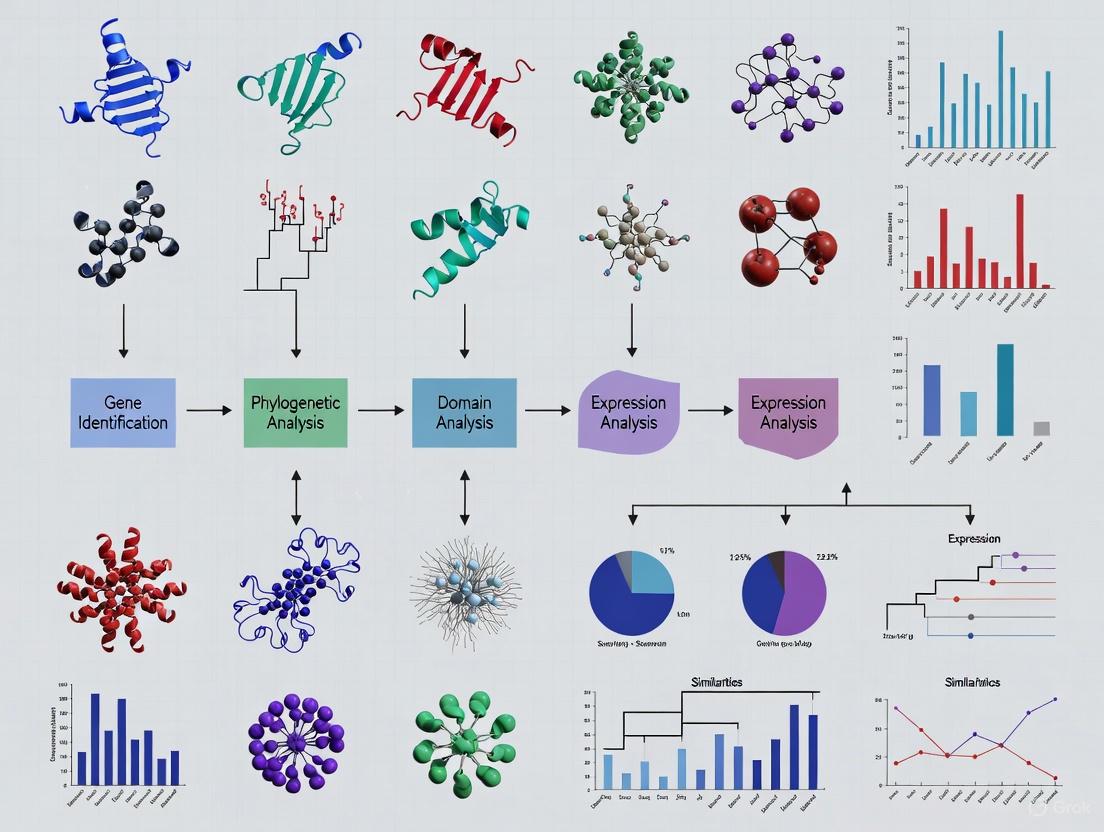
This comprehensive review synthesizes current knowledge on the plant NBS-LRR gene family, the largest class of intracellular immune receptors responsible for pathogen detection and disease resistance.
Genome-Wide Identification and Evolutionary Dynamics of the NBS-LRR Gene Family in Plants: From Molecular Mechanisms to Disease Resistance Applications
Abstract
This comprehensive review synthesizes current knowledge on the plant NBS-LRR gene family, the largest class of intracellular immune receptors responsible for pathogen detection and disease resistance. We explore foundational concepts of NBS-LRR structure, classification into TNL, CNL, and RNL subfamilies, and their evolutionary expansion through lineage-specific duplication events. The article details methodological frameworks for genome-wide identification, addresses common annotation challenges, and presents rigorous validation techniques including virus-induced gene silencing. By integrating comparative genomic analyses across diverse species—from model plants to medicinal crops—we reveal how subfamily loss, domain architecture variation, and promoter element diversity shape immune receptor repertoires. This resource provides researchers and drug development professionals with strategic insights for harnessing NBS-LRR genes in crop improvement and resistance breeding programs.
The Plant Immune Repertoire: Unraveling NBS-LRR Diversity, Structure, and Evolutionary History
Nucleotide-binding site leucine-rich repeat (NBS-LRR) proteins constitute the most extensive class of plant disease resistance (R) genes, serving as critical intracellular immune receptors that mediate effector-triggered immunity (ETI) [1] [2]. The structural architecture of these proteins is fundamental to their function in pathogen perception and defense signal activation. During evolution, the NBS-LRR gene family has undergone significant expansion and diversification across plant lineages, resulting in a complex classification system based on domain composition and structural characteristics [3] [4] [5]. This architectural blueprint provides a comprehensive technical guide to the conserved domains and structural classification of NBS-LRR proteins, framing this knowledge within the context of gene family identification and evolutionary research. Understanding this structural foundation is paramount for researchers aiming to identify, characterize, and leverage these genes for crop improvement and disease resistance breeding.
Core Domain Architecture and Functional Significance
The canonical NBS-LRR protein structure comprises three core regions: a variable N-terminal domain, a central nucleotide-binding site (NBS) domain, and a C-terminal leucine-rich repeat (LRR) domain. Each domain fulfills distinct but interconnected functional roles in the immune signaling cascade.
N-terminal Domain: This domain dictates protein-protein interactions and signaling pathway specificity. Two major types exist: the Toll/Interleukin-1 Receptor (TIR) domain and the Coiled-Coil (CC) domain. A third, less common type involves the RPW8 domain [3] [4] [2]. The TIR domain is associated with downstream signaling components that often lead to a hypersensitive response, while the CC domain facilitates oligomerization and is crucial for signal transduction [6]. Notably, TIR-domain-containing NBS-LRRs (TNLs) are absent in monocots but present in many dicot species [4].
Central NBS (NB-ARC) Domain: This is the conserved engine of the NBS-LRR protein. Also known as the NB-ARC (Nucleotide-Binding adaptor shared by APAF-1, R proteins, and CED-4) domain, it functions as a molecular switch for immune activation [1] [6]. It binds and hydrolyzes ATP/GTP, and its conformational change from an ADP-bound (inactive) to an ATP-bound (active) state is a critical step in initiating defense signaling [3] [7]. The NBS domain contains several highly conserved motifs that are instrumental for its function.
C-terminal LRR Domain: This domain is primarily responsible for pathogen recognition specificity. The LRR region is composed of multiple repeats of 20-30 amino acids that form a solenoid structure, providing a versatile surface for direct or indirect interaction with pathogen-derived effector proteins [1] [2]. The high degree of sequence variability in this domain allows plants to recognize a vast array of rapidly evolving pathogens.
Table 1: Core Domains of NBS-LRR Proteins and Their Functions
| Domain | Key Motifs/Elements | Primary Function | Role in Immune Signaling |
|---|---|---|---|
| N-terminal | TIR, CC, RPW8 | Signal transduction specificity; protein oligomerization | Determines downstream signaling partners and pathways |
| NBS (NB-ARC) | P-loop, RNBS-A, Kinase-2, RNBS-B, RNBS-C, GLPL | ATP/GTP binding and hydrolysis; molecular switch | Conformational change upon pathogen perception triggers defense activation |
| LRR | Variable leucine-rich repeats | Pathogen effector recognition | Confers specificity; monitors host proteins for perturbations caused by pathogens |
Structural Classification of NBS-LRR Proteins
Based on the presence or absence of the N- and C-terminal domains, NBS-LRR proteins are classified into two major groups and several subtypes. This classification is widely used in genome-wide identification studies [3] [8] [5].
Typical NBS-LRR Proteins
These proteins contain all three fundamental domains (N-terminus, NBS, LRR) and are considered the "classic" sensors for pathogen effectors.
- TNL (TIR-NBS-LRR): Contains a TIR domain at the N-terminus. Example: The tobacco N gene conferring resistance to Tobacco Mosaic Virus [3].
- CNL (CC-NBS-LRR): Contains a Coiled-Coil domain at the N-terminus. This is the dominant subclass in monocots and many dicots [6] [2].
- RNL (RPW8-NBS-LRR): Contains an RPW8 domain at the N-terminus. These often act as "helper" proteins that are activated by sensor NLRs to amplify defense signals [4].
Irregular (Partial) NBS-LRR Proteins
This group lacks one or more of the core domains and may function as adaptors, regulators, or decoys within the immune network [3].
- TN (TIR-NBS): Contains TIR and NBS domains but lacks the LRR.
- CN (CC-NBS): Contains CC and NBS domains but lacks the LRR.
- NL (NBS-LRR): Contains NBS and LRR domains but lacks a defined N-terminal domain (TIR/CC).
- N (NBS): Contains only the NBS domain.
Table 2: Quantitative Distribution of NBS-LRR Types in Various Plant Species
| Plant Species | Total NBS | TNL | CNL | RNL | NL | TN | CN | N | Reference |
|---|---|---|---|---|---|---|---|---|---|
| Nicotiana benthamiana | 156 | 5 | 25 | - | 23 | 2 | 41 | 60 | [3] |
| Capsicum annuum (Pepper) | 252 | 4 | 2* | - | ~200^ | - | - | - | [6] |
| Secale cereale (Rye) | 582 | 0 | 581 | 1 | - | - | - | - | [2] |
| Vernicia montana (Tung) | 149 | 3 | 9 | - | 12 | 7 | 87 | 29 | [5] |
| Glycine max (Soybean) | 103 | - | - | - | - | - | - | - | [7] |
Note: In pepper, only 2 were typical CNLs, while most non-TNLs were classified as "N" or "NL" types. "-" indicates data not specified in the cited source.
Conserved Motifs within the NBS Domain
The NBS domain contains a series of sequentially conserved motifs that are critical for nucleotide binding and the switch mechanism. These motifs serve as signatures for identifying NBS-LRR genes and can be detected using tools like MEME suite [3] [6] [2].
- P-loop (Kinase-1a): Binds the phosphate of the nucleotide (ATP/GTP).
- RNBS-A: A conserved hydrophobic domain.
- Kinase-2: A conserved aspartate residue that coordinates the divalent cation required for hydrolysis.
- RNBS-B: A conserved domain that may be involved in nucleotide binding.
- RNBS-C: A conserved domain with a conserved tryptophan residue.
- GLPL: The final motif in the ARC2 subdomain, likely involved in protein folding and stability.
- MHD: A highly conserved motif at the end of the ARC2 subdomain, mutations in which can lead to autoactivation of the immune response.
Table 3: Key Conserved Motifs in the NBS (NB-ARC) Domain
| Motif Name | Consensus Sequence | Functional Role |
|---|---|---|
| P-loop | GxxxxGKTT/S | Phosphate binding of ATP/GTP |
| RNBS-A | GxPLLF/LVLDDVW | Structural stability |
| Kinase-2 | FLhVLDDVW | Coordinates Mg²⁺ ion for hydrolysis |
| RNBS-B | GSRIIITTRD | Nucleotide binding |
| RNBS-C | CFALC | Structural stability |
| GLPL | GLPLA/M | Protein folding and stability |
| MHD | MHD | Regulates the inactive/active state |
Experimental Protocols for Identification and Classification
A standard workflow for the genome-wide identification and structural classification of NBS-LRR genes involves a combination of bioinformatic tools and domain databases, as exemplified by several recent studies [3] [1] [4].
Diagram 1: Workflow for NBS-LRR identification and classification.
Detailed Methodology
Identification of Candidate Genes:
- Tool: HMMER software (v3.0+) [1] [4] [2].
- Method: Use the Hidden Markov Model (HMM) profile for the NB-ARC domain (Pfam: PF00931) to perform an
hmmsearchagainst the entire proteome of the target species. - Parameters: An initial E-value cutoff of < 1x10⁻²⁰ is often applied for high-confidence candidates, followed by a more lenient cutoff (< 0.01) to capture divergent members [3] [1].
Domain Verification and Classification:
- Tools: SMART, NCBI Conserved Domain Database (CDD), and Pfam [3] [2].
- Method: Submit candidate protein sequences to these databases to confirm the presence and integrity of the NBS domain and to identify associated domains.
- Coiled-Coil Prediction: Use tools like COILS or Paircoil2 with a P-score cutoff of 0.03, as CC domains are not reliably detected by standard Pfam searches [1].
Motif Discovery and Gene Structure Analysis:
- Tool: MEME Suite (Multiple Expectation Maximization for Motif Elicitation) [3] [2].
- Parameters: The number of motifs is typically set to 10-20, with width lengths ranging from 6 to 50 amino acids.
- Visualization: Tools like TBtools are used to visualize the exon-intron structure and the positions of the discovered motifs relative to the protein domains [3].
Table 4: Key Research Reagent Solutions for NBS-LRR Studies
| Reagent / Resource | Function in Research | Example Tools / Databases |
|---|---|---|
| HMM Profiles | Identifying conserved NBS domains from proteomes | Pfam PF00931 (NB-ARC) |
| Domain Databases | Verifying and annotating protein domains | SMART, NCBI CDD, Pfam |
| Motif Discovery | Identifying conserved sequence motifs within domains | MEME Suite |
| Genome Browsers | Visualizing genomic location, clusters, and gene structure | Phytozome, Sol Genomics Network |
| Sequence Alignment | Multiple sequence alignment for phylogenetic analysis | ClustalW, MAFFT |
| Phylogenetic Tools | Inferring evolutionary relationships among NBS-LRRs | MEGA, IQ-TREE |
| Cis-element Predictors | Analyzing promoter regions for regulatory elements | PlantCARE |
The architectural complexity of NBS-LRR proteins, defined by their conserved domains and modular structure, is the key to their role as versatile sentinels of the plant immune system. The standardized classification system and the conserved nature of the NBS domain provide a robust framework for researchers conducting genome-wide identification and evolutionary analysis across diverse plant species. The experimental protocols and resources outlined in this blueprint offer a practical guide for characterizing this dynamically evolving gene family, ultimately accelerating the discovery and functional validation of R genes for crop improvement. Future research will continue to elucidate how variations in this fundamental blueprint translate into specific pathogen recognition and resistance capabilities.
Within the broader thesis on the identification and evolution of the NBS-LRR gene family in plants, understanding the phylogenetic distribution of its major subfamilies is paramount. The NBS-LRR family, the largest class of plant resistance (R) genes, encodes intracellular immune receptors that perceive pathogen effectors and activate effector-triggered immunity (ETI) [9]. These proteins are typically characterized by a central nucleotide-binding site (NBS) domain and a C-terminal leucine-rich repeat (LRR) region [10]. Classification is primarily based on the variable N-terminal domain, giving rise to the major subfamilies: TNL (Toll/Interleukin-1 Receptor domain), CNL (Coiled-Coil domain), and RNL (Resistance to Powdery Mildew 8 domain) [11] [4]. The distribution and prevalence of these subfamilies are not uniform across the plant kingdom but are the result of dynamic evolutionary processes, including whole-genome duplications, tandem duplications, and lineage-specific expansions and contractions [12] [10]. This guide provides a technical overview of the distribution of TNL, CNL, and RNL genes across major plant lineages, supported by quantitative data and detailed methodological insights for researchers and drug development professionals.
Comparative Distribution of NBS-LRR Subfamilies Across Plant Lineages
The quantitative distribution of TNL, CNL, and RNL genes varies significantly across plant species, reflecting distinct evolutionary paths and selective pressures. Table 1 summarizes the counts of identified NBS-LRR genes and their subfamily distributions in various plant species, as reported in recent genome-wide studies.
Table 1: Distribution of NBS-LRR Subfamilies in Selected Plant Species
| Plant Species | Total NBS / NBS-LRR Genes | TNL Count | CNL Count | RNL Count | Other/Partial Domains | Primary Reference |
|---|---|---|---|---|---|---|
| Nicotiana tabacum (Tobacco) | 603 (NBS genes) | 9 (TNL) + 9 (TN) | 150 (CNL) + 65 (CN) | Information Missing | 306 (NBS-only), 64 (NL) | [12] |
| Nicotiana benthamiana | 156 (NBS-LRR genes) | 5 (TNL) + 2 (TN) | 25 (CNL) + 41 (CN) | 4 (across N, CN, NL types) | 60 (N-type), 23 (NL) | [3] |
| Salvia miltiorrhiza (Danshen) | 62 (Typical NLRs) | 2 | 61 | 1 | 134 (Atypical NBS) | [9] [13] |
| Helianthus annuus (Sunflower) | 352 (NBS-encoding) | 77 (TNL) | 100 (CNL) | 13 (RNL) | 162 (NL) | [11] |
| Capsicum annuum (Pepper) | 252 (NBS-LRR genes) | 4 (TNL) | 2 (Typical CNL) + 246 other nTNLs* | 1 (RN) | 200 (N, NL, NLL, etc.) | [6] |
| Manihot esculenta (Cassava) | 228 (NBS-LRR genes) | 34 | 128 | Information Missing | 99 (Partial NBS) | [14] |
| Fragaria vesca (Wild Strawberry) | 82 (NLR genes) | 28 (TNL) | 54 (CNL) | Information Missing | Not Reported | [4] |
| Arabidopsis thaliana | 207 | 101 | Information Missing | Information Missing | Not Reported | [9] |
*nTNL (non-TNL) in pepper includes CNL, RNL, and genes lacking both TIR and CC domains.
Key Evolutionary Patterns from Comparative Data
Analysis of the data in Table 1 reveals several critical evolutionary trends:
Lineage-Specific Expansions and Contractions: Some species show a dramatic reduction or complete loss of specific subfamilies. Monocot species like rice (Oryza sativa) have completely lost the TNL subfamily [9] [13], while in the medicinal plant Salvia miltiorrhiza, TNL and RNL subfamilies are markedly reduced, with CNLs dominating the NLR repertoire [9]. Conversely, gymnosperms like Pinus taeda exhibit a significant expansion of TNLs, which comprise 89.3% of its typical NBS-LRRs [9] [13].
Dominance of CNL/nTNL Subfamily: In many angiosperms, the CNL (or non-TNL) subfamily is the most prevalent. For example, non-TNLs constitute over 50% of the NLR family in all eight studied diploid wild strawberry species [4]. This dominance is also evident in pepper, where non-TNL genes account for 248 of the 252 identified NBS-LRR genes [6].
Impact of Polyploidy: Whole-genome duplication (WGD) is a key driver of NBS-LRR family expansion. In the allotetraploid Nicotiana tabacum, which has 603 NBS genes, approximately 76.62% of the members could be traced back to its parental genomes (N. sylvestris and N. tomentosiformis), demonstrating the impact of hybridization and WGD [12]. Subsequent diploidization often leads to the contraction of the expanded gene family [10].
Essential Experimental Workflows for NBS-LRR Identification and Classification
A robust and standardized pipeline is crucial for the genome-wide identification and classification of NBS-LRR genes. The following section details the core experimental and bioinformatics protocols cited in the literature.
Genome-Wide Identification Protocol
The foundational step involves a comprehensive search for genes containing the NB-ARC (NBS) domain within a sequenced genome.
- Data Retrieval: Obtain the complete genome assembly and its annotated protein sequences from public databases such as Phytozome, NCBI, or species-specific resources [12] [11] [14].
- HMMER Search: Perform a Hidden Markov Model (HMM) search against the proteome using HMMER software (v3.1b2 or later) and the NB-ARC domain model (PF00931) from the Pfam database [12] [9] [3]. An expectation value (E-value) cutoff of < 1x10⁻²⁰ is commonly applied for initial high-confidence identification [14], though some studies use a less stringent cutoff of < 0.01 for subsequent verification [3].
- Domain Verification and Curation: Confirm the presence and completeness of the NBS domain in the candidate sequences using the NCBI Conserved Domain Database (CDD) [12] and SMART tools [3]. Manually curate the list to remove false positives, such as proteins with partial kinase domains [14].
Subfamily Classification and Structural Analysis
After identification, genes are classified into TNL, CNL, and RNL subfamilies based on their N-terminal and C-terminal domains.
- N-terminal Domain Identification:
- TIR Domain: Use HMMER with Pfam models (e.g., PF01582) or the CD-search tool to identify TIR domains [12] [4].
- CC Domain: Predict coiled-coil domains using the COILS program [4] or Paircoil2 [14] with a threshold of 0.1. The NCBI CDD can also be used for confirmation [12].
- RPW8 Domain: Search for the RPW8 domain using the corresponding Pfam model (PF05659) [11] [4].
- LRR Domain Identification: Identify the C-terminal LRR domain using a suite of Pfam HMM models (e.g., PF00560, PF07723, PF07725, PF12799, PF13306, PF13516) [12] [4] [14].
- Motif Analysis: Identify conserved motifs within the NBS domain (e.g., P-loop, RNBS-A, Kinase-2, RNBS-B, RNBS-C, GLPL) using the MEME Suite (Multiple Expectation Maximization for Motif Elicitation) with the maximum number of motifs set to 10 or 20 [3] [4] [6].
- Final Classification: Classify genes into subfamilies (TNL, CNL, RNL, TN, CN, N, NL) based on the combination of domains identified. Typical NLRs possess both a complete N-terminal domain (TIR, CC, or RPW8) and an LRR domain, while atypical types lack one or more of these domains [9].
The following diagram illustrates the logical workflow for the identification and classification of NBS-LRR genes.
Phylogenetic and Evolutionary Analysis
To understand evolutionary relationships and selection pressures, phylogenetic and evolutionary analyses are conducted.
- Sequence Alignment: Extract the NB-ARC domain sequences from the classified proteins. Perform multiple sequence alignment using tools like MUSCLE [12], MAFFT [4], or ClustalW [3] under default parameters.
- Phylogenetic Tree Construction: Construct a Maximum Likelihood phylogenetic tree using software such as MEGA11 [12], IQ-TREE [4], or MEGA7 [3]. Use the best-fit model of evolution (e.g., Whelan and Goldman + freq. model) [3] and assess branch support with 1000 bootstrap replicates [12] [4].
- Selection Pressure Analysis: Identify gene duplication events (tandem and segmental) using MCScanX [12] [4]. For duplicated gene pairs, calculate the non-synonymous (Ka) and synonymous (Ks) substitution rates using KaKs_Calculator 2.0 [12]. A Ka/Ks ratio > 1 indicates positive selection, < 1 indicates purifying selection, and = 1 indicates neutral evolution [4].
Successful genome-wide analysis of NBS-LRR genes relies on a suite of bioinformatics tools, databases, and reagents. The following table details key resources and their functions in this field.
Table 2: Key Research Reagents and Resources for NBS-LRR Analysis
| Category | Resource Name | Specific Function in NBS-LRR Research |
|---|---|---|
| Software & Algorithms | HMMER v3.1b2+ | Core tool for identifying NB-ARC domains using Hidden Markov Models [12] [4]. |
| MEME Suite | Discovers conserved motifs (e.g., P-loop, Kinase-2) within NBS domains [3] [6]. | |
| MCScanX | Identifies gene duplication events (tandem, segmental) and syntenic blocks across genomes [12] [4]. | |
| MEGA / IQ-TREE | Constructs phylogenetic trees to elucidate evolutionary relationships between NLRs [12] [3] [4]. | |
| KaKs_Calculator 2.0 | Quantifies selection pressures (Ka/Ks ratio) on duplicated genes [12]. | |
| Databases | Pfam Database | Source of HMM profiles for NB-ARC (PF00931), TIR, LRR, and RPW8 domains [12] [11] [3]. |
| NCBI Conserved Domain Database (CDD) | Validates the presence and completeness of NBS and other associated domains [12] [3]. | |
| Phytozome / Species-specific DBs | Primary sources for retrieving genome assemblies and annotated protein sequences [11] [14]. | |
| Experimental Materials | SRA Datasets (e.g., SRP310543) | Publicly available RNA-seq data for differential expression analysis of NBS-LRR genes under pathogen stress [12]. |
| Reference Genomes | High-quality, annotated genomes are the fundamental substrate for all in silico identification [12] [4] [14]. |
The phylogenetic landscape of the TNL, CNL, and RNL subfamilies is complex and dynamic, shaped by millions of years of evolutionary conflict between plants and their pathogens. The data and methodologies presented herein reveal a consistent pattern of lineage-specific evolution, characterized by the extensive diversification of the CNL subfamily in many angiosperms, the complete loss of TNLs in monocots, and the dramatic expansion or contraction of specific subfamilies in certain lineages like gymnosperms and Lamiaceae. These distribution patterns are primarily driven by mechanisms such as whole-genome and tandem duplications, followed by intense diploidization and selective pressures. The standardized experimental workflows and research toolkit detailed in this guide provide a foundation for continued exploration of the NBS-LRR gene family. Future research, leveraging expanding genomic resources and functional tools, will further elucidate the precise mechanisms behind this remarkable genetic diversity and its application in breeding durable disease resistance in crops.
The genomic organization of genes is not random; it is a critical determinant of how gene families evolve, adapt, and acquire new functions. For the NBS-LRR gene family—a cornerstone of the plant innate immune system—two primary evolutionary models explain their genomic architecture: the formation of tandem clusters and their evolution under a birth-and-death model [15]. Understanding this organization is not merely an academic exercise; it is fundamental to deciphering how plants resist a myriad of pathogens and has profound implications for agricultural biotechnology and disease-resistance breeding. This whitepaper delves into the mechanisms and evidence for these models, framing them within the context of plant immunity and providing a technical guide for researchers in the field.
Core Concepts and Definitions
Tandemly Arrayed Gene Clusters
A Tandemly Arrayed Gene (TAG) cluster is defined as a group of paralogous genes that are found adjacent on a chromosome [16]. These clusters arise primarily through a chain reaction of tandem duplications, often facilitated by unequal crossing-over during meiosis. This mechanism is a powerful engine for gene amplification, creating localized regions of the genome rich in genetic redundancy, which is a prerequisite for evolutionary innovation [16].
The Birth-and-Death Evolution Model
In contrast to the concerted evolution model, where all member genes of a family evolve as a single unit, the birth-and-death model posits a more dynamic evolutionary process [15]. In this model:
- Birth: New genes are created through gene duplication.
- Death: Some duplicate genes are maintained in the genome for long periods, while others are inactivated by deleterious mutations or deleted from the genome entirely [15]. This model provides a framework for understanding the origins of new genetic systems and phenotypic diversity, as it allows for the gradual divergence of duplicated genes and the acquisition of novel functions.
The NBS-LRR Gene Family: A Prime Example
Genomic Organization and Cluster Prevalence
The NBS-LRR family is one of the largest and most well-studied gene families in plants, encoding intracellular receptors that recognize pathogen effectors and trigger immune responses [9] [17]. A hallmark of this family is its organization into tandem clusters on chromosomes.
Table 1: Prevalence of NBS-LRR Gene Clusters in Selected Plant Species
| Species | Total NBS-LRR Genes Identified | Percentage in Clusters | Genomic Reference |
|---|---|---|---|
| Cassava (Manihot esculenta) | 327 | 63% | [1] |
| Salvia (Salvia miltiorrhiza) | 196 | Information not specified | [9] |
| Tung Tree (Vernicia montana) | 149 | Non-random, clustered distribution | [17] |
| Tobacco (Nicotiana benthamiana) | 156 | Information not specified | [3] |
This clustered distribution is non-random and is observed across diverse plant species. For instance, a seminal study on cassava revealed that 63% of its 327 NBS-LRR genes are organized into 39 clusters on its chromosomes [1]. These clusters are often homogeneous, containing genes derived from a recent common ancestor, which facilitates their coordinated evolution [1].
Evolutionary Drivers and Mechanisms
The clustering of NBS-LRR genes is thought to be an adaptive strategy that facilitates their rapid evolution. The physical proximity of these genes enables mechanisms such as:
- Tandem Duplications: These are frequent and create the initial cluster structure.
- Ectopic Recombination: Gene conversion and unequal crossing-over between clusters can rapidly generate new allele combinations, enhancing the plant's ability to recognize evolving pathogens [1].
This genomic architecture directly supports a birth-and-death evolutionary process. New NBS-LRR genes are "born" through tandem duplication events. Over time, some paralogs are maintained because they confer a selective advantage, while others degenerate into pseudogenes or are deleted from the genome, representing "death" [15]. This model is consistent with the observed size variation of the NBS-LRR family across different plant species and the presence of numerous partial or atypical NBS-LRR genes [3] [17].
Experimental Approaches and Workflows
Studying tandem clusters and their evolution requires a combination of bioinformatics, molecular biology, and functional genomics techniques. The following diagram and section outline a standard workflow.
Genome-Wide Identification and Classification
The first step is the comprehensive identification of all NBS-LRR family members in a genome.
- HMMER Search: Use HMMER v3 software to perform a hidden Markov model (HMM) search against the annotated proteome of the target species. The standard HMM profile is the NB-ARC domain (Pfam: PF00931), with a typical E-value cutoff of < 1e-20 or lower to ensure high confidence [1] [3] [18].
- Domain Annotation: The candidate proteins are then scanned for additional conserved domains using databases like Pfam and the NCBI Conserved Domain Database (CDD) [3] [18]. Key domains include:
- Classification: Genes are classified into subfamilies (e.g., CNL, TNL, RNL, NL) based on their domain composition (CC-NBS-LRR, TIR-NBS-LRR, etc.) [3] [18].
Chromosomal Mapping and Cluster Identification
- Physical Mapping: The genomic coordinates of the identified NBS-LRR genes are extracted from the General Feature Format (GFF) files. Genes located within a defined physical distance (e.g., 200-250 kb) with no more than one intervening non-NBS-LRR gene are often defined as a cluster [1].
- Synteny and Duplication Analysis: Tools like MCScanX are used to identify tandem duplication events and syntenic blocks across genomes, which helps trace the evolutionary history of the clusters [18] [19].
Evolutionary and Phylogenetic Analysis
- Sequence Alignment: The NB-ARC domains of the NBS-LRR proteins are extracted and aligned using tools like ClustalW or MUSCLE [1] [18].
- Phylogenetic Tree Construction: A phylogenetic tree is built using Maximum Likelihood methods (e.g., in MEGA11 software) with robust bootstrapping (e.g., 1000 replicates) to assess the reliability of the tree nodes [1] [3]. This tree helps visualize the evolutionary relationships and can reveal patterns consistent with birth-and-death evolution, such as divergent clades of genes from the same species.
- Selection Pressure Analysis: For orthologous gene pairs, the non-synonymous (Ka) to synonymous (Ks) substitution rate ratio (Ka/Ks) is calculated using tools like KaKs_Calculator. A Ka/Ks ratio close to 1 suggests positive selection, while a ratio less than 1 indicates purifying selection [18].
Expression and Functional Characterization
- Expression Profiling: RNA-seq analysis or quantitative Real-Time PCR (qRT-PCR) is performed on pathogen-infected and mock-treated plant tissues to identify NBS-LRR genes with induced expression [18] [19]. This links genomic data to potential function.
- Functional Validation:
- Virus-Induced Gene Silencing (VIGS): This technique, as used in the tung tree study, can knock down the expression of a candidate NBS-LRR gene. A subsequent reduction in disease resistance confirms the gene's functional role [17].
- Agroinfiltration: Transient expression of the candidate gene in a model plant like Nicotiana benthamiana can be used to assess its ability to trigger a hypersensitive response (HR) or confer resistance [19].
Essential Research Reagents and Tools
Table 2: The Scientist's Toolkit for NBS-LRR Gene Family Research
| Reagent / Tool / Software | Primary Function | Technical Notes |
|---|---|---|
| HMMER Suite [1] [3] | Identifies NBS-LRR genes using HMM profiles (PF00931). | E-value cut-off is critical; often <1e-20. A species-specific HMM can be built for improved sensitivity. |
| Pfam / NCBI CDD [1] [3] | Annotates conserved protein domains (TIR, CC, LRR). | Essential for accurate classification into subfamilies (CNL, TNL, etc.). |
| MCScanX [18] [19] | Identifies gene collinearity, tandem duplications, and syntenic blocks. | Key for understanding cluster evolution and genomic context. |
| MEGA Software [1] [3] | Performs multiple sequence alignment and phylogenetic tree construction. | Maximum Likelihood method with 1000 bootstrap replicates is standard. |
| KaKs_Calculator [18] | Calculates Ka/Ks ratios to infer selection pressure. | A Ka/Ks >1 indicates positive selection, often seen in pathogen-recognizing LRR domains. |
| VIGS Vectors [17] | Functional validation through post-transcriptional gene silencing. | Allows for rapid, transient loss-of-function assays in plants. |
| RNA-seq / qRT-PCR [18] [19] | Profiles gene expression in response to pathogens or other stresses. | qRT-PCR requires stable reference genes for normalization in the target species. |
A Case Study: Fusarium Wilt Resistance in Tung Tree
A compelling example that integrates these concepts is the study of Vernicia fordii (susceptible) and Vernicia montana (resistant) in response to Fusarium wilt [17]. Researchers identified 90 and 149 NBS-LRR genes in the two species, respectively, with a notable absence of TIR-type (TNL) genes in V. fordii, suggesting gene loss ("death") events [17]. Through comparative genomics and expression analysis, they pinpointed an orthologous gene pair, Vf11G0978 in the susceptible species and Vm019719 in the resistant one. While Vm019719 was highly upregulated upon infection, its allele in V. fordii was not. Functional validation using VIGS confirmed that silencing Vm019719 compromised resistance in V. montana. This study elegantly demonstrates how birth-and-death evolution and differential regulation of a clustered NBS-LRR gene can directly determine disease resistance phenotypes [17].
The organization of the NBS-LRR gene family into tandem clusters, evolving under a birth-and-death model, is a sophisticated genomic strategy that plants have evolved to keep pace with rapidly changing pathogens. The physical clustering of these genes facilitates the generation of novel resistance specificities through recombination and duplication, while the birth-and-death process allows for the pruning of ineffective genes and the preservation of beneficial new variants. For researchers and drug development professionals, understanding this dynamic is key to unlocking the potential of plant immune systems. The methodologies outlined here provide a roadmap for identifying, characterizing, and functionally validating these critical genes, ultimately accelerating the development of durable, disease-resistant crops.
The nucleotide-binding site-leucine-rich repeat (NBS-LRR) gene family constitutes one of the most extensive and dynamic resistance (R) gene families in plants, playing a critical role in innate immunity by recognizing diverse pathogen effectors and initiating defense responses [12] [5] [20]. These genes encode proteins characterized by a central NBS domain and a C-terminal LRR domain, with the N-terminal domain determining their primary classification into TIR-NBS-LRR (TNL), CC-NBS-LRR (CNL), or RPW8-NBS-LRR (RNL) subfamilies [3] [21]. The NBS-LRR family exhibits remarkable diversity in size and composition across plant lineages, reflecting continuous evolutionary arms races between plants and their pathogens [5] [21].
This technical review examines the lineage-specific adaptations that have shaped the expansion and loss of NBS-LRR subfamilies in dicot and monocot species. Drawing from recent comparative genomic studies, we analyze the distinct evolutionary patterns, structural variations, and functional divergences that characterize NBS-LRR evolution in these two major angiosperm lineages. Within the broader context of plant genome evolution, research has revealed that fundamental genomic architecture, influenced by factors such as life cycle and phylogenetic history, varies significantly between major angiosperm groups [22] [23]. These differences create distinct evolutionary contexts for gene family dynamics, including the rapid evolution of NBS-LRR genes. By synthesizing evidence from multiple plant families, we aim to elucidate the mechanisms driving subfamily-specific adaptations and their implications for disease resistance in economically important crops.
Comparative Genomic Landscape of NBS-LRR Genes
Variation in NBS-LRR Family Size Across Species
The NBS-LRR gene family demonstrates extraordinary variation in size across plant genomes, reflecting species-specific evolutionary trajectories. Genomic analyses have identified striking disparities in NBS-LRR numbers between closely related species and across major plant lineages. For instance, in Rosaceae species, comprehensive genome-wide analysis revealed 2,188 NBS-LRR genes across 12 species, with numbers varying distinctively between different taxa [21]. Among Solanaceae species, tobacco (Nicotiana tabacum) possesses 603 NBS genes, while its progenitors, N. sylvestris and N. tomentosiformis, contain 344 and 279 respectively, illustrating how polyploidization events can expand the NBS-LRR repertoire [12].
Table 1: NBS-LRR Gene Distribution Across Plant Species
| Species | Family | Total NBS | TNL | CNL | RNL | Other/Unknown |
|---|---|---|---|---|---|---|
| Nicotiana tabacum | Solanaceae | 603 | 9 | 224 | - | 370 |
| Nicotiana benthamiana | Solanaceae | 156 | 5 | 25 | - | 126 |
| Solanum melongena (eggplant) | Solanaceae | 269 | 36 | 231 | 2 | - |
| Vernicia montana | Euphorbiaceae | 149 | 12 | 96 | - | 41 |
| Vernicia fordii | Euphorbiaceae | 90 | 0 | 49 | - | 41 |
| Fragaria vesca (strawberry) | Rosaceae | Varies* | Varies* | Varies* | Varies* | - |
| Prunus persica (peach) | Rosaceae | Varies* | Varies* | Varies* | Varies* | - |
Note: Specific counts for individual Rosaceae species were not provided in the source [21].
The distribution of NBS-LRR genes across chromosomes is typically uneven, with genes frequently organized in clusters. In eggplant, for example, SmNBS genes demonstrate an uneven distribution across chromosomes, with predominant presence on chromosomes 10, 11, and 12 [20]. Similarly, in Vernicia species, significant differences in NBS-LRR distributions were observed across syntenic chromosomes between resistant and susceptible species [5].
Differential Expansion and Loss of NBS-LRR Subfamilies
TNL Subfamily Dynamics
The TNL subfamily shows particularly striking lineage-specific patterns. Most monocots have experienced widespread loss of TNL genes, while most dicots retain substantial TNL repertoires [5]. However, even within dicots, significant variation exists. In the Euphorbiaceae family, while Vernicia montana possesses 12 TNL genes, Vernicia fordii has completely lost this subfamily [5]. This complete absence of TNL genes in V. fordii represents a rare evolutionary event in eudicots, previously reported only in Sesamum indicum [5].
Similar patterns of TNL loss or contraction are observed in other lineages. In Rosaceae species, phylogenetic analysis revealed 26 TNL ancestral genes that underwent independent duplication and loss events during the divergence of Rosaceae species [21]. The dynamic evolution of TNL genes suggests differing selective pressures across lineages, potentially related to pathogen community composition or alternative defense strategy adaptations.
CNL Subfamily Dominance and Diversification
The CNL subfamily represents the most expansive and conserved NBS-LRR group across both monocots and dicots. In most plant genomes, CNL genes constitute the majority of NBS-LRR genes. For example, in eggplant, 231 of 269 SmNBS genes (85.9%) belong to the CNL subfamily [20]. Similarly, across Rosaceae species, CNLs represent the most abundant NBS-LRR class, with 69 CNL genes identified in the ancestral Rosaceae genome [21].
The CNL subfamily exhibits remarkable diversification through various evolutionary mechanisms. In Nicotiana species, whole-genome duplication has contributed significantly to CNL expansion [12]. Similarly, in eggplant, tandem duplication events have played a primary role in CNL proliferation [20]. This pattern of CNL dominance coupled with TNL variation highlights the differential evolutionary constraints acting on NBS-LRR subfamilies.
Table 2: NBS-LRR Subfamily Distribution Patterns in Select Dicot Families
| Plant Family | TNL Prevalence | CNL Prevalence | RNL Prevalence | Notable Evolutionary Patterns |
|---|---|---|---|---|
| Solanaceae | Variable (0-36 genes) | Dominant (up to 85.9%) | Rare | Species-specific expansions; polyploidization contributions |
| Rosaceae | Variable | Dominant | Limited (7 ancestral genes) | Independent duplication/loss events; diverse evolutionary patterns |
| Euphorbiaceae | Variable to absent | Dominant | Not reported | Complete TNL loss in some species; LRR domain loss events |
| Fabaceae | Consistent expansion | Consistent expansion | Not reported | "Consistently expanding" pattern across species |
Evolutionary Mechanisms Driving Subfamily Divergence
Gene Duplication and Loss Events
Differential gene duplication and loss represent fundamental mechanisms generating lineage-specific NBS-LRR profiles. Several distinct evolutionary patterns have been identified across plant lineages:
- "First expansion and then contraction": Observed in Rubus occidentalis, Potentilla micrantha, Fragaria iinumae and Gillenia trifoliata within the Rosaceae family [21]
- "Continuous expansion": Exhibited by Rosa chinensis and potato within Solanaceae [21]
- "Expansion followed by contraction, then further expansion": Documented in F. vesca and certain Soapberry species [21]
- "Early sharp expanding to abrupt shrinking": Shared by three Prunus species and three Maleae species within Rosaceae [21]
These patterns reflect the complex interplay of evolutionary forces, including selective pressures from pathogen communities, population genetic factors, and genomic constraints.
Whole-genome duplication (WGD) has significantly contributed to NBS-LRR expansion in specific lineages. In Nicotiana tabacum, which formed via hybridization of N. sylvestris and N. tomentosiformis, approximately 76.62% of NBS members could be traced back to their parental genomes, demonstrating the impact of allopolyploidization on NBS-LRR repertoire expansion [12]. Similarly, tandem duplication events represent a major mechanism for recent NBS-LRR increases, particularly in response to rapidly evolving pathogen populations [20] [21].
Structural and Functional Divergence
Following gene duplication, NBS-LRR paralogs undergo structural and functional divergence, further contributing to lineage-specific adaptations. Several mechanisms drive this divergence:
Domain loss and gain: Significant structural variation occurs through domain loss events. For instance, in Vernicia fordii, the loss of specific LRR domains (LRR1 and LRR4) present in the resistant V. montana may contribute to differences in disease resistance [5]. Similarly, irregular-type NBS-LRR genes (lacking LRR domains) may evolve new regulatory functions as adaptors or regulators for typical types [3].
Promoter element variation: Regulatory divergence plays a crucial role in functional evolution. In Vernicia species, the orthologous gene pair Vf11G0978-Vm019719 exhibited distinct expression patterns correlated with Fusarium wilt resistance differences. This expression divergence was attributed to a deletion in the promoter's W-box element in the susceptible V. fordii allele, preventing activation by WRKY transcription factors [5].
Positive selection and functional divergence: Analysis of substitution rates reveals that positive selection acts on specific amino acid positions, particularly in the LRR domains involved in pathogen recognition [21]. This diversifying selection drives the evolution of novel recognition specificities, enabling plants to keep pace with evolving pathogen populations.
Methodological Framework for NBS-LRR Analysis
Genomic Identification and Classification
The standard pipeline for NBS-LRR identification and classification involves multiple bioinformatic steps:
Data mining and identification:
- Retrieve reference NBS-LRR sequences (e.g., 20 Arabidopsis thaliana CNGC genes) from specialized databases [24]
- Perform HMMER searches using the NB-ARC domain (PF00931) as query with threshold E-values < 10⁻²⁰ [12] [20]
- Conduct BLASTP searches with cutoff E-value < 1×10⁻⁵ or 0.001 [24]
- Verify domain architecture using Pfam, SMART, and CDD for NBS (PF00931), LRR (PF13855), TIR (PF01582), and CC domains [12] [20]
Classification and nomenclature:
- Perform multiple sequence alignment using MUSCLE or ClustalW [24]
- Construct phylogenetic trees using maximum likelihood method with 1000 bootstrap replicates [24]
- Classify sequences based on domain composition and phylogenetic clustering with reference to established systems (e.g., Arabidopsis classification) [24]
- Assign scientific names following phylogenetic relationships [24]
Figure 1: Bioinformatics workflow for NBS-LRR gene identification and classification
Evolutionary and Synteny Analysis
Evolutionary analysis:
- Identify duplication events through self-BLASTP and MCScanX analysis [12]
- Calculate non-synonymous (Ka) and synonymous (Ks) substitution rates using KaKs_Calculator [12]
- Determine selection pressures (purifying vs. positive selection) using Ka/Ks ratios [21]
- Analyze exon-intron structures to understand structural evolution [25]
Synteny analysis:
- Determine syntenic blocks across genomes through reciprocal BLASTP searches [12]
- Process paired genes with ParaAT for accurate alignment [12]
- Calculate selection pressures with appropriate evolutionary models (e.g., Nei-Gojobori) [12]
Table 3: Key Research Reagents and Resources for NBS-LRR Studies
| Category | Specific Tool/Resource | Application | Key Features |
|---|---|---|---|
| Database Resources | Plant DNA C-values Database | Genome size reference | Contains genome size data for 10,770 angiosperm species [23] |
| Genome Database for Rosaceae | Species-specific genomic data | Curated genomic data for Rosaceae family [21] | |
| NCBI Conserved Domain Database | Domain identification and verification | Identifies conserved protein domains [12] | |
| Bioinformatic Tools | HMMER v3.1b2 | Domain-based gene identification | Uses hidden Markov models for sensitive sequence detection [12] |
| MCScanX | Duplication event analysis | Detects segmental and tandem duplications [12] | |
| KaKs_Calculator 2.0 | Selection pressure analysis | Calculates Ka/Ks ratios with various evolutionary models [12] | |
| MEGA11 | Phylogenetic analysis | Comprehensive molecular evolutionary genetics analysis [24] | |
| Experimental Methods | Virus-Induced Gene Silencing (VIGS) | Functional characterization | Rapid gene function analysis in plants [5] |
| RNA-seq Analysis | Expression profiling | Genome-wide expression studies under stress conditions [12] |
Lineage-specific adaptations in NBS-LRR gene families reflect dynamic evolutionary processes shaped by diverse selective pressures. The differential expansion and loss of subfamilies, particularly the contrasting patterns observed between dicots and monocots, highlight the complex interplay between genomic constraints, pathogen pressure, and evolutionary history. The methodological framework presented here provides researchers with comprehensive tools for investigating these adaptations across plant species.
Understanding these lineage-specific patterns has significant implications for crop improvement strategies. The identification of key NBS-LRR genes associated with disease resistance, as demonstrated in Vernicia, Nicotiana, and Solanum species, enables marker-assisted breeding and biotechnological approaches to enhance crop resilience. Future research integrating comparative genomics, functional studies, and evolutionary analysis will further illuminate the intricate co-evolutionary dynamics between plants and their pathogens, facilitating the development of sustainable crop protection strategies.
Within the framework of plant immunity research, the molecular arms race between plants and their pathogens represents a fundamental driver of evolution. This dynamic antagonistic co-evolution propels relentless diversification of plant immune receptors, particularly those of the nucleotide-binding site leucine-rich repeat (NBS-LRR) gene family. As the largest class of plant resistance (R) proteins, NBS-LRR receptors constitute a major component of the plant immune system, capable of recognizing pathogen-secreted effectors to trigger robust immune responses [9]. The leucine-rich repeat (LRR) domains of these receptors serve as critical interfaces for pathogen recognition and subsequent immune activation, making them prime targets for diversifying selection pressures exerted by rapidly evolving pathogens [26] [27].
The impressive genetic diversity of plant immune receptors has inspired multiple hypotheses about its generation and maintenance. Population-level polymorphism in immune receptors has long been recognized as essential for mediating coevolution of plants and their pathogens [27]. This review synthesizes current understanding of the selective forces and molecular mechanisms that generate and maintain diversity in LRR domains, with particular emphasis on implications for NBS-LRR gene family identification and evolutionary studies. We examine how advanced genomic analyses across species have revealed extraordinary diversification patterns operating at DNA, RNA, and protein levels, creating what has been termed "anticipatory immunity" where diversity is rapidly generated in anticipation of new pathogen challenges [27].
Mechanisms Generating LRR Diversity
Genomic Architecture and Duplication Mechanisms
The genomic organization of NBS-LRR genes creates an architecture predisposed to generating diversity. These genes are frequently arranged in clusters across plant genomes, increasing the likelihood of tandem duplication, unequal crossing over, and gene conversion events that drive structural and copy number variations [27]. Recent evidence confirms that natural selection has favored lineages where arms-race genes—particularly pathogen defense genes—are associated with duplication-inducers, most notably kilobase-scale tandem repeats [28].
Table 1: Genomic Mechanisms Driving LRR Domain Diversification
| Mechanism | Molecular Process | Impact on LRR Diversity | Evidence |
|---|---|---|---|
| Tandem Duplication | Unequal crossing over between homologous sequences | Expands gene copies that freely explore mutation space | Barley LDPRs show local expansion via tandem duplication [28] |
| Non-Allelic Homologous Recombination | Recombination between paralogous sequences at low-copy repeats | Creates chimeric genes with novel specificities | Associated with long tandem repeats characteristic of NAHR [28] |
| Whole Genome Duplication | Polyploidization events | Provides redundant gene copies for neofunctionalization | Significant contributor to NBS expansion in Nicotiana [18] |
| Birth-Death Evolution | Continual cycles of duplication and degeneration | Maintains diverse repertoire through genomic recycling | Birth-death dynamics observed in duplication-prone regions [28] |
| Segmental Duplication | Duplication of genomic blocks | Creates reservoirs of genetic diversity | Important natural generator of novel genetic diversity [28] |
These duplication mechanisms operate at different genomic scales but collectively enable the rapid generation of novel LRR configurations. The subsequent action of selection on these structural variations shapes the functional diversity of the plant immune repertoire, allowing plants to keep pace with evolving pathogens.
Selective Pressures on LRR Domains
The LRR domains of plant immune receptors exhibit exceptional diversity, particularly in residues predicted to form the solvent-exposed surfaces that interact with pathogen effectors. Population genetic analyses have revealed that this diversity is maintained by strong diversifying selection acting on specific regions of the LRR domain [27]. The intensity of selection varies significantly between different NBS-LRR gene groups within species and between species, reflecting differing evolutionary pressures and life history characteristics [26].
Evolutionary analyses of the number of LRR repeats across five plant species (Arabidopsis thaliana, Oryza sativa, Medicago truncatula, Lotus japonicus, and Populus trichocarpa) demonstrated that the evolutionary rate of LRR copy number change relative to synonymous divergence ranges from 4.5 to 600, indicating vastly different evolutionary dynamics across gene groups and species [26]. In some subgroups, the observed variance in LRR number significantly deviated from neutral expectations, suggesting distinctive selective regimes operating on different NBS-LRR gene families [26].
Experimental Approaches for Analyzing LRR Diversity
Genome-Wide Identification and Classification
The foundation for analyzing LRR domain diversity begins with comprehensive identification and classification of NBS-LRR genes across plant genomes. The standard methodology involves hidden Markov model (HMM)-based searches using conserved domain models, followed by rigorous domain architecture validation.
Experimental Protocol: Genome-Wide NBS-LRR Identification
Data Acquisition: Obtain complete genome assembly and annotated protein sequences from databases such as Phytozome, EnsemblPlants, or NCBI [29].
HMMER Search: Perform hidden Markov model searches using HMMER v3.1b2 or similar with PFAM model PF00931 (NB-ARC domain) at stringent e-value thresholds (e.g., 1.1e-50) [18] [30].
Domain Validation: Confirm identified sequences using NCBI Conserved Domain Database (CDD) to validate NB-ARC domain presence and identify associated domains (TIR: PF01582; LRR: PF00560, PF07723, PF07725, PF12779, PF13306, PF13516, PF13855, PF14580; CC: via CDD prediction) [18].
Architecture Classification: Categorize genes into structural classes based on domain composition:
- TNL: TIR-NBS-LRR
- CNL: CC-NBS-LRR
- RNL: RPW8-NBS-LRR
- Atypical: Variants lacking complete domains (N, TN, CN, NL) [9]
Manual Curation: Correct gene models using transcriptomic evidence (e.g., IGV-GSAman with RNA-seq alignments) to address annotation inaccuracies [31].
This systematic approach enabled the identification of 196 NBS-LRR genes in Salvia miltiorrhiza, 12,820 NBS-domain-containing genes across 34 plant species, and 603 NBS genes in Nicotiana tabacum, revealing striking lineage-specific variations in NBS-LRR repertoire composition and size [9] [18] [30].
Evolutionary and Selection Analysis
Understanding the selective pressures acting on LRR domains requires phylogenetic and population genetic approaches that quantify diversification patterns across evolutionary timescales.
Experimental Protocol: Evolutionary Analysis of LRR Domains
Orthogroup Delineation: Identify orthologous groups across multiple species using OrthoFinder v2.5.1 with DIAMOND for sequence similarity searches and MCL for clustering [30].
Multiple Sequence Alignment: Perform alignment of NBS-LRR protein sequences using MUSCLE v3.8.31 or MAFFT 7.0 under appropriate protein substitution models [18] [30].
Phylogenetic Reconstruction: Construct maximum likelihood trees using FastTreeMP or IQ-TREE with 1000 bootstrap replicates to assess node support [30] [29].
Selection Pressure Analysis: Calculate non-synonymous (Ka) and synonymous (Ks) substitution rates using KaKs_Calculator 2.0 with Nei-Gojobori model to identify positive selection [18] [29].
LRR Number Evolution Analysis: Apply maximum likelihood methods assuming single stepwise mutation model to estimate evolutionary rates of LRR copy number change relative to synonymous divergence [26].
These analyses have revealed progressive positive selection on NBS-LRR genes and significant variation in evolutionary rates of LRR repeat number between different NBS-LRR groups and across plant species [26] [29].
Research Toolkit for LRR Diversity Studies
Table 2: Essential Research Reagents and Computational Tools
| Category | Specific Tool/Reagent | Function | Application Example |
|---|---|---|---|
| Genome Databases | Phytozome, EnsemblPlants, NCBI Genome | Provide reference sequences and annotations | Source for genome assemblies of 23 species for comparative analysis [29] |
| Domain Detection | HMMER v3.1b2, InterProScan v5.48-83.0 | Identify conserved protein domains | NBS-LRR identification using PF00931 model [9] [18] |
| Phylogenetic Analysis | OrthoFinder v2.5.1, IQ-TREE, FastTreeMP | Delineate orthogroups and reconstruct evolutionary relationships | Identification of 603 orthogroups across 34 species [30] |
| Selection Analysis | KaKs_Calculator 2.0, MEGA11 | Quantify selective pressures | Ka/Ks analysis revealing positive selection [18] [29] |
| Gene Expression | Cufflinks v2.2.1, Trimmomatic v0.36 | Process RNA-seq data and identify differentially expressed genes | Expression analysis of NBS-LRR genes during disease resistance [18] |
| Functional Validation | Virus-Induced Gene Silencing (VIGS) | Test gene function through silencing | Validation of GaNBS role in virus resistance [30] |
Diversity Patterns Across Plant Lineages
Comparative genomic analyses have revealed striking lineage-specific patterns in NBS-LRR gene evolution, particularly regarding LRR domain variation. These studies demonstrate how different plant lineages have employed distinct evolutionary strategies to generate immune receptor diversity.
Table 3: Lineage-Specific Patterns in NBS-LRR Repertoire Composition
| Plant Lineage | Species Example | NBS-LRR Count | Notable Features | LRR Diversity Pattern |
|---|---|---|---|---|
| Eudicots | Arabidopsis thaliana | 207 [9] | Balanced CNL/TNL/RNL | High amino acid diversity in LRR regions [27] |
| Monocots (Cereals) | Oryza sativa | 505 [9] | Complete TNL loss, CNL dominance | Differential LRR number evolution rates between groups [26] |
| Medicinal Plants | Salvia miltiorrhiza | 196 [9] | Severe TNL/RNL reduction | Association with secondary metabolism [9] |
| Gymnosperms | Pinus taeda | 311 (89.3% TNL) [9] | TNL subfamily expansion | Distinct evolutionary dynamics [9] |
| Tobacco Species | Nicotiana tabacum | 603 [18] | Allotetraploid inheritance | WGD significant in expansion [18] |
The functional implications of these lineage-specific patterns are profound. For instance, the dramatic reduction of TNL and RNL subfamilies in Salvia species suggests alternative immune signaling mechanisms, while the complete absence of TNL genes in monocots indicates fundamental differences in effector-triggered immunity architecture [9]. These variations in repertoire composition directly influence the spectrum of LRR domain diversity available for pathogen recognition.
The molecular arms race between plants and pathogens has driven extraordinary diversification of LRR domains in plant immune receptors through multiple mechanistic pathways. The combined actions of genomic duplication processes, selective pressures, and lineage-specific evolutionary trajectories have generated remarkable diversity in LRR domains, enabling plants to recognize rapidly evolving pathogens. The experimental approaches and research tools outlined in this review provide a roadmap for continued investigation into LRR domain diversification.
Future research directions should include comprehensive analysis of LRR diversity at population scale across multiple plant species, structural characterization of LRR-effector interactions, and engineering of novel LRR domains with expanded recognition specificities. Understanding these diversification mechanisms has profound implications for managing agricultural disease resistance and engineering durable resistance in crop species. As genomic resources continue to expand, so too will our understanding of the molecular arms race that has shaped LRR domain diversity throughout plant evolution.
From Genomes to Genes: Computational Pipelines and Functional Characterization of NBS-LRR Receptors
Plant disease resistance (R) genes are crucial components of the innate immune system, with the nucleotide-binding site-leucine-rich repeat (NBS-LRR) gene family representing the largest and most diverse class of these resistance genes [32]. These genes enable plants to recognize pathogenic effectors and initiate robust defense responses, often culminating in the hypersensitive response (HR), a localized programmed cell death that restricts pathogen spread [1] [33]. The NBS-LRR proteins are characterized by a conserved nucleotide-binding site (NBS) domain and a C-terminal leucine-rich repeat (LRR) domain. Based on their N-terminal domains, they are classified into two major subfamilies: TIR-NBS-LRR (TNL) proteins containing a Toll/Interleukin-1 receptor domain and CC-NBS-LRR (CNL) proteins featuring a coiled-coil domain [1] [32].
The identification and characterization of NBS-LRR genes have been revolutionized by bioinformatics approaches, particularly those utilizing Hidden Markov Models (HMMs) in the HMMER software suite. This technical guide provides a comprehensive framework for HMMER-based identification and domain architecture analysis of NBS-LRR genes, presenting standardized workflows that enable researchers to conduct comparative evolutionary studies across plant species [1] [3] [2]. As the number of sequenced plant genomes continues to expand, these bioinformatics workflows have become indispensable for understanding the rapid evolution and functional diversification of this critical gene family in plant-pathogen interactions [32] [17].
Core Principles of NBS-LRR Protein Structure and Classification
Domain Architecture and Functional Significance
NBS-LRR proteins exhibit a modular domain structure that dictates their function in plant immunity:
- N-terminal Domain: Either a TIR (Toll/interleukin-1 receptor) or CC (coiled-coil) domain that is involved in downstream signaling [1] [33]. A third, less common subclass features an RPW8 (Resistance to Powdery Mildew 8) domain [3].
- NBS (NB-ARC) Domain: A central nucleotide-binding domain that acts as a molecular switch, alternating between ADP-bound (inactive) and ATP-bound (active) states to regulate signaling [1] [32]. This domain contains highly conserved motifs including the P-loop, kinase-2, and GLPL motifs [32].
- LRR Domain: A C-terminal leucine-rich repeat region that determines pathogen recognition specificity through protein-protein interactions [1] [32]. This domain is highly variable and under diversifying selection to recognize evolving pathogen effectors [32].
Beyond the typical NBS-LRR proteins, irregular types exist that lack complete domain complements, including TN (TIR-NBS), CN (CC-NBS), NL (NBS-LRR), and N (NBS-only) proteins, which may function as adaptors or regulators in plant immune signaling networks [3].
Genomic Distribution and Evolutionary Patterns
NBS-LRR genes are distributed unevenly across plant genomes, frequently organized in clusters that facilitate rapid evolution through unequal crossing over and gene conversion [1] [32]. These clusters vary significantly in size and phylogenetic composition, with some containing closely related genes from recent duplication events, while others comprise more divergent members [1] [32]. This genomic organization enables plants to generate novel recognition specificities through domain shuffling and sequence diversification, essential for keeping pace with evolving pathogens [34].
Table 1: NBS-LRR Gene Family Size Across Plant Species
| Plant Species | Total NBS-LRR Genes | TNL Genes | CNL Genes | Reference |
|---|---|---|---|---|
| Arabidopsis thaliana | 149-159 | 94-98 | 50-55 | [32] |
| Oryza sativa (rice) | 553-653 | 0 | 553-653 | [32] |
| Nicotiana benthamiana | 156 | 5 | 25 | [3] |
| Secale cereale (rye) | 582 | 0 | 581 | [2] |
| Vernicia montana (tung tree) | 149 | 3 | 9 | [17] |
| Manihot esculenta (cassava) | 228 | 34 | 128 | [1] |
The distribution of NBS-LRR subclasses varies significantly between plant lineages. Monocots, particularly grasses, have largely lost TNL genes, while eudicots maintain both TNL and CNL types, though with considerable variation in their relative proportions [32] [17] [2]. This differential distribution reflects distinct evolutionary paths in plant immune system architecture.
HMMER-Based Workflow for NBS-LRR Identification
Core Workflow and Implementation
The HMMER-based identification pipeline enables comprehensive mining of NBS-LRR genes from plant genome sequences through a multi-step process that balances sensitivity and specificity.
Detailed Experimental Protocol
Step 1: Initial HMMER Search
- Obtain the Hidden Markov Model profile for the NB-ARC domain (Pfam accession: PF00931) from the Pfam database (http://pfam.xfam.org/) [1] [3] [2].
- Perform an initial
hmmsearchagainst the predicted proteome of the target plant species using the HMMER v3 suite [1]. Use a liberal E-value cutoff (e.g., 0.1) to maximize sensitivity in this initial search: - Extract sequences that meet the initial E-value threshold for further analysis.
Step 2: Candidate Sequence Extraction and Quality Assessment
- Parse the HMMER output to retrieve sequences matching the NB-ARC domain.
- Validate the presence of intact NBS domains through manual inspection and removal of partial sequences or those with disrupted conserved motifs [1].
- For cassava, researchers applied stringent filtering (E-value < 1×10⁻²⁰) and manual verification of an intact NBS domain to create a high-quality protein set [1].
Step 3: Construction of Species-Specific HMM Profile
- Align the validated NBS domains using multiple sequence alignment tools such as ClustalW [1] or MAFFT.
- Build a custom HMM profile using
hmmbuildfrom the HMMER suite: - This species-specific HMM increases sensitivity for detecting divergent NBS-LRR genes in the target genome [1].
Step 4: Refined HMMER Search
- Execute a second
hmmsearchusing the custom-built HMM profile against the entire proteome. - Apply an E-value cutoff of 0.01 to maintain a balance between sensitivity and specificity [1] [3].
- Combine results from both searches to create a comprehensive candidate set.
Step 5: Manual Curation and Domain Verification
- Confirm NBS domain integrity using the NCBI Conserved Domains Database (CDD) and SMART tools [3] [2].
- Remove false positives, particularly those containing kinase domains but lacking authentic NBS domains, which may be detected due to minor sequence similarities [1].
Step 6: Classification into NBS-LRR Subfamilies
- Identify N-terminal domains using HMMER searches against TIR (PF01582), CC (detected by Paircoil2 with P-score cutoff of 0.03), and RPW8 (PF05659) domain profiles [1] [3].
- Classify genes into subfamilies (TNL, CNL, RNL, and irregular types) based on domain composition.
- Validate LRR domains using PF00560, PF07723, PF07725, and PF12799 HMM profiles [1].
Table 2: Key Bioinformatics Tools for NBS-LRR Identification and Analysis
| Tool Name | Application | Key Parameters | Reference |
|---|---|---|---|
| HMMER v3 | Domain searches | E-value < 0.01 for refined search | [1] |
| Paircoil2 | Coiled-coil prediction | P-score cutoff: 0.03 | [1] |
| MEME | Motif discovery | Motif count: 10, Width: 6-50 aa | [3] |
| ClustalW | Multiple sequence alignment | Default parameters | [1] [3] |
| MEGA6/7 | Phylogenetic analysis | Maximum Likelihood, Whelan & Goldman model | [1] [2] |
| NCBI CDD | Domain verification | E-value cutoff: 0.0001 | [3] [2] |
Domain Architecture Analysis and Functional Annotation
Comprehensive Domain Characterization
Beyond initial classification, detailed domain architecture analysis provides insights into potential functional mechanisms and evolutionary relationships.
Coiled-Coil Domain Identification
- Use Paircoil2 (http://cb.csail.mit.edu/cb/paircoil2/) with a P-score cutoff of 0.03 for CC domain prediction, as conventional Pfam searches may not detect these domains effectively [1].
- Alternatively, use the MARCOIL program for improved detection in some plant species.
LRR Domain Variation Analysis
- Identify LRR domains using multiple HMM profiles (PF00560, PF07723, PF07725, PF12799) to capture the full diversity of these repeating structures [1].
- Analyze LRR copy number variation, as this differs substantially between NBS-LRR genes and influences recognition specificity [17].
Integrated Domain Detection
- Scan for additional domains integrated into NBS-LRR proteins, which may function as baits for pathogen detection or signaling components [32].
- Use the InterProScan package for comprehensive domain annotation against multiple databases [35].
Motif Analysis and Structural Validation
- Perform motif analysis using MEME (Multiple Expectation Maximization for Motif Elicitation) with settings of 10 motifs and width ranges from 6-50 amino acids to identify conserved sequence patterns within the NBS domain [3] [2].
- Extract the NB-ARC domain region (typically 250 amino acids after the P-loop) for phylogenetic analysis to confirm the separation between major NBS-LRR groups [1].
- Validate three-dimensional structural properties using protein structure prediction tools such as Phyre2 or AlphaFold2, though these are generally applied to selected representatives rather than entire families.
Evolutionary Analysis and Comparative Genomics
Phylogenetic Reconstruction Methods
Phylogenetic analysis of NBS-LRR genes provides insights into evolutionary relationships and functional conservation across plant species.
Sequence Alignment and Matrix Construction
- Extract the NB-ARC domain region from full-length protein sequences, typically counting 250 amino acids after the P-loop motif [1].
- Perform multiple sequence alignment using ClustalW with default parameters [1] [3].
- Manually curate the resulting alignment using Jalview or similar tools, trimming poorly aligned regions at both ends to create a high-quality alignment matrix [1].
- Exclude sequences with less than 90% of the full-length NB-ARC domain from phylogenetic analysis [1].
Tree Construction and Validation
- Perform phylogenetic reconstruction using Maximum Likelihood method in MEGA6/7 or IQ-TREE based on the Whelan and Goldman + frequency model [1] [2].
- Select the tree with the highest log likelihood after heuristic search initialized with Neighbor-Joining trees [1].
- Assess branch support using bootstrap analysis with 1000 replicates to evaluate node robustness [3].
Genomic Distribution and Synteny Analysis
- Map NBS-LRR genes to chromosomal positions using annotation files (GFF/GTF format) and visualize distribution patterns across chromosomes [17] [2].
- Identify gene clusters using sliding window analysis with a window size of 250 kb; genes located within this distance are considered clustered [2].
- Perform synteny analysis between related species to identify orthologous NBS-LRR genes and lineage-specific expansions using tools such as MCScanX [17] [2].
Evolutionary Rate Analysis
- Calculate non-synonymous (dN) to synonymous (dS) substitution rates (ω = dN/dS) to detect patterns of selection acting on different NBS-LRR domains [32].
- Identify positive selection in LRR domains, particularly in solvent-exposed residues that directly interact with pathogen effectors [32].
- Compare evolutionary rates between NBS-LRR subfamilies and between species to understand differential selective pressures.
Table 3: Common Evolutionary Patterns in NBS-LRR Gene Families
| Evolutionary Pattern | Detection Method | Biological Interpretation | Example |
|---|---|---|---|
| Positive selection | dN/dS > 1 in specific domains | Diversifying selection for new recognition specificities | LRR domains under pathogen pressure [32] |
| Tandem duplication | Gene clustering on chromosomes | Rapid expansion of specific resistance specificities | Cassava NBS-LRR clusters [1] |
| Birth-and-death evolution | Phylogenetic analysis with ortholog identification | Continuous gene turnover maintaining diversity | Triticeae species comparison [2] |
| Purifying selection | dN/dS < 1 in conserved domains | Functional constraint on signaling machinery | NBS domain conservation [32] |
| Lineage-specific expansion | Gene count comparison between species | Adaptation to specific pathogen pressures | Rye NBS-LRR expansion [2] |
Case Studies and Applications
Cassava NBS-LRR Identification
In a comprehensive analysis of the cassava (Manihot esculenta) genome, researchers identified 228 NBS-LRR genes and 99 partial NBS genes through the HMMER-based workflow [1]. This study revealed that 63% of these genes occurred in 39 clusters on chromosomes, with most clusters being homogeneous and containing NBS-LRRs derived from a recent common ancestor [1]. The distribution between subclasses showed 34 TNL-type and 128 CNL-type genes, reflecting lineage-specific expansion of CNL genes in cassava [1].
Tung Tree Resistance Mechanism
Comparative analysis of Fusarium wilt-resistant Vernicia montana and susceptible V. fordii identified 239 NBS-LRR genes across both genomes, with striking differences in their compositions [17]. V. montana contained TNL genes (12 total) while V. fordii completely lacked this subclass, suggesting a possible correlation with disease resistance [17]. Through integrated transcriptomic and functional analysis, researchers identified Vm019719 as a key CNL gene conferring Fusarium wilt resistance in V. montana, demonstrating the power of combined bioinformatics and experimental validation [17].
Triticeae Tribe Comparative Genomics
Analysis of Secale cereale (rye) identified 582 NBS-LRR genes, comprising just one RNL subclass member and 581 CNL genes, highlighting the dramatic loss of TNL genes in monocots [2]. Chromosome 4 contained the largest number of NBS-LRR genes, a pattern shared with the A genome of wheat but distinct from barley and the B/D genomes of wheat [2]. Synteny analysis revealed that S. cereale inherited 382 ancestral NBS-LRR lineages, with 120 preserved exclusively in rye and lost in both barley and T. urartu, indicating lineage-specific evolution of resistance genes in the Triticeae tribe [2].
Table 4: Essential Research Reagents and Bioinformatics Resources for NBS-LRR Analysis
| Resource Type | Specific Tool/Database | Application in NBS-LRR Research | Access Information |
|---|---|---|---|
| HMM Profiles | Pfam NB-ARC (PF00931) | Core NBS domain identification | http://pfam.xfam.org/ |
| HMM Profiles | Pfam TIR (PF01582) | TIR domain identification | http://pfam.xfam.org/ |
| HMM Profiles | Pfam LRR (multiple) | LRR domain identification | http://pfam.xfam.org/ |
| Software Suite | HMMER v3 | Domain searches and sequence analysis | http://hmmer.org/ |
| Coiled-Coil Prediction | Paircoil2 | CC domain identification | http://cb.csail.mit.edu/cb/paircoil2/ |
| Motif Discovery | MEME Suite | Conserved motif identification | http://meme-suite.org/ |
| Phylogenetic Analysis | MEGA7/IQ-TREE | Evolutionary relationship inference | http://megasoftware.net/ |
| Genomic Database | Phytozome | Plant genome sequences and annotations | http://phytozome.net/ |
| Domain Verification | NCBI CDD | Additional domain confirmation | https://www.ncbi.nlm.nih.gov/cdd/ |
The HMMER-based workflow for NBS-LRR identification and domain architecture analysis represents a robust, standardized approach for mining plant genomes for potential resistance genes. This methodology has been successfully applied across diverse plant species, from cassava and tung trees to cereal crops, enabling comparative evolutionary studies and facilitating the discovery of candidate genes for crop improvement [1] [17] [2].
As plant genomics continues to advance, several emerging trends are shaping the future of NBS-LRR research. The integration of machine learning approaches, such as Random Forest classifiers, helps identify multi-stress responsive NBS-LRR genes and prioritize candidates for functional validation [36]. The increasing availability of pan-genomes enables researchers to capture the full diversity of NBS-LRR genes within species, moving beyond single reference genomes [2]. Additionally, the combination of HMMER-based discovery with expression analysis (RNA-seq), epigenomic data, and functional validation through VIGS (Virus-Induced Gene Silencing) creates a powerful framework for connecting sequence diversity with biological function [17].
This bioinformatics workflow continues to evolve, incorporating new algorithms and integration methods that enhance our understanding of plant immune system evolution and function. By providing a standardized approach for NBS-LRR gene identification and classification, these methods enable systematic comparison across plant lineages, offering insights into the evolutionary arms race between plants and their pathogens that shapes the remarkable diversity of this critical gene family.
The nucleotide-binding site leucine-rich repeat (NBS-LRR) gene family constitutes the largest and most crucial class of plant resistance (R) proteins, responsible for intracellular pathogen recognition and activation of effector-triggered immunity (ETI) [9]. Expression profiling of these genes provides critical insights into their functional roles beyond traditional disease resistance, including emerging connections to secondary metabolic pathways. This technical guide explores advanced methodologies for elucidating the expression dynamics of NBS-LRR genes under various stress conditions and their potential regulatory influences on the biosynthesis of economically valuable medicinal compounds in plants.
Experimental Frameworks for NBS-LRR Expression Analysis
Genome-Wide Identification and Classification
A robust expression profiling study must be predicated on the comprehensive identification and classification of NBS-LRR genes within the target species.
- Initial Identification Pipeline: Utilizing Hidden Markov Model (HMM) searches with the conserved NB-ARC domain (Pfam: PF00931) remains the standard initial step. Applications in Nicotiana benthamiana and Salvia miltiorrhiza have employed HMMER suites with expectation value (E-value) cut-offs of < 1×10⁻²⁰ for high-confidence identification [3] [9]. Subsequent manual curation via domain analysis tools like SMART and the NCBI Conserved Domain Database is essential to confirm the presence of complete NBS domains [3].
- Classification System: Identified genes are classified based on their N-terminal and C-terminal domain architecture. The major categories include:
- TNL: TIR-NBS-LRR
- CNL: CC-NBS-LRR
- RNL: RPW8-NBS-LRR (less common)
- NL: NBS-LRR (missing a recognized N-terminal domain)
- Irregular Types: TN (TIR-NBS), CN (CC-NBS), and N (NBS-only), which often function as adaptors or regulators for typical types [3].
Table 1: NBS-LRR Gene Distribution in Various Plant Species
| Species | Total NBS-LRR Genes Identified | CNL | TNL | RNL | Other/Irregular | Reference |
|---|---|---|---|---|---|---|
| Nicotiana benthamiana | 156 | 25 | 5 | 4 (RPW8 domain) | 122 | [3] |
| Salvia miltiorrhiza | 196 | 61 | 2 | 1 | 132 | [9] |
| Manihot esculenta (Cassava) | 327 | 128 | 34 | Information Missing | Information Missing | [1] |
Cis-Element Analysis in Promoter Regions
Bioinformatic analysis of promoter regions can predict the potential involvement of NBS-LRR genes in specific stress and hormonal responses.
- Methodology: Extract 1.5 kb genomic sequences upstream of the initiation codon (ATG) of identified NBS-LRR genes. These sequences are then submitted to databases like PlantCARE for in silico identification of cis-acting regulatory elements [3].
- Expected Outcomes: Studies have identified numerous shared cis-elements related to stress responses. In N. benthamiana, 29 types of regulatory elements were shared between typical and irregular-type NBS-LRR genes, with 4 unique to irregular types [3]. These often include elements responsive to hormones like abscisic acid (ABA), methyl jasmonate (MeJA), and salicylic acid (SA), as well as elements associated with anaerobic induction, low-temperature responsiveness, and defense/stress responsiveness [9]. This analysis provides a foundational hypothesis for which NBS-LRR genes are likely involved in stress and metabolic pathways.
Linking NBS-LRR Expression to Stress and Metabolism
Transcriptomic Profiling Under Stress Conditions
Expression profiling via RNA-Seq is a powerful method for linking specific NBS-LRR genes to stress responses.
- Experimental Design: Conduct controlled stress induction experiments. This includes:
- Biotic Stress: Infection with pathogens (viruses, bacteria, fungi) or pest infestation.
- Abiotic Stress: Application of drought, salinity, or temperature stress.
- Hormonal Elicitors: Treatment with defense hormones such as SA, JA, or ethylene (ET) to dissect signaling pathways.
- Protocol:
- Treatment and Sampling: Apply stressors to plant tissues (e.g., leaves, roots) and collect samples at multiple time points (e.g., 0, 6, 12, 24, 48 hours post-treatment). Include biological replicates (at least three independent experiments) to account for variability and ensure statistical robustness [37].
- RNA Extraction and Sequencing: Use standardized kits (e.g., TRIzol) for high-quality total RNA extraction. Prepare cDNA libraries and sequence using an Illumina platform to generate high-depth transcriptome data.
- Differential Expression Analysis: Map sequenced reads to the reference genome and calculate gene expression levels (e.g., FPKM or TPM). Identify differentially expressed NBS-LRR genes using tools like DESeq2, with a threshold of |log2FoldChange| > 1 and adjusted p-value < 0.05.
Table 2: Key Experimental Parameters for Expression Profiling
| Parameter | Specification | Rationale | ||
|---|---|---|---|---|
| Biological Replicates | ≥ 3 per condition | Ensures statistical power and accounts for biological variability; avoids pseudo-replication [37]. | ||
| Sequencing Depth | ≥ 30 million reads per sample | Ensures sufficient coverage for accurate quantification of transcript abundance. | ||
| Statistical Threshold | adj. p-value < 0.05 & | log2FC | > 1 | Balances the discovery of true positives while controlling for false discoveries. |
| Data Visualization | Direct labeling, high-contrast colors, clear titles | Creates self-explanatory figures that are accessible, including to colorblind readers [38]. |
Correlation with Secondary Metabolic Pathways
Integrating transcriptome data with metabolome data is a advanced strategy to link NBS-LRR activation to secondary metabolism.
- Methodology: Perform parallel transcriptomic and metabolomic profiling on the same set of plant samples. For Salvia miltiorrhiza, this would involve quantifying the expression of SmNBS-LRR genes and measuring the accumulation of bioactive compounds like tanshinones and phenolic acids [9].
- Analysis: Conduct correlation analysis (e.g., Pearson or Spearman correlation) between the expression levels of significantly upregulated NBS-LRR genes and the accumulation levels of key secondary metabolites. A strong positive correlation suggests a potential functional link, indicating that the NBS-LRR gene may play a role in regulating the biosynthetic pathway of that metabolite.
The Scientist's Toolkit: Research Reagent Solutions
Table 3: Essential Reagents and Resources for NBS-LRR Research
| Reagent/Resource | Function/Application | Example Sources/Tools |
|---|---|---|
| HMM Profile (NB-ARC: PF00931) | Identification of NBS-domain containing genes from genomic data. | Pfam Database [3] [1] |
| Domain Analysis Tools | Verification of protein domain structure (TIR, CC, LRR, RPW8). | SMART, NCBI CDD, MEME Suite [3] [1] |
| Subcellular Localization Predictors | In silico prediction of protein localization (e.g., cytoplasm, nucleus). | CELLO v.2.5, Plant-mPLoc [3] |
| Cis-Element Database | Identification of hormone and stress-responsive promoter elements. | PlantCARE [3] |
| qPCR Reagents | Validation of RNA-Seq results via quantitative real-time PCR. | SYBR Green kits, gene-specific primers |
| Statistical Software | Differential expression analysis and data visualization. | R (DESeq2, ggplot2) [37] [38] |
Signaling Pathways and Experimental Workflows
The following diagrams, generated using Graphviz DOT language, illustrate the core experimental workflow and a hypothesized model of NBS-LRR involvement in secondary metabolism.
NBS-LRR Expression Profiling Workflow
NBS-LRR Link to Metabolic Pathways
Gene expression begins with transcription, a process initiated by the binding of RNA polymerase and transcription factors to specific regions of a gene's promoter [39]. Within these promoter regions lie cis-regulatory elements (CREs)—short, non-coding DNA sequences typically 5–15 base pairs in length that serve as binding platforms for transcription factors [40]. These molecular switches control the spatial and temporal expression of genes in response to diverse stimuli, including hormones, abiotic stresses, and pathogen attacks [41] [40]. In the context of plant immunity, the NBS-LRR gene family represents the largest class of disease resistance (R) proteins, capable of recognizing pathogen-secreted effectors to trigger robust immune responses [9]. The expression of these critical defense genes is governed by complex regulatory networks centered on promoter cis-elements, which fine-tune transcriptional responses to both biotic and abiotic challenges [9] [8]. This technical guide explores the methodologies and applications of promoter cis-element analysis, with particular emphasis on understanding the regulation of the NBS-LRR gene family in plant immunity and stress adaptation.
Core Concepts: Cis-Elements, Promoter Architecture, and Their Regulatory Roles
Promoter Classes and Characteristics
Plant promoters are broadly classified into three categories based on their expression patterns. Constitutive promoters, such as the cauliflower mosaic virus (CaMV) 35S promoter and the rice OsUbi1 promoter, drive gene expression uniformly across most tissues and conditions [40]. In contrast, tissue-specific promoters restrict expression to particular organs or cell types, while inducible promoters activate transcription specifically in response to external stimuli such as stress, hormones, or pathogens [40]. The investigation of NBS-LRR genes has revealed that their promoters are particularly enriched in elements responsive to plant hormones and abiotic stress, positioning them as inducible promoters that activate during immune challenges [9].
Key Cis-Elements in Hormone and Stress Signaling
Cis-elements function as molecular docking sites that transcription factors recognize and bind to, thereby initiating or modulating the transcription of downstream genes. The table below summarizes critical cis-elements involved in hormone signaling and stress responses, with particular relevance to NBS-LRR gene regulation.
Table 1: Key Cis-Regulatory Elements in Plant Hormone and Stress Responses
| Cis-Element | Transcription Factors | Biological Function | Example Genes/Pathways |
|---|---|---|---|
| Myb recognition site | MYB transcription factors | Drought response, ABA signaling, specialized metabolism | CgbHLH001, NBS-LRR genes [9] [39] |
| ABA Response Element (ABRE) | bZIP transcription factors | Abscisic acid signaling, drought stress response | Drought-responsive NBS-LRR genes [8] |
| Py-rich stretch | Transcriptional enhancers | General stress responsiveness, enhances transcription | CgbHLH001 5' UTR [39] |
| W-box | WRKY transcription factors | Defense responses, pathogen recognition | NBS-LRR regulation, ETI signaling [41] |
| TC-rich repeats | Defense-related TFs | Stress responsiveness, defense activation | NBS-LRR promoters [9] |
| TCA-element | SA-induced TFs | Salicylic acid response, systemic immunity | NBS-LRR genes, pathogenesis-related genes [41] |
| G-box | bHLH, bZIP TFs | Multiple stress responses, light regulation | Primary and specialized metabolism genes [41] |
The 5' UTR: An Emerging Regulatory Hub
Beyond the core promoter region, the 5' untranslated region (5' UTR) has emerged as a critical regulatory component. Studies on the CgbHLH001 promoter revealed that deletion of its 5' UTR sequence resulted in a dramatic loss of promoter activity, highlighting this region's essential role in driving gene expression [39]. The 5' UTR of CgbHLH001 contains a Py-rich stretch element—a known transcriptional enhancer—and forms specific secondary structures with folding free energies of -15.85 kcal mol⁻¹ (DNA) and -81.13 kcal mol⁻¹ (RNA), suggesting functional importance in translational regulation [39].
Analytical Framework: Methodologies for Cis-Element Discovery and Validation
Promoter Isolation and In Silico Analysis
The initial step in cis-element analysis involves isolating and characterizing promoter sequences. This typically begins with the identification of the transcription start site (TSS) using techniques such as 5' RACE (Rapid Amplification of cDNA Ends) or computational prediction tools like TSSP [39]. A region of 1,000–2,000 base pairs upstream of the TSS is then analyzed for putative cis-elements.
Table 2: Computational Tools for Promoter Cis-Element Analysis
| Tool Type | Examples | Application | Key Output |
|---|---|---|---|
| Promoter Prediction | TSSP, Neural Network Promoter Prediction | Identifies transcription start sites and core promoter regions | Core promoter location, TATA box prediction |
| Cis-Element Scanning | PLACE, PlantCARE, JASPAR | Genome-wide screening of known cis-element motifs | Annotated promoter maps, element classification |
| Motif Discovery | MEME, DREME | De novo identification of overrepresented motifs | Novel regulatory motifs, element clustering |
| Secondary Structure Prediction | RNAfold, Mfold | Analyzes DNA/RNA folding in 5' UTR | Free energy values (ΔG), stem-loop structures |
| Phylogenetic Footprinting | PhyloP, rVISTA | Compares promoters across species to identify conserved elements | Evolutionarily conserved regulatory elements |
Experimental Validation of Cis-Element Function
Promoter-Reporter Constructs and Deletion Analysis
A standard approach for validating promoter function involves creating promoter-reporter fusions using genes such as β-glucuronidase (GUS) or luciferase [39]. The experimental workflow typically involves:
- Cloning the full-length promoter (~1,500 bp upstream of ATG) and fusing it to the GUS reporter gene
- Generating 5'-deletion variants through sequential truncation to identify key regulatory regions
- Transient or stable transformation into plant systems
- Histochemical staining and fluorometric assays to quantify promoter activity
In the CgbHLH001 study, deletion analysis revealed that the 5' UTR region was essential for maintaining high promoter activity, with its removal resulting in a significant reduction in GUS expression [39].
Electrophoretic Mobility Shift Assay (EMSA)
EMSA validates protein-DNA interactions by detecting shifts in DNA fragment mobility when transcription factors bind. The protocol includes:
- Designing biotin-labeled oligonucleotides containing the putative cis-element
- Incubating nuclear protein extracts with labeled probes
- Competition experiments with unlabeled wild-type and mutated probes
- Supershift assays with specific antibodies to confirm TF identity
Chromatin Immunoprecipitation (ChIP)
ChIP provides in vivo evidence of transcription factor binding to genomic regions through:
- Cross-linking proteins to DNA with formaldehyde
- Chromatin fragmentation by sonication
- Immunoprecipitation with transcription factor-specific antibodies
- qPCR analysis of enriched DNA fragments
Figure 1: Experimental workflow for promoter cis-element analysis
Integration with NBS-LRR Gene Family Research
Cis-Element Signatures in NBS-LRR Promoters
Genome-wide analyses of NBS-LRR genes across multiple species have revealed distinctive cis-element profiles in their promoter regions. Studies in Salvia miltiorrhiza demonstrated an abundance of cis-acting elements related to plant hormones and abiotic stress in SmNBS promoters [9]. Similarly, research in sweet orange (Citrus sinensis) identified significant expression of NBS-LRR genes under both biotic and abiotic stresses, suggesting these genes contain regulatory elements that respond to diverse environmental challenges [8].
The presence of these stress-responsive cis-elements in NBS-LRR promoters provides a molecular link between pathogen defense and abiotic stress responses—a phenomenon known as stress cross-talk [41] [8]. This integration allows plants to coordinate their immune responses with broader adaptation strategies, optimizing resource allocation during combined stresses.
Transcriptional Regulation of NBS-LRR Genes in Plant Immunity
NBS-LRR proteins function as intracellular receptors in effector-triggered immunity (ETI), the second layer of plant immune response [9] [18]. Upon pathogen recognition, these proteins activate defense signaling pathways, often accompanied by a hypersensitive response (HR) and programmed cell death [9]. The promoter cis-elements governing NBS-LRR expression ensure these potent defense mechanisms are deployed precisely when needed, preventing inappropriate activation that could lead to autoimmunity or fitness costs.
Recent studies have revealed that NBS-LRR genes are often regulated by complex promoter architectures containing multiple cis-elements that respond to different signaling pathways. This combinatorial control allows for sophisticated integration of defense signals and fine-tuning of immune responses.
Figure 2: Cis-element mediated regulation of NBS-LRR genes in plant immunity
The Scientist's Toolkit: Essential Research Reagents and Solutions
Table 3: Key Research Reagents for Promoter Cis-Element Analysis
| Reagent Category | Specific Examples | Function/Application |
|---|---|---|
| Reporter Vectors | pBI121, pCAMBIA (GUS fusions), pGreenII (Luciferase) | Promoter activity quantification via reporter gene expression |
| Transformation Systems | Agrobacterium tumefaciens (stable transformation), Particle bombardment (transient) | Delivery of promoter-reporter constructs into plant tissues |
| Enzymatic Assay Kits | Fluorometric GUS detection, Luciferase assay systems | Quantitative measurement of promoter activity |
| Antibodies | TF-specific antibodies, epitope-tag antibodies | Chromatin immunoprecipitation (ChIP), supershift EMSA |
| DNA Modification Enzymes | Restriction enzymes, DNA ligases, polymerases | Molecular cloning of promoter fragments and deletion constructs |
| Probe Synthesis Kits | Biotin/chemiluminescent labeling kits | Preparation of labeled DNA probes for EMSA |
| Nuclear Extraction Kits | Plant nuclear extraction protocols | Isolation of transcription factors for binding assays |
Advanced Applications and Future Perspectives
Synthetic Promoter Design for Crop Improvement
Understanding native cis-element organization enables the design of synthetic promoters with tailored expression characteristics. By combining specific cis-elements in novel arrangements, researchers can create promoters that drive strong, precise expression of defense genes like NBS-LRRs in response to defined environmental cues [40]. This approach is particularly valuable for developing crop varieties with enhanced disease resistance without yield penalties.
Single-Cell Analysis of Transcriptional Regulation
Recent advances in single-cell RNA sequencing have revealed new insights into cis-element function, particularly regarding transcriptional timing and noise [42]. Studies in human systems have shown that genes with multiple active enhancers exhibit faster temporal responses to stimuli, while enhancer-driven genes typically display higher transcriptional noise compared to promoter-driven genes [42]. Applying these approaches to plant systems could reveal how cis-element configurations influence the heterogeneity of NBS-LRR expression within cell populations during immune responses.
Cross-Species Comparative Promoter Analysis
Comparative analysis of NBS-LRR promoters across related species can identify evolutionarily conserved regulatory modules. Research in Rosaceae species revealed that NBS-LRR genes have undergone dynamic and distinct evolutionary patterns, including "first expansion and then contraction" in some species and "continuous expansion" in others [21]. Understanding how cis-element architectures have evolved alongside gene family expansion provides insights into the evolutionary forces shaping plant immune system regulation.
Promoter cis-element analysis represents a fundamental methodology for deciphering the transcriptional logic underlying plant responses to hormones and stress. The integration of computational prediction tools with experimental validation techniques provides a powerful framework for identifying functional regulatory elements, particularly in complex gene families like NBS-LRRs. As research advances, the ability to design synthetic promoters based on cis-element knowledge will increasingly enable precise manipulation of crop resistance traits, contributing to the development of sustainable agricultural solutions in the face of climate change and emerging pathogens.
In the evolutionary arms race between plants and pathogens, the subcellular localization of plant immune receptors is a critical determinant of effective pathogen surveillance. The majority of plant disease resistance (R) genes encode nucleotide-binding site leucine-rich repeat (NBS-LRR) proteins, which constitute the front line of the plant innate immune system [43]. These intracellular receptors detect pathogen effector proteins and initiate robust defense responses, including the hypersensitive response, a form of programmed cell death that restricts pathogen spread [3] [14]. The strategic positioning of NBS-LRR proteins within specific cellular compartments enables comprehensive monitoring of pathogen activity, facilitating the detection of effectors regardless of their cellular targets.
Recent advances in genomic technologies have accelerated the identification and characterization of NBS-LRR gene families across diverse plant species. Studies in Nicotiana benthamiana, cassava, sweet orange, and various Solanaceae species have revealed remarkable diversity in the subcellular localization patterns of these immune receptors [3] [14] [8]. This technical guide explores how computational prediction of protein subcellular localization provides crucial insights into the mechanisms of pathogen surveillance, with particular emphasis on methodologies relevant to NBS-LRR research in plant systems.
NBS-LRR Gene Family: Architecture and Functional Diversity
Domain Organization and Classification
The NBS-LRR gene family represents one of the largest and most diverse classes of plant R genes, with members identified across sequenced plant genomes. These proteins typically contain three core domains:
- An N-terminal domain that determines signaling specificity, which can be a Toll/interleukin-1 receptor (TIR), coiled-coil (CC), or resistance to powdery mildew 8 (RPW8) domain
- A central nucleotide-binding site (NBS) domain that functions as a molecular switch, cycling between ADP-bound (inactive) and ATP-bound (active) states
- A C-terminal leucine-rich repeat (LRR) domain that primarily mediates pathogen recognition through direct or indirect effector binding [3] [43] [14]
Based on their domain architecture, NBS-LRR proteins are classified into several structural types, as exemplified by the 156 NBS-LRR homologs identified in Nicotiana benthamiana:
Table 1: Classification of NBS-LRR Proteins in Nicotiana benthamiana
| Type | Domain Architecture | Number of Proteins | Primary Function |
|---|---|---|---|
| TNL | TIR-NBS-LRR | 5 | Pathogen recognition and defense signaling |
| CNL | CC-NBS-LRR | 25 | Pathogen recognition and defense signaling |
| NL | NBS-LRR | 23 | Diverse roles in defense signaling |
| TN | TIR-NBS | 2 | Potential adaptors or regulators |
| CN | CC-NBS | 41 | Potential adaptors or regulators |
| N | NBS | 60 | Potential adaptors or regulators |
Source: [3]
The "irregular" types (TN, CN, and N) that lack the LRR domain are hypothesized to function as adaptors or regulators for the "typical" types (TNL, CNL, and NL), creating a sophisticated network of immune regulation [3].
Genomic Distribution and Evolution
NBS-LRR genes are frequently organized in clusters throughout plant genomes, often concentrated near chromosomal termini. This genomic arrangement facilitates rapid evolution through mechanisms such as recombination, gene conversion, and duplication, enabling plants to keep pace with evolving pathogens [14]. Whole-genome duplication events have significantly contributed to the expansion of NBS-LRR gene families in various plant lineages, including Solanaceae species [44] [45].
Research across multiple Nicotiana genomes has revealed that 76.62% of NBS-LRR members in Nicotiana tabacum can be traced back to their parental genomes, demonstrating the conservation and functional importance of these genes during speciation [44]. The dynamic nature of NBS-LRR gene families reflects their crucial role in plant-pathogen co-evolution and the ongoing arms race between hosts and their pathogens.
Methodologies for Subcellular Localization Prediction
Computational Prediction Tools and Algorithms
Accurate prediction of protein subcellular localization is essential for understanding NBS-LRR function in pathogen surveillance. Multiple computational approaches have been developed, each with distinct methodologies and applications:
Table 2: Computational Methods for Protein Subcellular Localization Prediction
| Method Category | Examples | Underlying Principle | Applications in NBS-LRR Research |
|---|---|---|---|
| Sequence-based methods | Proteome Analyst, PairProSVM | Uses amino acid composition, sorting signals, or homology to known proteins | Identifying potential localization signals in NBS-LRR protein sequences |
| Knowledge-based methods | ProLoc-GO, ILoc-Virus, Cell-PLoc | Leverages functional annotation from Gene Ontology (GO) and KEGG pathways | Inferring localization based on functional domains and motifs |
| Network-based methods | STRING-based PPI networks | Utilizes protein-protein interaction networks and functional enrichment | Predicting localization based on interacting partners and network context |
| Fusion methods | PLoc series, mGOASVM | Combines multiple data types and machine learning algorithms | Comprehensive prediction integrating sequence, annotation, and interaction data |
These computational tools have become increasingly sophisticated, with modern approaches employing advanced machine learning algorithms, including deep learning and multiple kernel learning, to improve prediction accuracy [47]. The development of these methods addresses the critical challenge of experimentally determining localization for the rapidly growing number of protein sequences identified through next-generation sequencing technologies.
Experimental Workflow for Localization Analysis
The following diagram illustrates a comprehensive workflow for predicting and validating NBS-LRR subcellular localization, integrating both computational and experimental approaches:
Workflow for NBS-LRR Localization Analysis
This integrated approach combines computational efficiency with experimental validation, providing a robust framework for determining NBS-LRR localization and its implications for pathogen surveillance mechanisms.
Subcellular Localization of NBS-LRR Proteins: Insights from Genomic Studies
Compartment-Specific Localization Patterns
Genome-wide studies of NBS-LRR genes have revealed consistent patterns of subcellular localization across plant species, reflecting specialized surveillance strategies for different cellular compartments. Research in Nicotiana benthamiana demonstrated distinct localization patterns for the 156 identified NBS-LRR homologs:
Table 3: Subcellular Localization of NBS-LRR Proteins in Nicotiana benthamiana
| Subcellular Location | Number of Proteins | Percentage | Proposed Surveillance Role |
|---|---|---|---|
| Cytoplasm | 121 | 77.6% | Monitoring cytoplasmic pathogen effectors |
| Plasma Membrane | 33 | 21.2% | Surveillance of apoplastic and membrane-associated pathogens |
| Nucleus | 12 | 7.7% | Monitoring nuclear pathogen activities |
Source: [3]
Note: Percentages exceed 100% as some proteins may localize to multiple compartments.
The predominance of cytoplasmic localization aligns with the function of NBS-LRR proteins in detecting pathogen effectors that are delivered into the plant cell cytoplasm. Plasma membrane-associated NBS-LRRs may collaborate with cell surface receptors to amplify defense signals, while nuclear-localized NBS-LRRs potentially monitor for pathogen manipulation of host transcription [3] [14].
Experimental Protocol: Computational Localization Prediction
Objective: To predict the subcellular localization of NBS-LRR proteins using integrated computational tools.
Materials:
- Protein sequences of NBS-LRR candidates
- ACCESS to CELLO v.2.5 (http://cello.life.nctu.edu.tw/)
- ACCESS to Plant-mPLoc (http://www.csbio.sjtu.edu.cn/bioinf/plant-multi/)
- Computational resources for sequence analysis
Methodology:
Sequence Preparation:
- Obtain full-length protein sequences for NBS-LRR candidates from genomic or transcriptomic data
- Verify sequence integrity and presence of conserved domains (NBS, LRR, TIR/CC/RPW8)
Tool Selection and Parameter Setting:
- Select multiple prediction tools representing different algorithmic approaches (e.g., CELLO v.2.5 and Plant-mPLoc)
- Configure tools for plant-specific prediction where available
- Set appropriate E-value thresholds and confidence parameters
Localization Prediction:
- Submit protein sequences to selected prediction tools
- Extract results including primary localization and confidence scores
- Identify potential dual or multiple localizations
Result Integration and Consensus:
- Compare predictions across different tools
- Assign final localization based on consensus or highest confidence prediction
- Resolve discrepancies through additional analysis or experimental validation
Interpretation and Functional Inference:
- Correlate localization patterns with protein domain architecture
- Generate hypotheses about potential pathogen surveillance mechanisms based on compartmentalization
- Identify candidate proteins for further experimental validation
This protocol was successfully applied in the characterization of Nicotiana benthamiana NBS-LRR proteins, revealing their diverse subcellular localizations and informing hypotheses about their specialized roles in pathogen surveillance [3].
Implications for Pathogen Surveillance Mechanisms
Compartmentalized Defense Strategies
The subcellular localization of NBS-LRR proteins directly informs their mechanisms of pathogen surveillance. Each cellular compartment presents unique challenges and opportunities for pathogen detection:
Cytoplasmic Surveillance: The majority of NBS-LRR proteins reside in the cytoplasm, where they monitor for pathogen effectors delivered into the host cell. These NBS-LRRs can detect effectors through direct binding or indirectly by monitoring the status of host "guardee" proteins [3] [14]. Upon activation, cytoplasmic NBS-LRRs initiate signaling cascades that culminate in defense activation.
Plasma Membrane Association: NBS-LRR proteins localized to the plasma membrane may interface with cell surface pattern recognition receptors (PRRs) to amplify defense signals or detect membrane-periphery effectors. This strategic positioning enables rapid response to apoplastic pathogens and coordination between different layers of the plant immune system [3].
Nuclear Defense: Nuclear-localized NBS-LRR proteins potentially monitor for pathogen manipulation of host transcription or target effector activity within the nucleus. These NBS-LRRs may directly interact with transcription factors or chromatin-modifying enzymes to reprogram host gene expression in response to pathogen detection [3].
Signaling Pathways in NBS-LRR-Mediated Immunity
The following diagram illustrates the compartment-specific pathogen surveillance mechanisms employed by NBS-LRR proteins and their downstream signaling pathways:
NBS-LRR Surveillance Across Cellular Compartments
This compartmentalized defense strategy enables plants to monitor pathogen activity throughout the cell, providing comprehensive surveillance against diverse pathogens with varying infection strategies.
Table 4: Essential Research Reagents for NBS-LRR Localization Studies
| Reagent/Resource | Specification | Application in NBS-LRR Research | Example Tools/Databases |
|---|---|---|---|
| Genomic Resources | Annotated genome sequences | Identification of NBS-LRR gene family members | Phytozome, Sol Genomics Network, NGDC |
| Domain Databases | Pfam, SMART, CDD | Identification of conserved domains in NBS-LRR proteins | PF00931 (NB-ARC), PF01582 (TIR), PF00560 (LRR) |
| Localization Predictors | CELLO v.2.5, Plant-mPLoc | Computational prediction of subcellular localization | CELLO, Plant-mPLoc, ProtComp |
| Phylogenetic Analysis Tools | MEGA, Clustal W, MAFFT | Evolutionary analysis of NBS-LRR gene families | MEGA6, Clustal W, MAFFT |
| Motif Analysis Tools | MEME Suite, ScanProsite | Identification of conserved motifs and domains | MEME 5.3.0, ScanProsite |
| Expression Analysis Tools | RNA-seq, Microarrays | Expression profiling of NBS-LRR genes under stress | DESeq2, featureCounts |
| Visualization Tools | Fluorescent protein tags | Experimental validation of subcellular localization | GFP, RFP, Confocal microscopy |
This toolkit provides researchers with essential resources for comprehensive analysis of NBS-LRR gene families, from initial identification through functional characterization of subcellular localization and pathogen surveillance mechanisms.
Subcellular localization predictions provide crucial insights into the sophisticated mechanisms of pathogen surveillance employed by plant NBS-LRR proteins. The integration of computational prediction tools with experimental validation has revealed how the strategic compartmentalization of these immune receptors enables comprehensive monitoring of pathogen activity throughout the cell. As genomic sequencing technologies continue to advance, the application of these methodologies across diverse plant species will further elucidate the evolution of pathogen surveillance strategies and inform efforts to enhance crop disease resistance through molecular breeding and biotechnological approaches. The ongoing development of more accurate prediction algorithms, particularly those leveraging machine learning and multi-omics data integration, promises to deepen our understanding of the intricate spatial organization of plant immune responses.
The nucleotide-binding site-leucine-rich repeat (NBS-LRR) gene family represents the largest class of plant disease resistance (R) genes, encoding intracellular proteins that play a critical role in effector-triggered immunity (ETI). These genes enable plants to recognize pathogen-derived effectors and initiate robust defense responses, often culminating in hypersensitive reactions to restrict pathogen spread [32] [13]. The genomic identification and characterization of NBS-LRR genes have become fundamental for understanding plant immunity mechanisms and advancing molecular breeding for disease-resistant crops.
Within the context of a broader thesis on NBS-LRR gene family identification and evolution in plants, this technical guide presents a structured analysis of successful case studies across medicinal plants and staple crops. By synthesizing methodologies, quantitative findings, and evolutionary patterns, this work aims to establish a standardized framework for NBS-LRR research while highlighting species-specific adaptations in immune gene content and organization.
Core Principles of NBS-LRR Gene Classification and Function
Structural Classification and Domain Architecture
NBS-LRR proteins are characterized by a conserved tripartite domain architecture. The central nucleotide-binding site (NBS or NB-ARC) domain functions as a molecular switch, hydrolyzing ATP/GTP to provide energy for immune signaling activation [32] [14]. The C-terminal leucine-rich repeat (LRR) domain is responsible for pathogen recognition specificity through direct or indirect effector binding [32] [48]. The N-terminal domain determines subclass affiliation and downstream signaling pathways, dividing NBS-LRR genes into three major subfamilies:
- CNL: Coiled-coil domain at N-terminus
- TNL: Toll/Interleukin-1 receptor domain at N-terminus
- RNL: Resistance to Powdery Mildew 8 domain at N-terminus [49] [48] [29]
The RNL subfamily is further divided into ADR1 and NRG1 lineages, which function primarily as "helper" genes in immune signal transduction rather than pathogen recognition [49] [48].
Genomic Distribution and Evolutionary Mechanisms
NBS-LRR genes typically exhibit clustered genomic arrangements, often localized in tandem repeats at specific chromosomal loci. This organization facilitates rapid evolution through mechanisms such as tandem duplication, segmental duplication, and ectopic recombination [49] [32] [29]. These processes generate sequence diversity that enables plants to adapt to evolving pathogen populations. Comparative genomics has revealed significant variation in NBS-LRR family size and composition across plant taxa, reflecting distinct evolutionary paths and pathogen pressures [29] [50].
Table 1: NBS-LRR Subfamily Functions and Signaling Components
| Subfamily | N-terminal Domain | Primary Function | Key Signaling Components | Species Distribution |
|---|---|---|---|---|
| CNL | Coiled-coil (CC) | Pathogen recognition/sensor | Enhanced disease susceptibility 1 (EDS1) | All angiosperms |
| TNL | TIR | Pathogen recognition/sensor | Non-race-specific disease resistance 1 (NDR1) | Primarily dicots |
| RNL | RPW8 | Signal transduction/helper | Phytoalexin deficient 4 (PAD4) | All angiosperms |
Methodological Framework for Genome-Wide NBS-LRR Identification
Core Bioinformatics Pipeline
A standardized workflow for NBS-LRR identification integrates multiple bioinformatics tools to ensure comprehensive gene discovery and annotation. The following diagram illustrates this multi-step process:
Key Experimental and Bioinformatics Tools
Table 2: Essential Research Reagents and Computational Tools for NBS-LRR Studies
| Tool/Reagent Category | Specific Tools/Databases | Primary Function | Application in Case Studies |
|---|---|---|---|
| Domain Identification | HMMER v3, Pfam database, CDD | Identify NB-ARC (PF00931) and associated domains | All cited studies [49] [13] [14] |
| Sequence Analysis | BLAST suite, ClustalW, MAFFT | Sequence alignment and homology assessment | Dioscorea, Salvia, sugarcane [49] [13] [29] |
| Motif Identification | MEME Suite, NLR-Annotator | Discover conserved protein motifs | Perilla, cassava, bottle gourd [48] [43] [14] |
| Phylogenetic Analysis | IQ-TREE, MEGA, PhyloSuite | Reconstruct evolutionary relationships | All studies, particularly Dendrobium [51] [29] [43] |
| Genomic Distribution | MCScanX, RIdeogram | Synteny analysis and chromosomal mapping | Sugarcane, Euryale, Perilla [29] [43] [50] |
| Expression Analysis | HISAT2, featureCounts, DESeq2 | RNA-seq quantification and differential expression | Salvia, bottle gourd, Vernicia [48] [13] [5] |
Comparative Case Studies in Medicinal Plants
Salvia miltiorrhiza (Danshen)
A comprehensive genome-wide analysis of the medicinal plant Salvia miltiorrhiza identified 196 NBS-LRR genes, representing 0.42% of all annotated protein-coding genes. Among these, only 62 genes encoded complete NBS-LRR proteins with both N-terminal and LRR domains present. Phylogenetic classification revealed a striking distribution: 61 CNL genes, only one RNL gene, and a complete absence of TNL genes, indicating significant subfamily degeneration in this medicinal species [13].
Expression profiling integrated with transcriptome data demonstrated that SmNBS-LRR genes are closely associated with secondary metabolism, providing a potential link between disease resistance and medicinal compound biosynthesis. Promoter analysis identified abundant cis-acting elements related to plant hormones and abiotic stress, suggesting complex regulation of immune responses in this medicinal species [13].
Dendrobium officinale
Research on the medicinal orchid Dendrobium officinale revealed distinctive evolutionary patterns in NBS-LRR genes. From 74 identified NBS genes, only 22 contained both NB-ARC and LRR domains, with all belonging to the CNL subclass. Notably, phylogenetic analysis showed significant degeneration of NBS-LRR genes in specific branches, with frequent type changes and NB-ARC domain degeneration observed across the Dendrobium genus [51].
Expression analysis under salicylic acid treatment identified six NBS-LRR genes significantly up-regulated, with Dof020138 emerging as a key candidate due to its connectivity to multiple defense pathways, including pathogen recognition, MAPK signaling, and plant hormone signal transduction. This suggests its potential value in breeding programs for disease resistance [51].
Vernicia fordii and Vernicia montana (Tung Tree)
A comparative analysis between Fusarium wilt-susceptible Vernicia fordii and resistant Vernicia montana revealed dramatic differences in NBS-LRR gene content. Researchers identified 90 NBS-LRR genes in V. fordii compared to 149 in V. montana. Importantly, V. fordii completely lacked TIR domain-containing NBS-LRRs, while V. montana possessed 12 TNL genes, suggesting a potential correlation between TNL loss and disease susceptibility [5].
Functional characterization identified the orthologous pair Vf11G0978-Vm019719 as potentially responsible for differential resistance. Virus-induced gene silencing (VIGS) confirmed Vm019719 confers resistance to Fusarium wilt in V. montana, while its allelic counterpart in V. fordii contains a promoter deletion that renders it ineffective [5].
Table 3: NBS-LRR Gene Distribution in Medicinal Plants
| Medicinal Plant | Total NBS Genes | CNL | TNL | RNL | Notable Features |
|---|---|---|---|---|---|
| Salvia miltiorrhiza | 196 | 61 | 0 | 1 | Severe reduction in TNL and RNL subfamilies |
| Dendrobium officinale | 74 | 10 | 0 | N/R | High degeneration of NBS-LRR domains |
| Vernicia fordii (susceptible) | 90 | 12 CC-NBS-LRR | 0 | 0 | Complete absence of TNL genes |
| Vernicia montana (resistant) | 149 | 9 CC-NBS-LRR | 3 TNL | N/R | Presence of TNL correlates with resistance |
| Euryale ferox | 131 | 40 | 73 | 18 | Basal angiosperm with all three subfamilies |
Case Studies in Food Crops
Dioscorea rotundata (White Guinea Yam)
A genome-wide analysis of Dioscorea rotundata identified 167 NBS-LRR genes, with 166 belonging to the CNL subclass and only one to the RNL subclass. Consistent with other monocots, no TNL genes were detected. Among these, 124 genes (74.3%) were organized in 25 multigene clusters, while 43 appeared as singletons. Researchers determined that tandem duplication served as the major evolutionary force driving this cluster arrangement, with segmental duplication contributing to 18 NBS-LRR genes [49].
Transcriptome analysis across four tissues revealed generally low expression of NBS-LRR genes, with tubers and leaves showing relatively higher expression compared to stems and flowers. This expression pattern aligns with the role of tubers as storage organs and leaves as primary pathogen interaction sites [49].
Saccharum spp. (Sugarcane)
Research on sugarcane NBS-LRR genes revealed that whole genome duplication represents the primary mechanism for NBS-LRR gene expansion in this crop. Comparative analysis across 23 plant species demonstrated that NBS-LRR gene number does not correlate with genome size or total gene count, but rather with specific duplication events [29].
Expression analysis under disease pressure revealed that differentially expressed NBS-LRR genes in modern sugarcane cultivars derived predominantly from wild Saccharum spontaneum rather than domesticated Saccharum officinarum. This wild species contribution to disease resistance significantly exceeded expectations based on its overall genomic proportion, highlighting its importance for resistance breeding [29].
Manihot esculenta (Cassava)
A genome-wide identification in cassava discovered 228 NBS-LRR genes and 99 partial NBS genes, together representing nearly 1% of all predicted genes in the genome. Domain classification revealed 34 TNL-type and 128 CNL-type genes, with 63% of all R genes organized in 39 clusters distributed across the chromosomes [14].
These clusters were predominantly homogeneous, containing NBS-LRR genes derived from recent common ancestors. The high-quality genome resource enabled phylogenetic analysis and mapping information to facilitate future functional characterization of these predicted R genes against devastating cassava pathogens such as those causing Cassava Mosaic Disease and Cassava Brown Streak Disease [14].
Lagenaria siceraria (Bottle Gourd)
In bottle gourd, researchers identified 84 NBS-LRR genes classified into seven subfamilies based on domain composition. Analysis revealed 12 pairs of tandem duplicated genes and only two pairs of segmental duplicated genes, indicating moderate tandem and low segmental duplication as the primary mechanisms for genome-wide distribution of NBS-LRR homologs [48].
Under powdery mildew stress, 34 NBS-LRR genes showed differential expression between resistant and susceptible lines. The gene Lsi04g015960, containing an RPW8 domain, was significantly up-regulated in the resistant variety and identified as a promising candidate for powdery mildew tolerance breeding [48].
Table 4: NBS-LRR Gene Statistics in Agricultural Crops
| Crop Species | Total NBS-LRR Genes | Clustered Genes | Singleton Genes | Major Duplication Type | Key Findings |
|---|---|---|---|---|---|
| Dioscorea rotundata (Yam) | 167 | 124 (74.3%) | 43 (25.7%) | Tandem duplication | Cluster arrangement in 25 multigene clusters |
| Saccharum spp. (Sugarcane) | Varies by accession | N/R | N/R | Whole genome duplication | S. spontaneum contributes more resistance genes |
| Manihot esculenta (Cassava) | 228 + 99 partial | 63% in 39 clusters | 37% | Tandem and segmental | Homogeneous clusters from recent common ancestors |
| Lagenaria siceraria (Bottle Gourd) | 84 | 62 cluster genes | 14 singletons | Moderate tandem duplication | Candidate gene Lsi04g015960 for PM resistance |
Evolutionary Patterns and Comparative Genomics
Subfamily Distribution Across Plant Lineages
Comparative analysis of NBS-LRR genes across diverse plant species reveals distinct evolutionary patterns. Monocotyledons, including crops such as rice, brachypodium, and yam, consistently lack TNL genes, possessing only CNL and RNL subfamilies [49] [51] [29]. In contrast, most dicotyledons maintain all three subfamilies, though with varying proportions. The basal angiosperm Euryale ferox exhibits a balanced distribution of 18 RNLs, 40 CNLs, and 73 TNLs from 131 total NBS-LRR genes, suggesting all three subfamilies were present in early angiosperms before the monocot-dicot divergence [50].
Gymnosperms like Pinus taeda show dramatic expansion of TNL genes, comprising 89.3% of typical NBS-LRRs, indicating lineage-specific adaptation driving subfamily distribution [13]. These patterns illustrate how differential expansion and contraction of NBS-LRR subfamilies have shaped species-specific resistance gene repertoires.
Mechanisms of Genomic Evolution
NBS-LRR genes evolve primarily through duplication events followed by divergent evolution. The following diagram illustrates key evolutionary mechanisms and outcomes:
Recent studies have identified positive selection acting on NBS-LRR genes, particularly in solvent-exposed residues of the LRR domains involved in pathogen recognition [32] [29]. This diversifying selection promotes the evolution of new pathogen specificities, enabling plants to recognize rapidly evolving pathogen effectors. Cluster organization facilitates this evolutionary process by enabling frequent sequence exchanges through recombination and gene conversion [32].
The case studies presented herein demonstrate consistent methodological frameworks for NBS-LRR identification while revealing remarkable diversity in gene content, genomic organization, and evolutionary patterns across medicinal plants and crops. Several key findings emerge from this comparative analysis:
First, the complete absence or severe reduction of TNL genes in certain lineages (monocots, Salvia miltiorrhiza, Vernicia fordii) frequently correlates with increased disease susceptibility, suggesting functional importance of maintaining diverse NBS-LRR subfamilies for comprehensive pathogen recognition.
Second, wild crop relatives often contribute disproportionately to disease resistance in modern cultivars, as demonstrated in sugarcane, highlighting the critical importance of conserving and utilizing wild germplasm in breeding programs.
Third, the integration of expression profiling with genomic identification successfully identifies candidate resistance genes for functional validation, as evidenced in bottle gourd, Vernicia, and Dendrobium studies.
Future NBS-LRR research should prioritize functional characterization of candidate genes through modern genomic tools, exploration of non-canonical resistance mechanisms, and investigation of how NBS-LRR genes coordinate with other immune system components. The methodological framework and comparative insights presented in this technical guide provide a foundation for advancing these efforts toward the ultimate goal of developing durable disease resistance in both medicinal plants and staple crops.
Navigating Annotation Challenges and Technical Hurdles in NBS-LRR Research
The nucleotide-binding site leucine-rich repeat (NBS-LRR) gene family constitutes the largest class of plant disease resistance (R) genes, encoding intracellular immune receptors that detect pathogen effectors and activate effector-triggered immunity [52] [53]. Within the context of plant genome evolution, the identification and characterization of NBS-LRR genes is fundamental to understanding plant-pathogen co-evolution. However, a significant challenge in this field involves the accurate identification of atypical and partial NBS-LRR genes—those lacking complete domain structures due to rapid evolutionary processes, including unequal crossing-over, gene conversion, and diversifying selection [52] [53]. These incomplete genes represent not just annotation artifacts but potentially functional components or evolutionary intermediates in the plant immune system.
The NBS-LRR gene family is characterized by its modular domain architecture, typically consisting of a variable N-terminal domain (TIR, CC, or RPW8), a conserved NBS domain, and a C-terminal LRR region [52]. The evolution of this gene family follows a birth-and-death model, resulting in heterogeneous evolutionary rates across different lineages and domains [52]. This rapid evolution frequently generates truncated variants including TIR-NBS (TN), CC-NBS (CN), and other partial forms that complicate systematic genome-wide identification. This technical guide outlines comprehensive strategies for addressing these challenges, providing a framework for accurate characterization of the complete NBS-LRR repertoire in plant genomes.
Domain Architecture and Classification of NBS-LRR Genes
Standard and Atypical Domain Compositions
The canonical NBS-LRR proteins contain three fundamental domains: an amino-terminal domain that defines the subclass, a central nucleotide-binding site (NBS) domain, and a carboxy-terminal leucine-rich repeat (LRR) region [52] [53]. The N-terminal domain falls into three major categories: Toll/interleukin-1 receptor (TIR), coiled-coil (CC), or resistance to powdery mildew 8 (RPW8), giving rise to the TNL, CNL, and RNL subclasses, respectively [54] [49]. The NBS domain contains several conserved motifs (P-loop, GLPL, Kinase-2, RNBS) that function in nucleotide binding and hydrolysis, serving as a molecular switch for immune signaling [54] [52]. The LRR domain is involved in protein-protein interactions and pathogen recognition, exhibiting the highest sequence diversity due to diversifying selection [52] [53].
Atypical NBS-LRR genes deviate from this standard architecture through various mechanisms. Partial genes may lack the N-terminal domain (NL types), the LRR domain (CN types), or both (N types) [54] [49]. Some genes contain integrated domains (IDs) - additional protein domains incorporated into the standard NBS-LRR structure that may function in pathogen recognition or immune signaling [54]. Furthermore, some lineages have lost entire subclasses; monocot species, including Dioscorea rotundata and cereals, completely lack TNL genes, possessing only CNL and RNL subclasses [54] [49].
Table 1: Classification of NBS-LRR Genes Based on Domain Architecture
| Classification | N-Terminal Domain | NBS Domain | LRR Domain | Prevalence | Functional Implications |
|---|---|---|---|---|---|
| TNL | TIR | Present | Present | Absent in monocots [54] [49] | Activates specific defense signaling pathways [52] |
| CNL | CC | Present | Present | All plant species [52] | Major sensor class for pathogen effectors [53] |
| RNL | RPW8 | Present | Present | Limited numbers [54] [45] | Signal transduction helper [49] |
| TN | TIR | Present | Absent | Limited numbers [52] | Potential adaptors/regulators [52] |
| CN | CC | Present | Absent | Variable [54] | Potential adaptors/regulators |
| NL | Absent | Present | Present | Variable [49] | Functional significance unclear |
| N | Absent | Present | Absent | Variable [49] | Functional significance unclear |
Evolutionary Mechanisms Generating Partial NBS-LRRs
The prevalence of atypical and partial NBS-LRR genes results from specific evolutionary processes that drive the diversification of this gene family. The birth-and-death evolution model describes how gene duplications create new copies, some of which are maintained while others accumulate mutations and become pseudogenes or acquire new functions [52]. NBS-LRR genes are frequently organized in clusters resulting from both segmental and tandem duplications, with unequal crossing-over within these clusters generating copy number variation and partial genes [52] [49].
Different evolutionary rates operate on distinct NBS-LRR lineages and protein domains. Researchers have identified type I genes that evolve rapidly with frequent gene conversion, and type II genes that evolve slowly with rare gene conversion events [52]. The LRR domain experiences diversifying selection that maintains variation in solvent-exposed residues, while the NBS domain is subject primarily to purifying selection [52]. This heterogeneous evolutionary landscape naturally produces truncated and atypical variants that complicate bioinformatic identification.
Comprehensive Identification Strategies for Atypical NBS-LRRs
Advanced Bioinformatics Pipelines and Domain Detection
Accurate identification of atypical NBS-LRR genes requires multi-layered bioinformatics approaches that extend beyond simple BLAST searches. The DaapNLRSeek pipeline developed for complex polyploid sugarcane genomes exemplifies the specialized tools needed for accurate NBS-LRR annotation in challenging genomes [55]. This pipeline addresses complexities arising from polyploidy and generates precise gene models through diploidy-assisted annotation.
The foundational step in NBS-LRR identification involves Hidden Markov Model (HMM)-based searches using models for the NBS (NB-ARC) domain (PF00931) [1]. However, for partial genes, this approach must be supplemented with additional strategies:
- Construction of custom HMMs: A cassava-specific NBS HMM built from high-quality candidate proteins (E-value < 1×10⁻²⁰) significantly improves detection sensitivity [1].
- Comprehensive domain annotation: Identify associated domains using HMM searches against TIR (PF01582), RPW8 (PF05659), and LRR (PF00560, PF07723, PF07725, PF12799) models [1]. Coiled-coil domains require specialized tools like Paircoil2 with a P-score cutoff of 0.03 [1].
- Manual curation and verification: Annotate domains using NCBI Conserved Domains Tool and Multiple Expectation for Motif Elicitation (MEME) for motif analysis [54] [1].
Table 2: Experimental Protocols for NBS-LRR Identification and Validation
| Method Category | Specific Protocol | Key Parameters | Application to Atypical Genes |
|---|---|---|---|
| Genome Mining | HMMER search with NBS (NB-ARC) HMM | E-value < 0.01, manual verification of intact NBS [1] | Detects partial genes retaining NBS domain |
| Domain Annotation | hmmpfam against Pfam domains | TIR, RPW8, LRR models; Paircoil2 for CC domains [1] | Identifies domain loss or unusual combinations |
| Classification | BLASTp against reference NBS-LRR sets | Comparison to well-defined Arabidopsis NBS-LRR proteins [54] [49] | Assigns partial genes to subclasses |
| Expression Analysis | RNA-seq from multiple tissues | TPM/FPKM values across tissues/conditions [54] [49] | Validates transcriptional activity of partial genes |
| Gene Clustering | Chromosomal location analysis | Maximum of 200 kb between adjacent NBS-LRR genes [54] | Identifies cluster-associated partial genes |
Detection of Partial Genes and Pseudogenes
Standard domain-based searches systematically miss partial NBS-LRR genes that have lost conserved domains. To address this limitation, implement complementary approaches:
- BLAST-based homology searches: Use an NBS-LRR reference database compiled from characterized proteins to identify divergent homologs that may lack standard domain architecture [1].
- Identification of pseudogenes: Detect genes with frameshifts, in-frame stop codons, or large deletions that may represent recent degeneration events [1].
- Chromosomal clustering analysis: Identify genomic regions enriched with NBS-LRR genes (clusters), then examine all annotated genes within these regions for potential NBS-LRR relatives that lack typical domain signatures [54] [1].
In practice, these methods have revealed significant numbers of partial NBS-LRR genes. For example, in Dioscorea rotundata, from 167 identified NBS-LRR genes, only 64 represented intact CNL genes while the remainder included NL (28 genes), CN (30 genes), and N (40 genes) types [49]. Similarly, the cassava genome annotation identified 228 complete NBS-LRR genes alongside 99 partial NBS genes [1].
Experimental Validation and Functional Characterization
Expression Analysis and Molecular Validation
Transcriptional analysis provides critical evidence for functionality of atypical NBS-LRR genes. Reverse transcription-polymerase chain reaction (RT-PCR) and RNA-sequencing across multiple tissues and stress conditions can validate expression of partial NBS-LRR genes [54] [49]. Most NBS-LRR genes show low basal expression, with relatively higher expression in tissues like tubers and leaves compared to stems and flowers [49]. The detection of transcripts from partial genes suggests potential functional roles rather than annotation artifacts.
Functional characterization of atypical NBS-LRR genes involves heterologous expression systems such as Nicotiana benthamiana, which serves as a model plant for immune function assays [55]. For example, researchers have demonstrated that two sugarcane-paired NLRs can induce hypersensitive response (HR) in N. benthamiana, confirming their immune function [55]. Similar approaches can test whether partial NBS-LRR genes retain immune functionality or act as regulators of standard NBS-LRR proteins.
Evolutionary and Phylogenetic Analysis
Phylogenetic analysis of NBS-LRR genes provides insights into the evolutionary relationships between typical and atypical members. Maximum likelihood phylogenetic trees constructed from the NB-ARC domain sequences reveal ancestral lineages and subclass relationships [54] [1]. Partial genes often cluster with intact genes from the same subclass, indicating their origin from recent duplication events [49].
The evolutionary analysis of NBS-LRR genes in Dioscorea rotundata revealed that NBS-LRR gene numbers increased by more than a factor of 10 during its evolution, with tandem duplication serving as the major force for cluster arrangement of NBS-LRR genes [49]. Segmental duplication was detected for 18 NBS-LRR genes, despite no whole-genome duplication documented for this species [49]. Such analyses help distinguish evolutionarily stable partial genes from recent degenerative variants.
The Scientist's Toolkit: Essential Research Reagents
Table 3: Research Reagent Solutions for NBS-LRR Gene Identification
| Reagent/Resource | Function/Application | Specifications/Examples |
|---|---|---|
| Genome Assemblies | Reference for gene identification | High-quality, chromosome-level preferred (e.g., D. rotundata [49], cassava v4.1 [1]) |
| HMMER Suite | Domain identification and sequence search | HMMER v3 with Pfam models (NBS: PF00931) [1] |
| Pfam Database | Curated HMMs for protein domains | TIR (PF01582), RPW8 (PF05659), LRR models [1] |
| MEME Suite | Motif discovery and analysis | Identifies conserved motifs in NBS domains [54] [1] |
| Paircoil2 | Coiled-coil domain prediction | P-score cutoff of 0.03 for CC domains [1] |
| NCBI CDD | Domain annotation and verification | Confirms domain predictions from HMM searches [1] |
| OrthoFinder | Phylogenetic analysis and orthogroup inference | Determines evolutionary relationships among NBS-LRR genes [45] |
| N. benthamiana | Functional assay system | Heterologous expression for cell death assays [55] |
Integrated Workflow for Comprehensive NBS-LRR Identification
The following diagram illustrates a systematic approach to identifying both typical and atypical NBS-LRR genes, integrating the strategies discussed throughout this guide:
The comprehensive identification of atypical and partial NBS-LRR genes requires integrated approaches combining advanced bioinformatics pipelines with experimental validation. The strategies outlined in this guide—including multi-layered domain detection, phylogenetic analysis, and functional characterization—enable researchers to overcome the challenges posed by the rapid evolution and diverse architectures of this crucial plant immune gene family. As genome sequencing technologies advance and functional studies progress, the continued refinement of these methods will deepen our understanding of plant immunity and provide valuable resources for crop improvement through molecular breeding.
Profile Hidden Markov Models (HMMs) represent a powerful approach for identifying remote homologs in protein sequence analysis. However, their application to functionally diverse superfamilies, such as protein kinases and NBS-LRR gene families in plants, is significantly hampered by false positives arising from conserved fold-specific signals. This technical guide examines the HMM-ModE protocol, which leverages curated negative training sequences to optimize discrimination thresholds and modify emission probabilities, thereby enhancing functional specificity. When applied to protein kinase subfamilies sharing 63% average sequence similarity, this method improved specificity from 21% to 99% on average. Within plant NBS-LRR research, such refined HMM profiles are revolutionizing our understanding of the evolution and classification of disease resistance genes across species, enabling more accurate genome-wide identification and reducing misannotation in functional studies.
Protein kinases and NBS-LRR proteins represent functionally diverse superfamilies where sequence-based identification is complicated by shared structural domains. Profile Hidden Markov Models (HMMs) are statistical representations of protein families derived from patterns of sequence conservation in multiple alignments that have demonstrated considerable success in identifying remote homologs [56]. These conservation patterns arise from two distinct sources: fold-specific signals shared across multiple families within a superfamily, and function-specific signals unique to individual families or subfamilies [56].
The fundamental challenge in protein classification stems from this duality. Proteins perform a wide variety of functions but share a comparatively small number of folds. The TIM-barrel fold exemplifies this problem, encompassing oxidoreductases, lyases, hydrolases, and isomerases - illustrating divergent functional evolution within a single fold [56]. Standard profile HMMs built from a functionally classified sub-family often detect sequences from other sub-families due to these common fold signals, leading to significant false positive rates in functional annotation.
This technical guide examines the implementation, benchmarking, and application of curated HMM profiles to overcome false positives arising from kinase domain similarities, with particular emphasis on methodologies relevant to NBS-LRR gene family research in plants. By integrating pre-classified sequence data and optimizing model parameters, researchers can significantly enhance the specificity of functional annotations in genome-wide studies.
The HMM-ModE Protocol: A Technical Framework
Core Principles and Algorithmic Workflow
The HMM-ModE protocol addresses the fold-function dichotomy through a structured approach that generates family-specific profile HMMs using negative training sequences [56] [57]. The method operates on two fundamental principles:
- Discrimination Threshold Optimization: Using n-fold cross-validation to determine optimal score thresholds that maximize classification accuracy.
- Emission Probability Modification: Adjusting emission probabilities in the original model to minimize the influence of fold-specific signals shared with negative sequences.
The protocol depends on the HMMER software suite for profile building and database searching, with recent implementations leveraging the significantly improved computational speed of HMMER3 [57].
Table 1: Key Components of the HMM-ModE Protocol
| Component | Description | Implementation |
|---|---|---|
| Positive Training Set | Sequences confirmed to belong to the target family/subfamily | Derived from curated databases (e.g., Pfam, GPCRDB) |
| Negative Training Set | Sequences from related families that should be excluded | Identified as false positives from initial HMM search |
| Threshold Optimization | Determines optimal score cutoff for classification | 10-fold cross-validation using Matthews Correlation Coefficient (MCC) |
| Emission Probability Modification | Adjusts model parameters to reduce fold signals | Uses alignments of true and false positive sequences |
Figure 1: HMM-ModE Workflow for Creating Curated HMM Profiles
Implementation and Benchmarking
The implementation of HMM-ModE with HMMER3 has demonstrated maintained or improved specificity in most test cases, with over 90% of enzyme profiles reaching perfect specificity (1.0) in benchmarking studies [57]. Performance variations between HMMER2 and HMMER3 implementations were noted in profiles with discontinuous match states, which benefited from global alignment approaches available in HMMER2. However, for most practical applications with continuous match states, HMMER3 provides optimal performance with its local-local alignment strategy and significantly faster processing times.
When benchmarked on a gold standard set of enzyme families, HMM-ModE showed a significant reduction in false positive hits compared to default HMM profiles [57]. The method has been validated across diverse protein families, including G-protein coupled receptors (GPCRs), where it achieved improved classification accuracy at different levels of the GPCR hierarchy compared to existing methods.
Application to Kinase Family Classification
Experimental Validation with AGC Kinases
The HMM-ModE protocol was rigorously validated on sequences belonging to six sub-families of the AGC family of kinases [56]. These sequences present a particularly challenging test case with an average sequence similarity of 63% across the group, despite each sub-group possessing distinct substrate specificities.
In experimental results, optimizing the discrimination threshold using negative sequences scored against the model improved specificity in test cases from an average of 21% to 98% [56]. Further discrimination achieved through modification of model probabilities using negative training sequences provided additional improvement in several cases, raising average specificity to 99%.
Table 2: Performance Improvement in AGC Kinase Subfamily Classification
| Method | Average Specificity | Key Features |
|---|---|---|
| Default HMM (HMM-d) | 21% | Uses standard HMMER cutoff scores |
| Optimized Threshold (HMM-t) | 98% | Implements cross-validated score threshold |
| Modified Emissions (HMM-ModE) | 99% | Combines optimized threshold with adjusted emission probabilities |
The remarkable improvement in specificity demonstrates the critical importance of curated thresholds and model parameters when distinguishing between closely related kinase subfamilies. This approach effectively maximizes the contributions of discriminating residues that classify proteins based on their molecular function.
High-Throughput Classification of Protein Kinases
The protocol has been successfully applied in high-throughput classification exercises for protein kinases [56]. This large-scale implementation demonstrates the method's robustness and scalability for genome-wide annotation projects. The availability of pre-classified sequence data continues to expand through resources like the Gene Ontology project, further enhancing the potential application of these methods in sequence annotation pipelines.
Implications for NBS-LRR Gene Family Research
NBS-LRR Gene Family Fundamentals
The NBS-LRR gene family constitutes the largest class of disease resistance (R) proteins in plants, playing critical roles in pathogen recognition and immune activation [44] [3] [13]. These proteins typically contain a conserved nucleotide-binding site (NBS) domain and a C-terminal leucine-rich repeat (LRR) domain [13]. Based on their N-terminal domains, NBS-LRR proteins are classified into several subfamilies:
- TNL: Contains Toll/Interleukin-1 receptor (TIR) domain
- CNL: Contains coiled-coil (CC) domain
- RNL: Contains Resistance to Powdery Mildew 8 (RPW8) domain
- Irregular types: Missing either N-terminal or LRR domains (TN, CN, N types)
NBS-LRR genes are notoriously challenging to classify due to their rapid evolution, sequence diversity, and structural variation across plant species. Accurate identification is crucial for understanding plant immunity mechanisms and for breeding disease-resistant crops.
HMM-Based Identification in Plant Genomes
Hidden Markov Models have become the standard methodological approach for genome-wide identification of NBS-LRR genes across plant species. Recent studies demonstrate consistent application of HMM-based searches using the NB-ARC domain (PF00931) from the Pfam database as a query profile [3] [13] [21].
In a study of Nicotiana benthamiana, researchers applied HMMsearch with the NB-ARC domain (PF00931) to identify 156 NBS-LRR homologs, which were further classified into 5 TNL-type, 25 CNL-type, 23 NL-type, 2 TN-type, 41 CN-type, and 60 N-type proteins [3]. Similar HMM-based approaches have been successfully applied to characterize NBS-LRR families in various species:
- Salvia miltiorrhiza: 196 NBS-LRR genes identified, with 62 possessing complete N-terminal and LRR domains [13]
- Rosaceae species: 2,188 NBS-LRR genes identified across 12 species, revealing distinct evolutionary patterns [21]
- Three Nicotiana genomes: 1,226 NBS genes total, with 76.62% of members in Nicotiana tabacum traceable to parental genomes [44]
Figure 2: Standard NBS-LRR Identification Workflow Using HMM
Evolutionary Insights from HMM-Based Classification
The application of curated HMM profiles to NBS-LRR gene families has revealed remarkable evolutionary dynamics across plant species. Comparative analyses show substantial variation in NBS-LRR gene number and subfamily composition:
- Salvia miltiorrhiza: Exhibits marked reduction in TNL and RNL subfamily members, with 61 CNLs and only 1 RNL protein identified [13]
- Rosaceae species: Demonstrate distinct evolutionary patterns including "first expansion then contraction" (Rubus occidentalis, Potentilla micrantha), "continuous expansion" (Rosa chinensis), and "early sharp expanding to abrupt shrinking" (Prunus species) [21]
- Nicotiana benthamiana: Shows unusual susceptibility to viruses potentially linked to its specific NBS-LRR profile [3]
Table 3: NBS-LRR Gene Counts Across Plant Species
| Plant Species | Total NBS-LRR Genes | CNL | TNL | RNL | Irregular Types |
|---|---|---|---|---|---|
| Nicotiana benthamiana [3] | 156 | 25 | 5 | - | 126 |
| Salvia miltiorrhiza [13] | 196 | 61 | 2 | 1 | 132 |
| Arabidopsis thaliana [13] | 207 | - | - | - | - |
| Oryza sativa [13] | 505 | - | - | - | - |
| 12 Rosaceae species [21] | 2188 | - | - | - | - |
These evolutionary patterns reflect varying selective pressures from pathogen communities and demonstrate the dynamic nature of plant immune gene evolution. The accurate classification enabled by refined HMM profiles provides crucial insights into plant adaptation mechanisms.
Table 4: Key Research Reagents and Computational Tools for HMM-Based NBS-LRR Studies
| Resource | Type | Function | Application in NBS-LRR Research |
|---|---|---|---|
| HMMER Suite [3] [57] | Software | Profile HMM construction and database searching | Core engine for identifying NBS-LRR genes using NB-ARC domain |
| Pfam Database [3] | Database | Curated protein family HMM profiles | Source of NB-ARC domain (PF00931) for initial searches |
| MEME Suite [3] | Software | Motif discovery and analysis | Identifies conserved motifs in NBS-LRR protein sequences |
| PlantCARE [3] | Database | cis-acting regulatory element prediction | Analyzes promoter regions of NBS-LRR genes |
| CELLO v.2.5 [3] | Software | Subcellular localization prediction | Predicts localization of NBS-LRR proteins (cytoplasm, membrane, nucleus) |
| GPCRDB [57] | Database | Curated GPCR classification | Reference for method validation in GPCR classification studies |
Curated HMM profiles represent a significant advancement in protein family classification, effectively addressing the persistent challenge of false positives arising from conserved domain similarities. The HMM-ModE protocol, with its dual approach of threshold optimization and emission probability modification, demonstrates that sophisticated computational methods can achieve remarkable improvements in classification specificity - from 21% to 99% in the case of AGC kinases.
For the field of plant NBS-LRR research, these refined HMM methodologies are proving indispensable for accurate genome-wide identification and evolutionary analysis. The dynamic evolutionary patterns revealed through these approaches - including independent expansion and contraction events across plant families - provide crucial insights into plant-pathogen co-evolution and immune system adaptation.
As genomic data continues to expand, the integration of curated HMM profiles into standard annotation pipelines will enhance the accuracy of functional predictions and facilitate more reliable cross-species comparisons. The application of these methods to NBS-LRR genes not only advances our fundamental understanding of plant immunity but also supports practical applications in crop improvement and disease resistance breeding.
The nucleotide-binding site-leucine-rich repeat (NBS-LRR) gene family constitutes the cornerstone of the plant immune system, encoding intracellular receptors that detect pathogen effectors and initiate robust defense responses [58]. Angiosperm NLR genes are phylogenetically classified into three major subclasses: TIR-NBS-LRR (TNL), CC-NBS-LRR (CNL), and RPW8-NBS-LRR (RNL) [59]. Among these, TNL genes exhibit particularly dynamic evolutionary patterns, with multiple plant lineages experiencing independent and complete losses of this subclass [59] [51]. The study of TNL-deficient genomes provides crucial insights into the evolutionary forces shaping plant immunity, revealing how different genetic and ecological factors drive the contraction, expansion, and restructuring of disease resistance gene families. Recent research has established that NLR contraction is strongly associated with adaptations to specialized ecological niches, including aquatic, parasitic, and carnivorous lifestyles [59]. The convergent NLR reduction observed in aquatic plants mirrors the evolutionary pattern seen in green algae, which failed to expand their NLR repertoire during hundreds of millions of years of evolution prior to colonization of land [59]. This whitepaper synthesizes findings from diverse plant lineages to elucidate the molecular basis, functional consequences, and research methodologies essential for investigating TNL-deficient genomes within the broader context of NBS-LRR gene family evolution.
Genomic Distribution and Evolutionary Patterns of TNL Deficiency
Documented Lineages with TNL Deficiency
Table 1: Documented Plant Lineages with TNL Deficiency
| Plant Lineage | Specific Examples | Documented Evidence | Associated Evolutionary Factors |
|---|---|---|---|
| Monocots | Grasses (Poaceae), Orchids (Orchidaceae) | No TNL-type genes identified in six orchid species [51] | NRG1/SAG101 pathway deficiency [59] [51] |
| Basal Angiosperms | Euryale ferox (Nymphaeales) | 73 TNLs present among 131 NBS-LRR genes [60] | Not applicable (TNLs retained) |
| Rosaceae Family | Multiple species | TNLs present across 12 genomes [61] | Independent gene duplication/loss events [61] |
| Aquatic Plants | Multiple independent lineages | Convergent NLR reduction [59] | Ecological specialization to aquatic lifestyle [59] |
Comprehensive genomic analyses across angiosperms have revealed that TNL deficiency represents a widespread evolutionary phenomenon occurring in multiple distinct lineages. The most prominent examples include monocot species, particularly grasses (Poaceae) and orchids (Orchidaceae), where systematic genome-wide searches have consistently failed to identify canonical TNL genes [51]. Investigations across six orchid species (Dendrobium officinale, D. nobile, D. chrysotoxum, P. equestris, V. planifolia, and A. shenzhenica) identified CNL-type and NL-type NBS-LRR genes but notably found no TNL-type genes [51]. This pattern extends to other monocot families, suggesting either parallel losses or a single ancestral loss event early in monocot evolution. In contrast, basal angiosperms such as Euryale ferox (Nymphaeales) maintain substantial TNL complements, with 73 TNLs identified among 131 NBS-LRR genes [60], indicating that TNL loss occurred subsequent to the divergence of monocots and eudicots. Similarly, comprehensive analysis of Rosaceae species found TNLs present across all 12 examined genomes, demonstrating lineage-specific retention despite independent gene duplication and loss events [61].
Evolutionary Drivers of TNL Loss
Table 2: Evolutionary Drivers and Consequences of TNL Deficiency
| Driver Category | Specific Mechanism | Example Organisms | Functional Consequence |
|---|---|---|---|
| Genetic Pathway Deficiency | Loss of EDS1–SAG101–NRG1 module | Monocots, particularly grasses [59] | Incompatibility with TNL signaling requirements |
| Ecological Specialization | Adaptation to aquatic environments | Aquatic angiosperms [59] | NLR contraction mimicking green algal patterns |
| Genomic Rearrangement | Differential gene duplication/loss | Solanaceae, Rosaceae [61] | Lineage-specific NLR repertoire restructuring |
| Compensation Mechanisms | CNL expansion/dominance | Orchids, grasses [51] | Altered but functional immune recognition |
The evolutionary drivers behind TNL loss appear multifaceted, involving both genetic constraint and ecological adaptation. A primary genetic factor identified through comparative genomics is the co-evolution between NLR subclasses and essential signal transduction components. Recent research has demonstrated that TNL loss is strongly associated with deficiencies in the EDS1–SAG101–NRG1 module, which functions downstream of TNL activation [59] [51]. This correlation suggests that mutations in these essential signaling components may create selective environments where TNL genes become non-functional and are subsequently lost from the genome. Supporting this model, researchers identified a conserved TNL lineage that may function independently of the canonical EDS1–SAG101–NRG1 module, providing insights into potential evolutionary intermediates [59].
Beyond genetic constraints, ecological factors significantly influence TNL evolution. Analysis of the angiosperm NLR Atlas (ANNA) revealed that NLR contraction, including TNL loss, frequently accompanies adaptations to specialized lifestyles such as aquatic, parasitic, and carnivorous habits [59]. The convergent NLR reduction observed in aquatic plants is particularly noteworthy as it mirrors the evolutionary pattern observed in green algae, which maintained limited NLR repertoires throughout their evolutionary history prior to land colonization [59]. This parallel suggests that specific ecological niches may reduce selective pressure for maintaining diverse NLR arsenals, potentially due to altered pathogen exposure or alternative defense strategy deployment.
Methodological Framework for Analyzing TNL-Deficient Genomes
Genomic Identification and Annotation of NBS-LRR Genes
The accurate identification and classification of NBS-LRR genes form the foundation for evolutionary analyses of TNL deficiency. The standard methodology employs a dual approach combining Hidden Markov Model (HMM)-based searches and domain verification [1] [60] [62]. The established workflow begins with HMMER searches using the NB-ARC domain (Pfam: PF00931) as a query against predicted protein sequences, typically with an E-value threshold of 1.0 [60] [62]. Candidate genes identified through this process subsequently undergo verification through multiple complementary approaches:
- Conserved Domain Analysis: Candidates are subjected to Pfam and NCBI Conserved Domain Database (CDD) searches to verify the presence of characteristic N-terminal domains (TIR: PF01582, CC: PF18052, RPW8: PF05659) and C-terminal LRR domains [1] [61].
- Coiled-Coil Domain Prediction: Since CC domains are not always detectable through standard Pfam searches, additional tools like Paircoil2 with a P-score cutoff of 0.03 are employed for confirmation [1].
- Manual Curation: Domain architecture is manually verified, and proteins containing partial kinase domains or other unrelated domains are removed from the final dataset [1].
This integrated approach ensures comprehensive identification while minimizing false positives. For example, in cassava, this methodology identified 228 NBS-LRR genes and 99 partial NBS genes, representing nearly 1% of total predicted genes [1]. The resulting genes are then classified into subclasses (TNL, CNL, RNL) based on their domain composition, enabling systematic comparison across species.
Evolutionary and Phylogenetic Analysis
Reconstructing evolutionary relationships among NBS-LRR genes requires specialized phylogenetic approaches. The standard protocol involves extracting the NB-ARC domain region (typically ~250 amino acids following the P-loop) from full-length NBS-LRR proteins [1] [60]. Sequences with less than 90% of the full-length NB-ARC domain are generally excluded from analysis to maintain alignment quality [1]. Multiple sequence alignment is performed using ClustalW or MUSCLE with default parameters, followed by manual curation and trimming of poorly aligned regions [1] [18]. Phylogenetic trees are then inferred using Maximum Likelihood methods implemented in MEGA or similar software, often using the Whelan and Goldman model with frequency correction [1]. Bootstrap analysis with 1000 replicates provides statistical support for tree topology.
For multi-species comparisons, reconciled phylogeny approaches can infer ancestral gene states and quantify duplication and loss events. For example, analysis of 12 Rosaceae genomes identified 102 ancestral NBS-LRR genes (7 RNLs, 26 TNLs, and 69 CNLs) that subsequently underwent independent duplication and loss events during Rosaceae diversification [61]. Selection pressure analysis through calculation of non-synonymous (Ka) and synonymous (Ks) substitution rates using tools like KaKs_Calculator 2.0 with appropriate evolutionary models (e.g., Nei-Gojobori) provides insights into functional constraints acting on different NLR subclasses [18].
Figure 1: Experimental workflow for identification and analysis of TNL-deficient genomes. The pipeline integrates genomic identification, classification, and functional validation approaches.
Signaling Pathway Alterations in TNL-Deficient Plants
The absence of TNL genes has profound implications for plant immune signaling pathways, necessitating mechanistic rewiring to maintain effective pathogen defense. TNL proteins typically function through the EDS1–SAG101–NRG1 signaling module, where TIR domains generate signaling molecules that activate EDS1 heterodimers, leading to NRG1-mediated calcium influx and hypersensitive response [59] [51]. In TNL-deficient species, this pathway is either non-functional or substantially altered, creating selective pressure for compensatory mechanisms.
Research has revealed that CNL genes often expand numerically and functionally in TNL-deficient genomes, potentially compensating for lost TNL functions [51]. For instance, in orchids, CNL genes represent the dominant NBS-LRR subclass, with phylogenetic analysis showing significant diversification into distinct clades [51]. Some CNL proteins may evolve to recognize effectors typically detected by TNLs in other species, though the molecular basis for this potential functional convergence remains incompletely characterized. Additionally, RNL genes, which function as helper NLRs transducing immune signals downstream of sensor NLRs (including TNLs), may undergo functional adaptation in TNL-deficient contexts [60].
Notably, a conserved TNL lineage was identified that potentially functions independently of the canonical EDS1–SAG101–NRG1 module [59], suggesting alternative signaling configurations that might be preferentially retained in certain evolutionary contexts or potentially co-opted in TNL-deficient species. Understanding these pathway alterations provides crucial insights for both evolutionary biology and crop engineering, as manipulating these alternative signaling configurations could enable transfer of resistance traits across taxonomic boundaries with incompatible signaling systems.
Figure 2: Immune signaling alterations in TNL-deficient plants. Three potential configurations include canonical TNL signaling (typically absent in TNL-deficient species), alternative TNL signaling, and CNL-based compensation mechanisms.
Research Toolkit for TNL-Deficient Genome Analysis
Table 3: Essential Research Reagents and Resources for Investigating TNL-Deficient Genomes
| Resource Category | Specific Tool/Reagent | Application Purpose | Key Features/Considerations |
|---|---|---|---|
| Genomic Identification | HMMER (PF00931) | Identification of NBS domain-containing genes | Standardized domain model; adjustable E-value thresholds [1] [62] |
| Domain Verification | NCBI CDD, Pfam, SMART | Confirmation of TIR, CC, LRR domains | Multi-database validation improves accuracy [60] [51] |
| Coiled-Coil Prediction | Paircoil2, COILS | CC domain identification | P-score cutoff of 0.03 recommended [1] |
| Phylogenetic Analysis | MEGA, MUSCLE, ClustalW | Evolutionary relationship reconstruction | Maximum Likelihood methods with bootstrap testing [1] [18] |
| Selection Pressure Analysis | KaKs_Calculator 2.0 | Quantification of evolutionary forces | Nei-Gojobori model appropriate for NLR genes [18] |
| Expression Profiling | RNA-seq, qRT-PCR | Expression analysis of NBS-LRR genes | Tissue-specific and pathogen-induced expression [62] [51] |
| Functional Validation | VIGS, Heterologous Expression | Functional characterization of specific NLR genes | Complementation tests in model systems [18] |
The experimental investigation of TNL-deficient genomes requires specialized bioinformatic tools and molecular reagents. The core bioinformatic toolkit centers on HMMER software with the NB-ARC domain model (PF00931) for initial identification, followed by domain verification using multiple databases (NCBI CDD, Pfam, SMART) to ensure comprehensive domain annotation [1] [60] [62]. For phylogenetic analysis, MUSCLE or ClustalW for multiple sequence alignment coupled with Maximum Likelihood implementation in MEGA provides robust evolutionary reconstruction [1] [18]. Selection pressure analysis using KaKs_Calculator 2.0 with appropriate evolutionary models (e.g., Nei-Gojobori) helps identify genes under positive selection that might compensate for TNL loss [18].
For functional characterization, gene expression analysis under various conditions—including pathogen challenge and hormone treatments—provides insights into regulatory differences in TNL-deficient species. RNA-seq technology enables transcriptome-wide expression profiling, while qRT-PCR offers sensitive validation of specific candidate genes [62] [51]. For example, salicylic acid treatment in Dendrobium officinale identified six NBS-LRR genes that were significantly up-regulated, suggesting their potential role in immune signaling compensation [51]. Functional validation through virus-induced gene silencing (VIGS) or heterologous expression in model systems like Nicotiana benthamiana provides direct evidence of gene function and can help establish whether CNL expansion in TNL-deficient species represents functional compensation [18].
The study of TNL-deficient genomes reveals fundamental insights into the evolutionary dynamics of plant immune systems. These genomic configurations demonstrate how essential signaling pathways can be reconfigured through gene loss, compensatory expansion, and functional divergence. The strong association between TNL loss and deficiencies in the EDS1–SAG101–NRG1 module highlights the integrated nature of plant immune networks, where mutations in signaling components can reshape the entire receptor repertoire [59] [51]. Similarly, the correlation between NLR contraction and ecological specialization underscores how environmental factors shape immune system evolution, with aquatic, parasitic, and carnivorous lifestyles consistently associated with simplified NLR portfolios [59].
From a practical perspective, understanding TNL deficiency has important implications for crop improvement and disease resistance breeding. Many monocot crops, including cereals and grasses, fall within TNL-deficient lineages, suggesting that resistance engineering strategies should focus on CNL-based mechanisms rather than attempting to introduce TNL-dependent resistance. Furthermore, the identification of a conserved TNL lineage that potentially functions independently of canonical signaling components [59] opens possibilities for engineering resistance across taxonomic boundaries. As genome sequencing technologies continue to advance, enabling more comprehensive sampling of plant diversity, our understanding of TNL evolution will undoubtedly deepen, potentially revealing additional instances of independent TNL loss and novel compensatory mechanisms that maintain immune function despite these significant genomic alterations.
In the field of plant genomics, particularly in the study of disease resistance gene families such as the NBS-LRR (Nucleotide-Binding Site Leucine-Rich Repeat) family, accurate gene annotation and evolutionary analysis form the cornerstone of reliable research. These genes encode key proteins that function as intracellular immune receptors, enabling plants to detect pathogens and activate defense mechanisms [53]. The NBS-LRR family is further classified into subfamilies based on N-terminal domains, primarily TNL (TIR-NBS-LRR) and CNL (CC-NBS-LRR), which have distinct signaling pathways and evolutionary histories [3] [17].
The immense size and diversity of the NBS-LRR gene family, coupled with its rapid evolution, present significant challenges in gene identification and functional prediction. Automated genome annotation pipelines frequently propagate errors, with studies suggesting that 30% or more of database entries may contain misannotations [63]. Within the context of NBS-LRR research, these inaccuracies can obscure true orthologous relationships, hinder the identification of genuine resistance genes, and ultimately impede crop improvement efforts. Therefore, implementing robust validation frameworks combining manual curation and orthology assessment is not merely beneficial—it is essential for producing biologically meaningful results.
Manual Curation: Establishing a Gold Standard for Annotation Quality
Manual curation represents the painstaking process of expert-reviewed gene annotation, serving as a critical corrective measure to fully automated pipelines. This methodology aims to eliminate both "false negatives" (incomplete annotations) and "false positives" (over-annotations) that plague public databases [63].
Core Principles and Strategic Implementation
The foundation of effective manual curation rests on several key principles. First, specific function assignments should be based primarily on experimentally characterized homologs, known as "Gold Standard Proteins" [63]. This approach prevents the transitive catastrophe of error propagation that occurs when annotations are copied between unvalidated database entries. Second, curation must be systematic, addressing not only function but also structural annotations like start codons and reading frames. Third, consistency checking across ortholog sets in multiple related genomes provides a powerful internal validation mechanism.
The manual curation workflow can be broken down into three key phases, as visualized in the following diagram:
Practical Application in NBS-LRR Research
In NBS-LRR studies, manual curation has proven invaluable for resolving complex genomic regions. For example, when studying resistance mechanisms in tung trees (Vernicia species), researchers manually identified 239 NBS-LRR genes across two genomes and precisely determined that a specific orthologous pair (Vf11G0978-Vm019719) was responsible for Fusarium wilt resistance in V. montana but not in the susceptible V. fordii [17]. This discovery was only possible through careful manual verification of gene models and their expression patterns.
Another critical application involves handling disrupted genes (pseudogenes), which are particularly common in rapidly evolving NBS-LRR clusters. Manual curation allows researchers to represent these as multiple fragments forming a discontiguous reading frame, reconstructing the ancestral gene sequence for more accurate evolutionary analysis [63]. Furthermore, manual inspection can identify domain architecture variations, such as the presence or absence of TIR domains, which has important functional implications. For instance, the absence of TNL genes in V. fordii and their retention in the resistant V. montana provides crucial evolutionary insights [17].
Orthology Assessment: Methodologies for Evolutionary Inference
Orthology assessment aims to identify genes across different species that share a common ancestor and diverged through speciation events. Accurate orthology inference is fundamental for comparative genomics, functional prediction, and evolutionary studies.
Classification of Orthology Prediction Methods
Orthology prediction methods can be broadly classified into two categories based on their underlying methodologies, each with distinct strengths and limitations:
Table 1: Classification of Orthology Prediction Methods
| Method Type | Key Principle | Representative Tools | Advantages | Limitations |
|---|---|---|---|---|
| Graph-Based | Clusters orthologs based on sequence similarity scores | OrthoMCL [64], InParanoid [64], OMA [64] | Fast implementation, high scalability to many species | Sensitive to sequence divergence rates, may miss distant homologs |
| Tree-Based | Infers orthology through gene tree construction and reconciliation with species tree | OrthoFinder [65], TreeFam [64], Ensembl Compara [64] | More accurate resolution of complex evolutionary histories | Computationally intensive, requires more resources |
Advanced Orthology Inference with OrthoFinder
OrthoFinder represents a significant advancement in phylogenetic orthology inference by combining the scalability of graph-based methods with the accuracy of tree-based approaches. The algorithm implements a comprehensive multi-step process:
Benchmarking tests have demonstrated that OrthoFinder achieves 3-30% higher accuracy compared to other methods on standard ortholog inference tests [65]. This improved performance is particularly valuable for studying complex gene families like NBS-LRRs, where gene duplication events and rapid sequence evolution complicate orthology assignments.
Integrated Validation Framework for NBS-LRR Research
Combining manual curation with advanced orthology assessment creates a powerful validation framework specifically tailored to the challenges of NBS-LRR genomics.
Case Study: NBS-LRR Identification in Nicotiana Species
A comprehensive study of NBS-LRR genes in three Nicotiana genomes exemplifies this integrated approach. Researchers identified 1,226 NBS genes and determined that 76.62% of members in Nicotiana tabacum could be traced to parental genomes, with whole-genome duplication significantly contributing to family expansion [44]. This analysis required both automated orthology prediction to handle the large dataset and manual verification to confirm evolutionarily meaningful patterns.
The study employed phylogenetic analysis, conserved motif identification, and gene structure analysis to validate NBS-LRR classifications. Researchers further identified specific NBS genes associated with disease resistance, including one multi-disease resistance gene, providing valuable candidates for future functional studies [44].
Experimental Validation of Computational Predictions
Computational predictions of NBS-LRR function require experimental validation to confirm biological relevance. Several key methodologies have emerged as standards in the field:
Table 2: Experimental Validation Methods for NBS-LRR Genes
| Method | Key Principle | Application Example | Critical Research Reagents |
|---|---|---|---|
| Virus-Induced Gene Silencing (VIGS) | Transcript knockdown using modified virus to assess gene function | Validated role of NBS-LRR gene Vm019719 in Fusarium wilt resistance [17] | VIGS vectors, Agrobacterium tumefaciens strains, plant growth facilities |
| Quantitative PCR (qPCR) | Measure gene expression changes under stress conditions | Revealed upregulation of 9 LsNBS genes under salt stress in grass pea [66] | Sequence-specific primers, RNA extraction kits, reverse transcriptase, SYBR Green |
| Heterologous Expression | Express candidate genes in model systems for functional testing | Characterized N gene function against TMV in tobacco [3] | Expression vectors, recombinant protein purification systems |
| Promoter Analysis | Identify regulatory elements controlling gene expression | Discovered W-box element in Vm019719 promoter essential for defense response [17] | Luciferase/GUS reporter vectors, transgenic plant platforms |
Implementing the validation frameworks described requires specific research tools and resources. The following table summarizes key solutions for manual curation and orthology assessment in NBS-LRR research:
Table 3: Essential Research Reagent Solutions for NBS-LRR Gene Validation
| Category | Specific Tool/Resource | Function/Purpose |
|---|---|---|
| Genome Annotation | HMMER software [66] [3] [17] | Identify NBS-domain-containing genes using hidden Markov models |
| Orthology Assessment | OrthoFinder [65] | Phylogenetic orthology inference from genomic data |
| Orthology Assessment | DIAMOND [65] | Accelerated sequence similarity searches for large datasets |
| Manual Curation | HaloLex system [63] | Genome annotation management and manual curation support |
| Manual Curation | SwissProt/UniProt [63] | Source of Gold Standard Proteins for function annotation |
| Phylogenetic Analysis | RAxML [66] | Maximum likelihood phylogenetic tree inference |
| Phylogenetic Analysis | MEME suite [3] | Identify conserved protein motifs in NBS-LRR genes |
| Experimental Validation | VIGS vectors [3] [17] [30] | Functional characterization through targeted gene silencing |
| Expression Analysis | RNA-seq data analysis pipelines [30] | Expression profiling under biotic and abiotic stresses |
The integration of manual curation and robust orthology assessment provides a powerful framework for validating NBS-LRR gene family studies. Based on current literature and successful implementations, the following best practices are recommended:
Implement iterative validation - Begin with comprehensive automated analysis using tools like OrthoFinder, followed by targeted manual curation of high-priority candidates.
Establish orthogonal evidence - Support computational predictions with multiple lines of evidence, including conserved domain architecture, phylogenetic relationships, and expression profiles.
Leverage comparative genomics - Analyze NBS-LRR genes across multiple related species to identify conserved orthologs and lineage-specific expansions.
Validate functionally - Employ VIGS, qPCR, or other experimental approaches to confirm the role of candidate NBS-LRR genes in disease resistance.
Contribute to community resources - Submit enhanced annotations to public databases to improve the reference data available to all researchers.
As genomic technologies continue to advance, these validation frameworks will become increasingly important for extracting biologically meaningful insights from the vast datasets generated in plant immunity research. The application of these rigorous approaches will accelerate the identification of functional R genes and their utilization in crop improvement programs.
Within the broader context of research on the identification and evolution of the NBS-LRR gene family in plants, the precise pinpointing of functional genetic polymorphisms constitutes a critical research focus. The nucleotide-binding site-leucine-rich repeat (NBS-LRR) gene family represents the largest class of plant disease resistance (R) genes, forming a sophisticated immune system that detects diverse pathogens [67] [68]. These genes are often subject to diversifying selection, particularly in the LRR domains, which are implicated in pathogen recognition specificity [58] [68]. The identification of functional polymorphisms—the specific DNA sequence variations responsible for divergent resistance phenotypes between resistant and susceptible varieties—is therefore fundamental to understanding the molecular basis of plant immunity and for informing marker-assisted breeding strategies. This guide details the core concepts and methodologies for identifying these decisive genetic variations, framing them within the evolutionary dynamics of the NBS-LRR family.
Core Concepts and Genetic Basis of Functional Polymorphisms
NBS-LRR Gene Structure and the Molecular Basis of Specificity
NBS-LRR proteins are typically large (860-1,900 amino acids) and characterized by a conserved tripartite domain architecture [67]. The central nucleotide-binding site (NBS or NB-ARC) domain functions as a molecular switch, hydrolyzing ATP/GTP to provide energy for downstream signaling [67] [29]. The C-terminal leucine-rich repeat (LRR) domain is highly variable and is primarily responsible for pathogen recognition; its solvent-exposed residues are frequently under diversifying selection, maintaining genetic variation critical for adapting to evolving pathogens [67] [68]. The N-terminal domain, which can be a Toll/interleukin-1 receptor (TIR) or a coiled-coil (CC), defines two major subfamilies (TNL and CNL) and is involved in initiating distinct downstream signaling pathways [67] [29].
Table: Core Domains of NBS-LRR Proteins and Their Functions
| Protein Domain | Key Function | Evolutionary Characteristic |
|---|---|---|
| TIR or CC (N-terminal) | Signaling initiation; protein-protein interaction | Defines major subfamilies (TNL/CNL); determines signaling pathway compatibility [67]. |
| NBS / NB-ARC (Central) | Nucleotide binding and hydrolysis; molecular switch | Under purifying selection; contains conserved motifs (e.g., P-loop, RNBS) [67] [69]. |
| LRR (C-terminal) | Pathogen recognition and specificity determination | Under strong diversifying selection; hypervariable in solvent-exposed residues [67] [68]. |
Defining Functional Polymorphisms in Resistance Genes
A "functional polymorphism" is a genetic sequence variation that directly alters the biological function of a gene product, leading to a phenotypic difference. In NBS-LRR genes, these polymorphisms are not random but are often concentrated in the LRR region, affecting the protein's ability to recognize specific pathogen effectors [68]. The "guard" hypothesis provides a framework for understanding this, where NBS-LRR proteins monitor the integrity of host proteins targeted by pathogen virulence factors. Functional polymorphisms can thus alter the surveillance capability of the R protein [69].
The seminal case of the rice blast resistance gene Pi35, allelic to the race-specific gene Pish, exemplifies this. Here, multiple polymorphisms, particularly an amino acid substitution (E1054D) in the LRR region, were shown to convert a race-specific resistance into a broader, quantitative, and more durable resistance [70]. This case highlights that functional polymorphisms can have cumulative effects and that weak alleles of R genes can contribute to quantitative resistance [70].
Experimental Framework and Workflow
A robust genetic variation analysis follows a multi-stage workflow, from population selection to functional validation. The diagram below outlines this integrated pipeline.
Diagram: Workflow for Identifying Functional Polymorphisms. The process integrates phenotypic data with genomic and functional analyses to pinpoint causal genetic variants. VIGS: Virus-Induced Gene Silencing.
Key Methodologies and Protocols
Genetic Mapping and Candidate Gene Identification
The process begins with creating a mapping population (e.g., F2, F5, or near-isogenic lines) from resistant and susceptible parents [70]. Following high-resolution genetic mapping to delimit the resistance locus, the candidate region is interrogated using a reference genome.
Protocol: Fine-Scale Genetic Mapping
- Population Development: Generate a segregating population with a sufficient number of individuals (e.g., >3,000 F5 plants) to ensure adequate recombination events within the target locus [70].
- Phenotypic Scoring: Evaluate disease resistance in controlled environments and/or field trials, using quantitative metrics like lesion area or disease index [70].
- Genotyping and Delimitation: Use PCR-based markers or whole-genome resequencing to identify recombination events. The resistance locus is delimited to a minimal genomic interval by comparing phenotypes of recombinant lines, as demonstrated for the Pi35 locus, which was confined to a 59.2-kb region [70].
Protocol: Identification of NBS-LRR Candidates
- Genome Annotation: Extract all annotated genes from the delimited genomic interval using resources like the Rice Annotation Project or Phytozome [70].
- HMM-Based Identification: Systematically identify NBS-LRR genes using Hidden Markov Model (HMM) searches with the PF00931 (NB-ARC) profile from the Pfam database. This is performed using HMMER software with a threshold E-value (e.g., < 10⁻²⁰) [12] [20] [17].
- Domain Verification: Confirm the presence of associated domains (TIR: PF01582; CC: via CDD or COILS; LRR: PF13855, PF07723, etc.) in candidate proteins to classify them into subfamilies (CNL, TNL, RNL) [12] [20].
Allelic Sequencing and Polymorphism Discovery
This phase involves deep sequencing of candidate gene alleles from resistant and susceptible genotypes to uncover sequence variations.
- Protocol: Sequencing and Variation Calling
- PCR Amplification: Design primers to amplify the entire genomic sequence (including promoters, introns, and exons) of candidate NBS-LRR genes from both resistant and susceptible parents.
- Variant Identification: Sequence the amplicons (via Sanger or next-generation sequencing) and align the sequences to a reference. Identify all polymorphisms, including Single Nucleotide Polymorphisms (SNPs) and Insertions/Deletions (InDels) [70].
- Haplotype Analysis: Sequence the candidate gene from a diverse panel of germplasm to identify major haplotypes and correlate them with resistance phenotypes, assessing the impact of specific amino acid changes [70].
In silico Analysis of Polymorphisms
Computational tools are used to prioritize polymorphisms based on their potential functional impact.
- Protocol: Selection Pressure and Structural Analysis
- Evolutionary Analysis: Calculate the ratio of non-synonymous (Ka) to synonymous (Ks) substitutions (Ka/Ks or ω) for the candidate gene and its specific domains. A Ka/Ks > 1 indicates positive selection, often localized to the LRR region [12] [68]. Tools like KaKs_Calculator 2.0 with the Nei-Gojobori model are standard for this analysis [12].
- Protein Structure Modeling: For nonsynonymous SNPs, use homology modeling to predict their location on the 3D protein structure. Prioritize residues predicted to be solvent-exposed in the LRR domain, as these are most likely to directly interact with pathogen effectors or host guardees [68].
Functional Validation of Polymorphisms
Final confirmation requires experimental evidence that the identified polymorphism is responsible for the resistance phenotype.
- Protocol: Transgenic Complementation and Chimeric Gene Assays
- Complementation Test: Introduce a genomic fragment containing the candidate allele from the resistant parent into a susceptible cultivar via Agrobacterium-mediated transformation. Resistance restoration in T0 plants and their progeny confirms the gene's function, as shown for Pi35 [70].
- Chimeric Gene Assay: To pinpoint the specific domain or polymorphism responsible, create chimeric genes by swapping domains (e.g., LRR regions) between resistant and susceptible alleles. Test these constructs in a susceptible background to determine which combination confers resistance. This method definitively identified the E1054D polymorphism in the LRR of Pi35 as critical for its function [70].
- Virus-Induced Gene Silencing (VIGS): Knock down the expression of the candidate gene in the resistant parent. If resistance is compromised, it confirms the gene's necessity for the resistant phenotype, as demonstrated for Vm019719 in tung tree resistance to Fusarium wilt [17].
Table: Key Reagent Solutions for Functional Polymorphism Analysis
| Research Reagent / Tool | Critical Function | Application Example |
|---|---|---|
| HMM Profile PF00931 | Identifies the conserved NB-ARC domain in protein sequences via HMMER search. | Genome-wide identification of NBS-LRR gene candidates [12] [20]. |
| KaKs_Calculator 2.0 | Quantifies selection pressure by calculating Ka/Ks ratios from coding sequences. | Identifying positively selected sites in LRR domains of resistance alleles [12]. |
| Chimeric Gene Constructs | Swaps specific gene regions (e.g., LRR) between alleles to test functional domains. | Pinpointing the exact polymorphism responsible for resistance specificity [70]. |
| Virus-Induced Gene Silencing (VIGS) System | Temporarily knocks down gene expression to test its requirement for a trait. | Validating the role of a specific NBS-LRR gene in disease resistance [17]. |
| Near-Isogenic Lines (NILs) | Provides a uniform genetic background to study the effect of a single introgressed locus. | Precisely evaluating the phenotypic effect of a resistance QTL/allele [70]. |
Data Interpretation and Integration with Evolutionary Theory
Interpreting data from polymorphism analysis requires an evolutionary perspective. The prevalence of functional polymorphisms in the LRR domain is a signature of balancing selection and a co-evolutionary "arms race" with pathogens [68]. Furthermore, the evolution of NBS-LRR genes is characterized by frequent gene duplication and birth-and-death processes, where new resistance specificities are generated through duplication, followed by sequence divergence and positive selection, with some copies being pseudogenized or lost [67] [68]. The case of Pi35 also demonstrates that functional polymorphisms can give rise to allelic series, where different haplotypes of the same locus confer varying spectra and durability of resistance, providing a genetic reservoir for breeding programs [70].
The following diagram synthesizes how a functional polymorphism integrates into the NBS-LRR signaling network and influences the immune response.
Diagram: Polymorphism Role in NBS-LRR Immune Signaling. A functional polymorphism in the NBS-LRR protein, often in the LRR domain, can alter the protein's ability to detect pathogen-induced modifications of a host target protein, thereby determining the success or failure of the immune response. HR: Hypersensitive Response.
The systematic identification of functional polymorphisms is a cornerstone for deciphering the genetic basis of disease resistance in plants. By integrating high-resolution genetic mapping, evolutionary genomics, and rigorous functional validation, researchers can move from correlative genetic signals to causal genetic variants. This knowledge, framed within the evolutionary dynamics of the NBS-LRR family, provides powerful insights for plant breeding. It enables the intelligent selection of optimal resistance alleles and the development of functional markers for pyramiding genes, ultimately contributing to the development of crop varieties with durable and broad-spectrum resistance.
Functional Validation and Cross-Species Insights into NBS-LRR Mediated Immunity
In the co-evolutionary arms race between plants and their pathogens, the Nucleotide-Binding Site Leucine-Rich Repeat (NBS-LRR or NLR) proteins serve as critical intracellular immune receptors that mediate effector-triggered immunity (ETI) [71]. These proteins function as molecular switches, detecting pathogen effector proteins through direct or indirect interactions and subsequently activating robust defense responses, often including a hypersensitive response (HR) and programmed cell death to restrict pathogen spread [71] [17]. Understanding the precise molecular mechanisms by which NBS-LRR receptors recognize their cognate effectors has become a central focus in plant immunity research, with protein-protein interaction studies providing the most direct evidence for these critical molecular recognition events.
The NBS-LRR protein family exhibits a characteristic modular structure consisting of three core domains: an N-terminal signaling domain (typically Toll/Interleukin-1 Receptor [TIR], Coiled-Coil [CC], or RPW8-like domain), a central nucleotide-binding domain (NBS or NB-ARC), and a C-terminal leucine-rich repeat (LRR) domain responsible for effector recognition or protein interactions [71]. This architectural organization enables NLRs to exist in an auto-inhibited state under normal conditions, transitioning to an activated conformation upon pathogen perception. The direct binding between NBS-LRR receptors and pathogen effectors represents the most straightforward recognition mechanism and has been demonstrated for several key immune receptors across plant species.
Documented Cases of Direct NBS-LRR-Effector Recognition
Recent advances in molecular cloning and protein interaction assays have provided compelling evidence for direct physical interactions between plant NBS-LRR receptors and pathogen effectors. The following table summarizes key experimentally validated cases:
Table 1: Experimentally Validated Direct NBS-LRR – Effector Interactions
| NBS-LRR Protein | Pathogen Effector | Pathogen System | Interaction Evidence | Functional Consequence | Reference |
|---|---|---|---|---|---|
| Ym1 (CC-NBS-LRR) | WYMV Coat Protein (CP) | Wheat Yellow Mosaic Virus (WYMV) | Y2H, Co-IP, BiFC | Nucleocytoplasmic redistribution, HR activation, blocks viral systemic movement | [72] |
| StRx1 (NBS-LRR) | PVX Coat Protein (CP) | Potato Virus X (PVX) | Co-IP, mutagenesis | Conformational change, nucleotide-bound state reset | [72] |
| RPS2 | AvrRpt2 | Pseudomonas syringae | Genetic evidence, indirect methods | HR activation, disease resistance | [17] |
| Pita | AVR-Pita | Magnaporthe oryzae (rice blast) | Y2H, in vitro binding | Immune signaling activation | [9] |
The Ym1-WYMV CP interaction represents one of the most comprehensively characterized systems. Ym1, a CC-NBS-LRR protein identified in wheat, confers resistance to Wheat Yellow Mosaic Virus (WYMV) by directly recognizing the viral coat protein [72]. This specific interaction induces a nucleocytoplasmic redistribution of Ym1, facilitating its transition from an auto-inhibited to an activated state. The activated Ym1 subsequently triggers hypersensitive responses and establishes WYMV resistance by blocking viral transmission from the root cortex into steles, thereby preventing systemic movement to aerial tissues [72]. Structural and domain analysis revealed that the Ym1 CC domain is essential for triggering cell death, highlighting the functional specialization of different NBS-LRR domains in immune signaling.
Similarly, studies of the potato StRx1 protein and its interaction with Potato Virus X (PVX) coat protein demonstrated that direct binding disrupts the intramolecular interaction between the LRR and CC-NB-ARC domains of StRx1, leading to a conformational change that resets the nucleotide-bound state of the NB-ARC domain [72]. This mechanistic insight reveals how effector recognition translates into receptor activation at the molecular level.
Methodological Framework for Protein-Protein Interaction Studies
Establishing direct NBS-LRR-effector interactions requires a multi-faceted experimental approach combining in vitro and in vivo assays. The following section details key methodologies and their applications in validating direct binding events.
Yeast Two-Hybrid (Y2H) Systems
Principle: Y2H assays detect protein interactions through reconstitution of transcription factor activity in yeast. The NBS-LRR protein is typically fused to the DNA-binding domain (BD), while the pathogen effector is fused to the activation domain (AD) of a split transcription factor.
Protocol Details:
- Clone genes of interest into appropriate Y2H vectors (e.g., pGBKT7 for BD, pGADT7 for AD)
- Co-transform yeast strains (e.g., AH109, Y2HGold) with both constructs
- Plate transformations on selective media lacking leucine and tryptophan (-LT) to confirm transformation
- Assess interactions on selective media lacking leucine, tryptophan, histidine, and adenine (-LTHA)
- Include appropriate controls: empty vectors, known interactors, and non-interacting proteins
- Quantitative assessment using β-galactosidase assays may be performed
Application in NBS-LRR Research: Y2H was instrumental in establishing the direct interaction between Ym1 and WYMV coat protein, providing the initial evidence for subsequent validation [72].
Bimolecular Fluorescence Complementation (BiFC)
Principle: BiFC assays visualize protein interactions in plant cells by reconstituting fluorescent proteins when two split fragments are brought together by interacting proteins.
Protocol Details:
- Fuse NBS-LRR to N-terminal fragment of fluorescent protein (e.g., nYFP)
- Fuse effector to C-terminal fragment of fluorescent protein (e.g., cYFP)
- Co-express constructs in plant systems (e.g., Nicotiana benthamiana leaves via agroinfiltration)
- Visualize fluorescence 2-3 days post-infiltration using confocal microscopy
- Include controls: non-interacting protein pairs, individual constructs alone
Application in NBS-LRR Research: BiFC confirmed the Ym1-WYMV CP interaction in plant cells and demonstrated its nucleocytoplasmic redistribution, providing crucial in vivo validation [72].
Co-Immunoprecipitation (Co-IP) and Pull-Down Assays
Principle: These methods validate physical interactions by using specific antibodies or affinity tags to capture protein complexes from plant extracts.
Protocol Details:
- Express tagged versions of NBS-LRR and effector proteins (e.g., GFP, FLAG, HA, Myc tags)
- For in planta Co-IP: infiltrate constructs into N. benthamiana, harvest tissue after 2-3 days
- Extract proteins in appropriate buffer with protease inhibitors
- Incubate extracts with antibody-conjugated beads (e.g., anti-GFP nanobodies)
- Wash beads extensively to remove non-specifically bound proteins
- Elute bound complexes and analyze by immunoblotting
- For in vitro pull-downs: express and purify recombinant proteins, incubate together, and use affinity purification
Application in NBS-LRR Research: Co-IP provided biochemical evidence for the Ym1-WYMV CP interaction and confirmed the interaction observed in Y2H and BiFC assays [72].
Table 2: Methodological Approaches for Studying NBS-LRR-Effector Interactions
| Method | Key Strengths | Limitations | Information Gained |
|---|---|---|---|
| Yeast Two-Hybrid (Y2H) | High sensitivity, functional in vivo context, suitable for screening | Potential false positives, requires nuclear localization, post-translational modifications may differ from plants | Initial interaction discovery, interaction mapping |
| Bimolecular Fluorescence Complementation (BiFC) | Visualizes interaction in plant cells, subcellular localization | Irreversible, potential for non-specific assembly, quantitative limitations | In vivo validation, spatial dynamics of interaction |
| Co-Immunoprecipitation (Co-IP) | Native conditions, detects indirect complexes, biochemical validation | Requires specific antibodies, potential for non-specific binding, may miss transient interactions | Biochemical confirmation, complex composition |
| Surface Plasmon Resonance (SPR) | Quantitative kinetics (Ka, Kd), label-free, real-time monitoring | Requires purified proteins, membrane proteins challenging, equipment intensive | Binding affinity, stoichiometry, thermodynamics |
Integrated Workflow for Comprehensive Validation
A robust demonstration of direct NBS-LRR-effector interaction typically requires multiple orthogonal methods. The following diagram illustrates a recommended integrated workflow:
The Scientist's Toolkit: Essential Research Reagents
Successful investigation of NBS-LRR-effector interactions requires carefully selected reagents and tools. The following table outlines key resources for designing these studies:
Table 3: Essential Research Reagents for NBS-LRR-Effector Interaction Studies
| Reagent Category | Specific Examples | Function/Application | Considerations |
|---|---|---|---|
| Expression Vectors | pGBKT7/pGADT7 (Y2H), pSAT/pEARLY (BiFC), pGREEN (plant expression) | Protein expression in heterologous systems | Select promoters (35S, native), tags (GFP, YFP, FLAG) based on application |
| Host Systems | Saccharomyces cerevisiae (Y2H gold), Nicotiana benthamiana (transient), Arabidopsis (stable) | Provide cellular context for interaction | Consider post-translational modifications, subcellular environment |
| Detection Reagents | Anti-GFP, FLAG, HA antibodies; β-galactosidase substrate; fluorescent microscopes | Visualize and quantify interactions | Sensitivity, specificity, compatibility with plant systems |
| Protein Purification | GST, His, MBP tags; affinity resins; protease cleavage systems | Obtain pure proteins for in vitro studies | Maintain protein stability and activity post-purification |
| Genetic Resources | Mutant lines, transgenic plants, virus-induced gene silencing (VIGS) constructs | Functional validation in physiological context | VIGS efficiency, mutant availability, transformation compatibility |
Molecular Mechanisms of Signal Activation Post-Recognition
The direct binding of pathogen effectors to NBS-LRR receptors initiates a cascade of conformational changes that ultimately activate defense signaling. The Ym1-WYMV CP interaction exemplifies this process, as diagrammed below:
This activation mechanism illustrates how direct effector recognition translates into physiological resistance. The conformational change in Ym1 upon WYMV CP binding enables the receptor to initiate downstream signaling events, including calcium influx, reactive oxygen species (ROS) burst, and defense gene activation, collectively culminating in the restriction of viral movement and establishment of immunity [72].
Protein-protein interaction studies have provided undeniable direct evidence for the molecular mechanisms underlying effector recognition in plant immunity. The documented cases of direct NBS-LRR-effector binding, particularly the Ym1-WYMV coat protein interaction, establish a paradigm for understanding how plant immune receptors specifically detect pathogen molecules and initiate defense signaling. The experimental frameworks outlined herein offer robust methodologies for continued investigation of these critical molecular interactions.
Future research directions will likely focus on structural characterization of NBS-LRR-effector complexes, high-throughput interaction screening, and engineering novel recognition specificities for crop protection. As these studies progress, they will deepen our understanding of plant-pathogen co-evolution and provide new strategies for developing durable disease resistance in agricultural systems. The integration of interaction data with evolutionary analyses of the NBS-LRR gene family will be particularly valuable for identifying key residues and domains that dictate recognition specificity and signaling activation.
Plants, unlike animals, lack an adaptive immune system and instead rely on a sophisticated, multilayered innate immune system to counteract a wide range of pathogens, including bacteria, fungi, viruses, and nematodes [73]. These defenses encompass both constitutive barriers and induced responses. A critical advancement in understanding plant immunity came with the gene-for-gene hypothesis, introduced by Harold Henry Flor in 1942, which proposed that for a dominant resistance (R) gene in the host, there is a corresponding avirulence (Avr) gene in the pathogen [74] [75]. This concept underpins effector-triggered immunity (ETI), a robust, localized defense often accompanied by programmed cell death known as the hypersensitive response (HR) [73] [29]. The most common class of R proteins involved in ETI belongs to the Nucleotide-Binding Site Leucine-Rich Repeat (NBS-LRR) family [1] [17]. These intracellular immune receptors recognize pathogen effector proteins either directly or, more commonly, through sophisticated indirect mechanisms, giving rise to the Guard and Decoy models [75] [74]. This review explores these indirect detection mechanisms, framing them within the broader context of NBS-LRR gene family identification and evolution, and provides a technical guide for their study.
Core Concepts: From Direct Perception to Indirect Detection
The Foundation: NBS-LRR Proteins and Effector-Triggered Immunity
NBS-LRR proteins are the cornerstone of ETI and represent one of the largest and most diverse gene families in plants [1] [29]. Structurally, they are characterized by:
- A central nucleotide-binding site (NBS) domain that binds and hydrolyzes ATP/GTP, acting as a molecular switch for activation [1] [29].
- A C-terminal leucine-rich repeat (LRR) domain that is highly variable and is primarily involved in determining pathogen recognition specificity [1] [17].
- A variable N-terminal domain that classifies NBS-LRRs into major subfamilies: TIR-NBS-LRR (TNL) proteins with a Toll/Interleukin-1 Receptor domain, and CC-NBS-LRR (CNL) proteins with a coiled-coil domain [1] [45]. A third, smaller class, RPW8-NBS-LRR (RNL), has also been identified [45].
Genomic studies across diverse species, from cassava to sugarcane and Solanaceae crops, reveal that NBS-LRR genes are frequently clustered on chromosomes, often residing in telomeric regions [1] [45] [29]. This clustering, facilitated by whole genome duplication (WGD) and tandem gene duplication, is thought to accelerate the evolution of new recognition specificities through recombination and diversifying selection [1] [17] [29]. The ongoing evolutionary arms race drives this diversification, as pathogens evolve effectors to suppress host immunity, and plants evolve new R genes to recognize them.
The Guard Hypothesis
The observation that many R proteins did not physically interact with their corresponding pathogen effectors led to the formulation of the Guard Hypothesis [75] [74]. This model posits that an NBS-LRR protein (the "guard") does not detect the effector directly. Instead, it monitors the integrity of a specific host protein, known as the "guardee" [75] [76]. This guardee is a genuine virulence target of the pathogen effector; the effector modifies or disrupts the guardee to suppress plant immunity and promote infection. Upon detection of this effector-mediated alteration, the guard activates, triggering a strong defense response [75] [74]. A classic example is the Arabidopsis R protein RPS2, which guards the host protein RIN4. When the bacterial effector AvrRpt2 cleaves RIN4, RPS2 perceives this change and initiates immunity [74] [76].
Table 1: Key Terminology in Indirect Plant Immunity
| Term | Definition |
|---|---|
| Effector | A pathogen-secreted protein that manipulates host cell functions to promote virulence [75]. |
| Avr Protein | A pathogen effector that triggers resistance via activation of specific cognate host R proteins [75]. |
| R Protein | A host protein (often an NBS-LRR) that confers resistance by mediating direct or indirect recognition of a pathogen effector [75]. |
| Guardee | The host effector target that is monitored by a guard R protein; its modification triggers immunity [75]. |
| Operative Target | The host protein whose manipulation by an effector results in enhanced pathogen fitness [75]. |
| Decoy | A host protein that mimics an operative effector target but has no function in susceptibility; its sole role is effector perception [75]. |
The Decoy Model: An Evolutionary Refinement
Conceptual Framework and Evolutionary Drivers
While the Guard Model elegantly explained many observations, it presented an evolutionary paradox. A guardee protein is subject to two opposing selection pressures in plant populations polymorphic for R genes [75]. In the absence of the R gene, natural selection favors guardee variants that evade manipulation by the effector (weaker interaction). Conversely, in the presence of the R gene, selection favors variants that improve perception of the effector (stronger interaction) [75]. This conflict is resolved in the Decoy Model.
The Decoy Model proposes that the protein monitored by the R protein is not the operative virulence target itself, but a molecular "decoy" that mimics it [75] [76]. This decoy has evolved solely for the purpose of effector perception and confers no fitness advantage to the pathogen. Decoys are thought to arise through gene duplication of an operative target, followed by neofunctionalization, or through independent evolution of a target mimic [75]. This specialization relaxes the evolutionary constraints, allowing the decoy to become a highly effective sensor for the R protein, while the operative target can continue to evolve to evade effector manipulation [75].
The Integrated Decoy Variant
A fascinating extension of the Decoy Model is the "integrated decoy" hypothesis [74] [76]. In this case, the decoy domain is not a separate protein but is fused directly into the structure of the NBS-LRR protein itself, often within the LRR region [76]. This integrated decoy acts as "bait" for a specific effector. When the effector binds or modifies the integrated decoy, it induces a conformational change in the NBS-LRR, leading to its activation [74]. Genomic analyses have identified hundreds of such NLR-integrated domains (NLR-IDs) across plant species, suggesting this is a widespread evolutionary strategy to expand the pathogen recognition repertoire [76].
Table 2: Comparative Overview of Guard versus Decoy Models
| Feature | Guard Model | Decoy Model |
|---|---|---|
| Monitored Protein | Guardee | Decoy |
| Function of Monitored Protein | Intrinsic role in defense or susceptibility (operative target) | No function in susceptibility; dedicated to perception |
| Evolutionary Pressure | Conflicting pressures to evade effector and to improve perception | Specialized for improved perception without conflict |
| Pathogen Fitness | Effector manipulation of the target enhances virulence in susceptible hosts | Effector manipulation of the decoy does not enhance virulence |
| Genetic Origin | Original operative target | Gene duplication of target or independent evolution of a mimic |
Experimental Protocols and Methodologies
The functional characterization of NBS-LRR genes and the validation of guard and decoy mechanisms rely on a combination of bioinformatic, genetic, and biochemical approaches.
Genomic Identification and Phylogenetic Analysis of NBS-LRR Genes
Objective: To identify all members of the NBS-LRR gene family in a plant genome and understand their evolutionary relationships [1] [17] [45]. Workflow:
- Data Acquisition: Obtain the complete proteome and genome annotation file for the target species from databases like Phytozome, EnsemblPlants, or NCBI [1] [29].
- HMMER Search: Scan all predicted proteins using HMMER software with a hidden Markov model (HMM) profile of the NB-ARC (PF00931) domain from the Pfam database. An E-value cutoff (e.g., < 0.01) is applied [1] [17].
- Domain Annotation: Confirm the presence of associated domains (TIR, CC, RPW8, LRR) in the candidate proteins using tools like Pfam, NCBI CDD, or MEME. Coiled-coil domains are predicted using Paircoil2 [1] [45].
- Manual Curation: Manually inspect and filter the list to remove false positives (e.g., proteins with kinase domains) and partial genes [1].
- Chromosomal Mapping: Map the physical positions of the identified NBS-LRR genes onto the chromosomes to identify clusters and assess distribution [1] [45].
- Phylogenetic Reconstruction: Extract the NB-ARC domain sequences, perform multiple sequence alignment with ClustalW or MAFFT, and construct a phylogenetic tree using Maximum Likelihood methods in software like MEGA or IQ-TREE [1] [29].
Diagram 1: Genomic identification and analysis of NBS-LRR genes
Functional Characterization Using Virus-Induced Gene Silencing (VIGS)
Objective: To rapidly assess the function of a candidate NBS-LRR gene in plant disease resistance [17]. Protocol:
- Vector Construction: Clone a 200-500 bp fragment of the target NBS-LRR gene into a VIGS vector (e.g., TRV-based pYL156 or BSMV-based vectors).
- Agroinfiltration/Inoculation: For TRV, transform the construct into Agrobacterium tumefaciens and infiltrate the bacterial suspension into young plant leaves. Alternatively, for BSMV, in vitro transcribe the RNA and rub-inoculate onto leaves.
- Pathogen Challenge: After a period of 2-3 weeks, when gene silencing is established, challenge the silenced plants with the target pathogen.
- Phenotypic Assessment: Monitor and record disease symptoms, pathogen biomass, and the occurrence of the hypersensitive response over time.
- Molecular Confirmation: Use quantitative RT-PCR to confirm the downregulation of the target NBS-LRR gene and assess the expression of defense marker genes (e.g., PR1) [17].
Visualization of Molecular Mechanisms
The core principles of the Guard and Decoy models, including the integrated decoy variant, can be visualized through the following pathway diagram.
Diagram 2: Guard and decoy model pathways in plant immunity
The Scientist's Toolkit: Key Research Reagents and Solutions
Table 3: Essential Research Reagents for Studying Guard/Decoy Mechanisms
| Reagent / Solution | Function / Application | Example Use Case |
|---|---|---|
| HMMER Suite | Bioinformatics tool for identifying protein domains using hidden Markov models [1]. | Initial genome-wide identification of NBS-LRR genes via NB-ARC domain search [1] [17]. |
| VIGS Vectors (e.g., TRV, BSMV) | Virus-Induced Gene Silencing vectors for rapid functional analysis of candidate genes [17]. | Assessing the requirement of a specific NBS-LRR for resistance by knocking down its expression and challenging with a pathogen [17]. |
| Flg22 / Effector Peptides | Synthetic peptides corresponding to conserved pathogen epitopes or effector domains [77]. | Eliciting PTI/ETI responses in controlled assays to study early signaling events and immune output [77]. |
| Co-Immunoprecipitation (Co-IP) Kits | For isolating native protein complexes from plant tissue extracts. | Validating physical interactions between an NBS-LRR (guard) and its putative guardee/decoy protein [75] [74]. |
| Phylogenetic Software (MEGA, IQ-TREE) | Tools for multiple sequence alignment and phylogenetic tree construction [1] [29]. | Reconstructing evolutionary relationships among NBS-LRRs to infer duplication events and diversifying selection [1] [29]. |
The Guard and Decoy models represent elegant evolutionary solutions to the challenge of detecting a vast and rapidly evolving repertoire of pathogen effectors with a limited set of NBS-LRR genes. These indirect detection mechanisms highlight the dynamic and sophisticated nature of the plant immune system. Research in this field, supercharged by genomic and bioinformatic analyses, continues to reveal the immense diversity and complex evolutionary history of the NBS-LRR gene family. Understanding these mechanisms not only deepens our fundamental knowledge of plant-pathogen interactions but also provides a rational framework for engineering durable disease resistance in crops. By exploiting decoy principles, for instance, synthetic immune receptors can be designed to recognize a broader array of pathogens, offering a promising path to reduce reliance on chemical pesticides and enhance global food security [78] [76].
Within the broader context of identifying and characterizing the NBS-LRR gene family in plants, establishing a direct causal link between a specific gene and an observed disease resistance phenotype remains a central challenge. The NBS-LRR family, which encodes intracellular immune receptors comprising a nucleotide-binding site (NBS) and a leucine-rich repeat (LRR) domain, is one of the largest and most dynamic gene families in plant genomes, playing a critical role in effector-triggered immunity (ETI) [1] [3] [21]. The size of this family varies dramatically between species, influenced by independent gene duplication and loss events, leading to distinct evolutionary patterns such as "continuous expansion" in potato and "first expansion and then contraction" in strawberry [21]. While genome-wide analyses can identify hundreds of NBS-LRR candidates, functional validation is essential to confirm their role in pathogen recognition and defense activation.
Two powerful, complementary methodologies for this functional validation are Virus-Induced Gene Silencing (VIGS) and mutant analysis. VIGS is a rapid, transient reverse genetics technique that utilizes recombinant viral vectors to silence target genes via the plant's post-transcriptional gene silencing (PTGS) machinery [79] [80]. When integrated with stable mutant populations—such as those generated by ethyl methanesulfonate (EMS) mutagenesis—these approaches provide a robust framework for establishing causal relationships between NBS-LRR genes and disease resistance, moving beyond correlation to definitive demonstration of gene function.
Core Principles of VIGS and Mutant Analysis
The VIGS Mechanism
VIGS operates by hijacking the plant's innate antiviral RNA interference (RNAi) pathway. The process initiates when a recombinant viral vector, carrying a fragment of the plant's endogenous target gene, is introduced into the plant and begins to replicate. The plant's Dicer-like (DCL) enzymes recognize the viral double-stranded RNA (dsRNA) replication intermediates and process them into 21- to 24-nucleotide small interfering RNAs (siRNAs). These siRNAs are then incorporated into an RNA-induced silencing complex (RISC), which guides the sequence-specific cleavage and degradation of complementary mRNA transcripts, ultimately leading to the suppression of the target gene's expression and the emergence of a loss-of-function phenotype [80]. This systemic silencing allows for the functional analysis of genes without the need for stable transformation.
Mutant Analysis as a Validation Tool
Mutant analysis provides an independent, stable genetic system to corroborate findings from VIGS. EMS mutagenesis is particularly valuable, as it typically induces point mutations that can create non-synonymous amino acid substitutions or premature stop codons, leading to loss-of-function alleles. The identification of multiple independent mutant alleles within the same candidate gene, all conferring an identical susceptible phenotype, provides strong genetic evidence for that gene's necessity in the disease resistance pathway. Combining the rapid screening capability of VIGS with the stable, heritable nature of EMS mutants creates a powerful, multi-faceted approach for gene validation.
Experimental Workflows and Protocols
An Optimized Workflow for TRV-Mediated VIGS in Soybean
The following workflow, detailed in a 2025 study, establishes an efficient VIGS system for soybean, a crop known for its recalcitrance to stable transformation [79].
Step 1: Vector Construction
- Amplify a 300-500 bp fragment of the target gene (e.g.,
GmPDS,GmRpp6907,GmRPT4) from soybean cDNA using gene-specific primers incorporatingEcoRIandXhoIrestriction sites. - Ligate the purified PCR product into the similarly digested
pTRV2-GFPvector. - Transform the ligation product into
E. coliDH5α competent cells, screen positive clones, and confirm the insert sequence via Sanger sequencing. - Introduce the validated recombinant plasmid into Agrobacterium tumefaciens strain
GV3101[79].
Step 2: Plant Material Preparation and Agroinfiltration
- Surface-sterilize soybean seeds (e.g., cultivar Tianlong 1) and imbibe them in sterile water until swollen.
- Bisect the swollen seeds longitudinally to create half-seed explants, ensuring the cotyledonary node is intact.
- Immerse the fresh explants in an Agrobacterium suspension (optical density OD600 = 1.0-1.2) containing a 1:1 mixture of
pTRV1and the recombinantpTRV2vectors for 20-30 minutes with gentle agitation [79]. - Co-cultivate the infected explants on sterile filter paper in the dark at 22°C for 2-3 days before transferring to soil.
Step 3: Monitoring and Validation of Silencing
- Phenotypic Monitoring: For a positive control like
GmPDS(encoding phytoene desaturase), photobleaching in emerging leaves is typically visible at 21 days post-inoculation (dpi) [79]. - Microscopic Validation: At 4 dpi, excise a portion of the hypocotyl and observe under a fluorescence microscope to detect GFP fluorescence, which indicates successful Agrobacterium infection and transformation. This method achieved an infection efficiency of over 80%, up to 95% for the tested cultivar [79].
- Molecular Validation: Quantify the silencing efficiency using qRT-PCR. In the established protocol, silencing efficiency for target genes ranged from 65% to 95%, confirming robust knockdown [79].
Diagram 1 illustrates the systemic VIGS workflow from vector construction to phenotypic analysis.
Integrated Mutant and VIGS Analysis for Gene Cloning
A seminal 2022 study on cloning the stripe rust resistance gene Yr27 from wheat exemplifies the power of integrating mutant analysis with VIGS [81].
Step 1: Genetic Mapping and Candidate Gene Identification
- Generate a mapping population by crossing a resistant donor (e.g., wheat cultivar Kariega) with a susceptible parent.
- Map the resistance locus (e.g.,
QYr.sgi-2B.1) to a narrow genetic interval (e.g., 1.4 cM), corresponding to a defined physical genomic region (e.g., 10.02 Mb) containing a limited number of candidate genes [81]. - Annotate the region to identify candidate genes, prioritizing those encoding NBS-LRR proteins, which are classic immune receptors.
Step 2: Functional Validation via Mutant Analysis
- Develop an EMS-mutagenized population from the resistant breeding line.
- Screen approximately 10,000 M2 plants for loss of resistance, identifying susceptible individuals.
- Sequence the candidate NBS-LRR gene (
TraesKAR2B01G0121530LC) from the susceptible mutants. The study identified ten independent mutant lines, each harboring a unique G/C to A/T nonsynonymous mutation in the candidate gene, providing strong genetic evidence for its causal role [81].
Step 3: Independent Validation via VIGS
- Design a VIGS construct targeting the candidate NBS-LRR gene.
- Silencing of
TraesKAR2B01G0121530LCin the resistant line greatly reduced stripe rust resistance, thereby phenocopying the mutant lines and providing orthogonal functional evidence that clinches the gene's identity [81].
Table 1: Key Outcomes from Integrated Mutant and VIGS Analysis of Yr27 [81]
| Analysis Method | Experimental Output | Key Quantitative Result | Biological Conclusion |
|---|---|---|---|
| Genetic Mapping | Size of genetic interval | 1.4 cM | Yr27 mapped to chromosome arm 2BS |
| Physical Mapping | Size of genomic region | 10.02 Mb | Region contained 93 candidate genes |
| EMS Mutant Screen | Number of independent susceptible mutants | 10 mutants | All 10 had mutations in the same NBS-LRR gene |
| VIGS Validation | Effect on disease resistance | Greatly reduced resistance | Silencing phenocopied mutant susceptibility |
The Scientist's Toolkit: Essential Research Reagents and Materials
Successful implementation of VIGS and mutant analysis relies on a suite of specialized reagents and tools. The following table catalogs essential solutions for setting up these functional assays.
Table 2: Key Research Reagent Solutions for VIGS and Mutant Studies
| Reagent / Material | Function / Purpose | Specific Examples & Notes |
|---|---|---|
| Viral Vectors | Delivers target gene fragment to host plant to induce silencing. | TRV (Tobacco Rattle Virus): Bipartite system (pTRV1, pTRV2); broad host range, mild symptoms [79] [80]. BPMV (Bean Pod Mottle Virus): Commonly used in soybean [79]. |
| Agrobacterium Strain | Mediates the delivery of viral vectors into plant cells. | GV3101: A standard disarmed strain for agroinfiltration [79]. |
| Positive Control Construct | Validates VIGS system functionality through visible phenotype. | TRV2-PDS: Silences phytoene desaturase, causing photobleaching [79] [82]. |
| Negative Control Construct | Distinguishes silencing phenotype from viral infection symptoms. | TRV2:00 (Empty Vector): Contains the viral vector without a target gene insert [82]. |
| Mutagenesis Agent | Creates stable loss-of-function mutants for genetic analysis. | Ethyl Methanesulfonate (EMS): Induces G/C to A/T point mutations; used for forward/reverse genetics [81]. |
| qRT-PCR Assays | Quantitatively measures the efficiency of target gene silencing. | SYBR Green: Requires gene-specific primers; confirms 65-95% knockdown efficiency [79]. |
Signaling Pathways in NBS-LRR Mediated Immunity
NBS-LRR proteins are central hubs in plant immune signaling. Upon pathogen perception, they trigger a complex signaling cascade leading to defense activation. The diagram below illustrates the core pathways and their modulation by VIGS.
Pathway Description: The immune signaling cascade begins when an NBS-LRR protein (R protein) directly or indirectly recognizes a specific pathogen effector, a process known as effector-triggered immunity (ETI) [1] [82]. This recognition induces conformational changes in the NBS-LRR protein. Based on their N-terminal domains, NBS-LRR proteins largely signal through two major branches:
- CNL Proteins (CC-NBS-LRR) and TNL Proteins (TIR-NBS-LRR) both activate a defense cascade that culminates in a Hypersensitive Response (HR)—a localized programmed cell death at the infection site—and a Reactive Oxygen Species (ROS) burst [82]. These signals promote downstream defense outputs, including cell wall fortification through lignin and callose deposition and the activation of systemic defense genes [82]. VIGS experimentally interrogates this pathway by silencing specific NBS-LRR genes, thereby attenuating pathogen perception and subsequent defense activation, resulting in a susceptible phenotype.
Case Studies in Crop Disease Resistance
Validating a Fusarium Wilt Resistance Gene in Tung Tree
A 2024 study on tung trees (Vernicia species) provides a compelling case of using VIGS to characterize an NBS-LRR gene responsible for resistance to Fusarium wilt. Researchers identified an orthologous gene pair, Vf11G0978 in susceptible V. fordii and Vm019719 in resistant V. montana. Expression analysis showed that Vm019719 was upregulated in V. montana upon infection, while its allele in V. fordii was downregulated. VIGS was employed to silence Vm019719* in the resistant *V. montana* background. The silenced plants showed attenuated resistance to Fusarium wilt, confirming thatVm019719` is a critical resistance gene in V. montana [5]. This study elegantly demonstrated how VIGS can directly link a specific NBS-LRR gene to a desired resistance phenotype.
Dissecting Gray Leaf Spot Resistance in Tomato
Another study utilized VIGS to confirm the function of the SLNLC1 gene, an NBS-LRR, in tomato resistance against the fungus Stemphylium lycopersici. Silencing SLNLC1 in resistant tomato plants converted them to susceptibility. Further mechanistic analysis revealed that silencing compromised multiple defense components: it impaired the hypersensitive response, decreased ROS accumulation, and reduced the production of structural defenses like lignin and callose [82]. This case highlights how VIGS is not only a tool for gene discovery but also for dissecting the downstream physiological mechanisms controlled by an NBS-LRR gene.
VIGS and mutant analysis are indispensable, complementary techniques for establishing causal links between NBS-LRR genes and disease resistance phenotypes within plant functional genomics research. The optimized VIGS protocols, particularly the highly efficient TRV-based system in soybean, provide a rapid, transient platform for initial gene screening. The integration of this approach with stable mutant populations—exemplified by the cloning of the wheat Yr27 gene—creates a robust validation pipeline that moves from correlation to causation. As genomic data on the expansive and evolutionarily dynamic NBS-LRR family continues to grow, these functional tools will become ever more critical for pinpointing key resistance genes. This will ultimately accelerate the development of durable, disease-resistant crop varieties through informed molecular breeding.
In the field of plant genomics, the NBS-LRR gene family represents a critical class of immune receptors responsible for pathogen recognition and defense activation. Understanding the evolutionary conservation and divergence of these genes across species boundaries provides fundamental insights into plant adaptation and immunity mechanisms. The application of orthogroup analysis has emerged as a powerful phylogenetic framework for comparing gene families across multiple species, moving beyond the limitations of pairwise orthology inferences to capture complex evolutionary relationships including gene duplications and losses. This technical guide examines core principles and methodologies for conducting cross-species comparisons of orthogroups, with specific application to the evolution of the NBS-LRR gene family in plants, providing researchers with both theoretical foundations and practical implementation protocols.
Orthogroup Analysis: Theoretical Framework and Computational Advancements
Defining Orthogroups in Evolutionary Genomics
Orthogroups represent sets of genes descended from a single gene in the last common ancestor of the species being compared, thereby encompassing both orthologs and paralogs within a gene family. This concept has revolutionized cross-species genomic comparisons by providing a framework that accounts for gene duplication events, which are particularly prevalent in large, adaptive gene families like NBS-LRR genes. The evolutionary toolkit concept suggests that diverse taxa have independently adapted the same gene sets to encode similar biological responses, with orthogroup analysis serving as the primary method for identifying these deeply conserved genetic components [83].
The statistical foundation of orthogroup inference has advanced significantly through the development of tools like OrthoFinder, which implements a phylogenetically-based approach to orthology inference. This method extends beyond traditional similarity score-based heuristics by incorporating gene tree inference and reconciliation with species trees, resulting in substantial improvements in accuracy [65]. According to benchmark assessments, OrthoFinder demonstrates 3-24% higher accuracy on SwissTree tests and 2-30% higher accuracy on TreeFam-A tests compared to other methods, making it particularly valuable for analyzing rapidly evolving gene families like NBS-LRR genes [65].
Methodological Workflow for Orthogroup Inference
Table 1: Key Software Tools for Orthogroup Analysis and Their Applications
| Tool/Software | Primary Function | Advantages | Typical Applications |
|---|---|---|---|
| OrthoFinder | Phylogenetic orthology inference | High accuracy, gene tree reconciliation, rooted species tree inference | Genome-wide orthogroup identification, gene duplication analysis [65] |
| DIAMOND | Sequence similarity search | Fast alternative to BLAST, efficient for large datasets | Initial sequence comparisons, orthogroup inference [65] |
| DendroBLAST | Gene tree inference | Efficient tree construction from sequence similarity | Phylogenetic analysis within orthogroups [65] |
| MAFFT | Multiple sequence alignment | Accurate alignment for divergent sequences | Preparing sequences for phylogenetic analysis [30] |
| FastTreeMP | Phylogenetic tree construction | Fast maximum-likelihood trees | Large-scale phylogenetic inference [30] |
The standard workflow for orthogroup analysis begins with the identification of homologous sequences across genomes, typically using rapid sequence similarity search tools such as DIAMOND [65]. These initial relationships are then refined through clustering algorithms to delineate orthogroup boundaries, with subsequent phylogenetic tree construction providing evolutionary context. A critical advancement in OrthoFinder's methodology is its ability to automatically infer rooted gene trees and identify gene duplication events through analysis of gene tree-species tree reconciliations [65]. This comprehensive approach enables researchers to distinguish between species-specific expansions and deeply conserved orthogroups within gene families.
Application to Plant NBS-LRR Gene Family Evolution
Evolutionary Patterns in Plant Immunity Genes
The NBS-LRR gene family exhibits remarkable diversity across plant species, with significant implications for disease resistance capabilities. Comparative genomic studies have revealed that NBS-LRR genes can be divided into two major groups based on their N-terminal domains: TIR-NBS-LRR (TNL) and CC-NBS-LRR (CNL) [84]. These groups have undergone divergent evolution in different plant lineages, with TNL genes widely distributed in dicot species but conspicuously absent in cereal genomes [84]. This fundamental evolutionary divergence suggests associated differences in downstream signaling pathways and represents a significant adaptation in plant immunity systems.
The copy number of NBS-LRR genes varies substantially across plant species, ranging from fewer than 100 to over 1,000 members in individual genomes [58]. This expansion has been driven by various mechanisms including whole-genome duplication (WGD) and tandem duplications, with studies in Nicotiana species demonstrating that WGD contributes significantly to NBS gene family expansion [44]. Recent research has identified 12,820 NBS-domain-containing genes across 34 plant species, classifying them into 168 distinct classes with both classical and species-specific structural patterns [30], highlighting the extensive diversification of this gene family throughout plant evolution.
Cross-Species Comparative Analyses: Case Studies
Table 2: NBS-LRR Gene Family Characteristics Across Plant Species
| Plant Species | Total NBS-LRR Genes | TNL-Type | CNL-Type | Other Types | Key Evolutionary Features |
|---|---|---|---|---|---|
| Nicotiana benthamiana | 156 | 5 | 25 | 126 (NL, TN, CN, N) | Dominance of irregular-type NBS-LRRs (lack LRR domain) [85] |
| Nicotiana tabacum | ~1226 across 3 genomes | Not specified | Not specified | Not specified | 76.62% traceable to parental genomes [44] |
| Angiosperms (304 species) | >90,000 | 18,707 | 70,737 | 1,847 (RNL) | Massive expansion in flowering plants [30] |
| Physcomitrella patens (moss) | ~25 | Not specified | Not specified | Not specified | Small NLR repertoire representing ancestral state [30] |
Several large-scale studies have demonstrated the power of orthogroup analysis for understanding NBS-LRR evolution. A comprehensive analysis of 34 plant species identified 603 orthogroups containing NBS-domain genes, with certain core orthogroups (OG0, OG1, OG2) widely distributed across species, while others (OG80, OG82) appeared species-specific [30]. Expression profiling revealed that orthogroups OG2, OG6, and OG15 were upregulated in various tissues under biotic and abiotic stresses, suggesting conserved functional roles in plant stress responses [30].
In Nicotiana species, systematic orthogroup analysis revealed that 76.62% of NBS genes in Nicotiana tabacum could be traced to their parental genomes, providing insights into the evolutionary origins of this important model system [44]. Furthermore, researchers identified specific NBS genes associated with disease resistance, including multi-disease resistance genes that represent valuable targets for crop improvement programs [44].
Experimental Methodologies for Orthogroup Analysis
Genomic Identification and Annotation of NBS-LRR Genes
The initial critical step in cross-species analysis involves the comprehensive identification and annotation of NBS-LRR genes across target genomes. The standard protocol begins with HMMER searches using the conserved NB-ARC domain (Pfam: PF00931) as a query against proteome datasets, typically applying an expectation value (E-value) cutoff of < 1*10^-20 to ensure specificity [85] [30]. Following initial identification, candidate sequences should be verified through additional domain analysis using resources such as Pfam, SMART, and the Conserved Domain Database to confirm the presence of characteristic NBS-LRR protein domains [85].
Gene classification should be performed according to established structural criteria: typical NBS-LRR proteins contain three domains (N-terminus, NBS, and LRR) and are classified as TNL, CNL, or NL based on their N-terminal domains, while irregular types (TN, CN, N) lack the LRR domain [85]. Subcellular localization predictions can be generated using tools such as CELLO v.2.5 and Plant-mPLoc, which typically reveal diverse localization patterns including cytoplasmic, plasma membrane, and nuclear localization [85]. This comprehensive annotation pipeline provides the essential foundation for subsequent comparative analyses.
Orthogroup Inference and Evolutionary Analysis
The core orthogroup analysis employs OrthoFinder as the primary analytical engine, which implements a comprehensive pipeline for phylogenetic orthology inference [65] [30]. The process begins with all-vs-all sequence comparisons using DIAMOND, followed by orthogroup inference through MCL (Markov Cluster Algorithm) clustering. For detailed phylogenetic resolution, OrthoFinder then infers gene trees for each orthogroup using DendroBLAST or alternative tree inference methods, subsequently analyzing these trees to infer the rooted species tree [65]. This integrated approach enables the identification of gene duplication events, orthologs, and paralogs while accounting for complex evolutionary processes including incomplete lineage sorting and gene tree inaccuracies.
For evolutionary analyses, selected orthogroups should be subjected to multiple sequence alignment using MAFFT 7.0, followed by phylogenetic tree construction through maximum likelihood algorithms implemented in FastTreeMP with 1000 bootstrap replicates to assess node support [30]. Gene duplication events can be identified through reconciliation of gene trees with species trees, allowing researchers to distinguish lineage-specific expansions from shared ancestral gene content. This analysis can reveal patterns of evolutionary constraint and positive selection acting on different branches of the NBS-LRR gene family.
Functional Validation and Expression Profiling
The functional relevance of conserved orthogroups can be assessed through comprehensive expression profiling using RNA-seq data from various tissues, developmental stages, and stress conditions [30]. Data processing should include quantification of expression values (FPKM or TPM) followed by differential expression analysis to identify orthogroups responsive to biotic and abiotic stresses. For example, in studies of cotton leaf curl disease resistance, orthogroups OG2, OG6, and OG15 showed significant upregulation in tolerant varieties, suggesting their potential role in defense responses [30].
Functional validation of candidate genes can be performed using virus-induced gene silencing (VIGS) to assess the phenotypic consequences of gene knockdown. In resistant cotton, silencing of GaNBS (OG2) demonstrated its putative role in virus tittering, providing experimental evidence for its function in disease resistance [30]. Additional functional assays can include protein-ligand and protein-protein interaction studies to characterize molecular interactions with pathogen effectors, such as demonstrated interactions between NBS proteins and core proteins of the cotton leaf curl disease virus [30].
Table 3: Essential Research Reagents and Computational Tools for Orthogroup Analysis
| Category | Specific Tools/Reagents | Application | Key Features |
|---|---|---|---|
| Sequence Identification | HMMER (HMMsearch), Pfam database (PF00931) | NBS domain identification | Domain-specific hidden Markov models [85] |
| Orthology Inference | OrthoFinder v2.5+, DIAMOND, MCL algorithm | Orthogroup clustering | Phylogenetic orthology inference, fast sequence comparison [65] [30] |
| Phylogenetic Analysis | MAFFT, FastTreeMP, DendroBLAST | Multiple sequence alignment, tree building | Accurate alignment, fast maximum-likelihood trees [30] |
| Expression Analysis | RNA-seq datasets, FPKM values, NCBI BioProjects | Expression profiling | Tissue-specific, stress-responsive expression patterns [30] |
| Functional Validation | VIGS (Virus-Induced Gene Silencing) | Functional characterization | Gene knockdown in planta [30] |
| Genomic Databases | Phytozome, Plaza, NCBI Genome, CottonFGD | Data retrieval | Curated plant genomic resources [30] |
Interpretation and Analytical Frameworks
Statistical Frameworks for Cross-Species Comparisons
Robust statistical frameworks are essential for meaningful interpretation of cross-species orthogroup data. The DLC (duplication-loss-coalescence) analysis implemented in OrthoFinder provides a statistical foundation for identifying orthologs and gene duplication events from rooted gene trees [65]. For expression data, differential expression analysis should be conducted using appropriate statistical models that account for biological variability, with multiple testing corrections applied to control false discovery rates.
Comparative analyses should incorporate measures of evolutionary rate variation, such as dN/dS ratios, to identify orthogroups under positive selection that may represent adaptive evolution in pathogen recognition systems. Additionally, researchers should analyze the distribution of orthogroups across species to distinguish core orthogroups (shared across multiple species) from lineage-specific expansions, as these patterns provide insights into evolutionary conservation and innovation in plant immune systems [30].
Visualization and Knowledge Integration
Effective visualization strategies are critical for interpreting complex orthogroup relationships across species. Phylogenetic trees should be annotated with domain architectures and gene expression patterns to integrate multiple data types into a cohesive evolutionary framework. Techniques such as tile plots can effectively display the presence or absence of orthogroups across species, highlighting patterns of gene family conservation and lineage-specific expansions [30].
For expression data, heatmaps organized by orthogroup membership rather than individual genes can reveal conserved expression patterns that transcend species boundaries. These visualizations facilitate the identification of core regulatory programs that may represent fundamental aspects of plant immune system function. Integration of protein-protein interaction networks with orthogroup classifications can further elucidate conserved molecular machines involved in pathogen recognition and defense signaling [30].
The analysis of evolutionary conservation and divergence in orthogroups provides a powerful framework for understanding the evolution of complex gene families like the NBS-LRR genes that govern plant immunity. Through the integration of phylogenetic orthology inference, expression profiling, and functional validation, researchers can distinguish conserved core components from lineage-specific innovations in plant defense systems. The methodologies and analytical frameworks presented in this technical guide offer a comprehensive approach for conducting robust cross-species comparisons that can illuminate both the deep evolutionary history and recent adaptations in plant immune genes. As genomic resources continue to expand across diverse plant species, these approaches will enable increasingly sophisticated understanding of how plants have evolved diverse mechanisms to recognize and respond to pathogens, with significant implications for crop improvement and sustainable agriculture.
The nucleotide-binding site-leucine-rich repeat (NBS-LRR) gene family represents the largest and most versatile class of plant resistance (R) genes, forming the core of the plant immune system against diverse pathogens. Comprising approximately 80% of all cloned plant R genes, these genes enable plants to recognize pathogen-secreted effector proteins and activate robust defense responses through effector-triggered immunity (ETI) [9] [86] [13]. The strategic manipulation of NBS-LRR genes through marker-assisted selection and gene stacking has revolutionized plant breeding for disease resistance, offering pathways to develop durable crop protection against evolving pathogens. This technical guide examines current methodologies and applications within the context of broader NBS-LRR research, providing researchers with practical frameworks for implementing these strategies in crop improvement programs.
NBS-LRR proteins function as intracellular immune receptors that detect specific pathogen effectors, initiating signaling cascades that often culminate in a hypersensitive response (HR) and programmed cell death to restrict pathogen spread [9] [17]. These proteins typically contain three key domains: a variable N-terminal domain that determines signaling specificity (TIR, CC, or RPW8), a conserved NBS domain that binds and hydrolyzes nucleotides, and a C-terminal LRR domain that mediates pathogen recognition through protein-protein interactions [6] [13]. This structural architecture enables NBS-LRR proteins to act as molecular switches, transitioning from inactive to active states upon pathogen perception and initiating downstream defense signaling.
Genomic Architecture and Diversity of NBS-LRR Genes
Classification and Distribution Across Plant Genomes
The NBS-LRR gene family demonstrates remarkable diversity in size and composition across plant species, reflecting adaptations to specific pathogen pressures. Based on domain architecture, NBS-LRR genes are classified into three major subfamilies: TNL (TIR-NBS-LRR), CNL (CC-NBS-LRR), and RNL (RPW8-NBS-LRR), with additional atypical forms that lack complete domains [9] [12] [3]. Genomic studies have revealed significant variation in NBS-LRR gene counts, from 97 in Musa acuminata to 603 in Nicotiana tabacum, with distribution patterns often showing clustering at chromosomal termini [12] [87] [45].
Table 1: NBS-LRR Gene Family Size and Composition Across Plant Species
| Plant Species | Total NBS-LRR Genes | CNL | TNL | RNL | Atypical | Reference |
|---|---|---|---|---|---|---|
| Nicotiana tabacum | 603 | 224 | 73 | - | 306 | [12] |
| Capsicum annuum | 252 | 48 | 4 | 1 | 199 | [6] |
| Salvia miltiorrhiza | 196 | 61 | 2 | 1 | 132 | [9] [13] |
| Vernicia montana | 149 | 98 | 12 | - | 39 | [17] |
| Solanum lycopersicum | 447* | 583* | 54* | 182* | - | [45] |
| Musa acuminata | 97 | - | - | - | - | [87] |
| Arabidopsis thaliana | 207 | - | - | - | - | [9] |
*Values for Solanaceae species represent combined totals from multiple species
Comparative genomic analyses reveal that whole-genome duplication (WGD) and tandem duplication events have been primary drivers of NBS-LRR family expansion in plant genomes [12] [45]. In Solanaceae species, approximately 54% of NBS-LRR genes reside in physically clustered arrangements, with chromosome 3 of pepper harboring the highest concentration of 38 genes forming 10 distinct clusters [6]. These clustered arrangements facilitate the generation of diversity through sequence exchange between paralogs and create hotspots for the evolution of new pathogen recognition specificities.
Evolutionary Dynamics and Selection Pressures
NBS-LRR genes evolve through diverse mechanisms including birth-and-death evolution, positive selection, and intragenic recombination. The LRR domains typically exhibit the highest variability, reflecting their role in pathogen recognition and co-evolution with pathogen effectors [17] [6]. Positive selection acts predominantly on the solvent-exposed residues of the LRR domain, enabling adaptation to rapidly evolving pathogen effectors while maintaining structural and functional integrity of the protein [17].
Phylogenetic analyses reveal frequent lineage-specific expansions and contractions of NBS-LRR subfamilies. For instance, TNL genes are completely absent in monocots like rice and have undergone significant contraction in certain eudicots like Salvia miltiorrhiza and Vernicia fordii [9] [17]. These patterns reflect distinct evolutionary paths shaped by host-pathogen co-evolutionary dynamics and contribute to the diverse resistance spectra observed across plant species.
Molecular Marker Development for NBS-LRR Genes
Genome-Wide Identification and Characterization Protocols
The comprehensive identification of NBS-LRR genes is a critical prerequisite for marker development. The following protocol outlines the standard workflow for genome-wide characterization of NBS-LRR gene families:
Step 1: Sequence Retrieval and Domain Identification
- Download reference genome sequences and annotation files from relevant databases (NCBI, Phytozome, Sol Genomics Network)
- Perform HMMER searches using the NB-ARC domain (PF00931) as query with E-value cutoff < 1×10⁻²⁰ [12] [3] [87]
- Confirm domain architecture using Pfam, SMART, and NCBI CDD for CC (coiled-coil), TIR, RPW8, and LRR domains
Step 2: Phylogenetic and Structural Analysis
- Perform multiple sequence alignment using MUSCLE or CLUSTAL W with default parameters
- Construct phylogenetic trees using Maximum Likelihood method in MEGA11 with 1000 bootstrap replicates
- Identify conserved motifs using MEME suite with motif count set to 10 and width 6-50 amino acids
- Analyze gene structures and exon-intron organization using TBtools or similar software
Step 3: Chromosomal Distribution and Synteny Analysis
- Map gene locations to chromosomes using MapDraw or Circos
- Identify gene clusters based on physical proximity (typically <200kb between genes)
- Perform synteny analysis using MCScanX with BLASTP E-value < 1×10⁻¹⁰
- Calculate non-synonymous (Ka) and synonymous (Ks) substitution rates using KaKs_Calculator 2.0
Step 4: Expression and Promoter Analysis
- Analyze RNA-seq data from pathogen-challenged tissues using Hisat2 and Cufflinks
- Identify differentially expressed genes (FDR < 0.05, |log2FC| > 1)
- Extract 1.5kb promoter regions upstream of translation start sites
- Identify cis-regulatory elements using PlantCARE database
Figure 1: Computational workflow for genome-wide identification of NBS-LRR genes and marker development
SSR and SNP Marker Development from NBS-LRR Genes
Simple Sequence Repeat (SSR) and Single Nucleotide Polymorphism (SNP) markers derived from NBS-LRR genes provide powerful tools for marker-assisted selection. A recent study in Solanaceae species identified 22,226 SSR loci from NBS-LRR genes, with 43 potentially useful for resistance breeding [45]. The following protocol outlines SSR marker development from NBS-LRR sequences:
SSR Marker Development Protocol:
- SSR Mining: Scan NBS-LRR sequences using MISA or GMATA software with parameters: mono- (≥10 repeats), di- (≥6 repeats), tri- (≥5 repeats), tetra- (≥5 repeats), penta- (≥5 repeats), and hexa-nucleotide (≥5 repeats) motifs
- Primer Design: Design primers using Primer3 with parameters: product size 100-300bp, Tm 55-65°C, GC content 40-60%, primer length 18-22bp
- Validation: Test primers on resistant and susceptible genotypes, verify polymorphism via capillary electrophoresis or gel separation
- Genetic Mapping: Integrate polymorphic markers into existing genetic maps using JoinMap or similar software
Table 2: Experimentally Validated NBS-LRR Genes for Marker Development
| Gene ID | Plant Species | Pathogen Resistance | Marker Type | Application | Reference |
|---|---|---|---|---|---|
| MaNBS89 | Musa acuminata | Fusarium oxysporum | Functional marker | Fusarium wilt resistance breeding | [87] |
| Vm019719 | Vernicia montana | Fusarium wilt | CAPS marker | Differentiation of resistant/susceptible genotypes | [17] |
| SmNBS83 | Salvia miltiorrhiza | Tobacco Mosaic Virus | SSR marker | Virus resistance selection | [9] [13] |
| SmNBS35/49/51 | Salvia miltiorrhiza | Multiple pathogens | SNP array | Broad-spectrum resistance | [13] |
| Capana03g004459 | Capsicum annuum | Bacterial spot | SCAR marker | Bacterial disease resistance | [6] |
Functional markers derived from characterized NBS-LRR genes offer superior predictive value compared to random DNA markers. For example, the MaNBS89 gene in banana shows significantly induced expression in Foc-resistant cultivars but repression in susceptible lines, making it an ideal functional marker for Fusarium wilt resistance breeding [87]. Similarly, the orthologous gene pair Vf11G0978-Vm019719 in tung tree exhibits contrasting expression patterns between resistant and susceptible genotypes, enabling the development of codominant markers for genotypic selection [17].
Gene Stacking Strategies for Durable Resistance
Rational Design of Stacking Approaches
Gene stacking involves the combination of multiple R genes with complementary resistance spectra into elite cultivars to provide durable, broad-spectrum resistance. The strategic deployment of stacked NBS-LRR genes minimizes the likelihood of pathogen breakthrough due to mutation or effector repertoire changes. Current stacking approaches include:
1. Sexual Hybridization with Marker Assistance
- Sequential crossing of donor lines containing different R genes
- Background selection using genome-wide SNPs coupled with foreground selection for target R genes
- Development of isogenic lines with different R gene combinations for pathogenicity testing
2. Transformation-Based Stacking
- Assembly of multiple R gene expression cassettes using Golden Gate or MoClo modular cloning
- Use of bidirectional promoters or polycistronic systems to coordinate expression
- Implementation of tissue-specific or pathogen-inducible promoters to minimize fitness costs
3. Genome Editing for Enhanced Function
- Use of CRISPR/Cas9 to modify promoter elements of endogenous NBS-LRR genes
- Creation of synthetic resistance genes by swapping LRR domains for novel recognition specificities
- Editing of susceptibility genes to create broad-spectrum resistance without yield penalty
Experimental Protocol for Gene Stacking via Marker-Assisted Selection
The following protocol outlines a standardized approach for stacking multiple NBS-LRR genes using marker-assisted selection:
Step 1: Parental Selection and Cross Design
- Select donor parents containing complementary R genes based on pathogenicity screening
- Ensure genetic diversity in background genome to avoid inbreeding depression
- Perform controlled crosses and generate F1 populations
Step 2: Foreground and Background Selection
- Extract DNA from F2 progeny using CTAB method
- Perform PCR with functional markers for target R genes
- Use SNP arrays or KASP assays for background selection
- Select individuals with maximum recipient genome recovery and all target R genes
Step 3: Homozygosity Fixation and Validation
- Advance selected plants to F3-F4 generations with single-seed descent
- Confirm homozygosity at target loci using codominant markers
- Validate resistance spectrum using pathogen challenge assays
- Assess agronomic performance in multi-location trials
Figure 2: Marker-assisted gene stacking pipeline for pyramiding multiple NBS-LRR genes
The Scientist's Toolkit: Essential Research Reagents and Solutions
Table 3: Research Reagent Solutions for NBS-LRR Gene Analysis
| Reagent/Resource | Function/Application | Example Sources | Key Considerations |
|---|---|---|---|
| NB-ARC HMM Profile (PF00931) | Identification of NBS-LRR genes | Pfam Database | Use E-value < 1×10⁻²⁰ for stringent identification |
| Conserved Domain Databases | Verification of domain architecture | NCBI CDD, SMART | Essential for subfamily classification |
| PlantCARE Database | Identification of cis-regulatory elements | PlantCARE Web Server | Analyze 1.5kb upstream regions |
| - Virus-Induced Gene Silencing (VIGS) Vectors | Functional validation of NBS-LRR genes | TRV-based systems | Provides transient loss-of-function analysis |
| CRISPR/Cas9 Systems | Genome editing of NBS-LRR genes | Various vector systems | Enables precise modification of resistance genes |
| RNAi Constructs | Targeted silencing of specific NBS-LRR genes | pHellsgate Vectors | Useful for functional characterization |
| Transcriptome Datasets | Expression profiling of NBS-LRR genes | NCBI SRA | Essential for identifying responsive genes |
| SSR/SNP Genotyping Platforms | Marker development and genotyping | Various platforms | Enable marker-trait association studies |
The strategic integration of NBS-LRR gene identification, marker development, and gene stacking represents a powerful approach for enhancing disease resistance in crop plants. The decreasing cost of genomic technologies coupled with advanced gene editing platforms is accelerating the pace of resistance breeding. Future efforts should focus on several key areas:
First, the development of comprehensive NBS-LRR pan-genome collections for major crops will capture the full diversity of resistance genes available within germplasm collections. Second, the implementation of machine learning approaches to predict recognition specificities based on NBS-LRR sequence features will enable rational design of optimal gene stacking combinations. Third, the integration of NBS-LRR stacking with susceptibility gene editing offers promising pathways to create durable, broad-spectrum resistance with minimal yield penalties.
As pathogen pressures intensify due to climate change and agricultural intensification, the strategic deployment of NBS-LRR genes through marker-assisted breeding and gene stacking will be crucial for maintaining global food security. The methodologies and protocols outlined in this technical guide provide a foundation for researchers to implement these strategies in diverse crop improvement programs.
Conclusion
The systematic study of NBS-LRR genes reveals them as central, dynamically evolving components of the plant immune system, characterized by remarkable structural diversity and complex evolutionary trajectories. Key advancements in genome-wide identification, functional characterization, and cross-species comparative analyses have illuminated how duplication events, selection pressures, and domain architecture variations create specialized pathogen recognition capabilities. These findings provide a powerful foundation for translational research, enabling precise manipulation of immune receptors to engineer broad-spectrum disease resistance in crops. Future research should prioritize structural biology approaches to resolve NBS-LRR protein conformations, multi-omics integration to decode signaling networks, and synthetic biology applications to design novel resistance specificities. For biomedical science, plant NBS-LRR systems offer valuable comparative models for understanding intracellular immune receptor function, potentially informing new strategies for managing human inflammatory and autoimmune disorders through conserved mechanistic principles.
References
- 1. Identification and distribution of the NBS-LRR gene family in ... [https://pmc.ncbi.nlm.nih.gov/articles/PMC4422547/]
- 2. Genome-wide Identification and Evolutionary Analysis of ... [https://www.frontiersin.org/journals/genetics/articles/10.3389/fgene.2021.771814/full]
- 3. Genome-wide identification and characterization of NBS ... [https://www.nature.com/articles/s41598-025-03507-5]
- 4. Evolutionary analysis of TIR- and non-TIR-NBS-LRR ... [https://www.frontiersin.org/journals/plant-science/articles/10.3389/fpls.2024.1452251/full]
- 5. Functional characterization of NBS-LRR genes reveals an ... [https://pmc.ncbi.nlm.nih.gov/articles/PMC10898138/]
- 6. Phylogenetic, Structural, and Evolutionary Insights into ... [https://www.mdpi.com/1422-0067/26/5/1828]
- 7. Genome-wide identification and expression analysis of CC ... [https://www.sciencedirect.com/science/article/pii/S1018364721004201]
- 8. Genome-wide identification, characterization, and ... [https://www.sciencedirect.com/science/article/abs/pii/S0378111922009374]
- 9. Genome-Wide Characterization and Expression Pattern ... [https://pmc.ncbi.nlm.nih.gov/articles/PMC12469828/]
- 10. Molecular phylogeny and dynamic evolution of disease ... [https://pmc.ncbi.nlm.nih.gov/articles/PMC4881053/]
- 11. Genome-Wide Identification of NBS-Encoding Resistance ... [https://pmc.ncbi.nlm.nih.gov/articles/PMC6115920/]
- 12. Genome-Wide Identification of NBS-LRR Family in Three ... [https://pmc.ncbi.nlm.nih.gov/articles/PMC12192410/]
- 13. Genome-Wide Characterization and Expression Pattern ... [https://www.mdpi.com/1422-0067/26/18/9063]
- 14. Identification and distribution of the NBS-LRR gene family in ... [https://bmcgenomics.biomedcentral.com/articles/10.1186/s12864-015-1554-9]
- 15. Concerted and Birth-and-Death Evolution of Multigene ... [https://pmc.ncbi.nlm.nih.gov/articles/PMC1464479/]
- 16. Evolution of orthologous tandemly arrayed gene clusters [https://bmcbioinformatics.biomedcentral.com/articles/10.1186/1471-2105-12-S9-S2]
- 17. Functional characterization of NBS-LRR genes reveals an ... [https://bmcbiol.biomedcentral.com/articles/10.1186/s12915-024-01836-x]
- 18. Genome-Wide Identification of NBS-LRR Family in Three ... [https://www.mdpi.com/2073-4425/16/6/680]
- 19. Genome-Wide Analysis of TIR-NBS-LRR Gene Family in ... [https://www.frontiersin.org/journals/genetics/articles/10.3389/fgene.2021.791055/full]
- 20. Genome-Wide Analysis Revealed NBS-LRR Gene ... [https://www.mdpi.com/2073-4395/13/10/2583]
- 21. Genome-wide analysis of NBS-LRR genes in Rosaceae ... [https://www.frontiersin.org/journals/genetics/articles/10.3389/fgene.2022.1052191/full]
- 22. Interactive effects of life cycle and monocot-dicot lineage ... [https://www.frontiersin.org/journals/plant-science/articles/10.3389/fpls.2025.1647198/full]
- 23. Interactive effects of life cycle and monocot-dicot lineage ... [https://pmc.ncbi.nlm.nih.gov/articles/PMC12426603/]
- 24. Comparative genomics and evolutionary analysis of plant ... [https://pmc.ncbi.nlm.nih.gov/articles/PMC9400807/]
- 25. Phylogenetic analysis, structural evolution and functional ... [https://bmcecolevol.biomedcentral.com/articles/10.1186/1471-2148-9-90]
- 26. Evolution of the number of LRRs in plant disease ... [https://kyushu-u.elsevierpure.com/en/publications/evolution-of-the-number-of-lrrs-in-plant-disease-resistance-genes/]
- 27. The resistance awakens: Diversity at the DNA, RNA, and ... [https://pmc.ncbi.nlm.nih.gov/articles/PMC12118082/]
- 28. Do duplication-inducing elements 'cooperate' with genes in ... [https://pmc.ncbi.nlm.nih.gov/articles/PMC12573847/]
- 29. Genome-wide analysis of NBS-LRR genes revealed ... [https://www.frontiersin.org/journals/plant-science/articles/10.3389/fpls.2023.1091567/full]
- 30. Comparative analysis, diversification, and functional ... [https://www.nature.com/articles/s41598-024-62876-5]
- 31. Genome-wide identification and expression analyses of the ... [https://www.frontiersin.org/journals/plant-science/articles/10.3389/fpls.2025.1577679/full]
- 32. Plant Nucleotide Binding Site–Leucine-Rich Repeat (NBS ... [https://pmc.ncbi.nlm.nih.gov/articles/PMC3645687/]
- 33. Interaction between domains of a plant NBS–LRR protein in ... [https://pmc.ncbi.nlm.nih.gov/articles/PMC126192/]
- 34. Resistance gene evolution [https://www.sciencedirect.com/science/article/abs/pii/1369526688800499]
- 35. Chromosome-level genome assembly of the aquatic plant ... [https://pmc.ncbi.nlm.nih.gov/articles/PMC9267246/]
- 36. Comparative genomics and bioinformatics approaches ... [https://www.frontiersin.org/journals/genetics/articles/10.3389/fgene.2024.1358134/full]
- 37. A Brief Guide to Statistical Analysis and Presentation for ... [https://pmc.ncbi.nlm.nih.gov/articles/PMC9343907/]
- 38. 16 Guidelines for Effective Data Visualizations in ... - Luís Cruz [https://luiscruz.github.io/2021/03/01/effective-visualizations.html]
- 39. Promoter activity and transcriptome analyses decipher ... [https://bmcplantbiol.biomedcentral.com/articles/10.1186/s12870-023-04128-8]
- 40. Promoters, Key Cis-Regulatory Elements, and Their ... [https://www.mdpi.com/1422-0067/25/24/13237]
- 41. Stress-Mediated cis-Element Transcription Factor Interactions ... [https://pmc.ncbi.nlm.nih.gov/articles/PMC5122738/]
- 42. Cis-regulatory control of transcriptional timing and noise in ... [https://pmc.ncbi.nlm.nih.gov/articles/PMC11099348/]
- 43. Genome-Wide In Silico Analysis of Leucine-Rich Repeat R ... [https://pmc.ncbi.nlm.nih.gov/articles/PMC11855831/]
- 44. Genome-Wide Identification of NBS-LRR Family in Three ... [https://pubmed.ncbi.nlm.nih.gov/40565572/]
- 45. Genome-Wide Analysis of the NBS-LRR Gene Family and ... [https://www.mdpi.com/2311-7524/10/12/1293]
- 46. Predicting Human Protein Subcellular Locations by Using ... [https://pmc.ncbi.nlm.nih.gov/articles/PMC8603309/]
- 47. The Development and Progress in Machine Learning for ... [https://openbioinformaticsjournal.com/VOLUME/15/ELOCATOR/e187503622208110/FULLTEXT/]
- 48. Genome-wide characterization of NBS-LRR family genes and expression analysis under powdery mildew stress in Lagenaria siceraria - ScienceDirect [https://www.sciencedirect.com/science/article/abs/pii/S0885576522000133]
- 49. Frontiers | Genome-Wide Identification and Evolutionary Analysis of NBS-LRR Genes From Dioscorea rotundata [https://www.frontiersin.org/journals/genetics/articles/10.3389/fgene.2020.00484/full]
- 50. Genome-Wide Analysis of NBS-LRR Genes From an Early-Diverging Angiosperm Euryale ferox - PMC [https://pmc.ncbi.nlm.nih.gov/articles/PMC9140740/]
- 51. Evolution patterns of NBS genes in the genus Dendrobium ... [https://bmcplantbiol.biomedcentral.com/articles/10.1186/s12870-022-03904-2]
- 52. Plant NBS-LRR proteins: adaptable guards - Genome Biology [https://genomebiology.biomedcentral.com/articles/10.1186/gb-2006-7-4-212]
- 53. Plant NBS-LRR proteins in pathogen sensing and host defense [https://pmc.ncbi.nlm.nih.gov/articles/PMC1973153/]
- 54. Genome-Wide Identification and Evolutionary Analysis of NBS ... [https://pmc.ncbi.nlm.nih.gov/articles/PMC7224235/]
- 55. DaapNLRSeek, prediction, and evolution of resistance ... [https://www.sciencedirect.com/science/article/pii/S2589004225011307]
- 56. HMM-ModE – Improved classification using profile hidden ... [https://pmc.ncbi.nlm.nih.gov/articles/PMC1852395/]
- 57. HMM-ModE: implementation, benchmarking and validation ... [https://bmcresnotes.biomedcentral.com/articles/10.1186/1756-0500-7-483]
- 58. The Diversification of Plant NBS-LRR Defense Genes Directs ... [https://pmc.ncbi.nlm.nih.gov/articles/PMC5026261/]
- 59. An angiosperm NLR Atlas reveals that NLR gene reduction ... [https://www.sciencedirect.com/science/article/pii/S1674205221003142]
- 60. Genome-Wide Analysis of NBS-LRR Genes From an Early ... [https://www.frontiersin.org/journals/genetics/articles/10.3389/fgene.2022.880071/full]
- 61. Genome-wide analysis of NBS-LRR genes in Rosaceae ... [https://pmc.ncbi.nlm.nih.gov/articles/PMC9685399/]
- 62. Identification, characterization, and validation of NBS ... [https://www.frontiersin.org/journals/genetics/articles/10.3389/fgene.2023.1187597/full]
- 63. A Manual Curation Strategy to Improve Genome Annotation [https://www.mdpi.com/2075-1729/5/2/1427]
- 64. Orthology prediction methods: A quality assessment using ... [https://pmc.ncbi.nlm.nih.gov/articles/PMC3193375/]
- 65. OrthoFinder: phylogenetic orthology inference for comparative ... [https://genomebiology.biomedcentral.com/articles/10.1186/s13059-019-1832-y]
- 66. Identification, characterization, and validation of NBS ... [https://pmc.ncbi.nlm.nih.gov/articles/PMC10318170/]
- 67. Plant NBS-LRR proteins: adaptable guards - PubMed Central [https://pmc.ncbi.nlm.nih.gov/articles/PMC1557992/]
- 68. Review Structure, function and evolution of plant disease ... [https://www.sciencedirect.com/science/article/abs/pii/S1369526600000807]
- 69. Plant disease resistance protein signaling: NBS–LRR ... [https://www.sciencedirect.com/science/article/abs/pii/S1369526604000755]
- 70. Multiple functional polymorphisms in a single disease ... [https://www.nature.com/articles/srep04550]
- 71. Genome-Wide Identification and Functional Evolution of NLR ... [https://pmc.ncbi.nlm.nih.gov/articles/PMC12562843/]
- 72. A wheat CC-NBS-LRR protein Ym1 confers WYMV ... [https://www.nature.com/articles/s41467-025-58816-0]
- 73. Plant immunity and resistance mechanisms: an editorial [https://www.sciencedirect.com/science/article/abs/pii/S088557652500342X]
- 74. Guards and decoys: RIPoptosome and inflammasome ... [https://journals.plos.org/plospathogens/article?id=10.1371/journal.ppat.1012884]
- 75. From Guard to Decoy: A New Model for Perception of Plant ... [https://pmc.ncbi.nlm.nih.gov/articles/PMC2553620/]
- 76. Using Decoys to Detect Pathogens: An Integrated Approach [https://www.sciencedirect.com/science/article/abs/pii/S1360138516300048]
- 77. Flagellin sensing, signaling, and immune responses in plants [https://pmc.ncbi.nlm.nih.gov/articles/PMC12281300/]
- 78. Programming plants to fight pathogens [https://www.riken.jp/en/news_pubs/research_news/rr/20251021_1/index.html]
- 79. Efficient Virus-Induced Gene Silencing (VIGS) Method for ... [https://pmc.ncbi.nlm.nih.gov/articles/PMC12115190/]
- 80. Virus-Induced Gene Silencing (VIGS) in Functional Genomics [https://www.mdpi.com/2311-7524/11/11/1297]
- 81. Long-read genome sequencing of bread wheat facilitates ... [https://www.nature.com/articles/s41588-022-01022-1]
- 82. Virus-induced gene silencing (VIGS) of the NBS-LRR ... [https://www.sciencedirect.com/science/article/abs/pii/S0006291X18315705]
- 83. Cross-species systems analysis of evolutionary toolkits ... - PMC [https://pmc.ncbi.nlm.nih.gov/articles/PMC6314924/]
- 84. Divergent Evolution of Plant - NBS Resistance LRR Homologues... Gene [https://link.springer.com/article/10.1007/s002399910023]
- 85. -wide identification and characterization of Genome - NBS ... LRR gene [https://www.nature.com/articles/s41598-025-03507-5?error=cookies_not_supported&code=e82fa5eb-ae8a-4107-a0cd-0b62b13209cf]
- 86. Unveiling the underlying complexities in breeding for ... [https://www.frontiersin.org/journals/plant-science/articles/10.3389/fpls.2025.1559751/full]
- 87. NBS-LRR genes of Musa acuminata is involved in disease ... [https://www.sciencedirect.com/science/article/abs/pii/S0304423824005181]