From Veggie to Bioregenerative Systems: A Comparative Analysis of Plant Cultivation Technologies for Long-Duration Space Missions
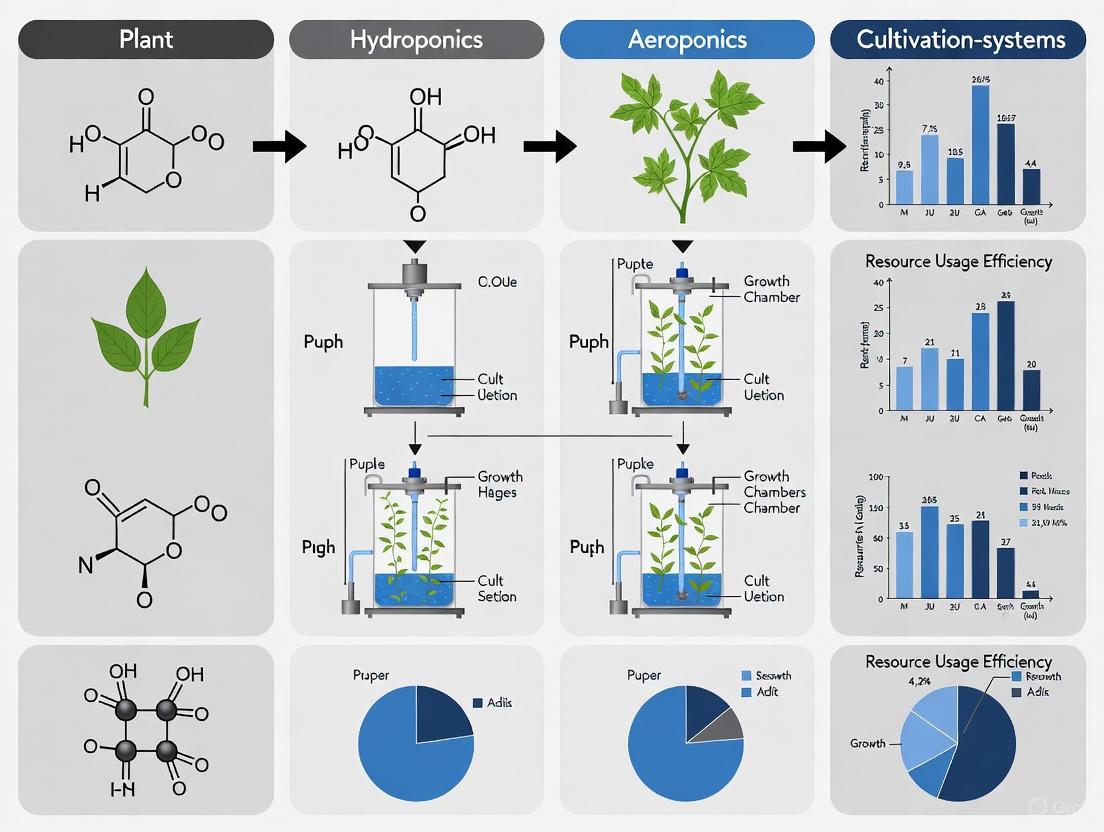
This article provides a comprehensive comparative analysis of plant cultivation systems developed for space missions, targeting researchers and scientists in aerospace and agricultural technology.
From Veggie to Bioregenerative Systems: A Comparative Analysis of Plant Cultivation Technologies for Long-Duration Space Missions
Abstract
This article provides a comprehensive comparative analysis of plant cultivation systems developed for space missions, targeting researchers and scientists in aerospace and agricultural technology. It explores the foundational challenges of the space environment, details the evolution and operation of current methodologies like hydroponics and controlled chambers, and analyzes troubleshooting and optimization strategies for crop production. The review quantitatively and qualitatively validates system performance, including psychological benefits for crews, and concludes by synthesizing key technological gaps and future research directions for achieving sustainable bioregenerative life support for Moon, Mars, and beyond.
The Space Environment: Foundational Challenges for Plant Biology and Growth
For long-duration space missions to the Moon, Mars, and beyond, achieving sustainable plant cultivation is a critical requirement for crew nutrition, life support, and psychological well-being [1] [2]. However, plants grown in space face a unique and complex set of environmental stressors that are not present on Earth. The three primary stressors—microgravity, ionizing radiation, and confined environments—interact in ways that can profoundly affect plant growth, development, and nutritional value [3]. Understanding these individual stressors and their combined effects is essential for the design of Bioregenerative Life Support Systems (BLSS) and for ensuring the success of future exploratory missions [1]. This guide provides a comparative analysis of these space stressors, summarizing their physiological impacts on plants, detailing key experimental findings, and outlining the essential tools for ongoing research.
Comparative Analysis of Space Stressors
The table below summarizes the distinct and interactive effects of the three core space stressors on plant biology.
Table 1: Comparative Impact of Primary Space Stressors on Plant Physiology
| Stressor | Key Physiological Effects | Impact on Plant Development | Key Experimental Findings |
|---|---|---|---|
| Microgravity | Alters meristematic competence (cell proliferation/growth) [1]; disrupts auxin and cytokinin transport and signaling [1] [4]; induces oxidative stress [3]; causes chromatin condensation and changes in gene expression [1]. | Disruption of gravitropism; altered root and shoot architecture; potential for normal seed-to-seed cycle completion despite cellular changes [1]. | In Brassica rapa microgreens, interaction with radiation caused a 24.5% reduction in root length and a significant increase in hypocotyl/root ratio [3]. |
| Radiation (Ionizing) | Generates Reactive Oxygen Species (ROS), causing oxidative damage to lipids, proteins, and DNA [3]; can induce DNA double-strand breaks; may trigger hormesis at low doses [3]. | Can reduce germination rates and seedling development; may enhance production of protective phytochemicals (e.g., polyphenols) [3]. | Chronic low-dose gamma radiation on Brassica rapa led to a decrease in fresh weight and a 17.8% increase in hypocotyl/root ratio [3]. |
| Combined Stressors (Microgravity & Radiation) | Can have additive, synergistic, or antagonistic interactions; concentrated oxidative stress in root tissues; distinct accumulation of protective polyphenols in root stele [3]. | Altered seedling growth and morphology; increased variability in biometric parameters (e.g., root length variability up to 30.1%) [3]. | Combined stress resulted in a significant accumulation of polyphenols and O₂⁻ in root meristems, unlike individual stressors [3]. |
| Confined Environments | Limited root and canopy volume; potential for altered gas exchange (CO₂/O₂); controlled, soilless growth systems (e.g., hydroponics, "plant pillows") are required [2]. | Constrained plant size; reliance on artificial lighting and nutrient delivery; potential for pathogen proliferation in closed systems [2]. | NASA's Veggie system uses clay-based "plant pillows" to distribute water and nutrients in microgravity, successfully growing lettuce, kale, and zinnias [2]. |
Key Experimental Data and Methodologies
To build a robust knowledge base, researchers employ standardized protocols to quantify plant responses to these stressors. The following table consolidates key quantitative findings and the methodologies used to obtain them.
Table 2: Key Experimental Data and Protocols for Studying Space Stressors
| Experiment / Study Focus | Plant Model | Core Methodology | Key Quantitative Results |
|---|---|---|---|
| COMBO-AGR: Combined Stressor Effects [3] | Brassica rapa (microgreens) | Four treatment scenarios: 1) Earth control (1 g), 2) Chronic irradiation (CIR) alone, 3) Simulated reduced gravity (µg) alone, 4) CIR + µg. Used MarSimulator platform. Analyzed morphology, ROS, and polyphenols. | Fresh Weight: Significantly lower under CIR at both 1g and µg.Root Length: NoIR + 1g seedlings had significantly longer roots.Hypocotyl/Root Ratio: Increased by 42.2% under CIR + µg. |
| Plant Gravity Perception [4] | Arabidopsis thaliana | Molecular genetic analysis; use of mutants (e.g., pin2, tt4); application of auxin transport inhibitors (NPA); tracking of PIN protein localization. | Identification of key genes (PINs, PID) and proteins controlling auxin asymmetrical distribution, leading to gravitropic bending. |
| VEG-03 Crop Production [5] | Dragoon lettuce, Wasabi mustard, Red Russian kale | Cultivation in NASA's Veggie chamber with LED lighting and clay-based "seed pillows". Crew monitoring, watering, and photographic documentation. Harvest for consumption and sample analysis. | Successful growth and consumption of fresh produce on ISS; samples returned for nutritional and microbial safety analysis (no harmful contamination detected). |
| Advanced Plant Habitat (APH) Study [2] | Arabidopsis thaliana, dwarf wheat | Fully automated, enclosed growth chamber with LED lights, over 180 sensors, and controlled release fertilizer. Remote monitoring and control from Kennedy Space Center. | Time-lapse video captured successful growth from seed to mature plant; research ongoing into changes at gene, protein, and metabolite levels. |
Signaling Pathways and Experimental Workflows
Plant Gravity Perception and Response Pathway
The molecular pathway for gravity sensing and response, primarily studied in Arabidopsis thaliana, is a complex process involving statoliths, hormone signaling, and protein relocalization [4]. The following diagram illustrates the core sequence from perception to growth response.
Combined Stressor Experimental Workflow
Investigating the interaction between microgravity and radiation requires a carefully designed workflow to separate the effects of individual and combined stresses. The following diagram outlines a standard protocol for such studies.
The Scientist's Toolkit: Key Research Reagents and Materials
Successful plant space biology research relies on a suite of specialized reagents, model organisms, and technological platforms.
Table 3: Essential Research Materials and Platforms for Space Plant Biology
| Item / Solution | Function / Application | Relevance to Space Stressor Research |
|---|---|---|
| Arabidopsis thaliana [4] [2] | Model plant organism with fully sequenced genome and extensive mutant libraries. | Used for fundamental research into gravity perception and genetic/molecular responses to microgravity and radiation. |
| Brassica rapa [3] | Fast-growing crop model for applied space agriculture studies (e.g., microgreens). | Ideal for testing combined stressor effects and nutritional quality in a short-duration experiment. |
| PIN Mutants (e.g., pin2) [4] | Genetically modified plants with disruptions in auxin efflux carrier proteins. | Crucial for elucidating the role of auxin transport in gravitropism and root architecture under microgravity. |
| Auxin Transport Inhibitors (NPA) [4] | Chemical reagent that blocks polar auxin transport. | Used to pharmacologically inhibit gravitropic bending, validating genetic findings. |
| Plant "Pillows" [2] | Clay-based growth substrates with controlled-release fertilizer. | NASA's solution for containing root systems and delivering water/nutrients in microgravity within confined spaces. |
| Veggie & APH Systems [2] | ISS-based plant growth chambers with tailored LED lighting and environmental controls. | Essential platforms for conducting real microgravity experiments; APH provides extensive sensor data and automation. |
| Ground-Based Simulators (RPM, MarSimulator) [1] [3] | Devices on Earth to simulate microgravity (clinorotation, magnetic levitation) and combined stressors. | Enable preliminary studies and protocol development before costly spaceflight experiments. |
| Fixatives (e.g., for RNA) [2] | Chemicals to preserve biological samples at a specific moment (e.g., post-stimulus). | Allows for "snapshot" analysis of gene expression (e.g., in response to flag-22 immune trigger) in space-flown samples. |
Establishing a Bioregenerative Life Support System (BLSS) is widely recognized as a crucial prerequisite for long-term human space exploration and the potential establishment of extraterrestrial bases [6]. In these systems, higher plants are fundamental components, performing multiple life-sustaining functions: they generate oxygen through photosynthesis, absorb carbon dioxide, produce fresh food for astronauts, and contribute to water recycling [6] [7]. However, the space environment, particularly microgravity, presents profound challenges to plant growth and development. On Earth, gravity is a constant force that guides plant architecture—roots exhibit positive gravitropism (growing downward), and shoots exhibit negative gravitropism (growing upward). This fundamental environmental cue is absent in space, leading to a phenomenon often described as "space syndrome" in plants, where morphological development becomes disoriented [6]. This article objectively compares advanced plant cultivation systems—specifically Hydroponics and Aeroponics—within the context of space mission constraints, evaluating their performance based on water usage, growth rates, and operational complexity, and linking these physiological outcomes to the molecular changes induced by microgravity.
Performance Comparison of Cultivation Systems
System Definitions and Operational Principles
- Hydroponics: This soil-less cultivation method involves growing plants with their roots submerged in a nutrient-rich aqueous solution [8] [9]. Variations include the Nutrient Film Technique (NFT), where a shallow film of solution flows over the roots, and Deep-Water Culture (DWC), where roots are suspended in a deeply oxygenated solution [10] [9].
- Aeroponics: A more advanced technique where plant roots are suspended in the air within a closed chamber and are periodically misted with a nutrient-dense aerosol [8] [11]. This method provides the roots with maximal oxygen exposure, which can significantly enhance growth rates [12] [8].
Comparative Performance Data from Ground-Based Studies
Ground-based experiments provide critical performance data for these systems. One comparative study evaluated several hydroponic methods and Aeroponics against a soil control, measuring key metrics such as plant mass, fruit yield, and resource consumption [10].
Table 1: Performance Comparison of Different Cultivation Systems (Ground-Based Experiment)
| Cultivation System | Tomato Plant Mass | Tomato Fruit Yield | Water Consumption | Root Zone Temperature |
|---|---|---|---|---|
| Drip Hydroponics | Largest plant mass | Slow to flower | Moderate | Data Not Available |
| Deep-Water Culture (DWC) | Plant died prematurely | No yield (plant died) | Highest | Coolest (due to evaporation) |
| Aeroponics | Healthy growth | Largest and greatest quantity | Very Low | Warmest (due to fogger heat) |
| Kratky (Passive Hydroponics) | Healthy growth | Second-best yield | Lowest | Data Not Available |
| Soil (Control) | Moderate growth | Moderate yield | High | Data Not Available |
The broader advantages and disadvantages of Hydroponics and Aeroponics, synthesized from multiple commercial and technical sources, are summarized below [8] [11]. This comparison highlights the critical trade-offs between resource efficiency and operational complexity, which are paramount considerations for space missions.
Table 2: General Advantages and Disadvantages of Hydroponics vs. Aeroponics
| Feature | Hydroponics | Aeroponics |
|---|---|---|
| Water Usage | Saves ~80% water vs. soil [8] | Saves ~95% water vs. soil; mist is recirculated [8] [10] |
| Growth Rate | Up to 50% faster than soil [8] | Faster than Hydroponics due to superior root zone oxygenation [12] [11] |
| Operational Complexity | Lower; suitable for beginners [11] | Higher; requires precise control and maintenance [8] [11] |
| Dependence on Electricity | High (for water pumps and lights) [11] | High (for mist pumps); continuous monitoring needed [11] |
| System Maintenance | Requires periodic cleaning and pH checks [8] | More frequent maintenance; mist nozzles can clog [8] [11] |
| Initial Cost | Moderate; systems can be DIY [10] [8] | Higher due to specialized equipment like ultrasonic foggers [10] [11] |
Molecular and Physiological Responses to Microgravity
Gravitropism and the Disruption of Plant Morphology
Gravity is a fundamental environmental factor that has shaped plant physiology throughout evolution. In its absence, the well-defined tropisms that govern root and shoot orientation are disrupted [6]. Research on the International Space Station (ISS) has shown that in microgravity, plants lose their directional growth cues. Stems and roots grow in an unordered manner, which compromises the plant's ability to position leaves for optimal light capture and roots for efficient nutrient and water uptake [6]. This disordered growth is a visible manifestation of profound changes in gene and protein expression, leading to the "space syndrome" that severely impacts crop yield in space [6].
Key Signaling Pathways and Molecular Changes
Space-based experiments, particularly those using model plants like Arabidopsis thaliana, are focused on unraveling the molecular basis of these physiological changes. The European Modular Cultivation System (EMCS) on the ISS has been instrumental in studies investigating phototropism, gravitropic sensing in roots, circumnutation, and cell wall dynamics [13]. The diagram below synthesizes the current understanding of how the absence of gravity disrupts key plant signaling pathways.
The molecular logic is a cascade: The primary stress of microgravity is perceived by plant cells, potentially through the altered sedimentation of statoliths (dense starch-filled plastids) [6]. This perception disrupts calcium signaling, a key second messenger, and impairs the polar transport of auxin—the master hormone coordinating tropic responses and patterning. The mislocalization of auxin leads to widespread changes in gene and protein expression, which in turn affects fundamental processes like cell wall biosynthesis and remodeling ("cell wall dynamics") [13]. These molecular alterations ultimately manifest as the observed physiological outcomes of disordered growth and reduced yield.
Experimental Protocols for Space-Based Plant Research
Workflow for "Seed-to-Seed" Experiments in Space
A critical milestone in space botany is achieving a full "seed-to-seed" life cycle, where plants germinate, grow, flower, and produce a new generation of seeds entirely in microgravity. The recent experiment on the Chinese Space Station (CSS) that successfully accomplished this with rice and Arabidopsis serves as a key protocol [6]. The following diagram outlines the generalized experimental workflow derived from this and other ISS experiments [6] [13] [7].
The workflow involves several critical phases: First, seeds are sterilized and pre-loaded into specialized experimental units on the ground before launch [6]. Once in orbit, astronauts install these units into the space station's cultivation system, such as the Life Ecology Experiment Cabinet on the CSS or the European Modular Cultivation System (EMCS) on the ISS, and initiate growth by injecting nutrient solution [6] [7]. The cultivation is largely automated, with systems controlling light, temperature, humidity, and nutrient delivery. A vital component is the use of an on-board centrifuge to generate simulated Earth gravity (1g) as an in-situ control to isolate the effects of microgravity from other spaceflight factors [13] [7]. During the growth period, astronauts perform scheduled samplings, collecting plant tissues that are immediately preserved in the station's low-temperature storage cabinets for post-flight molecular analysis (e.g., transcriptomics, proteomics) [6]. Finally, the preserved samples and newly harvested seeds are returned to Earth for comprehensive analysis, confirming the completion of the life cycle and revealing the molecular signatures of space adaptation.
The Scientist's Toolkit: Key Research Reagents and Materials
Conducting plant experiments in space requires highly specialized and automated equipment. The table below lists key hardware and reagents essential for this research, as derived from the described experimental protocols [6] [13] [7].
Table 3: Essential Research Reagents and Hardware for Space Plant Biology
| Item Name | Function/Description | Application in Space Experiments |
|---|---|---|
| Life Ecology Experiment Cabinet | A multi-functional, automated platform for plant cultivation on the Chinese Space Station [6]. | Provides controlled light, temperature, humidity, and nutrients for plant growth; supports real-time monitoring and sampling. |
| European Modular Cultivation System (EMCS) | A dedicated plant growth facility on the ISS with integrated centrifuges [13]. | Enables experiments in microgravity and variable gravity levels (up to 2.0 g) for in-orbit controls. |
| Generic Biological Experiment Module | A standardized unit that holds plant seeds and growth substrates [6]. | Serves as the "pot" or container for individual plant samples; is installed into larger cultivation systems. |
| Hydroponic/Aeroponic Nutrient Solution | A meticulously formulated liquid containing all essential macro and micronutrients for plant growth [9] [14]. | Delivers water and nutrients to plant roots in the absence of soil; composition is critical for health and yield. |
| On-Orbit Centrifuge | A device inside a cultivation system that generates artificial gravity. | Creates a 1-g control environment within the microgravity setting, allowing scientists to disentangle the effects of gravity from other factors. |
| Low-Temperature Preservation Cabinet | A refrigeration or freezing unit for sample storage on the space station [6]. | Preserves plant tissue, RNA, and proteins at specific stages of development for post-flight molecular analysis. |
The choice between advanced cultivation systems like Hydroponics and Aeroponics for space missions is a complex trade-off between resource efficiency and operational robustness. Aeroponics offers superior performance in terms of water conservation and potential growth speed, making it an attractive option for a BLSS where resources are extremely limited. However, its higher technical complexity and sensitivity to system failures pose significant risks. Hydroponics, particularly more passive forms like the Kratky method, may offer greater reliability with still-substantial resource savings compared to soil, a valuable characteristic for initial, lower-risk missions [10]. Ultimately, the optimal system will depend on the specific mission duration, destination, and available crew time for maintenance. Future research must continue to refine these systems and deepen our understanding of plant molecular biology in microgravity. This will ensure that plants, our silent green partners, can reliably fulfill their role in supporting humanity's journey to the Moon, Mars, and beyond.
The pursuit of sustainable plant cultivation systems has been a cornerstone of space exploration research for over four decades. This endeavor is critical for supporting long-duration missions by providing fresh food, oxygen regeneration, and psychological benefits for crew members [15] [2]. The unique challenges of the space environment, particularly microgravity and altered convection, have driven the development of specialized technologies and experimental approaches to understand and overcome these barriers [16] [17]. This guide provides a systematic comparison of the evolution of plant growth systems, the biological insights gained, and the experimental protocols that have shaped this vital field of research.
Historical Progression of Space Plant Experiments
The following table chronicles the key milestones in the history of plant growth experiments in space, highlighting the progression from simple exposure studies to complex, automated growth systems.
Table 1: Historical Timeline of Key Plant Growth Experiments in Space
| Year(s) | Mission/Facility | Plants Studied | Key Findings |
|---|---|---|---|
| 1946 | U.S. V-2 Rocket | Maize, Rye, Cotton | First seeds successfully recovered from a suborbital flight; studies focused on radiation exposure [15]. |
| 1982 | Salyut 7 (Fiton-3) | Arabidopsis | First plants to flower and produce seeds in space [15]. |
| 1997 | Mir (SVET-2) | Unknown | Achieved full seed-to-seed plant growth cycle in space [15]. |
| 2014-2015 | ISS (Veggie) | Red Romaine Lettuce | First crop harvested and consumed by American astronauts (Exp. 44); proven safe for consumption [15] [2]. |
| 2015-2021 | ISS (Veggie/Veg-04, Veg-05) | Mizuna mustard, Tomatoes | Tested crop yield, nutrition, and flavor under different light conditions; crew enjoyed gardening [18]. |
| 2017-Present | ISS (Advanced Plant Habitat) | Arabidopsis, Dwarf Wheat | Fully automated, sensor-rich facility enabling detailed plant physiology studies with minimal crew effort [15] [2]. |
| 2018-Present | ISS (VEG-03) | Extra Dwarf Pak Choi, Lettuce | Demonstrated the first successful plant transplant in space, saving struggling plants [18]. |
| 2020-Present | ISS (Plant Habitat-04) | Chile Peppers | First fruiting crop cultivated on the ISS; crews assessed flavor and texture [2] [18]. |
| 2023 | Earth-based Lab | Arabidopsis thaliana | Germinated and grew in lunar soil, but showed morphological and genetic signs of stress [15]. |
Comparative Analysis of Cultivation Systems
As experiments advanced, so did the hardware. The table below compares the core technologies that have been developed to support plant life in space.
Table 2: Comparison of Primary Plant Cultivation Systems for Space
| System | Growth Method | Key Features | Crew Interaction | Example Crops Grown |
|---|---|---|---|---|
| Veggie | Porous clay-based "pillows" [2] | Simple, low-power; uses magenta-pink LEDs for growth [2]. | High - manual watering and plant care [2]. | Lettuce, cabbage, zinnia flowers [2] [18]. |
| Advanced Plant Habitat (APH) | Porous clay substrate with controlled-release fertilizer [2] | Enclosed, automated with 180+ sensors; multiple LED colors for complex studies [15] [2]. | Low - minimal day-to-day care required [2]. | Arabidopsis, dwarf wheat [15] [2]. |
| Hydroponics/Aeroponics | Water-based or mist-based nutrient delivery [19] [16] | Soil-free; efficient water and nutrient use. Proposed for future large-scale crop production [18] [16]. | Varies by system automation. | Tested for large-scale crops [18]. |
| Biological Research in Canisters (BRIC-LED) | Petri dishes with agar or gel media [2] | Small-scale; supports study of microbes and small plants; LED-equipped [2]. | Low - primarily for sample fixation [2]. | Arabidopsis seedlings, yeast, microbes [2]. |
Detailed Experimental Protocols and Findings
Veggie System Protocol
The Vegetable Production System (Veggie) has been a workhorse for plant research on the ISS. The standard methodology involves [2]:
- Plant Pillow Preparation: Seeds are pre-planted in special fabric "pillows" filled with a clay-based growth media and slow-release fertilizer.
- Activation: Crew members install the pillows in the Veggie unit and activate a reservoir of water that wicks into the pillows to germinate the seeds.
- Care and Monitoring: Astronauts manually water the plants as needed and monitor their health. A bank of LED lights, primarily red and blue, provides a light spectrum conducive to growth, creating a characteristic magenta-pink glow [2].
- Harvest and Analysis: At maturity, plants are harvested. Some are consumed by the crew after surface cleaning, while others are frozen or chemically fixed and returned to Earth for laboratory analysis to ensure food safety and study molecular changes [2].
Gravitational Response Studies
A fundamental focus of space botany is understanding how plants sense and respond to the absence of gravity. The diagram below illustrates the current understanding of gravitropism, a key process disrupted in microgravity.
Diagram Title: Plant Root Gravitropism: Earth vs. Microgravity
This mechanism explains why roots on Earth grow downward, while in microgravity, their growth direction is unregulated, with some roots even growing in the same direction as the stems [17].
Molecular Omics Profiling
Modern plant space biology employs comprehensive omics strategies to gain a systems-level understanding. A typical workflow for such an experiment is as follows:
Diagram Title: Workflow for Space Plant Omics Studies
This integrated approach reveals that spaceflight induces profound molecular changes, including alterations in gene expression related to stress responses, cell wall remodeling, and hormone signaling, as well as reprogramming of energy metabolism and membrane composition [20].
The Scientist's Toolkit: Key Research Reagents & Materials
Successful plant research in space relies on specialized materials and reagents designed to function reliably in microgravity.
Table 3: Essential Research Materials for Space-Based Plant Biology
| Item | Function | Application Example |
|---|---|---|
| Plant Pillows | Fabric packages containing clay-based growth media and fertilizer; wick water to roots and provide aeration in microgravity [2] [18]. | Used in the Veggie system to grow lettuce, cabbage, and pak choi [2] [18]. |
| Controlled-Release Fertilizer | Embedded in growth media to provide a steady, long-term supply of essential nutrients to plants [2]. | Used in both the Veggie and Advanced Plant Habitat (APH) systems [2]. |
| LED Light Arrays | Provide specific light spectra (red, blue, green, white, far-red) optimized for plant growth and experimental imaging in space [2] [18]. | Standard in Veggie (magenta light) and APH (full spectrum); used to study light effects on plant yield and nutrition [2] [18]. |
| Chemical Fixatives | Preserve biological samples (e.g., plant tissues) at a specific moment by halting all cellular activity for post-flight molecular analysis [2]. | Used in BRIC-LED experiments to "freeze" the plant's gene expression response to immune triggers for later RNA analysis on Earth [2]. |
| Flag-22 Peptide | A conserved 22-amino acid sequence derived from bacterial flagella; used to experimentally trigger a plant's innate immune response without using live pathogens [2]. | Applied in ground-based studies to simulate pathogen attack and investigate if spaceflight alters plant immune function [2]. |
| Porous Clay Substrate | Serves as a sterile, inert support structure for roots, facilitating the distribution of water, nutrients, and air [2] [16]. | The growth media used in the Advanced Plant Habitat (APH) [2]. |
| Hydrogels | Polymer materials that can absorb and hold large amounts of water and nutrients, potentially acting as a soil substitute in microgravity [16]. | Proposed for use in future substrate-free hydroponic systems to aid water and nutrient delivery [16]. |
Bioregenerative Life Support Systems (BLSS) are advanced, closed ecosystems essential for long-duration human space exploration, enabling mission self-sufficiency by recycling resources and producing food. Within these systems, higher plants serve as the cornerstone photoautotrophic compartment, performing critical functions including oxygen production, carbon dioxide recycling, water purification, and fresh food production. This review objectively compares the performance of various plant species and cultivation technologies for space applications, analyzing quantitative data on growth parameters, nutritional profiles, and resource requirements. We synthesize experimental data from ground-based demonstrators and spaceflight experiments to define the specific requirements for plant integration into BLSS, addressing the unique constraints of microgravity, ionizing radiation, and closed-loop resource management.
Long-duration human space exploration missions to the Moon and Mars require environmental control and closed Life Support Systems (LSS) capable of producing and recycling resources to fulfill all essential metabolic needs for human survival, where resupply from Earth becomes technically and economically unfeasible [21]. Bioregenerative Life Support Systems (BLSS), also termed Closed Ecological Life Support Systems (CELSS), represent the next evolution beyond current mostly abiotic LSS through the incorporation of biological elements for additional resource recovery, food production, and waste treatment solutions [21]. These systems are conceived as artificial ecosystems comprising several interconnected compartments in which different organisms sequentially recycle resources [1].
The BLSS concept mimics natural ecological networks where multiple trophic levels guarantee biomass cycling [21]. As illustrated in Figure 1, a BLSS typically integrates three main functional compartments: (1) biological producers (e.g., plants, microalgae, photosynthetic bacteria) that generate biomass and oxygen via photosynthesis; (2) consumers (i.e., crew members) who utilize these products; and (3) waste degraders and recyclers (e.g., fermentative and nitrifying bacteria) that break down waste materials into forms usable by the producers [21]. Within this loop, the higher plant compartment provides unique, multifunctional capabilities that cannot be fully replaced by physicochemical processes or microbial systems alone.
Table 1: Core Functions of Plant Compartments in BLSS
| Function | Mechanism | Significance for Long-Duration Missions |
|---|---|---|
| Food Production | Photosynthetic conversion to edible biomass | Provides fresh nutrition; counters vitamin degradation in stored foods [21] |
| Air Revitalization | CO₂ absorption and O₂ production via photosynthesis | Maintains cabin atmosphere; reduces reliance on physicochemical systems [21] |
| Water Recovery | Transpiration and water purification | Closes water loop; provides potable water [21] |
| Waste Recycling | Utilization of mineralized waste products | Converts crew waste into nutrients for plant growth [21] |
| Psychological Support | Horticultural therapy through plant interaction | Counters isolation and confinement effects [21] |
The requirements for plant compartments vary significantly based on mission architecture. For short-duration missions in Low Earth Orbit (LEO), plant production focuses on fast-growing species that occupy minimal volumes while providing high nutritive value, such as leafy greens, microgreens, or sprouts [21]. These function primarily as dietary supplements and provide psychological benefits without substantial contributions to resource recycling. In contrast, for long-duration missions and planetary outposts, staple crops (e.g., wheat, potato, rice, soy) must be included to provide carbohydrates, proteins, and fats, along with longer-cycle vegetables and fruits (e.g., tomato, peppers, beans, berries) [21]. In these scenarios, plants substantially contribute to resource recycling but require significantly more growing area and resource inputs.
Comparative Analysis of Candidate Plant Species for BLSS
The selection of plant species for BLSS involves balancing multiple factors including growth characteristics, nutritional value, environmental requirements, and compatibility with space cultivation constraints. Research has focused on a range of species from traditional crops to alternative species with specialized advantageous traits.
Conventional Crops: From Salad Machines to Staple Foods
The "salad machine" or "vegetable production unit" concept, proposed since the early 1990s, focuses on fast-growing species for dietary supplementation [21]. NASA's Vegetable Production System (Veggie) on the International Space Station has successfully grown multiple crops including three types of lettuce, Chinese cabbage, mizuna mustard, red Russian kale, and zinnia flowers [2]. These species typically have short growth cycles, minimal spatial requirements, and provide high levels of nutraceuticals like antioxidants and prebiotics [21].
For long-duration missions, staple crops become essential. Current research includes dwarf varieties of wheat, rice, and potato, selected for their nutritional value, resource efficiency, and high edible-to-waste biomass ratio [21]. The Advanced Plant Habitat (APH) on the ISS, a more automated and enclosed growth chamber compared to Veggie, has conducted experiments with Arabidopsis thaliana and dwarf wheat to study space-specific plant responses [2].
Table 2: Performance Comparison of Selected Plant Species for BLSS
| Species | Growth Cycle (Days) | Edible Biomass Yield | Key Nutrients | Resource Efficiency | Space Validation Status |
|---|---|---|---|---|---|
| Red Romaine Lettuce | 28-35 | Moderate | Vitamins A, C, K; antioxidants | High water use efficiency | Extensive (Veggie ISS) [2] |
| Wolffia species | 10-14 (doubling time) | Very high (relative growth rate 0.155-0.559 day⁻¹) | Complete protein (40% by weight), omega-3 fatty acids | Extremely high; no non-edible biomass | Proposed; limited space testing [22] |
| Dwarf Wheat | 60-70 | High | Carbohydrates, protein | Moderate-high nutrient requirements | APH ISS testing [2] |
| 'Outredgeous' Lettuce | 28 | Moderate | Vitamins, antioxidants | Moderate | Veggie ISS [23] |
| Zinnia hybrids | 60-70 | Ornamental only | N/A | Moderate | Veggie ISS (psychological benefit) [2] |
Alternative Species: The Case of Wolffia
A different selection approach focuses on alternative species not widely cultivated on Earth but possessing attractive traits for space applications. Among these, plants in the family Lemnaceae (duckweeds), particularly the genus Wolffia, show significant promise [22]. Wolffia species represent the smallest and fastest-growing flowering plants, with distinctive advantages for BLSS applications [22].
Key advantageous traits of Wolffia species include:
- Exceptional Growth Rates: Relative growth rates ranging from 0.155 to 0.559 day⁻¹, among the highest observed in angiosperms [22].
- Maximized Harvest Index: Rootless morphology eliminates production of non-edible biomass [22].
- Nutritional Profile: Contains up to 40% protein by weight (complete with all essential amino acids), beneficial omega-3 fatty acids, vitamins, and minerals, while lacking antinutritional compounds like oxalic acid present in some terrestrial vegetables [22].
- Cultural Simplicity: Floating aquatic habit potentially simplifies cultivation system design and nutrient delivery in microgravity [22].
- Positive Buoyancy: This natural trait could facilitate the transition between Earth and space environments where gravity is absent [22].
Despite these advantages, significant research gaps remain before Wolffia can be successfully integrated into operational BLSS. These include understanding reproductive biology (particularly sexual reproduction for genetic diversity), responses to space environmental factors (microgravity, radiation), and optimization of cultivation conditions for space applications [22].
Experimental Platforms and Methodologies for BLSS Plant Research
The development of plant compartments for BLSS relies on both ground-based and space-based research facilities with progressively increasing capabilities and integration levels.
Ground-Based BLSS Demonstrators
Several large-scale ground-based demonstrators have tested closed-loop BLSS with human crews:
- BIOS-1, 2, 3, and 3 (Russia): Early integrated BLSS testing facilities [21].
- Biosphere 2 (USA): Large-scale closed ecological system [21].
- Closed Ecology Experiment Facility (CEEF) (Japan): Advanced integrated BLSS testing [21].
- Lunar Palace 1 (China): Recent BLSS demonstrator [21].
- MELiSSA Pilot Plant (Spain) and PaCMan (Italy): European Space Agency facilities developing and testing closed-loop system compartments for oxygen, water, and food production [21].
These facilities enable testing of specific technologies for controlled cultivation chambers, food production systems, and biological waste management, while also allowing evaluation of psychological impacts on isolated crews and potential benefits of plant interactions [21].
Space-Based Plant Growth Facilities
Current space-based plant growth systems range from simple cultivation chambers to highly automated facilities:
Vegetable Production System (Veggie)
- Design: Approximately carry-on luggage sized unit supporting six plants [2].
- Growth Method: Plant "pillows" containing clay-based growth media and fertilizer [2].
- Environmental Control: LED lighting bank producing spectrum optimized for plant growth (predominantly red and blue, appearing magenta pink) [2].
- Functionality: Requires significant crew interaction for watering, maintenance, and monitoring [23].
Advanced Plant Habitat (APH)
- Design: Enclosed, automated chamber with extensive monitoring capabilities [2].
- Sensing: Over 180 sensors in constant contact with ground teams [2].
- Environmental Control: Fully automated water recovery and distribution, atmosphere content, moisture levels, and temperature [2].
- Lighting: Expanded spectrum including red, green, blue, white, far red, and infrared for growth and nighttime imaging [2].
- Operation: Minimal day-to-day crew care required [2].
Biological Research in Canisters (BRIC-LED)
- Design: Compact facility for small organisms including plants, mosses, algae, and cyanobacteria [2].
- Capability: LED lighting for photosynthetic organisms [2].
- Application: Gene expression studies, particularly plant immune responses to space conditions [2].
Figure 1: Material flows between the three main compartments of a Bioregenerative Life Support System (BLSS), showing the interconnected cycling of resources that enables system closure [21].
Key Experimental Protocols
Gene Expression Analysis in Altered Gravity
- Objective: Understand plant molecular responses to microgravity and partial gravity (Moon: 0.17g, Mars: 0.38g) [1].
- Methodology: Transcriptomic and proteomic analysis of plants grown in space facilities (EMCS, Veggie, APH) and ground simulators (Random Positioning Machine, clinostats) [1].
- Key Findings: Reprogramming of gene expression affecting heat shock elements, cell wall remodeling factors, oxidative burst intermediates, and general plant defense mechanisms; differential responses at various gravity levels [1].
- Experimental Model: Arabidopsis thaliana as primary model organism; crop species including lettuce, wheat, and peppers for applied studies [1] [2].
Plant Immune Function Assessment
- Objective: Evaluate space impact on plant pathogen defense capabilities [2].
- Methodology: Treatment with flagellin peptide (flag-22) to simulate pathogen attack without actual pathogens; subsequent transcriptomic analysis of defense pathway activation [2].
- Key Findings: Preliminary evidence of altered immune gene expression and increased oxidative stress in space-grown plants [2].
- Preservation: Chemical fixation and freezing for Earth-based analysis [2].
Seed-to-Seed Life Cycle Studies
- Objective: Verify plant capability to complete full generational cycle in space [1] [15].
- Methodology: Long-duration cultivation through germination, vegetative growth, flowering, pollination, and seed set in space environments [1] [15].
- Key Findings: Successful completion demonstrated for Arabidopsis, lettuce, and other species; however, developmental and molecular alterations observed despite normal apparent growth [1].
Technical Challenges and Plant Responses to Space Environments
Plants in space face unique environmental challenges that significantly differ from terrestrial conditions, requiring specific adaptations and technological solutions.
Microgravity and Altered Gravity Effects
Plants have evolved under Earth's 1g gravity for approximately 475 million years, yet demonstrate remarkable plasticity in responding to altered gravity conditions [1]. Key effects include:
Developmental and Physiological Impacts
- Meristem Function: Disruption of meristematic competence in root tips, characterized by loss of coordinated cell proliferation and growth patterns [1].
- Cell Cycle Alterations: Acceleration detected in simulated microgravity, with differential regulation of genes controlling G1/S and G2/M transitions [1].
- Gene Expression Reprogramming: No dedicated "gravity response genes" identified; instead, modification of existing stress response pathways including heat shock elements, cell wall remodeling factors, and oxidative burst components [1].
Gravity Perception and Signaling
- Gravity Sensing Threshold: Lentil roots can perceive accelerations as low as 10⁻³g or lower [1].
- Auxin Cytokinin Interactions: Complex, incompletely understood changes in hormone distribution and polar transport; observed decrease in polarized auxin transport in pea hypocotyls in microgravity [1].
- LAZY Proteins: Key players linking gravity perception to gravitropic response through auxin redistribution and PIN protein relocation [1].
Figure 2: Plant responses to space environmental stressors, showing the complex interplay between multiple space factors and their effects on plant molecular processes and development [1].
Ionizing Radiation Effects
The space radiation environment presents significant challenges for plant growth, particularly during long-duration missions beyond Earth's protective magnetosphere:
- Oxidative Stress: Increased production of reactive oxygen species damaging cellular components including DNA and mitochondria [2].
- Immune System Alterations: Changes in expression of genes associated with pathogen defense; potential compromise of disease resistance [2].
- Developmental Impacts: Despite radiation exposure, plants successfully complete life cycles, though cumulative genetic damage remains a concern [1].
Cultivation Technical Challenges
Root Zone Management
- Fluid Behavior: In microgravity, fluids form bubbles potentially drowning roots or creating air pockets [2].
- Solution: Clay-based "plant pillows" with controlled-release fertilizer to distribute water, nutrients, and air around roots [2].
- Alternative Systems: Porous tube delivery systems and other nutrient delivery technologies under development [15].
Gas Exchange
- Challenges: Altered convection in microgravity affects boundary layers around leaves and gas exchange [21].
- Monitoring: Continuous assessment of oxygen, carbon dioxide, and volatile organic compound levels [21].
Pathogen Management
- Vulnerability: Observations of increased fungal susceptibility in space-grown zinnias [2].
- Prevention: Microbial monitoring and sterile growth media protocols [2] [23].
The Scientist's Toolkit: Essential Research Reagents and Materials
Table 3: Key Research Reagents and Materials for BLSS Plant Experiments
| Reagent/Material | Function | Application Examples |
|---|---|---|
| Plant Growth Media | Root support, nutrient delivery, aeration | Clay-based calcined media (Veggie plant pillows) [2] [23] |
| Controlled-Release Fertilizer | Timed nutrient availability | Osmocote-type fertilizers incorporated into growth media [2] |
| LED Lighting Systems | Photosynthetic energy source, environmental signaling | Red-blue spectrum optimization (Veggie), full spectrum with infrared (APH) [2] |
| Chemical Fixatives | Preservation of biological samples for Earth analysis | RNAlater, formaldehyde, or other fixatives for transcriptomic studies [2] |
| Flagellin Peptides (flag-22) | Elicitor of plant immune responses | Simulation of pathogen attack to study defense activation [2] |
| RNA Sequencing Kits | Gene expression analysis | Transcriptomic profiling of space-grown plants [1] |
| Antibody Assays | Protein detection and quantification | Analysis of stress markers, hormone distributions [1] |
The successful integration of plant compartments into BLSS requires addressing multiple interconnected challenges spanning biological, technological, and operational domains. Current research demonstrates that plants can successfully germinate, grow, and reproduce in space environments, but with measurable alterations in physiological processes and molecular pathways. The comparison of cultivation systems reveals trade-offs between simplicity and crew time requirements (Veggie) versus automation and experimental control (APH).
Critical research gaps requiring further investigation include:
- Gravity Thresholds: Determination of minimum gravity levels required for normal plant development across species [1].
- Reproductive Biology: Optimization of pollination and seed set in space environments, particularly for staple crops [22].
- Multigenerational Studies: Assessment of genetic stability and potential adaptive evolution over multiple plant generations in space [1].
- System Integration: Closure of material loops between plant, crew, and waste processing compartments [21].
- Radiation Countermeasures: Development of biological and technological approaches to mitigate space radiation damage [1] [2].
As research progresses, the integration of plant-based systems will evolve from supplemental food production to comprehensive life support functionality, enabling the next era of human exploration beyond Earth orbit. The complementary approaches of optimizing traditional crops and developing alternative species like Wolffia provide multiple pathways toward achieving the bioregenerative capabilities necessary for sustainable presence on the Moon and Mars.
From Seed Pillows to Advanced Habitats: A Review of Current Cultivation Methodologies
The pursuit of sustainable life-support systems for long-duration space missions necessitates advanced plant cultivation technologies that operate independently of terrestrial constraints. Soilless cultivation systems, specifically hydroponics and aeroponics, have emerged as leading candidates for space-based agriculture due to their exceptional resource efficiency and compatibility with controlled environments. These systems eliminate soil dependency, thereby significantly reducing system mass—a critical factor for space launch logistics—while simultaneously maximizing water and nutrient utilization.
Research and development initiatives, particularly those spearheaded by NASA, have demonstrated the profound potential of these technologies for space application. Aeroponics, the process of growing plants with their roots suspended in air and misted with nutrient solution, has shown remarkable capability, reducing water usage by 98% and fertilizer usage by 60% compared to traditional agriculture [24]. This efficiency, combined with the observed acceleration in plant growth rates, positions these systems as foundational technologies for future missions into deep space, where crews must produce fresh food, regenerate oxygen, and purify water within a closed-loop system [24].
This guide provides an objective comparison of hydroponic and aeroponic systems, framing their performance within the specific environmental and operational requirements of space habitats.
Hydroponic Systems
Hydroponics is a method of growing plants without soil by using a nutrient-rich water solution to deliver minerals directly to the roots [25] [26]. In space applications, this approach offers a controlled and reliable means of food production. Several system designs are applicable:
- Deep Water Culture (DWC): Plants are suspended on a floating platform with their roots submerged in an oxygenated nutrient solution [27] [28]. This system is relatively simple and highly water-efficient due to its closed, recirculating nature [28].
- Nutrient Film Technique (NFT): A shallow, continuous stream of nutrient solution flows over the roots, which are contained in a sloped channel [27] [28]. The thin film of water ensures the roots have simultaneous access to nutrients, water, and oxygen, with minimal water volume [28].
- Wick Systems: A passive hydroponic system where nutrient solution is drawn up to the plant's roots from a reservoir via capillary action through wicks [28]. This method is simple and requires no moving parts, but is generally more suitable for smaller plants with lower water demands [28].
Aeroponic Systems
Aeroponics represents a more advanced technique where plant roots are suspended in a closed or semi-closed chamber and are periodically misted with a hydro-atomized nutrient solution [29]. This method provides the root zone with an oxygen-rich environment, which significantly stimulates plant growth and nutrient uptake [29]. The system's design is inherently mass-efficient for space missions, as it uses no solid growing medium and very little water is held in the system at any time.
- High-Pressure Aeroponics (HPA): Considered the most efficient method, HPA uses a high-pressure pump (e.g., 80-105 PSI) to create an ultra-fine mist with droplet sizes typically between 5-50 micrometers [29] [30]. This increases the bioavailability of nutrients and requires a reduction in nutrient strength to prevent root burn [29].
- Tower-style Aeroponics: These systems use a vertical design, where a pump lifts the nutrient solution to the top of the column, and it then cascades down over the roots inside the tower [30]. This design is popular for its space-saving efficiency, making it suitable for the volume-constrained environments of space habitats [30].
Direct System Comparison
The following table summarizes the key performance characteristics of hydroponic and aeroponic systems in the context of space mission requirements.
Table 1: Performance Comparison of Hydroponics and Aeroponics for Space Applications
| Performance Metric | Hydroponics (DWC/NFT) | Aeroponics (HPA) |
|---|---|---|
| Water Usage Efficiency | High (Up to 90% savings vs. soil) [27] | Exceptional (Up to 98% savings vs. soil) [24] |
| Fertilizer Efficiency | Efficient use of nutrients [25] | High (Up to 60% reduction vs. soil) [24] |
| Plant Growth Rate | Faster than soil-based growth [26] | Faster than hydroponics; accelerated growth cycles [24] [29] |
| Oxygen Availability to Roots | Moderate (Requires active oxygenation in DWC) [31] | Maximum (Roots exposed to air) [29] [32] |
| System Mass & Volume | Higher (Requires large liquid reservoirs) | Lower (Minimal liquid volume and no media) [24] |
| Technical Complexity | Moderate [33] | High (Precision pumps and nozzles required) [26] [33] |
| System Reliability | High (Less sensitive to short-term pump failure) | Lower (Risk of root desiccation from mist failure) [29] [31] |
| Suitability for Microgravity | Challenging (Liquid management in free-fall) | More adaptable (Contained mist environment) |
Experimental Protocols and Research Findings
Key NASA and Partner Experiments
The development of aeroponics for space has been propelled by a series of collaborative experiments between NASA, commercial entities, and academic institutions.
- Mir Space Station Experiment (1997): NASA partnered with AgriHouse Inc. to deploy an aeroponic experiment on the Mir space station. This partnership focused on testing and refining aeroponic crop production technology in microgravity, establishing foundational protocols for space-based plant growth [24].
- International Space Station (ISS) Experiments: A significant experiment flown aboard the ISS in 2007 utilized AeroGrow International's "Seed Pod" technology [24]. This technology was critical for protecting seeds during transit and preventing premature germination. The experimental protocol involved:
- Seed Transport: Seeds were encased in a plastic framework (Seed Pods) for physical protection and germination control [24].
- In-Space Activation: Upon activation on the ISS, the seeds were exposed to the aeroponic environment to initiate growth.
- Comparative Ground Studies: The space-based experiment was part of a broader educational initiative involving 15,000 K-12 students who conducted parallel comparative experiments in their classrooms, providing ground-truth data [24].
- Nutrient Uptake Studies: Aeroponics has proven to be a powerful research tool for non-destructively studying plant physiology. The work of Barak et al. (1996) demonstrated the use of aeroponics to measure real-time water and ion uptake rates in cranberries by analyzing the input and efflux solutions' concentration and volume [29]. This methodology is particularly valuable for monitoring plant health and optimizing nutrient recipes in the closed environments of space habitats [29].
Aeroponic System Workflow
The core operational logic of a high-pressure aeroponics system, as used in advanced research and space applications, can be visualized as a continuous cycle of monitoring and precise delivery. The following diagram illustrates this controlled process.
Diagram 1: HPA system control loop for space habitat plant growth modules.
The Scientist's Toolkit: Essential Research Reagents and Materials
For researchers developing and testing soilless cultivation systems for space, a specific set of reagents, components, and materials is essential. The selection focuses on precision, reliability, and compatibility with closed-loop environmental control.
Table 2: Key Research Reagents and Materials for Space Soilless Cultivation
| Item | Function/Description | Research Application |
|---|---|---|
| Hydroponic Nutrient Solutions | Pre-mixed or custom-formulated solutions containing macro and micronutrients. | Formulating the primary nutrient matrix for plant growth; studying ion uptake [29]. |
| pH & EC (Electrical Conductivity) Meters | Instruments for monitoring solution acidity/alkalinity and nutrient concentration. | Critical for maintaining optimal nutrient bioavailability and ion balance [25] [32]. |
| High-Pressure Diaphragm Pumps | Pumps capable of generating consistent pressure (e.g., 80-105 PSI) for mist creation. | Core component of HPA systems for generating nutrient droplets of 5-50 µm [29]. |
| Solenoid Valves & Timers | Electronic components for controlling the duration and frequency of misting cycles. | Enabling precise root zone irrigation schedules (e.g., short feed/pause cycles) [29]. |
| Low-Mass Polymer Misting Nozzles | Nozzles designed to resist mineralization and clogging, producing a fine mist. | Ensuring reliable, long-term mist delivery in HPA systems; a subject of NASA-funded material research [29]. |
| Seed Pods / Germination Supports | Sterile, porous substrates or frameworks (e.g., neoprene collars, plastic pods) to support seeds and seedlings. | Providing mechanical support for plants in the system; used in ISS experiments [24]. |
| Environmental Sensors | Sensors for monitoring root zone and canopy parameters (O₂, CO₂, humidity, temperature). | Data collection for system optimization and studying plant response to the growth environment [29] [32]. |
| Sterilants (e.g., H₂O₂) | Solutions for system decontamination and preventing pathogen growth in recirculating systems. | Maintaining a sterile root zone environment to prevent disease in closed-loop systems [29]. |
Both hydroponics and aeroponics offer compelling advantages for sustainable agriculture in space, yet they present distinct trade-offs. Hydroponic systems, particularly DWC and NFT, provide a robust, less complex, and highly reliable option for continuous food production, with a lower risk of catastrophic crop failure from single-point technical faults [31] [33].
Aeroponics, however, demonstrates superior performance in metrics critically limited in space missions: mass, water, and fertilizer efficiency [24]. The technology's ability to accelerate plant growth and increase yields further enhances its appeal. The primary challenge for aeroponics remains its higher technical complexity and sensitivity to system failures, such as clogged misters or pump malfunctions, which can lead to rapid root desiccation and plant loss [29] [31].
Future research for space applications should focus on enhancing the reliability of aeroponic systems through redundant components, advanced materials for misting hardware, and fully autonomous control systems. Integrating these soilless cultivation systems into broader closed-loop life support systems, where they contribute to air revitalization and water purification, will be the ultimate step in validating their role for long-duration exploration missions.
Plant cultivation systems are critical for advancing human space exploration, transitioning from pure research platforms to bioregenerative life support systems (BLSS) that can produce food, regenerate oxygen, and recycle water on long-duration missions. The Vegetable Production System (Veggie) and Advanced Plant Habitat (APH) represent two complementary flight hardware platforms aboard the International Space Station (ISS) that enable plant bioscience research in microgravity. Understanding the technical capabilities, research applications, and performance characteristics of these systems is essential for researchers designing space biology experiments and planning future food production missions. This guide provides a detailed comparison of these systems, supported by experimental data and methodological protocols, to inform the selection of appropriate platforms for specific research objectives in space plant sciences.
Vegetable Production System (Veggie)
The Veggie system is a simple, low-power, and scalable plant growth unit designed primarily for pick-and-eat crops and crew engagement [34]. With a growth area of approximately 0.16 m², it functions as a semi-open system that circulates ISS cabin air through the plant growth volume [35]. Its design prioritizes operational simplicity, relying on crew interaction for planting, maintenance, and harvesting activities. The system uses rooting "pillows" containing a clay-based growth substrate and controlled-release fertilizer, with a wick system for water and nutrient delivery [36]. Veggie's lighting system initially employed red and blue LEDs, with green LEDs added later to make the plants appear more palatable to the crew [37].
Advanced Plant Habitat (APH)
The APH represents the most advanced fully enclosed, environmentally controlled plant growth research facility on the ISS [35] [38]. Occupying the lower half of an EXPRESS rack, it provides a tightly regulated, closed-loop plant life support system capable of supporting research missions of up to 135 days with minimal crew involvement [34] [38]. APH incorporates comprehensive environmental control capabilities, including precise regulation of temperature, humidity, CO₂ levels, and light spectrum, supported by more than 180 sensors for real-time environmental monitoring and data collection [38] [36]. Its irrigation system utilizes a porous ceramic tube manifold within a granular argillite substrate, with active moisture content control through negative pressure to optimize root zone conditions in microgravity [35] [36].
Table 1: Technical Specifications Comparison of Veggie and APH
| Specification | Veggie | Advanced Plant Habitat (APH) |
|---|---|---|
| System Type | Semi-open, passive environmental control [35] | Fully enclosed, closed-loop environmental control [35] [38] |
| Growth Area | 0.16 m² [36] | 0.2 m² [36] |
| Primary Mission | Fresh food production, crew well-being, basic research [34] [37] | Fundamental and applied plant research [35] [38] |
| Automation Level | Low (requires crew operation) [36] | High (teleoperated from ground) [38] [36] |
| Lighting System | Red, blue, and green LEDs [37] | Full-spectrum LEDs including white, far-red, and infrared [37] |
| Maximum PPFD | Not specified in results | 1,000 μmol m⁻² s⁻¹ [35] |
| Environmental Control | Limited (dependent on ISS cabin environment) [35] | Comprehensive (CO₂, temperature, humidity, ethylene) [38] |
| Root Zone Substrate | Clay-based "pillows" with wick system [36] | Porous ceramic tubes in argillite substrate [36] |
| Sensors & Monitoring | Basic | 180+ sensors and imaging capabilities [38] [36] |
| Mission Duration | Short-term crop cycles | Up to 135 days [34] [38] |
| Crew Involvement | High (planting, maintenance, harvesting) [36] | Minimal (water addition, sample collection) [36] |
Experimental Applications and Research Output
Research Focus and Crop Selection
Veggie has primarily supported food production-oriented research and technology demonstrations, focusing on leafy greens and small fruits that can supplement the astronaut diet [39]. Successful crops include 'Outredgeous' red romaine lettuce (the first consumed in space in 2015), Tokyo bekana cabbage, mizuna mustard, Dragoon lettuce, Red Russian kale, and 'Red Robin' tomato [39] [37]. These crops were selected for their short stature, fast growth, and high organoleptic acceptance by the crew [37]. The system has also been used to study cut-and-come-again harvest methods for continuous production and to analyze the microbial communities that colonize space-grown plants [37].
In contrast, APH supports more fundamental plant biology research under highly controlled conditions. Its experiments have included multi-generational studies on Arabidopsis thaliana and dwarf wheat to understand genetic and epigenetic adaptations to spaceflight [38] [37]. The facility has been used to investigate gravitropism, lignification, metabolic responses, and canopy photosynthesis in microgravity [35] [38]. The Plant Habitat-03 experiment, for instance, specifically assesses whether epigenetic adaptations in one generation of space-grown plants can transfer to the next generation [38].
Methodologies for Key Experiments
Veggie Food Production Protocol (Veg-04B)
The Veg-04B experiment investigated how light quality and fertilizer composition affect the microbial safety, nutritional value, and taste of mizuna grown in Veggie [37]. The methodology involved:
- Plant Material: Mizuna (Brassica rapa var. japonica) seeds were planted in six plant pillows per Veggie unit, with each pillow containing a controlled-release fertilizer and calcined clay substrate [37].
- Lighting Treatments: Plants were exposed to different red:blue light ratios, with some treatments including green light to improve visual appeal and potentially influence phytochemical composition [37].
- Nutrient Delivery: A wicking system distributed water from the reservoir to the roots, with the pillows designed to prevent root drowning or air trapping in microgravity [37].
- Assessment Parameters: Crew members conducted regular observations, harvested the crops, and completed taste tests. Samples were returned to Earth for analysis of microbial communities, nutritional content, and phytochemical composition [37].
APH Canopy Photosynthesis Protocol
A 7-week hardware validation test conducted in APH demonstrated its capability to measure fundamental plant responses to spaceflight, including canopy photosynthesis [35]. The experimental methodology included:
- Plant Material: The root module was planted with both Arabidopsis (cv. Col-0) and wheat (cv. Apogee) to test different plant types and growth characteristics [35].
- Environmental Control: The APH system maintained precise environmental conditions, with CO₂ concentration actively controlled for gas exchange measurements [35].
- Gas Exchange Measurements: The CO₂ drawdown technique was used to measure daily rates of canopy photosynthesis during light periods and respiration during dark periods by monitoring chamber CO₂ concentrations [35].
- Data Collection: Three cameras (overhead, sideview, and sideview near-infrared) captured predetermined photographic events, while sensors continuously monitored environmental parameters and plant responses [35].
- Validation Parameters: The test assessed APH's ability to control light intensity, spectral quality, humidity, CO₂ concentration, photoperiod, temperature, and root zone moisture, while also validating containment of plant debris during harvest and recovery of transpired water [35].
Performance Data and Research Outcomes
Crop Production and System Performance
Veggie has successfully demonstrated the feasibility of fresh food production in space, with multiple crops being grown and consumed aboard the ISS. The first crop of 'Outredgeous' red romaine lettuce reached maturity in just 33 days in space compared to 64 days on Earth [37]. The system has proven capable of supporting sequential harvests, with the Veg-04B experiment involving multiple harvests of mizuna [37]. Microbial analysis of space-grown lettuce found communities similar to Earth-grown counterparts, indicating no unusual pathogen risks [37].
APH validation tests confirmed its sophisticated research capabilities. The system successfully maintained optimal root zone moisture and recovered transpired water by condensation, even under the high evaporative load presented by a wheat canopy [35]. The facility demonstrated precision in executing pre-programmed experimental profiles that scheduled environmental changes, photographic events, and measurement sequences throughout the plant life cycle [35]. The CO₂ drawdown experiments provided reliable measurements of canopy photosynthetic rates and dark-period respiration in microgravity [35].
Table 2: Experimental Results from Space-Based Studies
| Experiment Metric | Veggie Performance | APH Performance |
|---|---|---|
| Crop Growth Duration | Red romaine: 33 days to maturity [37] | Life cycle studies up to 135 days [38] |
| Gas Exchange Measurement | Not available | Canopy photosynthesis and respiration measured via CO₂ drawdown [35] |
| Environmental Control Precision | Limited, relies on ISS cabin environment [35] | High-precision control of all environmental parameters [38] |
| Crop Yield Success | Multiple successful crops: lettuce, Tokyo bekana, mizuna [37] | Arabidopsis and wheat grown through full life cycle [35] |
| Research Applications | Food production, crew well-being, microbial ecology [37] | Canopy photosynthesis, gravitropism, multi-generational studies [35] [38] |
| Crew Time Requirements | Higher (daily maintenance required) [36] | Minimal (largely automated) [36] |
Research Reagent Solutions and Essential Materials
The following table summarizes key reagents, materials, and hardware components used in plant biology research with Veggie and APH, providing researchers with essential information for experimental planning.
Table 3: Key Research Reagents and Materials for Space-Based Plant Studies
| Reagent/Material | Function/Application | System Usage |
|---|---|---|
| Plant "Pillows" | Growth substrate units containing media and seeds; distribute water, nutrients, and air to roots [36] | Veggie [36] |
| Calcined Clay | Growth medium component that increases aeration; similar to material used on baseball fields [37] | Veggie [37] |
| Controlled-Release Fertilizer | Provides essential nutrients to plants over time through slow-release mechanisms [37] | Veggie [37] |
| Porous Ceramic Tubes | Irrigation system component that delivers water to root zone through porous walls [36] | APH [36] |
| Argillite Substrate | Porous granular mineral material that serves as rooting media in APH [36] | APH [36] |
| LED Lighting Systems | Provides specific light wavelengths for plant growth and research; different spectra available [35] [37] | Both systems |
| Citric-Acid Sanitizing Wipes | Food safety preparation for consumed crops; sanitizes produce surfaces before consumption [37] | Veggie [37] |
System Selection Guidelines for Research Applications
The decision between Veggie and APH depends primarily on research objectives, resource constraints, and required levels of environmental control and automation. The following diagram illustrates the decision-making workflow for selecting between these systems based on key research parameters:
Veggie is the appropriate choice for research focused on crop production optimization, food safety studies, and psychological benefit assessments [39] [37]. Its simpler design and reliance on crew interaction make it ideal for experiments where human-plant interaction is a variable of interest. The system's open nature allows plants to be exposed to the ISS cabin environment, which may be desirable for testing crop performance under realistic space station conditions [35].
APH should be selected for investigations requiring precise environmental control, minimal crew disturbance, or complex physiological measurements [35] [38]. Its capabilities make it particularly suitable for gravitropism studies, genetic and epigenetic analyses, metabolic profiling, and quantitative measurements of gas exchange [35] [38]. The system's high level of automation and extensive sensor suite enables ground-controlled experiments that can run for multiple plant generations without significant crew time investment [38] [36].
Veggie and APH represent complementary approaches to plant research in microgravity, each with distinct advantages for specific research applications. Veggie serves as a practical platform for food production research and technology demonstrations, with relatively low resource requirements and direct crew engagement. APH provides sophisticated environmental control and monitoring capabilities for fundamental plant biology research, enabling high-precision experiments with minimal crew involvement. Future developments in space plant research hardware, such as the XROOTS investigation exploring nutrient delivery by aeroponics and hydroponics, and the Ohalo III prototype for Mars transit vehicles, will build upon the capabilities demonstrated by these systems [36]. As mission durations increase and distances from Earth expand, the lessons learned from both Veggie and APH will be critical for developing the robust, scalable bioregenerative life support systems necessary for sustainable human presence beyond low Earth orbit.
Crop Selection and Cultivar Development for Optimal Space Performance
For long-duration space missions beyond Earth's orbit, the development of Bio-regenerative Life-Support Systems (BLSS) becomes essential to sustain human life by regenerating resources and producing food [40]. Plants serve as fundamental biological regenerators within these systems, performing multiple critical functions beyond nutrition—including air revitalization, water recycling, and waste processing [41]. The choice of candidate crops for space cultivation must address unique constraints such as limited volume, energy availability, microgravity conditions, and the need for high resource-use efficiency [40]. This comparative guide objectively evaluates plant cultivation systems and crop selection methodologies based on experimental data to inform researchers and scientists developing advanced life support technologies for future lunar and Martian missions.
Comparative Analysis of Space Plant Cultivation Systems
Multiple plant growth systems have been developed and tested for space applications, each with distinct technological approaches and research capabilities. The Vegetable Production System (Veggie) and Advanced Plant Habitat (APH) represent current NASA capabilities aboard the International Space Station, while ground-based test beds like the Laboratory Biosphere provide essential terrestrial research platforms [2] [42].
Table 1: Comparison of Plant Cultivation Systems for Space Applications
| System Feature | Veggie | Advanced Plant Habitat (APH) | Laboratory Biosphere |
|---|---|---|---|
| Primary Purpose | Food production & crew well-being [2] | Advanced plant research [2] | Ground-based BLSS prototyping [42] |
| Automation Level | Low (requires crew operation) [2] | High (fully automated with remote monitoring) [2] | Variable (controlled environment research) [42] |
| Environmental Control | Basic (LED lighting, plant pillows) [2] | Comprehensive (CO₂, humidity, temperature, irrigation) [2] | Extensive (atmospheric composition, temperature) [42] |
| Monitoring Capabilities | Visual observation [2] | 180+ sensors, cameras [2] | Atmospheric dynamics monitoring [42] |
| Lighting System | Red-blue LEDs (magenta spectrum) [2] | Full-spectrum LEDs + white, far red, infrared [2] | High-pressure sodium lamps [42] |
| Research Applications | Crop trials, nutritional studies [2] | Gene expression, metabolic studies [2] | System-level BLSS validation [42] |
The selection between these systems depends on mission-specific requirements: Veggie provides practical food production capabilities, APH enables sophisticated plant biology research, and ground-based facilities allow for integrated BLSS testing before space deployment.
Crop Selection Methodologies and Performance Criteria
Selecting optimal crops for space environments requires systematic evaluation against multiple criteria. Research institutions including the Italian Space Agency (ASI) and University of Naples Federico II have developed algorithmic approaches to objectively compare candidate species [40].
Algorithmic Selection Framework
The crop selection algorithm employs a two-phase methodology that transforms qualitative characteristics into quantitative ranking scores [40]:
- Literature-Based Preliminary Screening: Initial evaluation of 39 genotypes against 25 parameters including growth characteristics, phytonutrient content, and mineral composition [40].
- Experimental Validation: Germination and cultivation trials for top-ranked species with precise measurement of metabolite production per day per square meter [40].
Data normalization enables direct comparison between diverse parameters: each measured parameter x is transformed using the formula Xᵢ = [xᵢ – min(x)] / [max(x) – min(x)], where minimum values equate to 0 and maximum values to 1. Parameters where lower values are desirable (e.g., nitrate content, growth period) are inverted in the normalization process [40].
Key Selection Criteria for Space Crops
The algorithm prioritizes specific plant traits essential for space cultivation [40]:
- Productivity Metrics: Growth rate, biomass yield, and harvest index
- Phytonutrient Profile: Concentrations of tocopherol, phylloquinone, ascorbic acid, polyphenols, and carotenoids
- Resource Efficiency: Water and nutrient utilization, lighting requirements
- Cultivation Practicality: Minimal growth space, disease resistance, handling time
Performance Comparison of Candidate Space Crops
Microgreens as High-Efficiency Space Crops
Microgreens have emerged as particularly promising candidates for space agriculture due to their compact size, rapid production cycle, and high phytonutrient density [40]. Experimental studies have demonstrated their superior performance compared to traditional crops across multiple efficiency metrics.
Table 2: Performance Comparison of Select Microgreens for Space Cultivation
| Crop Species | Family | Growth Period (Days) | Key Phytonutrients | Productivity Score | Nutritional Score | Overall Ranking |
|---|---|---|---|---|---|---|
| Radish | Brassicaceae | 10-14 [40] | Glucosinolates, Anthocyanins [40] | High [40] | High [40] | 1 [40] |
| Savoy Cabbage | Brassicaceae | 10-14 [40] | Glucosinolates, Vitamin K [40] | High [40] | High [40] | 1 [40] |
| Mizuna Mustard | Brassicaceae | 14-21 [2] | Glucosinolates, Vitamin C [2] | Medium [2] | Medium-High [2] | 3-6 [40] |
| Red Russian Kale | Brassicaceae | 14-21 [2] | Carotenoids, Lutein [2] | Medium [2] | Medium-High [2] | 3-6 [40] |
| Lettuce | Asteraceae | 21-28 [2] | Folate, Vitamin K [2] | Medium [2] | Medium [2] | 3-6 [40] |
Traditional Crops for BLSS Applications
Larger traditional crops remain relevant for BLSS where higher biomass production is required. Studies in the Laboratory Biosphere facility have evaluated the performance of these crops under controlled environment conditions analogous to space habitats [42].
Table 3: Performance Data for Traditional Candidate Space Crops
| Crop | Planting Density (plants/m²) | Yield (g dry seed/m²) | Daily Productivity (g/m²/day) | CO₂ Range (ppm) | Temperature Regime (°C) |
|---|---|---|---|---|---|
| Pinto Bean | 32.5 [42] | 341.5 [42] | 5.42 [42] | 300-3000 [42] | 24-28 day/20-24 night [42] |
| Pinto Bean | 37.5 [42] | 579.5 [42] | 9.20 [42] | 300-3000 [42] | 24-28 day/20-24 night [42] |
| Cowpea | 20.8 [42] | 187.9 [42] | 2.21 [42] | 300-7860 [42] | 24-28 day/20-24 night [42] |
| Cowpea | 27.7 [42] | 348.8 [42] | 4.10 [42] | 300-7860 [42] | 24-28 day/20-24 night [42] |
| Apogee Wheat | Not specified [42] | Not specified [42] | Not specified [42] | 300-3000 [42] | 24-28 day/20-24 night [42] |
Experimental Protocols for Space Crop Evaluation
Growth Chamber Experimental Design
Standardized protocols enable comparable results across different research institutions. The following methodology was applied in controlled environment studies evaluating microgreens [40]:
- Growth Substrate: Clay-based growth media ("plant pillows") with controlled-release fertilizer [2]
- Nutrient Solution: Quarter-strength Hoagland and Arnon formulation [40]
- Environmental Parameters: Day/night temperatures of 22/18°C (±2°C), 12-hour photoperiod, 65-75% relative humidity [40]
- Lighting Regime: Photosynthetic Photon Flux Density (PPFD) of 300 ±10 μmol m⁻² s⁻¹ using LED lighting systems [40]
- Atmospheric CO₂: Elevated levels (300-3000 ppm) to enhance photosynthetic efficiency [42]
Phytonutrient Analysis Methods
Comprehensive phytochemical profiling employs multiple analytical techniques to quantify nutritional composition [40]:
- Extraction Protocols: Solvent-based extraction of target compounds from freeze-dried tissue samples
- Chromatographic Separation: HPLC and LC-MS systems for compound separation and identification
- Spectrophotometric Analysis: Quantification of total polyphenols, carotenoids, and antioxidant capacity
- Data Normalization: Expression of metabolite production as mg per day per square meter for productivity comparisons
The Scientist's Toolkit: Essential Research Reagents and Materials
Table 4: Essential Research Materials for Space Crop Studies
| Reagent/Material | Function/Application | Example Use Case |
|---|---|---|
| Clay-Based Growth Media | Root support with balanced water/air distribution [2] | "Plant pillows" in Veggie system [2] |
| Controlled-Release Fertilizer | Nutrient provision in root zone [2] | Veggie and APH substrate enrichment [2] |
| Hoagland and Arnon Formulation | Hydroponic nutrient solution [40] | Quarter-strength for microgreens trials [40] |
| LED Lighting Systems | Photosynthetically active radiation provision [2] | Spectral optimization for different species [2] |
| Chemical Fixatives | Preservation of biological samples [2] | RNA preservation for gene expression studies [2] |
| Cryopreservation Equipment | Long-term sample preservation [2] | Plant tissue preservation for Earth analysis [2] |
The comparative analysis presented demonstrates that efficient crop selection for space environments requires multi-parameter optimization algorithms rather than single-trait selection. Microgreens, particularly radish and savoy cabbage, show exceptional promise for initial implementation due to their high phytonutrient density and rapid growth cycle [40]. Future research must address critical knowledge gaps regarding plant immune function in microgravity, lignin metabolism alterations, and optimization of harvest protocols for space environments [2]. The integration of advanced cultivation technologies with rigorously selected crops will enable the development of robust BLSS for future long-duration missions to the Moon and Mars.
For long-duration space missions to the Moon and Mars, the ability to grow food sustainably is a critical enabling technology. Bioregenerative Life Support Systems (BLSS) are high-technology systems that use biological processes to regenerate resources, where plants produce edible biomass, oxygen, and water from carbon dioxide and wastewater [1]. Within these systems, the precise control of plant growth factors is paramount. LED lighting, advanced nutrient delivery, and automation form the technological triad that allows for efficient plant cultivation in the extreme constraints of spaceflight—including microgravity, limited volume and power, and the need for minimal human intervention [43] [1]. This guide objectively compares the performance of these core technologies, providing experimental data to inform researchers and system designers for future space missions.
Technology Performance Comparison
LED Lighting Systems
Light is a primary energy source for plants and a key environmental signal. In space, where sunlight is unavailable or unreliable, artificial lighting must be highly efficient and tunable. The following table compares the performance and properties of different lighting approaches and spectra.
Table 1: Comparison of Lighting Technologies for Space Cultivation
| Technology / Parameter | Traditional Fluorescent | Basic Red/Blue LED | Advanced Broad-Spectrum LED |
|---|---|---|---|
| Spectral Control | Limited, broad spectrum | Moderate (red + blue) | High (red, blue, white, far-red) |
| Light Efficacy (PPNE) | Lower | Higher | Highest [44] |
| Heat Output | Higher | Lower | Minimal [45] |
| Lifespan & Maintenance | Shorter, more maintenance | Long lifespan | Longest lifespan, minimal maintenance [45] |
| Impact on Growth (e.g., Basil) | Baseline | Increased anthocyanin [46] | Optimized yield & resource efficiency [44] |
| Impact on Nutrition | Baseline | Can boost antioxidants [46] | Can be tuned to enhance nutrients [47] |
| Space Mission Suitability | Low (inefficient, high heat) | Moderate to High | High (optimal control & efficiency) |
The core advantage of LEDs lies in their spectral precision. Research demonstrates that varying the ratio of red to blue (R:B) light can dramatically alter plant physiology. A study on indoor basil cultivation found that an R:B ratio of 3 resulted in the highest yield, improved chlorophyll content, and greater accumulation of minerals (N, P, K, Ca, Mg, Fe) and antioxidants compared to other ratios [44]. Furthermore, NASA experiments have shown that red and blue LEDs can induce a darker red color in lettuce, indicating a higher concentration of anthocyanin, a powerful antioxidant that could help mitigate the effects of cosmic radiation on astronauts [46].
Advanced systems, like the Advanced Plant Habitat (APH) on the International Space Station, now feature LED systems offering red, blue, white, and far-red light, the latter of which is barely visible to humans but detected and used by plants to influence growth and development [47].
Nutrient Delivery Systems
In the absence of gravity, delivering water and nutrients to plant roots presents a significant challenge, as fluids do not behave as they do on Earth. Soilless cultivation, or hydroponics, is the standard approach. The table below compares key nutrient delivery methods tested for space applications.
Table 2: Comparison of Nutrient Delivery Systems for Microgravity
| System Type | Principle of Operation | Key Features | Notable Projects/Experiments |
|---|---|---|---|
| Passive Wicking ("Pillow") | Capillary action draws nutrient solution to roots from a saturated substrate. | Simple, low energy; substrate (e.g., clay) regulates water/air [5]. | NASA's Veggie system [47] [5] |
| Porous Tube | Water and nutrients seep through a porous membrane directly to the root zone. | Precise, active delivery; reduces water stress. | EDEN ISS; NASA-funded projects [48] [43] |
| Nutrient Film Technique (NFT) | A thin film of nutrient solution continuously flows over roots. | Efficient gas exchange; relies on gravity-driven flow. | Less suitable for microgravity without modification. |
| Targeted Electrostatic Deposition | Uses electrostatic forces to deposit water/nutrients directly onto roots. | Novel, on-demand delivery; minimizes system volume. | NASA Deep Space Food Challenge Phase 2 winner [43] |
The "plant pillow" system used in NASA's Veggie unit is a proven, passive technology. Seeds are embedded in a clay-based growth medium within a fabric pillow, which contains controlled-release fertilizer [47] [5]. Astronauts inject water as needed, and capillary action (wicking) distributes it in microgravity [47]. For more advanced control, projects like EDEN ISS and recent NASA research initiatives are developing more active systems, such as porous tube systems and targeted electrostatic deposition, to improve nutrient use efficiency and enable the cultivation of a wider variety of crops with minimal water input [48] [43]. These systems are integral to closed-loop environments, achieving water use reductions of up to 90-97% compared to traditional agriculture [45] [44].
Automation and Control Systems
Automation is essential for managing space farm systems with minimal astronaut input. It integrates sensors, data analysis, and control mechanisms to maintain optimal growing conditions.
Table 3: Comparison of Automation and Control Technologies
| Technology Tier | Key Capabilities | Data Sources & Actuators | Representative Systems |
|---|---|---|---|
| Basic Monitoring & Control | Environmental monitoring (temp, humidity, CO2); manual or simple automated adjustments. | Simple sensors; manual lighting/nutrient control. | Early growth chambers |
| Sensor-Driven & Predictive Automation | Real-time monitoring of plant health; predictive analytics for irrigation/harvest; resource optimization. | Spectral sensors, cameras; automated LED spectra, nutrient dosing [45]. | Advanced Plant Habitat (APH) [47], EDEN ISS [48] |
| AI-Driven & Fully Integrated Control | Full system automation; AI/ML for predictive control of all parameters; fault detection. | AI, machine learning, extensive sensor networks; integrated control of all subsystems [45]. | Phytofy RL [47], Interstellar Lab's BioPod [43] [49] |
The Advanced Plant Habitat (APH) exemplifies a highly automated space-based system. It is a closed-loop system with a wide array of sensors and a computer that controls the environment with minimal astronaut intervention [47]. The next frontier involves Artificial Intelligence (AI) and machine learning to move beyond maintaining setpoints to predicting plant needs, optimizing yield, and minimizing waste dynamically [45]. For instance, the Eden 1.0 capsule, destined for the Haven-1 commercial space station, is described as a "fully autonomous, AI-driven system" for microgravity plant research [49].
Experimental Protocols and Methodologies
Protocol: Investigating Red:Blue LED Effects on Basil
This protocol is based on a foundational study that systematically analyzed the effect of light quality on sweet basil (Ocimum basilicum cv. Superbo) [44].
Objective: To identify the optimal red:blue (R:B) LED light ratio for maximizing yield, resource use efficiency, and nutritional properties in indoor-grown sweet basil.
Materials:
- Growth Chambers: Sealed, climate-controlled compartments with white, reflective interior walls.
- LED Treatments: Lighting systems capable of delivering specific R:B ratios (e.g., 0.5, 1, 2, 3, 4).
- Plant Material: Sweet basil seeds.
- Growing System: Hydroponic setup with individual plant units.
- Data Collection Tools: PAR meter, chlorophyll meter, scale, elemental analyzer, equipment for antioxidant and volatile compound analysis.
Methodology:
- Plant Cultivation: Germinate seeds under a standard fluorescent light (control). At the two true leaf stage, transplant plantlets into the hydroponic system.
- Application of Treatments: Assign plants to one of five LED light regimens with R:B ratios of 0.5, 1, 2, 3, and 4. Maintain a consistent photosynthetic photon flux density (PPFD) of 215 μmol m⁻² s⁻¹ with a 16-hour photoperiod.
- Environmental Control: Keep air temperature, relative humidity, and CO₂ concentration constant across all treatments.
- Data Collection: At harvest, measure:
- Growth Parameters: Shoot length, leaf area, fresh and dry weight.
- Physiological Metrics: Stomatal conductance, PSII quantum efficiency, chlorophyll content.
- Nutritional Metrics: Mineral content (N, P, K, Ca, Mg, Fe), antioxidant activity, and volatile organic compound profile.
- Data Analysis: Calculate resource use efficiency (water, energy, nutrients) for each treatment. Use statistical analysis to identify significant differences between groups.
Diagram: Experimental Workflow for LED Light Recipe Testing
Protocol: Validating Nutrient Delivery in Microgravity
Objective: To evaluate the performance and reliability of a passive wicking ("plant pillow") nutrient delivery system for crop production in microgravity.
Materials:
- Growth Chamber: NASA's Veggie unit or equivalent.
- Nutrient Delivery System: Fabric "plant pillows" filled with arcillite (clay-based porous ceramic) growing medium and controlled-release fertilizer [5].
- Plant Material: Seeds of dwarf crops (e.g., 'Outredgeous' lettuce, 'Dragoon' lettuce, Wasabi mustard) [5].
- Tools: Syringe for water injection, camera for documentation.
Methodology:
- System Preparation: Place seeds inside the plant pillows. Install the pillows in the Veggie unit.
- System Initiation: Activate the system by injecting a defined volume of water into each plant pillow to initiate seed germination and plant growth.
- In-Flight Management: Astronauts periodically monitor plant growth, add water as needed, and document progress with photographs.
- Data Collection:
- Plant Performance: Germination rate, plant size, visual health, and time to harvest.
- System Performance: Water consumption, occurrence of free water in the root zone, uniformity of plant growth.
- Post-Harvest Analysis: Astronauts consume part of the crop and freeze samples for return to Earth, where scientists analyze nutritional content and food safety [5].
The Scientist's Toolkit: Key Research Reagents & Materials
Table 4: Essential Materials for Space Plant Biology Research
| Item | Function/Application | Example Use Case |
|---|---|---|
| Advanced Plant Habitat (APH) | A fully automated, closed-loop plant growth system for spaceflight research [47]. | Growing dwarf wheat and Arabidopsis on the ISS with precise environmental control. |
| Veggie Plant Growth System | A simpler, smaller growth chamber for foundational space crop testing [50] [5]. | NASA's VEG-03 experiments growing lettuce and leafy greens on the ISS [5]. |
| Phytofy RL | A configurable LED lighting research platform for developing light recipes on Earth [47]. | Ground-based simulation of the APH lighting environment to pre-test plant responses. |
| Plant Pillows | Disposable, passive hydroponic units for simple crop growth in microgravity [47] [5]. | Growing 'Outredgeous' lettuce in the Veggie unit on the ISS. |
| OSRAM Hyper Red & Blue LEDs | Specific LED diodes providing peaks at 669 nm (red) and 465 nm (blue) for plant growth [44]. | Used in research to create specific red:blue light ratio treatments. |
| Random Positioning Machine (RPM) | A ground-based device that simulates microgravity conditions by continuously rotating samples [1]. | Studying the effects of simulated microgravity on plant cell cycle and gene expression. |
Diagram: Information Flow in an Automated Space Farm
Optimizing for Resilience: Troubleshooting Pathogens, Resources, and System Failures
For long-duration space missions to the Moon and Mars, Bioregenerative Life Support Systems (BLSS) are proposed to regenerate water, oxygen, and food through plant-based biological production systems [51]. The stability and productivity of these systems are paramount to mission success. In the confined, resource-limited environment of a spacecraft, an outbreak of insect pests or phytopathogens could rapidly devastate a crop, jeopardizing both food supplies and air revitalization. Integrated Pest Management (IPM) provides a comprehensive, ecologically informed framework for preventing, mitigating, and eliminating such outbreaks [51]. IPM combines multiple control strategies—cultural, biological, and physical—in a sensible, long-term plan that minimizes risks to the environment and beneficial organisms [52]. This guide compares the key IPM strategies for closed systems, evaluating their efficacy, resource requirements, and implementation protocols to inform the design of robust plant cultivation systems for space exploration.
Core Components of an IPM Program
An effective IPM program for a closed system relies on a layered defense strategy. The key components are prevention and monitoring, followed by a hierarchy of control tactics.
Prevention and Monitoring: The First Line of Defense
The cornerstone of space-based IPM is proactive prevention. This involves creating an environment that is inherently unfriendly to pests and pathogens.
Cultural Controls: These practices focus on plant health and system hygiene to prevent pest problems from starting. Key measures include:
- Sanitation: Rigorous removal of pest-infested plant material and crop residues to destroy sources of pest inoculum [53]. This extends to cleaning and disinfecting tools and system components [54].
- Selecting Resistant Varieties: Using plant varieties with genetic resistance to pests or diseases, such as those exhibiting antibiosis (producing adverse effects on pests) or tolerance (withstanding damage) [53].
- System Management: Avoiding overhead watering to reduce leaf wetness that encourages fungal diseases, and maintaining optimal environmental conditions to avoid plant stress [52].
System Monitoring and Scouting: Regular, systematic inspection is critical for early pest detection. This involves:
- Visual Inspection and Traps: Examining plants for symptoms and using tools like sticky traps or pheromone traps to monitor pest populations [51] [55].
- Advanced Sensing: Utilizing remote sensing technologies, including hyperspectral sensing, to monitor crop health and detect stress or outbreaks over large areas [53] [56].
- Data-Driven Decisions: Employing artificial intelligence (AI) and machine learning for pest identification and forecasting, enabling proactive interventions [53].
IPM Control Tactics: A Comparative Analysis
When prevention fails, a suite of control tactics is required. The table below provides a structured comparison of the primary IPM strategies relevant to a closed system.
Table 1: Comparative Analysis of IPM Control Tactics for a Closed System
| Strategy | Mechanism of Action | Efficacy Against | Resource/Labor Demand | Key Advantages | Key Limitations |
|---|---|---|---|---|---|
| Biological Control | Utilizes natural enemies (predators, parasitoids, nematodes) to suppress pest populations [53] [54]. | Insects (aphids, thrips, whiteflies), fungus gnats [54]. | Moderate to High (requires monitoring of both pest & beneficial populations) [54]. | Self-sustaining; No chemical residues; Compatible with organic production [52] [54]. | Can be slow-acting; Specific to certain pests; Requires establishment time [55]. |
| Physical/Mechanical Control | Physically removes or blocks pests from plants [52]. | Insects, weeds. | High (labor-intensive for manual removal) [55]. | Immediate effect; No chemical residues; Simple principles [52]. | Impractical for large-scale outbreaks; May not be 100% effective alone [55]. |
| Chemical/Biopesticides | Uses natural or synthetic compounds to kill or inhibit pests [53] [52]. | Insects, fungi, bacteria. | Low (easy application) but high safety oversight [54]. | Fast-acting; Broad-spectrum options available [52]. | Risk of resistance; Potential phytotoxicity; Contamination concerns in closed-loop systems [53]. |
| Genetic Control | Employs plant varieties genetically engineered for pest resistance (e.g., Bt crops) [53]. | Specific insect pests, diseases. | Low (built into the plant) [53]. | Highly specific; Reduces need for other controls [53]. | Limited availability for all crops; Potential for pests to evolve resistance [53]. |
The following diagram illustrates the logical decision-making workflow for implementing these IPM strategies within a closed system.
Figure 1: IPM Implementation Workflow in a Closed System.
Experimental Protocols for IPM in Confined Environments
Research into IPM for space applications draws from both terrestrial controlled environment agriculture and specific spaceflight experiments. The following protocols detail key methodologies.
Protocol: Pathogen Inoculation and Biocontrol Assay
This protocol is designed to test the efficacy of biological control agents against a known phytopathogen in a simulated BLSS environment [51].
- Preparation of Plant Material: Surface-sterilize seeds of a model crop (e.g., lettuce or Mizuna mustard) and germinate them under sterile conditions. Transplant seedlings into a hydroponic (Nutrient Film Technique) or porous clay substrate within the growth chamber [5] [57].
- Pathogen Inoculation: At a specified growth stage (e.g., 3-4 true leaves), inoculate plants with a standardized spore suspension (e.g., ~10⁵ spores/mL) of an opportunistic phytopathogen such as Fusarium oxysporum. Inoculation can be performed via root drench or aerosol misting to simulate natural infection routes [51].
- Application of Biocontrol Agent: Introduce the biological control agent. This could be:
- Environmental Stress Application: Subject a subset of plants to an environmental stressor known to exacerbate disease, such as a period of high relative humidity (>85%), to test the robustness of the biocontrol under suboptimal conditions [51].
- Data Collection and Analysis:
- Disease Severity: Rate plants daily for disease symptoms (e.g., wilting, leaf lesions, chlorosis) on a standardized scale (e.g., 0-5).
- Biomass Measurement: At the end of the experiment (e.g., 21 days post-inoculation), harvest and measure the fresh and dry weight of shoots and roots.
- Microbial Load: Quantify pathogen and biocontrol agent population densities in plant tissues and the growth substrate using molecular techniques (qPCR) or colony-forming unit (CFU) counts.
Protocol: Evaluation of Sanitation and Cultural Practices
This protocol assesses the effectiveness of sanitation procedures in preventing pathogen carryover between crop cycles [54].
- Generation of Infected Crop Residue: Grow a crop to maturity and artificially inoculate it with a pathogen. At the end of the cycle, harvest the edible portion but leave the infected residue (roots, lower leaves) in the growth module.
- Sanitation Treatment Application: Apply different sanitation protocols to different test groups:
- Control: No sanitation treatment.
- Physical Removal: Manually remove all visible plant debris.
- Chemical Disinfection: After physical removal, treat the growth chamber surfaces, substrate, and equipment with a registered disinfectant (e.g., 10% bleach solution, hydrogen peroxide vapor).
- Heat Treatment ("Baking"): After physical removal, heat the entire growth module to a target temperature (e.g., 50°C) for a sustained period (e.g., 24 hours) [54].
- Subsequent Crop Challenge: Plant a new, susceptible crop in the sanitized modules without introducing new inoculum.
- Data Collection and Analysis:
- Disease Incidence: Monitor the new crop for the appearance of the original disease, recording the percentage of infected plants over time.
- Pathogen Detection: Swab chamber surfaces and test the growth substrate post-sanitation but before replanting to detect any surviving pathogen propagules.
Resource Analysis and Data Presentation for Space-Based IPM
Implementing IPM in space requires careful consideration of mass, volume, energy, and crew time. The following table quantifies the resource demands of different IPM components, which is critical for Equivalent System Mass (ESM) trade-off studies in mission planning [51].
Table 2: Resource Requirement Analysis for IPM Components in a Closed System
| IPM Component | Mass/Volume Demand | Energy Demand | Crew Time Demand | Technology Readiness Level (TRL) |
|---|---|---|---|---|
| Sanitation & Cultural Controls | Low (cleaning agents, tools) | Low | Moderate (manual labor) | High (9, proven on ISS) [56] |
| Biological Controls (Beneficial Insects) | Moderate (sachets, release units) | Low (ambient storage) | Low (periodic release) | Medium-High (7-8, tested in analog environments) [54] |
| Biopesticides | Low (concentrated solutions) | Low | Low (application time) | Medium (5-6, research and development) [53] |
| Advanced Monitoring (AI/Sensors) | Low (sensors, computers) | Moderate (continuous operation) | Low (data review) | Medium (4-5, under development) [53] |
| Physical Removal | Negligible | Low | High (manual labor) | High (9, proven on ISS) |
The success of these strategies is measured by their ability to sustain crop health and yield. Research from controlled environments provides key quantitative benchmarks.
Table 3: Crop Yield and Pest Management Data from Controlled Environments
| Crop | Growth System | Light Intensity (μmol m⁻² s⁻¹) | Key Pest/Disease Management | Yield Result | Source/Context |
|---|---|---|---|---|---|
| Lettuce | Hydroponic (Veggie) | 200-600 | Sanitation, controlled environment to prevent outbreaks [56]. | 35-90% biomass increase with increasing light; 400% yield increase with spread harvesting vs. single harvest [58]. | ISS & Antarctic (EDEN ISS) experiments [5] [58]. |
| Zinnia | Veggie (Open to cabin air) | N/A | Fusarium outbreak exacerbated by high humidity event [51]. | Only 1 of 6 plants reached maturity without disease [51]. | ISS VEG-01C mission (example of outbreak) [51]. |
| Potato | Hydroponic (Nutrient Film Technique) | N/A | Soilless system prevents soil-borne diseases [57]. | Equivalent yield of 175,000 lbs/acre, nearly double world record [57]. | NASA-funded terrestrial research (Wisconsin Biotron) [57]. |
The following diagram maps the relationship between different pest pressures and the corresponding IPM strategies, forming a defense network for a closed agricultural system.
Figure 2: IPM Strategy Network for Pest Pressures.
The Scientist's Toolkit: Key Reagents and Materials
Implementing a research and monitoring program for IPM in a closed system requires a specific set of reagents and materials.
Table 4: Essential Research Reagents and Materials for IPM in a Closed System
| Item | Function | Application Example in IPM Research |
|---|---|---|
| Beneficial Nematodes (Steinernema feltiae) | Biological control agent that parasitizes larval stages of pests [54]. | Soil drench for control of fungus gnat larvae and pupal stages of thrips in the growth substrate [54]. |
| Pheromone Traps | Monitoring and mass trapping of specific insect pests [54]. | Sticky traps with aggregation pheromone lures for monitoring and suppressing Western Flower Thrips populations [54]. |
| Selective Culture Media | Isolation and identification of microbial pathogens [55]. | Diagnosing a disease outbreak by isolating the causal fungus or bacterium from infected plant tissue for identification [55]. |
| Biopesticides | Curative treatment using natural compounds [53]. | Application of neem oil (botanical) or Bacillus thuringiensis (microbial) to control insect pest outbreaks while minimizing system contamination [53] [52]. |
| qPCR Assay Kits | Quantitative molecular detection of pathogens [53]. | Early and sensitive detection of low levels of specific pathogen DNA in plant tissue or the hydroponic solution, enabling pre-symptomatic intervention [53]. |
| Hyperspectral Sensors | Non-destructive monitoring of plant health [53] [56]. | Detecting subtle changes in leaf reflectance that indicate plant stress from pest feeding or pre-symptomatic disease infection [53] [56]. |
Case Study: NASA's FlyCracker - From Discovery to Application
A prime example of successful technology transfer from space exploration to pest management is the development of FlyCracker. This product originated from a 1976 NASA Viking mission experiment to synthesize nutrients for hypothetical Martian microbes [59]. Researchers left an intermediate compound in an open vessel and returned to find dead flies surrounding it, revealing a potent pesticidal effect. Following EPA encouragement to develop safer pesticides, the research team identified a related, safe compound that disrupts the fly life cycle by preventing larvae from pupating into adults [59].
FlyCracker is a non-toxic, biodegradable pesticide that uses a physical mode of action (dehydrating larvae) rather than a chemical one, meaning flies cannot develop resistance [59]. It is approved for use in closed environments like livestock facilities and organic farms, demonstrating a direct path from a space-related discovery to an environmentally safe pest control solution with clear relevance to managing pests in the confined, sensitive environment of a spacecraft [59].
A robust IPM program for closed life support systems cannot rely on a single tactic. The comparative data and protocols presented here demonstrate that a layered, proactive strategy integrating strict sanitation, cultural controls, and vigilant monitoring forms the foundation of success. Biological controls offer a highly compatible and sustainable intervention, while biopesticides serve as a vital backup for acute outbreaks. Future research must focus on validating these protocols in microgravity and planetary analog environments, optimizing beneficial insect and microbe communities for BLSS, and developing fully automated monitoring and decision-support systems using AI. The lessons learned from developing IPM for space not only safeguard the health of astronauts but also contribute to advancing sustainable, closed-loop agricultural systems on Earth.
The pursuit of sustainable human presence in deep space necessitates a radical departure from Earth-reliant resupply missions. Closed-loop life support systems are designed to recycle resources, minimize waste, and maintain a healthy environment for astronauts, thereby becoming a cornerstone for long-duration missions to the Moon, Mars, and beyond [60]. These systems are critical for enabling deep space missions, as they reduce the need for resupply and minimize the amount of waste generated [60]. At the heart of these systems are bioregenerative technologies, which leverage biological processes—primarily from plants—to regenerate air, water, and food from crew waste.
This guide objectively compares the key plant cultivation systems being developed and tested for space missions, with a focused analysis on their performance in recycling and efficiently utilizing water, oxygen, and nutrients. The integration of these agricultural systems with physical/chemical technologies, such as the Advanced Closed Loop System (ACLS) for air revitalization, is fundamental to creating a self-sustaining habitat [61].
Comparative Analysis of Cultivation Systems
Plant cultivation in space presents unique challenges, including microgravity's effects on fluid dynamics and root growth, limited volume and power, and the absolute necessity for resource efficiency [15] [60]. Researchers have developed and tested several cultivation methodologies, each with distinct advantages and trade-offs. The table below provides a high-level comparison of the primary systems.
Table 1: High-Level Comparison of Space-Based Plant Cultivation Systems
| System Type | Key Features | Best Suited Crops | Resource Efficiency |
|---|---|---|---|
| Substrate Systems [62] [5] | Uses a solid growth medium (e.g., clay-based "pillows," soil). Simple and cost-effective. | Tomatoes, peppers, root vegetables [62]. | Lower water and nutrient efficiency due to evaporation and runoff [62]. |
| Hydroponic Systems [60] [62] [18] | Plant roots are submerged in or exposed to a nutrient-rich water solution. | Leafy greens (lettuce, spinach), herbs, cucumbers, strawberries [62]. | High water efficiency through recirculation; precise nutrient delivery [62]. |
| Aeroponic Systems [62] [18] | Plant roots are suspended in air and misted with a nutrient solution. | Leafy greens, herbs, strawberries [62]. | Highest water efficiency (up to 95% less than traditional methods); superior oxygen access to roots [62]. |
A more detailed quantitative comparison is essential for researchers to make informed decisions based on experimental data.
Table 2: Quantitative Performance Comparison of Cultivation Systems
| Performance Metric | Substrate Systems | Hydroponic Systems | Aeroponic Systems |
|---|---|---|---|
| Growth Rate | Steady, comparable to Earth-based growth [62]. | Faster than substrate systems due to direct nutrient access [62]. | Fastest among all systems, enhanced by high oxygen availability [62]. |
| Water Usage | Higher, with losses through evaporation and drainage [62]. | More efficient; water is recirculated in the system [62]. | Maximally efficient; uses up to 95% less water than traditional farming [62]. |
| Nutrient Efficiency | Potential for nutrient loss and uneven distribution [62]. | High; reduced waste through solution recycling [62]. | Highest; precise delivery minimizes waste and ensures optimal uptake [62]. |
| Energy Requirements | Lowest; relies on manual labor and natural processes [62]. | Moderate; requires pumps and lighting [62]. | Highest; needs power for misting devices and precise environmental control [62]. |
| Yield Potential | Good for crops like tomatoes and peppers [62]. | High for leafy greens and herbs [62]. | Maximized for crops that benefit from high oxygen levels [62]. |
| Technology Readiness | High; extensively used in VEG-03, Veggie, etc. [5] [18]. | High; systems like PONDS and XROOTS tested on ISS [18]. | Medium; under active research (e.g., XROOTS investigation) [18]. |
Detailed Experimental Protocols and Data
Understanding the experimental context from which this performance data is derived is crucial for interpreting results and designing future research.
Veggie System and VEG-03 Protocol
The Vegetable Production System (Veggie) is a low-power plant growth unit on the International Space Station (ISS) that has been the platform for numerous experiments, including VEG-03 [5] [18].
- Objective: To validate crop varieties for diversifying astronaut diets, provide psychological benefits, and achieve a "pick-and-eat" capability for deep-space missions [5].
- Cultivation Method: Substrate-based system using "plant pillows" [5] [18]. These are small fabric packs filled with a clay-based growth medium (similar to material used on baseball fields) and controlled-release fertilizer [5].
- Water and Nutrient Delivery: Astronauts manually water the plant pillows by injecting a specific volume of water. The clay substrate helps regulate water and air distribution around the roots in microgravity [5].
- Environmental Control: The Veggie chamber uses red, blue, and green LED lights to simulate a spectrum for plant growth. Clear, flexible bellows allow the chamber to expand as plants grow [5].
- Data Collection: Crew members monitor growth, add water as needed, and document progress with photographs. At harvest, part of the crop is consumed by the crew, while another part is frozen and returned to Earth for analysis of nutritional content and food safety [5].
Advanced Plant Habitat (APH) Protocol
The Advanced Plant Habitat (APH) is a fully automated, enclosed facility on the ISS designed for high-throughput plant science with minimal crew attention [15] [18].
- Objective: To study plant physiology and growth in microgravity in a highly controlled, reproducible environment, enabling experiments that range from molecular to organismal levels [15].
- Cultivation Method: APH is a versatile platform that can support various growth media, including solid substrates and soilless methods [63].
- Environmental Control & Monitoring: APH provides precise control over temperature, humidity, light (intensity and spectrum), and carbon dioxide (CO₂) levels. It contains over 180 sensors that relay data back to ground controllers in near-real-time [15].
- Water Delivery: The system uses a porous tube and a series of water-delivery wicks to provide water and nutrients to the plants in a highly controlled manner, overcoming the challenges of fluid management in microgravity [15].
XROOTS Experiment Protocol
The eXposed Root On-Orbit Test System (XROOTS) investigation is a key experiment testing soilless cultivation techniques for scalable crop production [18].
- Objective: To test both hydroponic and aeroponic techniques for growing plants in space, moving beyond solid substrate-based systems [18].
- Cultivation Method: The experiment tests two parallel soilless approaches:
- Hydroponics: Roots are exposed to a flowing nutrient solution.
- Aeroponics: Roots are suspended in air and misted with a nutrient solution.
- Significance: This research is critical for developing the water and nutrient delivery systems required for future large-scale crop production on deep space missions, where the mass and volume of solid substrates are prohibitive [18]. The data gathered will directly inform the design of more efficient and reliable life support systems.
System Workflows and Signaling Pathways
The integration of plant growth into a spacecraft's life support system creates a complex, interconnected network. The following diagram illustrates the core workflow of a closed-loop ecosystem, highlighting the role of different cultivation systems.
Diagram 1: Closed-Loop Ecosystem Workflow
At a more detailed level, plant growth itself is governed by complex signaling pathways that are influenced by the space environment. The following diagram summarizes the key plant signaling pathways relevant to spaceflight, based on experiments like Seedling Growth and CARA.
Diagram 2: Plant Signaling Pathways in Space
Research Reagent and Material Solutions
For scientists designing space-based plant biology experiments, a standardized set of materials and reagents has been developed. The following table details key components of the "Research Reagent Solutions" toolkit.
Table 3: Essential Research Reagents and Materials for Space-Based Plant Cultivation
| Item | Function | Example Use Case |
|---|---|---|
| Clay-Based Growth Medium [5] | A solid substrate in "plant pillows" to anchor roots and regulate water/air distribution in microgravity. | Veggie system experiments (e.g., VEG-03) [5]. |
| Controlled-Release Fertilizer [5] | Provides a steady, slow release of essential mineral nutrients (N, P, K, etc.) embedded within the growth medium. | Veggie system experiments (e.g., VEG-03) [5]. |
| Seed Pillows [5] [18] | Pre-packaged fabric units containing growth medium, fertilizer, and seeds for easy deployment and handling by crew. | Veggie system experiments [18]. |
| LED Lighting Systems [5] [18] | Provides specific light spectra (red, blue, green) to drive photosynthesis and control plant morphology. | Standard across Veggie and APH systems [5] [18]. |
| Model Organism Arabidopsis thaliana [15] [64] | A widely studied plant with a simple genome, used for fundamental research into plant responses to microgravity. | APEX, CARA, and Seedling Growth experiments [15] [64]. |
| Fluorescent Reporter Genes [64] | Genetically engineered to visualize the distribution and activity of specific hormones (e.g., auxin, cytokinin) in live plants. | CARA and APEX03-2 experiments to study root development [64]. |
The path to sustainable deep-space exploration is inextricably linked to the development of robust closed-loop life support systems. As this comparison guide demonstrates, no single plant cultivation system is optimal for all scenarios. The choice between substrate, hydroponic, and aeroponic technologies involves a careful trade-off between resource efficiency (water, nutrients, energy), crop suitability, and technological maturity.
Current research indicates a strategic path forward: substrate systems like Veggie offer a reliable, low-complexity solution for near-term missions and fresh food production. In parallel, advanced hydroponic and aeroponic systems are being matured through experiments like XROOTS to enable the high-efficiency, large-scale crop production required for multi-year missions. The integration of these agricultural systems with physical/chemical air and water revitalization systems will ultimately form the closed-loop ecosystems that allow humanity to thrive beyond Earth. Future research must continue to close the loops on nutrient recycling from crew waste and improve the automation and reliability of these integrated systems.
The establishment of bioregenerative life support systems (BLSS) is fundamental to sustaining long-term human presence on the Moon and Mars. These systems must regenerate air, water, and wastes while producing food, forming a closed-loop ecosystem [65]. Central to this challenge is the utilization of in situ resources, particularly lunar and Martian regolith, as substrates for plant growth [66]. Using native regolith reduces the extreme costs and logistical challenges of transporting materials from Earth, making settlements more sustainable [65] [66].
However, "extraterrestrial soil" differs profoundly from terrestrial soil. Regolith is unconsolidated surface material lacking organic matter, a developed microbiome, and the complex structure of Earth soil [66] [67]. This review provides a comparative analysis of the physicochemical properties of lunar and Martian regolith, evaluates strategies for transforming them into viable plant-growth media, and presents experimental data and protocols to guide future research in regolith-based agriculture (RBA) [67].
Comparative Analysis of Lunar and Martian Regolith Properties
The regoliths of the Moon and Mars originate from divergent formation processes, resulting in distinct challenges for agriculture. Lunar regolith is formed primarily through space weathering—micrometeorite impacts and radiation over billions of years in a reducing, vacuum environment [67]. In contrast, Martian regolith results from impact, eolian (wind), and ancient aqueous processes acting on a globally basaltic crust [67].
The table below summarizes the key characteristics of lunar and Martian regolith simulants based on current research.
Table 1: Physicochemical Properties of Lunar and Martian Regolith Simulants
| Property | Lunar Regolith (Simulant LHS-1) | Martian Regolith (Simulant MMS-1) | Agricultural Implications |
|---|---|---|---|
| General Nature | Nutrient-poor, sterile, abrasive [65] [66] | Nutrient-poor, sterile, contains perchlorates [68] [66] | Unsuitable for plant growth without significant amendment [69] |
| pH | Highly alkaline [69] | Alkaline, but generally lower than lunar [69] | Affects nutrient availability and uptake by plants [69] |
| Key Toxins | Potential for heavy elements (Pb, Ni, Cr, V) in soluble forms [69] | Perchlorates (0.4%-0.6%) [68] | Perchlorates are harmful to both plants and human thyroid function [68] |
| Nutrient Content | Contains some plant nutrients (e.g., Fe, K, Mg) but unavailable [70] | Contains some plant nutrients [66] | Nutrients are locked in mineral forms and not bioavailable [66] |
| Physical Structure | Compacts in presence of water [70] | Fine particles, behavior with water varies [66] | Compaction impedes germination and root growth; poor fluid movement [71] [70] |
| Water Retention | Poor, but improves with organic amendment [69] | Poor, but improves with organic amendment [69] | Poor water holding capacity creates a drought-prone environment [69] |
Comparative Evaluation of Cultivation Strategies
Researchers have developed several primary strategies to overcome the inherent limitations of regolith. The following experimental data and workflows compare the effectiveness of these approaches.
Organic Amendment and Waste Recycling
A leading approach involves amending regolith with organic matter, such as composted astronaut waste, to create a more soil-like medium [65] [69]. This strategy directly supports a closed-loop BLSS.
Table 2: Impact of Organic Manure Amendment on Regolith Simulants (Lettuce as Model Crop)
| Simulant/Manure Ratio (w:w) | Key Changes in Properties | Impact on Plant Growth |
|---|---|---|
| 90:10 | Moderate increase in nutrients; high pH largely unmitigated; MMS-1 performed better than LHS-1 [69] | Basic nutrient supply; significant growth limitations remain [69] |
| 70:30 | Optimal ratio; significant improvement in water retention and hydraulic conductivity; balanced nutrient availability [69] | Best agronomic performance for both simulants; mitigated high pH and salinity impacts [69] |
| 50:50 | Very high nutrient levels; increased salinity/sodicity; elevated levels of toxic elements (Al, heavy metals) in LHS-1 [69] | Potential for toxicity and salinity stress can counter benefits of high nutrients [69] |
Figure 1: The process of enhancing regolith fertility through organic amendment. This approach improves physical, chemical, and biological properties simultaneously [69].
Microbial and Hydroponic Bioremediation
For Martian regolith, the high perchlorate concentration requires targeted remediation. A promising solution is microbial bioremediation.
Experimental Protocol: Microbial Perchlorate Reduction [68]
- Engineering Microbes: Genetically engineer E. coli to express the four subunits of the perchlorate reductase (pcr) complex (pcrA, pcrB, pcrC, pcrD). The pcrA subunit reduces perchlorate (ClO₄⁻) to chlorite (ClO₂⁻).
- Cultivating Cyanobacteria: Co-culture with Synechococcus sp. PCC 7002, which naturally consumes chloride byproducts and recycles carbon through sucrose secretion.
- Bioreactor Operation: House the co-culture in an Adaptive Reaction Chamber (ARC-B), a biofilm bioreactor that maintains controlled conditions for simultaneous perchlorate treatment and desalination.
Given that lunar regolith compacts when wet, making it unsuitable for direct planting, hydroponics is a viable alternative [70].
Experimental Protocol: Hydroponic Nutrient Extraction [70]
- Mechanical Sorting: Sort raw regolith to remove large debris and abrasive particles.
- Nutrient Leaching: Use chemical leaching in a central processing module to extract plant-essential nutrients from the regolith.
- Hydroponic Delivery: Dissolve the extracted nutrients in water and deliver the solution to plants in a hydroponic garden, completely bypassing the use of raw regolith as a physical substrate.
Figure 2: Microbial co-culture workflow for degrading perchlorates in Martian regolith. This bioremediation strategy targets a key toxicity barrier [68].
The Scientist's Toolkit: Essential Research Reagents and Materials
Research in regolith-based agriculture relies on specific simulants and reagents to approximate extraterrestrial conditions.
Table 3: Key Research Reagents for Regolith-Based Agriculture Studies
| Reagent/Simulant | Function in Research | Key Characteristics & Notes |
|---|---|---|
| LHS-1 (Exolith Lab) | Lunar highlands regolith simulant for plant growth experiments [69] | Used in studies with organic amendments; highly alkaline, requires pH management [69] |
| MMS-1 (Martian Garden) | Martian regolith simulant for plant growth and remediation studies [69] | Contains simulant perchlorates; generally shows better agronomic performance than LHS-1 when amended [69] |
| Organic Manure | Substitute for composted astronaut waste in amendment studies [69] | Provides organic matter and nutrients; high pH and salinity must be accounted for in experimental design [69] |
| Engineered E. coli (pcr+) | Microbial catalyst for reducing toxic perchlorate to chlorite [68] | Key component in bioremediation strategies for Martian regolith [68] |
| Synechococcus sp. PCC 7002 | Cyanobacteria co-culture for byproduct recycling in bioremediation [68] | Consumes chloride, provides carbon recycling, supports sustainable system [68] |
Transforming lunar and Martian regolith into productive agricultural substrates is a multifaceted challenge. As this comparison demonstrates, no single solution exists. The optimal approach may involve integrated systems that combine organic amendment for soil conditioning, specific microbial agents for toxin remediation, and hydroponics where appropriate.
Future research must address critical knowledge gaps, including:
- Plant Physiology: Understanding how partial gravity and space radiation affect plant growth and nutrient uptake [65] [66].
- Standardization: Developing community-wide standards for regolith simulants and experimental reporting to ensure data comparability [67].
- Crop Selection: Identifying and engineering plant species best suited to thrive in these engineered extraterrestrial environments [65].
The success of regolith-based agriculture is pivotal to humanity's future as a multi-planetary species, turning the barren regolith of the Moon and Mars into the foundation for sustainable off-world colonies.
The integration of plant cultivation systems into space missions presents a critical trade-off for mission planners and system designers. On one hand, these systems offer substantial rewards, including supplemental food production, life support functions, and documented psychological benefits for crew members. On the other hand, they require valuable resources, most notably crew time for operation and maintenance. As missions extend beyond Earth orbit to destinations like Mars, where resupply is impossible and communication delays are significant, achieving the correct balance between system automation and crew involvement becomes paramount for mission success. This guide objectively compares the evolution of space-based plant growth systems, analyzing their respective crew time demands against their demonstrated and potential rewards.
Evolution of Space Plant Growth Systems: A Technical Comparison
The development of plant growth systems for space has progressed from simple experiments to increasingly sophisticated production facilities. The table below summarizes key systems and their characteristics regarding automation and crew workload.
Table 1: Comparison of Plant Growth Systems for Space Missions
| System Name | Key Features | Crew Workload & Automation Level | Primary Rewards & Outputs |
|---|---|---|---|
| Veggie [72] | Simple plant "pillows"; passive nutrient delivery; LED lighting. | High Crew Workload: Initial systems required manual watering. Low Automation: Minimal sensors or autonomous control. | Fresh food (e.g., lettuce, zinnia); strong psychological benefits from crew interaction [73]. |
| Veggie PONDS [72] | Enhanced version of Veggie; improved water distribution and oxygen exchange. | Medium Crew Workload: Reduced maintenance issues compared to original Veggie. Low Automation. | Improved reliability for growing larger leafy greens and fruit crops. |
| Advanced Plant Habitat (APH) [72] [74] | Complex environment with ~180 sensors; multiple light spectra. | Low Crew Workload: Automatically adds water based on sensor data. High Automation: Remote command and monitoring; autonomous operation. | High-quality research data; plant growth with minimal crew intervention. |
| GravityFlow (Earth-based analog) [75] | Vertical farming with multispectral LEDs; sensor kits and management software. | Very Low Crew Workload: Highly automated from seeding to harvest. Very High Automation: Uses machine learning for continuous system improvement. | High-volume produce output; food safety assurance; minimal human labor required. |
Experimental Protocols and Methodologies
The data and conclusions drawn in this guide are supported by specific experiments conducted on the International Space Station (ISS) and in ground-based analogs.
Veggie System Protocols
The Veg-03 experiment series involved growing mixed leafy greens (e.g., red romaine lettuce, extra dwarf Pak Choi, wasabi mustard) in a clay-based growth medium within the Veggie unit [72]. The methodology required crew members to manually manage planting, watering, and harvesting. Protocols evolved through the experiment sequence (Veg-03 A-I) to test different plant species, fertilizers, and harvest schedules. The crew's interaction was regularly quantified through surveys that assessed their mood response related to plant care and consumption [72], providing direct data on psychological rewards versus time investment.
Advanced Plant Habitat (APH) Protocols
In contrast, the APH was designed to operate autonomously. A typical experiment, such as growing Arabidopsis and Apogee wheat, utilized the habitat's full suite of capabilities [72]. The PHARMER (Plant Habitat Avionics Real-time Manager in EXPRESS Rack) system enabled remote command capability and photo downlink to Earth without crew intervention [72]. The experimental protocol relied on closed-loop control systems where sensors for temperature, oxygen, and moisture triggered automated responses from the life support systems. This design intentionally minimizes crew time while maximizing data fidelity for research.
Psychological Benefits as a Critical Reward Metric
Beyond caloric output, the psychological value of plant interaction is a significant reward that can offset crew workload. In the confined, sterile environment of a spacecraft, plants provide sensory stimulation and a connection to Earth.
- Counteracting Sensory Deprivation and Monotony: Spaceflight induces sensory deprivation due to the lack of variable external stimuli. The colorful and dynamic nature of growing plants provides a powerful countermeasure, helping to maintain cognitive function and reduce anxiety [76]. The act of tending plants is a novel and rewarding activity that breaks the monotony of packed work schedules [73].
- Quantified Well-Being from Crew Earth Observations: NASA notes that the simple act of photographing Earth from the Cupola improves mental well-being, with many astronauts spending free time on this activity [73]. This behavior underscores the profound human need for engaging with living, dynamic systems—a need also met by caring for plants.
- The "Overview Effect" and Connection to Life: Astronauts frequently report a cognitive shift in awareness, known as the "Overview Effect," from observing Earth [76]. While related to Earth-gazing, this phenomenon shares common ground with the reported benefits of horticulture, which can foster a sense of responsibility, connection to life, and a restorative psychological experience [77].
The following diagram illustrates the logical relationship between the challenges of the space environment, the solutions provided by plant systems, and the resulting balance between workload and reward.
Diagram Title: Workload-Reward Balance in Space Plant Systems
The Scientist's Toolkit: Key Research Reagents and Materials
The research and development of space-based plant systems rely on a specific set of technologies and biological materials. The table below details essential components used in featured experiments.
Table 2: Essential Research Materials for Space Plant Cultivation
| Item Name | Function/Description | Example Use Case |
|---|---|---|
| Plant "Pillows" [72] | Pre-seeded units containing clay-based growth media and fertilizers; simplify the planting process for crew. | Used in the Veggie system experiments (e.g., Veg-03) to standardize plant growth and reduce setup time [72]. |
| Multispectral LED Lighting [75] | Provides specific light wavelengths (spectra) to control plant morphology, flavor, nutrient content, and growth. | Used in the Advanced Plant Habitat (APH) and GravityFlow systems to optimize plant development with minimal energy [72] [75]. |
| Passive Orbital Nutrient Delivery System (PONDS) [72] | Hardware designed to mitigate microgravity effects on water distribution, ensuring adequate hydration and oxygen for roots. | Used in later Veg-03 experiments to improve the reliability of growing leafy greens without manual watering intervention [72]. |
| Controlled Environment Agriculture (CEA) Platform [75] | An integrated system that automatically regulates light, hydroponic nutrient flow, temperature, CO₂, and humidity. | Represents the high-automation end of the spectrum, as seen in the GravityFlow system, aiming for minimal crew input [75]. |
The comparison between systems like Veggie and the Advanced Plant Habitat reveals a clear trade-off. Veggie-style systems, with lower automation, demand more crew time but offer greater opportunity for meaningful human-plant interaction, yielding significant psychological rewards. Conversely, highly automated systems like the APH minimize the burden on the crew—a critical advantage for long-duration missions—but may reduce these informal psychological benefits. The ideal solution for future interplanetary missions is not a single system, but likely a hybrid approach. Mission planners could integrate a fully automated production farm (APH-like) for reliable caloric and life support output with a smaller, crew-tended garden (Veggie-like) explicitly dedicated to psychological support. The balance between workload and reward will therefore be struck not by a single technology, but through a complementary system design that values both human factors and operational efficiency.
Validating Success: Comparative Performance Metrics of Space Crop Systems
For long-duration space missions to the Moon, Mars, and beyond, developing reliable plant cultivation systems is not merely an option but an absolute necessity. These systems must address the unique constraints of space environments, including microgravity, limited resources, and confined volumes, while providing astronauts with sustainable sources of fresh food, oxygen generation, and water recycling [63]. The bioregenerative life support capabilities of plants make them crucial components for achieving mission autonomy and sustainability [49]. As space agencies and private companies accelerate their exploration roadmaps, understanding the quantitative performance of different cultivation approaches becomes fundamental to mission planning and technology selection.
This guide provides an objective, data-driven comparison of major cultivation systems being developed for space applications, with a specific focus on their yield, growth rates, and resource use efficiency. The analysis encompasses traditional agricultural systems used in terrestrial research alongside emerging space-specific technologies to provide researchers and drug development professionals with a comprehensive framework for evaluating cultivation options. The quantitative metrics presented here are derived from recent experimental studies and aim to establish a baseline for comparing system performance across multiple parameters critical to space mission success.
Comparative Performance Metrics of Cultivation Systems
The table below summarizes key quantitative metrics across different cultivation systems based on current research data. These metrics provide researchers with comparative benchmarks for system evaluation and selection.
Table 1: Performance Metrics Across Cultivation Systems
| Cultivation System | Crop Type/Model | Yield Metrics | Growth Rate/Period | Resource Use Efficiency | Key Compound Production |
|---|---|---|---|---|---|
| DFT Hydroponics (Smart Farm) [78] | Centella asiatica L. | Active cultivation area: 19.2 m² | Year-round production capability | Automated EC/pH control; Nutrient solution replacement monthly | Madecassic acid: 1.25 ± 0.04 mg/g (LED tier) vs. 0.54 ± 0.03 mg/g (fluorescent tier) |
| Veggie System (Space Station) [5] | Wasabi mustard, Red Russian kale, Dragoon lettuce | "Seed pillow" method; Chamber size: carry-on suitcase | Multiple growth cycles demonstrated | Clay-based growing medium; Water recycling in development | Nutritional content analysis post-freezing; Food safety focus |
| Organic Soil System [79] | Wheat, barley, oat | Not explicitly quantified | Seasonal (3-year study) | Increased bacterial growth; Enhanced enzymatic activity; Higher nitrification | Improved soil fertility indicators; Microbial diversity benefits |
| Container System (Tree Seedlings) [80] | Quercus robur (Oak) | Taproot length: 13.7 cm (± 0.2SE) | 8 weeks to harvest | Restricted root growth; Hormonal imbalances affecting development | Gene expression changes in linolenic acid and peptide synthesis |
Experimental Protocols and Methodologies
Deep Flow Technique (DFT) Hydroponic Smart Farm System
The integrated smart farm system employing Deep Flow Technique hydroponics was specifically developed to address seasonal limitations and quality inconsistencies in medicinal plant production [78]. The experimental protocol implemented at the National Institute of Agricultural Sciences, Korea, involved several critical components:
System Construction: Researchers established a 99 m² singlespan plastic greenhouse containing a multi-tier DFT hydroponic setup with a 19.2 m² active cultivation area. Each tier consisted of 1.2 m × 8 m cultivation beds fabricated from stainless steel square tubing with NC-machined perforations. The system utilized expanded polystyrene boards fitted with planting panels to support Centella asiatica L. plants ('Good Byungpul' and 'Giant' cultivars) [78].
Nutrient Management: The DFT approach maintained a constant nutrient solution level within beds, with adjustable drainage outlets controlling maximum solution depth. The nutrient delivery subsystem included three stock solution tanks (standard leafy vegetable nutrient formulations in A and B, with diluted nitric acid in C for pH adjustment). Solution delivery was automated based on target EC and pH setpoints, with complete nutrient solution replacement occurring monthly [78].
Environmental Control: Environmental monitoring employed EC and pH sensors for nutrient solution, substrate water content sensors, and air temperature/humidity sensors. A central controller with 16-bit MCU managed data acquisition and system actuation, including automated management of ceiling curtains, humidification systems, ventilation fans, and temperature control units [78].
Lighting Configuration: The experimental design implemented different lighting systems across tiers, with the lower tier equipped with 22W bar-type LEDs and the upper tier using 32W tri-phosphor fluorescent lamps. This configuration introduced a confounding variable between lighting type and tier position, which researchers acknowledged as a limitation in isolating lighting effects from other tier-related micro-environmental factors [78].
NASA Veggie Plant Growth System
The VEG-03 experiments conducted aboard the International Space Station represent NASA's standardized protocol for space-based crop production [5]. The methodology includes several key elements:
Growth Chamber Setup: The Veggie chamber, approximately the size of a carry-on suitcase, utilizes red, blue, and green LED lights to provide the spectrum required for plant growth. Clear flexible bellows expand as crops mature, maintaining a semi-controlled environment suitable for space station conditions [5].
Planting Methodology: Astronauts plant seeds embedded in fabric "seed pillows" filled with a clay-based growing medium (similar to material used on baseball fields) and controlled-release fertilizer. This approach helps regulate water and air distribution in microgravity environments where fluid behavior differs significantly from Earth conditions [5].
Growth Monitoring and Harvest: Crew members regularly monitor plant growth, add water as needed, and document development with photographs. At harvest, astronauts consume part of the crop while freezing samples for return to Earth, where scientists analyze nutritional content and food safety parameters [5].
Soil-Based Cultivation Systems Comparison
The comprehensive soil analysis study compared conventional and organic cultivation systems over a three-year period to assess their impact on soil health and microbial activity [79]. The experimental protocol included:
Field Experiment Design: Established in 2008 on Haplic Luvisol formed from loess-like deposits, the experiment employed a split-block method with plot sizes of 30 m². The design included cultivation of five plant species (winter wheat, spring barley, oat, sugar beet, and red clover) in both conventional and organic systems [79].
Management Practices: The organic system excluded chemical plant protection and mineral fertilization, instead applying pig manure at 30 t ha⁻¹ annually before plowing. Weed regulation relied solely on mechanical procedures. The conventional system employed mineral fertilization and a comprehensive set of pesticides according to standard agricultural practices [79].
Sampling and Analysis: Researchers collected soil samples from the 0-20 cm layer during spring, summer, and autumn over three years (2014-2016). Analyses included microbiological assessments (bacteria and fungi counts), biochemical measurements (nitrification intensification), enzymatic activities (dehydrogenases, protease, urease), and community-level physiological profiling using Biolog EcoPlates to determine metabolic potential of soil microbial communities [79].
Signaling Pathways in Root Growth Regulation
Recent research on Quercus robur seedlings has revealed intricate hormonal signaling pathways that govern root growth regulation across different cultivation systems [80]. Understanding these pathways is particularly relevant for space agriculture, where root architecture must adapt to constrained environments and potentially different gravitational conditions.
Diagram 1: Root Growth Hormonal Regulation
The molecular processes illustrated above demonstrate how different cultivation systems significantly impact root development through hormonal interactions. In container systems, elevated auxin concentrations inhibit root elongation, while cytokinins control the cessation of root growth and prevent excessive lateral root development [80]. The interplay between these hormones creates a complex regulatory network that determines taproot dominance and overall root architecture. Understanding these pathways enables researchers to develop strategies for optimizing root growth in confined space agriculture systems.
The Scientist's Toolkit: Essential Research Reagents and Materials
Table 2: Essential Research Materials for Space Agriculture Studies
| Research Material | Function/Application | Experimental Context |
|---|---|---|
| Biolog EcoPlates [79] | Community-level physiological profiling of soil microbial communities using 31 different carbon sources | Soil health assessment in conventional vs. organic cultivation systems |
| Nutrient Solution Formulations (e.g., Mulpurie) [78] | Standard leafy vegetable nutrient provision in hydroponic systems | DFT hydroponic system for Centella asiatica cultivation |
| Clay-based Growing Medium [5] | Regulates water and air distribution in microgravity environments | NASA Veggie system "seed pillows" on International Space Station |
| LED Lighting Systems [78] | Provides specific light spectra for photosynthesis and compound production | Multi-tier hydroponic system comparing growth under different spectra |
| EC and pH Sensors [78] | Monitors nutrient solution electrical conductivity and acidity/alkalinity | Automated nutrient delivery control in smart farm systems |
| Triphenyl Tetrazolium Chloride (TTC) [79] | Substrate for dehydrogenase enzyme activity measurement in soil health assessment | Biochemical analysis of microbial activity in different cultivation systems |
| RNA-seq Analysis Tools [80] | Comprehensive profiling of transcriptomes to identify gene expression patterns | Investigation of taproot growth regulation in different cultivation systems |
| Plant Growth Chambers (e.g., Veggie) [5] | Controlled environment for plant growth studies in space | NASA VEG-03 experiments on International Space Station |
The quantitative metrics and experimental protocols presented in this comparison guide provide researchers with critical benchmarks for evaluating cultivation systems for space missions. The data demonstrates that each system offers distinct advantages: DFT hydroponics enables precise control over bioactive compound production [78], the Veggie system supports crop production in microgravity [5], and organic cultivation principles promote beneficial microbial activity [79]. Understanding the hormonal signaling pathways that govern root development [80] further enhances our ability to optimize plant growth for confined space environments.
For future long-duration space missions, the integration of these technologies and insights will be essential for developing bioregenerative life support systems that can sustainably provide food, oxygen, and water recycling [63] [49]. The continuing research in this field, including recent partnerships between space agencies and private companies [81], promises to yield further innovations that will benefit both space exploration and terrestrial agriculture. As the space agriculture market continues to grow [81], the standardized metrics and methodologies outlined in this guide will provide valuable frameworks for comparing system performance and guiding future research investments.
The cultivation of plants in space has transitioned from a technical challenge to a critical tool for ensuring crew health and mission success on long-duration voyages. This guide compares the qualitative and psychological benefits of different plant cultivation systems used in space missions. Direct quantitative survey data from astronauts is limited in the public domain; however, extensive observational reporting, scientific commentary, and research frameworks confirm that interaction with plants offers significant psychological rewards. These benefits range from mitigating the effects of isolation and confinement to enhancing cognitive function and overall well-being, with the degree of benefit often linked to the level of active crew engagement the cultivation system allows.
In the context of long-duration space missions beyond Earth's orbit, such as those to Mars, the psychological pressures of confinement, isolation, and separation from Earth's biosphere present substantial risks to crew health and mission safety [82]. Within this framework, plant cultivation systems are not merely food production technologies but are increasingly recognized as essential countermeasures for astronaut psychological support [83]. These systems, often termed Bioregenerative Life Support Systems (BLSS), are designed to regenerate resources, but their output extends beyond oxygen and food to include measurable psychological benefits [82] [84]. This guide objectively compares the documented psychological impacts of different plant growth systems used in spaceflight, synthesizing observational data and expert analysis to inform future mission planning and system design for researchers and scientists.
Comparison of Plant Cultivation Systems and Their Psychological Impacts
The design and operational requirements of a plant growth system directly influence the nature and quality of crew-plant interaction. Systems vary from fully automated habitats to those requiring daily crew care, leading to different psychological outcomes. The following table summarizes the key systems and their associated benefits.
Table 1: Comparison of Plant Cultivation Systems and Psychological Benefits
| System Name | Key Characteristics & Crew Interaction Level | Documented Qualitative & Psychological Benefits |
|---|---|---|
| Veggie (Vegetable Production System) [2] [84] | - Simple, low-volume chamber- Requires active crew maintenance (planting, watering, harvesting)- "Salad machine" for fresh food | - Psychological reprieve and hobby: Provides a meaningful recreational activity and a connection to Earth [84].- Sense of accomplishment: Successful growth and harvest provide a non-technical achievement [2].- Crewmate analogy: Astronauts report viewing the plants as "crewmates," reducing feelings of loneliness [84]. |
| Advanced Plant Habitat (APH) [2] [84] | - Enclosed, automated, and highly monitored chamber- Minimal daily crew intervention required- Focused on high-precision research | - Aesthetic and symbolic value: The presence of growing plants enhances the living environment, though with less direct interaction [2].- Scientific engagement: Crew involvement in sample collection provides a link to the scientific process, offering cognitive stimulation. |
| Theoretical / Ground-Based Analogue Studies [83] | - Focus on active gardening and horticultural therapy principles- Involves tasks like seeding, pruning, and harvesting | - Reduced anxiety and depression: Structured horticultural activity is shown to lower stress and improve mood [83].- Improved cognitive performance: Interaction with nature can improve focus and reduce mental fatigue [83].- Enhanced social cohesion: Group gardening activities can improve teamwork and communication. |
Experimental Protocols for Assessing Psychological Benefits
The evidence for psychological benefits is gathered through both in-situ observations on the International Space Station (ISS) and ground-based analogue studies. The methodologies, while not always following a formal clinical survey protocol, provide a robust framework for assessment.
In-Situ Astronomic Observation and Reporting
This methodology involves the qualitative analysis of astronaut testimony, mission logs, and unstructured interviews.
- Objective: To capture the unsolicited, anecdotal experiences of astronauts regarding their interaction with plants in space.
- Procedure:
- Deployment: A plant growth system (e.g., Veggie) is installed on the ISS and a crew member is assigned as primary caretaker [2].
- Interaction: The crew member engages in the daily routines of plant care, including monitoring plant health, adjusting water levels, and documenting growth with photographs [5].
- Data Collection: Researchers on Earth collect data from:
- Public and private interviews where astronauts describe their experiences.
- Mission logs and videos that capture behavioral interactions with the plants.
- Post-mission debriefs that include discussions of recreational activities.
- Key Findings: Astronauts like Dr. Tom Marshburn have explicitly referred to plants as "crewmates," underscoring the deep psychological connection formed [84]. The act of caring for another living organism provides a sense of purpose and normalcy, breaking the monotony of technical tasks.
Ground-Based Analogue and Horticultural Therapy Research
This protocol applies structured horticultural therapy techniques in controlled, isolated environments like NASA's HERA habitat or through clinical studies on Earth.
- Objective: To systematically evaluate the effects of plant interaction on stress, mood, and cognitive function in isolated, confined environments.
- Procedure:
- Cohort Selection: Study participants are selected to simulate astronaut crews (e.g., high-performing individuals in good health).
- Intervention: The cohort is divided, with one group participating in scheduled horticultural activities (e.g., gardening in a simulated habitat greenhouse) while a control group engages in alternative recreational activities [83].
- Measurement:
- Psychometric Surveys: Standardized tools like the Profile of Mood States (POMS) or Beck Depression Inventory (BDI) are administered pre-, during, and post-mission.
- Biomarker Analysis: Salivary cortisol (a stress hormone) levels are tracked.
- Cognitive Testing: Participants undergo tests for concentration, memory, and problem-solving.
- Group Dynamics: Interactions are monitored and coded for indicators of social cohesion and teamwork.
- Key Findings: Systematic reviews of such studies conclude that gardening and plant interaction can significantly reduce symptoms of stress, anxiety, and depression, while also improving cognitive performance for individuals with low mood [83].
Visualization of Research Workflows
The following diagrams illustrate the logical pathways and experimental workflows derived from the research methodologies discussed above.
Psychosocial Benefit Pathway
Experimental Assessment Workflow
The Scientist's Toolkit: Key Research Reagents and Materials
Research into the psychological benefits of space gardening relies on both physical hardware and methodological tools.
Table 2: Essential Research Materials and Tools
| Item / Solution | Function in Psychological Research |
|---|---|
| Veggie Growth Chamber [2] [5] | The primary hardware for facilitating crew-plant interaction. Its simple, hands-on design is crucial for enabling the caregiving activities that generate psychological benefits. |
| "Plant Pillows" [2] [5] | Clay-based growth substrates containing seeds and fertilizer. They simplify the planting process for the crew and are a tangible, manageable element of plant care, contributing to a sense of competence. |
| Psychometric Survey Instruments [83] | Validated questionnaires (e.g., POMS, BDI) are the primary tool for quantitatively measuring changes in mood, stress, and cognitive state before, during, and after plant interaction. |
| Biomarker Kits (e.g., Salivary Cortisol) [83] | Provide objective, physiological data to correlate with subjective psychological reports, strengthening evidence for stress reduction. |
| Structured Horticultural Therapy Protocols [83] | A set of defined activities (e.g., seeding, pruning, harvesting) that standardize the "intervention" for ground-based studies, allowing for reproducible results. |
The evidence confirms that plant cultivation systems are a powerful multi-functional countermeasure for long-duration spaceflight. While all systems provide some benefit, those like the Veggie system that necessitate active human care and produce edible yields offer superior and more multifaceted psychological advantages compared to fully automated habitats. The key differentiator is the level of meaningful engagement afforded to the crew.
Future research, as highlighted in NASA's Evidence Reports, must prioritize the formalization of data collection through standardized surveys and biometric monitoring integrated directly into space missions [83]. Closing this data gap is essential for validating these qualitative observations, optimizing the design of future life support systems, and ultimately safeguarding the mental health of crews on interplanetary journeys.
The success of long-duration human space exploration missions to the Moon, Mars, and beyond hinges on the development of robust life support systems capable of sustaining crews for months or years without resupply from Earth. Bioregenerative Life Support Systems (BLSS) represent a critical solution to this challenge, using biological processes to regenerate air, purify water, and produce food [85]. Among these technologies, plant growth systems have emerged as multifunctional platforms that address both physiological and psychological human needs in space. This guide provides a comprehensive comparison of three pioneering plant cultivation systems: the VEG-03 experiment, APEX-12 investigation, and Lunar Greenhouse Prototypes, evaluating their respective technologies, scientific objectives, and performance metrics for researchers and scientists working in space biology and life support system development.
VEG-03 (Vegetable Production System)
VEG-03 represents an operational food production experiment aboard the International Space Station (ISS) using the Veggie facility. Deployed within the Veggie chamber—a unit approximately the size of carry-on luggage—the system focuses on fresh food production and crew psychological benefits [86]. The hardware employs red, blue, and green LED lights to provide the appropriate light spectrum for plant growth, with clear flexible bellows that expand to accommodate maturing plants [86] [87]. Plants grow in specialized "seed pillows" containing a clay-based growing medium similar to baseball field clay, which helps distribute water and air to roots in microgravity [86]. The system is designed for low mass and power requirements, weighing less than 8 kg and consuming approximately 90 watts [87]. VEG-03 enables astronauts to select crops from a seed library including Wasabi mustard greens, Red Russian Kale, and Dragoon lettuce, providing both nutritional supplementation and crew autonomy [86].
APEX-12 (Advanced Plant EXperiment-12)
APEX-12 is a fundamental plant biology investigation examining molecular-level plant responses to the spaceflight environment. Unlike food-production focused systems, APEX-12 tests the hypothesis that induction of telomerase activity in space protects plant DNA molecules from damage elicited by cellular stress from spaceflight stressors [88]. This study collects data on telomerase activity in plants and compares differences in telomere dynamics between plants and humans in space [88]. The investigation aims to uncover fundamental mechanisms of how plants sense and respond to spaceflight stressors like microgravity and radiation at the genetic level, with potential implications for both crop resilience and human health [88]. The research could lead to strategies for protecting astronauts from the effects of microgravity and space radiation, while also informing the development of crops more resilient to environmental stressors on Earth [88].
Lunar Greenhouse Prototypes
Lunar Greenhouse Prototypes represent ground-based BLSS research for future planetary surface missions. These systems are designed as inflatable, deployable greenhouses for lunar or Martian deployment, focused on achieving a high degree of closure and resource recycling [85] [89] [90]. The University of Arizona prototype is cylindrical—18 feet long and over 8 feet in diameter—and employs a "cable culture" hydroponic system within a lightweight membrane structure [90] [91]. These systems are designed to be buried under lunar regolith for radiation protection, potentially using both LED lighting and solar light captured with concentrators and fiber optic bundles [90]. The Lunar Greenhouse is conceived as a bioregenerative system that integrates multiple life support functions: plants scrub carbon dioxide from crew respiration, generate oxygen through photosynthesis, produce food, and recycle water [90]. The system is designed around in-situ resource utilization (ISRU) principles, meant to operate with minimal resupply from Earth [90].
Table 1: System Overview and Primary Functions
| System | Development Status | Primary Objective | Technology Approach | Growth Environment |
|---|---|---|---|---|
| VEG-03 | Flight operational on ISS | Fresh food production & crew psychology | Fabric "seed pillows" with clay substrate & LED lighting | Microgravity-focused, semi-controlled bellows enclosure |
| APEX-12 | Flight investigation on ISS | Plant molecular biology & DNA damage response | Molecular biology techniques for telomere dynamics analysis | Microgravity environment with standardized plant growth hardware |
| Lunar Greenhouse | Ground prototype testing | Bioregenerative life support system | Inflatable deployable structure with hydroponic crop production | Planetary surface simulation with radiation protection |
Performance Metrics and Resource Utilization
Quantitative performance data reveals significant differences in resource utilization and output capabilities between these systems. The Lunar Greenhouse prototype demonstrated substantial biomass production capability of 2.26±0.33 kg day⁻¹ during a nine-month research period with four repeated closure experiments [85]. This production came with significant resource demands, consuming 100.3 kWh day⁻¹ (361.1 MJ day⁻¹) of energy and requiring 35.9 min day⁻¹ of crew labor [85]. The system also showed robust water recycling capability, producing 21.4±1.85 kg day⁻¹ of condensed water through plant transpiration while requiring 25.7±3.31 kg day⁻¹ of input water [85].
In contrast, the VEG-03 system operates with dramatically lower resource requirements, consistent with its supplemental food production role rather than full life support. The entire Veggie unit consumes only 90 watts during operation [87], representing a small fraction of the Lunar Greenhouse power demand. This makes it suitable for integration into existing space station power budgets without major infrastructure requirements.
Table 2: Resource Utilization and Output Comparison
| Parameter | Lunar Greenhouse Prototype | VEG-03 (Veggie) |
|---|---|---|
| Biomass Production | 2.26±0.33 kg day⁻¹ [85] | Not quantified (focused on supplemental fresh food) |
| Power Consumption | 100.3 kWh day⁻¹ (361.1 MJ day⁻¹) [85] | 90 watts [87] |
| Water Management | Produces 21.4±1.85 kg day⁻¹ condensed water [85] | Clay substrate distributes water in microgravity [86] |
| Crew Time | 35.9 min day⁻¹ [85] | Minimal after initial setup [86] |
| Closure Level | High (bioregenerative with resource recycling) [85] | Low (focused on fresh food supplementation) [87] |
| Fertilizer Use | 0.07±0.11 kg day⁻¹ [85] | Controlled-release fertilizer in seed pillows [86] |
Experimental Protocols and Methodologies
VEG-03 Experimental Workflow
The VEG-03 experiment follows a standardized protocol for microgravity crop production. Astronauts begin by selecting their desired crops from a seed library including varieties like Wasabi mustard greens, Red Russian Kale, and Dragoon lettuce [86]. They plant thin strips containing the selected seeds into fabric "seed pillows" filled with a special clay-based growing medium and controlled-release fertilizer [86]. The clay medium, similar to material used on baseball fields, is specifically engineered to distribute water and air effectively around the roots in microgravity conditions where fluid behavior differs dramatically from Earth [86].
After planting, crew members monitor the plants regularly, adding water as needed and documenting growth through periodic photographs. The Veggie chamber provides a semi-controlled environment with expandable bellows that accommodate plant growth from seedling to maturity [86] [87]. The LED lighting system delivers specific light spectra optimized for plant growth, with typical settings providing red light at 120-360 μmol m⁻² s⁻¹ and blue light at 30-90 μmol m⁻² s⁻¹, depending on the selected intensity level [87].
At harvest time, astronauts consume some of the fresh produce immediately for nutritional and psychological benefits, while freezing other samples for return to Earth. These returned samples undergo analysis for nutritional content and safety at NASA laboratories, providing data to validate crops for future space missions [86].
APEX-12 Molecular Biology Approach
APEX-12 employs sophisticated molecular biology techniques to investigate plant telomere dynamics in space. The experimental protocol centers on testing the hypothesis that induction of telomerase activity protects plant DNA from damage caused by spaceflight stressors [88]. Telomerase is a protein complex that maintains telomere integrity at chromosome ends, with implications for both cellular aging and stress response.
The investigation involves growing plants in specialized hardware aboard the ISS, with experimental designs comparing telomere dynamics between space-grown and Earth-control plants. Researchers collect data on telomerase activity through molecular assays, examining how space conditions affect this fundamental protective mechanism [88]. The study also compares differences in telomere maintenance between plants and humans in space, potentially revealing conserved biological responses to the space environment.
Plant materials returned from space undergo detailed genetic analysis to quantify telomere length, telomerase activity, and DNA damage markers. This enables researchers to correlate specific spaceflight stressors with molecular-level responses in plant cells [88]. The APEX-12 approach represents a fundamental discovery science strategy contrasted with the applied engineering focus of food production systems.
Lunar Greenhouse System Modeling
Lunar Greenhouse research employs sophisticated explanatory modeling to predict system performance and optimize environmental controls. The Modified Energy Cascade Model (MMEC) has been adapted for multicrop Lunar greenhouse prototypes to predict plant biomass production, oxygen generation, water regeneration, and consumption of carbon dioxide and nutrients [91].
This modeling approach analyzes light absorption, canopy quantum yield, and carbon use efficiency to predict crop productivity during growth and development [91]. The model evaluates time dependence and major features of the series of efficiencies in crop growth—the "energy cascade"—depicting overall photosynthetic CO₂ uptake during photoperiods and respiration during dark periods [91].
The MMEC was modified from earlier versions to address the unique requirements of Lunar Greenhouse prototypes, including:
- Introducing multi-crop production through independent application of single-crop models
- Treating different plant canopies as independent layers within the 3D production volume
- Converting mass exchange rates from daily to hourly basis to capture day-night transition dynamics [91]
This modeling approach helps evaluate implications of off-nominal situations like lamp outage or power loss, and determines proper greenhouse unit sizes and redundancies to guarantee system performance for future missions [91].
Research Reagent Solutions and Essential Materials
Table 3: Key Research Materials and Experimental Components
| System/Investigation | Essential Materials | Function/Purpose |
|---|---|---|
| VEG-03 | Fabric "seed pillows" | Microgravity growth substrate container [86] |
| Clay-based growing medium | Distributes water/air to roots in microgravity [86] | |
| Controlled-release fertilizer | Provides nutrients throughout growth cycle [86] | |
| Red/Blue/Green LEDs | Optimized light spectrum for plant growth [87] | |
| APEX-12 | Telomerase activity assays | Quantifies telomere maintenance enzyme activity [88] |
| DNA damage markers | Measures space stressor effects on genetic material [88] | |
| Plant growth chambers | Standardized environment for space-based plant studies [88] | |
| Lunar Greenhouse | Aeroponic/NFT systems | Nutrient delivery and root zone oxygenation [89] |
| High-pressure sodium/LED lights | Plant illumination with energy efficiency [91] | |
| Hoagland nutrient solution | Mineral nutrition for plants in regolith simulants [92] | |
| Antarctic/lunar regolith simulants | Analog substrates for system testing [92] |
Discussion and Comparative Analysis
Technology Readiness and Mission Applicability
The three systems represent complementary points on the technology readiness and mission applicability spectrum. VEG-03 demonstrates the highest current technology readiness level (TRL) as an operational system on the ISS, providing immediate benefits for crew nutrition and psychology during medium-duration low-Earth orbit missions [86]. Its compact size and minimal resource requirements make it suitable for integration into existing space station infrastructure without major vehicle modifications.
The Lunar Greenhouse prototypes represent intermediate TRL levels, with robust ground-based testing in analog environments like Antarctica but requiring significant development for operational space deployment [89] [90]. These systems target future long-duration planetary surface missions where their higher mass and power requirements can be justified by their comprehensive life support capabilities and reduced reliance on Earth resupply [85].
APEX-12 occupies a distinct role as a fundamental science investigation rather than an operational system [88]. Its value lies in generating knowledge that will inform the development of future optimized cultivation systems through understanding plant space biology at the molecular level.
Optimization Challenges and Research Directions
Each system faces distinct optimization challenges based on its primary objectives. VEG-03 research focuses on crop selection and horticultural protocols for microgravity, working to expand the variety of plants that can be successfully grown and consumed in space [86]. Recent experiments have emphasized crew choice and autonomy in crop selection to enhance psychological benefits.
Lunar Greenhouse development addresses challenges of system closure and resource recycling, aiming to maximize production efficiency while minimizing inputs and waste [85] [91]. Research directions include optimizing multi-crop production in shared environments, developing effective control strategies for the complex coupled biological-physical system, and integrating with other life support subsystems [91].
APEX-12 tackles fundamental questions about plant stress response mechanisms in space, seeking to understand how plants sense and respond to the unique combination of microgravity, radiation, and other spaceflight stressors [88]. This knowledge could eventually lead to genetic strategies for enhancing plant resilience in space environments.
The comparative analysis of VEG-03, APEX-12, and Lunar Greenhouse prototypes reveals a diverse ecosystem of plant cultivation technologies under development for space missions, each with distinct objectives, methodologies, and applications. VEG-03 provides an operational salad machine for immediate crew benefits on the ISS, while Lunar Greenhouse prototypes represent future-looking bioregenerative systems for sustainable planetary exploration. APEX-12 complements these efforts through fundamental research into plant space biology at the molecular level. For researchers and scientists working in space life support systems, these technologies represent complementary rather than competing approaches, addressing different timeframes, mission scenarios, and technology readiness levels. Future advancements will likely see convergence of these approaches as molecular insights from investigations like APEX-12 inform the design of more efficient and robust operational food production and life support systems for long-duration human space exploration.
Plant cultivation is a cornerstone for long-duration space missions, essential for providing fresh food, regenerating oxygen, and recycling water within bioregenerative life support systems (BLSS) [82]. It also offers significant psychological benefits for astronauts during extended isolation [49] [2]. However, directly studying plant growth in space is constrained by limited access, high costs, and the complexity of conducting experiments in orbit [93]. Consequently, Earth-based technologies that simulate aspects of the space environment are indispensable for pioneering this research.
This guide objectively compares the primary ground-based analog technologies—centrifuges, clinostats, and Random Positioning Machines (RPMs)—against the benchmark of orbital plant growth experiments. We present summarized quantitative data, detailed experimental protocols, and essential research tools to enable researchers to select and validate the most appropriate validation platform for their specific research objectives.
Comparative Analysis of Plant Cultivation Validation Platforms
The following table provides a high-level comparison of the core platforms used in gravity and space environment research with plants.
Table 1: Comparison of Plant Cultivation Validation Platforms for Space Research
| Platform | Primary Function | Simulated Gravity Range | Typical Experiment Duration | Key Strengths | Key Limitations |
|---|---|---|---|---|---|
| Orbital Platforms (e.g., ISS) | Research in true microgravity | ~10⁻³ to 10⁻⁶ g [93] | Weeks to months [15] | Gold standard; true weightlessness; enables seed-to-seed studies [82] | Extremely high cost; limited access; complex operations |
| Centrifuges | Generate partial gravity (hypergravity or fractional g) | >1 g (hypergravity) or Moon (0.17 g) / Mars (0.38 g) levels [82] | Hours to weeks | Precise, stable gravity control; studies of gravity dose-response [82] [94] | Introduces centrifugal acceleration gradients; large size for partial g |
| Clinostats (2-D) | Directional gravity averaging via slow rotation | Simulated microgravity [93] | Days to weeks | Low-cost; simple operation; good for preliminary studies [93] | Constant gravity vector change introduces rotational forces [93] |
| Random Positioning Machines (RPMs) | 3D rotation for gravity vector averaging | Simulated microgravity [82] | Days to weeks | More effective gravity vector randomization than 2-D clinostats [93] | Complex motion can induce unwanted shear forces [93] |
Quantitative Performance Data from Key Experiments
Ground-based analogs are validated by how closely plant physiological and molecular responses mirror those observed in spaceflight. The data below highlights comparative outcomes across platforms.
Table 2: Quantitative Plant Response Data Across Different Gravity Platforms
| Plant Species | Platform | Gravity Level | Key Observed Physiological Response | Key Molecular Response |
|---|---|---|---|---|
| Arabidopsis thaliana (cell culture) | RPM [82] | Simulated microgravity | Acceleration of cell cycle [82] | Downregulation of G2/M checkpoint genes; upregulation of G1/S transition genes [82] |
| Lentil | Spaceflight (ISS) [82] | Microgravity | Gravity perception threshold found to be ≤ 10⁻³ g [82] | Changes in calcium signaling pathways for root growth [15] |
| Arabidopsis | Centrifuge [82] | Mars (0.38 g) | Milder alterations compared to microgravity [82] | Modulation of gene expression related to cell proliferation [82] |
| Wheat | Spaceflight (ISS) [18] | Microgravity | Plants grew 10% taller than Earth controls [18] | Altered leaf development and chloroplast organization [18] |
| Mustard Plants | Spaceflight (ISS) [18] | Microgravity | Second-generation seeds were smaller [18] | Near-normal germination rates, indicating successful adaptation [18] |
Experimental Protocols for Analog Validation
To ensure meaningful and reproducible results, standardized experimental protocols are critical. Below are detailed methodologies for two key types of investigations.
Protocol 1: Gravitropic Response and Threshold Determination Using Centrifuges
This protocol determines the minimum gravity level a plant can perceive.
- Plant Material Preparation: Surface-sterilize seeds of a model plant (e.g., Arabidopsis thaliana or lentil) and germinate them on sterile, nutrient-rich agar plates in a vertical orientation [94].
- Centrifuge Setup: Mount the plates onto a custom centrifuge designed for microscopy or within a large-diameter centrifuge that can generate precise partial-g levels (e.g., 0.1 g, 0.3 g, 0.5 g) [82] [93].
- Stimulus Application: Rotate the centrifuge to achieve the target g-level, ensuring the gravity stimulus is applied perpendicularly to the root's long axis. Include a 1 g stationary control and a microgravity simulation control (e.g., on an RPM) [93].
- Imaging & Data Collection: Use time-lapse photography to record root tip curvature over 2-12 hours [15].
- Analysis: Measure the curvature angle over time. The threshold is identified as the lowest g-level that produces a statistically significant curvature compared to the microgravity simulation control [82] [93].
Protocol 2: Transcriptomic Profiling in Simulated Microgravity
This protocol assesses genome-wide gene expression changes in plants grown on an RPM.
- Growth Chamber Setup: Establish a controlled environment chamber (e.g., Plant Growth Chamber) with set temperature, humidity, and light cycles [95] [96].
- Experimental Groups:
- RPM Group: Grow plants on the RPM with continuous operation.
- 1g Control Group: Grow plants in the same growth chamber but stationary.
- Sample Harvesting: At a predetermined developmental stage (e.g., 10-day-old seedlings), rapidly harvest plant tissue and immediately flash-freeze in liquid nitrogen to preserve RNA integrity [2].
- RNA Sequencing: Extract total RNA, prepare sequencing libraries, and perform high-throughput RNA-Seq [82].
- Bioinformatic Analysis: Map sequences to the reference genome, identify differentially expressed genes (DEGs), and perform pathway enrichment analysis (e.g., for oxidative stress, cell wall remodeling, defense responses) to compare the RPM response profile with published spaceflight transcriptomic data [82] [2].
Signaling Pathways in Plant Gravity Perception
The following diagram illustrates the current understanding of plant gravity perception and response, a key pathway studied using these platforms.
Experimental Workflow for Analog-to-Flight Validation
This workflow outlines the standard process for validating ground-based analog findings with spaceflight experiments.
The Scientist's Toolkit: Essential Research Reagents & Materials
Successful plant space biology research relies on a suite of specialized tools and reagents. The following table details key items.
Table 3: Essential Research Reagents and Materials for Space Plant Biology
| Item Name | Function/Application | Specific Examples |
|---|---|---|
| Model Plant Organisms | Genetically tractable subjects for fundamental biology research. | Arabidopsis thaliana [2], Dwarf Wheat [2], Physcomitrium patens (moss) [63] |
| Plant Growth Chambers | Provide precise control over environmental conditions (light, temperature, humidity) for ground controls and analog studies. | Controlled Environment Agriculture (CEA) chambers [49], Commercial growth chambers [95], DIY growth chambers [95] |
| Plant Growth Pillows/Bags | Low-mass, contained substrate for root growth and nutrient delivery in microgravity. | Veggie plant pillows with clay-based growth media and fertilizer [2] [18] |
| Hydroponic/Aeroponic Systems | Soilless nutrient delivery methods for water and resource management in space. | PONDS, XROOTS, Plant Water Management systems [18] |
| Fixatives and Preservation Reagents | Halt biological processes at a specific timepoint for 'omics' analysis post-flight. | Chemical fixatives (e.g., RNAlater) for transcriptomics; flash-freezing in liquid nitrogen [2] |
| LED Lighting Systems | Provide specific light spectra for plant photosynthesis and morphological control in closed systems. | Red and blue LED banks in Veggie; multi-spectrum (red, green, blue, white, far red, infrared) LEDs in APH [2] [18] |
Ground-based analog technologies are powerful, though imperfect, tools for advancing space plant biology. Centrifuges are unparalleled for defining gravity thresholds and studying partial gravity effects, while clinostats and RPMs provide accessible platforms for initial microgravity response studies. The choice of platform must be guided by the specific research question, whether it concerns gravity perception, plant life cycle completion, or crop yield [82] [93].
The ultimate validation of any analog-derived hypothesis remains a spaceflight experiment. The continuous feedback between ground-based research and orbital experiments, facilitated by the tools and protocols detailed herein, is accelerating our ability to sustainably grow plants beyond Earth, a critical step for the future of human space exploration.
Conclusion
The successful development of plant cultivation systems is a critical pathfinder for long-duration space exploration. This analysis demonstrates that while technologies like Veggie and APH provide a foundational capability for supplemental fresh food, significant challenges in system sustainability, pathogen management, and multi-crop cultivation remain before fully functional Bioregenerative Life Support Systems (BLSS) can be realized. Future research must focus on closing the life support loop by integrating plant modules with air and water revitalization systems, developing crops with enhanced space resilience through selection and synthetic biology, and automating cultivation to minimize crew workload. The quantitative validation of psychological benefits underscores that these systems are more than just machines; they are vital components of crew health. The knowledge gained not only propels humanity toward Moon and Mars colonies but also delivers transformative advances in controlled environment agriculture on Earth, particularly for resource-limited and urban settings.
References
- 1. Perspectives for plant biology in space and analogue environments | npj Microgravity [https://www.nature.com/articles/s41526-023-00315-x]
- 2. Growing Plants in Space - NASA [https://www.nasa.gov/exploration-research-and-technology/growing-plants-in-space/]
- 3. Combined Effects of Microgravity and Chronic Low-Dose Gamma... [https://www.mdpi.com/2223-7747/14/1/64]
- 4. Plants in Microgravity: Molecular and Technological Perspectives - PMC [https://pmc.ncbi.nlm.nih.gov/articles/PMC9505700/]
- 5. NASA Crew-11 Astronauts Begin VEG-03 Space Farming Experiments [https://igrownews.com/nasa-efforts-in-space-agriculture-a-recap/]
- 6. 空间微重力条件下的植物生长发育 [https://worldscience.cn/c/2024-10-28/664269.shtml]
- 7. 耕渔太空 实验先行—新闻—科学网 [https://news.sciencenet.cn/htmlnews/2022/7/483237.shtm]
- 8. Aeroponics – Which is better? Hydroponics vs [https://www.briohydroponics.com/blog/hydroponics-vs-aeroponics]
- 9. 水耕栽培 - 维基百科,自由的百科全书 [https://zh.wikipedia.org/zh-hans/%E6%B0%B4%E8%80%95%E6%A0%BD%E5%9F%B9]
- 10. Systems Hydroponics Side-by-Side – Urban Leaf Compared [https://www.geturbanleaf.com/blogs/grow-tests/hydroponics-comparison]
- 11. Indoor Hydroponics Aeroponics: Which is Better? vs [https://letpot.com/en-gb/blogs/hydroponics-system-knowledge-and-tips/hydroponics-vs-aeroponics-which-is-better]
- 12. 水雾立柱水培系统系统销售、设计、生产、安装、培训-河南乐果农业科技有限公司 [https://www.leguony.com/product/25.html]
- 13. Exploration of plant growth and development using the European... [https://pubmed.ncbi.nlm.nih.gov/24433330/]
- 14. 无土栽培系列简介 [http://www.sdkcws.com/news/989.html]
- 15. Plants in space - Wikipedia [https://en.wikipedia.org/wiki/Plants_in_space]
- 16. Hydroponics for plant cultivation in space – a white paper - ScienceDirect [https://www.sciencedirect.com/science/article/pii/S221455242400066X]
- 17. JAXA | How Do Plants Grow in Microgravity? [https://global.jaxa.jp/article/special/kibo/takahashi_e.html]
- 18. Station Science 101: Plant Research - NASA [https://www.nasa.gov/missions/station/ways-the-international-space-station-helps-us-study-plant-growth-in-space/]
- 19. What's The Difference? Aeroponics Vs. Hydroponics [https://www.livinggreensfarm.com/blog/aeroponics-vs-hydroponics]
- 20. Comprehensive omics strategies for space agriculture... | CoLab [https://colab.ws/articles/10.1016%2Fj.lssr.2025.10.007]
- 21. Plant and microbial science and technology as cornerstones to Bioregenerative Life Support Systems in space | npj Microgravity [https://www.nature.com/articles/s41526-023-00317-9]
- 22. The World Smallest Plants (Wolffia Sp.) as Potential Species for... [https://pmc.ncbi.nlm.nih.gov/articles/PMC8470744/]
- 23. Veggie Plant Growth System Activated on International Space Station - NASA [https://www.nasa.gov/missions/station/veggie-plant-growth-system-activated-on-international-space-station/]
- 24. Experiments Advance Gardening at Home and in Space | NASA Spinoff [https://spinoff.nasa.gov/Spinoff2008/ch_3.html]
- 25. vs Fogponics: A Aeroponics Comparison Hydroponics [https://www.linkedin.com/advice/1/what-key-design-maintenance-factors-aeroponics-fogponics]
- 26. Indoor Hydroponics vs Aeroponics : Which is Better? [https://letpot.com/blogs/hydroponics-system-knowledge-and-tips/hydroponics-vs-aeroponics-which-is-better]
- 27. and Hydroponics : Revolutionizing resilient food... aeroponics [https://www.naturalnews.com/2025-11-18-revolutionizing-resilient-food-production-for-preppers.html]
- 28. 5 water-efficient hydroponic systems available to commercial growing [https://growdirector.com/water-efficient-hydroponic-systems/]
- 29. Aeroponics - Wikipedia [https://en.wikipedia.org/wiki/Aeroponics]
- 30. Aeroponics Systems - GROZINE [https://www.grozine.com/2025/10/03/aeroponics-systems/]
- 31. and Pros of Cons vs Deep Water Culture - Miilkiia Aeroponics [https://www.miilkiiagrow.com/news/pros-and-cons-of-aeroponics-vs-deep-water-culture/]
- 32. vs Aeroponics : Key Differences - Randy Lemmon Hydroponics [https://randylemmon.com/aeroponics-vs-hydroponics-key-differences/]
- 33. vs Hydroponics in the Middle East | Best Vertical... Aeroponics [https://verticalfarmingshow.com/hydroponics-aeroponics-gulf-2025.html]
- 34. Plant Biology Program - NASA Science [https://science.nasa.gov/biological-physical/focus-areas/plant-biology/hardware/]
- 35. Frontiers | Hardware Validation of the Advanced Plant Habitat on ISS: Canopy Photosynthesis in Reduced Gravity [https://www.frontiersin.org/journals/plant-science/articles/10.3389/fpls.2020.00673/full]
- 36. Space hydroponics: What are the hurdles for plant growth... | Wikifarmer [https://wikifarmer.com/library/en/article/space-hydroponics-what-are-the-hurdles-for-plant-growth-in-zero-gravity-settings]
- 37. Growing Vegetables in Space — Eat Like an Astronaut [https://www.sustainablemarketfarming.com/2021/01/20/growing-vegetables-in-space-eat-like-an-astronaut/]
- 38. Advanced Plant Habitat - NASA Science [https://science.nasa.gov/mission/advanced-plant-habitat/]
- 39. Frontiers | Supplemental Food Production With Plants: A Review of NASA Research [https://www.frontiersin.org/journals/astronomy-and-space-sciences/articles/10.3389/fspas.2021.734343/full]
- 40. Frontiers | Applying productivity and phytonutrient profile criteria in... [https://www.frontiersin.org/journals/plant-science/articles/10.3389/fpls.2023.1210566/full]
- 41. biology for Plant exploration - Building on the past, preparing for... space [https://pubmed.ncbi.nlm.nih.gov/33888282/]
- 42. Cowpeas and pinto beans: Performance and yields of candidate... [https://www.academia.edu/28945331/Cowpeas_and_pinto_beans_Performance_and_yields_of_candidate_space_crops_in_the_laboratory_biosphere_closed_ecological_system]
- 43. Space Farming - Factories in Space [https://www.factoriesinspace.com/space-farming]
- 44. Frontiers | Unraveling the Role of Red:Blue LED on Resource... Lights [https://www.frontiersin.org/journals/plant-science/articles/10.3389/fpls.2019.00305/full]
- 45. Growing Plants with LED : 7 Indoor Farming Trends Lights [https://farmonaut.com/blogs/growing-plants-with-led-lights-7-indoor-farming-trends]
- 46. NASA Tests LED in Plant Growth Experiments for Deep Lights ... Space [https://www.techbriefs.com/component/content/article/15214-nasa-tests-led-lights-in-plant-growth-experiments-for-deep-space-missions]
- 47. Space Station Garden Shines Light on Earth-Based Horticulture | NASA Spinoff [https://spinoff.nasa.gov/Spinoff2019/ee_3.html]
- 48. EDEN ISS | Ground Demonstration of Plant Cultivation Technologies... [https://eden-iss.net/]
- 49. Space exploration ‘crucial’ for future of agriculture [https://www.agtechnavigator.com/Article/2025/07/29/space-exploration-crucial-for-future-of-agriculture/]
- 50. Space Agriculture: 3 Space-Based Technologies That Are Changing How We Grow Food [https://www.spacefoundation.org/2022/10/11/space-agriculture-3-space-based-technologies-that-are-changing-how-we-grow-food/]
- 51. Frontiers | Integrated Protocols for Pest -Based... Management Space [https://www.frontiersin.org/journals/astronomy-and-space-sciences/articles/10.3389/fspas.2021.759641/full]
- 52. What is Integrated ( Pest )? Management IPM [https://www.gardentech.com/blog/pest-id-and-prevention/what-is-integrated-pest-management]
- 53. : An Update on the Sustainability... Integrated Pest Management [https://pmc.ncbi.nlm.nih.gov/articles/PMC11465254/]
- 54. ( Integrated ) Guideline — Jack Dalrymple... Pest Management IPM [https://www.ag.ndsu.edu/greenhouse/pesticide-application-procedures]
- 55. Specialty Cropportunities - Integrated Pest Management [https://omafra.gov.on.ca/CropOp/en/general_agronomics/pest_management/integrated_pest_management.html]
- 56. Growing Plants in Space : USDA ARS [https://www.ars.usda.gov/oc/utm/growing-plants-in-space/]
- 57. NASA Research Launches a New Generation of Indoor Farming | NASA Spinoff [https://spinoff.nasa.gov/indoor-farming]
- 58. Growing fresh food on future space missions: Environmental conditions and crop management - PubMed [https://pubmed.ncbi.nlm.nih.gov/29780200/]
- 59. Pest Control on the “Fly” | NASA Spinoff [https://spinoff.nasa.gov/spinoff2002/er_1.html]
- 60. Sustainable Life Support for Deep Space Missions [https://www.numberanalytics.com/blog/sustainable-life-support-deep-space-missions]
- 61. ESA - Advanced Closed Loop System [https://www.esa.int/Science_Exploration/Human_and_Robotic_Exploration/Research/Advanced_Closed_Loop_System]
- 62. How Do Substrate, Hydroponic, and Aeroponic Systems Compare ... [https://www.miilkiiagrow.com/news/how-do-substrate-hydroponic-and-aeroponic-systems-compare/]
- 63. Space Crops - NASA Science Biological & Physical Sciences [https://science.nasa.gov/biological-physical/space-crops/]
- 64. Plant Research On the International Space Station [https://issnationallab.org/upward/staying-true-to-your-roots/]
- 65. Potential for Lunar and Martian Regolith to Support Agriculture [https://link.springer.com/rwe/10.1007/978-3-319-09575-2_219-1]
- 66. Frontiers | The Potential for Lunar and Martian Regolith Simulants ... [https://www.frontiersin.org/articles/10.3389/fspas.2021.747821/full]
- 67. Overview and recommendations for research on plants and microbes in regolith-based agriculture | npj Sustainable Agriculture [https://www.nature.com/articles/s44264-024-00013-5]
- 68. Project Description | Cornell - iGEM 2025 [https://2025.igem.wiki/cornell/description]
- 69. How to make the Lunar and Martian soils suitable for food production - Assessing the changes after manure addition and implications for plant growth - PubMed [https://pubmed.ncbi.nlm.nih.gov/36242975/]
- 70. It Should be Possible to Farm on the Moon - Universe Today [https://www.universetoday.com/articles/it-should-be-possible-to-farm-on-the-moon]
- 71. Use of lunar regolith as a substrate for plant growth - PubMed [https://pubmed.ncbi.nlm.nih.gov/11538023/]
- 72. Plant Research Using Automation — The Space Resource [https://www.thespaceresource.com/news/2019/9/plant-research-using-automation]
- 73. Mental Well-Being in Space - NASA [https://www.nasa.gov/missions/station/iss-research/mental-well-being-in-space/]
- 74. Review and analysis of over 40 years of space growth plant systems [https://pubmed.ncbi.nlm.nih.gov/27662782/]
- 75. Next-Level Farming | NASA Spinoff [https://spinoff.nasa.gov/Next-Level_Farming]
- 76. Frontiers | Prospects for Psychological Support in Interplanetary... [https://www.frontiersin.org/journals/physiology/articles/10.3389/fphys.2021.750414/full]
- 77. The importance of greenspace for mental health - PMC [https://pmc.ncbi.nlm.nih.gov/articles/PMC5663018/]
- 78. Frontiers | Integrated smart farm system for Centella asiatica... [https://www.frontiersin.org/journals/plant-science/articles/10.3389/fpls.2025.1646310/full]
- 79. Biological activity and functional diversity in soil in different cultivation ... [https://link.springer.com/article/10.1007/s13762-020-02762-5]
- 80. Identification of genetics and hormonal factors involved in Quercus... [https://bmcplantbiol.biomedcentral.com/articles/10.1186/s12870-024-04797-z]
- 81. United States Space Agriculture Market to hit US$ 13.4 Billion by 2032 | Top Companies 2025 - NASA, AeroFarms, Sierra Space Corporation [https://www.openpr.com/news/4197961/united-states-space-agriculture-market-to-hit-us-13-4-billion]
- 82. Perspectives for plant biology in space and analogue environments - PMC [https://pmc.ncbi.nlm.nih.gov/articles/PMC10442387/]
- 83. (PDF) Therapeutic Plant Interactions in Space Missions [https://www.academia.edu/93185713/Gardening_for_Therapeutic_People_Plant_Interactions_during_Long_Duration_Space_Missions]
- 84. Sustaining Life Beyond Earth: Space Farming Technology for Extended Space Exploration | Sierra Space [https://www.sierraspace.com/blog/sustaining-life-beyond-earth-space-farming-technology-for-extended-space-exploration/]
- 85. System dynamics and performance factors of a lunar ... [https://www.ishs.org/ishs-article/952_73]
- 86. NASA's VEG - 03 Grows Fresh Food for Future Missions Experiment [https://science.nasa.gov/directorates/smd/astronauts-plant-seed-pillows-in-new-space-agriculture-study/]
- 87. Vegetable Production System - Wikipedia [https://en.wikipedia.org/wiki/Vegetable_Production_System]
- 88. APEX-12 (Advanced Plant EXperiment-12) - NASA Science [https://science.nasa.gov/biological-physical/investigations/apex-12-advanced-plant-experiment-12/]
- 89. From ice to space: a greenhouse design for Moon or Mars based on a prototype deployed in Antarctica | CEAS Space Journal [https://link.springer.com/article/10.1007/s12567-020-00318-4]
- 90. Lunar, Martian Greenhouses Designed to Mimic Those on Earth - NASA [https://www.nasa.gov/science-research/lunar-martian-greenhouses-designed-to-mimic-those-on-earth/]
- 91. Modified energy cascade model adapted for a multicrop Lunar greenhouse prototype - ScienceDirect [https://www.sciencedirect.com/science/article/abs/pii/S0273117712003705]
- 92. From Antarctic Regolith to Lunar : Mechanistic... | CoLab Greenhouses [https://colab.ws/articles/10.1016%2Fj.lssr.2025.09.008]
- 93. Frontiers | Comparison of Microgravity Analogs to Spaceflight in... [https://www.frontiersin.org/journals/plant-science/articles/10.3389/fpls.2019.01577/full]
- 94. 4 Plant and Microbial Biology | Recapturing a Future for Space ... [https://nap.nationalacademies.org/read/13048/chapter/6]
- 95. plant growth chamber: Topics by Science.gov [https://www.science.gov/topicpages/p/plant+growth+chamber]
- 96. Need for Plant Growth Chamber to study Physiology of Plants [https://www.biolabscientific.com/News/Need-for-Plant-Growth-Chamber-to-study-Physiology-of-Plants/2023022801]