Equivalent System Mass Analysis of BLSS Technologies: Framework, Applications, and Future Directions for Advanced Life Support
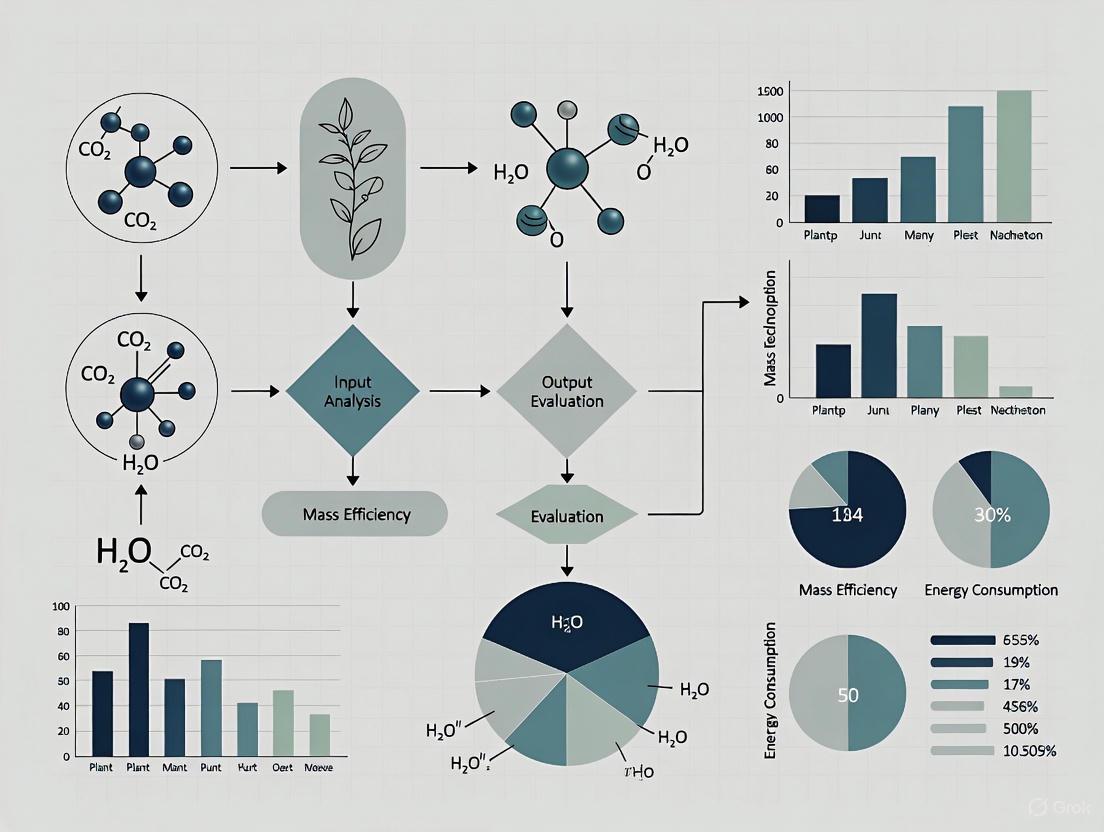
This article provides a comprehensive analysis of Equivalent System Mass (ESM), the pivotal metric for evaluating Bioregenerative Life Support Systems (BLSS) for long-duration space missions.
Equivalent System Mass Analysis of BLSS Technologies: Framework, Applications, and Future Directions for Advanced Life Support
Abstract
This article provides a comprehensive analysis of Equivalent System Mass (ESM), the pivotal metric for evaluating Bioregenerative Life Support Systems (BLSS) for long-duration space missions. Aimed at researchers and scientists in aerospace and life sciences, it explores the foundational principles of ESM, detailing its role in comparing the mass efficiency of biological versus physico-chemical life support technologies. The scope extends to practical methodological applications for system optimization, tackles prevailing challenges in reliability and integration, and validates approaches through comparative analysis of terrestrial testbeds and emerging frameworks like extended ESM (xESM). The synthesis underscores ESM's critical importance in strategic mission planning and technology development for sustainable human exploration beyond Earth.
The Foundational Role of ESM in Bioregenerative Life Support Systems
Table of Contents
- Introduction to Equivalent System Mass (ESM)
- The Historical Trajectory of ESM in NASA Mission Planning
- Deconstructing the ESM Framework: The Core Equation and Parameters
- The Need for an Evolution: Introducing Extended ESM (xESM)
- ESM in Action: Analyzing Bioregenerative Life Support Systems (BLSS)
- Essential Research Toolkit for ESM and BLSS Analysis
- Methodological Workflow for an ESM Analysis
The monumental challenge of supporting human life beyond Earth revolves around a fundamental constraint: the extreme cost of launching mass into space. Every kilogram of payload requires a significant investment in fuel, vehicle capacity, and overall mission complexity. In this context, Equivalent System Mass (ESM) emerged as a critical systems engineering metric developed by NASA to enable objective comparisons between diverse mission technologies. The core principle of ESM is to convert all resources consumed by a system—not just its physical mass, but also its volume, power, cooling, and crew-time requirements—into a single, comparable value expressed in mass-equivalent kilograms [1]. This methodology allows mission planners to evaluate whether a heavy, but self-replenishing, system is more cost-effective than a lighter, consumable-dependent one over the long term. ESM has become the standard tool for trade studies in the design of Environmental Control and Life Support Systems (ECLSS), providing a common language to assess technologies ranging from water processors to food production facilities [1].
The Historical Trajectory of ESM in NASA Mission Planning
The development of ESM is intrinsically linked to the ambition for long-duration space missions. For short-duration flights, life support could rely on stored consumables, where launch mass is the primary concern. However, as plans evolved for sustained operations on a space station or for voyages to Mars, the limitations of a "store-and-use" approach became apparent. This drove the need for regenerative life support systems that recycle air, water, and waste [2].
In 1997, a NASA Research Council (NRC) report formally called for mature, highly reliable Advanced Life Support Systems, catalyzing the expansion of the ESM framework beyond mere mass [1]. The ESM metric was systematically broadened to account for the full lifecycle cost of mission systems. Its application expanded from theoretical models to practical analyses of agricultural systems [3], recycling technologies [4] [5], and overall mission architecture [1] [6] [7]. This historical evolution reflects a growing recognition that true mission efficiency is measured not by initial mass alone, but by the total logistical burden over a mission's entire duration.
Deconstructing the ESM Framework: The Core Equation and Parameters
The standard ESM framework, as defined by NASA, calculates the total equivalent mass (({\mathfrak{M}})) of a system as the sum of its initial mass and the mass equivalents of its other resource demands [1]. The foundational equation is:
Total ESM Equation: [{\mathfrak{M}}={L}{\rm{eq}}\mathop{\sum}\limits{i=1}^{\mathcal{A}}\left[\left({M}{i}\cdot {M}{\rm{eq}}\right)+\left({V}{i}\cdot {V}{\rm{eq}}\right)+\left({P}{i}\cdot {P}{\rm{eq}}\right)+\left({C}{i}\cdot {C}{\rm{eq}}\right)+\left({T}{i}\cdot D\cdot {T}{\rm{eq}}\right)\right]]
This equation aggregates the contributions from all subsystems ((i)) in a mission segment. The following table defines the key parameters that constitute the ESM calculation.
Table 1: Core Parameters in the Equivalent System Mass (ESM) Equation
| Parameter | Description | Typical Units | Role in ESM Calculation |
|---|---|---|---|
| (M_i) | Initial Mass | kilogram (kg) | The physical mass of the hardware subsystem. |
| (V_i) | Volume | cubic meter (m³) | The volume occupied by the subsystem. |
| (P_i) | Power | kilowatt electric (kWe) | The power required for the subsystem's operation. |
| (C_i) | Cooling | kilowatt thermal (kWth) | The thermal load that must be managed. |
| (T_i) | Crew Time | crew-member hour per sol (CM-h/sol) | The amount of astronaut labor required for operation and maintenance. |
| (D) | Duration | sol (Martian day) | The length of the mission segment over which resources are consumed. |
| (M_{\rm{eq}}) | Mass Equivalency Factor | kg/kg | Converts the subsystem's own mass to an effective mass (e.g., including shelving). Often set to 1. |
| (V_{\rm{eq}}) | Volume Equivalency Factor | kg/m³ | Converts occupied volume to mass, representing the infrastructure cost (e.g., hull mass per pressurized m³). |
| (P_{\rm{eq}}) | Power Equivalency Factor | kg/kWe | Converts power demand to mass, representing the cost of power generation and storage systems. |
| (C_{\rm{eq}}) | Cooling Equivalency Factor | kg/kWth | Converts cooling demand to mass, representing the cost of thermal control systems. |
| (T_{\rm{eq}}) | Crew Time Equivalency Factor | kg/CM-h | Converts crew time to mass, representing the mass of life support resources needed to sustain an astronaut. |
| (L_{\rm{eq}}) | Location Factor | kg/kg | A multiplier that accounts for the propulsion cost of transporting mass from one location to another (e.g., Earth to Mars). |
The Need for an Evolution: Introducing Extended ESM (xESM)
While the traditional ESM framework is powerful, recent analyses highlight its limitations for modeling complex, multi-stage missions like a crewed Mars expedition. The standard approach faces challenges in three key areas [1]:
- Multi-staged Missions: It does not natively account for systems that have components deployed across different mission segments (e.g., pre-deployed cargo versus crew-carried items), each with distinct location factors ((L_{\rm{eq}})) [1].
- Interdependencies: It struggles with interdependencies between resource costs across different mission phases.
- System Reliability: It does not formally incorporate the reliability or technological maturity of a system, potentially favoring a lighter but riskier technology over a more robust one [1].
To address these gaps, an Extended ESM (xESM) framework has been proposed. The xESM formulation provides a more generalized structure that explicitly sums the ESM costs across all mission segments ((k)):
Extended ESM (xESM) Equation: [{{\mathfrak{M}}}{0}=\mathop{\sum }\limits{k}^{{{{\mathcal{M}}}}}{L{\mathrm{eq},k}\sum{i}^{{\mathcal{A}}{k}}{\left[({M}{{k}{i}}\cdot {M}{{{{\rm{eq}}}},k})+\left({V}{{k}{i}}\cdot {V}{{{{\rm{eq}}}},k}\right)+\ldots+\left({T}{i}\cdot {D}{k}\cdot {T}{{{{\rm{eq}}}},k}\right)\right]}}]
Most significantly, xESM introduces a mechanism to penalize systems for their uncertainty or risk of failure. This is achieved by adding a mass contingency to the ESM of a subsystem, calculated as a function of its failure probability and the cost of a mitigation strategy, such as a backup system or a resupply mission. This creates a more realistic comparison, where a less mature but nominally lighter technology may incur a higher xESM due to its associated risk [1].
Diagram: The logical progression from identifying limitations in the standard ESM framework to the formulation of the extended ESM (xESM).
ESM in Action: Analyzing Bioregenerative Life Support Systems (BLSS)
The application of ESM is particularly crucial in evaluating Bioregenerative Life Support Systems (BLSS), which are a cornerstone technology for long-duration Martian missions. A BLSS uses biological processes—such as growing crops, algae, or bacteria—to regenerate air and water and produce food, thereby reducing the need for massive resupplies from Earth [8] [7] [5]. ESM analysis provides a quantitative basis for comparing BLSS technologies against purely physicochemical (PC) systems and for optimizing the design of hybrid ECLSS/BLSS architectures.
A key analysis involves calculating the return on investment (ROI) time for bioregenerative food production. While a BLSS for food will have a high initial mass (for growth chambers, lighting, and control systems), it eventually pays for itself by offsetting the continuous launch mass of prepackaged food. An ESM analysis calculates the mission duration at which the cumulative mass cost of stored food equals the high initial one-time cost of the food-producing BLSS [8]. Research indicates that with modern LED lighting, this breakeven point for some crops could be reached within 2-3 years for a Mars mission, making BLSS a viable option [8].
Table 2: ESM Comparison of Life Support Technologies for a Mars Mission
| Technology | Advantages | Disadvantages | Key ESM Drivers | Suitability for Long-Duration Missions |
|---|---|---|---|---|
| Physicochemical (PC) ECLSS | High reliability, compact, predictable outputs. | Limited closure; requires resupply of consumables (e.g., for CO2 absorption); produces waste (e.g., methane vented overboard) [5]. | Low initial mass, but continuous mass cost for resupply. | Necessary for short missions; becomes prohibitively expensive for long-term, remote missions. |
| Bioregenerative (BLSS) | Closes carbon, oxygen, and water loops; produces fresh food; improves crew psychology. | High initial mass and volume; complex to control; biological variability and reliability concerns [8] [1]. | High mass/volume of growth chambers; high power for lighting ((Pi \cdot P{\rm{eq}})) [8]. | Becomes competitive and often superior for missions exceeding ~2-3 years due to reduced resupply mass. |
| Hybrid ECLSS/BLSS | Balances reliability of PC with mass savings of BLSS; allows for phased implementation. | Increased system complexity and integration challenges [8]. | Optimized mix of PC and BLSS components to minimize total system ({\mathfrak{M}}). | Considered the most likely and resilient architecture for early Martian outposts. |
Essential Research Toolkit for ESM and BLSS Analysis
Researchers conducting ESM analyses, particularly for BLSS, rely on a suite of models, tools, and experimental data.
Table 3: Research Toolkit for ESM and BLSS Analysis
| Tool / Reagent | Category | Primary Function in ESM/BLSS Research |
|---|---|---|
| ESM Equations & Models | Analytical Framework | Provide the mathematical basis for converting system parameters (mass, volume, power, etc.) into a comparable equivalent mass [1]. |
| Location Factor (L_eq) | Mission Architecture Input | A critical variable that captures the propulsion cost of transporting a mass unit to a specific destination (e.g., Martian surface vs. orbit) [1]. |
| Crop Growth Chambers | Experimental Hardware | Enable ground-based and space-based testing of plant growth (e.g., lettuce, wheat) to collect data on yield, resource consumption, and required volume—key inputs for ESM calculations [7]. |
| Photobioreactors (PBRs) | Experimental Hardware | Used to cultivate microalgae and cyanobacteria (e.g., Limnospira indica) for air revitalization and biomass production. Data on O2 production and CO2 consumption rates feed into ESM models [5]. |
| Mass Spectrometry | Analytical Instrumentation | Used for environmental monitoring (e.g., air composition in closed chambers) and metabolic analysis, ensuring accurate mass balancing of elements (C, O, N) in the system [3]. |
| Mission Simulation Software | Computational Tool | Tools like SpaceNet and HabNet model complex mission logistics, helping to refine location factors and understand resource flow, which informs more accurate ESM analyses [1]. |
Methodological Workflow for an ESM Analysis
A robust ESM analysis for a new technology, such as a novel BLSS component, follows a systematic workflow that integrates modeling and experimental data.
Diagram: The standard workflow for conducting an Equivalent System Mass analysis.
Define Mission Parameters: The first step involves establishing the fixed mission variables, including the crew size, mission duration (broken into segments like transit and surface stay), destination (which influences location factors, (L_{\rm{eq}})), and the level of closure required for the life support system [1].
Define System Boundaries: The analyst must clearly delineate the boundaries of the system being analyzed. For a BLSS, this might include the growth chamber, lighting, nutrient delivery system, seed mass, harvest processing tools, and the crew time needed for maintenance.
Gather System Data: This critical step involves collecting all the raw input data for the ESM equation ((Mi, Vi, Pi, Ci, T_i)). This data is sourced from engineering models, prototypes, and controlled experiments. For example, data on the volume and power consumption of a plant growth unit would be measured in a ground-based analog like NASA's Biomass Production Chamber [5].
Apply ESM Equation: The gathered data is input into the standard ESM equation (or the xESM equation for a multi-stage mission) using the appropriate equivalency factors. This calculation yields the total equivalent mass for the system.
Incorporate Reliability (xESM): In an extended analysis, the failure probability of the system is assessed. A mass contingency is then calculated, for instance, as the ESM of a backup system multiplied by the probability of primary system failure. This contingency is added to the base ESM to generate the final xESM value [1].
Compare and Iterate: The final ESM/xESM value for the new technology is compared against the values for alternative systems. This comparison guides technology selection and can identify areas where design improvements would have the greatest impact on reducing the total equivalent mass, thus driving further research and development iterations.
Bioregenerative Life Support Systems (BLSS) are advanced, biologically-based systems designed to sustain human life in space by recycling waste, producing food, and regenerating air and water. These systems aim to create a closed-loop ecosystem where biological components work in concert to support crewed missions, drastically reducing the need for resupply from Earth [9]. The core principle of a BLSS is to mimic Earth's ecological networks, employing different trophic levels—producers, consumers, and decomposers—to achieve a high degree of material closure [9].
The evaluation of these systems, particularly within the context of a broader thesis, necessitates the use of the Equivalent System Mass (ESM) analysis. ESM is a pivotal metric used by space agencies to compare life support technologies by calculating the total mass a technology would contribute to a spacecraft, encompassing not only its physical mass but also the estimated mass of its volume, power, cooling, and crew-time requirements. For long-duration missions beyond Low Earth Orbit, a BLSS with a lower ESM than the mass of consumables it replaces becomes economically and logistically imperative. This overview will frame the discussion of biological components and their functions through the lens of developing a BLSS with a favorable ESM, highlighting technologies that enhance closure and reduce launch mass.
Comparative Analysis of Major BLSS Programs and Biological Components
International efforts to develop BLSS have produced several key programs, each with distinct architectures and biological components. The table below provides a comparative overview of these initiatives.
Table 1: Comparison of Major International BLSS Programs and Their Components
| Program / Agency | Key Biological Components | System Closure & Key Functions | Reported Closure/Performance Data |
|---|---|---|---|
| NASA (Historical: CELSS/BIO-Plex) [10] | Higher plants (wheat, potato, lettuce) [9] | Focused on food production and atmospheric regeneration; largely discontinued and dismantled after 2004 [10]. | Ground tests demonstrated air revitalization and food requirements for a crew of four for 91 days [9]. |
| CNSA (Beijing Lunar Palace) [10] | Higher plants, microorganisms | Fully integrated, closed-loop architecture for atmosphere, water, and nutrition [10]. | Successfully sustained a crew of four analog astronauts for a full year [10]. |
| ESA (MELiSSA) [11] [12] | Nitrifying bacteria (C3), Limnospira indica (C4a), higher plants (C4b) [11] | Artificial five-compartment loop designed for continuous recycling of all human metabolic waste [11]. | A recent stoichiometric model achieved near-full closure, providing 100% of food and oxygen for a crew of six with minimal losses [11]. |
| University of Arizona (Lunar Greenhouse) [13] | Polyculture of higher plants | Prototype system targeting 100% water/atmosphere recycling and 50% of daily food intake (~1000 kcal) for one crew member [13]. | Aims to provide dissimilar redundancy to physicochemical systems [13]. |
The biological components within these systems can be categorized by their function. The following table details the primary organisms used and their roles in achieving system closure.
Table 2: Key Biological Components and Their Functions in a BLSS
| Biological Component | Example Species | Primary Function in BLSS | Contribution to ESM Reduction |
|---|---|---|---|
| Staple Crops | Wheat (Triticum aestivum), Potato, Rice, Soy [9] | Provide carbohydrates, proteins, and fats for a balanced crew diet in long-duration missions. | Replaces massive mass of prepackaged food; high calorie yield per unit growth area. |
| Leafy Greens & Vegetables | Lettuce (Lactuca sativa), Tomato, Kale [9] | Provide essential vitamins, nutraceuticals (e.g., antioxidants), and psychological benefits [9]. | Mitigates mass of vitamin supplements; prevents degradation of stored food nutrients. |
| Microalgae | Limnospira indica (formerly Spirulina) [11] | Efficient oxygen production, carbon dioxide consumption, and source of dietary protein [11]. | High photosynthetic efficiency and small volume can reduce the mass of oxygen tanks and food. |
| Nitrogen-Recycling Bacteria | Nitrifying bacteria (e.g., Nitrosomonas, Nitrobacter) [12] | Convert toxic ammonia from urine and waste into nitrate, a valuable plant fertilizer [12]. | Eliminates mass of disposable waste storage and external fertilizer resupply. |
| Edible Insects | House cricket (Acheta domesticus), Yellow mealworm (Tenebrio molitor) [14] | Efficiently convert inedible plant biomass into high-quality protein for crew; aid waste processing. | High feed conversion efficiency reduces the overall biomass mass required for protein production. |
Experimental Protocols for BLSS Component Validation
Protocol for Higher Plant Cultivation and Resource Recovery
Objective: To quantify the oxygen production, carbon dioxide consumption, water transpiration, and edible biomass yield of candidate plant species under controlled, space-relevant conditions.
Methodology:
- Growth Chamber Setup: Utilize a sealed, environmentally controlled plant growth chamber (e.g., the PaCMan unit [9]). Parameters such as temperature, humidity, photoperiod, light intensity (PPFD), and CO₂ concentration are strictly regulated.
- Nutrient Delivery: Implement a hydroponic or aeroponic system to deliver a defined nutrient solution. The solution's ionic composition (e.g., N, P, K, Ca, Mg) is continuously monitored and adjusted.
- Gas Exchange Measurement: Employ sensors to continuously monitor O₂ and CO₂ concentrations within the chamber atmosphere. The net photosynthetic rate can be calculated from CO₂ drawdown.
- Water Transpiration Measurement: The water reservoir level is monitored, and transpired water is condensed and collected from the air handling system for quantification and quality analysis (e.g., purity).
- Biomass Harvesting: At the end of the growth cycle, plants are harvested. Edible and non-edible biomass are separated, weighed, and analyzed for nutritional content (proteins, carbohydrates, lipids, vitamins).
Protocol for Nitrogen Recovery from Urine via Nitrification
Objective: To demonstrate the efficient biological conversion of urea and ammonia from human urine into nitrate using a sequenced bioreactor system.
Methodology:
- Urine Simulant Preparation: A defined urine simulant containing urea, salts, and creatinine is used to ensure experimental consistency and safety [12].
- Bioreactor Inoculation and Operation: Two main bioreactors are set up in sequence:
- Compartment I (Acidogenic & Ureolytic): Inoculated with thermophilic anaerobic bacteria. This compartment ferments solid waste and hydrolyzes urea to ammonia [11].
- Compartment III (Nitrifying): Inoculated with a mixed culture of nitrifying bacteria (Nitrosomonas and Nitrobacter). The effluent from Compartment I, rich in ammonia, is fed into this aerobic reactor. The process occurs in two steps:
- Nitritation: Nitrosomonas oxidizes ammonia (NH₃) to nitrite (NO₂⁻).
- Nitrification: Nitrobacter oxidizes nitrite (NO₂⁻) to nitrate (NO₃⁻) [12].
- Process Monitoring: Regularly sample the effluent from the nitrifying reactor to measure concentrations of ammonium, nitrite, and nitrate using techniques like ion chromatography or colorimetric assays.
- Nutrient Solution Formulation: The nitrate-rich effluent is blended with other recovered nutrients (P, K, etc.) and diluted to form a hydroponic nutrient solution for plant growth trials.
The Scientist's Toolkit: Key Research Reagents and Materials
The experimental investigation of BLSS components relies on a suite of specific reagents, biologicals, and equipment.
Table 3: Essential Research Reagents and Materials for BLSS Experiments
| Reagent / Material | Function in BLSS Research | Example Application |
|---|---|---|
| Hydroponic Nutrient Solution | Provides essential macro and micronutrients for plant growth in a soil-less system. | Formulating the baseline and modified solutions for plant growth experiments in the PaCMan unit or Lunar Greenhouse [9] [13]. |
| Synthetic Urine Simulant | A chemically defined substitute for human urine, allowing for safe, reproducible experiments. | Testing the efficiency and stability of nitrogen recovery systems (e.g., MELiSSA Compartment III) without biohazard risks [12]. |
| Nitrosomonas europaea | A model ammonia-oxidizing bacterium for nitrification studies. | Inoculating bioreactors to study the conversion of ammonia to nitrite under space-relevant conditions [12]. |
| Limnospira indica | A cyanobacterium used for oxygen production, CO₂ capture, and as a protein supplement. | Cultivating in photobioreactors (MELiSSA C4a) to study gas exchange and biomass production rates [11]. |
| Defined Plant Pathogens | Used to challenge BLSS crops and study plant health management in closed systems. | Evaluating the resilience of candidate plant species and testing biocontrol protocols [14]. |
| Environmental Control Chambers | Enables precise control of temperature, humidity, gas composition, and lighting. | Simulating space cabin or planetary surface environments for plant and microbial growth trials [9]. |
The design of Biological Life Support Systems (BLSS) is a cornerstone for the future of long-duration human spaceflight, aiming to create a regenerating ecosystem that can sustain crews independently of Earthly supplies. The Equivalent System Mass (ESM) framework is the primary metric used by systems architects to compare the relative costs, in terms of mass, volume, power, and cooling, of different technological solutions for closed-loop environments [15]. In the context of a mission to Mars, every kilogram of payload and every kilowatt of power must be meticulously justified. Crew health monitoring, particularly sleep, is not merely a quality-of-life issue but a critical performance factor with direct implications for mission success and safety. This analysis employs the ESM framework to objectively compare sleep monitoring technologies, evaluating their burden on a BLSS and their role in preserving the cognitive and physical health of astronauts during extended missions beyond Earth orbit.
The Critical Link Between Sleep and Mission Success
Sleep is a foundational physiological process for cognitive function, emotional regulation, and physical health. In the high-stakes environment of a space mission, its importance is magnified. Studies have consistently shown that astronauts sleep significantly less in space than on Earth [16] [17]. This deficiency poses a direct risk, impairing vigilant attention, learning, memory consolidation, and emotional stability [16].
The challenge is exacerbated by the space environment itself. The absence of a consistent 24-hour light-dark cycle, with the International Space Station experiencing a sunrise every 90 minutes, disrupts the body's natural circadian rhythm [17]. Furthermore, microgravity makes finding a comfortable sleeping posture difficult, while cramped quarters, constant equipment noise, and psychological stress further degrade sleep quality [17]. Research during the Phoenix Mars Lander mission demonstrated that circadian misalignment led to a significant reduction in sleep duration, from nearly 6 hours to under 5 hours, accompanied by increased self-reported fatigue and sleepiness [18]. Therefore, effective sleep monitoring is not an optional luxury but a strategic necessity for maintaining crew performance and health, making its efficient integration into a BLSS a critical engineering challenge.
ESM Analysis of Sleep Monitoring Technologies
The ESM model allows for a standardized comparison of disparate technologies by converting all resource requirements into an equivalent mass (kg). The generic formula is: ESM = M + VV_f + PPf + C*Cf, where M is mass, V is volume, P is power, C is cooling, and the "_f" factors are mission-specific equivalence coefficients. For this comparison, we analyze three categories of sleep monitoring technologies relevant to spaceflight.
Table 1: ESM Factor Comparison for Sleep Monitoring Technologies
| Technology Category | Mass (M) | Volume (V) | Power (P) | Crew Time (Ct) | Data Load (D) | Key Performance Metrics |
|---|---|---|---|---|---|---|
| Consumer Wearables | Low | Low | Low | Low | Moderate | Overestimates sleep time; underestimates wakefulness [19] |
| Research-Grade Wearables | Low | Low | Low | Moderate | High | 85-87% agreement with PSG for sleep-wake scoring [16] |
| Bed-Based Sensors | Moderate | Moderate | Low | Very Low | Low | Passive monitoring; no wearables required; detects pulse, breathing, movement [20] |
| In-Lab Polysomnography | Very High | Very High | High | Very High | Very High | Gold standard for diagnostic detail [21] |
Table 2: Experimental Sleep Monitoring Technologies in Space Missions
| Mission / Study | Technology Used | Key Experimental Findings | Relevance to ESM |
|---|---|---|---|
| Mir Space Station | Nightcap sleep monitor [16] | Increased wakefulness (by ~1 hr) in space; altered REM/NREM sleep architecture [16] | Minimalist design offers low mass, volume, and power burden. |
| Phoenix Mars Lander | Actigraphy, sleep diaries, light boxes [18] | 87% of crew adapted circadian period to Mars day with photic countermeasures; sleep duration dropped during misalignment [18] | Highlights trade-off: resource use for countermeasures vs. cost of performance loss. |
| ISS (Axiom Mission 4) | Oura Ring with edge computing [22] | Tests real-time biometric data processing onboard to enable crew autonomy [22] | Edge computing reduces resource load for data transmission to Earth. |
| ISS (Sleep in Orbit) | Ear-EEG based sleep monitoring [23] | Studies physiological differences of sleep in space using a less intrusive form of EEG [23] | Promising balance of clinical-grade data and lower crew time/comfort burden than full PSG. |
Analysis of Technology Categories
Consumer Wearables (e.g., Smartwatches, Oura Ring): These devices present a compelling low-ESM profile. They are lightweight, have a small volume, require minimal power, and are designed for ease of use, reducing the crew time burden. As exemplified by the Oura Ring investigation on Axiom Mission 4, their integration with edge computing can further reduce ESM by minimizing the data transmission load, a critical resource for deep space missions [22]. However, their primary drawback is accuracy, as they tend to overestimate total sleep time and underestimate wakefulness compared to the gold-standard PSG [19]. This trade-off must be carefully considered.
Research-Grade Wearables (e.g., Nightcap, Ear-EEG): Devices like the Nightcap monitor, used on the Mir space station, and the ongoing "Sleep in Orbit" ear-EEG study on the ISS, offer a middle ground [16] [23]. They provide higher accuracy than consumer gadgets—the Nightcap demonstrates 85-87% agreement with PSG for scoring sleep stages [16]—while maintaining a relatively low ESM. They are more complex than consumer devices but far less so than full PSG, making them a strong candidate for long-duration missions where reliable data is paramount.
Bed-Based Sensors (e.g., Ballistocardiography): Technologies like the Murata SCA11H or Talius SleepSense sensors are placed under the mattress and detect heartbeat, breathing, and body movements passively [20]. Their key ESM advantage is the near-zero crew time requirement, as they require no user interaction. This "invisible" monitoring supports crew autonomy and reduces operational burdens. While their diagnostic capabilities for sleep staging are less refined than EEG-based methods, they are highly reliable for detecting the presence of an occupant and basic vital signs, which is valuable for both health monitoring and alarm systems [20].
Experimental Protocols for Sleep Monitoring in Space
To ensure the data informing ESM analyses is robust, the experimental protocols behind it must be sound. The following are detailed methodologies from key studies.
Protocol: Long-Duration Sleep Architecture on Mir
- Objective: To characterize changes in sleep architecture (REM, NREM, wake) during long-duration spaceflight compared to Earth, and to assess longitudinal changes over time [16].
- Device: The Nightcap sleep monitor, consisting of a head-mounted motion detector and a piezoelectric sensor on the eyelid to monitor eye movements [16].
- Procedure: Crew members were trained to self-apply the Nightcap. Data collection was planned for multiple 12-night blocks before, during, and after the mission. Participants donned the equipment at their chosen "bedtime" and initiated recording, switching it off upon waking. "Sleep opportunity" was defined as the time between recording start and stop [16].
- Data Analysis: Two researchers, blinded to subject identity and study phase, hand-scored each minute of data as wakefulness, NREM, or REM using specialized software (NightViewAM). Scoring was based on characteristic patterns of eye and body movements. From this, variables like Total Sleep Time, Sleep Efficiency, and REM Latency were calculated. Data were compared using mixed-effects regression models to account for individual differences and the repeated-measures design [16].
Protocol: Circadian Adaptation during the Phoenix Mars Lander Mission
- Objective: To evaluate the feasibility and effectiveness of a fatigue management program, including a photic countermeasure, to facilitate synchronization to a 24.65-hour Mars day [18].
- Device: A portable light box emitting narrow-band blue light (λmax 468 nm) and actigraphy watches.
- Procedure: Personnel received education on sleep and circadian rhythms. A subset was provided a blue light panel to use at their workstations. Participants completed a daily sleep/work diary on a PDA and wore actigraphy watches for objective sleep/wake measurement. Biweekly, 48-hour urine collections were performed to assess the circadian rhythm of the hormone 6-sulphatoxymelatonin, a primary marker of circadian phase [18].
- Data Analysis: Circadian period was determined from the melatonin rhythm. Sleep duration and subjective fatigue levels were compared between periods of circadian alignment and misalignment. The study demonstrated that most participants could adapt to the Mars day with intervention, and that misalignment directly caused reduced sleep and increased fatigue [18].
ESM-Optimized Technology Selection and Integration Pathway
Selecting the right suite of technologies requires a multi-layered approach that balances ESM constraints with data fidelity needs across a mission profile.
The Scientist's Toolkit: Key Research Reagents & Materials
Table 3: Essential Materials for Spaceflight Sleep Research
| Item Name | Function / Application | Example in Search Results |
|---|---|---|
| Nightcap Sleep Monitor | A minimalist, validated device using eye and body movement to discriminate between REM, NREM, and wakefulness. | Used in a long-duration study on the Mir space station [16]. |
| Actigraphy Watch | A wrist-worn device with an accelerometer to objectively monitor sleep-wake cycles over long periods in a non-intrusive way. | Used in the Phoenix Mars Lander mission study [18]. |
| Photic Countermeasure (Blue Light Box) | A device emitting specific wavelengths of light to shift the circadian clock and promote alertness during work shifts. | Utilized to help mission personnel adapt to a Mars-day schedule [18]. |
| Electroencephalography (EEG) Cap | The gold-standard for measuring brain activity to definitively score sleep stages; used in Polysomnography (PSG). | Referenced as the clinical standard that newer technologies aim to approximate [21]. |
| Ear-EEG Sensor | A less intrusive form of EEG that fits in the ear canal, offering a balance of clinical-grade data and comfort. | Being used in the ISS "Sleep in Orbit" investigation [23]. |
| Ballistocardiography (BCG) Bed Sensor | A sensor placed under a mattress to passively detect heartbeat, respiration, and gross body movements without any wearables. | Mentioned as a technology for non-invasive health monitoring [20]. |
| Edge Computing Device | Hardware that processes data locally ("on the edge") instead of transmitting it to Earth, saving bandwidth and time. | Used in the Axiom Mission 4 project with the Oura Ring to provide crew with real-time insights [22]. |
The integration of sleep monitoring into the architecture of a BLSS for Moon and Mars missions is a complex but strategically imperative task. The ESM framework provides the necessary analytical tool to move beyond simple technical performance and make informed decisions that consider the total system burden. The current trajectory of technology—toward miniaturized, multi-modal sensors, passive monitoring, and onboard AI-driven analytics—promises future systems with ever-lower ESM and higher clinical value. By rigorously applying the ESM model, mission planners can select an optimized combination of technologies that will safeguard astronaut sleep, ensuring they have the cognitive sharpness and physical resilience to become humanity's first enduring inhabitants of another world.
Human space exploration is fundamentally constrained by a trinity of challenges: logistics costs, technological limits, and risks to human health and safety. These constraints make it impossible to sustain long-duration missions using current physical/chemical methods for environmental control and life support systems (ECLSS) alone [24]. Bioregenerative Life Support Systems (BLSS) represent a paradigm shift toward logistically biosustainable exploration by creating artificial ecosystems that regenerate oxygen, water, and food through biological processes [25]. This article examines the evolution of BLSS programs across major space agencies, with a specific focus on how Equivalent System Mass (ESM) analysis has shaped technology development and strategic decisions, ultimately influencing global leadership in this critical space technology domain.
Historical Development of BLSS Programs
The Foundation: NASA's Early Initiatives
NASA's pioneering work in bioregenerative life support began with the Controlled Ecological Life Support Systems (CELSS) program, which laid the technological foundation for biologically-based life support [24]. This research evolved into the Bioregenerative Planetary Life Support Systems Test Complex (BIO-PLEX) program in the 1990s, which aimed to demonstrate an integrated habitat capable of supporting human crews with recycled air, water, and food [24]. The BIO-PLEX facility was designed as a fully closed, integrated system testbed that would advance technologies for long-duration missions [24].
A Strategic Reversal: The Cancellation of BIO-PLEX
In a pivotal decision with long-term consequences, NASA discontinued and physically demolished the BIO-PLEX program following the 2004 Exploration Systems Architecture Study (ESAS) [24]. This cancellation created a significant technological gap in American bioregenerative life support capabilities just as other nations were accelerating their investments [24]. The move reflected a strategic shift toward reliance on resupply missions rather than closed-loop biological systems for future exploration activities [24].
International Efforts: A Comparative Analysis
While NASA was scaling back its BLSS ambitions, other space agencies recognized the strategic importance of this technology and established their own research programs:
Table 1: International BLSS Research Programs and Key Characteristics
| Space Agency/Country | Program Name | Key Focus Areas | Notable Achievements |
|---|---|---|---|
| USSR/Russia | BIOS | Closed ecosystem research, long-duration testing | Early ground-based closed ecosystem experiments [25] |
| Europe | MELiSSA (Micro-Ecological Life Support System Alternative) | BLSS component technology development [24] | Focus on compartmentalized, controlled artificial ecosystem [25] |
| Japan | CEEF (Closed Ecology Experiment Facilities) | Material flow in closed ecosystems [25] | Study of radioactive isotopes in closed environments [25] |
| China (CNSA) | Lunar Palace/Lunar Palace 365 | Fully integrated, closed-loop bioregenerative architecture [24] | 365-day human closure with >98% material closure [25] [26] |
Equivalent System Mass Analysis: Evolution and Methodology
The Standard ESM Framework
Equivalent System Mass represents the primary metric NASA uses to compare mission system proposals, converting all elements of a technology—components, operations, and logistics—into effective mass values with known cost scales in space operations [1]. The standard ESM equation is expressed as:
Total ESM (𝕸) = Leq × Σ[(Mi × Meq) + (Vi × Veq) + (Pi × Peq) + (Ci × Ceq) + (Ti × D × T_eq)] [1]
Where:
- Mi, Vi, Pi, Ci = initial mass, volume, power, and cooling requirements
- Meq, Veq, Peq, Ceq, T_eq = mass equivalency factors for each parameter
- L_eq = location factor accounting for transportation costs between space locations
- T_i = crew-time requirements
- D = mission duration [1]
Limitations of Traditional ESM for BLSS Evaluation
The standard ESM framework faces significant limitations when applied to BLSS technologies for complex missions. It fails to adequately account for: (1) multi-stage mission architectures with different mass equivalency factors during each phase; (2) interdependencies of costs across mission segments; and (3) the differential reliabilities of biological versus physical/chemical systems [1]. The uncertainty in performance of newer biological technologies should incur an equivalent mass penalty when compared to more established but potentially less efficient technologies [1].
Extended ESM Framework for BLSS
Recent research has proposed an Extended ESM (xESM) framework to address these limitations, particularly for evaluating BLSS technologies in complex multi-stage missions such as crewed Mars expeditions [1]. The xESM framework incorporates mission staging explicitly through the equation:
xESM (𝕸₀) = Σ [Leq,k × Σ[(Mki × Meq,k) + (Vki × Veq,k) + (Pki × Peq,k) + (Cki × Ceq,k) + (Ti × Dk × Teq,k)]] [1]
This formulation allows for separate calculation of ESM contributions across different mission segments (k), each with appropriate location factors and equivalency values, providing a more accurate comparison between resupply-dependent architectures and bioregenerative systems [1].
Figure 1: Evolution from Traditional ESM to Extended ESM Framework
Comparative Analysis of Current BLSS Capabilities
Technological Maturity Assessment
The divergence in strategic approaches to BLSS development over the past two decades has resulted in significant disparities in technological maturity among space agencies:
Table 2: BLSS Technology Readiness Level Comparison Among Space Agencies
| Technology Component | NASA | CNSA | ESA | Roscosmos |
|---|---|---|---|---|
| Plant Cultivation Units | Limited to small-scale ISS experiments [24] | Integrated multi-crop systems in Lunar Palace [25] | MELiSSA component development [24] | Historical BIOS program experience [25] |
| Waste Recycling Systems | Physical/chemical (ECLSS) on ISS [24] | Biological (microbial) conversion in Lunar Palace [25] | Biological compartment research [25] | Early closed ecosystem experience [25] |
| Closed Air Revitalization | Limited biological component integration [24] | >98% gas closure demonstrated [25] | Component-level development [24] | Historical BIOS achievements [25] |
| Integrated System Operation | BIO-Plex canceled before demonstration [24] | 365-day integrated human testing [26] | No human testing approaching CNSA scale [24] | Past long-duration testing experience [25] |
Strategic Implications of Capability Gaps
The capability gap between NASA and CNSA in BLSS technologies represents a strategic risk to US leadership in human space exploration [24]. China's substantial investments in a robust BLSS initiative, which synthesized discontinued NASA research with domestic innovation, has positioned it as the current leader in fully integrated, closed-loop bioregenerative architectures for space habitats [24]. The CNSA's Beijing Lunar Palace program successfully demonstrated closed-system operations for atmosphere, water, and nutrition while supporting a crew of four analog taikonauts for a full year—a capability unmatched by Western space agencies [24].
Experimental Protocols and Methodologies
BLSS System Closure Experiments
The "Lunar Palace 365" experiment represents the state-of-the-art in BLSS testing protocols, establishing rigorous methodologies for evaluating system performance:
Experimental Duration and Crew Composition: The 365-day experiment was conducted with a crew of four participants in a 500 m³ facility, divided into different closure periods to assess system stability over time [25].
Closure Metrics and Measurement: Material closure exceeding 98% was achieved through precise monitoring of all inputs and outputs, including regular atmospheric composition analysis, water quality testing, and biomass production tracking [25].
Gas Balance Methodology: The experiment established "three key conditions of BLSS gas balance" as essential protocol elements: (1) precise O₂/CO₂ exchange rates between humans and plants, (2) maintaining atmospheric pressure stability, and (3) monitoring and controlling trace gas contaminants [26].
ESM Validation Protocols
Methodologies for validating ESM and xESM calculations for BLSS technologies involve:
Multi-stage Mission Modeling: Technology platforms are evaluated across distinct mission segments (outbound transit, surface operations, return transit) with appropriate location factors (L_eq) for each segment [1].
Reliability Scoring: System reliability is quantified through testing under expected mission conditions, with reliability penalties incorporated into the xESM calculations to account for performance uncertainty [1].
Comparative Architecture Analysis: BLSS technologies are compared against physical/chemical ECLSS alternatives using standardized mission profiles (e.g., 1000-day Mars mission) to generate comparable ESM values [1].
Research Reagents and Essential Materials for BLSS Experimentation
The development and testing of BLSS technologies requires specialized research reagents and materials tailored to closed ecosystem operation:
Table 3: Essential Research Materials for BLSS Experimentation
| Research Material | Function in BLSS Research | Application Examples |
|---|---|---|
| Azolla Species | O₂ production and CO₂ absorption in aquatic environments [25] | Supplemental oxygen generation in Lunar Palace system [25] |
| Spirulina platensis | Algae-based nutrient production and urine treatment [25] | Wastewater processing and food supplementation [25] |
| Chlorella vulgaris | CO₂ regulation and oxygen regeneration [25] | Atmospheric management in closed environments [25] |
| Tenebrio molitor L. (yellow mealworm) | Animal protein production from plant-derived waste [25] | Nutritional supplementation for crew in Lunar Palace [25] |
| Plant Growth-Promoting Nanoparticles | Enhanced crop production efficiency in controlled environments [25] | Increased biomass yield per unit area in BLSS agriculture [25] |
| Soil-like Substrates (SLS) | Plant growth medium produced from inedible biomass [25] | Waste recycling and plant cultivation in extraterrestrial BLSS [25] |
Future Directions and Research Requirements
Critical Knowledge Gaps
Despite significant progress, fundamental knowledge gaps remain in BLSS development, particularly regarding:
Deep Space Radiation Effects: The impact of deep space radiation on biological systems within BLSS remains poorly characterized and represents a critical uncertainty for mission planning [24].
Microgravity and Partial Gravity Ecosystem Function: The effects of reduced gravity environments on the complex biological interactions within BLSS require extensive study through orbital and lunar surface experiments [25].
Ecological Stability Protocols: Methods for maintaining long-term stability of small, closed ecosystems without the buffering capacity of Earth's biosphere need development and validation [26].
The Three-Stage Development Path for Extraterrestrial BLSS
Future BLSS development follows a logical progression toward extraterrestrial implementation:
Stage 1: Hybrid Systems - Initial extraterrestrial BLSS will combine hydroponic plant cultivation with limited use of in-situ resources (e.g., processed lunar regolith) and waste materials [25].
Stage 2: Integrated Biological/Physical Systems - Mature systems will incorporate more advanced biological components while maintaining physical/chemical systems as backups [25].
Stage 3: Fully Bioregenerative Systems - Advanced BLSS will achieve high closure percentages primarily through biological processes, minimizing dependence on external resupply [25].
The research community unanimously identifies the need for space-based BLSS experimentation as the next critical step, as Earth-based testing cannot fully simulate space environmental conditions such as radiation and partial gravity [25]. Proposed lunar probe payload carrying experiments would study mechanisms of small uncrewed closed ecosystems in space and clarify the impact of space environmental conditions, enabling correction of design and operation parameters established through Earth-based BLSS research [26].
Methodology and Practical Application of ESM in BLSS Design
Equivalent System Mass (ESM) serves as a critical metric for evaluating technologies in extreme environments on Earth and in space. Originally developed for NASA's Advanced Life Support System (ALS) comparisons, this framework enables direct comparison of diverse systems by converting all resource requirements into a common unit of mass [1]. The ESM metric is particularly vital for mission planning, where every kilogram of payload carries significant cost implications. The core principle of ESM involves converting non-mass parameters—including volume, power, cooling, and crew-time—into mass equivalents using predefined equivalency factors, thus creating a standardized basis for technology trade studies [1]. For researchers evaluating Bioregenerative Life Support Systems (BLSS), ESM provides an objective methodology to compare bioregenerative approaches against traditional physicochemical (PXC) systems, despite the inherent complexities of biological systems that cannot be simply turned on and off like their mechanical counterparts [8].
The ESM Equation: A Parameterized Deconstruction
The standard ESM equation integrates five key physical and operational parameters into a single mass-equivalent value. The complete calculation for a single subsystem i is expressed as follows [1]:
ESM = Mi × Meq + Vi × Veq + Pi × Peq + Ci × Ceq + (Ti × D × Teq)
Table 1: Core Parameters of the ESM Equation
| Parameter | Symbol | Description | Unit |
|---|---|---|---|
| Initial Mass | M |
The physical mass of the subsystem hardware. | kilogram (kg) |
| Volume | V |
The volume occupied by the subsystem. | cubic meter (m³) |
| Power | P |
The power required for subsystem operation. | kilowatt electric (kW |
| Cooling | C |
The thermal load imposed on cooling systems. | kilowatt thermal (kW |
| Crew-Time | T |
The crew time required for operation and maintenance. | Crew-Member hours per day (CM-h/sol) |
| Mission Duration | D | The duration of the mission segment. | day (sol) |
Table 2: ESM Equivalency Factors
| Equivalency Factor | Symbol | Description | Unit |
|---|---|---|---|
| Mass Equivalency Factor | M |
Converts initial mass to effective mass (accounts for support structures). | kg/kg |
| Volume Equivalency Factor | V |
Converts volume to mass (accounts for pressurized volume infrastructure). | kg/m³ |
| Power Equivalency Factor | P |
Converts power demand to mass (accounts for power generation & storage). | kg/kW |
| Cooling Equivalency Factor | C |
Converts cooling demand to mass (accounts for thermal control systems). | kg/kW |
| Crew-Time Equivalency Factor | T |
Converts crew time to mass (accounts for life support for crew). | kg/CM-h |
| Location Factor | L |
Multiplier for transportation cost to different locations (e.g., Earth to Mars). | kg/kg |
The total ESM for a mission system is the sum of the ESM values for all its constituent subsystems. The equation can be conceptually divided into two components: the non-crew-time ESM (({{\mathfrak{M}}}{{{\rm{NCT}}}})) and the crew-time ESM (({{\mathfrak{M}}}{{{\rm{CT}}}})) [1].
Extended ESM (xESM) for Complex Missions
The standard ESM framework faces limitations when applied to multi-staged missions, such as a crewed mission to Mars involving pre-deployed cargo and multiple transit vehicles. To address this, an Extended ESM (xESM) framework has been proposed [1].
The xESM calculation sums the ESM contributions across all mission segments (k) in the set of all mission segments (\mathcal{M}), with each segment having its own location factor (L{\text{eq},k}) [1]: $$ {\mathfrak{M}0} = \sum{k}^{\mathcal{M}} \left[ L{\text{eq},k} \sum{i}^{\mathcal{A}k} \left[ (M{ki} \cdot M{\text{eq},k}) + (V{ki} \cdot V{\text{eq},k}) + (P{ki} \cdot P{\text{eq},k}) + (C{ki} \cdot C{\text{eq},k}) + (T{i} \cdot D{k} \cdot T_{\text{eq},k}) \right] \right] $$
This formulation accounts for the fact that a single subsystem may involve components transported in different mission segments, each with different location factors and associated costs [1]. Furthermore, xESM incorporates system reliability, where the uncertainty in performance of higher-risk technologies incurs an equivalent mass penalty [1].
Diagram 1: xESM calculation across multi-stage missions.
ESM Analysis of BLSS Technologies
The integration of Bioregenerative Life Support Systems (BLSS) presents both challenges and opportunities for long-duration missions. BLSS leverages biological processes to regenerate air, water, and food, reducing reliance on resupply from Earth [8].
ESM Comparison: BLSS vs. Physicochemical Systems
Table 3: ESM Comparison of PXC, BLSS, and Hybrid Life Support Systems
| System Type | Key Technologies | Advantages | ESM Considerations |
|---|---|---|---|
| Physicochemical (PXC) | Water Recovery System, Oxygen Generation Assembly | High reliability, predictable outputs, controllable. | Lower initial mass, but constant consumable resupply leads to linearly increasing ESM with mission duration. |
| Bioregenerative (BLSS) | Higher plant cultivation, algal photobioreactors | Produces food, regenerates air & water, recycles waste, provides psychological benefits. | High initial mass/volume/power for growth chambers, but ESM can become favorable for long-duration missions due to reduced resupply. |
| Hybrid (PXC + BLSS) | Combines PXC reliability with BLSS regenerativity. | Mitigates risk of system failure, provides backup, allows phased implementation. | Optimal for most realistic mission profiles; PXC handles peak loads and provides backup, BLSS reduces long-term resupply mass. |
The crossover point where BLSS becomes mass-advantageous over purely PXC systems is mission-dependent. Analyses must consider the return on investment (ROI) time for BLSS, which is the mission duration at which the initial high ESM of the BLSS is offset by the avoided resupply mass of consumables [8].
Key ESM Drivers in BLSS Design
- Lighting Systems: Early plant growth systems used inefficient lighting, contributing significantly to the Power (P) term of ESM. Adoption of Light-Emitting Diodes (LEDs) has dramatically reduced power consumption and cooling requirements, thereby lowering overall ESM [8].
- Crop Selection: Engineers and plant scientists collaborate to select crops with high yield, nutritional value, and low resource requirements (e.g., low light needs, short growth cycle). This optimization directly improves the ESM efficiency per unit of food produced [8].
- System Control and Monitoring: Accurate monitoring and prediction of biological system outputs are fundamental to integration with ECLSS [8]. This requirement influences the Crew-Time (T) and Power (P) parameters.
Diagram 2: BLSS vs PXC ESM crossover.
Experimental Protocols for ESM Parameterization
Determining accurate values for the ESM equation requires rigorous experimental protocols. These protocols focus on measuring the fundamental parameters of candidate technologies under controlled conditions.
Protocol for Measuring Mass, Volume, and Power Parameters
This protocol is applicable to both PXC and BLSS subsystems, such as a plant growth chamber or a water processor.
- Objective: To quantify the initial mass (M
i), volume (Vi), and power consumption (Pi) of a subsystem. - Equipment:
- Precision scale (for M
i) - 3D scanner or dimensional measurement tools (for V
i) - Power meter (for P
i) - Data logging system
- Precision scale (for M
- Procedure:
- Mass Measurement: Weigh all subsystem components, including structural elements, plumbing, wiring, and instrumentation.
- Volume Measurement: Calculate the volumetric envelope required to house the subsystem in a spacecraft or habitat.
- Power Profiling: Monitor power consumption over a complete operational cycle (e.g., a full plant growth cycle), recording baseline, peak, and average power draws.
Protocol for Quantifying Crew-Time Requirements
Crew-time is a critical resource. The Experience Sampling Method (ESM) is a validated structured diary technique adapted for this purpose [27].
- Objective: To empirically determine the crew-time (T
i) required for system operation and maintenance. - Equipment: Smartphone application or personal digital assistant configured for ESM data collection [27].
- Procedure:
- Participants (astronaut analogs) are prompted at random intervals throughout the day to complete a brief questionnaire.
- The questionnaire includes items related to current activity, specifically asking if they are performing tasks related to the target subsystem (e.g., "Are you currently performing maintenance on the plant growth chamber? If yes, which specific task?").
- Data is collected over a representative period to account for variability in tasks.
- Data Analysis: The total time invested is aggregated from all responses. This method reduces memory bias inherent in retrospective reports and provides high-resolution temporal data on human resource allocation [27].
The Scientist's Toolkit: Research Reagent Solutions
Table 4: Essential Analytical Tools for BLSS and ESM Research
| Tool / Technology | Function in BLSS/ESM Research | Application Example |
|---|---|---|
| Liquid Chromatography-Mass Spectrometry (LC-MS/MS) | Quantitative measurement of metabolites in complex biological samples [28]. | Monitoring nutrient composition in recycled BLSS process water or analyzing plant tissue health. |
| Electrospray Ionization (ESI) | A "soft" ionization method enabling MS analysis of non-volatile and thermally labile biomolecules [28]. | Identifying and quantifying broad spectra of organic compounds in biological life support systems. |
| Gas Chromatography-Mass Spectrometry (GC-MS) | Analysis of volatile organic compounds (VOCs) in air and water samples. | Detecting and identifying trace VOCs produced by BLSS crops or PXC systems that could affect crew health. |
| Liquid Chromatography-Mass Spectrometry (LC-MS) | Analysis of non-volatile and thermally labile compounds in a complex sample [29]. | Profiling lipidomic changes in plant or microbial systems under space-relevant stress conditions [29]. |
| Ion Mobility Spectrometry (IMS) | Separates gas-phase ions by size and shape, providing an additional separation dimension [30]. | Resolving complex mixtures of organic molecules in air or water samples without lengthy pre-processing. |
| Multilevel Regression Analysis | Statistical method for analyzing hierarchical data structures, such as ESM data with repeated measures nested within individuals [27]. | Modeling the complex, time-dependent data generated from BLSS monitoring and crew-time studies. |
Bioregenerative Life Support Systems (BLSS) are advanced artificial ecosystems designed to sustain human life in space by regenerating essential resources. These systems use biological processes—typically involving plants, microorganisms, and sometimes animals—to recycle oxygen, water, and nutrients, and produce food from crew waste and inedible biomass [25]. The core principle is to create a closed-loop system that mimics Earth's natural ecosystems, thereby reducing the need for continuous resupply missions from Earth, which is crucial for long-duration missions beyond Low Earth Orbit, such as to the Moon or Mars [31]. The ultimate goal of BLSS development is to enable long-term, autonomous human survival in extraterrestrial environments [25].
Equivalent System Mass (ESM) is the standard metric used by NASA and other space agencies to compare the cost of different life support technologies. It converts all system requirements—including mass, volume, power, cooling, and crew time—into a single, equivalent mass value (kg), allowing for a standardized comparison [1]. The traditional ESM formula for a subsystem is defined as: [ {\mathfrak{M}} = M \cdot M{eq} + V \cdot V{eq} + P \cdot P{eq} + C \cdot C{eq} + T \cdot D \cdot T_{eq} ] where (M), (V), (P), (C), and (T) are the initial mass, volume, power, cooling, and crew-time requirements, and the "eq" factors are the equivalency factors used to convert these parameters to mass [1]. This metric is vital for mission planning, as the cost of transporting mass to space is extraordinarily high.
ESM Analysis Framework for BLSS Technologies
The Extended ESM (xESM) Framework for Complex Missions
For multi-stage missions like a crewed mission to Mars, the standard ESM framework has limitations. It does not adequately account for complexities across different mission phases (transit, surface operations) or the varying costs of transporting resources to different locations (e.g., from Earth to Mars orbit versus Mars orbit to the surface) [1]. An Extended ESM (xESM) framework has been proposed to address this. The xESM formula for a mission with multiple segments is: [ {\mathfrak{M}}0 = \sum{k}^{{\mathcal{M}}} L{eq,k} \sum{i}^{{\mathcal{A}}k} \left[(M{ki} \cdot M{eq,k}) + (V{ki} \cdot V{eq,k}) + (P{ki} \cdot P{eq,k}) + (C{ki} \cdot C{eq,k}) + (T{i} \cdot D{k} \cdot T{eq,k})\right] ] where (k) indexes the mission segment, and (L_{eq,k}) is the location factor that accounts for the different costs of transporting mass to each specific location in space [1]. This refinement is critical for accurately evaluating technologies destined for a Martian surface base, where pre-deployment of cargo and use of local resources can significantly alter the overall system mass.
Key ESM Parameters for Biological Systems
When applying ESM to biological components like plant growth chambers and microbial bioreactors, several key parameters must be quantified [25] [31] [1]:
- Mass ((M)): The physical mass of the hardware, growth media, and any stored nutrients or seeds.
- Volume ((V)): The pressurized volume required to house the system.
- Power ((P)): Energy required for lighting, environmental control (temperature, humidity), pumps, and sensors.
- Cooling ((C)): Thermal energy rejection needs, often a function of the power input.
- Crew Time ((T)): Hours per day crew members must devote to system maintenance, harvesting, and troubleshooting.
- Productivity: The rate at which the system produces critical outputs (e.g., O₂, food, clean water) per unit of ESM.
ESM Comparison: Plant Growth Chambers vs. Microbial Bioreactors
The following table summarizes a quantitative ESM-based comparison between higher plant chambers and microalgae bioreactors, two primary producers considered for BLSS.
Table 1: ESM Comparison of Plant Growth Chambers and Microbial Bioreactors
| Parameter | Plant Growth Chambers (e.g., Crops) | Microbial Bioreactors (e.g., Microalgae) | ESM Impact & Notes |
|---|---|---|---|
| O₂ Production | Moderate | High (per unit volume) | Microalgae can have higher volumetric O₂ production rates [31]. |
| Food Production | Directly edible, diverse crops | High biomass; may require processing | Microalgae biomass is rich in protein but palatability can be an issue [31]. |
| Water Recycling | Contributes via transpiration | Can be integrated with wastewater streams | Both can close the water loop; microbes can treat urine and hygiene water [31]. |
| Growth Cycle | Longer (weeks to months) | Very short (days) | Shorter cycle allows for more rapid response and higher turnover [31]. |
| Space/Volume (V) | Larger footprint and volume required | High volumetric productivity, compact | Microalgae scores better on volume equivalency ((V_{eq})) [31]. |
| Power (P) | High (especially for lighting) | Moderate (lighting, mixing) | Lighting is a major power sink for both; plant chambers typically require more [25]. |
| Crew Time (T) | Higher (planting, harvesting, maintenance) | Potentially lower (more automated) | Automation level is key. Microalgae systems may be easier to automate fully [31]. |
| Waste Utilization | Uses mineralized nutrients from waste | Can directly utilize some waste streams (e.g., urea) | Microalgae can contribute to "closing the loop" on human waste [31]. |
| System Reliability | Established with higher plants like wheat | Less tested in long-duration, space conditions | Reliability risk for novel systems can be factored into xESM as a mass penalty [1]. |
Synergistic Integration in a BLSS
Rather than being mutually exclusive, plant and microbial systems can be complementary. A hybrid BLSS can leverage the strengths of each technology [25] [31]:
- Microalgae can act as a rapid-response system for air revitalization and water processing, efficiently handling high-load waste streams and providing a supplemental food source.
- Higher Plants provide a more diverse and palatable food source, contribute to water transpiration, and offer psychological benefits for the crew.
- The Lunar Palace 365 experiment in China demonstrated the feasibility of such an integrated approach, achieving a material closure of >98% over a one-year, Earth-based mission [25].
Experimental Protocols for BLSS Technology Evaluation
Protocol for quantifying gas exchange rates
Objective: To measure the oxygen production and carbon dioxide consumption rates of a candidate BLSS organism (e.g., microalgae or crop plant) for ESM input.
Methodology:
- System Setup: The organism is cultivated in a sealed, environmentally controlled chamber. Temperature, light intensity, and nutrient levels are maintained at optimal levels.
- Gas Monitoring: High-precision sensors for O₂ and CO₂ are calibrated and installed to continuously monitor gas concentrations within the headspace of the chamber.
- Data Collection: Gas concentration data is logged at frequent intervals over a full growth cycle. The biomass of the organism is measured at the beginning and end of the experiment.
- Calculation: The rates of O₂ production and CO₂ consumption are calculated from the slope of the gas concentration curves during the light period. These rates are normalized per unit of biomass, volume, and power consumption (for lighting) [25] [31].
Diagram 1: Gas exchange measurement workflow.
Protocol for biomass productivity and nutrient composition analysis
Objective: To determine the edible biomass yield and its nutritional value per unit time and resource input.
Methodology:
- Growth Conditions: Organisms are cultivated in standardized bioreactors (for microbes) or growth chambers (for plants). For microalgae, this typically involves a photobioreactor like a bubble column or airlift system to ensure good mixing and gas transfer [31] [32].
- Harvesting: Biomass is harvested at its peak growth phase. For microalgae, this involves centrifugation or filtration. For plants, the edible portion is separated and weighed.
- Productivity Calculation: The biomass is dried and weighed to determine the total biomass productivity (grams per day).
- Nutrient Analysis: The dried biomass is analyzed for key nutritional components: protein content (e.g., via the Kjeldahl method or metaproteomics [33]), lipid content, carbohydrates, and vitamins.
- ESM Integration: The biomass and nutrient yields are then related to the ESM costs of the system (mass, volume, power) to calculate an overall efficiency metric (e.g., grams of protein per ESM unit per day) [1].
The Scientist's Toolkit: Key Research Reagent Solutions
Table 2: Essential Materials and Reagents for BLSS Bioprocessing Research
| Item | Function/Application in BLSS Research |
|---|---|
| Photobioreactor | Controlled vessel for cultivating photosynthetic microorganisms like microalgae. Pneumatic designs (e.g., airlift, bubble column) are preferred for their low shear stress and good mass transfer [31] [32]. |
| Temporary Immersion System (TIS) | A specialized bioreactor for plant micropropagation that periodically immerses plant tissues in nutrient liquid, preventing hyperhydricity and improving growth over constant immersion [34] [35]. |
| Defined Growth Media | Standardized nutrient solutions (macro and micronutrients) for axenic culture of plants or microbes. Allows for precise experimentation and calculation of nutrient fluxes [31]. |
| In Situ Resource Utilization (ISRU) | The practice of utilizing resources available at the mission site (e.g., Martian regolith, atmospheric CO₂) as growth substrates. Cyanobacteria like Anabaena sp. are being studied for their ability to grow on these resources [36]. |
| Metaproteomics Tools | Methods for identifying and quantifying proteins from complex microbial communities. Used to assess species biomass contributions and functional activities within a BLSS [33]. |
| Gas Chromatography/Mass Spectrometry | For precise measurement of gas composition (O₂, CO₂, N₂, trace gases) and volatile organic compounds within the closed-loop atmosphere [25]. |
The application of the Equivalent System Mass framework is indispensable for objectively comparing the contributions of diverse technologies like plant growth chambers and microbial bioreactors to a Bioregenerative Life Support System. The analysis indicates that these systems are not simply competitors but are often complementary. Higher plants provide palatable food and psychological benefits, while microbial systems, particularly microalgae, offer high volumetric efficiency in air revitalization and waste processing. The development of an Extended ESM (xESM) model that accounts for multi-stage missions, location-dependent costs, and system reliability will further refine these comparisons [1]. Future research must focus on long-term, integrated testing under realistic space conditions, including the utilization of local resources (ISRU), to move BLSS from a supporting technology to a cornerstone of sustainable, long-duration human exploration of the solar system [25] [31] [36].
The Equivalent System Mass (ESM) framework is the paramount metric for designing and comparing technologies within a Bioregenerative Life Support System (BLSS). Its core function is to convert all critical resource requirements of a system—including mass, volume, power, cooling, and crew time—into a single, comparable unit: effective mass [1]. This standardization is crucial for space missions, where the cost of launching and transporting every kilogram is astronomically high. For BLSS technologies, specifically those related to crop production, ESM provides an objective means to evaluate and optimize the trade-offs between different plant species, cultivation architectures, and operational regimens, ensuring that the chosen system contributes to life support with minimal total resource burden.
Recent perspectives highlight that the traditional ESM framework requires extension to adequately address the complexities of long-duration missions, such as a crewed mission to Mars [1]. This extended ESM (xESM) more accurately accounts for multi-staged mission profiles where resources are pre-deployed or systems operate autonomously, and it can incorporate critical mission features like system reliability. Within this refined context, the optimization of crop selection and cultivation practices becomes not merely a question of yield, but a complex optimization problem targeting the lowest possible xESM while ensuring system robustness and crew well-being.
The ESM Framework: From Theory to Calculation
The foundational ESM calculation, as defined by NASA standards, is expressed in Equation 1. It sums the equivalent mass of a system's core physical and operational parameters [1].
$$ {\mathfrak{M}} = {L}{\rm{eq}} \sum\limits{i=1}^{\mathcal{A}} \left[ ({M}{i} \cdot {M}{\rm{eq}}) + ({V}{i} \cdot {V}{\rm{eq}}) + ({P}{i} \cdot {P}{\rm{eq}}) + ({C}{i} \cdot {C}{\rm{eq}}) + \underbrace{({T}{i} \cdot D \cdot {T}{\rm{eq}})}{{{\mathfrak{M}}}{{{{\rm{CT}}}}}} \right] $$
Equation 1: Standard ESM calculation. In this equation, (Mi), (Vi), (Pi), and (Ci) represent the initial mass, volume, power, and cooling requirements of a subsystem. Their respective equivalency factors ((M{eq}), (V{eq}), (P{eq}), (C{eq})) convert these parameters into mass. The crew time component (({\mathfrak{M}}{{{\rm{CT}}}})) is calculated from the crew time required ((Ti)), mission duration ((D)), and a crew time equivalency factor ((T{eq})). The entire sum is multiplied by a location factor ((L{eq})) to account for transportation costs to a specific destination.
For advanced mission planning, this framework is expanded to xESM (({\mathfrak{M}}_0)), which aggregates the ESM of systems across all mission segments (\mathcal{M}) [1]. This is critical for analyzing systems that span different mission phases with varying location factors and resource costs, as shown in Equation 2.
$$ {\mathfrak{M}}0 = \sum\limits{k}^{\mathcal{M}} \left[ {L{\mathrm{eq},k} \sum{i}^{\mathcal{A}{k}} \left[ ({M}{{k}{i}} \cdot {M}{{{\rm{eq}}},k}) + \cdots + ({T}{i} \cdot {D}{k} \cdot {T}_{{{\rm{eq}}},k}) \right] } \right] $$
Equation 2: Extended ESM (xESM) for multi-stage missions. This formulation allows for segment-specific equivalency factors, enabling a more nuanced techno-economic analysis of BLSS technologies, such as crop-production systems, throughout an entire mission profile.
Key ESM Equivalency Factors
The following table details the standard equivalency factors used in ESM calculations, which convert non-mass resources into the common unit of mass.
Table 1: Key ESM Equivalency Factors and Their Descriptions
| Factor | Description | Typical Unit |
|---|---|---|
| Volume Equivalency ((V_{eq})) | Mass of support infrastructure per unit of pressurized volume. | kg/m³ |
| Power Equivalency ((P_{eq})) | Mass of power generation and distribution infrastructure per unit of power. | kg/kWe |
| Cooling Equivalency ((C_{eq})) | Mass of thermal control infrastructure per unit of heat rejection. | kg/kWth |
| Crew Time Equivalency ((T_{eq})) | Mass cost of life support per unit of crew time spent on operation. | kg/CM-h |
| Location Factor ((L_{eq})) | Multiplier representing the cost to transport mass between locations (e.g., Earth to Mars). | unitless |
Experimental Protocols for ESM Analysis in Crop Studies
A standardized methodology is essential for generating comparable and reliable ESM data for different crop systems. The following protocols outline the key steps, from experimental design to data analysis.
System Boundary Definition and Inventory Analysis
The first step is to explicitly define the boundaries of the crop production system being analyzed. This includes all equipment directly and indirectly involved in the cultivation process.
- Direct Hardware: Growth chambers, lighting systems, nutrient delivery systems, seeding and harvesting tools, and sensors.
- Infrastructure Support: The power conversion, thermal control, and structural support required for the direct hardware.
- Operational Inputs: Seeds, nutrient solutions, water, (CO_2), and any cleaning agents.
- Outputs: Edible biomass, inedible biomass (for waste processing), oxygen, water transpiration, and heat.
An inventory list is then created, detailing the mass, volume, power draw, and cooling requirements for all hardware, as well as the mass and consumption rates of all inputs.
Data Collection and Monitoring
Quantifying the parameters for the ESM equation requires careful monitoring over a full growth cycle.
- Mass ((M_i)): The total launch mass of all hardware and initial consumables from the inventory.
- Volume ((V_i)): The total stowage and operational volume of all hardware.
- Power ((P_i)): The average and peak power consumption of the system (e.g., lights, pumps, controls), measured with power meters.
- Cooling ((C_i)): The thermal load generated by the system, calculated from the power consumption and crew heat input.
- Crew Time ((T_i)): The daily time commitment of crew members for tasks like planting, monitoring, harvesting, and maintenance, recorded using time-tracking logs.
- Crop Yield: The total harvested fresh and dry mass of edible biomass, measured at the end of each growth cycle.
ESM Calculation and Normalization
The collected data is input into the ESM equation using the appropriate equivalency factors for the mission. The total ESM for the system is then normalized to key outputs to create meaningful metrics for comparison, most commonly:
- ESM per Kilogram of Edible Biomass: ( \text{ESM}_{\text{yield}} = \frac{\text{Total ESM}}{\text{Total Edible Biomass (kg)}} )
- ESM per Crew Member per Day: ( \text{ESM}_{\text{daily}} = \frac{\text{Total ESM}}{\text{Number of Crew} \times \text{Mission Duration (days)}} )
These normalized metrics allow for a direct comparison between different crop types and cultivation systems based on their efficiency in using mission resources to produce food.
The workflow for this experimental protocol, from definition to final calculation, is a linear process with iterative optimization potential, as visualized below.
Diagram 1: Experimental ESM Analysis Workflow.
Comparative ESM Analysis of Candidate Crops
Selecting optimal crops for a BLSS is a multi-faceted decision focused on maximizing nutritional output and system closure while minimizing ESM. The following table provides a hypothetical comparison of candidate crops based on key ESM-driven parameters. The data illustrates the classic trade-offs between high-yield staple crops and nutritionally dense, fast-growing crops.
Table 2: Hypothetical ESM Comparison of Candidate BLSS Crops
| Crop | Yield (kg/m²/yr) | Cultivation Area ESM (kg/m²) | Lighting Power ESM (kg/kW) | Crew Time ESM (kg/hr) | Total Normalized ESM (kg/kg edible) | Key Nutritional & Operational Notes |
|---|---|---|---|---|---|---|
| Potato | High (50) | 120 | 180 | Moderate (15) | Low (45) | High in carbohydrates; efficient calorie producer. |
| Wheat | High (45) | 120 | 200 | High (25) | Medium (60) | Requires processing; good protein & fiber source. |
| Sweet Potato | High (48) | 110 | 170 | Moderate (15) | Low (48) | High in vitamins A & C; robust growth. |
| Lettuce | Very High (80) | 80 | 220 | Low (8) | Very Low (18) | Low calorie; provides fresh vitamins and phytonutrients. |
| Tomato | Medium (30) | 100 | 250 | High (30) | High (85) | High nutritional value but resource-intensive. |
| Soybean | Medium (25) | 130 | 190 | High (28) | High (90) | Critical for protein and oil; long growth cycle. |
Note: The values in this table are illustrative estimates based on general agronomic knowledge and the ESM framework. Actual values would be highly dependent on the specific cultivation technology, cultivar, and environmental conditions used.
Optimization Through Cultivation Regime Tuning
Beyond simple crop selection, significant ESM reductions can be achieved by optimizing the cultivation regime. This involves fine-tuning environmental and operational parameters to maximize yield and efficiency relative to resource input.
- Lighting Regimes: The move from broad-spectrum lighting to Red-Blue LED arrays can directly reduce the power ESM ((Pi \cdot P{eq})) by providing only the photosynthetically active radiation required by plants. Furthermore, optimizing the photoperiod and light intensity for specific crops can enhance yield without increasing the power budget.
- Nutrient Delivery Density: Techniques like aeroponics use minimal water and nutrient solution volume, thereby reducing the launch mass of these consumables ((Mi)) and the volume of the root zone support structure ((Vi \cdot V_{eq})). High-density planting can also increase yield per unit area, amortizing the fixed ESM cost of the growth chamber.
- Crop Scheduling and Automation: As highlighted in research on advanced life support systems, using diet optimization and crop scheduling models can minimize the total cultivation area and storage requirements required to support a crew [37]. Furthermore, automating monitoring and routine tasks (e.g., nutrient dosing) can drastically reduce the crew time ESM ((Ti \cdot D \cdot T{eq})), a factor whose importance grows with mission duration.
The interplay between crop selection and these tunable parameters creates a complex optimization landscape, where the goal is to find the combination that results in the lowest overall system ESM for a given nutritional output.
Diagram 2: ESM Optimization via Cultivation Tuning.
The Scientist's Toolkit: Key Research Reagents and Materials
Research and development for BLSS crop optimization rely on a suite of specialized materials and tools to simulate the space environment and collect precise data.
Table 3: Essential Research Reagents and Materials for BLSS Crop ESM Studies
| Item | Function in ESM Research |
|---|---|
| Controlled Environment Growth Chambers | Precisely regulate temperature, humidity, CO₂, and light to simulate space habitat conditions and isolate the effects of single variables on growth and ESM parameters. |
| Red-Blue LED Lighting Arrays | Provide energy-efficient, customizable light spectra to optimize photosynthesis and reduce the power ESM component of crop production. |
| Hydroponic/Aeroponic Nutrient Delivery Systems | Enable soilless cultivation, allowing for precise control of nutrient levels and water use, directly impacting the mass of consumables and system volume. |
| Portable Photosynthesis Systems | Measure real-time photosynthetic rate, transpiration, and water-use efficiency of plants, critical for modeling and optimizing the gas and water exchange loops of the BLSS. |
| Elemental (CHNS) Analyzer | Quantifies the carbon, hydrogen, nitrogen, and sulfur content of plant tissue, essential for modeling elemental mass balance within the closed system. |
| Data Loggers and Sensors | Continuously monitor and record root-zone and aerial environmental data (O₂, temperature, moisture), providing the empirical data needed to calculate power and cooling loads. |
The Equivalent System Mass framework is an indispensable tool for moving Bioregenerative Life Support Systems from conceptual design to practical implementation. Its power lies in translating diverse engineering and biological parameters into a common currency of mass, enabling objective comparison and systematic optimization. As this analysis has shown, selecting the right crops is only the first step; significant gains are achieved by meticulously tuning cultivation regimes—optimizing lighting, nutrient delivery, and automation—to drive down the dominant ESM costs of power and crew time.
The future of ESM analysis for BLSS lies in the adoption of the extended ESM (xESM) paradigm, which better captures the complexities of multi-stage Mars missions and can incorporate reliability metrics [1]. Future research must focus on generating high-fidelity, experimental ESM data for a wider variety of crop candidates under tightly controlled conditions. Integrating these data into advanced diet optimization and crop scheduling models will be the final step in designing a BLSS that is not only biologically productive but also optimally efficient, ensuring the sustainability and success of long-duration human exploration missions.
The feasibility of sustained human presence on Mars hinges on the development of advanced life support systems capable of reliable, long-term operation with minimal resupply from Earth. Bioregenerative Life Support Systems (BLSS) represent a transformative approach, using biological processes to recycle waste, regenerate air and water, and produce food within a closed ecosystem [9]. For mission architects, the primary metric for comparing these complex systems is Equivalent System Mass (ESM), a framework that converts all resource costs—mass, volume, power, cooling, and crew time—into a common mass equivalent, allowing for direct comparison of disparate technologies [1].
This case study provides a comparative ESM analysis of integrated BLSS architectures for a crewed Mars mission. It examines current BLSS technologies, presents experimental data from ground demonstrations, and explores the impact of mission architecture choices on system design and viability. Furthermore, it introduces an Extended ESM (xESM) framework, which incorporates critical factors such as multi-stage mission logistics and system reliability, offering a more robust tool for future mission planning [1].
The Extended ESM (xESM) Framework for Mars Missions
The standard ESM equation, while useful for single-location operations, is insufficient for complex, multi-stage missions to Mars. The xESM framework addresses this by accounting for the different cost factors across various mission segments, such as transit, pre-deployed cargo, and surface operations [1].
The foundational xESM equation is expressed as: $$ {\mathfrak{M}}0 = \sum{k}^{{\mathcal{M}}} \left[ L{\text{eq},k} \sum{i}^{{\mathcal{A}}k} \left( {M}{ki} \cdot {M}{\text{eq},k} \right) + \left( {V}{ki} \cdot {V}{\text{eq},k} \right) + \left( {P}{ki} \cdot {P}{\text{eq},k} \right) + \left( {C}{ki} \cdot {C}{\text{eq},k} \right) + \left( {T}{i} \cdot {D}{k} \cdot {T}{\text{eq},k} \right) \right] $$
Where for each mission segment ( k ):
- ( L_{\text{eq},k} ) is the location factor, representing the cost to transport mass to that segment (e.g., Martian surface).
- ( M, V, P, C, T ) are the mass, volume, power, cooling, and crew-time requirements.
- ( M{\text{eq}}, V{\text{eq}}, P{\text{eq}}, C{\text{eq}}, T_{\text{eq}} ) are the mass equivalency factors for each resource.
- ( D_k ) is the duration of the mission segment [1].
The following diagram illustrates the workflow for applying the xESM framework to a multi-stage Mars mission.
Visual Summary: The diagram outlines the systematic process for calculating Extended Equivalent System Mass (xESM). The process begins with defining the mission profile and identifying distinct segments, followed by individual ESM calculation for each segment. These are summed for a total xESM, which is then analyzed for reliability impacts before final architecture comparison.
A critical advancement in xESM is the formal incorporation of reliability. A technology with a lower nominal ESM but a higher risk of failure should incur a mass penalty for the required redundancy or backup systems. Quantitative reliability data from long-duration experiments, such as the 370-day test in Lunar Palace 1, is essential for this analysis [38]. Mission profile also dramatically impacts ESM; a short 30-sol surface stay requires minimal food production, while a 500-sol stay necessitates a robust, largely self-sufficient BLSS [39].
ESM Analysis of BLSS Technologies and Components
Comparative ESM of Food Production Crops
The choice of food production technology is a major driver of BLSS mass. Crops are selected based on nutritional yield, growth cycle duration, resource requirements, and inedible biomass ratio [9]. The table below summarizes key ESM-related parameters for candidate crops in a BLSS.
Table 1: ESM-Related Parameters for Candidate BLSS Food Crops [8] [9]
| Crop Type | Example Species | Mission Role | Key ESM Factors | Considerations |
|---|---|---|---|---|
| Staple Crops | Wheat, Potato, Rice, Soy | Long-duration base diet; provides calories, protein, and fats. | High biomass yield per m²; significant contributor to O₂/CO₂ cycling; requires large growing area & power. | Higher power and volume requirements, but essential for diet closure. |
| Leafy Greens | Lettuce, Kale | Short-duration supplement; provides vitamins & nutraceuticals. | Fast growth; low volume/area; minimal contribution to gas cycling. | Ideal for "salad machine" to supplement diet; low overall resource burden. |
| Fruits & Other Veg. | Tomato, Peppers, Beans | Long-duration diet diversification & psychological support. | Moderate growth cycle & resource needs; lower edible biomass ratio. | Improves crew morale; requires more space and time than leafy greens. |
Vertical farming technologies using Light-Emitting Diodes (LEDs) have significantly reduced the ESM of plant growth systems by improving power efficiency [8]. One analysis suggests that with these advancements, the "return on investment" time for BLSS food production—the point at which the mass of produced food surpasses the launch mass of the growth system—could be achieved within a few years for some crops [8].
BLSS versus Physicochemical (P/C) Life Support
A hybrid architecture, integrating BLSS with traditional P/C systems, is often the most viable approach. The following table compares the two approaches from an ESM perspective.
Table 2: ESM Comparison of Bioregenerative and Physicochemical Life Support Approaches [8]
| Feature | Bioregenerative (BLSS) | Physicochemical (P/C) |
|---|---|---|
| Food Production | Core function. Produces fresh food, enhancing nutrition and morale. | Not possible. All food must be launched, creating a linear mass cost. |
| Air Revitalization | Photosynthesis absorbs CO₂, produces O₂. | Mechanical systems (e.g., Sabatier reactor, O₂ generator) required. |
| Water Recovery | Plant transpiration contributes to purification. | Fully mechanical systems (e.g., vapor compression distillation). |
| Waste Processing | Microbial fermentation converts waste to soil/fertilizer and CO₂. | Incineration or compaction; can produce harmful byproducts. |
| ESM Trajectory | High initial ESM (infrastructure), but cost amortizes over time. | Lower initial ESM, but continuous resupply leads to linear mass cost. |
| Best For | Long-duration missions (>3 years) where resupply is impossible. | Short-duration missions where resupply is feasible. |
Experimental Data from Ground Demonstrations
Ground-based prototypes provide critical data for ESM modeling. The Chinese Lunar Palace 1 (LP1) facility, which supported a 370-day crewed experiment, has yielded valuable insights into system integration and reliability [40] [38].
Experiment 1: Regulation of CO₂ via Solid Waste Fermentation
- Objective: To demonstrate active control of cabin CO₂ levels by managing the microbial fermentation of solid waste [40].
- Protocol: A solid waste bio-convertor processed inedible plant biomass and human waste under aerobic conditions. Researchers monitored CO₂ output while varying the fermentation temperature between 33°C and 45°C [40].
- Result: A strong positive correlation (nonlinear correlation coefficient >0.9) was found between fermentation temperature and CO₂ output. This allows for precise control of atmospheric gas balance by adjusting a single, easily controllable parameter [40].
Experiment 2: Reliability and Lifetime Estimation
- Objective: To quantitatively estimate the reliability and mean lifetime of a BLSS based on actual failure data [38].
- Protocol: During the 370-day LP1 experiment, the number and timing of failures for each unit (e.g., Water Treatment, LED Lighting, Temperature Control) were meticulously recorded. This data was used to formulate failure probability distributions and run Monte Carlo simulations [38].
- Result: The study estimated a mean lifetime of 19,112 days (~52.4 years) for the BLSS under normal operation and maintenance. It identified the Water Treatment and Temperature/Humidity Control units as the most critical for overall system reliability [38].
Integrated BLSS Architecture Analysis for Mars
Mars Mission Architectures and BLSS Scaling
The scale of a Mars BLSS is dictated by the surface stay duration. NASA has analyzed architectures ranging from a 30-sol "short stay" to a 500-sol "long stay" [39]. A 30-sol mission would require minimal BLSS involvement, relying mostly on packed food and P/C systems. Conversely, a 500-sol mission necessitates a near-fully closed system for food production and resource recycling to avoid prohibitive resupply masses [39] [41]. Propulsion technology also plays a crucial role; nuclear thermal or electric propulsion can reduce transit time and initial mass in Low Earth Orbit (IMLEO), indirectly affecting the optimal design of the surface habitat and its BLSS [41].
The Scientist's Toolkit: Key Research Reagents and Materials
The research and development of BLSS technologies rely on a suite of biological and technical components.
Table 3: Essential Research Materials for BLSS Experimentation [40] [9] [36]
| Tool / Material | Function in BLSS Research |
|---|---|
| Higher Plant Cultivars | Food production, O₂ generation, CO₂ removal, and water transpiration. Selected for yield, nutrition, and growth cycle (e.g., wheat, potato, lettuce) [9]. |
| Cyanobacteria (e.g., Anabaena sp.) | Model organisms for gas cycling and in-situ resource utilization (ISRU); can be cultivated using Martian atmospheric CO₂ and nitrogen [36]. |
| Microbial Inoculants | Used in aerobic solid waste bioreactors to decompose inedible biomass and human waste into CO₂ and soil-like substrate (SLS) [40]. |
| Precise Environmental Control Systems | To maintain optimal temperature, humidity, and atmospheric composition for biological compartments. A high-probability point of failure requiring robust design [38]. |
| LED Light Source Systems | Provides photosynthetically active radiation for plant growth. Efficiency and lifetime are major factors in the ESM of plant growth modules [8] [38]. |
| Water Treatment Units | Recycles grey and black water for reuse and irrigation. Critical for system closure and a key component affecting overall reliability [38]. |
Discussion and Synthesis
Integrating a BLSS with a traditional ECLSS presents distinct challenges. Biological systems cannot be simply "turned off" and their outputs vary, requiring more sophisticated monitoring and control than P/C systems [8]. However, the ESM advantage of a hybrid system becomes compelling for long-duration missions. The following diagram synthesizes the information flow and interactions within an integrated BLSS-ECLSS for a Mars habitat.
Visual Summary: This diagram illustrates the integrated BLSS-ECLSS architecture for a Mars habitat, showing the flow of mass and energy between the crew and core system components. The crew interacts with all other systems, while the biological and physicochemical units work in concert to recycle wastes and regenerate resources.
The xESM analysis reveals that the optimal architecture is highly sensitive to mission parameters. While P/C systems may be superior for short stays, the bioregenerative components become indispensable for long-duration missions due to their ability to produce food and regenerate resources in situ, thus avoiding the escalating costs of resupply [8]. The reliability data from LP1 is encouraging, suggesting that with normal maintenance, a BLSS can be engineered for the multi-decade lifetimes required for a sustained Martian outpost [38].
This ESM analysis demonstrates that integrated BLSS architectures are not merely an alternative but a necessity for the long-term human exploration of Mars. The extended ESM (xESM) framework, which incorporates multi-stage logistics and reliability, provides a more realistic tool for evaluating and comparing these complex systems. Data from ground-based experiments like Lunar Palace 1 confirm the technical feasibility of controlling gas balances and achieving high system reliability over long durations.
Key directions for future research include:
- Closing the Loop: Conducting long-duration tests of fully integrated BLSS-ECLSS systems on Earth, with a focus on dynamic control and failure recovery [8].
- In-Situ Resource Utilization (ISRU): Intensifying research into using Martian resources (atmosphere, regolith) to support BLSS, thereby reducing initial launch mass [36].
- Microgravity and Partial-Gravity Effects: Investigating the impact of Martian gravity (0.38 g) on plant growth, microbial processes, and fluid dynamics to ensure BLSS functionality after landing [9].
- Advanced Modeling: Refining xESM models with more accurate equivalency factors for Mars surface operations and incorporating advanced reliability engineering principles.
The investment in BLSS technology is a critical path for enabling endurance-class human exploration missions. The strategic development of these systems will ultimately underpin the establishment of a permanent, sustainable, and less Earth-dependent human presence on Mars.
Troubleshooting ESM Challenges and Strategies for BLSS Optimization
Equivalent System Mass (ESM) has long served as a critical metric for comparing advanced life support systems (ALS) technologies in space mission design, converting technical parameters into a common cost scale of mass [1]. However, as mission architectures evolve toward more complex, long-duration goals such as a crewed mission to Mars, significant limitations in the traditional ESM framework have emerged. This guide objectively compares the standard ESM methodology with a proposed extension—Extended ESM (xESM)—focusing on their respective capacities to incorporate system reliability and technology readiness. The analysis is framed within the context of Bioregenerative Life Support Systems (BLSS), where uncertainty and failure carry substantial mission risks. We provide a structured comparison, supported by quantitative data and experimental protocols, to inform researchers and drug development professionals in the aerospace sector.
Product Comparison: Traditional ESM vs. Extended ESM (xESM)
The core difference between the frameworks lies in their scope and handling of uncertainty. Traditional ESM provides a static, single-segment analysis, while xESM introduces a multi-stage, mission-wide perspective that can incorporate reliability penalties [1].
Table 1: Framework Comparison - Traditional ESM vs. Extended ESM (xESM)
| Feature | Traditional ESM | Extended ESM (xESM) |
|---|---|---|
| Mathematical Formulation | ( {\mathfrak{M}} = L{\rm{eq}} \sum{i=1}^{\mathcal{A}} \left[(Mi \cdot M{\rm{eq}}) + (Vi \cdot V{\rm{eq}}) + (Pi \cdot P{\rm{eq}}) + (Ci \cdot C{\rm{eq}}) + (Ti \cdot D \cdot T{\rm{eq}})\right] ) [1] | ( {\mathfrak{M}}0 = \sum{k}^{\mathcal{M}} \left[ L{\mathrm{eq},k} \sum{i}^{\mathcal{A}k} \left[(M{ki} \cdot M{\mathrm{eq},k}) + \dots + (Ti \cdot Dk \cdot T_{\mathrm{eq},k})\right] \right] ) [1] |
| Mission Architecture | Single mission segment or location [1] | Explicitly accounts for multiple, interdependent mission segments (e.g., pre-deployment, transit, surface operations) [1] |
| Reliability & Uncertainty | Does not account for differential technology reliability or performance risk [1] | Formulates a basis for adding reliability penalties; uncertainty in performance incurs an equivalent mass penalty [1] |
| Optimization Suitability | Not well-suited as an objective function for mission-wide optimization [1] | Designed to feed into downstream optimization problems for overall mission architecture [1] |
| Location Factors | Single location factor ( L_{\rm{eq}} ) applied to the entire system sum [1] | Location factor ( L_{\mathrm{eq},k} ) applied per mission segment ( k ), acknowledging different transport costs for various system components [1] |
Table 2: Quantitative Comparison Based on a Theoretical BLSS (Crop-Production) for a Mars Mission
| Parameter | Traditional ESM Calculation | xESM Calculation | Notes and Implications |
|---|---|---|---|
| Transport Cost for BLSS Components | All component mass is costed using a single, averaged location factor [1] | Components are costed based on the specific mission segment (e.g., Earth orbit to Martian orbit) they are transported in, using distinct ( L_{\mathrm{eq},k} ) factors [1] | xESM provides a more granular and accurate logistics cost, potentially favoring pre-deployment of heavier items. |
| System Mass Calculation | 1000 kg (Baseline) | 1000 kg (Baseline) | Both frameworks start from the same initial physical mass. |
| Reliability Penalty | Not Applied | +150 kg (15% penalty) | xESM adds a mass penalty for a technology with a 90% reliability score versus a proven alternative with 99% reliability, quantifying the risk of failure [1]. |
| Total Effective Mass (EM) | 1000 kg | 1150 kg | xESM provides a more conservative and comprehensive cost assessment, which may alter technology selection. |
Experimental Protocols for xESM and Reliability Analysis
To generate the comparative data presented, the following detailed methodologies should be employed.
Protocol for Multi-Stage Mission Analysis
This protocol outlines how to apply the xESM framework to a complex mission profile.
- Define Mission Segments: Deconstruct the reference mission into discrete segments. For a Mars mission, this typically includes:
- Pre-deployment Cargo Missions: Uncrewed missions transporting cargo to Mars.
- Crewed Outbound Transit: Journey from Earth to Mars orbit or surface.
- Mars Surface Operations: Duration of stay on the Martian surface.
- Crewed Return Transit: Journey from Mars back to Earth.
- Assign Segment-Specific Parameters: For each segment ( k ), define the relevant equivalency factors (( V{\mathrm{eq},k}, P{\mathrm{eq},k}, C{\mathrm{eq},k}, T{\mathrm{eq},k} )) and location factors (( L{\mathrm{eq},k} )). Note that for uncrewed cargo segments, the crew-time factor (( T{\mathrm{eq},k} )) is zero [1].
- Map System Components to Segments: For each technology (e.g., a BLSS), itemize all components and determine in which mission segment(s) they are transported and operated.
- Calculate Segment ESM: Compute the ESM for each segment ( k ) (({\mathfrak{M}}_{0,k})) using the xESM formula.
- Sum for Total xESM: The total mission cost is the sum of the ESM across all segments: ( {\mathfrak{M}}0 = \sum{k}^{\mathcal{M}} {\mathfrak{M}}_{0,k} ) [1].
Protocol for Incorporating Reliability Penalties
This protocol describes a method for quantifying the mass penalty associated with technological uncertainty.
- Establish Baseline Reliability: Select a baseline technology with a high Technology Readiness Level (TRL) and well-quantified reliability (e.g., ( R_{\text{baseline}} = 0.99 )).
- Characterize New Technology Risk: For a newer technology (e.g., an experimental BLSS), estimate its probability of failure (( P{\text{failure}} )) or reliability (( R{\text{new}} )) through testing, modeling, or expert elicitation.
- Define Penalty Function: Formulate a penalty function. A simple, illustrative model is:
- Reliability Gap: ( \Delta R = R{\text{baseline}} - R{\text{new}} )
- Mass Penalty: ( \text{Penalty}_{\text{mass}} = \text{Baseline Mass} \times (\Delta R \times \alpha) ), where ( \alpha ) is a scaling factor (e.g., 1.5) to convert the risk into an equivalent mass contingency.
- Apply Penalty in xESM: Add the calculated ( \text{Penalty}{\text{mass}} ) to the initial mass (( Mi )) of the system or a critical subsystem within the xESM calculation [1].
Visualization of the xESM Conceptual Framework
The following diagram illustrates the logical flow of the Extended ESM (xESM) framework, highlighting its core advancements.
Diagram 1: The xESM Framework Workflow. This diagram outlines the process for calculating Extended ESM, showing the integration of multi-stage mission analysis and reliability assessment.
The Scientist's Toolkit: Research Reagent Solutions for BLSS Analysis
Table 3: Key Materials and Tools for ESM and BLSS Research
| Item | Function in Analysis |
|---|---|
| Mission Architecture Simulator (e.g., SpaceNet, HabNet) | Models complex mission logistics, including multiple segments and pre-deployment, providing crucial data for the location factors (( L_{\mathrm{eq},k} )) in xESM [1]. |
| Reliability Engineering Software | Used to perform Failure Modes and Effects Analysis (FMEA) and probabilistic risk assessment to quantify the reliability (( R_{\text{new}} )) of novel BLSS technologies. |
| Techno-Economic Analysis (TEA) Model | A computational model that integrates process engineering with economic (or, in this case, mass) accounting, essential for calculating the base ESM of biomanufacturing systems [1]. |
| Custom xESM Calculation Script | A script (e.g., in Python or MATLAB) implementing the xESM equation, allowing researchers to parameterize and compare different BLSS technologies and mission scenarios. |
| BLSS Pilot-Scale Experimental Data | Empirical data on mass, volume, power, cooling, and crew-time requirements from ground-based prototypes (e.g., for crop production), which form the foundational inputs for any ESM calculation [1]. |
The development of Bioregenerative Life Support Systems (BLSS) is fundamental for long-duration human space exploration, aimed at achieving high levels of resource closure by regenerating oxygen, water, and food through biological processes [25]. These systems are not intended to replace, but rather to integrate with, traditional Physico-Chemical (P/C) Environmental Control and Life Support Systems (ECLSS), which currently handle air revitalization and water recovery on platforms like the International Space Station [8] [31]. The central challenge lies in merging these two paradigms: biological systems, which are dynamic, complex, and cannot be simply turned on and off, with physicochemical systems that are more predictable and controllable [8]. This integration is critical for reducing the equivalent system mass (ESM) of long-duration missions, as it directly impacts the launch mass of consumables and the reliability of life support functions in environments far from Earth [8] [10].
Quantitative System Comparison and Equivalent System Mass Analysis
A primary method for comparing life support technologies in space mission architectures is the Equivalent System Mass (ESM) analysis, which aggregates the mass, volume, power, cooling, and crew-time costs of a system into a single metric (mass equivalents) for easier comparison [8]. The following tables summarize key performance characteristics and ESM-related parameters for major BLSS and P/C subsystems, highlighting the trade-offs involved in their integration.
Table 1: Performance Comparison of Major Life Support Subsystems
| System/Component | Primary Function | Key Advantages | Key Challenges/Disadvantages |
|---|---|---|---|
| P/C: Water Recovery System | Reclaims water from wastewater (urine, condensate) [31]. | High technology readiness level (TRL); proven on ISS; fast processing [8]. | Not fully closed (ISS rate ~85%); produces waste brines; requires resupply of consumables [31]. |
| P/C: Sabatier System | Produces water from CO₂ and H₂ [31]. | Revitalizes air; recovers water from CO₂. | Loss of carbon (as vented CH₄); requires external H₂; catalyst poisoning risk [31]. |
| BLSS: Higher Plants (e.g., Lettuce, Wheat) | Food production, O₂ regeneration, CO₂ absorption, water transpiration [8]. | Produces palatable biomass; multi-functional; psychological benefits. | Long growth cycles; high mass/volume/energy for yield; sensitive to environmental stress [8] [25]. |
| BLSS: Microalgae (e.g., Chlorella, Spirulina) | O₂ regeneration, CO₂ absorption, edible biomass production, nutrient recycling [31]. | High growth rate & edible biomass yield; efficient resource use; can treat wastewater [31]. | Limited dietary variety; system stability under space conditions; processing required [31]. |
Table 2: Equivalent System Mass (ESM) and Key Parameters for BLSS Components
| BLSS Component | ESM/RoI Considerations | Closure & Efficiency Metrics | Critical Integration Requirements |
|---|---|---|---|
| General BLSS (Theoretical) | High initial mass/volume; positive RoI for missions > ~10 years [8]. | "Lunar Palace" achieved >98% material closure [25]. | Accurate monitoring & prediction of biological processes [8]. |
| LED-Illuminated Plant Growth | Updated ESM estimates show improvement with LED technology [8]. | Provides ~50% of human food; closes carbon cycle [8]. | Specific light spectra; precise environmental control (airflow, CO₂) [8]. |
| Microalgae Cultivation | High edible biomass productivity per unit resource input [31]. | Can be cultivated on human-derived wastewaters and space-derived CO₂ [31]. | Control of gravity effects, radiation sensitivity, and microbial contamination [31]. |
Experimental Protocols for Integration Studies
Research into integrating biological and physicochemical subsystems relies on ground-based and analog testing to refine protocols and models. The following are detailed methodologies from key experiments.
Protocol: Long-Term Closed Habitat Mission (Lunar Palace)
- Objective: To demonstrate the long-term operational stability of an integrated BLSS with human crews, focusing on the closure of air, water, and food loops [25].
- Methodology:
- System Configuration: A closed artificial ecosystem was established, comprising plant cultivation cabins (for food and O₂ production), a human crew cabin, and resource recovery systems. The crew of four analog taikonauts lived inside the facility for a full year [10].
- Integration Management: The biological components (plants) and physicochemical components (atmospheric processors, water recovery systems) were linked via controlled gas, liquid, and solid waste exchange pathways. The system was designed with a "producer-consumer-decomposer" structure [25].
- Data Collection: Continuous monitoring of gas composition (O₂, CO₂), water quality, biomass production, and crew health parameters was conducted. The overall system material closure rate was calculated [25].
- Outcome: The "Lunar Palace 365" experiment successfully maintained human survival for a year with a material closure rate exceeding 98%, providing a critical data set on the dynamics of a fully integrated, Earth-based BLSS [25].
Protocol: Microalgae-Based Air Revitalization and Wastewater Treatment
- Objective: To assess the capability of microalgae (e.g., Chlorella vulgaris, Spirulina) to simultaneously revitalize air by absorbing CO₂ and produce O₂, while growing on wastewater streams in a closed system [31].
- Methodology:
- Bioreactor Setup: Photobioreactors are inoculated with selected microalgae strains.
- Wastewater Feed: The reactors are fed with synthetic or real human-derived wastewater (e.g., from urine processing or gray water), which provides nutrients like nitrogen and phosphorus [31].
- Gas Exchange: A simulated cabin air stream, enriched with CO₂ from crew respiration, is bubbled through the algal culture.
- Monitoring: The rates of CO₂ uptake and O₂ production are measured via gas analyzers. Biomass growth is tracked via dry weight or optical density. Water quality parameters (nutrient removal) are also analyzed [31].
- Outcome: This protocol provides data on the mass balances of gas exchange and nutrient recycling, key parameters for modeling how microalgae units can offload or complement the P/C Sabatier and Oxygen Generation systems [31].
System Integration Architecture and Workflows
The effective merging of biological and physicochemical subsystems requires a carefully engineered architecture that defines all material and energy flows. The diagram below illustrates the core logical relationships and integration pathways in a hybrid BLSS/ECLSS.
Diagram 1: Hybrid BLSS/ECLSS Integration Workflow. This diagram shows the logical relationships and primary flows of air, water, and nutrients between human crew, physicochemical, and biological subsystems in an integrated life support system.
The Scientist's Toolkit: Key Research Reagents and Materials
Research and development of integrated BLSS technologies rely on a specific set of biological and engineering components.
Table 3: Essential Research Materials for BLSS Integration Studies
| Item | Function in Research | Application Example |
|---|---|---|
| High-Temperature Superconducting Magnets | Enabling advanced plasma confinement for fusion energy research, a potential long-term power source for energy-intensive BLSS [42]. | Magnetic confinement in tokamak fusion reactors (e.g., SPARC project) [43]. |
| Rare-Earth Barium Copper Oxide (ReBCO) | A high-temperature superconducting tape material used to create powerful magnets necessary for compact fusion reactors [42]. | Fabrication of high-field magnets tested for fusion energy applications [42] [43]. |
| Chlorella vulgaris / Spirulina | Fast-growing microalgae species used as model organisms for studying gas exchange (O₂/CO₂), wastewater treatment, and edible biomass production in BLSS [31]. | Cultivation in photobioreactors for air revitalization and nutrient recycling experiments [31]. |
| LED Lighting Systems | Providing specific light spectra to optimize plant photosynthesis, growth, and morphology in controlled environment agriculture, directly impacting ESM [8]. | Plant growth chambers for studying crop yield and energy efficiency in space-like conditions [8]. |
| Fiber-Optic Sensor Networks | Real-time, distributed monitoring of physical parameters (e.g., temperature, strain) within critical system components, enabling predictive control [42]. | Monitoring superconducting magnets or plant growth environments to prevent system failures [42]. |
| TimeWaves Deep Learning Model | Forecasting dynamical system behavior by capturing both global trends and local variations in complex time-series data [44]. | Predicting instability events in aerospace propulsion systems or potentially biological reactor dynamics [44]. |
The reinvigoration of lunar exploration, marked by NASA's Artemis program and the Chinese National Space Administration's (CNSA) planned International Lunar Research Station (ILRS), has shifted the focus of space habitation from short-term missions to long-duration endurance-class presence [10]. For such missions, the historical paradigm of life support relying entirely on physical/chemical (PC) systems and Earth-based resupply becomes logistically and economically untenable. Bioregenerative Life Support Systems (BLSS), which use biological processes to regenerate air, water, and food from waste, are widely recognized as the pivotal technology for sustainable exploration [8]. Current approaches, however, often rely on Equivalent System Mass (ESM), a metric that translates all system costs—volume, power, cooling, and mass—into a single mass-equivalent value for comparison.
While ESM provides a useful first-order approximation, it fails to capture critical performance differentiators for long-term missions, such as functional reliability, crew time requirements, and system resilience. This guide argues for moving beyond mass-based metrics to a more sophisticated set of advanced optimization criteria, herein referred to as Q-Criteria (Quality Criteria), which integrate functional efficiency, thermodynamic performance, and robustness into the technology evaluation framework. As nations like China advance rapidly with operational demonstrations like the Beijing Lunar Palace—sustaining a crew of four for a full year—the need for the US and its allies to adopt more discerning evaluation metrics to guide strategic investment has never been more urgent [10].
Comparative Analysis of BLSS Architectures and Technologies
A BLSS is a type of Environmental Control and Life Support System (ECLSS) that regenerates system capacity via biological processes rather than strictly physicochemical ones [8]. Integrating a BLSS with a traditional ECLSS presents unique challenges, as biological systems are dynamic and their inputs and outputs cannot be as easily controlled as those of mechanical systems [8]. The following sections and tables provide a objective comparison of different technological approaches based on both traditional and advanced metrics.
Table 1: Comparative ESM Analysis of Primary BLSS Subsystems
| Subsystem | Key Function | Estimated ESM (mT) | Technology Readiness Level (TRL) | Key Challenges |
|---|---|---|---|---|
| Higher Plant Chamber | Food production, O₂ generation, CO₂ removal, water recycling | 25-40 [8] | 5-7 (Earth-based testing) | High power demand for lighting (~40-50% of total); air flow distribution; nutrient solution management [8]. |
| Algal Cultivation (e.g., Chlorella) | Rapid biomass production, O₂ generation, water polishing | 8-15 [8] | 4-6 | Palatability, system stability, gas exchange control, integration with other biological components. |
| Microbial Bioreactors | Solid waste processing, nutrient recycling | 5-10 | 3-5 | Process control, functional reliability, end-product consistency and usability. |
| Physical/Chemical ECLSS | Primary air/water recovery, waste storage | 15-25 [8] | 9 (ISS-proven) | Limited closure; consumable resupply for CO₂ reduction catalysts, filters; inability to produce food. |
Table 2: Q-Criteria Performance Matrix for BLSS Architectures
| Evaluation Criterion | Physical/Chemical (PC) ECLSS | Hybrid PC/BLSS | Fully Integrated BLSS |
|---|---|---|---|
| Functional Diversity | Low: Provides air/water only. | Medium: Adds supplemental food and enhances recycling. | High: Closed-loop for air, water, and significant food production. |
| System Resilience | High: Predictable, on/off control. | Medium: Balanced redundancy. | Low-Medium: Dynamic, requires complex monitoring. |
| Crew Time Demand | Low: Mature automation. | Medium: Requires horticultural skills. | High: Demands multidisciplinary biological expertise. |
| Radiation Tolerance | Varies (electronics hardening). | High: Biological systems can have self-repair capacity. | High: Inherent repair and adaptation of biological components. |
| In-Situ Resource Utilization (ISRU) Potential | Low | Medium: Can use biological systems for soil regeneration. | High: Can integrate with regolith for plant growth and waste processing. |
| Technology Maturity | High (TRL 9) | Medium (TRL 5-6) | Low (TRL 3-4) |
Experimental Protocols for BLSS Evaluation
To generate the comparative data presented in this guide, a standardized set of experimental protocols is essential. The following methodologies allow for the direct comparison of subsystem performance and the quantification of both ESM and Q-Criteria.
Protocol for Closed-System Gas Exchange Analysis
Objective: To quantify the net carbon exchange rate (NCER) and oxygen production of a plant growth system under sealed conditions, simulating a closed-loop habitat [8].
- Chamber Setup: A fully sealed, temperature-controlled plant growth chamber with LED lighting is utilized. Environmental parameters are set to target levels (e.g., 23°C, 65% RH, 1000 ppm CO₂, 16/8 light/dark cycle) [8].
- Sensor Calibration: Pre-calibrated, non-dispersive infrared (NDIR) CO₂ sensors and paramagnetic O₂ sensors are zeroed and spanned with certified standard gases.
- Plant Material: A standardized crop (e.g., Triticum aestivum [wheat] or Lactuca sativa [lettuce]) is grown hydroponically with a defined nutrient solution (e.g., Hoagland's solution).
- Data Acquisition: CO₂ and O₂ levels are logged continuously at 1-minute intervals over a full 24-hour cycle to capture photosynthetic and respiratory phases.
- Data Analysis: NCER (μmol m⁻² s⁻¹) is calculated from the rate of CO₂ drawdown during the light period. Oxygen production is calculated from the stoichiometric relationship with CO₂ uptake.
Protocol for Equivalent System Mass (ESM) Calculation
Objective: To provide a standardized mass-equivalent cost for a given BLSS technology, enabling cross-comparison with other systems [8].
The ESM is calculated using the standard formula: ESM = M + VC_v + PCp + C*Cc Where:
- M = Mass of the subsystem (kg)
- V = Volume occupied (m³)
- C_v = Volume equivalency factor ($\textit{kg/m}^3$), typically 125.2 kg/m³ for manned spacecraft
- P = Average power consumption (kW)
- C_p = Power equivalency factor (kg/kW), typically 147.3 kg/kW
- C = Cooling requirement (kW)
- C_c = Cooling equivalency factor (kg/kW), typically 648 kg/kW
Data for this calculation is derived from subsystem specifications and direct measurement during controlled experiments.
Protocol for Functional Efficiency (Q-Criteria) Assessment
Objective: To quantify non-mass performance metrics that define long-term viability.
- Closure Factor Calculation: The percentage of total human requirements (O₂, water, food) provided by the BLSS is measured via mass balance over a defined test period (e.g., 30-90 days).
- Crew Time Demand: The total person-hours required per day for system maintenance, monitoring, and harvesting is logged and normalized per square meter of growing area.
- Volatile Organic Compound (VOC) Profiling: Air samples from the growth chamber atmosphere are periodically taken using sorbent tubes and analyzed via Gas Chromatography-Mass Spectrometry (GC-MS) to monitor biological VOC production [8].
- System Resilience Testing: The biological system is subjected to a controlled stressor (e.g., a 4-hour power outage, 10% temperature fluctuation, or simulated component failure), and the time to return to baseline performance is recorded.
Visualization of the BLSS Evaluation Framework
The following diagram illustrates the logical framework for applying both ESM and Q-Criteria to a BLSS technology, leading to a comprehensive go/no-go decision for technology development.
BLSS Tech Evaluation Process
The Scientist's Toolkit: Essential Research Reagents and Materials
Successful BLSS research relies on a suite of specialized reagents, instrumentation, and biological materials. The following table details key items essential for conducting the experiments outlined in this guide.
Table 3: Essential Research Reagents and Materials for BLSS Experimentation
| Item Name | Function/Application | Key Characteristics |
|---|---|---|
| Hoagland's Nutrient Solution | Hydroponic plant cultivation. | Defined mineral composition; ensures reproducible plant growth; can be modified to simulate lunar regolith leachate. |
| Non-Dispersive Infrared (NDIR) CO₂ Sensor | Continuous, real-time monitoring of carbon dioxide in closed chambers. | High accuracy (< 50 ppm); fast response time; essential for gas exchange analysis. |
| Certified Standard Gases | Calibration of O₂ and CO₂ sensors. | Known, traceable concentrations of O₂, CO₂, and balance N₂; required for data validity. |
| Chlorella vulgaris Algal Strains | Photosynthetic gas exchange and water recycling studies. | Fast-growing, well-characterized model organism for BLSS research. |
| Triticum aestivum (Wheat) cv. USU-Apogee | Plant growth and food production studies. | Dwarf cultivar developed for closed environments; high harvest index. |
| Gas Chromatography-Mass Spectrometry (GC-MS) | Identification and quantification of volatile organic compounds (VOCs). | Monitors air quality and plant metabolic health in sealed chambers. |
| Light-Emitting Diode (LED) Arrays | Plant growth lighting. | Specific wavelength control (e.g., red, blue, far-red); high energy efficiency [8]. |
| Hydroponic System (NFT or DFT) | Soilless plant cultivation. | Precise control over water and nutrient delivery to plant roots. |
The transition from simple mass-based metrics to a multi-faceted Q-Criteria framework is not merely an academic exercise; it is a strategic necessity for enabling the future of human space exploration. While Physical/Chemical ECLSS offers high reliability and is indispensable in the near term, Hybrid PC/BLSS architectures represent the most viable path forward, balancing the robustness of engineering systems with the logistical benefits of biological processes [8]. The experimental data and comparative analysis presented herein demonstrate that the superior functional efficiency and potential for system closure offered by BLSS, when properly evaluated, justify the increased investment and development effort. For researchers and drug development professionals, applying this rigorous, dual-lens evaluation of ESM and Q-Criteria will be critical for guiding the development of life support technologies that are not only lightweight but also robust, efficient, and capable of sustaining human life on the Moon, Mars, and beyond.
Long-duration human space exploration necessitates advanced Bioregenerative Life Support Systems (BLSS) to mitigate prohibitive mass penalties and reliance on Earth-based resupply. This review compares the performance of predominant waste recycling strategies within the critical framework of Equivalent System Mass (ESM) analysis. We objectively evaluate physicochemical and biological technologies for closing water, air, and nutrient loops, synthesizing quantitative data from ground demonstrators and experimental research. The analysis underscores the potential of integrated, hybrid systems to enhance resource closure, reduce launch mass, and enable sustainable settlement on the Moon and Mars.
The fundamental challenge of long-duration space missions is the prohibitive cost of payload mass, with launch costs exceeding $10,000 per kilogram [12]. For a hypothetical 3-year mission to Mars with a crew of four, the payload for food and water alone would exceed 25,000 kg, making resupply from Earth logistically and economically unfeasible [12]. This economic reality drives the development of BLSS, which aim to regenerate vital resources—oxygen, water, and food—from crew waste through integrated biological and physicochemical processes.
The Equivalent System Mass (ESM) metric is indispensable for comparing BLSS technologies, as it quantifies the total cost of a system by integrating its mass, volume, power, cooling, and crew-time requirements [25]. A true closed-loop system is defined by its ability to recycle post-consumer materials back into new versions of the same product indefinitely, mirroring natural ecosystems [45]. In contrast to "downcycling" in open-loop systems, closed-loop recycling maximizes resource efficiency and minimizes the continuous input of virgin materials, which is paramount for reducing the initial launch mass of a space mission [45].
Comparative Analysis of BLSS Waste Recycling Strategies
This section compares the performance characteristics, experimental data, and ESM-related parameters of the major technological approaches for closing resource loops in a BLSS.
Table 1: Performance Comparison of Primary BLSS Waste Recycling Technologies
| Technology / Compartment | Primary Function | Key Inputs | Key Outputs | Reported Efficiency/Performance | ESM Considerations |
|---|---|---|---|---|---|
| Physicochemical (ISS ECLSS) | Water recovery, O₂ generation | Wastewater, CO₂, electricity | Potable water, O₂, CH₄ waste | 85% water recovery from urine; O₂ from electrolysis [12] | High power, mechanical complexity, consumables (e.g., Cr⁶⁺) [12] |
| Nitrifying Bioreactor (MELiSSA CIII) | Nitrogen recovery | Urine, NH₄⁺ | Nitrates (NO₃⁻) for plants/algae | Converts urea/NH₄⁺ to plant-available NO₃⁻ [12] | Lower power than physico-chem, but requires controlled bioreactor volume [12] |
| Higher Plant Compartment | Food production, O₂ regeneration, CO₂ removal | CO₂, nutrients (NO₃⁻), water, light | Edible biomass, O₂, transpired water | Staple crops (e.g., wheat, potato) for calories; leafy greens for nutrients [9] | Large volume/area, high energy for lighting, but provides food and psychological benefits [9] |
| Photoautotrophic Microalgae | O₂ regeneration, CO₂ removal, food/biofuel | CO₂, nutrients (N, P), light | O₂, edible biomass, potential biofuels | High O₂ production per unit volume; biomass rich in proteins & antioxidants [46] | Compact, but requires light and process control; can be integrated with wastewater treatment [46] |
| Microbial Fuel Cell (MFC) | Waste treatment, electricity | Organic waste (e.g., brine from urine processing) | Treated water, bioelectricity | Simultaneous wastewater remediation and low-power generation [46] | Low power output, but adds functionality to a waste treatment stream, potentially reducing net ESM [46] |
Table 2: Quantitative Resource Recovery Data from BLSS Ground Demonstrators
| Demonstrator / Experiment | Closure Duration | Crew Size | Key Achieved Metrics | Reference |
|---|---|---|---|---|
| Lunar Palace 1 (China) | 365 days | 4 | >98% material closure; in-situ recycling of oxygen, water, and food [25] | [25] |
| BIOS-3 (Russia) | Multiple experiments | 1-3 | Fully closed water and atmosphere; 20-30% of food from plants [25] | [25] |
| Biosphere 2 (USA) | 2 years | 8 | Complex closed ecological system; highlighted challenges of system management [9] | [9] |
| MELiSSA Pilot Plant (ESA) | Ongoing research | N/A | High recovery of minerals from waste; production of fertilizer, oxygen, and edible biomass [12] | [12] |
| ISS Water Recovery System | Operational | 6-7 | 85% water recovery from urine; 96.5% reduction in water transport payload [12] | [12] |
Experimental Protocols for BLSS Technology Validation
Rigorous, standardized experimental protocols are essential for generating comparable data on the performance and ESM of BLSS technologies.
Protocol for Urine Nitrification and Nitrogen Recovery
This protocol validates the performance of the nitrifying bioreactor (Compartment III in the MELiSSA loop), a key technology for closing the nitrogen cycle [12].
- Feedstock Preparation: Collect and chemically stabilize human urine. On the ISS, this is done by mixing urine with a solution of H₃PO₄ (to acidify and prevent Ca²⁺ scaling) and Cr⁶⁺ (an oxidizing agent to prevent microbial urea hydrolysis) in a Wastewater Storage Tank Assembly (WSTA) [12].
- Bioreactor Inoculation and Operation: Inoculate a continuous-flow bioreactor with a defined consortium of nitrifying bacteria (e.g., Nitrosomonas and Nitrobacter species). Maintain optimal environmental conditions (temperature, pH, dissolved oxygen) [12].
- Process Monitoring: Regularly analyze the influent and effluent streams for key nitrogen species: urea, ammonium (NH₄⁺), nitrite (NO₂⁻), and nitrate (NO₃⁻). This is typically done via colorimetric assays or ion chromatography [12].
- Performance Validation: The key success metric is the conversion efficiency of urea/ammonium to nitrate. The resulting nitrate-rich solution can be used as a fertilizer for the plant cultivation compartment [12].
Protocol for Gas Exchange and Oxygen Production
This protocol quantifies the oxygen production and carbon dioxide consumption of photosynthetic compartments (plants or microalgae), critical for air revitalization.
- Chamber Setup: Place the test organism (e.g., Spirulina microalgae or Lactuca sativa lettuce) in a sealed, environmentally controlled growth chamber (e.g., a Photobioreactor or Plant Characterization Unit). The chamber is equipped with controlled LED lighting, sensors for CO₂ and O₂, and temperature control [9].
- System Monitoring: Continuously monitor and log the concentrations of O₂ and CO₂ within the chamber atmosphere over a defined light/dark cycle.
- Gas Exchange Calculation: Calculate the net photosynthetic rate (O₂ production, CO₂ consumption) and the dark respiration rate (O₂ consumption, CO₂ production) from the slope of gas concentration changes over time.
- Biomass Analysis: Correlate gas exchange data with biomass productivity by measuring the dry weight of biomass produced over the experiment duration.
System Workflow and Technology Integration
The following diagram illustrates the logical relationship and material flows between the core compartments of an advanced, integrated BLSS, such as the MELiSSA loop.
The Scientist's Toolkit: Key Research Reagent Solutions
The research and development of BLSS technologies rely on specific biological and chemical reagents.
Table 3: Essential Research Reagents for BLSS Experimentation
| Reagent / Material | Function in BLSS Research | Specific Application Example |
|---|---|---|
| Nitrifying Bacterial Consortia | Converts toxic ammonia and urea from urine into plant-available nitrate fertilizer. | Inoculum for bioreactors in nitrogen recovery studies (MELiSSA CIII) [12]. |
| Stabilization Chemicals (H₃PO₄, Cr⁶⁺) | Prevents urea hydrolysis and mineral scaling in urine collection systems, enabling downstream processing. | Chemical stabilization of urine in waste storage tanks prior to processing [12]. |
| Defined Microalgae Strains (e.g., Spirulina, Chlorella) | Efficient oxygen producers and sources of edible biomass; can be cultivated in processed wastewater. | Photoautotrophic compartment for air revitalization and food production [46]. |
| Hydroponic Nutrient Solutions | Provides essential minerals for plant growth in soil-free cultivation systems, often derived from recycled waste streams. | Cultivation of higher plants (e.g., lettuce, wheat) in BLSS ground demonstrators [9]. |
| Lettuce (Lactuca sativa) Cultivars | Model and food crop for BLSS; fast-growing, high nutritional value, well-suited for controlled environments. | "Salad machine" concept for short-duration missions; subject of Veggie plant growth experiments [9]. |
The path to sustainable deep space exploration hinges on closing resource loops. While physicochemical systems like the ISS's ECLSS demonstrate high efficiency in water and oxygen recovery, they require consumables and lack food production [12]. Biological systems introduce the capacity for food generation and can be more robust but introduce challenges in volume, control, and system stability [9] [25]. The quantitative comparison and ESM analysis presented herein indicate that no single technology is optimal for all functions. Future development must focus on hybrid systems that strategically integrate the strengths of both physicochemical and biological approaches. Ground-based demonstrators like Lunar Palace 1 and the MELiSSA Pilot Plant are proving the feasibility of such integration, achieving over 98% material closure [25]. The continued use of ESM analysis is critical for guiding the design of these next-generation BLSS, ensuring that the technologies deployed to the Moon and Mars effectively mitigate the critical mass penalties of long-duration missions.
Validation and Comparative Analysis of BLSS Technologies via ESM
Long-duration human space exploration requires advanced Life Support Systems (LSS) that can regenerate resources with minimal resupply from Earth. Bioregenerative Life Support Systems (BLSS) incorporate biological elements like plants and microorganisms to recycle waste, produce oxygen, generate food, and purify water, thereby creating a more self-sustaining environment [9]. The core concept of a BLSS is an artificial ecosystem comprising producers (e.g., plants, microalgae), consumers (the crew), and degraders/recyclers (e.g., bacteria) working in an interconnected loop [11] [9].
To evaluate the feasibility and compare the efficiency of different BLSS approaches, researchers use the Equivalent System Mass (ESM) metric. ESM is a trade-study tool that converts all system parameters—including mass, volume, power, cooling, and crew time—into a common mass equivalent, allowing for a standardized comparison of different technologies [47] [1]. This guide provides a comparative ESM analysis of three major terrestrial BLSS testbeds: MELiSSA (ESA), BIOS-3 (Russia), and NASA's Advanced Life Support (ALS) project, based on a seminal 2005 trade study [47].
The development of BLSS has been pursued by international space agencies for decades, with several large-scale ground demonstrators providing critical data [9].
MELiSSA (Micro-Ecological Life Support System Alternative)
- Lead Agency: European Space Agency (ESA).
- Core Concept: An artificial ecosystem of five interconnected compartments, each with specific metabolic functions [11]. The loop includes waste-degrading bioreactors (anaerobic, photoheterotrophic, and nitrifying), a plant and algae cultivation compartment, and the crew compartment [11].
- Status: A operational pilot plant exists at Universitat Autònoma de Barcelona to demonstrate parts of the metabolic loop [11]. The project is ongoing, with active development of mathematical models and compartment technologies [11].
BIOS-3
- Lead Agency: Russian Institute of Biophysics.
- Core Concept: A closed ecological system tested with human crews in the 1970s. It achieved high closure levels for gas and water loops using plant cultivation (primarily chlorella algae and higher plants) [47] [9].
- Historical Significance: Successfully demonstrated the ability to sustain two-to-three-person crews for missions of up to several months [47].
NASA's Advanced Life Support (ALS)
- Lead Agency: National Aeronautics and Space Administration (NASA).
- Core Concept: A research program that developed and evaluated a wide range of physico-chemical and biological technologies for life support. This includes the Biomass Production Chamber (BPC) and research within the Lunar-Mars Life Support System Test Project [47] [9].
- Historical Context: NASA's earlier Bioregenerative Planetary Life Support Systems Test Complex (BIO-PLEX) was a dedicated habitat demonstration program that was later discontinued [24].
Comparative ESM Analysis
A foundational trade study directly compared these systems using ESM for a standardized mission: a 780-day Mars mission for a crew of six, as outlined in the NASA Design Reference Mission [47] [48]. The systems were scaled to provide the same caloric intake.
Table 1: ESM Comparison for a 780-Day Crewed Mars Mission [47]
| System / Technology | Total ESM (kg) | Key Characteristics |
|---|---|---|
| Pure Physico-Chemical (P/C) LSS | 4,830 | Baseline for comparison; relied on mechanical systems for air and water recycling [47]. |
| NASA ALS (Reference) | Not fully quantified in results | Provided methods and technologies considered in the hybrid design [47]. |
| BIOS-3 (Reference) | Not fully quantified in results | Provided a basis for bioregenerative subsystems [47]. |
| MELiSSA (Reference) | Not fully quantified in results | Provided a basis for bioregenerative subsystems and loop concepts [47]. |
| Optimized Hybrid BLSS | 18,088 | Composed of the best-performing bioregenerative subsystems from the trade study, complemented with select P/C components [47]. |
Key Findings from the ESM Comparison
- The optimized hybrid BLSS had an ESM approximately four times higher than the pure P/C baseline [47]. This highlights the significant mass penalty associated with early bioregenerative technologies, largely due to the high power and volume requirements of plant and algal growth chambers [47].
- The study concluded that while a hybrid BLSS offered the benefit of fresh food production and other ecosystem services, its high ESM made it less attractive for the considered Mars mission scenario compared to a purely P/C system [47].
- The ESM framework itself has limitations. It typically does not fully account for multi-stage mission logistics or the differential reliability of biological versus mechanical systems, factors that are critical for long-duration missions [1].
Methodologies: Experimental Protocols and Stoichiometric Modeling
The comparison relied on specific methodologies for ESM calculation and modeling the mass flows within the biological systems.
Equivalent System Mass (ESM) Protocol
The ESM was calculated using a standardized formula that converts all system requirements into a mass equivalent [47] [1]. The primary equation is:
Equivalency factors define the mass cost of providing a unit of volume, power, etc., in a specific spacecraft environment. This allows a refrigerator, for example, to be fairly compared to a plant growth chamber by accounting for not just their physical mass, but also the infrastructure needed to support them [47] [1].
Stoichiometric Modeling for BLSS
A critical step in designing a BLSS is creating a stoichiometric model to describe the cycling of key elements (Carbon, Hydrogen, Oxygen, Nitrogen - CHON) through the system's compartments [11].
- Objective: To establish a set of balanced chemical equations that define the input and output of mass for each process (e.g., waste degradation, plant photosynthesis, human consumption) [11].
- Challenge: Achieving full closure, where all waste outputs are processed and become inputs for other compartments with minimal loss, is complex. Many models, including early MELiSSA studies, required some external input or produced non-recyclable waste [11].
- Workflow: The process involves defining the metabolic reactions in each compartment and iteratively balancing the dimensions of all compartments until the mass flows match at steady state [11].
Diagram 1: Workflow for developing a stoichiometric model of a BLSS to achieve mass balance [11].
The Scientist's Toolkit: Key Research Reagents and Materials
BLSS research relies on a combination of biological components and engineered systems.
Table 2: Essential Materials and Reagents for BLSS Research
| Item | Function in BLSS Research |
|---|---|
| Higher Plants (e.g., lettuce, wheat, potato) | Act as primary food producers; generate oxygen through photosynthesis and purify water via transpiration [9]. |
| Microalgae (e.g., Limnospira indica) | Contribute to air revitalization (O₂ production, CO₂ consumption) and can serve as a nutritional supplement [11]. |
| Nitrifying Bacteria | Convert ammonia from waste into nitrates, a preferred nitrogen source for plants [11]. |
| Anaerobic & Photoheterotrophic Bacteria | Break down solid human waste in a sequence of steps, facilitating nutrient recovery for the plant compartment [11]. |
| Hydroponic/Aeroponic Growth Systems | Soilless plant cultivation methods that allow for precise control of water and nutrient delivery in a controlled environment [9]. |
| Controlled Environment Chambers | Enclosed growth chambers (e.g., Plant Characterization Units) that allow researchers to control temperature, humidity, light, and CO₂ to study and optimize plant growth [9]. |
The historical ESM comparison reveals a central challenge in BLSS development: while bioregenerative systems offer unparalleled benefits in terms of food production and ecosystem services, they have traditionally incurred a significant mass penalty compared to purely physico-chemical systems [47]. The optimized hybrid BLSS, derived from the best elements of MELiSSA, BIOS-3, and NASA ALS, was four times more massive than its P/C counterpart for a reference Mars mission [47].
Future advancements hinge on several critical factors:
- Technology Improvement: The adoption of more efficient technologies, such as advanced LED lighting, can significantly reduce the power and cooling demands of plant growth systems, thereby improving their ESM [8].
- Advanced Modeling: Developing more robust stoichiometric and system dynamics models is crucial for predicting BLSS behavior and optimizing its integration with traditional ECLSS [11] [8].
- Strategic Investment: As other space agencies, notably the China National Space Administration (CNSA), have aggressively advanced their BLSS capabilities (e.g., Lunar Palace), renewed investment and international collaboration are essential for maintaining competitiveness and achieving the goal of sustainable, long-duration human presence beyond Earth [24].
The viability of long-duration human space exploration is fundamentally constrained by the mass, volume, and reliability of the life support systems that sustain crews. Mission architects have traditionally relied on Physicochemical Life Support Systems (PCLSS), which use mechanical and chemical processes to recycle air and water, but depend on Earth for food and spare parts [49]. As missions target farther destinations like Mars, Bioregenerative Life Support Systems (BLSS) that use biological organisms to regenerate resources offer a promising alternative for achieving greater autonomy [9] [11].
This guide provides a comparative assessment of these systems using the Equivalent System Mass (ESM) framework, the standard metric for evaluating advanced life support technologies [1]. ESM converts all system resources—mass, volume, power, cooling, and crew time—into a common mass-based cost (kg), allowing for direct comparison [1]. Our analysis reveals that the optimal system choice is highly dependent on mission class, with BLSS becoming increasingly advantageous as mission duration and distance from Earth increase.
Traditional PCLSS, as operationalized on the International Space Station (ISS), employs physical and chemical engineering to maintain a habitable environment. Its processes include the electrolysis of water for oxygen generation, zeolite adsorption for carbon dioxide removal, and physical/chemical filtration for water recovery [49]. These systems are characterized by high Technology Readiness Level (TRL), predictability, and compactness. However, they are not fully closed; they rely on periodic resupply of food, spare parts, and some consumables from Earth, creating a logistical tether [49] [10].
In contrast, BLSS incorporates biological elements—such as higher plants, microalgae, and microorganisms—to create a regenerative artificial ecosystem. These systems produce food, regenerate oxygen from carbon dioxide, and contribute to water purification and waste recycling through natural processes [9] [11]. The European Space Agency's MELiSSA (Micro-Ecological Life Support System Alternative) project is a prominent example, featuring five interconnected compartments that break down human waste and regenerate resources [11]. While BLSS promises greater long-term sustainability and reduced resupply mass, it faces challenges related to larger initial volume, higher power demands for lighting, greater system complexity, and biological uncertainties [49] [9].
Table 1: Fundamental Characteristics of PCLSS and BLSS
| Characteristic | Traditional PCLSS | BLSS |
|---|---|---|
| Core Operating Principle | Physical/chemical processes | Biological processes (plants, microbes) |
| Oxygen Generation | Water electrolysis | Photosynthesis (plants, algae) |
| Carbon Dioxide Removal | Adsorption (e.g., zeolite) | Photosynthesis |
| Water Recovery | Physical filtration & chemical treatment | Biological filtration & plant transpiration |
| Food Production | Not available; relies on resupply | Grown in situ (crops, algae) |
| Waste Management | Collected & stored; water recovered | Biologically recycled into nutrients |
| Technology Readiness | High (flight-proven on ISS) | Low to Medium (ground testing, analogs) |
| System Closure | Partially closed | Potentially fully closed |
Figure 1: Core Functional Logic of PCLSS and BLSS. PCLSS relies on engineered processes and resupply, while BLSS creates a regenerative loop using biological components [49] [11].
ESM Framework and Mission Classification
The Equivalent System Mass (ESM) Metric
The standard ESM formula is defined as [1]: ESM = (M × Meq) + (V × Veq) + (P × Peq) + (C × Ceq) + (T × D × T_eq) Where:
- M, V, P, C: Initial mass [kg], volume [m³], power [kW], and cooling [kW] of the system.
- Meq, Veq, Peq, Ceq: Mass equivalency factors for stowage, pressurized volume, power, and cooling infrastructure [kg/kg, kg/m³, kg/kW, kg/kW].
- T: Crew-time requirement [crew-member-hours/sol].
- D: Mission duration [sol].
- T_eq: Mass equivalency factor for crew-time [kg/crew-member-hour].
For multi-stage missions (e.g., to Mars), an Extended ESM (xESM) framework is required. xESM sums the ESM of each mission segment, accounting for different location factors (Leq,k) that represent the cost of transporting mass to different locations (e.g., from Earth to Mars) [1].
Mission Classification
For a meaningful ESM comparison, missions are classified by duration and destination:
- Class 1: Short-Duration LEO/Transit (< 1 year): Missions near Earth with feasible resupply (e.g., ISS, Earth-Moon transit).
- Class 2: Long-Duration Lunar Outpost (1-3 years): Planetary base with limited resupply capability and partial in-situ resource utilization.
- Class 3: Endurance-Class Mars Mission (> 3 years): High-autonomy missions with no possibility of emergency resupply, requiring near-total closure [10] [1].
Comparative ESM Analysis by Mission Class
The ESM of a life support system is not static; the contribution of different cost drivers shifts dramatically with mission duration and distance from Earth. The following analysis breaks down these trade-offs.
ESM Cost Driver Analysis
Table 2: ESM Cost Driver Comparison for a 6-Person Crew
| ESM Cost Driver | Traditional PCLSS | BLSS | Critical Mission Factor |
|---|---|---|---|
| Initial Mass (M) | Low to Moderate | High (bioreactors, growth chambers) | Launch mass constraints |
| Volume (V) | Low to Moderate | High (plant growth area required) | Habitat design limitations |
| Power (P) | Moderate | High (plant growth lighting) | Available power generation |
| Cooling (C) | Moderate | Moderate to High (biological heat loads) | Thermal control system capacity |
| Crew Time (T) | Moderate (system maintenance) | High (crop cultivation, system monitoring) | Crew productivity & autonomy |
| Resupply Mass | High (food, spare parts, consumables) | Low (once established) | Mission duration & logistics cost |
ESM Trajectory Across Mission Classes
Figure 2: Notional ESM Trajectory vs. Mission Duration. PCLSS costs scale linearly with duration due to resupply, while BLSS has a high fixed cost but flatter scaling, creating a crossover point for longer missions [1].
Class 1: Short-Duration LEO/Transit For short missions, PCLSS is the undisputed leader in ESM efficiency. Its low initial mass and volume result in a lower total ESM. The high initial ESM of BLSS, driven by the infrastructure for plant growth, cannot be amortized over a short mission timeline. Furthermore, the high power and crew-time requirements of BLSS make it impractical for confined spacecraft [9].
Class 2: Long-Duration Lunar Outpost The lunar outpost scenario represents the potential crossover point where BLSS begins to show advantage. The constant resupply of food and PCLSS consumables to the Moon is extremely costly, as reflected in a high location factor (Leq) in the xESM equation [1]. While BLSS still requires a high initial investment, its ability to produce food and recycle resources in situ starts to offset the escalating resupply mass of PCLSS. A hybrid approach, using PCLSS for core functions and BLSS for supplemental food production, may be optimal [9].
Class 3: Endurance-Class Mars Mission For a Mars mission, BLSS is likely the only viable path to sustainability. The ESM of PCLSS would be prohibitively high due to the immense mass of all required food and spare parts that must be launched from Earth [1]. A BLSS, once operational, drastically reduces the need for resupply. Studies of closed systems, such as the Chinese Lunar Palace 1, have demonstrated the ability to support crews for a full year with high closure rates for air, water, and nutrients [10] [11]. For missions of this class, the high reliability and self-repairing nature of biological systems also become critical factors, potentially reducing the mass penalty for redundancy [11].
Table 3: ESM Analysis for Different Mission Classes (Crew of 6)
| Mission Parameter | Class 1: ISS (1 Year) | Class 2: Lunar Base (3 Years) | Class 3: Mars Mission (5+ Years) |
|---|---|---|---|
| PCLSS Resupply Mass (Food) | ~1,300 kg | ~4,000 kg | ~6,500 kg+ |
| PCLSS ESM Trend | Low | Medium-High | Very High |
| BLSS Initial Mass | ~5,000 kg (est.) | ~5,000 kg (est.) | ~5,000 kg (est.) |
| BLSS ESM Trend | Very High | Medium | Lower than PCLSS |
| Dominant ESM Factor | Initial System Mass | Resupply Logistics Cost | Total Mission Mass & Closure |
| Recommended System | PCLSS | Hybrid (PCLSS + BLSS) | Primarily BLSS |
Experimental Protocols and BLSS Modeling
Stoichiometric Modeling for System Closure
A critical step in BLSS design is the development of a stoichiometric model to quantify the mass flows of carbon, hydrogen, oxygen, and nitrogen (CHON) through the system. The goal is to achieve a balanced state where inputs and outputs for all key compounds are matched, minimizing losses [11].
Protocol Overview:
- Define System Compartments: Model the BLSS as interconnected compartments (e.g., crew, waste processors, plants).
- Establish Chemical Equations: Write balanced chemical equations for the metabolic processes in each compartment (e.g., photosynthesis, waste digestion).
- Simulate Mass Flows: Use a spreadsheet or computational model to simulate the flow of all relevant compounds for the target crew size.
- Balance Compartment Dimensions: Iteratively adjust the size and throughput of each compartment until a high degree of closure is attained at steady state [11].
Vermeulen et al. (2023) developed such a model based on the MELiSSA loop, achieving a state where 12 out of 14 key compounds exhibited zero loss in a continuous simulation supporting a crew of six [11].
Figure 3: MELiSSA Loop Compartment Workflow. This diagram outlines the five-compartment material flow used in advanced BLSS stoichiometric modeling [11].
The Scientist's Toolkit: Key Research Reagents and Materials
Table 4: Essential Research Materials for BLSS Experimentation
| Reagent / Material | Function in BLSS Research |
|---|---|
| Limnospira indica (Arthrospira) | Cyanobacterium used in photobioreactors (C4a) for O₂ production and biomass; highly efficient in converting CO₂ [11]. |
| Higher Plant Cultivars | Food production and resource recycling. Staple crops (potato, wheat) for calories; leafy greens (lettuce) for nutrients and psychology [9]. |
| Nitrifying Bacteria Consortia | Converts ammonium from waste streams into nitrate, the preferred nitrogen source for plants (in C3 compartment) [11]. |
| Anaerobic & Photoheterotrophic Bacteria | Break down solid human waste in sequential bioreactors (C1, C2) into volatile fatty acids, CO₂, and nutrients [11]. |
| Hydroponic/Aeroponic Systems | Soilless plant cultivation systems that maximize water and nutrient use efficiency and minimize mass/volume [49] [9]. |
| Stoichiometric Model Software | Computational tools (e.g., custom spreadsheets, agent-based models) to simulate and balance mass flows of CHON elements [11]. |
The choice between BLSS and traditional PCLSS is a fundamental trade-off between initial investment and long-term sustainability. The ESM analysis clearly demonstrates that mission duration and logistics constraints are the primary determinants of the optimal system.
- Short-Term Missions: PCLSS remains the most mass-efficient and reliable option.
- Lunar & Medium-Duration Missions: A hybrid architecture offers a balanced path, leveraging the reliability of PCLSS and the incremental benefits of BLSS food production.
- Mars & Endurance-Class Missions: Investing in BLSS development is not merely an option but a strategic necessity for achieving mission autonomy and feasibility.
Current geopolitical trends underscore the urgency of this investment, as other spacefaring nations have already established a lead in ground-based demonstrations of closed-loop BLSS [10]. Future work must focus on closing the remaining material loops, testing integrated systems in space-analog environments, and refining ESM models to better account for the reliability and self-repair capabilities of biological systems [1] [11].
Equivalent System Mass (ESM) has served as the standard metric for evaluating Advanced Life Support Systems (ALS) technology development within NASA mission systems proposals [50]. This framework enables comparison of different technologies by converting all system elements—including components, operations, and logistics—into effective masses, which have known cost scales in space operations [50]. The traditional ESM equation sums the initial mass, volume, power requirement, cooling requirement, and crew-time requirement, each multiplied by their respective mass equivalency factors to convert non-mass parameters to mass [50]. Despite its widespread adoption for life support sizing and trade studies, the ESM framework faces significant limitations when applied to complex, long-duration missions such as crewed missions to Mars.
The primary shortcomings of traditional ESM include its inability to adequately account for mission complexities stemming from multiple transit and operations stages [50]. The standard approach does not capture different mass equivalency factors during each mission period nor the inter-dependencies of costs across mission segments [50]. Furthermore, ESM does not account well for the differential reliabilities of underlying technologies, meaning that the uncertainty in technology performance does not incur an equivalent mass penalty for options that might otherwise provide a mass advantage [50]. These limitations become critically important when evaluating technologies with known reliability concerns, such as emerging biomanufacturing systems for space applications [50].
The Extended ESM (xESM) Framework: Core Concepts and Mathematical Formulation
The Extended ESM (xESM) framework addresses the limitations of traditional ESM through a more generalized formulation that accounts for multi-stage mission profiles and reliability considerations. The xESM framework introduces a mission architecture represented as a graph where locations represent nodes and segments represent arcs, enabling more sophisticated modeling of complex missions [50]. The fundamental xESM equation is formulated as:
xESM (M₀) = Σₖ [Leq,k × Σᵢ (Mki × Meq,k + Vki × Veq,k + Pki × Peq,k + Cki × Ceq,k + Ti × Dk × Teq,k)] [50]
Where k indexes mission segments, i indexes subsystems, Leq,k represents location factors for each segment, and the equivalency factors (Meq, Veq, Peq, Ceq, Teq) can be segment-specific [50]. This formulation allows xESM to account for systems that utilize components transported across multiple segments with different location factors, such as in predeployment missions where cargo is transported separately from crew [50].
Table 1: Key Variables in the xESM Framework
| Variable | Description | Role in xESM |
|---|---|---|
| Leq,k | Location factor for segment k | Accounts for transportation costs between locations |
| Mki | Initial mass of subsystem i in segment k | Base mass parameter |
| Vki | Volume of subsystem i in segment k | Converted to mass equivalent |
| Pki | Power requirement of subsystem i in segment k | Converted to mass equivalent |
| Cki | Cooling requirement of subsystem i in segment k | Converted to mass equivalent |
| Ti × Dk | Crew-time requirement based on duration | Converted to mass equivalent |
Mission Profiles and Segmentation in xESM
The xESM framework explicitly addresses different mission architectures, particularly relevant for Mars missions. Three distinct profiles illustrate this approach:
- Profile 1: Single journey from Earth to Mars (least likely due to massive transit ship and ascent propellant requirements) [50]
- Profile 2: Includes predeployed cargo missions to Mars before crewed missions [50]
- Profile 3: Utilizes smaller crewed vehicles for planetary surface transitions with a larger interplanetary transit craft (most likely architecture) [50]
The xESM framework calculates total mission cost as the sum of ESM across all segments: M₀ = M₀,pd + M₀,sf + M₀,tr1 + M₀,tr2 + M₀,tr3, where pd represents predeployment, sf represents surface operations, and tr1-tr3 represent different transit segments [50]. This segmentation enables more accurate modeling of realistic mission architectures than traditional ESM.
Comparative Analysis: Traditional ESM vs. Extended ESM
When comparing system options, xESM provides a more comprehensive assessment by accounting for segment-specific factors and reliability considerations that traditional ESM overlooks. The differences between these frameworks become particularly evident when evaluating technologies for long-duration missions with multiple segments.
Table 2: Framework Comparison - Traditional ESM vs. Extended ESM
| Feature | Traditional ESM | Extended ESM (xESM) |
|---|---|---|
| Mission Scope | Single location/segment | Multiple segments with different equivalency factors |
| Transportation Costs | Single location factor (Leq) | Segment-specific location factors (Leq,k) |
| Reliability Accounting | Not explicitly included | Incorporates uncertainty and failure probability |
| Inventory Management | Limited consideration | Explicit accounting between segments |
| Optimization Potential | Limited to single segment | Enables full mission optimization |
| Predeployment Missions | Not adequately modeled | Explicitly included in architecture |
The incorporation of reliability metrics represents a significant advancement in xESM. The framework can assign mass penalties to technology options with higher uncertainty in performance, even if they offer theoretical mass advantages [50]. This is particularly valuable when comparing established technologies against innovative but less-proven alternatives such as biomanufacturing systems [50].
Experimental Protocol for xESM Calculation and Application
Implementing the xESM framework requires a structured methodology to ensure accurate comparison of mission systems. The following experimental protocol outlines the key steps for applying xESM in technology evaluation:
Mission Segmentation and Parameter Definition
- Define Mission Segments: Identify all distinct phases (e.g., Earth launch, transit, surface operations, return) [50]
- Establish Segment Interdependencies: Map how systems in one segment depend on resources from others [50]
- Assign Location Factors: Determine Leq,k values for each segment based on transportation costs [50]
- Set Equivalency Factors: Define Meq, Veq, Peq, Ceq, Teq for each segment as appropriate [50]
System Characterization
- Inventory System Components: Catalog all subsystems and their specifications [50]
- Map Component Deployment: Identify which segments utilize each component [50]
- Quantify Resource Requirements: Document mass, volume, power, cooling, and crew-time needs per segment [50]
Reliability Assessment
- Identify Uncertainty Types: Distinguish between aleatory (inherent randomness) and epistemic (knowledge limitation) uncertainties [50]
- Quantify Failure Probabilities: Estimate likelihood of component failures across mission segments [50]
- Determine Mission Impact: Assess how failures affect overall mission success [50]
xESM Computation and Analysis
- Calculate Segment xESM: Apply the xESM equation for each mission segment [50]
- Compute Total Mission xESM: Sum xESM across all segments [50]
- Compare Alternatives: Evaluate different technology options using the comprehensive xESM values [50]
- Perform Sensitivity Analysis: Assess how changes in assumptions affect the results [50]
Case Study Application: Biomanufacturing Systems for Mars Missions
The application of xESM becomes particularly valuable when evaluating advanced life support technologies such as biomanufacturing systems for Mars missions. Example calculations demonstrate that xESM provides a more accurate model for multi-segmented missions compared to traditional ESM [51]. When comparing crop-production technologies for developing offworld biomanufacturing systems, the xESM framework can account for the reliability concerns and little in-situ testing that characterize these emerging technologies [50].
In mission scenarios involving surface operations, the use of predeployments in Profile 3 architectures reduces xESM cost more significantly than ESM cost, highlighting how the extended framework captures mission efficiencies that traditional approaches miss [51]. For food systems incorporating biomanufacturing, the xESM option may be larger than the ESM option in some cases, but it provides a more realistic assessment by incorporating uncertainty and multi-segment dependencies [51].
Researchers applying the xESM framework require specific analytical tools and conceptual resources to effectively implement this methodology for technology comparison. The following table outlines key components of the "scientist's toolkit" for xESM analysis.
Table 3: Research Reagent Solutions for xESM Implementation
| Tool/Resource | Function | Application in xESM |
|---|---|---|
| Mission Segmentation Maps | Visualize mission phases and interdependencies | Identify segment-specific parameters and location factors |
| Mass Equivalency Databases | Reference values for conversion factors | Establish Veq, Peq, Ceq, Teq for different mission contexts |
| Reliability Assessment Frameworks | Quantify system uncertainty and failure probabilities | Incorporate risk-based mass penalties |
| Logistics Modeling Tools | Simulate resource flow across mission segments | Calculate location factors (Leq,k) for different transportation legs |
| Multi-objective Optimization Algorithms | Balance competing mission constraints | Optimize technology selection across entire mission architecture |
| Biomanufacturing Performance Data | Characterize emerging life support technologies | Input parameters for biological system ESM calculations |
The xESM framework represents a significant evolution in how NASA mission systems are evaluated and compared, particularly for complex multi-stage missions to Mars and beyond. By accounting for segment-specific factors, mission interdependencies, and reliability considerations, xESM provides a more comprehensive basis for technology selection than traditional ESM approaches [50] [51]. For researchers focused on Balanced Life Support Systems (BLSS) technologies, adopting the xESM framework enables more accurate comparison of biological and physicochemical systems by properly accounting for their different reliability profiles and resource requirements across mission segments [50].
Future work in this area includes comprehensive optimization problem formulation based on xESM for different mission types, which will provide a stronger foundation for systems engineering and analysis research supporting long-term human exploration missions [51]. As mission architectures become more complex and incorporate emerging technologies like biomanufacturing, the xESM framework offers a robust methodology for ensuring that technology comparisons reflect the true operational costs and constraints of multi-stage space missions.
Table 1: Performance and ESM-Related Data from Major BLSS Ground Demonstrators
| Demonstrator / Project | Key Quantitative Outputs | Resource Consumption & ESM Drivers | Mission Context & Primary Focus |
|---|---|---|---|
| EDEN ISS Mobile Test Facility (MTF) [52] [53] | - 268 kg of fresh food produced in first 9 months [52] [53]- 75 g of food per day per m² from a 12.5 m² growth area [52]- Cultivated lettuce, tomatoes, cucumbers, herbs [53] | - Crew time demand measured [53]- Energy demand measured [53]- Technology tested was not final space hardware [52] | - Analog testing at Neumayer-III, Antarctica [52]- Focus: Technology testing, safe food production, operational procedures [53] |
| EDEN Next Generation Ground Test Demonstrator (GTD) [52] | (Planned mission enabler) | - Explicit goal to pareto-optimize for efficiency (power, water, crew time) and launch mass [52]- Designed to be as close as possible to actual lunar space hardware [52] | - Ground testing for a lunar greenhouse [52]- Focus: Closing technology/science gaps, maturing overall BLSS system reliability and integration [52] |
| Lunar Palace 1 (China) [9] | (A ground-based closed-loop BLSS demonstrator) | - Part of research into integrated closed-loop systems with human crews [9] | - Ground-based, Earth- Focus: Testing a complete closed ecological system with human crew [9] |
| Micro-Ecological Life Support System Alternative (MELiSSA) [9] | - Aims to recycle organic and inorganic wastes into oxygen, potable water, and food [9] | - Pilot plant (MPP) and plant characterization unit (PaCMan) are ground demonstrators [9] | - Ground testing, with individual compartments tested on ISS [9]- Focus: Developing a closed-loop system using interconnected biological compartments (microbes, plants) [9] |
Experimental Protocols from Key BLSS Facilities
Ground demonstrators for Bioregenerative Life Support Systems (BLSS) follow rigorous experimental protocols to validate both the biological performance and the system-level metrics critical for space mission planning, such as Equivalent System Mass (ESM).
Remote Operation and Analogue Testing Protocol: EDEN ISS
The EDEN ISS project established a protocol for testing BLSS functionality in a mission-relevant, isolated environment [52] [53].
- Facility Deployment: A mobile container-sized greenhouse was deployed at the Neumayer III Antarctic station, installed on a platform 400 meters from the main habitat to simulate the logistical separation expected on a planetary base [53].
- Operational Structure: A dedicated on-site operator was part of the overwintering crew, handling daily cultivation and system monitoring. Simultaneously, a remote Mission Control Center was used to monitor subsystem data and coordinate with the operator via regular tele-conferences, testing procedures for remote operation [53].
- Data and Sample Collection: The protocol mandated continuous data collection on biomass production (yield), resource use (power, water, nutrients), and crew time demand. Furthermore, systematic microbial samples were taken from the greenhouse environment and harvested plant biomass to assess food safety and microbial dynamics within the closed environment [53]. These samples were returned to partner laboratories for analysis [53].
System Integration and Multi-Variable Optimization Protocol: EDEN Next Generation GTD
The planned EDEN Next Generation Ground Test Demonstrator (GTD) outlines a protocol focused on system-level integration and optimization [52].
- Mission Scenario Definition: The test campaign begins by defining specific mission scenarios (e.g., duration, crew size, level of closure), which dictate the system requirements and constraints [52].
- Pareto-Optimization and Testing: The GTD is designed as a versatile platform where subsystems can be exchanged between test campaigns. The core of the protocol involves running the integrated system to find an optimal balance (pareto-optimization) between key ESM drivers: mass, power, volume, cooling, and crew time [52].
- Validation for Logistics: A specific objective is to validate the "logistics-to-greenhouse" concept, where the greenhouse module itself serves as a cargo carrier during transit. The protocol involves testing how much additional cargo mass can be transported within the empty space of the module, which directly impacts the launch mass and overall mission architecture [52].
Visualizing BLSS Ground Demonstrator Workflows and ESM Relationships
The following diagrams illustrate the experimental workflow of a BLSS ground test and the logical relationship between demonstrator data and advanced ESM analysis.
Diagram 1: BLSS Ground Demonstrator Experimental Workflow. This diagram outlines the standard phased protocol from mission definition through ground testing to final ESM analysis.
Diagram 2: From Ground Data to Extended ESM (xESM). This diagram shows how data from ground demonstrators feeds into traditional and the more comprehensive xESM analysis, which accounts for multi-stage missions and reliability.
The Scientist's Toolkit: Key Research Reagents and Technologies for BLSS
Table 2: Essential Materials and Technologies for BLSS Research and Development
| Item / Technology | Function in BLSS Research |
|---|---|
| Air Management System (AMS) | Controls the atmospheric composition (O₂, CO₂) within the plant growth chamber; critical for studying gas exchange and photosynthesis efficiency for air revitalization [52]. |
| Nutrient Delivery System (NDS) | Provides water and essential nutrients to plant roots; systems like aeroponics (used in EDEN ISS) are studied for their water and nutrient efficiency in microgravity [52]. |
| Artificial Illumination (LEDs) | Provides the necessary light spectrum and intensity for plant photosynthesis in a closed, sun-independent environment. LED systems are optimized for different plant types and growth stages [52]. |
| International Standard Payload Rack (ISPR) Cultivation System | A standardized hardware format that allows plant growth systems to be tested on-board the International Space Station (ISS), facilitating the transition from ground to flight experiments [53]. |
| Microbial Sampling Kits | Used to monitor and study the microbiome within the closed cultivation environment. This is essential for understanding plant health, food safety, and the overall stability of the BLSS ecosystem [53]. |
Conclusion
Equivalent System Mass analysis remains an indispensable tool for guiding the development of feasible and sustainable Bioregenerative Life Support Systems. This review consolidates key takeaways: ESM provides a unified framework for cross-technology comparison, clearly demonstrating the long-term mass advantage of BLSS for permanent habitats despite higher initial complexity. The evolution of ESM into xESM, which incorporates multi-mission logistics and subsystem reliability, addresses critical gaps for confident deployment in future endurance-class missions. For researchers, the immediate future involves refining biological subsystem reliability data, fully integrating xESM into mission architecture tools, and advancing ground demonstrations to validate closed-loop performance. Mastering BLSS through robust ESM analysis is not merely a technical hurdle but a strategic imperative for achieving enduring human presence in deep space and operates at the frontier of closed-loop system science.
References
- 1. Towards an extension of equivalent system mass for ... [https://www.nature.com/articles/s41526-022-00214-7]
- 2. BLSS: A contribution to future life support [https://www.sciencedirect.com/science/article/abs/pii/0273117784905696]
- 3. Mass spectrometry applications for drug discovery and ... [https://www.europeanpharmaceuticalreview.com/article/142944/established-and-new-mass-spectrometry-applications-to-drug-discovery-and-development/2/]
- 4. How Analytics and Mass Spec Became the Driving Force ... [https://www.chromatographyonline.com/view/how-analytics-mass-spec-driving-force-biotherapeutic-drug-development]
- 5. Use of Photobioreactors in Regenerative Life Support ... [https://pmc.ncbi.nlm.nih.gov/articles/PMC8281973/]
- 6. Current Status of Imaging Mass Spectrometry in Drug ... [https://www.sciencedirect.com/science/article/abs/pii/S1347436725004355]
- 7. Editorial: Bioregenerative life-support systems for crewed ... [https://www.frontiersin.org/journals/astronomy-and-space-sciences/articles/10.3389/fspas.2022.977364/full]
- 8. Importance and challenges of integrating BLSS into ECLSS [https://www.sciencedirect.com/science/article/abs/pii/S0094576524002157]
- 9. Plant and microbial science and technology as ... [https://www.nature.com/articles/s41526-023-00317-9]
- 10. Critical investments in bioregenerative life support systems ... [https://www.nature.com/articles/s41526-025-00518-4]
- 11. Stoichiometric model of a fully closed bioregenerative life ... [https://www.frontiersin.org/journals/astronomy-and-space-sciences/articles/10.3389/fspas.2023.1198689/full]
- 12. Development of Nitrogen Recycling Strategies for ... [https://pmc.ncbi.nlm.nih.gov/articles/PMC8548772/]
- 13. Bio-regenerative life support systems for space surface ... [https://experts.arizona.edu/en/publications/bio-regenerative-life-support-systems-for-space-surface-applicati-2/]
- 14. Insects in bioregenerative life support systems - PubMed Central [https://pmc.ncbi.nlm.nih.gov/articles/PMC12457449/]
- 15. Mass balances for a biological life support system ... [https://www.sciencedirect.com/science/article/pii/0273117787900457]
- 16. Changes to human sleep architecture during long‐duration ... [https://pmc.ncbi.nlm.nih.gov/articles/PMC12069747/]
- 17. Space Health Research: How Astronaut Sleep Data ... [https://trialx.com/space-health-research-how-astronaut-sleep-data-collection-powers-new-discoveries/]
- 18. Learning to Live on a Mars Day: Fatigue Countermeasures ... [https://pmc.ncbi.nlm.nih.gov/articles/PMC3443769/]
- 19. A Comprehensive Review of Home Sleep Monitoring ... [https://pmc.ncbi.nlm.nih.gov/articles/PMC11945902/]
- 20. Consumer Bed Sensor Technology (Ballistocardiography) [https://www.cryonicsmonitoring.org/research-posts/consumer-bed-sensor-technology]
- 21. Transforming Sleep Monitoring: Review of Wearable and ... [https://www.mdpi.com/2079-6374/15/2/117]
- 22. New Research to Track Sleep Quality in Space [https://issnationallab.org/press-releases/ax4-booz-allen-sleep-tech/]
- 23. ISS Daily Summary Report – 1/09/2024 [https://www.nasa.gov/blogs/stationreport/2024/01/09/iss-daily-summary-report-1-09-2024/]
- 24. Critical investments in bioregenerative life support systems for ... [https://pmc.ncbi.nlm.nih.gov/articles/PMC12357894/]
- 25. Review of research into bioregenerative life support system ... [https://www.sciencedirect.com/science/article/abs/pii/S2214552421000663]
- 26. Bioregenerative life support system that ensures long-term ... [http://ui.adsabs.harvard.edu/abs/2022cosp...44.2600L/abstract]
- 27. Use of the experience sampling method in the context of ... [https://pmc.ncbi.nlm.nih.gov/articles/PMC5040762/]
- 28. Electrospray Ionisation Mass Spectrometry: Principles and ... [https://pmc.ncbi.nlm.nih.gov/articles/PMC1853331/]
- 29. Tag Archives: 2025 [https://mass-analytica.com/tag/2025/]
- 30. Nonconventional Alternatives to LC–MS [https://www.chromatographyonline.com/view/nonconventional-alternatives-lc-ms-0]
- 31. Microalgae in bioregenerative life support systems for ... [https://www.sciencedirect.com/science/article/abs/pii/S221192642300365X]
- 32. Bioreactors: Applications and Innovations for a Sustainable ... [https://www.mdpi.com/2076-3417/14/20/9346]
- 33. Assessing species biomass contributions in microbial ... [https://www.nature.com/articles/s41467-017-01544-x]
- 34. Bioreactor systems for micropropagation of plants [https://pmc.ncbi.nlm.nih.gov/articles/PMC10154609/]
- 35. How Bioreactors Are Revolutionizing Large-Scale ... [https://plantcelltechnology.com/blogs/blog/how-bioreactor-are-revolutionizing-large-scale-micropropagation?srsltid=AfmBOoqf4o8WbVyUA4Rm_0PYhsFCq6wlMFG1LZqSVXEPWrScZ14bIDCJ]
- 36. Resource-efficiency of cyanobacterium production on Mars [https://www.sciencedirect.com/science/article/pii/S2211926424004132]
- 37. "Determining Optimum Planting Schedule Using Diet Optimization ... [https://docs.lib.purdue.edu/alsinternal/132]
- 38. Reliability and lifetime estimation of bioregenerative life ... [https://www.sciencedirect.com/science/article/abs/pii/S0094576522006294]
- 39. Reference Surface Activities for Crewed Mars Mission ... [https://ui.adsabs.harvard.edu/abs/2022cosp...44..433H/abstract]
- 40. The regulation of CO2 levels in a BLSS by controlling ... [https://www.sciencedirect.com/science/article/abs/pii/S0925857416300489]
- 41. Manned Mars Mission Analysis Using Mission Architecture ... [https://www.mdpi.com/2226-4310/9/10/604]
- 42. The Technologies Fueling the Future of Fusion [https://atap.lbl.gov/news/the-technologies-fueling-the-future-of-fusion/]
- 43. MIT-designed project achieves major advance toward ... [https://news.mit.edu/2021/MIT-CFS-major-advance-toward-fusion-energy-0908]
- 44. Bio-inspired multi-dimensional deep fusion learning for ... [https://www.nature.com/articles/s44172-024-00327-9]
- 45. What Does Closed-Loop Recycling Mean? [https://www.roadrunnerwm.com/blog/what-does-it-mean-to-close-the-loop]
- 46. Biowaste recycling strategies for regenerative life support ... [https://www.sciencedirect.com/science/article/abs/pii/S2213138822005756]
- 47. The conceptual design of a hybrid life support system ... [https://www.sciencedirect.com/science/article/abs/pii/S0273117705007933]
- 48. The conceptual design of a hybrid life support system ... [https://ui.adsabs.harvard.edu/abs/2005AdSpR..35.1609C/abstract]
- 49. Comparing Life Support Solutions: PCLSS vs BLSS vs ... [https://thespringinstitute.com/comparing-life-support-solutions-pclss-vs-blss-vs-celss/]
- 50. Towards an extension of equivalent system mass for ... [https://pmc.ncbi.nlm.nih.gov/articles/PMC9345954/]
- 51. Towards an extension of equivalent system mass for human ... [https://www.bohrium.com/paper-details/towards-an-extension-of-equivalent-system-mass-for-human-exploration-missions-on-mars/817400050358419457-9968]
- 52. From Antarctic prototype to ground test demonstrator for a ... [https://www.sciencedirect.com/science/article/abs/pii/S0094576523004101]
- 53. Ground Demonstration of Plant Cultivation Technologies and ... [https://cordis.europa.eu/project/id/636501/reporting]