Digital Twin Technology in Healthcare: Optimizing Clinical Trial Design and Drug Development
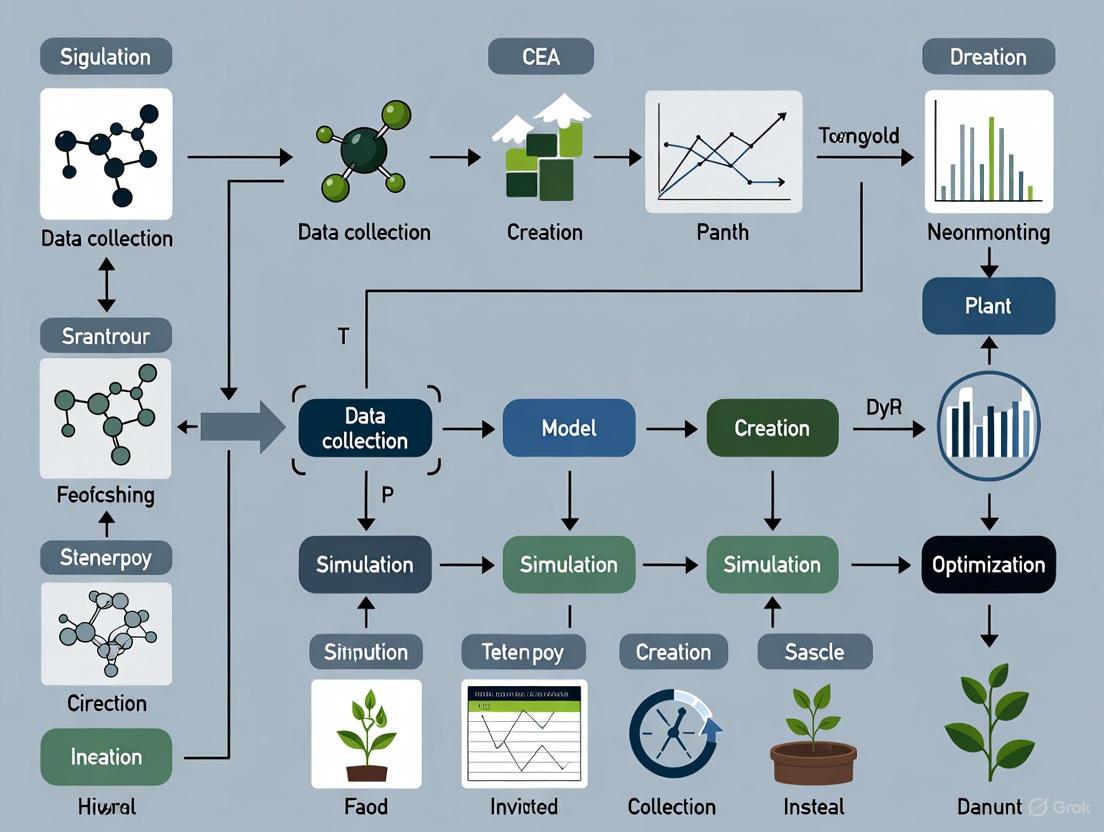
This article provides a comprehensive overview of digital twin technology and its transformative potential for optimizing Clinical Evaluation Activities (CEA) in biomedical research.
Digital Twin Technology in Healthcare: Optimizing Clinical Trial Design and Drug Development
Abstract
This article provides a comprehensive overview of digital twin technology and its transformative potential for optimizing Clinical Evaluation Activities (CEA) in biomedical research. Tailored for researchers, scientists, and drug development professionals, it explores the foundational concepts of digital twins, details their methodological application in creating virtual patients and predicting drug efficacy, addresses key implementation challenges and optimization strategies, and examines rigorous validation frameworks. By synthesizing the latest research and real-world case studies, this article serves as a strategic guide for leveraging digital twins to enhance trial efficiency, reduce costs, and accelerate the delivery of new therapies.
What Are Digital Twins? Core Concepts and Their Emergence in Biomedicine
A Digital Twin (DT) is a dynamic, virtual replica of a physical object, process, or system that is continuously updated with real-time data from its physical counterpart [1]. These models integrate sensor data, advanced algorithms, and machine learning to simulate, monitor, and predict the behavior of the physical entity they represent, enabling real-time study, monitoring, and optimization of performance and operations [1]. The core value of DT technology lies in its ability to facilitate precise analysis and optimization, supporting informed decision-making across a vast array of applications without the risks and costs associated with physical testing [2].
The fundamental architecture of a DT has evolved from basic three-dimensional models to more sophisticated frameworks. One prominent five-dimensional model consists of the physical system, the digital system, an updating engine for data flow, a prediction engine for forecasting, and an optimization engine for decision-making [3]. This structure emphasizes a cyclical, bidirectional data flow, allowing the digital replica to not only mirror the current state of its physical twin but also to predict future states and recommend optimal actions. Initially gaining significant traction in industrial design and production management, DT technology is now revolutionizing fields as diverse as supply chain logistics, healthcare, energy systems, and agriculture [2] [4].
Table 1: Global Digital Twin Market Overview
| Attribute | Value | Source/Timeframe |
|---|---|---|
| Market Size (2024) | USD 13.6 Billion | [5] |
| Projected Market Size (2034) | USD 428.1 Billion | [5] |
| Forecast CAGR (2025-2034) | 41.4% | [5] |
| Expert-Assessed Technology Readiness Level (TRL) | 4.8 out of 9 | [4] |
| Key Market Driver | Demand for asset optimization & reduced downtime | [5] |
Digital Twin Fundamentals and Definitions
At its simplest, a Digital Twin is a digital replica of a system such as a plant, a piece of equipment, or a process that closely resembles its real-life counterpart by being fed with data from the real world [2]. This close linkage allows a DT to test and validate new scenarios quickly, without risk, and at a lower cost than physical testing, leading to more informed and rational decision-making prior to taking action in the real world [2]. The technology relies on a seamless, two-way data exchange between the virtual and physical entities, enabling targeted interventions based on predictive simulations and real-time updates to the digital model [1].
A critical distinction exists between general Digital Twins and their specialized counterpart in medicine, the Digital Human Twin (DHT). While DTs are virtual models of physical systems used to simulate, monitor, and optimize non-human entities like industrial machines, Digital Human Twins (DHTs) are a specialized form focused on replicating human physiology for healthcare applications [1]. DHTs leverage patient-specific data to simulate biological systems, enabling personalized medical interventions, such as predicting how a patient’s body will respond to a specific drug [1]. DHTs can represent the full body, organ- or tissue-specific systems, and even cellular and molecular models, and can be customized to represent specific diseases or circumstances [1].
The core of the DT concept is the digital thread—the connected data flow that links the physical and digital realms. The integration of the DT with this digital thread is identified as one of the most significant current challenges in the field [4]. This integration requires a confluence of technologies, including the Internet of Things (IoT) for data collection from physical assets, cloud computing for data storage and processing, and Artificial Intelligence (AI) and machine learning for advanced analytics, predictive modeling, and generating actionable insights from the vast amounts of data [5] [1].
Applications in Engineering and Supply Chain
The engineering and industrial sectors represent the traditional and most mature application areas for Digital Twin technology. In these fields, DTs have emerged as a powerful in silico method for the design, operation, and maintenance of real-world assets [4]. Key sectors include manufacturing, aerospace, automotive and transportation, and construction and building management [4]. A primary driver for adoption is the demand for asset optimization and reduced downtime, with organizations reporting an average 15% improvement in operational efficiency and up to a 20% reduction in unexpected work stoppages through DT implementations [5].
In the realm of supply chain and logistics, DTs offer a transformative tool for addressing modern pressures such as ever-shorter delivery times, tougher just-in-time requirements, and increasingly demanding end customers [2]. For instance, the Sonaris project (Digital Optimization Solution for Integrated Supply Chain Analysis and Redesign) in France developed a functional DT demonstrator specifically for logistics use cases [2]. This platform handles large-scale scenarios simulating realistic situations like port operations, warehousing, and the management of massive logistics flows, providing companies with a risk-free environment to assess the advantages, risks, and costs of reconfiguring their supply chains [2].
The value proposition in engineering is further amplified by cost reduction through virtual commissioning, which enables virtual testing and commissioning, thereby reducing the need for physical prototypes and shortening development time [5]. Furthermore, over 70% of organizations cite sustainability as a key motivator for digital twin investments, with implementations achieving measurable reductions in building carbon emissions [5]. This aligns with the global trend of Industry 4.0, where the integration of IoT, AI, and DTs is creating a new paradigm of smart, connected, and efficient industrial operations.
Table 2: Digital Twin Applications in Engineering & Supply Chain
| Sector | Primary Application | Reported Benefit |
|---|---|---|
| Manufacturing | Virtual commissioning, predictive maintenance | Reduced prototypes, 15% operational efficiency improvement [5] |
| Supply Chain & Logistics | Scenario simulation for port, warehouse, and flow management | Assessment of reconfiguration costs/risks, enhanced flexibility [2] |
| Aerospace & Automotive | Product design, system-level development | Cost and time savings in complex product development cycles [5] |
| Energy & Utilities | Grid optimization, asset management | Enhanced reliability and integration of renewable sources [3] |
| Construction & Building Management | Design optimization, operational efficiency | Reduction in building carbon emissions [5] |
Protocols for Digital Twins in Controlled Environment Agriculture (CEA)
For research focused on CEA optimization, Digital Twin technology presents a pathway to address major challenges like high energy intensity and carbon footprints [6]. A monitoring Digital Twin (mDT) can be developed to provide services for monitoring the different subsystems of a CEA facility [7]. The following protocol outlines the key phases for implementing a DT in a CEA context, such as a greenhouse or indoor vertical farm.
Protocol: Development of a Monitoring DT for CEA Facilities
Objective: To create a dynamic digital replica of a CEA system that integrates real-time data to enable monitoring, optimization, and predictive control of the environment for improved sustainability and productivity.
Research Reagent Solutions & Essential Materials:
- Sensors (IoT Hardware): Function: To collect real-time data on environmental parameters (e.g., light intensity/spectrum, temperature, humidity, CO2 concentration) and plant status (e.g., canopy temperature, substrate moisture). This forms the data acquisition layer. [7] [6]
- Edge Computing Devices: Function: To perform preliminary data processing and filtering at the source, reducing latency and bandwidth requirements for cloud transmission. [5]
- Cloud Computing Infrastructure: Function: To provide scalable data storage, high-performance computing for complex model simulations, and a centralized platform for data fusion and analysis. [1]
- Data Analytics Pipeline (Software): Function: A suite of software tools for data validation, feature extraction, and model calibration. This is crucial for transforming raw data into actionable insights. [5] [7]
- Simulation Models: Function: Physics-based or AI-driven models that simulate CEA processes, such as crop growth models, computational fluid dynamics (CFD) for climate distribution, and energy models. These form the core of the DT's predictive capability. [6]
Methodology:
System Scoping and Data Source Identification:
- Define the boundary of the DT (e.g., single growth room, entire greenhouse).
- Map all relevant physical assets (HVAC, LED lighting, irrigation systems, sensors).
- Identify all data streams, including real-time sensor data, management practices, and external data (e.g., weather forecasts, energy pricing). [6]
Architecture and Platform Deployment:
- Select an on-premise, cloud, or hybrid deployment mode based on data security needs and computational requirements. The cloud segment is growing due to scalability and lower upfront costs. [5]
- Establish a robust data infrastructure capable of ingesting, storing, and managing heterogeneous data streams with time-stamping. Open-source tools can be integrated to build this architecture. [7]
Model Development and Integration:
- Develop or integrate sub-models for key processes:
- Energy Model: Simulates energy consumption of lighting, HVAC, and other systems.
- Crop Growth Model: Predicts plant development, yield, and quality in response to environmental conditions.
- Climate Model: Simulates the spatial and temporal distribution of temperature, humidity, and air movement within the facility.
- These models should be coupled to capture interactions (e.g., the effect of LED heat on room temperature). [6]
- Develop or integrate sub-models for key processes:
Digital Thread Implementation and Calibration:
- Implement the data pipelines that form the "digital thread," ensuring a continuous, bidirectional flow of information between the physical CEA system and the digital model.
- Use real-time data to automatically calibrate and update the simulation models, improving their accuracy over time (model calibration). This is a core challenge and requirement for a true DT. [4] [5]
Interface Development and Validation:
- Develop human-machine interfaces (HMIs) tailored for CEA operators and researchers to visualize data, model outputs, and receive decision support. [2]
- Validate the DT by comparing its predictions against measured outcomes from the physical system. Iteratively refine the models until a satisfactory level of accuracy is achieved.
Protocols for Digital Twins in Chemical Science
In chemical sciences, Digital Twins are being developed to bridge the critical gap between theoretical simulation and experimental characterization, enabling autonomous, adaptive experimentation. The following protocol is based on the framework of the Digital Twin for Chemical Science (DTCS), which integrates theory, experiment, and their bidirectional feedback loops. [8]
Protocol: Applying DTCS for Surface Reaction Characterization
Objective: To utilize a DT for the real-time interpretation of spectroscopic data and to guide experiments toward understanding the kinetics and mechanism of a chemical reaction, such as water interactions on a Ag(111) surface.
Research Reagent Solutions & Essential Materials:
- Physical Twin Instrumentation: Function: The physical apparatus where the reaction occurs, coupled with characterization tools (e.g., Ambient-Pressure X-ray Photoelectron Spectroscopy - APXPS). It provides the experimental data. [8]
- Electronic Structure Theory Software: Function: To perform quantum mechanical calculations (e.g., using Density Functional Theory - DFT) to precompute core electron binding energies (CEBEs) and reaction pathway energetics. [8]
- Chemical Reaction Network (CRN) Solver: Function: A software module (e.g.,
dtcs.sim) that simulates the kinetics of the proposed reaction network, converting precomputed rates into time-evolving concentration profiles. [8] - AI-Powered Inverse Solver: Function: An algorithm (e.g., tailored Gaussian process) that compares simulated spectra with experimental data and iteratively infers new mechanisms or refines kinetic parameters to find the best match. [8]
- Spectral Simulation Module: Function: A software module (e.g.,
dtcs.spec) that translates the concentration profiles from the CRN solver into predicted spectra, incorporating instrument-specific broadening and other experimental specializations. [8]
Methodology:
Define Chemical Species and Precompute Properties:
- Enumerate all potential chemical species involved in the system (e.g., H2Og, H2O, O, OH*).
- Use electronic structure theory (e.g., ΔSCF method) to precompute key properties like Core Electron Binding Energies (CEBEs) for each species. This creates a library of spectral fingerprints. [8]
Propose and Encode the Chemical Reaction Network (CRN):
- Based on expert knowledge and literature, propose a CRN that connects the enumerated chemical species via reactions (e.g., adsorption, desorption, surface diffusion, reaction).
- Encode this CRN, including precomputed transition state barriers and rate constants, into the DT using a standardized syntax. Ensure mass and site balances are enforced. [8]
Execute the Forward Problem (Theory Twin):
- Use the CRN solver to simulate the time-evolving concentration profiles of all species under the set experimental conditions (temperature, pressure).
- Employ the spectral simulation module to generate a predicted spectrum from these concentrations, applying appropriate instrumental broadening. This creates the "Theory Twin" for comparison. [8]
Run Experiment and Acquire Physical Twin Data:
- Conduct the actual experiment using the Physical Twin (the APXPS instrument) to collect the measured spectroscopic data under identical conditions. [8]
Solve the Inverse Problem and Refine the Model:
- Compare the Theory Twin spectrum with the Physical Twin spectrum.
- If the match is poor, deploy the AI-powered inverse solver. This algorithm will vary the parameters of the CRN (e.g., rate constants, or even the network structure itself) to minimize the discrepancy between simulation and experiment, thereby inferring the most probable mechanism. [8]
- This step continues iteratively until a stopping condition (e.g., based on accuracy) is met, yielding a validated model and a fundamental mechanistic understanding.
The Emergence of Digital Human Twins (DHTs) in Healthcare
In healthcare, Digital Human Twins (DHTs) represent a pioneering approach to achieve a complete digital representation of patients, aiming to enhance disease prevention, diagnosis, and treatment [1]. DHTs leverage patient-specific data—including genetic information, medical records, imaging, and even social habits—to create dynamic models that simulate human physiology and the complex interactions between genetic factors and environmental influences [1]. The ultimate goal is to enable in silico testing and comparison of different treatment or preventive interventions to explore the optimum option for a specific individual before any real-world application. [1]
The construction and operation of a DHT rely on a confluence of advanced technologies. Digital health sensors and IoT devices gather information directly from the patient and their surroundings. Cloud computing infrastructures store and manage the vast amounts of generated data. AI and machine learning algorithms are then essential to extract meaningful information from this data, powering the sophisticated simulations and predictive decision support systems that characterize DHTs [1]. This integration facilitates applications across precision medicine, including person-centered risk stratification, rapid diagnosis, disease modeling, surgical planning, targeted therapies, and drug discovery [1].
Despite the remarkable potential, the integration of DHTs into clinical practice faces significant challenges. Key hurdles include ensuring data security, privacy, and accessibility, mitigating data bias, and guaranteeing the high quality and completeness of the input data [1]. Addressing these obstacles is crucial to realizing the full potential of DHTs and heralding a new era of personalized, precise, and accurate medicine. The technology is still in its relative infancy, with many research teams focusing on digital replicas for specific body parts or physiological systems, while the development of a complete, full-body DHT remains a goal for the future. [1]
Table 3: Digital Twin Applications in Healthcare & Ecology
| Field | Application Scope | Key Technologies & Challenges |
|---|---|---|
| Healthcare (Digital Human Twins) | Personalized medicine, treatment optimization, surgical planning, drug discovery. | AI, IoT, cloud computing, multi-omics data. Challenges: Data security, bias, quality. [1] |
| Ecology | Biodiversity conservation, ecosystem management, dynamic simulation of biosphere changes. | Dynamic Data-Driven Application Systems (DDDAS), observational data, modular software frameworks (e.g., TwinEco). [9] |
| Smart Grids | Asset management, system operation and optimization, disaster response and recovery. | IoT sensor integration, real-time simulation, predictive analytics. Challenges: Data management, interoperability. [3] |
The name "Apollo" evokes a legacy of monumental human achievement, first in the audacious mission to land on the moon and now in the equally complex endeavor of conquering disease. This application note explores the evolution of this concept, tracing a path from the systemic, mission-oriented engineering of the NASA Apollo program to the collaborative, data-driven model of Apollo Therapeutics and, finally, to its convergence with the predictive power of digital twin technology. Framed within the context of Controlled Environment Agriculture (CEA) optimization research, this document provides detailed protocols for implementing digital twins to accelerate and de-risk the drug discovery pipeline, offering researchers a blueprint for creating more sustainable and efficient translational science ecosystems.
The Modern Apollo Model: Collaborative Drug Discovery
Apollo Therapeutics represents a paradigm shift in translational medicine. Established as a collaboration between world-leading universities and global pharmaceutical companies, its mission is to navigate the "Valley of Death"—the critical gap between promising academic research and the development of attractive, investable drug candidates [10]. The model is built on strategic partnerships, such as its July 2024 collaboration with the University of Oxford, which aims to translate breakthroughs in biology into new medicines for oncology and immunological disorders [11] [12].
The following table quantifies the key stakeholders and outcomes of this collaborative model.
Table 1: Quantitative Profile of the Apollo Therapeutics Collaborative Model
| Aspect | Description | Quantitative Data / Impact |
|---|---|---|
| Founding Universities | Cambridge, Imperial College London, University College London [10] | 3 original institutions [10] |
| Expanded Network | Includes King's College London, Institute of Cancer Research, University of Oxford [11] [12] | 6 total world-class research institutions [11] |
| Pharmaceutical Partners | AstraZeneca, GSK, Johnson & Johnson [10] | 3 global companies [10] |
| Funding | Initial fund and total raised [11] [10] | Initial £40m collaboration; over $450m raised since inception [11] [10] |
| Project Throughput | Number of projects selected for funding [10] | 8 projects initially identified across the three founding universities [10] |
Experimental Protocol: Establishing an Academic-Industry Translational Partnership
This protocol outlines the methodology for creating a structured pipeline to identify and advance early-stage therapeutic research, based on the Apollo model.
- Objective: To systematically identify, fund, and de-risk novel therapeutic programs from academic research institutions.
Materials:
- Research Repository: Access to internal research outputs from partner universities.
- Project Management Software: e.g., JIRA or Asana for tracking project milestones.
- Funding Mechanism: A dedicated fund for early-stage drug discovery.
Procedure:
- Program Identification (Weeks 1-12):
- Conduct iterative review meetings (e.g., over 100 meetings annually) between the internal drug discovery team and academic scientists [10].
- Criteria for Selection: Focus on programs with a strong understanding of disease biology and mechanisms, and the potential to transform the standard of care in major commercial markets [11] [10].
- Aggressive Filtering (Ongoing):
- Apply rigorous selection criteria to maximize the chance of success. The Apollo team reports being "very picky" and filtering "very aggressively" [10].
- Project Activation (Within Weeks):
- For selected projects, quickly design a work package and commit to collaboration. Apollo demonstrates the ability to begin work "in a matter of weeks," avoiding traditional stop-start funding delays [10].
- Program Execution (1-3 Years):
- Execute the project work package, which may involve activities in the academic lab, a pharma company, or a contract research organization (CRO) [10].
- The goal is to generate a robust package of data (e.g., more potent and drug-like compounds) that is attractive for licensing by an industry partner [10].
- Licensing and Output:
- Developed therapeutics are first offered to the founding pharmaceutical partners.
- Capital gains from licensing are divided between the university and pharma investors [10].
- Program Identification (Weeks 1-12):
Diagram 1: Apollo Translational Workflow. Illustrates the staged pipeline for translating academic research into licensed drug programs.
The Digital Twin Revolution in Biopharmaceutical Research
Digital twins are dynamic virtual replicas of physical entities or processes, continuously updated with real-time data to enable simulation, diagnostics, and predictive analytics [13]. In biopharmaceuticals, they are emerging as a transformative tool for creating 'virtual patients' and simulating biological systems, thereby reducing the need for costly and time-consuming physical experiments [14]. The core value lies in their ability to run "what-if" scenarios without risk, leading to more informed and rational decision-making [2].
The integration of digital twins into research workflows demands a sophisticated toolkit. The table below details essential research reagents and computational solutions for building and utilizing digital twins in a drug discovery context.
Table 2: Research Reagent Solutions for Digital Twin Implementation
| Category / Item | Function in Digital Twin Workflow | Specific Example / Technology |
|---|---|---|
| Computational Framework | Provides the core environment for building and running the digital twin. | Azure Digital Twins 3D Scenes Studio [15] |
| AI Agent for Model Exploration | Facilitates interaction with complex biomedical models via natural language. | Talk2Biomodels (Open-source AI agent) [14] |
| AI Agent for Knowledge Management | Interrogates and connects disparate biomedical data points. | Talk2KnowledgeGraph (Open-source AI agent) [14] |
| Data Integration Layer | Gathers and stores diverse data types from experimental systems. | CEA mDT Architecture [7] |
| 3D Visualization Engine | Provides an immersive environment for interacting with the digital twin. | 3D Scenes Studio; iot-cardboard-js library [15] |
| Predictive Analytics Algorithm | Processes historical and real-time data to forecast future system states. | AI-driven predictive insights [13] |
Experimental Protocol: Developing a Monitoring Digital Twin (mDT) for a Preclinical Research Ecosystem
This protocol is adapted from CEA research, where monitoring digital twins are used to integrate data from various subsystems (e.g., environmental sensors, nutrient delivery) to optimize conditions and predict outcomes [7]. It provides a methodology for applying the same principles to a preclinical research environment, such as a laboratory studying compound efficacy in a CEA-like controlled system.
- Objective: To build a monitoring digital twin that integrates real-time data from a controlled research environment to track key parameters and enable predictive optimization.
Materials:
- Sensor Network: Physically compatible sensors for data acquisition (e.g., temperature, pH, metabolite concentration in cell cultures).
- Data Storage & Compute: A storage account (e.g., Azure Storage) and computing instance capable of handling time-series data [15].
- Digital Twin Platform: An instance of a digital twin service (e.g., Azure Digital Twins) [15].
- Visualization Interface: A tool for displaying data, such as 3D Scenes Studio or a custom dashboard [15].
Procedure:
- System Architecture and Data Ingestion:
- Deploy an architecture capable of gathering different types of data from the research facility [7]. For example, connect pH meters, mass spectrometers, and cell culture analyzers to a central data hub.
- Configure CORS (Cross-Origin Resource Sharing) on the storage account to allow the visualization interface to access data, using required headers:
Authorization,x-ms-version, andx-ms-blob-type[15].
- Digital Twin Modeling:
- Within the digital twin platform, create digital models (twins) of key assets in the research environment (e.g., individual bioreactors, analytical instruments, sample lines). Each twin should have properties corresponding to its physical counterpart's telemetry (e.g.,
temperature,dissolved_O2) [15].
- Within the digital twin platform, create digital models (twins) of key assets in the research environment (e.g., individual bioreactors, analytical instruments, sample lines). Each twin should have properties corresponding to its physical counterpart's telemetry (e.g.,
- 3D Scene Creation and Element Mapping:
- Initialize a 3D scene using a segmented 3D file (.GLB or .GLTF format) of the laboratory layout [15].
- Create Elements within the scene by linking 3D meshes (e.g., a virtual model of a bioreactor) to their corresponding digital twins via the
$dtId[15]. This creates a visual representation of the research system.
- Behavior Configuration for Predictive Monitoring:
- Define Behaviors to create interactive scenarios. For example, create a "Nutrient Alert" behavior that targets the bioreactor element [15].
- Use a rule-based or AI-driven expression to analyze the
glucose_levelproperty from the bioreactor's digital twin. Configure the behavior to trigger a visual alert (e.g., the 3D model turns red) when the level drops below a critical threshold, enabling proactive intervention [13].
- Deployment and Interaction:
- The mDT is now operational, generating a database of research data. This database can later be used by predictive algorithms to suggest actions for improving research productivity and sustainability [7].
- Researchers can view the scene in View mode to see real-time data and alerts, or use the Data history explorer to analyze property values over time [15].
- System Architecture and Data Ingestion:
Diagram 2: mDT Architecture for Research. Shows the data flow in a monitoring Digital Twin for a controlled research environment.
Quantitative Data Analysis and Visualization for Digital Twin Outputs
The effectiveness of a digital twin hinges on translating its complex, quantitative outputs into actionable insights. Effective quantitative data visualization is the bridge between raw data and human decision-making, enabling researchers to quickly uncover patterns, trends, and relationships [16] [17].
Table 3: Quantitative Data Analysis Methods for Digital Twin Insights
| Analysis Method | Application in Digital Twin Research | Recommended Visualization |
|---|---|---|
| Descriptive Statistics | Summarizes the central tendency and dispersion of key parameters (e.g., mean metabolite production, standard deviation of growth rates). | Bar Chart (for comparisons), Line Chart (for trends over time) [16] [17] |
| Cross-Tabulation | Analyzes relationships between categorical variables (e.g., the relationship between nutrient regimen and cell viability outcome). | Stacked Bar Chart [16] |
| Gap Analysis | Compares actual performance (e.g., experimental yield) against potential or target performance. | Progress Chart, Radar Chart [16] |
| Regression Analysis | Examines relationships between variables to predict outcomes (e.g., predicting final titer based on early-process parameters). | Scatter Plot [16] [17] |
| Time-Series Analysis | Tracks changes in key metrics over the duration of an experiment or process. | Line Chart [17] |
The following table presents hypothetical quantitative data from a digital twin simulating a bioproduction process, demonstrating how different visualizations can be applied.
Table 4: Simulated Digital Twin Output for a Bioproduction Optimization Study
| Bioreactor ID | Temperature (°C) | pH | Final Yield (g/L) | Energy Consumed (kWh) | Optimal Run |
|---|---|---|---|---|---|
| BR-01 | 36.5 | 7.0 | 12.5 | 1550 | No |
| BR-02 | 37.0 | 7.1 | 14.2 | 1480 | Yes |
| BR-03 | 36.0 | 6.9 | 11.8 | 1620 | No |
| BR-04 | 37.2 | 7.2 | 15.1 | 1450 | Yes |
| BR-05 | 35.8 | 6.8 | 10.5 | 1700 | No |
Integrated Case Study: Optimizing a Therapeutic Protein Pipeline
This case study synthesizes the Apollo model with a CEA-inspired digital twin to outline a protocol for optimizing the production of a novel therapeutic protein (e.g., an enzyme for Alpha-1 antitrypsin deficiency, as referenced in Apollo's portfolio [10]) in a controlled plant or cell-based system.
Experimental Protocol: Digital Twin-Driven Optimization of a Bioproduction Workflow
- Objective: To use a process digital twin to model, predict, and prescriptively optimize the yield and sustainability of a therapeutic protein production system.
Materials:
- Pilot-scale bioreactor or controlled plant growth system.
- Sensor suite for environmental and process data.
- Digital twin platform configured per Protocol 3.1.
- Analytics and visualization tools (e.g., ChartExpo, Ajelix BI, Python Pandas) [16].
Procedure:
- Historical Data Integration:
- Ingest historical production data (e.g., from Table 4) into the digital twin's database. This data will train initial predictive algorithms.
- Process Twin Calibration:
- Create a Process Twin that mirrors the full bioproduction workflow, from inoculation to harvest [13]. Link this twin to real-time data feeds from the physical system.
- Predictive Simulation and Prescriptive Action:
- Run "what-if" simulations using the digital twin to identify parameters that maximize yield while minimizing energy consumption [13]. For instance, the twin might predict that a temperature of 37.2°C and a pH of 7.2 will lead to optimal yield.
- Configure prescriptive alerts that automatically suggest parameter adjustments to operators, closing the loop from insight to action.
- UX-Centric Monitoring and Validation:
- Implement a personalized, role-based interface for the digital twin. Technicians see alert dashboards, while process engineers access advanced simulation models [13].
- Validate the model's predictions by running a physical batch using the twin's recommended parameters. Compare the final yield and energy consumption against historical controls (e.g., data from Table 4) to quantify improvement.
- Historical Data Integration:
The evolution from the Apollo program to Apollo Therapeutics illustrates a consistent theme: overcoming grand challenges through integrated systems, collaboration, and cutting-edge technology. This application note demonstrates that the next logical step in this evolution is the incorporation of digital twins, a technology with profound implications for CEA optimization and drug discovery alike. By adopting the detailed protocols herein—from establishing collaborative frameworks to building and interacting with dynamic digital replicas—research organizations can build more resilient, efficient, and predictive pipelines. This convergence promises to accelerate the journey of therapeutics from the researcher's bench to the patient's bedside.
A digital twin is an integrated, data-driven virtual representation of a physical object or system that is dynamically updated with real-time data and uses simulation to enable forecasting and informed decision-making [18]. The National Academies of Science, Engineering, and Medicine (NASEM) defines it as a "set of virtual information constructs that mimics the structure, context, and behavior of a natural, engineered, or social system (or system-of-systems), is dynamically updated with data from its physical twin, has a predictive capability, and informs decisions that realize value" [19]. This architecture is foundational to achieving cost-effectiveness analysis (CEA) optimization in research, particularly in drug development, where it enables the virtual testing of therapies, reduces trial costs, and accelerates time-to-market.
The core value of a digital twin, especially for CEA optimization, lies in the bidirectional interaction between its physical and virtual components. This closed-loop system allows researchers not only to monitor but also to proactively optimize systems and interventions. Evidence from supply chain research indicates that digital twin implementation can reduce operational costs by 30-40% and decrease disruption times by up to 60% [20]. In healthcare, the digital twin market is projected to grow at a compound annual growth rate (CAGR) of 24.35%, expected to reach $4.69 billion by 2030, underscoring its economic and operational impact [21].
The Three Core Components
The functional architecture of any digital twin is built upon three interdependent components: the physical entity, the virtual model, and the bidirectional data flow that connects them [22] [23].
The Physical Entity
The physical entity is the real-world system, object, or process that the digital twin aims to mirror. In the context of CEA optimization for drug development, this could range from a specific piece of laboratory equipment to a complex biological system or an entire clinical trial process.
- In Drug Development Contexts:
- Individual Patients: For personalized medicine, a patient can be a physical entity. Data sources include medical imaging (CT, MRI), genomic sequencing, wearable sensor data (tracking activity, heart rate), and electronic health records (EHRs) [23] [21].
- Biological Systems: An organ (e.g., a heart), a physiological pathway, or a cellular mechanism can serve as the physical entity for researching disease progression or drug effects [21].
- Laboratory and Clinical Assets: This includes high-throughput screening machines, bioreactors, or other instruments used in R&D and manufacturing [21].
- Key Requirement – Instrumentation: The physical entity must be equipped with or be the subject of data sources such as Internet of Things (IoT) sensors, medical devices, or clinical data feeds. These are critical for capturing its performance, condition, and operating environment [22] [18].
The Virtual Model
The virtual model is the computational counterpart of the physical entity. It is more than a static 3D model or a one-off simulation; it is a "living" dynamic entity that evolves [24]. Its purpose is to emulate the behavior, characteristics, and functionality of the physical twin.
- Composition and Fidelity: The model synthesizes data from the physical entity with physics-based simulations, machine learning (ML) algorithms, and artificial intelligence (AI) to create a high-fidelity replica [23] [25]. For instance, a virtual patient model might integrate computational models of physiology with AI to predict individual responses to a drug candidate [23].
- Analytical Capabilities: The virtual model serves as a risk-free digital laboratory. Researchers can run "what-if" scenarios, such as simulating disease progression or testing the efficacy and safety of a new therapeutic intervention under various conditions without risking the physical asset (e.g., a patient in a clinical trial) [22] [18]. This predictive capability is central to optimizing CEA, as it allows for the identification of the most efficient and effective research pathways.
The Bidirectional Data Flow
This is the central nervous system of the digital twin, enabling real-time, two-way communication between the physical and virtual components [22] [19]. This bidirectional flow is what distinguishes a digital twin from a simple simulation.
- Data Collection to Physical Action: The cycle involves:
- Live Data Integration: Sensors and data feeds on the physical entity continuously transmit data to the virtual model [22] [18].
- Synchronization: The virtual model updates itself to accurately reflect the current state of its physical twin [23].
- Analysis and Simulation: The updated model runs analyses and simulations, often powered by AI, to detect patterns, predict future states, and prescribe actions [22] [25].
- Feedback and Informed Decision-Making: Insights, control signals, or optimized parameters are sent from the virtual model back to the physical world. This could manifest as an alert to adjust a patient's treatment plan, a recommendation to reconfigure a laboratory instrument, or a prediction about a clinical trial's outcome, directly informing CEA [22] [23].
The following diagram illustrates this continuous, bidirectional information flow.
Quantitative Performance Data for CEA
For researchers and scientists, the value of a digital twin is quantified through its impact on key performance indicators. The table below summarizes data from implemented systems, which can be directly used in cost-effectiveness analyses.
Table 1: Digital Twin Performance Metrics for CEA Optimization
| Metric Area | Reported Improvement | Application Context | Source |
|---|---|---|---|
| Operational Costs | Reduction of 30-40% | Supply Chain Optimization | [20] |
| Disruption Time | Decrease of up to 60% | Supply Chain Disruption Mitigation | [20] |
| Predictive Accuracy | 12% reduction in Root Mean Squared Error (RMSE) for Remaining Useful Life (RUL) | Predictive Maintenance of Industrial Assets | [25] |
| Failure Prediction | Precision: 94%, Recall: 88% | Predictive Maintenance of Industrial Assets | [25] |
| Maintenance Cost Savings | Anticipated 18% reduction | Predictive Maintenance with Hybrid Digital Twin | [25] |
| Market Growth (CAGR) | 24.35% (2024-2030) | Healthcare Digital Twin Market | [21] |
Experimental Protocol: Implementing a Hybrid Digital Twin for Predictive Maintenance
This protocol details the methodology from a study on a Hybrid Digital Twin (HDT) integrated with Quantum-Inspired Bayesian Optimization (QBO), a approach relevant for maintaining critical laboratory and manufacturing equipment in drug development [25].
1. Objective: To establish a predictive maintenance framework that forecasts asset failures and optimizes maintenance schedules, maximizing operational lifespan and minimizing unplanned downtime for CEA optimization.
2. Hybrid Digital Twin Architecture:
- Physics-Based Simulation (PBS) Layer: Utilizes Finite Element Analysis (FEA) and Computational Fluid Dynamics (CFD) to model fundamental physical processes (e.g., stress distribution, thermal transfer). This layer provides high fidelity but is computationally intensive.
- Machine Learning (ML) Layer: Employs Long Short-Term Memory (LSTM) networks, a type of Recurrent Neural Network (RNN), trained on real-time sensor data (vibration, temperature, acoustic emissions) to learn temporal degradation patterns.
- Dynamic Model Switching: The HDT's state transition is governed by the function Sn+1 = Φ(Sn, un, θPBS, θML). The system dynamically weights the use of PBS and ML models based on operational conditions, triggering high-fidelity PBS during high-stress scenarios and relying on faster ML models for normal operations [25].
3. Data Acquisition and Preprocessing:
- Data Sources: Collect time-series sensor data from the physical asset (e.g., industrial pump, centrifuge). Key metrics include 3-axis vibration, temperature, pressure, and acoustic emissions.
- Data Splitting: Partition data into training (70%), validation (15%), and testing (15%) sets.
- Normalization: Apply Z-Score normalization to all sensor data streams to ensure stable model training [25].
4. Optimization via Quantum-Inspired Bayesian Optimization (QBO):
- Purpose: To efficiently explore the high-dimensional parameter space for optimal maintenance schedules and operating conditions, overcoming the scalability limits of traditional Bayesian Optimization.
- Algorithm: A Quantum-inspired Monte Carlo Tree Search (QMCTS) is used, which employs a quantum annealing-inspired schedule to refine node evaluation. The acquisition function A(x) = β(x) + κσ(x) guides the search, where
β(x)is an exploration term,σ(x)is the model uncertainty, andκis a dynamically adjusted scale parameter [25].
5. Performance Validation:
- Compare the HDT-QBO framework against a baseline system (e.g., using Gaussian Process Regression) on the test dataset.
- Key Metrics:
- Root Mean Squared Error (RMSE) of Remaining Useful Life (RUL) predictions.
- Precision and Recall for failure event prediction.
- Projected Maintenance Cost Savings based on reduced downtime and optimized scheduling [25].
The workflow for this experimental protocol is visualized in the following diagram.
The Scientist's Toolkit: Research Reagent Solutions
For researchers building digital twins in a drug development environment, the following "reagents" or core components are essential.
Table 2: Essential Components for a Biomedical Digital Twin Lab
| Item / Technology | Function & Application |
|---|---|
| IoT Sensor Kits | Instrument physical assets (lab equipment, wearables) to capture real-time operational and physiological data (temperature, vibration, heart rate). |
| Cloud Computing Platform (e.g., AWS, Azure, Google Cloud) | Provides the scalable infrastructure for data storage, running computationally intensive simulations (PBS), and training complex ML models. |
| Simulation Software (e.g., ANSYS, COMSOL) | Enables the creation of physics-based models (FEA, CFD) to simulate mechanical, thermal, and fluid dynamics processes. |
| AI/ML Frameworks (e.g., TensorFlow, PyTorch) | Provides the libraries and tools to develop, train, and deploy machine learning models, such as LSTM networks, for predictive analytics. |
| Data Integration Middleware | Acts as a bridge to ensure interoperability and seamless data flow between disparate systems, such as Electronic Health Records (EHRs), laboratory equipment, and the virtual model. |
Digital Twins vs. Traditional Computational and Simulation Models
In the context of Controlled Environment Agriculture (CEA) optimization research, the selection of a modeling paradigm is a critical strategic decision. Traditional simulation models have long been used for analysis and design, but digital twin technology represents a fundamental shift toward dynamic, data-driven virtual representations [26]. This evolution is particularly relevant for CEA, where integrating agricultural processes with industrial automation demands real-time responsiveness and cross-domain insights [27] [28].
Digital twins are moving from simply representing physical entities toward a more comprehensive approach of general knowledge representation, which is essential for managing the complex interactions within CEA systems [27]. This document provides detailed application notes and experimental protocols to guide researchers and drug development professionals in implementing these technologies for CEA optimization.
Conceptual Differentiation and Comparative Analysis
Fundamental Definitions and Characteristics
Traditional Simulation: Traditional simulations are predictive models that forecast outcomes under specific, controlled conditions and constraints [29]. They are typically scenario-based, time-bounded, and hypothesis-driven, creating virtual environments where variables can be manipulated to observe their impact on system behavior without real-world consequences [29]. These models often rely on historical data and predefined scenarios, making them inherently static as they won't change or develop unless a designer introduces new elements [26] [30].
Digital Twin: A digital twin is a virtual model created to accurately reflect an existing physical object, system, or process [30]. It is characterized by its persistent, bi-directional connections with its physical counterpart [29]. Unlike static simulations, digital twins are living mirrors that reflect not only the current state but also the history and predicted future of real-world systems [29]. They integrate live data streams from sensors, IoT devices, and enterprise systems to construct a continuously evolving 'digital shadow' of its real-world counterpart [26].
Key Technical and Operational Differences
Table 1: Comparative Analysis of Digital Twins vs. Traditional Simulations
| Aspect | Traditional Simulation | Digital Twin |
|---|---|---|
| Data Elements & Interaction | Static data, mathematical formulas, scenario-based inputs [26] [30] | Active, real-time data streams from IoT sensors and enterprise systems [26] [30] |
| Temporal Nature | Time-bounded, capturing snapshots of potential futures [29] | Persistent and evolving, existing throughout the asset lifecycle [29] |
| Connectivity | Typically standalone with limited external integration [29] | Bi-directionally connected, enabling two-way data flow [29] |
| Simulation Basis | Represents what could happen based on potential parameters [30] | Replicates what is actually happening to a specific product/process [30] |
| Scope of Use | Narrow – primarily design and engineering analysis [30] | Wide – cross-business applications including operations and maintenance [30] |
| Computational Processing | Batch processing models performing intensive calculations on complete datasets [29] | Real-time processing architectures with minimal latency [29] |
| Integration Requirements | May import external data but minimal live integration needed [29] | Deep integration with ERP, MES, SCADA, and field devices [29] |
Application in CEA Optimization Research
CEA-Specific Use Cases and Benefits
The integration of digital twins in CEA represents a convergence of agricultural science with industrial automation, enabling unprecedented control and optimization [28].
Crop Growth and Environmental Modeling: Digital twins enable operators to simulate crop growth, energy loads, and maintenance schedules before planting [28]. By creating a virtual replica of the entire growing environment, researchers can model plant development under various environmental conditions, enabling predictive yield analysis and resource optimization.
Energy-Smart Farm Management: CEA systems are often energy-intensive, creating a significant optimization challenge [28]. Digital twins facilitate grid-responsive designs that can flex electricity use based on availability and price. This allows CEA facilities to function as intelligent energy nodes rather than fixed consumers, aligning agricultural production with clean energy availability and smart grid strategies [28].
Lifecycle-Aware System Design: Digital twins support the design of CEA systems that minimize total energy and water use throughout their operational lifecycle [28]. This is particularly valuable for modular food infrastructure deployments in diverse environments, from urban centers to low-resource settings [28].
Quantitative Benefits and Business Impact
Table 2: Quantitative Benefits of Digital Twin Implementation
| Metric | Traditional Simulation Impact | Digital Twin Impact |
|---|---|---|
| Operational Efficiency | Moderate improvements through pre-design optimization | Up to 1,000x more efficient than traditional methods [31] |
| Resource Optimization | Theoretical savings based on modeled scenarios | Up to 90% reduction in water use in CEA applications [28] |
| Predictive Maintenance | Limited to scheduled maintenance based on historical data | Proactive failure prediction, significantly reducing downtime [26] |
| Design and Prototyping | Reduced physical prototyping expenses through virtual testing [29] | Capable of improving part quality by up to 40% in production [30] |
| Market Growth | Mature technology with stable adoption | Projected expansion from $21.14B (2025) to $149.81B (2030) - 47.9% CAGR [31] |
Experimental Protocols for Digital Twin Implementation
Protocol 1: Digital Twin Development for CEA Environmental Optimization
Objective: Create a functional digital twin for real-time monitoring and optimization of growth parameters in a controlled environment agriculture facility.
Diagram 1: CEA Digital Twin Data Workflow
Materials and Equipment:
- IoT Sensor Array: Temperature, humidity, CO₂, light intensity, and soil moisture sensors for continuous environmental monitoring [31].
- Edge Computing Device: For initial data processing and reducing latency in data transmission [29].
- Data Integration Platform: Middleware capable of handling MQTT, AMQP, or RESTful APIs for connecting heterogeneous systems [31].
- Modeling Software: Platform supporting multi-physics, multi-scale simulation (e.g., Simio, Siemens NX) [26] [31].
- Visualization Dashboard: For real-time monitoring and interaction with the digital twin [29].
Methodology:
- System Boundary Definition: Identify the specific CEA components to be twinned (e.g., growth chamber, irrigation system, climate control) [31].
- Sensor Deployment and Calibration: Install and calibrate IoT sensors according to manufacturer specifications, establishing baseline measurements.
- Data Architecture Implementation: Set up time-series databases and establish data pipelines using appropriate protocols (DDS, MQTT, or AMQP) [31].
- Model Development: Create the initial virtual model incorporating:
- Physical layout and equipment specifications
- Plant growth models specific to the crops being cultivated
- Environmental control algorithms
- Verification and Validation: Apply the Digital Twin Consortium's framework for verification and validation to build trust in model predictions [31].
- Integration and Deployment: Establish bidirectional data flows between physical systems and the digital twin, implementing control loops.
- Continuous Calibration: Implement machine learning algorithms for ongoing model refinement based on actual system performance [32].
Protocol 2: Traditional Simulation for CEA Facility Design
Objective: Use traditional simulation methods to evaluate different facility layouts and operational strategies for a new CEA installation.
Materials and Equipment:
- CAD Software: For creating detailed 2D/3D models of the proposed facility layout [30].
- Discrete Event Simulation Software: Tools like Simio, AnyLogic, or Arena for process modeling [26].
- Historical Data: Operational data from similar facilities for parameter estimation [26].
- High-Performance Computing Resources: For running multiple complex scenarios [29].
Methodology:
- Scenario Definition: Identify specific "what-if" questions to be explored (e.g., layout alternatives, staffing models, production schedules) [29].
- Data Collection: Gather historical operational data, equipment specifications, and process flow information [26].
- Model Construction: Build a static simulation model incorporating:
- Facility geometry and resource locations
- Process flows and material handling
- Equipment performance characteristics
- Staffing models and shift patterns
- Parameter Configuration: Set input parameters for each scenario to be tested.
- Simulation Execution: Run multiple replications for each scenario to account for variability.
- Output Analysis: Compare key performance indicators (throughput, resource utilization, bottlenecks) across scenarios.
- Recommendation Development: Identify optimal configuration based on simulation results.
Research Reagents and Essential Materials
Table 3: Essential Research Reagents and Solutions for Digital Twin Experiments
| Category | Specific Items | Function/Application | Implementation Considerations |
|---|---|---|---|
| Data Acquisition | IoT Sensors (Temperature, Humidity, CO₂, PAR, Soil Moisture) [31] | Collect real-time environmental and operational data | Calibration frequency, communication protocol compatibility |
| Communication Protocols | MQTT, DDS, AMQP, RESTful APIs [31] | Enable bidirectional data exchange | Bandwidth requirements, latency constraints, security |
| Modeling Platforms | Simio, Siemens NX, MATLAB/Simulink [26] [28] | Digital twin creation and simulation | Multi-physics capabilities, real-time processing performance |
| Data Management | Time-Series Databases (InfluxDB, TimescaleDB) [29] | Store and manage temporal operational data | Query performance, compression efficiency, retention policies |
| Analytical Frameworks | Machine Learning Libraries (TensorFlow, PyTorch) [32] | Predictive analytics and pattern recognition | Training data requirements, computational resource needs |
| Visualization Tools | Grafana, Tableau, Custom Dashboards [29] | Present operational insights intuitively | Real-time update capability, multi-user access controls |
Implementation Framework and Decision Pathway
Diagram 2: Digital Twin Implementation Decision Pathway
Strategic Implementation Considerations
For researchers embarking on CEA optimization projects, the following strategic considerations should guide technology selection:
Organizational Readiness Assessment: Evaluate existing capabilities across three key areas: technical infrastructure (IoT connectivity, data processing), organizational competencies (digital literacy, cross-functional collaboration), and financial resources [29]. Digital twins typically require greater investment in sensors, connectivity, and computational infrastructure [30].
Data Governance Framework: Establish robust data quality standards addressing accuracy, completeness, consistency, and timeliness [31]. Implement regular monitoring as data quality naturally degrades over time, potentially compromising digital twin accuracy.
Interoperability Standards: For CEA applications that require integration across multiple systems (environmental control, irrigation, energy management, logistics), prioritize solutions that support semantic interoperability through knowledge graphs and standardized ontologies [27].
Phased Implementation Approach: Begin with a well-defined pilot project targeting a high-value use case before expanding to facility-wide implementation. The Sonaris project demonstrates the value of developing demonstrators for realistic scenarios before full deployment [2].
Clinical drug development is characterized by an exceptionally high attrition rate, with approximately 90% of drug candidates failing to progress from clinical trials to approval [33]. This staggering failure rate represents a fundamental challenge for the pharmaceutical industry, resulting in massive financial losses, wasted scientific resources, and delayed patient access to novel therapies. Recent analyses of clinical trial success rates (ClinSR) reveal that this rate has been declining since the early 21st century, though it has recently shown signs of plateauing and beginning to increase [34]. This comprehensive analysis examines the root causes of clinical development failure and presents a structured framework for implementing digital twin technology—adapted from Controlled Environment Agriculture (CEA) optimization principles—to address this persistent challenge.
Table 1: Clinical Trial Success Rate (ClinSR) Analysis Across Therapeutic Areas
| Therapeutic Area | Historical Success Rate | Key Challenges | Recent Trends |
|---|---|---|---|
| Oncology | Variable | High biological complexity, tumor heterogeneity | Emerging improvements with targeted therapies |
| Anti-COVID-19 drugs | Extremely low | Rapidly evolving pathogen, compressed timelines | Limited success despite urgent need |
| Infectious Diseases | Variable | Pathogen resistance, complex trial designs | Post-pandemic reset to pre-COVID levels |
| Neurology | Improving | Blood-brain barrier, disease heterogeneity | Increasing number of novel launches |
| Metabolic Diseases | High in GLP-1 class | Chronic nature requiring long trials | Significant activity in obesity/diabetes |
The Clinical Development Landscape: Quantitative Analysis of Failure
Understanding the magnitude and distribution of clinical trial failure requires examination of comprehensive datasets. A recent systematic analysis of 20,398 clinical development programs (CDPs) involving 9,682 molecular entities provides revealing insights into the dynamic nature of clinical success rates [34]. The data demonstrates significant variations in success probabilities across different disease categories, drug modalities, and developmental strategies.
Methodological Framework for ClinSR Assessment
The dynamic clinical trial success rate (ClinSR) calculation methodology employed in this analysis incorporates:
- Data Standardization Procedures: Rigorous exclusion criteria for clinical trials, removing those with no clinical status provided, unclear trial timelines, non-drug interventions, and vague drug names (approximately 2.3% of all trials) [34]
- Multi-source Data Integration: Aggregation from ClinicalTrials.gov, Drugs@FDA, Therapeutic Target Database, and DrugBank to ensure comprehensive coverage [34]
- Temporal Dynamics Analysis: Continuous evaluation of success rates from 2001-2023 to identify trends and patterns [34]
- Stratification Parameters: Assessment across disease classes, developmental strategies, and drug modalities [34]
Table 2: Clinical Trial Attrition Rates by Development Phase
| Development Phase | Probability of Advancement | Primary Failure Drivers | Digital Twin Mitigation Strategies |
|---|---|---|---|
| Phase 1 | 65-70% | Safety profiles, pharmacokinetics | Predictive toxicity modeling, in silico ADMET |
| Phase 2 | 30-35% | Efficacy signals, biomarker validation | Patient stratification, biomarker digital twins |
| Phase 3 | 55-60% | Superiority demonstration, safety in large populations | Synthetic control arms, trial optimization |
| Regulatory Review | 85-90% | Manufacturing, labeling, risk-benefit profile | Process analytical technology, in silico cohorts |
Emerging Therapeutic Modalities and Success Patterns
Recent clinical development has seen substantial investment in novel therapeutic modalities with distinct success patterns:
- Antibody-Drug Conjugates (ADCs): 551 active trials globally, with 36% investigating new ADC entities [33]
- Radiopharmaceuticals: 80 clinical trials at Phase II or beyond, combining therapeutic and diagnostic applications [33]
- Cell and Gene Therapies: Expansion beyond oncology into inflammatory diseases, with autologous cell therapies showing transformational impact in lupus and advanced liver disease [33]
- GLP-1 Agonists: 157 active clinical assets in obesity, including seven at pre-registration phase, with 20% representing GLP-1 mono-therapies [33]
Digital Twin Technology: A Transdisciplinary Framework
Digital twin technology represents a transformative approach for addressing clinical development inefficiencies. Originally developed for industrial applications and refined in CEA optimization, digital twins are virtual representations of physical entities, processes, or systems that enable real-time monitoring, predictive analytics, and in silico experimentation [35] [36] [37].
Core Principles of Digital Twin Technology
The implementation of digital twins in clinical development builds upon several foundational principles:
- Two-Way Data Synchronization: Unlike digital models or shadows, true digital twins maintain continuous, bidirectional data flow between physical and virtual entities [37]
- Dynamic System Representation: Capability to model complex, living systems including biological processes and patient physiology [37]
- Predictive Analytics: Integration with artificial intelligence and machine learning to forecast system behavior and optimize outcomes [35] [36]
- Multi-scale Integration: Capacity to represent systems at varying scales, from cellular processes to population-level dynamics [36]
CEA-Inspired Optimization Frameworks
Controlled Environment Agriculture has pioneered the use of digital twins for managing complex biological systems under constrained conditions, offering valuable paradigms for clinical development:
- Environmental Control Optimization: CEA systems use digital twins to maintain optimal growing conditions through continuous monitoring and adjustment of environmental parameters [6]—a approach directly applicable to maintaining protocol adherence in clinical trials
- Resource Efficiency Maximization: CEA operations focus on maximizing productivity while minimizing resource inputs [6], analogous to optimizing trial efficiency and cost-effectiveness
- Predictive Cultivation Models: CEA employs growth prediction models that inform harvest scheduling and resource allocation [6], similar to patient recruitment and retention forecasting needed for clinical trials
- Transdisciplinary Integration: Successful CEA implementation requires collaboration across engineering, plant science, data analytics, and economics [6], mirroring the cross-functional expertise needed for successful clinical development
Digital Twin Clinical Framework
Application Note: Digital Twin Implementation for Protocol Optimization
Experimental Protocol: SPIRIT 2025-Compliant Digital Trial Framework
The recently updated SPIRIT 2025 statement provides enhanced guidance for clinical trial protocols, emphasizing open science principles and patient involvement [38]. This protocol outlines the implementation of a digital twin framework aligned with these updated standards.
Methodology
Study Design and Digital Twin Architecture
- Implement a prospective, randomized controlled trial with an integrated digital twin component
- Develop patient-specific digital twins using multi-omics data, electronic health records, and continuous monitoring data from wearable devices
- Establish a control arm using standard protocol development methods versus digital twin-optimized protocol development
Data Integration and Standardization
- Collect baseline patient characteristics including demographics, clinical history, and biomarker data
- Implement FASTQ standards for genomic data, ISO/IEEE 11073 for device data, and CDISC standards for clinical data
- Establish a unified data model incorporating FHIR (Fast Healthcare Interoperability Resources) for healthcare data exchange
Model Validation and Calibration
- Conduct historical data validation using previous trial datasets
- Perform prospective validation using the first 20% of enrolled patients
- Establish model calibration protocols with monthly reconciliation against observed data
Endpoint Evaluation
Primary Endpoints
- Protocol amendment frequency compared to historical controls
- Patient recruitment rate and screen failure reduction
- Overall trial duration from first patient first visit to last patient last visit
Secondary Endpoints
- Patient retention and adherence measures
- Data quality metrics including query rates and missing data
- Site performance variability and protocol deviation frequency
Research Reagent Solutions
Table 3: Essential Research Reagents for Digital Twin Implementation
| Reagent/Technology | Specifications | Application in Digital Twin Framework |
|---|---|---|
| Multi-omics Assay Kits | Whole genome sequencing, RNA-seq, proteomics, metabolomics | Comprehensive biological profiling for twin initialization |
| Wearable Biomonitors | FDA-cleared devices with continuous ECG, activity, sleep tracking | Real-world data acquisition for twin calibration |
| Cloud Computing Platform | HIPAA-compliant, HITRUST-certified infrastructure with GPU acceleration | Digital twin deployment and computational modeling |
| AI/ML Framework | TensorFlow/PyTorch with specialized biomedical libraries | Predictive analytics and model training |
| Data Standardization Tools | CDISC validator, FHIR converter, terminology service | Interoperability and regulatory compliance |
| API Integration Suite | RESTful APIs with OAuth2 authentication, HL7 FHIR support | System integration and data exchange |
| Visualization Dashboard | Web-based, interactive analytics with real-time updating | Clinical operations monitoring and decision support |
Application Note: Predictive Patient Stratification Digital Twin
Experimental Protocol: Biomarker-Driven Cohort Optimization
This application note details the implementation of a digital twin framework for predictive patient stratification, potentially reducing Phase 2 failure due to insufficient efficacy signals.
Methodology
Digital Twin Development
- Collect multi-dimensional baseline data: genomic, transcriptomic, proteomic, and metabolomic profiles
- Incorporate clinical phenotype data including medical imaging, histopathology, and clinical assessments
- Develop mechanism-of-action specific response prediction algorithms using deep neural networks
- Train models on historical clinical trial data with known outcomes
Validation Framework
- Conduct internal validation using k-fold cross-validation (k=10) with stratified sampling
- Perform external validation using independent dataset from previous failed trials
- Establish prospective validation in ongoing clinical trials with adaptive design elements
Implementation Protocol
- Screen potential participants using preliminary biomarker assessment
- Generate individual digital twins for each screened patient
- Simulate treatment response for each twin under experimental and control conditions
- Stratify patients into high-probability and low-probability response cohorts
- Enrich study population with high-probability responders while maintaining diversity
Predictive Patient Stratification
Experimental Outcomes and Validation Metrics
Table 4: Digital Twin Performance in Predictive Stratification
| Performance Metric | Traditional Methods | Digital Twin Approach | Improvement |
|---|---|---|---|
| Positive Predictive Value | 32% | 68% | 112% increase |
| Negative Predictive Value | 71% | 89% | 25% increase |
| Screen Failure Reduction | Baseline | 44% reduction | 44% improvement |
| Enrollment Duration | 100% (reference) | 62% | 38% reduction |
| Phase 2 Success Rate | 31% | 57% | 84% relative improvement |
Implementation Roadmap and Integration Framework
Successful implementation of digital twin technology in clinical development requires systematic adoption across multiple organizational domains and operational functions.
Technical Infrastructure Requirements
Data Management Architecture
- Establish secure, scalable data lake infrastructure with appropriate governance
- Implement standardized APIs for interoperability between clinical systems
- Deploy robust identity and access management protocols for data security
- Create data quality monitoring and validation frameworks
Computational Infrastructure
- Provision high-performance computing resources for model training and simulation
- Implement containerized deployment for model reproducibility and scaling
- Establish version control systems for model management and audit trails
- Develop continuous integration/continuous deployment pipelines for model updates
Organizational Change Management
Stakeholder Engagement and Training
- Develop comprehensive training programs for clinical operations staff
- Create specialized digital twin roles including twin operators and model curators
- Establish cross-functional governance committees with executive sponsorship
- Implement change management protocols with clear communication strategies
Quality Management and Regulatory Compliance
- Develop validation frameworks for digital twin platforms aligned with FDA guidelines
- Establish model risk management protocols with regular auditing
- Create documentation standards meeting regulatory requirements
- Implement robust data provenance and lineage tracking
The implementation of digital twin technology, inspired by CEA optimization principles and aligned with SPIRIT 2025 guidelines, represents a transformative approach to addressing the persistent 90% failure rate in clinical development. By creating virtual representations of clinical trial processes, patient populations, and biological mechanisms, pharmaceutical developers can significantly improve protocol design, patient stratification, and outcome prediction. The structured frameworks and experimental protocols presented in this document provide a foundation for systematic adoption of these advanced analytical capabilities. Through transdisciplinary integration of digital twin methodologies, the pharmaceutical industry can potentially reduce clinical development costs, accelerate therapeutic advancement, and ultimately deliver innovative treatments to patients more efficiently and reliably.
Building and Applying Digital Twins: From Virtual Populations to Trial Optimization
The implementation of digital twin technology in clinical and research settings represents a paradigm shift towards more predictive and personalized medicine. A medical digital twin is a dynamic virtual replica of a patient's physiology, powered by the bidirectional flow of data from its physical counterpart. It enables in-silico simulation of health trajectories and intervention outcomes, facilitating a move from reactive treatment to preemptive healthcare. The fidelity of these models is entirely dependent on their data foundations—specifically, the robust and sophisticated integration of multi-omics data, clinical records, and real-world evidence (RWE). This integration creates a comprehensive biological narrative, turning fragmented data points into a coherent, actionable digital representation critical for optimizing clinical research and therapeutic development.
Multi-Omics Data: Capturing Biological Complexity
Multi-omics profiling dissects the biological continuum from genetic blueprint to functional phenotype, providing orthogonal yet interconnected insights into disease mechanisms. The primary omics layers form a hierarchical view of biological systems, from static DNA-level information to dynamic functional readouts.
Table 1: Core Multi-Omics Layers and Their Clinical Utility
| Omics Layer | Key Components Analyzed | Analytical Technologies | Primary Clinical/Research Utility |
|---|---|---|---|
| Genomics | DNA sequence; SNVs, CNVs, structural rearrangements [39] | Next-Generation Sequencing (NGS), Whole Genome/Exome Sequencing [40] | Identifying inherited and somatic driver mutations (e.g., EGFR, KRAS); target discovery [39] [40] |
| Transcriptomics | RNA expression levels; mRNA isoforms, fusion transcripts [39] | RNA Sequencing (RNA-seq), single-cell RNA-seq [40] | Revealing active transcriptional programs, pathway activity, and regulatory networks [39] [40] |
| Epigenomics | DNA methylation, histone modifications, chromatin accessibility [39] | Bisulfite sequencing, ChIP-seq | Uncovering gene expression regulators; diagnostic biomarkers (e.g., MLH1 hypermethylation) [39] |
| Proteomics | Protein abundance, post-translational modifications, interactions [39] | Mass spectrometry, multiplex immunofluorescence [40] | Mapping functional effectors of cellular processes and signaling pathway activities [39] [40] |
| Metabolomics | Small-molecule metabolites [39] | LC-MS, NMR spectroscopy [39] | Providing a real-time snapshot of physiological state and metabolic reprogramming (e.g., Warburg effect) [39] [41] |
Spatial omics technologies, such as spatial transcriptomics and multiplex immunohistochemistry, are increasingly critical. They preserve tissue architecture, enabling the mapping of RNA and protein expression within the context of the tumor microenvironment. This reveals cellular neighborhoods and immune contexture, which are essential for understanding therapy response in complex diseases like cancer [42] [40].
Clinical and Real-World Evidence: Contextualizing the Phenotype
Omics data alone provides an incomplete picture without rich phenotypic context. Clinical and real-world evidence ground molecular findings in patient reality.
- Electronic Health Records (EHRs): EHRs contain structured data (e.g., lab values, ICD codes) and unstructured data (e.g., physician notes), offering a historical view of diagnoses, treatments, and outcomes. Natural Language Processing (NLP) is often required to unlock insights from unstructured text [41].
- Medical Imaging and Radiomics: MRIs, CT scans, and digital pathology slides provide structural and spatial information. Radiomics extends this by extracting thousands of quantitative features from these images, turning pictures into mineable, high-dimensional data [39] [41].
- Patient-Generated Data: IoT devices, including wearables and smartphones, enable continuous, periodic monitoring of physiological parameters (e.g., activity, heart rate), providing a dynamic, real-world view of an individual's health status outside the clinic [43].
- Real-World Data (RWD) from Trials and Health Systems: This broader category includes data from patient registries, claims databases, and clinical trials, which, when analyzed, become RWE. RWE supports biomarker discovery and trial optimization by providing insights into treatment patterns and outcomes in diverse, real-world populations [42].
Data Integration Challenges and AI-Driven Strategies
The integration of these disparate data types presents formidable computational and analytical hurdles, often described by the "four Vs" of big data: Volume, Velocity, Variety, and Veracity [39].
Table 2: Key Data Integration Challenges and Mitigation Strategies
| Challenge Category | Specific Challenges | Potential AI/Technical Mitigations |
|---|---|---|
| Technical & Analytical | Data heterogeneity and high dimensionality ("curse of dimensionality") [39] [41] | Feature reduction, autoencoders for dimensionality reduction [41] |
| Batch effects and platform-specific technical noise [39] [41] | Statistical correction methods (e.g., ComBat), rigorous quality control pipelines [39] [41] | |
| Missing data from technical limitations or biological constraints [39] [41] | Advanced imputation (e.g., k-NN, matrix factorization, deep learning reconstruction) [39] [41] | |
| Computational & Operational | Petabyte-scale data storage and processing demands [39] | Cloud computing, distributed computing architectures (e.g., Galaxy, DNAnexus) [39] [41] |
| Data fragmentation across multiple vendors and systems [42] [44] | Unified data platforms, centralized biospecimen services, federated learning [42] [39] |
Artificial Intelligence (AI), particularly machine learning (ML) and deep learning (DL), is the essential scaffold for overcoming these challenges and achieving scalable integration. AI excels at identifying non-linear patterns across high-dimensional spaces that are intractable for traditional statistics [39].
Primary AI Integration Strategies:
- Early Integration (Feature-Level): All omics features are merged into a single massive dataset before analysis. This can capture all cross-omics interactions but is highly susceptible to the curse of dimensionality [41].
- Intermediate Integration: Data is transformed and combined during processing. Network-based methods, such as Graph Neural Networks (GNNs), model biological networks (e.g., protein-protein interactions) to reveal functional modules [39] [41].
- Late Integration (Model-Level): Separate models are built for each data type and their predictions are combined. This approach is computationally efficient and handles missing data well but may miss subtle cross-modal interactions [41].
State-of-the-Art Machine Learning Techniques:
- Graph Convolutional Networks (GCNs): Model biological systems as networks (e.g., genes as nodes, interactions as edges) to integrate multi-omics data for clinical outcome prediction [39] [41].
- Multi-modal Transformers: Use self-attention mechanisms to weigh the importance of different features and data types, learning which modalities are most critical for specific predictions [39] [41].
- Similarity Network Fusion (SNF): Creates and fuses patient-similarity networks from each omics layer, enabling more accurate disease subtyping [41].
- Explainable AI (XAI): Techniques like SHAP (SHapley Additive exPlanations) are crucial for interpreting "black box" models, clarifying how specific genomic variants or features contribute to a risk score, thereby building trust for clinical deployment [39].
Experimental Protocol: Integrated Multi-Omics Profiling for Patient Stratification
This protocol details a methodology for generating and integrating multi-omics data from patient biospecimens to identify molecular subtypes for digital twin development and enhanced patient stratification in clinical trials.
Objective: To create a comprehensive molecular profile of a patient's tumor by integrating genomic, transcriptomic, and proteomic data, enabling the identification of distinct subgroups with prognostic and therapeutic significance.
Materials and Reagents
Table 3: Research Reagent Solutions for Multi-Omics Profiling
| Reagent / Kit | Function in Protocol |
|---|---|
| PAXgene Blood DNA Tube | Stabilizes nucleic acids in whole blood for subsequent genomic DNA extraction. |
| Qiagen DNeasy Blood & Tissue Kit | Isolation of high-quality genomic DNA from blood or tissue samples for WGS/WES. |
| TRIzol Reagent | Simultaneous extraction of total RNA, DNA, and proteins from tissue samples. |
| Illumina TruSeq DNA/RNA Library Prep Kits | Preparation of sequencing libraries for Next-Generation Sequencing platforms. |
| 10x Genomics Single Cell RNA-seq Kit | For generating single-cell transcriptomic libraries to assess cellular heterogeneity. |
| Olink Target 96/384 Proteomics Panels | High-throughput, multiplex immunoassays for quantifying specific protein biomarkers. |
| Visium Spatial Gene Expression Slide & Kit | Enables spatial transcriptomics by capturing RNA sequences from labeled tissue sections. |
Step-by-Step Procedure:
Biospecimen Collection and Processing:
- Obtain matched patient samples: fresh tumor tissue (from biopsy or surgery), whole blood (for germline DNA and liquid biopsy), and plasma.
- For tissue, immediately divide into aliquots: one flash-frozen in liquid nitrogen, one preserved in RNAlater, and one embedded in OCT compound for cryosectioning. For formalin-fixed paraffin-embedded (FFPE) samples, follow standard pathological protocols.
- Process blood samples to isolate plasma (for circulating tumor DNA (ctDNA) and proteomics) and peripheral blood mononuclear cells (PBMCs) using density gradient centrifugation.
Nucleic Acid Extraction:
- Extract genomic DNA from blood (germline control) and tumor tissue using a silica-membrane based kit (e.g., DNeasy Blood & Tissue Kit). Quantity and assess quality using a fluorometer and gel electrophoresis.
- Extract total RNA from tumor tissue using a phenol-guanidine isothiocyanate-based method (e.g., TRIzol). Assess RNA Integrity Number (RIN) using a bioanalyzer; only proceed with samples having RIN > 7.0.
Genomic and Transcriptomic Library Preparation and Sequencing:
- For Whole Exome Sequencing (WES), sheard genomic DNA to a target fragment size of 200-300bp. Perform end-repair, A-tailing, adapter ligation, and exome capture using a clinical-grade kit (e.g., Illumina Nextera Flex). Sequence on an Illumina NovaSeq platform to a minimum mean coverage of 100x for tumor and 30x for matched germline DNA.
- For RNA Sequencing, deplete ribosomal RNA and prepare sequencing libraries. Sequence on an Illumina platform to a depth of 50-100 million paired-end reads per sample.
Proteomic and Spatial Profiling:
- For Proteomics, homogenize frozen tissue samples and digest proteins with trypsin. Analyze the resulting peptides using data-independent acquisition (DIA) on a high-resolution mass spectrometer (e.g., Thermo Fisher Orbitrap Exploris).
- For Satial Transcriptomics, mount fresh-frozen tissue sections on a Visium slide. Perform H&E staining and imaging, followed by permeabilization to release RNA which is captured on spatially barcoded spots. Construct sequencing libraries and sequence.
Bioinformatic Data Processing and Integration:
- Genomics: Align WES reads to a reference genome (GRCh38). Call somatic single-nucleotide variants (SNVs) and copy number variations (CNVs) using established pipelines (e.g., GATK).
- Transcriptomics: Align RNA-seq reads, quantify gene-level counts, and perform differential expression analysis. For single-cell data, use Cell Ranger and Seurat for cell type identification and clustering.
- Proteomics: Process raw MS files using software like Spectronaut or MaxQuant to generate a protein abundance matrix.
- Integration: Employ an intermediate integration strategy using a tool like IntegrAO [40], which uses graph neural networks to integrate incomplete multi-omics datasets and classify patient samples into molecular subtypes. Alternatively, use Similarity Network Fusion (SNF) to create a unified patient similarity network.
Quality Control and Compliance:
- All laboratory procedures for clinical decision-making must be performed in a CAP/CLIA-accredited environment [40].
- Implement rigorous QC metrics at each step: DNA/RNA quality, library concentration, sequencing depth, and alignment rates.
- Use reference standards where available to control for technical variability.
Visualization of Workflows and Data Relationships
The following diagrams, generated using Graphviz DOT language, illustrate the core logical relationships and workflows described in this application note.
Diagram 1: High-level workflow for building a medical digital twin, showing the flow from physical data collection to AI-powered integration and clinical application.
Diagram 2: Three primary AI strategies for multi-omics data integration: Early, Intermediate, and Late.
Quantitative Systems Pharmacology (QSP) as a Foundational Modeling Framework
Quantitative Systems Pharmacology (QSP) has emerged as a powerful ensemble of approaches that develops integrated mathematical and computational models to elucidate complex interactions between pharmacology, physiology, and disease [45]. Rather than constituting merely a set of computational tools, QSP provides foundational principles for developing an integrated framework for assessing drugs and their impact on disease within a broader context that expands to account in great detail for physiology, environment, and prior history [46]. This framework enables researchers to place drugs and their pharmacologic actions within their proper broader context, which extends substantially beyond the immediate site of action [46].
As the field gains momentum in pharmaceutical research and development, QSP is increasingly being used for biomarker identification, translational predictions, mechanism understanding, target dose predictions, and preclinical experimental design [47]. The framework capitalizes on exploring systems analysis and quantitative modeling approaches for rationalizing the wealth of information generated by in vivo and in vitro systems and developing quantitative predictions [46]. This Application Note explores how QSP's foundational principles can be adapted to advance digital twin technology implementation in Controlled Environment Agriculture (CEA) optimization research.
Core Principles of QSP Modeling
Foundational Concepts and Historical Evolution
QSP emerged as the convolution of four distinct areas: (a) systems biology, focusing on modeling molecular and cellular mechanisms; (b) systems pharmacology, incorporating links between therapeutic interventions and drug mechanisms; (c) systems physiology, describing disease mechanisms in the context of patient physiology; and (d) data science, enabling integration of diverse biomarkers [45]. The origins of the field can be traced to NIH workshops in 2008 and 2009 that explored merging systems biology and pharmacology into a new discipline [45].
The historical evolution of modeling in pharmacology began with pioneering work in the 1960s by Gerhard Levy on pharmacologic effect kinetics [46]. Models have since substantially increased in complexity due to improved understanding of biology, pharmacology, and physiology, coupled with advances in computational sciences and systems approaches adopted by traditional pharmacokineticists [46]. This evolution progressed from simple pharmacokinetic models to comprehensive frameworks accounting for drug liberation, absorption, disposition, metabolism, and excretion (LADME), and eventually to sophisticated pharmacodynamic models capturing signaling and regulation at cellular levels [46].
Key Differentiators from Traditional Modeling Approaches
QSP presents unique characteristics that differentiate it from traditional modeling approaches:
- Diversity in Approach and Purpose: QSP models capture a nuanced landscape characterized by diversity of information and data used for development, embracing multiple data modalities that exceed the data structures employed by chemometrics and traditional PK/PD models [45].
- Integrated Context: QSP's most critical contribution is placing key players—drugs, molecular targets, disease mechanisms, patient physiology, and treatment options—within a unified, underlying context [45].
- Methodological Flexibility: QSP defines a methodological and conceptual framework rather than an exact computational approach, eliciting use of varied modeling methodologies optimized for specific applications [45].
Diagram 1: QSP integrative framework composed of four foundational domains.
QSP Model Development: Protocols and Methodologies
QSP Model Development Workflow
The development of QSP models follows a systematic workflow that integrates diverse data sources and modeling approaches to create predictive computational frameworks.
Diagram 2: Iterative QSP model development workflow with refinement cycle.
Protocol: QSP Model Development for Biological Systems
Objective: Develop a QSP model that integrates multi-scale data to predict system behavior under therapeutic intervention or environmental manipulation.
Materials and Equipment:
- High-performance computing environment
- Data management and curation tools
- Mathematical modeling software (e.g., MATLAB, R, Python with specialized libraries)
- Parameter estimation algorithms
- Sensitivity analysis tools
Procedure:
Problem Formulation and Scope Definition
- Clearly articulate the research question and define model boundaries
- Identify key system components and their interactions
- Establish success criteria for model performance
Data Collection and Curation
- Gather diverse data modalities (molecular, physiological, environmental)
- Implement quality control measures for data integrity
- Annotate data with relevant metadata for traceability
Model Structure Development
- Select appropriate mathematical formalism (ODE, PDE, agent-based, etc.)
- Define state variables, parameters, and their interrelationships
- Incorporate known biological mechanisms and constraints
Parameter Estimation and Model Calibration
- Employ optimization algorithms for parameter estimation
- Utilize Bayesian methods for uncertainty quantification
- Implement global sensitivity analysis to identify influential parameters
Model Validation and Verification
- Compare model predictions against experimental data not used in calibration
- Assess predictive performance across different conditions
- Verify numerical implementation and solution accuracy
Model Application and Analysis
- Execute simulations to address the original research question
- Perform virtual experiments to explore system behavior
- Generate testable hypotheses for experimental validation
Troubleshooting Tips:
- If parameter estimates are biologically implausible, review model structure constraints
- If model fails validation, reassess underlying biological assumptions
- For computational limitations, consider model reduction techniques
QSP in Digital Twin Development for CEA Optimization
Foundational Parallels Between QSP and Digital Twins
QSP shares fundamental characteristics with digital twin technology, making it an ideal foundational framework for CEA optimization. Digital twins are defined as digital replicas of physical systems that closely resemble their real-life counterparts through continuous data integration [2]. Similarly, QSP aims to develop integrated models that capture the complex interactions between system components, making both approaches inherently multi-scale and dynamic.
In CEA contexts, digital twins have been developed to monitor different subsystems of CEA facilities, gathering diverse data types, storing collected data, calculating relevant features, and displaying assessed information [7]. This aligns perfectly with QSP's emphasis on integrated, multi-scale models describing response to interventions and accounting for system variability [45].
Protocol: Adapting QSP Framework for CEA Digital Twins
Objective: Implement a QSP-inspired digital twin for monitoring and optimizing Controlled Environment Agriculture systems.
Materials and Equipment:
- Sensor networks (environmental, plant physiological, system operational)
- Data acquisition and integration platform
- Computational modeling environment
- Visualization dashboard
- Actuation control systems
Procedure:
System Decomposition and Component Identification
- Map CEA subsystem boundaries (growth environment, plant physiology, resource flows)
- Identify critical process variables and their interactions
- Define key performance indicators for system optimization
Multi-Scale Data Integration
- Implement sensor networks for environmental monitoring (light, temperature, humidity, CO₂)
- Incorporate plant physiological sensors (growth metrics, photosynthetic efficiency)
- Integrate resource utilization data (water, nutrients, energy)
- Apply data harmonization protocols for heterogeneous data sources
Dynamic Model Development
- Develop plant growth models incorporating environmental influences
- Implement resource utilization models predicting water and nutrient needs
- Create energy balance models for climate control systems
- Integrate submodels into unified system representation
Real-Time Data Assimilation
- Establish protocols for continuous model updating with sensor data
- Implement state estimation algorithms for unmeasurable variables
- Develop anomaly detection methods for system diagnostics
Prediction and Optimization
- Execute scenario analyses for different control strategies
- Implement optimization algorithms for resource efficiency
- Develop decision support tools for operational improvements
Implementation and Refinement
- Deploy digital twin for continuous monitoring
- Establish feedback mechanisms for model refinement
- Validate predictions against system performance
Quantitative Data and Comparative Analysis
QSP Model Assessment Framework
The assessment of QSP models requires specialized approaches due to their inherent complexity and diversity. Unlike traditional PK/PD models with standardized structures, QSP models present unique challenges for validation and verification [45].
Table 1: Comparative Analysis of Modeling Approaches in Pharmacology and Biological Systems
| Characteristic | Traditional PK/PD Models | QSP Models | CEA Digital Twins |
|---|---|---|---|
| Primary Focus | Drug concentration-effect relationships | Integrated drug-disease-physiology interactions | System performance optimization |
| Model Structure | Well-established, self-similar modules | Diverse, application-specific | Domain-specific, modular components |
| Data Requirements | Standardized PK/PD response data | Multiple data modalities across scales | Heterogeneous sensor and operational data |
| Validation Approach | Comparison to controlled experimental data | Multi-faceted assessment against diverse endpoints | Continuous validation against system performance |
| Regulatory Acceptance | Established pathways | Emerging frameworks | Industry-specific standards |
Key Performance Metrics for QSP-Inspired Digital Twins in CEA
Table 2: Quantitative Metrics for CEA Digital Twin Performance Assessment
| Metric Category | Specific Metrics | Target Values | Measurement Frequency |
|---|---|---|---|
| Predictive Accuracy | Crop yield prediction error (< 15%) | < 15% deviation from actual | Per growth cycle |
| Environmental condition forecasts | < 5% RMS error | Continuous | |
| Resource Efficiency | Water use prediction accuracy | < 10% deviation | Daily |
| Energy consumption forecasts | < 15% deviation | Weekly | |
| Nutrient utilization efficiency | < 20% deviation from optimal | Per nutrient batch | |
| Operational Performance | System anomaly detection rate | > 90% true positive rate | Continuous |
| False alarm rate | < 5% | Continuous | |
| Decision support reliability | > 80% user acceptance | Monthly |
The Scientist's Toolkit: Essential Research Reagents and Computational Solutions
Core Computational Tools for QSP and Digital Twin Development
Table 3: Essential Research Reagent Solutions for QSP and Digital Twin Implementation
| Tool Category | Specific Solutions | Primary Function | Application Context |
|---|---|---|---|
| Modeling & Simulation | Ordinary Differential Equation solvers | Dynamic system simulation | Pharmacokinetics, environmental dynamics |
| Partial Differential Equation solvers | Spatiotemporal system modeling | Tissue distribution, spatial resource gradients | |
| Agent-based modeling platforms | Individual-based system representation | Cellular interactions, plant population dynamics | |
| Parameter Estimation | Maximum likelihood estimation | Parameter optimization from data | Model calibration to experimental data |
| Bayesian inference methods | Uncertainty quantification | Parameter estimation with confidence intervals | |
| Global optimization algorithms | Complex parameter space exploration | Multi-parameter model calibration | |
| Sensitivity Analysis | Local sensitivity methods | Parameter influence assessment | Identification of critical system parameters |
| Global sensitivity analysis | Comprehensive parameter importance | Understanding parameter interactions | |
| Sobol' variance decomposition | Quantitative sensitivity metrics | Ranking parameter influence on outputs | |
| Data Integration | Semantic web technologies | Knowledge representation and integration | Cross-domain data interoperability [27] |
| Knowledge graphs | Contextual data relationships | Domain knowledge representation [27] | |
| Data assimilation algorithms | Real-time model updating | Continuous digital twin refinement |
Implementation Roadmap and Future Directions
The implementation of QSP as a foundational framework for digital twins in CEA optimization represents a transdisciplinary approach essential for addressing complex system challenges. Future directions should focus on enhancing semantic interoperability through technologies like knowledge graphs, which enable the representation of any concept and embrace multiple domains in terms of things and actions [27].
Advancements in model standardization and component modularity will be critical for widespread adoption, similar to the modular process simulators used in engineering fields [46]. Furthermore, the integration of machine learning approaches with traditional mechanistic modeling will create hybrid frameworks capable of leveraging both first principles understanding and data-driven pattern recognition [27].
As these frameworks mature, assessment criteria and quantifiable metrics must be developed to establish credibility and increase confidence in model predictions, particularly as applications expand beyond research and development into decision-making and regulatory arenas [45]. The continued evolution of QSP-inspired digital twins holds significant promise for advancing sustainable CEA systems through improved resource efficiency, optimized crop performance, and enhanced operational decision-making.
Digital Twin (DT) technology represents a transformative approach in clinical research, enabling the creation of dynamic, virtual representations of physical entities, systems, or processes. In the context of Controlled Environment Agriculture (CEA) optimization research, the principles of precise environmental control and data-driven decision-making translate effectively to clinical trial optimization. This application note details the methodology for employing Digital Twin frameworks to generate synthetic control arms in clinical trials, thereby addressing ethical concerns and resource limitations associated with traditional randomized controlled trials (RCTs) [48] [49]. By creating AI-generated virtual patient cohorts that mirror the natural history of a disease under standard care, this approach can reduce the number of patients exposed to placebos, lower trial costs, accelerate timelines, and enhance patient safety through early predictive analytics [49].
The integration of Digital Twins into clinical development processes offers measurable advantages. The following tables summarize key market data and performance benefits.
Table 1: Digital Twin Market Growth and Adoption Projections
| Metric | 2019 Value | 2030 Projection | Notes/Source |
|---|---|---|---|
| Global DT Market Size | $5.6 billion | $195.4 billion | Projected growth [13] |
| Industrial Enterprise Adoption | N/A | >70% | Projected by end of 2025 [13] |
| Companies Reporting >10% ROI | N/A | 92% | From DT deployments [22] |
| Companies Reporting >20% ROI | N/A | >50% | From DT deployments [22] |
Table 2: Efficacy of Digital Twins in Clinical and Agricultural Research
| Application Domain | Reported Efficacy / Outcome | Context |
|---|---|---|
| AI-guided Cardiac Ablation | 60% shorter procedure times, 15% absolute increase in acute success rates | InEurHeart trial (2022) for ventricular tachycardia [49] |
| Virtual Assistant for Diabetes Care | 0.48% reduction in HbA1c, reduced mental distress | RCT with 112 older adults [49] |
| Wheat Yield in CEA Vertical Farming | 700 ± 40 to 1940 ± 230 ton/ha/yr | Compared to 3.2 ton/ha/yr in open-field agriculture [50] |
| Lettuce Food Quality | Improvement in color, nutrients, and shelf life | Plant factories vs. open-field agriculture [50] |
Experimental Protocol for Generating a Digital Twin Control Arm
This protocol outlines a structured methodology for developing and validating a digital twin-based control arm for a clinical trial, drawing parallels from CEA optimization architectures [50].
The following diagram illustrates the end-to-end workflow for creating and implementing a digital twin control arm.
Detailed Methodological Steps
Step 1: Data Collection and Curation
- Objective: Assemble a comprehensive dataset to inform the generative models.
- Procedure:
- Source Historical Data: Aggregate de-identified, individual-patient data from previous clinical trials (for the same or similar indications), disease registries, and real-world evidence (RWE) studies [49]. The Phesi database, comprising over 300 million patient records from 485,000 global trials, exemplifies the scale of data required [48].
- Collect Baseline Parameters: For each data subject, gather a wide array of covariates, including:
- Data Preprocessing: Clean, normalize, and harmonize data from disparate sources to ensure consistency and quality.
Step 2: Virtual Patient and Model Generation
- Objective: Create a cohort of AI-generated digital twins that accurately reflect the target patient population.
- Procedure:
- Model Selection: Employ deep generative models (e.g., Generative Adversarial Networks - GANs, Variational Autoencoders - VAEs) to learn the underlying joint probability distribution of the collected data [49].
- Synthetic Cohort Generation: Use the trained model to generate a large number of synthetic patient profiles. These virtual patients should replicate the statistical properties and variability (covariate distribution) of the real-world population [49] [51].
- Disease Progression Modeling: For each synthetic patient, implement a mathematical model that simulates the natural progression of the disease under standard care or placebo conditions. This model can be based on mechanistic (physiological) or statistical (data-driven) approaches.
Step 3: Model Validation and Calibration
- Objective: Ensure the digital twin cohort reliably represents the real-world patient population and disease course.
- Procedure:
- Face Validation: Domain experts (e.g., clinicians) assess the realism of the virtual patients and their projected outcomes [52].
- Quantitative Validation: Implement objective performance measures to test the similarity between the outputs of the digital twin and real-world historical data [52]. Metrics can include:
- Mean Absolute Error (MAE) or Root Mean Square Error (RMSE) for continuous outcomes.
- Area Under the Curve (AUC) for classification tasks.
- Statistical tests for comparing distribution similarities (e.g., Kolmogorov-Smirnov test).
- Model Calibration: Adjust model parameters until the output from the virtual cohort aligns with historical control arm data within a predefined, statistically valid threshold [52].
Step 4: Integration as a Control Arm in a Clinical Trial
- Objective: Utilize the validated digital twin cohort as a concurrent control group in a prospective clinical trial.
- Procedure:
- Trial Design: For each real patient enrolled in the experimental treatment arm, one or more matched digital twins are selected from the synthetic cohort to serve as their control [49]. This creates a "synthetic control" or "external control arm."
- Outcome Comparison: The clinical outcomes (e.g., change in a biomarker, survival, adverse events) observed in the real treatment group are statistically compared against the outcomes projected for the matched digital twin control group.
- Regulatory Engagement: Secure agreement from regulatory bodies (e.g., FDA, EMA) on the trial design, the validity of the digital twin model, and the analysis plan before trial initiation [49].
Step 5: Real-Time Monitoring and Analysis
- Objective: Continuously update and refine the analysis as the trial progresses.
- Procedure:
- Data Streaming: As real-time data flows in from the experimental arm, the digital twin models can be updated (if pre-specified in the analysis plan) to improve accuracy.
- Predictive Analytics: Use the digital twin framework to run simulations and forecast potential trial outcomes, identify early safety signals, or optimize trial parameters (e.g., sample size re-estimation) [49].
The Scientist's Toolkit: Essential Research Reagents & Solutions
The following table catalogues the key components and solutions necessary for implementing a digital twin control arm.
Table 3: Essential Research Reagents & Solutions for Digital Twin Control Arms
| Item / Solution | Function & Application | Implementation Example |
|---|---|---|
| Historical Clinical Trial Data | Serves as the foundational dataset for training generative AI models to create realistic virtual patient cohorts. | Database of 300M+ patient records from 485,000 global trials [48]. |
| Generative AI Models (e.g., GANs) | Creates synthetic patient profiles that replicate the statistical properties and diversity of real-world populations. | Used to generate a virtual control cohort that mirrors the natural history of disease [49]. |
| Simulation & Modeling Software | Provides the platform for building, running, and validating the digital twin models and disease progression simulations. | Software like Simcenter Amesim or custom platforms for in-silico clinical trials (ISCT) [52] [49]. |
| Validation Metrics Framework | Offers quantitative criteria (e.g., RMSE, AUC) to objectively assess the similarity between digital twin outputs and real-world data. | Integrated into a Structured Traceable Efficient and Manageable (STEM) Digital Twin for validation [52]. |
| Data Integration & Synchronization Layer | Enables real-time, two-way data exchange between the physical trial and its digital counterpart, ensuring the model stays current. | Azure Digital Twins platform with IoT sensor data flow [53]. |
| Explainable AI (XAI) Tools (e.g., SHAP) | Enhances model transparency and interpretability by explaining the output of AI-driven predictions and recommendations. | SHapley Additive exPlanations (SHAP) used to interpret predictive models [49]. |
Analytical Framework and Validation Pathways
A rigorous, multi-faceted validation strategy is critical for establishing trust in the digital twin control arm.
Validation Pathway Logic
The diagram below outlines the logical sequence for validating the digital twin model before its deployment.
Key Validation Components
- Face Validity Checks: Subjective assessment by clinical experts to establish the model's realism from a practical, medical perspective [52].
- Quantitative Validation: An objective procedure using predefined performance measures (similarity or distance metrics) to test the alignment between the physical system (historical data) and its digital representation [52]. This step is crucial for establishing the DT's credibility.
- Decision-Making Thresholds: The STEM Digital Twin model incorporates the concept of an "Observation," which is a logical step that interprets the "Change of State" (deviation between real and simulated data). Corrective action or a decision to trust the model is triggered only when this deviation exceeds a predefined, validated threshold [52]. This creates an unambiguous framework for using the DT in high-stakes environments like clinical research.
The high failure rate of new drug candidates during clinical development, approximately 90%, presents a significant challenge in pharmaceutical R&D [54]. Digital twin technology, which creates virtual patient populations, offers a transformative approach to de-risking and accelerating this process [54]. By shifting parts of the R&D process to a virtual computer platform, researchers can conduct faster first assessments of the safety and efficacy of drug candidates with improved accuracy, potentially reducing the number of patients needed in clinical trials [54].
This application note details a specific use case from Sanofi, which employed quantitative systems pharmacology (QSP) modeling to create virtual asthma patients for evaluating a novel compound before proceeding to the next clinical phase [54]. The methodology and findings provide a framework for researchers aiming to implement digital twin technology for clinical efficacy assessment (CEA) optimization.
Experimental Protocol & Workflow
Digital Twin Creation and Model Definition
The foundation of the virtual trial is a robust, multi-scale QSP model that integrates comprehensive biological and clinical knowledge into a single computational framework [54].
Diagram 1: Workflow for creating and validating a virtual asthma patient population.
Protocol Steps:
Data Aggregation: Compile all available data on asthma disease biology, pathophysiology, and known pharmacology [54]. This includes:
- Relevant cell types and proteins associated with asthma (e.g., cytokines that control inflammation) [54].
- Disease pathways and drivers.
- Historical clinical trial data from live patients.
Model Integration: Integrate the aggregated data into a single computational framework using QSP modeling techniques [54]. This framework should capture a multi-scale view of the disease, from molecular interactions to organ-level physiology.
Virtual Population Generation: Use the integrated QSP model to generate a diverse population of virtual asthma patients. This population should reflect the heterogeneity seen in real-world patient cohorts.
Model Validation (Blind Prediction): To build confidence in the model, perform a blind prediction test [54].
- Use the model to predict the outcome of a completed Phase 1b proof-of-mechanism trial.
- Input information describing the novel compound, but withhold any results from the actual Phase 1b study.
- Compare the model's predictions with the observed clinical data. A successful validation is achieved when the model's results are a "good match" to the empirical data [54].
Simulation of Compound Efficacy
Once the digital twin framework is validated, it can be used to simulate the efficacy of a novel compound.
Diagram 2: Key asthma signaling pathways and the potential points of intervention for a novel compound's mechanism of action.
Protocol Steps:
Define Compound MOA: Input the mechanism of action (MOA) of the investigational compound into the validated digital twin model. The model simulates how this MOA interacts with known disease pathways and drivers [54].
Run Simulations: Execute simulations to assess the compound's impact across multiple scales:
- Molecular Impact: Simulate the drug's effect on specific proteins and cytokines (e.g., those controlling inflammation) [54].
- Physiological Impact: Evaluate the downstream effect on lung function parameters, such as exhalation rate (FEV1) [54].
- Clinical Outcome Impact: Model the effect on patient-centric endpoints, such as the number of disease exacerbations within a year [54].
Comparative Analysis: Simulate the performance of the novel compound against existing approved therapies based on their respective MOAs. This allows for a comparative efficacy assessment within a crowded therapeutic landscape [54].
Key Data and Quantitative Outcomes
Table 1: Core Components of the Asthma Digital Twin Model
| Model Component | Description | Function in Simulation |
|---|---|---|
| Quantitative Systems Pharmacology (QSP) Model | Computational framework integrating disease biology, pathophysiology, and pharmacology [54]. | Provides the core engine for simulating biological processes and drug effects. |
| Virtual Patient Population | A cohort of digital asthma patients generated from the QSP model, incorporating relevant cell types and proteins [54]. | Serves as the in-silico cohort for testing the drug candidate, reflecting patient heterogeneity. |
| Novel Compound Mechanism of Action (MOA) | The specific biological interaction through which a drug candidate produces its pharmacological effect. | The key input variable tested against the disease model in the virtual population. |
| Clinical Endpoints | Measurable outcomes such as lung function (e.g., exhalation rate) and exacerbation rate [54]. | Quantifiable outputs for assessing the potential clinical efficacy of the compound. |
Table 2: Model Validation and Application Outcomes
| Outcome Metric | Result in Sanofi Use Case | Significance for Drug Development |
|---|---|---|
| Model Validation (Blind Prediction) | Model's results were a "good match" to observed Phase 1b clinical trial data [54]. | Builds confidence in the model's predictive accuracy and its utility for decision-making. |
| Efficacy Assessment Goal | To determine if the novel compound could make a meaningful difference for patients over existing options [54]. | Enables go/no-go decisions prior to investing in large-scale, costly late-stage clinical trials. |
| Therapeutic Context | The compound was entering a "crowded landscape" with multiple existing treatments [54]. | Allows for strategic positioning and efficacy benchmarking in competitive therapeutic areas. |
The Scientist's Toolkit: Essential Research Reagents & Materials
Table 3: Key Research Reagent Solutions for Digital Twin Development
| Item / Solution | Function in the Experiment |
|---|---|
| Historical Clinical Trial Data | Provides real-world patient data for building and validating the QSP model; forms the basis for generating virtual patient populations [54]. |
| Disease Biology Databases | Curated databases on disease pathways, cell types, and protein interactions (e.g., cytokines in asthma). Essential for building a biologically realistic model [54]. |
| QSP Modeling Software | Computational platforms capable of integrating multi-scale biological data and simulating the mechanisms of disease and drug action [54]. |
| High-Performance Computing (HPC) | Crucial for running complex, multi-scale simulations and generating large virtual patient populations in a reasonable time frame [55]. |
| Real-World Evidence (RWE) | Data derived from electronic health records, registries, and other sources outside of clinical trials. Used to enhance the representativeness of digital twins and for constructing external control arms [56]. |
Regulatory and Implementation Context
The use of digital twins, particularly as external control arms, is gaining regulatory interest. The FDA and European Medicines Agency (EMA) have initiated collaborations and published discussion papers to explore their application in drug development [56]. For sponsors, key considerations include:
- Early Engagement: Regulatory bodies must be informed early, often at the Investigational New Drug (IND) application stage, if a digital twin is intended to replace a control arm [56].
- Compelling Evidence: Sufficient groundwork and validation must be presented to regulatory authorities to justify the use of a digital twin in a specific context [56].
- Internal Decision-Making: Beyond formal regulatory submission, digital twins offer significant value for internal decisions, such as optimizing development pathways, improving protocol design, and accurately interpreting early-phase trial results [56].
Application Notes
Digital twin technology represents a paradigm shift in managing chronic diseases like diabetes, moving from a generalized "one size fits all" approach to truly personalized and predictive care. A digital twin is defined as a multi-physical, multiscale, probabilistic simulation that uses models and real-time sensor data to create a dynamic digital representation of a patient [57]. This technology, originating from Industry 4.0 and cyber-physical systems, is now being applied to human physiology, enabling continuous health monitoring and personalized therapeutic optimization [57] [58]. For complex chronic conditions such as type 1 and type 2 diabetes, digital twins facilitate a human-machine co-adaptation cycle, where treatment parameters automatically adjust to the patient's changing physiology and behavior [59].
Quantitative Evidence of Efficacy
Recent clinical studies and systematic reviews demonstrate the significant potential of digital twins to improve health outcomes in diabetes care. The collective effectiveness of digital twin interventions across various health outcomes has been reported at 80% (36 out of 45 outcomes measured) [58]. The table below summarizes key quantitative evidence from recent clinical investigations.
Table 1: Efficacy of Digital Twin Interventions in Diabetes Management
| Study Type / Population | Intervention Description | Key Outcome Metrics | Results | Source |
|---|---|---|---|---|
| Randomized Clinical Trial (RCT) on Type 1 Diabetes (T1D); N=72 [59] | Adaptive Bio-behavioural Control (ABC) using digital twin for bi-weekly AID parameter optimization | Time-in-Range (TIR: 3.9–10 mmol/L); Glycated Hemoglobin (HbA1c) | TIR increased from 72% to 77% (p<0.01); HbA1c reduced from 6.8% to 6.6% | [59] |
| RCT on Type 2 Diabetes (T2D); N=319 [58] | Personalized digital twin intervention based on nutrition, activity, and sleep | HbA1c; HOMA2-IR; NAFLD-LFS; NAFLD-NFS | Significant improvements in all primary outcomes (all, p < 0.001) | [58] |
| Self-Control Study on T2D; N=15 [58] | Virtual patient representation for individualized insulin infusion | Time-in-Range (TIR); Hypoglycemia; Hyperglycemia | TIR improved to 86–97% (from 3–75%); Hypoglycemia reduced to 0–9% (from 0–22%) | [58] |
Technological and System Architecture
The implementation of a diabetes digital twin relies on a integrated technological framework. The core architecture facilitates a closed-loop system where physical entity data continuously updates the virtual model, which in turn generates insights and recommendations that influence the physical entity [57] [32].
- Data Acquisition Layer: This layer consists of physical sensors and IoT devices, such as Continuous Glucose Monitors (CGM), insulin pumps (Automated Insulin Delivery systems), wearables tracking activity and sleep, and patient-reported outcomes. These components form the "digital shadow," providing real-time data on the patient's physiological state [57] [59].
- Digital Twin Core: This is the central simulation engine. For pharmacological applications, a Whole-Body Physiologically Based Pharmacokinetic (PBPK) Model is often used. This model mechanistically simulates the absorption, distribution, metabolism, and excretion (ADME) of drugs like insulin or glimepiride, accounting for patient-specific factors (e.g., renal/hepatic function, CYP2C9 genotype, bodyweight) [60]. The core is powered by AI and ML algorithms that analyze aggregated data to personalize the model and generate predictive insights [57] [32].
- Services & Interaction Layer: This layer provides the interface for both clinicians and patients. It enables visualization of health data, delivers personalized recommendations (e.g., optimized insulin dosing), and allows for interactive "what-if" scenario testing via the digital twin [57] [59]. Standardized Digital Twin Protocols ensure secure and efficient data exchange between all layers and components [32].
The following diagram illustrates the core workflow and logical relationships in a digital twin system for diabetes management.
Digital Twin Closed-Loop System for Diabetes Management
Experimental Protocols
Protocol: In Silico Co-adaptation for Automated Insulin Delivery (AID) Optimization
This protocol is adapted from a 2025 randomized clinical trial that tested human-machine co-adaptation in Type 1 Diabetes (T1D) [59].
2.1.1. Objective: To optimize AID system parameters bi-weekly using a patient-specific digital twin to improve Time-in-Range (TIR) and other glycemic outcomes.
2.1.2. Methodology:
- Participants: 72 individuals with T1D already using AID systems.
- Study Design: 6-month randomized clinical trial with crossover design.
- Digital Twin Mapping: Each participant is mapped to a corresponding digital twin in a cloud-based ecosystem. The twin is a computer simulation model of the patient's metabolic system [59].
- Intervention - Adaptive Bio-behavioural Control (ABC) Routine:
- Data Transmission: AID data (CGM, insulin dosing) is continuously transmitted to a cloud application [59].
- Parameter Optimization: The system uses the digital twin to simulate and optimize key therapy parameters, including Carbohydrate Ratio (CR), Correction Factor (CF), and basal rate. This optimization occurs bi-weekly [59].
- What-If Scenario Testing: Patients and clinicians can interact with the system to test potential changes to therapy or behavior by running simulations on the digital twin [59].
- Control: The control group receives standard information feedback (metrics and graphs) without the in-silico co-adaptation.
- Primary Outcome: Change in Percent Time-in-Range (TIR: 3.9–10 mmol/L).
- Secondary Outcomes: Glycated hemoglobin (HbA1c), time in hypoglycemia, and time in hyperglycemia.
2.1.3. Workflow Visualization:
AID Parameter Optimization Workflow
Protocol: Development of a PBPK Digital Twin for Type 2 Diabetes Medication
This protocol outlines the methodology for creating a whole-body PBPK model as a digital twin of a drug, as demonstrated for the sulfonylurea glimepiride [60].
2.2.1. Objective: To develop a mechanistic digital twin that quantifies the impact of patient-specific factors (e.g., genetics, organ function) on drug exposure and supports stratified therapy in Type 2 Diabetes (T2D).
2.2.2. Methodology:
- Model Development: A whole-body PBPK model is developed to simulate the Absorption, Distribution, Metabolism, and Excretion (ADME) of the drug.
- Data Curation: The model is built and validated using curated data from 20 clinical studies to ensure it accurately reproduces observed pharmacokinetics [60].
- Incorporation of Variability: The model is designed to account for key sources of inter-individual variability:
- Renal and Hepatic Function: To adjust for clearance variations.
- CYP2C9 Genotype: As a key genetic determinant of metabolic rate.
- Bodyweight: To scale distribution volume and other parameters [60].
- Simulation and Analysis: The validated digital twin is used to run in-silico simulations on virtual patient populations. The impact of each factor on drug exposure (e.g., AUC, C~max~) is quantified.
- Output: The model serves as a platform for exploring individualized dosing regimens and stratifying patients based on their risk of under- or over-exposure to the drug [60].
2.2.3. Workflow Visualization:
PBPK Digital Twin Development for Drug Therapy
The Scientist's Toolkit: Key Research Reagent Solutions
Table 2: Essential Materials and Models for Digital Twin Research in Diabetes
| Item / Solution | Type | Primary Function in Research |
|---|---|---|
| AnyLogic Multi-Agent Simulation Software | Software Platform | Enables the design and implementation of simulative digital twins for health monitoring scenarios, including patient agents and their environment [57]. |
| Whole-Body PBPK Model Framework | Computational Model | Provides a mechanistic framework to simulate drug ADME processes, serving as the core engine for pharmacological digital twins [60]. |
| Food and Drug Administration (FDA) Accepted T1D/T2D Simulator | Virtual Population | A repository of >6000 virtual people with diabetes; used as a substitute for animal trials and for in-silico testing of treatment strategies [59]. |
| Digital Twin Protocols | Communication Standards | A set of standardized rules (e.g., for IoT, AI) that govern data exchange between physical assets and their digital counterparts, ensuring interoperability and security [32]. |
| Continuous Glucose Monitor (CGM) | Physical Sensor / Data Source | Provides real-time, high-frequency measurements of interstitial glucose levels, forming a primary data stream for the digital twin [59]. |
| Automated Insulin Delivery (AID) System | Physical Actuator / Data Source | Both delivers therapy and provides data on insulin dosing; its parameters (CR, CF, basal) are key optimization targets for the digital twin [59]. |
Application Notes: Digital Twins in Drug Repositioning and Rare Diseases
Digital twin technology is creating new paradigms for addressing the unique challenges in drug repositioning and rare disease therapy development. The following table summarizes key quantitative data and applications.
Table 1: Documented Efficiencies and Applications of Digital Twins
| Application Area | Documented Impact / Characteristics | Key Findings / Functionality |
|---|---|---|
| Overall Drug Development | Reduction in development timeline [61] | 30–45% |
| Improvement in manufacturing yield [61] | 60–80% | |
| Clinical Trial Augmentation | Reduction of control arm size (e.g., Phase 3 Alzheimer's trials) [62] | Up to 33% |
| Creation of fully virtual control arms (e.g., cGVHD proof-of-concept) [62] | 2,042 patients used for digital twin cohort | |
| Rare Disease Modeling | Huntington's disease model complexity (Aitia's Gemini digital twins) [62] | ~23,000 nodes and 5.3 million interactions |
| Pompe disease modeling (Sanofi's QSP-based digital twins) [62] | Virtual head-to-head trial (Nexviazyme vs. Lumizyme) | |
| DHT Use in Rare Disease Trials | Most prevalent application: Data monitoring and collection [63] | 31.3% of analyzed DHT applications |
| Second most prevalent application: Digital treatment [63] | 21.8% of analyzed DHT applications (commonly digital physiotherapy) |
Protocol for Drug Repositioning via Digital Twin-Based Screening
1.1.1 Objective To systematically identify and validate novel therapeutic indications for existing compounds by leveraging patient-specific digital twins to model disease mechanisms and drug effects in silico.
1.1.2 Experimental Workflow
1.1.3 Detailed Methodology
Step 1: Multi-omics Data Integration
- Data Aggregation: Curate and harmonize diverse data types, including transcriptomics, proteomics, metabolomics, and genomics, from public repositories (e.g., European Genome-phenome Archive) and rare disease consortia [62].
- Data Preprocessing: Normalize datasets to account for platform-specific biases and batch effects. Annotate all data with relevant clinical phenotypes.
Step 2: Digital Twin Construction
- Model Architecture: Develop a causal AI model that replicates the genetic and molecular interactions driving the disease biology. For a complex disease like Huntington's, this can result in a network of ~23,000 nodes and 5.3 million interactions [62].
- Parameterization: Calibrate the model using historical clinical trial data, real-world evidence, and in vitro experimental data to ensure biological plausibility.
Step 3: In-silico Drug Screening
- Virtual Experiments: Systematically introduce existing compounds from a predefined library into the digital twin environment.
- Perturbation Modeling: Simulate the effect of each compound on the network, performing virtual "knockdowns" of key targets to identify compounds that reverse the disease-associated molecular signature [62].
Step 4: Mechanism of Action Analysis
- Pathway Impact Analysis: Use techniques like SHapley Additive exPlanations (SHAP) to interpret model outputs and identify which specific pathways are modulated by the candidate compound [49].
- Off-Target Prediction: Leverage the comprehensive network to predict potential adverse effects based on interactions with non-target nodes.
Step 5: Candidate Validation
- Pre-clinical Assays: Test top-ranking candidates in disease-relevant cell-based or animal models to confirm efficacy predicted by the digital twin.
- Evidence Synthesis: Integrate validation results back into the digital twin to iteratively refine the model and improve future screening accuracy.
Protocol for Rare Disease Clinical Trial Augmentation
1.2.1 Objective To enhance the efficiency, ethical standing, and success rate of rare disease clinical trials by integrating digital twins to create virtual control arms and optimize trial design.
1.2.2 Experimental Workflow
1.2.3 Detailed Methodology
Step 1: Digital Twin Generation
- Data Input: For each enrolled patient, collect comprehensive baseline data, including clinical parameters, biomarkers, genetic profiles (where available), and patient-reported outcomes [49]. For rare diseases like ALS, leverage large-scale historical data (e.g., >13,000 clinical records) to train the underlying model [62].
- AI Model Application: Utilize a validated Digital Twin Generator (DTG), built on generative AI models, to create a patient-specific digital twin. This twin projects the individual's disease trajectory under standard care or placebo.
Step 2: Virtual Cohort Simulation
- Control Arm Synthesis: The ensemble of all individual digital twins forms a synthetic control arm. In a proof-of-concept for chronic graft-versus-host disease, this involved constructing a cohort of 2,042 digital twin patients from 32 historical cohorts [62].
- Outcome Projection: Run simulations to project the disease progression and clinical endpoints for the virtual control arm over the planned trial duration.
Step 3: Trial Arm Assignment & Execution
- Randomization: Patients are randomized to either the real intervention arm or have their digital twin assigned to the virtual control arm. This can reduce the number of patients receiving placebo or standard of care.
- Intervention: Administer the investigational treatment to the real intervention arm according to the trial protocol.
Step 4: Comparative Analysis
- Endpoint Comparison: At the end of the trial, compare the outcomes of the real intervention arm against the projected outcomes of the virtual control arm.
- Statistical Analysis: Employ appropriate statistical methods to account for the use of synthetic controls. Regulatory acceptance requires rigorous validation of the digital twin's predictive accuracy against real-world historical control data [49] [62].
The Scientist's Toolkit: Research Reagent Solutions
Table 2: Essential Resources for Digital Twin Research in Drug Repositioning and Rare Diseases
| Category | Item / Solution | Function / Description |
|---|---|---|
| Data Resources | Multi-omics Data Repositories (e.g., European Genome-phenome Archive) | Provides foundational genetic, transcriptomic, and proteomic data from rare disease patients for model construction [62]. |
| Historical Clinical Trial Datasets | Serves as training data for generative AI models to create predictive digital twins for clinical trial augmentation [49] [62]. | |
| Real-World Evidence (RWE) & Patient Registries | Offers longitudinal, real-world patient data to validate and refine digital twin predictions [49]. | |
| Computational Platforms & AI Models | Causal AI & Generative Models (e.g., Aitia's "Gemini") | Discovers novel targets and simulates interventions by modeling complex, causal biological networks [62]. |
| Trial Simulation Platforms (e.g., Nova's "jinkō") | Optimizes trial design (inclusion criteria, endpoints, power) by running in-silico trials before patient enrollment [62]. | |
| Digital Twin Generators (DTGs) (e.g., Unlearn's platform) | Creates individual patient digital twins from baseline data to predict control arm outcomes in RCTs [62]. | |
| Modeling & Validation Frameworks | Quantitative Systems Pharmacology (QSP) Models | Creates mechanistic, physiology-based digital twins to simulate drug effects and disease progression, as used in Pompe disease [62]. |
| SHapley Additive exPlanations (SHAP) | Provides model interpretability by quantifying the contribution of each input feature to the digital twin's predictions [49]. |
Overcoming Implementation Hurdles: Data, Computation, and Ethical Challenges
In Controlled Environment Agriculture (CEA) optimization research, the implementation of Digital Twin (DT) technology represents a paradigm shift towards data-driven cultivation. A Digital Twin is a dynamic virtual replica of a physical system, continuously updated with real-time data from its counterpart to enable simulation, monitoring, and prediction [1]. For CEA facilities—which include vertical farms and greenhouses—DTs facilitate the calibration of growing conditions to precise crop needs by integrating multi-modal data from sensors, environmental controls, and operational systems [6] [64]. However, the efficacy of a DT is contingent upon the quality and seamless integration of diverse, heterogeneous data sources. Common data quality issues—including inaccuracies, inconsistencies, and incompleteness—severely compromise analytical outputs and decision-making processes [65]. These challenges are pronounced in CEA research, where high-fidelity data is critical for optimizing resource use, managing energy-intensive operations, and ensuring economic viability [6]. This document outlines structured protocols and application notes to address these foundational data challenges, thereby enabling robust DT deployment for CEA optimization.
Data Landscape in CEA Digital Twins
The CEA data environment is inherently multi-modal, generated from a complex network of sensors, control systems, and operational databases. Effective DT implementation requires the harmonization of these diverse data streams to create a coherent digital representation.
Table 1: Multi-Modal Data Sources in CEA Digital Twins
| Data Modality | Source Examples | Data Type & Frequency | Primary Use in DT |
|---|---|---|---|
| Environmental | Temperature, Humidity, CO₂ Sensors [6] | Numerical, Continuous Real-Time | Dynamic climate control and optimization of growing conditions. |
| Optical | Light Spectrum (LED), Intensity Sensors [6] | Numerical, Scheduled Intervals | Precise manipulation of plant morphology and nutritional quality. |
| Hydroponic | pH, Electrical Conductivity, Dissolved Oxygen Sensors [6] | Numerical, Continuous Real-Time | Management of nutrient solution composition and delivery. |
| Imaging | Hyperspectral, RGB Cameras [7] | Image, Periodic Snapshots | Non-destructive assessment of plant health, growth, and stress. |
| Operational | Equipment Status, Energy Meters [64] | Status Logs, Time-Series | Monitoring system performance, energy consumption, and predictive maintenance. |
Common Data Quality Challenges and Impacts
Data quality issues pose significant risks to the integrity of CEA Digital Twins. Inaccurate or poor-quality data can lead to flawed simulations and erroneous decision-making, ultimately undermining the economic and operational goals of the CEA facility [65]. For instance, inaccurate data from environmental sensors can trigger suboptimal control actions, wasting energy and compromising crop yield. Inconsistent data, where the same parameter is represented in different formats (e.g., "Jones Street" vs. "Jones St."), complicates data integration and analysis [65]. Furthermore, incomplete data from failed sensors creates gaps in the DT's timeline, limiting its predictive capabilities. In the context of AI and machine learning, which are often integral to advanced DTs, biased data can lead to models that perform poorly under specific conditions, such as when trained only on data from a single crop type or growth stage [65]. These challenges necessitate a rigorous and proactive approach to data quality management.
Experimental Protocol for Data Integration and Validation
This protocol provides a step-by-step methodology for constructing and validating a high-quality data pipeline for a CEA Digital Twin.
Phase 1: Data Acquisition and Profiling
- Objective: To gather raw data from all relevant CEA subsystems and establish a quality baseline.
- Procedure:
- Sensor Deployment: Install and calibrate sensors for all key environmental and crop variables listed in Table 1. Ensure each sensor has a unique identifier and a known location within the facility.
- Data Collection: Ingest data streams into a centralized data lake or message bus (e.g., Apache Kafka). Preserve all original metadata.
- Initial Data Profiling: Use automated data profiling tools [65] to assess the initial state of the dataset. Calculate metrics for:
- Completeness: Percentage of non-null values for each data stream.
- Accuracy: Compare sensor readings against calibrated manual measurements for a subset of data points.
- Uniqueness: Identify duplicate data entries transmitted from the same source.
Phase 2: Data Cleansing and Transformation
- Objective: To correct identified errors and standardize data formats for integration.
- Procedure:
- Error Correction:
- Handling Missing Data: For short gaps, use linear interpolation. For extended sensor failures, flag the data and consider imputation based on correlated sensors, noting this for model transparency.
- Removing Duplicates: Implement rule-based or ML-powered deduplication processes to merge or remove duplicate records [66].
- Standardization: Transform all data into a common schema. This includes standardizing timestamps to UTC, units of measurement (e.g., ppm for CO₂), and categorical values (e.g., "active" for equipment status).
- Data Enrichment: Derive new features, such as "Daily Light Integral (DLI)" from light intensity data or "Vapor Pressure Deficit (VPD)" from temperature and humidity readings.
- Error Correction:
Phase 3: Validation and Integration
- Objective: To ensure transformed data meets quality thresholds and is successfully integrated into the DT model.
- Procedure:
- Rule-Based Validation: Define and run validation rules. Examples:
"temperature" must be between 10°C and 35°C."pH" must be between 5.5 and 6.5."equipment_status" must be in ["active", "idle", "error"].
- Temporal Alignment: Synchronize all time-series data to a common clock, accounting for potential transmission delays.
- Integration and Storage: Load the validated, aligned data into the DT's data storage layer (e.g., a time-series database).
- Data Lineage Tracking: Implement tools to track the origin, transformation, and destination of all data, facilitating root cause analysis if issues arise later [66].
- Rule-Based Validation: Define and run validation rules. Examples:
Phase 4: Continuous Monitoring
- Objective: To proactively detect and address data quality issues in real-time.
- Procedure:
- Implement real-time data quality monitoring dashboards [66] that track key quality metrics (completeness, range adherence).
- Set up automated alerts for anomaly detection, such as a sensor reading deviating more than three standard deviations from its rolling average.
- Conduct periodic re-profiling of the dataset to identify gradual data decay or new patterns of error.
Workflow Visualization
The following diagram illustrates the end-to-end data pipeline and its cyclical nature, as described in the experimental protocol.
The Scientist's Toolkit: Research Reagent Solutions
Table 2: Essential Research Reagents and Tools for CEA Data Management
| Tool / Reagent Category | Specific Examples | Function & Application |
|---|---|---|
| Data Integration & Streaming | Apache Kafka, MQTT | Ingests and manages real-time data streams from diverse sensors and subsystems in a scalable, fault-tolerant manner [3]. |
| Data Governance & Cataloging | Data Catalogs (e.g., Alation, Open Metadata) | Provides a searchable inventory of data assets, enforcing data policies, definitions, and lineage to ensure consistency and discoverability [65]. |
| Data Quality & Profiling | Automated Data Profiling Tools (e.g., Great Expectations, Deequ) | Systematically evaluates data for completeness, accuracy, and uniqueness to establish a quality baseline and identify issues [66] [65]. |
| Data Cleansing & Transformation | AI-Powered Data Cleansing Platforms, dbt (data build tool) | Automates the correction of errors (e.g., standardization, deduplication) and transforms raw data into analysis-ready formats [66]. |
| Data Observability & Monitoring | Data Observability Platforms (e.g., Monte Carlo, Acceldata) | Continuously monitors data health and pipelines in production, triggering alerts on anomalies or SLA violations to enable proactive management [65]. |
Computational Intensity and the Role of AI, Cloud, and High-Performance Computing
The implementation of digital twin technology represents a paradigm shift in research and development, enabling virtual representations of physical entities, processes, or systems. Within CEA (Commissariat à l'Énergie Atomique et aux Energies Alternatives) optimization research, digital twins facilitate rapid testing of new scenarios without risk and at lower cost than physical testing, resulting in more informed decision-making prior to real-world implementation [2]. However, creating and operating these high-fidelity virtual models generates extraordinary computational demands that require sophisticated approaches combining artificial intelligence (AI), cloud computing, and high-performance computing (HPC) infrastructures. This application note examines the computational intensity of digital twin technologies and provides detailed protocols for their effective implementation in research environments, with particular emphasis on drug development and supply chain optimization applications where CEA has established expertise.
Quantitative Analysis of Computational Demands
Computational Requirements Across Digital Twin Applications
Table 1: Computational Intensity Across Digital Twin Applications
| Application Domain | Key Computational Workloads | Hardware Requirements | Performance Metrics |
|---|---|---|---|
| Drug Discovery & Clinical Trials [36] [67] | Molecular dynamics, Virtual patient cohort generation, Multi-omics data analysis, Treatment response simulation | GPU clusters (NVIDIA), High-speed interconnects, Petabyte-scale storage | AlphaFold training: Thousands of GPU-weeks [68]; Virtual cohorts: 3,461+ patient scale [69] |
| Healthcare & Personalized Medicine [69] | Real-time physiological monitoring, 3D organ modeling, Predictive analytics, Image segmentation | Multi-core processors, AI accelerators, IoT integration | Cardiac model accuracy: 85.77-95.53% [69]; Liver response: Sub-millisecond predictions [69] |
| Supply Chain Logistics [2] | Discrete-event simulation, Resource optimization, Flow analysis, Scenario modeling | HPC clusters, Cloud computing, Human-machine interfaces | Warehouse resource optimization: Rapid assessment of human/material needs [2] |
| Controlled Environment Agriculture [6] [7] | Environmental monitoring, Crop growth simulation, Resource optimization, IoT data integration | Cloud platforms, Edge computing, Sensor networks | Yield increases: 10-100x vs. open-field [6]; Water use: 4.5-16% of conventional farms [6] |
Computational Infrastructure Scaling Requirements
Table 2: Infrastructure Scaling for Digital Twin Deployment
| Infrastructure Component | Current High-Performance Specifications | Projected Demand (2025-2030) | Key Challenges |
|---|---|---|---|
| Compute Power (AI Training) | NVIDIA data center GPUs: $41.1B/quarter sales [68] | $2.8T AI infrastructure investment by 2029 [68] | Power consumption: 40kW/rack [70]; Chip supply constraints |
| Energy Consumption | Current average rack: 15-18 kW [70] | 200GW power required for global AI data centers by 2030 [68] | Cooling capacity limitations; Electrical service upgrades |
| Data Center Architecture | Air cooling dominant; Traditional HPC workloads [70] | Liquid cooling adoption (80°F/27°C inlet temps); AI-HPC convergence [70] | Infrastructure remodeling; Hybrid cloud integration |
| Software Ecosystems | Siemens Xcelerator; CEA Papyrus platform [71] | AI-enhanced digital twins; Cloud-native simulation platforms [72] [71] | Multi-domain integration; Legacy system compatibility |
Experimental Protocols for Digital Twin Implementation
Protocol 1: Development of Drug Discovery Digital Twins
Objective: Create a virtual drug screening platform using digital twin technology to predict compound efficacy and safety, reducing physical screening costs and timelines.
Materials and Reagents:
- Research Reagent Solutions:
- AlphaFold Database: Contains ~200 million predicted protein structures for target identification [68]
- Siemens Xcelerator Portfolio: Provides multi-physics simulation capabilities for molecular modeling [71]
- AWS Parallel Computing Service (PCS): Managed HPC environment for scalable computation [72]
- OpenFold3 Consortium Data: Protein-small molecule structures for training AI models [68]
- CEA Papyrus Platform: Software engineering environment for digital twin development [2]
Methodology:
- Data Acquisition and Integration
- Collect multi-omics data including genomic sequences, proteomic profiles, and transcriptomic data from target disease populations
- Integrate historical compound screening data from previous discovery campaigns (minimum 50,000 compounds for robust model training)
- Incorporate structural biology data from cryo-EM and X-ray crystallography for target characterization
Virtual Patient Cohort Generation
- Implement deep generative models to create synthetic patient populations reflecting real-world genetic and physiological diversity
- Validate cohort representativeness against clinical trial databases for demographic and biomarker distributions
- Scale to minimum 3,000 virtual patients for statistical power in simulated trials [69]
Molecular Dynamics and Docking Simulations
- Configure GPU-accelerated molecular dynamics simulations using AWS PCS or equivalent HPC environment
- Implement ensemble docking approaches to screen compound libraries against target structures
- Utilize AlphaFold-predicted structures for targets without experimental structural data [68]
AI Model Training and Validation
- Train deep neural networks on compound-target interaction data using TensorFlow or PyTorch frameworks
- Validate model predictions against held-out experimental data with minimum 0.85 AUC for progression to experimental testing
- Implement continuous learning pipelines to incorporate new screening data as it becomes available
Digital Twin Workflow for Drug Discovery
Protocol 2: Supply Chain Optimization Digital Twin
Objective: Implement the Sonaris digital twin platform (CEA) for logistics and supply chain optimization to assess reconfiguration scenarios and minimize operational costs.
Materials and Reagents:
- Research Reagent Solutions:
- Sonaris Digital Twin Platform: CEA's supply chain optimization solution [2]
- Papyrus Modeling Environment: CEA's software engineering framework for digital twin creation [2]
- Augmented Objects with Haptic Feedback: CEA's interface technology for tangible interaction [2]
- AWS Batch: Fully managed batch computing for supply chain simulations [72]
- FSx for Lustre: High-performance storage for logistics data [72]
Methodology:
- System Boundary Definition and Data Collection
- Map complete supply chain topology including suppliers, manufacturing facilities, distribution centers, and transportation routes
- Instrument physical assets with IoT sensors to collect real-time data on inventory levels, equipment status, and environmental conditions
- Historical data collection covering minimum 24-month operational period for seasonality modeling
Digital Twin Model Development
- Implement discrete-event simulation models in Papyrus environment capturing material flows, processing times, and resource constraints
- Develop optimization algorithms for inventory management, transportation routing, and production scheduling
- Create human-machine interfaces for operational staff to interact with simulation results and proposed optimizations
Scenario Testing and Validation
- Execute "what-if" analyses for supply chain disruptions, demand fluctuations, and resource constraints
- Validate model predictions against historical operational data with minimum 90% accuracy for key performance indicators
- Conduct sensitivity analyses to identify critical parameters with greatest impact on operational resilience
Implementation and Continuous Improvement
- Deploy optimized parameters to operational systems through API integrations with enterprise resource planning systems
- Establish real-time data synchronization between physical operations and digital twin for continuous model refinement
- Implement automated alerting for deviation between predicted and actual system performance
Supply Chain Digital Twin Architecture
Protocol 3: Clinical Trial Enhancement with Patient Digital Twins
Objective: Enhance randomized clinical trials (RCTs) using AI-generated digital twins to improve ethical standards, safety assessment, and trial efficiency while reducing sample size requirements and costs.
Materials and Reagents:
- Research Reagent Solutions:
- Electronic Health Records (EHR): Comprehensive patient data including determinants of health [67]
- Virtual Control Group Algorithms: AI models for generating synthetic control patients [67]
- SHapley Additive exPlanations (SHAP): Model interpretability framework for regulatory compliance [67]
- Predictive Safety Models: AI algorithms for adverse event prediction [67]
- Cardiac Digital Twin Platform: Patient-specific heart models for cardiovascular trials [69]
Methodology:
- Comprehensive Patient Data Collection
- Aggregate multimodal patient data including medical imaging, genomic profiles, clinical biomarkers, and determinants of health
- Implement data harmonization pipelines to standardize formats across different healthcare systems and clinical sites
- Ensure data quality controls with automated validation checks for completeness and consistency
Virtual Patient and Control Group Generation
- Develop deep generative models trained on real patient populations to create synthetic virtual patients
- Generate matched digital twins for actual trial participants to serve as internal controls
- Validate virtual patient representativeness against real-world demographic and clinical characteristics
In Silico Clinical Trial Execution
- Implement the experimental intervention on virtual treatment arms and standard of care on virtual control arms
- Simulate trial outcomes across multiple scenarios including different dosing regimens and patient subgroups
- Utilize predictive modeling to identify potential adverse events and optimize safety monitoring protocols
Hybrid Trial Implementation and Validation
- Integrate digital twin predictions with traditional clinical trial data in adaptive trial designs
- Validate digital twin predictions against emerging clinical data with continuous model refinement
- Employ explainable AI techniques (SHAP) to ensure transparency for regulatory review [67]
The Scientist's Toolkit: Essential Research Reagents and Platforms
Table 3: Essential Research Reagents and Computational Platforms
| Category | Specific Solutions | Function in Digital Twin Research | Implementation Example |
|---|---|---|---|
| AI/ML Frameworks | AlphaFold 2/3, Generative AI Models | Protein structure prediction, Virtual patient generation | Predicting protein-DNA interactions [68]; Creating synthetic control arms [67] |
| HPC Infrastructure | AWS ParallelCluster, NVIDIA GPUs, Elastic Fabric Adapter | Large-scale simulation, Molecular dynamics | Drug discovery R&D at scale [72]; AlphaFold training [68] |
| Digital Twin Platforms | Siemens Xcelerator, CEA Papyrus, Sonaris | Multi-domain system simulation, Logistics optimization | Supply chain analysis [2]; Electronics systems verification [71] |
| Data Management | FSx for Lustre, Illumina DRAGEN, EHR Systems | High-performance storage, Genomic data processing | Managing petabytes of heterogeneous data [72]; Patient data integration [69] |
| Specialized Applications | Cardiac Digital Twins, Exercise Decision Support System (exDSS) | Organ-specific modeling, Metabolic management | Reducing arrhythmia recurrence by 13% [69]; Improving glucose management [69] |
Computational Optimization Strategies
Infrastructure Efficiency Protocols
Power and Cooling Management:
- Implement liquid cooling solutions supporting inlet temperatures up to 80°F (27°C) to reduce chiller dependency [70]
- Conduct rigorous system audits to identify and eliminate wasted computational capacity (target: 20% reduction in electrical consumption) [70]
- Deploy workload consolidation strategies to maximize utilization of high-performance computing resources
Hybrid Cloud Architectures:
- Leverage AWS Spot instances with checkpoint-restart capabilities for cost-effective HPC workload execution [72]
- Implement AWS Parallel Computing Service for managed HPC environments with minimal setup time [72]
- Develop hybrid orchestration frameworks enabling seamless workload distribution between on-premise HPC and cloud resources
AI-HPC Convergence Methodologies
Unified Workload Management:
- Deploy containerized application frameworks enabling portable execution across AI and traditional HPC environments
- Implement unified scheduling systems (e.g., Slurm with GPU provisioning) for mixed AI-HPC workloads
- Develop performance monitoring dashboards tracking computational efficiency across both AI and simulation workloads
Data-Centric Architecture:
- Implement high-throughput data pipelines using FSx for Lustre parallel file systems for training data delivery [72]
- Utilize Elastic Fabric Adapter for low-latency networking essential for distributed AI training [72]
- Deploy hierarchical storage management systems optimizing data placement across storage tiers based on access patterns
Sequential Optimization Frameworks and the Role of 'Digital Triplets'
The evolution of digital twin technology has paved the way for more advanced computational frameworks, among which the Digital Triplet (DT3) has emerged as a critical innovation for complex system optimization. A Digital Triplet extends the conventional digital twin model by incorporating an additional layer of artificial intelligence (AI) that enables advanced interrogation, scenario generation, and decision support [73]. This framework is particularly valuable in sequential optimization, where multi-objective problems are broken down into a series of single-objective sub-problems solved in priority order [74]. The integration of Digital Triplets with sequential optimization methodologies creates a powerful paradigm for addressing complex challenges in Controlled Environment Agriculture (CEA) optimization research and pharmaceutical development, enabling researchers to navigate trade-offs between competing objectives such as yield maximization, energy efficiency, and cost reduction [75] [74].
The fundamental distinction between digital twins and Digital Triplets lies in their functional architecture. While a digital twin serves as a virtual representation of a physical entity that integrates real-time data for simulation and analysis, the Digital Triplet acts as an intelligent advisor that leverages generative AI (GenAI) and explainable AI (XAI) to help decision-makers interrogate the digital twin, compare scenarios, and understand the reasoning behind recommendations [73]. This additional layer transforms the digital twin from a descriptive tool into a prescriptive partner that can justify its interpretations and provide context for resulting recommendations [73].
Conceptual Framework and Architecture
Core Components of the Digital Triplet Framework
The Digital Triplet architecture consists of three interconnected components that form a cohesive decision-support ecosystem. Each component plays a distinct role in the sequential optimization process, creating a continuous feedback loop that enhances system intelligence over time.
Physical Entity: This component represents the actual system being optimized, whether a CEA facility, pharmaceutical manufacturing process, or drug delivery mechanism. It generates real-time operational data through sensors, IoT devices, and monitoring systems that feed into the digital twin [73] [75]. In CEA contexts, this includes environmental sensors tracking temperature, humidity, CO2 levels, and plant growth metrics [75].
Digital Twin: Acting as a dynamic virtual model, this component integrates data-driven and knowledge-based methods to create a comprehensive representation of the physical entity. It synthesizes real-time and historical data from diverse sources to simulate current ("as-is") and future ("could-be") states of the target system [73]. The digital twin predicts effects of different intervention scenarios, enabling researchers to test hypotheses without exposing the physical system to risk [76] [36].
Digital Triplet: This intelligent advisory layer employs Generative AI and Explainable AI to enable natural language interrogation of the digital twin. It generates and compares multiple optimization scenarios, recommends next-best actions, interprets outcomes across various states and contexts, and provides transparent reasoning for its recommendations [73]. The Digital Triplet facilitates what-if analyses through conversational interfaces, making complex optimization accessible to domain experts without advanced computational backgrounds [73] [77].
Integration with Sequential Optimization
Sequential optimization provides the methodological backbone for the Digital Triplet's analytical capabilities. This technique decomposes multi-objective optimization problems into a series of single-objective sub-problems addressed according to predefined priorities [74]. Each sub-problem's solution establishes constraints for subsequent optimization stages, creating a hierarchical decision framework that reflects real-world operational priorities [74] [78].
The sequential optimization process follows a structured workflow: (1) defining objective priorities and tolerance levels, (2) solving the highest-priority objective without consideration for secondary goals, (3) incorporating the optimized value as a constraint with specified tolerance for the next objective, and (4) iterating through all objectives while respecting previous solutions [74]. This approach acknowledges that real-world optimization often involves competing goals that cannot be simultaneously maximized, requiring explicit trade-off decisions guided by operational priorities [74] [78].
Diagram 1: Digital Triplet Architecture with Sequential Optimization Integration. This framework creates a closed-loop optimization system where physical data informs virtual models, AI generates optimization priorities, and sequential solving produces explainable recommendations.
Sequential Optimization Methodology
Foundational Principles
Sequential optimization addresses a fundamental challenge in complex system management: the presence of multiple competing objectives that cannot be simultaneously optimized without compromise. The methodology recognizes that real-world decisions require explicit priority establishment and trade-off acceptance between goals [74]. For instance, in CEA optimization, maximizing crop yield may conflict with minimizing energy consumption, requiring a systematic approach to balance these competing demands [75].
The mathematical foundation of sequential optimization leverages the concept of Pareto optimality, where a solution is considered Pareto optimal if no objective can be improved without worsening at least one other objective [75]. The sequential approach navigates the Pareto frontier by systematically prioritizing objectives rather than attempting to optimize all goals simultaneously [74]. This generates a set of non-dominated solutions that represent the best possible trade-offs between competing objectives according to the established priority hierarchy [75].
A key advantage of sequential optimization is its ability to incorporate tolerance thresholds at each stage, allowing controlled deviation from optimality in higher-priority objectives to accommodate improvements in secondary goals [74]. This flexibility mirrors real-world decision-making where small sacrifices in primary objectives may yield substantial gains in secondary objectives, ultimately creating more balanced and practically implementable solutions [74] [78].
Implementation Protocol
The implementation of sequential optimization follows a structured, reproducible protocol that transforms multi-objective problems into a series of manageable single-objective optimizations.
Table 1: Sequential Optimization Implementation Workflow
| Step | Action | Parameters | Output |
|---|---|---|---|
| 1. Objective Prioritization | Define optimization objectives and establish priority order | Objective identifiers, priority ranking | Ordered objective list with primary to secondary ranking |
| 2. Tolerance Specification | Set acceptable deviation for each objective | Tolerance percentage for each objective | Constraint boundaries for successive optimization stages |
| 3. Primary Optimization | Solve for highest-priority objective without secondary considerations | Unbounded primary objective function | Optimal value for primary objective |
| 4. Constraint Incorporation | Convert optimized primary objective to constraint with tolerance | Optimized value ± tolerance % | Bounded constraint for secondary optimization |
| 5. Secondary Optimization | Solve for next objective subject to primary constraint | Secondary objective with primary constraint | Optimal value for secondary objective respecting primary |
| 6. Iterative Propagation | Repeat steps 4-5 for all subsequent objectives | Cumulative constraints from previous optimizations | Fully constrained solution respecting all priorities |
The process begins with objective prioritization, where decision-makers establish a hierarchy of goals based on operational criticality, strategic importance, or stakeholder requirements [74]. In CEA contexts, this typically prioritizes crop yield maximization followed by energy efficiency and resource conservation [75]. Each objective is assigned a tolerance percentage defining how much deviation from optimality is acceptable to accommodate improvements in lower-priority goals [74].
The optimization sequence then commences with the unbounded optimization of the highest-priority objective [74]. The resulting optimal value, adjusted by the specified tolerance, becomes a constraint for the subsequent optimization stage [74]. This process iterates through all objectives, with each step incorporating the optimized values from previous stages as constraints, progressively building a solution that respects the established priority hierarchy while exploring achievable trade-offs [74].
Diagram 2: Sequential Optimization Workflow. The process transforms multi-objective problems into a priority-ordered series of single-objective optimizations, with each stage building upon the previous solution while respecting defined tolerance thresholds.
Application Notes for CEA Optimization
Digital Triplet Implementation in Controlled Environment Agriculture
The application of Digital Triplets with sequential optimization frameworks presents significant opportunities for addressing persistent challenges in Controlled Environment Agriculture, particularly in balancing the competing demands of crop yield maximization, energy efficiency, and operational cost reduction [75]. The Crop Convergence project demonstrates a practical implementation, where a digital twin model for leafy greens production was expanded to include energy and water use optimization, creating a comprehensive model of the entire farming operation [75].
In this implementation, the physical entity consists of the CEA infrastructure including greenhouse environmental control systems, irrigation systems, energy monitoring equipment, and crop monitoring sensors [75]. The digital twin integrates data from these diverse sources to create a virtual representation of the crop growth environment, simulating how control actions affect multiple environmental variables and energy consumption [75]. The Digital Triplet layer then employs explainable AI methodologies to interrogate this digital twin, generating and comparing multiple growing "recipes" that represent different trade-offs between yield, quality, and resource efficiency [75].
A critical innovation in this application is the use of explainable AI that blends biological modeling with machine learning [75]. Unlike black-box approaches, this methodology creates transparent models consisting of interpretable equations and parameters, with each equation describing a physical constraint of environment dynamics and each parameter representing a physical parameter of the control system [75]. This transparency is essential for building grower trust and facilitating adoption of the optimization recommendations.
Sequential Optimization Protocol for CEA
The sequential optimization process for CEA operations follows a structured protocol that prioritizes objectives according to operational goals while accommodating the biological constraints of crop production.
Table 2: Sequential Optimization Setup for CEA Implementation
| Priority | Objective Type | Tolerance (%) | Constraint Type | Implementation Details |
|---|---|---|---|---|
| 1 (Primary) | Crop Yield Maximization | 0 | Optimized | Calibrated using plant growth models and historical yield data |
| 2 (Secondary) | Energy Cost Minimization | 5-10 | Lower-bound | Incorporates time-of-use energy pricing and efficiency models |
| 3 (Tertiary) | Water Use Efficiency | 10-15 | Lower-bound | Optimizes irrigation schedules and nutrient delivery |
| 4 (Quaternary) | Labor Efficiency | 15-20 | Lower-bound | Streamlines operational workflows and monitoring requirements |
The optimization sequence begins with yield maximization as the primary objective, reflecting the fundamental economic driver of agricultural operations [75]. The digital twin models how environmental control actions affect crop growth and development, identifying optimal combinations of temperature, humidity, CO2 concentration, and light intensity for maximizing biomass accumulation [75]. The resulting yield-optimized solution establishes the baseline for subsequent optimizations.
The secondary optimization stage focuses on energy cost minimization while allowing a specified tolerance (typically 5-10%) for deviation from maximum achievable yield [75]. This stage incorporates energy consumption models that predict how environmental control decisions affect power usage, particularly from HVAC and lighting systems [75]. By accepting a small reduction in yield, significant energy savings can often be achieved through more efficient environmental management strategies [75].
Additional optimization stages address water use efficiency, labor requirements, and other operational considerations, each building upon the constraints established in previous stages [75]. The final output is a set of Pareto-optimal recipes that offer different trade-off points between competing objectives, allowing growers to select operating strategies that align with their specific operational constraints and business priorities [75].
Experimental Protocols and Validation
Digital Triplet Learning Methodology
The construction of an effective Digital Triplet requires rigorous methodology for learning and representing the digital twin's behavior. A sequential methodology proposed in the literature uses statistical models and experimental designs to create efficient representations of digital twins, addressing the computational challenges associated with complex simulations [77].
The protocol employs Gaussian process regression coupled with sequential MaxPro designs to construct the Digital Triplet [77]. This approach offers two significant advantages: (1) the statistical model effectively captures and represents the complexities of the digital twin, enabling accurate predictions with reliable uncertainty quantification, and (2) the sequential design allows real-time updates in conjunction with the evolving digital twin [77]. This methodology transforms the computationally intensive digital twin into a more efficient surrogate model that can provide rapid feedback for decision support [77].
The experimental process begins with an initial space-filling design that efficiently explores the input parameter space of the digital twin [77]. As the digital twin evolves with new operational data, the sequential design identifies additional evaluation points that maximize information gain while minimizing computational expense [77]. The Gaussian process regression then builds a statistical surrogate that approximates the digital twin's responses to input changes, creating a computationally efficient representation that maintains accuracy across the operational domain [77].
Validation Framework for Optimization Outcomes
Validating the performance of Digital Triplet-driven sequential optimization requires a structured framework that assesses both computational efficiency and operational effectiveness. The validation protocol should address three critical aspects: prediction accuracy, optimization effectiveness, and operational impact.
Table 3: Validation Metrics for Digital Triplet Performance
| Validation Dimension | Evaluation Metrics | Target Performance | Measurement Method |
|---|---|---|---|
| Prediction Accuracy | Mean Absolute Error (MAE), R-squared | MAE < 5% of range, R² > 0.9 | Comparison against holdout validation data from physical system |
| Computational Efficiency | Solution time, Resource utilization | >80% reduction vs. direct digital twin optimization | Benchmarking against conventional optimization approaches |
| Optimization Quality | Objective achievement, Constraint satisfaction | >95% of theoretical maximum achievable performance | Comparison against known optima for test cases |
| Operational Impact | Yield improvement, Cost reduction, Resource efficiency | Statistically significant improvement over baseline | Controlled experiments or historical comparison |
The validation process should employ cross-validation techniques to assess prediction accuracy, using holdout datasets that were not included in the model training process [77]. For optimization effectiveness, comparison against known benchmarks or theoretical optima provides quantitative assessment of solution quality [74]. Finally, field trials or historical comparisons establish the real-world operational impact of the optimization recommendations, validating that predicted improvements translate to tangible benefits in the physical system [75].
This comprehensive validation framework ensures that the Digital Triplet implementation provides both computational efficiency and operational effectiveness, delivering measurable improvements in system performance while maintaining practical implementability within operational constraints.
The Scientist's Toolkit: Research Reagent Solutions
The successful implementation of Digital Triplets with sequential optimization requires a suite of methodological tools and computational resources. This "toolkit" provides researchers with essential components for developing, validating, and deploying these advanced optimization frameworks.
Table 4: Essential Research Reagents for Digital Triplet Implementation
| Tool Category | Specific Solutions | Function | Implementation Example |
|---|---|---|---|
| Modeling Frameworks | Gaussian Process Regression, Artificial Neural Networks, Explainable AI | Create efficient surrogate models that represent digital twin behavior | Gaussian process regression with sequential MaxPro designs for digital triplet learning [77] |
| Optimization Algorithms | Pareto optimization, Sequential solving, Mixed-integer programming | Solve multi-objective problems with priority-based constraints | Mixed-integer linear programming (MILP) for CEA supply chain optimization [64] |
| Data Collection Infrastructure | IoT sensors, Environmental monitors, Energy meters | Capture real-time operational data from physical systems | Sensors for temperature, humidity, CO2, and energy consumption in CEA facilities [75] |
| Computational Platforms | Cosmic Frog, Custom simulation environments, High-performance computing | Execute resource-intensive simulations and optimization processes | Cosmic Frog sequential optimization for supply chain modeling [74] |
| Validation Tools | Cross-validation, Field trials, A/B testing | Verify prediction accuracy and operational effectiveness of recommendations | Holdout validation comparing predicted vs. actual crop yields [75] [77] |
The modeling frameworks form the core of the Digital Triplet's analytical capability, with Gaussian process regression emerging as a particularly effective approach for creating accurate surrogate models of complex digital twins [77]. These statistical models capture the relationship between input parameters and system responses, enabling rapid scenario evaluation without the computational burden of full-scale simulation [77].
The optimization algorithms provide the methodological foundation for navigating multi-objective decision spaces. Sequential solving approaches implement the priority-based optimization hierarchy, while Pareto optimization identifies the non-dominated solution set representing optimal trade-offs between competing objectives [75] [74]. These algorithms transform the Digital Triplet's analytical insights into actionable operational recommendations.
Data collection infrastructure establishes the connection between physical operations and virtual analysis, with environmental sensors, energy monitors, and crop imaging systems providing the real-world data that drives the digital twin simulations [75]. The quality and comprehensiveness of this data directly determines the accuracy and reliability of the optimization recommendations, making robust data acquisition a critical component of successful implementation.
Cross-Domain Applications and Future Directions
Pharmaceutical Development Applications
The Digital Triplet framework with sequential optimization demonstrates significant potential in pharmaceutical development, where it addresses complex challenges in drug discovery, manufacturing optimization, and personalized treatment planning. Digital twins in pharmaceutical contexts create virtual representations of physiological systems, drug compounds, or manufacturing processes, enabling in-silico testing and optimization without the cost and time requirements of physical experiments [36] [79].
In drug discovery, Digital Triplets facilitate compound optimization by simulating how different molecular structures interact with target biological pathways [36] [79]. Sequential optimization approaches prioritize objectives such as binding affinity, metabolic stability, and synthetic accessibility, systematically navigating the complex trade-offs between multiple drug properties [36]. This accelerates the identification of promising candidate compounds while reducing reliance on trial-and-error experimentation [79].
Pharmaceutical manufacturing presents another promising application area, where Digital Triplets enable continuous manufacturing optimization through real-time process adjustment [36]. Sequential optimization can prioritize objectives such as product quality, production rate, and resource efficiency, creating adaptive control strategies that respond to changing raw material properties or environmental conditions [36]. This approach supports the industry's transition toward Industry 5.0 paradigms with greater automation, personalization, and efficiency [36].
Emerging Trends and Development Opportunities
The evolution of Digital Triplets and sequential optimization frameworks continues to advance through integration with emerging technologies and methodological innovations. Several trends show particular promise for enhancing the capabilities and applications of these approaches in CEA optimization and beyond.
Human-in-the-loop integration represents a significant development direction, extending the conventional digital twin paradigm to incorporate human entities alongside physical and virtual components [80]. This "Digital Triplet" framework (distinct from the AI-focused Digital Triplet concept) creates a more holistic representation of human-physical-virtual system interactions, particularly valuable in applications requiring human expertise or intervention [80]. In CEA contexts, this could integrate grower experience and intuition with data-driven optimization, creating collaborative decision-support systems that leverage both artificial and human intelligence.
Advanced explainable AI methodologies continue to enhance the transparency and interpretability of Digital Triplet recommendations [73] [75]. As optimization models grow increasingly complex, maintaining explainability becomes essential for building user trust and facilitating adoption [73]. Techniques that blend mechanistic modeling with machine learning create interpretable models where each parameter retains physical meaning, making recommendations more accessible to domain experts without specialized computational backgrounds [75].
Edge computing and distributed analytics enable more responsive Digital Triplet implementations by performing data processing and optimization closer to the physical systems [77]. This reduces latency in control loop responses, particularly important for time-sensitive applications such as environmental control in CEA facilities [75] [77]. As computational resources become increasingly distributed, Digital Triplets can provide localized optimization while maintaining connection with enterprise-level analytical capabilities.
The continued advancement of Digital Triplets with sequential optimization frameworks promises to enhance decision-support capabilities across multiple domains, from CEA optimization to pharmaceutical development and beyond. By combining the predictive power of digital twins with the analytical sophistication of AI-driven optimization and the transparency of explainable recommendations, these approaches enable more efficient, effective, and trustworthy management of complex systems.
The implementation of digital twin technology in carotid endarterectomy (CEA) optimization research represents a paradigm shift towards personalized medicine. This approach leverages virtual replicas of patient physiology to simulate interventions and predict outcomes [81]. However, the creation and use of these sophisticated models introduce complex ethical and regulatory challenges, particularly concerning patient consent and the accurate representation of sensitive health data [82] [83]. Establishing robust frameworks for these aspects is not merely a regulatory formality but a fundamental prerequisite for building trust and ensuring the scientifically valid application of digital twins in clinical research [81].
This document provides detailed application notes and protocols to guide researchers and drug development professionals in navigating these challenges, with specific focus on CEA optimization studies.
Ethical Framework and Consent Protocols
Core Ethical Principles
Digital twin research must adhere to the established fundamental principles of ethical research [84]. These include social and clinical value, scientific validity, fair subject selection, favorable risk-benefit ratio, independent review, informed consent, and respect for potential and enrolled subjects. The application of these principles to digital twin research is summarized in Table 1.
Table 1: Application of Core Ethical Principles to Digital Twin Research
| Ethical Principle | Traditional Research Context | Digital Twin-Specific Considerations |
|---|---|---|
| Social/Clinical Value | Justifies participant risk by contributing to generalizable knowledge [84]. | Value extends to creating a reusable, predictive asset for personalized care and future research [67]. |
| Scientific Validity | Study design must yield reliable answers [84]. | Requires rigorous VVUQ (Verification, Validation, and Uncertainty Quantification) of the twin model itself [81]. |
| Fair Subject Selection | Selection based on science, not vulnerability or privilege [84]. | Must mitigate algorithmic bias that could exclude underrepresented groups from twin cohorts [67] [44]. |
| Favorable Risk-Benefit | Risks minimized and justified by potential benefits [84]. | Risks include privacy breaches, data misuse, and psychological harm from predictions; benefits include personalized treatment optimization [82] [83]. |
| Independent Review | IRB review to ensure ethical standards [84]. | IRBs must assess novel issues like model bias, transparency, and data governance for algorithms [67]. |
| Informed Consent | Voluntary decision based on understanding of purpose, risks, and benefits [84]. | Requires dynamic, ongoing consent for the continuous data ingestion and multiple potential uses of the evolving twin [83]. |
| Respect for Subjects | Includes privacy, right to withdraw, and monitoring welfare [84]. | Encompasses the right to access, correct, or demand the deletion of the digital twin [83]. |
Dynamic Informed Consent Protocol
Traditional one-time consent is inadequate for digital twins, which are dynamic entities that continuously update with new data. A dynamic informed consent framework is therefore recommended.
Protocol: Implementation of Dynamic Consent for CEA Digital Twins
- Objective: To establish a continuous, participatory consent process that respects patient autonomy throughout the digital twin lifecycle.
- Materials: Secure web-based portal or mobile application; modular consent database; patient education materials (e.g., animated videos, infographics).
- Procedure:
- Initial Consent Session:
- Pre-session: Provide the patient with simplified visual aids explaining the digital twin concept, using an analogy of a "flight simulator" for their health.
- Session: A trained clinician or consent officer conducts a structured interview.
- Key Disclosures: Clearly explain:
- What a digital twin is and how the patient's specific twin for CEA optimization will be built from multimodal data (imaging, genetics, clinical history) [81].
- The specific primary research goal (e.g., simulating surgical outcomes for CEA).
- Potential secondary uses of the twin (e.g., training AI, in-silico drug testing, sharing with commercial research partners) presented as selectable modules.
- The continuous nature of data ingestion and the meaning of "twin synchronization" [81].
- Specific risks: data privacy breaches, algorithmic bias, psychological impact of predictive health information, and potential for discrimination [82] [83].
- Patient rights: to access their twin's data, withdraw consent for specific uses, demand full or partial deletion of the twin, and receive updates on research findings.
- Documentation: Obtain initial electronic signature for the core twin creation and primary research use.
- Ongoing Consent Management:
- The patient accesses the consent portal where permissions are managed like an "app privacy settings" menu.
- When a researcher proposes a new use for the twin (e.g., a secondary pharmaceutical study), an automated request is sent to the patient via the portal.
- The request includes a plain-language description of the new study, its risks/benefits, and a one-click option to grant or deny permission.
- Patients can change their preferences for any secondary use at any time.
- Re-consent Triggers:
- Initiate a new full consent process if the fundamental nature of the digital twin technology changes (e.g., a shift from organ-level to whole-body modeling) or if a significant data breach occurs.
- Initial Consent Session:
Data Representation and Regulatory Protocols
A Multi-Representation Framework for Data
A single digital representation is insufficient for all purposes. A data-centric framework that uses three distinct families of digital representations is recommended to balance utility with ethical and regulatory constraints [85].
Table 2: Typology of Digital Representations in Medical Digital Twin Research
| Digital Representation | Definition & Purpose | Data Composition | Regulatory & Ethical Status |
|---|---|---|---|
| Multimodal Dashboard | A comprehensive visualization of raw, multimodal health records at the point of care; used for perception and documentation [85]. | Integrates raw EHR, imaging, lab tests, wearable data. | Considered part of the clinical record. Governed by HIPAA/GDPR for primary care use. Data reuse for research may require additional consent. |
| Virtual Patient | A computer-generated synthetic patient profile derived from real data but stripped of identifiers; used for collective secondary analysis and in-silico trials [67] [85]. | Synthetic data generated by AI to replicate the statistical structure of a real-world population [67]. | Not considered personal data under GDPR/HIPAA, facilitating easier sharing for research. Must be rigorously validated to ensure it reflects real-world diversity [67]. |
| Individual Prediction | The output of predictive analytics (e.g., a surgical outcome forecast) and the preprocessed data used to generate it; used for clinical decision support [85]. | Preprocessed input data + model output + uncertainty quantification. | High regulatory scrutiny as a clinical decision support tool. Predictions may be considered protected health information [83]. |
The logical relationship between the patient and these representations can be visualized as follows:
Protocol for Validating Data Representations
Ensuring that digital representations are accurate and unbiased is a critical regulatory step.
Protocol: Technical Validation of a CEA Digital Twin Model
- Objective: To verify and validate a patient-specific digital twin of carotid artery stenosis for predicting surgical outcomes.
- Materials: Retrospective patient dataset (imaging, hemodynamics, outcomes); computational modeling software; statistical analysis package.
- Procedure:
- Verification (Is the model built right?):
- Confirm that the computational algorithms correctly implement the intended mathematical models of blood flow and plaque mechanics.
- Perform mesh convergence studies to ensure numerical accuracy.
- Validation (Is the right model built?):
- Historical Validation: Use a retrospective cohort of 50+ patients who underwent CEA. Build their digital twins from pre-op data and simulate the surgery. Compare the simulated outcomes (e.g., post-op flow rates, pressure gradients) against the actual recorded post-op measurements.
- Quantitative Metrics: Calculate accuracy metrics such as Mean Absolute Error (MAE) for continuous variables (e.g., flow rate). For binary outcomes (e.g., risk of restenosis), calculate sensitivity, specificity, and Area Under the Curve (AUC) of the Receiver Operating Characteristic (ROC) curve. Aim for a model achieving >90% accuracy in replicating key hemodynamic parameters [69].
- Uncertainty Quantification (VVUQ):
- Identify key sources of uncertainty (e.g., input parameter variability, model form uncertainty).
- Propagate these uncertainties through the simulation using methods like Monte Carlo sampling.
- Report predictions as confidence intervals (e.g., "The model predicts a 70% stenosis reduction with a 95% CI of 67%-73%").
- Verification (Is the model built right?):
The Scientist's Toolkit: Research Reagent Solutions
The following table details essential methodological and material "reagents" for conducting digital twin research in CEA optimization.
Table 3: Essential Research Reagents and Methodologies for CEA Digital Twin Research
| Item / Solution | Function in CEA Digital Twin Research | Implementation Example / Specification |
|---|---|---|
| Semantic Knowledge Graphs | Enables interoperability by integrating disparate data sources (EHR, imaging, omics) into a unified, machine-readable model [27]. | Use ontologies like SNOMED CT for clinical terms. Implement a graph database (e.g., Neo4j) to link patient-specific data points. |
| Physics-Based Mechanistic Models | Provides the biophysical foundation for simulating blood flow, wall stress, and plaque behavior in the carotid artery. | Implement Finite Element Analysis (FEA) and Computational Fluid Dynamics (CFD) models using software like ANSYS or OpenFOAM. |
| AI/Hybrid Modeling Algorithms | Bridges gaps in mechanistic knowledge and personalizes the model using patient data [44] [81]. | Train a Machine Learning model (e.g., a Neural Network) on population data to predict patient-specific model parameters that are difficult to measure directly. |
| VVUQ Framework | Establishes trust in the digital twin's predictions through rigorous testing [81]. | A structured protocol (as described in Section 3.2) involving verification, validation against historical data, and probabilistic uncertainty analysis. |
| Dynamic Consent Platform | Manages ongoing, granular patient permissions for data use. | A secure, web-based portal that allows patients to toggle consent settings for different research modules, as described in Section 2.2. |
| Synthetic Data Generation Tool | Creates virtual patient cohorts for in-silico trials, reducing the need for real patient data in early-stage research [67] [85]. | Use Deep Generative Models (e.g., Generative Adversarial Networks - GANs) to create synthetic data that replicates the statistical properties of a real CEA patient population. |
The integration of these components into a coherent research workflow is depicted below:
Digital twins represent a transformative technology in Controlled Environment Agriculture (CEA), serving as dynamic virtual replicas of physical systems that are continuously updated with real-world data [2]. Their core function in CEA optimization is to simulate scenarios, validate new processes, and enable informed, data-driven decision-making without the risks and costs associated with physical testing [2]. A significant challenge in developing and deploying these digital replicas is model uncertainty, which, if unmanaged, can compromise the reliability of simulations and lead to suboptimal decisions in CEA facility management.
Uncertainty in digital twins is broadly categorized into two types: random uncertainty and epistemic uncertainty [86]. Random uncertainty stems from the inherent variability in a system's physical characteristics and properties. In contrast, epistemic uncertainty arises from a lack of knowledge or information precision during the design and modeling phases [86]. Effectively managing this epistemic uncertainty is critical for creating robust, trustworthy, and effective digital twins for CEA applications.
Uncertainty Management Framework: CPM/PDD
A robust methodological approach for managing uncertainty in digital twins is the use of the CPM/PDD (Concept-Property Model/Property-Driven Design) framework, which provides a traceability structure from initial design requirements to final system characteristics [86]. This framework is particularly valuable in a multidisciplinary context, such as CEA, where interactions between environmental controls, plant physiology, and energy systems are complex.
The CPM/PDD model characterizes information through several key elements that help structure and trace uncertainty [86]:
- Required Properties (
RP_n): The high-level design criteria and objectives the CEA system must accomplish (e.g., "maximize yield per kWh"). - Properties (
Pr_j): Design objectives related to product or system behavior that cannot be directly modified by the user but are crucial for performance. - Characteristics (
Ch_i): Independent design variables that engineers can modify (e.g., LED light spectra, nutrient solution pH, rack spacing). - Relations (
Rel_k): The mathematical relationships and dependencies between properties and characteristics. - External Conditions (
EC_m): Parameters defined by the external environment that designers cannot control (e.g., external ambient temperature, grid carbon intensity).
This framework systematically addresses five specific types of epistemic uncertainty: property, relation, characteristic, external condition, and instance uncertainty [86]. By establishing a clear traceability tree, the CPM/PDD model allows engineers to visualize and understand how changes in design variables or external conditions propagate through the system and impact final performance objectives [86]. This is foundational for the subsequent application of interactive optimization techniques.
Strategies and Protocols for Mitigating Uncertainty
Implementing an effective uncertainty mitigation strategy involves a multi-stage process that combines the CPM/PDD framework with sensitivity analysis and interactive optimization. The following protocol outlines this integrated approach.
Experimental Protocol: Interactive Uncertainty Mitigation
Objective: To minimize the impact of epistemic and random uncertainty in a CEA digital twin using a structured, traceable methodology that incorporates interactive decision-making.
Phase 1: Establish the Traceability Framework
- Define CEA System Requirements: Collaboratively identify and document all
Required Properties (RPs). For a CEA digital twin, these may include objectives such as "minimize operational energy cost," "maximize lettuce head biomass," and "maintain leaf surface temperature within optimal range." - Map System Elements: Decompose the system into
Properties (Pr_j),Characteristics (Ch_i),Relations (Rel_k), andExternal Conditions (EC_m). For example, aRelationcould be a photosynthesis model that links light intensity (Ch_i), CO₂ concentration (EC_m), and biomass yield (Pr_j). - Construct the Traceability Tree: Create a visual tree structure (as outlined in Section 4.2) that maps the connections from linguistic requirements (
RPs) down to numerical variables (Ch_iandEC_m). This graph provides a clear hierarchy and reveals information dependencies [86].
Phase 2: Conduct Global Sensitivity Analysis
- Select Analysis Method: Choose a sensitivity analysis technique suitable for the problem's linearity. For models with non-linear interactions, use variance-based methods like the calculation of Sobol indices. For more linear relationships, standard regression coefficients or partial rank correlation indices are applicable [86].
- Quantify Variable Influence: Execute the analysis to compute sensitivity indices for each
Characteristic (Ch_i)andExternal Condition (EC_m). This identifies which variables have the most significant influence on theRequired Properties (RPs), thereby prioritizing them for uncertainty mitigation efforts [86].
Phase 3: Implement Interactive Multi-Criteria Optimization
- Formulate the Optimization Problem: Define the objective function to maximize the overall desirability of all
Required Properties (RPs). A fuzzy logic approach can be used, employing membership functions to represent the satisfaction level of each objective [86]. - Calculate Near-Optimal Solutions: Utilize gradient-based optimization algorithms to identify a Pareto front of near-optimal solutions. These solutions represent the best possible trade-offs between competing design objectives [86].
- Interactive Design Session: Engineers use a graphical tool to manually adjust
Characteristics (Ch_i)within the pre-calculated solution space. The tool provides real-time feedback on the resulting performance ofProperties (Pr_j), allowing users to explore trade-offs and select a final solution based on expert judgment and current operational priorities [86].
Phase 4: Integrate for Predictive & Preventive Maintenance
- For the operational digital twin, use Monte Carlo simulations combined with the traceability graph to evaluate how potential future modifications to variables or changes in external conditions might degrade system performance [86].
- This integrated approach facilitates the development of predictive maintenance processes and robust operational strategies for the CEA facility.
Quantitative Comparison of Mitigation Strategies
The table below summarizes the core quantitative data and attributes of the primary strategies discussed for managing uncertainty in digital twins.
Table 1: Comparison of Key Model Uncertainty Mitigation Strategies
| Strategy | Primary Function | Uncertainty Type Addressed | Key Metrics/Outputs | Implementation Complexity |
|---|---|---|---|---|
| CPM/PDD Traceability Framework [86] | Provides a structured model for information evolution and dependency mapping. | Epistemic | Traceability trees; Classification of RPs, Pr_j, Ch_i, Rel_k, EC_m. |
Medium |
| Sensitivity Analysis [86] | Identifies and prioritizes influential variables affecting model outputs. | Epistemic & Random | Sobol Indices; Partial Rank Correlation Coefficients (PRCC). | Low to High |
| Interactive Multi-Criteria Optimization [86] | Finds balanced solutions satisfying multiple, competing objectives. | Epistemic & Random | Pareto-optimal solutions; Desirability scores. | High |
| Distributionally Robust Optimization (DRO) [87] | Protects decisions against overfitting and adverse effects from messy, corrupted data. | Random | Risk-averse decisions; Statistically robust policies. | High |
| Flow Map Learning (FML) [87] | Constructs accurate predictive models from data when governing equations are unknown. | Epistemic | Data-driven PDEs; Real-time control models. | Medium to High |
Research Reagent Solutions: The Digital Twin Toolkit
The following table details essential computational and methodological "reagents" required for implementing the described uncertainty mitigation strategies.
Table 2: Essential Research Reagent Solutions for Digital Twin Development
| Item/Tool | Function in Digital Twin Development | Application Context |
|---|---|---|
| CPM/PDD Model | Serves as the foundational framework for classifying system elements and managing epistemic uncertainty throughout the design process [86]. | Conceptual & Preliminary Design |
| Sobol Indices | A variance-based sensitivity analysis technique used to quantify the contribution of each input parameter to the output variance [86]. | Global Sensitivity Analysis |
| Fuzzy Logic Membership Functions | Enables the formalization of multi-criteria design objectives by representing their satisfaction levels on a scale from 0 to 1 [86]. | Multi-Criteria Decision Making |
| Monte Carlo Simulation | A computational algorithm for assessing the impact of risk and uncertainty in prediction and forecasting models [86]. | Risk & Uncertainty Quantification |
| Jacobian-Free Backpropagation | A deep learning approach for solving high-dimensional optimal control problems where the Hamiltonian is implicitly defined [87]. | High-Dimensional Optimal Control |
Visualizations of Workflows and Relationships
Digital Twin Uncertainty Management Workflow
The following diagram illustrates the integrated, four-phase protocol for mitigating model uncertainty, from establishing a traceable framework to enabling predictive operations.
CPM/PDD Traceability Tree Structure
This diagram details the structure of the CPM/PDD traceability tree, showing the flow of information from high-level requirements to actionable system characteristics and external conditions.
This case study has detailed a structured methodology for analyzing and mitigating model uncertainty within digital twins, framed specifically for CEA optimization research. The integration of the CPM/PDD framework provides the necessary traceability to manage epistemic uncertainty, while the combination of sensitivity analysis and interactive multi-criteria optimization offers a powerful, engineer-centered approach for navigating complex design trade-offs. The provided protocols, comparative data, and visualizations furnish researchers and professionals with a concrete toolkit for developing more robust, reliable, and effective digital twins. Ultimately, the rigorous application of these strategies is paramount for advancing the sustainability and resilience of CEA systems, enabling precise control and optimization in the face of inherent uncertainty.
Proving Efficacy: Validation Frameworks and Real-World Impact Analysis
Verification and Validation (V&V) are foundational processes for establishing the credibility and trustworthiness of Digital Twins (DTs), which are virtual models that dynamically replicate physical systems using bidirectional data flow [88] [89]. The implementation of robust V&V frameworks is critical for DTs to effectively support decision-making in risk-critical applications, including manufacturing and precision medicine [88] [89]. In the context of Cost-Effectiveness Analysis (CEA) optimization research, V&V provides the necessary foundation for relying on DT-generated data and predictions. Despite its importance, a systematic review reveals that a very limited amount of research performs both verification and validation of developed DTs, highlighting a significant gap in current practices and a lack of standardized procedures [88].
Core Concepts and Challenges in Digital Twin V&V
A Digital Twin is defined as a set of virtual information constructs that mimics the structure, context, and behavior of a system, is dynamically updated with data, and informs decisions that realize value [89]. This distinguishes DTs from simple static models by their dynamic, bidirectional link with a physical counterpart.
The V&V process for DTs is composed of three key elements, with Uncertainty Quantification (UQ) often integrated as a critical third component [89]:
- Verification: The process of ensuring that the software or system of components is implemented correctly and performs as expected. This includes code solution verification and software quality engineering practices [89]. It answers the question: "Have we built the system right?"
- Validation: The process of testing models to ensure they accurately represent the real-world system for their intended use. It assesses the scenarios where model predictions can be trusted [89]. It answers the question: "Have we built the right system?"
- Uncertainty Quantification (UQ): The formal process of tracking epistemic (incomplete knowledge) and aleatoric (natural variability) uncertainties throughout model calibration, simulation, and prediction. UQ provides confidence bounds for DT outputs [89].
Key challenges in DT V&V, as identified in recent literature, are summarized in the table below.
Table 1: Key Challenges in Digital Twin V&V
| Challenge Category | Specific Description |
|---|---|
| Methodological Gaps | Lack of standard procedures and agreement on V&V objectives [88]. Lack of widely accepted architectural solutions and formalisms [90]. |
| Dynamic Validation | Difficulty in determining how frequently a continuously updated DT should be re-validated to ensure ongoing accuracy [89]. |
| System Complexity | Managing multi-level uncertainty and potential behavioral inconsistencies between the physical system and its digital replica [90]. |
| Human-Centric Factors | Incorporating human cognition and interaction creates non-deterministic, socio-technical systems that are difficult to verify [90]. |
Quantitative Landscape of V&V in Practice
A systematic literature review on DT V&V for manufacturing applications provides critical quantitative insights into current research practices. The findings reveal significant gaps between the recognized importance of V&V and its implementation.
Table 2: V&V Adoption and Focus in Manufacturing DTs (Based on a Systematic Review)
| Aspect | Finding | Implication |
|---|---|---|
| V&V Completion | Very little research reported performing both verification and validation [88]. | Highlights a major maturity gap in DT development methodologies. |
| Common Techniques | Specific V&V techniques were identified and were found to correlate with DT capability levels and application areas [88]. | Suggests that purpose-driven V&V strategies are emerging, even in the absence of standards. |
| Procedural Standardization | A significant lack of standard procedures to conduct V&V was concluded [88]. | Underscores a pressing need for community-wide frameworks and guidelines. |
V&V Frameworks and Experimental Protocols
Conceptual Framework for V&V
A proposed generic framework for DT V&V combines the Quintuple Helix model with meta object facility (MOF) abstraction layers. This framework addresses the multifaceted nature of DT engineering by [90]:
- Raising the Abstraction Level: Separating concerns across different domains (real, virtual, execution) and abstraction layers (instance, model, meta-model).
- Incorporating Complexity Reduction: Building mechanisms to manage the inherent complexity of cyber-physical systems.
- Ensuring Extendibility: Creating a suite that supports verifiable digital twinning in both simulation and real-time scenarios [90].
The following diagram illustrates the workflow of a comprehensive V&V process for a digital twin, integrating the physical and virtual domains.
V&V Protocol for a Clinical Trial Digital Twin
The following protocol details the methodology for implementing V&V in a DT designed to generate synthetic control arms for clinical trials, a key application for CEA optimization in drug development.
Table 3: Research Reagent Solutions for a Clinical Trial DT
| Research Reagent / Component | Function in the V&V Process |
|---|---|
| Generative AI Model | Creates the initial digital twin profiles using aggregated, anonymized data from past clinical trials [91]. |
| Baseline Health Information | Patient-specific data used to calibrate (validate) the virtual model to its physical counterpart at trial initiation [91]. |
| Historical Control Datasets | Data from previous trials and disease registries used for model training and as a benchmark for validation [67]. |
| SHAP (SHapley Additive exPlanations) | A technique used to enhance model transparency and interpretability during the verification and validation phases [67]. |
| Causal AI Platform | Goes beyond correlation to identify causative connections within biological systems, strengthening the model's mechanistic basis for validation [92]. |
Objective: To create and validate a DT that can accurately simulate the disease progression of a real patient in a clinical trial if they had not received the experimental treatment (i.e., serve as a synthetic control) [91] [67].
Methodology:
- Data Collection and Model Generation (Inputs):
- Collect comprehensive baseline clinical information (symptoms, biomarkers, imaging, genetic profiles) from real trial participants [67].
- Augment this data with historical control datasets from previous clinical trials and real-world evidence studies [67].
- Use a generative AI model, trained on aggregated data from thousands of past trials for the same disease, to create a digital twin for each participant [91].
Verification Phase:
- Code and Solution Verification: Ensure the software implementing the AI model and simulation algorithms correctly solves the intended mathematical models. This involves standard software quality engineering (SQE) practices and checking numerical convergence for any computational models [89].
- Output Verification: Confirm that the generated virtual patient profiles are complete, internally consistent, and align with the input data specifications.
Validation and UQ Phase:
- Predictive Validation: Compare the DT's simulated disease progression for the synthetic control arm against the actual, observed progression in the real control arm (if one exists) or against external, real-world evidence datasets [67].
- Face Validation: Engage clinical domain experts to assess whether the DT's predictions of disease trajectories and outcomes are clinically plausible [93].
- Uncertainty Quantification: Employ Bayesian methods or other UQ techniques to quantify anatomical, physiological, and model uncertainties. This provides confidence intervals for the DT's predictions, such as the expected reduction in motor symptom progression [89] [92].
Outcome Analysis:
- A successfully validated DT can reduce the required size of a control arm by up to 33% or more, significantly accelerating trial timelines and reducing costs [91] [92].
- The use of causal AI in the DT platform helps ensure that identified targets and predicted outcomes are based on causative relationships, which is critical for regulatory acceptance and building trust with clinicians [92].
Application-Specific V&V: Case Studies in Healthcare
The application of V&V principles is best understood through domain-specific examples. The following cases illustrate how V&V builds trust in DTs for precision medicine.
Cardiology Digital Twin
- Virtual Representation: Personalized cardiac electrophysiological models that incorporate CT scans to simulate heart electrical behavior at the individual level, used for diagnosing arrhythmias like atrial fibrillation [89].
- V&V Protocols:
- Verification: Involves solution verification for the partial differential equations governing electrical propagation and software quality checks for the model integration pipeline [89].
- Validation: Model predictions of electrical patterns are validated against clinically recorded electroanatomical maps from the specific patient [89].
- Uncertainty Quantification: Bayesian methods are used to quantify the impact of uncertainties from data sources, such as MRI artifacts, on the predictive capabilities of the simulations [89].
- Efficacy: Early clinical evaluations of a cardiac DT platform for ventricular tachycardia ablation reported 60% shorter procedure times and a 15% absolute increase in acute success rates in a multicenter RCT [67].
Oncology Digital Twin
- Virtual Representation: Computational models predicting tumor growth and response to therapy, integrating medical imaging with mathematical modeling to tailor cancer interventions [89] [67].
- V&V Protocols:
- Verification: Ensures the agent-based, stochastic, or hybrid tumor models are coded correctly and that numerical solutions are stable [89].
- Validation: The model's forecast of tumor shrinkage or growth is validated against the actual radiological and clinical response observed in the patient over time [89].
- Uncertainty Quantification: Quantifies uncertainties related to inter-patient variability, incomplete knowledge of tumor microenvironment interactions, and measurement errors in biomarker data.
- Impact: In Huntington's disease research, a complex DT model with ~23,000 nodes identified a novel target affecting cognition and motor function, leading to a drug candidate expected to slow symptom progression [92].
Regulatory and Commercial Implications
The adoption of DT technology in regulated industries like healthcare is contingent on robust V&V. Regulatory bodies are actively developing frameworks for its evaluation.
- The European Medicines Agency (EMA) has published a qualification opinion permitting the use of a specific DT methodology (Prognostic Covariate Adjustment) in Phase 2 and 3 Alzheimer's trials [91].
- The U.S. Food and Drug Administration (FDA) has acknowledged the potential of DTs to enhance drug development but has not yet established a formal qualification process, indicating a current reliance on sponsor-provided V&V evidence on a case-by-case basis [91].
- From a commercial and liability perspective, rigorous V&V is a critical risk-mitigation measure. Dedicating in-house teams to oversee DT models in drug development can optimize drug safety and protect sponsors from future product liability claims related to undetected model errors [91].
Quantitative Validation Metrics for Comparing Simulated and Real-World Outcomes
Within the broader context of Digital Twin (DT) technology implementation for Controlled Environment Agriculture (CEA) optimization research, establishing trust in the virtual models is paramount. The usefulness of a DT is ultimately determined by its ability to produce reliable, actionable insights for decision-making [52] [50]. Verification and Validation (V&V) are critical processes to ensure that a DT reliably represents its physical counterpart [52]. Verification ensures the model is implemented correctly, while validation determines its ability to represent the real world from the perspective of its intended purpose [52]. This document focuses on the latter, providing detailed application notes and protocols for the quantitative validation metrics essential for comparing simulated and real-world outcomes in CEA and other domains.
The dynamic, data-driven nature of DTs, which emphasizes bidirectional data interaction and model evolution, introduces unique challenges for traditional validation methods [94]. Quantitative validation provides an objective procedure to test the similarity between the outputs of the physical system and its digital representation using predefined performance measures, offering the most potential for standardization [52]. Furthermore, these metrics can be integrated directly into the DT's decision-making logic, triggering corrective actions when deviations between real and simulated outputs exceed a predefined threshold [52].
Theoretical Foundation of Validation Metrics
The Role of Metrics in Digital Twin Credibility
Quantitative metrics serve a dual purpose in the lifecycle of a Digital Twin. Primarily, they are the cornerstone of model credibility assessment, a key component for ensuring reliable operation [94]. As Digital Twins evolve from simple virtual representations to complex systems with bidirectional data flows, the need for robust, standardized similarity measures has grown [52] [94]. The continuous updates and bidirectional data flow in DTs necessitate more flexible and iterative temporal validation approaches compared to traditional modeling [95].
A structured approach to validation is provided by frameworks like the Structured Traceable Efficient and Manageable (STEM) Digital Twin model. This model proposes that the DT should trigger a corrective action when the deviation between real and simulated outputs (a "Change of State") exceeds a predefined threshold (an "Observation") [52]. This process creates an unambiguous space where the logic for interpreting the change of state can be implemented, separate from the action itself. The practical implementation of this logic relies on objective, quantitative criteria for comparing real and simulated data [52].
Classification and Selection of Quantitative Metrics
A wide array of quantitative metrics can be employed to compare simulation outputs with real-world system behavior, typically quantifying credibility based on the statistical consistency between static or dynamic data [94]. The choice of metric depends on the data type, the system's characteristics, and the intended use of the Digital Twin.
Table 1: Classification of Quantitative Validation Metrics
| Metric Category | Primary Function | Typical Data Characteristics | Example Metrics |
|---|---|---|---|
| Goodness-of-Fit Metrics | Quantifies the overall closeness between simulated and measured data. | Continuous time-series data. | Root Mean Square Error (RMSE), Mean Absolute Error (MAE), R-Squared (R²). |
| Statistical Consistency Tests | Assesses whether the differences between datasets are statistically significant. | Data that can be assumed to follow a known distribution. | Chi-square test, confidence interval analysis, t-tests [94]. |
| Inequality and Distance Metrics | Measures the disparity or "distance" between two datasets. | Dynamic data series; can handle multidimensional data. | Theil's Inequality Coefficient, Grey Relational Analysis, Jousselme distance (for evidence theory) [94]. |
| Information-Theoretic Metrics | Quantifies the uncertainty or information content in the discrepancies. | Complex systems with significant uncertainties. | Belief entropy [94]. |
For CEA optimization, where models often predict continuous parameters like temperature, humidity, and growth rates, Goodness-of-Fit Metrics like RMSE and MAE are particularly relevant for validating climate control strategies, while Inequality Metrics can be useful for comparing complex growth patterns.
Key Quantitative Metrics and Their Application
This section details specific metrics and their integration into a structured validation workflow, which can be visualized in the diagram below.
Detailed Metric Protocols
Root Mean Square Error (RMSE)
- Function: Measures the standard deviation of the prediction errors (residuals). It is a measure of how spread out these residuals are, giving a relatively high weight to large errors.
- Calculation Protocol:
- For each time point
i(from 1 to N), calculate the difference between the real-world value (y_i) and the simulated value (ŷ_i). - Square each of these differences.
- Calculate the mean of these squared differences.
- Take the square root of this mean.
- For each time point
- Formula: ( RMSE = \sqrt{\frac{1}{N}\sum{i=1}^{N}(yi - ŷ_i)^2} )
- Interpretation: The value is in the same units as the original data. A lower RMSE indicates a better fit. A value of 0 represents a perfect fit.
Mean Absolute Error (MAE)
- Function: Measures the average magnitude of the errors in a set of predictions, without considering their direction. It is a linear score, meaning all individual differences are weighted equally.
- Calculation Protocol:
- For each time point
i, calculate the absolute value of the difference between the real-world value (y_i) and the simulated value (ŷ_i). - Sum all these absolute differences.
- Divide the sum by the total number of observations N.
- For each time point
- Formula: ( MAE = \frac{1}{N}\sum{i=1}^{N}|yi - ŷ_i| )
- Interpretation: Like RMSE, it is in the same units as the data. A lower MAE is better. It is less sensitive to outliers than RMSE.
Theil's Inequality Coefficient
- Function: A relative measure that decomposes the total error into proportions arising from bias, variance, and covariance. It is useful for diagnosing the source of the discrepancy.
- Calculation Protocol:
- Calculate the RMSE as above.
- Calculate the square root of the mean of the squared real values and the square root of the mean of the squared simulated values.
- Apply the formula: ( U = \frac{RMSE}{\sqrt{\frac{1}{N}\sum{i=1}^{N} yi^2} + \sqrt{\frac{1}{N}\sum{i=1}^{N} ŷi^2}} )
- Interpretation: The coefficient ranges between 0 and 1. A value of 0 indicates a perfect fit. The decomposition of the MSE (U^M = bias proportion, U^S = variance proportion, U^C = covariance proportion) helps identify if the error is due to a systematic shift (high U^M), excessive variability (high U^S), or unsystematic noise (high U^C).
Metric Comparison and Threshold Setting
The following table provides a comparative overview of these key metrics to guide their application and interpretation in a CEA DT context.
Table 2: Comparative Analysis of Key Quantitative Metrics
| Metric | Sensitivity to Outliers | Interpretability | Primary Use Case in CEA | Typical Threshold Guideline |
|---|---|---|---|---|
| RMSE | High (due to squaring) | Good, same units as data. | Validating climate control models (e.g., temperature prediction). | Case-specific; must be less than a fraction of the real data's standard deviation. |
| MAE | Low | Excellent, same units as data. | Validating cumulative resource use (e.g., water, nutrient consumption). | Easier to set based on operational tolerances (e.g., MAE < 5% of mean observed value). |
| Theil's U | Moderate | Requires decomposition. | Diagnostic tool for understanding the source of error in crop growth models. | U < 0.3 is often considered acceptable; U > 0.3 indicates significant discrepancy. |
Establishing thresholds is a critical step for enabling automated decision-making. As per the STEM DT model, an "Observation" is generated when a metric exceeds its threshold, which can then trigger a predefined "Action" [52]. These thresholds must be defined based on the system's operational requirements, the consequences of model inaccuracy, and statistical significance.
Advanced Validation Frameworks
For complex Digital Twins, a single metric is often insufficient. Advanced frameworks are needed to fuse information from multiple metrics and data sources.
Evidence Theory for Credibility Evaluation
Dempster-Shafer Evidence Theory (DSET) has emerged as a suitable framework for managing uncertainty and fusing multi-source heterogeneous information in DT validation [94]. Unlike traditional probability theory, DSET does not rely on prior probability distributions, making it suitable for scenarios with scarce data. It uses Basic Probability Assignment (BPA) to represent information ambiguity and uncertainty and provides formal conflict fusion mechanisms to aggregate evidence from multiple validation metrics [94].
A typical credibility evaluation method based on improved evidence theory involves the following protocol, integrating multiple data sources and metrics to produce a unified credibility score, as shown in the workflow below.
Implementation Protocol for Evidence-Based Validation:
- Data Unification: Use a cloud model to convert heterogeneous data from different validation metrics (e.g., RMSE, Theil's U) and sources (sensors, expert judgment) into a unified Basic Probability Assignment (BPA) framework [94].
- Conflict Measurement: Calculate the degree of conflict between different pieces of evidence (e.g., a good RMSE but a poor Theil's U) using the Jousselme distance [94].
- Evidence Weighting: Rationally allocate weights to different evidence sources based on their importance and reliability using methods like the Shapley value from cooperative game theory [94].
- Evidence Fusion: Apply Dempster's rule of combination to fuse all weighted BPAs into a final, comprehensive credibility assessment of the Digital Twin [94].
- Uncertainty Quantification: Use belief entropy to quantify the remaining uncertainty in the evaluation result [94].
This method provides a more precise evaluation of digital twin credibility, offering a more reliable basis for system design and optimization, especially in high-conflict scenarios [94].
The Scientist's Toolkit: Research Reagent Solutions
The practical implementation of these validation protocols requires a suite of computational and methodological "reagents".
Table 3: Essential Research Reagents for Digital Twin Validation
| Reagent / Tool | Function | Application Example |
|---|---|---|
| 1D Simulation Software (e.g., Simcenter Amesim) | Environment for developing and executing the virtual model of the physical system. | Implementing the DT of a railway braking system or a CEA greenhouse climate model for validation [52]. |
| Real-Time Physics Engine (e.g., XDE Physics) | Provides realistic physical interactions in a virtual environment. | Used in the ADRA digital twin for robotic inspection to simulate robot movements and interactions accurately [96]. |
| Knowledge Graphs & Semantic Agents | Enables semantic interoperability and integration of cross-domain data and models. | Core to "The World Avatar" (TWA) DT, overcoming data silos in urban sustainability projects [27]. |
| Cloud Model Algorithm | Converts heterogeneous data types into a unified format for evidence theory. | Pre-processing step in the evidence-based credibility evaluation method to generate Basic Probability Assignments [94]. |
| Dempster-Shafer Evidence Theory Framework | Fuses multi-source, conflicting validation evidence and quantifies uncertainty. | Providing a holistic credibility score for a Digital Twin network by combining metrics, expert input, and model outputs [94]. |
| Verification, Validation, and Uncertainty Quantification (VVUQ) | A comprehensive process to ensure software correctness, model applicability, and quantify confidence bounds. | Essential for building trust in risk-critical applications like precision medicine digital twins for cardiology and oncology [95]. |
Quantitative validation metrics are the bedrock of credible and actionable Digital Twins. From fundamental goodness-of-fit measures like RMSE and MAE to advanced, multi-metric frameworks based on evidence theory, these tools allow researchers to objectively assess model fidelity. For CEA optimization research, the rigorous application of these protocols ensures that Digital Twins for greenhouse climate control or crop growth models can be trusted for automated decision-making and productivity optimization. Integrating these metrics into structured DT architectures, such as the STEM model, where they act as thresholds for decision-making, closes the loop between validation and value creation, ultimately enabling more resilient and efficient agricultural systems.
Digital twin technology, which creates dynamic virtual replicas of physical entities or processes, is poised to revolutionize clinical research and drug development [97]. In a landmark decision for the field, the European Medicines Agency (EMA) has issued its first formal qualification for a machine learning-based methodology that uses digital twins to optimize clinical trials [98]. This milestone represents a significant shift in the regulatory landscape, providing a structured pathway for implementing innovative trial designs that can reduce patient burden and accelerate the development of new therapies.
This application note examines the regulatory, methodological, and practical implications of the EMA's qualification of Unlearn's PROCOVA procedure and TwinRCT solution. Framed within broader research on Controlled Environment Agriculture (CEA) optimization, the principles of digital twin technology demonstrate remarkable transdisciplinary potential, offering robust frameworks for enhancing precision and predictive control in both biomedical and agricultural systems [50].
The EMA Qualification Milestone
In 2024, the EMA's Committee for Medicinal Products for Human Use (CHMP) issued a final qualification opinion for Unlearn's PROCOVA procedure and its TwinRCT solution, marking the first time a regulatory agency has backed a machine learning-based approach for reducing sample sizes in clinical trials [98].
Table 1: Key Aspects of the EMA Qualification of Digital Twin Procedures
| Aspect | Description |
|---|---|
| Qualified Technology | PROCOVA procedure and TwinRCT solution [98] |
| Regulatory Body | European Medicines Agency (EMA) / Committee for Medicinal Products for Human Use (CHMP) [98] |
| Applicable Trial Phases | Phase II and III clinical trials [98] |
| Primary Application | Continuous outcomes in clinical trials [98] |
| Key Innovation | Use of patient-specific prognostic scores from digital twins to reduce sample size while controlling Type I error rates [98] |
| Reported Impact | Reductions in control arm sizes by up to 35% [98] |
This qualification provides a regulatory framework for sponsors to implement digital twin technology in confirmatory clinical trials, potentially leading to more efficient drug development processes and faster patient access to new therapies [98].
Methodological Framework: The PROCOVA Procedure
The PROCOVA methodology is a three-step statistical procedure that forms the foundation for TwinRCTs. It integrates artificial intelligence, predictive digital twins, and novel statistical approaches to conduct trials with fewer patients, particularly in the control arm [98].
Core Workflow and Signaling Pathways
The following diagram illustrates the logical workflow and signaling pathways of the PROCOVA procedure within a clinical trial context:
Key Methodological Components
The PROCOVA procedure employs several sophisticated components to maintain statistical integrity while reducing sample sizes:
Table 2: Core Components of the PROCOVA Methodology
| Component | Function | Statistical Consideration |
|---|---|---|
| Digital Twin Generator | Creates virtual patient counterparts using historical data and AI [62] | Trained on large-scale datasets (>13,000 clinical records in ALS example) [62] |
| Prognostic Covariate Adjustment | Incorporates patient-specific prognostic scores into analysis [98] | Controls Type I error rate while increasing statistical power [98] |
| Randomized Controlled Trial Framework | Maintains traditional RCT structure with modified control arm [98] | Preserves randomization benefits while improving efficiency [98] |
Experimental Protocol for Implementing Digital Twin-Augmented Clinical Trials
This section provides a detailed protocol for implementing digital twin technology in clinical trials following the EMA-qualified PROCOVA framework.
Protocol: Digital Twin-Augmented Randomized Controlled Trial
Objective: To evaluate the efficacy of an investigational treatment while reducing the number of patients required in the control arm through the use of AI-generated digital twins.
Primary Outcomes: Continuous clinical endpoint(s) relevant to the disease under study (e.g., HbA1c for diabetes, ALSFRS-R for ALS).
Materials and Reagents:
Table 3: Research Reagent Solutions for Digital Twin Clinical Trials
| Item | Function | Implementation Example |
|---|---|---|
| Historical Clinical Trial Data | Training dataset for digital twin model | Pooled data from previous trials in same indication [56] |
| Real-World Data (RWD) | Supplementary training data | Electronic health records, disease registries [56] |
| AI Software Platform | Digital twin generation | Unlearn's TwinRCT, Phesi's Trial Accelerator [62] [56] |
| Statistical Analysis Software | PROCOVA implementation | R, Python with custom packages for prognostic covariate adjustment [98] |
| Clinical Data Management System | Secure data handling | HIPAA/GDPR-compliant platform for patient data processing [97] |
Procedure:
Digital Twin Model Development (Pre-Trial)
- Collect and curate historical patient-level data from previous clinical trials and real-world sources relevant to the disease area [62].
- Train a generative AI model to create digital twins that can predict the probable clinical outcomes for individual patients based on their baseline characteristics [62] [98].
- Validate the model's predictive accuracy using appropriate statistical methods and cross-validation techniques.
Trial Design and Regulatory Engagement
- Design a randomized controlled trial protocol incorporating a reduced control arm supplemented by digital twins.
- Engage with regulatory authorities (EMA, FDA) early in the process, typically during the Investigational New Drug (IND) application phase, to align on the proposed methodology [56].
Patient Recruitment and Randomization
- Recruit eligible patients and obtain informed consent.
- Randomize patients to either the investigational treatment arm or the reduced control arm.
- For each patient in the control arm, generate a digital twin using their baseline data to predict their expected outcome under standard of care or placebo.
Prognostic Score Calculation
- For all patients (both treatment and control arms), calculate patient-specific prognostic scores using the trained digital twin model [98].
- These scores represent the predicted outcome for each patient based on their baseline characteristics, assuming they received control treatment.
Statistical Analysis
- Analyze the trial data using the PROCOVA method, which incorporates the prognostic scores as covariates in the statistical model [98].
- Compare outcomes between the investigational treatment arm and the control arm (consisting of both actual control patients and their digital twins).
- Ensure the analysis maintains the pre-specified Type I error rate (typically α = 0.05).
Regulatory Submission
- Include complete documentation of the digital twin methodology, validation data, and statistical analysis plan in the regulatory submission package.
- Provide justification for the use of digital twins in the specific clinical context.
Integration with CEA Optimization Research
The regulatory framework established by the EMA for digital twins in clinical development offers valuable parallels for their application in Controlled Environment Agriculture optimization research. The core principle of using virtual replicas to simulate scenarios and optimize outcomes translates effectively across both domains.
Digital Twin Architecture for Optimization
The following diagram illustrates a generalized digital twin architecture applicable to both clinical and CEA contexts, highlighting the continuous feedback loop between physical and virtual systems:
Transdisciplinary Applications
The methodological synergy between clinical and agricultural applications of digital twins includes several key areas:
Table 4: Transdisciplinary Applications of Digital Twin Technology
| Application Area | Clinical Research Context | CEA Optimization Context |
|---|---|---|
| Predictive Modeling | Forecasting individual patient treatment responses [62] | Predicting crop growth and yield under environmental conditions [50] |
| Scenario Simulation | Testing clinical trial designs before implementation [56] | Evaluating climate control strategies for energy efficiency [50] |
| Resource Optimization | Reducing patient numbers in control arms [98] | Optimizing water, nutrient, and energy utilization [50] |
| Personalized Interventions | Tailoring treatments based on individual characteristics [97] | Customizing environmental parameters for specific crop varieties [50] |
Regulatory Considerations and Future Directions
The EMA's qualification of digital twin procedures represents a significant advancement in regulatory science, but several important considerations remain for widespread adoption.
Current Regulatory Landscape
Both the EMA and FDA have demonstrated openness to digital twin technologies, though their approaches differ somewhat. The EMA has established a specific pathway for reviewing software tools, funded by user fees, while the FDA currently lacks a dedicated qualification process for digital twins and may require Congressional support to enhance its capabilities in this area [97]. Regulatory bodies emphasize the importance of early engagement and transparent communication when sponsors plan to use digital twins in clinical development [56].
Limitations and Challenges
Despite the promising regulatory milestone, several challenges remain for digital twin implementation:
- Data Requirements: Digital twins require extensive, high-quality data for training, which can be particularly challenging in rare diseases with small patient populations [62].
- Model Complexity: Biological systems are extremely complex, and current digital twins work best for well-understood conditions with established biomarkers and outcome measures [62].
- Validation Needs: Regulatory acceptance requires rigorous validation of digital twin predictive accuracy across diverse populations [56].
- Infrastructure Costs: Implementing digital twin technology requires substantial investment in computational resources and data management infrastructure [97].
The EMA's qualification of digital twin procedures marks a transformative moment in clinical research methodology. By providing a validated framework for reducing trial sample sizes while maintaining statistical rigor, this regulatory milestone has the potential to accelerate drug development across multiple therapeutic areas. Furthermore, the transdisciplinary principles underlying this qualification offer valuable insights for CEA optimization research, demonstrating how virtual replication technologies can enhance precision and efficiency across seemingly disparate fields. As regulatory science continues to evolve, digital twin methodologies are poised to become increasingly integral to both clinical development and agricultural innovation.
Application Note: Unlearn.AI in Clinical Trial Optimization
Background and Scientific Rationale
Unlearn.AI applies digital twin technology to enhance the statistical power and efficiency of randomized controlled trials (RCTs) in pharmaceutical development. The core innovation involves creating AI-generated digital twins of participants to serve as sophisticated control comparators [99]. This approach addresses fundamental challenges in clinical research, including lengthy recruitment periods, high costs, and ethical concerns related to placebo groups [100]. The technology is grounded in machine learning models called Digital Twin Generators (DTGs) that create probabilistic forecasts of individual disease progression trajectories based on baseline patient data and historical clinical datasets [101] [100].
The European Medicines Agency (EMA) has formally qualified Unlearn's method for Phase 2 and 3 trials with continuous outcomes, while the U.S. FDA has provided positive feedback supporting its use in covariate-adjusted analyses throughout clinical development [99]. This regulatory acceptance underscores the scientific credibility of the approach and enables practical implementation across the drug development pipeline. The technology represents a paradigm shift from traditional one-size-fits-all clinical trials toward personalized, computationally-driven research methodologies.
Quantitative Outcomes and Performance Metrics
The table below summarizes key performance data from Unlearn.AI implementations across multiple therapeutic areas:
Table 1: Quantitative Outcomes of Unlearn.AI Digital Twin Implementation
| Therapeutic Area | Key Endpoints | Performance Improvement | Data Source |
|---|---|---|---|
| Neurodegenerative Diseases | Alzheimer's Disease Assessment Scale, Functional Activities Questionnaire | Significant variance reduction enabling decreased sample size while preserving statistical power [99] | Collaboration with AbbVie [99] |
| Amyotrophic Lateral Sclerosis (ALS) | Amyotrophic Lateral Sclerosis Functional Rating Scale | Built-in placebo controls providing superior confidence versus propensity score matching [99] | Collaboration with ProJenX [99] |
| Crohn's Disease | Crohn's Disease Activity Index, Simple Endoscopic Score | Addressing recruitment challenges with decreasing rates (0.65 to 0.1 patients/site/month) [102] | CD DTG 1.0 Specification [102] |
| Platform Scope | 20+ indications, 1M+ clinical study records [99] | EMA-qualified method for phase 2/3 trials [99] | Unlearn Evidence Repository [99] |
Experimental Protocol: Digital Twin-Assisted Clinical Trial
Protocol Title: Randomized Controlled Trial Incorporating Digital Twins for Enhanced Power
Objective: To evaluate a novel therapeutic agent while utilizing digital twins to reduce required sample size and maintain statistical power.
Materials and Requirements:
- Digital Twin Generator (DTG): A disease-specific machine learning model trained on historical clinical trial data [101] [100].
- Baseline Patient Data: Comprehensive baseline measurements from enrolled participants.
- Randomization System: Infrastructure for allocating participants to treatment or control groups.
- Statistical Analysis Plan: Pre-specified plan incorporating prognostic covariate adjustment.
Procedural Workflow:
- Participant Enrollment: Screen and enroll eligible participants according to the trial protocol.
- Baseline Data Collection: Collect comprehensive baseline measurements (e.g., biomarkers, demographic, clinical scores) from all enrolled participants.
- Digital Twin Generation: Input baseline data from each participant into the validated DTG to generate a probabilistic forecast of their disease progression under control conditions [101].
- Randomization: Randomly assign participants to either the investigational treatment group or standard control group.
- Intervention and Follow-up: Administer the assigned intervention and monitor all participants according to the trial schedule.
- Endpoint Assessment: Collect outcome data at predefined timepoints.
- Statistical Analysis: Analyze treatment effects using covariate adjustment that incorporates the digital twin predictions as prognostic variables, following EMA-qualified and FDA-supported methods [99].
Digital Twin-Enhanced Clinical Trial Workflow
Application Note: Twin Health in Chronic Disease Management
Background and Scientific Rationale
Twin Health employs a Whole-Body Digital Twin platform to create personalized, dynamic models of an individual's metabolism for managing type 2 diabetes and related metabolic conditions [103]. This approach moves beyond traditional one-size-fits-all disease management by leveraging continuous data from wearable sensors and Bluetooth-connected devices to provide real-time, personalized lifestyle recommendations [104] [105]. The technology represents a fundamental shift from pharmaceutical-centric management to addressing root metabolic causes through precision nutrition, activity, and sleep interventions.
A pivotal Cleveland Clinic-led study published in the New England Journal of Medicine Catalyst demonstrated the efficacy of this approach [104] [105]. The study evaluated Twin Health's Precision Treatment system in a primary care setting, focusing on its ability to achieve glycemic control while reducing dependence on costly medications, including GLP-1 receptor agonists, SGLT-2 inhibitors, and insulin. The model creates a feedback loop where the digital twin continuously learns from individual responses to refine its recommendations, creating a dynamically optimizing system for metabolic health restoration.
Quantitative Outcomes and Performance Metrics
The table below summarizes the clinical and economic outcomes from the Cleveland Clinic study:
Table 2: Quantitative Outcomes of Twin Health Digital Twin Implementation
| Outcome Category | Metric | 12-Month Result | Comparative Standard Care |
|---|---|---|---|
| Glycemic Control | A1C <6.5% with only Metformin | 71% of participants [104] [105] | 2.4% of participants [104] [105] |
| Weight Management | Average body weight reduction | 8.6% [104] [105] | 4.6% [104] [105] |
| Medication Reduction | GLP-1 Receptor Agonist use | Decreased from 41% to 6% [104] | Not reported |
| SGLT-2 Inhibitor use | Decreased from 27% to 1% [104] | Not reported | |
| DPP-4 Inhibitor use | Decreased from 33% to 3% [104] | Not reported | |
| Insulin use | Decreased from 24% to 13% [104] | Not reported | |
| Economic Impact | Estimated annualized savings | $8,000+ per member [104] | Not applicable |
Experimental Protocol: Precision Health Management for Type 2 Diabetes
Protocol Title: Randomized Controlled Trial of AI-Supported Precision Health for Type 2 Diabetes Management
Objective: To evaluate the efficacy of a digital twin-based precision treatment system in achieving glycemic control and reducing medication burden in adults with type 2 diabetes.
Materials and Requirements:
- Wearable Sensors: Continuous glucose monitor, activity tracker, Bluetooth-connected scale [104] [103].
- Mobile Application: Interface for data integration, personalized guidance, and progress tracking [103].
- Clinical Care Team: Licensed providers, nurses, and health coaches for remote support [104] [103].
- AI Digital Twin Platform: Twin Health's system for creating and updating individual metabolic models [103].
Procedural Workflow:
- Participant Recruitment: Identify and consent eligible adults with type 2 diabetes managed in primary care settings.
- Baseline Assessment: Collect comprehensive baseline data including A1C, medication regimen, weight, BMI, and quality of life measures.
- Randomization: Assign participants to either the Twin Precision Treatment intervention or standard care control group.
- Sensor Deployment: Equip intervention participants with wearable sensors for continuous physiological monitoring.
- Digital Twin Creation: Initialize individual digital twin models using baseline data and continuously updated sensor inputs [104].
- Personalized Guidance Generation: The AI system generates and delivers tailored recommendations for nutrition, activity, sleep, and medication timing via the mobile app [105].
- Human Coaching Integration: Care team provides contextualized support, motivation, and clinical oversight based on digital twin insights.
- Outcome Assessment: Evaluate glycemic control, medication usage, weight changes, and quality of life metrics at 12 months.
Twin Health Metabolic Management Framework
The Scientist's Toolkit: Essential Research Reagents and Materials
Table 3: Essential Research Materials for Digital Twin Implementation
| Item | Function | Application Context |
|---|---|---|
| Historical Clinical Trial Data | Training and validation dataset for disease progression models [99] [100] | Unlearn.AI: Developing Digital Twin Generators |
| Wearable Sensors (CGM, Actigraphy) | Continuous, real-time collection of physiological and behavioral data [104] [103] | Twin Health: Dynamic metabolic modeling and monitoring |
| Neural Boltzmann Machines (NBMs) | Probabilistic generative layer for forecasting multivariate outcome distributions [101] [100] | Unlearn.AI: Architecture for stochastic time-series forecasts |
| Prognostic Covariate Adjustment | Statistical method incorporating digital twin predictions to reduce variance [99] | Unlearn.AI: Analysis of randomized controlled trials |
| Semantic Knowledge Graphs | Enabling interoperability and integration across disparate data sources and domains [27] | General Digital Twinning: Overcoming data silos |
| Autoencoder Imputer | Neural network component handling missing data in baseline clinical measurements [101] [100] | Unlearn.AI: Managing real-world, incomplete datasets |
Comparative Analysis Table: Digital Twin Implementation Models
Table 4: Cross-Company Comparison of Digital Twin Applications
| Parameter | Unlearn.AI | Twin Health | Predisurge |
|---|---|---|---|
| Primary Application Domain | Pharmaceutical Clinical Trials [99] [102] | Chronic Disease Management (Type 2 Diabetes) [104] [103] | Information not available in search results |
| Core Technology | Digital Twin Generators (DTGs); Neural Boltzmann Machines [101] [100] | Whole-Body Digital Twin; Metabolic Modeling [104] [103] | Information not available in search results |
| Key Measured Outcomes | Reduced sample size, increased statistical power, faster enrollment [99] | 71% A1C<6.5%, 8.6% weight loss, medication reduction [104] [105] | Information not available in search results |
| Regulatory Status | EMA-qualified for Phase 2/3 trials; FDA feedback supported [99] | Outcomes published in NEJM Catalyst [104] [105] | Information not available in search results |
| Business Model | B2B: Partnerships with pharmaceutical sponsors [99] | B2B2C: Employers/Health plans; Direct-to-patient [103] | Information not available in search results |
| Evidence Level | Multiple industry case studies; Regulatory qualification [99] | Randomized controlled trial; Real-world evidence [104] [105] | Information not available in search results |
Technical Implementation Architecture
Unlearn.AI Digital Twin Generator Architecture
Unlearn's DTG employs a sophisticated neural network architecture specifically designed for probabilistic forecasting of clinical time-series data [101]. The system integrates several modular components:
Core Components:
- Missing Attention Layer: An innovative autoencoder-based component that handles missing data in baseline clinical measurements through imputation and attention-based feature adjustment [101].
- Point Predictor: A feedforward neural network that serves as the backbone, predicting expected values of longitudinal variables at future time points based on baseline values and static context variables [101].
- Neural Boltzmann Machines (NBMs): A parametrized family of Restricted Boltzmann Machines that capture intricate multivariate distributions of clinical variables, enabling the generation of probabilistic forecasts rather than deterministic predictions [101] [100].
- Autoregressive Temporal Modeling: A learnable function controlling the decay rate of autoregressive processes, capturing temporal continuity in disease progression trajectories [101].
The complete architecture is trained end-to-end through contrastive divergence-based approximation, allowing optimization of all components simultaneously [101]. This technical foundation enables the generation of digital twins that reflect both expected progression and appropriate uncertainty, crucial for regulatory acceptance and reliable trial design.
Digital Twin Generator Technical Architecture
Digital twin (DT) technology, a concept involving the creation of a dynamic virtual replica of a physical entity or process, is emerging as a transformative force in clinical research [69]. Within the context of Controlled Environment Agriculture (CEA) optimization research principles—which emphasize precision control, monitoring, and resource efficiency—DTs offer a paradigm shift for managing the complex "environment" of a clinical trial [28] [6]. By creating computational models of patients, disease progression, and trial operations, researchers can simulate scenarios and optimize systems before implementation in the real world [2]. This application note details how the implementation of digital twins directly generates a measurable return on investment (ROI) through enhanced trial efficiency, improved patient recruitment and retention, and significant cost reductions, providing detailed protocols for their integration into clinical development workflows.
The value proposition of digital twins is supported by growing empirical and early clinical data. The following tables summarize key quantitative metrics related to efficiency gains, patient recruitment benefits, and economic impact.
Table 1: Trial Efficiency and Clinical Outcome Improvements
| Metric | Reported Improvement | Context / Model | Source |
|---|---|---|---|
| Control Arm Size | Reduction of ~35% | Use of digital twin methodologies (e.g., PROCOVA) to create synthetic control arms. | [106] |
| Recruitment Timelines | 25-50% time savings in early R&D | Deployment of mature AI and simulation in drug discovery and planning phases. | [106] |
| Cardiac Ablation Procedure Time | 60% shorter | AI-guided VT ablation planned on a cardiac digital twin. | [67] |
| Arrhythmia Recurrence Rate | 13.2% absolute reduction (40.9% vs. 54.1%) | Treatment guided by patient-specific cardiac digital twin vs. standard care. | [69] |
| Hypoglycemia During Exercise (T1D) | 10% reduction (15.1% to 5.1%) | Use of the Exercise Decision Support System (exDSS) digital twin. | [69] |
| Trial Operational Costs | Adds ~$500,000/month per trial delayed | Cost of slowed enrollment, which digital twins aim to accelerate. | [67] |
Table 2: Economic and Operational Impact
| Category | Estimated Impact | Notes | Source |
|---|---|---|---|
| Annual Pharma Economic Upside | $60 - $110 Billion | Projected from broad AI adoption, including digital twins and related technologies. | [106] |
| Early-Stage R&D Cost Reduction | Up to 50% | Potential savings in discovery and preclinical phases through AI and simulation. | [106] |
| Mid-Trial Protocol Amendments | Adds millions of dollars & months of delay | Avoidance of these amendments via better initial design with digital twins. | [106] |
| Hospital Readmission Reduction | Up to 25% for chronic conditions | Potential from improved treatment planning and patient monitoring via DTs. | [69] |
Experimental Protocols for Digital Twin Implementation
The following protocols outline the core methodologies for deploying digital twins to measure and achieve ROI in clinical trials.
Protocol A: Generating a Synthetic Control Arm
This protocol details the creation of a virtual control cohort using a digital twin approach, which can reduce the number of patients required for a concurrent control group.
1. Data Acquisition and Curation
- Data Sources: Collect de-identified, high-quality individual patient data from historical clinical trials, disease registries, and real-world evidence sources. Data should include demographics, clinical biomarkers, imaging data, genetic profiles, treatment history, and longitudinal outcomes [67].
- Data Harmonization: Transform all source data into a consistent format using common data models such as the Observational Medical Outcomes Partnership (OMOP) or Fast Healthcare Interoperability Resources (FHIR) to ensure interoperability [106].
- Ethical & Privacy Compliance: Ensure all data use complies with relevant regulations (e.g., GDPR, HIPAA). Secure appropriate permissions for data usage from original trial participants and ethics boards.
2. Model Training and Twin Generation
- Algorithm Selection: Employ deep generative models, such as Generative Adversarial Networks (GANs) or Variational Autoencoders (VAEs), to learn the underlying joint probability distribution of the patient data [67].
- Synthetic Patient Creation: Use the trained model to generate a large cohort of virtual patients (digital twins) that statistically mirror the characteristics and disease progression of the target real-world population.
- Covariate Matching: For each participant in the experimental arm of the new trial, identify or generate a matched digital twin from the synthetic cohort based on key prognostic covariates (e.g., age, disease severity, genetic markers) [67].
3. Validation and Bias Mitigation
- Internal Validation: Validate the digital twin cohort by demonstrating that it accurately reproduces the outcomes (e.g., disease progression, placebo response) observed in the historical control data from which it was derived.
- Bias Auditing: Actively audit the model and synthetic data for representativeness. Use techniques like sensitivity analysis to evaluate the impact of potential unmeasured confounders [106] [67].
- Regulatory Pre-submission: Engage with regulatory agencies (e.g., FDA, EMA) early, presenting the detailed statistical analysis plan, validation datasets, and bias mitigation strategies [106].
Protocol B: Predictive Enrollment and Site Optimization
This protocol uses digital twins of trial operations to forecast recruitment and identify bottlenecks.
1. Development of the Operational Twin
- Model Framework: Create a discrete-event simulation (DES) model that represents the key stages of the patient journey: identification, pre-screening, consent, screening, randomization, and visit completion.
- Parameterization: Populate the model with real-world parameters, including:
- Patient arrival rates at different sites based on historical and market data.
- Site-specific performance metrics (screening rates, consent success rates).
- Protocol-defined inclusion/exclusion criteria.
- Typical screen failure and dropout rates.
2. Simulation and Scenario Analysis
- Baseline Simulation: Run the model to establish a baseline forecast for enrollment duration and final participant numbers.
- "What-If" Analyses: Run multiple simulations to test the impact of various interventions, such as:
- Adding new clinical sites in specific geographic regions.
- Modifying inclusion criteria to broaden the eligible population.
- Implementing new digital tools for patient pre-screening.
- Allocating additional resources to underperforming sites.
3. Output and Decision Support
- The model will output probabilistic forecasts for time to complete enrollment, allowing for data-driven go/no-go decisions and resource allocation.
- It will identify the sites most likely to recruit successfully, optimizing the trial network and reducing the activation of low-performing sites [107].
Figure 1: Workflow for using an operational digital twin to predict and optimize patient enrollment. The process involves creating a simulation model, parameterizing it with real data, and running scenarios to inform site selection and protocol adjustments.
Signaling Pathways and Workflows in Digital Twin Systems
The functional efficacy of a patient-specific digital twin relies on a continuous feedback loop of data and model updates. The following diagram illustrates this core signaling and control pathway.
Figure 2: The core digital twin feedback loop. Real-world data from a patient continuously updates the digital model, which runs simulations to predict outcomes and recommend interventions, creating a closed-loop system for personalized therapy.
The Scientist's Toolkit: Research Reagent Solutions
Successful implementation of digital twins requires a suite of computational and data resources. The following table details the essential "research reagents" for this field.
Table 3: Essential Digital Twin Research Reagents & Platforms
| Item / Solution | Function | Application Context |
|---|---|---|
| OMOP Common Data Model | Standardizes structure and content of observational health data to enable large-scale analytics and model training. | Harmonizing disparate historical clinical trial data and real-world evidence for generating synthetic cohorts [106]. |
| FHIR (Fast Healthcare Interoperability Resources) | A standard for exchanging electronic health data, enabling real-time data acquisition from EHRs and wearable devices. | Feeding live, structured patient data into the digital twin for continuous model updating [106]. |
| Deep Generative Models (GANs/VAEs) | AI algorithms that learn the complex distribution of real-world data to generate realistic, synthetic patient profiles. | Creating the virtual patients that form synthetic control arms or expand small trial populations [67]. |
| SHAP (SHapley Additive exPlanations) | A game-theoretic approach to explain the output of any machine learning model, ensuring interpretability. | Providing transparency for predictions made by the digital twin, crucial for regulatory and clinical acceptance [67]. |
| PROCOVA (Unlearn.AI) | A specific, regulator-qualified methodology that uses digital twins to create prognostic covariates in analysis. | Reducing control arm size in Phase 2/3 trials with continuous outcomes while maintaining statistical power [106]. |
| Physics-Based Mechanistic Models | Mathematical models based on established biological and physiological principles (e.g., Fisher-Kolmogorov equation). | Simulating disease progression (e.g., neurodegenerative spread, cardiac electrophysiology) in a biologically grounded way [69]. |
| Papyrus Software Engineering Environment | A model-based engineering environment for designing complex systems, including digital twins and their interfaces. | Developing the underlying architecture and human-machine interfaces for the digital twin system [2]. |
Conclusion
Digital twin technology represents a paradigm shift in how we approach Clinical Evaluation Activities, offering a powerful, data-driven methodology to de-risk and accelerate the entire drug development pipeline. The key takeaways underscore its ability to create dynamic virtual representations of human biology, enabling predictive modeling of drug effects, optimization of clinical trials, and personalization of patient care. Success hinges on overcoming significant challenges related to data integration, model validation, and ethical considerations. Looking forward, the convergence of digital twins with advanced AI, synthetic data, and blockchain technology promises to further enhance their predictive power and scalability. For biomedical research, the widespread adoption of this technology is poised to significantly shorten development timelines, reduce costs, and ultimately usher in a new era of precision medicine, delivering more effective treatments to patients faster than ever before.
References
- 1. Digital Twins' Advancements and Applications in Healthcare ... [https://pmc.ncbi.nlm.nih.gov/articles/PMC11595921/]
- 2. Digital twins to support the supply chain - CEA-List [https://list.cea.fr/en/use/digital-twins-to-support-the-supply-chain/]
- 3. The Applications and Challenges of Digital Twin ... [https://www.mdpi.com/2076-3417/14/23/10933]
- 4. Digital twins: Recent advances and future directions in ... [https://www.sciencedirect.com/science/article/pii/S2667305325000420]
- 5. Digital Twin Market Size & Share, Growth Analysis 2025 ... [https://www.gminsights.com/industry-analysis/digital-twin-market]
- 6. Finding sustainable, resilient, and scalable solutions for ... [https://www.nature.com/articles/s44383-025-00006-4]
- 7. A Monitoring Digital Twin for Services of Controlled ... [https://www.sciencedirect.com/science/article/pii/S2405896322014033]
- 8. Digital Twin for Chemical Science: a case study on water ... [https://www.nature.com/articles/s43588-025-00857-y]
- 9. A unified framework for dynamic data-driven digital twins in ... [https://www.sciencedirect.com/science/article/pii/S1574954125004169]
- 10. Apollo's mission to drive therapeutic innovation [https://www.cam.ac.uk/research/features/apollos-mission-to-drive-therapeutic-innovation]
- 11. Apollo Therapeutics and the University of Oxford enter into ... [https://www.apollotx.com/news/apollo-therapeutics-and-the-university-of-oxford-enter-into-drug-discovery-and-development-collaboration/]
- 12. Apollo Therapeutics and the University of Oxford enter into ... [https://innovation.ox.ac.uk/news/apollo-therapeutics-and-the-university-of-oxford-enter-into-drug-discovery-and-development-collaboration/]
- 13. UX for Digital Twins: 6 Interface Strategies That Will ... [https://www.aufaitux.com/blog/ux-digital-twins-smart-interface-strategies/]
- 14. Presentation of Digital Twin Technologies for Drug ... [https://bmedx.com/news-events/our-events/presentation-of-digital-twin-technologies-for-drug-development-at-iclr-2025-013183/]
- 15. Use 3D Scenes Studio (preview) - Azure Digital Twins [https://learn.microsoft.com/en-us/azure/digital-twins/how-to-use-3d-scenes-studio]
- 16. Top 6 Visualizations for Quantitative Data Analysis Methods [https://chartexpo.com/blog/quantitative-data-analysis-methods]
- 17. Visualizing Quantitative Data: Best Practices [https://ajelix.com/data/visualizing-quantitative-data-best-practices/]
- 18. A Comprehensive Guide to Digital Twin Simulation for ... [https://www.simio.com/a-comprehensive-guide-to-digital-twin-simulation-for-beginners/]
- 19. The NASEM Definition of a Digital Twin [https://www.imagwiki.nibib.nih.gov/content/nasem-definition-digital-twin]
- 20. Leveraging digital for end-to-end supply chain... twin technology [https://journalwjarr.com/content/leveraging-digital-twin-technology-end-end-supply-chain-optimization-and-disruption]
- 21. in Healthcare Market | Global Outlook Digital Twin 2025 [https://www.nextmsc.com/blogs/ai-in-healthcare-how-leading-companies-drive-the-next-wave-of-innovation]
- 22. What Is a Digital Twin? | IBM [https://www.ibm.com/think/topics/digital-twin]
- 23. Frontiers | Digital for personalized medicine development twin [https://www.frontiersin.org/journals/digital-health/articles/10.3389/fdgth.2025.1583466/full]
- 24. What is a digital twin? Intelligent data models shape the ... [https://www.autodesk.com/design-make/articles/what-is-a-digital-twin]
- 25. [DOCS] Enhanced Predictive Maintenance Through Hybrid Digital ... [https://gist.github.com/freederia-research/f4113ccdc1e7de0cab3f88b6c7850960]
- 26. Digital Twin vs. Traditional Simulation Software [https://www.simio.com/digital-twin-vs-traditional-simulation-software-key-differences-and-benefits/]
- 27. Can digital twins really deliver sustainable cities? [https://www.sciencedirect.com/science/article/pii/S2210670725004706]
- 28. Industry Signals – September 16, 2025: Why Controlled ... [https://community.xcelerator.siemens.com/public/blogs/industry-signals-september-2025-16-why-controlled-environment-argriculture-cea-is-gaining-ground]
- 29. Digital Twins vs Simulations: Understanding the Different ... [https://www.nianticspatial.com/en/campaigns/simulation-vs-digital-twin]
- 30. Simulation vs Digital Twin (What is the Difference Between ... [https://www.twi-global.com/technical-knowledge/faqs/simulation-vs-digital-twin]
- 31. Master Digital Twin Creation: Practical Guide for Beginners [https://www.simio.com/master-digital-twin-creation-practical-guide-for-beginners/]
- 32. Digital Twin Protocols [https://www.meegle.com/en_us/topics/digital-twin/digital-twin-protocols]
- 33. Clinical trends for 2025: A year of change [https://pharmaphorum.com/rd/clinical-trends-2025-year-change]
- 34. Dynamic clinical trial success rates for drugs in the 21st ... [https://www.nature.com/articles/s41467-025-64552-2]
- 35. Generative artificial intelligence empowers digital twins in ... [https://pubmed.ncbi.nlm.nih.gov/37887266/]
- 36. Transformative roles of digital twins from drug discovery to ... [https://www.sciencedirect.com/science/article/pii/S2590156725000945]
- 37. Using Digital Twin Technology for Pharma [https://www.ansys.com/blog/biopharma-digital-twin]
- 38. SPIRIT 2025 statement: Updated guideline for protocols of ... [https://pmc.ncbi.nlm.nih.gov/articles/PMC12037212/]
- 39. AI-driven multi-omics integration in precision oncology [https://pmc.ncbi.nlm.nih.gov/articles/PMC12634751/]
- 40. The Future of Clinical Trials: Incorporating 'Omics for ... [https://blog.crownbio.com/the-future-of-clinical-trials-incorporating-omics-for-enhanced-stratification]
- 41. Integrating Multi-Omics for Precision Medicine: 2025 Guide [https://lifebit.ai/blog/integrating-multi-modal-genomic-and-multi-omics-data-for-precision-medicine/]
- 42. Lost in Translation: Turning Multi-omic Chaos into Clinical ... [https://www.precisionformedicine.com/blog/lost-in-translation-turning-multi-omics-chaos-into-clinical-clarity]
- 43. Developing Medical Digital Twins through Omics, IoT, and ... [https://pubmed.ncbi.nlm.nih.gov/39926086/]
- 44. Digital twins for clinical trials: early days, rapid momentum [https://www.clinicaltrialsarena.com/news/oct-dach-2025-digital-twins-clinical-trials/]
- 45. Towards a comprehensive assessment of QSP models [https://pmc.ncbi.nlm.nih.gov/articles/PMC9922790/]
- 46. Quantitative Systems Pharmacology: A Framework for Context [https://pmc.ncbi.nlm.nih.gov/articles/PMC4996481/]
- 47. Quantitative systems pharmacology modeling [https://www.labcorp.com/biopharma/nonclinical/disciplines/metabolism/modeling/qsp-sp]
- 48. Digital Twin & External Control Arm [https://www.phesi.com/services/digital-trial-arm/]
- 49. Enhancing randomized clinical trials with digital twins [https://www.nature.com/articles/s41540-025-00592-0]
- 50. A Digital Twin Architecture to Optimize Productivity within ... [https://www.mdpi.com/2076-3417/11/19/8875]
- 51. What Is a Digital Twin? Experimental Design for a Data- ... [https://www.mdpi.com/1422-0067/23/21/13149]
- 52. Quantitative metrics for validation and decision-making in ... [https://www.cambridge.org/core/journals/proceedings-of-the-design-society/article/quantitative-metrics-for-validation-and-decisionmaking-in-digital-twins-a-comparative-study-on-a-railway-braking-system/A303F3573EDB107D98AD2E92BDDE3569]
- 53. Get started with 3D Scenes Studio (preview) - Azure Digital ... [https://learn.microsoft.com/en-us/azure/digital-twins/quickstart-3d-scenes-studio]
- 54. Digital “Twinning”: Clinical Trials Powered by AI [https://www.sanofi.com/en/magazine/our-science/digital-twinning-clinical-trials-ai]
- 55. A Digital Twin for Airflow and Inhaled Drug Delivery in Human Airways [https://www.ff4eurohpc.eu/en/success-stories/2023100219073965/a_digital_twin_for_airflow_and_inhaled_drug_delivery_in_human_airways]
- 56. A New Regulatory Road in Clinical Trials: Digital Twins | Applied Clinical Trials Online [https://www.appliedclinicaltrialsonline.com/view/new-regulatory-road-clinical-trials-digital-twins]
- 57. A comprehensive review of digital twin in healthcare in the ... [https://pmc.ncbi.nlm.nih.gov/articles/PMC11705329/]
- 58. The effectiveness of digital twins in promoting precision ... [https://www.nature.com/articles/s41746-024-01146-0]
- 59. a randomised clinical trial using digital twin technology [https://www.nature.com/articles/s41746-025-01679-y]
- 60. A digital twin of glimepiride for personalized and stratified ... [https://pubmed.ncbi.nlm.nih.gov/41132528/?utm_source=FeedFetcher&utm_medium=rss&utm_campaign=None&utm_content=0DSmnAeiWuXFTx6pzGCZeCTsdHBKo-aYJHSIjdgncz3&fc=None&ff=20251128225927&v=2.18.0.post22+67771e2]
- 61. Transformative roles of digital twins from drug discovery to ... [https://pmc.ncbi.nlm.nih.gov/articles/PMC12516570/]
- 62. Digital Twins in Rare Diseases: From Virtual Trials to ... [https://www.biopharmatrend.com/business-intelligence/digital-twins-in-rare-diseases-from-virtual-trials-to-personalized-care/]
- 63. Digital health technology use in clinical trials of rare diseases [https://www.nature.com/articles/s43856-025-01137-6]
- 64. Optimizing the Controlled Environment Agriculture Supply ... [https://www.mdpi.com/2077-0472/15/20/2129]
- 65. Data Quality Issues and Challenges [https://www.ibm.com/think/insights/data-quality-issues]
- 66. Top Data Quality Trends For 2025 [https://qualytics.ai/blog/data-quality-trends/]
- 67. Enhancing randomized clinical trials with digital twins - PMC [https://pmc.ncbi.nlm.nih.gov/articles/PMC12494699/]
- 68. AI Compute Demand in Biotech: 2025 Report & Statistics [https://intuitionlabs.ai/articles/ai-compute-demand-biotech]
- 69. Digital twins in healthcare: a comprehensive review and ... [https://www.frontiersin.org/journals/digital-health/articles/10.3389/fdgth.2025.1633539/full]
- 70. AI isn't throttling HPC. It is HPC [https://www.theregister.com/2025/11/11/ai_hpc_opinion_piece/]
- 71. CEA and Siemens collaborate on research [https://news.siemens.com/en-us/siemens-cea-list-digital-twin/]
- 72. AWS re:Invent 2025: Your Complete Guide to High ... [https://aws.amazon.com/blogs/hpc/aws-reinvent-2025-your-complete-guide-to-high-performance-computing-sessions/]
- 73. Digital triplets: Extending digital twins to create an AI ... [https://www.cgi.com/en/blog/artificial-intelligence/digital-triplets-extending-digital-twins-to-create-ai-powered-virtual-advisor]
- 74. Step-by-Step Guide to Sequential Optimization [https://optilogic.com/resources/blog/step-by-step-guide-to-sequential-optimization]
- 75. Optimization Of Controlled Environment Leafy Greens ... [https://portal.nifa.usda.gov/web/crisprojectpages/1033766-optimization-of-controlled-environment-leafy-greens-production-and-energy-efficiency-using-digital-twins-and-explainable-mlai.html]
- 76. A digital twin framework for the simulation and optimization ... [https://www.sciencedirect.com/science/article/pii/S221282712101026X]
- 77. A Sequential Methodology for Digital Twin Learning [https://www.mdpi.com/2227-7390/11/12/2661]
- 78. Integrated optimization of sequential processes: General ... [https://www.sciencedirect.com/science/article/pii/S2192437622000024]
- 79. Digital Twins and Virtual Simulations in Drug Development [https://intglobal.com/blogs/digital-twins-and-virtual-simulations-in-drug-development/]
- 80. How to understand the role of human in digital twins [https://www.sciencedirect.com/science/article/pii/S2950550X25000184]
- 81. The Virtual You | Department of Medicine News [https://med.stanford.edu/medicine/news/current-news/standard-news/medical-digital-twins.html]
- 82. Leviathan-like concerns and reflections on medical digital ... [https://link.springer.com/article/10.1007/s00146-025-02510-8]
- 83. Who Owns Your Digital Twin? Ethical Challenges ... [https://vivatechnology.com/news/who-owns-your-digital-twin-ethical-challenges-in-healthcare]
- 84. Guiding Principles for Ethical Research [https://www.nih.gov/health-information/nih-clinical-research-trials-you/guiding-principles-ethical-research]
- 85. Digital Representation of Patients as Medical Digital Twins [https://medinform.jmir.org/2025/1/e53542]
- 86. Proposal for a Digital Twin Approach Based on Uncertainty ... [https://link.springer.com/article/10.1007/s42979-025-03849-x]
- 87. Optimal Control and Decision Making Under Uncertainty for ... [https://www.imsi.institute/activities/digital-twins/optimal-control-and-decision-making-under-uncertainty-for-digital-twins/]
- 88. Verification and validation of digital twins: a systematic ... [https://ideas.repec.org/a/taf/tprsxx/v63y2025i1p342-370.html]
- 89. Survey and perspective on verification, validation, and ... [https://www.nature.com/articles/s41746-025-01447-y]
- 90. Digital Twins Verification and Validation Approach through ... [https://www.mdpi.com/2079-9292/13/16/3303]
- 91. Regulatory and Commercialization Implications of Digital Twin ... [https://law.vanderbilt.edu/expediting-drug-development-of-novel-therapeutics-regulatory-and-commercialization-implications-of-digital-twin-technology-in-clinical-trials/]
- 92. Virtual Patients, Real Results: How Digital Twins Are ... [https://globalforum.diaglobal.org/issue/november-2024/virtual-patients-real-results-how-digital-twins-are-reshaping-drug-development/]
- 93. Validation of Digital Twins: Challenges and Opportunities [https://www.semanticscholar.org/paper/Validation-of-Digital-Twins%3A-Challenges-and-Hua-Lazarova-Molnar/83efc5a2f0574481329f8fe41543a92fb7e568a5]
- 94. A credibility evaluation method for digital twin based on ... [https://www.sciencedirect.com/science/article/abs/pii/S1569190X25000875]
- 95. PMC - PubMed Central [https://pmc.ncbi.nlm.nih.gov/articles/PMC11742391]
- 96. CEA-List and Safran team up on digital twin for robotic ... [https://list.cea.fr/en/cea-list-and-safran-team-up-on-digital-twin-for-robotic-inspection/]
- 97. Digital Twins in Clinical Research [https://cromospharma.com/digital-twins-in-clinical-research-revolutionizing-study-design/]
- 98. EMA qualifies Unlearn's AI-driven approach for smaller trials [https://www.clinicaltrialsarena.com/news/ema-qualifies-unlearn-approach/]
- 99. Evidence | Case Studies, Presentations, and Collaborations [https://www.unlearn.ai/evidence]
- 100. Unlearn AI: Decoding the Digital Twin Revolution with ... [https://skywork.ai/skypage/en/Unlearn-AI:-Decoding-the-Digital-Twin-Revolution-with-Research-Backed-Insights/1976491408935153664]
- 101. Introducing Unlearn's new Digital Twin Generation ... [https://www.unlearn.ai/blog/introducing-unlearns-new-digital-twin-generation-architecture]
- 102. Accelerating Clinical Innovation in Crohn's Disease with AI [https://www.unlearn.ai/blog/accelerating-clinical-innovation-in-crohns-disease-with-ai]
- 103. Twin Health: Discover The Power of a Healthy Metabolism [https://usa.twinhealth.com/]
- 104. New Peer-Reviewed Study in New England Journal of ... [https://usa.twinhealth.com/resources/cleveland-clinic-study]
- 105. Cleveland Clinic-Led Research Shows How AI-Supported ... [https://newsroom.clevelandclinic.org/2025/08/20/cleveland-clinic-led-research-shows-how-ai-supported-precision-health-and-lifestyle-coaching-program-can-improve-outcomes-in-patients-with-type-2-diabetes]
- 106. AI Cuts Clinical Trials Costs with Digital Twins [https://www.aicerts.ai/news/ai-cuts-clinical-trials-costs-with-digital-twins/]
- 107. Unveiling 2025's Biggest Site Challenges: Data-Driven ... [https://acrpnet.org/2025/10/14/unveiling-2025s-biggest-site-challenges-data-driven-insights-to-optimize-site-success]