Data Forests: How Storing Information in Plants Could Cool the Planet
In a world where data warms the planet, a radical idea is taking root: transforming server farms into living, breathing ecosystems.
Imagine a future where your cherished photos and documents aren't stored in energy-guzzling server farms but nestled safely inside the DNA of a sunflower in your garden, or within an entire forest thriving with encoded information. This isn't science fiction—it's the visionary work of Grow Your Own Cloud (GYOC), a pioneering initiative that stands at the intersection of biotechnology, climate action, and data storage 1 4 .
As the climate emergency intensifies, the environmental impact of our digital lives often goes unnoticed. The "cloud" has a tangible, dirty secret: it consumes massive amounts of energy, rivaling the aviation industry in greenhouse gas emissions 7 . Meanwhile, biotechnology is emerging as a powerful toolkit for climate solutions, from drought-resistant crops to carbon-sequestering plants 2 9 . GYOC connects these two urgent narratives, offering a provocative and hopeful proposition: we can store the world's data in plants while simultaneously capturing carbon from the atmosphere.
The Problem of Data Warming
We live in an age of insatiable data consumption. Every email sent, video streamed, or photo saved adds to the immense flow of digital information circulating through the globe. This data doesn't live in an ethereal cloud; it resides in vast data centers—warehouses filled with humming servers that require constant power, both to run and to cool 7 .
Data Center Energy Consumption
The scale of this energy consumption is staggering. These facilities already use more energy than the entire United Kingdom, and their greenhouse gas emissions rival those of the aviation industry—a reality that GYOC aptly terms "data warming" 7 . Just as we became aware of the environmental cost of fossil fuels, we now face the consequences of treating data as a limitless resource. It's a new consumption cycle, driving us toward further environmental degradation, often without our conscious awareness 7 .
Nature's Ultimate Storage Solution: DNA
Faced with this challenge, Grow Your Own Cloud looked to the world's oldest and most efficient information storage system: Deoxyribonucleic Acid (DNA). For billions of years, nature has used DNA to store and transmit the blueprints of life with incredible density and longevity. Think of the genetic code that defines a centuries-old oak tree or an entire blue whale—all contained within a microscopic format 4 .
The numbers behind DNA data storage are mind-boggling. Scientists estimate that all the world's data could be stored in just one kilogram of DNA 4 7 . This biological storage medium offers unparalleled advantages over traditional silicon-based methods:
- Unmatched Density: A single gram of DNA can hold approximately 215 petabytes (215 million gigabytes) of data 7 .
- Ultra-Longevity: Under the right conditions, DNA can preserve information for thousands of years, far outlasting current digital media.
- Zero Energy: Once encoded, DNA requires no energy to maintain the data, unlike servers that need constant power.
- Always Relevant: The fundamental "code" of DNA (A, C, G, T nucleotides) will never become obsolete or unreadable, unlike outdated digital file formats 7 .
DNA Storage Capacity
215 PB/g
Petabytes per gram of DNA
From Binary to Biological: The Encoding Process
Translation
Digital files (like JPEGs or MP3s) are first translated from their binary code (0s and 1s) into the molecular code of DNA (A, C, G, T nucleotides) 1 4 .
Synthesis
Using synthetic biology, this custom-designed DNA sequence is created in a lab 1 .
Integration
The synthetic DNA containing the encoded data is introduced into the genome of a plant. GYOC's research, in collaboration with the University of Copenhagen Plant Genetics Lab, explored multiple laboratory techniques for this integration 4 7 .
Growth and Storage
The plant is then grown, storing the data securely within its cells as it replicates and matures. To retrieve the data, a sample of the plant is sequenced, and the DNA code is translated back into the original digital format 4 .
| Feature | Traditional Data Center | DNA Data Storage in Plants |
|---|---|---|
| Energy Consumption | Extremely high, requires constant power | None after encoding |
| Carbon Footprint | High CO₂ emissions | Carbon absorbing |
| Storage Density | A few terabytes per gram | Millions of terabytes per gram |
| Lifespan | 5-10 years (for hardware) | Thousands of years |
| Environmental Impact | Heat waste, land use | Oxygen production, habitat creation |
The Data Flower Shop: An Experiment in Futurism
To bring this technology out of the lab and into public conversation, GYOC created a compelling, immersive experience: The Data Flower Shop. In 2018, in Copenhagen, they transformed a local flower shop, Blomsterskuret, into a decentralized data center of the future 4 7 .
The setting was strategic. By placing a futuristic technology in a familiar, everyday environment, the team made the concept of biological data storage tangible and accessible. The flower shop became a discursive platform, inviting people to explore a world where nature and data are no longer separate, remote entities but are integrated into local, community-owned spaces 7 .

A flower shop transformed into a data center - the Data Flower Shop experiment in Copenhagen.
A Walk-Through the Experience
Mindful Selection
People were first asked to carefully select which data they wanted to preserve—often choosing cherished memories like personal photos, love letters, or favorite songs 7 .
Personal Consultation
A "data-growth expert" guided them through the encoding process, explaining how their JPEGs and MP3s would be converted into the ACGT nucleotides of DNA 7 .
Plant Choosing
A "data florist" helped them select an appropriate plant vessel for their data 7 .
Laboratory Demonstration
In an on-site lab, a "data scientist" demonstrated the techniques used to encode the synthetic DNA into their chosen plant, deleting the original digital file from the server upon insertion to ensure privacy and full ownership 7 .
Taking Data Home
Visitors left with their encoded plant, a "data-care" card with instructions for keeping their plant (and data) healthy, and a download kit for future data retrieval 7 .
Results and Impact: More Than Just an Experiment
The Data Flower Shop was fully booked and received overwhelmingly positive feedback 7 . It succeeded as a powerful piece of speculative design, using a realistic scenario to provoke public dialogue about the environmental impact of data, the ethics of genetic modification, and the possibilities of a more intimate relationship with technology 7 .
The project demonstrated that such interventions could be highly effective educational tools. Participants reported shock at learning about "data warming," disbelief at the capabilities of biotechnology, and joy at being able to hold their data in their hands as a living plant 7 . The project was recognized by the United Nations, winning a prize and leading to presentations at global forums like the World Youth Climate Summit and Davos 4 .
The Scientist's Toolkit: Essentials for DNA Data Storage
The work pioneered by Grow Your Own Cloud relies on a suite of specialized reagents and laboratory equipment. These tools are the fundamental building blocks that make the transformation from digital information to biological storage possible.
For DNA data storage research, a biotechnology lab requires several key categories of reagents and equipment:
Chemical Reagents
DNA Synthesis Reagents 8 facilitate the chemical construction of custom DNA strands from nucleotides based on the digital code.
Bio-Reagent
Enzyme Solutions (e.g., Polymerases, Ligases) 3 drive processes like PCR (Polymerase Chain Reaction) to amplify DNA, and ligases to join DNA fragments.
Stabilizing Solution
Buffer Solutions (e.g., PBS, HEPES) 3 maintain a stable pH and osmolarity during biochemical reactions, crucial for enzyme activity and DNA stability.
Lab Equipment
Spectrophotometers 6 measure the concentration and purity of DNA samples by analyzing their light absorption properties.
These tools enable the precise engineering required to write data into DNA and later read it back. The ever-increasing speed and decreasing cost of these biotechnological tools are creating an "enabling layer" that allows for more creative and agile climate solutions 9 .
A Cultivated Future: From Server Farms to Data Forests
The vision of Grow Your Own Cloud extends far beyond a single flower shop. The initiative imagines a future where oppressive, warehouse-style server farms are replaced by "Data Forests"—lush, thriving ecosystems that function as community data centers 1 . These spaces would not only safeguard our digital heritage but also actively regenerate the environment, producing oxygen, supporting biodiversity, and cooling urban areas 4 .
This future, however, is not without its ethical questions. GYOC's work intentionally provokes discussions about gene editing, data privacy in a biological format, and the regulatory frameworks needed for such transformative technology 4 7 . As with any powerful biotechnology, public understanding and smart policy are essential. "We have amazing innovations... But none of them can succeed on science alone. And really, they live or die on policy," noted Garrett Dunlap of the Engineering Biology Research Consortium at a Harvard Climate Action Week panel 9 .
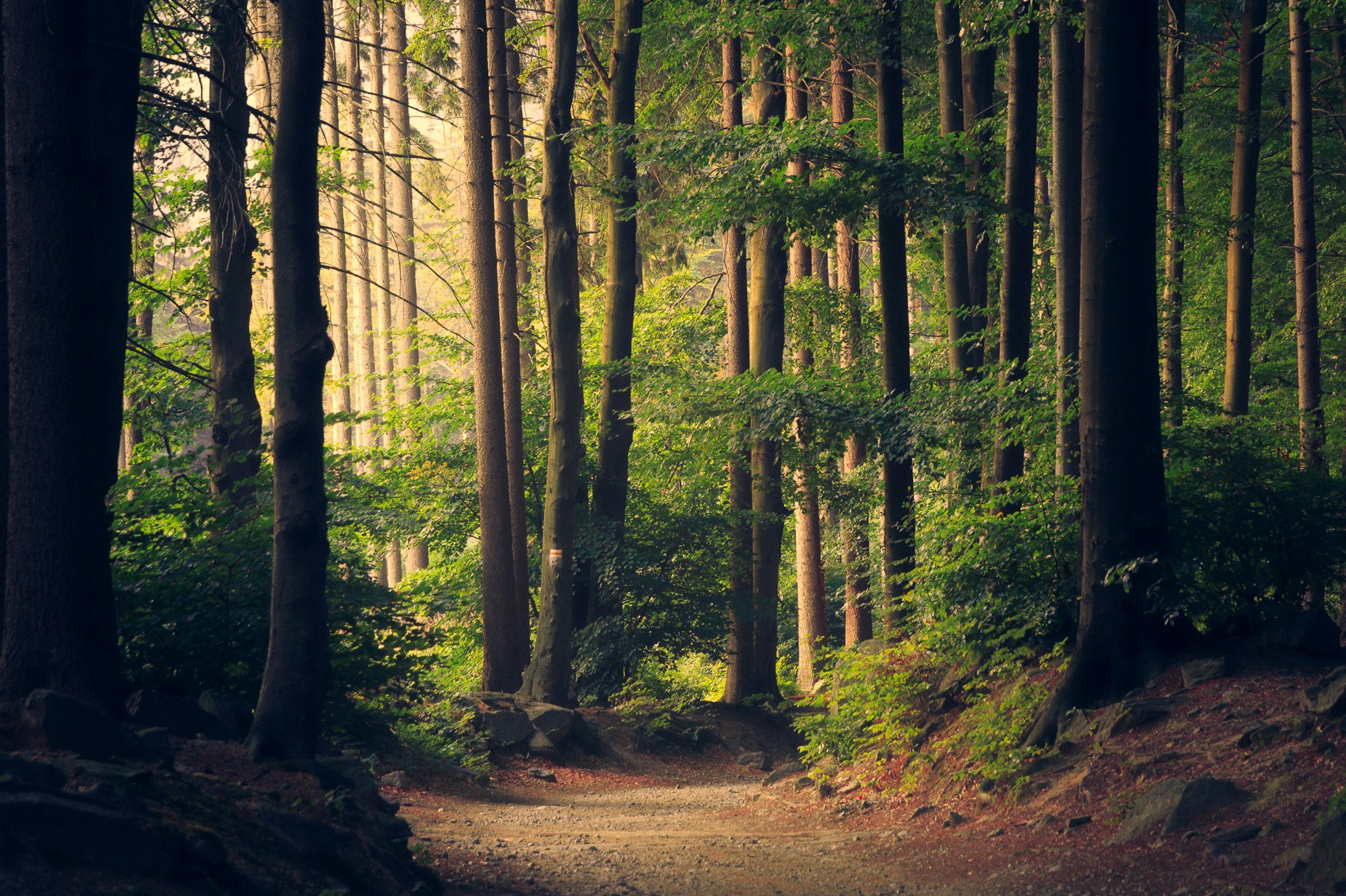
Data Forests Vision
Envisioned future where data is stored in living ecosystems that actively capture carbon.
It invites us to imagine a world where our most advanced technologies don't extract from the planet but are seamlessly integrated into it, creating a future where saving data and saving the planet become one and the same. In this future, your data doesn't just sit on a server—it blooms, grows, and cleans the air we breathe.
References
References will be added here.