CRISPR-Cas9 in Plant Genome Editing: Mechanisms, Applications, and Future Directions for Agricultural Innovation
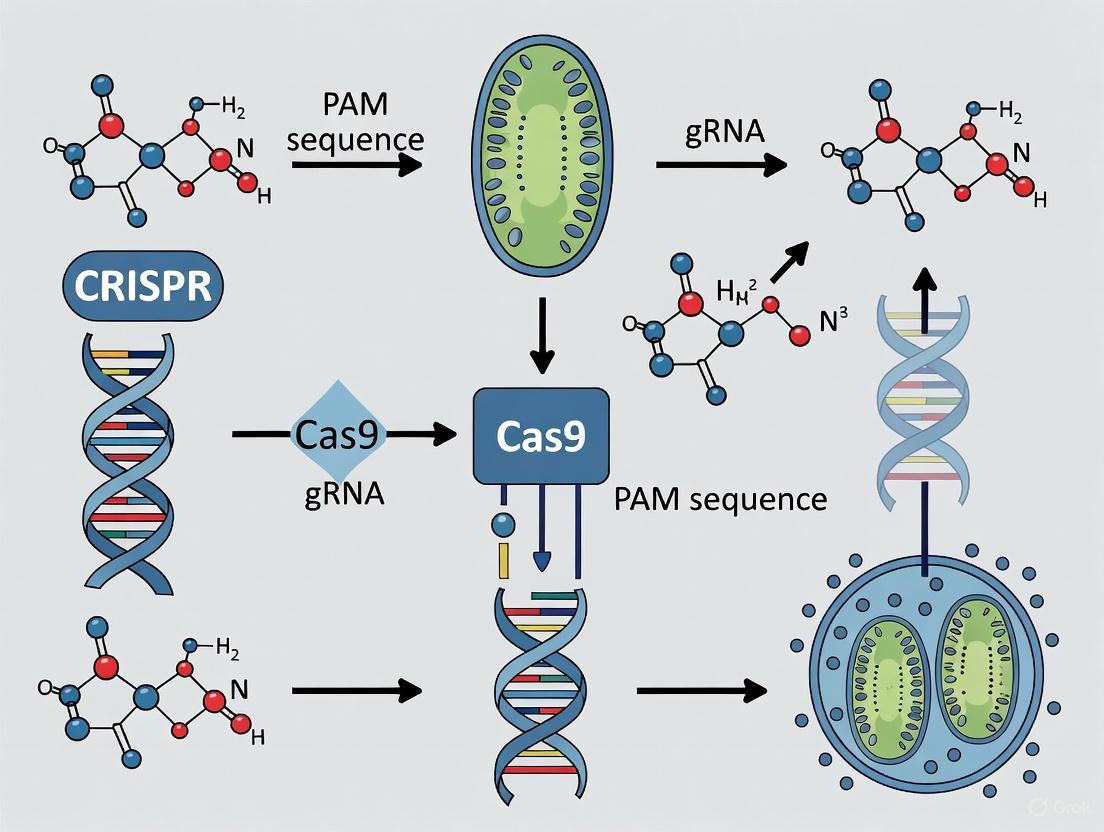
This article provides a comprehensive analysis of the CRISPR-Cas9 system as a transformative tool for plant genome editing, tailored for researchers, scientists, and biotechnology professionals.
CRISPR-Cas9 in Plant Genome Editing: Mechanisms, Applications, and Future Directions for Agricultural Innovation
Abstract
This article provides a comprehensive analysis of the CRISPR-Cas9 system as a transformative tool for plant genome editing, tailored for researchers, scientists, and biotechnology professionals. It explores the foundational molecular mechanism of CRISPR-Cas9, derived from bacterial adaptive immunity, and its superiority over previous technologies like ZFNs and TALENs. The scope extends to advanced methodological applications across staple crops, detailing delivery systems such as Agrobacterium, viral vectors, and nanoparticle-mediated transformation. The content addresses critical troubleshooting aspects including off-target effects, delivery efficiency, and regulatory hurdles. Finally, it covers validation strategies for confirming edits and generating transgene-free plants, synthesizing key developments to project future trajectories in crop enhancement and biomedical research.
The CRISPR-Cas9 Blueprint: From Bacterial Immunity to Precision Plant Breeding
The Clustered Regularly Interspaced Short Palindromic Repeats (CRISPR) and CRISPR-associated (Cas) system, originally identified as an adaptive immune mechanism in prokaryotes, has been repurposed as a revolutionary genome-editing tool. This whitepaper delineates the origins of the CRISPR-Cas system in bacterial immunity, its core molecular components, and the mechanistic principles that underpin its application in plant genome editing research. We provide a detailed analysis of the system's classification, its operational stages in native contexts, and its transformation into a programmable nuclease system. Furthermore, this guide includes structured quantitative data, experimental protocols for plant genome editing, and visualizations of key mechanisms, offering researchers a comprehensive technical resource for advancing crop improvement strategies.
The CRISPR-Cas system is a cornerstone of adaptive immunity in prokaryotes, providing sequence-specific protection against mobile genetic elements such as viruses and plasmids [1]. This system enables bacteria and archaea to acquire memory of previous infections and mount a targeted defense against subsequent attacks [2]. The seminal discovery that this microbial defense system could be engineered to program DNA cleavage in eukaryotic cells has catalyzed a transformation in genome editing, with profound implications for basic research and applied biotechnology [3]. In plant biology, CRISPR-Cas9 technology has emerged as a preferred method for precision breeding, enabling targeted modifications to enhance crop yield, nutritional quality, and stress resilience [4] [5]. Its superiority over prior technologies like Zinc Finger Nucleases (ZFNs) and Transcription Activator-Like Effector Nucleases (TALENs) stems from its simplicity, high efficiency, cost-effectiveness, and capacity for multiplexing [4] [6].
Historical Discovery of CRISPR-Cas
The discovery of CRISPR was a gradual process, involving multiple researchers over several decades, which ultimately revealed its function and mechanism in adaptive immunity. The key milestones are summarized in the table below.
Table 1: Historical Timeline of Key CRISPR Discoveries
| Year | Discovery | Key Researchers/Teams | Significance |
|---|---|---|---|
| 1987 | Identification of unusual repetitive DNA sequences in E. coli | Ishino et al. [3] | First accidental discovery of what would later be known as CRISPR; biological function unknown. |
| 1993-2005 | Characterization of CRISPR loci across prokaryotes | Francisco Mojica [2] | Coined the term CRISPR; recognized it as a distinct family of sequences; hypothesized its role as an adaptive immune system [3]. |
| 2002 | Identification of cas genes | Jansen et al. [3] | Discovered CRISPR-associated (cas) genes located near CRISPR arrays. |
| 2005 | Spacers derived from viral DNA | Mojica et al.; Pourcel et al. [3] [2] | Confirmed that spacers between repeats match sequences from viruses and plasmids, supporting the adaptive immunity hypothesis. |
| 2005 | Identification of Cas9 and PAM | Bolotin et al. [3] [2] | Discovered the Cas9 protein in Streptococcus thermophilus and noted a common adjacent motif (PAM) essential for targeting. |
| 2007 | Experimental proof of adaptive immunity | Barrangou et al. [1] | Demonstrated that S. thermophilus acquires new spacers from infecting phages, conferring resistance. |
| 2011 | Discovery of tracrRNA | Charpentier et al. [3] | Identified trans-activating crRNA (tracrRNA) as essential for crRNA processing and Cas9 function. |
| 2012 | CRISPR-Cas9 as a programmable gene-editing tool | Doudna, Charpentier, and Siksnys et al. [3] [6] | Reconstituted the system in vitro, showing engineered guide RNA could program Cas9 to cleave any target DNA. |
The initial discovery in 1987 was an incidental finding during the analysis of the iap gene in Escherichia coli [3]. Francisco Mojica's subsequent work was instrumental in recognizing CRISPR as a common feature in many prokaryotes. His observation that spacer sequences often match viral genetic material led to the correct hypothesis that CRISPR functions as an adaptive immune system [2]. The pivotal 2007 study by Barrangou et al. provided the first experimental validation of this hypothesis, showing that Streptococcus thermophilus could integrate new spacers from infecting bacteriophages and that this integration rendered the bacteria resistant to subsequent viral attacks [1]. The convergence of these findings set the stage for the groundbreaking repurposing of the system for genome engineering.
Classification and Core Components of the CRISPR-Cas System
System Classification
CRISPR-Cas systems are broadly classified into two main classes based on the architecture of their effector complexes [1] [3].
- Class 1 Systems (Types I, III, and IV) utilize multi-subunit protein complexes for interference. For example, the Type I effector complex, known as CASCADE (CRISPR-associated complex for antiviral defense), requires multiple Cas proteins to form a functional unit [1].
- Class 2 Systems (Types II, V, and VI) employ a single, large Cas protein for target recognition and cleavage. This simplicity has made Class 2 systems, particularly Type II (featuring Cas9), the preferred foundation for genome-editing tools [3].
Core Molecular Components
The core components of the Type II CRISPR-Cas system from Streptococcus pyogenes, which is the most widely used in biotechnology, are the Cas9 endonuclease and a guide RNA (gRNA) [7] [6].
Table 2: Core Components of the Type II CRISPR-Cas9 System
| Component | Description | Function in Native System | Function in Engineered System |
|---|---|---|---|
| Cas9 Protein | A large (1368 amino acid) multi-domain DNA endonuclease [6]. | Executes cleavage of target foreign DNA. | The "genetic scissor"; creates double-stranded breaks (DSBs) at programmed sites. |
| crRNA (CRISPR RNA) | A short RNA containing a spacer sequence derived from viral DNA [3]. | Provides sequence specificity by base-pairing with complementary target DNA. | Its spacer sequence is incorporated into the synthetic gRNA to define the target. |
| tracrRNA (trans-activating crRNA) | A non-coding RNA that is partially complementary to the CRISPR repeats [3]. | Facilitates the processing of pre-crRNA and Cas9 binding. | Its scaffold function is incorporated into the synthetic gRNA. |
| Guide RNA (gRNA) | A synthetic fusion of crRNA and tracrRNA [7] [8]. | Not present in the native system. | A single RNA molecule that both specifies the target site and binds to Cas9. |
| PAM (Protospacer Adjacent Motif) | A short (2-6 bp) conserved DNA sequence adjacent to the target site [3] [7]. | Enables self vs. non-self discrimination; prevents targeting of the bacterial CRISPR locus. | A prerequisite for Cas9 to recognize and bind to the target DNA sequence. |
The Cas9 protein contains several key domains: the REC lobe for guide RNA binding, and the NUC lobe, which houses the HNH and RuvC nuclease domains. The HNH domain cleaves the DNA strand complementary to the guide RNA, while the RuvC domain cleaves the non-complementary strand [7] [6]. The PAM-interacting domain ensures that Cas9 only binds to DNA sites flanked by the correct PAM sequence (5'-NGG-3' for S. pyogenes Cas9) [7].
Mechanism of Action in Bacterial Adaptive Immunity
The adaptive immune function of CRISPR-Cas in prokaryotes operates in three distinct stages: adaptation, expression and crRNA processing, and interference [1].
The Three Stages of CRISPR Immunity
Figure 1: The Three Stages of CRISPR-Cas Adaptive Immunity in Prokaryotes. The process begins with the integration of foreign DNA spacers into the host genome, followed by transcription and processing of targeting RNAs, culminating in the degradation of re-invading genetic elements.
Adaptation
During this initial phase, the bacterial cell captures short fragments of DNA from an invading virus or plasmid. These fragments, known as protospacers, are integrated as new spacers into the CRISPR array in the host genome by the action of the Cas1 and Cas2 proteins [1] [3]. This process creates a molecular memory of the infection, which is inherited by progeny cells.
crRNA Biogenesis (Expression & Processing)
When the cell is exposed to the same foreign element again, the CRISPR array is transcribed as a long precursor RNA (pre-crRNA). This pre-crRNA is then processed into short, mature CRISPR RNAs (crRNAs) by Cas proteins and, in the case of Type II systems, with the essential involvement of the tracrRNA and RNase III [1] [3] [7]. Each mature crRNA contains a single spacer sequence that serves as a guide.
Interference
In the final stage, the mature crRNA, in complex with Cas proteins (e.g., the single Cas9 protein in Type II systems), scans the cell for foreign DNA. The complex identifies a matching sequence by complementary base-pairing between the crRNA spacer and the target DNA (the protospacer). A critical requirement for cleavage is the presence of the correct Protospacer Adjacent Motif (PAM) immediately downstream of the target sequence [3] [7]. Upon recognition, the Cas nuclease cleaves the target DNA, leading to its degradation and neutralizing the threat.
The Scientist's Toolkit: Research Reagent Solutions
The translation of the native CRISPR bacterial system into a versatile genome-editing platform relies on a core set of engineered reagents.
Table 3: Essential Research Reagents for CRISPR-Cas9 Experiments
| Reagent / Solution | Composition / Type | Critical Function | Example in Plant Research |
|---|---|---|---|
| Cas Nuclease | Wild-type or engineered Cas protein (e.g., SpCas9, SaCas9, ISYmu1) [7] [9]. | Creates double-stranded breaks in target DNA. | Smaller variants like ISYmu1 enable viral delivery for in planta editing [9]. |
| Guide RNA (gRNA) | Synthetic single-guide RNA (sgRNA) or expressed crRNA+tracrRNA. | Confers target specificity by complementary base-pairing. | Designed to target agronomic genes (e.g., OsProDH in rice for thermotolerance) [4]. |
| Delivery Vector | Plasmid DNA, Agrobacterium tumefaciens, or engineered viruses (e.g., Tobacco Rattle Virus) [4] [9]. | Transports CRISPR components into plant cells. | Agrobacterium-mediated transformation is common; viral vectors offer transient, DNA-free delivery [9]. |
| Repair Template | Single-stranded or double-stranded DNA oligonucleotide. | Serves as a homologous template for precise HDR-mediated edits. | Used for introducing specific nucleotide substitutions (e.g., herbicide resistance in oilseed rape) [4]. |
| Selection Marker | Antibiotic resistance gene, fluorescent protein, or metabolic marker. | Identifies and selects successfully transformed cells or tissues. | Allows for the isolation of plant cells that have integrated the CRISPR construct. |
Application in Plant Genome Editing: Mechanisms and Workflows
In plant genome editing, the core mechanism involves the creation of a targeted double-strand break (DSB) in the plant genome, which is subsequently repaired by the cell's endogenous repair pathways [4] [5].
Core Editing Mechanism and DNA Repair Pathways
Figure 2: CRISPR-Cas9 Mechanism and Repair Pathways in Plant Cells. The gRNA-Cas9 complex induces a DSB, which is repaired via error-prone NHEJ to disrupt gene function or precise HDR using a donor template for gene correction.
The fundamental process involves the delivery of Cas9 and a sequence-specific gRNA into the plant cell. The gRNA directs Cas9 to a target genomic locus, where the Cas9 nuclease induces a DSB ~3-4 base pairs upstream of the PAM sequence [7] [6]. The cellular repair of this break determines the editing outcome:
- Non-Homologous End Joining (NHEJ): This is the dominant and error-prone repair pathway. It often results in small insertions or deletions (indels) at the cut site. If these indels occur within a gene's coding sequence, they can cause a frameshift mutation, leading to a gene knockout [8] [6]. This is commonly used to abolish the function of undesirable genes.
- Homology-Directed Repair (HDR): This less frequent, high-fidelity pathway can be co-opted by providing an exogenous DNA repair template. HDR allows for precise gene knock-in, nucleotide substitution, or gene correction [8] [6]. While powerful, HDR is inefficient in plants, especially in non-dividing cells.
Experimental Protocol for Plant Genome Editing
The following detailed methodology outlines a common approach for achieving CRISPR-Cas9-mediated mutagenesis in plants, incorporating both established and novel delivery techniques.
Target Selection and gRNA Design: Identify the specific gene or regulatory sequence to be modified. Design 18-20 nucleotide gRNA spacer sequences that are complementary to the target site and possess high specificity to minimize off-target effects. The target site must be immediately followed by a PAM sequence (e.g., 5'-NGG-3' for SpCas9) [7] [4]. In silico tools are used to predict potential off-target sites across the genome.
Vector Construction: Clone the designed gRNA sequence(s) and a Cas9 expression cassette (often codon-optimized for the target plant) into a transformation vector suitable for the chosen delivery method. For Agrobacterium-mediated transformation, this is typically a T-DNA binary vector [4] [5]. For multiplex editing, multiple gRNAs can be assembled in a single vector.
Delivery of CRISPR Components:
- Classical Agrobacterium-Mediated Transformation: The recombinant vector is introduced into Agrobacterium tumefaciens. Plant tissues (e.g., leaf discs, embryos) are co-cultivated with the transformed Agrobacterium, which transfers the T-DNA containing the CRISPR machinery into the plant cell's genome [4]. This is a robust method but can lead to random T-DNA integration.
- Novel Viral Vector Delivery: For a transgene-free approach, engineer a virus like the Tobacco Rattle Virus (TRV) to carry the CRISPR components. The compact CRISPR enzyme ISYmu1 is ideal for this purpose due to its small size [9]. Plants are infected via agroinfiltration. The virus spreads systemically, delivering the editor to germ cells, and is excluded from the seeds, yielding edited progeny without viral or foreign transgene sequences [9].
Regeneration and Selection: For Agrobacterium-mediated methods, transformed plant tissues are transferred to selection media containing antibiotics to eliminate non-transformed cells. The surviving tissue is induced to regenerate into whole plants through hormonal manipulation under sterile conditions [4]. For viral delivery, infected plants are simply grown to maturity and allowed to set seed.
Molecular Confirmation of Editing:
- Genotyping: Extract genomic DNA from regenerated plants (T0) or their progeny (T1). Use PCR to amplify the targeted genomic region and subject the amplicons to Sanger sequencing or next-generation sequencing to detect mutations (indels) introduced by NHEJ [4].
- Off-Target Analysis: Use whole-genome sequencing or targeted deep sequencing of predicted off-target sites to assess the specificity of the editing process.
Phenotypic Characterization: Grow the confirmed edited lines and evaluate them for the expected phenotypic traits, such as altered morphology, improved stress tolerance, or enhanced nutritional content, under controlled or field conditions [4].
The journey of CRISPR-Cas from a fundamental aspect of bacterial microbiology to a powerful tool for plant genome editing exemplifies how basic biological research can drive transformative technological innovation. The system's origins in an adaptive immune system provide the logical foundation for its function as a programmable DNA-targeting platform. By understanding the core components—the Cas nuclease, the guide RNA, and the critical PAM sequence—and the mechanistic stages of immunity, researchers have been able to optimize this system for precise manipulation of plant genomes. Continued refinement of delivery methods, such as the use of miniature Cas variants and viral vectors, promises to further accelerate the development of improved crops, contributing to global food security in the face of climate change and a growing population.
The CRISPR-Cas9 system has revolutionized genetic engineering by providing an unprecedented tool for precise genome editing. This complex molecular machinery, derived from bacterial adaptive immune systems, functions through the sophisticated collaboration between a guide RNA (gRNA) and the Cas9 nuclease. Their partnership enables researchers to target specific DNA sequences with remarkable accuracy, creating double-strand breaks that can be harnessed for gene knockout, correction, or regulation. In plant biology, this technology has opened new avenues for developing crops with enhanced traits, studying gene function, and improving agricultural sustainability. This technical guide examines the fundamental mechanism of sgRNA and Cas9 collaboration, detailed experimental protocols for implementation, and recent advancements that are refining this powerful genome-editing tool.
The CRISPR-Cas system was originally identified as an adaptive immune mechanism in bacteria and archaea that provides defense against invading viruses and plasmids [10]. This system stores fragments of foreign genetic material within the host's CRISPR array, creating a molecular memory of previous infections [11]. When confronted with the same pathogen again, the system utilizes these stored sequences to recognize and cleave the invading DNA [10]. The transformative potential of this system for genome engineering was realized following its characterization in Streptococcus pyogenes, leading to the development of the CRISPR-Cas9 technology that has revolutionized genetic research across diverse organisms, including plants [12].
The type II CRISPR-Cas9 system has emerged as the most widely adopted platform for genome editing due to its relative simplicity and high efficiency [13]. Unlike earlier protein-based editing tools such as zinc finger nucleases (ZFNs) and transcription activator-like effector nucleases (TALENs), which required complex protein engineering for each new target, CRISPR-Cas9 achieves DNA recognition through a programmable RNA component [14]. This fundamental difference significantly simplifies the redesign process and reduces the time required to target new sequences, making the technology accessible to a broader research community.
In plant science, CRISPR-Cas9 has become an indispensable tool for both basic research and applied crop improvement [12]. Its applications range from functional gene characterization to the development of novel crop varieties with enhanced nutritional profiles, improved stress tolerance, and increased yield potential [14]. The precision of CRISPR-Cas9-mediated editing allows researchers to make targeted modifications without introducing foreign DNA, addressing some regulatory concerns associated with traditional transgenic approaches [14].
Molecular Components of the CRISPR-Cas9 System
Cas9 Nuclease: The DNA Cutting Machinery
The Cas9 protein serves as the executive component of the CRISPR-Cas9 system, functioning as a RNA-guided DNA endonuclease that creates double-strand breaks (DSBs) at targeted genomic locations [12]. Structurally, Cas9 contains multiple domains that orchestrate its DNA recognition and cleavage activities. The key nuclease domains include the HNH domain, which cleaves the DNA strand complementary to the guide RNA, and the RuvC domain, which cleaves the non-complementary strand [12]. Together, these domains generate a blunt-ended DSB approximately 3-4 nucleotides upstream of the protospacer adjacent motif (PAM) [10].
The PAM sequence, which for the commonly used Streptococcus pyogenes Cas9 is 5'-NGG-3' (where N is any nucleotide), represents a critical recognition element that determines where Cas9 can bind DNA [12]. The PAM is essential for initiating the DNA unwinding process that allows the guide RNA to hybridize with its target sequence [10]. This requirement represents a key consideration when selecting target sites for genome editing applications. Recent protein engineering efforts have focused on developing Cas9 variants with altered PAM specificities to expand the targeting range of the technology [13].
Beyond the wild-type nuclease-active Cas9, several engineered variants have been developed to expand the functionality of the CRISPR system. These include catalytically dead Cas9 (dCas9), which lacks nuclease activity but retains DNA-binding capability, enabling applications in gene regulation without permanent genetic alterations [11]. Additional variants such as Cas9 nickase (nCas9), which cleaves only a single DNA strand, have been developed to improve editing specificity and reduce off-target effects [12].
Table 1: Key Cas9 Variants and Their Applications in Plant Research
| Cas9 Variant | Nuclease Activity | Primary Applications | Advantages in Plant Research |
|---|---|---|---|
| Wild-type Cas9 | Double-strand breaks | Gene knockout, gene insertion, chromosomal rearrangement | Complete gene disruption; versatile for various editing purposes |
| dCas9 (dead Cas9) | No cleavage | Transcriptional regulation, epigenetic modification, live imaging | Reversible gene modulation without DNA damage; base editing when fused to deaminases |
| nCas9 (nickase Cas9) | Single-strand break | Base editing, improved specificity editing | Reduced off-target effects; precise nucleotide conversion with base editors |
| High-fidelity Cas9 | Reduced off-target cleavage | Applications requiring maximal specificity | Engineered variants with reduced off-target effects while maintaining on-target activity |
sgRNA: The Targeting Guidance System
The single guide RNA (sgRNA) is a synthetic fusion molecule that combines two natural RNA components: the CRISPR RNA (crRNA) and the trans-activating crRNA (tracrRNA) [12]. This chimeric RNA molecule typically ranges from 80 to 120 nucleotides in length and serves as the targeting component of the CRISPR-Cas9 complex [10]. The sgRNA can be conceptually divided into two functional regions: the spacer sequence (approximately 20 nucleotides at the 5' end) that determines DNA target specificity through Watson-Crick base pairing, and the scaffold region that facilitates complex formation with the Cas9 protein [12].
The design of the spacer sequence represents perhaps the most critical step in implementing CRISPR technology, as it dictates both the efficiency and specificity of DNA targeting [13]. Several factors influence sgRNA effectiveness, including the GC content, position within the target gene, and the absence of similar sequences elsewhere in the genome that might lead to off-target editing [10]. The 5'-NGG-3' PAM must immediately follow the target sequence for successful recognition and cleavage by the Cas9-sgRNA complex [12].
Advances in artificial intelligence (AI) and machine learning have significantly improved sgRNA design algorithms. Tools such as DeepSpCas9 and CRISPRon leverage large-scale screening data to predict sgRNA efficacy with increasing accuracy [13]. These computational models analyze sequence features that correlate with high editing efficiency, enabling researchers to select optimal sgRNAs for their specific applications. For plant systems, these tools can be particularly valuable due to the complex and often polyploid genomes of many crop species.
Table 2: sgRNA Design Considerations for Optimal Plant Genome Editing
| Design Parameter | Optimal Characteristics | Rationale | Tools for Analysis |
|---|---|---|---|
| Spacer Length | 18-22 nucleotides | Balances specificity and efficiency; standard is 20 nt | Manual design or automated tools |
| GC Content | 40-80% | Moderate GC content improves stability and binding | Sequence analysis software |
| Off-Target Potential | Minimal sequence similarity elsewhere in genome | Reduces unintended edits; critical in polyploid plants | Cas-OFFinder, CCTop, plant-specific tools |
| Position Relative to PAM | 3-8 nucleotides upstream of PAM most critical | Seed region essential for initial recognition | Target design tools with specificity scoring |
| Target Accessibility | Open chromatin regions | Influences Cas9 binding efficiency in plant chromatin | DNase-seq or ATAC-seq data if available |
The Mechanism of Targeted DNA Cleavage
Sequential Molecular Interactions
The process of targeted DNA cleavage by the CRISPR-Cas9 system follows an ordered sequence of molecular events that begins with complex formation and culminates in DNA strand scission. First, the Cas9 protein associates with the sgRNA to form a ribonucleoprotein (RNP) complex [12]. This association induces conformational changes in both molecules that create an architecture capable of DNA recognition and binding [10].
Once formed, the RNP complex surveys the genome for PAM sequences, which serve as initial anchoring points [12]. PAM recognition triggers local DNA melting, allowing the spacer region of the sgRNA to form an RNA-DNA heteroduplex with the target DNA strand [10]. Successful complementarity between the sgRNA and target DNA, particularly in the 10-12 nucleotide "seed sequence" immediately adjacent to the PAM, initiates full-scale RNP activation [13].
Following complete hybridization, Cas9 undergoes a final conformational change that positions the HNH and RuvC nuclease domains into active configurations [12]. The HNH domain cleaves the DNA strand complementary to the sgRNA (target strand), while the RuvC domain cleaves the opposite strand (non-target strand) [10]. This coordinated cleavage event generates a blunt-ended double-strand break typically located 3 base pairs upstream of the PAM sequence [12].
The following diagram illustrates this sequential process:
DNA Repair Pathways and Editing Outcomes
The cellular response to CRISPR-Cas9-induced double-strand breaks determines the ultimate editing outcome. Eukaryotic cells, including plant cells, possess two primary DNA repair pathways that address these lesions: non-homologous end joining (NHEJ) and homology-directed repair (HDR) [10].
NHEJ represents the dominant repair mechanism in most plant cells and operates throughout the cell cycle [12]. This pathway directly ligates the broken DNA ends without requiring a template, often resulting in small insertions or deletions (indels) at the cleavage site [10]. When these indels occur within protein-coding sequences, they frequently cause frameshift mutations that disrupt gene function, effectively creating gene knockouts [11]. The efficiency and predominance of NHEJ make it particularly valuable for gene inactivation studies in plants.
In contrast, HDR utilizes a homologous DNA template to guide precise repair of the break [12]. While this pathway can be harnessed for precise gene insertion or correction, it occurs at significantly lower frequency than NHEJ and is largely restricted to the S and G2 phases of the cell cycle [10]. In plant genome editing, HDR-mediated precise editing typically requires the co-delivery of an exogenous repair template containing the desired modifications along with the CRISPR-Cas9 components.
Table 3: Comparison of DNA Repair Pathways in Plant Cells After CRISPR-Cas9 Cleavage
| Repair Pathway | Mechanism | Template Requirement | Editing Outcomes | Frequency in Plant Cells |
|---|---|---|---|---|
| Non-Homologous End Joining (NHEJ) | Direct ligation of broken ends | None | Small insertions/deletions (indels); gene knockouts | High (predominant pathway) |
| Homology-Directed Repair (HDR) | Uses homologous sequence as template | Donor DNA with homologous arms | Precise gene insertion, correction, or replacement | Low (requires coordination with cell cycle) |
| Microhomology-Mediated End Joining (MMEJ) | Uses microhomologous sequences for repair | None (uses internal microhomology) | Predictable deletions; useful for specific knockout strategies | Intermediate |
Experimental Protocols for Plant Genome Editing
Delivery Methods for CRISPR Components in Plants
The successful implementation of CRISPR-Cas9-mediated genome editing in plants requires efficient delivery of the molecular components into plant cells. The choice of delivery method depends on multiple factors, including the plant species, target tissue, and desired application [10].
Agrobacterium-mediated transformation remains the most widely used method for stable genetic transformation in plants. This approach involves engineering Agrobacterium tumefaciens to contain T-DNA plasmids carrying genes encoding Cas9 and sgRNAs [14]. The bacteria naturally transfer this T-DNA into the plant genome, enabling stable integration and inheritance of the editing machinery. While highly effective for many dicot species, this method can be challenging for some monocots that show natural resistance to Agrobacterium infection [12].
Biolistic delivery (particle bombardment) represents an alternative approach that physically introduces CRISPR components into plant cells [10]. This method involves coating gold or tungsten microparticles with plasmid DNA or preassembled ribonucleoprotein (RNP) complexes and propelling them into plant tissues using gas pressure or electrical discharge [12]. Biolistics is particularly valuable for transforming species recalcitrant to Agrobacterium-mediated transformation and often enables transformation with minimal DNA integration [14].
Protoplast transformation offers a direct method for delivering CRISPR components into isolated plant cells [12]. This approach involves enzymatically removing cell walls to create protoplasts, introducing CRISPR plasmids or RNPs through polyethylene glycol (PEG)-mediated transfection or electroporation, and regenerating whole plants from edited cells [10]. While protoplast systems enable high editing efficiencies and can utilize RNP delivery to minimize off-target effects, the regeneration process can be lengthy and genotype-dependent [14].
Recent advances in delivery methods include nanoparticle-mediated transfer and viral vector systems, which show promise for improving efficiency and simplifying the editing process [10]. These emerging technologies may help overcome current limitations in plant transformation, particularly for recalcitrant species.
Vector Design and Construction Strategies
The design of CRISPR-Cas9 vectors for plant transformation requires careful consideration of multiple elements, including promoter selection, terminator sequences, and strategies for multiplexing [12].
Promoter selection critically influences the spatial and temporal expression patterns of Cas9 and sgRNAs. For constitutive expression throughout plant development, the Cauliflower Mosaic Virus 35S (CaMV 35S) promoter is widely used for dicots, while the maize ubiquitin (Ubi) promoter is preferred for monocots [14]. Tissue-specific or inducible promoters offer opportunities for controlling the timing and location of editing events. For sgRNA expression, Pol III promoters such as U6 and U3 are commonly employed due to their precise transcription initiation and termination characteristics [12].
Multiplex editing strategies enable simultaneous modification of multiple genomic loci, which is particularly valuable for targeting gene families or complex metabolic pathways [14]. Several approaches have been developed for multiplexing, including the use of tRNA-processing systems to excise multiple sgRNAs from a single transcript, and the construction of vectors containing multiple sgRNA expression cassettes [12]. These strategies allow researchers to pyramid desirable traits or overcome genetic redundancy in polyploid crop species.
The following experimental workflow outlines a typical protocol for implementing CRISPR-Cas9 in plants:
Advanced Applications and Future Directions
CRISPR Applications Beyond Gene Knockout
While the initial applications of CRISPR-Cas9 in plants focused primarily on gene knockout through NHEJ-mediated mutagenesis, the technology has evolved to enable more sophisticated genetic manipulations [11].
CRISPR activation (CRISPRa) systems utilize catalytically dead Cas9 (dCas9) fused to transcriptional activators to enhance gene expression without altering DNA sequence [11]. This approach is particularly valuable for studying genes with functional redundancy or for enhancing the expression of beneficial traits. In plants, CRISPRa has been successfully employed to upregulate disease resistance genes, such as PATHOGENESIS-RELATED GENE 1 (SlPR-1) in tomato, resulting in enhanced defense against bacterial pathogens [11].
Base editing represents another advanced application that enables precise nucleotide conversions without creating double-strand breaks [12]. These systems combine catalytically impaired Cas9 variants with nucleotide deaminase enzymes to directly convert one base to another at target sites [13]. Base editors are particularly valuable for introducing specific single-nucleotide polymorphisms (SNPs) associated with desirable traits or for creating missense mutations to study gene function [14].
Prime editing offers even greater precision by enabling all possible base-to-base conversions, small insertions, and small deletions without requiring double-strand breaks or donor templates [13]. This system utilizes a Cas9 nickase fused to a reverse transcriptase and a prime editing guide RNA (pegRNA) that both specifies the target site and encodes the desired edit [12]. While prime editing in plants is still in its early stages, it holds tremendous promise for precise genome modification in crop species.
Integration with Emerging Technologies
The continued evolution of CRISPR technology is being accelerated through integration with other cutting-edge scientific disciplines, particularly artificial intelligence and machine learning [13].
AI-guided protein design has enabled the development of novel Cas variants with improved properties, such as altered PAM specificities, reduced molecular sizes, and enhanced editing precision [13]. Tools like AlphaFold have revolutionized protein structure prediction, facilitating the rational design of CRISPR systems with optimized characteristics for plant genome editing [13].
Machine learning models for sgRNA design have significantly improved the efficiency of CRISPR experiments by leveraging large-scale screening data to identify sequence features that correlate with high editing efficiency [13]. Models such as DeepSpCas9 and CRISPRon analyze diverse sequence parameters to predict sgRNA efficacy, enabling researchers to select optimal targets for their specific applications [13].
The ongoing integration of CRISPR technology with these advanced computational approaches promises to further enhance the precision, efficiency, and applicability of genome editing in plant research, opening new frontiers for crop improvement and basic plant biology studies.
The Scientist's Toolkit: Essential Research Reagents
Table 4: Key Research Reagents for CRISPR-Cas9 Experiments in Plants
| Reagent Category | Specific Examples | Function in CRISPR Workflow | Considerations for Plant Applications |
|---|---|---|---|
| Cas9 Expression Systems | Plant-codon optimized Cas9 under 35S or Ubi promoters | Provides the nuclease component; constitutive or tissue-specific expression available | Codon optimization improves expression; promoter choice affects editing efficiency |
| sgRNA Cloning Systems | Golden Gate modular systems, tRNA-gRNA arrays for multiplexing | Enables efficient sgRNA assembly and multiplexed targeting | Modular systems simplify vector construction; tRNA systems enable polycistronic sgRNA expression |
| Delivery Vectors | Agrobacterium binary vectors, biolistic vectors | Facilitates transfer of CRISPR components into plant cells | Binary vectors standard for Agrobacterium; minimal vectors reduce integration |
| Selection Markers | Antibiotic resistance (hygromycin, kanamycin), herbicide tolerance | Identifies successfully transformed cells and tissues | Selection agent concentration must be optimized for specific plant species |
| Regeneration Media | Callus induction media, shooting media, rooting media | Supports recovery of whole plants from edited cells | Hormone combinations and concentrations are species-specific and genotype-dependent |
| Screening Tools | PCR primers for target amplification, restriction enzymes if applicable, sequencing primers | Identifies successfully edited events; assesses editing efficiency and specificity | CAPS assay if restriction site disrupted; sequencing essential for precise characterization |
The CRISPR/Cas system has revolutionized plant biology and breeding by providing a powerful tool for targeted genome modification. At the core of this technology lies the cell's innate DNA repair machinery, which is recruited to fix the double-strand breaks (DSBs) induced by the Cas nuclease. In plants, two primary pathways compete to repair these breaks: the error-prone non-homologous end joining (NHEJ) and the precise homology-directed repair (HDR) [15] [16]. The interplay between these pathways determines the outcome of genome editing, ranging from random mutations to precise gene insertions. Understanding and harnessing these repair mechanisms is crucial for advancing plant genome engineering, as the choice of repair pathway directly influences the precision and efficiency of desired genetic modifications [17].
In the context of plant genome editing, several factors tip the balance toward NHEJ, which dominates in somatic plant cells, while HDR is more active during meiosis [15]. This preference presents a significant challenge for achieving precise HDR-mediated edits in plants. Recent advances have begun to address this bottleneck through strategies that suppress competitive repair pathways or enhance HDR efficiency, opening new possibilities for sophisticated genome engineering in both model and crop plants [17] [18].
Core Mechanisms of DNA Repair Pathways
Non-Homologous End Joining (NHEJ)
The NHEJ pathway functions throughout the cell cycle and serves as the predominant DSB repair mechanism in somatic plant cells [15] [16]. This pathway is characterized by its ability to ligate broken DNA ends without requiring a homologous template, making it error-prone but highly efficient. NHEJ can be further subdivided into distinct sub-pathways:
Classical NHEJ (cNHEJ) initiates when the KU70/KU80 heterodimer rapidly binds to broken DNA ends, forming a protective ring around the DNA [15] [17]. This complex then recruits various repair factors, including DNA-dependent protein kinases (DNA-PKcs) and the XRCC4-DNA ligase 4 complex, which catalyzes the re-ligation of the broken ends [15] [17]. While cNHEJ can result in perfect repair, it often produces small insertions or deletions (indels) at the junction site.
Alternative NHEJ (aNHEJ), or microhomology-mediated end joining (MMEJ), operates as a backup pathway when cNHEJ is compromised [15]. Instead of KU proteins, aNHEJ is initiated by poly(ADP-ribose) polymerase 1 (PARP1), which competes with KU for DNA end binding [15]. The bound PARP1 facilitates 5' to 3' resection of the DSB, creating short single-strand overhangs. Microhomologous sequences (2-20 nucleotides) exposed during resection then anneal, with polymerase Q (PolQ) stabilizing the repair intermediate and initiating fill-in synthesis before ligation by XRCC1/Ligase III or Ligase I [15]. This pathway typically results in larger deletions than cNHEJ, as the intermediate sequence between microhomologies is lost during repair [15] [18].
Table 1: Key Proteins in Plant NHEJ Pathways
| Protein Complex | Subunit/Component | Function in Repair |
|---|---|---|
| KU Heterodimer | KU70/KU80 | Initial recognition and binding to broken DNA ends; protects ends from degradation |
| DNA-PK Complex | DNA-PKcs | Activates Artemis endonuclease; processes DNA ends for ligation |
| Ligation Complex | XRCC4, DNA Ligase IV | Catalyzes final ligation step to reseal DNA breaks |
| PARP1 | - | Initiates aNHEJ pathway; competes with KU for end binding |
| Polymerase Q | PolQ | Stabilizes repair intermediate in aNHEJ; performs fill-in synthesis |
Homology-Directed Repair (HDR)
HDR provides a template-dependent, error-free mechanism for DSB repair, though it occurs at much lower frequencies than NHEJ in plants [16] [19]. This pathway is most active in the S and G2 phases of the cell cycle when sister chromatids are available as repair templates. The HDR process involves several key steps that distinguish it from NHEJ:
The repair process begins with 5' to 3' resection of the break ends, creating 3' single-stranded DNA (ssDNA) overhangs [19]. These overhangs are then bound by replication protein A (RPA), which is subsequently replaced by Rad51 to form a nucleoprotein filament capable of strand invasion [19]. The Rad51-coated filament invades a homologous DNA sequence (typically the sister chromatid or an exogenously supplied donor template), displacing one strand to form a displacement loop (D-loop) [19].
Once the D-loop is established, the invading 3' end serves as a primer for DNA synthesis using the homologous strand as a template. The specific mechanisms by which HDR resolves give rise to several sub-pathways with distinct outcomes:
- Synthesis-Dependent Strand Annealing (SDSA): The newly synthesized strand is displaced from the template and anneals to the complementary sequence on the other end of the break, resulting in non-crossover products [19].
- Double-Strand Break Repair (DSBR): Both ends of the break engage with the template, leading to the formation of double Holliday junctions that can resolve as either crossover or non-crossover products [19].
- Break-Induced Repair (BIR): A one-ended break initiates extensive DNA synthesis, potentially copying entire chromosome arms, making this pathway relevant for repairing collapsed replication forks [19].
Table 2: Major HDR Sub-pathways and Their Characteristics
| HDR Sub-pathway | Key Features | Primary Products | Role in Genome Editing |
|---|---|---|---|
| Synthesis-Dependent Strand Annealing (SDSA) | Conservative; does not form stable Holliday junctions | Non-crossover products only | Preferred for gene insertions without rearrangements |
| Double-Strand Break Repair (DSBR) | Forms double Holliday junctions | Both crossover and non-crossover products | Can lead to sequence exchanges between homologs |
| Break-Induced Repair (BIR) | One-ended break repair; extensive DNA synthesis | Non-reciprocal translocations | Less relevant for standard genome editing |
Alternative Repair Pathways
Beyond the primary NHEJ and HDR pathways, plants possess additional repair mechanisms that contribute to genome editing outcomes:
Single-Strand Annealing (SSA) is a non-conservative repair mechanism that activates when a DSB occurs between two direct repeats [18]. The break is resected until complementary sequences are exposed, and Rad52-mediated annealing of the homologous regions occurs, followed by excision of the non-homologous tails and ligation [18]. This pathway always results in deletions of the sequence between the repeats and one copy of the repeat itself, making it particularly relevant when designing constructs with homologous regions.
The interplay between these pathways is complex and competitive. Recent studies demonstrate that even with NHEJ inhibition, imprecise repair persists due to the activity of MMEJ and SSA pathways [18]. Simultaneous suppression of NHEJ and SSA pathways has been shown to significantly enhance precise editing outcomes, highlighting the importance of understanding all contributing repair mechanisms [18].
Experimental Approaches for Studying DNA Repair in Plants
Methodologies for Analyzing Repair Outcomes
Advanced molecular techniques are essential for characterizing the diverse outcomes of DNA repair in plant systems. Long-read amplicon sequencing using platforms such as PacBio has emerged as a powerful approach for comprehensive analysis of repair patterns at CRISPR-targeted loci [18]. This method involves PCR amplification of the target region from genomic DNA followed by high-throughput sequencing and computational classification of repair outcomes using frameworks like "knock-knock" [18]. This approach can distinguish between perfect HDR, imprecise integrations, indels, and wild-type sequences, providing a quantitative assessment of editing efficiency and accuracy.
Single-molecule assays offer unprecedented resolution for studying protein-DNA interactions during repair. The DNA tightrope assay suspends long DNA molecules between poly-L-lysine coated beads in a flow cell, allowing direct visualization of quantum dot-labeled repair proteins interacting with DNA substrates in real time [20]. This technique has revealed that repair proteins like Rad4 and PARP1 undergo anomalous diffusion, showing highly constrained motion around damage sites [20]. Similarly, single-molecule FRET (smFRET) can illuminate the dynamics of NHEJ in vitro by monitoring distance changes between fluorescently labeled protein components during repair complex assembly [20].
For in vivo studies, single-molecule PALM imaging and tracking-PALM combine single-molecule tracking with photoactivated localization microscopy to study DNA repair processes in living bacterial cells at nanometer resolution [20]. These techniques enable researchers to monitor the positioning and dynamics of repair proteins in response to DNA damage, providing insights into the spatiotemporal organization of repair pathways.
Strategies for Pathway-Specific Inhibition
Precise dissection of DNA repair pathways often requires specific inhibition of individual components. Several chemical and genetic approaches have been developed for this purpose:
NHEJ Inhibition: Commercial inhibitors such as Alt-R HDR Enhancer V2 effectively suppress the NHEJ pathway, increasing HDR efficiency by up to 3-fold in some systems [18]. Genetic disruption of KU70/KU80 or XRCC4 components also ablates classical NHEJ [15].
MMEJ Inhibition: ART558, a recently discovered inhibitor of POLQ (the key enzyme in MMEJ), specifically suppresses this pathway [18]. Treatment with ART558 reduces large deletions (≥50 nt) and complex indels, increasing perfect HDR frequency [18].
SSA Inhibition: The small molecule D-I03 targets Rad52, the central mediator of SSA, reducing asymmetric HDR and other imprecise integration events [18]. The effect of SSA suppression is particularly dependent on the nature of DNA cleavage ends.
These inhibitors are typically applied for 24 hours immediately after delivery of CRISPR components, coinciding with the timeframe when HDR primarily occurs [18]. Combined inhibition of multiple non-HDR pathways has demonstrated synergistic effects in improving precise editing outcomes [18].
Enhancing CRISPR Editing Efficiency Through Repair Pathway Engineering
Strategies for Improving HDR Efficiency in Plants
The low efficiency of HDR in plants represents a major bottleneck for precise genome editing. Multiple innovative strategies have been developed to enhance HDR frequency:
Optimized donor design is crucial for successful HDR. Single-stranded oligodeoxynucleotides (ssODNs) with 30-50 base homology arms are ideal for small modifications (1-50 bp), while double-stranded DNA templates with 500-1000 base homology arms are preferred for larger insertions [19]. The modification should be placed as close as possible to the DSB site (ideally within 10 bp), and the donor should contain silent mutations in the gRNA or PAM sequence to prevent re-cleavage after successful HDR [19].
Advanced donor delivery systems have shown promise in improving HDR efficiency. The Easi-CRISPR approach uses in vitro transcription to produce RNA encoding the repair template, followed by reverse transcription to generate complementary ssDNA, achieving 25-50% editing efficiency in mouse models compared to 1-10% with dsDNA donors [19]. Chimeric guide RNA (cgRNA) strategies fuse the repair template directly to the guide RNA molecule, while CRISPEY (Cas9-Retron precISe Parallel Editing via homologY) utilizes bacterial retron systems to produce single-stranded donor DNA tethered to sgRNA [21]. Although these approaches have shown success in mammalian systems (up to 11.3% HDR with CRISPEY), their efficacy in plants remains limited [21].
Temporal control of repair pathway activity through synchronized nuclease expression and cell cycle manipulation can significantly enhance HDR outcomes. Since HDR is most active in S/G2 phases, strategies that induce DSBs during these phases show improved HDR efficiency [17]. Chemical inhibition of NHEJ components during the editing window can further shift the balance toward HDR-mediated repair [18].
Predicting and Harnessing NHEJ Outcomes
Although traditionally considered random, NHEJ repair outcomes are increasingly recognized as predictable based on local DNA sequence context. Several computational tools originally developed for mammalian systems can predict Cas9 repair outcomes in plants with high accuracy:
- inDelphi: Predicts repair outcomes based on sequence context, particularly effective for forecasting 1 bp insertions [21].
- FORECasT: Utilizes large datasets to predict mutation patterns resulting from Cas9 cleavage [21].
- SPROUT: Employs machine learning approaches to forecast editing outcomes [21].
Validation of these tools in rice plants has demonstrated that NHEJ-mediated single nucleotide insertion at different genes is predictable based on DNA sequences at the target loci [21]. This predictability enables researchers to select target sites that favor desired outcomes, bridging the gap between random mutagenesis and precise editing.
Table 3: Comparison of HDR Enhancement Strategies in Plants
| Strategy | Mechanism | Efficiency Reporte | Advantages | Limitations |
|---|---|---|---|---|
| NHEJ Inhibition | Chemical or genetic suppression of KU or Lig4 | 3-fold increase in HDR efficiency [18] | Simple application; effective across species | Potential genomic instability; not cell type-specific |
| Donor Optimization | SSDNA donors with optimized homology arms | 25-50% in mammalian models [19] | Versatile; applicable to various edit types | Size limitations for ssODNs; species-dependent efficiency |
| cgRNA | Donor template fused to gRNA | Limited success in plants [21] | Co-localizes donor with DSB | Complexity of vector construction; low efficiency in plants |
| CRISPEY | Bacterial retron produces ssDNA donor | Up to 11.3% in human cells [21] | Self-contained system; continuous donor production | Limited validation in plants; complex system engineering |
| Cell Cycle Synchronization | Induce DSBs during S/G2 phases | Variable | Works with endogenous repair machinery | Technically challenging; species-specific protocols |
The Scientist's Toolkit: Essential Reagents for DNA Repair Studies
Table 4: Key Research Reagents for Studying DNA Repair in Plant Genome Editing
| Reagent Category | Specific Examples | Function/Application |
|---|---|---|
| Pathway Inhibitors | Alt-R HDR Enhancer V2 (NHEJi), ART558 (POLQi), D-I03 (Rad52i) | Selective inhibition of specific repair pathways to study their functions and enhance desired editing outcomes [18] |
| Editing Reporters | Fluorescent protein tagging vectors (mNeonGreen, GFP), Amplicon sequencing reporters | Quantitative assessment of editing efficiency and precision through phenotypic readouts or sequencing-based metrics [18] |
| Donor Templates | ssODNs (1-50 bp edits), dsDNA plasmids (large insertions), Easi-CRISPR ssDNA donors | Provide homologous sequence for HDR-mediated precise editing; optimized for different edit sizes and efficiency requirements [19] |
| Cas Nuclease Variants | Cas9 nickase (D10A, H840A), High-fidelity Cas9, Cas12a/Cpf1 | Engineered nucleases with improved specificity or cleavage properties to reduce off-target effects and control repair outcomes [22] |
| Analysis Tools | inDelphi, FORECasT, SPROUT prediction algorithms, knock-knock classification framework | Computational resources for predicting repair outcomes and classifying editing results from sequencing data [21] |
The deliberate harnessing of DNA repair pathways represents the next frontier in plant genome engineering. While significant progress has been made in understanding and manipulating NHEJ and HDR, several emerging areas promise to further advance the field:
Novel CRISPR systems beyond Cas9 offer unique advantages for controlling repair outcomes. Type I CRISPR systems (I-B, I-E, I-F) utilize multi-protein Cascade complexes that induce long-range deletions up to 7.2 kb in tomatoes, providing new capabilities for chromosomal engineering [22]. Type IV CRISPR-Cas13 targets RNA rather than DNA, enabling highly specific knockdown of target genes without permanent genomic changes [22].
Integration of advanced technologies including artificial intelligence, robotics, and precision farming approaches will support the translation of genome editing innovations to real-world agricultural applications [23]. AI-driven prediction of repair outcomes combined with automated plant handling systems can accelerate the development of improved crop varieties.
Pathway engineering strategies that simultaneously suppress non-HDR pathways while enhancing HDR components show particular promise. Recent work demonstrates that combined inhibition of NHEJ and SSA pathways substantially improves precise knock-in efficiency compared to single-pathway suppression [18]. These multi-target approaches acknowledge the complex interplay between repair mechanisms and provide a more effective strategy for achieving precise genomic modifications.
As these technologies mature, the plant research community will be increasingly equipped to address global challenges in food security, climate resilience, and sustainable agriculture through precise genome editing tailored to specific crop improvement goals.
The advent of programmable gene-editing technologies has revolutionized molecular biology, providing researchers with unprecedented tools for precise genomic manipulation. The evolution from early platforms like zinc finger nucleases (ZFNs) and transcription activator-like effector nucleases (TALENs) to the clustered regularly interspaced short palindromic repeats (CRISPR)-Cas9 system represents a paradigm shift in technical accessibility and experimental scalability [24] [25]. This progression is particularly impactful in plant genome editing research, where the simplicity, efficiency, and versatility of CRISPR-Cas9 have dramatically accelerated functional genomics and crop improvement programs [26] [9].
This technical guide examines the comparative advantages of CRISPR-Cas9 over its predecessors, focusing on mechanistic differences, practical applications in plant systems, and detailed experimental protocols. By providing a comprehensive framework for understanding these technologies, we aim to equip researchers with the knowledge to leverage CRISPR-Cas9 effectively in plant genome editing initiatives.
Historical Development of Gene-Editing Platforms
First-Generation Editors: Meganucleases and ZFNs
The gene-editing revolution began with meganucleases, naturally occurring endonucleases with high specificity for recognizing large DNA target sequences (14-40 base pairs) [25]. While valuable for specialized applications, their practical utility was limited by the extreme difficulty of reprogramming their DNA-binding specificity for new targets [25].
ZFNs represented the first major advance in programmable nucleases. These chimeric proteins combine a zinc finger DNA-binding domain with the FokI restriction endonuclease domain [25]. Each zinc finger motif recognizes a specific 3-bp DNA sequence, and engineering arrays of 3-6 fingers enables targeting of 9-18 bp sequences [25]. A significant constraint of ZFNs is the requirement for dimerization of the FokI nuclease domain to activate DNA cleavage, necessitating pairs of ZFNs targeting opposite DNA strands with proper spacing and orientation [25]. While ZFNs demonstrated the feasibility of targeted genome editing, their development remained technically challenging due to complex protein engineering requirements and context-dependent binding efficacy [24] [25].
Second-Generation Editors: TALENs
TALENs emerged as an improvement, utilizing transcription activator-like effector (TALE) proteins from Xanthomonas bacteria [25]. Each TALE repeat domain recognizes a single nucleotide through specific repeat-variable diresidues (RVDs), following a simpler recognition code than ZFNs [25]. The modular nature of TALE DNA recognition made TALENs significantly easier to engineer for new targets compared to ZFNs [24]. Like ZFNs, TALENs also require FokI nuclease dimerization for DNA cleavage [25]. Despite improved design flexibility, TALEN construction remained labor-intensive due to the highly repetitive nature of TALE arrays and the large protein size, which complicated viral vector packaging for delivery [25].
The CRISPR-Cas9 Revolution
The adaptation of the CRISPR-Cas9 bacterial immune system into a programmable gene-editing platform in 2012 marked a transformative moment in the field [25] [27]. Unlike protein-based editors, CRISPR-Cas9 utilizes a guide RNA (gRNA) to direct the Cas9 nuclease to complementary DNA sequences, fundamentally changing the paradigm for target recognition [24] [27]. This RNA-based recognition system dramatically simplified the design process, reduced costs, and improved accessibility [24]. The development of CRISPR-Cas9 has democratized gene editing, making precise genetic manipulation available to virtually any molecular biology laboratory [27].
Table 1: Comparative Analysis of Major Gene-Editing Platforms
| Feature | Meganucleases | ZFNs | TALENs | CRISPR-Cas9 |
|---|---|---|---|---|
| DNA Recognition | Protein-based [25] | Zinc finger protein [25] | TALE protein [25] | Guide RNA [25] |
| Nuclease | Endonuclease [25] | FokI [25] | FokI [25] | Cas9 [25] |
| Target Design | Complex (1-6 months) [25] | Complex (~1 month) [25] | Complex (~1 month) [25] | Very simple (within a week) [25] |
| Cost | High [25] | High [25] | Medium [25] | Low [25] |
| Off-Target Effects | Low [25] | Lower than CRISPR-Cas9 [25] | Lower than CRISPR-Cas9 [25] | High [25] |
| Multiplexing Capacity | Limited | Limited | Limited | High [24] |
Technical Mechanisms and Methodologies
Molecular Mechanisms of DNA Recognition and Cleavage
The fundamental difference between editing platforms lies in their mechanisms for DNA recognition. ZFNs and TALENs rely on custom-engineered proteins for sequence recognition, with each new target requiring extensive protein design and validation [24] [25]. In contrast, CRISPR-Cas9 employs a guide RNA molecule (typically ~100 nucleotides) that base-pairs with complementary DNA sequences, while the Cas9 nuclease component remains constant across different targets [24] [27].
The CRISPR-Cas9 system operates through a relatively simple mechanism. The gRNA directs Cas9 to the target DNA sequence, and the nuclease creates double-strand breaks (DSBs) approximately 3-4 base pairs upstream of the protospacer adjacent motif (PAM) sequence (5'-NGG-3' for Streptococcus pyogenes Cas9) [10]. These DSBs trigger the cell's endogenous DNA repair mechanisms: primarily non-homologous end joining (NHEJ), which often results in insertions or deletions (indels) that disrupt gene function, or homology-directed repair (HDR), which enables precise edits using a DNA repair template [24] [10] [27].
Diagram 1: CRISPR-Cas9 gene editing mechanism (27 words)
Experimental Workflow for Plant Genome Editing
Implementing CRISPR-Cas9 in plant systems follows a structured workflow. The initial critical step involves target selection and gRNA design, prioritizing sequences with minimal potential off-target sites while ensuring high on-target efficiency [26]. Tools like the online Target Design website facilitate this process [28]. The designed gRNAs are then cloned into appropriate CRISPR vectors, typically containing expression cassettes for both Cas9 and the gRNA(s) [26].
For plant transformation, Agrobacterium tumefaciens-mediated delivery remains the most common method [26] [28]. The CRISPR construct is introduced into Agrobacterium strains (e.g., EHA105), which subsequently infect plant explants. Transformed tissues are selected using antibiotics, and regenerated plants are screened for edits through PCR and sequencing [26] [28]. The efficiency of editing is often validated through phenotypic assessment when targeting visible marker genes like phytoene desaturase (PDS), which produces albino phenotypes when disrupted [26].
Diagram 2: Plant CRISPR editing workflow (22 words)
Key Research Reagent Solutions
Successful implementation of CRISPR-Cas9 editing requires specific reagents and vectors. The table below outlines essential components for establishing a CRISPR workflow in plants.
Table 2: Essential Research Reagents for Plant CRISPR-Cas9 Editing
| Reagent/Component | Function | Examples/Specifications |
|---|---|---|
| CRISPR Vector | Expresses Cas9 and gRNA components | pYLCRISPR/Cas9P35S-N [28]; pMDC32Cas9NktPDS [26] |
| gRNA Oligonucleotides | Target-specific sequence guidance | Designed using tools like Target Design; typically 20-nt spacers [28] |
| Agrobacterium Strain | Plant transformation vector | EHA105 [28]; AGL1 [26] |
| Selection Agents | Identification of transformed tissues | Kanamycin (20-70 mg/L) [28]; Hygromycin |
| Plant Culture Media | Tissue growth and regeneration | Woody Plant Medium (WPM) [28]; Murashige and Skoog (MS) medium |
| Editing Efficiency Validation | Assessment of mutation rates | TCEP assay [28]; Restriction fragment length polymorphism |
Advantages of CRISPR-Cas9 in Plant Genome Editing
Design Simplicity and Speed
The most significant advantage of CRISPR-Cas9 lies in its streamlined design process. While ZFNs and TALENs require complex protein engineering that can take weeks to months, CRISPR targets can be designed in days simply by synthesizing new gRNA sequences complementary to the target DNA [24] [25]. This dramatic reduction in design complexity has made sophisticated genome editing accessible to laboratories without specialized protein engineering expertise [27].
In practice, designing a new CRISPR target involves identifying a 20-nucleotide sequence adjacent to a PAM site and synthesizing the corresponding gRNA oligonucleotides. This process is at least 10 times faster than the complex protein engineering required for ZFN and TALEN platforms [24]. The simplified design workflow has been particularly valuable in plant research, where multiple gene family members often need to be targeted simultaneously to study functional redundancy [26].
Multiplex Editing Capability
CRISPR-Cas9 enables unprecedented multiplexed genome editing through the simultaneous expression of multiple gRNAs [24]. This capability is exceptionally valuable in plant genomics, where polyploid species and gene families are common. For example, in a study on East African highland bananas, researchers successfully used two sgRNAs to edit the phytoene desaturase gene, achieving editing efficiencies up to 100% in the Nakitembe cultivar [26].
The capacity to target multiple genes simultaneously is particularly advantageous for addressing gene redundancy in polyploid plants, analyzing genetic pathways, and stacking desirable agronomic traits. Traditional methods would require sequential targeting over multiple generations, whereas CRISPR-Cas9 can accomplish this in a single transformation event [26]. This multiplexing capability was demonstrated in Fraxinus mandshurica, where three specific knockout targets were selected and synthesized for efficient gene editing [28].
High Efficiency and Precision
CRISPR-Cas9 consistently demonstrates superior editing efficiency compared to earlier platforms. In the banana study, up to 100% of regenerated Nakitembe plants and 94.6% of M30 cultivar plants showed successful editing of the target PDS gene, as evidenced by albino phenotypes and carotenoid reduction [26]. Sequence analysis confirmed that all edited events had frameshift mutations leading to effective PDS disruption [26].
The development of advanced CRISPR systems like base editing and prime editing has further enhanced precision, enabling single-nucleotide changes without creating double-strand breaks [29] [30] [27]. These innovations are particularly valuable for applications requiring subtle modifications rather than complete gene knockouts. Prime editing, which uses a Cas9 nickase fused to a reverse transcriptase, offers particularly high precision with fewer unintended effects [27].
Versatile Delivery Methods
CRISPR-Cas9 components can be delivered through diverse methodologies, including Agrobacterium-mediated transformation, viral vectors, and nanoparticle systems [9] [10]. This flexibility is crucial for plant species that are recalcitrant to traditional transformation methods. Recent advances include virus-based delivery systems, such as the tobacco rattle virus engineered to carry compact CRISPR enzymes, which enables editing without integrating foreign DNA into the plant genome [9].
The development of miniature CRISPR systems using compact enzymes like ISYmu1 has further expanded delivery options [9]. These smaller systems can be packaged into plant viruses with limited cargo capacity, creating opportunities for simplified editing across a broad range of plant species. The tobacco rattle virus, for instance, can infect over 400 plant species, potentially enabling this delivery system to be widely applicable [9].
Applications in Plant Research and Case Studies
Trait Improvement in Crops
CRISPR-Cas9 has been successfully applied to improve agronomically important traits in numerous crop species. In East African highland bananas, researchers established a robust CRISPR system targeting the phytoene desaturase gene, achieving highly efficient editing in triploid cultivars that are challenging to modify through conventional breeding [26]. This breakthrough provides a platform for introducing traits such as disease resistance and improved nutritional content into this staple crop.
In Fraxinus mandshurica, researchers developed a novel CRISPR-Cas9 system using a growth points transformation method to overcome the limitations of conventional tissue culture systems [28]. By targeting the FmbHLH1 gene, a transcription factor involved in drought response, they generated knockout plants with improved drought tolerance through enhanced reactive oxygen species scavenging and osmotic adjustment capabilities [28]. This approach demonstrated how CRISPR can address challenging species with long reproductive cycles.
Functional Genomics
The accessibility of CRISPR-Cas9 has accelerated functional gene characterization in plants. The technology enables rapid generation of knockout mutants for studying gene function, as exemplified by the PDS gene editing in bananas [26]. The visible albino phenotype served as a clear marker for successful editing, validating the system's efficiency before applying it to less easily observable traits.
Beyond knockouts, CRISPR systems have been adapted for gene regulation through CRISPR activation and CRISPR interference techniques, which use a nuclease-dead Cas9 (dCas9) fused to transcriptional activators or repressors [27]. These tools enable precise upregulation or downregulation of target genes without permanent DNA changes, providing powerful approaches for studying gene function and modulating plant traits.
Emerging Delivery Innovations
Recent advances in delivery methods are expanding CRISPR's applications to previously difficult-to-transform species. A UCLA-led study developed a virus-based delivery system using the tobacco rattle virus to carry a miniature CRISPR-like enzyme (ISYmu1) into Arabidopsis thaliana [9]. This system achieved heritable edits without leaving viral DNA in the edited plants, overcoming a significant limitation of traditional transformation methods [9].
This innovative approach addresses a critical bottleneck in plant biotechnology by enabling efficient delivery of editing tools to germ cells, creating genetic changes that are stably inherited [9]. The method is particularly promising for species that lack established tissue culture and transformation protocols, potentially dramatically expanding the range of plants accessible to precision breeding.
Challenges and Future Perspectives
Technical Limitations
Despite its advantages, CRISPR-Cas9 faces several technical challenges. Off-target effects remain a concern, though improved gRNA design and high-fidelity Cas9 variants have substantially mitigated this issue [10] [27]. The PAM sequence requirement restricts targeting flexibility, but the discovery of novel Cas proteins with diverse PAM specificities is expanding the targeting range [25].
Delivery efficiency varies across plant species and tissue types, particularly for those recalcitrant to transformation [10] [28]. Innovative approaches, including nanoparticle delivery and viral vectors, show promise for overcoming these limitations [9] [10]. Additionally, the large size of standard Cas9 proteins presents packaging challenges for viral delivery systems, driving the development of smaller Cas variants [9] [10].
Future Directions
The future of CRISPR technology in plant research includes several promising avenues. Prime editing systems enable precise changes without double-strand breaks, expanding applications beyond gene knockouts [30] [27]. Multiplexed editing capabilities continue to improve, allowing simultaneous modification of multiple genetic loci [9]. Artificial intelligence integration is enhancing gRNA design, off-target prediction, and editing efficiency optimization [27].
The development of miniature CRISPR systems opens possibilities for simplified delivery across diverse plant species [9]. As these tools mature, they will further accelerate crop improvement programs and functional genomics research, solidifying CRISPR-Cas9's role as an indispensable platform for plant biotechnology.
The evolution from ZFNs and TALENs to CRISPR-Cas9 represents a fundamental transformation in genome editing capabilities. The simplified design, multiplexing capacity, and superior efficiency of CRISPR-Cas9 have democratized precision genome manipulation, making these powerful tools accessible to researchers across plant science disciplines. While traditional methods retain value for specific applications requiring validated high-specificity edits, CRISPR-Cas9 has become the predominant platform for plant genome engineering [24].
The continued refinement of CRISPR technologies, including base editing, prime editing, and advanced delivery systems, promises to further expand applications in plant research and crop improvement. As these tools evolve, they will undoubtedly accelerate the development of sustainable agricultural solutions and enhance our understanding of plant biology at the molecular level.
The Critical Role of PAM Sequences and gRNA Design
In the realm of plant genome editing, the CRISPR-Cas9 system has emerged as a revolutionary tool, enabling precise modifications that were once formidable challenges. At the heart of this technology lie two fundamental components: the protospacer adjacent motif (PAM) sequence and the guide RNA (gRNA) design. These elements work in concert to determine the specificity, efficiency, and overall success of genome editing experiments in plants. The PAM sequence, a short nucleotide motif adjacent to the target DNA site, serves as a recognition signal for the Cas nuclease, while the gRNA acts as a molecular homing device to direct the nuclease to the precise genomic location [31] [32]. Understanding the intricate relationship between PAM requirements and gRNA design is crucial for plant researchers aiming to develop improved crop varieties with enhanced traits such as disease resistance, stress tolerance, and nutritional quality.
The importance of these components is particularly pronounced in plant systems, where genomic complexity, high ploidy levels, and the presence of extensive gene families present unique challenges. Over the past decade, CRISPR-Cas9 has been successfully implemented in a wide range of plant species, from model organisms like Arabidopsis thaliana to major crops such as rice, maize, and wheat [31] [33]. This review provides a comprehensive technical examination of PAM sequences and gRNA design principles within the context of plant genome editing, offering detailed methodologies, current advancements, and practical considerations for researchers in the field.
PAM Sequences: The Cas9 Recognition Signal
Fundamental Principles and Constraints
The protospacer adjacent motif (PAM) is a critical component for CRISPR-Cas9 function, serving as a binding signal that enables the Cas nuclease to recognize and cleave foreign DNA [32]. For the most commonly used Streptococcus pyogenes Cas9 (SpCas9), the PAM sequence is a short 5'-NGG-3' motif immediately following the target DNA sequence specified by the gRNA [32] [34]. This requirement stems from the molecular mechanism of Cas9 activation: PAM binding triggers DNA strand separation, facilitating base pairing between the gRNA and the target DNA strand for subsequent nucleolytic cleavage [35].
The PAM sequence presents both a fundamental constraint and a key safety feature in CRISPR systems. From a targeting perspective, the NGG requirement restricts potential editing sites to approximately 1 in 8 bases in the plant genome, creating significant limitations when precise positioning is required for applications like base editing or homology-directed repair [36] [35]. This constraint is particularly challenging in plants with GC-poor genomes or when targeting specific genomic regions with limited PAM availability. Simultaneously, the PAM requirement provides a mechanism for distinguishing self from non-self DNA, preventing the Cas nuclease from targeting the CRISPR locus itself in bacterial immune systems [32].
Engineered Cas Variants with Expanded PAM Compatibility
To overcome the limitations imposed by the canonical SpCas9 PAM requirement, significant efforts have been directed toward engineering Cas variants with altered PAM specificities. The table below summarizes several key engineered Cas enzymes with expanded PAM compatibilities:
Table 1: Engineered Cas Variants with Expanded PAM Compatibility
| Cas Variant | PAM Specificity | Key Features | Documented Use in Plants |
|---|---|---|---|
| SpCas9 | 5'-NGG-3' | Standard nuclease; most widely used | Extensive use across numerous plant species [31] |
| xCas9 | NG, GAA, GAT | Broad PAM recognition; increased fidelity | Efficient mutation at GAD PAM sites in rice [36] |
| SpCas9-NG | 5'-NG-3' | Relaxed PAM requirement | Reported in plant systems [36] |
| SpRY | 5'-NRN-3' and 5'-NYN-3' (R=A/G; Y=C/T) | Near-PAMless Cas9; broadest targeting range | Engineered for plants; highly flexible PAM preference [35] |
| SpRYc | 5'-NNN-3' | Chimeric enzyme combining SpRY and Sc++; minimal PAM dependence | Demonstrated editing diverse PAMs [35] |
| Sc++ | 5'-NNG-3' | Positive-charged loop relaxes second base requirement | Parent enzyme for SpRYc engineering [35] |
These engineered variants have dramatically expanded the targetable space in plant genomes. For instance, xCas9 has been shown to recognize NG, GAA, GAT, and even GAG PAM sites in rice, while SpRY and its derivatives approach being truly "PAM-less" with the ability to target virtually any genomic locus [36] [35]. The development of these advanced Cas enzymes represents a significant milestone in plant genome editing, enabling researchers to target previously inaccessible genomic regions for precise modifications.
gRNA Design Principles for Plant Genome Editing
Fundamental Components and Design Considerations
The guide RNA (gRNA) is a synthetic RNA molecule composed of two essential components: the CRISPR RNA (crRNA) component, which includes a 20-nucleotide spacer sequence that defines the genomic target through complementarity, and the trans-activating CRISPR RNA (tracrRNA), which serves as a binding scaffold for the Cas nuclease [32] [34]. In practice, these two components are often combined into a single-guide RNA (sgRNA) for simplified expression in plant systems [34].
Several critical factors must be considered when designing gRNAs for plant genome editing:
- Specificity: The 20-nucleotide spacer sequence must be unique within the genome to minimize off-target effects. This is particularly important in plant species with complex, polyploid genomes containing extensive gene families and repetitive elements [32] [37].
- PAM Proximity: The target site must be immediately adjacent to a compatible PAM sequence on the 3' end [34].
- Seed Sequence: The 8-10 nucleotides at the 3' end of the gRNA targeting sequence (adjacent to the PAM) are critical for target recognition and cleavage. Mismatches in this region typically abolish cleavage activity [32].
- Efficiency: gRNA efficiency can vary significantly based on sequence characteristics, including GC content and specific nucleotide preferences at particular positions [34].
Table 2: Key Considerations for gRNA Design in Plants
| Design Factor | Optimal Characteristics | Rationale | Tools for Analysis |
|---|---|---|---|
| Target Length | 20 nucleotides | Standard length for specificity and efficiency | Various gRNA design tools |
| GC Content | 40-60% | Balanced stability; avoids extremely AT- or GC-rich targets | Sequence composition analysis |
| Seed Sequence | Perfect complementarity to target | Critical for recognition and cleavage initiation | Off-target prediction algorithms |
| Off-Target Potential | Minimal matches elsewhere in genome | Reduces unintended edits | Whole-genome alignment tools |
| Genomic Context | Avoids repetitive regions | Enhances specificity | Genome browser analysis |
Enhanced gRNA Architectures for Improved Efficiency
Recent advances in gRNA design have led to the development of enhanced architectures that improve editing efficiency in plant systems. One notable approach is the incorporation of tRNA-gRNA arrays, which leverage endogenous tRNA processing systems to enhance the maturation and stability of gRNAs [36]. Additionally, enhanced sgRNAs (esgRNAs) with optimized structures have demonstrated improved performance, particularly when paired with engineered Cas variants like xCas9 in rice [36].
For multiplex genome editing—simultaneously targeting multiple genomic loci—advanced gRNA expression systems have been developed that enable the coordinated expression of several gRNAs from a single transcript [32] [37]. These systems are particularly valuable in plant species with highly duplicated genomes, where redundant gene family members must often be targeted simultaneously to observe phenotypic effects [37].
Experimental Protocols for Plant Genome Editing
gRNA Design and Validation Workflow
Implementing an effective CRISPR workflow in plants requires careful planning and validation at each step. The following diagram illustrates the key stages in gRNA design and experimental implementation:
A detailed protocol for establishing an efficient CRISPR-xCas9 system in rice demonstrates these principles in practice [36]:
Target Selection and Vector Construction:
- Select target sites with NG, GAA, GAT, or GAG PAM sequences for xCas9
- Clone three target sequences under the control of OsU3, OsU6c, and OsU6a promoters
- Assemble the final expression vector containing xCas9 and the gRNA array
Plant Transformation:
- Introduce the constructed binary vectors into Agrobacterium tumefaciens strain EHA105
- Infect rice embryogenic calli induced from mature Nipponbare seeds
- Culture on selection medium containing 50 μg/mL hygromycin for 4 weeks
- Regenerate shoots on regeneration medium for approximately 1 month
- Root development on rooting medium for 2 weeks to obtain T0 plants
Mutant Identification:
- Extract genomic DNA from T0 plants using DNA-quick Plant System kit
- Amplify target loci by PCR using specific primers
- Sequence PCR products and analyze mutations using online tools like DSDecode
- Calculate mutation frequency based on number of mutants with indels among all transgenic plants
This protocol has demonstrated success in generating gene mutations at GAD (where D is A, T, or G) PAM sites in rice plants, with the tRNA-esgRNA system significantly enhancing editing efficiency [36].
The Scientist's Toolkit: Essential Research Reagents
Table 3: Essential Research Reagents for Plant CRISPR Experiments
| Reagent Category | Specific Examples | Function and Application | Key Considerations for Plants |
|---|---|---|---|
| Cas9 Enzymes | SpCas9, xCas9, SpRY, SpRYc | DNA cleavage at target sites | Choose based on PAM requirements and specificity needs [36] [35] |
| gRNA Expression Systems | tRNA-gRNA arrays, esgRNA, multiplex vectors | Target recognition and Cas9 guidance | Enhanced architectures improve efficiency [36] |
| Plant Transformation Vectors | Binary vectors with plant-specific promoters | Delivery of CRISPR components | Use strong, plant-specific promoters like OsU3, OsU6 [36] |
| Transformation Systems | Agrobacterium tumefaciens EHA105, biolistics | Introduction of DNA into plant cells | Agrobacterium-mediated most common for dicots [36] |
| Selection Markers | Hygromycin resistance, BASTA resistance | Selection of transformed plant tissues | Concentration must be optimized for plant species [36] |
| Base Editors | xCas9-based cytosine base editor (CBE) | C-to-T conversions without DSBs | Enables precise nucleotide changes [36] |
Advanced Applications and Future Perspectives
Emerging Technologies and Approaches
The rapid evolution of CRISPR technologies continues to expand the possibilities for plant genome editing. Base editing systems, which fuse catalytically impaired Cas variants with deaminase enzymes, enable precise nucleotide conversions without creating double-strand breaks [37]. For example, an xCas9-based cytosine base editor has been developed that can efficiently edit NG and GA PAM sites in rice, expanding the targeting scope for precision editing [36].
CRISPR screens represent another powerful application that is gaining traction in plant research. While still in its infancy compared to mammalian systems, CRISPR screening in plants offers tremendous potential for functional genomics and gene discovery [37]. These approaches enable the systematic interrogation of gene functions at a genome-wide scale, which is particularly valuable for understanding redundant gene functions in highly duplicated plant genomes [37].
The development of delivery methods remains an active area of innovation. While Agrobacterium-mediated transformation is currently the most common approach for introducing CRISPR components into plants, emerging techniques such as nanoparticle-mediated delivery and viral vectors offer promising alternatives that may simplify the editing process and reduce regulatory hurdles [33].
Challenges and Future Directions
Despite significant progress, several challenges remain in optimizing PAM utilization and gRNA design for plant genome editing. Off-target effects continue to be a concern, particularly when using Cas variants with relaxed PAM specificities [35]. While engineered high-fidelity Cas enzymes like eSpCas9(1.1), SpCas9-HF1, and HypaCas9 show reduced off-target activity, their performance must be carefully validated in plant systems [32].
The efficiency of editing remains variable across plant species and target loci, influenced by factors such as chromatin accessibility, DNA methylation, and cellular repair mechanisms [33]. Ongoing research aims to better understand these influencing factors and develop strategies to overcome them.
Looking forward, the integration of machine learning approaches for gRNA design and outcome prediction holds promise for further optimizing CRISPR systems in plants [33]. As these tools become more sophisticated and our understanding of plant-specific editing constraints deepens, CRISPR-based genome editing will continue to transform plant biology research and crop improvement efforts.
The critical role of PAM sequences and gRNA design in plant genome editing cannot be overstated. These fundamental components determine the targeting scope, specificity, and overall success of CRISPR experiments in plants. The ongoing development of engineered Cas variants with expanded PAM compatibility, coupled with advanced gRNA architectures, continues to push the boundaries of what is achievable in plant genome engineering.
As these technologies mature, researchers are equipped with an increasingly powerful toolkit for functional genomics research and crop improvement. By understanding and applying the principles outlined in this review—from basic PAM requirements to sophisticated multiplex editing strategies—plant scientists can harness the full potential of CRISPR-mediated genome editing to address fundamental biological questions and develop next-generation crop varieties with enhanced traits and improved sustainability.
Transforming Agriculture: CRISPR Delivery Methods and Crop Enhancement Applications
The CRISPR/Cas9 system has revolutionized plant genome engineering, providing an unprecedented ability to precisely alter DNA sequences for functional genomics and crop improvement. However, the efficacy of this powerful tool is critically dependent on the methods used to deliver its components—the Cas nuclease and guide RNA(s)—into plant cells. The delivery vehicle must navigate physical barriers like the plant cell wall, ensure efficient intracellular delivery, and, for stable editing, reach the nucleus. The choice of delivery method can directly influence editing efficiency, the pattern of transgene integration, the regeneration of edited plants, and the regulatory status of the final product. Within the context of CRISPR/Cas9 mechanisms, three primary delivery systems have been established as the backbone of plant genome editing: Agrobacterium-mediated transformation, biolistic delivery, and viral vector systems. Each offers a distinct set of advantages and limitations, making them suitable for different applications, plant species, and desired outcomes. This whitepaper provides an in-depth technical guide to these core delivery systems, framing them within the workflow of CRISPR/Cas9 plant genome editing research. It synthesizes current protocols, quantitative performance data, and emerging innovations to equip researchers with the knowledge to select and optimize the most appropriate delivery vehicle for their experimental goals.
Performance Comparison of Delivery Systems
The selection of a delivery method is a fundamental decision in any plant genome editing pipeline. The table below provides a consolidated comparison of the three primary systems based on key performance metrics, enabling researchers to make an informed initial choice.
Table 1: Quantitative Comparison of Delivery Vehicle Systems for CRISPR/Cas9 in Plants
| Delivery System | Typical Editing Efficiency (Range) | Key Advantages | Key Limitations | Ideal Use Cases |
|---|---|---|---|---|
| Agrobacterium-mediated | ~10% in wheat T0 generation [38]; Up to 100% in banana embryogenic cells [26] | Lower transgene copy number; Stable integration; High efficiency in transformable species [38] [39] | Host range limitations; Lengthy regeneration protocols; Regulatory concerns regarding T-DNA [40] [41] | Stable transformation of dicots and amenable monocots; Functional genomics |
| Biolistic Delivery | 4.5x increase in RNP editing in onion with FGB [40]; Doubled heritable editing in wheat meristems [40] | Genotype and tissue independent; Can deliver RNPs; Broad host range [40] [42] | High tissue damage; Complex transgene integration patterns; Higher cost [40] [42] [43] | Recalcitrant species; DNA-free editing; Organelle transformation |
| Viral Vectors | >10-fold increase in HDR efficiency in wheat and tobacco [44] [41] | High copy number per cell; Efficient systemic delivery; High HDR efficiency [44] [41] | Limited cargo capacity; No integration (transient); Potential mobility and biosafety issues [44] [41] | Virus-induced gene editing (VIGE); Homology-directed repair (HDR) |
Agrobacterium-Mediated Transformation
Core Mechanism and Workflow
Agrobacterium tumefaciens is a soil bacterium naturally capable of transferring a segment of its DNA (T-DNA) from its Tumor-inducing (Ti) plasmid into the plant genome. In biotechnology, this pathogenic machinery is disarmed and repurposed to deliver custom gene constructs, including those for CRISPR/Cas9. The binary vector system is the standard tool, where the T-DNA, containing the genes of interest (e.g., Cas9 and gRNA), is placed on a separate small plasmid from the virulence (vir) genes that facilitate the transfer process [39]. Upon co-cultivation of plant explants with Agrobacterium, the bacteria attach to plant cells, sense wound signals, and activate their vir genes. This leads to the production of a T-strand, a single-stranded copy of the T-DNA, which is transported into the plant cell nucleus and integrated into the plant genome [39]. The transformed cells are then selected and regenerated into whole plants.
Diagram: Agrobacterium-Mediated CRISPR/Cas9 Delivery Workflow
Advanced Protocols and Innovations
A standard protocol for wheat, as described by [38], involves using a binary vector containing a wheat codon-optimized Cas9 gene driven by a maize ubiquitin promoter and guide RNA(s) under the control of wheat U6 promoters (TaU6.1 and TaU6.3 showed highest activity). Embryogenic calli are co-cultivated with Agrobacterium strain AGL1, followed by resting and selection on media containing antibiotics to eliminate Agrobacterium and allow growth of transformed plant cells [38].
Recent innovations are overcoming the traditional limitations of Agrobacterium. Ternary vector systems represent a significant leap forward. These systems incorporate a third "helper" plasmid carrying additional virulence genes (e.g., virG, virE), which can boost transformation efficiency by 1.5 to 21.5-fold in previously recalcitrant crops like maize, sorghum, and soybean [45]. Furthermore, the fusion of ternary vectors with morphogenic regulators such as Baby boom (Bbm) and Wuschel2 (Wus2) can enhance regeneration, effectively expanding the host range [45].
Biolistic Delivery (Particle Bombardment)
Core Mechanism and Workflow
Biolistic transformation, or particle bombardment, is a direct physical method for delivering genetic material. It involves coating microscopic gold or tungsten particles with DNA, RNA, or pre-assembled CRISPR-Cas ribonucleoproteins (RNPs) and then accelerating them to high velocity using a pressurized helium pulse to penetrate the plant cell wall and membrane [40] [42]. This method is fundamentally agnostic to plant genotype and tissue type, making it uniquely suited for transforming species and tissues that are resistant to Agrobacterium infection. A key advantage in the CRISPR context is the ability to deliver pre-assembled Cas9-gRNA RNPs, which function immediately upon entry and degrade quickly, minimizing off-target effects and allowing for the generation of transgene-free edited plants [40].
Diagram: Biolistic CRISPR Delivery and Plant Regeneration
Protocol and the Flow Guiding Barrel Innovation
A typical biolistic protocol involves precipitating plasmid DNA or assembling RNP complexes onto micron-sized gold particles using spermidine and calcium chloride. The coated particles are then loaded onto a macrocarrier and shot toward the target plant tissue (e.g., immature embryos, callus, or meristems) under a partial vacuum [40] [42]. The bombarded tissues are then transferred to culture media for recovery and regeneration, with or without selection.
A recent groundbreaking innovation is the Flow Guiding Barrel (FGB), which addresses long-standing inefficiencies in the gene gun system. Computational fluid dynamics revealed that the conventional design causes turbulent gas flow and significant particle loss, with only about 21% of loaded particles reaching the target [40] [43]. The 3D-printed FGB replaces internal spacer rings in the Bio-Rad PDS-1000/He system to create a laminar flow, directing nearly 100% of particles to the target with higher velocity and over a four-times larger area [40]. This has led to remarkable improvements: a 22-fold increase in transient GFP expression in onion, a 4.5-fold increase in CRISPR-Cas9 RNP editing in onion epidermis, a 10-fold increase in stable transformation of maize B104 embryos, and a doubling of heritable Cas12a editing efficiency in wheat meristems [40] [43].
Viral Vector Systems
Core Mechanism and Workflow
Viral vectors leverage the natural ability of viruses to efficiently infect plants, replicate to high copy numbers, and systemically spread. For genome engineering, two main classes are used: DNA viruses (e.g., Geminiviruses like Bean yellow dwarf virus and Wheat dwarf virus) and RNA viruses (e.g., Tobacco rattle virus) [44] [41]. These viruses are engineered by removing genes essential for pathogenicity and cell-to-cell movement, converting them into non-infectious replicons. The CRISPR/Cas9 components are then loaded into these deconstructed genomes. Typically, the large Cas9 gene is stably integrated into the plant genome or delivered via a separate vector, while the guide RNA is delivered via the viral vector, which amplifies it to high levels systemically [44]. This high copy number dramatically increases the chance of encountering the target genomic site, making viral vectors particularly powerful for driving homology-directed repair (HDR).
Diagram: Geminivirus Replicon for HDR-Mediated Genome Editing
Key Protocols and Applications
The most common method for delivering geminivirus vectors is Agrobacterium-mediated infiltration (agroinfiltration) [44]. The engineered viral genome, containing the gRNA and an HDR donor template, is cloned between T-DNA borders in a binary vector. This is transformed into an Agrobacterium strain, which is then infiltrated into leaves of a plant that already expresses Cas9 (transgenic or previously transformed). The T-DNA is transferred to the nucleus, where the viral replicon is released and amplified by the Rep protein, leading to high-level expression of the gRNA and donor template.
A prominent application is demonstrated with Wheat dwarf virus (WDV)-derived replicons, which have been shown to increase gene targeting efficiency more than 10-fold in wheat cells compared to standard T-DNA delivery [44]. Similarly, Bean yellow dwarf virus (BeYDV) replicons delivered via agroinfiltration in tobacco showed a 12-fold higher HDR frequency for promoter insertion in tomato [44]. This makes viral vectors the system of choice for applications requiring precise nucleotide changes or gene insertions via HDR.
The Scientist's Toolkit: Essential Research Reagent Solutions
The successful implementation of a delivery strategy relies on a suite of specialized reagents and genetic tools. The following table details key materials and their functions for setting up CRISPR-Cas9 delivery experiments.
Table 2: Key Research Reagents for CRISPR-Cas9 Delivery in Plants
| Reagent / Material | Function | Example Specifications / Notes |
|---|---|---|
| Binary Vectors | Shuttle vector for Agrobacterium; contains T-DNA with genes of interest. | e.g., pLC41 [38]; pMDC32 for banana [26]. Contains plant and bacterial selection markers. |
| Cas9 Variants | Engineered nuclease creating double-strand breaks. | Wheat-codon optimized Cas9 driven by maize Ubi promoter [38]; Cas9-D10A nickase for base editing. |
| gRNA Scaffold | Polymerase III promoter for gRNA expression. | Wheat TaU6.1 and TaU6.3 promoters show high activity [38]. |
| Gold Microcarriers | Inert particles for biolistic delivery of nucleic acids or proteins. | 0.6 - 1.0 µm diameter; uniform size is critical for consistent penetration [40]. |
| Virulence Helper Plasmid | Enhances T-DNA transfer in recalcitrant hosts. | Core component of ternary vector systems (e.g., pVIR9) [45]. |
| Geminivirus Replicon | High-copy number vector for gRNA and donor template delivery. | Deconstructed Wheat dwarf virus (WDV) for cereals [44]. |
| Selection Agents | Selective pressure for transformed plant cells. | Antibiotics (e.g., hygromycin) or herbicides, used in regeneration media. |
| Reporter Systems | Visual identification of transformed cells/tissues. | GFP; RNA aptamer 3WJ-4×Bro for non-transgenic visual selection [46]. |
The CRISPR-Cas9 system has revolutionized plant biology and crop improvement by enabling precise genetic modifications. However, a significant challenge hindering its full potential is the efficient delivery of editing components into plant cells. The rigid plant cell wall, complex genome structures, and species-specific recalcitrance to transformation pose substantial barriers [47] [48]. Traditional delivery methods, including Agrobacterium-mediated transformation and biolistics, face limitations such as host-range restrictions, tissue damage, low efficiency, and unpredictable integration of foreign DNA into the host genome [49] [48]. Furthermore, the regulatory landscape for genetically modified crops increasingly favors transgene-free edited plants, necessitating delivery methods that leave no foreign DNA behind [50] [51].
Within this context, two innovative approaches have emerged as particularly promising: nanoparticle-based delivery systems and ribonucleoprotein (RNP) complexes. Nanoparticles offer a versatile platform for protecting and transporting biomolecules through the plant cell wall, enabling precise genetic modifications without permanent integration [47] [49]. Simultaneously, RNP complexes—pre-assembled Cas9 protein and guide RNA—provide a transient, DNA-free editing system that minimizes off-target effects and simplifies regulatory approval [50] [52]. This technical guide explores the convergence of these two frontiers, providing researchers with a comprehensive overview of their mechanisms, applications, and experimental protocols for advancing plant genome editing research.
Ribonucleoprotein (RNP) Complexes: Mechanism and Advantages
Fundamental Characteristics of RNPs
CRISPR ribonucleoprotein complexes consist of a purified Cas nuclease protein pre-assembled with an in vitro-transcribed guide RNA (sgRNA) [50] [52]. Unlike DNA-based delivery systems (plasmids or mRNA) that require cellular transcription and/or translation, RNPs are immediately active upon cellular entry. The editing activity is transient due to the rapid degradation of the complex within the cell, which typically occurs within 24-48 hours post-delivery [52]. This transient nature significantly reduces the window for off-target activity and prevents prolonged Cas9 expression. RNPs function as a complete, functional unit that does not require nuclear localization signals for efficient genome editing, as the Cas9 protein itself facilitates nuclear entry [53].
Comparative Advantages of RNP Delivery
Table 1: Advantages of RNP Delivery Over Alternative Cargo Formats
| Cargo Format | Key Advantages of RNPs | Mechanistic Basis |
|---|---|---|
| Plasmid DNA | • Immediate activity (no transcription required)• No DNA integration risk• Reduced off-target effects• Lower cytotoxicity• Bypasses species-specific promoter issues | Pre-assembled complex avoids delays for transcription/translation; transient presence limits editing window [50] [52] [53] |
| mRNA | • No translation required• More consistent editing efficiency• Reduced immune response in therapeutic contexts | Direct delivery of functional protein avoids variability in cellular translation efficiency [52] [54] |
| General Applications | • Simplified regulatory approval• Compatibility with diverse delivery methods• High specificity demonstrated in multiple species | DNA-free nature addresses GMO concerns; physical properties facilitate various delivery mechanisms [50] [51] |
RNPs offer particular advantages for editing woody plant species and perennial crops, where long generation times and complex ploidy present unique challenges. The transient activity of RNPs makes them ideal for generating transgene-free edited plants, which is crucial for species with lengthy breeding cycles where segregation of integrated transgenes would be impractical [50].
Nanoparticle-Based Delivery Systems for Plant Biotechnology
Classes of Nanoparticles for Biomolecule Delivery
Nanoparticles designed for biomolecule delivery encompass diverse materials and structures, each with unique properties suited to particular applications:
Cyclodextrin-based polymers: These cyclic oligosaccharides form structures with hydrophobic central cavities and hydrophilic exteriors, creating "nanosponges" that can encapsulate RNP complexes. Cationic derivatives engineered with choline chloride introduce positive charges that enhance interaction with negatively charged nucleic acids and cell membranes [52] [55]. These are classified as "Generally Recognized as Safe" (GRAS) by regulatory agencies, making them particularly attractive for agricultural applications [55].
Lipid nanoparticles (LNPs): Synthetic nanoparticles primarily composed of ionizable lipids that can encapsulate CRISPR cargo. During the COVID-19 pandemic, LNPs were widely adopted for mRNA vaccine delivery, demonstrating their utility for nucleic acid delivery [54] [53]. Recent advances include Selective Organ Targeting (SORT) nanoparticles, which can be engineered for tissue-specific delivery.
Inorganic nanoparticles: Gold (AuNPs), silica, and magnetic nanoparticles offer alternative delivery platforms. Their tunable surface chemistry enables functionalization with various biomolecules, while their inherent physical properties can be leveraged for enhanced delivery or imaging capabilities [54].
Cationic polymers: Hyper-branched polymers such as the Ppoly system demonstrate exceptional encapsulation efficiency for RNP complexes (exceeding 90% in recent studies) while maintaining cell viability above 80% [52] [55].
Mechanisms of Cellular Entry and Intracellular Trafficking
The journey of nanoparticle-RNP complexes from extracellular administration to functional genome editing involves multiple critical steps. The diagram below illustrates this complex process and the challenges at each stage.
The delivery process begins with nanoparticles penetrating the plant cell wall—a significant barrier that requires carefully engineered nanoparticle size (typically <100 nm) and surface properties [49]. Following cell wall penetration, cellular entry occurs primarily through endocytosis, leading to encapsulation within endosomes. The critical bottleneck at this stage is endosomal escape, as failure results in lysosomal degradation. Successful escape releases RNPs into the cytoplasm, followed by nuclear import and ultimately genome editing at the target locus [52] [49] [54].
Experimental Protocols and Workflows
RNP Complex Preparation and Characterization
Protocol 1: RNP Assembly and Quality Control
Component Preparation:
- Purify Cas9 protein using affinity chromatography (e.g., His-tag purification)
- Synthesize sgRNA in vitro using T7 RNA polymerase-based transcription
- Purify sgRNA using phenol-chloroform extraction and alcohol precipitation
Complex Assembly:
- Combine Cas9 protein and sgRNA at 1:1.2 molar ratio in assembly buffer (20 mM HEPES, 150 mM KCl, pH 7.5)
- Incubate at 25°C for 15-30 minutes to form RNP complexes
- Verify assembly by native gel electrophoresis or size-exclusion chromatography
Quality Assessment:
Protocol 2: Cyclodextrin-Based Nanoparticle Formulation
Polymer Synthesis:
- Synthesize cationic hyper-branched cyclodextrin-based polymer (Ppoly) using carbonyldiimidazole (CDI) as a crosslinking agent and choline chloride to introduce positive charges
- Purify polymer via dialysis against deionized water
RNP Encapsulation:
- Combine RNP complexes with Ppoly at optimized mass ratio (typically 1:5 to 1:10 RNP:polymer)
- Incubate 30 minutes at room temperature with gentle agitation to form RNP/Ppoly complexes
Characterization:
Plant Transformation and Regeneration Workflow
The diagram below outlines a complete experimental workflow for nanoparticle-RNP mediated plant genome editing, from target selection to validation of edited plants.
Quantitative Performance Data
Editing Efficiency Across Delivery Platforms
Table 2: Comparative Efficiency of Nanoparticle-RNP Delivery Systems
| Delivery System | Experimental Model | Editing Efficiency | Key Performance Metrics | Reference |
|---|---|---|---|---|
| Cyclodextrin-based polymer (Ppoly) | CHO-K1 cells (GFP integration) | 50% knock-in efficiency | • 90% encapsulation efficiency• >80% cell viability• Superior to commercial reagents (14%) | [52] [55] |
| Gold nanoparticles (AuNPs) | Plant protoplasts | 30-45% mutation rate | • Cell viability >70%• No species dependency demonstrated | [49] [54] |
| PEG-mediated protoplast transfection | Woody species (citrus, poplar) | 10-30% biallelic mutation | • Transgene-free plants• Multiplex editing capability | [50] [51] |
| Commercial CRISPRMAX | CHO-K1 cells (comparative control) | 14% knock-in efficiency | Benchmark for comparison with nanosponge system | [55] |
Advanced Editing Strategies: TILD-CRISPR Enhancement
The Targeted Integration with Linearized Donor (TILD)-CRISPR method significantly improves homology-directed repair (HDR) efficiency by coupling linearized double-stranded DNA donors with RNP complexes. This approach addresses the inherent challenge of low HDR rates in plants, which are typically outpaced by non-homologous end joining (NHEJ) repair pathways [55]. When combined with cyclodextrin-based nanosponge delivery, TILD-CRISPR has demonstrated remarkable 50% integration efficiency in mammalian cells, suggesting substantial potential for plant systems where HDR has traditionally been inefficient [55].
The Scientist's Toolkit: Essential Research Reagents
Table 3: Key Reagents for Nanoparticle-RNP Genome Editing
| Reagent/Category | Specific Examples | Function and Application Notes |
|---|---|---|
| Cas Nucleases | SpCas9, AsCas12f, OpenCRISPR-1 (AI-designed) | Catalytic core of editing complex; compact variants (e.g., AsCas12f) enable viral delivery [51] [56] |
| Nanocarrier Materials | Cationic cyclodextrin polymers, Lipid nanoparticles (LNPs), Gold nanoparticles (AuNPs) | Protect and deliver RNPs; cyclodextrins offer GRAS status for agricultural use [52] [49] [55] |
| Assembly Reagents | Carbonyldiimidazole (CDI), Choline chloride, Polyethylene glycol (PEG) | Crosslinkers and charge modifiers for nanoparticle synthesis; PEG enhances protoplast transfection [50] [55] |
| Analytical Tools | Dynamic Light Scattering (DLS), Fourier Transform Infrared (FTIR) spectroscopy, HPLC | Characterize size, charge, and encapsulation efficiency of nanoparticle-RNP complexes [52] [55] |
| Plant Culture Systems | Protoplast isolation kits, Tissue culture media, Selection antibiotics | Regeneration of edited plants; species-specific protocols required [50] [48] |
Emerging Frontiers and Future Directions
Artificial Intelligence-Designed Editing Systems
Recent advances in artificial intelligence have enabled the design of novel CRISPR effectors with enhanced properties. Protein language models trained on 1 million CRISPR operons have generated OpenCRISPR-1, an AI-designed editor that exhibits comparable or improved activity and specificity relative to SpCas9 while being 400 mutations away in sequence [56]. These computational approaches expand the CRISPR toolbox beyond natural diversity, potentially addressing limitations in PAM specificity, size constraints, and editing efficiency in plant systems.
Virus-like Particles and Hybrid Approaches
Virus-like particles (VLPs) represent a promising hybrid approach that combines the efficiency of viral delivery with the safety of non-viral systems. VLPs are engineered empty viral capsids that lack viral genetic material, making them non-replicative and non-integrating [54]. Their inherent capacity for cell and tissue-specific delivery, combined with transient editing activity, positions them as valuable tools for plant transformation, particularly for species recalcitrant to conventional methods.
In Planta Transformation Strategies
Innovative in planta transformation methods seek to bypass tissue culture limitations, which remain a significant bottleneck in plant genome editing. Approaches such as meristem-targeted transformation and virus-mediated delivery enable direct editing of plant tissues without the need for regeneration protocols [51] [48]. These strategies are particularly valuable for perennial grasses, woody species, and crops with low regeneration efficiency, potentially expanding the range of editable plant species.
The integration of nanoparticle delivery systems with RNP complexes represents a transformative approach to plant genome editing, addressing critical challenges in efficiency, specificity, and regulatory compliance. The experimental protocols and performance data presented in this guide provide researchers with a foundation for implementing these technologies in diverse plant systems. As nanoparticle design becomes more sophisticated and AI-generated editors expand the available toolkit, these delivery platforms promise to accelerate the development of improved crop varieties with enhanced yield, nutritional quality, and stress resilience, contributing to sustainable agricultural systems and global food security.
The escalating impacts of climate change, coupled with a rapidly growing global population, present severe threats to agricultural productivity and food security. Plant pathogens alone cause average global yield losses of 11–30%, with even greater impacts in food-insecure regions, while abiotic stresses such as drought and salinity can reduce crop yields by up to 50% [57] [58] [59]. These challenges necessitate the development of crop varieties with enhanced resilience, a task for which traditional breeding methods often prove insufficient due to their slow pace and limited precision in addressing complex, multigenic traits [60].
The emergence of CRISPR-Cas9 as a revolutionary genome-editing technology has transformed plant biotechnology, offering unprecedented precision, efficiency, and versatility in crop improvement [61]. This whitepaper examines the application of CRISPR-Cas9 for enhancing disease resistance and abiotic stress tolerance in crops, focusing on specific case studies, detailed experimental protocols, and the underlying molecular mechanisms. Framed within the broader context of CRISPR-Cas9 mechanisms for plant genome editing research, this technical guide provides researchers and scientists with comprehensive methodologies and resources for developing climate-resilient crops.
CRISPR-Cas9 Mechanism in Plant Genome Editing
The CRISPR-Cas9 system operates as an adaptive immune system in bacteria and archaea, protecting them from mobile genetic elements and bacteriophages [58]. When harnessed for genome editing, this system facilitates precise genetic modifications through a coordinated process of target recognition and DNA cleavage.
Molecular Components and Mechanism
The CRISPR-Cas9 system consists of two fundamental components: the Cas9 endonuclease and a guide RNA (gRNA) that directs the nuclease to a specific DNA sequence [10]. The process involves three key stages:
- Adaptation: Foreign DNA is recognized and integrated into the CRISPR array as spacers.
- Expression: The CRISPR array is transcribed and processed to generate mature CRISPR RNAs (crRNAs).
- Interference: The crRNA complexes with trans-activating crRNA (tracrRNA) to form a single-guide RNA (sgRNA) that directs Cas9 to complementary DNA sequences [10].
The Cas9 protein remains inactive without sgRNA. Once activated, it creates double-strand breaks (DSBs) at specific genomic sites adjacent to a protospacer adjacent motif (PAM) sequence [10]. The host cell's endogenous repair machinery then fixes these DSBs primarily through two pathways:
- Non-Homologous End Joining (NHEJ): An error-prone mechanism that often results in small insertions or deletions (indels), leading to gene knockouts.
- Homology-Directed Repair (HDR): A precise repair pathway that uses a DNA template to introduce specific genetic modifications [58] [10].
The following diagram illustrates the complete CRISPR-Cas9 mechanism and its application in plant systems:
Technological Innovations and Advancements
Recent innovations have significantly expanded the CRISPR toolkit beyond the standard Cas9 system:
- Base Editing: Enables direct, irreversible conversion of one DNA base into another without creating DSBs, allowing for precise point mutations [61].
- Prime Editing: Combines CRISPR-Cas9 with a reverse transcriptase to enable direct editing of target DNA sequences, potentially correcting up to 89% of known genetic variants [61].
- Novel Cas Proteins: Cas12 and Cas13 variants offer expanded editing capabilities, with Cas12 facilitating multiplex editing of multiple traits simultaneously and Cas13 providing robust RNA virus interference capabilities [61].
These advancements have broadened the scope of genetic modifications possible in plants while improving precision and reducing off-target effects.
Case Studies in Disease Resistance
Plant diseases caused by fungal, bacterial, and viral pathogens pose significant threats to global food security. CRISPR-Cas9 technology has enabled the development of disease-resistant crops through multiple strategic approaches, as summarized in the table below.
Table 1: CRISPR-Mediated Disease Resistance in Crops
| Crop | Target Gene/Pathway | Pathogen/Disease | Editing Approach | Key Outcomes | Reference |
|---|---|---|---|---|---|
| Banana | PDS (proof-of-concept) | N/A (model system) | CRISPR/Cas9 knockout via Agrobacterium transformation | 94.6-100% editing efficiency; complete albinism; validated platform for disease resistance work | [26] |
| Rice | OsSWEET14 (effector target) | Bacterial blight (Xanthomonas oryzae) | Promoter editing to disrupt effector binding | Enhanced resistance without yield penalty | [57] |
| Multiple crops | mlo gene | Powdery mildew fungi | Knockout of susceptibility gene | Broad-spectrum and durable resistance | [57] |
| Potato | Rpi-vnt1 (NLR receptor) | Late blight (Phytophthora infestans) | Interspecies transfer of resistance gene | Expanded pathogen recognition capability | [57] |
Experimental Protocol for CRISPR-Cas9 Mediated Disease Resistance
The following detailed protocol outlines the methodology for developing disease-resistant crops using CRISPR-Cas9, based on established approaches from multiple case studies:
1. Target Identification and sgRNA Design
- Gene Selection: Identify target genes controlling disease resistance pathways, including susceptibility (S) genes, pattern recognition receptors (PRRs), or NOD-like receptors (NLRs). For banana genome editing, the phytoene desaturase (PDS) gene serves as an excellent visual marker for establishing editing efficiency [26].
- sgRNA Design: Design 20-nucleotide spacer sequences complementary to target genomic regions, followed by an appropriate PAM sequence (NGG for Streptococcus pyogenes Cas9). For example, in the banana case study, two sgRNAs were designed from the Nakitembe PDS gene and synthesized as oligonucleotide pairs with appropriate adaptor sequences [26].
- Specificity Validation: Use computational tools (e.g., Cas-OFFinder) to minimize potential off-target effects by screening against the whole genome.
2. Vector Construction
- Component Assembly: Clone sgRNA expression cassettes into appropriate CRISPR vectors under the control of U6 or U3 promoters. In the banana study, two sgRNAs were individually cloned into sgRNA expression plasmids pYPQ131C and pYPQ132C, then multiplexed into pYPQ142 via Golden Gate cloning [26].
- Cas9 Integration: Incorporate Cas9 expression cassette driven by a plant-specific promoter (e.g., Ubiquitin, 35S). The final construct pMDC32Cas9NktPDS was generated by recombining the sgRNA cassette with a Cas9 entry vector pYPQ167 and the binary vector pMDC32 [26].
- Vector Propagation: Transform the final construct into E. coli DH5α for propagation, then into Agrobacterium tumefaciens strain AGL1 for plant transformation.
3. Plant Transformation and Regeneration
- Explant Preparation: Establish embryogenic cell suspensions (ECS) from target crops. In the banana study, ECS lines NKT-732 and M30-885 were used for transformation [26].
- Agrobacterium-mediated Transformation: Co-cultivate explants with Agrobacterium harboring the CRISPR construct, followed by selection on appropriate antibiotic-containing media.
- Plant Regeneration: Regenerate transformed cells on selective media containing plant growth regulators to promote shoot and root development.
4. Molecular Characterization
- Mutation Detection: Use PCR amplification of target regions followed by restriction enzyme digestion (for CAPS assay) or sequencing to identify edited events.
- Off-target Assessment: PCR-amplify and sequence potential off-target sites predicted by bioinformatics tools.
- Expression Analysis: For disease resistance genes, conduct RT-qPCR to verify expression changes in edited plants.
5. Phenotypic Evaluation
- In vitro Assays: Challenge edited plants with specific pathogens under controlled conditions and assess disease symptoms.
- Field Trials: Evaluate resistance and agronomic performance under natural infection conditions in confined field trials.
The following diagram illustrates the plant immune system and CRISPR intervention points for enhancing disease resistance:
Case Studies in Abiotic Stress Tolerance
Abiotic stresses such as drought, salinity, and extreme temperatures represent major constraints to crop productivity worldwide. CRISPR-Cas9 has emerged as a powerful tool for enhancing abiotic stress tolerance by precisely modifying key genes involved in stress response pathways. The table below summarizes notable achievements in this area.
Table 2: CRISPR-Mediated Abiotic Stress Tolerance in Crops
| Crop | Target Gene | Stress | Editing Approach | Key Outcomes | Reference |
|---|---|---|---|---|---|
| Rice | OsRR22 | Salinity | CRISPR/Cas9 knockout | Enhanced salt tolerance without yield penalty | [58] |
| Rice | OsDST | Drought/Salinity | CRISPR/Cas9 knockout | Improved drought and salt tolerance through reduced stomatal density | [58] |
| Tomato | SlARF4 | Salinity | CRISPR/Cas9 knockout | Enhanced salinity tolerance through auxin signaling modulation | [58] |
| Potato | StDRO1 | Drought | CRISPR/Cas9-mediated overexpression | Improved root architecture and water uptake under drought | [62] |
| Rice | OsbHLH024 | Salinity | CRISPR/Cas9 knockout | Increased salinity tolerance through ROS homeostasis | [58] |
Experimental Protocol for CRISPR-Cas9 Mediated Abiotic Stress Tolerance
The following protocol details the methodology for developing abiotic stress-tolerant crops using CRISPR-Cas9:
1. Target Gene Selection and Validation
- Gene Identification: Select target genes involved in stress perception, signaling, or tolerance mechanisms based on transcriptomic studies, known biological functions, or orthology from model species. For example, in potato, the StDRO1 gene was identified as a key regulator of root architecture and targeted for overexpression to improve drought tolerance [62].
- Functional Validation: Prior to CRISPR editing, validate gene function through heterologous expression, RNAi, or analysis of natural variants.
2. Vector Design and Construction
- Editing Strategy Selection: Choose appropriate editing approach based on desired outcome - knockout for negative regulators (e.g., OsRR22 in rice) or HDR-mediated precise editing for positive regulators [58].
- Vector Assembly: Construct CRISPR vectors as described in Section 3.1, with modifications for specific editing requirements. For base editing applications, incorporate cytidine or adenosine deaminase domains fused to nickase Cas9.
3. Plant Transformation and Screening
- Transformation: Transform plant explants using Agrobacterium-mediated or biolistic methods appropriate for the target crop species.
- Primary Screening: Regenerate transgenic plants under selective conditions and perform initial molecular screening to identify edited events.
4. Molecular and Phenotypic Characterization
- Genotype Analysis: Sequence target loci to characterize induced mutations and identify homozygous edited lines.
- Transcriptional Analysis: For transcriptional regulators, perform RNA-seq or RT-qPCR to assess expression changes of downstream target genes.
- Physiological Assessment: Evaluate stress tolerance using physiological parameters such as:
- Relative water content under drought stress
- Ion content (Na+, K+) under salinity stress
- Chlorophyll fluorescence and photosynthetic efficiency
- Biomass accumulation and survival rates under stress conditions
5. Field Evaluation
- Confined Trials: Assess the performance of edited lines under field conditions with natural or managed stress environments.
- Agronomic Trait Assessment: Evaluate yield components and other important agronomic traits to ensure no negative pleiotropic effects.
The Scientist's Toolkit: Essential Research Reagents and Materials
Successful implementation of CRISPR-Cas9 for crop improvement requires specific reagents and materials. The following table compiles essential research solutions for CRISPR-mediated crop enhancement.
Table 3: Essential Research Reagent Solutions for CRISPR-Cas9 Plant Research
| Category | Specific Reagent/Resource | Function/Application | Examples/Notes |
|---|---|---|---|
| CRISPR Components | Cas9 expression vectors | Provides nuclease for DNA cleavage | pMDC32_Cas9, pYPQ167; driven by plant promoters (Ubiquitin, 35S) [26] |
| sgRNA cloning vectors | Guides Cas9 to target sequences | pYPQ131C, pYPQ132C for individual sgRNAs; pYPQ142 for multiplexing [26] | |
| Modular cloning systems | Facilitates vector assembly | Golden Gate assembly system for combinatorial vector construction [26] | |
| Delivery Tools | Agrobacterium strains | Plant transformation | AGL1, EHA105, GV3101 for dicots; LBA4404 for monocots [26] |
| Biolistic equipment | Physical DNA delivery | PDS-1000/He system for challenging-to-transform species [10] | |
| Nanoparticles | Non-viral delivery载体 | Lipid-based nanoparticles for protoplast transformation [61] | |
| Plant Materials | Embryogenic cell suspensions | Target for transformation | Banana ECS lines NKT-732 and M30-885 [26] |
| Plant growth regulators | Regeneration media components | Auxins (2,4-D), cytokinins (BAP) for shoot regeneration [26] | |
| Screening Tools | Selection antibiotics | Selection of transformed events | Hygromycin, kanamycin for selectable marker-based selection [26] |
| PCR reagents | Molecular analysis | For amplification of target regions and detection of edits [26] | |
| Restriction enzymes | CAPS assay for mutation detection | Enzymes that cut wild-type but not edited sequences [26] | |
| Bioinformatics Resources | sgRNA design tools | Target site selection | CRISPR-P, Cas-OFFinder for specificity analysis [61] |
| Genome databases | Reference sequences | Banana Genome Hub, Phytozome for target gene identification [26] |
Challenges and Future Perspectives
Despite the significant progress in CRISPR-mediated crop improvement, several challenges remain that require continued research and development:
6.1 Technical Challenges
- Delivery Efficiency: Efficient delivery of CRISPR components remains a significant bottleneck, particularly for difficult-to-transform crop species. While Agrobacterium-mediated transformation works well for many species, others require alternative approaches such as biolistics or nanoparticle-mediated delivery [61] [10].
- Editing Efficiency: Achieving high editing efficiency, particularly for HDR-mediated precise edits, remains challenging in plants. There is a need for improved methods to enrich for precisely edited events.
- Off-target Effects: Although plants can tolerate higher levels of off-target effects compared to medical applications, minimizing unintended edits remains important for precise trait development [10].
6.2 Regulatory and Societal Considerations
- Regulatory Frameworks: The regulatory landscape for CRISPR-edited crops varies significantly across countries, with some nations treating them similarly to conventionally bred plants while others impose stricter regulations similar to transgenic GMOs [63].
- Public Perception: Consumer acceptance of genome-edited crops represents another important consideration that will influence future adoption of these technologies.
6.3 Future Directions
- Multiplex Editing: Future applications will increasingly focus on simultaneous editing of multiple genes to address complex traits controlled by multiple genetic factors [61].
- Integration with Emerging Technologies: Combining CRISPR with other advanced technologies such as synthetic biology, speed breeding, and machine learning will accelerate the development of climate-resilient crops [61] [10].
- De Novo Domestication: CRISPR enables the rapid domestication of wild species through targeted editing of key domestication genes, creating new crop species with enhanced resilience traits [58].
CRISPR-Cas9 technology has revolutionized crop improvement by providing precise, efficient, and versatile tools for enhancing both disease resistance and abiotic stress tolerance. The case studies and methodologies presented in this technical guide demonstrate the substantial progress already made in developing crops with enhanced resilience to biotic and abiotic stresses. As research continues to address existing challenges and expand the capabilities of genome editing, CRISPR-based approaches will play an increasingly important role in ensuring global food security in the face of climate change and population growth.
Abstract The escalating impacts of climate change, coupled with a growing global population, present severe threats to food security and nutritional adequacy. CRISPR-Cas9 genome editing has emerged as a revolutionary tool, enabling precise genetic modifications in staple crops to simultaneously enhance their nutritional value and agronomic yield. This technical guide details the mechanisms of CRISPR-Cas9, its application in developing nutrient-dense, high-yielding crop varieties, and provides detailed experimental protocols for plant genome editing. Framed within the context of combating hidden hunger—micronutrient deficiencies affecting billions—this review synthesizes cutting-edge strategies and reagents, offering researchers a comprehensive toolkit for engineering resilient and sustainable agricultural systems.
Global food systems face the dual challenge of doubling food production by 2050 while improving nutritional quality to eradicate "hidden hunger" [64] [65]. Deficiencies in essential micronutrients like iron, zinc, and vitamin A contribute to millions of annual deaths, particularly in developing countries where populations rely heavily on staple crops often poor in these nutrients [64] [66].
Biofortification, the process of increasing the density of vitamins and minerals in crops, is a recognized sustainable solution [64] [67]. While conventional breeding and agronomic practices have contributed to biofortification, they are often slow and limited by genetic diversity [64] [66]. CRISPR-Cas9 technology offers a precise, efficient, and versatile alternative, enabling targeted genetic modifications without introducing foreign DNA in many cases, thus accelerating the development of superior crop varieties [65] [68].
The CRISPR-Cas9 Mechanism in Plant Genome Editing
The CRISPR-Cas9 system, derived from a bacterial adaptive immune system, functions as a programmable DNA-endonuclease complex. Its application in plants involves a sequence of critical steps [65] [10] [27]:
2.1. Core System Components
- Guide RNA (gRNA): A chimeric RNA composed of a CRISPR-derived tracrRNA and a user-defined crRNA. The ~20 nucleotide spacer sequence within the crRNA dictates DNA target specificity through complementary base-pairing.
- Cas9 Nuclease: The effector protein that induces double-strand breaks (DSBs) in the DNA target site, which must be adjacent to a Protospacer Adjacent Motif (PAM), typically 5'-NGG-3' for Streptococcus pyogenes Cas9.
2.2. Molecular Mechanism and DNA Repair The mechanism culminates in the cellular repair of the CRISPR-induced DSB, primarily through two pathways:
- Non-Homologous End Joining (NHEJ): An error-prone repair pathway that often results in small insertions or deletions (indels) at the break site. This is leveraged for "knock-out" mutations to disrupt gene function [26] [10].
- Homology-Directed Repair (HDR): A precise repair pathway that uses a donor DNA template to introduce specific nucleotide changes or insert new sequences, enabling "knock-in" edits [10].
The following diagram illustrates the workflow from component delivery to the outcome of DNA repair pathways in plant cells.
Advanced Editing Technologies: Beyond Basic Knockouts
Innovations have expanded the CRISPR toolkit, allowing for more precise edits without creating DSBs.
- Base Editing: Uses a catalytically impaired Cas9 (nCas9) fused to a deaminase enzyme to directly convert one DNA base into another (e.g., C→T or A→G) without cleaving the DNA backbone. This is ideal for correcting point mutations that control nutrient biosynthesis or stress tolerance [65].
- Prime Editing: Employs a Cas9 nickase fused to a reverse transcriptase and a specialized Prime Editing Guide RNA (pegRNA). The pegRNA both targets the site and encodes the desired edit. This system can mediate all 12 possible base-to-base conversions, as well as small insertions and deletions, with minimal off-target effects, offering unprecedented versatility for metabolic pathway engineering [65] [27].
Engineering Staple Crops: From Nutrition to Yield
CRISPR-Cas9 is being deployed to enhance a wide array of traits in staple crops. The tables below summarize key nutritional and yield-related targets.
Table 1: CRISPR Applications for Nutritional Biofortification in Staple Crops
| Crop | Target Nutrient | Gene(s) Edited | Editing Outcome | Key Achievement | Reference |
|---|---|---|---|---|---|
| Rice | β-Carotene (Provitamin A) | PSY & CRTISO | Knock-in | Development of "Golden Rice"; increased provitamin A from 1.6 to 3.7 µg g⁻¹ | [66] |
| Cassava | Iron | VIT1 (Overexpression) | Knock-in | 37-fold higher iron content in storage roots | [66] |
| Tomato | Vitamin D | Genes in cholesterol/ergosterol pathway | Knockout | Engineered tomatoes that overproduce vitamin D precursors upon UV exposure | [68] |
| Banana | Carotenoids | PDS | Knockout | Effective disruption of carotenoid biosynthesis, validated as a proof-of-concept | [26] |
| Wheat | Gluten | α-gliadin gene family | Multiplex Knockout | Up to 85% reduction in immunoreactivity, creating low-gluten wheat | [69] |
Table 2: CRISPR Applications for Yield and Stress Tolerance Improvement
| Crop | Target Trait | Gene(s) Edited | Editing Outcome | Key Achievement | Reference |
|---|---|---|---|---|---|
| Rice | Grain Yield | Abscisic acid receptors | Knockout | 25-31% increased grain yield in field trials | [69] |
| Cowpea | Harvest Efficiency | Plant architecture & flowering time genes | Knockout | Synchronized flowering and stronger vertical growth enabling mechanized harvest | [68] |
| Sorghum | Pest Resistance | Striga-susceptibility genes | Base Editing | Introduced resistance to parasitic witchweed without transgenes | [68] |
| Potato | Food Safety | Acrylamide precursor genes | Knockout | Up to 80% reduction in carcinogenic acrylamide after frying | [68] |
| Cereals | Drought Tolerance | Various stress-responsive genes | Varies | Enhanced water retention and survival under water deficit | [65] |
Experimental Protocol: A Case Study in Banana
The following detailed protocol is adapted from a recent study demonstrating successful CRISPR-Cas9-mediated editing of the Phytoene Desaturase (PDS) gene in East African Highland Bananas (EAHBs) [26]. The PDS gene is a common visual marker for validating editing efficiency, as its disruption leads to albinism.
5.1. Research Reagent Solutions Table 3: Essential Reagents for CRISPR-Cas9 in Plants
| Reagent / Material | Function / Description | Example / Note |
|---|---|---|
| sgRNA Design Tool | In silico design of specific guide RNA sequences. | Tools like CHOPCHOP or CRISPR-P to minimize off-target effects. |
| sgRNA Expression Plasmid | A vector for cloning and expressing the sgRNA. | pYPQ131C/pYPQ132C, containing the sgRNA scaffold. |
| Cas9 Expression Vector | A vector for expressing the Cas9 nuclease. | pYPQ167, containing Cas9 codon-optimized for plants. |
| Binary Vector | A T-DNA vector for Agrobacterium-mediated transformation. | pMDC32, used for final assembly of the expression cassette. |
| Agrobacterium Strain | A bacterial vehicle for delivering T-DNA into the plant genome. | AGL1 or EHA105, disarmed pathogenic strains. |
| Plant Tissue Culture Media | For regeneration of whole plants from transformed cells. | Includes callus induction, selection, and regeneration media. |
| Embryogenic Cell Suspensions (ECS) | Fast-dividing plant cells amenable to transformation. | Established from apical meristems of the target cultivar. |
5.2. Step-by-Step Workflow
Target Selection and sgRNA Design:
- Identify the target gene (e.g., PDS [Ma08_t16510.2] in banana).
- Design two sgRNAs targeting exons 5 and 6 to increase the probability of a disruptive mutation.
- Synthesize sgRNAs as oligonucleotide pairs (e.g., OP7/OP8 for gRNA1, OP9/OP10 for gRNA2) with appropriate adapters for cloning [26].
Vector Construction and Cloning:
- sgRNA Cloning: Individually clone the sgRNA oligonucleotides into intermediate sgRNA expression plasmids (e.g., pYPQ131C and pYPQ132C).
- Multiplexing: Assemble both sgRNA expression cassettes into a single entry vector (e.g., pYPQ142) using Golden Gate assembly.
- Final Binary Vector Assembly: Recombine the multiplexed sgRNA cassette and the Cas9 entry vector (pYPQ167) into the binary vector pMDC32 to generate the final construct, pMDC32Cas9NktPDS [26].
Agrobacterium Transformation:
- Introduce the final binary vector into the Agrobacterium tumefaciens strain AGL1 via electroporation or freeze-thaw method.
Plant Transformation and Regeneration:
- Co-cultivation: Immerse Embryogenic Cell Suspensions (ECS) of the target banana cultivar (e.g., Nakitembe) with the transformed Agrobacterium for ~30 minutes.
- Selection and Regeneration: Co-cultured ECS are transferred to selective media containing antibiotics to eliminate Agrobacterium and select for transformed plant cells. Embryos are subsequently regenerated into whole plants on hormone-containing media [26].
Molecular Analysis and Validation:
- DNA Extraction: Isolate genomic DNA from regenerated plantlets.
- PCR and Sequencing: Amplify the target genomic region and subject the PCR product to Sanger sequencing. Analyze chromatograms for indels at the target site, confirming successful editing. In the banana study, 100% and 94.6% editing efficiency were observed in two different cultivars [26].
Phenotypic and Biochemical Validation:
- Phenotyping: Visually screen for expected phenotypes (e.g., albinism or variegation in PDS-edited lines).
- Biochemical Assay: Quantify target metabolites. In the banana study, HPLC analysis confirmed a significant reduction or complete absence of carotenoids in edited albino lines [26].
Challenges and Future Directions
Despite its promise, the widespread application of CRISPR in agriculture faces several hurdles.
- Delivery Efficiency: Efficient delivery of CRISPR components into plant cells, especially in recalcitrant species, remains a challenge. Nanoparticle-mediated delivery and viral vectors are promising alternatives to Agrobacterium-based methods [65] [10].
- Off-Target Effects: Unintended edits at off-target genomic sites can occur. Using high-fidelity Cas9 variants and computational tools for specific gRNA design can mitigate this risk [65] [10].
- Regulatory and Public Acceptance: The global regulatory landscape for CRISPR-edited crops is still evolving. Clear policies and public engagement are crucial for the adoption of these technologies [68] [66].
Future progress will be driven by the integration of omics technologies (genomics, transcriptomics, ionomics) to identify key genetic targets [64] [66], and the convergence of CRISPR with artificial intelligence to predict optimal gRNA designs and editing outcomes, thereby enhancing precision and efficiency [10] [27].
CRISPR-Cas9 technology has fundamentally transformed the paradigm of crop improvement. Its unparalleled precision and efficiency empower researchers to directly address the intertwined challenges of nutritional security and agricultural productivity. By enabling targeted biofortification and yield enhancement in staple crops, CRISPR stands as a cornerstone technology for developing a more resilient and nourishing global food system. The continued refinement of editing tools, coupled with robust scientific and regulatory frameworks, will unlock the full potential of this powerful technology to sustainably feed a growing world.
The advent of CRISPR-Cas9 systems has revolutionized plant genetic research and agricultural biotechnology by enabling targeted genomic modifications. While the original CRISPR-Cas9 platform facilitates gene knockouts through double-strand break (DSB) induction and subsequent non-homologous end joining (NHEJ) repair, this approach introduces stochastic insertions or deletions (indels) and lacks the precision required for many therapeutic and agricultural applications [70] [11]. To overcome these limitations, two advanced editing modalities have emerged: base editing and prime editing. These technologies represent a significant paradigm shift toward precision genome editing without requiring DSBs or donor DNA templates, thereby expanding the capabilities of researchers to perform precise genetic modifications in plants [71] [72].
The implementation of these technologies in plants holds particular promise for crop improvement, enabling the development of climate-resilient varieties with enhanced tolerance to abiotic and biotic stresses, improved nutritional profiles, and optimized agronomic traits [73] [72]. This technical guide provides a comprehensive overview of the mechanisms, optimization strategies, and implementation protocols for base editing and prime editing in plant systems, framed within the broader context of CRISPR-Cas9-mediated plant genome editing research.
Technical Foundations and Mechanisms
Base Editing Systems
Base editing represents a fundamental advance in precision genome editing technology that enables direct, irreversible conversion of one DNA base pair to another without requiring double-strand breaks or donor DNA templates [70] [74]. The core mechanism involves fusing a catalytically impaired Cas protein (nCas9 or dCas9) to a nucleobase deaminase enzyme, which catalyzes chemical transformations of nucleotide bases within a defined editing window [70].
Cytosine base editors (CBEs) utilize cytidine deaminase enzymes (typically derived from the APOBEC/AID family) to convert cytidine to uridine, which is subsequently replicated as thymine during DNA replication. The initial BE1 system consisted of rat APOBEC1 (rAPOBEC1) fused to dCas9, achieving C-to-T conversions within a window of -16 to -12 bases from the protospacer adjacent motif (PAM) [70]. Subsequent optimization led to BE2, which incorporated the uracil glycosylase inhibitor (UGI) to prevent base excision repair from reverting the edit, and BE3, which used Cas9 nickase (nCas9) to nick the non-edited strand and encourage repair using the edited strand [70].
Adenine base editors (ABEs) employ engineered tRNA adenosine deaminases (TadA) to convert adenine to inosine, which is read as guanine by DNA polymerases. The development of ABEs required extensive protein evolution to create TadA variants capable of deaminating DNA adenines [75]. More recently, dual base editors (DBEs) have been developed to concurrently target both cytosine and adenine bases, while thymine base editors (TBEs) and guanine base editors (GBEs) further expand the targeting scope of base editing technologies [74].
Table 1: Classification and Characteristics of Plant Base Editors
| Editor Type | Core Components | Base Conversion | Editing Window | Key Applications in Plants |
|---|---|---|---|---|
| CBE | nCas9 + Cytidine Deaminase + UGI | C•G to T•A | ~5 nucleotides (positions 4-8 from PAM) | Gene knockouts, creation of stop codons, promoter modifications |
| ABE | nCas9 + engineered TadA | A•T to G•C | ~5 nucleotides (positions 4-8 from PAM) | Correction of G•C to A•T mutations, amino acid substitutions |
| DBE | nCas9 + Cytidine Deaminase + TadA | C•G to T•A + A•T to G•C | Varies by construct | Simultaneous dual base conversions, metabolic engineering |
| TBE/GBE | nCas9 + specialized deaminases | T•A to C•G / G•C to C•G | Under characterization | Expansion of possible base transitions, novel trait development |
Prime Editing Systems
Prime editing represents a more versatile "search-and-replace" genome editing technology that can mediate targeted insertions, deletions, and all 12 possible base-to-base conversions without requiring double-strand breaks or donor DNA templates [75] [72]. The system consists of two primary components: (1) a prime editor protein, which is a fusion of Cas9 nickase (H840A) with an engineered reverse transcriptase (RT), and (2) a prime editing guide RNA (pegRNA) that both specifies the target site and encodes the desired edit [72] [76].
The prime editing mechanism involves multiple coordinated steps. First, the pegRNA directs the prime editor to the target DNA site, where the Cas9 nickase introduces a single-strand break in the PAM-containing strand. The released 3' end then hybridizes to the primer binding site (PBS) sequence within the pegRNA, serving as a primer for reverse transcription. The RT domain subsequently synthesizes DNA using the reverse transcriptase template (RTT) containing the desired edit, creating a 3' DNA flap. Cellular repair mechanisms then resolve the resulting heteroduplex structure, preferentially incorporating the edited strand [75] [76].
The evolution of prime editors has progressed rapidly through multiple generations. PE1, the original system, fused wild-type M-MLV reverse transcriptase to Cas9 nickase but showed limited editing efficiency (~10-20% in HEK293T cells) [75]. PE2 incorporated an engineered RT with five mutations that enhanced efficiency 2.3- to 5.1-fold [75] [76]. PE3 added a second sgRNA to nick the non-edited strand, further improving efficiency by 2-3-fold, though with a slight increase in indel formation [75]. More recent versions (PE4/PE5) include dominant-negative MLH1 to suppress mismatch repair and improve editing outcomes, while PE6 systems feature specialized RT variants optimized for different editing contexts [75] [76]. PE7 enhances prime editing through fusion with the La protein, which stabilizes pegRNAs [75] [76].
Prime Editing Mechanism: Step-by-step workflow of precise genome modification
Comparative Analysis of Editing Technologies
Each genome editing technology offers distinct advantages and limitations, making them suitable for different applications in plant research and breeding. The selection of an appropriate editing platform depends on multiple factors, including the type of edit required, efficiency considerations, precision requirements, and practical delivery constraints.
Table 2: Comparative Analysis of Genome Editing Technologies in Plants
| Parameter | CRISPR-Cas9 Nuclease | Base Editing | Prime Editing |
|---|---|---|---|
| DNA Cleavage Mechanism | Double-strand breaks | Single-strand nicks | Single-strand nicks |
| Editing Outcomes | Indels (NHEJ) or precise edits (HDR) | Specific base transitions | All 12 base conversions, insertions, deletions |
| Typical Efficiency in Plants | Variable; HDR typically <10% | Moderate to high (varies by target) | Variable (5-50%, highly target-dependent) |
| Precision | Low for NHEJ; moderate for HDR | High within editing window | Very high (definable at single-base level) |
| Byproducts | High indel rates with NHEJ | Bystander edits within window | Lower indel rates than Cas9 nuclease |
| PAM Constraints | NGG for SpCas9 | Limited by base editor used | Flexible (edits possible >30bp from PAM) |
| Delivery Considerations | Cas9 + sgRNA | Larger construct size | Largest construct size |
| Ideal Applications | Gene knockouts, large deletions | Specific point mutations, SNP corrections | Diverse precise edits, disease modeling |
Base editors are particularly advantageous when the target nucleotide falls within the canonical editing window (typically ~5 nucleotides wide) and when the desired change involves a transition mutation (C-to-T or A-to-G) [74]. Their efficiency is generally higher than prime editing for optimally positioned targets, and they have been successfully applied in plants for herbicide resistance development, quality trait improvement, and functional gene analysis [71] [74].
Prime editing offers superior versatility, capable of installing all possible base substitutions, small insertions, and deletions without being constrained by a narrow editing window [72] [76]. This flexibility comes with the trade-off of generally lower efficiency and more complex reagent design, particularly regarding pegRNA optimization. Prime editing is especially valuable for installing edits that base editors cannot achieve, such as transversions (e.g., G•C to C•G) or combinations of different mutation types [75] [72].
Implementation Strategies for Plant Systems
Vector Design and Delivery Methods
Successful implementation of base editing and prime editing in plants requires careful consideration of vector design and delivery methods. For base editing, standard constructs typically feature a plant-codon-optimized version of the editor (e.g., nCas9-deaminase-UGI for CBEs) driven by constitutive promoters such as Ubiquitin (Ubi) or Cauliflower Mosaic Virus 35S (CaMV 35S), along with the guide RNA expressed from Pol III promoters (U3 or U6) [71] [74]. Prime editing constructs are more complex, requiring expression of the reverse transcriptase fusion protein and the pegRNA, which often benefits from specialized expression systems [72].
Delivery methods for plant editing include:
- Agrobacterium-mediated transformation: The most common method for stable transformation of dicot plants and some monocots, using T-DNA vectors to deliver editing constructs.
- Biolistic transformation: Particularly useful for monocot species that are recalcitrant to Agrobacterium transformation.
- Protoplast transfection: Enables rapid testing of editing systems but requires efficient plant regeneration protocols.
- Virus-based vectors: Offer potential for transient delivery but face limitations with the large size of base editor and prime editor constructs.
- Ribonucleoprotein (RNP) delivery: Using preassembled protein-RNA complexes, which can reduce off-target effects and circumvent regulatory concerns associated with transgenic DNA [77].
Recent advances in RNP delivery have shown promise for both base editing and prime editing. Optimization of lipid nanoparticles (LNPs) for RNP encapsulation has demonstrated significant improvements in editing efficiency and reduced off-target effects in mammalian systems, with potential applications in plant systems [77].
Experimental Optimization and Validation
Achieving high editing efficiency with base editors and prime editors requires systematic optimization. For base editing, key parameters include:
- sgRNA positioning: The target base should ideally be located at positions 4-8 within the protospacer (counting the PAM as positions 21-23).
- Editor selection: Choosing appropriate editors (CBE, ABE, etc.) based on the desired base conversion.
- Promoter combinations: Testing different promoters for the editor and guide RNA to optimize expression levels.
For prime editing, optimization is more complex and involves:
- pegRNA design: Careful design of the primer binding site (PBS, typically 8-15 nt) and reverse transcription template (RTT, typically 10-16 nt) regions.
- Editor version: Selection of appropriate PE version (PE2, PE3, PEmax, etc.) based on the application.
- MMR suppression: Co-expression of dominant-negative MLH1 (for PE4/PE5 systems) to improve editing efficiency in some contexts [75] [76].
- epegRNA utilization: Engineered pegRNAs with 3' RNA pseudoknots to enhance stability and editing efficiency [76].
Validation of editing outcomes requires a combination of methods:
- Restriction fragment length polymorphism (RFLP) assays: For detecting specific base changes that create or destroy restriction sites.
- High-resolution melting (HRM) analysis: For initial screening of edited populations.
- Sanger sequencing: With trace decomposition software to quantify editing efficiency.
- Next-generation sequencing (NGS): For comprehensive assessment of editing outcomes, including precise edits, bystander edits, and indels.
- Whole-genome sequencing: To identify potential off-target effects in stable transformants.
Plant Editing Workflow: Key steps from experimental planning to phenotypic analysis
Successful implementation of base editing and prime editing in plants requires access to specialized reagents and resources. The following table summarizes key components of the plant gene editing toolkit.
Table 3: Essential Research Reagent Solutions for Plant Base and Prime Editing
| Reagent Category | Specific Examples | Function and Application | Considerations for Plant Systems |
|---|---|---|---|
| Base Editors | BE3, BE4, ABE8e, Target-AID | Mediate specific base conversions | Choose plant-codon-optimized versions; consider editing window and PAM requirements |
| Prime Editors | PE2, PEmax, PE3, PE5 | Enable search-and-replace editing | PEmax offers optimized architecture; PE3/5 systems improve efficiency via strand nicking |
| Cas Variants | nCas9 (D10A), Cas9-NG, Cas12a | Provide targeting with varied PAM requirements | Cas9-NG recognizes NG PAM; Cas12a targets T-rich PAMs and generates staggered ends |
| Specialized Guide RNAs | sgRNA, pegRNA, epegRNA | Direct targeting and encode edits | epegRNAs contain 3' pseudoknots for enhanced stability; pegRNAs require PBS and RTT design |
| Expression Vectors | pBE, pPE, Ubi/35S promoters | Enable editor expression in plant cells | Binary vectors for Agrobacterium; plant-optimized promoters for strong, constitutive expression |
| Delivery Tools | Agrobacterium strains, biolistics | Introduce editing machinery into plant cells | Agrobacterium for dicots; biolistics for recalcitrant monocots; RNPs for transient editing |
| MMR Suppressors | dnMLH1 | Improve prime editing efficiency | Co-expression temporarily inhibits mismatch repair to favor edit incorporation |
| Selection Markers | Antibiotic/herbicide resistance, fluorescent proteins | Identify successfully transformed tissue | Hygromycin, basta/glufosinate resistance commonly used; GFP/mRFP for visual selection |
Applications in Plant Research and Crop Improvement
Base editing and prime editing technologies have been successfully applied to diverse plant species for both functional genomics and precision breeding. These applications demonstrate the transformative potential of precision genome editing for agricultural biotechnology.
In crop improvement, base editors have been used to develop herbicide resistance in rice by introducing specific point mutations in the acetolactate synthase (ALS) gene, creating commercial opportunities for weed management systems [71]. Similarly, base editing has been employed to improve grain quality traits, such as creating high-amylose rice through editing of the SBEI and SBEII genes, and to enhance nutritional profiles through targeted modifications of metabolic pathways [74].
Prime editing has shown particular utility for modeling human disease-causing mutations in plants and for precise modification of agronomically important genes. In rice, prime editing has been used to introduce specific mutations conferring resistance to herbicides and pathogens, demonstrating the technology's potential for developing sustainable crop protection strategies [72]. The ability of prime editing to make precise changes without disturbing the overall genomic context makes it especially valuable for optimizing regulatory elements and fine-tuning gene expression levels [72].
For climate resilience, both base editing and prime editing have been applied to develop crops with enhanced tolerance to abiotic stresses, including drought, salinity, and extreme temperatures [73]. By precisely modifying genes involved in stress response pathways, researchers can develop varieties better adapted to challenging growing conditions exacerbated by climate change.
Future Perspectives and Concluding Remarks
The rapid evolution of base editing and prime editing technologies continues to expand the possibilities for precision genome engineering in plants. Future developments are likely to focus on several key areas: (1) expanding the targeting scope through engineered Cas variants with relaxed PAM requirements; (2) enhancing editing efficiency through improved editor architectures and optimized delivery methods; (3) developing editing systems with minimal off-target effects; and (4) creating specialized editors for epigenetic modifications and targeted transcriptional regulation [71] [74] [72].
The integration of these advanced editing technologies with other emerging biotechnological approaches, such as speed breeding, genomic selection, and automated phenotyping, promises to accelerate the development of improved crop varieties [23]. Furthermore, the combination of genome editing with artificial intelligence and machine learning approaches for predictive editing outcome modeling and guide RNA design will enhance the precision and efficiency of plant genetic engineering [23].
As the technical capabilities of base editing and prime editing continue to advance, parallel progress in regulatory frameworks and public acceptance will be essential to realize the full potential of these technologies for sustainable agricultural production and global food security. The precise nature of these editing technologies, particularly their ability to make specific changes without introducing foreign DNA, may facilitate more favorable regulatory classifications and broader societal acceptance of edited crop varieties.
In conclusion, base editing and prime editing represent powerful additions to the plant biotechnology toolkit, offering unprecedented precision and versatility for functional genomics research and crop improvement. Their successful implementation requires careful consideration of experimental design, vector construction, delivery methods, and validation approaches. As these technologies continue to mature, they are poised to make significant contributions to the development of climate-resilient, productive, and sustainable agricultural systems.
Navigating Technical Challenges: Off-Target Effects, Delivery Efficiency, and Regulatory Hurdles
The CRISPR/Cas9 system has revolutionized plant genome editing, offering unprecedented precision in crop improvement. However, a significant challenge persists: off-target effects, which refer to unintended, non-specific genetic modifications at sites other than the intended target genome location [78] [79]. These effects occur when the Cas nuclease tolerates mismatches between the guide RNA (gRNA) and genomic DNA, leading to double-strand breaks (DSBs) at sites with partial sequence complementarity [80]. In plant research, where the goal is often to create clean, specific mutations without background genomic disturbances, managing off-target effects is crucial for generating reliable results and ensuring that observed phenotypes are truly linked to the intended genetic modifications [81].
The propensity for off-target editing stems from the inherent biochemical properties of wild-type Cas nucleases. Streptococcus pyogenes Cas9 (SpCas9), the most widely used nuclease, can tolerate between three and five base pair mismatches, particularly in the PAM-distal region of the gRNA binding site [78] [82]. Factors influencing off-target activity include the number and position of mismatches, gRNA length and sequence composition, chromatin accessibility, and nuclease concentration [83] [79]. As CRISPR technologies progress toward field applications and potentially regulated products, minimizing these unintended edits becomes essential for both scientific accuracy and regulatory approval [84].
Mechanisms of Off-Target Effects
Structural Basis of CRISPR/Cas9 Specificity
The Cas9 nuclease comprises several structural domains that collectively enable DNA recognition and cleavage. SpCas9 contains two primary lobes: the recognition lobe (REC lobe, consisting of REC1, REC2, and REC3 domains) and the nuclease lobe (NUC lobe, containing the HNH and RuvC domains) [83] [79]. The REC lobe facilitates binding to the gRNA and target DNA, while the NUC lobe executes DNA cleavage. The HNH domain cleaves the DNA strand complementary to the gRNA, and the RuvC domain cleaves the non-complementary strand [83].
The process of target recognition begins with the identification of a protospacer adjacent motif (PAM), typically 5'-NGG-3' for SpCas9 [85]. Following PAM recognition, Cas9 initiates DNA unwinding, allowing the gRNA to form an RNA-DNA hybrid with the target DNA over a region of approximately 20 nucleotides [83]. This region can be divided into a PAM-distal region (nucleotides 1-13) and a PAM-proximal "seed" region (nucleotides 14-20) [83]. Mismatches in the seed region typically disrupt Cas9 binding more significantly than those in the PAM-distal region, though the entire sequence contributes to binding specificity [83].
Off-target effects arise when Cas9 engages DNA sequences with partial complementarity to the gRNA. The enzyme's tolerance for mismatches, particularly in the PAM-distal region, allows it to cleave sequences that differ from the intended target by several base pairs [78]. This promiscuity is influenced by several factors, including gRNA sequence composition, with higher GC content generally increasing stability of the RNA-DNA hybrid and potentially exacerbating off-target binding at partially complementary sites [79].
Figure 1: Mechanism of CRISPR/Cas9 DNA Recognition and Off-Target Cleavage. The diagram illustrates the sequential process from PAM recognition to DNA cleavage, highlighting how mismatch tolerance in the distal region leads to off-target effects.
Cellular Consequences of Off-Target Editing
When off-target cleavage occurs, it triggers the same cellular DNA repair mechanisms as on-target editing. The predominant pathway in plants, non-homologous end joining (NHEJ), is error-prone and often results in small insertions or deletions (indels) at the cleavage site [78] [81]. While these indels are typically used for functional gene knockouts, at off-target sites they can disrupt non-targeted genes, regulatory elements, or create genomic instability [84].
Beyond small indels, recent studies have revealed that CRISPR editing can generate more severe structural variations (SVs), including kilobase- to megabase-scale deletions, chromosomal translocations, and chromothripsis [84]. These large-scale aberrations are particularly concerning in plant editing, where they could affect agronomically important traits or create unintended pleiotropic effects. Detection of these SVs requires specialized methods beyond standard amplicon sequencing, as traditional approaches may miss large deletions that eliminate primer binding sites [84].
High-Fidelity Cas Variants: Engineering and Mechanisms
Protein Engineering Strategies
Protein engineering approaches have yielded several high-fidelity Cas9 variants with enhanced specificity. These engineered nucleases typically feature mutations that destabilize Cas9 binding to mismatched DNA sequences while preserving on-target activity. Two primary strategies have emerged: rational design based on structural knowledge and directed evolution using screening systems [80].
Rational design approaches have produced notable variants including SpCas9-HF1 (High-Fidelity 1) and eSpCas9 (enhanced Specificity Cas9) [79]. These variants contain mutations that alter amino acid residues involved in non-specific DNA contacts, particularly with the non-target DNA strand. By reducing non-specific binding energy, these mutations create a more stringent requirement for perfect complementarity between the gRNA and target DNA [79]. Studies have demonstrated that SpCas9-HF1 retains on-target activity comparable to wild-type SpCas9 with >85% of gRNAs tested while significantly reducing off-target effects [79].
Directed evolution approaches employ sophisticated screening systems to identify variants with improved specificity. For example, the development of MAD7_HF, a high-fidelity variant of the Cas12a nuclease MAD7, utilized a bacterial screening system leveraging the DNA gyrase-targeting toxic gene ccdB [80]. This system coupled cell survival to efficient on-target cleavage while penalizing off-target activity, enabling identification of variants with three substitutions (R187C, S350T, K1019N) that enhanced discrimination between on- and off-target sites [80].
Natural Cas Homologs with Enhanced Specificity
Beyond engineering SpCas9 derivatives, researchers have explored naturally occurring Cas homologs with intrinsic properties that confer higher specificity. These alternative nucleases often recognize different PAM sequences, expanding the targetable genome space while potentially reducing off-target risks due to their unique biochemical properties [85].
SaCas9 (from Staphylococcus aureus) recognizes a more complex PAM sequence (5'-NNGRRT-3') compared to SpCas9's 5'-NGG-3' [79]. This more stringent PAM requirement naturally constrains the number of potential off-target sites in the genome. Additionally, SaCas9's compact size (1053 amino acids) makes it advantageous for delivery applications [85]. Studies comparing Cas9 variants in plants have found SaCas9 to be highly efficient while maintaining specificity [85].
Other natural variants include ScCas9 (from Streptococcus canis), which shares 89.2% sequence homology with SpCas9 but recognizes a 5'-NNG-3' PAM, and SauriCas9 (from Staphylococcus auricularis), which recognizes 5'-NNGG-3' [85]. The expanding repertoire of natural Cas homologs provides researchers with multiple options for balancing target range and specificity according to their experimental needs.
Table 1: Comparison of High-Fidelity Cas Variants for Plant Genome Editing
| Cas Variant | PAM Sequence | Size (aa) | Key Features | Reported Off-Target Reduction | Plant Applications |
|---|---|---|---|---|---|
| SpCas9-HF1 | 5'-NGG-3' | 1368 | Rational design; reduced non-specific DNA contacts | High (>85% reduction while maintaining on-target) | Arabidopsis, tobacco, rice [79] |
| eSpCas9 | 5'-NGG-3' | 1368 | Engineered to reduce off-target binding | Significant reduction with minimal on-target impact | Rice, wheat, maize [79] |
| SaCas9 | 5'-NNGRRT-3' | 1053 | Natural homolog; more complex PAM | Inherently lower due to stringent PAM | Tobacco, potato, rice [85] [79] |
| MAD7_HF | 5'-YTTV-3' | ~1200 | Engineered Cas12a variant; three specificity mutations | >20-fold reduction across multiple mismatch contexts | Demonstrated in bacterial system [80] |
| eSpOT-ON (ePsCas9) | 5'-NGG-3' | ~1368 | Engineered from P. secunda; optimized gRNA | Exceptionally low off-target with robust on-target | Clinical applications [85] |
Experimental Assessment of Off-Target Effects
Detection Methods and Workflows
Comprehensive assessment of off-target effects requires sophisticated detection methods that can identify both predicted and unpredicted editing events. These methods can be broadly categorized into in silico prediction tools, cell-free biochemical methods, and cell-based assays [78].
In silico prediction tools identify potential off-target sites based on sequence similarity to the gRNA. Commonly used algorithms include Cas-OFFinder, which allows customizable parameters for PAM sequences and mismatch numbers, and cutting frequency determination (CFD) scoring, which weights mismatch positions differently [78]. While these tools are valuable for initial gRNA selection, they may miss off-target sites influenced by chromatin structure or epigenetic factors [78].
Cell-free methods utilize purified genomic DNA or chromatin incubated with Cas9-gRNA ribonucleoprotein (RNP) complexes to identify cleavage sites without cellular constraints. Key approaches include:
- Digenome-seq: Digests purified genomic DNA with Cas9 RNP followed by whole-genome sequencing to identify cleavage sites [78]
- CIRCLE-seq: Circularizes sheared genomic DNA before incubation with Cas9 RNP, enhancing sensitivity for detecting rare off-target sites [78] [82]
- SITE-seq: Uses selective biotinylation and enrichment of Cas9-cleaved fragments [78]
Cell-based methods detect off-target editing within the native cellular environment, capturing effects of chromatin organization and DNA repair mechanisms:
- GUIDE-seq: Integrates double-stranded oligodeoxynucleotides (dsODNs) into DSBs, enabling sequencing-based identification of cleavage sites [78]
- DISCOVER-seq: Utilizes the DNA repair protein MRE11 as bait for chromatin immunoprecipitation followed by sequencing [78]
- Whole-genome sequencing (WGS): Provides the most comprehensive analysis but is expensive and requires high sequencing depth [82]
Figure 2: Comprehensive Workflow for Off-Target Assessment. This diagram outlines a sequential approach to evaluating off-target effects, beginning with computational prediction and progressing through experimental validation with increasing biological relevance.
Protocol for Off-Target Assessment Using GUIDE-seq
GUIDE-seq (Genome-wide Unbiased Identification of DSBs Enabled by Sequencing) is a highly sensitive method for detecting off-target cleavage in living cells [78]. Below is a detailed protocol adapted for plant systems:
Materials Required:
- GUIDE-seq dsODN tag (commercially available or synthesized)
- Plasmid or RNP complexes encoding Cas nuclease and gRNA
- Plant protoplasts or cell suspension culture
- DNA extraction kit
- PCR reagents and primers for GUIDE-seq library preparation
- Next-generation sequencing platform
Procedure:
- Delivery: Co-deliver GUIDE-seq dsODN tag (25-50 μM) with CRISPR components (plasmid DNA or RNP complexes) into plant protoplasts using PEG-mediated transformation or electroporation.
- Incubation: Culture transfected cells for 48-72 hours to allow editing and tag integration.
- Genomic DNA Extraction: Harvest cells and extract genomic DNA using standard protocols.
- Library Preparation:
- Fragment DNA (200-500 bp) by sonication or enzymatic digestion
- End-repair and A-tail fragments following standard Illumina library prep
- Ligate sequencing adapters
- Perform PCR enrichment using GUIDE-seq-specific primers that target the integrated dsODN tag
- Sequencing and Analysis:
- Sequence libraries on an appropriate Illumina platform (minimum 5-10 million reads)
- Align sequences to the reference genome
- Identify GUIDE-seq tag integration sites using specialized analysis tools (e.g., GUIDE-seq software)
- Filter and validate potential off-target sites
Interpretation: Valid off-target sites typically show multiple supporting reads with precise alignment to tag integration junctions. Comparison with negative control samples (without nuclease) helps eliminate background signals.
Implementation Strategies for Plant Research
Optimized gRNA Design Principles
Careful gRNA design is fundamental to minimizing off-target effects. The following principles should guide gRNA selection for plant genome editing:
Sequence-Specific Considerations:
- GC Content: Maintain 40-60% GC content in the gRNA spacer sequence to balance stability and specificity [79]
- Seed Region: Ensure perfect complementarity in the PAM-proximal seed region (nucleotides 14-20) [83]
- Specificity: Select gRNAs with minimal similarity to other genomic regions, particularly in the seed region
- GGX20 Design: Incorporate two guanines at the 5' end of the sgRNA (ggX20 design) to enhance specificity [79]
Chemical Modifications: Incorporating specific chemical modifications into synthetic gRNAs can reduce off-target effects while maintaining on-target activity. Common modifications include:
- 2'-O-methyl analogs (2'-O-Me): Incorporated at specific positions in the guide sequence to enhance stability and specificity [82]
- 3' phosphorothioate bonds (PS): Added to improve nuclease resistance and reduce off-target editing [82]
Table 2: Research Reagent Solutions for High-Fidelity Plant Genome Editing
| Reagent Type | Specific Examples | Function | Application Notes |
|---|---|---|---|
| High-Fidelity Nucleases | SpCas9-HF1, eSpCas9, SaCas9, MAD7_HF | Catalyze precise DNA cleavage with reduced off-target activity | Select based on PAM requirements and delivery constraints [80] [79] |
| Modified gRNAs | 2'-O-Me/PS modified synthetic gRNAs | Enhance specificity and stability | Chemical modifications reduce off-target editing [82] |
| Delivery Systems | RNP complexes, Gold nanoparticles, AAV vectors | Enable efficient cargo delivery with transient activity | RNP delivery reduces off-target risk due to shorter half-life [61] |
| Off-Target Detection Kits | GUIDE-seq, CIRCLE-seq, DISCOVER-seq | Identify and quantify off-target editing events | Validation required for regulatory approval [78] [82] |
| Bioinformatics Tools | Cas-OFFinder, CRISPOR, DeepCRISPR | Predict potential off-target sites | Incorporate both sequence and epigenetic features [78] |
Delivery Methods to Minimize Off-Target Effects
The choice of delivery method significantly impacts off-target editing frequency by controlling the duration and concentration of CRISPR components in cells:
Ribonucleoprotein (RNP) Complexes: Delivery of pre-assembled Cas protein and gRNA as RNP complexes offers several advantages for reducing off-target effects:
- Transient Activity: RNPs have short intracellular half-lives, limiting the window for off-target cleavage [82]
- Immediate Activity: Unlike DNA-based delivery, RNPs require no transcription or translation, enabling rapid editing then degradation
- Reduced Toxicity: Avoids DNA integration concerns and potential immune responses
- Precise Dosing: Allows control over nuclease concentration, reducing saturation of DNA repair mechanisms
DNA-Based Delivery Optimization: When DNA-based delivery (plasmids, viral vectors) is necessary:
- Use inducible promoters to control the timing and duration of nuclease expression
- Employ self-inactivating systems that trigger nuclease degradation after editing
- Consider virus-mediated delivery for transient expression in hard-to-transform species [61]
Novel Delivery Platforms: Emerging delivery methods show promise for plant systems:
- Gold nanoparticles facilitate direct delivery of RNPs into plant cells [61]
- Cell-penetrating peptides (CPPs) can complex with CRISPR components for improved cellular uptake
- Biolistic bombardment of RNP-coated particles offers a DNA-free alternative for species resistant to transformation [61]
The development and implementation of high-fidelity Cas variants represent a significant advancement in precision genome editing for plant research. Through protein engineering, exploration of natural homologs, and optimized experimental approaches, researchers now have multiple strategies to minimize off-target effects while maintaining efficient on-target editing.
Looking forward, several emerging technologies promise to further enhance editing specificity. Prime editing systems that avoid double-strand breaks altogether offer a promising alternative for precise modifications without associated off-target cleavage [79]. Artificial intelligence-designed nucleases, such as OpenCRISPR-1, demonstrate the potential of machine learning to generate novel editors with optimal properties [56]. Additionally, continued refinement of anti-CRISPR proteins may enable temporal control over nuclease activity, providing another layer of specificity control.
For plant researchers, the optimal approach likely combines multiple strategies: careful gRNA design using updated bioinformatic tools, selection of appropriate high-fidelity Cas variants matched to specific experimental needs, utilization of RNP delivery when possible, and comprehensive off-target assessment using sensitive detection methods. As these technologies mature and regulatory frameworks evolve, the implementation of robust off-target mitigation strategies will be essential for realizing the full potential of CRISPR-based crop improvement.
The CRISPR-Cas9 system has revolutionized plant genome editing, enabling precise genetic modifications for crop improvement. However, its transformative potential is often hindered by a significant bottleneck: the efficient delivery of editing components into plant cells and the subsequent regeneration of intact, edited plants. The rigid plant cell wall presents a formidable physical barrier, and many crop species remain recalcitrant to established transformation and regeneration protocols [10] [48]. This technical guide examines the primary strategies for overcoming these delivery bottlenecks, providing a detailed analysis of current methodologies, their experimental parameters, and quantitative efficiencies to empower researchers in advancing plant genome editing.
Core Delivery Methodologies: Mechanisms and Workflows
The delivery of CRISPR-Cas9 components—whether as plasmid DNA, mRNA, or preassembled Ribonucleoprotein (RNP) complexes—relies on overcoming both physical and biological barriers. The following sections detail the principal delivery mechanisms, their optimized protocols, and their integration into the broader genome editing workflow.
Agrobacterium-Mediated Transformation
Mechanism of Action: This biological method utilizes the natural DNA transfer capability of Agrobacterium tumefaciens. The engineered bacterium transfers a T-DNA region from its Ti plasmid into the plant cell nucleus, where it can integrate into the host genome, leading to stable transformation [48] [86].
Detailed Protocol for Tomato Transformation [86]:
- Explant Preparation: Use hypocotyls from sterilized tomato seedlings as explants due to their high regenerative potential.
- Agrobacterium Inoculation: Immerse explants in a culture of Agrobacterium tumefaciens strain LBA4404 carrying the binary vector pCRISPR/Cas9TK2-NIC for 20-30 minutes.
- Co-cultivation: Blot-dried explants are co-cultivated on solid medium for 2-3 days to facilitate T-DNA transfer.
- Shoot Regeneration: Transfer explants to a selective shoot regeneration medium (MS medium supplemented with 2.0 mg/L Zeatin, 1.5 mg/L Indole-3-acetic acid (IAA), and 0.3 mg/L Benzyl amino purine (BAP)).
- Root Regeneration: Excised shoots are transferred to a root regeneration medium (0.5 mg/L BAP and 0.1 mg/l IAA).
- Molecular Validation: Confirm successful integration of the Cas9 transgene through PCR, qRT-PCR, and Southern blot analysis.
This optimized protocol achieved a regeneration efficiency of 88% and a transformation efficiency of 54% in tomato [86].
Protoplast-Based Transfection and Regeneration
Mechanism of Action: This method involves the enzymatic removal of the cell wall to create protoplasts, which are then transfected with CRISPR reagents via Polyethylene glycol (PEG)-mediated delivery. The key challenge is regenerating whole plants from these single cells [48] [87].
Detailed Protocol for Brassica carinata Protoplast Regeneration [87]: This protocol employs a five-stage media system to guide protoplast development:
- Protoplast Isolation: Incubate leaf pieces from 3-4-week-old seedlings in an enzyme solution (1.5% cellulase Onozuka R10, 0.6% macerozyme R10, 0.4 M mannitol) for 14-16 hours.
- Cell Wall Formation (MI Medium): Culture protoplasts in a medium with high auxin concentrations (NAA and 2,4-D) to initiate cell wall formation.
- Active Cell Division (MII Medium): Transfer to a medium with a lower auxin-to-cytokinin ratio to promote cell division.
- Callus Growth and Shoot Induction (MIII Medium): Use a medium with a high cytokinin-to-auxin ratio for callus growth and shoot initiation.
- Shoot Regeneration (MIV Medium) and Elongation (MV Medium): For shoot regeneration, use an even higher cytokinin-to-auxin ratio. For shoot elongation, use low levels of BAP and GA3.
This optimized system achieved a regeneration frequency of up to 64% and a transfection efficiency of 40% using a GFP marker [87].
Viral Vector Delivery for Germline Editing
Mechanism of Action: Engineered plant viruses are used as vectors to deliver compact genome editors into plant cells. A major advantage is the ability to create heritable, transgene-free edits in a single generation, as viruses are typically excluded from the germline [88] [89].
Detailed Protocol Using Tobacco Rattle Virus (TRV) [89]:
- Vector Engineering: Engineer the bipartite TRV genome to carry a compact CRISPR-like enzyme (e.g., ISYmu1 or TnpB) and its guide RNA (omegaRNA). Their small size is crucial for viral packaging.
- Plant Inoculation: Use Agrobacterium to introduce the engineered TRV vectors into the leaves of Arabidopsis thaliana plants.
- Systemic Infection: The virus spreads systemically, delivering the editor to various tissues, including reproductive cells.
- Seed Collection and Screening: Collect seeds from infected plants. The next generation is screened for the desired edit without the virus or any foreign DNA.
This system has been successfully used to achieve heritable editing in Arabidopsis and holds promise for over 400 other plant species infected by TRV [88] [89].
The following workflow diagram integrates these core methodologies into the complete genome editing pipeline, from delivery to the recovery of edited plants.
Quantitative Efficiency Analysis of Delivery Methods
The choice of delivery method significantly impacts the success rate of a genome editing project. The following table summarizes key performance metrics for the primary strategies discussed, as reported in recent studies.
Table 1: Comparative Efficiency of Plant CRISPR Delivery Systems
| Delivery Method | Model Plant/Species | Key Efficiency Metrics | Primary Advantages | Major Limitations |
|---|---|---|---|---|
| Agrobacterium-Mediated Transformation | Tomato (Solanum lycopersicum) [86] | Regeneration: 88%Transformation: 54% | Stable integration; well-established for many species. | Genotype dependency; somaclonal variation. |
| Pea (Pisum sativum L.) [90] | Editing in transgenic plants: 100%Transformation: 0.5% (1 axis/200 seeds) | High editing rate in transformed tissue; grafting bypasses rooting. | Low initial transformation rate. | |
| Protoplast Transfection | Brassica carinata [87] | Regeneration: 64%Transfection: 40% (via GFP) | DNA-free editing (using RNPs); genotype-independent potential. | Technically challenging regeneration; long culture periods. |
| Viral Vector Delivery | Arabidopsis thaliana [89] | Heritable, transgene-free edits achieved. | No tissue culture; transgene-free; scalable application potential. | Limited cargo capacity; requires compact editors (e.g., TnpB, ISYmu1). |
The Scientist's Toolkit: Essential Reagents and Materials
Successful genome editing relies on a suite of specialized reagents and materials. The table below lists key solutions for constructing and delivering CRISPR-Cas9 components in plants.
Table 2: Key Research Reagent Solutions for Plant CRISPR Workflows
| Reagent / Material | Function / Application | Specific Examples / Notes |
|---|---|---|
| Compact CRISPR Editors | Enables viral delivery or packaging into smaller vectors. | TnpB (~400 aa) [88], ISYmu1 [89]. |
| Plant-Optimized Cas9 Variants | Enhances editing efficiency in plant cells. | zCas9i with introns, driven by AtRPS5A promoter [90]. |
| Endogenous Promoters | Drives high expression of gRNA in plant cells. | Pea U6 promoters [90]. |
| Fluorescent Markers | Non-destructive visual selection of transformed tissues. | DsRed [90], GFP [87]. |
| Viral Vector Systems | For in planta delivery of editing reagents. | Tobacco Rattle Virus (TRV) [88] [89]. |
| Plant Growth Regulators (PGRs) | Critical for directing organogenesis in tissue culture. | Specific ratios of Zeatin, BAP, IAA, NAA, and 2,4-D [87] [86]. |
Overcoming the dual bottlenecks of delivery and regeneration is paramount for unlocking the full potential of CRISPR-based plant genome editing. While Agrobacterium-mediated transformation remains a robust workhorse for many applications, the emergence of highly efficient protoplast regeneration protocols and the revolutionary potential of viral vector systems are rapidly expanding the horizons of what is possible. The future of crop improvement lies in the continued optimization and intelligent combination of these strategies, moving towards DNA-free, genotype-independent, and highly efficient editing pipelines that can be applied across a diverse range of agriculturally important species.
Plant cells possess two semi-autonomous organelles, plastids, and mitochondria, that are remnants of endosymbiotic bacteria and maintain their own genomes [91]. These organellar genomes encode vital components for essential processes such as photosynthesis in chloroplasts and respiration in mitochondria [91]. The mitochondrial genome additionally houses genes responsible for agriculturally valuable traits like cytoplasmic male sterility (CMS), which is crucial for producing F1 hybrid seeds [91]. Despite their importance, manipulating these genomes has proven challenging due to their distinctive characteristics: they exist as multicopy genomes, are mostly maternally inherited, exhibit characteristic genomic structures, and undergo frequent homologous recombination [91].
The context of CRISPR-Cas9 mechanisms for plant genome editing research highlights a significant paradox: while CRISPR-Cas9 has revolutionized nuclear genome editing, it has not yet been successfully applied to organellar genomes [91]. This limitation stems primarily from the difficulty of efficiently transporting the required guide RNAs into organelles [91]. However, recent advances in protein-based editing systems have now enabled precise modification of both plastid and mitochondrial genomes, opening new frontiers in plant science and breeding [91] [92].
Technical Hurdles in Organellar Genome Editing
The CRISPR-Cas9 Delivery Problem
The CRISPR-Cas9 system, widely used for nuclear genome editing, relies on a guide RNA (gRNA) to direct the Cas9 nuclease to specific DNA sequences [4]. In plant biotechnology applications, this system has been successfully used to improve crops like rice, soybean, and oilseed rape by enhancing traits such as disease resistance, thermotolerance, and yield [4]. However, this technology faces fundamental challenges when applied to organellar genomes.
The primary obstacle lies in the difficulty of efficiently delivering guide RNAs into organelles [91] [92]. The double-membraned structure of mitochondria and plastids presents a formidable barrier to RNA import, effectively preventing the CRISPR-Cas9 complex from functioning within these organelles [92]. Additionally, the distinct repair mechanisms of organellar DNA further complicate editing approaches. Unlike nuclear DNA, mitochondria tend to eliminate damaged mitochondrial genomes through degradation rather than repairing double-strand breaks, due to the inefficiency of double-strand break repair in organelles [92].
Distinctive Features of Organellar Genomes
Table 1: Characteristics of Plant Organellar Genomes
| Feature | Plastid Genome | Mitochondrial Genome |
|---|---|---|
| Typical Size in Land Plants | Hundreds of kilobases | Hundreds of kilobases |
| Key Functions | Photosynthesis components [91] | Respiration components, CMS [91] |
| Copy Number | Multicopy [91] | Multicopy (varies by cell type) [92] |
| Inheritance | Mostly maternal [91] | Mostly maternal [91] |
| Repair Mechanism | Homologous recombination frequent [91] | BER primary pathway; DSBs lead to elimination [92] |
| Editing Challenge | Limited species for transformation [91] | RNA delivery barrier [92] |
Emerging Solutions: Protein-Based Editing Systems
Programmable Nucleases for Organellar Editing
To overcome the limitations of RNA-based delivery, researchers have developed protein-based genome editing tools that can be efficiently delivered into organelles by attaching organellar-targeting signals to their N-termini [91]. These tools include:
Transcription Activator-Like Effector Nucleases (TALENs): These are composed of customizable DNA-binding domains (TALEs) fused to the FokI nuclease domain [91]. TALENs recognize specific DNA sequences through TALE repeats, with each repeat binding to a single nucleotide [91]. For organellar targeting, a mitochondrial presequence or plastid-targeting signal is attached to the N-terminus [91].
Zinc Finger Nucleases (ZFNs): These utilize zinc finger arrays as DNA-binding domains fused to FokI nuclease domains [92]. Like TALENs, they function as dimers and require obligatory heterodimeric FokI to dimerize on DNA substrates [92].
Meganucleases/Homing Endonucleases: These include enzymes such as I-CreI and Arcus, which recognize fixed DNA sequences [91]. Examples include mitoTev-TALE and mitoARCUS, which utilize restriction endonucleases or homing endonucleases for targeted cleavage [92].
These nucleases create double-strand breaks in organellar DNA, leading to the elimination of the targeted genome rather than repair [92]. When designed to target mutant sequences specifically, they can selectively remove mutant DNA, shifting heteroplasmy levels below pathogenic thresholds [92].
Diagram 1: Protein-based nuclease mechanism for organelle genome editing
Base Editing Technologies
More recently, base editing technologies have been successfully applied to modify organellar genomes, causing precise single-base changes without creating double-strand breaks [91]. These include:
DddA-derived Cytosine Base Editors (DdCBEs): These utilize the DddA cytidine deaminase domain from Burkholderia cenocepacia, which operates on double-stranded DNA [91]. DdCBEs are split into two halves, each fused to a TALE domain and a uracil glycosylase inhibitor, and become active only when both halves are in close proximity on the target DNA [91].
TALE-Linked Deaminases (TALEDs): These enable A-to-G base editing by combining TadA (an adenine deaminase targeting single-stranded DNA) with a TALE domain and DddA [91]. The reduced-activity DddA possibly unwinds double-stranded DNA, allowing TadA access to single-stranded DNA [91].
Mitochondrial DNA Base Editors (mitoBEs): These achieve A-to-G conversion by combining TadA with a TALE domain and a nickase, which cuts only one strand of the double-stranded DNA [91].
These base editors have been successfully used to edit target cytosines and adenines in both plant organellar genomes and human mitochondrial DNA [91].
Table 2: Comparison of Organellar Genome Editing Platforms
| Editing Platform | Mechanism of Action | Edit Type | Key Components | Applications in Organelles |
|---|---|---|---|---|
| TALENs | Double-strand break | Gene knockout | TALE DNA-binding domain, FokI nuclease | Selective elimination of mutant mtDNA [91] [92] |
| ZFNs | Double-strand break | Gene knockout | Zinc finger arrays, FokI nuclease | Mitochondrial gene disruption [92] |
| DdCBEs | Base conversion | C•G to T•A | Split-DddA, TALE domains, UGI | Precise point mutations in mtDNA and plastid DNA [91] |
| TALEDs | Base conversion | A•T to G•C | TadA, TALE, DddA | A-to-G editing in plastid genome [91] |
| mitoBEs | Base conversion | A•T to G•C | TadA, TALE, nickase | A-to-G editing without C-to-T conversions [91] |
Experimental Protocols for Organelle Genome Editing
Designing and Assembling Organelle-Targeted TALENs
The protocol for implementing TALEN-based editing of organellar genomes involves several critical steps [91]:
Target Selection: Identify specific sequences in the organellar genome for editing. For heteroplasmic mutations, design TALEN pairs that recognize the mutant sequence but not the wild-type.
TALE Repeat Assembly: Assemble an array of TALE repeats to match the target sequence using available kits (e.g., from AddGene). Each TALE repeat (33-35 amino acids) recognizes a single nucleotide [91].
Vector Construction: Clone the TALE repeats into expression vectors containing the FokI nuclease domain. Attach the appropriate organellar-targeting signal (mitochondrial presequence or plastid-targeting signal) to the N-terminus of the protein [91].
Delivery System: Introduce DNA or mRNA molecules encoding the organellar-targeting TALENs into plant cells. This can be achieved through Agrobacterium-mediated transformation, particle bombardment, or transfection [91] [93].
Validation and Screening: Select transformed cells and regenerate whole plants. Screen for successful editing events using molecular techniques such as PCR-RFLP, T7E1 assay, or sequencing [94].
Implementing DdCBE for Base Editing in Organelles
The application of DdCBE for precise base editing in organelles follows this workflow [91]:
Editor Design: Design a pair of DdCBEs that bind adjacent sites on the target DNA, with the target cytosine located within the 5-base pair editing window.
Component Construction: Fuse each TALE domain to a split-half of the DddA cytidine deaminase and a uracil glycosylase inhibitor (UGI) to prevent base excision repair.
Organelle Targeting: Attach the appropriate organellar-targeting signal to both DdCBE halves.
Plant Transformation: Co-express both DdCBE halves in plant cells through nuclear transformation. The proteins are synthesized in the cytoplasm and imported into organelles.
Editing Efficiency Assessment: Evaluate base editing efficiency through sequencing of organellar DNA. Assess potential off-target effects by examining similar sequences in the organellar genome.
Diagram 2: DdCBE architecture and base editing workflow for organelle genomes
Quantification and Validation of Editing Outcomes
Accurately detecting and quantifying editing outcomes in organellar genomes is crucial for developing reliable applications. The highly polyploid nature of organellar genomes and the potential for heteroplasmy complicate analysis [94]. Several methods are available with varying sensitivity and applications:
Table 3: Methods for Quantifying Genome Editing Efficiency
| Method | Principle | Sensitivity | Advantages | Limitations |
|---|---|---|---|---|
| Targeted Amplicon Sequencing (AmpSeq) | High-throughput sequencing of target loci | High (~0.1%) | Comprehensive sequence data, quantitative | Higher cost, specialized facilities [94] |
| PCR-RFLP | Restriction enzyme digestion of edited vs. unedited sequences | Medium (1-5%) | Inexpensive, simple protocol | Limited to edits that alter restriction sites [94] |
| T7 Endonuclease 1 (T7E1) Assay | Enzyme cleavage at mismatched heteroduplex DNA | Medium (1-5%) | No need for specific restriction sites | Less quantitative, medium sensitivity [94] |
| Sanger Sequencing + Deconvolution | Sequencing followed by computational analysis | Variable (depends on base caller) | Accessible, sequence information | Lower sensitivity for low-frequency edits [94] |
| Droplet Digital PCR (ddPCR) | Partitioned PCR for absolute quantification | High (~0.1%) | Absolute quantification, high sensitivity | Requires specific probe design [94] |
According to comprehensive benchmarking studies, AmpSeq is considered the "gold standard" due to its sensitivity, accuracy, and reliability, though it has limitations in cost and accessibility [94]. PCR-capillary electrophoresis/InDel detection by amplicon analysis (PCR-CE/IDAA) and ddPCR methods have shown accuracy comparable to AmpSeq when properly validated [94].
Applications in Plant Research and Breeding
Engineering Chloroplasts for Crop Improvement
Chloroplast engineering holds significant promise for crop enhancement, with applications including:
Enhancing Photosynthesis: Modifying genes encoding key photosynthetic components such as the catalytic subunit of Rubisco, which rate-limits photosynthetic carbon fixation [91].
Metabolic Engineering: Harnessing the extensive metabolic and protein synthesis capabilities of chloroplasts to produce valuable compounds [95].
Disease Resistance: Expressing pathogen resistance genes in chloroplasts to create robust crop varieties [95].
A significant advantage of employing genome-editing techniques for modifying the plastid genome is that some countries do not classify plants edited through this method as genetically modified organisms (GMOs), provided that the vector introduced into the nucleus can be subsequently removed [91].
Manipulating Mitochondria for Hybrid Breeding
Mitochondrial genome editing offers unique opportunities for plant breeding:
Cytoplasmic Male Sterility (CMS): Engineering mitochondrial genes responsible for CMS, a cornerstone technology for hybrid seed production [91] [96]. Creating novel CMS systems or modifying existing ones can streamline hybrid breeding programs.
Respiration Efficiency: Modifying components of the respiratory chain to optimize energy production and plant growth [91].
Stress Tolerance: Enhancing mitochondrial function to improve plant response to environmental stresses such as temperature extremes and drought.
The Scientist's Toolkit: Essential Research Reagents
Table 4: Essential Reagents for Organelle Genome Editing Research
| Reagent/Category | Specific Examples | Function/Application |
|---|---|---|
| DNA-Binding Domains | TALE repeats, Zinc finger arrays | Target specific DNA sequences in organelles [91] [92] |
| Nuclease Domains | FokI endonuclease | Create double-strand breaks in target DNA [91] |
| Base Editor Components | DddA cytidine deaminase, TadA adenine deaminase | Catalyze specific base conversions [91] |
| Targeting Signals | Mitochondrial presequence (MTS), Plastid-targeting signal | Direct proteins to the appropriate organelle [91] |
| Delivery Vectors | Gemini viral replicon system, Agrobacterium binary vectors | Express editing components in plant cells [94] [93] |
| Validation Tools | Restriction enzymes (RFLP), T7E1 nuclease, sequencing primers | Detect and quantify editing efficiency [94] |
Future Perspectives and Challenges
The field of organellar genome editing continues to evolve rapidly, with several promising directions:
Improved Specificity: Reducing off-target effects remains a priority, particularly for base editors that may have activity at similar sequences [91].
Expanded Editing Capabilities: Developing new editors that can catalyze all possible base transitions and transversions, as well as small insertions and deletions.
Broadened Species Applicability: Extending organelle editing technologies to a wider range of crop species beyond model plants.
Therapeutic Applications: Applying mitochondrial genome editing to address human mitochondrial diseases [92].
The 2025 Gordon Research Conference on Chloroplast Biotechnology will highlight cutting-edge research in engineering plastids to improve existing functions or introduce new ones, reflecting the dynamic nature of this field [95]. As these technologies mature, they promise to revolutionize both basic plant science and crop improvement strategies, providing powerful tools to address challenges in food security and sustainable agriculture.
The CRISPR/Cas9 system has revolutionized plant genome editing by enabling precise, targeted genetic modifications. However, a significant challenge remains: plants initially generated through CRISPR/Cas9 often contain integrated foreign DNA, such as the Cas9 gene and guide RNA constructs, classifying them as genetically modified organisms (GMOs) under many regulatory frameworks [97]. These transgenic intermediates pose problems for commercial application, including stringent GMO regulations, public acceptance barriers, and potential instability of introduced traits [98]. Consequently, developing efficient strategies to eliminate these CRISPR cassettes after editing is crucial for realizing the full potential of genome editing in agriculture.
Within the broader context of CRISPR-Cas9 mechanisms for plant genome editing research, the production of transgene-free plants represents the critical final step in the editing pipeline. This technical guide comprehensively details the leading strategies researchers employ to remove CRISPR cassettes, enabling the generation of edited plants devoid of foreign DNA. These approaches leverage various biological principles, from genetic segregation to transient expression systems and innovative mobility mechanisms, providing researchers with multiple pathways to achieve non-transgenic edited plants for both basic research and commercial applications.
Core Strategies for CRISPR Cassette Removal
Genetic Segregation Through Sexual Reproduction
The most established method for generating transgene-free edited plants relies on Mendelian inheritance principles. In this approach, the CRISPR/Cas9 construct is first stably integrated into the plant genome, and primary (T0) transformants are generated and screened for successful target gene editing. These T0 plants, which are heterozygous for both the edit and the transgene, are then self-pollinated or crossed with wild-type plants [97].
In the subsequent (T1) generation, the transgene and the desired edit segregate independently. Through molecular screening of the progeny, individuals that carry the desired genetic edit but have lost the CRISPR/Cas9 transgene through genetic segregation can be identified. Statistical expectation predicts that if a single copy of the T-DNA is inserted, approximately one-quarter of T1 progeny will be transgene-free yet harbor the desired edit [97].
Advantages and Limitations: This method is technically straightforward and widely applicable to sexually reproducing plant species. However, it requires a complete sexual cycle, which can be time-consuming, especially for perennial crops with long juvenile periods. Furthermore, the process becomes more complex with multiple transgene insertions or when the edit and transgene are genetically linked, potentially requiring additional backcrossing generations [97] [98].
Transient Expression Without DNA Integration
Ribonucleoprotein (RNP) Complex Delivery
The RNP delivery approach completely bypasses the use of nucleic acids in the final transformation step, eliminating the possibility of DNA integration. This method involves pre-assembling purified Cas9 protein with in vitro transcribed guide RNA to form ribonucleoprotein complexes, which are then delivered directly into plant cells [97] [99].
Key delivery methods for RNPs include:
- PEG-mediated transfection of protoplasts
- Particle bombardment (biolistics) of immature embryos or other regenerative tissues
- Nanoparticle-mediated delivery into various cell types
Once inside the cell, RNPs immediately cleave their target sites and are rapidly degraded by cellular proteases, minimizing off-target effects and leaving no trace of foreign DNA [97] [99]. This method has been successfully demonstrated in crops like lettuce, wheat, and rice, with studies showing significantly reduced off-target mutation frequencies compared to DNA-based delivery methods [99].
Table 1: Efficiency of RNP-Mediated Genome Editing in Wheat
| Parameter | RNP Delivery | DNA Delivery |
|---|---|---|
| Mutation Frequency (TaGW2-B1) | 33.4% (protoplasts), 0.18% (embryos) | 41.2% (protoplasts), 0.99% (embryos) |
| Off-target Frequency (TaGW2-A1) | 5.7% (protoplasts), 0.03% (embryos) | 30.8% (protoplasts), 0.76% (embryos) |
| Transgene-Free Plants | 100% of regenerated plants | Require genetic segregation |
| Protocol Duration | 7-9 weeks from RNP preparation to mutants | Longer due to required segregation |
Agrobacterium-Mediated Transient Expression
This approach utilizes Agrobacterium tumefaciens to deliver CRISPR/Cas9 components without stable integration of T-DNA into the plant genome. The method employs specialized vectors designed for transient expression, where the editing machinery is active only briefly before being degraded [100] [98].
Recent advancements have significantly improved the efficiency of this approach. For example, researchers have developed a simple method using kanamycin selection for just 3-4 days during the genome editing process to identify cells that were successfully infected by Agrobacterium and thus more likely to be edited. This improved method demonstrated a 17-fold increase in efficiency for producing edited citrus plants compared to earlier versions [100].
Another innovative transient approach involves the PAR1 (paraquat resistant 1) selection system. PAR1 encodes a putative L-type amino acid transporter protein, and loss-of-function mutants confer resistance to the herbicide paraquat. By co-targeting PAR1 and genes of interest, researchers can use paraquat treatment to efficiently enrich for edited cells, increasing mutant screening efficiency by approximately 2.8-fold with about 10% of T1 plants being transgene-free [98].
Grafting with Mobile Transcript Systems
A groundbreaking approach developed recently involves grafting wild-type shoots (scions) onto transgenic rootstocks that express mobile CRISPR/Cas9 components [101]. This system utilizes tRNA-like sequence (TLS) motifs fused to both Cas9 mRNA and guide RNAs, which facilitates their long-distance movement from the rootstock through the graft junction into the scion.
The process involves:
- Generating transgenic rootstocks expressing Cas9-TLS and gRNA-TLS fusions
- Grafting non-transgenic wild-type scions onto these rootstocks
- Allowing the mobile editing components to travel into the scion
- Harvesting seeds from the edited scions that are completely transgene-free
This method successfully produced heritable edits in Arabidopsis thaliana and Brassica rapa, with approximately 1 out of 1,000 root-produced transcripts being delivered to non-transgenic shoot tissues [101]. The resulting progeny were completely free of transgenes while maintaining the desired genetic edits, eliminating the need for lengthy outcrossing procedures.
Diagram 1: Graft-mediated transgene-free editing workflow
Experimental Protocols for Key Approaches
RNP Delivery and Plant Regeneration in Wheat
This protocol, adapted from [99], details the complete process for generating transgene-free edited wheat plants using RNP complexes.
Stage 1: RNP Complex Preparation
- Cas9 Protein Purification: Express Cas9 protein in E. coli and purify using affinity chromatography. Confirm protein purity and concentration via SDS-PAGE and spectrophotometry.
- Guide RNA Transcription: In vitro transcribe target-specific gRNAs using T7 RNA polymerase. Purify using RNA cleanup kits and quantify yield.
- RNP Complex Assembly: Mix purified Cas9 protein with gRNA at a molar ratio of 1:2 in assembly buffer (20 mM HEPES, 150 mM KCl, pH 7.5). Incubate at 25°C for 10 minutes to form functional RNP complexes.
Stage 2: Plant Material Preparation and Delivery
- Protoplast Isolation (Alternative): Isolate protoplasts from etiolated wheat seedlings using enzyme digestion (cellulase and pectinase). Purify through sucrose gradient centrifugation.
- Immature Embryo Preparation: Harvest immature wheat embryos (1-2 mm in size) 12-14 days after pollination. Surface sterilize with ethanol and sodium hypochlorite.
- RNP Delivery:
- Protoplast Transfection: Mix RNP complexes with protoplasts using PEG-mediated transfection. Incubate for 30 minutes, then wash to remove excess RNPs.
- Biolistic Delivery: Precipitate RNP complexes onto gold microparticles (0.6 μm). Bombard immature embryos using a gene gun with 1,100 psi rupture discs and 6 cm target distance.
- Culture Conditions: Maintain transfected protoplasts in osmoticum medium for 48 hours. Culture bombarded embryos on callus induction medium in the dark at 25°C.
Stage 3: Regeneration and Screening
- Plant Regeneration: Transfer embryogenic calli to regeneration medium with appropriate hormones. Maintain under 16/8 hour light/dark cycle at 25°C.
- Mutation Analysis: Extract genomic DNA from regenerated plantlets. Use PCR amplification of target sites followed by:
- Restriction enzyme (RE) assay if editing disrupts a recognition site
- T7 endonuclease I (T7E1) or Cel-I mismatch detection assays
- Sanger sequencing or deep amplicon sequencing for precise mutation characterization
- Transgene-Free Verification: Screen putative mutants for absence of Cas9 sequences using specific PCR assays. Confirm transgene-free status in subsequent generations.
The entire process from RNP preparation to obtained mutants typically takes 7-9 weeks, with an expected efficiency of 4-5 independent mutants per 100 immature embryos [99].
Agrobacterium Transient Expression with PAR1 Selection
This protocol, based on [98], utilizes the paraquat resistance selection system for efficient recovery of transgene-free edited plants in Arabidopsis, with applicability to other species.
Stage 1: Vector Construction
- Binary Vector Design: Clone species-specific sgRNAs targeting both your gene of interest and the PAR1 gene into a CRISPR/Cas9 binary vector (e.g., pHEE401E or similar).
- Agrobacterium Transformation: Introduce the constructed binary vector into Agrobacterium tumefaciens strain GV3101 through electroporation or freeze-thaw method.
- Bacterial Culture: Grow transformed Agrobacterium in selective medium with appropriate antibiotics to OD600 = 0.8-1.0. Centrifuge and resuspend in infiltration medium (5% sucrose, 0.05% Silwet L-77).
Stage 2: Plant Transformation and Selection
- Floral Dip Transformation: Dip developing Arabidopsis inflorescences into the Agrobacterium suspension for 30 seconds. Repeat after 5-7 days for improved efficiency.
- Seed Collection and Sterilization: Harvest T0 seeds 4-5 weeks after transformation. Surface sterilize with ethanol and commercial bleach solutions.
- Paraquat Selection: Sow T0 seeds on 1/2 MS medium containing 1 μM paraquat. Grow under 16/8 hour light/dark cycle at 22°C for 14 days.
- Resistant Plantlet Recovery: Identify and transfer paraquat-resistant seedlings to soil. These plants have a high probability of containing edits in both PAR1 and your target gene.
Stage 3: Screening for Transgene-Free Edited Plants
- Molecular Confirmation of Edits: Extract genomic DNA from resistant plants. Amplify target regions and analyze mutations using PCR/RE assay or sequencing.
- Transgene Segregation Analysis: Screen T1 progeny for absence of Cas9 and T-DNA sequences:
- Sow T1 seeds on hygromycin-containing medium (25 mg/L) to identify transgene-free lines (sensitive plants)
- Confirm through Cas9-specific PCR on putative transgene-free lines
- Homozygous Mutant Identification: Self-pollinate transgene-free edited plants and screen T2 progeny to identify homozygous lines lacking segregation of the edited trait.
This PARS (PAR1-based positive screening) strategy typically increases mutant screening efficiency by 2.81-fold on average, with approximately 10% of T1 plants being transgene-free [98].
Table 2: Key Research Reagent Solutions for Transgene-Free Plant Editing
| Reagent/Category | Specific Examples | Function & Application Notes |
|---|---|---|
| Cas9 Protein | Recombinant S. pyogenes Cas9 | Active nuclease for RNP assembly; requires nuclear localization signal for plant cells |
| gRNA Synthesis Kits | T7 MEGAscript, HiScribe T7 | In vitro transcription of sgRNAs; incorporate modified nucleotides for enhanced stability |
| Delivery Materials | Gold microparticles (0.6-1.0 μm), PEG solution (40%) | Biolistic delivery or protoplast transfection of RNPs |
| Selection Agents | Paraquat (1 μM), Kanamycin (25 mg/L) | Enrichment for edited cells without stable transformation |
| Plant Culture Media | MS basal salts, callus induction, regeneration media | Species-specific formulations critical for recovery of edited cells |
| Detection Reagents | T7 Endonuclease I, restriction enzymes | Mutation detection and efficiency assessment |
| Vector Systems | pHEE401E, pPARS, Gateway-compatible | Modular systems for sgRNA cloning and transient expression |
The development of efficient strategies for generating transgene-free edited plants represents a critical advancement in plant biotechnology, bridging the gap between precise genome editing and regulatory compliance. The methods detailed in this guide—from well-established genetic segregation to innovative RNP delivery, Agrobacterium transient expression systems, and graft-mobile editing—provide researchers with a comprehensive toolkit for producing edited plants without persistent foreign DNA.
Each method offers distinct advantages depending on the target species, available resources, and specific research goals. RNP delivery provides the most direct path to DNA-free editing, particularly suitable for species with established protoplast or embryo culture systems. Transient transformation with selection markers like PAR1 offers a practical balance of efficiency and technical accessibility. The emerging grafting approach presents novel opportunities for species challenging to transform directly.
As CRISPR technology continues to evolve, further refinement of these methods will undoubtedly enhance efficiency, expand host range, and streamline the production of transgene-free edited plants. These advancements will accelerate the application of genome editing for crop improvement, ultimately contributing to global food security while addressing regulatory and public concerns associated with transgenic plants.
The advent of CRISPR-Cas9 as a revolutionary tool for plant genome editing has fundamentally transformed agricultural biotechnology, enabling precise genetic modifications that were previously impossible. This technology allows researchers to make targeted changes to plant DNA without introducing foreign genetic material, potentially offering a more publicly acceptable approach to crop improvement [61]. As the global population continues to grow and climate change intensifies, developing resilient, high-yielding crops through technologies like CRISPR has become increasingly crucial for ensuring food security [61].
However, the promise of genome-edited crops is heavily influenced by the complex and often fragmented global regulatory landscape for genetically modified organisms (GMOs). Regulatory approaches vary significantly worldwide, creating challenges for researchers, developers, and commercial entities seeking to translate laboratory innovations into field applications. This whitepaper examines the current regulatory frameworks governing genetically modified and genome-edited crops across key regions, analyzes the evolving policy developments, and provides technical guidance for researchers navigating this complex environment.
Global Regulatory Frameworks for GM and Genome-Edited Crops
Comparative Analysis of International Approaches
Countries worldwide have developed distinct regulatory approaches for genetically modified and genome-edited crops, ranging from product-based to process-based systems. These divergent frameworks significantly impact research directions, development timelines, and commercial strategies.
Table 1: Global Regulatory Approaches to Genetically Modified and Genome-Edited Crops
| Country/Region | Regulatory Approach | Cultivation Status | Import Status | Key Characteristics |
|---|---|---|---|---|
| United States | Product-based | Permitted | Permitted | Exempts SDN-1 and SDN-2 gene-edited products from GMO regulation if no safety concerns [102] |
| European Union | Process-based | Largely prohibited (except Spain, Portugal) | Permitted for feed | Strict GMO framework; NGT proposal underway (2025) [102] [103] |
| Canada | Product-based (PNT) | Permitted | Permitted | Regulates plants with novel traits (PNTs) regardless of breeding method [102] |
| Brazil | Product-based | Permitted | Permitted | Exempts gene-edited crops without recombinant DNA from GMO rules [102] |
| Japan | Case-by-case | Limited | Permitted | Varying oversight depending on foreign DNA involvement [102] |
| Argentina | Product-based | Permitted | Permitted | Early adopter of streamlined approach for gene editing [102] |
| Philippines | Product-based | Permitted | Permitted | First country to approve Golden Rice cultivation [102] [68] |
| New Zealand | Process-based | Restricted | Permitted | Regulates all gene-edited crops as GMOs [102] |
| China | Case-by-case | Limited (research) | Permitted | Issued first biosafety certificate for gene-edited soybean [102] |
Regional Spotlight: European Union's Evolving Landscape
The European Union has maintained one of the world's most stringent regulatory frameworks for GMOs, characterized by the precautionary principle and complex authorization processes. The current pre-market assessment for GM crop import and food/feed use authorization is notably lengthy, costly, and unpredictable [104]. This framework has effectively limited European farmers' access to genetically modified crops while making the region dependent on imports of GM-containing protein-rich crops from the Americas [104].
A significant regulatory development is underway in the EU as of March 2025, when EU Member States agreed on a common position to move forward with new rules for plants generated using "new genomic techniques" (NGTs) [103]. This proposed NGT Regulation aims to create a more differentiated regulatory approach tailored to modern precision breeding methods.
The proposed legislation categorizes NGT plants into two distinct groups:
- Category 1 NGT plants: Those that could occur naturally or be generated through conventional breeding, based on specific criteria including no more than 20 genetic modifications of defined types [103]. These would be exempt from current GMO regulations and labeling requirements (except for seeds).
- Category 2 NGT plants: All other NGT plants that don't meet Category 1 criteria, which would remain subject to existing GMO legislation [103].
The European Parliament has proposed a full ban on patents for all NGT plants, though this remains controversial and is not included in the Council's current position, which favors transparency requirements instead [103]. This ongoing regulatory evolution represents a pivotal potential shift in the EU's approach to biotechnology regulation.
Product-Based vs. Process-Based Regulation
The fundamental philosophical divide in global GMO regulation centers on whether oversight should focus on the final product's characteristics or the technological process used to create it:
Product-based approaches (e.g., USA, Canada, Brazil) evaluate crops based on their novel traits and potential risks, regardless of the breeding method used. Canada's "Plants with Novel Traits" (PNTs) framework exemplifies this approach, assessing safety based on the trait itself rather than the technology used to develop it [102].
Process-based approaches (e.g., EU, New Zealand) trigger regulatory oversight based on the use of recombinant DNA techniques, regardless of whether the final product contains foreign DNA or could have been developed through conventional breeding.
This regulatory dichotomy creates significant challenges for international research collaboration and trade, particularly as new breeding technologies like CRISPR blur the traditional distinctions between genetic modification and conventional breeding.
Experimental Protocols and Research Considerations
CRISPR-Cas9 Workflow for Plant Genome Editing
The application of CRISPR-Cas9 technology in plant research involves a multi-stage process from target identification through to regulatory evaluation. The following workflow outlines the key experimental and regulatory stages in developing genome-edited crops:
Diagram 1: CRISPR-Cas9 Plant Genome Editing Workflow
Detailed Methodologies for Key Experimental Stages
Target Selection and gRNA Design
Effective CRISPR-mediated genome editing begins with careful target selection and guide RNA design. The process involves:
- Gene Identification: Select target genes based on thorough literature review and genomic analysis. Key resources include Phytozome for plant genomes and CRISPR direct for specificity checks.
- gRNA Design Criteria: Design gRNAs with 17-20 nucleotide spacers preceding a 5'-NGG-3' PAM sequence. Evaluate potential off-target sites using tools like Cas-OFFinder, prioritizing targets with minimal similarity to other genomic regions.
- Specificity Optimization: Incorporate additional guanine nucleotides at the 5' end of the gRNA to enhance specificity, and avoid TTTT stretches (RNA polymerase III termination signal).
- Experimental Validation: For critical applications, design multiple gRNAs targeting the same gene to increase mutation efficiency.
Table 2: Research Reagent Solutions for CRISPR Plant Genome Editing
| Reagent/Category | Specific Examples | Function | Considerations |
|---|---|---|---|
| CRISPR Systems | SpCas9, Cas12a, Cas13d, Base editors, Prime editors | DNA/RNA targeting, precise nucleotide changes | Cas9 requires NGG PAM; Cas12a recognizes T-rich PAM; Cas13 targets RNA [61] |
| Delivery Methods | Agrobacterium tumefaciens, Biolistic particle bombardment, Nanoparticles, Viral vectors (TRV, BMV), RNP complexes | Introduction of editing components into plant cells | Agrobacterium suitable for dicots; biolistics for monocots; RNPs reduce off-target effects [61] |
| Selection Markers | Antibiotic resistance (kanamycin, hygromycin), Herbicide resistance (phosphinothricin), Fluorescent markers (GFP, RFP) | Identification of successfully transformed tissues | Consider marker-free approaches for public acceptance and regulatory compliance |
| Plant Transformation | Callus induction media, Regeneration media, Hormones (2,4-D, BAP, NAA), Enzymes (cellulase, pectolyase) | Tissue culture and recovery of whole plants | Species-specific protocols required; optimization needed for different cultivars |
| Analysis Tools | PCR primers, Restriction enzymes, Sanger sequencing, NGS platforms, Antibodies for protein detection | Verification of edits at molecular level | Amplicon sequencing detects editing efficiency; western blot confirms protein changes |
Delivery Method Selection and Optimization
Choosing appropriate delivery methods is critical for successful genome editing in plants:
- Agrobacterium-mediated Transformation: Most common method for dicot species. Use binary vectors with appropriate selectable markers and plant promoters (e.g., CaMV 35S, UBQ10). Optimize co-cultivation time (typically 2-3 days) and acetosyringone concentration (100-200 μM) to enhance transformation efficiency.
- Biolistic Particle Bombardment: Preferred for monocot species and difficult-to-transform cultivars. Gold or tungsten particles (0.6-1.0 μm) coated with DNA are accelerated into plant tissues using a gene gun. Optimize helium pressure, target distance, and DNA precipitation conditions.
- Nanoparticle-mediated Delivery: Emerging approach using cationic lipid or polymer-based nanoparticles to deliver CRISPR components. Particularly effective for protoplast transformation and reducing transgene integration.
- Ribonucleoprotein (RNP) Complex Delivery: Direct delivery of preassembled Cas9-gRNA complexes eliminates the need for DNA vectors, reducing off-target effects and avoiding transgenic integration. Use PEG-mediated transformation for protoplasts or cell-penetrating peptides for tissue delivery.
Molecular Analysis and Characterization
Comprehensive molecular characterization is essential to confirm successful genome editing and meet regulatory requirements:
- DNA Extraction: Use CTAB-based methods for high-quality DNA from plant tissues.
- Mutation Detection: Employ restriction fragment length polymorphism (RFLP) analysis for quick screening if the edit disrupts a restriction site. Use T7 endonuclease I or Surveyor assays to detect mismatches in heteroduplex DNA.
- Sequencing Validation: Perform Sanger sequencing of PCR amplicons for initial confirmation, followed by next-generation amplicon sequencing to quantify editing efficiency and detect potential off-target effects.
- Off-Target Analysis: Use whole-genome sequencing or targeted sequencing of predicted off-target sites (identified using bioinformatic tools like Cas-OFFinder) to assess editing specificity.
- Homozygosity Screening: Through successive generations (T1, T2), identify plants with homozygous edits and select lines without T-DNA integration through segregation.
Regulatory Compliance in Research and Development
Navigating Regulatory Requirements Across Development Phases
Researchers must incorporate regulatory considerations throughout the crop development pipeline, particularly when targeting international markets. The following pathway outlines the integration of research and regulatory activities:
Diagram 2: Integrated Research and Regulatory Development Pathway
Regulatory Strategy by Jurisdiction
Developing a targeted regulatory strategy requires understanding specific jurisdictional requirements:
Product-based jurisdictions (USA, Canada, Brazil): Focus documentation on demonstrating the absence of novel traits or equivalence to conventionally bred varieties. For crops without transgenic elements, emphasize the lack of plant pest risk and familiarity compared to existing varieties.
Process-based jurisdictions (EU, New Zealand): Prepare comprehensive molecular characterization data regardless of the presence of foreign DNA. Document the breeding process in detail, including all reagents and methods used throughout development.
Hybrid approaches (Japan, China): Generate data for both product-based and process-based evaluation, including detailed molecular characterization and comparative assessment of agronomic and compositional parameters.
Documentation and Risk Assessment Requirements
Regulatory submissions typically require extensive documentation including:
- Molecular Characterization: Complete description of the genetic modification, including details of target genes, editing technology, and comprehensive analysis of the edited genomic locus.
- Comparative Assessment: Agronomic, phenotypic, and compositional comparison to appropriate conventional counterparts under controlled field conditions.
- Food and Feed Safety Assessment: Evaluation of potential toxicity, allergenicity, and nutritional composition compared to conventional counterparts.
- Environmental Risk Assessment: Assessment of potential environmental impacts, including gene flow, weediness, and effects on non-target organisms.
Emerging Trends and Future Directions
Technological Advancements in Genome Editing
CRISPR technology continues to evolve rapidly, with several innovations enhancing precision and expanding applications:
- Prime Editing: Enables precise base changes, small insertions, and deletions without double-strand breaks, expanding possible modifications beyond simple knockouts [61].
- Base Editing: Facilitates direct conversion of one DNA base to another (C→T, A→G) without cleaving the DNA backbone, enabling more precise single-nucleotide changes [61].
- Novel CRISPR Systems: Cas12 and Cas13 variants offer alternative PAM requirements and RNA-targeting capabilities, expanding the range of targetable sequences [61].
- Multiplex Editing: Simultaneous modification of multiple genes enables complex trait engineering, such as pyramiding multiple disease resistance genes [61].
Regulatory Harmonization Efforts
International efforts toward regulatory harmonization are gaining momentum, though significant challenges remain:
- The March 2025 EU Council agreement on NGTs represents a potential step toward greater alignment with product-based regulatory approaches [103].
- International organizations including the OECD and FAO are working to develop guidance documents for the regulation of genome-edited crops.
- Regional collaborations, particularly in Southeast Asia and Africa, are developing harmonized regulatory frameworks to facilitate trade and technology transfer.
Public Acceptance Strategies
Public perception significantly influences regulatory policy and market success. Effective strategies include:
- Transparent Communication: Clear explanation of benefits, risks, and regulatory oversight processes.
- Product Differentiation: Distinguishing between transgenic GMOs and genome-edited products without foreign DNA.
- Benefit-Centric Messaging: Emphasizing consumer and environmental benefits, such as reduced pesticide use, enhanced nutrition, and climate resilience.
The global regulatory landscape for genetically modified and genome-edited crops remains complex and fragmented, presenting significant challenges for researchers and developers. However, evolving regulatory frameworks, particularly the EU's proposed NGT Regulation, signal a potential shift toward more science-based, proportionate approaches that distinguish between different types of genetic modifications.
For researchers working with CRISPR-Cas9 in plant genome editing, success requires integrating regulatory considerations throughout the research and development process, from initial experimental design through to commercialization. Understanding jurisdictional differences, maintaining comprehensive documentation, and implementing robust molecular characterization protocols are essential for navigating this evolving landscape.
As CRISPR technologies continue to advance and regulatory frameworks mature, genome editing holds tremendous promise for developing sustainable crops to address pressing global challenges in food security, climate resilience, and nutritional enhancement.
Ensuring Efficacy: Validation Techniques, Case Studies, and Technology Benchmarking
In the realm of plant genome editing, the successful introduction of targeted genetic modifications is merely the first step in a rigorous validation pipeline. Confirmation of edits through robust genotyping and subsequent phenotypic characterization are critical phases that determine the ultimate success of any CRISPR-Cas9 experiment. These processes are particularly complex in plants due to factors such as polyploidy, plant-specific regeneration systems, and the necessity to distinguish between transgenic events and heritable mutations [73] [105]. This technical guide provides an in-depth examination of current methodologies for confirming successful genome edits in plants, framed within the broader context of CRISPR-Cas9 mechanisms for plant genome research. We present detailed protocols, data comparison tables, and visualization tools to equip researchers with comprehensive strategies for validating CRISPR-edited plants, from initial molecular screening to final phenotypic assessment.
Genotyping Methods for Mutation Detection
Genotyping methods for detecting CRISPR-induced mutations range from simple PCR-based approaches to sophisticated sequencing technologies. The choice of method depends on factors such as ploidy level, required sensitivity, throughput needs, and resource availability. Below we summarize the key attributes of major genotyping platforms used in plant genome editing validation.
Table 1: Comparison of Genotyping Methods for Detection of CRISPR-Cas9-Induced Mutations in Plants
| Method | Detection Principle | Sensitivity | Information Output | Best Applications | Cost & Throughput |
|---|---|---|---|---|---|
| Sanger Sequencing + Decoding | Capillary electrophoresis of chain-terminated products | Low for mixed samples | Nucleotide-level sequence; requires decoding software for heterogenous populations | Diploid species; low complexity edits; initial validation | Low cost; low throughput |
| Next-Generation Sequencing (NGS) | Massive parallel sequencing of amplified targets | High (can detect <1% frequency) | Complete sequence landscape; precise mutation frequency; indel spectrum | Polyploid species; complex edits; quantitative co-mutation assessment | High cost; high throughput |
| Capillary Electrophoresis (CE) | Fluorescence-based size separation of PCR products | Moderate (3-5% variant frequency) | Precise indel sizing (1bp resolution); semi-quantitative frequency data | Polyploid species like sugarcane, wheat; screening large populations | Moderate cost; moderate throughput |
| High-Resolution Melt Analysis (HRMA) | Differential DNA melting curves based on sequence composition | Moderate | Mutation presence/absence; no sequence detail | Initial screening; binary segregation analysis | Low cost; high throughput |
| Cas9 RNP Assay | In vitro cleavage of PCR products by Cas9 ribonucleoprotein | High (detects 3.2% frequency) | Functional assessment of editing; no sequence detail | Rapid validation of editing efficiency; polyploid species | Low cost; moderate throughput |
| Restriction Enzyme (CAPS) Assay | Loss of restriction site due to mutation | Low to moderate | Mutation presence/absence; limited to targets with restriction sites | Simple knockouts with incorporated restriction sites | Very low cost; high throughput |
Methodological Details for Key Genotyping Platforms
Capillary Electrophoresis for Polyploid Species
For polyploid species like sugarcane (2n = 100-130 chromosomes) or wheat, capillary electrophoresis provides an excellent balance between information content and cost-effectiveness [105]. The protocol begins with PCR amplification of the target region using fluorescently labeled primers. The resulting amplicons are then size-separated using capillary electrophoresis, which can resolve differences as small as 1 bp. The key advantage of CE in polyploids is its ability to provide semi-quantitative data on mutation frequencies across multiple hom(e)ologs by measuring peak heights and areas in the electrophoretogram. This is particularly valuable when assessing whether sufficient co-mutation has occurred to produce a phenotypic effect, as demonstrated in sugarcane where ≥107 out of 109 COMT copies required mutation for lignin reduction phenotype [105].
Cas9 RNP Assay Protocol
The Cas9 ribonucleoprotein (RNP) assay offers a highly sensitive method for detecting edited alleles without restriction enzyme limitations [105]. The step-by-step protocol involves:
- PCR Amplification: Design primers flanking the target site to generate an amplicon of 500-1200 bp.
- RNP Complex Formation: Combine 200-500 ng of purified PCR product with commercially available recombinant Cas9 protein and in vitro transcribed sgRNA in reaction buffer.
- In Vitro Cleavage: Incubate at 37°C for 60-90 minutes to allow Cas9-mediated cleavage of unmodified DNA fragments.
- Electrophoretic Separation: Run the reaction products on an agarose gel; edited samples show reduced cleavage efficiency due to mutation of the target site.
- Quantification: Compare band intensities between cleaved and uncleaved products to estimate editing efficiency.
This method has demonstrated sensitivity for detecting as low as 3.2% co-mutation frequency in sugarcane, making it valuable for early screening of edited lines [105].
Sequencing-Based Approaches
Sanger sequencing remains widely used for initial characterization, particularly when coupled with decoding tools such as DSDecode that deconvolute complex chromatograms from heterogeneous samples [106]. For more comprehensive analysis, next-generation sequencing of target region amplicons provides nucleotide-level resolution of all induced mutations and their relative frequencies. The recommended sequencing depth for polyploid species is 5000-10000× per amplicon to ensure adequate coverage of all hom(e)ologs. Specialized bioinformatics tools like CasAnalyzer facilitate the analysis of NGS data, though custom pipelines are often required for complex plant genomes [105].
Phenotyping Strategies for Edited Plants
Connecting Genotype to Phenotype
Validating the functional consequences of genome edits requires careful phenotypic characterization correlated with genotyping data. For gene knockout studies, this typically involves assessing the loss-of-function phenotype, while for precision edits, more subtle phenotypic changes may be expected. The phenotyping pipeline should be designed based on the predicted gene function and may include morphological, physiological, biochemical, and molecular analyses.
Tiered Phenotyping Approach
A systematic, tiered approach to phenotyping ensures efficient resource allocation while generating comprehensive data:
Primary Phenotyping: Focuses on easily scorable morphological traits (e.g., plant height, leaf morphology, seed characteristics) that can be rapidly assessed in initial generations. Visual markers, such as the albino phenotype observed in sugarcane MgCH edits, provide immediate feedback on editing success [105].
Secondary Phenotyping: Involves more detailed physiological and biochemical analyses relevant to the target trait. For disease resistance edits, this might include controlled pathogen challenges and measurement of defense response markers, as demonstrated in phospholipase C2 knockout tomatoes showing enhanced Botrytis cinerea resistance [107].
Advanced Phenotyping: Employs specialized equipment and detailed molecular analyses to characterize subtle phenotypes. This may include transcriptomics, metabolomics, or detailed physiological measurements under controlled environment conditions.
Table 2: Phenotyping Assays for Validating Genome Editing Outcomes in Plants
| Phenotyping Category | Specific Assays | Data Output | Equipment Needs | Generation to Apply |
|---|---|---|---|---|
| Morphological | Plant architecture measurement, leaf area analysis, flowering time | Quantitative traits | Image analysis systems, digital calipers | T1 onwards |
| Physiological | Photosynthesis efficiency, stomatal conductance, water use efficiency | Gas exchange parameters, chlorophyll fluorescence | Infrared gas analyzer, fluorometer | T2 onwards (stable lines) |
| Biochemical | Metabolite profiling, enzyme activity assays, cell wall composition | Concentration values, activity rates | HPLC, GC-MS, spectrophotometer | T2 onwards (stable lines) |
| Stress Response | Drought tolerance assays, pathogen challenge, nutrient deficiency tests | Survival rates, symptom scoring, biomass maintenance | Growth chambers, inoculation tools | T3 onwards (homozygous lines) |
| Molecular | RNA expression analysis, protein quantification, histone modification | Expression levels, protein abundance | qPCR, Western blot, ChIP-seq | Any generation (tissue-specific) |
Special Considerations for Climate Resilience Traits
For edits targeting climate resilience traits—such as drought tolerance, heat stress adaptation, or disease resistance—phenotyping requires controlled environment conditions and specialized stress assays [73]. For example, validating enhanced drought tolerance might involve:
- Gradual Water Stress: Progressive soil drying with monitoring of physiological parameters
- Rapid Water Stress: Withholding water completely to determine survival thresholds
- Water Use Efficiency: Carbon isotope discrimination analysis of leaf material These assays must be correlated with molecular analyses to confirm the mechanistic basis of observed phenotypes.
Experimental Workflow and Visualization
Integrated Validation Pipeline
A robust validation pipeline integrates genotyping and phenotyping activities across multiple plant generations to confidently confirm editing success and select advanced lines for further breeding or research applications. The workflow below illustrates this integrated approach:
Transgene-Free Mutant Isolation
A critical step in plant genome editing is the identification of transgene-free mutants that contain the desired edit but lack the CRISPR-Cas9 machinery. The presence of fluorescent markers, such as sGFP in the pKSE401G vector system, enables visual screening for transgene segregation in subsequent generations [106]. In Arabidopsis T2 and Brassica napus T1 generations, transgene-free mutants can be efficiently identified based on the absence of GFP fluorescence, with studies reporting approximately 17.3% of T2 Arabidopsis seedlings lacking the transgene [106]. These transgene-free lines show stable inheritance of mutations without newly induced changes in subsequent generations, making them ideal for both basic research and crop improvement applications.
Research Reagent Solutions
Successful validation of genome edits relies on specialized reagents and tools optimized for plant systems. The following table summarizes key solutions for genotyping and phenotyping workflows:
Table 3: Essential Research Reagents for CRISPR-Cas9 Validation in Plants
| Reagent/Tool Category | Specific Examples | Application in Validation | Key Features |
|---|---|---|---|
| Vector Systems | pKSE401G with sGFP marker [106] | Visual screening of transformants and transgene-free mutants | Dual gRNA expression; GFP marker for visual tracking |
| In Vitro Transcription Kits | Guide-it sgRNA In Vitro Transcription Kit [108] | Production of sgRNAs for RNP assays | High-yield sgRNA production in <3 hours |
| Cleavage Efficiency Tests | Guide-it sgRNA Screening Kit [108] | Pre-validation of sgRNA efficiency before plant transformation | In vitro cleavage assay with recombinant Cas9 |
| Mutation Detection Kits | Guide-it Mutation Detection Kit [108] | PCR-based detection of indels in transformed plants | Faster than Surveyor assay; works directly on cell extracts |
| Genotype Confirmation | Guide-it Genotype Confirmation Kit [108] | Determination of monoallelic vs biallelic mutations | Streamlined protocol for screening large clone numbers |
| Indel Identification | Guide-it Indel Identification Kit [108] | Comprehensive analysis of indel spectrum | Complete workflow from amplification to sequencing |
| Long ssDNA Production | Guide-it Long ssDNA Production System [108] | Generation of repair templates for knockins | Produces long ssDNA with reduced random integration |
Validating successful genome edits in plants requires a systematic approach that integrates multiple genotyping methods with appropriate phenotyping strategies. The complexity of plant genomes, particularly for polyploid species, necessitates careful selection of validation methods that can detect and quantify editing events across multiple hom(e)ologs. Capillary electrophoresis and Cas9 RNP assays offer cost-effective screening options, while NGS provides comprehensive mutation characterization. Phenotyping must be equally rigorous, employing tiered approaches that progress from simple morphological assessments to detailed physiological and molecular analyses. Throughout this process, the use of optimized reagents and vector systems, such as those incorporating fluorescent markers for visual tracking, significantly enhances efficiency. By implementing the comprehensive validation framework outlined in this guide, researchers can confidently confirm successful genome edits and advance these materials toward both basic research and crop improvement applications.
Within the framework of CRISPR-Cas9 mechanisms for plant genome editing research, the functional validation of candidate genes identified through forward genetics remains a critical step. In soybean (Glycine max), a crop of major global economic importance, this process is often hampered by the plant's genetic complexity and recalcitrance to transformation [109]. This case study details the validation of a CPR5 ortholog necessary for proper trichome development, demonstrating how CRISPR-Cas9 was leveraged to overcome the limitations of traditional mutant mapping and generate a definitive genotype-phenotype link. The study exemplifies the integration of classic genetic techniques with modern, precise genome editing tools to accelerate crop functional genomics.
Background and Initial Genetic Characterization
The study began with the investigation of a fast neutron (FN) mutant line, R59C46, which exhibited a striking short trichome phenotype [110]. Fast neutron mutagenesis is effective in generating mutants but often causes large chromosomal deletions, making pinpointing the specific causative gene difficult.
- Phenotypic Analysis: Trichomes in the R59C46 mutant were significantly shorter and thinner compared to the wild-type parent line, M92-220. Crucially, the nuclei within the mutant trichomes were, on average, half the size of their wild-type counterparts, suggesting a disruption in the normal process of endoreduplication—a key aspect of trichome development [110].
- Genetic Mapping and Deletion Identification: Crosses revealed the mutant phenotype was recessive and segregated as a single locus. Bulked-segregant analysis (BSA) using a SNP chip mapped the phenotype to a 7.28 Mb interval on chromosome 6. Subsequent array comparative genomic hybridization (aCGH) identified a 58.6 kb deletion within this interval. This deletion encompassed six annotated gene models [110].
- Candidate Gene Selection: Among the six genes in the deleted region, Glyma.06g145800 was selected as the prime candidate. It is a predicted ortholog of the Arabidopsis thaliana CONSTRITUTIVE EXPRESSION OF PR GENES 5 (CPR5) gene, whose mutants are known to exhibit altered trichome morphology and endoreduplication defects [110].
CRISPR-Cas9 Experimental Design and Validation Strategy
With multiple genes co-deleted in the FN mutant, establishing that Glyma.06g145800 was the sole causative gene required a targeted validation approach. CRISPR-Cas9 was chosen for its ability to create specific mutations in the candidate gene within an otherwise wild-type genetic background.
Research Reagent Solutions
The following table details the key reagents and materials essential for replicating this genome-editing workflow.
Table 1: Key Research Reagents and Their Applications in the CRISPR Workflow
| Research Reagent / Tool | Function and Application in the Experiment |
|---|---|
| CRISPR/Cas9 System | A type II CRISPR system from Streptococcus pyogenes was used to create targeted double-strand breaks (DSBs) in the soybean genome [110] [111]. |
| gRNA (guide RNA) | A single-guide RNA (sgRNA) was designed to target the first exon of the candidate gene, Glyma.06g145800, ensuring disruption of the protein's coding sequence [110]. |
| Agrobacterium tumefaciens | Used as the delivery vector for the CRISPR/Cas9 T-DNA construct into soybean cells via stable transformation [110] [109]. |
| Soybean Cultivar 'Jack' | The amenable soybean genotype used for transformation and regeneration of edited plants [110]. |
| Tracking of Indels by Decomposition (TIDE) | A software tool used to rapidly quantify the spectrum and efficiency of CRISPR-induced mutations in edited plant tissue [110]. |
CRISPR-Cas9 Mechanism and Workflow
The core mechanism of CRISPR-Cas9 involves a guide RNA (gRNA) that directs the Cas9 nuclease to a specific genomic locus. The Cas9 protein induces a double-strand break (DSB) three base pairs upstream of a Protospacer Adjacent Motif (PAM) sequence, typically 5'-NGG-3' [111]. The cell's innate DNA repair machinery then fixes the break, primarily through the error-prone non-homologous end joining (NHEJ) pathway, resulting in small insertions or deletions (indels) that often disrupt gene function [27] [112].
The experimental workflow for validating the soybean CPR5 gene is outlined below.
Results and Functional Analysis
The CRISPR-Cas9 approach successfully generated a spectrum of mutations in the target CPR5 gene, providing a rich resource for functional analysis.
- Generation of an Allelic Series: From five primary transgenic events, five plants were regenerated for detailed analysis. Genotyping of these T0 plants revealed they harbored a total of four different putative knockout alleles and two in-frame alleles [110]. This created an "allelic series" of mutations in the CPR5 gene.
- Phenotypic Validation and Co-segregation: All plants with knockout alleles recapitulated the short trichome phenotype of the original fast neutron mutant. Critically, plants with in-frame mutations exhibited intermediate trichome phenotypes, and these intermediate phenotypes perfectly co-segregated with their specific alleles in the progeny [110]. This provided strong evidence of a direct dosage effect and solidified the link between CPR5 and trichome development.
- Quantitative Data: The nuclear area of trichome cells was a key quantitative metric. The following table summarizes the phenotypic data that confirmed the gene's function.
Table 2: Quantitative Phenotypic Comparison of Trichomes and Nuclei [110]
| Genotype / Line | Trichome Length | Trichome Width | Trichome Nuclear Area | Guard Cell Nuclear Area |
|---|---|---|---|---|
| Wild-Type (M92-220) | Normal | Normal | ~2x larger than mutant | No significant difference |
| FN Mutant (R59C46) | Significantly shorter (p<0.001) | Significantly thinner (p<0.001) | ~50% smaller (p<0.001) | No significant difference |
| CRISPR cpr5 Knockouts | Short (similar to R59C46) | Thin (similar to R59C46) | Small (similar to R59C46) | Not significantly different |
Discussion: CRISPR-Cas9 as a Validation Tool in Soybean
This case study highlights several key advantages of using CRISPR-Cas9 for gene validation in a complex crop like soybean.
- Overcoming Limitations of Traditional Mutagens: Fast neutron and other irradiation mutagens often create large, multi-gene deletions. CRISPR-Cas9 provided precise mutagenesis, disrupting only the candidate CPR5 gene and conclusively ruling out the possibility that another gene in the deleted interval was responsible for the phenotype [110] [112].
- Value of an Allelic Series: The ability of CRISPR-Cas9 to generate multiple mutant alleles in a single experiment was crucial. The intermediate phenotypes observed from the in-frame mutations offered deeper insight into the gene's function, suggesting a gene-dosage effect that would not have been apparent from a simple null allele [110].
- Addressing Soybean Transformation Challenges: While soybean remains recalcitrant to transformation, this study successfully used Agrobacterium-mediated transformation of the cultivar 'Jack' [110] [109]. The study underscores the ongoing need for improved transformation protocols to expand genotype flexibility and increase efficiency.
The successful validation of the soybean CPR5 ortholog paves the way for further research and application. Future directions include leveraging more advanced CRISPR tools, such as base editing or prime editing, to create specific, single-base substitutions to study protein structure-function relationships without causing DSBs [113] [27]. Furthermore, virus-mediated delivery of CRISPR components, as demonstrated in Arabidopsis with the tobacco rattle virus, holds promise for simplifying delivery and creating transgene-free edited plants in soybean, potentially bypassing some of the tissue culture bottlenecks [9].
In conclusion, this case study serves as a paradigm for functional gene validation in plants. It effectively demonstrates how CRISPR-Cas9 technology can be deployed to move swiftly from a genetic map to a confirmed gene function, enabling the development of novel traits for crop improvement. The integration of CRISPR tools into the plant genomics workflow is essential for unraveling complex biological processes and for the precise engineering of climate-resilient and high-yielding crops [111] [114].
In the context of plant genome editing, an allelic series refers to a collection of genetic variants in a specific gene where each variant confers a different level of gene function, resulting in a gradation of phenotypic effects [115]. The development of allelic series has become a powerful approach for functional genomics, as it enables researchers to establish dose-response relationships between gene functionality and phenotypic outcomes [115] [116]. In plant research, this approach allows for precise dissection of gene function and the development of novel traits with agricultural value.
The emergence of CRISPR-Cas9 technology has revolutionized the creation of allelic series by enabling targeted mutagenesis at specific genomic loci. Unlike traditional mutagenesis methods that generate random mutations throughout the genome, CRISPR-Cas9 allows researchers to generate multiple targeted mutations within a single gene, producing a spectrum of alleles ranging from complete knockouts to partial loss-of-function and gain-of-function variants [110] [117]. This precision has made allelic series development an indispensable tool for advancing plant genome editing research and accelerating crop improvement programs.
Genome Editing Tools for Allelic Series Development
Comparison of CRISPR Systems
Several CRISPR systems have been employed successfully to generate allelic series in plants, each with distinct characteristics and applications. The most widely used systems include SpCas9, LbCpf1 (Cas12a), and base editors, which differ in their mutation profiles and efficiencies.
Table 1: Comparison of Genome Editing Tools for Allelic Series Development
| Editing System | PAM Requirement | Mutation Profile | Typical Efficiency | Key Applications |
|---|---|---|---|---|
| SpCas9 | NGG (GC-rich) | Single-nucleotide insertions, short deletions | 94% mutation rate [118] | Generating KO mutations in primary transformants |
| LbCpf1 (Cas12a) | TTTN (AT-rich) | Deletions of 3-26 bp, preserves PAM | 72% mutation rate [118] | Targeting AT-rich regions, producing heterozygotes |
| Base Editors | Varies by Cas variant | C→T transitions, specific stop codons | 36% mutation rate [118] | Introducing precise point mutations, iSTOP strategies |
| CRISPRa | NGG | No DNA cleavage, transcriptional activation | Varies by system | Gain-of-function studies, gene upregulation |
The strategic selection of editing tools enables researchers to create diverse mutation types. SpCas9 predominantly generates single-nucleotide insertions, with a strong preference for adenine insertion, approximately 3 nucleotides upstream of the protospacer adjacent motif (PAM) sequence [118]. In contrast, LbCpf1 produces variable deletions ranging from 3 to 26 nucleotides downstream of the PAM without inserting new nucleotides [118]. Base editing systems offer the unique capability to introduce specific nucleotide changes, particularly C→T transitions, enabling the creation of stop codons at targeted positions through iSTOP (introduction of STOP codons) strategies [118].
Delivery Methods for Plant Systems
Effective delivery of CRISPR components into plant cells is crucial for successful allelic series development. The choice of delivery method impacts editing efficiency, mutation patterns, and regulatory status of the final plants.
Ribonucleoprotein (RNP) Complex Delivery: Direct delivery of preassembled Cas protein-gRNA complexes into plant protoplasts represents a DNA-free editing approach. In canola, RNP delivery achieved 62% mutation efficiency in regenerated shoots, with 50% exhibiting biallelic mutations at both target loci [119]. This method eliminates transgenic DNA integration, resulting in edited plants without foreign DNA.
Agrobacterium-mediated Transformation: This established method delivers CRISPR components via T-DNA vectors and remains widely used for plant transformation. In rice, Agrobacterium-mediated transformation of CRISPR/Cas9 constructs targeting the An-1 gene generated 24 different alleles across 312 T0 progenies, including 17 multi-allelic, 7 bi-allelic, and 4 mono-allelic mutations [117].
PEG-mediated Transfection: Polyethylene glycol facilitates the delivery of CRISPR components into protoplasts, particularly effective for RNP delivery. This method enables high-throughput testing of gRNA efficacy before stable plant transformation [119].
Diagram 1: Decision workflow for selecting genome editing tools and delivery methods. The framework guides researchers based on target sequence characteristics and experimental goals, balancing efficiency, precision, and regulatory requirements.
Experimental Framework for Allelic Series Generation
Target Selection and Construct Design
The successful development of allelic series begins with strategic target selection and careful construct design. For the soybean CPR5 ortholog, researchers targeted the first exon of Glyma.06g145800 to generate putative knockout alleles [110]. Target selection should consider:
- Domain Architecture: Target functionally important protein domains to maximize phenotypic impact
- Exonic Regions: Focus on early exons to increase likelihood of complete gene knockout
- PAM Availability: Identify sites with appropriate PAM sequences for the selected CRISPR system
- Sequence Conservation: Consider evolutionary conservation to target functionally critical regions
For the canola CENH3 gene, researchers designed a 20-nucleotide spacer sequence targeting the 5'-untranslated region downstream of a Cas9 PAM site (NGG) [119]. This strategy allowed for the generation of mutations in regulatory regions that could modify gene expression without completely disrupting protein function.
Plant Transformation and Regeneration
Plant transformation protocols must be optimized for each species to achieve efficient editing while maintaining plant viability and fertility:
Protoplast Transformation: For RNP delivery in canola, mesophyll protoplasts were isolated and transfected with preassembled Cas9-gRNA complexes via PEG-mediated delivery [119]. Transfected protoplasts were then cultured under appropriate conditions to regenerate whole plants through tissue culture.
Agrobacterium-mediated Transformation: In rice, embryogenic calli were transformed with Agrobacterium tumefaciens carrying CRISPR/Cas9 T-DNA constructs targeting the An-1 gene [117]. Transformed calli were selected on antibiotic media and regenerated into whole plants.
Regeneration Conditions: Culture conditions must be optimized to maintain editing efficiency while ensuring successful plant regeneration. Editing efficiency in canola reached 62% using RNP delivery, with 50% of regenerated shoots containing biallelic mutations [119].
Mutation Detection and Analysis
Comprehensive genotyping is essential for characterizing the allelic series and establishing genotype-phenotype correlations:
Amplicon Sequencing: PCR amplification of target regions followed by Sanger or next-generation sequencing provides detailed information about mutation spectra [110] [117].
Tracking Indels by Decomposition (TIDE): This computational tool deconvolutes complex sequencing chromatograms to quantify editing efficiency and identify specific mutations in heterogeneous samples [110].
Droplet Digital PCR (ddPCR): For high-throughput screening, ddPCR assays can detect specific mutations with high sensitivity and precision without requiring sequencing [119].
Table 2: Mutation Detection Methods for Allelic Series Characterization
| Detection Method | Sensitivity | Throughput | Information Obtained | Best Applications |
|---|---|---|---|---|
| Sanger Sequencing + Decomposition | Moderate | Medium | Sequence of predominant alleles | Early generation screening, efficiency assessment |
| Amplicon Deep Sequencing | High | High | Complete mutation spectrum, precise sequences | Comprehensive allelic series characterization |
| Droplet Digital PCR | Very High | Very High | Presence/absence of specific mutations | High-throughput screening, large population analysis |
| CAPS Assays | Moderate | High | Genotype classification (WT/mutant) | Rapid genotyping of known mutations |
Case Studies in Plant Systems
Soybean CPR5 Ortholog for Trichome Development
In a seminal study demonstrating the power of allelic series development, researchers used CRISPR/Cas9 to mutate a CPR5 ortholog (Glyma.06g145800) essential for proper trichome development in soybean [110]. The experimental approach involved:
- Mutant Generation: Five transgenic events were generated, harboring a total of four different putative knockout alleles and two in-frame alleles [110]
- Phenotypic Analysis: Trichome length and nuclear size were quantified, revealing that mutants with different alleles exhibited intermediate phenotypes
- Co-segregation Analysis: Phenotypes consistently co-segregated with specific alleles, validating gene function
This study demonstrated that the soybean CPR5 ortholog is essential for proper growth and development of soybean trichomes, with different alleles producing quantitatively different phenotypic effects [110]. The creation of an allelic series enabled researchers to establish a direct relationship between gene dosage and phenotypic severity.
Rice An-1 Gene for Yield Enhancement
In rice, researchers targeted the An-1 gene to create novel alleles for yield enhancement [117]. The approach generated:
- Allelic Diversity: 24 different alleles across 312 T0 progenies, including 17 multi-allelic, 7 bi-allelic, and 4 mono-allelic mutations [117]
- Yield Enhancement: Homozygous mutants with a 1-bp insertion showed >30% increased yield per plant, with increased secondary branches, more spikelets per panicle, and enhanced single plant yield [117]
- Field Performance: T4 progeny evaluation confirmed stable inheritance of improved yield traits, identifying An-1 as a novel candidate gene for yield enhancement in rice
This case study highlights how allelic series development can identify novel alleles with agronomic value, potentially bypassing yield plateaus in crop species.
The Scientist's Toolkit: Essential Research Reagents
Table 3: Essential Research Reagents for Allelic Series Development
| Reagent/Category | Specific Examples | Function/Purpose | Considerations |
|---|---|---|---|
| CRISPR Nucleases | SpCas9, LbCpf1 (Cas12a), HiFi Cas9 variants [119] | Target DNA cleavage; HiFi variants reduce off-target effects | PAM requirements, size constraints for delivery |
| Base Editors | rAPOBEC1-nCas9-UGI fusions [118] | Introduce precise C→T transitions without DSBs | Editing window limitations, sequence context preferences |
| Delivery Tools | Alt-R S.p. HiFi Cas9 Nuclease [119], Agrobacterium strains, PEG transfection reagents | Component delivery into plant cells | Efficiency, DNA-free requirements, species compatibility |
| Detection Reagents | ddPCR assays [119], TIDE analysis software [110], sequencing primers | Mutation detection and characterization | Sensitivity, throughput, cost per sample |
| Plant Culture Media | Protoplast isolation enzymes, regeneration media, selection antibiotics | Plant transformation and recovery | Species-specific optimization, phytotoxicity concerns |
Analytical Methods for Allelic Series Data
Statistical Approaches for Association Testing
The Coding-Variant Allelic-Series Test (COAST) represents a specialized statistical framework designed specifically to identify genes harboring allelic series from genetic data [115] [116]. This method operates on three classes of variants:
- Benign Missense Variants (BMVs): Minimal impact on protein function
- Deleterious Missense Variants (DMVs): Moderate impact on protein function
- Protein-Truncating Variants (PTVs): Severe impact on protein function
COAST integrates burden testing and sequence kernel association testing (SKAT) to detect genes where increasingly deleterious mutations have increasingly large phenotypic effects [115]. This approach has demonstrated enhanced power to detect allelic series compared to conventional methods, identifying 29% more Bonferroni-significant associations for lipid traits and 82% more for cell-count traits in human genetic studies [115].
Phenotypic Scoring and Correlation Analysis
Establishing robust genotype-phenotype relationships requires quantitative phenotypic assessment:
- High-Throughput Phenotyping: Automated systems for measuring morphological, physiological, and biochemical traits
- Time-Series Analysis: Monitoring phenotypic development throughout growth cycles
- Multivariate Analysis: Assessing correlated traits to understand pleiotropic effects
In the soybean CPR5 study, researchers employed precise quantification of trichome length, nuclear size, and plant growth characteristics to establish correlations with specific alleles [110].
Diagram 2: Analytical workflow for establishing allelic series. The process progresses from genotypic characterization through phenotypic assessment to statistical validation of dose-response relationships between allele severity and phenotypic impact.
Future Perspectives and Advanced Applications
The development of allelic series continues to evolve with emerging technologies that expand capabilities for functional genomics research in plants:
CRISPR Activation (CRISPRa) Systems: Employing deactivated Cas9 (dCas9) fused to transcriptional activators enables gain-of-function studies without altering DNA sequence [11]. This approach provides a complementary strategy to loss-of-function studies for complete functional analysis.
Integration with Multi-Omics Approaches: Combining allelic series with transcriptomic, proteomic, and metabolomic data provides comprehensive insights into gene function and biological networks [11].
Machine Learning Optimization: Artificial intelligence approaches are being developed to predict mutation outcomes, gRNA efficiency, and phenotypic consequences, potentially accelerating the design of allelic series [10].
Single-Cell Genomics: Applying allelic series analysis at single-cell resolution could reveal cell-type-specific gene functions and developmental trajectories.
These advanced applications position allelic series development as an increasingly powerful framework for dissecting gene function and engineering improved traits in crop plants, ultimately contributing to global food security and sustainable agriculture.
The advent of genome editing technologies has revolutionized plant biotechnology, providing powerful tools for functional genomics and crop improvement. Among these, the CRISPR-Cas9 system has emerged as a transformative platform, offering unprecedented precision and efficiency in plant genome engineering. This whitepaper provides a comprehensive technical benchmarking of CRISPR-Cas9 against established genome editing platforms—Zinc Finger Nucleases (ZFNs) and Transcription Activator-Like Effector Nucleases (TALENs)—within the specific context of plant genome editing research. The fundamental thesis is that CRISPR-Cas9 represents a paradigm shift in plant biotechnology due to its simplicity, versatility, and cost-effectiveness, though traditional methods retain value for specific applications requiring validated high-specificity edits [4] [24]. Understanding the relative advantages and limitations of these platforms is essential for researchers selecting appropriate strategies for crop enhancement, disease resistance, and trait development in the face of global food security challenges [4].
Platform Mechanisms and Key Characteristics
CRISPR-Cas9 (Clustered Regularly Interspaced Short Palindromic Repeats and CRISPR-associated protein 9) originated as a bacterial adaptive immune system. Its mechanism relies on a guide RNA (gRNA) molecule that directs the Cas9 nuclease to complementary DNA sequences, creating double-stranded breaks (DSBs) that trigger cellular repair mechanisms through either error-prone non-homologous end joining (NHEJ) or homology-directed repair (HDR) [4] [120]. This RNA-guided DNA recognition system simplifies retargeting, as only the gRNA sequence needs modification for new targets [24].
Zinc Finger Nucleases (ZFNs) are engineered fusion proteins comprising zinc finger DNA-binding domains fused to the FokI nuclease cleavage domain. Each zinc finger recognizes approximately 3 base pairs of DNA, requiring assembly of multiple fingers for specific targeting. ZFNs function as dimers, with two ZFN units necessary for FokI dimerization and subsequent DNA cleavage [24].
Transcription Activator-Like Effector Nucleases (TALENs) similarly fuse Transcription Activator-Like Effector (TALE) DNA-binding domains to the FokI nuclease. Each TALE repeat recognizes a single nucleotide, offering more straightforward design rules than ZFNs. Like ZFNs, TALENs require dimerization for effective DNA cleavage [24].
Table 1: Fundamental Characteristics of Genome Editing Platforms
| Feature | CRISPR-Cas9 | ZFNs | TALENs |
|---|---|---|---|
| Targeting Mechanism | RNA-guided (gRNA) | Protein-based (Zinc fingers) | Protein-based (TALE repeats) |
| Target Recognition | 20-nucleotide gRNA sequence + PAM | 3 bp per zinc finger | 1 bp per TALE repeat |
| Nuclease Component | Cas9 | FokI | FokI |
| Cleavage Form | Single protein | Obligate dimer | Obligate dimer |
| Ease of Design | Simple (modify gRNA only) | Complex (protein engineering) | Moderate (modular assembly) |
| Development Timeline | Days | Months | Weeks to months |
| Multiplexing Capacity | High (multiple gRNAs) | Limited | Limited |
Performance Benchmarking in Plant Systems
Quantitative assessment of editing platforms reveals significant differences in efficiency, precision, and practical implementation. CRISPR-Cas9 consistently demonstrates superior performance metrics for most plant research applications, particularly those requiring high-throughput or multiplexed editing [24].
Table 2: Performance Metrics Comparison in Plant Applications
| Performance Metric | CRISPR-Cas9 | ZFNs | TALENs |
|---|---|---|---|
| Editing Efficiency | Moderate to High | Variable | High |
| Off-Target Effects | Moderate (technology-dependent) | Low | Very Low |
| Specificity | Moderate to High | High | Very High |
| Cost per Target | Low | High | High |
| Scalability | High | Limited | Limited |
| Throughput Capacity | High | Low | Moderate |
| Delivery Efficiency in Plants | Variable (depends on method) | Moderate | Moderate |
| Mutation Types | Indels, knockouts, knock-ins | Primarily knockouts | Primarily knockouts |
CRISPR-Cas9 has been successfully implemented across diverse plant species, including rice [4], soybean [4] [120], tomato [121], maize [4], and oilseed rape [4]. Applications span yield enhancement, disease resistance, abiotic stress tolerance, and quality trait improvement. For example, CRISPR-mediated manipulation of the OsProDH gene in rice enhanced thermotolerance through proline accumulation [4], while editing GmFT2a in soybean delayed flowering and increased vegetative growth [120]. These successes underscore CRISPR's versatility across diverse plant species and trait targets.
Experimental Design and Workflow
CRISPR-Cas9 Workflow for Plant Genome Editing
The standard workflow for implementing CRISPR-Cas9 in plant systems involves sequential stages from target identification to validation of edited plants. The process can be visualized through the following experimental workflow:
Detailed Methodologies for Key Experiments
Protocol 1: CRISPR-Cas9 Vector Assembly for Plant Transformation
Objective: Assemble a functional CRISPR-Cas9 expression construct for stable plant transformation.
Materials:
- Cas9 expression vector with plant-specific promoter (e.g., CaMV 35S or Ubiquitin)
- sgRNA scaffold backbone with RNA polymerase III promoter (e.g., U6 or U3)
- Target-specific oligonucleotides (20-nt target sequence + cloning overhangs)
- Restriction enzymes (e.g., BsaI for Golden Gate cloning)
- T4 DNA Ligase and buffer
- Competent E. coli cells for transformation
- Plant binary vector for Agrobacterium-mediated transformation
Method:
- sgRNA Design: Select 20-nucleotide target sequence immediately preceding 5'-NGG-3' PAM using bioinformatics tools (e.g., CHOPCHOP, CRISPR-P). Evaluate potential off-target sites using Cas-OFFinder [122].
- Oligo Annealing: Phosphorylate and anneal complementary oligonucleotides in thermocycler (37°C for 30min, 95°C for 5min, ramp down to 25°C at 5°C/min).
- Golden Gate Cloning: Mix digested vector, annealed oligos, BsaI enzyme, T4 DNA Ligase, and reaction buffer. Incubate at 37°C for 5min followed by 16°C for 10min (30 cycles total).
- Transformation: Transform reaction product into competent E. coli, plate on selective media, and incubate overnight at 37°C.
- Sequence Verification: Isolve plasmid DNA from colonies and verify insertion by Sanger sequencing with U6 promoter primer.
- Binary Vector Assembly: Transfer verified sgRNA expression cassette to plant binary vector using Gateway or traditional restriction enzyme cloning.
Validation: Confirm construct functionality through transient expression in protoplasts followed by restriction fragment length polymorphism (RFLP) or T7 endonuclease I (T7EI) assay to detect targeted mutations [94].
Protocol 2: Agrobacterium-Mediated Transformation in Dicot Plants
Objective: Deliver CRISPR-Cas9 constructs into plant cells via Agrobacterium tumefaciens for stable integration.
Materials:
- Agrobacterium strain (e.g., LBA4404, GV3101)
- CRISPR-Cas9 binary vector
- Plant explants (leaf discs, cotyledons, or hypocotyls)
- Antibiotics (kanamycin, carbenicillin, cefotaxime)
- Plant growth regulators (auxins, cytokinins)
- Selection agents (appropriate herbicide or antibiotic)
Method:
- Agrobacterium Preparation: Transform binary vector into Agrobacterium via electroporation or freeze-thaw method. Select positive colonies on YEP plates with appropriate antibiotics.
- Culture Inoculation: Grow single colony in liquid MLRS medium with antibiotics to OD600 = 0.5-0.8.
- Co-cultivation: Surface-sterilize explants and immerse in Agrobacterium suspension for 15-30min. Blot dry and transfer to co-cultivation media for 2-3 days in dark.
- Selection and Regeneration: Transfer explants to selection media containing antibiotics to eliminate Agrobacterium and select for transformed plant cells.
- Shoot Induction: Subculture every 2-3 weeks onto fresh selection media until shoot primordia emerge.
- Rooting: Excise developed shoots and transfer to rooting media.
- Acclimatization: Transfer plantlets to soil in controlled environment after root establishment.
Critical Considerations: Optimization of Agrobacterium strain, vector system, explant type, and selection regime is species-specific and often determines transformation success [4] [33].
Protocol 3: Molecular Validation of Genome Edits
Objective: Detect and characterize mutations induced by CRISPR-Cas9 in regenerated plants.
Materials:
- Plant genomic DNA extraction kit
- PCR reagents (polymerase, dNTPs, buffer, primers)
- Restriction enzymes (for RFLP analysis)
- T7 Endonuclease I or CEL I nucleus
- Gel electrophoresis equipment
- Sanger sequencing reagents
- Next-generation sequencing platform (for amplicon sequencing)
Method:
- DNA Extraction: Isolate high-quality genomic DNA from putative transformants and wild-type controls.
- PCR Amplification: Design primers flanking target site (200-400bp amplicon) and amplify target region.
- Initial Screening (choose one method):
- Sequence Characterization:
- Sanger Sequencing: Clone PCR products or sequence directly. Deconvolute chromatograms using ICE, TIDE, or DECODR algorithms to quantify editing efficiency [94].
- Amplicon Sequencing (Gold Standard): Barcode PCR amplicons from multiple samples and sequence on Illumina platform. Analyze with CRISPResso2 for precise mutation characterization [94].
- Off-Target Assessment: Amplify potential off-target sites identified by bioinformatics tools and analyze by amplicon sequencing.
Validation Metrics: Calculate editing efficiency as percentage of reads containing indels at target site. Determine zygosity (homozygous, heterozygous, biallelic) based on mutation patterns [94].
The Scientist's Toolkit: Essential Research Reagents
Successful implementation of CRISPR-Cas9 in plant research requires specialized reagents and tools. The following table catalogues essential research reagent solutions for plant genome editing experiments:
Table 3: Essential Research Reagents for Plant Genome Editing
| Reagent/Tool | Function | Examples/Specifications |
|---|---|---|
| Cas9 Expression System | Provides nuclease activity | Plant-codon optimized Cas9 under 35S, Ubiquitin, or other plant promoters |
| sgRNA Scaffold | Guide RNA expression | U6 or U3 Pol III promoter-driven sgRNA expression cassette |
| Binary Vectors | Plant transformation | pCAMBIA, pPZP, pGreen series with plant selection markers |
| Agrobacterium Strains | DNA delivery | LBA4404, EHA105, GV3101 with appropriate virulence |
| Plant Growth Regulators | Regeneration media | Auxins (2,4-D, NAA), Cytokinins (BAP, kinetin) |
| Selection Agents | Transformant selection | Antibiotics (kanamycin, hygromycin), Herbicides (phosphinothricin) |
| gRNA Design Tools | Target selection | CHOPCHOP, CRISPR-P, CRISPOR, Cas-OFFinder [123] [122] |
| Validation Enzymes | Mutation detection | T7 Endonuclease I, Surveyor nuclease, restriction enzymes |
| Sequencing Platforms | Mutation characterization | Sanger sequencing, Illumina for amplicon sequencing [94] |
| Bioinformatics Tools | Data analysis | CRISPResso2, ICE, TIDE, DECODR [94] [122] |
Decision Framework and Implementation Considerations
Platform Selection Guide
Choosing the appropriate genome editing platform requires careful consideration of research objectives, technical constraints, and regulatory requirements. The following decision pathway illustrates the selection process:
Addressing Technical Challenges in Plant Systems
Plant genome editing presents unique challenges distinct from animal systems. Delivery methods remain a significant bottleneck, with Agrobacterium-mediated transformation and biolistics being most common but often inefficient for many crop species [4] [33]. Regeneration capacity varies tremendously among species and genotypes, limiting editing applications. Polyploidy in many crops complicates genetic analysis, as multiple homeologs must be edited to observe phenotypes [94].
Recent innovations address these limitations: DNA-free editing using ribonucleoprotein (RNP) complexes eliminates transgenic integration [120], while virus-based delivery systems offer potential for in planta editing without tissue culture [33]. Morphogenic regulators like WUS2 and ZmBBM enhance regeneration efficiency in recalcitrant species [121]. For polyploid species, multiplex editing with multiple gRNAs enables simultaneous targeting of all gene copies [121].
Detection methodologies continue to evolve, with PCR-capillary electrophoresis (IDAA) and droplet digital PCR (ddPCR) emerging as accurate alternatives to amplicon sequencing for edit quantification [94]. Computational tools are increasingly important for gRNA design and off-target prediction in complex plant genomes [123] [122].
CRISPR-Cas9 has fundamentally transformed plant genome editing research, offering unparalleled simplicity, efficiency, and versatility compared to ZFNs and TALENs. While traditional methods maintain relevance for applications demanding extreme specificity or existing validated constructs, CRISPR-Cas9's advantages in cost, throughput, and multiplexing capacity make it the preferred platform for most plant biotechnology applications. The continued evolution of CRISPR systems—including base editing, prime editing, and novel Cas variants—promises to further expand capabilities for precise plant genome engineering. As global challenges of food security and climate change intensify, these technologies will play increasingly vital roles in developing resilient, productive crops to meet future agricultural demands.
The deployment of CRISPR-Cas9 mediated genome editing in plant research represents a transformative advancement for functional genomics and crop improvement [124]. However, the ultimate validation of any editing endeavor lies in the consistent performance of edited traits across generations and under real-world field conditions. Assessing this stability and heritability is a critical, multi-stage process that bridges the gap between laboratory editing and the development of reliable, commercial-grade plant lines [125]. This guide provides an in-depth technical framework for researchers to design and execute field trials that rigorously evaluate the persistence and fidelity of CRISPR-edited traits, ensuring that the precision achieved in vitro translates to predictable and stable agronomic performance.
The process is integral to the broader CRISPR-Cas9 mechanism, which relies on the creation of double-strand breaks in DNA and their subsequent repair by the plant's cellular machinery [83]. The genotypes established in the T0 generation are the starting point, but chimerism, heterozygosity, and the potential for somaclonal variation mean that the journey to a stable, homozygous, and transgene-free edited line requires careful generational analysis and phenotypic monitoring [90] [125]. This guide details the protocols for this essential phase of plant genome editing research.
Core Concepts and Definitions
A clear understanding of the following terms is essential for designing and interpreting field trials.
- Stability: The consistent expression of an edited phenotype across multiple plant generations (e.g., T1, T2) and in different environments, indicating that the genetic change is permanent and not subject to somatic reversion [125].
- Heritability: The proportion of observed variation in a trait that is due to genetic, rather than environmental, factors. In the context of gene editing, it specifically refers to the faithful transmission of the edited allele from one generation to the next according to Mendelian principles [90].
- T0 Generation: The first, primary transformed plant, which is often chimeric for the edit and will contain the transgenic elements (e.g., Cas9, sgRNAs).
- T1, T2, etc. Generations: The successive progeny derived from self-pollination of the previous generation. The goal is to identify individuals that are homozygous for the desired edit and free of the transgenes.
- Transgene-Free Edited Plants: Plants that harbor the intended genomic edit but have segregated away the CRISPR-Cas9 transgenes through Mendelian inheritance in subsequent generations [90] [126].
Methodological Framework for Multi-Generation Analysis
The following workflow is critical for confirming the stability and heritability of edited traits.
Experimental Workflow for Generational Analysis
The diagram below outlines the key stages from the T0 generation to the confirmation of stable, transgene-free lines.
Detailed Generational Assessment Protocols
T0 Generation Analysis
- Phenotypic Screening: In the initial transformants, screen for the expected phenotype as an early indicator of successful editing. For example, in pea, editing the TENDRIL-LESS (TL) gene produces a visible tendril-less phenotype within weeks [90].
- Molecular Analysis: Perform DNA sequencing of the target locus in T0 plants to characterize the specific edits and determine whether the plant is chimeric, heterozygous, biallelic, or homozygous. Note that T0 plants are typically chimeric for transgene insertion [90].
T1 Generation Analysis
- Segregation Analysis: Grow the T1 progeny and genotype them to confirm the inheritance of the edited allele. This involves:
- PCR and Sequencing: Amplify and sequence the target locus from multiple T1 plants. This confirms the transmission of the edit and identifies the genotype of each plant [90].
- Fluorescence Screening: If a fluorescent marker like DsRed was used for transformation, screen T1 seeds for its presence. This allows for easy tracking of transgene segregation. A 1:1 ratio of fluorescent to non-fluorescent seeds suggests a single-locus T-DNA insertion in the T0 parent [90].
- Homozygous/Biallelic Line Selection: Identify T1 plants that are homozygous (identical edit on both alleles) or biallelic (different edits on each allele) for the desired mutation. These plants will not segregate the phenotype in the next generation.
T2 and Subsequent Generations
- Phenotype Confirmation: In the T2 generation, the progeny of a homozygous T1 plant should all display the uniform edited phenotype, confirming genetic stability [125].
- Transgene-Free Identification: Screen T2 plants for the absence of the CRISPR-Cas9 transgenes. This can be done by:
- Backcrossing: To eliminate off-target genetic variations from the transformation process, cross a transgene-free edited plant with the wild-type parent. Analyze the F1 progeny to confirm the expected semi-dominant or dominant behavior of the edited allele and to further clean the genetic background [90].
Quantitative Assessment of Editing Outcomes
Tracking quantitative data across generations is crucial for assessing efficiency and stability. The following tables summarize key metrics from a case study in pea [90].
Table 1: Generational Analysis of Editing Efficiency and Segregation
| Generation | Key Action | Efficiency / Outcome | Method of Analysis |
|---|---|---|---|
| T0 | Initial transformation and editing | 100% of fluorescent shoots showed expected phenotype [90] | Phenotypic screening, sequencing [90] |
| T1 | Segregation of edit and transgene | Majority of transformants had single locus insertion; production of homozygous/ biallelic T1 plants [90] | Fluorescence screening, PCR, sequencing [90] |
| T2 / F1 | Identification of transgene-free plants | Successful selection of non-fluorescent, edited plants; Confirmation of intermediate phenotype in heterozygous F1s [90] | Phenotype, PCR for Cas9, sequencing [90] |
Table 2: Characterization of Mutant Alleles and Off-Target Analysis
| Analysis Type | Target | Result | Implication |
|---|---|---|---|
| Allele Diversity | TENDRIL-LESS (TL) gene | 11 distinct knockout alleles from 7 transformed axes [90] | Evidence of different DNA repair pathways (NHEJ, Alt-NHEJ) [90] |
| Off-Target Activity | 20 putative off-target sites | No INDELS detected from Cas9 activity [90] | High specificity of the editing system used [90] |
| Germinal Editing | T0 germinal cells | All cells edited on both gene copies [90] | Low chimerism in primary transformants [90] |
The Scientist's Toolkit: Essential Reagents and Materials
Successful field assessment relies on a suite of specialized reagents and tools.
Table 3: Key Research Reagent Solutions for Field Trial Assessment
| Item | Function in Assessment | Specific Example / Note |
|---|---|---|
| Fluorescent Markers (e.g., DsRed) | Visual tracking of transgene presence/absence during segregation; non-destructive screening [90]. | DsRed expression in T0 shoots and T1 seeds makes transgenic components easily identifiable [90]. |
| Endogenous U6 Promoters | Drives expression of sgRNAs; enhances editing efficiency by using host cell machinery [90]. | Use of pea U6 promoters contributed to 100% editing efficiency in transgenic plants [90]. |
| Intron-Optimized zCas9i | A Cas9 variant with introns that improve gene expression in plants, boosting editing efficiency [90]. | Key to achieving high efficiency in pea editing [90]. |
| RNA Aptamers (e.g., 3WJ-4xBro) | An alternative to fluorescent proteins; acts as a transcriptional reporter for Cas9 expression without interfering with protein activity, aiding in selecting transgene-free plants [126]. | The 3WJ-4xBro/Cas9 system showed a 78.6% higher T1 mutation rate and 30.2% better sorting efficiency for Cas9-free mutants than GFP/Cas9 [126]. |
| High-Throughput Sequencing | For genotyping edited loci, detecting off-target effects, and analyzing complex repair outcomes in populations [125]. | Essential for verifying homozygosity, detecting structural variations, and comprehensive off-target profiling [125]. |
Advanced Considerations for Polygenic and Complex Traits
For traits controlled by multiple genes, multiplex CRISPR editing is required, which introduces additional layers of complexity for stability assessment [125].
Logical Pathway for Stabilizing Complex Traits
- Multiplex Editing: This involves simultaneously targeting multiple genes or regulatory elements. For example, achieving powdery mildew resistance in cucumber required knocking out three clade V MLO genes (Csmlo1, Csmlo8, Csmlo11) [125].
- Challenges and Solutions:
- Somatic Chimerism: A T0 plant may have different edits in different cells. Selfing the T0 plant is critical to "reassort" these edits and generate T1 progeny with a wider spectrum of allelic combinations, some of which may be the desired multiplex knockout [125].
- Combinatorial Complexity: The number of possible genotypic combinations increases exponentially with the number of targeted loci. Advanced genotyping, often involving high-throughput amplicon sequencing (Amp-seq) or whole-genome sequencing (WGS), is necessary to identify plants with the optimal set of edits [125].
- Trait Stacking: Multiplex editing allows for the stacking of multiple desirable traits in a single transformation event, which is a more efficient approach than traditional breeding. The stability of each stacked edit must be confirmed individually and collectively [125].
The rigorous assessment of field trial performance is the critical final step in validating any plant genome editing project. By employing a structured generational analysis, leveraging appropriate molecular tools, and quantitatively tracking segregation and stability, researchers can confidently select homozygous, transgene-free lines with stable and heritable traits. As CRISPR technologies evolve to target increasingly complex polygenic traits, the frameworks for phenotypic and genotypic assessment will similarly need to advance, incorporating higher-throughput sequencing and more sophisticated data analysis to manage combinatorial complexity. Ultimately, these meticulous protocols ensure that the promise of precision genome editing is fully realized in the development of robust and improved crops.
Conclusion
CRISPR-Cas9 has unequivocally revolutionized plant genome editing, providing an unprecedented combination of precision, efficiency, and versatility for crop improvement. The technology's progression from a foundational understanding of its molecular mechanism to sophisticated applications in enhancing crop resilience, yield, and nutritional content demonstrates its transformative potential for global food security. Despite persistent challenges in delivery optimization, off-target minimization, and regulatory harmonization, emerging solutions such as virus-mediated delivery, high-fidelity Cas variants, and transgene-free editing methods are rapidly advancing the field. Future directions will likely focus on multiplex editing capabilities, expanded targeting scope through novel Cas proteins, and the integration of CRISPR with synergistic technologies like artificial intelligence and synthetic biology. For biomedical and clinical research, the principles and validation frameworks refined in plant systems offer valuable insights for therapeutic genome editing, particularly in delivery optimization and precise genetic modification strategies. The continued evolution of CRISPR-based technologies promises to accelerate the development of sustainable agricultural systems and inspire cross-disciplinary innovation in genetic medicine.
References
- 1. The CRISPR-Cas Mechanism for Adaptive Immunity and ... [https://pmc.ncbi.nlm.nih.gov/articles/PMC7876343/]
- 2. Origins of CRISPR: How it Came to Be [https://www.bioagilytix.com/blog/origins-of-crispr-how-it-came-to-be/]
- 3. CRISPR–Cas9: A History of Its Discovery and Ethical ... [https://pmc.ncbi.nlm.nih.gov/articles/PMC9377665/]
- 4. CRISPR/Cas9 in plant biotechnology: applications and ... [https://pmc.ncbi.nlm.nih.gov/articles/PMC9642946/]
- 5. Principles, Applications, and Biosafety of Plant Genome ... [https://www.frontiersin.org/journals/plant-science/articles/10.3389/fpls.2020.00056/full]
- 6. Mechanism and Applications of CRISPR/Cas-9-Mediated ... [https://pmc.ncbi.nlm.nih.gov/articles/PMC8388126/]
- 7. Components of CRISPR/Cas9 [https://blog.addgene.org/components-of-crispr/cas9-our-new-crispr-101-ebook]
- 8. Advancing CRISPR genome editing into gene therapy clinical ... [https://pmc.ncbi.nlm.nih.gov/articles/PMC12094669/]
- 9. Tiny CRISPR tool opens door to faster, simpler plant ... [https://stemcell.ucla.edu/news/tiny-crispr-tool-opens-door-faster-simpler-plant-genome-editing]
- 10. Challenges and Opportunities in the Application of CRISPR ... [https://pmc.ncbi.nlm.nih.gov/articles/PMC12503735/]
- 11. CRISPR activation: identifying and using novel genes for ... [https://pmc.ncbi.nlm.nih.gov/articles/PMC12450905/]
- 12. Unlocking crop resilience through CRISPR Cas9 mediated ... [https://link.springer.com/article/10.1007/s44372-025-00408-9]
- 13. Revolutionizing CRISPR technology with artificial intelligence [https://www.nature.com/articles/s12276-025-01462-9]
- 14. CRISPR/Cas: A precise and advanced tool for quality trait ... [https://www.sciencedirect.com/science/article/abs/pii/S2405985425000254]
- 15. Nonhomologous end joining as key to CRISPR/Cas-mediated ... [https://pmc.ncbi.nlm.nih.gov/articles/PMC8968298/]
- 16. Editing plant genomes with CRISPR/Cas9 [https://www.sciencedirect.com/science/article/abs/pii/S0958166914001943]
- 17. CRISPR-Cas9-mediated homology-directed repair for ... [https://pmc.ncbi.nlm.nih.gov/articles/PMC11531618/]
- 18. Comparative analysis of multiple DNA double-strand break ... [https://www.nature.com/articles/s42003-025-08187-5]
- 19. CRISPR 101: Homology Directed Repair [https://blog.addgene.org/crispr-101-homology-directed-repair]
- 20. Guidelines for DNA recombination and repair studies [https://pmc.ncbi.nlm.nih.gov/articles/PMC6334232/]
- 21. Predictable NHEJ Insertion and Assessment of HDR ... [https://www.frontiersin.org/journals/genome-editing/articles/10.3389/fgeed.2022.825236/full]
- 22. Expanding the plant genome editing toolbox with recently ... [https://pmc.ncbi.nlm.nih.gov/articles/PMC8968252/]
- 23. Integrating genome editing with omics, artificial intelligence ... [https://www.sciencedirect.com/science/article/pii/S2590346225001488]
- 24. Comparing Gene Editing Platforms: CRISPR vs. Traditional ... [https://blog.crownbio.com/comparing-gene-editing-platforms-crispr-vs-traditional-methods]
- 25. Precision gene editing: The power of CRISPR-Cas in ... [https://pmc.ncbi.nlm.nih.gov/articles/PMC12590234/]
- 26. Efficient CRISPR/Cas9-mediated genome editing of ... [https://www.frontiersin.org/journals/plant-science/articles/10.3389/fpls.2025.1677409/full]
- 27. Revolution of Biotechnology with CRISPR [https://www.nature.com/articles/s12276-025-01452-x]
- 28. Establishment of a CRISPR/Cas9 gene editing system based ... [https://bmcplantbiol.biomedcentral.com/articles/10.1186/s12870-025-07094-5]
- 29. CRISPR Clinical Trials: A 2025 Update [https://innovativegenomics.org/news/crispr-clinical-trials-2025/]
- 30. Recent advances in therapeutic gene-editing technologies [https://www.sciencedirect.com/science/article/pii/S152500162500200X]
- 31. CRISPR-Cas9: Tool for Qualitative and Quantitative Plant ... [https://pmc.ncbi.nlm.nih.gov/articles/PMC5116475/]
- 32. CRISPR Guide [https://www.addgene.org/guides/crispr/]
- 33. CRISPR/Cas-mediated plant genome editing [https://www.sciencedirect.com/science/article/pii/S1360138523001644]
- 34. CRISPR: Guide to gRNA design [https://www.snapgene.com/guides/design-grna-for-crispr]
- 35. PAM-flexible genome editing with an engineered chimeric ... [https://www.nature.com/articles/s41467-023-41829-y]
- 36. Genome Engineering in Plant Using an Efficient CRISPR ... [https://pmc.ncbi.nlm.nih.gov/articles/PMC8525348/]
- 37. CRISPR screens in plants: approaches, guidelines, and ... [https://pmc.ncbi.nlm.nih.gov/articles/PMC8226290/]
- 38. Development of an Agrobacterium‐delivered CRISPR ... [https://pmc.ncbi.nlm.nih.gov/articles/PMC6662106/]
- 39. Deep Dive Into Plant Transformation: Protoplast-Mediated ... [https://www.goldbio.com/blogs/articles/deep-dive-into-plant-transformation-protocols-protoplast-mediated-biolistic-mediated-agrobacterium-mediated-gene-transfer?srsltid=AfmBOopzedXKRXFtBulwW7vQGpb_t7e-gB1ZZhFEEZMgH8R3x-AUJjDl]
- 40. Enhancing biolistic plant transformation and genome ... [https://www.nature.com/articles/s41467-025-60761-x]
- 41. Plant Virus-Derived Vectors for Plant Genome Engineering [https://pmc.ncbi.nlm.nih.gov/articles/PMC9958682/]
- 42. Biolistic Transformation - an overview [https://www.sciencedirect.com/topics/biochemistry-genetics-and-molecular-biology/biolistic-transformation]
- 43. Invention improves 'gene gun,' targets efficiency gains in plant ... [https://www.news.iastate.edu/news/invention-improves-gene-gun-targets-efficiency-gains-plant-research]
- 44. Viral Vectors for Plant Genome Engineering [https://www.frontiersin.org/journals/plant-science/articles/10.3389/fpls.2017.00539/full]
- 45. Empowering Agrobacterium: Ternary vector systems as a ... [https://www.sciencedirect.com/science/article/pii/S073497502500117X]
- 46. Development of an RNA aptamer-assisted CRISPR/Cas9 ... [https://pubmed.ncbi.nlm.nih.gov/41231855/]
- 47. Nanoparticle-driven CRISPR-Cas9 genome editing [https://pubmed.ncbi.nlm.nih.gov/41074985/]
- 48. Advances in Delivery Mechanisms of CRISPR Gene- ... [https://www.frontiersin.org/journals/genome-editing/articles/10.3389/fgeed.2022.830178/full]
- 49. Review Nanomaterial-based gene delivery in plants [https://www.sciencedirect.com/science/article/abs/pii/S1360138525001281]
- 50. CRISPR RNP-Mediated Transgene-Free Genome Editing ... [https://pubmed.ncbi.nlm.nih.gov/40923633/]
- 51. Editorial: Engineering future crops through genome editing [https://www.frontiersin.org/journals/plant-science/articles/10.3389/fpls.2025.1720325/full]
- 52. Efficient Delivery of CRISPR-Cas9 RNP Complexes with ... [https://pmc.ncbi.nlm.nih.gov/articles/PMC12608112/]
- 53. CRISPR/Cas9 Delivery Systems to Enhance Gene Editing ... [https://www.mdpi.com/1422-0067/26/9/4420]
- 54. CRISPR Delivery Methods: Cargo, Vehicles, and Challenges [https://www.synthego.com/blog/delivery-crispr-cas9/]
- 55. Efficient Delivery of CRISPR-Cas9 RNP Complexes with ... [https://www.mdpi.com/1422-0067/26/21/10682]
- 56. Design of highly functional genome editors by modelling ... [https://www.nature.com/articles/s41586-025-09298-z]
- 57. Genetic modification to improve disease resistance in crops [https://pmc.ncbi.nlm.nih.gov/articles/PMC6916320/]
- 58. CRISPR/Cas genome editing improves abiotic and biotic ... [https://pmc.ncbi.nlm.nih.gov/articles/PMC9524261/]
- 59. Engineering drought and salinity tolerance traits in crops ... [https://www.sciencedirect.com/science/article/pii/S2590346222002498]
- 60. Genetic manipulation for abiotic stress resistance traits in ... [https://www.frontiersin.org/journals/plant-science/articles/10.3389/fpls.2022.1011985/full]
- 61. Recent advances of CRISPR-based genome editing for ... [https://www.frontiersin.org/journals/plant-science/articles/10.3389/fpls.2024.1478398/full]
- 62. Case Studies in Drought-Tolerant Potatoes: Success Stories ... [https://redepapa.medium.com/case-studies-in-drought-tolerant-potatoes-success-stories-and-lessons-learned-from-gene-editing-97947ba21d84]
- 63. Precision genome editing of crops for improved disease ... [https://www.sciencedirect.com/science/article/pii/S0960982223005407]
- 64. Improving nutrition through biofortification–A systematic review [https://pmc.ncbi.nlm.nih.gov/articles/PMC9784929/]
- 65. Recent advances of CRISPR-based genome editing for ... [https://pmc.ncbi.nlm.nih.gov/articles/PMC11456538/]
- 66. Biofortification strategies for enhancing crop nutritional value [https://link.springer.com/article/10.1007/s44372-025-00276-3]
- 67. Biofortification: Future Challenges for a Newly Emerging ... [https://www.sciencedirect.com/science/article/pii/S2475299124024120]
- 68. CRISPR in Agriculture: 2024 in Review [https://innovativegenomics.org/news/crispr-in-agriculture-2024/]
- 69. CRISPR in Agriculture: An Era of Food Evolution [https://www.synthego.com/blog/crispr-agriculture-foods/]
- 70. Methods and applications of CRISPR-mediated base editing ... [https://pmc.ncbi.nlm.nih.gov/articles/PMC5997582/]
- 71. Plant base editing and prime editing: The current status ... [https://pubmed.ncbi.nlm.nih.gov/36479615/]
- 72. Development and Application of Prime Editing in Plants [https://www.sciencedirect.com/science/article/pii/S1672630823000951]
- 73. CRISPR/Cas9: a sustainable technology to enhance ... [https://www.frontiersin.org/journals/genome-editing/articles/10.3389/fgeed.2025.1533197/full]
- 74. Plant base editing: a decade of progress and future ... [https://www.sciencedirect.com/science/article/pii/S2662173825002103]
- 75. Emerging trends in prime editing for precision genome ... [https://pmc.ncbi.nlm.nih.gov/articles/PMC12322275/]
- 76. Prime Editing: Adding Precision and Flexibility to CRISPR ... [https://blog.addgene.org/prime-editing-crisp-cas-reverse-transcriptase]
- 77. Safer and efficient base editing and prime editing via ... [https://www.nature.com/articles/s41551-024-01296-2]
- 78. Off-target effects in CRISPR/Cas9 gene editing - PMC [https://pmc.ncbi.nlm.nih.gov/articles/PMC10034092/]
- 79. Recent Advancements in Reducing the Off-Target Effect of ... [https://pmc.ncbi.nlm.nih.gov/articles/PMC10802171/]
- 80. Engineering a High-Fidelity MAD7 Variant with Enhanced ... [https://pmc.ncbi.nlm.nih.gov/articles/PMC12563919/]
- 81. Strategies and Methods for Improving the Efficiency of ... [https://pmc.ncbi.nlm.nih.gov/articles/PMC10097296/]
- 82. CRISPR Off-Target Editing: Prediction, Analysis, and More [https://www.synthego.com/blog/crispr-off-target-editing/]
- 83. A long journey towards genome editing technologies in ... [https://www.frontiersin.org/journals/genome-editing/articles/10.3389/fgeed.2025.1663352/full]
- 84. The hidden risks of CRISPR/Cas: structural variations and ... [https://www.nature.com/articles/s41467-025-62606-z]
- 85. How to Choose the Right Cas Variant for Every CRISPR ... [https://www.synthego.com/guide/how-to-use-crispr/cas-nuclease-variants/]
- 86. A step towards CRISPR/Cas9-based genetic improvement [https://www.sciencedirect.com/science/article/abs/pii/S0168945224003510]
- 87. Development of a highly efficient protoplast regeneration ... [https://www.frontiersin.org/journals/plant-science/articles/10.3389/fpls.2025.1604283/full]
- 88. Plant genome editing goes viral [https://www.sciencedirect.com/science/article/abs/pii/S0167779925001714]
- 89. Tiny CRISPR Tool Opens the Door to Faster, Simpler Plant ... [https://innovativegenomics.org/news/tiny-crispr-tool-plant-genome-editing/]
- 90. Efficient and heritable gene editing through CRISPR‐Cas9 ... [https://pmc.ncbi.nlm.nih.gov/articles/PMC12310812/]
- 91. Genome Editing of Plant Mitochondrial and Chloroplast ... [https://pmc.ncbi.nlm.nih.gov/articles/PMC11094758/]
- 92. Mitochondrial genome editing: strategies, challenges, and ... [https://www.bmbreports.org/view.html?uid=1940&vmd=Full]
- 93. Genome Editing in Plants with CRISPR/Cas9 [https://www.sigmaaldrich.com/US/en/technical-documents/protocol/genomics/advanced-gene-editing/genome-editing-in-plants-with-crispr-cas9?srsltid=AfmBOoquvC30I-TOeqwEt8WLXw9bVSCxe4XttNSin4DM91_jUW6C0jtV]
- 94. Comprehensive benchmarking of genome editing ... [https://pmc.ncbi.nlm.nih.gov/articles/PMC12144422/]
- 95. 2025 Chloroplast Biotechnology Conference GRC [https://www.grc.org/chloroplast-biotechnology-conference/2025/]
- 96. Current Advances in Plant Mitochondria: Application ... [https://www.sciencedirect.com/science/article/pii/S2949952625000172]
- 97. Strategic transgene-free approaches of CRISPR-based ... [https://pmc.ncbi.nlm.nih.gov/articles/PMC9958309/]
- 98. A simple and efficient strategy to produce transgene-free ... [https://www.frontiersin.org/journals/plant-science/articles/10.3389/fpls.2022.1051991/full]
- 99. Efficient DNA-free genome editing of bread wheat using ... [https://www.nature.com/articles/ncomms14261]
- 100. New Method Makes Transgene-Free Gene Editing Even More ... [https://today.uconn.edu/2025/11/new-method-makes-transgene-free-gene-editing-even-more-promising/]
- 101. Heritable transgene-free genome editing in plants by ... [https://www.nature.com/articles/s41587-022-01585-8]
- 102. Rethinking Policies: Do Stringent GM Regulations Hold Us ... [https://www.isaaa.org/blog/entry/default.asp?BlogDate=9/3/2025]
- 103. April 2025 Update on Regulation of New Genomic ... [https://www.mofo.com/resources/insights/250425-april-2025-update-on-regulation]
- 104. Challenges and opportunities in the regulatory landscape ... [https://pmc.ncbi.nlm.nih.gov/articles/PMC12605140/]
- 105. Comparison of genotyping assays for detection of targeted ... [https://pmc.ncbi.nlm.nih.gov/articles/PMC11669508/]
- 106. Development and Validation of an Effective CRISPR/Cas9 ... [https://www.frontiersin.org/journals/plant-science/articles/10.3389/fpls.2018.01533/full]
- 107. CRISPR-Cas9 Protocol for Efficient Gene Knockout and ... [https://pmc.ncbi.nlm.nih.gov/articles/PMC11166535/]
- 108. Tools for successful CRISPR/Cas9 genome editing [https://www.takarabio.com/learning-centers/gene-function/gene-editing/gene-editing-tools-and-information/tools-for-successful-crisprcas9-genome-editing?srsltid=AfmBOopJXCT32-jmVvoFN-i2pIa3fE9xcWzE8zGZrMENp1wNRccXne9D]
- 109. Progress in Soybean Genetic Transformation Over the Last ... [https://www.frontiersin.org/journals/plant-science/articles/10.3389/fpls.2022.900318/full]
- 110. Functional analysis and development of a CRISPR/Cas9 ... [https://www.nature.com/articles/s41598-019-51240-7]
- 111. Emerging applications of gene editing technologies for the ... [https://www.frontiersin.org/journals/genome-editing/articles/10.3389/fgeed.2025.1524767/full]
- 112. Progresses, Challenges, and Prospects of Genome Editing ... [https://pmc.ncbi.nlm.nih.gov/articles/PMC7642200/]
- 113. Review Article CRISPR/Cas genome editing in soybean [https://www.sciencedirect.com/science/article/pii/S2090123224003679]
- 114. Programmable genome engineering and gene ... [https://www.sciencedirect.com/science/article/pii/S2590346225001890]
- 115. An allelic-series rare-variant association test for candidate- ... [https://pmc.ncbi.nlm.nih.gov/articles/PMC10432147/]
- 116. Article A scalable framework for identifying allelic series ... [https://www.sciencedirect.com/science/article/pii/S0002929725003684]
- 117. CRISPR/Cas9 mutagenesis generated elite alleles of a ... [https://www.sciencedirect.com/science/article/pii/S2214662825000799]
- 118. how to Generate Allelic Series Using Genome Editing Tools [https://pmc.ncbi.nlm.nih.gov/articles/PMC6987269/]
- 119. Efficient multi-allelic genome editing via CRISPR–Cas9 ... [https://www.frontiersin.org/journals/plant-science/articles/10.3389/fpls.2024.1397632/full]
- 120. Pocket K No. 54: Plant Breeding Innovation: CRISPR-Cas9 [https://www.isaaa.org/resources/publications/pocketk/54/]
- 121. CARBON Newsletter (27 May 2025) - Your Latest ... [https://crisprmedicinenews.com/news/carbon-newsletter-27-may-2025-your-latest-news-about-crispr-in-agrobio/]
- 122. CRISPR-Cas9 and Its Bioinformatics Tools: A Systematic ... [https://pmc.ncbi.nlm.nih.gov/articles/PMC12109910/]
- 123. Critical considerations and computational tools in plant ... [https://www.sciencedirect.com/science/article/pii/S2405844024171666]
- 124. CRISPR Cas9 Mediated Gene Editing & AI Visualization [https://reelmind.ai/blog/crispr-cas9-mediated-gene-editing-ai-visualization-the-future-of-biology]
- 125. harnessing multiplex editing for polygenic trait engineering ... [https://pmc.ncbi.nlm.nih.gov/articles/PMC12527382/]
- 126. Development of an RNA aptamer-assisted CRISPR/Cas9 ... [https://pmc.ncbi.nlm.nih.gov/articles/PMC12614593/]