Building Robust Computational Models in Plant Biology: From Data Integration to Predictive Power
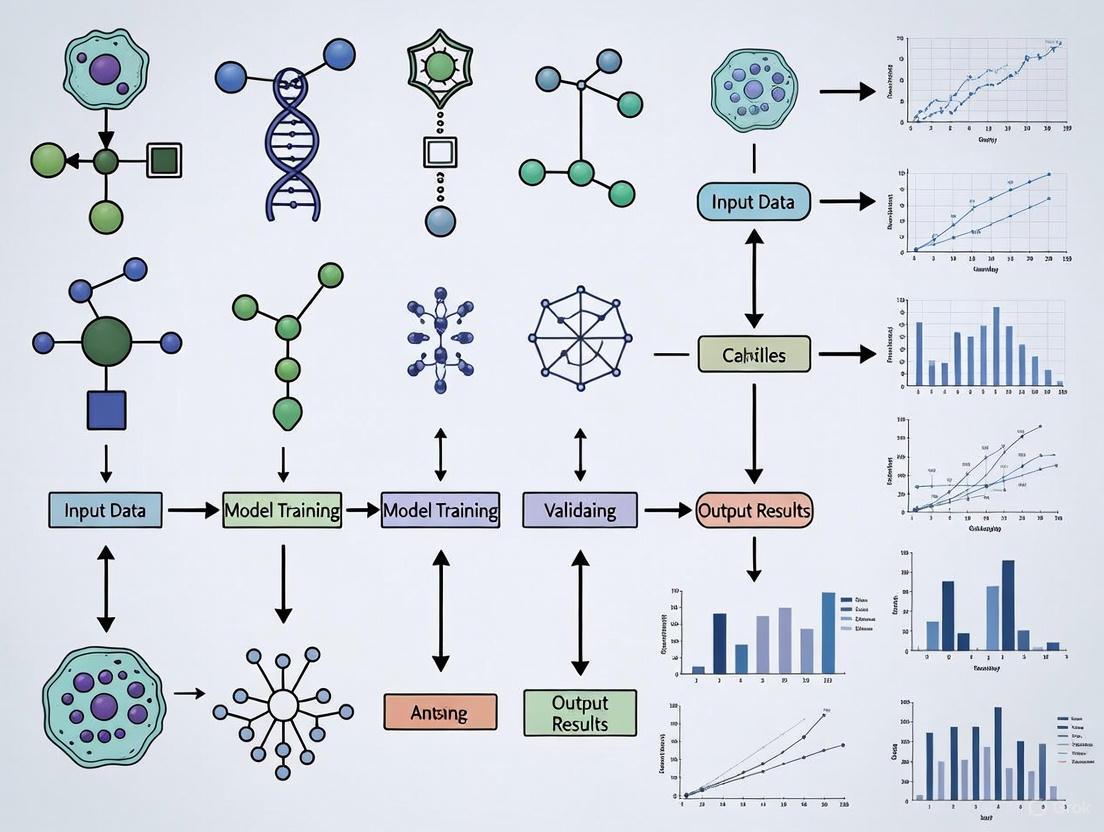
This article provides a comprehensive guide for researchers and scientists on enhancing the robustness of computational models in plant biology.
Building Robust Computational Models in Plant Biology: From Data Integration to Predictive Power
Abstract
This article provides a comprehensive guide for researchers and scientists on enhancing the robustness of computational models in plant biology. It explores the foundational principles of model building, including the unique challenges posed by plant genomes, such as polyploidy and high repetitive content. The piece details advanced methodological approaches, from foundation models for DNA and protein sequences to deep learning applications for phenotyping. It further addresses critical troubleshooting and optimization strategies for data and architecture selection, and concludes with rigorous validation and comparative analysis frameworks. By synthesizing the latest advances, this resource aims to equip professionals with the knowledge to develop more reliable, generalizable, and impactful predictive models for both basic plant science and applied crop improvement.
Laying the Groundwork: Principles and Challenges in Plant Biology Modeling
Frequently Asked Questions (FAQs)
Q1: What is the fundamental definition of robustness in computational biology? A1: Robustness is formally defined as the capacity of a system to maintain a function in the face of perturbations [1]. This means a robust biological model continues to perform correctly even when its parameters, inputs, or environmental conditions vary.
Q2: How is robustness different from reproducibility and replicability? A2: These are distinct but related concepts [2]:
- Reproducibility: Achieving quantitatively identical results using the same methods, data, and code.
- Replicability: Obtaining statistically similar results when repeating experiments under the same conditions.
- Robustness: Maintaining similar outcomes despite variations in conditions or protocol parameters.
Q3: What are the main types of robustness quantified in biological models? A3: Research identifies several key implementation types [3]:
Table: Types of Robustness Quantification in Biological Systems
| Robustness Type | What is Measured | Application Example |
|---|---|---|
| Functional Stability | Stability of system functions across different perturbations | Growth rate stability across hydrolysates |
| Cross-System Similarity | Similarity of functions across different systems under same perturbation | Growth function similarity across yeast strains |
| Temporal Stability | Stability of parameters over time | Intracellular parameter dispersion over time |
| Population Homogeneity | Homogeneity of parameters within a cell population | Quantifying population heterogeneity |
Q4: Why should plant biologists care about model robustness? A4: Robust outcomes from experiments or models are more likely to be biologically relevant under natural conditions, which are inherently variable [2]. Furthermore, robust protocols are more transferable between labs with different equipment or resources, enhancing collaborative potential.
Troubleshooting Guides
Problem 1: Low Model Robustness to Parameter Variations
Symptoms: Your model's predictions change dramatically with small changes in parameter values, or it requires excessively precise parameter tuning to match experimental data.
Diagnosis and Solutions:
- Root Cause: Over-fitting to a specific dataset or nominal parameter set, lacking generalizability.
- Corrective Actions:
- Implement Robustness Quantification: Systematically test your model against a defined "perturbation space." Use Trivellin’s robustness equation, a Fano factor-based method, to compute a dimensionless robustness score for key model outputs [3].
- Distinguish Absolute and Relative Robustness:
- Formalize Expected Behavior with Temporal Logic: Precisely define the system's desired function using Linear Temporal Logic (LTL). The violation degree of these LTL formulae can then computationally assess how far a perturbed behavior is from the expected one, providing a quantitative measure of robustness [1].
Problem 2: Model Fails to Capture Biological Generalizability
Symptoms: The model works well for one specific biological context (e.g., one cell type, species, or environment) but fails to predict outcomes in related contexts.
Diagnosis and Solutions:
- Root Cause: The model is likely a "pattern model" that identifies correlations from data but lacks underlying mechanistic principles [4].
- Corrective Actions:
- Incorporate Mechanistic Mathematical Modeling: Move beyond statistical correlations by building models based on biochemical reactions, biophysical laws, and mass-action kinetics. These ODE-based models provide a more principled basis for generalizing across contexts [4].
- Adopt Multi-Scale Hybrid Frameworks: Integrate different modeling approaches to capture different biological scales. For example, combine agent-based modeling (for cells) with ODEs/PDEs (for molecular reactions) to create a more comprehensive representation of the system [5].
- Integrate Multi-Omics Data: Use Machine Learning (ML) to integrate heterogeneous data (genomic, transcriptomic, proteomic). This helps capture the complex interactions among genes, pathways, and environment that govern generalizable responses [6].
Problem 3: Inconsistent Experimental Results Hampering Model Validation
Symptoms: You cannot get consistent, replicable results from wet-lab experiments, making it impossible to build or validate a reliable computational model.
Diagnosis and Solutions:
- Root Cause: High sensitivity to uncontrolled variations in complex multi-step experimental protocols [2].
- Corrective Actions:
- Systematically Document Protocol Variations: Identify and record all potential sources of variation. As demonstrated in split-root assays, factors like nutrient concentrations, light levels, and recovery periods can significantly impact outcomes [2].
- Test for Robustness Experimentally: Actively investigate which protocol variations substantially affect outcomes and which changes the system can buffer against. Robust phenotypic outcomes are more reliable for model validation [2].
- Enhance SOPs with Critical Step Highlighting: In Standard Operating Procedures (SOPs), use bold text or color to highlight steps that are particularly sensitive or prone to human error, such as specific pipetting techniques or wash steps [7].
Experimental Protocols for Robustness Analysis
Protocol 1: Quantifying Robustness in Microbial Strains
This protocol outlines the method used to characterize the robustness of Saccharomyces cerevisiae strains in hydrolysates [3].
1. Objective: To quantify the robustness of growth-related functions and intracellular parameters in yeast strains across different lignocellulosic hydrolysates.
2. Materials and Reagents: Table: Key Research Reagents for Microbial Robustness Assay
| Reagent / Tool | Function in the Experiment |
|---|---|
| S. cerevisiae strains (e.g., CEN.PK113-7D, Ethanol Red) | Model systems for robustness quantification. |
| Lignocellulosic Hydrolysates (e.g., from wood waste) | Complex perturbation space to test stability. |
| Synthetic-defined minimal Verduyn medium | Control medium for baseline comparisons. |
| ScEnSor Kit fluorescent biosensors | Monitor 8 intracellular parameters (pH, ATP, oxidative stress, etc.). |
| BioLector I high-throughput microbioreactor | Enables parallel cultivation under controlled conditions. |
3. Methodology: 1. Cultivation: Grow yeast strains in a high-throughput system (e.g., BioLector I) in control medium and seven different lignocellulosic hydrolysates. 2. Data Collection: Measure growth-related functions (specific growth rate, product yields) and eight intracellular parameters via fluorescent biosensors. 3. Robustness Calculation: Apply Trivellin’s robustness equation to the collected data to compute robustness indices for the four types outlined in FAQ A3.
4. Expected Output: A robustness score for each strain, allowing for the selection of strains that are not only high-performing but also stable across variable industrial substrates.
Protocol 2: Evaluating Robustness in a Plant Biology Protocol
This protocol uses the split-root assay as a case study for testing the robustness of an experimental outcome itself [2].
1. Objective: To determine which variations in a split-root assay protocol robustly yield the phenotype of preferential nitrogen foraging.
2. Materials: - Arabidopsis thaliana seeds. - Agar plates with varying nitrate concentrations (High Nitrogen: 1-10 mM KNO₃, Low Nitrogen: 0.05 mM KNO₃ or KCl controls). - Growth chambers with controlled light and temperature.
3. Methodology: 1. Systematic Variation: Execute the split-root assay while deliberately varying key parameters as found in literature, such as: - HN and LN concentrations. - Photoperiod and light intensity. - Duration of growth before splitting, recovery, and heterogeneous treatment. - Sucrose and nitrogen source in the growth media. 2. Phenotype Scoring: For each protocol variant, quantify the key foraging phenotype (preferential investment in root growth on the high nitrate side). 3. Robustness Assessment: Determine if the phenotype is consistently observed across the wide range of tested protocol parameters.
4. Expected Output: Identification of critical and non-critical protocol steps, leading to a more robust and transferable experimental method.
Essential Visualizations
Diagram 1: Robustness Quantification Workflow in Computational Biology
Diagram 2: Multi-Scale Modeling for Robustness Analysis
Frequently Asked Questions (FAQs)
Q1: Why do computational models trained on animal or human data often perform poorly on plant genomes? Plant genomes possess unique characteristics that are not well-represented in models trained on other kingdoms. Key challenges include:
- Polyploidy: Many plants, like wheat (allohexaploid) or peanut (allotetraploid), contain more than two sets of chromosomes. This creates multiple, very similar genomic sequences (homeologs) that are difficult to distinguish during sequencing and assembly, leading to fragmented and incomplete reference genomes [8] [9].
- High Repetitive Content: Plant genomes can be composed of over 80% repetitive sequences and transposable elements (e.g., in maize). This creates ambiguity for sequence alignment and introduces significant noise during model training [9].
- Environment-Responsive Regulation: Plant gene expression is dynamically regulated by diverse environmental factors (e.g., drought, salinity, light). Models trained on data from stable laboratory conditions may not generalize well to these complex, dynamic responses [9] [10].
Q2: What are the main computational challenges in assembling polyploid plant genomes, and how can they be overcome? The primary challenge is distinguishing between highly similar sub-genomes (homeologs). Standard assembly tools designed for diploid genomes often collapse these duplicate regions, creating a chimeric and inaccurate assembly [8].
- Solution: Utilize "third-generation" long-read sequencing technologies (e.g., PacBio, Oxford Nanopore). Their longer reads can span repetitive regions and homeologous variations, enabling more accurate chromosome-scale scaffolding. Advanced bioinformatics techniques like haplotyping by phasing are also crucial for separating the individual sub-genomes [8].
Q3: How does environmental stress directly impact a plant's genome and the data we collect from it? Environmental stress does not only change gene expression; it can directly accelerate the rate of genomic change. Research on Arabidopsis thaliana has shown that multigenerational growth in saline soil can lead to [11]:
- Increased Mutation Rates: A ~100% increase in the frequency of accumulated DNA sequence mutations.
- Altered Mutation Profiles: A distinctive molecular spectrum with a higher proportion of transversions and indels.
- Epigenetic Changes: A ~45% increase in inherited epigenetic marks (differentially methylated cytosine positions). These stress-induced changes increase genetic diversity and noise in datasets, which must be accounted for in experimental design and model training [11] [12].
Q4: What types of computational models are best suited for predicting plant growth in response to complex environmental conditions? For modeling complex, non-linear relationships like plant growth, data-driven approaches are highly effective. Bayesian Neural Networks (BNNs) have been successfully used to model daily plant growth in controlled environments by integrating data on temperature, light, CO₂, and humidity [13]. These models can handle the randomness and complexity of agricultural data, providing accurate predictions that can inform climate control strategies to maximize yield and resource-use efficiency [13].
Troubleshooting Guides
Problem: Poor Performance of a Foundational Model on Your Plant Species
- Symptoms: Low accuracy in tasks like gene expression prediction, variant effect prediction, or regulatory element identification.
- Potential Causes and Solutions:
- Cause 1: The model was pre-trained on data from non-plant species (e.g., human or animal genomes) and cannot generalize to plant-specific complexities [9].
- Solution: Use or fine-tune a plant-specific foundation model such as AgroNT, PlantCaduceus, or PlantRNA-FM, which are designed to handle issues like polyploidy and repetitive sequences [9].
- Cause 2: The genomic context of your species of interest is too divergent from the training data of even a plant-specific model.
- Cause 1: The model was pre-trained on data from non-plant species (e.g., human or animal genomes) and cannot generalize to plant-specific complexities [9].
Problem: High Error Rate in Genome Assembly for a Polyploid Crop
- Symptoms: A highly fragmented assembly with short contigs and scaffolds; inability to resolve homeologous chromosomes.
- Potential Causes and Solutions:
- Cause 1: Reliance on short-read sequencing data.
- Solution: Integrate long-read sequencing data to generate a more contiguous and complete assembly. The table below compares the impact of sequencing techniques on polyploid genome assembly [8].
- Cause 1: Reliance on short-read sequencing data.
Table 1: Impact of Sequencing Technologies on Polyploid Plant Genome Assembly
| Sequencing Technology | Typical Read Length | Advantages for Polyploids | Key Limitations |
|---|---|---|---|
| Short-Read (Illumina) | 50-300 bp | High accuracy, low cost | Cannot resolve long repeats or homeologous regions, leading to fragmented assemblies. |
| Long-Read (PacBio, Nanopore) | 10 kb - 1 Mb+ | Spans repetitive sequences and homeologs, enabling chromosome-scale scaffolds. | Higher error rate (though now much improved), higher DNA quantity/quality required. |
* Cause 2: Using a standard diploid-focused assembly pipeline. * Solution: Employ specialized assemblers and phasing tools (e.g., integrated in the Pairtools suite for Hi-C data) that can leverage long-range information to separate sub-genomes and correctly assign haplotypes [8] [14].
Problem: Noisy or Inconsistent Gene Expression Data from Stress Experiments
- Symptoms: High variability between biological replicates, difficulty in identifying statistically significant differentially expressed genes.
- Potential Causes and Solutions:
- Cause: The dynamic and individualized nature of plant stress responses, compounded by genetic and epigenetic heterogeneity [11] [10] [12].
- Solution:
- Increase Replication: Use more biological replicates than standard protocols recommend to account for high variability.
- Control Environmental Variance: Strictly control growth conditions (light, humidity, soil composition) to minimize non-stress-related noise.
- Apply Robust Normalization: Use statistical methods designed for noisy data (e.g., those in tools like DESeq2) and consider time-series analyses to capture dynamic patterns rather than single time-point snapshots [4].
- Solution:
- Cause: The dynamic and individualized nature of plant stress responses, compounded by genetic and epigenetic heterogeneity [11] [10] [12].
Experimental Protocols
Protocol 1: Assessing Stress-Induced Genomic and Epigenomic Variation
- Objective: To quantify the rate and spectrum of mutations and epimutations in plants grown over multiple generations under environmental stress.
- Background: This protocol is based on a Mutation Accumulation (MA) lineage study in Arabidopsis thaliana exposed to saline soil [11].
- Materials:
- Plant lines (e.g., isogenic lines of A. thaliana Col-0).
- Control and saline soil treatments.
- Equipment for DNA and bisulfite sequencing.
- Method Steps:
- Establish MA Lineages: Propagate at least three independent, single-seed descent lineages for a minimum of 5-10 generations under both control and stress conditions.
- Phenotypic Monitoring: Record generation time and visible stress symptoms (e.g., growth retardation, chlorosis) each generation [11] [10].
- Sequencing: In the final generation (e.g., G10), perform Whole-Genome Sequencing (WGS) and Whole-Genome Bisulfite Sequencing (WGBS) on plants from each lineage and the progenitor.
- Variant Calling: Identify de novo DNA sequence mutations and differentially methylated positions (DMPs) by comparing G10 genomes to the progenitor genome.
- Data Analysis:
- Calculate and compare mutation rates and epimutation rates between control and stressed lineages.
- Analyze the molecular spectrum of mutations (e.g., Ti/Tv ratio, indel frequency) [11].
Table 2: Key Research Reagent Solutions
| Reagent / Tool | Function in Experiment | Specific Example / Note |
|---|---|---|
| Long-Read Sequencer | Generating long sequencing reads to resolve complex genomic regions. | PacBio Sequel II or Oxford Nanopore PromethION for assembling polyploid genomes [8]. |
| Bisulfite Conversion Kit | Converting unmethylated cytosines to uracils for methylation profiling. | Essential for Whole-Genome Bisulfite Sequencing to detect epigenetic changes [11]. |
| Plant-Specific Foundation Model | A pre-trained model for genomic analysis tasks tailored to plant genomes. | AgroNT (for gene regulation), PlantCaduceus (for genome analysis) [9]. |
| Pairtools Suite | Processing sequencing data from Hi-C and other 3C+ protocols into chromosome contacts. | Critical for assessing 3D genome structure and validating assembly [14]. |
| Bayesian Neural Network (BNN) | Modeling and predicting plant growth from complex environmental data. | Effectively handles uncertainty and randomness in greenhouse sensor data [13]. |
Protocol 2: Building a Predictive Growth Model Using Bayesian Neural Networks
- Objective: To create a model that predicts daily plant growth (e.g., lettuce fresh weight) in response to environmental conditions in a controlled greenhouse [13].
- Materials:
- Sensor network for continuous monitoring of air temperature, humidity, CO₂ concentration, and light radiation.
- Daily plant growth measurements (e.g., leaf area, fresh weight).
- Method Steps:
- Data Collection: Collect high-temporal-resolution environmental data and corresponding plant growth data over at least one full growth cycle in both warm and cold seasons.
- Data Pre-processing: Clean the data, handle missing values, and normalize the input features.
- Model Training: Train several BNN architectures on the environmental data to predict plant growth metrics. BNNs are suitable as they quantify prediction uncertainty, which is valuable for agricultural decision-making [13].
- Model Validation: Evaluate the model's accuracy on a held-out test dataset from a different season using metrics like Root Mean Square Error (RMSE).
- Deployment: Integrate the trained model into a greenhouse control system to optimize environmental parameters for maximizing yield and resource-use efficiency [13].
Visualizations
Stress-Induced Genome Evolution
Solving Plant Modeling Challenges
Frequently Asked Questions (FAQs)
1. When should I choose a mechanistic model over a machine learning approach? Choose a mechanistic model when your goal is to understand the causal relationships in your system, you have small datasets, or you need to make predictions about scenarios not present in your existing data (extrapolation). Mechanistic models are ideal for generating and testing hypotheses about biological functions [15].
2. My mechanistic model is computationally too slow for parameter exploration. What can I do? You can develop a Machine Learning Surrogate Model. This involves training a machine learning model to approximate the input-output relationships of your complex mechanistic model. Once trained, the ML surrogate can provide results in a fraction of the time, enabling rapid parameter screening and sensitivity analyses [16].
3. How can I leverage machine learning if I have limited plant omics data? Consider using Foundation Models (FMs) pre-trained on large-scale biological sequences from multiple species. These models, such as AgroNT or PlantCaduceus, have learned general biological principles and can be fine-tuned for specific downstream tasks in your plant system, even with limited data [9].
4. Why do my model's predictions fail when our experimental protocol slightly changes? This may indicate a lack of robustness. In computational biology, a robust model's outcomes should remain stable despite moderate changes to parameters or assumptions. Investigate which protocol variations substantially affect outcomes; this informs which parameters are critical and can lead to more reliable, real-world relevant models [2].
5. How can I integrate single-cell RNA-seq data into my models of plant development? Single-cell RNA-seq data can be clustered to identify distinct cell types and states. This information can be used to parameterize or constrain mechanistic models of developmental processes. The resulting models can simulate cellular dynamics and gene regulatory networks with much higher resolution [17].
Troubleshooting Guides
Problem: Model Predictions Do Not Match Experimental Observations
Checklist:
- Calibrate and Validate: Ensure you use a two-stage process: a subset of data for model calibration and a separate, further dataset for validation [15].
- Review Simplifying Assumptions: Mechanistic models are built on simplified assumptions. Re-evaluate if critical mechanisms have been overlooked for your specific use case [15].
- Check for Data Shift (ML Models): For machine learning, ensure the data you are using for prediction comes from the same distribution as the training data. ML models struggle with extrapolation [15].
Problem: Computational Time of the Model is Prohibitive
Solution: Implement an ML Surrogate Model This workflow creates a fast, approximate version of your slow mechanistic model [16].
Procedure:
- Define Scope: Identify the key inputs/parameters and the target outputs of your mechanistic model you wish to approximate.
- Generate Data: Run the original mechanistic model thousands of times with varying inputs to create a dataset of input-output pairs.
- Train Surrogate: Use 80-90% of this data to train a machine learning model (e.g., LSTM, neural network, Gaussian process).
- Validate: Test the trained ML surrogate on the remaining 10-20% of the data. Validate that its predictions are sufficiently accurate and that it captures the core behavior of the original model.
- Deploy: Use the validated ML surrogate for all subsequent simulations and analyses. This can yield a speed improvement of 3 to 6 orders of magnitude [16].
Problem: Ensuring Robust and Replicable Results in Complex Experiments
Context: This is common in multi-step plant biology experiments, such as split-root assays for studying nutrient foraging [2].
Solution: Protocol Sensitivity Analysis
Procedure:
- Systematically Document Variations: Record all potential sources of variation in your experimental protocol (e.g., growth media concentrations, light levels, duration of steps).
- Test Key Parameters: Conduct experiments where you intentionally vary these parameters one at a time within a reasonable range.
- Identify Critical Factors: Determine which parameters significantly alter the outcome (e.g., the observation of preferential root growth). These are the factors that must be tightly controlled and meticulously reported.
- Establish Robust Protocol: Use this knowledge to create a detailed protocol that specifies which steps are critical and which allow for flexibility, enhancing the replicability of your research across different labs [2].
Research Reagent Solutions
The table below lists key resources for setting up and analyzing split-root assays, a common but complex experiment in plant nutrient foraging research.
| Item | Function | Example Usage/Note |
|---|---|---|
| Arabidopsis thaliana | Model plant organism | Ensure consistent genetic background for replicability [2]. |
| Agar Plates | Solid growth medium | Allows for precise control of nutrient localization and root visualization [2]. |
| KNO₃ & KCl | Nitrogen source and ionic control | Used to create High Nitrate (HN) and Low Nitrate (LN) conditions (e.g., 5mM KNO₃ vs. 5mM KCl) [2]. |
| Sucrose | Carbon source in media | Concentration can vary (e.g., 0.3% to 1%); must be consistent as it impacts growth [2]. |
| Fluorescence-Activated Cell Sorter (FACS) | Isolation of nuclei for single-cell omics | Used for snRNA-seq to avoid gene expression changes from protoplasting [17]. |
| 10x Genomics Platform | High-throughput scRNA-seq library construction | Enables cell-type-specific transcriptome profiling [17]. |
| Seurat / SCANPY | scRNA-seq data analysis toolkit | Used for clustering, normalization, and cell type annotation [17]. |
Model Selection and Integration Workflow
Use this decision diagram to select the appropriate modeling approach for your project and understand how they can be integrated.
Integration Pathways:
- ML within Mechanistic: Machine learning can be used to learn specific, hard-to-model components within a larger mechanistic framework. For example, using a surrogate model to speed up one computationally expensive part of a multiscale simulation [15] [16].
- Mechanistic within ML: Mechanistic models can generate derived parameters or features that are then used as inputs to machine learning algorithms, providing them with biologically informed priors and improving their performance [15].
Frequently Asked Questions (FAQs)
Q1: My computational model becomes intractable when I include full metabolic pathway details. How can I simplify it without losing predictive power? Focus on identifying rate-limiting steps. Map the complete pathway using a tool like Graphviz to visualize connections, then perform a sensitivity analysis to quantify the effect of each reaction parameter on your final output. Nodes with low sensitivity indices (e.g., < 0.05) are candidates for removal or simplification into a static function.
Q2: How do I validate that my simplified plant growth model is still biologically plausible? Design a multi-scale validation protocol. Calibrate your model using primary data from one spatial scale (e.g., cellular). Then, test its predictions against a separate, held-out dataset from a different scale (e.g., tissue or organ). A robust model should maintain an R² value of >0.7 across scales.
Q3: What is the best practice for handling unknown parameters in a newly developed model? Apply a parameter ensemble approach. Instead of seeking a single "correct" value, define a plausible range for the unknown parameter based on literature. Run multiple simulations sampling from this range and analyze the variance in your outcomes. This identifies which unknowns critically influence model robustness.
Q4: I am getting conflicting results when my model is run with different numerical solvers. How should I troubleshoot this? This often indicates a "stiff" system of equations. Create a diagnostic workflow: First, check for solver stability by comparing results with drastically reduced time steps. Second, profile your model's execution time to identify specific equations that cause the slow-down. The solution may require reformulating these equations or using a solver designed for stiff systems.
Troubleshooting Guides
Problem: Poor Model Generalization
Your model fits your calibration data well but fails to predict independent datasets.
Investigation Protocol:
- Test for Overfitting: Calculate the Akaike Information Criterion (AIC). A lower AIC suggests a better balance of fit and simplicity. If adding complexity only slightly improves fit but greatly increases AIC, your model is likely over-parameterized.
- Conduct Cross-Validation: Use k-fold cross-validation (typically k=5 or 10). If model performance varies significantly across folds, it has not learned generalizable rules.
- Check Input Data: Ensure the independent dataset follows the same distribution and was generated under comparable experimental conditions as the calibration data.
Solution: Apply regularization techniques (e.g., L1/L2 regularization) during parameter estimation to penalize complexity. Simplify the model by merging parameters with high correlation or by removing biological details that contribute little to the overall output variance.
Problem: Model Simulation Crashes or Fails to Converge
The numerical solver fails to find a solution, often due to mathematical instability.
Investigation Protocol:
- Isolate the Issue: Run the model with a minimal set of inputs and gradually add components to identify the module causing the crash.
- Inspect Parameter Values: Check for physically impossible values (e.g., negative concentrations) or parameters that have drifted to extreme values during estimation.
- Analyze Equation Formulation: Look for division by a variable that can approach zero or highly non-linear functions that may create discontinuities.
Solution: Reformulate problematic equations. Implement safeguards in the code, such as setting value bounds for critical variables. Switch to a more robust numerical solver designed for stiff differential equations.
Experimental Protocols for Cited Key Experiments
Protocol 1: Sensitivity Analysis for Model Simplification
Objective: To identify which model parameters have the least influence on output, allowing for safe simplification. Methodology:
- Define a baseline output for your model under standard conditions.
- For each parameter
p_i, perturb its value by a fixed percentage (e.g., ±10%). - Run the model for each perturbation and record the change in output.
- Calculate a normalized sensitivity coefficient
S_ifor each parameter:S_i = (ΔOutput / Output_baseline) / (Δp_i / p_i_baseline). - Rank parameters by the absolute value of
S_i. Parameters with the lowest|S_i|are the best candidates for removal or aggregation.
Protocol 2: Multi-Scale Validation of a Simplified Root Architecture Model
Objective: To ensure a model simplified from the cellular level still validly predicts organ-level phenotypes. Methodology:
- Cellular Calibration: Calibrate the model using data on single root cell division and elongation rates from time-lapse microscopy.
- Tissue-Level Validation: Use the calibrated model to predict the emergent formation of root tissue layers. Compare predictions to histological sections of the root, measuring layer thickness and cell count.
- Organ-Level Prediction: Run the model to simulate overall root growth architecture (primary root length, lateral root density). Validate against independent datasets of whole-root system scans.
Research Reagent Solutions
| Item Name | Function in Experiment |
|---|---|
| L-Glutamine (Isotope-Labeled) | Tracks nitrogen uptake and assimilation pathways in metabolic flux analysis. |
| Cellulose Synthesis Inhibitor (e.g., Isoxaben) | Perturbs cell wall formation to test model predictions on growth mechanics. |
| Genetically Encoded Calcium Indicator (e.g., GCaMP6) | Live-imaging of calcium signaling, a key second messenger in stress responses. |
| Phytohormone (e.g., Auxin, Abscisic Acid) | Used in pulse-chase experiments to parameterize hormone-response modules in models. |
Visualizing a Simplified Signaling Pathway Workflow
The diagram below illustrates a logical workflow for deciding which parts of a biological signaling pathway to include in a computational model, adhering to specified color and contrast rules.
Key Experiment: Signaling Pathway Integration Logic
This diagram outlines the core logic for integrating a key signaling pathway (e.g., auxin response) into a larger model, highlighting points of abstraction.
Advanced Computational Frameworks: From Foundation Models to Multi-Omics Integration
Frequently Asked Questions (FAQs)
Q1: What are the key advantages of plant-specific foundation models over general genomic models?
Plant-specific models like PlantCaduceus, AgroNT, and GPN-MSA are specifically designed to handle the unique complexities of plant genomes, which include high proportions of repetitive sequences (over 80% in maize), polyploidy, and environment-responsive regulatory elements [9]. These models are pre-trained on curated datasets of plant genomes, enabling them to learn evolutionary conservation across species diverged by up to 160 million years [18]. This specialized training allows for superior performance in plant genomics tasks compared to models trained primarily on human or animal data.
Q2: How do I choose the right model for my specific research task?
Model selection depends on your specific task, available computational resources, and target species. The table below provides a comparative overview to guide your decision:
| Model | Primary Architecture | Key Features | Best Suited For | Pre-training Data Scope |
|---|---|---|---|---|
| PlantCaduceus | Caduceus/Mamba [18] | Bi-directional context, reverse complement equivariance, single-nucleotide tokenization [18] [19] | Cross-species prediction, variant effect scoring, splice site identification [18] [19] | 16 Angiosperm genomes [18] |
| AgroNT | Transformer [9] | k-mer tokenization, focused on agricultural species | Promoter identification, protein-DNA binding tasks [9] | Plant genomes (specifics not detailed) |
| GPN-MSA | Not Specified | Incorporates multi-species alignment data [9] | Predicting functional variants in non-coding regions [9] | Multi-species alignments |
For a balance of performance and efficiency, PlantCaduceusl32 is recommended for research, while PlantCaduceusl20 is suitable for testing [19].
Q3: What are the common data formatting requirements for these models?
Most models require DNA sequences in FASTA format. However, tokenization strategies differ significantly. PlantCaduceus uses single-nucleotide tokenization, treating each base pair as a separate token [18]. In contrast, models like AgroNT and DNABERT use k-mer tokenization (e.g., overlapping 3-6 base pair segments) [9]. For variant scoring, PlantCaduceus uses standard VCF files for variants and BED files for genomic regions [19]. Ensuring your input data matches the model's expected tokenization strategy is critical for successful operation.
Q4: My model produces poor cross-species predictions. How can I improve this?
This is a common challenge when a model fine-tuned on one species (e.g., Arabidopsis) is applied to a distant species (e.g., maize). To improve cross-species transferability:
- Leverage Pre-trained Embeddings: Use a feature-based approach as implemented in PlantCaduceus. Freeze the pre-trained model and train a simpler classifier (e.g., XGBoost) on the extracted embeddings from your limited labeled data [18]. This leverages the evolutionary conservation already captured by the foundation model.
- Ensure Data Curation: PlantCaduceus showed that down-sampling non-coding regions and down-weighting repetitive sequences during pre-training reduces bias and improves model generalization across species [18]. Apply similar curation to your fine-tuning dataset.
- Use the Right Model: Select models explicitly designed for cross-species applications. PlantCaduceus has demonstrated effective transferability to species not included in its pre-training set, such as maize, outperforming other DNA LMs by 1.45 to 7.23-fold on tasks like splice site prediction [18].
Troubleshooting Guides
Installation and Setup Issues
Problem: GPU-related errors during model loading or inference.
- Cause: The model requires an NVIDIA GPU for local operation and might be incompatible with your CUDA version or GPU hardware [19].
- Solution:
- Verify Installation: Ensure you have installed the correct versions of
mamba-ssmandtransformerslibraries as specified in the model's repository [19]. - Check CUDA Compatibility: Confirm that your PyTorch installation is compatible with your CUDA version.
- Use Google Colab: For testing and quick analysis, use the provided Google Colab demo, which requires only a Google account and handles the GPU setup automatically [19].
- Model Selection: If GPU memory is limited, try a smaller model variant like
PlantCaduceus_l20orPlantCaduceus_l24[19].
- Verify Installation: Ensure you have installed the correct versions of
Poor Performance on Downstream Tasks
Problem: Fine-tuned model achieves low accuracy on your target task.
- Cause: This can be due to insufficient labeled data for fine-tuning, a mismatch between the pre-training data and your target species/task, or incorrect fine-tuning methodology.
- Solution:
- Use Feature-Based Fine-Tuning: Instead of full fine-tuning, which can be data-inefficient, use the approach validated with PlantCaduceus: extract sequence embeddings from the pre-trained model and use them to train a task-specific XGBoost classifier. This method has been shown to work effectively even with limited labeled data [18].
- Leverage Pre-Trained Classifiers: Check if pre-trained classifiers are available for common tasks (e.g., translation initiation sites, splice sites). The PlantCaduceus repository provides such classifiers in its
classifiersdirectory [19]. - Data Quality Check: Ensure your labeled data is high-quality and representative of the genomic context you are studying. Remove low-quality sequences and verify annotations.
Interpreting Model Outputs
Problem: Difficulty in understanding the model's scores and embeddings.
- Cause: The output of foundation models, such as log-likelihood scores for variants or high-dimensional embeddings, can be complex to interpret biologically.
- Solution:
- For Variant Scoring (Zero-Shot): When using
zero_shot_score.pyin PlantCaduceus, the output is a log-likelihood ratio. A lower (more negative) score indicates that the alternative allele is less likely than the reference, suggesting a potentially more deleterious mutation [19]. The script supports different aggregation methods (max,average,all) for analyzing alternative alleles. - For Sequence Embeddings: The embedding from PlantCaduceus has a bi-directional architecture. The first half corresponds to the forward sequence and the second half to the reverse complement. For downstream analysis, these should be averaged:
averaged_embeddings = (forward + reverse) / 2[19]. These embeddings can then be used for clustering, visualization with UMAP (as done in the original paper), or as input to classifiers [18].
- For Variant Scoring (Zero-Shot): When using
Experimental Protocols & Workflows
Protocol: Cross-Species Gene Annotation Using PlantCaduceus
Objective: Accurately predict functional elements (e.g., splice sites) in a target crop species using a model fine-tuned on a model organism.
Principle: This protocol leverages the evolutionary conservation learned by PlantCaduceus during its pre-training on multiple angiosperms. A classifier is trained on embeddings from a well-annotated species (e.g., Arabidopsis) and applied to a poorly annotated species (e.g., maize) [18].
Workflow for Cross-Species Annotation
Steps:
- Data Preparation: Format your labeled data from the source species (e.g., Arabidopsis) and unlabeled sequences from the target species into a tab-separated values (TSV) file, specifying sequences and their labels.
- Embedding Extraction: Use the pre-trained PlantCaduceus model (weights frozen) to generate embeddings for all sequences in your training and target datasets.
- Classifier Training: Train an XGBoost model on the embeddings extracted from the labeled source species data.
- Prediction: Use the trained XGBoost classifier to predict labels for the target species sequences based on their PlantCaduceus embeddings.
Key Considerations:
- This method relies on the model's inherent understanding of evolutionary conservation. Its performance will be higher for species closely related to those in the pre-training set but has been shown to work for species diverged by up to 160 million years [18].
- The XGBoost model is trained only on the source species data, requiring no labels from the target species.
Protocol: Zero-Shot Scoring of Genomic Variants
Objective: Prioritize deleterious mutations across the genome without task-specific training.
Principle: This protocol uses the model's inherent sequence modeling capability. The model evaluates how likely a sequence is with and without a variant; a large drop in likelihood for the alternative allele suggests a deleterious effect [18] [19].
Steps:
- Input Preparation:
- For Specific Variants: Prepare a VCF file containing the variants of interest.
- For Genome-Wide Scanning: Prepare a BED file defining the genomic regions you wish to scan.
- Run Scoring Script: Execute the
zero_shot_score.pyscript provided with PlantCaduceus [19].
- Interpret Results: Analyze the output file. For VCF mode, scores are added to the INFO column. Lower (more negative) log-likelihood ratios indicate higher predicted deleteriousness.
Research Reagent Solutions
This table details key computational tools and resources essential for working with foundation models in plant genomics.
| Resource Name | Type | Function/Purpose | Example/Reference |
|---|---|---|---|
| PlantCaduceus Models | Pre-trained Foundation Model | Provides base embeddings for DNA sequences and enables zero-shot variant scoring and fine-tuning for various tasks. | kuleshov-group/PlantCaduceus_l32 on HuggingFace [19] |
| XGBoost | Machine Learning Library | Used as a downstream classifier on top of frozen model embeddings for tasks like TIS and splice site prediction [18]. | Python package xgboost |
| Zero-Shot Scoring Script | Analysis Pipeline | Facilitates the evaluation of variant effects without task-specific training by calculating log-likelihood scores [19]. | zero_shot_score.py in PlantCaduceus repository [19] |
| Pre-trained XGBoost Classifiers | Task-Specific Model | Offers ready-to-use models for common annotation tasks, saving time and computational resources for fine-tuning. | Available in PlantCaduceus classifiers directory [19] |
| In-silico Mutagenesis Pipeline | Analysis Pipeline | Allows for large-scale simulation and analysis of genetic variants to study their potential effects. | Found in PlantCaduceus pipelines directory [19] |
Frequently Asked Questions (FAQs)
Q1: My CNN model for leaf disease classification is not achieving high accuracy. What could be wrong? A common issue is a dataset that is too small or lacks diversity, making the model prone to overfitting and unable to generalize. Ensure your dataset is large and varied enough to cover different disease stages, lighting conditions, and plant varieties [20]. Using data augmentation techniques (like rotation, flipping, and color adjustments) and leveraging transfer learning with a pre-trained model (e.g., ResNet, VGG) can significantly improve performance [20] [21].
Q2: How can I make my deep learning model feasible for use on mobile devices in the field? Traditional models like VGG or ResNet can be computationally intensive. To deploy models on resource-constrained devices, consider using lightweight architectures specifically designed for efficiency. The HPDC-Net is an example of a compact model that uses depth-wise separable convolutions and channel-wise attention to achieve high accuracy with a minimal number of parameters, making it suitable for CPUs and mobile deployment [21].
Q3: My model's predictions are not trusted by domain experts. How can I make it more interpretable? The "black box" nature of complex models can hinder trust. To address this, integrate Explainable AI (XAI) techniques into your workflow. You can use tools like SHapley Additive exPlanations (SHAP) to generate saliency maps. These maps visually highlight the regions of an input image (e.g., specific leaf lesions) that were most influential in the model's decision, making its reasoning more transparent and interpretable for scientists [20].
Q4: What is the best way to manage and collect phenotypic data for training these models? Manual data collection can be error-prone. Utilizing specialized, cross-platform digital tools can greatly enhance data quality and efficiency. The GridScore app, for instance, allows for efficient data collection by providing a visual overview of field plots, supports barcode scanning, GPS georeferencing, and data type validation, reducing errors and streamlining the process of building a high-quality dataset [22].
Q5: I am getting poor results when applying my model to images taken in real-field conditions. How can I improve robustness? Models trained on clean, lab-style images often fail in the field due to varying backgrounds, occlusions, and lighting. Improve robustness by:
- Training on diverse data: Include images taken directly in field conditions with complex backgrounds [20].
- Using advanced architectures: Models like Res2Next50 and Faster-RCNN have shown robustness for tasks like disease detection and localization in complex environments [21].
- Focusing on data quality: The significant disparities in image quality (illumination, sharpness, occlusions) are a major challenge; ensuring your training data reflects this variability is key [23].
Troubleshooting Guides
Issue: Overfitting in Plant Disease Classification Model
Problem: Your model performs well on training data but poorly on unseen validation or test images.
Diagnosis: The model has learned the noise and specific patterns of the training set instead of generalizable features.
Solution:
| Step | Action | Technical Details |
|---|---|---|
| 1 | Data Augmentation | Artificially expand your dataset by applying random transformations: rotation, horizontal/vertical flip, brightness/contrast adjustment, and scaling [20] [21]. |
| 2 | Apply Regularization | Use techniques like Dropout layers or L2 regularization within your network to prevent complex co-adaptations on training data. |
| 3 | Use Transfer Learning | Start with a pre-trained model (e.g., ResNet, EfficientNet) and fine-tune it on your plant dataset. This leverages features learned from a much larger dataset (e.g., ImageNet) [20]. |
| 4 | Simplify the Model | If your dataset is small, reduce the model's complexity (number of layers or parameters) to decrease its capacity to overfit [21]. |
Issue: Low Inference Speed on Resource-Constrained Hardware
Problem: Model is too slow for real-time disease classification on a smartphone or edge device in the field.
Diagnosis: The model architecture is too heavy, with a high number of parameters and computational requirements (GFLOPs).
Solution:
| Step | Action | Technical Details |
|---|---|---|
| 1 | Choose a Lightweight Model | Adopt architectures designed for efficiency, such as HPDC-Net, MobileNetV2, or SqueezeNet [21]. |
| 2 | Model Compression | Apply techniques like pruning (removing insignificant weights) or quantization (reducing numerical precision of weights) to a pre-trained model. |
| 3 | Benchmark Performance | Evaluate the model's speed in Frames Per Second (FPS) on your target hardware (CPU/GPU). For example, HPDC-Net achieved 19.82 FPS on a CPU [21]. |
| 4 | Optimize Architecture | Incorporate efficient operations like depth-wise separable convolutions, which significantly reduce parameters and computation compared to standard convolutions [21]. |
Robust Phenotyping Workflow
Experimental Protocols & Data
Protocol: Implementing a Lightweight CNN for Leaf Disease Classification
This protocol outlines the steps to implement the HPDC-Net architecture, a model designed for high accuracy and low computational cost [21].
- Data Preparation: Collect a dataset of leaf images (e.g., from PlantVillage). Split into training, validation, and test sets. Apply preprocessing: resize images to a consistent input size and normalize pixel values.
- Model Architecture: Construct the HPDC-Net using its three core blocks:
- DSCB (Depth-wise Separable Convolution Block): For efficient feature extraction.
- DAPB (Dual-Path Adaptive Pooling Block): For fusing features at different scales.
- CARB (Channel-Wise Attention Refinement Block): To weight important feature channels.
- Training: Compile the model with an Adam optimizer and categorical cross-entropy loss. Train on a GPU, monitoring validation accuracy to avoid overfitting.
- Evaluation: Evaluate the final model on the held-out test set. Report accuracy, precision, recall, and F1-score. Benchmark inference speed (FPS) on both GPU and CPU.
Performance Comparison of CNN Models for Plant Phenotyping
The table below summarizes the performance of various models as reported in recent literature, highlighting the trade-off between accuracy and computational efficiency.
| Model Name | Primary Task | Reported Accuracy | Computational Efficiency | Key Characteristic |
|---|---|---|---|---|
| HPDC-Net [21] | Tomato/Potato leaf disease classification | >99% | 0.52M parameters, 0.06 GFLOPs, 19.82 FPS (CPU) | Lightweight, designed for edge devices |
| ResNet-9 [20] | Multi-species pest & disease classification | 97.4% | Not specified | Used with SHAP for model interpretability |
| EfficientNetV2_m [20] | Apple leaf disease detection | ~100% | Not specified | High performance on controlled datasets |
| Res2Next50 [20] | Tomato leaf disease detection | 99.85% | Computationally intensive | High accuracy on curated data |
| Faster-RCNN (ResNet-34) [21] | Tomato disease localization & classification | ~99% | High computational demand | Capable of detecting and localizing diseases |
Essential Tools and Datasets for Plant Phenotyping Research
| Item Name | Type | Function & Application |
|---|---|---|
| GridScore [22] | Data Collection App | Cross-platform tool for accurate, efficient, and georeferenced phenotypic data collection in field trials. |
| Plant-Phenotyping.org Datasets [24] | Benchmark Data | Finely-grained annotated image datasets for developing and validating plant segmentation and phenotyping algorithms. |
| TPPD Dataset [20] | Specialized Image Data | Turkey Plant Pests and Diseases dataset with 4,447 images across 15 classes of pests and diseases for six plants. |
| SHAP (SHapley Additive exPlanations) [20] | Analysis Library | Explainable AI (XAI) tool that creates saliency maps to interpret and explain predictions made by deep learning models. |
| HPDC-Net Code [21] | Model Architecture | Open-source code for a lightweight hybrid CNN model, facilitating deployment on resource-constrained devices. |
Frequently Asked Questions (FAQs)
1. What are the primary challenges when integrating genomic, transcriptomic, and phenomic data? The main challenges include achieving data interoperability across different platforms and formats, addressing spatial and temporal biases in data collection, and integrating in-situ observations with remote sensing data effectively [25]. Additional hurdles involve managing the heterogeneity and high dimensionality of the data and the need for substantial computational resources [26] [27].
2. Which computational architecture is best suited for multi-modal data integration and prediction? The Dual-Extraction Modeling (DEM) architecture is a state-of-the-art, deep-learning approach specifically designed for heterogeneous omics data. It uses a multi-head self-attention mechanism and fully connected feedforward networks to extract representative features from individual omics layers and their combinations, leading to superior performance in both classification and regression tasks for complex traits [26]. For a serverless, cloud-based approach, architectures leveraging tools like AWS HealthOmics, Amazon Athena, and SageMaker provide a scalable environment for preparing and querying genomic, clinical, and imaging data [28].
3. How can I standardize my diverse datasets for integration? Standardization involves two key processes:
- Data Harmonization: Align data from different sources onto a common scale or reference, often using domain-specific ontologies [27].
- Data Standardization: Ensure data is collected and processed consistently using agreed-upon standards like Darwin Core for biodiversity data or other community-accepted protocols [25] [27]. This also includes normalization to account for differences in sample size or concentration and batch effect correction [27].
4. What is the difference between pattern models and mechanistic mathematical models?
- Pattern Models (Data-Driven): These models, which include many machine learning and statistical approaches, test hypotheses about spatial, temporal, or relational patterns between system components. They are excellent for finding correlations from large datasets (e.g., clustering expression data) but do not typically establish causation [4].
- Mechanistic Mathematical Models (Theory-Driven): These models describe the underlying chemical, biophysical, and mathematical properties of a biological system (e.g., using ordinary differential equations). They aim to explain how a system behaves based on its core structure and processes, allowing for hypothesis testing and prediction even without exhaustive data [4] [29].
5. Why is a systems biology approach starting with phenomics recommended? Starting with phenomics—the unbiased study of a large number of expressed traits—allows you to see the intertwined biological processes that lead back to genetic and metabolic associations. This approach captures pleiotropic effects (where one gene influences multiple traits) and helps distinguish causal pathways from secondary effects, providing a more clinically relevant starting point for understanding drug efficacy or complex diseases [30].
Troubleshooting Guides
Issue 1: Poor Predictive Performance of Integrated Model
Problem: Your multi-omics model shows low accuracy when predicting phenotypic outcomes.
| Potential Cause | Diagnostic Steps | Solution |
|---|---|---|
| Data Preprocessing Issues | Check for unnormalized data, batch effects, or features with high null-value proportions. | Preprocess data by removing low-variance features, imputing missing values, and applying robust scaling [26] [27]. |
| Incorrect Model Architecture | Evaluate if a simple model (e.g., linear) performs similarly, indicating under-fitting. | Switch to or incorporate a more powerful architecture like DEM [26] or a multi-head self-attention network that can capture global feature dependencies. |
| Failure to Capture Omics-Specific Information | Test models trained on single-omics data. If they perform well, the integration method may be the issue. | Implement a dual-stream architecture like DEM, which first models each omics type independently before performing integrated modeling, thus preserving omics-specific signals [26]. |
Issue 2: Inability to Identify Biologically Meaningful Genes or Pathways
Problem: Your model predicts phenotypes accurately but lacks interpretability and fails to pinpoint functional genes.
| Potential Cause | Diagnostic Steps | Solution |
|---|---|---|
| Use of a "Black Box" Model | Confirm that the model does not provide feature importance scores. | Apply post-hoc interpretation methods. For instance, shuffle feature values and compare the prediction performance against the model with actual values; high-ranking features that cause significant performance drops are likely important [26]. |
| Lack of Morphological Validation | Check if predictions are based solely on molecular data without cellular validation. | Integrate high-content morphological profiling like NeuroPainting, an adaptation of the Cell Painting assay for neural cells. This can reveal cell-type-specific morphological signatures that correlate with transcriptomic changes [31]. |
Issue 3: Data Integration and Workflow Breakdown
Problem: The process of ingesting, transforming, and storing multi-modal data is inefficient and error-prone.
| Potential Cause | Diagnostic Steps | Solution |
|---|---|---|
| Lack of a Unified Data Lake | Check if data is siloed across different locations and formats. | Implement a centralized data lake architecture using cloud solutions (e.g., Amazon S3). Use infrastructure-as-code (IaC) for automated, reproducible deployment of ingestion pipelines [28]. |
| Manual and Non-Reproducible ETL/ELT Processes | Review if data transformation steps are documented and scripted. | Utilize scalable, serverless ETL services like AWS Glue to prepare, catalog, and transform genomic, transcriptomic, and imaging data into a query-friendly format (e.g., Parquet) [28]. |
Comparison of Multi-Modal Data Integration Methods
The table below summarizes key computational methods for integrating multi-modal data, highlighting their applications and strengths.
| Method / Architecture | Data Types Supported | Key Function | Key Features | Reference |
|---|---|---|---|---|
| Dual-Extraction Modeling (DEM) | Genomics, Transcriptomics, other Omics | Phenotypic prediction & functional gene mining | Multi-head self-attention; Dual-stage extraction; Superior accuracy & interpretability | [26] |
| NeuroPainting | Transcriptomics, High-content Imaging (Phenomics) | Morphological profiling in neural cells | Adapted Cell Painting; ~4000 morphological features; Links molecular changes to cellular phenotype | [31] |
| AWS Multi-Omics Guidance | Genomics, Clinical, Mutation, Expression, Imaging | Data ingestion, storage, & large-scale analysis | Serverless (AWS HealthOmics, Athena); Scalable data lake; Infrastructure as Code (IaC) | [28] |
| Species Distribution Models & Machine Learning | Species Occurrence, Trait Data, Environmental Variables | Biodiversity modeling & prediction | Uses Darwin Core standards; Predicts impacts of environmental drivers | [25] |
| mixOmics (R)/INTEGRATE (Python) | Multi-Omics | Data integration analysis | Toolkit for omics integration; Effective for dimension reduction and multi-modal data exploration | [27] |
Experimental Protocol: Integrating Transcriptomics and Phenomics with NeuroPainting
This protocol details a method for uncovering cell-type-specific morphological and molecular signatures by combining transcriptomic data with high-content imaging, as used in studies of the 22q11.2 deletion syndrome [31].
Cell Culture and Differentiation
- Material: 44 human induced pluripotent stem cell (iPSC) lines (22 with 22q11.2 deletion, 22 matched controls).
- Method: Differentiate iPSCs into relevant neural cell types (e.g., neuronal progenitor cells, neurons, astrocytes) using established protocols [31].
- Plating: Plate cells in 384-well microplates at optimized densities:
- iPSCs: 10,000 cells/well, fix 24 hours post-plating.
- NPCs: 15,000 cells/well, fix 24 hours post-plating.
- Neurons: 2,500 cells/well, fix 25 days post-plating.
- Astrocytes: 3,000 cells/well, fix 48 hours post-plating.
- Randomization: Randomize plate maps to ensure equal distribution of genotypes and cell lines across plates, minimizing technical variation.
NeuroPainting Staining and Imaging
- Staining: Adapt the Cell Painting assay for neural cell types using six dyes: Hoechst (DNA), MitoTracker (mitochondria), Phalloidin (actin cytoskeleton), among others, to stain various cellular compartments.
- Imaging: Image plates using a high-content imaging system (e.g., Perkin Elmer Phenix) at 20x magnification.
Image Analysis and Feature Extraction
- Software: Use CellProfiler to create an analysis pipeline optimized for neural cell types.
- Segmentation: Segment cells, nuclei, and cytoplasm based on the respective stains.
- Feature Extraction: Quantify over 4,000 morphological features related to:
- AreaShape: Size and shape of cellular components.
- Granularity & Texture: Patterns of organelle organization.
- Intensity & Radial Distribution: Staining intensity and its distribution within the cell.
- Data Reduction: Preprocess the data by:
- Removing low-variance features.
- Applying robust standardization (median absolute deviation).
- Performing rank-based inverse normal transformation.
- Applying correlation-based feature selection to eliminate redundancy, resulting in ~700 features for downstream analysis.
Transcriptomic Analysis
- RNA Sequencing: Perform RNA sequencing on the same cell lines and types.
- Differential Expression: Identify genes with significantly reduced or increased expression in 22q11.2 deletion samples compared to controls.
Data Integration and Analysis
- Correlation: Integrate RNA sequencing data with NeuroPainting morphological data to pinpoint specific gene expression changes (e.g., in cell adhesion genes) that correlate with observed morphological phenotypes (e.g., mitochondrial disruption) [31].
- Validation: Compare findings with post-mortem brain data to validate the biological relevance of the integrated signatures.
The Scientist's Toolkit: Research Reagent Solutions
| Item / Reagent | Function in Multi-Modal Integration |
|---|---|
| Human iPSCs | Provides a patient-derived, disease-relevant cellular system for modeling genetic disorders in various cell types [31]. |
| NeuroPainting Dye Cocktail | Stains multiple organelles (DNA, mitochondria, ER, cytoskeleton) to generate high-dimensional morphological profiles [31]. |
| CellProfiler Software | Open-source software for creating customized image analysis pipelines to extract thousands of morphological features [31]. |
| Darwin Core Standards | A standardized framework for sharing biodiversity data, enabling interoperability between species occurrence, trait, and environmental datasets [25]. |
| AWS HealthOmics | A managed service for storing, analyzing, and querying genomic and other omics data at scale, simplifying data management in the cloud [28]. |
| Dual-Extraction Modeling (DEM) Software | User-friendly deep-learning software for predicting phenotypes and mining functional genes from heterogeneous multi-omics datasets [26]. |
Workflow Diagrams
Multi-Modal Data Integration and Analysis Workflow
Dual-Extraction Modeling (DEM) Architecture
Frequently Asked Questions (FAQs) and Troubleshooting Guides
FAQ 1: What are the most advanced tools for predicting RNA-binding protein (RBP) binding sites, and how do I choose between them?
Answer: For predicting RBP binding sites, deep learning-based webservers are the most advanced. A key tool is RBPsuite 2.0, which offers a significant upgrade from its previous version [32].
The table below compares its features to help you select the right option:
| Feature | RBPsuite 1.0 | RBPsuite 2.0 |
|---|---|---|
| Supported RBPs | 154 human RBPs [32] | 223 human RBPs (351 across all species) [32] |
| Supported Species | Human only [32] | 7 species: Human, Mouse, Zebrafish, Fly, Worm, Yeast, Arabidopsis [32] |
| circRNA Prediction | CRIP method [32] | iDeepC method (improved accuracy) [32] |
| Key Features | Basic binding site prediction [32] | Binding site prediction, motif contribution scores, and UCSC genome browser track visualization [32] |
Troubleshooting: If your model organism is not human, you must use RBPsuite 2.0. For studies on circular RNAs (circRNAs), the updated iDeepC engine in RBPsuite 2.0 provides more reliable predictions [32].
FAQ 2: I work with plant species. Why do standard lncRNA identification tools perform poorly, and what is the recommended solution?
Answer: Standard tools (e.g., CPAT, LncFinder, PLEK) are often trained on human or animal data and fail to capture the unique characteristics of plant lncRNAs, leading to inaccurate identification [33].
The solution is to use tools retrained on plant-specific data. The Plant-LncPipe pipeline integrates the two best-performing retrained models, CPAT-plant and LncFinder-plant, which significantly improve prediction accuracy for plant transcripts [33].
Troubleshooting Guide:
| Problem | Possible Cause | Solution |
|---|---|---|
| High false positive rate in lncRNA identification. | Tool trained on non-plant genomic features. | Use the plant-specific Plant-LncPipe pipeline [33]. |
| Inconsistent results across different plant species. | Lack of generalization in the model. | Ensure you are using the ensemble method within Plant-LncPipe, which combines CPAT-plant and LncFinder-plant for robust performance [33]. |
FAQ 3: How can I functionally validate the binding of an RBP to a lncRNA predicted by computational tools?
Answer: Computational predictions should be validated experimentally. Here is a standard protocol for validating RBP-lncRNA interactions using RNA Immunoprecipitation (RIP), a method successfully used to confirm predictions from tools like RBPsuite [32].
Experimental Protocol: RNA Immunoprecipitation (RIP)
- Cell Lysis and Preparation: Harvest your plant cells or tissues and lyse them using a mild lysis buffer to preserve protein-RNA interactions.
- Immunoprecipitation: Incubate the cell lysate with an antibody specific to your RBP of interest. Include a control with a non-specific IgG antibody.
- Bead Capture: Add protein A/G beads to capture the antibody-RBP complex and any bound RNAs.
- Washing: Wash the beads extensively with buffer to remove non-specifically bound RNAs.
- RNA Extraction and Purification: Isolve and purify the RNA that is bound to the RBP.
- Analysis: Convert the purified RNA to cDNA and perform quantitative PCR (qPCR) to detect the presence of the specific lncRNA. For a genome-wide approach, the purified RNA can be used for high-throughput sequencing (RIP-Seq).
The following workflow diagram illustrates this process:
FAQ 4: What tools can I use for the functional perturbation of lncRNAs to study their role in plant biology?
Answer: Beyond identification, studying lncRNA function requires perturbation tools. The table below lists key reagent solutions for loss-of-function and gain-of-function studies.
Research Reagent Solutions for lncRNA Functional Studies
| Reagent / Tool | Function | Application in Plant Research |
|---|---|---|
| Lincode siRNA | Precision knockdown; chemically modified for high specificity and reduced off-target effects [34]. | Silencing specific lncRNAs to study their role in processes like immune response [34]. |
| SMARTvector Inducible shRNA | Sustained, doxycycline-regulated knockdown using lentiviral delivery [34]. | Creating stable plant cell lines for temporal control of lncRNA silencing. |
| CRISPR/dCas9 Systems | Targeted gene regulation without cutting DNA [34]. | CRISPRi to repress and CRISPRa to activate lncRNA transcription in its native genomic context [34]. |
| cDNA/ORF Clone Libraries | Overexpression of specific lncRNA isoforms [34]. | Functional dissection of domain-specific effects of lncRNA isoforms. |
The logical relationship between perturbation tools and experimental outcomes can be visualized as follows:
Data Presentation Tables
Table 1: Quantitative Performance of RBPsuite 2.0's Expanded Coverage. This table summarizes the significant increase in data coverage, which enhances model robustness and generalizability [32].
| Species | Genome Version | Number of Supported RBPs | Primary Data Source |
|---|---|---|---|
| Human | hg38 | 223 | POSTAR3 CLIPdb [32] |
| Mouse | mm10 | Included in 351 total | POSTAR3 CLIPdb [32] |
| Zebrafish | danRer11 | Included in 351 total | POSTAR3 CLIPdb [32] |
| Fly | dm6 | Included in 351 total | POSTAR3 CLIPdb [32] |
| Worm | ce11 | Included in 351 total | POSTAR3 CLIPdb [32] |
| Arabidopsis | TAIR10 | Included in 351 total | POSTAR3 CLIPdb [32] |
| Yeast | sacCer3 | Included in 351 total | POSTAR3 CLIPdb [32] |
Table 2: Advantages of Plant-Specific LncRNA Identification Models. This table compares the performance of standard models versus plant-retrained models, demonstrating the critical importance of species-specific training for model accuracy [33].
| Model | Training Data | Key Advantage | Recommended Use |
|---|---|---|---|
| CPAT-plant | Plant transcriptomes | Significantly improved precision for plant lncRNAs [33] | Plant lncRNA identification |
| LncFinder-plant | Plant transcriptomes | Top performer on multiple evaluation metrics [33] | Plant lncRNA identification |
| Plant-LncPipe | Integrates multiple models | Ensemble pipeline for identification, classification, and origin analysis [33] | Comprehensive plant lncRNA analysis |
Overcoming Practical Hurdles: Data, Architecture, and Computational Efficiency
Confronting Data Scarcity and Heterogeneity in Plant Sciences
FAQs: Core Data Challenges
FAQ 1: What are the primary forms of data heterogeneity in modern plant science? Modern plant breeding and research generate massive, high-dimensional data from a gamut of sources, leading to significant heterogeneity. The most significant data types include [35]:
- Genomic Data: Related to the structure, function, evolution, mapping, and editing of genomes (DNA and RNA).
- Phenotypic Data: Related to morphological and functional plant traits (growth, yield, architecture). The collection protocols for this data are often fragmented and lack global standards.
- Farm Management Metadata: Information on practices and technologies used, such as seeding depth, crop rotations, and input application dates.
- Geospatial Data: Site-specific information associated with precision agriculture, such as soil characteristics and yield.
- Telematics Data: Operational data collected from field equipment and machinery via sensors and positioning systems. This heterogeneity presents challenges in integration, manipulation, and interpretation, requiring sophisticated analytical tools and management facilities [35].
FAQ 2: Where is data scarcity most pronounced in global food production systems? Data scarcity is most acute in livestock, fisheries, and aquaculture sectors at both national and local levels [36]. Geographically, the most significant scarcity is observed in developing regions, including Central America, sub-Saharan Africa, North Africa, and parts of Asia [36]. This is concerning because these regions often coincide with areas facing acute food insecurity. The scarcity is driven by challenges such as inadequate financial and human resources to conduct regular agricultural censuses or surveys, and the inherent difficulty and cost of collecting accurate data for mobile fisheries and livestock [36].
FAQ 3: How can I improve the robustness and replicability of my complex plant biology experiments? Robustness—the capacity to generate similar outcomes under slightly different conditions—is crucial for biological relevance. To enhance it [2]:
- Systematically Investigate Protocol Variations: Identify which steps in your protocol are critical and which can be buffered against minor changes. For example, in split-root assays, factors like nitrate concentration, photoperiod, and recovery period duration can vary significantly between published studies while still producing the core foraging phenotype.
- Extend the Level of Detail in Methods: Document not just what was done, but which aspects of the protocol were optimized versus those that were habitual or arbitrary. This information is decisive for the success of future replication efforts.
- Adhere to FAIR Principles: Make your data Findable, Accessible, Interoperable, and Reusable to support replicability and collaborative science [35] [2].
FAQ 4: What computational approaches help integrate heterogeneous multi-omics data?
- Genome-Scale Metabolic Network Reconstruction: This approach uses genome annotation to predict functional cellular network structures, providing a mechanistic framework for interpreting genomic, transcriptomic, and metabolomic data. It helps place molecules into a pathway and network context, supporting biochemical interpretation [37].
- Machine Learning and Computational Statistics: These methods are essential for mining vast amounts of multi-dimensional data, finding patterns, and driving integration strategies to achieve a systems-level understanding [37].
- Entity Resolution and Data Fusion: From computer science, these systematic solutions address value-level heterogeneity by identifying different descriptions of the same real-world entity (e.g., a protein across databases) and fusing them into a single, unified representation [38].
Troubleshooting Guides
Troubleshooting Data Heterogeneity for Model Integration
Problem: Computational models of plant metabolism yield inconsistent or unreliable predictions when fed with heterogeneous data from disparate sources.
| Observed Issue | Potential Root Cause | Recommended Solution |
|---|---|---|
| Model fails to validate against experimental data. | Structural heterogeneity: Underlying data schemas and formats are incompatible. | Apply schema mapping techniques to resolve structural differences and align data representations [38]. |
| Inability to link genomic and phenotypic data. | Value-level heterogeneity: The same entity (e.g., gene ID) has different representations across databases. | Implement entity resolution algorithms to group different descriptions of the same real-world entity [38]. |
| Unified data view remains inconsistent after integration. | Conflicting values for the same attribute from different sources. | Employ data fusion methodologies to resolve conflicts and create a single, coherent representation from the grouped entities [38]. |
| Model is overly sensitive to minor parameter changes. | Lack of robustness testing; model may be fine-tuned to a specific, narrow dataset. | Test the model's robustness by varying input parameters and protocol assumptions, ensuring it simulates the right behavior for the right reasons [2]. |
Data Integration Workflow for Robust Modeling
Troubleshooting Experimental Data Scarcity
Problem: A lack of timely, granular, and transparent data is hindering field-level interventions and modeling for crop improvement.
| Observed Issue | Potential Root Cause | Recommended Solution |
|---|---|---|
| Missing data for key crops in specific regions. | Lack of recent agricultural censuses or surveys due to resource constraints [36]. | Leverage complementary remote sensing and satellite-based data collection to fill spatial and temporal gaps [36]. |
| Inability to target food security interventions. | Data is available only at the national level, lacking local granularity [36]. | Advocate for and participate in open data initiatives and build local capacity for fine-grained data collection and management. |
| Livestock or aquaculture data is unreliable. | Data collection is cost-prohibitive, and methods are difficult to reproduce [36]. | Develop and adopt standardized, low-cost protocols for data collection in these sectors, potentially using novel sensor technologies. |
| Single-cell analyses are limited to model species. | Technical challenges in applying single-cell methods to non-model species, including cell wall dissociation [39]. | Invest in developing universal methods for cell or nucleus isolation and processing to democratize single-cell technologies for environmental species [39]. |
Detailed Experimental Protocol: Split-Root Assay for Investigating Systemic Signaling
This protocol, used to study nutrient foraging in Arabidopsis thaliana, exemplifies a complex multi-step experiment where variations can challenge replicability and robustness [2].
1. Objective: To discern local versus systemic root responses by dividing the root system and exposing each half to different nutrient environments.
2. Key Materials and Reagents:
- Plant Material: Sterilized seeds of Arabiana thaliana (e.g., Col-0 wild-type).
- Growth Media: Solid agar media with defined nitrate concentrations. Typical "High Nitrate" (HN) media uses 5-10 mM KNO₃, while "Low Nitrate" (LN) media uses 0.05-1 mM KNO₃ or a replacement like KCl [2].
- Sucrose: Often added at 0.3% - 1% to the media as a carbon source [2].
- Equipment: Sterile tissue culture facilities, laminar flow hood, growth chambers with controlled light (40-260 μmol m⁻² s⁻¹) and temperature (21-22°C), fine forceps, and scalpels [2].
3. Step-by-Step Methodology:
- Step 1: Pre-growth. Sow sterilized seeds on vertical agar plates containing a standard growth medium. Grow under long-day (e.g., 16h light/8h dark) or short-day photoperiods for 6-13 days until the primary root has developed two lateral roots of sufficient length [2].
- Step 2: Root Splitting. Using a sterile scalpel, carefully excise the primary root tip just above the two chosen lateral roots. This encourages the growth of these two laterals as the main root systems. Some protocols include a recovery period of 3-8 days on standard medium after this step [2].
- Step 3: Heterogeneous Treatment. Transfer the seedlings to new split-plate setups where one lateral root is placed on HN agar and the other on LN agar.
- Step 4: Experimental Period. Grow plants in the heterogeneous condition for 5-7 days.
- Step 5: Data Collection. Image the root systems. Analyze root architecture traits (e.g., total root length, lateral root density) for each half separately and compare the HN side to the LN side to quantify preferential foraging.
4. Critical Troubleshooting Notes for Robustness:
- Robust Phenotype: The key observation of preferential root growth in the HN compartment (HNln > LNhn) is robust across wide variations in nitrate concentration, light intensity, and media sucrose content [2].
- Sensitive Phenotype: More subtle phenotypes, such as whether the HNln side grows more than a root in a homogeneous high nitrate condition (HNln > HNHN), may be more sensitive to specific protocol variations. Precise replication of media components and timing is essential for studying these finer systemic signals [2].
- Recommendation: When publishing, explicitly state all protocol details (concentrations, light levels, durations) and note which steps were found to be critical for obtaining the reported results.
Split-Root Assay Workflow
The Scientist's Toolkit: Research Reagent Solutions
| Item/Category | Function in Experiment | Example Application & Notes |
|---|---|---|
| High-Throughput Sequencing | Enables genotyping and transcriptomic analysis (RNA-seq) to link genotype to phenotype. | Used in creating genome-scale metabolic models by providing comprehensive genome information [37]. |
| Genome-Scale Metabolic Models | Computational reconstructions that predict functional cellular network structure from genome annotation. | Supports interpretation of omics data by placing molecules into a pathway context; used with constraint-based analysis methods [37]. |
| Single-Cell RNA Sequencing (scRNA-seq) | Captures whole transcriptomes of individual cells to identify cell types and states within complex tissues. | Applied to Arabidopsis roots to uncover novel cell subtypes and developmental trajectories [39]. Challenges exist in plant cell dissociation due to cell walls [39]. |
| Spatial Transcriptomics | Provides gene expression data while retaining the spatial location of cells within a tissue section. | Methods like Visium are beginning to be applied to plants like Arabidopsis and poplar to understand spatial organization of gene expression [39]. |
| FAIR Data Principles | A set of guidelines to make data Findable, Accessible, Interoperable, and Reusable. | Critical for enhancing data sharing, reproducibility, and machine-actionability in plant biology [35]. |
| Entity Resolution Algorithms | Computer science methods to identify and group different digital records that refer to the same real-world entity. | Solves value-level heterogeneity when integrating disparate life science databases (e.g., merging protein records from different sources) [38]. |
Robust computational models are paramount in plant biology research, where species-specific genetic variations can severely limit the applicability of predictive tools. This is particularly true for the identification of long non-coding RNAs (lncRNAs), which are crucial regulators of biological processes but exhibit low sequence conservation across species [40]. Existing computational methods for lncRNA identification have often faced significant difficulties in generalizing across diverse plant species, creating a critical need for more versatile identification models [40]. PlantLncBoost represents a strategic response to this challenge, demonstrating how thoughtful feature engineering and selection can dramatically improve model generalization. By integrating advanced gradient boosting algorithms with comprehensive feature analysis, this approach achieves both high accuracy and exceptional cross-species applicability [40] [41]. This technical support document examines the implementation lessons from PlantLncBoost, providing researchers with practical methodologies to enhance their own computational models in plant genomics.
Technical Deep Dive: PlantLncBoost Architecture
Core Algorithm and Implementation
PlantLncBoost is built upon the CatBoost gradient boosting framework, specifically selected for its ability to handle multicollinearity and capture underlying patterns without overfitting [40] [42]. The model was trained on balanced lncRNA and mRNA datasets from nine diverse angiosperm species, with rigorous preprocessing to remove redundant sequences (>80% identity) and those containing ambiguous nucleotides [40]. This foundational approach ensures the model learns generalizable patterns rather than species-specific artifacts.
Key Technical Specifications:
- Framework: CatBoost (Gradient Boosting)
- Training Species: 9 angiosperms
- Input Requirements: RNA sequences >200nt, filtered for ambiguity
- Dependencies: Python 3.7+, Biopython, NumPy, Pandas, SciPy, CatBoost [43]
The Three-Feature Revolution: Strategic Feature Selection
Through extensive analysis of 1,662 potential features, PlantLncBoost identified three highly discriminative features that effectively capture the fundamental differences between lncRNAs and mRNAs across plant species [40]. The table below summarizes these key features and their biological significance:
Table: Key Features in PlantLncBoost and Their Biological Significance
| Feature Name | Technical Description | Biological Interpretation | Discriminatory Power |
|---|---|---|---|
| ORF Coverage | Measures the proportion of sequence covered by open reading frames | lncRNAs typically lack long ORFs compared to protein-coding mRNAs | High: Directly targets coding potential |
| Complex Fourier Average | Derived from Fourier transform of sequence; captures periodic signals | Reveals underlying nucleotide patterning and structural preferences | High: Mathematical representation of sequence architecture |
| Atomic Fourier Amplitude | Frequency-domain information from Fourier analysis | Quantifies repetitive elements and structural motifs | High: Encodes global sequence properties |
The strategic selection of these three features from 1,662 candidates represents a conscious trade-off between comprehensiveness and generalization potential. Complex Fourier features extract periodic signals and frequency-domain information from sequences, capturing mathematical properties that transcend species-specific sequence variations [40]. ORF coverage leverages the fundamental biological distinction that lncRNAs generally lack long open reading frames, unlike protein-coding mRNAs [40]. This feature selection approach directly addresses the generalization challenge by focusing on universal properties rather than species-specific sequence characteristics.
Experimental Protocols and Validation
Data Collection and Preprocessing Methodology
Source Databases and Quality Control
- lncRNA Data: Acquired from GreeNC database, employing stringent criteria for high-quality plant lncRNA selection [40]
- mRNA Data: Obtained from Phytozome v.13 to guarantee balanced training [40]
- Sequence Filtering:
- Remove sequences with >80% identity using CD-HIT-EST
- Discard sequences containing ambiguous nucleotides ('N')
- Minimum length threshold: 200 nucleotides
- Species Representation: 9 angiosperm species for training; 20 plant species for testing [40]
Implementation Protocol:
- Download transcriptome data from SRA using prefetch and fastq-dump [43]
- Perform quality control with fastp:
fastp -i input.fastq -o output_clean.fastq[43] - Align to reference genome using HISAT2:
hisat2 --new-summary -p 10 -x genome.index input_clean.fastq -S output.sam[43] - Reconstruct transcripts with StringTie:
stringtie -p 10 -G annotation.gtf -o output.gtf aligned.bam[43]
Performance Validation Across Species
PlantLncBoost was rigorously validated using comprehensive datasets from 20 plant species, demonstrating exceptional generalization capability [40]. The performance metrics across this diverse validation set are summarized below:
Table: PlantLncBoost Performance Metrics Across 20 Plant Species
| Metric | Performance Value | Significance |
|---|---|---|
| Accuracy | 96.63% | Overall prediction correctness |
| Sensitivity | 98.42% | Ability to correctly identify true lncRNAs |
| Specificity | 94.93% | Ability to correctly identify true mRNAs |
| Comparative Advantage | Significantly outperformed existing tools | Demonstrated on diverse species set |
The validation species included Amborella trichopoda, Arabidopsis thaliana, Brachypodium distachyon, Oryza sativa, Zea mays, and representatives from green algae like Chlamydomonas reinhardtii, demonstrating robust performance across evolutionary distances [40].
Technical Support: Troubleshooting Guides and FAQs
Installation and Dependency Management
Common Issue: Dependency Conflicts in Python Environment
Problem: Users report installation failures or runtime errors due to version incompatibilities between PlantLncBoost dependencies and existing packages.
Solution:
Verification Step:
Troubleshooting Tip: If encountering memory issues during prediction on large datasets, reduce batch size by modifying the -t parameter in PlantLncBoost_prediction.py [43].
Feature Extraction and Quality Control
Common Issue: Low Prediction Accuracy on Novel Species
Problem: Users report decreased performance when applying PlantLncBoost to species not represented in the original training set.
Diagnosis Checklist:
- Verify input sequences meet minimum length requirements (>200nt)
- Check for ambiguous nucleotides in input sequences
- Validate FASTA format and sequence headers
- Confirm species is within evolutionary scope (viridiplantae)
Solution Approach:
- Pre-filter sequences using
FEELnc_filter.pl -i input.gtf -a annotation.gtf -s 200[43] - Run feature extraction:
python Feature_extraction.py -i sequences.fasta -o features.csv[43] - Verify extracted features show expected distributions for ORF coverage (typically <0.3 for lncRNAs)
Model Interpretation and Result Validation
FAQ: Why do I get different results when using PlantLncBoost compared to other lncRNA prediction tools?
Answer: PlantLncBoost employs a distinct feature set optimized for cross-species generalization, whereas other tools may use features that perform well on specific species but generalize poorly. The three key features in PlantLncBoost were specifically selected for their conservation across plant species, which may result in different classification boundaries compared to species-specific tools [40].
FAQ: How can I interpret the prediction scores from PlantLncBoost for biological validation?
Answer: The prediction output (0=mRNA, 1=lncRNA) should be treated as a prioritization tool rather than absolute truth. For critical applications:
- Perform experimental validation using RT-PCR for top candidates
- Cross-reference with expression data - true lncRNAs often show lower expression
- Analyze conservation patterns - plant lncRNAs may show limited sequence conservation but positional conservation
Table: Computational Tools and Resources for Plant lncRNA Identification
| Tool/Resource | Function | Application Context |
|---|---|---|
| PlantLncBoost | Machine learning-based lncRNA identification | Primary classification of lncRNAs from transcript sequences |
| Plant-LncRNA-pipeline-v2 | Comprehensive lncRNA analysis workflow | End-to-end identification and characterization [43] |
| FEELnc | Filtering and annotation of candidate lncRNAs | Pre-processing and classification of novel transcripts [43] |
| HISAT2 | RNA-seq read alignment | Mapping sequencing reads to reference genome [43] |
| StringTie | Transcript assembly | Reconstructing transcript models from aligned reads [43] |
| CPAT | Coding potential assessment | Independent validation of coding potential [43] |
Workflow Visualization: PlantLncBoost Implementation
PlantLncBoost Computational Workflow: From raw sequences to biological insights
Advanced Implementation: Integration with Comprehensive Analysis Pipelines
For researchers implementing large-scale lncRNA discovery projects, PlantLncBoost has been integrated into Plant-LncRNA-pipeline-v2, which provides a complete analysis framework [43]. This integration addresses the end-to-end challenges in lncRNA identification:
Strand-Specific RNA-seq Analysis:
Multi-Sample Transcriptome Assembly:
The pipeline ensures reproducibility and provides standardized quality control metrics essential for robust lncRNA identification across diverse plant species. This comprehensive approach demonstrates how specialized tools like PlantLncBoost can be effectively operationalized within broader bioinformatics frameworks to enhance research reproducibility and scalability [43].
Ensuring Model Robustness Through Sensitivity Analysis and Hyperparameter Optimization
In modern plant biology research, computational models have become indispensable for tasks ranging from genomic sequence analysis to predicting complex traits. However, the path to developing reliable models is often obstructed by instability and poor generalization. This technical support center addresses these challenges by providing practical guidance on implementing sensitivity analysis and hyperparameter optimization to enhance model robustness. These methodologies are particularly crucial in plant sciences, where models must contend with specialized challenges such as polyploidy, high repetitive sequence content in genomes, and environment-responsive regulatory elements [9].
The following sections offer troubleshooting guides, experimental protocols, and resource recommendations framed within the context of improving robustness for computational models in plant biology research, helping researchers and scientists build more dependable and effective analytical tools.
Troubleshooting Guides and FAQs
Frequently Asked Questions
Q1: My plant trait prediction model performs well on training data but generalizes poorly to new crop varieties. Which hyperparameters should I prioritize for optimization to improve robustness?
A: Poor generalization often indicates overfitting. Focus optimization on these key hyperparameters:
- Regularization strength (L1/L2): Increases model simplicity to prevent overfitting to training noise.
- Learning rate: Critical for stable convergence; too high causes instability, too low leads to slow training.
- Model architecture complexity (e.g., number of layers, hidden units): Reduces excessive capacity that memorizes training data.
- Dropout rate: Randomly disables units during training to enforce redundant representations.
Implement Multi-Objective Bayesian Optimization (MBO) to simultaneously balance predictive accuracy with fairness and computational efficiency, which is essential for biologically meaningful results [44].
Q2: How can I determine which input features (e.g., gene expression levels, environmental factors) most significantly impact my model's predictions for stress response in plants?
A: Perform sensitivity analysis using the SHapley Additive exPlanations (SHAP) method. SHAP quantifies the marginal contribution of each feature to individual predictions, providing both global and local interpretability. For example, research on gas mixture properties successfully used SHAP to determine that hydrogen mole fraction had the greatest effect on the output, revealing inverse relationships at low values and direct relationships at high values [45]. This approach is directly applicable to interpreting plant biology models.
Q3: My deep learning model for protein structure prediction requires extensive training time, making full hyperparameter optimization impractical. What efficient tuning strategies can I use?
A: For computationally intensive models, employ these efficient optimization strategies:
- Bayesian Optimization: Uses probabilistic surrogate models to guide the search for optimal hyperparameters, requiring fewer evaluations than grid or random search [45] [44].
- Multi-fidelity Methods: Techniques like Hyperband use subsets of data or shorter training times to approximate performance of configurations, quickly discarding poor performers.
- Early Stopping: Automatically halts training when validation performance plateaus, saving computational resources.
Q4: What does "robustness" mean in the context of computational plant biology models, and why is it particularly important for this field?
A: In computational biology, robustness refers to a model's capacity to generate similar outcomes despite slight variations in input data, model parameters, or experimental conditions [2]. This is crucial in plant biology because:
- Plant genomes exhibit high levels of repetitive sequences and structural variation [9].
- Gene expression is dynamically regulated by environmental factors [9].
- Biological experiments naturally contain stochastic noise that models must accommodate [46].
Understanding robustness trade-offs is essential, as studies have shown that mechanisms promoting rapid morphogenesis can sometimes reduce robustness against stochastic noise [46].
Experimental Protocols
Protocol 1: Hyperparameter Optimization Using Multi-Objective Bayesian Optimization
Objective: Systematically tune hyperparameters to maximize predictive accuracy while maintaining fairness and computational efficiency.
Materials:
- Dataset with features and labels
- Machine learning model (e.g., Transformer, CNN, XGBoost)
- Python libraries:
bayes_opt,scikit-learn,XGBoost
Procedure:
- Define Search Space: Identify critical hyperparameters and their value ranges.
- Establish Optimization Objectives: Define multiple objectives (e.g., AUC↑, fairness↑, computational time↓).
- Configure Bayesian Optimization: Implement a surrogate model (e.g., Gaussian Process) to approximate the objective function.
- Run Iterative Optimization:
- Evaluate hyperparameter configurations using cross-validation.
- Update surrogate model with results.
- Use acquisition function (e.g., Expected Improvement) to select next configurations.
- Validate Optimal Configuration: Test the best hyperparameter set on a held-out test set.
Table: Hyperparameter Search Space for a Plant Trait Prediction Model
| Hyperparameter | Type/Range | Optimization Method |
|---|---|---|
| Learning Rate | Logarithmic (1e-5 to 1e-1) | Bayesian Optimization |
| Number of Layers | Integer (2-10) | Tree-structured Parzen Estimator |
| Batch Size | Categorical (32, 64, 128, 256) | Random Search |
| Dropout Rate | Uniform (0.1-0.5) | Bayesian Optimization |
| Regularization Lambda | Logarithmic (1e-8 to 1e-2) | Gaussian Process |
Protocol 2: Sensitivity Analysis with SHAP
Objective: Identify which input features most significantly influence model predictions.
Materials:
- Trained machine learning model
- Validation dataset
- Python SHAP library
Procedure:
- Prepare Explanation Data: Sample representative instances from validation set.
- Initialize SHAP Explainer: Select appropriate explainer (KernelExplainer for model-agnostic, TreeExplainer for tree-based models).
- Calculate SHAP Values: Compute SHAP values for all features across sampled instances.
- Visualize and Interpret Results:
- Use summary plots to show global feature importance.
- Create dependence plots to reveal feature relationships.
- Generate force plots for individual prediction explanations.
- Validate Biological Relevance: Compare SHAP results with domain knowledge to ensure biological plausibility.
Table: SHAP Sensitivity Analysis Results Example from Plant Genomics
| Feature | Mean | SHAP Value | Impact Direction | Biological Interpretation | |
|---|---|---|---|---|---|
| Gene A Expression | 0.15 | Positive | Strong correlation with drought resistance | ||
| Histone Mark B | 0.09 | Negative | Regulatory element for stress response | ||
| SNP Cluster C | 0.07 | Mixed | Conditional effect depending on genetic background | ||
| Soil pH Level | 0.05 | Positive | Moderates nutrient uptake efficiency |
Model Robustness Framework Visualization
Diagram: Integrated Workflow for Robust Model Development
Diagram: Robustness Trade-offs in Plant Biology Models
The Scientist's Toolkit: Research Reagent Solutions
Essential Computational Tools for Robust Plant Biology Models
Table: Key Research Reagents and Computational Tools
| Tool/Reagent | Function | Application in Plant Biology |
|---|---|---|
| SHAP (SHapley Additive exPlanations) | Quantifies feature importance and model sensitivity | Identify key genomic variants affecting trait heritability [45] |
| Bayesian Optimization | Efficient hyperparameter search strategy | Optimize foundation models for plant genomic sequences [45] [44] |
| Multi-Objective Bayesian Optimization (MBO) | Balances multiple competing objectives | Jointly optimize accuracy, fairness, and efficiency in predictive models [44] |
| Foundation Models (e.g., GPN, AgroNT) | Pre-trained models for biological sequences | Analyze polyploid plant genomes and environment-responsive elements [9] |
| Cross-Validation | Assess model generalizability | Evaluate performance across different plant varieties or conditions [45] |
| Transformer Architectures | Capture long-range dependencies in sequences | Model hierarchical structure of DNA, RNA, and protein sequences [9] |
| Sparse Kernel Optimization (SKO) | Accelerates convergence in high-dimensional parameter search | Handle complex plant genomics datasets efficiently [44] |
Balancing Computational Demands with Model Performance for Accessible Research
Frequently Asked Questions (FAQs)
Q1: What are the core principles (like FAIR) for managing computational models, and how do they help with robustness? The CURE principles provide guidelines specifically for computational models, complementing the FAIR data principles. CURE stands for Credible, Understandable, Reproducible, and Extensible. Adhering to these principles enhances model robustness by ensuring they are well-verified, clearly documented, reliably executable, and built for future expansion and reuse by the research community [47].
Q2: My model runs accurately but is too slow for practical use. What are my options? This is a common trade-off. You can:
- Simplify the Model: Identify and remove non-essential processes to create a more parsimonious model that retains core predictive power [4].
- Optimize Code: Use profiling tools to find computational bottlenecks.
- Increase Resources: Utilize high-performance computing (HPC) clusters or cloud computing for more demanding simulations.
Q3: How can I ensure my model's results are reproducible? Reproducibility is a pillar of the CURE framework. Key practices include:
- Version Control: Use systems like Git to track changes to your model code and parameters.
- Containerization: Package your model and its dependencies using Docker or Singularity to create a consistent runtime environment.
- Detailed Documentation: Record all software versions, operating systems, and specific commands used to generate results [47].
Q4: What is the difference between pattern models and mechanistic mathematical models? These are two fundamental approaches in computational biology [4]:
| Feature | Pattern Models | Mechanistic Mathematical Models |
|---|---|---|
| Primary Goal | Find patterns, correlations, and associations in data [4]. | Describe underlying chemical, biophysical, and mathematical properties to understand system behavior [4]. |
| Approach | Data-driven (e.g., statistics, machine learning) [4]. | Hypothesis-driven, based on known or proposed biological mechanisms [4]. |
| Typical Use | Gene expression analysis (RNA-seq), network inference [4]. | Simulating metabolic pathways, predicting cellular dynamics over time [4]. |
| Causation | Identify correlation, not necessarily causation [4]. | Designed to test and elucidate causal relationships [4]. |
Q5: My model is very complex. How can I make it understandable and accessible to other researchers? To improve understandability, as emphasized by the CURE principles:
- Use Standard Formats: Represent your model using community-standard formats (e.g., SBML, CellML) to ensure interoperability [47].
- Clear Annotation: Provide comprehensive metadata and use controlled vocabularies to describe model components clearly [47].
- Visual Representation: Include diagrams of model structure, such as signaling pathways or component relationships, to aid comprehension.
Troubleshooting Guides
Issue 1: Model Fails to Reproduce Published Results
Problem: You have implemented a model from a published paper, but you cannot reproduce the key findings.
Solution:
- Verify Implementation: Meticulously check that all equations, parameters, and initial conditions match the publication's description. Pay close attention to units of measurement.
- Check for Missing Information: Contact the original authors to request missing details or clarifications not fully described in the paper.
- Recreate the Environment: Attempt to replicate the original computational environment, including operating system and software library versions. Containerization is the most robust solution for this [47].
- Start Simple: If the model is complex, begin by reproducing individual sub-processes or simplified versions before attempting the full model.
Issue 2: Model is Computationally Prohibitive for Parameter Estimation or Sensitivity Analysis
Problem: Running the model thousands of times for parameter estimation or global sensitivity analysis is infeasible due to long simulation times.
Solution:
- Profile the Code: Use profiling tools to identify the specific functions or operations that consume the most computational time. Focus optimization efforts there.
- Employ Surrogate Modeling: Create a simplified, data-driven approximation of your original mechanistic model (a "surrogate" or "meta-model") that is much faster to execute. Use this surrogate for extensive parameter searches [4].
- Leverage High-Performance Computing (HPC): If available, parallelize your simulations on an HPC cluster to run hundreds of parameter sets simultaneously.
- Simplify the Model: Re-evaluate the model's structure. Can any non-essential steps be removed or simplified without significantly altering the core output? A more parsimonious model is often easier to fit [4].
Issue 3: Uncertainty in Model Scope and Credibility
Problem: It is unclear what phenomena the model is meant to predict, or how to quantify confidence in its outputs.
Solution:
- Define Scope and Purpose: Clearly document the specific biological questions the model is designed to address. This establishes the boundaries of its intended use [47].
- Perform Uncertainty Quantification (UQ): Systematically quantify how uncertainty in the model's input parameters propagates to uncertainty in its outputs. This is a key component of establishing model credibility [47].
- Validate with Diverse Datasets: Test the model's predictions against multiple, independent datasets that were not used for parameter fitting. A credible model should perform well under conditions it was not explicitly tuned for [47].
- Compare to Alternative Models: Use model selection criteria (e.g., AIC, BIC) to objectively compare your model's performance against simpler or alternative hypothetical structures.
The Scientist's Toolkit: Research Reagent Solutions
The following table details key resources for enhancing the robustness and accessibility of computational plant models.
| Item | Function |
|---|---|
| Standardized Model Formats (SBML, CellML) | Machine-readable formats for encoding models, ensuring they can be shared, reproduced, and simulated across different software platforms [47]. |
| Version Control Systems (Git) | Tracks all changes to model code and documentation, allowing full audit trails and collaboration without the risk of losing previous working versions [47]. |
| Containerization Software (Docker/Singularity) | Packages the entire computational environment (OS, libraries, code) into a single, portable unit that guarantees reproducible results on any system [47]. |
| Parameter Estimation Suites (e.g., COPASI) | Software tools specifically designed to fit model parameters to experimental data, often including various optimization and statistical analysis algorithms. |
| High-Performance Computing (HPC) Cluster | Provides the substantial computational power needed for large-scale simulations, parameter sweeps, and complex model analyses that are impractical on a desktop computer. |
Experimental Protocol: A Workflow for Developing a Robust and Reproducible Mechanistic Model
This protocol outlines a systematic approach for building a credible and accessible mechanistic model in plant biology, aligning with the CURE principles.
1. Problem Definition and Scope
- Objective: Clearly state the specific biological question the model will address.
- System Boundaries: Define the spatial and temporal scales, as well as the key biological components (e.g., genes, proteins, metabolites) to be included.
- Success Criteria: Decide what model predictions will be compared against and what level of accuracy is required.
2. Model Formulation and Implementation
- Mathematical Representation: Formulate the model using appropriate mathematical frameworks (e.g., Ordinary Differential Equations for time-course dynamics) [4].
- Parameterization: Gather parameter values from peer-reviewed literature, dedicated experiments, or existing databases.
- Code Development: Implement the model in a chosen programming language (e.g., Python, R, MATLAB). Use version control from the very beginning.
3. Model Verification, Validation, and Credibility Assessment
- Verification (Are we building the model right?): Ensure the computational implementation accurately represents the intended mathematical model. This includes checking for coding errors and ensuring numerical solvers work correctly.
- Validation (Are we building the right model?): Test whether the model's outputs match real-world experimental data. This should involve using a separate validation dataset not used for parameter fitting [47].
- Uncertainty Quantification (UQ): Perform sensitivity analysis to identify which parameters most influence outputs. Quantify how uncertainty in inputs affects the uncertainty in predictions [47].
4. Packaging for Reproducibility and Reuse
- Documentation: Write a comprehensive model description document that includes all equations, parameters, initial conditions, and assumptions.
- Containerization: Package the final, verified model and its software environment into a Docker or Singularity container.
- Publication in a Model Repository: Deposit the model code, container, and documentation in a public, versioned repository (e.g., BioModels, Zenodo) to make it findable and accessible to others [47].
The workflow for this protocol is visualized in the following diagram:
Ensuring Reliability: Benchmarking, Validation, and Interpretability
FAQs & Troubleshooting Guides
FAQ: What are benchmark datasets and why are they important for genomic AI in plant biology?
Benchmark datasets are standardized collections of biological data and tasks used to evaluate, compare, and ensure the robustness of computational models, much like a reference test. They are crucial because they:
- Provide a controlled and fair way to measure model performance on biologically meaningful tasks.
- Help researchers identify model limitations and guide future improvements.
- Facilitate reproducibility in research by offering a common ground for evaluation [48] [49].
- Without them, it is difficult to know if a new model is genuinely an improvement or just tailored to a specific, limited dataset.
Troubleshooting: My model performs well on the training data but generalizes poorly to new data. What could be wrong?
This is a common sign of overfitting. To improve model robustness:
- Use a Better Benchmark: Ensure your benchmark dataset is large-scale and has limited confounders. Benchmarks like GUANinE implement rigorous controls, such as repeat-downsampling and GC-content balancing, to reduce spurious correlations and improve generalization [49].
- Check for Data Snooping: Make sure information from your test set has not inadvertently been used during the model's training process. Use a benchmark that provides a clean, held-out test set.
- Validate Experimentally: For critical predictions, use a pipeline like NEEDLE that integrates computational prediction with rapid in planta validation, such as transient reporter assays, to confirm biological relevance [50].
FAQ: What is a validation pipeline and how does it differ from a benchmark dataset?
While a benchmark dataset is the test, a validation pipeline is the process of administering that test and validating the results.
- A Benchmark Dataset is a static resource (e.g., a set of sequences and their corresponding functional labels) used for evaluation [48] [49].
- A Validation Pipeline is a structured workflow that often includes generating predictions, comparing them against benchmarks, and conducting experimental tests. For example, the NEEDLE pipeline takes dynamic transcriptome data, constructs gene regulatory networks, predicts key transcription factors, and provides a framework for their experimental validation [50].
Troubleshooting: The predictions from my gene regulatory network model lack biological accuracy. How can I improve them?
Gene regulatory network (GRN) inference from transcriptomic data is challenging. The NEEDLE pipeline addresses this by:
- Integrating Multiple Network Algorithms: It combines the strengths of coexpression network analysis (e.g., WGCNA) and tree-based GRN inference to improve accuracy. Using just one method can lead to false positives or miss key hierarchical relationships [50].
- Requiring High-Dynamic Input Data: The pipeline requires a minimum of six samples with a high level of transcriptional dynamics. Low-sample studies are prone to false positives and offer poor resolution for distinguishing true regulatory relationships [50].
- Filtering Low-Expression Genes: Including genes with low expression can overwhelm algorithms and generate meaningless network modules. NEEDLE filters for "not lowly expressed genes" to minimize background noise [50].
Troubleshooting: My experimental results in plant biology are difficult to replicate, even within my own lab. What can I do?
This issue often relates to the robustness of your experimental protocol—its ability to yield similar outcomes despite slight variations in method.
- Audit Your Protocol Variations: Systematically document and, if possible, test which aspects of your protocol are flexible and which are critical. For instance, in split-root assays, variations in nitrate concentration, light levels, or sucrose in the growth media still robustly showed preferential root foraging, but other subtle changes might not [2].
- Extend Your Methods Section: When publishing, provide exceptional detail in your methods. Note which steps were optimized versus which were based on habit, as this information is critical for others to replicate your work successfully [2].
Benchmark Datasets for Genomic AI
The table below summarizes key benchmark datasets designed for evaluating models that predict function from DNA sequence.
| Dataset Name | Primary Focus | Sequence Length | Key Tasks |
|---|---|---|---|
| DNALONGBENCH [48] | Long-range DNA dependencies | Up to 1 million base pairs | Enhancer-target gene interaction, 3D genome organization, eQTL prediction |
| GUANinE [49] | Functional genomics on short-to-moderate sequences | 80 to 512 nucleotides | Functional element annotation (e.g., DHS & cCRE propensity), gene expression prediction |
| NEEDLE [50] | Gene discovery & validation in non-model plants | N/A (Uses whole transcriptome data) | Identifying upstream transcription factors for genes of interest from RNA-seq data |
Performance Comparison of Models on DNALONGBENCH Tasks
Evaluation on the DNALONGBENCH suite reveals performance variations across model architectures [48].
| Task | Expert Model | DNA Foundation Model | CNN (Baseline) |
|---|---|---|---|
| Enhancer-Target Prediction | High (ABC Model) | Reasonable | Lower |
| Contact Map Prediction | High (Akita) | Variable, can be reasonable | Falls short |
| Transcription Initiation (TISP) | 0.733 (Puffin-D) | 0.108 - 0.132 | 0.042 |
Key Insight: Highly parameterized expert models consistently achieve the highest scores across tasks, serving as a strong upper bound for performance. DNA foundation models show promise but have not yet surpassed these specialized models, particularly in complex regression tasks like contact map prediction [48].
Experimental Protocols for Validation
Detailed Methodology: The NEEDLE Pipeline for Gene Discovery
The NEEDLE pipeline provides a validated protocol for discovering upstream regulators of a target gene in non-model plant species [50].
Input: Dynamic transcriptome dataset (e.g., RNA-seq across time series, tissues, or conditions) with a minimum of six samples.
Step-by-Step Procedure:
- RNA-seq Processing: Process raw RNA-seq data through a standard pipeline (e.g., DESeq2) to generate a normalized gene expression matrix. Filter for "not lowly expressed genes" (e.g., differentially expressed genes or genes with FPKM > 10 in at least one sample) to reduce noise [50].
- Coexpression Network Analysis: Feed the expression matrix into a weighted coexpression network analysis (WGCNA). This groups genes with statistically similar expression patterns into modules, which are assumed to be involved in related biological functions [50].
- Module Functional Annotation: Annotate the generated coexpression modules using gene ontology (GO) or pathway analysis to identify modules biologically relevant to your process of interest (e.g., cell wall biosynthesis).
- Gene Regulatory Network (GRN) Inference: Apply a tree-based ensemble algorithm (like random forest) to the coexpression module(s) of interest. This infers the hierarchical structure and regulatory connections between transcription factors (TFs) and their target genes [50].
- In silico Validation: Identify conserved or significantly enriched cis-regulatory elements (CREs) in the promoter sequences of the genes within your module.
- In planta Validation: Clone the promoter of your target gene (e.g., CSLF6) to drive a reporter (e.g., GUS or LUC). Co-express this construct with candidate TFs identified in Step 4 in a transient plant system (e.g., Nicotiana benthamiana or protoplasts) to experimentally validate transcriptional regulation [50].
Workflow Diagram: NEEDLE Pipeline
Conceptual Diagram: Robustness in Research
The Scientist's Toolkit
Research Reagent Solutions for Gene Discovery & Validation
| Tool / Reagent | Function | Example Use Case |
|---|---|---|
| NEEDLE Pipeline [50] | A user-friendly computational pipeline for predicting upstream transcription factors from transcriptome data. | Identifying regulators of a key biosynthetic gene (e.g., CSLF6) in Brachypodium and sorghum. |
| DNALONGBENCH [48] | A benchmark suite for evaluating AI models on tasks with long-range DNA dependencies. | Testing a new model's ability to predict enhancer-target gene interactions over 1 million base pairs. |
| GUANinE Benchmark [49] | A benchmark for functional genomics tasks on short-to-moderate length sequences. | Training and evaluating a model to predict DNase Hypersensitive Sites (DHS) across cell types. |
| Split-Root Assay [2] | An experimental system to divide a root system and expose halves to different conditions. | Studying local and systemic signaling in plant nutrient foraging, such as response to nitrate. |
| Transient Reporter Assay [50] | A rapid method for testing gene regulation without generating stable transgenic lines. | Validating that a predicted transcription factor directly activates a target gene's promoter. |
Technical Troubleshooting Guides
Guide 1: Addressing Performance Drops in Machine Learning Models on Real-World Plant Images
Problem: My deep learning model for plant disease diagnosis performed well on the training dataset (e.g., PlantVillage) but shows significantly reduced accuracy on images from my field trials.
Explanation: This is a classic domain shift or domain gap problem. Models trained on lab-condition images often fail to generalize to field environments due to differences in lighting, background, leaf age, and image capture devices [51] [52].
Solution: Implement Target-Aware Metric Learning with Prioritized Sampling (TMPS)
- Step 1: Collect a small set of labeled samples (as few as 10 per disease) from your target deployment environment [51].
- Step 2: Use metric learning to fine-tune your pre-trained model, ensuring it learns features that are relevant specifically to your target domain.
- Step 3: Employ prioritized sampling during training to focus on examples that are most beneficial for bridging the domain gap.
- Expected Outcome: Studies show this approach can improve macro F1 scores by 7.3 to 18.7 points compared to conventional fine-tuning methods [51].
Guide 2: Choosing Between Database and ML Methods for Taxonomic Classification
Problem: I need to classify species from sequencing data but am unsure whether to use a database-based or machine learning approach.
Explanation: The optimal choice depends on your data characteristics and available resources, particularly the completeness of reference databases for your target species [53].
Solution: Follow this decision framework:
- Use Database Methods When:
- Studying well-characterized species with comprehensive reference databases
- Prioritizing classification accuracy for known species
- Have sufficient computational resources (memory/storage) for large databases
- Use Machine Learning Methods When:
- Working with poorly characterized or novel species
- Reference sequences are sparse or incomplete
- Computational resources are limited (ML models typically require less storage)
- Need to extrapolate existence of unknown species from patterns [53]
Implementation Tip: For maximum accuracy, consider integrating multiple database-based methods, as this hybrid approach has been shown to enhance classification performance [53].
Problem: My genomic visualization tool becomes slow and unresponsive when working with large datasets.
Explanation: Genomic datasets are growing exponentially, and visualization designs that work for small datasets often scale poorly. This is particularly problematic for networks/graphs (the "hairball effect") and Venn diagrams with more than 3 sets [54].
Solution: Implement visual scalability strategies:
- Strategy 1: Use specialized data structures like minimizers (Kraken2) or compact hash tables to improve query speed while reducing memory consumption [53].
- Strategy 2: Apply dimension reduction techniques and offer multiple resolution views—from chromosome-level to nucleotide sequence-level [54].
- Strategy 3: For k-mer-based methods, optimize k-mer selection (as in CLARK) to use target-specific or distinguishing k-mers [53].
- Strategy 4: Consider alternative visual encodings like UpSet plots (for set relationships) or Graphia (using perspective views and shading) that handle large datasets more effectively [54].
Frequently Asked Questions (FAQs)
Q1: What are the fundamental differences between domain-based (mechanistic) and machine learning (pattern) models in plant biology?
A: The key differences lie in their approach, assumptions, and application:
- Domain-Based (Mechanistic) Models: Describe underlying chemical, biophysical, and mathematical properties of biological systems. They are hypothesis-driven, based on scientific theory, and use mathematical formulations (e.g., ODEs) to represent known biological mechanisms. They excel when system mechanisms are well-understood [55].
- Machine Learning (Pattern) Models: Are data-driven and focus on finding spatial, temporal, or relational patterns in data without requiring prior mechanistic knowledge. They use algorithms (e.g., neural networks, clustering) to identify correlations and patterns from large datasets [55].
Q2: When should I prefer domain-based models over machine learning for plant research?
A: Prefer domain-based models when:
- Studying non-linear biological processes where correlation does not imply causation [55]
- System mechanisms are well-established (e.g., biochemical pathways, biophysical processes)
- You need to generate testable hypotheses about underlying mechanisms
- Working with limited data where ML would overfit
- Interpretability and explainability are crucial for your research or regulatory requirements [55]
Q3: How can I improve my ML model's robustness for plant disease diagnosis across different environments?
A: Three key strategies include:
- Incorporate Target Domain Samples: Even small numbers (10-20 samples per class) from your deployment environment significantly improve robustness through techniques like TMPS [51].
- Leverage Comprehensive Transfer Learning: Systematically test multiple state-of-the-art architectures (e.g., MobileNet, EfficientNet, ConvNext) to identify the best-performing foundation model for your specific data characteristics [52].
- Use Diverse Training Data: Prioritize datasets with variability in plant stages, imaging conditions, and disease presentations to improve generalization [56] [52].
Q4: What are the common pitfalls in model sharing and how can I avoid them?
A: Common pitfalls and solutions:
- Undefined Model Scope: Clearly articulate your model's domain, type, and purpose using standardized taxonomies [57].
- Insufficient Documentation: Provide comprehensive metadata addressing needs of diverse stakeholders (domain experts, developers, policy-makers) [57].
- Poor Scalability: Design for future data growth by considering visual scalability and computational efficiency from the outset [54].
- Lack of Community Engagement: Involve potential users early through interviews, surveys, and beta-testing to ensure usability [54] [57].
Experimental Protocols & Benchmarking Data
Protocol 1: Systematic Benchmarking of Plant Disease Classification Models
Purpose: Compare performance of multiple CNN architectures on plant leaf disease datasets to identify optimal models for transfer learning [52].
Materials:
- Datasets: 18 open datasets including PlantVillage, FGVC7/8 Plant Pathology, Cassava Leaf Dataset
- Models: 23 state-of-the-art CNN architectures (e.g., MobileNet, EfficientNet, ConvNext)
- Hardware: GPU-accelerated computing environment
- Software: Deep learning framework (PyTorch/TensorFlow)
Methodology:
- Pre-processing: Standardize all images to consistent dimensions, apply identical normalization
- Transfer Learning: Initialize models with pre-trained weights (ImageNet)
- Training Regimen:
- Phase 1: Transfer learning with frozen feature extractor
- Phase 2: Fine-tuning with unfrozen layers (optional)
- Evaluation: 5-fold cross-validation with consistent metrics (accuracy, F1-score)
- Statistical Analysis: Compare performance across architectures and datasets
Expected Outcomes: Identification of best-performing architectures for plant disease classification; guidance on which datasets provide most robust benchmarking [52].
Protocol 2: Comparative Evaluation of Taxonomic Classification Methods
Purpose: Rigorously assess performance of database-based versus machine learning methods for taxonomic classification from sequencing data [53].
Materials:
- Data: Simulated datasets with known ground truth
- DB Methods: Alignment-based (BLAST), marker-based (16S rRNA), k-mer-based (Kraken) tools
- ML Methods: Various machine learning classifiers appropriate for sequence data
- Computational Resources: Sufficient memory/storage for reference databases
Methodology:
- Data Simulation: Generate benchmark datasets with varying characteristics (read length, diversity, novelty)
- DB Method Implementation:
- Alignment-based: BLAST-based tools
- Marker-based: 16S rRNA classification
- k-mer-based: Kraken, Centrifuge with optimized k-mer selection
- ML Method Implementation: Train classifiers on sequence features
- Integration Testing: Combine multiple DB methods for potential performance improvement
- Evaluation Metrics: Accuracy, precision, recall, computational efficiency, memory usage
Expected Outcomes: Clear guidelines on method selection based on data characteristics; demonstration of integrated approach benefits [53].
Comparative Performance Data
Table 1: Performance Comparison of Database vs. Machine Learning Methods for Taxonomic Classification [53]
| Method Category | Accuracy Conditions | Data Requirements | Computational Demands | Best Use Cases |
|---|---|---|---|---|
| Database Methods | High when reference database is extensive and complete | Dependent on comprehensive reference databases | High memory/storage for databases | Well-characterized species, when accuracy is priority |
| Machine Learning Methods | Superior when reference sequences are sparse | Representative training data essential | Lower storage for models | Novel species, limited references, resource-constrained environments |
| Integrated Multiple DB Methods | Enhanced classification accuracy | Multiple reference sources | Highest computational requirements | Maximum accuracy requirements, comprehensive studies |
Table 2: Plant Disease Classification Performance of Select CNN Models (Macro F1 Scores) [51] [52]
| Model Architecture | PlantVillage Dataset | FGVC Plant Pathology | With Target Domain Adaptation | Notes |
|---|---|---|---|---|
| Standard CNN Baseline | 0.89 | 0.76 | 0.83 | Performance drops on challenging datasets |
| EfficientNet | 0.92 | 0.81 | 0.87 | Strong overall performer |
| MobileNet | 0.90 | 0.79 | 0.85 | Good efficiency-accuracy balance |
| ConvNext | 0.93 | 0.83 | 0.89 | State-of-the-art performance |
| TMPS Framework | - | - | 0.91 | +7.3 to +18.7 point improvement with target domain samples |
Workflow Visualization
Model Selection Decision Framework
Plant Disease Classification Robustness Workflow
Research Reagent Solutions
Table 3: Essential Computational Tools for Robust Plant Biology Modeling
| Tool Category | Specific Solutions | Function | Application Context |
|---|---|---|---|
| Database Methods | Kraken2, Centrifuge, BLAST-based tools | Taxonomic classification via reference alignment | When comprehensive reference databases available [53] |
| Machine Learning Frameworks | MobileNet, EfficientNet, ConvNext | Plant disease classification via deep learning | Image-based diagnosis, pattern recognition [52] |
| Domain Adaptation | TMPS (Target-Aware Metric Learning) | Improves model robustness across domains | Bridging lab-field performance gaps [51] |
| Visualization Tools | JBrowse, IGV, Graphia | Genomic data visualization and exploration | Large-scale genomic data analysis [54] |
| Benchmarking Suites | Custom evaluation frameworks | Performance comparison across methods | Method selection and optimization [53] [52] |
Computational models in plant biology, which simulate processes from root hair patterning to shoot apical meristem maintenance, provide powerful hypotheses about how genes, signals, and cellular mechanics interact across space and time [58]. However, the predictive power of these models is entirely dependent on the quality of the experimental data used to build and test them. This technical support center focuses on two cornerstone experimental methods for validating computational findings: Reverse Transcription Quantitative PCR (RT-qPCR) for precise gene expression measurement, and Virus-Induced Gene Silencing (VIGS) for rapid functional analysis of genes. Ensuring robustness in these wet-lab techniques is paramount for generating reliable data that can effectively feedback into and refine computational morphodynamics models, creating a productive iterative research cycle.
Troubleshooting RT-qPCR for Accurate Gene Expression Analysis
RT-qPCR is a fundamental technique for quantifying gene expression changes in response to perturbations, such as those predicted by computational models. Accurate normalization is critical, and this relies on the use of stable reference genes.
Frequently Asked Questions: RT-qPCR
Q1: My RT-qPCR results are inconsistent between replicates. What could be the cause? Inconsistent replicates often stem from RNA degradation or contamination. Ensure RNA integrity is high by using fresh samples, flash-freezing in liquid nitrogen, and using RNase-free reagents and labware [59]. For VIGS studies specifically, variations in viral infection efficiency between plants can also cause inconsistency; always include a visual silencing control like GhCLA1 to monitor systemic silencing [60].
Q2: Why is the selection of reference genes so critical for VIGS studies? Many traditionally used reference genes (e.g., those from ubiquitin and GADPH families) show significant expression variation under experimental conditions like viral infection or biotic stress [60]. Using an unstable reference gene for normalization can mask real expression changes of your target gene or create false positives, leading to a misinterpretation of your computational model's output.
Q3: How can I confirm my RNA is free of genomic DNA contamination? Perform a "no-cDNA control" by running a real-time PCR reaction using your RNA sample as the template. Any sample yielding a Ct value below 32-35 cycles should be re-treated with DNase I [61] [62]. Most commercial RNA kits offer an optional on-column DNase I treatment step, which is highly effective.
Essential Protocols: Selecting and Validating Reference Genes
A robust protocol for reference gene selection involves evaluating several candidates across your specific experimental conditions (e.g., VIGS infiltration, herbivory stress) using multiple statistical algorithms.
Protocol: Evaluation of Reference Gene Stability
- Select Candidates: Choose 4-6 potential reference genes from the literature. For cotton-herbivore-VIGS studies, GhACT7 and GhPP2A1 have been identified as highly stable [60].
- RNA Extraction and cDNA Synthesis: Isolate high-quality RNA from all experimental groups (e.g., control, VIGS-infiltrated, stress-treated). Use consistent amounts of RNA for cDNA synthesis.
- RT-qPCR Analysis: Run all candidate reference genes on all samples in technical triplicates.
- Statistical Analysis: Analyze the resulting Ct values using at least two of the following methods:
- geNorm: Calculates a stability measure (M); lower M values indicate greater stability. The software also determines the optimal number of reference genes needed [60].
- NormFinder: Identifies the most stable gene while considering intra- and inter-group variation [60].
- BestKeeper: Relies on raw Ct values and calculates standard deviations to determine stability [60].
- Weighted Rank Aggregation: Combine the results from the different algorithms to get a comprehensive, consensus ranking of your candidate genes [60].
Table 1: Stability of Candidate Reference Genes in Cotton under VIGS and Herbivory
| Gene Symbol | Gene Name | Stability Rank (Composite) | Key Findings |
|---|---|---|---|
| GhACT7 | Actin-7 | 1 (Most Stable) | Recommended for normalization in cotton-VIGS-herbivory studies [60]. |
| GhPP2A1 | Protein Phosphatase 2A 1 | 2 (Most Stable) | Recommended for normalization in cotton-VIGS-herbivory studies [60]. |
| GhTBL6 | Trichome Birefringence-Like 6 | 3 | Intermediate stability [60]. |
| GhTMN5 | Transmembrane 9 Superfamily 5 | 4 | Intermediate stability [60]. |
| GhUBQ14 | Polyubiquitin 14 | 5 (Least Stable) | High variability; not recommended for these conditions [60]. |
| GhUBQ7 | Ubiquitin Extension Protein 7 | 6 (Least Stable) | High variability; not recommended for these conditions [60]. |
Troubleshooting RNA Extraction for RT-qPCR
High-quality RNA is the foundation of reliable RT-qPCR data. The table below addresses common problems encountered during RNA extraction.
Table 2: Troubleshooting Guide for Total RNA Extraction
| Problem | Potential Cause | Solution |
|---|---|---|
| Low Yield | Incomplete tissue homogenization; RNA degradation | Increase homogenization time; centrifuge to pellet debris; use fresh samples stored at -80°C with DNA/RNA Protection Reagent [62]. |
| RNA Degradation | RNase contamination; improper sample storage | Use RNase-free reagents and wear gloves; flash-freeze samples in liquid nitrogen and store at -80°C [59]. |
| DNA Contamination | Inefficient DNase digestion | Perform on-column DNase I treatment; for persistent contamination, perform a second, in-solution DNase treatment [62]. |
| Low A260/A230 Ratio | Residual guanidine salts from lysis buffer | Ensure complete removal of wash buffer; perform an additional wash step and centrifuge column dry before elution [62]. |
| Unusual Spectrophotometric Readings | Silica fines or other contaminants in eluate | Re-centrifuge the eluted RNA and carefully pipet the supernatant for analysis [62]. |
Troubleshooting Virus-Induced Gene Silencing (VIGS)
VIGS is a powerful reverse-genetics tool for rapidly testing gene function predicted by computational models. It uses a plant's antiviral RNA-silencing machinery to target and degrade endogenous gene mRNAs [63].
Frequently Asked Questions: VIGS
Q1: I'm not observing any silencing phenotype in my soybean plants. What should I check? First, confirm your Agrobacterium infection was successful. Using a vector with a visual marker like GFP allows you to check for fluorescence at the infection site 4 days post-infiltration [64]. Second, always include a positive control, such as a vector targeting phytoene desaturase (PDS) or GhCLA1, which produces a clear photobleaching or albino phenotype [64] [60]. If the positive control works but your target doesn't, the issue may be with your target gene fragment selection or the gene may be refractory to silencing.
Q2: What is the most efficient delivery method for VIGS in plants like soybean? Conventional methods like leaf injection or misting can be inefficient in soybean due to thick cuticles and dense trichomes. An optimized protocol using Agrobacterium-mediated infection of cotyledon nodes has proven highly effective. This involves bisecting sterilized soybean seeds and immersing the fresh explants in an Agrobacterium suspension for 20-30 minutes, achieving infection efficiencies of up to 95% [64].
Q3: Can VIGS induce stable, heritable changes? While traditionally considered transient, VIGS can induce heritable epigenetic modifications in some cases. This occurs when the virus-derived small RNAs direct DNA methylation (RdDM) to the promoter region of the target gene, leading to Transcriptional Gene Silencing (TGS) [63]. This epigenetic silencing can be maintained over several generations, providing a powerful tool for epigenetic studies [63].
Essential Protocols: Establishing a VIGS System
The following workflow details the key steps for performing VIGS, from vector construction to phenotypic analysis.
The Scientist's Toolkit: Key Reagents for VIGS
Table 3: Essential Research Reagents for VIGS Experiments
| Reagent / Material | Function / Purpose | Example & Notes |
|---|---|---|
| Viral Vectors | Engineered to carry host gene fragments; backbone for silencing. | Tobacco Rattle Virus (TRV) vectors pYL156 (RNA2) and pYL192 (RNA1) are widely used for efficiency and mild symptoms [60]. |
| Agrobacterium Strain | Delivers the recombinant viral vector into plant cells. | A. tumefaciens GV3101 is a standard lab strain for plant transformation [64] [60]. |
| Induction Buffers | Activates Agrobacterium for T-DNA transfer. | Contains 10 mM MES, 10 mM MgCl₂, and 200 µM acetosyringone [60]. |
| Positive Control Vectors | Confirms the VIGS system is functional. | TRV2:PDS (photobleaching) [64] or TRV2:CLA1 (albinism) [60]. Essential for troubleshooting. |
| Visual Marker Vectors | Allows visualization of infection success. | TRV2:GFP to check for fluorescence at infiltration sites [64]. |
| Antibiotics | Selective maintenance of plasmids in Agrobacterium. | Kanamycin (50 µg/mL) and Gentamicin (25 µg/mL) for pYL156/pYL192 vectors [60]. |
Integrating VIGS with Computational Modeling
The true power of VIGS is realized when it is used to experimentally test and refine computational models. For instance, a model might predict a specific gene's role in a signaling network that patterns root hairs. VIGS can be used to knock down that gene's expression, and the resulting phenotypic and transcriptomic data (measured by RT-qPCR) is then fed back into the model to assess its accuracy and generate new, refined hypotheses [58]. This iterative loop of computational prediction -> experimental validation (VIGS/RT-qPCR) -> model refinement is essential for developing robust, predictive models of plant development and function.
Molecular Mechanism of VIGS and Epigenetic Silencing
Understanding the molecular pathway of VIGS is key to troubleshooting and appreciating its potential for inducing epigenetic changes. The following diagram illustrates the key steps from viral infection to post-transcriptional and transcriptional silencing.
Improving Model Trustworthiness Through Explainable AI and Biological Insight Generation
Frequently Asked Questions (FAQs)
FAQ 1: Why is my high-accuracy plant disease classification model failing when deployed on field data?
This is often a problem of domain shift and model bias. Your model may have learned to make predictions based on features that are not biologically relevant to the disease itself.
- Diagnosis: Use Explainable AI (XAI) techniques like Grad-CAM or occlusion-based attribution to visualize the image regions your model uses for predictions [65] [66]. If the model is focusing on background elements, specific lighting conditions from your lab dataset, or image artifacts rather than actual plant tissue, it has learned a biased correlation [67].
- Solution:
- Apply XAI during validation: Integrate XAI as a standard step in your validation pipeline to "sanity-check" what the model has learned [68].
- Utilize diverse datasets: Incorporate field images with varied backgrounds and lighting conditions during training.
- Consider interpretable architectures: Explore models that offer inherent transparency, such as using a k-Nearest Neighbors classifier on top of deep features, which allows for analysis of the prototypical examples the model is using for comparison [65] [66].
FAQ 2: How can I generate biologically meaningful explanations from a complex "black-box" model?
The goal is to move from a generic explanation to one that is grounded in biological context.
- Diagnosis: Standard XAI methods may produce explanations that are technically correct but biologically uninformative. For example, a knowledge graph model might generate an overwhelming number of evidence paths connecting a drug to a disease, many of which are irrelevant [69].
- Solution:
- Path Filtering: Implement an automated filtering approach that prioritizes evidence paths containing genes and pathways known to be relevant to the specific disease biology [69].
- Knowledge Integration: Use biological knowledge graphs to ground the model's predictions. The system can be designed to produce human-interpretable rules, such as
Compound-treats-Disease ⇐ Compound-binds-Gene-A & Gene-A-activated-by-Compound-B & Compound-B-in-trial-for-Disease[69]. This provides a mechanistic, step-by-step biological rationale.
FAQ 3: My model's explanation seems to change dramatically with small input perturbations. How can I improve its robustness?
This indicates low explanation stability, which undermines trust.
- Diagnosis: The model may be highly sensitive to noise, or the explanation method itself may be unstable.
- Solution:
- Robustness Analysis (RA): Adopt a robustness analysis framework for your computational model. This involves purposefully trying to "break" the model and its explanations by testing with extreme parameters or slightly altered inputs to identify the conditions under which the explanations remain consistent [70].
- Ensemble Methods: Generate explanations multiple times for similar inputs and aggregate the results to get a more stable, consensus explanation.
- Model Simplification: If possible, use a simpler, more interpretable model. If a deep learning model is necessary, ensure it is trained with regularization techniques to improve generalizability.
FAQ 4: How can I use XAI to gain new biological insights into plant development?
XAI can be used not just for validation, but for discovery.
- Diagnosis: You are viewing the model as a validator rather than a discovery tool.
- Solution: In plant phenotyping, use XAI to identify the most influential features that lead to a prediction about plant health or trait [68] [71]. For instance:
- Apply Grad-CAM to images of plants under different stress conditions. The highlighted regions may point to specific morphological or physiological changes (e.g., wilting in a specific leaf area, color changes in the stem) that are most predictive of the stress, offering a new, quantifiable hypothesis about plant response [66] [67].
- In genomic studies, use SHAP values to identify which genes or genetic markers are most impactful in a prediction model, potentially revealing novel players in a biological process [72].
Troubleshooting Guides
Issue: Model Predictions Lack Biological Plausibility
Problem: Your model's predictions are accurate on the test set, but the reasoning behind them, as revealed by XAI, does not align with established biological knowledge.
Investigation Steps:
- Confirm with Multiple XAI Techniques: Use a combination of model-agnostic (e.g., LIME, SHAP) and model-specific (e.g., Grad-CAM, Attention Scores) methods to ensure the explanation is consistent and not an artifact of a single technique [72].
- Perform a "Robustness Analysis": Systematically vary the model's parameters and inputs. Check if the explanations break down in ways that are biologically implausible. This helps identify if the model has learned a true biological mechanism or a superficial shortcut in the data [70].
- Conduct a Biological Ground-Truth Check: Compare the model's explanations with known pathways or phenotypic markers. For example, if your model is predicting a root hair defect but the XAI highlights leaf features, the model is likely flawed.
Resolution Workflow:
Issue: Handling an Overwhelming Number of Explanations from a Knowledge Graph Model
Problem: Your knowledge graph completion model for drug repositioning predicts a treatment and generates hundreds of supporting evidence paths, making manual review infeasible [69].
Investigation Steps:
- Audit the Paths: Sample a subset of the generated evidence chains. Manually categorize them as "biologically informative" (mechanistically meaningful) or "uninformative" (redundant, irrelevant, or not related to efficacy/safety) [69].
- Identify Filtering Criteria: Analyze the informative paths to identify common characteristics. These often involve specific node types (e.g., genes, proteins, pathways) and relationship types (e.g., "binds," "activates," "inhibits").
- Define the Disease Landscape: Collaborate with biologists to define a list of genes, proteins, and pathways that are critically important to the disease of interest.
Resolution Steps:
- Implement an Automatic Filtering Pipeline:
- Rule Filter: First, filter out rules with very low confidence scores.
- Gene/Pathway Filter: Keep only those evidence paths that contain at least one entity from your pre-defined "disease landscape" list [69].
- Significant Path Filter: Rank the remaining paths based on a significance metric (e.g., confidence, uniqueness).
- Validate Experimentally: Correlate the top filtered paths with preclinical experimental data, such as transcriptional changes in key genes, to confirm their biological relevance [69].
Issue: Explaining a Model to Cross-Disciplinary Stakeholders
Problem: Plant scientists or drug development professionals are skeptical of the model because they cannot understand its decisions.
Investigation Steps:
- Identify the Audience's Need: Determine what kind of explanation would be most useful. A biologist may need a mechanistic, pathway-based explanation, while a breeder may need a visual explanation on a plant image.
- Tailor the Explanation:
- For Biologists/Drug Developers: Use knowledge graphs to generate symbolic, rule-based explanations (e.g., "Drug X treats Disease Y because it binds to Protein A, which is regulated by Gene B, known to be associated with Y") [69].
- For Plant Scientists & Breeders: Use visual attribution maps like Grad-CAM or LIME to overlay heatmaps on original plant images, directly showing which areas (e.g., leaf lesions, stem discoloration) influenced the model's diagnosis [65] [68] [66].
Resolution Steps:
- Develop a "Glass-Box" Workflow: Design your analysis with explainability as a core output, not an afterthought. This is often called an "interpretable by design" model [71].
- Create Multi-Modal Explanations: Generate both visual and textual explanations for your predictions to cater to different stakeholders and build trust through clarity [65].
Experimental Protocols & Data
| Technique | Type | Best For | Biological Insight Generated |
|---|---|---|---|
| Grad-CAM [72] [66] | Model-Specific | Image-based models (e.g., plant disease identification, phenotyping). | Highlights discriminative image regions (e.g., specific leaf areas, stem parts) used for classification. |
| LIME [65] [72] | Model-Agnostic | Any model type; good for initial debugging. | Creates a local, interpretable model to approximate the black-box model's predictions for a single instance. |
| SHAP [72] | Model-Agnostic | Feature importance analysis in various data types (genomic, image, tabular). | Quantifies the contribution of each input feature (e.g., gene expression, pixel value) to the final prediction. |
| Attention Scores [72] | Model-Specific | Models with attention layers (e.g., for sequence or structure data). | Shows the importance of specific input elements (e.g., nucleotides in a gene sequence, residues in a protein). |
| Knowledge Graph Rules [69] | Symbolic | Drug repositioning, mechanism of action studies. | Generates human-readable logical rules and biological paths explaining predicted relationships. |
Protocol: Validating a Plant Disease Classification Model with XAI
Objective: To ensure a deep learning model for plant disease classification is making predictions based on biologically relevant visual features rather than data artifacts.
Materials:
- Trained deep convolutional neural network (CNN) model (e.g., DenseNet, ResNet) [66].
- Validation image dataset (withheld from training), including lab and field images.
- XAI library (e.g., iNNvestigate for Grad-CAM, SHAP library) [72].
Methodology:
Prediction & Explanation Generation:
- Run the validation images through the trained model to obtain predictions.
- For a subset of correctly and incorrectly classified images, generate explanation maps using Grad-CAM [66].
Explanation Analysis:
- Visual Inspection: Overlay the Grad-CAM heatmaps on the original images. A trustworthy model will have heatmaps focused on the diseased plant tissue (e.g., leaf lesions, fungal growth). A biased model will highlight irrelevant areas like soil, image borders, or watermarks [67].
- Quantitative Metric (optional): Calculate the percentage of the heatmap's intensity that falls on the plant versus the background. Establish a threshold for acceptable performance.
Iterative Model Improvement:
- If the model shows bias, use the insights from the XAI analysis to improve the dataset. This may involve collecting more field data, using data augmentation, or applying background-removal pre-processing.
- Retrain the model and repeat the XAI validation until the explanations are biologically plausible.
The Scientist's Toolkit: Research Reagent Solutions
Table: Essential Materials for XAI-Driven Biological Research
| Item | Function | Example in Use |
|---|---|---|
| Knowledge Graph (KG) | Integrates disparate biological data (genes, diseases, drugs, pathways) into a structured network for reasoning and explanation [69]. | Used to generate mechanistic evidence chains for drug repositioning predictions in rare diseases. |
| Preclinical Genomic Platforms (e.g., RNAseq, scRNA-seq) | Provides molecular data to validate and filter AI-generated hypotheses, linking predictions to tangible biological changes [73]. | Used to confirm that paths from a KG prediction correlate with transcriptional changes in a disease model. |
| High-Throughput Phenotyping Imaging | Captures large-scale, high-resolution images of plants for automated trait measurement, forming the raw data for image-based AI models [71]. | Used to train deep learning models for predicting plant stress, yield, or disease from UAV or ground-based images. |
| XAI Software Libraries (e.g., SHAP, LIME, Captum) | Provides pre-built algorithms to explain the predictions of complex machine learning models [72]. | Applied to a CNN model to identify which image features were used to classify a plant as diseased. |
| Validated NGS Panels (e.g., TSO500, OncoReveal CDx) | Targeted sequencing panels that offer focused, high-quality data on key genes for robust biomarker validation in translational research [73]. | Used to transition from broad genomic discovery in early research to focused, clinical-grade assay development. |
Conclusion
The journey toward robust computational models in plant biology hinges on a synergistic approach that integrates foundational principles, advanced methodologies, rigorous troubleshooting, and thorough validation. The field is moving beyond simple predictions to creating generalizable, interpretable tools that can capture the unique complexities of plant systems, from genome to phenome. Future progress will be driven by improved multi-modal data integration, the development of biologically informed model architectures, and a stronger emphasis on cross-species generalization. These advances will not only unlock deeper insights into fundamental plant biology but will also accelerate the development of climate-resilient crops and sustainable agricultural practices, with profound implications for global food security and biomedical research derived from plant-based systems.
References
- 1. A general computational method for robustness analysis with ... [https://pmc.ncbi.nlm.nih.gov/articles/PMC2687954/]
- 2. Ensuring robustness in scientific research, split-root assays as ... [https://pmc.ncbi.nlm.nih.gov/articles/PMC12451248/]
- 3. Four ways of implementing robustness quantification in strain ... [https://biotechnologyforbiofuels.biomedcentral.com/articles/10.1186/s13068-023-02445-6]
- 4. Overcoming the Challenges to Enhancing Experimental ... [https://pmc.ncbi.nlm.nih.gov/articles/PMC8329482/]
- 5. Perspectives on computational modeling of biological systems ... [https://pmc.ncbi.nlm.nih.gov/articles/PMC11213628/]
- 6. Using supervised machine-learning approaches to ... [https://pmc.ncbi.nlm.nih.gov/articles/PMC12121380/]
- 7. How to Troubleshoot Sequencing Preparation Errors (NGS ... [https://www.cd-genomics.com/resource-sequencing-preparation-troubleshooting.html]
- 8. Current Strategies of Polyploid Plant Genome Sequence ... [https://pmc.ncbi.nlm.nih.gov/articles/PMC6258962/]
- 9. Foundation models in plant molecular biology: advances ... [https://www.frontiersin.org/journals/plant-science/articles/10.3389/fpls.2025.1611992/full]
- 10. The stressing point: how plants respond to environmental ... [https://www.sciencedirect.com/science/article/abs/pii/S0734975025001776]
- 11. Environmentally responsive genome-wide accumulation of ... [https://pmc.ncbi.nlm.nih.gov/articles/PMC4216923/]
- 12. Climate change and plant genomic plasticity [https://link.springer.com/article/10.1007/s00122-025-05010-x]
- 13. Modelling daily plant growth response to environmental ... [https://www.nature.com/articles/s41598-023-30846-y]
- 14. Pairtools: From sequencing data to chromosome contacts [https://journals.plos.org/ploscompbiol/article?id=10.1371/journal.pcbi.1012164]
- 15. Mechanistic models versus machine learning, a fight ... - PMC [https://pmc.ncbi.nlm.nih.gov/articles/PMC6012710/]
- 16. Bridging the gap between mechanistic biological models and ... [https://pmc.ncbi.nlm.nih.gov/articles/PMC10118077/]
- 17. Single-cell omics in plant biology - PubMed Central - NIH [https://pmc.ncbi.nlm.nih.gov/articles/PMC12214168/]
- 18. Cross-species modeling of plant genomes at single nucleotide... [https://pmc.ncbi.nlm.nih.gov/articles/PMC11185591/]
- 19. GitHub - kuleshov-group/ PlantCaduceus : Cross-species modeling of... [https://github.com/kuleshov-group/PlantCaduceus]
- 20. Deep learning technique for plant disease classification and ... [https://bmcplantbiol.biomedcentral.com/articles/10.1186/s12870-025-07377-x]
- 21. A lightweight hybrid model for scalable and robust plant ... [https://www.nature.com/articles/s41598-025-08788-4]
- 22. GridScore: a tool for accurate, cross-platform phenotypic data ... [https://pmc.ncbi.nlm.nih.gov/articles/PMC9169276/]
- 23. Convolutional Neural Networks for Image-Based High ... [https://pmc.ncbi.nlm.nih.gov/articles/PMC7706326/]
- 24. Plant Phenotyping Datasets [https://www.plant-phenotyping.org/datasets-citation]
- 25. Multimodal data integration to model, predict, and ... [https://www.sciencedirect.com/science/article/pii/S1574954125004947]
- 26. Dual-extraction modeling: A multi-modal deep-learning ... [https://pmc.ncbi.nlm.nih.gov/articles/PMC11412934/]
- 27. Ten quick tips for avoiding pitfalls in multi-omics data ... [https://journals.plos.org/ploscompbiol/article?id=10.1371/journal.pcbi.1011224]
- 28. Guidance for Multi-Omics and Multi-Modal Data Integration ... [https://aws.amazon.com/solutions/guidance/multi-omics-and-multi-modal-data-integration-and-analysis/]
- 29. Modeling plant growth and development [https://www.sciencedirect.com/science/article/abs/pii/S1369526603001389]
- 30. Improved drug therapy: triangulating phenomics with ... [https://pmc.ncbi.nlm.nih.gov/articles/PMC4445687/]
- 31. Combining phenomics with transcriptomics reveals cell- ... [https://www.nature.com/articles/s41467-025-61547-x]
- 32. RBPsuite 2.0: an updated RNA- protein binding site prediction suite... [https://bmcbiol.biomedcentral.com/articles/10.1186/s12915-025-02182-2]
- 33. A new tool for plant long non-coding RNA identification [https://www.rna-seqblog.com/a-new-tool-for-plant-long-non-coding-rna-identification/]
- 34. Decoding long non-coding RNAs: Emerging tools and ... [https://www.revvity.com/blog/decoding-long-non-coding-rnas-emerging-tools-and-technologies-functional-genomics]
- 35. Data challenges for future plant gene editing: expert opinion [https://pmc.ncbi.nlm.nih.gov/articles/PMC8580900/]
- 36. Food production data scarcity | UDaily [https://www.udel.edu/udaily/2024/march/global-food-production-data-scarcity/]
- 37. Data Management and Modeling in Plant Biology - PMC [https://pmc.ncbi.nlm.nih.gov/articles/PMC8446634/]
- 38. Dealing With Data Heterogeneity in a Data Fusion ... [https://www.sciencedirect.com/science/article/abs/pii/B9780444639844000090]
- 39. Plant single-cell solutions for energy and the environment [https://www.nature.com/articles/s42003-021-02477-4]
- 40. PlantLncBoost: key features for plant lncRNA identification ... [https://pmc.ncbi.nlm.nih.gov/articles/PMC12222927/]
- 41. PlantLncBoost: key features for plant lncRNA identification ... [https://pubmed.ncbi.nlm.nih.gov/40432231/]
- 42. xuechantian/PlantLncBoost [https://github.com/xuechantian/PlantLncBoost]
- 43. xuechantian/Plant-LncRNA-pipeline-v2 [https://github.com/xuechantian/Plant-LncRNA-pipeline-v2]
- 44. Research on Dynamic Hyperparameter Optimization ... [https://www.mdpi.com/2571-9394/7/4/61]
- 45. Machine learning-based prediction and SHAP sensitivity ... [https://www.nature.com/articles/s41598-025-24505-7]
- 46. Tradeoff between speed and robustness in primordium ... [https://www.nature.com/articles/s41467-024-50172-9]
- 47. Guidelines for Computational Models of Biological Systems [https://arxiv.org/html/2502.15597v1]
- 48. a benchmark suite for long-range DNA prediction tasks [https://www.nature.com/articles/s41467-025-65077-4]
- 49. Benchmark Datasets for Genomic AI Sequence-to-Function ... [https://pmc.ncbi.nlm.nih.gov/articles/PMC10614795/]
- 50. A network-enabled pipeline for gene discovery and validation ... [https://pmc.ncbi.nlm.nih.gov/articles/PMC11840947/]
- 51. Robust Plant Disease Diagnosis with Few Target-Domain ... [https://arxiv.org/abs/2510.12909]
- 52. Assessing the performance of domain-specific models for ... [https://www.nature.com/articles/s41598-025-03235-w]
- 53. Application and Comparison of Machine Learning and ... [https://pmc.ncbi.nlm.nih.gov/articles/PMC11135637/]
- 54. Ten simple rules for developing visualization tools in genomics [https://pmc.ncbi.nlm.nih.gov/articles/PMC9648702/]
- 55. Overcoming the Challenges to Enhancing Experimental ... [https://www.frontiersin.org/journals/plant-science/articles/10.3389/fpls.2021.687652/full]
- 56. A systematic review of machine learning and deep ... [https://www.sciencedirect.com/science/article/pii/S2772375524002107]
- 57. Ten simple rules for good model-sharing practices [https://journals.plos.org/ploscompbiol/article?id=10.1371/journal.pcbi.1012702]
- 58. Computational morphodynamics of plants - PubMed Central [https://pmc.ncbi.nlm.nih.gov/articles/PMC4128830/]
- 59. Troubleshooting Guide: RNA Extraction for Sequencing [https://rna.cd-genomics.com/resource/troubleshooting-rna-extraction.html]
- 60. Selection of stable reference genes for accurate reverse- ... [https://www.nature.com/articles/s41598-025-08940-0]
- 61. Methods for effective real-time RT-PCR analysis of virus- ... [https://www.sciencedirect.com/science/article/abs/pii/S0166093406002722]
- 62. Troubleshooting Guide for Total RNA Extraction & Purification [https://www.neb.com/en-us/tools-and-resources/troubleshooting-guides/troubleshooting-guide-for-total-rna-extraction-and-purification?srsltid=AfmBOoqG1D0BBj1gf7i2yZkHY2zOVsNRwDHMRi6M1sqqQoi0pkzFX6EA]
- 63. Virus-Induced Gene Silencing (VIGS): A Powerful Tool for ... [https://pmc.ncbi.nlm.nih.gov/articles/PMC10057534/]
- 64. Efficient Virus-Induced Gene Silencing (VIGS) Method for ... [https://pmc.ncbi.nlm.nih.gov/articles/PMC12115190/]
- 65. Exploring Explainable AI Techniques for Plant Disease ... [https://www.sciencedirect.com/science/article/pii/S1877050925022203]
- 66. Robust diagnosis and meta visualizations of plant diseases ... [https://www.nature.com/articles/s41598-024-64601-8]
- 67. Explainable deep learning in plant phenotyping - PMC [https://pmc.ncbi.nlm.nih.gov/articles/PMC10546035/]
- 68. Understanding plant phenotypes in crop breeding through ... [https://pubmed.ncbi.nlm.nih.gov/40574309/]
- 69. An experimentally validated approach to automated ... [https://www.nature.com/articles/s41467-024-50024-6]
- 70. Deconstructing computational models for ecological theory ... [https://www.sciencedirect.com/science/article/abs/pii/S0304380015003245]
- 71. A primer on artificial intelligence in plant digital phenomics [https://www.sciencedirect.com/science/article/abs/pii/S1360138522002278]
- 72. A Comprehensive Review of Explainable AI in ... [https://arxiv.org/html/2312.06082v1]
- 73. Preclinical Genomic Insights for Therapeutic Development [https://cellcarta.com/science-hub/preclinical-genomic-insights/]