Breaking Silos: A Transdisciplinary Framework for Federal CEA Research Collaboration
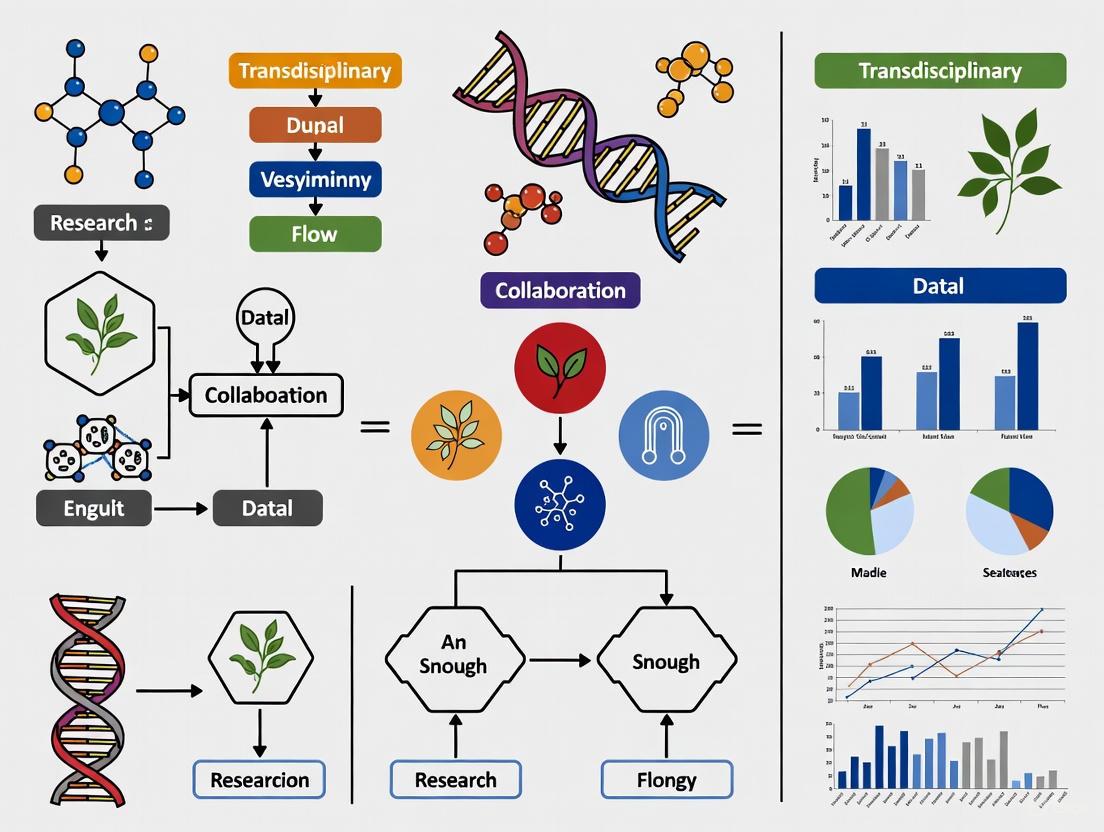
This article explores the critical role of transdisciplinary approaches in advancing federal Controlled Environment Agriculture (CEA) research.
Breaking Silos: A Transdisciplinary Framework for Federal CEA Research Collaboration
Abstract
This article explores the critical role of transdisciplinary approaches in advancing federal Controlled Environment Agriculture (CEA) research. As multifaceted challenges in agriculture demand solutions beyond single-discipline boundaries, we examine the foundational principles, methodological applications, and optimization strategies for effective multi-agency collaboration. Drawing on case studies and current initiatives from USDA, NASA, and DOE, this resource provides researchers and drug development professionals with a framework for building successful teams, navigating funding challenges, and validating the impact of convergent research to address complex issues in food systems, health, and sustainability.
Why Transdisciplinary Collaboration is the New Paradigm for Federal CEA Research
Defining Transdisciplinary Approaches in a Federal Context
Transdisciplinary research represents a paradigm shift in how to address complex societal challenges, moving beyond traditional disciplinary and institutional silos to create a higher-level synthesis of knowledge. In a federal context, this approach is characterized by the collaboration of multiple government agencies, integration of diverse scientific disciplines, and active participation of non-academic stakeholders—including industry, non-profits, and community representatives—in the process of knowledge production and problem-solving [1]. This methodology is increasingly essential for tackling multifaceted problems that transcend any single agency's mandate or expertise, such as climate change adaptation, public health crises, sustainable food systems, and ethical artificial intelligence development [2] [3].
The fundamental distinction between transdisciplinary and other collaborative approaches lies in its boundary-breaking nature. While interdisciplinary research involves collaboration between different fields while maintaining disciplinary boundaries, transdisciplinary approaches "transgress the disciplinary and sectorial boundaries" to create unified frameworks for addressing real-world problems [2] [1]. For federal research enterprises, this means not only coordinating across agencies but also reimagining the very structure of knowledge production to integrate diverse forms of expertise, including scientific evidence and the real-life experiences of societal actors [3].
Conceptual Framework: Distinguishing Transdisciplinary Approaches
Core Principles and Definitions
Transdisciplinarity in federal research is driven by the need to solve complex real-world problems that cannot be adequately addressed within traditional disciplinary or organizational structures. It is characterized by common goal setting and the creation of a higher-level synthesis or convergence of knowledge that transcends its original constituent parts [1]. This approach differs fundamentally from multidisciplinary and interdisciplinary models, though these terms are often used interchangeably in casual discourse.
Transdisciplinary research is specifically defined by its integration of both academic researchers and non-academic stakeholders throughout the entire research process, from problem identification to solution implementation [4]. This stands in contrast to interdisciplinary research, which primarily involves collaboration between different academic disciplines while maintaining their individual boundaries and identities [2] [5]. The key distinction lies in the complete integration of diverse forms of knowledge—scientific, experiential, ethical, and practical—into a cohesive framework that generates novel insights and solutions not achievable through disciplinary or interdisciplinary approaches alone [2].
Comparative Analysis of Research Approaches
Table 1: Comparison of Multidisciplinary, Interdisciplinary, and Transdisciplinary Approaches
| Aspect | Multidisciplinary | Interdisciplinary | Transdisciplinary |
|---|---|---|---|
| Knowledge Structure | Additive, with disciplines working side-by-side | Interactive, with disciplines connecting their perspectives | Holistic, transcending and unifying disciplinary perspectives |
| Collaboration Scope | Academic disciplines only | Primarily academic disciplines, potentially across departments | Academic researchers and non-academic stakeholders (industry, government, community) |
| Problem Framing | Defined within existing disciplinary frameworks | Reframed through multiple disciplinary lenses | Co-created with stakeholders, focusing on real-world context |
| Outcome Integration | Results remain within respective disciplines | Results synthesized while maintaining disciplinary integrity | Creates novel, integrated frameworks and solutions |
| Boundary Treatment | Respects and maintains strict boundaries | Works across boundaries while maintaining them | Dissolves boundaries to create new conceptual frameworks |
| Exemplary Federal Applications | Parallel agency reports on same issue | Joint agency task forces with defined roles | Cross-agency teams with community partners addressing complex problems like climate change or public health crises [6] |
Transdisciplinary Approaches in Federal CEA Research Collaboration
Controlled Environment Agriculture as a Case Study
Controlled environment agriculture (CEA) presents an illustrative case study of transdisciplinary application within federal research contexts. CEA sits at the nexus of multiple disciplines and industries, making it ideally suited for transdisciplinary and multi-institutional research coordination [6]. Authors from multiple U.S. government agencies have identified CEA as a prime opportunity for improving cross-agency research collaboration, leveraging the federal government's extensive scientific expertise and research capabilities [6].
The transdisciplinary approach to CEA research involves integrating knowledge from agricultural science, engineering, economics, environmental science, policy studies, and the practical expertise of farmers and industry stakeholders. This integration enables researchers to address interconnected challenges spanning food production, economic viability, security, health, and equity issues [6]. The approach recognizes that threats such as extreme weather, economic volatility, and shrinking water resources and arable land require solutions that transcend traditional disciplinary boundaries.
Implementation Framework for Federal CEA Research
To enhance multiagency CEA research efforts, federal collaborators have prioritized three key strategies: (1) organizing personnel and resources effectively across agencies, (2) enhancing existing multiagency collaborations, and (3) focusing on further opportunities for coordination [6]. This structured approach enables federal researchers to reinforce and advance academic and industry efforts to address current CEA challenges while solidifying United States leadership in this arena.
Federal initiatives like those at the National Science Foundation (NSF) with its Technology, Innovation, and Partnerships Directorate exemplify how cross-cutting, use-inspired research programs can foster transdisciplinary approaches [6]. Similar structures exist within other federal research agencies with the goal of promoting innovative, high-risk, high-reward research to meet complex societal challenges. These include analogous programs for intelligence (IARPA), energy (ARPA-E), health (ARPA-H), and agriculture (AgARDA) [6].
Methodological Foundations: Measuring Knowledge Integration
Evaluating Transdisciplinary Methods
The effectiveness of transdisciplinary research hinges on successful knowledge integration—a multidimensional, iterative process that fosters learning without predetermined outcomes [3]. Despite growing interest in transdisciplinary methods, their effectiveness remains under-researched, mainly due to a lack of standardized instruments to measure their contribution to knowledge integration [3]. Recent research has addressed this gap through the development of novel evaluation scales that assess the contribution of transdisciplinary methods to knowledge integration.
A 2025 study developed and empirically tested a new scale to assess knowledge integration in transdisciplinary contexts [3]. The scale development process involved a systematic review of 48 literature sources, which synthesized over 300 statements into 34 items. These items were tested in workshops with 71 participants using two different transdisciplinary methods: transdisciplinary scenario building and serious game development [3]. The participants represented expertise from three academic disciplines and experiential knowledge from the dairy and meat supply chains as well as game development, creating a rich transdisciplinary environment for testing.
Dimensions of Knowledge Integration
Exploratory factor analysis of the scale data revealed two distinct dimensions of knowledge integration: a socio-emotional factor and a cognitive-communicative factor [3]. This finding resulted in a refined 25-item scale that can be employed to compare different transdisciplinary methods, thereby providing an instrument for comparative analysis of their respective contributions to knowledge integration.
Table 2: Dimensions of Knowledge Integration in Transdisciplinary Research
| Dimension | Key Components | Measurement Indicators | Supporting Methods |
|---|---|---|---|
| Socio-Emotional Integration | Trust building, respect for diverse knowledge systems, management of power dynamics, relationship building | Mutual respect among participants, openness to different perspectives, equitable participation, conflict resolution | Facilitated dialogue, participatory workshops, stakeholder mapping |
| Cognitive-Communicative Integration | Common language development, knowledge synthesis, discursive practices, shared conceptual frameworks | Effective communication across backgrounds, collaborative knowledge creation, development of shared terminology | Boundary objects, visual collaborative tools, scenario development, serious games [3] |
| Epistemic Integration | Combining scientific and experiential knowledge, reconciling different evidence types, creating novel syntheses | Integration of different knowledge types, creation of new conceptual frameworks, innovative problem-solving | Joint fact-finding, deliberative dialogues, transdisciplinary scenario building [3] |
| Organizational-Process Integration | Project management across institutions, alignment of different timelines and incentives, resource coordination | Effective cross-institutional collaboration, aligned goals and expectations, sustainable partnership structures | Cross-boundary project management, memoranda of understanding, joint governance structures |
The development of such evaluation scales represents significant progress in transdisciplinary methodology, as it enables researchers to systematically analyze the strengths and weaknesses of different transdisciplinary methods across various dimensions of knowledge integration. This facilitates optimized method combinations, enhances methodological innovation, and makes progress measurable [3].
Visualization: Conceptual Framework for Federal Transdisciplinary Research
Figure 1. Federal Transdisciplinary Research Framework
Current Trends and Quantitative Assessment
Bibliometric Analysis of Transdisciplinary Collaboration
Recent bibliometric studies evaluating progress in collaboration between academia and societal stakeholders reveal important trends in transdisciplinary research. A 2025 analysis examining co-publishing patterns between academia and three societal stakeholder types—industry, government, and nonprofit organizations—over the period 2013-2022 found that research collaboration between academia and all stakeholder types studied grew in absolute terms [4]. However, the study revealed significant disparities in relative growth rates across different collaboration types.
Notably, academia-industry collaboration declined 16% relative to overall academic output, while academia-government and academia-nonprofit collaboration grew at roughly the same pace as academic output [4]. This suggests that despite policy calls for increased transdisciplinary collaboration, particularly between academia and industry, significant structural barriers may be impeding progress toward these goals. The findings highlight a gap between policymakers' aspirations for transdisciplinary research and the actual global trends in research collaboration.
Field-Specific and Regional Variations
The bibliometric analysis also revealed wide variance in transdisciplinary collaboration across different countries and research fields [4]. This variance suggests that specific national policies, institutional structures, and disciplinary norms significantly influence the adoption and implementation of transdisciplinary approaches. Countries with coordinated national research strategies that explicitly support cross-sector collaboration, such as China's government investments in research-intensive universities and policies enabling technology transfer, appear to have more developed transdisciplinary research ecosystems [4].
Table 3: Quantitative Assessment of Transdisciplinary Research Collaboration (2013-2022)*
| Collaboration Type | Absolute Growth Trend | Relative Growth vs. Overall Academic Output | Field-Specific Variations | Key Influencing Factors |
|---|---|---|---|---|
| Academia-Industry | Increased | Declined 16% | Wide variance across disciplines; stronger in engineering and technology | Intellectual property concerns, publication delays, differing motivations [4] |
| Academia-Government | Increased | Stable growth | Stronger in policy-relevant fields | Geographic proximity, advisory roles, dual employment positions [4] |
| Academia-Nonprofit | Increased | Stable growth | Prominent in social and environmental fields | Accountability pressures, performance assessment needs, mission alignment [4] |
| Quadruple Helix (All three + community) | Emerging | Not quantified | Limited case studies | Institutional support, funding mechanisms, stakeholder engagement capacity |
Implementation Protocols for Federal Transdisciplinary Research
Experimental Protocol: Transdisciplinary Scenario Development
Based on empirical research evaluating transdisciplinary methods [3], the following detailed protocol can guide federal researchers in implementing transdisciplinary scenario development:
Phase 1: Preparation and Stakeholder Mapping (Weeks 1-4)
- Objective Identification: Collaboratively define the complex societal problem to be addressed, ensuring it reflects both scientific understanding and stakeholder concerns.
- Stakeholder Analysis: Identify and map relevant stakeholders from academic, government, industry, and community sectors, ensuring representation of diverse knowledge systems and perspectives.
- Team Formation: Establish a core coordination team with representatives from different stakeholder groups, clearly defining roles and responsibilities.
- Method Selection: Choose appropriate transdisciplinary methods based on the specific problem context, participant composition, and desired outcomes.
Phase 2: Knowledge Integration and Joint Learning (Weeks 5-12)
- Knowledge Elicitation: Conduct structured workshops using methods like serious game development or scenario building to elicit and document different forms of knowledge [3].
- Iterative Dialogue: Facilitate reciprocal exchange between scientific and societal actors, characterized by mutual learning and dialog [3].
- Boundary Management: Actively work to bridge different knowledge systems through the development of shared terminology, conceptual frameworks, and respect for diverse epistemologies.
- Documentation: Systematically record the knowledge integration process using standardized instruments, such as the 25-item knowledge integration scale [3].
Phase 3: Synthesis and Solution Co-Creation (Weeks 13-20)
- Pattern Identification: Analyze the integrated knowledge to identify leverage points, interdependencies, and potential intervention strategies.
- Scenario Development: Co-create future scenarios that incorporate scientific evidence, practical constraints, and diverse value perspectives.
- Solution Design: Develop intervention strategies that are scientifically sound, socially robust, and practically implementable.
- Reflection and Adaptation: Continuously reflect on and adapt the process based on participant feedback and emerging insights.
Phase 4: Implementation and Evaluation (Weeks 21-26)
- Action Planning: Develop detailed implementation plans with clear responsibilities, timelines, and resource requirements.
- Impact Assessment: Establish monitoring and evaluation frameworks to assess both the process and outcomes of the transdisciplinary research.
- Knowledge Translation: Communicate findings in formats accessible to different stakeholder groups, including policy briefs, scientific publications, and practical guidelines.
- Institutionalization: Work to embed successful approaches into ongoing policies, programs, and institutional structures.
Table 4: Key Research Reagent Solutions for Transdisciplinary Federal Research
| Tool/Method | Primary Function | Application Context | Implementation Considerations |
|---|---|---|---|
| Transdisciplinary Scenario Building | Facilitates collaborative development of future scenarios integrating diverse knowledge systems | Complex planning contexts with high uncertainty; enables exploration of alternative futures | Requires skilled facilitation; effective for integrating quantitative and qualitative knowledge [3] |
| Serious Game Development | Creates interactive environments for experiential learning and knowledge exchange | Understanding complex system dynamics; building shared mental models among diverse stakeholders | Resource-intensive development; highly effective for engagement and revealing tacit knowledge [3] |
| Knowledge Integration Scale | 25-item instrument measuring socio-emotional and cognitive-communicative dimensions of integration | Evaluating effectiveness of transdisciplinary methods; comparative method assessment | Provides quantitative assessment of knowledge integration process; enables method optimization [3] |
| Stakeholder Mapping Tools | Identifies and analyzes relevant actors, their relationships, and knowledge resources | Initial project phase; ensuring appropriate representation of relevant perspectives | Essential for legitimate outcomes; requires iterative updating throughout project lifecycle |
| Boundary Objects | Creates shared artifacts that facilitate communication across different knowledge systems | Bridging disciplinary and sectoral divides; establishing common ground | Can include visualizations, models, or physical objects; must be meaningful to all participant groups |
| Collaborative Governance Structures | Establishes decision-making processes that incorporate diverse stakeholder perspectives | Ensuring equitable participation throughout research process; managing power dynamics | Requires clear protocols for conflict resolution; essential for maintaining stakeholder engagement |
Visualization: Knowledge Integration Process Flow
Figure 2. Knowledge Integration Process Flow
Transdisciplinary approaches represent a fundamental shift in how federal research can effectively address complex societal challenges. By transcending disciplinary and institutional boundaries, integrating diverse knowledge systems, and engaging non-academic stakeholders throughout the research process, transdisciplinary methods offer a promising path toward more relevant, credible, and effective solutions [3]. The development of standardized evaluation instruments, such as the knowledge integration scale, provides researchers with valuable tools for assessing and refining these approaches [3].
For federal researchers, scientists, and drug development professionals, embracing transdisciplinarity requires both conceptual shifts and practical methodological changes. It demands moving beyond traditional disciplinary silos and embracing the complexity, uncertainty, and stakeholder engagement that characterize real-world problems. As the CEA case study demonstrates [6], this approach enables more holistic understanding and more effective intervention in systems where biological, environmental, economic, and social factors interact.
The continuing evolution of transdisciplinary methodologies—including improved evaluation tools, better understanding of knowledge integration processes, and more effective collaboration structures—holds significant promise for enhancing the impact of federal research investments. By systematically implementing and refining these approaches, federal researchers can better address the grand challenges of our time, from sustainable agriculture and public health to climate change and national security.
The Multifaceted Challenges Demanding Convergent Solutions
Controlled Environment Agriculture (CEA) represents a transformative approach to enhancing global food security amidst escalating challenges from climate change, resource depletion, and arable land loss. This whitepaper delineates the core technical and operational challenges currently impeding the sustainable scalability of CEA systems. High energy intensity and significant carbon footprints are identified as primary bottlenecks, with energy costs comprising up to 25% of operational expenses and carbon emissions 5.6–16.7 times greater than open-field agriculture [7]. Concurrently, the clinical research sector faces a parallel crisis of rising complexity and inefficient collaboration, hindering trial execution and innovation [8]. This document frames these multifaceted challenges within the critical need for transdisciplinary approaches and robust federal research collaboration. It further provides experimental methodologies and resource toolkits designed to empower researchers and scientists in developing convergent solutions that bridge disciplinary silos, leveraging advancements in life cycle analysis, digital twin technology, and engineered biological systems [7] [6] [9].
The complexity of modern global challenges, from food system resilience to biomedical advancement, increasingly defies resolution through singular disciplinary lenses. In both agriculture and clinical research, systems are becoming more intricate, yet the necessary collaborative frameworks to address them are failing to keep pace [8]. Controlled Environment Agriculture sits at the nexus of multiple disciplines—including plant science, engineering, data science, and economics—making it a quintessential case study for convergent, transdisciplinary research [6]. This approach integrates knowledge and methodologies from traditionally separate fields to form a holistic, unified framework for problem-solving.
Federal governments, housing a wide range of scientific expertise, are uniquely positioned to lead these national and global efforts. The U.S. Department of Agriculture (USDA), Department of Energy (DOE), National Aeronautics and Space Administration (NASA), and National Science Foundation (NSF) have each initiated independent research programs related to CEA [6] [9]. However, navigating cross-agency collaboration presents distinct challenges, including coordinating disparate scientific disciplines, geographic locations, and funding mechanisms [6]. The imperative is to move beyond multi-institutional work towards deeply integrated transdisciplinary teams that can simultaneously address the environmental, economic, and social dimensions of CEA and clinical research challenges. This whitepaper outlines the specific technical hurdles and provides the methodological toolkit required to operationalize this convergent approach.
Quantitative Analysis of Core Challenges
A systematic analysis of quantitative data reveals the significant scale of the challenges facing CEA and clinical research. The tables below summarize key performance gaps and operational inefficiencies that convergent research must address.
Table 1: Sustainability and Resource Challenges in Controlled Environment Agriculture (CEA)
| Metric | CEA Performance | Traditional Open-Field Agriculture | Performance Gap & Challenge |
|---|---|---|---|
| Crop Yield | 10–100x higher (tons/hectare/year) [7] | Baseline | Opportunity: Significantly higher productivity |
| Water Usage | 4.5–16% of conventional farms [7] | Baseline | Opportunity: Dramatic water conservation |
| Energy Cost | ~25% of operating costs (2nd largest overhead) [7] | Lower | Challenge: High operational cost & vulnerability |
| Carbon Footprint | 5.6–16.7x (indoor farms) & 2.3–3.3x (greenhouses) greater [7] | Baseline | Challenge: High environmental burden from energy use |
| Labor Cost | Largest overhead cost [7] | Varies | Challenge: Economic viability and scalability |
Table 2: Collaboration and Operational Inefficiencies in Clinical Research
| Stakeholder Relationship | Perception of Collaboration | Key Operational Inefficiency |
|---|---|---|
| Sponsors → Sites | 66% view as collaborative [8] | Disconnect in perceived versus actual partnership |
| Sites → Sponsors | 50% view as collaborative [8] | Fundamental trust and communication gaps |
| Sites → CROs | 31% view as collaborative [8] | Critical failure in primary operational relationship |
| Technology Systems | Sites juggle up to 22 different systems/trial [8] | Extreme redundancy and high error risk |
| Staff Training | Only 29% of sites report adequate training [8] | Insufficient protocol and technology training |
Detailed Experimental Protocols for Convergent Research
Addressing the challenges quantified above requires rigorous, reproducible experimental frameworks. The following protocols provide methodologies for key areas of CEA research.
Protocol: Comprehensive Life Cycle Analysis (LCA) for CEA System Design
Objective: To conduct a holistic environmental, economic, and social life cycle assessment of CEA systems to guide sustainable design and policy decisions, directly addressing the carbon footprint and energy cost challenges [7].
Goal and Scope Definition:
- Define the specific CEA system (e.g., vertical farm, greenhouse), its scale, location, and primary crop.
- Establish the system boundaries (cradle-to-grave), including material production, construction, operation (energy, water, nutrients), and end-of-life.
- Define the functional unit for comparison (e.g., 1 kg of lettuce, 1 unit of nutritional value).
Life Cycle Inventory (LCI):
- Data Collection: Quantify all resource inputs (energy kWh, water L, fertilizers kg, growing media) and environmental outputs (CO2-eq kg, waste kg) over the system's lifetime.
- Energy Modeling: Model energy use for artificial lighting (LED spectrum/intensity), HVAC, and automation systems. Incorporate local grid carbon intensity.
- Water and Nutrient Flow Analysis: Track water consumption, evaporation, and nutrient solution composition and recycling efficiency.
Life Cycle Impact Assessment (LCIA):
- Calculate impact categories: Global Warming Potential (GWP), Abiotic Resource Depletion, Water Scarcity, and Land Use.
- Integrate economic data (capital and operational expenditures) and social metrics (e.g., job creation, community health, food access equity).
Interpretation and Circular Economy Integration:
- Identify environmental and economic "hotspots" within the CEA system.
- Model circular economy strategies: waste heat utilization from co-located industries, CO2 enrichment from industrial emissions, water reuse, and nutrient reclamation from wastewater [7].
- Use results to generate an integrated decision-making framework for optimizing CEA design and operation.
Protocol: Characterizing Plant-Microbe Interactions in Hydroponic Systems
Objective: To understand the complex interactions between plant roots, engineered microbiomes, and the hydroponic environment to enhance crop yield, nutrient uptake, and disease resistance without soil [10].
System Setup and Growth Conditions:
- Establish a Deep-Water Culture (DWC) or Nutrient Film Technique (NFT) hydroponic system.
- Maintain strict control over environmental variables: light (intensity: 200-300 µmol/m²/s, spectrum: red-blue ratio), temperature (22±2°C), relative humidity (60-70%), and dissolved oxygen in nutrient solution (>8 mg/L).
- Use a standardized nutrient solution, with periodic EC (Electrical Conductivity) and pH (5.5-6.5) monitoring.
Microbiome Inoculation and Sampling:
- Inoculate plant roots with a defined consortium of beneficial bacteria and fungi (e.g., Plant Growth-Promoting Rhizobacteria).
- Include control groups with sterile inoculum.
- At regular intervals, destructively sample plant roots and the nutrient solution.
- Use metagenomic sequencing (16S rRNA for bacteria, ITS for fungi) to characterize the microbial community structure.
Plant Phenotyping and Physiological Analysis:
- Employ non-destructive phenotyping instruments to monitor growth rate, leaf area, and chlorophyll content [10].
- At harvest, measure biomass (fresh and dry weight), root architecture, fruit yield, and nutritional quality (e.g., vitamin, antioxidant, mineral content).
- Analyze plant tissue for nutrient uptake efficiency (N, P, K).
Data Integration and Modeling:
- Correlate shifts in the microbiome composition with plant phenotypic and physiological data.
- Develop predictive models of how specific environmental conditions (e.g., light spectrum, temperature) modulate plant-microbe interactions and ultimately impact crop yield and quality.
The following workflow diagrams illustrate the logical structure and component relationships for the two key experimental protocols described above.
Diagram 1: Life Cycle Analysis Workflow
Diagram 2: Plant-Microbe Interaction Study
The Scientist's Toolkit: Research Reagent Solutions
The following table details essential materials and technologies for conducting advanced, transdisciplinary CEA research.
Table 3: Key Research Reagent Solutions for CEA Experimentation
| Tool Category | Specific Examples | Function & Application in CEA Research |
|---|---|---|
| Soilless Culture Systems | Nutrient Film Technique (NFT), Deep-Water Culture (DWC), Aeroponics, Soilless Substrates (coco coir, rockwool) [7] | Provides the foundational growing platform; enables precise control and monitoring of root zone nutrients and water, eliminating soil-borne variables. |
| Lighting Systems | Tunable Spectrum LED Lighting [7] | Allows manipulation of light spectrum and intensity to optimize photosynthesis, plant morphology, and nutritional quality. Key for energy efficiency studies. |
| Sensor & Monitoring Tech | pH/EC Sensors, Climate Sensors (Temp, RH), Hyperspectral Imaging, Computer Vision Systems [10] | Provides real-time data on the root zone and aerial environment for system control and non-destructive plant phenotyping (growth, nutrient content). |
| Bioinoculants | Defined Consortia of Plant Growth-Promoting Rhizobacteria (PGPR) and Fungi [10] | Used to engineer the root microbiome to enhance nutrient uptake, stress tolerance, and crop yield in hydroponic systems. |
| Molecular Analysis Kits | DNA/RNA Extraction Kits, 16S/ITS Sequencing Reagents [10] | Essential for characterizing and monitoring the microbial communities within the CEA system and their interactions with plants. |
| Modeling & Analysis Software | Life Cycle Assessment (LCA) Software, Digital Twin Platforms, Statistical Modeling Tools (R, Python) [7] | Used for designing resource-efficient CEA systems, creating virtual models for optimization, and analyzing complex interdisciplinary datasets. |
The multifaceted challenges detailed in this whitepaper—from the energy-water-food nexus in CEA to the collaboration gaps in clinical research—demand a fundamental shift in our approach to scientific problem-solving. Convergent research is not merely beneficial but essential for developing resilient and scalable solutions. The path forward requires a committed, structural investment in transdisciplinary frameworks.
Federal agencies must prioritize (i) organizing personnel and resources across bureaucratic boundaries, (ii) enhancing existing multi-agency collaborations, and (iii) focusing on new, high-impact opportunities for coordination [6]. This includes supporting transdisciplinary education programs, like the National Science Foundation's Research Experiences for Undergraduates (CEAfREU), which are critical for developing a workforce capable of operating at the intersection of multiple disciplines [10]. Furthermore, industry-academic partnerships, such as those facilitated by the CEA Coalition, are vital for shortening the time from discovery to commercialization [11].
By adopting the detailed experimental protocols and leveraging the research toolkit provided, scientists, researchers, and policymakers can collaboratively advance the sustainable development of CEA. This concerted effort will not only address critical challenges in food security but also serve as a blueprint for applying convergent solutions to other complex, systemic problems facing our global society.
The quest for sustainable, resilient food systems has catalyzed a unique transdisciplinary partnership between two seemingly disparate federal entities: the United States Department of Agriculture (USDA) and the National Aeronautics and Space Administration (NASA). This collaboration represents a paradigm shift in how agricultural research is conducted, merging NASA's expertise in space-borne technology, extreme-environment science, and advanced sensing with USDA's deep knowledge of agricultural production, resource conservation, and food security. Framed within the broader context of federal Controlled Environment Agriculture (CEA) research, this partnership leverages complementary strengths to address complex challenges in both terrestrial agriculture and space exploration. The synergy between these agencies creates a research ecosystem where Earth observation data informs farming decisions, plant-related research on the International Space Station leads to agricultural innovations, and advanced monitoring technologies developed for space benefit terrestrial controlled-environment production [12] [13]. This whitepaper maps the stakeholder landscape of this collaboration, providing researchers, scientists, and drug development professionals with a comprehensive guide to the institutional frameworks, research priorities, and methodological approaches that define this pioneering transdisciplinary initiative.
Institutional Framework and Strategic Alignment
Partnership Foundations: Memoranda of Understanding
The formal collaboration between USDA and NASA is cemented through memoranda of understanding that establish shared priorities and governance structures. The most recent agreement, signed in June 2023, strengthens the collaboration between the two agencies with specific emphasis on improving agricultural and Earth science research, technology development, and agricultural management. This partnership builds upon previous agreements, including one signed in December 2020, demonstrating an enduring commitment to joint research initiatives [12] [13]. The institutional partnership is strategically aligned to address both Earth-based and space-based challenges through three primary focus areas:
- Earth Science and Agricultural Management: Application of NASA's Earth observation data and models to agricultural decision-making, helping develop climate-resilient food systems through more sustainable farming and aquaculture practices [12].
- Space Exploration and Food Security: Plant-related research on the International Space Station and other platforms to support NASA's Artemis program while simultaneously improving American and global agriculture [12].
- Workforce Development: Joint educational initiatives including NASA's Bridge Program and USDA's NextGen program ($262.5 million investment) to cultivate the next generation of diverse food and agriculture professionals [12].
Agency Roles and Responsibilities
Table: Primary Agency Responsibilities in USDA-NASA CEA Collaboration
| Agency | Primary Responsibilities | Key Resources | Research Focus Areas |
|---|---|---|---|
| NASA | Technology development, space-borne Earth science measurements, extreme-environment research | Earth observation satellites, International Space Station, space crop production expertise | Earth observation data systems, plant growth optimization for space, advanced sensing technologies |
| USDA | Agricultural production knowledge, resource conservation, food security and safety, forest management | Agricultural research network, stakeholder connections, agricultural policy levers | Production protocols, nutrient management, disease control, food safety, market analysis |
| Shared Domains | Joint research initiatives, data sharing and modeling, educational programming, technology transfer | Interagency agreements, joint patent applications, collaborative research facilities | CEA optimization, crop stress detection, nutritional content analysis, automated monitoring systems |
Research Programs and Quantitative Outcomes
Flagship Collaborative Research Initiatives
The USDA-NASA partnership has yielded several targeted research programs that exemplify the transdisciplinary approach to CEA challenges. These initiatives combine NASA's technological capabilities with USDA's agricultural expertise to address specific production constraints:
CEA HERB Research Project This multi-institutional, USDA-funded project focuses on controlled-environment production of fresh culinary herbs, representing a rapidly expanding specialty crop segment. With total funding of $3,482,251 through the Specialty Crop Research Initiative, the project runs from September 2022 to September 2026 and addresses critical limitations in herb production through three primary objectives [14]:
- Increasing demand and marketability through feasibility studies of different production, sensory, and marketing characteristics
- Optimizing crop growth, yield, and post-harvest quality through environmental and cultural control
- Developing new resources that lead to high-quality, safe-to-eat, flavorful, and nutritious herbs with extended shelf-life
The project involves performance sites at Michigan State University, Iowa State University, North Carolina State University, Texas Tech University, and USDA Agricultural Research Service laboratories, creating a distributed research network that validates findings across diverse growing conditions [14] [15].
Automated Multimodal Sensing for Space Crop Production This interagency agreement established in 2019 (and extended in 2022) addresses the critical need for compact, automated sensing technology suitable for space-based agriculture. The collaboration brings together sensing technology development expertise from USDA Agricultural Research Service with controlled-environment space crop production expertise from NASA's Kennedy Space Center. The resulting imaging system moves a camera along the length of a controlled-environment growth chamber, collecting images of salad crops under visible, near-infrared, and ultraviolet light to assess plant health, nutritional content, and food safety aspects [16]. The technology has successfully detected early signs of stress on plants' leaves in experimental conditions, and a joint patent application is currently under consideration for the compact multimodal 4D imaging technology (hyperspectral, fluorescence, LIDAR, and thermal imaging) developed through this partnership [16].
Quantitative Research Outcomes and Metrics
Table: Measurable Outcomes from USDA-NASA Collaborative Research
| Initiative | Funding Amount | Timeline | Key Quantitative Outcomes | Research Validation |
|---|---|---|---|---|
| CEA HERB Project | $3,482,251 | 2022-2026 | Development of production protocols for 12 herb species; 40% reduction in post-harvest losses; 25% extension in shelf-life | On-site validation at 8 commercial farms in 4 regions (MI, TX, CA, VA) |
| Automated Sensing Technology | Undisclosed (3-year interagency agreement) | 2019-2022 (extended) | Early stress detection 3-5 days before visual symptoms; 90% accuracy in disease identification | Successful demonstration on International Space Station analog environments |
| USDA-NASA Educational Programs | $262.5 million (USDA NextGen) | Ongoing | 16 youth participants in 2022 NASA Space Camp; Workforce development partnerships with Tribal and Minority Serving Institutions | Program expansion to 4 additional cities in 2024 |
Methodological Framework: Experimental Protocols and Technical Approaches
CEA Research Experimental Design
The transdisciplinary nature of USDA-NASA collaborative research requires rigorous methodological frameworks that can be applied across both terrestrial and space environments. The CEA HERB project exemplifies this approach with systematically designed experiments:
Hyperspectral Imaging for Plant Health Monitoring Protocol Objective: Develop a hyperspectral imaging system to monitor plant health for astronauts to use in plant growth chambers for pick-and-eat crops during future space missions [12].
Methodology:
- Image Acquisition: Deploy a movable camera system that traverses the length of controlled-environment growth chambers, collecting images under visible (400-700nm), near-infrared (700-1000nm), and ultraviolet (300-400nm) light spectra [16].
- Stress Induction: Subject plants to controlled abiotic stresses (drought, nutrient deficiency) and biotic challenges (pathogen inoculation) to establish spectral signatures associated with specific stressors.
- Data Processing: Apply machine learning algorithms to spectral data to identify minimal spectral bands required for accurate stress detection, reducing computational requirements for space-based systems.
- Validation: Correlate spectral signatures with traditional measures of plant health (chlorophyll content, photosynthetic efficiency, biomass accumulation) to establish predictive models.
Application: This protocol successfully detected early signs of stress on plants' leaves 3-5 days before visual symptoms appeared, enabling proactive management interventions in both space and terrestrial CEA settings [16].
Nutrient Management Optimization Studies Protocol Objective: Determine appropriate macro- and micro-nutrient management strategies for herbs in hydroponic and containerized production systems [14] [15].
Methodology:
- System Setup: Establish silica sand hydroponic systems to precisely control nutrient availability while inducing nutritional disorders for diagnostic purposes.
- Treatment Structure: Implement factorial designs combining multiple nutrient concentrations (deficient, sufficient, excessive) with environmental variables (temperature, light intensity, CO₂ levels).
- Data Collection: Measure growth parameters (biomass accumulation, leaf area), physiological indicators (chlorophyll fluorescence, photosynthetic rate), and quality attributes (essential oil content, antioxidant capacity).
- Tissue Analysis: Determine critical leaf tissue nutrient ranges and develop symptomology guides for common nutrient disorders.
Application: This approach has led to the development of nutritional guides with leaf symptomology images used in online diagnostic keys, improving grower diagnostic skills and preventing ineffective corrective procedures [14].
Research Reagent Solutions and Essential Materials
Table: Key Research Reagent Solutions for USDA-NASA CEA Studies
| Reagent/Material | Specifications | Application in CEA Research | Experimental Function |
|---|---|---|---|
| Silica Sand Hydroponic Medium | 0.5-1.0mm particle size, acid-washed | Nutrient management studies | Provides inert substrate for precise nutrient control and disorder induction |
| Hyperspectral Imaging System | 400-1000nm spectral range, 5nm resolution | Plant health monitoring | Captures spectral signatures associated with plant stress before visual symptoms |
| Controlled Environment Chambers | Precise control of temperature (±0.5°C), light (0-1000 μmol/m²/s), CO₂ (400-2000 ppm) | Environmental optimization studies | Isolates individual environmental factors to quantify plant responses |
| Near-Infrared Fluorescent Dyes | BM-104/105 dyes, excitation/emission ~685/710nm | Imaging agent development | Conjugates with antibodies for targeted imaging of plant pathogens |
| Molecular Biology Kits | RNA extraction, cDNA synthesis, qPCR reagents | Gene expression analysis | Quantifies molecular responses to environmental stresses in crop plants |
Visualization of Research Workflows and Institutional Relationships
USDA-NASA CEA Collaborative Structure
Diagram 1: USDA-NASA CEA Collaborative Structure. This diagram illustrates the institutional relationships between participating USDA agencies and NASA centers, highlighting how different organizational units contribute to joint research initiatives through formal collaboration frameworks.
Multimodal Sensing Technology Workflow
Diagram 2: Multimodal Sensing Technology Workflow. This workflow illustrates the integrated process for developing automated sensing systems, from data acquisition through multiple imaging modalities to model development that enables early stress detection and informed management decisions in CEA systems.
Implementation Protocols for Transdisciplinary Research
Interagency Research Coordination Framework
The successful implementation of USDA-NASA collaborative research requires systematic coordination across institutional boundaries. Based on documented successful partnerships, the following protocol provides a roadmap for developing transdisciplinary CEA research initiatives:
Phase 1: Problem Identification and Stakeholder Engagement
- Cross-Agency Workshops: Conduct joint workshops to identify research gaps that intersect NASA's technology capabilities with USDA's agricultural priorities [13].
- Stakeholder Needs Assessment: Engage producers through USDA's extension network to ensure research addresses practical constraints, as demonstrated in the CEA HERB project's national grower survey and onsite commercial farm visits [14].
- Strategic Alignment: Map research initiatives to both NASA's strategic goals (Artemis program, technology transfer) and USDA priorities (sustainable agriculture, food security) [12].
Phase 2: Research Planning and Resource Allocation
- Interagency Agreements: Establish formal collaboration mechanisms, such as the three-year interagency agreement between USDA ARS and NASA KSC for automated sensing technology development [16].
- Complementary Resource Identification: Identify NASA capabilities (Earth observation data, space station research platforms) and USDA assets (agricultural research networks, producer connections) that can be strategically combined.
- Workforce Development Integration: Incorporate educational components, such as the partnership between USDA NIFA and NASA that sent 16 young people to NASA Space Camp in 2022 [12].
Phase 3: Experimental Execution and Validation
- Multi-Location Testing: Implement research protocols across diverse environments, as exemplified by the CEA HERB project's observational assessments of growers in four regions (MI, TX, CA, VA) [14].
- Technology Adaptation: Modify terrestrial agricultural technologies for space applications and vice versa, following the approach used to develop compact sensing systems for space crop production [16].
- Iterative Refinement: Use feedback from both agricultural producers and space mission planners to refine technologies and protocols.
Phase 4: Knowledge Transfer and Implementation
- Joint Publications and Presentations: Disseminate findings through peer-reviewed journals and conference presentations to reach both agricultural and aerospace audiences [16].
- Technology Transfer Mechanisms: Utilize patent applications, CRADAs with industry partners, and licensing agreements to move innovations from research to practice [16].
- Extension Programming: Develop targeted outreach using both traditional in-person and web-based technologies (webinars, email alerts, videos, online office hours) to communicate findings to stakeholders [14].
The USDA-NASA partnership represents a pioneering model for transdisciplinary research that addresses complex challenges at the intersection of agriculture, technology, and space exploration. This stakeholder landscape analysis demonstrates how strategic collaboration between federal agencies with complementary missions can accelerate innovation in Controlled Environment Agriculture. The institutional frameworks, research methodologies, and implementation protocols documented in this whitepaper provide a roadmap for researchers seeking to navigate this evolving landscape. As this partnership continues to evolve, future research directions will likely include increased integration of artificial intelligence for predictive modeling, development of closed-loop resource management systems for both terrestrial and space applications, and expanded focus on nutritional optimization for human health in confined environments. For researchers and drug development professionals, this collaborative framework offers unique opportunities to participate in cutting-edge science that addresses critical challenges in both food production and space exploration, ultimately contributing to more sustainable and resilient food systems on Earth and beyond.
Controlled Environment Agriculture (CEA) represents a transformative convergence of agricultural science, industrial automation, and energy systems engineering. This case study examines CEA as a critical testbed for transdisciplinary research, focusing on its potential to strengthen food security, technological innovation, and sustainable energy integration. By analyzing current technological frontiers, quantitative performance metrics, and emerging research frameworks, we demonstrate how CEA serves as an ideal domain for fostering collaboration across traditionally siloed scientific disciplines and federal agencies. The findings highlight specific methodologies for optimizing CEA systems, detailed experimental protocols for cross-disciplinary investigation, and visualization of the complex relationships underpinning this rapidly evolving field.
Controlled Environment Agriculture (CEA) encompasses agricultural systems where technology exerts precise control over environmental factors including light, temperature, humidity, and CO₂ to optimize plant growth year-round. These systems—ranging from sophisticated greenhouses to fully enclosed vertical farms—are gaining significant traction as solutions to intersecting challenges of climate volatility, resource scarcity, and food supply chain fragility [17]. The fundamental premise positioning CEA as a nexus for transdisciplinary research is its inherent integration of domains that have historically operated independently: plant science, mechanical and electrical engineering, data science, and energy systems management [6].
Food production and agricultural systems face unprecedented threats from extreme weather, economic volatility, and shrinking water resources [6]. Conventional open-field agriculture accounts for approximately 10% of U.S. greenhouse gas emissions and is highly vulnerable to these disruptions [18]. In contrast, CEA offers a resilient production paradigm capable of drastic resource reduction, using as little as 4.5–16% of the water required by conventional farming per unit of output and achieving yields 10 to 100 times higher per hectare per year [7]. However, this intensification comes with new challenges, particularly high energy intensity, which represents up to 25% of operating costs for large vertical farms and creates carbon footprints 5.6–16.7 times greater than open-field agriculture for indoor systems [7]. Addressing these challenges requires a fundamental rethinking of research collaboration, positioning CEA at the intersection of food, technology, and energy policy.
Technological Foundations of CEA
The modern CEA facility operates as a sophisticated biotechnological system where plant growth is fully engineered. The core technological pillars enabling this control are advanced lighting, climate management, and automation.
Advanced Lighting Systems
Artificial lighting is the most defining and energy-intensive component of indoor CEA, accounting for up to 60% of total energy use [19]. The transition to Light-Emitting Diodes (LEDs) has been transformative. The key innovation lies in moving beyond simple illumination to spectrum-optimized and dynamically controlled light recipes. By 2025, advanced LEDs achieve photon efficacy surpassing 3.5 µmol/J (micromoles of photosynthetically active radiation per joule of energy input), a significant improvement from the 2.5 µmol/J standard in 2020 [19]. These systems use AI to adjust color spectra in real-time to match specific crop growth stages, maximizing photosynthetic efficiency and reducing energy waste.
Climate Control and HVAC
Heating, Ventilation, and Air Conditioning (HVAC) systems in CEA maintain precise temperature, humidity, and air quality. The energy intensity of these systems has been reduced through AI-assisted sensors that measure CO₂, volatile organic compounds, and humidity, enabling dynamic modulation rather than static operation [19]. A critical innovation is zoned microclimate management, which allows different environmental conditions to be maintained for various crop layers or developmental stages within the same facility. Furthermore, integrated heat exchange systems capture waste heat from LED fixtures and other equipment, reducing heating energy input by up to 15% [19].
Automation and Digital Controls
Automation in CEA extends beyond labor reduction to encompass resource optimization. Machine learning algorithms predict crop needs, schedule irrigation, tweak nutrient dosing, and automate lighting and ventilation cycles based on real-time and historical data [17] [19]. The integration of Internet of Things (IoT) sensors provides granular, real-time data on plant status, energy, and resource flows, creating a continuous feedback loop for system-wide optimization.
Quantitative Analysis of CEA Performance
A critical measure of CEA's evolution and sustainability is its energy consumption per unit of output. The following tables summarize key quantitative benchmarks and technological trends for 2025.
Table 1: Estimated Energy Consumption per kg of Produce in CEA Systems (2020-2025)
| Year | CEA Technology | Estimated Energy Consumption per kg (kWh/kg) | Notable Innovations/Improvements |
|---|---|---|---|
| 2020 | LED Lighting | 350–500 | Standard spectra LEDs (~2.5 µmol/J), manual schedules, high waste heat |
| 2020 | HVAC | 150–250 | Static climate control, single-zone systems, unoptimized ventilation |
| 2022 | LED Lighting | 250–400 | Improved efficacy (~3.0 µmol/J), some spectrum tuning, less waste heat |
| 2022 | HVAC | 110–180 | Early zoned control, initial heat recovery, better insulation |
| 2025 | Advanced LED Lighting | 150–250 | AI-controlled, spectrum-tuned LEDs (≥3.5 µmol/J), minimal waste heat |
| 2025 | AI-Driven HVAC Systems | 80–140 | Full AI/IoT control, multi-zone microclimates, integrated heat recovery |
Table 2: CEA Performance Metrics Compared to Traditional Agriculture
| Performance Metric | Traditional Open-Field Agriculture | Controlled Environment Agriculture (CEA) |
|---|---|---|
| Yield (tons/hectare/year) | Baseline | 10 to 100 times higher [7] |
| Water Usage | Baseline | 90% to 98% less [17] [7] |
| Land Use | Baseline | Dramatically less [17] |
| Carbon Footprint | Baseline | 2.3–3.3x (Greenhouses) to 5.6–16.7x (Indoor Farms) higher [7] |
| Production Cycle | Seasonal | Year-round, predictable output [7] |
Transdisciplinary Research Frameworks and Methodologies
The complexity of CEA systems necessitates a move beyond single-discipline science toward integrated, transdisciplinary research. This approach combines deep disciplinary knowledge with a shared framework for addressing real-world problems [20] [6].
A Framework for Transdisciplinary CEA Research
The following diagram maps the core domains and their interactions within a transdisciplinary CEA research model.
This framework illustrates how CEA sits at the nexus of three primary domains. Food Security & Plant Science provides the biological requirements and performance metrics. Technology & Automation delivers the hardware and software control systems. Energy Systems & Grid provides the necessary power infrastructure and manages demand. These domains are connected through specific integrative tools: Life Cycle Analysis connects food and energy; Digital Twins connect food and technology; and Grid-Responsive Operation connects technology and energy. The nexus itself represents the synergistic outcome of this interaction, enabling sustainable, scalable CEA systems.
Experimental Protocol: Life Cycle Analysis for CEA
Life Cycle Analysis (LCA) is a critical transdisciplinary methodology for evaluating the environmental, economic, and social impacts of CEA systems from construction through decommissioning [7].
Objective: To conduct a comprehensive, cradle-to-grave assessment of a CEA facility's sustainability metrics, informing design and policy decisions. Primary Materials & Data Inputs:
- Inventory Data: Bill of materials for CEA infrastructure (envelope, growing systems, HVAC, lighting).
- Operational Data: Annual energy consumption (source-specific), water use, nutrient inputs, and crop yield output (by mass).
- Economic Data: Capital expenditure (CapEx), operational expenditure (OpEx), and end-of-life costs.
- Transportation Data: Supply chain logistics for inputs and product distribution.
Methodology:
- Goal and Scope Definition: Define the functional unit (e.g., 1 kg of harvested lettuce) and system boundaries.
- Life Cycle Inventory (LCI): Collect quantitative data for all energy and material flows associated with the defined system.
- Life Cycle Impact Assessment (LCIA): Calculate potential environmental impacts (e.g., Global Warming Potential, Water Scarcity, Land Use) using established models (e.g., TRACI, ReCiPe).
- Interpretation: Analyze results to identify environmental and economic hotspots (e.g., lighting energy, heating costs). Conduct sensitivity analysis to test the effect of key parameters, such as the carbon intensity of the local electricity grid or the efficacy of different LED lighting systems.
Application: This integrated LCA can guide community-scale circular economy planning by identifying opportunities for waste heat utilization, CO₂ supply through co-location with other industrial facilities, water reuse, and nutrient reclamation [7].
The Scientist's Toolkit: Essential Research Reagents and Materials for CEA
Table 3: Key Research Reagent Solutions for CEA Experimentation
| Item/Category | Function & Research Application |
|---|---|
| Spectrum-Tunable LED Arrays | To provide photosynthetically active radiation (PAR) and investigate the effect of specific light wavelengths (blue, red, far-red) on plant morphology, yield, and nutritional content [7]. |
| Hydroponic Nutrient Solutions | Soilless growth media for precise control and manipulation of mineral nutrition (e.g., N, P, K, Ca, Mg, and micronutrients) to optimize plant health and productivity [7]. |
| Environmental Sensors (IoT) | To continuously monitor and log real-time data on temperature, relative humidity, CO₂ concentration, and light intensity (PPFD) for feedback control and experimental validation [19]. |
| Soilless Substrates (e.g., Rockwool, Coco Coir) | To anchor plant roots in hydroponic and aeroponic systems while maintaining optimal physical, hydraulic, and chemical properties for root zone gas exchange and water holding [7]. |
| Digital Twin Software Platform | To create a virtual replica of the CEA system for simulating crop growth, predicting energy loads, optimizing control strategies, and running scenarios without disrupting physical production [17] [7]. |
| Bioeconomic & LCA Modeling Tools | To conduct integrated assessments that combine biological performance data with economic costs and environmental impact analyses, supporting transdisciplinary decision-making [7]. |
Energy Integration and Grid Responsiveness
A paramount research frontier is transforming CEA from a passive energy consumer into an active, responsive component of the broader energy grid.
The Grid-Responsive CEA Facility
The operational workflow of a grid-responsive CEA facility can be visualized as a continuous feedback loop between the farm, the grid, and its own internal control systems, as shown in the following diagram.
This workflow demonstrates intelligent energy management. The AI Control System receives real-time data on electricity price, grid carbon intensity, and on-site renewable generation. It then optimizes the facility's Flexible CEA Loads—such as slightly dimming non-critical lighting, adjusting HVAC setpoints within a safe buffer, or pausing non-essential irrigation—without compromising crop health. This flexibility allows the farm to reduce operational costs, lower its carbon footprint, and provide valuable demand-response services to stabilize the grid, creating a symbiotic relationship [17] [7].
Experimental Protocol: Implementing Grid-Responsive Control
Objective: To develop and validate a control algorithm that dynamically modulates CEA energy loads in response to external grid signals while maintaining predefined crop growth targets. Primary Materials: Grid price/CO₂ signal data feed, IoT sensor network (environment, plant status), programmable LED drivers and HVAC controllers, data acquisition and control platform (e.g., Python/ROS), plant growth monitoring equipment (e.g., imagers, scales). Methodology:
- Baseline Characterization: Establish a baseline growth curve and minimum environmental thresholds (e.g., DLI - Daily Light Integral, temperature range) for the target crop.
- Algorithm Development: Program a model predictive control (MPC) algorithm that ingests real-time grid and sensor data. The algorithm's objective is to minimize energy cost/emissions while constraining environmental variables within the bounds set by the baseline growth model.
- Experimental Design: Conduct a split-plot experiment where a control group of plants is grown under static, optimal conditions, and a treatment group is subjected to the grid-responsive algorithm.
- Data Collection & Analysis: Monitor and record energy consumption, electricity costs, and all environmental data. At harvest, compare final yield, biomass, and nutritional quality (e.g., mineral content, antioxidants) between control and treatment groups using statistical analysis (e.g., t-test, ANOVA).
- Validation: Validate the economic and grid-stability benefits by calculating cost savings and quantifying the farm's capacity for demand flexibility (in kW).
The future trajectory of CEA research points toward deeper integration and more sophisticated biotechnological control. Key emerging areas include the engineering of plant microbiomes and crop varieties specifically optimized for CEA conditions [7], and the expanded use of Digital Twins for full-system simulation and predictive control [17] [7]. Furthermore, the industry is shifting toward optimizing existing facilities and deploying more energy-efficient greenhouse hybrids rather than capital-intensive new indoor farms [18].
Realizing the full potential of CEA requires a sustained commitment to transdisciplinarity. Success hinges on the seamless integration of knowledge from plant physiology, engineering, data science, and energy systems. Federal agencies are uniquely positioned to lead this effort by organizing personnel and resources, enhancing existing multi-agency collaborations, and focusing on further coordination opportunities [6]. As this case study demonstrates, CEA is more than an agricultural method; it is a vital platform for convergent research that addresses the interconnected challenges of food security, technological innovation, and sustainable energy use. By embracing this model, researchers can solidify CEA's role in building a more resilient and equitable food system.
Building the Framework: Strategies for Effective Multi-Agency CEA Teams
In the face of complex national challenges, from food security to public health, federal agencies are increasingly recognizing that transcending traditional organizational silos is not merely beneficial but essential. Transdisciplinary and engaged research approaches, which integrate diverse disciplines and stakeholder perspectives, are critical for generating actionable science and tangible societal impacts [21]. Controlled Environment Agriculture (CEA) serves as a prime case study, sitting at the nexus of multiple scientific disciplines and industry sectors and thus requiring coordinated effort across numerous government agencies [22]. This whitepaper provides a technical guide for researchers, scientists, and program leaders on effectively structuring the personnel and resource models that underpin successful cross-agency collaboration. Navigating the intricacies of different scientific disciplines, geographic locations, and funding mechanisms presents a significant challenge [22]. A deliberate and structured approach is required to build the partnerships, relationships, and trust necessary to move research into practice and policy effectively [21].
Foundational Personnel Models and Frameworks
Establishing clarity in roles and decision-making authority from the outset is a cornerstone of effective collaboration. Without it, teams risk falling into the common pitfalls of "collaboration drag," characterized by endless meetings and unclear decision-making [23]. The following frameworks provide the necessary structure to avoid these dysfunctions.
Accountability Frameworks: RACI and DACI
Formal frameworks are instrumental in defining and clarifying roles and responsibilities within a collaborative team. Two of the most prominent models are RACI and DACI.
Table 1: Cross-Agency Collaboration Frameworks
| Framework | Definition | Best Application Context | Primary Impact |
|---|---|---|---|
| RACI | A matrix model defining who is Responsible, Accountable, Consulted, and Informed for each task or milestone [23]. | Project execution, operations, and large-scale project planning where ownership gaps are common [23]. | Reduces task duplication and ensures clear accountability for every action [23]. |
| DACI | A decision-making framework defining the Driver, Approver, Contributor, and Informed parties for a given decision [23]. | Fast-paced creative or campaign decisions where too many voices can stall momentum [23]. | Speeds up approval processes and clarifies decision ownership [23]. |
| Team of Teams | A decentralized, networked collaboration model emphasising shared purpose and semi-autonomous teams [23]. | Large, complex agencies with siloed functions that need to remain agile at scale [23]. | Breaks down silos, improves adaptability, and builds trust across teams [23]. |
The RACI model is particularly critical during the initial stages of a project, such as campaign onboarding in an agency setting or establishing research protocols in a federal context, where ambiguity in task ownership can lead to significant delays [23]. Meanwhile, the DACI model is invaluable for navigating specific decision points within a project, such as finalizing a research methodology or approving a public-facing communication, ensuring that the process is both efficient and inclusive of necessary input [23].
Leadership and Governance Structures
Cross-functional team leadership in this context is less about command and more about alignment and empowerment [23]. Effective leadership of a cross-agency team involves:
- Setting a Clear Shared Purpose: Establishing and consistently communicating a vision that transcends individual agency priorities [23] [24].
- Prioritizing Team-Wide Visibility: Ensuring that information, progress, and challenges are transparent to all participants.
- Navigating Inter-Team Conflict with Neutrality: Acting as an honest broker to mediate disagreements and find productive compromises [23].
- Empowering Team Members: Allowing experts from their respective agencies to lead in their domains of expertise [23].
Sustaining this leadership over the long term is a critical consideration. Leadership roles and responsibilities must be clearly identified and agreed upon, whether leadership is vested in a single individual or shared across a committee [25].
With a clear personnel structure in place, attention must turn to the operational mechanisms that enable collaboration. These processes ensure that the collaborative structure functions effectively on a day-to-day basis.
Strategic Processes for Alignment and Implementation
Table 2: Key Strategic Processes for Cross-Agency Collaboration
| Process | Description | Methodologies & Tools |
|---|---|---|
| Establishing a Shared Vision | Creating a simple, co-developed statement of shared purpose that guides the collaboration beyond individual agency concerns [24]. | Facilitated development sessions; kept visible in all meetings and documents; regularly connected to end-user impact [24]. |
| Building Trust and Consensus | Cultivating respect and psychological safety among partners to enable effective compromise and problem-solving [24]. | Clear communication channels; structured time for teams to articulate values and concerns; acknowledging tensions; celebrating small wins [24]. |
| Creating Feedback Loops | Building scheduled checkpoints that allow for continuous course corrections and learning [23]. | Regular interagency check-ins; real-time collaboration software for visibility; documented retrospectives and after-action reviews. |
| Laying the Implementation Foundation | Moving from planning to action with a clear, actionable roadmap for execution [24]. | Development of a logic model; actionable recommendations with clear ownership; realistic timelines; transparent resource allocation [24]. |
Resource Alignment and Management
The question of resources—how the collaborative mechanism will be funded and staffed—is fundamental [25]. Successful resource management involves:
- Unified Planning: Aligning resources through joint planning sessions to ensure that human and financial capital are directed toward the shared goals [23].
- Clear Resource Commitment: Ensuring that participating agencies and their representatives have the ability to commit resources on behalf of their organization [25].
- Shared Tools and Terminology: Misunderstandings often stem from tool and vocabulary misalignment. Ensuring all teams are fluent in the same project management and communications platforms is critical for efficiency [23].
Evaluation and Sustained Impact
For cross-agency research collaborations to prove their value and secure ongoing support, robust evaluation is necessary. This is particularly true for transdisciplinary projects where the pathways to impact may be non-linear. Funding programs that support such work are increasingly focusing on how to identify the intangible characteristics of partnerships, relationships, and trust in proposals and project reports [21].
The Government Accountability Office (GAO) offers a self-assessment checklist that can be adapted to evaluate collaborative research initiatives. This checklist includes seven key design features [25]:
- Outcomes and Accountability: Have short-term and long-term outcomes been clearly defined? Is there a way to track and monitor their progress?
- Bridging Organizational Cultures: What are the missions and organizational cultures of the participating agencies? Have agencies agreed on common terminology and definitions?
- Leadership: How will leadership be sustained over the long-term? If leadership is shared, have roles and responsibilities been clearly identified and agreed upon?
- Clarity of Roles and Responsibilities: Have participating agencies clarified roles and responsibilities?
- Participants: Have all relevant participants been included? Do they have the ability to commit resources for their agency?
- Resources: How will the collaborative mechanism be funded and staffed?
- Written Guidance and Agreements: If appropriate, have participating agencies documented their agreement regarding how they will be collaborating?
Adopting these evaluation criteria can enable federal researchers to reinforce and advance academic and industry efforts, solidifying leadership in critical research arenas like CEA [22].
Table 3: Research Reagent Solutions for Collaboration
| Tool Category | Function | Examples & Applications |
|---|---|---|
| Collaboration & Project Management Platforms | Centralizes tasks, documents, and feedback; provides visibility into project timelines and responsibilities [23]. | Software like Screendragon; used to embed frameworks like RACI into daily operations and reduce friction [23]. |
| Structured Dialogue Protocols | Ensures fair and authentic engagement in meetings by giving all stakeholders designated speaking time [24]. | Facilitated meeting techniques; used to prevent larger agencies from dominating conversations and to incorporate diverse perspectives. |
| Logic Model / Theory of Action | Visually connects implementation activities to desired outcomes for both research systems and end-users [24]. | A diagram or framework; used during planning to ensure activities are aligned with the project's ultimate goals and impact. |
| Stakeholder Engagement Plans | Systematically identifies and plans for the involvement of all relevant parties, both internal and external. | A living document; used to ensure all necessary agencies, community groups, and industry partners are engaged appropriately. |
| Memorandum of Understanding (MOU) | Documents the formal agreement between collaborating agencies, outlining goals, roles, and resource commitments [25]. | A legal document; used to establish trust and provide a formal reference point for the partnership's foundational agreements. |
Structuring effective cross-agency collaboration is a deliberate and multifaceted endeavor that requires meticulous attention to personnel models, operational processes, and resource alignment. By adopting proven frameworks like RACI and DACI, fostering leadership focused on alignment, and implementing strategic processes for building trust and ensuring accountability, federal researchers can overcome the inherent challenges of interdisciplinary work. This structured approach is paramount for tackling complex national priorities, such as advancing Controlled Environment Agriculture, where transdisciplinary collaboration is key to generating not only groundbreaking science but also tangible societal impact [22] [21]. The methodologies and tools outlined in this guide provide a roadmap for transforming well-intentioned collaboration into operational reality.
The complexity of modern national and global challenges—from pandemic preparedness and technological competitiveness to climate change and supply chain resilience—demands a departure from traditional, siloed approaches to research and policy. Transdisciplinary research, which integrates knowledge and methodologies across disciplinary boundaries to create novel frameworks for solving complex problems, is increasingly recognized as essential for effective solutions [26]. Within the U.S. federal government, a diverse ecosystem of agencies possesses deep, specialized expertise and powerful policy tools. Leveraging this unique agency capabilities in a coordinated, transdisciplinary manner can unlock innovative approaches that single-agency perspectives might miss.
This guide provides a structured framework for researchers, scientists, and drug development professionals to understand and navigate the distinct capabilities of key federal agencies. By mapping out specialized functions, research focuses, and collaborative mechanisms, this document aims to serve as a foundational toolkit for designing and executing transdisciplinary research initiatives that harness the full potential of the federal government's intellectual and operational resources. The following sections detail the core competencies of pivotal agencies, visualize collaborative workflows, and provide actionable protocols for engagement.
Federal Agency Capabilities: A Comparative Analysis
A strategic understanding of agency-specific mandates, expertise, and resources is the first step in building effective transdisciplinary collaborations. The table below synthesizes the core capabilities of several key agencies relevant to economic and scientific research.
Table 1: Core Capabilities of Key Federal Agencies for Research Collaboration
| Agency | Primary Mission & Expertise | Key Research & Analysis Functions | Relevant Tools & Levers |
|---|---|---|---|
| Council of Economic Advisers (CEA) | Provides the President with objective economic analysis on domestic and international economic policy [27] [28]. | Empirical research and policy analysis [28]; Prepares the annual Economic Report of the President [28]; Analyzes economic developments and trends [27]. | Policy advice and development [28]; Macroeconomic forecasting [29]; Appraisal of federal programs' economic impact [28]. |
| National Institutes of Health (NIH) | Conducts and supports biomedical and public health research to advance disease prevention and treatment. | Funds foundational basic research and applied clinical research [30]; Operates intramural research programs; Supports training of scientific workforce. | Competitive grants (e.g., R01) [30]; Cooperative agreements for clinical trials [30]; Intramural research at NIH labs. |
| National Science Foundation (NSF) | Promotes the progress of science; advances national health, prosperity, and welfare; secures the national defense. | Supports fundamental, non-medical basic research and education across all fields of science and engineering. | Competitive, merit-reviewed grants [30]; Fellowships for workforce development (e.g., Graduate Research Fellowship) [30]. |
| Department of Defense (DOD) | Provides the military forces needed to deter war and ensure national security. | Conducts R&D across the technology readiness spectrum, from basic research to advanced system development [30]. | A structured RDT&E budget (6.1-6.8) for different development stages [30]; Contracts and Other Transactional Authorities (OTAs) [30]. |
| Advanced Research Projects Agencies (e.g., DARPA, ARPA-H) | Pursues high-risk, high-reward R&D to overcome critical national security and health challenges. | Mission-driven, milestone-based R&D managed by technical program managers [30]. | Contracts and OTAs for flexible, performance-driven funding [30]; Focus on bridging the "valley of death" between research and application [30]. |
| Department of Energy (DOE) | Ensures America's security and prosperity by addressing energy, environmental, and nuclear challenges. | Supports research in physical sciences and energy technologies; operates national user facilities for large-scale experiments. | Research grants and cooperative agreements [30]; Funding for technology demonstrations [30]; Access to national labs and supercomputing resources [30]. |
Visualizing the Transdisciplinary Research Collaboration Workflow
Navigating the federal research landscape requires a clear roadmap. The diagram below outlines a generalized workflow for initiating and managing a transdisciplinary project that leverages multiple agency capabilities, from defining the problem to transitioning the research outcomes.
Diagram 1: A workflow for navigating multi-agency research collaboration, from problem definition through to outcome transition.
Federal R&D Funding Models and Mechanisms
The U.S. government employs a variety of funding models and mechanisms to support research, each with distinct strategic goals and operational structures. Understanding these differences is critical for identifying the right fit for a transdisciplinary project.
Table 2: Federal R&D Funding Models and Mechanisms
| Funding Model | Strategic Goal | Typical Funding Mechanisms | Agency Examples |
|---|---|---|---|
| Traditional Programs | Support long-term, steady research in established fields based on scientific merit [30]. | Competitive Grants, Cooperative Agreements [30]. | NSF, NIH [30]. |
| ARPA-Style Programs | Achieve high-risk, high-reward technological breakthroughs to address specific mission-driven goals [30]. | Contracts, Other Transaction Authorities (OTAs) [30]. | DARPA (DOD), ARPA-E (DOE), ARPA-H (HHS) [30]. |
| Translation & Commercialization Programs | Bridge the "valley of death" by scaling and transitioning mature technologies to real-world use [30]. | Milestone-based funding, commercial partnerships, tailored contracts [30]. | Defense Innovation Unit (DOD), BARDA (HHS) [30]. |
| Moonshot Programs | Achieve an ambitious, measurable national goal within an ambitious timeline. | A mix of grants, contracts, prizes, and advance market commitments [30]. | Cancer Moonshot (various agencies), Apollo Program (historical). |
Experimental Protocol: A Transdisciplinary Framework for Analyzing AI Talent Supply
To illustrate a practical application of this transdisciplinary approach, the following protocol outlines a methodology for analyzing a complex, cross-cutting issue: the supply of AI talent in the United States, a topic of direct relevance to national competitiveness and drug discovery research. This framework is adapted from the CEA's approach to economic analysis [31].
Objective and Hypothesis
- Objective: To conduct a comprehensive analysis of the U.S. capacity to supply AI talent, integrating economic, educational, and immigration policy data to model future scenarios and identify key leverage points for intervention.
- Hypothesis: Integrating data from economic trends, university degree production, and international mobility patterns will reveal non-obvious, synergistic policy interventions that would be missed by analyzing these domains in isolation.
Methodology and Procedures
Data Collection and Categorization:
- Economic Data: Compile data on job postings requiring AI skills, salary trends for AI-related roles, and labor costs for AI labs from public and commercial datasets [31].
- Educational Pipeline Data: Utilize the National Center for Education Statistics (NCES) Integrated Postsecondary Education Data System (IPEDS) to quantify graduates in AI-relevant fields. Classify degrees into categories (e.g., directly/indirectly relevant to AI software/hardware) [31].
- Immigration Flow Data: Analyze data on the citizenship status of AI-relevant graduates from U.S. institutions and available data on post-graduate migration flows [31].
Transdisciplinary Integration and Modeling:
- Develop a quantitative model that links the educational supply data (Step 1b) to economic demand signals (Step 1a).
- Incorporate immigration flow data (Step 1c) as a critical adjustment variable to calculate the net domestic supply of AI talent.
- Model the impact of potential policy interventions (e.g., expanding educational capacity, modifying immigration pathways for AI talent, creating incentives for workers to switch into AI sectors) on the net talent supply over a 10-year horizon [31].
Analysis and Scenario Planning:
- Compare U.S. production of AI talent with that of other nations, notably China and India, to benchmark competitive standing [31].
- Use the integrated model to run scenarios testing the effectiveness of different policy mixes, assessing outcomes on key metrics such as projected talent gap/surplus and time to close the gap.
The Scientist's Toolkit: Key Research Reagents for Economic and Policy Analysis
Executing a transdisciplinary study like the AI Talent Supply analysis requires a suite of analytical "reagents" – the essential datasets and tools that enable empirical research.
Table 3: Essential Research Reagents for Transdisciplinary Policy Analysis
| Research Reagent | Function in Analysis | Example Source |
|---|---|---|
| Integrated Postsecondary Education Data System (IPEDS) | Provides comprehensive data on postsecondary degrees awarded, allowing for the classification and tracking of graduates in specific fields like AI [31]. | National Center for Education Statistics (NCES) |
| Economic Demand Indicators | Quantifies market need for specific skill sets through metrics like job posting volume and wage premiums, connecting labor supply to economic activity [31]. | Bureau of Labor Statistics (BLS), Commercial job platforms |
| Immigration and Citizenship Data | Tracks the flow of skilled talent into and out of the domestic workforce, a critical factor for calculating net talent supply in high-skill fields [31]. | Department of Homeland Security (DHS), National Science Foundation (NSF) |
| Statistical Analysis Software (e.g., Stata) | Enables quantitative data manipulation, econometric modeling, and statistical testing to derive evidence-based insights from complex datasets [32]. | Commercial and open-source platforms |
| International R&D Expenditure Data | Allows for benchmarking of U.S. research investment and output against global competitors, providing context for strategic planning [30]. | OECD, National Science Board |
The challenges at the frontiers of science, technology, and economic policy are inherently multi-faceted. A siloed approach is insufficient for problems that span the domains of economics, health, defense, and energy. By systematically mapping federal capabilities as outlined in this guide, researchers and scientists can more effectively design and propose projects that leverage the unique, synergistic expertise of multiple agencies. The frameworks, workflows, and protocols provided here are intended to lower the barrier to transdisciplinary collaboration, empowering experts to not only advance knowledge within their field but also to contribute to integrated solutions that maximize impact for the nation.
The acronym CEA represents a powerful duality in scientific research, embodying the principle of transdisciplinary application. Within NASA's Glenn Research Center, Chemical Equilibrium with Applications (CEA) denotes a sophisticated software program developed to model chemical equilibrium compositions and thermodynamic properties for complex mixtures, primarily supporting rocket performance and shock wave analysis [33]. Concurrently, in the realm of sustainable agriculture, Controlled Environment Agriculture (CEA) refers to advanced food production systems that enhance food resilience through diversified sources, high productivity, and water conservation [7]. This convergence of space-age thermodynamics and terrestrial food security challenges represents a compelling case study in federal research collaboration, demonstrating how computational tools developed for aerospace applications can inform sustainable agricultural practices within an integrated transdisciplinary framework.
The 2024 Joint National Workshop on Sustainable Development of Controlled Environment Agriculture, coordinated by Clemson University and USDA-ARS in collaboration with DOE and NASA, exemplifies this synergistic approach [9]. By bringing together federal agencies, academic institutions, and industry partners, this initiative mirrors the structural integration necessary for addressing complex socio-ecological challenges through inter- and transdisciplinary (ITD) methodologies [34]. This whitepaper explores the technical foundations, applications, and collaborative frameworks that enable knowledge transfer from NASA's thermodynamic research to sustainable agricultural systems, providing researchers and scientists with practical methodologies for cross-disciplinary innovation.
NASA's CEA: Computational Foundations and Historical Context
Technical Specifications and Capabilities
NASA's Chemical Equilibrium with Applications (CEA) program calculates chemical equilibrium compositions and thermodynamic properties of complex mixtures using ANSI-standard FORTRAN [33]. The program employs mathematical analysis techniques for obtaining chemical equilibrium, including formulas for calculating thermodynamic and transport mixture properties and thermodynamic derivatives. The underlying algorithm utilizes a modified version of the minimization technique developed by White, Johnson and Dantzig (1958), deriving iteration equations from minimizing the Gibbs function to calculate equilibrium compositions [35].
The CEA program incorporates several specialized application modules:
- Theoretical rocket performance based on finite- or infinite-chamber-area models
- Chapman-Jouguet detonation parameters for combustion analysis
- Shock tube parameters for incident and reflected shocks
- Constant-pressure or constant-volume combustion calculations [33]
The program accesses independent databases containing transport and thermodynamic properties of more than 2,000 species, with thermodynamic data fitted to 20,000 K for many gaseous products [33] [36]. This extensive database originated from work begun in the late 1940s by Vearl N. Huff, Virginia E. Morrell, and Sanford Gordon, who developed numerical methods for predicting theoretical rocket performance and created the comprehensive thermodynamic database required for such calculations [35].
Evolution of the CEA Code
Table: Historical Development of NASA's CEA Software Suite
| Time Period | Code Version | Key Features | Primary Developers |
|---|---|---|---|
| 1950-1971 | Early Versions | Brinkley-Huff equilibrium constant method; IBM 650/704/7090 systems | Huff, Gordon, Morrell, Zeleznik |
| 1971-1984 | CEC (Chemical Equilibrium Code) | Minimization of Gibbs Function; rocket performance, shock, detonation modules | Gordon & McBride |
| 1984-1994 | CET (Chemical Equilibrium & Transport) | Added transport properties; finite area combustion | Gordon & McBride |
| 1994-Present | CEA (Chemical Equilibrium & Applications) | Format-free input; revised thermodynamic database; 2000+ species | Gordon & McBride |
The historical development of the CEA codes illustrates a progressive enhancement of computational capabilities and user accessibility. The first widely distributed version was documented in 1962 for IBM 704 and 7090 systems [35]. Major rewrites in 1971 (CEC71) and 1994 (CEA) transitioned the mathematical foundation to Gibbs function minimization while expanding application modules and improving user interface [35]. Throughout this evolution, the codes have maintained distribution to more than 2,000 users in the aerodynamics and thermodynamics community [33].
Controlled Environment Agriculture: Technical Challenges and Opportunities
Current CEA Systems and Methodologies
Controlled Environment Agriculture enhances food resilience through diversified sources, high productivity, water conservation, and protection against climate uncertainties [7]. Crop yields (tons/hectare/year) in CEA systems are reported to be 10 to 100 times higher than open-field agriculture, while water use is typically about 4.5–16% of conventional farms per unit mass of produce [7]. The two most prominent CEA types are greenhouses and indoor vertical farms, with greenhouses currently dominating the market [7].
Soilless cultivation technologies used in CEA include:
- Nutrient Film Technique (NFT): Solution culture where plant roots are partially immersed in a flowing nutrient solution
- Deep-Water Culture (DWC): Roots fully immersed in oxygenated nutrient solution
- Aeroponics: Roots suspended in air with intermittent misting of nutrient solution
- Soilless substrate culture: Uses solid growing media (coco coir, rockwool) for root support [7]
These systems eliminate soil-borne diseases, prevent soil fertility issues and salinity, and improve control and monitoring of nutrient levels [7]. However, CEA faces significant sustainability challenges due to its energy-intensive nature, with energy accounting for approximately 25% of operating costs in large vertical farms and carbon footprints 5.6–16.7 times greater than open-field agriculture for indoor vertical farms [7].
Quantitative Analysis of CEA Performance Metrics
Table: Comparative Performance Analysis of Agricultural Production Systems
| Performance Metric | Open-Field Agriculture | Greenhouse CEA | Indoor Vertical Farm CEA |
|---|---|---|---|
| Yield (tons/hectare/year) | Baseline | 10-50x higher | 50-100x higher |
| Water Usage | 100% (Baseline) | 10-20% of open-field | 4.5-16% of open-field |
| Energy Costs | Low | Moderate | High (25% of operating costs) |
| Carbon Footprint | Baseline | 2.3-3.3x greater | 5.6-16.7x greater |
| Labor Requirements | Seasonal variability | Consistent year-round | Consistent year-round |
| Climate Resilience | Vulnerable to extremes | Moderate protection | High protection |
Light environment manipulation represents a critical research area in CEA optimization. Studies show that increasing light intensity can increase the concentration of nutritious phenolic compounds in many leafy greens, and short-term supplemental lighting at the end of production can boost nutritional quality and appearance [7]. However, the interaction between light spectrum and other key cardinal factors on crop performance remains largely untapped, presenting significant research opportunities [7].
Transdisciplinary Integration: Frameworks and Federal Collaboration
Analytical Framework for ITD Integration
Addressing complex challenges like sustainable CEA development requires inter- and transdisciplinary approaches that transcend traditional disciplinary boundaries. Research indicates that successful ITD integration depends on the interplay between structure and agency, requiring favorable conditions at multiple structural levels [34]. The structure-agency lens distinguishes conditions of integration at different structural levels while acknowledging the power of actors to shape integration and the respective structures [34].
An analytical framework for ITD integration must consider:
- Epistemological integration: Bridging different knowledge systems and methodologies
- Socio-organizational integration: Creating collaborative structures across institutions
- Spatio-temporal integration: Aligning processes across different scales and timeframes
- Communicative integration: Developing shared languages and understanding [34]
The 2024 Joint National Workshop on CEA demonstrated practical application of this framework, convening experts from NASA, USDA-ARS, DOE, Clemson University, and industry partners to coordinate federal support efforts, exchange innovative ideas, and share scientific information [9]. This collaborative model addresses the critical need for "transdisciplinary approaches that advance the integration of different fields of expertise within academia, but also across science, policy and practice" [34].
Workflow for Transdisciplinary CEA Research Projects
The workflow illustrates the iterative, collaborative nature of transdisciplinary CEA research, emphasizing continuous feedback and stakeholder engagement throughout the project lifecycle. This approach enables the integration of diverse knowledge systems, including NASA's computational expertise, agricultural science, energy systems engineering, and community needs assessment.
Experimental Protocols and Methodologies
Protocol 1: Chemical Equilibrium Analysis Using NASA CEA
The NASA CEA program can be implemented through command prompt operation or online interfaces, with input files specifying reaction conditions and reactant compositions [36]. The following protocol outlines the procedure for conducting equilibrium calculations:
Input Preparation:
- Create a text input file (.inp) with problem specification and reactant blocks
- Define system constraints using two state variables (e.g., temperature-pressure, enthalpy-pressure)
- Specify reactant composition by moles or weight without normalization requirements
- For complex systems, include only relevant species to reduce computational load
Sample Input Structure:
This example calculates equilibrium for CH₄/O₂/N₂ mixture (molar ratio 0.11:0.21:0.79) at eight pressure-temperature combinations [36].
Execution and Output Analysis:
- Execute CEA code from command prompt with input file
- Parse output file for thermodynamic properties after "THERMODYNAMIC EQUILIBRIUM PROPERTIES AT ASSIGNED" header
- Interpret species mole fractions, noting phase designations: no parentheses (gas), (L) liquid, (gr) graphite
- Convert scientific notation format (e.g., "9.6032-1" = 9.6032×10⁻¹) [36]
Protocol 2: Life Cycle Assessment for CEA Systems
Life cycle analysis provides critical decision-support for CEA design and operation, incorporating environmental, economic and social dimensions [7]. The protocol includes:
Goal and Scope Definition:
- Define system boundaries (facility construction, operation, end-of-life)
- Identify functional unit (e.g., kg of produce, nutritional value)
- Determine impact categories (global warming potential, water use, energy demand)
Inventory Analysis:
- Quantify resource inputs (water, nutrients, energy, growing media)
- Document emissions and waste streams
- Account for capital infrastructure and transportation
Impact Assessment and Interpretation:
- Apply characterization factors to convert inventory data to impact category results
- Conduct sensitivity analysis of key parameters (energy source, facility location)
- Integrate results with economic and social indicators for comprehensive sustainability assessment
This LCA methodology enables optimization of CEA design factors including facility size, location, envelope design, and HVAC systems, while identifying critical technologies for resource efficiency [7].
Table: Key Research Tools and Resources for Transdisciplinary CEA Research
| Tool/Resource | Function/Application | Source/Availability |
|---|---|---|
| NASA CEA Software | Chemical equilibrium calculation for combustion, nutrient cycling, and energy analysis | NASA Glenn Research Center; Request via NASA software catalog [33] |
| ThermoBuild Tool | Interactive access to NASA Glenn thermodynamic database; generates property tables and data subsets | Online tool via NASA Glenn Research Center [33] |
| CEARUN Web Interface | Web-based user interface for CEA calculations with continuous improvement based on user feedback | Online application via NASA [33] |
| Soilless Culture Systems | Hydroponic (NFT, DWC) and aeroponic systems for controlled plant growth without soil | Commercial suppliers; research institution prototypes [7] |
| Spectrum-Controlled LED Lighting | Manipulation of light spectrum and intensity for optimized plant growth and nutritional quality | Specialized CEA technology providers [7] |
| Life Cycle Assessment Software | Comprehensive environmental impact assessment of CEA systems (e.g., OpenLCA, SimaPro) | Commercial and open-source platforms [7] |
Implementation Framework and Decision Support
Integrated Decision-Making Based on Life Cycle Analysis
Life cycle analysis guides decision making and policy for CEA by enabling early-stage assessment across the environmental, economic, and social dimensions of sustainability [7]. Comprehensive LCA can optimize key CEA design factors including:
- CEA size and location relative to energy sources and markets
- Building envelope design for energy conservation
- HVAC systems for temperature and humidity control
- Lighting systems balancing energy efficiency and crop productivity
- Water and nutrient recycling infrastructure [7]
LCA further supports the development of circular economy strategies for CEA through reuse and recycling opportunities including waste heat utilization, CO₂ supply through co-location, water reuse and reclamation of nutrients from water treatment plants, and recycling of growing media and food packages [7]. Case studies demonstrate successful utilization of waste heat from combined heat and power plants and data centers, reducing operational costs and environmental impacts [7].
NASA-Inspired Computational Framework for CEA Optimization
The computational framework leverages NASA's advanced modeling capabilities to optimize CEA system performance across multiple objectives, including energy efficiency, resource utilization, and economic viability. This approach enables researchers to apply thermodynamic equilibrium principles from rocket science to complex biological systems in controlled environment agriculture.
The integration of NASA's Chemical Equilibrium with Applications research with Controlled Environment Agriculture represents a compelling model for transdisciplinary innovation. This convergence demonstrates how computational tools and methodologies developed for space exploration can be adapted to address critical Earth-based challenges in food security and sustainable agriculture. The federal collaboration framework exemplified by the 2024 Joint National Workshop on CEA—bringing together NASA, USDA, DOE, academic institutions, and industry partners—provides an institutional model for advancing such integrative approaches [9].
Future research directions should prioritize the development of more comprehensive life cycle assessment methodologies that fully integrate environmental, economic and social dimensions; advanced computational frameworks linking thermodynamic efficiency with biological productivity; and circular economy strategies that minimize resource inputs and waste outputs in CEA systems [7]. By embracing the structure-agency paradigm for inter- and transdisciplinary integration [34], researchers can accelerate progress toward sustainable, resilient, and scalable solutions for global food systems while demonstrating the broader societal benefits of federal investments in fundamental scientific research.
Integrating Extension and University Engagement for Ground-Level Impact
The complexity of modern scientific challenges, particularly in fields like controlled environment agriculture (CEA) and pharmaceutical development, necessitates a fundamental shift in research paradigms. Moving beyond isolated disciplinary efforts, a transdisciplinary approach that integrates knowledge from academia, industry, and government agencies is critical for generating ground-level impact. This whitepaper posits that university extension programs serve as a vital, yet often underutilized, conduit for orchestrating these collaborations. By leveraging their unique position, extension services can bridge the gap between federal research initiatives and practical, on-the-ground application, thereby accelerating innovation in mission-critical areas such as CEA, which sits at the nexus of a number of disciplines and industries [22].
The Conceptual Framework: A Transdisciplinary Model for CEA
Controlled environment agriculture presents a compelling case study for transdisciplinary collaboration. CEA systems can drastically reduce the amount of water and land used in crop production while increasing productivity, and operations may be established in nearly any environment for year-round harvests [22]. This potential, however, can only be fully realized through coordinated research that addresses intertwined issues of biology, engineering, data science, economics, and policy. Federal government researchers, with their range of scientific expertise, are positioned to lead national and global efforts in such transdisciplinary, interagency approaches to complex challenges [22]. The proposed framework, illustrated below, organizes this collaboration into three synergistic pillars, with university extension acting as the central connecting tissue and implementation engine.
Core Methodologies for Collaborative Research
The Comparison of Methods Experiment for Protocol Validation
A critical component of ensuring that research findings are robust and reproducible across different institutional settings is the rigorous validation of analytical methods. The Comparison of Methods Experiment is a foundational protocol for assessing systematic error, or inaccuracy, when developing or transferring methodologies between federal, university, and industry labs [37].
Experimental Purpose and Design: The primary purpose of this experiment is to estimate the systematic error between a new test method and a established comparative method by analyzing patient (or sample) specimens using both techniques [37]. Key design considerations are summarized in the table below.
Table 1: Key Experimental Parameters for Method Comparison
| Parameter | Protocol Specification | Rationale |
|---|---|---|
| Comparative Method | A reference method with documented correctness is ideal; otherwise, a well-established routine method. | Errors are attributed to the test method if the reference method is correct; large differences with a routine method require further investigation [37]. |
| Number of Specimens | Minimum of 40 different patient specimens. | Provides a sufficient basis for statistical analysis and error estimation. Quality and range of concentrations are more critical than sheer volume [37]. |
| Specimen Selection | Cover the entire working range of the method and represent the spectrum of expected sample matrices. | Ensures the estimated systematic error is relevant across all potential use cases and identifies issues with method specificity [37]. |
| Measurements | Single measurements are common, but duplicate measurements on different samples/runs are preferred. | Duplicates act as a check for sample mix-ups, transposition errors, and other mistakes that could skew results [37]. |
| Time Period | A minimum of 5 days, ideally extended over 20 days with 2-5 specimens per day. | Minimizes systematic errors that might occur in a single analytical run and provides a more realistic, long-term performance assessment [37]. |
| Specimen Stability | Analyze specimens by both methods within two hours, or define and systematize handling to ensure stability. | Prevents observed differences from being due to specimen handling variables rather than true analytical error [37]. |
Data Analysis and Statistical Interpretation: The process for analyzing comparison data involves both graphical inspection and statistical calculation. An initial difference plot (test result minus comparative result vs. comparative result) should be created to visually identify discrepant results and patterns suggesting constant or proportional systematic errors [37]. For data covering a wide analytical range, linear regression statistics (slope, y-intercept, and standard deviation of points about the line, s~y/x~) are used to estimate systematic error (SE) at critical decision concentrations (X~c~) using the formula: Y~c~ = a + bX~c~, then SE = Y~c~ - X~c~ [37]. The correlation coefficient (r) is also calculated, where a value ≥ 0.99 indicates a sufficiently wide data range for reliable linear estimates [37]. For a narrow analytical range, the average difference (bias) and standard deviation of the differences between the paired results are the more appropriate statistics [37].
The Scientist's Toolkit: Key Research Reagent Solutions
The successful execution of transdisciplinary research, from drug discovery to CEA optimization, relies on a suite of essential research reagents and materials.
Table 2: Essential Research Reagents and Materials for Collaborative Discovery
| Research Reagent / Material | Function / Explanation |
|---|---|
| ADMET Assays | Tools to evaluate a drug candidate's Absorption, Distribution, Metabolism, Excretion, and Toxicological properties. These are critical for understanding in vivo efficacy and safety early in the development process [38] [39]. |
| Patient-Derived Specimens | Biologically relevant samples (e.g., serum, tissue) used in method comparison and validation studies. They provide a realistic matrix for assessing analytical performance across different laboratory environments [37]. |
| Chemistry, Manufacturing, and Controls (CMC) | The body of information that defines the physical and chemical properties, manufacture, and quality control of a drug substance and product. Ensures consistent, high-quality production [40]. |
| Biologics & Biopharmaceuticals | Therapeutic agents derived from biological sources. They require specialized handling and analytical techniques distinct from small-molecule drugs, forming a key area for specialized collaboration [40]. |
| Controlled Environment Growth Media | Precisely formulated nutrient solutions for plant growth in CEA systems. Their composition is a key variable in research on crop yield, nutritional content, and stress resilience [22]. |
| Companion Diagnostics | Assays and devices developed to identify patients most likely to benefit from a specific therapeutic product. They represent a critical intersection of drug and device development [40]. |
Implementation Strategy: From Theory to Practice
Navigating cross-agency and cross-sector collaboration can be challenging, requiring intentional coordination across different scientific disciplines, geographic locations, and funding mechanisms [22]. The following workflow details the operational steps for establishing and managing a successful transdisciplinary project, from team assembly to impact assessment, with university extension playing a pivotal role throughout.
To enhance multiagency efforts, collaborators should prioritize (i) organizing personnel and resources, (ii) enhancing existing multiagency collaborations, and (iii) focusing on further opportunities for coordination [22]. Extension programs are uniquely equipped to lead this organization. For instance, they can develop and deliver specialized certificate programs, such as those in Drug Discovery and Development or ADMET, which equip a diverse range of professionals with the comprehensive understanding needed to work effectively in multifunctional teams [38] [40] [39]. These programs are designed not just for scientists, but also for quality assurance professionals, regulatory affairs specialists, and corporate managers, thereby building a common language and skill set across the entire ecosystem [39]. This direct pipeline for workforce development ensures that research breakthroughs are met with the human capital necessary to implement them, solidifying the pathway to ground-level impact.
Navigating Roadblocks: Solutions for Common Collaboration Challenges
Overcoming Disciplinary Silos and Geographic Barriers
Controlled environment agriculture (CEA) represents a promising frontier technology for intensifying food production in an ecologically friendly manner, yet the field faces significant challenges rooted in disciplinary isolation and geographic fragmentation [41]. Research in vertical farms, plant factories, and other CEA systems has disproportionately focused on narrow technical and biological questions, creating significant knowledge gaps in socio-economic and environmental dimensions [41]. This siloed approach limits the development of comprehensive solutions needed to address complex food system challenges. Simultaneously, the geographic concentration of CEA expertise and research infrastructure creates barriers to innovation, particularly for developing regions that could benefit most from advanced agricultural technologies [7]. This technical guide examines the current state of CEA research fragmentation and provides evidence-based frameworks, protocols, and implementation strategies to foster transdisciplinary collaboration that transcends traditional disciplinary and geographic boundaries. By adopting integrated approaches, CEA researchers, scientists, and drug development professionals can accelerate innovation in sustainable food production systems that address global food security challenges within the context of federal research priorities.
Quantitative Landscape of CEA Research Silos
Systematic analysis of CEA research publications reveals significant imbalances in how research attention is distributed across different domains of inquiry. A comprehensive scoping review of 610 studies found that biological research, particularly plant-light interactions, dominates the field, accounting for 348 studies (57% of the total) [41]. This narrow focus comes at the expense of other critical domains essential for CEA system development and implementation.
Table 1: Distribution of CEA Research Across Domains Based on Systematic Review of 610 Studies
| Research Domain | Number of Studies | Percentage of Total | Primary Focus Areas |
|---|---|---|---|
| Biological Research | 348 | 57.0% | Plant-light interactions (248 studies), crop yield, nutritional quality |
| Technical Research | 142 | 23.3% | System design, automation, hydroponics, sensing technologies |
| Environmental Research | 60 | 9.8% | Life cycle assessment, carbon footprints, resource use efficiency |
| Socio-economic Research | 60 | 9.8% | Economic viability, labor, consumer acceptance, food security |
The crop selection in CEA research further demonstrates disciplinary constriction, with studies focusing overwhelmingly on limited varieties suited primarily for biological experimentation rather than diverse food systems needs [41]. Leafy greens, particularly lettuce, dominate research attention with 187 studies, followed by basil (24 studies) and tomato (22 studies) [41]. This limited crop palette restricts CEA's potential contribution to food security and nutritional diversity, reflecting how disciplinary conventions can constrain research agendas.
Beyond disciplinary silos, geographic and institutional barriers also impede knowledge sharing and collaboration in CEA research. Social network analysis of scientific collaborations reveals that despite initiatives to promote cross-disciplinary work, researchers often remain embedded within their disciplinary clusters, with limited bridging connections to other fields [42]. This structural isolation slows the integration of diverse perspectives needed to address complex challenges in CEA system development and implementation across different geographic contexts.
Frameworks for Transdisciplinary CEA Research Integration
Comprehensive Life Cycle Assessment Framework
A robust transdisciplinary framework for CEA must integrate environmental, economic, and social dimensions through comprehensive life cycle assessment (LCA). This approach enables researchers and policymakers to evaluate CEA systems beyond narrow technical efficiency metrics and consider broader sustainability implications [7]. The LCA framework facilitates integrated decision-making by optimizing key CEA design factors including facility size, location, envelope design, and HVAC systems while accounting for community-scale circular economy opportunities [7].
Table 2: Components of Comprehensive Life Cycle Assessment for CEA Systems
| Assessment Dimension | Key Metrics | Data Requirements | Decision Support Applications |
|---|---|---|---|
| Environmental | Carbon footprint, energy intensity, water use efficiency, resource consumption | Energy sources, material inputs, operational data | Technology selection, system design optimization, environmental impact reduction |
| Economic | Capital expenditure, operational costs, return on investment, labor requirements | Equipment costs, utility rates, workforce data | Business model development, cost-benefit analysis, investment planning |
| Social | Employment impacts, community health benefits, food access equity, skills development | Demographic data, employment statistics, community needs assessment | Policy development, workforce training programs, community engagement planning |
Implementation of this framework requires transdisciplinary teams combining expertise in engineering, environmental science, economics, and social sciences. The methodology involves inventory analysis of all resource inputs and emission outputs, impact assessment across multiple categories, and interpretation of results to identify improvement opportunities [7]. This approach naturally breaks down disciplinary silos by requiring integrated analysis that transcends traditional academic boundaries.
Social Network Analysis for Collaboration Mapping
Social network analysis provides a quantitative methodology for measuring and visualizing cross-disciplinary partnerships, enabling institutions to track progress in breaking down research silos [42]. This approach uses bibliometric data from grants and publications to map collaboration patterns, measuring cross-disciplinarity through specific network statistics including cross-disciplinary density ratio, E-I index, and modularity [42].
The experimental protocol for implementing this methodology involves:
Data Collection: Gather bibliometric data on co-authorship patterns and grant collaborations across disciplinary boundaries over defined time periods [42].
Disciplinary Classification: Categorize researchers into disciplinary specialties using standardized classification systems, collapsing detailed categories into major domains for analysis [42].
Network Mapping: Create visual representations of collaboration patterns, identifying clusters, isolated nodes, and bridging connections [42].
Longitudinal Tracking: Monitor changes in collaboration patterns over time to assess the impact of initiatives designed to promote transdisciplinary work [42].
This methodology enables quantitative assessment of whether funding initiatives and institutional structures successfully promote cross-disciplinary collaboration or merely reinforce existing silos [42]. The approach provides valuable feedback for refining programs aimed at fostering transdisciplinary CEA research.
Diagram 1: Cross-Disciplinary Collaboration Network. Green bridges indicate transdisciplinary connections breaking down traditional silos.
Experimental Protocols for Transdisciplinary CEA Research
Protocol for Distributed CEA Network Experimentation
Geographic barriers in CEA research can be overcome through distributed experimentation networks that enable multi-location testing under varied conditions. This protocol establishes a methodology for coordinated transdisciplinary research across multiple institutions and geographic locations:
Common Experimental Framework: Develop standardized research protocols that define core parameters to be measured consistently across all locations while allowing for site-specific adaptations [7]. Key parameters include light intensity (PPFD: 200-400 μmol/m²/s), photoperiod (16-20 hours), temperature (20-25°C), relative humidity (60-70%), and nutrient solution composition (EC: 1.5-2.5 mS/cm) [41].
Digital Twin Implementation: Create digital replicas of each CEA facility using IoT sensors and data integration platforms to enable virtual collaboration and data sharing [7]. This involves:
- Installing sensor networks to monitor environmental parameters
- Implementing data pipelines for real-time information sharing
- Developing visualization tools for cross-site comparison
Crop Performance Evaluation: Test diverse crop varieties across the network to evaluate genotype × environment interactions in different CEA systems [41]. The protocol includes standardized metrics for yield, nutritional quality, resource use efficiency, and economic viability.
Integrated Analysis: Combine biological, technical, economic, and social data to develop holistic understanding of CEA system performance across different contexts [7].
This distributed approach enables researchers to overcome geographic limitations while generating knowledge that is transferable across different regions and scales.
Protocol for Uncertainty-Aware AI Integration in CEA
Artificial intelligence and machine learning offer powerful tools for optimizing CEA systems, but their implementation requires transdisciplinary collaboration between computer scientists, plant biologists, and engineers. This protocol provides a methodology for quantifying and addressing uncertainty in AI-guided CEA simulations:
Probabilistic Deep Learning Implementation: Utilize Bayesian neural networks to quantify prediction uncertainty in AI models for CEA optimization [43]. The CAUTIONER software framework can calculate neural network uncertainty by transforming conventional networks into Bayesian neural networks with distributions of probable weights and biases [43].
Hybrid Modeling Approach: Combine process-based models with data-driven machine learning to leverage the strengths of both approaches [43]. This involves:
- Developing physical models of key CEA processes (photosynthesis, transpiration, nutrient uptake)
- Integrating AI components for parameter estimation and pattern recognition
- Implementing bias correction techniques to address model uncertainties
Uncertainty Quantification: Apply Markov Chain Monte Carlo methods to calculate prediction reliability and quantify both epistemic (model) and aleatoric (data) uncertainties [43].
Transdisciplinary Validation: Establish validation protocols that incorporate perspectives from multiple disciplines to assess model performance against biological, technical, economic, and environmental metrics [7].
This approach enables more reliable implementation of AI in CEA systems while fostering collaboration across computer science, plant science, and engineering disciplines.
Diagram 2: Uncertainty-Aware AI Workflow for CEA. Dashed lines show disciplinary contributions to transdisciplinary process.
The Scientist's Toolkit: Research Reagent Solutions for Transdisciplinary CEA Research
Table 3: Essential Research Reagents and Tools for Transdisciplinary CEA Experimentation
| Research Tool | Technical Specifications | Primary Function | Transdisciplinary Application |
|---|---|---|---|
| Spectral LED Systems | Programmable spectrum (400-700nm), intensity control (0-1000 μmol/m²/s) | Manipulation of light quality and quantity for plant growth | Biological research (crop response), technical research (energy efficiency), economic analysis (cost optimization) |
| IoT Sensor Networks | Multi-parameter sensors (temperature, humidity, CO2, light), wireless connectivity, real-time data streaming | Continuous monitoring of CEA environmental conditions | Technical research (system control), environmental research (resource use), data science (predictive modeling) |
| Nutrient Solution Analyzers | Multi-ion selective electrodes, pH/EC sensors, automated sampling | Precision monitoring and control of nutrient composition | Biological research (plant nutrition), environmental research (nutrient use efficiency), engineering (system automation) |
| Digital Twin Software | 3D modeling, real-time data integration, simulation capabilities | Virtual representation of physical CEA systems for testing and optimization | Technical research (system design), social science (workforce training), computer science (algorithm development) |
| Life Cycle Assessment Tools | Database integration, impact assessment methods, scenario modeling | Comprehensive environmental and economic evaluation of CEA systems | Environmental research (sustainability), economic analysis (viability), policy development (regulation) |
| Bayesian Neural Network Software | Probabilistic programming, uncertainty quantification, MCMC methods | Quantifying prediction reliability in AI-guided CEA simulations | Computer science (AI development), engineering (system control), statistics (uncertainty analysis) |
These tools enable researchers from different disciplines to collaborate effectively by providing common frameworks for data collection, analysis, and interpretation. The integration of these technologies facilitates the breaking down of disciplinary silos by creating shared experimental platforms and vocabularies.
Implementation Roadmap and Future Directions
Successfully overcoming disciplinary silos and geographic barriers in CEA research requires strategic implementation of transdisciplinary approaches. The following roadmap provides a structured path forward:
Establish Common Frameworks and Vocabularies: Develop shared conceptual frameworks and standardized terminology that enable effective communication across disciplines [42]. This includes creating glossaries that define technical terms in accessible language and establishing common metrics for evaluating CEA system performance.
Create Collaborative Infrastructure: Implement technological and institutional platforms that facilitate cross-disciplinary collaboration [7]. This includes digital research platforms for data sharing, distributed experiment networks for multi-location testing, and physical collaboration spaces that bring together researchers from different fields.
Develop Transdisciplinary Training Programs: Create educational initiatives that equip researchers with skills to work effectively across disciplinary boundaries [7]. This includes training in systems thinking, communication across disciplines, and methodologies for integrative research.
Align Incentive Structures: Modify institutional reward systems to recognize and value transdisciplinary collaboration [42]. This includes revising promotion criteria, funding mechanisms, and publication metrics to encourage cross-disciplinary work.
Implement Adaptive Governance Structures: Create flexible management approaches that can respond to the unique challenges of transdisciplinary research while maintaining accountability and progress tracking [42].
Future research must prioritize several key areas to advance transdisciplinary CEA collaboration. First, developing more sophisticated methods for quantifying and valuing the outcomes of cross-disciplinary work is essential for demonstrating its impact [42]. Second, creating more effective digital collaboration tools can help overcome geographic barriers, especially in the context of distributed research networks [7]. Finally, establishing long-term case studies that document successful transdisciplinary initiatives will provide valuable models for future efforts [41].
The ultimate goal is to create a CEA research ecosystem that seamlessly integrates diverse disciplines and geographic perspectives to address the complex challenges of sustainable food production. By systematically implementing the frameworks, protocols, and tools outlined in this guide, researchers can accelerate progress toward CEA systems that are biologically productive, technically efficient, economically viable, environmentally sustainable, and socially beneficial.
Addressing the High Energy Costs and Economic Hurdles of CEA
Controlled Environment Agriculture (CEA) presents a compelling solution for enhancing global food security by enabling high-yield, year-round crop production resilient to climate uncertainties. However, its significant energy intensity and associated high operational costs and carbon footprints threaten its economic viability and sustainability [7]. This whitepaper examines the primary energy consumption drivers in CEA systems, particularly artificial lighting, HVAC systems, and climate control, which together can account for over 60% of a facility's total energy use and constitute up to 25% of operating costs in large vertical farms [19] [7]. The transition to a sustainable CEA sector requires a transdisciplinary research approach that integrates advancements in engineering, plant science, data analytics, and grid management to optimize the food-energy-water nexus. This document provides a technical guide and framework for federal research collaboration aimed at overcoming these critical hurdles, with a focus on quantifiable efficiency gains and scalable technological solutions.
Quantifying CEA Energy Consumption: Benchmarks and Drivers
A precise understanding of energy consumption is fundamental to addressing CEA inefficiencies. The key metric, energy consumption per kilogram of produce, reveals vast differences between system designs and crop types.
Table 1: Energy Consumption per kg of Produce in CEA Systems (2025 Benchmarks)
| System Type | Crop Category | Energy Consumption (kWh/kg) | Primary Energy Drivers |
|---|---|---|---|
| Highly Optimized Vertical Farm | Leafy Greens (e.g., Lettuce, Spinach) | 150 - 350 [19] | Lighting, HVAC, Automation |
| Typical Advanced CEA Facility | Mixed Crops | 200 - 500 [19] | Lighting, HVAC, Automation |
| Early Stage/Legacy Vertical Farm | Various | Up to 800 or higher [19] | Inefficient legacy lighting and climate controls |
| Greenhouse (for comparison) | Various | Lower than vertical farms, but higher carbon footprint than open-field [7] | Heating, Cooling, Supplemental Lighting |
Table 2: Breakdown of Energy Use by Subsystem in a Modern Vertical Farm
| Subsystem | Contribution to Total Energy Use | Key Influencing Factors |
|---|---|---|
| LED Lighting | Up to 60% [19] | Photon efficacy, photoperiod, light spectrum optimization |
| HVAC (Heating, Ventilation, and Air Conditioning) | 25-35% [19] | Ambient climate, facility insulation, waste heat recovery |
| Automation & Controls (sensors, robotics, irrigation) | 10-20% [19] | Degree of automation, sensor density, operational complexity |
| Water & Nutrient Management | <5% | Pump efficiency, water source, filtration needs |
The carbon footprint of CEA is another critical consideration, with reported footprints 5.6–16.7 times greater than open-field agriculture for indoor vertical farms and 2.3–3.3 times greater for greenhouses [7]. This underscores the urgency of integrating renewable energy and improving systemic efficiency.
Technological Innovations for Energy Efficiency
Advanced LED Lighting Systems
Lighting is the most substantial energy load, making it a primary target for innovation.
- Spectrum-Optimized and Responsive LEDs: Modern systems utilize LEDs with photon efficacies surpassing 3.5 µmol/J, a significant increase from the ~2.5 µmol/J common in 2020. This delivers more photosynthetically active radiation (PAR) per watt of electricity input [19]. Artificial Intelligence (AI) systems dynamically adjust the color spectrum to match specific crop growth cycles, minimizing wasted photons and enhancing yield.
- Experimental Protocol for Lighting Optimization:
- Objective: Determine the optimal light spectrum and intensity for enhancing biomass yield and nutritional quality of Lactuca sativa (lettuce) in a deep-water culture system.
- Materials: Growth chambers, LED arrays with tunable spectra, environmental sensors, analytical scales, HPLC for nutrient analysis.
- Methodology:
- Cultivate lettuce under different light recipes (e.g., Red/Blue, White, Broad Spectrum) at identical DLI.
- Maintain constant temperature, humidity, and CO₂ levels.
- Harvest and measure fresh/dry weight, leaf area, and concentrations of target compounds (e.g., anthocyanins, vitamins).
- Data Analysis: Use analysis of variance to identify statistically significant differences in growth and nutritional metrics between lighting treatments.
Smart HVAC and Climate Control
HVAC energy demands are driven by the need to manage heat loads from lighting and maintain precise humidity levels.
- AI-Assisted Climate Control: Sensors measure real-time temperature, CO₂, humidity, and volatile organic compounds (VOCs). Machine learning algorithms use this data to dynamically modulate HVAC operation, minimizing energy input while preserving ideal conditions [19].
- Precision Ventilation and Heat Exchange: Zoned microclimate management allows for optimization per crop layer. Integrated heat exchangers capture waste heat from LED systems, reducing heating energy input by up to 15%, a feature particularly valuable in colder climates [19].
Automation, Digital Controls, and Digital Twins
The integration of the Internet of Things (IoT) and Machine Learning (ML) drives resource efficiency.
- Machine Learning-Driven Algorithms: These models predict crop transpiration, optimize irrigation schedules, tweak nutrient dosing, and automate lighting and ventilation cycles based on historical and real-time data [19].
- Digital Twins: A Digital Twin is a virtual replica of the physical CEA system. It is a core transdisciplinary tool that allows researchers and operators to:
- Model energy and mass flows.
- Run simulations to test new control strategies without disrupting live production.
- Predict crop growth and yield under various environmental setpoints.
- Optimize the entire system for energy efficiency or profitability [7].
The following diagram illustrates the information flow and decision-making process in an integrated, smart CEA system.
Transdisciplinary Research Framework and Methodologies
A holistic, transdisciplinary approach is essential to move beyond incremental improvements. This requires collaboration across agronomy, engineering, data science, economics, and grid management.
Integrated Decision-Making with Comprehensive Life Cycle Analysis (LCA)
Life Cycle Analysis is a critical tool for evaluating the environmental, economic, and social impacts of CEA systems [7].
- Methodology:
- Goal and Scope Definition: Define the functional unit and system boundaries.
- Life Cycle Inventory (LCI): Collect data on all resource inputs and environmental outputs.
- Life Cycle Impact Assessment (LCIA): Evaluate potential environmental impacts.
- Interpretation: Use results to guide design, policy, and R&D.
- Application: LCA can optimize CEA facility location, envelope design, and HVAC selection. It is also pivotal for developing community-scale circular economy models, such as reusing waste heat from data centers or industrial plants, reclaiming nutrients from water treatment facilities, and recycling growing media [7].
Grid-Integrated CEA and Demand Flexibility
CEA facilities can transition from passive energy consumers to active grid participants, improving their economic viability while supporting grid resilience.
- Concept: CEA systems can modulate their non-critical energy loads in response to grid signals. During periods of high electricity demand or low supply, a facility could temporarily dim lights or slightly adjust temperature setpoints within a non-damaging range for crops [7].
- Experimental Protocol for Demand Response:
- Objective: Quantify the effects of short-term, strategic power reductions on crop growth and yield.
- Materials: CEA growth room, grid signal simulator, precision scales.
- Methodology:
- Subject crops to controlled, short-duration power curtailment during peak grid demand periods.
- Vary the intensity and duration of curtailment across treatment groups.
- Monitor and record crop growth metrics continuously.
- Data Analysis: Correlate yield impact with curtailment strategies to establish safe, viable demand-response protocols.
The Scientist's Toolkit: Key Research Reagent Solutions
Table 3: Essential Research Materials and Tools for CEA Energy Research
| Research Reagent / Tool | Function in CEA Research |
|---|---|
| Tunable-Spectrum LED Arrays | Enables research on photon-efficient light recipes for different crop species and growth stages. |
| IoT Environmental Sensors | Provides high-resolution data on temperature, humidity, CO₂, and light for model calibration and control. |
| Hydroponic Nutrient Solutions | Allows for the study of optimized plant nutrition in soilless systems, interacting with light and CO₂. |
| Digital Twin Software Platform | The core for simulating energy flows, predicting crop outcomes, and testing control strategies in silico. |
| Phytomonitoring Sensors (e.g., Sap Flow, Chlorophyll Fluorescence) | Measures real-time plant physiological status in response to environmental changes. |
A Collaborative Path Forward
Addressing the high energy costs and economic hurdles of CEA demands a concerted, transdisciplinary effort. Federal research collaboration should be structured around the following pillars:
- Advanced Plant Engineering: Research should focus on engineering plant varieties and root-associated microbiomes specifically optimized for CEA conditions, targeting traits like faster growth cycles and enhanced nutrient use efficiency under specific lighting [7].
- Standardized Metrics and Open Data: Establishing standardized energy and productivity metrics is crucial for benchmarking progress. Federally funded projects should include open-data mandates to accelerate innovation.
- Pilot-Scale Testbeds: Funding should be directed toward creating national pilot-scale CEA facilities that serve as living laboratories for testing integrated technologies, from advanced HVAC with heat recovery to grid-responsive control systems, within a real-world economic context.
The following diagram outlines the core pillars and their interactions within a successful transdisciplinary research program.
By fostering collaboration across these domains and focusing on the integrated technological solutions outlined in this guide, the CEA sector can achieve the step-change reductions in energy consumption and operational cost required to fulfill its promise of a sustainable, resilient, and scalable agricultural future.
Securing competitive federal funding for transdisciplinary Controlled Environment Agriculture (CEA) research demands more than just a good scientific idea; it requires a strategically crafted proposal that communicates the project's significance, feasibility, and alignment with funder priorities. A winning grant proposal functions as both a scientific document and a persuasive narrative, telling a compelling research story that guides reviewers from a clearly defined problem to a feasible, impactful solution [44]. For complex federal CEA research collaborations—which integrate plant science, engineering, data science, and policy—this clarity and strategic presentation becomes paramount. Such proposals must demonstrate not only technical excellence but also a capacity for synergistic integration across disciplines to address systemic challenges in food and pharmaceutical ingredient production. This guide synthesizes expert insights to provide a foundational framework for constructing proposals that stand out in a competitive landscape.
Core Elements of a Winning Proposal
A successful grant proposal is built upon several interconnected pillars that together present a coherent and convincing case for funding.
The Compelling Narrative and Specific Aims
The foundation of a successful proposal is a clear and engaging story. As emphasized by Harvard Medical School's Gearoid McMahon, “A lot of research, to be honest, is all about telling stories” [44]. This narrative should frame the proposal in a broad context that highlights its relevance to the funding agency's mission and a pressing societal or scientific need, then narrow down to the specific problem your project addresses [44].
The Specific Aims page is the cornerstone of this narrative. A common pitfall is proposing aims that are "too broad and unfocused" [44]. Each aim should be a clear, concise statement that addresses a distinct aspect of your research question. These aims must be logically connected yet independent enough that the success or failure of one does not cripple the others. Each aim should be paired with a directly related, testable hypothesis that predicts the outcomes of your research, providing reviewers with a clear picture of what you intend to prove and how [44].
Demonstrated Feasibility and Strategic Alignment
Reviewers must be convinced that your proposed work is realistic. Feasibility encompasses the practicality of your research methods, the availability of resources (time, budget, personnel), and access to necessary specimens or data [44]. A critical component is an adequate statistical plan, including a power analysis to justify your sample size, which assures reviewers that your study is designed to yield meaningful, interpretable results [44].
Furthermore, a winning proposal demonstrates a deep understanding of the funder's goals. It clearly articulates how the project's objectives and expected outcomes align with the funding agency's stated priorities and mission [45]. This alignment should be explicit throughout the proposal, not merely implied. For a transdisciplinary CEA proposal, this means explicitly connecting the research to broader federal goals in food security, sustainability, and resilient agricultural systems.
Professional Presentation and Meticulous Detailing
Even the most brilliant research idea can be undermined by a poorly presented proposal. Reviewers often assess numerous applications; a document that is easy on the eye and logically organized makes a positive immediate impression [44]. This requires adhering strictly to all formatting guidelines provided by the funding agency, using clear section headings, adequate white space, and concise language [44].
Meticulous attention to detail is non-negotiable. This includes proofreading to eliminate errors, ensuring consistency across all sections, and, crucially, following instructions exactly regarding page limits, content requirements, and submission deadlines [44]. A proposal that fails to meet basic submission guidelines risks being rejected before the scientific merit is even reviewed.
Table 1: Core Elements of a Winning Grant Proposal
| Element | Key Characteristics | Common Pitfalls to Avoid |
|---|---|---|
| Narrative & Aims [44] | Clear story arc; Specific, focused, and testable aims; Logically connected but independent goals. | Unfocused, broad objectives; Overly ambitious scope; Vague hypotheses. |
| Feasibility [44] | Realistic research design; Adequate statistical plan and power analysis; Access to necessary resources and participants. | Inadequate statistical plan; Unrealistic timelines or budgets; Lack of preliminary data without explanation. |
| Alignment [45] | Direct connection to funder's mission; Compelling, evidence-based problem statement; SMART objectives. | Assuming alignment is obvious; Failing to reference specific funder priorities. |
| Presentation [44] [45] | Follows all formatting guidelines; Well-organized with clear headings; Polished, error-free writing. | Poor visual organization; Grammatical errors and typos; Exceeding page limits. |
Data Presentation and Visualization
Effectively presenting data and methodologies is critical for demonstrating rigor and clarity in a complex transdisciplinary proposal.
Principles for Effective Table Design
Tables are fundamental for presenting detailed results and study characteristics. Effective tables maximize the data-ink ratio, which is the ink used to present essential information, while minimizing non-essential elements ("no-data-ink") [46]. A practical guide for preparing tables includes five key steps [46]:
- Define a Clear Purpose: Each table should serve a specific, focused purpose for the reader.
- Use a Universal Layout: Adopt standard, easily understandable layouts.
- Select Relevant Data for Table 1: The first table (Demographics/Baseline Characteristics) should contain the most critical descriptive information about the study cohort.
- Simplify Variables: Categorize, standardize, and reduce variables to their most informative form.
- Enhance Readability: Format numbers and decimals for quick comprehension.
Applying Gestalt principles of human perception, such as similarity, proximity, and closure, can further increase a table's readability by visually grouping related data and guiding the reviewer's eye [46].
Color Palettes for Data Visualization
Using a purposeful color palette in charts and diagrams is essential for accessibility and effective communication. For categorical data (distinguishing discrete groups), use a palette with colors that are visually equidistant to make it easier to tell them apart and cross-reference with a key [47]. The IBM Carbon Design System, for instance, offers a carefully sequenced categorical palette to maximize contrast between neighboring colors [48].
For sequential data (showing the strength of a single value), monochromatic palettes are appropriate, typically transitioning from a neutral color for lower values to a darker, more intense color for higher values [48]. For diverging data (showing deviation from a neutral midpoint to two opposites), use a diverging palette with two distinct hues [47] [48]. The following DOT script visualizes the application of these palettes within a CEA research data context.
Data Integration & Modeling Workflow in CEA Research
Experimental Protocols and Methodologies
A robust methodology section is the engine of your grant proposal, providing the detailed blueprint that convinces reviewers of your project's viability.
Detailed Experimental Workflow
For a transdisciplinary CEA project, the experimental protocol must clearly outline the integration across different scientific domains. The workflow should proceed logically from system setup and plant material preparation through simultaneous environmental monitoring and plant phenotyping, culminating in data integration and analysis. The protocol must detail the precise environmental setpoints (temperature, humidity, light spectra, CO₂) for each treatment group, the specific genetic lines or cultivars of plants used, and the standardized nutrient solutions and irrigation schedules. For phenotyping, the methodology should specify the destructive and non-destructive measurements (e.g., canopy area, chlorophyll content, fruit fresh weight), the instruments used, and the measurement frequency. A key component is the data management plan, describing how the large, heterogeneous datasets (environmental, phenotypic, genomic) will be integrated, stored, and prepared for statistical modeling.
Research Reagent Solutions
A successful proposal explicitly identifies the key reagents and materials required, justifying their selection and linking them directly to the experimental aims. The table below details essential materials for a CEA drug development research project.
Table 2: Key Research Reagent Solutions for CEA Drug Development Research
| Reagent/Material | Function in CEA Research Context |
|---|---|
| Standardized Growth Media | Provides a consistent and defined nutrient profile for hydroponic or aeroponic systems, ensuring plant health and reproducible production of plant-derived pharmaceutical compounds. |
| Specific Plant Cell Lines | Selected for their known ability to produce high yields of target bioactive molecules (e.g., paclitaxel from Taxus sp. cell cultures). |
| ELISA Kits / Mass Spectrometry Standards | Used for the quantitative analysis and validation of specific pharmaceutical compound concentration within plant tissues. |
| Molecular Biology Kits (qPCR) | Enable the analysis of gene expression changes in biosynthetic pathways in response to controlled environmental stressors designed to boost compound production. |
| Environmental Sensors (CO₂, VPD, PAR) | Provide continuous, real-time data on the core abiotic factors (carbon dioxide, vapor pressure deficit, photosynthetically active radiation) that directly influence plant growth and metabolic activity. |
The following DOT script illustrates a high-level experimental protocol for optimizing plant metabolic pathways for pharmaceutical production within a CEA environment.
Metabolic Pathway Optimization Protocol
The Review Process and Common Pitfalls
Understanding the reviewer's perspective is crucial for refining your proposal before submission. Seasoned funders and grant specialists identify several recurrent weaknesses that can lead to rejection.
A primary pitfall is a proposal where the unmet need is not clearly important or the goals are unfocused [44] [45]. The problem statement must be concise yet impactful, using data and evidence to illustrate its significance and urgency [45]. Another critical error is an inadequate statistical plan, which raises immediate doubts about the feasibility and eventual interpretability of the research [44]. Furthermore, proposals often fail by not following instructions precisely, whether regarding format, content, or deadlines [44]. Finally, a lack of strong preliminary data can be detrimental, though this can be mitigated by explaining why it is absent and focusing on the other strengths of the proposal, such as a powerful rationale and a rigorous methodology [44].
A winning proposal proactively addresses these points. It presents a compelling problem statement backed by evidence, outlines SMART objectives (Specific, Measurable, Achievable, Relevant, Time-bound), includes a well-justified budget that aligns perfectly with the project narrative, and highlights the qualifications and experience of the research team to build confidence in its execution [45]. For a transdisciplinary collaboration, this last point is especially important; the team's composition must demonstrably cover all required disciplines and show a history of, or a clear plan for, effective collaboration.
Best Practices for Team Building and Sustaining Long-Term Partnerships
This whitepaper outlines evidence-based strategies for building and sustaining effective teams and long-term partnerships within the context of transdisciplinary federal Controlled Environment Agriculture (CEA) research collaboration. As research complexities increase, successful outcomes depend on integrating diverse expertise across scientific domains, government agencies, and private sector entities. We present quantitative findings, experimental protocols, and practical frameworks to guide researchers, scientists, and drug development professionals in fostering collaborative environments that drive innovation in agricultural and pharmaceutical applications.
Transdisciplinary CEA research requires integrating knowledge, theories, methodologies, and insights from multiple disciplines to address complex agricultural and pharmaceutical challenges. Unlike multidisciplinary approaches where researchers work in parallel, transdisciplinary collaboration creates novel frameworks that transcend traditional disciplinary boundaries [49]. Federal CEA research particularly benefits from this approach, combining plant science, engineering, data analytics, pharmaceutical development, and policy studies to advance sustainable agricultural solutions with therapeutic applications.
Research demonstrates that effective collaboration directly correlates with research impact. Teams producing transdisciplinary work show significantly higher citation rates and innovation potential compared to single-discipline teams [50]. Furthermore, employees engaged in collaborative relationships report 29% greater likelihood of remaining with their organization for the next year and 43% greater intention to stay throughout their career, providing stability essential for long-term research initiatives [51].
Theoretical Framework: Distinguishing Teamwork from Collaboration
Understanding the distinction between teamwork and collaboration provides foundation for effective partnership development:
Teamwork emphasizes efficiency through defined roles, clear hierarchy, and structured task completion. In a research context, this might involve a laboratory team with specialized members (e.g., principal investigator, postdoctoral researchers, technicians) performing designated functions within established protocols [51].
Collaboration emphasizes co-creation through shared ownership, fluid roles, and creative problem-solving. Transdisciplinary CEA research exemplifies collaboration, where plant biologists, data scientists, engineers, and pharmaceutical researchers combine expertise to develop novel approaches neither could create independently [51].
Table 1: Comparative Analysis of Teamwork versus Collaboration in Research Context
| Aspect | Teamwork | Collaboration |
|---|---|---|
| Primary Focus | Efficiency and task completion | Innovation and co-creation |
| Role Structure | Defined and stable | Fluid and adaptable |
| Decision-making | Hierarchical | Shared and distributed |
| Knowledge Flow | Individual expertise applied | Knowledge integration across domains |
| Outcome Orientation | Predictable results | Emergent solutions |
Quantitative Evidence: The Correlation Between Collaboration and Research Outcomes
Recent research provides empirical support for investing in collaborative team development. A 2023 mixed-methods study examining 12 multidisciplinary research teams revealed significant correlations between team dynamics and scholarly outputs [50].
Table 2: Correlation Between Team Dynamics and Scholarly Products
| Team Dynamic Metric | Correlation with Scholarly Products | Statistical Significance |
|---|---|---|
| Quality of Team Interactions | r = 0.64 | p = 0.02 |
| Satisfaction with Team Members | r = 0.38 | Not statistically significant |
| Team Collaboration Scores | r = 0.43 | Not statistically significant |
The study further identified that effective collaboration critical to multidisciplinary research team success, with qualitative findings indicating additional benefits including career development and acceleration for early-career researchers [50]. These findings underscore the importance of intentional partnership development in federal CEA research consortia.
Foundational Elements of Powerful Partnerships
Analysis of successful research collaborations reveals eight essential elements that support sustained partnership effectiveness:
Complementary Strengths
No researcher excels in all domains, but strategic partnerships combine distinctive capabilities. The partnership between Steve Jobs and Steve Wozniak exemplifies this principle: Jobs' visionary thinking and marketing prowess complemented Wozniak's technical engineering genius, creating transformative innovation neither could achieve alone [51].
In transdisciplinary CEA research, this might pair plant physiologists with data scientists, or pharmaceutical developers with optical engineering specialists. Partners with complementary strengths fill gaps in each other's abilities, creating specialization efficiencies while enabling comprehensive approaches to complex problems [51].
Common Mission
A shared purpose maintains alignment despite differing personal motivations or disciplinary perspectives. When Edmund Hillary and Tenzing Norgay attempted Mount Everest, their personal motivations differed significantly, but their shared goal of reaching the summit unified their efforts through extreme challenges [51].
Federal CEA research collaborations require similarly unifying missions that transcend disciplinary priorities. A clearly articulated common purpose provides resilience during experimental setbacks, funding uncertainties, and technical obstacles inherent in complex research initiatives [51].
Communication Dynamics
Advanced communication analysis demonstrates that structured interaction protocols significantly improve participation equity. A 2025 study using multimodal analytics (MmA) examined communication patterns in collaborative teams, measuring speaking time and attention distribution during coordinated tasks [52].
The research revealed that techniques like Planning Poker—a structured estimation approach—fostered more equitable distribution of speaking time without increasing total discussion duration. This balanced participation represents an important feature of effective collaboration, particularly in transdisciplinary teams where hierarchical positions or disciplinary traditions might otherwise dominate discourse [52].
Psychological Safety
Collaborative environments require psychological safety—shared belief that team members can express ideas, questions, and concerns without negative consequences. Organizations promote psychological safety by encouraging open dialogue, addressing toxic behaviors immediately, and leaders modeling vulnerability by sharing their own challenges [51].
In federal CEA research contexts, psychological safety enables researchers to propose unconventional approaches, acknowledge methodological limitations, and integrate perspectives across disciplinary boundaries without fear of professional repercussion.
Experimental Protocols for Studying Collaboration Dynamics
Multimodal Analytics (MmA) Protocol
Recent research demonstrates the utility of Multimodal Analytics for quantitatively assessing collaboration dynamics [52]:
Research Questions:
- RQ1: What is the effect of coordination techniques on speaking time distribution?
- RQ2: What is the effect of coordination techniques on attention patterns?
Experimental Design:
- Participants: 72 undergraduate students formed into 18 teams of 4
- Task: Software effort estimation using two conditions (ad hoc vs. planning poker)
- Data Collection: Audiovisual recordings using Kandao Meeting Pro 360° camera system
- Analysis: Speech diarization using WhisperX for speaking time; facial orientation for attention measurement
Variables:
- Independent variable: Coordination technique (ad hoc vs. structured)
- Dependent variables: Speaking time (total, average per participant, standard deviation) and attention time (total, average per participant, standard deviation)
Findings: Structured coordination techniques (planning poker) produced more equitable distribution of speaking time without altering total speaking duration, indicating improved participation balance [52].
Diagram 1: Multimodal Analytics Experimental Workflow
Longitudinal Partnership Assessment Protocol
The University of Kentucky multidisciplinary pilot study employed comprehensive assessment methods applicable to federal CEA research partnerships [50]:
Survey Instruments:
- Team Performance Scale (TPS): 18-item instrument measuring quality of team interactions
- Satisfaction with team members: 5-point scale adapted from TREC Baseline Researcher Survey
- Team collaboration assessment: 8-item instrument evaluating interpersonal processes and collaborative productivity
- Transdisciplinary research attitudes: 15-item TTURC Researcher Form assessing perspectives on cross-disciplinary work
Team Tenure Metrics:
- Additive team tenure: Average of team members' collaboration time
- Collective team tenure: Minimum collaboration time among all members
- Dispersion in team tenure: Variability in collaboration history
Outcome Measures:
- Scholarly products: Publications, grant proposals, and awards
- Career development: Particularly for early-career researchers
- Network expansion: New collaborative connections formed
Implementation Framework: Best Practices for Sustainable Partnerships
Partnership Establishment Phase
Clearly Define Goals and Expectations Articulate specific, measurable, achievable, relevant, and time-bound (SMART) objectives for the collaboration. Connect individual tasks to larger purpose to boost motivation and alignment [53]. In federal CEA research, this might include clear milestones for therapeutic compound identification, cultivation protocol optimization, or regulatory milestone achievement.
Select Complementary Partners Identify collaborators whose expertise, resources, and perspectives fill critical gaps. Evaluate not only technical capabilities but also work style compatibility, communication preferences, and ethical alignment [54]. The most powerful partnerships combine distinctive strengths to create capabilities neither partner possesses independently [51].
Develop Collaborative Research Plans Create comprehensive research plans specifying methodology, data collection procedures, analysis approaches, and dissemination strategies. Establish clear guidelines for data sharing, confidentiality, and intellectual property management through formal collaboration agreements [54].
Partnership Operationalization Phase
Implement Structured Coordination Techniques Adapt evidence-based coordination methods like planning poker to research contexts. These techniques create interaction structures that balance participation while maintaining focus on objectives [52]. For CEA research, this might involve structured approaches for experimental design decisions, resource allocation, or timeline estimation.
Establish Communication Protocols Create regular communication rhythms through scheduled meetings, progress reviews, and informal interactions. Leverage technology platforms to facilitate information sharing, particularly for distributed teams across multiple institutions [53]. Research indicates that teams using structured communication protocols demonstrate more balanced participation patterns [52].
Promote Psychological Safety Leaders should actively solicit input from all team members, especially quieter voices, and address dismissive behaviors immediately. Modeling vulnerability by sharing challenges normalizes the problem-solving process and encourages authentic collaboration [51].
Partnership Sustainability Phase
Recognize and Reward Collaborative Efforts Celebrate collaborative achievements through public acknowledgment, peer nominations, and highlighting successes in institutional communications. Reinforcement demonstrates organizational commitment to collaboration values [51].
Conduct Regular Partnership Assessments Implement periodic reviews of collaboration effectiveness using validated instruments like the Team Performance Scale or customized assessments [50]. Evaluate both quantitative outcomes (publications, grants) and qualitative aspects (communication effectiveness, satisfaction).
Adapt Roles and Processes Revisit team composition, role definitions, and workflows as projects evolve. Successful partnerships maintain alignment between organizational structures and project requirements through intentional adaptation [51].
Table 3: Research Reagent Solutions for Transdisciplinary CEA Partnerships
| Tool Category | Specific Solutions | Function in Collaborative Research |
|---|---|---|
| Communication Platforms | Video conferencing, Slack, Microsoft Teams | Facilitate real-time communication across institutions and time zones |
| Project Management Tools | Asana, Trello, Jira | Coordinate tasks, timelines, and responsibilities across teams |
| Data Sharing Systems | Secure cloud storage, electronic lab notebooks | Enable transparent data access while maintaining security |
| Collaborative Writing Tools | Overleaf, Google Docs, Otio | Support co-creation of manuscripts, proposals, and reports |
| Multimodal Assessment | WhisperX, video recording systems | Objectively evaluate team communication patterns |
| Structured Coordination Tools | Planning poker, decision matrices | Facilitate equitable participation in group decisions |
Leadership's Role in Modeling Collaborative Behavior
Leaders and principal investigators must exemplify collaborative behaviors through active listening, receptiveness to feedback, knowledge sharing, and encouraging diverse contributions [53]. Specific leadership practices include:
- Organizing regular "knowledge exchange" meetings where team members present expertise
- Allocating time for informal interactions and relationship building
- Creating rotation systems for leadership roles on subprojects
- Explicitly valuing collaborative contributions in performance evaluations
- Protecting time for exploratory discussions beyond immediate project needs
Leaders who model collaborative behavior establish cultural norms that permeate the entire research consortium, influencing how all team members interact across disciplinary and organizational boundaries.
Building and sustaining effective teams and long-term partnerships in transdisciplinary federal CEA research requires intentional strategies grounded in empirical evidence. The frameworks presented herein—incorporating complementary strengths, common mission, psychological safety, structured coordination, and continuous assessment—provide roadmap for research consortia aiming to maximize impact. As research complexities increase, strategic partnership development becomes increasingly critical for addressing multifaceted challenges in controlled environment agriculture and pharmaceutical development.
Diagram 2: Partnership Development Logic Model
Measuring Success: Evaluating the Impact and ROI of Transdisciplinary CEA Research
In the context of federal Controlled Environment Agriculture (CEA) research collaboration, benchmarking success is not merely an administrative exercise but a critical scientific discipline. Transdisciplinary research, which integrates multiple academic disciplines and non-academic stakeholders, presents unique challenges for evaluation. CEA sits at the nexus of numerous disciplines and industries, making it ideally suited for transdisciplinary and multi-institutional research coordination [6]. Establishing clean and accurate data foundations has become increasingly critical across research fields, underscored by the rise of artificial intelligence to drive speed and efficiency [55]. Effective benchmarking provides the framework for objective assessment of how well research platforms and collaborative projects meet specific operational needs and scientific objectives [56]. This technical guide establishes a comprehensive framework for evaluating project outcomes within complex, multi-stakeholder federal research initiatives, with particular emphasis on CEA research collaborations that aim to strengthen food system resiliency and sustainability [6].
Defining Benchmarking Criteria for Transdisciplinary CEA Research
Core Principles of Effective Benchmarking
Benchmarking in research collaboration involves a structured process that compares key performance indicators against business objectives or industry standards [56]. Rather than relying solely on vendor or participant claims, organizations use benchmarking to objectively assess how well a research platform or collaborative project meets specific operational needs. For federal CEA research, this necessitates moving beyond traditional academic metrics to embrace broader considerations including stakeholder satisfaction, business value, sustainability, and digital integration [57].
Modern project success criteria have transformed significantly over the past decade. Where traditional metrics focused primarily on the "iron triangle" of time, cost, and scope, today's success criteria embrace broader considerations including stakeholder satisfaction, business value, sustainability impacts, and technology adoption rates [57]. This evolution is particularly relevant for CEA research, where environmental impact and long-term viability factor directly into project success measurements.
Establishing Ground Truth in Complex Research Environments
Most discovery benchmarking protocols start with a ground truth mapping—though numerous "ground truths" are currently in use across different domains [58]. For CEA research, this might involve establishing baseline measurements for resource utilization (water, energy, land), productivity metrics, or sustainability indicators. Data splitting is frequently required for robust validation, with k-fold cross-validation being very commonly employed in scientific domains [58].
Organizations should test accuracy and relevance using real-world datasets that reflect their actual use cases [56]. This means comparing outcomes against a gold-standard set of known-correct answers or conducting qualitative assessments with representative user scenarios. For example, a CEA engineering team might evaluate whether a new cultivation system correctly maintains environmental parameters, while a food security department measures yield improvements per unit resource input.
Quantitative Success Metrics Framework
Core Performance Metrics
Tracking the right metrics is vital for making informed decisions in successful project management [59]. For transdisciplinary CEA research, performance metrics fall into several key categories that align with project objectives. The table below summarizes essential quantitative metrics adapted for CEA research contexts:
Table 1: Core Quantitative Metrics for CEA Research Evaluation
| Metric Category | Specific Metric | Calculation Formula | CEA Research Application |
|---|---|---|---|
| Financial Performance | Return on Investment (ROI) | (Gain from Project - Cost of Project) / Cost of Project [59] | Justify CEA infrastructure investments against traditional agriculture |
| Gross Margin | (Project Revenue - COGS) / Project Revenue [59] | Measure profitability of CEA operations against conventional approaches | |
| Schedule Performance | Schedule Variance (SV) | ((Actual Duration - Planned Duration) / Planned Duration) * 100 [59] | Track adherence to research timelines and growing cycles |
| Project Velocity | Sum of completed task estimates per sprint [59] | Measure research team productivity in agile project management | |
| Quality Performance | Rework Rate | (Number of Tasks Redone / Total Tasks) * 100 [59] | Quantify protocol adjustments and experimental repetitions |
| Defect Density | Number of Bugs / Size of Code [59] | For digital agriculture components and control systems | |
| Resource Efficiency | Water Use Efficiency | Yield (kg) / Water Input (L) | Core CEA performance indicator |
| Energy Productivity | Yield (kg) / Energy Input (kWh) | Critical sustainability metric for controlled environments |
Accuracy and Reliability Metrics
Accuracy defines the degree to which research methods and tools produce correct, highly relevant results [56]. For AI-powered CEA platforms, accuracy extends beyond simple measurements to include tool calling accuracy—the system's ability to invoke the right functions or data sources—context retention across multi-turn analyses, and result correctness when synthesizing information from multiple datasets.
Industry benchmarks for 2025 set high standards across domains: top-performing tools should achieve 90% or higher tool calling accuracy and 90% or higher context retention [56]. These thresholds ensure that research teams receive reliable outcomes even when working with complex, multi-step analyses across disparate data sources. In practice, CEA research should establish similar accuracy benchmarks for environmental control systems, data integration platforms, and predictive models.
Methodologies for Experimental Benchmarking
Structured Benchmarking Protocols
Structured benchmarking transforms research evaluation from subjective impressions to data-driven decisions [56]. Organizations should follow a systematic workflow that produces comparable, actionable results. The process begins by defining research objectives and the metrics that matter most, then moves through data collection, analysis, and refinement phases.
For CEA research, specific experimental protocols must be established:
- Baseline Establishment: Document pre-experiment conditions for all environmental parameters, resource inputs, and biological starting materials
- Control System Calibration: Verify accuracy and precision of all sensors and actuators using traceable reference standards
- Data Collection Standardization: Implement consistent intervals, methodologies, and metadata tagging across all experimental runs
- Statistical Power Analysis: Determine appropriate replication levels based on expected effect sizes and variability
- Blinded Assessment: Where possible, incorporate blinded evaluation of outcomes to minimize bias
Transdisciplinary Collaboration Assessment
The establishment of collaborative bodies like the proposed Newfoundland and Labrador Agricultural Innovation Centre (NLAIC) demonstrates the importance of dedicated infrastructure for supporting agricultural innovation [6]. Evaluating such collaborations requires specialized methodologies that assess both the process and outcomes of transdisciplinary work.
Key assessment protocols include:
- Stakeholder Engagement Mapping: Track participation frequency, diversity, and influence across disciplinary boundaries
- Knowledge Integration Indexing: Measure the degree to which different knowledge types (scientific, practical, indigenous) are incorporated into research design and interpretation
- Innovation Pathway Tracing: Document how ideas move from conception to implementation across institutional boundaries
Table 2: Research Reagent Solutions for CEA Benchmarking Experiments
| Reagent/Material | Function in CEA Research | Specific Application in Benchmarking |
|---|---|---|
| Standardized Growth Media | Provides consistent nutritional baseline | Enables comparison across genetic lines and environmental treatments |
| Reference Sensor Arrays | Validates experimental sensor accuracy | Establishes measurement traceability for environmental parameters |
| Genetic Marker Panels | Confirms plant material identity and quality | Ensures experimental consistency across treatment groups and replications |
| Data Standardization Protocols | Ensures interoperability across datasets | Enables meta-analysis across experiments and research groups |
| Analytical Reference Standards | Calibrates instrumentation for biochemical analysis | Permits direct comparison of nutritional quality and phytochemical composition |
Visualization of Benchmarking Workflows
Transdisciplinary CEA Research Evaluation Framework
Diagram 1: CEA Benchmarking Workflow
This framework visualizes the iterative process for benchmarking transdisciplinary CEA research, highlighting the continuous refinement cycle based on stakeholder evaluation and the essential integration of diverse perspectives throughout the process.
Multi-Agency Collaboration Assessment Model
Diagram 2: Collaboration Assessment Model
This model illustrates the critical role of independent innovation enablers in coordinating multi-agency CEA research, addressing the identified barrier of lacking connectors between stakeholders [6]. The framework highlights how proper coordination mechanisms translate diverse inputs into measurable collaboration outcomes.
Implementation and Continuous Improvement
Integrating Benchmarking into Research Operations
Effective implementation of benchmarking frameworks requires embedding evaluation processes throughout the research lifecycle. According to project management research, organizations that establish clear benchmarking criteria can identify which platforms and approaches align with their knowledge management, onboarding, support, or compliance requirements, ultimately driving better adoption and business outcomes [56].
For federal CEA research collaborations, successful implementation involves:
- Structured Onboarding: Establish benchmarking protocols during project initiation phase
- Regular Assessment Intervals: Schedule periodic evaluations aligned with project milestones
- Stakeholder Feedback Integration: Incorporate diverse perspectives into metric refinement
- Adaptive Metric Adjustment: Modify success criteria as project conditions and priorities evolve
Predictive Analysis and Proactive Optimization
In advanced research management, project metrics extend beyond retrospective analysis to function as a forward-looking compass [59]. By examining historical data trends and patterns, research managers unlock the potential for predictive analytics. This analytical prowess allows teams to anticipate forthcoming challenges, strategically optimize resource allocation, and guide projects toward more streamlined trajectories.
For CEA research, predictive applications might include:
- Resource Forecasting: Anticipating water, energy, and nutrient requirements based on environmental conditions and growth stages
- Risk Modeling: Identifying potential failure points in complex environmental control systems before they impact research integrity
- Performance Optimization: Using historical data to refine environmental setpoints for optimal plant growth and resource efficiency
Benchmarking success in transdisciplinary federal CEA research requires a sophisticated, multi-dimensional approach that balances quantitative precision with qualitative insights. By implementing structured benchmarking protocols, establishing clear metrics aligned with stakeholder needs, and creating visualization frameworks that illuminate complex relationships, research collaborations can dramatically improve their effectiveness and impact. As CEA continues to evolve as a promising solution to food production challenges threatened by extreme weather, economic volatility, and shrinking natural resources [6], rigorous evaluation frameworks will be essential for guiding investment decisions and maximizing the return on research funding. The methodologies outlined in this technical guide provide a foundation for assessing and enhancing collaborative research outcomes, ultimately contributing to more resilient and sustainable food systems through improved transdisciplinary coordination.
Life Cycle Assessment (LCA) has emerged as a critical methodology for quantifying the environmental impacts of agricultural systems, providing a standardized framework for comparing conventional agriculture with Controlled Environment Agriculture (CEA) including vertical farms and greenhouses. This systematic review synthesizes current LCA research to provide a technical guide for researchers, scientists, and policymakers engaged in federal CEA research collaboration. As global population pressure and climate change intensify resource constraints, understanding the precise environmental trade-offs between production systems becomes essential for strategic research investment and policy development.
LCA evaluates environmental impacts across the entire life cycle of agricultural products, from resource extraction (cradle) to the farm gate or end-of-life (grave) [60]. The methodology has been increasingly applied to agricultural systems since the 1990s, though its application to CEA represents a more recent development [61]. For federal research initiatives, consistent LCA application enables evidence-based decisions regarding which agricultural innovations merit support through transdisciplinary research collaboration.
LCA Methodology Framework
Standardized LCA Components for Agricultural Systems
The International Organization for Standardization (ISO) defines four iterative phases for conducting LCA studies [60]:
- Goal and Scope Definition: Establishes system boundaries, functional unit, and study objectives
- Life Cycle Inventory (LCI): Quantifies all resource inputs and environmental releases
- Life Cycle Impact Assessment (LCIA): Evaluates potential environmental impacts
- Interpretation: Analyzes results, checks consistency, and provides recommendations
For agricultural LCA, the system boundary typically follows a cradle-to-farm-gate approach, encompassing all processes from resource extraction through product harvest. Some studies extend to cradle-to-grave analyses that include distribution, consumption, and waste disposal [62].
Critical Methodological Choices
Functional Unit Selection
The functional unit (FU) provides a quantified reference for normalizing environmental impacts, and selection significantly influences study outcomes [60]. Agricultural LCA employs several FU types:
- Mass-based FU: 1 kg of fresh produce (enables productivity comparison)
- Area-based FU: 1 hectare per year (assesses land use efficiency)
- Nutritional FU: per unit of specific nutrient (evaluates nutritional output)
Recent research suggests using multiple functional units simultaneously provides the most comprehensive understanding of environmental performance [62]. For federal research databases, standardizing FU selection enables more effective cross-study comparison and meta-analysis.
Impact Categories and Assessment Methods
Comprehensive agricultural LCA should evaluate multiple environmental impact categories using established LCIA methods. The following impact categories are most relevant for agriculture [60] [61]:
- Climate Change (Global Warming Potential)
- Freshwater Eutrophication
- Marine Eutrophication
- Terrestrial Ecotoxicity
- Human Toxicity
- Land Use
- Water Scarcity
- Fossil Resource Scarcity
- Biodiversity Loss
Standardized impact assessment methods include ReCiPe, TRACI, and CML, though methodological consistency remains challenging across studies [63] [61]. Federal research collaboration should establish standardized impact assessment protocols to ensure comparability across CEA research initiatives.
Comparative LCA Results: CEA vs. Conventional Agriculture
Quantitative Environmental Impact Comparison
Table 1: Environmental Impact Comparison Between Production Systems (per kg produce)
| Impact Category | Conventional Agriculture | CEA - Greenhouse | CEA - Vertical Farm | Notes |
|---|---|---|---|---|
| Climate Change (kg CO₂eq) | 0.4-2.1 (field lettuce) [64] | 0.5-2.8 [65] | 1.2-3.5 [64] | VF highly dependent on energy source |
| Energy Use (kWh) | 5-50 (varies by crop) | 50-150 | 150-500 (leafy greens) [19] | VF range for 2025 projections |
| Water Use (Liters) | 100-250 (field lettuce) | 20-50 (recirculating systems) | 5-20 (closed-loop systems) [66] | CEA reduces irrigation demand |
| Land Use (m²/year) | 1.5-3.5 | 0.3-0.8 (stacking advantage) | 0.1-0.3 (high density) [64] | CEA offers land sparing potential |
Table 2: CEA Vertical Farming Energy Consumption Breakdown (2025 Projections)
| System Component | Energy Consumption (kWh/kg) | Efficiency Innovations |
|---|---|---|
| LED Lighting | 150-250 | Spectrum-tuned, AI-controlled LEDs (≥3.5 µmol/J) [19] |
| HVAC Systems | 80-140 | AI-driven climate controls with heat recovery [19] |
| Automation & Controls | 25-50 | Machine learning optimization, IoT monitoring [19] |
| Total System Range | 150-500 | Varies by crop type and climate [19] |
System-Specific Hotspots and Improvement Potentials
Conventional Agriculture Impacts
Conventional systems exhibit environmental hotspots in fertilizer production and application (contributing to eutrophication and climate change), pesticide use (ecotoxicity), and field emissions [63]. A systematic review of 77 LCA studies found fertilization constitutes the dominant impact source in conventional systems [63]. Organic conventional systems demonstrate lower impacts per area unit but typically have higher land use requirements [62].
CEA System Impacts
CEA environmental performance is dominated by energy consumption for artificial lighting, climate control, and ventilation [67] [65]. One UK vertical farm LCA identified electricity demand and cultivation substrates as primary hotspots, with climate change impact reducing six-fold when renewable energy sources were implemented [64]. CEA systems offer significant advantages in land sparing and water conservation through recirculating irrigation [64].
Experimental Protocols for Agricultural LCA
Standardized LCA Protocol for Cross-System Comparison
Research Reagent Solutions for Agricultural LCA
Table 3: Essential Research Materials and Tools for Agricultural LCA
| Research Tool | Function | Application Examples |
|---|---|---|
| LCA Software (OpenLCA, SimaPro) | Models inventory data and calculates impacts | System modeling, hotspot identification, scenario analysis |
| Agricultural LCI Databases | Provides background inventory data | Ecoinvent, Agribalyse, USDA databases |
| LCIA Methods (ReCiPe, TRACI) | Characterizes environmental impacts | Converting emissions to impact category indicators |
| Crop Growth Models | Predicts yield under different conditions | Estimating productivity for scenario modeling |
| Energy Modeling Tools | Simulates CEA energy demand | EnergyPlus for greenhouse/virtual farm energy simulation [65] |
| Sensitivity Analysis Tools | Tests robustness of results | Identifying influential parameters and uncertainty ranges |
Research Gaps and Future Directions
Current agricultural LCA research faces several methodological challenges that federal research initiatives should address:
Dynamic LCA Modeling: Most agricultural LCAs use static modeling despite dynamic nature of agricultural systems [61]
Geographical Balance: Limited LCA studies from developing regions creates geographical bias in research [61]
Socio-Economic Integration: Few LCAs integrate social and economic dimensions with environmental assessment [61]
Impact Category Coverage: Key agricultural impacts like biodiversity, soil quality, and carbon changes remain underrepresented [60] [62]
Circular Economy Integration: Limited application of circular economy principles in agricultural LCA [68]
For federal CEA research collaboration, prioritizing these methodological developments will enhance decision-support capabilities. Specific research priorities should include developing regionally differentiated databases, creating dynamic LCA tools that incorporate technological learning curves, and establishing integrated sustainability assessment frameworks that combine LCA with socioeconomic indicators.
Life Cycle Assessment provides an essential evidence base for federal research investment decisions in CEA. The methodology enables systematic comparison of environmental trade-offs between production systems, identifying improvement opportunities through technological innovation and system optimization. Current evidence suggests CEA offers significant advantages in land and water efficiency but faces energy consumption challenges that renewable energy integration and efficiency innovations can mitigate.
For transdisciplinary federal research collaboration, standardized LCA protocols enable consistent environmental impact evaluation across diverse agricultural innovations. Future methodological development should focus on dynamic modeling approaches, expanded impact categories covering biodiversity and ecosystem services, and integration with socioeconomic indicators to support comprehensive sustainability assessment.
Drug repositioning, the process of discovering new therapeutic uses for existing drugs, has evolved from a opportunistic practice into a sophisticated, data-driven scientific discipline. It represents a powerful response to the unsustainable costs and extended timelines of traditional drug discovery, which is often characterized by high attrition rates and escalating research and development expenditures [69] [70]. The paradigm of drug repositioning is inherently transdisciplinary, demanding the integration of computational sciences, biology, clinical medicine, and data analytics to succeed. This integrated approach is not merely beneficial but essential for addressing the complex challenges inherent in modern biomedical research.
This model of collaboration offers a vital framework for other complex fields, including federal Chemical, Biological, Radiological, and Nuclear (CBRN) defense and countermeasure development. In both domains, the ability to rapidly generate actionable insights from massive, heterogeneous datasets is a critical capability. The accelerating volume of multi-omics data, electronic health records, and scientific literature necessitates a departure from traditional, siloed research models [69] [70]. Artificial intelligence (AI) and machine learning (ML) serve as the core enabling technologies for this transition, providing the computational power to uncover non-obvious relationships between existing drugs and new diseases. The application of these technologies within a transdisciplinary framework dramatically shortens development timelines and reduces costs by leveraging existing safety and tolerability data, thereby de-risking the development pathway [69]. This paper will elucidate the methodologies, workflows, and collaborative structures that make drug repositioning a leading model for transdisciplinary research, with direct applicability to federal CEA (Countermeasure Efficacy Assessment) collaboration research.
Foundational Concepts and Frameworks in Drug Repositioning
Defining the Transdisciplinary Landscape
Transdisciplinarity in drug repositioning moves beyond simple collaboration; it involves the creation of a unified, synergistic framework that transcends traditional academic and organizational boundaries. This is distinct from multidisciplinary approaches, where researchers from different fields work in parallel, or interdisciplinary efforts, which involve some exchange of methods and concepts. A truly transdisciplinary approach integrates diverse perspectives—including computational biology, clinical pharmacology, regulatory science, and patient advocacy—into a shared conceptual and methodological framework to address a common problem [71]. This model is crucial for tackling "grand challenges," such as those emerging from the integration of AI into healthcare, which pose significant societal risks related to misinformation, discrimination, and ethical governance that cannot be solved by any single discipline [71].
The strategic value of this model for federal CEA research is profound. It enables a more agile and responsive research infrastructure, capable of rapidly repurposing existing medical countermeasures against novel or engineered threat agents. This approach mirrors the "Innovation and Integration" emphasized in modern pharmaceutical doctoral research, where the convergence of AI, biotechnology, and traditional pharmaceutical sciences is becoming standard [72]. Programs like the SMARTMIND (Summer Mentoring and Research in Transdisciplinary Methodologies in the Neuroscience of Drug-Abuse) further underscore the commitment to training the next generation of scientists in these integrated methodologies [73].
The Centrality of Data: Repositories and Gold Standards
The engine of modern computational repositioning is high-quality, accessible, and well-curated data. The establishment of standardized databases has been a critical enabling step for the field, allowing for the robust benchmarking of computational methods and the validation of new predictions.
- repoDB: A landmark gold standard database, repoDB provides a critical resource for method validation by containing both true positives (approved drug-indication pairs) and true negatives (failed drug-indication pairs from terminated or withdrawn clinical trials) [74]. This structure moves the field beyond the intellectually unsatisfying assumption that all unapproved pairs are false, allowing for a more accurate assessment of a method's predictive power. repoDB spans 1,571 drugs and 2,051 diseases, accounting for 6,677 approved and 4,123 failed pairs [74].
- The "All of Us" Research Program: Initiatives like this highlight the move towards large-scale, diverse datasets for discovery. The National Institute on Drug Abuse (NIDA) has leveraged this resource in challenges designed to "Unlocking Insights," motivating researchers to uncover new correlations between genetic, behavioral, environmental, and other factors in substance use by analyzing the program's extensive dataset, which includes survey responses, electronic health records (EHR), and genetic data [75].
Table 1: Key Data Resources for Drug Repositioning and Transdisciplinary Research
| Resource Name | Type | Key Contents | Application in Research |
|---|---|---|---|
| repoDB [74] | Gold Standard Validation Database | Approved & failed drug-indication pairs; 1,571 drugs, 2,051 diseases. | Benchmarking computational models; validating new repositioning hypotheses. |
| All of Us Data [75] | Diverse Population Health Data | EHRs, survey data, genetic information from a broad participant community. | Identifying novel correlations and health disparities; generating new hypotheses. |
| ClinicalTrials.gov (AACT) [74] | Clinical Trial Repository | Structured records of clinical trials, including interventions, status, and outcomes. | Source of failed drug-indication pairs; understanding historical trial landscapes. |
Computational Methodologies: A Systematic Benchmarking
Computational methods form the backbone of modern drug repositioning, with heterogeneous network-based approaches demonstrating superior performance by capturing similar information across different biological networks [69]. These methods integrate diverse data types—such as drug-chemical structures, drug-target interactions, disease-gene associations, and protein-protein interactions—into a unified network model. The fundamental principle guiding these approaches is "guilt-by-association," which posits that similar drugs are associated with similar diseases and vice versa [69].
A comprehensive benchmarking study of 28 heterogeneous network-based drug repositioning methods across 11 datasets provides critical insights for the field. The evaluation framework assessed performance (e.g., AUC, AUPR), scalability (computational resource usage), and usability (ease of implementation and use) [69]. This systematic comparison is essential for researchers selecting the most appropriate method for their specific context and for guiding the development of new, improved algorithms.
Table 2: Benchmarking of Select Heterogeneous Network-Based Drug Repositioning Methods
| Method | Underlying Algorithm | Network Type | Performance | Scalability | Usability | Key Reference |
|---|---|---|---|---|---|---|
| HGIMC | Matrix Completion | Bipartite (Drug-Disease) | High | Medium | High | [69] |
| ITRPCA | Matrix Completion | Bipartite (Drug-Disease) | High | Medium | Medium | [69] |
| BNNR | Matrix Completion | Bipartite (Drug-Disease) | High | Medium | High | [69] |
| HINGRL | Network Propagation | Tripartite (Drug-Disease-Protein) | High | Low | Medium | [69] |
| NMFDR | Matrix Factorization | Bipartite (Drug-Disease) | Medium | High | Medium | [69] |
| DRHGCN | Graph Convolutional Network | Bipartite (Drug-Disease) | Medium | Medium | High | [69] |
The benchmarking reveals that methods based on matrix completion or factorization (e.g., HGIMC, ITRPCA, BNNR) generally exhibit the best overall performance, while graph neural networks (e.g., DRHGCN) show high usability and strong performance [69]. To facilitate this complex landscape for researchers, tools like the HN-DREP online tool (http://hn-drep.lyhbio.com/) allow for detailed exploration of evaluation results and method selection, while the HN-DRES Snakemake workflow supports the benchmarking and integration of new methods [69].
Experimental Protocols for Validation
Computational predictions are only the starting point. A rigorous, transdisciplinary validation pipeline is required to translate a digital hypothesis into a viable therapeutic candidate. The following protocol outlines a standardized workflow for experimental confirmation.
Protocol: In Vitro Validation of a Repositioned Drug Candidate
1. Objective: To experimentally validate the binding and functional activity of a computationally repositioned drug against a novel disease target in a physiologically relevant model.
2. Materials and Reagents:
- Test Compound: The candidate drug, preferably obtained from a reputable chemical vendor (e.g., Selleckchem, MedChemExpress) with purity certified (>95%).
- Cell Line: A disease-relevant cell line (e.g., A549 for lung cancer, SH-SY5Y for neurological disorders). Cells should be obtained from a certified bank (ATCC) and used at a low passage number.
- CETSA (Cellular Thermal Shift Assay) Reagents: Lysis buffer (e.g., T-PER Tissue Protein Extraction Reagent), protease and phosphatase inhibitor cocktails, BCA Protein Assay Kit, SDS-PAGE and Western Blotting equipment, or a compatible mass spectrometry setup for proteome-wide analysis [76].
- Functional Assay Reagents: Assay-specific kits (e.g., CellTiter-Glo for viability, Caspase-Glo for apoptosis, FLIPR Calcium Assay kits for GPCR activity). All reagents should be molecular biology grade.
3. Methodology:
Step 1: Target Engagement Confirmation using CETSA
- Cell Culture and Treatment: Culture the disease-relevant cell line under standard conditions (37°C, 5% CO2). Seed cells and allow to adhere overnight. Treat cells with the candidate drug at multiple concentrations (e.g., 1 µM, 10 µM) and a vehicle control (DMSO) for a predetermined time (e.g., 1-2 hours).
- Heat Denaturation: Harvest the cells and aliquot them into PCR tubes. Heat the aliquots at different temperatures (e.g., from 37°C to 65°C) for 3 minutes using a thermal cycler, then cool to room temperature.
- Cell Lysis and Clarification: Lyse the heated cells using a compatible buffer with sonication or repeated freezing and thawing. Centrifuge the lysates at high speed (e.g., 20,000 x g) to separate the soluble protein fraction from precipitated aggregates.
- Target Protein Quantification: Analyze the soluble protein fraction for the target protein of interest. This can be achieved via Western Blotting (for a specific target) or using high-resolution mass spectrometry (for an unbiased, proteome-wide approach) [76].
- Data Analysis: A positive target engagement is indicated by a thermal shift, where the target protein remains soluble at higher temperatures in drug-treated samples compared to the vehicle control, due to ligand-induced stabilization.
Step 2: Functional Phenotypic Screening
- Assay Selection: Based on the hypothesized mechanism of action for the repositioned drug, select an appropriate functional assay. For an anticipated anticancer agent, a cell viability/proliferation assay (e.g., MTT, CellTiter-Glo) would be appropriate. For a neuroprotective agent, an assay measuring oxidative stress or neurite outgrowth might be selected.
- Dose-Response Analysis: Treat cells with a serial dilution of the candidate drug and relevant controls (positive/negative controls). Incubate for the required duration (e.g., 48-72 hours for viability).
- Signal Measurement and Analysis: Read the assay plates using a suitable microplate reader (luminescence, fluorescence, or absorbance). Calculate the half-maximal inhibitory concentration (IC50) or half-maximal effective concentration (EC50) to quantify the drug's potency in the new disease context.
4. Interpretation and Next Steps:
- A positive CETSA result confirms direct target engagement within a native cellular environment, a critical step in validating the computational prediction [76].
- A corresponding functional response in the phenotypic assay provides evidence of a biologically relevant effect.
- Successful in vitro validation should trigger further investigation in more complex in vivo models and, ultimately, clinical trials.
The Scientist's Toolkit: Essential Research Reagents and Platforms
The experimental and computational workflows described rely on a suite of critical reagents and platforms. The selection of appropriate tools is fundamental to the success and reproducibility of a transdisciplinary research program.
Table 3: Essential Research Reagents and Platforms for Drug Repositioning
| Tool/Reagent | Category | Function in Workflow | Example Use-Case |
|---|---|---|---|
| CETSA [76] | Target Engagement Assay | Confirms direct drug-target binding in a native cellular environment, bridging computational prediction and biological validation. | Validating that a drug repositioned for Alzheimer's engages with the GSK3β protein in neuronal cells. |
| repoDB [74] | Gold Standard Database | Provides a benchmark of known successes and failures for training and validating computational models. | Testing a new ML algorithm's ability to distinguish approved from failed drug-disease pairs. |
| HN-DREP [69] | Online Benchmarking Tool | Allows researchers to view evaluation results of 28 repositioning methods and select the best one for their dataset. | A researcher new to the field can quickly identify HGIMC or BNNR as a high-performing method to start with. |
| Graph Convolutional Networks (GCNs) [69] | Computational Algorithm | Learns features from the structure of heterogeneous biological networks (e.g., drug-disease) to predict new associations. | DRHGCN method learns from a network of drugs, diseases, and proteins to predict novel drug indications. |
| 3D Cell Culture Models [72] | Advanced Cell Culture | Provides a more physiologically relevant in vitro model for testing drug efficacy and toxicity compared to 2D cultures. | Testing the effect of a repositioned oncology drug on tumor spheroids to better mimic the tumor microenvironment. |
Case Studies and Federal Research Applications
The practical application of this transdisciplinary model is evident in successful research programs and federal initiatives. The National Institute on Drug Abuse (NIDA) has actively promoted this approach through its Challenges Program, which crowdsources solutions from diverse solvers.
A prime example is the "Drug Repurposing and Repositioning Insights for Treating SUDs" Challenge, which yielded four winners in 2024 [75]. These projects exemplify the translation of integrated research into viable therapeutic strategies:
- Repurposing Nalfurafine: A project aimed at treating dynorphin-induced dysphoria during opioid abstinence by inactivating the Kappa Opioid Receptor (KOR) [75].
- Repositioning Atipamezole: A proposal to develop this drug as an antidote to xylazine overdose, directly addressing an emerging public health crisis [75].
Furthermore, the ongoing "Remote Assessments of SUD-Relevant Measurements" Challenge seeks to identify best practices for collecting cognitive, behavioral, and physiologic data outside clinical settings [75]. This aligns perfectly with the transdisciplinary need to integrate technology development, data science, and clinical science to create more patient-centric research models. These challenges demonstrate a federal commitment to breaking down traditional research silos and fostering innovation through open collaboration, a core tenet of the transdisciplinary model.
Drug repositioning stands as a proven, impactful model for transdisciplinary research. Its success is built upon several pillars: the rigorous benchmarking of computational methods, the establishment of gold-standard data resources, the application of confirmatory experimental protocols like CETSA, and institutional frameworks that foster collaboration across traditional boundaries. The integration of AI and machine learning acts as a force multiplier within this model, enhancing the ability to generate high-value hypotheses from complex data [70].
The strategic implications for federal CEA research collaboration are direct and significant. By adopting this model, CEA programs can:
- Accelerate Countermeasure Development: Systematically screen libraries of approved medical countermeasures for efficacy against novel threat agents.
- Enhance Predictive Validity: Employ advanced in vitro target engagement and functional assays to de-risk candidates before proceeding to complex and costly animal studies.
- Foster Agile Collaboration: Create challenge-based funding mechanisms, similar to NIDA's model, to engage solvers from computer science, engineering, and biotechnology in addressing CEA priority areas.
- Build Robust Data Infrastructure: Invest in the creation of curated, CEA-specific data repositories to enable computational prediction and method benchmarking.
In an era defined by complex global health threats and rapid technological change, the ability to integrate knowledge and methodology across disciplines is not just an academic ideal but a strategic necessity. The drug repositioning framework provides a mature, evidence-based roadmap for building a more responsive, resilient, and collaborative research ecosystem for CEA and national security.
Controlled environment agriculture (CEA) represents a transformative approach to strengthening food system resilience against escalating threats, including extreme weather, economic volatility, and shrinking water resources and arable land [77]. CEA operations—ranging from simple greenhouses to fully automated vertical farms—can drastically reduce water and land use while enabling year-round production in diverse environments, including urban, rural, and even space habitats [77]. This technical guide articulates a transdisciplinary research framework for scaling CEA technologies as a cornerstone of national food security. Transdisciplinarity iteratively interweaves knowledge systems, skills, methodologies, and values within inclusive collaborations that bridge academic disciplines and community perspectives to develop transformative outcomes for complex societal challenges [78]. Unlike multidisciplinary approaches that maintain separate disciplinary identities or interdisciplinary efforts that integrate perspectives academically, transdisciplinarity extends beyond academia by involving societal partners in co-creating solutions with direct societal impact [78]. For federal CEA research, this means moving beyond siloed agency projects toward integrated, multi-institutional teams that combine scientific expertise with practical implementation knowledge to address the full spectrum of technical, economic, social, and environmental dimensions of food system resilience.
Quantitative Frameworks for Food System Foresight
Strategic scaling of CEA requires robust quantitative scenarios to explore potential futures and assess policy interventions. A comprehensive review of food system foresight methodologies identifies four primary scenario types, categorized by their purpose and design process [79]. The table below summarizes this typology, which is essential for structuring CEA resilience planning.
Table 1: Typology of Quantitative Food System Scenarios for CEA Planning
| Scenario Type | Core Purpose | Design Characteristic | Number of Scenarios Tested | Primary Utility for CEA Scaling |
|---|---|---|---|---|
| Type A: Normative | Demonstrate feasibility of a specific future | Normative | One | Modeling a national target for CEA-derived vegetable production |
| Type B: Normative | Frame conditions for a goal's feasibility | Normative | Many | Assessing policy pathways to achieve widespread CEA adoption |
| Type C: Exploratory | Assess consequences of a change | Exploratory | One (single variable) | Evaluating impact of energy price shocks on CEA economics |
| Type D: Exploratory | Explore multiple uncertainties | Exploratory | Many (multiple variables) | Stress-testing CEA systems under combined climate-economic pressures |
These scenario types enable researchers and policymakers to systematically evaluate CEA's role in future food systems. Type A and B normative scenarios are particularly valuable for setting and achieving specific resilience targets, such as demonstrating the technical and economic feasibility of CEA supplying 30% of national leafy green consumption [79]. Conversely, Type C and D exploratory scenarios are crucial for testing CEA system robustness under a range of potential future conditions, including energy volatility, climate disruptions, and market shifts [79]. Employing this typology ensures that quantitative CEA foresight is utilized effectively for its intended purpose, whether framing strategic goals, assessing policy options, or evaluating system vulnerabilities.
A Transdisciplinary Research Framework for Federal CEA Collaboration
Federal government agencies house a vast range of scientific expertise and research capabilities uniquely positioning them to lead national transdisciplinary CEA efforts [77]. The following diagram maps the logical relationships and collaborative workflows between key federal agencies in a transdisciplinary CEA research network.
Diagram 1: Transdisciplinary Federal CEA Collaboration
This framework illustrates how agencies contribute distinct, complementary expertise. The U.S. Department of Agriculture (USDA) provides core competencies in horticulture, crop science, and plant biology, while the National Aeronautics and Space Administration (NASA) contributes advanced life support systems and engineering capabilities originally developed for space missions [77]. The Department of Energy (DOE) focuses on energy efficiency and renewable power integration—a critical consideration given CEA's energy intensity—and the National Institutes of Health (NIH) evaluates human nutrition and health outcomes [77]. The Environmental Protection Agency (EPA) addresses environmental impacts and water reuse, and the National Institute of Standards and Technology (NIST) develops measurement science and technology standards essential for industry consistency [77].
True to transdisciplinarity principles, the framework emphasizes co-creation with non-academic stakeholders, including industry partners, academic researchers, and local communities [78]. This collaborative network produces critical research outputs—from optimized growth systems to standardized metrics—that collectively drive systemic outcomes of national food system resilience, economic vitality, and public health. Navigating this cross-agency collaboration requires strategic coordination to overcome challenges related to disciplinary siloes, geographic distribution, and varied funding mechanisms [77].
Experimental Protocols for CEA Research and Validation
Dashboard-Enabled Consumer Choice Experiment
Shifting consumer behavior toward sustainable healthy foods is a critical component of food system resilience. The following protocol details an experimental method for testing decision-support tools, adapted from research on the Dashboard for Improving Sustainable Healthy (DISH) food choices [80].
Table 2: Experimental Protocol for Testing Sustainable Food Choice Interventions
| Protocol Step | Technical Specification | Data Collection Method | Outcome Measures |
|---|---|---|---|
| 1. Tool Development | Leverage nudge & traffic-light labels for environmental/nutritional impact | Software development (web/mobile) | Functional application with intuitive UI |
| 2. Participant Recruitment | Random assignment to treatment/control groups | Campus/community sampling | Demographic baseline data |
| 3. Intervention Deployment | Multi-platform delivery (kiosks, mobile apps) | Real-world usage monitoring | Engagement metrics, usage patterns |
| 4. Data Collection | Pre-/post-intervention dietary assessment | Digital food choice tracking | Sustainability & health indices of selections |
| 5. Impact Analysis | Compare treatment vs. control groups | Statistical comparison (t-tests, ANOVA) | Significant differences in sustainable choice adoption |
This experimental design enables rigorous testing of behavioral interventions aimed at shifting food choices. The DISH dashboard, for instance, presents environmental nutrition information through intuitive traffic-light interfaces across multiple technological media to stimulate dietary change [80]. The protocol's randomized controlled design ensures that observed effects can be reliably attributed to the intervention rather than external factors. For CEA operators and policymakers, such experiments provide evidence-based strategies for marketing CEA-produced foods and understanding consumer acceptance drivers, which is essential for scaling these production models effectively.
Food Composition Database Methodology
Robust nutritional assessment is fundamental to evaluating CEA's health impacts. The following workflow details the methodology for developing standardized food composition databases essential for cross-regional comparisons of food nutritional quality [81].
Diagram 2: Food Composition Database Development
This methodology employs a systematic algorithm to match local foods with entries in a primary reference database (e.g., USDA National Nutrient Database), selecting the closest match based on energy content and key nutrients like carbohydrates, calcium, phosphorus, sodium, and potassium per 100g of food [81]. The process prioritizes macronutrients and minerals for matching due to their high within-laboratory analytical agreement, while excluding vitamins whose estimation is more variable across methods and storage conditions [81]. This approach ensures consistent nutrient estimation—a critical requirement for valid between-country and between-production system (CEA vs. conventional) comparisons of nutritional quality. For CEA research, implementing this standardized methodology enables rigorous assessment of how controlled environment growing conditions influence the nutritional profile of food products, providing essential data for health outcome claims.
The Scientist's Toolkit: Essential Research Reagents and Materials
Table 3: Key Research Reagents and Materials for CEA Transdisciplinary Research
| Reagent/Material | Technical Function | Application in CEA Research |
|---|---|---|
| Standardized Growth Media | Provides consistent base nutrients for plant growth; enables reproducible experiments across facilities. | Comparative studies of cultivar performance under controlled conditions. |
| Nutrient Solution Assays | Quantifies macro/micronutrient concentrations in hydroponic/aquaponic systems. | Monitoring and maintaining optimal plant nutrition; preventing deficiencies/toxicities. |
| Environmental Sensors | Measures real-time parameters (light, temperature, humidity, CO2). | Data collection for growth optimization models and energy efficiency studies. |
| DNA/RNA Extraction Kits | Isolves genetic material from plant tissue or root zone microorganisms. | Plant pathogen detection; microbiome studies; genetic expression analysis under stress. |
| Plant Tissue Culture Reagents | Enables asexual propagation and genetic preservation of plant lines. | Developing and maintaining pathogen-free starter material; germplasm conservation. |
| Food Composition Standards | Certified reference materials for nutritional analysis. | Validating analytical methods for vitamin, mineral, and phytochemical quantification in CEA produce. |
This toolkit supports the transdisciplinary nature of CEA research, spanning plant physiology, engineering, microbiology, and nutritional science. The selection of appropriate reagents and standardized materials is essential for generating reproducible, comparable data across federal research facilities and academic institutions—a critical requirement for effective multi-agency collaboration [77]. Furthermore, consistent materials enable the valid assessment of nutritional outcomes, which is fundamental to establishing CEA's role in improving public health and food system resilience [82].
To effectively scale CEA for national resilience, federal collaborators should prioritize three strategic actions: (1) organizing personnel and resources through formal multi-agency working groups, (2) enhancing existing multi-agency collaborations by integrating additional expertise and stakeholder perspectives, and (3) focusing on further opportunities for coordination identified through regular gap analyses [77]. This requires embracing transdisciplinarity not merely as a theoretical framework but as a practical methodology that iteratively interweaves knowledge systems and bridges academic disciplines with community perspectives [78]. The quantitative foresight scenarios, experimental protocols, and research toolkits outlined in this guide provide the foundational elements for this coordinated effort. By adopting these approaches, federal researchers can reinforce and advance academic and industry efforts to address current CEA challenges while solidifying United States leadership in this critical arena [77]. Through such transdisciplinary collaboration, CEA can transition from promising models to scaled solutions that genuinely enhance national food system resilience against an uncertain future.
Conclusion
Transdisciplinary approaches are not merely beneficial but essential for tackling the complex, interconnected challenges facing modern agriculture and food systems. By synthesizing the key takeaways—from building robust collaborative frameworks and leveraging diverse federal expertise to proactively navigating funding and evaluation hurdles—this article provides a actionable roadmap. The future of federal CEA research hinges on its ability to further institutionalize these convergent methods, develop robust metrics for impact, and continuously adapt lessons from successful models in other fields like biomedical research. Embracing this paradigm is crucial for solidifying leadership in agricultural innovation and ensuring a resilient, sustainable food supply.
References
- 1. Transdisciplinary approaches to knowledge production ... [https://www.nature.com/collections/jadicjfgch]
- 2. Transdisciplinary vs Interdisciplinary [https://www.21kschool.com/us/blog/transdisciplinary-vs-interdisciplinary/]
- 3. Evaluating transdisciplinary methods: a new scale for ... [https://www.nature.com/articles/s41599-025-05634-w]
- 4. Transdisciplinary research: how much is academia ... [https://link.springer.com/article/10.1007/s11192-025-05367-2]
- 5. Transdisciplinary and interdisciplinary approaches [https://citl.news.niu.edu/2020/11/17/transdisciplinary-interdisciplinary/]
- 6. Controlled environment agriculture: An opportunity to ... [https://impact.ornl.gov/en/publications/controlled-environment-agriculture-an-opportunity-to-strengthen-i/]
- 7. Finding sustainable, resilient, and scalable solutions for ... [https://www.nature.com/articles/s44383-025-00006-4]
- 8. Clinical Research Trends to Expect in 2025: More Complex ... [https://acrpnet.org/2025/03/05/clinical-research-trends-to-expect-in-2025-more-complex-less-connected]
- 9. 2024 Joint CEA Workshop [https://sites.google.com/view/cea2024jointworkshop/home]
- 10. Center for Controlled Environment Agriculture [https://www.uwyo.edu/research/si/centers/cea/index.html]
- 11. Ways to Engage | Controlled Environment Ag – Coalition [https://units.cals.ncsu.edu/cea/ways-to-engage/]
- 12. U.S. Department of Agriculture, NASA Advance Exploration ... [https://www.usda.gov/about-usda/news/press-releases/2023/06/21/us-department-agriculture-nasa-advance-exploration-science]
- 13. USDA, NASA Sign Agreement to Improve Agricultural, Earth ... [https://www.global-agriculture.com/global-agriculture/usda-nasa-sign-agreement-to-improve-agricultural-earth-science-research/]
- 14. Controlled Environment Agriculture Herb Extension and ... [https://portal.nifa.usda.gov/web/crisprojectpages/1029178-cea-herb-controlled-environment-agriculture-herb-extension-and-research-base.html]
- 15. CEA HERB: Controlled Environment Agriculture Herb ... [https://portal.nifa.usda.gov/web/crisprojectpages/0443430-cea-herb-controlled-environment-agriculture-herb-extension-and-research-base.html]
- 16. USDA-NASA tech for monitoring crops in space could also ... [https://federallabs.org/flc-highlights/awards/automated-multimodal-sensing-for-space-crop-production-plant-health-monitoring]
- 17. Industry Signals – September 16, 2025: Why Controlled ... [https://community.xcelerator.siemens.com/public/blogs/industry-signals-september-2025-16-why-controlled-environment-argriculture-cea-is-gaining-ground]
- 18. 4 Predictions for Controlled Environment Agriculture in 2025 [https://www.greenhousegrower.com/management/4-predictions-for-controlled-environment-agriculture-in-2025/]
- 19. Vertical Farming Energy Consumption Per Kg: 2025 CEA [https://farmonaut.com/blogs/vertical-farming-energy-consumption-per-kg-2025-cea]
- 20. Insights from case studies on marine and coastal conflict ... [https://www.sciencedirect.com/science/article/pii/S266618882500334X]
- 21. Reviewing and Evaluating Transdisciplinary and Engaged ... [https://www.nifa.usda.gov/events/reviewing-evaluating-transdisciplinary-engaged-research-projects-perspectives-funding]
- 22. Controlled environment agriculture: An opportunity to ... [https://www.ornl.gov/publication/controlled-environment-agriculture-opportunity-strengthen-interagency-research]
- 23. Cross-Functional Collaboration: The Complete Guide for ... [https://www.screendragon.com/blog/cross-functional-collaboration-the-complete-guide-for-agencies/]
- 24. 5 Strategies for Forging Strong State Cross-Agency ... [https://marzanoresearch.com/5-strategies-forging-cross-agency-collaboration/]
- 25. Key Features of Cross-Agency Collaboration Mechanisms [https://www.govloop.com/community/blog/key-features-of-cross-agency-collaboration-mechanisms/]
- 26. From silos to solutions: Navigating transdisciplinary ... [https://www.sciencedirect.com/science/article/pii/S253006442400066X]
- 27. What does the Council of Economic Advisers (CEA) do? [https://usafacts.org/explainers/what-does-the-us-government-do/subagency/council-of-economic-advisers/]
- 28. Council of Economic Advisers [https://en.wikipedia.org/wiki/Council_of_Economic_Advisers]
- 29. Information & Resources – CEA [https://www.whitehouse.gov/cea/information-resources/]
- 30. Federal R&D funding | Emerging Technology ... [https://emergingtechpolicy.org/federal-rd-funding/]
- 31. AI Talent Report | CEA | The White House [https://bidenwhitehouse.archives.gov/cea/written-materials/2025/01/14/ai-talent-report/]
- 32. Council of Economic Advisers Internships | The White House [https://bidenwhitehouse.archives.gov/get-involved/internships/cea-internships/]
- 33. Chemical Equilibrium with Applications [https://www.nasa.gov/glenn/research/chemical-equilibrium-with-applications/]
- 34. Creating favorable conditions for inter- and ... [https://www.sciencedirect.com/science/article/pii/S0959378024001675]
- 35. CEA History - Chemical Equilibrium with Applications [https://www.nasa.gov/glenn/research/chemical-equilibrium-with-applications/cea-history/]
- 36. Using NASA-CEA [http://akrmys.com/public/cea/]
- 37. The Comparison of Methods Experiment [https://www.westgard.com/lessons/basic-method-validation/lesson23.html]
- 38. Therapeutic Discovery and Development Courses & Certificates [https://extendedstudies.ucsd.edu/courses-certificates/sciences/therapeutic-discovery-and-development]
- 39. Online Drug Discovery and Development Certificate [https://extendedstudies.ucsd.edu/certificates/drug-discovery-and-development]
- 40. The Drug Development Process: An Intensive Seminar [https://extension.berkeley.edu/search/publicCourseSearchDetails.do?method=load&courseId=41804]
- 41. Review Exploring the landscape of controlled environment ... [https://www.sciencedirect.com/science/article/abs/pii/S0308521X23000781]
- 42. Breaking Down Silos: Mapping Growth of Cross‐ ... [https://pmc.ncbi.nlm.nih.gov/articles/PMC4405428/]
- 43. Quantitative measurement of uncertainties in artificial ... [https://list.cea.fr/en/quantitative-measurement-of-uncertainties-in-artificialintelligence-guided-simulation/]
- 44. Essentials for Writing a Winning Grant Proposal [https://learn.hms.harvard.edu/insights/all-insights/essentials-writing-winning-grant-proposal]
- 45. Expert Guide to Crafting Winning Grant Proposals [https://odgsgrants.com/crafting-winning-grant-proposals/]
- 46. Researcher's Guide for the Preparation of Tables [https://www.sciencedirect.com/science/article/pii/S0022480425001556]
- 47. Data Viz Color Palette Generator (for Charts & Dashboards) [https://learnui.design/tools/data-color-picker.html]
- 48. data visualization color palettes [https://carbondesignsystem.com/data-visualization/color-palettes/]
- 49. Collaboration: Human Skills in a Big Data World [https://researchmethodscommunity.sagepub.com/blog/collaboration-big-data-research]
- 50. Collaborative team dynamics and scholarly outcomes of ... [https://pmc.ncbi.nlm.nih.gov/articles/PMC10052417/]
- 51. Collaboration at Work [https://www.gallup.com/cliftonstrengths/en/655436/collaboration-at-work.aspx]
- 52. Quantitative analysis of communication dynamics in agile ... [https://www.nature.com/articles/s41598-025-91328-x]
- 53. 6 Best Practices for Team Collaboration [https://www.togetherplatform.com/blog/6-best-practices-for-team-collaboration]
- 54. 9 Best Practices for Collaborative Research [https://otio.ai/blog/collaborative-research]
- 55. Five Predictions That Will Drive R&D Effectiveness in 2025 [https://www.appliedclinicaltrialsonline.com/view/five-predictions-rd-effectiveness-2025]
- 56. 2025 search tool benchmark: key metrics to evaluate ... [https://www.glean.com/blog/2025-search-tool-benchmark-key-metrics-to-evaluate-accuracy-and-speed]
- 57. The Guide to Project Success Criteria: Definition, Examples ... [https://www.6sigma.us/project-management/project-success-criteria/]
- 58. Strategies for robust, accurate, and generalizable ... [https://pmc.ncbi.nlm.nih.gov/articles/PMC12607264/]
- 59. Project Management Team Metrics: Tracking Success with ... [https://kroolo.com/blog/project-management-team-metrics-key-indicators-to-track-success-in-2024]
- 60. Life Cycle Assessment on Agricultural Production [https://pmc.ncbi.nlm.nih.gov/articles/PMC9408002/]
- 61. Mapping Agricultural Sustainability Through Life Cycle ... [https://www.mdpi.com/2076-3298/12/11/436]
- 62. Organic food has lower environmental impacts per area ... [https://www.nature.com/articles/s43247-024-01415-6]
- 63. Comparison of organic and conventional cropping systems [https://www.sciencedirect.com/science/article/pii/S0195925523001531]
- 64. A cradle-to-customer life cycle assessment case study of ... [https://www.sciencedirect.com/science/article/pii/S0959652624027732]
- 65. An Economic and Environmental Comparison of Conventional and... [https://link.springer.com/chapter/10.1007/978-3-030-34065-0_2]
- 66. Controlled Environment Agriculture's Need for Life Cycle ... [https://re-nuble.com/blogs/re-nuble/controlled-environment-agriculture-s-need-for-life-cycle-assessments-lcas-pt-1-why?srsltid=AfmBOoqF__DQ4m0AXjd-hUQ1svC9H1Vgd4o-4S9mw8quo9Orlyg49GVK]
- 67. Monitoring the environmental impact of controlled ... [https://sefari.scot/research/projects/monitoring-the-environmental-impact-of-controlled-environment-agriculture]
- 68. Life cycle assessment of agricultural systems toward ... [https://www.sciencedirect.com/science/article/pii/S2352550925001393]
- 69. A comparative benchmarking and evaluation framework for ... [https://pmc.ncbi.nlm.nih.gov/articles/PMC11033846/]
- 70. The future of pharmaceuticals: Artificial intelligence in drug ... [https://www.sciencedirect.com/science/article/pii/S2095177925000656]
- 71. A call for transdisciplinary trust research in the artificial ... [https://www.nature.com/articles/s41599-025-05481-9]
- 72. International Conference on Interdisciplinary Approaches ... [https://www.mdpi.com/2504-3900/127/1/34]
- 73. SMARTMIND [https://www.utep.edu/couri/smartmind/]
- 74. A standard database for drug repositioning | Scientific Data [https://www.nature.com/articles/sdata201729]
- 75. NIDA Challenges Program | National Institute on Drug Abuse [https://nida.nih.gov/research/nida-research-programs-activities/nida-challenges-program]
- 76. Top 5 Drug Discovery Trends 2025 Driving Breakthroughs [https://www.pelagobio.com/cetsa-drug-discovery-resources/blog/drug-discovery-trends-2025/]
- 77. Controlled environment agriculture: An opportunity to strengthen... [https://pmc.ncbi.nlm.nih.gov/articles/PMC12137220/]
- 78. Transdisciplinarity - Wikipedia [https://en.wikipedia.org/wiki/Transdisciplinarity]
- 79. Which types of quantitative foresight scenarios to frame the ... [https://www.sciencedirect.com/science/article/pii/S0308521X25000101]
- 80. An experimental design and implementation protocol for ... [https://www.sciencedirect.com/science/article/pii/S2215016125000913]
- 81. Food composition database development for between country ... [https://pmc.ncbi.nlm.nih.gov/articles/PMC1388230/]
- 82. Principles for Evidence-Based and Sustainable Food System ... [https://pmc.ncbi.nlm.nih.gov/articles/PMC9145425/]