AI-Driven Environmental Control in CEA: Optimizing Facilities for Research and Drug Development
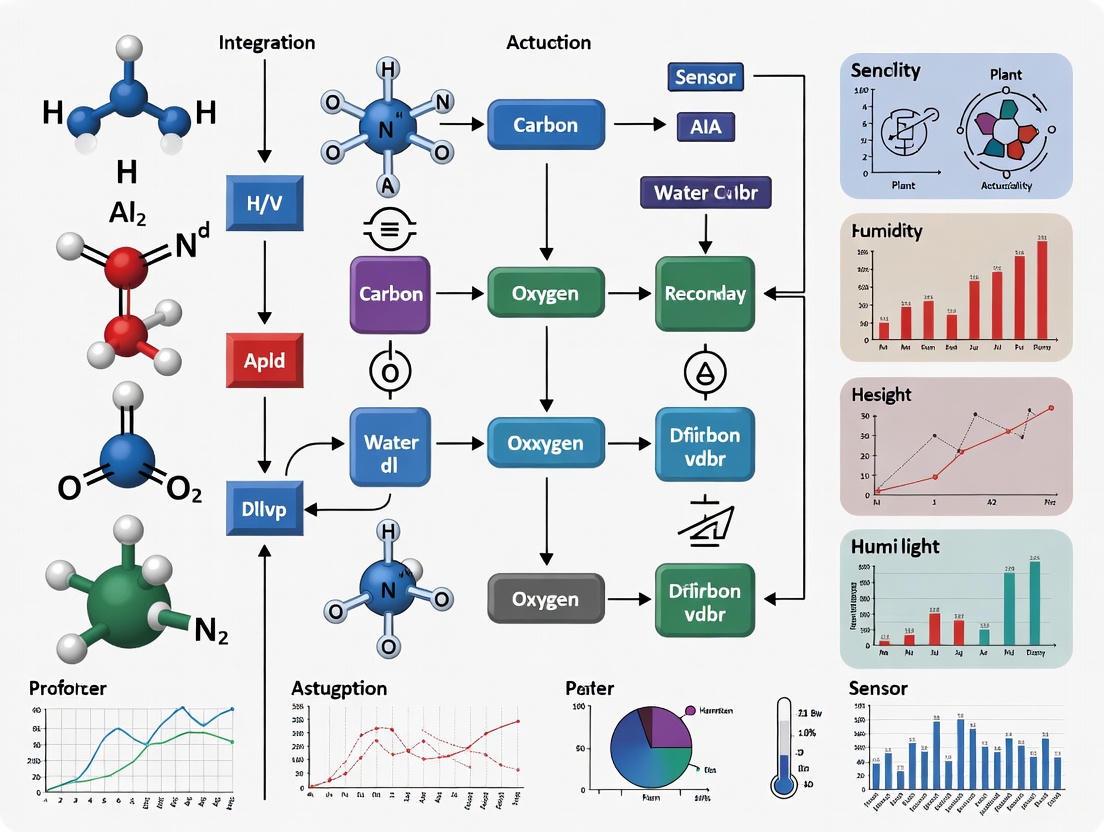
This article explores the integration of Artificial Intelligence (AI) for advanced environmental control within Controlled Environment Agriculture (CEA) facilities, with a specific focus on applications for biomedical research and drug...
AI-Driven Environmental Control in CEA: Optimizing Facilities for Research and Drug Development
Abstract
This article explores the integration of Artificial Intelligence (AI) for advanced environmental control within Controlled Environment Agriculture (CEA) facilities, with a specific focus on applications for biomedical research and drug development. It provides a comprehensive examination, from the foundational principles of energy-smart, grid-responsive CEA systems to the methodological application of digital twins and AI for precision control. The content further addresses critical troubleshooting for energy and operational optimization and offers a validation framework for assessing performance and environmental impact, serving as a guide for researchers and professionals aiming to enhance reproducibility, scalability, and sustainability in their work.
The New Frontier: Understanding AI and Modern CEA Fundamentals
Controlled Environment Agriculture (CEA) represents a technological evolution in food production, encompassing mechanized greenhouses, vertical farms, and windowless plant factories that artificially maintain optimal growing conditions [1]. The integration of Artificial Intelligence (AI) marks a fundamental shift beyond traditional greenhouse farming, creating intelligent, self-optimizing agricultural systems. AI-integrated CEA leverages machine learning algorithms, real-time sensor networks, and predictive analytics to dynamically control environmental parameters, resource allocation, and biological processes. This paradigm is gaining significant traction as a response to increasing climate volatility, resource pressures, and the need for sustainable, localized food production [2]. For researchers and scientists, AI-CEA represents a interdisciplinary frontier combining horticultural science, data engineering, and industrial automation to address critical challenges in food security and agricultural sustainability.
Key Technological Components and Their Functions
Core Architecture of AI-CEA Systems
The operational framework of AI-integrated CEA facilities relies on a tightly coupled network of sensing, computation, and actuation technologies. This architecture enables a closed-loop control system where the environment responds dynamically to plant physiological needs and external conditions.
Table: Core Technological Components of AI-Integrated CEA Systems
| Component Category | Specific Technologies | Primary Function | Data Outputs |
|---|---|---|---|
| Sensing & Monitoring | Smart environmental sensors, IoT-enabled devices, aerial drones with multispectral/thermal cameras, hyperspectral imaging | Continuous tracking of biotic/abiotic stress factors, plant growth metrics, and environmental parameters | Temperature, humidity, CO₂, light intensity/spectrum, soil moisture, VPD, plant biomass, chlorophyll content, nutrient deficiencies |
| Data Processing & Intelligence | AI-powered climate control systems, machine learning algorithms (CNNs, RNNs), predictive analytics models, digital twins | Analysis of sensor data, prediction of optimal growth conditions, simulation of outcomes, fault detection | Growth pattern predictions, climate adjustment recommendations, yield forecasts, disease risk alerts, resource optimization strategies |
| Actuation & Control | Automated irrigation/nutrient delivery, HVAC systems, LED grow lights with spectral tuning, robotics for harvesting/pruning | Physical implementation of AI-derived decisions to maintain optimal growing conditions | Precision water/nutrient delivery, dynamic climate adjustment, customized light recipes, automated physical tasks |
AI and Machine Learning Applications
Artificial intelligence in CEA employs multiple algorithmic approaches to transform raw data into actionable insights. Supervised learning algorithms, including Convolutional Neural Networks (CNNs), analyze visual data from cameras and sensors to identify disease symptoms, pest infestations, and nutrient deficiencies [3]. Recurrent Neural Networks (RNNs) process time-series data from environmental sensors to forecast climate trends and optimize control parameters [3]. Reinforcement learning enables systems to continuously improve decision-making through interaction with the dynamic greenhouse environment, learning optimal strategies for resource allocation. Digital twin technology creates virtual replicas of the CEA facility, allowing operators to simulate interventions and predict outcomes before implementation in the physical environment [2]. These AI capabilities enable a shift from static setpoint-based control to adaptive, plant-centric management that responds to the dynamic needs of crops throughout their growth cycles.
Quantitative Performance Data and Analysis
Energy and Resource Efficiency Metrics
The performance of AI-integrated CEA systems can be quantitatively assessed across multiple efficiency parameters. Recent meta-analyses of 116 studies across 40 countries reveal significant variations in energy intensity based on facility type, crop selection, and technological implementation [1].
Table: Comparative Performance Metrics of AI-CEA vs. Traditional Agriculture
| Performance Indicator | Traditional Open-Field | Basic Greenhouse | AI-Integrated CEA | Notes & Context |
|---|---|---|---|---|
| Energy Intensity (Median, MJ/kg) | ~1 MJ/kg | 27 MJ/kg (all crops), 1.5-5 MJ/kg (less-mechanized) | 127 MJ/kg (plant factories), Varies significantly by crop | Cannabis highest (23,300 MJ/kg); staples like wheat often nonviable [1] |
| Water Usage Efficiency | Baseline | Up to 90% reduction | Up to 95-98% reduction | UNDP reports 98% water savings in some CEA implementations [2] |
| Land Use Efficiency | Baseline | Moderate improvement | 390x yield increase per square foot (AeroFarms case study) [4] | Vertical stacking enables massive yield density improvements |
| Labor Efficiency | Labor-intensive | Moderate labor requirements | 27-60% labor cost reduction | Dutch greenhouse case: 27% reduction; Harvest CROO robotics: 60% reduction [4] |
| Yield Increases | Baseline | Moderate improvements | 15-32% documented increases | Dutch tomato greenhouse: 15% yield increase; Dutch tech transformation: 32% overall yield increase [4] |
Crop-Specific Performance Variations
The efficacy of AI-CEA systems varies significantly across crop types, influenced by morphological characteristics, growth cycles, and environmental requirements. Lettuce, tomatoes, and leafy greens demonstrate favorable energy profiles in AI-CEA environments, with energy intensities that can be justified by premium market pricing [1]. Herbs and microgreens show intermediate energy efficiency but remain economically viable due to high market value and rapid growth cycles. Importantly, grains, root crops, and other staple crops have proven largely nonviable in current AI-CEA systems due to exceptionally high energy intensities that cannot be economically justified despite technological optimization [1]. This crop-specific variability underscores the importance of selective cultivation in AI-CEA and highlights a significant research challenge for expanding the range of economically viable crops.
Experimental Protocols for AI-CEA Implementation
Protocol: Implementation of AI-Powered Climate Control System
Objective: To establish and validate a closed-loop AI climate control system that dynamically optimizes environmental parameters for specific crop phenotypes and growth stages.
Materials:
- Array of IoT environmental sensors (temperature, humidity, CO₂, VPD, PAR)
- AI-integrated climate computer with machine learning capabilities
- Actuator systems (HVAC, shade screens, fogging, ventilation, CO₂ injection)
- Data logging infrastructure with cloud connectivity
- Reference plants for phenotypic observation
Methodology:
- System Calibration (Week 1): Deploy sensors throughout the cultivation area at canopy level, ensuring proper calibration and communication with the central climate computer. Establish baseline measurements across all environmental parameters.
- Data Acquisition Phase (Weeks 2-5): Operate system in data collection mode, recording all environmental parameters and corresponding plant responses. Manually document phenotypic observations including growth rates, leaf expansion, and stress indicators.
- Algorithm Training (Week 6): Input collected data into machine learning models to establish correlation patterns between environmental conditions and plant performance metrics. Validate model predictions against observed plant responses.
- Closed-Loop Implementation (Week 7+): Activate AI control system with defined optimization targets (yield maximization, energy efficiency, or quality enhancement). Implement safety parameters to prevent extreme environmental deviations.
- Performance Validation: Conduct A/B testing with control zones using conventional climate management. Compare yield, quality, and resource consumption metrics across a full production cycle.
Evaluation Metrics: Yield per square meter, resource use efficiency (energy, water), crop quality indices, and consistency of production outcomes.
Protocol: Validation of Autonomous Pest and Disease Detection System
Objective: To implement and assess the efficacy of a computer vision-based AI system for early detection and identification of biotic stress agents in a CEA environment.
Materials:
- High-resolution cameras (visible spectrum, multispectral, or hyperspectral)
- Computational resources for real-time image processing
- Training dataset of annotated plant stress images
- Mobile platform or fixed-position imaging system
- Reference materials for known pest and pathogen specimens
Methodology:
- System Configuration: Position imaging systems to capture complete canopy coverage with appropriate resolution for detecting target stress symptoms. Ensure consistent lighting conditions for image capture.
- Algorithm Training: Pre-train convolutional neural networks on existing plant stress image databases. Fine-tune with facility-specific imagery representing common local biotic challenges.
- Validation Trial: Conduct controlled inoculations with target pathogens or controlled infestations with target arthropod pests in isolated sections of the facility.
- Detection Performance Assessment: Compare AI system detection timing and accuracy against trained human scouts using metrics of early detection, false positive/negative rates, and identification precision.
- Integration with Management Systems: Establish automated alerts and documentation protocols when threats are identified. Link detection system with targeted intervention mechanisms where available.
Evaluation Metrics: Detection sensitivity, specificity, time from infection/infestation to detection, and reduction in crop losses compared to conventional scouting methods.
Research Reagents and Essential Materials
The implementation of rigorous AI-CEA research requires specialized materials and analytical tools to quantify system performance and plant responses.
Table: Essential Research Reagents and Materials for AI-CEA Investigations
| Category | Specific Items | Research Application | Key Performance Metrics |
|---|---|---|---|
| Sensing & Monitoring | IoT environmental sensors, Hyperspectral imaging systems, Chlorophyll fluorometers, Root zone monitoring systems, Sap flow sensors | Precise quantification of environmental parameters and plant physiological responses | Measurement accuracy, temporal resolution, spatial coverage, data transmission reliability |
| AI & Computational | Edge computing devices, Cloud computing resources, Pre-trained plant models, Digital twin software platforms, Data annotation tools | Implementation and validation of AI algorithms for environment optimization | Processing speed, prediction accuracy, model training time, simulation fidelity |
| Plant Analysis | Leaf area index meters, Portable photosynthesis systems, Tissue nutrient analysis kits, Biomass assessment tools, RNA/DNA extraction kits for pathogen testing | Validation of plant health, growth, and quality outcomes in response to AI-driven interventions | Measurement precision, destructive/non-destructive testing, throughput capacity |
| Growth Infrastructure | Spectral-tunable LED lighting, Automated nutrient dosing systems, Climate control actuators, Robotics for automated tasks, Modular growth containers | Physical implementation of AI-derived optimization strategies | Control precision, response time, reliability, maintenance requirements |
System Workflows and Logical Architecture
The operational logic of AI-integrated CEA facilities follows a structured workflow from data acquisition to environmental modulation, creating an adaptive, self-optimizing cultivation system.
Implementation Challenges and Research Directions
Critical Implementation Barriers
Despite its significant potential, AI-integrated CEA faces substantial implementation challenges that require focused research attention. Energy consumption remains the most significant constraint, with plant factories demonstrating median energy intensities of 127 MJ/kg—orders of magnitude higher than open-field cultivation [1]. This energy intensity renders economically important staple crops like grains and root crops largely nonviable in current AI-CEA systems. The capital investment required for comprehensive AI-CEA implementation presents substantial business risk, particularly when balanced against commodity pricing pressures [1]. Interoperability and standardization challenges across sensors, devices, and data formats create integration barriers that can limit system performance and increase implementation complexity [2]. Additionally, the development of sufficiently robust AI models requires extensive, high-quality training datasets that capture the full range of environmental conditions and crop responses, representing a significant data acquisition challenge.
Promising Research Trajectories
Future research should prioritize several key directions to advance AI-CEA capabilities and economic viability. Energy-smart CEA designs that function as flexible grid assets represent a critical research frontier, potentially integrating renewable energy sources and demand-response capabilities to optimize energy economics [2]. The development of crop varieties specifically optimized for AI-CEA environments—with traits including compact architecture, enhanced nutrient efficiency, and spectral response optimization—could significantly improve system productivity [4]. Advancements in explainable AI (XAI) would increase adoption by providing transparent rationale for system decisions, building trust among horticultural experts. Research into standardized benchmarking protocols for comparing AI-CEA performance across facilities, crops, and growing conditions would accelerate knowledge transfer and technology diffusion. Finally, integration of life cycle assessment methodologies directly into AI optimization algorithms could enable truly sustainable CEA systems that automatically balance productivity with environmental impacts [5].
Artificial Intelligence is no longer an emerging concept but a transformative backbone for next-generation Controlled Environment Agriculture (CEA), fundamentally reshaping how growers optimize lighting, irrigation, climate, and pest management [6]. The 2024 Global CEA Census revealed a pivotal moment: nearly 30% of growers reported active plans to explore AI integration alongside sensors and IoT, moving beyond superficial applications to core system optimization [6]. This traction stems from AI's capacity to address critical industry challenges, including experienced grower shortages, resource inefficiency, and the limitations of conventional control systems. By leveraging machine learning frameworks, predictive analytics, and digital twin technology, AI enables unprecedented data-driven decision-making, creating more profitable and sustainable CEA operations while reducing dependence on imported technologies and expertise [7].
Quantitative Drivers of AI Adoption
The shift toward AI-driven CEA is supported by measurable performance advantages and growing investment. The following data illustrates the scope and scale of current AI integration.
Table 1: AI Adoption Metrics in CEA (2024-2025)
| Driver Category | Specific Metric | Data Source / Context |
|---|---|---|
| Industry Adoption Intent | Nearly 30% of growers signaled active plans to explore AI [6] | 2024 Global CEA Census |
| Operational Efficiency | Full integration of lighting, climate, and irrigation, reducing manual management to <10 minutes weekly [6] | Sollum & Optimal partnership case study (June 2025) |
| Research & Development | $3.77 million in USDA-NIFA funding for AI and data-driven platform development [7] | ADVANCEA Project (2022-2026) |
| Technology Focus Areas | Autonomous climate control, real-time analytics, yield forecasting, energy optimization [6] | 2025 Global CEA Census Focus |
Table 2: Measured Impact of AI in CEA Operations
| Performance Area | Impact of AI Integration | Validation Method |
|---|---|---|
| Resource Use Efficiency | Optimization of water, nutrients, and energy, minimizing waste [8] | AI-driven predictive model control |
| Labor Productivity | Automation of planting, harvesting, and maintenance tasks [8] | Deployment of robotics and automated systems |
| Crop Yield & Quality | Improved yields and product quality through optimized growing conditions [7] | Side-by-side comparison with conventional practices |
| System Reliability | Decreased performance failures and prediction of long-term reliability [9] | Environmental stress testing and accelerated life testing |
Detailed Experimental Protocols for AI-Based Environmental Control
For researchers and scientists, the following protocols provide a reproducible methodology for developing and validating AI control systems in CEA facilities, based on current advanced research frameworks.
Protocol: Development of a Data- and Model-Driven Decision-Making Platform
Objective: To create an integrated platform using wireless sensor networks (WSNs) and an AI-based digital twin for the advanced climate and crop management of a CEA facility [7].
Materials:
- Wireless sensor clusters (for temperature, relative humidity, CO₂, light intensity)
- Imaging sensors for digital plant phenotyping
- Gateway device and cloud-based data management system
- Computational resources for model training
Methodology:
- Sensor Network Deployment (Task 1A): Install sensor clusters at multiple, representative locations throughout the growing area to assess spatial and temporal environmental variation [7].
- Data Acquisition & Transmission: Configure sensors to wirelessly transmit readings and digital plant images to a gateway device connected to the internet for cloud storage [7].
- Platform Development (Task 1B):
- Data Processing: Develop a cloud-based Graphical User Interface (GUI) to analyze, visualize, and provide remote access to the sensor data for growers.
- Model Framework: Implement a Model-Based Reinforcement Learning (MBRL) architecture comprising three modular components:
- Data Aggregator: Cleans and unifies data streams from all sensors.
- Digital Twin: A physics-informed deep learning model that simulates the CEA system, predicting future plant growth and environmental conditions.
- Controller: An AI agent that uses the digital twin's predictions to determine optimal control actions for climate setpoints (e.g., HVAC, lighting, irrigation) [7].
- Model Training & Validation: Train and validate the simulation and decision models using available and published datasets. Continuously refine models and code, with accuracy cross-validated against real-time sensor data [7].
Protocol: Validation of AI-Driven Control Efficacy
Objective: To perform a side-by-side comparison of the novel AI-driven control system against conventional grower-management practices across diverse CEA production systems [7].
Materials:
- Fully instrumented CEA compartments (e.g., high-tech glasshouse, medium-tech polyethylene house)
- Tomatio or lettuce crops
- Resource metering equipment (for electric power, heating fuel, water)
Methodology:
- Experimental Design: Establish a controlled, side-by-side trial running for multiple growing seasons.
- System Comparison:
- Test Group: CEA compartment managed by the AI-driven decision support platform from Protocol 3.1.
- Control Group: Comparable compartment managed using conventional practices.
- Data Collection: Systematically measure and record the following metrics in both groups:
- Resource Inputs: Electric power, heating fuel, cooling, irrigation water, and labor.
- Outputs: Crop yield and quality metrics [7].
- Analysis: Conduct statistical analysis to compare the resource use efficiency, productivity, and economic feasibility between the AI-driven and conventional management systems.
Workflow Visualization: AI-Driven Environmental Control Loop
The following diagram illustrates the integrated, closed-loop workflow of an AI-controlled CEA system, from data acquisition to automated environmental adjustment.
The Scientist's Toolkit: Essential Research Reagents & Materials
For research teams developing and validating AI protocols for CEA, the following tools and platforms are critical.
Table 3: Key Research Reagent Solutions for AI-CEA Integration
| Tool Category | Example / Model | Function in Research Context |
|---|---|---|
| Wireless Sensor Networks (WSNs) | Custom clusters for microclimate, plant physiology [7] | High-resolution, spatial-temporal data collection on environment and crop status. |
| Environmental Test Chambers | Professional grade (e.g., G-Series Elite) [10] | Provides controlled, reproducible conditions for sensor calibration and system stress-testing. |
| AI Integration Platform | Model-Based Reinforcement Learning (MBRL) Framework [7] | Core architecture for developing the digital twin and AI controller. |
| Data & Protocol Management | SciNote ELN with AI Import [11] | Converts text-based SOPs into structured, executable protocol templates; manages research data. |
| Dynamic Lighting System | Sollum Technologies SUN as a Service [6] | Deliverable light spectra for researching crop-specific "light recipes" controlled by AI. |
| Agent Protocol | Model Context Protocol (MCP) [12] | Standardized protocol for connecting AI applications to external data sources and tools. |
Energy-Smart Farms and Grid-Responsive Design
Energy-smart farms represent an advanced evolution in Controlled Environment Agriculture (CEA), designed to optimize energy consumption while maintaining high productivity. These facilities function not merely as energy consumers but as intelligent, grid-responsive nodes that dynamically manage electricity use based on availability, price, and carbon intensity [2]. The integration of grid-responsive design principles enables CEA operations to flex their energy demand, participating in demand response programs and supporting greater integration of renewable energy sources into the power grid [2] [13]. This paradigm shift addresses a fundamental tension in CEA: while these systems dramatically reduce land and water use compared to conventional agriculture, their energy demands remain substantial [2]. The convergence of artificial intelligence (AI), IoT sensors, and smart grid technologies enables a new generation of CEA facilities that can simultaneously achieve production, sustainability, and economic objectives through sophisticated energy management strategies [14] [15].
Quantitative Performance Metrics of Energy-Smart CEA
Table 1: Documented Performance Improvements from AI and Smart Grid Integration in CEA
| Performance Metric | Conventional CEA | Energy-Smart CEA | Improvement | Source |
|---|---|---|---|---|
| Energy Cost Reduction | Fixed consumption patterns | Grid-responsive operation | 20-30% reduction through demand flexibility | [2] [15] |
| Yield Increase | Standard productivity | AI-optimized conditions | 19.6-28.5% increase demonstrated in commercial trials | [16] |
| Water Usage Efficiency | Traditional irrigation | Precision irrigation with IoT | 90-98% reduction compared to field agriculture | [2] [17] |
| Labor Efficiency | Manual monitoring | Automated control systems | <10 minutes weekly management reported | [6] |
| Resource Optimization | Static environmental control | Dynamic parameter adjustment | 30% reduction in resource consumption | [14] |
Table 2: Smart Grid Integration Capabilities and Benefits for CEA Facilities
| Smart Grid Feature | Technical Function | CEA Application | Impact | |
|---|---|---|---|---|
| Two-Way Communication | Enables real-time data exchange between utility and consumer | CEA facilities receive pricing signals and grid conditions | Allows automatic adjustment of energy consumption based on grid status | [13] [15] |
| Demand Response Programs | Utilities signal during peak demand periods | Non-critical CEA systems temporarily reduce consumption | Lower energy costs and prevent grid overload | [15] |
| Self-Healing Capabilities | Automatic fault detection and power rerouting | Enhanced power reliability for CEA operations | Reduced crop loss risk from power interruptions | [15] |
| Renewable Energy Integration | Manages intermittent solar/wind generation | CEA facilities align consumption with renewable availability | Lower carbon footprint and operational costs | [13] [15] |
| Time-of-Use Pricing Compatibility | Electricity costs vary by time of day | Energy-intensive CEA operations scheduled for off-peak periods | Significant cost savings without compromising production | [15] |
Experimental Protocols for Grid-Responsive CEA Implementation
Protocol 1: AI-Driven Dynamic Climate Control Optimization
Purpose: To implement and validate machine learning algorithms for optimizing environmental parameters while responding to grid signals and energy pricing.
Materials:
- Distributed IoT sensor network (temperature, humidity, CO₂, PAR)
- Cloud-based AI control platform with machine learning capabilities
- Smart grid interface for real-time electricity pricing data
- Actuator systems for HVAC, lighting, and irrigation control
- Data visualization dashboard with performance analytics
Methodology:
- Sensor Network Deployment: Install wireless sensor clusters at multiple locations throughout the growing area to capture spatial and temporal environmental variations. Calibrate all sensors prior to deployment [7].
- Data Infrastructure Setup: Establish secure communication protocols between sensors, AI control system, and grid interface. Implement cloud-based data aggregation with redundancy measures [14] [7].
- Model Training Phase: Collect baseline environmental and crop data for a minimum of one complete production cycle. Train machine learning algorithms using historical data, incorporating both crop response models and energy consumption patterns [14] [16].
- Digital Twin Development: Create a virtual model of the CEA facility that simulates crop growth, energy loads, and maintenance schedules. Validate the model against actual performance data [2] [7].
- Grid-Responsive Algorithm Implementation: Program the AI system to dynamically adjust environmental setpoints based on electricity pricing signals, grid carbon intensity, and crop requirements. Establish priority hierarchies for different environmental parameters [2] [15].
- Validation Protocol: Conduct side-by-side comparisons between AI-controlled and conventionally managed sections. Measure yield, quality, resource consumption, and energy costs across multiple production cycles [7].
Validation Metrics:
- Crop yield and quality consistency
- Energy consumption per unit of production
- Water and nutrient use efficiency
- Economic return including energy cost savings
Protocol 2: Renewable Energy Integration and Storage Management
Purpose: To design and implement an integrated renewable energy system with storage optimization for CEA operations.
Materials:
- Photovoltaic solar panel array with appropriate capacity
- Battery energy storage systems (BESS)
- Advanced inverters with grid interconnection capability
- Energy management system with forecasting algorithms
- Smart meters with two-way communication capability
Methodology:
- Energy Audit: Conduct comprehensive energy audit of all CEA systems including lighting, HVAC, irrigation, and ancillary equipment [17].
- Renewable Capacity Assessment: Analyze local solar insolation data and design PV system sized to meet significant portion of facility energy demand [15] [17].
- Storage Sizing Calculation: Determine optimal battery storage capacity based on daily energy use patterns, renewable generation profile, and grid interaction strategy [15] [17].
- System Integration: Implement power electronics and control systems to seamlessly manage energy flows between grid, renewables, storage, and loads [15] [17].
- Forecasting Algorithm Deployment: Install weather prediction and energy demand forecasting models to optimize energy storage and grid interaction strategies [15].
- Demand Response Integration: Program facility systems to automatically adjust non-critical loads during grid peak demand events while maintaining crop health [2] [15].
Performance Validation:
- Percentage of energy from renewable sources
- Grid energy cost reduction
- ROI period calculation for capital investment
- Reliability metrics during grid disturbances
Technical Architecture and System Integration
Energy-Smart CEA System Architecture
The technical architecture for energy-smart CEA facilities integrates multiple technology layers through a cohesive framework. The sensing layer continuously monitors environmental parameters, crop physiological status, and energy flows [14] [7]. This data feeds into the AI decision layer, where digital twin technology creates virtual models of the facility that simulate crop growth and energy consumption under various control strategies [2] [7]. The optimization controller processes real-time grid signals alongside crop requirements to determine optimal setpoints that balance production goals with energy efficiency [14] [16]. Finally, the actuation layer implements these decisions through precise control of climate, lighting, irrigation, and energy management systems [17] [16].
Implementation Roadmap and Validation Framework
Energy-Smart CEA Implementation Workflow
Successful implementation of energy-smart CEA systems requires a structured, phased approach with clear validation milestones. The process begins with comprehensive infrastructure assessment to identify necessary upgrades and establish compatibility with smart grid interfaces [14] [15]. Subsequent phases focus on deploying robust sensor networks and collecting sufficient baseline data to train accurate AI models [7]. A critical implementation consideration is the development of interoperability standards to ensure seamless communication between sensors, control systems, and grid management platforms [2]. The validation framework should include side-by-side comparisons with conventional management practices across different greenhouse technologies and climate zones to objectively quantify performance improvements [7]. Throughout implementation, stakeholder engagement and workforce development ensure that operational teams can effectively interact with the AI-driven systems and interpret their recommendations [7].
Research Reagent Solutions and Essential Materials
Table 3: Research-Grade Equipment for Energy-Smart CEA Implementation
| Equipment Category | Specific Examples | Technical Function | Implementation Considerations | |
|---|---|---|---|---|
| Sensor Networks | Wireless sensor clusters, Phasor Measurement Units (PMUs), hyperspectral imaging cameras | Real-time monitoring of environmental parameters, crop physiological status, and power quality | Ensure interoperability standards, spatial distribution adequacy, and calibration protocols | [15] [7] |
| AI Control Platforms | Koidra's KoPilot, Priva climate computers, Sollum Technologies lighting control | Machine learning-based optimization of environmental setpoints responding to grid signals and crop needs | Integration capabilities with existing systems, explainability of AI decisions, override functionalities | [6] [16] |
| Energy Management Systems | Battery energy storage systems (BESS), advanced inverters, smart meters with two-way communication | Store renewable energy, manage grid interactions, implement demand response strategies | Proper sizing calculations, grid interconnection standards, safety protocols | [15] [17] |
| Digital Twin Software | Physics-informed deep learning models, crop growth simulators, energy load predictors | Virtual simulation of CEA operations for scenario testing and optimization without disrupting production | Model validation requirements, computational resource needs, data integration capabilities | [2] [7] |
| Renewable Energy Systems | Photovoltaic arrays, small-scale wind turbines, biomass energy converters | On-site clean energy generation to reduce grid dependence and carbon footprint | Resource assessment accuracy, maintenance requirements, storage integration design | [18] [17] |
The integration of energy-smart design principles and grid-responsive technologies represents a transformative advancement for Controlled Environment Agriculture. By functioning as flexible energy assets rather than static loads, these facilities can simultaneously address operational efficiency, economic viability, and environmental sustainability challenges [2] [15]. The implementation frameworks and experimental protocols outlined provide researchers with validated methodologies for deploying and testing these integrated systems across diverse CEA contexts. Future research directions should focus on standardizing interoperability protocols, expanding dynamic control algorithms to encompass broader product quality parameters, and developing business models that effectively capture the value streams from grid services [2] [19]. As climate volatility increases and energy systems transition toward renewable sources, energy-smart CEA facilities offer a resilient, technologically advanced foundation for sustainable food production systems.
Application Note: An Integrated AI Framework for Environmental Control in CEA
Controlled Environment Agriculture (CEA) is emerging as a critical, resilient method for food and plant-based compound production. The integration of Artificial Intelligence (AI) and automation addresses core challenges in research reproducibility and operational scalability [20]. This application note details a protocol for implementing an AI-based environmental control system, framing it within a broader thesis on achieving unprecedented reproducibility and scalability for agricultural and pharmaceutical research utilizing plant-based materials.
The tables below summarize key quantitative metrics and technological focus areas for AI integration in CEA research facilities.
Table 1: Key Performance Indicators for AI-Integrated CEA Research
| Performance Indicator | Traditional CEA | AI-Integrated CEA | Impact on Research |
|---|---|---|---|
| Environmental Data Points per Hour | 1-2 manual samples | 1,000+ automated samples [21] | Enables high-resolution, reproducible growth curves |
| Crop Growth Forecasting Accuracy | Low (based on manual sampling) | High (full-crop computer vision) [21] | Improves predictability and scheduling for experiments |
| Labor Cost for Data Collection & Control | High (up to 50% of operational cost) | Significantly reduced via automation [20] | Enhances scalability of research protocols |
| Resource Use Efficiency (Water/Nutrients) | Standard efficiency | Optimized, leading to significant savings [20] | Reduces operational costs and environmental footprint of research |
Table 2: AI and Automation Technologies in CEA
| Technology Category | Specific Function | Contribution to Reproducibility & Scalability |
|---|---|---|
| Climate Control AI | Real-time optimization of temperature, humidity, light, CO₂ [20] | Creates stable, repeatable environmental conditions for experiments. |
| Automated Crop Registration | Machine vision to measure stem width, flowering speed, fruit development [21] | Provides objective, high-frequency phenotypic data instead of subjective manual samples. |
| Predictive Analytics | Analyzes historical data to predict optimal conditions and crop outcomes [20] | Allows for pre-emptive adjustments and model-informed protocol design. |
| IoT & Cloud Platforms | Remote monitoring, real-time alerts, and integrated data dashboards [20] | Enables remote management and scaling of multi-location research trials. |
Experimental Protocols
Protocol 1: Deployment of an AI-Driven Climate Control Feedback Loop
Objective: To establish a closed-loop control system that autonomously maintains a pre-defined research growth environment and logs all parameters for full traceability.
Materials:
- Distributed sensor network (temperature, humidity, PAR light, CO₂).
- Centralized environmental computer with AI control software (e.g., NuLeaf Farms' Leaf and Root platform or equivalent) [20].
- Actuators for HVAC, lighting, humidification, and CO₂ injection.
- Cloud-based or local data storage server.
Methodology:
- System Calibration: Calibrate all sensors and actuators against certified reference instruments. Document calibration dates and values.
- Define Setpoints: Input the target environmental recipe (setpoints and allowable deviations) for the specific research crop into the AI controller.
- AI Model Activation: Activate the predictive AI model. The system will now:
- Monitor: Continuously collect data from all sensors at 5-minute intervals.
- Analyze: Compare real-time data against the setpoints and use predictive algorithms to forecast environmental drift.
- Actuate: Send commands to the HVAC, lighting, and other systems to pre-emptively adjust conditions, maintaining stability within the defined thresholds [20].
- Data Logging: Ensure all sensor readings, AI decisions, and actuator states are timestamped and stored in a non-volatile database. This log is the foundation for reproducibility.
Protocol 2: High-Throughput Phenotypic Data Acquisition via Automated Crop Registration
Objective: To replace manual plant sampling with an automated, non-destructive system for collecting phenotypic data, thereby enhancing data objectivity and volume.
Materials:
- Fixed-mount, high-resolution cameras (RGB or hyperspectral).
- Computational hardware for image processing.
- Machine learning model trained for plant feature identification (e.g., stem nodes, flowers, fruit) [21].
Methodology:
- System Setup: Install cameras at fixed positions and heights above the plant canopy to ensure consistent image capture over time.
- Image Acquisition: Program the system to capture images of all plants in the research cohort at defined intervals (e.g., every 4 hours).
- Image Analysis: Process images through the machine learning model to extract quantitative metrics such as:
- Stem diameter and internode length.
- Leaf count and surface area.
- Flowering stage and count.
- Fruit development and size [21].
- Data Integration: Export the numerical phenotypic data and link it with the corresponding environmental log from Protocol 1 using timestamps. This creates a unified dataset linking environment to phenotype.
Mandatory Visualization
CEA AI Control System Workflow
Data Integration for Reproducibility
The Scientist's Toolkit: Research Reagent Solutions
Table 3: Essential Materials and Digital Tools for AI-CEA Research
| Item / Solution | Function / Application |
|---|---|
| Open-Access API Platforms | Enables seamless communication between different sensors, actuators, and software systems. Critical for creating a unified research environment without proprietary lock-in [21]. |
| Cloud-Based Data Integration Hubs | A centralized platform (e.g., cloud server) that ingests and unifies data from environmental sensors and phenotypic imaging, creating a single source of truth for the research trial. |
| Machine Vision & Sensor Suites | The hardware (cameras, spectral sensors) used for automated, non-destructive crop registration and environmental monitoring, providing the raw data for analysis [21]. |
| Predictive Climate Control Software | AI software that uses historical and real-time data to predict and maintain optimal growing conditions, ensuring environmental stability for reproducible results [20]. |
From Data to Control: Implementing AI and Digital Twins in CEA Systems
The integration of Artificial Intelligence (AI) into Controlled Environment Agriculture (CEA) facilities represents a paradigm shift towards intelligent, self-optimizing systems for research and drug development. At the core of this transformation lies a robust architecture of sensors, Internet of Things (IoT) devices, and data infrastructure. This ecosystem enables the precise environmental monitoring and control essential for ensuring consistent, reproducible, and high-quality research outcomes, particularly in the cultivation of plant-based pharmaceuticals. The convergence of AI and IoT, often termed the Artificial Intelligence of Things (AIoT), is key to processing vast amounts of real-time data for proactive decision-making [22] [23]. This document outlines the application notes and experimental protocols for deploying and validating such a system within a research context.
Sensor Technology and Selection Criteria
Sensors form the perceptual nervous system of the AI-driven CEA facility, collecting critical data on the physical environment.
Core Sensor Types for CEA Facilities
The selection of sensors must be driven by the specific environmental parameters critical to the plant species and research objectives. The following table summarizes the primary sensor types and their applications.
Table 1: Essential Environmental Sensors for CEA Research Facilities
| Sensor Type | Measured Parameters | Research Application in CEA | Key Considerations |
|---|---|---|---|
| Air Quality Sensors [24] [23] | CO₂, VOCs, pollutant levels (e.g., NO₂) [24] | Photosynthesis efficiency; impact of airborne contaminants on plant metabolite production. | Accuracy, calibration frequency, cross-sensitivity. |
| Temperature & Humidity Sensors [24] [23] | Ambient air temperature, relative humidity | Regulation of plant transpiration, growth rates, and secondary metabolite synthesis. | Stability, placement to avoid direct light/airflow. |
| Light Sensors [23] | Photosynthetically Active Radiation (PAR), light intensity, photoperiod | Controlling growth chambers and LED lighting systems to maintain precise light recipes. | Spectral response matching plant photoreceptors. |
| Soil/Substrate Sensors [24] | Moisture content, temperature, pH, specific chemical properties [24] | Optimizing irrigation and nutrient delivery in hydroponic or solid-medium systems. | Probe length, soil-specific calibration, corrosion resistance. |
| Water Quality Sensors [23] | pH, dissolved oxygen, turbidity, nutrient ion concentration (e.g., NO₃⁻) | Managing hydroponic and aeroponic systems for consistent root zone environment. | Fouling prevention, requires regular maintenance. |
| Spectroscopy-based Sensors [24] | Heavy metal concentrations, nutrient levels via vis-NIR [24] | Non-destructive estimation of soil contaminants or plant tissue composition. | Requires advanced AI models (e.g., XGBoost) for data interpretation [24]. |
Sensor Selection Protocol
Objective: To establish a standardized methodology for selecting and qualifying sensors for use in AI-driven CEA research. Experimental Workflow:
- Define Parameter Requirements: For each environmental variable (e.g., CO₂, PAR), establish the required range, resolution, and accuracy based on the plant model's biological tolerances and research goals.
- Identify Candidate Sensors: Shortlist sensors based on published specifications, with a preference for those with industrial-grade calibration and digital output (e.g., I²C, SDI-12).
- Laboratory Calibration & Validation:
- Equipment: Reference-grade measurement equipment (e.g., certified gas mixture for CO₂ sensors, quantum sensor for PAR).
- Procedure: Subject candidate sensors to a stepped profile across the entire operational range within an environmental chamber. Record sensor output against the reference standard at each step.
- Analysis: Perform linear regression to determine accuracy, precision, and hysteresis. Select sensors with R² > 0.98 against the reference.
- In-Situ Stability Test: Deploy qualified sensors in a live CEA growth room alongside the reference instrument for a minimum of 14 days. Calculate drift over time to determine the recommended calibration interval.
IoT Architecture and Data Infrastructure
The IoT architecture is the circulatory system that transports sensor data to computational resources and delivers control commands back to actuators.
The logical data flow from physical perception to intelligent action can be visualized as follows:
Data Acquisition and Communication Protocol
Objective: To define a robust protocol for collecting, transmitting, and ingesting sensor data. Methodology:
- Edge Device Configuration:
- Hardware: Deploy IoT gateways (e.g., Raspberry Pi with HATs, industrial programmable logic controllers) at strategic locations within the facility.
- Software: Implement a data acquisition agent (e.g., Node-RED, custom Python script) on each gateway to poll sensors at a defined frequency (e.g., 1 Hz for temperature, 0.1 Hz for soil moisture).
- Data Pre-processing & Compression:
- At the edge, apply data cleaning (e.g., removing physically impossible outliers) and compression algorithms to reduce bandwidth.
- Timestamp all data packets using a synchronized network time protocol (NTP) server.
- Secure Data Transmission:
- Transmit data from the edge gateway to the cloud platform using secure communication protocols (TLS/SSL for MQTT or HTTPS).
- For low-power devices, consider using LPWAN protocols like LoRaWAN or NB-IoT [23].
- Cloud Data Ingestion & Storage:
- Ingest data streams using a cloud-based IoT service (e.g., AWS IoT Core, Azure IoT Hub).
- Store raw data in a time-series database (e.g., InfluxDB, TimescaleDB) optimized for high-write performance and temporal queries.
AI Integration and Analytical Framework
AI acts as the central brain of the system, transforming raw data into predictive insights and intelligent control commands.
AI Model Development and Training Protocol
Objective: To create and validate AI/ML models for environmental prediction and optimization. Experimental Workflow:
Detailed Methodology:
- Data Collection & Feature Engineering:
- Collect historical data encompassing all sensor readings and actuator states over multiple growth cycles.
- Perform feature engineering to create inputs such as rolling averages, rate-of-change, and cumulative light integral.
- Model Selection & Training:
- Predictive Maintenance: Use Random Forest or Support Vector Machine (SVM) models to predict equipment failure by analyzing patterns in motor current, vibration, and temperature data from HVAC and pump systems [24].
- Yield Prediction: Employ deep learning models (e.g., LSTM networks) to forecast biomass accumulation or metabolite concentration based on time-series environmental data.
- Spectroscopic Analysis: Apply machine learning algorithms like Extreme Gradient Boosting (XGBoost) to interpret visible and near-infrared (vis-NIR) spectra for non-destructive nutrient or heavy metal analysis [24].
- Model Validation:
- Split data into training, validation, and test sets (e.g., 70/15/15).
- Validate model performance on the held-out test set using metrics relevant to the task (e.g., Mean Absolute Error for regression, F1-score for classification).
- Deployment & Continuous Learning:
- Deploy the validated model to the cloud AI engine or, for low-latency control, to the edge gateway.
- Implement a feedback loop where model predictions are logged alongside actual outcomes, triggering automatic model retraining when performance drifts beyond a set threshold.
The Scientist's Toolkit: Research Reagents & Essential Materials
This section details the key hardware and software components required to implement the described system.
Table 2: Essential Research Reagents and Solutions for an AI-IoT CEA Platform
| Item Name / Category | Type | Primary Function in the Experiment/System |
|---|---|---|
| Calibration Gas Mixtures | Research Reagent | Providing known concentration standards (e.g., CO₂ in N₂) for periodic validation and calibration of air quality sensors to ensure data accuracy. |
| Nutrient Solution Standards | Research Reagent | Certified reference materials for calibrating pH, dissolved oxygen, and ion-selective electrodes in hydroponic systems. |
| Industrial-Grade Environmental Sensors [24] [23] | Hardware | Accurate, reliable measurement of core parameters (e.g., temperature, humidity, PAR, CO₂). Foundation of the data acquisition system. |
| IoT Gateway with Edge Compute [23] | Hardware | Aggregates data from local sensors, performs initial data pre-processing, and runs lightweight Edge AI models for low-latency control. |
| Time-Series Database (TSDB) | Software | Optimized storage and rapid retrieval of sequential sensor data, enabling efficient historical analysis and model training. |
| Machine Learning Framework (e.g., PyTorch, TensorFlow) | Software | Provides the algorithmic toolkit and libraries for developing, training, and deploying predictive AI models for environmental control and analysis. |
Sustainability and Environmental Impact Assessment
The significant computational and energy resources required for AI and data centers necessitate a responsible approach to system design [25] [26].
Energy and Carbon Footprint Monitoring Protocol
Objective: To quantify and monitor the environmental footprint of the AI-IoT CEA research platform. Methodology:
- Direct Energy Measurement: Use power meters (e.g., smart PDUs) to measure the electricity consumption of the compute infrastructure (edge gateways, servers) and the CEA facility's HVAC and lighting.
- Embodied Carbon Accounting: Utilize life cycle assessment (LCA) methodologies, as defined by ISO 14044, to estimate the embodied carbon of the computing hardware and sensors [27] [25].
- Carbon Emission Calculation: Multiply energy consumption data by the local grid's carbon emission factor (kg CO₂eq/kWh) to compute operational carbon emissions. Combine with embodied carbon estimates for a holistic view.
- Reporting: Report key metrics such as Power Usage Effectiveness (PUE) for any on-site server racks, total energy consumption, and total carbon emissions per research cycle [25]. This practice aligns with emerging standards and provides a complete picture of the research platform's environmental cost.
Leveraging Digital Twins for Predictive Modeling and Simulation
Application Note: Fundamentals and Quantitative Benefits
Digital Twins (DTs) represent a transformative paradigm for creating virtual replicas of physical entities, enabling real-time simulation, monitoring, and predictive control. Within Controlled Environment Agriculture (CEA), they are a critical enabler for integrating AI-based environmental control, moving beyond static models to dynamic, data-driven decision-support systems [28] [29].
The core of a Digital Twin is the bidirectional data flow between the physical and virtual entities. This is facilitated by a suite of technologies, including IoT sensors, which collect real-time operational data, and AI algorithms, which process this data to provide insights and predictive capabilities [30] [31]. This integration allows the DT to mirror the life cycle of its physical counterpart, providing a platform to predict its immediate future and optimize performance [29]. The economic and operational value proposition is significant, as shown in the following data:
Table 1: Quantitative Market and Performance Data for Digital Twin Technology
| Metric | Value | Context/Source |
|---|---|---|
| Projected Market Size (2025) | $21.14 billion | Initial base year for growth projection [28] |
| Projected Market Size (2030) | $149.81 billion | Demonstrates rapid market adoption [28] |
| Projected Compound Annual Growth Rate (CAGR) | 47.9% | Highlights explosive market expansion [28] |
| Operational Efficiency Gain | Up to 1,000x more efficient than traditional modeling | Allows for superior scheduling and resource use [28] |
| Water Use Reduction in CEA | Up to 90-98% less than conventional agriculture | A key sustainability driver for CEA applications [2] |
The architectural framework for a Digital Twin in a CEA facility involves multiple integrated layers. The diagram below illustrates the core logical structure and data flow.
Application Note: CEA-Specific Workflow and Predictive Modeling
In CEA, Digital Twins excel at modeling complex interactions between plant physiology, HVAC systems, energy flows, and resource management. A primary application is simulating crop growth, energy loads, and maintenance schedules before a single seed is planted, enabling a "right-first-time" production strategy [2]. The predictive modeling workflow is a continuous cycle of data assimilation, simulation, and optimization, which can be detailed in the following experimental protocol.
Experimental Protocol 1: Predictive Modeling for Climate and Yield Optimization in CEA
1. Objective: To establish a closed-loop control system that uses a Digital Twin to predict and dynamically optimize environmental setpoints (e.g., temperature, humidity, CO₂, light) for maximizing yield and minimizing resource use in a CEA facility.
2. Materials and Data Sources:
- Physical CEA System: A fully instrumented growth chamber or vertical farm module.
- Sensors: IoT-enabled sensors for real-time monitoring of air temperature, relative humidity, CO₂ concentration, PAR (Photosynthetically Active Radiation) light levels, and root-zone temperature [28].
- Actuators: Controllable HVAC components, LED lighting systems, CO₂ injectors, and irrigation systems.
- Plant Phenotyping Data: Multi-modal data inputs, which may include hyperspectral imaging, 3D point clouds of the plant canopy, and periodic destructive biomass measurements [32].
3. Digital Twin Construction and Workflow:
The predictive modeling process is iterative and adaptive, as shown in the following workflow.
- Step 1: Data Assimilation: Continuously ingest and fuse real-time data from all sensors and phenotyping systems into the Digital Twin's data model [31]. This requires a robust data-quality framework to ensure accuracy, completeness, and consistency [28].
- Step 2: Model Execution & State Prediction: Execute the core predictive model. For complex, time-dependent tasks like growth prediction, a Temporal Fusion Transformer (TFT) can be used as a pre-trained model to capture dynamic changes and time dependencies [31]. The model outputs short-term and medium-term forecasts of plant growth metrics and system states.
- Step 3: Scenario & Sensitivity Analysis: Use the Digital Twin as a risk-free sandbox. Test various "what-if" scenarios, such as different temperature setpoints or lighting regimes, to evaluate their impact on yield and energy consumption [28] [2]. This step identifies the optimal control strategy.
- Step 4: Action & Implementation: Deploy the optimized control setpoints from the Digital Twin to the physical CEA facility's automation systems [31].
- Step 5: Model Update via Task Incremental Learning (TIL): As new data is generated from the physical system, employ TIL techniques. This allows the TFT model to learn from new tasks (e.g., a new crop variety) without catastrophic forgetting, enabling flexible and scalable adaptation without the need for complete model retraining [31].
4. Validation: Validate model accuracy by comparing the Digital Twin's predictions of yield and resource use against the actual measured outcomes from the physical CEA system over multiple growth cycles.
Protocol: Implementation and Interoperability Standards
Successful deployment of a Digital Twin in a CEA context depends on a methodical approach to planning, data management, and system integration.
Experimental Protocol 2: Implementing an Interoperable Digital Twin Framework
1. Pre-Implementation Planning:
- Process Selection: Identify a high-value, complex process for initial implementation, such as a specific growth room with recurring climate control challenges or high-value crop production [28].
- Define Clear Objectives: Establish measurable goals (e.g., "reduce energy consumption per kg of produce by 15%" or "increase yield density by 10%") and link them directly to intended Digital Twin applications [28].
- Use-case Specification: Develop a detailed use-case document outlining the stakeholders (e.g., growers, plant scientists, facility managers), required data inputs, and expected decision-support outputs [28].
2. Data Architecture and Governance:
- Data Collection & Integration: Implement a flexible, integration-ready architecture. Data should be ingested from IoT sensors, Building Management Systems (BMS), and enterprise systems (e.g., ERP) using standardized protocols like MQTT or AMQP for real-time data and RESTful APIs for other data services [28].
- Interoperability and Standardization: Adopt and build upon existing data standards and formats to streamline data ingestion and ensure interoperability between different subsystems (e.g., sensors, BMS, analytics platforms) [33] [30]. This is critical for avoiding vendor lock-in and enabling scalability.
- Governance Structure: Develop a robust governance framework that defines data ownership, quality monitoring procedures, and security protocols. Data quality must be regularly checked as it naturally degrades over time [28].
3. System Deployment and Scaling:
- Modular Approach: Begin with a focused Digital Twin (e.g., for a single growth chamber) rather than attempting a full-scale facility model immediately. This aligns with recommendations to "develop multiple digital twins at various scales" for a more cost-effective solution [33].
- Grid-Responsive Design: For CEA, which is often energy-intensive, design the Digital Twin to enable grid-responsive operations. The system should be able to flex electricity use based on availability, price, and signals from a smart grid, positioning the CEA facility as an intelligent energy node [2].
The Scientist's Toolkit: Key Research Reagent Solutions
Table 2: Essential Components for a CEA Digital Twin Research Initiative
| Item / Technology | Function in Digital Twin Research |
|---|---|
| IoT Sensor Network | Provides the real-time data foundation on climate, energy, and water use. Essential for bidirectional communication with the physical twin [28] [30]. |
| Temporal Fusion Transformer (TFT) Model | An advanced AI model for multi-horizon time-series forecasting. Serves as a powerful pre-trained base for predicting crop growth and system performance [31]. |
| Task Incremental Learning (TIL) Algorithms | Enables the predictive model to adapt to new tasks (new crops, new environments) without forgetting previous knowledge, ensuring scalability and flexibility [31]. |
| Multi-Modal Phenotyping Platforms | Hyperspectral imagers and 3D scanners provide structured data on plant health and architecture, which are critical for training and validating the biological aspects of the DT [32]. |
| Modeling & Simulation Platform (e.g., Papyrus) | Open-source systems engineering software that provides the environment for rigorous modeling, simulation, and analysis of different control system architectures [34]. |
| Standardized Communication Protocols (MQTT, DDS) | The set of rules that govern secure and efficient data exchange between physical assets and the digital twin, ensuring interoperability [28] [30]. |
Application Notes
The integration of Artificial Intelligence (AI) into Controlled Environment Agriculture (CEA) is transitioning from theoretical potential to practical implementation, enabling unprecedented management of climate, lighting, and irrigation systems. This shift is driven by the need to optimize crop production, improve resource efficiency, and address labor challenges through end-to-end automation.
The State of AI Adoption in CEA
Recent industry data reveals that AI is becoming a backbone of next-generation farming operations. The 2024 Global CEA Census indicated that nearly 30% of growers reported active plans to explore AI integration, alongside sensors and IoT, for climate control systems, lighting, and fertigation [6]. This trend has accelerated, placing AI firmly in the spotlight for 2025 as adoption moves beyond experimentation into core operational infrastructure [6].
Operational Principles of Autonomous Control
AI-powered systems function by creating a closed-loop control system that continuously fine-tunes the growing environment [35]:
- Real-Time Data Acquisition: Systems continuously gather data from sensors monitoring key environmental factors such as temperature, humidity, CO2 concentration, and light levels [35].
- AI-Powered Decision Making: Advanced algorithms analyze incoming data against crop-specific models and external conditions (such as weather forecasts) to make real-time adjustments [35].
- Integrated Actuation: The AI autonomously adjusts climate setpoints, irrigation schedules, and lighting recipes through direct integration with existing control systems [6] [35].
This integrated approach allows growers to maintain ideal growing environments 24/7, regardless of external fluctuations, while spending significantly less time on manual management [6].
Quantified Environmental and Operational Impacts
The implementation of AI-driven control systems delivers measurable benefits across resource efficiency and operational performance.
Table 1: Environmental Impact of AI Server Deployment in the United States (2024-2030 Projections)
| Impact Category | Low Scenario | High Scenario | Key Mitigation Strategies |
|---|---|---|---|
| Annual Water Footprint | 731 million m³ | 1,125 million m³ | Adoption of Advanced Liquid Cooling (ALC), WUE optimization [36] |
| Annual Carbon Emissions | 24 Mt CO₂-eq | 44 Mt CO₂-eq | Grid decarbonization, Server Utilization Optimization (SUO), PUE improvement [36] |
| Energy Consumption | Significant increase driven by AI computation demands | PUE reduction, efficiency gains in hardware and algorithms [26] [36] |
Table 2: Efficacy of AI Efficiency Measures in CEA
| Efficiency Measure | Potential Reduction in Energy | Potential Reduction in Water Footprint | Potential Reduction in Carbon Emissions |
|---|---|---|---|
| Power Usage Effectiveness (PUE) Optimization | >7% [36] | - | >7% [36] |
| Water Usage Effectiveness (WUE) Optimization | - | >29% [36] (Up to 86% with best practices [36]) | - |
| Advanced Liquid Cooling (ALC) | ~1.7% [36] | ~2.4% [36] | ~1.6% [36] |
| Server Utilization Optimization (SUO) | ~5.5% [36] | ~5.5% [36] | ~5.5% [36] |
Industry Implementation Case Studies
Real-world applications demonstrate the viability of autonomous control:
- Priva: Refines climate control systems using predictive AI models to reduce energy use while stabilizing growing conditions [6].
- Sollum Technologies & Optimal Partnership: Provides an integrated solution merging real-time dynamic LED lighting with AI-driven climate and irrigation control. This system adjusts multiple environmental parameters 24/7, requiring less than 10 minutes of weekly manual management from growers [6].
- KoPilot: Offers autonomous control of greenhouse climate, irrigation, and lighting. Its AI algorithms analyze real-time data to make adjustments that optimize for plant health, yield, and resource efficiency [35].
Experimental Protocols
Protocol for Implementing an AI-Enabled Autonomous Control System
This protocol outlines the methodology for deploying an integrated AI system for controlling climate, lighting, and irrigation in a CEA facility.
Objective: To establish a fully operational, AI-driven control system that autonomously manages core growing parameters to optimize crop performance and resource efficiency.
Preparatory Phase
- System Compatibility Audit:
- Inventory all existing environmental control systems (e.g., HVAC, boilers, shade screens), irrigation/fertigation systems, and lighting systems.
- Determine the communication protocols (e.g., Modbus, BACnet) and assess the feasibility of integration with the AI platform.
- Identify necessary hardware bridges or software drivers for non-compatible systems.
- Sensor Network Deployment and Calibration:
- Install a comprehensive sensor network to measure air temperature, relative humidity, CO₂, light intensity (PPFD), and substrate moisture. Ensure strategic placement to account for microclimates within the facility.
- Calibrate all sensors according to manufacturer specifications to ensure data accuracy.
- Verify data logging and transmission to the central data aggregation point.
Implementation Phase
- AI Platform Configuration:
- Input crop-specific setpoints and growth models into the AI platform. Define optimal ranges for each environmental variable based on the crop's growth stage.
- Configure the AI's decision-making logic, establishing rules and constraints for autonomous control actions (e.g., maximum allowable temperature deviation, minimum irrigation duration).
System Integration and Actuator Mapping:
- Establish bidirectional communication between the AI platform and the facility's control systems.
- Map digital and analog outputs from the AI controller to specific actuators (e.g., motorized valves, damper controllers, relay switches for lights). Test each control pathway individually.
Algorithm Training and Baseline Data Collection:
- Operate the system in a "shadow mode" or supervised control mode for an initial period (e.g., 2-4 weeks). The AI will analyze data and suggest actions, but all control changes will require manual approval and implementation.
- This phase allows the AI to learn the facility's specific thermal, humidity, and irrigation dynamics without risking crop loss.
Validation and Optimization Phase
- Phased Autonomous Control Activation:
- Begin autonomous control for one subsystem at a time (e.g., climate first, followed by irrigation, then lighting).
- Closely monitor system performance and plant response for a predefined evaluation period after each activation.
Performance Metrics and A/B Testing:
- Define and track Key Performance Indicators (KPIs), including resource use (energy, water, nutrients), crop yield, and quality metrics.
- Conduct controlled A/B tests where feasible, comparing AI-driven control against previous manual or rule-based control protocols in separate but comparable zones.
Iterative Refinement:
- Use collected performance data to refine AI setpoints and decision-making rules.
- Continuously validate the system against plant health metrics and adjust the crop growth models accordingly.
Data Flow and System Integration Logic
The following diagram illustrates the logical workflow and data integration points of the autonomous control system.
Autonomous CEA System Data Flow
The Scientist's Toolkit: Essential Research Reagents & Materials
For researchers developing and validating AI control algorithms in CEA, a core set of hardware and software tools is required.
Table 3: Essential Research Materials for AI-CEA Integration
| Item | Function in Research Context |
|---|---|
| Sensor Network | Provides the foundational data layer. Researchers require calibrated sensors for temperature, humidity, CO₂, light (PPFD), and substrate moisture to collect ground-truth data for model training and validation. |
| Data Acquisition System | Aggregates analog and digital signals from the sensor network. Must have sufficient logging frequency and resolution to capture meaningful environmental dynamics. |
| Actuator Interface Hardware | Enables the AI's digital commands to physically control systems. Includes relay modules, programmable logic controllers (PLCs), and protocol converters (e.g., Modbus to BACnet) to interface with climate, irrigation, and lighting hardware. |
| Computing Hardware | Runs resource-intensive AI models. Options range from local high-performance workstations (GPUs) for algorithm development to edge-computing devices for deployed system inference. |
| AI/ML Software Platform | The core software environment for building, training, and deploying models (e.g., Python with TensorFlow/PyTorch, or proprietary platforms). Used to implement reinforcement learning, predictive control, and digital twins. |
| Data Visualization & Analysis Suite | Critical for researchers to interpret complex multivariate data, identify correlations, and communicate findings (e.g., Grafana, custom dashboards, statistical software like R or Python's Pandas). |
Application Notes
The integration of Artificial Intelligence (AI) into Controlled Environment Agriculture (CEA) is revolutionizing the precision management of water, nutrients, and energy. This paradigm shift is critical for enhancing the economic viability and sustainability of CEA systems, which are increasingly seen as a solution to global food security challenges. By leveraging technologies such as deep learning, computer vision, and the Internet of Things (IoT), researchers and operators can now transition from static, generalized protocols to dynamic, predictive, and site-specific resource management strategies.
The following table summarizes the quantitative gains from AI-driven optimization of key resources in CEA, as demonstrated in recent research and commercial case studies.
Table 1: Quantitative Performance of AI-Optimized Resource Management in CEA
| Resource | AI Application | Reported Efficiency Gain | Key Technologies |
|---|---|---|---|
| Water | AI-supported autonomous irrigation [37] | Dramatically improved water efficiency, minimizing water loss [37] | Soil moisture sensors, IoT, deep learning models [4] [37] |
| Nutrients | AI-driven nutrient management in hydroponics [37] | ~97.5% accuracy in nutrient parameter recommendation; reduced fertilizer use [37] | pH/EC sensors, AI algorithms (e.g., Random Forest), dosing pumps [37] |
| Energy | AI-powered climate and lighting control [4] [37] | 23-25% reduction in energy for lighting and HVAC; 40% cut in total energy consumption [4] [37] | Smart LEDs, ML algorithms, environmental sensors, reinforcement learning [4] [37] |
| Integrated System | AI climate control in Dutch greenhouse [4] | 32% yield increase; 27% labor cost reduction [4] | AI climate control, smart irrigation, robotic harvesters [4] |
The efficacy of these AI applications is underpinned by deep learning (DL), which has become a cornerstone technology. As of a 2022 systematic review, Convolutional Neural Networks (CNNs) were the most widely used DL model in CEA, comprising 79% of studied applications, with primary uses in yield estimation (31%) and plant growth monitoring (21%) [38]. This demonstrates a strong research focus on non-invasive, vision-based monitoring and prediction.
Experimental Protocols
This section provides detailed methodologies for implementing and validating core AI-driven resource optimization systems in a CEA research environment.
Protocol for AI-Driven Closed-Loop Irrigation System
Objective: To automate irrigation in a CEA facility using a sensor-based AI control system for optimizing water use and maintaining optimal root-zone moisture. Background: Traditional timer-based irrigation leads to over- or under-watering. AI systems use real-time sensor data (e.g., soil moisture, humidity) to dynamically adjust watering schedules [37].
Materials:
- Capacitive soil moisture sensors
- Temperature and humidity sensor (DHT22)
- Microcontroller (e.g., Arduino, Raspberry Pi)
- Data logging shield or IoT module
- Solenoid valve for water control
- Computer with Python and libraries (e.g., scikit-learn, TensorFlow)
Methodology:
- Sensor Network Deployment: Install soil moisture sensors at a defined root-zone depth (e.g., 5-10 cm) for multiple representative plants. Place ambient temperature and humidity sensors within the plant canopy.
- Data Acquisition & Calibration: Collect continuous sensor readings. Calibrate soil moisture sensors against gravimetric water content for the specific growth medium.
- Model Training: Label the collected sensor data with ideal moisture levels for the specific crop and growth stage. Train a machine learning model (e.g., a regression model) to predict the required irrigation duration based on real-time soil moisture, historical water use, and ambient conditions.
- System Integration & Control Logic: Connect the microcontroller to the solenoid valve. Implement a control script that:
- Reads real-time sensor data.
- Executes the trained model to determine if irrigation is needed and for how long.
- Activates the solenoid valve for the precise duration.
- Validation: Run a controlled experiment comparing the AI system against a traditional timer-based schedule. Measure total water consumption, plant biomass, and plant health indicators (e.g., chlorophyll content) over a full growth cycle.
Protocol for AI-Optimized Nutrient Dosing in Hydroponics
Objective: To maintain optimal nutrient concentration and pH in a hydroponic solution using an AI model that interprets sensor data and controls dosing pumps. Background: AI and IoT integration in hydroponics can monitor nutrient levels and recommend adjustments with high accuracy (~97.5%), preventing nutrient disorders and minimizing waste [37].
Materials:
- Hydroponic system (NFT, DWC, etc.)
- Water quality sensors (pH, Electrical Conductivity - EC)
- Dosing pumps for pH up/down and nutrient solution
- Microcontroller and IoT interface
- Server or computer for model hosting
Methodology:
- System Setup: Install pH and EC probes in the nutrient reservoir, ensuring proper calibration before initiation.
- Data Collection: Continuously log pH and EC readings. Manually record nutrient additions and plant health observations to create a historical dataset.
- Model Development: Train a machine learning model (e.g., Random Forest) on the historical data. The model should learn to predict the required dosing adjustments to maintain target pH and EC ranges based on current readings and temporal trends.
- Automated Control Loop: Implement a control system that:
- Feeds current pH/EC sensor readings into the trained AI model.
- The model outputs a command for the dosing pumps (e.g., activate Pump A for X seconds to add nutrients).
- The microcontroller executes the command, adjusting the nutrient solution.
- Performance Assessment: Compare the AI-maintained system against a control system using manual adjustment. Key metrics include: stability of pH/EC levels, fertilizer consumption, incidence of nutrient-related plant stress, and final crop yield.
Protocol for AI-Based Energy Optimization via Climate and Lighting Control
Objective: To reduce energy consumption for lighting and climate control in an indoor CEA facility using a predictive AI model without compromising plant growth. Background: AI systems using reinforcement learning have been shown to reduce energy for lighting and HVAC by 23-25% by dynamically adjusting setpoints based on real-time and forecasted data [37].
Materials:
- Environmental sensors (CO~2~, temperature, humidity, PAR light)
- Smart, tunable LED grow lights
- Actuators (HVAC, fans, de/humidifiers, shading screens)
- Computer with sufficient processing power for AI model execution
- (Optional) Weather forecast API
Methodology:
- Baseline Profiling: Operate the CEA facility under standard fixed-setpoint conditions to establish a baseline for energy consumption and plant growth rates.
- Model Selection and Training: Implement a reinforcement learning (RL) model. The "state" includes real-time sensor data and weather forecasts; the "actions" are adjustments to lighting intensity/spectrum, temperature, and CO~2~; the "reward" is based on energy saved while maintaining environmental parameters within a predefined optimal band for the crop.
- System Integration: The RL model interfaces with the control systems for the LED lights and HVAC equipment, allowing it to execute its learned policy.
- Experimental Validation: Conduct a side-by-side comparison between the AI-controlled zone and a control zone using traditional management. Monitor and compare:
- Total electricity consumption (kWh).
- Microclimate stability (percentage of time parameters are within target ranges).
- Crop growth metrics (growth rate, yield, quality).
Visualization of Workflows
The following diagrams, generated using Graphviz DOT language, illustrate the logical workflows and control loops for the AI systems described in the protocols.
AI Resource Optimization Logic
Nutrient Management Workflow
The Scientist's Toolkit
This section details the essential reagents, hardware, and software solutions required to establish a research platform for AI-based resource optimization in CEA.
Table 2: Essential Research Toolkit for AI-Driven CEA Resource Optimization
| Tool Category | Specific Tool / Technology | Research Function |
|---|---|---|
| Sensing & Data Acquisition | Soil Moisture/Temperature/EC Sensors [4] [37] | Measures real-time root-zone water content, temperature, and nutrient levels (via EC). |
| pH Sensor [37] | Monitors acidity/alkalinity in hydroponic nutrient solutions or soil. | |
| CO~2~ Sensor [4] | Tracks carbon dioxide levels for optimization of photosynthesis. | |
| PAR (Photosynthetic Active Radiation) Sensor [4] | Quantifies light energy available to plants for photosynthesis. | |
| Multispectral/Hyperspectral Camera [39] | Enables non-invasive assessment of plant health, nitrogen content, and early stress detection. | |
| AI & Software | Convolutional Neural Networks (CNNs) [38] [37] | The dominant DL model for image-based tasks (e.g., disease detection, growth stage identification). |
| Reinforcement Learning (RL) [37] | AI paradigm ideal for sequential decision-making, such as optimizing climate control for energy savings. | |
| Random Forest [37] | A versatile machine learning algorithm used for tasks like nutrient parameter recommendation. | |
| Actuation & Control | Programmable LED Grow Lights [4] [37] | Allows spectral tuning and intensity control for different growth stages and energy savings. |
| Solenoid Valves [37] | Enables precise computer-controlled irrigation. | |
| Peristaltic/Dosing Pumps [37] | Provides accurate, automated delivery of nutrient solutions and pH correction agents. | |
| Data Infrastructure | IoT Communication Protocols (e.g., MQTT) | Facilitates reliable, low-latency communication between sensors, controllers, and servers. |
| Cloud Platforms/Edge Computing | Provides the computational power for model training and inference, and data storage. |
Navigating Challenges: Energy Demands, Costs, and System Optimization
The following tables consolidate key quantitative data on the energy and resource footprints of Artificial Intelligence (AI) and Controlled Environment Agriculture (CEA), providing a basis for comparative analysis.
Table 1: AI and Data Center Energy Consumption Metrics
| Metric | Current Scale (2023-2025) | Projected Scale (2028-2030) | Key Sources / Notes |
|---|---|---|---|
| Global Data Center Electricity Consumption | 460 TWh in 2022 (c. 1-2% of global demand) [40] | 945 TWh by 2030 (IEA central scenario) [40] | Consumption doubled from 2022 (460 TWh) to 2023 [41]. |
| US Data Center Electricity Consumption | 176 TWh (4.4% of US demand in 2023) [41] | 325 - 580 TWh (6.7 - 12% of projected US demand by 2028) [41] | Driven by AI; 44% of new US electricity demand 2023-2028 [41]. |
| AI's Share of Data Center Power | 5 - 15% in recent years [40] | 35 - 50% by 2030 [40] | AI is the most important driver of data center growth [40]. |
| Training a Single LLM (e.g., GPT-3) | 1,287 MWh [26] | N/A | Enough electricity to power ~120 US homes for a year [26]. |
| Training a Single LLM (e.g., GPT-4) | 50 GWh [42] | N/A | Enough electricity to power San Francisco for three days [42]. |
| AI Inference vs. Web Search | A ChatGPT query consumes ~5x more electricity than a simple web search [26] | Inference expected to dominate future AI energy use [26] [42] | 80-90% of AI computing power is now used for inference [42]. |
| Data Center Water Use | ~2 liters per kWh of energy consumed for cooling [26] | N/A | Contributes to local water scarcity; strains municipal supplies [26]. |
Table 2: CEA Resource Use and Efficiency Metrics
| Metric | Efficiency / Consumption | Key Sources / Notes |
|---|---|---|
| Water Use Reduction | Up to 90-98% less than conventional agriculture [2] | A key sustainability driver, especially in water-scarce regions [2]. |
| Energy as a Primary Challenge | High energy intensity is a major operational hurdle [2] | Energy-smart, grid-responsive designs are a key R&D focus [2]. |
| AI & Automation Adoption | Nearly 30% of growers have active plans to explore AI and IoT [6] | For climate control, lighting, fertigation, and pest management [6]. |
| Renewable Energy Integration | Widespread adoption and planning among operators [18] | Critical for reducing carbon footprint and ensuring long-term viability [18]. |
Experimental Protocols
Protocol for Measuring AI Model Inference Energy Footprint
Objective: To quantitatively assess the energy consumption and carbon dioxide emissions of a generative AI model during the inference phase.
Materials:
- Computing cluster with at least one H100 or A100 GPU.
- Power meter (e.g., high-frequency data acquisition system).
- Target AI model (open-source, e.g., Llama series for transparency).
- Standardized benchmark dataset (e.g., for Q&A, text summarization).
- Temperature and humidity sensors for the server inlet.
Methodology:
- Baseline Power Measurement: Power on the computing cluster and GPU, but leave the AI model idle. Record the power draw (P_idle) over a 10-minute period to establish a stable baseline.
- Workload Execution: Execute the standardized benchmark on the target AI model. For each query in the benchmark, record:
- Timestamp
- Total system power draw (P_total) from the power meter.
- GPU utilization and core temperature via onboard sensors.
- Inference latency (time to first token and time to complete response).
- Data Collection Period: Run the benchmark multiple times to obtain an average power consumption value per query type.
- Energy Calculation:
- Net Inference Energy (Joules) = (Ptotal - Pidle) × Inference Latency (seconds)
- Convert Joules to kWh (1 kWh = 3.6 × 10^6 Joules).
- Carbon Emission Estimation:
- CO₂e (g) = Energy (kWh) × Carbon Intensity (g CO₂e/kWh) of the local grid. The carbon intensity must be obtained from the regional grid operator or public databases.
- Validation: Repeat measurements across different times of day and days of the week to account for grid carbon intensity fluctuations.
Protocol for Integrating AI for Energy Optimization in a CEA Facility
Objective: To implement and validate an AI-driven control system that optimizes energy use for indoor crop production without compromising yield.
Materials:
- CEA facility (greenhouse or vertical farm) with sensor network.
- Actuators for climate control (HVAC, humidifiers), irrigation, and dynamic LED lighting.
- Data historian (e.g., time-series database).
- Computing platform for hosting the AI model.
- Research Reagent Solutions (See Section 4).
Methodology:
- System Integration & Data Acquisition:
- Integrate all sensors and actuators with the central data historian.
- Collect high-frequency (e.g., 1-minute intervals) data for a minimum of one full crop growth cycle to establish a baseline. Key data points include:
- Environmental: Temperature, relative humidity, CO₂ levels, PPFD (Photosynthetic Photon Flux Density).
- Resource: Electricity consumption (total and per subsystem, e.g., lighting, HVAC), water consumption.
- Crop: Canopy size (via periodic imaging), yield (final harvest weight).
AI Model Development & Training:
- Develop or procure a Digital Twin of the CEA facility [2]. The twin should simulate crop growth, energy loads, and climate dynamics.
- Train a Reinforcement Learning (RL) agent within the digital twin. The agent's goal is to minimize total energy consumption while maintaining environmental setpoints (e.g., VPD - Vapor Pressure Deficit, light integral) crucial for the target crop.
- The AI model should be grid-responsive, capable of flexing non-critical electricity use (e.g., slightly adjusting temperature setpoints or light intensity) based on real-time electricity price or carbon intensity signals [2].
Experimental Deployment:
- Control Group: One growth zone operates on a standard, pre-programmed climate recipe.
- Test Group: An identical growth zone is managed by the AI control system.
- Run the experiment for at least one complete crop cycle.
Performance Metrics & Analysis:
- Primary Metrics:
- Total Energy Consumption (kWh/kg of yield)
- Water Use Efficiency (Liters/kg of yield)
- Secondary Metrics:
- Crop Yield and Quality (e.g., biomass, brix levels, visual quality)
- Operational Labor Minutes per week for system management [6]
- Statistically compare metrics between control and test groups to determine the AI system's efficacy.
- Primary Metrics:
System Workflow and Pathway Visualizations
The following diagrams, generated with Graphviz, illustrate the core logical relationships and experimental workflows described in these protocols.
AI-CEA Energy Optimization Logic
AI Inference Energy Assessment
The Scientist's Toolkit: Research Reagent Solutions
Table 3: Essential Materials for AI-CEA Integration Research
| Item | Function in Research | Example / Specification |
|---|---|---|
| Sensor Network | Provides real-time, high-resolution data on the growing environment, which is the foundational input for any AI model. | PAR (Photosynthetically Active Radiation) sensors, air temperature/humidity sensors, CO₂ sensors, soil/substrate moisture sensors. |
| Dynamic LED Lighting System | An actuated system whose energy consumption and light spectrum can be precisely controlled by an AI agent to optimize plant growth and save energy. | Systems capable of adjusting intensity and spectrum (e.g., red-blue ratios) on a schedule or via an API [6]. |
| High-Performance Computing (HPC) Cluster | Provides the computational power required for training and running complex AI models, including digital twins and reinforcement learning agents. | Servers with GPUs (e.g., NVIDIA H100, A100) or TPUs for accelerated machine learning workloads. |
| Digital Twin Software | Creates a virtual replica of the CEA system, allowing for safe, low-cost simulation and testing of AI control strategies before live deployment [2]. | Commercial or custom-built simulation platforms that model physics, plant physiology, and HVAC dynamics. |
| Data Historian | A specialized database for storing and managing the high-volume time-series data generated by sensors and equipment, essential for model training and validation. | Industrial IoT platforms (e.g., Siemens Xcelerator) or open-source time-series databases (e.g., InfluxDB). |
| Actuators & Control Systems | The physical devices that execute the commands from the AI model, directly influencing the growing environment. | Programmable Logic Controllers (PLCs) connected to HVAC, irrigation valves, and lighting control systems. |
Application Notes
Evaluating AI Model Performance on Real-World Tasks
The GDPval benchmark represents a significant advancement in quantifying AI model performance on economically valuable, real-world tasks [43]. It moves beyond academic tests to evaluate models on specialized work products from 44 occupations across the top 9 industries contributing to U.S. GDP [44]. For researchers in Controlled Environment Agriculture (CEA), this approach provides a framework for assessing how AI could optimize complex environmental control workflows.
Tasks are constructed from the representative work of industry professionals with an average of 14 years of experience, ensuring high practical relevance [43]. The benchmark includes 1,320 specialized tasks, with 220 tasks in a publicly available gold set, covering deliverables such as legal briefs, engineering blueprints, and operational plans [44]. This methodology is directly applicable to CEA research, where AI could assist in designing environmental control protocols, analyzing crop growth data, or optimizing resource allocation.
Frontier model performance on GDPval is improving roughly linearly over time, with the current best models approaching industry experts in deliverable quality [43]. This suggests that AI assistance for complex research tasks in CEA facilities is becoming increasingly viable.
Table 1: Key Performance Findings from GDPval Evaluation
| Metric | Finding | Implication for CEA Research |
|---|---|---|
| Model Performance Trend | Improving roughly linearly over time [43] | Planning for iterative AI integration in research workflows is feasible |
| Current Top Model Quality | Approaching industry expert quality [43] | AI can now generate near-expert level protocols and analyses |
| Performance Enhancement | Increased reasoning effort, task context, and scaffolding improve results [43] | CEA AI systems should be designed with extensive context and multi-step reasoning |
| Human-AI Collaboration | Models with human oversight can be cheaper and faster than unaided experts [43] | Research teams can increase throughput by pairing scientists with AI tools |
AI-Driven Workflow Optimization
The principles demonstrated by GDPval align with the need for optimized experimental workflows in CEA research. AI models can streamline processes that would otherwise require extensive human effort and time. For instance, the methodology used in evaluating the Human CEA ELISA Kit demonstrates how precise workflow management—from sample preparation to data analysis—significantly enhances efficiency and reliability [45]. In CEA contexts, this translates to more robust experimental protocols for monitoring plant physiology, pathogen detection, or environmental stress responses.
Strategic optimization involves batching similar experiments to minimize variability and save time [45]. For CEA facilities running multiple environmental trials, AI can help schedule and group analyses of microclimate data, nutrient solution efficacy, or growth parameter tracking. Post-experiment analysis and continuous improvement, where each experimental run informs the next, creates a cycle of escalating efficiency crucial for long-term research projects [45].
Experimental Protocols
Protocol for AI-Assisted Environmental Control Workflow Design
This protocol adapts the GDPval framework for creating and validating AI-generated experimental workflows in a CEA research context.
2.1.1 Purpose To systematically develop and evaluate AI-generated procedures for managing complex environmental control tasks in CEA facilities.
2.1.2 Materials
- Access to a frontier AI language model (e.g., Claude Opus, GPT-4o, Gemini)
- CEA research facility documentation (standard operating procedures, sensor data layouts, research objectives)
- Evaluation rubrics specific to CEA research tasks
- Industry experts for blind evaluation (e.g., senior scientists, facility managers)
2.1.3 Procedure
- Task Definition: Select a specific CEA challenge (e.g., "Design a dynamic lighting protocol to optimize photosynthesis for a new crop variety under varying CO2 conditions").
- Context Provision: Provide the AI model with comprehensive context, including facility constraints, available sensor data, desired deliverables (e.g., a step-by-step schedule, a presentation for technicians), and relevant scientific literature.
- Deliverable Generation: Use the AI model to generate the required workflow or protocol.
- Expert Benchmarking: An experienced CEA researcher prepares the same deliverable independently.
- Blinded Ranking: A panel of expert graders, blinded to the source, compares the AI-generated and human-generated deliverables, ranking them based on accuracy, practicality, and innovation [44].
- Performance Classification: Each AI deliverable is classified as "better than," "as good as," or "worse than" the human expert benchmark [44].
Protocol for High-Throughput Sensor Data Analysis
This protocol leverages AI to streamline the processing and interpretation of large-scale environmental and plant physiology data, mirroring the efficiency gains seen in automated assay analysis [45].
2.2.1 Purpose To implement an efficient, AI-powered pipeline for analyzing high-volume sensor data from CEA experiments, enabling rapid iteration.
2.2.2 Materials
- Calibrated data pipetting tools (software scripts for data extraction and preprocessing)
- CEA facility sensor network data (temperature, humidity, light, CO2, soil moisture)
- Plant phenotyping data (e.g., daily growth imaging, chlorophyll fluorescence measurements)
- Data analysis software (e.g., Python/R, GraphPad Prism) with AI integration capabilities
2.2.3 Procedure
- Sample Prep (Data Collection): Programmatically collect and centralize data from all relevant sensors and phenotyping systems. Ensure data is free of "debris" (transmission errors, outliers) by applying initial quality control filters [45].
- Dilution (Data Preprocessing): "Dilute" or normalize high-volume data streams to a consistent scale and timeframe compatible with analysis tools. Use standardized transforms to maintain data integrity and comparability [45].
- Batch Processing: Group analyses of multiple experimental trials or time periods. Configure AI tools to process these batches in a single session to reduce inter-run variability and maximize throughput [45].
- Incubation (Model Training): Allow the AI model sufficient time to identify complex, non-linear relationships between environmental parameters and plant outcomes. Do not cut this step short.
- Reaction Readout (Insight Generation): Use the AI model to generate hypotheses, identify significant correlations, and highlight anomalies in the dataset.
- Post-Run Analysis: After each analysis cycle, document the process. Note any bottlenecks, inaccuracies, or insights to refine the next iteration of the workflow [45].
Mandatory Visualization
AI-Assisted CEA Research Workflow
High-Throughput Data Analysis Pipeline
The Scientist's Toolkit: Research Reagent Solutions
Table 2: Essential Research Reagent Solutions for CEA Environmental Control Studies
| Reagent/Material | Function in CEA Research | Application Example |
|---|---|---|
| GDPval Benchmark Framework | Evaluates AI model performance on real-world, economically valuable tasks [43] [44] | Assessing AI suitability for generating CEA facility management protocols |
| Calibrated Data Pipetting Tools | Ensures precise, reproducible data extraction and preprocessing from sensor networks [45] | Preparing clean, analysis-ready datasets from environmental monitors |
| ELISA-Based Assay Kits | Precisely measures specific biomarkers (e.g., hormones, stress markers) in plant tissues [45] | Quantifying plant physiological responses to different environmental control strategies |
| Standardized Dilution Buffers | Maintains consistency when normalizing sample concentrations for analysis [45] | Preparing plant tissue extracts for consistent, comparable assay results |
| Automated Plate Reader & Software | Provides accurate colorimetric or fluorescent absorbance readings for high-throughput analysis [45] | Rapidly analyzing multiple experimental samples in plant phenotyping studies |
| Specialized Cell Culture Media | Supports the growth of plant cell cultures or microbial communities under study [45] | Maintaining in vitro plant samples for controlled environmental stress experiments |
The following tables summarize key quantitative data relevant to the integration of renewables and carbon-aware computing within Controlled Environment Agriculture (CEA) facilities.
Table 1: Data Center Energy and Carbon Impact Metrics
| Metric | Current or Projected Value | Source/Context |
|---|---|---|
| Global DC Power Consumption (2021-2024) | Doubled | [46] |
| Projected Global DC Power Demand (2030) | 3000 TWh (23% of total consumption) | [46] |
| Projected Carbon Emissions from DCs (2030) | 14% of global total | [46] |
| Cooling System Power Consumption | ~40% of total DC power consumption | [46] |
| Free Cooling System Energy Reduction | 4-9% reduction in cooling energy consumption | [46] |
| Co-optimization with PV and EES | 26.36% reduction in daily operating costs | [46] |
| Computer Vision Model Accuracy (Safety Perception) | 74.8% (ResNet-50 model) | [47] |
Table 2: AI and Sensor Technologies in Environmental Applications
| Technology | Application | Key Function |
|---|---|---|
| Computer Vision & Machine Learning | Quantifying urban safety perception from street view imagery | Mapping perceived safety based on environmental cues [47] |
| Deep Learning Models | Detecting and classifying street-level waste | Identifying controlled vs. uncontrolled waste for urban management [47] |
| Smart Sensors & Data Analytics | Precision climate control in CEA | Real-time monitoring of light, temperature, humidity, and nutrients [48] |
| AI and Machine Learning | Predicting harvest times, nutrient deficiencies | Analyzing sensor data for proactive CEA management [48] |
| Artificial Intelligence | Environmental monitoring and pollution source detection | Accurate disaster forecasts and air/water quality monitoring [49] |
Experimental Protocols
Protocol for AI-Driven Urban Safety-Waste Perception Analysis
This protocol details the methodology for leveraging AI to analyze the relationship between street-level waste and perceived safety [47].
- Objective: To quantify safety perception and identify waste types from street-level imagery, and to analyze the statistical relationship between them.
- Materials:
- Urban street view image dataset (e.g., from a major metropolitan area like New York City).
- Computational resources with GPU support for deep learning.
- Python programming environment with libraries: TensorFlow/PyTorch, OpenCV, Scikit-learn.
- Methodology:
- Safety Perception Modeling:
- Data Collection: Acquire a large set of geotagged street view images.
- Model Training: Train a Convolutional Neural Network (CNN), such as ResNet-50, on a pre-labeled dataset of images classified as "safe" or "unsafe".
- Validation: Validate model performance using accuracy, precision, recall, and F1-score metrics.
- Inference & Scoring: Apply the trained model to the target city's imagery. Transform binary classifications into continuous safety perception scores using a confidence-based scoring methodology [47].
- Waste Detection and Classification:
- Model Development: Develop a deep learning model for object detection to identify and classify street waste into categories (e.g., controlled waste, uncontrolled waste, litter).
- Spatial Mapping: Map the spatial distribution of different waste types across the urban landscape.
- Statistical Relationship Analysis:
- Correlation Analysis: Calculate correlation coefficients between the density of different waste types and the safety perception scores across spatial units.
- Explainable AI: Use explainable machine learning techniques (e.g., SHAP) and Class Activation Mapping (CAM) to identify the dominant environmental factors, including waste types, that influence perceived safety and to visualize the image regions contributing to the model's decision [47].
- Safety Perception Modeling:
Protocol for Carbon-Aware Data Load Management in IDCs
This protocol outlines a framework for reducing the carbon footprint of Internet Data Centers (IDCs) by dynamically shifting computational loads based on the carbon intensity of electricity [46].
- Objective: To minimize the carbon emissions of distributed IDC operations through spatiotemporal co-optimization of data loads and multi-energy flows.
- Materials:
- A network of geographically distributed IDCs.
- Access to real-time or forecasted data for: nodal carbon intensity, renewable energy generation, electricity prices, and IDC workload demands.
- Energy storage systems (e.g., electrical energy storage) and flexible cooling systems (e.g., ice-storage air-conditioner).
- Optimization and machine learning software platforms.
- Methodology:
- Carbon Intensity Tracking:
- Implement Carbon Emissions Flow (CEF) theory to calculate the dynamic, node-specific carbon intensity of electricity at each IDC location [46].
- Integrate this real-time carbon data as a primary signal for operational decisions.
- Workload Prediction and Characterization:
- Use machine learning models to accurately predict short-term IDC workloads based on historical data on CPU, memory, and I/O usage [46].
- Classify computing tasks by attributes like arrival time, execution duration, and deadline to determine their flexibility for migration or delay.
- Spatiotemporal Workload Scheduling:
- Formulate an optimization model that shifts non-urgent data loads from IDCs in high-carbon regions/time periods to IDCs in low-carbon regions/time periods.
- The model's constraints must ensure Quality of Service (QoS), including task deadlines and computational resource limits.
- Multi-Energy Co-optimization:
- Integrate the operation of on-site renewables (e.g., solar PV), electrical energy storage, and thermal storage systems (e.g., ISAC) with the flexible IT load.
- The co-optimization framework should aim to minimize total operating cost and carbon emissions while maintaining the energy balance for IT, cooling, and other ancillary services [46].
- Carbon Intensity Tracking:
System Workflow Visualizations
Carbon-Aware IDC Operations
AI for CEA and Environmental Sensing
The Scientist's Toolkit: Research Reagent Solutions
Table 3: Essential Materials and Computational Tools for Carbon-Aware and AI-Integrated Research
| Item | Function/Application |
|---|---|
| Convolutional Neural Network (CNN) Models (e.g., ResNet-50) | Quantifying subjective metrics, like urban safety perception, from visual data and classifying environmental features [47]. |
| Carbon Emissions Flow (CEF) Calculation Engine | A systematic framework for carbon accounting within the power grid, enabling accurate, node-level carbon intensity tracking for distributed facilities [46]. |
| Workload Prediction Algorithm | Machine learning models that use historical CPU, memory, and job scheduling data to forecast short-term computational demands, enabling proactive resource provisioning [46]. |
| Spatiotemporal Optimization Framework | A software model that co-optimizes the scheduling of flexible computing tasks across a distributed network to align with dynamic, low-carbon electricity sources [46]. |
| Precision Environmental Sensors | Monitor real-time conditions within CEA facilities (light, temperature, humidity, CO2, nutrients) for data-driven control and AI analytics [48]. |
| Intellectual Property (IP) Protection Strategy | A framework encompassing utility patents, plant variety protection, and trade secrets to safeguard layered innovations in integrated CEA and computing systems [50]. |
For researchers and scientists operating Controlled Environment Agriculture (CEA) facilities, such as those for pharmaceutical compound cultivation, the integrity of the AI-based environmental control system is paramount. These systems—managing climate, lighting, and irrigation—are fundamental to ensuring consistent, high-quality research outcomes and production. Predictive Maintenance (PdM) utilizes machine learning algorithms to analyze sensor data, forecasting equipment failures before they occur [51] [52]. This shifts maintenance from a reactive or fixed-schedule model to a proactive, data-driven strategy.
System Interoperability—the seamless communication between sensors, control systems, and data analytics platforms—is the enabling backbone of effective PdM [2]. It ensures that heterogeneous data streams can be consolidated and analyzed to provide a holistic view of facility health. For CEA facilities, where environmental parameters must be strictly maintained, the convergence of PdM and interoperability directly translates to research reliability, asset protection, and operational continuity [6].
Quantitative Performance of Predictive Maintenance
The implementation of Predictive Maintenance, particularly using advanced deep learning models, yields significant, measurable benefits across industries. The performance of various models and the operational improvements they enable are summarized in the tables below.
Table 1: Performance Comparison of Deep Learning Models for Predictive Maintenance (Based on [53])
| Deep Learning Model | Reported Accuracy | Reported F1-Score | Key Strengths |
|---|---|---|---|
| CNN-LSTM (Hybrid) | 96.1% | 95.2% | Excels at capturing both spatial and temporal patterns in sensor data. |
| LSTM | Data Not Specified | Data Not Specified | Effective for modeling time-series data and long-term dependencies. |
| CNN | Data Not Specified | Data Not Specified | Strong at identifying local, spatial features in data. |
Table 2: Documented Operational Benefits of Predictive Maintenance (Based on [51] [52])
| Metric | Reported Improvement | Context/Source |
|---|---|---|
| Reduction in Downtime | 35-45% | Deloitte research [51] |
| Elimination of Breakdowns | 70-75% | Deloitte research [51] |
| Reduction in Maintenance Costs | 25-30% | Deloitte research [51] |
| Labor Productivity Increase | 5-20% | 2022 Deloitte study [52] |
Experimental Protocol: Implementing a PdM Framework for CEA Climate Control Systems
This protocol outlines a methodology for developing a deep learning-based predictive maintenance system for critical assets, such as HVAC units and water pumps, within a CEA research facility.
Phase 1: Data Acquisition and Preprocessing
Objective: To gather and prepare high-quality, multimodal sensor data for model training.
- Step 1: Sensor Selection and Deployment: Instrument key assets with sensors for vibration, temperature, pressure, acoustic emission, and motor current. Ensure sensors support open communication protocols (e.g., OPC-UA, MQTT) for interoperability [51] [54].
- Step 2: Data Collection and Fusion: Establish a data pipeline to stream sensor data to a centralized platform (e.g., a cloud or on-premise server). Integrate this data with historical maintenance logs, operational schedules, and equipment metadata [51] [53].
- Step 3: Data Preprocessing:
- Handling Missing Data: Impute missing values using techniques like linear interpolation or k-nearest neighbors.
- Noise Filtering: Apply signal processing techniques to reduce high-frequency noise.
- Data Labeling: Work with domain experts to label historical data points with corresponding machine states (e.g., "Normal," "Degrading," "Failed") [53].
Phase 2: Model Development and Training
Objective: To construct and train a deep learning model for failure prediction.
- Step 1: Feature Engineering: Extract both time-domain and frequency-domain features from the raw sensor data. This may include statistical features and Fast Fourier Transform (FFT) for vibration analysis.
- Step 2: Model Selection and Architecture: Based on the comparative performance data, a CNN-LSTM hybrid model is recommended.
- The CNN component will learn to identify local, spatial patterns in the sensor data.
- The LSTM component will learn the temporal dependencies and long-term trends indicative of degradation [53].
- Step 3: Model Training: Split the preprocessed and labeled dataset into training, validation, and test sets (e.g., 70/15/15). Train the model using the training set, using the validation set for hyperparameter tuning to avoid overfitting.
Phase 3: Deployment and Integration
Objective: To operationalize the model and integrate its predictions into the CEA facility's maintenance workflow.
- Step 1: Real-time Inference: Deploy the trained model to a production environment where it can analyze live sensor data streams and generate predictions on Remaining Useful Life (RUL) or failure probability.
- Step 2: Alerting and Visualization: Configure the system to trigger alerts for maintenance personnel when the failure probability for an asset exceeds a predefined threshold. Display these insights and overall system health on a centralized dashboard [51].
- Step 3: Continuous Learning: Implement a feedback loop where the outcomes of maintenance actions are fed back into the system to retrain and improve the model's accuracy over time [51] [53].
System Architecture and Workflow
The following diagram illustrates the logical flow of data and processes in a predictive maintenance system for a CEA facility, from data acquisition to actionable maintenance insights.
Diagram 1: AI-powered Predictive Maintenance System Workflow for CEA Facilities.
The Researcher's Toolkit: Essential Components for PdM Implementation
Table 3: Key Research Reagents and Solutions for Predictive Maintenance Systems
| Component / Solution | Function / Application |
|---|---|
| IoT Vibration/Temperature Sensors | Capture real-time physical parameters from critical assets (e.g., pumps, HVAC motors) to monitor health [51] [52]. |
| Data Fusion Platform | A software middleware that integrates disparate data streams (sensor, maintenance logs, operational data) into a unified view for analysis [51] [54]. |
| CNN-LSTM Hybrid Model | A deep learning architecture identified as high-performing for analyzing spatiotemporal sensor data to predict Remaining Useful Life (RUL) [53]. |
| Digital Twin | A virtual model of the CEA facility or its subsystems used to simulate crop growth, energy loads, and test maintenance scenarios without disrupting live operations [2]. |
| Interoperability Standards (e.g., OPC UA) | Communication protocols that ensure seamless data exchange between devices and systems from different manufacturers, forming the backbone of a scalable PdM system [2]. |
Measuring Success: Performance Benchmarks and Comparative Impact Analysis
Application Notes
The integration of Artificial Intelligence (AI) into Controlled Environment Agriculture (CEA) facilities represents a paradigm shift in agricultural research, enabling unprecedented precision in the pursuit of robust and reproducible crop yields. This approach is critical for applications requiring high consistency, such as pharmaceutical ingredient production. AI-driven environmental control systems facilitate a closed-loop process where real-time sensor data continuously informs AI models, which in turn adjust climate parameters to optimize plant growth, resource use, and ultimately, yield quality and quantity. The core of this methodology rests on establishing three interconnected metric classes: Yield, Reproducibility, and Resource Efficiency.
Yield Metrics
In an AI-integrated CEA context, yield transcends simple biomass measurement. It encompasses a suite of quantitative and qualitative traits that can be optimized through machine learning algorithms. AI models, particularly predictive neural networks, can forecast yield outcomes based on historical and real-time environmental data, allowing for pre-emptive adjustments [6]. Furthermore, the integration of digital twin technology allows for the simulation of crop growth under various parameter sets (e.g., light spectra, nutrient regimes) before physical implementation, de-risking the cultivation process and maximizing the probability of achieving target yield profiles [2].
Reproducibility Metrics
Reproducibility is the cornerstone of scientific and industrial-scale CEA. AI enhances reproducibility by moving beyond static environmental setpoints to dynamic, self-correcting control systems. The use of AI for autonomous climate and irrigation control, as seen in platforms like Priva and Optimal, demonstrates how system stability is maintained with minimal human intervention [6]. This creates a consistent, documentable growth history for every batch. Standardization and interoperability of sensors, data formats, and control systems across the value chain are fundamental to ensuring that reproducible results can be achieved across different facilities and geographical locations [2].
Resource Efficiency Metrics
Resource efficiency in AI-CEA systems is a multi-faceted goal, balancing optimal growth against environmental and economic costs. While CEA can reduce water usage by up to 90-98% compared to conventional agriculture [2], its energy footprint can be significant. AI addresses this through energy-smart, grid-responsive designs that flex electricity use based on availability and price [2]. Empirical studies on Chinese firms show that AI significantly enhances resource efficiency—encompassing energy, water, materials, and waste—a relationship amplified by external environmental pressures such as pollution governance and carbon emission regulations [55].
Table 1: Key Performance Indicators for AI-Integrated CEA Facilities
| Metric Category | Specific Indicator | Measurement Method | Target Value (Example) |
|---|---|---|---|
| Yield | Total Biomass (Fresh/Dry Weight) | Gravimetric analysis post-harvest | > target kg/m²/cycle |
| Target Compound Concentration (e.g., active pharmaceutical ingredient) | HPLC-MS/MS | > 95% purity | |
| Harvest Index | (Economic yield / Biological yield) x 100 | Optimized for crop | |
| Yield Forecasting Accuracy | (1 - (⎮Predicted - Actual⎮/Actual)) x 100 | > 90% [6] | |
| Reproducibility | Coefficient of Variation (CV) for Yield | (Standard Deviation / Mean) x 100 | < 5% across batches |
| Environmental Parameter Stability (e.g., Temperature) | Standard deviation of sensor readings over time | < ±0.5°C from setpoint | |
| Process Capability Index (Cpk) | Statistical analysis of key output vs. specification limits | Cpk > 1.33 | |
| Resource Efficiency | Water Use Efficiency (WUE) | (Total yield / Total water used) | Up to 98% reduction vs. conventional [2] |
| Energy Use Intensity (EUI) | (Total energy consumed / m² / growth cycle) | Minimized via grid-responsive operation [2] | |
| Power Usage Effectiveness (PUE) | Total facility energy / IT equipment energy | Target < 1.1 [25] | |
| CO₂ Emissions | Lifecycle assessment, kg CO₂eq/kg yield | Track reduction vs. baseline |
Experimental Protocols
Protocol for AI-Driven Environmental Optimization and Yield Prediction
This protocol outlines a methodology for training an artificial neural network (ANN) to model and predict crop yield based on environmental parameters, enabling optimized control for reproducibility and resource efficiency.
1. Hypothesis: An ANN can be trained to accurately predict crop yield and quality based on real-time sensor data, allowing for environmental control parameter adjustments that maximize yield while minimizing resource consumption.
2. Materials and Reagents:
- CEA Growth Chamber: Equipped with programmable LED lighting (e.g., Sollum Technologies SUN as a Service [6]), climate control (heating, cooling, humidification), and CO₂ enrichment.
- Sensor Array: Calibrated sensors for continuous monitoring of air temperature, relative humidity, CO₂ concentration, light intensity (PPFD), and spectral quality.
- Data Acquisition System: A centralized platform (e.g., Siemens Xcelerator) for logging sensor data and actuator states at 5-minute intervals.
- AI/ML Server: Computational hardware/software (e.g., Python with TensorFlow/PyTorch) for model training and deployment.
- Plant Material: Seeds or clones of a genetically uniform plant line.
- Nutrient Solution: Standardized hydroponic nutrient formula.
3. Experimental Procedure: Phase 1: Data Acquisition
- Setup: Arrange plants in the growth chamber under a defined set of environmental setpoints for the first growth cycle.
- Perturbation and Data Logging: Implement a Design of Experiments (DoE) approach. Systematically vary key input parameters within agronomically relevant ranges across multiple growth cycles:
- Light: Intensity (100-500 µmol/m²/s), photoperiod (12-18h), spectral ratios (Red:Blue:Far-Red).
- Temperature: Diurnal cycle (e.g., 22-28°C).
- Humidity: 50-80% RH.
- CO₂: 400-1200 ppm.
- Nutrient EC/pH: Vary according to DoE.
- The data acquisition system must timestamp and record all sensor readings and actuator states.
Phase 2: Yield and Quality Assessment
- At harvest, record yield metrics from Table 1 for each plant/batch.
- Collect samples for qualitative analysis (e.g., metabolite profiling).
Phase 3: Model Training and Validation
- Data Preprocessing: Clean the dataset, handle missing values, and normalize the input features (sensor data) and output targets (yield/quality).
- Model Architecture: Design a feedforward ANN with backpropagation [56]. Input nodes correspond to sensor parameters. Include hidden layers with activation functions (e.g., ReLU). Output nodes correspond to predicted yield metrics.
- Training: Split data into training (70%), validation (15%), and test (15%) sets. Train the model to minimize the loss function (e.g., Mean Squared Error) between predicted and actual yields.
- Validation: Evaluate model performance on the test set using metrics like R². A well-fit model should achieve R² > 0.98 for key outputs, as demonstrated in emission prediction studies [56].
Phase 4: Deployment and Closed-Loop Control
- Integrate the validated model with the CEA control system.
- The model can now be used in two ways:
- Simulation: Use a digital twin of the environment to test new parameter sets virtually [2].
- Optimization: Employ a control algorithm (e.g., Model Predictive Control) that uses the ANN to adjust environmental setpoints in real-time to steer the crop towards a predicted optimal yield, while factoring in real-time energy pricing for resource efficiency [2] [6].
Protocol for Quantifying Reproducibility and Resource Efficiency
This protocol provides a framework for assessing the reproducibility of growth outcomes and the efficiency of resource utilization across multiple production batches.
1. Hypothesis: Implementation of AI-based control systems will significantly reduce batch-to-batch variation in yield and quality (improved reproducibility) and will lower resource use per unit of output (improved resource efficiency) compared to static environmental control.
2. Experimental Design:
- Groups: Two groups over 10 consecutive growth cycles: (A) AI-controlled environment, (B) Statically-controlled environment (fixed setpoints).
- Replication: Each cycle for each group is considered a single experimental batch.
3. Data Collection and Analysis:
- Reproducibility Analysis: For each group (A & B), calculate the mean and Coefficient of Variation (CV) for all yield metrics from Table 1 across the 10 cycles. A lower CV in Group A indicates higher reproducibility.
- Resource Efficiency Analysis: For each cycle, record total consumption of electricity, water, and CO₂. Calculate Water Use Efficiency (WUE) and Energy Use Intensity (EUI) as in Table 1. Perform a comparative statistical analysis (e.g., t-test) to determine if the differences in mean WUE and EUI between Groups A and B are significant.
Visualization
AI-CEA Control Logic
Experimental Workflow
The Scientist's Toolkit
Table 2: Essential Research Reagent Solutions and Materials
| Item | Function / Application |
|---|---|
| Dynamic LED Lighting System (e.g., Sollum Technologies) | Provides programmable light spectra and intensity. AI generates crop-specific "light recipes" to influence morphology, growth rate, and metabolite production [6]. |
| AI Climate Control Platform (e.g., Priva, Optimal) | Uses predictive AI models to autonomously manage temperature, humidity, and irrigation, stabilizing the environment and reducing labor [6]. |
| Digital Twin Software (e.g., Siemens Xcelerator) | Creates a virtual model of the CEA facility. Allows for simulation of crop growth and energy loads under different scenarios before real-world implementation, de-risking experiments [2]. |
| Calibrated Sensor Array (CO₂, Temp, RH, PPFD) | Provides the high-fidelity, real-time environmental data required for both AI model training and operational feedback control. Essential for reproducibility. |
| Hydroponic Nutrient Solutions | Standardized chemical formulations for plant nutrition. Serves as a controlled variable in experiments and a delivery mechanism for precise nutrient dosing by AI systems. |
| Data Integration & Management Platform | Centralizes data from all sensors, actuators, and models. Ensures interoperability and is a prerequisite for scalable AI applications and data-rich analysis [2]. |
Application Notes: Core Principles and Economic & Environmental Impact
AI-Driven Controlled Environment Agriculture (CEA) utilizes artificial intelligence, machine learning, and extensive sensor networks to create highly optimized growing environments. This represents a fundamental shift from conventional agriculture and earlier CEA that relied on set schedules and manual intervention. The core principle involves using real-time data on plant physiology and ambient conditions to dynamically control lighting, climate, and irrigation, moving beyond static setpoints to a responsive, predictive system [57] [58].
The integration of AI across the agricultural supply chain yields significant comparative advantages in economic and environmental performance, as summarized in the table below.
Table 1: Economic Comparison of Conventional and AI-Driven CEA Supply Chains for Leaf Lettuce
| Performance Metric | Conventional Field-Based (California) | CEA Greenhouse | AI-Driven CEA (Plant Factory/Vertical Farm) |
|---|---|---|---|
| Landed Cost at Wholesale | Baseline (less than half of CEA) [59] | More than double conventional [59] | Expected to be higher than standard CEA; automation aims to reduce cost premium |
| Primary Cost Drivers | Transportation, labor, water, pesticides [59] | Energy (HVAC, lighting), labor, infrastructure [60] [59] | Energy (high-efficiency LEDs, AI-control systems), technology infrastructure, skilled labor [60] [58] |
| Potential for Cost Reduction | Limited by fuel and commodity prices | Limited energy efficiency gains | High via energy optimization, yield increase, and labor automation [57] [58] |
| Return on Investment (ROI) | N/A | Varies; many facilities not profitable [60] | Achievable; targeted ROI within 4-5 years with integrated systems [58] |
Table 2: Environmental Impact Comparison of Agriculture Systems
| Environmental Metric | Conventional Field-Based | Standard CEA | AI-Driven CEA |
|---|---|---|---|
| Global Warming Potential (GWP) | Lower than CEA in best cases [59] | Generally higher than conventional; highly location and energy-source dependent [60] [59] | Can be lower than standard CEA with renewable energy and smart grids; highly efficient LEDs and HVAC reduce energy use [61] [58] |
| Energy Use | Low (primarily fuel and fertilizers) | High (can be 10-50x a normal office building) [60] [61] | Very High, but optimized; AI can reduce energy for same yield by stopping training early and using low-power hardware [61] [58] |
| Water Consumption | High (open-field irrigation) | Significantly less than conventional (hydroponic recycling) [59] | Minimal (closed-loop hydroponics); AI optimizes irrigation [58] |
| Land Use | High | Moderate to Low (greenhouses) | Very Low (vertical stacking) [60] |
| Key Mitigation Strategy | Sustainable farming practices | Location near renewables, efficient glasshouses | Renewable energy integration (solar, geothermal), flexible computing workloads, algorithmic efficiency [61] [58] |
Experimental Protocols
Protocol 1: Quantifying Energy Efficiency and Yield in AI-Driven CEA
Objective: To empirically determine the energy savings and yield improvements of an AI-controlled climate and lighting system compared to a static setpoint system in a CEA facility.
Background: Energy for lighting and HVAC is a major operational cost in CEA [60]. AI can optimize this by "turning down" systems during non-critical periods with minimal impact on performance, akin to reducing GPU energy use in data centers by up to 30% [61].
Materials:
- Two identical, instrumented CEA growth chambers.
- AI control system (e.g., sensor network, compute unit, control software).
- Standard environmental control system (static setpoints).
- Data loggers for PAR, temperature, humidity, CO₂, and power consumption.
- Plant material (e.g., Lactuca sativa).
Methodology:
- System Setup: Equip both chambers with full-spectrum LED lights, HVAC, and dehumidification systems. Install identical sensor arrays.
- Control Configuration:
- Chamber A (AI-Driven): Implement a reinforcement learning model. The objective is to minimize energy consumption while maintaining plant growth metrics (derived from sensors) within target ranges. Inputs shall include real-time electricity grid carbon intensity [61].
- Chamber B (Standard CEA): Program with fixed, optimal setpoints for light (DLI of 17 mol/m²/day), temperature (22°C), and humidity (65% RH) based on literature.
- Cultivation: Sow lettuce in both chambers using identical hydroponic systems and nutrient recipes. Follow a standard cultivation timeline from seed to harvest.
- Data Collection:
- Continuous: Log all environmental parameters and total power draw (kWh) for both chambers.
- Endpoint: At harvest, record fresh weight, dry weight, plant volume, and mineral content for all plants.
Data Analysis:
- Calculate total energy consumption per kg of fresh weight for each chamber.
- Perform statistical analysis (e.g., t-test) on yield data to determine significant differences.
- Correlate AI-driven environmental adjustments against energy usage logs.
Protocol 2: Validating AI for Predictive Phytomonitoring and Early Stress Detection
Objective: To develop and validate a computer vision and deep learning model for the pre-symptomatic detection of nutrient deficiency in a CEA-grown crop.
Background: Satellite and drone-based AI already monitor crop health in open-field agriculture [57]. This protocol adapts the principle for a controlled, high-resolution indoor setting.
Materials:
- CEA growth chamber.
- High-resolution RGB and hyperspectral imaging systems.
- Computing hardware with GPU for model training.
- Plant material (e.g., Basil).
- Nutrient solutions (complete and nitrogen-deficient).
Methodology:
- Treatment and Imaging:
- Control Group: Grow plants with a complete nutrient solution.
- Treatment Group: Grow plants with a nitrogen-deficient solution.
- Image all plants daily using RGB and hyperspectral cameras from top and side views.
- Model Training:
- Data Preparation: Label image datasets from the treatment group into "pre-symptomatic" (before visual symptoms) and "symptomatic" phases.
- Model Architecture: Implement a Convolutional Neural Network (CNN) with Long Short-Term Memory (LSTM) layers to analyze spatial and temporal patterns [62].
- Training: Train the model on 80% of the data to classify plants as "healthy," "pre-symptomatic," or "symptomatic."
- Model Validation:
- Use the remaining 20% of data for testing.
- Deploy the trained model on a real-time stream from the imaging system.
- Record the time difference between AI prediction and the first visual symptom onset.
Data Analysis:
- Calculate standard metrics for model performance: accuracy, precision, recall, and F1-score.
- The primary success metric is the model's ability to consistently detect stress 24-48 hours before human observation.
Workflow and System Architecture Visualization
AI-CEA Control Loop
AI Model Development Cycle
The Scientist's Toolkit: Essential Research Reagent Solutions
Table 3: Key Research Reagents and Technologies for AI-Driven CEA Experiments
| Item Name | Function/Application | Technical Specification Notes |
|---|---|---|
| Sensor Array Suite | Measures real-time environmental and plant data (input for AI models). | Includes PAR sensors, thermohygrometers, CO₂ sensors, and hyperspectral imagers for pre-symptomatic stress detection [57]. |
| Programmable LED Lighting | Provides customizable light recipes for different growth phases and stress induction. | Tunable spectrum (red-blue-white), capable of pulsed lighting, with integrated intensity control [60] [58]. |
| AI/ML Computing Hardware | Trains and runs complex deep learning models (CNNs, LSTMs, RL). | Requires GPUs for parallel processing; energy efficiency is a key consideration for sustainable AI research [61]. |
| Hydroponic Nutrient Solutions | Used as both a growth medium and a variable for inducing controlled stress. | Complete and deficient formulations (e.g., without Nitrogen) for protocol 2 [60]. |
| Data Logging & Control Platform | Central system for aggregating sensor data and executing AI-driven control signals. | Must have low-latency, support API integration for custom AI models, and precise actuator control [57] [58]. |
| Convolutional Neural Network (CNN) with LSTM | The core AI model for spatio-temporal analysis of plant image data. | CNN extracts features from images; LSTM layers model growth and change over time for predictive phytomonitoring [62]. |
Life Cycle Assessment (LCA) provides a systematic framework for evaluating the cumulative environmental impacts of a product, process, or system throughout its entire life cycle, from raw material extraction to end-of-life disposal [63]. The application of LCA within AI-based environmental control integration in Controlled Environment Agriculture (CEA) facilities is critical for quantifying the full environmental cost-benefit profile of these advanced agricultural systems. As the CEA sector increasingly adopts artificial intelligence to optimize growing conditions, energy consumption, and resource management, a comprehensive LCA approach becomes essential for distinguishing between operational efficiencies and potential upstream or downstream environmental burdens [64] [26]. The structured methodology of LCA enables researchers and drug development professionals to make scientifically-grounded decisions when designing sustainable CEA systems that incorporate AI-driven environmental controls.
The four-phase LCA framework established by ISO standards 14040 and 14044 includes goal and scope definition, inventory analysis, impact assessment, and interpretation [65] [63]. When applied to AI-enabled CEA facilities, this framework allows for the holistic assessment of how AI algorithms impact not only immediate operational parameters but also broader environmental indicators across the system's entire value chain. This is particularly relevant for pharmaceutical research facilities that utilize CEA for medicinal plant cultivation, where precise environmental control directly influences both bioactive compound production and environmental footprint. The integration of LCA at the design phase of AI-based control systems represents a powerful approach for driving sustainable innovation in resource-intensive CEA applications [66].
Quantitative Environmental Impact Profiles of AI and Advanced Technologies
AI-Specific Environmental Impact Data
The integration of AI systems in environmental control applications carries significant computational demands with associated environmental impacts. Quantitative assessments reveal that AI infrastructure contributes substantially to carbon emissions and water consumption, with projections indicating these impacts will grow without strategic intervention.
Table 1: Projected Annual Environmental Impacts of U.S. AI Computing Infrastructure by 2030
| Impact Category | Projected Annual Impact | Equivalent Comparison |
|---|---|---|
| Carbon Emissions | 24–44 million metric tons CO₂ | 5–10 million cars on roadways |
| Water Consumption | 731–1,125 million cubic meters | Annual household water use of 6–10 million Americans |
The environmental footprint of AI systems extends beyond operational energy use to include embodied impacts from hardware manufacturing and infrastructure development [26]. Training large models like GPT-3 consumes approximately 1,287 megawatt hours of electricity—enough to power 120 average U.S. homes for a year—while generating about 552 tons of carbon dioxide [26]. Furthermore, each ChatGPT query consumes roughly five times more electricity than a simple web search, highlighting the significant inference costs that accompany widespread AI deployment [26]. For CEA facilities implementing AI controls, these impacts must be weighed against potential operational efficiencies in energy and resource use.
Advanced Cooling Technology Comparisons for Computational Infrastructure
CEA facilities with integrated AI systems require robust computational infrastructure, often including localized data processing capabilities. Advanced cooling technologies for this infrastructure present significant variations in environmental performance, particularly relevant for CEA facilities where thermal management already represents a substantial portion of energy consumption.
Table 2: Environmental Impact Reduction of Advanced Cooling Technologies vs. Air-Cooled Data Centers
| Cooling Technology | GHG Emission Reduction | Energy Demand Reduction | Blue Water Consumption Reduction |
|---|---|---|---|
| Cold Plate Cooling | 15–21% | 15–20% | 31–52% |
| Immersion Cooling | 15–21% | 15–20% | 31–52% |
These advanced cooling methods achieve environmental benefits through multiple mechanisms. Immersion cooling eliminates the need for energy-intensive fans and enables increased computational density, while cold plate systems target cooling directly to high-heat components [66]. The application of these technologies in CEA facilities with integrated AI systems can significantly reduce the environmental overhead associated with computational infrastructure, thereby improving the overall life cycle profile of the facility. The comprehensive LCA approach quantifies these benefits across the entire system, from chip-level performance to building-level energy use [66].
Experimental Protocols for LCA in AI-Integrated CEA Research
Protocol 1: Goal and Scope Definition for AI-CEA Systems
Purpose: To establish clear assessment boundaries and functional units for evaluating AI-based environmental control systems in CEA facilities.
Materials:
- Stakeholder identification matrix
- System boundary mapping tools
- Functional unit standardization template
- Impact category selection criteria
Methodology:
- Stakeholder Analysis: Identify all stakeholders involved in or affected by the AI-CEA system, including researchers, facility operators, pharmaceutical end-users, and regulatory bodies.
- Functional Unit Definition: Establish quantified performance metrics that serve as reference units for all subsequent analyses (e.g., "per kg of medicinal biomass produced" or "per unit of active pharmaceutical ingredient").
- System Boundary Delineation: Map the product system from raw material acquisition through production, use, and end-of-life treatment, specifying which processes are included/excluded.
- Impact Category Selection: Choose relevant environmental impact categories based on the AI-CEA context (global warming potential, water consumption, energy demand, eutrophication, etc.).
Quality Control:
- Document all exclusion decisions with justification
- Ensure functional unit aligns with intended application of results
- Verify that system boundaries encompass all significant AI-related processes (model training, inference computation, sensor networks)
Protocol 2: Life Cycle Inventory (LCI) Analysis for AI-Enabled CEA
Purpose: To compile and quantify all relevant energy, water, and material inputs and environmental releases for the AI-CEA system.
Materials:
- Primary data collection templates
- Secondary database access (e.g., Ecoinvent, Agri-footprint)
- Data quality assessment framework
- Uncertainty quantification tools
Methodology:
- Primary Data Collection: Gather site-specific data from AI-CEA facility operations, including:
- Energy consumption of AI computation hardware (training and inference phases)
- Water usage for both plant growth and computational cooling
- Fertilizer, growth medium, and pharmaceutical precursor inputs
- AI-controlled environmental system performance metrics
- Secondary Data Integration: Supplement primary data with validated datasets for upstream processes (hardware manufacturing, energy production, material extraction).
- Data Quality Assessment: Evaluate collected data based on technological, geographical, and temporal representativeness using pedigree matrix approaches.
- Allocation Procedures: Apply allocation principles to partition environmental loads between co-products (e.g., pharmaceutical compounds versus biomass byproducts).
Quality Control:
- Implement data triangulation across multiple sources
- Document all data sources and assumptions
- Apply uncertainty analysis to key parameters
Protocol 3: Life Cycle Impact Assessment (LCIA) for Pharmaceutical CEA Applications
Purpose: To evaluate the magnitude and significance of potential environmental impacts for the AI-CEA system based on the life cycle inventory.
Materials:
- LCIA methodology software (e.g., openLCA, SimaPro)
- Characterization models and factors
- Normalization and weighting sets (optional)
- Sensitivity analysis framework
Methodology:
- Classification: Assign LCI results to relevant impact categories (global warming, water scarcity, human toxicity, etc.).
- Characterization: Calculate category indicator results using validated characterization factors (e.g., IPCC AR5 factors for climate change).
- Normalization (optional): Express results relative to a reference system (e.g., regional or global per capita impacts).
- Weighting (optional): Assign relative importance to different impact categories based on stakeholder values or policy priorities.
- Significance Analysis: Identify drivers of environmental impacts through contribution and hotspot analysis.
Quality Control:
- Select LCIA methods appropriate for agricultural and technological systems (ReCiPe, TRACI, or IMPACT World+)
- Conduct sensitivity analysis on critical modeling assumptions
- Verify consistency with goal and scope definition
LCA Workflow Visualization for AI-Integrated CEA Systems
LCA Workflow for AI-CEA Systems
Research Reagent Solutions for LCA Implementation
Table 3: Essential Research Tools and Resources for Conducting AI-CEA Life Cycle Assessments
| Tool/Resource | Function | Application Context |
|---|---|---|
| openLCA Software | LCA modeling and calculation platform | Comprehensive impact assessment across AI and CEA system components [65] |
| Ecoinvent Database | Secondary life cycle inventory data | Background system modeling for electricity, hardware, and agricultural inputs [63] |
| IPCC AR5 Characterization Factors | Global warming impact assessment | Calculating carbon footprint of AI operations and CEA energy use [66] |
| Water Scarcity Indicators | Water consumption impact assessment | Evaluating water footprint of evaporative cooling and plant transpiration [64] |
| EIOLCA (Economic Input-Output LCA) | Sector-level impact estimation | Filling data gaps for novel AI hardware or pharmaceutical inputs [63] |
| Power Usage Effectiveness (PUE) | Data center energy efficiency metric | Assessing computational overhead of AI environmental controls [66] |
These research tools enable the quantitative assessment of environmental trade-offs in AI-integrated CEA systems. The selection of appropriate tools should align with the specific goals of the assessment, particularly when focused on pharmaceutical applications where regulatory compliance and product stewardship may influence impact category selection [65]. The integration of AI-specific assessment metrics with traditional agricultural LCA approaches provides a comprehensive framework for evaluating the full environmental cost-benefit profile of these technologically advanced cultivation systems.
In Controlled Environment Agriculture (CEA), artificial intelligence (AI) is deployed to manage complex variables including temperature, humidity, CO₂ levels, and lighting spectra. Functional correctness represents the fundamental requirement that these AI systems behave exactly as specified—not just in controlled testing environments but also in the complex, unpredictable reality of production deployments [67]. For CEA facilities, which include plant factories and advanced greenhouses, this translates to AI-driven decisions that reliably optimize both crop yield and energy consumption. The stakes are substantial; CEA can use 70-95% less water than traditional agriculture and achieve 10-100 times higher yields per unit area, but its energy intensity makes optimal AI control essential for sustainability [68] [69].
Ensuring functional correctness is uniquely challenging in CEA. Unlike traditional software with precise inputs and outputs, AI operates in dynamic environments where a single parameter change can trigger cascading effects across the entire cyber-physical-biological system (CPBS) [67] [69]. A functionally correct AI for a plant factory must therefore not only accurately predict microclimate conditions but also execute control actions that balance competing objectives: maximizing photosynthetic efficiency while minimizing energy consumption from lighting (which accounts for 60% of energy use) and HVAC systems [69].
Key Challenges in AI Validation for CEA
Non-Deterministic Output Assessment
AI systems, particularly large language models or complex control algorithms, may generate different but equally valid responses to the same input. This variability creates a critical trade-off between consistency and adaptability. In CEA, an AI might recommend multiple viable lighting strategies for the same cultivar under identical sensor readings. Strict evaluation frameworks that require exact output matching could hinder the AI's ability to generate novel, contextually appropriate responses. Conversely, excessive flexibility risks accepting incorrect or inefficient control strategies [67].
Practical CEA Implications: Validation must define acceptable bounds for output variation and measure semantic similarity of control objectives rather than exact command sequences. The focus should shift to assessing the consistency of reasoning patterns and the ultimate impact on crop performance and energy metrics [67].
Context-Dependent Correctness
The "correctness" of an AI decision in CEA is often contingent on contextual factors that may not be explicitly defined in training data. A control strategy that optimizes lettuce growth may be suboptimal for tomatoes or medicinal plants. This creates tension between building systems that work broadly across crop types and those that excel in specific contexts [67].
Practical CEA Implications: Evaluation frameworks must assess performance stability across context shifts, degradation patterns in challenging conditions (e.g., equipment failure, power fluctuations), and recovery behavior when normal conditions resume. For high-value pharmaceutical crops in CEA, this context sensitivity is particularly critical [67].
Temporal Consistency and Response Drift
AI systems must balance maintaining reliable performance against adapting to new patterns over time. In CEA, this is evident in seasonal adaptations or changing crop requirements through different growth stages. Excessive emphasis on consistency could make the system rigid, while excessive adaptability might lead to unpredictable control behavior [67].
Practical CEA Implications: The most insidious challenge is response drift—where AI system outputs gradually deviate from expected behavior over time. This drift often occurs so subtly that traditional monitoring methods fail to detect it until significant issues arise, such as gradually increasing energy consumption without corresponding yield improvements [67].
Table 1: Key Validation Challenges for AI in CEA
| Challenge | Impact on CEA Operations | Validation Complexity |
|---|---|---|
| Non-Deterministic Outputs | Multiple viable control strategies for same environmental conditions | High - Requires outcome-based rather than output-based validation |
| Context-Dependency | Performance varies across crop types, growth stages, and facility designs | Medium-High - Requires extensive cross-context testing |
| Temporal Drift | Gradual performance degradation affects long-term efficiency | High - Requires continuous monitoring and baseline comparison |
| Ground Truth Ambiguity | Expert opinions may diverge on optimal growing strategies | Medium - Requires incorporation of multiple expert perspectives |
Experimental Protocols for Validating AI Performance
Protocol 1: Functional Equivalence Testing
This protocol verifies that AI-driven control systems produce outcomes functionally equivalent to expert human management or validated physical models.
Materials and Setup:
- CEA Digital Twin: High-fidelity simulation environment incorporating physics-informed deep learning (PIDL) models of facility dynamics and crop growth [69]
- Reference Baselines: Expert-defined control strategies for target crops
- Sensor Arrays: Physical or virtual sensors monitoring temperature, humidity, CO₂, PAR, and plant biometrics
Procedure:
- Initialize CEA digital twin with standardized environmental starting conditions
- Deploy AI control system and reference control strategy in parallel runs
- Run simulation for complete crop growth cycle (e.g., 30 days for leafy greens)
- Record hourly environmental parameters, resource consumption, and crop growth metrics
- Calculate functional equivalence metrics:
Table 2: Functional Equivalence Metrics for CEA AI Validation
| Metric Category | Specific Measurements | Target Equivalence Threshold |
|---|---|---|
| Environmental Control | Temperature maintenance (±°C), RH maintenance (±%), CO₂ ppm stability | ≤ 5% deviation from reference |
| Resource Efficiency | kWh/kg biomass, liters/kg biomass, CO₂ utilization efficiency | ≤ 10% deviation from reference |
| Crop Performance | Growth rate (g/day), Time to maturity, Biomass accumulation | ≤ 15% deviation from reference |
| System Stability | Control oscillation frequency, Overshoot magnitude, Recovery time | ≤ 20% deviation from reference |
- Perform statistical analysis (t-tests, ANOVA) to confirm differences remain within acceptable equivalence boundaries
Protocol 2: Stress Testing Under Edge Conditions
This protocol validates AI system robustness under unusual or extreme operating conditions that may occur in production CEA facilities.
Materials and Setup:
- Fault Injection Framework: System for simulating equipment failures, sensor faults, and power disruptions
- Abnormal Weather Profiles: Historical data representing extreme external conditions
- Crop Stress Models: Algorithms simulating pest outbreaks, disease pressure, or nutrient deficiencies
Procedure:
- Establish baseline performance under optimal conditions (48-hour stabilization)
- Introduce single fault conditions sequentially:
- Partial lighting failure (50% LED outage)
- CO₂ sensor drift (+200 ppm offset)
- Cooling system capacity reduction (25% capacity)
- External heat wave (+10°C above seasonal norms)
- Monitor AI response and system recovery over 72-hour period
- Introduce multiple simultaneous faults representing cascade failure scenarios
- Evaluate using robustness metrics:
- Time to fault detection (minutes)
- Performance degradation during fault conditions (% deviation from optimal)
- Recovery time to baseline performance (hours)
- Crop stress indicators (chlorophyll fluorescence, growth rate depression)
Protocol 3: Temporal Consistency Validation
This protocol detects response drift and ensures consistent long-term performance across multiple crop cycles.
Materials and Setup:
- Extended Timeline: Simulation environment capable of modeling 6-12 consecutive crop cycles
- Drift Detection Algorithms: Statistical process control charts and embedding-based, non-parametric nearest neighbor algorithms to detect out-of-distribution data [67]
- Performance Baselines: Established metrics from initial validation phase
Procedure:
- Run AI control system through 10 consecutive simulated crop cycles
- After each cycle, compare key performance indicators (KPIs) against baseline
- Implement drift detection using statistical process control (SPC) methods:
- Calculate moving averages and control limits for critical parameters
- Flag special cause variation exceeding 3σ control limits
- Track subtle metric shifts using cumulative sum (CUSUM) charts
- Perform root cause analysis for any detected drift
- Validate calibration stability of virtual sensors and prediction models
- Document system retraining requirements and performance recovery protocols
Implementation Framework: The Scientist's Toolkit
Research Reagent Solutions for AI Validation
Table 3: Essential Research Tools for Validating AI in CEA
| Tool Category | Specific Solution | Function in Validation |
|---|---|---|
| Digital Twin Platforms | Physics-Informed Deep Learning (PIDL) Models | High-fidelity simulation of CEA facility dynamics with reduced data requirements [69] |
| Control Systems | Data-Driven Robust Model Predictive Control (RMPC) | Handles multiple-input-multiple-output (MIMO) control with inherent uncertainty management [69] |
| Evaluation Frameworks | Galileo Evaluate Module | Automated quality assessment with proprietary metrics for comprehensive evaluation coverage [67] |
| Monitoring Solutions | Continuous Drift Detection Systems | Embedding-based algorithms to identify performance degradation and out-of-distribution responses [67] |
| Life Cycle Analysis | Comprehensive LCA Tools | Evaluate environmental, economic and social impacts of AI-controlled CEA systems [68] |
Validation Workflow Architecture
The following diagram illustrates the integrated workflow for validating AI systems in CEA applications, incorporating the protocols and tools described in this document:
AI Validation Workflow for CEA
Validating AI outputs for functional correctness in CEA requires a multifaceted approach that addresses domain-specific challenges including non-deterministic behaviors, context-dependency, and temporal drift. The protocols and frameworks presented provide researchers with structured methodologies to ensure AI systems not only perform accurately in controlled tests but maintain reliability under production conditions. As CEA continues to evolve as a critical solution for sustainable food and pharmaceutical production, rigorous AI validation will be essential for balancing the competing demands of crop optimization, energy efficiency, and operational resilience. The integration of digital twins with physics-informed AI and continuous monitoring frameworks offers a promising path toward trustworthy AI deployment in these mission-critical agricultural systems.
Conclusion
The integration of AI into CEA facilities presents a transformative opportunity for the biomedical and clinical research sectors, offering unprecedented control over environmental variables to ensure experimental reproducibility and optimize the growth of plant-based materials for drug development. While significant challenges related to energy consumption and operational costs remain, strategic implementation of digital twins, energy-smart systems, and continuous optimization can mitigate these hurdles. Future progress hinges on advancing algorithmic efficiency, fostering industry-wide standards for interoperability, and conducting rigorous, comparative life-cycle assessments. Embracing these technologies paves the way for more resilient, sustainable, and scalable research infrastructures, ultimately accelerating discovery and development.
References
- 1. The emergence of indoor agriculture as a driver of global ... [https://www.nature.com/articles/s44264-025-00091-z]
- 2. Industry Signals – September 16, 2025: Why Controlled ... [https://community.xcelerator.siemens.com/public/blogs/industry-signals-september-2025-16-why-controlled-environment-argriculture-cea-is-gaining-ground]
- 3. AI in Climate Modeling and Environmental Monitoring [https://www.lunartech.ai/blog/ai-in-climate-modeling-and-environmental-monitoring]
- 4. 10 Tech-Driven Strategies to Maximize Greenhouse Yields ... [https://www.gothicarchgreenhouses.com/10-tech-driven-strategies-to-maximize-greenhouse-yields-in-2025]
- 5. Can We Mitigate AI's Environmental Impacts? [https://environment.yale.edu/news/article/can-we-mitigate-ais-environmental-impacts]
- 6. AI Is Taking Root in CEA—Now We Need Your Voice [https://www.agritecture.com/blog/ai-is-taking-root-in-cea-now-we-need-your-voice]
- 7. Advancing controlled environment agriculture through data ... [https://portal.nifa.usda.gov/web/crisprojectpages/1029246-advancea-advancing-controlled-environment-agriculture-through-data-driven-decision-making-and-workforce-development.html]
- 8. Advanced Technology Integration for Controlled ... [https://www.gothicarchgreenhouses.com/advanced-technology-integration-for-controlled-environment-agriculture-revolutionizing-modern-farming]
- 9. Environmental Testing Solutions for AI Data Centers [https://hiaccengineering.com/environmental-testing-solutions-for-ai-data-centers/]
- 10. Development of an environmental chamber for evaluating ... [https://www.sciencedirect.com/science/article/abs/pii/S1352231017306647]
- 11. SciNote AI – Automate SOPs & Protocols [https://www.scinote.net/product/ai-and-automations/]
- 12. Understanding AI Agent Protocols: MCP, A2A, and ACP ... [https://answerrocket.com/understanding-ai-agent-protocols-mcp-a2a-and-acp-explained/]
- 13. Smart Grids Support the Energy Transition. Here's How [https://www.ief.org/news/smart-grids-support-the-energy-transition-heres-how]
- 14. AI-Driven Optimization in Controlled Environment ... [https://augustahitech.com/blog/ai-driven-optimization-in-controlled-environment-agriculture-cea]
- 15. What Is a Smart Grid and How It's Revolutionizing ... [https://www.ecoflow.com/ca/blog/smart-grid]
- 16. CEA | Smart Greenhouse Control Solutions [https://www.koidra.ai/cea/]
- 17. Smart agriculture technology: An integrated framework of ... [https://www.sciencedirect.com/science/article/pii/S2772783124000268]
- 18. The Future of Controlled Environment Agriculture [https://www.ceagworld.com/greenhouse-produce/the-future-of-controlled-environment-agriculture-a-growing-industry-for-a-changing-world/]
- 19. Controlled Environment Agriculture Goes Dynamic [https://www.frontiersin.org/research-topics/69179/controlled-environment-agriculture-goes-dynamicundefined]
- 20. How Automation and Artificial Intelligence Are Transforming Controlled ... [https://nuleaffarms.ca/blog/how-automation-and-artificial-intelligence-are-transforming-controlled-environment-agriculture-cea-for-profit-and-sustainability/]
- 21. Harnessing Data and Integration to Transform Controlled ... [https://www.linkedin.com/pulse/harnessing-data-integration-transform-controlled-kyle-barnett-yewwc]
- 22. The Convergence of AI and IoT in 2025 [https://smartdev.com/the-convergence-of-ai-and-iot-in-2025/]
- 23. AI for IoT Sensor Integration 2025 [https://www.rapidinnovation.io/post/ai-agents-for-iot-sensor-integration]
- 24. Smarter Sensors, Cleaner Earth Using AI and IoT for ... [https://www.spectroscopyonline.com/view/smarter-sensors-cleaner-earth-using-ai-and-iot-for-pollution-monitoring]
- 25. Measuring AI's Energy/Environmental Footprint to Access ... [https://fas.org/publication/measuring-and-standardizing-ais-energy-footprint/]
- 26. Explained: Generative AI's environmental impact [https://news.mit.edu/2025/explained-generative-ai-environmental-impact-0117]
- 27. A comparative study of AI and human programming on ... [https://www.nature.com/articles/s41598-025-24658-5]
- 28. Master Digital Twin Creation: Practical Guide for Beginners [https://www.simio.com/master-digital-twin-creation-practical-guide-for-beginners/]
- 29. Digital Twin Overview [https://www.imagwiki.nibib.nih.gov/content/digital-twin-overview]
- 30. Digital Twin Protocols [https://www.meegle.com/en_us/topics/digital-twin/digital-twin-protocols]
- 31. Task incremental learning-driven Digital-Twin predictive ... [https://www.sciencedirect.com/science/article/pii/S0736584523001229]
- 32. Research :: Project Summary [https://aiira.iastate.edu/research/project-summary/]
- 33. Industry Study: AI-Driven Digital Twin Technology Could ... [https://www.nesdis.noaa.gov/news/industry-study-ai-driven-digital-twin-technology-could-improve-noaas-ability-integrate-diverse-environmental-observations]
- 34. NACRE, a digital twin for the design of RTE's future power grid ... [https://list.cea.fr/en/nacre-a-digital-twin-for-the-design-of-rtes-future-power-grid-control-system/]
- 35. KoPilot | Autonomous Climate Control [https://www.koidra.ai/cea/kopilot/]
- 36. Environmental impact and net-zero pathways for ... [https://www.nature.com/articles/s41893-025-01681-y]
- 37. AI Smart Home Gardening Systems: 15 Advances (2025) [https://yenra.com/ai20/smart-home-gardening-systems//]
- 38. Deep Learning in Controlled Environment Agriculture [https://pmc.ncbi.nlm.nih.gov/articles/PMC9612366/]
- 39. AI Applications in Precision Agriculture: 7 Key Uses 2025 [https://farmonaut.com/precision-farming/ai-applications-in-precision-agriculture-7-key-uses-2025]
- 40. AI: Five charts that put data-centre energy use [https://www.carbonbrief.org/ai-five-charts-that-put-data-centre-energy-use-and-emissions-into-context/]
- 41. Powering the AI Era - FP Analytics - Foreign Policy [https://fpanalytics.foreignpolicy.com/2025/05/20/artificial-intelligence-electricity-demand/]
- 42. We did the math on AI's energy footprint. Here's the story ... [https://www.technologyreview.com/2025/05/20/1116327/ai-energy-usage-climate-footprint-big-tech/]
- 43. GDPval: Evaluating AI Model Performance on Real-World ... [https://arxiv.org/abs/2510.04374]
- 44. Measuring the performance of our models on real-world tasks [https://openai.com/index/gdpval/]
- 45. How to Optimize Your Workflow Using the Human CEA ... [https://novateinbio.com/content/111-how-to-optimize-your-workflow-using-the-human-cea-elisa-kit?srsltid=AfmBOoponXRJ5WeGt1GFBsS5-4_lhmj9ePLP85DrZWJZq_Kbc_NcfxbU]
- 46. Harnessing Dynamic Carbon Intensity for Energy-Data Co ... [https://www.sciencedirect.com/science/article/abs/pii/S0960148125022906]
- 47. Vision AI reveals waste-safety perception relationships in ... [https://www.nature.com/articles/s42949-025-00269-x]
- 48. Technology Advancing Controlled Environment Agriculture [https://thesiliconreview.com/2025/11/technology-advancing-controlled-environment-agriculture]
- 49. Artificial intelligence in environmental monitoring [https://www.sciencedirect.com/science/article/pii/S2773049224000278]
- 50. "Every controlled environment system, from a new crop ... [https://www.floraldaily.com/article/9784049/every-controlled-environment-system-from-a-new-crop-variety-to-an-ai-driven-irrigation-platform-has-potential-ip-value/]
- 51. Predictive Maintenance Machine Learning: A Practical Guide [https://www.neuralconcept.com/post/how-ai-is-used-in-predictive-maintenance]
- 52. Using AI in Predictive Maintenance: What You Need to Know [https://www.oracle.com/scm/ai-predictive-maintenance/]
- 53. Comparison of deep learning models for predictive ... [https://www.nature.com/articles/s41598-025-08515-z]
- 54. Using AI in predictive maintenance to forecast the future [https://www.deloitte.com/us/en/what-we-do/capabilities/applied-artificial-intelligence/articles/using-ai-in-predictive-maintenance.html]
- 55. Leveraging AI to enhance firms' resource efficiency [https://www.sciencedirect.com/science/article/pii/S0925527325002087?dgcid=rss_sd_all]
- 56. AI-based data mining approach to control the ... [https://www.sciencedirect.com/science/article/pii/S0959652624029226]
- 57. Controlled Indoor Agriculture: Top 7 Breakthroughs for 2025 [https://farmonaut.com/blogs/controlled-indoor-agriculture-top-7-breakthroughs-for-2025]
- 58. Energy Efficiency in CEA (Controlled Environment ... [https://viemose-dgs.dk/energy-efficiency-controlled-environment-agriculture/]
- 59. An economic and environmental comparison of ... [https://par.nsf.gov/biblio/10206750-economic-environmental-comparison-conventional-controlled-environment-agriculture-cea-supply-chains-leaf-lettuce-us-cities]
- 60. Review of energy efficiency in controlled environment ... [https://www.sciencedirect.com/science/article/abs/pii/S1364032121000812]
- 61. Responding to the climate impact of generative AI [https://news.mit.edu/2025/responding-to-generative-ai-climate-impact-0930]
- 62. A sustainable industrial waste control with AI for predicting ... [https://www.sciencedirect.com/science/article/abs/pii/S0301479725013143]
- 63. Life Cycle Assessment (LCA) – Everything you need to know [https://ecochain.com/blog/life-cycle-assessment-lca-guide/]
- 64. 'Roadmap' shows the environmental impact of AI data center ... [https://news.cornell.edu/stories/2025/11/roadmap-shows-environmental-impact-ai-data-center-boom]
- 65. Quantitative Life Cycle Assessment (LCA) studies ... [http://www.eugeos.co.uk/lifecycle_assessment/lca_studies.html]
- 66. Using life cycle assessment to drive innovation for ... [https://www.nature.com/articles/s41586-025-08832-3]
- 67. Functional Correctness in AI: Essentials for Reliability [https://galileo.ai/blog/functional-correctness-modern-ai]
- 68. Finding sustainable, resilient, and scalable solutions for ... [https://www.nature.com/articles/s44383-025-00006-4]
- 69. AI-enabled cyber-physical-biological systems for smart ... [https://www.sciencedirect.com/science/article/abs/pii/S0306261923016987]