Agrobacterium-Mediated CRISPR Transformation: A Revolutionary Toolkit for Plant Biotechnology and Crop Improvement
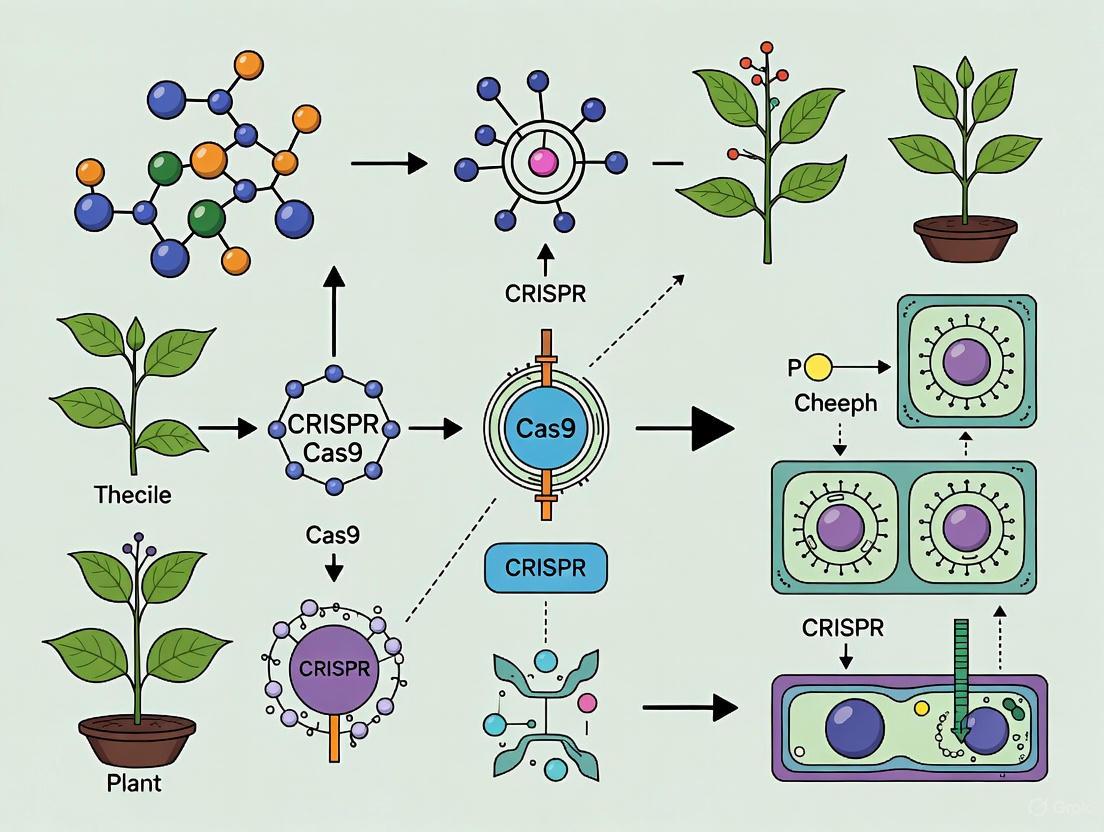
This article comprehensively explores the fusion of Agrobacterium-mediated transformation with CRISPR/Cas9 genome editing, a powerful combination revolutionizing plant genetic engineering.
Agrobacterium-Mediated CRISPR Transformation: A Revolutionary Toolkit for Plant Biotechnology and Crop Improvement
Abstract
This article comprehensively explores the fusion of Agrobacterium-mediated transformation with CRISPR/Cas9 genome editing, a powerful combination revolutionizing plant genetic engineering. Aimed at researchers and biotechnologists, we detail the foundational biology of Agrobacterium, present step-by-step methodological protocols for diverse plant species, and address key challenges in optimizing efficiency. The content provides a comparative analysis with other delivery methods, highlights validation techniques for confirming edits, and discusses the significant implications of this technology for developing resilient, high-yielding crops to address global food security challenges.
The Biological Synergy: Unraveling the Agrobacterium and CRISPR Partnership
Agrobacterium tumefaciens is a soil-borne phytopathogen that causes crown gall disease in plants through the transfer of a segment of its tumor-inducing (Ti) plasmid, known as T-DNA, into the host plant genome [1]. This natural genetic engineering capability has been harnessed by scientists, who disarmed the pathogenic genes to create a versatile vector system for plant genetic transformation [1]. The engineered A. tumefaciens now serves as a fundamental tool for introducing foreign genes into plants, enabling advancements in crop improvement, functional genomics, and synthetic biology [1]. This Application Note details recent methodological advances and protocols that leverage A. tumefaciens for stable transformation and CRISPR-Cas9-mediated genome editing across diverse plant species.
Application Notes: Methodological Advances and Comparative Analysis
Recent research has significantly expanded the capabilities of A. tumefaciens-mediated transformation, particularly for challenging species and applications. The table below summarizes key advances in transformation protocols for various plant species.
Table 1: Recent Advances in Agrobacterium tumefaciens-Mediated Transformation and Gene Editing
| Plant Species | Key Innovation | Transformation Efficiency/Editing Rate | Application | Citation |
|---|---|---|---|---|
| Tomato (S. lycopersicum cv. Micro-Tom) | Integration of flow cytometric ploidy analysis | 60% diploidy in regenerated plants (40% polyploidy without screening) | Stable transformation with genetic stability for breeding | [2] |
| Fraxinus mandshurica | CRISPR/Cas9 system targeting plant growth points | 18% editing in induced clustered buds | Functional gene validation (e.g., FmbHLH1 in drought tolerance) | [3] |
| Green Arabidopsis suspension cells | Optimized co-cultivation on solid medium with surfactant | Nearly 100% transient transformation efficiency | High-throughput analysis and recombinant protein production | [4] |
| Sweet Potato, Potato | RAPID method using injection into meristems | High efficiency, shorter duration than traditional methods | Stable transformation without tissue culture | [5] |
| Sunflower | Established transient systems (infiltration, injection, ultrasonic-vacuum) | >90% transient transformation efficiency | Rapid in vivo gene function validation (e.g., HaNAC76) | [6] |
| Elymus nutans (Alpine grass) | First stable transformation system | 19.23% editing efficiency for EnTCP4 | Gene editing for delayed flowering and enhanced drought tolerance | [7] |
Choosing the Right Tool:A. tumefaciensvs.A. rhizogenes
While A. tumefaciens is the workhorse for stable plant transformation, the related bacterium A. rhizogenes is often used to generate transgenic "hairy roots" for functional studies, particularly in root biology and for species recalcitrant to A. tumefaciens transformation [8] [9]. However, a critical consideration is that stable transgenic plants regenerated from A. rhizogenes often exhibit abnormal phenotypes due to the integration of root-inducing (Ri) plasmid genes.
Table 2: Comparison of Agrobacterium Species for Genetic Transformation
| Feature | A. tumefaciens | A. rhizogenes |
|---|---|---|
| Native Plasmid | Tumor-inducing (Ti) plasmid | Root-inducing (Ri) plasmid |
| Primary Use | Stable transformation of whole plants | Generation of composite plants with transgenic hairy roots |
| Typical Strain Examples | LBA4404, EHA105, AGL1, GV3101 | K599, MSU440 |
| Stable Plant Phenotype | Generally normal growth and morphology | Frequent abnormalities: dwarfism, wrinkled leaves, reduced fertility [8] |
| Suitability for Breeding | High, after selection of diploid transformants [2] | Low, due to frequent morphological defects [8] |
Protocols for Plant Transformation and Gene Editing
A Highly Efficient Transformation Protocol for Plant Suspension Cells
This protocol, optimized for photosynthetic Arabidopsis suspension cells, achieves near 100% transformation efficiency and is adaptable for other cell culture systems [4].
Key Reagent Solutions
- Agrobacterium Strain: AGL1 (hypervirulent strain)
- Vector: Standard binary vector (e.g., pICH86988 with GFP)
- Plant Material: Photosynthetic Arabidopsis suspension cells in mid-exponential phase (PCV 15-20%)
- Media: AB-MES medium for Agrobacterium growth; MS1 or ABM-MS for co-cultivation
Step-by-Step Procedure
- Agrobacterium Preparation: Inoculate AGL1 from a glycerol stock into YEB medium with appropriate antibiotics (e.g., 50 µg/mL carbenicillin, 25 µg/mL kanamycin). Grow for 20-24 hours at 28°C, 160 rpm.
- Induction: Dilute the pre-culture in AB-MES medium (pH 5.5) containing 200 µM acetosyringone to an OD600 of 0.2. Incubate for 16-20 hours until OD600 reaches 0.3-0.5.
- Harvesting: Centrifuge the bacterial culture at 6800 × g for 10 min. Resuspend the pellet in ABM-MS medium to a final OD600 of 0.8.
- Co-cultivation (Solid Medium Method):
- Wash Arabidopsis suspension cells twice with ABM-MS medium and adjust the Packed Cell Volume (PCV) to 70%.
- Mix 1 mL of washed plant cells with 30 µL of the concentrated Agrobacterium suspension and 200 µM acetosyringone.
- Plate 0.5 mL of the mixture onto solid ABM-MS medium containing 0.8% plant agar and 0.05% (w/v) Pluronic F-68 surfactant.
- Air-dry plates under a laminar flow hood for 10 minutes before sealing.
- Incubate at 24°C under continuous light for 2 days.
- Analysis and Regeneration: After co-cultivation, wash cells with ABM-MS medium containing 250 µg/mL ticarcillin to remove Agrobacterium. The transformed cells can be analyzed for transient expression or transferred to regeneration media for stable line selection.
Figure 1: Workflow for High-Efficiency Transformation of Plant Suspension Cells. The protocol leverages optimized Agrobacterium strain, induction medium, and solid-phase co-cultivation with surfactant to achieve near 100% efficiency [4].
CRISPR-Cas9 Gene Editing System for Fraxinus mandshurica
This protocol establishes a CRISPR/Cas9 system for a woody plant species without a mature tissue culture system, using growth points as transformation targets [3].
Key Reagent Solutions
- Agrobacterium Strain: EHA105
- Vector: pYLCRISPR/Cas9P35S-N with target sgRNAs
- Plant Material: Sterile plantlets of Fraxinus mandshurica grown from embryos
- Selection Agent: Kanamycin (40-50 mg/L determined as lethal concentration)
Step-by-Step Procedure
- Target Selection and Vector Construction: Design and clone three specific sgRNA targets into the CRISPR/Cas9 vector. Transform the vector into A. tumefaciens EHA105.
- Plant Material Preparation: Germinate sterile F. mandshurica embryos for 7 days on WPM solid medium.
- Agrobacterium Infection:
- Grow the recombinant Agrobacterium in LB medium to an OD600 of 0.5-0.8.
- Centrifuge the bacterial suspension and resuspend the pellet in infection medium.
- Immerse the growth points of the sterile plantlets in the bacterial suspension for 15-30 minutes.
- Co-cultivation and Selection:
- Transfer the infected plantlets to co-cultivation medium and incubate in the dark for 2 days.
- Transfer to selection medium containing kanamycin (40 mg/L) and 250 mg/L cefotaxime to suppress Agrobacterium growth.
- Subculture every 2 weeks until adventitious buds form.
- Regeneration and Screening:
- Induce clustered buds by supplementing media with 0.5 mg/L 6-BA and 0.05 mg/L NAA.
- Screen regenerated buds for edits using PCR and sequencing.
- Induce homozygous plants from the gene-edited chimeric buds using the clustered bud system.
Figure 2: CRISPR-Cas9 Gene Editing Workflow for Fraxinus mandshurica. This system enables functional gene validation in a recalcitrant woody species by targeting growth points and using a clustered bud regeneration system [3].
Table 3: Key Research Reagent Solutions for Agrobacterium-Mediated Transformation
| Reagent/Resource | Function/Application | Examples/Specifications |
|---|---|---|
| Agrobacterium Strains | Delivery vehicle for T-DNA; different strains have varying host ranges and virulence. | LBA4404: Classic disarmed strain [2]. EHA105: Hypervirulent derivative of EHA101, good for monocots and recalcitrant species [3]. AGL1: Hypervirulent, recA- for improved plasmid stability [4]. |
| Binary Vectors | Carry gene of interest between T-DNA borders and selection markers for plants and bacteria. | pCAMBIA1301: GUS reporter, hygromycin resistance [2]. pYLCRISPR/Cas9P35S-N: Modular system for multiplex gRNA expression [3]. |
| Selection Agents | Select for transformed plant tissues and control Agrobacterium growth post-co-cultivation. | Hygromycin B: For plant selection (pCAMBIA1301) [2]. Kanamycin: Common for plant and bacterial selection [3]. Timentin/Cefotaxime: Antibiotics to eliminate Agrobacterium after co-cultivation [3]. |
| Virulence Inducers | Activate Agrobacterium vir genes to enhance T-DNA transfer efficiency. | Acetosyringone: Phenolic compound; use at 100-200 µM in co-cultivation medium [4]. |
| Surfactants | Enhance Agrobacterium contact with and penetration into plant tissues. | Silwet L-77: For vacuum infiltration and immersion [6]. Pluronic F68: For suspension cell transformation, reduces shear stress [4]. |
Agrobacterium tumefaciens has evolved from a known plant pathogen to an indispensable vector for plant genetic engineering. The continued refinement of transformation protocols—embodied by the methods for suspension cells, recalcitrant woody species, and tissue culture-free systems—has dramatically expanded the range of tractable plant species. The integration of CRISPR-Cas9 genome editing with Agrobacterium-mediated delivery, as demonstrated in Fraxinus mandshurica and Liriodendron hybrids, represents the current state-of-the-art, enabling precise functional genomics and molecular breeding. These advances ensure that A. tumefaciens will remain a cornerstone technology for fundamental plant research and agricultural biotechnology.
Agrobacterium tumefaciens is a soil-borne phytopathogen that naturally causes crown gall disease in plants. Its unique capability for inter-kingdom DNA transfer has been harnessed by researchers to develop Agrobacterium-mediated transformation (AMT), an indispensable tool in plant biotechnology for transgene insertion into target cells [10] [11]. The natural disease process involves the transfer of a segment of bacterial DNA (T-DNA) from its Tumor-inducing (Ti) plasmid into the plant genome, where the expression of encoded genes leads to tumor formation and the production of specialized nutrients called opines that the bacterium utilizes [12]. In laboratory settings, Agrobacterium strains are "disarmed" through the removal of these oncogenic genes while retaining the DNA transfer machinery, enabling researchers to insert user-defined DNA sequences into diverse plant, fungal, and even mammalian cell lines [10]. The simplicity of customizing the sequence between the T-DNA borders has made AMT a foundational technology for agricultural biotechnology, bioenergy crop engineering, and synthetic biology [10].
Core Components of the AMT System
The AMT system relies on the coordinated function of several core components that work together to deliver DNA into plant cells. These components include the T-DNA border sequences, virulence (Vir) proteins, and the Type IV Secretion System (T4SS).
Table 1: Core Components of the Agrobacterium-Mediated Transformation System
| Component | Type | Key Function | Molecular Characteristics |
|---|---|---|---|
| T-DNA Borders | DNA sequence (25 bp imperfect direct repeats) | Define the DNA segment (T-DNA) to be transferred into the plant genome [13] | Recognized and nicked by the VirD1/VirD2 complex [13] |
| VirD1 | Protein (Topoisomerase) | Assists VirD2 in recognizing and nicking the T-DNA border sequences [13] | Works in conjunction with VirD2 to initiate T-DNA processing [13] |
| VirD2 | Protein (Relaxase) | Covalently binds to the 5' end of the nicked T-DNA; pilots the T-DNA complex into the plant nucleus [13] | Acts as a pilot protein, with nuclear localization signals guiding the complex [13] |
| VirE2 | Protein (ssDNA-binding protein) | Coats the single-stranded T-DNA (ssT-DNA) after nicking, protecting it from nucleases [13] | Forms a protective sheath around the ssT-DNA during transfer [13] |
| VirE3, VirD5, VirF | Protein (Effectors) | Suppress plant defense responses and aid in the integration process [12] [14] | Act as host-targeted effector proteins to create a favorable environment for infection [12] |
| Type IV Secretion System (T4SS) | Multi-protein complex | Forms a channel bridging the bacterial and host membranes for T-DNA/protein transfer [12] | Encoded by the vir regulon on the Ti plasmid [12] |
The T-DNA and its Border Sequences
The Transferred DNA (T-DNA) is the segment of DNA that is mobilized and integrated into the host plant genome. In native Ti plasmids, the T-DNA contains genes for phytohormone biosynthesis and opine metabolism. In engineered binary vectors, this region is replaced with user-defined sequences, such as selectable marker genes, genes of interest, or CRISPR/Cas9 machinery [10]. The T-DNA is delineated by left and right border (LB and RB) sequences, which are 25-base-pair imperfect direct repeats that are essential for the transfer process [13]. The right border is critical for polar T-DNA transfer initiation.
Virulence (Vir) Proteins and their Functions
The Virulence (Vir) proteins are encoded by the vir regulon on the Ti plasmid and are induced by specific plant phenolic compounds like acetosyringone [12]. These proteins are responsible for processing and transferring the T-DNA. The VirD1/VirD2 complex recognizes and nicks the T-DNA borders. VirD2 remains covalently attached to the 5' end of the resulting single-stranded T-DNA (ssT-DNA) copy, serving as a pilot protein [13]. The ssT-DNA is then coated with VirE2, a single-stranded DNA-binding protein that protects it from degradation [13]. Additional effector proteins, such as VirE3, VirD5, and VirF, are co-transferred to suppress host defenses and manipulate the host cellular environment to facilitate successful transformation [14].
Diagram 1: The Core AMT Process, illustrating the sequence from plant signal perception to T-DNA integration.
The AMT Process: From Bacterial Cell to Plant Genome
The process of AMT is a sophisticated, multi-step journey that can be broken down into several key stages, as visualized in Diagram 1.
Signal Perception and Vir Gene Induction
The process initiates when Agrobacterium perceives signal molecules exuded by wounded plant tissues, such as acetosyringone and other phenolic compounds [12]. These signals are detected by the bacterial membrane-bound receptor VirA, which then phosphorylates and activates the transcriptional regulator VirG. Activated VirG binds to vir box promoters, inducing the expression of the entire vir regulon [12].
T-DNA Processing and T-Complex Formation
Following vir gene induction, the VirD1/VirD2 endonuclease complex introduces a nick at the 25-bp T-DNA border sequences [13]. VirD2 remains covalently attached to the 5' end of the liberated single-stranded T-DNA (ssT-DNA). The ssT-DNA is then stripped away from the Ti plasmid and coated with numerous molecules of the single-stranded DNA-binding protein VirE2. This forms the mature T-complex, a linear, single-stranded DNA molecule protected by VirE2 and piloted by VirD2 at its 5' end [13].
Transfer Through the Type IV Secretion System (T4SS) and Nuclear Import
The T-complex, along with several Vir effector proteins (e.g., VirE3, VirD5, VirF), is transported into the plant cytoplasm through a Type IV Secretion System (T4SS) [12]. This T4SS is a multi-protein channel that spans both the bacterial and plant membranes. Inside the plant cell, the T-complex is guided to the nucleus. VirD2 contains functional nuclear localization signals (NLSs) that facilitate nuclear import, while some VirE2 molecules interact with the plant importin α protein, further promoting the nuclear uptake of the T-complex [13].
Genome Integration
Once inside the nucleus, the T-DNA is uncoated and integrated into the plant genome. The integration mechanism is not fully understood, but it is known to exploit the plant's DNA repair pathways [15]. Traditionally, T-DNA integration was thought to rely primarily on the plant's non-homologous end-joining (NHEJ) pathway, which repairs double-strand breaks in a potentially error-prone manner, leading to random insertions [15]. However, recent research highlights that with precise engineering, the process can be directed toward homology-directed repair (HDR) for precise gene targeting [13].
Advanced Engineering of Agrobacterium for Improved Transformation
Recent innovations have focused on overcoming the biological limitations of native Agrobacterium systems to enhance transformation efficiency, particularly in recalcitrant species.
Binary Vector Copy Number Engineering
A groundbreaking advancement involves engineering the binary vector copy number within Agrobacterium. The copy number of a binary vector is controlled by its origin of replication (ORI). Recent research used a high-throughput growth-coupled selection assay and directed evolution to identify mutations in the RepA protein (which regulates replication) that increase plasmid copy number [10] [11].
Table 2: Impact of Binary Vector Copy Number Engineering on Transformation Efficiency
| Origin of Replication (ORI) | Engineering Approach | Documented Improvement | Tested Organisms |
|---|---|---|---|
| pVS1 | Directed evolution of RepA to generate higher-copy-number mutants [10] | 60-100% increase in stable transformation efficiency [10] [11] | Arabidopsis thaliana [10] |
| RK2 | Directed evolution of RepA to generate higher-copy-number mutants [10] | Improved transient transformation efficiency [10] | Nicotiana benthamiana [10] |
| pSa | Directed evolution of RepA to generate higher-copy-number mutants [10] | Improved transient transformation efficiency [10] | Nicotiana benthamiana [10] |
| BBR1 | Directed evolution of RepA to generate higher-copy-number mutants [10] | Improved transient transformation efficiency [10] | Nicotiana benthamiana [10] |
| pVS1 (for fungal transformation) | Directed evolution of RepA to generate higher-copy-number mutants [10] | 390% increase in transformation efficiency [10] [11] | Rhodosporidium toruloides (oleaginous yeast) [10] |
Introducing these higher-copy-number mutants into binary vectors significantly improved transient transformation in Nicotiana benthamiana and stable transformation in Arabidopsis thaliana and the oleaginous yeast Rhodosporidium toruloides, demonstrating the profound impact of backbone engineering on AMT outcomes [10] [11].
Ternary Vector Systems and Virulence Tuning
Ternary vector systems represent a powerful strategy to enhance AMT. This approach involves introducing a third plasmid, alongside the binary vector and the disarmed Ti plasmid, which carries accessory virulence genes or plant immune suppressors [14]. Overexpression of specific Vir proteins, such as VirE2, VirD1, VirD2, and VirF, via this system has been shown to increase stable transformation efficiency by 1.5- to 21.5-fold in recalcitrant crops like maize, sorghum, and soybean [14]. This strategy effectively "tunes" the virulence of the Agrobacterium strain, overcoming intrinsic transformation barriers in many plants.
Exploiting Diverse Agrobacterium Strains
Most laboratory transformations rely on a limited set of disarmed Agrobacterium strains (e.g., C58, EHA105, AGL-1, LBA4404) [12]. However, wild Agrobacterium strains exhibit immense natural diversity. Screening novel wild strains or complementing the virulence machinery of standard laboratory strains with genes from wild strains has proven effective in improving T-DNA delivery and reducing explant necrosis in various plant species, including citrus, lettuce, and tomato [12]. Mining this natural diversity provides a rich resource for expanding the host range of efficient AMT.
Application Notes & Protocols: AMT for CRISPR Delivery
The fusion of AMT with CRISPR/Cas technology has revolutionized precision breeding. The following protocols outline key methodologies for implementing and enhancing AMT for CRISPR delivery in plants.
Protocol: CRISPR/Cas9-Mediated Targeted T-DNA Integration in Arabidopsis
This protocol describes a method that uses the NHEJ pathway for targeted T-DNA integration, which is reported to be more rapid and efficient than traditional HDR-based methods [15].
Application: Gene activation and male germline-specific gene tagging in Arabidopsis thaliana [15]. Key Reagents: Agrobacterium strain (e.g., EHA105 or GV3101), Binary vector with CRISPR/Cas9 expression cassette, T-DNA donor construct. Methodology:
- Vector Construction: Clone the sgRNA sequence targeting the desired genomic locus into a binary vector containing the Cas9 nuclease. The T-DNA donor construct should contain the gene of interest (e.g., CaMV35S promoter for activation tagging or reporters like MGH3::mCherry for germline tagging) flanked by the appropriate T-DNA borders [15].
- Plant Transformation: Transform Arabidopsis using the floral dip method [15].
- Selection and Screening: Select transformed seeds on appropriate antibiotics. Screen for targeted integration by PCR and confirm through sequencing and phenotypic analysis (e.g., early flowering for FT gene activation) [15].
Protocol: Synergistic CRISPR/Cas9-Vir Protein System for HDR (CvDTL System)
This advanced protocol leverages a fusion of Cas9 with VirD2 and other Vir proteins to significantly enhance HDR efficiency in tobacco and rice [13].
Application: High-efficiency precise genome editing via HDR in model and crop plants [13]. Key Reagents: Agrobacterium strain, psgRNA-CvD vector (expressing Cas9-VirD2 fusion), pVirE2 vector, pVirD1 vector, Donor DNA linked to the complex (Donor Linker) [13]. Methodology:
- Strain Preparation: Engineer Agrobacterium to contain the following:
- The psgRNA-CvD vector expressing the Cas9-VirD2 fusion and the sgRNA.
- The pVirE2 vector for VirE2 expression.
- The pVirD1 vector for VirD1 expression [13].
- Donor Template Design: The donor repair template is covalently linked to the Cas9-VirD2 complex, forming the CvDTL system. This ensures the donor is co-delivered to the DSB site [13].
- Plant Transformation and Analysis: Infect plant explants (tobacco or rice). The HDR frequency with the CvDTL system was shown to be 52-fold higher than control systems, achieving remarkable improvements for endogenous genes like ALS, PDS, and NRT1.1B [13].
Protocol: Agrobacterium rhizogenes-Mediated Hairy Root Transformation for Gene Editing in Woody Plants
This protocol is designed for rapid functional genomics in recalcitrant woody species like Liriodendron hybrid, bypassing the need for a stable tissue culture system [9].
Application: Rapid functional analysis and CRISPR/Cas9-mediated gene editing in woody plants [9]. Key Reagents: Agrobacterium rhizogenes strain K599 (demonstrated highest efficiency), Binary vector with CRISPR/Cas9 constructs, Sterile seedlings. Methodology:
- Explants Preparation: Use two-month-old sterile Liriodendron hybrid seedlings as explants [9].
- Bacterial Culture and Infection: Grow A. rhizogenes K599 to an OD600 of 0.6-0.8. Resuspend in transformation solution (2 mM MES-KOH, pH 5.4, 10 mM CaCl2, 120 μM acetosyringone, 2% sucrose, 270 mM mannitol). Infect apical bud incisions by dipping or injection [9].
- Co-cultivation and Hairy Root Induction: Co-cultivate for 2 days. Transfer to hormone-free MS medium to induce hairy roots. This system achieved a transformation efficiency of up to 60.38% [9].
- Screening and Validation: Screen hairy roots for fluorescence if using a reporter. Extract DNA to confirm mutagenesis of the target gene (e.g., LhAQP1) via sequencing [9].
The Scientist's Toolkit: Essential Research Reagents
Table 3: Key Research Reagent Solutions for Agrobacterium-Mediated CRISPR Transformation
| Reagent / Tool | Function | Example Use-Case | Reference |
|---|---|---|---|
| High-Copy Binary Vectors | Increases the dose of T-DNA and CRISPR machinery within Agrobacterium, boosting delivery probability. | Improving stable transformation efficiency in Arabidopsis and yeast. | [10] |
| Ternary Vectors (Accessory Vir Plasmids) | Overexpresses specific Vir genes (VirE2, VirD1, etc.) or defense suppressors to enhance T-DNA transfer and integration. | Overcoming transformation recalcitrance in maize, soybean, and sorghum. | [14] |
| Cas9-VirD2 Fusion System (CvD/CvDTL) | Tethers the DNA repair template to the Cas9 nuclease via VirD2, co-delivering them to the DSB site to dramatically boost HDR. | Achieving precise gene knock-ins or nucleotide substitutions in tobacco and rice. | [13] |
| Agrobacterium rhizogenes Strain K599 | Induces transgenic hairy roots from wound sites, enabling rapid in vivo functional analysis in difficult-to-transform species. | Rapid gene validation and CRISPR editing in woody plants like Liriodendron. | [9] |
| pYLCRISPR/Cas9P35S-N Vector | A modular binary vector system for easy cloning of multiple sgRNAs under plant U6 promoters for multiplexed genome editing. | Targeted mutagenesis of drought-responsive genes in Fraxinus mandshurica. | [16] |
Application Notes: Current Landscape in Plant Research
The CRISPR/Cas9 system has revolutionized plant functional genomics and crop breeding by enabling precise, targeted modifications to DNA. Its application, particularly through Agrobacterium-mediated transformation, has become a cornerstone for introducing desirable traits such as disease resistance, stress tolerance, and improved nutritional quality. The following table summarizes quantitative efficiencies from recent, successful genome-editing initiatives across a diverse range of plant species.
Table 1: Efficiency Metrics of Recent CRISPR/Cas9 Applications in Plants
| Plant Species | Target Gene | Transformation Method | Editing Efficiency | Key Quantitative Outcome | Citation |
|---|---|---|---|---|---|
| East African Highland Banana | Phytoene desaturase (PDS) | Agrobacterium-mediated | Up to 100% (in cultivar Nakitembe) | 47 edited events regenerated; complete albinism confirmed pathway disruption [17] | |
| Tomato (Solanum lycopersicum) | Not Specified | Agrobacterium-mediated (cotyledon co-culture) | High Efficiency | Production of ≥10 Cas-positive independent lines from 100 cotyledons [18] | |
| Fraxinus mandshurica | FmbHLH1 | Agrobacterium-mediated (growth points) | 18% | 18% of induced clustered buds were gene-edited; confirmed drought tolerance role [16] | |
| Brassica carinata | Not Specified | PEG-mediated Protoplast Transfection | 40% (Transfection) | Achieved 64% protoplast regeneration frequency [19] | |
| Pea (Pisum sativum) | PsPDS | PEG-mediated Protoplast Transfection | Up to 97% (in protoplasts) | Validated gRNA efficiency prior to stable transformation [20] | |
| Oil Palm | Various Agronomic Traits | Agrobacterium-mediated | Low (0.7%-1.5%) | Noted as a major challenge for this monocot tree species [21] |
Experimental Protocols
This section provides detailed methodologies for implementing Agrobacterium-mediated CRISPR/Cas9 transformation, from vector construction to the regeneration of edited plants.
Protocol 1: Tomato Transformation and Regeneration
This protocol is adapted from a method that uses the Golden Gate cloning system and cotyledon co-culture to achieve high efficiency in tomato [18].
Table 2: Key Reagent Solutions for Tomato Transformation
| Research Reagent | Function / Explanation |
|---|---|
| Golden Gate Cloning System | A modular DNA assembly system used to efficiently construct the CRISPR/Cas9 expression vector with multiple sgRNA expression cassettes. |
| Agrobacterium tumefaciens | A soil bacterium engineered to deliver the T-DNA portion of its plasmid, which contains the CRISPR/Cas9 construct, into the plant cell's genome. |
| Cotyledon Explants | The seed leaves of young tomato seedlings are ideal targets for Agrobacterium co-culture due to their high regenerative capacity. |
| Selective Media (Antibiotics) | Used post-transformation to eliminate untransformed Agrobacterium and to select for plant cells that have integrated the T-DNA (which typically includes a selectable marker gene). |
| Acetosyringone | A phenolic compound secreted by wounded plant cells that induces the Agrobacterium Vir genes, enhancing the efficiency of T-DNA transfer. |
Step-by-Step Method 1. CRISPR/Cas9 Construct Assembly
- Design sgRNAs specific to the target gene.
- Use the Golden Gate cloning system to assemble the sgRNA expression cassettes and the Cas9 nuclease gene into a binary vector suitable for Agrobacterium transformation [18].
2. Plant Material Preparation
- Surface-sterilize tomato seeds and germinate on hormone-free media.
- Excise cotyledons from 7-10 day old seedlings and briefly wound them to create infection sites for Agrobacterium.
3. Agrobacterium Preparation and Inoculation
- Transform the assembled binary vector into Agrobacterium tumefaciens.
- Grow a fresh culture of the transformed Agrobacterium to an OD600 of ~0.5-0.8.
- Resuspend the bacterial pellet in a transformation solution containing acetosyringone.
- Immerse the cotyledon explants in the bacterial suspension for 10-30 minutes [18] [16].
4. Co-culture and Regeneration
- Blot the explants dry and co-culture them on solid media for 2-3 days. This allows the Agrobacterium to transfer the T-DNA to the plant cells.
- Transfer explants to regeneration media containing antibiotics to kill the Agrobacterium and select for transformed plant cells.
- Subculture developing shoots to rooting media. With this protocol, 100 cotyledons can yield at least 10 independent, Cas-positive plant lines [18].
Protocol 2: Growth Point Transformation in Fraxinus mandshurica
This protocol was developed for a recalcitrant woody species where traditional tissue culture is challenging, using a growth point transformation method [16].
Step-by-Step Method 1. Target Selection and Vector Construction
- Identify a target gene (e.g., FmbHLH1 for drought tolerance studies) and design sgRNAs.
- Clone sgRNA oligonucleotides into a BsaI-digested pYLCRISPR/Cas9P35S-N vector.
- Transform the final construct into Agrobacterium strain EHA105 [16].
2. Determination of Selective Agent Lethal Concentration
- Germinate sterile embryos on media containing different concentrations of kanamycin.
- The optimal lethal concentration is identified when embryos turn from green to white, indicating death. For Fraxinus mandshurica, this was determined to be within a 20-70 mg/L range [16].
3. Agrobacterium Infection and Co-culture
- Grow Agrobacterium to an optimized OD600 (e.g., 0.5-0.8) and resuspend in an infection buffer.
- Infect the growing points (meristematic tissues) of sterile plantlets with the bacterial suspension.
- Co-culture the infected plantlets to permit T-DNA transfer.
4. Induction of Clustered Buds and Screening
- Transfer plantlets to a clustered bud induction medium supplemented with specific hormones to stimulate the growth of multiple shoots from the edited growth points.
- Screen the induced buds for edits. In the referenced study, 18% of the clustered buds were gene-edited, from which homozygous plants were successfully recovered [16].
Diagram 1: CRISPR Plant Workflow
Visualization of Methodologies
The following diagram illustrates the logical relationship between different transformation methods and plant regeneration pathways, highlighting the key distinction between Agrobacterium-mediated and protoplast-based approaches.
Diagram 2: Transformation Pathways
The Scientist's Toolkit: Essential Research Reagents
Table 3: Essential Reagents for Agrobacterium-mediated CRISPR/Cas9 Plant Transformation
| Reagent / Material | Critical Function |
|---|---|
| Binary Vector System (e.g., pMDC32) | The plasmid backbone that contains the T-DNA region (with Cas9 and sgRNA genes) and the virulence (vir) genes required for transfer into the plant genome. [17] |
| Cas9 Nuclease | The "scissors" – an enzyme that creates double-strand breaks in the DNA at a location specified by the guide RNA. |
| sgRNA (Single Guide RNA) | The "programming" – a chimeric RNA that combines a CRISPR RNA (crRNA) sequence for target recognition and a trans-activating crRNA (tracrRNA) for Cas9 binding. |
| Agrobacterium Strain (e.g., AGL1, EHA105) | The delivery vehicle. Different strains have varying host ranges and transformation efficiencies. [16] [17] |
| Plant Growth Regulators (PGRs) | Hormones (e.g., auxins like NAA, cytokinins like BAP) are critical for inducing cell division, callus formation, and regenerating whole plants from transformed cells. [19] |
| Selection Agents (e.g., Kanamycin) | Allows for the selective growth of only those plant cells that have successfully integrated the transgene (which includes a resistance marker). [16] |
| Acetosyringone | A phenolic compound that activates the Agrobacterium Vir genes, significantly enhancing the efficiency of T-DNA transfer into the plant cell. [16] |
Why Combine Agrobacterium and CRISPR? Advantages for Stable and Transient Editing
The combination of Agrobacterium-mediated transformation (AMT) and the CRISPR/Cas system represents a powerful synergy in plant genetic engineering. This partnership leverages the efficient, natural DNA delivery capabilities of the soil bacterium Agrobacterium tumefaciens with the unparalleled precision of CRISPR-based genome editing. While CRISPR/Cas provides the molecular "scalpel" for making precise cuts in the plant genome, Agrobacterium serves as the "delivery vehicle" that brings this tool into the plant cell. This integration is transforming plant biotechnology by accelerating functional genomics and enabling the development of improved crops with greater precision and efficiency.
The core advantage of this combination lies in its ability to address one of the most significant bottlenecks in plant genetic engineering: the efficient delivery of editing reagents into plant cells, followed by successful regeneration of whole, edited plants. For many crop species, particularly dicotyledonous plants, AMT remains the most efficient, precise, and widely used method for DNA insertion in both public and private sector laboratories [12]. By harnessing this established, biological delivery mechanism for CRISPR/Cas reagents, researchers can achieve high-efficiency editing across a broad range of plant species.
Key Advantages of the Combined System
Enhanced Delivery Efficiency and Broad Host Range
The Agrobacterium-CRISPR system leverages the natural biological machinery of Agrobacterium tumefaciens, which efficiently transfers T-DNA from its tumor-inducing (Ti) plasmid into the plant genome. This mechanism facilitates the delivery of the often large and complex CRISPR/Cas9 constructs directly into plant cells. The system's broad host range is being continuously expanded through the development of novel "domesticated" Agrobacterium strains, engineered from diverse wild-type isolates, which show improved capabilities for transforming previously recalcitrant plant species [12].
Stable Integration for Heritable Modifications
A primary application of Agrobacterium-delivered CRISPR systems is to achieve stable, heritable genetic modifications. The T-DNA, containing genes for the Cas nuclease and guide RNA(s), integrates into the plant genome. This stable integration ensures that the editing machinery is present throughout plant development and is passed to subsequent generations, enabling the creation of homozygous edited lines. This is crucial for the introduction of durable traits such as disease resistance, abiotic stress tolerance, and improved nutritional quality.
Flexibility for Transient Expression and DNA-Free Editing
Beyond stable transformation, the system is highly adaptable for transient expression strategies. In these approaches, the CRISPR/Cas genes are delivered by Agrobacterium but do not integrate into the plant genome. This can result in mutagenesis at the target site while producing edited plants that are transgene-free, which can simplify regulatory approval [22]. Techniques such as agroinfiltration allow for rapid validation of guide RNA efficiency and gene function analysis within days, significantly speeding up the research pipeline [23] [6].
Compatibility with Advanced Vector Systems
The Agrobacterium delivery platform is highly compatible with sophisticated CRISPR vector systems. The development of ternary vector systems has been a transformative innovation, marking a significant advantage over traditional binary vectors. These systems incorporate accessory virulence genes and immune suppressors on a separate plasmid, which work synergistically with the standard binary vector to overcome intrinsic transformation barriers in recalcitrant crops. This approach has enabled 1.5- to 21.5-fold increases in stable transformation efficiency in species like maize, sorghum, and soybean [14]. Furthermore, ternary vectors can be fused with morphogenic regulators such as WUSCHEL (WUS) and BABY BOOM (BBM) to dramatically enhance regeneration, effectively addressing two major bottlenecks simultaneously [14] [24].
Application Notes: From Theory to Practice
Quantitative Impact of Advanced Agrobacterium Systems
The table below summarizes performance improvements achieved through advanced Agrobacterium and delivery systems, based on recent research.
Table 1: Performance Enhancements of Advanced Transformation Systems
| System/Technique | Application / Species | Key Improvement | Efficiency Gain |
|---|---|---|---|
| Ternary Vector Systems [14] | Stable Transformation (Maize, Sorghum, Soybean) | Accessory virulence genes & immune suppressors | 1.5 to 21.5-fold increase in stable transformation |
| Flow Guiding Barrel (FGB) [25] | Biolistic DNA delivery (Onion epidermis) | Optimized gas and particle flow dynamics | 22-fold increase in transient transfection |
| Flow Guiding Barrel (FGB) [25] | Biolistic RNP delivery (Onion epidermis) | Enhanced protein and RNP delivery | 4.5-fold increase in editing efficiency |
Inducible BrrWUSa [24] |
Shoot Regeneration (Turnip) | Chemically-induced morphogenic regulator | Increased regeneration from 0% (control) to 13% |
Case Studies in Diverse Crops
The utility of Agrobacterium-mediated CRISPR delivery is demonstrated by its success across a wide range of crops, overcoming species-specific challenges.
East African Highland Bananas (EAHBs): Researchers achieved highly efficient CRISPR/Cas9-mediated editing of the phytoene desaturase (PDS) gene in triploid bananas, a crop notoriously difficult to improve through conventional breeding. Using Agrobacterium strain AGL1 for transformation, they regenerated edited plants with up to 100% albinism rates in one cultivar, confirming high editing efficiency. This established a robust platform for targeted improvement of this vital staple food crop [17].
Turnip (Brassica rapa var. rapa): A major breakthrough was achieved by addressing the critical bottleneck of shoot regeneration. Scientists developed a system using an estradiol-inducible
BrrWUSagene to promote shoot formation. This strategy enabled the generation of fertile,BrrTCP4b-edited plants, which exhibited a ~150% increase in leaf trichome number. This represented a foundational advance for functional genomics in this previously transformation-recalcitrant species [24].Common and Tartary Buckwheat: Optimized Agrobacterium-mediated methods for both transient and stable transformation have been established. These protocols enabled not only the functional analysis of genes but also the metabolic engineering of bioactive compounds, such as the successful production of gramine in infiltrated leaves, showcasing the system's versatility for pathway engineering [23].
Experimental Protocols
Protocol 1: Stable Transformation and Genome Editing in Recalcitrant Dicots
This protocol is adapted from successful systems in turnip and banana, utilizing morphogenic regulators to boost regeneration [17] [24].
Key Reagent Solutions:
- Agrobacterium Strain: AGL1 [17] or GV3101 [23].
- Binary Vector: Contains a CRISPR/Cas9 expression cassette (e.g., pMDC32Cas9NktPDS [17]) and an inducible morphogenic regulator (e.g., pER8-BrrWUSa [24]).
- Plant Material: Sterile hypocotyl explants or embryogenic cell suspensions (ECS).
Methodology:
- Vector Construction: Clone gene-specific sgRNA(s) into a CRISPR/Cas9 binary vector. A second T-DNA containing a development regulator (e.g.,
WUS,BBM) under a chemical-inducible promoter is recommended. - Agrobacterium Preparation: Transform the binary vector into the Agrobacterium strain. Grow a single colony in liquid medium with appropriate antibiotics to an OD₆₀₀ of 0.5-0.8. Pellet the bacteria and resuspend in inoculation medium.
- Explant Inoculation & Co-cultivation: Immerse explants (e.g., turnip hypocotyl segments) in the Agrobacterium suspension for 15-30 minutes. Blot dry and co-cultivate on solid medium for 2-3 days in the dark.
- Callus Induction & Selection: Transfer explants to callus-induction medium containing the inducer (e.g., 2 μM estradiol for
BrrWUSa), antibiotics to suppress Agrobacterium, and a selection agent (e.g., kanamycin) to select for transformed plant cells. - Shoot Regeneration: After 2-4 weeks, transfer embryogenic calli to shoot-induction medium, again supplemented with the inducer and selection agent.
- Rooting and Regeneration: Once shoots develop, transfer them to rooting medium without the inducer to allow for normal development. Acclimatize resulting plantlets to greenhouse conditions.
- Genotyping: Extract genomic DNA from regenerated plants. Use PCR to amplify the target region and sequence the products to identify mutations.
Protocol 2: Rapid Transient Assay for Gene Function Validation
This protocol, used in sunflower and buckwheat, allows for rapid testing of CRISPR efficiency or transient gene expression within days, bypassing tissue culture [23] [6].
Key Reagent Solutions:
- Agrobacterium Strain: GV3101 [23] [6].
- Binary Vector: Contains the gene of interest or CRISPR/Cas reagents driven by a strong constitutive promoter.
- Infiltration Buffer: MS basal salts, MES, sucrose, and surfactants (e.g., 0.02% Silwet L-77).
Methodology:
- Agrobacterium Culture: Grow Agrobacterium harboring the binary vector to an OD₆₀₀ of 0.8-1.0. Pellet and resuspend in infiltration buffer to a final OD₆₀₀ of 0.8.
- Plant Material Preparation: Use young, fully expanded leaves of soil-grown plants (e.g., 4-6 day old sunflower seedlings or young buckwheat leaves).
- Agroinfiltration:
- Syringe Infiltration: For small-scale tests, use a needleless syringe to press the bacterial suspension into the abaxial side of the leaf.
- Vacuum Infiltration: For high-throughput or whole-seedling transformation, submerge the plant tissue in the bacterial suspension and apply a vacuum (e.g., 0.05 kPa for 5-10 min) before releasing it to allow the suspension to infiltrate the tissue [6].
- Incubation: Maintain infiltrated plants in the dark for 1-3 days to suppress plant defense responses and enhance transgene expression.
- Analysis: Harvest infiltrated tissue after 3-7 days for downstream analyses such as DNA extraction (to check for edits), protein extraction, or metabolic profiling.
Table 2: Key Research Reagent Solutions for Agrobacterium-CRISPR Workflows
| Reagent / Resource | Function / Description | Example Uses |
|---|---|---|
| Ternary Vector System [14] | A 3rd plasmid with accessory vir genes/defense suppressors to enhance T-DNA delivery. | Boosting transformation in recalcitrant monocots and dicots. |
| Chemically-Inducible Morphogenic Regulators (e.g., pER8-WUS, pER8-BBM) [24] | Genes that boost regeneration only when induced, avoiding developmental defects. | Improving shoot regeneration in transformation-recalcitrant species like turnip. |
| Agrobacterium Strains (AGL1, GV3101, EHA105) [12] [23] [17] | Disarmed laboratory strains with differing chromosomal backgrounds and virulence plasmids. | Strain selection can be critical for optimizing T-DNA delivery in specific plant hosts. |
| Virulence Inducers (e.g., Acetosyringone) [12] | Phenolic compounds that activate the vir regulon of Agrobacterium. | Added during co-cultivation to maximize T-DNA transfer efficiency. |
| Surfactants (e.g., Silwet L-77) [6] | Reduces surface tension, allowing infiltration buffer to penetrate leaf stomata and air spaces. | Essential for efficient agroinfiltration in transient transformation assays. |
System Workflow and Decision Framework
The following diagram illustrates the core workflows for stable and transient Agrobacterium-mediated CRISPR transformation, highlighting key decision points and components like the ternary system.
A significant bottleneck in plant biotechnology and functional genomics is the recalcitrance of many plant species to genetic transformation, which severely limits the application of advanced breeding techniques like CRISPR-Cas9 genome editing [26]. While model plants such as tobacco and rice are readily transformed, many agronomically important species, particularly legumes, remain stubbornly resistant to standard Agrobacterium-mediated transformation (AMT) protocols [26]. This recalcitrance hinders crop improvement efforts and fundamental research into plant biology. Overcoming this challenge requires a multi-faceted approach, focusing on both the biological agent of transformation—Agrobacterium—and the molecular components of the editing system itself. This Application Note outlines current strategies and detailed protocols designed to expand the host range for efficient and reliable transformation, framed within the broader context of enhancing Agrobacterium-mediated CRISPR transformation in plants.
The Challenge of Transformation Recalcitrance
Transformation recalcitrance is widespread, with efficiency often falling below 15% for many species [26]. Table 1 highlights the stark contrast between transformation-susceptible and recalcitrant plants. This low efficiency is a critical barrier because generating a high number of transformation events is essential for CRISPR-Cas9 workflows; it allows researchers to select the best-edited candidates free of undesirable off-target mutations [26].
Table 1: Comparison of Stable Transformation Efficiencies Across Plant Species
| Plant Name | Type | Typical Explant | Transformation Efficiency (%) |
|---|---|---|---|
| Lotus japonicus | Susceptible Legume | Seeds | 94 [26] |
| Alfalfa | Susceptible Legume | Leaflets | 90 [26] |
| Nicotiana tabacum | Susceptible Model | Leaf | 100 [26] |
| Soybean | Susceptible Legume | Seeds | 34.6 [26] |
| Vigna radiata (Mung Bean) | Recalcitrant Legume | Cotyledonary node | 4.2 [26] |
| Vigna unguiculata (Cowpea) | Recalcitrant Legume | Cotyledonary node | 3.09 [26] |
| Citrus sinensis | Recalcitrant Tree | Epicotyl segments | 8.4 [26] |
Solutions: Engineering the Engineer and Optimizing the System
Overcoming recalcitrance involves optimizing both the delivery vector (Agrobacterium) and the CRISPR-Cas9 components. Below are key strategies.
Mining Natural Agrobacterium Diversity
Most laboratory AMT relies on a limited set of disarmed strains derived from a small number of wild isolates (e.g., C58, Ach5) [12]. However, natural Agrobacterium populations possess immense genetic diversity, and screening novel wild strains can identify variants with superior virulence for specific recalcitrant hosts [12]. For instance, screening strain collections for citrus transformation identified a novel strain with improved T-DNA delivery and reduced explant necrosis [12].
Engineering Enhanced Agrobacterium Strains
Modern genomic and genetic tools enable direct engineering of Agrobacterium to improve its transformative capabilities. Key approaches include:
- Modifying Virulence Proteins: Complementing laboratory strain virulence genes (e.g., virC, virD4, virD5) with alleles from highly virulent wild strains can enhance T-DNA delivery [12].
- Suppressing Plant Defense Responses: Engineering strains to modulate plant hormone signaling or reactive oxygen species (ROS) production can mitigate plant defense responses that often block transformation in recalcitrant species [27].
Optimizing CRISPR-Cas9 Components
The design of the CRISPR-Cas9 system itself profoundly impacts editing efficiency. Key parameters to optimize include:
- sgRNA GC Content: Higher GC content in the single guide RNA (sgRNA) sequence correlates with increased editing efficiency. A study in grapevine showed efficiency increased proportionally with sgRNA GC content, with 65% GC yielding the highest efficiency [28].
- Codon Optimization of Cas9: The expression level of the Cas9 nuclease, influenced by its codon usage, is linked to editing efficiency. However, strong overexpression is unnecessary and a balanced expression is optimal [29].
- sgRNA Processing: The sequence and structure at the 5' end of the sgRNA are critical. Mismatches at the 5' end can have a strong deleterious effect on CRISPR/Cas9 efficiency [29].
Table 2: Key Parameters for Optimizing CRISPR/Cas9 Editing Efficiency
| Parameter | Influence on Efficiency | Optimization Strategy |
|---|---|---|
| sgRNA GC Content | Positive correlation; higher GC (e.g., 65%) yields higher efficiency [28]. | Design sgRNAs with GC content >50%. |
| Cas9 Expression | Moderate correlation; both low and very high expression can be suboptimal [28] [29]. | Use a promoter and codon optimization for balanced, stable expression. |
| Plant Genotype/Variety | Significant effect; efficiency is host-genotype dependent [28]. | Identify and use highly transformable cultivars within a species. |
| sgRNA 5' End Sequence | Critical; mismatches are highly deleterious [29]. | Ensure perfect complementarity at the 5' end of the sgRNA to the target. |
Experimental Protocols
Protocol: Screening Novel Agrobacterium Strains for Improved Transformation
Objective: To identify wild Agrobacterium strains with enhanced transformation capability in a recalcitrant plant species.
Materials:
- Collection of wild-type Agrobacterium strains (e.g., from public repositories)
- Recalcitrant plant explants (e.g., cotyledonary nodes, embryonic calli)
- Standard laboratory Agrobacterium strain (e.g., EHA105, GV3101) as control
- Binary vector with a fluorescent reporter (e.g., GFP)
Method:
- Strain Preparation: Introduce the standard GFP binary vector into each wild strain and the control strain via electroporation or freeze-thaw transformation [12].
- Plant Co-cultivation: Inoculate the target explants with each Agrobacterium strain suspension following standard protocols for the plant species.
- Transient Assay: After co-cultivation, monitor explants for transient GFP expression using fluorescence microscopy at 2-4 days post-infection.
- Necrosis Scoring: Simultaneously, visually assess and score explants for necrosis or browning, which indicates a defense response [12].
- Stable Transformation Assessment: Transfer explants to selection media and record the number of resistant calli or shoots that develop stable GFP expression over subsequent weeks.
Expected Outcome: Identification of one or more wild strains that demonstrate significantly higher transient expression and/or stable transformation frequency, and/or lower induction of necrosis, compared to the standard laboratory control strain.
Protocol: Optimized CRISPR-Cas9 Transformation for Recalcitrant Plants
Objective: To achieve high-efficiency genome editing in a recalcitrant plant by optimizing sgRNA design and transformation conditions.
Materials:
- Binary vector system for CRISPR-Cas9 (e.g., pP1C.4 with plant-optimized Cas9)
- Recalcitrant plant suspension cells or explants (e.g., '41B' grape cells)
- Agrobacterium strain (standard or newly identified improved strain)
Method:
- sgRNA Design: Select multiple target sites within the gene of interest. Use online tools (e.g., Grape-CRISPR) to design sgRNAs with varying GC contents (aim for a range from 25% to 65%) and check for potential off-target sites [28].
- Vector Construction: Assemble the CRISPR-Cas9 constructs, cloning each sgRNA into the binary vector under a suitable promoter (e.g., AtU6) [28].
- Plant Transformation: Transform the plant material using the optimized Agrobacterium-mediated protocol for the specific host. For suspension cells, use a co-cultivation method [28]. For tomato, follow a cotyledon co-culture protocol [18].
- Molecular Analysis: Extract genomic DNA from resistant cell masses or regenerated shoots. Use PCR to amplify the target region and assay for mutations via T7 endonuclease I (T7EI) assay or restriction enzyme (RE) digestion [28].
- Efficiency Calculation: Calculate editing efficiency as the percentage of independently transformed lines showing mutation patterns at the target locus.
Expected Outcome: sgRNAs with higher GC content (e.g., 65%) will demonstrate a measurably higher mutation rate in the target gene compared to those with low GC content.
The Scientist's Toolkit: Essential Research Reagents
Table 3: Key Reagent Solutions for Expanding Transformation Host Range
| Reagent / Material | Function in the Workflow |
|---|---|
| Novel Wild Agrobacterium Strains | Provides a source of diverse T-DNA transfer machinery (Vir proteins) to overcome host-specific defense barriers [12]. |
| "Disarmed" Ri Plasmid Strains | Serves as a alternative transformation vehicle; Ri plasmids (from A. rhizogenes) can sometimes promote transformation in hosts resistant to standard Ti-plasmid strains [12]. |
| Binary Vectors with Codon-Optimized Cas9 | Ensures high and stable expression of the Cas9 nuclease in the plant cell nucleus, which is crucial for efficient induction of double-strand breaks [28] [29]. |
| sgRNAs with High GC Content | Increases the stability and efficiency of the Cas9-sgRNA ribonucleoprotein complex, leading to higher rates of targeted mutagenesis [28]. |
| Acetosyringone | A phenolic compound added to the co-cultivation medium to induce the expression of the Agrobacterium vir genes, thereby enhancing T-DNA transfer [27]. |
Workflow and Pathway Diagrams
The following diagram illustrates the logical workflow and key biological pathways involved in developing a transformation protocol for a recalcitrant plant species, integrating the strategies discussed above.
From Theory to Practice: Protocols and Crop Transformation Case Studies
The efficacy of Agrobacterium-mediated transformation for delivering CRISPR components into plants is fundamentally dependent on the design of the vector system. These systems serve as the vehicle for transferring genes of interest into the plant genome. Binary vectors have been the long-standing workhorse for this purpose. However, many commercially valuable crops and wild plant relatives remain recalcitrant to genetic transformation due to biological barriers. The recent development of ternary vector systems marks a significant advancement, overcoming these limitations by incorporating accessory virulence genes and immune suppressors that enhance the transformation process [30]. This application note provides a detailed comparison of these systems and protocols for their use in CRISPR-based plant genome engineering.
System Architectures: A Comparative Analysis
The core distinction between binary and ternary systems lies in their configuration and capabilities for facilitating T-DNA transfer from Agrobacterium to plant cells.
Table 1: Comparative Analysis of Binary and Ternary Vector Systems
| Feature | Binary Vector System | Ternary Vector System |
|---|---|---|
| System Configuration | Two plasmids: a helper plasmid (vir genes) and a binary vector (T-DNA) [31]. | Three plasmids: a helper plasmid, a binary vector (T-DNA), and an accessory plasmid (additional vir genes/immune suppressors) [30]. |
| Key Components | - Binary Vector: T-DNA with cargo (e.g., Cas9, gRNAs).- Helper Plasmid: Provides VirD1/VirD2 for T-DNA excision, VirE2 for single-stranded DNA protection [31]. | Includes all binary components, plus:- Accessory Plasmid: Contains virE1, virE2, virG, etc. [30]. |
| Primary Mechanism | The helper plasmid provides the essential vir genes in trans to mobilize the T-DNA from the binary vector into the plant cell [31]. | The accessory plasmid provides a supplemental suite of vir genes and/or immune suppressors that synergistically enhance T-DNA transfer and integration [30]. |
| Transformation Efficiency | Standard efficiency; sufficient for well-established model species and easily transformable crops. | Reported 1.5- to 21.5-fold increases in stable transformation efficiency in recalcitrant species like maize, sorghum, and soybean [30]. |
| Host Range | Effective for a range of dicot and some monocot species. | Expanded host range, enabling transformation of previously recalcitrant crops and undomesticated wild relatives [32] [30]. |
The following diagram illustrates the logical relationship and workflow differences between the two systems.
The Scientist's Toolkit: Essential Reagents for CRISPR Delivery
Table 2: Key Research Reagent Solutions for Agrobacterium-Mediated CRISPR Delivery
| Reagent / Component | Function & Rationale |
|---|---|
| dCas9 Effectors (CRISPRa/i) | Catalytically "dead" Cas9 fused to transcriptional activators (e.g., VP64, VPR) for CRISPR activation (CRISPRa) or repressors (e.g., KRAB) for CRISPR interference (CRISPRi) [33] [34]. Allows for transient gene regulation without altering DNA sequence. |
| CRISPR-Cas9/-Cas12a | The core editing machinery. Cas9 (Type II) and Cas12a (Type V, formerly Cpf1) are the most commonly used nucleases for inducing double-strand breaks [33] [35]. Selection depends on PAM requirement and desired cleavage pattern (staggered vs. blunt ends). |
| Guide RNA (gRNA) Scaffolds | Synthetic RNA molecules (sgRNA) that direct the Cas nuclease to the target genomic locus. Engineered scaffolds like MS2 and SunTag can recruit effector domains for enhanced transcriptional modulation [33] [34]. |
| Morphogenic Regulators | Transcription factors (e.g., BABY BOOM, WUSCHEL) delivered transiently to enhance regeneration potential, particularly in recalcitrant species [30]. |
| T-DNA Binary Vector | The plasmid containing the left and right border sequences that flank the "transfer DNA" (T-DNA), which is integrated into the plant genome. It carries the cargo (Cas transgene, gRNA expression cassettes) [31]. |
| Ternary Accessory Plasmid | A supplementary plasmid carrying additional vir genes (e.g., virE1, virE2, virG) or plant immune suppressors. It is co-resident in the Agrobacterium strain and provides enhanced virulence functions in trans [30]. |
| Plant Selection Agents | Antibiotics (e.g., kanamycin, hygromycin) or herbicides used in culture media to select for plant cells that have successfully integrated the T-DNA, which contains a corresponding resistance gene. |
Detailed Experimental Protocol
Protocol 1: Assembling a Multiplex CRISPR T-DNA Construct for Binary Vectors
This protocol details the cloning of multiple gRNA expression units into a single binary vector for coordinated editing of several genomic loci, a key strategy for addressing genetic redundancy in plants [32].
- Step 1: gRNA Design and Selection. For CRISPR knockouts, design gRNAs with high on-target efficiency and minimal off-target effects against all redundant gene family members (e.g., MLO genes for powdery mildew resistance) [32]. For transcriptional regulation with CRISPRa/i, design gRNAs targeting promoter or enhancer regions of the gene of interest [33] [36].
- Step 2: Choosing an Assembly Strategy. Select a method for expressing multiple gRNAs:
- tRNA-based System: Utilize endogenous tRNA processing systems by designing gRNA sequences flanked by tRNA genes. The cellular machinery will cleave the primary transcript into individual, functional gRNAs [32].
- Ribozyme-based System: Use self-cleaving ribozymes (e.g., Hammerhead ribozyme) flanking each gRNA unit to process a single transcript into multiple gRNAs.
- Polycistronic gRNA Array: Engineer a single transcript with multiple gRNA sequences separated by direct repeats, which are processed by the native Cas system of enzymes like Cas12a [32].
- Step 3: Golden Gate Assembly. Employ Golden Gate cloning using Type IIS restriction enzymes (e.g., BsaI, BbsI). These enzymes cut outside their recognition sequence, allowing for the seamless, directional, and simultaneous assembly of multiple gRNA modules into a single destination binary vector.
- Step 4: Transformation and Verification. Transform the final assembled plasmid into Agrobacterium and verify the integrity of the T-DNA region via colony PCR and Sanger sequencing before plant transformation.
Protocol 2: Utilizing a Ternary Vector System for Recalcitrant Species
This protocol outlines the use of a ternary system to transform plant species that are notoriously difficult to modify using standard binary vectors.
- Step 1: Prepare the Agrobacterium Strain. Co-transform or sequentially transform the Agrobacterium strain (e.g., LBA4404, EHA105) with the three essential plasmids:
- The Helper Plasmid (e.g., pTi-SAKON) providing the core Vir functions.
- The Binary Vector containing your CRISPR T-DNA construct from Protocol 1.
- The Ternary Accessory Plasmid (e.g., pVIR9) carrying supplemental vir genes.
- Step 2: Validate Plasmid Co-residence. Isolate the Agrobacterium colony and perform plasmid extraction followed by restriction digest or PCR to confirm the presence of all three plasmids.
- Step 3: Co-cultivation with Plant Explants.
- Prepare the bacterial suspension to an optimal density (OD₆₀₀ typically 0.2-0.6) in a suitable liquid medium.
- Immerse explants (e.g., immature embryos, leaf discs) in the suspension for 10-30 minutes.
- Blot the explants dry and co-cultivate on solid medium for 2-3 days in the dark.
- Step 4: Selection and Regeneration. Transfer explants to selection media containing the appropriate antibiotic and plant growth regulators to initiate callus formation and subsequent shoot regeneration. The ternary system's enhanced efficiency should yield a greater number of resistant calli and regenerative events compared to a binary system control [30].
- Step 5: Molecular Analysis of T₀ Plants.
- Genotyping: Use high-throughput amplicon sequencing (amplicon-seq) or long-read sequencing technologies to characterize the full spectrum of edits, including large deletions and structural rearrangements that can occur with multiplex editing [32].
- Transgene Detection: Perform PCR to confirm the presence of the Cas9 transgene.
- Off-Target Analysis: Employ methods like DISCOVER-Seq to identify and assess potential off-target effects [31].
The following workflow provides a visual summary of the key experimental steps in this protocol.
The strategic design of vector systems is paramount to the success of Agrobacterium-mediated CRISPR transformation in plants. While binary vectors provide a robust foundation, ternary vector systems represent a transformative innovation, effectively expanding the host range and increasing efficiency. The integration of these advanced delivery tools with sophisticated CRISPR applications—from multiplex gene editing to precise transcriptional control—is reshaping plant biotechnology. This empowers researchers to tackle complex polygenic traits and accelerate the de novo domestication of wild species, thereby contributing to the development of more resilient and high-performing crops.
In plant genetic engineering, the choice of explant—the tissue fragment used to initiate a culture—is a foundational decision that critically influences the success of Agrobacterium-mediated CRISPR transformation. This process requires both efficient delivery of genetic material and the subsequent ability of transformed cells to regenerate into whole plants. Explants from specific developmental stages, such as hypocotyls, embryos, and meristems, are often preferred because they contain populations of meristematic or juvenile cells with high regenerative potential. The trend in modern plant biotechnology is moving toward explants and methods that bypass lengthy tissue culture processes, thereby accelerating functional genomics research and crop improvement programs [37] [38]. This document provides a detailed guide on the selection and use of these key explants, framed within the context of a broader thesis on optimizing plant transformation.
Explant Characteristics and Comparative Analysis
Different explants offer unique advantages and are suited to specific plant species and transformation goals. The table below summarizes the key characteristics, regeneration pathways, and research applications of hypocotyls, embryos, and meristems.
Table 1: Comparative analysis of key explants for Agrobacterium-mediated transformation.
| Explant Type | Developmental Origin & Characteristics | Common Regeneration Pathway | Example Species & Efficiency | Key Advantages |
|---|---|---|---|---|
| Hypocotyl | The embryonic stem between root and cotyledons; contains juvenile, highly proliferative cells. | Callus-mediated organogenesis, indirect shoot regeneration. | Sugarbeet: 36% shoot regeneration from calli [39]. Pepper: Used in efficient transformation system [40]. | High cell division activity; readily forms callus; amenable to co-culture with Agrobacterium. |
| (Mature/Immature) Embryo | Mature: dormant embryo from dry seed. Immature: harvested from developing seed pre-maturity. | Direct or indirect organogenesis; somatic embryogenesis. | Apple: Somatic embryos as excellent receptors [41]. Rice: Mature embryos, 3.5%-6.5% transformation efficiency [38]. | Genotype-independent potential (mature); high embryogenic potential (immature); ideal for monocots. |
| Meristem | The undifferentiated, totipotent tissue in shoot and root apices; includes axillary buds. | Direct organogenesis, avoiding a callus phase. | Perennial ryegrass: 14.2%-46.65% efficiency via SAAT [38]. Cotton: In planta root transformation [42]. | Reduces somaclonal variation and chimerism; enables in planta transformation strategies. |
Detailed Experimental Protocols
The following section provides step-by-step methodologies for utilizing hypocotyls and establishing somatic embryogenesis, as derived from recent, optimized studies.
Protocol: Hypocotyl-Based Transformation and Regeneration
This protocol, adapted from sugarbeet and pepper transformation systems, outlines the process from explant preparation to plant regeneration [40] [39].
1. Explant Preparation and Inoculation: - Plant Material: Surface-sterilize seeds and germinate in vitro on hormone-free MS medium for 10-14 days until hypocotyls are elongated. - Explant Excission: Cut hypocotyls into segments approximately 1 cm in length. - Agrobacterium Preparation: Inoculate an Agrobacterium tumefaciens strain (e.g., GV3101) carrying the binary vector with the gene of interest (e.g., CRISPR/Cas9 construct and visual marker like RUBY) in liquid culture. Grow to an OD₆₀₀ of 0.4-0.6 [39]. - Inoculation: Immerse hypocotyl segments in the Agrobacterium suspension. For enhanced efficiency, apply a brief vacuum infiltration (e.g., -0.06 MPa for a few minutes) to improve bacterial entry [40].
2. Co-culture and Callus Induction: - Co-culture: Blot-dry the explants and transfer to a co-culture medium (often solid MS medium with acetosyringone). Incubate in the dark at 24 ± 2°C for 2-3 days. - Callus Induction (CIM): Transfer explants to a Callus Induction Medium (CIM). A standard formulation includes MS salts, sucrose (30 g/L), agar (7-8 g/L), cytokinin (e.g., 2.0 mg/L BAP), and auxin (e.g., 0.1 mg/L IAA or NAA). Include antibiotics to eliminate Agrobacterium (e.g., Timentin) and a selective agent (e.g., Kanamycin at 75-100 mg/L). Culture in the dark for 3-4 weeks, with sub-culturing every 2 weeks [40] [39].
3. Shoot and Root Regeneration: - Shoot Induction (SIM): Upon callus formation, transfer embryogenic calli to a Shoot Induction Medium. This medium typically has a reduced cytokinin concentration (e.g., 0.5 mg/L Zeatin riboside or BAP) and may include gibberellic acid (GA₃, 0.17 mg/L) to promote shoot elongation. Culture under a 16-hour photoperiod. - Root Induction (RIM): Once shoots elongate to 2-3 cm, excise them and transfer to a Root Induction Medium. This is typically a half- or full-strength MS medium with an auxin such as Indole-3-butyric acid (IBA) at 1-2 mg/L [40]. - Acclimatization: After root development, carefully transfer plantlets to soil in a controlled environment with high humidity for hardening.
Protocol: Establishing Somatic Embryogenesis for Transformation
Somatic embryos are bipolar structures that can germinate directly into plants, offering high genetic stability. This protocol is based on successful systems in apple and other woody plants [41] [43].
1. Induction of Embryogenic Callus: - Explant Selection: Use juvenile tissues such as immature zygotic embryos, leaf bases, or cotyledons. For apple, young leaves from in vitro shoots are effective explants [41]. - Culture on Induction Medium: Culture explants on an auxin-rich medium. A common formulation is MS medium supplemented with a synthetic auxin like 2,4-Dichlorophenoxyacetic acid (2,4-D) at 1-2 mg/L. Pro-embryogenic masses will form from the explant over 4-8 weeks.
2. Transformation and Maturation of Somatic Embryos: - Transformation: Infect the embryogenic callus with Agrobacterium carrying the desired construct, following a similar inoculation and co-culture process as for hypocotyls. - Maturation: After selection on antibiotic-containing medium, transfer the transformed embryogenic tissue to a maturation medium. This medium often has a reduced auxin concentration or is auxin-free, and may contain abscisic acid (ABA) to promote the development of cotyledonary-stage somatic embryos. - Regeneration: Mature somatic embryos are transferred to a germination medium (low-salt medium like GD or half-strength MS without plant growth regulators) where they develop into plantlets.
The Scientist's Toolkit: Essential Research Reagents
The following table lists key reagents and their critical functions in explant-based transformation protocols, as identified from the cited research.
Table 2: Key research reagents and their functions in transformation protocols.
| Reagent/Chemical | Function in the Protocol | Example Usage & Concentration |
|---|---|---|
| Murashige & Skoog (MS) Basal Medium | Provides essential macro and micronutrients for explant growth and development. | Used as the base for all culture media (CIM, SIM, RIM) [40] [39]. |
| Plant Growth Regulators (Zeatin, BAP, IAA, 2,4-D) | Direct cell fate: cytokinins promote shoot formation; auxins promote root and callus formation. | Zeatin riboside (2 mg/L) in CIM; IBA (2 mg/L) in RIM [40]; 2,4-D for somatic embryogenesis [41]. |
| Silver Nitrate (AgNO₃) | Ethylene inhibitor; prevents ethylene-induced senescence and improves shoot regeneration. | 4 mg/L in callus induction medium for pepper transformation [40]. |
| RUBY Reporter | A visual, pigment-based marker (produces betalain, red color) for detecting transformation without specialized equipment. | Used to visually identify transformed callus and shoots in pepper and sugarbeet [40] [39]. |
| Timentin / Carbenicillin | Antibiotics used to suppress or eliminate Agrobacterium after co-culture. | Commonly used at 300-500 mg/L in post-co-culture media [40] [39]. |
| Developmental Regulators (e.g., GRF-GIF, WOX, BBM) | Transcription factors that enhance plant regeneration capacity and transformation efficiency. | Overexpression of SlGIF1 improved pepper transformation [40]. MdWOX4 enhanced somatic embryogenesis in apple [41]. |
Regulatory Pathways and Molecular Mechanisms
Understanding the molecular networks that control cell fate is key to improving regeneration. Key pathways involve auxin signaling and specific transcription factors.
Diagram 1: Gene regulation in somatic embryogenesis.
The developmental potential of explants is governed by complex internal signaling networks. A critical pathway for somatic embryogenesis, as elucidated in apple, begins with auxin signaling activating key transcription factors like MdARF5 [41]. This factor directly binds to and activates the promoter of MdWOX4, a WUSCHEL-RELATED HOMEOBOX gene. MdWOX4 promotes the formation of embryogenic cells, which proceed through somatic embryo development and ultimately regenerate into whole plants. This knowledge allows researchers to enhance regeneration by overexpressing these developmental regulators in recalcitrant explants.
Integrated Workflow for Explant Transformation
The journey from explant to a regenerated, genetically modified plant involves a series of critical and sequential steps.
Diagram 2: Transformation and regeneration workflow.
The strategic selection of hypocotyls, embryos, or meristems as explants is a cornerstone of successful Agrobacterium-mediated CRISPR transformation. As plant functional genomics and precision breeding advance, the optimization of explant-specific protocols will remain paramount. Future perspectives point toward the increased use of developmental regulators to boost regeneration and the development of in planta delivery methods that further reduce dependence on tissue culture, thereby enabling the transformation of a wider range of species, including recalcitrant woody plants [37] [38] [43]. The protocols and data summarized here provide a actionable framework for researchers to advance their work in plant genetic engineering.
A Step-by-Step Agrobacterium Co-cultivation and Transformation Protocol
Agrobacterium tumefaciens-mediated transformation is a cornerstone of modern plant biotechnology, enabling the stable integration of foreign genes into plant genomes. Within the broader scope of thesis research on Agrobacterium-mediated CRISPR transformation, a robust and reproducible co-cultivation protocol is paramount. This process, where Agrobacterium transfers T-DNA into plant cells, is a critical determinant of transformation success [44]. This application note provides a detailed, step-by-step protocol for Agrobacterium co-cultivation and transformation, designed to be adaptable across diverse plant species while emphasizing the context of delivering CRISPR-Cas9 components for genome editing.
The co-cultivation phase involves the intimate association of Agrobacterium with plant explants under conditions that induce the bacterial virulence (vir) gene system [44]. Key parameters such as bacterial density, duration of co-cultivation, and the presence of phenolic elicitors like acetosyringone must be meticulously optimized to maximize T-DNA delivery while maintaining explant viability [45] [46]. The following sections outline a generalized, optimized protocol, summarize key quantitative data, and provide a specialized workflow for CRISPR plant engineering.
Key Experimental Parameters and Reagents
Optimizing physical and chemical parameters during co-cultivation is essential for high transformation efficiency. The table below consolidates optimized conditions from recent studies on various plant species.
Table 1: Optimized Co-cultivation Parameters for Different Plant Species
| Plant Species | Agrobacterium Strain | Optical Density (OD₆₀₀) | Acetosyringone (μM) | Co-cultivation Duration (Days) | Transformation Frequency | Citation |
|---|---|---|---|---|---|---|
| White Clover | EHA105 | 0.5 | 20,000 | 4 | 1.92 - 3.47% | [45] |
| Sorghum | AGL1 | 0.7 | 100 | 3 | Up to 33% | [47] |
| Wheat | AGL1 / AGL0 | Not Specified | 200 | 2-3 | >100 transgenic lines | [46] |
| Tomato | GV3101 | Not Specified | 200 | 2-3 | ~10% (Cas-positive lines) | [18] [48] |
| Manchurian Ash | EHA105 | 0.5-0.8 | 120 | 3-5 | 18% (edited buds) | [16] |
Table 2: Essential Research Reagent Solutions for Agrobacterium Transformation
| Reagent / Material | Function / Explanation | Example Use in Protocol |
|---|---|---|
| Agrobacterium Strain | Engineered disarmed pathogen; delivers T-DNA to plant cells. Strains like EHA105 and AGL1 possess hypervirulent plasmids for broader host range. | EHA105 for white clover and Manchurian ash; AGL1 for high-efficiency sorghum transformation [45] [47] [16]. |
| Binary Vector | Plasmid containing genes of interest (e.g., CRISPR-Cas9) flanked by T-DNA borders. | pBI121 for reporter genes; custom CRISPR vectors like pYLCRISPR/Cas9P35S-N for genome editing [45] [16]. |
| Acetosyringone | Phenolic compound that activates the bacterial VirG/VirA two-component system, inducing vir gene expression. | Critical in inoculation and co-cultivation media; typically used at 100-200 μM [46]. |
| Cytokinins (e.g., BAP) | Plant growth regulator that promotes cell division and shoot organogenesis. | Added to resting and selection media to enhance regeneration, as in sorghum transformation [47]. |
| Selective Antibiotics | Agents to eliminate Agrobacterium after co-cultivation (e.g., Timentin) and select transformed plant tissue (e.g., Kanamycin). | Timentin (250 mg/L) and Kanamycin (100 mg/L) used in tomato selection media [48]. |
Detailed Step-by-Step Protocol
Stage 1: Preparation of Plant Explants and Agrobacterium Culture
- Explant Selection and Sterilization: The choice of explant is critical. Immature embryos, cotyledons, hypocotyls, and root segments have been successfully used [45] [46]. Surface-sterilize plant tissues (e.g., seeds, embryo-containing grains) with 50-70% ethanol, followed by treatment with a sterilant like sodium hypochlorite (bleach) or mercuric chloride, and rinse thoroughly with sterile distilled water [45] [47].
- Explant Pre-culture (Optional): For some species, pre-culturing explants for 1-6 days on callus induction medium (CIM) before inoculation enhances cell competence for transformation [46].
- Agrobacterium Culture Inoculation: Inoculate a single colony of the Agrobacterium strain harboring the binary vector (e.g., EHA105 for CRISPR constructs) into liquid culture medium (e.g., YEB or LB) supplemented with appropriate antibiotics [45] [48].
- Bacterial Suspension Preparation: Grow the Agrobacterium culture at 28°C with shaking (180 rpm) for approximately 24-48 hours until the late logarithmic growth phase. Centrifuge the culture and resuspend the pellet in an infection medium (e.g., liquid CIM or MS salts with sucrose) to the desired OD₆₀₀ (typically 0.5-0.8). Add acetosyringone to a final concentration of 100-200 μM to activate the vir genes [45] [46] [16].
Stage 2: Inoculation and Co-cultivation
This is the core phase where T-DNA transfer occurs. The diagram below outlines the logical workflow and key decision points.
Diagram: Co-cultivation Workflow and Key Parameters
- Inoculation: Immerse the pre-cultured or freshly isolated explants in the prepared Agrobacterium suspension for 5 minutes to several hours. Gentle agitation may be beneficial. The addition of a surfactant like Silwet L-77 at 0.01-0.02% can significantly improve T-DNA delivery by enhancing tissue wettability and bacterial attachment [46].
- Drying: Pour off the bacterial suspension and blot the explants on sterile filter paper to remove excess liquid. This step helps prevent bacterial overgrowth during co-cultivation.
- Co-cultivation: Transfer the explants to solid co-cultivation medium (e.g., PHI-T for sorghum, CIM II for tomato), often containing acetosyringone and phytohormones like auxins (2,4-D) [48] [47]. Seal the plates with porous sealing film and incubate in the dark at 22-25°C for 2-4 days [45]. Do not seal plates airtight, as oxygen is required for vir gene induction.
Stage 3: Post Co-cultivation and Selection
- Resting Phase: After co-cultivation, transfer explants to a "resting" medium. This medium contains antibiotics to eliminate the Agrobacterium (e.g., Carbenicillin, Timentin, or Cefotaxime) but typically lacks a plant selection agent. This phase allows plant cells to recover from the stress of infection and begin expressing the integrated selectable marker gene [47].
- Selection and Regeneration: Subsequently, transfer the explants to selection medium containing both antibiotics against Agrobacterium and the appropriate selective agent for the transformed plant cells (e.g., Kanamycin, Hygromycin, or herbicides like Glufosinate). Subculture the developing putative transgenic calli or shoots onto fresh selection media every 2-3 weeks. Embryogenic callus is then transferred to regeneration media to induce shoot and root formation [45] [48] [47].
Integrated Workflow for CRISPR-Cas9 Transformation
For CRISPR-Cas9 genome editing, the Agrobacterium T-DNA must deliver both the Cas9 endonuclease gene and the guide RNA (sgRNA) expression cassette into the plant nucleus. The following diagram illustrates the molecular process initiated during co-cultivation.
Diagram: CRISPR Delivery and Editing via Agrobacterium
The protocol for CRISPR transformation follows the same co-cultivation steps but requires specific considerations for vector design and plant recovery:
- Vector Design: The binary vector must contain a plant-codon-optimized Cas9 gene driven by a constitutive promoter (e.g., CaMV 35S) and the sgRNA(s) under a Pol III promoter (e.g., U6) [49] [50]. For tomato, a Golden Gate cloning system is often used to assemble the final construct efficiently [18] [48].
- Transformation and Regeneration: The co-cultivation protocol (Sections 3.1 and 3.2) is followed using the CRISPR-equipped Agrobacterium. Following selection and regeneration, the primary transformed plants (T0) are typically chimeric. To obtain non-transgenic, edited plants, researchers can screen for lines that have segregated away the T-DNA containing the Cas9/sgRNA expression cassette, leaving behind the desired genomic edit [48].
- Screening: Genomic DNA is extracted from regenerated shoots and analyzed by PCR and sequencing of the target locus to identify mutations. Restriction enzyme (T7E1) or mismatch cleavage assays can also detect induced mutations [50].
A successful Agrobacterium-mediated transformation experiment hinges on the meticulous execution of the co-cultivation phase. This protocol provides a generalized framework that has been proven effective across multiple species, from model plants to crops like tomato and sorghum. When applied within a CRISPR-Cas9 research workflow, it enables the precise genetic modifications necessary for functional genomics and trait improvement. As evidenced by recent successes in challenging species like Manchurian ash [16], the continued refinement of these protocols, particularly through the optimization of bacterial strains, media additives, and explant pre-treatments, is expanding the frontiers of plant genome engineering.
The application of Agrobacterium-mediated CRISPR transformation represents a pivotal advancement in cereal crop biotechnology, enabling precise genetic improvements to meet global food security challenges. This case study focuses on the implementation of this technology to enhance yield traits in wheat and rice, two of the world's most vital staple crops. Recent breakthroughs in transformation protocols and editing tools have significantly improved efficiency, making previously challenging genetic modifications now feasible for routine research and development. Within the broader context of plant biotechnology research, these methodologies provide a robust framework for functional genomics and trait development, offering researchers reliable pathways from gene discovery to phenotype validation.
Comparative Analysis of Transformation and Editing in Wheat and Rice
Table 1: Transformation Efficiency Across Cereal Crops and Methods
| Crop | Transformation Method | Key Optimization Factors | Transformation Efficiency | Key Yield Trait Targeted | Reference |
|---|---|---|---|---|---|
| Wheat | Immature Embryo Transformation | Agrobacterium strain, bacterial density, acetosyringone concentration | 66.84% | TaARE1-D (Nitrogen uptake, grain yield) | [51] |
| Wheat | Callus Transformation | Agrobacterium strain, bacterial density, acetosyringone concentration | 55.44% | TaARE1-D (Nitrogen uptake, grain yield) | [51] |
| Wheat | In Planta Apical Meristem | Germinated apical meristem as explant, screening at T0 | 33.33% | General transgene introgression | [52] [51] |
| Wheat | Immature Embryo + GRF4-GIF1 | Co-delivery of morphogenic regulators | 22% to 68% | Multiple loci via 10 different gRNAs | [53] |
| Rice (Indica/Japonica) | Mature Seed/Callus Transformation | Cultivar-specific protocols, Agrobacterium strain | Varies by cultivar | GSN1 (Grain Size and Number) | [54] |
Table 2: Phenotypic Outcomes of Genome Editing for Yield Traits
| Edited Gene | Crop | Gene Function | Editing Outcome | Phenotypic Effect on Yield | Reference |
|---|---|---|---|---|---|
| TaARE1 | Wheat | Negative regulator of nitrogen uptake | Knockout | Increased grain number, spike length, grain length, thousand-grain weight, stay-green phenotype | [51] |
| GSN1 | Rice | Negative regulator of grain size and number | Knockout | Increased grain size | [54] |
| GSN1 | Rice | Negative regulator of grain size and number | Overexpression | Decreased grain size | [54] |
Experimental Protocols
High-Efficiency Wheat Transformation Protocol (Tek et al.)
This optimized protocol demonstrates a more than tenfold increase in transformation efficiency compared to previously reported rates of ~3% [51].
- Explants: Immature embryos (1-2 mm) collected at early milk stage (~10-13 days post-anthesis) or callus induced from mature embryos.
- Agrobacterium Preparation:
- Use hyper-virulent Agrobacterium tumefaciens strain AGL1 carrying pSoup helper plasmid.
- Suspend in Wheat Inoculation Medium (WIM) with 100 μM acetosyringone to OD~600~ = 0.5.
- Inoculation & Co-cultivation:
- Centrifuge embryos in WIM with 0.05% Silwet L-77.
- Infect with Agrobacterium suspension for 30 seconds to 20 minutes.
- Co-cultivate on medium with 100 μM acetosyringone in dark at 24°C for 3 days.
- Selection & Regeneration:
- Transfer to wheat callus induction medium with hygromycin (15-30 mg/L).
- Induce shoots under 16-h photoperiod at 24°C.
- Regenerate plantlets on rooting medium.
ModifiedIn PlantaWheat Transformation (Kumar et al.)
This time-saving method targets germinated apical meristem tissue, bypassing extensive tissue culture [52].
- Plant Material: 2-day-old germinated seedlings.
- Agrobacterium Infection: Infect apical meristematic tissue with A. tumefaciens.
- Screening:
- Screen T~0~ plants via PCR with gene-specific primers.
- Treat T~1~ progeny from PCR-positive plants with hygromycin B.
- Confirm transgene in surviving plants through PCR, dot blot, and Southern hybridization.
- Expression Analysis: Assess transgene expression in positive lines using qRT-PCR.
Rice Transformation and Grain Phenotyping Protocol (Chen et al.)
This protocol highlights cultivar-specific optimization for indica and japonica rice [54].
- Explants: Mature seeds or immature embryos of target cultivars.
- Callus Induction: Induce embryogenic calli on specific medium for 6 days.
- Agrobacterium Co-cultivation:
- Co-cultivate calli with A. tumefaciens for 17 days on selection medium.
- Transfer to differentiation medium for green spot formation (8-19 days).
- Plant Regeneration:
- Regenerate shoots on shoot induction medium.
- Transfer to rooting medium for plantlet development.
- Grain Phenotyping:
- Measure grain size parameters in T~1~ generation.
- Compare to wild-type controls for significant changes.
Workflow Visualization
CRISPR-Cas9 Mechanism and Transgene Integration
The Scientist's Toolkit: Essential Research Reagents
Table 3: Key Research Reagents for Agrobacterium-Mediated CRISPR Transformation
| Reagent | Function in Protocol | Specific Examples & Concentrations |
|---|---|---|
| Agrobacterium Strains | T-DNA delivery vector | AGL1 [53], EHA105 (hyper-virulent strains preferred) |
| Vector Systems | Carries CRISPR machinery and selection markers | Ternary vectors with accessory virulence genes [14], JD633 plasmid [53] |
| Morphogenic Regulators | Enhance regeneration efficiency | GRF4-GIF1 chimeric gene [53], ZmWus2, ZmBbm |
| Selection Agents | Selection of transformed tissue | Hygromycin B (15-30 mg/L for wheat) [52] [53] |
| Virulence Inducers | Enhance T-DNA transfer | Acetosyringone (100 μM) [51] [53] |
| Surface Active Agents | Improve tissue penetration | Silwet L-77 (0.05%) [53] |
| gRNA Design Tools | Predict editing efficiency and target sites | Tools accounting for chromatin accessibility [53] |
Discussion
The integration of advanced Agrobacterium strains with optimized culture regimes has dramatically improved transformation efficiencies in cereals, particularly in traditionally recalcitrant wheat cultivars. The implementation of ternary vector systems incorporating accessory virulence genes and immune suppressors has enabled 1.5- to 21.5-fold increases in stable transformation efficiency [14]. Furthermore, the co-delivery of morphogenic regulators like GRF4-GIF1 has significantly reduced genotype-dependency and enhanced regeneration rates to as high as 68% in wheat [53].
Recent applications demonstrate the substantial impact of these methodologies on yield trait enhancement. CRISPR-mediated knockout of TaARE1, a negative regulator of nitrogen uptake, resulted in wheat mutants with increased grain number, spike length, and thousand-grain weight [51]. Similarly, editing of GSN1 in rice allowed precise manipulation of grain size, demonstrating the potential for direct yield improvement [54]. These successes highlight how optimized transformation protocols enable efficient functional genomics and trait development.
Future directions include further refinement of vector systems to expand host range, improve biosafety through auxotrophic bacterial strains, and enhance precision editing through tissue-specific regulators [14]. The correlation between chromatin accessibility and editing efficiency also presents opportunities for optimizing gRNA design to target previously inaccessible genomic regions [53]. As these technologies mature, Agrobacterium-mediated CRISPR transformation will increasingly become a routine tool for cereal crop improvement, bridging the gap between gene discovery and agricultural application.
The renewed interest in industrial hemp (Cannabis sativa L.) is largely driven by its rich repertoire of over 540 phytochemicals, particularly non-psychoactive cannabinoids such as cannabidiol (CBD) and cannabigerol (CBG), which have demonstrated significant therapeutic potential [55] [56]. The FDA's approval of CBD (Epidiolex) as an anticonvulsant drug has further accelerated demand for hemp-derived medicinal products [55]. However, conventional breeding approaches face challenges including the complex regulatory landscape surrounding tetrahydrocannabinol (THC) content, the dioecious nature of hemp, and the difficulty of extracting minor cannabinoids that are present in low abundance [55] [57].
Agrobacterium-mediated CRISPR transformation has emerged as a precise and efficient strategy for metabolic engineering in plants [18] [17]. This case study details the application of this technology to modulate the cannabinoid biosynthesis pathway in hemp, with the dual objectives of increasing the production of desirable compounds while eliminating or reducing psychoactive components [55] [57]. We present a detailed protocol for CRISPR/Cas9 genome editing in hemp, framed within the broader context of advancing plant metabolic engineering through Agrobacterium-mediated transformation.
Target Selection for Cannabinoid Pathway Engineering
The biosynthesis of cannabinoids in hemp glandular trichomes begins with the convergence of the polyketide (olivetolic acid) and terpenoid (geranyl diphosphate, GPP) pathways, producing the central precursor cannabigerolic acid (CBGA) [55] [56]. CBGA then serves as the substrate for specific synthases that form the major cannabinoids, including tetrahydrocannabinolic acid (THCA) and cannabidiolic acid (CBDA). Metabolic engineering strategies can target different levels of this pathway, as summarized in Table 1.
Table 1: Strategic Approaches for Metabolic Engineering of Cannabinoids in Hemp
| Engineering Strategy | Target Genes | Expected Outcome | Rationale |
|---|---|---|---|
| Targeting Phytochemical Pathway Genes [55] [56] | THCAS (knockout), CBDAS (overexpression) | THC-free, high-CBD or high-CBGA chemotypes | Alters flux at branch points to favor desirable end products. |
| Targeting Precursor Synthesis [55] [56] | GPP synthase, AAE1, AAE3, MEP pathway genes | Increased total cannabinoid yield | Overcomes rate-limiting steps in substrate supply for CBGA synthesis. |
| Pathway Activation [55] [56] | Trichome-specific transcription factors (e.g., MYB) | Coordinated upregulation of entire pathway | Mimics master regulatory switches, potentially boosting all pathway genes. |
| Heterologous Production [55] [56] | Full pathway expression in yeast | Sustainable production of specific cannabinoids | Bypasses hemp cultivation; allows for industrial fermentation. |
The following diagram illustrates the cannabinoid biosynthesis pathway and key metabolic engineering targets:
cannabinoid biosynthesis pathway and engineering targets
Application Note: CRISPR/Cas9-Mediated Metabolic Engineering in Hemp
Experimental Design and Workflow
This application note describes a complete workflow for generating hemp lines with edited cannabinoid profiles using Agrobacterium-mediated CRISPR/Cas9 delivery. The protocol is adapted from established plant transformation systems [18] [17] and tailored to the specific biological context of hemp. The primary goal is to knockout the THCAS gene to eliminate THC production, potentially creating a high-CBGA chemotype [55] [57].
The overall experimental workflow, from construct design to the analysis of edited plants, is depicted below:
workflow for CRISPR editing in hemp
Key Reagents and Materials
Table 2: Essential Research Reagent Solutions for Hemp Genome Editing
| Reagent / Material | Function / Purpose | Examples / Specifications |
|---|---|---|
| CRISPR Construct System [18] [17] | Expresses Cas9 nuclease and sgRNA in plant cells. | Golden Gate-compatible system (e.g., pYPQ); Cas9 under 35S promoter; sgRNA under U6 promoter. |
| Binary Vector [58] | Plasmid for Agrobacterium containing T-DNA with CRISPR machinery and plant selection marker. | pMDC32; contains LB and RB, plant selection marker (e.g., hygromycin resistance). |
| Agrobacterium Strain [18] [59] [58] | Mediates T-DNA transfer from bacterium to plant cell. | A. tumefaciens EHA105, AGL1; A. rhizogenes K599 (for hairy root screening). |
| Plant Selection Agents | Selects for plant cells that have integrated the T-DNA. | Hygromycin, Kanamycin. |
| Hemp Explant Material [18] | Target tissue for transformation and regeneration. | Cotyledons from sterile seedlings (5-7 days old). |
Detailed Protocol
Protocol Part I: Vector Construction and Agrobacterium Preparation
This section details the creation of the CRISPR/Cas9 construct and preparation of the Agrobacterium strain for transformation.
sgRNA Design and Multiplex Vector Assembly
- Target Selection: Identify a 20-nucleotide protospacer sequence within the first exons of the THCAS gene (CsTi01g000130). Verify specificity using BLASTN against the hemp genome to avoid off-target editing [17].
- Cloning into sgRNA Expression Plasmids: Synthesize the target oligos and clone them individually into intermediate sgRNA expression plasmids (e.g., pYPQ131C, pYPQ132C) via BsaI restriction sites [17].
- Golden Gate Assembly: Perform a Golden Gate reaction to multiplex the sgRNA expression cassettes into a single entry vector (e.g., pYPQ142) [18] [17].
- Final Binary Vector Construction: Recombine the multiplexed sgRNA cassette and a Cas9 entry vector (e.g., pYPQ167) into a binary T-DNA vector (e.g., pMDC32) using LR Clonase reaction. The final construct, pMDC32Cas9THCAS-gRNA, is ready for Agrobacterium transformation [17].
Agrobacterium Transformation and Culture
- Transformation: Introduce the final binary vector into electrocompetent cells of Agrobacterium tumefaciens strain EHA105 or AGL1 via electroporation [58].
- Selection and Verification: Plate the transformed Agrobacterium on YEP solid medium containing the appropriate antibiotics (e.g., rifampicin and spectinomycin). Incubate at 28°C for 2-3 days. Verify the correct plasmid by colony PCR and restriction digestion [58].
- Preparation for Plant Transformation: Inoculate a single positive colony into liquid YEP medium with antibiotics and incubate overnight at 28°C with shaking. Centrifuge the culture and resuspend the pellet in an induction medium (e.g., MS liquid medium with 100 µM acetosyringone) to an OD₆₀₀ of ~0.5. Incubate for a few hours before use [18].
Protocol Part II: Hemp Transformation and Regeneration
This section outlines the tissue culture steps for generating genome-edited hemp plants, adapted from a proven tomato protocol [18].
- Explant Preparation: Surface-sterilize seeds of hemp and germinate on MS basal medium in sterile conditions. After 5-7 days, excise cotyledons and make a transverse cut at the proximal end to create a wound site for Agrobacterium infection [18].
- Co-cultivation: Immerse the cotyledon explants in the prepared Agrobacterium suspension for 10-20 minutes. Blot dry on sterile filter paper and transfer to co-cultivation medium (MS salts, vitamins, acetosyringone). Incubate in the dark at 25°C for 2-3 days [18].
- Selection and Callus Induction: Transfer explants to a callus induction medium (CIM) containing antibiotics to suppress Agrobacterium (e.g., cefotaxime) and a plant selection agent (e.g., hygromycin) to select for transformed plant cells. Subculture every two weeks to fresh medium [18].
- Regeneration: Once calli form, transfer them to a shoot induction medium (SIM). Developing shoots are then transferred to a root induction medium (RIM) to establish whole plants [18] [17].
- Acclimatization: After a robust root system develops, transfer plantlets to soil and maintain under high humidity initially, gradually acclimatizing them to greenhouse conditions [18].
Protocol Part III: Molecular and Biochemical Analysis
This section describes the methods for confirming gene editing and analyzing the resulting cannabinoid profiles.
- Genomic DNA Extraction: Extract genomic DNA from leaf tissue of putative transgenic and control plants using a CTAB-based method.
- Mutation Detection:
- Primary Screening: Perform PCR amplification of the THCAS target region. The presence of edits can be initially assessed by a T7 Endonuclease I (T7EI) or TIDE assay [59].
- Sequence Verification: Clone the PCR products and perform Sanger sequencing, or use Next-Generation Sequencing (NGS) to precisely characterize the mutation spectra and calculate editing efficiency at the target site [59] [17].
- Cannabinoid Profiling:
- Sample Preparation: Harvest female inflorescences at full bloom. Lyophilize and powder the tissue.
- Extraction and HPLC: Extract cannabinoids with ice-cold methanol and analyze via High-Performance Liquid Chromatography (HPLC). Quantify THCA, CBDA, and CBGA levels by comparison with authentic standards [17].
Anticipated Results and Discussion
Expected Outcomes
Successful implementation of this protocol should yield the following results:
- Editing Efficiency: Based on protocols in tomato and banana, a somatic editing efficiency of 10-45% in regenerated lines is achievable, with the production of multiple independent mutant lines [18] [59] [17].
- Mutant Phenotype: Sequencing of the target locus in transgenic lines will reveal frameshift mutations in the THCAS gene, leading to a non-functional protein [17].
- Metabolite Shift: HPLC analysis is expected to show a drastic reduction or elimination of THCA in edited lines, with a corresponding accumulation of its precursor, CBGA, resulting in a high-CBGA chemotype [55] [57].
Technical Considerations and Challenges
- Hemp Regeneration: A major bottleneck in hemp biotechnology is the development of a highly efficient and genotype-independent regeneration system, which is a prerequisite for transformation [55] [57] [56].
- Screening Efficiency: The use of Agrobacterium rhizogenes-mediated hairy root transformation provides a rapid (2-week) system to screen the efficiency of CRISPR constructs before undertaking stable transformation [59]. This system does not require sterile conditions and allows for visual identification of transgenic roots using markers like Ruby [59].
- Transgene-Free Editing: To address regulatory concerns, future work should employ strategies to generate transgene-free edited plants, such as using DNA-free editing or subsequent segregation of the Cas9/sgRNA transgene [57].
The escalating challenges of climate change and global food security necessitate the development of crop varieties with enhanced resilience to biotic and abiotic stresses. For perennial species such as fruit trees and hardwoods, which face long generation cycles and complex genomes, breeding for disease resistance presents particular challenges. The emergence of CRISPR/Cas9 genome editing technology, coupled with Agrobacterium-mediated transformation, has created unprecedented opportunities for precise genetic improvement in these species. This case study details the application of these technologies to introduce disease resistance traits in woody plant species, providing a framework for accelerated breeding of resilient perennial crops. The protocols and findings presented herein contribute to the broader thesis that Agrobacterium-mediated CRISPR transformation represents a transformative approach in plant research, enabling targeted genetic modifications that were previously infeasible through conventional breeding methods.
Background and Significance
Diseases in fruit trees and hardwoods, caused by fungal, bacterial, and viral pathogens, result in significant economic losses and ecological disruption annually. Traditional breeding methods for introducing resistance are hindered by the long juvenile phases of woody plants and frequent lack of natural resistance sources in germplasm collections. CRISPR/Cas9 technology offers a promising alternative by enabling precise modifications to plant genomes to enhance disease resistance [60]. The system functions through a guide RNA (gRNA) that directs the Cas9 nuclease to create double-strand breaks at specific genomic locations, which are then repaired by the plant's cellular machinery through error-prone non-homologous end joining (NHEJ) or homology-directed repair (HDR) [61] [62].
The success of CRISPR/Cas9 editing is contingent upon efficient delivery of editing components into plant cells. Agrobacterium-mediated transformation remains the most widely used method for gene transfer in plants, particularly for species recalcitrant to other transformation techniques [63] [64]. This natural gene transfer mechanism employs Agrobacterium tumefaciens to deliver T-DNA containing CRISPR/Cas9 components into the plant genome. Recent advances in transformation protocols, including the use of morphogenic regulators and optimized tissue culture conditions, have significantly improved transformation efficiency in previously challenging species [65] [63].
Experimental Design
Target Selection and gRNA Design
The experimental approach began with identification of candidate genes involved in disease susceptibility in the target species. Following the strategy employed in tomato CRISPR libraries [66], we designed sgRNAs to target conserved regions across multiple members of gene families to overcome functional redundancy. The CRISPys algorithm was utilized to design optimal sgRNAs with high on-target scores (CFD score >0.8) and minimal off-target effects [66].
Table 1: gRNA Design Parameters for Disease Resistance Targets
| Parameter | Specification | Rationale |
|---|---|---|
| Target Location | First two-thirds of coding sequence | Maximizes likelihood of gene knockouts |
| On-target Score | >0.8 CFD score | Ensures high cleavage efficiency |
| Off-target Threshold | 20% of on-target score (exons) | Maintains specificity while allowing for family targeting |
| PAM Requirement | NGG for SpCas9 | Standard Cas9 recognition motif |
| Multiplexing | 2-3 sgRNAs per target | Addresses genetic redundancy |
For enhanced efficiency, we employed a multiplexed sgRNA approach using a single T-DNA expressing two sgRNAs targeting different regions of the same gene or different members of a gene family, similar to strategies successfully implemented in tomato [62] [66].
Vector Construction
Binary vectors for Agrobacterium-mediated transformation were constructed based on the system described by VectorBuilder [67]. Key components included:
- Cas9 expression cassette: Maize codon-optimized Cas9 (ZmCas9) driven by the double CaMV 35S promoter for high expression in plant cells
- gRNA expression cassette: Single or multiple gRNAs driven by AtU6-26 pol III promoter
- Selection marker: Hygromycin phosphotransferase (Hygro) driven by enhanced CaMV 35S promoter for plant selection
- T-DNA border repeats: Left and right border sequences from Ti plasmid delimiting the region to be transferred to plant genome
The vector backbone contained pVS1 origin of replication and stability genes for maintenance in Agrobacterium [67].
Plant Transformation Protocol
The transformation protocol was adapted from established methods for tomato [18] and Elymus nutans [64], with modifications for woody species:
Detailed Stepwise Protocol:
Explant Preparation:
- Surface sterilize mature seeds or embryonic axes with 70% ethanol (1 min) followed by 2% sodium hypochlorite (15 min)
- Rinse 3-5 times with sterile distilled water
- Culture on callus induction medium (CI) containing MS basal salts, 2.0 mg/L 2,4-D, 0.5 mg/L BAP, 30 g/L sucrose, and 2.5 g/L Phytagel, pH 5.8
Callus Induction and Selection:
- Incubate in darkness at 25±2°C for 2-4 weeks until embryogenic callus forms
- Subculture high-quality callus (compact, yellowish) to fresh CI medium every 2 weeks
Agrobacterium Preparation and Co-cultivation:
- Inoculate Agrobacterium strain EHA105 harboring the CRISPR binary vector in YEP medium with appropriate antibiotics
- Grow overnight at 28°C with shaking until OD600 reaches 0.6-0.8
- Centrifuge and resuspend in liquid CI medium supplemented with 100 μM acetosyringone
- Immerse embryogenic callus in bacterial suspension for 20 min with gentle agitation
- Blot dry on sterile filter paper and transfer to co-cultivation medium (CI medium with 100 μM acetosyringone)
- Co-cultivate in darkness at 22°C for 3 days
Selection and Regeneration:
- Transfer callus to selection medium (CI medium with 250 mg/L cefotaxime and 25 mg/L hygromycin)
- Subculture every 2 weeks for 2-3 cycles until resistant calli emerge
- Transfer hygromycin-resistant callus to regeneration medium (MS basal salts, 2.0 mg/L Zeatin, 0.1 mg/L NAA, 30 g/L sucrose, 2.5 g/L Phytagel, pH 5.8)
- Maintain under 16/8 h photoperiod (50 μmol/m²/s) at 25±2°C
Rooting and Acclimatization:
- Excise regenerated shoots (2-3 cm) and transfer to rooting medium (1/2 MS basal salts, 0.5 mg/L IBA, 15 g/L sucrose, 2.5 g/L Phytagel, pH 5.8)
- After 2-4 weeks, transfer plantlets with well-developed roots to sterile potting mix
- Cover with transparent plastic to maintain high humidity and gradually acclimate to greenhouse conditions over 2 weeks
Results and Analysis
Transformation Efficiency and Mutation Analysis
Following the established protocol, we achieved a transformation efficiency of 19.23% in Elymus nutans [64], comparable to rates reported in other difficult-to-transform species. Molecular analysis of T0 plants confirmed the presence of desired mutations at target loci.
Table 2: Mutation Types and Frequencies in Regenerated Plants
| Mutation Type | Frequency | Representative Genotype | Potential Effect |
|---|---|---|---|
| 1-bp insertion | 38% | +T/+C [62] | Frameshift, premature stop |
| Short deletions (1-10 bp) | 45% | Δ3/Δ7 [62] | In-frame deletions or frameshifts |
| Large deletions (>10 bp) | 12% | Δ15-Δ50 [62] | Complete gene knockout |
| Complex mutations | 5% | Multiple indels | Disrupted protein function |
Mutation analysis revealed that kanamycin-resistant F1 seedlings, which carried the T-DNA, harbored a variety of novel mutant alleles but not the wild-type allele, suggesting efficient Cas9 activity during early embryo development [62].
Phenotypic Screening for Disease Resistance
Regenerated gene-edited plants were screened for resistance to target pathogens using established bioassays. In lines edited for susceptibility genes, we observed:
- Reduced disease symptoms (smaller lesions, slower disease progression)
- Enhanced activation of defense responses upon pathogen challenge
- No growth penalties or pleiotropic effects under controlled conditions
The most promising lines showed resistance levels comparable to known resistant varieties, with some exceeding 70% reduction in disease incidence compared to wild-type controls.
The Scientist's Toolkit: Essential Research Reagents
Table 3: Key Research Reagents for Agrobacterium-mediated CRISPR Transformation
| Reagent/Category | Specific Examples | Function in Experiment |
|---|---|---|
| CRISPR Components | ZmCas9, SpCas9 [67] | DNA endonuclease for creating targeted double-strand breaks |
| Guide RNA | AtU6-26 promoter-driven sgRNA [67] | Targets Cas9 to specific genomic sequences |
| Agrobacterium Strain | EHA105, LBA4404 [64] | Delivery vector for T-DNA transfer to plant cells |
| Selection Agents | Hygromycin, Kanamycin [67] | Selection of successfully transformed plant tissues |
| Plant Growth Regulators | 2,4-D, BAP, Zeatin, IBA [64] | Control callus induction, regeneration, and rooting |
| Vector System | pVS1-based binary vector [67] | Stable maintenance of T-DNA in Agrobacterium |
Discussion
Technical Advancements and Limitations
The successful application of Agrobacterium-mediated CRISPR transformation in fruit trees and hardwoods represents a significant technical advancement. Key innovations include:
- Multiplexed gRNA design allowing simultaneous targeting of multiple members of gene families to overcome functional redundancy, as demonstrated in tomato CRISPR libraries [66]
- Optimized tissue culture protocols addressing the recalcitrance of woody species to regeneration
- Efficient vector systems incorporating plant codon-optimized Cas9 and pol III promoters for high gRNA expression [67]
However, several limitations persist. The regeneration efficiency of transformed tissues remains a bottleneck, particularly for hardwood species. Additionally, the potential for off-target effects, though minimized through careful gRNA design, requires comprehensive molecular characterization. The regulatory landscape for gene-edited plants also varies across jurisdictions, impacting deployment potential [60].
Molecular Mechanisms of Disease Resistance
CRISPR-mediated editing for disease resistance primarily follows two strategies: (1) knockout of susceptibility (S) genes required for pathogen infection, or (2) precise modification of promoter elements to enhance expression of resistance (R) genes. The molecular mechanisms can be visualized as follows:
The successful application of these strategies demonstrates the power of CRISPR technology for creating durable disease resistance in perennial crops, potentially reducing reliance on chemical pesticides and enhancing sustainable production systems.
This case study demonstrates that Agrobacterium-mediated CRISPR transformation provides a robust platform for introducing disease resistance in fruit trees and hardwoods. The detailed protocols and analytical frameworks presented enable researchers to implement this technology across a wide range of woody species. Future directions should focus on:
- Developing genotype-independent transformation systems using morphogenic regulators such as BBM and WUS2 [60] [65]
- Advancing DNA-free editing approaches using ribonucleoprotein (RNP) complexes to avoid regulatory hurdles [60]
- Implementing large-scale CRISPR libraries to systematically identify optimal targets for disease resistance [66]
- Exploring base editing and prime editing for more precise modifications without double-strand breaks [60]
As transformation efficiency continues to improve and regulatory frameworks evolve, CRISPR-edited fruit trees and hardwoods with enhanced disease resistance will play an increasingly important role in sustainable agriculture and forestry.
Breaking the Bottlenecks: Strategies to Maximize Transformation Efficiency
Agrobacterium-mediated transformation (AMT) remains the most efficient and widely used method for plant genetic engineering, yet its application is often limited by the relative inefficiency of available laboratory strains and biosafety concerns related to bacterial overgrowth post-transformation [12]. For decades, the plant science community has relied on a narrow set of disarmed Agrobacterium strains, primarily derived from C58 and Ach5 lineages, which do not perform optimally across diverse plant taxa [12] [68]. Recent advances in precision genome engineering tools, particularly CRISPR-based systems, have revolutionized our ability to "engineer the engineer," creating novel Agrobacterium strains with enhanced transformation capabilities and improved biosafety profiles [69] [70].
This application note examines cutting-edge strategies for Agrobacterium strain improvement, focusing on the development of auxotrophic mutants and the application of novel genome engineering tools like INTEGRATE and base-editing systems. We present standardized protocols and performance data for these emerging technologies, providing researchers with practical guidance for implementing these advances in plant transformation workflows, particularly for CRISPR-based applications.
Current State of Agrobacterium Strain Engineering
Limitations of Conventional Strains
Traditional Agrobacterium strain development has primarily relied on homologous recombination (HR) and transposon mutagenesis, both of which have significant limitations [69]. HR-based methods are labor-intensive, inefficient, and often require lengthy selection processes, while transposon insertions are random, making targeted modifications challenging [69] [71]. The limited diversity of laboratory strains has constrained transformation efficiency in many plant species, with poor T-DNA delivery or induction of host defenses often reducing transformation success [12].
Emerging Engineering Platforms
Recent technological advances have addressed these limitations through more precise genetic manipulation tools:
CRISPR RNA-guided integrase systems like INTEGRATE enable targeted DNA insertion without double-strand breaks, achieving highly precise genome engineering in Agrobacterium [69] [71]. This system utilizes a nuclease-deficient type I-F CRISPR/Cas system combined with the Tn6677 transposon from Vibrio cholerae, allowing site-specific DNA integration at 48-50 bp downstream of a crRNA-guided target site [69].
CRISPR-mediated base-editing offers an alternative approach that enables precise single-nucleotide transitions without introducing double-strand breaks, reducing potential toxicity and unintended mutations [69] [70]. A recently developed single-component base-editor system incorporates visible chromoproteins into plasmid backbones, allowing visual confirmation of plasmid loss without UV or molecular tools [68].
Table 1: Comparison of Agrobacterium Genome Engineering Platforms
| Engineering Platform | Key Features | Advantages | Efficiency | Key Applications |
|---|---|---|---|---|
| Homologous Recombination | Requires sequence homology, uses selectable markers | Established methodology, precise edits | Low to moderate, labor-intensive [69] | Gene knockouts, strain disarming [69] |
| INTEGRATE System | CRISPR RNA-guided transposase, no double-strand breaks | High precision, programmable insertion sites | ~100% for single gene targeting in gram-negative bacteria [71] | Targeted gene knockouts, large fragment deletions [69] [71] |
| CRISPR Base-Editing | Catalytically inactive Cas9 fused to cytidine deaminase | No double-strand breaks, precise nucleotide changes | Varies by chromatin accessibility and sequence context [69] | recA knockouts, auxotrophic mutants [69] [70] |
| Ternary Vector Systems | Additional virulence helper plasmid | Enhanced T-DNA delivery, improved transformation | 1.5- to 21.5-fold increases in stable transformation [14] [30] | Recalcitrant crop transformation, genome editing [14] [72] |
Engineering Agrobacterium with Auxotrophic Mutations
Rationale for Auxotrophic Strain Development
Auxotrophic Agrobacterium strains are engineered to contain mutations in essential metabolic pathway genes, rendering them dependent on specific nutrient supplementation not typically found in plant tissue culture environments [72]. This approach addresses two critical challenges in plant transformation:
Biosafety and Environmental Containment: Auxotrophic strains cannot survive outside laboratory conditions where specific nutrients (e.g., thymidine) are supplemented, reducing the risk of environmental release when used to deliver genome-editing tools like CRISPR/Cas [69] [68].
Transformation Workflow Optimization: By eliminating bacterial overgrowth after co-cultivation, auxotrophic strains reduce the need for high-dose antibiotics, addressing antibiotic toxicity to delicate plant tissues and making transformation more cost-effective [72].
Key Auxotrophic Targets
Thymidine auxotrophy through disruption of the thymidylate synthase gene (thyA) has emerged as a particularly valuable modification [69] [72]. Thymidine auxotrophic Agrobacterium cells can be easily removed from explants after co-cultivation by omitting thymidine supplementation, effectively controlling bacterial persistence without excessive antibiotics [72].
Recombination deficiency through recA knockout improves plasmid stability, especially for constructs with repetitive sequences, reducing unwanted spontaneous recombination in binary vector systems [69] [68]. However, this mutation can reduce bacterial fitness in some genetic backgrounds and limits further genomic modifications via homologous recombination [69].
Table 2: Performance of Engineered Auxotrophic Agrobacterium Strains
| Strain | Parental Background | Key Modifications | Transformation Efficiency | Applications |
|---|---|---|---|---|
| EHA105Thy- | EHA105 (C58 derivative) | thyA knockout via allelic exchange [72] | Comparable to wild-type, efficient maize B104 transformation [72] | Plant transformation, genome editing |
| LBA4404T1 | LBA4404 (Ach5 derivative) | thyA knockout via INTEGRATE system [72] | Comparable to LBA4404Thy-, efficient maize transformation [72] | Plant transformation, hairy root systems |
| K599 Disarmed | A. rhizogenes K599 | T-DNA deletion, thyA mutation via base-editing [70] [68] | Retained transformation capability with improved biosafety [68] | Hairy root transformation, dicot species |
| PEN400 | Chry5 (hypervirulent) | Fully disarmed, auxotrophic mutations [68] | Hypervirulent properties with containment features [68] | Recalcitrant plant species |
Experimental Protocols
INTEGRATE-Mediated Genome Engineering in Agrobacterium
The following protocol enables precise genome modifications in Agrobacterium using the INTEGRATE system, based on recently published methodologies [69] [71]:
Step 1: Target Site Selection and crRNA Design
- Identify target sites with 5'-CC-3' protospacer adjacent motif (PAM) sequences located 48-52 bp upstream of desired insertion site
- Design crRNA spacers with ~32-nt protospacer sequences complementary to target sites
- For multiplexed insertions, design multiple crRNAs targeting distinct genomic loci
Step 2: INTEGRATE Vector Construction
- Clone selected crRNA spacer sequences into the INTEGRATE vector containing the full Cas-transposition operon
- Insert donor DNA (up to 10 kb) between engineered transposon ends (L-end and R-end) in the cargo region
- Include a negative selection marker (e.g., sacB cassette) for subsequent plasmid curing
Step 3: Agrobacterium Transformation
- Introduce INTEGRATE vector into electrocompetent Agrobacterium cells via electroporation
- Plate transformed cells on selective media and incubate at 28°C for 3-5 days until colonies appear
- Verify transformation through check-PCR and prepare glycerol stocks for storage
Step 4: Screening for Targeted Insertion
- Screen colonies for successful insertion using PCR with junction-specific primers
- For fluorescence-based screening, verify expression of reporter genes (e.g., mCherry)
- Sequence validation PCR products to confirm precise integration
Step 5: Vector Curing and Strain Validation
- Counter-select against INTEGRATE vector using sucrose-containing media (for sacB system)
- Verify plasmid loss through antibiotic sensitivity and PCR screening
- Validate mutant phenotypes through functional assays and plant transformation tests
CRISPR Base-Editing for Auxotrophic Strain Generation
This protocol describes the use of single-component CRISPR base-editors for introducing auxotrophic mutations in Agrobacterium [70] [68]:
Step 1: Guide RNA Design and Vector Selection
- Identify target codons in essential metabolic genes (e.g., thyA) amenable to nonsense mutation via C-to-T conversion
- Design guide RNAs using the BEEF (Base Editor Guide RNA Evaluator and Filter) tool with Geneious Prime plugin
- Select appropriate single-component base-editor vector with visible chromoprotein marker
Step 2: Agrobacterium Transformation and Editing
- Transform electrocompetent Agrobacterium with base-editor plasmid via electroporation
- Plate cells on selective media and incubate at 28°C until colonies appear (typically 3 days)
- Screen for successful transformation using chromoprotein expression
Step 3: Mutant Identification and Validation
- Screen colonies for expected phenotypes (e.g., thymidine auxotrophy) on selective media
- Isolate genomic DNA from candidate mutants and sequence target loci to verify edits
- Confirm recombination deficiency (for recA mutants) through methyl methanesulfonate sensitivity tests
Step 4: Plasmid Curing and Strain Storage
- Passage edited strains in non-selective media to facilitate plasmid loss
- Screen for loss of chromoprotein marker to identify cured colonies
- Prepare glycerol stocks of validated auxotrophic strains for long-term storage
Advanced Engineering Approaches
Ternary Vector Systems for Enhanced Transformation
Ternary vector systems represent a significant advancement in Agrobacterium-mediated transformation, particularly for recalcitrant species [14] [72]. These systems incorporate an additional helper plasmid carrying accessory virulence genes that synergistically enhance T-DNA delivery:
System Components and Optimization
- The ternary helper plasmid pKL2299A, which carries the virA gene from pTiBo542 in addition to other vir gene operons (virG, virB, virC, virD, virE, and virJ), has demonstrated consistently improved maize B104 immature embryo transformation frequencies compared to earlier versions (33.3% vs 25.6%, respectively) [72]
- Implementation of inducible expression systems for virulence genes to minimize metabolic burden during routine culture
- Incorporation of plant immune suppressors to counteract host defense responses during infection
Performance and Applications
- Ternary systems have enabled 1.5- to 21.5-fold increases in stable transformation efficiency in previously resistant species including maize, sorghum, and soybean [14]
- When combined with auxotrophic Agrobacterium strains, these systems provide both enhanced transformation efficiency and improved biosafety [72]
- Future innovations are focusing on transient delivery of morphogenic factors to enhance regeneration and organelle-targeted transformation [14]
Binary Vector Copy Number Engineering
Recent work has demonstrated that binary vector copy number significantly influences transformation efficiency [10]. A directed evolution approach has been used to identify origin of replication mutations that increase plasmid copy number:
Engineering Strategy
- Random mutagenesis of repA open reading frames for pVS1, pSa, RK2, and BBR1 origins of replication
- High-throughput growth-coupled selection to identify higher-copy-number variants
- Screening of copy number variants in transient expression assays in Nicotiana benthamiana
Performance Outcomes
- Higher-copy-number variants of the pVS1 origin increased stable transformation efficiencies by 60-100% in Arabidopsis thaliana and 390% in the oleaginous yeast Rhodosporidium toruloides [10]
- Mutations primarily affected RepA dimerization interfaces, suggesting a conserved mechanism of copy number control across different origin types
The Scientist's Toolkit
Table 3: Essential Research Reagents for Agrobacterium Engineering
| Reagent/System | Type | Key Function | Example Applications | Implementation Notes |
|---|---|---|---|---|
| INTEGRATE System | CRISPR RNA-guided transposase | Targeted DNA insertion without double-strand breaks [69] [71] | Gene knockouts, large fragment deletions [69] | Requires 5'-CC-3' PAM; integration occurs 48-52 bp downstream of target |
| Single-Component Base-Editors | CRISPR base-editing plasmid | Precision C-to-T conversions without double-strand breaks [70] | Introduction of nonsense mutations, auxotrophic strain generation [70] | Includes visual chromoprotein markers for easy plasmid loss tracking |
| Ternary Helper Plasmids | Supplemental virulence plasmid | Enhanced T-DNA delivery through additional vir genes [14] [72] | Transformation of recalcitrant species, genome editing [72] | Compatible with standard binary vectors; no complex cloning required |
| BEEF with Geneious Prime Plugin | Bioinformatics tool | Guide RNA design and filtering for base-editing [68] | Designing knockout guides for auxotrophic strain development [68] | Streamlines gRNA design process; identifies optimal target sites |
| sacB Counterselection System | Negative selection marker | Plasmid curing through sucrose sensitivity [69] [71] | Removal of engineering vectors after genome modification [69] | Effective counterselection; requires careful sucrose concentration optimization |
Workflow and Engineering Pathways
The following diagram illustrates the strategic pathways for engineering improved Agrobacterium strains using modern genome editing tools:
The engineering of novel Agrobacterium strains through targeted genome editing represents a transformative approach to overcoming longstanding limitations in plant transformation. The development of auxotrophic mutants and the application of advanced engineering platforms like INTEGRATE and CRISPR base-editing enable the creation of specialized strains with enhanced capabilities and improved biosafety profiles.
These technological advances, when combined with ternary vector systems and copy number optimization, provide researchers with an powerful toolkit for expanding the host range and efficiency of Agrobacterium-mediated transformation. This is particularly valuable for CRISPR-based plant genome editing, where efficient delivery and biosafety are paramount concerns.
As these engineered strains become more widely adopted, they promise to accelerate both basic plant research and applied crop improvement efforts, enabling more efficient genetic modifications in an expanded range of plant species.
Ternary vector systems represent a significant evolution in Agrobacterium-mediated plant transformation, effectively addressing long-standing biological barriers that have limited genetic engineering in recalcitrant plant species. Unlike traditional binary systems that contain T-DNA and virulence genes on separate plasmids within disarmed Agrobacterium strains, ternary systems incorporate an additional accessory plasmid containing key virulence genes that work synergistically to enhance T-DNA delivery [30] [73]. This innovative approach has proven particularly valuable in the context of CRISPR/Cas9-mediated genome editing, where transformation efficiency directly impacts successful mutation rates and breeding outcomes [30] [74].
The fundamental advancement of ternary systems lies in their ability to overcome plant defense mechanisms that typically hinder transformation. Recent research demonstrates that these systems can be engineered to neutralize specific plant defense molecules such as salicylic acid, ethylene, and GABA, effectively turning hostile plant environments into welcoming environments for genetic delivery [75]. By bridging the critical gap between transformation efficiency and targeted genome modifications, ternary vector systems are reshaping the landscape of plant biotechnology and driving the development of more resilient and high-performing crops [30].
System Architecture and Mechanism of Action
Core Components and Virulence Gene Enhancements
Ternary vector systems consist of three primary components: a standard T-DNA binary vector, a disarmed Ti plasmid providing basal virulence functions, and an accessory plasmid carrying supplemental virulence genes. The strategic distribution of virulence genes across multiple replicons enables enhanced T-DNA processing and transfer compared to conventional binary systems [73] [72].
The accessory plasmids, often termed pVIR plasmids, typically contain amended versions of critical virulence operons including virG, virE, virA, virJ, virB, virC, and virD sourced from hypervirulent pTiBo542 [73]. Notably, these plasmids correct deficiencies found in earlier systems; for instance, they restore a functional virC operon that was previously compromised by a frameshift mutation in the virC1 gene [73]. The VirC protein is essential for binding to "over-drive" sequences that enhance T-DNA processing and translocation [73]. Additionally, ternary systems address the truncated virD2 gene found in predecessor systems by incorporating a fully functional version essential for T-DNA strand synthesis and processing [73].
Molecular Mechanisms for Overcoming Biological Barriers
The enhanced performance of ternary vector systems stems from their multi-faceted approach to overcoming plant defense barriers:
Neutralization of Defense Compounds: Advanced ternary vectors now incorporate enzymes that break down specific plant defense molecules like salicylic acid, ethylene, and GABA, preventing these compounds from inhibiting transformation [75].
Enhanced T-DNA Complex Formation: The supplemental Vir proteins facilitate more efficient formation of the T-DNA complex, with VirE2 providing single-stranded DNA-binding capabilities that protect the T-DNA during transport [73].
Improved Nuclear Targeting: The presence of functional VirD2 and VirE2 proteins enhances nuclear localization signal activity, guiding the T-complex through the plant cell's nuclear pores [73].
Activation of Virulence Gene Expression: Some ternary helpers incorporate constitutively active VirG mutants (e.g., VirGN54D) that boost expression of other virulence genes independent of plant signals [73].
Table 1: Key Virulence Genes in Ternary Systems and Their Functions
| Virulence Gene/Operon | Function in T-DNA Transfer | Enhancement in Ternary Systems |
|---|---|---|
| virA and virG | Two-component system sensing plant signals and activating other vir genes | Constitutively active variants (e.g., VirGN54D) for enhanced activation |
| virB | Encodes type IV secretion system pore | Additional copies improve T-DNA translocation |
| virC | Binds "over-drive" sequences for enhanced T-DNA processing | Corrected frameshift mutations restore function |
| virD | Endonuclease complex for T-DNA border cleavage | Complete virD operon (virD1-D5) improves processing |
| virE | Single-stranded DNA-binding proteins protecting T-DNA | Supplemental copies enhance T-complex stability |
| virJ | Facilitates T-DNA complex transfer | Added copies improve efficiency |
Performance Assessment and Quantitative Outcomes
Transformation Efficiency Across Plant Species
Ternary vector systems have demonstrated remarkable improvements in transformation efficiency across diverse plant species, particularly in previously recalcitrant crops. Research documents 1.5- to 21.5-fold increases in stable transformation efficiency in challenging species such as maize, sorghum, and soybean [30]. In elite maize inbred lines, specific origin-of-replication combinations in ternary systems have achieved raw transformation frequencies of 86-103%, representing a six-to-seven-fold improvement over conventional transformation using the pSB1 superbinary vector [73].
The system's effectiveness extends beyond monocots. In wild tobacco (Nicotiana alata), optimization of transformation protocols combined with ternary approaches has increased transformation efficiency from approximately 1% to over 80% [76]. Similarly, in turnip (Brassica rapa var. rapa), previously hampered by very low transformation efficiency, the integration of morphogenic regulators with improved vector systems has enabled successful CRISPR/Cas9 genome editing [77].
Genome Editing Enhancement
The fusion of ternary vectors with CRISPR/Cas9 technology has revolutionized precision breeding. In wheat, an Agrobacterium-delivered CRISPR/Cas9 system has achieved an average edit rate of 10% for four grain-regulatory genes without detecting off-target mutations in the most Cas9-active plants [74]. Different ternary vector configurations show varying impacts on editing efficiency, with one variant, Tv-VS, boosting genome editing efficiency by up to 18-fold in crops like Cannabis sativa and tomato [75].
Table 2: Performance Metrics of Ternary Vector Systems Across Species
| Plant Species | Transformation Efficiency | Editing Efficiency | Key Ternary System Components |
|---|---|---|---|
| Maize (elite inbred) | 86-103% raw transformation frequency [73] | N/A | pVIR accessory plasmids with complete virC and virD operons |
| Wheat | N/A | 10% average edit rate for grain regulatory genes [74] | Wheat codon-optimized Cas9, TaU6 promoters |
| Wild tobacco (N. alata) | ~1% to >80% [76] | >50% for NalaPDS gene [76] | Hypocotyl-mediated transformation, optimized virulence |
| Tomato | 2.5x increase in stable transformation [75] | Up to 18-fold improvement [75] | Defense-neutralizing enzymes, constitutive virulence |
| Turnip | 13% regeneration with BrrWUSa [77] | Successful BrrTCP4b editing [77] | Estradiol-inducible BrrWUSa, virulence enhancements |
Experimental Protocols
Ternary Vector Construction and Configuration
The development of effective ternary vector systems requires careful consideration of component compatibility and virulence gene composition:
Accessory Plasmid Design
- Start with a base vector containing a high-copy pVS1 origin of replication (approximately 20 copies) for improved stability and higher gene dosage [73]
- Incorporate functional virulence gene operons (virB, virC, virD, virE, virG) from hypervirulent pTiBo542 Ti plasmid, ensuring correction of known frameshift mutations in virC1 [73]
- Include a gentamicin resistance marker for bacterial selection, avoiding tetracycline resistance genes that can lead to spontaneous mutant selection in C58-based Agrobacterium strains [73]
- For enhanced performance, consider adding virA from pTiBo542 to create more comprehensive helper plasmids [72]
Strain Configuration
- Use disarmed Agrobacterium strains such as EHA105, LBA4404, or their derivatives with chromosomal backgrounds that support high virulence [72]
- For reduced bacterial overgrowth post-co-cultivation, employ thymidine auxotrophic strains (e.g., EHA105Thy-, LBA4404T1) generated through deletion of the thymidylate synthase gene (thyA) [72]
- Introduce the accessory plasmid and T-DNA binary vector simultaneously through electroporation or tri-parental mating
- Verify plasmid stability and virulence gene expression through PCR and virulence induction assays
Plant Transformation Workflow Using Ternary Vectors
Figure 1: Experimental workflow for plant transformation using ternary vector systems.
Explant Preparation and Inoculation
- For monocots: Isolate immature embryos (1.0-1.5 mm) from greenhouse-grown plants and maintain in osmotic treatment medium for 4-16 hours before inoculation [72]
- For dicots: Use hypocotyl segments (3-5 mm) from 4-day-old seedlings or leaf disks as explants [76] [77]
- Prepare Agrobacterium culture by growing ternary strain in appropriate medium with selection antibiotics to OD₆₀₀ = 0.5-1.0 [78]
- Centrifuge bacterial culture and resuspend in infection medium supplemented with acetosyringone (200 μM) to induce virulence genes [78]
- Inoculate explants by immersion in bacterial suspension for 15-30 minutes with gentle agitation [76] [77]
Co-cultivation and Recovery
- Transfer inoculated explants to co-cultivation medium containing acetosyringone (200 μM) and thymidine (40 mg/L for auxotrophic strains) [72]
- Co-cultivate for 2-4 days in darkness at 22-25°C to allow T-DNA transfer [78] [79]
- Transfer explants to resting medium containing bacteriostat (timentin or carbenicillin) to suppress Agrobacterium overgrowth, particularly important for non-auxotrophic strains [72] [79]
- For ternary systems with defense-neutralizing components, include specific enzyme substrates during co-cultivation to enhance efficiency [75]
Selection and Regeneration
- After 3-7 days in resting medium, transfer explants to selection medium containing appropriate antibiotics (kanamycin, hygromycin) or herbicides for transformant selection [78]
- Include plant growth regulators (auxins, cytokinins) appropriate for the target species to promote callus formation and shoot regeneration [77]
- For challenging species, incorporate morphogenic regulators (BBM, WUS2, WOX5) either constitutively or via estradiol-inducible systems to enhance regeneration [73] [77]
- Subculture developing shoots to rooting medium with selection agents to promote root formation [78]
- Acclimate regenerated plantlets to greenhouse conditions and transfer to soil [77]
Molecular Confirmation
- Extract genomic DNA from putative transgenic plants and perform PCR screening for transgene integration using gene-specific primers [78] [77]
- For genome-edited lines, amplify target regions and sequence to verify mutations [74] [76]
- Use high-resolution melting analysis or next-generation sequencing for efficient mutation screening in non-transgenic edited plants [79]
- For ploidy confirmation, particularly in species prone to polyploidization, perform flow cytometry analysis [78]
The Scientist's Toolkit: Essential Research Reagents
Table 3: Key Research Reagent Solutions for Ternary Vector Systems
| Reagent/Component | Function | Examples/Specifications |
|---|---|---|
| pVIR Accessory Plasmids | Provide supplemental virulence genes | pPHP70298, pPHP71539, pPHP7976 with complete vir operons [73] |
| Auxotrophic Agrobacterium Strains | Reduce bacterial overgrowth post-co-cultivation | EHA105Thy-, LBA4404T1 with thyA deletion [72] |
| Morphogenic Regulators | Enhance regeneration in recalcitrant species | BBM, WUS2, WOX5 (constitutive or estradiol-inducible) [73] [77] |
| Defense-Neutralizing Enzymes | Counteract plant immune responses | Salicylic acid, ethylene, and GABA degrading enzymes [75] |
| Virulence Inducers | Activate vir gene expression | Acetosyringone (200 μM) in co-cultivation medium [78] |
| High-Efficiency Promoters | Drive Cas9 and gRNA expression | Maize ubiquitin for Cas9, species-specific U6 for gRNAs [74] |
| T-DNA Binary Vectors | Carry gene of interest or CRISPR components | Compatible origins of replication (pVS1, pRi) [73] |
Concluding Remarks
Ternary vector systems represent a transformative advancement in plant genetic engineering, effectively addressing the critical biological barriers that have long hindered progress with recalcitrant species. Through strategic deployment of accessory virulence genes and innovative approaches to neutralize plant defense responses, these systems have dramatically expanded the range of plants amenable to genetic transformation and genome editing [30] [75].
The integration of ternary vectors with CRISPR/Cas9 technology represents a particularly powerful combination, enabling precise genetic modifications in species previously considered untransformable [30] [74]. Future developments will likely focus on further optimization of virulence gene combinations, expansion of defense-neutralizing capabilities, and refinement of auxotrophic strain technology to enhance biosafety and efficiency [72] [75]. As these systems continue to evolve, they will play an increasingly vital role in functional genomics and crop improvement programs worldwide, ultimately contributing to global food security in an era of climate change and agricultural challenges.
This application note details a straightforward and highly effective method to significantly increase the copy number of Transfer DNA (T-DNA) integrated into plant genomes during Agrobacterium-mediated transformation. By incorporating retrotransposon-derived long terminal repeats (LTRs) or other non-coding DNA repeats into the T-DNA cassette, researchers can induce T-DNA concatenation, leading to more than a 50-fold increase in copy number [80]. This approach directly enhances the in vivo levels of gene editing components, such as CRISPR/Cas9 constructs and DNA repair templates, resulting in a substantial boost to targeted mutagenesis and gene targeting frequencies [80]. The protocol is robust, relying on well-established molecular cloning techniques, and provides a powerful tool to overcome bottlenecks in plant functional genomics and trait development.
Agrobacterium tumefaciens-mediated transformation is the cornerstone of plant genetic engineering, enabling the introduction of exogenous DNA, including CRISPR/Cas9 systems, into plant genomes [80]. However, the process is often inefficient, characterized by variable transgene expression and low frequencies of homology-directed repair (HDR). A key factor influencing this efficiency is the copy number of the integrated T-DNA. While single-copy insertions are often desired for predictable inheritance, applications like gene targeting greatly benefit from higher local concentrations of repair templates [80].
Traditionally, T-DNA integration was thought to be a passive process with little control over the final copy number. Complex concatenated T-DNA structures have been observed but the mechanisms governing their formation were poorly understood, limiting our ability to manipulate this process [80]. This application note describes a simple genetic tweak that actively promotes T-DNA concatenation, turning a previously unpredictable variable into a powerful lever for increasing transformation and gene editing efficiency.
Key Discoveries: The Role of Repetitive Sequences in T-DNA Concatenation
Core Finding: Retrotransposon Sequences Drive Copy Number Increase
Groundbreaking research has demonstrated that including specific genetic elements within the T-DNA itself can dramatically alter integration outcomes. The pivotal discovery is that retrotransposon (RT)-derived sequences, particularly their Long Terminal Repeats (LTRs), can increase T-DNA copy number by more than 50-fold in Arabidopsis thaliana [80].
- Mechanism: The additional T-DNA copies are organized into large concatemers at one or a few genomic loci, rather than as multiple independent insertions [80].
- Primary Inducer: The LTRs of retrotransposons are the primary sequences responsible for this effect. Their activity can be replicated using synthetic, non-LTR DNA repeats of the same length and GC content, indicating that the repetitive nature of the sequence is key [80].
- Pathway Dependence: T-DNA concatenation depends on the activity of the plant's DNA repair proteins, including MRE11, RAD17, and ATR [80]. This links the process to specific, endogenous cellular repair mechanisms.
Table 1: Impact of Different Sequence Elements on T-DNA Concatenation
| Sequence Element | Average Fold Increase in T-DNA Copy Number | Key Characteristics |
|---|---|---|
| ONSEN Retrotransposon | >50-fold | Full retrotransposon structure; most potent effect [80] |
| LTRs alone | High (comparable to full RT) | The primary active component of retrotransposons [80] |
| Random DNA Repeats (440 bp, 55% GC) | High | Synthetic repeats can effectively substitute for LTRs [80] |
| Random DNA Repeats (440 bp, 73% GC) | Lower (statistically insignificant) | Very high GC content can reduce the concatenation effect [80] |
| Control T-DNA (No repeats) | ≤5-fold | Baseline, low-copy-number integration [80] |
Complementary Strategy: Engineering the Binary Vector Backbone
While modifying the T-DNA content is highly effective, a complementary approach focuses on engineering the binary vector's backbone in Agrobacterium. The Origin of Replication (ORI) family of the binary vector is a key predictor of transformation outcome [81].
- ORI Family Dictates Insertion Number: The widely used pVS1 ORI family vectors consistently result in a higher number of T-DNA insertions per transformant compared to the pSa ORI family, which enriches for single-insertion events [81].
- Copy Number Engineering: Recent work has used directed evolution to create copy number variants within common ORIs (pVS1, RK2, pSa, BBR1). Introducing mutations into the repA gene, which regulates plasmid replication, has successfully generated higher-copy-number variants [10].
- Efficiency Gains: These engineered high-copy-number vectors have demonstrated significant improvements in stable transformation efficiency: 60-100% in Arabidopsis thaliana and a remarkable 390% in the oleaginous yeast Rhodosporidium toruloides [10].
Table 2: Comparison of Strategies for Influencing T-DNA Copy Number
| Strategy | Locus of Change | Mechanism of Action | Typical Outcome | Key Considerations |
|---|---|---|---|---|
| LTR/DNA Repeats in T-DNA [80] | T-DNA region (within LB/RB) | Induces concatemerization during/before integration in plant cell | Very high copy number at few loci | Directly increases template amount in plant; may require subsequent excision. |
| Binary Vector ORI Engineering [81] [10] | Plasmid backbone (in Agrobacterium) | Increases T-DNA template availability in bacterium | Moderate increase in insertion number | Improves overall transformation efficiency; may not specifically enrich for concatemers. |
Detailed Experimental Protocols
Protocol 1: Inducing T-DNA Concatenation with LTR/DNA Repeats
This protocol describes how to incorporate concatenation-inducing sequences into a binary vector and regenerate plants with high T-DNA copy number.
Workflow Overview:
Materials & Reagents:
- Binary Vector: e.g., pCambia (pVS1 ORI) or other standard backbone [80] [81].
- Source of LTRs: Genomic DNA from your plant species of interest, or synthetic ONSEN LTR sequences (e.g., from Arabidopsis At1g11265) [80].
- Synthetic Repeats: Designed, double-stranded DNA fragments (e.g., 440 bp, ~55% GC content) [80].
- Plant Material: Arabidopsis thaliana (Col-0 ecotype) seeds for the floral dip method [80].
- Agrobacterium Strain: A. tumefaciens strains such as AGL1 or GV3101 [80] [53].
- qPCR Reagents: SYBR Green master mix, primers for T-DNA-specific sequence (e.g., NPTII) and a single-copy endogenous reference gene [80].
Step-by-Step Procedure:
Vector Construction:
- Using standard molecular cloning (e.g., Golden Gate, Gibson Assembly), insert the chosen repetitive sequences (LTRs or synthetic DNA repeats) at one or multiple sites within the T-DNA region of your binary vector. Ensure the repeats do not interrupt essential coding sequences (e.g., Cas9, gRNA scaffold, selectable marker) [80].
- A control vector lacking the repetitive sequences, but otherwise identical, should be constructed in parallel.
Agrobacterium Transformation:
- Introduce the finalized binary vectors into your chosen Agrobacterium strain via electroporation or freeze-thaw transformation.
- Plate transformed Agrobacterium on selective media and incubate at 28°C for 2 days. Confirm positive clones by colony PCR and isolate plasmid DNA for verification [80].
Plant Transformation (Arabidopsis Floral Dip):
- Inoculate a positive Agrobacterium colony into liquid LB with appropriate antibiotics and vir gene inducers (e.g., acetosyringone). Grow overnight at 28°C with shaking until OD₆₀₀ ≈ 0.8 [80] [53].
- Centrifuge the culture and resuspend the pellet in a 5% sucrose solution containing 0.05% Silwet L-77.
- Dip the inflorescences of 4-6 week old Arabidopsis plants into the Agrobacterium suspension for 30 seconds, ensuring full coverage. Keep plants in the dark for 24 hours before returning to normal growth conditions [80].
Selection and Screening (T1 Generation):
- Harvest seeds (T1) from dipped plants. Surface sterilize and plate on plant growth media containing the appropriate antibiotic (e.g., kanamycin for NPTII selection).
- After 10-14 days, select resistant seedlings and transfer to soil. Collect a small leaf sample from each T1 plant for DNA extraction.
- Perform DNA quantitative PCR (DNA-qPCR) to estimate T-DNA copy number. Use a primer set specific to a T-DNA element (e.g., NPTII) and a primer set for a single-copy endogenous plant gene for normalization. Calculate relative copy number using the ΔΔCt method [80].
- The T1 population transformed with the repeat-containing T-DNA will show a wide distribution of copy numbers. Identify outliers with a strong (>10-fold) increase relative to the control plants for further analysis [80].
Confirmation of Concatenation:
- DNA Fluorescence in Situ Hybridization (FISH): Use probes against T-DNA sequences (e.g., ALS, NPTII) on interphase nuclei from high-copy-number T1 plants. The presence of 1-2 bright, overlapping FISH signals per nucleus confirms T-DNA concatenation at a single locus, as opposed to multiple scattered signals from independent insertions [80].
- Whole Genome Sequencing (WGS): Sequence the genome of selected high-copy T1 plants. Analysis will reveal one or two T-DNA insertion sites with massively elevated read coverage over the entire T-DNA sequence, while the flanking plant genomic regions show normal ploidy [80].
Protocol 2: Utilizing High-Copy Binary Vectors
This protocol leverages recently engineered high-copy-number binary vectors to improve transformation.
Procedure:
- Acquire or Engineer Vectors: Obtain binary vectors with ORIs known to produce higher T-DNA copy numbers (e.g., pVS1 family) or, ideally, the newly evolved high-copy-number mutants of these ORIs (e.g., pVS1 variants with mutations in the repA gene) [81] [10].
- Clone and Transform: Clone your gene of interest or CRISPR/Cas9 cassette into the T-DNA region of these vectors and transform into Agrobacterium as in Protocol 1.
- Plant Transformation and Analysis: Perform plant transformation using your standard protocol. Compared to low-copy ORI vectors (e.g., pSa), you can expect higher transient expression and a greater number of stable transformation events with potentially higher T-DNA copy numbers [81] [10].
The Scientist's Toolkit: Essential Research Reagents
Table 3: Key Reagents for Implementing T-DNA Copy Number Enhancement
| Reagent / Tool | Function/Description | Example Sources/Sequences |
|---|---|---|
| ONSEN LTR Sequences | Potent genetic element to induce T-DNA concatenation when cloned into the T-DNA. | Arabidopsis At1g11265 LTRs [80]. |
| Synthetic DNA Repeats | Custom, non-LTR repeats that mimic the effect of LTRs, offering design flexibility. | 440 bp direct repeats with ~55% GC content [80]. |
| pVS1 ORI Vectors | Binary vector backbones associated with higher T-DNA insertion numbers. | pCambia series [81]. |
| Evolved High-Copy pVS1 Vectors | Engineered pVS1 ORI variants with mutations in repA that boost plasmid (and thus T-DNA template) copy number in Agrobacterium. | See [10] for specific mutations (e.g., in RepA dimerization interface). |
| DNA-qPCR Assay | Critical for rapid screening of T1 plants to identify high-copy-number events. | Primers for T-DNA (e.g., NPTII) and a single-copy host gene (e.g., ALS) [80]. |
| FISH Probes | For visual confirmation of T-DNA concatenation at specific genomic loci. | Labeled probes targeting T-DNA genes (e.g., NPTII, Cas9) [80]. |
The strategic inclusion of LTRs or other non-coding DNA repeats within the T-DNA presents a simple, yet powerful, genetic tweak to achieve dramatic gains in T-DNA copy number and, consequently, the efficiency of demanding applications like gene targeting [80]. This method, potentially combined with the use of engineered high-copy-number binary vectors [10], provides researchers with a versatile toolkit to overcome the limitations of low transformation efficiency.
Visualization of the Concatenation Mechanism:
Future work will focus on optimizing repeat sequences for different crop species, fine-tuning the control of concatenation, and developing efficient methods for subsequent copy number reduction if needed for commercial application. This technique fundamentally enhances the power of Agrobacterium-mediated transformation for plant biotechnology.
A major bottleneck in plant biotechnology, particularly in Agrobacterium-mediated CRISPR transformation, is the inability of many plant species and genotypes to efficiently regenerate whole plants from transformed cells [82]. This regeneration recalcitrance severely hampers functional genomics studies and the development of improved varieties through molecular breeding [83].
The discovery that certain plant developmental regulator genes can dramatically enhance regeneration has revolutionized plant transformation methodologies. Among these, WUSCHEL (WUS) and BABY BOOM (BBM) have emerged as key morphogenic regulators that promote somatic embryogenesis and shoot regeneration, thereby overcoming traditional genotype-dependent barriers [83] [84]. This Application Note details the protocols and applications of these regulators within the context of modern plant genome editing pipelines.
The Scientific Basis of Morphogenic Regulators
Molecular Functions of Key Regulators
WUSCHEL (WUS) encodes a homeodomain transcription factor that is essential for stem cell fate determination and maintenance in the shoot apical meristem of higher plants [77]. Its overexpression can induce the initiation of stem cells in vegetative tissues, which can differentiate into somatic embryos even in the absence of exogenous plant hormones [77]. WUS2, a homolog, functions as a bifunctional homeodomain transcription factor and plays a pivotal role in inducing direct somatic embryo formation in tissue culture [84].
BABY BOOM (BBM) is an AP2/ERF transcription factor that promotes cell proliferation and embryogenesis. Ectopic expression of BBM triggers a conversion from vegetative to embryonic growth, enabling the formation of somatic embryos without the need for external hormone applications [83]. When used synergistically, WUS2 and BBM can induce rapid somatic embryo formation from immature scutella, bypassing the need for an intervening callus phase [84].
Signaling Pathways and Genetic Networks
The following diagram illustrates the functional roles and interactions of WUS and BBM in promoting plant regeneration.
Experimental Protocols
WUS/BBM-Enabled Sorghum Transformation
This protocol, adapted from a study demonstrating highly efficient CRISPR/Cas-targeted genome editing in sorghum, uses morphogenic genes to induce direct somatic embryogenesis [84].
Key Materials:
- Agrobacterium tumefaciens strain LBA4404 Thy- with ternary vector system
- Binary vector containing Axig1pro:Wus2 and Pltppro:Bbm expression cassettes
- Immature sorghum embryos (genotypes Tx430, Tx623, or Tx2752)
- Co-cultivation medium, Multi-purpose medium, Maturation medium, Rooting medium
Procedure:
- Explant Preparation: Isolate immature sorghum embryos (1.0-1.5 mm in size) from sterilized seeds.
- Agrobacterium Infection: Inoculate embryos with Agrobacterium suspension for 15-30 minutes.
- Co-cultivation: Transfer embryos to co-cultivation medium and incubate at 25°C overnight, then at 28°C for six days in darkness.
- Somatic Embryo Induction: Subculture embryos on multi-purpose medium without selection for 7 days to induce somatic embryo formation.
- Maturation & Germination: Transfer somatic embryos to maturation medium with selection for 4 weeks to induce germination.
- Root Development: Transfer germinated plantlets to rooting medium for 1-3 weeks.
- Acclimatization: Transplant fully developed plantlets to soil in greenhouse conditions.
Typical Timeline: The entire process from inoculation to greenhouse transplantation requires approximately two months, compared to up to four months for conventional transformation through callus induction [84].
Estradiol-Inducible BrrWUSa System in Turnip
This protocol demonstrates an inducible system to control WUS expression, avoiding pleiotropic effects in regenerated plants [77].
Key Materials:
- pER8 vector with estradiol-inducible system
- Agrobacterium carrying pER8-BrrWUSa construct
- Turnip hypocotyl explants (4-day-old seedlings)
- Callus-induction medium with/without 2 μM estradiol
- Shoot-induction medium with 2 μM estradiol and appropriate selection antibiotic
Procedure:
- Explants Preparation: Cut hypocotyls from 4-day-old turnip seedlings into 3-5 mm segments.
- Agrobacterium Infection: Inoculate explants with Agrobacterium harboring pER8-BrrWUSa for 15 minutes.
- Co-cultivation: Transfer explants to callus-induction medium, culture for 2 days in darkness.
- Callus Induction: Transfer explants to long-day conditions (16-h light/8-h darkness, 22°C) for 2-4 weeks.
- Shoot Regeneration: Transfer calli to shoot-induction medium containing 2 μM estradiol and selection agent.
- Root Induction: Transfer regenerated shoots to Murashige and Skoog medium for root development.
- Molecular Validation: Confirm transformation by PCR and confocal laser scanning microscopy for GFP-tagged proteins.
Critical Considerations: The estradiol-inducible system prevents constitutive WUS expression, resulting in fertile transgenic plants without developmental abnormalities [77].
Quantitative Data on Transformation Enhancement
The following table summarizes quantitative data on the efficacy of morphogenic regulators in enhancing transformation across multiple plant species.
Table 1: Efficacy of Morphogenic Regulators in Plant Transformation
| Plant Species | Regulator(s) Used | Transformation Efficiency | Key Outcomes | Citation |
|---|---|---|---|---|
| Sorghum (Tx430) | WUS2 & BBM | 38.8% | ~2x increase vs. conventional method; reduced timeline from 4 to 2 months | [84] |
| Sorghum (Tx623) | WUS2 & BBM | 6.5% | Enabled transformation in previously recalcitrant genotype | [84] |
| Sorghum (Tx2752) | WUS2 & BBM | 9.5% | Enabled transformation in previously recalcitrant genotype | [84] |
| Turnip | BrrWUSa (constitutive) | 13% | Enabled shoot regeneration where control was 0% | [77] |
| Various Corteva elite sorghum lines | WUS2 & BBM | 1.4-24.7% | Successful transformation across all six tested varieties | [84] |
The application of morphogenic regulators also significantly enhances CRISPR-Cas9-mediated genome editing efficiency. In sorghum, WUS2-enabled transformation increased gene-dropout frequency by up to 6.8-fold compared to conventional transformation across various targeted loci in different genotypes [84]. Similarly, in Elymus nutans, a transformation system achieved 19.23% editing efficiency when targeting the EnTCP4 gene, resulting in delayed flowering and enhanced drought tolerance [64].
Research Reagent Solutions
The following table outlines essential reagents and their applications in morphogenic regulator-based transformation systems.
Table 2: Essential Research Reagents for Morphogenic Regulator-Mediated Transformation
| Reagent / Tool | Function & Mechanism | Example Applications |
|---|---|---|
| WUS/WUS2 | Induces stem cell initiation and somatic embryogenesis; homeodomain transcription factor | Sorghum, turnip, maize transformation; shoot regeneration enhancement |
| BABY BOOM (BBM) | Promotes cell proliferation and embryonic transition; AP2/ERF transcription factor | Works synergistically with WUS2; enhances embryogenic callus formation |
| Inducible Systems | Controls morphogenic gene expression temporally to avoid pleiotropic effects | Estradiol-inducible BrrWUSa in turnip; chemical-induced systems |
| Excision Systems | Removes morphogenic genes after regeneration to eliminate unwanted effects | Cre-lox, Altruistic transformation; generates marker-free events |
| Ternary Vector Systems | Enhances T-DNA delivery efficiency; accessory plasmids with virulence genes | Agrobacterium strain LBA4404 Thy- with pPHP71539 accessory plasmid |
| Optimized Binary Vectors | Engineered origin of replication to increase plasmid copy number | Improves transformation efficiency in plants and fungi |
Advanced Methodologies and Workflow Integration
Integrated Workflow for CRISPR Transformation
The complete workflow below illustrates how developmental regulators integrate with Agrobacterium-mediated CRISPR transformation from explant preparation to edited plant recovery.
Addressing Technical Challenges
Preventing Pleiotropic Effects: Constitutive expression of morphogenic regulators often causes abnormal phenotypes and reduced fertility in T0 plants [84]. Advanced strategies to mitigate this include:
- Chemical-inducible systems (e.g., estradiol-inducible BrrWUSa) for temporal control [77]
- Tissue-specific promoters to restrict expression to regenerative tissues
- Excision systems using Cre-lox or similar technologies to remove morphogenic genes after regeneration [84]
- "Altruistic transformation" where WUS2 protein migrates into neighboring cells without genomic integration [84]
Binary Vector Engineering: Recent research demonstrates that engineering the origin of replication in binary vectors to increase plasmid copy number can improve transformation efficiency by up to 100% in plants and 400% in fungi [11]. This approach enhances the delivery of CRISPR reagents and morphogenic regulators simultaneously.
Developmental regulators WUS and BBM represent powerful tools for overcoming the persistent challenge of regeneration recalcitrance in plant transformation. When integrated with Agrobacterium-mediated CRISPR delivery systems, these morphogenic genes enable efficient genome editing across previously transformable genotypes, significantly reduce tissue culture timelines, and improve editing frequencies. The protocols and reagents detailed in this Application Note provide researchers with practical methodologies to implement these technologies for functional genomics and crop improvement programs. As binary vector engineering and expression control systems continue to advance, the synergy between morphogenic regulators and genome editing technologies will further expand the possibilities for plant biotechnology and precision breeding.
Agrobacterium-mediated transformation is a cornerstone of plant biotechnology and is increasingly critical for delivering CRISPR-Cas components for genome editing. The efficiency of this process hinges on several key factors during the infection and co-cultivation phases. This protocol details evidence-based optimization of three fundamental parameters: the use of the phenolic inducer acetosyringone, the optical density of the Agrobacterium culture, and the physical conditions of co-cultivation. The methods outlined herein are designed to be integrated into a broader workflow for Agrobacterium-mediated CRISPR transformation, providing a reliable foundation for generating edited plants.
Optimized Parameters for Efficient Transformation
The table below summarizes the optimal ranges for key parameters as established in recent studies across various plant species.
Table 1: Summary of Optimized Transformation Parameters
| Parameter | Optimal Range / Condition | Plant Species/System | Key Findings |
|---|---|---|---|
| Acetosyringone Concentration | 100 - 200 µM [4] [85] [86] | Arabidopsis suspension cells, Tobacco, Mungbean | Enhanced T-DNA transfer; 200 µM used in high-efficiency protocols [4]. |
| Bacterial Density (OD₆₀₀) | 0.5 - 0.8 [4] [85] [86] | Arabidopsis, Tobacco, Mungbean, Fraxinus | Strain-specific effects; OD~0.8 often optimal for AGL1 and LBA4404 [4] [85]. |
| Co-cultivation Medium | Solidified medium with AB salts [4] | Arabidopsis suspension cells | Co-cultivation on solid medium plates drastically improved efficiency over liquid culture. |
| Co-cultivation Duration | 2 - 3 days [4] [16] | Arabidopsis suspension cells, Fraxinus | A 2-day co-cultivation was sufficient for near 100% transient transformation [4]. |
| Additives | Surfactant (e.g., 0.05% Pluronic F68) [4] | Arabidopsis suspension cells | Increased transformation rate when added to the co-cultivation medium. |
The Scientist's Toolkit: Essential Research Reagents
Table 2: Key Reagents for Agrobacterium-mediated Transformation
| Reagent / Material | Function / Application |
|---|---|
| Hypervirulent A. tumefaciens Strain (e.g., AGL1, EHA105) | Increases T-DNA delivery efficiency in recalcitrant plants [4] [76] [16]. |
| Visual Reporter Genes (e.g., RUBY, mScarlet-I) | Enables non-destructive, substrate-free visual screening of transformants [86] [87] [88]. |
| AB-MES Medium | Induction medium for Agrobacterium, enhances virulence gene expression [4]. |
| Acetosyringone | Phenolic signal molecule that induces the Agrobacterium Virulence (Vir) system [4] [86] [88]. |
| Pluronic F68 | Non-ionic surfactant used to enhance transformation efficiency in suspension cultures [4]. |
Detailed Experimental Protocols
Protocol 1: High-Efficiency Transformation of Plant Suspension Cells
This protocol, adapted from a study achieving near 100% transformation efficiency in photosynthetic Arabidopsis suspension cells, highlights the critical role of co-cultivation conditions and additives [4].
Materials
- Agrobacterium tumefaciens strain AGL1 harboring the binary vector of interest [4]
- Green Arabidopsis thaliana cv. Columbia suspension cells in mid-exponential growth phase (4-5 days after subculture) [4]
- AB-MES induction medium [4]
- ABM-MS co-cultivation medium (50% v/v AB-MES, 1.1 g/L MS basal salts, 0.25% w/v sucrose, pH 5.5) [4]
- Solidified co-cultivation medium plates (e.g., Paul's medium or ABM-MS with 8 g/L plant agar) [4]
- 200 µM acetosyringone stock solution (in DMSO or ethanol)
- 0.05% w/v Pluronic F68
- Ticarcillin for post-co-cultivation washing
Method
- Agrobacterium Preparation: Inoculate a preculture of AGL1 from a glycerol stock in YEB medium with appropriate antibiotics. Incubate at 28°C, 160 rpm for 20-24 hours [4].
- Bacterial Induction: Dilute the preculture to an OD₆₀₀ of 0.2 in AB-MES medium containing antibiotics and 200 µM acetosyringone. Incubate the main culture at 28°C, 160 rpm for 16-20 hours until the OD₆₀₀ reaches 0.3-0.5 [4].
- Harvesting Bacteria: Pellet the bacterial cells by centrifugation at 6800 × g for 10 min. Resuspend the pellet in ABM-MS medium to a final OD₆₀₀ of 0.8 [4].
- Plant Material Preparation: Wash the Arabidopsis suspension cells twice with ABM-MS medium via centrifugation at 200 × g for 5 min. After the final wash, adjust the packed cell volume to 70% v/v with ABM-MS medium [4].
- Co-cultivation Setup:
- For Solid Co-cultivation: Mix 1 mL of washed plant cells with 30 µL of the concentrated Agrobacterium suspension and 200 µM acetosyringone. Optionally, add Pluronic F68 to a final concentration of 0.05% w/v [4].
- Pipette 0.5 mL of the mixture onto a solidified medium plate. Spread gently by hand-tilting and allow the liquid to dry under a laminar flow hood for 10 min [4].
- Seal the plate with Micropore tape and incubate at 24°C under continuous light for 2 days [4].
- Post-Co-cultivation: After 2 days, carefully collect the cells from the plate using a spatula and ABM-MS medium. Wash the cells twice with ABM-MS medium containing ticarcillin to eliminate Agrobacterium [4].
Protocol 2: Hairy Root Transformation Using a Visual Reporter
This protocol is adapted for systems using Agrobacterium rhizogenes and the RUBY reporter for rapid, visual selection of transformants, as demonstrated in mungbean and Coleus [86] [88].
Materials
- Agrobacterium rhizogenes strain A4 or ATCC 15834 harboring the RUBY binary vector [86] [88]
- Sterile explants (e.g., cotyledonary nodes, leaf discs)
- Full-strength MS medium
- Acetosyringone stock solution
- LB agar and liquid medium with appropriate antibiotics
Method
- Bacterial Culture: Inoculate a single colony of A. rhizogenes into LB liquid medium with antibiotics. Grow at 28°C for 24-48 h in the dark with shaking [88].
- Bacterial Preparation: Pellet the bacteria and resuspend in liquid MS infection medium to an OD₆₀₀ of 0.5-0.6. Supplement the suspension with 100 µM acetosyringone [86] [88].
- Explant Inoculation: Immerse explants in the bacterial suspension for 20-30 minutes with gentle agitation [86] [88].
- Co-cultivation: Transfer the inoculated explants to a solid MS-based co-cultivation medium. Co-cultivate for 60 hours in the dark at a stable temperature [88].
- Selection and Hairy Root Induction: After co-cultivation, transfer explants to a selection medium containing antibiotics to suppress bacterial overgrowth and, if applicable, a selectable agent like hygromycin. Hairy roots expressing the RUBY gene will appear pink/red, allowing for visual selection 2-3 weeks post-transformation [86] [88].
Workflow and Parameter Interactions
The following diagram illustrates the synergistic relationship between the key optimized parameters and the resulting transformation outcomes.
The meticulous optimization of acetosyringone, bacterial density, and co-cultivation conditions is a prerequisite for successful Agrobacterium-mediated transformation, particularly for advanced applications like CRISPR-Cas9 genome editing. The parameters and protocols detailed in this application note provide a robust framework that can be adapted and refined for specific plant species and research objectives, ultimately accelerating functional genomics and trait improvement in plants.
Ensuring Success: Edit Validation, Comparative Analysis, and Regulatory Landscape
Within the broader scope of Agrobacterium-mediated CRISPR transformation in plants, confirming the genotype of edited lines is a critical step. The ultimate goal for many functional studies and breeding programs is to obtain homozygous or biallelic mutants, where the target gene is uniformly inactivated across all alleles. This eliminates genetic heterogeneity, ensuring stable, non-segregating phenotypes in subsequent generations. However, the journey from initial transformation to a confirmed homozygous/biallelic line is often hampered by challenges such as chimerism, where a single plant contains a mixture of edited and unedited cells [89]. This application note details robust, cost-effective genotyping techniques to accurately identify these desired mutant genotypes, thereby accelerating plant research and development.
Key Genotyping Methodologies
The selection of a genotyping method depends on factors including throughput, cost, technical expertise, and the required resolution. The following techniques have been developed to address these needs.
Mutation Sites Based Specific Primers PCR (MSBSP-PCR)
Principle: MSBSP-PCR is a two-step PCR-based method that exploits the sequence mismatch caused by small insertions or deletions (indels) at the CRISPR/Cas9 cleavage site. A target-specific primer (T-primer) is designed so that its 3' end anneals across the expected mutation site. Under stringent, optimized PCR conditions, this primer will efficiently amplify the wild-type template but will fail to amplify mutated templates due to the mismatch [90].
Protocol:
- First PCR (Locus Amplification): Amplify the target region from genomic DNA using a pair of external primers (Locus-primer-F and Locus-primer-R) that flank the edited site by 200-300 bp.
- Second PCR (Mutation Screening): Use a dilution of the first PCR product as the template for a second, nested PCR. One primer is an external primer from the first reaction, and the other is the T-primer. The annealing temperature for this reaction is critical and must be optimized to allow amplification only from the wild-type allele.
- Analysis: Analyze the PCR products on an agarose gel. A sample that produces a band contains the wild-type allele. A sample with no band is a candidate for a homozygous/biallelic mutation, as the T-primer failed to bind to either allele [90].
Table 1: Performance Comparison of Genotyping Methods.
| Method | Throughput | Cost | Equipment Needs | Key Advantage | Key Limitation |
|---|---|---|---|---|---|
| MSBSP-PCR [90] | Medium | Low | Standard PCR & Gel | Identifies homozygotes without sequencing | Requires precise optimization of T-primer and Tm |
| Hairy Root Branching [89] | Low | Low | Sterile culture facilities | Rapidly resolves chimerism without progeny testing | Primarily suited for systems with regenerative hairy roots |
| FLASH Pipeline [91] | High (Arrayed libraries) | Medium | Standard PCR & Gel | Tracks gRNAs in multiplexed transformations without sequencing | Does not directly sequence the mutation; infers from FLASH tag |
| qEva-CRISPR [92] | High / Multiplex | High | Capillary Electrophoresis | Quantitatively detects all mutation types, including large deletions | More complex probe design and setup |
Hairy Root Branching System for Mutant Resolution
Principle: This approach leverages the developmental biology of Agrobacterium rhizogenes-induced hairy roots. Lateral branches of hairy roots originate from a small number of founder cells. In a chimeric primary root, different lateral branches can therefore carry different mutations. By sub-culturing individual branches, a researcher can effectively separate and clonally propagate distinct mutation events, increasing the probability of isolating a branch that is homozygous or biallelic from a originally chimeric line [89].
Protocol:
- Induce hairy roots from explants (e.g., Medicago truncatula leaves) using A. rhizogenes carrying the CRISPR/Cas9 construct.
- Excise primary transgenic hairy roots and culture them on solid medium (1st round of culture).
- Sub-culture individual lateral branches from the primary roots onto fresh medium.
- Genotype the lateral branches individually. The probability of finding a homozygous/biallelic mutant branch is significantly higher than in the primary root [89].
- Regenerate whole plants from the identified homozygous/biallelic hairy root lines.
FLASH Pipeline for Arrayed Library Screening
Principle: The FLASH (Fragment-Length Markers for Assisting Screening) pipeline is designed for high-throughput, arrayed CRISPR library screening. It uses artificial DNA fragments of varying lengths (FLASH tags) that are co-transformed with specific gRNAs. The identity of the gRNA in a transgenic plant can be deduced by simply PCR-amplifying the FLASH tag and determining its size via gel electrophoresis, eliminating the need for Sanger sequencing during initial screening [91].
Protocol:
- Library Construction: Clone each gRNA with a specific, associated FLASH tag into a transformation vector.
- Co-transformation: Pool 12 constructs, each with a unique FLASH tag, and transform them into plants via Agrobacterium.
- Screening: Isolate genomic DNA from T0 plants and perform PCR for the FLASH tags.
- Identification: Resolve the PCR products on a high-percentage agarose gel. The size of the band corresponds to a specific gRNA.
- Validation: Sequence the target locus in lines of interest to confirm the presence of frameshift mutations, which are highly associated (92.1%) with the correct FLASH tag [91].
The Scientist's Toolkit: Essential Research Reagents
Table 2: Key Reagent Solutions for Genotyping CRISPR Mutants.
| Research Reagent | Function in Genotyping | Specific Example / Note |
|---|---|---|
| High-Fidelity DNA Polymerase | Accurate amplification of the target locus for sequencing. | Phanta Max Super-Fidelity DNA Polymerase [90] |
| Routine Taq Polymerase | For PCR reactions where fidelity is not critical, such as MSBSP-PCR gel analysis. | Taq Master Mix [90] |
| Plant DNA Isolation Kit | Reliable extraction of high-quality genomic DNA from various plant tissues. | Foregene Plant DNA Isolation Kit [90] |
| Agrobacterium rhizogenes | Delivery of CRISPR/Cas9 constructs to induce genetically transformed hairy roots. | Strain LBA9402 (high induction rate) [89] |
| SH Solid Medium | For the sub-culture and growth of induced hairy roots. | Schenk and Hildebrandt (SH) medium [89] |
| FLASH Tagged Vectors | Pre-cloned vectors with specific gRNAs and associated FLASH tags for library screening. | Custom arrayed library constructs [91] |
Experimental Workflow and Data Analysis
The journey from transformation to a confirmed mutant involves a structured workflow to efficiently screen and validate genotypes.
Quantitative Analysis of Editing Outcomes
Robust genotyping generates quantitative data on editing efficiency, which is crucial for optimizing transformation protocols.
Table 3: Exemplary Efficiency Data from Genotyping Methods.
| Method / Study | Target Organism | Target Gene | Key Quantitative Outcome |
|---|---|---|---|
| Hairy Root Branching [89] | Medicago truncatula | MtPDS | In 1st gen. roots: 1/20 lines was homozygous/biallelic. After sub-culturing branches: 6/8 lines yielded homozygous/biallelic mutations. |
| FLASH Pipeline [91] | Rice (Oryza sativa) | 1,072 RLK genes | Library coverage: 955/1,072 RLKs targeted. 74.3% (710/955) of genes had ≥3 independent T0 lines. FLASH tag predicted frameshift with 92.1% accuracy. |
| MSBSP-PCR [90] | Nicotiana tabacum | Multiple genes | Method successfully distinguished homozygous/biallelic mutants from wild-type and heterozygous plants in T0 and T1 generations, reducing sequencing needs. |
The accurate identification of homozygous and biallelic mutants is a cornerstone of successful plant genome editing research. While Sanger sequencing remains the definitive confirmation step, the methods outlined here—MSBSP-PCR, the Hairy Root Branching system, and the FLASH pipeline—provide powerful, cost-effective strategies to streamline the screening process. The choice of technique depends on the project's scale, the plant species, and available resources. Integrating these genotyping protocols into a standard Agrobacterium-mediated CRISPR workflow significantly enhances efficiency, ensuring that researchers can reliably obtain the genetically stable plant lines necessary for advanced functional genomics and crop improvement.
In the broader context of Agrobacterium-mediated CRISPR transformation research in plants, phenotypic analysis represents the critical endpoint that connects molecular genetic manipulations to their observable biological consequences. This protocol details the methodologies for robust phenotypic validation following successful gene editing, ensuring that intended genetic changes manifest in predictable and measurable traits. The integration of CRISPR/Cas9 with Agrobacterium-mediated transformation has revolutionized plant functional genomics, enabling precise genetic modifications across diverse species, from model plants like Arabidopsis to crops such as rice, soybean, and melon [93] [94] [95]. However, the full potential of this technology is only realized through rigorous phenotypic analysis that definitively links genotype to phenotype, forming the foundation for advancements in both basic plant science and applied crop development.
Quantitative Analysis of Transformation and Editing Efficiencies
Successful phenotypic analysis begins with the generation of sufficient transformation events characterized by precise genomic edits. The efficiency of both transformation and editing varies considerably across plant species, genotypes, and experimental approaches, making quantitative assessment a crucial first step in phenotypic studies.
Table 1: Transformation and Editing Efficiencies Across Plant Systems
| Plant Species | Transformation Efficiency | Editing Efficiency | Key Factors Influencing Efficiency | Citation |
|---|---|---|---|---|
| Rice (Japonica) | 97% | 90% (OsWRKY24) | Rapid regeneration (65 days), optimized tissue culture | [94] |
| Rice (Indica) | 69-83% | 30% (OsWRKY24) | Robust DNA repair mechanism, longer regeneration (76-78 days) | [94] |
| Melon | 42.3% (with AtGRF5) | High (CmPDS knockout) | Developmental regulators, optimized infiltration | [95] |
| Soybean | 7-10% | N/A | Explant type, Agrobacterium concentration, hormone optimization | [96] |
| Arabidopsis | N/A | Improved GT with sequential transformation | DD45 promoter-driven Cas9, sequential transformation | [97] |
These quantitative benchmarks provide researchers with realistic expectations for experimental scale, highlighting that screening large populations of transformants is often necessary to identify plants with desired edits, particularly in recalcitrant species or when using homology-directed repair [94] [97].
Experimental Protocols for Validation of Transgenic and Edited Plants
Molecular Verification of Transgenic Plants
Following transformation, initial screening confirms the presence and integration of transgenes or edited sequences through molecular analyses:
- PCR-based genotyping: Amplify transgenes or edited regions using sequence-specific primers. For Arabidopsis gene targeting, regular PCR can identify heritable knock-ins when combined with germline-specific Cas9 expression [97].
- GUS histochemical staining: Visualize transgenic tissues through β-glucuronidase activity using invasive staining methods requiring substrate incubation and microscopic examination [78] [88].
- Herbicide painting: Apply selective agents like glufosinate to leaves to assess functional expression of resistance genes in putative transformants [96].
- QuickStix assay: Rapid immunochromatographic detection of transgenic proteins (e.g., bar protein for Liberty Link) enables high-throughput initial screening without complex equipment [96].
Ploidy Analysis via Flow Cytometry
For species prone to polyploidization during tissue culture, such as tomato, flow cytometric ploidy validation ensures subsequent phenotypic analyses are conducted on diploid plants with normal reproductive capacity:
- Prepare nuclei suspensions from transgenic plant tissues using chopping or enzymatic digestion
- Stain nuclei with DNA-binding fluorochromes (e.g., DAPI, propidium iodide)
- Analyze DNA content per nucleus using flow cytometry
- Identify and select diploid transformants for further phenotypic characterization [78]
Advanced Gene Editing Verification
Precise genome edits require specialized validation approaches beyond standard transgene detection:
- Restriction fragment length polymorphism (RFLP) analysis: Detect editing-induced changes in restriction sites
- Sanger sequencing of target loci: Confirm exact nucleotide changes in edited genes
- Southern blot analysis: Verify single-copy integration and determine T-DNA insert number using restriction digestion and transgene-specific probes [96]
- Quantitative PCR: Assess transgene copy number through comparison to endogenous reference genes [96]
Phenotypic Characterization Methodologies
Visual Reporter Systems for Early Phenotyping
Non-invasive visual markers enable rapid identification of transformants and preliminary assessment of gene expression patterns:
Table 2: Visual Reporter Systems for Phenotypic Analysis
| Reporter System | Detection Method | Advantages | Limitations | Applications |
|---|---|---|---|---|
| RUBY | Visual observation (red coloration) | Non-invasive, no substrate required, cost-effective | Background pigmentation interference | Hairy root transformation [88] |
| GFP/YFP/RFP | Fluorescence microscopy | Non-destructive, spatial resolution | Requires specific excitation, autofluorescence | Subcellular localization [97] [88] |
| GUS | Histochemical staining | High sensitivity, spatial resolution | Invasive/destructive, requires substrate | Promoter activity analysis [78] [88] |
| Luciferase | Luminescence imaging | Highly sensitive, low background | Requires expensive substrate, specialized equipment | Real-time gene expression [97] [88] |
The RUBY reporter system is particularly valuable for rapid phenotypic screening, as it converts tyrosine to betalain pigments, producing visible red coloration without requiring substrates, fluorescent sources, or specialized equipment [88].
Functional Phenotypic Assays
Different experimental questions demand tailored phenotypic assessment approaches:
- Gene targeting validation: For knock-in gene fusions (e.g., ROS1-GFP), confirm functionality through complementation tests in mutant backgrounds, assessing rescue of mutant phenotypes [97]
- Metabolic profiling: For edits in metabolic pathways, use chromatography (HPLC, GC-MS) to quantify target compounds (e.g., forskolin in Coleus forskohlii hairy roots) [88]
- Morphological phenotyping: Document developmental phenotypes through standardized photography and measurement of root length, leaf morphology, flowering time, or plant architecture
- Physiological assays: Assess abiotic stress responses through electrolyte leakage measurements, chlorophyll fluorescence, or water status indicators
- Molecular phenotyping: Evaluate downstream molecular effects through DNA methylation analysis (Chop-PCR), transcriptomics, or proteomics [97]
The Scientist's Toolkit: Essential Research Reagents
Table 3: Key Research Reagent Solutions for Agrobacterium-Mediated CRISPR Transformation
| Reagent/Category | Specific Examples | Function/Application | Protocol References |
|---|---|---|---|
| Agrobacterium Strains | EHA105, A4, ATCC 15834 | T-DNA delivery to plant cells | [94] [95] [88] |
| CRISPR System Components | SpCas9, sgRNA, tracrRNA | Targeted DNA cleavage | [93] [98] |
| Developmental Regulators | AtGRF5, AtPLT5, AtBBM, AtWUS | Enhance regeneration in recalcitrant species | [95] |
| Visual Reporter Genes | RUBY, GFP, GUS | Early transformation confirmation | [97] [88] |
| Selection Agents | Hygromycin, Glufosinate | Selection of transformed tissues | [96] [88] |
| Virulence Inducers | Acetosyringone | Enhances Agrobacterium infection | [88] |
Workflow Visualization of Phenotypic Analysis Pipeline
The following diagram illustrates the integrated workflow from plant transformation to phenotypic analysis, highlighting critical decision points and validation steps:
Advanced Methodologies for Enhanced Gene Targeting
Sequential Transformation for Efficient Gene Targeting
Conventional all-in-one CRISPR constructs often yield inefficient homologous recombination in plants. The sequential transformation method significantly improves heritable gene targeting:
- Generate parental Cas9 lines: Transform plants with germline-specific promoters (DD45, Lat52) driving Cas9 expression
- Screen for high-efficiency lines: Identify lines with high mutation rates using a control sgRNA (e.g., targeting GL2)
- Transform with donor construct: Introduce HDR donor sequence and target-specific sgRNA into optimal parental lines
- Identify precise GT events: Screen T2 populations by PCR and confirm via Southern blotting [97]
This approach enables efficient in-frame gene knock-ins (e.g., ROS1-GFP, ROS1-Luc) and amino acid substitutions in Arabidopsis, overcoming limitations of traditional methods [97].
Computational Tools for CRISPR Efficiency Prediction
Machine learning models like Graph-CRISPR integrate sequence and secondary structure features of sgRNA to predict editing efficiency:
- Input features: Include sgRNA sequence, thermodynamic properties, and secondary structure information
- Graph-based representation: Maps nucleotides to nodes with structural and sequential edges
- Cross-system compatibility: Adaptable to CRISPR-Cas9, prime editing, and base editing systems [99]
- Efficiency optimization: Identifies high-performance sgRNAs before experimental implementation [99]
Robust phenotypic analysis following Agrobacterium-mediated CRISPR transformation requires integrated experimental workflows that connect molecular verification to functional phenotyping. The protocols outlined here provide a comprehensive framework for establishing causal relationships between genetic edits and observable traits across diverse plant systems. By employing species-appropriate transformation methods, validated screening approaches, and tiered phenotypic analysis, researchers can effectively link genotypes to phenotypes, advancing both fundamental knowledge and applied crop improvement efforts.
CRISPR off-target editing refers to the non-specific activity of the Cas nuclease at sites other than the intended target, causing undesirable or unexpected effects on the genome [100]. This phenomenon represents a critical challenge in the development of reliable genomic medicine and precision plant biotechnology. The majority of CRISPR off-target edits occur at known sites that bear homology to the target sequence, with the wild-type Cas9 from Streptococcus pyogenes (SpCas9) capable of tolerating between three and five base pair mismatches [100]. This promiscuity means the nuclease can potentially create double-stranded breaks at multiple genomic locations if they bear sufficient similarity to the intended target and contain the correct PAM sequence.
In the context of Agrobacterium-mediated plant transformation, ensuring editing fidelity becomes particularly crucial as the edited cells must subsequently regenerate into whole organisms, carrying any off-target mutations through subsequent generations. The implications of off-target editing vary significantly depending on the application. In functional genomics research, off-target activity can confound experimental results and decrease repeatability, making it difficult to determine whether observed phenotypes stem from the intended edit or off-target effects [100]. For therapeutic applications and crop development, off-target edits pose substantial safety risks, potentially leading to unintended consequences such as the disruption of essential genes or activation of detrimental pathways.
Detection and Analysis Methodologies
Experimental Detection Methods
A robust off-target assessment strategy employs multiple complementary detection methodologies to identify potential off-target sites. These approaches can be broadly categorized into cell-based, cell-free, and computational methods, each with distinct advantages and limitations. Table 1 summarizes the key characteristics of major off-target detection methods.
Table 1: Comparison of Off-Target Detection Methods
| Method | Principle | Advantages | Limitations |
|---|---|---|---|
| GUIDE-seq [101] | Integration of oligonucleotide tags at DSB sites followed by sequencing | Comprehensive detection in living cells; captures in vivo context | May miss some bona fide off-target sites; requires efficient tag integration |
| DISCOVER-seq [101] | Detection of DNA repair proteins recruited to DSB sites | Identifies active editing sites in native chromatin context | Limited by repair protein accessibility and expression |
| CIRCLE-seq [100] | In vitro screening of circularized genomic DNA with Cas nuclease | Highly sensitive; cell-free approach | May identify sites not edited in cellular context due to chromatin structure |
| CAST-seq [100] | Targeted amplification and sequencing to detect chromosomal rearrangements | Specifically captures structural variations | Limited to predefined regions of interest |
| Whole Genome Sequencing (WGS) [100] | Comprehensive sequencing of entire genome | Most complete assessment; detects all mutation types | Expensive; computationally intensive; may miss low-frequency events |
| Tapestri scDNA-seq [101] | Single-cell DNA sequencing with custom amplicon panels | Reveals co-occurrence, zygosity, and clonality of edits | Targeted approach limited to predefined sites |
The experimental workflow for off-target assessment typically begins with in silico prediction followed by empirical validation. Cell-free methods like CIRCLE-seq provide high sensitivity by detecting potential off-target sites on naked DNA without the constraints of cellular context, though this can result in numerous potential hits that may not reflect actual editing in living cells [101]. In contrast, cell-based approaches such as GUIDE-seq and DISCOVER-seq capture the chromatin context of living cells but may miss some legitimate off-target sites due to technical limitations [101].
For Agrobacterium-mediated plant transformation, the Tapestri single-cell DNA sequencing platform offers particular advantages by enabling simultaneous analysis of on-target editing, off-target effects, and structural variations at single-cell resolution [101]. This technology employs a droplet-based, targeted resequencing method that examines specific genomic regions across tens of thousands of single cells, providing data on edit co-occurrence, zygosity, and cell clonality—critical parameters for assessing the fidelity of edited plant lines.
Bioinformatics Tools for Analysis
Advanced computational tools are essential for processing the complex datasets generated by off-target detection methods. CRISPR-detector represents a comprehensive solution, offering a web-based and locally deployable pipeline for genome editing sequence analysis [102]. This tool performs co-analysis of treated and control samples to remove background variants present prior to genome editing, incorporating structural variation calling and functional annotations of editing-induced mutations.
For targeted sequencing data analysis, CRIS.py provides a versatile, high-throughput analysis program capable of concurrently analyzing next-generation sequencing data for both knock-out and user-specified knock-in modifications [103]. This Python-based program identifies insertion-deletion mutations (indels) and quantifies their frequencies while distinguishing true editing events from background sequencing errors and PCR amplification artifacts. The software generates easily searchable output files that enable researchers to quickly identify correctly targeted clones from hundreds of samples—a particularly valuable feature when screening edited plant lines.
Figure 1: Off-Target Assessment Workflow. This diagram illustrates the comprehensive strategy for identifying and validating CRISPR off-target effects, integrating computational prediction with empirical validation.
Strategies to Minimize Off-Target Effects
CRISPR System Selection and Engineering
The foundation of editing fidelity begins with selecting appropriate CRISPR components. While wild-type SpCas9 demonstrates significant off-target activity, numerous engineered alternatives offer improved specificity:
High-Fidelity Cas9 Variants: Engineered Cas9 nucleases such as eSpCas9 and SpCas9-HF1 contain mutations that reduce non-specific interactions with the DNA backbone, decreasing off-target cleavage while maintaining on-target activity [100]. However, these high-fidelity variants may show reduced on-target efficiency in some contexts, requiring optimization for specific applications.
Alternative Cas Nucleases: Cas12a (Cpf1) and other Cas proteins from different bacterial species exhibit distinct PAM requirements and structural characteristics that can reduce off-target potential in specific genomic contexts [100].
DNA Nickases: Catalytically impaired Cas9 nickases (nCas9) create single-stranded breaks rather than double-strand breaks. Using paired nickases with two guide RNAs that target adjacent sites significantly increases specificity, as off-target editing requires simultaneous nicking at both sites [100].
Base Editors and Prime Editors: These advanced editing systems do not create double-strand breaks, instead using catalytically dead Cas9 (dCas9) or nickase Cas9 to direct nucleotide conversion enzymes to specific sites [100]. While this reduces off-target cleavage, it's important to note that off-target binding—and consequent off-target base editing—can still occur.
Guide RNA Design and Delivery Optimization
Careful guide RNA design represents the most accessible strategy for minimizing off-target effects. Computational tools like CRISPOR evaluate potential gRNAs based on multiple parameters, including:
Specificity Scores: Algorithms predict the likelihood of off-target activity based on sequence similarity throughout the genome, prioritizing guides with minimal homology to non-target sites [100].
GC Content: Guides with moderate GC content (40-60%) typically show optimal performance, as extremely high or low GC content can compromise specificity or stability [100].
Guide Length: Truncated gRNAs (tru-gRNAs) of 17-19 nucleotides instead of the standard 20 nt can reduce off-target activity while maintaining on-target efficiency in some contexts [100].
Chemical Modifications: Incorporating 2'-O-methyl analogs (2'-O-Me) and 3' phosphorothioate bond (PS) modifications into synthetic gRNAs can reduce off-target editing and increase on-target efficiency [100]. These modifications enhance gRNA stability and alter binding kinetics to favor specific interactions.
In Agrobacterium-mediated transformation, the delivery method and duration of CRISPR component expression significantly impact off-target rates. The use of ternary vector systems that incorporate additional copies of virulence (vir) genes has been shown to enhance transformation efficiency while potentially reducing editing artifacts [104]. Additionally, transient expression systems that limit the duration of nuclease activity help minimize off-target effects, as prolonged expression increases the probability of spurious cleavage [100].
Application Notes for Agrobacterium-Mediated Plant Transformation
Protocol for Off-Target Assessment in Maize Transformation
The following protocol outlines a comprehensive approach for off-target assessment specifically adapted for Agrobacterium-mediated transformation of maize inbred B104, based on established methods with enhancements for editing fidelity analysis [104]:
Materials and Reagents
- Maize inbred B104 immature embryos (1.6-2.0 mm, 10-12 days post-pollination)
- Agrobacterium strain LBA4404 harboring ternary vector system (binary vector + helper plasmid with additional vir genes)
- Binary vector containing CRISPR-Cas9 components and appropriate selectable markers
- Tissue culture media optimized for B104 transformation [104]
- Custom amplicon panel for targeted sequencing of on-target and predicted off-target sites
Transformation Procedure
- Agrobacterium Preparation: Culture Agrobacterium strain LBA4404 containing both the binary vector (e.g., pKL2013 with Cas9 and gRNA expression cassettes) and ternary helper plasmid (e.g., pKL2299 with additional vir genes) overnight in appropriate selective media [104].
Embryo Infection and Co-cultivation: Harvest immature embryos and infect with Agrobacterium suspension. Co-cultivate for 3 days on co-cultivation media containing acetosyringone to enhance T-DNA transfer.
Selection and Regeneration: Transfer embryos to selection media containing appropriate antibiotics (e.g., bialaphos for bar gene selection). Continue selection through callus induction and regeneration phases, significantly reduced from conventional protocols to 7-10 weeks total using optimized media regimes [104].
Molecular Characterization: Extract genomic DNA from regenerated plantlets and perform initial PCR screening for transgene integration.
Off-Target Assessment Workflow
- In Silico Prediction: Identify potential off-target sites using computational tools (e.g., CAS-OFFinder, CRISPOR) with parameters allowing up to 5 nucleotide mismatches [100] [101].
Targeted Sequencing: Design and implement a custom amplicon panel covering all predicted off-target sites with high sequence similarity. For comprehensive assessment, include the top 20-50 predicted off-target loci based on computational scores.
Whole Genome Sequencing: For a subset of lines intended for regulatory approval or commercial development, perform whole genome sequencing to identify unexpected mutations and structural variations not predicted by computational methods [100].
Single-Cell Analysis (Optional): For lines showing complex editing patterns, employ single-cell DNA sequencing (e.g., Tapestri platform) to assess edit co-occurrence, zygosity, and clonality at the single-cell level [101].
Data Analysis: Process sequencing data through specialized bioinformatics pipelines (e.g., CRISPR-detector, CRIS.py) to quantify editing efficiency and identify genuine off-target events versus background mutations [102] [103].
Figure 2: Plant Transformation with Integrated Off-Target Assessment. This workflow illustrates the integration of comprehensive off-target analysis into standard Agrobacterium-mediated plant transformation protocols.
Research Reagent Solutions
Table 2: Essential Reagents for Off-Target Assessment in Plant Transformation
| Reagent/ Tool | Function | Application Notes |
|---|---|---|
| Ternary Vector System [104] | Enhances T-DNA delivery efficiency | Binary vector + helper plasmid with additional vir genes significantly improves transformation frequency |
| High-Fidelity Cas9 Variants [100] | Reduces off-target cleavage | Engineered Cas9 with mutated DNA-binding residues; balance with potential reduced on-target efficiency |
| Chemically Modified gRNAs [100] | Increases stability and specificity | 2'-O-methyl and phosphorothioate modifications reduce off-target editing |
| Tapestri Platform [101] | Single-cell DNA sequencing | Reveals editing co-occurrence, zygosity, and clonality in heterogeneous cell populations |
| CRISPR-detector [102] | Bioinformatics analysis | Removes background variants; provides structural variation calling and functional annotation |
| CRIS.py [103] | NGS data analysis | Quantifies indel frequencies and HDR events across multiple samples simultaneously |
Ensuring editing fidelity through comprehensive off-target assessment is paramount for developing reliable CRISPR-based applications in plant biotechnology. A multi-faceted approach combining computational prediction, empirical detection, and careful molecular design provides the most robust strategy for minimizing unintended edits. The integration of advanced tools such as single-cell sequencing, ternary vector systems, and high-fidelity nucleases significantly enhances the specificity of Agrobacterium-mediated plant transformation.
As CRISPR technologies continue to evolve, emerging approaches including phage-assisted continuous evolution, novel Cas proteins with enhanced specificity, and improved delivery systems promise to further reduce off-target effects. By implementing the systematic off-target assessment strategies outlined in this protocol, researchers can advance the development of precisely edited plant lines with minimized unintended mutations, accelerating both basic research and crop improvement applications.
For plant biotechnologists, the delivery of genetic material into plant cells is a fundamental step in both basic research and crop improvement programs. The two most established methods for this delivery are Agrobacterium-mediated transformation and biolistic delivery (particle bombardment). With the rise of CRISPR/Cas-based genome editing, the choice of delivery method has become more critical than ever, as it directly impacts editing efficiency, the pattern of mutations, and the regulatory status of the final plant product. Agrobacterium, a natural genetic engineer, transfers T-DNA into the plant genome, while biolistics physically shoots DNA-coated microparticles into plant cells. This application note provides a detailed, head-to-head comparison of these two core technologies, equipping researchers with the data and protocols needed to select the optimal system for their plant genome editing projects.
Core Technology Comparison
The following table summarizes the fundamental characteristics, advantages, and limitations of each delivery method.
Table 1: Core Characteristics of Agrobacterium and Biolistic Delivery Methods
| Feature | Agrobacterium-Mediated Transformation | Biolistic Delivery (Particle Bombardment) |
|---|---|---|
| Basic Principle | Biological delivery using disarmed Agrobacterium tumefaciens to transfer T-DNA into the plant nucleus [4] [105] | Physical delivery by accelerating DNA-coated metal particles (e.g., gold, tungsten) into plant cells [25] [106] |
| Typical Cargo | Plasmid DNA (T-DNA) [107] | DNA, RNA, Ribonucleoproteins (RNPs), proteins, viral clones [25] [107] |
| Integration Pattern | T-DNA typically integrates as a single, defined copy with minimal rearrangement [25] [105] | Often results in complex, multi-copy insertions and potential fragmentation of the delivered DNA [25] [106] |
| Host Range | Limited by bacterial host range; many species and genotypes are recalcitrant [106] [107] | Very broad; largely species- and genotype-independent [25] [106] |
| Tissue Damage | Generally low | Can cause significant tissue damage due to high-velocity impact, hindering regeneration [25] [106] |
| Key Advantage | High efficiency stable transformation in amenable species; clean integration pattern | Unmatched versatility in cargo and host species; enables DNA-free editing with RNPs [25] [107] |
| Key Limitation | Host range limitations; requires specific plant-Agrobacterium compatibility [107] | High frequency of transgene rearrangement and tissue damage [25] [106] |
Quantitative Performance Data
When planning genome editing experiments, understanding the expected efficiency and outcomes of each method is crucial. The table below compiles performance metrics from recent studies in various crops.
Table 2: Performance Metrics in Plant Genome Editing Applications
| Metric | Agrobacterium-Mediated Delivery | Biolistic Delivery |
|---|---|---|
| Stable Transformation Frequency | Highly variable and species-dependent; can be very high in model systems. | In maize B104 embryos, stable transformation frequency increased over 10-fold with the optimized FGB system [25]. |
| Transient Transformation/Edit Rate | An optimized system in wheat achieved an average 10% edit rate in generations T0-T2 [74]. | In onion epidermis, the FGB device increased transfection efficiency by 22-fold and Cas9-RNP editing efficiency by 4.5-fold [25]. |
| Mutation Pattern | In wheat, deletions over 10 bp were the dominant mutation type [74]. | Often associated with larger deletions and more significant on-target rearrangements [106]. |
| Genotype Independence | Low; efficiency is highly genotype-specific. Ternary vector systems can improve this [14]. | High; a key advantage for transforming recalcitrant genotypes [25] [106]. |
| Transgene-Free Editing | Possible via transient T-DNA expression, but requires efficient regeneration without selection [107] [105]. | The preferred method for DNA-free editing by direct delivery of pre-assembled Cas9-gRNA RNPs [25] [107]. |
Workflow and Mechanism Diagrams
The following diagrams illustrate the core mechanisms and experimental workflows for each delivery method.
Detailed Experimental Protocols
Protocol: Agrobacterium-Delivered CRISPR/Cas9 in Wheat
This protocol is adapted from the work that successfully edited grain-regulatory genes in wheat with a 10% average edit rate [74].
- Vector System: A single binary vector containing:
- Cas9: Wheat codon-optimized Cas9 driven by the maize ubiquitin (ZmUbi) promoter.
- gRNA: Guide RNA cassette driven by wheat U6 promoters (TaU6.1 and TaU6.3 were most effective).
- Agrobacterium Strain: The study used a modified binary vector pLC41 (Japan Tobacco) in an appropriate Agrobacterium strain [74].
- Plant Material: Immature embryos of the wheat cultivar 'Fielder'.
Step-by-Step Procedure:
- Vector Construction: Clone the sgRNA sequence(s) targeting your gene of interest into the BsaI and BtgZI sites of the binary vector under the TaU6.1 and TaU6.3 promoters.
- Agrobacterium Preparation: Transform the final construct into the Agrobacterium strain. Inoculate a single colony in liquid medium with appropriate antibiotics and grow to an OD₆₀₀ of ~0.8.
- Co-cultivation: Isolate immature wheat embryos. Immerse the embryos in the Agrobacterium suspension for infection. Co-cultivate the infected embryos on solid medium for 2-3 days in the dark.
- Resting & Selection: Transfer the embryos to a resting medium containing antibiotics to suppress Agrobacterium growth, followed by selection on a medium containing the appropriate plant selection agent.
- Regeneration: Transfer developing calli to regeneration media to induce shoot and root formation.
- Molecular Analysis: Genotype regenerated (T0) plants and subsequent generations (T1, T2) to identify homozygous mutants. The study reported no off-target mutations in the most Cas9-active plants [74].
Protocol: Biolistic Delivery of CRISPR/Cas9 RNPs using FGB
This protocol leverages the Flow Guiding Barrel (FGB) for high-efficiency, DNA-free editing in onion epidermal cells, demonstrating a 4.5-fold increase in editing efficiency [25].
- CRISPR Reagents:
- Cas9 Protein: Purified S. pyogenes Cas9 nuclease.
- sgRNA: In vitro transcribed sgRNA targeting the gene of interest (e.g., F3'H in onion).
- Equipment: Bio-Rad PDS-1000/He system equipped with the 3D-printed FGB device [25].
- Microcarriers: 0.6 µm gold particles.
Step-by-Step Procedure:
- RNP Complex Assembly: Mix purified Cas9 protein and sgRNA at a molar ratio of 1:2 to 1:4. Incubate at 25°C for 10-15 minutes to form the RNP complex.
- Particle Coating: Add the pre-assembled RNP complexes to washed gold particles suspended in a buffer. Precipitate the complexes onto the gold particles by adding PEG and salt (e.g., CaCl₂). Vortex and incubate, then pellet and wash the particles.
- Gene Gun Preparation: Resuspend the coated gold particles in pure ethanol and distribute onto macrocarriers. Assemble the bombardment chamber according to the manufacturer's instructions, ensuring the FGB is correctly installed.
- Bombardment: Place the target tissue (e.g., onion epidermis) in the chamber. Conduct the bombardment at an optimized helium pressure (e.g., 650 psi) and target distance (e.g., 6 cm) as determined by the FGB optimization [25].
- Post-Bombardment Culture: Seal the bombarded tissue and incubate under standard conditions for 48-72 hours.
- Edit Analysis: Harvest tissue and extract genomic DNA. Assess editing efficiency by next-generation sequencing (NGS) or a restriction fragment length polymorphism (RFLP) assay if the edit disrupts a restriction site.
The Scientist's Toolkit: Essential Research Reagents
Table 3: Key Reagent Solutions for Delivery Method Optimization
| Reagent / Tool | Function / Application | Relevant Method |
|---|---|---|
| Ternary Vector Systems [14] | Accessory plasmids with extra vir genes that enhance T-DNA transfer, boosting transformation in recalcitrant crops. | Agrobacterium |
| Hypervirulent AGL1 Strain [4] | An Agrobacterium strain known for high transformation efficiency in certain plant species. | Agrobacterium |
| Acetosyringone [4] [6] | A phenolic compound that induces the Agrobacterium vir genes, critical for efficient T-DNA transfer. | Agrobacterium |
| Surfactant (Silwet L-77) [6] | Reduces surface tension of the bacterial suspension, improving tissue infiltration during co-cultivation. | Agrobacterium |
| Flow Guiding Barrel (FGB) [25] | A 3D-printed device that replaces standard parts in a gene gun, optimizing gas/particle flow for higher efficiency and consistency. | Biolistics |
| Gold Microcarriers (0.6 µm) [25] | Inert, high-density particles used as microprojectiles to carry genetic cargo into cells during bombardment. | Biolistics |
| Pluronic F-68 [4] | A surfactant used in co-cultivation media to protect plant cells from shear stress and improve transformation rates. | Agrobacterium & Protoplast Systems |
The choice between Agrobacterium and biolistics is not a matter of one being universally superior to the other. Instead, it is a strategic decision based on the specific requirements of the experiment. Agrobacterium-mediated transformation is often the preferred choice for species within its host range due to its clean integration pattern and high stable transformation efficiency. Recent advances like ternary vector systems are continuously expanding its reach [14]. In contrast, biolistic delivery is indispensable for its unparalleled versatility—it is the go-to method for recalcitrant species, for delivering diverse cargoes like RNPs, and for achieving DNA-free genome editing [25] [107]. The development of the Flow Guiding Barrel addresses historical issues of inefficiency and inconsistency, signaling a significant evolution in biolistic technology [25]. For a researcher embarking on a plant CRISPR project, the target plant species, the desired cargo, and the need for a transgene-free edited plant are the primary factors that will guide the selection of the most effective delivery method.
The field of plant biotechnology is undergoing a significant paradigm shift towards producing edited plants without integrated transgenes. Agrobacterium tumefaciens, a workhorse for plant transformation, is now being re-engineered to deliver pre-assembled CRISPR-Cas9 Ribonucleoprotein (RNP) complexes. This approach combines the high transformation efficiency and broad host range of Agrobacterium with the primary advantage of RNPs: transient activity that eliminates the integration of foreign DNA into the plant genome. This Application Note details the underlying mechanisms and provides a standardized protocol for implementing this cutting-edge technology, empowering researchers to achieve transgene-free editing in a wide variety of crop species.
Core Mechanism & Rationale
Traditional Agrobacterium-mediated transformation relies on the transfer of T-DNA that integrates into the plant genome and expresses CRISPR-Cas9 components, potentially leading to persistent transgenes. The RNP delivery strategy fundamentally changes this process by leveraging Agrobacterium to transiently deliver the active Cas9 protein complexed with its guide RNA, leading to editing without genomic integration of the editing machinery.
The Bottleneck in Plant Gene Editing
Successful plant gene editing is a multi-step process where the overall probability of success is the product of the probabilities of each step: P(success) = P(deliver) x P(cut) x P(repair) x P(regenerate) x P(identify). The key distinguishing factors for achieving transgene-free editing are the form of the delivered reagent (DNA, RNA, or protein) and the method for recovering edited plants [108].
Advantages of the RNP Approach
Delivering CRISPR components as a pre-assembled RNP complex offers several critical advantages over DNA-based methods:
- No Foreign DNA Integration: As a protein-RNA complex, the RNP is transiently active and degrades naturally, drastically reducing the chance of permanent transgene integration [108].
- Reduced Off-Target Effects: The short activity window of RNPs inside the cell minimizes off-target editing events compared to persistent expression from integrated transgenes.
- Immediate Activity: Unlike DNA constructs that require transcription and translation, RNPs are "ready-to-edit" upon delivery, leading to rapid and efficient genome modification [108].
- Bypasses Regulatory Hurdles: Plants regenerated using this method can often be classified as non-transgenic, potentially simplifying regulatory pathways [109].
The following tables summarize key performance metrics and comparisons of different delivery strategies.
Table 1: Performance Metrics of Agrobacterium RNP Delivery in Various Crops
| Plant Species | Target Gene | Editing Efficiency | Regeneration Efficiency | Transgene-Free Offspring Rate | Key Enabling Factor |
|---|---|---|---|---|---|
| Carrot [7] | Acid-soluble invertase isozyme II | 17.3% (gRNA1), 6.5% (gRNA2) | Protocol-dependent | High (DNA-free RNP delivery into protoplasts) | Protoplast RNP delivery |
| Arabidopsis & Brassica rapa [110] | NITRATE REDUCTASE1 (NIA1) | Heritable edits in scions | N/A (grafting) | 100% (wild-type scion on transgenic rootstock) | Graft-mobile tRNA-like sequences |
| Melia volkensii [7] | N/A (Transformation established) | Foundation for future CRISPR | Achieved | Target for future RNP work | Established Agrobacterium transformation |
| Platycodon grandiflorus [7] | chr2.2745 | 16.70% | 21.88% (with morphogenic regulators) | Potential with optimized system | Morphogenic regulators (Wus2, ZmBBM2) |
Table 2: Comparison of Agrobacterium-Mediated CRISPR Delivery Cargos
| Cargo Type | Pros | Cons | Typical Editing Efficiency | Transgene-Free Potential |
|---|---|---|---|---|
| DNA (T-DNA) | Stable; easy to prepare; inherent amplification via transcription/translation [108] | Typically results in transgenic integration; requires host cell machinery [108] | Variable, can be high | Low (requires segregation) |
| mRNA | Avoids DNA integration; compatible with standard nucleic acid delivery [108] | Less stable; requires in vivo translation; gRNA delivered separately [108] | Moderate | High |
| Ribonucleoprotein (RNP) | Avoids DNA; ready-to-edit; reduced off-target effects; short activity window [108] | Challenging delivery; less stable; more expensive to prepare [108] | Moderate to High | Very High |
Detailed Experimental Protocol
This protocol outlines the steps for achieving transgene-free editing using Agrobacterium to deliver RNP complexes.
The diagram below illustrates the complete experimental workflow from preparation to analysis.
Required Materials and Reagents
The Scientist's Toolkit: Essential Research Reagents
| Item | Function/Description | Example/Note |
|---|---|---|
| pVS1/pRiA4-based Ternary Vector [14] [111] | Essential Vector Backbone: Provides high-efficiency T-DNA transfer in recalcitrant species due to extra virulence genes. | Critical for monocots and difficult-to-transform crops. |
| A. tumefaciens Strain (e.g., AGL1, EHA105) [111] | Transformation Workhorse: Engineered bacterial strain capable of transferring T-DNA to plant cells. | Choose based on plant genotype; EHA105 is often good for monocots. |
| Purified Cas9 Protein | Editing Nuclease: The core enzyme of the CRISPR RNP complex. | Commercial high-purity, nuclease-free grade is recommended. |
| In Vitro Transcribed sgRNA | Targeting Guide: Specifics the genomic locus for the Cas9 nuclease to cut. | Must be highly purified to avoid immune responses in plant cells. |
| Plant Tissue Culture Media | Regeneration Foundation: Supports growth and development of plant cells into whole plants. | e.g., MS Media with appropriate plant growth regulators. |
| Morphogenic Regulators (e.g., Wus2, BBM) [7] [14] | Regeneration Enhancers: Transcription factors that boost the regeneration of edited plants. | Can be delivered transiently to improve efficiency without integration. |
Step-by-Step Procedure
Step 1: RNP Complex Assembly
- In vitro transcribe and purify the single-guide RNA (sgRNA) targeting your gene of interest.
- Complex the purified sgRNA with commercial, high-purity Cas9 protein at a molar ratio of 1.2:1 (sgRNA:Cas9) in a suitable buffer (e.g., 10 mM Tris-HCl, pH 7.5). Incubate at 25°C for 15-30 minutes to form the active RNP complex [108].
Step 2: Ternary Vector Preparation andAgrobacteriumTransformation
- Clone genetic elements required for RNP stabilization and delivery into a ternary vector system [14]. This system typically consists of:
- Introduce the constructed ternary vector into an appropriate Agrobacterium strain (e.g., AGL1) via electroporation or freeze-thaw transformation.
Step 3: Plant Co-cultivation and Transient RNP Delivery
- Prepare explants (e.g., embryo, leaf disc) from your target plant species.
- Co-cultivate the explants with the engineered Agrobacterium culture for 2-4 days in the dark. During this stage, the bacterium transfers the T-DNA, facilitating the transient expression of the system that delivers the RNP cargo into the plant cell nucleus [112] [14].
- After co-cultivation, transfer explants to media containing antibiotics (e.g., timentin) to eliminate the Agrobacterium.
Step 4: Plant Regeneration and Selection
- Transfer the cleaned explants to regeneration media. While the RNP system is transgene-free, a short-term, non-antibiotic selection (e.g., using a visual marker or metabolic selection) can be used to enrich for transformed cells initially [108].
- The use of morphogenic regulators like Wuschel2 (Wus2) and Baby Boom (BBM) can be co-delivered to significantly boost regeneration rates, a key bottleneck [7] [14].
Step 5: Molecular Analysis and Confirmation of Transgene-Free Status
- Extract genomic DNA from regenerated shoots.
- Perform PCR amplification of the target region and sequence the products using Sanger or next-generation sequencing to identify indel mutations.
- To confirm the transgene-free status, perform PCR with primers specific to the Cas9 gene and other vector backbone elements. Only plants showing the desired edit but no amplification of the transgene are considered successfully edited and transgene-free [110].
The Agrobacterium Ternary Vector System
The successful delivery of functional RNPs via Agrobacterium relies on advanced vector systems. The ternary vector system is a key innovation that dramatically enhances this process.
System Architecture
The diagram below details the components and interaction of the ternary vector system.
This system's synergy leads to a 1.5- to 21.5-fold increase in stable transformation efficiency in previously recalcitrant species like maize, sorghum, and soybean [14]. The enhanced virulence activity ensures more effective delivery of the genetic instructions for the RNP cargo into a greater number of plant cells, thereby increasing the chances of obtaining edited plants.
The fusion of Agrobacterium's efficient delivery mechanism with the precision and transgene-free nature of CRISPR RNP complexes represents the forefront of plant genetic engineering. The protocols and data summarized in this Application Note provide a roadmap for researchers to implement this technology. By leveraging advanced vector systems like the ternary vector and addressing the regeneration bottleneck with morphogenic factors, scientists can accelerate the development of improved, transgene-free crop varieties to meet the challenges of global food security.
Navigating the Regulatory Path for Genome-Edited Crops
The application of CRISPR/Cas9 technology in plant biology has revolutionized functional genomics and crop improvement, offering an unprecedented ability to perform precise genetic modifications [18] [113]. This powerful tool enables researchers to introduce targeted mutations, gene knockouts, and specific trait enhancements with efficiency and accuracy that surpasses traditional breeding methods. Agrobacterium-mediated transformation remains a cornerstone technique for delivering CRISPR/Cas9 components into plant cells, facilitating stable genomic integration and heritable edits [114] [115]. The synergy between advanced delivery methods and editing technologies has accelerated the development of crops with improved yield, stress tolerance, and nutritional profiles.
However, the rapid advancement of gene editing technologies has created a significant "pacing problem," where legal systems and regulatory frameworks struggle to evolve at a rate that matches technological progress [116]. This regulatory lag creates challenges for product developers and can delay the adoption of beneficial agricultural innovations. The international regulatory landscape is characterized by a "regulatory mixture," with countries adopting markedly different approaches based on their interpretation of existing biosafety protocols and the fundamental nature of gene-edited organisms [116]. Understanding these regulatory pathways is thus essential for researchers aiming to translate laboratory successes into commercially viable, approved crop varieties.
Global Regulatory Frameworks for Genome-Edited Crops
International regulatory approaches for genome-edited crops primarily fall into two categories: process-based systems that focus on the technology used to create the product, and product-based systems that evaluate the final characteristics of the product itself [116]. This distinction has profound implications for the regulatory burden and commercialization pathway for edited crops.
The Cartagena Protocol on Biosafety (CPB) serves as a foundational international agreement, originally formulated for Living Modified Organisms (LMOs), which are legally equivalent to Genetically Modified Organisms (GMOs) [116]. A pivotal aspect of the current regulatory debate centers on whether certain gene-edited products fall within the CPB's definition of an LMO, which requires "a novel combination of genetic material obtained through the use of modern biotechnology" [116]. Many gene-edited crops, particularly those involving simple knockouts without the introduction of foreign DNA, may not meet this criterion, creating a legal gray area.
Table 1: Comparative Overview of Global Regulatory Approaches for Gene-Edited Crops
| Region/Country | Regulatory Approach | Key Characteristics | Examples/Landmarks |
|---|---|---|---|
| European Union | Precautionary Principle (PP) [116] | Stringent process-based regulation; historically treated GEd crops same as GMOs [116]. | 2001 GMO Directive; 2023-2024 proposed easing for "new genomic techniques" [117]. |
| Argentina, Brazil, India, China | Flexible, Product-Based [116] | Exempts GEd products without novel genetic combinations or indistinguishable from conventional breeding [116]. | China has approved multiple edited varieties of soybean, wheat, corn, rice [117]. |
| United States | Hybrid, Evolving [117] | Initially product-based (2020 SECURE rule); currently uncertain after 2024 court vacatur [117]. | ~100 varieties cleared under SECURE; Congress considering new biotech bills as of 2025 [117]. |
| International Seed Federation (ISF) | Principle-Based [118] | Advocates not differentially regulating varieties indistinguishable from conventional breeding outcomes [118]. |
A significant development in the field is the emergence of transgene-free editing methods, which allow for precise genome modifications without integrating any foreign genes (such as the CRISPR/Cas9 machinery) into the plant's final genome [119] [120]. This technical advancement challenges traditional regulatory categories and has prompted many jurisdictions to reconsider their regulatory stance. For instance, a novel method using Agrobacterium-mediated transient expression enables genome editing to occur without permanent integration of foreign DNA, creating plants that are genetically indistinguishable from those developed through conventional breeding or natural mutation [119]. Such innovations are shifting regulatory discussions toward a more nuanced, product-based evaluation.
Experimental Protocols for Compliant Research
To facilitate research that can navigate the evolving regulatory landscape, the following sections provide detailed protocols for creating genome-edited plants, with an emphasis on methods that generate transgene-free products.
Agrobacterium-Mediated Transformation of Tomato
This established protocol for tomato (Solanum lycopersicum) details the generation of transgene-free knockout lines using Agrobacterium tumefaciens (strain GV3101) [120]. The entire process, from cloning to homozygous edited plants, takes approximately 6-12 months.
Key Reagents and Biological Materials
- Vector System: Golden Gate modular system (e.g., plasmids from the Addgene repository: pICH47751, pICH47761, pICSL11024, pICH47742::2x35S-5'UTR-hCas9(STOP)-NOST) [120].
- Agrobacterium tumefaciens: Strain GV3101.
- Plant Material: Tomato cultivar MoneyMaker.
- Selection Antibiotics: Kanamycin for plant selection, Timentin to eliminate Agrobacterium after co-culture.
- Plant Growth Regulators: trans-Zeatin, IAA for shoot induction and regeneration.
Detailed Workflow
The following diagram illustrates the complete experimental workflow for generating transgene-free edited tomato plants.
Step-by-Step Protocol:
- gRNA Design and Cloning: Design two sgRNAs targeting the first exon downstream of the ATG start codon of the gene of interest to maximize chances of gene knockout. Use web-based tools like CHOPCHOP or CRISPOR to ensure specificity and minimize off-target effects [121] [120]. Assemble the sgRNA expression cassettes and the Cas9 nuclease cassette into a binary vector using Golden Gate cloning [120].
- Agrobacterium Transformation: Introduce the assembled binary vector into Agrobacterium tumefaciens strain GV3101 using standard transformation techniques [120].
- Plant Transformation and Regeneration:
- Surface Sterilization & Explant Preparation: Surface-sterilize tomato seeds and germinate on half-strength MS medium. Excise cotyledons from 7-10 day old seedlings [120].
- Co-cultivation: Immerse cotyledon explants in an Agrobacterium suspension (OD₆₀₀ ~0.5-1.0) supplemented with 200 μM acetosyringone for 15-30 minutes. Blot dry and co-cultivate on CIM II medium in the dark for 2 days [120].
- Selection and Regeneration: Transfer explants to SIM I selection medium containing kanamycin (100 mg/L) and Timentin (250 mg/L). Subculture every two weeks to fresh SIM I, then to SIM II medium to promote shoot development. Once shoots elongate, transfer to RIM for root induction [120].
- Screening and Selection of Transgene-Free Plants:
- Primary Screening (T0 Generation): Extract genomic DNA from regenerated plantlets. Use PCR with gene-specific primers and sequencing to identify mutations at the target locus [120].
- Identification of Null Segregants: Since the T-DNA carrying the Cas9/sgRNA expression cassette is often inserted at a locus unlinked to the target edit, self-pollinate T0 plants and screen the T1 progeny. Use PCR to identify plants that harbor the desired genetic edit but have lost the transgene cassette. These are the valuable "null segregants" [120].
Enhanced Protocol for High-Efficiency Transgene-Free Editing
Recent research has refined transient expression methods to dramatically improve the efficiency of obtaining transgene-free plants. This is particularly valuable for perennial crops or species with long life cycles [119].
Key Innovation: The use of kanamycin selection for a very short duration (3-4 days) during the initial stage after Agrobacterium infection. This selectively inhibits the growth of non-transformed cells without allowing stable integration of the transgene. The successfully edited cells, which transiently expressed the CRISPR/Cas9 genes, are able to grow into plants more efficiently [119].
Results: This refined method proved to be 17 times more efficient than the original 2018 version in producing genome-edited citrus plants, demonstrating its significant value for practical application [119].
Essential Research Reagents and Tools
Success in genome editing and regulatory compliance relies on a carefully selected toolkit of reagents and bioinformatics resources.
Table 2: Research Reagent Solutions for Agrobacterium-Mediated CRISPR Editing
| Reagent/Category | Specific Examples | Function & Importance in Protocol |
|---|---|---|
| Agrobacterium Strains | GV3101 [120], EHA105, AGL1 [115] | Delivery vehicle for T-DNA containing CRISPR constructs; different strains have varying host range and efficiency. |
| Vector Systems | Golden Gate-compatible plasmids (e.g., pICH47742::2x35S-hCas9) [120] | Modular assembly of expression cassettes for Cas9 and sgRNAs; enables efficient cloning and high expression in plants. |
| Selection Agents | Kanamycin [120], Hygromycin | Select for plant cells that have successfully integrated the T-DNA during regeneration. |
| Antibiotics for Bacterial Control | Timentin [120], Carbenicillin | Eliminate residual Agrobacterium after co-cultivation, preventing overgrowth. |
| Vir Gene Inducers | Acetosyringone [120] | Phenolic compound that activates Agrobacterium's virulence system, enhancing T-DNA transfer efficiency. |
| Plant Growth Regulators | trans-Zeatin [120], IAA, 2,4-D [114] | Control dedifferentiation (callus formation) and redifferentiation (shoot and root organogenesis) in tissue culture. |
| Bioinformatics Tools | CHOPCHOP [121], CRISPOR [121], CRISPRdirect [114] | Critical for designing highly specific sgRNAs with minimal off-target effects, a key consideration for both scientific and regulatory rigor. |
Navigating the regulatory path for genome-edited crops requires a dual focus: employing robust, efficient laboratory protocols while maintaining a proactive awareness of the global regulatory landscape. The experimental strategies outlined here, particularly those yielding transgene-free null segregants, are inherently aligned with the product-based regulatory approaches gaining traction worldwide [119] [120]. Researchers are advised to meticulously document all procedures, from sgRNA design to molecular characterization of final plants, as this data is crucial for regulatory submissions. Furthermore, engaging with policymakers and international scientific bodies can help shape rational, science-based regulations that ensure safety without stifling innovation. By integrating these technical and regulatory considerations, scientists can effectively contribute to the development of improved crops that meet the pressing challenges of global food security.
Conclusion
The integration of Agrobacterium-mediated transformation with CRISPR/Cas9 has indisputably ushered in a new era for plant biotechnology. This powerful synergy provides an unprecedented toolkit for precise genetic manipulation, moving beyond the limitations of traditional transformation and random mutagenesis. As outlined, foundational understanding, refined methodologies, and strategic optimizations are key to applying this technology across a wider range of species, including previously recalcitrant crops. Future directions will focus on further enhancing delivery precision, expanding the editing toolbox with base and prime editors, and developing novel Agrobacterium strains for organelle-specific transformation. For biomedical and clinical research, the principles of efficient delivery and precise editing pioneered in plants offer valuable insights. Moreover, the ability to engineer plants as robust production systems for pharmaceuticals and high-value therapeutics through these advanced methods holds immense promise, reinforcing the critical role of plant science in addressing broader global health and industrial challenges.
References
- 1. Agrobacterium Genome Engineering using INTEGRATE [https://www.frontiersin.org/journals/microbiology/articles/10.3389/fmicb.2025.1676008/abstract]
- 2. Protocol for Agrobacterium-mediated transformation of tomato ... [https://pmc.ncbi.nlm.nih.gov/articles/PMC12305211/]
- 3. Establishment of a CRISPR/Cas9 gene editing system ... [https://pmc.ncbi.nlm.nih.gov/articles/PMC12379479/]
- 4. Efficient Agrobacterium‐Mediated Transformation of Green ... [https://pmc.ncbi.nlm.nih.gov/articles/PMC12550646/]
- 5. A simple and efficient in planta transformation method ... [https://www.sciencedirect.com/science/article/pii/S2590346224000427]
- 6. Establishment of Agrobacterium-Mediated Transient ... [https://www.mdpi.com/2223-7747/14/15/2412]
- 7. CARBON Newsletter (27 May 2025) - Your Latest ... [https://crisprmedicinenews.com/news/carbon-newsletter-27-may-2025-your-latest-news-about-crispr-in-agrobio/]
- 8. Stable transformation mediated by Agrobacterium ... [https://www.frontiersin.org/journals/plant-science/articles/10.3389/fpls.2025.1594197/full]
- 9. An efficient genetic transformation and gene editing system ... [https://www.sciencedirect.com/science/article/abs/pii/S0176161725002214]
- 10. Binary vector copy number engineering improves ... [https://www.nature.com/articles/s41587-024-02462-2]
- 11. Breakthrough Dramatically Improves Researchers' Ability ... [https://innovativegenomics.org/news/improving-agrobacterium-mediated-transformation/]
- 12. Engineering Agrobacterium for improved plant transformation [https://pmc.ncbi.nlm.nih.gov/articles/PMC11885899/]
- 13. CRISPR/Cas9 and Agrobacterium tumefaciens virulence ... [https://pmc.ncbi.nlm.nih.gov/articles/PMC10797490/]
- 14. Empowering Agrobacterium: Ternary vector systems as a ... [https://www.sciencedirect.com/science/article/pii/S073497502500117X]
- 15. Efficient targeted T-DNA integration for gene activation and ... [https://pubmed.ncbi.nlm.nih.gov/40121659/]
- 16. Establishment of a CRISPR/Cas9 gene editing system based ... [https://bmcplantbiol.biomedcentral.com/articles/10.1186/s12870-025-07094-5]
- 17. Efficient CRISPR/Cas9-mediated genome editing of ... [https://www.frontiersin.org/journals/plant-science/articles/10.3389/fpls.2025.1677409/full]
- 18. A Simple and Efficient Protocol to Transform ... [https://pubmed.ncbi.nlm.nih.gov/40380064/]
- 19. Development of a highly efficient protoplast regeneration ... [https://www.frontiersin.org/journals/plant-science/articles/10.3389/fpls.2025.1604283/full]
- 20. Efficient protoplast isolation and transfection for CRISPR ... [https://link.springer.com/article/10.1007/s11240-025-03198-w]
- 21. Agrobacterium-Mediated Genome Modification for ... [https://www.lidsen.com/journals/genetics/genetics-09-02-292]
- 22. Viral vector-based transient expression systems for plant ... [https://www.frontiersin.org/journals/education/articles/10.3389/feduc.2025.1598673/full]
- 23. Efficient Agrobacterium-Mediated Methods for Transient ... [https://www.mdpi.com/1422-0067/26/9/4425]
- 24. Establishment of Agrobacterium-mediated genetic ... [https://pmc.ncbi.nlm.nih.gov/articles/PMC9356411/]
- 25. Enhancing biolistic plant transformation and genome ... [https://www.nature.com/articles/s41467-025-60761-x]
- 26. Recalcitrance to transformation, a hindrance for genome ... [https://pmc.ncbi.nlm.nih.gov/articles/PMC10551638/]
- 27. Agrobacterium strains and strain improvement: Present ... [https://www.sciencedirect.com/science/article/abs/pii/S0734975020301798]
- 28. Efficiency Optimization of CRISPR/Cas9-Mediated ... [https://pmc.ncbi.nlm.nih.gov/articles/PMC6532431/]
- 29. Multiple Parameters Drive the Efficiency of CRISPR/Cas9- ... [https://www.sciencedirect.com/science/article/pii/S0022283618302936]
- 30. Empowering Agrobacterium: Ternary vector systems as a ... [https://pubmed.ncbi.nlm.nih.gov/40571168/]
- 31. CRISPR and Genomic Engineering [https://www.labome.com/method/CRISPR-and-Genomic-Engineering.html]
- 32. harnessing multiplex editing for polygenic trait engineering ... [https://pmc.ncbi.nlm.nih.gov/articles/PMC12527382/]
- 33. CRISPR-Cas-mediated transcriptional modulation [https://pmc.ncbi.nlm.nih.gov/articles/PMC10362391/]
- 34. CRISPRa and CRISPRi [https://www.synthego.com/guide/crispr-methods/crispri-crispra/]
- 35. Cas13d Is a Compact RNA-Targeting Type VI CRISPR ... [https://www.sciencedirect.com/science/article/pii/S1097276518301734]
- 36. Reading the rules of gene regulation with CRISPR [https://www.broadinstitute.org/news/reading-rules-gene-regulation-crispr]
- 37. Current Advancement and Future Prospects in Simplified ... [https://pmc.ncbi.nlm.nih.gov/articles/PMC11944944/]
- 38. In planta transformation methods to accelerate the ... [https://pmc.ncbi.nlm.nih.gov/articles/PMC12310747/]
- 39. Development of an improved Agrobacterium-mediated ... [https://link.springer.com/article/10.1007/s11240-025-03230-z]
- 40. Establishment of an efficient Agrobacterium‐mediated ... [https://pmc.ncbi.nlm.nih.gov/articles/PMC12576473/]
- 41. Enhancing somatic embryogenesis and genetic ... [https://www.sciencedirect.com/science/article/pii/S2468014125001621]
- 42. Agrobacterium-mediated root organogenesis and open ... [https://www.sciencedirect.com/science/article/pii/S0926669025016589]
- 43. Woody Plant Transformation: Current Status, Challenges, ... [https://www.mdpi.com/2223-7747/14/22/3420]
- 44. Agrobacterium-mediated plant transformation: biology and ... [https://pmc.ncbi.nlm.nih.gov/articles/PMC6501860/]
- 45. Development of two protocols for Agrobacterium-mediated ... [https://pmc.ncbi.nlm.nih.gov/articles/PMC10148932/]
- 46. Review of methodologies and a protocol for the ... [https://plantmethods.biomedcentral.com/articles/10.1186/1746-4811-1-5]
- 47. Optimized Agrobacterium-mediated sorghum ... [https://pmc.ncbi.nlm.nih.gov/articles/PMC4544465/]
- 48. CRISPR-Cas9 Protocol for Efficient Gene Knockout and ... [https://en.bio-protocol.org/en/bpdetail?id=5012&type=0]
- 49. CRISPR-Cas9: Tool for Qualitative and Quantitative Plant ... [https://pmc.ncbi.nlm.nih.gov/articles/PMC5116475/]
- 50. Genome Editing in Plants with CRISPR/Cas9 [https://www.sigmaaldrich.com/US/en/technical-documents/protocol/genomics/advanced-gene-editing/genome-editing-in-plants-with-crispr-cas9?srsltid=AfmBOoo40ueKK0LHZn5GUNfTogf-EV6pcgHKxI2infMNit3AUXPqhvqU]
- 51. Comparative Optimization of Wheat Transformation Methods ... [https://sciety-labs.elifesciences.org/articles/by?article_doi=10.1101/2025.09.11.675438]
- 52. Agrobacterium-Mediated Genetic Transformation in Wheat [https://pubmed.ncbi.nlm.nih.gov/41028425/]
- 53. Diversity of transgene integration and gene-editing events ... [https://www.frontiersin.org/journals/genome-editing/articles/10.3389/fgeed.2023.1265103/full]
- 54. Agrobacterium-mediated transformation efficiency and ... [https://www.maxapress.com/article/doi/10.48130/SeedBio-2023-0004]
- 55. Metabolic Engineering Strategies of Industrial Hemp ... [https://www.frontiersin.org/journals/plant-science/articles/10.3389/fpls.2020.580621/full]
- 56. Metabolic Engineering Strategies of Industrial Hemp ... [https://pmc.ncbi.nlm.nih.gov/articles/PMC7752810/]
- 57. Hemp Genome Editing—Challenges and Opportunities - PMC [https://pmc.ncbi.nlm.nih.gov/articles/PMC8847435/]
- 58. A Quick Overview of Agrobacterium for Plant Transformation [https://www.goldbio.com/blogs/articles/a-quick-overview-of-agrobacterium-for-plant-transformation?srsltid=AfmBOop0XUyl9HLhiKq-f3BVn2S-W5X9RNNrFrxMT7Yi5ifQ71e_cj2W]
- 59. A simple and efficient system for evaluating plant genome ... [https://pmc.ncbi.nlm.nih.gov/articles/PMC12433972/]
- 60. Advances in Delivery Mechanisms of CRISPR Gene- ... [https://pmc.ncbi.nlm.nih.gov/articles/PMC8819002/]
- 61. Using CRISPR/Cas9 genome editing in tomato to create a ... [https://pmc.ncbi.nlm.nih.gov/articles/PMC6330640/]
- 62. Crossing a CRISPR/Cas9 transgenic tomato plant with ... [https://www.frontiersin.org/journals/plant-science/articles/10.3389/fpls.2024.1447773/full]
- 63. Plant genetic transformation: achievements, current status ... [https://pmc.ncbi.nlm.nih.gov/articles/PMC12120897/]
- 64. Establishment of Agrobacterium-mediated genetic ... [https://www.sciencedirect.com/science/article/abs/pii/S0176161725000951]
- 65. New strategies to advance plant transformation [https://www.sciencedirect.com/science/article/pii/S0958166924001770]
- 66. Construction of multi-targeted CRISPR libraries in tomato ... [https://www.nature.com/articles/s41467-025-59280-6]
- 67. Guide for Dicot Plant CRISPR Vector (Single gRNA) [https://en.vectorbuilder.com/resources/vector-system/pDPBV_1gRNA_Cas9.html]
- 68. New toolkit expands genetic engineering capabilities for ... [https://www.eurekalert.org/news-releases/1091917]
- 69. IMAGE: INTEGRATE-Mediated Agrobacterium Genome ... [https://pmc.ncbi.nlm.nih.gov/articles/PMC12631759/]
- 70. Single component CRISPR-mediated base-editors for ... [https://www.sciencedirect.com/science/article/pii/S2693125725000020]
- 71. CRISPR RNA‐guided integrase enables high‐efficiency ... [https://pmc.ncbi.nlm.nih.gov/articles/PMC9491456/]
- 72. Enhancing Agrobacterium-mediated plant transformation ... [https://www.frontiersin.org/journals/plant-science/articles/10.3389/fpls.2024.1429353/full]
- 73. An improved ternary for Agrobacterium-mediated rapid... vector system [https://link.springer.com/article/10.1007/s11103-018-0732-y]
- 74. Development of an Agrobacterium‐delivered CRISPR ... [https://pmc.ncbi.nlm.nih.gov/articles/PMC6662106/]
- 75. Boosting Plant Genome Editing: Innovative Ternary Break... Vectors [https://www.newswise.com/articles/boosting-plant-genome-editing-innovative-ternary-vectors-break-through-transformation-barriers]
- 76. Establishment and application of Agrobacterium-delivered ... [https://www.frontiersin.org/journals/plant-science/articles/10.3389/fpls.2024.1329697/full]
- 77. Establishment of Agrobacterium-mediated genetic ... [https://plantmethods.biomedcentral.com/articles/10.1186/s13007-022-00931-w]
- 78. Protocol for Agrobacterium-mediated transformation of ... [https://www.sciencedirect.com/science/article/pii/S266616672500365X]
- 79. A method for the production and expedient screening of ... [https://www.nature.com/articles/s41438-018-0023-4]
- 80. Regulation of gene editing using T-DNA concatenation [https://pmc.ncbi.nlm.nih.gov/articles/PMC11193869/]
- 81. mediated transformation outcome across eukaryotic kingdoms [https://sciety-labs.elifesciences.org/articles/by?article_doi=10.1101/2025.11.18.688525]
- 82. CRISPR/Cas-mediated plant genome editing [https://www.sciencedirect.com/science/article/pii/S1360138523001644]
- 83. New opportunities for using WUS/BBM and GRF-GIF genes ... [https://www.maxapress.com/article/doi/10.48130/OPR-2022-0004?viewType=HTML]
- 84. Wuschel2 enables highly efficient CRISPR/Cas-targeted ... [https://www.nature.com/articles/s42003-022-03308-w]
- 85. A Model Plant for Gene Transformation Studies [https://www.frontiersin.org/journals/plant-science/articles/10.3389/fpls.2021.695110/full]
- 86. A robust in-vitro and ex-vitro Agrobacterium rhizogenes ... [https://pmc.ncbi.nlm.nih.gov/articles/PMC12121287/]
- 87. Highly Efficient Agrobacterium tumefaciens Mediated ... [https://www.mdpi.com/2223-7747/13/23/3343]
- 88. Optimization of Agrobacterium-mediated gene ... [https://link.springer.com/article/10.1007/s44372-025-00116-4]
- 89. Efficient Generation of CRISPR/Cas9-Mediated ... [https://pmc.ncbi.nlm.nih.gov/articles/PMC7105802/]
- 90. A simple and cost-effective method for screening of CRISPR ... [https://plantmethods.biomedcentral.com/articles/10.1186/s13007-018-0305-8]
- 91. A FLASH pipeline for arrayed CRISPR library construction ... [https://www.sciencedirect.com/science/article/pii/S1674205221004056]
- 92. qEva-CRISPR: a method for quantitative evaluation of ... [https://pmc.ncbi.nlm.nih.gov/articles/PMC6158505/]
- 93. Using CRISPR/Cas9 System to Introduce Targeted ... [https://pubmed.ncbi.nlm.nih.gov/30043366/]
- 94. A simplified and improved protocol of rice transformation to ... [https://pubmed.ncbi.nlm.nih.gov/38217739/]
- 95. Optimised Agrobacterium-Mediated Transformation and ... [https://pmc.ncbi.nlm.nih.gov/articles/PMC10378916/]
- 96. Optimization of Agrobacterium-Mediated Transformation in ... [https://www.frontiersin.org/journals/plant-science/articles/10.3389/fpls.2017.00246/full]
- 97. CRISPR/Cas9-mediated gene targeting in Arabidopsis ... [https://www.nature.com/articles/s41467-018-04416-0]
- 98. CRISPR: Guide to gRNA design [https://www.snapgene.com/guides/design-grna-for-crispr]
- 99. Graph-CRISPR: a gene editing efficiency prediction model ... [https://pmc.ncbi.nlm.nih.gov/articles/PMC12354951/]
- 100. CRISPR Off-Target Editing: Prediction, Analysis, and More [https://www.synthego.com/blog/crispr-off-target-editing/]
- 101. Precise measurement of CRISPR genome editing ... [https://pmc.ncbi.nlm.nih.gov/articles/PMC11987616/]
- 102. CRISPR-detector: fast and accurate detection, visualization ... [https://www.sciencedirect.com/science/article/pii/S1673852723000747]
- 103. CRIS.py: A Versatile and High-throughput Analysis ... [https://www.nature.com/articles/s41598-019-40896-w]
- 104. An Improved Agrobacterium-Mediated Transformation and ... [https://www.frontiersin.org/journals/plant-science/articles/10.3389/fpls.2022.860971/full]
- 105. CRISPR/Cas genome editing in plants [https://www.sciencedirect.com/science/article/abs/pii/S0981942823001055]
- 106. Nanoparticle-mediated gene delivery techniques in plant ... [https://www.frontiersin.org/journals/nanotechnology/articles/10.3389/fnano.2025.1516180/full]
- 107. Advances in Delivery Mechanisms of CRISPR Gene- ... [https://www.frontiersin.org/journals/genome-editing/articles/10.3389/fgeed.2022.830178/full]
- 108. Strategies for delivery of CRISPR/Cas-mediated genome ... [https://pmc.ncbi.nlm.nih.gov/articles/PMC10398581/]
- 109. Current Advancements and Limitations of Gene Editing in ... [https://pmc.ncbi.nlm.nih.gov/articles/PMC8493294/]
- 110. Heritable transgene-free genome editing in plants by ... [https://www.nature.com/articles/s41587-022-01585-8]
- 111. How to choose the right Agrobacterium vector for plant ... [https://www.goldbio.com/blogs/articles/how-to-choose-the-right-agrobacterium-vector?srsltid=AfmBOooloOdfbH-WaBfEJfK1jsJ-2wkW20IHxRKXHV_xP8M3I9y9O1yv]
- 112. Agrobacterium-Mediated Plant Transformation: the Biology ... [https://pmc.ncbi.nlm.nih.gov/articles/PMC150518/]
- 113. CRISPR/CAS9: A new paradigm for crop improvement ... [https://www.sciencedirect.com/science/article/pii/S2666154322002174]
- 114. tumefaciens–Mediated Agrobacterium and... Plant Transformation [https://link.springer.com/protocol/10.1007/978-1-0716-4450-8_6]
- 115. Frontiers | IMAGE: INTEGRATE-Mediated Agrobacterium Genome... [https://www.frontiersin.org/journals/microbiology/articles/10.3389/fmicb.2025.1676008/full]
- 116. Rethinking gene-edited crop regulation: advancing a Principle ... [https://pmc.ncbi.nlm.nih.gov/articles/PMC12629328/]
- 117. The New China Challenge: Gene Editing on the Farm [https://cepa.org/article/the-new-china-challenge-gene-editing-on-the-farm/]
- 118. Rational Regulation for Plant Breeding Innovations | Crops [https://croplife.org/our-work/ensuring-regulatory-integrity/rational-regulation-for-plant-breeding-innovations/]
- 119. New Method Makes Transgene-Free Gene Editing Even More ... [https://today.uconn.edu/2025/11/new-method-makes-transgene-free-gene-editing-even-more-promising/]
- 120. -Cas9 CRISPR for Efficient Gene Knockout and... Protocol [https://bio-protocol.org/en/bpdetail?id=5012&type=0]
- 121. CRISPR/Cas9-gene editing approaches in plant breeding [https://pmc.ncbi.nlm.nih.gov/articles/PMC10512805/]